Advertisement

Here’s when Xiaomi 17T is expected to launch

Xiaomi has just launched the Xiaomi 17 and 17 Ultra flagship phones globally. The brand is known for launching “T”-branded affordable flagships in select markets in the second half of the year. However, rumors surrounding the Xiaomi 17T lineup suggest that it will debut earlier than expected. A new leak by tipster Abhishek Yadav has revealed a more specific timeframe for the 17T series’ arrival.

Xiaomi 17T launch timeframe tipped

Xiaomi 17 in Pine Green

According to the tipster, the Xiaomi 17T will launch by the end of April or in May. This should be accompanied by the Pro model, but in India, the brand may only offer the standard variant, which has already appeared in the IMEI database in the past.

Previous reports have revealed that the Xiaomi 17T and 17T Pro will be equipped with Leica imaging capabilities. Both phones are expected to feature a 50-megapixel + 12-megapixel + 50-megapixel triple camera unit, but the primary and telephoto camera sensors are said to differ from each other. The Pro edition is also said to feature a periscope telephoto camera. For selfies, both phones may feature a 32-megapixel front camera.

The Xiaomi 17T and 17T Pro are said to have model numbers 2602DPT53G/I and 2602EPTC0G. While the 17T may pack a Dimensity 8500 chip and a 6,500mAh battery with 67W charging, the 17T Pro is said to be powered by the Dimensity 9500. However, there is no information about the Pro model’s battery and charging capabilities.

The 17T Pro is said to be based on the Redmi K90 Ultra, which is also expected to launch in April in China. It is said to feature a 6.8-inch OLED 1.5K 165Hz display, a Dimensity 9500 chip, an 8,500mAh battery with 100W charging, a built-in cooling fan, a metal frame, an ultrasonic in-screen fingerprint sensor, and comprehensive water resistance.

For more daily updates, please visit our News Section.

Stay ahead in tech! Join our Telegram community and sign up for our daily newsletter of top stories

Tecno Pop X debuts with 120Hz display, Ella AI, and walkie-talkie calling feature

Tecno has introduced a new entry-level smartphone in India called the Tecno Pop X. The device arrives with a few features that are uncommon in the budget segment, including a high refresh rate display and a walkie-talkie style communication option that works without a cellular network. Here is a closer look at the Pop X and what it offers.

Tecno Pop X specifications and features

Tecno Pop X
Tecno Pop X-

The Tecno Pop X features a 6.75-inch LCD display that offers an HD+ resolution and a 120Hz refresh rate. The screen is designed to deliver smoother scrolling and improved responsiveness compared to standard budget panels. In terms of design, the phone comes with an IP64 rating for dust and splash resistance and is available in white and green colour options.

On the photography front, the device is equipped with a 13-megapixel rear camera accompanied by a dual LED flash. For selfies and video calls, it has an 8-megapixel front camera. The camera module also houses an infrared sensor, which is integrated into the rear design.

The smartphone runs on HiOS based on Android 15. It also includes Tecno’s Ella AI assistant, which supports several regional Indian languages. Powering the phone is the Unisoc T7250 processor paired with 4GB of LPDDR4x RAM and 64GB of eMMC storage. The device also includes a dedicated microSD card slot for storage expansion.

A 5,000mAh battery powers the Pop X and supports 15W charging. For connectivity, it supports dual 4G LTE, Wi-Fi, Bluetooth 5.2, GPS, a USB-C port, and a 3.5mm audio jack. One notable feature is its “no network communication” capability, which allows walkie-talkie style voice calls between compatible Tecno phones within a range of up to 1.5km.

Tecno Pop X price and availability

The Tecno Pop X has been launched in India in a single configuration with 4GB RAM and 64GB storage priced at Rs 8,499 (~$93). The phone will go on sale starting March 6 at 12 PM (local time) through Amazon and offline retail stores. As part of a launch offer, buyers using select bank cards may be able to purchase the device at a reduced price of Rs 7,749 (~$85).

For more daily updates, please visit our News Section.

Stay ahead in tech! Join our Telegram community and sign up for our daily newsletter of top stories

Vivo V70 FE to debut in three colors with 200MP primary camera

The Vivo V70 FE has largely been revealed ahead of its official debut, thanks to a steady stream of leaks. Now, Vivo has confirmed it’ll launch the phone in Indonesia on March 9. Joining it is the Vivo V70, which has already debuted in India.

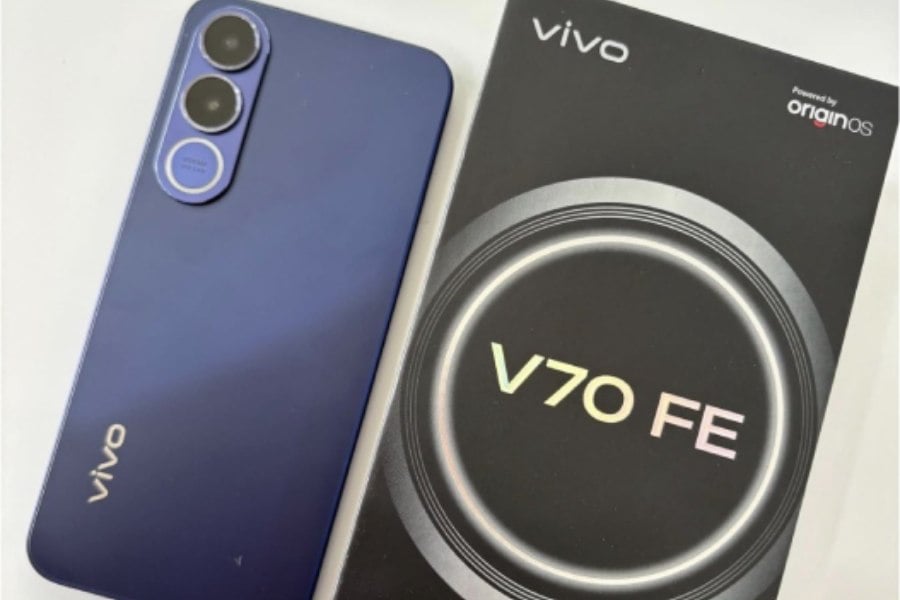
Vivo has also started teasing key details ahead of the event. The company confirmed that the V70 FE will ship with a dual rear camera system led by a 200-megapixel primary sensor. 

Teaser images also show off the phone’s slim display bezels and three color options—Muse Purple, Ocean Blue, and Titanium Silver. 

Vivo V70 FE Specifications (Expected)

Alongside the 200MP main sensor sits an 8-megapixel ultra-wide camera for broader scenes. On the front, there’s a 32-megapixel camera designed for selfies and video calls.

The V70 FE is expected to feature a 6.83-inch AMOLED display with a 1.5K resolution and a 120Hz refresh rate. If you notice, the screen also has a gentle curve on the side. 

Powering the device is MediaTek’s Dimensity 7360-Turbo chipset, built on a 4nm manufacturing process. It’s paired with multiple memory options: 8GB of RAM with 256GB of storage, 12GB with 256GB, and 8GB with 512GB.

The phone runs on OriginOS 6 out of the box. Vivo says it will support the device with up to six years of system updates and promises five years of smooth performance.

The V70 FE packs a large 7,000mAh “BlueVolt” battery, paired with 90W FlashCharge support for faster top-ups.

Rounding out the spec sheet are dual stereo speakers and IP68 and IP69 ratings for dust and water resistance.

For more daily updates, please visit our News Section.

Stay ahead in tech! Join our Telegram community and sign up for our daily newsletter of top stories.

OnePlus 16, iQOO 16, and Redmi K100 Pro Max all tipped to launch at higher starting prices

2026 is expected to be the year when Apple, Qualcomm, and MediaTek release their 2nm flagship mobile processors. Apple is reportedly preparing its A20 series chip. Qualcomm is working on the Snapdragon 8 Elite Gen 6 series, while MediaTek is said to be developing the Dimensity 9600.

On paper, this new silicon is expected to deliver a major performance leap across flagship smartphones. But there’s a catch, an expensive one in fact.

According to recent reports, the cost of a single 2nm wafer from TSMC is expected to exceed $30,000. That’s nearly double the price of today’s mainstream 4nm wafers. Manufacturing at this scale is not just technologically difficult; it’s also financially demanding.

Flagship phones from sub-brands will increase in price in 2026

When core components become more expensive, the final product usually follows. A well-known industry tipster, Digital Chat Station, claims that next-generation flagship smartphones from sub-brands like OnePlus, iQOO, and Redmi equipped with 2nm chips will start at 5,000 yuan (~$725). The base variant is said to feature 12GB of RAM and 256GB of storage.

For comparison, current flagships from these brands start at significantly lower prices. The OnePlus 15 starts at 3,999 yuan for the 12GB/256GB variant. The iQOO 15 launched at 4,199 yuan. Likewise, the Redmi K90 Pro Max retails for 3,999 yuan.

Brands are unlikely to absorb higher chip fabrication costs on their own. Instead, many are expected to adopt differentiated strategies within their product lineups. Not every model will ship with a 2nm processor; standard versions may continue using refined 3nm chips, which are more mature and less expensive to produce.

For consumers, the promise of faster speeds and improved battery efficiency is appealing. But so is a reasonable price. If entry-level flagship pricing climbs past 5,000 yuan, the barrier to experiencing cutting-edge hardware will rise significantly.

Don’t miss a thing! Join our Telegram community for instant updates and grab our free daily newsletter for the best tech stories!

For more daily updates, please visit our News Section.

(Source)

Snapdragon X2 Elite Extreme X2E-96-100 impresses in Geekbench CPU, GPU tests

Qualcomm’s next push into high-performance Windows laptops is starting to show up in benchmarks, and the early numbers look promising.

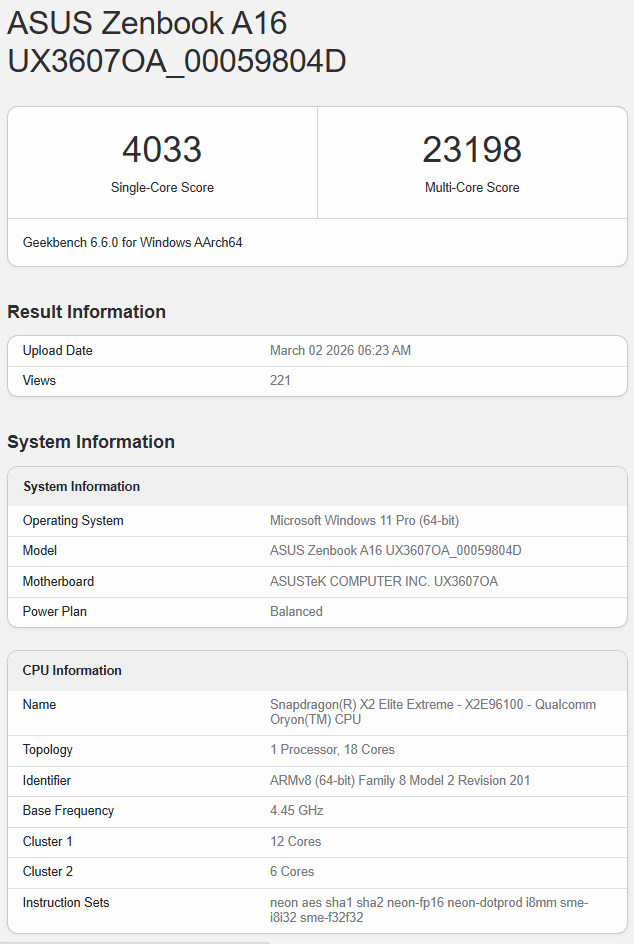
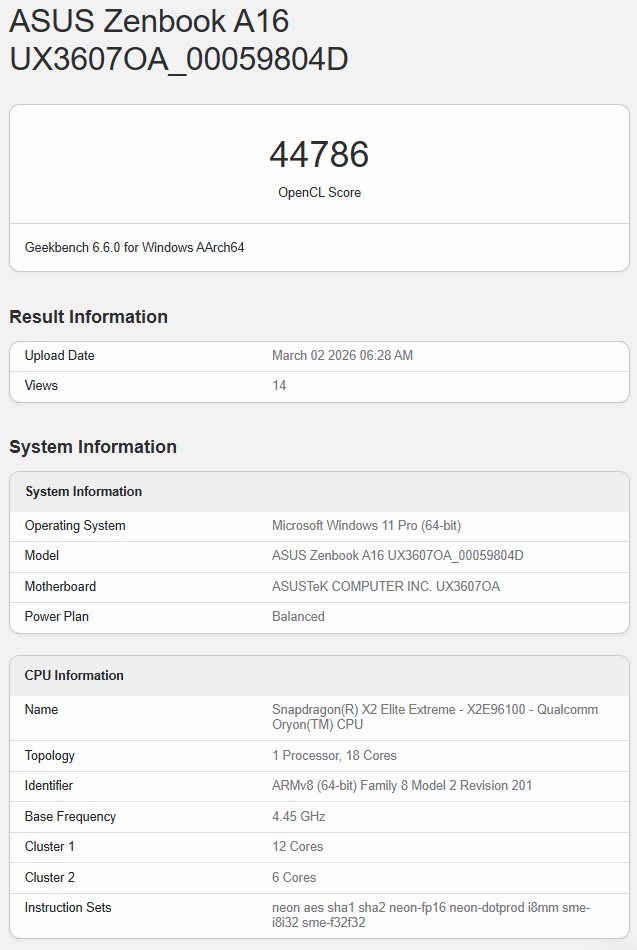
The upcoming Snapdragon X2 Elite Extreme (X2E-96-100) has finally appeared in a leaked Geekbench listing tied to an Asus Zenbook A16 configuration with 48GB of RAM. While the chip was announced earlier and even shown in a few prototype devices at CES 2026, this is one of the first independent benchmark entries to surface publicly.

In Geekbench 6.6.0, the processor reportedly scored 4,033 in single-core and 23,198 in multi-core tests. Those results put it in interesting territory.

On the single-core side, the chip appears to edge past Apple’s Apple M4 Max, which typically lands somewhere around the high-3,800 to low-3,900 range in the same benchmark. Multi-core performance still favors Apple, though, with the M4 Max hovering closer to 25,700.

Compared with current Windows-focused competitors, the results look significantly stronger. AMD’s top Strix Halo configurations generally score around 2,900 single-core and 18,000 multi-core, while Intel’s Core Ultra X9 388H Panther Lake part sits roughly in the 3,000 / 17,800 range. If the numbers hold up, Qualcomm’s new chip would represent a clear step forward for Windows-on-Arm performance.

Graphics performance also appears to have taken a notable leap. The integrated Adreno X2-90 GPU — listed with 16 compute units — achieved 44,786 points in Geekbench’s OpenCL test. That’s almost double what earlier Snapdragon X Elite graphics managed in similar benchmarks.

The Snapdragon X2 Elite lineup is expected to feature Qualcomm’s updated Oryon CPU architecture, with an 18-core design and boost clocks reportedly reaching up to 5.0 GHz on prime cores. The chip also includes an 80 TOPS NPU aimed at accelerating AI workloads.

The leak gives an early glimpse of Qualcomm’s ambitions. The company has spent the past few years positioning Snapdragon chips as a serious alternative to traditional laptop processors, promising much improved power efficiency and battery life.

If production laptops deliver results close to these numbers, the Snapdragon X2 Elite could end up being Qualcomm’s strongest attempt yet at challenging both Apple Silicon and the latest x86 processors.

Don’t miss a thing! Join our Telegram community for instant updates and grab our free daily newsletter for the best tech stories!

For more daily updates, please visit our News Section.

(Sources: 1, 2 | Image: Qualcomm)

Redmi K100 Pro Max chipset, 200MP triple camera setup tipped, Poco F9 Ultra may mirror this

Redmi is expected to unveil the Redmi K90 Ultra and K90 Pro in April this year in China. A couple of months later, the brand may introduce the Redmi K100 lineup, featuring the K100 and K100 Pro Max. The latter could be Redmi’s most powerful flagship phone.

Redmi K100 Pro Max chip, camera details emerge

Redmi K100 Pro Max key details emerge

A report that surfaced last month revealed that the Redmi K100 and K100 Pro Max could both be powered by Qualcomm’s Snapdragon 8-series chipsets. While these devices are expected to remain exclusive to the Chinese market, their rebranded versions, dubbed the Poco F9 Pro and F9 Ultra (or Pro Max), may launch globally.

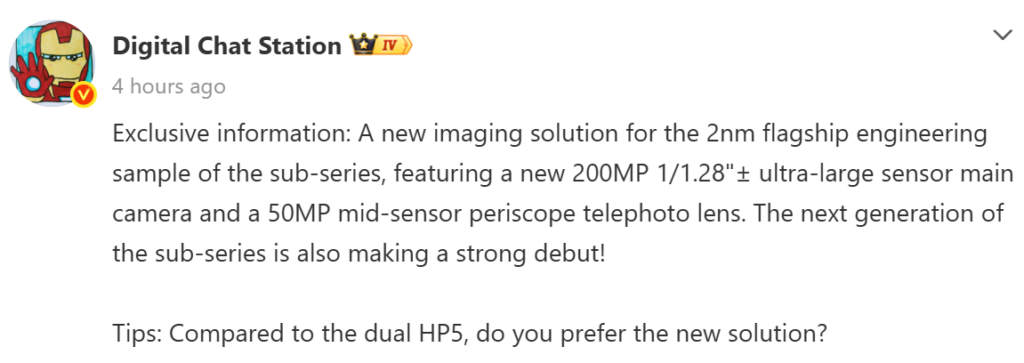
A new leak by reliable tipster Digital Chat Station talks about an upcoming Redmi flagship phone whose prototype is powered by a 2nm chip. This device appears to be the Redmi K100 Pro Max equipped with the next-generation 2nm Snapdragon 8 Elite Gen 6.

He added that Redmi could be testing a new camera setup featuring a 200-megapixel main camera backed by a 1/1.28-inch sensor and a 50-megapixel mid-tier periscope telephoto lens. In comparison, the Redmi K90 Pro Max has the Snapdragon 8 Elite Gen 5 chip and a triple 50-megapixel camera setup.

Therefore, it is likely that the Redmi K100 Pro Max’s rear camera setup may feature a 200-megapixel main camera, a 50-megapixel ultra-wide lens, and a 50-megapixel periscope telephoto camera. As a rebranded edition, the Poco F9 Ultra may feature the same camera setup and the Snapdragon 8 Elite Gen 6.

The rest of the specifications of the Redmi K100 Pro Max / Poco F9 Ultra remain under wraps. More details about these devices are expected to surface in the coming days. Likely, the K100 series may debut in October this year in China, whereas the Poco F9 lineup may hit the global market by Q1 2027.

For more daily updates, please visit our News Section.

Stay ahead in tech! Join our Telegram community and sign up for our daily newsletter of top stories
DJI Osmo Pocket 4 leak reveals removable LED light, new zoom controls

More details about DJI’s upcoming Osmo Pocket 4 are starting to surface, and the latest leak suggests the small vlogging camera may bring a few more practical upgrades than earlier rumors hinted.

The new information comes from tipster Igor Bogdanov, who shared additional pages from what appears to be the device’s full Quick Start Guide. The document is labeled for the Creator Combo version, which usually includes extra accessories aimed at content creators.

One of the more interesting additions revealed in the new pages is a removable LED floodlight accessory. Instead of building a light directly into the camera body, DJI appears to have designed a small module that attaches to the bottom of the device, likely through a magnetic or mechanical connection.

The light itself includes physical buttons that allow users to adjust both brightness and color temperature, each with three levels. For vloggers filming in dim environments, that could be a handy option without needing to carry separate lighting gear. At the same time, keeping it detachable helps the camera stay compact when the light isn’t needed.

Another tweak involves physical zoom controls. According to the diagrams in the guide, the Osmo Pocket 4 will include a dedicated zoom button that quickly switches between 1×, 2×, and 4× zoom levels. The higher levels appear to rely on digital zoom rather than optical, though earlier leaks have suggested that a separate Osmo Pocket 4 Pro model could introduce optical zoom. The guide also hints at support for a magnetic auxiliary lens.

As for timing, earlier reports indicate the Osmo Pocket 4 could be officially announced in China on March 26 with sales beginning shortly afterward. A global launch may follow soon after, possibly in April, which would match DJI’s typical rollout pattern.

For now, the Osmo Pocket 4 looks like a careful evolution of DJI’s pocket-sized gimbal camera, adding a few thoughtful tools for creators without straying too far from what already works.

Don’t miss a thing! Join our Telegram community for instant updates and grab our free daily newsletter for the best tech stories!

For more daily updates, please visit our News Section.

(Source: Igor Bogdanov)

Modder fits Honor Magic V6 Blade batteries into Galaxy Z TriFold for staggering 9,600mAh capacity

Foldable phones are already engineering puzzles. Now imagine opening one up and trying to nearly double its battery capacity.

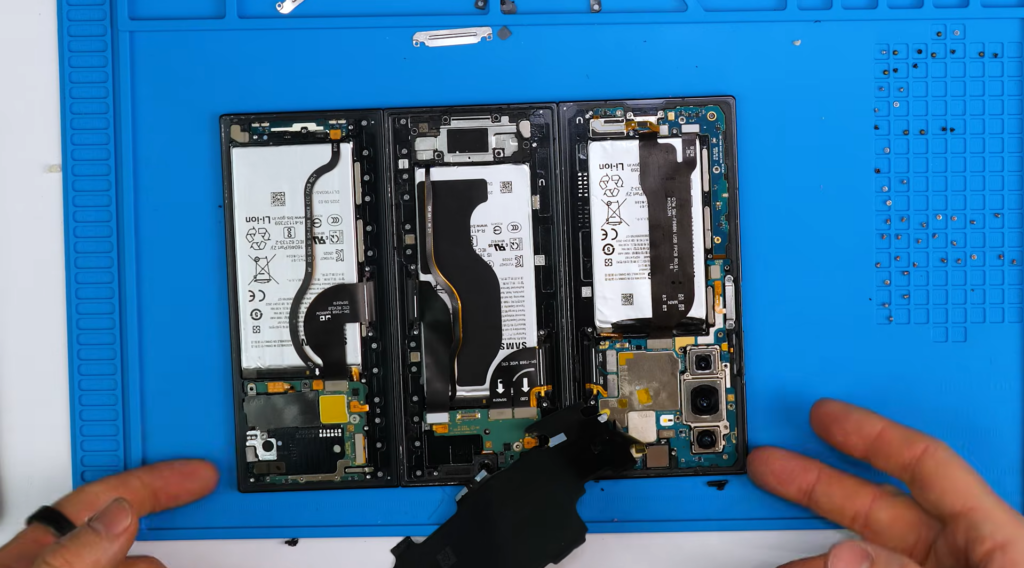
That’s essentially what YouTuber Scotty Allen attempted in his latest project. Allen, best known for the Strange Parts channel and its ambitious repair experiments, decided to see what would happen if he replaced the battery inside Samsung’s tri-fold phone with a high-energy-density silicon-carbon battery pack taken from a rival device.

Samsung’s Galaxy Z TriFold ships with a three-cell battery pack with a total capacity of 5,600mAh. Honor’s latest book-style foldable, in comparison, manages a battery capacity of around 6,660mAh. Allen’s idea was simple in theory: take those high-density battery cells and retrofit them into Samsung’s device.

In practice, it turned into a far more complicated job. The Honor Magic V6’s battery cells are slightly larger than the spaces available inside the TriFold, so Allen had to physically modify the phone to make them fit. That meant CNC-milling parts of the chassis, grinding down hinge components, and even removing the bottom speaker to free up room.

There was also the matter of battery electronics. Allen replaced Honor’s battery management system with Samsung’s to ensure the phone could properly recognize and manage the new cells.

The end result, at least on paper, was a 9,600mAh battery pack inside the TriFold. That’s about 71% more capacity than the original 5,600mAh configuration.

The modified phone actually powers on and runs. But the surgery didn’t come without consequences. A visible white line now runs across the display, likely the result of stress during disassembly or reassembly.

Still, the experiment makes an interesting point. Being able to squeeze significantly more capacity into the same physical volume could dramatically improve endurance for these devices.

Samsung, for its part, has been cautious about adopting the technology. After past battery incidents, the company has tended to prioritize reliability over aggressive capacity jumps.

But a recent report suggests Samsung may finally be preparing to use silicon-carbon batteries in future Galaxy phones, possibly starting with slim devices like the rumored Galaxy S26 Edge.

Don’t miss a thing! Join our Telegram community for instant updates and grab our free daily newsletter for the best tech stories!

For more daily updates, please visit our News Section.

(Source)

Oppo Find X9 Ultra’s dual periscope telpehoto camera details emerge again, up to 10x zoom tipped

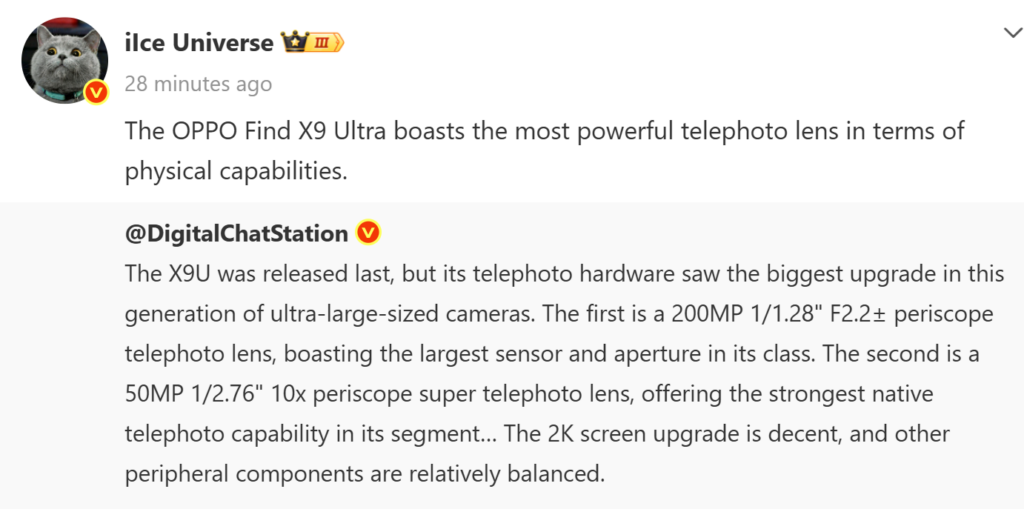
In a Weibo post, reliable tipster Ice Universe has claimed the upcoming Oppo Find X9 Ultra could feature one of the strongest telephoto systems at the hardware level. In support of this claim, he has reposted a post shared by tipster Digital Chat Station, which reiterates the periscope camera details of the X9 Ultra. Here’s a look at the details shared by him.

Dual periscope telephoto camera details surface

According to DCS, the Find X9 Ultra may arrive with a significantly improved zoom camera configuration. The device is said to feature a 200-megapixel periscope telephoto sensor with a large 1/1.28-inch sensor size and an aperture around F2.2. This lens is expected to deliver stronger light capture compared to most telephoto cameras currently available in flagship smartphones.

Alongside it, the phone could include a second periscope camera designed for extreme zoom. This sensor is tipped to be a 50-megapixel unit with roughly 10x optical zoom and a 1/2.76-inch sensor. The combination of these two lenses could allow the device to cover both mid-range zoom photography and longer focal lengths with improved clarity.

Previous leaks have also outlined that the Find X9 Ultra could be equipped with a new 200-megapixel OmniVision OV52A mid-range periscope lens with 3x optical zoom at 70mm. This could be accompanied by a 50-megapixel Samsung JN5 periscope telephoto camera with 10x optical zoom and 230mm focal length.

For the primary camera, the X9 Ultra may feature the all-new 200-megapixel Sony LYT-901 primary camera with a 23mm focal length. It could be coupled with a 15mm 50-megapixel Samsung JN5 ultra-wide lens. For selfies, it may feature a Samsung JN5 50-megapixel camera with autofocus support.

Oppo Find X9 Ultra launch timeframe

Apart from the camera upgrades, the phone is expected to feature a 2K display along with balanced flagship hardware across other areas. However, the biggest highlight remains the upgraded telephoto system aimed at improving long-range photography.

As for the launch timeline, reports indicate that Oppo may introduce the Find X9 Ultra in China around April this year, possibly alongside the Find X9s Pro. The global debut could follow later in the second quarter, where it may launch together with the Find X9s series.

For more daily updates, please visit our News Section.

Stay ahead in tech! Join our Telegram community and sign up for our daily newsletter of top stories

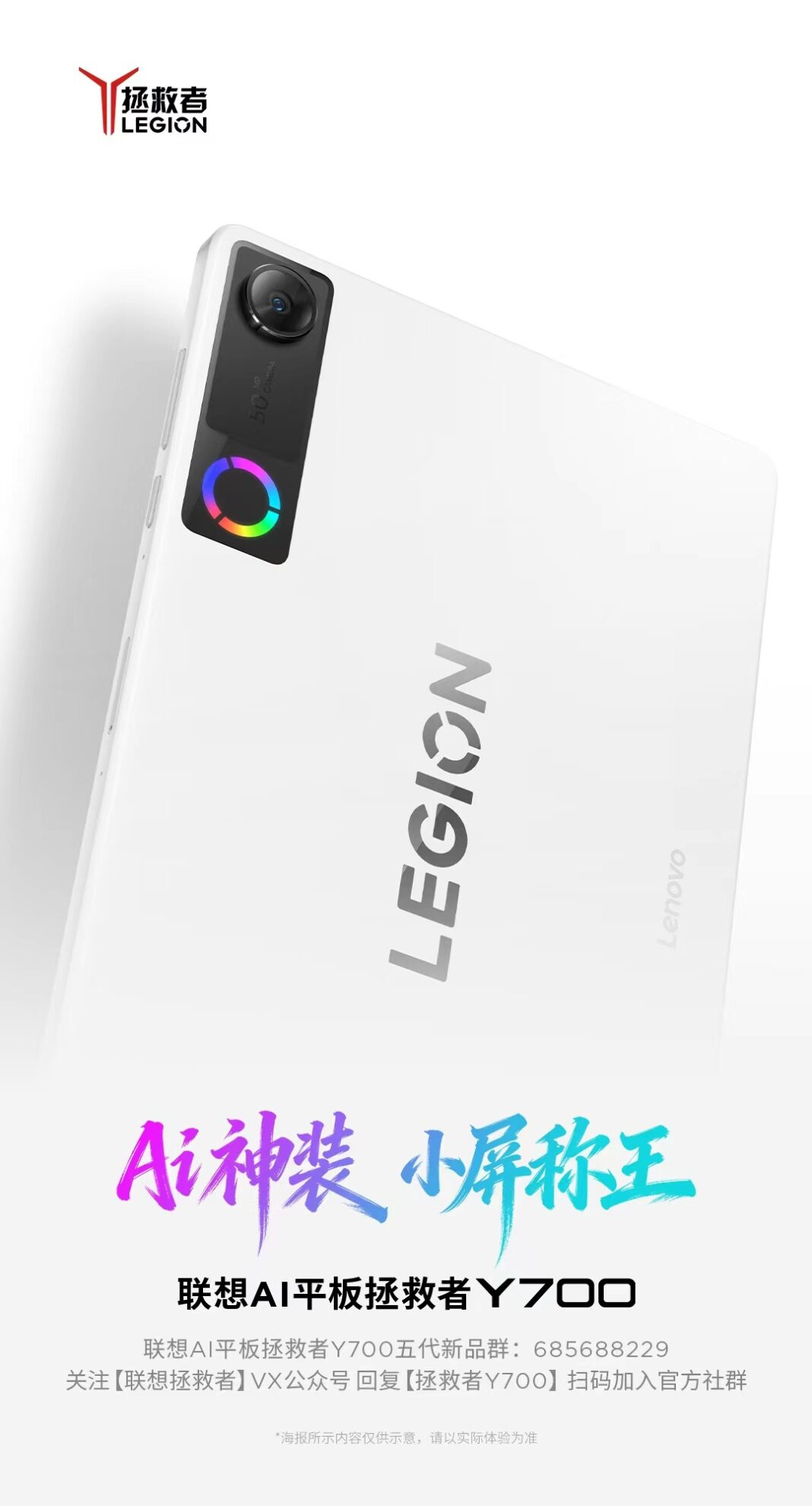
Lenovo confirms Xiaoxin Pro 13 and Legion Y700 (2026) launch date, here are the specs we know

Lenovo has been teasing the Xiaoxin Pro 13 and Legion Y700 (2026) tablet for quite some time. Now, we finally have a date to look forward to.

Lenovo today confirmed that it will hold an AI-focused tablet launch event on March 18, where it will introduce the fifth-generation Legion Y700 and the Xiaoxin Pro 13.

According to Lenovo, the new Legion Y700 delivers the strongest performance in the lineup’s history. The Xiaoxin Pro 13 series, meanwhile, focuses on its display, which Lenovo says is the largest and best screen the series has offered so far.

If some of this sounds familiar, that’s because Lenovo already showed part of its hand at MWC. 

The company recently introduced the Lenovo Legion Tab (8.8”, 5), which is said to be the international version of the Legion Y700 (2026). It also unveiled the Lenovo Idea Tab Pro Gen 2, which could be the upcoming Xiaoxin Pro 13 for the global market. 

Lenovo Legion Y700 (2026) Specifications

The Legion Tab (8.8”, 5) is powered by Qualcomm’s Snapdragon 8 Elite Gen 5 processor and features an 8.8-inch 3K display with a 165Hz refresh rate and 600 nits of brightness. 

It comes with 16GB of LPDDR5X-10667 RAM and 512GB of UFS storage. There are dual USB-C ports, a 9,000mAh battery, and a total weight of 360 grams.

Lenovo says its upgraded Legion Coldfront liquid cooling system is 32 percent more efficient than the previous generation. The tablet also includes Lenovo’s AI Engine+ software, which uses AI to enhance audio quality, reduce noise, and improve touch responsiveness.

The Legion Tab (8.8”, 5) is scheduled to go on sale in April 2026, with a starting price of €999.

Lenovo Xiaoxin Pro 13 Specifications

On the other side, the Idea Tab Pro Gen 2 runs on Qualcomm’s Snapdragon 8s Gen 4 platform and features a 13-inch 3.5K PureSight Pro display, with an optional matte eye-care panel. It includes a JBL quad-speaker system and supports Dolby Vision and Dolby Atmos.

The tablet is just 6.20mm thick and weighs under 600 grams. Inside, there’s a 10,200mAh battery with support for 45W fast charging. Lenovo is also bundling a 2-in-1 keyboard with a dedicated smart key, and the tablet supports the Lenovo Tab Pen Plus stylus for note-taking and drawing.

The Idea Tab Pro Gen 2 is set to launch in March 2026 with a starting price of €549.

For more daily updates, please visit our News Section.

Stay ahead in tech! Join our Telegram community and sign up for our daily newsletter of top stories! 💡

JBL launches GO 5 Bluetooth speaker with audio tuned by Harman Acoustics

JBL has quietly announced the new JBL GO 5 speaker. The small, colorful Bluetooth speaker builds on the familiar GO design, but this time JBL is layering in a handful of meaningful upgrades.

At first glance, not much has changed about the design. The GO 5 keeps its compact, block-like shape, measuring 101 x 77.4 x 43 mm and weighing about 230 grams. It’s small enough to slip into a bag pocket without much thought. 

JBL is offering it in six color options, including Black, Red, Sky Blue, Pink, Orange, and Deep Blue (Cloisonne). There’s also WINK ambient lighting built in for a subtle visual layer. And as expected, the speaker comes with an IP68 rating for dust and water resistance. 

JBL GO 5 Specifications

Internally, JBL says the GO 5 has been tuned by the Harman Acoustics team. Output power is rated at 4.8W RMS, a modest bump that suggests slightly stronger sound compared to previous models. 

It uses a 45mm driver and offers a frequency response range of 100 Hz to 19 kHz (-6dB), with a signal-to-noise ratio above 85 dB. As expected from a speaker of this size, it’s built more for personal listening and small gatherings rather than filling large rooms.

For connectivity, the GO 5 moves to Bluetooth 6.0 and supports SBC, AAC, and LC3 codecs. JBL is also adding support for Bluetooth AURACAST, a newer feature designed to broadcast audio to multiple compatible devices. There’s an AirTouch one-touch pairing function as well, aimed at simplifying the setup process.

If you own more than one GO 5, you can power them on and have two units automatically connect to form a stereo pair. Multiple speakers can also be wirelessly linked together for a wider sound setup. 

For those who prefer a wired option, the GO 5 supports direct USB-C connection to a computer and includes a built-in DAC chip for digital audio playback.

Inside, there’s a 1000mAh lithium-ion battery (3.85Wh, equivalent to 3.8V/1000mAh). JBL claims up to 8 hours of music playback with lights off, depending on volume level and audio content. Charging takes about three hours using a 5V/1A USB-C input. The maximum operating temperature is listed at 40°C.

The JBL GO 5 is now available for pre-order in China for 399 yuan (roughly $58), with broader global availability expected in the coming days.

For more daily updates, please visit our News Section.

Stay ahead in tech! Join our Telegram community and sign up for our daily newsletter of top stories

(Via)

iQOO 16 tipped to retain 2K display while rivals shift to 1.5K panels

In October 2025, Vivo unveiled the Vivo X300 series, whereas its sub-brand iQOO announced the iQOO 15. It is likely that both companies will apply the same strategy for the next-generation flagships. While the rumor mill has already leaked a few details about the upcoming Vivo X500 series, details about the iQOO 16 have also started surfacing. A new leak, courtesy of tipster Smart Pikachu, has revealed a key detail about the iQOO 16’s display.

iQOO 16 to feature 2K display

According to the tipster, while most next-generation flagships are shifting to 1.5K displays, Vivo is reportedly testing two upcoming phones with 2K screens.

The iQOO 16 hashtag used in the Weibo post suggests that it could retain a higher-resolution 2K display instead of moving to the 1.5K panels many competitors are adopting.

While he has not mentioned the X500 series, a previous leak suggests that the entire lineup would feature 2K resolution displays.

The OnePlus 16 is expected to be one of the major rivals for the iQOO 16. This device is likely to retain the 1.5K resolution and a 165Hz refresh rate that were introduced on the OnePlus 15. Some unconfirmed reports suggest that the iQOO 16’s display refresh rate may upgrade to 165Hz.

At present, there is no information about the iQOO 16’s other specifications. Being a performance-focused flagship, it may feature the next-generation Snapdragon 8 Elite Gen 6 chipset and a massive battery. Hopefully, upcoming reports will shed more details about the iQOO 16’s innards.

For more daily updates, please visit our News Section.

Stay ahead in tech! Join our Telegram community and sign up for our daily newsletter of top stories

OnePlus 15T could be the only compact flagship with IP66, IP68, IP69 and IP69K ratings

For the past few days, OnePlus has been gradually revealing key details about the OnePlus 15T. A new updated released by a company executive reveals that the 15T will offer a comprehensive water resistance. Here is a look at the fresh details that have emerged today.

OnePlus 15T confirmed to arrive with IP68/69/69K rating

OnePlus 15T render
OnePlus 15T AI-generated render

According to OnePlus China president Li Jie, the OnePlus 15T will come with upgraded water resistance capabilities. The device is expected to support IP66, IP68, IP69, and IP69K ratings, which could make it one of the few smartphones in the market with this level of protection. If confirmed, it may also become the only compact flagship currently offering all four certifications together.

These ratings indicate resistance against dust as well as water exposure under different conditions. In particular, the IP69K standard means the device can withstand high pressure water jets and high temperature washing. Under testing conditions, devices with this rating can operate even when exposed to water pressure reaching around 100 bar and temperatures up to 80°C.

This level of durability suggests the phone may handle harsh environments such as heavy rain, hot water splashes, or intense cleaning conditions more reliably than typical smartphones. For everyday users, it could provide additional peace of mind during outdoor use, travel, or accidental exposure to water.

Expected specifications and design details

The OnePlus 15T is also expected to bring flagship hardware. Reports indicate that it will run on the Snapdragon 8 Elite Gen 5 chipset, paired with configurations reaching 16GB RAM and up to 1TB storage. Benchmark listings on AnTuTu reportedly show scores exceeding 4.45 million, hinting at strong performance.

The phone is said to feature a 6.32-inch compact display with extremely narrow and symmetrical bezels. Company executives have suggested that it could have one of the narrowest visual borders seen on a small smartphone.

Battery capacity may reach 7,500mAh, supported by 100W fast charging. Camera hardware could include a 200-megapixel or 50-megapixel main camera accompanied by a 50-megapixel periscope telephoto lens. A tweaked version of the device with the OnePlus 15s branding is expected to release in markets outside of China.

For more daily updates, please visit our News Section.

Stay ahead in tech! Join our Telegram community and sign up for our daily newsletter of top stories
Oppo Find X9 Ultra spotted with 100W charger at 3C certification, launch imminent

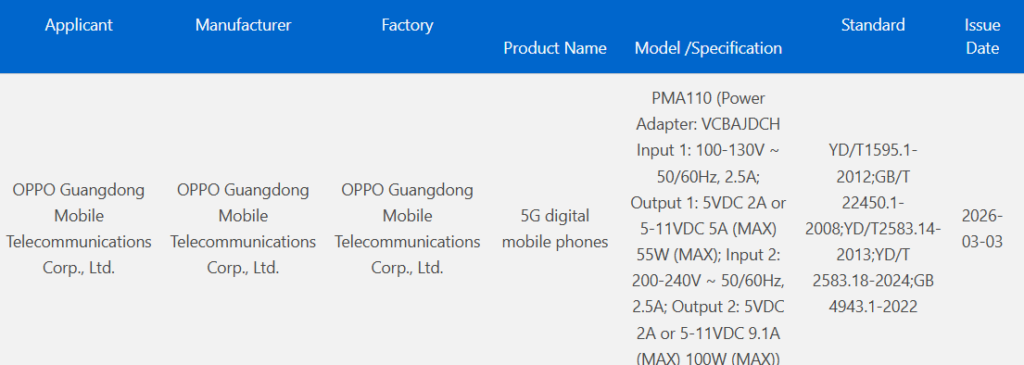
While Oppo is expected to unveil the Oppo Find N6 later this month in China, April could see the arrival of the Find X9 Ultra and Find X9s Pro. Last month, the X9s Pro was approved by China’s 3C certification platform, and now, in a new development, the X9 Ultra has also received the same approval. Here’s a look at the details that have surfaced through the certification.

Oppo Find X9 Ultra 3C certified

Oppo Find X9 Ultra 3C certfiied
Oppo Find X9 Ultra 3C certified

As can be seen above, an upcoming Oppo phone with model number PMA110 has received approval from the 3C authority. This device is said to carry the Oppo Find X9 Ultra branding when it hits the market.

The certification reveals that the Find X9 Ultra may ship with a 100W charger. This device appears to be the regular version, whereas the company is also expected to announce a satellite communication edition. Rumors suggest that it will also have support for 50W wireless charging.

Oppo has also confirmed that the Find X9 Ultra will be released globally. Rumors suggest that it may hit the global market in the second quarter of this year. Reports have revealed that the X9 Ultra will feature a Hasselblad-tuned 200-megapixel (main) + 50-megapixel (ultra-wide) + 200-megapixel (3x periscope) + 50-megapixel (periscope) quad-camera setup.

For selfies, it will have a 50-megapixel front-facing camera. It may feature a 6.82-inch OLED 2K 120Hz screen, a Snapdragon 8 Elite Gen 5 chip, and a 7,550mAh battery.

Oppo Find X9s Pro and Find X9s incoming

The Dimensity 9500-powered Find X9s Pro phone, which is expected to feature dual 200-megapixel cameras along with a 50-megapixel sensor, is said to remain exclusive to the Chinese market. However, the global market is likely to receive another model named the Find X9s.

The Find X9s, which is confirmed to feature the Dimensity 9500s chip, could be a toned-down version of the existing Find X9. Compared to the X9, the X9s is likely to feature different cameras and lack support for wireless charging. It is unclear whether this device will be released in China.

For more daily updates, please visit our News Section.

Stay ahead in tech! Join our Telegram community and sign up for our daily newsletter of top stories
MacBook Pro gets major upgrade with Apple M5 Pro and M5 Max chips

Apple has introduced updated 14-inch and 16-inch MacBook Pro models powered by its latest M5 Pro and M5 Max chips. The new machines focus on improving performance for demanding creative, development, and AI workloads while also adding faster storage and improved connectivity. The announcement expands Apple’s professional laptop lineup following the earlier debut of the base M5 chip.

MacBook Pro with M5 Pro, M5 Max specifications and features

MacBook Pro with M5 Pro and M5 Max

The new MacBook Pro models run on Apple’s M5 Pro and M5 Max chips, built on a new Fusion Architecture that connects two dies into a single system on a chip. This design integrates the CPU, GPU, Neural Engine, media engine, unified memory controller and Thunderbolt support on one platform, helping deliver higher performance for complex workloads.

Both chips feature an 18-core CPU made up of six high-performance “super cores” and twelve efficiency-focused performance cores, offering up to 30 percent higher performance in professional tasks. The graphics subsystem has also been upgraded with a next-generation GPU that scales up to 20 cores on M5 Pro and up to 40 cores on M5 Max. Each GPU core includes a Neural Accelerator designed to speed up AI processing.

M5 Pro and M5 Max
M5 Pro and M5 Max

Apple says the chips can deliver more than four times the peak GPU compute for AI compared with the previous generation, while also improving ray tracing performance for demanding visual effects and 3D rendering.

The laptops support up to 64GB unified memory on M5 Pro and up to 128GB on M5 Max, with memory bandwidth reaching 307GB/s and 614GB/s respectively. Storage now starts at 1TB and can go up to 8TB. Other features include a Liquid Retina XDR display with ProMotion up to 120Hz, Thunderbolt 5 ports, a new N1 wireless chip with Wi-Fi 7 and Bluetooth 6, a 12-megapixel Center Stage camera, studio-quality microphones and a six-speaker system with Spatial Audio. Apple claims battery life can reach up to 24 hours depending on usage.

MacBook Pro with M5 Pro, M5 Max price and availability

Apple has opened pre-orders for the new MacBook Pro models, with sales beginning on March 11. In the United States, the 14-inch MacBook Pro with the M5 Pro chip starts at $2,199, while higher configurations cost more depending on memory, storage and GPU options.

The larger 16-inch MacBook Pro with the M5 Pro processor starts at $2,699, while models powered by the M5 Max chip begin at $3,599, going higher depending on configuration choices such as GPU cores and memory capacity.

For more daily updates, please visit our News Section.

Stay ahead in tech! Join our Telegram community and sign up for our daily newsletter of top stories
Keychron launches the B11 Pro foldable keyboard with 138 hours of battery life

Keychron has introduced a new portable keyboard that folds in half and fits into a bag with ease. The new B11 Pro is designed for people who work across multiple devices and want something more ergonomic than the usual flat, straight keyboard layout.

Keychron B11 Pro Keyboard Specifications

The B11 Pro uses what Keychron calls a flat Alice layout. Unlike a traditional horizontal keyboard, the Alice-style design slightly splits and angles the keys to create a more natural typing position. 

It’s meant to reduce wrist strain over long sessions, while still keeping a familiar key arrangement. The keyboard supports all major platforms: macOS, Windows, and Linux.

As its name suggests, portability is a big part of the pitch. The B11 Pro features an inward-folding design, so the keys fold into themselves when closed. The main body is made of ABS plastic, while the back is covered in matte black PU leather.

At 258 grams, it’s light enough to carry around daily without adding noticeable weight to a backpack. Under the hood, the keyboard uses scissor-switch mechanisms instead of mechanical switches. That typically means quieter typing and a thinner overall profile. The keycaps are concave and made of ABS, shaped to guide fingers toward the center of each key.

For connectivity, the keyboard supports USB-C wired, 2.4GHz wireless, and Bluetooth 5.3 options. It also features a dual 1,000Hz polling rate.

Power comes from a built-in 250mAh battery, which Keychron says can deliver up to 138 hours of use on a single charge. The keyboard automatically powers off when folded and turns back on when unfolded. It’s rated to operate in temperatures ranging from -10 to 50 degrees Celsius.

The Keychron B11 Pro is priced at USD 64.99.

For more daily updates, please visit our News Section.

Stay ahead in tech! Join our Telegram community and sign up for our daily newsletter of top stories! 💡

MacBook Neo could be Apple’s most affordable laptop yet

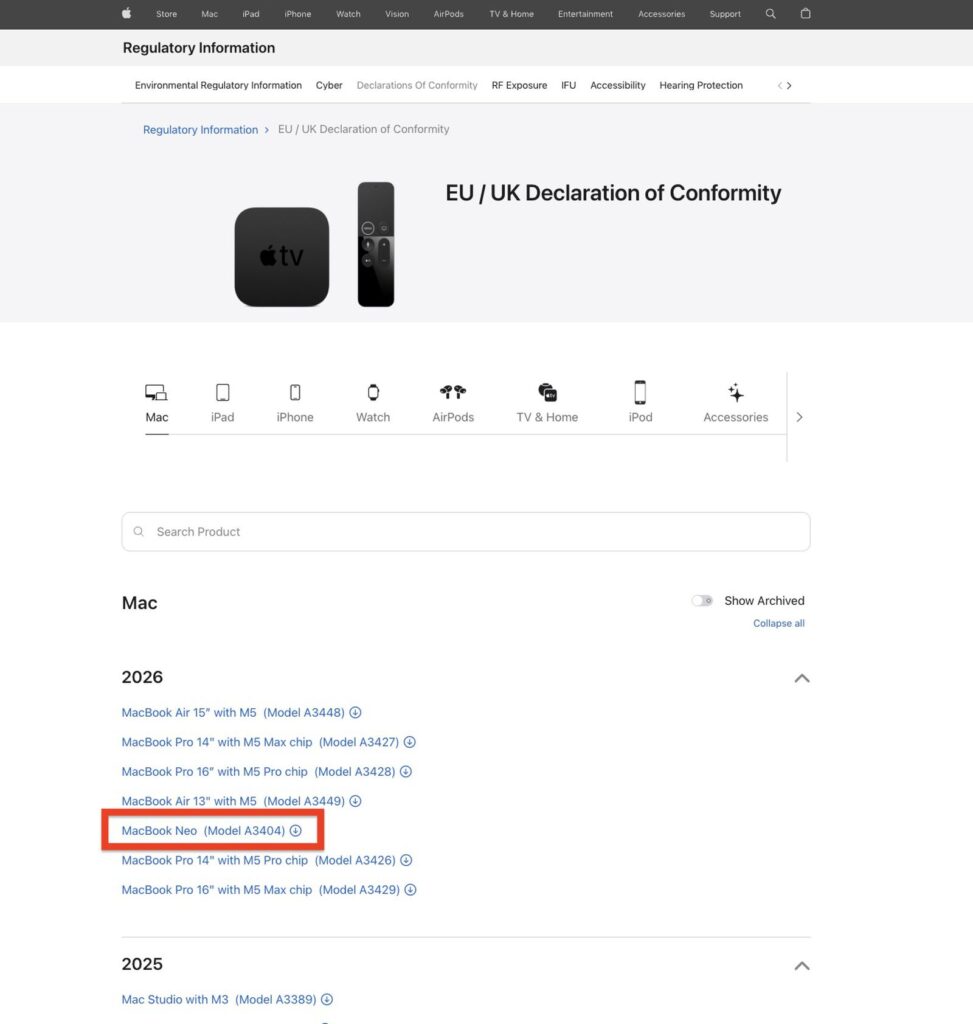
Apple may have unintentionally revealed the name of its rumored affordable MacBook ahead of its latest product announcements. A regulatory listing briefly appeared on Apple’s website referencing a device called the MacBook Neo. The listing disappeared soon after, but the brief appearance has fuelled speculation about a new entry-level Mac laptop.

MacBook Neo leak hints at Apple’s affordable Mac laptop

MacBook Neo
MacBook Neo name appears on Apple’s website

The reference was spotted in a regulatory compliance document linked to Apple’s European listings. While the document itself did not display the product name inside the file, the webpage URL contained the name “MacBook Neo” along with the model number A3404. Observers noticed the listing before Apple removed the page, suggesting the information may have been published earlier than intended.

Reports about a lower-cost MacBook have been circulating for several months. The device is believed to sit below the MacBook Air in Apple’s lineup and target students, first-time buyers and users who want access to macOS at a lower price point. If launched, the MacBook Neo could represent Apple’s attempt to expand its presence in the affordable laptop segment.

Rumours indicate that the laptop may not rely on Apple’s M-series processors used in existing Mac models. Instead, it could be powered by an iPhone-class chip such as the A18 Pro or a newer A-series processor. Such a shift could help Apple lower production costs while still delivering efficient performance and strong battery life for everyday tasks like browsing, document editing and streaming.

Early leaks suggest the MacBook Neo could feature a 12.9-inch display and come in multiple color options, including blue, green, yellow and pink. The design is expected to remain consistent with Apple’s minimalist aluminium build, but with a focus on portability and long battery life.

Pricing rumours currently place the device between $599 and $799. If accurate, it would become the most affordable MacBook available. Apple is expected to reveal more details during its ongoing product announcement week or through a newsroom update soon.

For more daily updates, please visit our News Section.

Stay ahead in tech! Join our Telegram community and sign up for our daily newsletter of top stories

(via)

Edifier launches MK12 wireless lavalier mic with 15h battery life & DSP processing

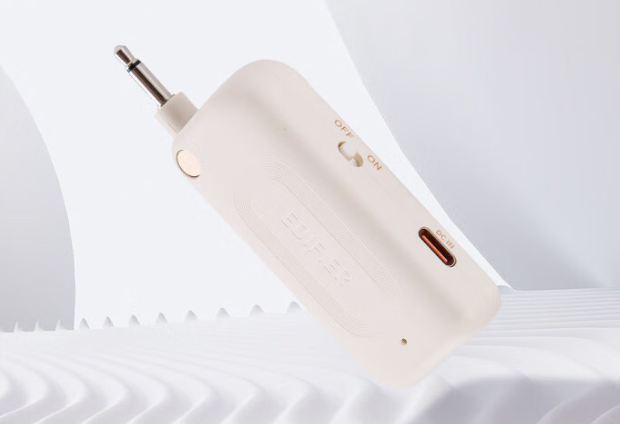
Edifier has introduced the MK12 wireless lavalier microphone in China. It is now available on JD.com for 139 yuan ($20). The microphone is available in two colors, Classic Black and Cloud Rock White, and is designed for simple, plug-and-play use with a wide range of audio systems.

Edifier MK12 Microphone

Edifier MK12 Microphone Specifications

The MK12 includes a clip-on transmitter and a receiver with a standard 3.5mm audio plug. This design allows it to connect directly to speakers, portable amplifiers, sound systems, and mixers without requiring additional setup. Edifier has developed a custom housing for the MK12, moving away from generic molds to create a more distinctive design.

Edifier MK12 Microphone

The microphone uses 2.4GHz wireless transmission to ensure a stable connection. Edifier claims the device can maintain an unobstructed wireless range of over 30 meters. It features a high-sensitivity, unidirectional electret condenser capsule that is tuned for clear vocal pickup. The company positions the MK12 as a solution for classrooms, training sessions, sales presentations, and promotional events.

Edifier has included a built-in DSP chip for audio processing. The DSP provides anti-feedback technology to reduce howling and improve voice clarity, even during live amplification. It also supports advanced features like Acoustic Echo Cancellation (AEC) and Environmental Noise Cancellation (ENC). These technologies help eliminate background noise and maintain clear speech, even in demanding environments.

Edifier MK12 Microphone

The transmitter includes a 300mAh battery, which provides up to 15 hours of use on a single charge. The microphone uses a clip-on design for easy attachment to clothing, while the receiver comes with a lanyard for added portability.

The MK12 has a frequency response of 100Hz to 10kHz, which is optimized for voice rather than music. It supports both 3.5mm and 6.35mm inputs, with an adapter included in the package for compatibility with larger connectors.

In related news, Edifier has recently launched the retro-inspired M330 II Bluetooth speaker with LDAC, AirPlay 2, and up to 14 hours of battery life, alongside the Hecate Air 3 Commander open-ear gaming headset with 2.4G wireless connectivity and Bluetooth 6.0 support.

For more daily updates, please visit our News Section.

Stay ahead in tech! Join our Telegram community and sign up for our daily newsletter of top stories! 💡

(JD)

Motorola Launches Moto Buds 2 Plus with Sound by Bose and Moto Buds 2 with 48-Hour Battery

Motorola has introduced two new wireless earbuds at MWC 2026 as part of its Moto Things ecosystem. The new models are the Moto Buds 2 Plus and the Moto Buds 2. Both earbuds focus on delivering strong audio performance, active noise cancellation, and smart features in a compact design with Pantone color finishes.

moto buds 2 plus

The Moto Buds 2 Plus are designed for users who move between work, calls, and entertainment throughout the day. The earbuds use Sound by Bose technology, tuned to deliver balanced and detailed audio.

They feature 11mm dynamic drivers for deeper bass and Knowles balanced armatures for improved clarity and precision. The earbuds support Hi-Res Audio with the Low-Latency High-Definition Audio Codec (LHDC) for high-quality wireless playback. Spatial Audio is also included to create a more immersive sound experience.

moto buds 2

To reduce distractions, the Moto Buds 2 Plus include Dynamic Active Noise Cancellation (ANC). This helps block outside noise while working or traveling. For calls, the earbuds use six microphones with Environmental Noise Cancellation and a high signal-to-noise ratio to deliver clearer voice audio. Users can also enable CrystalTalk AI in the Moto Buds app, which uses AI noise reduction to improve voice clarity in loud environments.

Battery life is rated at up to 9 hours on a single charge, with up to 40 hours of total playback when using the charging case. The earbuds support Dual Connection, allowing them to stay connected to two devices at the same time. Users can move between a laptop and a phone without reconnecting. The Audio Share feature lets two pairs of Moto Buds 2 Plus connect to one phone to listen together. Wear Detection automatically pauses audio when the earbuds are removed.

Users can customize touch controls for play, pause, track skipping, calls, or launching a voice assistant. On compatible Motorola devices, holding the earbuds activates Moto AI features such as Catch Me Up, Pay Attention, and Remember This. AI-powered translation is also supported on select devices.

moto buds 2

The Moto Buds 2 are aimed at everyday listening. They use 11mm dynamic drivers and 6mm micro planar magnetic drivers and support Hi-Res Audio with LHDC. Spatial Audio is also supported for more immersive playback.

moto buds 2 plus

They include Dynamic ANC rated up to 55dB, along with Transparency Mode so users can hear their surroundings when needed. The earbuds also feature six microphones with Environmental Noise Cancellation for clear voice calls.

Battery life reaches up to 11 hours on a single charge and up to 48 hours total with the charging case. A 10-minute charge provides up to 3 hours of playback.

The Moto Buds 2 support Dual Connection and use Bluetooth 6.0 for improved connectivity and faster speeds. A Gaming Mode in the Moto Buds app reduces audio latency for gaming. On supported Motorola devices, users can also access Moto AI features such as Catch Me Up, Pay Attention, and Remember This by holding the earbuds.

Availability

The Moto Buds 2 Plus start at €149/£130 and will launch in Europe, the Middle East, Latin America, and Asia Pacific in the coming weeks. Color options include PANTONE Cool White and PANTONE Silhouette.

The Moto Buds 2 start at €79 and will also launch in the same regions. They will be available in PANTONE Carbon, PANTONE Violet Ice, and PANTONE Gray Mist.

Don’t miss a thing! Join our Telegram community for instant updates and grab our free daily newsletter for the best tech stories!

For more daily updates, please visit our News Section.

Nubia Neo 5 GT Brings Built-In Fan Cooling, 144Hz AMOLED Display, and 6210mAh Battery

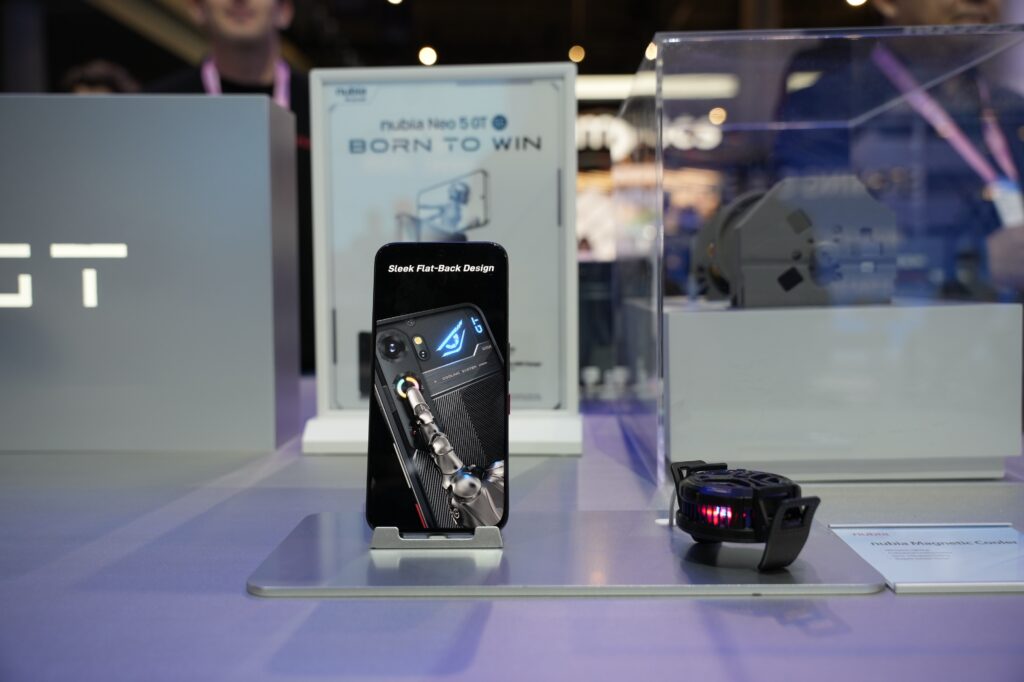
Nubia has unveiled the nubia Neo 5 GT at MWC Barcelona 2026. The phone targets young gamers and Gen Z users with a focus on cooling performance, gaming controls, and AI-powered features.

Nubia Neo 5 GT

Built-In Fan and Advanced Cooling

The Nubia Neo 5 GT is the only phone in its class with a built-in active cooling fan. It also includes a 29,508mm² cooling area and a Through-Flow Duct Design that directs airflow over the CPU and battery. This setup is built to control heat and maintain stable frame rates during long gaming sessions.

Nubia Neo 5 GT

The device runs on the MediaTek D7400 4nm processor with LPDDR5 memory rated at 6400Mbps. Performance is managed by the NeoTurbo Engine for consistent frame rates. A 360° Game Antenna helps maintain strong connectivity regardless of how the phone is held. The phone is certified for 120FPS gameplay on Garena Free Fire and MLBB. It also supports 90FPS on Delta Force with the Mid-Season update.

Triggers, Display, and Battery

The Nubia Neo 5 GT comes with 550Hz Neo Triggers 5.0 for four-finger control. It supports sub-5.5ms latency and a 3049Hz touch sampling rate. Magic Touch 3.0 keeps the screen responsive even with wet or sweaty fingers.

It features a 6.8-inch 1.5K AMOLED display with a 144Hz refresh rate and 4,500 nits peak brightness. SGS-certified Eye Care helps reduce eye strain. The 6,210mAh dual-cell battery supports up to 80W fast charging, while the EU version supports 45W PD charging. The 5% Extreme Mode delivers up to 23 minutes of gaming or 29 hours of standby. Bypass Charging powers the device directly during gaming without charging the battery.

Design, AI, and Cameras

The Neo 5 GT has a completely flat back with no camera bump, rounded corners, and a 90° charging cable. It includes stereo dual speakers with DTS:X Ultra, an X-Axis linear motor, and RGB lighting that reacts during gameplay.

AI Game Space 5.0 centralizes performance controls. AI Copilot Demi 2.0 includes a Gaming Coach, Gaming Chatbot, and Auto-Chat reply feature.

The series also includes a 50MP AI triple rear camera and a 16MP front camera. AI Memory, AI Scam Alert, AI Image and Text Generation, and AI Translate are included.

Pricing & availability

The device will launch globally starting in Southeast Asia in March with a starting price of €399.

For more daily updates, please visit our News Section.

Stay ahead in tech! Join our Telegram community and sign up for our daily newsletter of top stories.