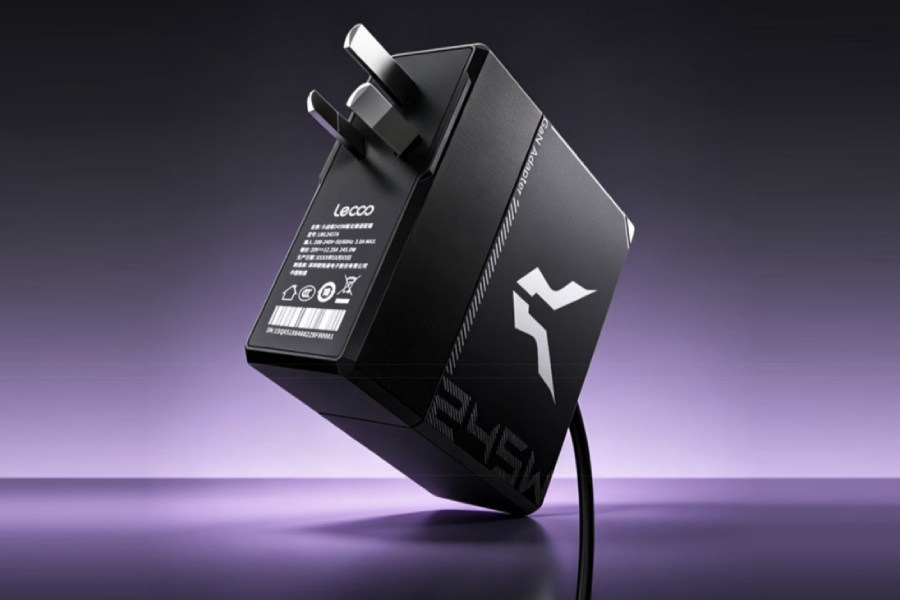
Lenovo has announced a new gallium nitride (GaN) power adapter in China, called the Lecoo Bellator 245W. As the name implies, it outputs up to 245W of power, which makes it clear that it’s intended for gaming laptops.
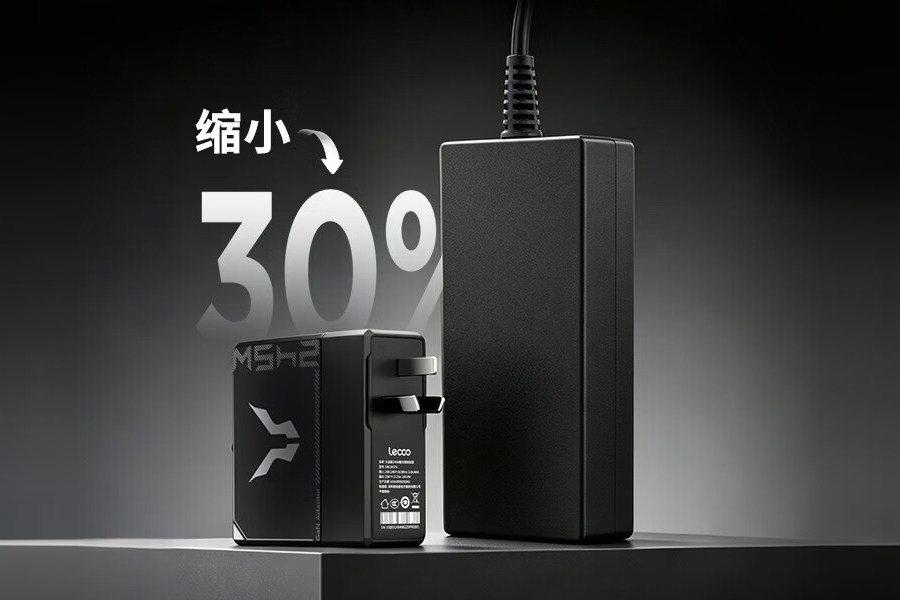
Now, as a GaN module, size is the main selling point here. Lenovo says the Lecoo Bellator 245W is about 30% smaller by volume and about 28% lighter than a standard 240W adapter. If you take your gaming laptop to class, the office, or a friend’s place, the difference adds up once the charger goes into the bag next to it.
It goes on sale on October 8 for 249 yuan, or about $37.
Size and weight
The Lecoo Bellator 245W measures 82 × 82 × 33 mm and weighs about 449.7 grams. High-wattage chargers tend to be bulky, and GaN is how Lenovo fits this much power into a smaller body.
Where to buyLenovo GaN laptop chargersBrowse the range on AmazonShop now →
The dimensions match the Legion 300W GaN4.0 adapter Lenovo announced in May, even though that one is rated 55W higher. Lenovo has been shrinking its gaming laptop adapters for a few years now, going back to the Legion C140 GaN charger from 2023.
It is not a pocket-sized charger. The Lecoo Bellator 245W uses a three-prong grounded plug, which fits a product designed for high-performance laptops. Still, you’re getting something easier to carry than a traditional adapter in the same power class.
The cable is built in, 1.5 meters long, and ends in a 5.5 x 2.5 mm round DC connector. So you have no separate cable to pack or lose. Lenovo has also used a thicker cable core and an internal shielding layer to ensure a steady power delivery.
The compatible laptops for the adapter include Lenovo Bellator 7000, Bellator 7000P, and Bellator 7000X. On these models, the adapter can enable Beast Mode and Battle Mode, the profiles that let the CPU and GPU run harder when the laptop is under stress. If you own one of these laptops, you get a smaller adapter option for 249 yuan.
On the sidelines of the Magic 9 series launch yesterday, Honor also announced the Honor Life S3 pocket e-ink screen reader. It’s a small 3.68-inch e-ink panel that attaches magnetically to the back of a phone and retails for 399 yuan (around $60).
Honor says the S3 is a mini book that can fit in your pocket. It weighs just 61g and measures 5.6mm thick, and the small size also means you can hold it in one hand for long reading sessions without much strain.
Honor Life S3 Specifications
The S3 has a 3.68-inch soft-light e-ink display with a 259 PPI pixel density. It is covered by a high-transparency frosted glass panel designed to give the screen a paper-like feel. The display also has a soft-light eye-protection feature, which should make it more comfortable to look at during longer reading sessions.
There are no physical buttons on the device. Instead, it uses a full-screen single-point touch design, allowing you to turn pages with a tap.
The magnetic attachment is one of the more unusual parts of the S3. Its built-in magnetic structure lets it snap onto the back of a compatible phone with a single click. Honor says the reader is thin enough to sit almost flush with the phone, so you can carry both devices together without adding much bulk.
Where to buyHonor e-ink readerBrowse the range on AmazonShop now →
It offers up to 30 hours of run time in continuous use, and normal use can stretch it to a week.
On the software side, the S3 comes pre-installed with RTOS that reportedly offers access to a library of more than 700,000 genuine books. The reader supports wireless book transfers through the Honor Smart Space app and works with common e-book formats. For storage, the S3 supports TF cards with capacities of up to 1TB.
At 399 yuan, the Honor S3 is for people who like reading during short breaks or while commuting but do not want to carry a larger e-reader. Its small size, low weight, and magnetic design make it easy to keep with a phone, while the e-ink display provides an alternative to reading on a smartphone screen.
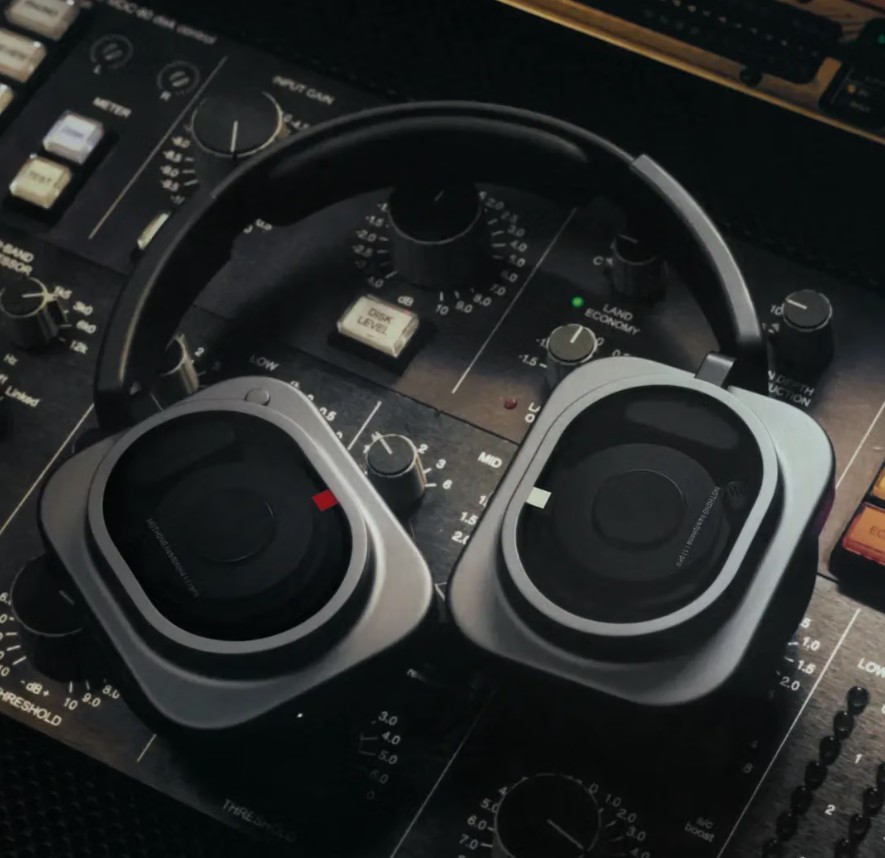
Nothing is taking its over-ear audio lineup further with the new Headphone (1) Pro, which has launched globally as the successor to last year’s model. The flagship headphones bring a triple-driver setup featuring an xMEMS tweeter, up to 46dB of adaptive ANC, LDAC connectivity, and up to 68 hours of playback. Nothing has also partnered with Metropolis Studios to tune the audio experience and added Dynamic Spatial Audio with head tracking.
Where to buyNothing Headphone (1) ProLatest price on AmazonCheck price →
Nothing Headphone (1) Pro specifications and features
Nothing Headphone (1) Pro
The biggest change comes in the acoustic hardware. The Headphone (1) Pro uses a 40mm bass driver alongside a 13 x 8mm precision dynamic driver and a 3.2 x 6.0 x 1.15mm xMEMS solid-state treble driver. It supports Hi-Res Audio, with LDAC delivering up to 24-bit/96kHz wireless playback. Through USB-C, the headphones support up to 24-bit/192kHz lossless digital audio, while the 3.5mm input supports up to 24-bit/96kHz analogue signals.
Nothing has equipped the headphones with 10 microphones for hybrid ANC, delivering up to 46dB of real-time adaptive noise cancellation. A separate four-microphone setup handles calls, with DNN-based processing designed to reduce wind and background noise. Dynamic Spatial Audio adds head tracking and five listening profiles, including Studio B, which is based on Metropolis Studios’ room.
Nothing Headphone (1) Pro
The headphones feature Bluetooth 6.1 with AAC, SBC, LDAC, and LC3 support, along with Google Fast Pair, Microsoft Swift Pair, dual connectivity, low-lag mode, and in-ear detection. The 327-gram design combines titanium and aluminum, while the earcups offer up to 20 degrees of tilt. There is also an IP52 rating and physical roller, paddle, and button controls.
Nothing Headphone (1) Pro
A 1,060mAh battery provides up to 68 hours of AAC playback without ANC or 30 hours with ANC enabled. LDAC playback lasts up to 53 hours without ANC and 28 hours with it. A five-minute charge provides up to four hours of playback without ANC.
The Nothing Headphone (1) Pro is available in Black and White for $399, £349, or €349. It is sold through Nothing’s official website and authorized retail partners.
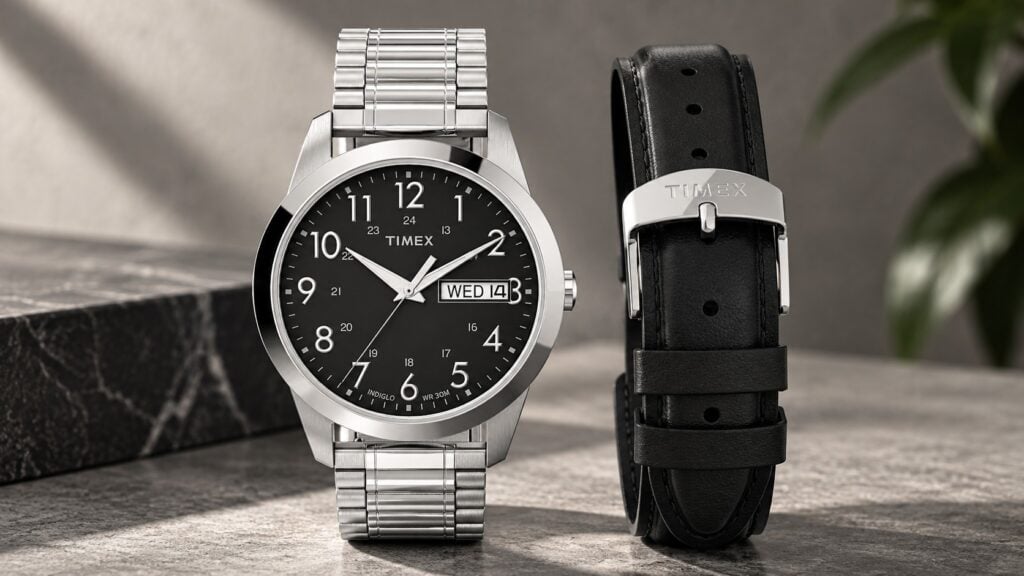
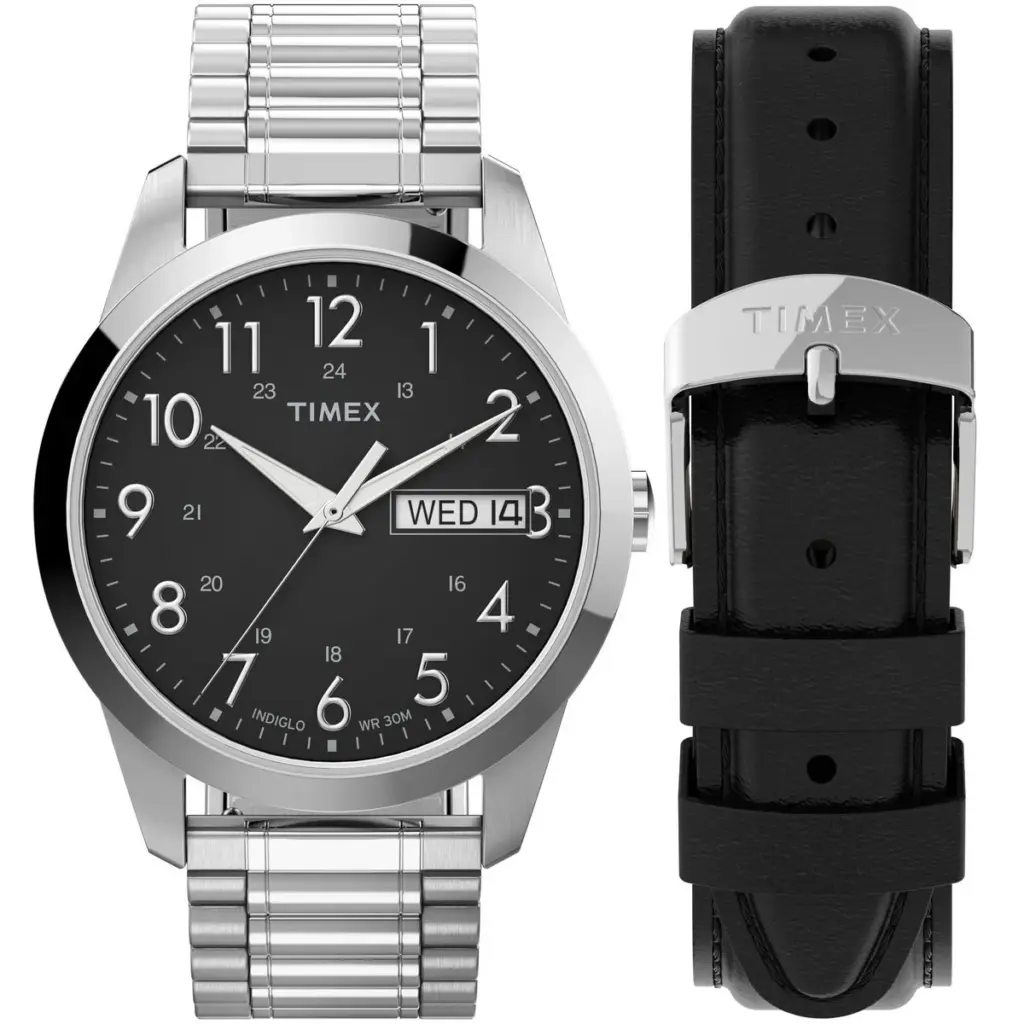
Timex has launched a new analog watch in India called the Main Street Round Black Dial (TWG027900JQ). It is priced at ₹11,995 ($125) and is now available through the Timex India website. The design draws inspiration from Timex watches from the late 1970s, giving it a distinctly classic look.
Edited
Design Details
The watch features a compact silver-tone brass case. While the marketing text briefly mentions a 38mm case, the official specification sheet and product title explicitly list a 36mm diameter, which aligns with the smaller, vintage proportions the watch aims to replicate.
The case has a thickness of 13.8mm and utilizes standard mineral glass to protect the dial. The face itself is a high-contrast black analog dial designed for straightforward readability, avoiding the clutter of chronographs or hybrid smart features. The total weight of the unit sits at a relatively light 90 grams.
Internally, the TWG027900JQ operates on a standard battery-powered quartz movement. For low-light visibility, Timex has integrated its signature INDIGLO backlight technology, which illuminates the dial when activated.
The watch also features a standard date window and offers 30 meters of water resistance. This makes it suitable for everyday splashes and rain, but not for swimming or showering.
Where to buyTimex Main Street Round Black DialLatest price on AmazonCheck price →
Timex ships the watch as a two-strap set. It comes fitted with an 18mm silver-tone stainless steel expansion band, which the company calls its Perfect Fit band.
The bracelet can be adjusted to fit wrist sizes from 150mm to 205mm (5.9 to 8.1 inches) without requiring special tools. The box also includes a black leather strap with a traditional buckle clasp, giving buyers another option for a more classic look.
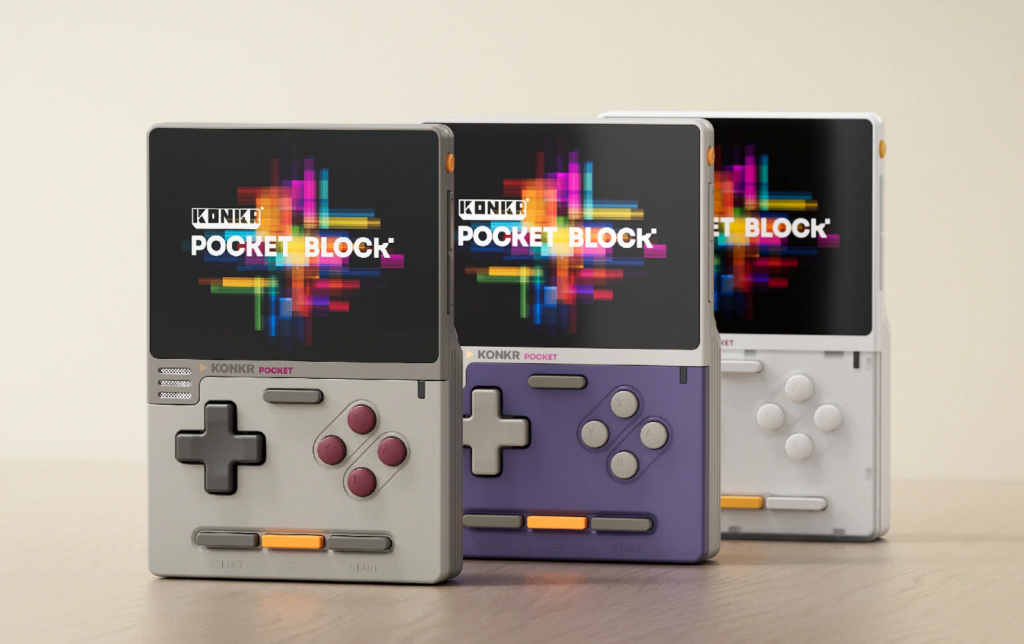
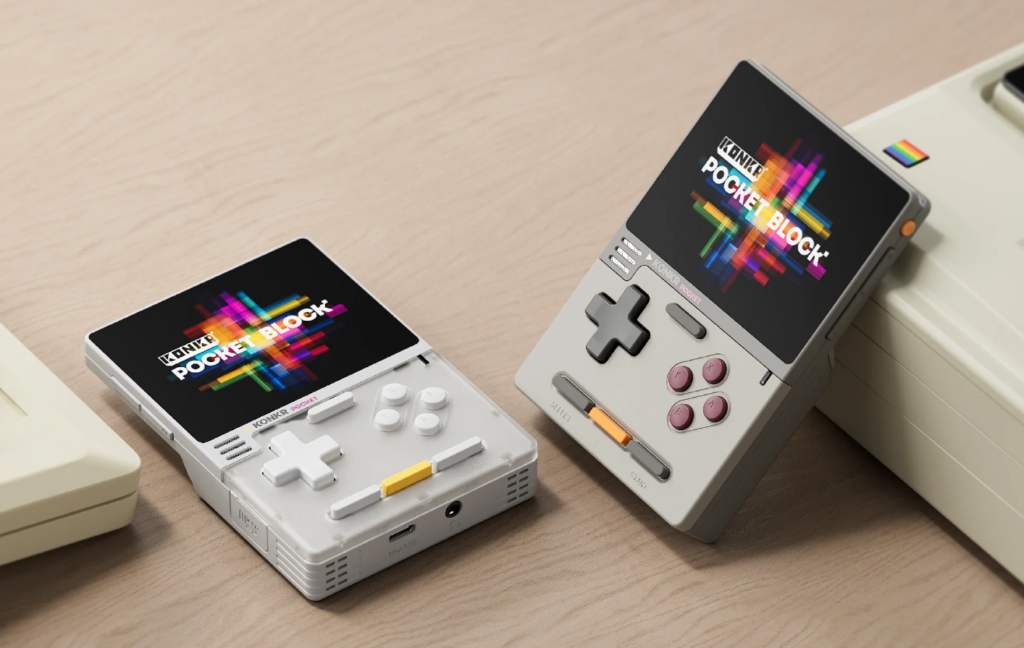
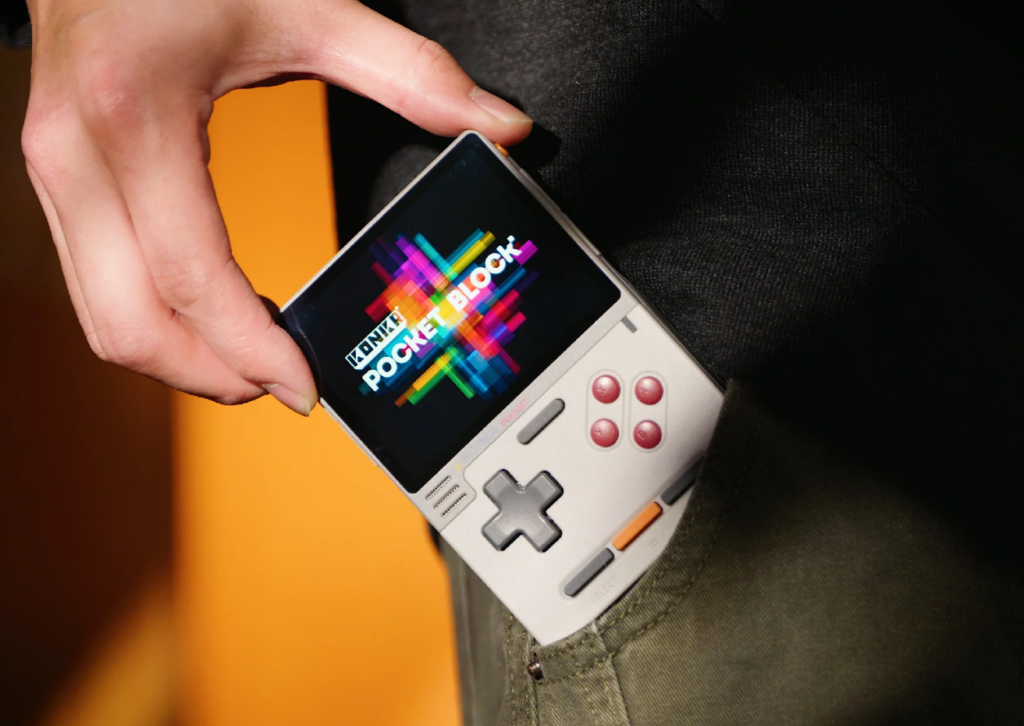
Ayaneo has expanded its budget-focused Konkr lineup with the launch of the Pocket Block, a compact vertical Android gaming handheld built for retro gaming. First teased in May, the device is now available to order globally and in China, with prices starting at $89.
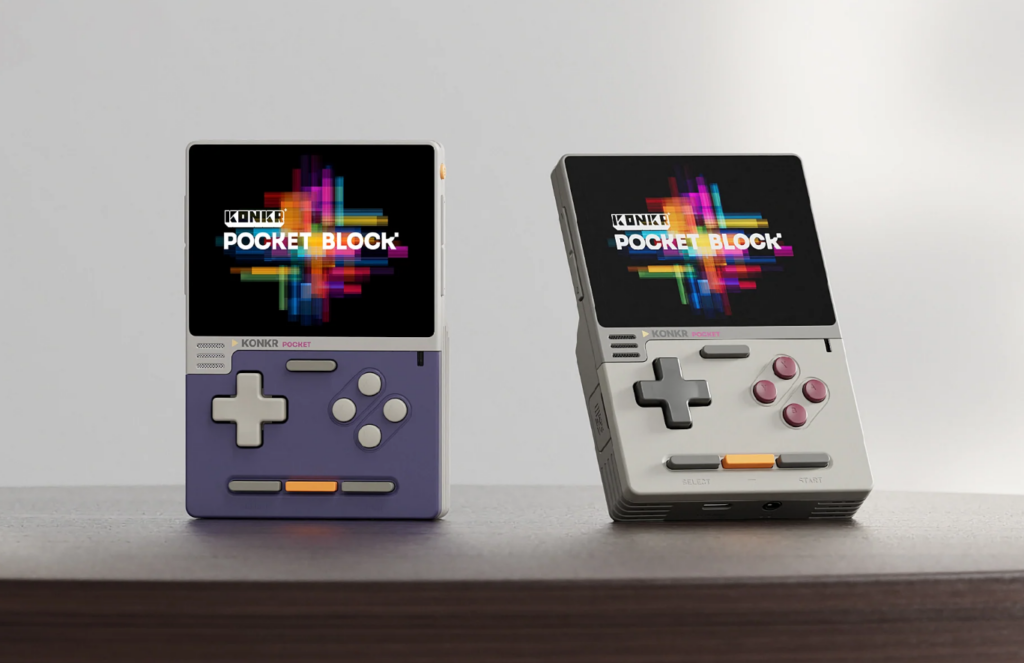
The Pocket Block adopts a familiar vertical form factor reminiscent of the classic Game Boy, measuring 113.2 x 77.4 x 19.8mm and weighing approximately 165 grams. The front of the device is dominated by a 3.33-inch LCD display with a 4:3 aspect ratio. It features a resolution of 960 x 720 pixels and a pixel density of 360 PPI, which is specifically calibrated for pixel-perfect integer scaling of older retro titles.
Internally, the handheld is powered by the MediaTek Helio G85, a capable mid-range chipset that provides enough overhead for standard 32-bit and 64-bit classic console emulation. Buyers have two configuration options: a base model with 2GB of LPDDR4X RAM and 32GB of storage, or a step-up version with 3GB of RAM and 64GB of storage. Both models include a microSD card slot for expanding local game libraries.
For controls, the Pocket Block features a traditional D-pad and ABXY button layout with rubber membrane switches. Despite its compact size, Ayaneo has included L1/R1 and L2/R2 shoulder buttons on the rear, along with dedicated Start and Select keys. The handheld also features customizable AYA, 1, 2, and “=” buttons for quick access to system functions and settings.
Where to buyAyaneo Konkr Pocket BlockLatest price on AmazonCheck price →
The device runs on Android 12, overlaid with Ayaneo’s proprietary software ecosystem. This includes the AYAHome launcher for desktop customization and AYASpace, a dedicated frontend for importing games, managing multiple emulator platforms, and automatically scraping cloud-based metadata.
In terms of battery life, the Pocket Block packs a 3,500mAh battery. It also features dual-channel chamber speakers and a linear motor for haptic feedback. For connectivity, the handheld supports Wi-Fi 5, Bluetooth 5.0, a USB 2.0 Type-C port with PD fast charging, and a 3.5mm headphone jack.
Pricing and Availability
The Konkr Pocket Block is available in three colorways: Original Grey, Atoms White, and Cube Purple. The 2GB/32GB model is priced at $89 (499 yuan), while the 3GB/64GB version costs $109 (599 yuan). Ayaneo is currently offering a limited-time early bird discount that knocks $10 off both configurations. Shipping is scheduled to begin at the end of October.
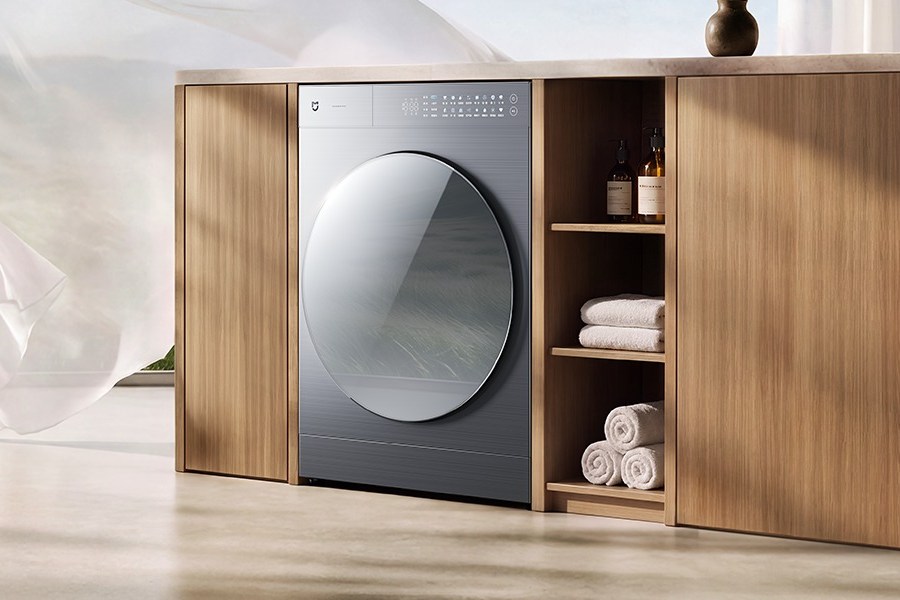
Xiaomi has launched its first heat pump washer-dryer in China. Called the Mijia Washing Machine with Delicate Wash Pro Supreme Edition Heat Pump Washer-Dryer 13kg, it is priced at 6,499 yuan (around $970) and is now available to buy through Xiaomi Youpin.
This model follows Xiaomi’s earlier washer-dryers, such as the Mijia Washing Machine Pro 12kg from January. That one offered a 12kg wash and 9kg dry capacity for 3,528 yuan. The new machine raises the wash capacity to 13kg, keeps the 9kg drying capacity, and switches the drying method to a heat pump.
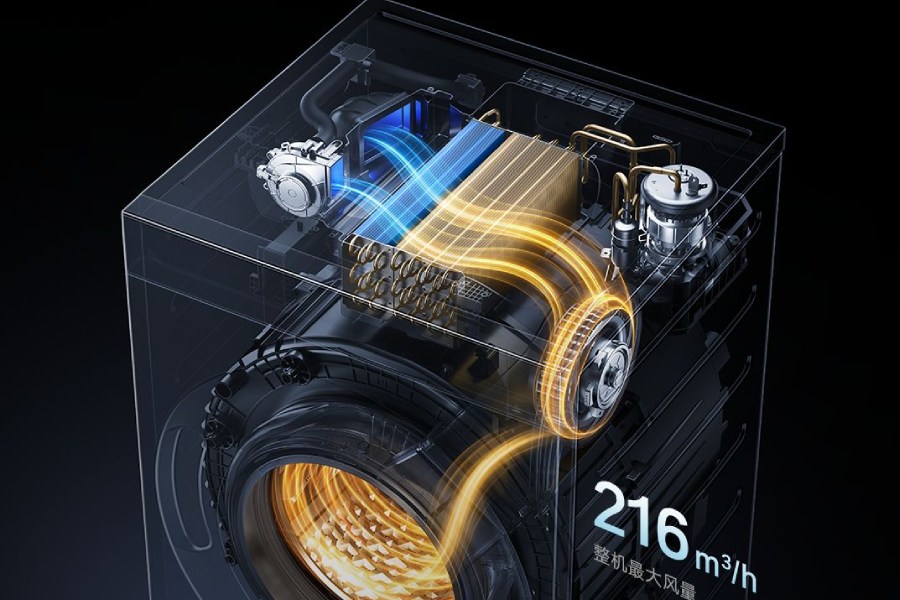
As the name implies, the dryer’s highlight is the heat pump. A heat pump reuses the heat circulating inside the machine instead of producing fresh heat for every cycle.
Xiaomi says this cuts drying energy use and claims it saves 73% more electricity than a condenser washer-dryer. You also get a dual-fan heat pump, which Xiaomi says speeds up drying by 49%. The heat pump sits at the top of the unit, and Xiaomi says its design lowers refrigerant flow resistance and improves heat exchange by 59%. These are all Xiaomi’s own figures, so treat them as claims until independent tests appear.
The machine has a standard-size body and combines washing, drying, and care in one unit. A high-density double-layer filter collects lint and debris. You can choose from 35 washing and drying programs and 11 conditioning programs.
Where to buyHeat pump washer-dryerBrowse the range on AmazonShop now →
For washing, Xiaomi uses its super electrolysis technology, which also appeared in the Mijia Washer Dryer Set Pro from December. The new machine has a wash ratio of 1.3 and can remove 20 kinds of stubborn stains and whiten yellowed clothes in a single wash. The company also claims that cold water sterilization with super electrolysis reaches a 99% sterilization rate.
Smart controls
The machine uses a washing and care system built on Xiaomi’s own algorithms and large language models. You describe the clothing material, color, and stains, and the system suggests a program and settings for that load.
The machine supports Xiaomi’s Surge Smart Connect. You can control it through the Xiaomi Home app and Xiaomi speakers, and you can check the washing progress remotely from your phone.
Xiaomi has not said whether the machine will launch outside China.
For more daily updates, please visit our News Section.
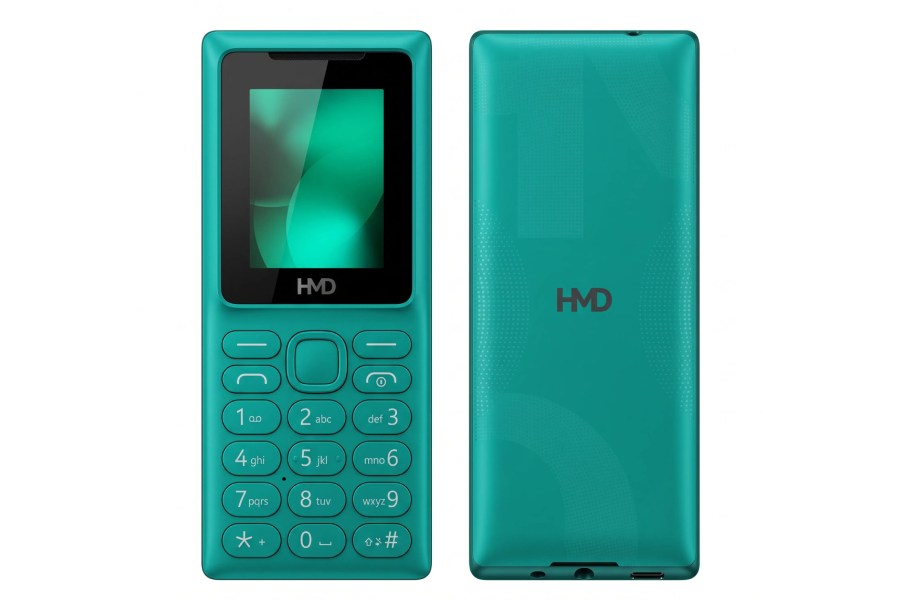
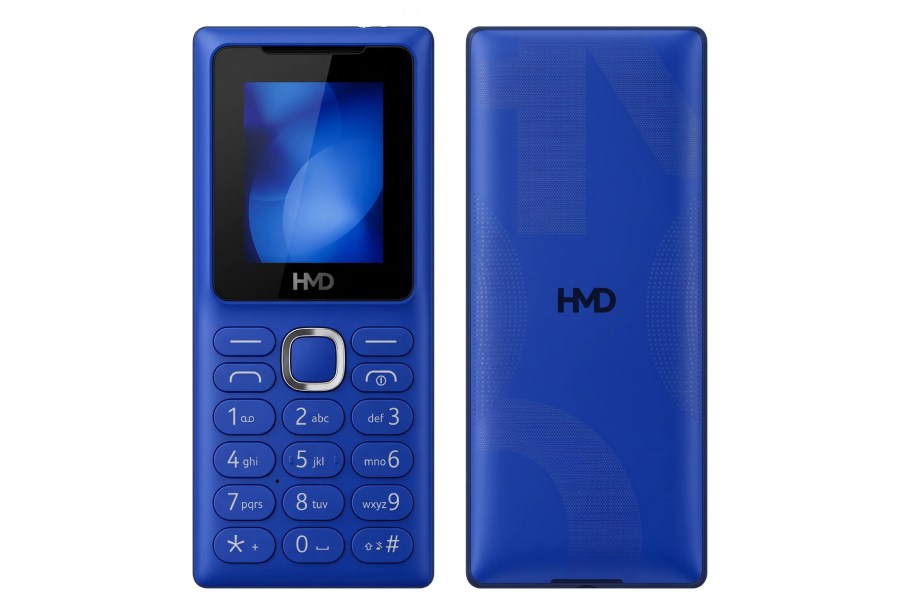
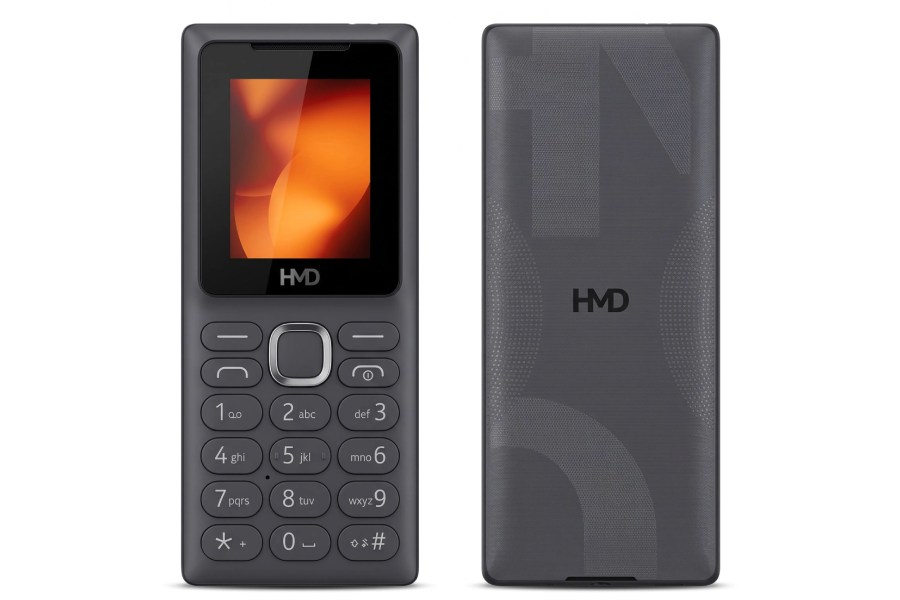
HMD may have announced its latest keypad phone without any hype. The HMD 106 Pure appeared on a Pakistani online store, even though HMD has not officially announced it yet. That is, the phone is not available or listed on HMD’s official website. The retailer, though, lists it for PKR 3,250, which works out to just over $10.
HMD 106 Pure specs
According to the listing, the HMD 106 Pure has a 1.8-inch display and a 120 x 160-pixel QQVGA resolution. It runs S30+, the software platform HMD uses across many of its button phones.
Under the hood, the phone uses a Unisoc 6531E chipset, which is also found in the HMD 102. There is a rear camera, but its 320 x 240 resolution means it is mainly there for basic snapshots rather than serious photography.
The phone gets power from a removable 1,000mAh battery. According to the store’s images, charging is handled through a USB-C port. There is also a 3.5mm headphone jack, FM radio support, and a microSD card slot that accepts cards of up to 32GB. These are features that have become much less common on modern smartphones.
Connectivity is limited to GSM, meaning there is no 3G, 4G, or 5G support. That could be a problem in countries where 2G networks have already been shut down or are being phased out. Since the listing comes from Pakistan, the HMD 106 Pure appears to be intended for markets where 2G is still available.
Design and colors
The HMD 106 Pure looks similar to the HMD 101 based on the retailer’s product images. The store lists Dark Gray and Teal Green as color options, while its photos also show a blue version.
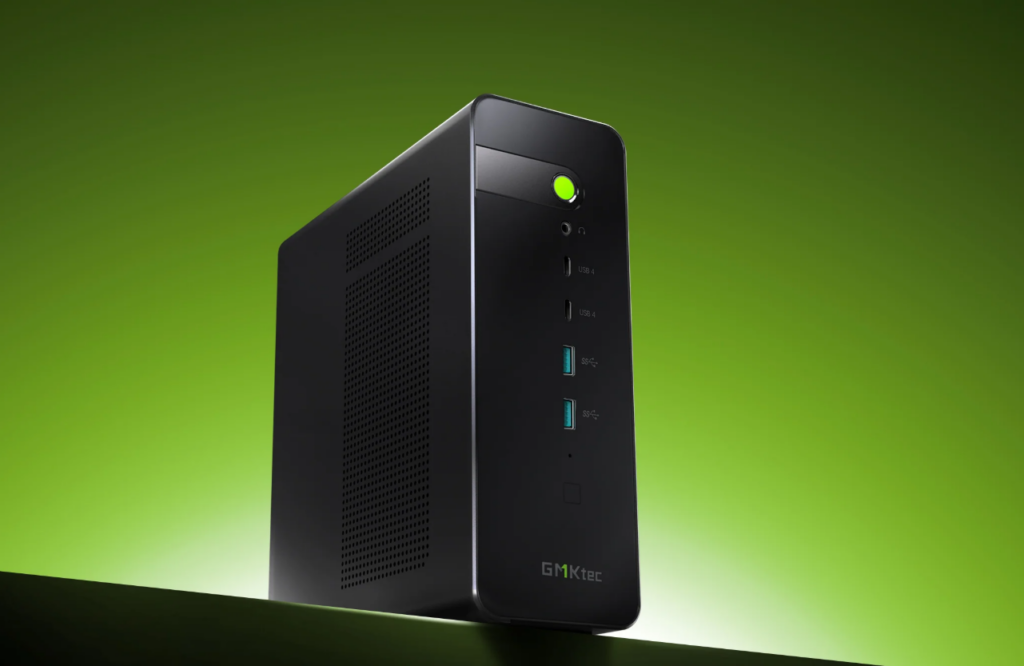
Gmktec has finally launched its Evo-X5 Pro mini PC after unveiling it earlier this month. The compact system is built for local AI workloads and enterprise applications, with a starting price of $6,399.
Gmktec Evo-X5 Pro Specifications
Inside, the Evo-X5 Pro runs on the AMD Ryzen AI Max+ PRO 495 processor. This chip uses AMD’s Zen 5 architecture, offering 16 cores and 32 threads with a boost clock up to 5.2GHz. For graphics, it relies on an integrated AMD Radeon 8065S with 40 compute units. There is also an AMD XDNA 2 NPU that delivers up to 55 TOPS of AI processing performance.
The machine comes with 192GB of LPDDR5X-8533 unified memory. Because the memory is shared across the system, up to 160GB can be dynamically allocated as video memory. According to Gmktec, this setup allows the PC to run large language models (LLMs) with up to 320 billion parameters completely offline, depending on how the software and quantization are configured.
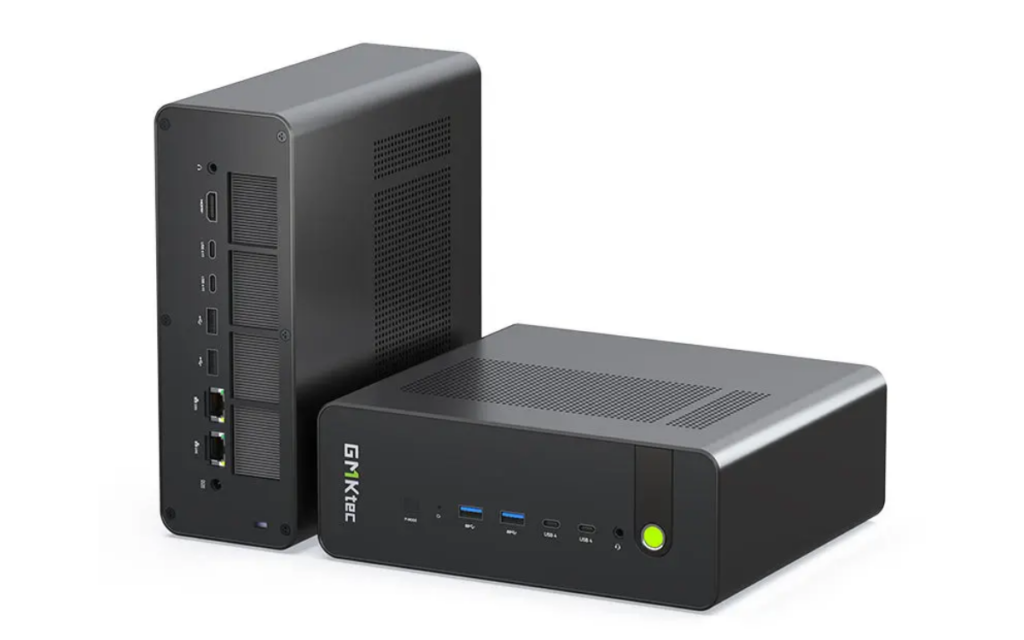
To support the data requirements of local AI development, the Evo-X5 Pro has three M.2 2280 PCIe 4.0 slots, allowing for up to 24TB of total internal storage. The port selection is geared toward high bandwidth, featuring two USB4 V2 ports capable of 80Gbps, two standard 40Gbps USB4 ports, and two 10GbE LAN ports for networking. It also supports Wi-Fi 7 and Bluetooth 5.4.
Since Gmktec is pitching this to developers, researchers, and enterprise users, the PC includes several professional management tools. It has a dedicated dTPM 2.0 security chip, a fingerprint reader, and AMD DASH support for out-of-band remote management by IT administrators.
To manage heat during continuous operation, the system uses a vapor chamber and a three-fan cooling setup, which supports a 120W sustained performance mode.
Pricing and Availability
The Evo-X5 Pro goes on sale starting September 28. The 192GB RAM and 2TB SSD configuration is priced at $6,799, with an early bird price of $6,399. Gmktec also offers a 4TB SSD variant for $7,099.
In related news, Ninkear has recently launched the MBOX18 with an Intel 18A chip, 15 TOPS AI performance, and triple-display support, alongside Peladn’s affordable WO5 Mini PC with a Ryzen 5 3500U and support for three displays.
For more daily updates, please visit our News Section.
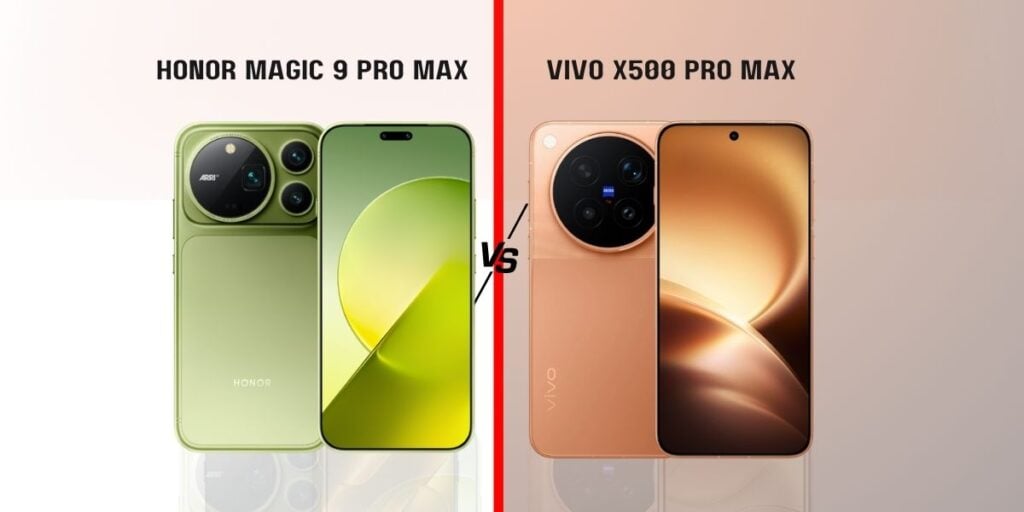
On paper, the Honor Magic 9 Pro Max and Vivo X500 Pro Max share a lot. Both use 2nm flagship chips, 200MP periscope telephoto cameras, optional teleconverter accessories, and batteries over 8,000mAh. However, the two companies have taken different approaches in several areas, especially cameras, video recording, displays, and accessories. Here’s how the Honor Magic 9 Pro Max compares with the Vivo X500 Pro Max.
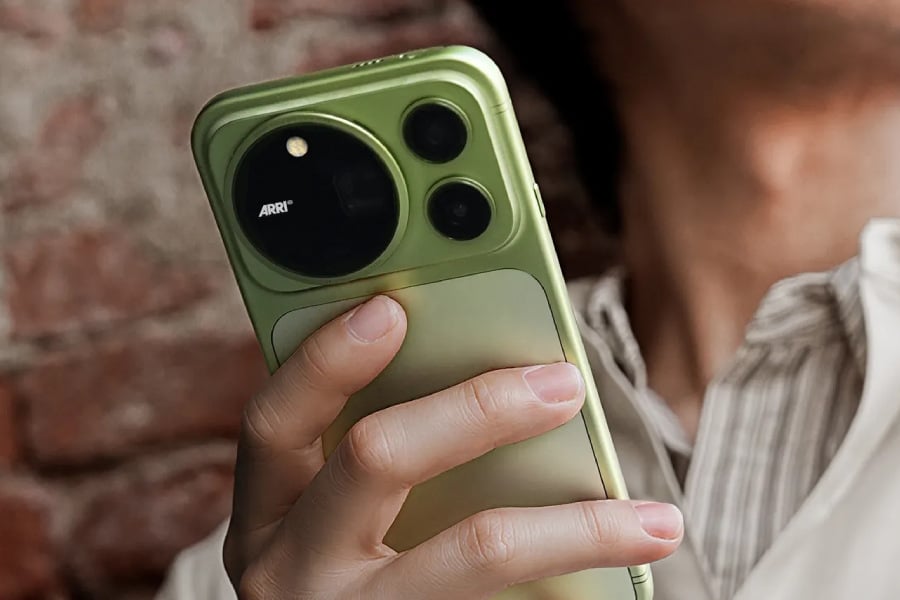
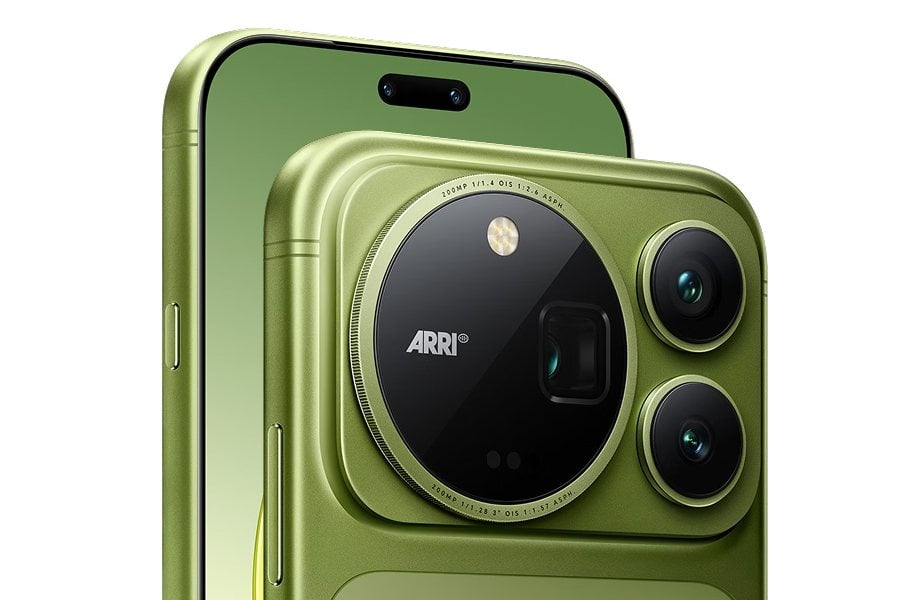
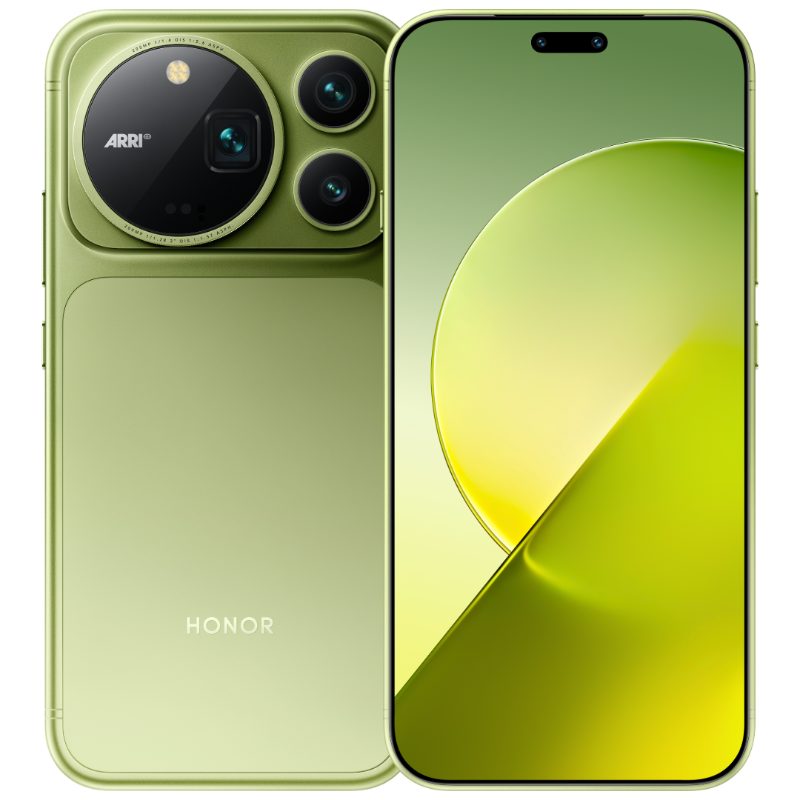
Honor has moved away from the round camera island used on some of its earlier Magic phones. The Magic 9 Pro Max instead has an asymmetric camera plateau inspired by ARRI cinema cameras, with a precision-cut metal texture around the lens ring.
The phone uses a unibody all-metal design with a seamless-splice finish and comes in Moss Green, Silver Halide, and Shadow Black. It has IP68, IP69, and IP69 ratings. Honor also uses what it calls Giant Rhino Glass on the front. The company says it offers 25 times the drop resistance, 15 times the scratch resistance, and three times the wear resistance of ordinary glass, based on its own lab testing.
The Vivo X500 Pro Max keeps a large circular Zeiss camera ring. Vivo likes to define it as a “pancake” lens design, with a knurled texture around the edge. Three of the four launch colors use a “Tidal Cold Carved” glass back, while the frame is made from aviation-grade aluminum. It carries IP68 and IP69 ratings but does not have the IP69K certification listed by Honor.
2. Display
The Honor Magic 9 Pro Max has a 6.8-inch LTPO OLED panel with a variable refresh rate from 1Hz to 120Hz. Honor quotes a peak brightness of 10,000 nits, with 6,000 nits at a 20% window and a minimum brightness of 1 nit.
The display also uses a 5,600-layer silicon nitride coating that brings reflectivity down to 1.5%. It has TÜV Rheinland low-reflection certification, while PWM dimming runs at 4,320Hz. Honor says the phone is also the first to receive TÜV Rheinland’s Global Eye Protection 6.0 certification.
Vivo has a slightly larger 6.85-inch BOE Q11 display with a 3168 × 1440 resolution and 507 ppi. It supports adaptive refresh rates from 1Hz to 144Hz, although Vivo notes that 144Hz is available for gaming.
The X500 Pro Max reaches 4,400 nits at a 20% window and 2,000 nits globally. Honor therefore has the higher 20% window brightness figure. Vivo, meanwhile, gives more attention to color accuracy, with chip-level Demura calibration, a sunlight color-compensation algorithm, and an ambient light sensor that adjusts brightness in 0.3-lux steps.
3. Camera
Main camera
The two phones share several camera specifications. Both main cameras use a 1/1.28-inch sensor, an f/1.57 aperture, a 24mm-equivalent focal length, and three-axis gimbal-style stabilization.
The biggest difference is the sensor resolution. Honor uses a 200MP main sensor with CIPA 8.0 stabilization. Its product page notes that the full 200MP resolution is available through the Ultra-HD shooting mode.
Meanwhile, Vivo is using a 50MP Blueprint 900 sensor developed with Sony, rated at CIPA 7.0. Since the two sensors have the same physical size, Vivo’s lower-resolution sensor has larger individual pixels, while Honor’s 200MP sensor gives users more room for cropping.
Vivo claims 17EV of dynamic range, although its footnote says that figure applies when shooting in Log mode. The company also says the sensor is the first to support 4K 120fps DCG HDR video. Honor does not provide a comparable dynamic range figure for its main camera.
Telephoto
Both phones use 200MP periscope telephoto cameras with 1/1.4-inch sensors and an 85mm-equivalent focal length. The apertures are also close, with f/2.6 on the Honor and f/2.67 on the Vivo.
Honor’s telephoto sensor is reportedly a Samsung S5KHPE, while Vivo uses a Samsung HP0 sensor as part of its Blueprint system. Honor rates its telephoto at CIPA 8.0, compared with CIPA 7.0 for Vivo.
Vivo lists a 15cm macro mode and offers several features for long-distance shooting. It claims up to 30x zoom and has a telephoto tracking mode that keeps a moving subject centered between 10x and 30x. The tracking feature is coming through a software update.
Vivo also lists what it calls the first active anti-fog system for a phone lens. The feature is designed for cold-weather situations such as skiing.
Honor takes a slightly different route by pairing the 200MP periscope camera with additional telephoto accessories.
Teleconverters and accessories
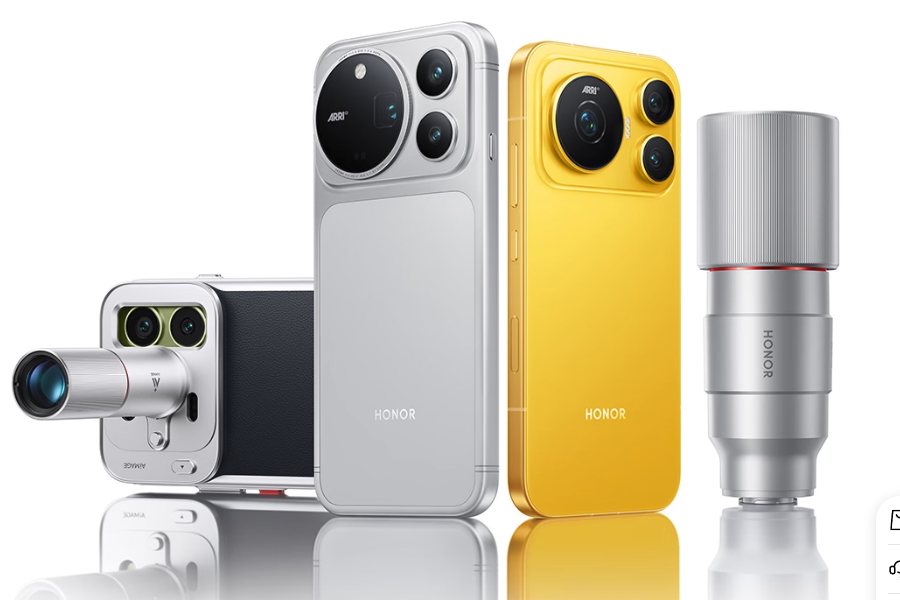
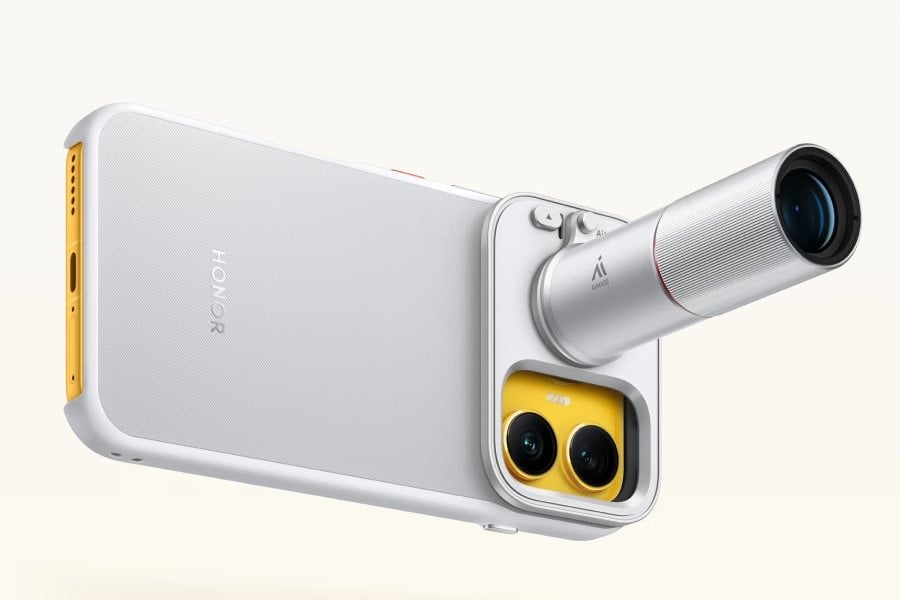
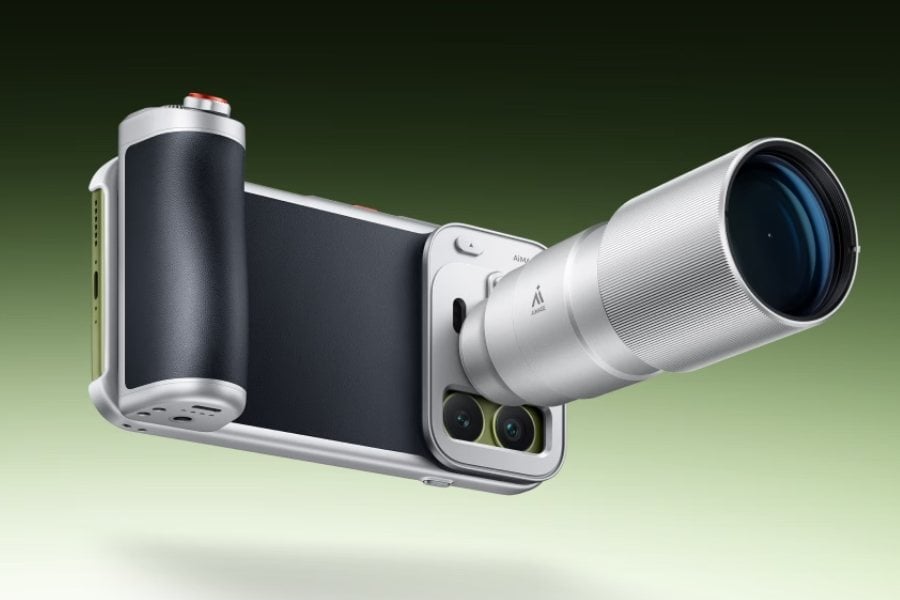
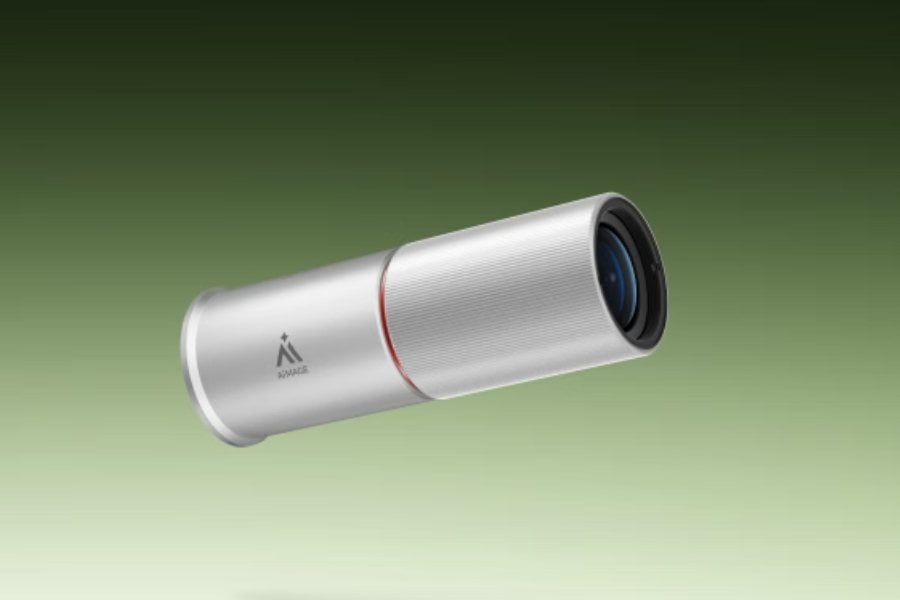
Honor sells two teleconverters separately. The G200 weighs 88g and provides a 200mm equivalent focal length, while the G500 reaches a 500mm equivalent. Reports say the G500 can reach 1,000mm when combined with digital zoom.
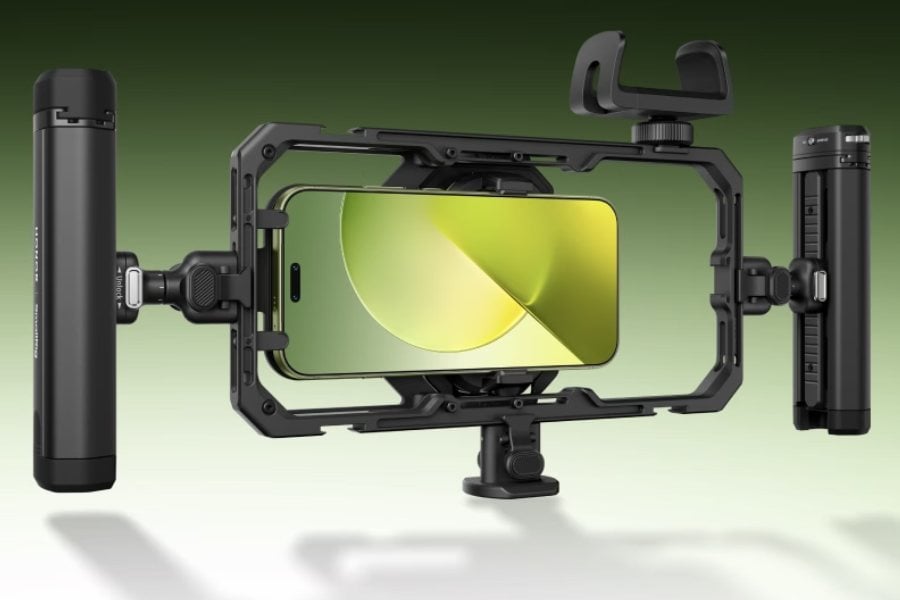
The company also sells a SmallRig cage kit with mounting points for accessories such as lights and microphones. At the top of the lineup are the Photography Master Kit and the 10,999-yuan Master Photographer Package. Honor notes that the teleconverters and imaging accessories are not included with the base phone.
Vivo’s Zeiss G2 Ultra teleconverter reaches roughly 400mm equivalent and works with a stage mode designed for concert lighting. The company also sells a Creator Set and a magnetic 3.92-inch Smart Screen. The screen attaches to the back of the phone, is 5.65mm thick, and lets users frame shots using the rear cameras.
Ultra-wide and selfie cameras
Both phones use 50MP ultra-wide cameras with f/2.0 apertures. Vivo specifies a 1/2.75-inch sensor with autofocus, while Honor does not list the sensor size of its ultra-wide camera.
Honor also adds a 3D depth-sensing module for its 3D face unlock system. Vivo instead uses a laser focus sensor with 1,536 points arranged across a 48 × 32 grid.
The front cameras are different. Honor’s Agile Eye selfie camera uses a 55MP 1/2.74-inch sensor with a 1:1 square format. It can capture photos and video in 1:1, 16:9, or 9:16 without requiring you to rotate the phone. Honor calls it the first square selfie camera on an Android phone. Vivo uses a more conventional 50MP front-facing camera.
4. Imaging chip and color
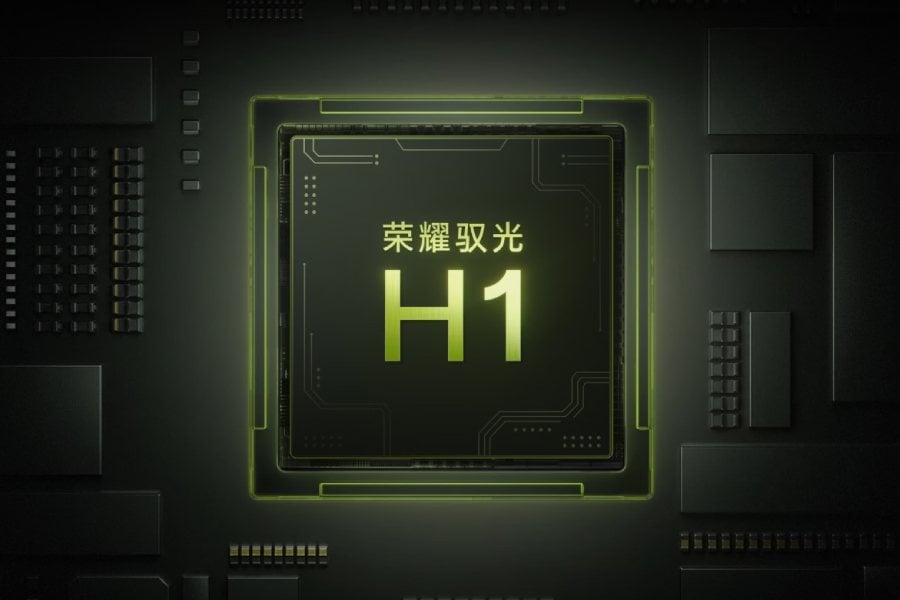
Honor has added its own H1 imaging chip, built on a 6nm process and rated at 18.8 TOPS per watt. It handles RAW-domain noise reduction, and Honor calls the combination of the H1 chip with its two 200MP cameras a dual-chip imaging system.
Vivo instead puts more of its camera processing around the Dimensity 9600 Pro and Blueprint 900 sensor rather than using a separate imaging chip.
Color processing is another major difference between the two phones. Honor has built its camera pipeline around ARRI’s LogC3 curve and ARRI color science. The company lists 87 official ARRI Looks, although a footnote says users need to download the complete set from Honor or ARRI’s website and import them into the camera app.
Some launch coverage has mentioned 14 Looks being built in, so the exact selection available on the phone may vary by region.
Honor also has a Movie Live mode that records a 2.39:1 ultra-wide 4K live photo for three seconds after the shutter is pressed. Its AI Color Tracking feature can copy a look from a reference image.
Vivo offers a broader set of video recording options. The X500 Pro Max supports 4K 240fps slow motion, 4K 120fps 10-bit Log, 4K 120fps subject tracking, and 4K 60fps cinematic portraits.
Later updates are set to add 8K native live photos and a 4K 960fps super slow-motion mode. Vivo also supports 3D LUT imports and offers cinematic color styles such as Sunlight Film and Cool Silver Halide.
Honor’s product page does not list comparable frame-rate specifications, so those details will be worth checking in real-world reviews.
5. Performance
The Honor Magic 9 Pro Max runs on Qualcomm’s Snapdragon 8 Elite Extreme Gen 6. The chip is based on a 2nm process with a maximum clock speed of 5.01GHz. Honor quotes performance gains of 13% for the CPU, 44% for the GPU, and 35% for the NPU compared with the previous generation, based on Qualcomm’s figures.
In contrast, the Vivo X500 Pro Max uses MediaTek’s Dimensity 9600 Pro, which is also built on a 2nm process. It uses a 2+3+3 all-big-core design. MediaTek claims a 17% increase in single-core performance and a 61% reduction in peak multi-core power consumption.
Both phones are available with 12GB or 16GB of RAM and up to 1TB of storage.
6. Battery and Charging
Honor has equipped the Magic 9 Pro Max with an 8,800mAh Qinghai Lake blade battery. The company calls it the first battery of this capacity in a candy-bar flagship. It uses 40% silicon content and has an energy density of 1,000Wh/L. As for charging, you get 100W over a cable and 80W wirelessly, while Honor also lists 50W wireless car charging for compatible vehicles.
Vivo uses an 8,000mAh battery with more than 25% silicon content. It supports 90W wired charging and 40W wireless charging. Vivo says the 40W wireless speed requires its own 50W vertical charger. Vivo also advertises cold-weather operation, which ties in with the anti-fog system on its telephoto camera.
On paper, Honor has the larger battery and faster charging in both wired and wireless charging.
7. Software and Security
Honor’s MagicOS software includes YOYO, which gets its own AI button on the phone’s frame. A single press can record video highlights, while YOYO can handle recurring tasks and proactive reminders.
Honor’s Connect app also links the phone with devices such as the iPhone, Apple Watch, and Mac. For biometric security, the Magic 9 Pro Max combines 3D face recognition with a 3D ultrasonic fingerprint sensor. Honor says it is the only phone to combine both systems.
Vivo uses its Little V assistant for multi-step tasks and has an Atomic Workbench that can keep up to five apps running in the foreground.
The X500 Pro Max also has a 3D ultrasonic fingerprint sensor, but it does not list the same 3D face recognition system as Honor. The 1TB model additionally supports BeiDou satellite messaging.
8. Price and Availability
Honor has priced the Magic 9 Pro Max at 6,499 yuan (about $968) for the 12GB/256GB model. The 12GB/512GB version costs 6,999 yuan (about $1,043), while the 16GB/512GB and 16GB/1TB versions cost 7,499 yuan (about $1,117) and 8,499 yuan (about $1,266), respectively.
The Master Photographer Package costs 10,999 yuan (about $1,639). Sales began in China on launch day.
Vivo starts at 6,999 yuan (about $1,044) for the 12GB/256GB model. The 16GB/512GB version costs 8,499 yuan, while the 12GB/1TB model costs 8,999 yuan.
The 16GB/1TB Creator’s Package with satellite messaging costs 12,999 yuan.
There is some overlap between the two lineups. At 8,499 yuan, Honor offers 1TB of storage, while Vivo provides 512GB. Honor’s starting price is also 500 yuan lower than Vivo’s.
Honor says a global launch is coming, with reports pointing to Europe in November or December. US availability remains uncertain. Vivo has confirmed that the X500 series is heading to Singapore.
9. Honor Magic 9 Pro Max vs Vivo X500 Pro Max: Which one is for you?
The Honor Magic 9 Pro Max has a 200MP main camera, a 200MP periscope telephoto, ARRI-based color processing, a separate imaging chip, a larger battery, faster charging, and a wider selection of camera accessories. Its G200 and G500 teleconverters also give users more options for long-distance shooting.
The Vivo X500 Pro Max takes a different approach with its 50MP main camera, 200MP periscope telephoto, Zeiss imaging system, and a longer list of published video recording modes. It also offers features such as 30x zoom, telephoto tracking, and an active anti-fog system.
The two phones also have different strengths outside the camera department. Honor has the higher display brightness figures, a larger battery, faster charging, and a lower starting price, while Vivo offers a slightly larger display, a 144Hz gaming mode, and additional camera and video features.
For more daily updates, please visit our News Section.
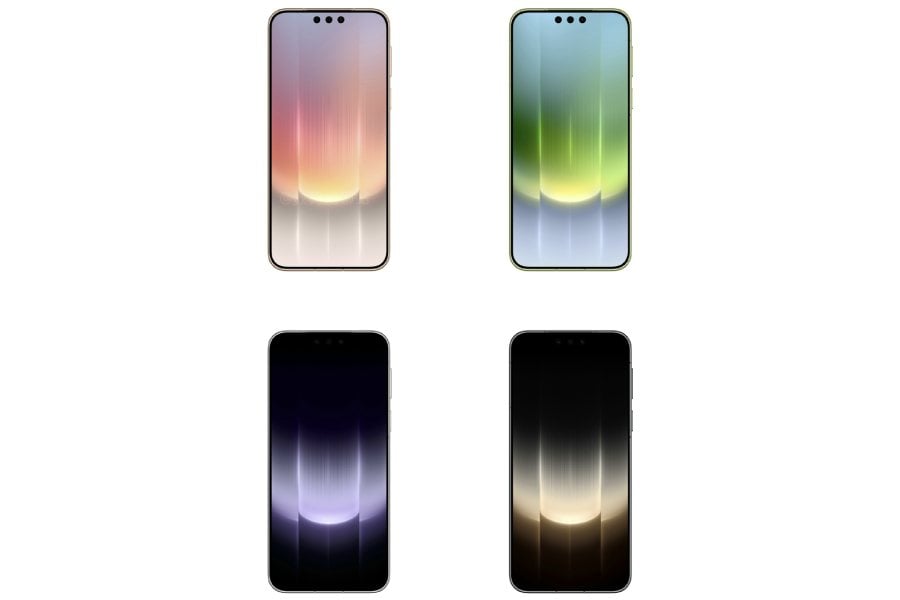
Huawei‘s Mate 90 series has now shown its front design in a set of official-looking renders. They confirm that all four phones keep the three punch-hole layout, and a second set of images shows the back of the Mate 90 Pro Max and the Mate 90 RS Ultimate Design.
This follows the live photos of the Mate 90 in green that surfaced a day earlier. Those showed the back of the phone, and the new renders now show the front to match.
The front has three punch-holes
Tipster Digital Chat Station shared the image on Weibo and called it a “high-definition official render.” It shows four phones in different colors, each with three punch-holes at the top of the display. They house the selfie camera and the sensors for 3D face recognition.
The screens are flat, with rounded corners and thin bezels. The sides look flatter than on the previous Mate phones, which gives the frame a sleeker profile. This matches earlier reports that Huawei is using a 6.9-inch flat OLED panel across the lineup.
The three-hole layout is not new for the Mate series. Huawei started using it with the Mate 60 series in 2023, and the Mate 80 series brought it to all four models, including the standard variant. The Mate 90 series continues that approach.
The back design
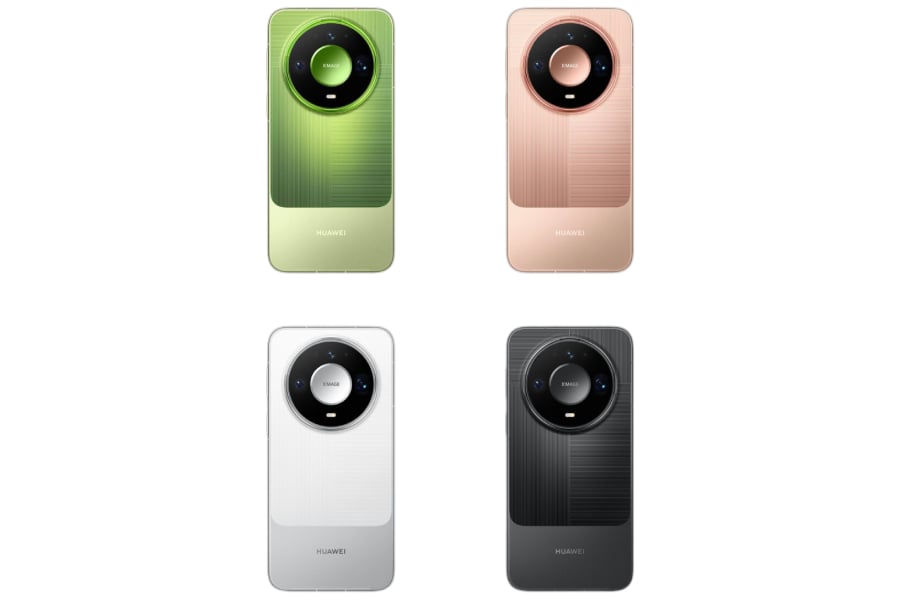
Apart from front, the tipster also shared the back profile of Mate 90 Pro Max and Rs Ultimate Design. The Mate 90 Pro Max is shown in green, pink, white and black. The back is split into two sections. The larger upper part has a fine ridged texture and holds a big circular camera module with the XMAGE branding in the center. The smaller lower part is smooth and carries the Huawei logo.
The green model uses a bright ring around the camera and a lighter shade on the lower section. On the white model, the lower section is a grey-silver tone. The black version is the darkest of the four, with a matching camera ring.
Mate 90 Pro MaxMate 90 RS Ultimate Design
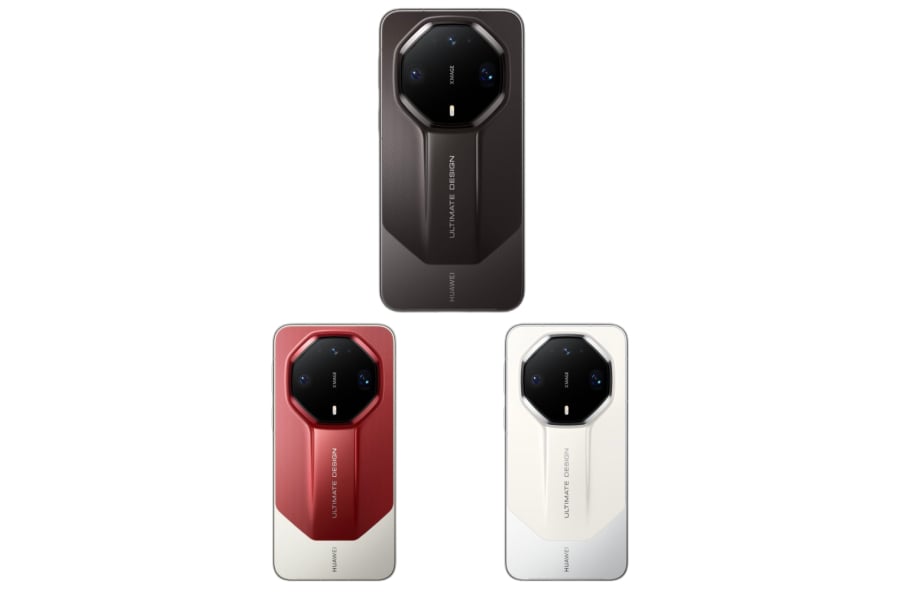
The Mate 90 RS Ultimate Design looks quite different from the Pro Max. It uses an octagonal camera housing instead of a round one. A raised strip runs down the center of the back from the camera, with “Ultimate Design” printed along it. The Huawei logo sits at the bottom.
You can see the device in three colors appear: black, red, and white. The red model has a cream-colored lower section, and the white model has a silver-toned one.
For more daily updates, please visit our News Section.
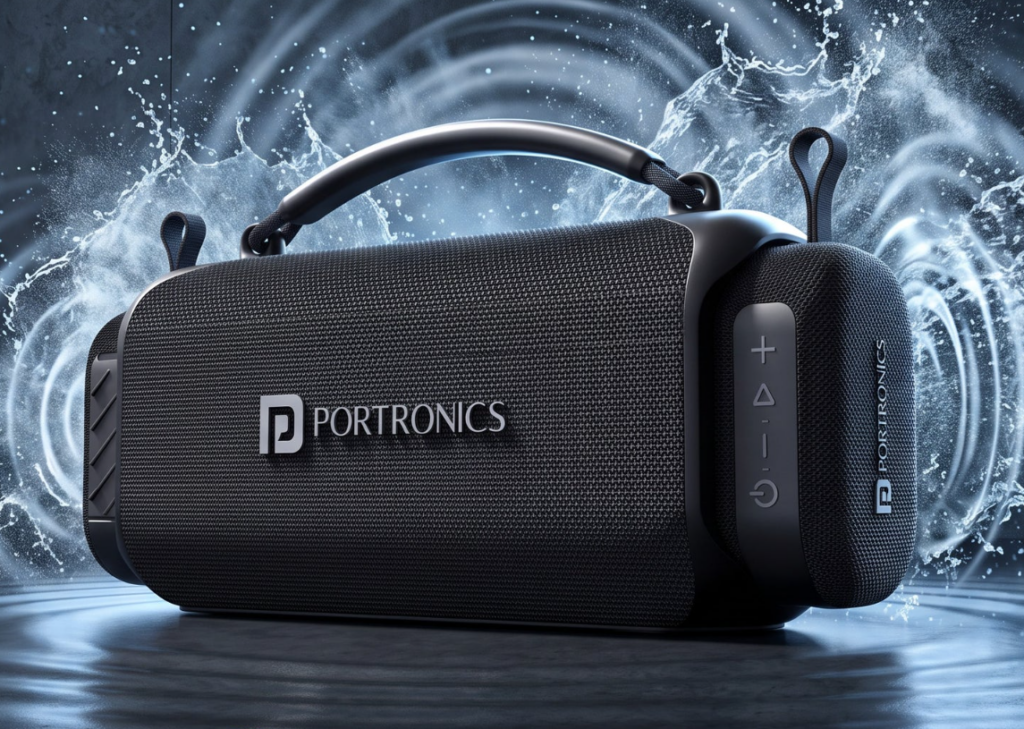
Portronics has released the AuraTrio, a new modular Bluetooth speaker system designed around a detachable three-piece form factor. Rather than relying on a single unit to project audio across a room, the AuraTrio consists of a central 60-watt speaker and two 15-watt satellite speakers that magnetically dock to the sides of the main body.
When attached, the system functions as a standard, single-unit Bluetooth speaker with a combined 90-watt output. However, the two satellite units can be physically removed and placed in different locations around a room or outdoor area to physically separate the audio source.
The main unit is built with a 100 x 120mm woofer, two 45mm tweeters, and two passive radiators. It also includes a built-in carrying handle and a switchable Bassboost mode for adjusting lower frequencies. The entire system is wrapped in a black, textured fabric exterior.
To keep the three separate units playing in sync, the AuraTrio uses Bluetooth 5.4 and Auracast technology. Auracast allows the main speaker to broadcast its audio directly to the two satellites without requiring users to download a separate companion app to manage the connection.
Where to buyPortronics AuraTrioLatest price on AmazonCheck price →
Because it uses the Auracast standard, the system can also broadcast to other compatible third-party speakers. Alternatively, the satellite speakers can be used entirely independently from the main unit. For wired connections, the system includes standard USB and AUX inputs, and the satellite units feature built-in DAC support.
All three components of the AuraTrio carry an IPX6 water resistance rating, meaning they can withstand rain or direct splashes of water. Power is supplied by a 4,500mAh battery in the main speaker and individual 2,000mAh batteries in each of the satellites.
Portronics says the system will last for up to six hours of continuous playback. The speakers charge via USB-C and support 30W Power Delivery. The main unit requires roughly two and a half hours for a full charge, while the satellites take about three hours.
Pricing and Availability
The AuraTrio is available now in India. It has a standard retail price of Rs. 24,999 ($260), but is currently selling at an introductory price of Rs. 14,999 ($156). It can be purchased through the Portronics website, Amazon India, Flipkart, and various offline retailers, and it includes a standard 12-month warranty.
TECNO has teamed up with internationally acclaimed visual artist Angélica Dass for a new two-year portrait project called “100 Portraits of Becoming.” The project was launched in Hong Kong on September 28, 2026, and will bring together 100 people from Kenya, the Philippines, Saudi Arabia, Türkiye, and Brazil. It will feature 100 portraits and personal stories, with each portrait focusing on an individual rather than treating them as a representative of a country, culture, generation, or social group.
Exploring Identity Beyond Labels
“100 Portraits of Becoming” looks at how people define themselves through their choices, experiences, changes, and personal growth. The project explores identity beyond social labels, cultural expectations, stereotypes, and fixed categories. It also looks at the growing role of technology and AI in photography, facial recognition, representation, and categorization.
The project builds on TECNO’s work in inclusive imaging, including its Universal Tone technology, which is designed to represent different skin tones more naturally. With this project, TECNO is extending that idea beyond skin-tone representation to focus on the individual stories behind the images.
Angélica Dass taking portrait photos with TECNO CAMON 50 Ultra 5G
Dass photographed the participants using TECNO smartphones. Her approach focuses on listening to people, building trust, and understanding their experiences before creating their portraits. She says meaningful portraits begin with human connection, while the camera acts as a tool for sharing those encounters.
The first chapter takes place in Kenya, featuring 20 people and their personal stories. The stories explore success, career choices, opportunity, community, belonging, and personal growth.
One participant, Alex Mutua Muli, saw farmers in his community struggle to find reliable markets for their produce. Instead of leaving for a larger city, he chose to stay and co-founded Goshen Farm Exporters to connect local farmers with larger markets.
Alex, Alexander & Jelimo’s Portraits
Alexander Odhiambo and his friends built a software company from a small apartment in Nairobi. The company later expanded into African markets and created opportunities for local talent. His story focuses on creating opportunities rather than waiting for them.
Meanwhile, Jelimo Cheboi started skateboarding in 2022 and co-founded GirlSkate Nairobi after finding limited space for women in the scene. What began as a WhatsApp group developed into a community where girls and women can skate, connect, and express themselves.
Angélica Dass taking portrait photos with TECNO CAMON Slim 5G
Philippines Chapter to Explore “Beyond Many Labels”
The Philippines will be the second chapter, featuring another 20 individuals, including working solo mothers and people whose lives are connected to solo parenthood. The chapter will look beyond labels such as “single mother,” “breadwinner,” and “strong woman.”
It will explore self-growth, relationships, ambitions, family, work, everyday choices, and the Filipino concept of “diskarte”, the ability to adapt, make practical choices, and find ways forward through everyday challenges.
Following Kenya and the Philippines, the project will move to Saudi Arabia later in 2026, followed by Türkiye and Brazil in 2027. Across two years, TECNO and Dass aim to create a collection of 100 portraits that presents 100 different individuals and 100 different stories.
The Kenya chapter was photographed using the TECNO CAMON 50 Ultra 5G, while the upcoming Philippines chapter is connected with the TECNO CAMON Slim 5G.
Samsung has quietly raised prices on a couple of its popular mid-range phones in India, and the timing feels a bit awkward with the festive shopping season right around the corner. The Galaxy A36 and Galaxy A56 from last year’s lineup are now costing noticeably more.
The Galaxy A36 has gone up by as much as Rs 3,000. The 8GB + 128GB version now starts at Rs 36,999 (it was Rs 33,999 before). The 8GB + 256GB model is Rs 40,999, and the 12GB + 256GB variant sits at Rs 46,499.
The Galaxy A56 also got a bump. The base 8GB + 128GB model now starts at Rs 44,999 (up from Rs 42,999). The 8GB + 256GB version is Rs 48,999, and the 12GB + 256GB one is Rs 54,499.
Where to buySamsung Galaxy A56Latest price on AmazonCheck price →
That said, there’s a bit of good news. While the prices on Samsung’s official website have already gone up, some of these models can still be found at the older prices on Amazon and Flipkart. If you’re interested, it’s worth checking those listings soon before the stock at the lower prices disappears.
These back-to-back increases are making Samsung phones feel more expensive for Indian buyers. Analysts say the memory supply crunch isn’t going away anytime soon, so we probably shouldn’t expect prices to drop in the near future.
If you’re trying to stick to a budget, the upcoming Flipkart Big Billion Days 2026 sale might also be worth waiting for. Early teasers suggest the Galaxy S25 FE could fall below Rs 50,000 and the regular Galaxy S25 under Rs 60,000 after discounts and bank offers. Those older flagship and Fan Edition models still offer solid premium features and could be smarter buys than the newly pricier A-series phones.
The fact that Samsung raised prices on the A36 and A56 just before the big festive sales window has raised a few eyebrows. The phones themselves are still competitive in the Samsung mid-range space with good displays and long software support. But the higher price tags show how global supply-chain problems are making smartphones less affordable in one of the world’s biggest mobile markets.
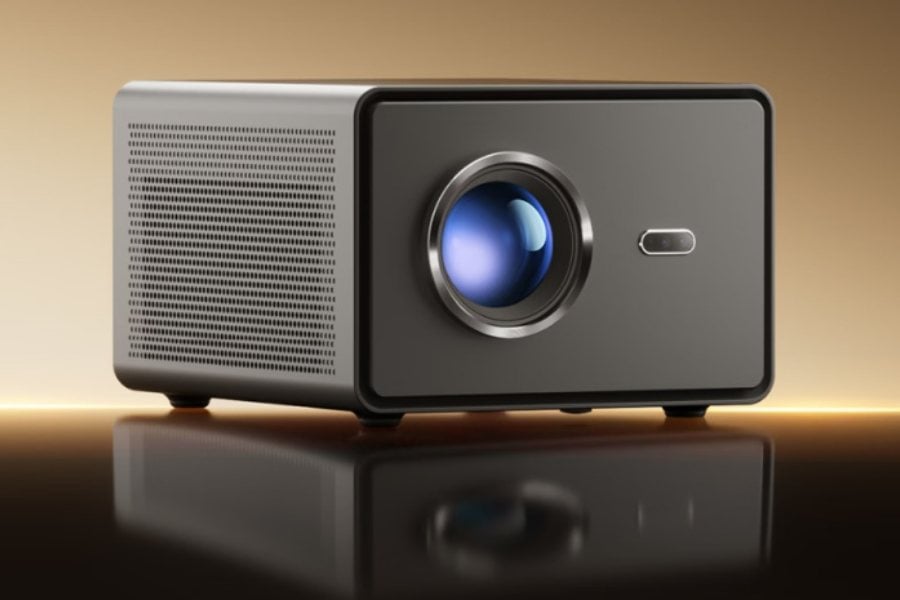
Honor today launched a new projector in China called the Honor Life AI Projector Ultra. The new model went on sale today for 2,599 yuan (around $365). That makes it considerably more expensive than Honor’s existing models.
The Choice AI Projector Pro launched at 1,410.5 yuan, while the Choice Firefly AI Projector Air started at just 599 yuan. The Ultra sits above both of them with a much brighter optical system and more hardware for smart features.
1,700-lumen brightness with a sealed optical engine
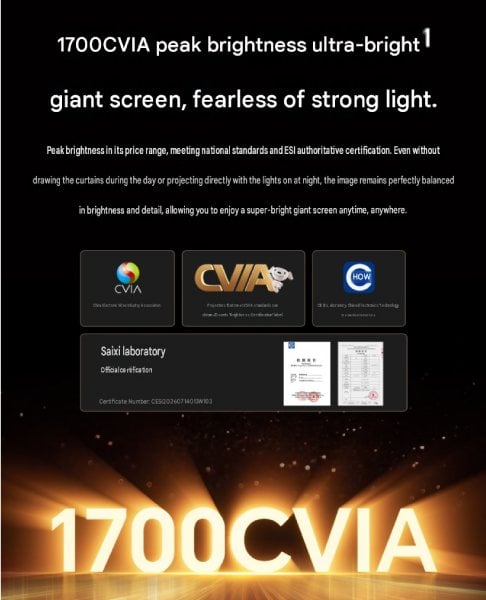
Brightness is the biggest difference. The Choice AI Projector Ultra is rated at 1,700 CVIA lumens, compared with 280 CVIA lumens on the Firefly AI Projector Air. CVIA is a Chinese industry standard, so the number isn’t directly comparable to ANSI lumens. Honor says the projector still gives you a clear picture with the curtains open during the day, and with the lights on at night.
The projector uses Honor’s fully enclosed Optical Engine 2.0 to achieve this. The sealed design helps keep dust away from the optical components while improving heat management and reducing light loss. The system also includes a double-glass heat insulation structure, a polarizer-free screen, a high-density light source, and five glass lenses.
As for cooling, the projector has a dynamic fan, which Honor claims has noise levels as low as 30dB.
Native 1080p and AI image processing
The Choice AI Projector Ultra has a native 1920 x 1080 resolution and a 3,000:1 contrast ratio. It can decode 4K content and supports both HDR10 and HDR Vivid.
Honor’s Honghu Image Engine processes images frame by frame using an AI-based PQ algorithm. The company says this helps remove visual noise and improve the final picture. MEMC motion compensation is also included to reduce ghosting, judder, and stuttering when there is a lot of movement on screen.
The projector runs on a V670 octa-core chip with 2GB of RAM and 64GB of storage. The extra storage can be used for third-party apps, while Wi-Fi 6 provides the wireless connection. For wired connections, there are HDMI, GPMI, RJ45 Ethernet, two USB ports, and a 3.5mm headphone jack.
Honor hasn’t overlooked the audio system. The Ultra has a 24W speaker housed in a 400cc sound cavity, with tuning from Danish audio company Vifa. Meanwhile, its Honghu Sound Effect 2.0 system adds AI voice enhancement and virtual surround sound. The projector also supports GPMI one-cable reverse control, allowing a single cable to carry the signal while letting the projector control connected devices.
Automatic setup and air-gesture controls
The projector handles much of the setup automatically. Its AI image calibration system includes autofocus, automatic keystone correction, obstacle avoidance, and automatic screen alignment.
One useful feature is that the projector can adjust its image while being moved. Honor says users can reposition it without stopping playback, with the picture automatically recalibrating to match the new position.
Control is handled partly through an AI-powered air-gesture remote. It has a touchpad that works similarly to a laptop trackpad, allowing users to tap, swipe, drag, and move a cursor around the interface.
The built-in AI assistant can also respond to voice commands. You can use it to search for movies, check the weather, change the volume, or have a general conversation.
The Ultra also supports AI touch projection. When paired with a stylus, the projected image can be used as an interactive whiteboard for writing, drawing, meeting notes, and annotations. This isn’t entirely new to Honor’s projector lineup, as the same stylus-based functionality was also offered with the Firefly AI Projector Air. The Ultra combines it with the newer projector hardware and brighter display system. It comes in Titanium Gray and has a Level 1 energy-efficiency rating.
For now, Honor has only announced the Choice AI Projector Ultra for China. There is no word yet on whether it will be sold in other markets.
Nothing has added new 6GB+128GB variants to the Phone (4a) and Phone (4b) in India, giving buyers a lower-priced entry point into both models. The move comes after the company increased the prices of the existing configurations. However, the new variants also bring less RAM than the original base configurations.
Nothing Phone (4a) and Phone (4b) new variants
Nothing Phone (4a)
The Nothing Phone (4a) 6GB+128GB variant is now priced at Rs 39,999 in India, while the Phone (4b) with the same memory and storage configuration costs Rs 35,999. Both models are currently available through Flipkart. The Phone (4a) is also offered in 8GB+128GB, 8GB+256GB and 12GB+256GB configurations, while the Phone (4b) comes in 8GB+128GB and 8GB+256GB versions.
Notably, these new variants arrive at considerably higher prices than the original 8GB+128GB configurations at launch. The Phone (4a)’s original base model was introduced at Rs 31,999 and now costs Rs 44,999, while the Phone (4b) launched at Rs 34,999 and is currently priced at Rs 39,999. This means the new 6GB models do not simply restore the original entry-level pricing despite offering less RAM.
Nothing Phone (4a) and Phone (4b) specifications
Nothing Phone (4b)
The hardware remains unchanged on both smartphones. The Phone (4a) features a 6.78-inch flexible AMOLED display with a 120Hz refresh rate, 4,500 nits peak brightness and a Snapdragon 7s Gen 4 chipset. It packs a 5,400mAh battery and is available with up to 12GB of RAM and 256GB of storage.
Meanwhile, the Phone (4b) features a 6.77-inch Full HD+ Samsung Super AMOLED display with a 120Hz refresh rate and is powered by the Snapdragon 6 Gen 4 chipset. It carries a larger 6,000mAh battery and retains the Glyph Bar interface. Both phones run Nothing OS 4.1 based on Android 16 and support dual-SIM connectivity.
Where to buyNothing phonesBrowse the range on AmazonShop now →
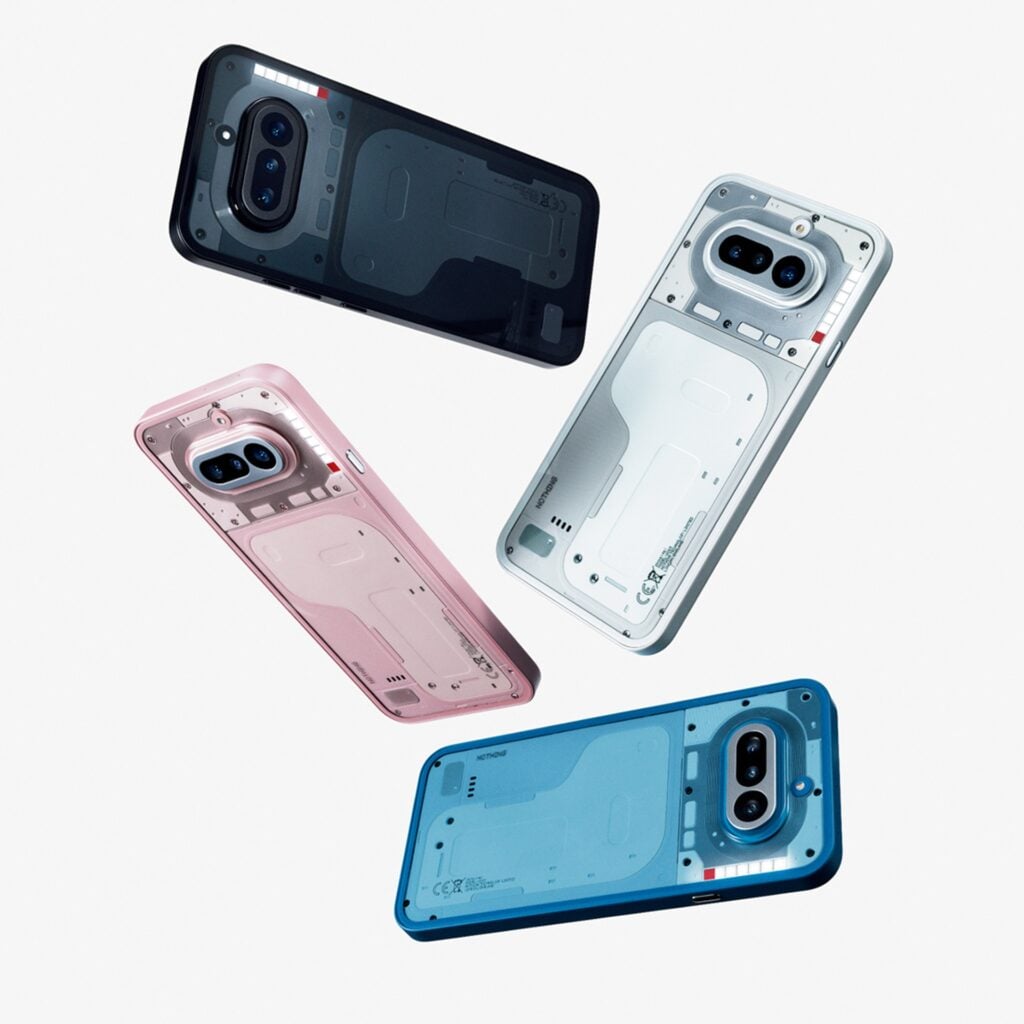
The Phone (4a) is available in Black, Blue and White across the new base variant, while the higher-end models also get a Pink option. The Phone (4b) comes in Black, Blue and White.
Xiaomi has announced the Mijia Smart Waist and Back Massager in China. The device is listed for crowdfunding on Xiaomi Youpin, with the campaign set to start on October 12 at 509 yuan (around $72). It comes in black and light sand colors.
Xiaomi’s previous waist-focused model was the Mijia Smart Waist Massager, which launched in 2024 with 20 massage balls designed to work on the lower back. The new model uses a different design, with a guide rail that allows the massage heads to move further up the back.
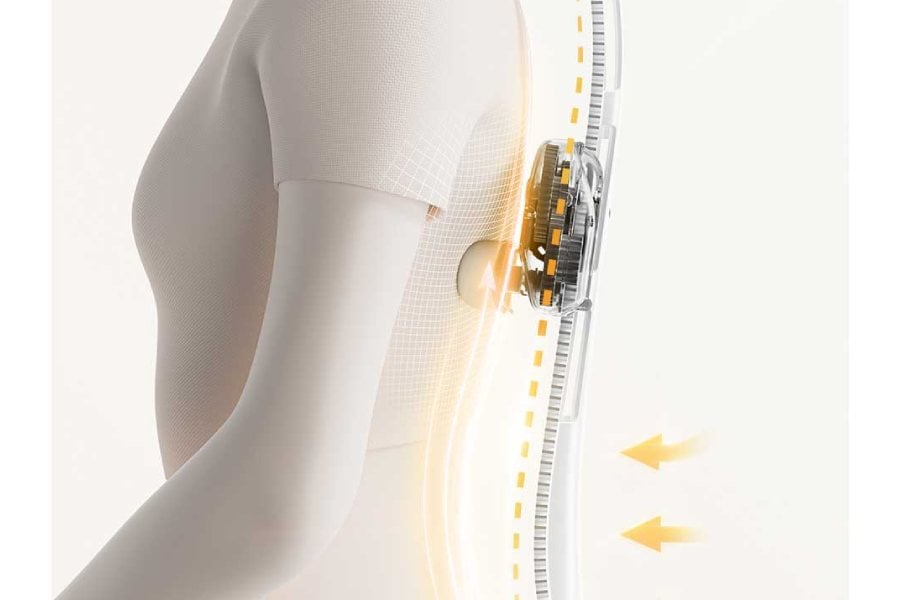
The massager comes with a 450mm flexible dual guide rail, with the massage heads automatically moving up and down on both sides of the spine. They cover the area from the shoulder blades down to the lumbosacral region. The rail has an R550mm curvature, which Xiaomi says follows national standards and matches the natural curve of the lower back.
There are four massage heads in total, including two large and two small heads. They are made from high-tenacity material and arranged in an undulating pattern designed to imitate acupressure. There are seven preset massage modes, while the Mi Home app allows users to create three custom modes.
Controls and heat
The massager can be connected to the Mi Home app, allowing you to control its settings from your phone. One of the available options is zone massage, which moves the heads back and forth within a smaller area to apply pressure to a specific spot and help relieve muscle fatigue.
You can also use the massager without the app. A physical button on the side lets you turn it on and start using it directly. For heat, the device has a built-in graphene heating element covering 10,000 mm². The heating function can be used on its own or together with the massage modes.
The Mijia Smart Waist and Back Massager weighs 2.2kg and is less than 75mm thick. Its body follows the curve of the lower back, so it can also be used as lumbar support when the massage function is turned off. Placing it under your legs lets the massage heads work on the calf muscles as well.
When the massager is in standby mode, the massage heads retract into the body. This keeps them from pressing against your back when you’re simply leaning on the device. It has a 3150mAh battery and comes with a 1.5-meter USB Type-C charging cable.
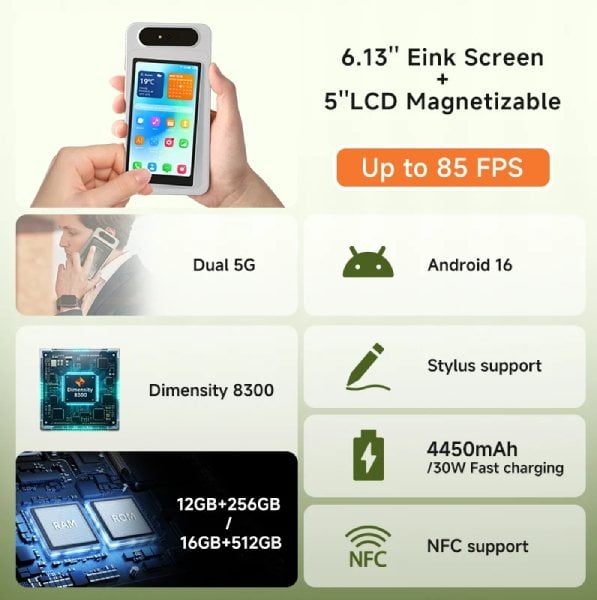
Bigme has finally revealed the price and full specifications of the HiBreak Dual 3. The company first teased the magnetic dual-screen e-ink phone at the end of August, and pre-orders now start at $629. Bigme says the Dual 3 is the world’s first 85FPS magnetic dual-screen e-ink phone.
The price is also lower than the previous model. The HiBreak Dual 2 launched on Kickstarter in June with an early-bird price of $699, which means the new model is $70 cheaper.
Two screens, with one you can remove
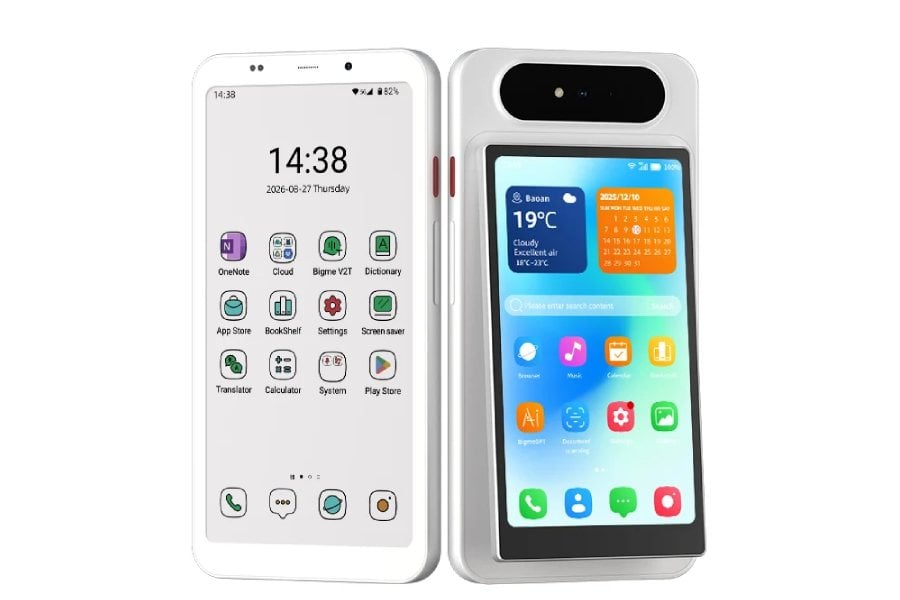
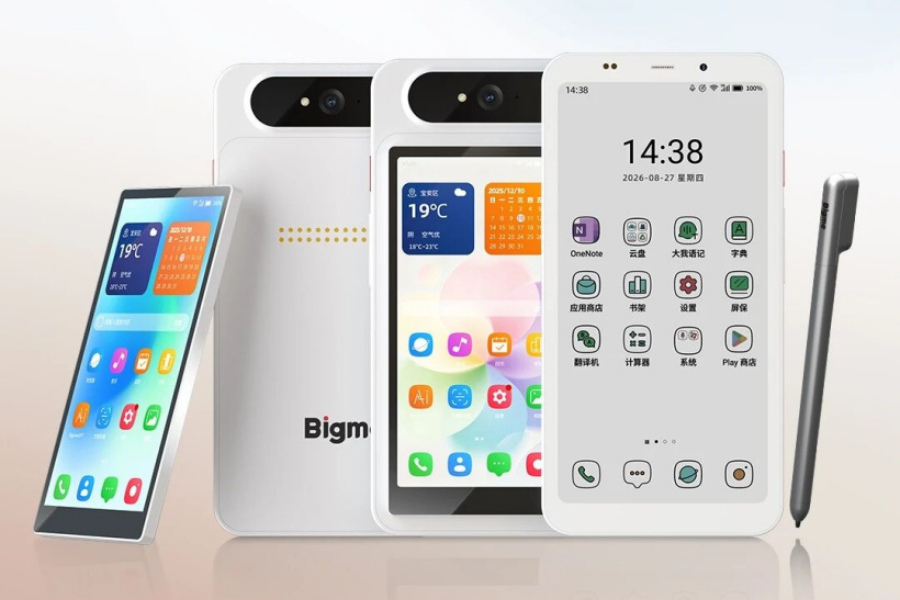
The front of the HiBreak Dual 3 has a 6.13-inch color e-ink display that switches between black-and-white and color modes. In black-and-white mode, the panel runs at 300 PPI, and color mode drops to 150 PPI.
The second display is a 5-inch LCD with a 720 x 1280 resolution. It attaches to the back of the phone magnetically and can be used for video, social media, and regular Android apps. When you only need the e-ink display for reading or writing, you can simply remove the LCD screen. The stylus works with the e-ink display only.
Bigme has also added several ways to unlock the two screens. You can register different fingerprints for each display, while the front and rear cameras can also be used as separate unlock options. The LCD screen additionally supports face recognition.
The phone is powered by the MediaTek Dimensity 8300 processor and runs Android 16. There are two memory configurations: 12GB of RAM with 256GB of storage, and 16GB of RAM with 512GB of storage. A TF card slot is also available, allowing you to expand storage by up to 2TB.
Connectivity includes 5G, dual SIM with dual standby, dual-band Wi-Fi, Bluetooth 5.3, and NFC. The stylus supports 4,096 levels of pressure, which should be useful for handwriting, sketching, and other pen-based tasks.
The HiBreak Dual 3 packs a 4,450mAh battery with support for up to 30W charging. On the camera side, there is a 5MP front camera and a 50MP rear camera. Other features include stereo speakers, two microphones, and audio output through the USB-C port. The phone measures 159.7 x 79.8 x 9.5mm.
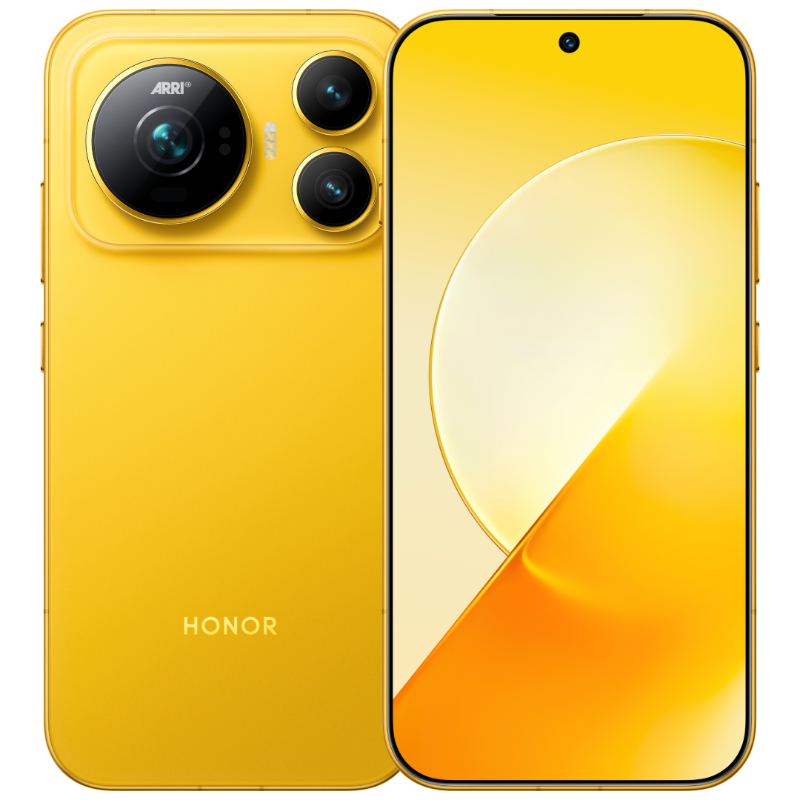
Honor has officially launched the Magic 9 in China with a compact 6.37-inch display, dual 200MP ARRI cameras, an 8,000mAh battery, and the new MagicOS 11 software. The phone starts at 4,999 yuan (~ $745) and is available in four colors: Popcorn Yellow, Opening White, Curtain Black, and Olive Green.
The Magic9 is a small-screen flagship in the series, but Honor has not cut back on its camera hardware. The phone has a 200MP ARRI main camera alongside a 200MP ARRI telephoto camera, much like the Magic9 Pro Max. It also supports Honor’s external teleconverter kit.
Honor Magic9 display and design
The Magic9 has a 6.37-inch flat OLED display with a 1.5K resolution and a 120Hz refresh rate. The panel uses LTPS technology and has bezels as narrow as 0.95mm. Honor rates its peak brightness at up to 10,000 nits, while global brightness can reach 2,000 nits. The screen can also drop to 1 nit for use in darker environments.
Honor is also equipping the phone with its Oasis eye-care features. The display supports up to 3,840Hz PWM dimming, hardware-level low blue light, AI defocusing, a natural light-like display mode, and an AI sleep-aid display. Honor says the Magic9 is the first smartphone to receive TÜV Rheinland Global Eye Care 6.0 certification.
The phone has a 3D unibody cold-carved glass design with a camera module inspired by classic cinema cameras. Its four color options are Popcorn Yellow, Opening White, Curtain Black, and Olive Green. The Magic9 measures 8.49mm thick and weighs 209 grams.
Dual 200MP ARRI camera system
The camera setup is the biggest part of the Magic9. Honor has worked with ARRI to bring the company’s color science and cinematic tools to the phone, while the hardware includes two 200MP cameras on the rear.
The main camera uses a 200MP sensor measuring 1/1.4 inches, paired with an f/1.9 aperture and CIPA 7.5 image stabilization. It is designed to capture detailed photos in both daylight and low-light conditions.
The second camera is a 200MP telephoto sensor with a 1/1.56-inch size, f/2.6 aperture, and a 3.5x optical-equivalent focal length of 85mm. It also carries a CIPA 7.5 stabilization rating and supports up to 120x digital zoom.
The rear camera system is joined by a 50MP ultrawide camera with an f/2.0 aperture. On the front, there is a 55MP camera with an f/2.0 aperture and a 1/2.74-inch sensor. The front camera uses a square sensor layout, allowing users to switch between 1:1, 16:9, and 9:16 framing without the same restrictions as a conventional rectangular selfie camera.
Honor is also using the H1 chip to lift some imaging load from the main SoC. The chip is built on a 6nm process and supports RAW-domain lossless video noise reduction. Honor says the chip can improve the signal-to-noise ratio by 8dB, helping retain more image detail in difficult lighting conditions.
The Magic9’s ARRI partnership goes beyond color filters. The phone supports an ARRI LogC3 video pipeline, giving users more flexibility when grading footage later. It also includes 87 official ARRI Looks, allowing different cinematic color treatments to be applied directly to footage.
Another major feature is ARRI Movie Live. The mode uses a 2.39:1 cinematic widescreen format and can keep recording for three seconds after the shutter is pressed. This lets users capture short moving clips rather than a single still frame. The phone can also record in 4K while using the cinematic format.
The Magic9 also supports 200MP zoom-flash portraits, which combine the high-resolution telephoto camera with flash effects to create portraits with more controlled lighting. Honor is positioning the feature for both daytime and nighttime portrait photography.
For users who want more reach, the Honor G200 teleconverter is available separately. It weighs 88 grams and measures 81mm in length. When used with the phone’s 85mm telephoto camera, Honor says the setup can produce a 200mm equivalent focal length.
Snapdragon chip and 8,000mAh battery
The Magic9 is powered by the Snapdragon 8 Elite Gen 5 platform, yes not the latest Gen 6. It’s still a flagship chip that can handle most workloads you throw at it. The phone comes with LPDDR5X RAM and UFS 4.1 storage. Honor also claims a smoother experience with no latency, crashes, frame drops, connection drops, or stuttering under its stated test conditions.
Power comes from an 8,000mAh Qinghai Lake battery. The battery uses a high-silicon material with 25% silicon content and supports up to 80W wired charging and 50W wireless charging. Honor also says its wireless charging system can work with more than 300 compatible car models when paired with the required charging hardware.
MagicOS 11 and new AI features
The Honor Magic9 series is the first to run MagicOS 11, which adds a range of new AI features built around Honor’s YOYO assistant. One of the main additions is the dedicated AI button, which can record video highlights in a single press, while other actions can be assigned to different press patterns. YOYO can also handle tasks such as subtitle collages, video trimming, and converting videos into Live content.
The phone also includes YOYO Task and YOYO Proactive Service. These features can handle scheduled tasks and provide reminders for things such as food pickup and package collection codes. The system can also organize daily schedules and surface relevant information when needed.
Other AI tools include AI Call Assistant, AI Calendar, AI Recorder, AI Notes, and AI File Management. Honor is also introducing cross-device features that allow the Magic9 to work with Apple devices through the Honor Connect app, including synchronized call notifications and cloud photo syncing.
Connectivity and durability
The Magic9 comes with Honor’s third-generation C3 RF enhancement chip, which works with a seven-core RF architecture and AI-based network selection. Honor says the system can intelligently switch between 356 frequency-band combinations and optimize connectivity across 38 scenarios.
The phone also supports Wi-Fi 7, Bluetooth 6.0, NFC, and an IR blaster. Other hardware features include a 3D ultrasonic fingerprint sensor, a dedicated camera button, dual speakers, three microphones, and a USB 2.0 port.
For durability, the Magic9 carries IP68, IP69, and IP69K ratings under controlled laboratory conditions. Honor notes that these ratings do not mean the phone is permanently waterproof, and liquid damage is not covered under warranty.
Pricing and colors
The Honor Magic9 comes in four configurations:
12GB + 256GB: 4,999 yuan (about $745)
12GB + 512GB: 5,499 yuan (about $819)
16GB + 512GB: 5,999 yuan (about $894)
16GB + 1TB: 6,999 yuan (about $1,043)
You can choose from Popcorn Yellow, Opening White, Curtain Black, and Olive Green.
The Dimensity 9600 Pro is a powerful 2nm processor from MediaTek that delivers elite performance, a major boost in power efficiency, and neural graphics rendering architecture. It’s the first smartphone chip to support LPDDR6 memory and UFS 5.0 storage, alongside major upgrades to on-device AI capabilities.
With so many useful major upgrades packed into the Dimensity 9600 Pro, it’s surely going to be among the top choices for premium flagship devices in 2027. The Vivo X500 Pro and X500 Pro Max are already out with this chip, quickly followed by Oppo with its Find X10 Pro Max. We’ve prepared a list of devices that are powered by the Dimensity 9600 Pro chipset.
All the phones featuring the MediaTek’s Dimensity 9600 Pro SoC
Besides a powerful chipset, the phone offers a powerful set of cameras, built in collaboration with Zeiss. The triple rear camera setup gets a 50MP primary camera, a 64MP periscope telephoto lens with 3.5x optical zoom, and a 50MP ultrawide lens. The selfie camera also gets a 50MP sensor.
The Vivo X500 Pro packs a 6510mAh battery and supports 90W wired charging and 40W reverse wireless charging. Other specs include a 144Hz 6.36-inch LTPO AMOLED screen, Wi-Fi 7, Bluetooth v6.0, and 5 major OS updates.
The Vivo X500 Pro was launched alongside the X500 Pro as the more powerful sibling with slightly higher pricing. It’s also scheduled to debut globally on October 28.
As for the specs, the X500 Pro Max features a larger 6.85-inch LTPO AMOLED screen with a 144Hz refresh rate. The triple-camera setup on the back includes the same 50MP primary camera and 50MP ultrawide camera as the X500 Pro, but replaces the 64MP periscope telephoto lens with a 200MP one, which should offer more detail in zoom shots. There’s a 50MP selfie camera.
The Vivo X500 Pro Max packs a larger 8000mAh battery with support for 90W wired and 40W wireless charging. The rest of the spec sheet is pretty much the same.
A day after the Vivo X500 series launch, Oppo unveiled the Find X10 Pro in China, powered by the same Dimensity 9600 Pro chipset. The company has teased its global release, although a specific launch date has yet to be announced.
The Oppo Find X10 Pro Max has a powerful rear camera setup, featuring three cameras, each with a massive 200MP resolution. It includes a primary camera, a periscope telephoto lens with a 3x optical zoom, and an ultrawide unit. The selfie camera is a 50MP snapper.
The Chinese variant packs a 7150mAh battery, while the international model is confirmed to have an 8000mAh capacity. The smartphone supports 80W wired, 50W wireless, and 10W reverse wireless charging. Other specs include a 144Hz 6.78-inch LTPO AMOLED screen, Wi-Fi 7, Bluetooth 6.2, USB Type-C 3.2, and an ultrasonic fingerprint reader.
It’s been hardly a few days since the Dimensity 9600 Pro’s announcement, and three phones are already out powered by this chip. I’m sure there will be a few more launches before the year wraps up, with 2027 gearing up to bring a flurry of devices rocking MediaTek’s most capable mobile chipset. We’ll update the page regularly as more devices launch with the Dimensity 9600 Pro.
As scheduled, Honor officially took the wraps off the Magic9 Pro Max in China today. The phone starts at 6,499 yuan, or about $970, and brings two 200MP cameras tuned with ARRI, a 2nm Snapdragon 8 Elite Extreme Gen 6 chip, and an 8,800mAh battery with 100W wired charging.
Honor announced the phone at its Magic Grand Ceremony in Beijing alongside the Magic9 and Magic9 Super Edition.
Cameras built with ARRI
The Honor Magic9 Pro Max has a dual 200MP camera system developed with ARRI, with the main and telephoto cameras both using 200MP sensors. Honor pairs the camera hardware with its self-developed Honor Drive H1 imaging chip, which uses a 6nm process and delivers 18.8 TOPS/W energy efficiency. The chip also handles RAW-domain lossless noise reduction to retain more image detail during processing.
The main camera is a 200MP ARRI gimbal-level camera with a large 1/1.28-inch sensor, an f/1.57 aperture, and CIPA 8.0 image stabilization. It supports up to 3 degrees of gimbal-level stabilization to keep shots steady when the phone moves. Honor says the setup suits both people and landscape photography.
The second 200MP camera is an ARRI Ultra Night Telephoto lens with a 1/1.4-inch sensor and f/2.6 aperture. It also supports CIPA 8.0 stabilization and uses Honor’s AiMAGE sharpness engine. Along with its long-range shooting capabilities, the telephoto camera is designed to handle closer subjects as well.
The phone also has a 50MP f/2.0 ultrawide camera and a 3D depth-sensing camera. The front camera is Android’s first square 55MP sensor that showed up in the hands-on video from earlier this month. You can shoot 1:1, 16:9, or 9:16 without rotating the phone.
ARRI video features
The ARRI partnership extends beyond the camera hardware. The Magic9 Pro Max supports an ARRI LogC3 video pipeline, giving users more flexibility when color-grading footage after recording. Honor says the system is tuned with ARRI to reproduce the softer highlights, shadows, and color transitions associated with film.
The phone also includes 87 official ARRI Looks, which can be applied to footage for different cinematic color treatments. There is also an ARRI Master Mode with presets such as Venice and Southern Fujian.
Another feature is ARRI Movie Live, which records video in a 2.39:1 cinematic aspect ratio. The phone continues recording for three seconds after the shutter is pressed, allowing users to capture a short sequence rather than a single frame.
Honor G500Honor G200Studio Kit
Like most Chinese flagships these days, you also get external teleconverters support, and not one but two. The G500 works with the phone’s 85mm lens to provide a claimed 500mm equivalent focal length for long-distance photography. The G200 is a smaller option, weighing 88 grams with an 81mm focal length, which combines with the phone’s 85mm lens to produce a claimed 200mm equivalent.
Both accessories are sold separately. Honor is also offering a SmallRig professional video expansion kit designed for the Magic9 Pro Max, adding mounting and expansion interfaces for a more conventional video setup.
For video recording, Honor has added a directional microphone system that it describes as a cinematic-grade gun microphone. It combines a highly directional microphone with an omnidirectional microphone and can pick up sound from greater distances. Honor says its laboratory testing showed a 462% improvement in device-level noise reduction and a 158% increase in radio sensitivity compared with its reference microphone setup.
Display and build
The screen is a 6.8-inch OLED that Honor calls its Black Diamond display. It peaks at 10,000 nits, runs from 1Hz to 120Hz, and has 4320Hz PWM dimming. The panel also uses a 5,600-layer silicon nitride coating, which Honor says makes it 15 times more scratch-resistant and 25 times more drop-resistant than the glass used as its comparison baseline.
The body is all metal and carries IP68, IP69, and IP69K ratings. For unlocking, you get both 3D face recognition and a 3D ultrasonic fingerprint sensor. MagicOS adds a dedicated AI button, and Honor’s YOYO assistant can record video highlights with a single press.
The Honor Magic9 Pro Max runs on the Snapdragon 8 Elite Extreme Gen 6, a 2nm chip with a CPU clock speed of up to 5GHz. This lines up with the AnTuTu listing that appeared just before launch, where the phone scored over 5.5 million points.
Keeping everything running is an 8,600mAh battery. Honor says the cell has 40% silicon content and an energy density of 1000Wh/L. Charging runs at 100W wired and 80W wireless, and 50W wireless car charging works with compatible vehicles.
Pricing and configurations
The Honor Magic9 Pro Max comes in four storage options, matching what Honor listed when pre-orders opened:
You can pick from Moss Green, Silver, and Shadow Black. The Honor Telephoto Converters G500 and G200, along with the SmallRig video expansion kit, are sold separately.
We use cookies on our website to give you the most relevant experience by remembering your preferences and repeat visits. By clicking “Accept”, you consent to the use of ALL the cookies.
This website uses cookies to improve your experience while you navigate through the website. Out of these, the cookies that are categorized as necessary are stored on your browser as they are essential for the working of basic functionalities of the website. We also use third-party cookies that help us analyze and understand how you use this website. These cookies will be stored in your browser only with your consent. You also have the option to opt-out of these cookies. But opting out of some of these cookies may affect your browsing experience.
Necessary cookies are absolutely essential for the website to function properly. This category only includes cookies that ensures basic functionalities and security features of the website. These cookies do not store any personal information.
Any cookies that may not be particularly necessary for the website to function and is used specifically to collect user personal data via analytics, ads, other embedded contents are termed as non-necessary cookies. It is mandatory to procure user consent prior to running these cookies on your website.