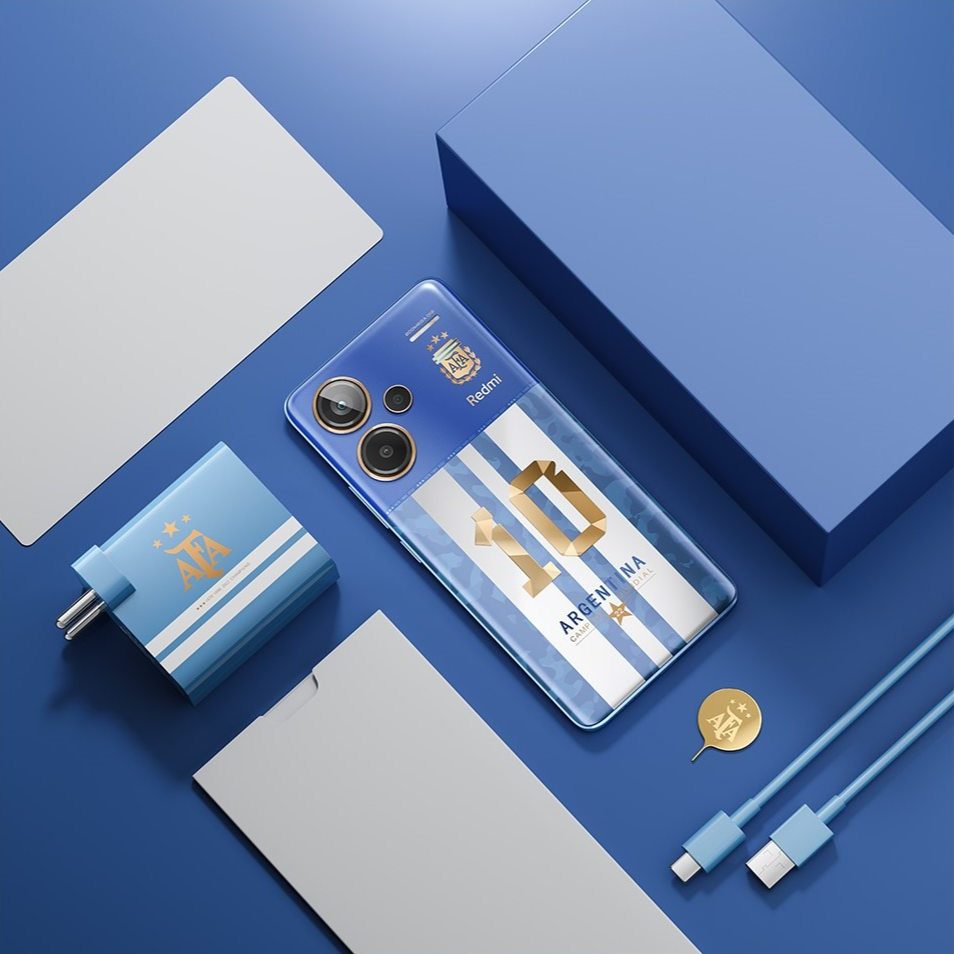
Xiaomi launched a special edition Redmi Note 13 Pro+ to commemorate their 10th anniversary in India. This phone partners with the Argentine Football Association (AFA) boasting a unique design and collector’s box.
The limited edition features Argentina’s iconic blue and white stripes and AFA logos. The box showcases an image of Ángel Di María, Emiliano Martínez, and Rodrigo De Paul from the 2022 World Cup squad. Inside, fans will find a customized charger, cable, SIM ejector, and a special card listing past champions.
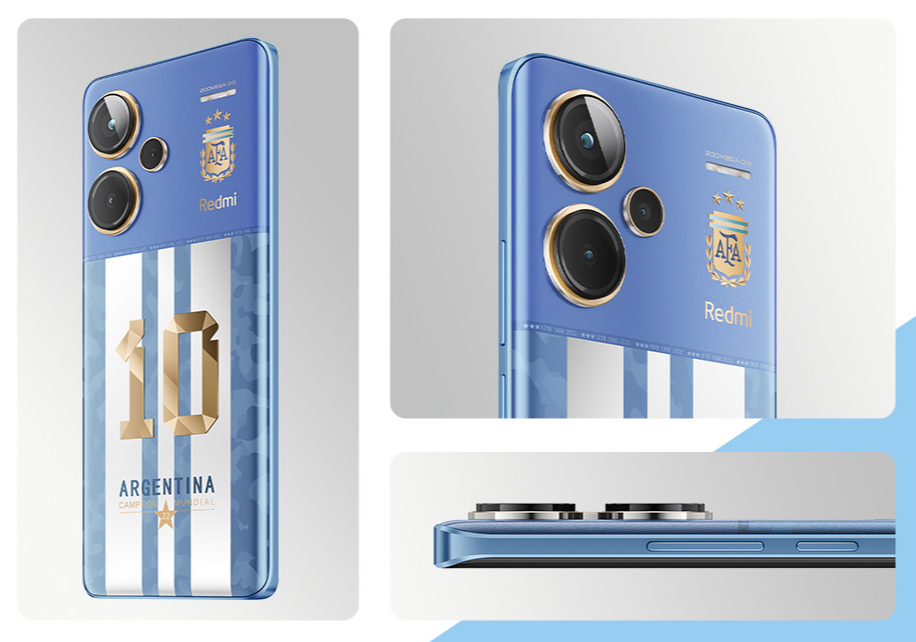
The smartphone itself has Argentina’s national colors on the back with Messi’s jersey number 10 printed in Gold. Other than that, the phone is pretty much the same as a regular Redmi Note 13 Pro+ in terms of specifications.
Redmi Note 13 Pro+ 5G World Champions Edition specs:
The Redmi Note 13 Pro+ 5G comes with an IP68 dust and water resistanceIP68 dust and water resistance rating, offering a 6.67-inch OLED display that features 2712 x 1220 resolution, 120Hz refresh rate, and Gorilla Glass Victus protection. It is powered by a MediaTek Dimensity 7200 Ultra chipset, paired with an Android 14-based HyperOS operating system.
The Redmi Note 13 Pro+ World Champions Edition comes in a single 12GB LPDDR5 RAM and 512GB UFS 3.1 storage version. The camera setup includes a 16MP selfie camera and a rear trio: 200MP primary, 8MP ultrawide, and 2MP macro. Connectivity options feature dual SIM, 5G, WiFi 6E, Bluetooth 5.3, GNSS, NFC, and USB Type-C. Additional features include Dolby Atmos-supported dual stereo speakers, an in-display fingerprint sensor, and an IR blaster. The phone has a 5,000mAh battery that supports 120W wired charging.
Pricing & availability
This special edition device will be available from May 15th at a launch price of Rs. 34,999, with additional discounts and exchange bonuses available through partnerships with ICICI Bank. The phone can be purchased through Xiaomi’s website, Amazon, Flipkart, and retail stores across India.
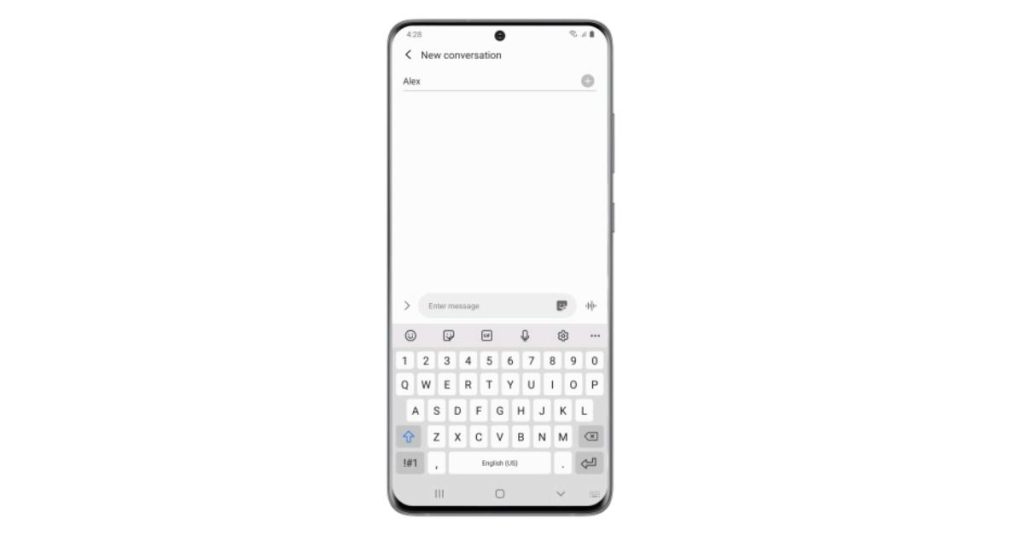
A recent report from cybersecurity researchers at Citizen Lab reveals a significant security flaw in several popular keyboard apps for smartphones, The flaw puts communications of nearly a billion users at risk of unauthorized access.
The report reveals that keyboard apps from big names like Tencent (QQ Pinyin), Baidu (IME), iFlytek (IME), Samsung (Android Keyboard), Xiaomi (using keyboards from Baidu, iFlytek, and Sogou), OPPO, Vivo, and Honor were all found to be vulnerable.
The flaw is that these keyboards were transmitting user keystrokes unencrypted, transmitting what users type as plain text. So anyone capable of intercepting the data could potentially read everything a user types “in transit.”
These include everything from normal texts to sensitive information like passwords and credit card details. Thus, the size and scope of the data compromised could be huge.
The research team found that Huawei was the only manufacturer whose keyboard app did not show this vulnerability. The report says the team couldn’t analyze Apple and Google’s keyboards because these apps lack cloud-based communication features.
Interestingly, the report points out that none of the examined devices came pre-installed with Google’s keyboard app, Gboard.
On a positive note, most manufacturers have reportedly addressed the issue as of April 1st, as the firm has already notified them. However, Honor and Tencent’s QQ Pinyin keyboards are still in the process of being updated to fix the problem.
If you haven’t updated your device in a while, we advise you to do so as soon as possible. Additionally, we recommend using a keyboard from a reputable maker, such as Google Keyboard, to ensure better security.
MSI has unveiled a maxed-out version of their Titan 18 Pro laptop, packing a hefty price tag of 36,599 yuan ($5054). This beast of a machine boasts a 24-core Intel Core i9-14900HX processor paired with a powerful NVIDIA GeForce RTX 4090 graphics card. To handle the demanding performance, MSI equips it with 192GB of RAM and a whopping 4TB of storage space. The Titan 18 Pro was previously launched in March this year, check out the launch coverage here.
The display is an 18-inch Mini-LED panel with a 120Hz refresh rate
The display is equally impressive, featuring an 18-inch Mini-LED panel with a 3840 x 2400 resolution and a smooth 120Hz refresh rate. Covering 100% of the DCI-P3 color gamut and reaching a peak brightness of 1000 nits, this display is perfect for creative professionals and gamers alike.
MSI keeps the system cool with a dual-fan and 6-heat pipe design. Their “super boost mode ULTRA” allows for a total power consumption of up to 250W, with 175W dedicated to the GPU and 75W for the CPU. The Titan 18 Pro also boasts advanced display options with MUX dual-display and three-mode switching technology.
Packing a 99.9Whr battery with PD3.1 fast charging capabilities, the Titan 18 Pro promises extended use on the go. The audio experience is enhanced with a 6-speaker setup. In terms of connectivity, it offers the latest WiFi-7 technology alongside a generous selection of ports including 2x Thunderbolt 4, 1x USB-A 3.2 Gen 2, 1x RJ45 ethernet, and 1x HDMI 2.1.
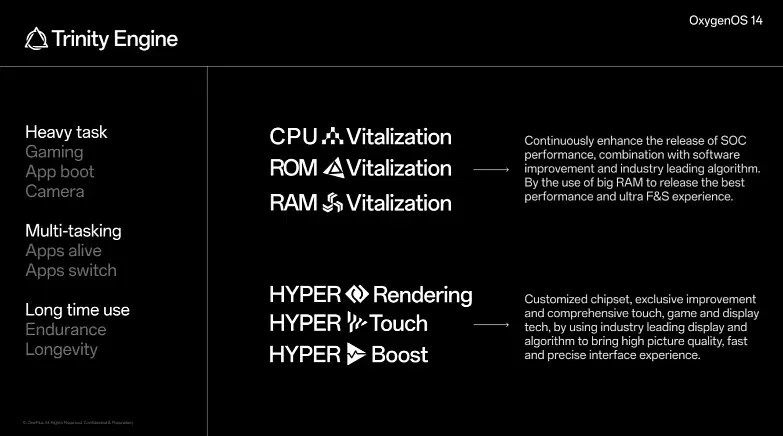
OxygenOS 14, based on Android 14, is an exciting upgrade that brings many new features, lock screen shortcuts and improvements. It also introduces Trinity Engine for performance optimizations. If your OnePlus device hasn’t received the OxygenOS 14 update, I know you’re desperately waiting to get your hands on the new features and changes it brings.
To all those curious OnePlus users waiting for the Android 14-based OxygenOS 14 update, check below to see if the brand has started rolling it out for your device.
These OnePlus Devices Have Received the OxygenOS 14 Update
OnePlus Open
OnePlus Pad
OnePlus 12
OnePlus 12R
OnePlus 11
OnePlus 11R
OnePlus 10 Pro
OnePlus 10R
OnePlus 10T
OnePlus 9
OnePlus 9 Pro
OnePlus 9R
OnePlus 9RT
OnePlus 8T
OnePlus Nord 3
OnePlus Nord 2T
OnePlus Nord N30 SE
OnePlus Nord N30
OnePlus Nord N20 SE
OnePlus Nord N20
OnePlus Nord CE 3 5G
OnePlus Nord CE 3 Lite 5G
OnePlus Nord CE 2 Lite 5G
These OnePlus devices have started getting the stable OxygenOS 14 update. This means that the update is available in a single region at least. As the update is rolled out in batches, it can take a few days to reach all the users.
If your OnePlus device is on the list but you still haven’t received the OxygenOS 14 update, keep checking for a new update regularly, as it may reach your device anytime soon. To do that, go to Settings > System > System updates and tap Check for updates.
[Note: In this post, I have only included the OnePlus phones that are eligible for the OxygenOS 14 update, not the ColorOS 14 update.]
Nearly all eligible OnePlus devices are already getting the OxygenOS 14 update, except the OnePlus Pad Go. The device is currently going through the open beta phase. However, OnePlus shouldn’t take more than a few weeks to release the stable build.
OnePlus calls it their most advanced performance optimization software. It consists of six proprietary technologies: CPU Vitalization, RAM Vitalization, ROM Vitalization, HyperBoost, HyperTouch, and HyperRendering.
Trinity Engine aims to deliver consistent performance for an extended period. You’ll experience notable improvements in power consumption and performance after upgrading to OxygenOS 14. It might not be instant as the device undergoes software optimizations, which can take a couple of days.
2. File Dock
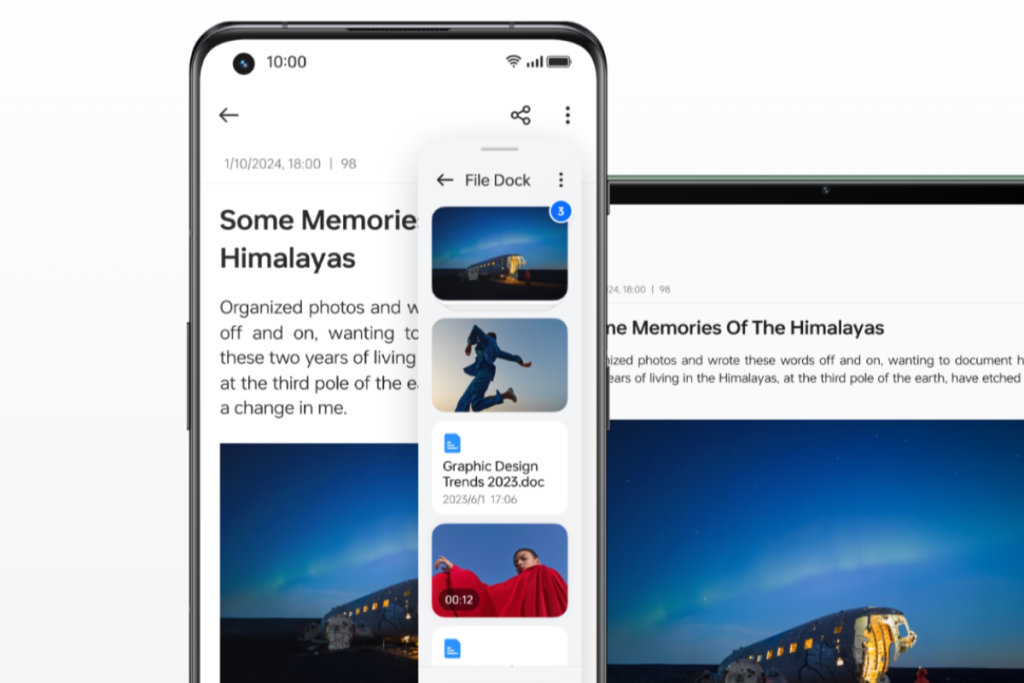
File Dock is an excellent addition to OxygenOS 14, at least for someone like me who keeps sharing texts and media files across many apps. Drag text or files to File Dock, open the app where you want to paste it and take the item out of FIle Dock.
The texts and files you save to File Dock are uploaded to the cloud. So, you can fetch them on your other OnePlus devices logged in with the same account.
3. Smart Cutout
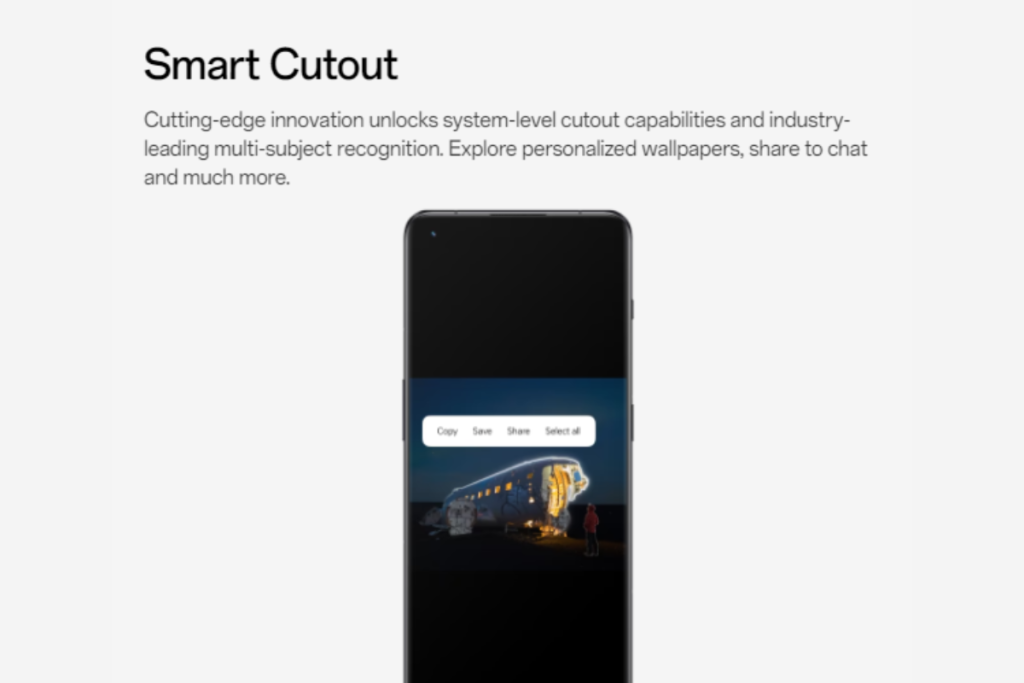
Many Android smartphone brands, including Samsung and Xiaomi, have the smart cutout feature with different names, and it is now available to OnePlus phones running OxygenOS 14.
To use Smart Cutout, simply long-press a subject on an image to extract a cutout. This feature has existed on iPhones for years and is finally coming to OnePlus phones.
4. Global Search
OxygenOS 14 brings a search pillbox at the bottom of the screen, just above the dock. The global search feature is also there in OxygenOS 13, but OnePlus seems to have found a good spot for the icon.
It lets you search through your phone, including documents, apps, contacts, and even the internet. The pillbox fades away as you scroll between home screens or open the app drawer.
5. Auto Pixelate 2.0
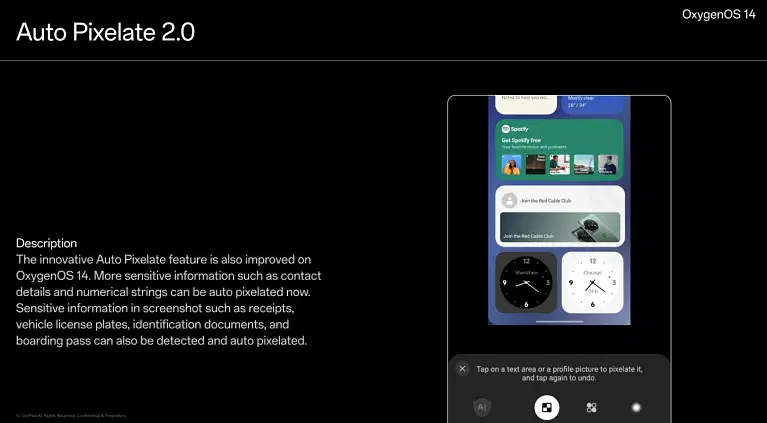
OxygenOS 14 promises robust security and privacy by introducing Device Security Engine 3.0, based on Trusted Execution Environment (TEE) and Auto Pixelate 2.0.
The Auto Pixelate 2.0 feature pixelates sensitive information such as contact details and credit card numbers when sharing screenshots.
To use the Auto Pixelate feature, open an image and hit the edit button. Then, tap Pixelate and click Auto to pixelate sensitive information.
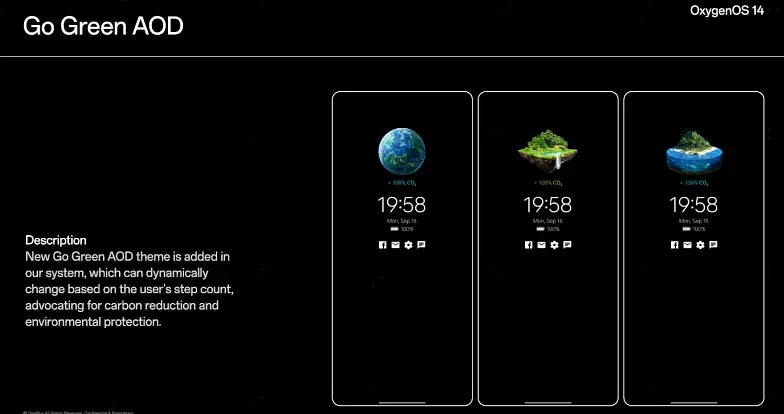
6. Carbon Footprint AOD
OxygenOS 14 introduces a unique AOD style that stands out – the Carbon Footprint AOD. It encourages you to walk and reduce your carbon footprint. There are five AOD styles that change based on the number of steps you take.
The earth on the AOD screen becomes greener as you walk more and more steps. I really liked this idea from OnePlus, and it won’t be wrong if other brands copy this or offer a similar feature.
7. Smart Suggestions
OxygenOS 14 introduced Smart Suggestions that surface important information on the lock screen, notification share, and status bar. For now, this feature works with select ride and food delivery services, such as Zomato, Uber, etc.
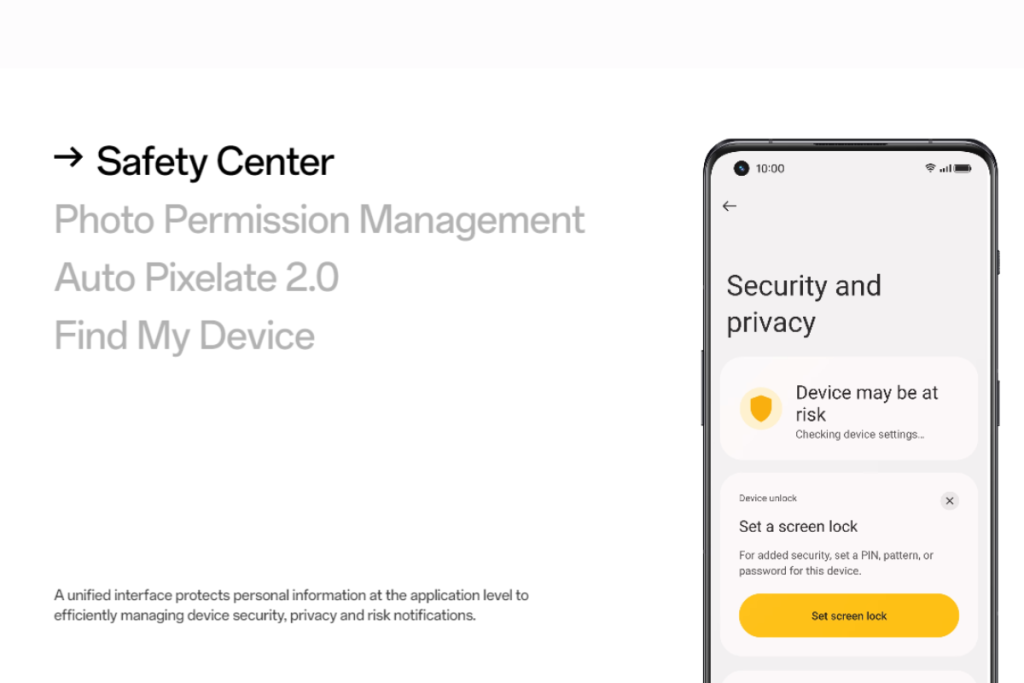
8. Unified Security Dashboard
OnePlus continues to make adjustments to present a unified dashboard for all security and privacy settings. OxygenOS 14 has a security and privacy page where you can find all those settings, such as Google account settings, Private Safe, App Locker, and System Cloner.
A notable change to user privacy is the ability to give apps access to select apps and videos instead of full system access.
9. More Lockscreen Shortcuts
OxygenOS 14 adds two additional shortcuts to the lock screen: QR and flashlight. You can add them to your lock screen to scan QR codes or enable/disable the flashlight without having to unlock the phone.
10. App-Specific Language Control
Another useful addition to OxygenOS 14 is the ability to customize language for specific apps. So now, you can change the language of a specific app without having to change the system language. You can find it on the Addition Settings page.
Which OxygenOS 14 feature(s) are you most excited about? And which OnePlus device do you own? Do let us know in the comments below.
ASUS officially announced the launch of the national version of the ROG Ryujin III WB split water block on their Weibo account on April 30, 2024. However, it wasn’t available for purchase on any e-commerce platforms at the time of the publication of this article.
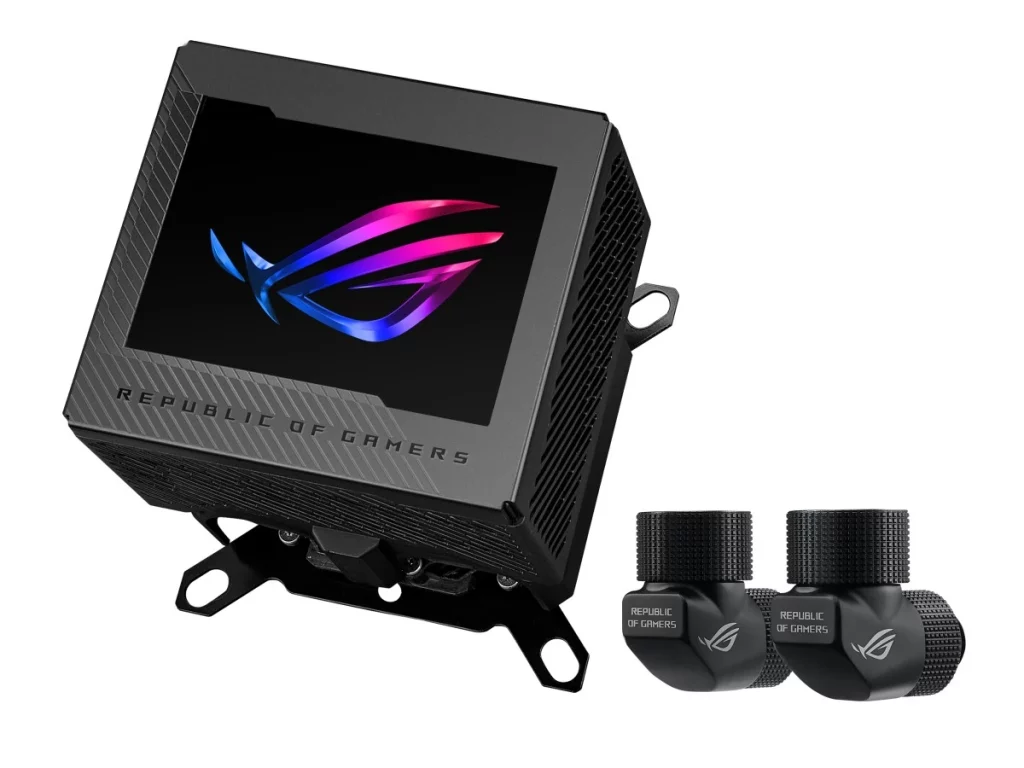
The water block features a small copper alloy cold plate with 178 micro cooling fins
The ROG Ryujin III WB is based on an Asetek design and features a small copper alloy cold plate with 178 micro-cooling fins. It supports Intel LGA 1700/1200/115X and AMD AM5/AM4 platforms.
Like the Longshen 3 generation integrated water cooler, this split water block incorporates a high-speed VRM cooling fan. This fan spins at up to 5100 RPM and claims to cool the motherboard VRM by up to 35°C. It has a maximum air pressure of 5.53 mmH2O and a maximum air volume of 21.08 CFM.
One of the key features of the ROG Ryujin III WB is the 3.5-inch, 60Hz refresh rate IPS LCD display. This display can show hardware information such as CPU frequency, voltage, water cooling fan speed, and flow rate. It can also be used to display custom animations and wallpapers. The display supports uploads of up to 32MB and can hold video content up to 2000 frames.
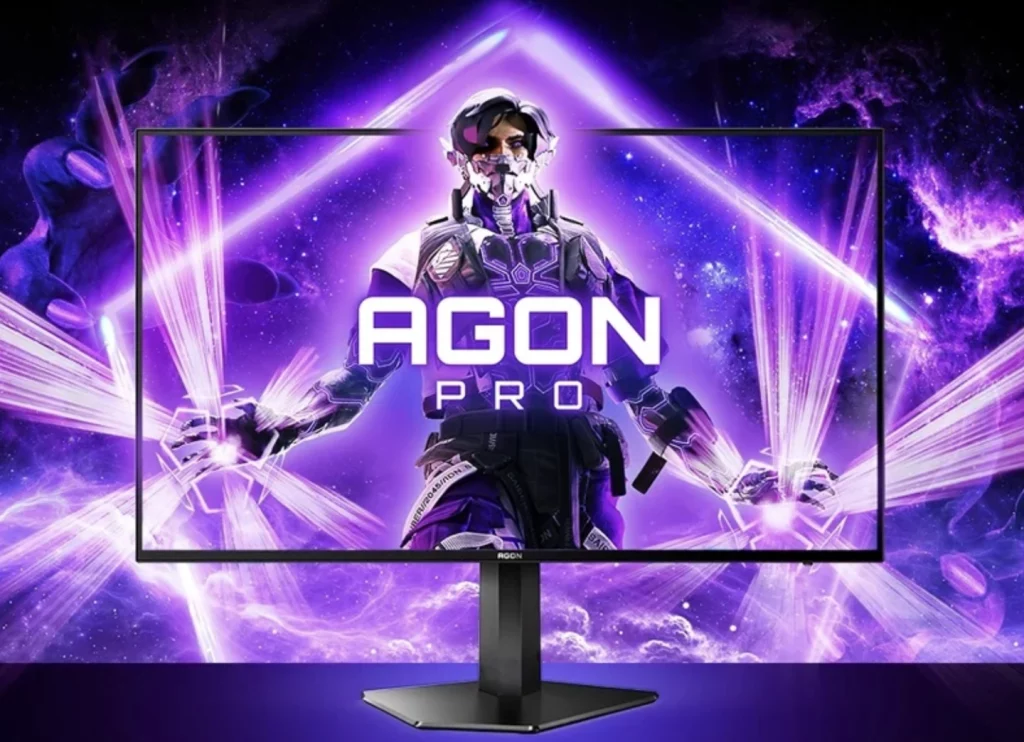
The AOC AG256FS is a new 24.5-inch gaming monitor featuring a Full HD (1920×1080) resolution with an incredibly fast refresh rate of 360Hz, which can be overclocked to 390Hz. This high refresh rate promises smoother visuals, especially in fast-paced games.
The AG256FS has 2x HDMI 2.0 ports, 1x DisplayPort 1.4, 4x USB-A 3.2 ports, and a 3.5mm headphone jack
The panel boasts a 100:1 static contrast ratio, 400 nits brightness, and a 1ms response time, aiming for minimal ghosting and blur. Color reproduction is rated at 8-bit depth and covers 100% of the sRGB color gamut.
For aesthetics, the back of the monitor features RGB lighting effects. The stand allows for tilt and rotation adjustments for comfortable positioning.
In terms of connectivity, the AG256FS is well equipped with 2x HDMI 2.0 ports, 1x DisplayPort 1.4, 4x USB-A 3.2 ports, and a 3.5mm headphone jack. The reported price for this monitor is 449 euros, which is roughly equivalent to 3484 yuan.
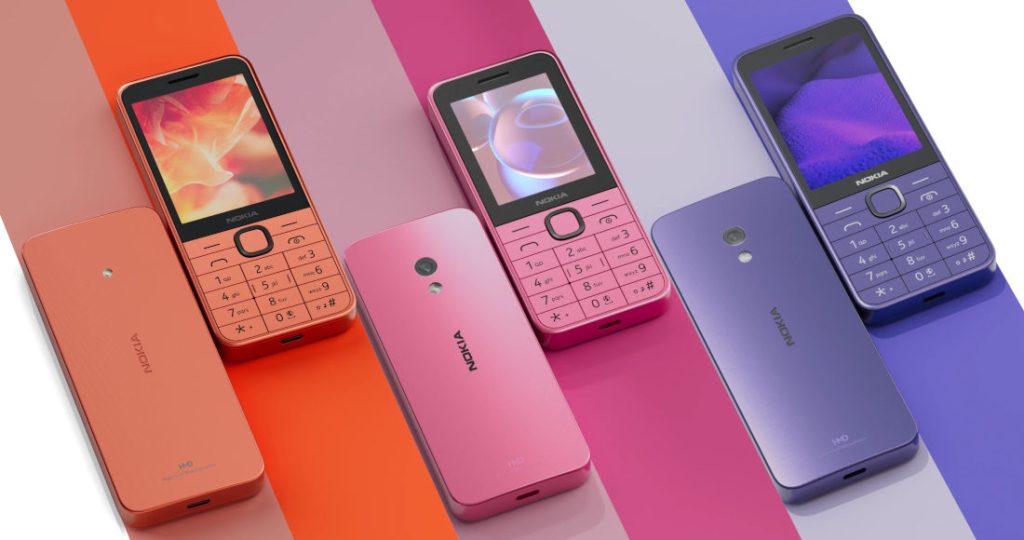
After the recent leak of the Nokia 225 4G smartphone, HMD Global has now made it official along with other feature phone models like the Nokia 215 4G and 235 4G. These phones are designed to offer essential mobile features at affordable prices with 4G capabilities, available in multiple colors, and equipped with a classic T9 keyboard.
Nokia 215 4G, 225 4G, & 235 4G specs:
The Nokia 215 4G and 235 4G feature a 2.8-inch screen, whereas the Nokia 225 4G has a 2.4-inch display. All models come with a QVGA resolution, are powered by a Unisoc T107 processor, and operate on an S30+ operating system designed for ease of use.
The Nokia 215 4G lacks a camera, the Nokia 225 4G includes a basic VGA camera, and the Nokia 235 4G offers a 2MP camera. These phones support Bluetooth 5.0, have a 3.5mm headphone jack, and USB Type-C ports. They also feature a 1450 mAh removable battery, providing up to 9.8 hours of talk time on a dual SIM setup.
These phones support Cloud Apps that provide news, weather reports, and also YouTube Shorts.
Pricing & availability
These feature phones are quite affordable, with the Nokia 215 4G starting at around $63, the Nokia 225 4G at $74, and the Nokia 235 4G at $84. The initial rollout will occur in Europe and will later include various APAC markets like India.
For those who travel with friends or family, sharing audio can be a challenge. Whether it’s a movie or a shared playlist, current Bluetooth limitations restrict streaming to one device at a time. Thankfully, the Bluetooth LE Audio standard and its Auracast feature offer a solution for that.
Auracast allows broadcasting audio to nearby devices via Bluetooth Low Energy. Unlike traditional Bluetooth, Auracast doesn’t require pairing between source and receiving devices.
In such cases, you can imagine your phone acting like a mini radio tower, transmitting an audio stream that other devices can pick up.
Image: Android Authority
It’s not that there are no such audio-sharing features on smartphones. But they are often limited to their mini ecosystem.
For example, there’s a feature in Samsung phones called “Dual Audio” that allows you to send your media audio to two different Bluetooth devices at once. But it requires specific Samsung devices to work. There’s also Apple’s “Share Audio”, but it works only between iPhones.
Auracast, on the other hand, is available to any device or platform that licenses the technology from the Bluetooth SIG, the governing body for Bluetooth standards.
While announced in 2022, Auracast has been adopted by smartphone manufacturers. However, with Bluetooth LE Audio becoming a standard feature, this is changing.
Most importantly, Android 15 natively introduces a dedicated “audio sharing” page for managing Auracast streams. The feature allows users to find, connect to, or initiate their own Auracast broadcast.
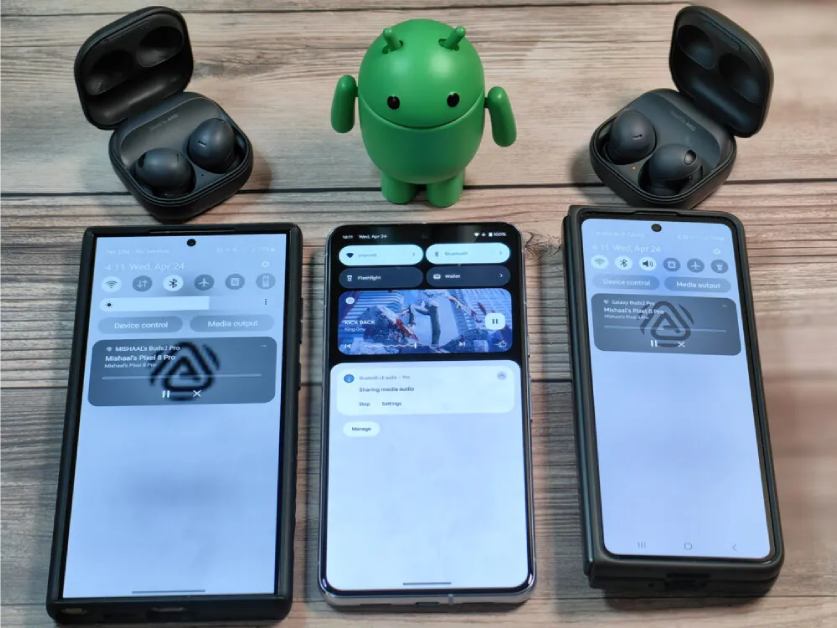
Mishal Rahman in a blog on Android Authority says that he has managed to enable the feature on a Pixel 8 Pro running Android 15 Beta 1.1 allowing successful connection with Samsung Galaxy devices running One UI 6.1.
Notably, these devices required Samsung’s Galaxy Buds 2 Pro earbuds, which have Auracast support.
Image: Android Authority
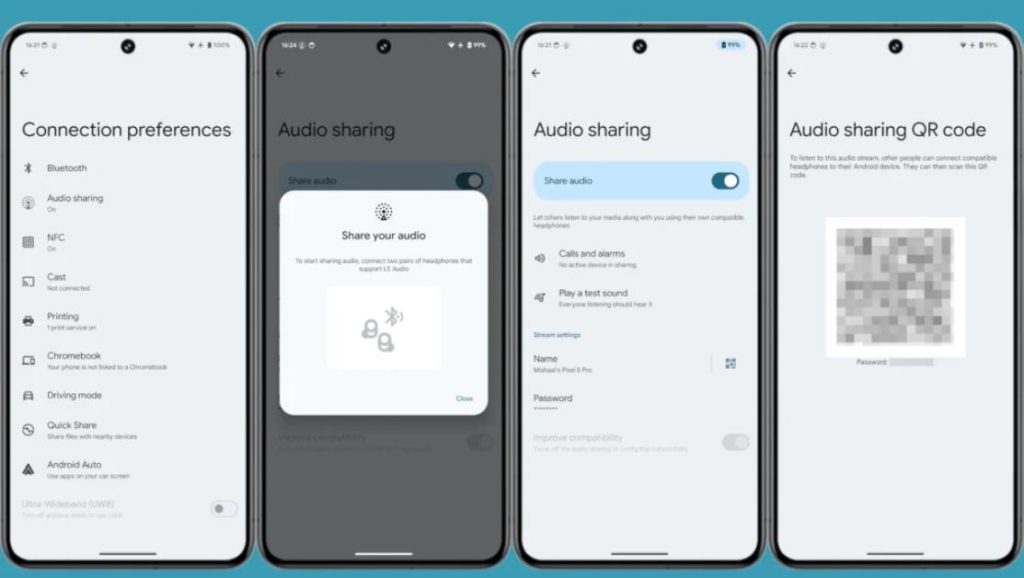
According to the report, to start an Auracast stream on Android 15, the user needs to navigate to Settings > Connected devices > Connection preferences > Audio sharing. There will be a toggle for “share audio” that will initiate the broadcast.
Mishall notes that for secure connections, users can set a broadcast name and password under “stream settings.” Alternatively, they can also generate a QR code for others to scan and join the stream.
Once connected, Mishall says both the devices played the same audio through their respective earbuds. However, a thing to note is that Auracast only supports one-way broadcasts. That means connected devices cannot control playback on the source device.
The Redmi Note 13 series debuted in India earlier in January this year. The lineup comprises the standard, pro, and pro plus models. Now, three months after the launch, all three devices have received a silent price cut in the country. The revised prices are across all variants of the Note 13 trio and they are yet to be reflected on Xiaomi‘s official website, Flipkart, and Amazon. Read on to take a look at the new prices.
Redmi Note 13 series gets a price cut
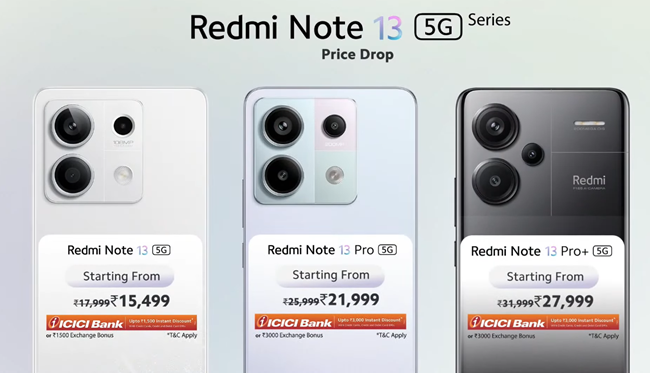
Before we get to the revised prices, Xiaomi has slashed the prices of all configurations of the Redmi Note 13 5G, Note 13 Pro 5G, and Note 13 Pro+ 5G by Rs 1,000.
The company is offering a bank discount for ICICI Bank customers or an exchange bonus that can be availed on the purchase of smartphones. On the Redmi Note 13 5G, interested customers can avail Rs 1,500 ICICI Bank discount or Rs 1,500 exchange bonus. There’s a Rs 3,000 instant ICICI Bank discount or a Rs 3,000 exchange bonus on the Redmi Note 13 Pro 5G and Note 13 Pro+ 5G.
From the above table, whether you avail of Rs 1,500 instant discount or exchange bonus, the Redmi Note 13 5G will start at Rs 15,499 for the base variant. The 8GB + 256GB and 12GB + 256GB can be purchased at Rs 17,499 and Rs 19,499 respectively. The Redmi Note 13 Pro 5G’s 8GB + 128GB, 8GB + 256GB, and 12GB + 256GB configurations will be available for Rs 21,999, Rs 23,999, and Rs 25,999 respectively after availing the Rs 3,000 instant discount or the exchange bonus. Meanwhile, the top-end Note 13 Pro+ 5G model carries a post offers price tag of Rs 27,999, Rs 29,999, and Rs 31,999 for the 8GB + 256GB,12GB + 256GB, and 12GB + 512GB variants respectively.
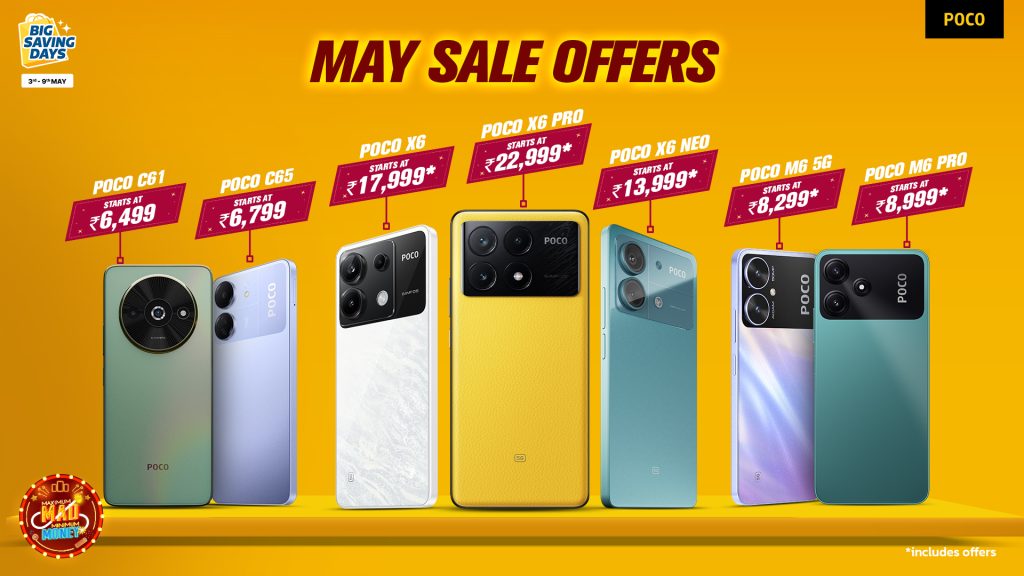
Poco has dropped the curtain on the deal details on its smartphones for the upcoming Flipkart and Amazon sales. Starting from May 1, there will be heavy discounts on most of the Poco Smartphones, and customers can enjoy the benefits up to May 10.
Poco Smartphones Deals Decoded
Ranging from Poco X6 Pro to the affordable Poco C61, there will be great discounts across the whole lineup. Let’s decode the Deals on Poco Smartphones below:
POCO Phone
Variant
Launch Price
Sale Discount
Sale Price
POCO X6 Pro
8+256GB
26,999
4000
22999*
POCO X6
8+256GB
21,999
4000
17999*
POCO X6 Neo
8+128GB
15,999
2,000
13999*
POCO M6 Pro 5G
4+128GB
11,999
3,000
8999*
POCO M6 5G
Airtel (4+128GB)
10,499
2,750
7749*
POCO C65
4+128GB
8,499
1700
6799
POCO C61
4+64 GB
7,499
1000
6,499
Poco X6 and Poco X6 Pro
The Poco X6 Pro and Poco X6 will get a Rs 4000 discount on the normal retail price of Rs 26,999 and 21,999, respectively. The base variant of Poco X6 and Poco X6 Pro will be available for Rs 17,999 and Rs 22,999.
Poco X6 Pro features MediaTek 8300 Ultra SOC, while the Poco X6 comes with Snapdragon 7s Gen 2 SoC. The Pro variant comes with a 6.67-inch AMOLED display and 120Hz refresh rate, while the Poco X6 comes with a 6.67-inch AMOLED with 1.5K resolution.
Poco X6 Neo will also be on sale for the discounted price of Rs 13,999. There’s a maximum discount of Rs 3000 on the 12GB RAM variant, and Rs 2000 discount on the 8GB RAM variant. The smartphone seems to feature a 6.67-inch AMOLED display with 120Hz refresh rate, features MediaTek Dimensity 6080 SoC, and packs a 108MP primary sensor on the rear.
Poco M6 Pro 5G is also on sale, and users can grab the base variant with 4GB RAM for Rs 8,999. There’s a total of Rs 3500 discount on the 8GB RAM variant, while the 4GB and 6GB RAM are available with Rs 3000 discount.
At such an affordable price, the user gets Qualcomm Snapdragon 4 Gen 2 SoC, a 6.79-inch display, IP53 splash, and dust resistance along with Corning Gorilla Glass.
It is another affordable smartphone available for the price of Rs 67,99 with a Rs 1700 discount. Meanwhile, the 6GB RAM variant is available for Rs 7799, and the 8GB RAM will retail for Rs 7999.
Poco C65 ships with MediaTek Helip G85 SoC, 6.74-inch HD+ 90Hz display, 5000 mAh battery with the ability to sustain the whole day.
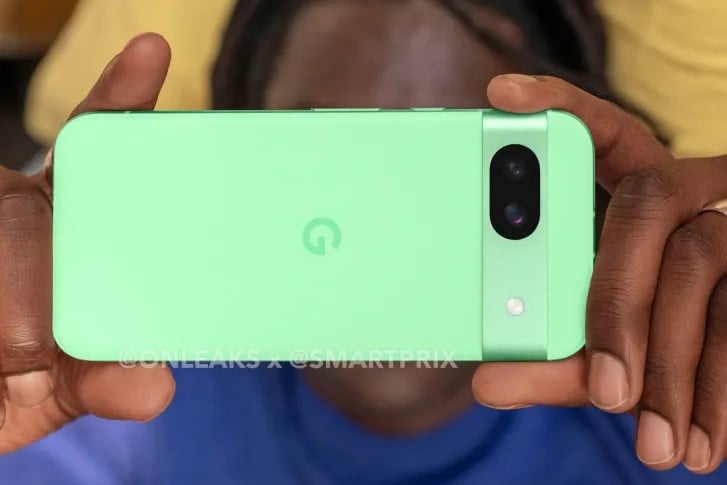
Google’s Pixel 8a is expected to launch at the upcoming I/O annual developer conference that begins on May 14. Leaks and rumors have left nothing to the imagination about the upcoming smartphone. The device recently surfaced in leaked promo materials. Now, the Pixel 8a’s pricing has leaked out two weeks ahead of launch thanks to tipster Steve Hemmerstoffer (aka Onleaks) who has an excellent track record.
Google Pixel 8a pricing leaks courtesy of reliable tipster
The recently leaked full promo material has increased the hype for the Google Pixel 8a. This is because, the smartphone will be eligible for seven years of OS update putting it on par with premium Pixel 8 duo. It will come with AI camera features including Best Take, Audio Magic Eraser, and Night Sight as well as other features like Live Translate and Circle to Search. The upcoming offering is confirmed to be IP67 rated, have VPN by Google One, and other features.
Now, all these features and significant upgrades compared to the Pixel 7a suggest that the Pixel 8a will also get a price hike. It was reported previously that the upcoming offering will be 18 percent expensive than its predecessor. However, that won’t be the case. As per Onleaks, Google will retain the pricing of the Pixel 8a with the base 128GB variant costing $499 and the 256GB option carrying a price tag of $559. This means that it will cost the same as the Pixel 7a. It’s worth noting that this pricing is for the US market and it may vary depending on the region.
Regardless, if the latest pricing leak of the Pixel 8a indeed turns out to be true, then Pixel fans are in for a treat. Considering the AI features loaded on the device as well as core upgrades across display, processor, and battery. Additionally, the Pixel 8a is also seen in Mint, Blue, and Black color options in the latest leak.
Motorola is set to enter the TWS earphones segment in India. The Lenovo-owned brand has confirmed the launch date of two new audio devices in the country. The Moto Buds and Moto Buds+ are set to debut next week. The company has also confirmed some key specifications of the upcoming offerings. To recall, both earphones were introduced in the global markets earlier this month.
Moto Buds, Buds+ India launch date, availability, and key specs revealed
The Moto Buds and Buds+ will be announced on May 9, Thursday at 12 noon. Flipkart has put up a microsite of the upcoming offerings confirming their availability from the e-commerce platform. The Buds+ will be the more premium among the two TWS earphones.
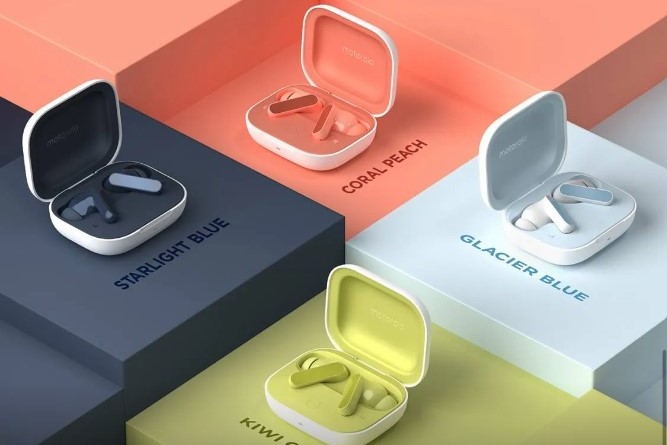
As per the microsite, the Moto Buds have a semi-in-ear design with a flat stem and silicone ear tips. They will be offered in four Pantone-validated colours including Starlight Blue, Coral Peach, Kiwi Green, and Glacier Blue. Meanwhile, the storage case on all options will have a White shade. The Buds are confirmed to be equipped with a 12.4mm dynamic driver with studio-quality sound. They are claimed to last up to 9 hours on a single charge and support fast charging.
On the other hand, the Moto Buds+ is said to be developed in collaboration with Bose. It will have dual drivers comprising an 11mm woofer and 6mm tweeter for crisp vocals and deep bass. It features Hi-Res audio for more details. The TWS earphone is confirmed to support Dolby Head Tracking for an immersive and multidimensional listening experience. It will be available in Forest Grey and Beach Sand shades.
HMD Global, the maker of Nokia-branded phones and tablets, is launching two devices under its own brand in Europe. These are the HMD XR21rugged phone and the HMD T21 tablet.
You might recognize these names – the XR21 and T21 were previously launched with Nokia branding. However, it seems that the company is now preparing to market them under the HMD brand.
The leak comes from a Finnish source which revealed that the two devices have already been listed in a few Nordic retailers, revealing colors, memory, and tentative price.
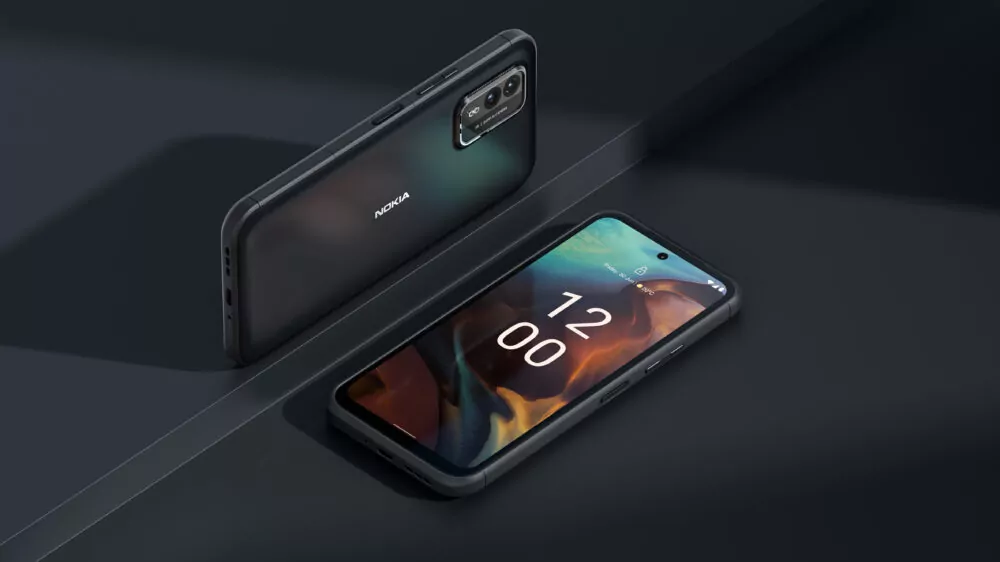
The HMD XR21 will be the company’s first 5G offering in Europe. According to the leak, it will be available in a single black color option with 6GB of RAM and 128GB of storage. The expected price tag is around €457.90.
Nokia XR21
As far as the specs go, the XR21 is said to have the same hardware specifications as its Nokia counterpart. So we can expect a 6.49-inch IPS LCD screen, a Snapdragon 695 chipset, 64MP dual cameras, and a 4800mAh cell. The phone will also have IP69 and MIL-STD-810H certification, expected of a rugged phone.
The HMD T21 tablet will reportedly come in a sole black variant. The most expensive option will offer LTE connectivity, 6GB of RAM, and 128GB of storage at €302.90. A more affordable LTE variant with 4GB of RAM and 64GB of storage is expected to cost €256.90.
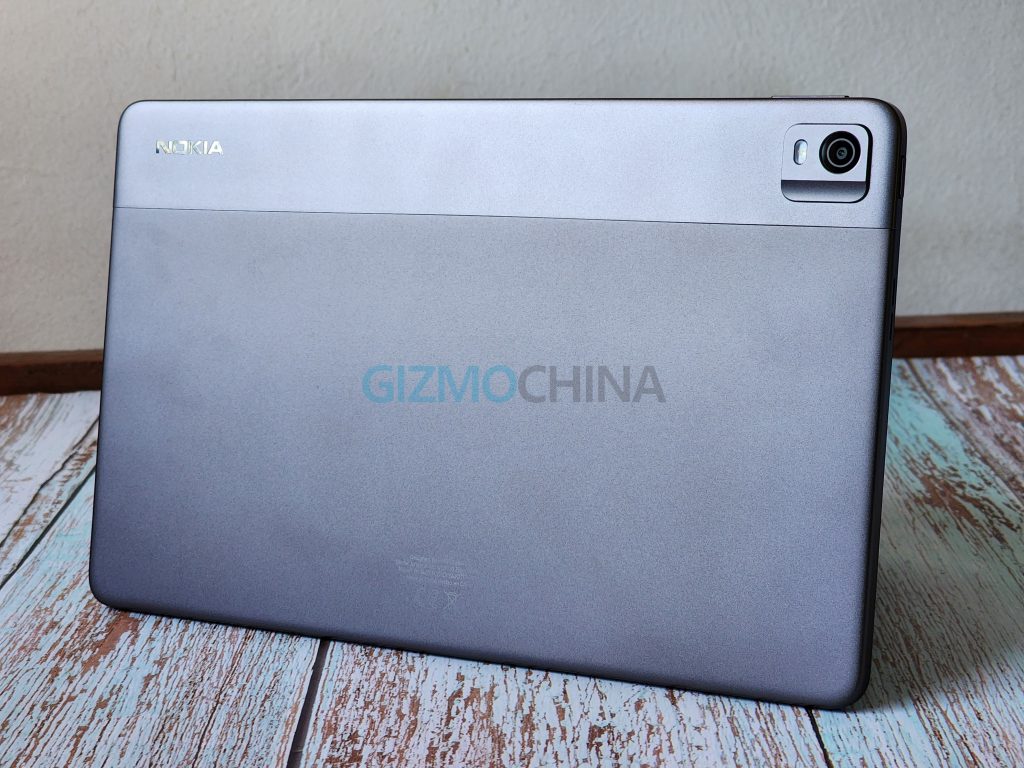
Finally, there will be a Wi-Fi-only model with the same 6GB RAM and 128GB storage configuration retailing at €228.90. Similar to the XR21, the T21 is likely a rebranded Nokia tablet (our review) with features like a 10.4-inch display, an 8,200 mAh battery, and stylus support.
We can expect an official launch for both the HMD XR21 and T21 soon. The leak suggests they will go on sale by early June.
Huawei is working hard on HarmonyOS NEXT, its new iteration of the operating system that departs from Android app support entirely. The company is actively collaborating with major Chinese giants to build native apps specifically for HarmonyOS NEXT.
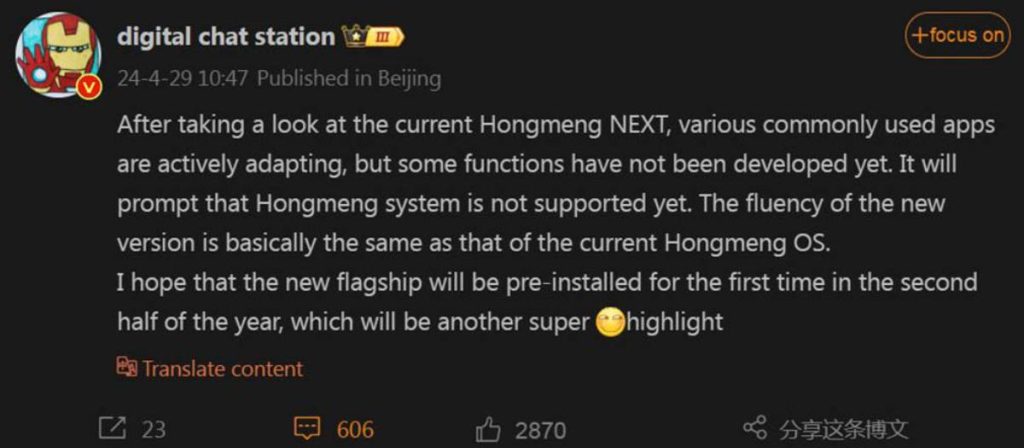
A fresh new leak suggests that the current development build of HarmonyOS NEXT offers a user experience comparable to existing software.
Words for it come from tech tipster Digital Chat Station who revealed that many “commonly used apps” possibly in China are actively being adapted for HarmonyOS NEXT. Huawei is also courting new partners to expand its app ecosystem.
However, according to the insider, these apps still lack some functions, possibly due to ongoing optimizations. Nevertheless, we are optimistic that these features will be added until the software reaches its beta phase.
Speaking of which, Huawei is currently preparing a testing version of HarmonyOS NEXT for user trials. The company will likely unveil the beta variant at the HDC 2024 event that’s happening in June. By then, we might see some significant, currently undisclosed changes.
The leak offers a glimpse into the current development stage of HarmonyOS NEXT. The software has a way to go before its official release, and Huawei will continue to improve its core operating system functionality continuously.
Moreover, previous leaks suggest that HarmonyOS NEXT might debut the upcoming Mate 70 series smartphones. Huawei’s Rotating Chairman, Xu Zhijun, himself hinted at a new software release alongside the Mate 70 flagship later this year, which lines up with the leaks.
While an official launch date for both products remains unknown, rumors suggest that they may be launched sometime in October.
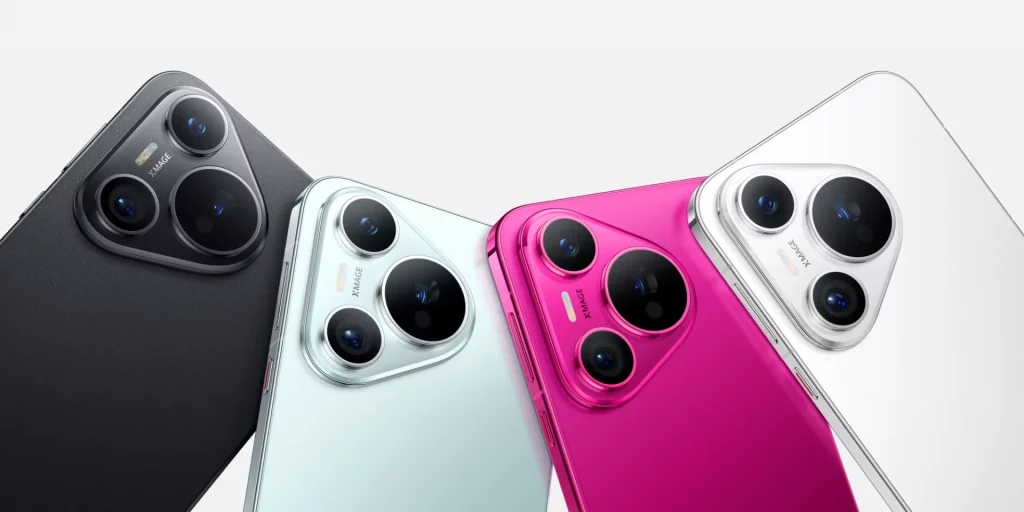
New detail suggests the Huawei Pura 70 series, recently launched in China, might be making its way to the global market soon.
Two models from the lineup, the standard Huawei Pura 70 (model number ADY-LX9) and the Pura 70 Pro (model number HBN-LX9), have been spotted on the SIRIM website in Malaysia.
SIRIM certification is a mandatory requirement for gaining market access in Malaysia. It signifies that the certified products meet safety standards for electrical and digital equipment. The certification process often precedes a product launch in the region.
While Huawei hasn’t officially announced the global rollout of the Pura 70 series, the SIRIM listing suggests an imminent launch in Malaysia. Huawei might release the smartphones in other regions after that.
However, only two models from the series have been listed so far, and the Pura 70 Pro+ and 70 Ultra are missing from the certification database.
Huawei Pura 70 / 70 Pro Specifications
As far as the specs go, both smartphone features an OLED panel with a 120Hz refresh rate and have Kunlun glass protection on the front. But the screen size differs: the Pura 70 has a 6.6-inch display whereas the Pro has a tad bigger 6.8-inch screen.
Huawei Pura 70
Powering the Pura 70 is a Kirin 9000S1 chip, a downlocked version of the Kirin 9000S chip. Whereas, the Pro model has the new Kirin 9010 chip. Regardless of the SoC, you get to choose up to 12GB of RAM and up to 1TB of storage.
Talking about the cameras, the standard model sports a 50MP main, 13MP ultrawide and a 12MP periscope telephoto. The Pro model keep the main lens, but has a 12.5MP ultra-wide and a 48MP telephoto shooter.
All this is backed by a 5050mAh cell on Pura 70 Pro with 100W charging support while the Pura 70 has a smaller 4900mAh cell that supports 66W wired charging.
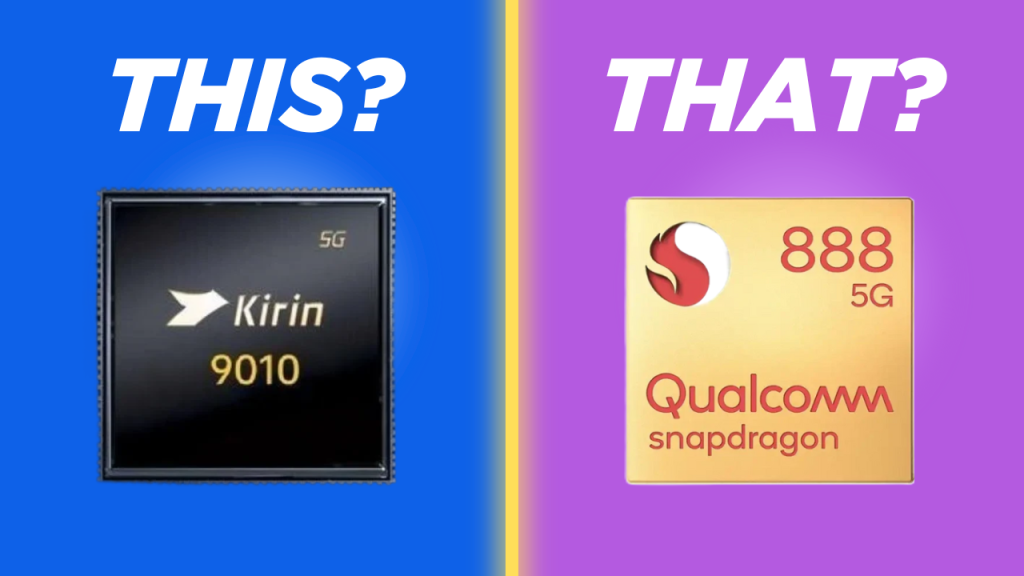
The Snapdragon 8 Gen 3 beats the Kirin 9010 by a good margin in our comparison (read it here). But can Huawei’s flagship chip survive against the 3-year-old Snapdragon 888 chip?
Read this detailed comparison to understand if it’s worth spending on a Kirin 9010 or if getting a Snapdragon 888-powered phone is still a better option.
Overview
The Snapdragon 888 SoC is a powerful chip from Qualcomm. It was found in flagship phones during its early days and is now in premium mid-range phones. Huawei’s Kirin 9010, on the other hand, is said to be a flagship chip but has disappointing benchmarking numbers to put it in the flagship category.
Here’s a quick comparison table to begin with:
Feature
Kirin 9010
Snapdragon 888
Process Node
7nm (SMIC)
5nm (Samsung)
CPU Cores
1 x 2.3 GHz Taishan Big 3 x 2.18 GHz Taishan Mid 4 x 1.55 GHz Cortex-A510
1 x 2.84 GHz Cortex-X1 3 x 2.42 GHz Cortex-A78 4 x 1.8 GHz Cortex-A55
GPU
Maleoon 910 @ 750 MHz
Adreno 660 @ 792 MHz
RAM
–
Up to 24GB LPDDR5 @ 3200 MHz
5G
Yes
Yes
Download/Upload Speed
–
Up to 7500 Mbps/3000 Mbps
SMIC produces the 7nm Kirin 9010 chipset for Huawei, whereas the Snapdragon 888 uses a 5nm fabrication process. Increased transistor density in Snapdragon 888 allows for lower power consumption for the same level of performance compared to the Kirin 9010.
All the cores in Snapdragon 888 run at a higher clock speed than Kirin 9010’s, which means it can better handle high processing-intensive tasks. However, other metrics, such as thread management, storage speed, and software optimization, also influence the overall performance.
Although the Adreno 660 GPU in Kirin 9010 runs at a lower clock speed than the Snapdragon 888’s, the 3DMark Wild Life Extreme benchmark results tell a different story.
Let’s now look at how these two chipsets perform on various benchmarking platforms.
Benchmarks
Kirin 9010 SoC:
AnTuTu v10: 972,547
Geekbench v6 (single-core): 1,446
Geekbench v6 (multi-core): 4,524
3DMark Wild Life Extreme: 1,531
Snapdragon 888 SoC:
AnTuTu 10: 892,658
Geekbench v6 (single-core): 1,498
Geekbench v6 (multi-core): 3,948
3DMark Wild Life Extreme: 1,498
The Kirin 9010 (7nm) is able to beat the Snapdragon 888 (5nm) in multiple benchmarking tests, but the difference is not significant. Keep in mind that the benchmarking tests do not reflect real-world performance.
Kirin 9010 vs Snapdragon 888: Final Thoughts
Kirin 9010 and Snapdragon 888 are high-performance mobile chipsets performing similarly on benchmarking platforms. Both can handle games and high-performance tasks; therefore, picking one becomes difficult.
Things that go in Snapdragon 888’s favor include its use of a 5nm processor node, which is better than 7nm on Kirin 9010. Another critical point to mention here is that Huawei hasn’t revealed the chip details, so many details are under the cover. However, according to multiple reports, the Kirin 9010 is nothing but a slightly modified version of the Kirin 9000s. So, based on these reasons, I’d pick the Snapdragon 888 over the Kirin 9010.
Black Titanium, White Titanium, Blue Titanium, Natural Titanium
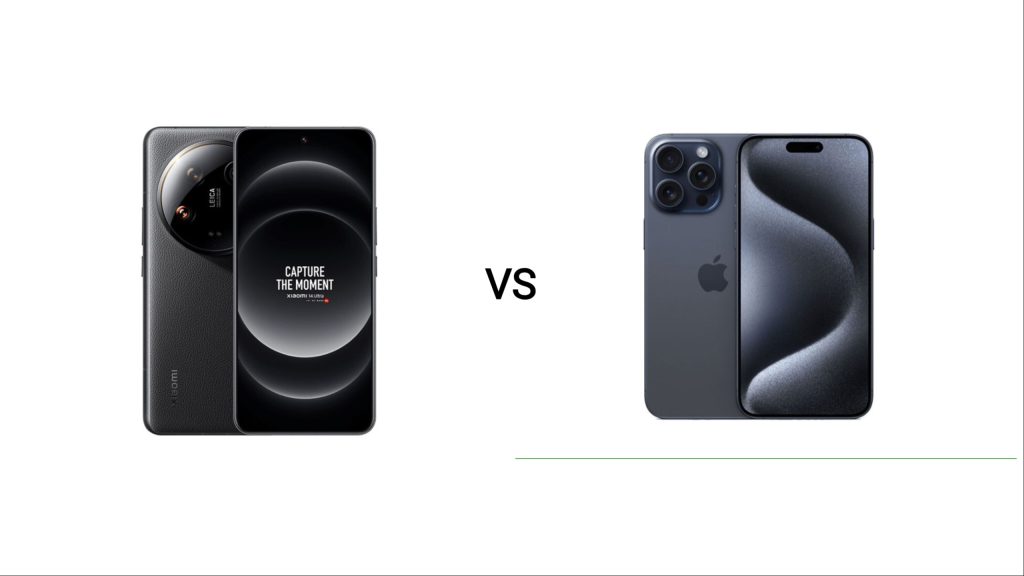
Xiaomi 14 Ultra vs iPhone 15 Pro Max comparison table.
In this article, one of the top players in the Android community goes up against the iPhone 15 Pro Max. Both the Xiaomi 14 Ultra and the iPhone 15 Pro Max are impressive devices in the flagship market. However, a lot of people might wonder how these two devices stand against one another, and this article is set to answer that question.
Aside from performance in terms of their processing power, a major area where these devices go up against each other is in photography. For most people, the iPhone 15 Pro Max is the better pick among the two in terms of popularity. However, this article isn’t a comparison of which of these devices is more popular, but a comparison of which is better over all.
Please Note: When you buy something using the links in our articles, we may earn a small commission at no cost to you.
Xiaomi 14 Ultra vs iPhone 15 Pro Max: Design and colours
Xiaomi 14 Ultra:
In terms of its design, this is a good-looking device that boasts some impressive design elements. Some of these elements include the circular camera bump, the leather textured finish, and smooth edges. The rear camera cutout houses four cameras, which we’ll come to in a bit, but up front you’ll find a centre-mounted selfie cutout.
The power and volume rocker keys sit on the right-hand side of this device’s frame. At its base sits the USB-C charging port and speakers, there is not much change in terms of design between this device and its predecessor. The available colour options this device offers are Black, Blue, White, Titanium Gray.
iPhone 15 Pro Max:
Over the past few years, Apple has been notoriously bringing the same design language to their devices. Under close observation, the major difference between the iPhone 15 Pro Max and its predecessor is the Titanium frame. Aside from this, the iPhone 15 Pro Max comes with a triple rear camera setup and a Dynamic Island upfront which houses the selfie camera and other sensors.
The power button on this device sits on the right-hand side, while the volume rocker keys and the flip to mute button sit on the left-hand side. Its USB-C charging port, microphone, and speakers sit under the device and the screen features sleek bezels all round. Just like with the Xiaomi 14 Ultra, there are not many changes in this device in comparison with its predecessor.
Major differences:
A flip to mute toggle is present on the iPhone 15 Pro Max.
Titanium frame as standard on all iPhone 15 Pro Max devices.
Xiaomi 14 Ultra vs iPhone 15 Pro Max: Display
Xiaomi 14 Ultra:
Users of this device get a 6.73-inch LTPO AMOLED screen panel that supports 120Hz refresh rates. This screen boasts 3000 nits peak brightness and is protected by the Xiaomi Shield Glass protection technology. The display on this device supports Dolby Vision and HDR10+ for a more immersive viewing experience. Lastly, the bezels on this device are slim, giving the user an 89.6% screen to body ratio.
iPhone 15 Pro Max:
The 6.7-inch LTPO Super Retina XDR OLED screen panel on this device is great for everyday usage. It supports 120Hz refresh rate with Ceramic Shield glass for protection against drops and scratches. As standard, this device features a 2000 nit peak brightness which is great for both indoor and outdoor usage. Some display technologies you can find on this screen are HDR10 and Dolby Vision.
Major differences:
Overall better display on the Xiaomi 14 Ultra.
Xiaomi 14 Ultra vs iPhone 15 Pro Max: Cameras
Xiaomi 14 Ultra:
The Xiaomi 14 Ultra was built for a specific reason in mind, to help users to “capture the moment.” This reveals that this device is a camera centric entry with a quad 50MP rear camera sensor. Up front is a 32MP selfie camera sensor which takes impressive photos. Thanks to the Leica photography partnership, this device is one of the best you can get for taking pictures. In fact, Xiaomi retails a ton of photography accessories with this device.
iPhone 15 Pro Max:
Apple devices are known for their great cameras, and the top of the range Pro Max model in the 15 series is as good as Apple photography prowess goes. On the rear, this device features three cameras, a 48MP main sensor and two 12MP lenses. Up front, users get a 12MP selfie lens for taking great pictures. Apple also did well to add 5x optical zoom on this device to help users take clear pictures from a distance.
Major differences:
8K video recording on the Xiaomi 14 Ultra rear cameras.
Cinematic mode for video recording on the iPhone.
Xiaomi 14 Ultra vs iPhone 15 Pro Max: Performance
Xiaomi 14 Ultra:
This device features Qualcomm’s powerful Snapdragon 8 Gen 3 processor. Joining this processor is up to 16GB worth of RAM as the highest option, and 12GB of RAM for the basset model. The Xiaomi 14 Ultra offers up to 1TB worth of storage, but buyers can still get 256GB and 512GB storage options. With this processor and the various RAM options, this device is more than suitable for everyday usage and intense gaming.
iPhone 15 Pro Max:
Apple iPhones are generally very performance-oriented devices, with the iPhone 15 Pro Max featuring the A17 Pro chip. However, this device heavily falls behind in comparison with the Xiaomi 14 Ultra on RAM options it provides. The iPhone 15 Pro Max only offers 8GB worth of RAM and up to 1TB storage capacity. Despite not having as much RAM as the Xiaomi 14 Ultra, real life usage will show that the iPhone 15 Pro Max will match up the Xiaomi 14 Ultra in terms of everyday performance.
Major upgrades & differences:
12GB and 16GB RAM on the Xiaomi 14 Ultra.
Xiaomi 14 Ultra runs on the Snapdragon 8 Gen 3 processor.
iPhone 15 Pro Max runs on an Apple A17 Pro chip.
Xiaomi 14 Ultra vs iPhone 15 Pro Max: Software
Xiaomi 14 Ultra:
This device runs on Android 14 and Xiaomi’s HyperOS out of the box. Users are getting 4 years of Android OS upgrades and 5 years of security updates.
iPhone 15 Pro Max:
Just like most other iPhones, this device runs iOS 17, and it offers users up to 7 years OS upgrade.
Major differences:
HyperOS on the Xiaomi 14 Ultra.
iOS 17 on the iPhone 15 Pro Max.
Xiaomi 14 Ultra vs iPhone 15 Pro Max: Battery life and charging
Xiaomi 14 Ultra:
Those buying this device outside China will get a 5000mAh battery capacity. This is followed by 90W fast wired charging, which can charge the device from 0-100% in 33 minutes. For wireless charging, users get 80W fast wireless charging on this device. Lastly, is the 10W reversed wireless charging that this device comes with.
iPhone 15 Pro Max:
Apple gives buyers of this device, 4441mAh battery capacity as standard. To power this battery capacity, users will have to rely on the 15W wired charging speed that it comes with. Wireless charging here is also 15W but reversed wireless charging down to 4.5W. There are a ton of wireless charging gadgets that this device comes with that users can try out.
Major differences:
Faster wired, wireless, and reverse wireless charging on the Xiaomi 14 Ultra.
Larger battery capacity on the Xiaomi 14 Ultra.
Xiaomi 14 Ultra vs iPhone 15 Pro Max: Final Verdict
Like we stated earlier in this article, the iPhone 15 Pro Max will win this comparison in terms of popularity. However, a close look at the stats will show a ton of areas where the Xiaomi 14 Ultra outshines the iPhone. Based on popular opinion, most people might tilt in favour of the iPhone for a few reasons, but if you’re looking for a true performance device, the Xiaomi 14 Ultra is the right way to go.
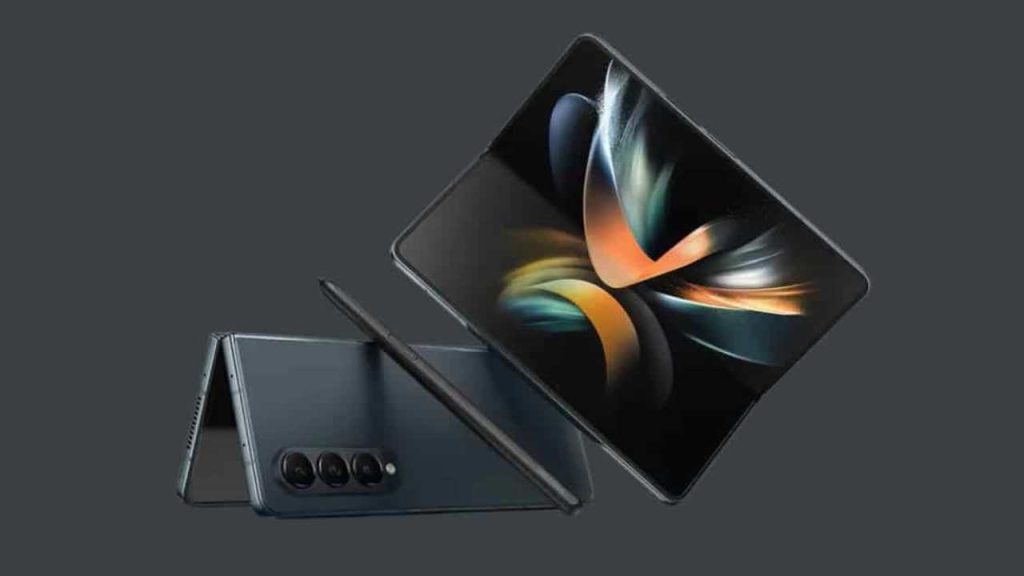
Samsung is one of the early manufacturers of foldable devices and is also a company that made the form factor mainstream. China was initially one of the big markets for the company’s foldable devices. However, the recent foldables from the company are facing intense competition from the Chinese OEMs as revealed by a latest report from IDC.
Many Chinese OEMs started working on the form factor relatively later and it gave Samsung an edge in the experience it had already gathered. However, foldable from Huawei, Honor, Vivo, and Oppo are now reportedly outperforming Samsung’s offerings in market share. Surely, the Chinese OEMs have managed to overcome a lot of problems with the form factor and have also developed reasonably good software experience for their users, but is it enough to replace the South Korean company so quickly?
Just a couple of years ago, Samsung used to hold a 30% quarterly market share of foldable phones in China, which is the home country of most other foldable smartphone manufacturers. But in Q1 2024, the company is ranking in the fifth position in the country in terms of its foldable market share.
Huawei ranks on top with a market share of a whopping 44.1% in its home country. Honor comes in the second position with a market share of 26.7%. The third and fourth positions are occupied by Vivo and Oppo with 12.6% and 9% market share. Just last year, Samsung’s market share was at 11%.
Reportedly, this decline in market share was not only caused by Chinese OEMs catching up with Samsung in product quality, but also by a shift in consumer preferences. Amidst US trade restrictions preventing Huawei and other companies from accessing overseas technologies, buyers in the country now seem to prefer products from Chinese manufacturers.
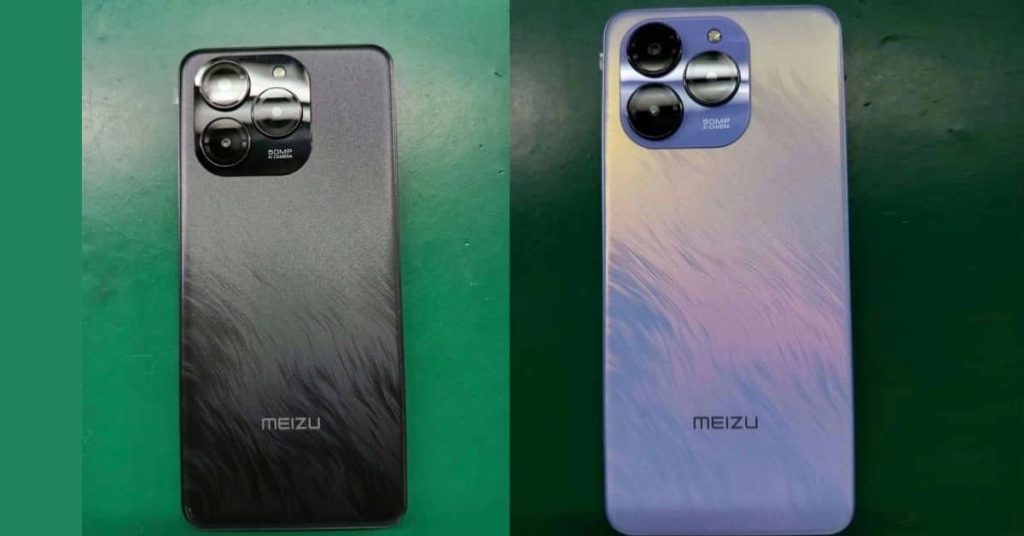
Meizu, despite announcing its exit from the smartphone market, seems to be continuing with phone development. Following the launch of the Meizu 21 Pro in February, rumors suggest that another phone, the Meizu 21 Note, could be coming soon.
Now, real-life images of the smartphone surfaced on Weibo, the Chinese equivalent of Twitter. The phone sports an iPhone-like triple-camera setup on the back, along with a back panel featuring a gradient matte finish with wavy patterns. It comes in Black and Purple variants.
However, the authenticity of these images remains unclear, so it’s best to take the leak with a pinch of salt.
In terms of specs, the Meizu 21 Note is expected to feature a 6.8-inch LTPO OLED display with a 1.5K resolution, a smooth 120Hz refresh rate, and eye-care-friendly 2160Hz PWM dimming.
Under the hood, it’s rumored to pack a powerful Snapdragon 8 Gen 2 processor. Keeping the lights on will be a sizable 5,500mAh battery that will support 66W fast charging for quick power-ups.
Camera details suggest a 16-megapixel front-facing sensor and a rear setup comprising a 50-megapixel Samsung GN5 primary sensor with OIS (optical image stabilization) for improved low-light photos, along with an 8-megapixel ultrawide lens.
Moreover, the device is said to have a metal frame sandwiched between glass front and back panels. It will also have an IP53 rating protecting it against dust and water splashes.
Based on these rumored specs, the Meizu 21 Note could be positioned as a sub-flagship smartphone that will compete against devices like the OnePlus Ace 3 and Redmi K70.
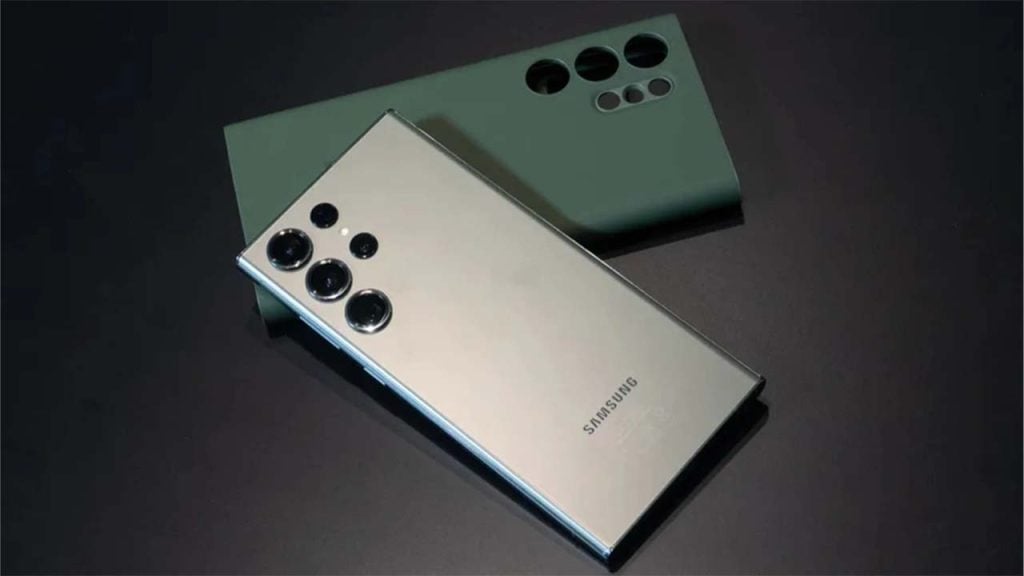
It was reported last year that Samsung was working on a new battery technology that would increase the energy density of the battery without changing the chemical contents of the cells. So, the batteries will be able to pack more capacity within a more compact volume. The change is in the arrangement of the cells and it is called the stacked battery technology.
Samsung was expected to offer this new tech to the world of smartphones with this year’s Galaxy S24 Ultra. However, the company decided to push back the production of the new stacked batteries. Then the Galaxy S25 Ultra was expected to offer the new battery tech, along with a faster 65W charging.
Samsung reportedly wants to cut costs
However, tipster Sawyer Galox claimed that the company will launch the Galaxy S25 Ultra with the same 45W charging and 5000 a mAh battery based on the traditional Li-Ion technology. According to him Samsung changed its mind and decided to save some cost. He further adds that the new stacked battery may come with the Galaxy S26 Ultra in 2026 along with the faster charging.
While the battery life of the last few generations of Samsung’s Ultra flagships has been reasonably good, the charging speed definitely lags behind the competition when compared to Chinese smartphone makers.
The Snapdragon 8 Gen 4 chip could be a reason behind Samsung’s delaying improvements in other aspects. Qualcomm has confirmed that the next generation flagship chip will be more expensive than the Snapdragon 8 Gen 3 and the Galaxy S24 Ultra already costs $1300. It could be a reason behind Samsung’s decision to push back the battery and charging improvements to the 2026 flagship. However, this might not be the actual reason behind Samsung delaying the battery and charging improvement, as there is no confirmation that Qualcomm will stick to the price of the Snapdragon 8 Gen 4 for the successor SoC.
Nonetheless, we have seen battery improvements with the Galaxy S24 Ultra with the same battery capacity, thanks to the efficiency improvements of the current Snapdragon flagship. Given Qualcomm manages to follow its track record with energy efficiency improvements, and Samsung powers the Ultra flagship exclusively with Qualcomm chip, the S25 Ultra will also offer a relatively longer battery life as compared to the current generation Ultra flagship.
We use cookies on our website to give you the most relevant experience by remembering your preferences and repeat visits. By clicking “Accept”, you consent to the use of ALL the cookies.
This website uses cookies to improve your experience while you navigate through the website. Out of these, the cookies that are categorized as necessary are stored on your browser as they are essential for the working of basic functionalities of the website. We also use third-party cookies that help us analyze and understand how you use this website. These cookies will be stored in your browser only with your consent. You also have the option to opt-out of these cookies. But opting out of some of these cookies may affect your browsing experience.
Necessary cookies are absolutely essential for the website to function properly. This category only includes cookies that ensures basic functionalities and security features of the website. These cookies do not store any personal information.
Any cookies that may not be particularly necessary for the website to function and is used specifically to collect user personal data via analytics, ads, other embedded contents are termed as non-necessary cookies. It is mandatory to procure user consent prior to running these cookies on your website.