Advertisement

Huawei Shifts Focus to AI Chips, Slows Down Phone Production

Huawei is making a big change in its production plans, showing a strong interest in the growing area of artificial intelligence (AI). The tech giant has chosen to boost the production of its AI chip, the Ascend 910B, even though it means slowing down the making of its Mate 60 smartphones in at least one of its factories. This move is surprising because the Mate 60 had recently done better than Apple in terms of phone sales in China, as mentioned by the South China Morning Post. Huawei’s decision to focus more on AI chips than on smartphones highlights the company’s belief in the significant impact AI will have on the tech world.

There is a growing demand for AI chips in China

The Ascend 910B chip is important for developing AI models, and there’s a growing demand for it in China. This increase in interest comes as Chinese AI developers are finding it hard to get their hands on high-quality AI chips from abroad, like Nvidia’s H100, because of trade restrictions set by the United States. By concentrating on the Ascend 910B, Huawei is not only finding a way around these challenges but also setting itself up as an important player in the domestic AI market.
Huawei IPO 2024

Huawei’s new direction also shows how Chinese tech companies are eager to get involved in the AI field. Even though they’re a bit behind global leaders like OpenAI and Google, companies such as Baidu are moving forward with their own AI projects. China is also ahead in making rules for AI, requiring companies to get approval before they release AI products to the public.

With this shift towards AI technology, Huawei is preparing for the future, focusing on an area that could change technology in big ways. This move shows Huawei is thinking ahead, ready to face current challenges while betting on the long-term importance of AI.

RELATED:

(VIA)

Vivo X Fold 3 inches towards launch, bags important certification

Several reports indicate that Vivo will unveil the Vivo X Fold 3 and X Fold 3 Pro foldable phones in the first quarter of 2024 in China. The series seems to be nearing launch, as a new Vivo phone, believed to be the X Fold 3, has received radio certification in China. This certification suggests an imminent launch could be on the horizon.

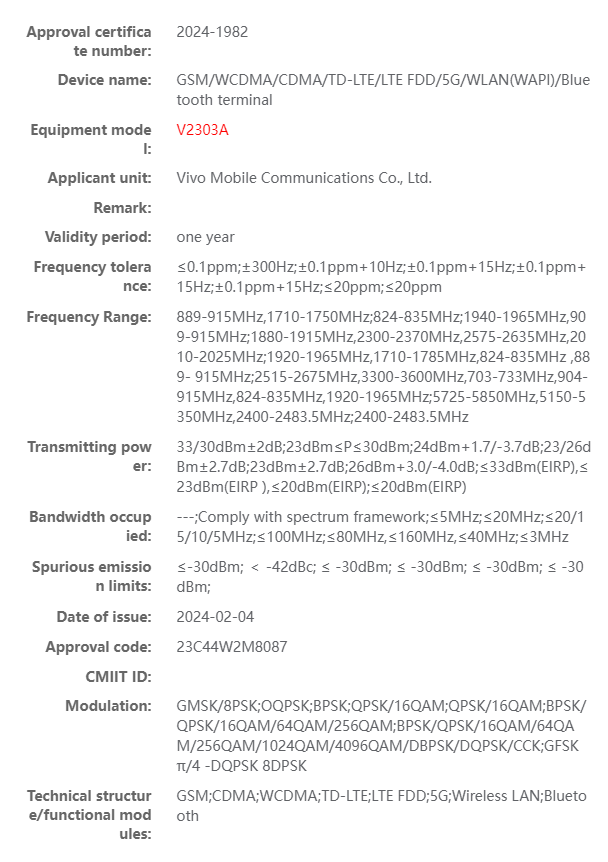
Vivo X Fold 3 bags radio certification

Vivo V2303A radio certification

An IMEI database listing that emerged in December revealed that the forthcoming Vivo X Fold 3 has the V2303A model number. This same device has now appeared in the database of China’s radio certification platform. While the listing remains silent on key specifications, it signifies an important hurdle cleared for the phone’s launch.

Multiple leaks have claimed that the Vivo X Fold 3 will be an affordable foldable phone that will lack some of the premium features like an ultrasonic fingerprint scanner, wireless charging, and a periscope telephoto camera, which are said to be exclusively available on the X Fold 3 Pro.

According to reports, the Vivo X Fold 3 will feature the Snapdragon 8 Gen 2 chipset. The device may pack a 5,600mAh battery, which may support 80W fast charging. At present, there is no clear information about the internal and external displays of the phone. However, it is expected to feature a 50-megapixel OV50H primary camera with OIS support. It is also being said that it will be a lightweight foldable phone that weighs around 220 grams.

As far as the launch is concerned, Vivo may hold a massive launch event in March in China. It may see the arrival of three devices, such as the Vivo X100s smartphone, the Vivo Pad 3 tablet, and the Vivo X Fold 3 foldables.

RELATED:

iQOO Neo 9 Pro display specifications officially confirmed before India launch

iQOO is gearing up to launch the iQOO Neo 9 Pro in India on Feb. 22, and they’re actively building anticipation around it. Amazon’s landing page for the phone has already spilled the beans on some key specs, and now an update reveals even more details, including the display design, resolution, refresh rate, and peak brightness.

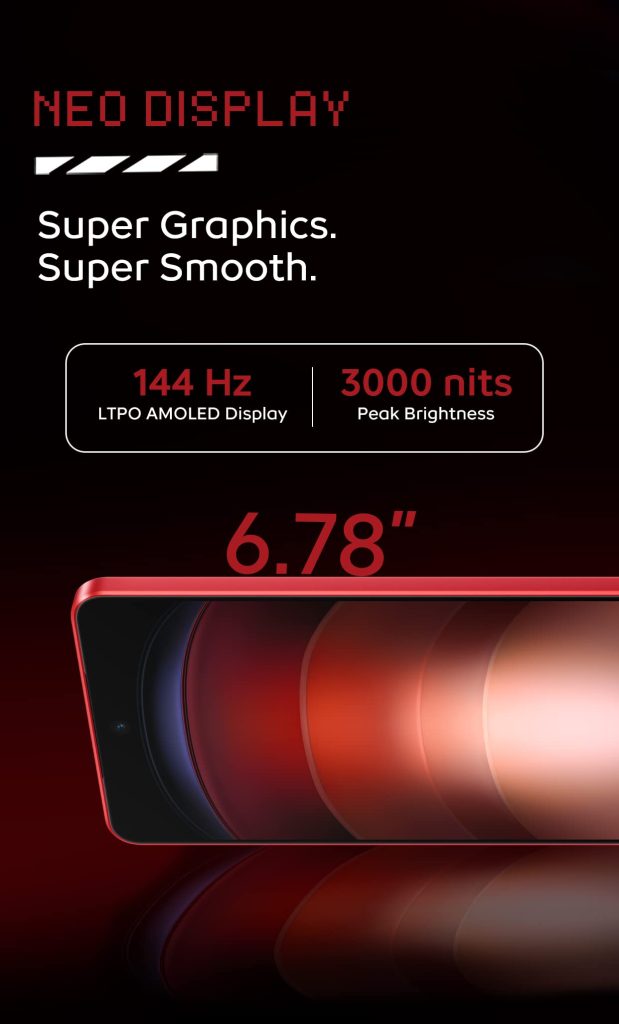
iQOO Neo 9 Pro display specifications

iQOO Neo 9 Pro display specs

As shown in the image above, the iQOO Neo 9 Pro has a flat AMOLED LTPO panel with a punch-hole design. The screen size is 6.7 inches, and it offers a 1.5K resolution and a 144Hz refresh rate, making it a good gaming device. In addition, the screen offers a peak brightness of 3000 nits.

iQOO is yet to reveal the front camera details of the iQOO Neo 9 Pro. The company may likely have opted for a 16-megapixel selfie camera. On the back, the device features a Sony IMX920 primary camera and an 8-megapixel ultra-wide lens.

The iQOO Neo 9 Pro has the Snapdragon 8 Gen 2 chip onboard, which is coupled with the iQOO Q1 Supercomputing chip for enhanced gaming. The device will be sold in two options, such as 8 GB RAM + 256 GB storage and 12 GB RAM + 256 GB storage. It is speculated that the device could be priced at under Rs 40,000 in India.

The Neo 9 Pro will pack a 5,160mAh battery with 120W fast charging. In addition, it will come with other features, such as dual speakers, an IR blaster, and FunTouch OS 14-based Android 14.

The Neo 9 Pro will be sold in two colors: Fiery Red and Conqueror Black. Starting Feb. 8, the device will be for pre-booking via Amazon and iQOO India’s website. Readers can visit this page to learn more about the pre-booking offers.

RELATED:

OnePlus 12R goes on sale in India, check offers, price, specifications

On Jan. 23, OnePlus unveiled the OnePlus 12R alongside the OnePlus 12 in both India and the global market. While the OP12 became available for purchase shortly after launch, the 12R was initially announced with a Feb. 6 sale date. The much-anticipated day has finally arrived, and the 12R goes on sale in India at 12 PM IST today. For those looking to purchase this phone, here’s a breakdown of the offers, price, and specifications.

OnePlus 12R price in India

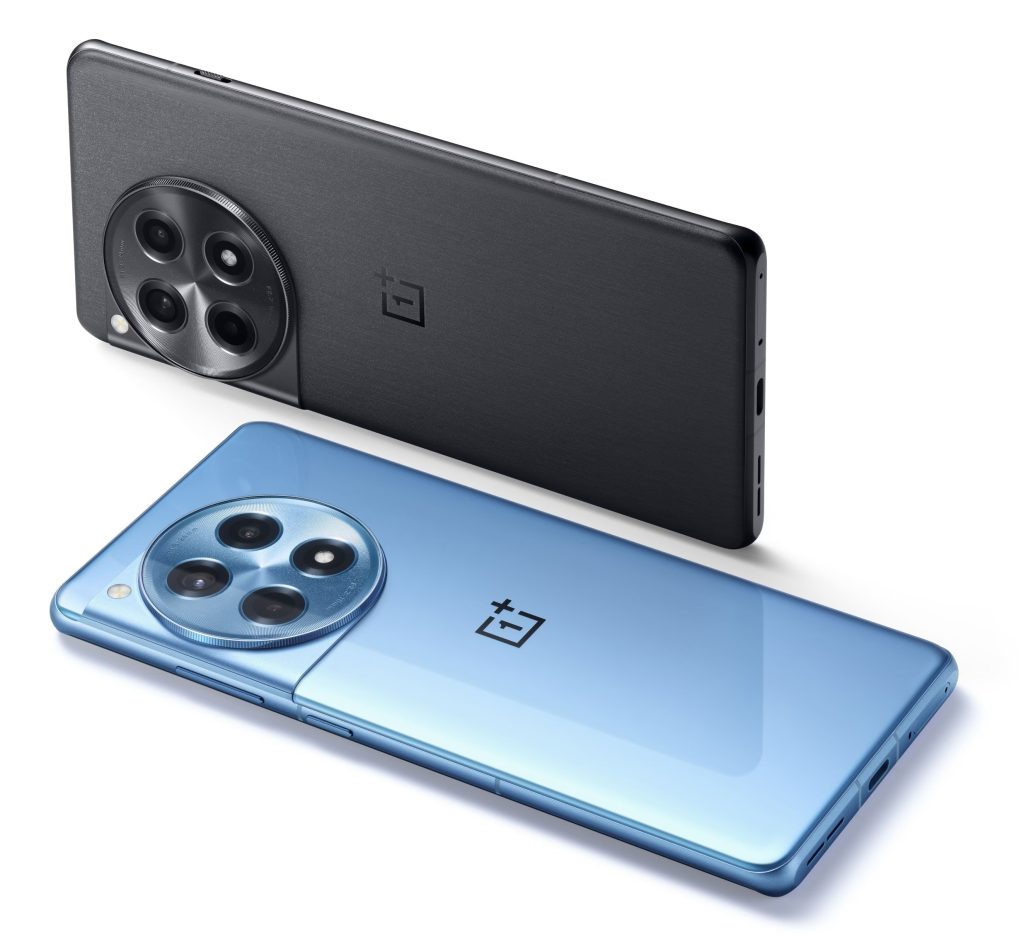
onePlus-12R
OnePlus 12R

The OnePlus 12R comes in two options in India, such as 8 GB + 128 GB storage and 16 GB RAM + 256 GB storage. These variants are priced at Rs 39,999 and Rs 45,999, respectively. The handset comes in two shades, such as Cool Blue and Iron Gray. It can be purchased through Amazon and OnePlus India’s website.

Buyers of the 12R will get the OnePlus Buds Z2 TWS earbuds worth Rs 4,999 for free. In addition, buyers can benefit from a Rs 1,000 discount using ICICI Bank cards and One Card. Other benefits include Rs 2,250 in Jio Plus benefits for enhanced connectivity. Buyers also get a Rs 3,000 discount on the OnePlus Pad, a Rs 1,200 coupon for OnePlus Audio, and 50 percent off on the protection plan. In addition, buyers of 12R will also receive YouTube Premium’s 3-month subscription and Google One’s six-month subscription.

OnePlus 12R specifications

The OnePlus 12R has a 6.78-inch curved-edge AMOLED display with Gorilla Glass Victus 2 protection and an in-screen fingerprint scanner. The screen offers a 1.5K resolution, up to 120Hz refresh rate, and up to 4,500 nits of brightness. The device ships with Android 14 and OxygenOS 1, and the company has confirmed that it will be treated with three major Android OS upgrades and four years of security updates.

The Snapdragon 8 Gen 2 chip powers the OnePlus 12R along with LPDDR5x RAM, UFS 3.1 / UFS 4.0 storage, and a 5,500mAh battery with 100W charging support. For photography, the device has a 16-megapixel front camera and a 50-megapixel (Sony IMX890) + 8-megapixel (ultra-wide) + 2-megapixel (macro) triple camera unit. It comes with other features, such as dual speakers, an IR blaster, NFC, and an IP65-rated chassis.  

In the US, the OnePlus 12R is priced at $499 and $599 for the two variants. It will be up for purchase in the US and Europe on Feb. 13.

OnePlus 12R (Cool Blue, 8GB RAM, 128GB Storage)
  • Fast & Smooth for years: Snapdragon 8 Gen 2 Mobile Platform, Up to 16GB of LPDDR5X RAM with RAM-Vita – Dual Cryo-velocity VC Cooling System, TÜV SÜD 48-Month Fluency Rating A

Please Note: When you buy something using the links in our articles, we may earn a small commission at no cost to you.

RELATED:

Apex Legends is Back with Season 20, ‘Breakout’ – New EVO Harvesters and More!

Apex Legends is back with its latest season, “Breakout,” promising to shake things up for veterans and newcomers alike. As the game celebrates its fifth anniversary, players are invited to explore a series of exciting updates and enhancements designed to refresh the experience.

Players will have EVO Shields that will now regenerate over time

The heart of Season 20 lies in the introduction of the Legend Upgrade system, a feature that allows players to customize their characters in battle with upgrades for armor and abilities. This means that each match now offers a unique opportunity to adapt and refine strategies, making the gameplay more dynamic and personal.

Apex Legends

Armor and shields have also been reimagined. Gone are the days of scavenging for body shields on the battlefield. Now, Legends start with inherent armor that grows stronger as they evolve in the game. This change, along with the ability to swap Shield Cores, adds a new layer of strategy to managing defenses.

Earning EVO points has become more integral to the game, encouraging players to engage in combat to improve their Legend’s capabilities. Whether it’s landing damage, assisting in knocks, or completing various in-game actions, players have numerous ways to evolve and gain an edge over their opponents.

A new feature, EVO Harvesters, introduces a communal way to boost your squad’s EVO points, emphasizing teamwork and strategic planning. Meanwhile, EVO Caches offer a rare loot item that can instantly upgrade a Legend, further intensifying the competition for resources.

Ranked play receives a comprehensive overhaul in “Breakout.” With the aim of making the ranked experience more rewarding and transparent, changes include the return of splits and a more straightforward scoring system that emphasizes eliminations. The updated matchmaking system now pairs players based on their RP, ensuring fair and challenging matches.

Thunderdome, a new map, promises to bring high-stakes action with its unique design and dynamic environments, testing the adaptability of every player. Additionally, the introduction of a Performance Mode means that players with compatible consoles can enjoy smoother, faster gameplay. The season also brings Breakout Rewards, offering players the chance to unlock Legends and exclusive cosmetics. As Clubs retire, a new system, Tags, allows players to personalize their profiles further.

RELATED:

(VIA)

Rivian Announces March 7 as the Reveal Date for the New R2 Electric SUV

March 7 will mark a key day for Rivian, the electric vehicle innovator based out of California, as it pulls the curtain back on its latest endeavor, the R2 electric SUV. This reveal comes over two years after the debut of its initial offerings, the R1T pickup and the R1S SUV, setting the stage for Rivian’s ambition to solidify its reach in the electric vehicle sector.

The R2 is rumoured to be priced lower than the R1T and R1S

Rivian’s journey began with the R1T and R1S, vehicles that combined uniqueness with a fun driving experience but carried a price tag starting at over $73,000, making them a dream beyond the reach of many. In contrast, the R2 series aims to be a game-changer by targeting a more expansive audience with a more palatable price point envisioned between $45,000 and $50,000.

Rivian

The upcoming R2, a mid-size SUV or crossover, will look to challenge the likes of the Tesla Model Y, Hyundai Ioniq 5, and Kia EV6. Rivian’s strategy is clear: tap into America’s crossover craze to compete in a segment where the Model Y has seen significant success. The R2’s potential to disrupt this market will hinge on several factors, including its price, range, fast charging capabilities, and Rivian’s capacity to meet demand.

Rivian’s commitment to making electric vehicles more accessible is evident in its plans to produce the R2 series at a new $5 billion facility in Georgia, supplementing its production capabilities beyond its original plant in Normal, Illinois. Moreover, embracing Tesla’s NACS charging connector for the R2 models underscores Rivian’s forward-thinking approach, ensuring compatibility with an extensive network of charging stations. Will the R2 carve out a niche in the competitive electric SUV market? Only time will tell, but the anticipation is undeniably high.

RELATED:

(Via)

LG 27GS95QE OLED gaming monitor with 2K 240Hz display with up to 1000 nits of brightness unveiled

Korean electronics giant LG has unveiled the LG 27GS95QE OLED gaming monitor. The new LG monitor is capable of 2K resolution and offers a display refresh rate of 240Hz. It also has a peak brightness of 1000 nits and sports a 26.5-inch screen. The new LG monitor is well-suited for gaming applications and e-sports.

LG 27GS95QE OLED gaming monitor

The LG OLED gaming monitor has a GtG response time of 0.03ms and comes with DisplayHDR True Black 400 resolution. It covers 98.5% of the DCI-P3 color gamut while the normal-use brightness of the monitor is 275 nits. However, the brightness can be adjusted up to a maximum of 1000 nits.

The new LG OLED gaming monitor supports AMD FreeSyncM Premium and NVIDIA G-Sync. The interfaces available on the monitor are HDMI 2.1 and a 4-pole headphone interface. It also supports AGLR anti-glare technology and LG Live Color Low Blue Light technology.

Pricing & Availability

In China, the LG OLED gaming monitor has a retail price of 5,999 yuan ($) and can be purchased from JD.com. There is no global availability information for the new LG OLED gaming monitor at this time. It is however expected that the monitor will be available in a sprinkling of markets outside China. It is also unclear how long the launch price will be before reverting to the original price of the monitor. More details about the LG OLED gaming monitor can be viewed from the brand’s website.

European Union Takes the Lead with World’s First Artificial Intelligence Law Approved

Artificial intelligence technologies are increasing in popularity every day. Almost every product, application, and service we use today either has AI integration or is in the process of acquiring it. However, this situation brings along certain challenges. Regulators worldwide are urging for the rapid development of AI to be monitored and for it to adhere to specific rulşes. Moreover, they have finally achieved their goal, as the European Union approved the final version of the Artificial Intelligence law, making a groundbreaking move in the world of AI regulations. Here are the details…

European Union Approves World’s First Artificial Intelligence Law

The European Union has passed its first extensive law overseeing artificial intelligence. The aim is to guarantee the secure, ethical, and human rights-conscious advancement and application of AI. Using a risk-based strategy, the law enforces stricter rules for high-risk systems. It also bans certain unethical practices, mandates transparency, and demands explainability in AI systems.

European Union AI

The expectation is that this law will contribute to the responsible development and application of AI, turning it into a valuable tool for society.The main points of the law are as follows:

  • Risk-Oriented Approach: Artificial intelligence systems will be categorized based on potential levels of harm. High-risk systems, such as facial recognition or credit scoring, will be subject to stricter regulations.
  • Prohibited Applications: Unethical practices, like using hidden techniques or manipulating people’s emotions, will be banned in artificial intelligence systems.
  • Transparency and Explainability: It will be mandatory for artificial intelligence systems to provide information on how they operate and make decisions.
  • Discrimination, Bias, and Injustice: Measures to prevent discrimination, bias, and injustice in artificial intelligence systems have also been included in the law.

The Artificial Intelligence law marks a cruvial step for the future of AI. This law aims to support responsible and ethical development and use of AI in the EU and beyond, promoting its transformation into a beneficial tool for society.

RELATED:

Xiaomi Monitor A27i with a 1080p display and slim body launched in Europe

The Xiaomi Monitor A27i has been released as a cheaper alternative to its more expensive siblings in Germany. The Xiaomi Monitor A27i comes with a 1080p display and sports a thin body. The model will subsequently be available in other EU markets, as well as Southeast Asia and the Middle East. This is coming almost at the same time the company unveiled the Monitor A24i.

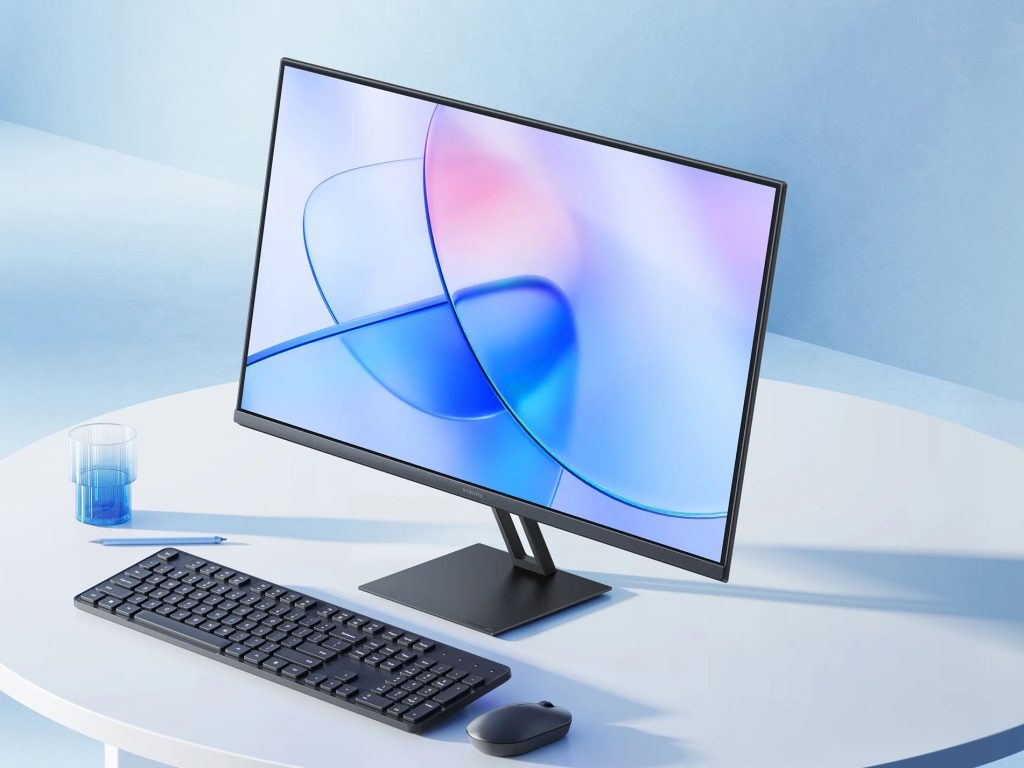
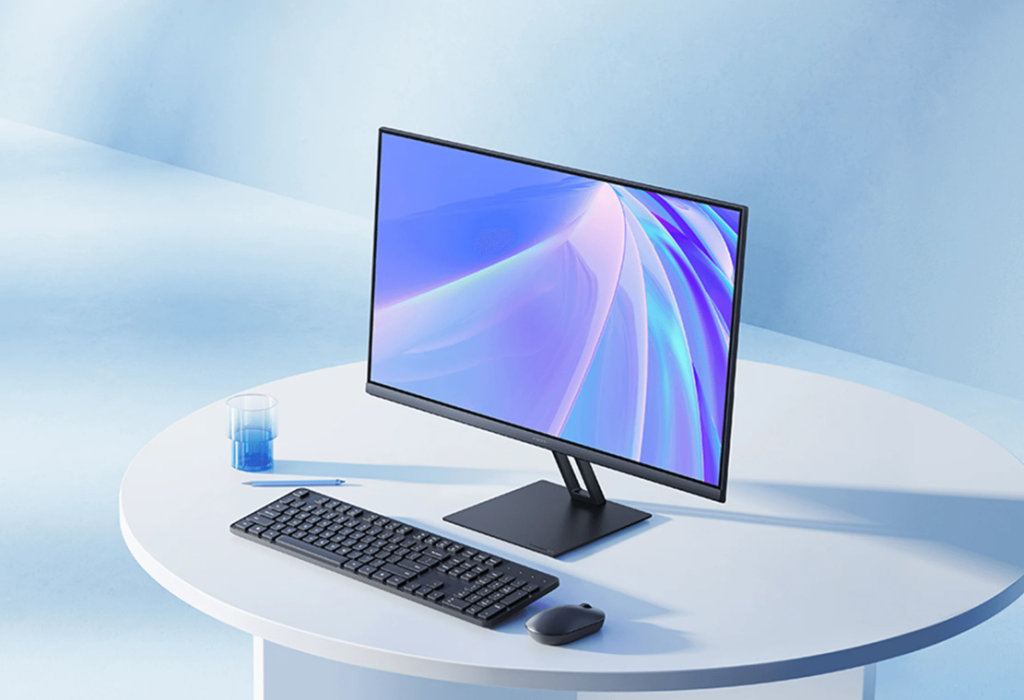
Xiaomi Monitor A27i

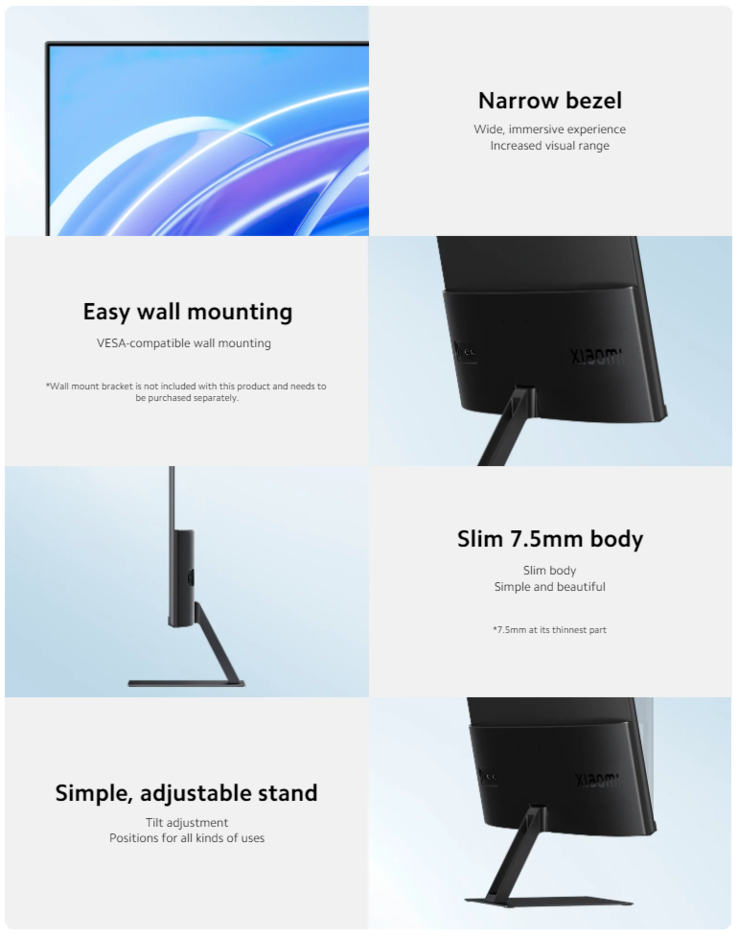
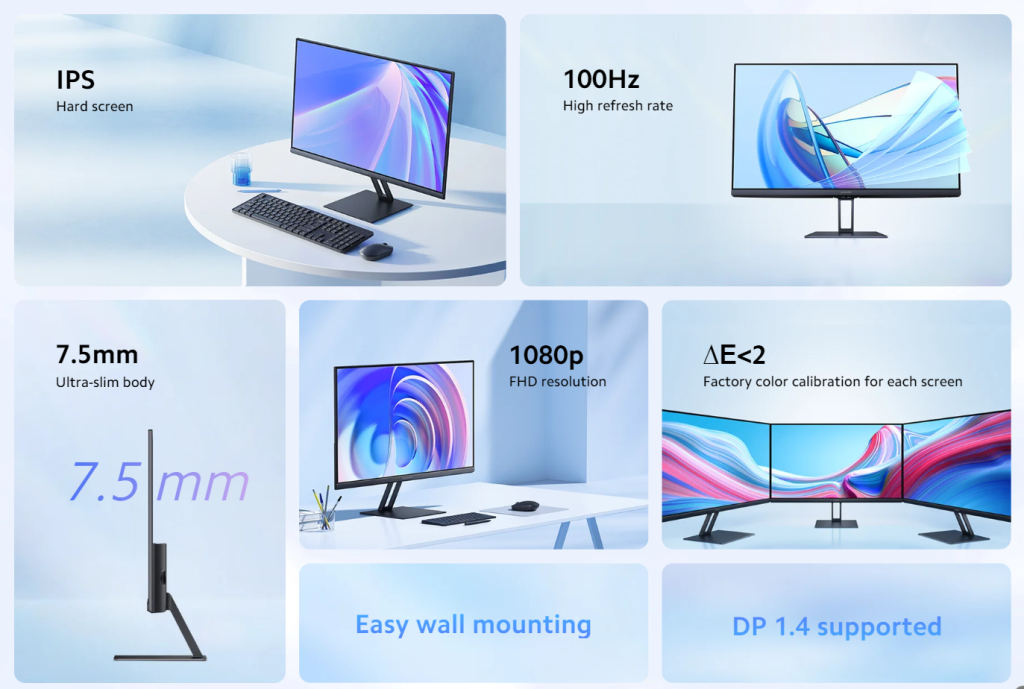
The Xiaomi Monitor A27i has a 100Hz refresh rate and is quite similar to the earlier released Monitor A24i although with a larger display. The monitor comes with a 27-inch 16:9 display with a native resolution of 1080p and support for HDR10. It uses an IPS display panel with a peak brightness of 250 nits. The monitor has a 178-degree viewing angle and a 99% coverage of the sRGB color gamut. The monitor is capable of offering 16.7 million colors and has Delta E < 2 calibration. The new affordable Xiaomi monitor has a G-to-G response time of 6 ms.

Connectivity options available in the Xiaomi Monitor A27i include HDMI 2.0 and DisplayPort 1.4. These ports are at the rear of the monitor next to the power button. The gadget comes with TUV Low Blue Light certification and sports slim bezels. Its 7.5mm body is also thin and the monitor comes with an adjustable angle stand that can tilt between -5º and 15º. This allows the monitor to be able to swivel to a comfortable viewing angle for the user.

Xiaomi Monitor A27i

Pricing & Availability

The Xiaomi Monitor A27i already has functional product pages in Thailand, UAE, and Czech Republic indicating a possible rollout soon in these markets. In Germany, the Xiaomi Monitor A27i is priced at €119.99 ($129) but it is unclear whether this price equivalent will be retained in other markets.

RELATED:

Redmi A3 live images surface ahead of launch

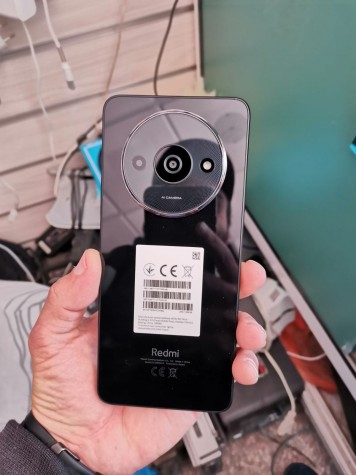
Redmi is gearing up to introduce its budget-friendly Redmi A3 smartphone in the near future. The phone’s design and specifications were initially disclosed through retail posters found at several African retailers. Recently, live images of the device have emerged, courtesy of GSMArena.

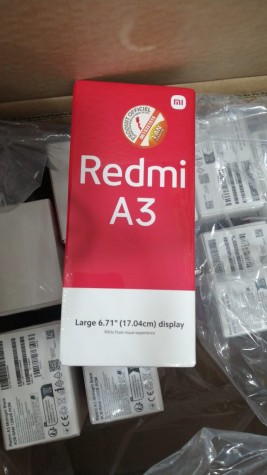
As per the report, the Redmi A3 will feature a 6.71″ display, which is significantly bigger than its predecessors that housed 6.52” displays. The design of the camera island is also different, similar to the circular camera module found on the Realme 11 Pro series.

A previous report has revealed that the phone will feature an HD+ LCD panel with a 90Hz refresh rate, with a peak brightness of 400 nits. The phone will feaure a 13MP primary camera paired with an 8MP selfie snapper.

Under the hood, it will feaure a MediaTek processor, paired with 4GB LPDDR4X RAM and up to 128GB of eMMC 5.1 storage. It will have virtual RAM expansion up to 4GB and a microSD card slot for storage expansion.

Powering the device will be a 5000mAh battery unit with 10W charging support. It will have support for dual-SIM, 4G, WiFi 2.4GHz, Bluetooth 5.0, and various satellite navigation systems. It retains the 3.5mm audio jack and uses a USB Type-C port for charging.

RELATED:

(Source)

Asus ROG Zephyrus G14 & G16 gaming laptops on sale in Europe

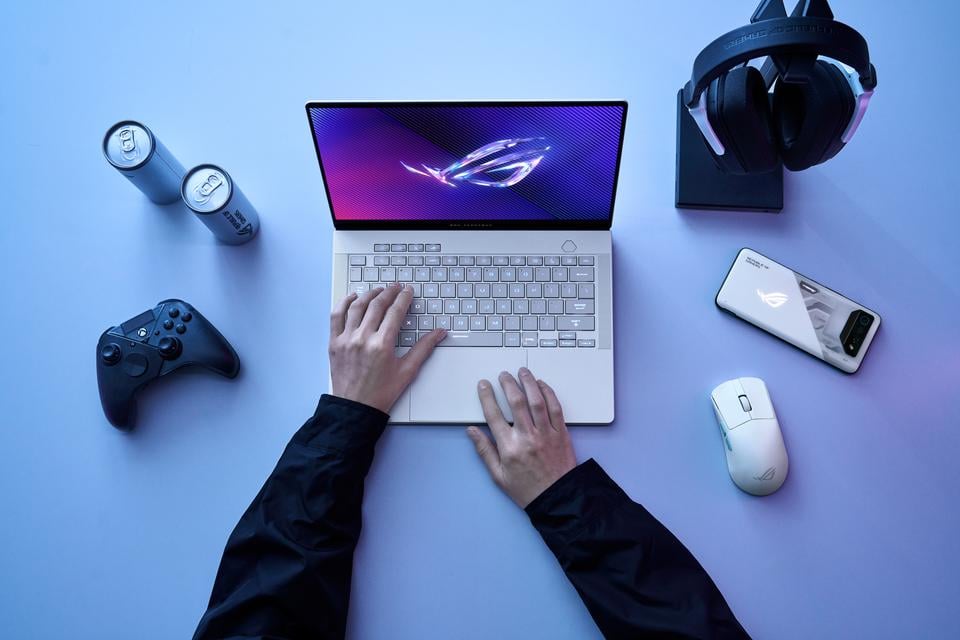
Asus has officially launched the ROG Zephyrus G14 and G16 2024 models, which were initially showcased at CES about a month ago. The German online store of Asus now lists these new gaming laptops, providing eager consumers with details about their configurations and pricing.

2024 Asus ROG Zephyrus G14

The ROG Zephyrus G14 2024, the 14-inch model, is available in three different configurations. The base model, priced at €1,899, includes an Nvidia GeForce RTX 4050 laptop GPU (90W), 16 GB RAM, and a 512 GB SSD. The mid-range variant, costing €2,199, steps up with an Nvidia GeForce RTX 4060 (90W), 16 GB RAM, and a 1 TB SSD. The top-tier model, at €2,599, boasts an Nvidia GeForce RTX 4070 (90W), 32 GB RAM, and a 1 TB SSD. Notably, only the mid-range model is currently available in white.

2024 Asus ROG Zephyrus G16

All variants of the G14 feature an AMD Ryzen 9 8945HS processor and a new 14-inch ROG Nebula display in a 16:10 format, sporting an OLED panel with a resolution of 2,880 x 1,800 pixels and a 120 Hz refresh rate. Standard features include a USB-C port with USB 4 and Power Delivery support, an infrared camera for Windows facial login, quad speakers, and Wi-Fi 6E.

The larger ROG Zephyrus G16 2024 comes in five configurations. The mid-range model, priced at €2,499, is the only one available in a white case. This variant includes a Core Ultra 9 185H processor, GeForce RTX 4060 (100W), 32 GB RAM, and a 1 TB SSD. The highest-end G16 model, costing €4,299, features a Core Ultra 9 185H, GeForce RTX 4090 (115W), 32 GB RAM, and a 2 TB SSD. Each G16 configuration includes a 16-inch, 240 Hz OLED display with a resolution of 2,560 x 1,600 pixels, Thunderbolt 4 port (USB-C), and quad speakers.

RELATED:

(Via: Notebookcheck)

OnePlus takes an important step for the compact phones future

There are many phones in the smartphone world and they all have different features. While phones with screens larger than 5 inches were considered gigantic until 10 years ago, we can say that phones with 5.7-inch screens are now standard. While some people adore small phones, phone makers are starting to make fewer and fewer phones with small displays. For instance, Apple released the 5.4-inch iPhone 12 Mini and then shelved the Mini iPhone with the iPhone 14 series.

The biggest reason for this is actually related to the change in how people use their phones. People used to make voice calls a lot before the introduction of smartphones, but now most people prefer texting. Because the keyboard letters are larger on phones with big screens, users do not have trouble typing on them.

Even though big screens have some advantages, it’s important to note that those with small hands might not find it comfortable to use a large-screen phone and Samsung on the other hand continues to still make compact phones. Galaxy S21, S22, S23, and S24, for instance, feature comparatively smaller screens that measure 6.1 or 6.2 inches.

DCS published a post on Weibo revealing that OnePlus is also preparing to launch a phone with a small screen. It’s crucial to remember that this is preliminary information as of right now, as the model name, features, and release date of the phone are all unknown. In the upcoming months, OnePlus may release a phone with a small screen.

The compact phones were forgotten for a long time and this is a good news as companies try to bring them back. Xiaomi 13 model is a compact phone that features a 6.36-inch screen. In line with this, Xiaomi 14 made use of the same screen size and, despite being a tiny phone, produced a crisp image with a pixel density of 460 ppi. OnePlus should hit the market with a competitive offering against Xiaomi.

Related:

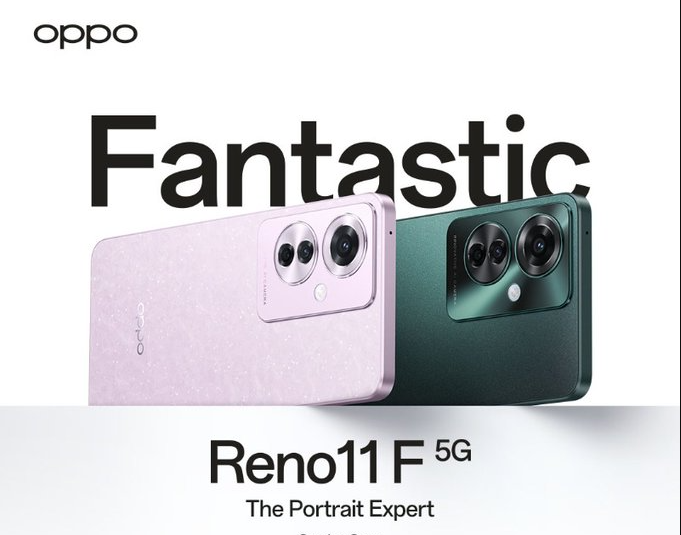
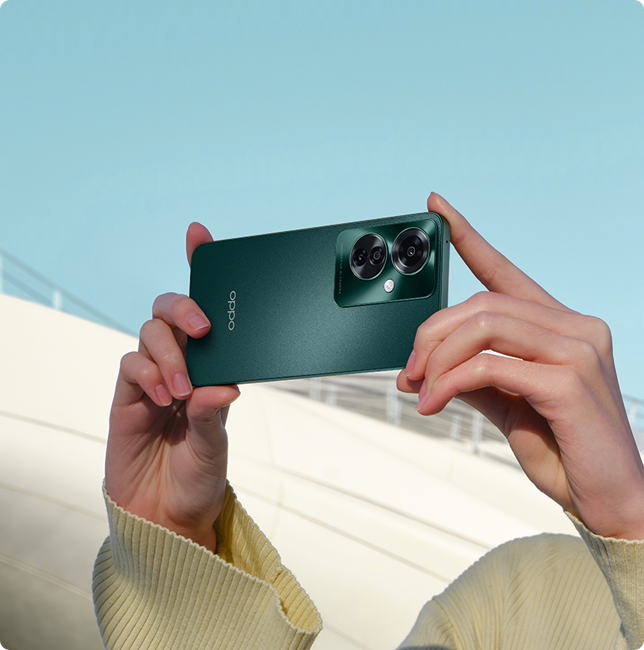
OPPO Reno 11F 5G appears on Geekbench, up for pre-order in Indonesia

OPPO is all set to unveil its latest offering, the Reno 11F 5G, which is likely to be introduced as the OPPO F25 in the Indian market. The smartphone, identified by the model number CPH2603, was recently spotted on the Geekbench database, showcasing its performance.

Oppo Reno 11F 5G

Oppo Reno 11F 5G Geekbench

As per the Geekbench results, the Oppo Reno 11F 5G achieved a score of 897 in the single-core test and 2329 in the multi-core test, hinting at robust performance. This is largely due to the MediaTek Dimensity 7050 chipset it houses, combined with a Mali-G68 MC4 GPU and 8GB of RAM. Adding to its appeal is the fact that it will run on the latest Android 14 operating system straight out of the box.

Oppo Reno 11F 5G

The anticipation for the Reno 11F 5G is already high in Indonesia, where it is currently available for pre-order, offered in two eye-catching color variants: pink and green. A recent teaser of the OPPO F25, which is a rebrand of the Reno 11F 5G, revealed key features like a 64MP primary camera and the support for 67W SUPERVOOC fast charging.

While other specs are currently under wraps, the Reno 11F is expected to boast a 6.7-inch FHD+ AMOLED display with a high 120Hz refresh rate. Security features include an in-display fingerprint scanner. The camera department seems promising as well, with a setup comprising a 64MP primary camera with an OV64B sensor, an 8MP Sony IMX355 ultra-wide-angle lens, and a 2MP macro sensor. A 32MP sensor is speculated to adorn the front. The device is expected to be powered by a robust 5,000mAh battery. Additionally, the smartphone might come with an IP65 rating.

RELATED:

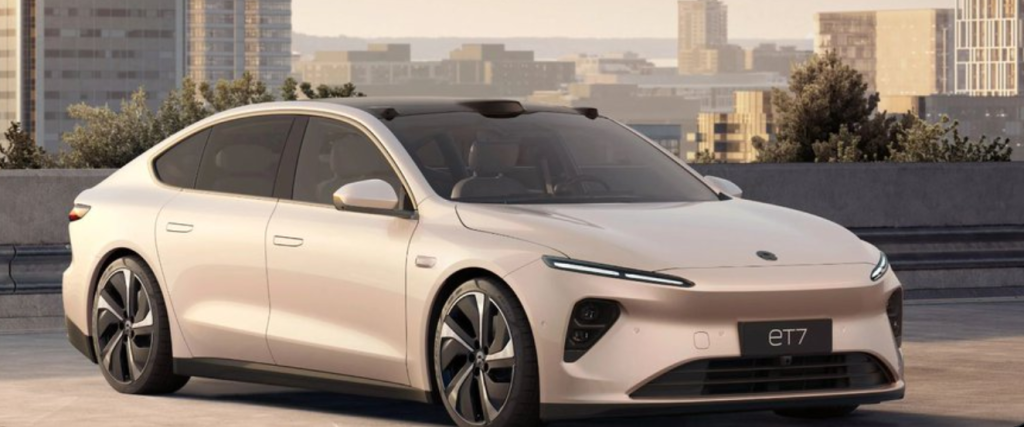
Nio explores range diversity amidst challenging market conditions

Nio is gearing up for a significant update next month, considering the introduction of new variants with shorter ranges for its existing models. The move comes as the Chinese electric vehicle (EV) manufacturer faces headwinds in the competitive market. China’s Ministry of Industry and Information Technology (MIIT) has included Nio’s eight on-sale models in a regulatory catalog, rendering them eligible for vehicle purchase tax reductions.

While the available battery packs for Nio’s models retain their capacities (ranging from 70-kWh to 150-kWh), the introduction of new options with significantly lower ranges is noteworthy. The 70-kWh and 75-kWh packs represent standard range options, utilizing Li-ion ternary battery technology. The 100-kWh pack caters to long-range capabilities, while the 150-kWh pack, a semi-solid-state battery, is not yet integrated into the battery swap system.

source: Nio.com

The adjustment in the minimum Chinese Long-Term Cruising (CLTC) range for various models suggests a strategic move by Nio to potentially lower both range and price. Reports hint at the possibility of Nio offering battery packs with a 50-kWh capacity, termed “city-class range,” derived from the standard range battery packs. This strategic decision may aim to reduce the barrier to purchase, expanding sales without causing significant dissatisfaction among existing customers.

Despite a challenging January that saw Nio’s stock decline by 38%, the company delivered over 10,000 vehicles, reflecting an 18.21% increase from the previous year. The recent downturn in stock prices is attributed to intense competition in the Chinese EV market, with larger players like Tesla and BYD initiating price wars, impacting smaller players’ pricing power.

Nio, along with XPeng and Li Auto, reported record deliveries of nearly 88,500 units in December 2023, marking a third consecutive monthly record. However, the positive delivery results did not prevent a decline in stock prices as investors chose to sell the news. The current market conditions, characterized by a slowdown in China’s economic recovery, have affected consumer spending on expensive electric cars.

Nio’s challenges and opportunities in the evolving Chinese EV market remain crucial for its long-term success. The company’s positive trend in weekly registrations, amidst competition and the upcoming Lunar New Year holiday, suggests efforts to sell inventories before the anticipated business hiatus in China. 

Related:

(via)

Apple Vision Pro gets OpenAI’s ChatGPT app

OpenAI has introduced its ChatGPT app for the new Apple Vision Pro headset, featuring the GPT-4 Turbo model. This allows users to engage with AI through the headset in a highly immersive augmented reality (AR) setting.

ChatGPT

ChatGPT App is Now Available on VisionOS

The ChatGPT app on Vision Pro enables users to communicate with the AI in various formats, including text, voice, and visual inputs. It’s one of the first applications to utilize visionOS, Apple’s operating system for the Vision Pro, designed for seamless integration of digital content with the real world.

The Apple Vision Pro includes advanced features such as Optic ID for biometric authentication through eye tracking and iris recognition, Spatial Audio for lifelike sound experiences, and VisionKit for app development. Although it’s not specified which features the ChatGPT app will use, there’s significant potential for enhanced AI interactions using text, speech, and visual inputs.

Integrating ChatGPT with Vision Pro marks a step towards more natural and intuitive interactions between humans and AI. Users can address complex issues or generate content by speaking instructions or showing problems to the AI via the headset’s camera. This integration could transform various tasks, from troubleshooting mechanical problems to meal planning and educational activities, through direct visual input.

Making ChatGPT available on Vision Pro is part of OpenAI’s strategy to extend its generative AI technologies across multiple platforms. ChatGPT was previously made available on iPhone and iPad, broadening user access.

The ChatGPT app is available for free on the visionOS App Store, with an optional subscription for advanced features and quicker responses. The store also offers over 600 other apps designed for a range of purposes, ensuring a rich ecosystem for Vision Pro users.

RELATED:

Turns Out Initial Leaks Were Wrong About The Nothing Phone (2a) As Per Latest Press Render

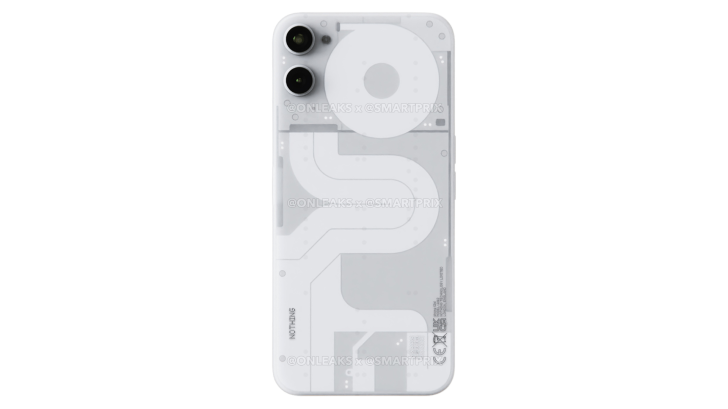
Nothing has already confirmed the presence of the Phone (2a). The London-based company is widely expected to announce it at the upcoming MWC later this month. The brand’s next smartphone has surfaced in numerous leaks and rumors. Now, reliable tipster Steve Hemmerstoffer (aka Onleaks) has shared a leaked press render of the Phone (2a). It turns out that the images of the device based on pre-production units were wrong or not reliable. 

Nothing Phone (2a) won’t have a Glyph Interface

The most notable change between the initial and the latest leaked render is that the Phone (2a) will have two vertically stacked camera lenses at the top left side. The placement is the same as Nothing’s other two smartphones. 

Another main difference from the latest render is that the Nothing Phone (2a) has a big circular element besides the camera sensors. It is in contrast to the large circular lines in the center above the wireless charging hardware on the Phone (2), the report adds. The Phone (2a) is also lacking the unique Glyph interface. This is understandable since the device is expected to be a mid-range offering. 

The Nothing Phone (2a) will also retain the brand’s transparent back panel like the more premium phones. The absence of a Glyph interface and a somewhat different design could be the company’s effort at differentiating the flagship number series from the affordable smartphones. Additionally, a Reddit user also shared an image of the prototype unit of the Phone (2a) that matches the latest leaked render.

The core specifications of the Nothing Phone (2a) is expected to comprise of a 6.7-inch FHD+ AMOLED display, a Dimensity 7200 SoC paired with up to 12GB RAM and 256GB storage, a 50MP primary camera, and 45W charging support.

Related:

Source

More Layoffs as Snap Inc. Lets Go of 500 Employees

Snap Inc., the company behind Snapchat, is letting go of 10% of its workforce, about 500 people. This move is part of a plan to make the company work better together and more efficiently. Snap’s decision reflects a bigger trend in the tech world, where many companies are trimming down to stay agile and competitive. Some other recent layoffs include Discord’s layoff of 17% of its employees and Microsoft’s layoff of almost 1900 employees.

The tech sector has seen nearly 24,000 job cuts in the month of January alone

The layoffs are meant to help Snap reduce layers within the company and improve face-to-face work among teams. This is a strategic step to keep the company strong and focused, especially during a time when the tech industry is facing a lot of changes. Other tech firms, including big names like Okta and Zoom, have also been cutting jobs recently. In fact, the tech sector saw nearly 24,000 job cuts in January alone.

Snapchat

Snap has been through this before, with several rounds of job cuts starting in 2022. This is part of an ongoing effort to align the company’s structure with its goals for growth and innovation. These latest layoffs are expected to cost between $55 million to $75 million.

The company is also under the spotlight for the impact of social media on young people, with CEO Evan Spiegel recently speaking to the Senate Judiciary Committee about this issue. Despite these challenges, Snap has managed to increase its revenue from digital ads recently and has started buying back $500 million in shares.

Even with these efforts, Snap’s stock price is still below its initial public offering price and far from its peak in 2021. This shows the company is working through some tough times, trying to find the best path forward in a fast-changing tech landscape.

RELATED:

(VIA)

All Xbox Games May Go Multiplatform Soon, Rumor States

Rumors are swirling that Xbox is considering a bold move: making its games available on more than just its own consoles. This could include big names like Starfield and even extend to every Xbox game. It’s a surprising turn that could change how we think about gaming on different platforms.

Playing Xbox exclusives on a PlayStation is a wild thing to think of

The idea seems to be driven by a desire to reach more gamers and possibly improve profits. Xbox has been behind PlayStation in sales, but it’s not for lack of trying. The Xbox Game Pass has been popular, but exclusive games haven’t given Xbox the edge it hoped for. Now, there’s talk that Microsoft wants to spread its wings and let its games land on PlayStation and other consoles.

Xbox series X

This move could shake up the gaming world. For years, certain games have been tied to one console. If Xbox games start appearing on PlayStation, it would be a big change. It’s not just about playing on different devices; it’s about making games more accessible to everyone, no matter their preferred console.

There’s a list of games that might make the jump, including Halo Infinite and Microsoft Flight Simulator. This news has gamers talking and wondering what it could mean for the future of gaming. Will we see more games become available across platforms? How will this affect the console wars? Making Xbox games available on more platforms could be a win for gamers everywhere, giving them more choices and ways to play their favorite titles.

RELATED:

(Via)

China’s Electric Car Market Zooms Ahead with 46% Surge in Plug-in Sales in 2023

China has once again proven itself as the global powerhouse in the electric vehicle (EV) sector, with a whopping 8 million new plug-in electric cars hitting the roads in 2023. This achievement not only sets a new benchmark for the country but also underscores the rapidly growing appetite for greener transportation options among Chinese consumers.

Electric cars now account for 37% of all car sales in China

The latest data reveals a significant 46% surge in plug-in car sales compared to the previous year, highlighting the unrelenting momentum of China’s EV market. This surge is fueled by a remarkable blend of all-electric cars (BEVs) and plug-in hybrids (PHEVs), both registering record highs in sales. BEVs, leading the charge, witnessed about a 31% increase, while PHEVs, with their growing popularity due to larger battery capacities, saw an astounding 80% jump in registrations.

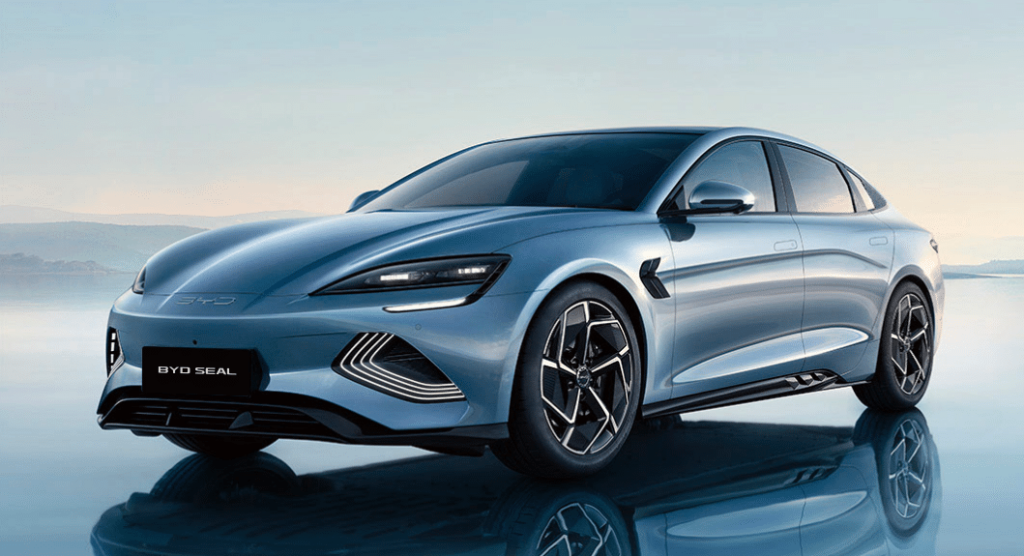
2024 BYD Seal
BYD is the leading Chinese EV maker

The electric revolution in China isn’t just about numbers; it’s a clear sign of the country’s commitment to reducing carbon emissions and making electric mobility mainstream. With electric cars now accounting for 37% of all new car sales in China, the country is setting the pace for the global transition to sustainable transportation.

The dominance of domestic brands like BYD, which has captured a significant share of the market, alongside international players like Tesla, showcases a competitive and vibrant EV ecosystem. Models such as the BYD Song Plus and Tesla Model Y have become consumer favorites, topping the sales charts and driving the market forward.

As we look ahead, expectations are high for continued growth, albeit at a more measured pace. The industry is optimistic about reaching a new milestone of 10 million sales in 2024, reflecting confidence in the enduring appeal and potential of electric vehicles. With each passing year, China is driving closer to a greener, more sustainable future on the roads, demonstrating what’s possible with innovation, investment, and a shared vision for a cleaner planet.

RELATED:

(VIA)

Xiaomi Monitor A24i with FHD IPS panel & 100Hz refresh rate unveiled globally

Xiaomi has added a new product to its lineup with the launch of the Monitor A24i. This new monitor revealed on Xiaomi’s global website, combines a minimalist design with a set of impressive features, targeting both office use and entertainment.

Xiaomi Monitor A24i

The Xiaomi Monitor A24i features a 23.8-inch IPS LCD panel with a 1080p Full HD resolution. It stands out with its 100Hz refresh rate. The monitor is designed to deliver vivid and natural colors, supporting 16.7 million colors and covering 99% of the sRGB color gamut.

In terms of design, the A24i is sleek and modern, boasting a slim body of just 7.5 mm thick. The monitor’s design includes thin bezels on three sides, achieving a 90% screen-to-body ratio while also including an adjustable angle stand. Additionally, the monitor supports VESA mounting, offering the flexibility to be wall-mounted, although a bracket would need to be purchased separately.

Xiaomi Monitor A24i

The display also focuses on color accuracy with a ΔE<2 rating, a 1,000:1 contrast ratio, and a 6 ms response time. This makes it suitable for tasks that require precision in color representation.

For connectivity, the A24i is equipped with multiple ports, including DisplayPort 1.4, HDMI, and DC IN for power. This range of connectivity options makes the monitor versatile for various setups and user requirements.

While the launch date, price, and availability of the Xiaomi Monitor A24i in specific countries are yet to be announced, we can expect the announcement to arrive soon.

RELATED: