Advertisement

Machenike Creator MINI II mini PC with i7-13620H up for pre-sale in China, starting at 2449 Yuan ($344)

Machenike has launched the Creator MINI II, a highly compact mini PC in the Chinese market. This mini PC is currently available for pre-sale on the JD.com platform. Let’s take a closer look at its key specifications.
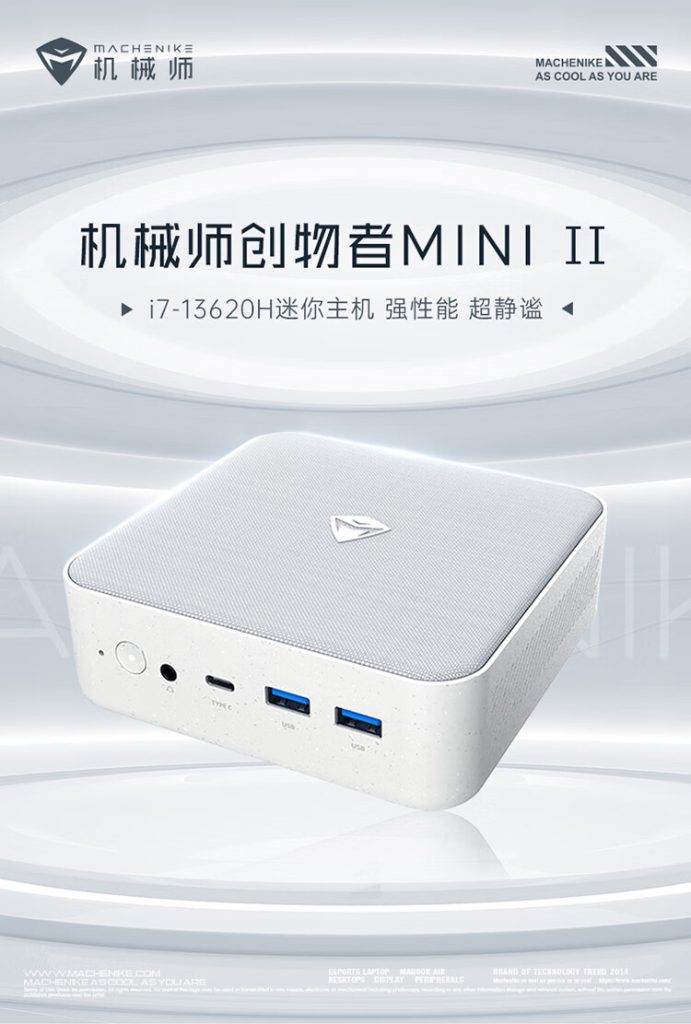
Machenike Creator MINI II

Machenike Creator MINI II Specifications:

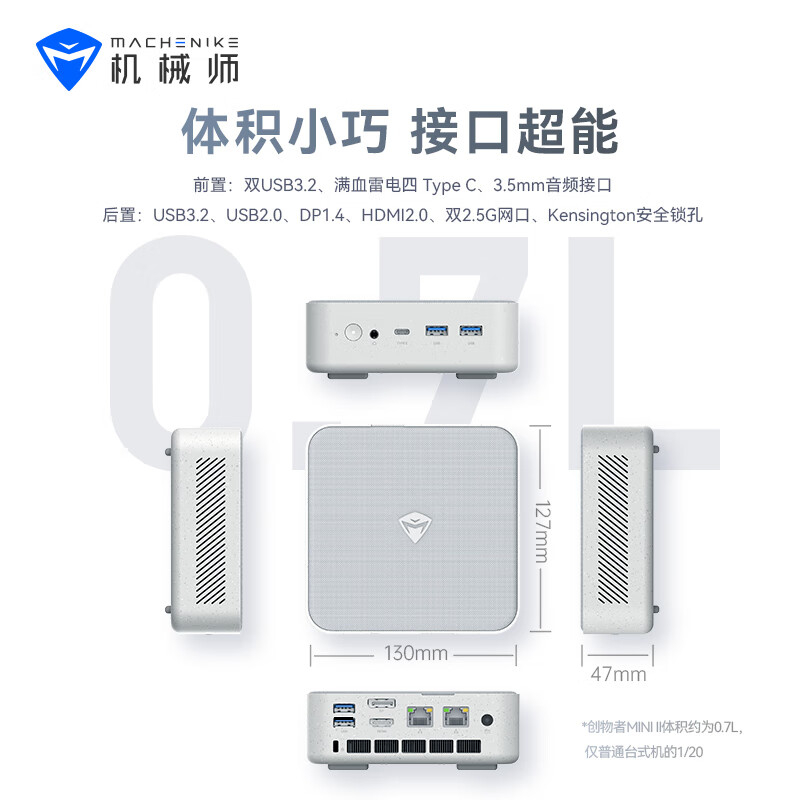
The mini PC boasts an Intel Core i7-13620H processor and an incredibly compact design, measuring only 0.7 liters, which is approximately 1/20th the size of a typical desktop.

In terms of design, the Creator MINI II boasts a sleek and eco-friendly body made from PCR material, with a replaceable top cover and a VESA mount for attaching to monitors with VESA standard holes.
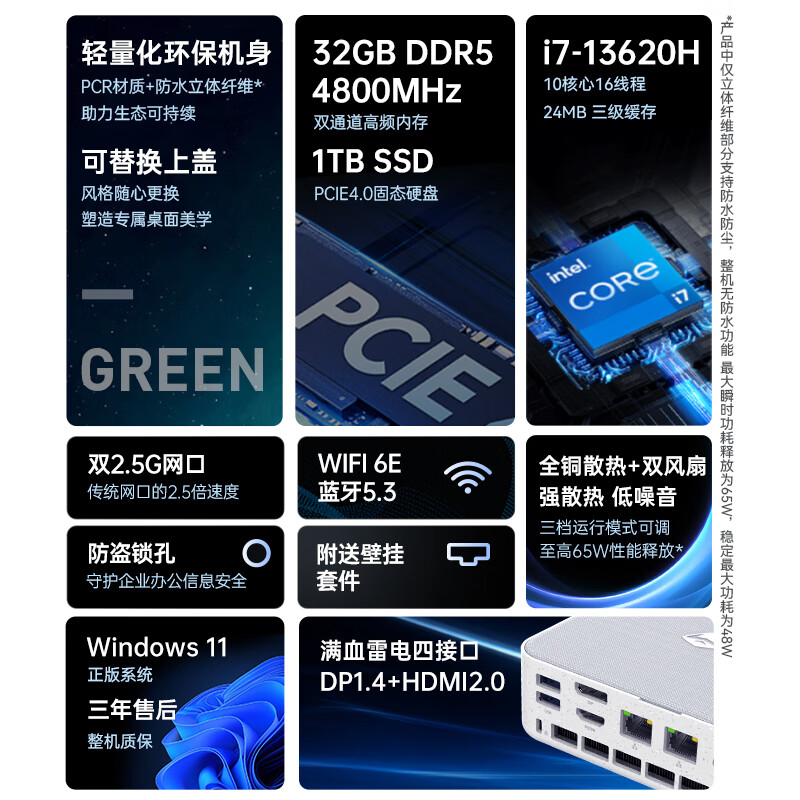
The mini PC comes with dual DDR5 memory slots, M.2 SSD support, PCIE WIFI 6E for fast wireless connectivity, Bluetooth 5.3, and comes pre-installed with Windows 11.

The PC is equipped with a new “Wind Blade” cooling system, incorporating dual turbo cooling fans and an all-copper radiator, ensuring efficient and quiet operation. The BIOS offers three operating modes – Quiet, Balanced, and Performance – allowing users to optimize the system according to their needs.

In terms of connectivity, the Creator MINI II is well-equipped, featuring front dual USB 3.2 ports, Thunderbolt 4 Type-C ports, a 3.5mm audio port, rear USB 3.2 and USB 2.0 ports, DP1.4, HDMI2.0 ports, and dual 2.5G Ethernet ports. It also includes a Kensington security lock slot for added security.


It also undergoes stringent quality control tests, including radiation harassment and electrostatic resistance tests, to ensure durability and safety, providing a reliable and secure computing experience.

Pricing

Machenike offers several configurations for the Creator MINI II, starting with a barebone system (without memory/hard drive) priced at 2449 Yuan ($344). Prices vary based on the choice of RAM and SSD storage options.

The version with 8GB RAM and a 512GB SSD is priced at 2799 Yuan ($394), while the same RAM with a 1TB SSD costs 2999 Yuan ($422). If you opt for 16GB RAM, the price with a 512GB SSD is 2899 Yuan ($408), and with a 1TB SSD, it’s 3099 Yuan ($436).

The higher-end model with 16GB RAM and a 2TB SSD is priced at 3599 Yuan ($506). For the most advanced configurations, the 32GB RAM version with a 512GB SSD is available for 3299 Yuan ($464), with a 1TB SSD for 3499 Yuan ($492), and the top variant with 32GB RAM and a 2TB SSD is priced at 3999 Yuan ($563).

RELATED:

Fire-Boltt Dream With Android OS, 60Hz Display, 4G LTE Connectivity Launched In India

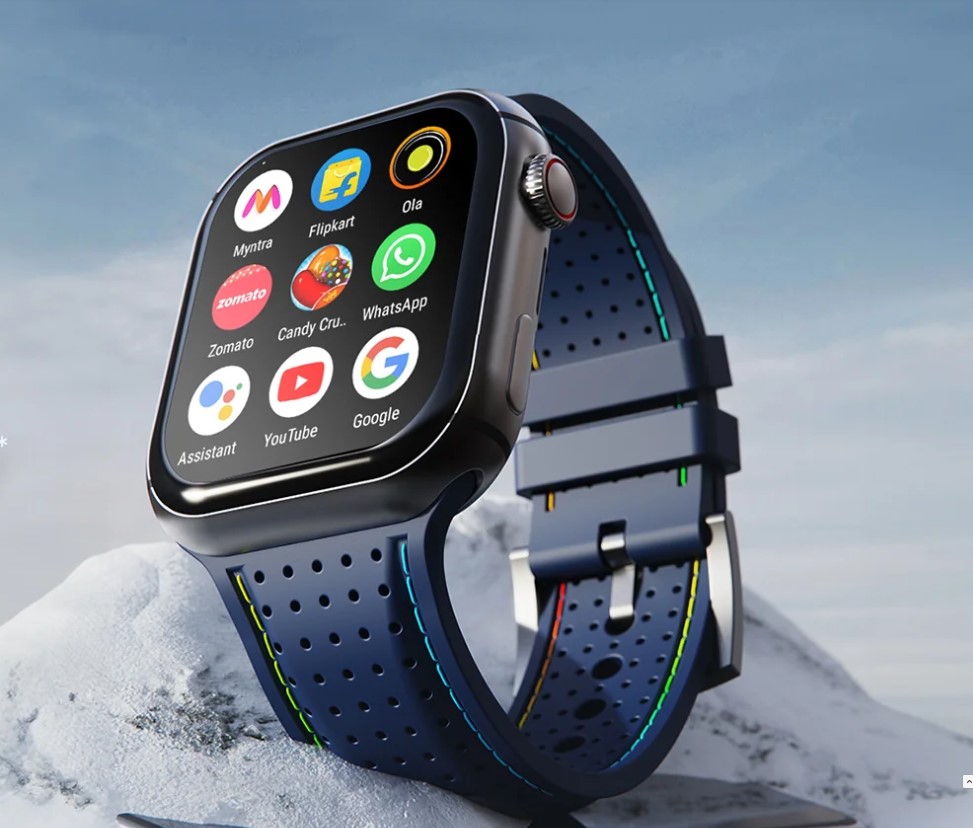
Fire-Boltt has launched a new smartwatch in India. It’s quite a unique offering compared to most devices available in the market. The latest device is dubbed the Fire-Boltt Dream. The homegrown brand is touting it as the ‘First Android 4G LTE Wristphone’. Fire-Boltt aims to bridge the gap between a smartphone and a smartwatch with its newest device as it runs on Android OS and also packs built-in network connectivity. Read on to learn more about this device. 

Fire-Boltt Dream specifications and features 

The Fire-Boltt Dream sports an Apple Watch-like design with a rotating crown and a physical button on the right side. It is IP67-certified dust and water-resistant. The device has a square dial with a large 2.02-inch display bearing an HD resolution, 600 nits peak brightness, and a 60Hz refresh rate. 

The Fire-Boltt Dream is equipped with a quad-core Cortex-A7MP processor paired with a Mali T820 MP1 GPU. It packs 2GB RAM and 16GB onboard storage. The smartwatch runs on Android OS with access to the Google Play Store and a variety of apps and games. Users can browse social media, book a cab, order food, navigate via maps, play games, and do more. There is also Google Suite onboard and support for Google Assistant. 

On the fitness front, the Fire-Boltt Dream features the Fire-Boltt Health Suite with a heart-rate monitor, multiple sports modes, VR workout support, and more. The smartwatch comes with a built-in 4G LTE nano SIM connectivity along with a built-in mic and speaker for hands-free voice calling. It also supports Bluetooth, GPS, and WiFi. The wearable device is backed by an 800mAh battery unit that is claimed to offer 36 hours of usage. 

The Fire-Boltt Dream is offered in various color options. It carries an introductory price tag of Rs 5,999. The leather and metal strap options are priced at Rs 6,299 and Rs 6,499 respectively. The smartwatch will be available for purchase from Flipkart and the brand’s website starting January 10. 

Related:

Samsung to launch its first “Designed for Gaming Center” game controller at CES 2024

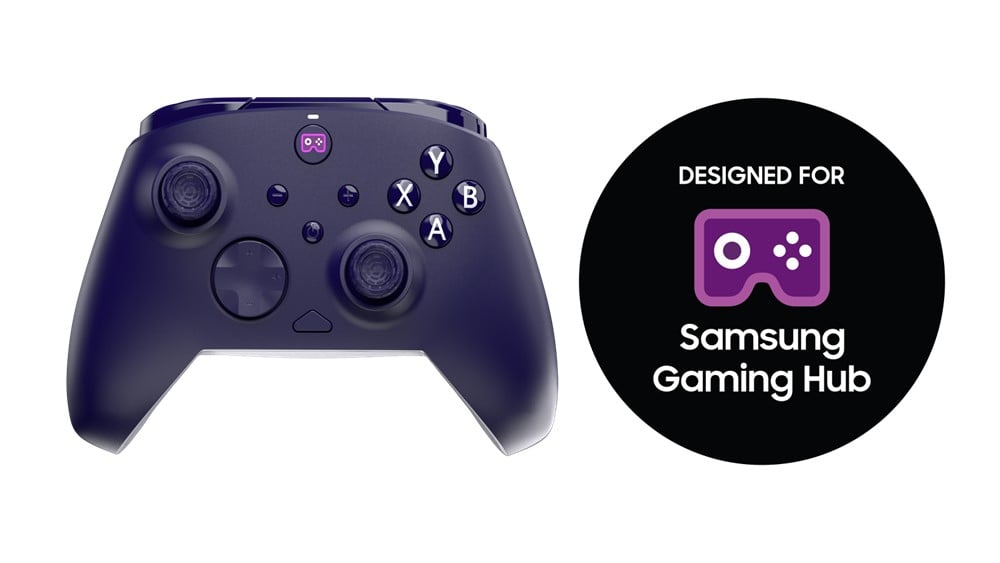
Samsung Electronics has introduced the “Designed for Samsung Gaming Hub,” a program that partners with gaming accessory manufacturers to create products tailored for Samsung devices, ensuring compatibility, quality, performance, safety, and assurance.

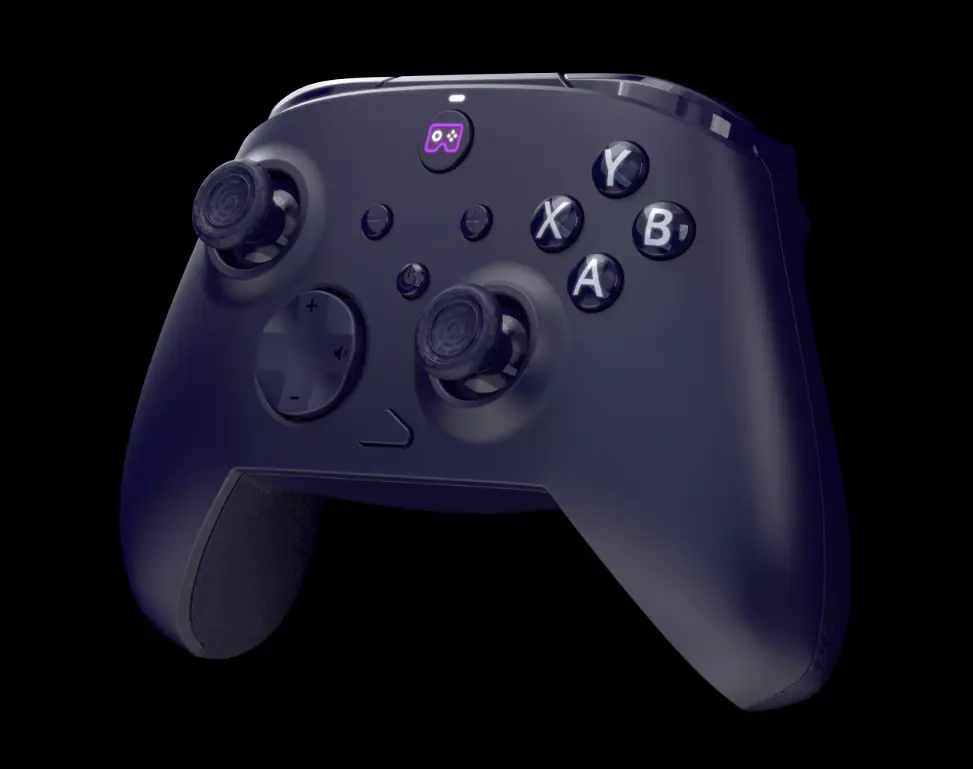
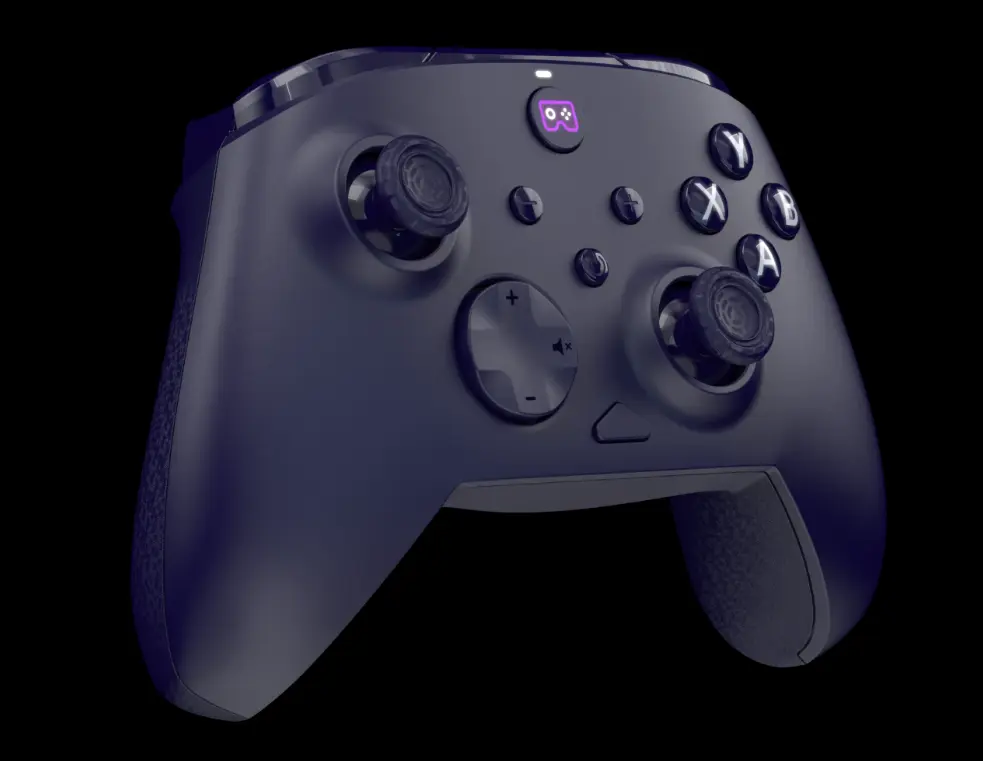
Samsung Replay Midnight Blue Controller

Samsung’s Entry into Gaming Accessory Market

Samsung‘s Gaming Hub is a cloud-based gaming platform enabling users to play various games directly on their Samsung TV without requiring a PC or game console. It offers various game streaming options, including Xbox Game Pass, Amazon Luna, Boosteroid, Blacknut, Utomik, GeForce Now, and Antstream Arcade. Moreover, the platform supports streaming from popular content services like YouTube, Spotify, and Twitch.

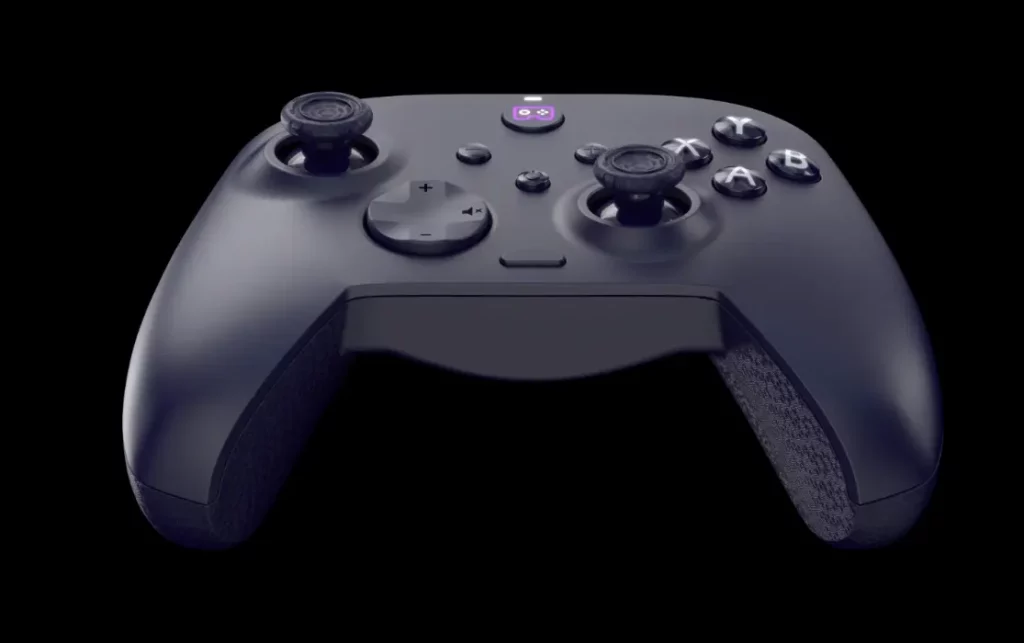
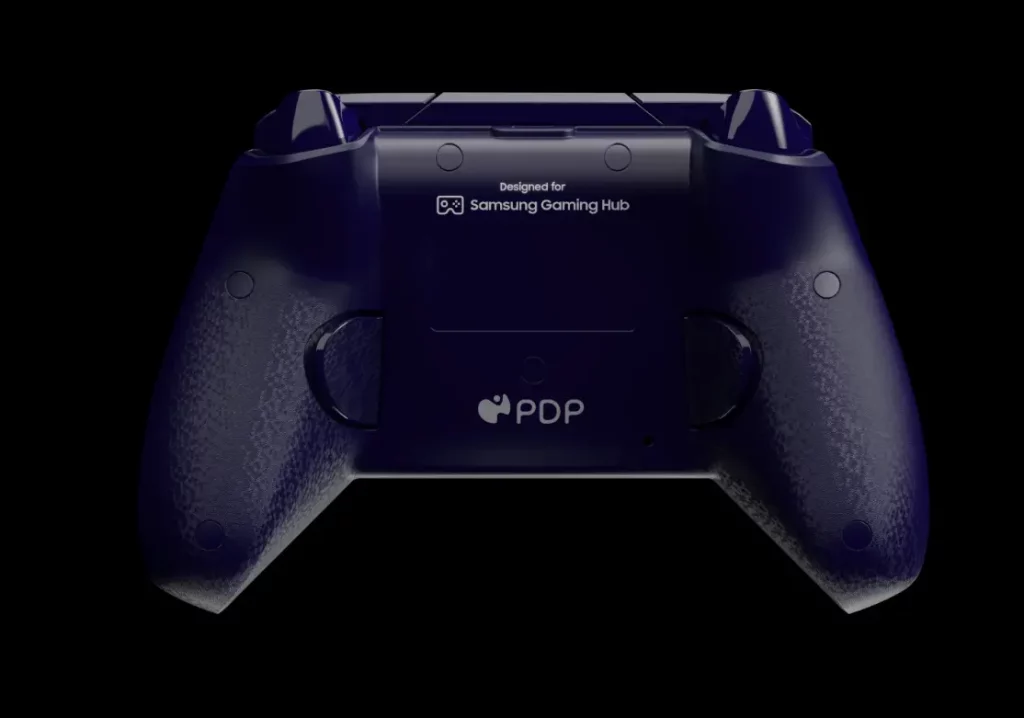
Samsung’s partnership with Performance Designed Products (PDP) has resulted in the creation of the “Replay Midnight Blue” game controller, which resembles the Xbox controller and aims to improve the gaming experience for Samsung users. The controller will be officially showcased at CES 2024 and is prominently featured under the “Designed for Gaming Center” brand, signifying its compatibility with Samsung devices.

The controller offers an outstanding 40-hour battery life for extended gaming and features low-latency Bluetooth connectivity, ensuring smooth gameplay within a 30 feet range. Additionally, it includes a home button for quick access to Samsung Gaming Hub, along with dedicated volume and power buttons for the TV.

The controller is competitively priced at $49.99. It is currently available for pre-order on various platforms, including the PDP website, Amazon, and BestBuy.

RELATED:

Samsung files “Ironflex” trademark related to foldable phones

Samsung is gearing up for its next big Galaxy Unpacked event, where the spotlight will be on the new Galaxy S24 series. But if you’re excited about foldable phones, you should keep an eye out later this year for the Galaxy Z Fold 6 and Z Flip 6.

Right now, there’s not much information about these upcoming foldables from Samsung. However, the company has now made a move that hints at what’s to come. They’ve recently registered a trademark called “Ironflex” at the Korean Intellectual Property Office. 

This term is associated with both “foldable OLED display panels” and “foldable smartphones,” suggesting a focus on display technology for future Galaxy Z devices.

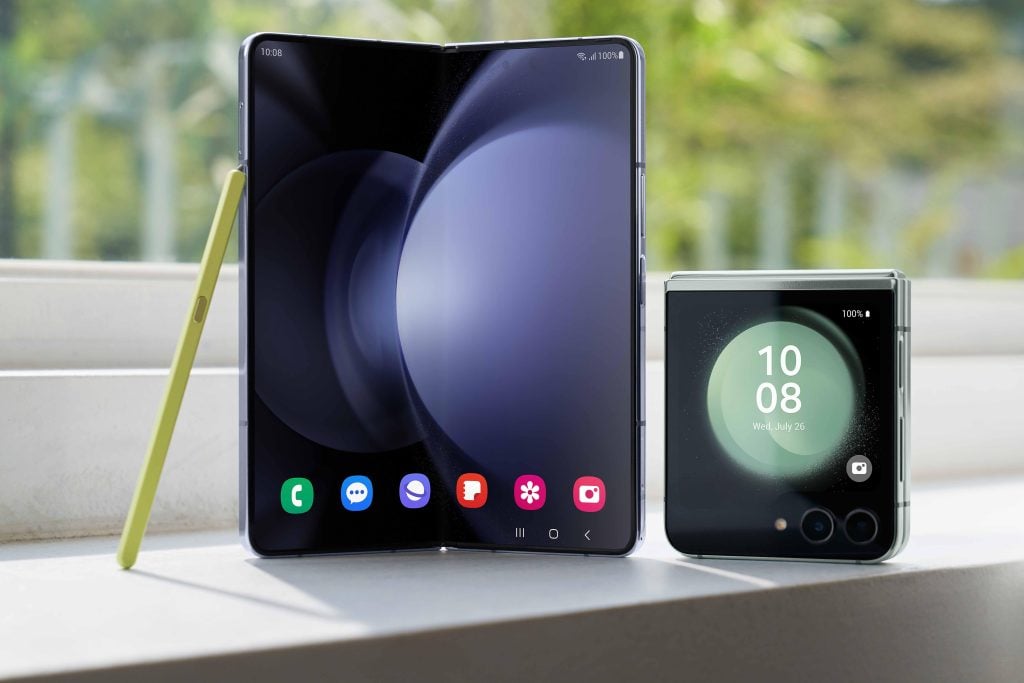
Samsung Galaxy Z Fold 5 and Galaxy Z Flip 5

It’s still not clear what “Ironflex” exactly means. The name suggests it could be about making the phones stronger and more durable. This is important because concerns about scratches, screen creases, and the strength of the hinges in the long term have made people somewhat hesitant to buy foldable phones.

It’s possible that Ironflex represents a new hinge design, a more robust screen material, or something else entirely. Regardless of the specifics, the trademark suggests Samsung is prioritizing durability improvements in its next foldable devices.

Recent reports indicate that the Galaxy Z Fold 6 and Flip 6 will have bigger screens both inside and out. For example, the upcoming clamshell model is expected to have a 3.9-inch cover screen, up from the Z Flip 5’s 3.4 inches. Since the first Galaxy Z Flip, which had a tiny 1.1-inch display, Samsung has been steadily increasing the size of these screens.

There are also hints that Samsung is working on making their new foldable phones thinner. Plus, there’s a rumor about the Galaxy Z Flip 6 getting a 50MP main camera.

Related:

(Via)

Huawei reportedly shrunk its North American presence as US tensions persist

Chinese tech giant Huawei has significantly reduced its public and government relations teams in the US and Canada, according to a report by Nikkei Asia

The move comes after five years of US sanctions imposed by the Trump administration over national security concerns related to Huawei’s telecommunications and IT equipment.

In response to the initial sanctions, Huawei had bolstered its public and government relations efforts in North America to counter negative perceptions among policymakers. 

Huawei North American

However, according to Nikkei Asia, the company has recently downsized these teams, with several employees let go, including some with a decade of tenure. This suggests that Huawei’s hopes of changing US policy may have dwindled by now. The company is instead focusing on other markets now, particularly in mainland China.

Huawei’s efforts to lobby and influence US policy included hiring veteran lobbyist Tony Podesta and three lobbying firms in 2021. The team also played a role in securing the release of Huawei’s chief financial officer, Wanzhou Meng, who was arrested in Canada at the request of US authorities. 

With Meng back in China and the legal case against her concluded, Huawei appears to be accepting the reality of limited US engagement. The company is now turning its attention to its data center infrastructure business for growth in 2024, as reported by The Register

Additionally, Huawei continues to find markets for its telecommunications equipment outside of Europe, with countries like Malaysia showing interest.

On the home front, Huawei has achieved success with its Mate 60 Pro smartphone, making it the fastest-growing smartphone brand in China during Q3 2023. This success challenges Apple’s iPhone dominance in the premium smartphone segment. 

The Mate 60 Pro generated buzz upon its release due to its purportedly in-house developed 7nm system-on-chip, a feat many doubted Chinese companies like Huawei could accomplish.

Related:

(Via)

Microsoft Bids Farewell to WordPad in Latest Windows 11 Insider Build

WordPad, the quirky text editor that’s been a part of Windows for nearly 30 years, is getting the boot. The latest Windows 11 Insider build (26020) no longer includes WordPad, and Microsoft plans to completely remove it from the operating system in a future update. 

This change is intended to be permanent, meaning users won’t be able to reinstall the program through official channels after the stable build rolls out in public.

Microsoft Windows Wordpad

Farewell, WordPad

The announcement was made on the Windows Insider Blog alongside several new features of the Windows 11 Insider build (26020). This includes enhanced voice access tools and improved text-to-speech voices. However, the removal of WordPad stands out due to its long history and familiarity with many users. The blog post reads:

“Starting with this build, the WordPad and People apps will no longer be installed after doing a clean install of the OS. In a future flight, WordPad will be removed on upgrade. WordPad will not be reinstallable. WordPad is a deprecated Windows feature”

This isn’t a huge surprise, as WordPad hasn’t been updated in years and fell somewhere between a basic notepad and a full-fledged word processor. While it was free and didn’t require internet access, most users found better alternatives elsewhere.

The People app is also joining WordPad on the chopping block, and the Steps Recorder will no longer receive updates. Microsoft suggests ClipChamp as a potential replacement for the latter.

Meanwhile, Notepad, the ever-reliable text editor, continues to see changes. This build adds some improvements, including accessibility tweaks for voice control and the ability to pause and resume printing. However, some users might find the constant tinkering with Notepad unnecessary.

Beyond these somewhat sad goodbyes, the new build brings a few other noteworthy additions. You’ll now see a notification when your computer is in energy saver mode, and you can give your devices more descriptive names for easier sharing.

Related:

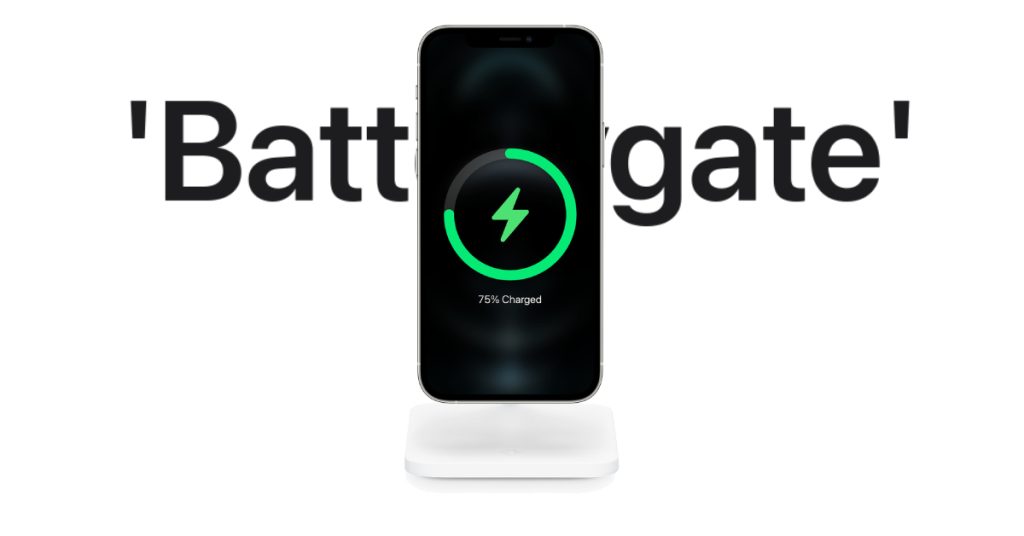
iPhone users begin receiving payouts for “Batterygate” lawsuit claim

Apple has finally begun issuing payments to iPhone owners who were part of a class-action lawsuit alleging the company secretly slowed down older phones with aging batteries. 

This so-called “batterygate” settlement, reached in 2020 for up to $500 million, stemmed from Apple’s 2017 decision to throttle performance on certain iPhones without clearly informing users.

The lawsuit, filed in December 2017, claimed Apple introduced the throttling feature in iOS 10.2.1 to prevent unexpected shutdowns, but failed to disclose it in the update notes. 

Though Apple apologized for the lack of transparency and temporarily offered discounted battery replacements, it denied intentionally misleading users and said it settled the lawsuit only to avoid “burdensome and costly litigation.”

The settlement applies to U.S. residents who owned an affected iPhone 6, 6 Plus, 6s, 6s Plus, or SE model running iOS 10.2.1 or later, or an iPhone 7 or 7 Plus running iOS 11.2 or later, before December 21, 2017. The deadline to file a claim was October 2020.

Eligible users can expect payments of around $92 per claim, as confirmed by MacRumors readers who received their payouts this week. The website for the settlement initially estimated January for distribution, and it seems payments are on track.

While Apple still uses a performance management system on iPhones 6 and later, it now offers users more transparency and control over the feature. The “battery health” feature informs users about their battery’s lifespan and allows them to disable throttling if they prefer, albeit with the risk of unexpected shutdowns.

In related news, Apple recently agreed to pay $25 million to settle a lawsuit claiming it misled users about sharing app subscriptions with their Family Sharing groups. You can learn more about it here.

Related:

Vivo X Fold 3 vs X Fold 3 Pro: leaked specifications emerge to reveal differences before launch

It is speculated that Vivo will hold a major launch event in China in the first quarter of this year. The event is likely to see the arrival of multiple products, including the Vivo Pad 3 tablet featuring the Dimensity 9300 chip, the Vivo X100s featuring the flat-screen, and the Vivo X Fold 3 series of foldable phones. A recent Weibo post by tipster Digital Chat Station has given an idea as to what the Vivo X Fold 3 may say about the X Fold 3 Pro.

Vivo X Fold 3 key specifications (rumored)

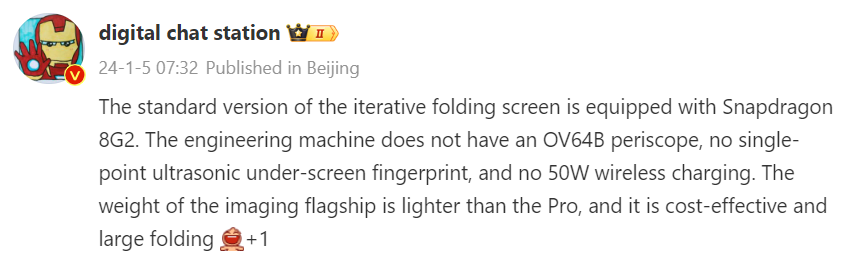
According to the leaker, the Vivo X Fold 3 will be equipped with the Snapdragon 8 Gen 2 chipset. In comparison, reports have claimed that the X Fold 3 Pro will have the newer Snapdragon 8 Gen 3 SoC.

The tipster said that the engineering prototype of the X Fold 3 lacks a 64-megapixel OV64B periscope telephoto camera. As per DCS’ previous leak, the X Fold 3 Pro will have a triple camera system comprising a 50-megapixel main camera with OIS support, an ultra-wide lens, and a periscope, which appears to be the above-mentioned OV64B periscope camera.

DCS added that the Vivo X Fold 3 will lack features like an ultrasonic in-display fingerprint scanner and 50W wireless charging. It will be lighter and more affordable than the Pro variant. The leaker previously revealed that the Pro’s outer display and inner foldable screen will be integrated with an ultrasonic in-screen fingerprint sensor. While its battery size is unknown, it is expected to support 100W wired and 50W wireless charging.

The Pro variant’s inner LTPO panel will support a 2K resolution and a 120Hz refresh rate. Currently, no information is available about the non-Pro model’s outer and inner displays.

RELATED:

Xiaomi 14 Ultra leaks in new hands-on images

Xiaomi launched the Xiaomi 14 and 14 Pro smartphones in October. But whispers of a higher-tier “Ultra” variant have been swirling for a while now. While Xiaomi hasn’t officially confirmed its existence, the device has been leaked in new hands-on images.

The photos, likely taken during an early camera test, show the phone concealed in a protective case. This obscures the overall design, but there is a noticeable camera bump with a periscope lens on the lower right side. 

The phone can be seen compared to the Xiaomi 14 Pro and Vivo X100 Pro in these images and also seems to share the frame with what looks like the Xiaomi 13 Ultra. Beyond the visible features, the most interesting details come from a white label on the phone’s back. 

It has markings “N1,” “P2,” and “EU” which offer cryptic clues. According to Xiaomiui, “N1” aligns with the expected model number for the Leica-branded flagship, further strengthening the possibility that this is indeed the 14 Ultra. “P2” suggests it’s a prototype, an early iteration not yet finalized, while “EU” hints at a potential global version intended for European markets.

While the camera module itself remains largely concealed, we can expect a familiar round design with four lenses. 

According to tipster Digital Chat Station, the Xiaomi 14 Ultra will sport a 50MP main sensor (Sony LYT 900 with OIS) with a variable aperture. Alongside the main sensor, a 50MP telephoto lens, another 50MP periscope lens, and a 50MP ultra-wide lens are expected to complete the package. 

The leaked information also suggests a possible titanium frame upgrade for the 14 Ultra. It will replace the aluminum used in the regular 14 Pro. There are also rumors of two-way satellite communication and the phone may house a 5180mAh battery with support for 90W wired and 50W wireless charging. 

The Xiaomi 14 Ultra is expected to debut with the Xiaomi Pad 7 series in April 2024.

Related:

Lava Blaze Curve 5G India launch teased, to debut soon

Several smartphone brands in India are preparing to debut their initial phone releases in 2024 during January. Vivo and Redmi have already disclosed their plans with the Vivo X100 series and the Redmi Note 13 series, respectively. Looking ahead, the Poco X6 series, the Samsung Galaxy S24 series, and the OnePlus 12 lineup are anticipated to be launched later this month. It appears that Lava too will join the bandwagon.

Lava Blaze Curve 5G incoming

As can be seen in the above-shown X post, Lava Mobiles President Sunil Raina teased the arrival of the company’s upcoming device. Decoding the jumbled letters reveals that the mystery device will be called the Lava Blaze Curve 5G.

The name strongly suggests that the standout feature of the device might be its curved edge screen. Likely, the device will come with an OLED panel. Nevertheless, this wouldn’t be the brand’s first use of a curved-edge OLED panel, as the Lava Agani 2 5G camera is already equipped with one.

The Lava Agni 2 5G, which arrived with a price tag of Rs 19,999 (~$240), featured a massive 6.78-inch AMOLED panel that offers a Full HD+ resolution and a 120Hz refresh rate. It appears that the Blaze Curve 5G, featuring a curved-edge OLED screen, could be priced under Rs 15,000 (~$180).

Lava Agni 2
Lava Agni 2

Last month, Lava unveiled the Storm 5G with a price tag of Rs 13,499. At this price, the device has a 6.78-inch LCD FHD+ 120Hz screen, a Dimensity 6080 chipset, 8 GB of RAM, 128 GB of storage, a 5,000mAh battery with 33W fast charging, a 16-megapixel front camera, a 50-megapixel (main) + 8-megapixel (ultra-wide) dual-camera system, and Android 13. It is confirmed to receive Android 14 and two years of security updates.

RELATED:

Xiaomi Mix 5 IMEI database listing spotted, model number revealed but don’t get too excited  

In August 2021, Xiaomi introduced the Xiaomi Mix 4, equipped with the Snapdragon 888 Plus chipset. However, the company did not release a successor in 2022 or 2023. According to a recent post on Weibo by the trustworthy tipster Digital Chat Station, there won’t be a Xiaomi Mix 5 this year, but there is a possibility of a device carrying on its legacy. The tipster did not provide any additional details about this mysterious device. A recent report from GSMChina indicates that Xiaomi is in the process of developing a new device named the Xiaomi Mix 5 in China. However, do not get too excited about it yet, as there is something that might dampen the excitement about its launch.

Xiaomi Mix 5 in the works

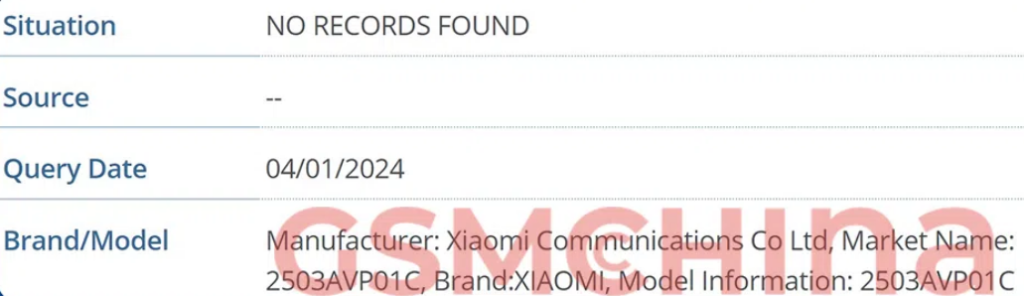
The publication revealed that the Xiaomi Mix 5 has appeared in the GSMA IMEI database with model number 2503AVP01C. The starting four numbers hint that the device may launch in March 2025. So, there is a possibility that it may launch with the Xiaomi 15 Ultra around the same time in the coming year.

Xiaomi Mix 5
Xiaomi Mix 5 not launching this year, says DCS

The said model number belongs to the Chinese variant of the Xiaomi Mix 5, which suggests that there may not be any global or Indian variants of the device. So, what did tipster DCS reveal? We will have to wait for further reports to know more about the said device.

Meanwhile, Xiaomi is also said to be working on the Xiaomi Mix Flip for the Chinese market. It will be the company’s first flip-style foldable phone. So far, reports have revealed that it has the 2311BPN23C model number, and it is said to feature the Snapdragon 8 Gen 2 chipset.

RELATED:

(source)

Shargeek 170 transparent portable power bank launched for the global market under crowdfunding

Sharge formerly known as Shargeek has opened an Indiegogo crowdfunding campaign for the Shargeek 170 portable power bank. This is the second crowdfunding campaign for the Shargeek 170 power bank after its successful Kickstarter run in 2023. The prism-shaped gadget was earlier launched on Kickstarter in October 2023. The Indiegogo campaign is an indication that the Shargeek 170 portable power bank is ready to hit the market. Presently, the funding has surpassed $760,000 from over 4,000 backers.

Shargeek 170

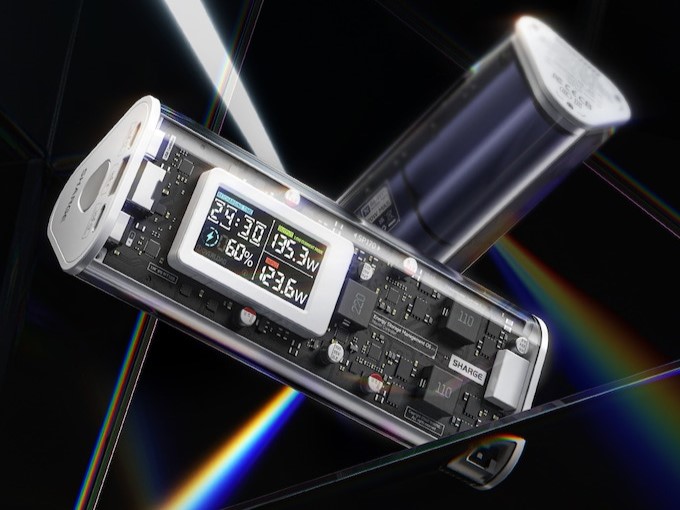
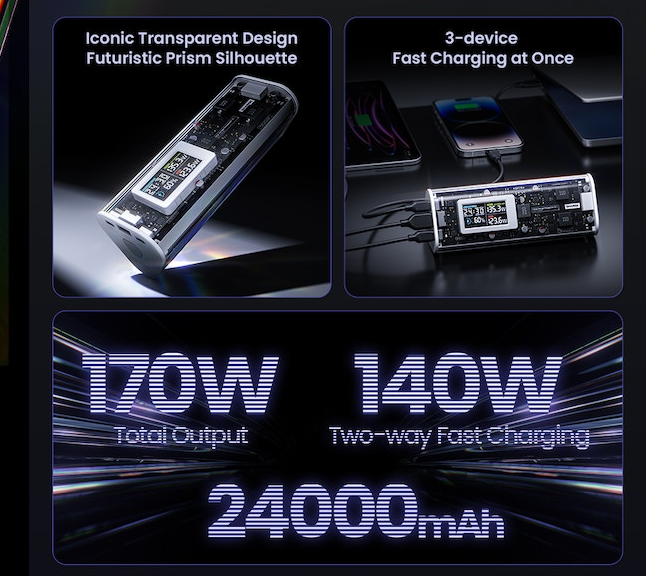
The Shargeek 170 can simultaneously charge three devices with a maximum power output of 170W. Its two PD 3.1 two-way USB-C ports can each deliver up to 140W charging power. Its single USB-A port has a rated speed of 30W. When both USB-C ports are in use, the power output is reduced to 100W and 65W. Using the three ports of the Shargeek 170 simultaneously delivers 65W power from the USB-C ports and 18W from the USB-A port.

The Shargeek 170 portable power bank has a 24,000mAh battery rated as EV-grade. You can charge an iPhone 14 Pro six times with the new power bank or a MacBook Pro/ ROG Ally once. Recharging the device can be fast at up to 140W charging speed. It can go from 0 to 50% in 20 minutes. The power bank has a display for monitoring the battery status, output power, and a low current mode. It is IP66 water-resistant and comes in a transparent design. It weighs 680g and is 6.5 inches long.

Shargeek 170

Pricing

The cheapest pledge for the Shargeek 170 on Indiegogo is the Super Early Bird pledge at $119. The product will ship to several countries including the US, the UK, France, the Netherlands, and Australia. Indiegogo backers of the Shargeek 170 will begin receiving their products by February while more than 1,000 backers of the Kickstarter campaign have already received the power bank.

Related:

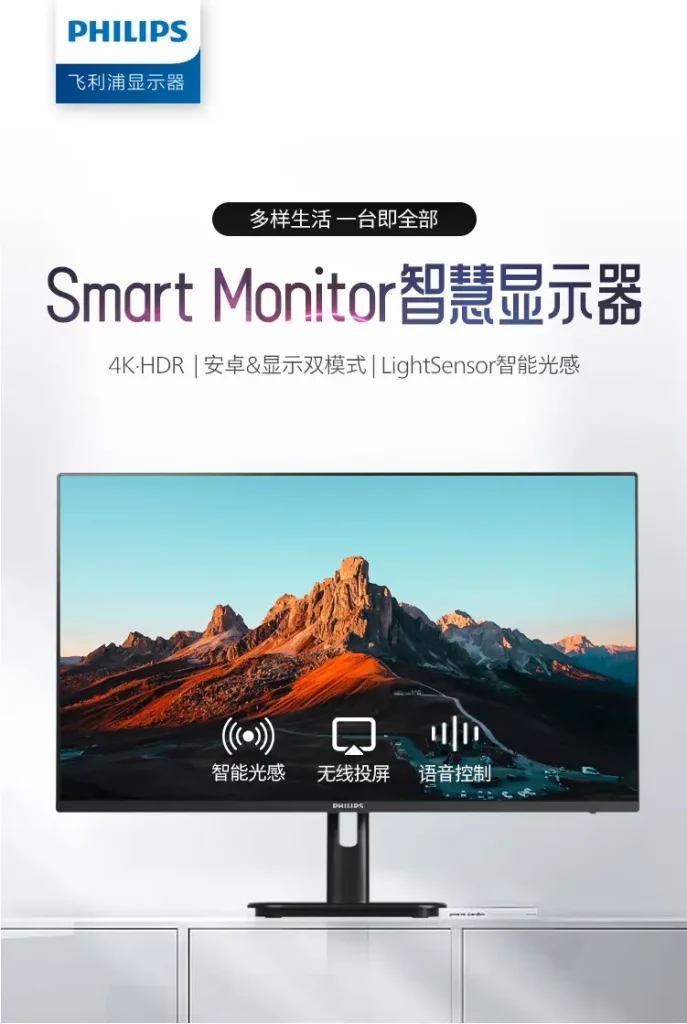
Philips 32-inch 4K smart monitor 32E1S5900 with dual display mode launched in China for 1,999 yuan ($281)

The Philips 32E1S5900 4K smart monitor has been released in the Chinese market. The new Philips monitor comes with a 32-inch 4K display with dual-mode functionality. The product is available on pre-sale in China and it runs on Android 9.0 operating system.

Philips 32-inch 4K smart monitor 32E1S5900

Features

The new Philips 32-inch smart monitor supports 4K/HDR ultra-clear image quality with a resolution of 3840 x 2160 pixels and a 60Hz refresh rate. The architecture allows for two display modes of the Android system/ monitor. It has 2GB of built-in running memory and 16GB of storage. The display of the Philips 32-inch 4K monitor offers several network resources for a wide array of content. These include education, television, children, film, TV drama, animation, and variety shows.

The display has a front-mounted LightSensor chip that can dynamically adjust the screen brightness according to the ambient environment. It features low blue light and Flicker-free technologies.

The Philips 32-inch 4K smart monitor is compatible with WiFi 5 and Bluetooth 5.0 connectivity. It can also be operated using the voice button on the remote control. The voice button allows the user to search for movies and adjust the volume among others. The monitor has 10-bit color depth while its dual stereo speakers offer 5W output each. You can wirelessly screencast content on the monitor, as well as use a USB-C direct connection for screen projection.

The new Philips 32E1S5900 4K smart monitor has a 65W Type-C interface. It can be plugged directly into a laptop or mobile phone. The smart monitor can also provide reverse charging for your smartphone and other mobile devices. In addition, the new Philips smart monitor has two HDMI 2.0 interfaces and two USB 2.0 interfaces.

Pricing & Availability

The Philips 32E1S5900 4K smart monitor is priced in China at 1,999 yuan ($281). There is no global availability and pricing information for the new Philips smart monitor at this time. 

RELATED:

Xbox Game Pass January 2024 lineup revealed: 8 new games including Assassins Creed Valhalla

Xbox Game Pass is set to kick off the new year with a lineup of fresh games and updates. Here’s a straightforward rundown of what’s coming your way this month:

New Games:

Close to the Sun (Available Now) Embark on a steampunk adventure as Rose Archer searches for her sister, Ada, aboard Tesla’s Helios. Navigate dangers in international waters in this narrative-driven experience.

Hell Let Loose (January 4) Immerse yourself in 100-player battles of World War II in this hardcore first-person shooter, where teamwork is crucial.

Assassin’s Creed Valhalla (January 9) Explore England’s Dark Ages as Eivor, a legendary Viking warrior, in this acclaimed entry in the Assassin’s Creed series.

Figment (January 9) Embark on a surreal adventure in Figment, an action-adventure game filled with music, humor, and a multi-layered narrative.

Super Mega Baseball 4 (EA Play – January 11) Experience arcade-inspired style and immersive gameplay depth with Super Mega Baseball 4, coming soon via EA Play.

We Happy Few (January 11) We Happy Few returns to Game Pass, offering an action-adventure experience in a drug-fueled, retro-futuristic city.

Resident Evil 2 (January 16) Survive a mysterious viral outbreak in Raccoon City in Resident Evil 2, featuring modern visuals and gameplay mechanics.

Those Who Remain (January 16) Confront psychological horrors in Those Who Remain as darkness descends on the town of Dormont.

DLC / Game Updates:

Dead by Daylight: Chucky (Available Now) Experience a new Killer with Chucky in Dead by Daylight and grab the exclusive Charm: Good Guys Box.

Hello Neighbor 2 Anniversary Update (Available Now) Explore the new forest area on the outskirts of Raven Brooks in the Hello Neighbor 2 Anniversary Update.

Sea of Thieves: Season Ten (Available Now) Sail into Season Ten of Sea of Thieves, featuring Safer Seas mode for uninterrupted adventures.

Xbox Game Pass Ultimate Perks:

Sea of Thieves: Nightshine Parrot Pack (Available Now) Enhance your pirate style with the Nightshine Parrot Pack, featuring exclusive in-game items and 10,000 gold.

Leaving Soon: Don’t forget to use your membership discount to save up to 20% on these titles leaving soon.

January 5:

  • Grand Theft Auto V (Cloud and Console)

January 15:

  • Garden Story (Cloud, Console, and PC)
  • MotoGP 22 (Cloud, Console, and PC)
  • Persona 4 Golden (Cloud, Console, and PC)
  • Persona 3 Portable (Cloud, Console, and PC)

RELATED:

Tecno Megabook T1 laptop becomes #1 best-selling traditional laptop on Amazon India

Tecno, the Chinese consumer electronics brand, is celebrating a milestone as its Megabook T1 claims the top spot as the best-selling laptop on Amazon India. Launched in September 2023, the Megabook T1 has swiftly risen in popularity, securing its position as the go-to choice in the traditional laptop category.

Tecno Megabook T1

The Megabook T1 boasts impressive specifications, making it a standout in the market. It features a 15.6″ display that showcases a Full HD resolution of 1920 x 1080 pixels, a 60Hz refresh rate, a brightness rate of 350 nits, and a 100% sRGB color gamut. The screen comes with TUV certification and the keyboard has LED backlighting.

It is powered by an 11th Generation Intel Core i7-1165G7 processor, offering three storage options, featuring up to 16GB of LPDDR4 RAM and a 1TB PCIE 3.0 SSD. It comes with Integrated Intel Iris Xe graphics and is preloaded with Windows 11 Home.

With a 70Wh battery, the Megabook T1 promises an impressive usage time of up to 17.5 hours and supports a 65W PD ultra-fast charging feature. Design-wise, the laptop maintains a sleek and lightweight profile, measuring 14.8 mm in thickness and weighing 1.56 kg. Available in three color variants – Denim Blue, Moonshine Silver, and Space Grey – Tecno ensures that style meets functionality in the Megabook T1.

RELATED:

Casio G-SHOCK RANGEMAN smartwatches with health tracking & inbuilt GPS launched

Casio has introduced two new models in its RANGEMAN series, the GPRH1000-9 in vibrant yellow and the GPRH1000-1 in sleek black, designed for adventurers and outdoor enthusiasts. These watches are built to endure extreme conditions, featuring resistance to shocks, dust, mud, and water, making them ideal for outdoor activities.

The RANGEMAN watches are equipped with GPS, solar-assisted charging, and Bluetooth connectivity, offering a blend of durability and advanced technology. They support a variety of activities such as trekking, running, biking, and swimming, and come with six sensors, including a heart rate monitor, to provide real-time data and health metrics. This data can be analyzed through the Powered by Polar suite and synced with the CASIO Watches App for comprehensive activity tracking.

The inclusion of USB and solar charging options ensures the watches’ timekeeping functions remain operational even when the battery is low. The Super Illuminator LED backlight guarantees visibility in dim conditions.

Focusing on comfort and eco-friendliness, the watches feature a urethane band suitable for water activities and use bio-based resin components, reflecting G-SHOCK’s environmental commitment. The design also includes metal components to protect the GPS antenna and sensors, enhancing the watches’ versatility for different physical pursuits.

Available from January 19th, the G-SHOCK GPRH1000-9 and GPRH1000-1, offered in vibrant yellow and black colorways, retail for $500. Purchase options include select jewelers, gshock.com, and the G-SHOCK Soho store. For more information, you can visit G-SHOCK’s webiste.

RELATED:

Clicks releases a physical QWERTY keyboard for the iPhone Pro models

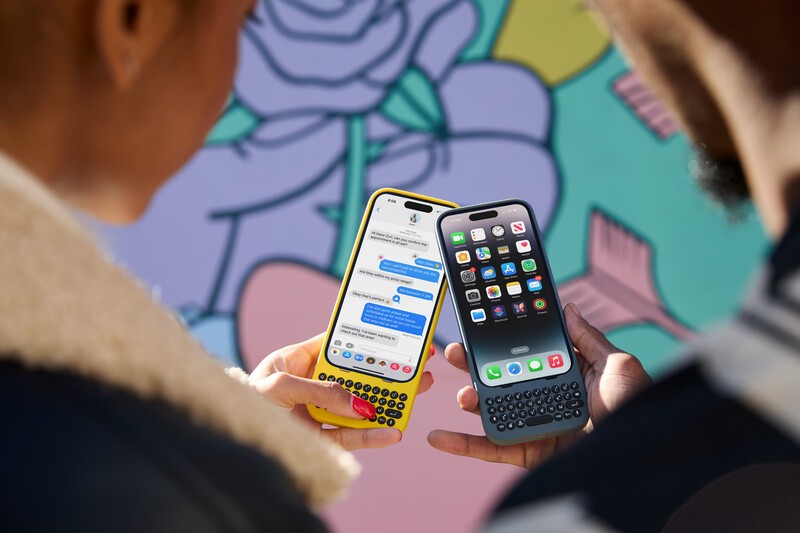
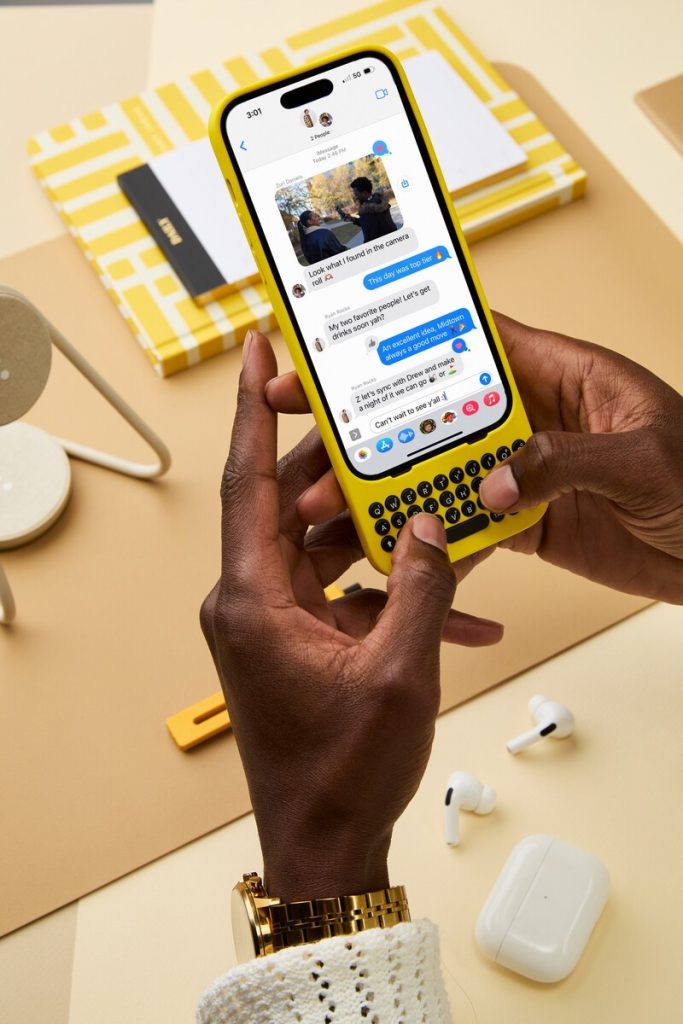
The latest iPhone Pro models have received an exciting new accessory that’s perfect for those who miss the tactile feel of physical keyboards: the Clicks Creator Keyboard. This innovative product from Clicks offers iPhone users a full QWERTY keyboard as a phone case, bringing back the satisfying sensation of typing on a real keyboard, reminiscent of the Blackberry era.

Clicks Creator Keyboard

Clicks Keyboard Specifications:

Clicks Creator Keyboard is a precision-designed and stylish addition to modern smartphones, aimed at enhancing the user’s typing experience. It is compatible with multiple iPhone models, including the iPhone 14 Pro, iPhone 15 Pro, and iPhone 15 Pro Max.

The keyboard boasts several impressive features. It maximizes screen space, allowing users to enjoy their apps and content without on-screen keyboard interference. The tactile typing experience is a major draw, offering the familiar “clack-clack” sound with each keystroke, which many find satisfying and more efficient for typing. Moreover, the keyboard provides easy access to iOS shortcuts and voice input, making it a practical tool for everyday use.

Clicks Creator Keyboard

In terms of design, it has a sleek unibody design that fits snugly on the iPhone, with precision-tuned buttons for fast and accurate typing. The layout includes additional keys for voice input and commands, enhancing functionality.

It’s also equipped with a backlight for typing in low-light conditions and supports pass-through charging via Lightning or USB-C connections, depending on the iPhone model. Furthermore, it’s compatible with wireless charging, adding to the convenience.

Clicks Creator Keyboard

Style-wise, the keyboard is available in two colors: BumbleBee Yellow and London Sky Grey. The materials used in its construction, like liquid silicon, polycarbonate, vegan leather, and plated nickel, ensure durability and comfort.

Clicks Keyboard is priced at $139 for both the iPhone 14 Pro and iPhone 15 Pro models, while it costs $159 for the iPhone 15 Pro Max. Shipping for the iPhone 14 Pro units will begin on February 1st.

The keyboard case might seem a bit costly. However, for those who have been longing for the return of a physical keyboard on their smartphone, this could be a worthy investment. It’s a blend of retro charm and modern convenience, offering a unique typing experience for iPhone users.

RELATED:

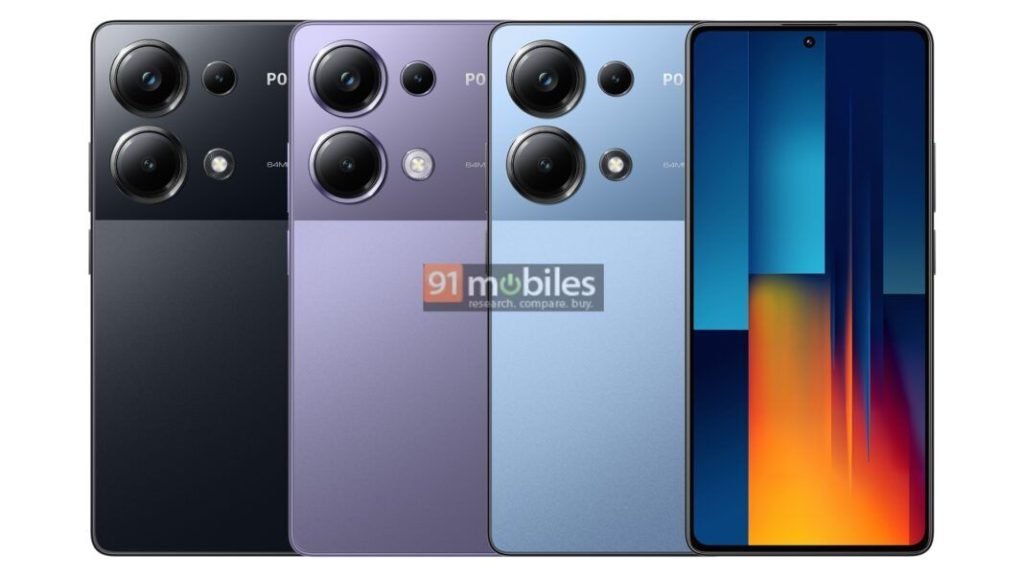
POCO M6 Pro 4G confirmed to feature 64MP OIS camera & 120Hz AMOLED display

POCO is gearing up for the global launch of its X6 series and M6 Pro 4G at an online event scheduled for January 11th at 20:00 GMT+8. Ahead of the official unveiling, the company has shared key specifications of the M6 Pro smartphone.

Poco M6 Pro leaked renders

The M6 Pro is equipped with a 120 Hz AMOLED display, 12 GB LPDDR4X RAM, and 512 GB UFS 2.2 storage for a responsive user experience. The smartphone features a 67W turbocharging-supported battery and a 64 MP triple camera setup with OIS for photography enthusiasts.

As previously confirmed, the M6 Pro runs on the Helio G99-Ultra chipset. Additional details from an Amazon UAE listing reveal that the device will launch with Android 13 and house a 5000 mAh battery. The front side is expected to sport a 16 MP selfie camera, with a listed price of AED 899 (~Rs 20,000).

In related news, POCO has disclosed the AnTuTu score for the upcoming POCO X6 Pro, which is a global rebrand of the Redmi K70E. Recognized as the current top-performing mid-range smartphone on Antutu, the POCO X6 Pro aims to offer budget-conscious gamers an affordable, high-performance option.

RELATED:

Sony’s latest patent aims to boost game loading speeds and enable play during downloads

Sony has filed a patent that could revolutionize the way we play video games. The patent, which was filed in August 2023 and made public last week, describes a technology that would allow players to start playing a game before it has finished downloading.

Playstation Portal

Sony’s Innovative Approach to Seamless Game Access and Reduced Wait Times

The core idea of this patent revolves around a technology that optimizes the startup speed of games. Traditionally, players often have to wait for the entire game to download before they can start playing. However, Sony’s new method proposes a significant change to this process. It involves a comparison between the time it takes for a player to complete a specific part of a game and the overall time required to download the entire game. If the game’s download time is longer, Sony’s technology prioritizes the installation of that specific game part first. This enables players to begin experiencing portions of the game while the rest of it continues to download.

The patent describes a method to speed up application startup times by utilizing what are referred to as ‘application chunks.’ These chunks are essentially discrete parts of a game. The system associates these chunks with game time information, which estimates how long it takes a user to reach a certain point or milestone within the game.

Source: Patent Public Search

To optimize the download process, the system predicts how long it will take to download these chunks based on the chunk information and the user’s network data. It then compares this predicted download time with the previously recorded time it takes to play through these chunks. If the download time is shorter than the gameplay time, the system proceeds to install that chunk of the game first.

It’s not clear yet when or if Sony will implement this technology in its products. However, if the company does, it could have a significant impact on the way we play video games. It would allow players to jump into their favorite games more quickly than ever before.

Sony is also actively developing technology to enhance mobile gaming controls, focusing on precision and smoother gameplay. They are also exploring lifelike NPC reactions to improve gaming immersion.

These patents suggest that Sony is committed to making gaming loading times as fast as possible. And with the company’s focus on cloud gaming, we may see even more advancements in this area in the years to come.

RELATED:

(Source)

Snapchat is Being Accused by Families, Alleging their Kids Bought Fentanyl on the Platform

Snapchat, faces a significant legal challenge in California. The company, Snap, is being sued by families alleging that their children used the app to buy fentanyl, leading to fatal overdoses. This case, overseen by Los Angeles County Superior Court Judge Lawrence Riff, could have profound implications for how social media platforms operate and are held accountable.

The California judge has let the lawsuit proceed this time

Traditionally, tech companies like Snap have been shielded by Section 230 of the Communications Decency Act. This legal immunity has been a cornerstone in the development of the modern internet, allowing platforms to grow without the constant threat of lawsuits over user-generated content. However, Judge Riff’s decision to let the lawsuit proceed signals a potential shift. The case isn’t targeting Snapchat for the content posted by third-party drug dealers but rather focuses on the platform’s product and business decisions.

Snapchat

This lawsuit is part of a growing trend where tech companies are being scrutinized for their role in public safety and wellbeing. For instance, Google, Meta, Snap, and TikTok are currently facing a lawsuit alleging they contributed to a youth mental health crisis. These cases bring to light the increasing concern over how social media platforms influence users, especially the younger demographic, and the responsibilities these platforms should bear.

Snap’s response to the lawsuit has been to highlight their cooperation with law enforcement and the use of technology to detect and prevent illegal activities on their platform. However, the core issue remains: how much responsibility should social media companies have for the actions of their users, and where is the line drawn between protecting users and censoring content?

RELATED:

(Via)