Advertisement

Sony rises to the top with PlayStation 5, leading the Q3 2023 gaming console market

In the third quarter of 2023, the global game console market experienced a remarkable surge, marking the strongest Q3 performance since 2017, according to a report by TechInsights. With an 11% year-on-year increase, the total shipments reached 9.1 million units. This upswing follows a robust first half of the year, where sales grew by 32% and 19% in the first and second quarters, respectively.
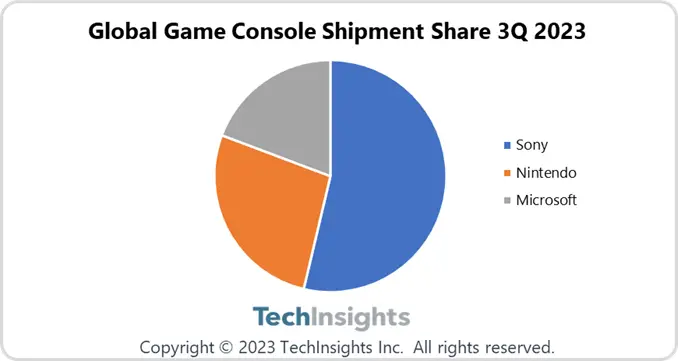
Sony Leads in Game Console Market with Impressive Growth in Q3 2023

Sony, with its PlayStation 5, has made a significant comeback, clinching the top spot in the global gaming console market. The company now holds a commanding 54% market share, a dramatic 42% year-on-year growth. This period marked Sony’s highest Q3 shipment volume to date and the second-best quarter for PlayStation 5 since its 2020 launch. Riding on this momentum, Sony is on track to meet its ambitious target of 25 million total shipments for the fiscal year. To further boost its market presence, Sony plans to unveil a higher-capacity PS5 Slim in the final quarter of 2023.

In Q2 2023, Sony’s financial results showed an 8% increase in sales to $18.5 billion, with gaming and network services sales up 32% to $6.31 billion, driven by strong PlayStation 5 sales of 4.9 million units. Spider-Man 2 sold over 5 million units, contributing to a 26% rise in software sales.

Meanwhile, Nintendo, despite a 15% drop in year-on-year shipments, maintains a strong presence with a 27% market share, largely buoyed by the continued success of flagship games and the “Super Mario Bros. Movie”. However, the absence of a new major release in Q3 led to Nintendo falling to second place. Looking forward, Nintendo is set to introduce an upgraded version of the Switch in early 2024 and aims to hit 15 million unit shipments for the fiscal year.

Microsoft’s Xbox Series X/S also faced challenges, witnessing a 6% decline in shipments and totaling around 1.8 million units. Despite this, the Xbox Series X remains popular, holding a 72% product share in the Xbox lineup, complemented by the introduction of a 1TB version of the Xbox Series S.

RELATED:

(Via)

Capturing more than expected, the story of a comedian and her iPhone’s unique glitch

Tessa Coates, a British comedian, encountered a peculiar photographic anomaly while trying on a wedding dress, which gained international media attention. She took a single photo with her iPhone 12, only to discover three different versions of herself in the picture.

This unusual incident took place in front of two mirrors, where each reflection showed her in a distinct pose, despite not using any special camera modes like “Live Mode” or continuous shooting.

Unveiling the Mystery: How a Single Snap Captured Multiple Poses

Perplexed by this occurrence, Coates visited an Apple store for an explanation. A technician named Roger unraveled the mystery, attributing it to the iPhone’s unique photography mechanism.

He explained that when an iPhone captures a photo with a single tap, it quickly takes a series of images to assess the scene. In Coates’ case, her slight movements during this rapid capture process resulted in multiple images merging into one, creating the illusion of three different people. This phenomenon was not a deliberate feature but a rare glitch, described by Roger as a “one-in-a-million” event.

Roger further noted that this oddity is linked to a mechanism known as the “rolling shutter” used in smartphone cameras, including iPhones. Unlike traditional cameras that capture an entire scene simultaneously, a rolling shutter scans the scene sequentially, either horizontally or vertically.

This method can lead to distortions or anomalies if the subject moves during the capture process. In Coates’ scenario, her movements while trying on the dress coincided with the iPhone’s scanning, capturing different poses at various times and combining them into a single image.

This story of Tessa Coates and her iPhone offers a fascinating glimpse into the complexities of modern smartphone photography, illustrating how advanced camera technologies can lead to unexpected and intriguing results.

RELATED:

(Via)

Huawei Global announces a product launch on December 12, tablets and headphones on the horizon

Huawei Global has announced an exciting upcoming product launch event scheduled for December 12, 2023, in Dubai. This highly anticipated event, titled “Creation of Beauty,” is set to showcase Huawei’s latest fusion of technology and fashion aesthetics. The teaser hints that Huawei will unveil two significant products during this event: the international version of the MatePad Pro tablet and a new open-ear headphone.

huawei-global-product-launch

Huawei MatePad and open-ear headphones are expected

The promotional material shows a device on the left side with a spacious screen and minimal bezels, which could point to models like the MatePad Pro 11, MatePad Pro 13.2, or even a new 12.6-inch variant. Huawei launched the MatePad Pro 13.2″ tablet in China back in September this year with a Kirin 9000s, flexible OLED, and a new M-Pen Stylus. While the MatePad Pro 11 (2024) was announced a week back which features an 11-inch OLED display with a high refresh rate, and a circular camera module with 13MP and 8MP sensors. It is powered by a Kirin 9000s processor, offers up to 12GB of RAM, and runs on HarmonyOS 4.

In addition to the tablet, Huawei is poised to introduce open-ear earphones, marking a shift in wearable audio technology. These headphones boast a unique open design for comfort and uninterrupted use, worn around the ear, making them ideal for sports activities. They promise high-quality sound with lossless audio transmission and will be compatible with Huawei’s other smart wearable devices, enhancing their ecosystem. These headphones represent a departure from Huawei’s existing FreeBuds earphone range, featuring an independent design.

Furthermore, there is speculation surrounding the Huawei Nova 12 series, which includes models like the Nova 12, Nova 12 Pro, and Nova 12 Ultra. Although the release timing may be subject to adjustments, these smartphones are expected to launch soon, as indicated by their registration with the MIIT (Ministry of Industry and Information Technology).

RELATED:

(Source)

Asus ROG Swift Pro PG248QP 540Hz monitor finally hits store shelves in the US & EU

After unveiling the Asus ROG Swift Pro PG248QP 540Hz monitor back at CES 2023 (January), the brand has finally managed to get it on store shelves in the global market.

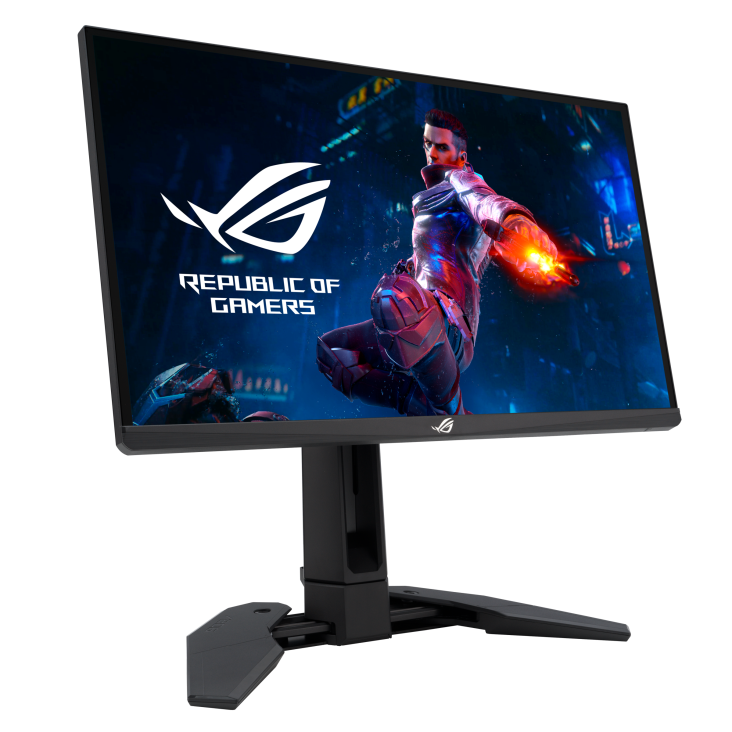
ASUS ROG Swift Pro PG248QP

Asus ROG Swift Pro PG248QP pricing & availability

In the United States, the ROG Swift Pro PG248QP is priced at $899.99. In comparison, Asus has applied a discount to the monitor’s original €1,349.90 MSRP in the Eurozone, reducing it to €1,046.90.

Asus ROG Swift Pro PG248QP specs

The Asus ROG Swift Pro PG248QP is a 24.1-inch gaming monitor that boasts a jaw-dropping 540Hz refresh rate, thanks to its Esports-TN (E-TN) panel. This panel provides approximately 50% greater responsiveness compared to standard TN panels, ensuring a remarkably smooth gaming experience without screen tearing or lag. Enhancing its gaming capabilities, the monitor incorporates the NVIDIA G-Sync processor and features “Ultra Low Motion Blur 2” to eliminate motion blur in fast-paced gaming scenarios. The ESS Codec contributes to the immersive gaming experience by providing low-latency surround sound capabilities.

In terms of design, the monitor focuses on practicality with features like retractable claws that free up desk space, making it ideal for optimized gaming setups. The stand offers various adjustment options, including tilt, swivel, and height, allowing users to find their perfect viewing angle. Key specifications include a brightness of 400cd/m2, a contrast ratio of 1,000:1, and complete coverage of the 100% sRGB color gamut. Connectivity options include DisplayPort 1.4 DSC, HDMI 2.0, an earphone jack, and a USB 3.2 Gen 1 Type-A hub. Additional features like “GamePlus” options and “GameVisual” presets for optimized visuals enhance the overall gaming experience.

RELATED:

(via)

Garmin eTrex Solar handheld GPS with 75 days of battery life and solar charging support unveiled

Garmin’s latest handheld GPS is built for long-haul hikes. The Garmin eTrex Solar handheld GPS can last for 75 days relying on its battery. The handheld GPS also comes with solar charging support which technically yields an infinite runtime. The eTrex Solar handheld GPS has a built-in solar panel.

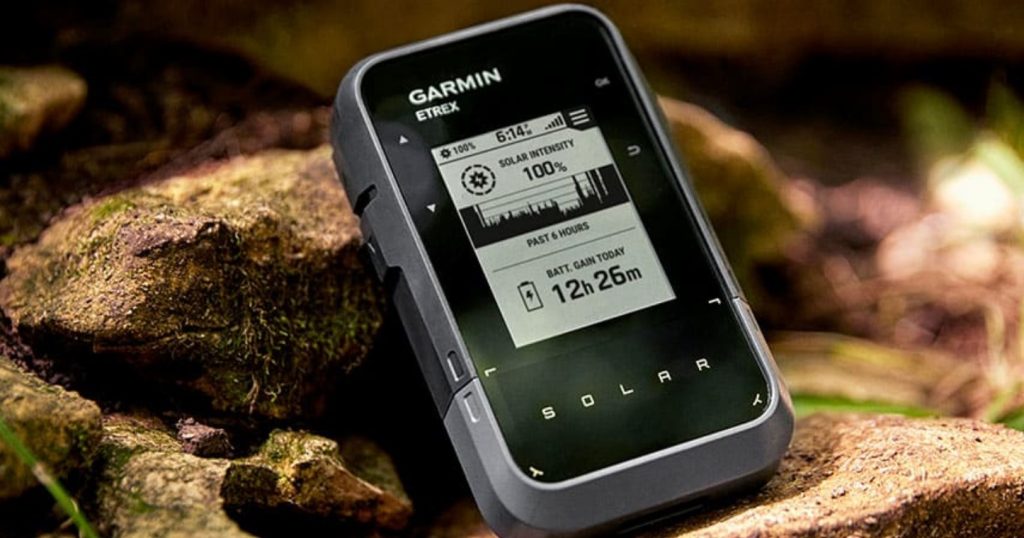
Garmin eTrex Solar handheld GPS

Features

The Garmin eTrex Solar comes with IPX7 waterproof protection and offers significant improvements from its predecessor, the Edge Solar series. The new solar-powered GPS omits a color screen used in its predecessor. It instead uses a black-and-white display. The rugged eTrex Solar can provide positional information for hikers even on the most punishing mountain trails. It can operate for up to six months in a long-drawn mission like the Appalachian Trail.

The Garmin eTrex Solar is equipped with a 2.2-inch monochromatic screen and an integrated solar panel. It can be charged when daylight is brighter than 75,000 lux, translating to about 4 hours every day. When the device is operating at the fast GPS updates mode, it can operate solely on its battery for 8 days. However, when using the slow GPS updates mode, the battery can last for 75 days.

Garmin eTrex Solar handheld GPS

The Garmin eTrex Solar uses multi-band GPS signals for maximum coverage and accuracy. Its digital compass provides easy navigation when using physical maps or landmasses as a guide. When connected with a smartphone, the eTrex can receive weather updates and be used for trip planning and mapping. The unit also features geocoaching which allows the user to get automatic cache updates from Geocoaching Live. When connected to the Garmin Explore app, each find will upload to the user’s Geocoaching profile.

Pricing

The Garmin eTrex Solar is available from retail platforms globally including Amazon. It is priced at $249.99 and is available in the global market.

RELATED:

(source)

Meizu MYVU Discovery AR glasses with impressive precision unveiled in China

Meizu has released what it calls the world’s lightest mass-produced full-color AR glasses. The Meizu MYVU Discovery AR glasses come with precision comparable to sports cars and a lightweight design. The Meizu AR smart glasses are fashionable, thin, easy to use, and well-suited for all weather conditions.

Features

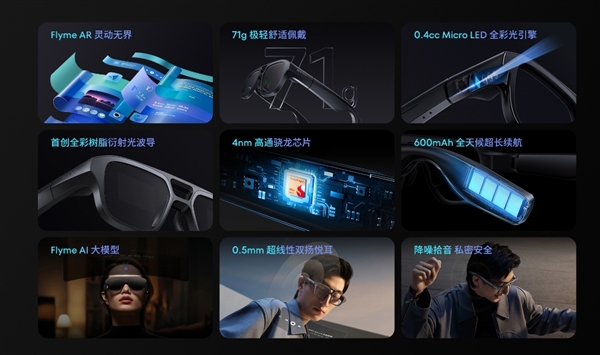
The Meizu MYVU Discovery AR glasses uses a photolithography machine to customize three Micro LED displays with very high brightness rating. They are the world’s smallest AR all-in-one display with a 0.4 square centimeters Colored Light Engine. The light engine does not have side bangs and is as light as it can get. The Meizu Discovery AR glasses also use the world’s first mass-produced resin optical waveguide lens to achieve an all-weather, fashionable, and lightweight device. In addition, the optical quality of the lens is comparable to that of glass lenses at a significantly lighter weight.

The Meizu MYVU Discovery weighs 71g and is launched as the industry’s leading full-color AR glasses. It uses aviation-grade magnesium-aluminum alloy for more than 50% of the lens body. The AR glasses have a hollow design which reduces the number of lightweight parts and are completely assembled through 839 processes.

Meizu MYVU Discovery AR glasses

The precision of the MYVU Discovery AR glasses reportedly exceeds that of a sports car. The smart AR glasses come with the FlymeAR system. It helps the AR glasses to be an intelligent personal assistant in different work scenarios. It works with the handcart to create multi-terminal, full scenarios, and immersive integration.

Pricing

The Meizu DISCOVERY AR smart glasses are already available for pre-sale according to Meizu. It is priced at 9,999 yuan (~$1,400). Meizu will recruit 520 top players around the world to test the glasses. There is no global availability and pricing information yet for the Meizu MYVU Discovery AR glasses at this time.

Related:

Conway Cairon SUV FS 4.7 Wave e-bike with a Suntour suspension fork and Fox shock absorber released in the EU

The Conway 2023 Cairon SUV FS 4.7 Wave full suspension e-bike is now available in the EU. The Cairon SUV FS 4.7 comes with a Suntour suspension fork and Fox shock absorber. It is equipped with a 250W Bosch Performance CX motor and offers Bluetooth connectivity and a companion app. The Conway Cairon SUV FS 4.7 has a step-through frame design.

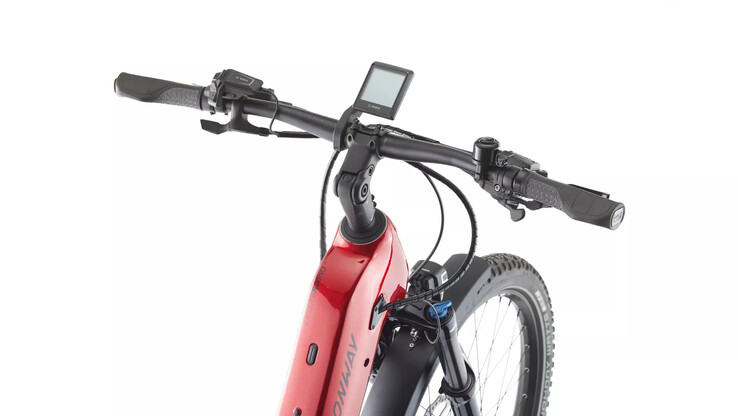
Conway Cairon SUV FS 4.7 Wave e-bike

Features

The Conway Cairon SUV FS 4.7 Wave e-bike comes with a 625Wh Power Tube lithium-ion battery. The riding assistance modes can be controlled via the Bosch BRC3600 control while the Bosch Intuvia 100 display provides information on the ride.

Being a full suspension bike, the Cairon SUV FS 4.7 Wave uses a Suntour XCR34 Air LOR suspension and a rear Fox Float DPS shock absorber. It also features 60mm wide Schwalbe Johnny Watts tires which makes the bike easily navigate difficult terrains. The Cairon SUV FS 4.7 Wave has a Shimano Deore SL-M5130 10-speed shifter and the Tektro hydraulic disc brakes offer solid control.

Conway Cairon SUV FS 4.7 Wave e-bike

The Conway Cairon SUV FS 4.7 Wave e-bike has a 625Wh Power Tube lithium-ion battery. The riding assistance modes can be controlled via the Bosch BRC3600 control while the Bosch Intuvia 100 display provides information on the ride. Being a full suspension bike, the Cairon SUV FS 4.7 Wave uses a Suntour XCR34 Air LOR suspension and a rear Fox Float DPS shock absorber. It also features 60mm wide Schwalbe Johnny Watts tires which makes the bike easily navigate difficult terrains.

The bike comes with mudguards, a very bright LED headlight, a rear brake light, and a kickstand. The e-bike has a payload capacity of 130kg and is available in black or red metallic colors. You can connect the e-bike via Bluetooth to the eBike Flow app for various settings and ride information.

Pricing & Availability

The Cairon SUV FS 4.7 is available in four sizes and its average weight is 24kg. The 2023 Conway Cairon SUV FS 4.7 Wave e-bike is priced in the EU for €4,699.95 (~$5,090). More details about the new Conway e-bike can be viewed on the company’s official website.

RELATED:

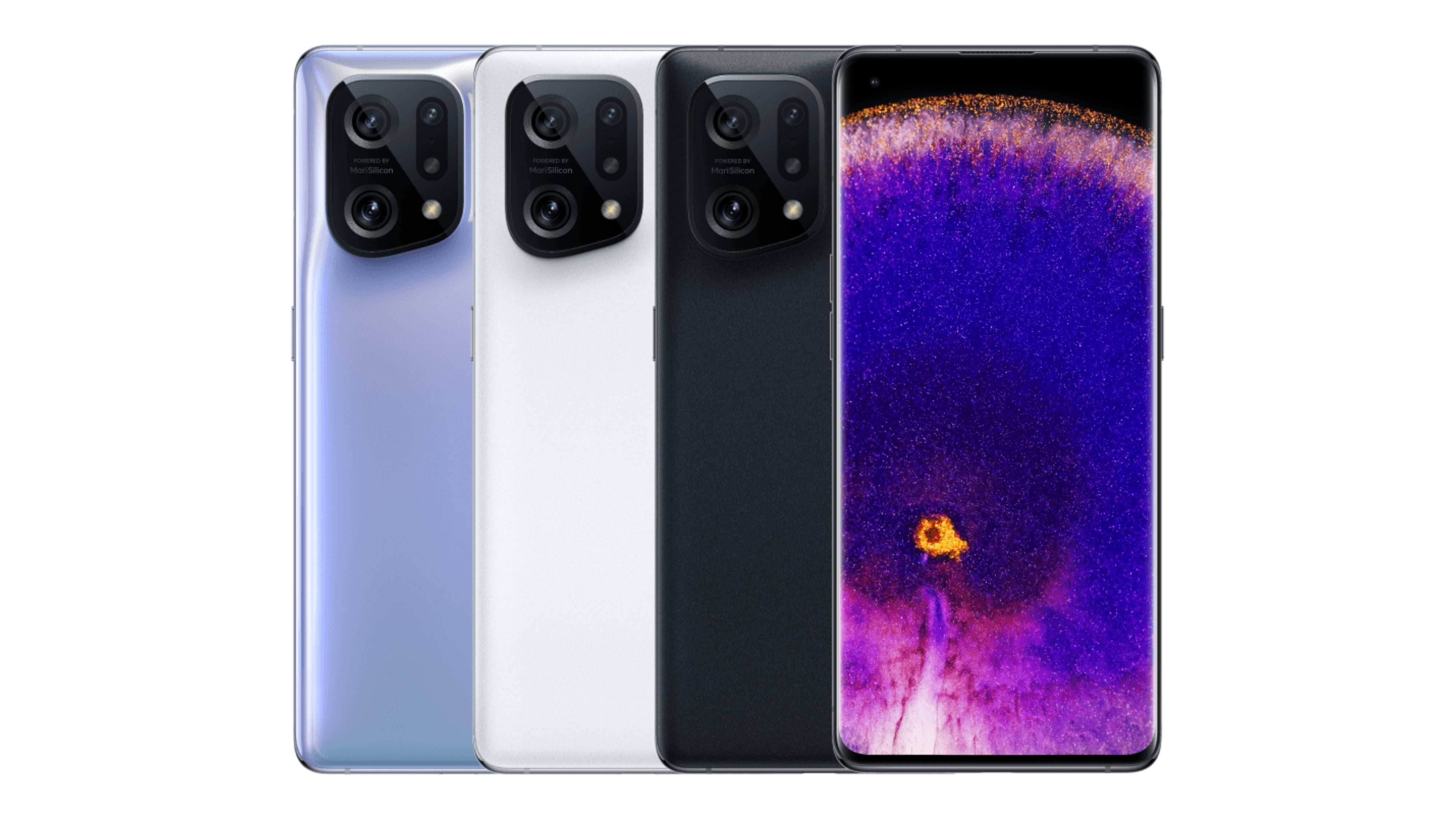
Oppo Find X5 gets Android 14 x ColorOS 14 update in France & Egypt

Oppo has introduced ColorOS 14, the brand’s newest operating system built on Android 14. While the update has been rapidly reaching devices in China, the global rollout has been more gradual. Notably, Oppo has recently initiated the rollout of the Oppo Find X5, a device initially launched in February 2022.

OPPO Find X5

The official Android 14 x ColorOS 14 for Oppo Find X5 is now available for users in France and Egypt. However, the update is available on an apply-only basis. We have listed the way to apply below, but before proceeding, make sure that your smartphone is on the detectable version: CPH2307_14.0.0.200(EX01).

How to apply:

To apply for the Oppo Find X5 Android 14 x ColorOS 14 update, follow these simple steps. First, navigate to the “Settings” on your device and select “About device.” Next, tap on the top of the page and locate the icon in the upper right corner. From there, choose “Trial versions,” followed by “Official version,” and finally, select “Apply Now.” In the second step, proceed to detect the update and initiate the download by selecting “Download Now.” Upon completion, you will promptly receive the updated version for your Oppo Find X5.

Before proceeding with the update, it’s crucial to consider a few key points. Firstly, ensure you back up essential personal data to prevent potential loss during the update due to incompatibility or unexpected issues.

Following the update, the Operating System will undertake various optimizations automatically, which might result in temporary device heating, lagging, and accelerated battery drainage. To address this, it is recommended to turn off the screen and charge the device overnight post-update, or simply continue using the device – normal performance should resume within a few days.

It’s worth noting that some third-party applications may not be compatible with the Android 14 update. This could lead to their unavailability or technical issues, such as lagging and crashing on your device. To mitigate this, consider updating these applications to the latest version available in the App Market after completing the device update.

To know what you can expect from the update, you can check out our in-depth review of ColorOS 14.

RELATED:

(Source, via)

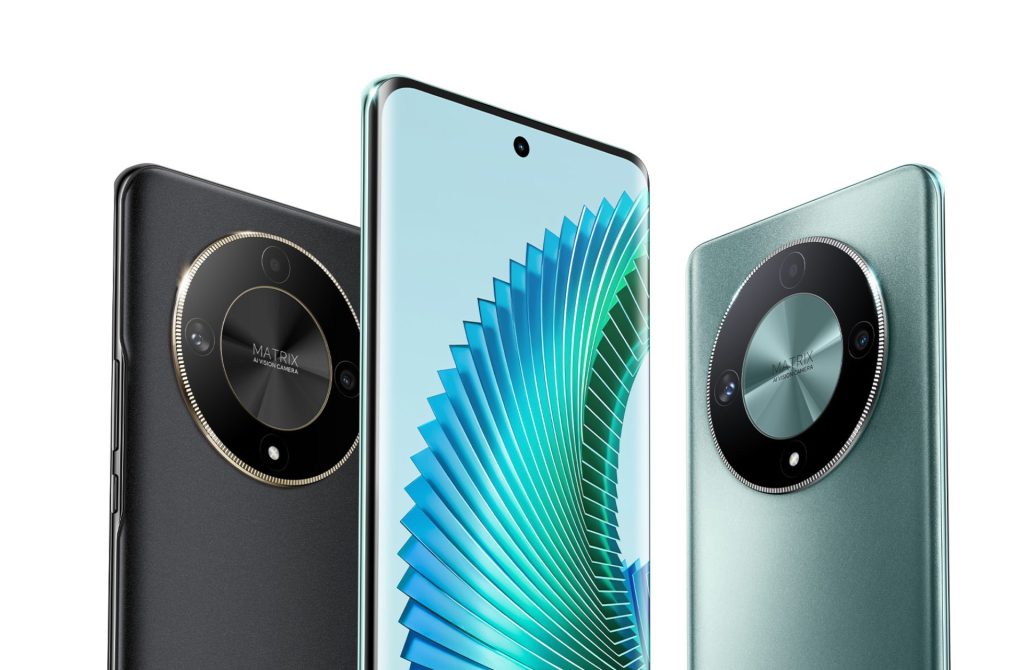
Honor Magic 6 Lite Goes Official With Snapdragon 6 Gen 1, 1.5K 6.78-inch Display and 5300 mAh Battery

After a few public listings, the Honor Magic 6 Lite finally goes official, bundling competitive specifications at an affordable price. As a successor to the Honor Magic 5 Lite, the new smartphone packs a Qualcomm Snapdragon 6 Gen 1 SoC, a 6.78-inch AMOLED display, and a 5300 mAh battery. It launches in Italy a couple of days after the Honor X9b launch in the European market. However, we expect the new Honor Magic 6 Lite to hit the shelves of other European nations as well in the coming few days.

Must See: Honor X7b With 6,000mAh Battery Launched Globally

Honor Magic 6 Lite Pricing and Availability

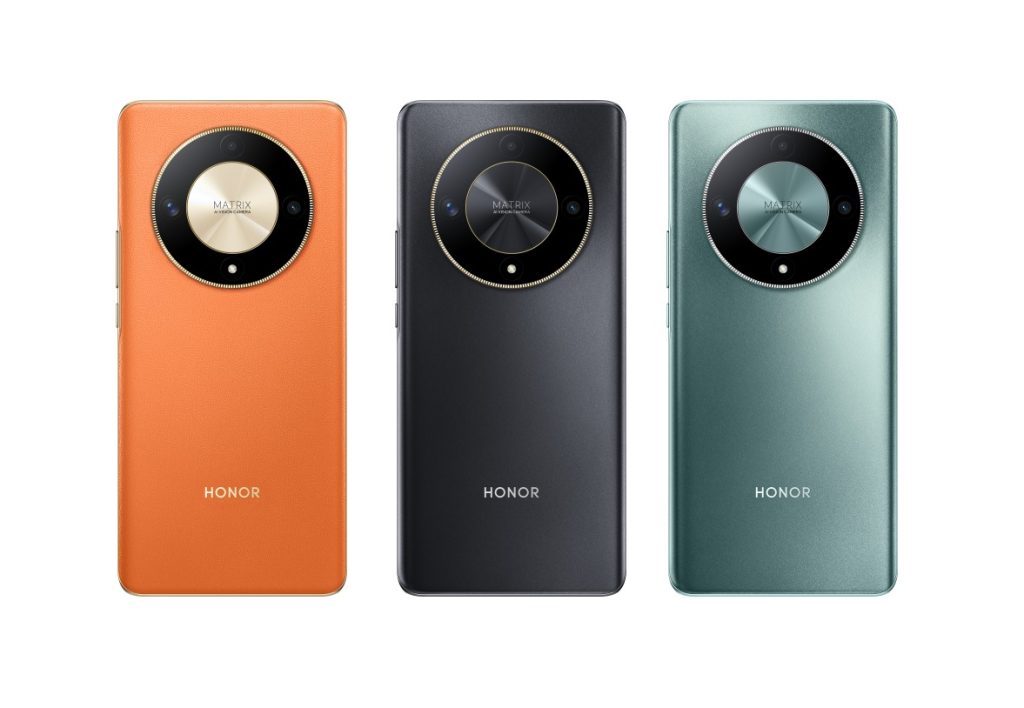
Honor Magic 6 Lite 5G smartphone debuts in three color options Midnight Black, Emerald Green, Sunrise Orange. Pricing details of the smartphone remain under wraps; meanwhile, the company is offering a 50-euro coupon when you sign up on the website. The smartphone will be available starting from December 27, 2023.

Honor Magic 6 Lite Specifications and Features

The midrange smartphone features a 6.78-inch AMOLED display with a resolution of 2652 x 1200 pixels, a screen-to-body ratio of 92.8%, and a pixel density of 429. The display boasts a 120Hz refresh rate to ensure a fluid gaming experience, and its 1200 nits peak brightness allows you to use the smartphone in direct sunlight. Additionally, the phone features 1920Hz PWM Dimming to safeguard your eyes when using it in a dark environment or when the display brightness is quite low.

It is powered by the Qualcomm Snapdragon 6 Gen 1 SoC along with the Adreno 710 GPU. It offers an internal storage capacity of 256GB with 8GB of RAM.

A triple-rear camera unit is present on the smartphone, which consists of a 108MP primary sensor, a 5MP ultra-wide less, and a 2MP macro sensor. There’s also a 16MP front camera for selfies. 

A 5-star SGS certification provides extensive safety for the smartphone, covering its frame, display, and internal components. The “HONOR Ultra-Bounce Anti-Bounce” (-)Drop protection dissipates the impact of falls and provides safeguarding.

The smartphone includes Wi-Fi 802.11 a/b/g/n/ac, 5G connectivity, Bluetooth 5.1, NFC, a USB Type-C port, GPS, GLONASS, Beidou, and Galileo connectivity. There’s an on-screen fingerprint sensor for easy authentication. A 5300 mAh battery is present with support for 35W fast charging. The smartphone offers 1000 recharge cycles before it ends up with at least 80% battery life.

Honor Magic 6 Lite runs Android 13-based MagicOS 7.2 out of the box. It measures 163.6 x 75.5 x 7.98 mm in size and weighs 185 grams.

Related:

OnePlus Open Update: Improved Camera Control and Black Screen Bug Fix

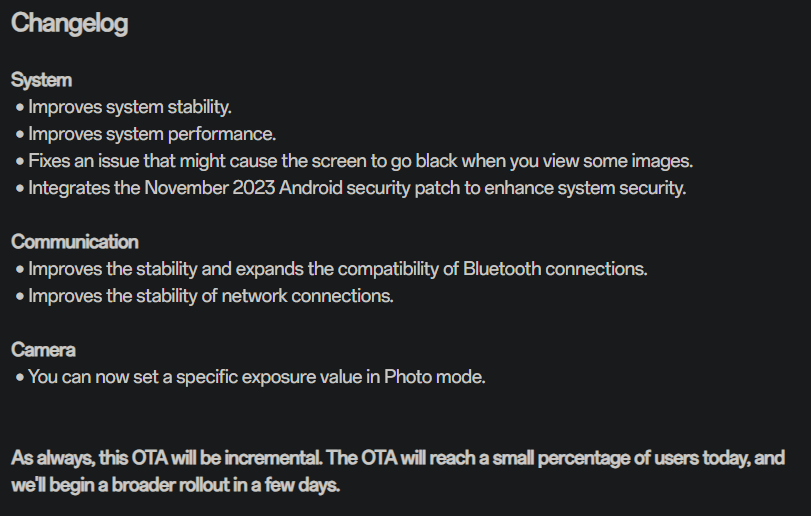
The newly launched OnePlus Open has seen great success in regions like India and North America, setting sales records in both areas. The brand is focused on consistently improving the software experience and has begun releasing the OxygenOS 13.2.0.201/202 update. This update includes the November security patch and brings a bunch of improvements to make the user experience even better.

As per the official community post, the update has started rolling out in the IN/EU/NA. This system update promises increased stability and efficiency, addressing an issue causing black screens during image viewing and ensuring a smoother ride for users. Notably, the update bolsters device security with the integration of the November 2023 Android security patch, underscoring OnePlus‘s commitment to user data protection.

OnePlus Open OxygenOS 13.2.0.201/202 Update

Beyond system enhancements, the OxygenOS 13.2.0.201/202 update optimizes communication features. Bluetooth connections receive a stability boost and expanded compatibility for wireless users, ensuring a seamless and reliable experience. Network connections, too, undergo improvements, contributing to an overall enhanced communication setup.

For photography enthusiasts, the update introduces a notable addition to Photo mode—you can now set a specific exposure value, providing greater control over your shots and adding versatility to your OnePlus Open camera experience.

In other updates, OnePlus is set to launch its much-anticipated flagship, the OnePlus 12, tomorrow. The device will showcase the powerful Snapdragon 8 Gen 3 chipset and an improved camera configuration. Explore all the current insights on the OnePlus 12 in our comprehensive roundup article.

RELATED:

(Source)

Samsung and Google challenge Dolby Atmos with new 3D audio standard, IAMF

Samsung and Google have joined forces to create a new open-source 3D spatial audio technology called Immersive Audio Model and Formats (IAMF), potentially challenging Dolby Atmos’ dominance in the market.

Samsung Google IAMD audio standard

Google and Samsung’s 3D audio standard IAMF challenges Dolby Atmos

The development of IAMF stemmed from the recognition of limitations in existing 3D audio solutions, such as Dolby Atmos. Samsung’s research team identified that current technologies fail to properly interpret 3D sound information, resulting in a diminished audio experience.

IAMF addresses these shortcomings by incorporating three key features: vertical sound, AI scene analysis, and user-customized audio.

“IAMF enhances sound realism by allowing listeners to experience audio in front, behind, or to either side, as well as above or below them. This means that when IAMF technology is integrated into home TV speakers and soundbars, listeners can experience sounds like birds flying overhead on their TVs,” explained WooHyun Nam from Samsung Research’s Visual Technology Team.

IAMF also employs AI and deep learning algorithms to intelligently analyze scenes and adjust audio levels accordingly. For instance, during scenes with prominent background music or soundtracks, IAMF balances the sound to ensure the main focus remains on the dialogue.

Likewise, personalized audio customization options further enhance the IAMF experience by allowing users to tailor the audio to their preferences. These options include adjusting the intensity of sound effects in action scenes or enhancing dialogue clarity during conversations.

Samsung’s adoption of Dolby Atmos in its TVs in 2022 signaled the company’s commitment to immersive audio experiences. However, its decision to stick with its own HDR10+ format over Dolby Vision raised questions about its future relationship with Dolby Atmos. 

With the advent of IAMF, Samsung appears to be charting its own course in the 3D spatial audio space, potentially signaling a shift away from Dolby Atmos in future Samsung TVs.

Related:

(Source)

Google Postpones Gemini Launch, Next-Gen AI Chatbot Expected in Early 2024

Artificial intelligence technologies are becoming more widespread and gaining popularity. Nowadays, numerous companies are incorporating AI into their various products and services. However, these currently mainly consist of systems based on either ChatGPT or Google Bard. While entrepreneurs like Elon Musk are exploring alternative options, as of now, no company has taken a definitive step in this direction. In fact, the competition is so weak that Google has postponed the release of its eagerly awaited next-generation AI chatbot, Gemini. Here are the details…

Google Delays Chatbot Launch to Prioritize Quality

Google has postponed the release of its much-anticipated next-generation AI chatbot, Gemini, to early 2024, pushing back its initially expected December launch date. This strategic decision stems from a combination of factors, primarily concerns regarding the quality of Gemini’s output and the need for further refinement to seamlessly integrate the model with Google’s cloud products.

google gemini

Gemini, a large language model (LLM), is poised to surpass the capabilities of Google’s current chatbot, Bard, by venturing into the realm of generating diverse creative text formats, encompassing poems, code, scripts, musical pieces, emails, letters, and more.

While this delay may pose a temporary setback for Google in the competitive race against tech giants like OpenAI and Microsoft, who are also developing their own LLMs, Google remains steadfast in its commitment to delivering a product of exceptional quality. The company is confident that Gemini, with its enhanced capabilities and refined performance, will be well worth the wait.

RELATED:

(via)

NIO Faces Mixed Sales Trends: Growth in EV Deliveries with a Push for Global Expansion

In November 2023, NIO, a prominent name in the electric vehicle (EV) sector, reported a 12% year-over-year increase in global car deliveries, totaling 15,959 vehicles. This figure, while indicative of growth, marks a decrease from the company’s monthly average of around 16,000 units over the past three months. Such a trend raises questions about NIO’s future strategies to enhance its sales and ensure profitability.

The NIO ES6 alone sold 11,000 Units in July

Interestingly, the decline in sales comes despite NIO’s efforts to refresh its entire model lineup. For instance, the ES6 model alone sold 11,000 units in July, indicating a strong initial customer response to the upgraded models. Yet, this surge seems to have lost momentum in subsequent months.

Nio

A significant portion of NIO’s sales is concentrated in China, but the company is also actively expanding in Europe. The sales breakdown for November included 10,545 crossovers/SUVs and 5,414 sedans. However, NIO hasn’t specified sales figures for individual models.

Year-to-date, NIO has delivered over 142,000 EVs, a 33% increase compared to the previous year. This performance, although impressive, falls short of the company’s aspiration to double its 2022 sales figures of over 122,000 vehicles. With just a month left in 2023, achieving this target seems unlikely.

NIO’s product range includes eight models based on the NT2.0 platform, comprising five crossovers/SUVs and three sedans. The company’s technological advancements, such as the upcoming 800-volt battery pack architecture, could be a game changer in the EV market. Moreover, NIO’s collaboration with other Chinese manufacturers like Geely and Changan Automobile, especially regarding the use of its battery swap stations, might bolster its business. As of November’s end, NIO’s network of battery swap stations expanded to 2,217, mostly in China, with a growing presence in Europe. This expansion is a strategic move, potentially increasing the attractiveness of NIO’s EVs due to enhanced convenience.

RELATED:

(Via)

Spotify Announces Layoffs for Almost 1500 Employees across the Company

Spotify, a leading music streaming platform, recently announced a significant workforce reduction, affecting 17% of its employees. This decision by CEO Daniel Ek, coming as a surprise just before the holiday season, aims to address the company’s financial challenges and align its operational costs with its financial goals.

Spotify surged in 2020 and 2021 fueled by lower capital costs

Despite a strong performance and a positive earnings report, Ek explained that the company faced a stark choice between making smaller reductions over the next two years or taking decisive action now. Opting for the latter, Ek stressed the need for a substantial adjustment to right-size the company’s costs to meet its objectives, acknowledging the pain this decision would cause to the team.

Spotify

The backdrop to this decision is Spotify’s rapid expansion in 2020 and 2021, fueled by lower capital costs. These investments paid off, contributing to the company’s growth. However, even after previous layoffs in early 2023 and May, cutting about 8% of its workforce, Ek noted that the company’s cost structure remained too large for its future needs.

Approximately 1,500 employees will be impacted by this latest round of layoffs. To ease the transition, Spotify plans to offer an average of five months of severance pay, healthcare coverage during this period, and immigration and career support.

Ek’s announcement underlines the necessity for Spotify to adopt a leaner operational model in its next phase. This follows the introduction of a revamped royalty model aimed at increasing payouts to working artists while reducing fraudulent streams.

Spotify has consistently grown its user base, now boasting 574 million monthly active users, a 26% increase year-over-year. Despite this growth, profitability has been elusive, with recent quarters showing rare profits. Ek promises more details on the implications of these changes in the coming weeks.

RELATED:

(Via)

Tencent Issues Apology for Technical Issues Encountered in Video Streaming Platform

Tencent, a major player in China‘s tech industry, faced a service disruption with its video streaming platform, Tencent Video. This incident reflects the challenges even big tech firms face in maintaining uninterrupted services. Tencent Video, similar to Netflix, encountered “temporary technical issues,” leading to widespread user complaints. This event has sparked a conversation about the reliability and stability of digital services provided by large tech companies.

Tencent Video has a huge user base of over 100 million subscribers

Tencent Video’s outage was evidenced by user-shared screenshots showing error messages and issues with subscription plans. The company acknowledged the problem on Weibo and assured that restoration efforts were underway. However, the full status of the service recovery remained unclear as Tencent did not provide immediate further comments.

Tencent

This setback comes amidst an intense competitive landscape in China’s video streaming sector, where Tencent Video vies with rivals like Baidu‘s iQiyi and Alibaba‘s Youku. The industry is not just fighting among themselves but also faces threats from the rising popularity of short video platforms. Despite these challenges, Tencent Video boasts a substantial user base with 117 million subscribers, although it has seen a slight decline in recent times.

Interestingly, this incident is not isolated. It follows similar service disruptions experienced by other major Chinese tech firms, including Alibaba’s cloud computing unit and Didi, the country’s leading ride-hailing service. These instances highlight a broader issue of technical reliability in China’s tech sector. Alibaba Cloud faced outages affecting various regions and services, while Didi’s breakdown was attributed to a system software failure.

Moreover, Tencent’s other service, WeChat, also encountered a breakdown earlier this year, drawing attention from China’s Ministry of Industry and Information Technology. As a side note, Tencent is streamlining its operations, planning to shut down its lesser-known music streaming service, Moo.

RELATED:

(Via)

TDK Becomes The First Component Manufacturer In India For iPhone Batteries

India is becoming a key manufacturing hub for Apple. The Cupertino-based tech giant has been ramping up its efforts to make iPhones in the country since 2016. This year marked the first time the non-pro iPhone 15 models were made in India ahead of their debut and the same were also sold on the launch date. Now there is a major new progress on the local production of iPhones as Apple will start making Li-ion batteries in the country. 

Apple to make iPhone batteries in India

iPhone batteries will be made in India by TDK Corp. The Japanese electronics manufacturer is one of Apple’s global suppliers. The company will set up a 180-acre facility in Manesar, Haryana and it will create thousands of several thousand jobs. The cells manufactured at the facility will be supplied to Apple’s li-ion battery assembler Sunwoda Electronics which already operates in India. 

This is a major development as TDK will become the first component manufacturer for the iPhones in the country. Apple’s local production of iPhones in India does not mean that it manufactures the core components required for the smartphone in the country. Instead, the company sources them from China and assembles in India. TDK is reportedly expected to start the commercial production of battery cells in the next 12-18 months. The Japanese company’s entry into making batteries for iPhone in India is a big step towards a fully made in India iPhone. 

Some time back, Indian conglomerate Tata Group took over Wistron’s operations to make iPhones in the country. The Cupertino-based tech giant is aiming to double up its production capacity to 25 percent in India.

Related:

Meizu MYVU smart ring on sale in China for 399 yuan ($56)

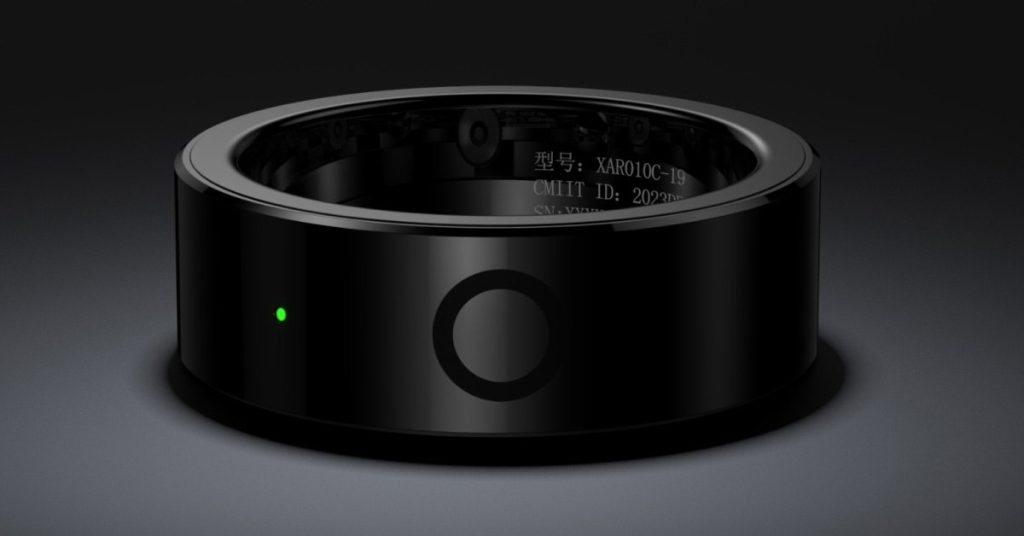
Meizu unveiled the Meizu 21 smartphone during a recent launch event, also introducing its fresh MYVU brand. The MYVU brand marked its debut with the launch of the MYVU Discovery AR smart glasses and the MYVU Smart Ring. As of now, the MYVU Smart Ring is officially available for purchase in China.

Meizu Ring Launched

The Meizu MYVU smart ring has started selling on Jingdong for 399 yuan. It’s currently available in sizes 20 and 22 out of the four sizes offered. The MYVU Ring is a purpose-built smart ring designed exclusively for use with MYVU’s two smart glasses. Engineered to support gesture and touch operations, this ring simplifies tasks like gesture switching, one-click call answering, and easy control of video playback through one-click touch keys. Crafted from a mix of ceramic and stainless steel, the MYVU Ring boasts a durable IPX7 waterproof rating. Both the MYVU Discovery and MYVU AR smart glasses now feature the FlymeAR system, transforming MYVU into an intelligent personal assistant across various scenarios, from travel and work to daily life and entertainment.

Meizu MYVU Ring

When paired with the MYVU smart glasses, the MYVU smart ring empowers users to seamlessly perform tasks such as listening to music, watching videos, and responding to messages with intuitive finger movements. Through a combination of ring interaction, temple interaction, App interaction, and Aicy voice interaction, users can engage in direct, all-weather, multi-modal interactions. Meizu provides a charging compartment for the MYVU smart ring, ensuring a quick two-hour full charge, offering six hours of battery life or up to six days of standby time. The ring’s battery capacity ranges from 14-18mAh, depending on the selected size.

RELATED:

(Source)

Huawei Enjoy 70, a Closer Look at the Latest Features and Design

The wounds caused by the ongoing US sanctions on Huawei since 2019 are starting to heal, as the Chinese brand signals a return to its former status. Recently, they’ve lifted restrictions on accessing 5G technologies with their Mate 60 series and have revealed new details about the upcoming Huawei Enjoy 70 series.

Huawei Enjoy 70 Unveiled with Impressive Specs!

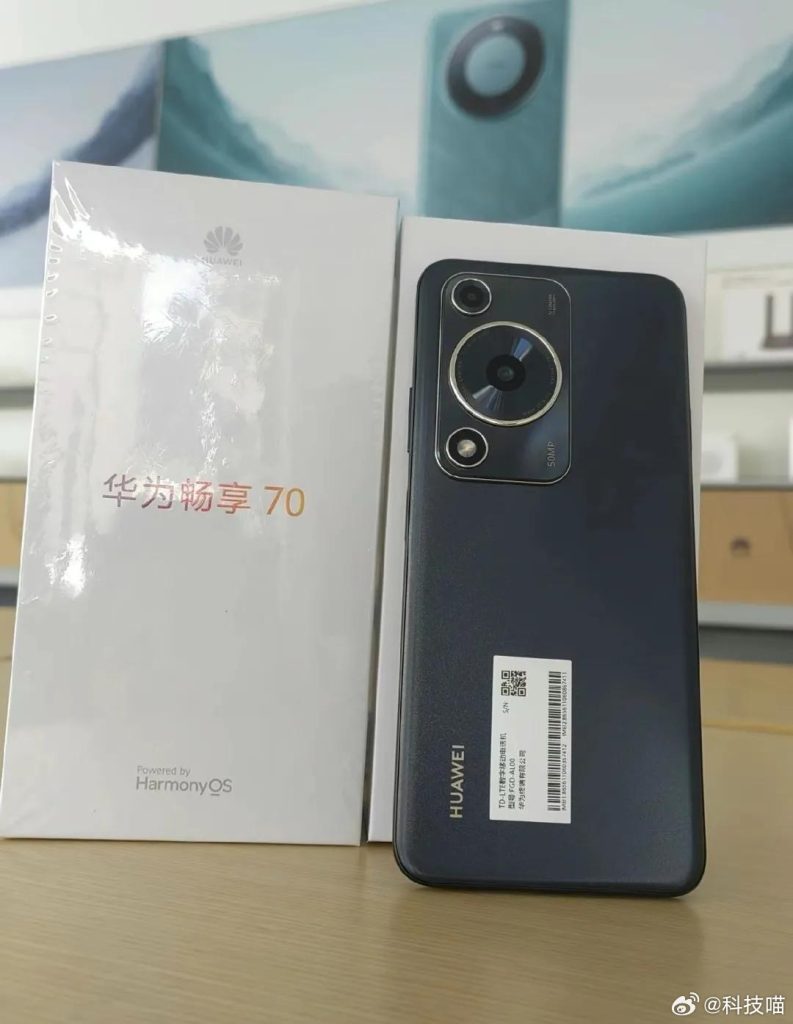
A Weibo user named WhyLab shared some images of the Huawei Enjoy 70, set to launch on December 5, taken at a Huawei store. These images show a phone with a rectangular camera setup on the back, housing two cameras – one large and one small. The main camera seems to have a resolution of 50 megapixels. Additionally, the phone will come with 8 GB of RAM and storage options of 128/256/512 GB, available in white and green colors.

Huawei Enjoy 70 live image

The device is expected to feature a 6.75-inch waterdrop notched LCD panel and will be powered by a 6000 mAh battery, capable of 22.5W fast charging. Upon unboxing, the smartphone will run HarmonyOS 4 and will be equipped with the Kirin 710A chipset, built on a 14 nm architecture. Here are the leaked details about the device so far:

  • Display: 6.75 inches, 720 x 1600 pixels resolution
  • Processor: Kirin 710A
  • RAM: 8 GB
  • Storage: 128 GB / 256 GB / 512 GB
  • Rear Camera: 50 Megapixels + 2 Megapixels
  • Battery: 6000 mAh, 22.5W fast charging support
  • Operating System: Harmony OS 4

RELATED:

Xiaomi doubles Xiaomi Car’s early production target despite manufacturing woes

Xiaomi is gearing up to launch its first ever smart electric car in the market soon. But ahead of its unveiling, a new report revealed more details regarding the Xiaomi Car‘s production and the challenges the company is facing as it gets closer to mass production.

Xiaomi Car launch faces production woes

According to a new report, the Chinese tech giant reached the fifth stage of production line verification from its Yizhuang factory last week. The company plans to build 300 units of the EV this month, which is double that of its target in November. Meanwhile, the mass production stage is expected to kick off in the first quarter of next year. For its first EV, the company is also emphasizing stability rather than speed. Xiaomi is apparently lowering production on certain products from its Xiaomi Home portfolio to make room for the new car.

Xiaomi SU7 EV ID photo

During this stage, a higher target for production isn’t the objective. Rather, the company is still in the production line debugging and verification stage. The report adds that there are various problems in mass production. These issues include problems with the car. Although, some of these were addressed through a remote OTA update. R&D employees at the headquarters are also facing issues in the manufacturing process, while final assembly is also suffering from line shutdowns and late parts delivery.

Based on what we know so far, the Xiaomi Car could likely be released next year. It could also have a starting price tag of 149,900 Yuan (roughly 20,777 US Dollars). Earlier this year, the upcoming EV was even spotted being tested on the snow. Notably, the company’s founder Lei Jun was also spotted during this test.

RELATED:

OPPO Find X7 Pro Surfaces In Leaked Images Once Again Revealing More Details

OPPO is soon expected to launch its flagship Find X7 series smartphones in China. The Find X7 and X7 Pro have been doing the rounds of the rumor mill in recent times. They are expected to arrive as the successors to the respective Find X6 models that debuted earlier this year, The Find X7 Pro was spotted in a real-life leaked image giving us a first look at the device. Now, the device has again emerged in live images revealing both the front and back panels.  

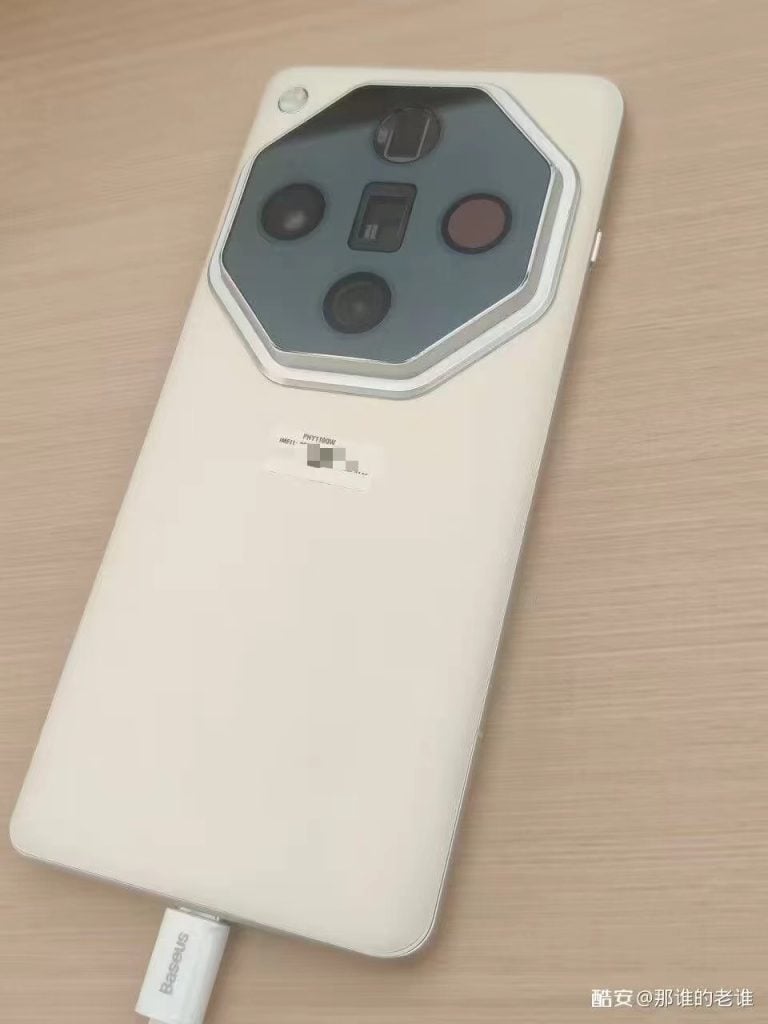
OPPO Find X7 Pro surfaces in live image once again

The newly surfaced leaked live image of the Find X7 Pro reveals a huge octagonal-shaped protruding camera island that was also spotted earlier. The latest image gives us a better look at the module. It houses dual periscope lenses which has been previously rumoured. If this indeed turns out to be true then the Find X7 Pro will be the first smartphone in the world to come with two periscope telephoto cameras. The camera module also accommodates two more sensors and another unknown unit. The LED flash is located outside at the top left corner. 

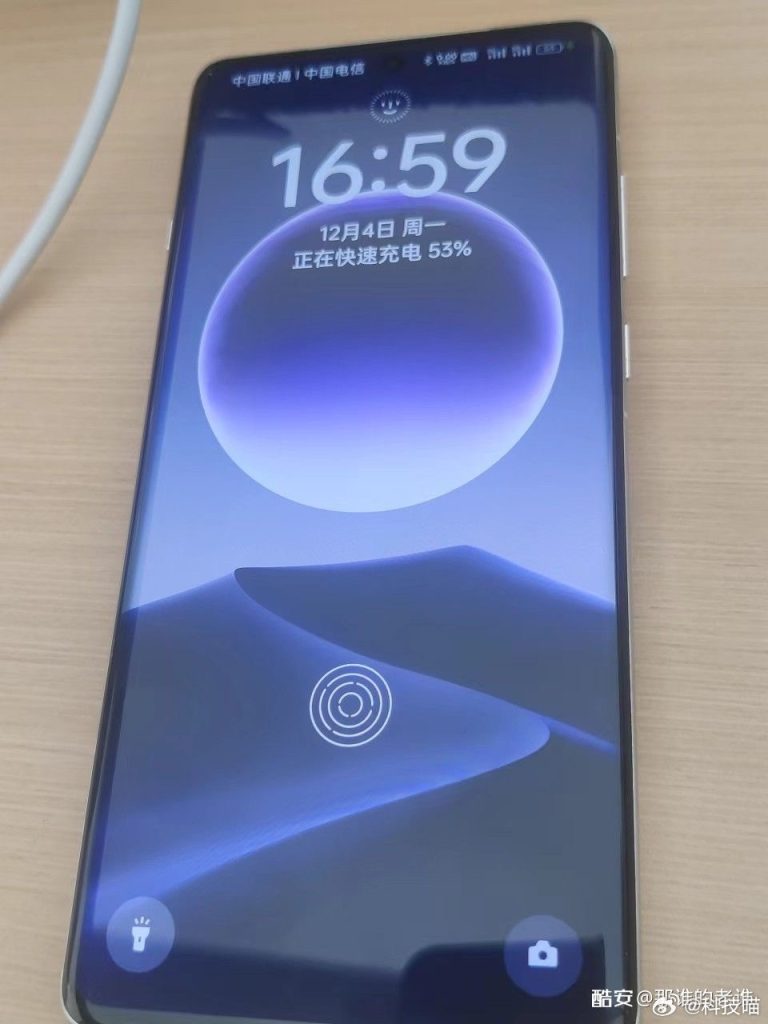
Meanwhile, on the front, the OPPO Find X7 Pro is seen with a curved display and a centre-aligned punch-hole cutout. It will have an in-screen fingerprint scanner. The power and volume rocker buttons are located on the right side. It’s worth noting that the final design of the smartphone may still change.

The OPPO Find X7 Pro will reportedly be powered by a Snapdragon 8 Gen 3 SoC. All four cameras are rumoured to be 50MP, but the sensor size may be different. The OPPO Find X7 series is already confirmed to come with satellite connectivity feature following in the footsteps of Apple and Huawei. The next-generation OPPO flagships are tipped to debut by January end or early February.

Related: