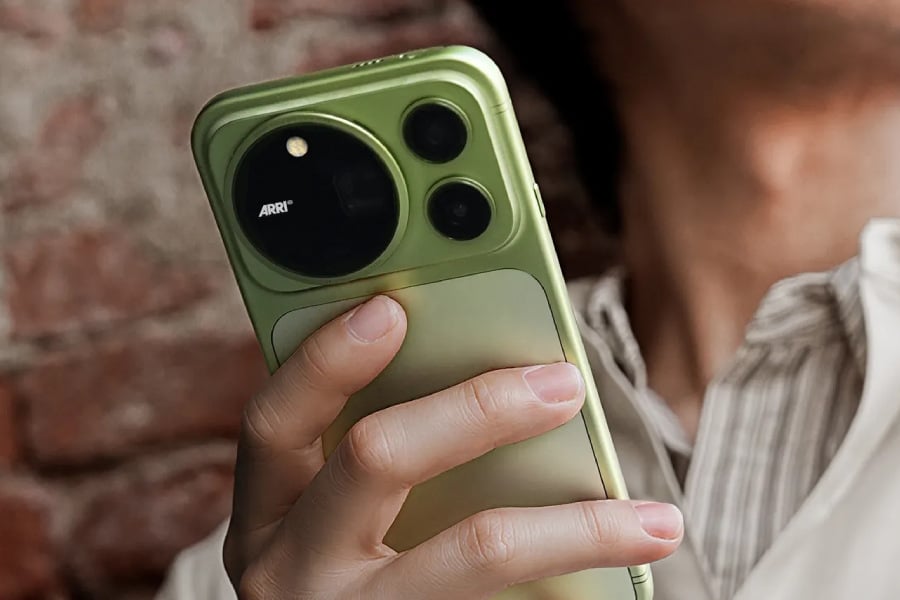
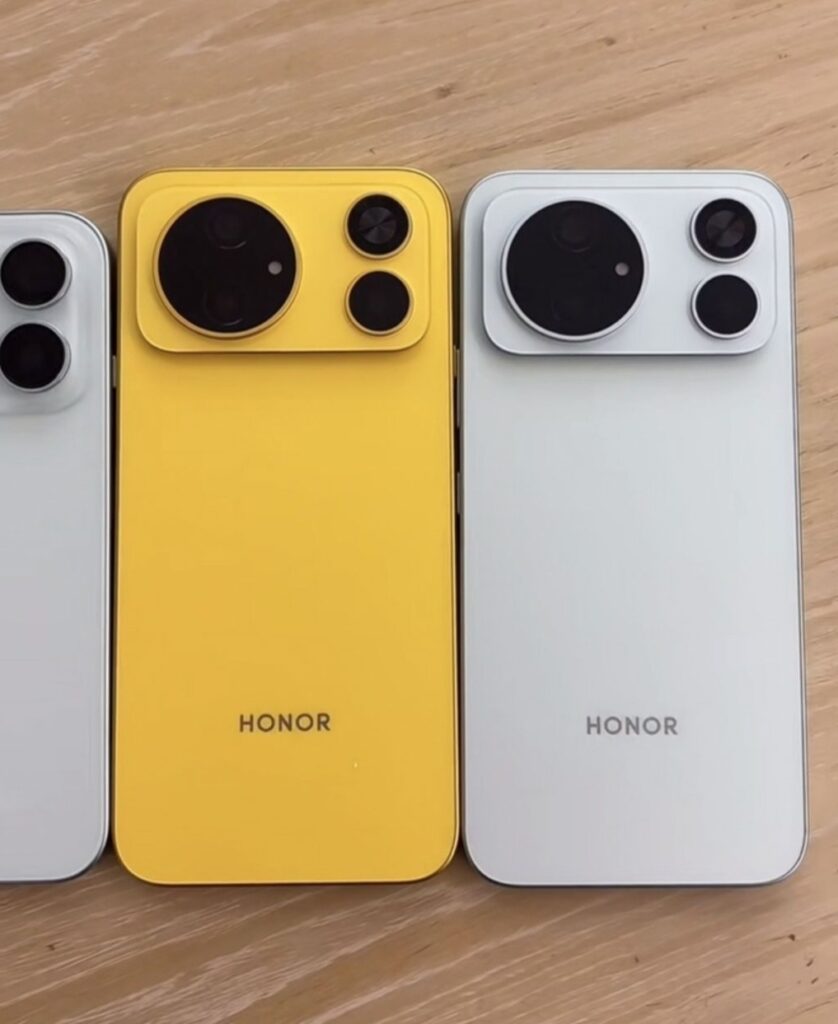
Something quiet but pretty interesting is happening in the smartphone world. A design approach Apple started using recently might help Android makers shove way bigger batteries into their flagships.
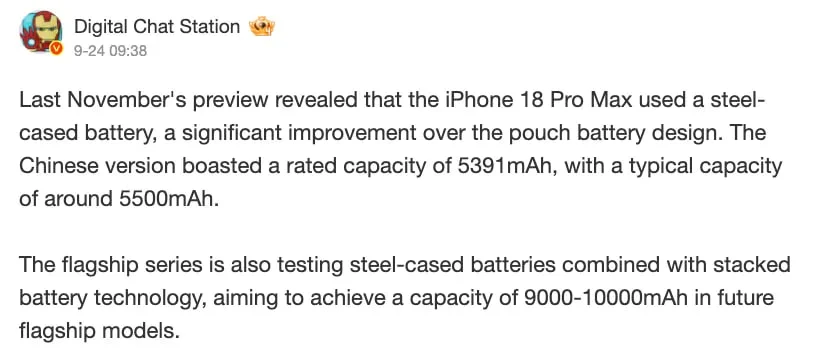
According to well-known Chinese leaker Digital Chat Station, a major Chinese smartphone brand is already testing steel-cased batteries paired with stacked-cell construction. The idea basically takes what Apple has been doing and pushes it further.
Apple first put an aluminum shell around the battery in the iPhone 16 Pro. The rigid metal case gives the battery more structural strength. Apple’s kept refining it, and the iPhone 18 Pro Max (at least the versions with a physical SIM tray) is expected to hit 5,391mAh, about a 12% bump over the last generation.
Chinese companies look ready to go bigger. They’re swapping aluminum for steel and combining it with stacked cells instead of the usual wound “jelly-roll” design. Stacked cells use the internal space more efficiently and can pack in higher energy density. Throw in the silicon-carbon anode tech that’s already pushed a lot of Chinese flagships past 7,000mAh, and suddenly 9,000–10,000mAh starts looking a lot easier to achieve.
Chinese brands already offer solid battery life thanks to dense silicon-carbon chemistry, but cracking five digits in a proper flagship body would set a new bar. Of course, they’d still have to figure out how to fit all the advanced cameras alongside that much battery.
Samsung isn’t sitting still either. Leaks suggest the Galaxy S27 Pro could land around 5,200mAh, while the Ultra might reach about 5,700mAh. That would be the first real capacity bump for Samsung’s Ultra line in years, and it’s expected to use silicon-carbon tech the company is already putting in its foldables.
For now, it looks like metal-encased cells and smarter internal layouts are giving manufacturers new ways to squeeze more capacity out of the same limited space.
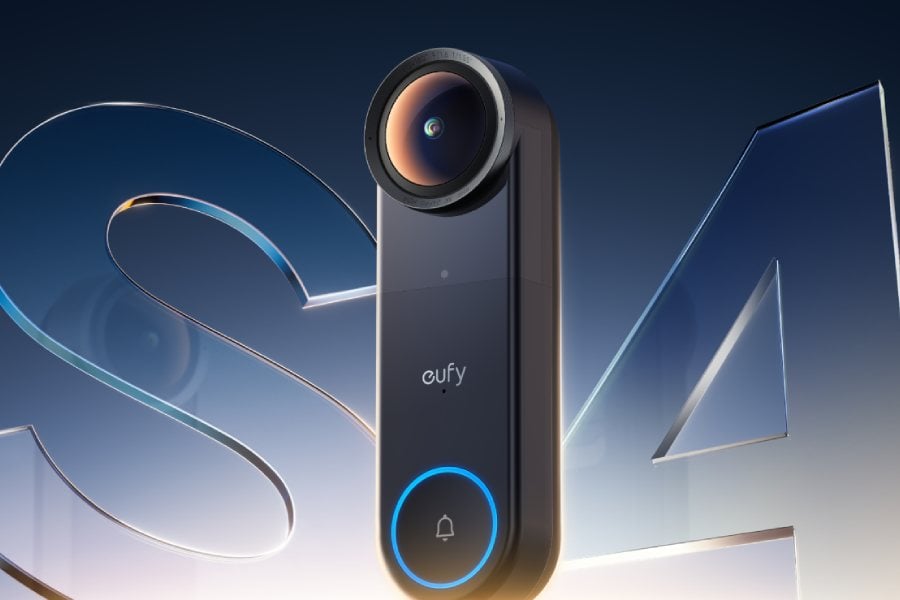
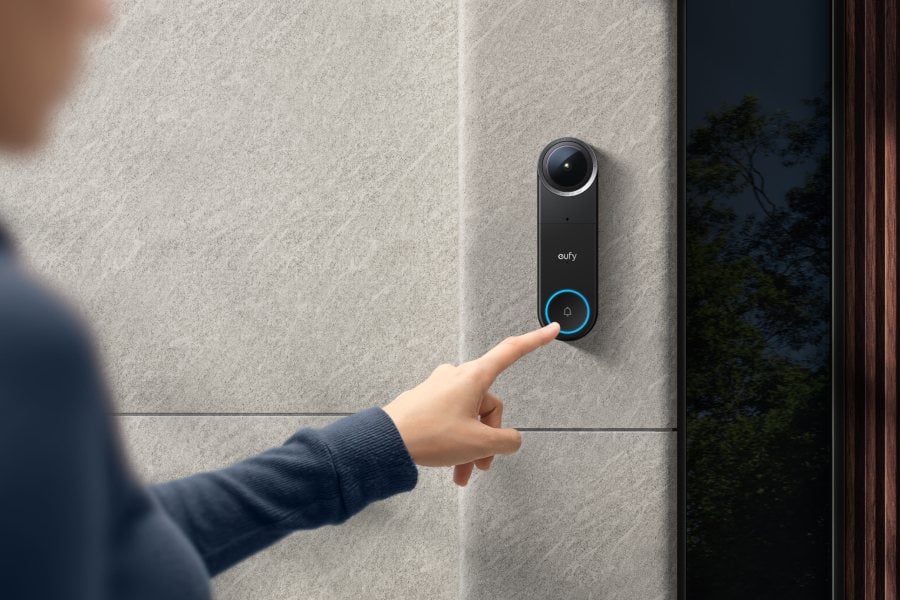
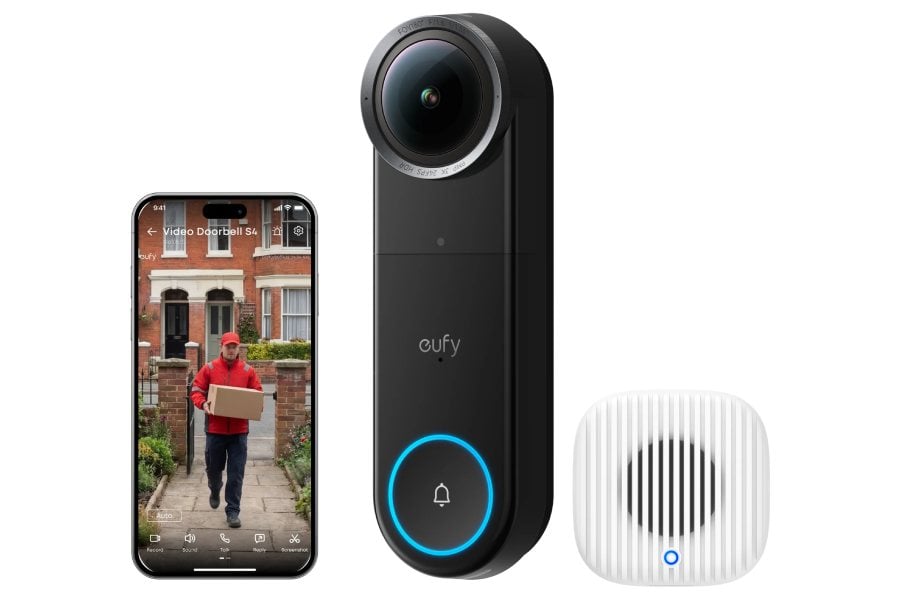
Eufy, Anker’s smart home brand, has launched the Eufy Video Doorbell S4 for $299.99. The company calls it the world’s first smart doorbell with VR viewing. Instead of looking through a small, fixed video window, you get a panoramic view of your doorstep that you can look around in.
The camera has a 180-degree field of view both horizontally and vertically, and it uses AI to keep visitors in the frame.
How the VR mode works
When someone presses the doorbell, your phone shows a notification that looks like an incoming call. Answer it, and you enter a full-screen VR view of the panoramic camera feed.
You can move your phone around to look in different directions, or use a VR headset if you have one. Two-way voice also works in this mode, so you can talk to the visitor while checking what is happening around them.
Specifications
Here is what the Eufy Video Doorbell S4 offers:
Resolution: 3072×3072, roughly 9 megapixels
Video: 3K HDR at up to 24 FPS
Field of view: 180 degrees horizontally and vertically
Zoom: up to 8x
Night vision: Color night vision with dual spotlights
AI tracking: Eufy OmniTrack
Motion detection: Radar and dual PIR infrared sensors, with detection up to 8 meters
Detection types: People, movement, packages, and faces
Smart home support: Amazon Alexa, Google Home, and Apple HomeKit
Camera and tracking
The 3072×3072 image sensor and wide-angle lens are designed to keep a visitor’s entire body in view, while also showing anything left on the doorstep. The wide field of view means you can see more of the entrance without needing multiple cameras.
Eufy’s OmniTrack AI system then takes care of people tracking. When it detects someone, it follows them within the panoramic view and automatically crops the image to keep them centered. That gives you a closer view of the visitor without losing the wider view around them.
Motion detection and lighting
For motion detection, the Eufy Video Doorbell S4 combines radar with two PIR infrared sensors. The radar can detect movement from up to 8 meters away, while the PIR sensors cover the area closer to the entrance.
Where to buyEufy Video Doorbell S4Latest price on AmazonCheck price →
The doorbell can detect people, general movement, packages, and faces. There is also a welcome light that turns on with a warm glow when someone approaches the door.
The Video Doorbell S4 works with Amazon Alexa, Google Home, and Apple HomeKit. However, HomeKit support requires the separate HomeBase S380 gateway, so Apple Home users will need to factor that into the total cost.
The VR viewing and OmniTrack features also require the official eufy app. In other words, connecting the doorbell to Alexa, Google Home, or Apple HomeKit won’t give you access to those two features on their own.
Eufy has taken simpler approaches with some of its earlier doorbells. The Video Doorbell E340, for example, later received a wireless chime add-on that lets users get an audible alert when the doorbell detects motion, without having to open the app.
The Eufy Video Doorbell S4 costs $299.99. At that price, the panoramic camera and VR viewing are its main differentiators from more conventional video doorbells.
Oppo is preparing to launch its next F-series smartphones in India. The upcoming lineup will mark a decade of the F-series in the country, continuing its long-running focus on smartphone photography. The company is also introducing a new imaging direction centred on group selfies.
Oppo F35 series launch and selfie camera
The Oppo F35 series will launch in India on October 5, 2026. The announcement comes as the F-series reaches its 10-year milestone in the market, following the debut of the Oppo F1 in 2016. Oppo says the portfolio has now grown to more than 30 million users, with successive generations introducing upgrades across imaging, design, performance, and durability.
The F35 Series will continue that imaging focus with a 50MP ultra-wide selfie camera offering a 100-degree field of view. It will also feature NaturalTone 2.0, which is designed to produce more natural-looking skin tones. The wider field of view should allow users to fit more people into a single selfie without needing to move farther away from the phone.
The company is positioning the new lineup around the “Group Selfie Expert” concept, representing a shift from the F Series’ original emphasis on individual selfies. The F-series began with the F1’s 16-megapixel front camera and later introduced features such as dual front cameras on the F3 and an AI-powered 25-megapixel selfie camera on the F7.
The upcoming F35 Series will also expand its video capabilities. The F35 Pro model will support 4K video recording from both the front and rear cameras, giving users greater flexibility when recording high-resolution content.
Oppo F35 series color options
As per our exclusive post from ealier this month, the F35 Pro will be available in brown, orange, and light blue, while the standard F35 will come in pink, silver, and purple.
Oppo has yet to reveal other specifications and pricing, which are expected to be announced closer to the October 5 launch.
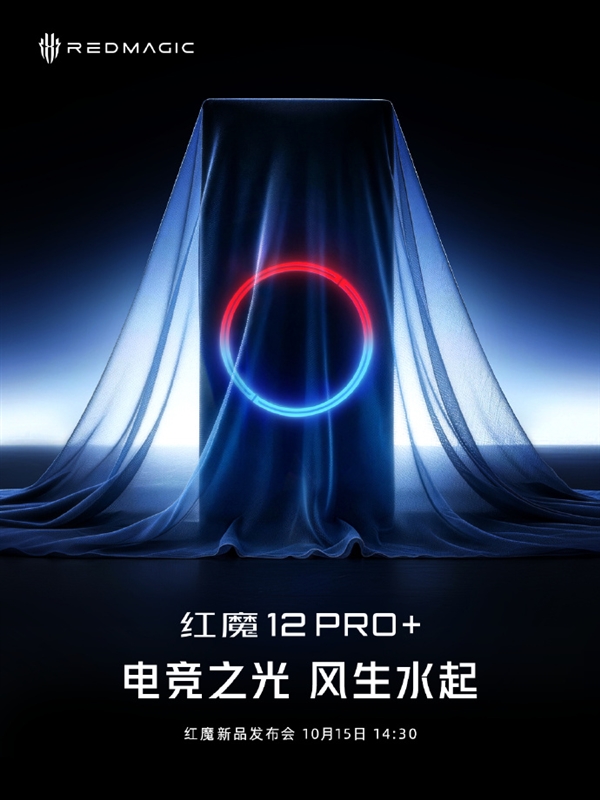
RedMagic has confirmed the launch date of its next flagship gaming smartphone. The RedMagic 12 Pro+ is expected to continue the brand’s focus on gaming performance while refining its design. It will also bring several changes to the display and overall in-hand experience.
RedMagic 12 Pro+ launch date and design
RedMagic will hold the launch event for the 12 Pro+ on October 15 at 2:30 PM (local time) in China. The phone will be among the first devices to feature the Snapdragon 8 Elite Extreme 6, which was recently unveiled.
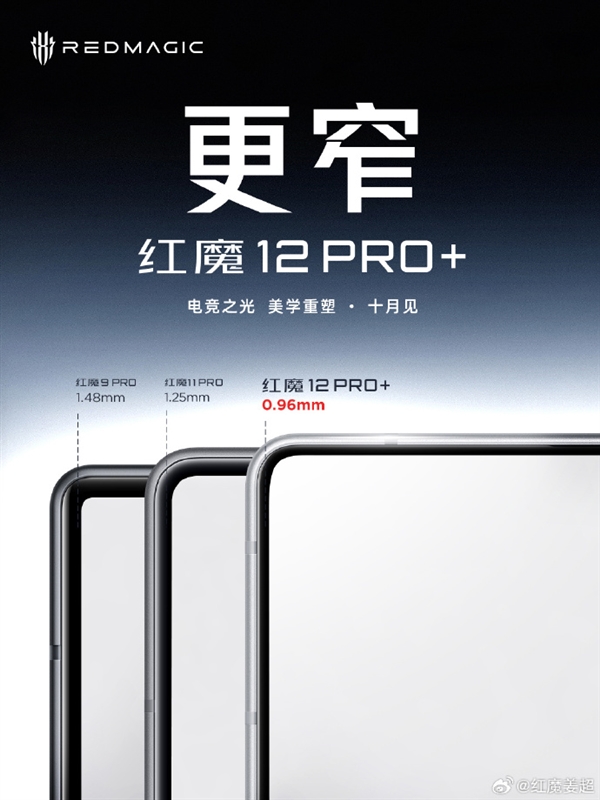
RedMagic is positioning the 12 Pro+ as its most comfortable flagship yet, with a design focused on being lighter, thinner, narrower and more rounded than its predecessor. Promotional images show that the company has also reduced the display bezels, with the black border shrinking from 1.25mm on the previous model to 0.96mm. The phone will retain a hole-free under-display front camera design for a cleaner viewing area.
The new gaming phone is expected to place a strong emphasis on sustained performance and thermal management. RedMagic product general manager Jiang Chao said the device is designed to maintain performance during demanding gaming sessions while improving ergonomics and retaining a distinctive gaming-focused design.
The company has also teased several new cooling technologies for the phone, although their technical details have not yet been revealed. Alongside the hardware upgrades, RedMagic is preparing improvements to the system UI, overall smoothness and AI features, suggesting that the 12 Pro+ will target everyday usability as well as gaming.
Honor is set to unveil the Magic 9 series in China today, September 28. Ahead of the event, the company has already revealed the price of the standard Honor Magic 9. The announcement also gives us an early look at its key hardware and how its pricing compares with recently launched rivals.
Honor Magic 9 specifications and features
Honor Magic 9 price revealed
The Honor Magic 9 will be available in a 16GB+512GB configuration priced at 5,999 Yuan (~$900) in China. After the applicable government subsidy, the effective price drops to 5,499 Yuan (~$820). The phone will be offered in four colors: Explosive Rice White, Curtain Black, Opening White and Olive Green, according to the promotional material.
A 6.37-inch display is listed for the phone, while the imaging setup includes a 200-megapixel primary camera, a 200-megapixel telephoto camera and a 50-megapixel ultrawide camera. The Magic 9 will also pack an 8,000mAh battery with support for 80W wired and 50W wireless charging. The device is expected to feature Qualcomm’s Snapdragon 8 Elite Gen 5 processor.
Honor Magic 9 price and availability
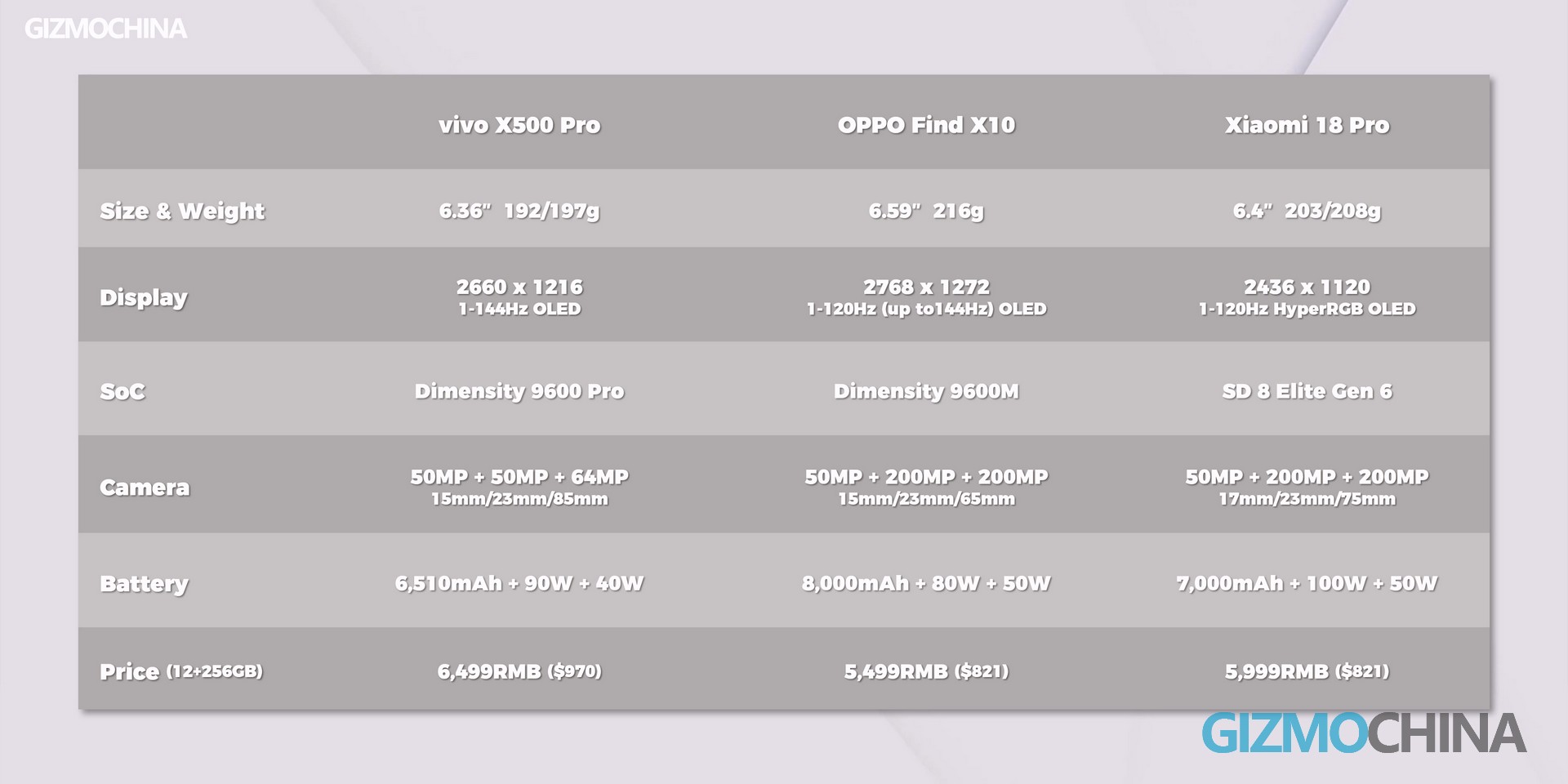
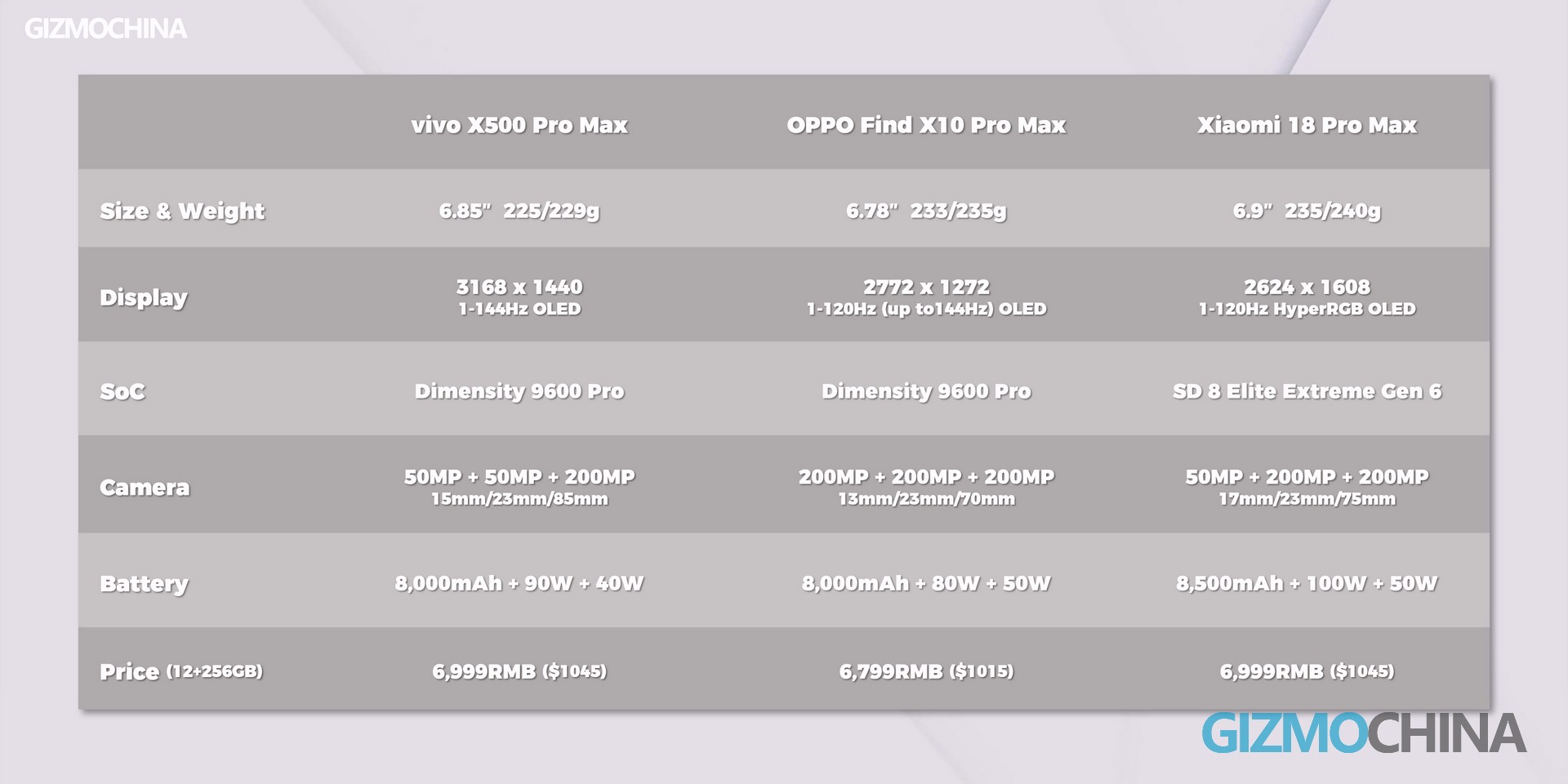
The Magic 9’s pricing is particularly notable when compared with recent Chinese launches. The Find X10 starts at 5,499 yuan for the 12GB+256GB variant, while the Vivo X500 also starts at 5,499 Yuan (~$820) for its 12GB+256GB configuration. Both phones debuted earlier this month, making the Magic 9’s 5,999-Yuan starting price 500 Yuan higher than these models before the subsidy is applied.
With the subsidy, the Magic 9 offers more RAM and twice the storage compared with the base variants of the Find X10 and Vivo X500, while effectively matching their 5,499-yuan price. Honor is also highlighting the pricing as a major value proposition, with promotional material claiming that its pre-subsidy price is 500 Yuan below the 6,499-Yuan price of the lowest-priced newly released phone in the same segment.
Honor is set to launch the Honor Magic 9 series on September 28 (today) in China. Ahead of the launch, the topmost model in the lineup, the Honor Magic 9 Pro Max, has surfaced in a benchmark listing, revealing its AnTuTu score. Here’s a look at the benchmark results and what they reveal about the upcoming flagship.
Honor Magic 9 Pro Max AnTuTu listing
Honor Magic 9 Pro Max AnTuTu listing
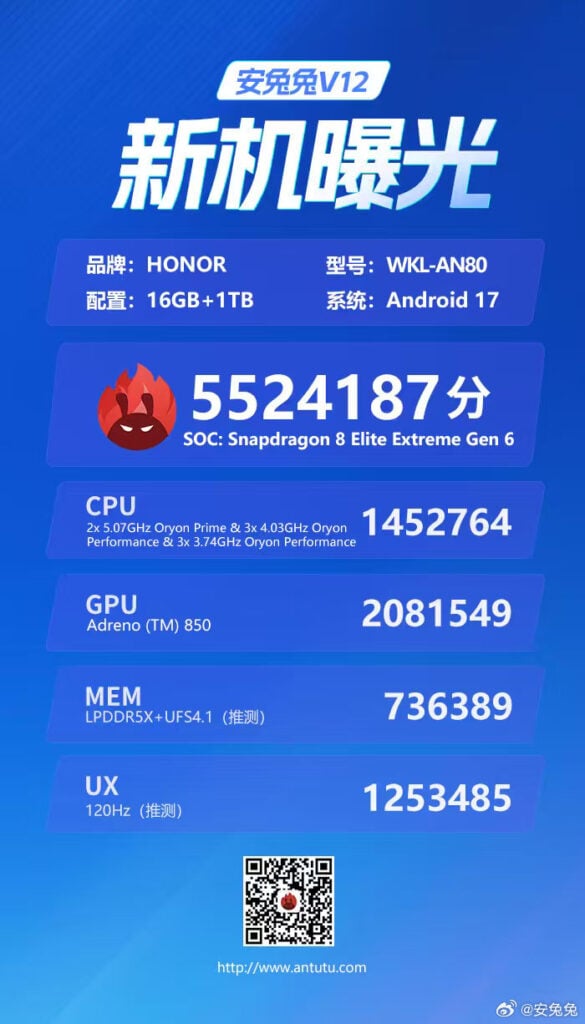
An AnTuTu V12 listing identifies the phone as the Honor Magic 9 Pro Max with model number WKL-AN80. The tested configuration features 16GB of LPDDR5X RAM and 1TB of UFS 4.1 storage, while the software is listed as Android 17. The benchmark also identifies Qualcomm’s Snapdragon 8 Elite Extreme Gen 6, with two Oryon Prime cores reaching 5.07GHz, three performance cores at 4.03GHz and three additional performance cores at 3.74GHz.
The phone recorded an overall AnTuTu V12 score of 5,524,187 points. Its CPU score was 1,452,764, while the GPU contributed 2,081,549 points. The memory and UX tests returned 736,389 and 1,253,485 points, respectively. This puts the Magic 9 Pro Max ahead of the OnePlus 16, which previously scored 5,384,433 points on AnTuTu V12 in a 16GB+1TB configuration.
Honor Magic 9 Pro Max specifications
According to reports ahead of the launch, the Magic 9 Pro Max could feature a 6.8-inch 1.5K LTPO OLED display with a 120Hz refresh rate. Its imaging setup includes a 200-megapixel main camera with a 1/1.28-inch sensor, a 50-megapixel ultrawide camera and a 200-megapixel periscope telephoto camera with 3.5x optical zoom. For selfies, it will feature a 55-megapixel square front-facing camera.
Powering the phone could be an 8,800mAh battery with support for 100W wired and 80W wireless charging. Other reported features include ARRI imaging technology, 3D face recognition, a 3D ultrasonic fingerprint sensor and IP68, IP69 and IP69K protection.
Oppo has launched the Reno 16t in China, pairing a fashion-focused design with a large battery and a triple-camera setup. The phone also packs a MediaTek Dimensity 8-series chip and a compact 6.32-inch AMOLED display. Here’s more in detail about the Reno 16t.
Where to buyOppo Reno 16Browse the range on AmazonShop now →
Oppo Reno 16t specifications and features
Oppo Reno 16t
The Oppo Reno 16t features a 6.32-inch flexible AMOLED display with a 2640×1216 resolution, 120Hz refresh rate, 460 PPI density and support for 1.07 billion colors. The official specifications list 1800 nits global peak brightness, while promotional material highlights a 3600-nit figure. The display also supports up to 240Hz touch sampling.
The Reno 16t is powered by the Dimensity 8550 Super chipset. The phone comes with 12GB of LPDDR5X/LPDDR5 RAM and up to 512GB of UFS 3.1 storage. A 6700mAh battery powers the device, while 80W SuperVOOC and 80W UFCS fast charging handle recharging.
Oppo Reno 16t
On the rear, Oppo has fitted a 200-megapixel main camera with OIS, joined by a 50-megapixel ultrawide camera with a 116-degree field of view and a 50-megapixel telephoto camera with OIS. The setup supports up to 3.5x optical zoom and 120x digital zoom. A 50-megapixel autofocus selfie camera handles front-facing photography and supports 4K video recording. It also supports dual-view video, HDR recording and 4K video at 60fps.
Connectivity features include Wi-Fi 6, Bluetooth, NFC, an in-display optical fingerprint sensor, USB Type-C and dual nano-SIM support. The handset also features an AI Plus key on the left edge for accessing Mind Space. The phone is 8.36mm thick, with the exact thickness varying by color. It weighs up to 191g. In terms of durability, the phone offers IP68 / IP69K-level water and dust resistance.
The Oppo Reno 16t starts at 3,699 Yuan (~$550) in China for the 12GB+256GB model. Its color variants include Heartbeat, Galaxy Purple and Moonlight Black, and it also comes in a higher 16GB+612GB version.
To sum up, the Reno 16t is not different from the already available Reno 16 in the Chinese market. While the Reno 16 is widely available, the Reno 16t costs 200 yuan more and is primarily aimed at the offline market.
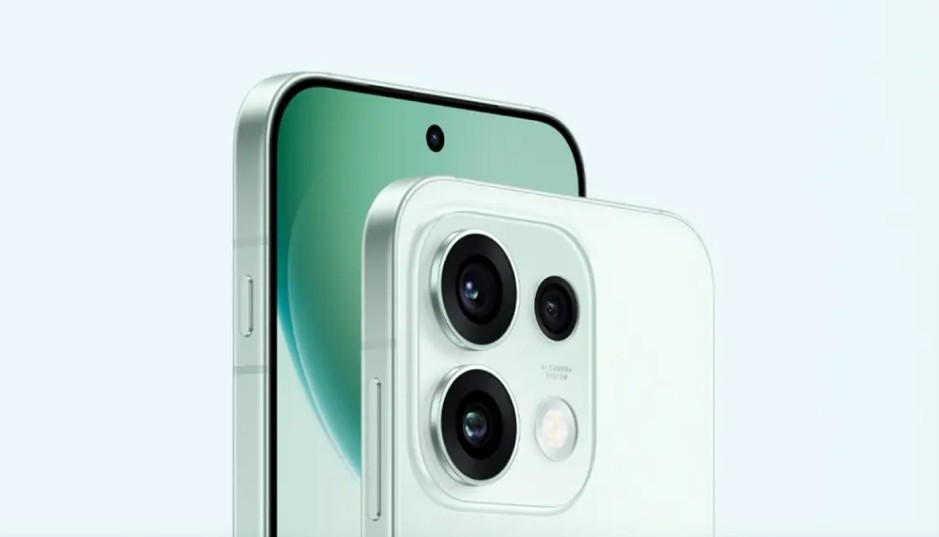
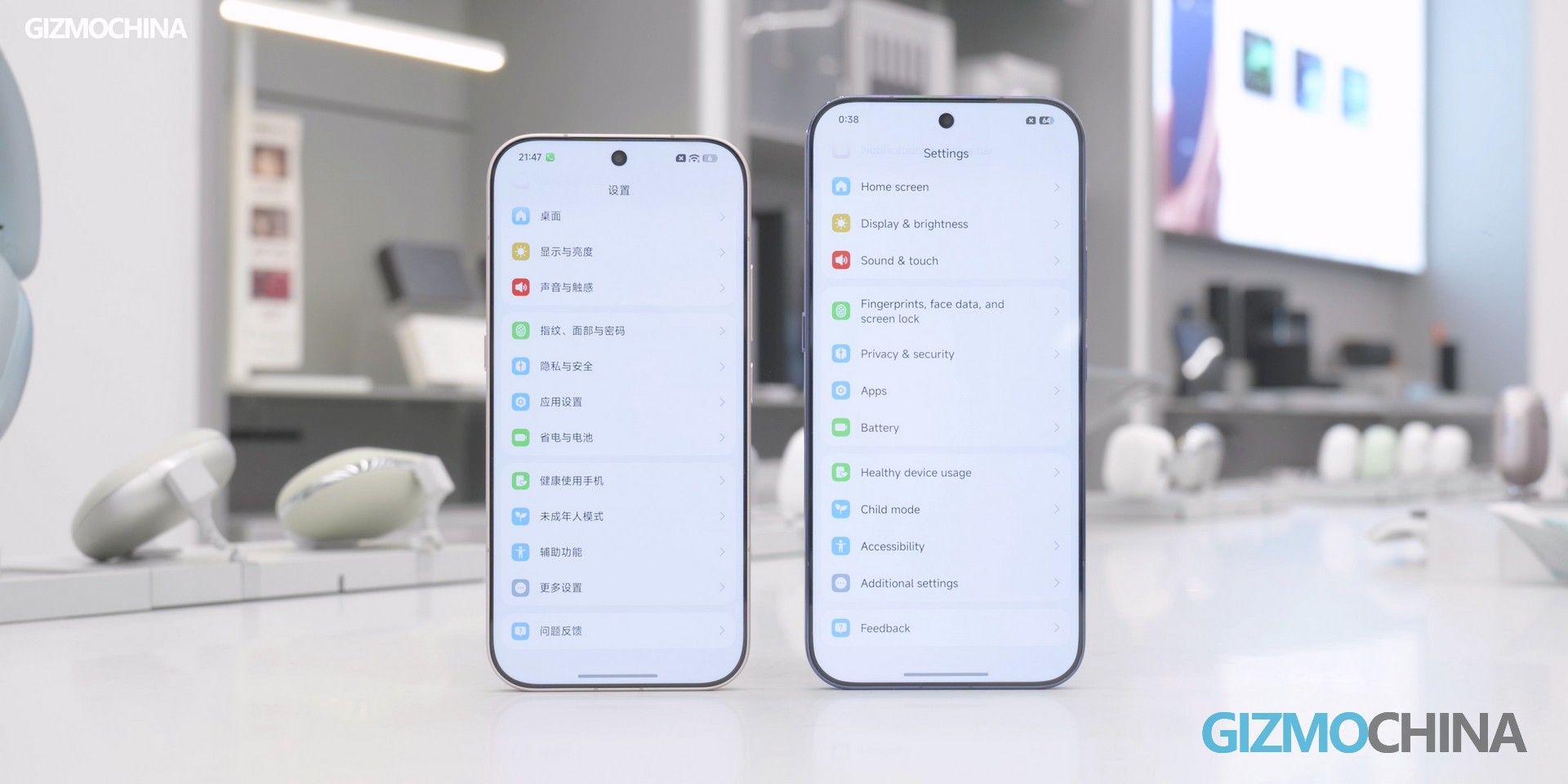
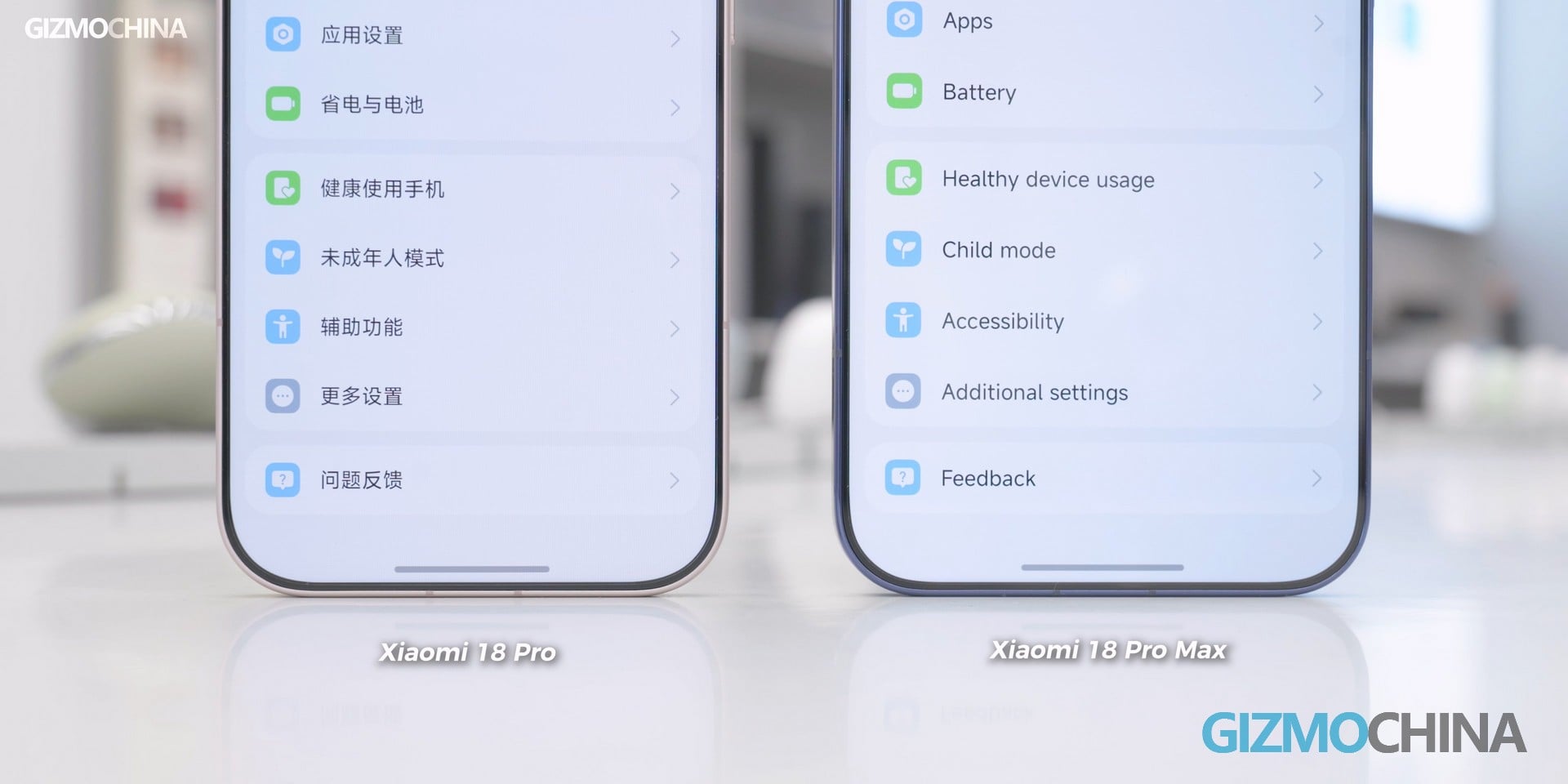
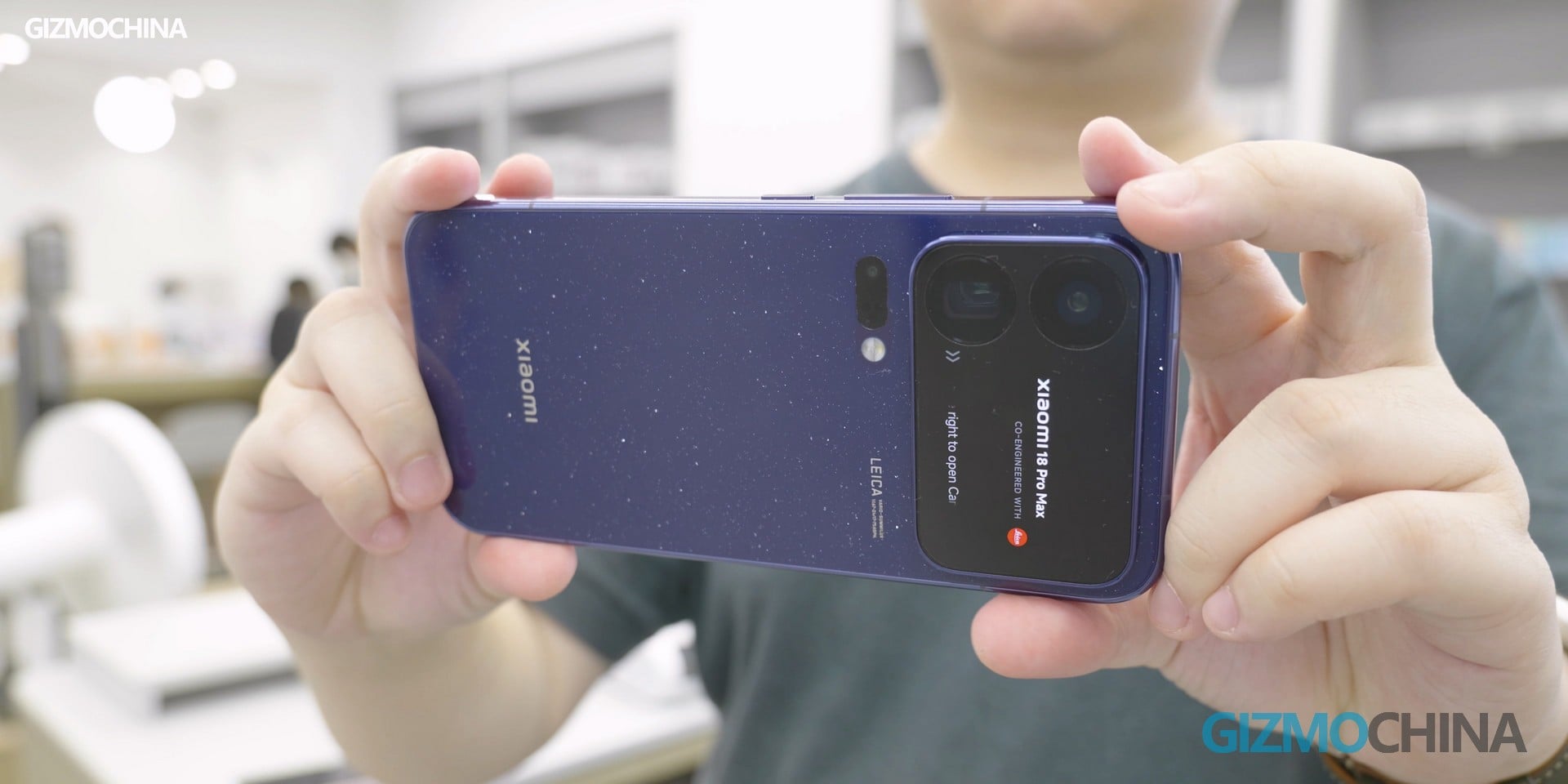
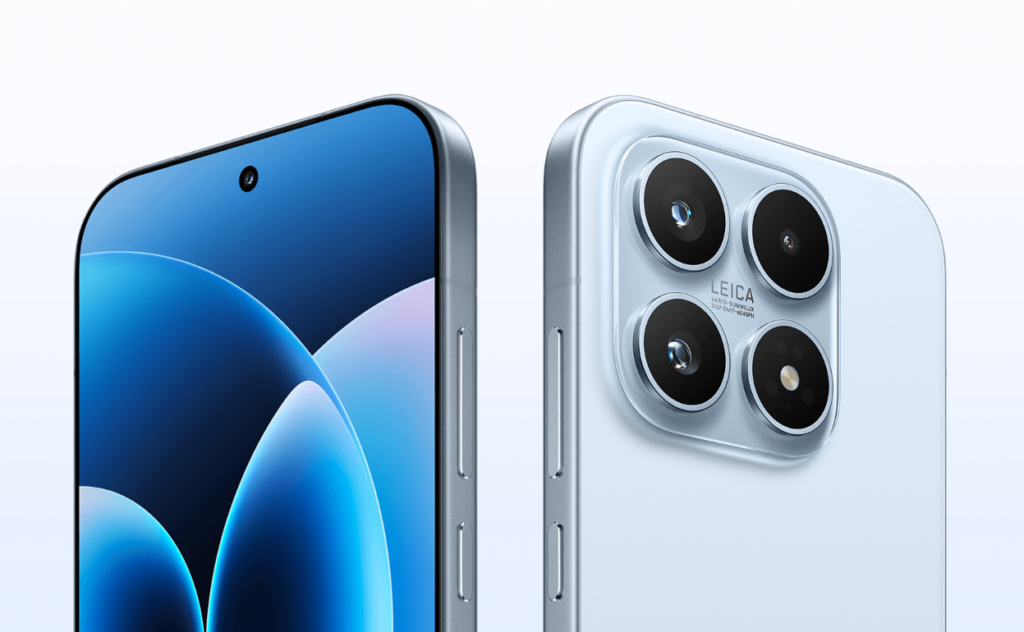
This year, the Xiaomi 18 Pro series didn’t launch first — but at least it went on sale early enough. Just like the iPhone, the standard Xiaomi 18 has been pushed to next year, leaving only the smaller Pro and the larger Pro Max available for now. At first glance, the 18 Pro series doesn’t look all that different on the outside. The real upgrades, however, are usually the ones you can’t see.
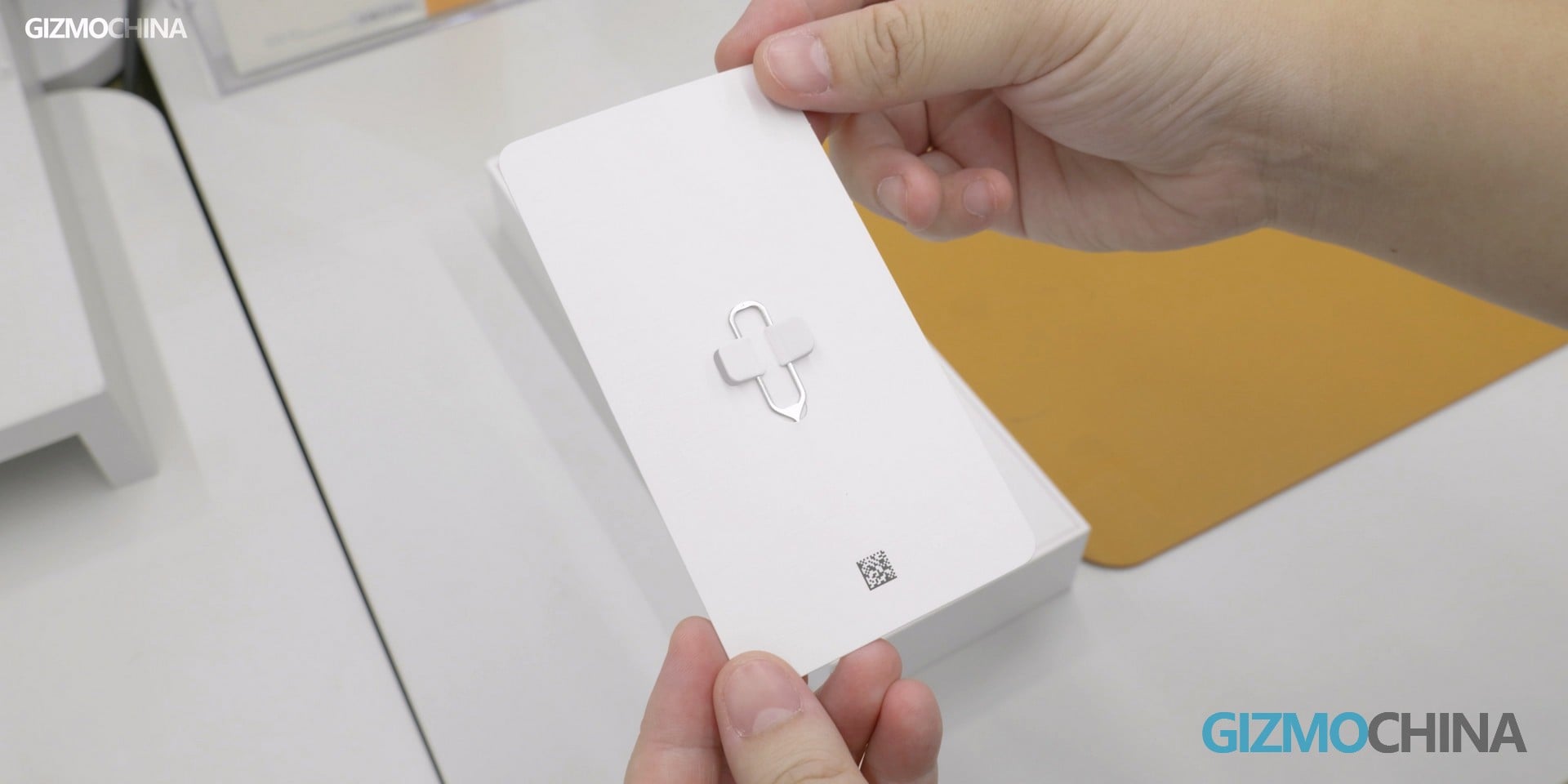
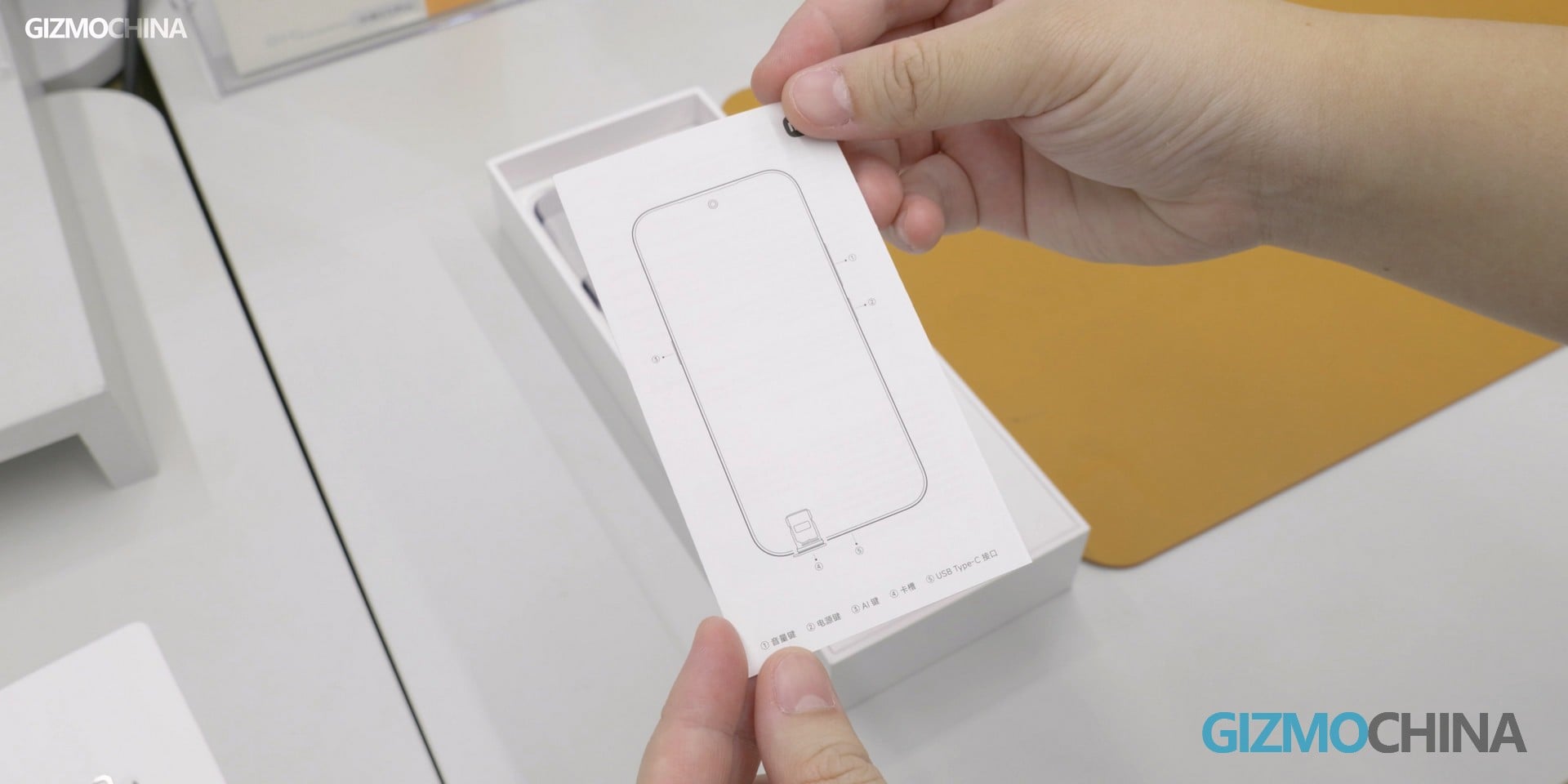
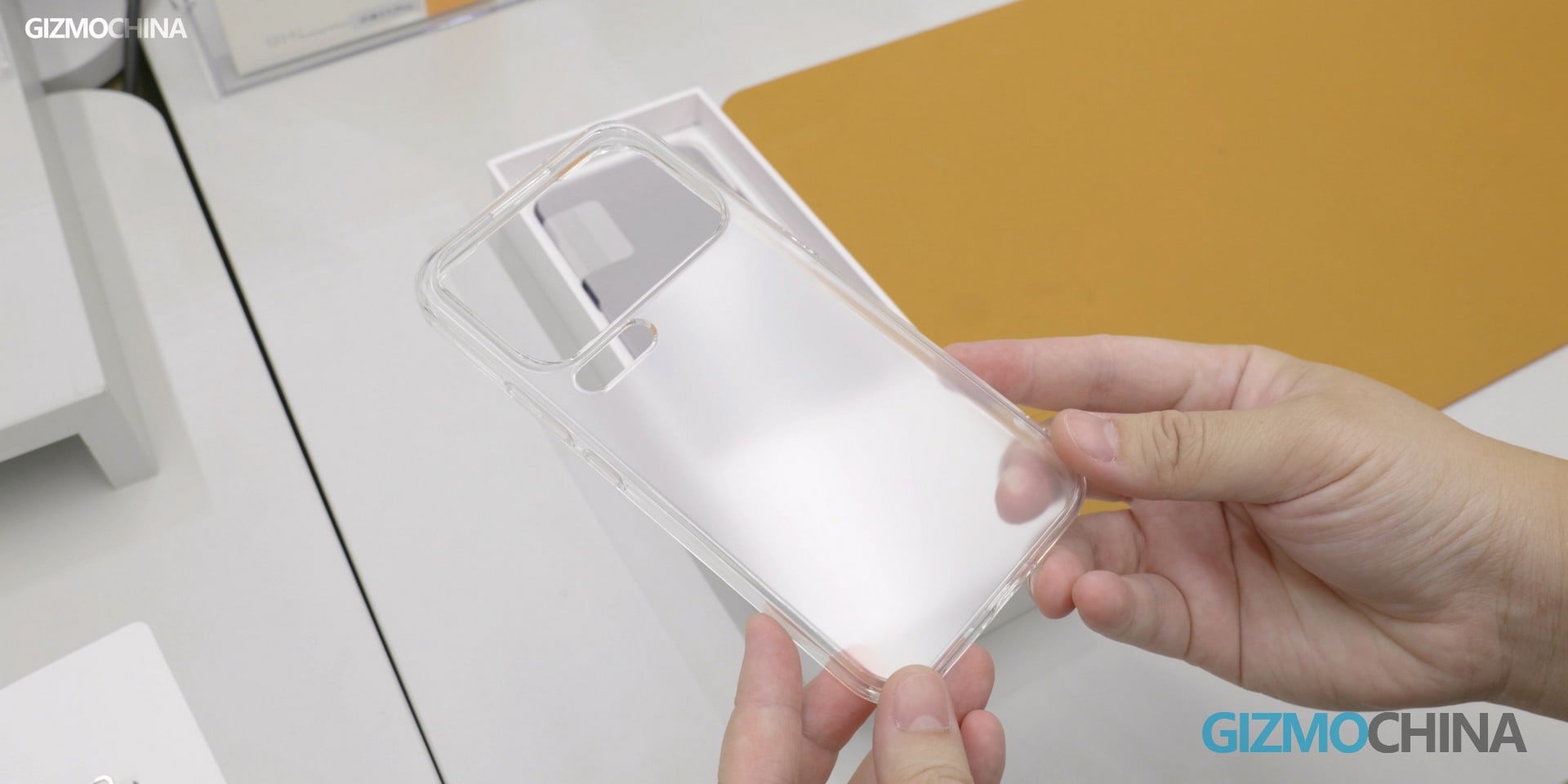
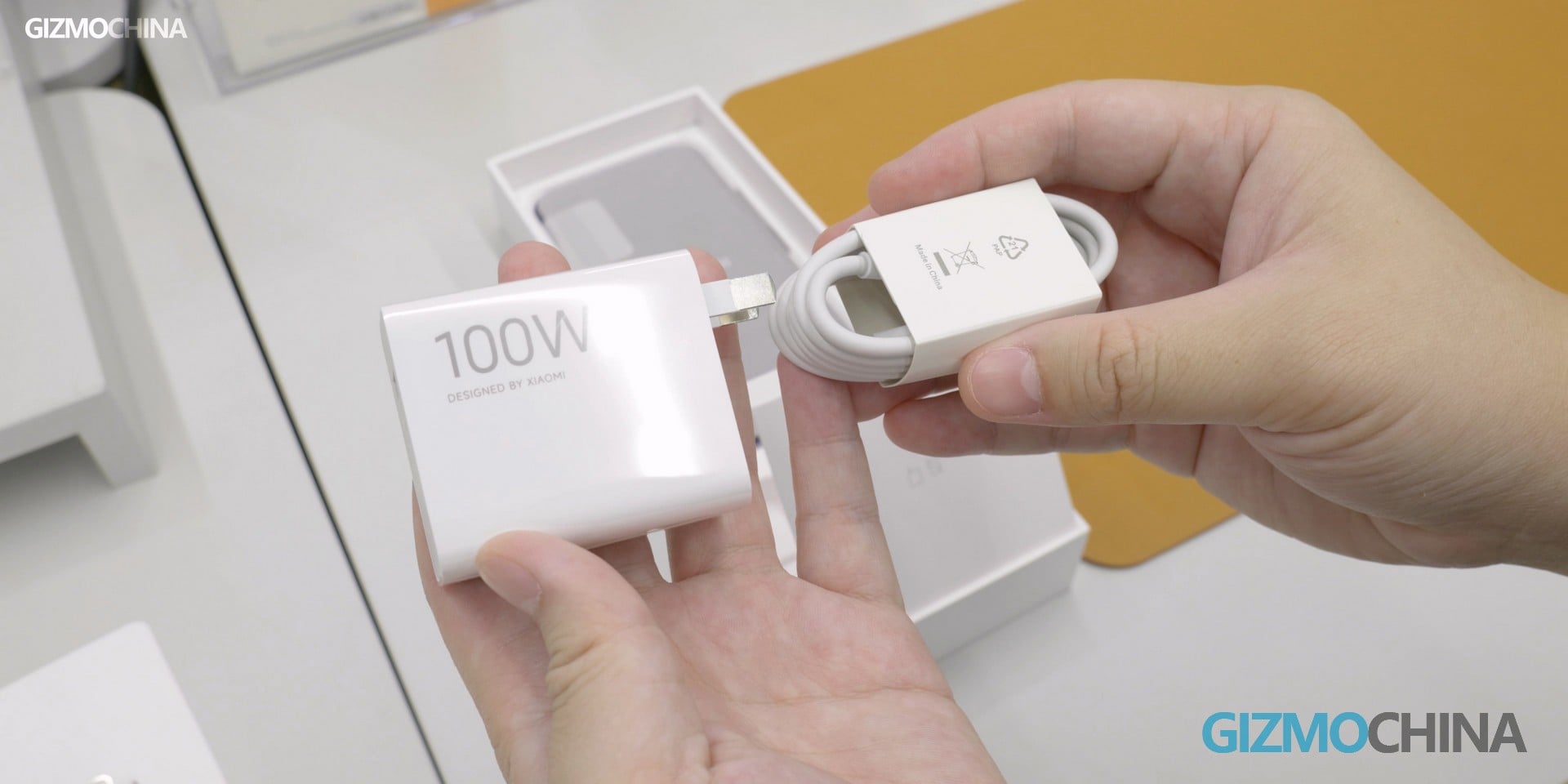
Both models in the Xiaomi 18 Pro series ship with identical packaging and accessories, so we’ll use the 18 Pro Max as our reference. Inside the box, you get the usual lineup: a SIM ejector tool, a user manual, a clear protective case, a 100W charger, and a charging cable. That’s the full accessory package across the entire 18 Pro series.
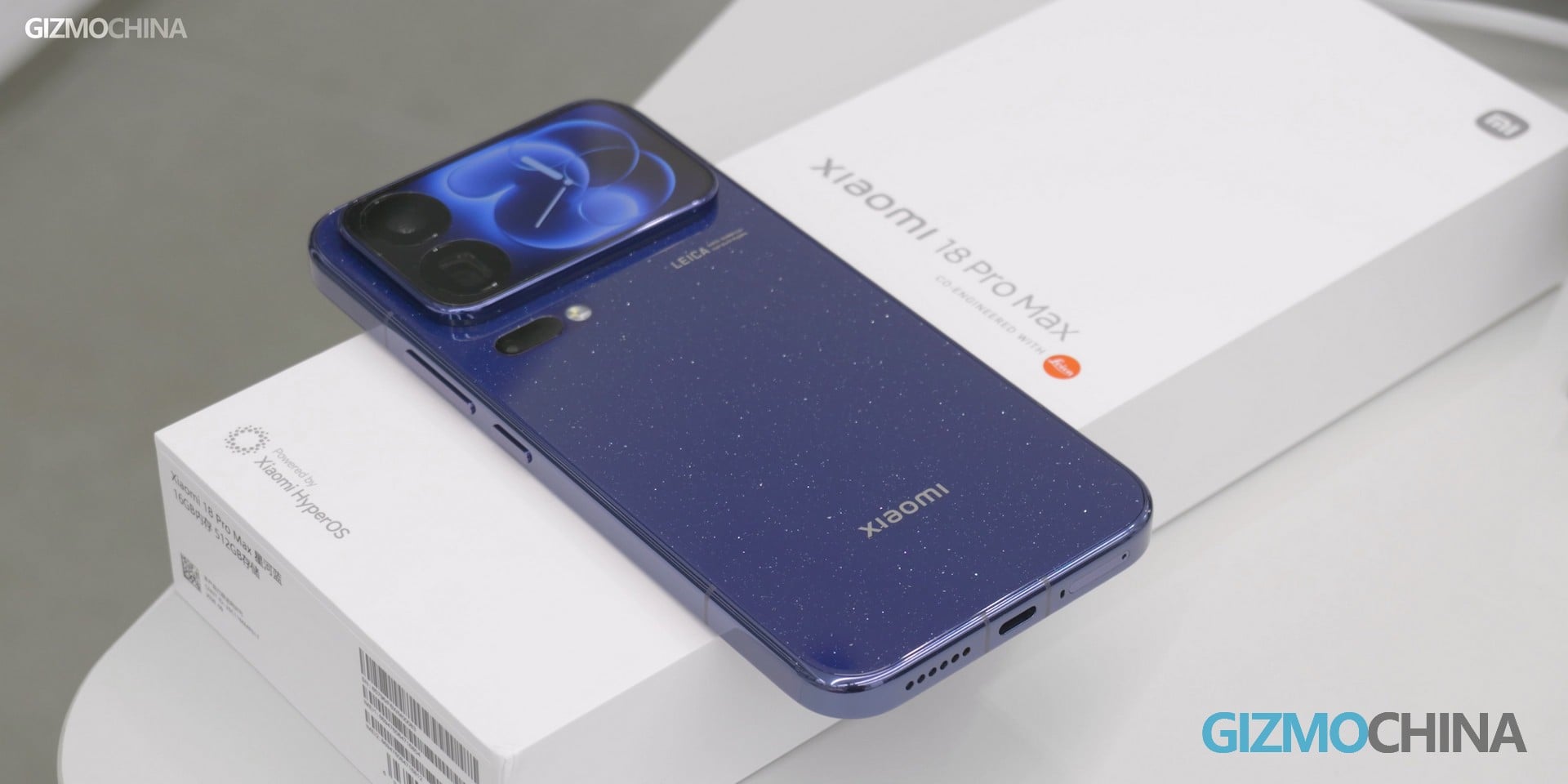
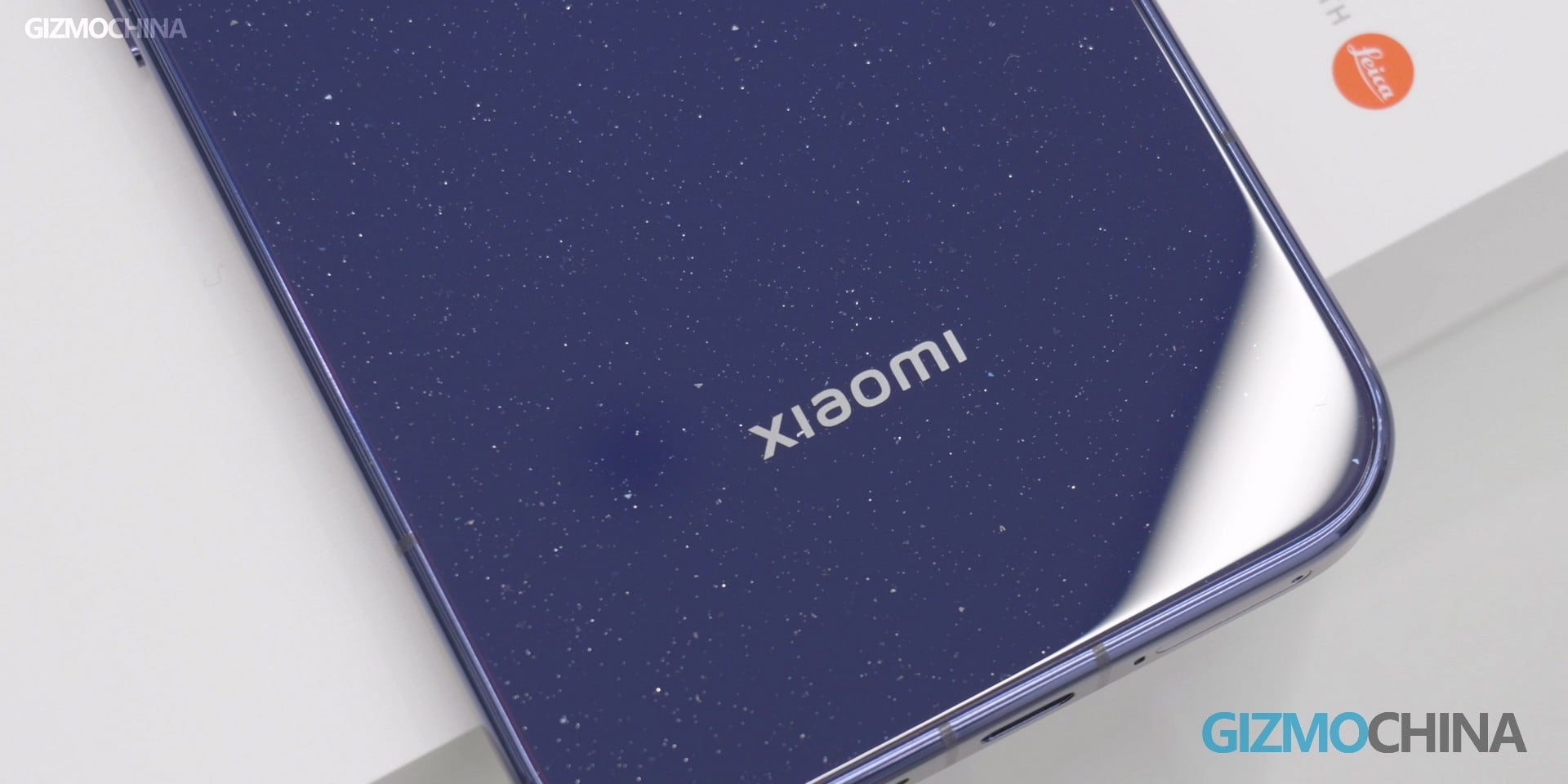
If you’re absolutely set on buying a Xiaomi 18 Pro series phone, I’d still go with the blue one. Its high saturation, low brightness, and white particle accents make it the best-looking option this time around. And if your pockets are deep enough, the 1TB transparent edition is worth considering too.
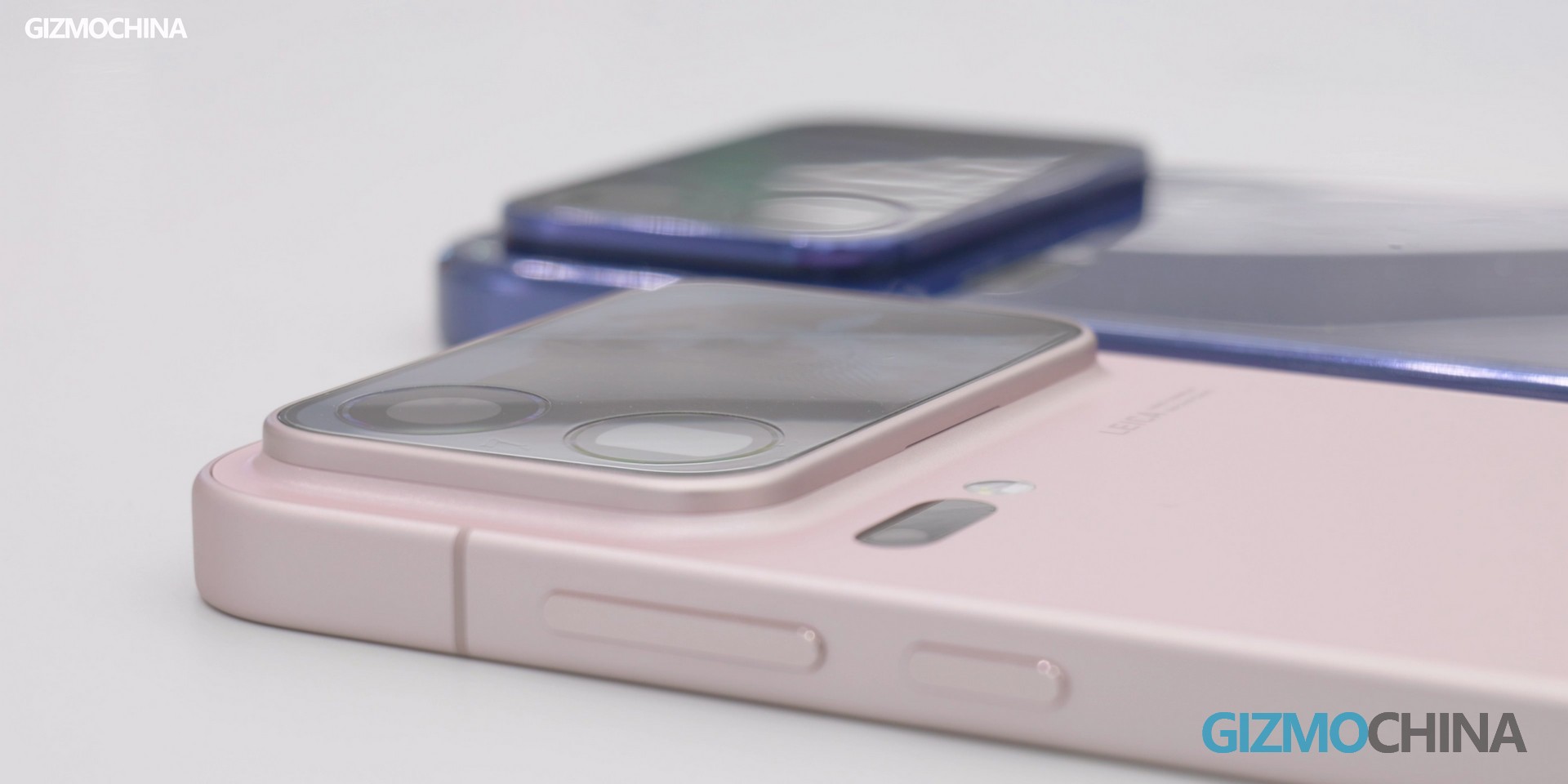
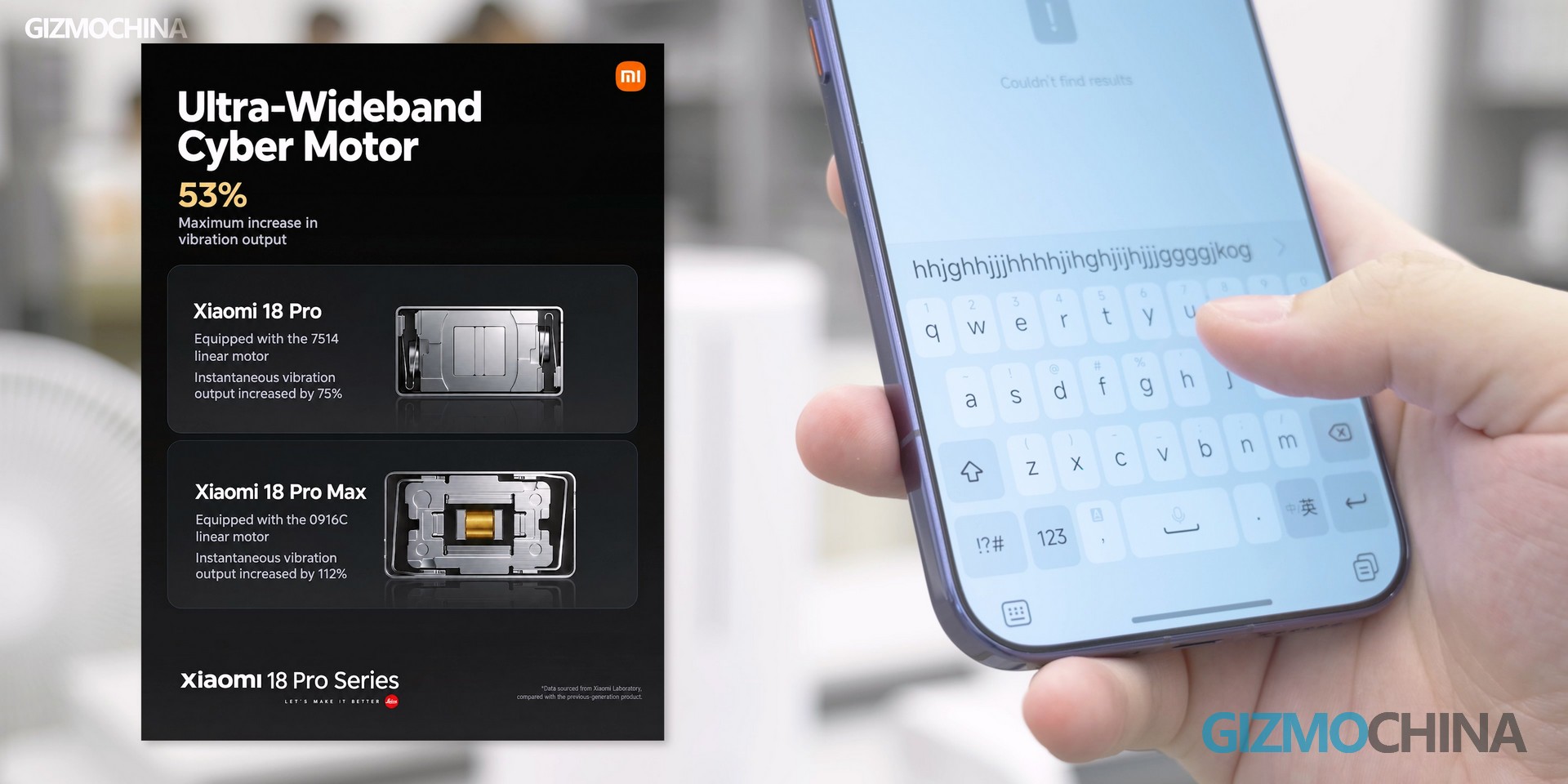
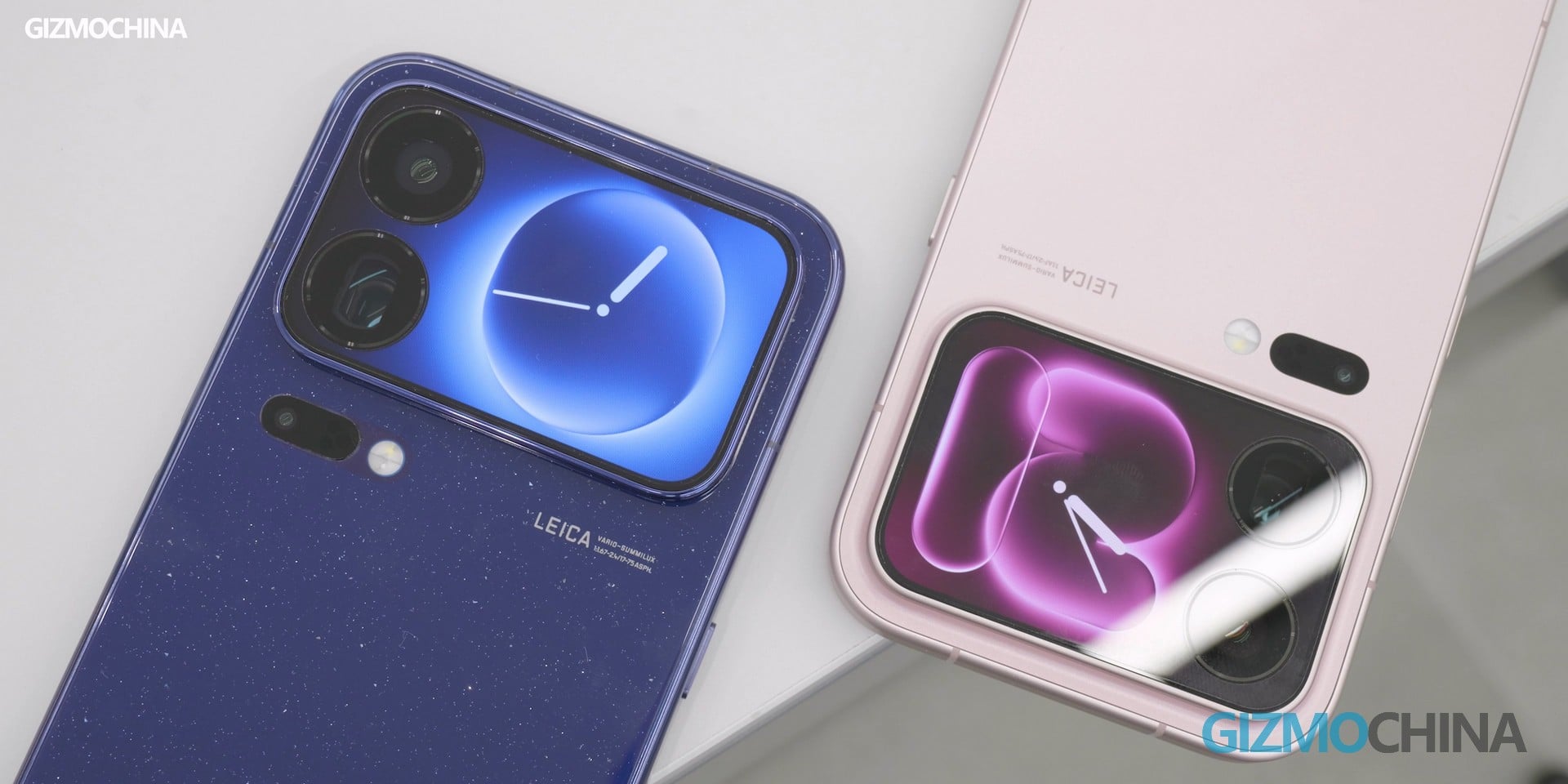
Beyond the colors, Xiaomi has made a few subtle tweaks to the 18 Pro series. For one, the rear display is now covered by a completely flat piece of glass, so the camera lenses no longer protrude. There’s finally a dedicated AI button on the side. And the 18 Pro Max now packs the largest vibration motor currently found on any Android phone, which makes typing feedback feel noticeably crisper.
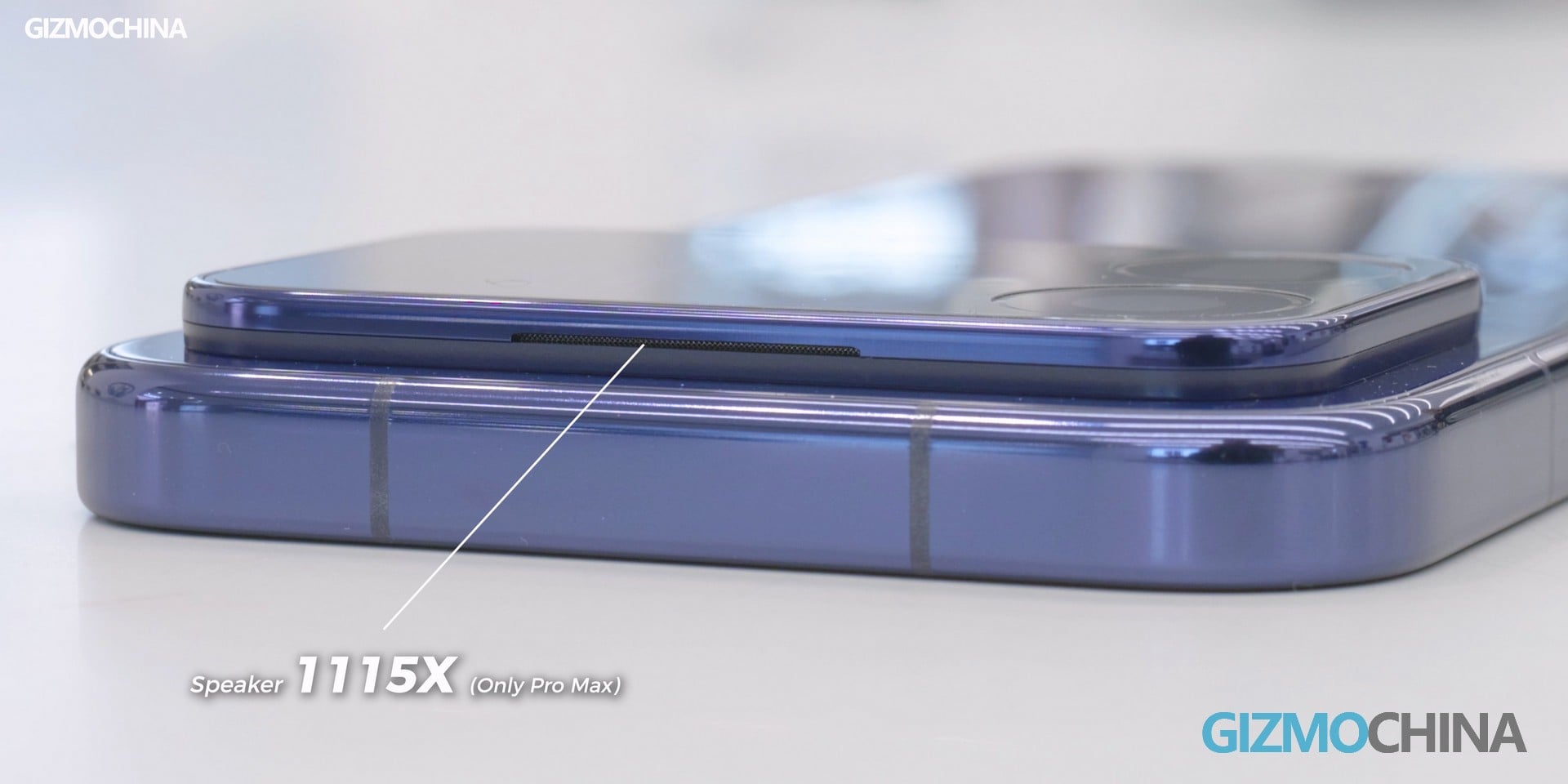
Xiaomi has even managed to fit an additional speaker beneath the rear display on the Pro Max. It handles low frequencies to complement the main speaker, and can also use sound wave cancellation to minimize sound leakage during phone calls.
All the other features you would expect are also present on the Xiaomi 18 Pro and Pro Max. You can see that while keeping the exterior largely unchanged, Xiaomi has done its best to cram everything it could into these phones.
Display
A big part of the Xiaomi 17 Pro series’ sales success can be credited to its rear display. So naturally, carrying that display over to the 18 Pro makes perfect sense. AI-generated wallpapers, raising virtual pets on the back of the phone, playing mini games — these are all familiar rear‑display features at this point.
This time, Xiaomi has added a new feature called “AI-generated App Cards.” In other words, whatever function you want, you can use AI to put it onto this rear display.
Flip the phone over, and this display also has a few special features. I’m not talking about the display quality, because in terms of specs, the improvements are actually pretty conventional.
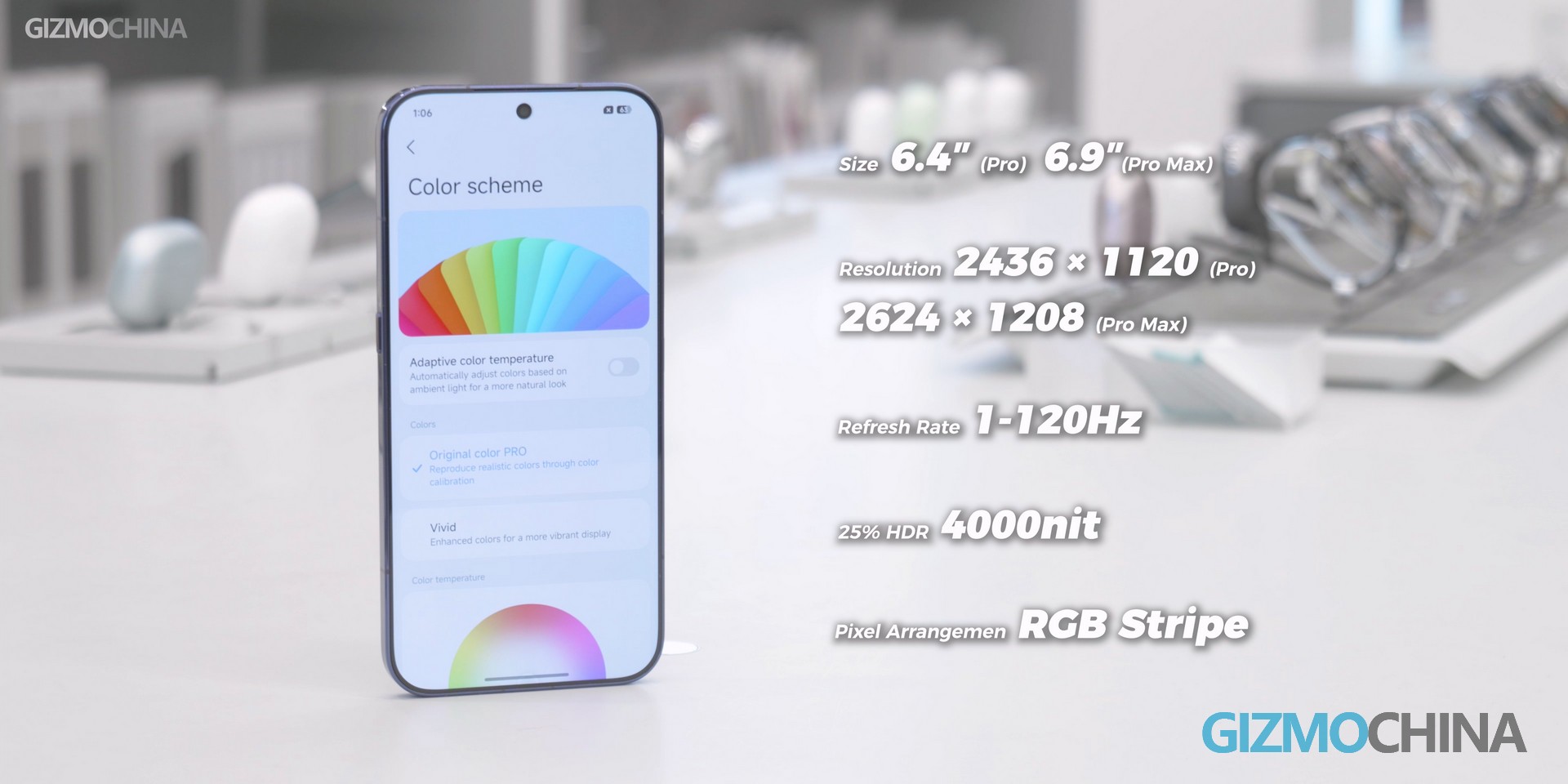
There are two major changes. The first is the bezel width. The bezels on the 18 Pro series have been reduced to less than 1mm. So the Pro model’s overall dimensions have barely increased, while the screen itself has become slightly larger.
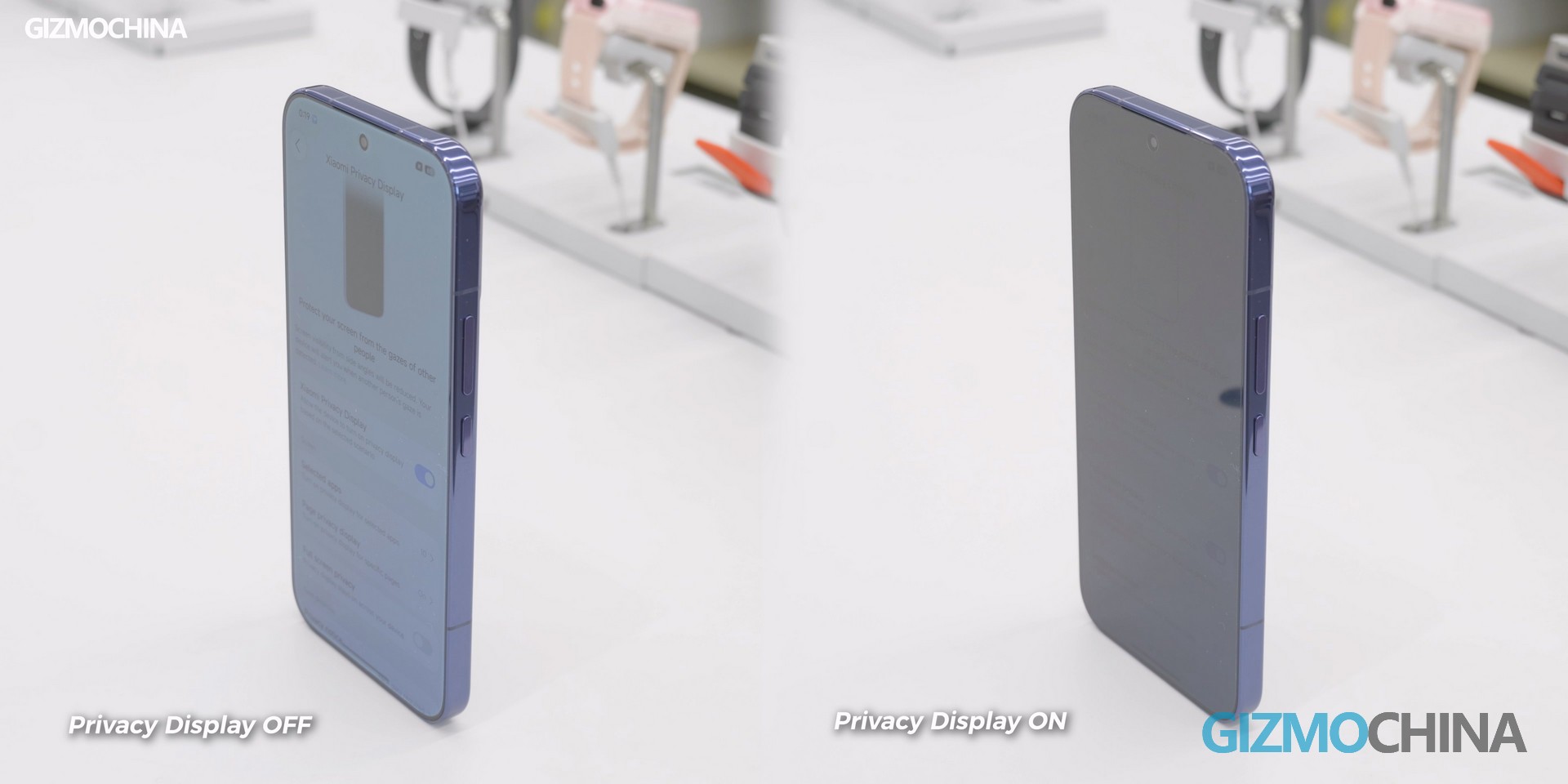
Ever since the Samsung S26 Ultra introduced privacy technology on its display, many smartphone manufacturers have tried to follow suit. Xiaomi is one of them, and the 18 Pro Max also comes with this technology. But whether you turn this feature on or off, it will inevitably affect the viewing angles.
I don’t really have any confidential files on my phone that need to be protected from prying eyes anyway. So overall, I’m not exactly a huge fan of it.
Performance
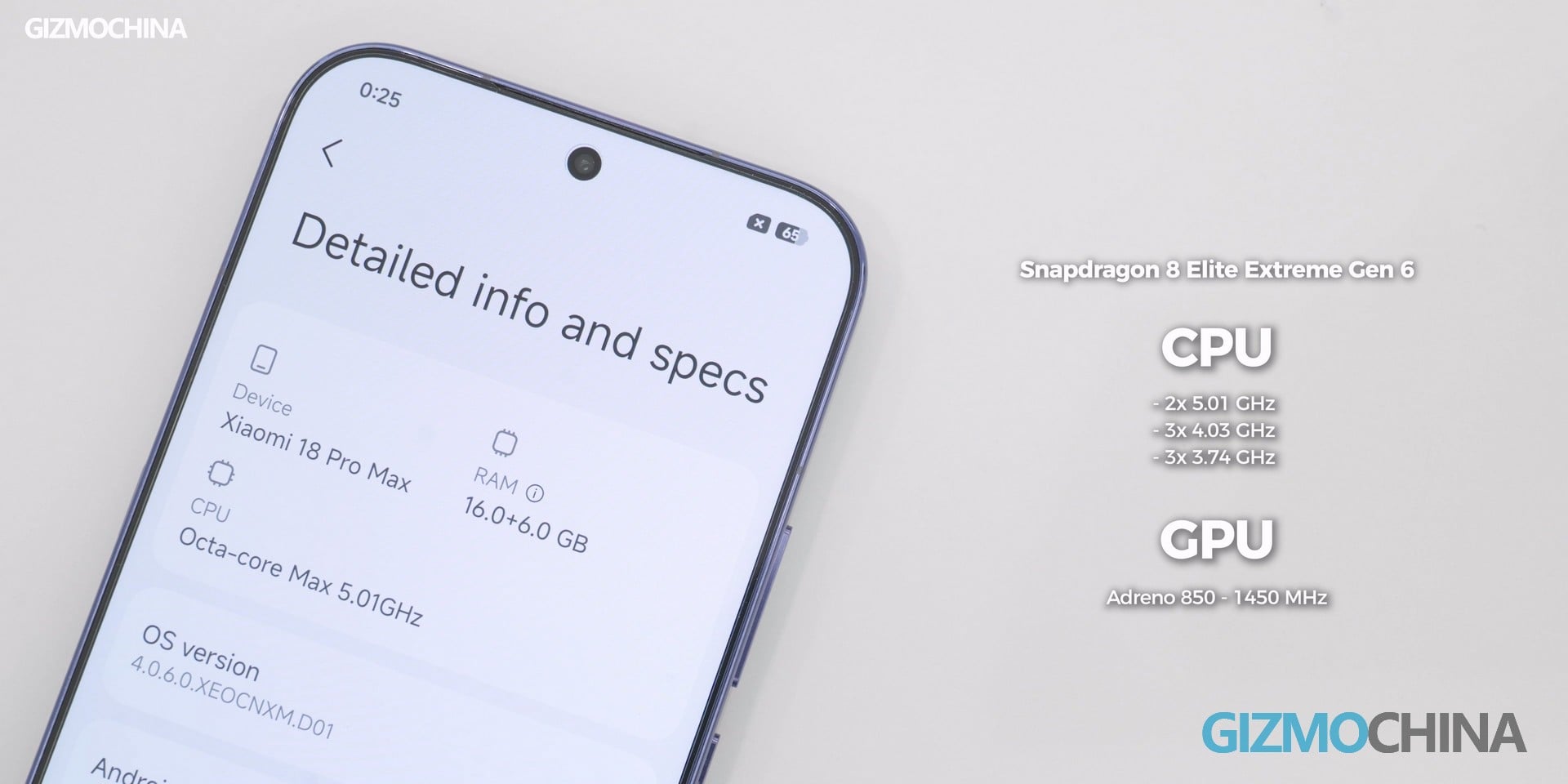
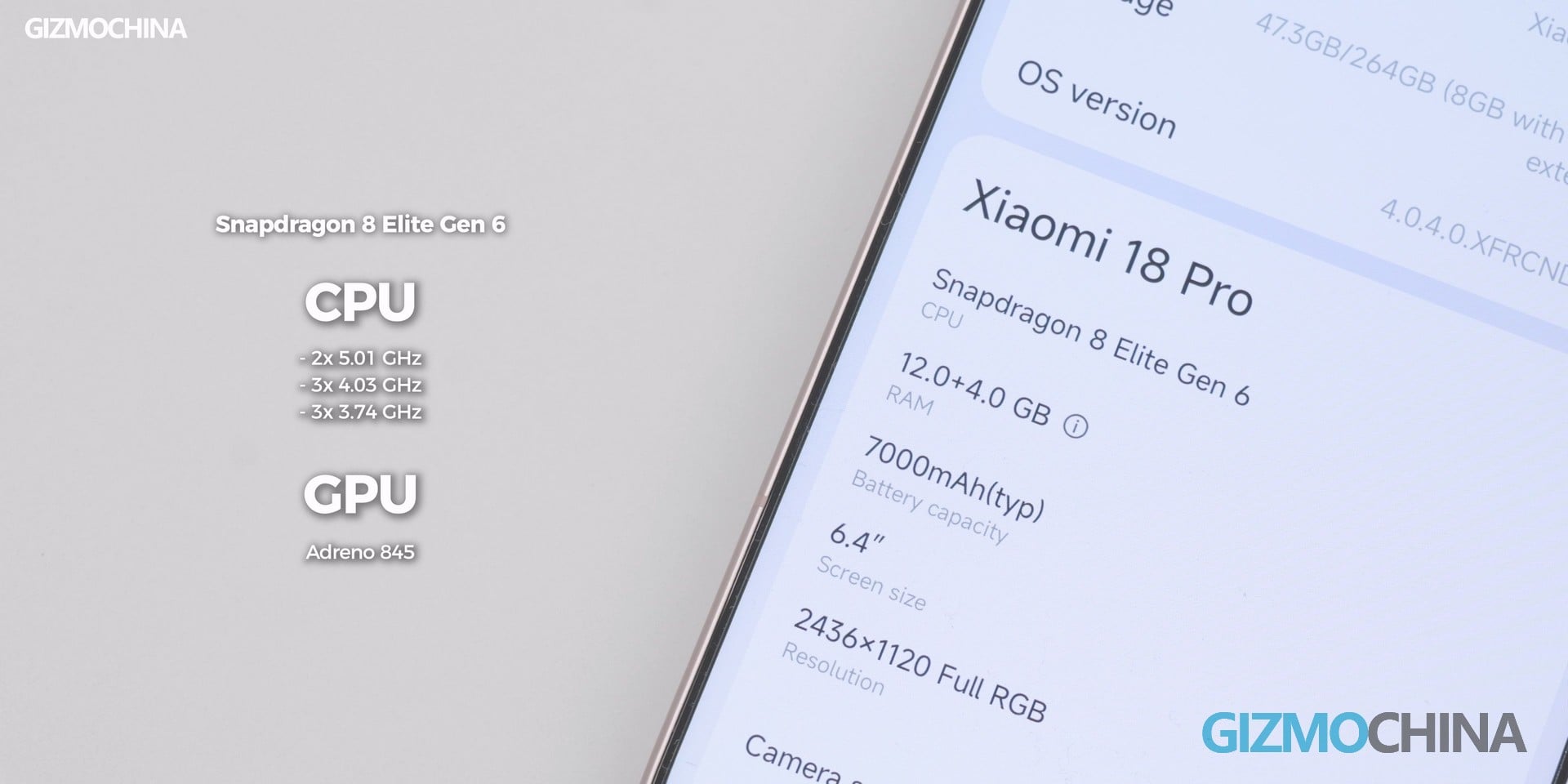
Qualcomm had just wrapped up its launch event, where it unveiled its new flagship mobile platform, the Snapdragon 8 Elite Extreme Gen 6. Less than 48 hours later, Xiaomi confirmed that the chip would power the 18 Pro Max. The smaller Xiaomi 18 Pro, meanwhile, gets the slightly less powerful Snapdragon 8 Elite Gen 6.
Combined with the fact that the smaller body can affect cooling performance, the 18 Pro will most likely perform worse in gaming than the Pro Max. Without a doubt, performance will be the main difference between the 18 Pro and Pro Max.
Cameras
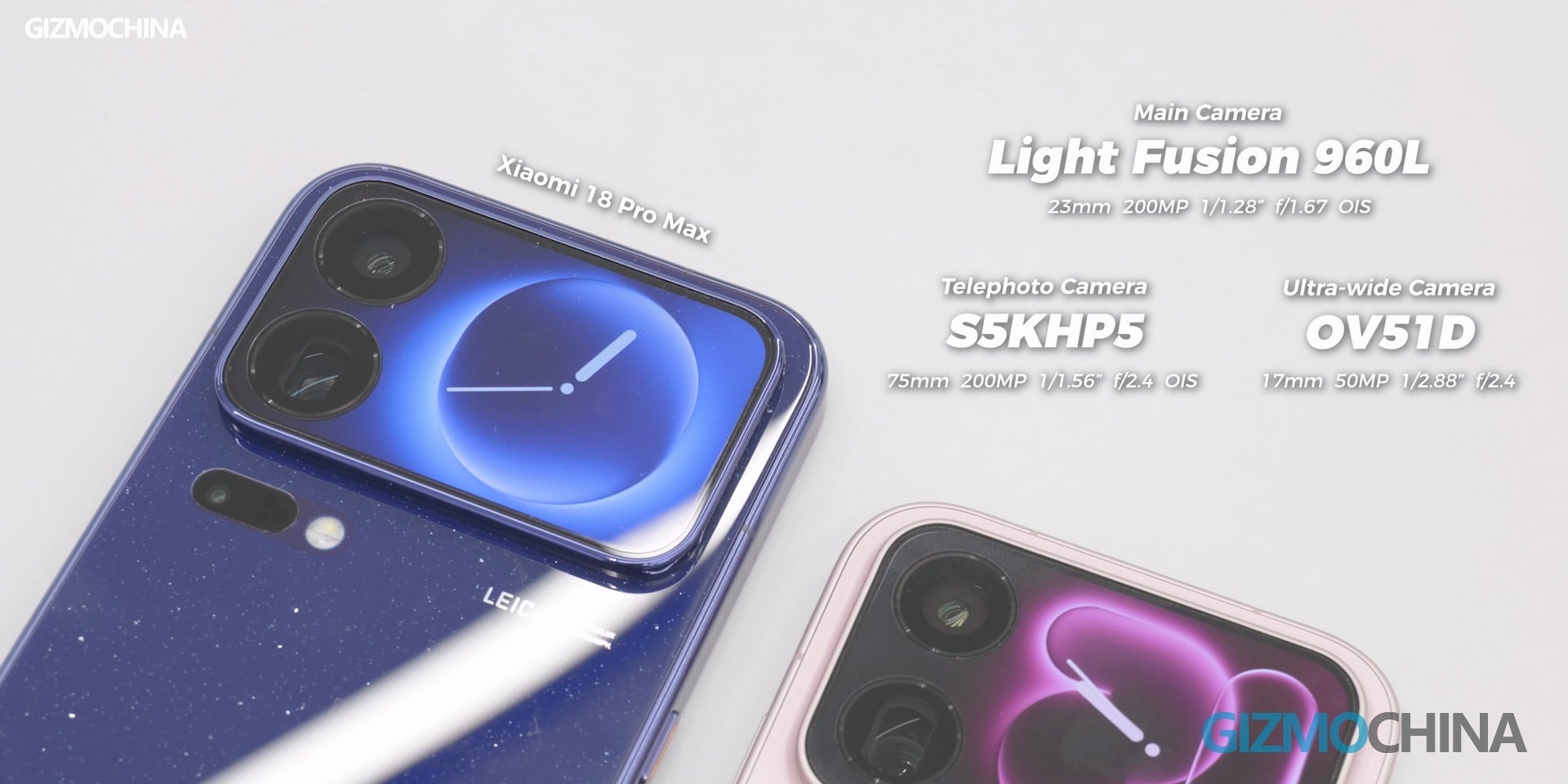
You may have already heard that the Xiaomi 18 Ultra has been canceled. So until the Xiaomi 19 series arrives, this Xiaomi 18 Pro Max is Xiaomi’s most powerful camera flagship.
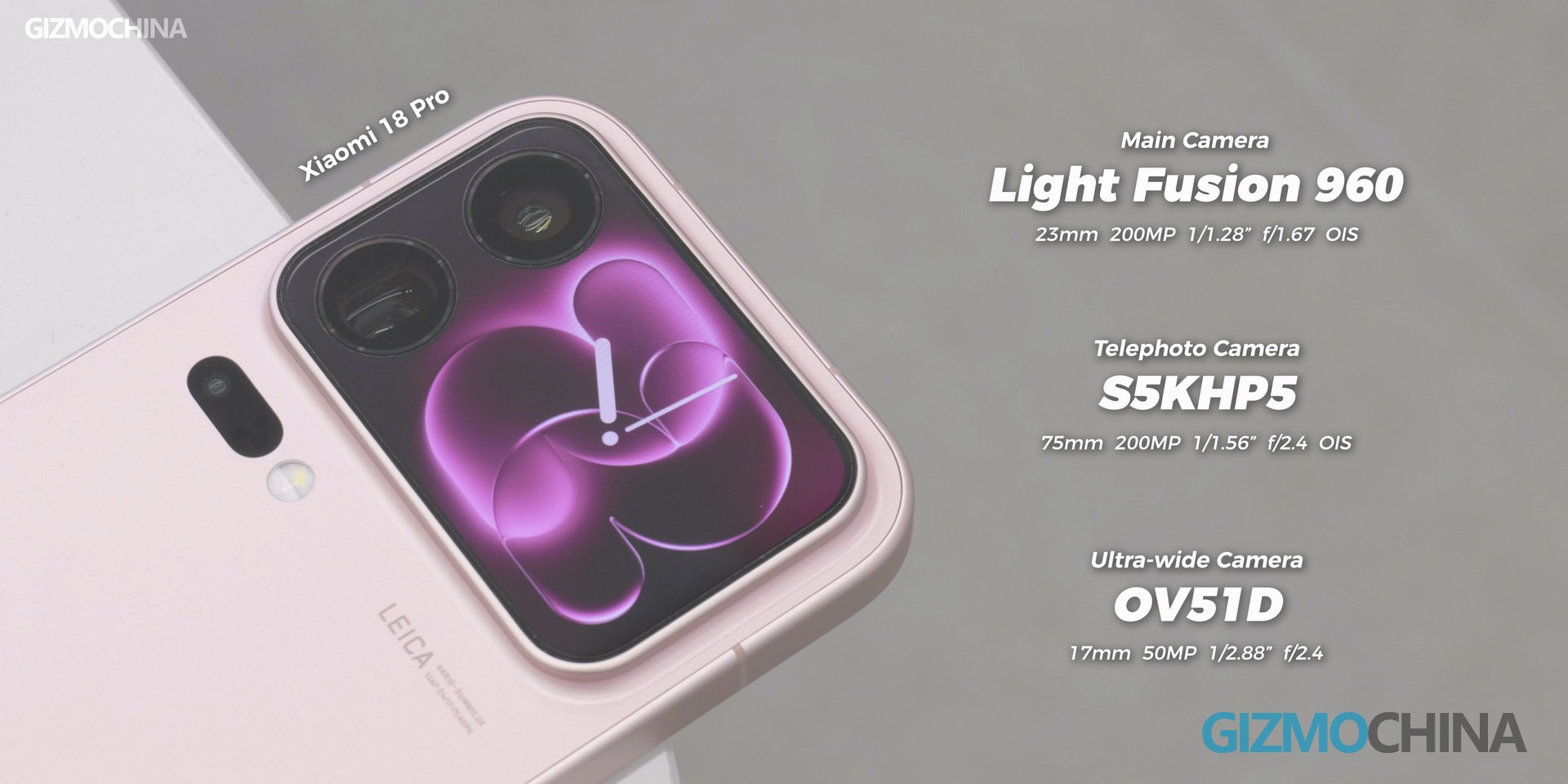
Both Xiaomi 18 Pro models feature 200MP sensors for their main and telephoto cameras. The telephoto focal length isn’t overly long either, and it supports macro photography, making it well‑suited for everyday use. The highly praised Essential mode has also been retained. On the strength of these two cameras alone, they genuinely have what it takes to be called the most powerful camera phone.
But once again, the ultrawide camera has been pushed outside the rear display. To prevent the rear display from blocking its field of view, Xiaomi is still using a 17mm ultrawide lens. So the Xiaomi 17 Ultra gets to remain on the throne of Xiaomi’s camera phones for another year.
Battery
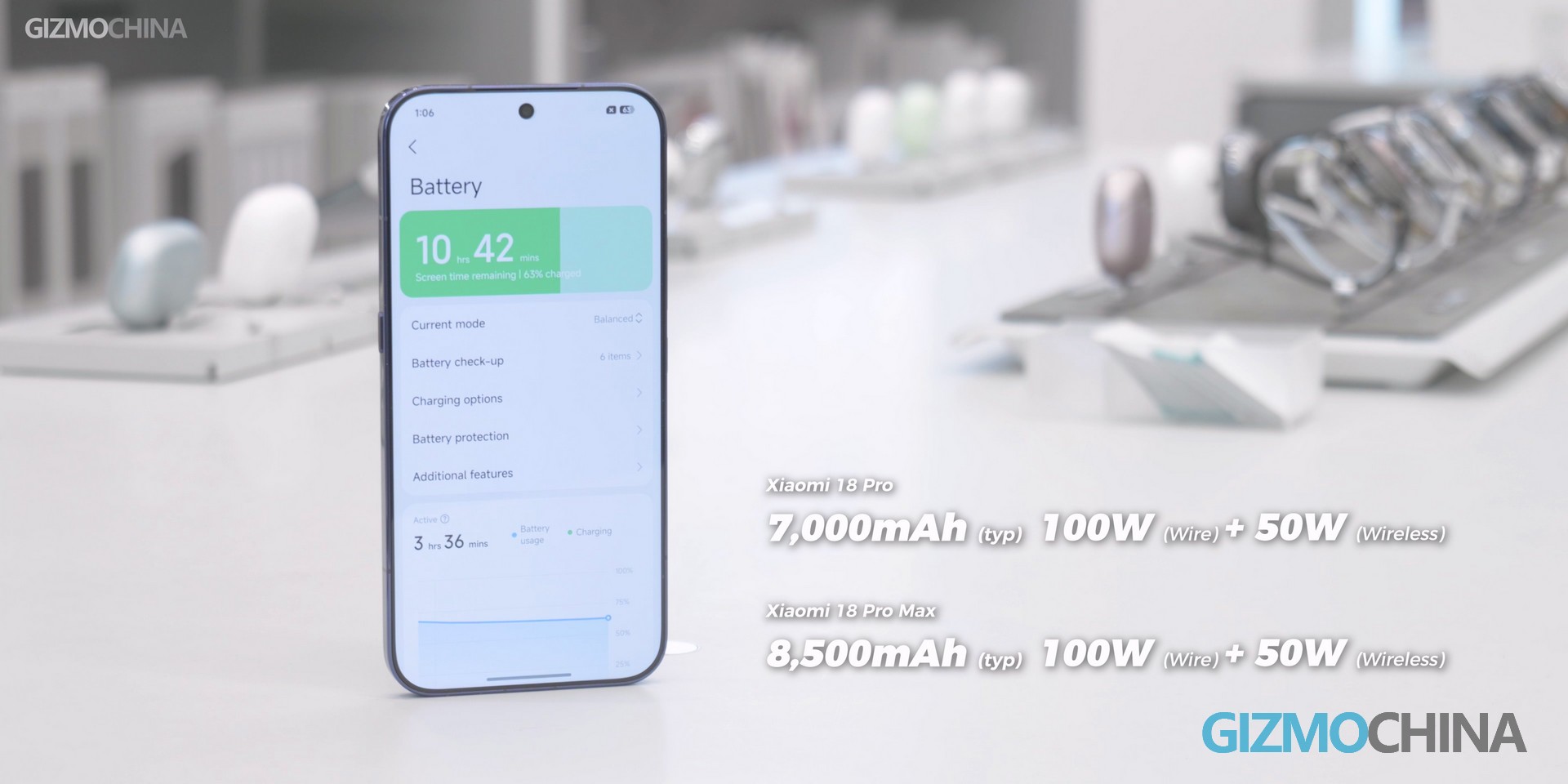
With the increasing silicon content in batteries, smartphone battery life has been getting longer and longer. The Xiaomi 18 Pro and Pro Max are no exception.
A huge battery combined with 100W wired charging, along with 50W wireless charging, has basically become standard for flagship phones. If you’re looking for a flagship with extremely long battery life, the Xiaomi 18 Pro Max seems like a pretty good choice.
Conclusion
As with last year, the Xiaomi 18 Pro series first turns heads with its rear display, then holds your attention with core upgrades like the privacy display, the new Snapdragon platform, and outstanding battery life.
That said, it’s not without its weaknesses — the ultrawide camera being one of them — but that doesn’t stop it from being one of the most distinctive phones to launch recently. I have little doubt that the Xiaomi 18 Pro series will once again go down as a massive hit in Xiaomi’s history.
OnePlus China president Li Jie Louis confirmed on Weibo that the OnePlus 16 will be unveiled on Oct. 12. The announcement came during the 2026 OnePlus Gaming Conference, where the company detailed three major gaming technologies developed for its upcoming flagship. Here’s a look at all the new details confirmed by the brand.
OnePlus 16’s gaming features revealed
OnePlus 16 launch date
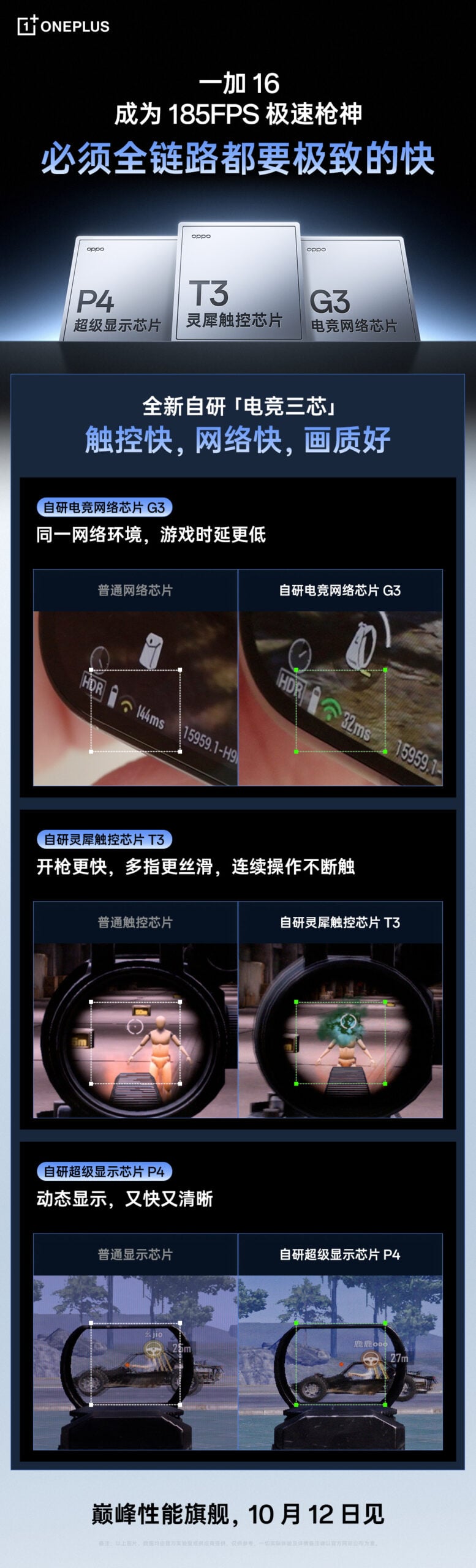
OnePlus is positioning the OnePlus 16 around gaming performance while also targeting users who want a more capable all-round flagship. The new flagship will introduce a new-generation Fengchi Gaming Kernel, which OnePlus says can coordinate hardware resources across the device for the first time.
The company claims this allows games with native 185FPS support to maintain their maximum frame rate for extended periods. This approach is intended to improve sustained gaming performance without requiring a different chipset.
Another major upgrade is the new self-developed three-chip esports system. It handles networking, touch response, and display-related processing, with OnePlus claiming improvements in connection stability, touch responsiveness, and visual clarity. The phone will also feature a 185Hz display, matching its focus on high-frame-rate gaming and faster visual response.
OnePlus says the OnePlus 16 will support a broad range of games at native 185fps from launch. The confirmed titles include Peace Elite, Arena Breakout, Nizhan: Future, and Naruto Mobile. The company also demonstrated the phone’s response advantage in a 10-device test, claiming that the OnePlus 16 consistently fired and defeated opponents first when controlled by a robotic arm under the same network and gameplay conditions.
The Snapdragon 8 Elite Extreme Gen 6-powered OnePlus 16 is expected to bring several other flagship-level upgrades, including a previously reported 200-megapixel main camera and a 50-megapixel periscope telephoto camera. OnePlus has already teased multiple color options and memory configurations for the phone. More details should emerge ahead of the October 12 event. What do you think about the OnePlus 16’s gaming upgrades?
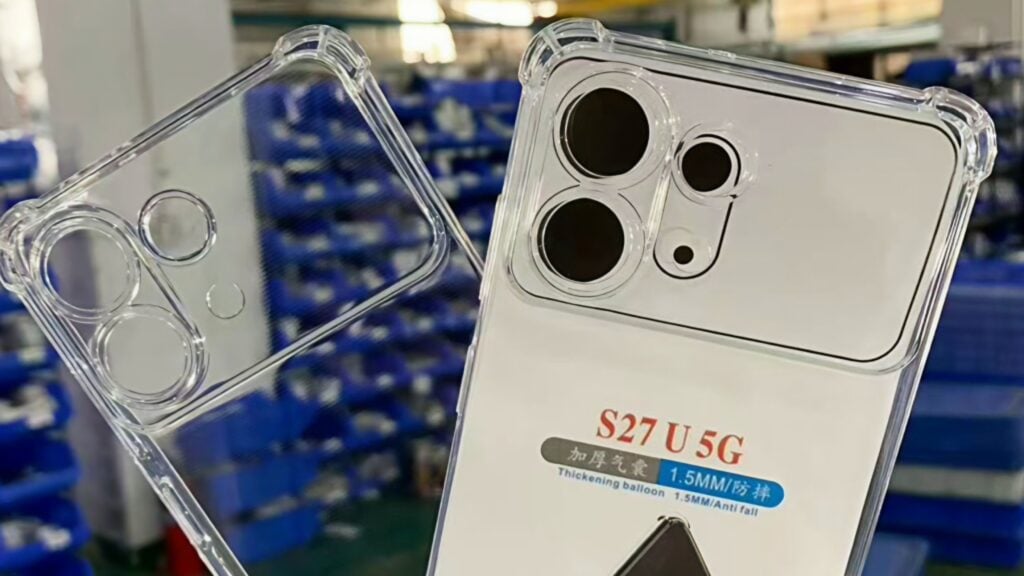
Samsung’s next Ultra is shaping up for its biggest rear-camera redesign in years. Fresh case leaks are filling in a lot of the blanks… while leaving one familiar part completely unaccounted for.
The Galaxy S27 Ultra looks set to ditch the individual “floating” lens rings that have defined recent Ultra models. Instead of scattering separate circular cutouts across the back, leaked CAD renders and a series of progressive case designs point to a larger, raised horizontal camera area. Inside that module you’ll get two cameras stacked vertically, with a third one sitting in an elongated or oval section beside them. It’s a clear move toward the more unified camera plateau style some competitors already use.
Tipster Ice Universe has been steadily tightening the picture by sharing successive Galaxy S27 Ultra cases. The early ones just showed a rough outline of the module. Later versions added clearer cutouts for the main pair of sensors. The most recent (and precise) case reveals two distinct openings inside that vertical oval section on the right side of the camera island: the upper one for the third (telephoto) camera, and a smaller circular opening underneath that lines up with the LED flash.
That detail helps, but it also raises a new question. Earlier info and CAD-based renders suggested the elongated section would house the telephoto camera, the LED flash, and the Laser AF sensor, the same hardware recent Ultras have used for faster, more accurate autofocus, especially in low light. Now there are only two cutouts.
Exclusive Analysis & Leak: A New Mystery Surrounding the Galaxy S27 Ultra Camera Layout
At least four different Galaxy S27 Ultra cases have now surfaced, each with a different level of precision. Interestingly, as these cases become more accurate, they are gradually revealing… pic.twitter.com/1UHmhV94zd
Samsung has positioned the Laser AF unit at the top in recent years, and it would be a bit surprising to see both the 5x camera and the laser AF system integrated inside the top cutout. Laser AF is an important part of the flagship’s camera system, and a separate cutout elsewhere in that large camera deco is still a possibility. More leaks will likely clarify the situation as we move closer to the launch.
If you’re planning to buy a flagship in 2026 and don’t want to compromise on image quality, a Vivo flagship could be an interesting option, especially if you’re not locked into the Apple ecosystem. Here are a few Vivo phones that make the most sense through Q2 2027.
The Vivo X500 series has already launched in China and is expected to reach global markets by the end of October. However, the X500 Ultra isn’t expected to arrive until March or April 2027.
The X300 Ultra, meanwhile, has a significantly more capable and interesting camera setup than the X500 Pro and X500 Pro Max. For example, the Vivo X300 Ultra has a near 1” 200MP main camera (1/1.12” Sony 901), compared with a 50MP 1/1.28” sensor (Sony LYTIA 910) on the X500 Pro Max.
The ultra-wide camera is another major difference. The one on the X300 Ultra measures the same size as the main camera on the X500 Pro Max, while the latter has a much smaller 1/2.75” ISOCELL JN5 sensor.
The Snapdragon 8 Elite Gen 5 should also be capable enough to power a flagship in 2027.
2. Vivo X500 Pro Max
That said, the X500 Pro Max takes a clear lead in one aspect: battery life. It has an 8,000mAh battery, compared with the 6,600mAh battery on the X300 Ultra. So, if you want the longest possible battery life without giving up a capable camera system, the X500 Pro Max could still be a good option.
Both the Vivo X300 Ultra and X500 Pro Max measure over 6.8 inches. If you want something a bit more compact, the X500 Pro could be a good option with its 6.36” display, while the base model measures 6.59 “.
The X500 Pro also has the Dimensity 9600 Pro instead of the modified Dimensity 9500 found on the base model. On top of that, the Pro model has a newer main sensor, the Sony LYT-910, instead of the LYTIA 828, although both have the same sensor size.
There isn’t much reason to choose the standard X500 over the Pro or Pro Max models, or last year’s Ultra, other than its standout design.
4. Vivo T5 Pro, Vivo T5
And of course, not everyone is looking for a flagship. For mid-range buyers in India, the Vivo T5 series looks like a good option. Both models have 6.83” 1.5K displays with a 144Hz refresh rate. They come with Android 16 and OriginOS 6, along with a promise of three major OS updates.
The base model has the Dimensity 7500 Turbo, while the T5 Pro steps it up to the Snapdragon 7s Gen 4. The 7s Gen 4 offers slightly better performance on paper, but the difference isn’t huge.
For cameras, both the T5 and T5 Pro pack a 1/1.95” 50MP Sony IMX882 main sensor, which is pretty standard for this segment. Interestingly, though, the Pro model lacks the 8MP ultrawide camera found on the base model.
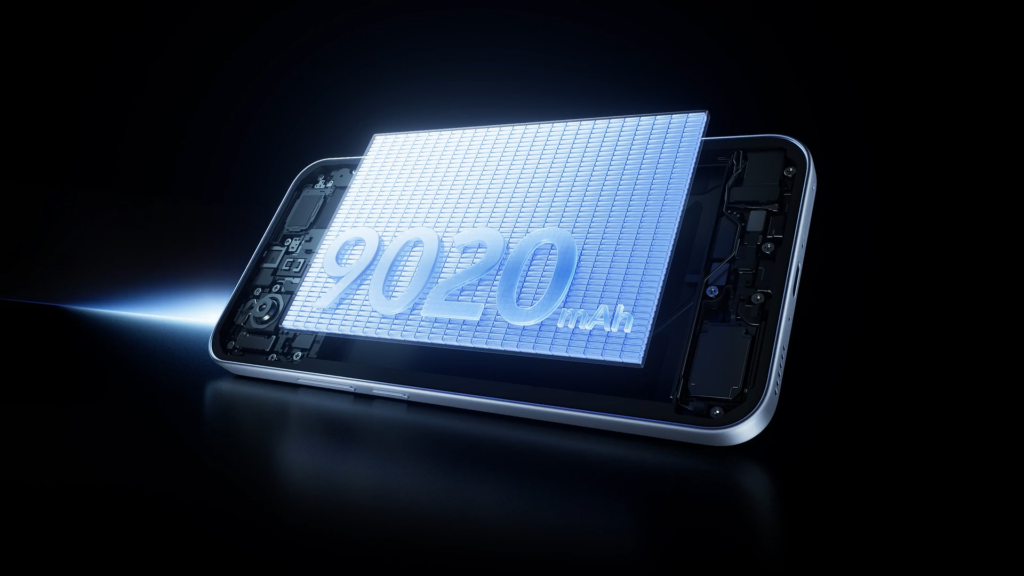
The Pro makes up for that in the battery department, with a 9,020mAh battery and 90W fast charging, compared with the 7,050mAh battery and 44W charging on the standard T5.
While prices keep going up, these two models should still be much more affordable than the flagships, while offering enough performance and camera capability for everyday use.
Huawei may have just spilled the launch date for the Mate 90 series, although its arrival was already expected soon. Reportedly, a page briefly went up on Huawei’s official Chinese site today that confirmed an October 1 launch date for Mate 90 phones. However, the microsite was taken down soon after, but we have the launch poster attached below.
There are two things to note here. First, the semi-circle ring in the poster likely hints at the circular camera design of the Mate 90 series and the color green.
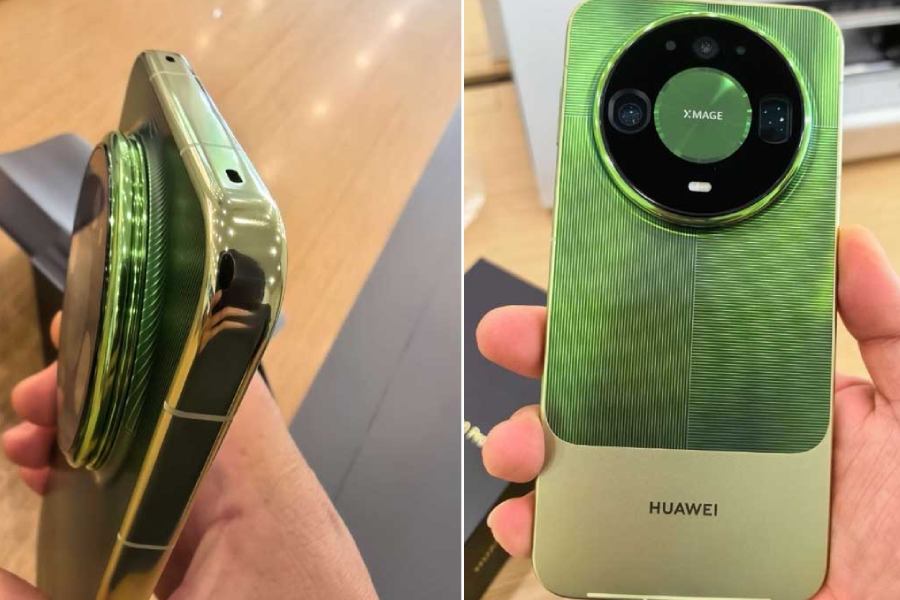
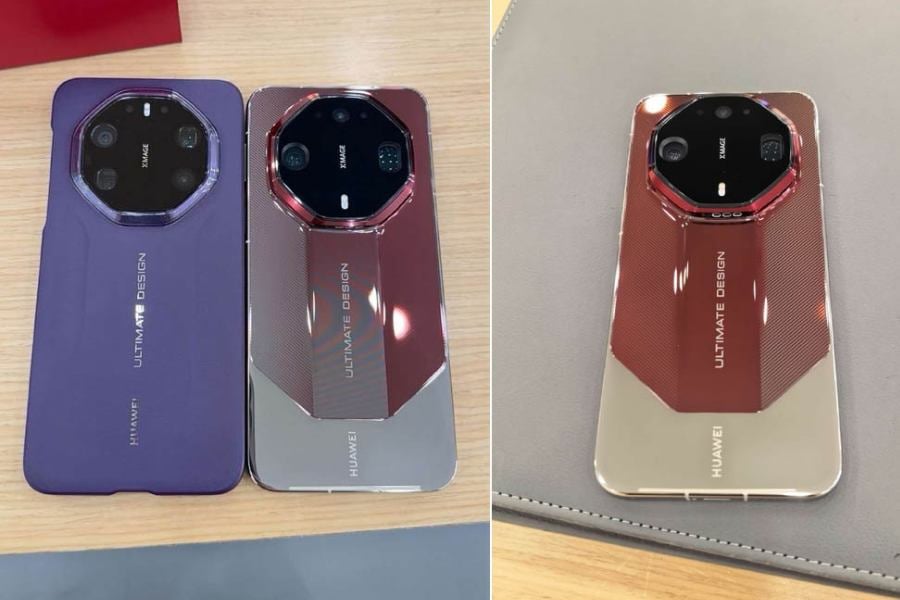
Not long after the launch poster went up, live photos of the Mate 90 lineup also made it to the web. One of the phones can be seen in a bright green finish, and there is quite a bit going on with its rear design.
The back splits into two clear sections. The upper portion carries a mixed line pattern, vertical and horizontal lines layered together, giving the surface a woven, textured look rather than a flat brushed finish, and it seems to catch light differently depending on the angle you hold it at.
The texture wraps around a large circular camera module that dominates the top half of the panel. Inside the ring sit three lenses arranged around a raised center piece stamped with Huawei’s XMAGE branding, with a small LED flash tucked below it and what looks like a laser autofocus sensor up top. The camera ring itself has a glossy, polished edge that contrasts with the matte texture surrounding it.
Below that, the panel switches to a plain, unpatterned section that runs down to a metallic Huawei logo near the bottom, and the frame carries a gold-toned finish.
There are also images of the Mate 90 RS Ultimate in a dual-tone design with a Red Ceramic back panel.
Xiaomi‘s new flagship line is still missing one phone, and we may now have a rough sense of when it might launch.
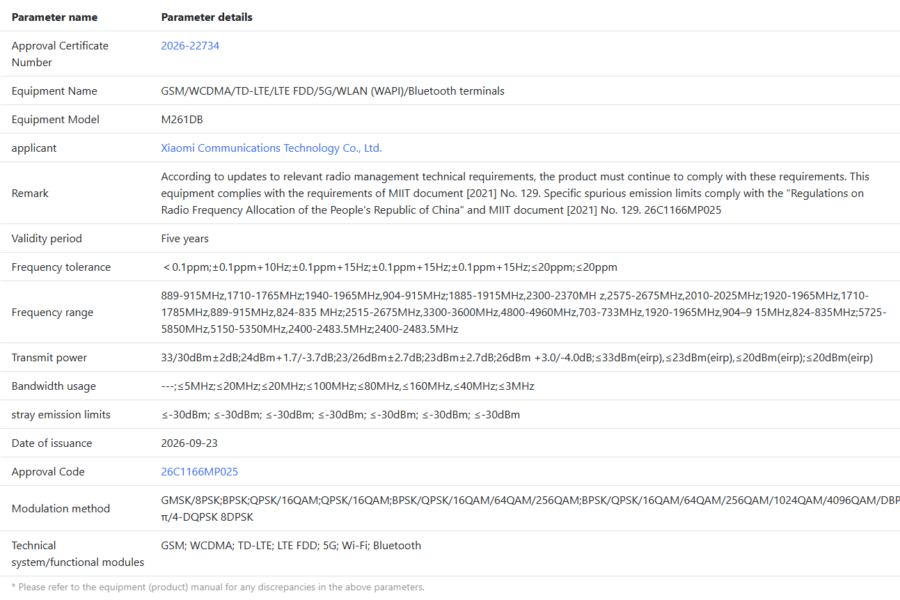
A device carrying model number M261DB passed wireless certification with China’s Ministry of Industry and Information Technology. Tipster Digital Chat Station suggests the device is the Xiaomi 18 standard model.
We already had a heads-up on this timing. Before the Pro series event, Xiaomi Group co-founder and president Lu Weibing confirmed on Weibo that the standard Xiaomi 18 would launch separately, later in the year. This aligns with earlier reporting that described a staggered rollout for the two tiers this generation, rather than a joint debut.
According to a report by XimiTime, the standard Xiaomi 18 might launch in December, trailing the Pro series by roughly three months.
The vanilla Xiaomi 18 is expected to feature the Snapdragon 8 Elite Gen 6 processor, a 200MP main sensor, and a 7200mAh battery. And like its predecessor, it won’t have the secondary rear screen of the Xiaomi 18 Pro or Pro Max.
Xiaomi 17
The battery will be the real highlight for the vanilla model, if the number is true. It would put the standard Xiaomi 18 ahead of the Xiaomi 18 Pro, which ships with a 7000mAh cell and a Leica-certified triple camera system covering every focal length, a 6.4-inch display built on Xiaomi’s new M11 panel, 4000 nits of peak brightness, and hardware-level privacy protection built into the screen.
Going by the leak, the standard Xiaomi 18 would trade that triple-camera setup down to two sensors, while potentially gaining on battery capacity and keeping the same chipset and main-camera resolution as its pricier sibling. None of this is confirmed by Xiaomi yet, so take the specs with a pinch of salt.
For more daily updates, please visit our News Section.
Following their US debut last month, Timex has officially launched its high-end Atelier GMT Première M1a watches in India. The new models are now listed and available for purchase on the Timex India website.
Pricing
The Atelier GMT Première M1a is available in two distinct configurations based on the strap choice. The stainless steel bracelet model is priced at ₹129,995 ($1,356), while the variant featuring an NBR (Nitrile Butadiene Rubber) synthetic strap comes in slightly lower at ₹119,995 ($1,252).
Design Details
Moving away from the oversized cases that previously dominated the market, Timex has opted for a 38mm case diameter for the Atelier GMT Première M1a. The case is 13.8mm thick and utilizes a skeletonized stainless steel architecture that exposes an IP gold-plated middle section. The dial is protected by a double-curved sapphire crystal, which includes a triple-layer anti-reflective coating to reduce glare.
Internally, the watch is powered by a Swiss-made Landeron 24 GMT automatic movement, which is visible through a transparent case back. The self-winding mechanism operates at a frequency of 28,800 vibrations per hour (vph) and incorporates 28 jewels. It provides a standard 40-hour power reserve and operates with a stated accuracy of +10 to -15 seconds per day.
The dial itself features a black enamel finish and includes a standard date window. For its GMT functionality, the watch uses a dedicated 24-hour hand to track a second time zone, a feature often referred to as an office GMT complication.
Where to buyTimex Atelier GMT Première M1aLatest price on AmazonCheck price →
To help differentiate between AM and PM hours in the secondary time zone, the inner ring uses a split black and green enamel 24-hour index. The markers and hands are treated with Swiss LumiNova for visibility in low-light conditions.
Both strap options use 18mm quick-release spring bars, making it easy to swap them without any special tools. The stainless steel bracelet features self-adjustable links and a butterfly deployant buckle, while the NBR rubber strap is designed to resist oils and everyday wear.
The Atelier GMT Première M1a carries a 50-meter water resistance rating, which covers light splashes and brief swimming, though it is not rated for diving or high-impact water sports. Timex includes a one-year manufacturer warranty covering internal defects, with standard exclusions for physical damage and normal wear.
The iPhone 18 Pro and iPhone 18 Pro Max support MagSafe and Qi2 wireless charging at up to 25W. Apple says the phones can reach 50% in about 30 minutes when using a MagSafe charger with a 35W or higher power adapter. That’s a notable increase from the 15W limit that MagSafe accessories used for most of the past few years.
There is one important detail, though. To get the full 25W wireless charging speed, the power bank needs to support the newer Qi2.2 standard. Older Qi2 power banks rated at 15W will still attach to the phone and charge it, but they won’t reach the newer 25W limit.
Here are five power banks that support the newer 25W standard, all released or updated within the past two months. There’s also one slimmer option that trades charging speed for a smaller design.
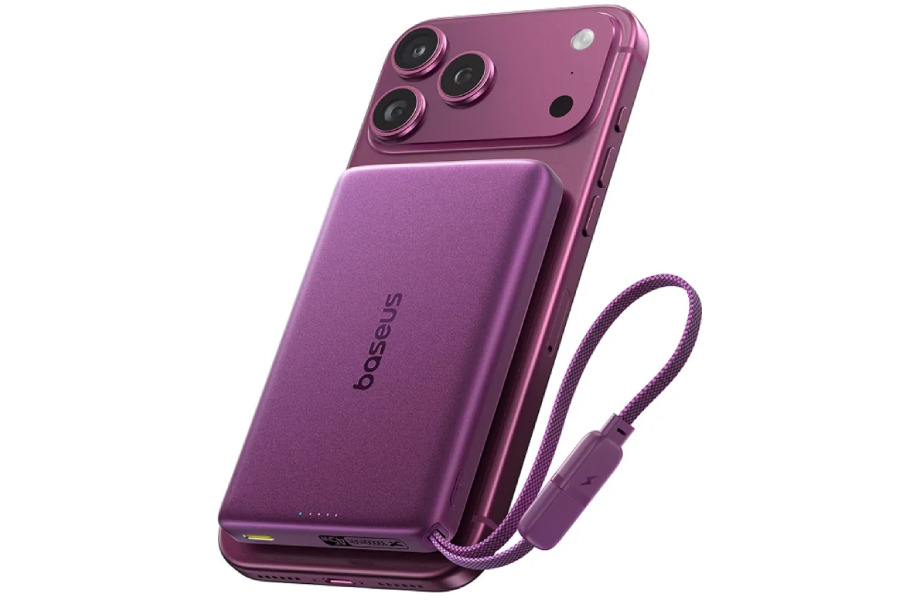
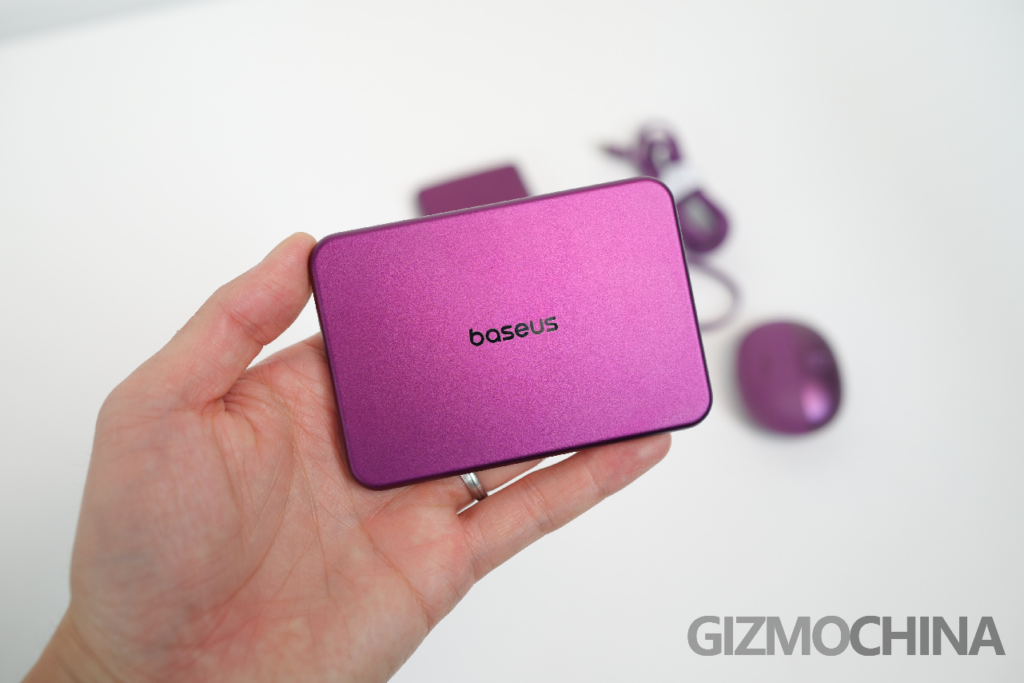
Baseus recently added a Dark Cherry version of its existing PicoGo AM52, designed to match the iPhone 18 Pro’s Burgundy finish. The hardware remains the same as the standard model, with a 10,000mAh battery, 25W Qi2.2 wireless charging, and a 45W USB-C port for wired charging.
That means you can charge the iPhone wirelessly while also using the USB-C port for another device, such as AirPods. The power bank also has a built-in USB-C cable and supports up to 30W input when it’s time to recharge the pack itself.
Where to buyBaseus PicoGo AM52Latest price on AmazonCheck price →
The exterior uses silicone instead of hard plastic. According to Baseus, the material provides more grip against the back of the phone, which can help keep the magnetic connection in place.
2. UGreen MagFlow Pro
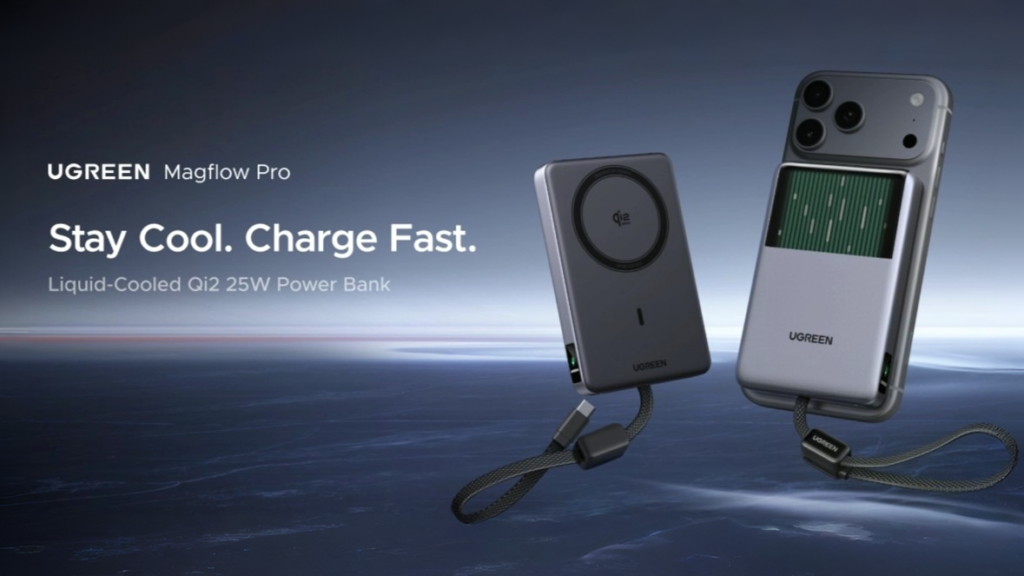
UGreen’s MagFlow Pro is another 10,000mAh option, but its main difference is the cooling system. The company says it is the first power bank to use micro-pump liquid cooling, combining a phase-change material with a coolant loop to move heat away from the charging surface.
It supports 25W Qi2.2 wireless charging, along with 45W wired charging through its built-in cable and another 45W USB-C port. UGreen says its testing recorded peak temperatures up to 10°C lower than an industry benchmark of roughly 48°C. That result comes from UGreen’s own testing conditions, so it shouldn’t be treated as an independent measurement.
Where to buyUGreen MagFlow ProLatest price on AmazonCheck price →
The MagFlow Pro was introduced at IFA 2026 in Berlin on September 4. At $149.99, it’s also the most expensive power bank in this group.
3. Anker MagGo 2 Pro Magnetic Power Bank
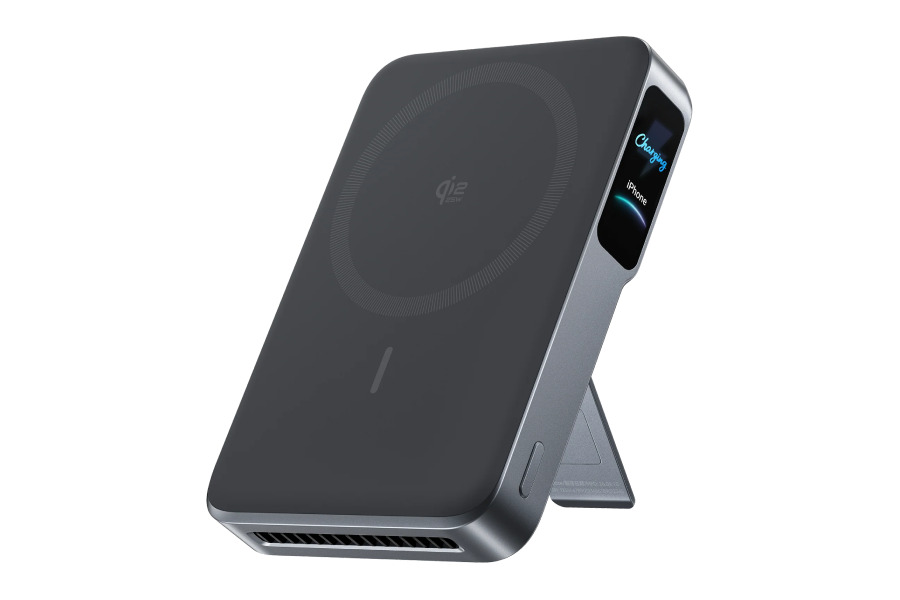
Anker’s newer MagGo 2 Pro, model A110R, combines 25W Qi2.2 wireless charging with a small internal fan called SnapCool. The system is designed to keep the charging surface below 96.8°F (36°C).
Anker says that figure was measured with an iPhone 17 Pro at a 77°F ambient temperature, so the actual temperature can vary depending on the phone, room temperature, and other conditions.
For wired charging, the power bank has a 45W USB-C port. Anker says it can charge a device through the USB-C port and the wireless pad at the same time without reducing the speed of either connection.
There’s also a color display on the side that shows the remaining battery percentage, surface temperature, and battery health. A fold-out stand can be adjusted to an angle of up to 80 degrees.
Where to buyAnker MagGo 2 ProLatest price on AmazonCheck price →
The MagGo 2 Pro is listed at $109.99 and is currently available for pre-order, with shipping scheduled to begin September 28.
4. Belkin UltraCharge Slim 10K
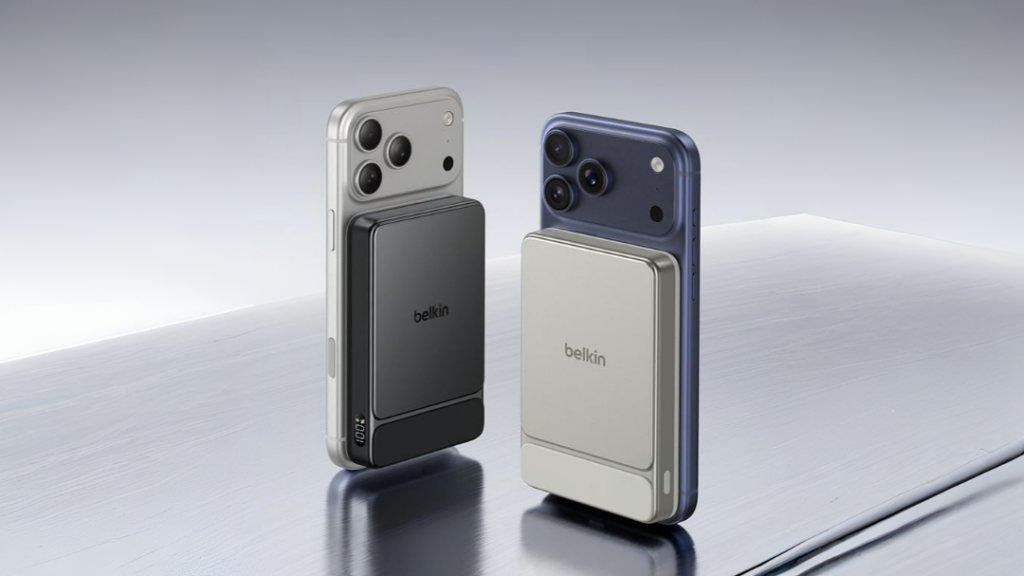
Belkin’s 10,000mAh UltraCharge Slim 10K also supports 25W Qi2.2 wireless charging. For wired charging, it has a 30W USB-C port.
Belkin says the power bank can charge an iPhone 17 Pro from 0 to 50 percent in 39 minutes when using the wireless pad. Like the other figures in this list, that’s a manufacturer-provided result and depends on the test setup.
The bank also supports 30W pass-through charging. You can plug the power bank into a wall adapter while the phone is attached, allowing both the bank and the phone to charge at the same time.
The UltraCharge Slim 10K launched in late June and is priced at £69.99.
5. Baseus PicoGo AM71 (Dark Cherry Collection)
The PicoGo AM71 comes in the same Dark Cherry finish as the AM52, but the two power banks are designed for different priorities.
The AM71 is only 6.9mm thick and has a 5,000mAh battery. Its wireless charging tops out at 15W, while wired charging reaches 22.5W, so it doesn’t offer the 25W Qi2.2 charging available from the other newer models in this list.
A short USB-C to USB-C cable is included, and the power bank supports up to 20W input for recharging.
If you want something thinner and lighter for carrying around, the AM71 makes more sense than choosing a larger 10,000mAh pack. The trade-off is lower capacity and slower wireless charging.
6. What to check before buying
If you’re buying one of these power banks for an iPhone 18 Pro or 18 Pro Max, check the specifications carefully. The listing should specifically mention Qi2.2 and 25W. Terms such as “MagSafe compatible” or simply “Qi2” aren’t enough, since older Qi2 power banks can still attach magnetically and charge the phone but are limited to 15W.
It’s also worth checking the wired output. A 45W USB-C port can be useful for charging a laptop in a pinch, while a 20W port is mainly suited to phones and smaller devices.
Charging times and temperature figures should also be treated as test results rather than guarantees. Manufacturers usually measure them with a specific phone, ambient temperature, adapter, and other conditions, so real-world results can vary.
Battery capacity is another number that can be misleading. A 10,000mAh power bank will typically deliver around 5,500 to 6,500mAh of usable charge to a phone after conversion losses. In other words, the printed 10,000mAh figure doesn’t mean you’ll get 10,000mAh directly into the phone’s battery.
For the iPhone 18 Pro and 18 Pro Max, the main thing to look for is therefore the Qi2.2 certification and 25W output if you want to make use of the phones’ newer wireless charging limit.
For more daily updates, please visit our News Section.
Casio has released two new G-Shock watches in the United States, following their initial launch in India earlier this week. The new models, the GMA-P2110B-1A and GMA-P2110B-5A, are now available on the Casio US website for $145 each.
These watches are part of Casio’s analog-digital line and are designed with a smaller form factor than standard G-Shock models. The case dimensions are 46 x 40.5 x 11.3 mm, and the watch weighs 37 grams. This size is intended to fit narrower wrists while retaining the octagonal bezel shape that Casio uses across its 2100 series hardware.
The two models come in monochromatic color schemes: the 1A model is black, and the 5A model is brown. Both feature a metallic bezel ring that provides a slight visual contrast to the matte finish of the watch body. For the materials, Casio is using bio-based resin for key components in both the bezel and the band.
Functionally, the GMA-P2110B series includes the standard set of features typical of the G-Shock line. The watches are built with shock-resistant construction and offer water resistance up to 200 meters. The dial uses an analog-digital hybrid display covered by mineral glass.
Where to buyCasio G-Shock watchesBrowse the range on AmazonShop now →
It includes a hand-shift feature, which temporarily moves the physical analog hands out of the way when you need an unobstructed view of the digital screen. For visibility in low light, the watch has a double LED light system, one for the analog face and a separate backlight for the digital display, with adjustable illumination durations of 1.5 or 3 seconds.
Internally, the watches support world time across 31 time zones, covering 48 cities and coordinated universal time (UTC), with an option to toggle daylight saving time. Additionally, these include a 1/100-second stopwatch, a 24-hour countdown timer, five daily alarms, an hourly time signal, and a full auto-calendar.
The watches are powered by a standard CR1025 battery. Casio estimates the battery life to be approximately three years before a replacement is needed.
AI writing tools have become common, but many are still focused mainly on generating and editing text. Revise takes a different approach by combining AI assistance with a full-featured document editor. The new web-based platform is designed to work with real documents, including contracts, reports, manuscripts, and other files that require more than basic text formatting.
A Document Editor Built for Real Files
Tools such as Type.ai and Lex Editor are mainly designed for writers creating articles, blog posts, and other online content. They offer features such as headings, bold and italic text, alignment, and images, but can be limited when working with traditional Word documents.
Features such as page layouts, tables, indentation, headers, and other Word-specific elements can be difficult to manage in these editors. Some tools may also not preserve every DOCX feature when a document is exported. Revise is designed to address these limitations by focusing on document editing rather than just text generation.
AI Editing With DOCX Support
Revise allows users to import existing DOCX files and edit them with AI without having to start from a blank page. The platform combines text editing, formatting, and document layout controls in one interface.
It also aims to preserve important Word features, including tracked changes, comments, section layouts, and watermarks. This makes the platform more suitable for users who regularly work with complex documents and need to maintain their existing structure while making AI-assisted changes.
Built-In AI Agent for Document Work
A key feature of Revise is its built-in AI agent, which is designed specifically for document editing. The agent can view the document in the same context as the user and make suggested changes directly to its content and structure.
The AI can work with text, lists, tables, formatting, page layouts, and document structure. Its changes are presented as tracked edits, allowing users to review them before accepting or rejecting them. This gives users more control instead of allowing AI changes to be applied automatically.
AI-Powered Review and Comments
Revise also includes tools for reviewing documents. Users can highlight a section and ask the AI to comment on it through a discussion thread. The agent can also review an entire document and identify possible issues.
Rather than automatically changing everything it finds, Revise can flag problems for the user to review manually. This approach can be useful for documents where accuracy and editorial control are important.
Templates and More Control
For users who do not want to create a document from scratch, Revise includes a template directory with ready-made documents. This provides another starting point while keeping the editing and AI features within the same platform.
Overall, Revise aims to bridge the gap between AI writing tools and traditional document editors. By combining AI-assisted editing, DOCX compatibility, document review, formatting, and layout controls, it is positioned as a tool for more complex document workflows where simple text editing is not enough.
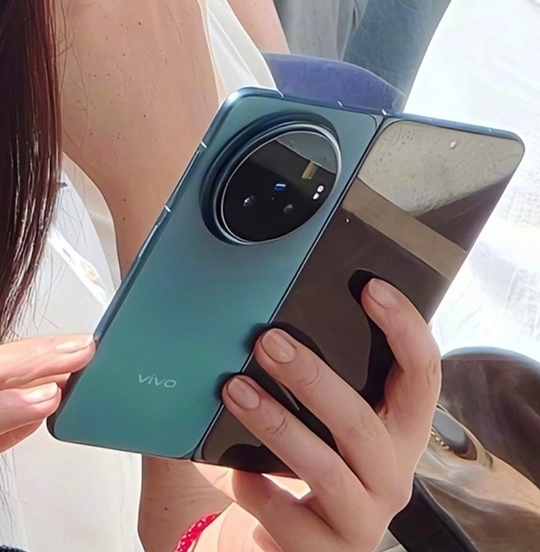
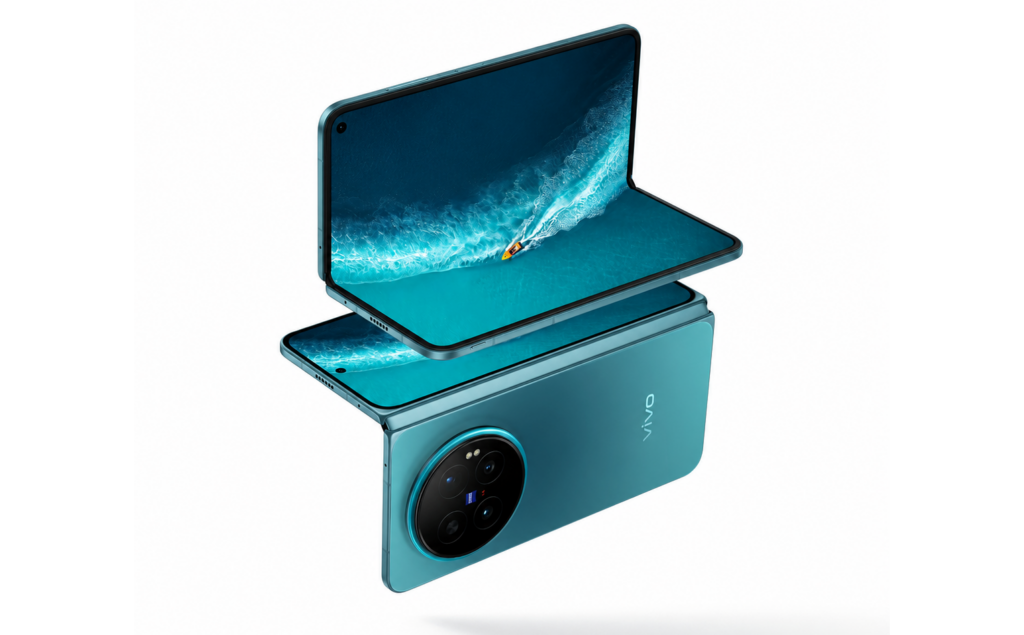
The global Geekbench listing for the X Fold 6 hints at an October launch window after Vivo’s X500 series took up the company’s September launch slot. Now, that timeline appears to be set. Tipster Abhishek Yadav claims Vivo will launch the X Fold 6 globally on October 1, followed by its India launch on October 6.
The X Fold 6 will therefore arrive outside China about four months after its original debut. Vivo launched the foldable in China in June with a starting price of CNY 7,999 (~ $1,190). For international markets, the phone is expected to come in 12GB + 256GB and 12GB + 512GB configurations, and Prism Black and Nebula Teal color options.
Vivo X Fold 6
There is also a software difference between the Chinese and international models. The global X Fold 6 is expected to ship with OriginOS 7, while the Chinese version launched with OriginOS 6 Fold.
The core hardware is expected to remain unchanged for international markets. This means an 8.02-inch inner display using Samsung’s M14 luminous material and a 6.51-inch cover screen. Under the hood, the phone uses Vivo’s custom Dimensity 9500 Super Edition chipset, developed for this generation of the foldable.
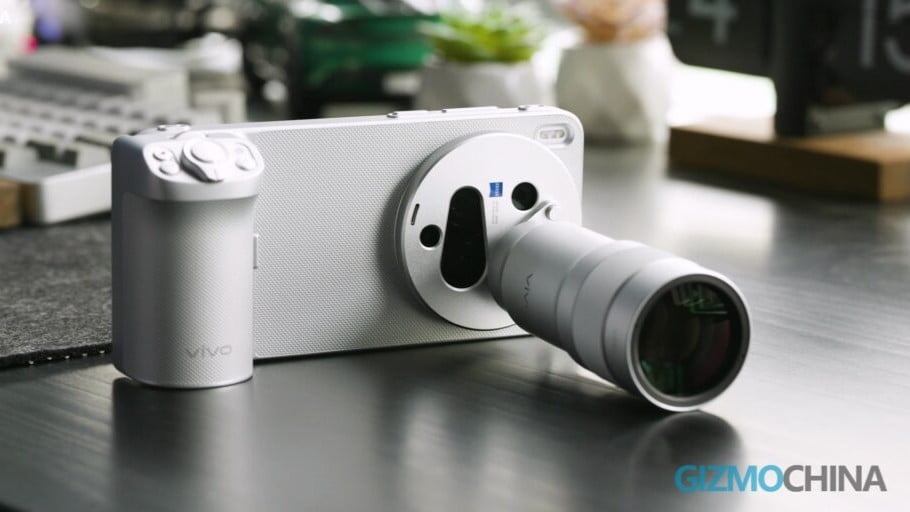
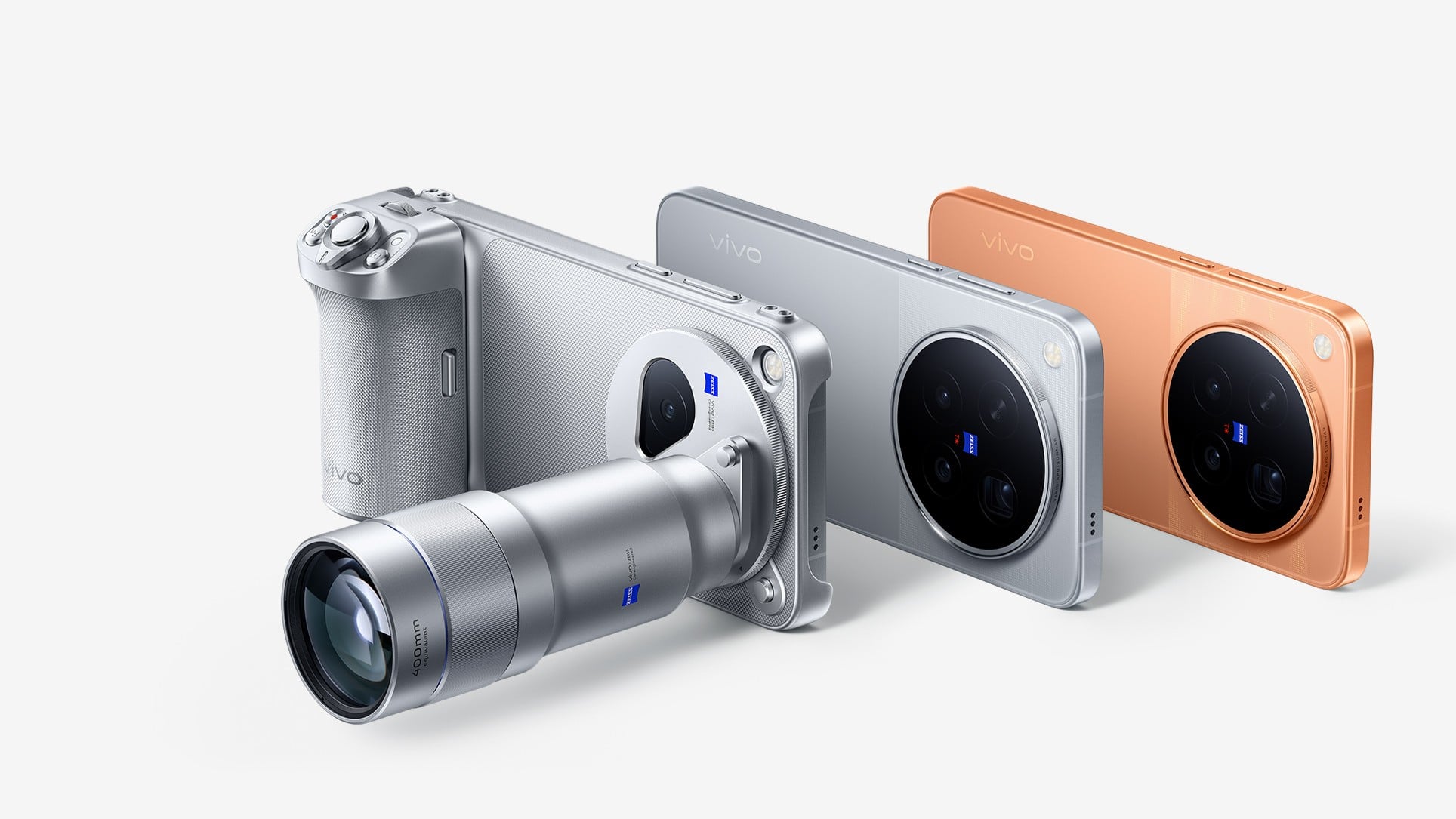
The camera setup also remains the same. It includes a 200MP main camera, a Zeiss APO-certified periscope telephoto, and a 50MP ultra-wide camera. The phone also supports Vivo’s Zeiss 200mm teleconverter accessory for additional zoom capability.
Power comes from a 7,000mAh battery, which remains unusually large for a foldable. Charging support includes 80W wired and 40W wireless charging.
Vivo X Fold 6 India price could top ₹1.5 lakh
The four-month gap between the Chinese and international launches may sound long, but Vivo’s rollout is still different from what happened with the X Fold 5. Last year’s model took around five weeks to reach India after its China debut, with the wider international rollout taking longer.
This time, Vivo is reportedly bringing the X Fold 6 to global markets on October 1 and India just five days later. The timing would put the phone on the market while Samsung’s Galaxy Z Fold8 is still relatively new.
Vivo has not announced pricing for India or other international markets yet. Earlier estimates suggested the X Fold 6 could cost more than ₹1.5 lakh in India, following an approximately 40% price increase for the China lineup compared with the X Fold 5.
With the global launch reportedly less than a week away, more certification listings, retailer information, and pricing details should start appearing soon.
For more daily updates, please visit our News Section.
The Find X10 and Find X10 Pro Max launched in China earlier this week. Now, the global version of the Find X10 has shown up on the Geekbench platform, confirming what international buyers will get inside.
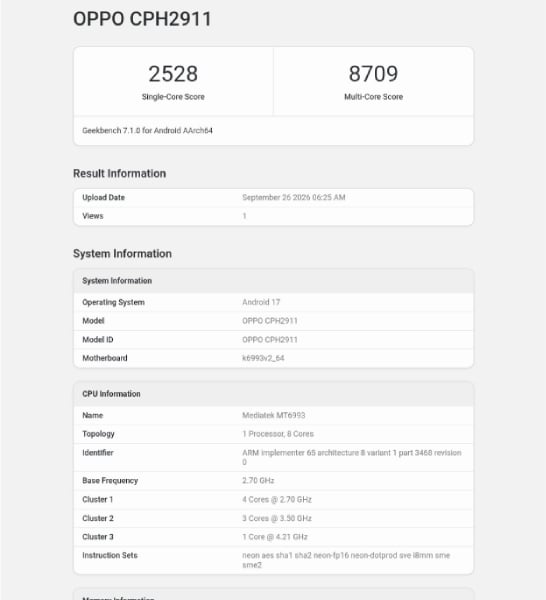
Tipster Abhishek Yadavspotted the global Find X10 with model number CPH2911 on Geekbench 7.1. The phone scored 2,528 points in the single-core test and 8,709 points in the multi-core test.
The listing also confirms the MediaTek Dimensity 9600M chipset, thanks to the MT6993 identifier, along with a Mali G1 Ultra MC12 GPU. This is the same chipset used by the Chinese Find X10.
The global model listed on Geekbench has 12GB of RAM, compared with up to 16GB on the Chinese version. Oppo could still offer a 16GB configuration in some markets, but there is no confirmation yet.
The Geekbench appearance itself isn’t unusual. Oppo’s flagship phones typically appear on certification and benchmark platforms before their international launch, giving us a look at the hardware ahead of the official announcement.
Oppo starts teasing Find X10 globally
The timing is more interesting this time, as Oppo has also started preparing for the Find X10’s international release.
Oppo’s UK store now has a Coming Soon page for the Find X10 series. Customers can place a £49 deposit to get up to £200 off when the phone launches, along with a free Hasselblad teleconverter kit when preorders open.
Oppo Find X10
That gives us a clearer indication that the global launch is getting closer. Oppo has yet to announce an exact international launch date, but the UK promotion suggests it won’t be a long wait.
The Find X10 series launched in China on September 22 alongside the Watch S2 and Enco X4. Recent reports have pointed to a global launch event in late October, while India could get the phones before Diwali in early November.
More details should surface as Oppo gets closer to announcing the international version.
For more daily updates, please visit our News Section.
Digital Chat Station has filled in the remaining details of Honor’s Magic 9 lineup, just days after Honor confirmed the starting price for the series. The lineup launches tomorrow with three models, and the latest leak reveals the display sizes, battery capacities, charging speeds, and camera hardware for the Magic 9, Magic 9 Pro Max, and Super Edition.
Magic 9
The standard Magic 9 is the smallest of the three, with a 6.37-inch flat LTPS display offering 1.5K+ resolution and a 120Hz refresh rate. It runs on the Snapdragon 8E5 chipset and packs an 8000mAh battery with support for 80W wired and 50W wireless charging.
On the back, the camera setup includes a 200MP main camera with a 1/1.4-inch sensor, a 50MP ultra-wide camera, and a 200MP periscope telephoto with 3.5x optical zoom. The telephoto uses a 1/1.56-inch sensor, matching the details seen in the high-resolution camera samples Honor shared earlier this week.
A 3D ultrasonic fingerprint sensor handles biometric security, while the frame includes an AI button and a dedicated shutter button. The phone also carries IP68, IP69, and IP69K ratings. It measures 8.49mm thick and weighs 209 grams.
The 16GB + 512GB version costs 5,999 yuan.
Magic 9 Pro Max
The Magic 9 Pro Max steps up to a larger 6.8-inch flat LTPO display with the same 1.5K+ resolution and 120Hz refresh rate. It is powered by the Snapdragon 8EE6 chipset and has an 8800mAh battery with 100W wired and 80W wireless charging.
The front-facing camera remains a 55MP square 1:1 sensor. The rear camera system gets a larger 1/1.28-inch sensor for its 200MP main camera, along with 3-degree OIS. It is joined by a 50MP ultra-wide camera and a 200MP periscope telephoto using a 1/1.4-inch sensor.
Honor is also adding 3D face recognition alongside the 3D ultrasonic fingerprint sensor. Other hardware includes an X-axis linear motor, dual 1216 speakers, the AI button, and the dedicated shutter button.
The Pro Max retains the IP68, IP69, and IP69K ratings. It measures 8.59mm thick and weighs 233 grams, making it noticeably heavier than the standard Magic 9, partly because of its larger battery and camera hardware.
Magic 9 Super Edition
The Magic 9 Super Edition goes in a different direction from the other two models. It has a 6.81-inch flat 1.5K+ display with a 120Hz refresh rate and uses the Snapdragon 8E5 chipset. It also adds an active cooling fan.
The biggest difference is the battery. The Super Edition packs an 11,000mAh cell, which is considerably larger than the batteries in the Magic 9 and Magic 9 Pro Max. Charging is rated at 80W wired and 50W wireless.
Honor Magic 9 Super Edition live shot
The camera setup is more modest, with a 50MP front camera and a rear system made up of a 200MP main camera, 12MP ultra-wide, and 50MP 3x telephoto camera.
Unlike the other two models, the Super Edition uses an optical in-display fingerprint reader instead of an ultrasonic sensor. Despite having the largest battery of the three, it is also the thinnest at 8.1mm. It weighs 227 grams.
For more daily updates, please visit our News Section.
We use cookies on our website to give you the most relevant experience by remembering your preferences and repeat visits. By clicking “Accept”, you consent to the use of ALL the cookies.
This website uses cookies to improve your experience while you navigate through the website. Out of these, the cookies that are categorized as necessary are stored on your browser as they are essential for the working of basic functionalities of the website. We also use third-party cookies that help us analyze and understand how you use this website. These cookies will be stored in your browser only with your consent. You also have the option to opt-out of these cookies. But opting out of some of these cookies may affect your browsing experience.
Necessary cookies are absolutely essential for the website to function properly. This category only includes cookies that ensures basic functionalities and security features of the website. These cookies do not store any personal information.
Any cookies that may not be particularly necessary for the website to function and is used specifically to collect user personal data via analytics, ads, other embedded contents are termed as non-necessary cookies. It is mandatory to procure user consent prior to running these cookies on your website.