Advertisement

Lava Yuva Star 3 launches with 90Hz display, IP64 protection, and Unisoc SC9863A chipset

Lava has introduced a new entry-level smartphone in India, the Lava Yuva Star 3, and it’s clearly aimed at buyers who just want a simple, reliable phone without spending much.

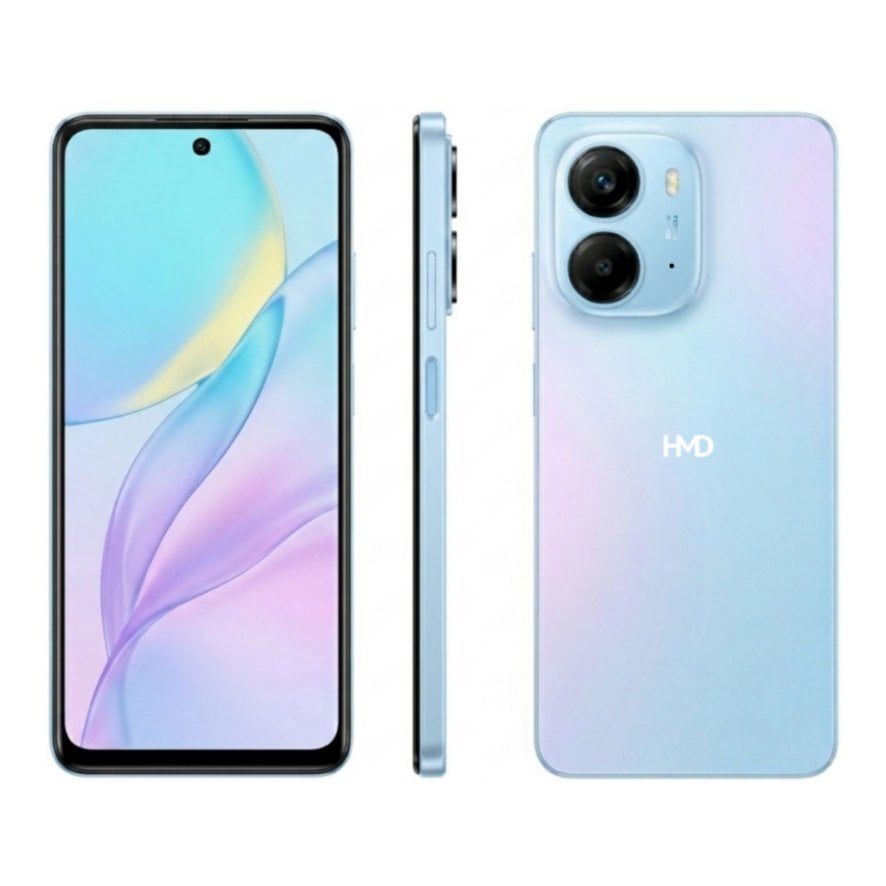
Priced at ₹7,499 for the single 4GB + 64GB variant, the device will be available in Indus Black and Siachen White. Sales are expected to begin in March 2026 through offline retail stores.

The Yuva Star 3 features a 6.75-inch HD+ LCD panel with a 90Hz refresh rate. In daily use, the higher refresh rate should make scrolling and basic navigation feel smoother. There’s a waterdrop notch at the top housing a 5MP front camera.

Powering the device is the Unisoc SC9863A processor. It’s designed to handle basic tasks like calling, WhatsApp, YouTube, and light apps.

The phone runs Android 15 Go Edition, Google’s lightweight version of Android designed specifically for entry-level hardware. If Lava keeps it close to stock, that could actually improve long-term usability.

The Yuva Star 3 packs a 5,000mAh battery with 10W charging via USB-C. The charger is included in the box.

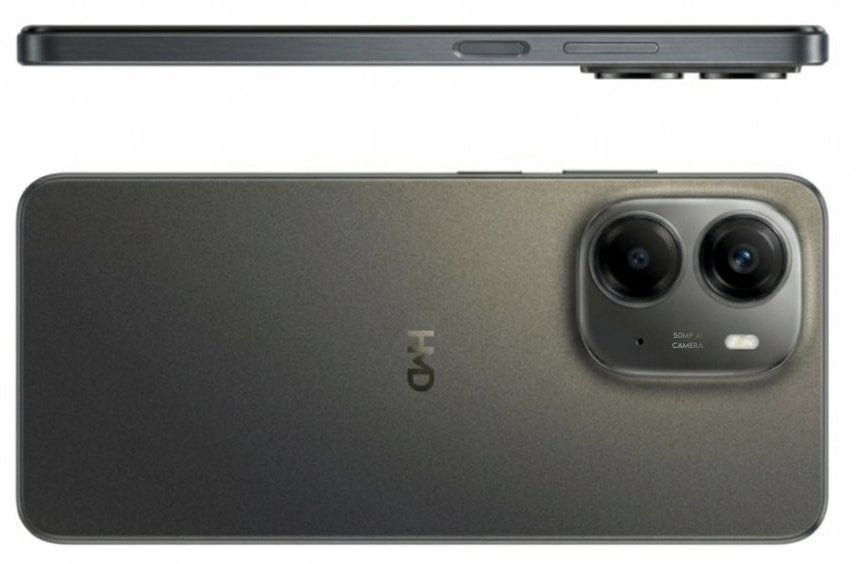
On the back, there’s a 13MP main camera along with a secondary depth sensor. For selfies, you get a 5MP front shooter. This setup is basic and clearly meant for casual photography rather than anything serious. Interestingly, Lava claims an IP64 rating for dust protection and resistance to water splashes. For security, there is a side-mounted fingerprint sensor

At ₹7,499, the Yuva Star 3 isn’t trying to compete with mid-range devices. Instead, it focuses on essentials: a smooth display, clean software, solid battery life, and service support. For anyone looking for a secondary phone, this could be a practical option.

Don’t miss a thing! Join our Telegram community for instant updates and grab our free daily newsletter for the best tech stories!

For more daily updates, please visit our News Section.

Android 17 Beta 1 is here: How to install, eligible devices, and new features

Android 17 Beta 1

Just three days ago, Google confirmed that Android 17 Beta 1 is coming, and now it’s here. We weren’t expecting the first beta to be released so quickly, but it’s here with improvements to privacy, security, and performance. There are some significant changes as well, which we’ll discuss in the article, along with the eligible devices list and installation steps.

Which devices are eligible for Android 17 beta?

Google Pixels are the first in line to receive the latest beta update, and this year is no different. For now, Android 17 Beta 1 is available for Google Pixels, and it will soon be available on devices from other brands.

So, here’s a list of Google Pixel devices eligible for Android 17 beta:

  • Pixel 6
  • Pixel 6 Pro
  • Pixel 6a
  • Pixel 7
  • Pixel 7 Pro
  • Pixel 7a
  • Pixel Tablet
  • Pixel Fold
  • Pixel 8
  • Pixel 8 Pro
  • Pixel 8a
  • Pixel 9
  • Pixel 9 Pro
  • Pixel 9 Pro XL
  • Pixel 9 Pro Fold
  • Pixel 9a
  • Pixel 10
  • Pixel 10 Pro
  • Pixel 10 Pro XL
  • Pixel 10 Pro Fold

In short, if you have a Pixel 6 or older, you can install the Android 17 Beta 1 build and get a taste of the latest features and all the upgrades without waiting months for the stable rollout.

How to install Android 17 Beta 1 on Google Pixels?

If your Google Pixel is running Android 16 QPR3 Beta 2.1 and you haven’t exited the beta program, you should automatically receive the Android 17 Beta 1 update. The update should be available at Settings > System > Software Updates > System Updates. Other users should follow the process as mentioned below.

If you’re not already part of the beta program, visit google.com/android/beta and “Opt in” on your selected device. Make sure you’re logged into the website with the same Google account. After opting in, you should be able to install the latest beta update on your Google Pixel from the Software Updates section in the Settings app.

Before installing any beta update, it’s advised to back up important data to another device or a cloud storage for added safety.

Android 17 Beta 1: What’s new and what’s improved?

The first beta of Android 17 is mostly developer-focused and marks the transition from the traditional “Developer Preview” model to a continuous “Android Canary” program. The Canary channel offers faster access to features and APIs, quicker stability, and eliminates the need for manual flashing.

As for the changes, the first beta enforces stricter requirements for app behaviour on large-screen devices (smallest width ≥ 600dp), preventing apps from opting out of resizability and orientation changes. These changes do not affect smaller devices (sw < 600dp).

Furthermore, apps running on larger screens, such as tablets, foldables, or desktop windowing environments, must now support landscape and portrait layouts and adapt to resizable windows.

Android 17 introduces several low-level changes to improve app efficiency and system health, including a Lock-free MessageQueue to reduce missed frames, Generational Garbage Collection to reduce the CPU cost and duration of full-heap collections, and Strict “Static Final” Fields to allow the runtime to apply more aggressive performance optimizations.

The update also includes important camera upgrades, including Dynamic Camera Sessions to enable seamless transitions between modes, Constant Quality Recording for extended control, and Versatile Video Coding (VVC) on devices with supported hardware.

Additionally, the latest beta build includes an improved audio framework, enhanced VoIP call history (supporting avatars and privacy controls), and Wi-Fi Ranging updates (Proximity Detection and 11az secure ranging). The CompanionDeviceManager now features two new profiles, Medical Devices and Fitness Trackers, for streamlined permission handling and device identification.

According to the official timeline, the “Platform Stability” phase begins next month. At this point, SDK/NDK APIs and app-facing behaviors will be finalized. The stable release could arrive sometime in Q3 2026.

We’ll continue to update you with fresh developmenets in our Android 17 section. You can visit it regularly for the latest updates. Or, join our Telegram channel to get instant notifications about the latest happenings in tech.

LG xboom Buds Plus and Buds Lite Launch in the US With ANC, UVnano+ Case, and Up to 35 Hours Battery

LG has expanded its xboom audio range in partnership with nine-time Grammy winner will.i.am. The company has introduced two new true wireless models, the LG xboom Buds Plus and the LG xboom Buds Lite. These earbuds were initially released in South Korea in September 2025 and are now rolling out more widely. Both models are part of the “xboom by will.i.am” lineup, with will.i.am closely involved in tuning and shaping the sound profile.

According to LG, the earbuds are tuned to deliver balanced warm tones that reflect will.i.am’s sound preferences. The new models were presented at the FYI Visionaries event, where the expanded xboom lineup was showcased.

LG xboom Buds Plus

The Buds Plus are designed as the most advanced model in the lineup. They feature a UVnano+ charging case that uses UV-C light to reduce bacteria on the earbud speaker mesh. Independent testing shows that the UVnano system eliminates 99.9 percent of Escherichia coli, Staphylococcus aureus, and Klebsiella pneumoniae within ten minutes of charging when the case is connected to a power cable. Users can also set the UV function to activate automatically whenever the earbuds are placed inside the case and the lid is closed.

Active Noise Cancellation is supported through a three-microphone system that improves noise detection and reduction. With ANC turned off, the earbuds provide up to 10 hours of continuous playback. The charging case adds up to 20 more hours, bringing total playback to up to 30 hours. Actual battery life depends on usage and settings.

The Buds Plus also support 3D Spatial Audio for a wider soundstage and multi-point connection for switching between devices without disconnecting. Users can adjust sound through customizable EQ settings. The earbuds carry an IPX4 rating under IEC 60529 standards, meaning they are resistant to splashes of water. They should be dried before use and must not be charged while wet. The charging case is not IPX4 rated.

A built-in Bluetooth transmitter allows the Buds Plus to connect wirelessly to devices that have a headphone jack, such as in-flight entertainment systems or treadmills. Compatibility may vary depending on the device.

LG xboom Buds Lite

The Buds Lite focus on portability with a compact and lightweight design. They deliver up to 11.5 hours of continuous playback from the earbuds. With the charging case, total playback reaches up to 35 hours when ANC is turned off. Actual performance varies based on usage.

The Buds Lite use a single microphone to monitor ambient noise, which results in a different ANC experience compared to the three-microphone system on the Buds and Buds Plus. They also include customizable EQ settings and carry an IPX4 water resistance rating for protection against splashes.

The LG xboom Buds Plus are priced at $179.99 and are available now on LG.com and through LG authorized retailers across the United States. The LG xboom Buds Lite are priced at $69.99 and are also available online and at authorized retailers nationwide.

Don’t miss a thing! Join our Telegram community for instant updates and grab our free daily newsletter for the best tech stories!

For more daily updates, please visit our News Section.

Sharge’s Latest Power Bank Packs 24,000mAh Battery, 300W Charging, & Transparent Body

Sharge, a brand known for bold power solutions and eye-catching tech accessories, has just announced a new power bank that brings impressive specs packed in a futuristic design. The Shargeek 300 Power Bank just debuted as a next-gen portable charger that pairs serious output with a transparent body. So here are all the details.

Shargeek 300 Power Bank Specifications

Under the hood, the Shargeek 300 packs a massive 24,000mAh capacity, which sits right at the upper limit for airline-safe power banks. That kind of muscle means it can keep smartphones, tablets, laptops and more powered up without needing a wall socket for a long stretch, making it ideal for travel, work setups, and outdoor use. Sharge’s new power bank doesn’t just store a lot of juice, it moves it fast too. The unit delivers a combined maximum output of 300W, which is spread across two USB-C ports, a USB-A port, and a DC output.

Sharge-Shargeek-300-Launch-Specs-Price
Shargeek 300 Power Bank

Each of the USB-C ports can push up to 140W, which is enough to charge some power-hungry laptops as well. Meanwhile, the DC output can be tuned between 25W and 140W for flexible use with gear like monitors, routers, or even small home electronics. A standout feature is the Shargeek 300’s semi-transparent body and RGB accent lighting, giving it a look more aligned with futuristic hardware than traditional power banks.

This also gives you aglimpse into the internal components and a built-in smart display that shows key data like remaining battery capacity, input/output wattage, and temperature. You also get support for up to 140W fast charging for fast top-ups. The Shargeek 300 has just launched on Kickstarter, with early-bird pricing starting at about $149. After the initial discount, the estimated backing price during the crowdfunding period is around $159 before its expected delivery around May 2026.

For more daily updates, please visit our News Section.

Tech enthusiast? Get the latest news first! Follow our Telegram channel and subscribe to our free newsletter for your daily tech fix! ⚡

OnePlus Pad Lite Gets OxygenOS 16 in India: What’s New in the Update

OnePlus has commenced the global rollout of OxygenOS 16 (based on Android 16) for the OnePlus Pad Lite, beginning with Indian users. The update (versions OPD2481_16.0.3.500 and OPD2480_16.0.3.500) introduces substantial performance improvements and AI-powered features across the operating system.

OnePlus Pad Lite
OnePlus Pad Lite

Performance Updates

The Trinity Engine optimizes workload distribution in real-time, improving storage read/write operations and RAM compression. Background resource management has been updated to reduce power drain during intensive tasks, and power-saving modes now adjust performance based on battery levels. Apps launch faster from the home screen, with improved scrolling and touch responsiveness.

Parallel processing updates include animations for text selection magnifiers, status bar transitions, and audio playback controls. Swipe-back gestures now show previews of previous pages with motion tracking, and the Luminous Rendering Engine adds light field motion effects.

AI Features

The Photos app has updated navigation with clearer categories and personalized sorting. Video editing now includes splitting, merging, speed adjustment, transitions, and background music. Users can swipe up to view photo details.

Notes include block editing mode for formatting and repositioning text, images, tables, and documents. Text highlighting, font switching, and quick formatting access via “/” command are now available. Notes can be shared as single links containing all media types.

Interface Changes

The Flux Home screen uses light field styling for icons and has optimized grid layouts and customizable folder configurations. Users can remove icon labels, add more dock apps, and access drawer organization with category sorting and app suggestions.

Lock screen customization includes custom text and configurable corner shortcuts. Flux themes adjust icon styles to match wallpaper colors, with dark mode options available.

Connectivity and Additional Changes

OnePlus Connect groups device settings by type. My Devices appears in Quick Settings and home screen widgets for device management. AI LinkBoost updates kernel scheduling for app connectivity.

Other changes include earbuds-only ringtones, redesigned Smart Sidebar, faster iOS data migration, and updated notification management with Quick Settings customization.

Don’t miss a thing! Join our Telegram community for instant updates and grab our free daily newsletter for the best tech stories!

For more daily updates, please visit our News Section.

(Source)

Casio Launches New Vintage Digital Watch with Leather Straps

Casio has added a sleek new model to its classic digital lineup in the United States, blending retro styling with everyday features and a genuine leather strap for a more refined look. It is the Casio Vintage LA680WEL-1, which was previously announced in Japan.

Casio’s Vintage Digital Watch Goes Global

The Casio Vintage LA680WEL-1 US release follows its recent debut in Japan and brings a vintage-inspired design to a fresh generation of watch buyers. This model pairs a streamlined digital face with a silver-colored chrome-plated resin bezel and a black genuine leather band that has an embossed pattern for added character. The design nods to Casio’s heritage while giving it a slightly more upscale finish suitable for everyday wear.

Casio Vintage LA680WEL-1 Watch Launch with Leather Straps

The watch measures just 15 grams, making it a compact and lightweight wearable piece. So it’s perfect for wrists that find many modern smartwatches too bulky. Under the polished exterior, Casio hasn’t skimped on useful features. The LA680WEL-1 includes a digital display offering 12/24-hour time formats, an automatic calendar to stay accurate, a daily alarm, 1/100th second stopwatch, an amber LED backlight, and water resistance.

What makes this release stand out from other Casio digital classics is its genuine leather strap. It is a notable departure from the usual resin or metal bands for many digital models. That leather band gives the LA680WEL-1 a slightly dressier edge, making it easier to wear with both casual and business outfits. This contrasts with Casio’s longstanding tradition of resin-strapped digital watches, but fans of retro designs with a modern twist should appreciate the aesthetic here. Casio has listed the Vintage digital watch at its official US online store for 54.95 US Dollars.

For more daily updates, please visit our News Section.

Don’t miss a thing! Join our Telegram community for instant updates and grab our free daily newsletter for the best tech stories!

New Xiaomi Watch 5 may launch globally with WearOS soon

Xiaomi‘s latest flagship smartwatch could finally be getting a release outside of China. A fresh leak has suggested that the Xiaomi Watch 5 is rolling out in the global market. The wearable first debuted in the brand’s home market back in December 2025, so here’s what we know about its wider launch.

Xiaomi Watch 5 Global Launch

After the initial announcement alongside the Xiaomi 17 Ultra, recent leaks suggest that the premium smartwatch could launch beyond its home market with premium specs, robust health tracking, and Google Play support. Unlike the China-only version that currently runs Xiaomi’s local software layer and HyperOS integration, the global Watch 5 is tipped to switch to WearOS. This would mark Xiaomi’s return to a broader smartwatch ecosystem with direct access to Google’s app store, Tiles, assistants and more.

Xiaomi Watch 5
Xiaomi Watch 5

In other words, the smartwatch would likely compete directly with the likes of the Google Pixel Watch and Samsung Galaxy Watch series that also run on WearOS. Early details from European price leaks point to the Watch 5 being listed in Czechia for around 7,990 CZK (roughly 390 US Dollars). The earlier listing also reveals the smartwatch in two color options, Black and Juniper Green. This is for the 47mm case, and hints at an imminent launch.

While specs for the global model are expected to mirror what’s already on offer in China, here’s what buyers are likely to get:

  • 1.54-inch AMOLED display
  • Dual-chip architecture with Snapdragon W5
  • Advanced health sensors (ECG, SpO2, and more)
  • Stainless steel body
  • 5ATM water resistance

Battery life details suggest multi-day endurance, offering around six days in smart mode and over 18 days in the power saving mode.

For more daily updates, please visit our News Section.

Tech enthusiast? Get the latest news first! Follow our Telegram channel and subscribe to our free newsletter for your daily tech fix! ⚡

Hisense M7 4K MiniLED TV Series Brings Dolby Vision and VRR at Budget Pricing

Hisense has released its M7 Mini-LED TV series in the United States, targeting budget-conscious buyers seeking premium display technology. The lineup includes 50-inch, 55-inch, and 65-inch models, with the smaller two sizes already available at Walmart for $278 and $298, respectively.

Hisense M7 MiniLED TV

The M7 Series delivers 4K UHD resolution at 3,840 × 2,160 pixels with a 60Hz refresh rate. Mini-LED backlighting enhances contrast by producing deeper blacks and brighter highlights than traditional LED displays. Hisense’s Hi-QLED Color technology aims to improve color accuracy and maintain visibility in well-lit environments.

Hisense M7 MiniLED TV

The TV supports Dolby Vision, HDR10+, and HLG formats. An AI-powered 4K upscaler analyzes textures and edges in lower-resolution content to reconstruct detail for improved sharpness. AI Smooth Motion reduces blur in fast-moving scenes, which can benefit sports and action content.

For gaming, the M7 includes Game Mode Plus with Variable Refresh Rate and Auto Low Latency Mode on the 60Hz panel. These features are designed to reduce input lag and screen tearing. A built-in Game Bar provides access to real-time performance settings.

The M7 runs Google TV, providing access to major streaming platforms including Netflix, YouTube, and Disney+. Google Assistant enables voice control, while Google Cast supports wireless screen mirroring from compatible devices.

Connectivity options include Wi-Fi, Bluetooth, and multiple physical ports: four HDMI 2.0 inputs, USB 2.0 Type-A, Ethernet, optical audio output, cable/antenna input, and a 3.5mm AV composite jack.

For more daily updates, please visit our News Section.

Tech enthusiast? Get the latest news first! Follow our Telegram channel and subscribe to our free newsletter for your daily tech fix!

(via)

Xiaomi’s New TV S Mini LED 2026 launching globally soon

Xiaomi is preparing to launch the new TV S Mini LED 2026 lineup globally soon, bringing its next generation Mini LED TV to markets outside of China. The new smart TV is set to debut with ultra high resolution, Google TV support, and much more. So here’s what we know.

Xiaomi TV S Mini LED 2026 Global Launch

The upcoming 2026 TV S Mini LED was just spotted on the Chinese tech giant’s international website. Xiaomi’s new series spans a wide range of screen sizes and packs smart TV features/ The 2026 TV S Mini LED family will be available in multiple screen sizes, namely 55-inch, 65-inch, 75-inch, 85-inch and even a massive 98-inch option. Every size delivers 4K UHD resolution (3,840 × 2,160), and the platforms run Google TV, giving users access to top streaming apps and smart assistants such as Google Assistant, Google Cast and Apple AirPlay.

Xiaomi TV S Mini LED 2026

All models also come with dual 15 W built-in speakers, connectivity options like Wi-Fi and Bluetooth, and broad port support for HDMI and USB. The TV S Mini LED 2026 lineup steps up picture quality with Mini LED backlighting. All four size options arrive with a peak brightness of around 1,200 nits, 94% coverage of the DCI-P3 color gamut, and support for popular HDR formats such as HDR10+ and HLG.

When it comes to fluid motion and gaming, the 85-inch and 98-inch variants stand out with a native 144Hz refresh rate. This makes it ideal for action sports, movies, and video games. Meanwhile, the smaller sizes (55″, 65″, 75″) feature 60Hz refresh rates with robust HDR support. Other notable features include MEMC support, WiFi 5, Bluetooth 5, HDMI, and HDMI 2.1 ports on the three smaller options. Meanwhile, the 85 inches and 98 inches models get WiFi 6, Bluetooth 5.2, and more HDMI 2.1 ports.

For more daily updates, please visit our News Section.

Don’t miss a thing! Join our Telegram community for instant updates and grab our free daily newsletter for the best tech stories!

Xiaomi HyperOS 3 Rolls Out 3 New Chinese New Year Watermarks

As the Year of the Dragon festivities kick off in China, Xiaomi has given its camera app a festive twist with three new limited-time camera watermarks for devices running HyperOS 3. These themed overlays add a holiday vibe to your photos. So let’s check it out.

Xiaomi HyperOS 3 Update Brings Chinese New Year Watermarks

As the Year of the Dragon festivities kick off in China, Xiaomi has given its camera app a festive twist with three new limited-time camera watermarks for devices running HyperOS 3. These themed overlays add a holiday vibe to your photos. But keep in mind, this new addition isn’t permanent. The Chinese tech giant is only offering these special watermarks for a limited time.

Xiaomi HyperOS 3 Chinese New Year Watermark

These are currently region-exclusive and available in devices running on the latest HyperOS 3 build. The new watermarks lean into traditional Chinese New Year symbolism and are designed to give your snapshots an auspicious feel. There are three new options available, which include:

  • Red Koi Fish: A vibrant red koi motif that represents luck, perseverance, and prosperity, with its tail elegantly arched in motion.
  • Traditional Lion Dance: A stylized lion dance figure that reflects classic folk customs, embodying celebration and joyful energy.
  • Horse + Ruyi Pattern: A horse motif intertwined with the auspicious ruyi pattern, symbolizing good fortune and balance.

Notably, these designs aren’t just static overlays. Xiaomi’s camera product manager notes that they can be customized and tweaked within the camera settings to fit your shots and personal aesthetic. Xiaomi is only making them available from February 10 through March 9. Unfortunately, the Chinese New Year watermarks aren’t currently available on global HyperOS builds and are specific to devices in China.

For more daily updates, please visit our News Section.

Tech enthusiast? Get the latest news first! Follow our Telegram channel and subscribe to our free newsletter for your daily tech fix! ⚡

BenQ GW90TC Series Launched with 144Hz IPS Panels, 20W USB-C, and Full Ergonomic Stand

BenQ has launched the GW90TC Series monitors in India. The lineup includes four models: GW2490C, GW2490TC, GW2790C, and GW2790TC. These monitors are built for office work, study, and home setups, with high refresh rates, IPS panels, and USB-C support on select models.

The GW2490C and GW2490TC feature a 23.8-inch IPS panel with LED backlight, Full HD 1920 × 1080 resolution, 250 nits brightness, 178-degree viewing angles, and 99 percent sRGB color coverage. They offer a 16:9 aspect ratio, 16.7 million display colors, 93 PPI, matte screen coating, and HDCP 1.4 support.

The GW2790C and GW2790TC come with a 27-inch IPS LED panel, Full HD 1920 × 1080 resolution, 300 nits brightness, 178-degree viewing angles, and 99 percent sRGB. These models provide a 16:9 aspect ratio, 16.7 million colors, 82 PPI, matte coating, and HDCP 1.4. The GW2790TC also supports gamma adjustment from 1.8 to 2.6 and AMA.

All four monitors support a 144Hz refresh rate and 5ms response time. Available color modes include Standard, Game, ePaper, Care, and Cinema. AMD FreeSync is supported. Audio is handled by dual 2W speakers and a headphone jack.

Connectivity options include 1 HDMI 1.4 port and 1 DisplayPort 1.2 port on all models. The C variants include 1 USB-C port with DisplayPort Alt Mode and data support, but no power delivery. The TC variants include 1 USB-C port with DisplayPort Alt Mode, data, and up to 20W power delivery.

The TC models offer full ergonomic adjustment with tilt from -5 to 35 degrees, swivel of ±45 degrees, 90-degree pivot, and 150 mm height adjustment. The C models support tilt from -5 to 20 degrees.

Eye-care features include Flicker-Free, Low Blue Light Plus, Color Weakness mode, and ePaper mode. Certifications include TUV Eye Comfort 3.0, EyeSafe 2.0, Low Blue Light, and Energy Star. All models support 100 × 100 mm VESA mounting.

Pricing & availability

Pricing in India starts at Rs. 9,589 for the GW2490C, Rs. 12,750 for the GW2490TC, Rs. 11,989 for the GW2790C, and Rs. 14,990 for the GW2790TC.

Don’t miss a thing! Join our Telegram community for instant updates and grab our free daily newsletter for the best tech stories!

For more daily updates, please visit our News Section.

Galaxy S26 Ultra realistic looking dummy surfaces in hands-on video with rounder corners

Leaks around the Samsung Galaxy S26 Ultra are picking up pace, and the latest one gives us a closer look at the phone in a White finish, thanks to a newly surfaced dummy unit.

The clip, shared by tipster Phonenurd, doesn’t show the display powered on, so it’s unclear whether this is a functioning unit or simply a realistic-looking dummy with camera lenses and premium finish details. Non-functional mockups are typically used by accessory makers to prepare cases ahead of launch. But even as a dummy, it reveals quite a bit about the design direction Samsung may be taking this year.

The White variant looks surprisingly clean. While Cobalt Violet is reportedly the hero color for the lineup, this white finish feels understated and premium.

One noticeable change is the shape of the corners. The S26 Ultra appears to lean even further into rounded edges compared to the Samsung Galaxy S25 Ultra, which had already softened the sharp, boxy look seen in earlier Ultra models.

If this holds true in the final version, it could make the device more comfortable to hold without sacrificing the Ultra’s premium feel. It’s a subtle change, but ergonomics matter.

The camera setup also seems to be evolving. Since the Samsung Galaxy S22 Ultra, Samsung has stuck with a relatively clean look: individual camera rings sitting directly on the rear panel. The S26 series, however, introduces a more noticeable camera bump across the lineup.

It’s a shift from minimalism toward something slightly more aggressive. Some fans may prefer the older floating-lens aesthetic, but this new approach does give the device a stronger visual identity.

The Galaxy S26 lineup is expected to arrive in four standard colors: Violet (likely Cobalt Violet), Black, Blue (possibly Sky Blue), and White. Samsung is also likely to introduce a few online-exclusive shades.

If these early looks are accurate, the Galaxy S26 Ultra doesn’t reinvent the design, but it does refine it in a few meaningful ways.

Now the real question is whether those tweaks will be enough to stand out in an increasingly competitive flagship market.

Don’t miss a thing! Join our Telegram community for instant updates and grab our free daily newsletter for the best tech stories!

For more daily updates, please visit our News Section.

(Source: @Phonenurd)

Google Pixel 10a full specifications leaked; Here are 5 major changes

Google Pixel 10a’s full specifications have surfaced online ahead of its expected launch next week. The leak gives a clearer picture of the upcoming budget Pixel, highlighting minor refinements rather than major design changes. Here is everything revealed so far about the device and how it differs from its predecessor.

Google Pixel 10a full specifications

Google Pixel 10a colors
Google Pixel 10a color options

According to Winfuture.de, the Google Pixel 10a is expected to feature a 6.3-inch OLED display with a 120Hz refresh rate and a resolution of 2424 x 1080 pixels. The panel is protected by Corning Gorilla Glass 7i, indicating improved durability compared to previous models. The overall design of the Pixel 10a is almost the same as its previous generation.

The device is said to be powered by the Google Tensor G4 processor paired with the Titan M2 security chip. It may arrive with 8GB LPDDR5X RAM and UFS 3.1 storage options of 128GB and 256GB, without microSD expansion. A 5,100mAh battery is expected, now supporting faster wired charging speeds up to 45W, along with wireless charging support.

In terms of cameras, the Pixel 10a is tipped to retain a 48-megapixel primary camera with dual-pixel autofocus and optical image stabilisation, alongside a 13-megapixel ultrawide camera offering a 120-degree field of view. A 13-megapixel front camera is also expected for selfies and video calls.

The Pixel 10a is expected to ship with Android 16 and will receive up to seven years of software and security updates. Its other features include an in-screen fingerprint sensor, an IP68-rated dust and water-resistant body, dual speakers, Bluetooth 6, Wi-Fi 6e, dual SIM support including eSIM, NFC, USB Type-C, satellite emergency calling, and multiple navigation systems such as GPS, Galileo, GLONASS, QZSS, and BeiDou.

5 key changes compared to Pixel 9a

Google Pixel 9a colors
Google Pixel 9a color variants

While the overall hardware appears familiar, five notable changes separate the Pixel 10a from the Pixel 9a:

  • Gorilla Glass 7i protection | Pixel 9a had Gorilla Glass 3
  • 45W wired charging support | Pixel 9a supported 23W charging
  • Satellite emergency call feature added | Not available on Pixel 9a
  • Bluetooth 6 support | Pixel 9a featured Bluetooth 5.4
  • New colour options: Obsidian, Fog, Lavender, Berry | Pixel 9a came in Obsidian, Porcelain, Iris, Peony

Also, the Pixel 10a measures 153.9 x 73 x 9 mm and weighs 183 grams. In comparison, the Pixel 9a has 154.7 x 73.3 x 8.9 mm dimensions and weighs 186 grams.

Google Pixel 10a variants, price and launch timeline

The report suggests that the Google Pixel 10a will be available in two storage variants: 128GB and 256GB. Pricing is expected to start at €499, with reports indicating a promotional offer where the 256GB version may initially be available at the same price as the base model instead of its regular €599 cost. It will be available for purchase across different markets starting Feb. 18.

For more daily updates, please visit our News Section.

Stay ahead in tech! Join our Telegram community and sign up for our daily newsletter of top stories.

Honor Pad X8b launched with 90Hz display, 10,100mAh battery

Honor has introduced the Honor Pad X8b in global markets, expanding its affordable tablet lineup with a focus on entertainment and everyday productivity. Key highlights include an 11-inch eye-comfort display, Snapdragon processor, quad-speaker setup, and a large 10,100mAh battery. Here is a closer look at its specifications, features, and pricing details.

Honor Pad X8b specifications and features

Honor Pad X9b

The Honor Pad X8b has an 11-inch TFT LCD panel with a resolution of 1920 x 1200 pixels, 207ppi density, and support for a 90Hz refresh rate. The display reaches up to 500 nits brightness and carries TÜV Rheinland certifications for reduced blue light and flicker-free viewing.

The X9b is powered by the Snapdragon 680 chip, 4GB of RAM, and 128GB of internal storage. The tablet supports expandable storage up to 2TB via microSD.

The X9b’s camera hardware includes a 5-megapixel rear camera with autofocus and a 5-megapixel front camera designed for video calls and basic photography. It houses a massive 10,100mAh battery, but there’s no word on its fast charging capabilities. However, it promises a standby time of up to 97 days.

The tablet runs MagicOS 10 based on Android 16, with Honor’s software enhancements including parental controls, eye-comfort features, and AI-based tools. It comes with Honour Sound-tuned quad speakers, Wi-Fi 5 support with dual-band frequencies, Bluetooth 5.0, and USB Type-C charging. The tablet measures 7.25mm in slimness and weighs around 496 grams.

Honor Pad X8b price and availability

In Saudi Arabia, the Honor Pad X8b is priced at 649 SAR (~$175) for the 4GB+128GB (Wi-Fi-only) variant. It comes in a single Space Gray shade. There’s no clarity about which other markets will be receiving the X9b.

For more daily updates, please visit our News Section.

Stay ahead in tech! Join our Telegram community and sign up for our daily newsletter of top stories.

User spent 16 hours a day on Instagram, CEO tells court it’s not “clinical addiction”

Mosseri, who leads Instagram, is among the first major tech executives to testify in a growing wave of cases accusing platforms of harming young users. The current case targets Meta, Instagram’s parent company, along with YouTube. Similar lawsuits have also been filed against TikTok and Snap.

At the center of this particular trial is a 20-year-old plaintiff, who says she began using Instagram and YouTube heavily as a child. Her legal team argues that the platforms’ design encouraged compulsive use that contributed to depression, anxiety, and suicidal thoughts.

Mosseri did not deny that excessive use can happen. But he pushed back strongly against the term “clinical addiction.”

When attorneys pointed to testimony that the plaintiff sometimes spent up to 16 hours a day on Instagram, Mosseri described it as “problematic use,” not addiction in a medical sense. He compared it to binge-watching a TV series.

“I’m sure I’ve said I was addicted to a Netflix show after staying up too late,” he told the court. “But that’s not the same thing as clinical addiction.” In his framing, personal factors and broader lifestyle patterns play a significant role, not just platform mechanics.

That distinction is central to the defense. Plaintiffs are trying to show that the platforms’ design directly contributed to psychological harm. Meta’s position, at least as articulated in court, is that heavy use alone does not equal medically recognized addiction, and that correlation should not be confused with causation.

Critics argue that this minimizes growing evidence linking prolonged social media use to mental health challenges among teens. US Surgeon General advisories and multiple academic studies have found associations between extended daily use and higher rates of anxiety, depression, sleep disruption, and body image concerns.

Meta, for its part, says it has introduced parental controls, time-management reminders, and youth safety features, and that it tests new features with younger audiences in mind.

As the case moves forward, the debate remains less about screen time alone and more about responsibility. Are these platforms simply tools that some users overuse? Or are they engineered in ways that exploit developing brains?

Don’t miss a thing! Join our Telegram community for instant updates and grab our free daily newsletter for the best tech stories!

For more daily updates, please visit our News Section.

(Source | Photo by Priscilla Du Preez 🇨🇦 on Unsplash)

One UI 9 testing begins early for Samsung Galaxy Z Fold 8, Z Flip 8

Samsung’s upcoming foldable devices have appeared in early software testing leaks, hinting that the company has already begun working on One UI 9. Firmware sightings linked to unreleased models suggest that development is progressing alongside preparations for next-generation foldables expected later this year.

One UI 9 testing spotted on upcoming foldables

Samsung Galaxy Z Fold 7

Recent reports indicate that internal One UI 9 builds have been detected for multiple upcoming foldable smartphones, including the Galaxy Z Fold 8 and Galaxy Z Flip 8. Firmware versions such as F976USQU0AZB1 and F776USQU0AZB1 have surfaced through test servers, pointing toward early-stage software testing.

Another mysterious device carrying the model number SM-F971U has also been seen running similar firmware, suggesting Samsung may be working on an additional foldable model alongside its usual Fold and Flip lineup. Leakers claim that One UI 9 will be based on Android 17 and could debut directly on new foldable devices once they launch.

Reports also mention that testing has extended to current foldable hardware like the Galaxy Z Fold 7, indicating that Samsung is preparing the update for both new and existing devices simultaneously. This early testing phase highlights Samsung’s strategy to accelerate software readiness ahead of hardware launches.

Galaxy Z Fold 8, Z Flip 8: What to expect?

While details about the hardware remain limited, early rumors suggest that the Galaxy Z Fold 8 could feature a triple-camera system, including a 200-megapixel main sensor, a 50-megapixel ultrawide camera, and a 12-megapixel telephoto unit. The Galaxy Z Flip 8 is tipped to run on a next-generation chipset, possibly built on a 2nm process, though confirmation is still pending.

Samsung is also believed to be developing a wider foldable device internally codenamed H8, which may adopt a different form factor compared to existing models. The next foldable lineup is expected to arrive later this year, potentially making these devices the first to ship with One UI 9 out of the box, while the Galaxy S26 series may debut with One UI 8.5 before transitioning to the newer software.

For more daily updates, please visit our News Section.

Stay ahead in tech! Join our Telegram community and sign up for our daily newsletter of top stories.

(source 1, 2)

Samsung begins One UI 9 testing for these Galaxy devices

Samsung One UI 9 testing - device list

While the One UI 8.5 release is yet to happen, Samsung is already laying the groundwork for its next major release, One UI 9. A few Galaxy devices have been spotted on Samsung’s test servers with new build versions pointing to One UI 9.

The Galaxy Z Fold 8 and Galaxy Z Flip 8 were the first phones to show up on the server with One UI 9 test builds (1, 2). Both foldables will launch around July 2026 with One UI 9 right from the box.

Perhaps the most intriguing is the appearance of a mysterious third device with the modem number SM-F971U running the build version F971USQU0AZB1. This could mean Samsung might also launch a third foldable phone alongside the Fold 8 and Flip 8 in the second half. We don’t know what it would be called, but rumors say this could be the Galaxy Wide Fold.

Alongside these three upcoming foldable phones, the One UI 9 test build has also been spotted for the Galaxy Z Fold 7. This is kind of surprising, as the Galaxy Z Fold 7 hasn’t even received the One UI 8.5 update.

So, here’s a list of Samsung devices that are currently under One UI 9 testing:

  • Galaxy Z Fold 8
  • Galaxy Z Flip 8
  • Galaxy Wide Fold (name unconfirmed)
  • Galaxy Z Fold 7

The list is currently small, as Samsung began testing One UI 9 just recently. It will grow in the coming days, especially after the One UI 8.5 release, when more of the company’s focus will shift towards One UI 9.

It’s important to highlight that One UI 9 testing is happening internally, so you can’t download and test the firmware on your Galaxy device. The presence of such test builds on the server indicates that the company is testing the firmware behind closed doors to ensure a stable, smooth rollout in the future.

While Samsung has begun development of One UI 9 for its Galaxy devices, its primary focus will be the Galaxy S26 series, which is launching later this month with One UI 8.5. In late April, we might see One UI 8.5 rolling out to older Galaxy devices. You can check the list of eligible devices here.

We’ll continue to update you with the latest One UI news in our Samsung section. Visit it regularly to stay up to date. Or, join our Telegram channel to get instant notifications about the latest happenings in tech.

Poco X8 Pro Max clears another hurdle before launch

The Poco X8 series, which includes the Poco X8 Pro and X8 Pro Max, has been gradually receiving new certifications. In the latest development, the Pro Max edition has received approval from the Indonesian TKDN certification platform. While it has not revealed any technical details, it marks another hurdle cleared before launch.

Poco X8 Pro Max TKDN certified

Poco X8 Pro Max TKDN listing

The TKDN listing of the Poco X8 Pro Max reveals 5G support and nothing else. The handset carries the model number 2602BPC18G, which has already surfaced on other certification platforms, including IMDA in Singapore, BIS in India, and the EEC, suggesting preparations for availability across multiple markets.

While the above-mentioned listings only revealed the model number, a previously seen IMEI listing helped confirm the device’s final marketing name. In all likelihood, the Poco X8 Pro Max and the X8 Pro may debut in March across different countries.

Poco X8 Pro Max specifications (rumored)

Poco X8 Pro Max
Poco X8 Pro Max

Although official details remain undisclosed in certifications, leaks based on Xiaomi’s HyperOS 3 code provide a clearer picture of what to expect. The Poco X8 Pro Max is tipped to feature a large 8,500mAh battery along with support for 100W wired charging. In all likelihood, it will be a tweaked version of the China-exclusive Redmi Turbo 5 Max, with one major difference being in the battery department. To put this into context, the Redmi model packs a massive 9,000mAh battery.

The Poco X8 Pro Max is expected to feature a 6.83-inch AMOLED display with a resolution of 1280 x 2772 pixels, combined with a 120Hz refresh rate, 3,840Hz PWM dimming, and peak brightness of up to 3,500 nits. It is likely to be powered by the MediaTek Dimensity 9500s chipset, paired with 12GB or 16GB RAM and storage options reaching up to 512GB. Camera hardware is rumored to include a 50-megapixel primary sensor with OIS, supported by an 8-megapixel ultrawide lens and a 20-megapixel front camera.

For more daily updates, please visit our News Section.

Stay ahead in tech! Join our Telegram community and sign up for our daily newsletter of top stories.

(via)

iPhone 17e renders emerge before launch, key specifications tipped

Apple’s upcoming iPhone 17e has surfaced in a fresh leak by FrontPageTech, offering an early look at its expected design changes, hardware upgrades, and positioning within the company’s lineup. The leak reveals that it could arrive sooner than usual, possibly through a press announcement later this month, signalling Apple’s renewed push in the affordable premium segment.

iPhone 17e key specifications, design

IPhone 17e render
iPhone 17e render by FPT

According to FPT, the iPhone 17e may drop the traditional notch in favor of Dynamic Island, aligning its appearance more closely with higher-end models. The device is expected to feature a 6.1-inch display, although reports indicate it may retain a 60Hz refresh rate, which could remain one of its compromises.

Apple appears to be targeting users looking for a relatively accessible entry into the iOS ecosystem, especially in markets where mid-range competition is strong. The handset is also tipped to introduce an upgraded 18-megapixel front camera with Centre Stage functionality, improving video calls and content creation.

IPhone 17e render
iPhone 17e render by FPT

On the rear, a single 48-megapixel Fusion camera is likely to continue, relying on improved processing from the newer chipset to deliver better imaging results rather than major hardware changes. Its rear design is almost identical to the previous generation.

Internally, the iPhone 17e is said to run on a lower-binned A19 processor paired with 8GB RAM, enabling support for Apple Intelligence features. Connectivity improvements may come via Apple’s C1X networking chip, while MagSafe charging is reportedly making its way to this tier for the first time.

iPhone 17e render by FPT

Pricing is said to start at around $599, keeping it in line with its predecessor. Standard Black and White color options are likely, with a possible Lavender variant under consideration.

For more daily updates, please visit our News Section.

Stay ahead in tech! Join our Telegram community and sign up for our daily newsletter of top stories.

Huawei Mate 80 Pro is Finally Launching Globally on Feb 26 with Advanced Cameras

Huawei is set to break its recent streak of China-only flagship launches with the global debut of the Mate 80 Pro. The company unveiled this premium phone a couple of months ago, and it is finally making its way outside of China. So here’s everything you need to know.

Huawei Mate 80 Pro Goes Global on Feb 26

The Chinese tech giant has confirmed that it will be unveiling its latest Mate series premium phone on 26th February 2026. The company will make the official announcement during an event in Madrid, Spain. In this conference, Huawei will also showcase new TWS earbuds and its latest smartwatch. To recall, the Mate 80 Pro was first introduced in China in November 2025, and its international debut marks a significant step as Huawei continues to re-establish flagship momentum outside its home market.

Huawei Mate 80 and Mate 80 Pro Launch Specs Price
Huawei Mate 80 Pro

The global press event is dubbed the “Global Innovative Product Launch”, which will launch the Mate 80 Pro, FreeBuds Pro 5 TWS, and Watch GT Runner smartwatch. Based on the earlier release, the Mate 80 Pro stands out with its Dual Space Ring design, which adds a bold visual identity that surrounds the rear camera array with a large circular camera module and a secondary ring below it.

Huawei’s teaser poster shows the upcoming phone in refined colour options such as Dawn Gold and Aurora Blue, paired with a near-edge-to-edge front display and slim bezels. On the front is a 6.75-inch LTPO AMOLED panel with FHD+ resolution and a 1–120Hz dynamic refresh rate. Other notable features include an advanced triple camera with large sensors and the brand’s XMAGE imaging algorithm.

For more daily updates, please visit our News Section.

Don’t miss a thing! Join our Telegram community for instant updates and grab our free daily newsletter for the best tech stories!