Advertisement

Dell Latitude 7230 Rugged Extreme Tablet with 12th-Gen Intel CPU & 10.1″ display unveiled

Last year, Dell launched the Latitude 7230 2-in-1 tablet made for customers looking for a rugged device. Now, Dell has announced another rudded tablet in the lineup called the Dell Latitude 7030.

Dell Latitude Rugged Extreme Tablet

Dell Latitude 7230 Rugged Extreme Tablet specs

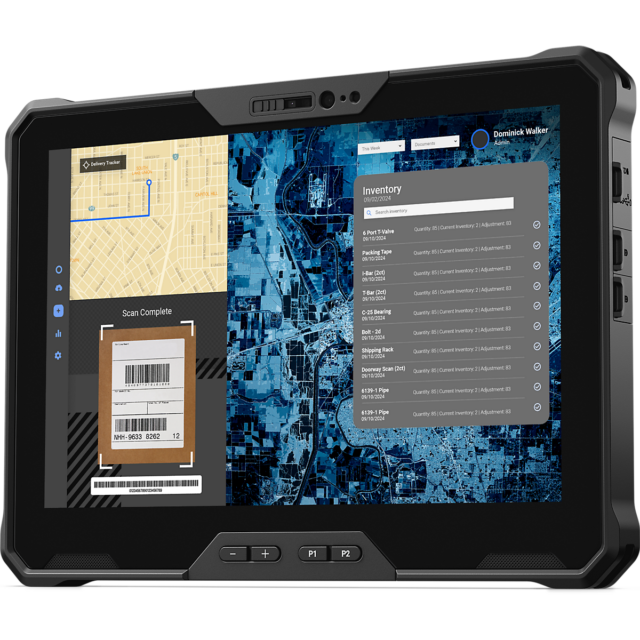
The Dell 7030 Rugged Extreme Tablet comes with a 10.1-inch FHD+ display with a 16:10 aspect ratio and 1000 nits of brightness. Under the hood, it is powered by a high-performance 12th Gen Intel Core i7 processor, it offers integrated Iris Xe graphics on i5 and i7 configurations. The tablet will come with up to 32GB of LPDDR5 memory and up to 2TB of NVMe SSD storage.
Dell Latitude Rugged Extreme Tablet

Its Connectivity options include Wi-Fi 6E, GPS, and 5G, making it suitable for a wide range of tasks. Security features such as TPM 2.0 ControlVault, an infrared camera for Windows Hello facial recognition, a touch fingerprint reader, and camera privacy shutters ensure data protection.
Dell Latitude Rugged Extreme Tablet

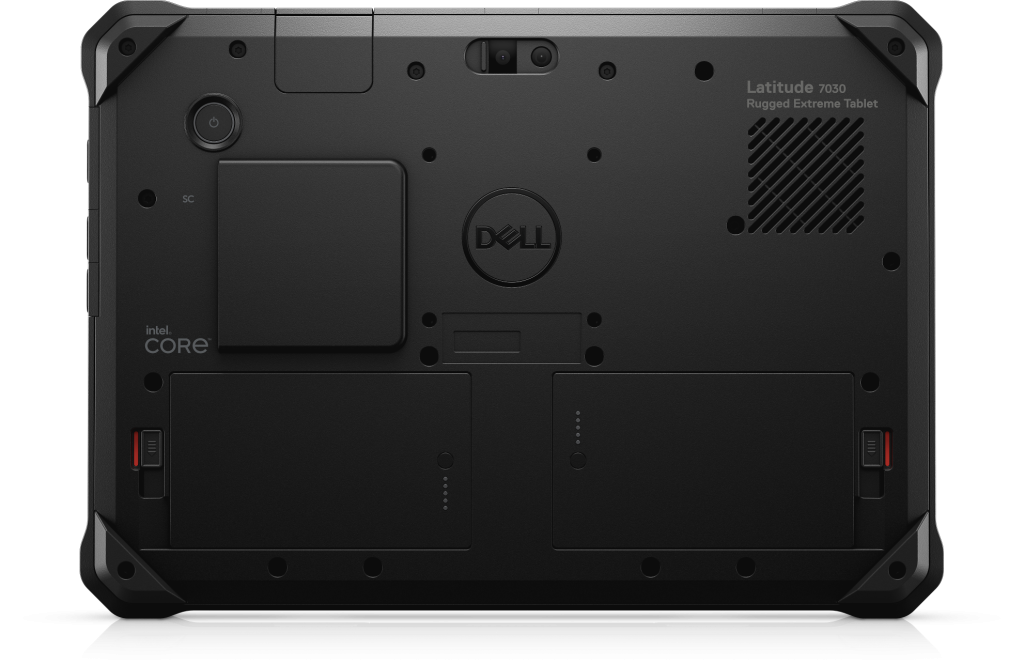
Notably, this tablet is built to withstand tough conditions, holding an IP-65 rating and MIL-STD 810 certification. It weighs a mere 2.2 pounds, making it highly portable, and the hot-swappable battery option ensures extended performance. Its glove-touch capability and customizable ports add to its versatility. It also features programmable physical buttons for user convenience.

Dell offers a bunch of accessories options for customizing your tablet, including a rigid handle, passive stylus, detachable keyboard, rotating hand strap, barcode scanner, RJ-45, universal audio jack, and USB-A ports.

Price and availability

As per a Dell website blog post, the Dell Latitude 7030 Rugged Extreme Tablet is anticipated to become globally available later this year, with pricing details to be revealed closer to its shipping date.

RELATED:

(Source)

Huawei Nova 12 series to feature satellite connectivity, specs leaked

Huawei is gearing up to launch new mid-range smartphones in its domestic market under the Nova series. These new smartphones will be called the Nova 12 and the Nova 12 Pro, and they are rumored to be powered by Huawei’s in-house Kirin chips.

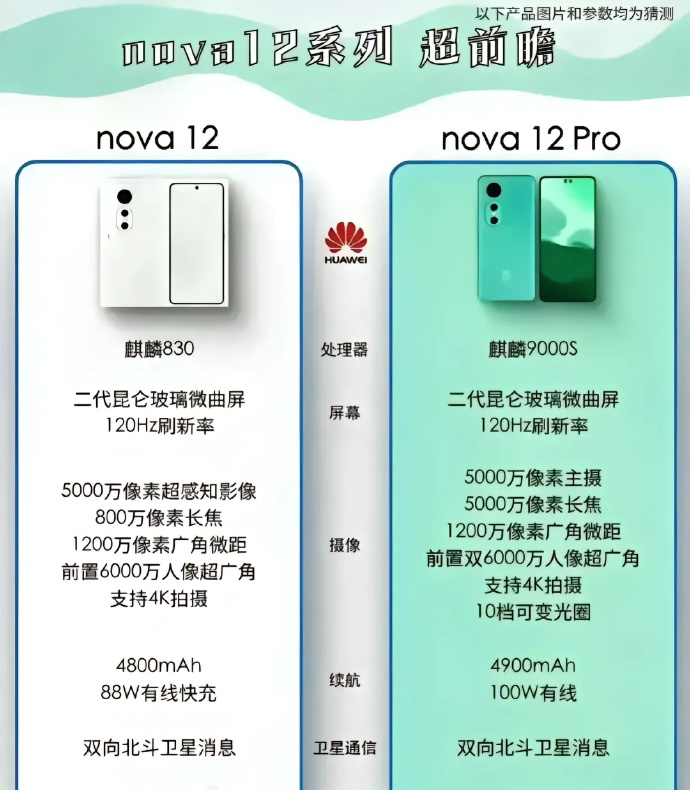
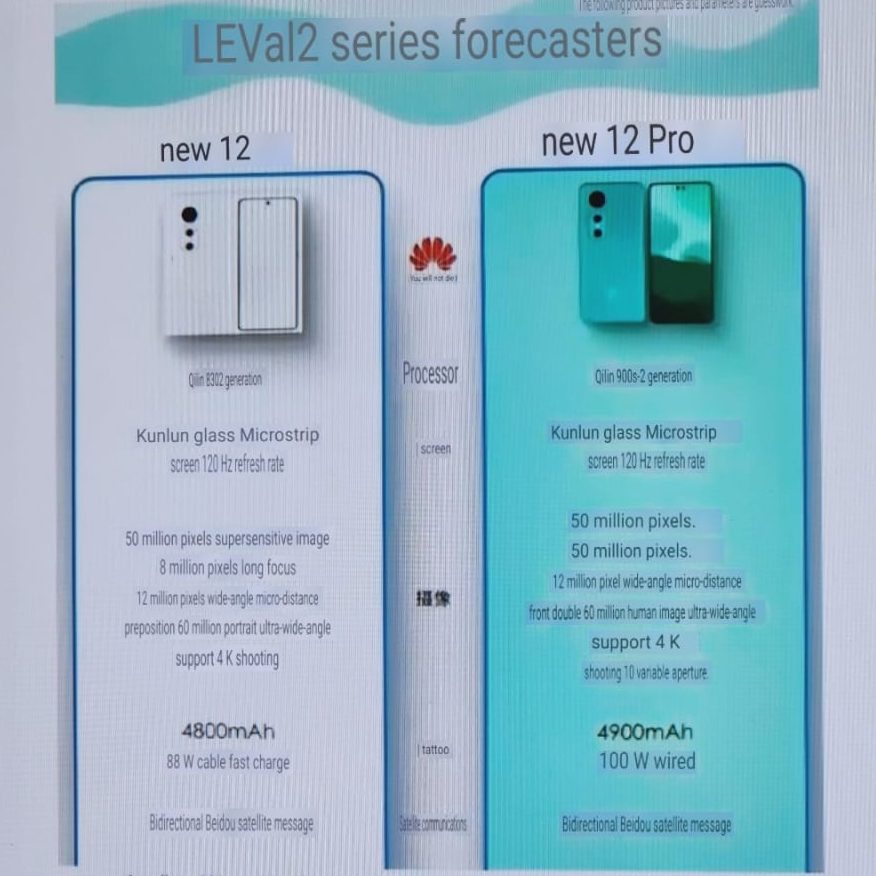
A new leak from Weibo has now revealed the key specs of both these devices. The leak comes from tipster Moorish Sky in the form of a poster, revealing that both the Huawei Nova 12 and 12 Pro models will feature a 120Hz refresh rate display protected by Huawei’s Kunlun glass.

Under the hood, the Pro model will feature a Kirin 9000S that’s onboard the Huawei Mate 60 Pro, the Mate X5 Foldable, and the MatePad Pro 13.2. On the other hand, the Nova 12 is said to feature a new Kirin 830 mid-range chip. The vanilla model is said to come with a 4,800mAh battery with 88W fast charging, while the Pro model will feature a 4,900mAh battery with 100W fast charging.

Huawei Nova 12

As for the camera setup, the vanilla model is revealed to feature a 50MP primary camera paired with an 8MP sensor and 12MP sensor. On the other hand, the Pro model will come with two 50MP sensors, likely for the primary and ultrawide cameras, paired with a 12MP sensor.

Up-front, both smartphones will feature a 60MP selfie sensor capable of shooting 4K videos. The Nova 12 Pro will also have an additional camera sensor on the front. Last but not least, the poster reveals that both of these smartphones will feature satellite connectivity via two-way messaging.

RELATED:

(source)

Xiaomi MIJIA Dictionary Pen goes on Sale for 699 Yuan (~$96)

Xiaomi previously introduced the MIJIA Dictionary Pen, which was initially under crowdfunding. However, the device is now available for purchase in China at 699 Yuan, roughly equivalent to $96. This smart gadget comes with a laser-assisted scanner that efficiently captures and scans multi-line and full-page photo translations, converting them into text for various purposes.

Must See: Xiaomi Mijia Smart Electric Steamer 12L up for pre-order in China for 269 yuan ($37)

Xiaomi MIJIA Dictionary Pen is equipped with a camera capable of capturing entire paragraphs. Users can share the text and photos with other apps for editing, printing, and sharing across different devices. Additionally, the thin screen allows users to preview the captured text effectively.

The pen features a dual microphone for better recording capability, and its AI noise-reduction algorithms offer enhanced voice translation. It supports language translation between various languages, including English, Chinese, Japanese, Korean, Russian, German, and more.

Xiaomi claims the device achieves a 99 percent success rate in recognizing English and Chinese OCR text.

Moreover, the Xiaomi MIJIA Dictionary Pen includes built-in support for over 15 million Chinese and English words, drawing from dictionaries such as the Oxford Advanced English-Chinese Dictionary, Kingsoft PowerWord, and several other local Chinese language dictionaries.

The Pen is now retailing via JD.com for the price of 699 Yuan.

Related:

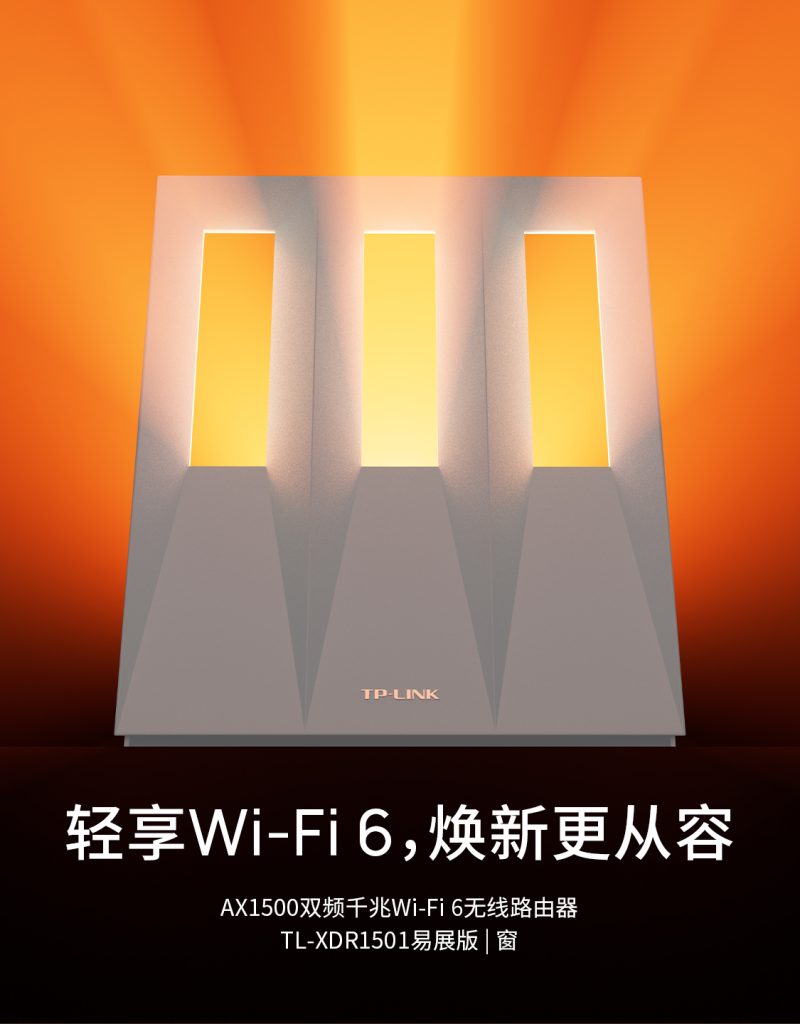
TP-Link introduces AX1500 Window Router at 149 yuan ($20)

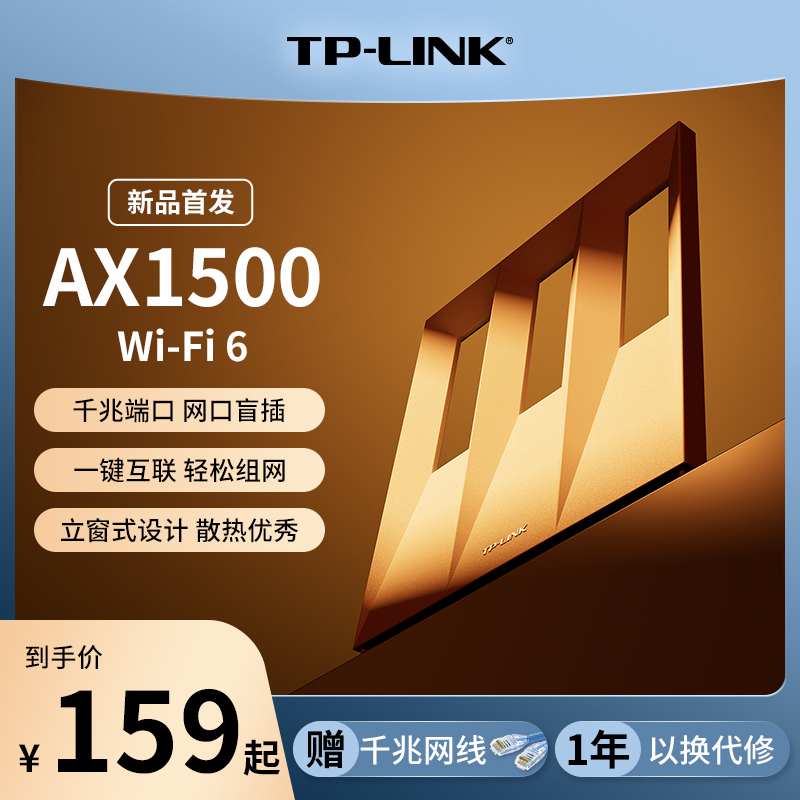
TP-Link has recently expanded its Window Router series by introducing the AX1500 model, priced at just 149 yuan ($20). This follows the earlier release of the AX3000 model, priced at 229 yuan ($31) earlier this year. The AX1500 offers a more budget-friendly option with slightly scaled-down specifications.

TP-Link AX1500 Router

TP-Link AX1500 Router Key Features:

The AX1500 router stands out with its unique vertical window design and slim profile, taking up only 20% of the space of typical desktop routers. It measures just 11.6mm at its thinnest point, offering both space efficiency and an appealing aesthetic.

The router supports Wi-Fi 6, offering speeds of up to 300Mbps on the 2.4GHz band and 1201Mbps on the 5GHz band, which is a 38% improvement over its AC1200 predecessor. This results in reduced latency and faster connections, particularly useful for gaming. Additionally, the router utilizes OFDMA technology to optimize multi-user internet environments, improving transfer rates and minimizing latency.

TP-Link AX1500 Router

The router includes four Gigabit Ethernet ports for easy connections, eliminating the need to distinguish between WAN and LAN. It also features an “EasyMesh” function, which simplifies the establishment of a Mesh network in larger or divided apartments. Users can create a Mesh network with a single button press, ensuring consistent signal coverage. Transitioning between old and new routers in this setup is seamless, with the “EasyMesh” button automatically syncing crucial details such as broadband accounts, Wi-Fi names, and passwords.

Beyond its technical prowess, the AX1500 also focuses on user safety, especially for younger users. Parents can exert control over their child’s internet access, setting daily time limits, speed controls, and even blocking specific websites to prevent internet addiction and exposure to harmful content.

Xiaomi has also recently introduced the Whole-Home Router Combo AX3000, which is priced at 499 yuan ($69).

RELATED:

(Via)

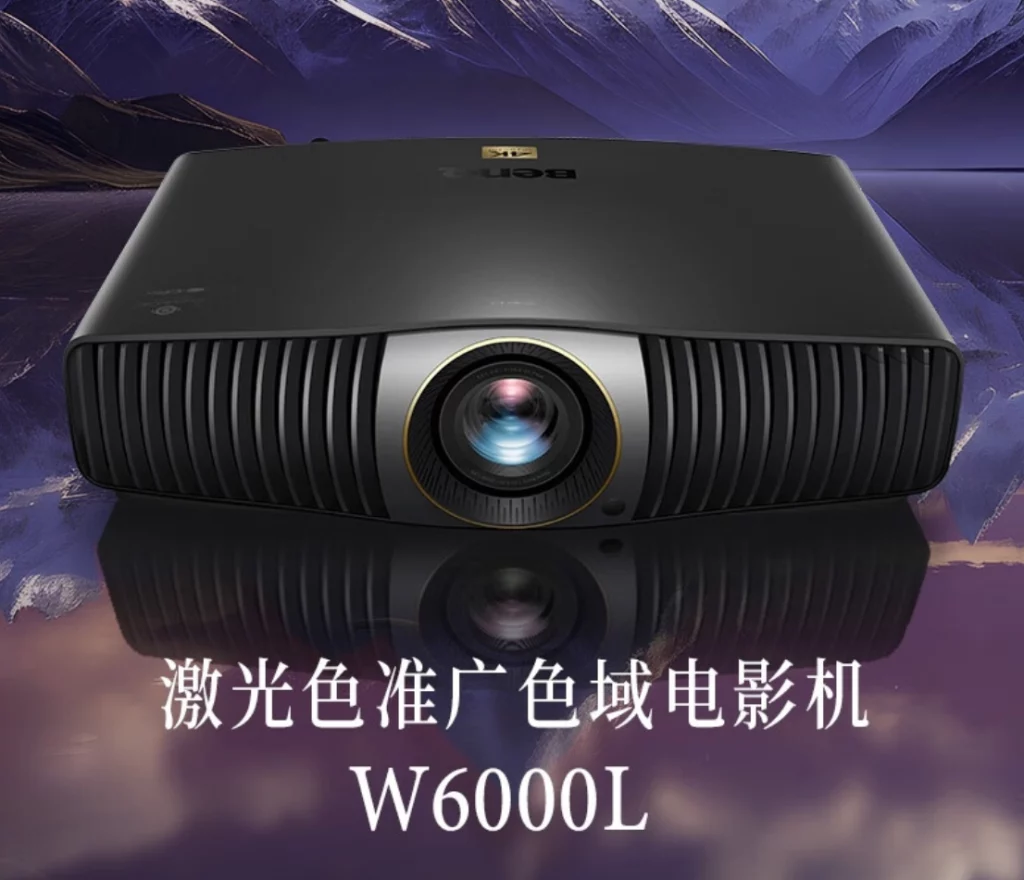
BenQ unveils W6000L Laser Projector with 4K resolution at 39,999 yuan ($5,476)

BenQ has launched its latest W6000L laser projector, offering impressive display quality. The projector is priced at 39,999 yuan ($5,476).

Laser projectors are cutting-edge display technology known for their superior image quality, longevity, and versatility. They use advanced laser diode technology to create bright and vibrant images, revolutionizing visual experiences in areas such as home entertainment, business presentations, and large-scale cinematic setups.

BenQ W6000L Laser Projector

BenQ W6000L Laser Projector Key Features:

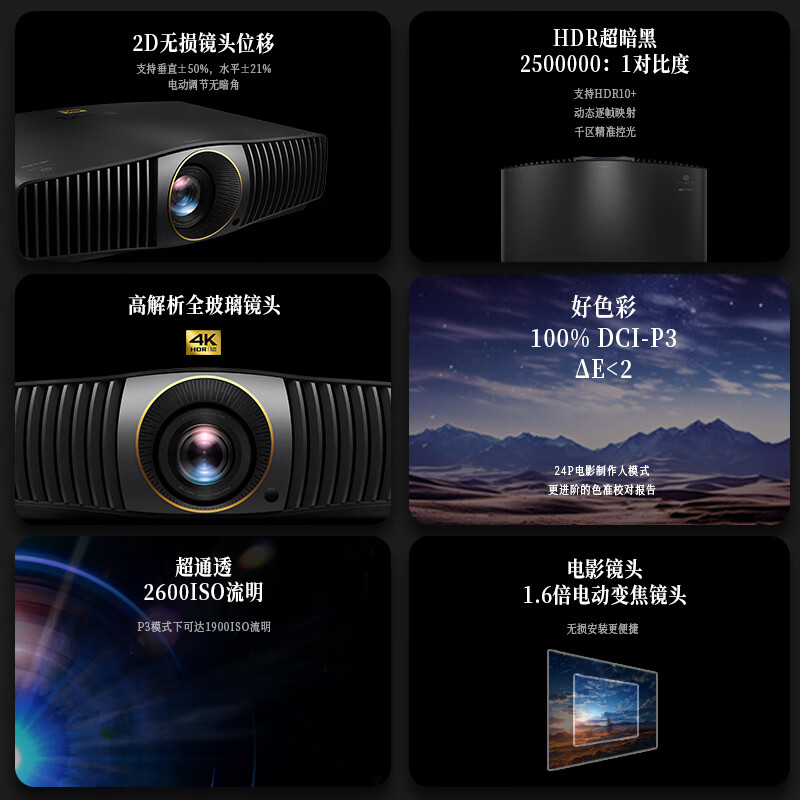
The BenQ W6000L projector features a single-color laser solid-state light source and a high-resolution all-glass lens. It delivers sharp 4K resolution visuals with HDR10+ support and covers a wide 100% DCI-P3 color gamut. Additionally, it offers a brightness of 2600 ISO lumens, ensuring vibrant and clear visuals even in moderately lit environments.

BenQ W6000L Laser Projector

BenQ has optimized the W6000L projector to minimize stray light and enhance the visual experience. They achieved this by adjusting the aperture settings within the optical lens group, ranging from F2.1 to F3. This refinement improves the projector’s native black-level contrast, resulting in deeper blacks and brighter whites for a more immersive viewing experience.

BenQ W6000L Laser Projector

The projector boasts the SSI Dynamic Black technology, which enhances the contrast between light and dark colors by 20%, making finer details more visible in darker scenes. Additionally, it features LCE thousand-zone precise light control technology, dividing the image into over a thousand small zones to optimize contrast individually in each zone, leading to an overall superior viewing experience.

The W6000L projector also offers versatility in installation with its 1.6X large zoom electric zoom lens, along with ±50% vertical lens shift and ±21% horizontal lens shift capabilities.

RELATED:

(Via)

Google renames “Camera App” to “Pixel Camera” on Play Store

Google has renamed its camera app from “Google Camera” to “Pixel Camera” on the Play Store, reflecting the fact that the app is now exclusive to Pixel devices.  The move is likely because the app has been exclusive to Pixel devices for several years now.

In addition to the name change, the Pixel Camera app has also received a new user interface and several new features, including Portrait, Night Sight, Time Lapse, and Cinematic Blur. To note, these features are only available on Pixel devices running Android 14 and above.

The app also supports Wear OS 3 and above devices connected to Pixel phones, allowing users to control the camera remotely from their smartwatch.

The latest version of the Pixel Camera app is 9.0 for the Pixel Fold, Tablet, and 7 Pro. The Pixel 8 and 8 Pro, on the other hand, are running version 9.1 and getting a patch update soon. The app listing on Play Store also showcases some of the exclusive features of the Pixel 8 Pro, such as 50MP High Res and Pro Controls.

The Pixel Camera brand was first announced by Google at I/O 2023, along with other apps and services that are specific to Pixel devices, such as Pixel Call Assist, Pixel Speech, and Pixel Safe. These apps and services aim to provide a better and more wonderful experience for Pixel users.

Related:

(Via)

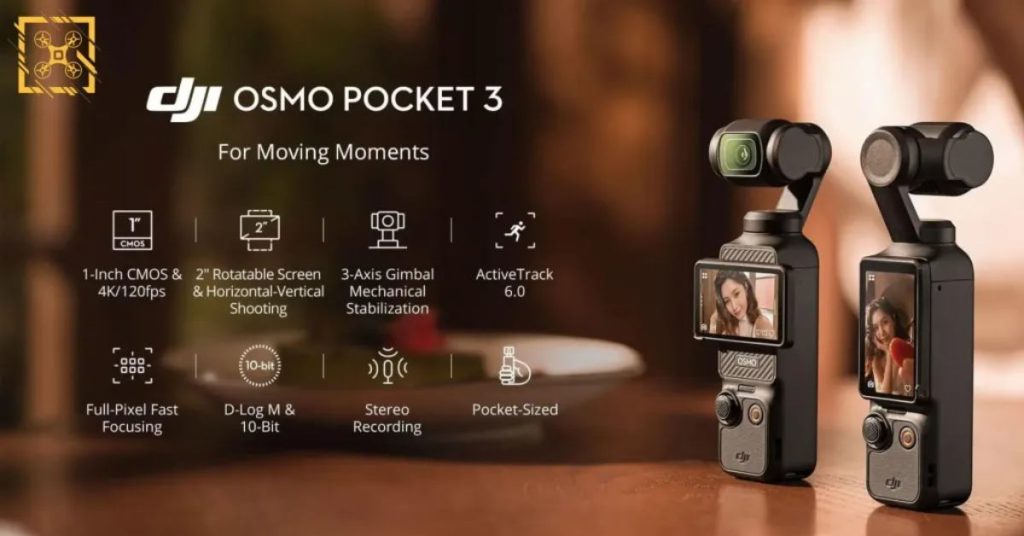
DJI Osmo Pocket 3 specifications, launch date emerge online

The DJI Pocket 2 was a runaway success when it launched in 2020, and it quickly became the go-to camera for vloggers and content creators alike. But now, it’s been almost three years since the Pocket 2 was released, and it’s time for an upgrade.

A new leak by @Quadro_News on X (formerly Twitter) suggests that the DJI Osmo Pocket 3 is nearing launch, and it’s shaping up to be a significant upgrade over its predecessor. Here’s everything we know about the Pocket 3 so far:

The most significant upgrade on the Pocket 3 is its new 1-inch camera sensor. This will be a major step up from the 1/1.7-inch sensor found in the Pocket 2, and it should result in much better image quality, especially in low light and high ISO situations.

The Osmo Pocket 3 will also be able to record 4K video at 120 frames per second, which is double the frame rate of the Pocket 2. This will make it ideal for capturing slow-motion footage. Additionally, the Osmo Pocket 3 will support 10-bit D-Log M color mode, which will give users more flexibility in post-production.

Another new feature on the Pocket 3 is the new 2-inch rotating display. This display can be rotated to either the front or back of the camera, making it easier to shoot from different angles. Additionally, the display can be used as a shortcut to start video recording.

Of course, the Osmo Pocket 3 will also feature the same 3-axis gimbal stabilization system found in the Pocket 2. This system will ensure that your footage is smooth and steady, even when you’re shooting on the go.

DJI is also promising improved tracking capabilities with the Osmo Pocket 3. The new ActiveTrack 6.0 system should make it easier to track moving subjects, even in challenging conditions.

Finally, the Osmo Pocket 3 will have three built-in microphones for capturing stereo audio. These microphones will also be able to minimize wind noise, making them ideal for outdoor shooting.

Alongside its specification, the tipster has also leaked the launch date of the Osmo Pocket 3. As per @Quadro_News, the device is scheduled to be unveiled on October 25th at 9:00 AM EDT (6:30 PM IST).

Related:

(Via)

Upcoming Smartphones: OnePlus Open, Galaxy A05s, and more

Smartphone launches have cooled down once again after weeks of multiple releases. Only three products are scheduled to go official in the next few days.

Two of these handsets are foldables. In contrast, the third one is a budget model. One of these foldables and the affordable phone will be unveiled in India.

Whereas, the other foldable will be announced in China. All three devices will go official around the middle of next week. Let’s take a look at these products one by one.

Upcoming Smartphones Next Week

1. Samsung Galaxy A05s

Samsung Galaxy A05s

The Samsung Galaxy A05s is set to debut in India on October 18. It will be the first Galaxy Ax5 series device in India.

The company has officially revealed the key specs of this phone. It will come with a 6.7-inch FHD+ dewdrop notched display, a Qualcomm Snapdragon 680 chipset, a 50MP (wide) + 2MP (macro) + 2MP (depth) triple camera system, and a 13MP selfie camera.

The handset will look like any other recent Samsung smartphone. It will be available in green, violet, and black color options.

2. Oppo Find N3 and OnePlus Fold

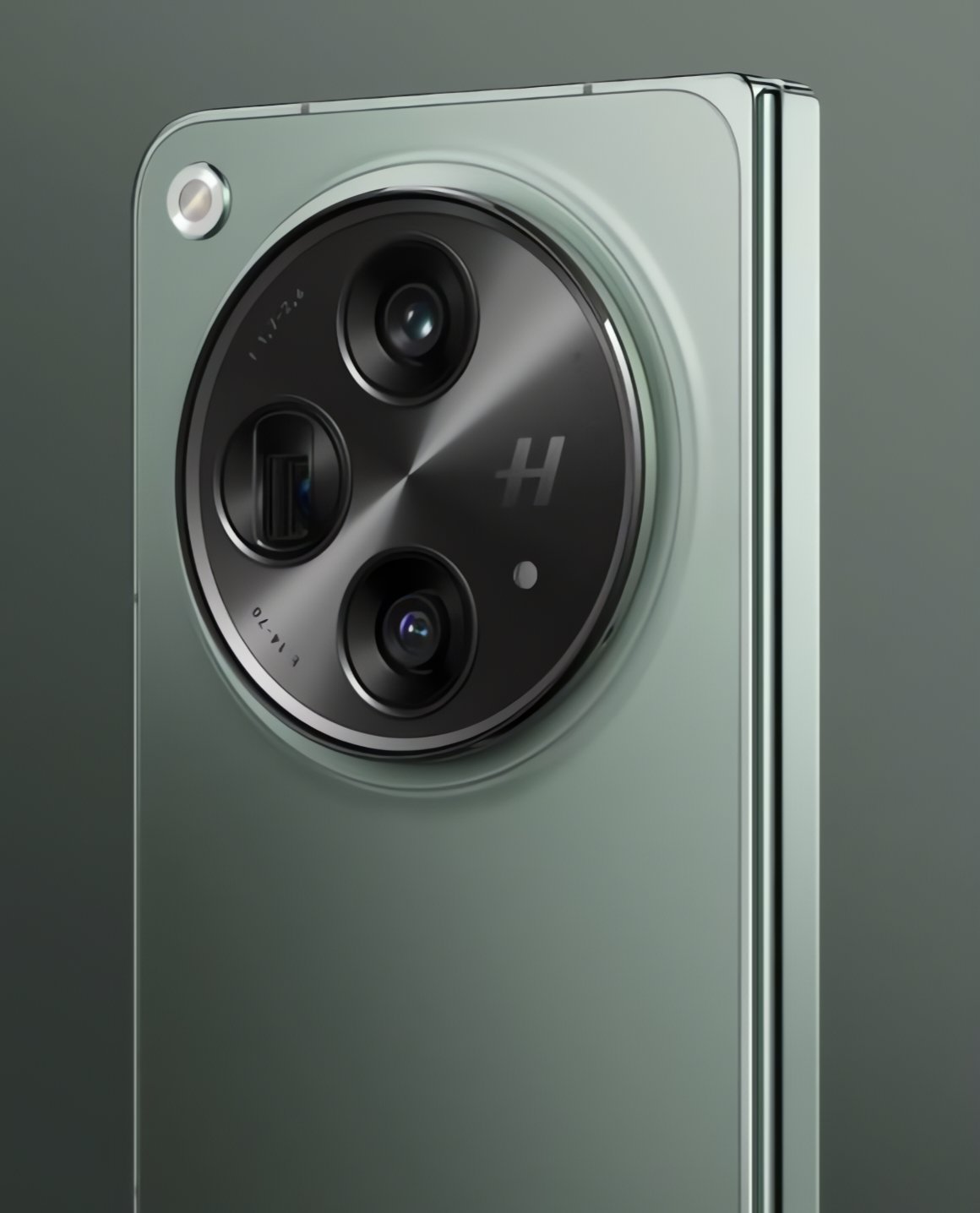
OnePlus Open in Green

The Oppo Find N3 is scheduled to launch in China on October 19 (Thursday). The event will begin at 2:30 PM CST and live-streamed on Weibo and other leading Chinese video streaming platforms.

The same device will be later unveiled for global markets in India at 7:30 PM IST. Internationally, the phone will go by OnePlus Fold.

This product will arrive with a 7.8-inch 2K inner display, a 6.31-inch FHD+ external screen, a Qualcomm Snapdragon 8 Gen 2 chip, LPDDR5x RAM, UFS 4.0 storage, Hasselblad-tuned 48MP (wide) + 48MP (ultrawide) + 64MP (3x periscope) triple camera system, 4,800mAh battery, and 67W charging support.

RELATED:

iTel A70 Surfaces On Google Play Console With Key Specifications

Recently iTel launched the T1 Pro TWS earphones in India. The brand also announced the S23+ and P55 smartphones in the country last month. Now, it seems that iTel is reportedly working on the budget device called the A70. The upcoming offering has been spotted on the Google Play Console listing revealing its render and key specifications. Let’s take a look below. 

iTel A70 appears on Google Play Console

The iTel A70 has surfaced on the Google Play Console certification website with the model number A665L. As per the render, the device has a waterdrop notch display along with a thick bottom chin. The power and volume rocker buttons are located on the right side. The listing reveals that it will feature a display resolution of 720 x 1,612 pixels and a 320dpi screen density. 

Under the hood, the iTel A70 is listed with a Spreadtrum T603 processor comprising of four Cortex-A55 cores at 1.8GHz and another four Cortex-A55 cores ticking at 1.2GHz. There is a PowerVR GE8322 GPU onboard. As per the Play Console certification, the smartphone will pack 4GB RAM and shiip with Android 13 OS out of the box. 

The Google Play Console certification does not reveal the rest of the details of the iTel A70. We should expect more information to surface in the coming weeks.  In other news, the recently announced iTel S23+ is the most affordable phone with curved display under the Rs 15,000 price tag whereas the iTel P55 is a 5G phone under Rs 10,000. 

Related:

Via

Honor dominates Q3 Chinese foldable market share, competing closely with Huawei

Foldable smartphones have emerged as a transformative trend in the ever-evolving smartphone industry, combining innovative design and functionality. Initially a novel concept, they have quickly gained popularity due to advancements in technology, enhanced hinges, and engineering. These devices are now favored by tech-savvy consumers worldwide, reshaping the smartphone landscape with their unique features and garnering widespread attention and admiration in the era of innovation.

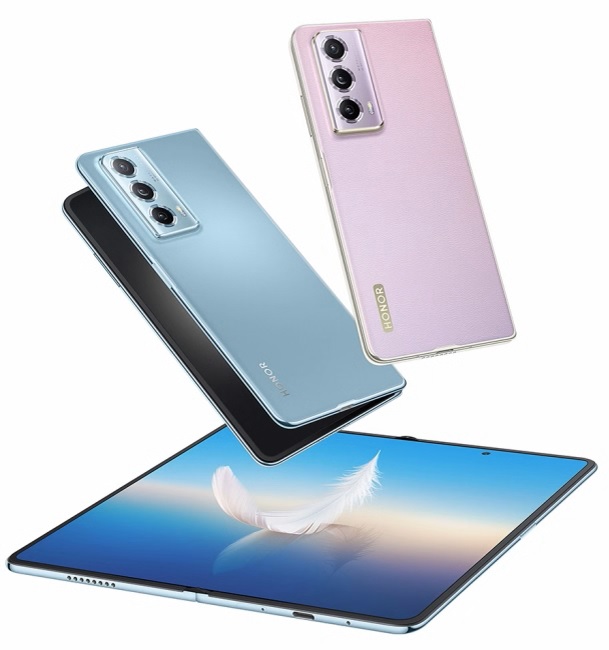
Honor Vs2

Honor is leading in Q3 with a 50% foldable market share

While numerous companies have ventured into the foldable smartphone arena, Samsung has consistently led the way globally. However, Chinese brands like Honor and Huawei have rapidly gained favor among consumers, particularly with their recent foldable smartphone launches in the Chinese market.

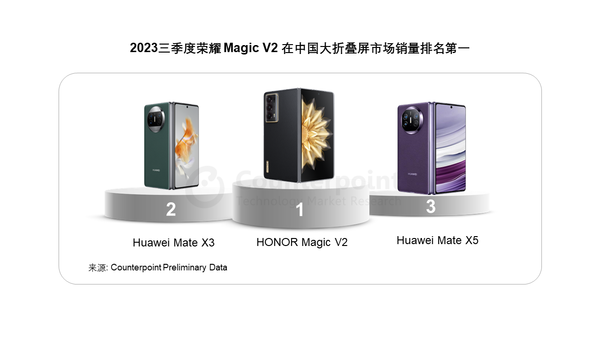
According to the latest data from Counterpoint, the third quarter in China saw the Honor Magic V2 emerge as the top-selling “large foldable” smartphone, closely followed by Huawei’s Mate X3 and Mate X5. With over 50% large foldable smartphone market share Honor is showing its strong presence in the Chinese market.

Counterpoint foldable smartphone share

Honor’s Magic V2 has achieved impressive sales figures, totaling 8 million units. While their latest foldable phone Magic Vs2 stands out with its sleek design, dual screens with eye protection, and an impressively lightweight build, making it the world’s lightest foldable flagship by shedding 2 grams compared to its predecessor, the Honor Magic V2.

The global foldable smartphone market experienced a 10% year-over-year growth in Q2 2023, driven primarily by the Chinese market, which accounted for a 58.6% share. Chinese manufacturers are expanding their offerings globally, and Samsung’s recent launches further stimulate growth, leading to the era of mass-market foldable phones starting in 2024.

Zhao Ming, the CEO of Honor, foresees a shifting pattern of market dominance between Honor and its competitor, Huawei, in the Chinese foldable phone market, with alternating leadership becoming more common.

RELATED:

(Via)

Cougar introduces NxSys Aero gaming chair with a 200mm RGB fan for cool airflow

Gaming chairs have revolutionized the gaming experience, offering comfort and support during those epic gaming sessions. But what if your chair could do more? Enter the new era of gaming chairs, where staying cool is just as important as comfort.

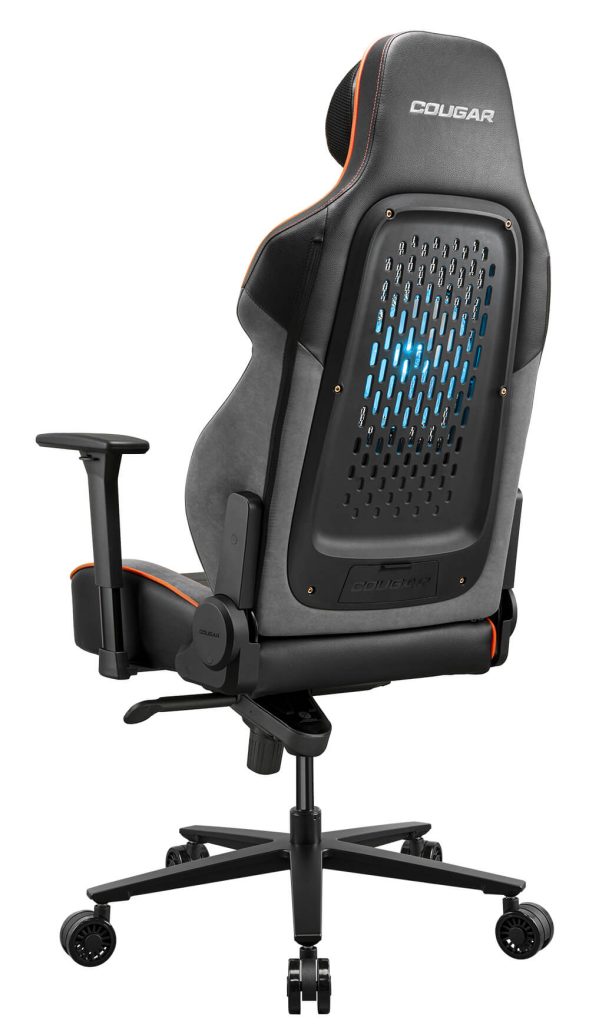
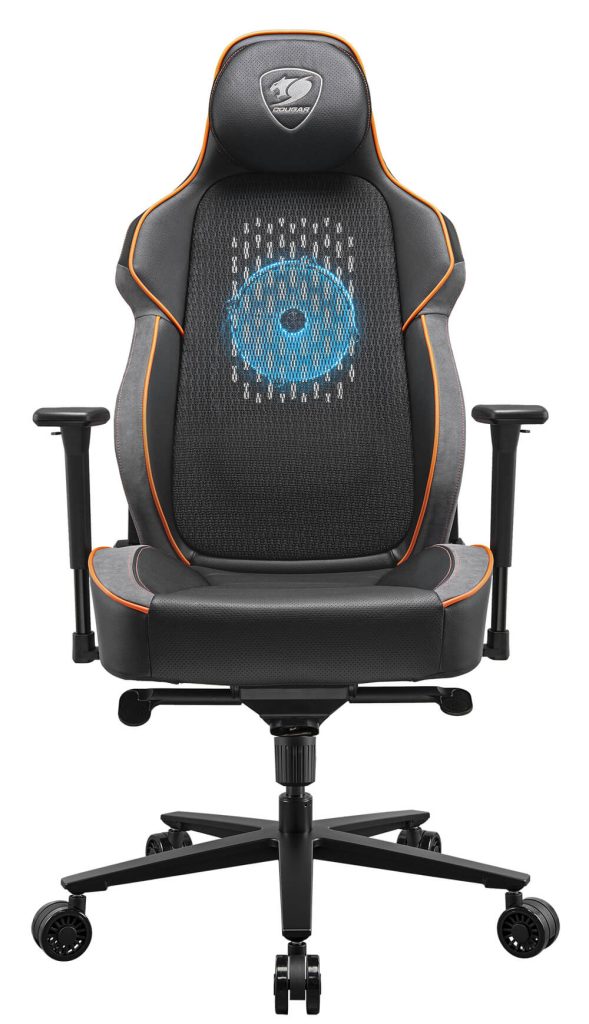
Cougar has introduced the NxSys Aero gaming chair, featuring a unique built-in 200mm RGB fan. This innovative chair is designed for gamers seeking long-lasting comfort, with the fan providing efficient air circulation, particularly focused on the back, to keep users cool during extended gaming sessions.

Cougar NxSys Aero gaming chair

Elevate Your Gaming Sessions with NxSys Aero’s Cool Innovation

The chair’s fan is integrated into the chair’s back, eliminating unsightly wires and providing a clean and tidy setup. It also provides the convenience of adjusting both the fan speed and RGB lighting using a straightforward switch, giving them complete control over their gaming environment.

In addition to this cooling feature, the chair features an inventive elastomeric mesh and a ventilated back cover, creating a sensation akin to floating that enhances the overall gaming experience. The NxSys Aero also includes a lumbar pillow crafted to physiotherapy standards for superior lower back support, as well as a magnetic head cushion that can be fine-tuned for precise comfort.

Unlike traditional bucket seats, the NxSys Aero seat boasts a gently scalloped design, offering enhanced cushioning and a larger support area. Wrapped in premium PVC leather upholstery chosen for its breathability and soft texture, this chair ensures users stay fresh and comfortable.

In terms of availability, the chair is priced at $399.99 in the USA and will be accessible mid-October through major retailers like Amazon and Newegg. In the EMEA region, it’s priced at €449 and will hit select markets by end-October.

RELATED:

(Source)
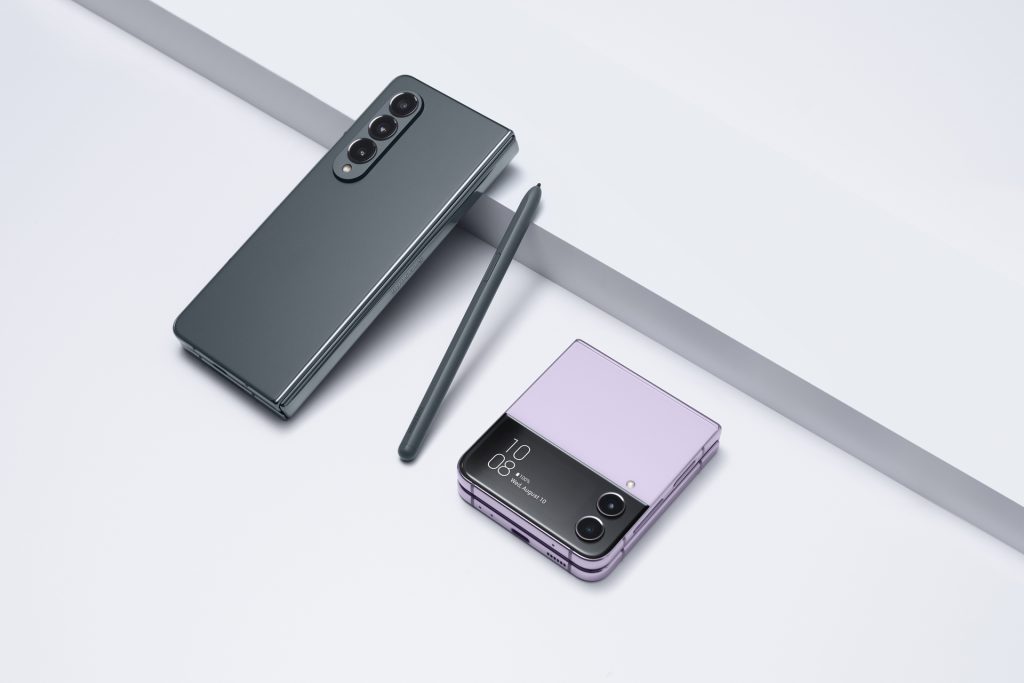
Samsung Galaxy Z Fold 4 & Galaxy Z Flip 4 get access to One UI 6 x Android 14 Beta

Samsung‘s recent rollout of the One UI 6 Beta brought joy to Galaxy Z Fold 5 and Z Flip 5 users. Now, it’s time for Galaxy Z Fold 4 and Galaxy Z Flip 4 owners in South Korea to enjoy Android 14.

The One UI 6 update brings several significant improvements. The Quick Panel has been revamped, and the Gallery now includes AI features like Photo Remaster and Object Eraser. Samsung Studio is a new video editor that allows users to add text, stickers, and music to their clips. Camera widgets have been enhanced for a better photography experience.

For multitaskers, there are some handy changes. Pop-up windows now remain active when navigating Recent apps, and a two-handed drag-and-drop feature simplifies home screen organization, particularly beneficial for Galaxy Fold users.

Currently, the One UI 6 beta is limited to South Korea, leaving users of Galaxy Z Fold 5 and Z Flip 5 elsewhere eagerly awaiting the update.

If you’re eager to join the One UI 6 beta, you can access it through the Samsung Members app. Keep an eye out for regional notifications. Although it is worth pointing out that beta updates are unstable, and could cause problems with your device.

RELATED:

(Source 1, 2)

OnePlus Open Indian price & sale date revealed ahead of Oct 19 launch

OnePlus has announced that its first foldable smartphone known as the OnePlus Open will be launching globally on October 19. While the launch is still a few days away, we already know what the smartphone looks like, and what the hardware onboard will likely be. Now, tipster Abhishek Yadav has leaked the pricing and first sale date of the device in the Indian market.

As per Abhishek, the OnePlus Open is expected to launch for ₹1,39,999 in India. Additionally, the tipster has also claimed that the first sale of the smartphone will take place on October 27, 2023.

OnePlus Open specs (expected)

The OnePlus Open is said to feature a 7.8-inch 2K Inner AMOLED display with a fast 120Hz refresh rate. Complementing this is a 6.31-inch outer AMOLED screen also sporting a 120Hz refresh rate. The device is expected to run on Android 13 and be powered by the Snapdragon 8 Gen 2 processor, rumored to clock in at a speedy 3.36GHz. With LPDDR5x RAM and UFS 4.0 storage, it’s rumored to offer 16GB of RAM and 256GB of storage capacity.

OnePlus-Open-green

It is expected to have a 4800mAh battery, paired with 67-watt charging. The camera system is rumored to be equally impressive, featuring a 48MP primary lens, a 48MP ultra-wide lens, and a 64MP periscope lens for capturing high-quality photos. On the front, there are rumors of a 32MP and a 20MP camera for selfies.

RELATED:

(Source)
China Tightens Control on AI Chatbots: What does it Mean for Innovation?

China has recently rolled out draft guidelines aimed at tightening its grip on generative artificial intelligence (AI) services. The National Information Security Standardisation Technical Committee, responsible for setting IT security norms, released the draft highlighting two primary concerns: safeguarding the training data and regulating large language models (LLMs) used in generative AI services.

Guidelines state that AI algorithms should be modelled as per govt. regulations

The guidelines necessitate that AI developers use only authorized data for training and adhere to security checks to prevent data breaches and copyright infringement. This is an important step in controlling the quality and legality of the data that feeds into these algorithms. However, the fine print also mentions a “blacklist system” to block any training materials containing more than 5% of illegal or harmful content as defined by the nation’s cybersecurity laws.

Artificial Intelligence

While these rules seem aimed at ensuring that AI services generate responsible and legal content, they also raise important questions about innovation and free speech. The guidelines indicate that the algorithms should be based on models filed and licensed by authorities. This could limit the room for developers to experiment and innovate, possibly stifling the growth of a technology that has broad applications.

Moreover, the regulations add another layer to the government’s censorship arm. In a country where “illegal content” often includes sensitive political topics like the status of Taiwan, there is a concern that AI models may be levered to propagate a single narrative. During internal tests, Chinese chatbots have been observed to give a variety of responses when asked about Taiwan’s status, some refusing to respond and ending the conversation.

The draft is open for public feedback until October 25. While China was one of the first countries to introduce laws governing generative AI as of August, the world is watching closely to see how this move sets the stage for the future of AI, both in terms of technology and freedom of expression.

RELATED:

(Via)

Microsoft Finally Closes the Whopping $69 Billion Acquisition of Activision Blizzard

After days of waiting, Microsoft has successfully closed its $69 billion acquisition of video game company Activision Blizzard, a move that could have potentially disrupted the rapidly-developing cloud gaming market. While the deal had already gotten approvals from various regulatory bodies, it hit a snag with the UK’s Competition and Markets Authority (CMA) earlier this year. The deal marks a key moment, highlighting the CMA’s growing influence in global tech regulation since Britain’s exit from the EU.

Microsoft now has access to a huge mobile gaming market

The British regulator initially blocked the acquisition last April, citing concerns over Microsoft’s overwhelming control over cloud gaming. The CMA’s tough stance paid off when Microsoft agreed to sell streaming rights for Activision’s popular titles, including “Call of Duty” and “Candy Crush Saga,” alleviating fears of reduced competition and choice for gamers.

Microsoft

This move by the CMA didn’t just resonate within the UK but set a standard for other nations grappling with big tech’s increasing sway over multiple sectors. Interestingly, the CMA was the only regulatory body to force such a concession from Microsoft, emphasizing its commitment to economic growth and consumer welfare.

The acquisition boosts Microsoft’s play for the more than $90-billion mobile gaming market, a sector where Sony, the industry leader, has lesser impact. Michael Pachter, a Wedbush Securities analyst, noted that Microsoft gains over “$3 billion of mobile revenues” instantly, filling its Game Pass subscription service with an array of content that’s sure to attract more gamers.

While the deal appears to be a win for Microsoft, it can also be viewed as a victory for regulators committed to ensuring fair play in rapidly growing industries. Sarah Cardell, CMA Chief Executive, indicated that this outcome was possible because the regulator remained “free from political influence,” despite pushback from Microsoft and limited support from the British government.

RELATED:

(Via)

Tesla leads the charge as China’s Electric Vehicle Exports surge by 107% in September

In a remarkable surge, China’s passenger electric vehicle exports skyrocketed by 107% year-on-year, reaching approximately 91,000 units in September. Leading the pack was Tesla, with a substantial shipment of 30,566 units from its Shanghai factory, as revealed by the China Passenger Car Association (CPCA) figures released on Wednesday. 

Following closely were BYD and SAIC, with 28,039 and 12,678 units respectively, showcasing the competitive landscape of China’s electric vehicle market. Geely and Smart, a joint venture between Geely and Daimler, contributed 5,026 and 2,146 EVs to the overseas markets. Notably, Xpeng Motors marked its debut on the list this year, exporting 766 EVs in September.

This surge in electric vehicle exports occurred amid a 4.7% increase in car sales in China compared to the same month last year, with 2.04 million passenger vehicles sold in September, according to official CPCA data. New energy vehicles (NEVs) played a significant role, constituting 36.6% of total car sales, a 22.1% increase from the previous year. 

The rise in NEV sales was instrumental in several local brands achieving record-breaking sales figures. September, traditionally a strong month for car sales due to the Mid-Autumn Festival and National Day holidays, saw increased purchases, further fueled by a downturn in the property market. With real estate investments waning, consumers turned to car purchases, boosting the automotive industry.

While Tesla dominated the EV market, its market share in China’s EV segment dipped to 9.89% in the third quarter, compared to 12.98% in the previous quarter and 9.93% a year ago. Despite this, the company’s performance remained robust. BYD, reported a remarkable milestone, selling a record 287,454 NEVs in September. Li Auto, also experienced substantial growth, delivering 36,060 vehicles, reflecting a staggering 212.7% year-on-year increase.

Cui Dongshu, the Secretary-General of CPCA, commented on the shifting consumer sentiment. He noted that the slowdown in China’s economy didn’t dampen enthusiasm for car purchases, with more people opting for cars over property investments. This trend, coupled with the surge in electric vehicle exports, underscores the evolving dynamics of China’s automotive industry, where electric vehicles are becoming increasingly integral to the market’s growth and competitiveness.

Related:

(via)

5G Patent Race Heats Up as Huawei, Qualcomm, and Samsung Lead the Way

Huawei is undoubtedly one of the most successful technology companies in the world. Even though the Chinese tech giant has faced challenges in recent years due to the US embargo, it continues to persevere. One of the main reasons for its success is the company’s emphasis on R&D. For a long time, Huawei has been working on 5G technologies and is leading the race in 5G patents, with over 2,000 patents filed worldwide. Here are the details…

Huawei Leads 5G Patent Race, According to LexisNexis

According to a report by legal and regulatory intelligence company LexisNexis., which tracks patent filings, Huawei is leading the race in 5G patents, with over 2,000 patents filed worldwide. This is crucial for the company especially since 5G is viewed as the upcoming wave of wireless tech that could transform sectors like manufacturing, transport, and healthcare. Not only is 5G predicted to be much speedier than 4G—reaching speeds up to 10 gigabits per second. It will also have lower latency, which means that data will be transmitted more quickly.

The report, titled “Who Owns Core 5G Patents?”, examined which standard-essential patents (SEPs) are best positioned to dominate in the burgeoning 5G market. SEPs are patents that are essential to the implementation of a technical standard, such as 5G. LexisNexis ranked Huawei, Qualcomm, and Samsung as the top three SEP holders, respectively, in terms of quantity and quality. Ericsson, Nokia, LG Electronics, ZTE, Oppo, NTT, and InterDigital rounded out the top ten.

The report also found that the US is the top region for 5G patents, with more than 28,000 granted, followed by China on around 26,000 and Europe with almost 15,000. “Huawei’s leadership in the 5G patent race is a testament to its significant investment in research and development,” said Muzammil Hassan, co-author of the report. “However, it is important to note that patent ownership does not guarantee commercial success. Other factors, such as product quality, customer relationships, and government support, will also play a role.”

Huawei’s dominance in 5G patents has been a source of concern for some governments, who fear that it could give the company too much control over the development and deployment of 5G networks. In recent years, the US and other countries have taken steps to restrict Huawei’s access to markets and technologies.

Despite these challenges, Huawei remains a major player in the global 5G market. The company has deployed 5G networks in more than 170 countries and regions, and it is a leading supplier of 5G equipment.

RELATED:

(via)

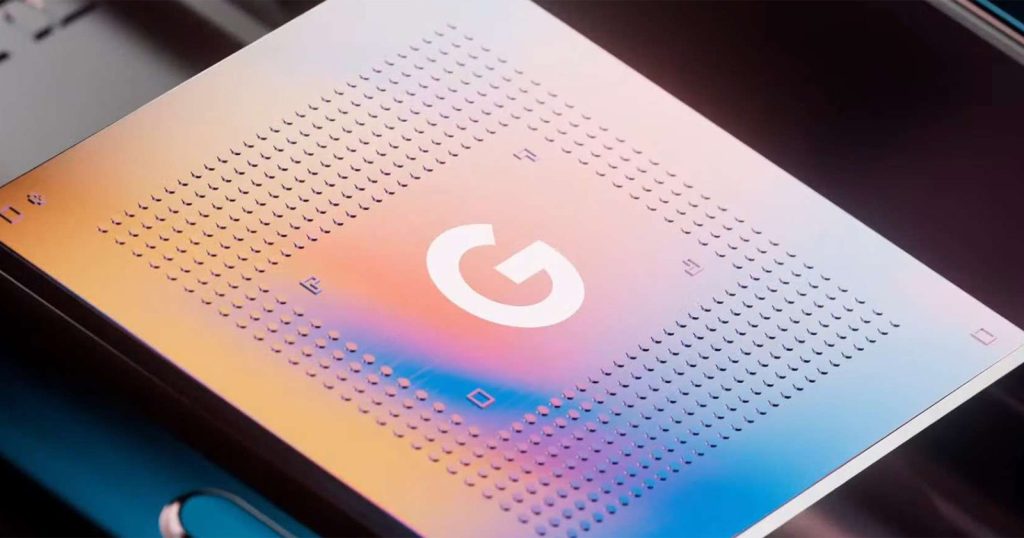
Google Nerfs Tensor G3’s Peak Frequencies, Prioritizing Battery Life Over Performance

Google recently unveiled its new Pixel 8 and Pixel 8 Pro models at an event. These flagship devices stand out with their features, but the spotlight for tech enthusiasts was on the Tensor G3 processor that powers the Pixel series. For those who might not know, the Tensor G3 is Google’s third-generation custom-designed mobile processor.

This processor is built on a 4nm manufacturing process, making it more efficient and powerful than its predecessors. However, recent information suggests that the G3 was originally intended to be even more powerful than it currently is. Here are the details…

Tensor G3: Not the Fastest Chip, But Still Very Powerful

Tensor G3 was supposed to be more powerful than what it currently is. Early leaks suggested that it would have higher peak frequencies for the CPU cores. However, Google made a surprising change before release and lowered the frequencies.

Google Tensor G3

The reason for this change is unclear. Some speculate that Google was concerned about battery life, while others believe that there may have been a hardware bug that prevented the higher frequencies from being used reliably.

Despite the lower frequencies, the Tensor G3 is still a very powerful chip. It offers significant performance improvements over the Tensor G2, especially in terms of AI processing. However, it’s worth noting that it doesn’t deliver the same level of raw performance as some of the other flagship chips on the market, such as the Snapdragon 8 Gen 3.

RELATED:

(via)

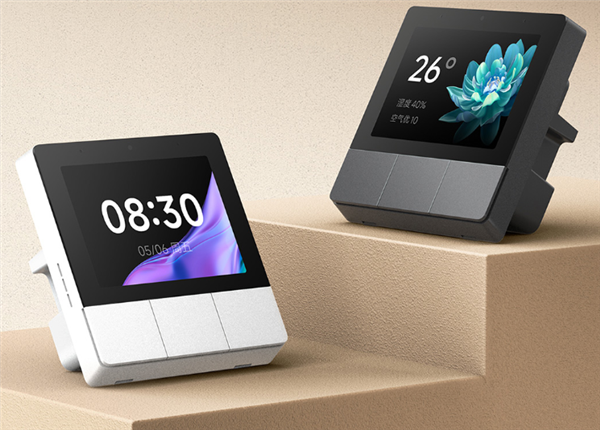
Xiaomi’s Smart Home Panel sold out in a flash, raking in over ¥2.38m in crowdfunding

Xiaomi’s first smart home panel went on sale via crowdfunding a couple of days back carrying a decent price tag of 299 yuan ($41). Since the product is the brand’s first, it received a wide reception among Mi fans as the crowdfunding exercise ended in a short while with the product entirely sold out.

Xiaomi's Smart Home Panel

Xiaomi’s smart home products are super popular in China and beyond

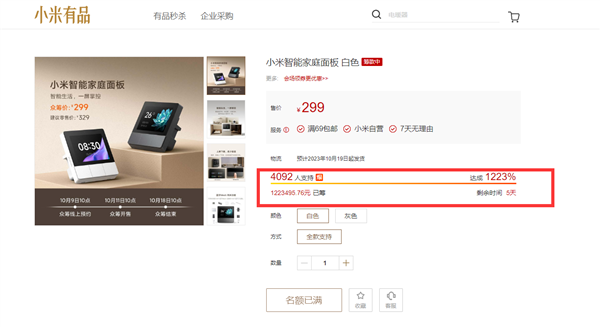
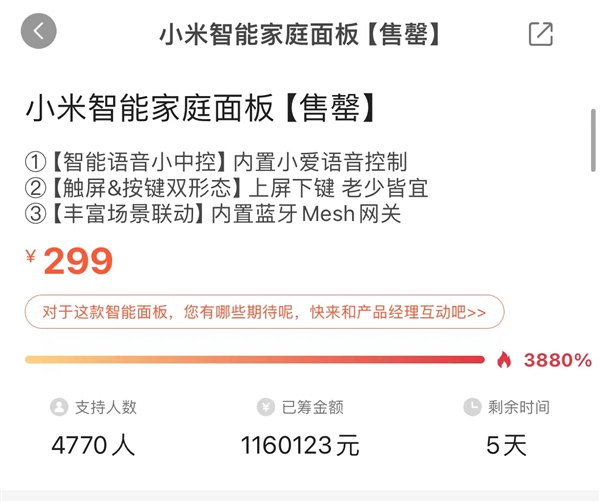
The crowdfunding exercise took place simultaneously on Xiaomi Mall and the Youpin platform. On Xiaomi Mall, the brand raked in a total of 1,160,123 yuan while on the Xiaomi Youpin platform, it raked in a total of 1,223,495 yuan. This brings the estimated total sales to over 2.38 million Yuan ($325,755). While the entire number of backers is not known, the total sales suggest the product received backing from almost 8,000 persons.

Xiaomi's Smart Home Panel

This doesn’t come as a surprise, the Smart Home Panel is expected to become yet another popular product from Xiaomi.

As a reminder, the Xiaomi Smart Home Panel is a wall-mounted control screen featuring a built-in XiaoAI voice control system, primarily for Xiaomi’s smart home gadgets. The gadget packs a 3.23-inch touch screen, voice control, and physical buttons for manual operation. It serves as a Bluetooth Mesh gateway for up to 100 devices, controlling over 5,500 smart devices and supporting custom smart scenes.

Xiaomi Smart Home panel

Furthermore, it can function locally, even during network disconnections, and follows standard installation specifications but requires a neutral line for setup. It’s designed to streamline control within Xiaomi’s smart home ecosystem.

The product is expected to go on open sale in China in no distant time. Unfortunately, we can’t say for sure if Xiaomi is planning to release this product for the global market any time soon.

RELATED:

(via)

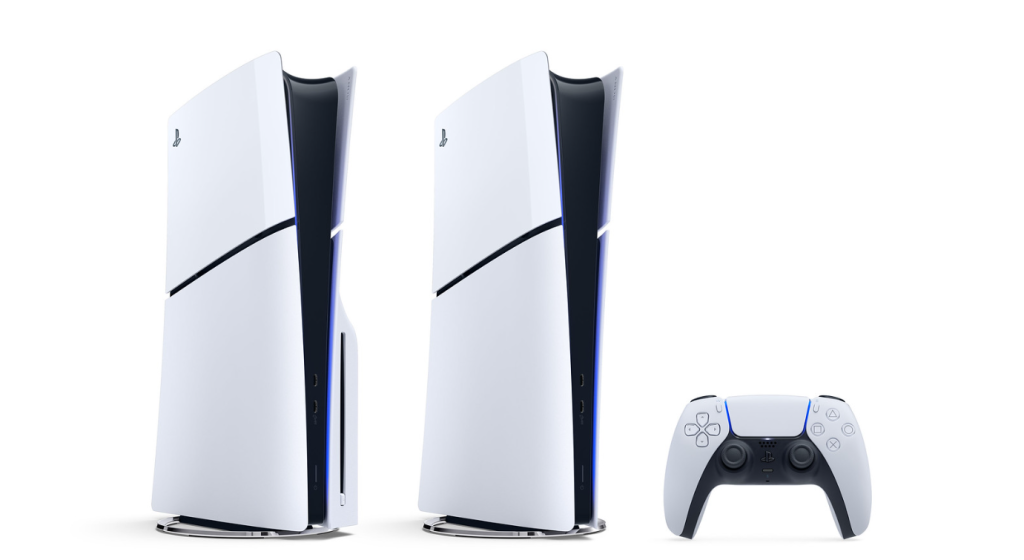
New 1TB PS5 Slim Gives More for Same Money!

Sony recently announced a new slimmer version of the PlayStation 5, which will come with a beefed-up 1TB SSD. However, gamers shouldn’t expect all of the capacity to be usable for games and apps. According to the recent reports, the new PS5 slim may only have about 808GB of actual usable storage for content and games. Here are the details…

New 1TB PS5 slim may have 808GB of usable storage

The recently introduced PS5 Slim stands out not only for being smaller and lighter but also for its upgraded storage space. As you may know, the original PlayStation 5 has 825 GB of SSD storage. Now, the Slim version reverts to the industry standard of 1TB. However, don’t be misled by the numbers; some storage is required for the operating system and built-in applications. This is why, even though the existing PS5 has 825 GB on paper, only 667 GB of it is usable. This will, of course, also apply to the PS5 Slim.

Sony-PS5-Slim

The recent leaks indicate that the new consoles will have a usable memory of 808 GB. This suggests that the new PS5 slim might offer an additional 141 GB of storage compared to the current PS5 models. Although it’s a letdown that gamers won’t receive the full 1TB of storage, an extra 141GB is certainly a beneficial enhancement, especially considering we’re paying the same price for the version with a disc drive. This will provide gamers with more room to store their beloved games and other content.

It’s also important to note that the new PS5 slim will still support SSD storage expansion. This means that gamers can add their own NVMe SSD to the console if they need more storage space. The new PS5 slim is expected to be released in late 2023. It will be available in two versions: one with an Ultra HD Blu-ray Disc drive and one without.

RELATED:

(via)