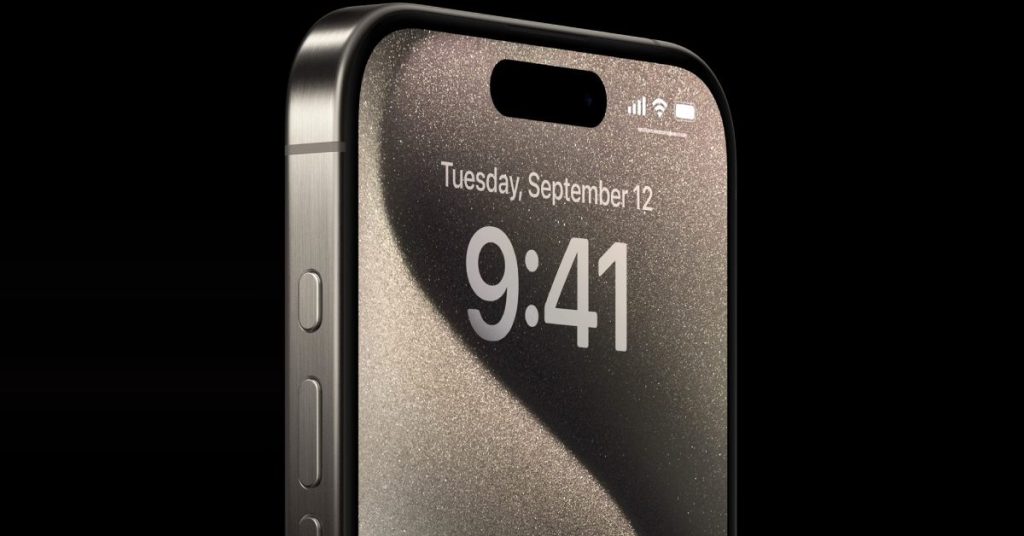
Apple is reportedly working on a technology to pre-update iPhones in-store before they even reach the consumer. This initiative is set to kick off before the end of the year, and it involves a specialized wireless pad that updates iPhone units without needing to open the box.
It’s still unclear if Apple will transfer this feature over to their carrier partners
According to industry insider Mark Gurman of Bloomberg, Apple is not just contemplating this as a futuristic idea, but is actively working to bring it to life. This system will utilize a proprietary pad to activate, update, and power down multiple iPhone units, all without removing them from their original packaging.
This move comes as a response to a common dilemma faced by smartphone users, particularly those who aren’t tech-savvy. Once a consumer purchases a new iPhone, it often requires an immediate software update to ensure optimal performance and security. Many first-time users may overlook this crucial step, thereby leaving their devices potentially vulnerable or not performing at their best.
The big question looming over this development is whether Apple will extend this feature to its carrier partners. The company hasn’t made it clear whether these advanced pads will be sent to other retail outlets that stock iPhones, leaving a gap in a universally streamlined consumer experience.
While Apple is the first to step into this territory, it remains to be seen how Android manufacturers will respond. Will they follow suit in providing a pre-updated experience, or is this a unique selling point that will set Apple apart in the competitive smartphone market? In the meantime, if you’re a new iPhone user, it’s always good to double-check for software updates. Just navigate to Settings > General > Software Update and follow the prompts.
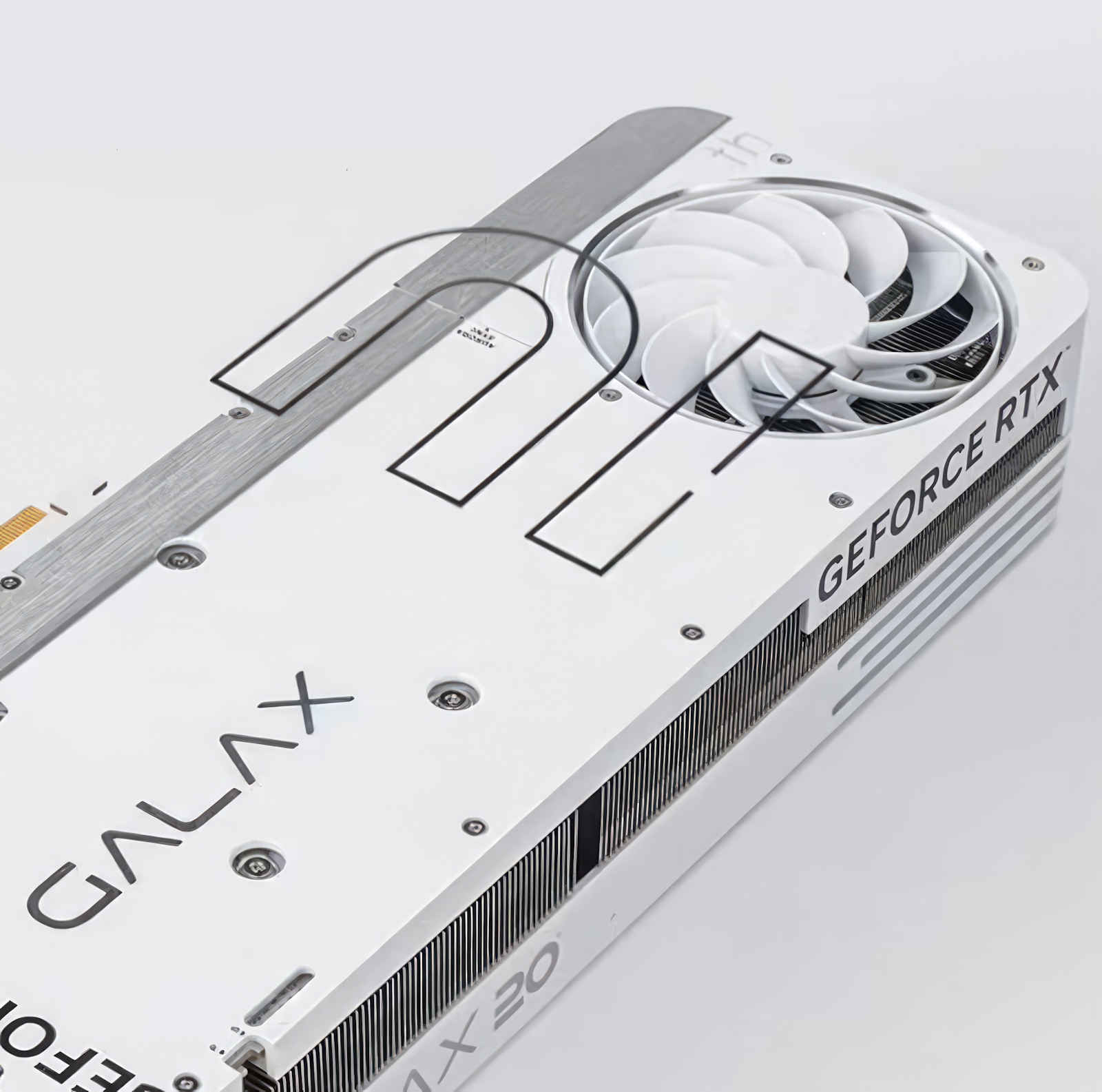
GALAX has taken the curtains off of its new GeForce RTX 4090, commemorating the 20th anniversary of the company. What sets this card apart from the regular offerings from the brand is its top-down cooler design and its colossal size.
In terms of dimensions, this monster of a graphics card comes equipped with a quad-slot cooler and a triple-fan setup. Two fans are positioned at the front, while the third is cleverly situated beneath the card. This configuration expels hot air through exhaust vents typically reserved for the third fan in a triple-fan design.
Additionally, Galaxy has placed the 16-pin power connector of the GPU beneath an acrylic panel, ensuring convenient cable management accessibility and serving as an ideal protective cover when the GPU is not installed within a system.
Aesthetically, the GALAX RTX 4090 is encased in an attractive white shroud, featuring silver brushed metallic surfaces on the back and eye-catching RGB lighting on the front. Under the hood, the GALAX GeForce RTX 4090 20th Anniversary graphics card boasts a 516W BIOS limit and can reach boost clocks of up to 2595 MHz. As you can see from the pictures, the card is undeniably massive, measuring 34.4 cm in length and 6 cm in thickness.
The launch of the GALAX RTX 4090 20th Anniversary Edition is set for November 11th, coinciding with the 11.11 Shopping Festival in China.
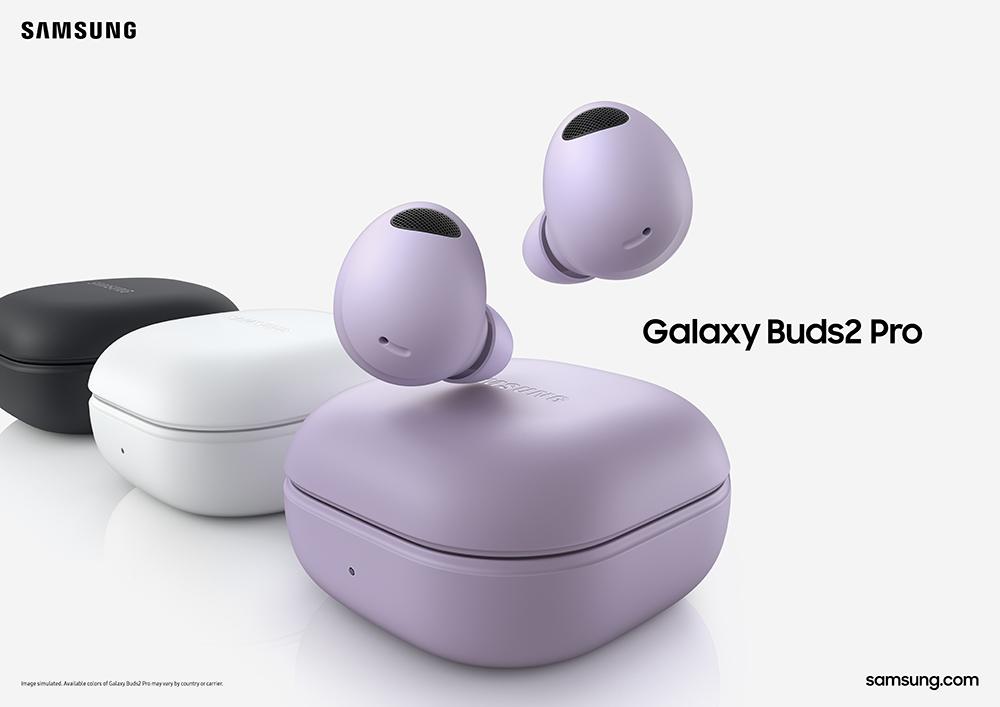
Samsung launched the Galaxy Buds 2 Pro back in August 2022, with features such as highly effective active noise cancellation, 24-bit Hi-Fi sound, voice detect, and more. Ever since its launch, Samsung has periodically updated the earphones, bringing new features onboard. Now, another such update has arrived with Bluetooth Auracast support.
This update, identified as firmware version R510XXUAWI2 or R510XXU0AWI2, comes in at a compact 5.88 MB in size. As mentioned above, the standout feature of this update is Bluetooth Auracast, a technology Samsung introduced last year. It enables users to stream audio to multiple Bluetooth wireless earbuds or speakers, making it ideal for shared music experiences. However, it’s worth noting that this feature exclusively functions with earbuds that support LE Audio.
To access it, users can use the Galaxy Wearable App. Just head to the hamburger menu on the left, select Galaxy Buds 2 Pro, go to Earbuds Settings, choose Earbuds software update, and hit Download and Install
In related news, Samsung has recently debuted the Galaxy Buds FE, a more affordable option for Galaxy users looking to delve into Samsung’s eco-system. That being said, Buds FE lacks some features in the more premium versions. You can read more about the Galaxy Buds FE by clicking the link.
The controversies and rumors surrounding Huawei’s Kirin 9000s chip have not ceased, and the lack of official information is only making it worse. Last month, a research firm revealed the processor, believed to be manufactured by SMIC on a 7nm process, is actually based on a 14nm node and has been modified to be closer to 7nm. This was a rather surprising development. However, a tipster has now shared speculations about the Kirin 9000s actually being a 5nm TSMC-made Kirin 9000 chip from 3 years ago.
Huawei “successfully pranked the whole world,” said tipster
Tipster RGcloudS claims on X that the Kirin 9000s is not a 7nm chipset from SMIC, but rather the Kirin 9000 chip produced using a 5nm process by TSMC. To support these claims, the tipster has shared a picture from the teardown of the Mate 60 Pro. This image reveals the Kirin 9000s with a date stamp indicating 2035, signifying that this particular chip was manufactured during the 35th week of 2020, specifically between August 24th and August 30th, 2020.
Truth time 👁️
Deep stalking kernel level
Does SMIC really made kirin ? Does 7nm actually possible with legacy DUV machine ? Who made Huawei Kirin 9000s ?
Why there's a lot of weird information, like in Image #1 , Kirin 9000s classified as 5nm 😶
The source also gets into the politics behind the restrictions imposed by the US on Huawei. He mentions the Chinese company likely anticipated the trade ban and stockpiled millions of Kirin 9000E and 9000 chips. For those who are unaware, the US expanded its export rules to prevent foundries that use US technology to manufacture chips from shipping cutting-edge silicon to Huawei without a license. As a result, the last few flagship Huawei series have only used 4G chipsets, as 5G technology is patented by US companies.
If you’ve used an Android smartphone before, high chances are that your smartphone is either powered by a Qualcomm Snapdragon or MediaTek Dimensity processor. But recently, there’s a third player slowing growing into the smartphone space, and their name is UNISOC, with their UNISOC 5G SoC (System-on-a-Chip) for Android smartphones.
UNISOC T820 5G Processor (Source: UNISOC)
UNISOC, formerly known as Spreadtrum, is a Chinese fabless semiconductor company headquartered in Shanghai which produces chipsets for Android smartphones. UNISOC chipsets have passed the validation of more than 260 carriers from 133 countries worldwide. Some of their high-profile customers for purchasing their processors include HONOR, realme, vivo, Samsung, Motorola, Hisense and ZTE for their smartphones.
Out of their entire lineup currently available, in this article, we’ll be comparing whether UNISOC’s four 5G smartphone processors can compete with the big boys in the market, which are known as MediaTek and Qualcomm respectively.
UNISOC has four notable 5G smartphone processors, which are the UNISOC T750, T760, T770, and T820. One of these 4 processors can be listed as a Tier C performing processors, whereas the other remaining 3 can be viewed as C+ performing processors.
Tier C: Low Performance Processors
Starting off with the only Tier C processor from UNISOC is the UNISOC T750. It comes with 5G connectivity, 2 ARM Cortex A76 CPU performance cores and 6 ARM Cortex A55 CPU efficiency cores. The GPU under the hood is the ARM Mali-G57 MP2 which is equivalent in performance to the ARM Mali G57 MC2, and the Qualcomm Adreno 618.
Processor
CPU Performance Cores
CPU Efficiency Cores
GPU
Node Process
Antutu Score
UNISOC T750
2x ARM Cortex A76
6x ARM Cortex A55
Mali-G57 MP2
TSMC 6nm
348,252
Dimensity 6100+, 6080 (formerly Dimensity 810)
2x ARM Cortex A76
6x ARM Cortex A55
Mali-G57 MC2
TSMC 6nm
406,644
Snapdragon 730 (4G)
2x ARM Cortex A76
6x ARM Cortex A55
Adreno 618
Samsung 8nm
320,228
Table 1: List of Tier C Processors. (Leo Wong De Quan / Gizmochina)
As seen above, the UNISOC T750 is approximately equivalent to the Qualcomm Snapdragon 730 found on the Samsung Galaxy A71 (2019) or the MediaTek Dimensity 6080 found on devices like the Redmi Note 13 5G and Redmi Note 11S 5G. However, manufactured on the newer TSMC 6nm process, the UNISOC T750 has several benefits over the Snapdragon such as better performance and better power efficiency.
The UNISOC T750 was released in May 2023 and is expected to arrive in Android devices by 2023 Q4.
Tier C+: Better Low Performance Processors
Next are the 3 Tier C+ processors from UNISOC, which are respectively the UNISOC T760, T770, and T820. All 3 feature the same CPU core configuration which 4 ARM Cortex A76 CPU performance cores, and 4 ARM Cortex A55 CPU efficiency cores, which is actually the same core configuration as the flagship Qualcomm Snapdragon 855 mobile processor found on the OnePlus 7 Pro, and Xiaomi Mi 9T Pro (Redmi K20 Pro).
Processor
CPU Performance Cores
CPU Efficiency Cores
GPU
Node Process
Antutu Score
UNISOC T760
4x ARM Cortex A76
4x ARM Cortex A55
Mali-G57 MP4
TSMC 6nm
425,764
UNISOC T770 (formerly T7520)
4x ARM Cortex A76
4x ARM Cortex A55
Mali-G57 MP4
TSMC 6nm
419,246
UNISOC T820
4x ARM Cortex A76
4x ARM Cortex A55
Mali-G57 MP4
TSMC 6nm
486,833
Snapdragon 765, 765G, 768G
2x ARM Cortex A76
6x ARM Cortex A55
Adreno 620
Samsung 7nm
385,681
Snapdragon 855, 860 (4G)
4x ARM Cortex A76
4x ARM Cortex A55
Adreno 640
TSMC 7nm
598,379
Table 2: List of Tier C+ UNISOC processors against the Snapdragon 765 and 855. (Leo Wong De Quan / Gizmochina)
However, where these 3 UNISOC processors differ from the Snapdragon 855 is their GPU. Powering the T760, T770 and T820 is the ARM Mali G57 MP4 GPU, which is much behind the Adreno 640 on the Snapdragon 855, and closer to the Adreno 620 on the Snapdragon 765. Still the 4+4 CPU configuration allows the UNISOC processors to be ahead of its competitors by providing a flagship-type CPU core configuration at an affordable price despite the underpowered GPU.
In conclusion, UNISOC processors are not useless, and in fact, they are quite underrated at the price that they are offered. UNISOC’s small portfolio of 5G smartphone processors is not competitive with the high-end processors from MediaTek and Qualcomm. However, at an affordable price, the UNISOC processors still have a place for “better than expected” performance in low-end Android smartphones.
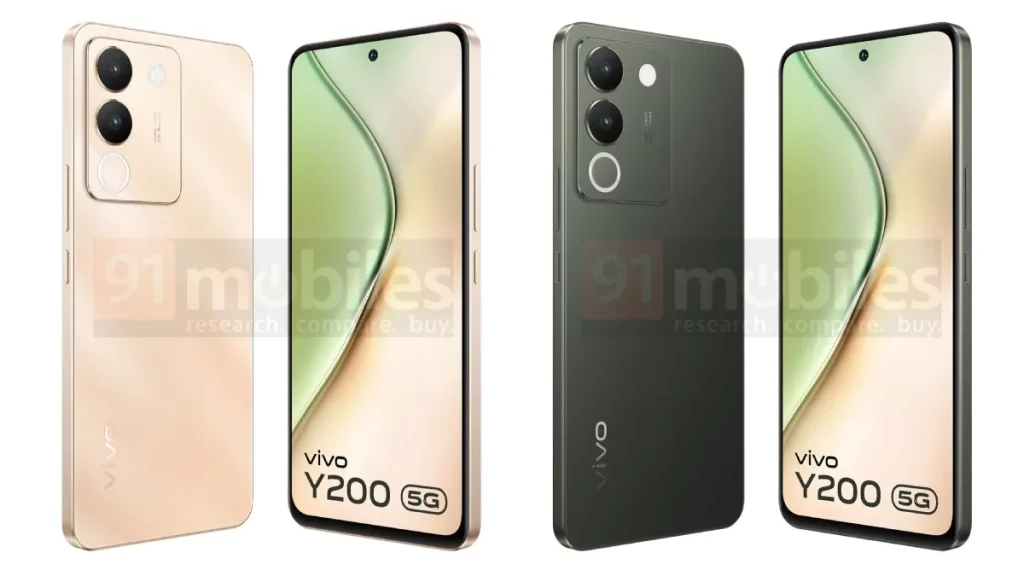
Vivo has a new smartphone called the Vivo Y200 5G, set to launch later this month in India. As per the leaks so far, the Y200 5G smartphone will also adapt the design language of the previous Y series devices, with two large camera cutouts on the back. That being said, a new report from 91mobiles has revealed new details related to the camera and color options.
image via 91mobiles
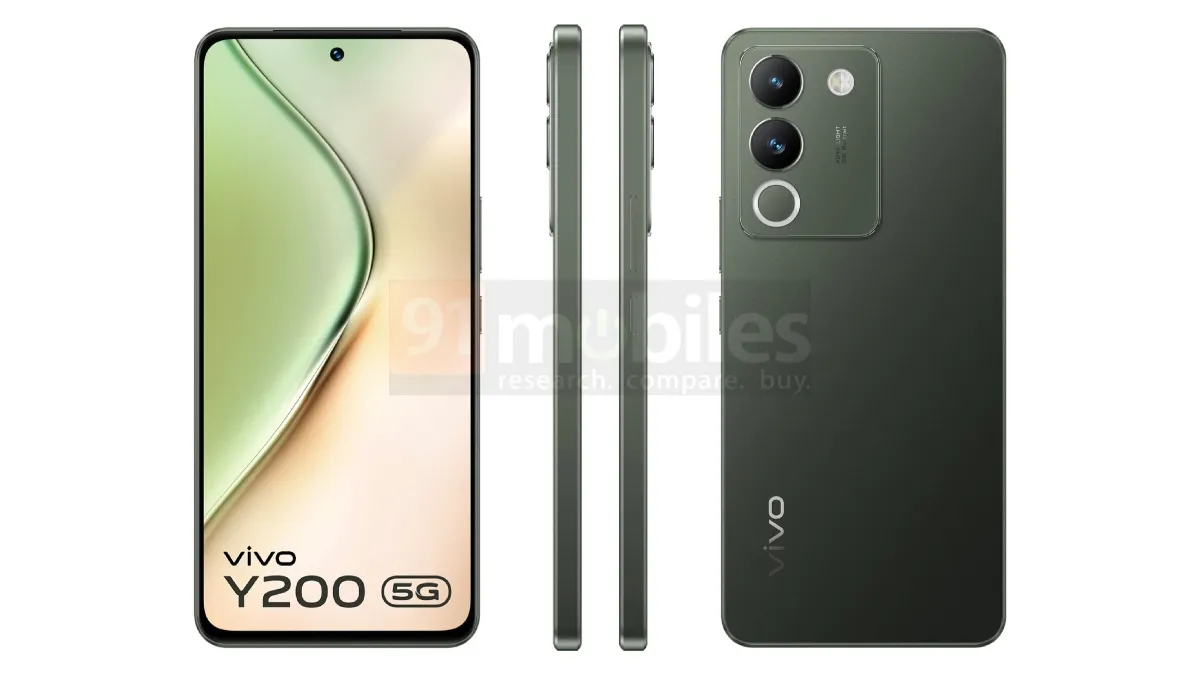
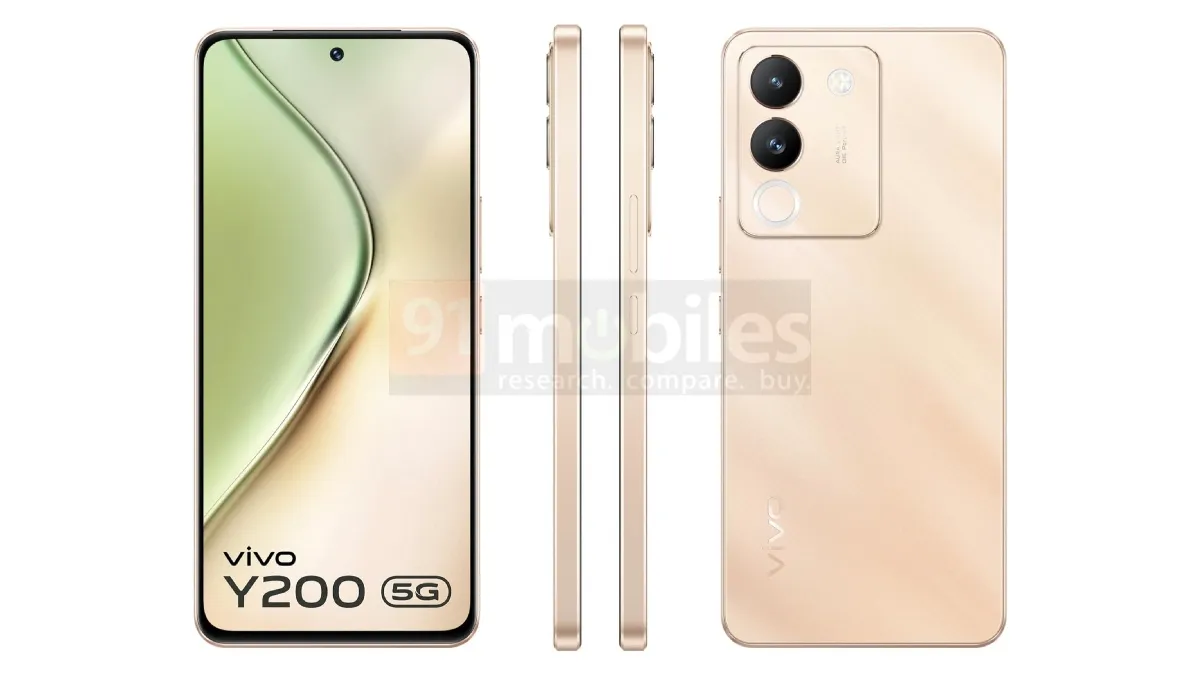
As per the report, the Vivo Y200 5G will come in two color options, namely Desert Gold and Jungle Green. These color options were also leaked previously via a report by TheTechOutlook. The new HD renders show that the device has two camera modules on the back, paired with an LED flash and an Aura Light which is found on Vivo’s premium mid-rangers like the V27 and V29.
image via 91mobiles
Up front, the device is revealed to feature a flat display with thin bezels on three sides, and a tiny punch-hole for the front camera in the top center. The bottom bezel, however, is quite noticeable. This smartphone is said to debut in India for a price under 24,000 INR (~$288)
Vivo Y200 5G rumored specs
The Vivo Y200 smartphone may feature an AMOLED display with a 120Hz refresh rate, enclosed in a slim 7.69mm frame. On the back, it’s expected to house a 64-megapixel primary camera with Optical Image Stabilization (OIS) and a Smart Aura LED Light.
Leaks have pointed towards a Qualcomm Snapdragon 4 Gen 1 System-on-Chip (SoC) running the show, paired with 8GB of RAM for seamless performance. Although Android 14 has officially debuted, this mid-range phone will likely come with Android 13-based Funtouch OS 13 out of the box. A 4,800mAh battery pack, with 44W fast charging capabilities, is expected to power the hardware.
The OnePlus Open, the company’s upcoming foldable flagship smartphone, has been the subject of numerous leaks and rumors in recent weeks. Now, a fresh rumor from a reliable source have revealed the rear camera and display specs of the upcoming foldable.
According to Digital Chat Station, the OnePlus Open will feature a 48MP main camera and a 64MP 3x optical zoom periscope camera on the back. The third rear camera is rumored to be a 48MP ultrawide module, although there have been conflicting reports about the telephoto camera.
Some rumors have suggested that the 64MP camera would be telephoto with 6x optical zoom, but the latest rumor suggests that it will be a periscope lens with 3x optical zoom.
The foldable is also rumored to have a 2K resolution, 120Hz refresh rate screen with a peak brightness of 2,800 nits. This would be significantly brighter than the Google Pixel Fold display, which has a peak brightness of 1,450 nits.
Likewise, the OnePlus Open is also expected to be powered by a Snapdragon 8 Gen 2 processor, paired with up to 16GB of RAM and 1TB of storage. The phone is also rumored to have a 4,805mAh battery with 100W fast charging capabilities.
The OnePlus Open is scheduled to be launched on October 19, so we’ll know more about the phone’s specs and features very soon.
Google has launched a new version of the Google Play Store, version 37.8.26, for Android devices. As with many of their updates, Google hasn’t provided specific changelog details for this release.
How to Download and Compatibility
The latest update is compatible with Android devices operating on Android 5.0 and above. Though the update will automatically download and install, users have the choice to manually download it. It’s essential to note that the download size might vary depending on the device you’re using.
Exciting New Features
Even though the full details of new features are yet to be unveiled, there’s a buzz about some interesting additions:
Cubes: This feature is designed to assist users in discovering new content across various categories.
Download Buddy: A more interactive way to track download progress, it showcases a movable arrow on the screen.
App Filters & Reminders: Google is incorporating filters to display apps compatible with your device. Additionally, if you haven’t opened an app in some time, the Play Store will send you reminders.
Discover New Apps with “The Play Report”
Another innovative feature Google is integrating is “The Play Report.” It aims to enhance user engagement by showcasing a series of videos on the Play Store homepage. These videos will act as a guide, helping users discover and explore new apps and games.
Storage and Privacy Enhancements
A standout feature that was recently introduced is the ability to archive apps. This allows users to reclaim up to 60% of their storage space without sacrificing any data. Archived apps will display a cloud icon and can be managed directly within the Play Store settings. Addressing concerns of privacy and efficiency, apps that remain unused for extended periods will automatically have their permissions revoked.
Steps to and install the Google Play Store APK on your Android device:
Go to your device’s “Settings.”
Scroll down and select “Applications” or “Security” (depending on your device).
Check the “Unknown Sources” option. This allows you to install apps from sources other than the Play Store.
Download the Google Play Store APK.
Locate the downloaded APK file and tap on it to begin the installation process.
Follow the on-screen instructions to complete the installation.
After the installation is complete, you should see the Google Play Store icon on your device’s home screen or app drawer.
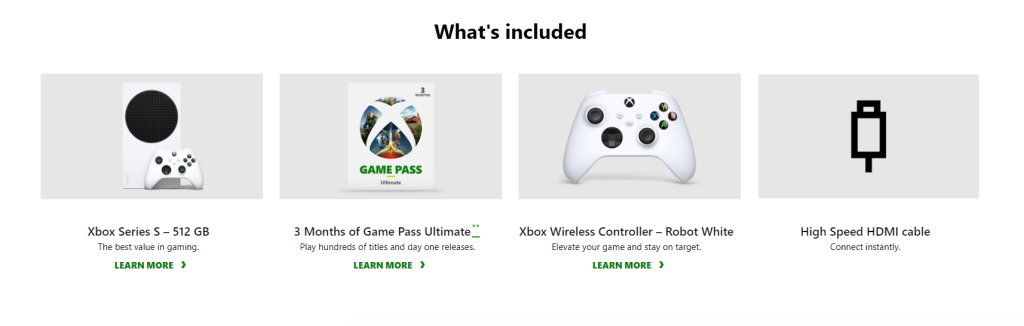
Microsoft has just announced an exciting gaming deal: the Xbox Series S Starter Bundle. This bundle includes the Xbox Series S console, a wireless controller, and a three-month subscription to Xbox Game Pass Ultimate.
This move is aimed at making the Xbox Series S more appealing in the lead-up to the holiday season, especially considering the impending release of a new Xbox Series S revision codenamed “Ellewood” next year.
The Xbox Game Pass Ultimate subscription opens up a treasure trove of gaming options. Subscribers can access a vast library of games on both Xbox consoles and PC. In addition to that, you get access to cloud game streaming, which lets you play these games on Android smartphones. Subscribers also gain access to EA Play, which offers a library of over 100 games, including popular franchises like FIFA, Madden NFL, Battlefield, and Need for Speed.
The Xbox Series S Starter Bundle is set to launch on October 31, 2023, for just $299.99. Pre-orders are already open on Microsoft’s online shop. To put things in perspective, a standalone Xbox Series S without the Game Pass subscription typically costs around $330 on Amazon. So, this bundle not only makes gaming more accessible but also sets you up with a massive library to choose from for the first three months.
In related news, Microsoft has finally closed its massive $69 Billion acquisition of Activision Blizzard. Xbox users can expect some exclusive titles from the publisher to land on their console. That being said, Microsoft has said that major titles like Call of Duty, Diablo, and Overwatch will remain accessible on Xbox as well as Sony Playstations.
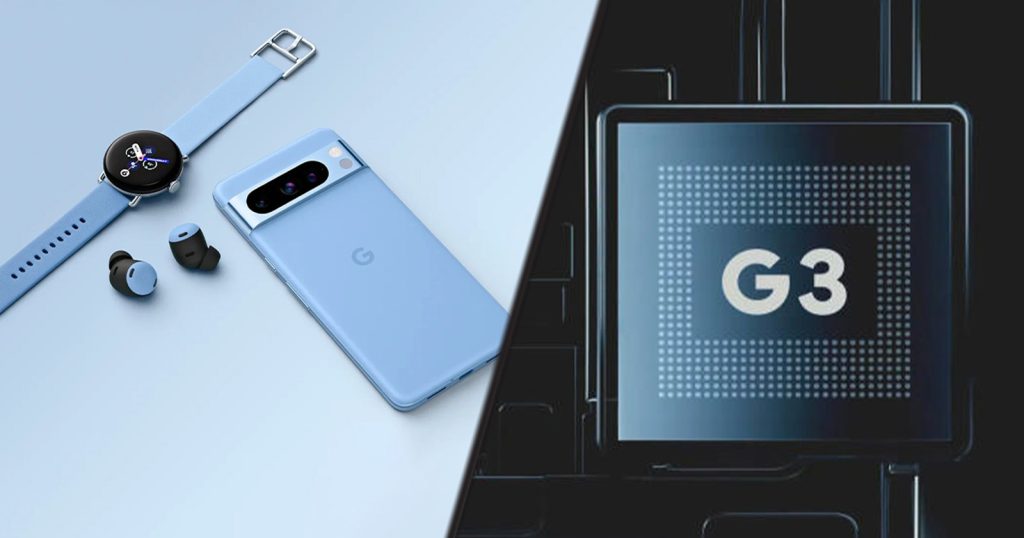
Google has reportedly blocked users from installing benchmark apps on their Pixel 8 and 8 Pro smartphones. This was uncovered by Sanjiv of Notebookcheck, who found that Google has prevented users from installing Geekbench and 3D Mark benchmarking apps on their devices.
Benchmark apps are used to assess the CPU and GPU performance of smartphones. They are a valuable tool for reviewers and consumers alike, as they allow them to compare the performance of different devices.
According to the author, Google’s block on benchmark apps has prevented some reviewers from running tests, but others have been able to bypass this limitation by sideloading the apps. As a result, benchmark results for the Tensor G3 have surfaced regardless.
In Geekbench 6 benchmarks, the Tensor G3 scored lower than the Qualcomm Snapdragon 8 Gen 2 in both single-core and multi-core tests. The Tensor G3 also performed worse than the Snapdragon 8 Gen 2 in 3D Mark Wild Life Stress benchmarks. This is despite the fact that the Tensor G3 has a newer and more advanced architecture than some of its rivals.
The performance disparity is likely due to the fact that the Tensor G3 is manufactured using Samsung’s 4 nm node technology, which is not as efficient as TSMC’s N4P node technology, which is used to manufacture the Snapdragon 8 Gen 2 chip.
In any case, users must be aware that Pixel 8 and 8 Pro are not performance-centric devices. So, if performance is important to you, you may want to consider a different device.
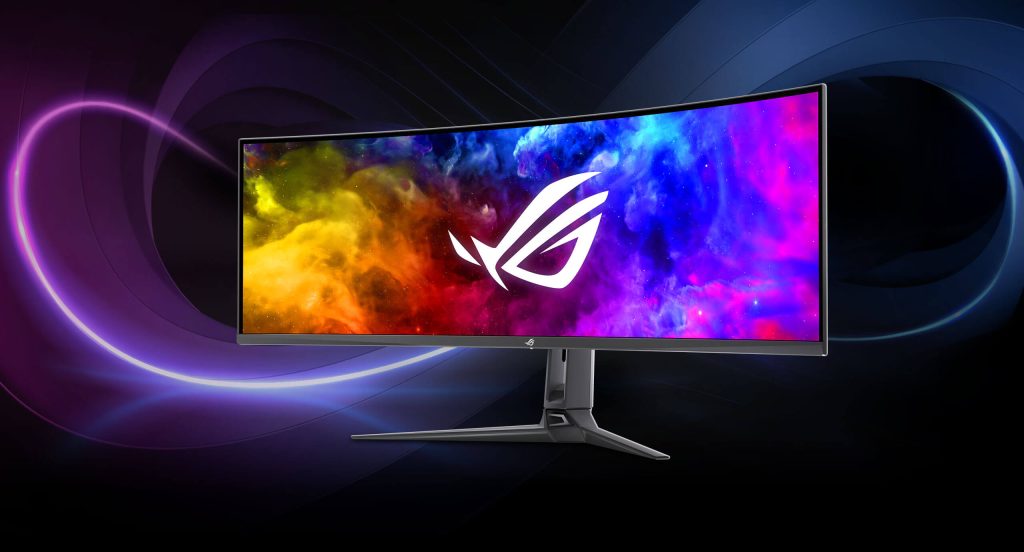
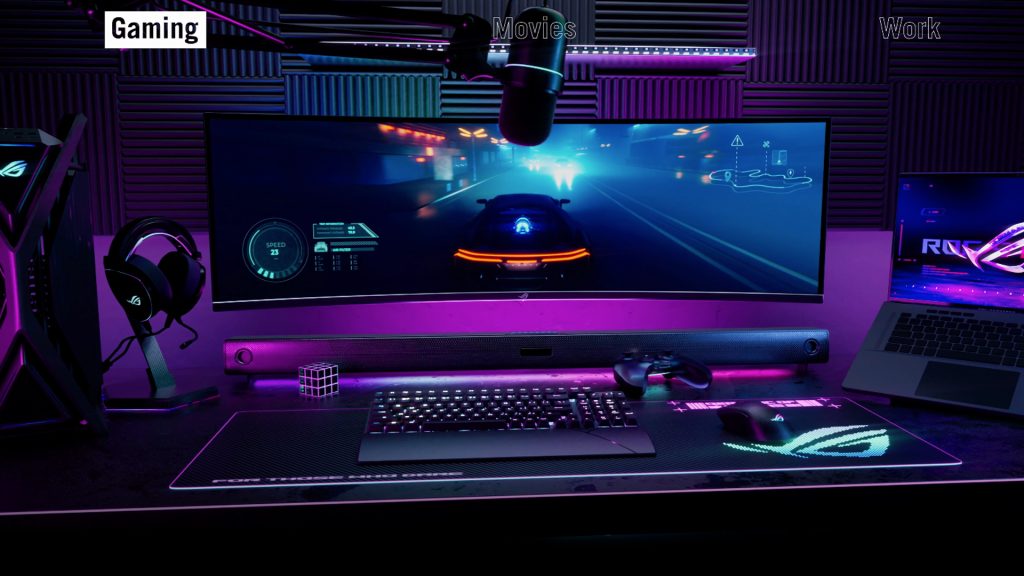
Asus introduced the ROG Swift OLED PG49WDCD gaming monitor in May, and it is now available for purchase in the Chinese market for 10,999 yuan (approximately $1,505). The US pricing is expected to be around $1,499, as leaked information suggests. Let’s check out the key specs of the monitor.
Asus ROG Swift OLED PG49WDCD Key Features:
The monitor features a 49-inch QD-OLED panel with a dual 2K resolution of 5120×1440 and a 32:9 aspect ratio, delivering an immersive and expansive viewing experience. The monitor’s 1800R curvature enhances immersion and reduces eye strain during extended use, making it an attractive option for gamers and users seeking a high-quality visual experience.
The ROG PG49WCD gaming monitor stands out with its emphasis on speed and precision. It offers a swift 144Hz refresh rate for smooth gaming with minimal blur. It also comes with a quick 0.03 milliseconds response time, virtually eliminating any ghosting issues and delivering lightning-fast visuals for gamers.
Brightness and color rendering haven’t been compromised either. The monitor achieves a peak brightness of 1000 nits, which, when combined with its support for DisplayHDR True Black 400, ensures both vibrant highlights and deep blacks. Its accuracy in color reproduction is affirmed by its 99% DCI-P3 color gamut and 10-bit color depth, ensuring that visuals are not just fast, but also true to life.
The gaming monitor supports AMD FreeSync Premium Pro, ensuring tear-free and smooth gameplay. This feature is particularly advantageous for gamers with AMD graphics cards as it synchronizes frame rates for an optimal gaming experience.
The monitor also offers versatile connectivity options, including DP1.4, HDMI2.1, and USB 3.2 Gen 1, accommodating various modern devices. Notably, its USB-C interface stands out by supporting a 90W power output, allowing for convenient device charging and even powering laptops.
Asus has also recently launched two new monitors. The Asus TUF Gaming VG249Q3A is a 24-inch FHD monitor featuring a fast 180Hz refresh rate, and it is now available in India. On the other hand, the ASUS ROG Swift Pro PG248QP boasts an impressive 540Hz refresh rate and comes with unique retractable claws
Apple has begun its annual festive season sale in India from today, offering discounts and offers on a range of products including iPhones, iPads, Macs, AirPods, and more.
One of the highlights of the sale is the instant discount of up to Rs 10,000 on various devices using HDFC Bank credit cards. Customers can avail discounts of up to Rs 6,000 on the iPhone 15 Pro and Pro Max, Rs 5,000 on the iPhone 15 and 15 Plus, and Rs 4,000 on the iPhone 14 and iPhone 14 Plus. There are also discounts on older generation iPhones, such as the iPhone 13 and iPhone SE (3rd gen).
There are also attractive trade-in offers available, with the value of the traded-in device varying depending on the model. For instance, Apple is offering a trade-in value of up to Rs 67,800 for last year’s flagship iPhone 14 Pro Max, while the iPhone 13 gets a trade-in value of up to Rs 38,200.
MacBooks are also on sale, with the MacBook Air M2 13-inch and 15-inch, MacBook Pro 13-inch, 14-inch and 16-inch models, and Mac Studio all available at a discount of Rs 10,000 using an HDFC Bank credit card.
Likewise, customers can get Apple HomePod and AirPods Pro with a discount of up to Rs 2,000 with an HDFC Bank card. Additionally, customers making a purchase for these devices will also get 6 months of Apple Music subscription along with their purchase.
Last but not least, Apple is also offering no cost EMI options for up to six months on all purchases. You can learn more about the sale from Apple’s official site.
Battery technology is continuously evolving to meet the growing demands of our digital age. The need for better battery tech has become more evident than ever as we rely on our daily devices for communication, productivity, and entertainment. Whether it’s smartphones, laptops, or electric vehicles, longer-lasting batteries are essential to keep us connected and productive throughout the day. As technology advances, our reliance on it also grows, making improvements in battery technology an essential part of modern life.
Future Prospects: BAK’s Vision for Diverse Applications and Expansion
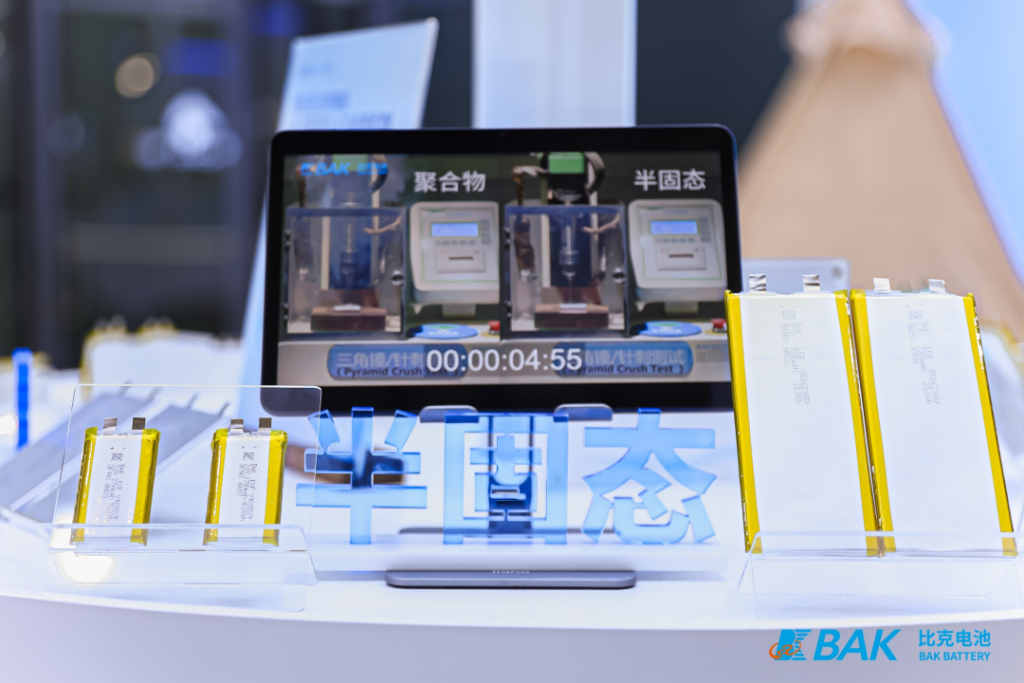
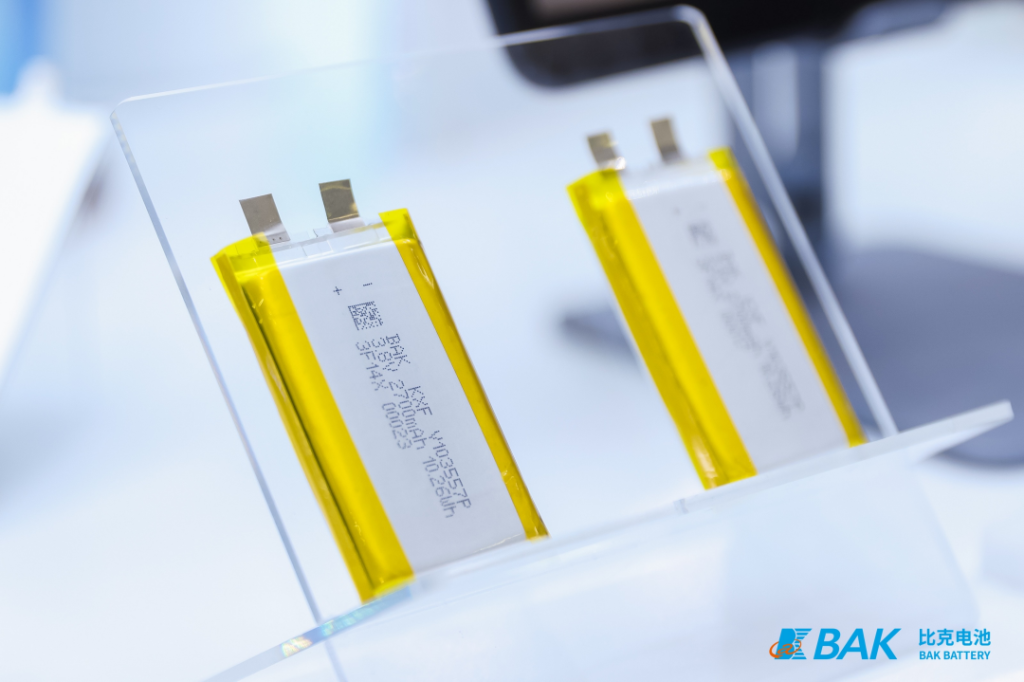
Recently Shenzhen BAK Power Battery Co., Ltd. has introduced an innovative line of semi-solid-state lithium batteries known for their exceptional energy density, durability, and safety features. These batteries have undergone rigorous testing and demonstrated resilience against potential risks such as leaks, ignition, and short circuits. They are designed for use in ultra-safe mobile communication devices.
Liu Zhibo, the Vice President of BAK Battery, highlighted the company’s progress in semi-solid-state battery technology, which holds promise for a range of applications, including mobile devices, wearables, and electric vehicles. The company has made significant advancements in developing suitable electrolytes and solidification techniques, improving ion transport and electrode interface dynamics. Crucially, these batteries have passed stringent safety tests, confirming their reliability and potential in the emerging energy sector.
BAK Battery is collaborating with leading manufacturers of ultra-safe mobile communication devices to incorporate their cutting-edge solid-state batteries into various sectors, including mining and defense communications. These batteries are positioned as high-quality “blast-resistant application batteries” for explosion-proof solutions.
Liu Zhibo is optimistic about the future of solid-state batteries and envisions their use in professional drones, electric bikes, cars, energy storage systems, and more. Additionally, BAK plans to significantly increase its production capacity to an impressive 12GWh.
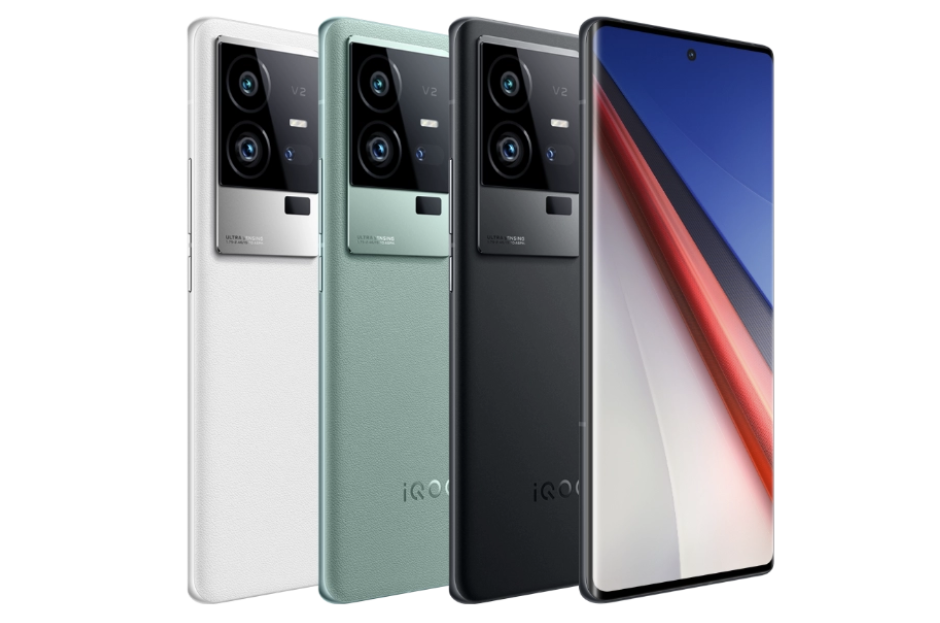
Vivo and its sub-brand iQOO are gearing up to launch the Vivo X100 series and the iQOO 12 lineup in China. A couple of reliable tipsters from China have revealed the expected launch timeframe for both series.
iQOO 12, Vivo X100 series’ launch timeframe (rumored)
iQOO 11 Pro
According to reliable tipster Digital Chat Station, the iQOO 12 series is now set to launch in early November in China, aligning with the Double Eleven (Nov. 11) sales event. On the other hand, the Vivo X100 series will debut shortly after Double Eleven.
Furthermore, in line with this information, another leaker expressed doubts about the Vivo X100 series launching in early November, suggesting that it could be challenging to align with the Double Eleven event. He added that the iQOO 12 series is primarily an online release and is expected to be available in time for Double Eleven, while the X100 series will come after this event. On a side note, the iQOO 12 (not the Pro variant) is also rumored to debut in the same month in India.
For those who don’t know, the iQOO 12 lineup includes two Snapdragon 8 Gen 3-powered devices, the iQOO 12 and 12 Pro. It is expected that Qualcomm will unveil the Snapdragon 8 Gen 3 through its upcoming 2023 Snapdragon Summit event. It is also being said that Xiaomi will be the first brand to launch a Snapdragon 8 Gen 3-powered smartphone. As per reports, the Xiaomi 14 and 14 Pro may go official on October 27.
Samsung has officially launched its entry-level smartphones, the Galaxy A05 and Galaxy A05s, in the Philippines. While the details of the A05 series were initially announced in September, the tech giant did not reveal its price and availability, but now it has disclosed these details for the Philippine market. The A05 and A05s boast a 90Hz display, a 50-megapixel primary camera, up to 128 GB of storage, and sizeable batteries with fast charging support. Let’s dive into the specifications, features, and pricing of these
Samsung Galaxy A05, Galaxy A05s specifications and features
Samsung Galaxy A05, Galaxy A05s
The Galaxy A05 features a 6.7-inch PLS LCD HD+ display, Helio G85 processor, 4 GB RAM, and a choice of 64 GB or 128 GB storage. It comes with a 5,000mAh battery supporting 25W charging, an 8-megapixel selfie camera, and a rear camera setup with 50-megapixel + 2-megapixel (depth) lenses.
Additional features include dual-SIM, Wi-Fi, Bluetooth, microSD card slot, face unlock, USB-C, and a 3.5mm headphone jack. The device runs on Android 13 with One UI and measures 68.8 x 78.2 x 8.8 mm, weighing 195 grams.
The Galaxy A05s, on the other hand, sports a 6.7-inch 2 PLS LCD 90Hz FHD+ display with Snapdragon 680 under the hood. It has 4 GB of RAM and 128 GB storage, powered by a 5,000mAh battery that supports 25W charging. The phone features an 8-megapixel front camera and a rear camera setup with 50MP, 2MP (depth), and 2MP (macro) lenses.
The Galaxy A05s also include other features, such as dual-SIM, 4G VoLTE, Wi-Fi, Bluetooth, a side-facing fingerprint scanner, a microSD card slot, face unlock, USB-C, and a 3.5mm audio jack. It also runs on Android 13 with One UI, measuring 168.0 x 77.8 x 8.8 mm and weighing 194 grams.
Samsung Galaxy A05, Galaxy A05s price and availability
In the Philippines, the Galaxy A05 is available in Black and Silver colors, with pricing starting at PHP 5,690 (~$100). On the other hand, the Galaxy A05s comes in Black and Light Green colors, with a starting price of PHP 7,990 (~$140).
In related news, Samsung is gearing up to announce the Galaxy A05s on Oct. 18 in India. It is likely that the device could be priced at around Rs 10,000.
A recent leak revealed that the Samsung Galaxy S24 Ultra’s telephoto and periscope zoom cameras In a new leak, tipster Revegnus shared detailed information on the entire camera setup of the S24 Ultra. Continue reading ahead to learn what to expect from its camera capabilities.
Samsung Galaxy S24 Ultra camera specifications (rumored)
Galaxy S24 Ultra camera specifications leaked
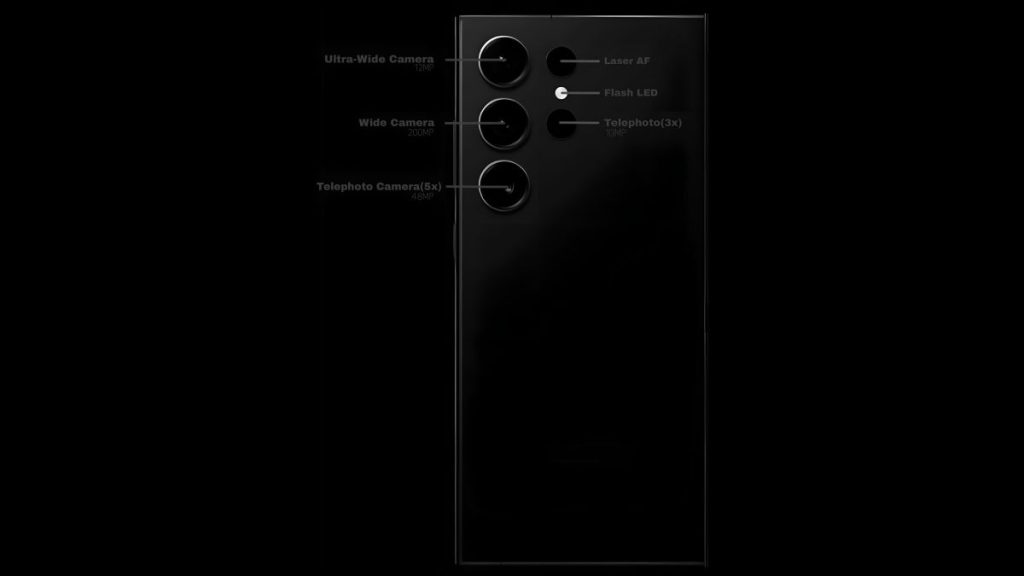
The upcoming Galaxy S24 Ultra is rumored to have an impressive camera setup that includes:
A 12-megapixel ultra-wide camera featuring the IMX564 sensor with a 1/2.55″ sensor size and 1.4μm pixel size
A 10-megapixel telephoto camera (3x optical zoom) with the IMX754+ sensor, which has a 1/3.52″ sensor size and 1.12μm pixel size
A 48-megapixel periscope telephoto camera with a 5x optical zoom is equipped with the GMU sensor, which features a 1/2.25″ sensor size and 0.8μm pixel size. The final aperture for the 5x telephoto camera is expected to be approximately f/3.2
The tipster added that the Galaxy S24 Ultra will deliver an astonishing 100x zoom capability, despite its 5x optical zoom. Please keep in mind that Samsung has not officially confirmed these details. Hence, it is advisable to digest the camera leak of the S24 Ultra with a pinch of salt.
The tipster even went on to talk about the Galaxy S25 Ultra, which is expected to launch in Q1 2025. According to the leaker, the S25 Ultra would also use 4x and 6x telephoto lenses and replace laser autofocus with a new Vizion sensor. Both “Vizion 44” and “Vizion 55” have completed development, with the possibility of Samsung opting for the “Vizion 55” with a 1/6.4-inch sensor size and real-time 60fps depth image capabilities.
As far as the selfie camera is concerned, it is expected to retain the 12-megapixel front camera, which was introduced on the S23 Ultra.
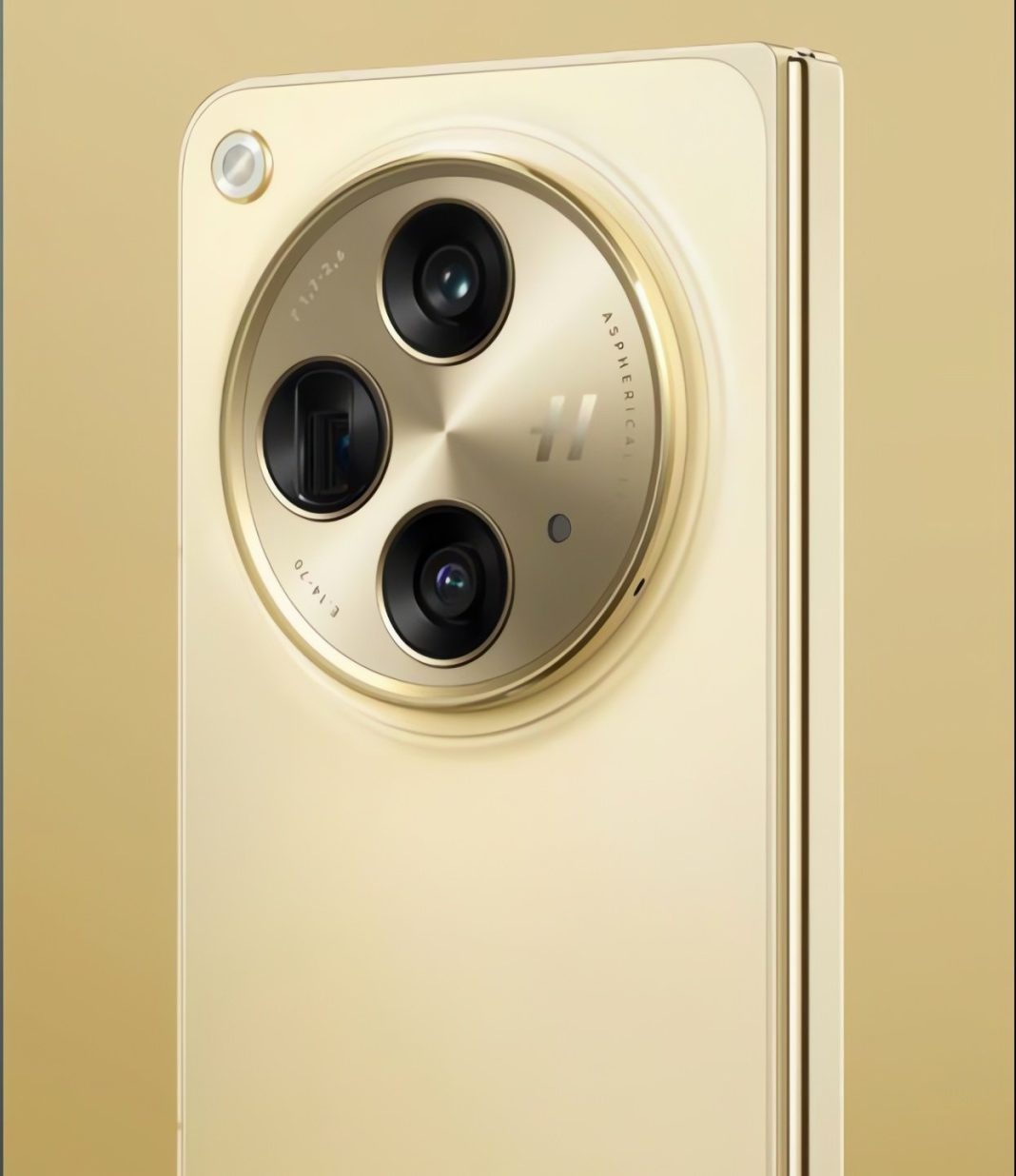
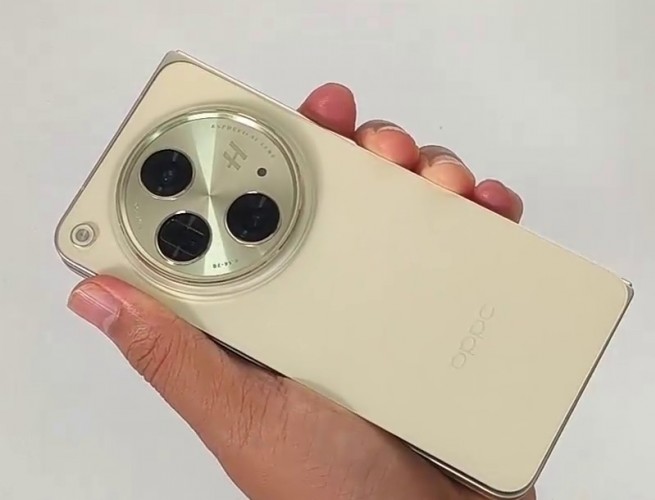
Oppo is launching the Find N3 in China on October 19. The same smartphone is expected to make it to the global market as the OnePlus Open. The foldable is expected to bring many upgrades as compared to its predecessor. This includes a new design and color options. Earlier this week we saw the phone in a red color option clad with Faux leather. Now, a popular tipster Evan Blass has shared live images of Oppo Find N3 in gold.
Oppo Find N3 is launching on October 19
As seen in the images, the Oppo Find N3 has a large circular camera module with three camera sensors and the Hasselblad branding. The back of the smartphone appears to be glass and the frame is likely metallic. The images also confirm the presence of a USB-C port at the bottom with speakers and a SIM card slot. The foldable will also be offered in Black and Green.
Reports suggest the Find N3 is slightly thicker but lighter than the Huawei Mate X3. The book-style foldable is measured to be 12.44mm thick and weighs 244.8g. In comparison, the Mate X3 measures 11.8mm and weighs 248.9 grams. The Find N3’s display is not as tall as other foldables in the market. It is supposed to have a 7.82-inch AMOLED inner display and a 6.31-inch AMOLED outer display, both with a 120Hz refresh rate.
However, the handset’s camera prowess will be on par with even the best flagship phones. It is expected to come with a 48MP main camera, a 48MP ultrawide sensor, and a 64MP telephoto shooter. Under the hood, the Find N3 will pack the last year’s Snapdragon 8 Gen 2 SoC. It will be fueled by a 4,805mAh battery with support for 100W charging.
The Cube Fold Hybrid e-bike has been unveiled. The new Cube e-bike is designed as a mix between a compact cargo e-bike and a practical commuter bike. It comes from a wide portfolio of bicycles offered by German brand Cube. The bike is available in two variants – Fold Hybrid and Fold Sport Hybrid.
Cube is known for manufacturing bikes for all sizes of riders in both the electric and non-electric segments. The Fold Hybrid comes as the most practical bike configuration that has been conceptualized. It is a folding electric bike and reflects the current dynamics of commuters transiting to e-bikes as their means of daily commuting. Electric bikes are fast becoming the ultimate urban mobility solution and a foldable one adds to the versatility.
The Cube Fold Hybrid is equipped with the mid-drive Bosch Active Plus motor. The Bosch Active Plus is lower on the performance scale than the Bosch Performance Line motor. The motor combines with the Bosch Power Pack 500 with a capacity of 500Wh. The new battery pack delivers up to 25% higher range than its predecessor. The Fold Hybrid e-bike has a sturdy frame that is capable of hauling cargo. The frame is adjustable to accommodate riders between 5ft-2 inches and 6ft-2 inches in height. The Fold Hybrid weighs 25kg and comes with a built-in handle for easier carriage.
The base model in the lineup, the Fold Hybrid has a Shimano Nexus 5-speed hub and belt drive. The Fold Sport Hybrid instead comes with a 10-speed Shimano Tiagra groupset common with entry-level road bikes. Accessories for the Cube Fold Hybrid e-bikes include mudguards, a rear rack, lights, and an optional front carrier, among others. The Fold Hybrid is priced at £2,699 (~$3,300) while the Fold Sport Hybrid costs £2,999 (~$3,669). Availability of the Cube Fold Hybrid seems limited to Europe for now.
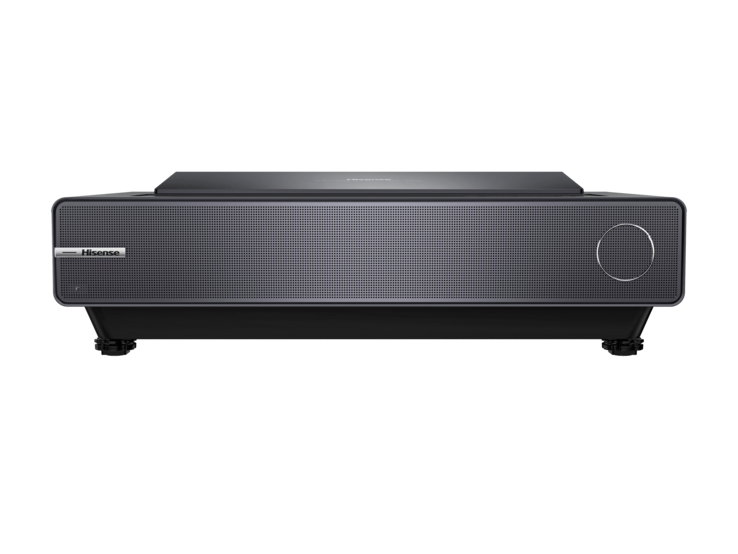
Chinese electronics manufacturer Hisense has launched the PX2-PRO TriChroma laser cinema projector for the US market. The launch is coming a couple of months after the laser projector was released in Europe. The TriChroma Laser Cinema can now be purchased from several US retail platforms.
Features
The Hisense PX2-PRO TriChroma Laser Cinema is a 4K projector that delivers a maximum brightness of 2,400 ANSI Lumens and covers 107% of the BT 2020 color gamut. The new Hisense premium projector is compatible with Dolby Vision, as well as features a Game mode and Google TV.
The Hisense PX2-PRO laser cinema projector was showcased at CES 2023 earlier this year. It is an ultra-short throw projector and can throw images up to 130 inches. It has a throw ratio of 0.25:1 and provides Vivid colors, as well as deeper blacks. It is equipped with the Hisense TriChroma Laser Light Engine for excellent color management. The Game Mode improves the responsiveness of the projector for an enhanced gaming experience. Connectivity options for the projector include HDMI, USB, and Audio Out.
The PX2-PRO projector supports HDR10 and also features a Filmmaker mode. Sound is delivered via an integrated 30W sound system with support for Dolby Atmos. With Google TV integration, the projector can stream videos from Netflix, Disney+, and other streaming platforms. You can also cast content from a mobile phone using Chromecast. The projector is compatible with Google Assistant and can be controlled via voice commands.
Pricing & Availability
The Hisense PX2-PRO Laser TriChroma Cinema can be purchased from platforms like Amazon, Best Buy, and ProjectorScreen.com for $3,499.99.
P-UP World, a Japanese tech firm, is turning back time with the launch of its new phone, the Mode 1 RETRO II. A nostalgic nod to the flip phones that were the rage between 2005 and 2010, this device successfully fuses the old with the new.
Mode 1 RETRO II Key Specifications:
The device features a 3.5-inch IPS LCD display with a resolution of 1440×720. It has a unique design with a numeric keypad beneath the screen, reminiscent of older phones. The device also includes customizable buttons around the Android navigation keys. Despite these features, it remains compact and lightweight, weighing only 145 grams. The device measures 112 mm x 52 mm x 20 mm when folded.
Despite its retro appearance, the phone doesn’t lag in modern-day features. Running on the Android 13 OS, it supports full Google services and even has side fingerprint recognition.
On the tech front, the Mode 1 RETRO II is equipped with MediaTek’s Helio G85 processor, 4GB of RAM, and 64GB of internal storage (expandable with an SD card). It features a 48-megapixel main camera and a 13-megapixel front camera. The device is powered by a 2500mAh battery and utilizes a Type-C port for charging and data transfer.
Targeting an interesting segment of the market, the Mode 1 RETRO II seems poised for those who miss the tactile feel of feature phones but need the functionalities of today’s smartphones. Whether it’s for pure nostalgia or utility, this device certainly offers a unique blend of past and present.
The device comes in Sheep White, and Wolf Black colors. Starting pre-orders on October 13th and set to be available on October 20th, this phone will retail at 29,800 Japanese yen, roughly 1,457 Chinese yuan ($199). There’s no info on the global availability yet.
We use cookies on our website to give you the most relevant experience by remembering your preferences and repeat visits. By clicking “Accept”, you consent to the use of ALL the cookies.
This website uses cookies to improve your experience while you navigate through the website. Out of these, the cookies that are categorized as necessary are stored on your browser as they are essential for the working of basic functionalities of the website. We also use third-party cookies that help us analyze and understand how you use this website. These cookies will be stored in your browser only with your consent. You also have the option to opt-out of these cookies. But opting out of some of these cookies may affect your browsing experience.
Necessary cookies are absolutely essential for the website to function properly. This category only includes cookies that ensures basic functionalities and security features of the website. These cookies do not store any personal information.
Any cookies that may not be particularly necessary for the website to function and is used specifically to collect user personal data via analytics, ads, other embedded contents are termed as non-necessary cookies. It is mandatory to procure user consent prior to running these cookies on your website.