Advertisement

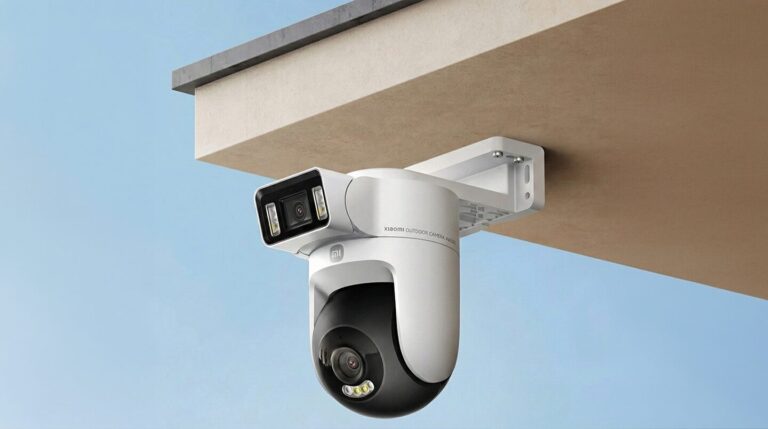
Xiaomi launches Smart Outdoor Camera 4 4G with dual cameras

Xiaomi has just launched a new camera for home security in China. The Xiaomi Smart Outdoor Camera 4 4G has just been announced with dual camera sensors, standalone connectivity, and much more. So here’s everything you need to know.

Xiaomi Smart Outdoor Camera 4 4G Specifications

The Chinese tech giant’s new security cam ditches the need for WiFi entirely, by using built-in 4G LTE connectivity. This means you can place the camera almost anywhere there’s cellular coverage and stream footage via the Mi Home app. So one doesn’t need to worry about weak home networks or expensive routers with large area coverage. What sets it apart is the included data plan that comes with a free unlimited data plan for app based streaming.
Xiaomi Smart Outdoor Camera 4 4G launch
Xiaomi Smart Outdoor Camera 4 4G

In other words, you don’t need a monthly subscription and potentially high carrier costs. It also makes the Xiaomi Smart Outdoor Camera 4 4G simple to install and monitor your property right away. Furthermore, this model brings a dual camera setup that includes two 5MP sensors that have an f/1.6 aperture. The twin cameras offer a wide angle view along with a telephoto perspective, giving you both a broad scene coverage along with zoomed-in recordings for better detail. This lets you spot faces better, capture license plates, and see distant movement thanks to 3K recordings.

Xiaomi has packed the Smart Outdoor Camera 4 4G with an AI powered detection feature that can distinguish between humans and vehicles, that reduce false alerts. There is also two way voice communication that lets users talk to visitors and delivery workers straight from their smartphones. The security cam can also survive outdoor conditions since it carries an IP66 rating for water and dust resistance. Other notable features include Xiaomi HyperConnect ecosystem support and Active Defence with sound and light alarms. The Xiaomi Smart Outdoor Camera 4 4G in China costs 379 Yuan, which is roughly around 53 US Dollars. This launch also arrives after the company launched the Xiaomi Smart Camera 3 3K earlier this month.

For more daily updates, please visit our News Section.

Don’t miss a thing! Join our Telegram community for instant updates and grab our free daily newsletter for the best tech stories!
iQOO 15 Ultra launching with shoulder triggers for a controller-like gaming experience

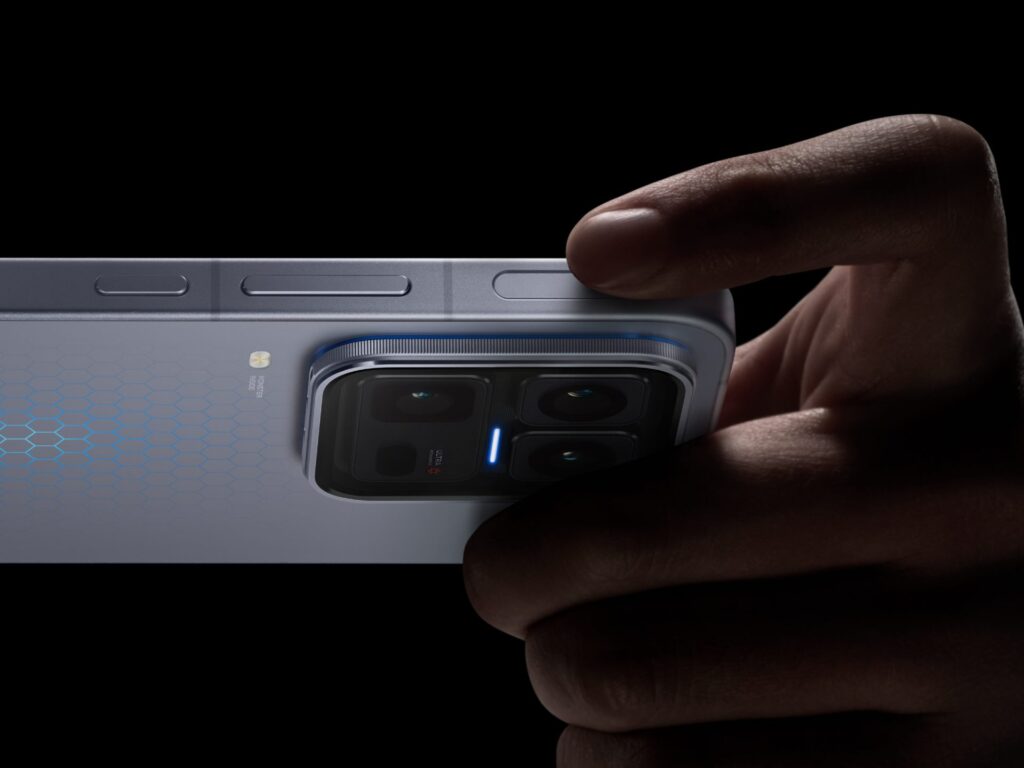
iQOO is gearing up to unveil its next flagship, the iQOO 15 Ultra, that is targeted as a powerful new gaming smartphone. Previous teasers have shared some of its specifications, and the latest promo image has confirmed new shoulder triggers for an improved gaming experience. So let’s check it out.

iQOO 15 Ultra: Controller Gaming Feel on a Smartphone

The Chinese brand teased a pair of new “super-sensitive gaming shoulder buttons” that are strategically placed along the sides of the frame. These aren’t typical press-type triggers but capacitive touch-based controls that register input at an impressively high 600Hz sampling rate, promising ultra-fast responsiveness during intense gameplay. In comparison, onscreen buttons can feel cramped or imprecise. So the shoulder triggers are designed to mimic a controller’s feel when you hold the device horizontally.

iQOO 15 Ultra teased with Gaming Shoulder Triggers

They support custom mapping, so players can assign actions or shortcuts based on their playstyle, like firing, jumping, or combos. That’s not all, the teasers also revealed support for dual War Drum speakers for audio, which could make the iQOO 15 Ultra the first smartphone from the brand to offer Dolby Atmos tuning. Complementing the audio is a War Hammer dual-axis vibration motor. This bidirectional feedback system provides multidimensional vibration effects.

It is a step above conventional vibrating motors, bringing in-game events like explosions or impacts to life. In related news, the iQOO 15 Ultra is set to debut in China on 4th February 2026, and the company has also confirmed a new Q3 gaming chip and an active cooling solution with the Ice Dome Air Cooling System. Based on what we know so far, the smartphone is expected to feature a 6.85-inch 2K LTPO AMOLED display, with up to 24GB of RAM, 1TB of internal storage, a gigantic 7,400mAh battery, and a Snapdragon 8 Elite Gen 5 SoC.

For more daily updates, please visit our News Section.

Tech enthusiast? Get the latest news first! Follow our Telegram channel and subscribe to our free newsletter for your daily tech fix! ⚡

Asus launches Zenbook 14 Air 2026 with Intel Core Ultra 9 386H, 2.8K OLED display and 77Wh battery

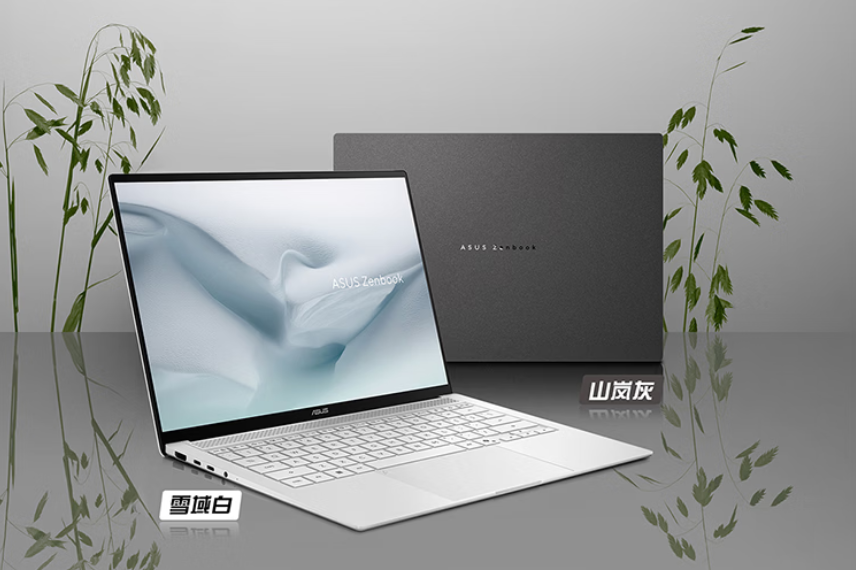
Asus has announced the Zenbook 14 Air 2026 in China, a lightweight AI-powered laptop designed for professionals and creators who prioritize portability without compromising performance. The device was unveiled at the company’s latest AI PC launch event, alongside the dual-screen Zenbook 14 Duo.

Asus Zenbook 14 Air 2026

Asus Zenbook 14 Air 2026 Specifications

The Zenbook 14 Air runs on the Intel 3rd-gen Core Ultra processors built on the 18A process, topping out at the Core Ultra 9 386H with boost speeds up to 4.9GHz. Asus also offers a Core Ultra 7 variant. Both chips follow a 16-core architecture with performance, efficiency, and low-power efficiency cores.

The Core Ultra 9 reaches boost clock speeds of up to 4.9GHz. It features an upgraded neural processing unit capable of delivering up to 50 TOPS of AI compute, enabling smoother on-device AI features such as image generation, language modeling, and Windows Copilot.

The laptop weighs just 1.19kg and measures 1.1cm thick, positioning it firmly in the premium ultraportable segment. Asus uses a CNC-machined unibody chassis with a Ceraluminum lid that combines ceramic and aluminum to improve durability, provide a warmer touch, and resist fingerprints and stains, while a hidden hinge and geometric grille boost airflow efficiency by up to 50%.

The Zenbook 14 Air 2026 includes a 14-inch OLED display with a 2880 x 1800 resolution and 120Hz refresh rate. It reaches a peak brightness of 1,100 nits and is certified for VESA DisplayHDR 1000. The panel supports 100% DCI-P3 color gamut, 10-bit color depth, and factory-calibrated color accuracy with Delta E < 1.

In terms of memory, the laptop supports up to 32GB of LPDDR5X RAM at 8533MT/s and up to 1TB of PCIe 4.0 SSD storage. Asus claims the 77Wh battery can deliver up to 29.5 hours of local video playback, while a dual-fan cooling system with an ultra-thin vapor chamber and graphite sheets keeps thermals in check, with fan noise staying below 25dB during light use.

The Zenbook 14 Air supports Wi-Fi 7 and offers two Thunderbolt 4 ports, a 10Gbps USB-A port, HDMI 2.1, and a 3.5mm headphone jack. It also includes a 1080p IR webcam with Windows Hello, AI noise reduction, a quad-speaker system with Dolby Atmos, and a 5.9-inch touchpad that supports gesture shortcuts with a 240Hz touch sampling rate.

Pricing and Availability

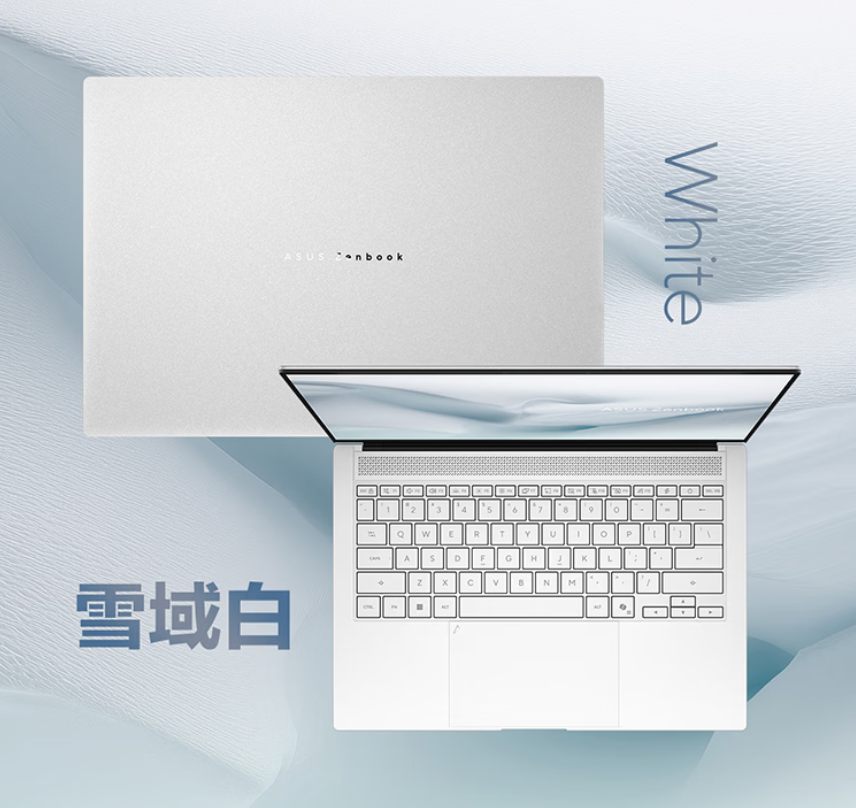
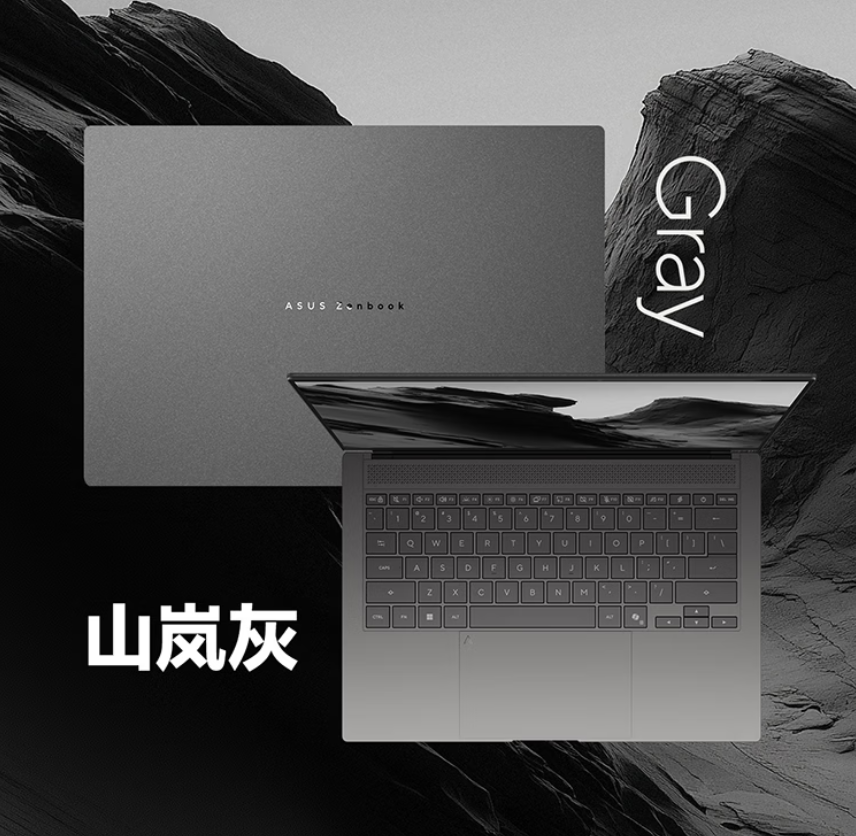
Asus has priced the Core Ultra 9 configuration at 9,999 yuan ($1,438), while pricing for the Core Ultra 7 variant has not yet been announced. The laptop is available in Snow White and Mountain Mist Grey.

In related news, Lenovo has recently launched the sub-1kg Yoga Slim 7i Ultra Aura Edition in the UK with a 2.8K OLED display, while Asus has partnered with GoPro to introduce the ProArt PX13, a rugged AI laptop aimed at mobile creators.

For more daily updates, please visit our News Section.

Stay ahead in tech! Join our Telegram community and sign up for our daily newsletter of top stories! 💡

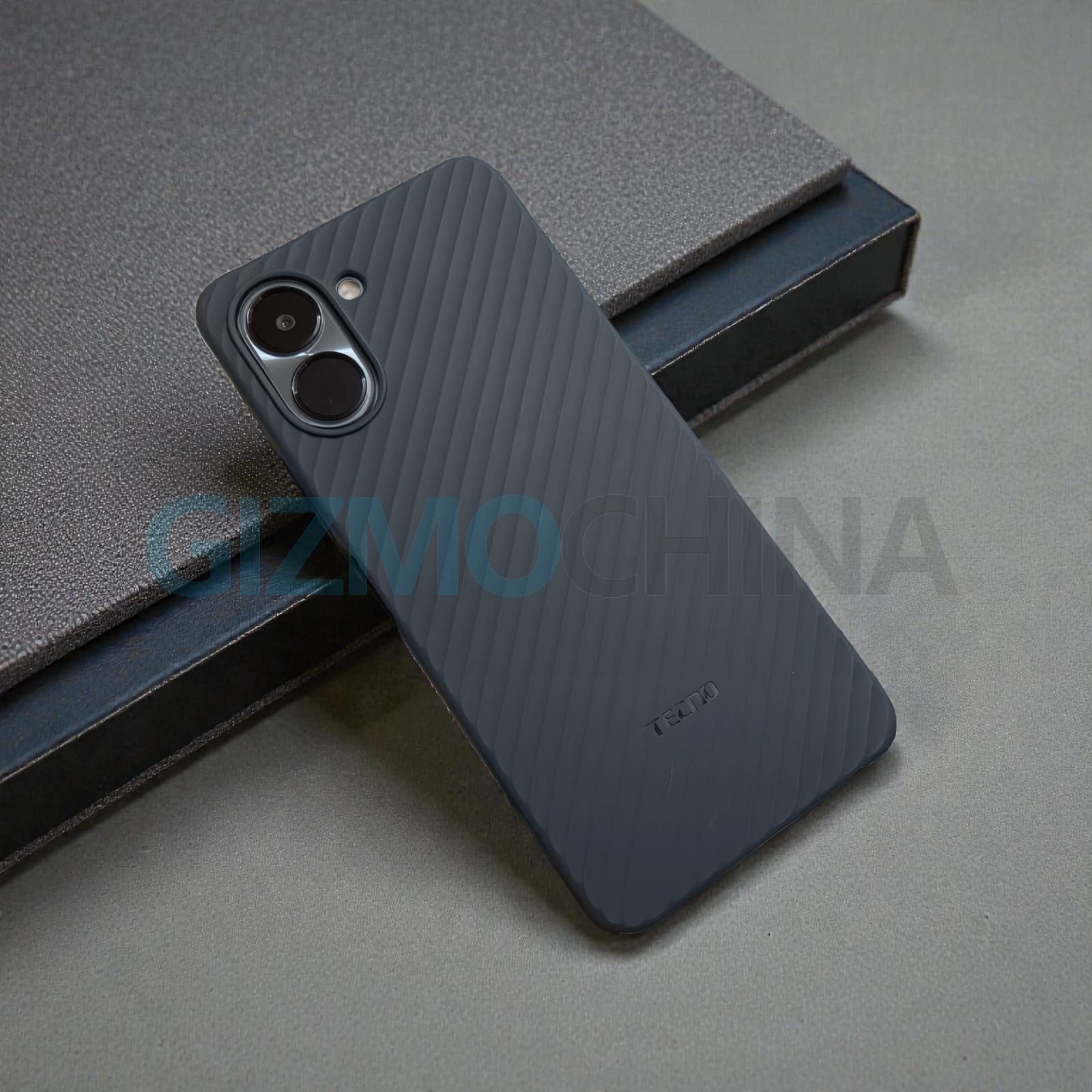
Is the Tecno Spark Go 3 a good choice for everyday use

Entry-level smartphones are usually judged by what they lack. Slower performance, basic cameras, and software compromises are expected at this price point. So, when I started using the Tecno Spark Go 3 as a daily phone, I was not looking for excitement. The goal was simple. Could a phone priced at Rs 8,999 handle everyday tasks without constantly reminding you of its limitations?

After spending time with it for calls, WhatsApp, YouTube, music streaming, and light photography, the Spark Go 3 turned out to be more usable than I expected, especially for users upgrading from older budget smartphones.

6Who is the Tecno Spark Go 3 meant for?

Tecno Spark Go 3
Tecno Spark Go 3

At Rs 8,999, the Tecno Spark Go 3 is clearly aimed at first-time smartphone users, students, parents, and anyone looking for a dependable secondary phone. It is not designed for power users or heavy gaming, and it does not try to be.

Instead, it focuses on delivering a smooth display, reliable battery life, stable everyday performance, and practical features that make daily usage easier. For its price, that combination makes the Spark Go 3 a sensible and well-rounded option in the entry-level segment.

For more daily updates, please visit our News Section.

Stay ahead in tech! Join our Telegram community and sign up for our daily newsletter of top stories.

Next

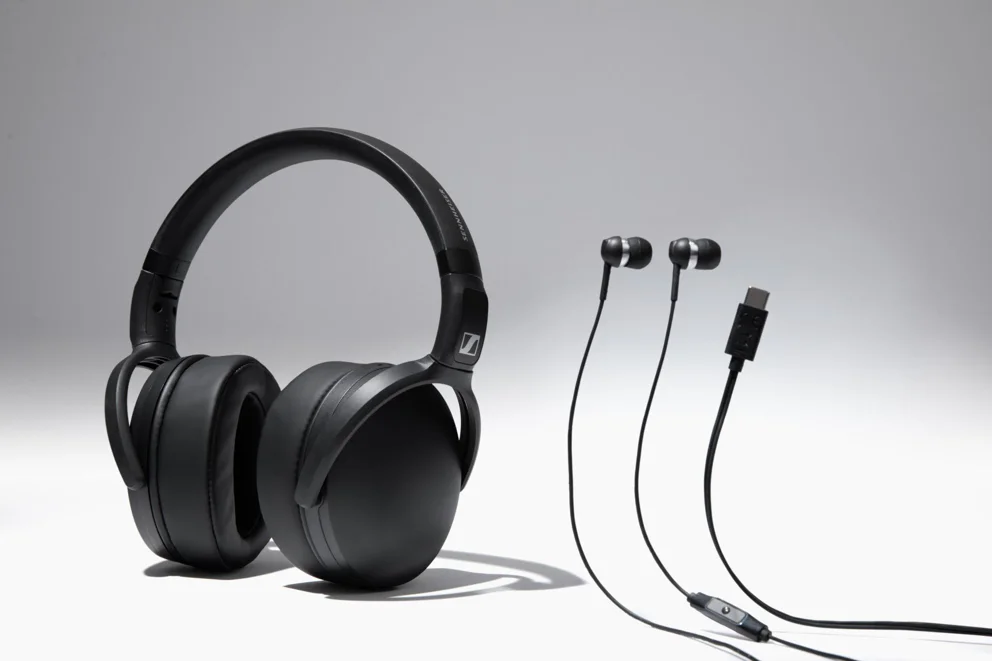
Sennheiser launches new wired HD 400U headphones & CX 80U earphones

Sennheiser has expanded its audio lineup with two fresh wired models with the new HD 400U over-ear headphones and CX 80U in-ear earphones. Both models feature USB-C connectivity to offer high resolution sound quality, so here’s everything you need to know.

Sennheiser HD 400U Headphones

The HD 400U builds on the legacy of Sennheiser’s previous HD 400S model but updates it with a modern USB-C interface. These closed-back headphones deliver a bass-rich sound profile with passive noise isolation, making them suitable for everything from music and movies to podcasts. They also come with practical extras like a detachable USB-C cable and a compact storage pouch for easy transport. Thanks to the wired connection, it removes the audio compression over wireless Bluetooth connections when using SBS and AAC codecs for improved audio quality.

Sennheiser HD 400U headphones and CX 80U earphones launched

Sennheiser CX 80U Earphones

For those who prefer a more portable option, the CX 80U in-ear earphones retain a balanced yet punchy sound signature in a slim and on-the-go design. They include three sizes of ear tips to help users find a secure fit and feature an in-line MEMS microphone for clear calls and voice chats. This makes them a versatile choice for everyday listening, gaming or fitness sessions, all without needing a separate dongle or Bluetooth pairing.

Both the HD 400U and CX 80U are designed for seamless compatibility across platforms, including iOS, Android, ChromeOS, macOS, Windows and SteamOS. The duo don’t require any kind of driver installation, bringing a convenient plug and play experience. Sennheiser’s new CX 80U in-ear earphones are priced at 39.95 US Dollars, while the HD 400U over-the-ear headphones are priced at 99.95 US Dollars.

For more daily updates, please visit our News Section.

Don’t miss a thing! Join our Telegram community for instant updates and grab our free daily newsletter for the best tech stories!
Four more Motorola phones get access to Android 16 beta program

Motorola Android 16 beta program expansion

Motorola has really improved its software rollout pace, delivering faster updates this time, and hopefully, it will only keep getting better. The latest Android 16 update is already available to over a dozen of its devices, and is now expanding to four more Motorola smartphones via the beta program.

The company has just updated the MFN Beta Testing page, showing that the Android 16 beta program is now open for four more devices: Edge 2024, Edge 40 Pro, Edge+ 2023, and Moto G35 5G. The beta program is available in select regions as mentioned in the following list:

  • Motorola Edge 2024 – US
  • Motorola Edge 40 Pro – EMEA, LATAM
  • Motorola Edge+ 2023 – US
  • Moto G35 5G – India, EMEA

To get the Android 16 beta update, you need to submit an application to participate in the beta program. Once your application is approved, the Android 16 beta will be delivered to your Motorola phone via an OTA update.

Here’s how to participate in Motorola’s Android 16 beta program

  1. Create an account on Motorola’s community website (if you haven’t already).
  2. Visit the profile page and update your IMEI or serial number (SN) details.
  3. Opt in for MFN on your Motorola community profile.
  4. Always ensure that your phone is running the latest software.
  5. Go to the MFN Beta Testing Opportunities page to see a testing opportunity for your Motorola device.
  6. Tap on the registration link for your Motorola phone.
  7. Fill in the required details and submit your application.

You may receive emails from Motorola regarding the beta application. Therefore, remember to check your mail app regularly. Also, don’t forget to check your spam/junk folder.

Once Motorola approves your beta application, the Android 16 beta will reach your device in a few days. You can check for available updates by navigating to Settings > System > Check for updates.

Here are the major upgrades in Motorola’s Android 16 update

Regarding the changes, there aren’t many, to be honest. This update may not feel like a major one, but there are a few quality-of-life improvements to look forward to. The new software reduces frustration when an app sends too many notifications in a short time by limiting the volume of successive notifications, thanks to the Notification cooldown feature.

Motorola users can now connect to the hotspot of another device without entering the password, provided the devices are logged into the same Google account. The Settings app has also received notable upgrades, now featuring Do Not Disturb, Bedtime, and Driving modes in the Modes section. Further, you can also create custom modes tailored to your specific needs.

The Android 16 update also introduces numerous enhancements to hearing aids for improved usability. Additionally, the latest software features enhanced security, performance upgrades, and better compatibility with newer apps.

You can regularly visit the Motorola section on Gizmochina to stay up-to-date with the latest news and developments. Or, if you prefer instant updates, don’t forget to join our Telegram channel.

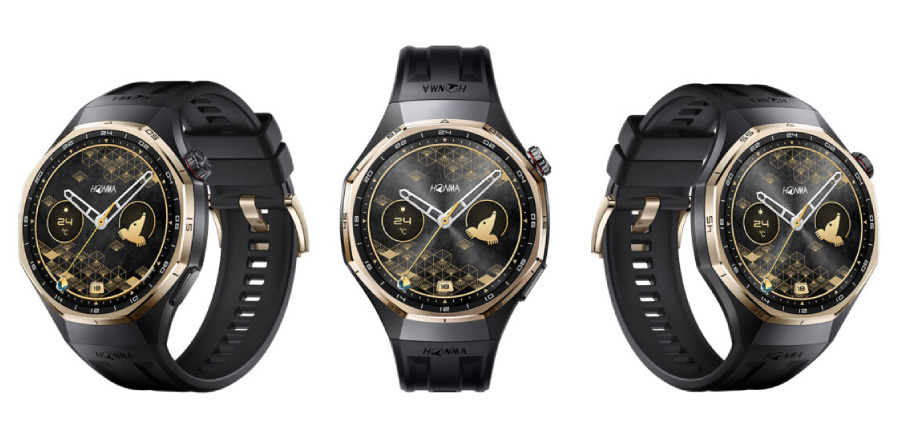
Huawei launches Honma edition Watch GT 6 Pro with golden titanium bezel, 21 days battery life

Huawei has announced a new version of its Watch GT 6 Pro in Malaysia in collaboration with Japanese golf brand Honma. 

The Honma x Huawei Watch GT 6 Pro carries a premium price of RM1,299 (around US$328) and comes in a special gift box that includes a golden golf ball.

The smartwatch is largely similar to the standard 46mm Watch GT 6 Pro from the inside. The collaboration mostly affects the outside, in a good way, of course. 

Huawei Watch GT 6 Honma Edition Specifications

The most visible change is the golden titanium bezel that frames the watch’s round 1.47-inch AMOLED display. This is paired with a black sports band featuring the Honma logo and a golden buckle. 

The watch also includes an exclusive Japanese-style Honma watch face, continuing the brand’s signature black-and-gold aesthetic.

Huawei has also added features such as an AI caddie, distance tracking, and green slope orientation to help golfers determine the ideal launch angle and distance to the hole. 

The Honma edition keeps the same comprehensive suite of sensors and features as the standard GT 6 Pro, including ECG, heart rate, SpO2, skin temperature sensor, NFC, GPS, and an altimeter. 

The smartwatch offers up to 21 days of battery life, which drops to seven days if the always-on display is enabled. The display resolution is 466 x 466 pixels, and the screen is protected by sapphire glass.

The partnership with Honma marks Huawei’s first co-branded smartwatch with a luxury golf manufacturer. It is priced roughly $50 higher than the standard Watch GT 6 Pro for the extras you get. 

For more daily updates, please visit our News Section.

Tech enthusiast? Get the latest news first! Follow our Telegram channel and subscribe to our free newsletter for your daily tech fix! ⚡

OnePlus 16 tipped with 240Hz display, Snapdragon 8 Elite Gen 6 Pro, 200MP triple cameras, & more

Even though OnePlus only recently announced its latest flagship series, a big leak has hinted at some of the key specs of the next-gen OnePlus 16. This model is expected to get a notable upgrade over its predecessor, with new camera sensors, a smoother display, and faster performance. So here’s what we know.

OnePlus 16 Leaked Specs

The latest leak arrives from known tipster Debayan Roy, who shared the details on X (formerly Twitter). In his tweet, he claims that the next flagship from OnePlus will sport a blisteringly high refresh rate that could hit up to 240Hz. Although, it remains to be seen just which games would be able to take advantage of this super smooth refresh rate. This is reportedly still based on a flat LTPO OLED BOE X5 panel that has a 1.5K resolution, similar to the OnePlus 15.

OnePlus 15

Under the hood, the OnePlus 16 might be equipped with Qualcomm’s next-gen Snapdragon 8 Elite Gen 6 Pro chip, which could be an evolution of the Elite series designed for the top end flagship performance. We can expect a notable performance bump over older flagship chips, especially in areas like GPU performance, CPU performance, improved efficiency, and better AI workloads. Powering the hardware is a massive 9,000mAh battery pack that could support 100W wired fast charging and 50W wireless fast charging.

For optics, the camera setup is expected to get a new 200MP primary camera that is coupled with a 50MP ultra wide angle lens, and a 50MP telephoto shooter. The exact sensor details are unknown, so it is unclear whether the new cameras will be an upgrade in terms of sensor size. Other notable features rumored for the OnePlus 16 include an IP69 rating, USB 3 port, and an ultrasonic in-display fingerprint scanner.

For more daily updates, please visit our News Section.

Tech enthusiast? Get the latest news first! Follow our Telegram channel and subscribe to our free newsletter for your daily tech fix! ⚡

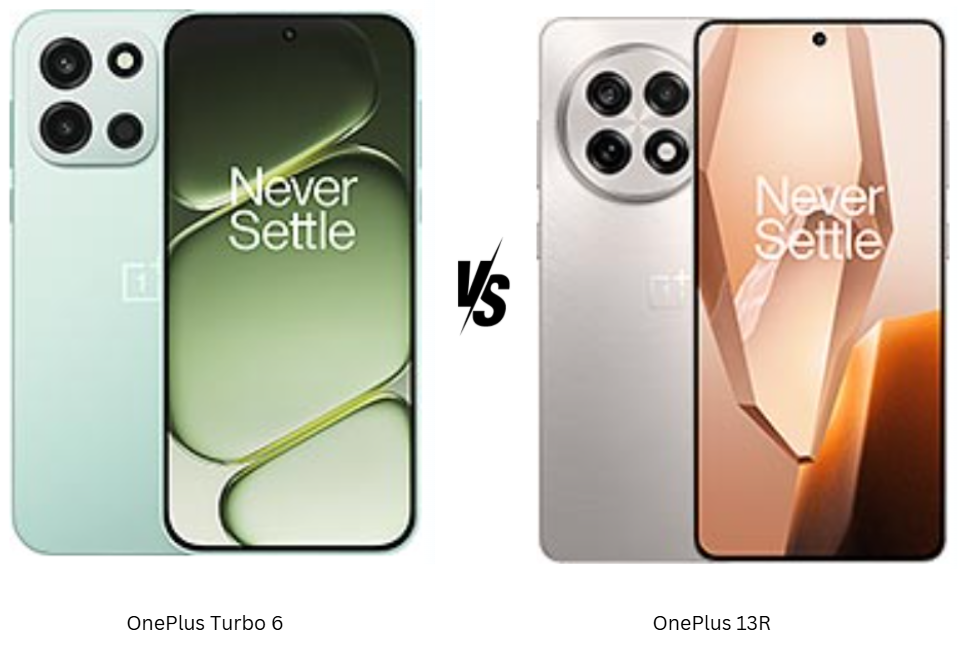
OnePlus Turbo 6 vs OnePlus 13R: Full Specs Comparison and Verdict

Choosing between the OnePlus Turbo 6 and the OnePlus 13R isn’t a simple spec battle; it’s a clash of priorities. One is built to deliver extreme battery life, durability, and high-refresh performance at an aggressive price, while the other focuses on refinement, display quality, and a more complete flagship-style experience. 

Both target very different types of OnePlus buyers, despite sharing similar branding and performance ambitions. This comparison breaks down where each phone truly excels and which one makes more sense, depending on whether raw value or polished balance matters more.

Major Features:

FeatureOnePlus Turbo 6OnePlus 13RWinner
Display Refresh6.78″ AMOLED, 165Hz, 3840Hz PWM, peak 1800 nits6.78″ LTPO AMOLED, 120Hz, 2160Hz PWM, Dolby Vision, peak 4500 nitsTurbo 6 – higher refresh for smoother (gaming/scrolling)
Display QualityHDR Vivid, good brightnessHDR10+ + Dolby Vision, higher peak brightness13R – richer HDR support and brighter visuals
ChipsetSnapdragon 8s Gen 4Snapdragon 8 Gen 313R – stronger flagship CPU/GPU capability
RAM & StorageUp to 16GB + UFS 4.1Up to 16GB + UFS 4.0Turbo 6 – faster storage tech (UFS 4.1 boosts app loading)
Battery Capacity9000 mAh6000 mAhTurbo 6 – far larger battery for extended use
Charging80W wired, 55W PPS, UFCS80W wired (50% ~20 min, 100% ~52–54 min)Tie – both support fast charging
Main Camera Setup50 MP main (wide) + OIS50 MP main + 50 MP telephoto (2×) + 8 MP ultrawide13R – far more versatile lenses
Video Recording4K@30/60, 1080p@30/60/2404K@30/60, 1080p@30/60/120/24013R – similar video plus more sensor flexibility
Selfie Camera16 MP wide, 1080p16 MP wide, 1080pTie – same resolution and video capability
Build ProtectionIP68/IP69K (high-pressure)IP65 (low-pressure)Turbo 6 – stronger water/dust resistance rating
SoftwareAndroid 16, ColorOS 16Android 15, OxygenOS 15 + 4 major upgrades promised13R – longer software support & cleaner OS
Wireless ConnectivityWi-Fi 6/7, BT 5.4, NFC, InfraredWi-Fi 6e/7 (market specific), BT 5.4, NFC, InfraredBoth excellent connectivity
Storage ExpandabilityNoNoTie – neither supports microSD
Value (Price)~$300 / ₹28,000~$450 / ₹38,999Turbo 6 – stronger value per specs

Please Note: When you buy something using the links in our articles, we may earn a small commission at no cost to you.

1. Design and Display 

Build and Feel

OnePlus Turbo 6 adopts a bold, performance-driven design with a clear focus on durability, backed by higher-grade water and dust resistance. It feels purpose-built for users who want a phone that can handle rougher usage without worry. The OnePlus 13R goes in a more refined direction, using glass and metal to deliver a cleaner, more premium look. It feels closer to a traditional flagship and fits better into professional or lifestyle-focused use.

Display Quality

Turbo 6 stands out with its ultra-smooth 165Hz AMOLED panel and very high PWM dimming, making long gaming or scrolling sessions easier on the eyes. The 13R counters with an LTPO AMOLED display that supports Dolby Vision and HDR10+, offering better brightness control and richer visuals. Media consumption feels more immersive on the 13R, while the Turbo 6 prioritizes fluidity.

Verdict

Turbo 6 favors durability and smoothness, while the 13R delivers a more polished, media-focused display experience.

2. Specifications 

Performance

Powered by the Snapdragon 8s Gen 4, the OnePlus Turbo 6 delivers strong sustained performance and excellent efficiency, especially during long gaming sessions. The OnePlus 13R’s Snapdragon 8 Gen 3 still holds a slight edge in peak performance and graphics-heavy tasks. In everyday usage, both phones feel fast and responsive, but the 13R feels more tuned for flagship-level workloads.

Battery and Charging

Battery endurance is a major advantage for the Turbo 6, comfortably lasting longer under heavy use. Charging speeds are similar, but the larger battery gives it a clear real-world benefit. The 13R charges quickly but requires more frequent charging due to its smaller battery.

Verdict

Turbo 6 is ideal for heavy users who value endurance, while the 13R suits users seeking top-tier performance with balanced efficiency.

3. Camera

Main and Secondary Lenses

OnePlus 13R offers a more complete camera system with a main sensor, telephoto lens, and ultrawide camera. This versatility makes it better for portraits, zoom shots, and travel photography. Image processing feels more consistent, with better dynamic range and color balance. The Turbo 6 relies mainly on its primary sensor, delivering solid daylight shots but limited flexibility due to the lack of additional lenses.

Selfie Camera

Both phones deliver reliable selfie performance suitable for video calls and social media. The 13R tends to produce slightly more natural skin tones in varied lighting.

Verdict

OnePlus 13R is the stronger choice for photography, while the Turbo 6 is sufficient for casual camera use.

4. Pricing 

OnePlus Turbo 6 is priced around $300 / ₹28,000, placing it firmly in the value-performance category. The OnePlus 13R costs approximately $450 / ₹38,999, targeting buyers willing to pay extra for a more premium experience.

Is the Price Justified ?

At its price, the Turbo 6 delivers exceptional value with a massive battery, strong performance, and a durability-focused design. It feels aggressively priced for what it offers. The 13R justifies its higher cost through a superior display, a more versatile camera system, a refined software experience, and longer update support.

Verdict

Turbo 6 offers outstanding value, while the 13R earns its price with polish and balance.

5. Conclusion 

OnePlus Turbo 6 stands out for its long battery life, ultra-high refresh rate display, advanced eye-comfort features, and rugged protection. These traits make it especially appealing for gamers and power users. The OnePlus 13R differentiates itself with an LTPO display, Dolby Vision support, a flexible triple-camera setup, and a more premium overall feel.

Final Verdict

Turbo 6 feels like a performance-first smartphone built for endurance and value. The OnePlus 13R feels more refined and well-rounded, catering to users who prioritize camera quality, display excellence, and a near-flagship experience. Choosing between them comes down to whether raw value and battery life matter more than polish and versatility.

But if only one has to be chosen, the OnePlus 13R is the better overall pick. It feels more balanced for everyday use and long-term ownership, making it the safer and more refined choice despite the higher price.

Read More:

Snapdragon 8 Elite Gen 6 won’t be made by Samsung, says new rumor

A report earlier this month suggested that Qualcomm is looking to work with Samsung Foundry for its next Snapdragon mobile processors. 

The speculation was largely tied to the upcoming Snapdragon 8 Elite Gen 6, with claims that some of Qualcomm’s next flagship chips could use Samsung’s manufacturing facilities.

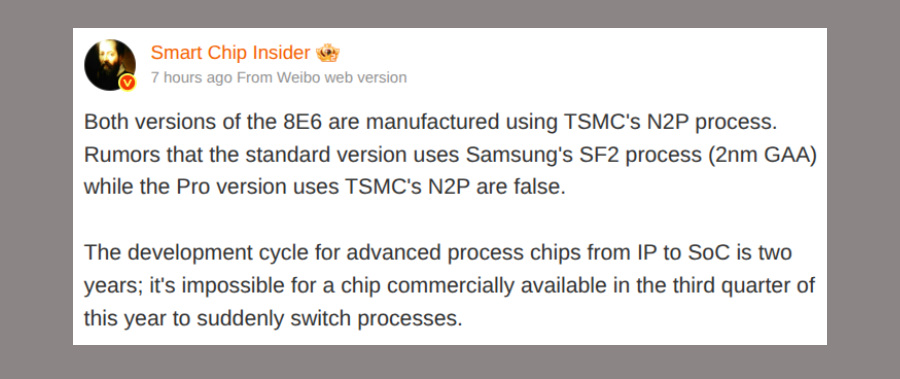
However, a new report from Smart Chip Insider on Weibo says that Qualcomm will rely exclusively on TSMC for the Snapdragon 8 Elite Gen 6 series.

Snapdragon 8 Elite Gen 6 will be exclusively made by TSMC

For those unfamiliar, the Snapdragon 8 Elite Gen 6 is expected to come in two variants: a standard version and a Pro model. According to the tipster, both versions will be manufactured using TSMC’s N2P process, as is expected all along.

To back up the claim, the tipster points to a basic reality of chip development: designing and manufacturing an advanced mobile processor is not something companies can change on short notice.

The full development cycle—from IP design to a finished system-on-chip—typically takes around two years. As a result, it would be nearly impossible for a chip expected to be commercially available as early as the third quarter of this year to switch manufacturing processes or foundry partners at short notice. The reasoning makes sense if we think through it.

Still, this doesn’t mean Samsung is completely out of Qualcomm’s plans. During CES 2026, Qualcomm CEO Cristiano Amon confirmed that discussions between Qualcomm and Samsung are ongoing. While he didn’t point to any specific product, his comments suggest that a collaboration could still happen down the line.

As always with early chip rumors, the full picture will not be clear until Qualcomm makes things official.

Don’t miss a thing! Join our Telegram community for instant updates and grab our free daily newsletter for the best tech stories!
For more daily updates, please visit our News Section.

(Source)

BMAX B4 Ultra Mini PC Now on Sale: Compact Desktop with 16GB RAM and 4K Output

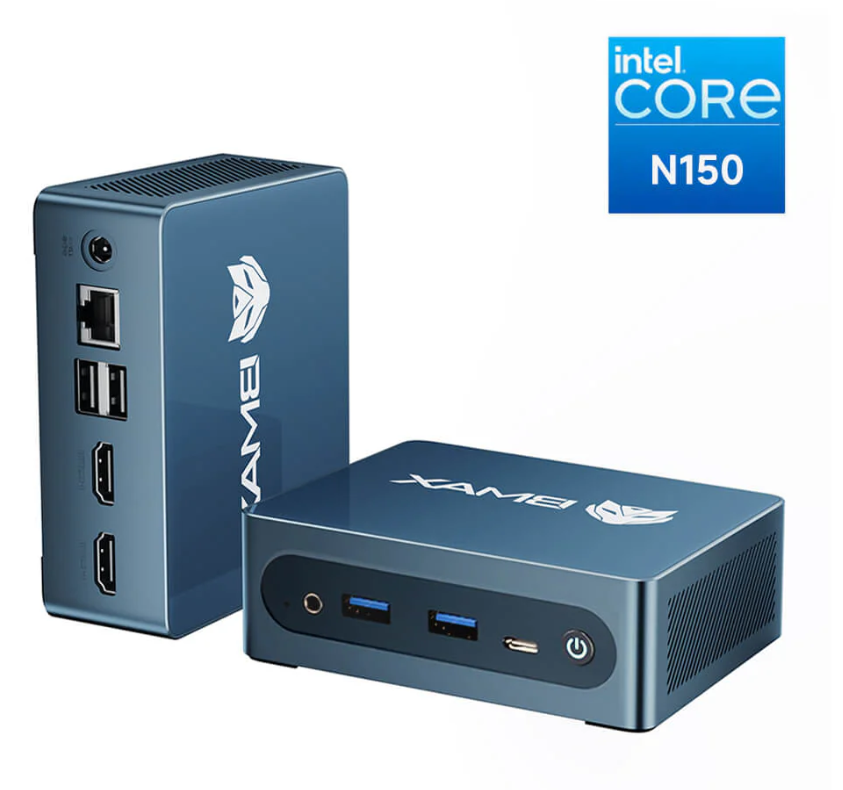
BMAX B4 Ultra Mini PC is a compact desktop designed for everyday computing, making it a good fit for home offices, small workspaces, and media setups. It focuses on quiet operation, low power use, and stable performance for daily tasks. 

The mini PC is now available on the official BMAX website with a sale price of $259.99, down from the regular price of $499.99. Buyers also get an official exclusive offer of an 18-month extended warranty when they register the product, adding extra value and peace of mind.

Processor and Performance

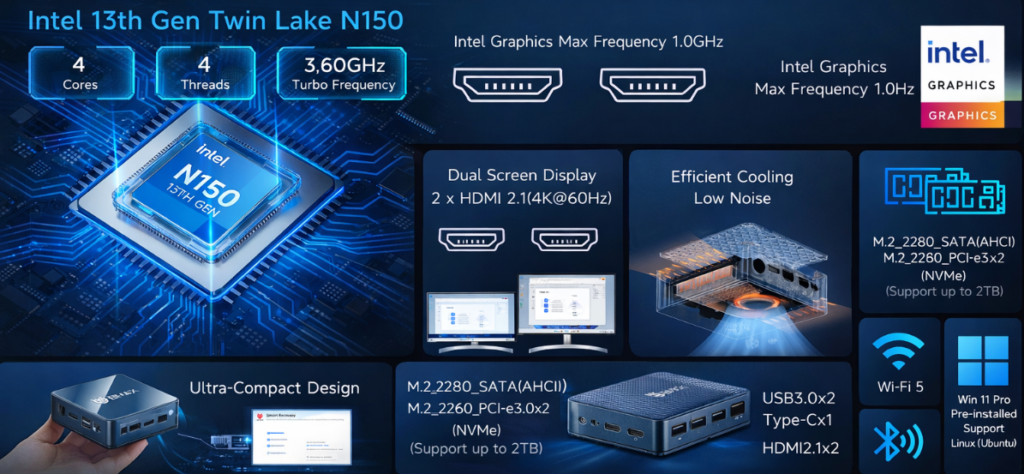
The system is powered by an Intel 13th Gen N150 processor with 4 cores and boost speeds up to 3.6GHz. It handles office software, web browsing, video streaming, online meetings, and light productivity smoothly. While it is not designed for heavy gaming or demanding creative work, it delivers reliable performance for everyday use.

Memory and Storage

The BMAX B4 Ultra comes with 16GB DDR4 RAM running at 2666MHz, which allows smooth multitasking across multiple apps. Memory support goes up to 16GB, so it is fully equipped out of the box. Storage includes a fast 512GB M.2 SSD, supporting both NVMe and SATA formats, with expansion available up to 2TB.

Display Support

Dual display support is available through two HDMI 2.1 ports. The system can output up to 4K resolution at 60Hz on each display, making it suitable for multi-monitor office setups, presentations, and media viewing.

Cooling and Noise

An updated high-efficiency cooling system keeps noise levels low at around 40 dB under light workloads. The system remains quiet and stable during long usage sessions, making it suitable for quiet work environments.

Ports and Connectivity

The mini PC includes USB 3.2 ports, a USB Type-C data port, audio jack, HDMI outputs, USB 2.0 ports, and Gigabit Ethernet. Wireless connectivity includes Wi-Fi 5 and Bluetooth 5.0 for stable everyday connections.

Software, Design, and Use Cases

Windows 11 Pro comes pre-installed, with support for Linux operating systems as well. A one-key smart recovery system allows easy system restoration. With a compact 108 × 106 × 36mm design and VESA mounting support, the BMAX B4 Ultra is ideal for home offices, business workstations, and compact desktop setups.

Who Is This Mini PC For?

Ideal for Home & Office – Smooth performance for daily work, browsing, and productivity

Compact & Space-Saving – Ultra-small design fits desks, shelves, or VESA mounts

Dual 4K Display Support – Boost productivity with two HDMI 2.1 monitor outputs

Quiet Everyday Performance – Low-noise cooling suitable for offices and bedrooms

Great for Students & Remote Work – Handles multitasking, meetings, and online classes

Windows & Linux Ready – Windows 11 Pro pre-installed, Linux supported

Fast & Reliable – SSD storage and stable wired/wireless connectivity

Best for Value Buyers – Strong specs at an official discounted price


Read More:

Galaxy S26 Ultra ‘Privacy Display’ can hide sensitive screen content from side views

Samsung’s first teaser for the Galaxy S26 series talks about a new kind of built-in privacy display that the phones will come with.

We’ve all been in situations where it’s easy for someone nearby to catch a glimpse of our screen. You can usually solve this problem with privacy screen protectors that limit viewing angles. The trade-off, of course, is that these protectors tend to dim the display and reduce overall image quality.

A screengrab from the teaser showing eyes on the left and right can’t see screen lock

Samsung is instead making this feature part of the Galaxy S26 display itself. Based on the company’s teaser and earlier hints, this “Privacy Display” isn’t a simple on-or-off mode. Instead, it’s expected to work selectively, allowing certain parts of the screen to remain visible while others are hidden from side angles.

Samsung’s Privacy Display can also hide a part of your screen

Samsung says the feature can be adjusted depending on what you’re doing. This could include protecting sensitive notifications, specific apps, or moments when you’re entering passwords or other private information. Rather than darkening the entire display, the phone may only obscure the areas that actually need protection, while everything else stays normal and readable.

A screengrab showing people on the left and right can’t see the notification

A leak shared by well-known tipster Ice Universe adds more detail about how this might work in practice. According to the information, the display can apply privacy effects to a small section of the screen, such as a notification pop-up.

From the user’s direct viewing angle, the content looks clear. From the side, that same area appears blacked out, making it unreadable to anyone nearby.

Samsung says the feature took years of development, combining both hardware and software changes. For now, the company hasn’t confirmed whether all Galaxy S26 models will support it or when we’ll see a full demo. However, we can expect to learn more soon.

For more daily updates, please visit our News Section.

Stay ahead in tech! Join our Telegram community and sign up for our daily newsletter of top stories.

(Source 1, 2, 3, 4)

Redmi Turbo 5 to feature 6.59-inch screen, 7,650mAh battery, Dimensity 8500-Ultra, and more

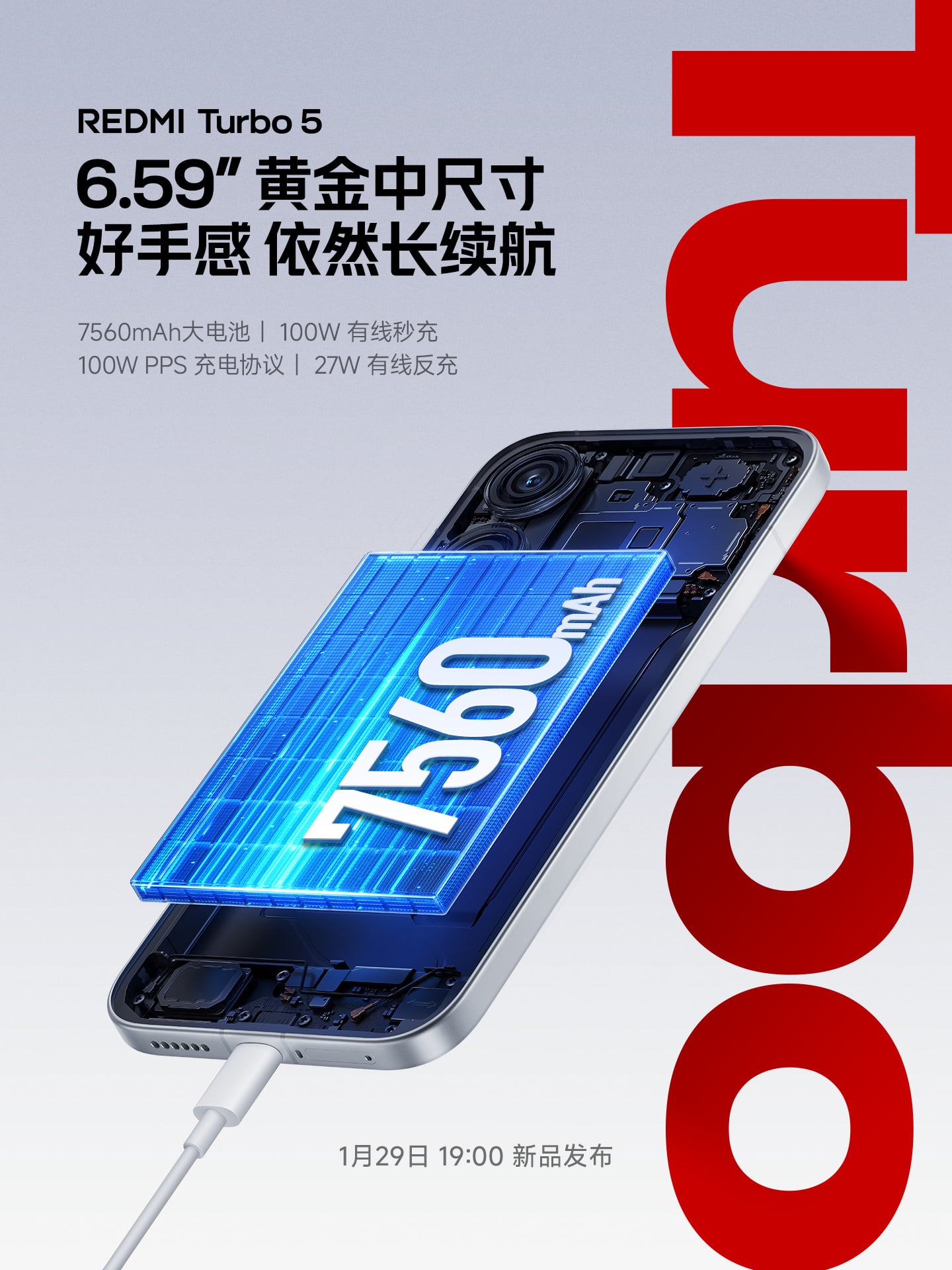
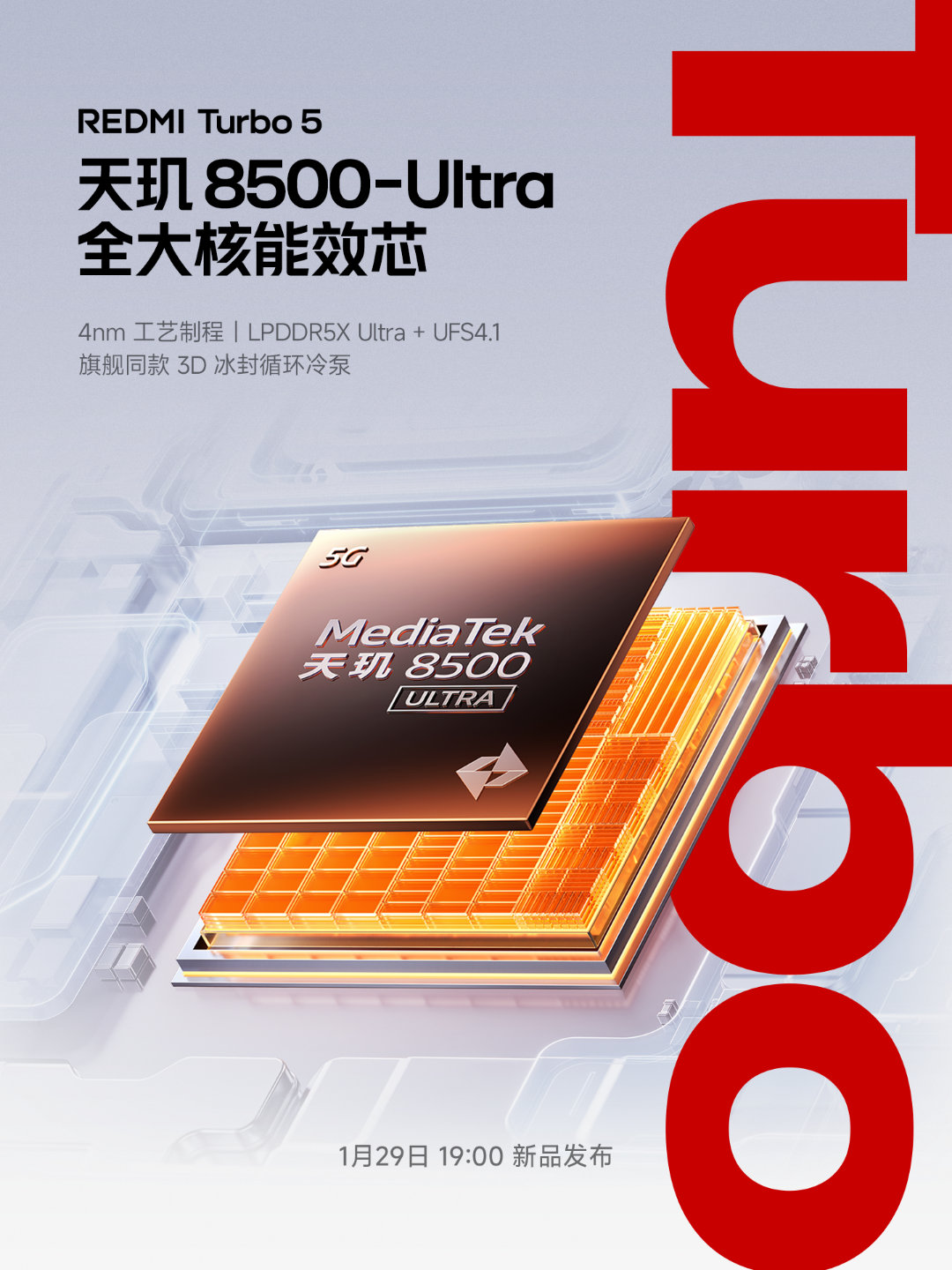
Redmi has officially started revealing key details of the Redmi Turbo 5 after confirming the major features of the Redmi Turbo 5 Max over the past few days. Through newly shared posters, the brand has confirmed the display size, battery capacity, charging capabilities, and chipset of the standard Turbo 5. Here is a closer look at everything that has been officially revealed so far.

Redmi Turbo 5 key specifications confirmed

Redmi has confirmed that the Redmi Turbo 5 will feature a 6.59-inch OLED display, which is said to support a 1.5K resolution. Powering the device is the Dimensity 8500-Ultra chipset. It is paired with LPDDR5x Ultra RAM and UFS 4.1 storage, indicating flagship-level performance hardware.For heat dissipation, it features a 3D Ice-Sealed Circulation Cooling Pump, offering three times the heat dissipation of traditional VC cooling systems.

The Redmi Turbo 5 was recently spotted on the Geekbench benchmarking platform with the same chipset. The listing revealed that the device packs 16GB of RAM and runs Android 16. It is expected to ship with HyperOS 3 layered on top of the Android operating system.

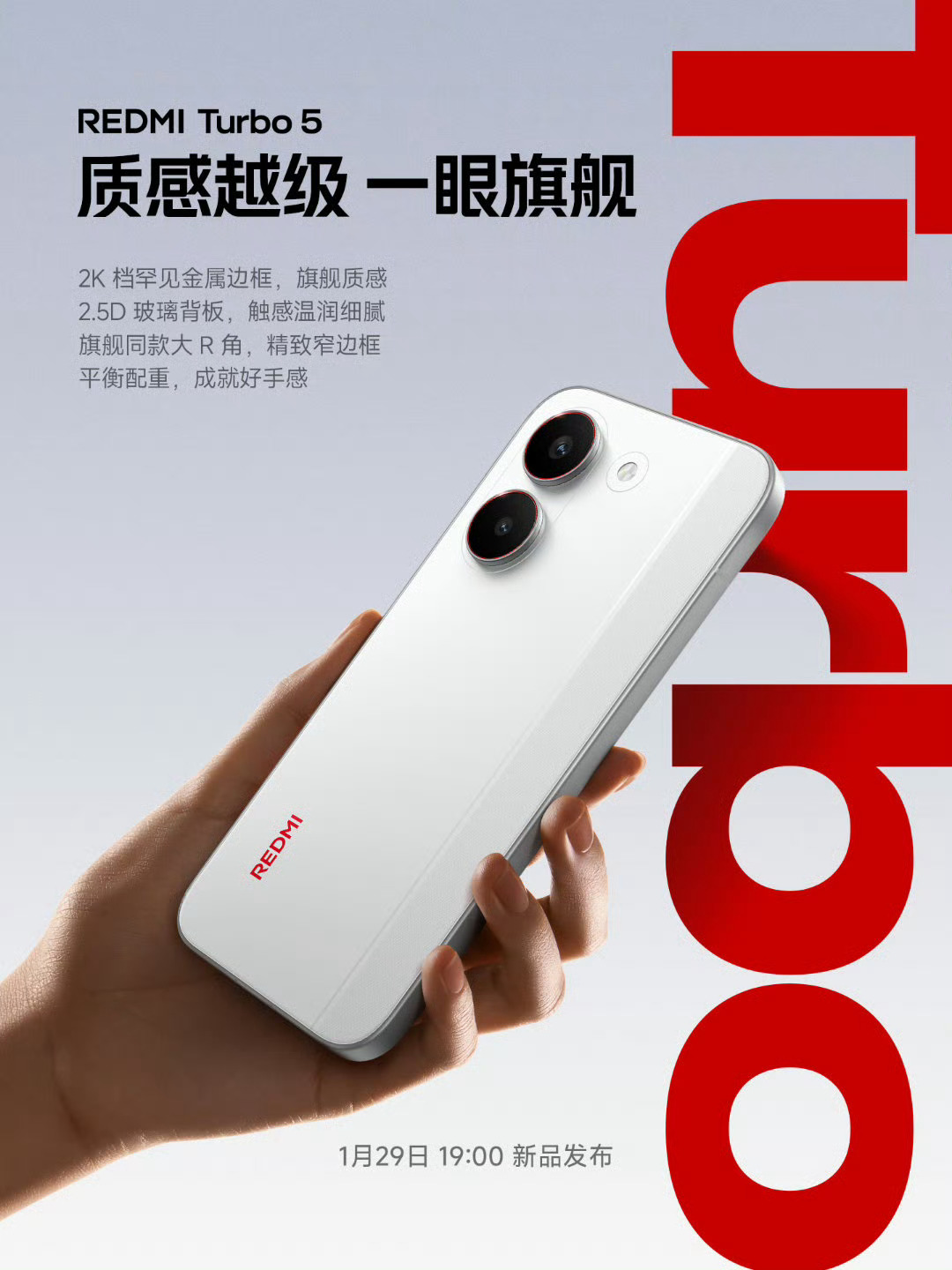
In terms of battery, the Redmi Turbo 5 houses a large 7,560mAh battery. It supports 100W wired fast charging along with 27W reverse charging. For build quality, the smartphone comes with a metal frame and a 2.5D glass back panel.

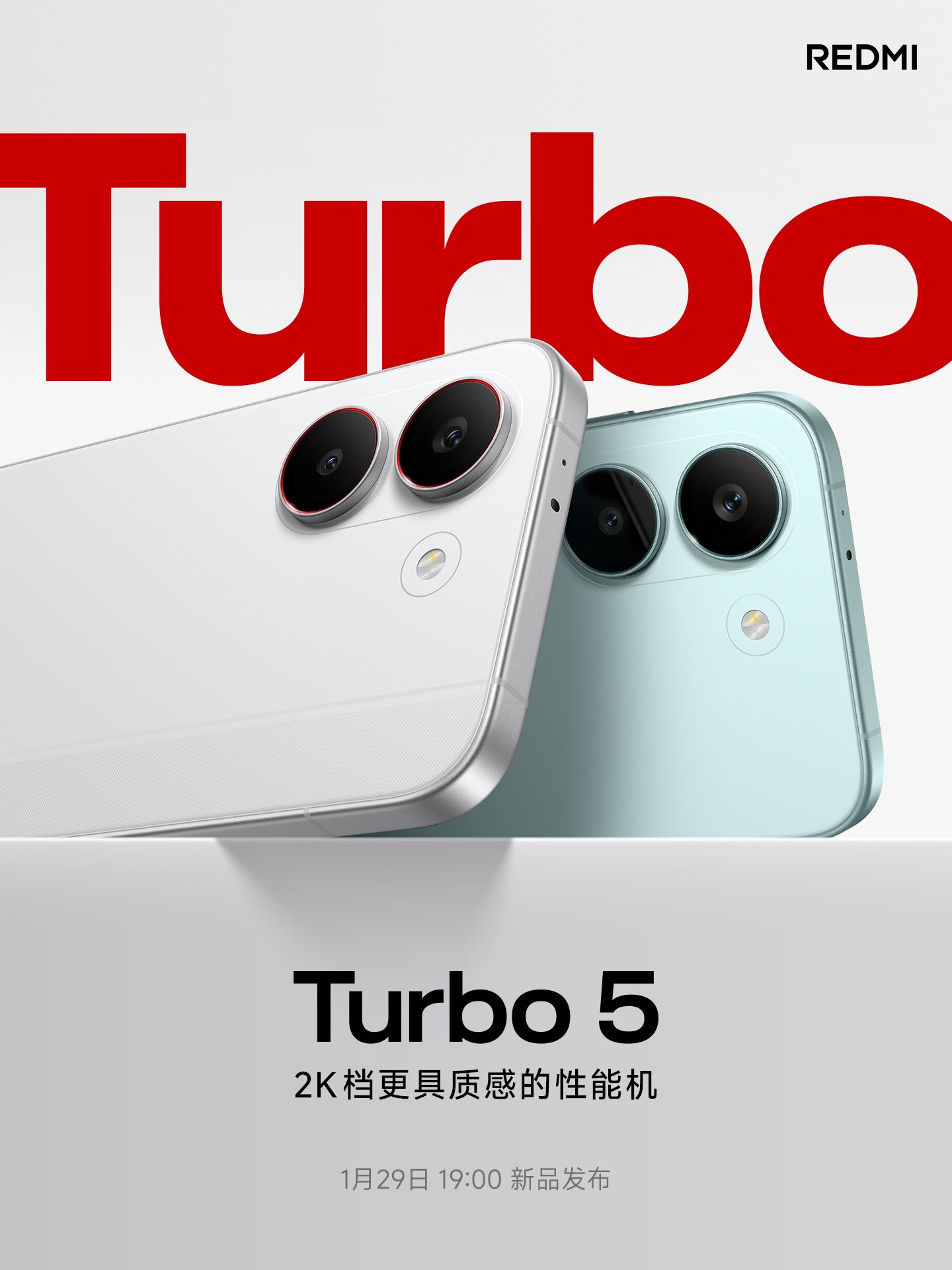
Official images suggest that the Redmi Turbo 5 will be available in white and mint green color options. In China, the device is expected to be priced at around 2,000 Yuan (~$290), placing it in the upper mid-range segment.

As per rumours, the Redmi Turbo 5 may be rebranded as the Poco X8 Pro for global markets. While the Turbo 5 itself could remain exclusive to China, its specifications are likely to carry over to the Poco-branded version. Redmi is also expected to launch the Turbo 5 Max alongside it in China, which may arrive globally as the Poco X8 Pro Max or Poco X8 Max.

For more daily updates, please visit our News Section.

Stay ahead in tech! Join our Telegram community and sign up for our daily newsletter of top stories.

WhatsApp Ads Could Expand, With €4 Monthly Subscription for Ad-Free Access

WhatsApp may soon push ads deeper into multiple regions across the globe, and users who want a clean, ad-free experience could have to pay for it.

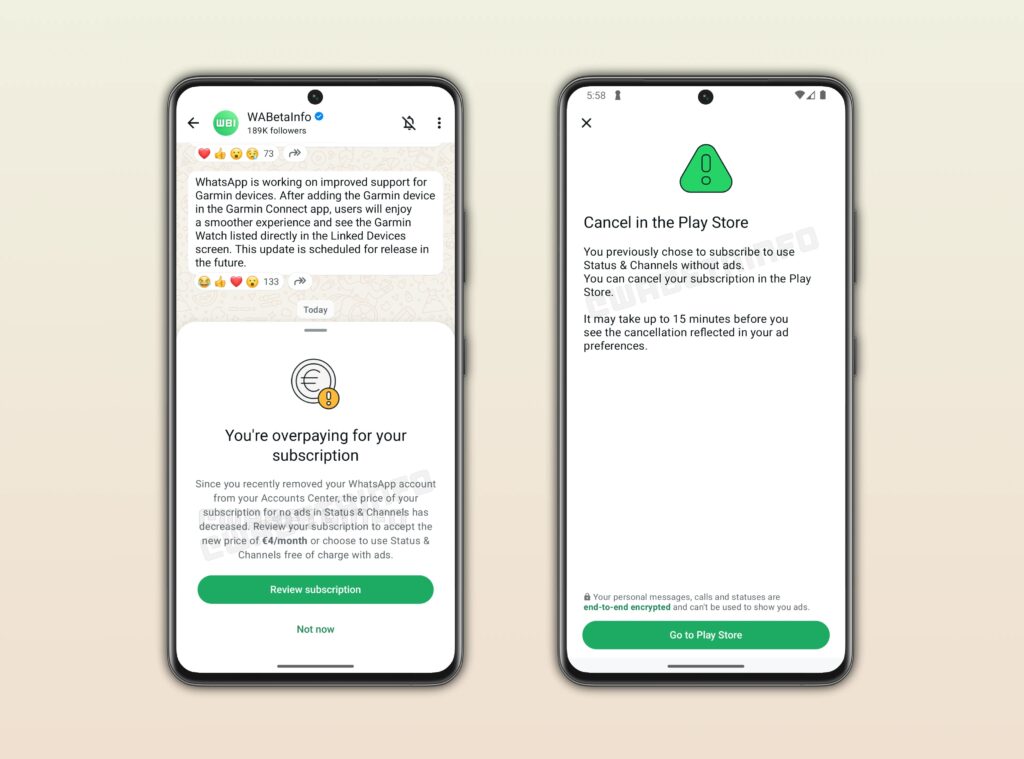
Code spotted in WhatsApp’s Android beta version 2.26.3.9 (via Wabetainfo) suggests the company is testing a paid subscription that removes ads entirely. The plan is aimed at users in Europe and the UK and is priced at around €4 per month, according to early beta screenshots. While Meta has not confirmed the final cost, the move signals a clear shift in how WhatsApp plans to monetize its massive user base.

Ads currently appear in WhatsApp’s Updates tab, where users view Status posts and browse Channels. These include Status Ads that show up after updates and Promoted Channels pushed as recommendations. Under the new subscription, these ads would disappear. Subscribers would no longer see promoted content after status updates, nor would they receive sponsored channel suggestions. Core features such as private messaging, voice calls, and video calls would remain free for all users.

Meta first introduced ads in WhatsApp’s Updates tab in the United States last year and later expanded them to other regions. The company says these ads do not use data from private chats. Instead, ad targeting is based on language, general location, and user activity within the Updates tab. Meta has promoted this system as a way for businesses to reach more than 1.5 billion WhatsApp users.

The paid option aligns with European and UK regulations, which require platforms to give users a choice between ad-supported and paid experiences. Similar subscription models already exist on Facebook and Instagram in these regions.

Subscriptions would be managed through Google Play in-app purchases. Once activated, changes may take up to 15 minutes to apply. It is still unclear whether this will be a standalone WhatsApp subscription or part of a broader Meta Accounts Center plan that could cover multiple apps.

For now, the subscription is optional. Users who stay on the free tier will continue to see ads in the Updates tab. WhatsApp has not shared a launch timeline, saying the feature is still under development and must meet regulatory requirements before release.

In related news, WhatsApp is preparing to replace Tenor with Klipy as a default GIF provider after Tenor announced it will shut down its API on June 30, 2026. The transition, spotted in a recent iOS beta, will happen automatically for users, with Klipy-branded GIFs appearing in chats.

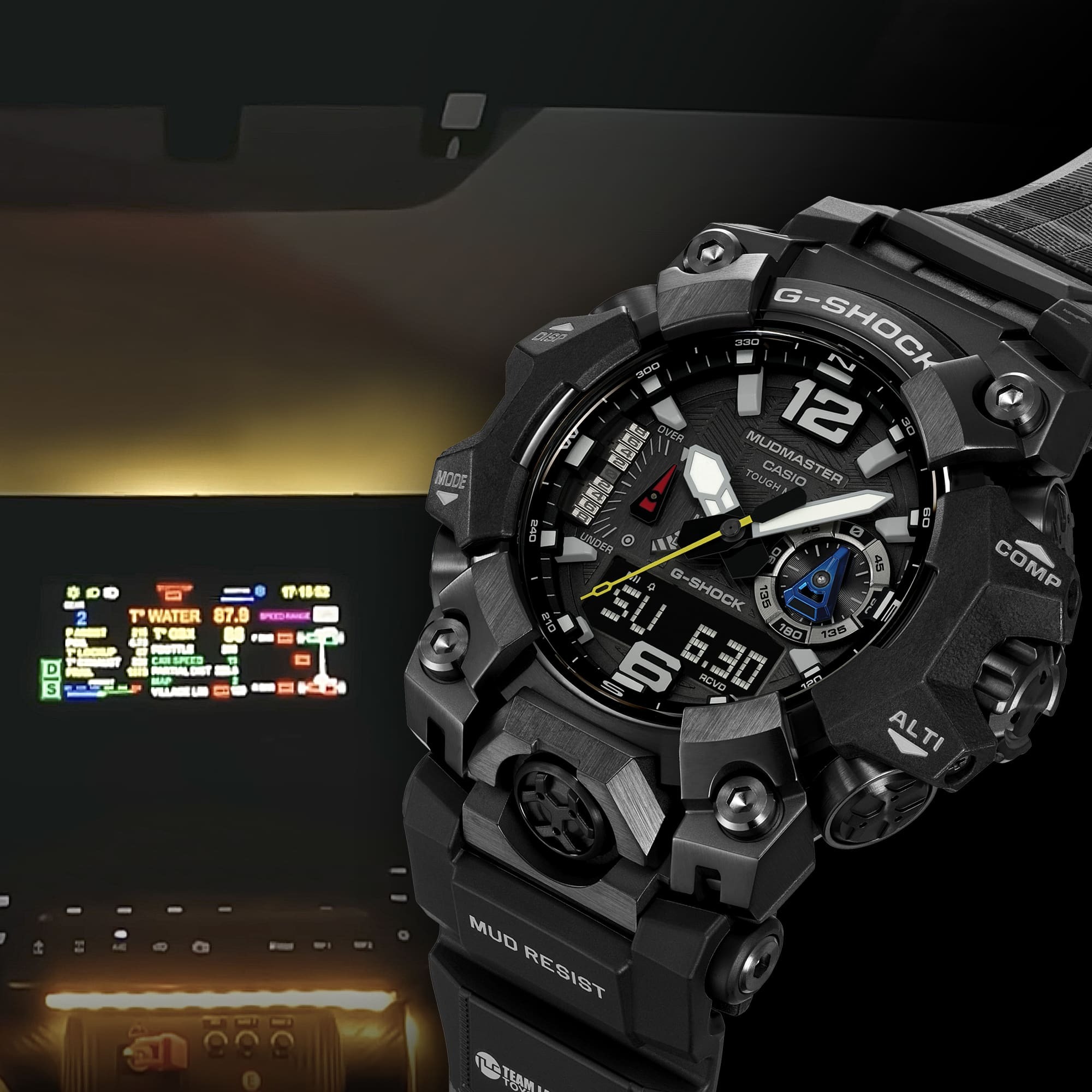
New Casio G-Shock Mudmaster Teams Up With Dakar Rally’s Team Land Cruiser

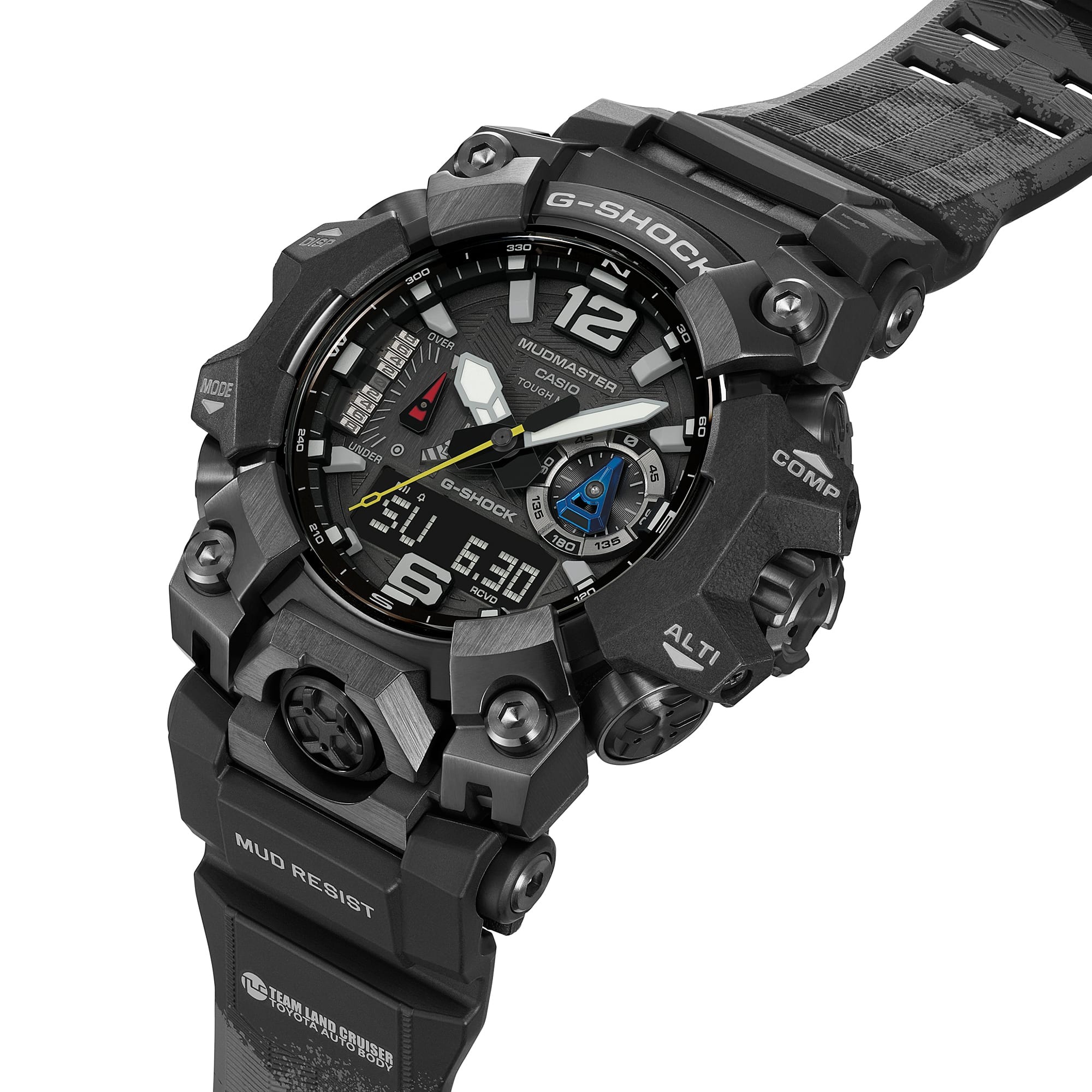
Casio has announced a new G-Shock GWG-B1000TLC-1A Mudmaster developed with Team Land Cruiser Toyota Auto Body. The design takes inspiration from the Dakar Rally’s night stages. Team Land Cruiser Toyota Auto Body has raced in the Dakar Rally every year since 1995. The watch is all black with sand-textured resin straps that look like desert dunes. A gold band loop represents moonlight across the desert.

The case uses carbon fiber-reinforced resin inside an ion-plated metal exterior made with high-precision forging. Sapphire crystal and double LED lights keep the display readable in tough conditions. The dial has red, blue, and yellow accents copied from rally car navigation systems for quick reading at night.

The watch is radio-controlled (Multiband 6) and solar-powered. Bluetooth provides automatic time adjustments. The triple sensor measures temperature, altitude, and barometric pressure. A compass includes a Location Indicator function. Using the companion app, you can set a destination and the indicator hand at 3 o’clock will point toward it, helping you navigate through sandstorms or low visibility.

Three analog hands work alongside a smaller digital display that shows the date and world time. The watch resists shock, dust, mud, and vibration through cylindrical stainless steel button guards, button shaft gaskets, and a screw-lock crown. αGEL on the module’s sides and bottom absorbs vibrations.

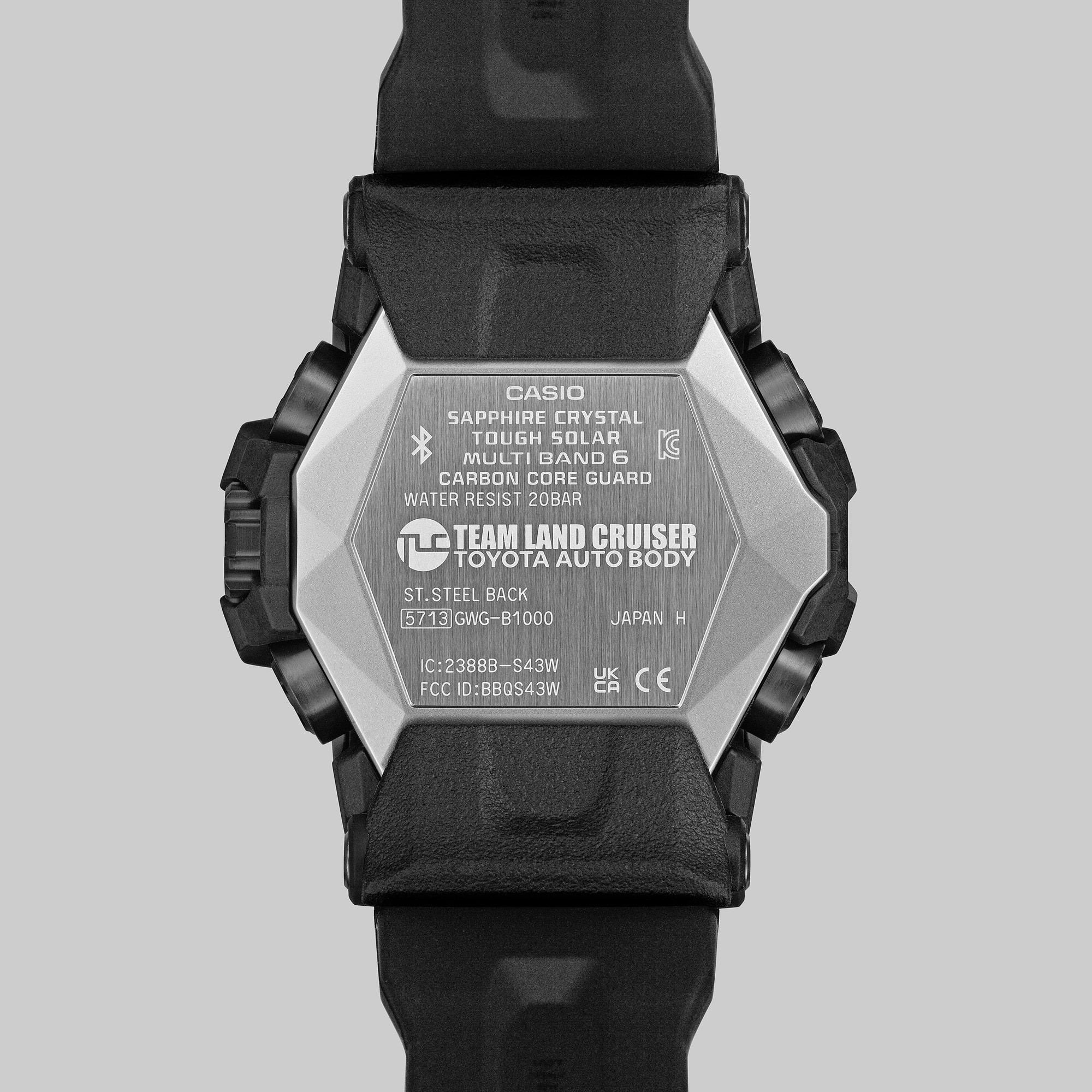
Team Land Cruiser logos appear on the band loop, band, and case back. The case back has multiple facets that reference the rally vehicle’s design. The watch comes in special packaging made from recycled materials.

The watch will launch in February 2026 at £779 in the UK and ¥140,800 (around $889) in Japan. Buyers can register for email updates on Casio’s UK website.

Please Note: When you buy something using the links in our articles, we may earn a small commission at no cost to you.

Samsung Exynos 2700 Processor Spotted with 10 Cores and Xclipse 970 GPU

Just a month after the launch of Samsung‘s latest flagship processor, the Exynos 2600, it looks like the brand has already started testing its successor. This upcoming processor, dubbed the “Exynos 2700” has appeared in an early Geekbench listing, showing a big change from the current Exynos 2600.

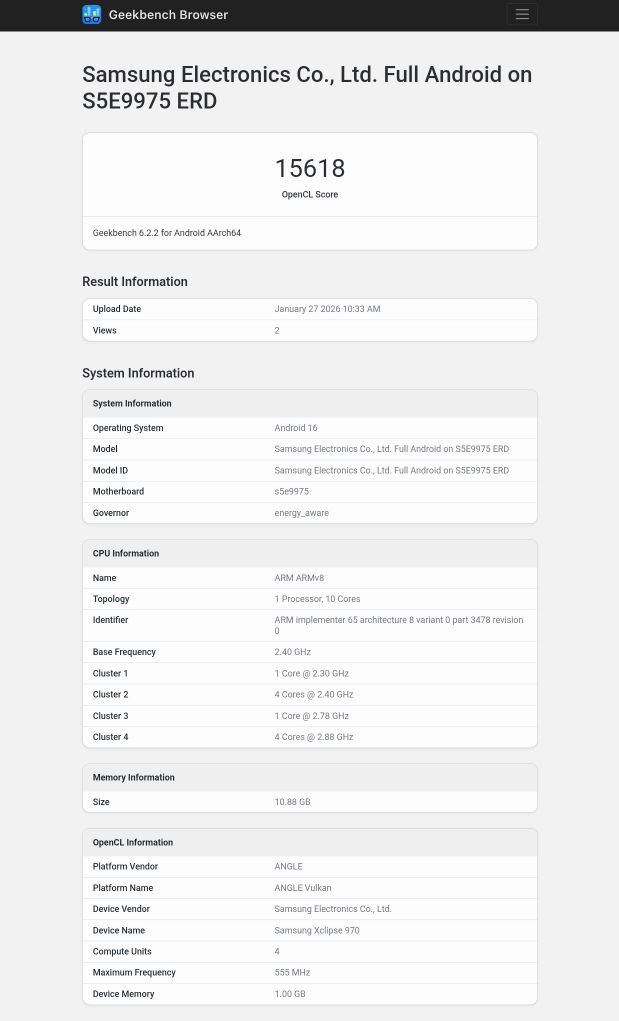
The new chip uses a four-cluster CPU design with 10 cores total. It has one core at 2.30GHz, four cores at 2.40GHz, one core at 2.78GHz, and four cores at 2.88GHz. This is different from the Exynos 2600’s three-cluster setup, which has one core at 3.8GHz, three cores at 3.26GHz, and six cores at 2.76GHz.

Tipster Abhishek Yadav identified the chip as the Exynos 2700. The test device ran Android 16 with 12GB of RAM and featured the new Xclipse 970 GPU. This GPU replaces the Xclipse 960 from the Exynos 2600. The Xclipse 970 looks weaker on paper. The listing shows four compute units, a 555MHz maximum frequency, and 1GB of device memory. The Xclipse 960 has eight compute units, a 980MHz peak frequency, and 4GB of device memory. The OpenCL score dropped to 15,618, compared to roughly 25,791 on Exynos 2600 devices.

Exynos 2700 Geekbench

This result likely comes from an Engineering Reference Device board. These boards are used for early internal testing and run at lower clock speeds with unfinished software. Final retail performance should be higher. Samsung launched the Exynos 2600 in December 2024 with the Galaxy S26 series in select markets. The Exynos 2700 is expected to power future flagship models, though Samsung hasn’t confirmed which devices. The switch to a 10-core, four-cluster design shows Samsung is still testing new processor layouts before launch.

Earlier reports called the Exynos 2700 a key 2027 flagship chip, codenamed Ulysses, likely for the Galaxy S27 series. Previous leaks said it would be built on Samsung Foundry’s second-generation 2nm SF2P process, using Gate-All-Around architecture to improve performance and power efficiency. Rumors also mentioned next-generation ARM C2 CPU cores, advanced thermal packaging, a new AMD-based Xclipse GPU, LPDDR6 memory, and UFS 5.0 storage.

For more daily updates, please visit our News Section.

Stay ahead in tech! Join our Telegram community and sign up for our daily newsletter of top stories!

(via: Abhishek Yadav)

Samsung Galaxy A07 5G Released in Philippines with 120Hz Display and Long Battery Life

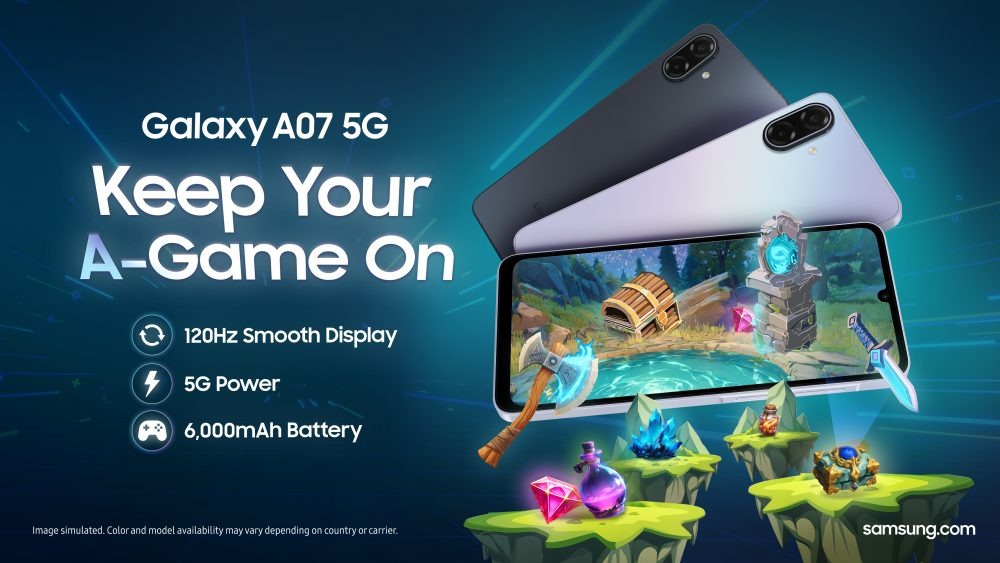
Samsung has launched the Galaxy A07 5G in the Philippines after its initial release in Thailand. The phone is now available on Samsung Philippines’ official website and targets budget buyers who want long software support and a big battery.

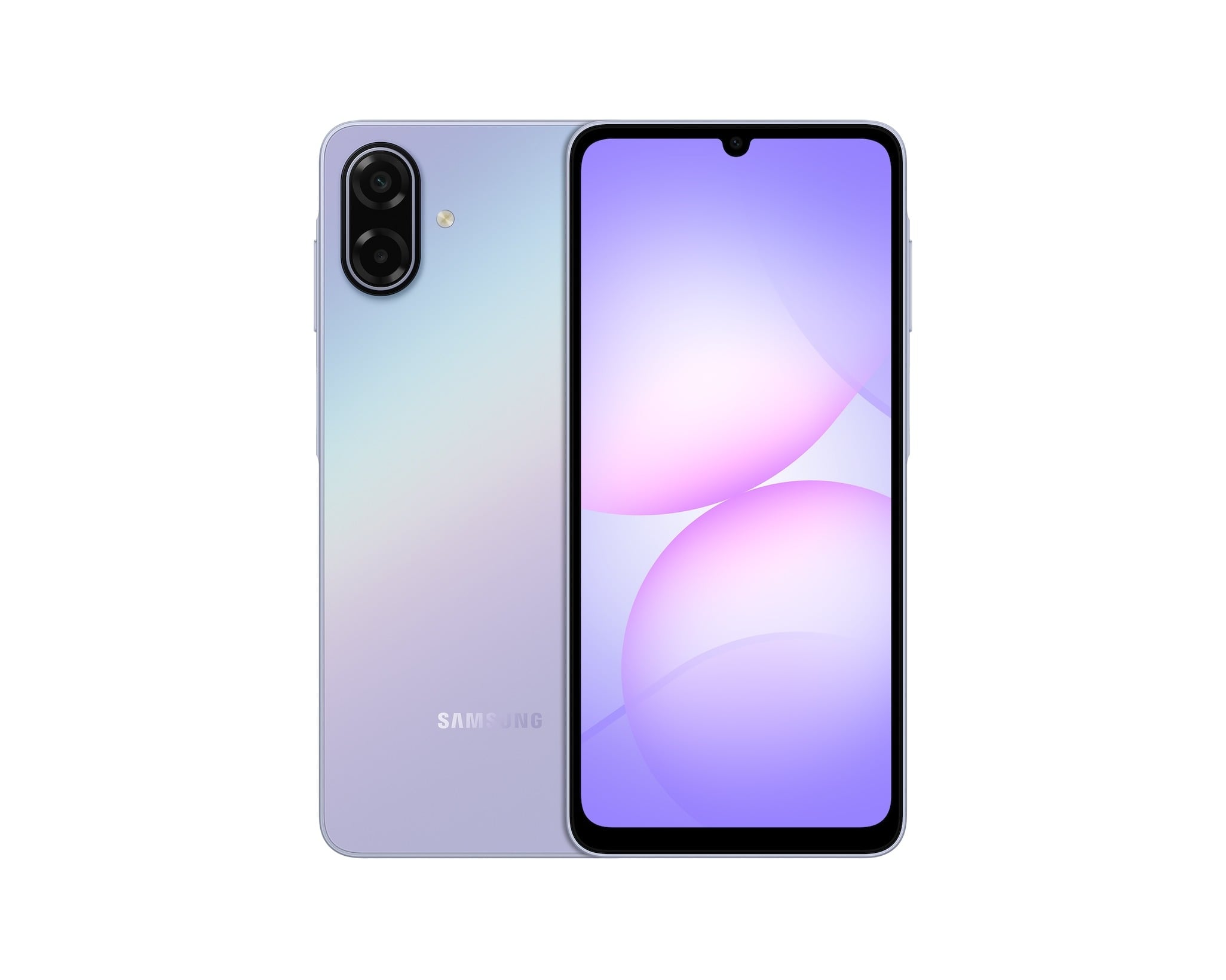
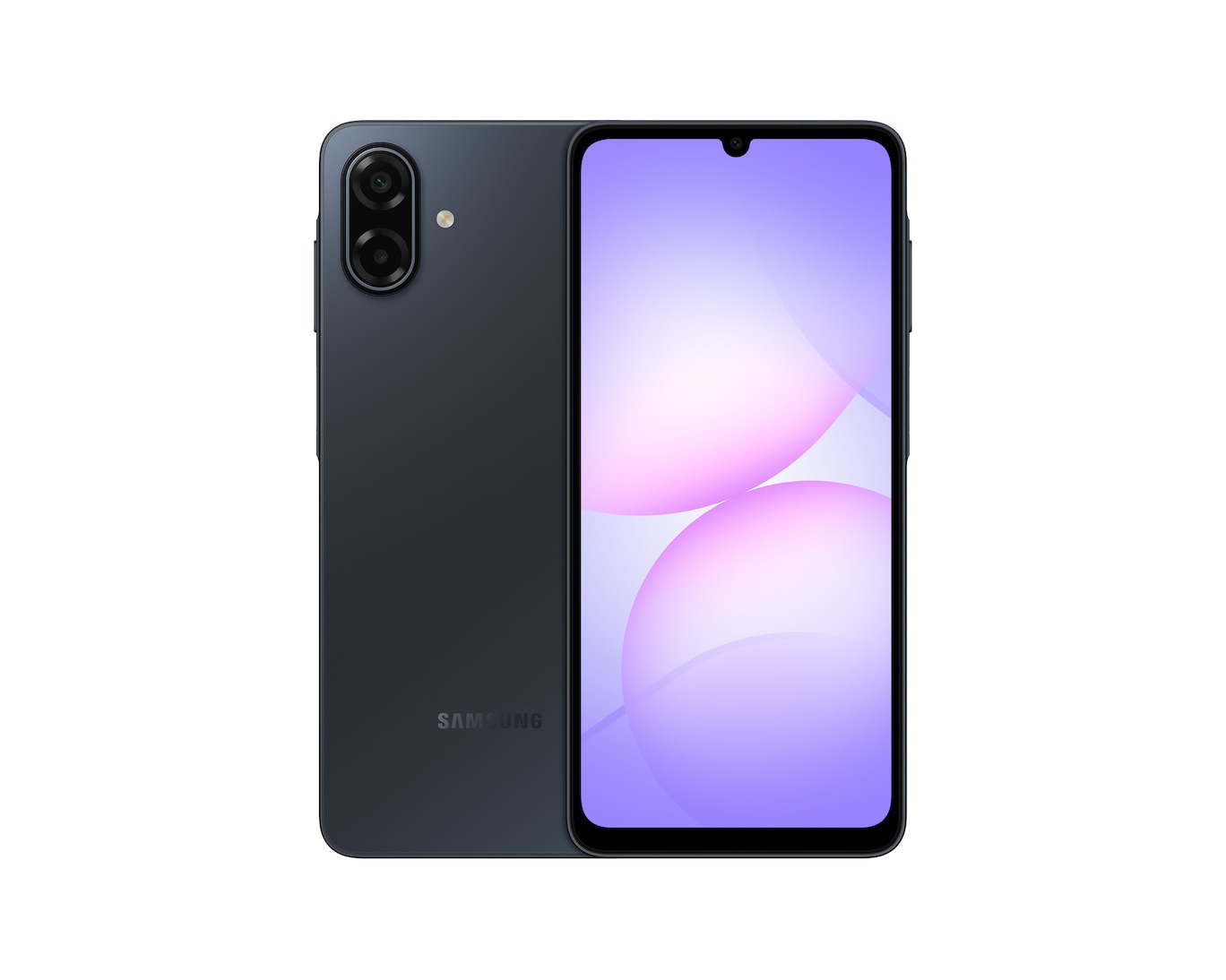
Samsung Galaxy A07 5G

The device comes in Light Violet and Black colors. Two storage options are available: the 64GB model costs Php 8,290, while the 128GB version is priced at Php 9,990. Both can be purchased through Samsung’s online store.

The Galaxy A07 5G has a 6.7-inch display with a 120Hz refresh rate. The screen reaches 800 nits of brightness in high brightness mode, which helps with outdoor visibility. The phone runs on the MediaTek Dimensity 6300 chipset and comes with One UI 8.0 installed.

Software support is a major selling point. Samsung will provide six generations of Android OS updates and six years of security patches. This level of support is unusual for budget phones and makes the device viable for long-term use.

The phone packs a 6,000mAh battery for extended usage. The camera setup includes a 50MP primary sensor and a 2MP depth sensor on the back. An 8MP camera handles selfies and video calls on the front.

Other features include IP54 dust and water resistance, Samsung Knox Vault for security, Google Gemini integration, Circle to Search, and Gemini Live with natural speech. The body uses glass fibre reinforced polymer and measures 8.2mm thick. The phone weighs 199 grams.

The Galaxy A07 5G addresses a common problem in budget smartphones where software support ends quickly. The six-year update commitment means the phone will remain secure and functional much longer than typical budget devices.

For more daily updates, please visit our News Section.

Don’t miss a thing! Join our Telegram community for instant updates and grab our free daily newsletter for the best tech stories!
(Source)

Vivo X200T vs Motorola Signature: New Flagship Killer Face-Off

A new Vivo value flagship just made its debut in India. The Vivo X200T just debuted as the rebranded global version of the Vivo X200s, which was first announced in China last year. Packing cutting edge specs and features, this model aims on competing in the highly competitive sub-flagship category. But we recently saw another great entry in this segment with the Motorola Signature. Both start at around Rs 59,999, bringing powerful chipsets, versatile cameras, and long software support, so here’s a side-by-side look at how these stack up across key areas to help you decide which one deserves a place in your pocket.

1. Design: Motorola shines here

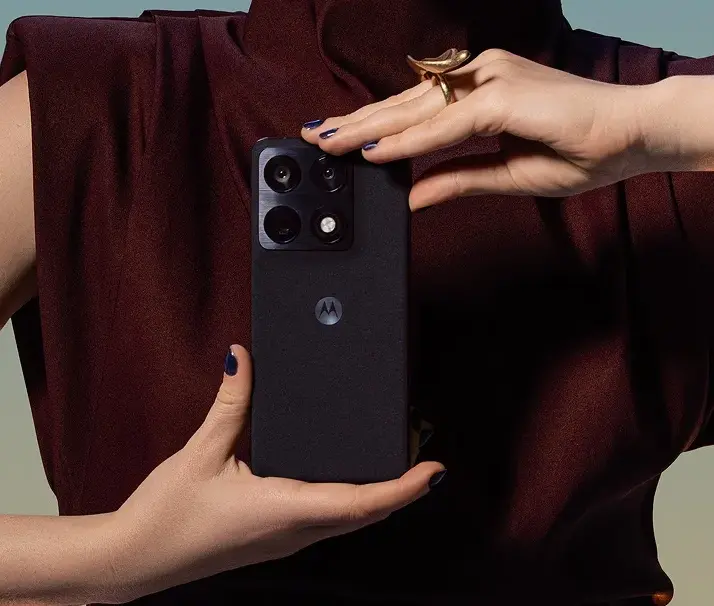
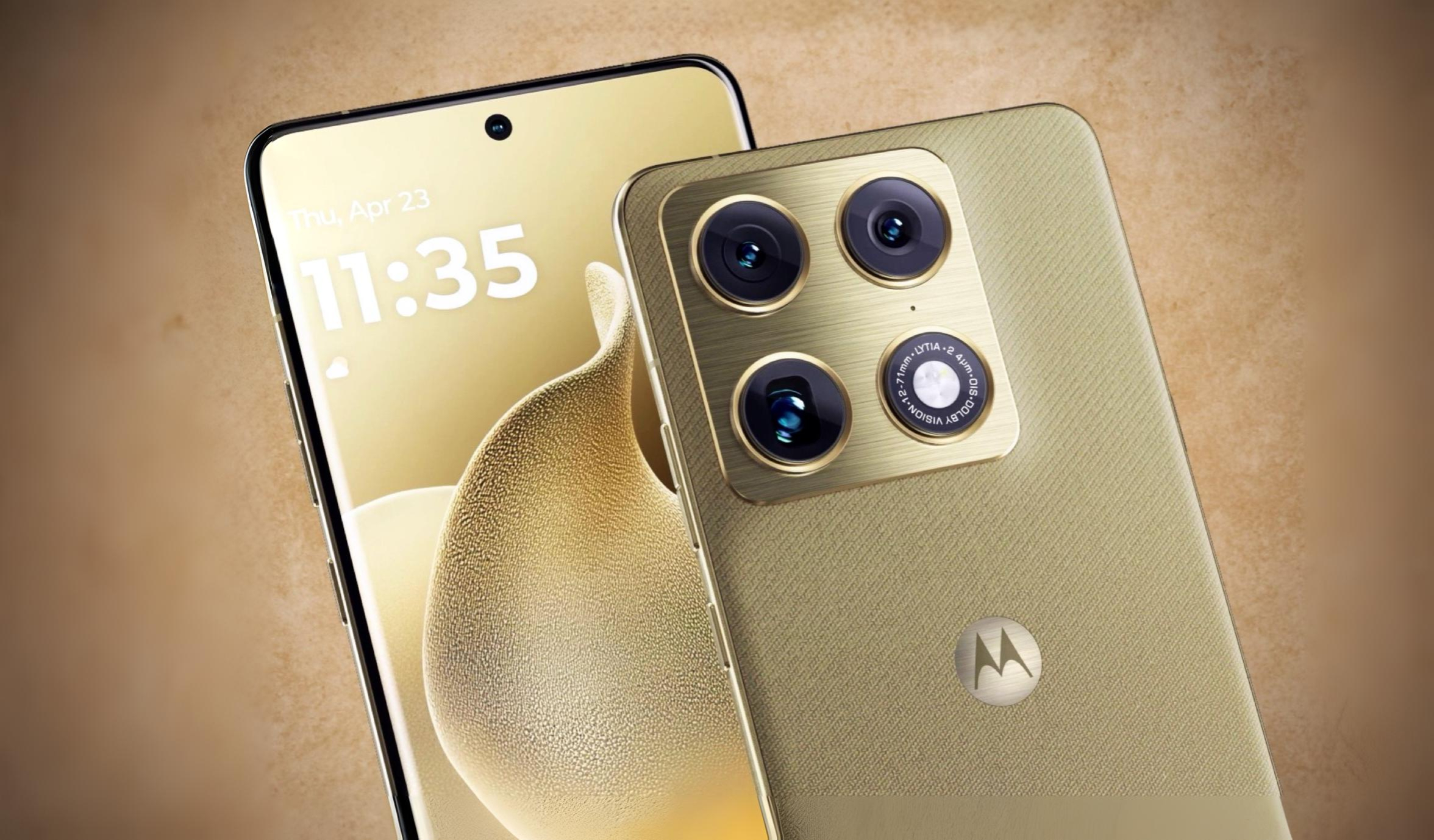
motorola signature
Motorola Signature

At first glance, both phones deliver a premium aesthetic, but the execution is distinct in the two flagship killers. The Motorola Signature leans into a sleek, ultra-thin silhouette at just about 6.99mm thickness and approximately 186g weight, giving it a very refined in-hand feel. Its aircraft-grade aluminium frame, paired with a textile-inspired finish, elevates the experience. Despite the slim new design, Motorola still offers military grade durability and an IP68 + IP69 rating for water and dust resistance.

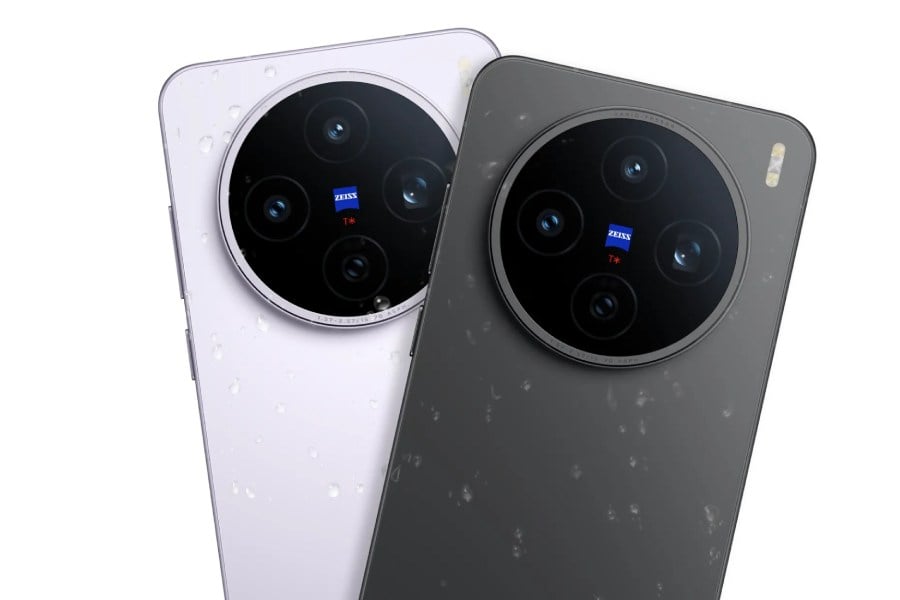
On the other hand, the Vivo X200T has a more typical premium form factor. It measures 7.9mm thick and weighs slightly over 200 grams. While it isn’t as thin and light, the Vivo X200T gets a glass rear panel and aluminum middle frame. The flat back and side should appeal more to users who are looking for something more familiar. It also offers a robust IP68 + IP69 rating for water and dust resistance.

2. Bigger and brighter Signature

Both Motorola and Vivo offer a similar 1.5K AMOLED display, although the Signature has a few advantages. The taller 6.8-inch panel brings LTPO support for better battery efficiency since it lowers to just 1Hz, a higher 165Hz refresh rate, and a peak brightness that hits 6,200 nits (over X200T’s 5000 nits screen). In comparison, the Vivo X200T brings a 6.67-inch display. The Motorola Signature has another edge with security since it offers an ultrasonic in-display fingerprint scanner, over the optical sensor on the X200T.

3. Motorola takes on Vivo & Zeiss

Vivo X200T Launch Specs Price
Vivo X200T

The rear camera setup on the Vivo X200T and Motorola Signature is surprisingly similar. The periscope telephoto shooter with 3x zoom and the ultra wide angle lens are basically identical. Both get the Sony LYT600 (1/1.95-inch sensor) for zoom photography, while the ultra wide angle lens is likely the Samsung JN1. Where the main difference lies with the main camera and the tuning. Motorola opts for a flagship grade Sony LYT828 sensor, which is the same camera that is found on much more expensive devices like the Oppo Find X9 Pro and Vivo X300 Pro.

This device also gets Pantone tuning for improved color accuracy, especially with skin tones. Meanwhile, the Vivo X200T has a smaller 1/1.56-inch Sony IMX921 sensor that is found on budget flagship models. So despite Zeiss’ expertise, Motorola has advantages in low light photography, even managing to hit the 7th spot in DxOMark’s smartphone camera rankings. The Signature with a 50MP selfie shooter offers better details as well thanks to autofocus support, which is lacking on the X200T’s 32MP front facing camera.

4. Battery & Charging: Vivo Swings Back

A clear advantage for the Vivo X200T is battery capacity. It has a massive 6,200mAh cell that offers 90W wired and 40W wireless fast charging that promises impressive. While the fast charging is matched by the Motorola Signature with 90W wired and 50W wireless charging support. It has a much smaller 5,200mAh battery pack, since it has a slimmer body. You even get 10W wireless reverse charging support here.

5. Performance & Software

Under the hood, the Motorola Signature is powered by Qualcomm’s Snapdragon 8 Gen 5, one of the fastest mobile chipsets of 2026, that ensures great performance in games, multitasking, and creative workflows. On the other hand, the Vivo X200T counters with MediaTek’s Dimensity 9400+, which offers similar performance levels.

However, Motorola takes the lead with a much longer 7 years of OS updates with a light Hello UI skin. Vivo’s OriginOS 6 is a lot heavier and customizable, but you only get five years of Android updates. So the Signature has better software longevity.

6. Verdict

Both the Vivo X200T and Motorola Signature bring flagship energy to a very competitive price segment in 2026, and they trade blows in performance, display quality, imaging, and battery life. The X200T shines in battery endurance, balanced performance, and Zeiss-tuned imaging, making it an excellent choice for users who value longevity and strong everyday photography. The Motorola Signature, on the other hand, stands out with its premium design, larger and smoother display, superior camera hardware, and cleaner software longevity promise. This positions it as the more complete flagship package.

For more daily updates, please visit our News Section.

Tech enthusiast? Get the latest news first! Follow our Telegram channel and subscribe to our free newsletter for your daily tech fix! ⚡

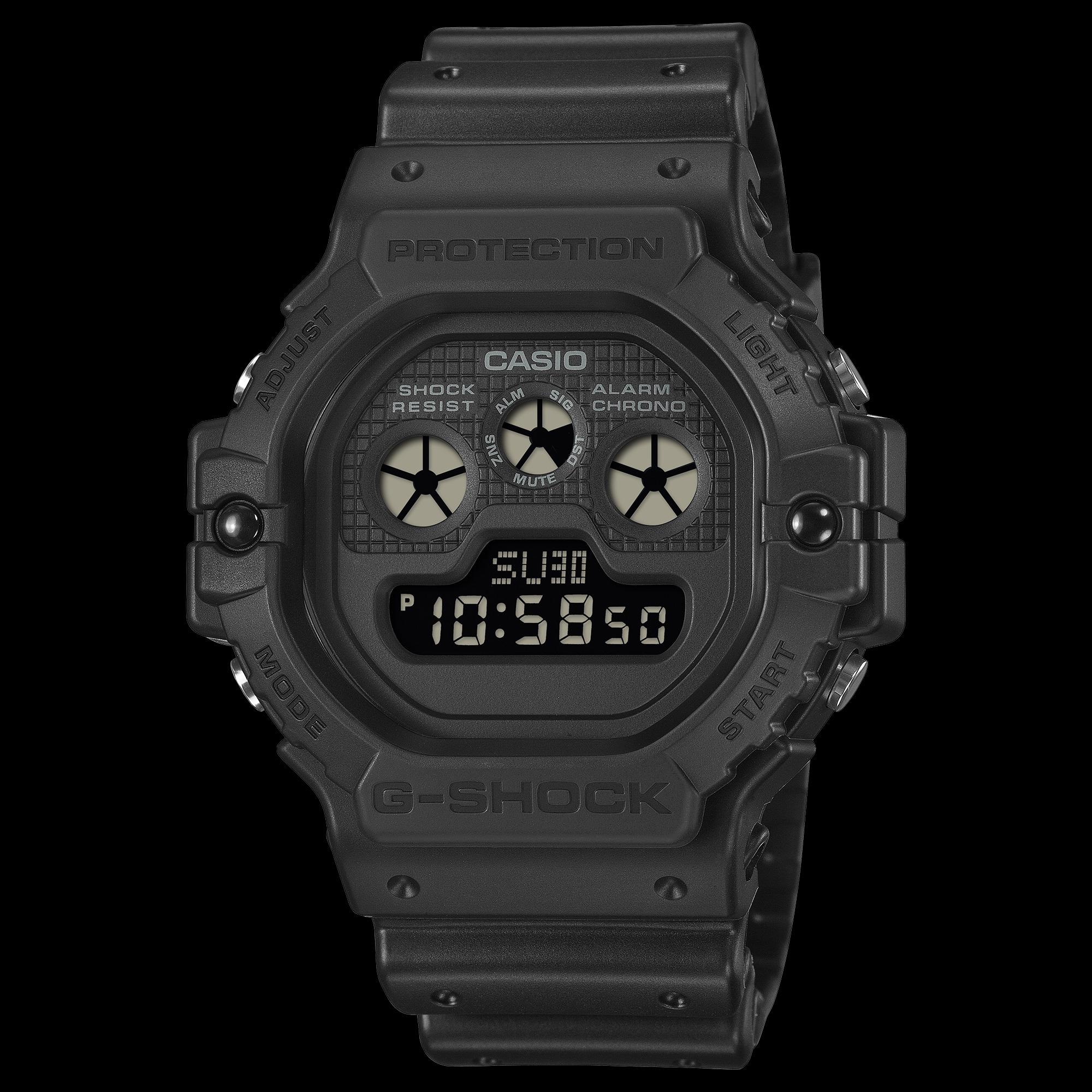
Casio Releases Updated G-Shock DW-5900U Series in the UK

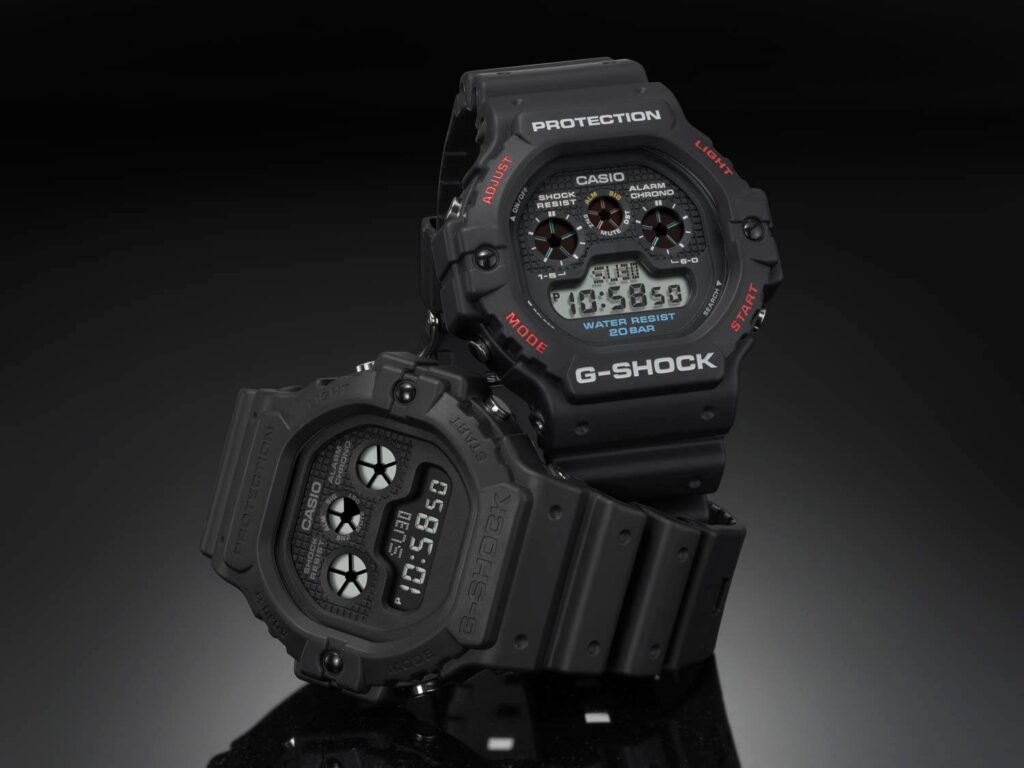
Casio has released the G-Shock DW-5900UBB-1 and DW-5900U-1 in the UK, bringing its updated DW-5900 digital watches to a wider audience. Both models launched in Japan earlier in January 2026 and are refreshed versions of the DW-5900BB-1 and DW-5900-1 that were introduced in 2018.

The two watches are now available through Casio’s official UK online store. Each model is priced at £80 and includes free delivery within two to four working days. Casio has also indicated that the watches are expected to be sold at its physical store in London, although availability there has not been fully confirmed.

The DW-5900U series focuses on internal improvements rather than major design changes. Both models use the newer 3536 module, replacing the older 3465 module found in the previous generation. Another key update is the switch from an electroluminescent backlight to a high brightness LED backlight. These changes improve power efficiency and extend the rated battery life from five years to ten years.

The DW-5900U-1 stays close to the original look of the series. It features a black resin case with red and blue accents and a standard light background digital display. The DW-5900UBB-1 takes a more minimal approach with an all black design, a matte finish, and a black background digital display without colored highlights.

Both watches keep the classic DW-5900 face layout. This includes three digital graph indicators positioned across the top of the dial and a larger main display below. Functional features remain unchanged and include world time, a countdown timer, a 1/100 second stopwatch, and support for five daily alarms.

Casio has not shared details on when the DW-5900UBB-1 and DW-5900U-1 will be released in other parts of Europe or in markets such as the United States.

For more daily updates, please visit our News Section.

Don’t miss a thing! Join our Telegram community for instant updates and grab our free daily newsletter for the best tech stories!
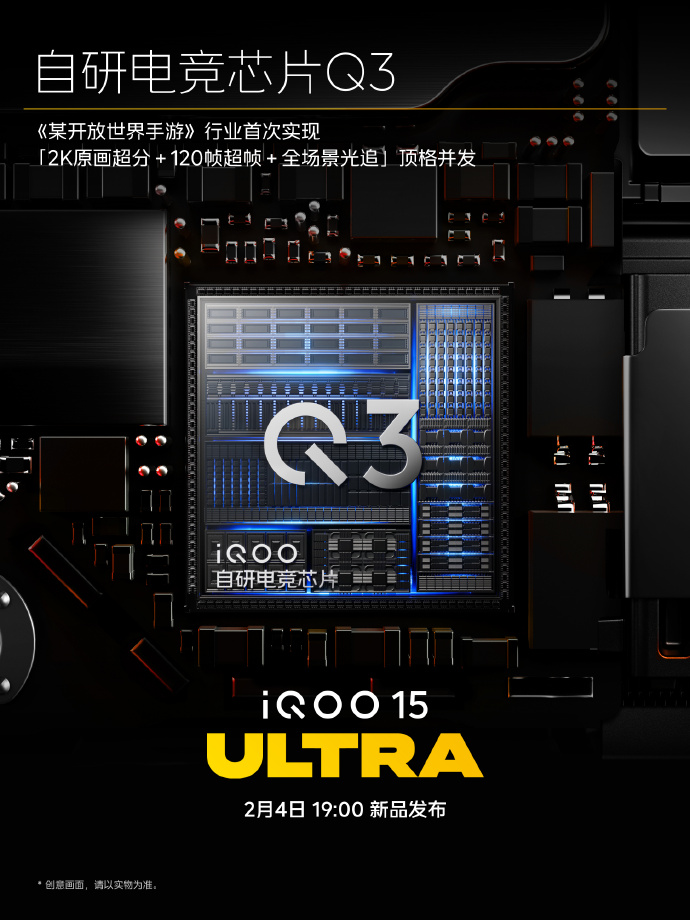
iQOO 15 Ultra to feature in-house Q3 gaming chip and Ice Dome cooling system

iQOO has confirmed that the iQOO 15 Ultra will debut in China on February 4. The company has started teasing the device on Weibo, and in its latest update today, it revealed key gaming features. As a brand known for prioritizing gaming performance, iQOO is positioning the 15 Ultra as its most advanced gaming flagship to date.

iQOO 15 Ultra

According to the new teasers, the iQOO 15 Ultra will be the first smartphone to feature the in-house Q3 gaming chip. The chip enables three advanced features to run simultaneously: 2K native upscaling, 120fps frame interpolation, and full-scenario ray tracing at peak settings. iQOO claims this is an industry first, and it marks what the company calls the beginning of the mobile GPU era. To support this level of performance, the iQOO 15 Ultra will also introduce the active cooling solution, the Ice Dome Air Cooling System.

Beyond performance, the phone is expected to feature a 6.85-inch 2K LTPO Samsung flat display, up to 24GB of RAM, 1TB of internal storage, and an ultrasonic fingerprint sensor. The camera setup is tipped to include a 32MP front camera and a triple 50MP rear system, including a 3x periscope telephoto lens rated at CIPA 4.5.

The phone is also expected to pack a 7,400mAh battery with support for 100W wired and wireless fast charging. Audio may be handled by symmetrical dual 1115 coaxial speakers, while haptics are tipped to rely on a 091640 dual-axis motor.

As for other rumored gaming-focused features, the phone is said to include a built-in cooling fan, a hidden air intake, and a curved airflow tunnel, alongside shoulder triggers, a next-gen gyroscope, a low-latency touch system, and bypass charging.

For more daily updates, please visit our News Section.

Stay ahead in tech! Join our Telegram community and sign up for our daily newsletter of top stories! 💡