Apple has announced its latest M-series chips, the M3, M3 Pro, and M3 Max. These new chips are built on a 3-nanometer process, which is a first for a personal computer. This means that they are faster and more power-efficient than previous M-series chips. Below, we’ll learn more about the Apple M3 chip family in detail.
Apple M3 chip family: M3, M3 Pro, and M3 Max
All M3 chips, regardless of which one you choose, share some basic features and specifications.
Besides being made on a 3nm process node, the M3 chip family features a next-gen GPU that supports hardware-accelerated ray tracing and mesh shading. These features will enable more realistic graphics and complex scene rendering in both video games and 3D video programs.
Another new feature of all M3 chips is AV1 decode. This will allow for high-quality video rendering faster and more efficiently than other popular codecs.
The M3 chip has an 8-core CPU and a 10-core GPU. It can support up to 24GB of unified memory. The M3 Pro chip has a 12-core CPU and an 18-core GPU. It can support up to 36GB of unified memory. The M3 Max chip has a 16-core CPU and a 40-core GPU. It can support up to 128GB of unified memory, which is a first for Apple silicon.
Here is a table that summarizes the key features of each chip:
Feature
M3
M3 Pro
M3 Max
CPU cores
8
12
16
GPU cores
10
18
40
Unified memory support
24GB
36GB
128GB
Transistor count
25 billion
37 billion
92 billion
Table: Apple M3 / M3 Pro / M3 Max Specifications
Apple says that the M3 chip is up to 35% faster than the M1 chip in terms of CPU performance, and up to 65% faster in terms of GPU performance. The M3 Pro chip is up to 30% faster than the M1 Pro chip in terms of single-threaded performance, and up to 40% faster in terms of GPU performance. The M3 Max chip is up to 80% faster than the M1 Max chip in terms of CPU performance, and up to 50% faster in terms of GPU performance.
Likewise, all M3 chips also feature a next-generation Neural Engine that is up to 60 percent faster than the Neural Engine in the M1 series chips. This will enable faster machine-learning tasks, such as video editing and image processing.
Apple will launch the first M3-based Macs next week. Pre-orders for the M3 and M3 Pro-powered Macs are open now, but the M3 Max Macs models won’t be available until later in November.
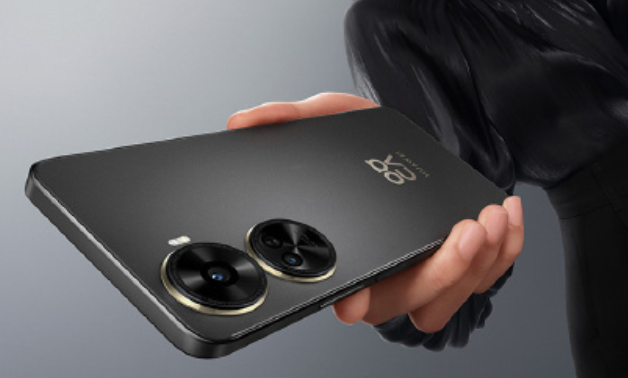
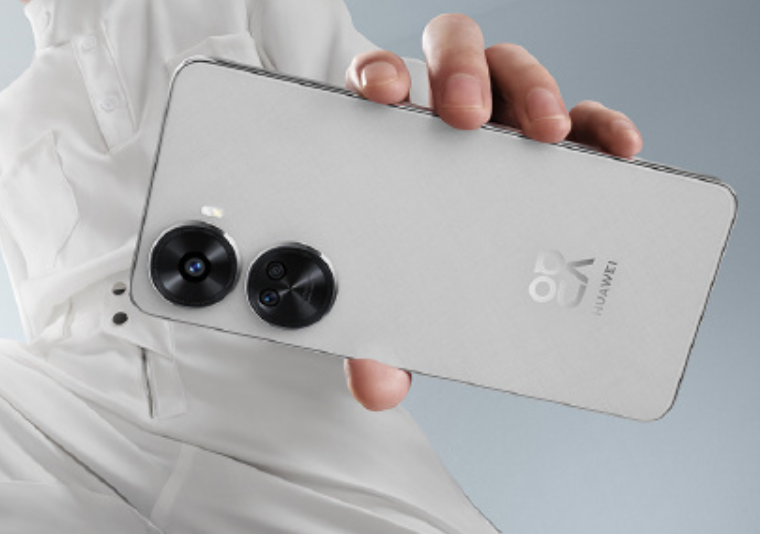
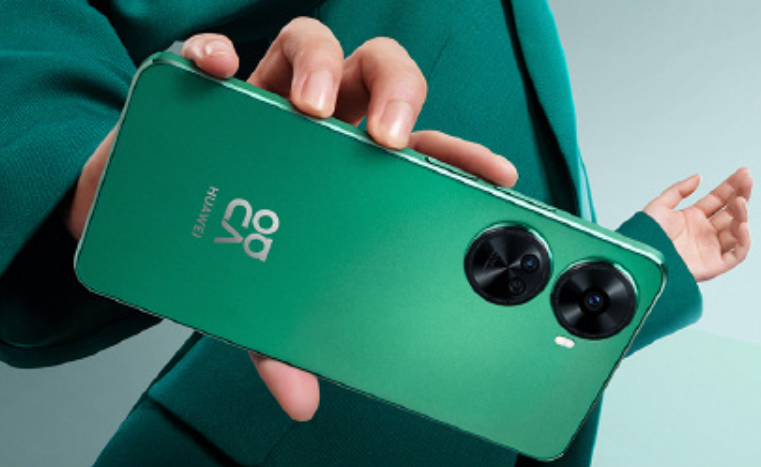
Reportedly, Huawei is planning to introduce the Nova 12 series of smartphones in China either in November or December this year. Meanwhile, the company has launched the Nova 11 SE in China, marking it as the final addition to the Nova 11 series. The device features a 90Hz OLED screen, a Snapdragon 6-series chipset, and triple rear cameras with a 108-megapixel primary sensor. Below, you can find details about the device’s specifications, features, and pricing.
Huawei Nova 11 SE specifications and features
Huawei Nova 11 SE
Starting from the front, the Huawei Nova 11S E has a punch-hole OLED panel that measures 6.67 inches. The screen offers a Full HD+ resolution, a 90Hz refresh rate, 10-bit colors, and P3 wide color gamut. It features a triple rear camera setup, consisting of a 100-megapixel primary camera with an f/1.9 aperture, an 8-megapixel ultra-wide-angle camera with an f/2.2 aperture, and a 2-megapixel macro camera with an f/2.4 aperture. On the front, there’s a single 32-megapixel camera with an f/2.45 aperture.
Huawei Nova 11 SE
The Nova 11 SE is powered by the Snapdragon 680 chipset and a 4,500mAh battery that supports 66W fast charging. The phone ships with 8 GB of RAM and 256 GB / 512 GB of internal storage. It runs on Harmony OS 4-based Android, but the exact version of Android is not known.
Huawei Nova 11 SE
Connectivity options include dual SIM, 5G, Wi-Fi 802.11ac, Bluetooth 5.0, NFC, GPS, and a USB-C port. It features a side fingerprint sensor for added security. The device measures 162.39 x 75.47 x 7.39mm, weighing approximately 186 grams.
Huawei Nova 11 SE price
The Huawei Nova 11 SE comes in two options: 8 GB RAM + 256 GB storage for 1,999 Yuan (~$275) and 8 GB RAM + 512 GB storage for 2,199 Yuan (~$300). It comes in three colors: black, white, and green. The pre-sales of the phone have started in China, and it is set to go on sale on Nov. 10.
Giztop is giving a huge discount on the Xiaomi 13 Pro smartphone. The device which generally retails for $899 can be now bought for a discounted price of $599 only. Please note that this price applies to the base variant.
Xiaomi 13 Pro features a 6.73-inch QHD+ LTPO AMOLED display. It is powered by the latest Qualcomm Snapdragon 8 Gen 2 processor and offers multiple memory options like 8GB/12GB LPDDR5X RAM and 128GB/256GB/512GB UFS 4.0 internal storage.
The smartphone is fueled with a 4820mAh battery and supports 120W wired charging and 50W wireless charging. It features triple 50MP rear cameras viz. a Sony IMX989 50MP primary lens, a 50MP ultra-wide lens, and a 50MP telephoto lens. The camera comes with advanced tracking tech that helps you to take better snaps of fast-moving objects. For your selfies, you have a 32MP sensor in the front.
Other interesting features include Android 13-based MIUI 14, in-display optical fingerprint sensor, NFC, Wi-Fi 6, etc. Xiaomi 13 Pro supports Google mobile services, and OTA updates, and comes with a pre-installed Google Play store.
Giztop is giving a discount on the Motorola X30 Pro smartphone. Generally retailing for $649, you can now buy this phone for a heavily discounted price of $399. Please note that this price applies to the base variant only.
Motorola X30 Pro features a 6.67” IPS FHD+ display and 144Hz refresh rate. The smartphone is powered by a Snapdragon 8+ Gen 1 processor and comes with an Adreno 730 GPU. Available in multiple memory variants viz. 8GB/ 12GB Turbo LPDDR5 RAM and 128GB / 256GB storage the smartphone comes in Black and White color variants.
The smartphone comes with a triple rear camera setup with a Samsung ISOCELL HP1 200MP primary camera which is 1/1.22″ in size, a 50MP secondary sensor, and a 12MP 121° ultrawide angle sensor that also doubles as a macro camera. For your selfies, you have a 60MP sensor in the front.
Fueled with a 4610mAh battery Motorola X30 Pro supports 125W wired fast charging and 50W wireless charging. It features an under-display fingerprint reader, supports 5G connectivity, and is equipped with Wi-Fi 6, providing faster internet speeds compared to Wi-Fi 5. Additionally, the device includes a multi-functional NFC for various applications and dual-frequency GPS for precise location tracking.
You can now buy Motorola X30 Pro for a starting price of $399 at Giztop. The phone is available in Black and White color variants.
The OPPO Pen Stylus is meticulously engineered for seamless compatibility with the OPPO Find N3 and Oneplus Open. Whether you are an artist, writer, or designer, this stylus adapts effortlessly to your creative needs. You can get the stylus for $129 only at Giztop.
Designed for fluidity, the stylus glides effortlessly on your display, mimicking the feel of pen on paper. With 4096-layer pressure sensitivity, it responds to every stroke, allowing you to jot down notes and sketches with unparalleled precision.
The OPPO Pen Stylus features magnetic absorption, ensuring it’s always within your reach when inspiration strikes. Say goodbye to the hassle of searching for your stylus – it effortlessly attaches to your device, ready to bring your ideas to life.
With the convenience of wireless fast charging, the OPPO Pen Stylus offers continuous operation for up to 11 hours on a full charge. Now, your creative sessions can last longer without interruption, allowing you to explore your artistic endeavors without constraints.
This stylus isn’t just for drawing or sketching; it’s a versatile tool for various creative pursuits. Whether you’re an artist expressing your vision, a student taking notes, or a professional jotting down ideas, the OPPO Pen Stylus is your perfect companion.
Canada recently prohibited the use of Chinese messaging app WeChat and Russian antivirus software Kaspersky on government-issued devices. The ban comes amid concerns over privacy and security, according to the Treasury Board of Canada. This raises a question: Is the ban a defensive move for the nation, or is it influenced by the current geopolitical climate?
The decision came after an assessment by Canada’s Chief Information Officer
The decision to ban the apps was made after an assessment by Canada’s chief information officer. While the Treasury Board stated that no government information has been compromised, they described the apps as posing “clear” risks. Interestingly, this move aligns with Canada’s earlier action of banning TikTok in February for similar reasons. However, the abruptness of the decision left Kaspersky “surprised and disappointed,” highlighting the absence of a warning or a chance to address the government’s concerns.
Kaspersky argues that the ban is more of a geopolitical maneuver than an evaluation of the app’s security measures. The company claims that no evidence has been presented to justify the action. The silence from WeChat further deepens the mystery. Could it be that Canada is following suit with its international partners rather than solely focusing on the apps’ security issues?
The Treasury Board was quick to point out that their decision aligns with the approach of international partners. This points to a broader trend of countries tightening digital borders, particularly against Chinese and Russian tech companies. However, the lack of disclosed evidence to support the ban raises questions about the transparency of the decision-making process.
While Canada assures that the ban is to keep its government networks secure, the absence of a transparent evaluation and the geopolitical implications suggest that the story might be more complex than it appears. This move could be a blend of genuine security concerns and a reflection of international politics. But without further information, the true motive remains a subject of debate. Only time will spill the beans. Or maybe not.
In a month, the Tesla Cybertruck is finally pulling into the real world. As covered previously, the first deliveries are set for November 30, and the excitement among potential customers and shareholders is palpable.
November 30 is exactly one month away, and Tesla is making moves
What’s different this time around? Tesla’s approach to this launch seems far more community-focused compared to its previous high-profile rollouts. The Austin-based automaker is not just relying on its CEO Elon Musk‘s Twitter feed to update its followers. Instead, Tesla has set up a dedicated webpage for the Cybertruck’s delivery event, aimed at the over one million people (as stated by Elon Musk) who’ve made reservations.
But here’s the kicker: Tesla is opening up the delivery event to its shareholders via a lottery system. This isn’t just a savvy marketing gimmick; it’s a nod to the community that has backed Tesla‘s ambitious vision. Shareholders can submit proof of stock ownership for a chance to attend the much-anticipated delivery event in person. A special provision that makes it not just a car launch, but a celebration of the support the company has garnered over the years.
The lottery isn’t just about spectatorship; it’s about shared experience. This is a vehicle that first made headlines because its “Armor Glass” didn’t hold up to a metal ball during a live demonstration. But now, the narrative is different. From the full-width LED light bar that now serves as daylight running lights to the intricacies of its design, the Cybertruck has come a long way, and Tesla wants its most ardent supporters to be part of that evolution.
It’s worth noting that Tesla has previously offered event tickets through referral credits in their app. But this time, the approach feels more egalitarian, opening up the event to anyone with a stock certificate and a dream. The deadline for entering the lottery is November 3, with winners being announced just a few days later on November 6.
Those who are interested, can check out the webpage here.
A lot more smartphones are expected to launch in November compared to October. A handful of brands have already either confirmed or hinted at their upcoming releases.
The star products are flagships from Chinese brands. They will feature the newly announced Qualcomm Snapdragon 8 Gen 3 SoC, which made its global debut inside the Xiaomi 14 series.
There will be some budget models from multiple brands as well. But they are not so interesting as they won’t bring anything new to the entry-level segment.
At least 12 brands are anticipated to release new phones next month. The list includes Lava, iQOO, Oppo, Vivo, Realme, OnePlus, Redmi, Poco, Samsung, Honor, Infinix, and Tecno.
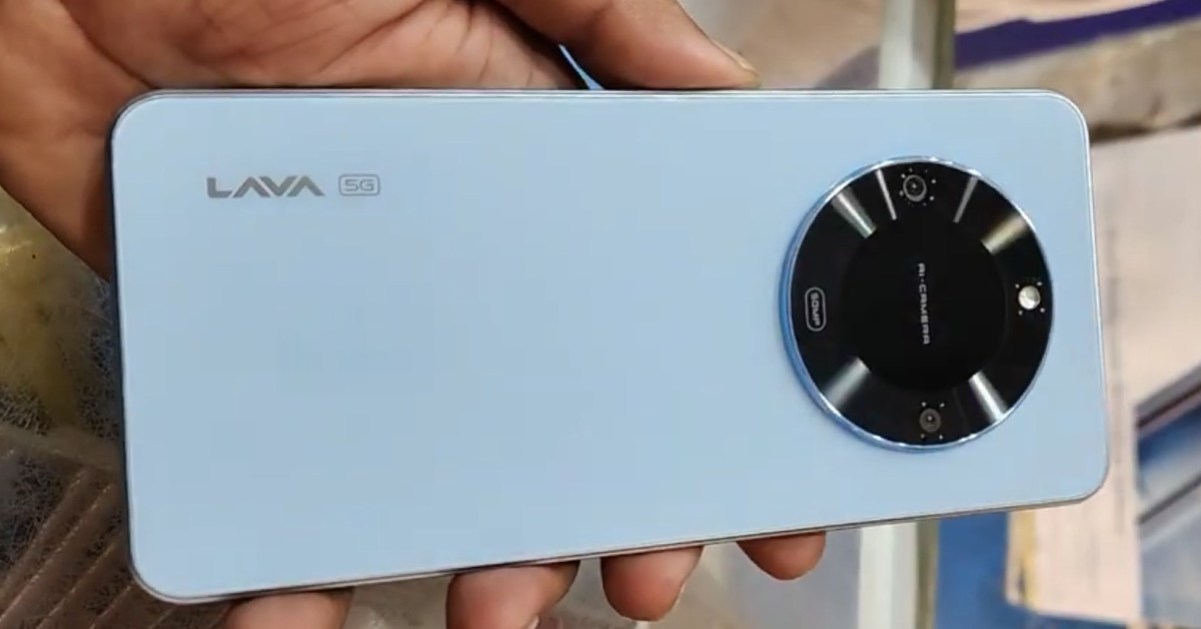
The Lava Blaze 2 5G is set to launch in India on November 2 (Thursday). It will be announced in a YouTube livestream at 12 PM IST.
Thanks to official teasers and leaks, we know a few things about this device. It will sport a slightly boxy design and a circular camera module with a ring LED light for notifications.
The phone is tipped to house a MediaTek Dimensity 6020 chip paired with up to 6GB RAM and 128GB storage. It is expected to start around ₹9000-₹10000 and will be available in three colors (black, blue, and purple).
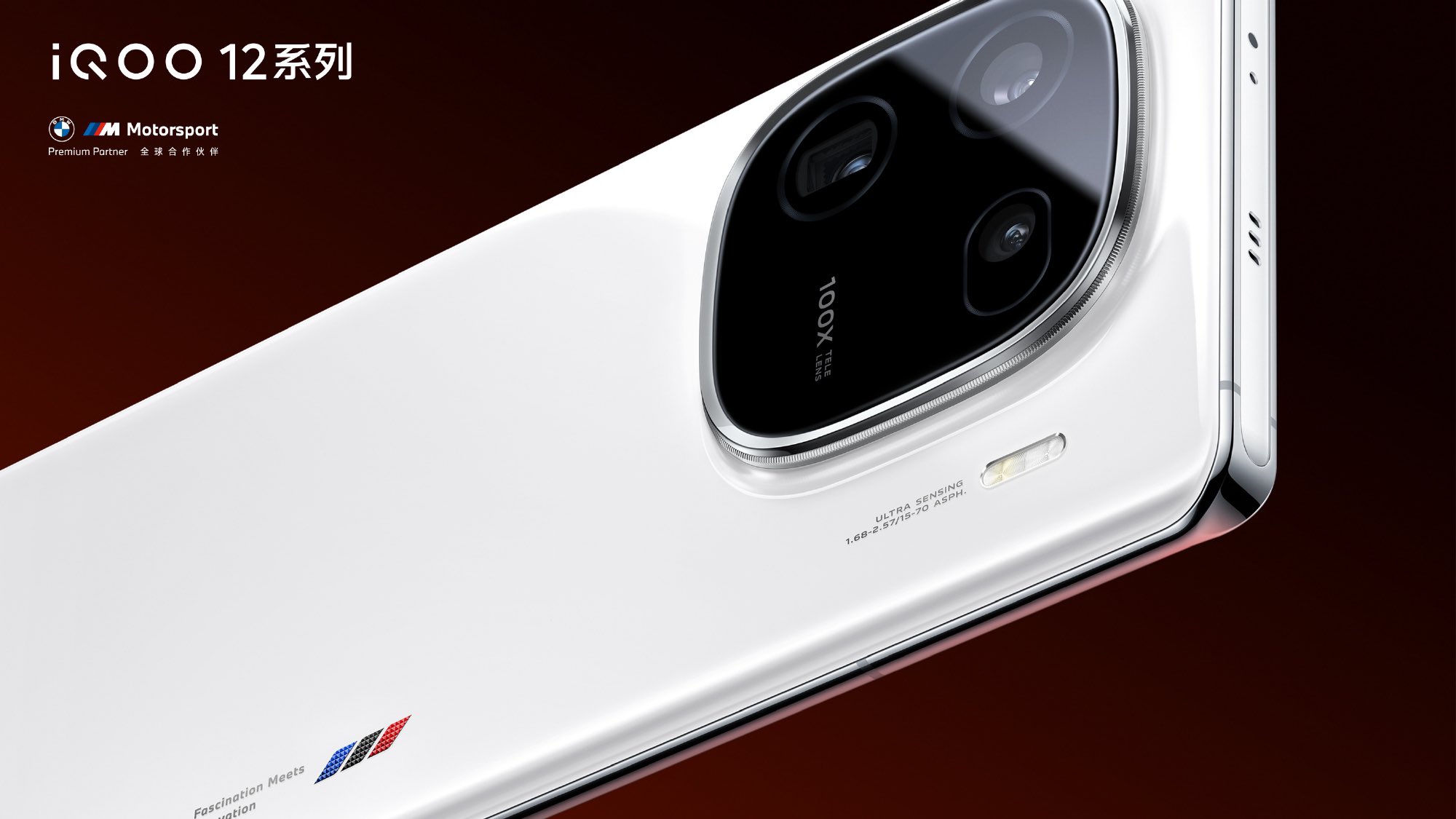
2. iQOO 12 Series
The iQOO 12 series is scheduled to launch in China on November 7 (Tuesday). It will be unveiled at an event that will begin at 7 PM GMT+8 and will be live-streamed on Weibo and other leading Chinese video streaming platforms.
The lineup consists of two models, namely iQOO 12 and iQOO 12 Pro. They will bring a new design and updated specs.
As per leaks and teasers, both of them will be almost identical. They will arrive with a Qualcomm Snapdragon 8 Gen 3 chip, LPDDR5x RAM, UFS 4.0 storage, 50MP (OV50H) + 50 MP (JN1 ultrawide) + 64MP (OV64B 3x) triple camera system, dual stereo speakers, and 120W wired charging.
The pro model will flaunt a curved display with 2K resolution compared to a flat and brighter (3000 nits) display on the vanilla variant. The former will also support wireless charging.
The phone will come with a 7.99mm thin body and weigh 193g. It will be fitted with a 6.72-inch centered punch-hole FHD+ 90Hz display (LCD).
Further, the handset will be powered by a MediaTek Dimensity 6020 chip paired with up to 12GB RAM and 512GB storage. It will feature a 50MP + 2MP dual camera setup, an 8MP selfie camera, and a 5,000mAh battery.
The Oppo A2 will be available in Ice Crystal Purple, Clear Wave Green, and Quiet Sea Black color options.
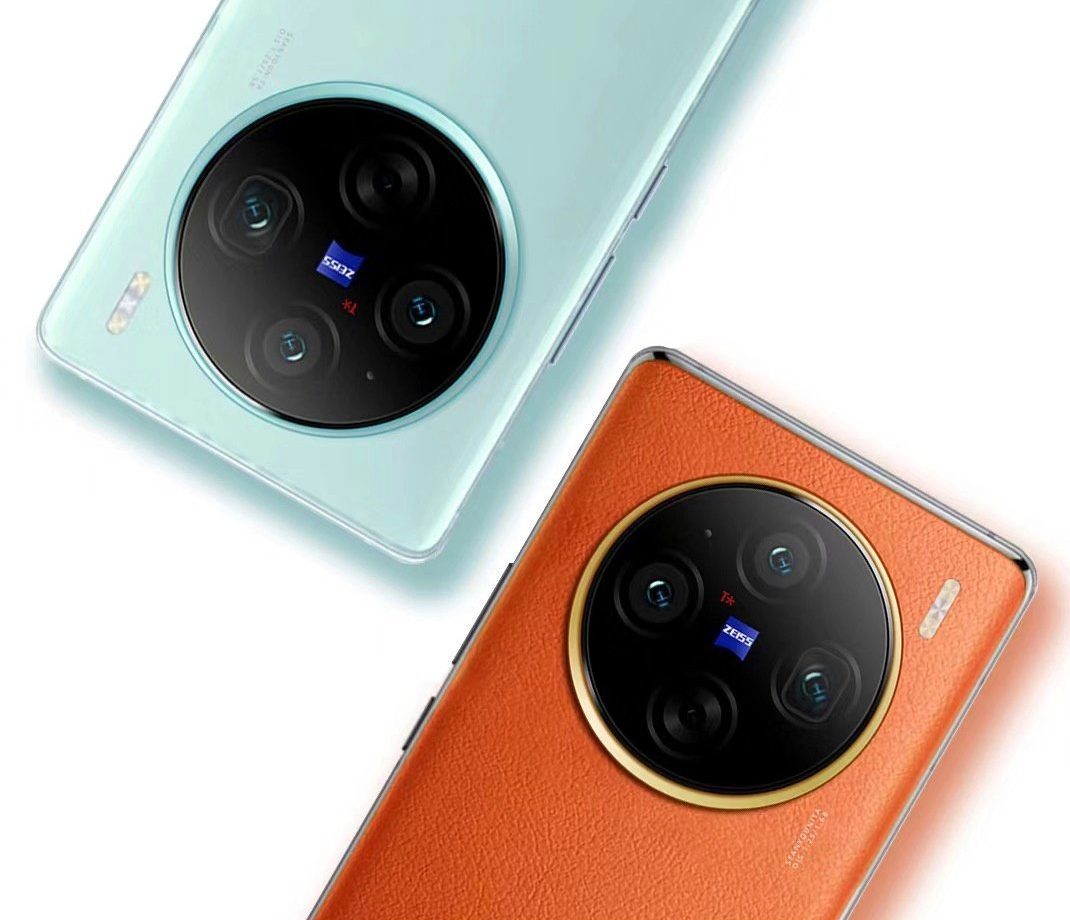
As per teasers and leaks, the series will come with a new Vario-APO-Sonnar lens for a periscope zoom camera. This feature could be exclusive to the Pro Plus model, which is also said to come with LPDDR5T RAM.
All three phones are anticipated to house different chipsets. The top-end Pro Plus will likely feature a Snapdragon 8 Gen 3 SoC as compared to a Snapdragon 8 Gen 1 chip inside the pro version. Whereas, the vanilla variant will be powered by a Dimensity 9300 chipset.
Like their predecessors, the handsets will be available in glass and leather finishes.
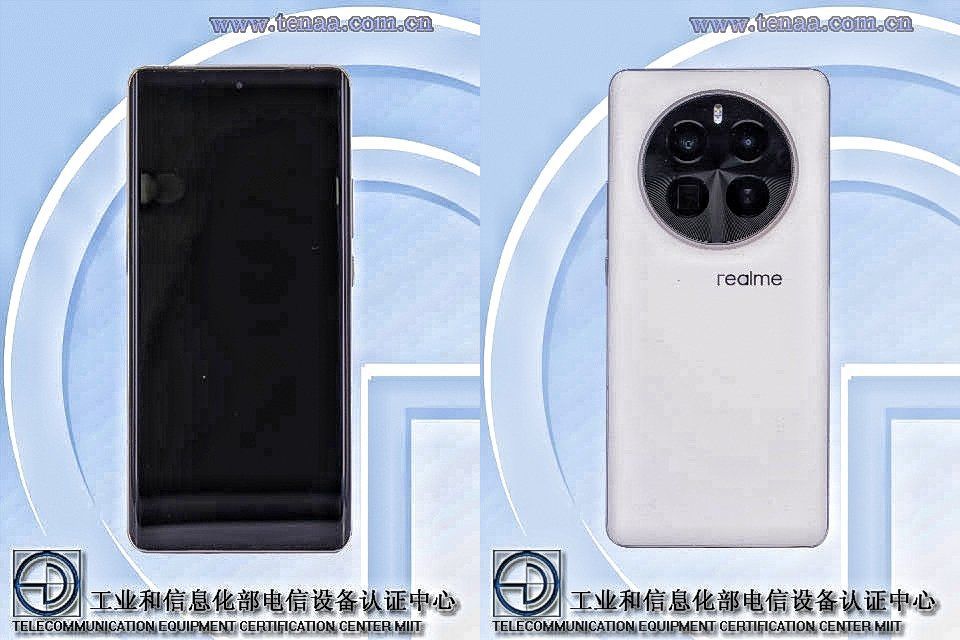
5. Realme GT 5 Pro
The Realme GT 5 Pro is expected to launch in China in November. As the name suggests, it will be the brand’s next-gen flagship smartphone.
The handset has been confirmed to house a Qualcomm Snapdragon 8 Gen 3 chipset. Thanks to leaks, we also know most of its other specs.
The device will arrive with a 6.78-inch 1.5K curved display, a 50MP (wide) + 50MP (telephoto) + 8MP (ultrawide) triple camera setup, a 32MP selfie camera, LPDDR5x RAM, UFS 4.0 storage, a 10,000mm² cooling system, and an IP rating,
Finally, it is said to be backed by a 5,400mAh battery with support for 100W wired charging and 50W wireless charging.
6. OnePlus 12
The OnePlus 12 could launch in China by the end of November or in December. A lot about it is out via official teasers and leaks.
Unsurprisingly, the phone will be powered by a Qualcomm Snapdragon 8 Gen 3 chip. It will flaunt a 6.82-inch BOE X1 OLED display. This centered punch-hole curved screen will offer a resolution of 3168 x 1440 pixels, a 1Hz-120Hz LTPO refresh rate, 0.35 JNCD, 2600 nits peak brightness level, and a DisplayMate A+ rating.
Further, the handset is expected to come with a 50MP (wide) + 48MP (ultrawide) + 64MP (3x periscope) triple camera system, a 32MP selfie camera, LPDDR5x RAM, UFS 4.0 storage,an alert slider, and an IR blaster,
Last but not least, it will draw energy from a 5,400mAh battery and support 100W wired and 50W wireless charging.
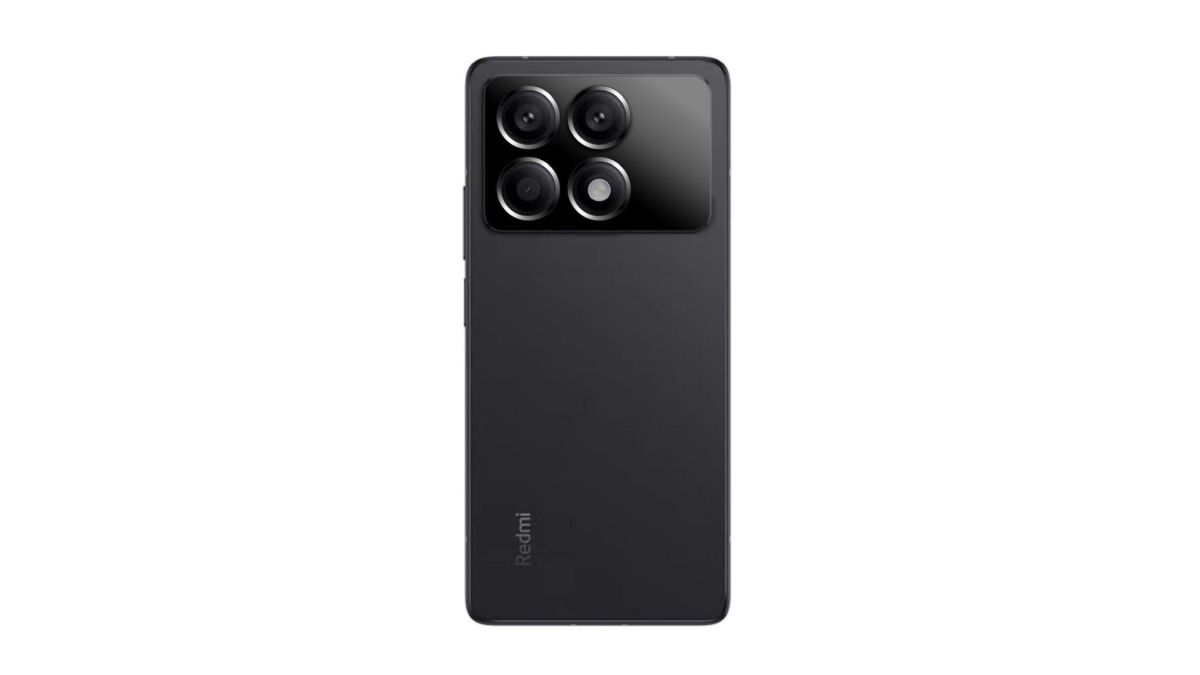
7. Redmi K70 Series
The Redmi K70 series might go official in November. The lineup is anticipated to include three models — a vanilla version and two pro variants.
One of the pros will be powered by a Qualcomm Snapdragon 8 Gen 3 chip, while the second one will house a MediaTek Dimensity 9200 SoC. But both of them will carry support for 120W wired charging.
On the other hand, the standard version is tipped to feature a Qualcomm Snapdragon 8 Gen 2 chip. Unfortunately, not much is known about these smartphones as of writing this article.
8. Redmi 13C and Poco C65
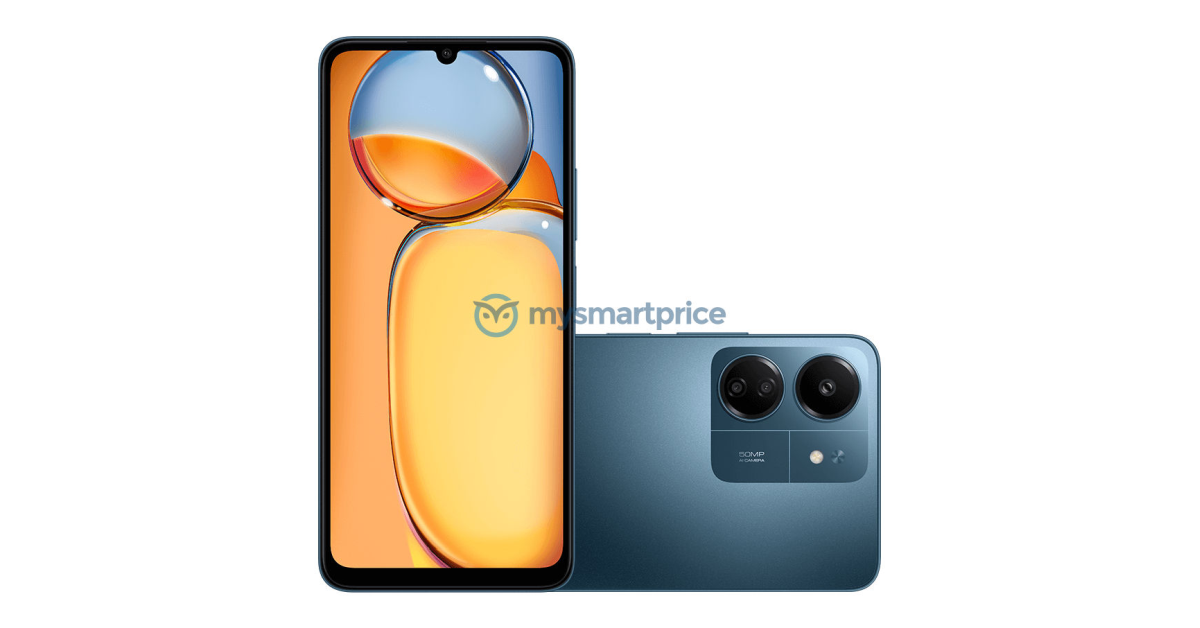
The Redmi 13C may be released in November. Almost everything about it is out via multiple leaks.
The device will arrive with a 6.74-inch dewdrop notched 90Hz display (LCD), a MediaTek Helio G85 chip, a 5,000mAh battery, and 18W fast charging support over USB Type-C port.
It will also come with a 50MP (wide) + 8MP (ultrawide) + 2MP (depth) triple camera setup, an 8MP selfie camera, a MicroSD card slot, a 3.5mm headphone jack, and a side-mounted fingerprint sensor.
The Redmi 13C will be also sold as Poco C65 in some markets. This phone could also debut in November.
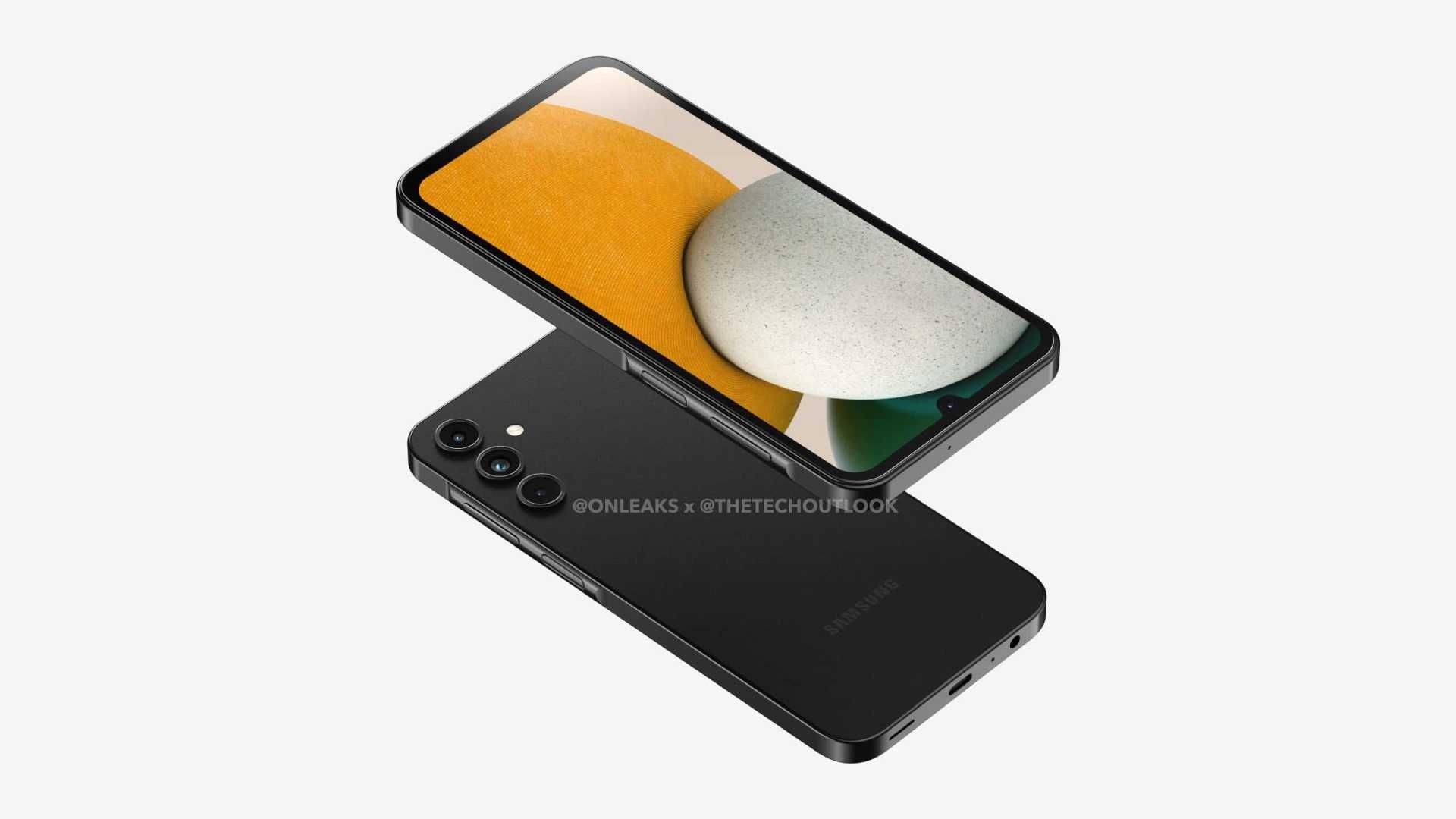
9. Samsung Galaxy A15
Samsung might debut its next-gen affordable smartphone Galaxy A15 in November. It will be available in both 4G and 5G variants.
As per leaks, the handset will arrive with a 6.5-inch FHD+ 90Hz display, a 50MP + 5MP + 2MP triple camera setup, a 13MP selfie camera, a side-mounted fingerprint sensor, a MicroSD card slot, a 5,000mAh battery, and 25W charging support.
The 5G model will be powered by a MediaTek Dimensity 6100 Plus chip, while the 4G version will house a MediaTek Helio G99 SoC.
10. Honor X50 GT
The Honor X50 GT might launch in China as early as November. It is said to come with a Huawei Mate X5-inspired design.
The phone is tipped to feature a 6.81-inch FHD+ OLED display, a Qualcomm Snapdragon 888 SoC, and a 4,800mAh battery. For photography and videography, it will use a 50MP rear camera and a 16MP selfie camera.
In other words, the X50 GT will be a minor upgrade over its predecessor X40 GT.
11. Infinix Smart 8
The Infinix Smart 8 might go official in November. It will be an entry-level smartphone from the brand and will succeed the Smart 7 from earlier this year.
As per certifications and benchmarks, it will arrive with an HD+ display, a Unisoc T606 chip, 3GB RAM, a 5,000mAh battery, and 10W charging.
Additionally, based on its predecessor, we can expect the device to come with dual cameras and a rear-mounted fingerprint sensor.
12. Tecno Spark 20 Series and Spark Go 2024
The Tecno Spark 20 series and Spark Go 2024 smartphones could debut in November. The former lineup will include at least three devices, such as Spark 20, Spark 20 Pro, and Spark 20C.
According to benchmark listings, the Spark 20, Spark 20C, and Spark Go 2024 will be powered by Helio G85, Helio P35, and Unisoc T606 chips, respectively.
On the other hand, there’s no info on the chipset inside the Spark 20 Pro, But we know that it will be backed by a 5,000mAh battery with support for 33W charging.
As electric vehicles (EVs) surge in popularity, the U.S. isn’t just setting the stage for cleaner transportation but is also revving up a job-creation engine. Forget the thought that EVs are just about reducing carbon footprint; they’re also about putting more Americans to work.
A lot of revenue can be traced back to EV equipment production
Recent data from the Department of Energy (DOE) reveals a boom in EV-related infrastructure investments, eclipsing $500 million since 2021. This cash flow isn’t confined to car manufacturing plants alone; a sizable chunk is fueling the production of EV charging equipment. In fact, over 40 new factories for making various types of EV chargers are either in the planning stages, under construction, or have already been announced.
What’s more intriguing is the ripple effect this is having on employment. More than 3,000 new jobs are projected to be created just in these manufacturing facilities. But let’s not forget the additional workforce needed for installing and maintaining this rapidly expanding network of chargers. We’re talking about a significant chunk of new job opportunities.
Here’s the kicker: the industry isn’t just growing; it’s evolving. North America is on the brink of standardizing a new charging system, the Tesla-developed NACS, which aims to be the go-to plug for all light-duty electric vehicles in the future. This shift indicates that not only will there be more jobs, but these will be specialized roles requiring new skill sets.
WhatsApp is a widely used messaging app that offers messaging, voice and video calls, media sharing, and prioritizes user privacy with encryption. It supports group chats, a “Status” feature, and provides web and desktop versions as well. Owned by Meta, WhatsApp is regularly updated with new features and goes through UI/UX changes, enhancing user experience and functionality.
Chat With Unknown Contacts: Exploring WhatsApp Windows Beta’s Newest Feature
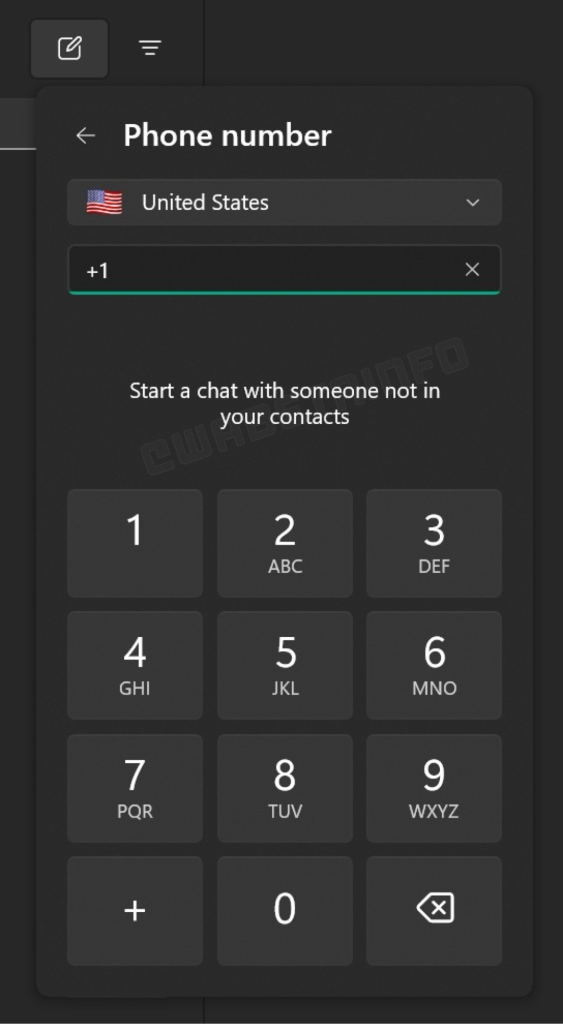
According to WABetaInfo, WhatsApp’s Windows native app has received an update (version 2.2342.6.0) through the beta channel on the Microsoft Store. This update brings the ability to open chats with unknown phone numbers, a feature previously available to iOS and Android users. Users can now initiate conversations without needing to save the phone number in their address book, simplifying communication with new or temporary contacts.
The new feature is currently available to select beta testers who have downloaded the latest update from the Microsoft Store. It is expected to become more widely accessible in the coming days.
The new feature in WhatsApp’s Windows native app allows users to initiate chats with unknown phone numbers by entering the number directly. This feature is accessible through the “New chat” screen under the “Phone number” section. It expands on the previous capability of searching for numbers within the chat screen, providing users with a more direct way to start conversations with unfamiliar contacts.
The feature is seen as a major improvement in user convenience and privacy. It streamlines interactions with new contacts by eliminating the requirement to save potentially temporary phone numbers in the address book.
After beta testing for months, Samsung finally started rolling out the Android 14-based One UI 6 stable update starting today. Unsurprisingly, the Galaxy S23 series is the first set of devices to receive the latest version of the company’s mobile software.
Following the rollout of the update, Samsung published an article on its website offering tips to make the most of the new camera features included in One UI 6. At the end of this post, the company confirms the handsets that will be receiving the latest Android 14.
To everyone’s surprise, certain devices that are not supposed to get the new Android update will be receiving it. Let’s go through the details.
Samsung hints that One UI 6 based on Android 14 will be available for its premium smartphones released in 2020 and 2019. These include Galaxy S20, Galaxy S20 Plus, Galaxy S20 Ultra, Galaxy Note 20, Galaxy Note 20 Ultra, Galaxy Z Fold 2, Galaxy Z Flip 5G, and Galaxy Z Flip.
For the unaware, these phones are only eligible for three generations of Android updates, and they have already received them. So One UI 6 will be their fourth Android update.
Apart from these older flagships, Samsung also lists newer models that will be receiving the update. We believe these handsets will be among the first to get One UI 6 stable update.
Android 14-based One UI 6 Eligible Devices
Galaxy S23 Ultra
Galaxy S23 Plus
Galaxy S23
Galaxy S23 Fe
Galaxy S22 Ultra
Galaxy S22 Plus
Galaxy S22
Galaxy S21 Ultra
Galaxy S21 Plus
Galaxy S21
Galaxy S21 FE
Galaxy S20 Ultra
Galaxy S20 Plus
Galaxy S20
Galaxy S20 FE
Galaxy Note 20 Ultra
Galaxy Note 20
Galaxy Z Fold 5
Galaxy Z Fold 4
Galaxy Z Fold 3
Galaxy Z Fold 2
Galaxy Z Flip 5
Galaxy Z Flip 4
Galaxy Z Flip 3
Galaxy Z Flip 5G
Galaxy Z Flip
Galaxy A54
Galaxy A53
Galaxy A34
Galaxy A33
Galaxy M54
Galaxy M53
Galaxy M34
Galaxy M33
Several other phones and tablets from Samsung should also get the Android14 update, based on their software update policy.
Pisen has launched the P1 true wireless Bluetooth earbuds, a new addition to the competitive market of audio accessories. The earbuds look very similar to Apple’s AirPods and are priced at 109 Yuan ($15). Let’s delve into the key specs of these earbuds.
Pisen P1 TWS Earbuds Key Features:
The P1 model stands out with its PEQ Balanced Audio technology and a dynamic driver that is 13mm in size with a titanium-plated composite diaphragm. This design aims to provide a clear and balanced sound profile. The earbuds are also remarkably light, with a single earbud weighing only 3 grams, and are designed with a 60-degree ergonomic angle to comfortably fit various ear shapes without causing fatigue.
Pisen’s innovative approach includes a self-developed dynamic adaptive EQ compensation algorithm, which enhances the user’s listening experience by automatically adjusting the bass levels for optimal sound quality. They also feature 3D panoramic audio, aiming to deliver an immersive listening experience akin to a live performance.
For user convenience, the P1 earbuds offer single-finger touch control, simplifying the management of music playback and calls. The earbuds boast high-sensitivity microphones, which are designed to capture voices accurately, ensuring clarity even in noisy settings and they are also IPX4 splashproof.
These TWS earbuds come with Bluetooth 5.3, ensuring a stable connection within a 10-meter range, and support popular Bluetooth protocols such as HFP, A2DP, and AVRCP, as well as SBC and AAC audio codecs.
The earbuds promise up to 4 hours of playback on a single charge, and with the included charging case, the total battery life can reach up to 20 hours. The case has a 300mAh capacity, recharges via a Type-C port, and takes about 1.5 hours to charge the earbuds.
Aesthetically, the P1 earbuds come in an “Apple White” color, and the combined weight of the charging case and earbuds is 38 grams.
Chinese tech giant Meizu has officially announced its inaugural AR smart glasses, an extraordinary leap into the world of Extended Reality (XR). This groundbreaking product is the result of relentless innovation by Xingji Meizu Group in the XR field, leveraging ingenious display technology to craft remarkably sleek and lightweight smart glasses.
Features
Just like other AR glasses, Meizu’s AR smart glasses are far more than just a device, they are a gateway to a world where the boundaries between the physical and virtual realms blur. However, the company has yet to release the entire details and capabilities of its new AR glasses.
A core focus for Xingji Meizu Group is advancing XR software and hardware technology, and these smart glasses embody that commitment. With the development of end-cloud collaborative technology, these glasses aspire to seamlessly integrate into your daily life, bridging the worlds of smartphones, automobiles, and smart eyewear. The result is a new realm of interactive display experiences and with its smart features, it can be connected to other smart gadgets in the brand’s ecosystem.
Meizu’s vision goes beyond just technology; it aims to make XR an integral part of our lives. Thus, the new AR glasses create immersive experiences for users across various scenarios and platforms. While AR technology is still an emerging tech, the future looks bright for the Meizu AR smart glasses as they pave the way for a more connected and interactive world.
Pricing & Availability
With a mere 1 yuan, users in China can secure a place in the blind order discount and unlock an exclusive gift package worth 999 yuan ($136). The package includes exclusive coupons, optical service discounts, and generous exchange policies. The offer is currently open at Meizu Mall, Tmall, and Jingdong.
When it comes to electric bikes, there is one type that stands out from the crowd: it has a distinctive design, awesome power, robust structure, and premium feel. And the YADEA TROOPER 01 is a remarkable combination of these. Here in this detailed review, we will take an in-depth look at every aspect of this electric bicycle, from its outstanding design to its great power delivery, efficient braking system, advanced suspension, and luxurious comfort.
Design:
The YADEA TROOPER 01 features a design that seamlessly blends elements of classic and modern aesthetics. It takes inspiration from the straddle-style motorcycle, and the black and “dirt brown” combo presents the bike with an unforgettable look that takes attention whenever it’s on the street.
The frame of the YADEA TROOPER 01 is not only visually appealing but also well-constructed. The triangular structure ensures that it’s very stable while riding in whatever way you want, and it is also designed to provide a comfortable riding posture, ensuring that you can enjoy long rides without fatigue. It really looks and feels sturdy and durable, which is essential for a high-performance electric bike.
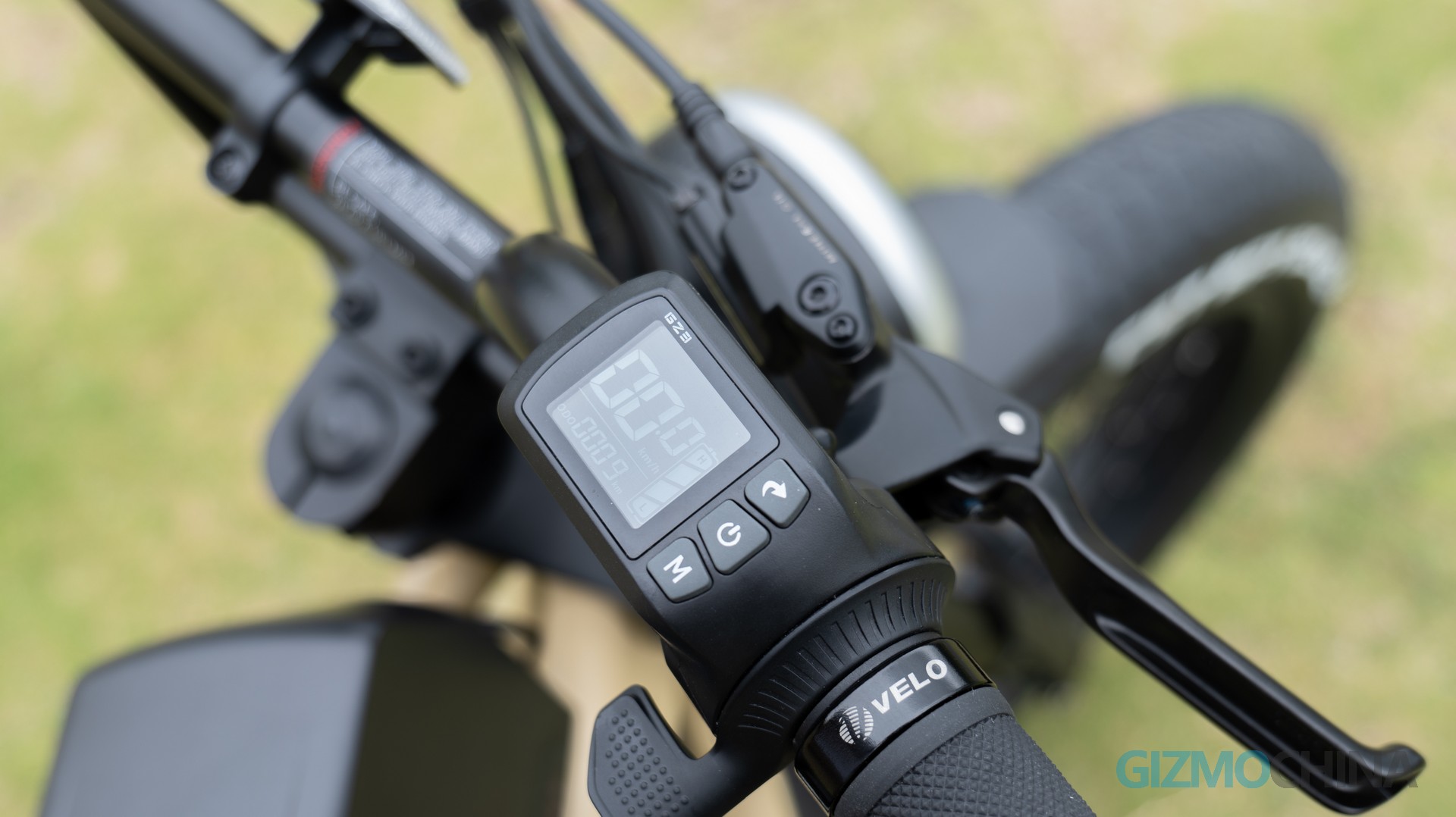
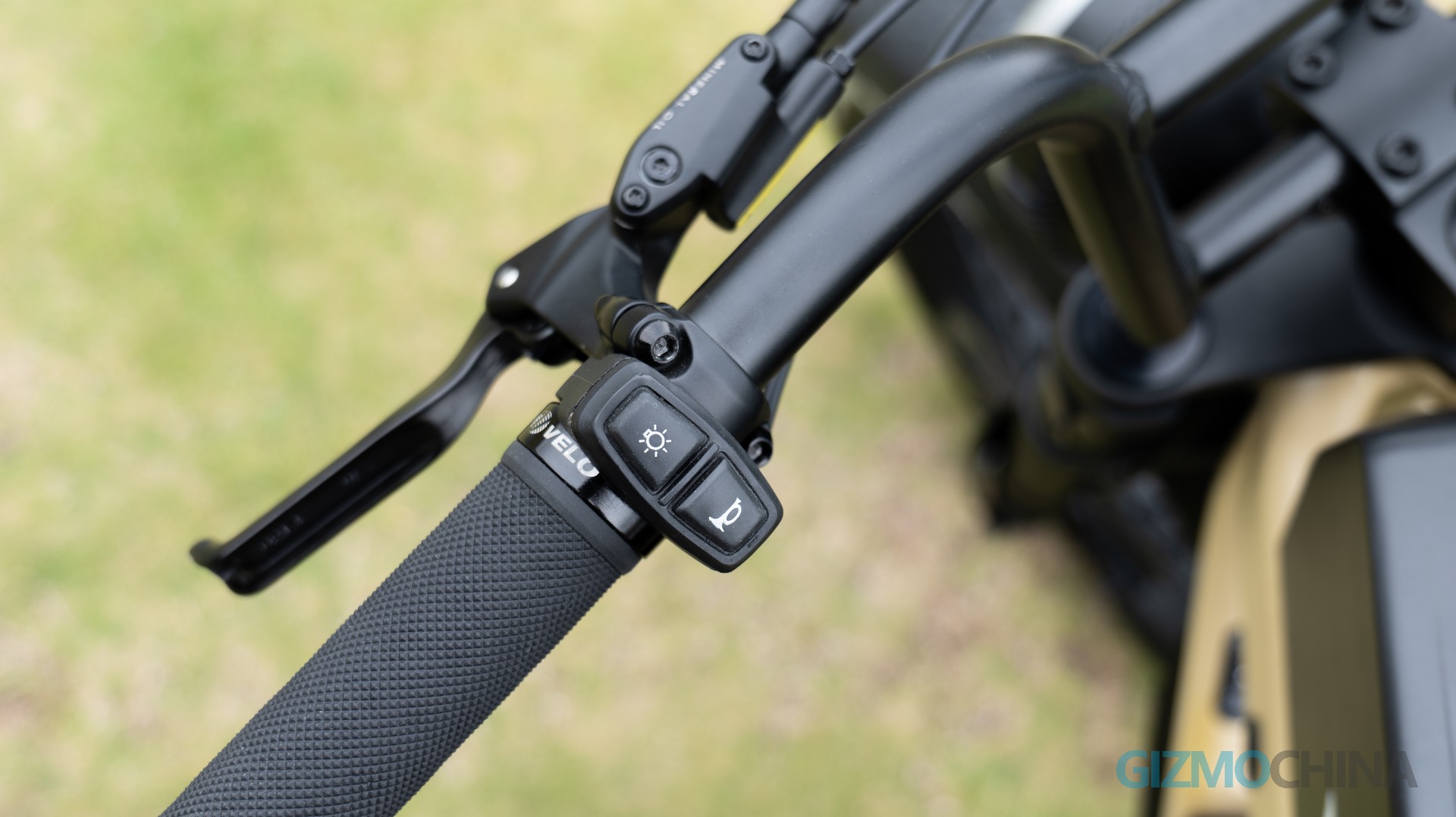
There is also an accessory basket positioned in between the frame, good enough for the charger and some light EDC items. The cable management is neat and lined up well all around the bike. I also like how they constructed the LCD screen and the throttle, they are all placed in the right place and never need to worry about the ease of use. The attention to detail in the design also lies in the premium components and the overall aesthetics, from the classic way of battery placement to the thoughtfully positioned controls, and every element contributes to the e-bike’s harmonious design.
Power:
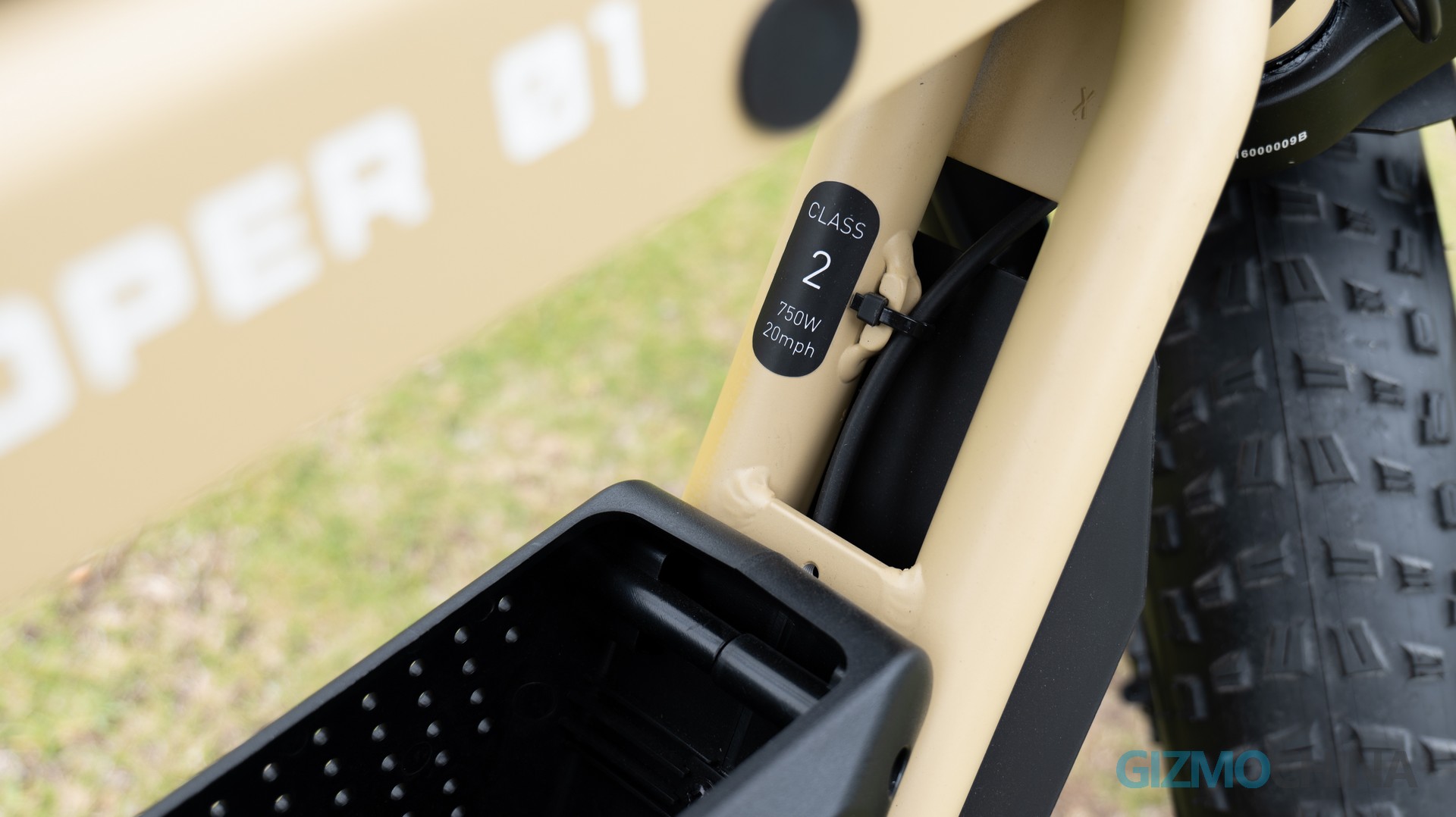
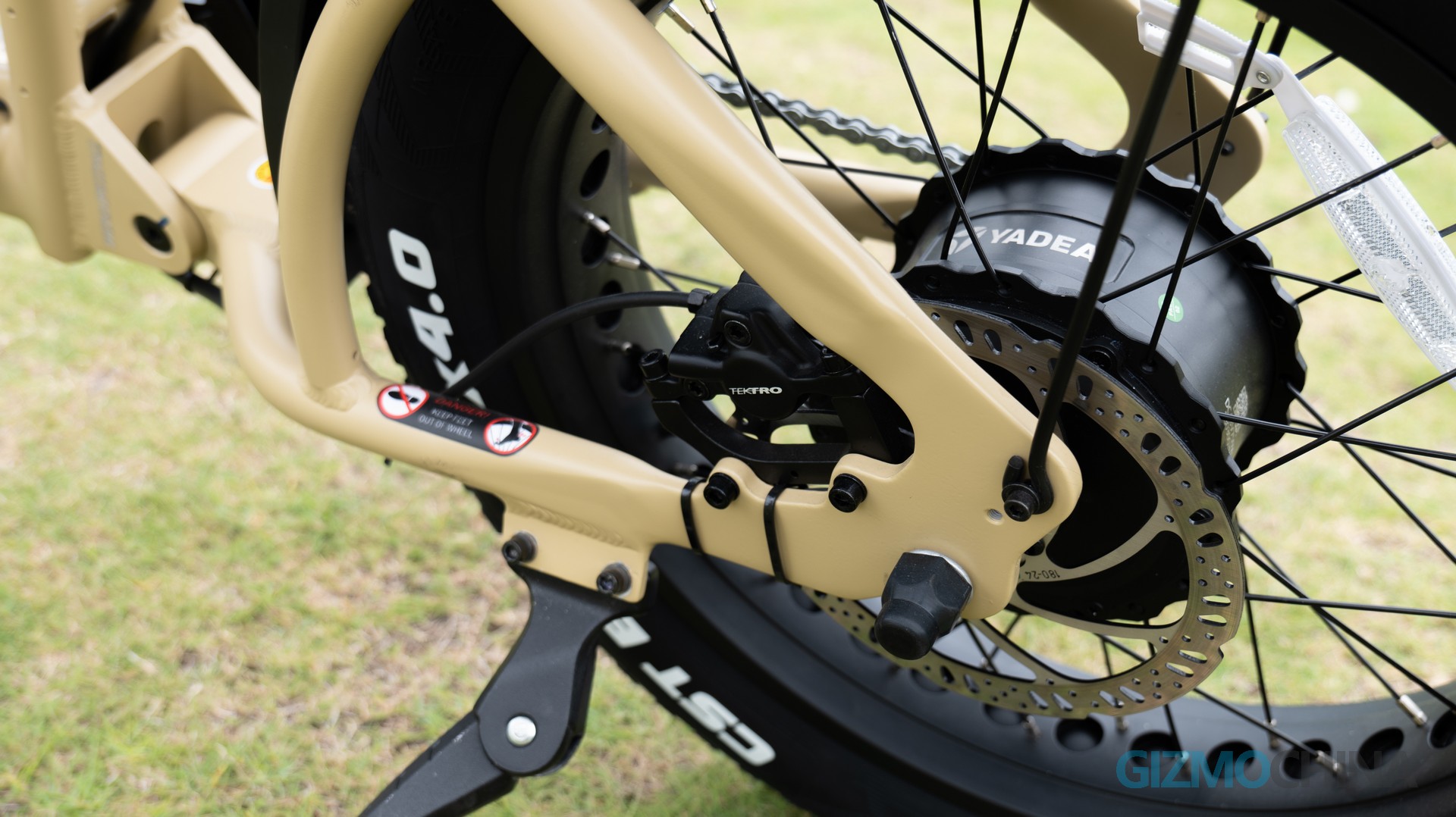
The YADEA TROOPER 01 is not an average electric bike, it’s a powerhouse in my opinion. The heart of this e-bike is a 750W, 75Nm hub motor at the rear. The hub motor delivers a burst of power that allows you to conquer steep inclines and tackle different terrains with ease.
What sets this bike apart is not just its power output but also its high torque. The 75Nm of torque ensures that you can accelerate quickly after pedal assist kicks in, and maintain a consistent speed even when facing headwinds or uphill climbs. The bike in our hand is a US version, if you pedal first, then the motor will pick up and let you ride with less effort. Nevertheless, It’s this combination of power and torque that truly enhances the riding experience.
So whether you’re commuting through the city, exploring scenic trails, or going on long-distance rides, the YADEA TROOPER 01’s high-power motor ensures that you have the confidence to cover the distance.
Battery:
A crucial component of any electric bike is its battery, and the YADEA TROOPER 01 is among the best. It comes with a large-capacity lithium cells. The battery boasts a 48V 20Ah 21700 cell, a significant upgrade that enhances both capacity and power output. This translates to better performance and a more satisfying riding experience. With this battery, this bicycle offers an impressive range of 40-60 kilometers(25-38miles) in Throttle mode and more in Eco mode aka Pedal Assist mode. We tested it in real scenario, it is a little bit shorter than its official claims, but still managed to fulfill a week’s use in general.
Brakes:
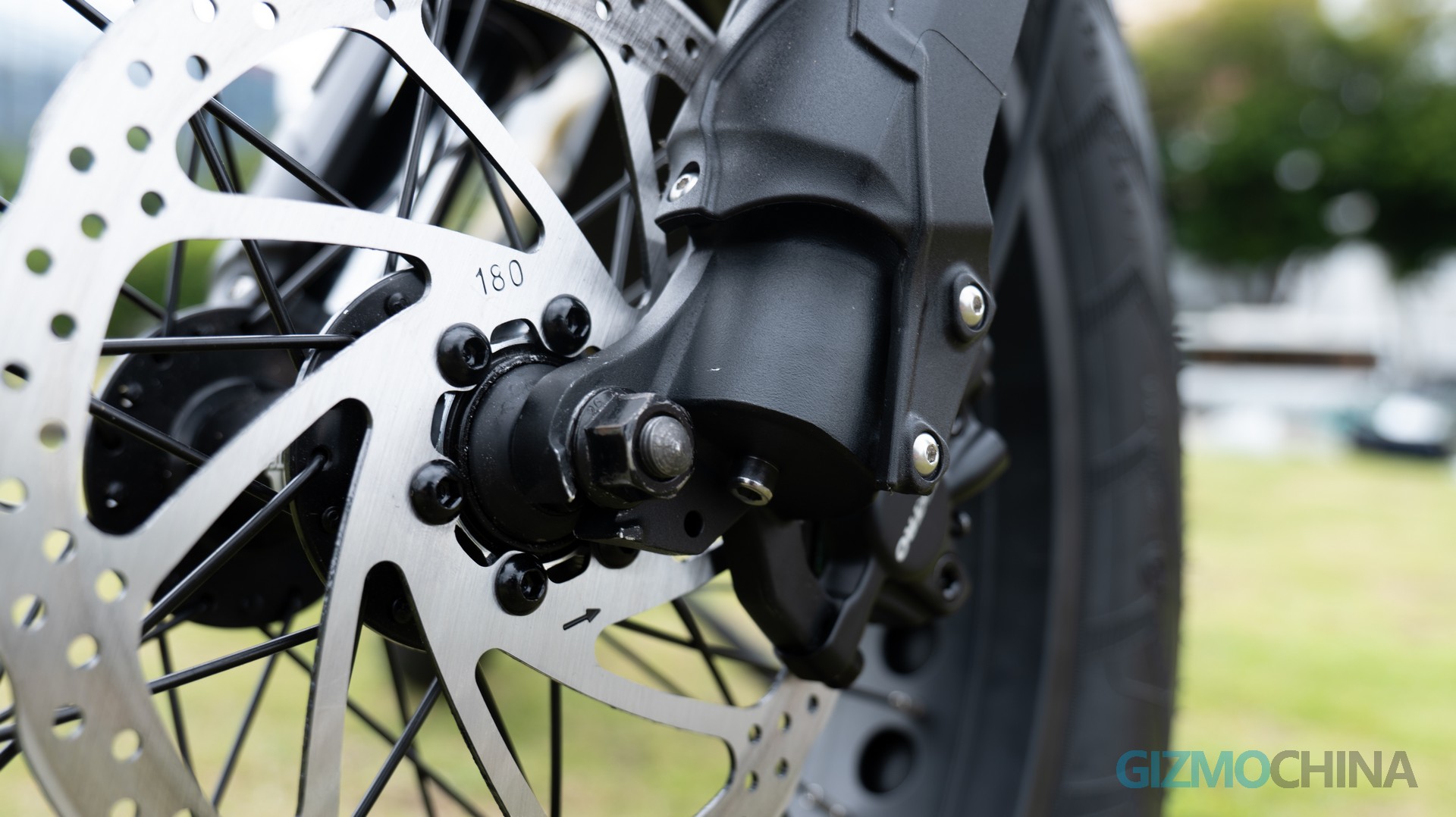
This electric bicycle features hydraulic disc brakes at the front and rear, it is the king combo for any bike, which delivers precise and responsive stopping power. To put it into perspective, the advantage of hydraulic disc brakes is that they require minimal effort to engage, offering a comfortable and controlled braking experience. Whether you’re an experienced cyclist or new to electric bicycles, you’ll love the control these brakes offer. In our testing, the brakes performed very effectively, it is very sensitive to the input, and I can also modulate braking force precisely. This level of control has offered me a lot of confidence in varied conditions, I like it a lot.
Suspension & Comfort:
This e-bike has a dual suspension frame that effectively absorbs vibrations and shocks, this setup is particularly beneficial when riding on uneven terrain or tackling rough roads. It minimizes the impact of bumps, allowing you to maintain control and comfort throughout the ride. The suspension helped me a lot in navigating through potholes or exploring off-road trails, the suspension system really enhances my overall riding experience. To prevent to cushions from any damage, there are also two protective pads at the front, what a thoughtful design!
Now the fat tires, which provide another layer of stability. These tires have a larger contact patch, and the grip and control are amazing. When you get your hand on the tires, you will know that it’s not just two inflated tires, they really perform well in any conditions. As a result, it helped me confidently tackle a variety of roads, and the comfort level it provides is phenomenal.
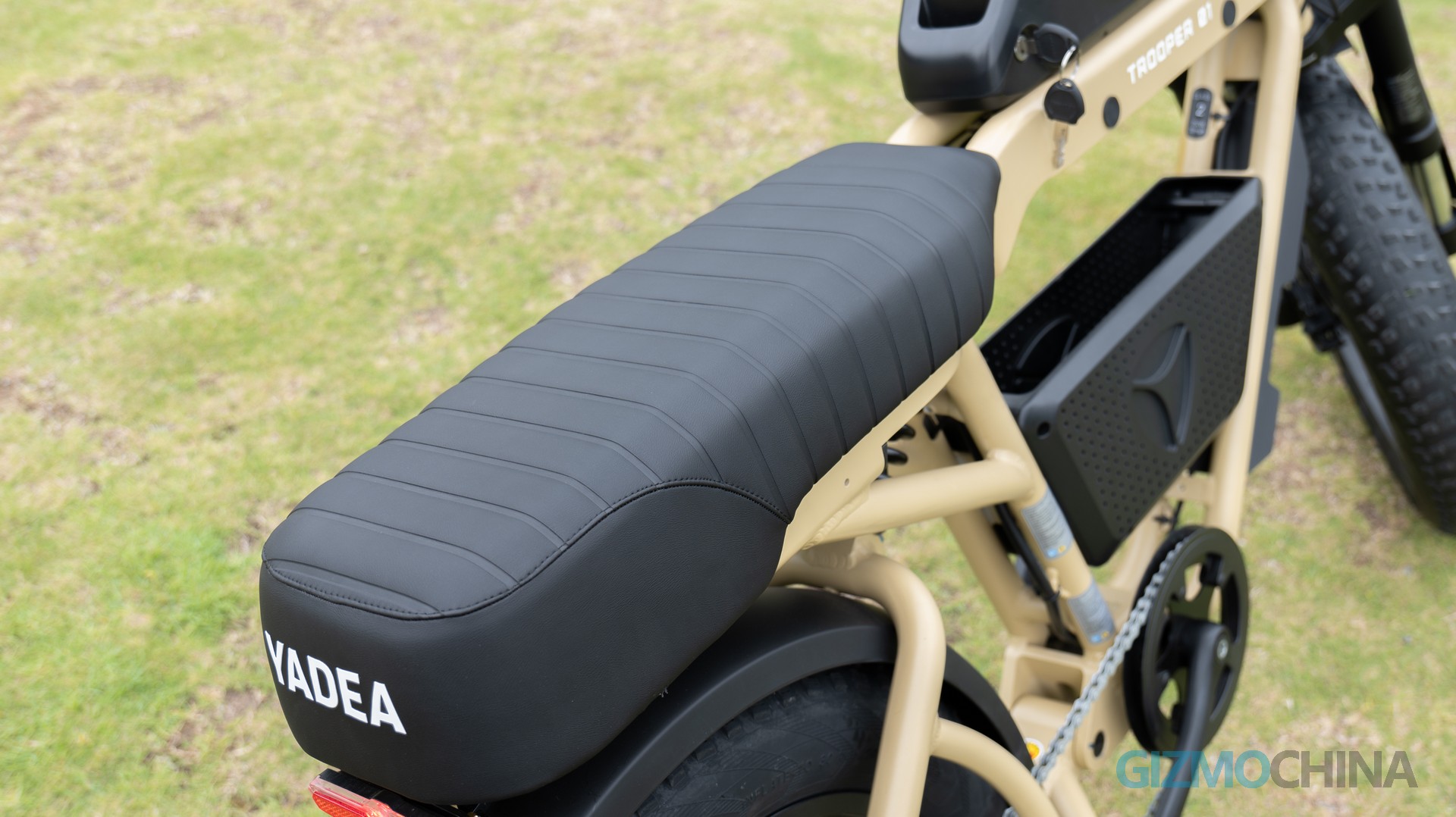
Also don’t forget about the cushioned seat it has, it’s long and provides a nice sitting comfort. And since it’s not leaning forward, so you won’t feel that kind of pressure while riding for a long time. This is a plus for an electric bicycle.
Safety and Reliability:
YADEA has taken safety and reliability seriously when designing the TROOPER 01. With a lot of effort done, the Trooper o1 is UL2849 & EN15194 Certified, which means this is the safest and of highest quality e-bike you can buy right now.
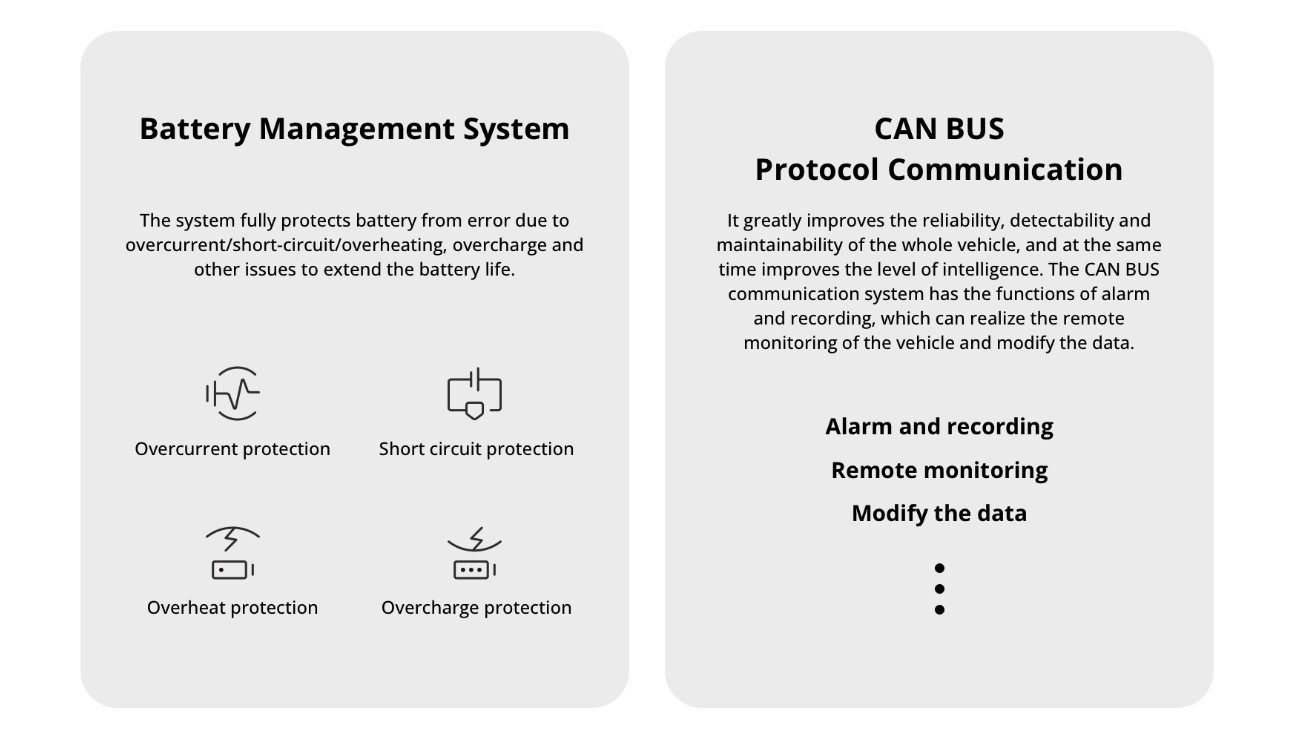
The e-bike incorporates many protective measures to ensure both rider safety and the longevity of the e-bike. One of the critical safety features is the comprehensive battery management system. It includes overcurrent protection, short-circuit protection, overheat protection, and overcharge protection. These safeguards not only protect you from potential hazards but also extend the battery’s lifespan, ensuring long-term reliability.
Although these features are not quite visible to our day-to-day use, but it shows its accountability in the long run, and we will definitely remember that for a brand like YADEA.
Conclusion:
The YADEA TROOPER 01 offers a unique blend of classic aesthetics and modern technology. Its 750W high-power motor ensures that you can conquer any terrain with confidence, while the large-capacity lithium battery provides an impressive range that enables you to explore without boundaries. The hydraulic disc brakes, a comprehensive battery management system, and UL certified. These features enhance both the overall experience and the longevity of the e-bike.
During our test with this bike, we truly enjoyed riding it, so we certainly would recommend it to anyone who is in need of it.
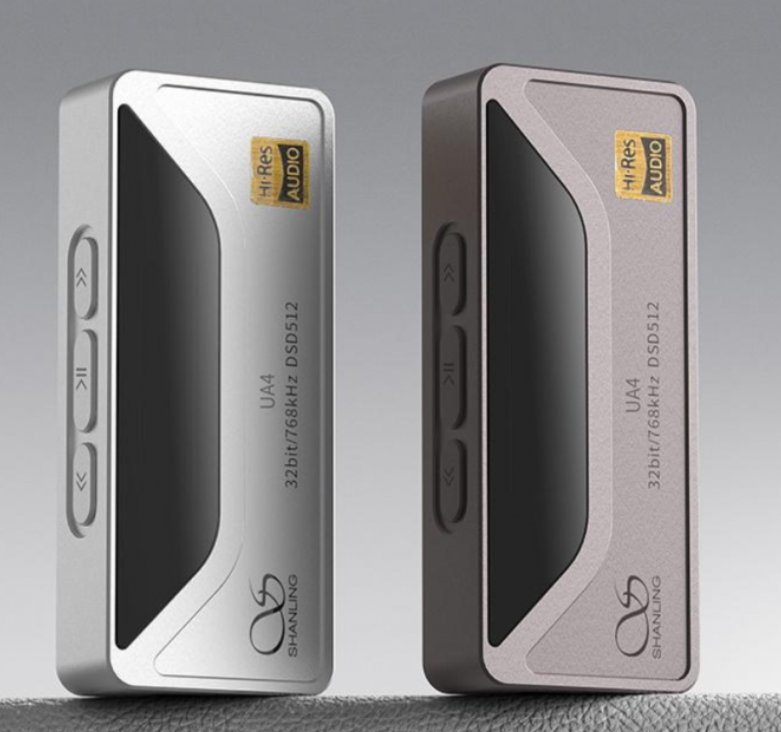
Shanling Audio has unveiled the UA4 portable decoding headphone amplifier, featuring the innovative ES9069Q DAC. Representing a significant leap forward in the headphone amplifier industry, this DAC sets new standards in portable audio performance, offering users an unparalleled listening experience. You can buy the SHANLING UA4 Portable Headphone Amplifier for $129 only at GeekWills.
At the heart of the UA4 lies the ES9069Q DAC, the industry’s first of its kind. Designed to support 211mW@32Ω, this flagship DAC from ESS boasts exceptional specifications, high performance, and impressive indicators, ensuring a superior audio output.
One of the standout features of the UA4 is its intuitive interface, comprising three physical buttons and a display screen. This user-friendly design allows effortless navigation and customization, putting control firmly in the hands of the user. The device supports both single-ended and balanced configurations, catering to different headphone types and user preferences.
Furthermore, the UA4 is equipped with dual RT6863 op amps, ensuring optimal amplification for your headphones. Its compatibility with UAC1.0 mode guarantees seamless connectivity with various devices, enhancing versatility. The inclusion of over-conversion power-saving technology not only maximizes efficiency but also prolongs the device’s battery life, allowing users to enjoy their favorite tunes for extended periods.
A noteworthy feature is the UA4’s compatibility with mobile applications, enabling convenient control and customization through your smartphone or tablet. This innovative approach enhances the user experience, offering flexibility and personalization like never before.
In terms of connectivity, the UA4 offers both 3.5mm and 4.4mm interfaces, accommodating a wide range of headphones and audio sources. Whether you prefer the classic 3.5mm connection or the enhanced capabilities of the 4.4mm interface, the UA4 caters to your audio needs.
With its impressive features, including high-powered amplification, user-friendly interface, versatile connectivity options, and smart app control, the SHANLING UA4 redefines portable audio, delivering a listening experience that is both immersive and customizable.
Technology continues to advance rapidly. While this often benefits consumers, even billion-dollar tech giants can sometimes struggle to keep up with this pace. It appears that Intel is currently facing a similar challenge. Nvidia, AMD, and Qualcomm are all working on ARM-based PC platforms, and Apple’s success with ARM-based technology has demonstrated its potential across the PC landscape. If Intel doesn’t adapt to this change, the company could face some serious challenges. Here are the details…
Intel’s PC chip ship is sinking with ARM-ada on the horizon
Intel is facing a number of serious challenges, including the rise of ARM-based PCs and Apple Silicon. Nvidia, AMD, and Qualcomm are all developing ARM-based PC platforms, which could pose a major threat to Intel’s dominance in the PC chip market. ARM-based chips are known for being more energy-efficient and less expensive than x86 chips, which are the type of chips that Intel uses.
Apple Silicon has also shown that ARM can be best-of-breed across the PC landscape. Apple’s M1 chip has outperformed Intel’s chips in a number of benchmarks, and it has helped to make Apple’s MacBooks some of the most popular laptops on the market. Intel also has a history of innovation failure. In the past, Intel has misread the market with the i860, the Itanium, and the Atom processors. These failures have cost Intel billions of dollars and have allowed its competitors to gain ground.
In the past, Intel has been able to use its dominance in the PC chip market to force its own standards on the industry. However, this approach is no longer sustainable. Intel needs to collaborate with other companies and be more flexible in order to meet the needs of its customers. It is too late for Intel to get back into the mobile market, and the dynamics that lost it the mobile market are spreading to commodity PCs and laptops. This is because the market is demanding more energy-efficient and less expensive devices.
Intel needs to improve its innovation process and focus on customer needs. If Intel can do these things, it may be able to survive in the new era of computing. However, if Intel fails to change, it could be left behind by its competitors.
Google researchers have developed a new technology called APG (Audioplethysmography) that can turn any existing ANC earbuds into cardiac monitors with the help of a software update. The tech giant published a research paper titled “APG: Audioplethysmography for Cardiac Monitoring in Hearables” detailing this new tech.
Google says APG is an acoustic sensing system that sends a low-intensity ultrasound probing signal using the speakers on ANC earbuds and headphones and receives the echoes via the onboard microphones. The company then uses a mathematical model to analyze and convert the ultrasound echoes into heart rate readings.
Google conducted an eight-month field study with 153 participants to evaluate APG and found that it is highly accurate in reporting heart rate readings (3.21% median error) and heart rate variability readings (2.70% median error).
The tech even works to monitor cardiac activity when music is playing on the earbuds and when the body is in motion while doing activities like running.
Google is now focusing on testing APG with more rigorous motion activities like hiking, weightlifting, boxing, and HIIT (high-intensity interval training) to improve the performance of the tech. The company believes that APG has the potential to enable many other exciting health research opportunities.
As winter approaches, Xiaomi has brought over the new Xiaomi Smart Tower Heater Lite for its EU customers to keep them comfortable through the season.
Xiaomi Smart Tower Heater Lite specs & features
The Xiaomi Smart Tower Heater Lite is designed for rapid heating, providing 2000W of warmth within just 3 seconds of activation, eliminating the need for extended waiting periods.
The heater’s wide-angle oscillating ventilation system ensures an even distribution of warmth throughout the room. It has a 70° wide-angle frontal air supply that heats the room evenly.
The Smart Tower Heater Lite features an intelligent temperature control system that maintains a comfortable room temperature between 22–28°C. Equipped with NTC temperature sensors and a built-in thermostat, it effectively balances warmth and energy conservation.
Customized Heating Options
The product offers four distinct modes to suit various preferences:
Constant Temperature Mode: Ideal for larger spaces, maintaining a steady temperature between 22–28°C.
Hot Mode: Provides maximum warmth with 2000W of power, perfect for extreme cold conditions.
Warm Mode: A more moderate 1400W setting for milder weather.
Natural Mode: Enhances airflow within the room.
Controlling the Smart Tower Heater Lite is hassle-free, with the ability to operate it remotely using voice commands or a smartphone through the Mi Home/Xiaomi Home app. It’s compact, lightweight (2.2kg), and easy to move, featuring a built-in handle.
The heater operates quietly at 41dB(A). Safety is a top priority, with a thirty-second cooldown time, protection against overheating, a feature to prevent tipping over, and a child lock to keep users and their families safe.
Pricing & availability
The Xiaomi Smart Tower Heater Lite is available for purchase in European Union countries at prices starting from €99.99 to €149.99. Xiaomi is also giving a special initial discount: in Spain, you can buy it for €94.99, in France for €114.99, and in Italy, you get a 40% off deal, making it €109.99.
Japanese automaker Isuzu has unveiled its first electric bus, the Isuzu Erga EV. The Erga EV is being touted as the world’s first battery electric flat-floor bus. It was on display during the 2023 Japan Mobility Show and is scheduled to enter the Japanese market in 2024.
Features
The Isuzu Erga EV has a seating capacity of 90 passengers and a range of up to 300km. It is equipped with an array of components that ensure a safe and comfortable ride. These include automatic emergency braking system (AEBS), lane departure warning, and blind spot monitoring systems. The bus also features adaptive cruise control and USB charging ports for passengers.
The flat-floor, low-height design of the Erga EV, in addition to its flexible layout, means that there are no steps at the rear of the bus. This creates a fully-wide and easily accessible interior which allows passengers to easily hop in or get off the bus.
The Isuzu Erga lacks a large power plant which resulted in its passenger-friendly interior architecture. It is powered by a rear-wheel drive permanent magnet synchronous motor (PMSM). The motor is very efficient and has a high power density, delivering smoother acceleration/ deceleration, as well as lower noise and vibration. The design of the Erga maximizes the comfort and safety of passengers inside the bus.
Isuzu continues its pursuit of zero carbon emissions in Japan. It has continued to evolve innovative solutions since 2010 when it released the Selective Catalytic Reduction System. Isuzu began its electrification efforts with the launch of the Elf EV in 2012. The release of the Isuzu Erga in 2024 will mark another milestone in its carbon-neutral contributions.
Dyson has expanded its range of air purifiers in India. The brand has launched the Purifier Cool Gen 1. It comes at a time when pollution levels and AQI are expected to spike due to the approaching winters. Poor AQI poses numerous health risks including asthma and respiratory problems to people. Dyson’s latest offering aims to solve this issue with a cleaner and healthier living environment.
Dyson Purifier Cool Gen1 specifications
The Dyson Purifier Cool Gen1 has a minimalistic design. Users get instant information about indoor AQI via the display on the LCD screen. The appliance also has a night mode that dims the display and makes less operating when the user is sleeping. There is also a sleep timer that will automatically turn off the purifier after preset intervals.
The Dyson Purifier Cool Gen1 is equipped with core filtration technology featuring HEPA filters that is claimed to filter out up to 99.95% of particles as small as 0.1 microns. It is also capable of detecting dust and pollen (PM 2.5 and PM 10), bacteria, pet dander, and mold spores. The air purifier also features an activated carbon filter that can capture and eliminate odors, gases, and VOCs. There is an automatic filter alert system that alerts users to replace the filter when needed so that the air purifier can keep functioning smoothly.
The Dyson Purifier Cool Gen1 also features air multiplier technology with an airflow of 290 liters per second. This ensures smooth and powerful airflow and optimal performance for purifying the whole room. The air purifier also features 350° oscillation ensuring that air is evenly distributed throughout the room.
The Dyson Purifier Cool Gen1 carries a price tag of Rs 39,990. But it can be purchased at a discounted price of Rs 32,900 from Amazon and Dyson’s online and offline stores across the country.
We use cookies on our website to give you the most relevant experience by remembering your preferences and repeat visits. By clicking “Accept”, you consent to the use of ALL the cookies.
This website uses cookies to improve your experience while you navigate through the website. Out of these, the cookies that are categorized as necessary are stored on your browser as they are essential for the working of basic functionalities of the website. We also use third-party cookies that help us analyze and understand how you use this website. These cookies will be stored in your browser only with your consent. You also have the option to opt-out of these cookies. But opting out of some of these cookies may affect your browsing experience.
Necessary cookies are absolutely essential for the website to function properly. This category only includes cookies that ensures basic functionalities and security features of the website. These cookies do not store any personal information.
Any cookies that may not be particularly necessary for the website to function and is used specifically to collect user personal data via analytics, ads, other embedded contents are termed as non-necessary cookies. It is mandatory to procure user consent prior to running these cookies on your website.