Advertisement

Huawei Mate 60 Pro Teardown: Luxurious Internals, Kirin 9000S Chip, Liquid Cooling, Stunning Camera and More

Huawei continues to expand its product family. The company, which has been struggling for some time due to the US embargo and is trying to rise from the ashes, has added the Mate 60 series to its lineup. Of course, the model that stands out the most is the Mate 60 Pro, with a price of over $1,000 and very ambitious technical specifications. Naturally, the phone attracted the attention of the technology press around the world, including Gizmochina. Some of them took their review one step further by opening the phone and revealing its luxurious internal components. Here are the details…

Huawei Mate 60 Pro, The Ultimate Flagship Smartphone with No Compromises

Although Huawei has released a lot of information about the Mate 60 Pro, it has not confirmed whether the phone supports 5G or which processor it uses. However, the teardown shows that the Mate 60 Pro uses SK Hynix memory and storage, with specifications of LPDDR5X and UFS 4.0. Under the RAM is the phone’s core processor, which appears to be a dual-stack design. According to leaked information, the Kirin processor is called the Kirin 9000s. However, this may not be the final name.

The Mate 60 Pro‘s internal cooling system is also considered “luxurious”. The phone has a huge copper-alloy VC heat sink under the screen. Although the Mate50 Pro also has a similar VC heat sink, it is much smaller than the one in the Mate 60 Pro. According to the teardown blogger, the Mate 60 Pro’s VC liquid cooling plate may have an area of up to 7,000 square millimeters, which is one of the largest in the smartphone industry.

Huawei’s self-developed Kirin 9000S chip has performed well on the AnTuTu benchmark platform. The chip scored 699,783 points, which is an impressive result. However, on another popular performance benchmark platform, Geekbench, the Kirin 9000S scored 565,635 points. This suggests that the Kirin 9000S’s true GPU performance remains to be tested and verified. You can watch the entire teardown in the video below.

The sudden launch of the Mate 60 Pro has undoubtedly injected new vitality into Huawei’s smartphone business and provided consumers with more choices. However, Huawei has yet to provide clear answers to key questions about the phone, such as whether it supports 5G and which processor it uses. We will continue to monitor the Mate 60 Pro’s development.

Huawei Mate 60 ProSpecs
Display6.82-inch OLED display with 120Hz refresh rate and 1260×2720 pixels resolution
ProcessorKirin 9000S
RAM12GB
Storage256GB/512GB/1TB
Rear cameras50MP main camera, 12MP ultrawide camera, 48MP telephoto camera
Front camera13MP
Battery5000mAh with 88W fast charging
Operating systemHarmonyOS 4
Other features5G connectivity, in-display fingerprint sensor, IP68 water and dust resistance

RELATED:

(source)

BYD’s Affordable Dolphin Targets Japan, Cornering Toyota and Honda

BYD continues to expand its electric vehicle family. For example, the company recently announced the Seal DM-i, which will be sold for 180,000 Yuan at the Chengdu Auto Show in China. In addition to increasing its number of models, the company continues to be active in more markets. This way, it hopes to achieve the success it has achieved in China in other countries. One of these countries is Japan. BYD, which has been operating in the country for a while, will start selling its second electric vehicle model in Japan this month, Here are the details…

BYD Targets Young Japanese Consumers with Dolphin

BYD has been operating in Japan for some time. The company opened its first dealership in the country in February and began selling the ATTO 3. The SUV, which sells for around 4.4 million yen ($30,205.26), quickly gained the approval of many people thanks to its affordable price and ambitious features. Now, building on this momentum, BYD is preparing to launch its second model, the Dolphin.

According to the announcement, the Dolphin is an electric hatchback that will be available for order starting September 20. So, what are the features of this car? The Dolphin is powered by BYD’s Blade battery technology, which is said to be more energy-efficient and safer than traditional lithium-ion batteries. The vehicle has a range of up to 400 kilometers on a single charge. BYD is targeting young Japanese consumers with the Dolphin.

The vehicle is priced starting at 1.6 million yen (US$13,000), which is lower than the price of many other EVs in Japan. The arrival of Chinese EVs in Japan is likely to shake up the Japanese auto market. Japanese automakers have been slow to adopt EVs, and they are facing increasing competition from Chinese manufacturers. The introduction of the Dolphin and other Chinese EVs is likely to put pressure on Japanese manufacturers to lower their prices and improve their offerings. It will be interesting to see how the Japanese market reacts to the arrival of Chinese EVs.

RELATED:

(via)

Dell faces a significant decline in the Chinese PC market

In the ever-evolving landscape of China’s PC market, US technology giant Dell Technologies has encountered a substantial setback, marked by a staggering 52% decline in PC shipments during the second quarter of 2023. This startling drop has seen Dell’s market share in China plummet from 14% in the same period last year to a mere 8%, securing its position at fourth place, according to a report by research firm Canalys.

The broader context reveals a challenging environment for PC manufacturers in China, as overall PC shipments dipped by 19% in the second quarter, attributed to a more cautious approach to spending in the commercial sector amid a sluggish economic recovery.

Canalys’ analyst, Emma Xu, pointed out that “micro, small, and medium enterprises are very sensitive to macro challenges,” and given the ongoing economic uncertainties, they are less inclined to make substantial investments in devices at this juncture.

Dell’s downfall comes at a time when the company is reportedly strategizing to diversify its supply chain and reduce reliance on China-based suppliers. In January, reports surfaced suggesting that Dell plans to cease purchasing China-made semiconductors by 2024 and might shift approximately 50% of its production out of China by 2025.  This move is seen as a response to escalating tensions between Beijing and Washington and a response to customer demands for a more diversified supply chain, as revealed by Michael Dell, the founder and CEO of the company.

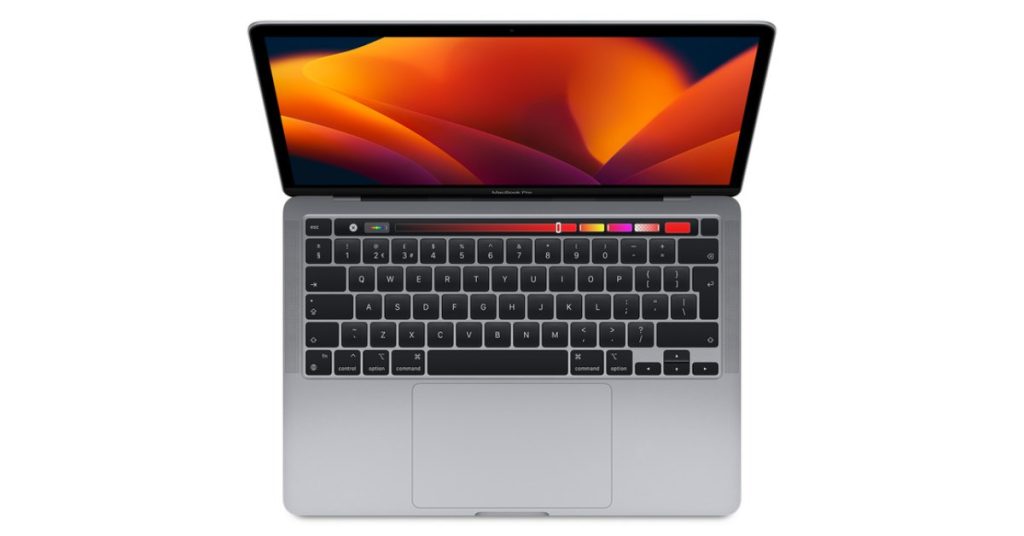
Meanwhile, Canalys’ report indicates that Apple, currently the fifth-largest computer supplier in China, is exploring the possibility of manufacturing some of its MacBooks in Thailand. The shift in manufacturing locations could be an attempt to mitigate supply chain challenges and disruptions, which Apple faced in the same period last year.

Despite the overall decline in the PC market, the tablet segment in mainland China displayed resilience. Tablet PC shipments surged by 8% year-on-year, reaching 6.5 million units in the second quarter of 2023. This resurgence was largely driven by a strong rebound in iPad shipments.

The second quarter results seem to reflect not only the challenges posed by the economic climate but also the evolving dynamics of the technology industry, where companies are reevaluating their global supply chain strategies in response to geopolitical tensions and market fluctuations.

As the third quarter unfolds, it remains to be seen whether Dell can regain its foothold in the Chinese PC market or if the shifting sands of global supply chains will continue to redefine the competitive landscape in this pivotal sector.

Related:

(via)

Baidu’s ChatGPT Rival Ernie Bot Takes Off, Sees 1 Million Users in 24 Hours

The artificial intelligence craze continues to sweep the internet. Nowadays, almost every company is trying to integrate AI technology into its services in one way or another. However, some are taking it a step further by developing their own AI language models. One of these companies is Baidu. At the beginning of this year, we reported that the company was developing a chatbot to rival OpenAI’s ChatGPT. We then followed up on this development and shared the details with you, such as its name, Ernie Bot. Now, the chatbot is available to users and has seen a record 1 million users in less than 24 hours since it was launched. Here are the details…

Ernie Bot Challenges ChatGPT as China’s Leading AI Chatbot

Ernie Bot Baidu’s AI chat service, has seen a record 1 million users in less than 24 hours since it was made publicly available at midnight Thursday. Fueled by excitement over what is seen by many as China’s main challenger to ChatGPT, users across the country have been able to access the product for the first time after it was approved for general use by the authorities. The ChatGPT-like tool responded to more than 33.4 million user queries within the first day, according to data revealed by the company.

Ernie Bot is powered by Baidu’s own large language model, which has been trained on a massive dataset of text and code. This allows the bot to generate human-like text responses to a wide range of prompts and questions. For example, users can ask ERNIE Bot to write poems, translate languages, or even answer their questions about the world.

It remains to be seen whether Ernie Bot can dethrone ChatGPT as the leading AI chatbot in China. However, the bot’s early success suggests that it is a serious contender. With its strong capabilities and wide range of applications, Ernie Bot has the potential to become a major player in the Chinese AI market.

RELATED:

(via)

Meteorish TJD T101 gaming handheld with Ryzen 5/Ryzen 7, 10.1-inch display launched for $599

Meteorish has unveiled the TJD T101 gaming handheld via an Indiegogo crowdfunding campaign. The TJD 101 is powered by either the AMD Ryzen 5 7640U or Ryzen 7 7840U APUs and comes with a 10.1-inch display.

Meteorish TJD T101 gaming handheld

The TJD T101 features at least 16GB of RAM and 1TB of SSD. The Indiegogo listing of the T101 comes just one month after the company released the specs of the gaming handheld. The huge display of the T101 is one of the major highlights of the model. It also has a 60Wh battery and the lower Ryzen 5 model comes with Radeon 760M iGPU. On the other hand, the Ryzen 7 model features the Radeon 780M iGPU and 32GB of RAM combined with a 2TB SSD.

The TJD 101 has a display resolution of 1920 x 1200 pixels and comes with Hall Sensing Joystick and Hall Trigger. As per the Indiegogo campaign itself, TJD 101 has already surpassed its funding goal. The company has hinted that the initial orders will be dispatched within three months but this could be extended further.

The TJD 101 gaming handheld is now orderable and the earliest deliveries will be shipped by November 2023, according to Meteorish. The Ryzen 5 model of the gaming handheld retails for $599 while the Ryzen 7 model is priced at $949. There are several pledge options with varying discounts including Launch Day Special, Early Bird, and IGG Special. The Indiegogo campaign has already achieved 472% of its $50,000 Flexible Goal and will close by the end of September.

RELATED:

(source)

Infinix Zero 30 5G With Curved Display, 4K 60fps Front Camera Video Recording Support Launched

As expected, Infinix has launched the Zero 30 5G smartphone in the global markets. The brand had been teasing the key specifications and features of the latest offering leading up to the launch event. The Zero 30 5G is touted to be the ideal device for vloggers with a feature that is not commonly found in other smartphones in the segment. Read on to know what the Zero 30 5G offers out of the box. 

Infinix Zero 30 5G specifications and features

Infinix Zero 30 5G
Infinix Zero 30 5G

The Infinix Zero 30 5G boasts a 6.78-inch AMOLED display with curved edges and a centre-aligned punch-hole cutout. It bears an FHD+ resolution, a 144Hz refresh rate, and a peak brightness of 950 nits. The screen is also integrated with a fingerprint scanner. Both the front and rear panels are shielded by Gorilla Glass for protection against damages. 

On the optics front, the Infinix Zero 30 5G sports a rectangular camera module on the rear. It has a 108MP primary OIS-enabled lens with 3x in-sensor zoom paired with a 13MP ultra-wide-angle unit and an AI lens. Up front, the smartphone features a 50MP selfie snapper with support for 4K video recording at 60fps making it a dream device for vloggers. Most smartphones offer 1080p video recording via the front camera. 

Under the hood, the Infinix Zero 30 5G is equipped with a MediaTek Dimensity 8020 processor. It packs up to 12GB RAM along with 9GB extended virtual RAM. There is 256GB native storage onboard. The smartphone draws its power from a 5,000mAh battery unit with support for 68W fast charging. It runs on Android 13 with XOS 13 out of the box.

The Infinix Zero 30 5G is offered in Rome Green and Golden Hour colors. The smartphone starts at Rs 23,999 for the base 8GB + 256GB variant whereas the 12GB + 256GB option costs Rs 24,999. It can be purchased from Flipkart starting today. Axis bank cardholders pre-booking the device can avail Rs 2,000 instant discount on the smartphone.

Related:

Google Pixel 8 and 8 Pro European price leaks in a fresh leak

Pixel 8 and 8 Pro are launching on October 4 during the “Made by Google” event. Leaks and rumors have revealed all there is to know about the new smartphones, except for the price. That changes now, as a new report is here with European prices of the upcoming smartphone. It also shares the storage and color options of the two phones.

The Tech Outlook reports, based on info from tipster Paras Guglani, that the regular Pixel 8 will hit the European market in 128GB and 256GB storage options. Google might offer it in Hazel, Obsidian, Rose, and Mint shades. The 128GB model is priced at €874.25 with 23% VAT, while the 256GB version costs €949.30 with 23% VAT.

Google Pixel 8 Pro

As per the outlet, the Pixel 8 Pro will be made available in 128GB, 256GB, or a generous 512GB storage option. You will be able to choose from 4 colors, including Bay, Obsidian, Porcelain, and Mint. In the European market, the base variant with 128GB of storage, inclusive of the 23% VAT, is slated to be priced at €1,235.72. The high-end 512GB model will be offered at a price point of €1,461.24 with the 23% VAT. Meanwhile, the 256GB storage variant will be available for €1,309.95, which includes 23% VAT.

As for the specifications, the Pixel 8 is expected to feature a slightly smaller 6.17-inch display. It will offer a resolution of 2400 x 1080 pixels and a maximum brightness of 1400 nits. Additionally, it will include a variable refresh rate that ranges from 10Hz to 120Hz. On the other hand, the Pixel 8 Pro could have a larger 6.7-inch display with a resolution of 2992 x 1344 pixels and a maximum brightness of 1600 nits.

Both phones are set to be powered by the new Tensor G3 chip with up to 12GB of RAM and 512GB of onboard storage. The standard model is expected to feature a 4485 mAh battery, while the Pro variant may come with a slightly larger 4950 mAh battery.

Related:

(Source)

OxygenOS 14 Closed Beta arrives for OnePlus 10 Pro

After the commencement of OxygenOS 14 Closed Beta for OnePlus 11, OnePlus 11R, and OnePlus Nord 3, the program is here for the OnePlus 10 Pro. The users in India can participate in the program if they meet the program requirements. It is not recommended to upgrade for users who have only the participant device as their daily driver.

Related: OnePlus Nord CE 3 Review: The mid-ranger for the masses

The program is limited to 500 users, and the user must have the OnePlus 10 Pro Indian variant. It may need flashing builds, so the user must possess some technical skills to perform these tasks. Also, the process will result in loss of data from the device, make sure to backup before upgrading. There will be issues and some basic features on the smartphone may even not work. Even third-party applications may have issues with the device. So, it is always recommended to keep updating the apps from the Play Store. Other known issues are listed below:

  • Flashing screen issue when adjusting brightness in the status bar under a dark environment.
  • Flashing screen issue when using fingerprint unlock on the lock screen.
  • Abnormal display when switching screen resolution.
  • Desktop static wallpaper is dimmed after switching to dark mode in the status bar.
  • Dynamic wallpaper may switch to static wallpaper after upgrading.
  • Flashing screen issue when unlocking with fingerprint in TikTok interface. 

Below are the full Requirements for the program:

  • OnePlus 10 Pro Indian variant is required.
  • The participant must be a OnePlus Community member.
  • Regular Feedback Reporting is required from the participants.
  • A Friendly group talk in the CBT Telegram group related to the development with other members.
  • Participants should not share the CBT installation package outside the closed group.

Interested folks can participate in the program by visiting the OnePlus Community thread here.

OxygenOS 14 features

OxygenOS 14 brings several new advancements including the new Trinity Engine which will surely improve the performance. It plugs the gap between hardware and software to unleash the maximum performance from the present hardware. It even aids in better multitasking features, higher power consumption efficiency, and premises fast and smooth overall experience. Along with these improvements, OxygenOS 14 adds six new innovative technologies to enhance the overall system’s resource utilization. The new technologies include CPU Vitalization, RAM Vitalization, ROM Vitalization, HyperBoost, HyperTouch, and HyperRendering.

Must See: OnePlus 11R is now a part of OxygenOS 14 Closed Beta Program in India

The OxygenOS 14 promises a smooth and flawless experience while enhancing multi-tasking, improving resource-intensive gaming, and increasing power efficiency.

OnePlus is launching the stable OxygenOS 14 on September 25 on its flagship phones.

Samsung launches the Galaxy Watch6 Classic Astro Edition

Samsung has added the Classic Astro Edition to the Galaxy Watch6 series. The Samsung Galaxy Watch6 Classic Astro Edition is a limited-edition model with exclusive dials but no hardware changes from the Galaxy Watch6 Classic. This comes on the heels of the recent release of the Golf Edition in the series.

Samsung Galaxy Watch6 Astro Edition

Samsung says the Galaxy Watch6 Classic Astro Edition was inspired by the astrolabe, an instrument used to calculate the position of the celestial bodies. The new Samsung smartwatch will be available only in selected markets. The past weeks have seen the release of a raft of Samsung products including the Galaxy Z Fold5, Galaxy Z Flip5, and the Galaxy Watch6 series. The Watch6 Classic Golf Edition is limited to Samsung’s home market of South Korea and it features few changes in design and hardware.

The Galaxy Watch6 Classic Astro Edition’s exclusive dial and engraved bezel is its distinguishing feature over other Watch6 models. The Astro Edition of the Watch6 Classic, according to Samsung, was also released to celebrate the contributions of the Middle East and North Africa to Astronomy and Mathematics. The smartwatch has a compass and a tool for monitoring the positions of the sun and moon, as well as sunrise and sunset. The second hand of the model has a crescent moon.

The Samsung Galaxy Watch6 Classic Astro Edition has several accessories including fabric straps but availability will be limited to the Middle East and North Africa. The Galaxy Watch6 Classic Astro Edition will retail for around $544.

Related: 

Tech giant Dell boosts full-year outlook as AI demand surges and PC market rebounds

Dell Technologies has raised its full-year forecasts for both revenue and profit, signaling a potential end to the recent tech spending downturn. The company has benefited significantly from the surging demand for artificial intelligence (AI) solutions and a stabilizing market for computer hardware and server products.

In the wake of these positive developments, Dell’s shares surged during extended trading hours. Furthermore, Dell’s client solutions group (CSG), which includes its consumer and enterprise PC business, experienced an 8 percent revenue increase from the first quarter, reaching $12.94 billion. This rise reflects a resurgence in demand for personal computers, a segment that had faced challenges during the tech spending downturn.

One of the key drivers of Dell’s success has been the burgeoning demand for its PowerEdge servers, which are optimized for AI applications. Additionally, the company’s generative AI designs, developed in collaboration with Nvidia, have found favor among Big Tech companies ramping up their AI investments.

Dell’s financial outlook is showing robust figures for the third quarter, with projected revenues ranging from $22.5 billion to $23.5 billion, exceeding analyst estimates of $21.67 billion, according to Refinitiv data. Dell also anticipates earnings per share (EPS) of $1.45, with a slight margin of plus or minus 10 cents, surpassing the estimated $1.38.

For the full year, Dell has revised its expectations upwards, now projecting revenues in the range of $89.5 billion to $91.5 billion and EPS of $6.30, plus or minus 20 cents. These revised forecasts reflect the company’s optimism about sustained growth in the coming months.

In the second quarter, Dell reported revenues and EPS that outperformed analyst expectations, underscoring the strength of its current market position. Notably, the company’s servers and networking revenue for the second quarter reached $4.27 billion, marking an impressive 11 percent increase from the previous quarter. This growth is attributed to rising demand for AI-optimized servers, a trend that Dell has effectively capitalized on.

As the global tech landscape continues to evolve, Dell’s strong performance serves as a beacon of hope, signaling a potential rebound in tech spending across the globe.

Related:

(via)

ASUS Chromebook CX lineup refreshed: FHD displays, Intel Celeron N4500 CPUs & a touch screen option

The ASUS Chromebook CX lineup has just received an update in India with the launch of three new ones called the Chromebook CX15 (CX1400), Chromebook CX14 (CX1500), and Chromebook Flip 14 CX14 (CX1400FKA). Apart from some minor differences in size and functionality, they are essentially the same when it comes to hardware and features.

ASUS Chromebook CX1400

All three of these Chromebooks feature an FHD resolution display. The CX14 and CX15 models have screen sizes of 14 inches and 15.6 inches, respectively. The Chromebook Flip 14 CX14 on the other hand comes with a 14-inch touchscreen which, as the name suggests, can be flipped backwards. You can find other specification information about these Chromebooks below.

ASUS Chromebook CX lineup (2023) specs

The ASUS Chromebook CX 2023 displays feature LED Backlit Anti-glare panels with 220 nits Brightness and 45% NTSC Color Gamut. Powering these Chromebooks is the Intel Celeron N4500 Processor, running at 1.1 GHz (with 4M Cache, up to 2.8 GHz) and paired with Intel UHD Graphics 600.

ASUS Chromebook Flip 14 CX14

You can choose between two RAM options, 4GB or 8GB of LPDDR4 RAM, and two storage capacities, 64GB or 128GB of eMMC storage. For video calls and conferencing, there’s a 720p HD camera, and audio connectivity includes a combined headphone/microphone jack and built-in dual speakers.

These Chromebooks operate on the Chrome OS platform and feature a full-size, ergonomic spill-resistant keyboard with 1.5 mm key travel. They meet the US MIL-STD 810H military-grade standard for durability. The weight varies slightly among models, with the Chromebook 15 weighing 1.80kg, the Chromebook 14 at 1.47kg, and the Chromebook 14 Flip at 1.63kg.

The battery capacity differs as well, with the Chromebook 15 featuring a 42wh 2S1P, 2-cell Li-ion Battery, while the Chromebook 14 and 14 Flip have a 50wh 3S1P, 3-cell Li-ion Battery.

In terms of connectivity, these Chromebooks offer dual-band Wi-Fi 6 (802.11ax), Bluetooth 5.2, two USB 3.2 Gen 1 Type-A ports, two USB 3.2 Gen 1 Type-C ports (supporting display and power delivery), and a Micro SD card reader.

Pricing & availability

The ASUS Chromebook CX14 is available at Rs. 20,990 for the 4GB RAM and 128GB storage configuration. Meanwhile, the ASUS Chromebook CX15 offers several choices: the base model with 4GB of RAM and 64GB of storage is priced at Rs. 19,990, the 4GB RAM and 128GB storage variant is available for Rs. 20,990, and for those seeking higher memory capacity, the 8GB RAM and 64GB storage model can be obtained for Rs. 21,990. Additionally, the ASUS Chromebook Flip CX14 is offered at a price of Rs. 24,990 for the 4GB RAM and 64GB storage configuration.

RELATED:

Huawei puts an end to its music streaming service

Like Google, Huawei has developed a diverse ecosystem of apps and services that cater to various user needs. Huawei Music is one of the many services offered by the company, allowing users to stream music similar to Spotify and Apple Music. However, Huawei has announced that it is discontinuing its music streaming service due to “recent business developments”.

Huawei Music

As reported by Huawei Blog, users have started to receive a message from Huawei, stating Huawei Music will be discontinued. Starting today, those who relied on the service will have to go looking for an alternative.

The machine-translated version of the notice shared by the blog reads:

In recent years we have made it our mission to provide our users with innovative apps and services. HUAWEI Music was created to provide essential music and entertainment services.

Due to recent business developments, the HUAWEI Music Premium Service will be discontinued on August 31, 2023 and switched to the free music radio service. With this change, we want to focus entirely on building and expanding a sustainable technology environment for all our users.

We would like to thank all users who have remained loyal to HUAWEI Music from the beginning. If you have any suggestions or questions about HUAWEI Music data processing, you can contact us at https://www.huawei.com through the “Contact Us” link at the bottom of the HUAWEI official website. If you have any further questions about this service update, you can contact our customer service.

Huawei did not elaborate on what the ‘free music radio service’ is. In any case, Huawei Music users have a wide range of options to choose from. Spotify’s free tier is a good option if you don’t mind dealing with ads. If you can spend a few bucks, Apple Music and YouTube Music are also good options.


RELATED
:

(Source) (via)

HP Pavilion Plus 14 & 16 laptops with up to 2.8K OLED display & RTX 3050 launched

After recently debuting the Dragonfly G4 thin and light notebook in China, HP has now debuted the Pavilion Plus 14 and 16 laptops globally. These are lightweight mid-range laptops with high-end displays. Take a look at the details below.

HP Pavilion Plus 14

HP Pavilion Plus 14 & 16 specs

The HP Pavilion Plus 14 boasts a choice of processors with either the Intel Core i5-12500H or i7-12700H, and it offers two graphics options, including Intel Iris Xe Graphics or the NVIDIA GeForce RTX 2050 LT GPU. The laptop features a 14-inch display with a choice of resolutions, either 2.2K (2240 x 1400) IPS or 2.8K (2880 x 1800) OLED. It can be configured with up to 16GB of LPDDR5x-5200 RAM and accommodates storage needs with a maximum capacity of 1TB PCIe Gen4 NVMe TLC M.2 SSD. The laptop has a 3-cell, 51 Wh Li-ion polymer battery and weighs in at 1.44 Kg. It’s available in Space Blue, Pale Rose Gold, and Natural Silver color options.

HP Pavilion Plus 14
HP Pavilion Plus 14

On the other hand, the HP Pavilion Plus 16 offers performance options with either the 13th Gen Intel Core i5-13500H or i7-3700H processors, along with graphics choices of Intel Iris Xe Graphics or the NVIDIA GeForce RTX 3050 discrete GPU. Its display is a 16-inch 2.5K WQXGA (2650×1600) panel with a 120Hz refresh rate. Memory options go up to 16GB of LPDDR5x-5200 RAM, and it can also be configured with up to 1TB PCIe Gen4 NVMe TLC M.2 SSD storage. The laptop features a 3-cell, 51 Wh Li-ion polymer battery and has a weight of 1.89 Kg. It comes in Pale Gold and Natural Silver color variants.

Price & availability

The HP 14-inch Pavilion Plus begins at a price of $849.99, providing a base configuration with 16GB of RAM and 512GB of storage. Shipping for this laptop is expected to commence in September.

The Pavilion Plus 16 on the other hand has a starting price of $999.99 and is slated for release in October.

RELATED:

(Source, via)

Redmi 12 has been a hit in India, with 1 million units sold

India loves budget Redmi smartphones. So, it was no surprise when the newly launched Redmi 12 5G became the country’s highest-selling 5G phone on the first day of sale. And now the smartphone alongside its 4G sibling has achieved another milestone. As per the company, a million Redmi 12 series phones have been sold in India in just 28 days.

Redmi 12 5G and Redmi 12 4G are the newest budget smartphones from the Xiaomi sub-brand. The former aims to make 5G more accessible in India with a starting price tag of just Rs. 10,999. The Redmi 12 4G is even more affordable, priced at only Rs 9,999.

Redmi-12-5G

Redmi 12 5G comes packed with impressive specifications for the price. There’s a 6.79-inch FHD+ display that supports a 90Hz refresh rate and 550 nits of peak brightness. Under the hood, it is equipped with the Qualcomm Snapdragon 4 Gen 2 SoC and is powered by a large 5,000mAh battery pack that supports up to 18W fast charging. On the rear, the handset features a 50MP dual camera setup, while the front houses an 8MP selfie shooter.

The 4G model gets the same display but it is powered by a MediaTek Helio G88 12nm processor, paired with the Mali-G52 2EEMC2 GPU. The handset also features a 50MP primary camera with an 8MP ultra-wide lens and a 2MP macro sensor. On the front, there is an 8MP shooter for selfies and making video calls. Redmi 12 4G packs a large 5,000mAh battery with 18W fast charging support.

RELATED:

(Source)

Tecno shows off its latest laptops at IFA 2023, including one with color-changing surface

The global consumer electronics trade show IFA has kicked off today in Berlin and will run until September 5. A number of brands have announced new products at the event, including Chinese brand Tecno, which launched two new laptops: the Tecno MegaBook T1 2023 14 inch and the Tecno Megabook S1 Dazzling Edition.

Tecno MegaBook T1 2023 14 inch

The MegaBook T1 2023 14-inch is a slim and lightweight laptop that Tecno says is designed for Gen Z. It has a 14.8mm thin body and weighs only 1.39kg. It is made of premium aluminum metal and has a Red Dot Design Award-winning Startrail Phantom design. The laptop is available in a Monet Violet color.

The laptop also features OneLeap, which allows users to stay connected between their laptop and Tecno smartphone. This enhances workflow efficiency by enabling users to transfer files, share data, collaborate on projects, and more. Likewise, powering the laptop is a 75Wh battery that is claimed to offer up to 18.5 hours of battery backup. 

Tecno MegaBook S1 Dazzling Edition

The MegaBook S1 Dazzling Edition is another laptop that was unveiled at the IFA trade show. It is the first laptop to feature a color-changing surface, thanks to its “polychromatic photoisomer” technology. 

The color-changing surface is made possible by a special material that reacts to UV light. As a result, when exposed to sunlight, the surface will change color. It’s similar to Vivo’s V-series smartphones and Tecno’s own Camon 19 Pro. We can see the laptop in action in a short teaser shared by Tecno on its YouTube channel. 

The laptop is also slim and lightweight and is powered by an Intel Core i7 processor and has 16GB of RAM. On the front, you get a 15.6-inch screen with Full HD resolution. 

Tecno has not yet announced the detailed specifications, pricing, or availability of these laptops. However, we hope that they will be released soon.

Related:

Xgimi Launches the Horizon Ultra, an Android TV Laser Projector with 2300-Lumen Brightness and 4K Resolution.

If you’ve been considering buying a monitor or TV lately, you’ve probably wondered, “should I get a projector instead?”. If you’ve followed up on this thought and decided to check out some projectors on the market, we have some good news for you. Xgimi has introduced its new Android TV projector, the Horizon Ultra. Here are the details…

XGIMI Horizon Ultra Launches, Perfect Projector for Gamers and Movie Lovers

The Xgimi Horizon Ultra is a 4K laser projector that offers a high-quality cinematic experience in the comfort of your own home. It features a brightness of 2300 ISO lumens, which is bright enough to produce clear images even in ambient light. It also has a wide color gamut and support for Dolby Vision, which ensures that you’ll get the most accurate and vibrant colors possible.

Xgimi Horizon Ultra

In addition to its impressive image quality, the Xgimi Horizon Ultra also has a number of other features that make it a great choice for home entertainment. It has a built-in Harman Kardon sound system that delivers immersive surround sound, and it runs on the Android TV platform, which gives you access to a wide variety of streaming apps. The Xgimi Horizon Ultra is currently priced at $1,700 in the United States.

Xgimi Horizon Ultra Specs:

  • 4K resolution with HDR10 and Dolby Vision
  • 2300 ISO lumens brightness
  • Dual Light Technology (LED + laser)
  • Intelligent Screen Adaption 3.0
  • Harman Kardon sound system
  • Android TV 11
  • 8GB of storage
  • 3GB of RAM
  • Wi-Fi and Bluetooth connectivity

RELATED:

(via)

Honor Magic V2 will be sold in these markets but not until next year

The Honor Magic V2 is particularly thin among foldable phones, in fact, it’s the thinnest after the Xiaomi Mix Fold 3 (review). While the device had initially been limited to sales in China, Honor introduced it to the global market today during the IFA Berlin event. The pricing and availability of the handset for the international market are still anyone’s guess. However, a new report claims the Magic V2 will be available in at least 5 countries outside China, but not until Q1 2024.

Honor tells Android Authority that the Magic V2 will formally launch in the global market in Q1 2024. The company did not reveal which markets will get the phone but the outlet has spotted it listed on the official websites in Germany, Italy, Spain, Ireland, and the UK. Some Latin American markets may also get the new foldable.

Honor-Magic-V2

The global pricing of the Magic V2 remains a mystery. To give you an idea, the handset is available for purchase in China at 8,999 yuan (~$1,300) for the 16GB RAM+256GB storage version. The price in the global should be higher, likely matching the $1700 Magic Vs.

Apart from a thin 9.9mm thick body, Honor Magic V2 also brings a 6.43-inch OLED outer display with a resolution of 2,376×1,060 pixels. There’s a screen measuring 7.92 inches on the inside with a 2,344×2,156 pixels resolution. Both display panels offer a 120Hz LTPO refresh rate along with high-frequency PWM dimming for reducing eye fatigue.

The foldable is powered by an overclocked Snapdragon 8 Gen 2 SoC, the same one found on the Samsung Galaxy S23 series. It packs 16 GB RAM and is offered in 256GB, 512GB, and 1TB storage configurations. Magic V2 draws its power from a 5,000mAh battery unit with support for 66W charging.

Related:

(Source)

Cancelled Samsung Exynos 2300 is said to be on par with Snapdragon 8 Gen 2

Samsung has reportedly cancelled the Exynos 2300 chipset, which was codenamed “Quadra.” The decision was made before the SoC entered mass production, but the reason for the cancellation is unknown. 

Popular tipster @Revengus shared the news that Samsung has canceled the mass production of the Exynos 2300 chip on his Twitter handle. He says that the decision was not made because of the MX decision. Instead, it was made before the chip could be mass-produced by the DS division.

Although the Exynos 2300 was not mass-produced, it is said to be comparable in performance to the Snapdragon 8 Gen 2, which is the current best flagship chip from Qualcomm. The tipster compares the Exynos 2300 and Snapdragon 8 Gen 2 to the Exynos 2100 and Snapdragon 888 chip, which were used in the Galaxy S21 series a couple of years ago.

The Exynos 2300 was said to be comparable to the Snapdragon 8 Gen 2 in multi-core performance, but it was unclear how it would fare in the GPU test. Google’s Tensor G3 is reported to be a modified version of the Exynos 2300, but a Geekbench 5 leak suggests that it performed worse than the Snapdragon 8 Gen 1. This casts doubt on the Exynos 2300’s capabilities.

However, it is still unclear why Samsung decided to cancel the mass production of the Exynos 2300. It is possible that the chip was not cost-effective to produce, or that Samsung had other reasons for wanting to use the Snapdragon 8 Gen 2 in its upcoming phones.

Despite the cancellation of the Exynos 2300, Samsung is reported to be working on the Exynos 2400, which is expected to be released in Q4 2023. The Exynos 2400 is said to be manufactured using Samsung’s 4nm process, which has reportedly improved yields. 

RELATED:

(Via)

The Most Advanced Chips in the World: Apple to Buy TSMC’s Entire Supply of 3nm Chips for 2023

Despite being one of the world’s largest technology companies, Apple is still dependent on outside production. Yes, the company has perhaps the best engineering team in the world and its R&D department is unrivaled, but these teams are more focused on the design of the product. Therefore, the American tech giant often collaborates with other manufacturers such as Foxconn, TSMC, Samsung, and BOE on various issues. Now, there is a rumor going around that Apple plans to purchase the entire supply of 3nm chips from TSMC. Here are the details…

TSMC’s 3nm Chips: The Most Advanced Chips in the World, and Apple Wants Them All

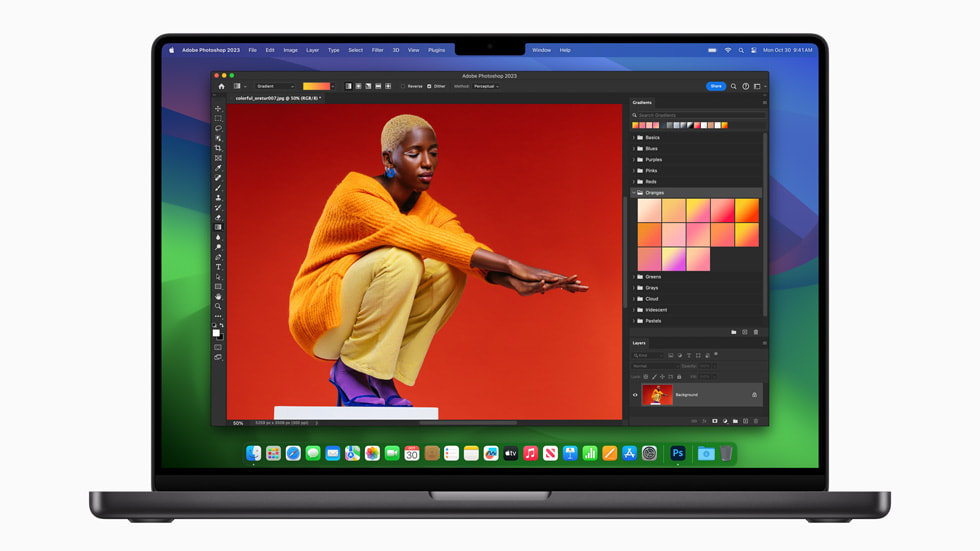
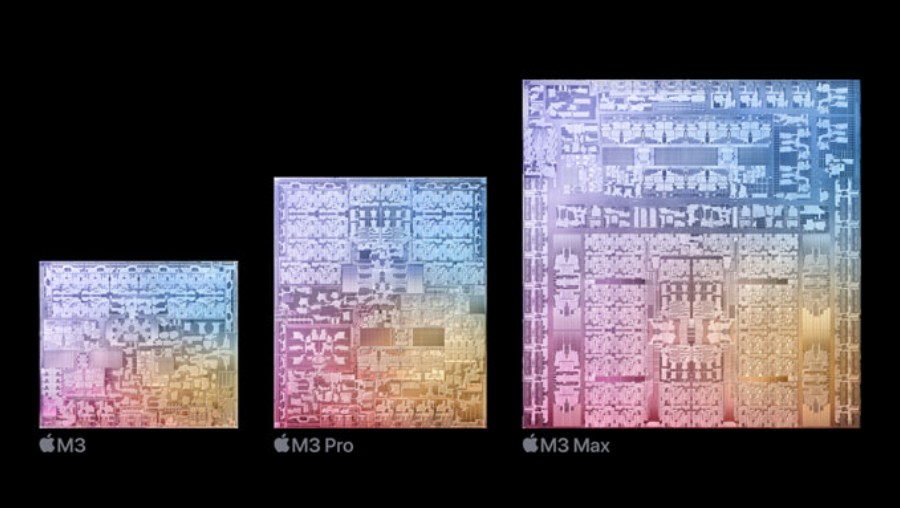
The collaboration between Apple and TSMC continues to grow stronger. According to recent reports, the two companies have signed a major agreement for 3nm chips that will be used in both the A17 Bionic, which will power the upcoming iPhone 15 Pro models, and the M3 processors that will be the heart of the next generation of MacBooks. Apple has already purchased a large portion of the 3nm chips that will be produced in 2023. Some sources say this purchase was based on 90%. Now, this figure has reached 100%.

The rumor is based on a report from DigiTimes, which cited industry sources. The report said that Apple has already booked all of TSMC’s 3nm capacity for 2023. If the rumor is true, it would be a major coup for Apple. It would give the company a significant advantage over its rivals in the race to develop the most powerful and efficient chips. It would also allow Apple to maintain its leadership in the global smartphone market.

TSMC’s 3nm chips offer a number of advantages over its predecessors, including increased transistor density, reduced power consumption, improved performance, and support for new features. These advantages make 3nm chips a promising technology for a wide range of applications, including smartphones, tablets, laptops, servers, and even self-driving cars.

RELATED:

(via)

Vivo Y36 4G & Y02t get attractive price cuts in India

Vivo has announced a price cut for two of its budget-friendly smartphones in India namely the Vivo Y36 and the Y02t. These devices made their debut in India a few months ago. You can find more details below.

Vivo Y36 4G

Vivo Y36 & Y02t new pricing & offers

The Vivo Y36, initially priced at Rs 16,999 upon its announcement in June, has received a significant price and is now available at just Rs 15,999 for the 8GB RAM and 128GB storage configuration. To sweeten the deal further, Vivo is extending a limited-time offer until September 30, providing a Rs 1,000 cashback for purchases made with select bank cards.

On the other hand, the Vivo Y02t with 4GB RAM and 128GB storage has also seen a price drop, available for Rs 9,499, compared to its original launch price of Rs 9,999. Both these smartphones are up for grabs through Amazon India and Vivo’s official online store.

Vivo Y36 & Y02t specs

The Vivo Y36 4G boasts a 6.64-inch LCD display with Full HD+ resolution, a teardrop notch, and a smooth 90Hz refresh rate. It’s powered by the Qualcomm Snapdragon 680 SoC and comes with 8GB of RAM and 128GB of storage, with an option for an additional 8GB of virtual RAM. For optics, it offers a 50MP primary rear camera and a 2MP bokeh lens. On the front, there’s a 16MP selfie camera. The phone is equipped with a large 5,000mAh battery and supports 44W fast charging. Additional features include a fingerprint scanner, dual-band WiFi, and Bluetooth 5.1.

Vivo
Vivo Y02t

In contrast, the Vivo Y02t features a 6.51-inch IPS LCD display with HD+ resolution and a teardrop notch. It runs on the MediaTek Helio P35 SoC, accompanied by 4GB of RAM and 64GB of storage. The rear camera is an 8MP shooter with LED flash, while the front camera offers a 5MP sensor. The device is backed by a 5,000mAh battery with 10W charging support. It comes with dual-band WiFi, Bluetooth 5.0, and USB 2.0.

RELATED:

(Source)