Now Honor has officially teased the first teaser for the upcoming foldable launch. The Magic V2 aims to redefine the foldable experience alongside smartphones and basic feature phones. The title of the poster, “From progress to evolution!” sets the tone for what is to come.
Honor CEO Zhao Ming shared some exciting details about the Magic V2, highlighting its impressive slimness. According to Ming, the Magic V2 will be even thinner than the current slimmest foldable phone available on the market. With Chinese smartphone brands consistently pushing the boundaries of foldable technology, the Magic V2 aims to set a new standard in sleekness.
Among the notable contenders in the ultra-thin foldable phone segment, the Huawei Mate X3 boasts an astounding thickness of 5.3mm, weighing just 239 grams. Xiaomi’s Mix Fold 2 follows closely behind with a slim profile of 5.4mm and a weight of 262 grams. The Vivo X Fold 2 impresses with its ultra-thin design, measuring just 5.95mm thick and weighing 278.5 grams. The Honor Magic Vs strikes a balance between sleekness and usability at 6.1mm thin and 261 grams.
Based on the information shared by Zhao Ming, it appears that the Magic V2 will surpass its competitors with an ultra-thin design of 5.2mm, making it 0.1mm thinner than the current leader, the Mate X3. However, the company has not yet revealed additional specifications for the Magic V2.
Reports suggest that Honor will announce two foldable phones during the July 12 event. The Magic V2 is expected to feature the Snapdragon 8+ Gen 1 chip, while the Magic V2 Supreme Edition is rumored to come equipped with the Snapdragon 8 Gen 2 SoC. Both models are anticipated to offer a periscope zoom camera and support wireless charging.
Recently, Xiaomi added the Redmi Note 9 to its EOS (End of Support) list. When a device hits this list, it no longer receives software updates from the company.
But surprisingly, Xiaomi is assuring its consumers that it will deliver one major update for this smartphone. The firm has even revealed a timeline for when the update could roll out.
At the end of June, Xiaomi officially ended software support for the Redmi Note 9 by enlisting it on the EOS page. But now, within a week. The company reveals that it will roll out a major update for the said handset.
In an email to a consumer, the Xiaomi Support team has revealed that the firm will deliver MIUI 14 update for the Redmi Note 9. This update will be rolled out in either Q3 or Q4 of 2023.
If this is true, then MIUI 14 will be the third major MIUI update for the Redmi Note 9. For the unaware, the phone was released with MIUI 11 based on Android 10.
Since it has already received two Android upgrades, the MIUI 14 update will most likely be based on Android 12 rather than Android 13. It would have been nice to have the current latest Android but that’s fine for the product’s retail price.
It is worth noting that the Redmi Note 9 went by Redmi 10X 4G in China. We are not sure if that device will get a similar treatment.
iTel has launched two new smartphones in India. These are the iTel P40+ and iTel A60s. Both are affordable offerings under Rs 9,000 price segment. The brand recently introduced the Super Guru feature phone series in the country. Read on to know what the newest smartphones from iTel offer out of the box.
iTel P40+ and A60s specifications and features
Beginning with the iTel P40+, it features a 6.82-inch center-aligned punch-hole display bearing an HD+ resolution. It offers a 90Hz refresh rate. The device has a side-mounted fingerprint scanner embedded in the power button.
On the imaging front, the iTel P40+ has dual rear camera setup of a 13MP main sensor paired with a VGA lens. There is an 8MP front-facing selfie snapper.
Internally, the iTel P40+ is equipped with a Unsioc T606 processor. It packs 4GB RAM along with 4GB virtual RAM. There is 128GB of internal storage. The device draws its power from a massive 7,000mAh battery unit with support for 18W fast charging. It runs on Android 13 OS out of the box.
As for the iTel A60s, it has a 6.6-inch HD+ display with a waterdrop notch. The back panel features a diagonal striped design and a rectangular camera module housing a fingerprint scanner. The smartphone features an 8MP primary sensor paired with a QVGA lens. There is a 5MP front-facing camera. On the hardware front, the iTel A60s packs 4GB RAM along with 4GB virtual RAM. It is offered in 64GB and 128GB storage options. The device is backed by a 5,000mAh battery unit with support for 10W charging. The iTel A60s ships with Android 12 OS.
The iTel P40+ carries a price tag of Rs 8,099 and is offered in Forest Black and Ice Cyan colors. The iTel A60s is priced at Rs 6,299 for the 4GB + 64GB option. It is available in Shadow Black, Moonlit Violet, and Glacier Green colors.
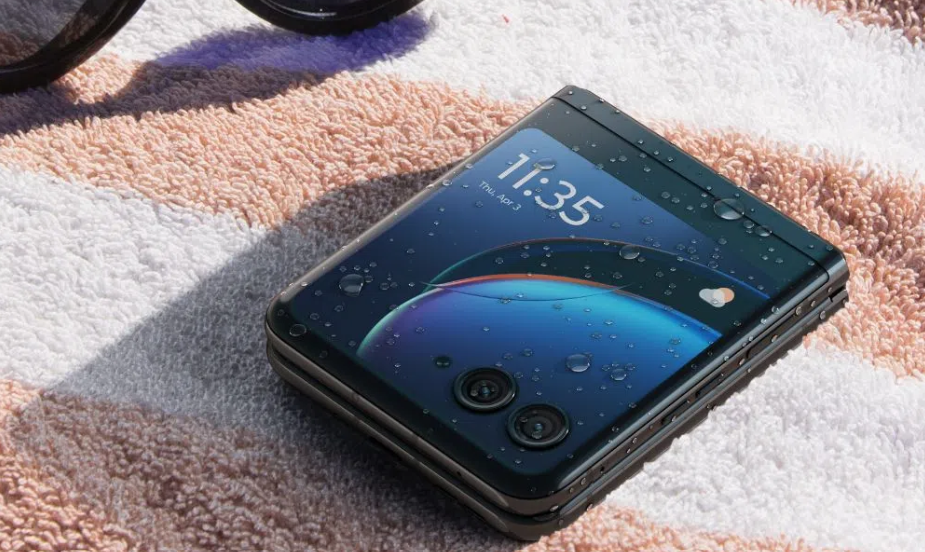
Foldable smartphones are all the rage in 2023, and it looks like flip phones are the way to go. Motorola just announced its two latest clamshell foldables in India, after launching them in China last month. Of the two foldables, the Motorola Razr 40 Ultra is the more premium phone. It has a large 3.6-inch cover display and is powered by the Snapdragon 8+ Gen 1 processor. The Razr 40 is more affordable, and it packs the Snapdragon 7 Gen 1 processor. Here are their pricing and specifications.
Motorola Razr 40 Ultra
The Motorola Razr 40 Ultra is a more premium offering in the series and the company is pitting it against the likes of Galaxy Z Flip 4 and Oppo Find N2 Flip. The smartphone brings a 6.79-inch main pOLED display with an FHD+ resolution, a 165Hz refresh rate, 1,400 nits peak brightness, and support for HDR10+. The major highlight of the smartphone is its large 3.6-inch cover display, which practically lets you do everything you do on the main screen. The secondary display is limited to a 144Hz refresh rate and gets Gorilla Glass 7 protection.
The hinge on the foldable is supposed to let it fold flat without any gap. The Motorola Razr 40 Ultra features a 12MP OIS-enabled main sensor paired with a 13MP ultra-wide and macro lens on the rear. For selfies, you get a 32MP shooter on the front.
As mentioned, the device gets the older but capable Snapdragon 8+ Gen 1 SoC, paired with up to 12GB RAM and 512GB onboard storage. It packs a 3,800mAh battery with support for 30W fast charging. The device runs Android 13 (a cleaner near-stock version) and features an IP52 splash-resistance rating. The smartphone offers 5G, WiFi-6E, Bluetooth 5.3, USB-C port, and NFC.
Motorola Razr 40
Moto Razr 40 features the same 6.9-inch LTPO AMOLED screen with FHD+ resolution but with a lower 144Hz refresh rate. Also, the cover screen is much smaller on the vanilla model, measuring 1.5 inches (194 x 368 pixels). The device, however, gets the IP52 water-repellent rating of the Razr 40 Ultra.
For clicking pictures, there’s a 64MP main camera with OIS alongside a 13MP ultrawide sensor. The front-facing sensor is the same 32MP one. The Motorola Razr 40 is powered by a Snapdragon 7 Gen 1 processor, accompanied by up to 12GB RAM and 256GB storage. The flip phone is fueled by a larger 4,200mAh battery unit with support for 30W wired and 8W wireless charging.
Pricing and availability
Motorola Razr 40 will start in India at ₹89,999 (around $1,100), while the vanilla Razr 40 will cost you ₹59,999 ($750). Notably, you can also avail up to ₹7,000 Instant Discount/Cashback with specific bank offers, bringing the effective price of the devices to ₹82,999 and ₹54,999, respectively. Both phones will be available for purchase in India through Amazon. Motorola will start shipping the devices on July 15, and pre-orders are live on Amazon as of writing this.
Realme launched the GT Neo 5 (review) smartphone earlier in February this year. The brand is reportedly working on its successor i.e. the Realme GT Neo 6. Key specifications of the device surfaced last month. Now, the upcoming offering has appeared in leaked renders shared by the reliable Steve Hemmerstoffer (aka Onleaks). The images give us a first look at the Realme GT Neo 6.
Realme GT Neo 6 leaked renders
The leaked renders reveal the Realme GT Neo 6 with a slim profile with the volume rocker and power buttons located on the right side. There is a dual-toned back panel with the camera module in Black color and the rest of the panel has a Green hue. The Realme GT Neo 6 is also seen with a protruding rectangular-shaped horizontal module that looks similar to the recent-generation Pixel phones.
The camera island has two rings on the left side housing three sensors. The right side of the module seems to feature a transparent panel with a Snapdragon logo. It reveals a Snapdragon 8 Gen 2 processor on the Realme GT Neo 6. The device will also come with NFC support. This is everything that the leaked renders reveal.
As per the previously leaked specifications, the Realme GT Neo 6 is tipped to feature a display with a 1.5K resolution and a 144Hz refresh rate. The device is expected to come with a 50MP OIS-enabled main camera. Internally, it may pack LPDDR5x RAM and UFS 4.0 storage technology. The upcoming offering will reportedly support 100W fast charging.
The Realme GT Neo 6 is rumored to debut in the third quarter of 2023.
Samsung Galaxy S21 FE, the budget-friendly alternative to the Galaxy S21, is set to receive a significant upgrade. The tech giant has officially teased the upcoming release of the device, featuring a new Qualcomm Snapdragon 888 5G processor. This powerful chipset is expected to enhance the user experience by delivering faster overall performance.
Fans of epic, get ready to experience the power of Snapdragon 888 chipset in the phone you love. It's made for the epic in everyday. Stay tuned to know more! #Samsungpic.twitter.com/nHH5eMGFVp
The Galaxy S21 FE with the Snapdragon 888 processor is likely to retain the majority of its original specifications. The smartphone is anticipated to boast a 6.4-inch FHD+ Dynamic AMOLED 2X display with a smooth 120Hz refresh rate. Its camera setup is expected to consist of a triple rear configuration, including a 12MP main camera, a 12MP ultra-wide camera, and an 8MP telephoto camera. For selfies, it may feature a 32MP front-facing camera.
In terms of battery life, the Galaxy S21 FE could house a 4500mAh battery, supporting both 25W wired charging and 15W wireless charging. The device is also likely to come with an IP68 rating for water and dust resistance, an in-display fingerprint sensor for convenient security, and NFC support for contactless payments.
Based on the latest report from offline Indian retailers, it’s indicated that the Samsung Galaxy S21 FE 5G will hit the market at an enticing price of Rs 49,999, which is roughly $609. A noticeable reduction from the original Galaxy S21 FE’s launch price, which stood at Rs 54,999 or approximately $670.
Samsung fans eagerly anticipating this upgraded version of the Galaxy S21 FE can expect the device to make its debut in July. With the new Snapdragon 888 processor, users can anticipate a smoother and more powerful performance, allowing them to enjoy their smartphone experience to the fullest.
Last week, Apple’s product roadmap for the second half of this year and the first half of next year was tipped. Now, Bloomberg’s Mark Gurman in his weekly Power On newsletter has revealed interesting information about future Apple AirPods. The Cupertino-based tech giant is said to be working on incorporating health features in future models of its TWS earphones. Read on to know more details below.
Future generations of Apple AirPods tipped to come with health features
By incorporating health and wellness features in future AirPods, users will be able to track vital parameters. This will also enhance the capabilities of the TWS earphones. Gurman says that Apple is working on significant innovations related to hearing health and body temperature that is planned to release in the next few years.
The future generation of Apple AirPods is tipped to be integrated with a body temperature sensor. It is expected to accurately measure the temperature of the user’s body through the ear canal. This is said to be more effective than the Apple Watch 8 and Ultra which collect data through the wrist.
Additionally, Apple is also planning to position the future AirPods as a viable substitute for hearing aids. This is because the FDA regulations in the USA now allow the over-the-counter purchase of hearing aids without a prescription. Future AirPods might get a hearing test feature that will enable users to detect any hearing issues. The feature will play different sounds and tones to determine a user’s hearing capacity. Currently, Apple already offers Live Listen and Conversation Boost features on AirPods.
There will be a significant leap for Apple and the TWS earphones segment, if the future generations of AirPods indeed come with a body temperature sensor and hearing test feature. We have come across multiple instances of how Apple’s smartwatches have saved users lives. However, the Cupertino-based tech giant is still a few years away from launching the next-generation AirPods. If the current product roadmap is anything to go by, we can expect them to debut in 2025.
Aside from updates to future AirPods, Gurman also reveals that Apple might update the AirPods with a USB-C port at the fall event expected to happen in September this year. He also added that Apple might explore the possibility of reducing the price of its entry-level AirPods.
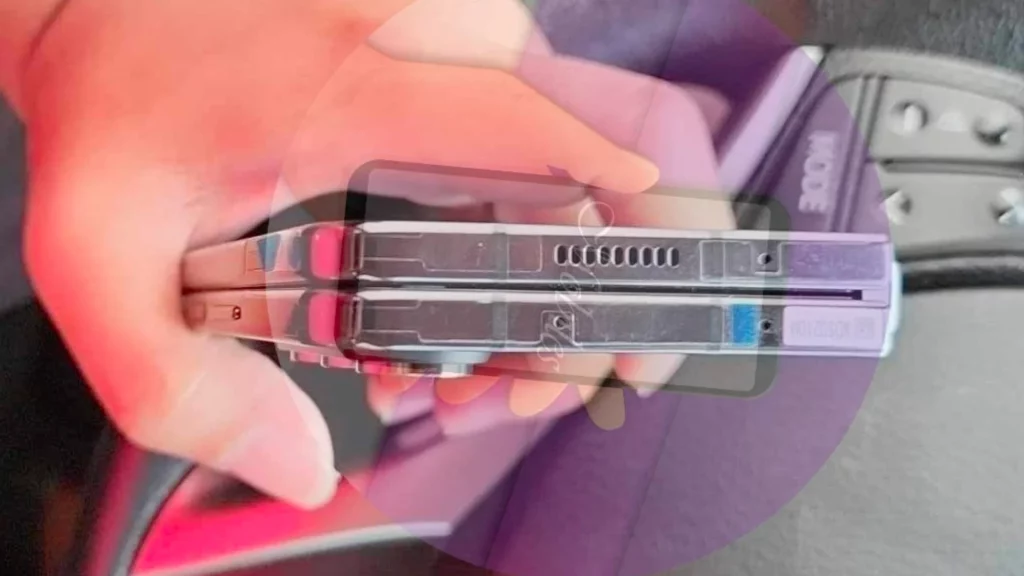
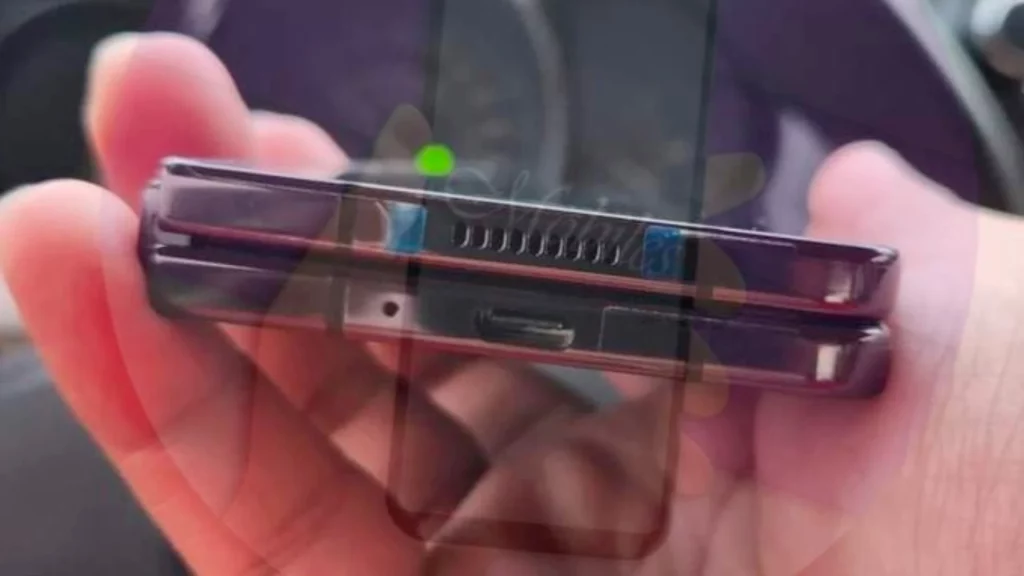
Ahead of the highly anticipated Galaxy Unpacked event, hands-on images of the upcoming Galaxy Z Fold 5 have surfaced online. The leaked images, shared by tipster Ahmed Qwaider, provide a glimpse into the phone’s redesigned hinge and rear camera layout.
One notable improvement apparent from the leaked images is the absence of any noticeable gap between the two folding halves of the Galaxy Z Fold 5. This represents a significant advancement compared to previous iterations of the Galaxy Z Fold series. Samsung appears to have adopted a new waterdrop-shaped hinge, similar to those seen in other foldable phones, which eliminates the gap and minimizes creasing on the internal screen.
Galaxy Z Fold 5 hands-on images
The leaked images also reveal the rear camera setup of the Galaxy Z Fold 5. Consistent with its predecessor, the Galaxy Z Fold 4, the phone boasts three rear-facing cameras. However, Samsung has made a change in the positioning of the LED flash, which now resides on the right side of the camera sensors. Expectations point to a primary 50MP camera, a 12MP ultrawide camera, and a 10MP telephoto camera featuring 3x optical zoom.
In addition to the camera setup, the images unveil several key features of the Galaxy Z Fold 5. The bottom section of the phone reveals a loudspeaker, a USB Type-C port, and a microphone. The top section boasts three microphones and another loudspeaker, indicating a potential stereo loudspeaker setup, bolstered by four microphones in total.
According to previous leaks, the Galaxy Z Fold 5 is expected to offer a 6.2-inch 120Hz Super AMOLED cover screen and a 7.6-inch 120Hz internal foldable Super AMOLED screen. Powering the device will be the Snapdragon 8 Gen 2 For Galaxy processor, coupled with 12GB of RAM and storage options of either 256GB or 512GB.
The Galaxy Z Fold 5 is expected to feature IPX7 rating for water resistance along with a 4,400mAh battery and support 25W fast charging, as well as fast wireless charging. Additional features include Samsung DeX and Samsung Pay.
Samsung is set to officially unveil the Galaxy Z Fold 5, along with the Galaxy Z Flip 5, during the upcoming Galaxy Unpacked event, generating considerable excitement among tech enthusiasts.
Realme just launched the Realme 11 series in India. However, the brand is already set to unveil Realme Narzo 60 series in the country.
The company’s latest smartphones in the region will be made official later this week. Ahead of that, it has been officially teasing the features of these handsets.
At the same time, we have been learning about these products via leaks. Let’s check out everything that’s known about the Realme Narzo 60 series so far.
Realme Narzo 60 Pro
Realme Narzo 60 Series Launch Date
The Realme Narzo 60 series is officially scheduled to launch in India on July 6. Interested readers can watch the announcement live on the brand’s official YouTube channel from 12 PM IST.
Two phones will be unveiled, namely Realme Narzo 60 and Realme Narzo 60 Pro. They will be accompanied by a pair of neckband-style wireless earphones called Realme Buds Wireless 3.
Realme Narzo 60 Series Specifications
As mentioned above, the Realme Narzo 60 series consists of two smartphones. According to official teasers and leaks, the Realme Narzo 60 is a rebranded Realme 11. On the other hand, the Realme Narzo 60 Pro is a renamed Realme 11 Pro.
Talking about specs, the Realme Narzo 60 will be powered by a MediaTek Dimensity 6020 chip, while the Realme Narzo 60 Pro will house a MediaTek Dimensity 7050 SoC. They will boot Realme UI 4.0 based on Android 13.
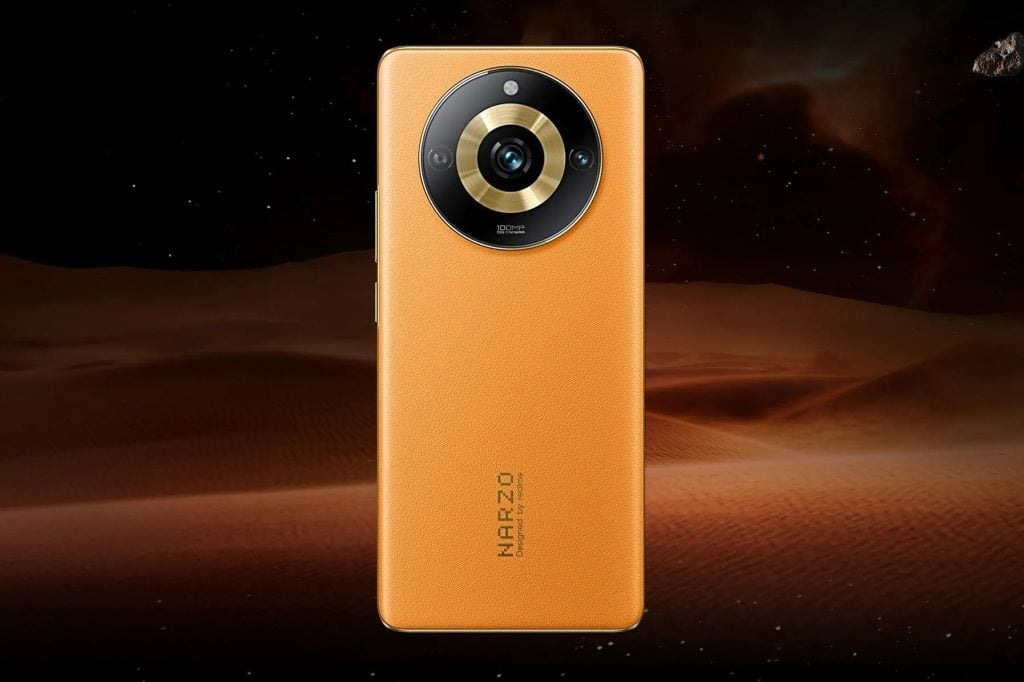
The duo will arrive with a giant circular camera module. They will be offered in leather finishes.
Further, the vanilla model sports a 6.43-inch flat OLED display with a resolution of 2400 x 1080 pixels (FHD+), a 90Hz refresh rate, and a punch hole at the top left corner. Whereas, the pro version flaunts a larger 6.7-inch centered punch hole 10-bit curved OLED display with a resolution of 2412 x 1080 pixels and a 120Hz refresh rate
As for cameras, the standard version will have a 64MP rear camera and an 8MP selfie camera. While the pro variant will come with a 100MP main camera and a 16MP front-facing camera. Both of them will sport a 2MP depth sensor.
Though the duo will provide an under-display fingerprint sensor, only the pro model will offer dual stereo speakers. Similarly, pro will support 67W charging compared to 33W on the vanilla. However, both of them will be backed by a 5,000mAh battery.
Last but not least, the Realme Narzo 60 Pro will be available in a 12GB + 1TB memory configuration. It will be the first smartphone in its price segment in India to arrive with such large memory.
Realme Narzo 60 Series Expected Price
The Realme Narzo 60 is tipped to cost below ₹20,000 in India. Whereas, the Realme Narzo 60 Pro is expected to be a sub-₹25,000 handset.
It is worth noting that the aforementioned prices are limited to the base variant of these devices. Their higher memory configurations could be more expensive.
Realme is gearing up to launch the Narzo 60 Series 5G in India on July 6 at 12 pm local time. The lineup is confirmed to consist the Narzo 60 5G and Narzo 60 Pro 5G. The brand has been teasing key specifications on its Twitter handle as well as microsite. Now ahead of the official launch, Realme has teased the RAM and storage configuration as well as revealed the pre-booking details of the upcoming offerings.
— realme narzo India (@realmenarzoIN) July 3, 2023
Realme Narzo’s Twitter handle has teased that the Narzo 60 Series 5G will come with a whopping 1TB storage. Additionally, the microsite on the official website also reveals that the upcoming offerings will pack 12GB RAM along with 12GB virtual RAM. However, it remains to be seen if the RAM + storage configuration will be offered on both the standard and pro models. Both phones are confirmed to be available in Mars Orange and Cosmic Black.
Realme also revealed the pre-booking details of the Narzo 60 Series 5G. It will start on July 6 at 1 pm IST from the brand’s official website and Amazon. Interested buyers purchasing the Narzo 60 Pro 5G will be eligible for Rs 1,500 discount whereas those opting for the Narzo 60 5G will get Rs 1,000 discount. Those who pre-book Narzo 60 5G series will also get 6-month extended warranty.
Realme has already confirmed that the Narzo 60 Series 5G will feature a 120Hz curved display with a 61-degree curvature and a center-aligned punch-hole cutout.
EU Commissioner for Internal Market, Thierry Breton, has announced an intention to deepen cooperation between the European Union (EU) and Japan in the field of semiconductors. This move comes as countries around the world seek to strengthen control over this vital technology.
During his visit to Tokyo, Commissioner Breton expressed the EU’s belief in the importance of securing the semiconductor supply chain. In an interview with Reuters, he emphasized the need for close monitoring of the chip supply chain and highlighted the significance of collaboration between the EU and Japan in this regard. The two entities will work together to ensure the stability and resilience of the chip supply chain, as well as facilitate the exchange of researchers and engineers between them.
Commissioner Breton’s visit to Japan also focuses on discussions around cooperation in the fields of chips and artificial intelligence with the Japanese government and various companies. This visit underscores the recognition of the strategic importance of semiconductors and the potential benefits of collaboration in these areas.
Japan, on its part, has been taking steps to revitalize its own chip industry. The country has introduced subsidies and incentives to support the industry, which still possesses an advantage in materials and equipment but has lost market share globally. In a recent development, a Japanese government-backed fund agreed to acquire JSR Corp, a photoresist maker, for $6.4 billion, aimed at driving consolidation within the industry.
Additionally, Japan is supporting the chip foundry venture Rapidus, whose executives are scheduled to meet Commissioner Breton during his visit. This initiative has been praised by the EU industry chief, who sees it as a positive step in the right direction.
The deepening cooperation between the EU and Japan on semiconductors reflects the increasing recognition of their critical importance across various sectors. The defense, electronics, and automotive industries heavily rely on semiconductors for their operations, making the secure and stable supply of these components a top priority.
By monitoring the chip supply chain and facilitating the exchange of researchers and engineers, the EU and Japan aim to enhance collaboration and knowledge sharing. This cooperation not only strengthens the resilience of the semiconductor industry but also fosters innovation and technological advancements.
Moreover, the EU’s openness to Japanese semiconductor companies operating within the bloc highlights the region’s commitment to boosting its own semiconductor industry and reducing reliance on external sources. This presents opportunities for Japanese companies to expand their presence and access new markets.
The EU-Japan collaboration in the semiconductor sector sets a positive precedent for international partnerships in technology-related areas. As countries worldwide increasingly recognize the strategic importance of semiconductors, such alliances contribute to the stability and growth of the global semiconductor industry.
With both the EU and Japan actively revitalizing their semiconductor industries, the future holds promising prospects for the development of cutting-edge technologies and the security of the semiconductor supply chain.
Back in May 2023, the Oppo Reno 10 series had been launched in the Chinese market. Since then, we had covered various reports that had hinted at its global launch, which was confirmed recently. However, it appears that the Reno 10 lineup that is arriving in the global market will be slightly different from the Chinese variant. So here’s a detailed rumor roundup.
Design & Display
In terms of design, the global variant of the Reno 10 series will look identical to their Chinese counterpart with changes only being reflected in the internal specifications. Thus, the Reno 10 will still launch with a curved glass body on the rear, with a plastic frame on the side. Meanwhile, the higher end Reno 10 series also features the exact same build quality. Another aspect that is similar is the large camera island on the back.
The Reno 10 series features a large oval shaped module that houses the triple rear image sensors. This module features a dual tone design with one half housing the two cameras and LED flash module while the lower half has the periscopic zoom lens and the MariSilicon branding. On the front, the entire lineup features a center aligned punch hole selfie camera and curved displays.
The base Reno 10 sports a 6.7 inch OLED 10bit panel that supports 2412 x 1080 pixel resolution, 120Hz refresh rate, 240Hz touch sampling rate, 2160 PWM dimming, and 950 nits of peak brightness. On the other hand, the Reno 10 Pro and Reno 10 Pro+ feature a taller 6.74 inch OLED 10bit panel has a higher 2772 x 1240 pixel resolution, 120Hz refresh rate, 240Hz touch sampling rate, and a higher peak brightness of 1,400 nits.
Specifications
The specs sheet is where we’ll find the major differences between the Chinese and global versions. Although, the Reno 10 Pro+ appears to be the only model that is identical for the global launch. In other words, it is equipped with the Qualcomm Snapdragon 8+ Gen 1 SoC that is paired with up to 16GB of LPDDR5 RAM and up to 512GB of UFS 3.1 storage. These specs basically means that this is a high model that will deliver top notch performance.
However, the Reno 10 Pro features the Snapdragon 778G SoC over the MediaTek Dimensity 8200 chip found in the Chinese variant. Similarly, even the Reno 10 will be equipped with a Dimensity 7050, rather than the Snapdragon 778G processor in its Chinese version. These two models will come with at least one variant with 8GB of RAM and 128GB or 256GB of internal storage.
Under the hood, the Reno 10 Pro+ will be powered by a 4,700mAh battery pack that supports 100W SuperVOOC Flash Charge technology. This enables the device to hit 50 percent charge in just 10 minutes and hit 100 percent in an impressive 27 minutes. The Reno 10 Pro houses a 4,600mAh battery pack that supports 80W fast charging, which can also charge the device to 100 percent in 28 minutes. Lastly, we have the base Reno 10 that has the largest 5,000mAh battery pack in the series, but with the slowest 67W fast charging rate. It also takes the longest to charge, hitting full capacity in 47 minutes.
The Oppo Reno 10 lineup will also arrive with a number of notable features like IR blaster, a new advanced cooling system on the Reno 10 Pro+, which features Ultra-Conductive Graphite and a Vapor Chamber, resulting in a 92 percent increase in heat dissipation for better thermals. The Reno 10 and Reno 10 Pro employ a conventional graphite cooling system. All three models will also run on Android 13 OS out of the box.
Camera
While all three smartphones feature a triple camera setup, there are some slight differences between them. The top end Reno 10 Pro and Reno 10 Pro+ features a 50 megapixel Sony IMX890 primary sensor that supports OIS (Optical Image Stabilization) that is paired with an 8 megapixel Sony IMX355 ultra wide angle lens, and a 64 megapixel OmniVision OV64B periscope zoom lens as well that supports OIS and 3x optical zoom and up to 120x hybrid zoom. On the front, it houses a 32 megapixel Sony IMX709 selfie camera.
The base Reno 10 features a 64 megapixel OV64B primary sensor on the rear that is accompanied by an 8 megapixel ultra wide angle Sony IMX355 sensor and a 32 megapixel telephoto shooter, which is a Sony IMX709 sensor that offers 2x optical zoom. The front houses a 32 megapixel selfie camera.
Availability
Based on our recent reports, the launch for the highly anticipated Reno 10 series is just around the corner. The Indian release of the device is set for July 10, while the Malaysian launch is on July 6. However, the official announcement for this device will take place on July 6 as well. So stick around for more as we will be covering the launch event.
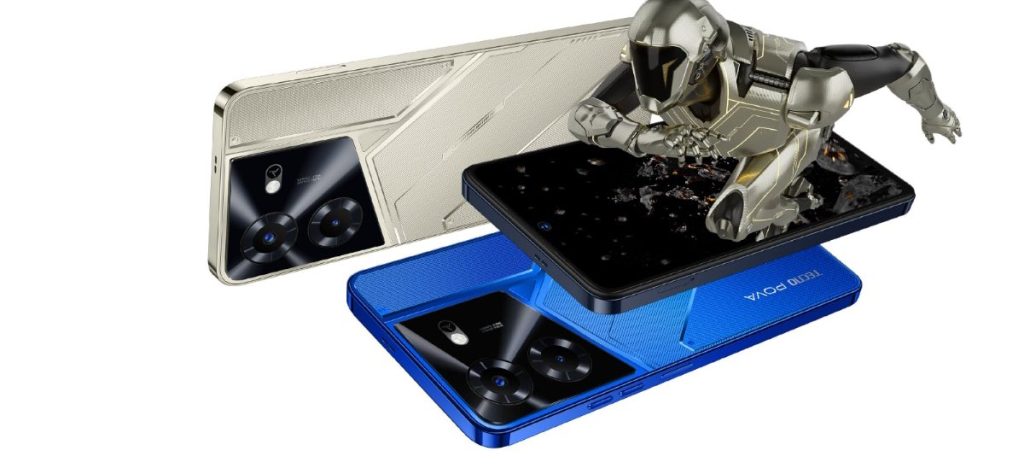
Tecno has officially announced that the Camon 20 Premier 5G will be launched in India on July 7. Meanwhile, the brand is also busy developing the Tecno Pova Neo 3, which will serve as the successor to the Pova Neo 2. The device has already received certifications from the FCC and Google Play Console. Now, a new report PassionateGeekz has surfaced, revealing the complete specifications of the upcoming smartphone.
Tecno Pova Neo 3 4G specs
According to the report, the Tecno Pova Neo 3 will sport a large 6.82-inch Asahi Glass LCD display with a resolution of 1640 x 720 pixels. The display panel will feature a respectable refresh rate of 90Hz.
Under the hood, the smartphone is likely to feature a MediaTek chipset, possibly the Helio G85. The processor will be coupled with 4GB or 8GB of RAM along with 128GB onboard storage. In addition to that, the smartphone will allow for a micro-SD card of up to 256GB for memory expansion. The device will be running Android 13-based HiOS 7.6 out of the box.
The report mentions that the Pova Neo 3 features a dual rear camera setup, consisting of a 16MP primary sensor and a 2MP secondary sensor. On the front, an 8MP sensor is provided for selfies and video calls.
One of the standout features of the Tecno Pova Neo 3 is its massive 7,000mAh battery, catering to users who require prolonged battery life without frequent charging. Additionally, the device is rumored to support 18W fast charging. As for dimensions, the smartphone measures 170.67 mm x 77.6 mm x 9.3 mm and weighs 201 grams.
Other notable features include a range of sensors such as proximity, light, accelerometer, Hall, gyroscope, compass, and even face recognition and fingerprint scanner for enhanced security. VoLTE, VoWiFi, and NFC are also said to be supported.
The last bit of information mentioned in the report claims that it will be launching later in July in two color variants: Mecha Black and Amber Gold.
Last week, the entire spec sheet as well as the design of the Oppo A78 4G smartphone was revealed through leaked promo material. Now, tipster Paras Guglani has revealed the global launch date of the device.
According to Guglani, the Oppo A78 4G will be launched in the global market on July 7. The device will launch in both Misty Black and Aqua Green colors. Let’s take a look at the already leaked specs and features of the smartphone.
Oppo A78 4G specs
The upcoming Oppo A78 4G is expected to feature a 6.43-inch AMOLED display with Full HD+ resolution and a potential 90Hz refresh rate. The device is rumored to be powered by a Qualcomm Snapdragon 680 SoC, paired with 8GB of RAM and 256GB of storage, expandable up to 1TB. It is also expected to support 8GB of virtual RAM.
In terms of camera capabilities, the Oppo A78 4G may feature a dual-camera setup on the rear, including a 50MP main camera sensor and a 2MP bokeh lens. Various camera modes such as Oppo’s 108MP ultra-clear image mode, dual-view video mode, and Bokeh Flare portrait mode are anticipated. For selfies, there might be an 8MP front camera sensor.
The device is rumored to have a 5000mAh battery with 67W SuperVOOC fast charging support. According to speculations, it could reach up to 76% battery capacity in just 30 minutes of charging. Other expected features include an in-display fingerprint scanner, dual speakers, and Oppo’s ColorOS 13.1 based on Android 13.
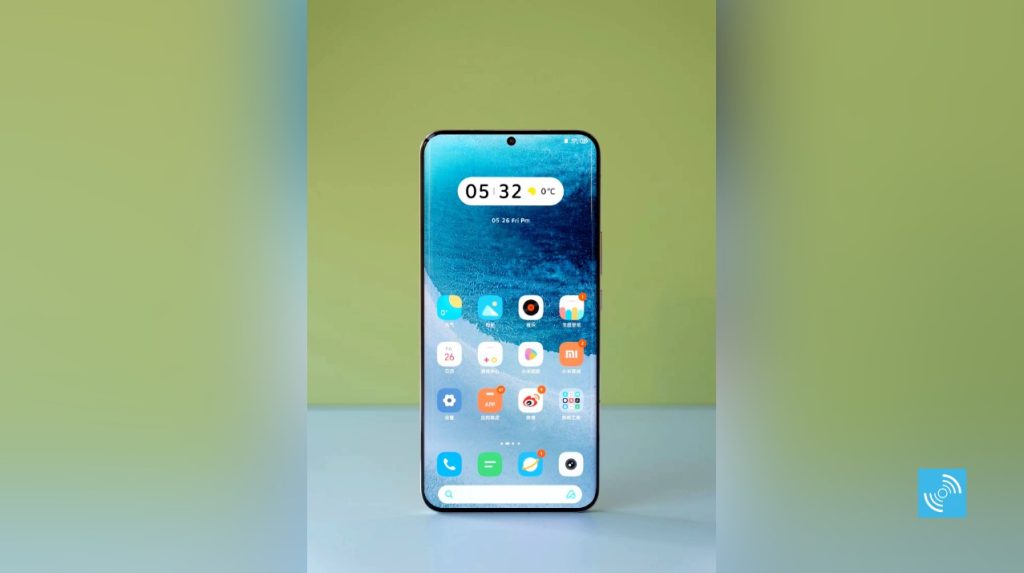
The Vivo V29 has just been spotted on another certification website. The device was previously spotted on the SIRIM and NBTC databases. And now, it has even surfaced on FCC as well, which has revealed its key specifications.
Vivo V29 5G key specs revealed via FCC
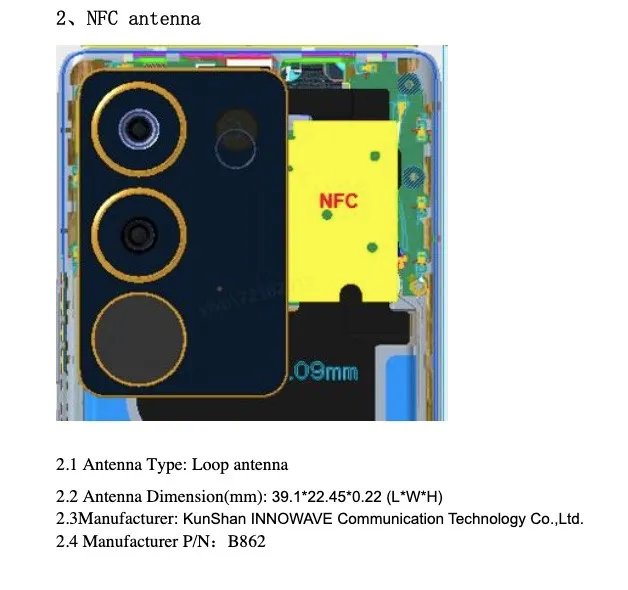
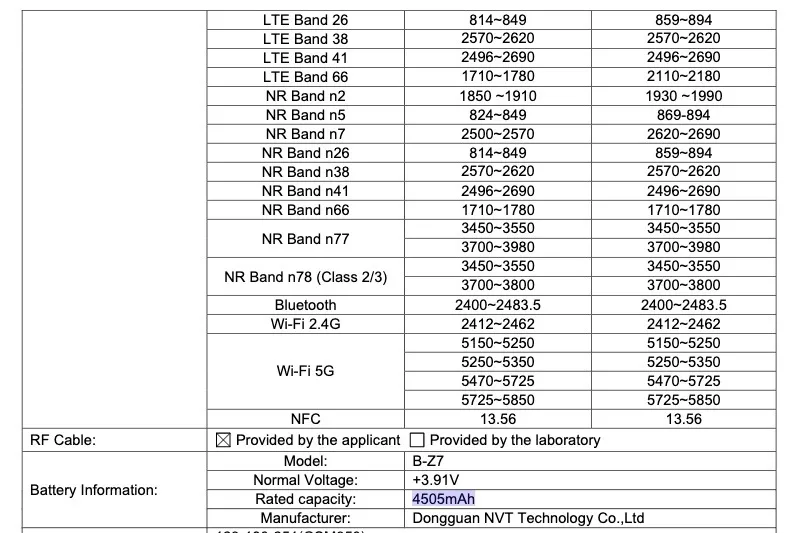
Looking at the FCC listing, the upcoming smartphone carries the V2250 model number. The database reveals that the device will feature 5G and LTE networking, along with Bluetooth and NFC support. Notably, the FCC sighting has even confirmed that the new Vivo V29 5G will be powered by a 4,505mAh battery pack that will support 80W fast charging from its charging brick that has the V8073L0A0 model number.
These were all the details that were found in the FCC certification listing. But looking at our previous report, the Chinese smartphone maker’s V29 model is expected to sport a tall 6.7 inch OLED display. This panel will offer Full HD+ resolution and offer high 120Hz refresh rate. Under the hood, this device is expected to be equipped with the Qualcomm Snapdragon 778G+ SoC that will likely be paired with up to 12GB of RAM and 256GB of internal storage.
Other notable features include Android 13 OS based Funtouch OS 13 out of the box and OIS (Optical Image Stabilization) support from its 64 megapixel primary rear camera. This is all the information we have at the moment, so stick around for more as we will be providing updates when additional information is available regarding this smartphone.
Back in January, Motorola launched the Moto G13 smartphone in the global market, which later made its way to India. The device is currently one of the most popular options under ₹10,000 (~$122) in the country thanks to its bloat-free UI and impressive spec sheet. Now, it appears that the brand is working on a successor named the Moto G14, which has emerged on the Bureau of Indian Standards website.
The Moto G14 has been spotted on the BIS website featuring the model number XT2341-3. Last week, the device also made an appearance on the TDRA certification website with model number XT2341-4, confirming the name of the smartphone. While the listing does not reveal any specifications, we can expect the device to come with a few upgrades over its predecessor.
While no official confirmation has been made yet, a potential upgrade to an FHD+ display from the current HD+ resolution display could be a significant change for the Moto G14. This change would bring it on par with devices like the Realme C55 that already offer this advantage. To get an idea of what to expect from the G14, let’s take a look at the spec sheet of its predecessor, the Moto G13.
Moto G13 specs
The Moto G13 features a centered punch-hole LCD display measuring 6.5 inches, with a resolution of 1600 x 720 pixels and a 90Hz refresh rate. It is powered by a MediaTek Helio G85 chipset. Running on Android 13, the Moto G13 promises an upgrade to Android 14 and provides three years of security updates.
In terms of photography, it offers a triple camera setup on the rear, comprising a 50MP primary shooter, a 2MP macro lens, and a 2MP depth sensor. The front camera houses an 8MP sensor. Connectivity options include dual SIM support, 4G, dual-band WiFi, Bluetooth 5.1, and GNSS. The device is equipped with a 5,000mAh battery that supports 10W charging.
A couple of months later after the Chinese unveiling of the Oppo Reno 10 series, the brand is now gearing up to launch the device in the global market. Earlier, Oppo announced that the Reno 10 series will debut in Malaysia on July 6. Now, the Indian launch date has also been revealed.
According to a press release by Oppo, the Reno 10 series will make its Indian debut on July 10. In addition to that, the brand has also shared details about some key features coming to the Reno 10 series Indian variants. Let’s take a look.
Oppo Reno 10 series (Indian variant) specs & features
The brand has officially revealed that the Reno 10 Pro+ is powered by Qualcomm’s Snapdragon 8+ Gen 1 chipset, delivering a 10% improvement in CPU performance and 30% better efficiency compared to its predecessor. The Reno 10 Pro houses the Snapdragon 778G SoC and the Reno 10 features the MediaTek Dimensity 7050 SoC.
Talking about the battery, the brand has introduced the 100W SUPERVOOC Flash Charge technology in the Reno 10 Pro+, enabling a 4700mAh battery to reach 50% in under 10 minutes and a full charge in just 27 minutes. The Reno 10 Pro also boasts fast charging with 80W SUPERVOOC, delivering a full charge to its 4600mAh battery in just 28 minutes. Meanwhile, the Reno 10 comes with 67W charging, allowing its 5000mAh battery to reach 100% in 47 minutes.
To maintain optimal performance, Oppo incorporates advanced cooling technologies. The Reno 10 Pro+ utilizes Ultra-Conductive Graphite and a Vapour Chamber, resulting in a 92% increase in heat dissipation capacity and improved temperature control during gaming. The Reno 10 Pro and Reno 10 also employ high-performance graphite for effective cooling.
In a notable addition, Oppo has equipped every model in the Reno 10 Series with an IR blaster, making it the first time this feature is available on its global smartphones. This means users can conveniently control various electronic devices using their Reno 10 smartphones, further enhancing the versatility and functionality of the devices.
In the latest leak from reliable tipster Digital Chat Station, details about the battery sizes and charging capabilities of the upcoming Xiaomi 14 series have emerged. It is expected that the Xiaomi 14 and Xiaomi 14 Pro will make their debut in China in November this year.
Battery Sizes and Charging Speeds: What to Expect from Xiaomi 14 and 14 Pro
According to the leak, the Xiaomi 14 will come with a 4,860mAh battery and support 90W wired charging. On the other hand, the Xiaomi 14 Pro will feature a larger 5,000mAh battery and offer 120W wired charging. Additionally, both models will support 50W wireless charging.
This leak suggests a significant upgrade in the battery and charging departments compared to their predecessors. The Xiaomi 13 had a smaller 4,500mAh battery with 67W fast charging. Furthermore, recent reports indicate that both the Xiaomi 14 and 14 Pro will feature a USB-C port with support for the USB 3.2 standard.
Apart from the Xiaomi 14 and 14 Pro, the series will also include the Xiaomi 14 Ultra. However, it is anticipated that the Xiaomi 14 Ultra will be announced in the first quarter of 2024 in China.
Apple is apparently working on a brand-new display. This model could succeed in its existing Studio Display and could even work without a Mac PC, offering useful features and doubling as a Smart Display.
Apple to launch a standalone display with a tall screen
The news arrives from Bloomberg’s Mark Gurman, who shared a number of key details via his Power On newsletter. Apparently, the iPhone maker is working on a new large-sized display that will be powered by an A series processor. This upcoming product will also feature its own software that will let you use the display when not connected to a Mac. In other words, it can be used as a standalone product that delivers some basic functionality.
One of these functions would even have it double as a smart display. In other words, it might work similarly to the StandBy mode offered in iOS 17. For those unaware, Apple iOS 17 devices let users display key information like date, time, weather, and more from the Smart Stack widgets collection when charging in landscape orientation. But with the new standalone display, this feature could be offered when it is running in low-power mode.
As an example, the Amazon Echo or the Google Nest Hub offer smart display functionality by letting you consume video content and make video calls and other basic features. As of right now, Apple offers its 5K Studio Display which has a 27-inch display and runs on the A13 Bionic chipset. This upcoming display might be its successor and offer additional functionality. The news is also in line with an older report of ours.
Following the release of the Infinix Hot 30 with the Helio G88 4G chipset in March, the brand is now gearing up to introduce a 5G version of the device. Named the Infinix Hot 30 5G, the smartphone is expected to launch in India later this month.
GSMArena has provided an exclusive sneak peek into the upcoming Infinix Hot 30 5G smartphone, leaking its promotional material and unveiling its design and specifications. Let’s delve into the details and explore what it has to offer.
The Infinix Hot 30 5G will be available in three attractive color options: Miami Orange, Aurora Blue, and Knight Black, as revealed by the renders. The Miami Orange variant showcases a faux leather back design, while the blue color variant is expected to feature either plastic or AG Glass back. The back panel of the device showcases a dual camera setup housed within a sizable rectangular module, accompanied by a dual flash module. The text on the back panel indicates the presence of a 50MP sensor, promising high-resolution photography capabilities.
The Infinix Hot 30 5G features a SIM card slot located on the left side of the device, while the right side is home to the volume rocker and power button, which also has the potential to serve as a fingerprint scanner. The bottom of the device houses a USB-C port, along with a 3.5mm headphone jack, microphone, and speaker grille.
In addition to the external features, the report also provides insights into the internal specifications of the Infinix Hot 30 5G. It is rumored to be equipped with a powerful 6,000mAh battery that supports 33W fast charging. Although specific details about the chipset are not disclosed at present, readers can anticipate an official announcement soon. The device is reportedly scheduled to launch in India on July 14, unveiling all the details about its hardware.
We use cookies on our website to give you the most relevant experience by remembering your preferences and repeat visits. By clicking “Accept”, you consent to the use of ALL the cookies.
This website uses cookies to improve your experience while you navigate through the website. Out of these, the cookies that are categorized as necessary are stored on your browser as they are essential for the working of basic functionalities of the website. We also use third-party cookies that help us analyze and understand how you use this website. These cookies will be stored in your browser only with your consent. You also have the option to opt-out of these cookies. But opting out of some of these cookies may affect your browsing experience.
Necessary cookies are absolutely essential for the website to function properly. This category only includes cookies that ensures basic functionalities and security features of the website. These cookies do not store any personal information.
Any cookies that may not be particularly necessary for the website to function and is used specifically to collect user personal data via analytics, ads, other embedded contents are termed as non-necessary cookies. It is mandatory to procure user consent prior to running these cookies on your website.