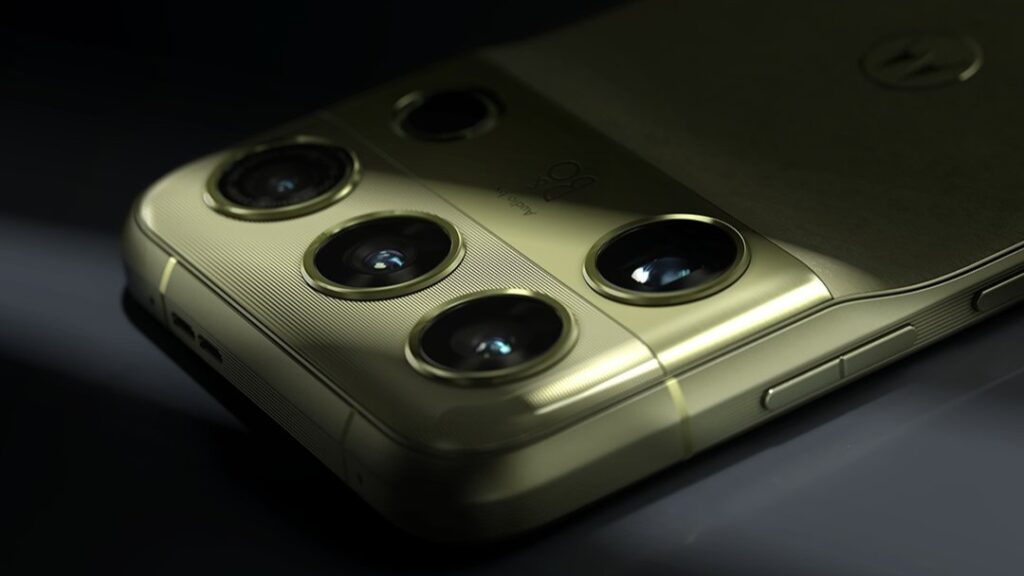
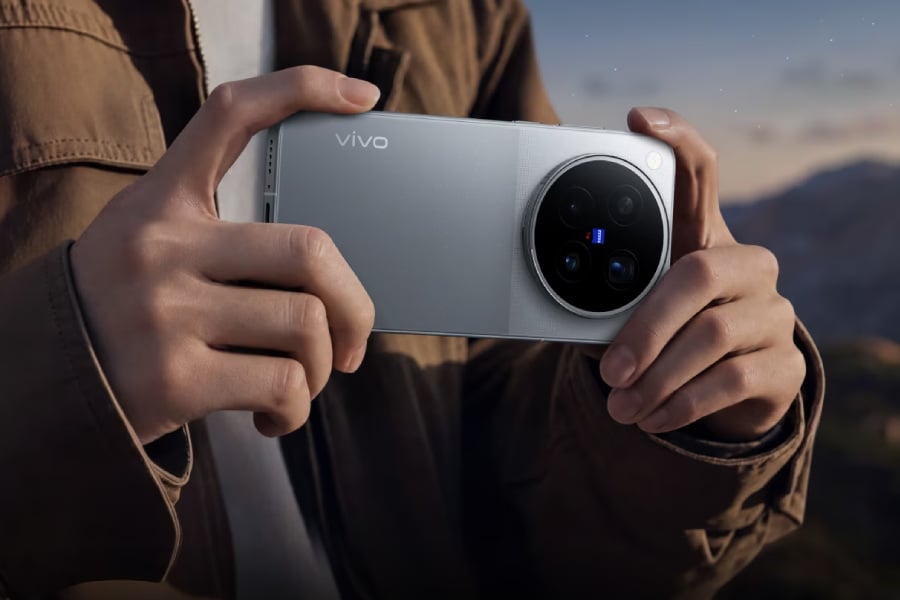
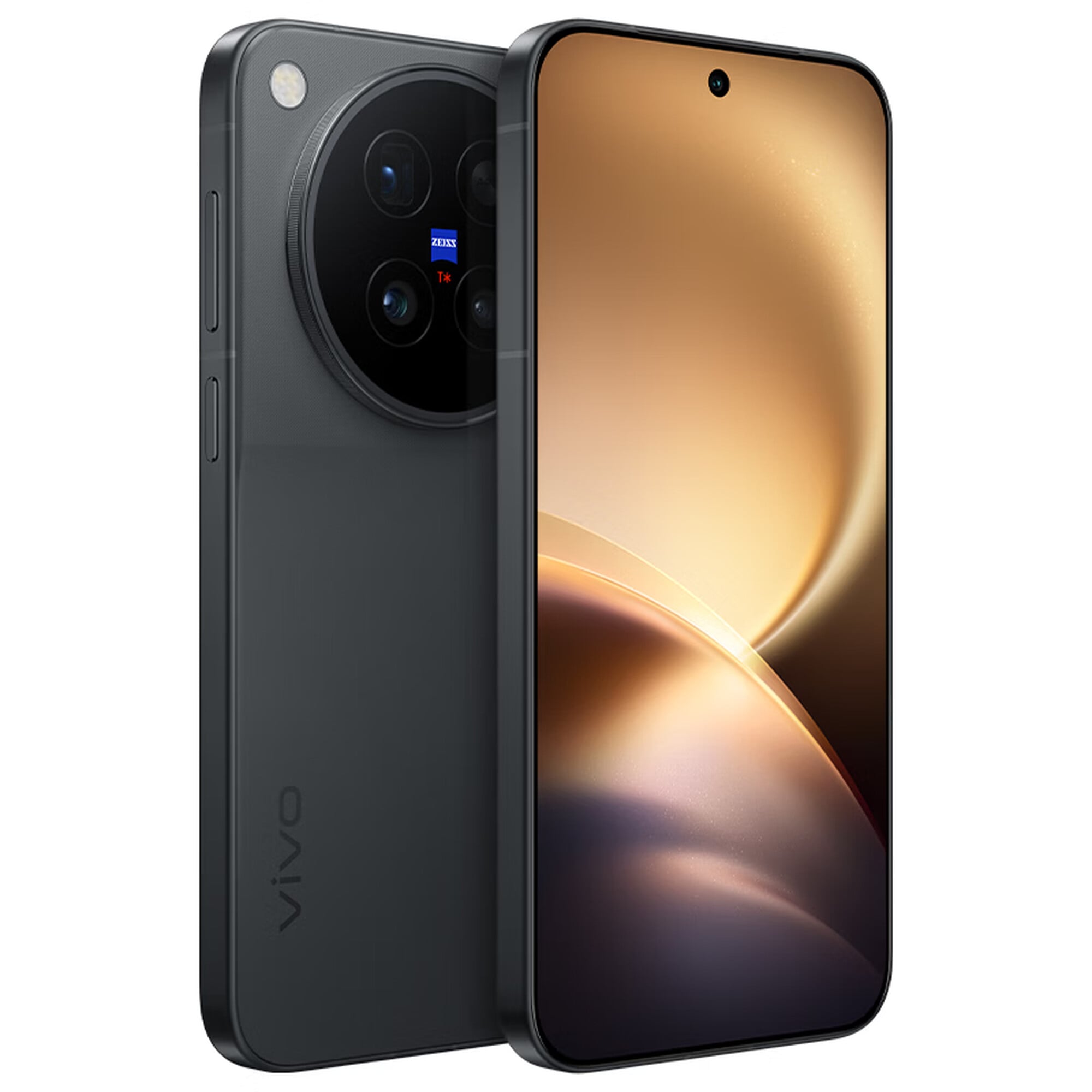
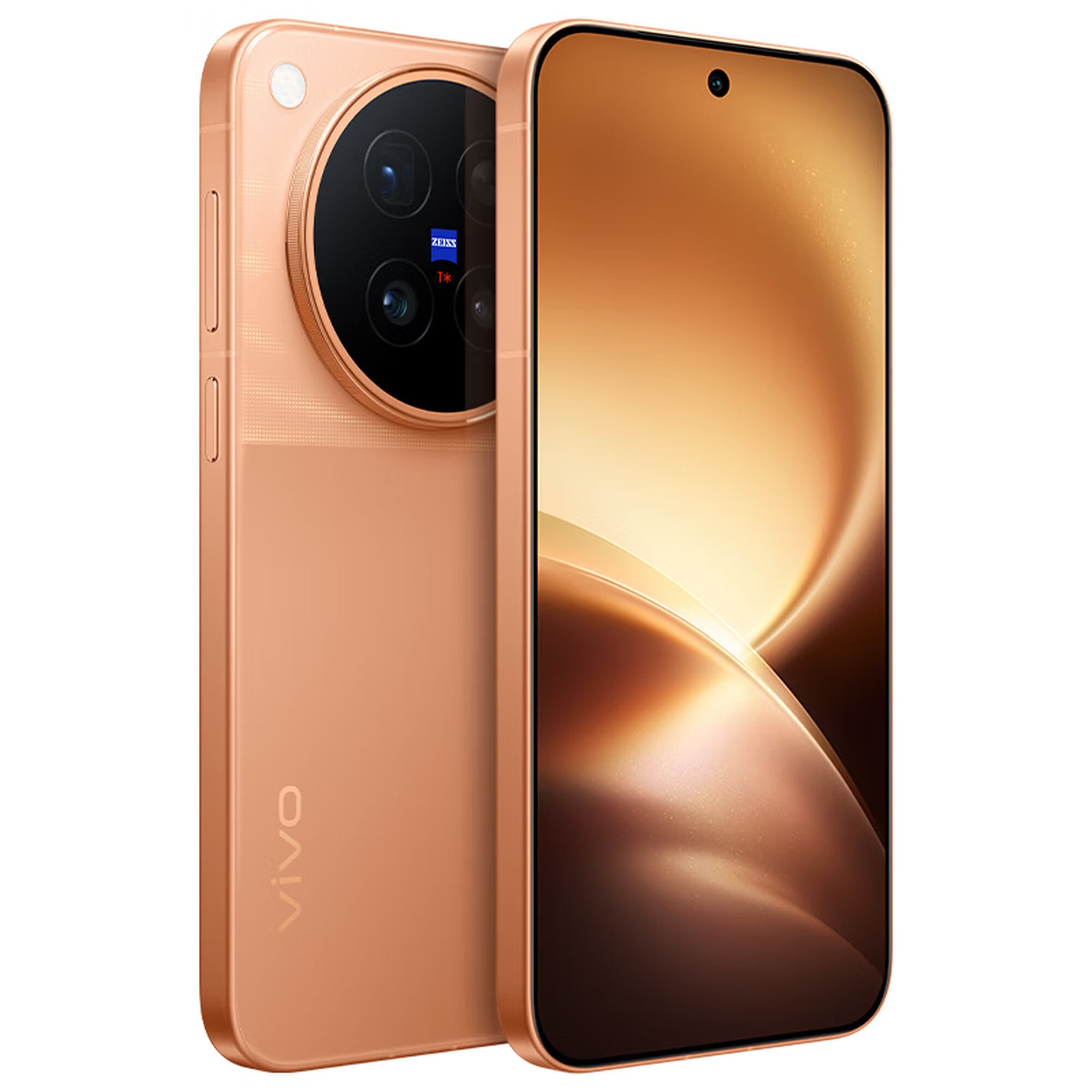
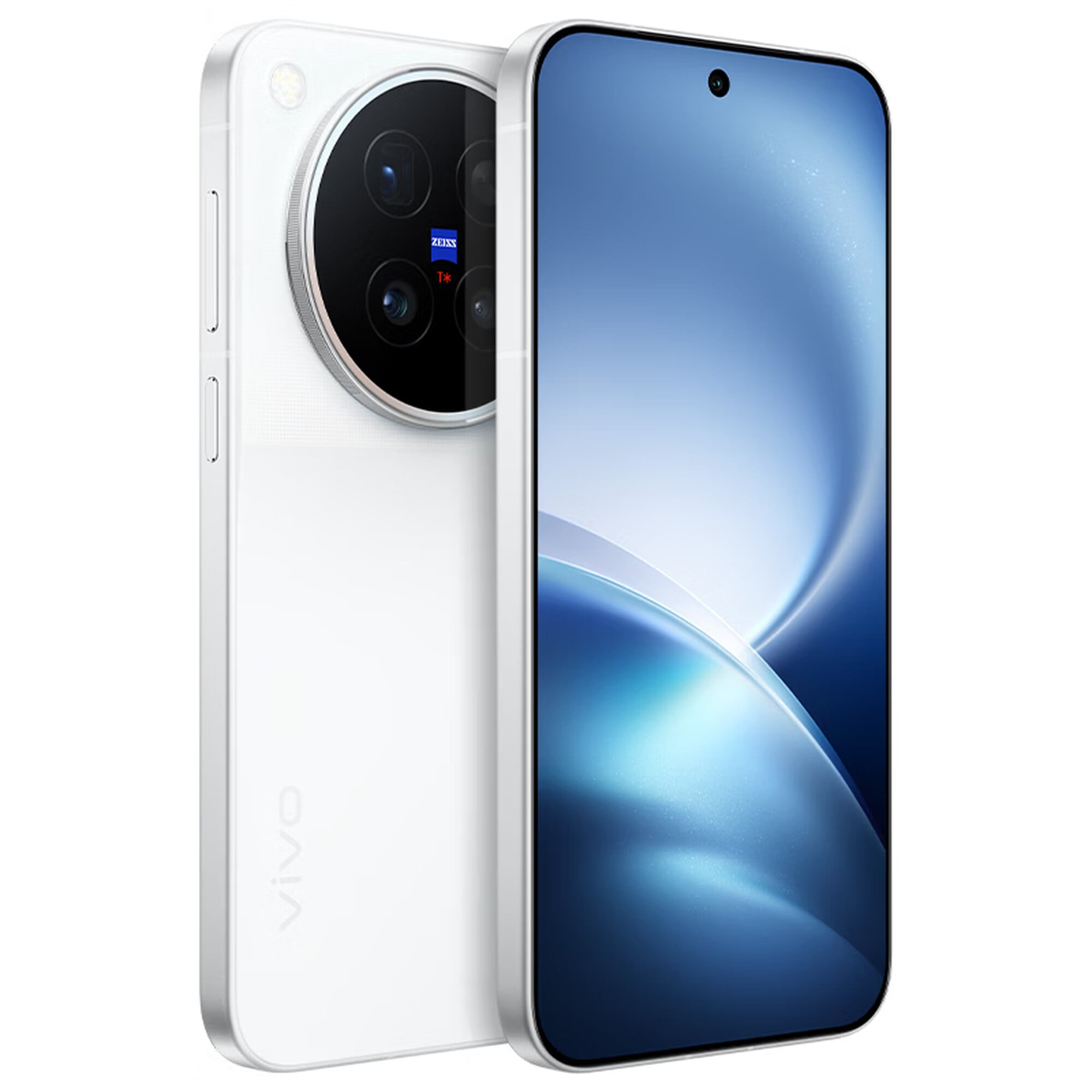
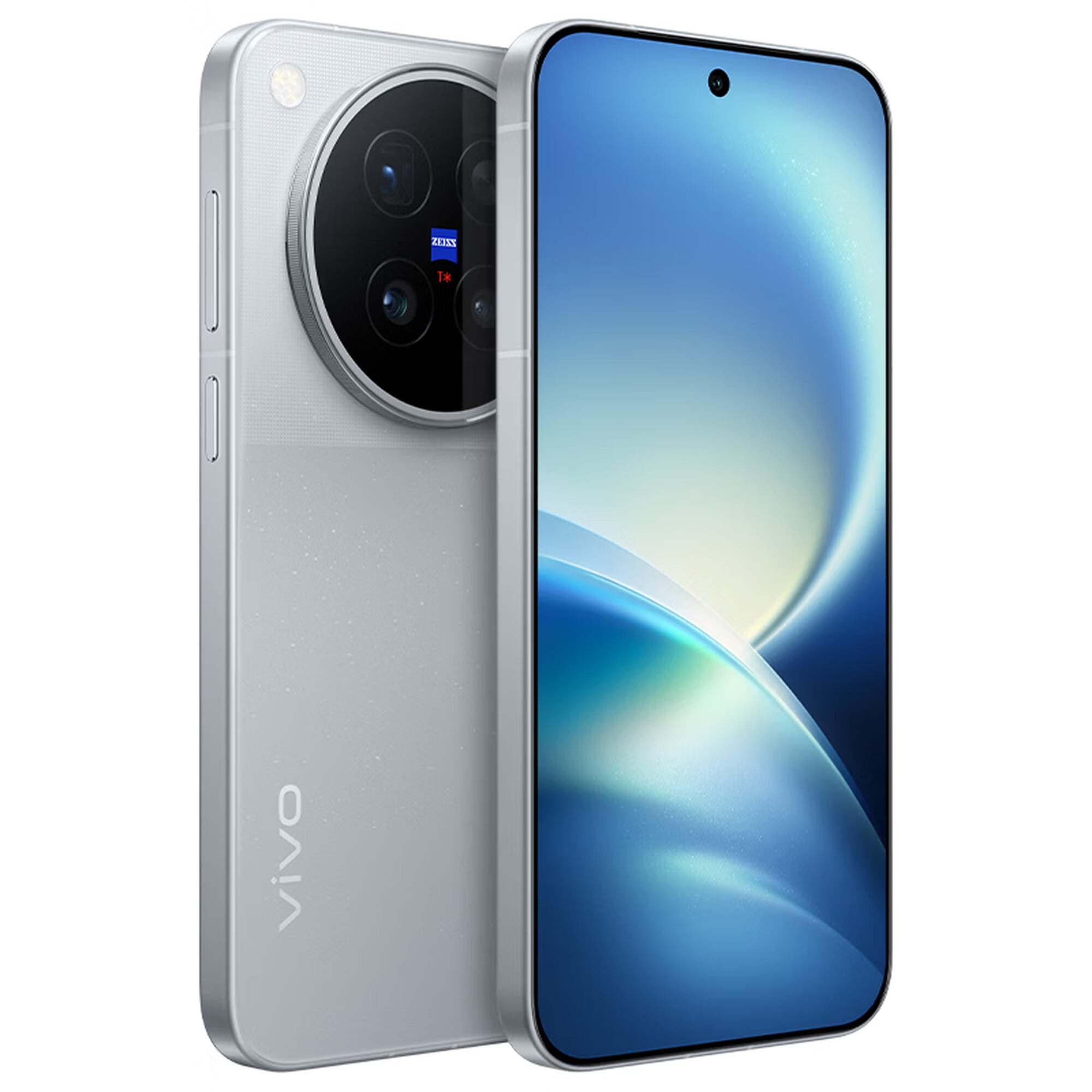
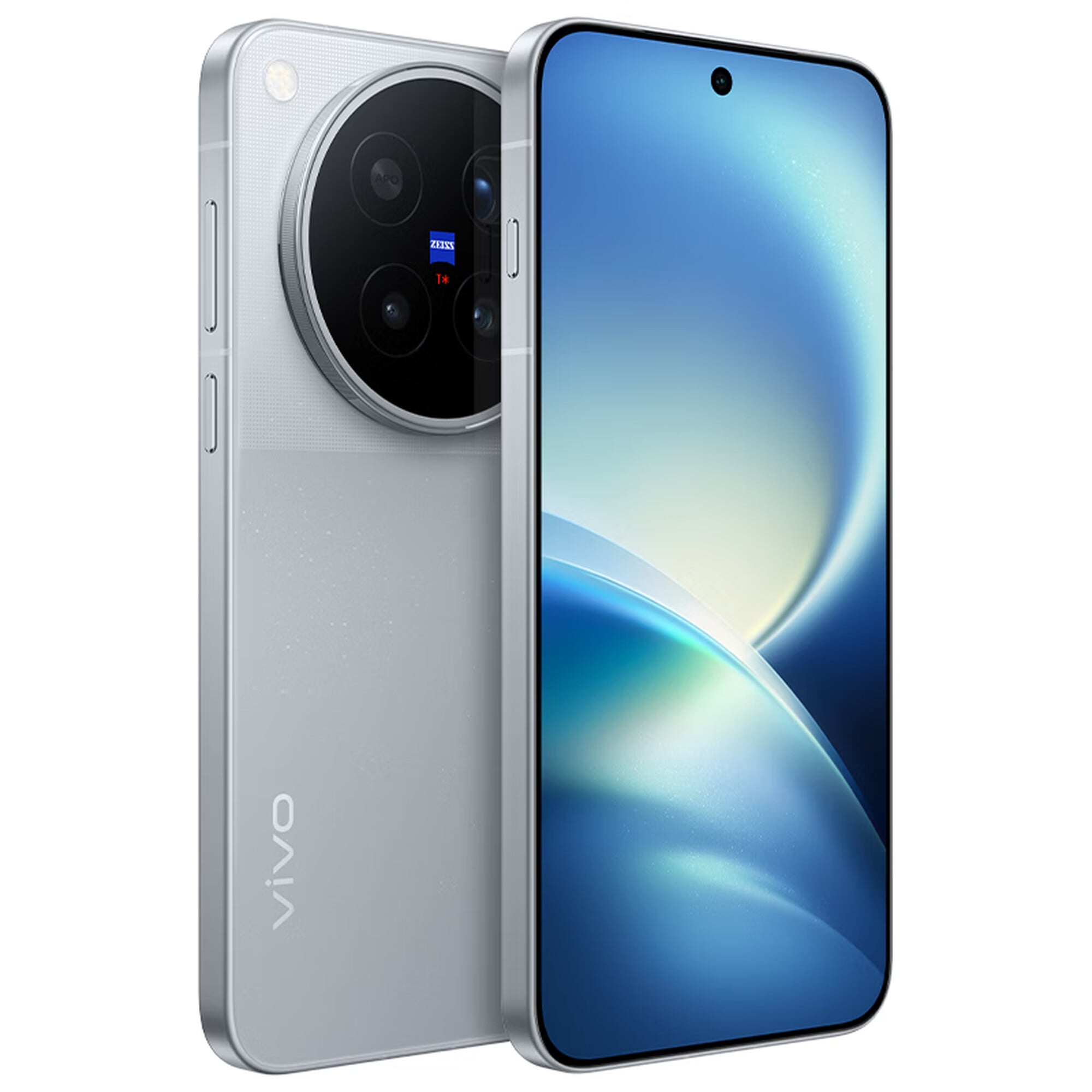
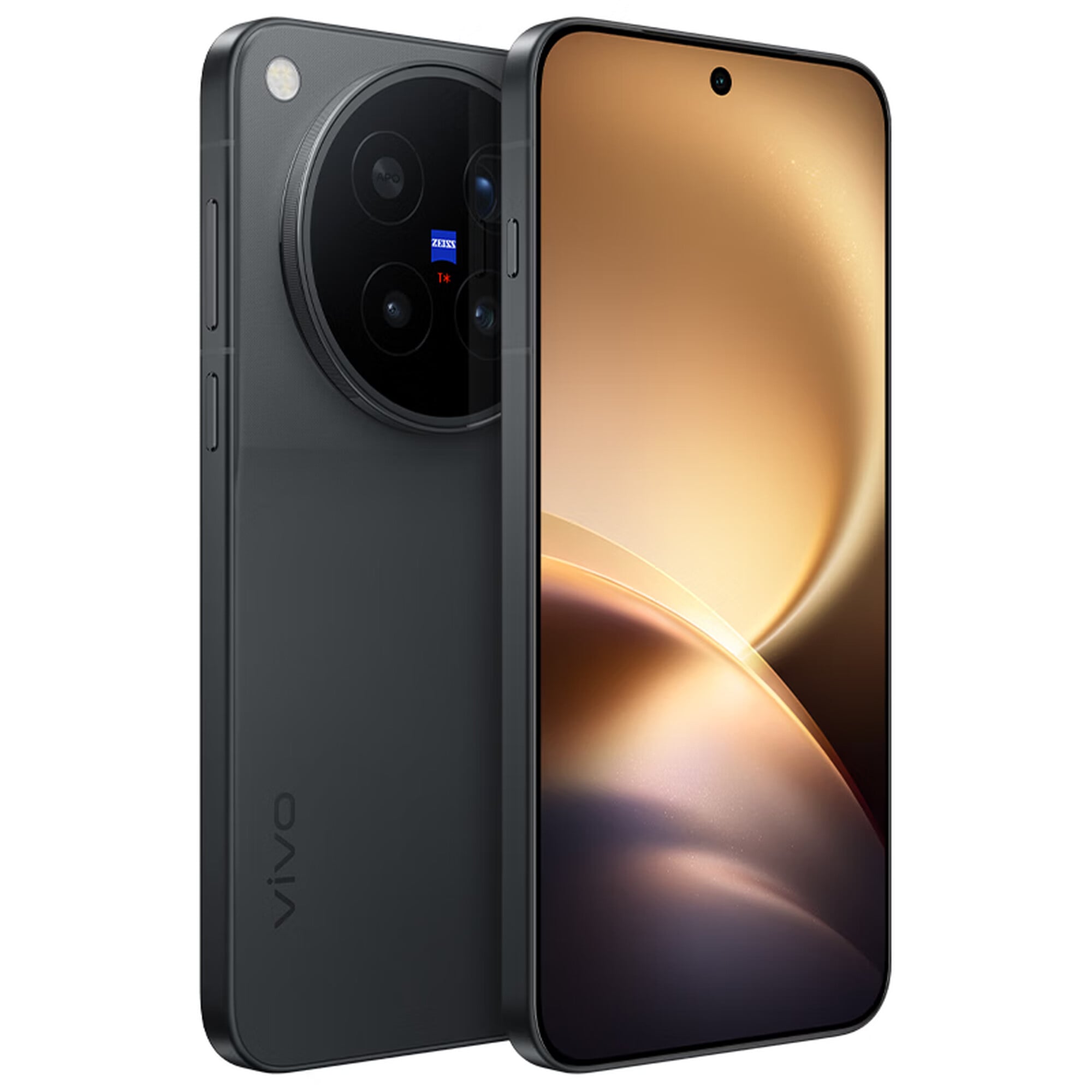
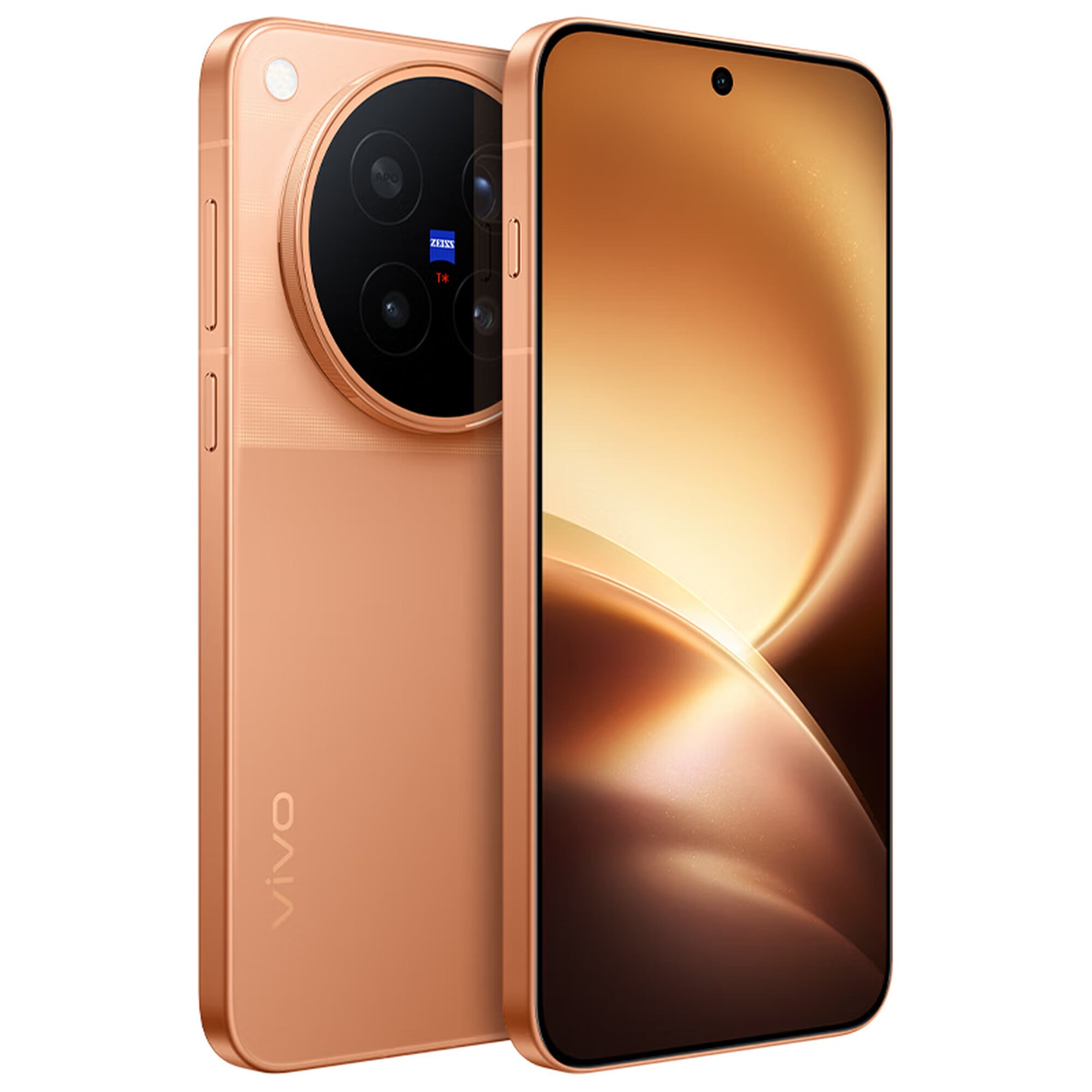
Motorola just dropped a first look at the rear of its upcoming high-end phone, and it’s hard to miss. The company is set to formally introduce the device later today at the Snapdragon Summit, and from what they’ve shown so far, they’re leaning hard into distinctive design, cameras, and sound.
This is the Motorola Signature 27, the follow-up to the original Signature that launched in India back in January. The teaser images show a big, asymmetric camera island that takes up a serious chunk of the back. It’s not the usual neat square module or stacked vertical setup you see on most flagships. This one looks deliberately different.
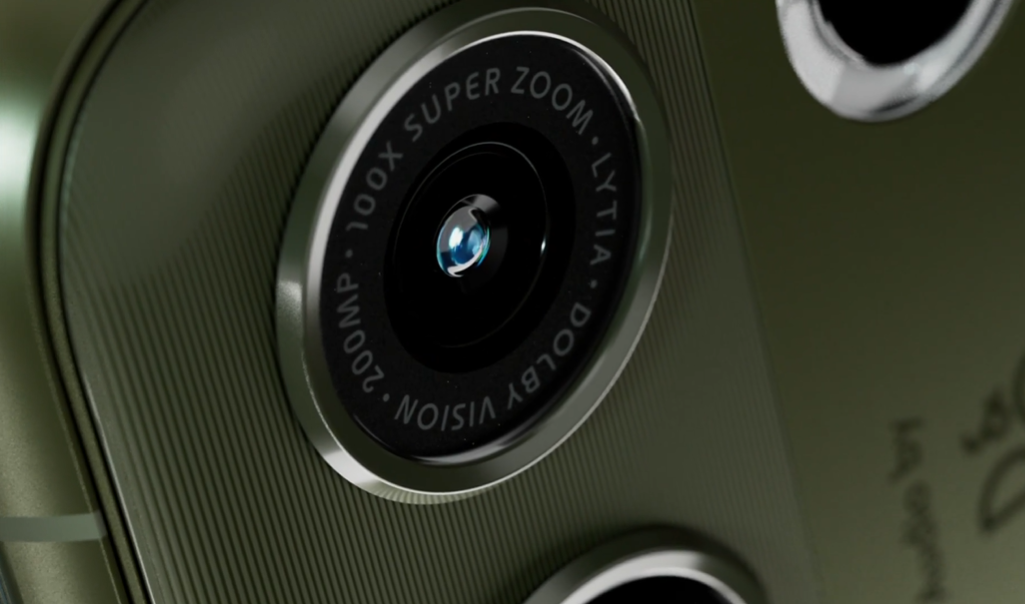
Motorola has already teased a few camera details. A teaser video on the Motorola US X account showed 200MP resolution, 100x “SUPER ZOOM,” a Sony LYTIA sensor, and Dolby Vision support. Sony’s LYTIA-branded 200MP sensor is the LYTIA 901 (LYT-901), which measures 1/1.12″. It’s notably larger than the 1/1.3″ 200MP ISOCELL HP2 used in the Galaxy S26 Ultra. Pair that big sensor with the unusual camera housing, and it’s pretty clear photography is going to be a major focus.
They’re also announcing a global audio partnership with Bang & Olufsen. For the first time, Motorola’s premium phones will carry “Audio by Bang & Olufsen” branding. Full details on the speakers and tuning are still under wraps, but the expectation is better sound for media, calls, and everything in between.
For context, the original Motorola Signature had a 6.8″ 1.5K LTPO AMOLED display with a 165Hz refresh rate, Snapdragon 8 Gen 5, up to 16GB of RAM and 1TB of storage, a 50MP triple rear camera setup plus a 50MP front camera that can shoot 8K Dolby Vision at 30fps, and a 5,200mAh battery with 90W wired and 10W wireless charging.
The Signature 27 is launching today (September 22) in the US and Europe, while India is still marked as “coming soon”. Full details on the hardware, features, and rollout should come during today’s Snapdragon Summit presentation, where we’ll finally see how much it actually moves the needle beyond the current Signature.
Xiaomi is rolling out the global HyperOS 4 beta update to the second batch of devices. It includes several high-end smartphones from the Xiaomi 17T and Xiaomi 15 series.
Unfortunately, the beta program isn’t available in all global regions. It’s currently limited to the global and EEA variants. But it could soon expand to more markets in the coming weeks.
Second batch of HyperOS 4 global beta rollout
Xiaomi 15
Global: OS4.0.0.7.XOCMIXM
EEA: OS4.0.0.9.XOCEUXM
Xiaomi 15 Ultra
Global: OS4.0.0.6.XOAMIXM
EEA: OS4.0.0.6.XOAEUXM
Xiaomi 17T
EEA: OS4.0.0.7.XPTEUXM
Xiaomi 17T Pro
EEA: OS4.0.0.6.XPSEUXM
The update is rolling out to eligible Xiaomi users who have previously joined the beta program. You can follow this guide to become a HyperOS beta tester.
The earlier announcement from Xiaomi reveals two batches of HyperOS 4 beta devices, and all of them are now running the beta update.
The brand hasn’t announced if the beta program will expand to more devices. In China, the stable rollout is already live for several high-end devices, with more scheduled to receive updates later this month. So, it appears Xiaomi may be focusing less on bringing the global beta to more devices and more on kicking off the stable rollout instead.
We’ll find out soon once the brand announces the rollout schedule for the global HyperOS 4 build. We’ll update you when that happens in the Xiaomi section on this website.
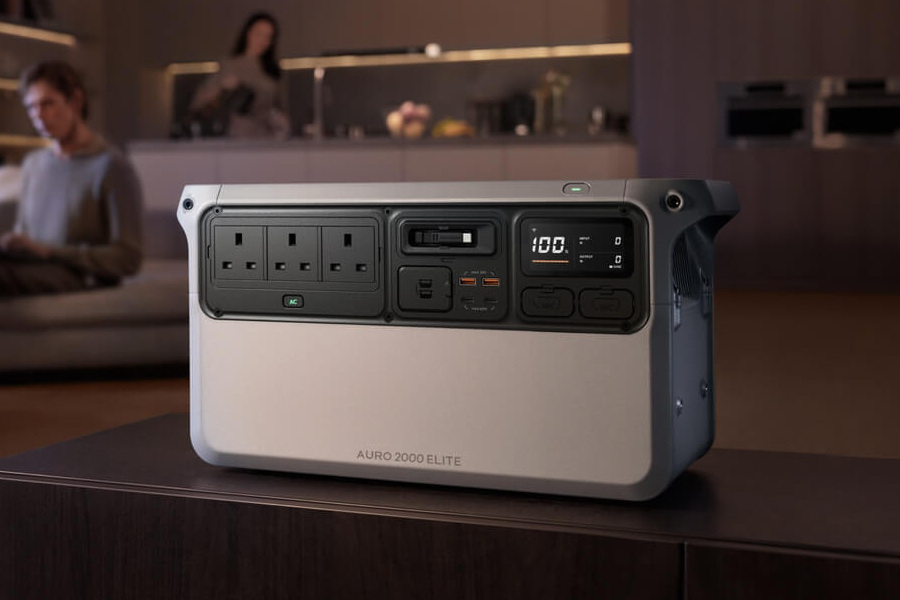
DJI has released the Power Auro 2000 Elite in China, starting at 4,799 yuan (~$715). The new outdoor power station has a 2kWh capacity and joins DJI’s existing Power lineup, which began in 2023 with the Power 1000 and Power 500.
The Power Auro 2000 Elite uses lithium iron phosphate (LiFePO4) batteries and has passed a needle penetration test. DJI says the battery can retain more than 80% of its original capacity after 4,000 charge and discharge cycles.
DJI has also trimmed the size down significantly: compared with the standard DJI Power 2000, the new unit is 24% smaller by volume and 14% lighter. Every port sits on a single side, and the body supports multiple placement angles, so you’re not stuck picking one orientation for it.
2,000W output
The Power Auro 2000 Elite can provide a continuous output of up to 2,000W and can handle appliances rated at up to 2,200W.
DJI has also made some changes to how the power station handles lower-power devices. When running appliances that use between 100W and 400W, the unit reduces internal power loss. This allows more of the stored energy to be used by connected devices.
The charging setup gives you several ways to refill the battery, whether you’re at home, in a car, or outdoors. It has a built-in 600W car charging module, so it can connect directly to a car battery without requiring an additional charging device. It also includes a 600W MPPT module for direct charging from solar panels.
Both SDC ports can be used at the same time, providing up to 1,200W of combined input. DJI says this can charge the power station fully in around 2.7 hours.
AC charging is even faster. The unit supports up to 2,000W of input, taking the battery from 0% to 80% in about 60 minutes and reaching a full charge in around 75 minutes.
Built-in 140W USB-C cable
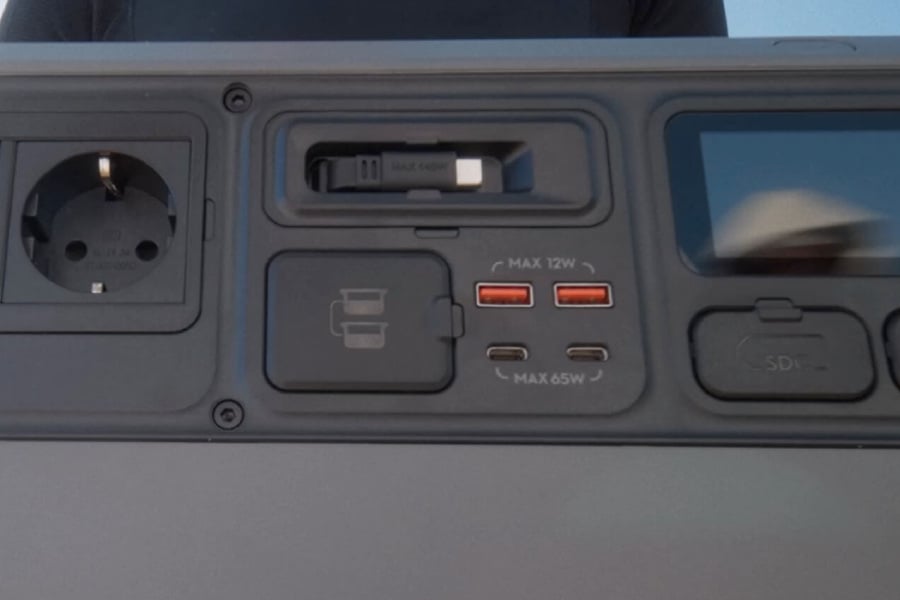
You also get a built-in 140W USB-C retractable cable with PD 3.1 support, similar to what DJI packed into its 140W GaN charger earlier this year. If that cable gets damaged, you can swap the module instead of sending the whole unit in for repair.
The Power Auro 2000 Elite can also work as a UPS during power outages. DJI says it can switch between power paths in as little as 0.01 seconds, enough to keep desktop computers and even aquariums running without interruption during an outage. Under light loads, DJI rates operating noise at under 30 decibels.
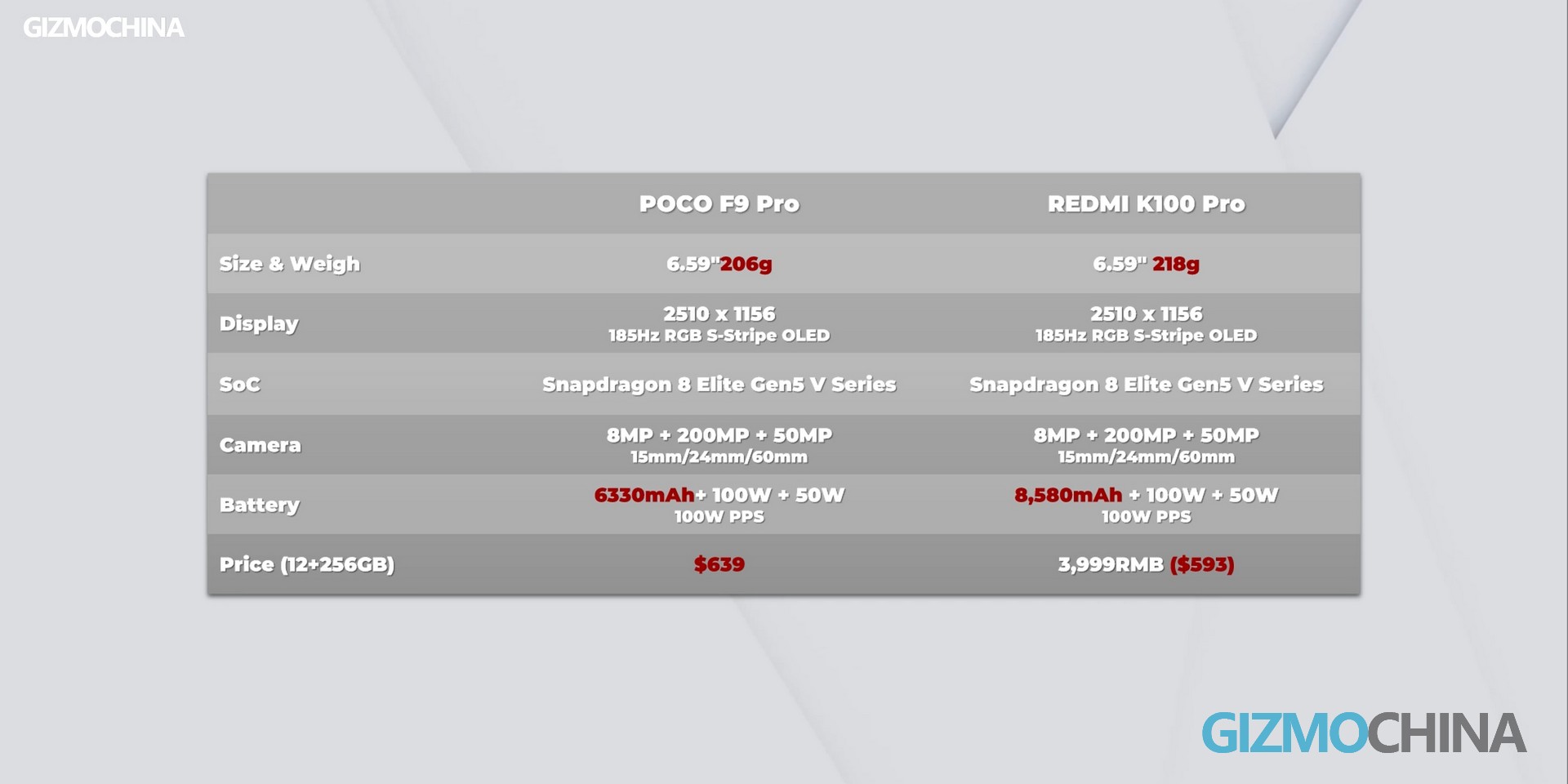
The POCO F9 Pro and F9 Ultra have finally made their global debut, bringing flagship-level hardware to international markets. At their core, these two phones are essentially the global counterparts of the Redmi K100 Pro and K100 Pro Max, sharing the same core chipset, display technology, and camera hardware. There are, however, some differences for global users.
The most noticeable one is the smaller battery capacity. So while the performance remains very much in flagship territory, battery life can vary depending on the market and usage conditions. After spending some time with the POCO F9 Pro, here’s what stands out.
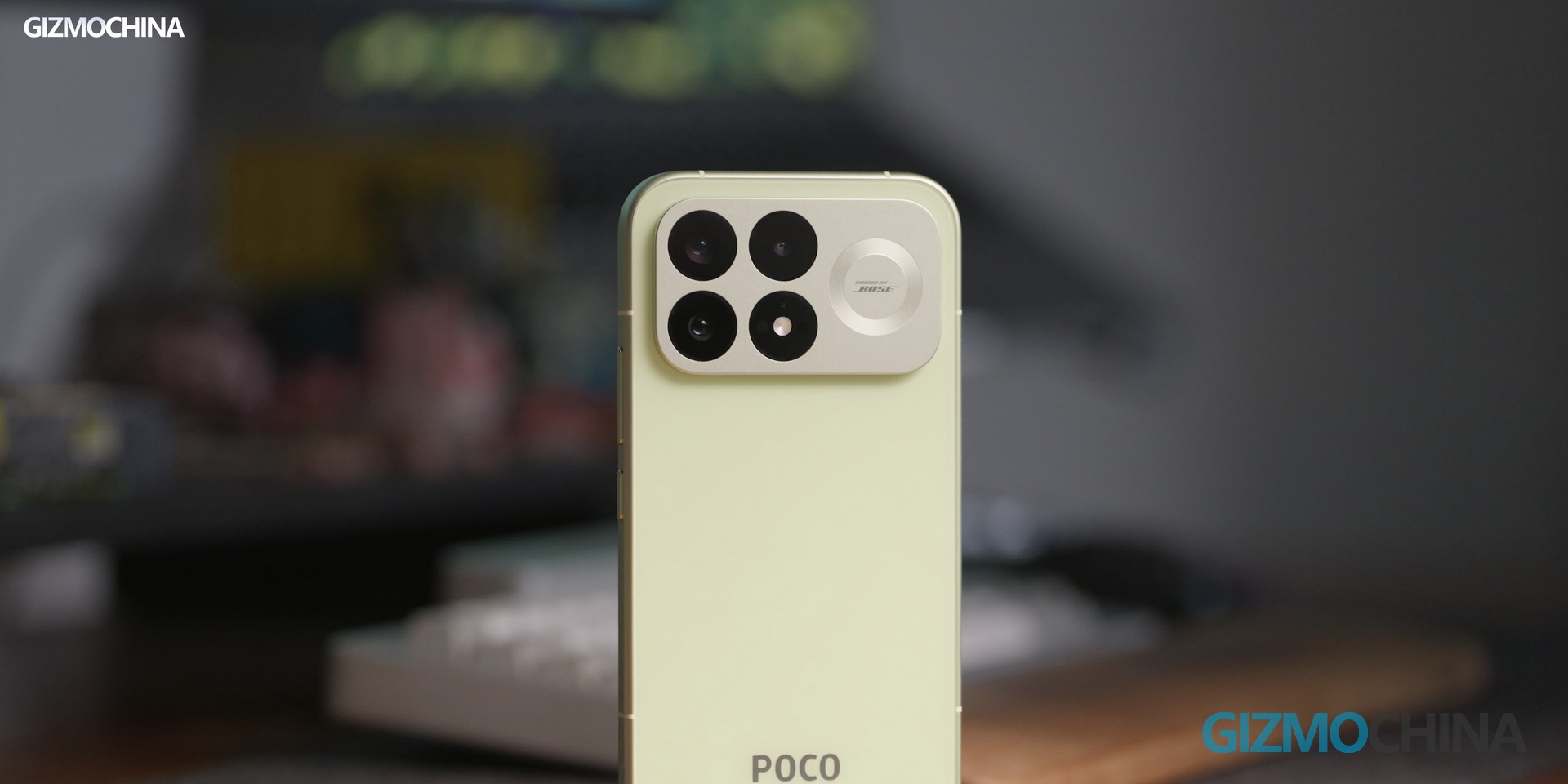
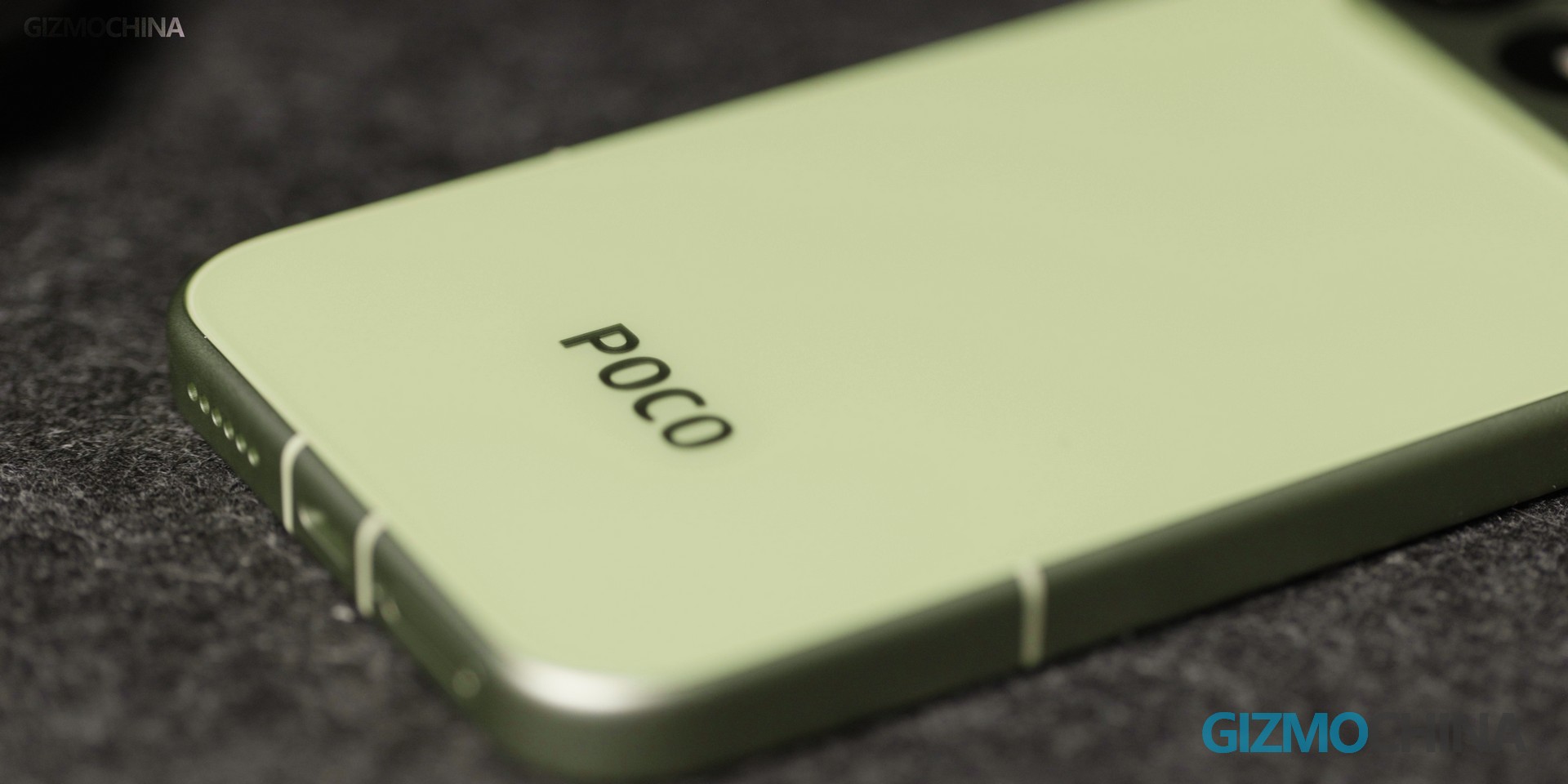
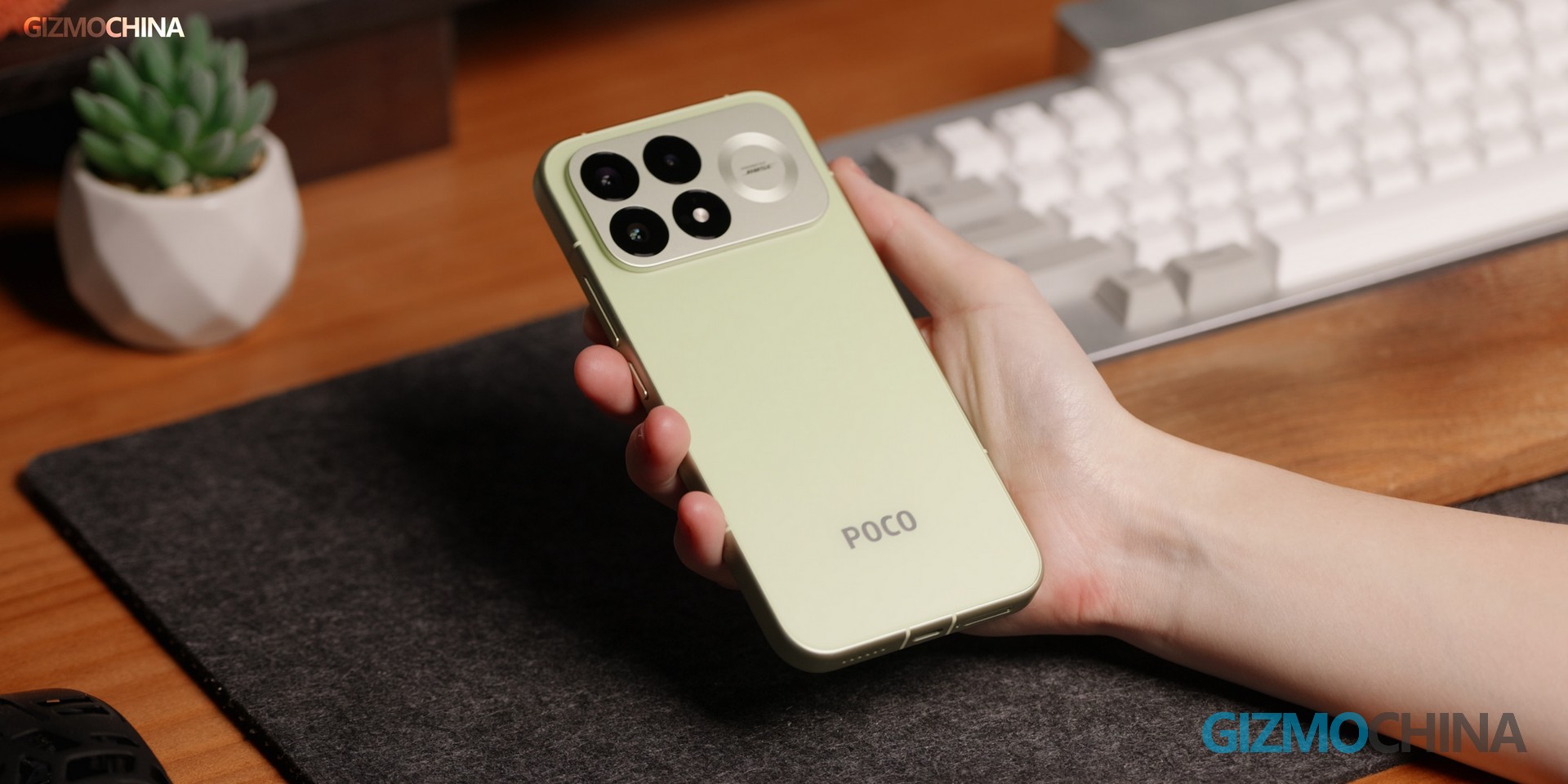
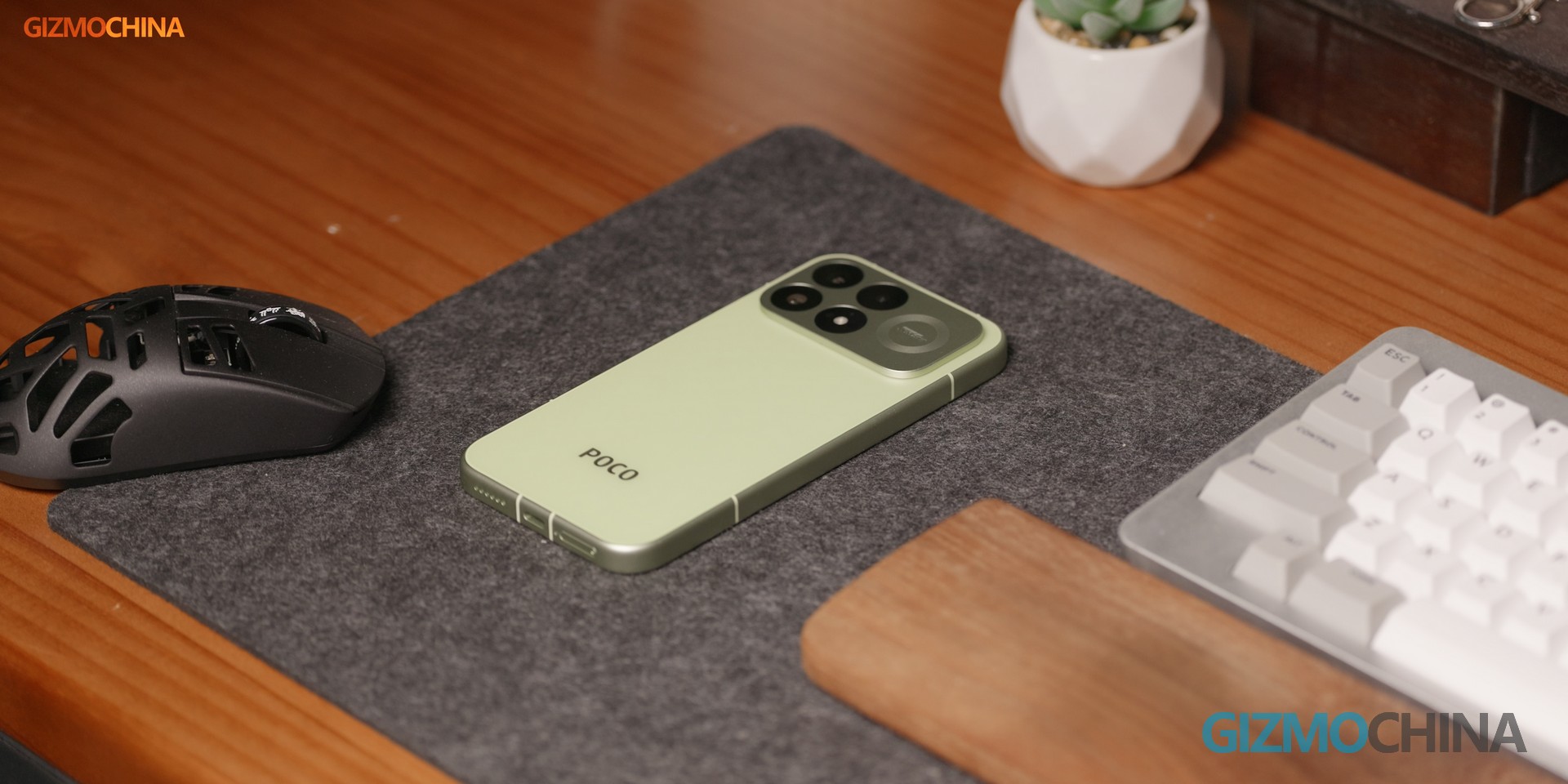
The POCO F9 Pro comes in three colors: Black, White, and Aurora Green. The Aurora Green version is easily the most distinctive of the three, thanks to a fluorescent treatment on the rear panel that glows in the dark. It’s not an especially bright glow, and that’s probably a good thing. Instead, it creates a subtle effect that’s just noticeable when the lights go out. It’s a small detail, but it gives the phone some personality without making the design feel gimmicky.
The camera module sits in the upper-left corner, following a fairly familiar layout. Right beside it, you’ll find the iconic BOSE logo, adding another visual detail to the otherwise clean rear panel. In the hand, the F9 Pro feels solid and comfortable. It’s definitely an eye-catching phone, but it doesn’t go too far with the styling.
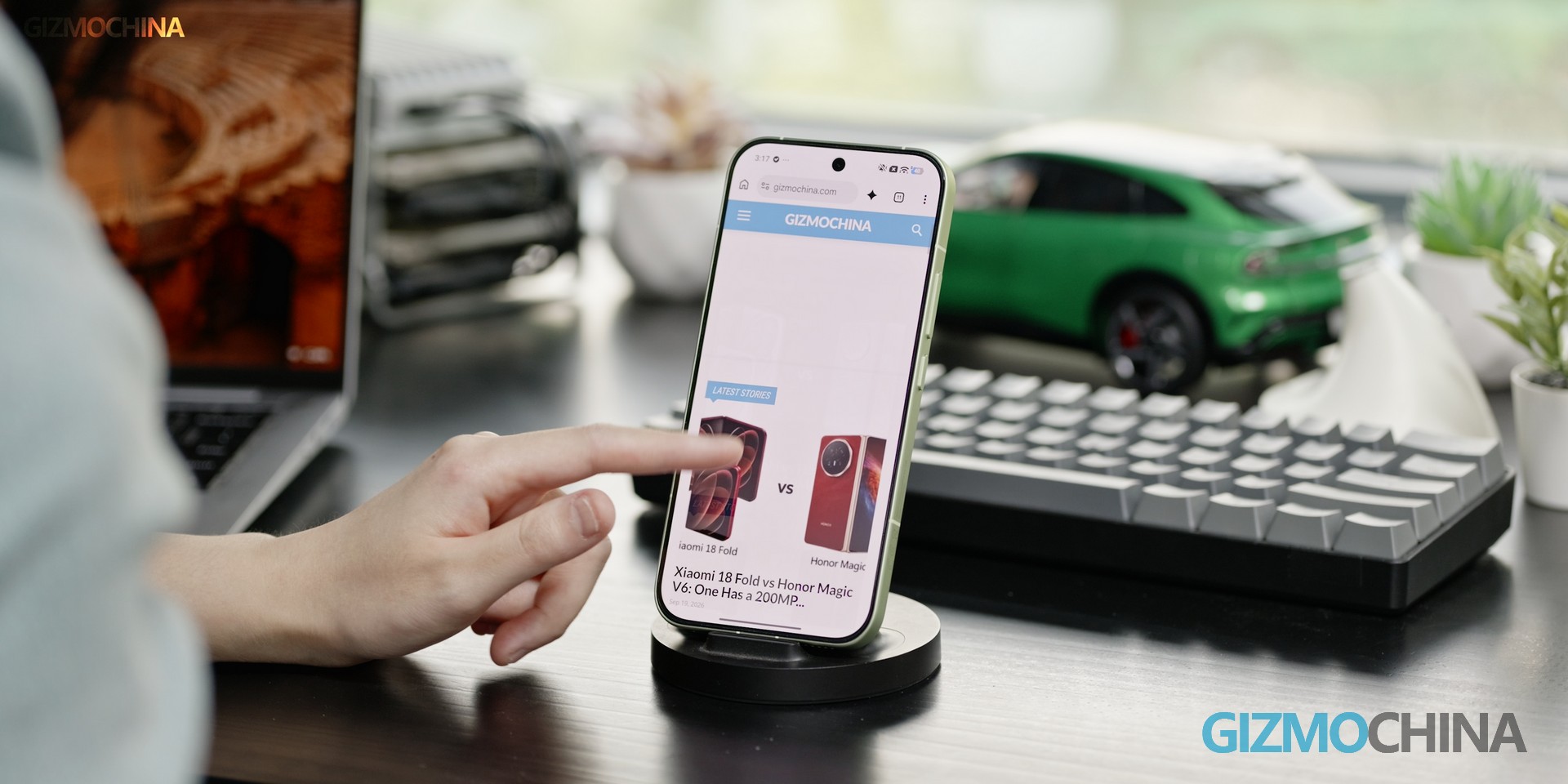
The F9 Pro features a large, high-quality display that’s particularly impressive when it comes to smoothness. Scrolling through social media, browsing the web, and navigating menus all feel incredibly fluid. Colors are vibrant without looking excessively saturated, so images and videos still retain a relatively natural appearance. What I particularly appreciate is how comfortable the display is during extended use. After spending several hours reading and watching videos, I didn’t experience the kind of eye strain that can sometimes come with prolonged screen time.
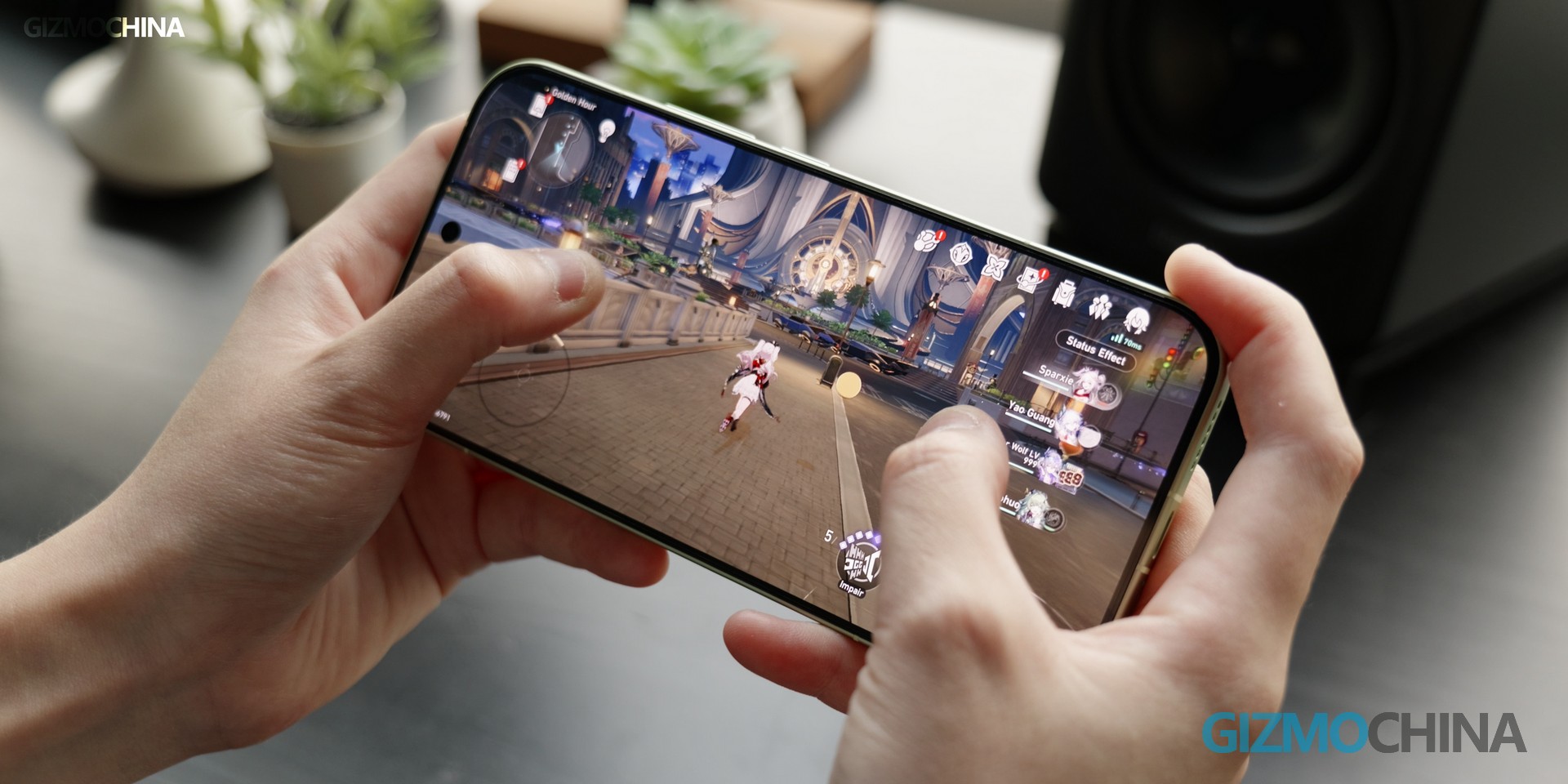
Gaming is where the display really shines. Everything feels responsive and fluid, and once you’ve spent enough time with a high-refresh-rate panel like this, going back to a standard display can feel noticeably less enjoyable. It isn’t the brightest smartphone display I’ve ever tested, but outdoor visibility is still good enough for everyday use. The slim bezels and punch-hole camera also keep distractions to a minimum, allowing the screen to remain the main focus.
Performance
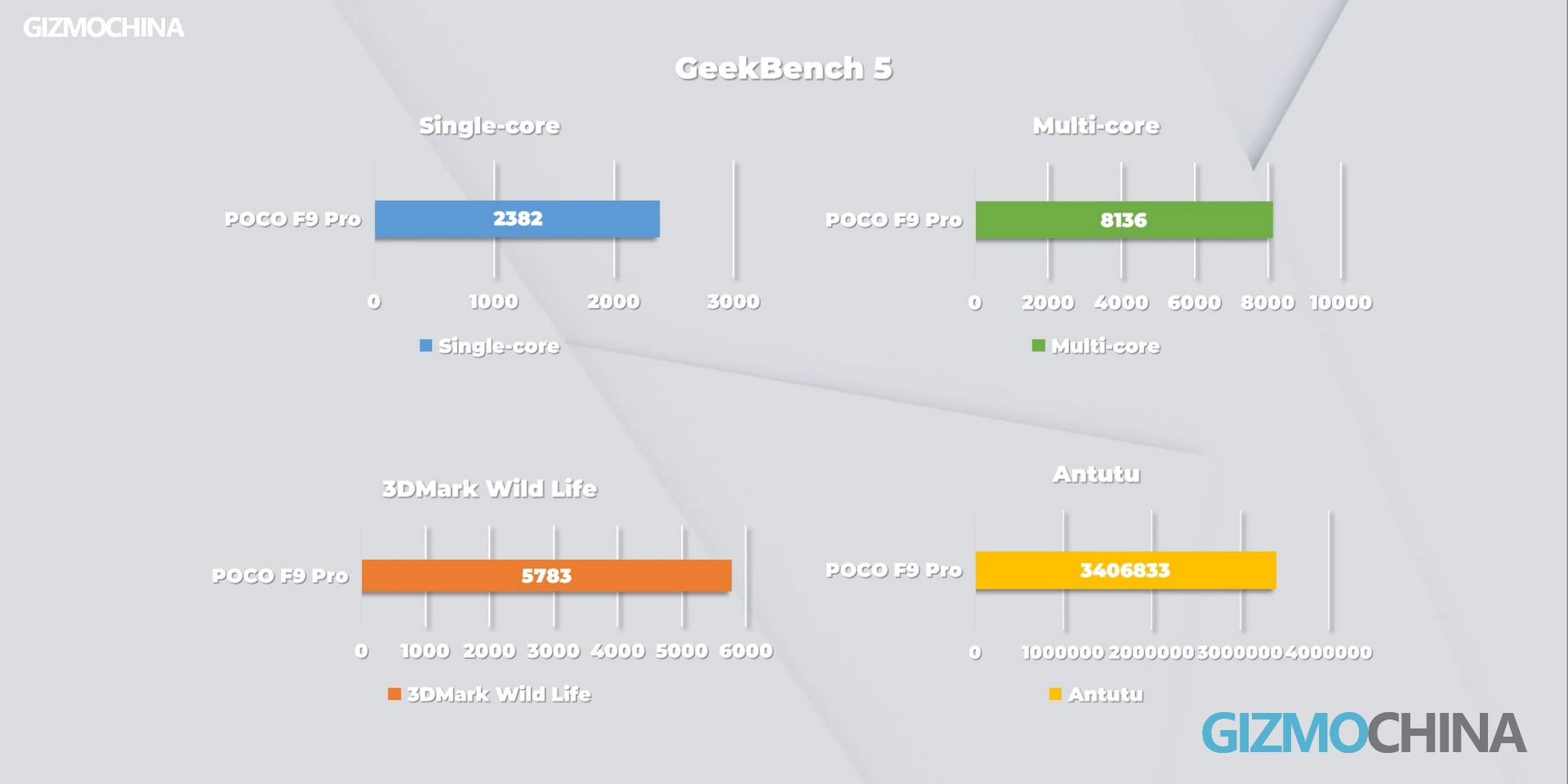
On paper, the F9 Pro delivers flagship-level performance, and the benchmark results reflect that. Single-core performance is excellent, which helps explain why everyday tasks feel so responsive. Multi-core performance is also strong, making multitasking and demanding applications easy to handle. The 3DMark score is impressive, although it isn’t the highest we’ve seen from a flagship smartphone. AnTuTu performance is similarly competitive, placing the F9 Pro firmly among the more powerful phones of its generation. But benchmarks only tell part of the story. Real-world performance is what matters most.
Genshin Impact
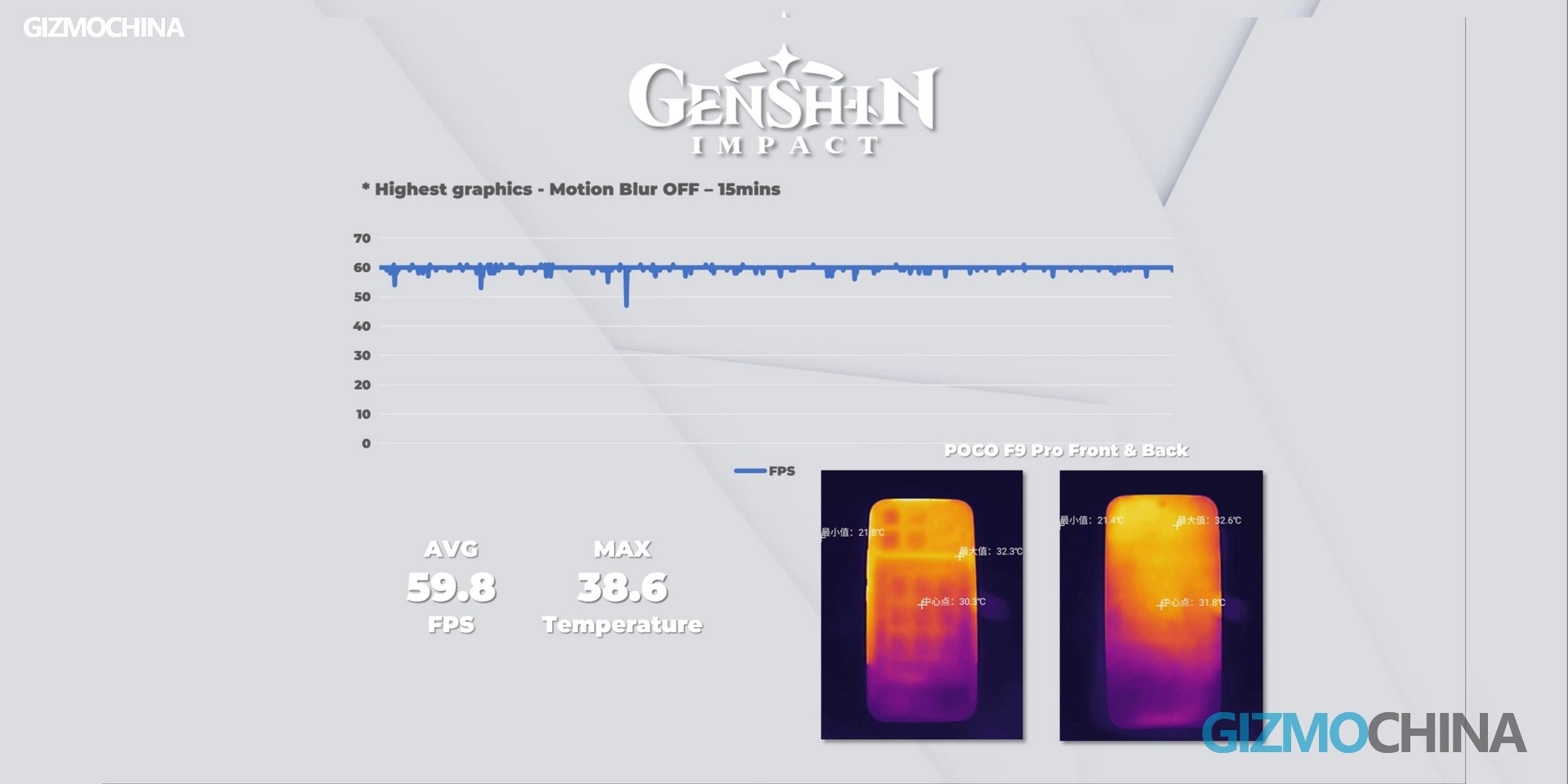
We ran Genshin Impact at maximum settings for 15 minutes. Throughout the test, the frame rate stayed very close to 60fps, with only a few minor dips that were barely noticeable during gameplay. Heat was also handled reasonably well. Instead of creating obvious hot spots, the temperature was distributed across the front and rear of the phone, keeping the device relatively comfortable to hold. Overall, the F9 Pro delivered stable and consistent performance throughout the test.
Honkai: Star Rail
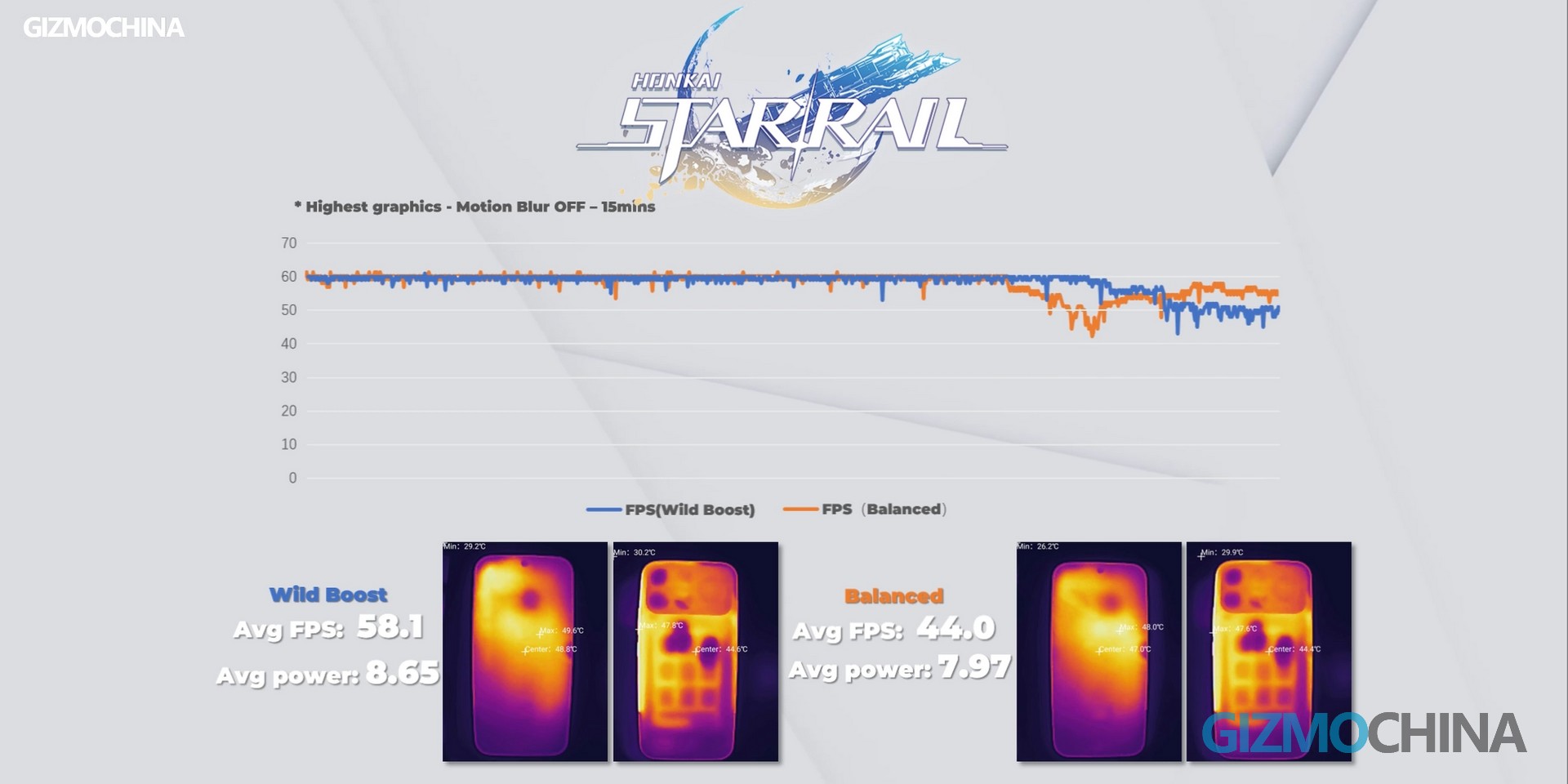
Honkai: Star Rail tells a slightly different story. In Wild Boost mode, performance remains high, and gameplay is smooth, but the phone also consumes more power and generates more heat. Switching to Balanced mode reduces performance noticeably, but interestingly, the temperature doesn’t improve by much. Essentially, you’re giving up some gaming performance for a small improvement in battery efficiency rather than a significantly cooler phone. If your priority is smooth gameplay, Wild Boost mode is the more suitable option. Just expect the phone to become noticeably warm during longer sessions.
Cameras
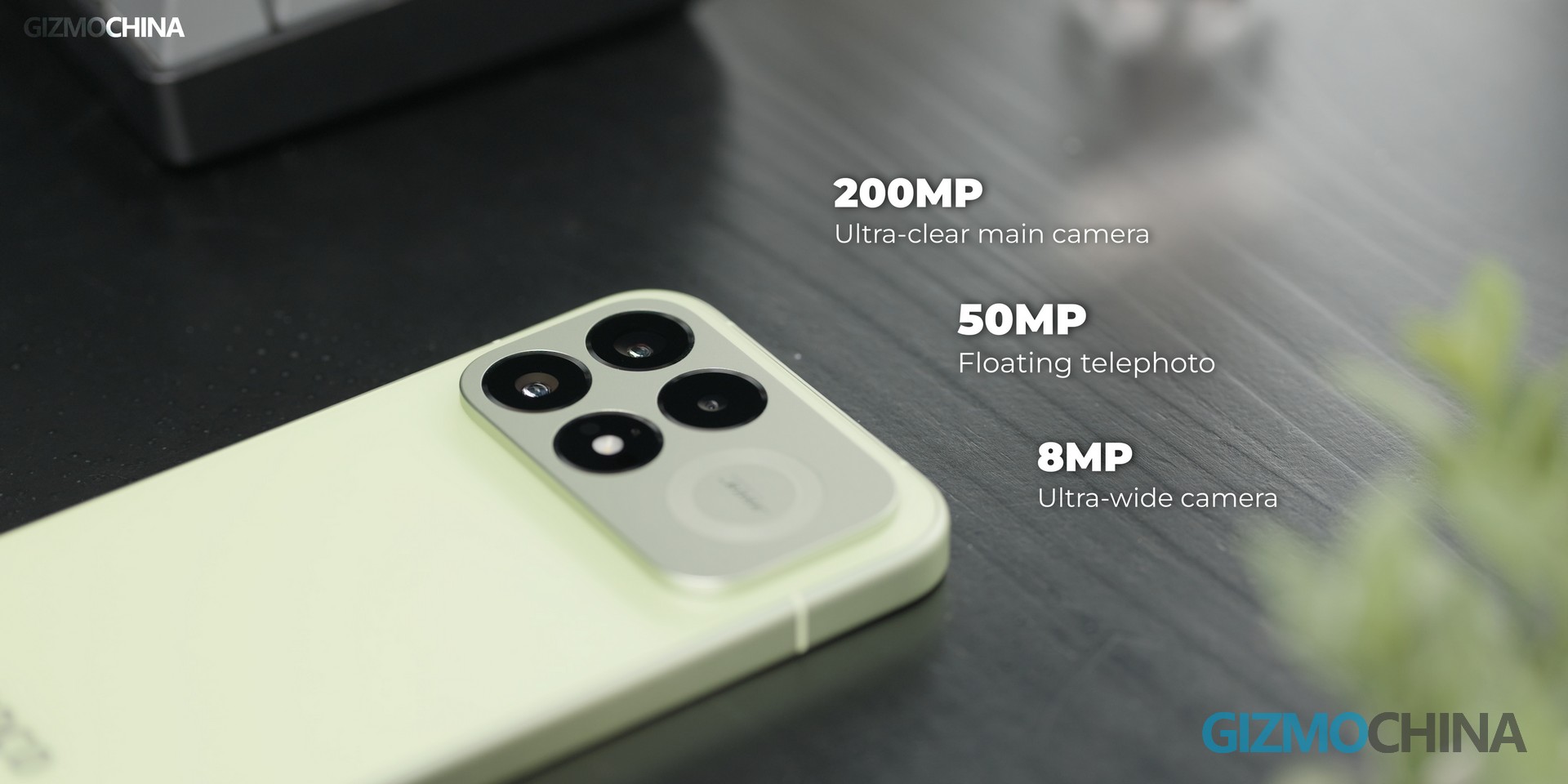
Around the back, the F9 Pro features a triple-camera system consisting of a main camera, an ultra-wide camera, and a telephoto camera. In good lighting conditions, the main camera produces sharp and detailed images with relatively natural-looking colors. Photos generally have plenty of detail without pushing saturation too aggressively.
The ultra-wide camera is useful when you need to capture a larger scene, although there’s some noticeable loss of detail toward the edges of the frame. Low-light performance is decent. It isn’t class-leading, but it remains perfectly usable for everyday photography. There’s also a macro camera for close-up shots. It’s fun to experiment with, but after the first few attempts, I found myself rarely using it. For most people, the main and ultra-wide cameras will probably handle the majority of everyday photography needs.
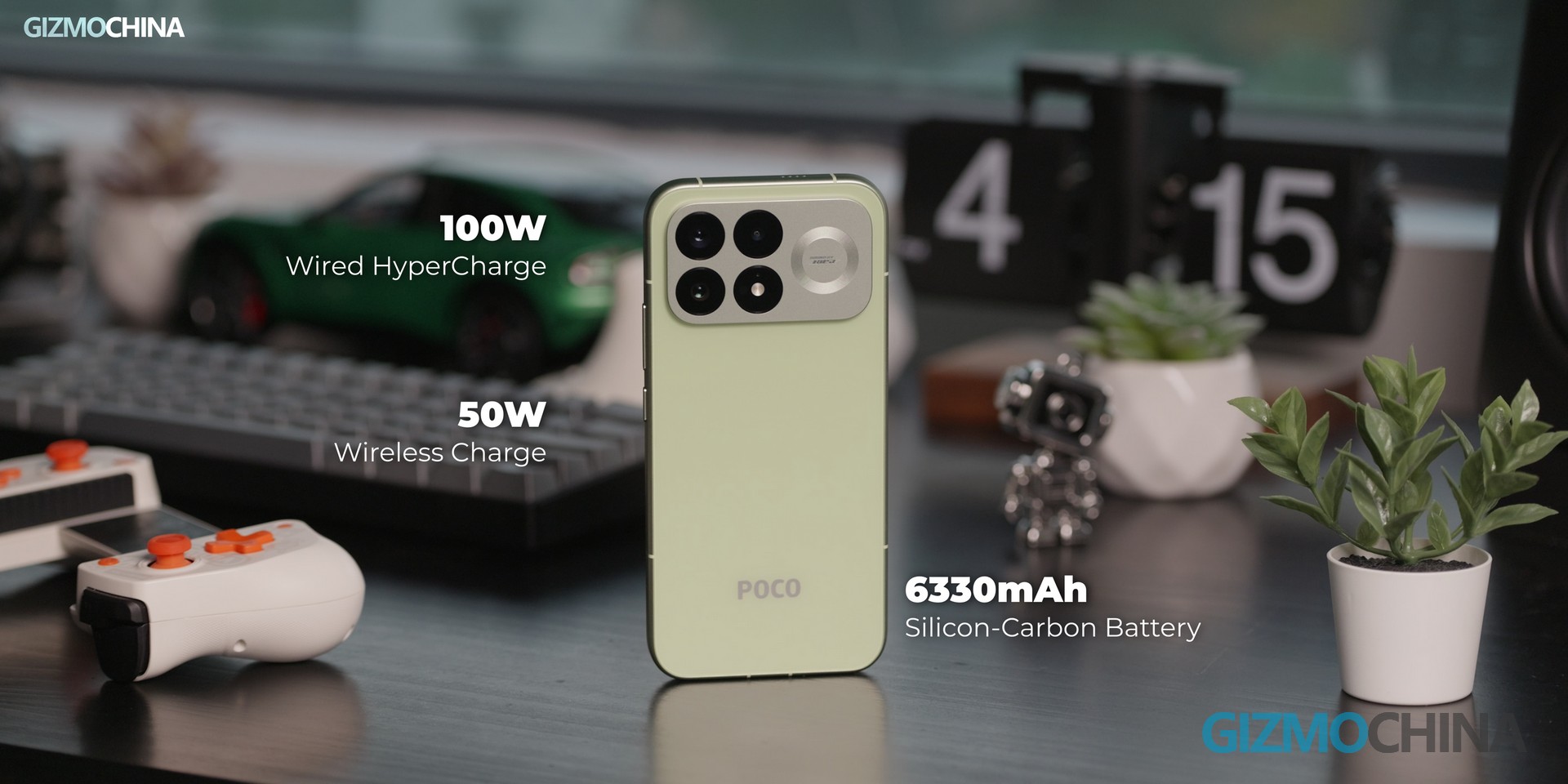
Battery life has been solid during my time with the F9 Pro. With a mixture of gaming, video streaming, browsing, and everyday tasks, the phone can comfortably get through a full day without constantly making you think about where the next charger is coming from. Charging is another strong point. When the battery does run low, the charging speed makes it easy to top up quickly. Plug it in, grab a coffee, and by the time you’re back, there’s already a substantial amount of power available. Of course, battery performance will vary depending on how heavily you use the phone, particularly when gaming at maximum settings.
After spending some time with the POCO F9 Pro, the biggest takeaway is how well-rounded the overall package feels. The display is smooth and comfortable for long periods of use. Performance is firmly in flagship territory; gaming is generally stable; the cameras are capable enough for everyday photography, and battery life is reliable enough to get through a full day. Then there are the little details. The glow-in-the-dark Aurora Green back gives the phone some character, while the BOSE branding adds a distinctive touch to the design.
The F9 Pro isn’t trying to completely reinvent the smartphone. Instead, it focuses on getting the fundamentals right—and for the most part, it succeeds. If you’re upgrading from a phone that’s two or three years old, the difference should be immediately noticeable, particularly in display smoothness and overall performance. For someone already using a recent flagship, however, the upgrade may feel less dramatic. The F9 Pro is more about delivering a strong, dependable overall experience than introducing something radically new. All things considered, the POCO F9 Pro is a well-rounded smartphone that combines flagship-class performance, a smooth display, capable cameras, solid battery life, and a distinctive design into a compelling package.
Huawei’s FreeBuds Neo are one of the most comfortable pairs of budget ANC earbuds you can buy right now. The lightweight design, effective noise cancellation for commutes, and a genuinely attractive Sakura Pink colorway make them a compelling option for anyone who wants dependable everyday earbuds without spending flagship money.
Pros
Exceptionally light and comfortable for extended wear
Effective ANC in daily commutes and high-traffic scenarios
Gorgeous Sakura Pink color option
LDAC support at this price point is a rarity
Cons
Slight initial ear pressure when first putting them on (with ANC on)
Case lacks wireless charging
Design and Fit: Light as a Feather
The first thing you notice about the FreeBuds Neo is just how little they weigh. Each earbud weighs about 4.8g, while the charging case tips the scales at just 31.4g. For context, that’s noticeably lighter than the AirPods Pro 3, which weigh in at 5.55g per bud.
Huawei clearly put serious engineering effort into the ergonomics here. The company analyzed 150 different ear contour profiles and over 10,000 ear samples to optimize the insertion angle and surface curves. The result is a fit that distributes pressure evenly across the ear, meaning you can wear these for hours without that nagging soreness that plagues so many in-ear designs.
The short-stem design isn’t just for looks either. By keeping the stem to about 23mm, Huawei improved weight distribution so the earbuds feel balanced rather than hanging downward like some longer-stem competitors. Even during more vigorous movement, they stay anchored.
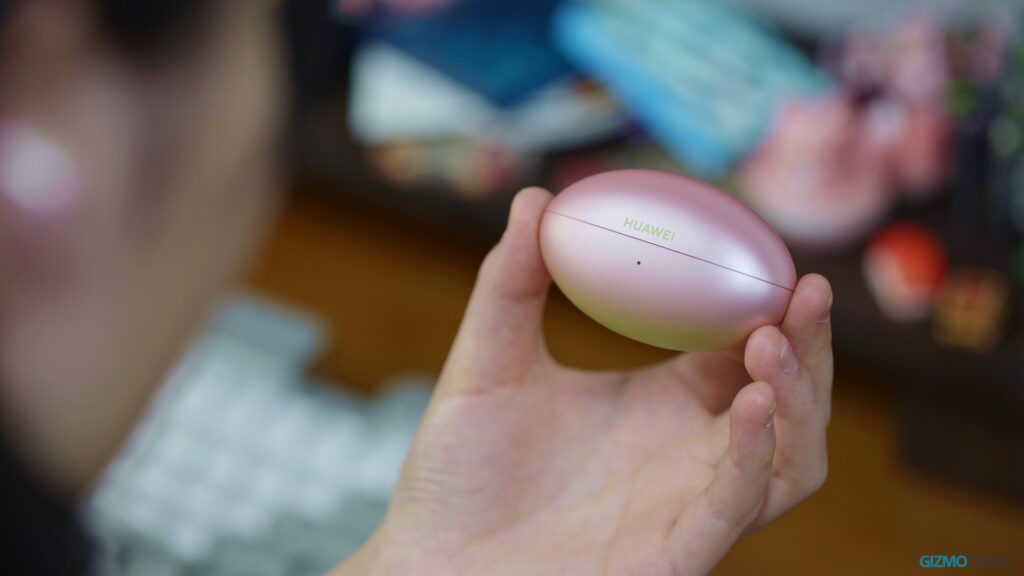
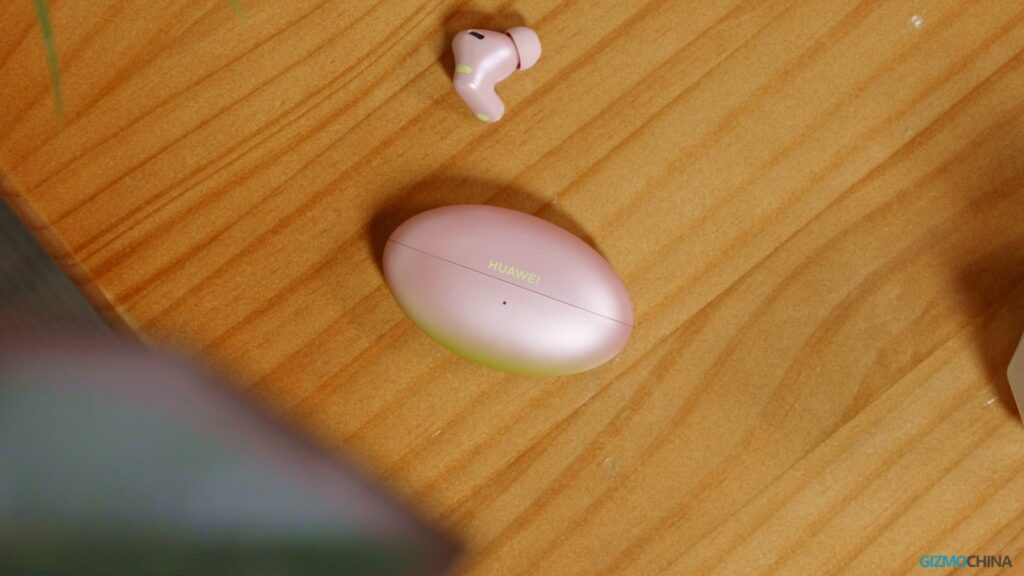
In terms of the overall build, the FreeBuds Neo feel solid for the price. The case has a distinctive elongated oval shape — almost like a small American football — that sits comfortably in the palm and slips easily into a pocket without adding bulk.
ANC: Effective Where It Matters
Now, the noise cancellation experience. This is where the FreeBuds Neo genuinely surprised me.
Huawei packs a dual-channel noise cancellation architecture into these buds, powered by a third-gen audio chip that can sample ambient noise up to 400,000 times per second with a processing latency of just 8 microseconds. On paper, that translates to up to 30dB of average noise reduction across the full frequency range.
In practice, the ANC handles the daily grind very well. During my commute — a mix of subway rumble, traffic noise, and the general chaos of a busy city — the FreeBuds Neo did a solid job of softening the low-frequency engine drone and the higher-pitched chatter that usually seeps through. The adaptive algorithm adjusts the cancellation strength in real time, so you don’t have to fiddle with settings when you move from a quiet office to a packed train platform.
The one thing to note is the initial ear pressure. When you first put them in and activate ANC, there’s a distinct feeling of pressure in your ear canal. It’s not uncomfortable exactly, but it’s noticeable — like the sensation you get when a plane is descending. The good news is that this fades within a few minutes as your ears adjust. Once you’re past that initial phase, the experience is actually excellent. The pressure sensation is a common trade-off with ANC earbuds, and Huawei has at least managed to keep it mild compared to some more aggressive implementations.
For calls, Huawei includes three microphones plus a bone conduction sensor. The company claims clear voice pickup even in environments with up to 95dB of background noise or wind speeds of 9 m/s. I didn’t test it in a hurricane, but in normal windy conditions and busy streets, call quality held up well.
Sound Quality and Features
The FreeBuds Neo use an 11mm multi-magnet dynamic driver with a frequency response range of 20Hz to 40,000Hz. They support LDAC at up to 990kbps, which is genuinely impressive at this price point. If you’re using a Huawei device, you can push that even further to 2.3Mbps via the L2HC 4.0 codec.
Sound signature leans toward a pleasant, well-rounded tuning rather than a hyper-analytical one. Bass has enough presence to keep commutes engaging without overwhelming mids, and vocals come through clearly. The 360-degree spatial audio with head tracking adds a nice sense of immersion for movies and games, though it’s more of a bonus than a must-have feature.
Battery life is solid. You get 6.5 hours with ANC on, or 10 hours with it off. With the case, that extends to 24 hours with ANC and 40 hours without. The earbuds are also IP55-rated for dust and water resistance, so sweat during workouts won’t be an issue.
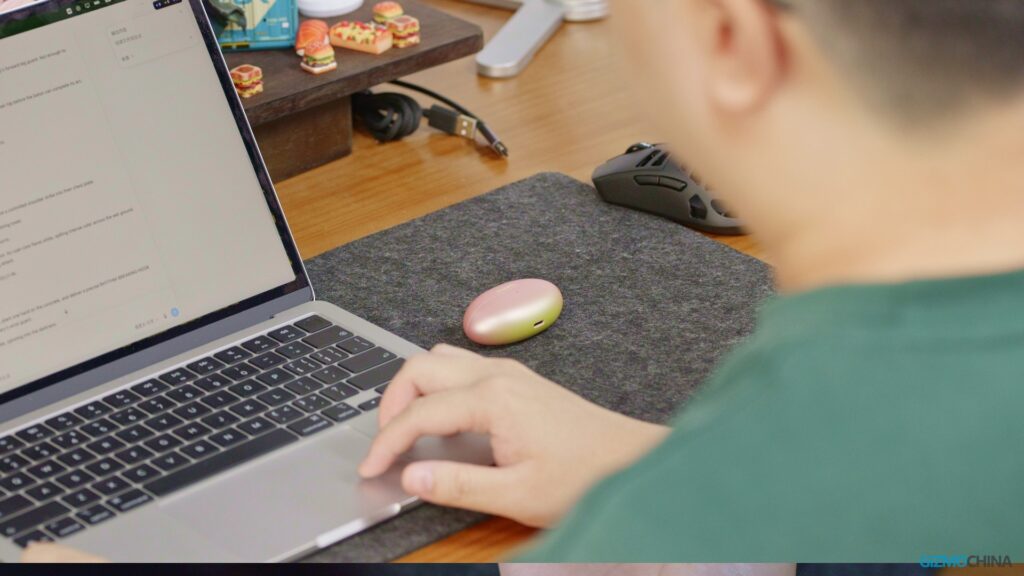
Bluetooth 6.0 support and dual-device connectivity round out the feature set, meaning you can switch between your laptop and phone without going through Bluetooth settings every time.
The Sakura Pink Factor
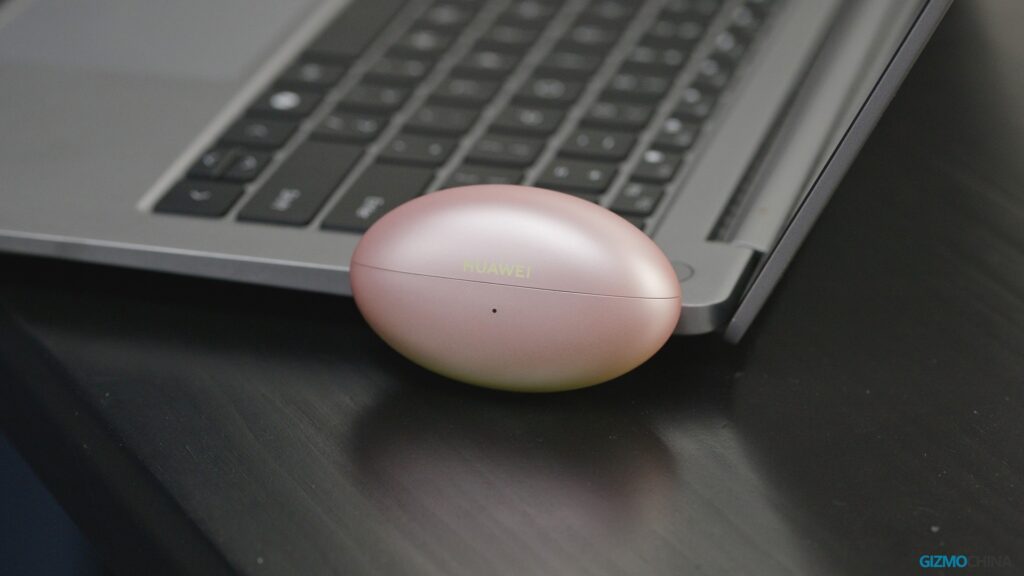
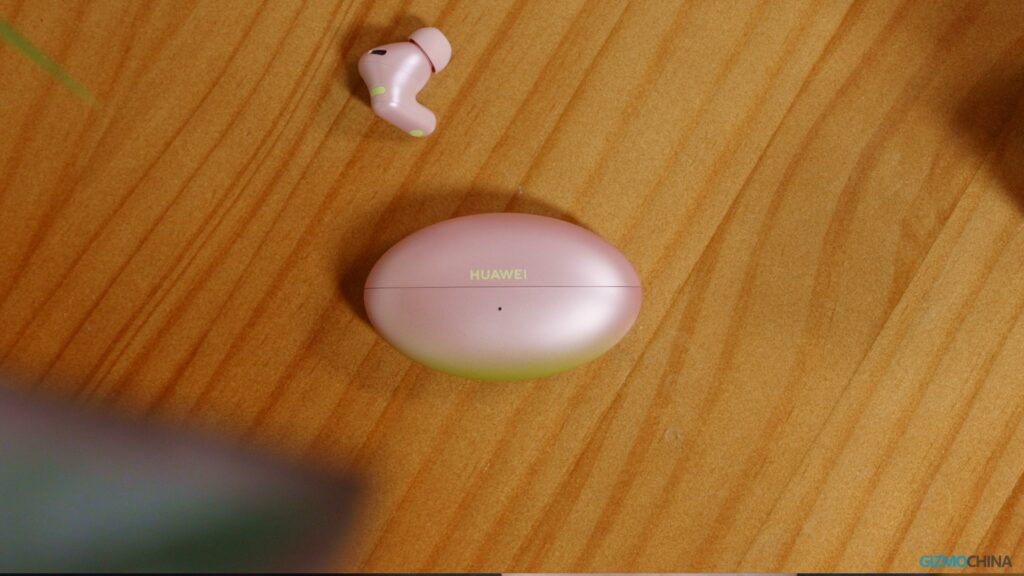
I tested the Nebula Pink (Sakura Pink) variant, and it’s easily the standout color in the lineup. The case features a soft pink base with a muted metallic sheen that fades into a pale light green at the bottom — a gradient effect that gives it far more personality than the flat, single-tone finishes you see on most budget earbuds.
For female users in particular, this colorway hits a sweet spot. It’s warm and approachable without being loud. The pastel tones don’t scream for attention the way a stark white pair might, which makes them feel more like a subtle accessory than a piece of tech hardware. If you’re someone who wants your earbuds to blend naturally with your daily look rather than stand out as an obvious gadget, the Sakura Pink is a great choice.
The other options — Stellar Silver, Ice White, and Starry Black — are far more conventional, so if you want something with a bit more character, pink is the way to go.
Advice?
At €109 (roughly $120) as an introductory price, the FreeBuds Neo sit in a competitive mid-range bracket. They’re not trying to beat the FreeBuds Pro series on raw ANC performance or audio fidelity. Personally, I don’t agree that a higher number necessarily leads to a better active noise-canceling experience.
What they do instead is nail the fundamentals: they’re comfortable enough to forget you’re wearing them, they cancel noise effectively in the situations that matter most, and they look good doing it. Just a friendly reminder: the earbuds are really lightweight and tiny, so you should pay better attention to them, making sure they’re still in your ears. I haven’t lost a single one yet, and so far, they seem to stay in place pretty well.
The initial ear pressure is worth mentioning, but it’s a temporary sensation that most users will adapt to quickly. If you want a pair of everyday earbuds that disappear into your routine — in the best possible way — the FreeBuds Neo are easy to recommend. And if you’re drawn to the Sakura Pink, you won’t be disappointed.
OnePlus has started revealing details about the OnePlus 16 ahead of its expected launch in October in China. Recently, the brand shared official images, color options, and memory configurations for the upcoming flagship. Now, OnePlus China President Li Jie Louis has revealed more about the phone’s design and usability.
OnePlus 16 design details revealed
According to Li Jie Louis, the OnePlus 16 is being designed around a combination of performance, appearance, and everyday ergonomics. The flagship will feature extremely narrow bezels on all four sides, giving the front a cleaner appearance while increasing the immersive feel of the display. The flat-screen approach is paired with carefully rounded corners to make the phone more comfortable to hold during regular use.
The company is also paying attention to how the phone feels in different scenarios. Li Jie says the larger-radius corners help maintain the visual appeal of a flat display while improving comfort in the hand. This should be particularly noticeable during extended scrolling and when holding the phone horizontally for gaming.
Another notable addition is a dedicated shortcut key that can be customized with up to nine different functions. OnePlus says users will be able to assign commonly used actions such as muting the phone, activating the flashlight, or starting a recording, making them accessible with a single press. The approach is aimed at reducing the number of steps required for frequently used functions, especially when operating the phone with one hand.
The OnePlus 16 will also feature a metal camera deco and a metal middle frame, reinforcing its premium design direction. These details come alongside earlier announcements surrounding the flagship, including its debut with ColorOS 17 and support for a global 165Hz refresh rate.
Xiaomi is gearing up to unveil the Xiaomi 18 Pro and 18 Pro Max, its next-generation flagship smartphones, tomorrow. The company has already confirmed several key details ahead of the launch. Its latest announcement puts the focus firmly on the camera system.
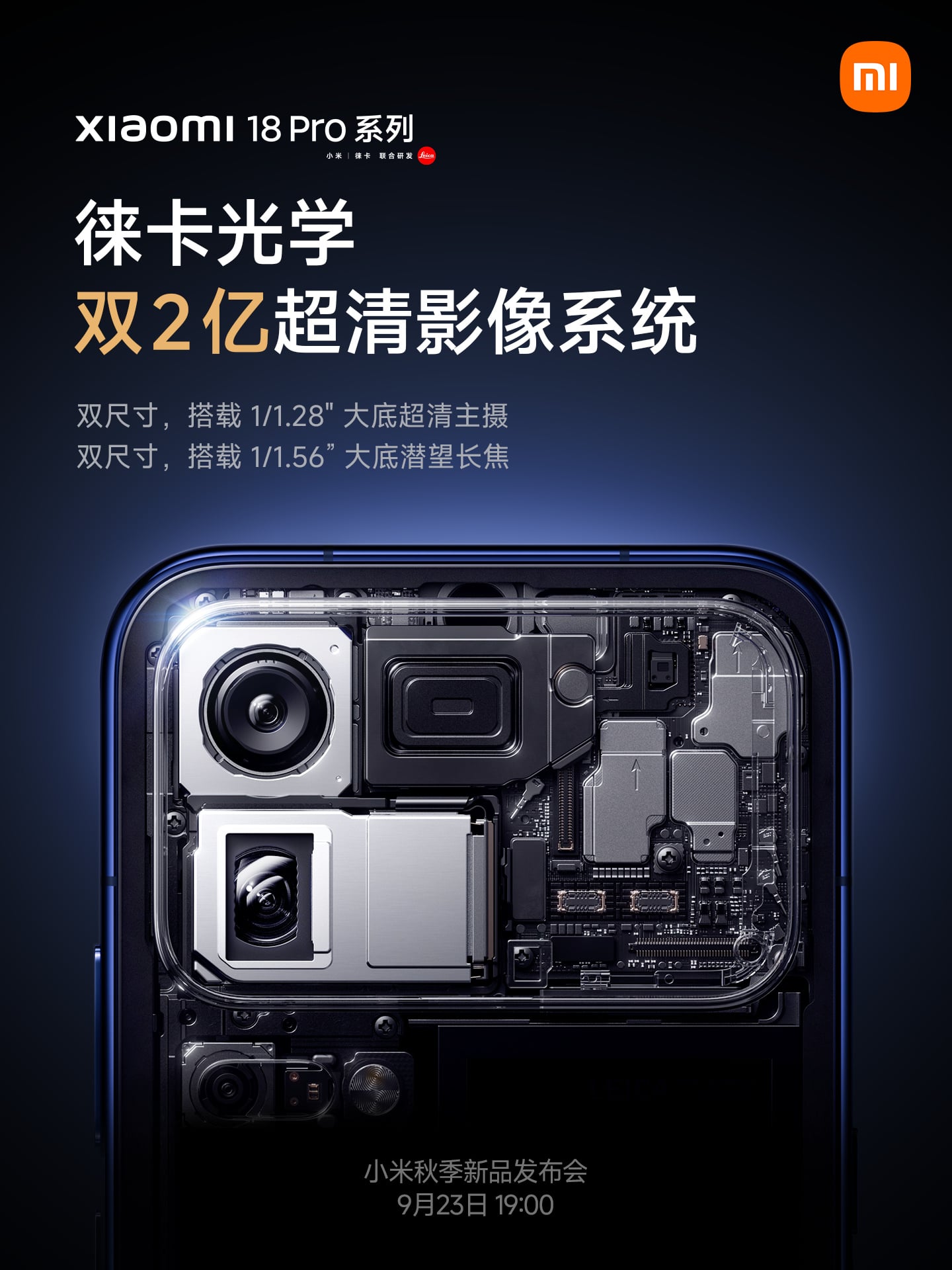
The Xiaomi 18 Pro series will debut with a Leica dual 200-megapixel imaging system, combining a high-resolution main camera with a periscope telephoto sensor. Xiaomi has confirmed that the main camera uses a large 1/1.28-inch sensor, while the periscope telephoto camera features a 1/1.56-inch sensor. This gives both cameras considerably more sensor area than typical high-resolution smartphone cameras.
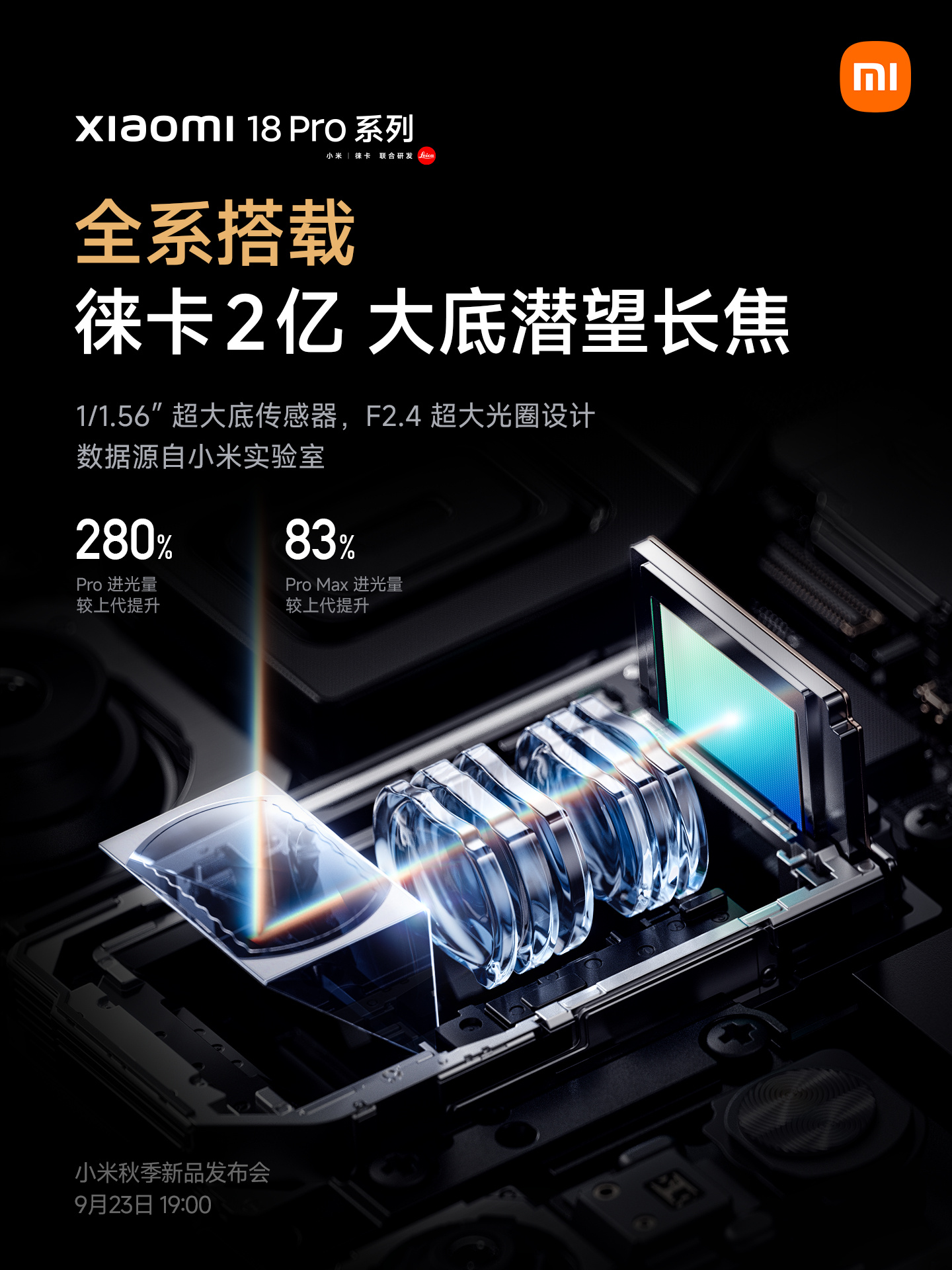
The 200-megapixel periscope telephoto camera also features an f/2.4 aperture and a native 75mm focal length. It supports 3.2x optical zoom and up to 12.8x lossless zoom, while a floating dual-lens focusing system allows the telephoto camera to focus as close as 12cm for macro photography.
Xiaomi says the light intake of the telephoto camera has increased by 280% on the Xiaomi 18 Pro compared with its predecessor, while the Xiaomi 18 Pro Max delivers an 83% increase.
Beyond the cameras, the Xiaomi 18 Pro series will feature a new Super Pixel Display 2.0 with an M11 light-emitting system. The bezels have been reduced to just 0.99mm, down from 1.18mm on the previous generation, while the increased corner curvature is designed to give the phones a more rounded appearance.
Xiaomi has also confirmed hardware-level privacy protection that can be enabled for app notifications, floating windows, split-screen content and lock-screen notifications. A customizable AI button can reportedly activate system-wide privacy protection with a single press.
The Xiaomi 18 Pro and 18 Pro Max will use different versions of the flagship chipset, with the Pro getting the Snapdragon 8 Elite Gen 6 and the Pro Max receiving the sixth Snapdragon 8 Elite Gen 6. These devices will be powered by 7,000mAh and 8,500mAh batteries, respectively. Both devices will support 100W wired and 50W wireless charging.
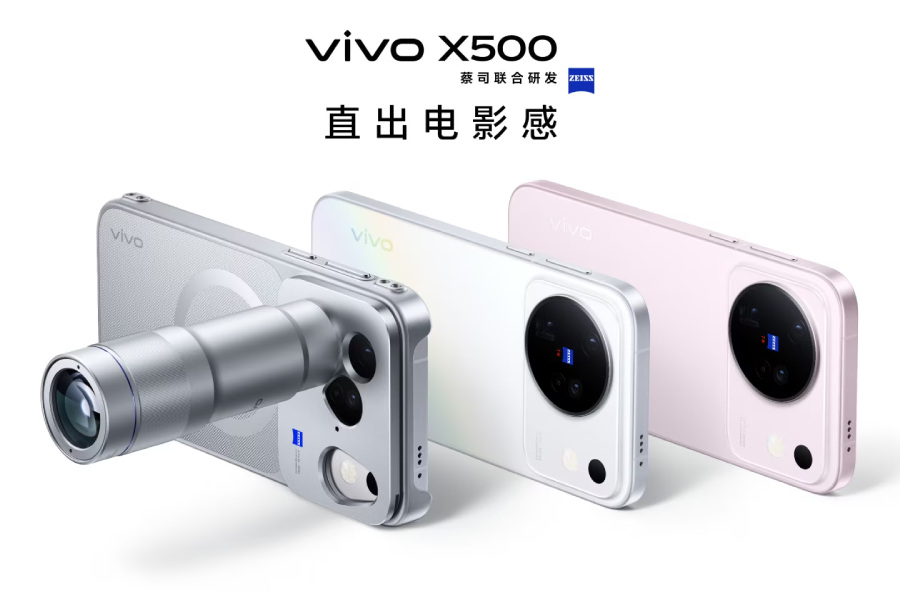
Vivo has launched the Buds Clip, its first pair of clip-on open-ear earbuds, alongside the new X500 smartphone series. The standard version carries a promotional price of 599 yuan ($89), down from its regular price of 699 yuan ($104). Vivo is also offering a wireless charging version for 699 yuan ($104), which will normally retail for 799 yuan ($119).
Like other clip-on earbuds that have hit the market recently, the Buds Clip are designed to leave your ear canal completely unblocked. They attach to the edge of your ear using a flexible memory titanium alloy bridge. They are quite light at 5.2 grams per earbud.
The earbuds feature a symmetrical design, which means there is no dedicated left or right earbud. You can simply clip them onto either ear, and they automatically adjust the stereo channels based on how they are worn. They come in black, along with white and purple color options that feature a textured, pearlescent finish.
For audio, the earbuds use 12mm drivers. Because open-ear designs naturally let sound leak out, Vivo included an anti-leakage mode that relies on directional audio to keep your music or podcasts pointed directly at your ear canal.
There is also an adaptive volume feature that shifts the audio levels depending on how loud your environment is, plus a standard 10-band equalizer to adjust the mix. For phone calls, the Buds Clip use two microphones and a bone-conduction sensor to separate your voice from background noise.
In terms of battery life, the earbuds last up to 10 hours per charge, while the charging case increases the total runtime to 42 hours. They also support fast charging, delivering three hours of playback in 10 minutes, and come with an IP55 rating for protection against dust and water.
You control the earbuds via a touch area on the outside of the casing, which supports taps for playing or pausing and sliding gestures for volume. They can connect to three devices at once via Bluetooth.
However, as is common with mobile hardware, some of the more advanced software features are locked to the company’s own ecosystem. If you want to use the built-in real-time translation or get AI-generated transit notifications, you will need to pair them with a compatible Vivo or iQOO phone.
In related news, Vivo has recently launched the Watch 6 with a sapphire crystal, a 1.47-inch AMOLED display, eSIM support, and up to 21 days of battery life.
For more daily updates, please visit our News Section.
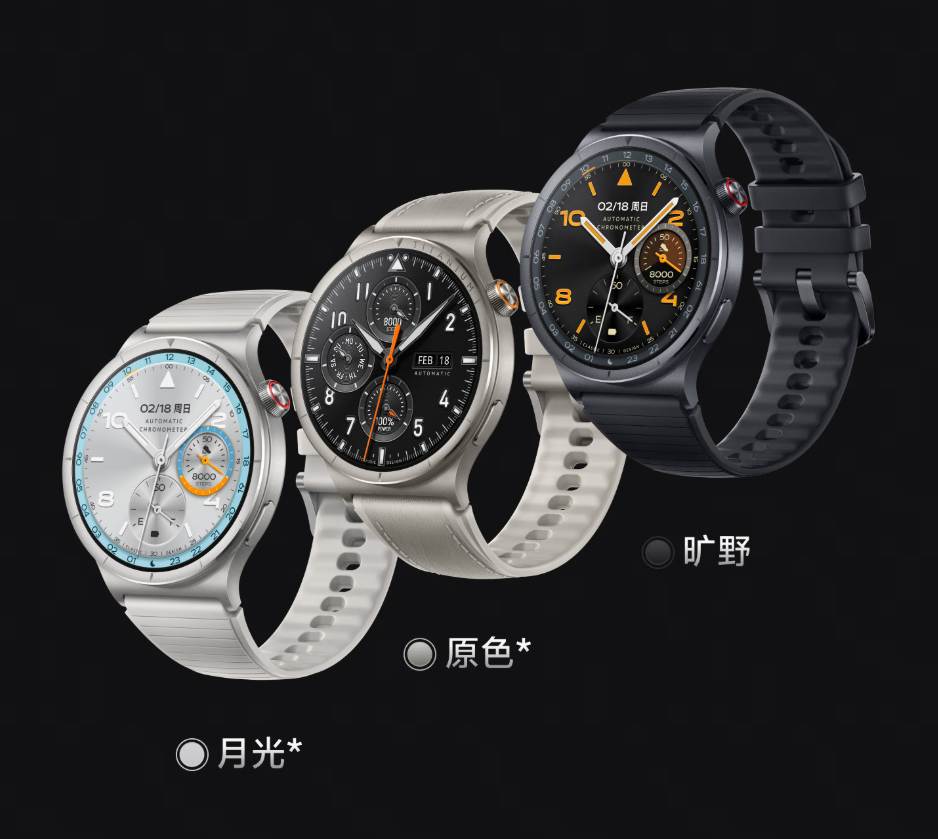
Vivo has announced the Watch 6 alongside its new X500 series smartphones, bringing a few high-end materials to a relatively budget-friendly price point. The main takeaway for this year’s wearable is that sapphire crystal glass is now standard across the entire lineup, starting with the base model priced at 999 yuan (around $149).
Pricing
The smartwatch is available in three configurations. The entry-level Bluetooth model is joined by a standard eSIM version for 1,399 yuan (roughly $208), and a top-tier Titanium eSIM variant for 1,999 yuan (about $298).
On the hardware side, the base and standard eSIM models use a 316L stainless steel frame weighing 44 grams, while the premium model swaps that for a TC4 aerospace-grade titanium alloy, dropping the weight to 37 grams. Both chassis designs are 9.5mm thick, not counting the sensor bump on the back.
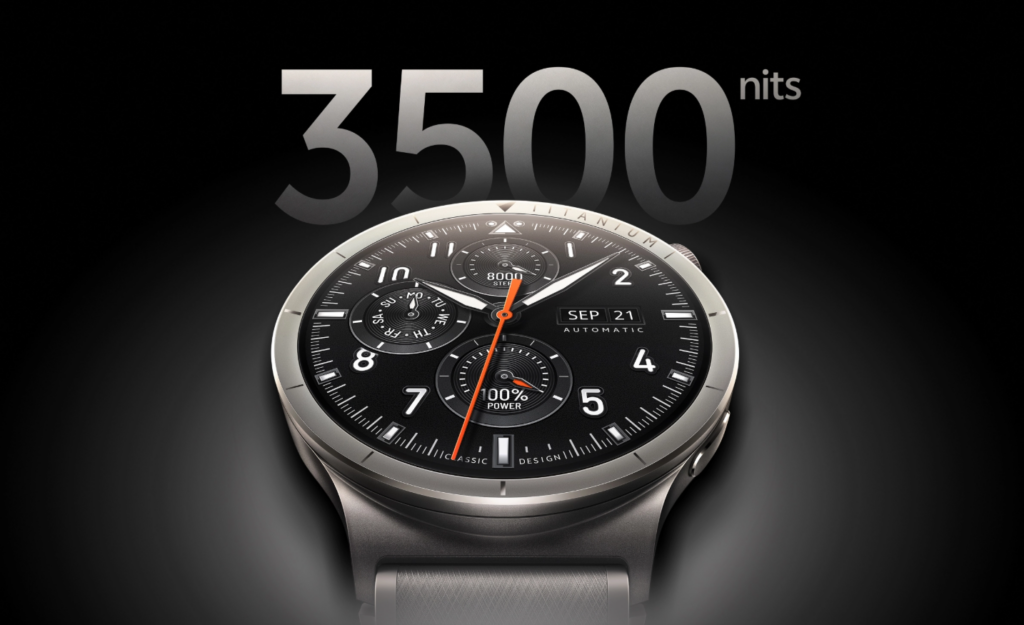
The display is a 1.47-inch AMOLED panel with a standard 60Hz refresh rate. Vivo says the screen can hit a localized peak brightness of 3,500 nits during specific outdoor workouts, and can dim down to 2 nits for dark environments. The always-on display also uses a dynamic refresh rate between 5Hz and 30Hz to save battery.
For fitness and navigation, Vivo included a dual-frequency, five-system GNSS setup. The company claims this updated hardware improves satellite lock times by 34% and trajectory accuracy by 10%. It also has a built-in barometer and supports offline maps. If you opt for the eSIM model, it uses passive phased-array technology to hold three concurrent signal paths across the L1 and L5 bands.
In terms of health tracking, the Vivo Watch 6 features eight-channel heart rate and 16-channel blood oxygen sensors, with support for continuous heart rate, SpO2, sleep, and stress monitoring. Vivo claims 97.2% average heart rate accuracy across different exercise scenarios compared to professional chest straps, rising to 98.5% during running, walking, cycling, and hiking.
It also supports over 100 sports modes, including running form analysis and swing tracking for racket sports. All-day HRV monitoring will arrive through a future OTA update.
As a smartwatch, it covers the basics with NFC for payments and transit, digital car key support, and Vivo’s BlueLM AI assistant for contextual reminders. The eSIM versions can handle calls, text messages, and navigation without a paired phone.
Battery life varies by model and settings. Vivo estimates the Bluetooth version will last 10 days under typical use, or up to 21 days with light usage. The eSIM model gets about seven days when tethered to a phone, or four days as a standalone device. Leaving the always-on display enabled caps battery life at around six days across the board.
Following the debut of its themed Realme 16 Pro 5G smartphone, Realme is expanding its licensing collaboration with Warner Bros. Discovery by releasing a matching set of wireless earbuds.
The Realme Buds T500 Pro Harry Potter Edition has officially launched in India, priced at ₹6,999 ($73). The earbuds will go on sale starting September 22nd at 12:00 PM IST through Realme’s website and its partner retail channels.
Realme Buds T500 Pro Harry Potter Edition Specs
The special edition earbuds adopt a Harry Potter-inspired design that clearly sets them apart from the standard T500 Pro models. They come in a dedicated Magic Brown colorway, combining dark brown housings and silicone tips with brushed gold stems featuring etched Hogwarts crests.
The charging case uses a dark coffee-brown faux leather finish, with a large gold Hogwarts crest on the front and a laser-engraved Welcome to Hogwarts inscription on the hinge.
Realme is also including an auxiliary leatherette protective case modeled after a vintage Hogwarts student travel trunk. It comes outfitted with brass-finish corner rivets, retention straps, a woven lanyard cord, and a franchise charm. On the software side, the Realme Link companion app includes custom Harry Potter UI pop-ups, unique connection sound effects, and franchise-inspired audio presets.
Underneath the themed design, the hardware remains unchanged from the standard Realme Buds T500 Pro. The earbuds feature 12.4mm dynamic drivers and support Hi-Res Wireless Audio through the LHDC 5.0 codec, with audio transmission at up to 24-bit/96kHz.
They also offer up to 50dB of active noise cancellation (ANC), using a hybrid system with a 5,000Hz frequency range and AI-based real-time fit compensation that dynamically adjusts noise reduction.
In terms of battery life, Realme claims up to 56 hours of total playback with ANC turned off when using the 530mAh charging case. Each earbud packs a 62mAh battery and offers up to 13.5 hours of standalone playback on a single charge.
For calls, the earbuds use six microphones for environmental noise reduction. They support Bluetooth 6.1, 45ms low-latency audio, and multipoint connectivity with up to three devices. They also include IP55 protection, two-way Live Translator, and a MindFlow mode for focus and relaxation.
In related news, Ugreen has recently launched the HiTune T8 earbuds with -55dB ANC, LDAC support, AI-powered features, and up to 50 hours of battery life.
For more daily updates, please visit our News Section.
Redmi surprised fans in China by launching the M100 as its M-series phone. While this is a China-exclusive phone, it is a rebranded version of the Redmi 17 5G’s global version. Now, a new leak reveals the existence of the Redmi M100 Pro, giving us an early look at what to expect.
As per an X post by tipster Kacper Skrzypek recent software database update has apparently added the Redmi M100 Pro to Xiaomi’s device lineup. The listing links the “malachite” codename with both the Redmi Note 14 Pro and “Redmi M100Pro,” suggesting that the upcoming M-series phone could be a China-exclusive rebrand of the Redmi Note 14 Pro 5G.
This is similar to the approach Redmi has taken with the Redmi M100, which shares its underlying platform with the Redmi 17 5G.
Redmi M100 Pro specifications (expected)
If the rebranding connection holds, the M100 Pro could retain much of the Redmi Note 14 Pro 5G’s hardware. This would give the China-exclusive model a 6.67-inch curved AMOLED display with a 1.5K resolution and 120Hz refresh rate, along with the MediaTek Dimensity 7300-Ultra chipset.
The Redmi Note 14 Pro 5G features a 50-megapixel main camera with a 1/1.4-inch sensor, f/1.65 aperture and OIS, accompanied by an 8-megapixel ultrawide camera and a 2-megapixel macro sensor. If the M100 Pro is indeed a rebranded version, these cameras could make their way to the new China model as well. The remaining expected specifications include a 5,110mAh battery with 45W wired charging, Gorilla Glass Victus 2 protection, and an IP68 rating.
Citizen has launched the AW0132-55P in the UK, expanding its recent Zenshin collection. Following a US release last week, the watch is now available on the Citizen UK website for £449.00. It is a traditional analog watch that relies on a solar-powered quartz movement and a titanium build, rather than smart features or digital connectivity.
The hardware of the AW0132-55P is built around a 39mm case and a matching integrated bracelet, both constructed from Citizen’s proprietary Super Titanium. In watchmaking, titanium is generally utilized for being significantly lighter and more corrosion-resistant than standard stainless steel. However, titanium is typically associated with a muted, matte-grey appearance and can be prone to surface scratching.
Citizen addresses this by applying a surface-hardening treatment to improve scratch resistance, and in this specific model, has opted for a full gold-tone finish. The case and bracelet feature a mix of brushed and polished surfaces, and the bracelet secures via a standard fold-over clasp with push buttons.
On the dial, the watch features a textured gold-tone surface that is contrasted by a black outer minute track. The hands and hour markers include silver-tone detailing and are treated with luminous material for visibility in low-light conditions.
At the 3 o’clock position, Citizen has integrated a combined day-date window, a standard utility feature that aligns with the retro-leaning geometry of the watch. The dial is capped with a sapphire crystal, which provides a high level of scratch resistance.
Internally, the AW0132-55P is equipped with Eco-Drive technology. This is a quartz movement powered by light cells situated beneath the dial. It charges using any natural or artificial light source, effectively eliminating the need for routine battery replacements.
For environmental durability, the case features a water resistance rating of 100 meters (10 Bar), making it viable for swimming, showering, and snorkeling.
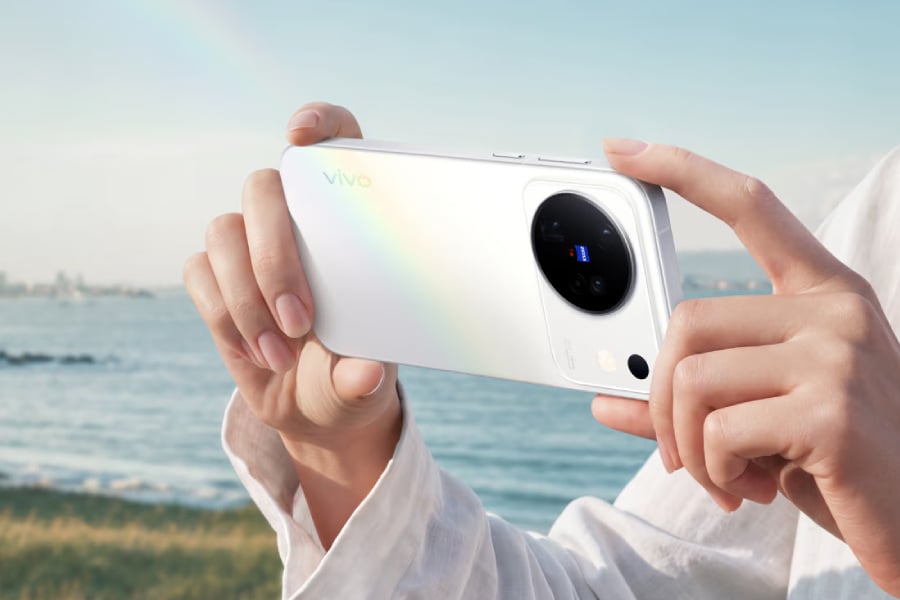
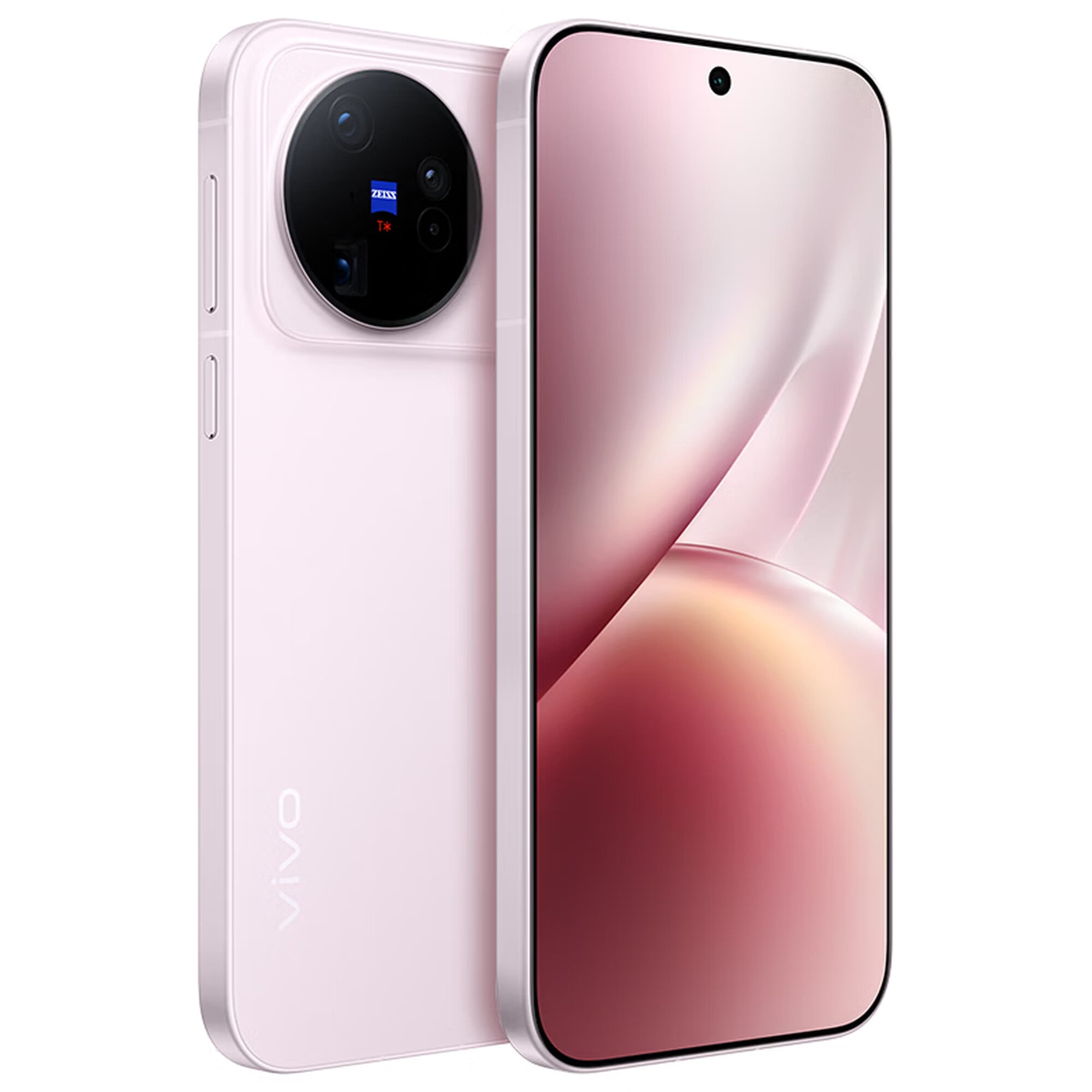
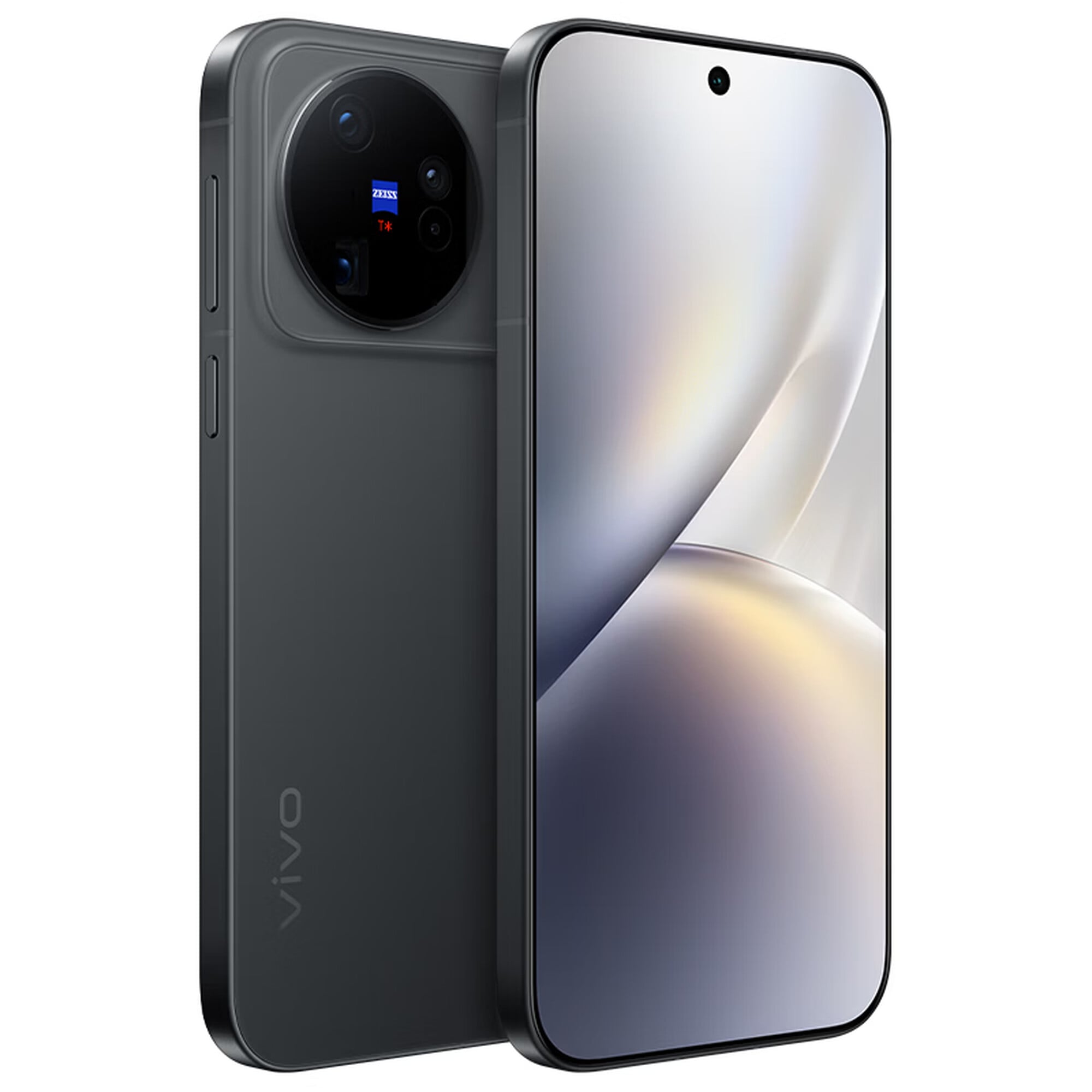
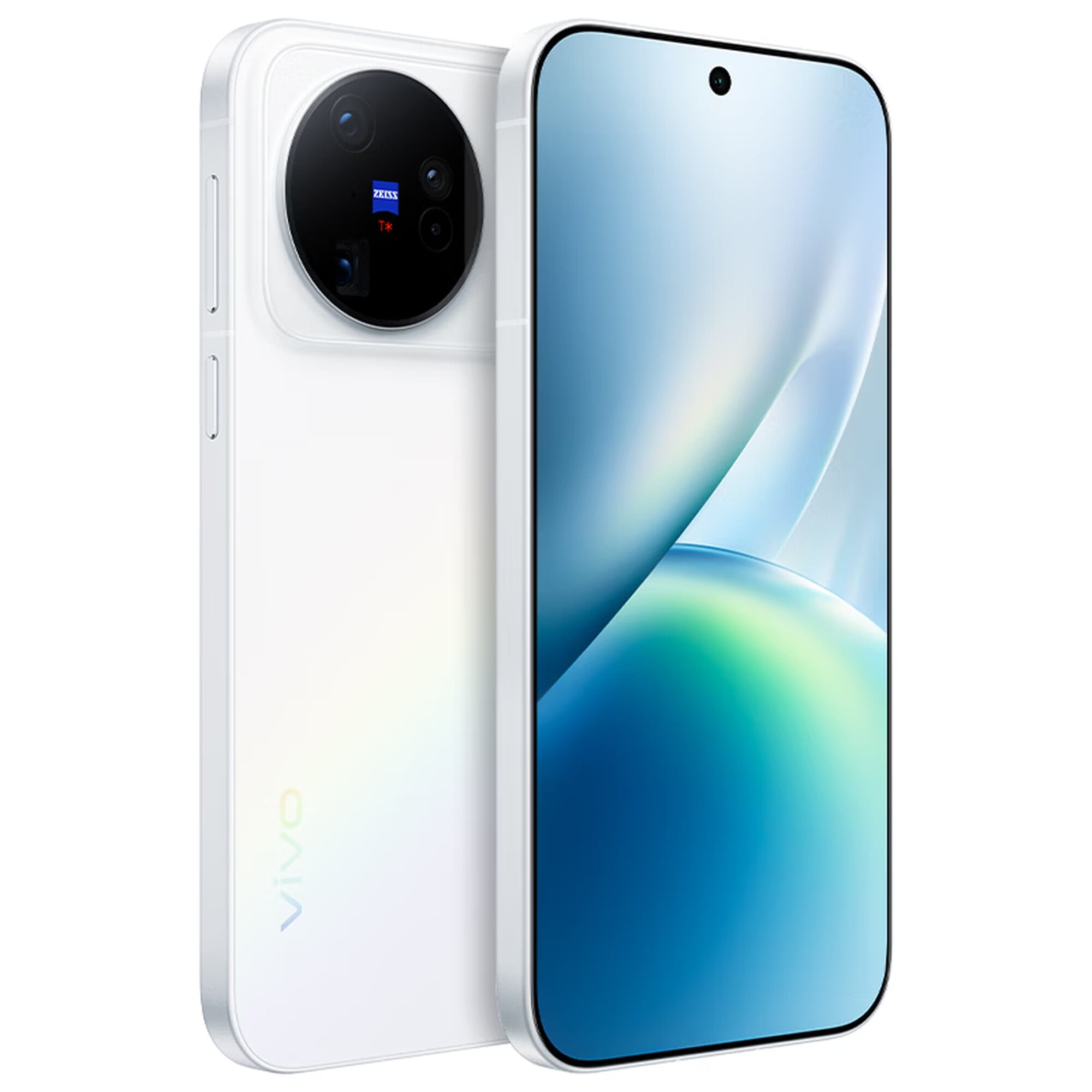
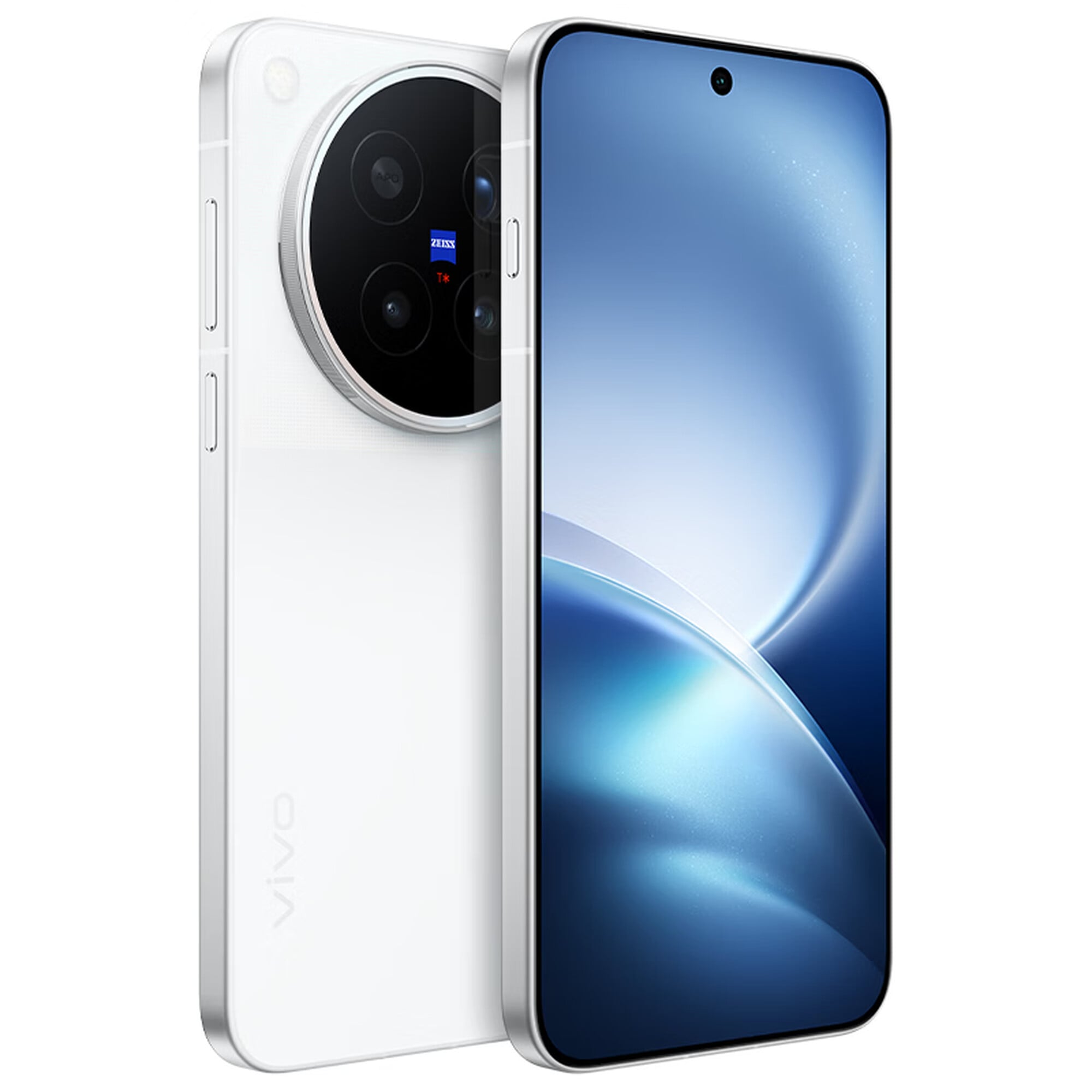
Vivo has officially launched the X500 in China at its X500 series launch event. The new phone sits below the X500 Pro and X500 Pro Max, but it still shares several features with its more expensive siblings, including Zeiss camera technology, a large battery, and the latest MediaTek chipset.
The Vivo X500 starts at 5,499 yuan (~$821) and comes with the Dimensity 9600M, a 7,500mAh battery, and a 144Hz display. Its camera setup also includes the same Sony LYTIA 610 sensor used for the X500 Pro’s APO telephoto camera.
Vivo X500 camera
The 50MP main camera uses a 1/1.28-inch Blueprint × Sony LYTIA-828 sensor and comes with Zeiss optics. Vivo has also included its V3+ imaging chip, which works alongside the camera system for image and video processing.
For stabilization, the main camera supports Zeiss gimbal-level image stabilization and has a CIPA 5.5 professional image stabilization rating. The 64MP telephoto camera uses the Sony LYTIA 610 sensor, the same sensor found in the X500 Pro’s APO telephoto camera. It has a 72mm equivalent focal length and 3x optical zoom, along with CIPA 5.5 stabilization and a minimum focusing distance of 15cm.
Vivo also offers additional zoom accessories for the phone. The X500 supports the “Lipstick 200” teleconverter as well as the 200mm Zeiss Teleconverter G2, which provides 2.35x magnification.
As for videos, the phone can record 4K video at 120fps for slow-motion footage. It is also the first smartphone in the industry to support native 8K Live, according to Vivo. The company has worked with platforms such as Weibo to make it easier to share 8K Live content directly. For shorter video clips, the X500 supports native 4K cinematic Live and can apply different movie-style color profiles while recording.
Vivo X500 display and battery
The X500 comes with a 6.59-inch flat OLED display with a 1.5K resolution and 144Hz refresh rate. The panel uses LTPS technology and can reach up to 4,000 nits of peak brightness at 20% APL, while high-brightness mode reaches 2,000 nits. It also supports 2,160Hz PWM dimming for lower brightness levels.
There are four color options: Earth Echo, Sunny Day, Dawn, and Night. Vivo is also offering a special Sunny Day package with a matching phone finish, liquid theme, and movie color style.
The package adds a little more to the camera experience as well. It includes Sunny Day background music that can be used in the phone’s photo album, along with other matching software elements.
Inside, the X500 carries a 7,500mAh battery. It supports 90W wired charging and 40W wireless charging, so the large battery doesn’t come with particularly slow charging speeds.
The Vivo X500 is the first phone to use MediaTek’s Dimensity 9600M processor. It is paired with Vivo’s Blueprint Imaging Chip V3+, which handles additional image processing.
The phone comes with LPDDR5X Ultra memory and UFS 4.1 storage. Other hardware includes an ultrasonic 3D fingerprint sensor, an IR blaster, and Bypass Charging 2.0. Connectivity options include Wi-Fi 7, Bluetooth 5.4, and NFC. The phone also uses a USB 3.2 Gen 1 port and IP68 and IP69 ingress protection.
Software-wise, the Vivo X500 runs Vivo’s latest OriginOS software. It introduces a new liquid-themed interface and a bouncy animation when unlocking the phone with the touchscreen. The software also adds matching effects for photos uploaded to the phone, allowing images to become part of the interface’s visual design.
Vivo says the X500 can maintain smooth performance for up to 72 months and remain smooth even after six years of use. As with any long-term performance claim, actual results will depend on factors such as usage and software updates.
Vivo X500 price and availability
The Vivo X500 has launched in China with three configurations:
Vivo‘s September event is currently underway, and the X500 Pro series has officially moved from weeks of leaks to a real product lineup. We’ve been tracking this launch for weeks, and much of what surfaced ahead of the event has turned out to be accurate.
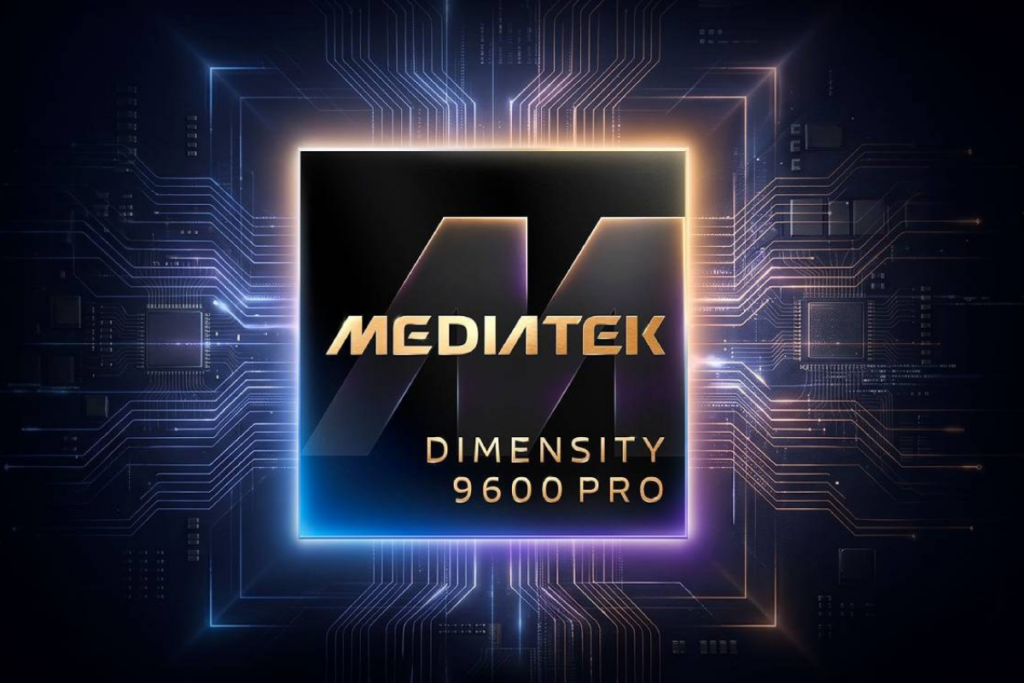
The lineup includes Vivo X500 Pro and X500 Pro Max, both powered by MediaTek’s latest Dimensity 9600 Pro, along with a camera system built around a new sensor that Vivo says is the first of its kind.
Vivo X500 Pro
The smaller X500 Pro comes with a 6.36-inch display using Q11 luminescent material developed with BOE. It is a 144Hz adaptive LTPO 8T panel with hardware-level 1-nit minimum brightness, adaptive dimming, Dolby Vision and HDR10+ support. The screen also has circular polarization 2.0 and SGS low blue light certification for eye protection.
The camera setup is, as always, the highlight of the X-phones. Its main camera uses the new BlueTouch 900 sensor, which Vivo claims is the first of its kind to reach a 17EV dynamic range. This should be particularly useful in difficult lighting, such as backlit portraits and sunset scenes, where phones often have to balance very bright and very dark areas in the same shot.
The sensor sits behind a Zeiss ultra-dynamic 50MP main camera with Vivo’s upgraded VCS 4.0 system, along with Zeiss T* coating and deep-absorption blue glass.
As for the telephoto, Vivo paired a BluePrint-designed lens with a 64MP Sony LYTIA 610 sensor and tuned it for an 85mm “golden” focal length. The company calls this an industry first for this type of hardware. The ultrawide uses a 50MP Samsung JN5 sensor, while for selfies, you get a 50MP Samsung JN1.
Keeping everything running is a 6,510mAh battery with support for 90W wired and 40W wireless charging. It’s the same figure as last year’s X300 Pro.
Vivo X500 Pro Max
Step up to the Pro Max and the display grows to 6.85 inches, still built on the Q11 panel but now paired with what Vivo calls the world’s first Q11 2K Zeiss Master Color Screen. It brings a custom auto-brightness strategy that Vivo developed specifically for this panel, tuned for more consistent color under changing light.
The bigger difference, though, is around the back. The X500 Pro Max features a 200MP Zeiss APO super telephoto camera using a BluePrint x Samsung HP0 sensor with a 1/1.4-inch size. It also supports hardware-level 4x ISZ lossless zoom.
Vivo is putting considerable effort into keeping moving subjects in focus at long zoom ranges. Several of its own technologies work together here, including an optical telephoto tracking system, a 60fps high-frame-rate system, the Blueprint high-refresh-rate tracking engine, and the company’s NICE algorithm engine.
If the built-in zoom isn’t enough, both the X500 Pro and Pro Max can also work with a Zeiss G2 Ultra teleconverter that provides an equivalent 400mm focal length. The rest of the X500 Pro Max’ camera setup mimics the X500 Pro.
The battery gets a major boost as well. The Pro Max packs an 8,000mAh cell while keeping the same 90W wired and 40W wireless charging support.
Dimensity 9600 Pro and AI features
Underneath both phones is MediaTek’s new Dimensity 9600 Pro. Vivo and MediaTek say the two companies worked closely on the chip rather than treating it as a standard off-the-shelf platform.
The chipset contains more than 33 billion transistors and uses a 2+3+3 all-big-core CPU design with 34.5MB of cache. It is also the first mobile chip to support LPDDR6 memory and UFS 5.0 storage.
Compared with the previous generation, MediaTek claims 17% higher single-core performance and 15% higher multi-core performance, while peak multi-core power consumption is reduced by 61%.
AI is another major part of the chip. Its NPU 1090 can run mixture-of-experts models with up to 30 billion parameters directly on the device. Vivo is using that processing power for features such as one-click highlight editing on both X500 Pro models.
Price and availability
The X500 Pro series starts at 6,499 yuan (~$1,044) in China. Here’s how the different configurations are priced:
Creator’s Package, 16GB+1TB with satellite communication: 12,999 yuan (~$1,940)
Pre-orders for the X500 series are already live in China. The X500 Pro Max will go on sale on September 24 alongside the standard X500, while the X500 Pro will follow on September 29.
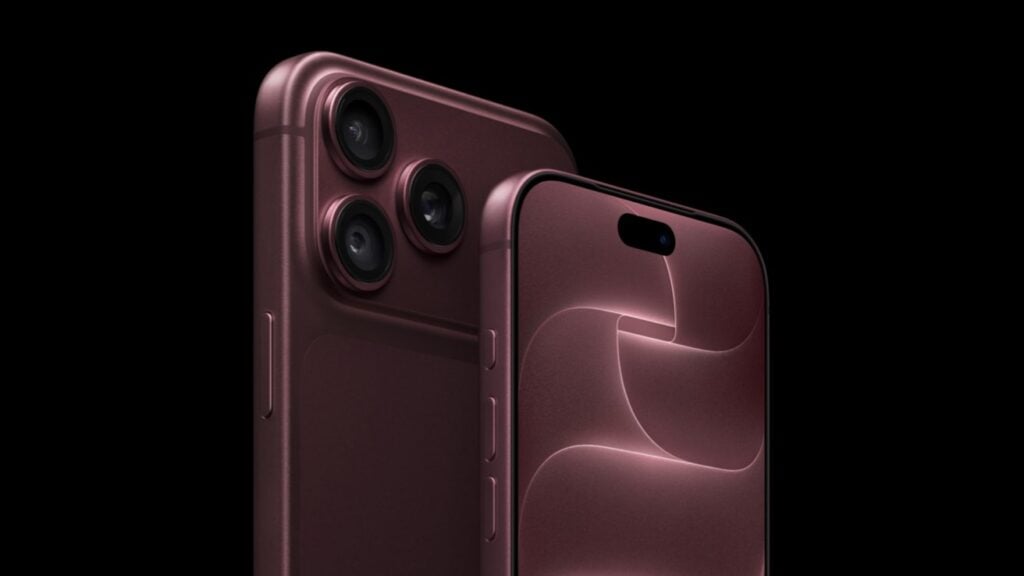
Just when Apple’s newest flagships hit the market with higher starting prices, fresh reports suggest the company may have to raise them again next year.
The iPhone 18 Pro and Pro Max launched $100 higher than their 2025 predecessors. The same $100 bump showed up on the older iPhone 17 and 16 models too. Those increases already reflected the broader supply-chain squeeze, especially the surge in demand for memory chips coming from AI data centers. Now it seems more hikes could be on the way.
Korean media and supply-chain sources say Samsung has been renegotiating DRAM and NAND prices with major phone makers, including Apple. The two companies have reportedly settled on new rates that kick in during the first quarter of 2027.
Under the reported deal, Apple will pay close to $2.00 per gigabit of LPDDR5X RAM and $0.33 per gigabit of NAND. For context, Samsung’s third-quarter 2026 prices were around $1.50 and $0.26. That’s roughly a 33% jump for RAM and 27% for storage.
Those higher memory costs would land straight on the BOM (bill of materials) for future iPhones (and potentially other Apple devices). Memory already makes up a meaningful chunk of the BOM, so sustained increases make it tougher for companies to hold the line on pricing while still protecting margins.
AI demand has tightened supply of mobile DRAM and NAND, since producers like Samsung and SK hynix are prioritizing higher-margin products like high-bandwidth memory for servers.
Apple wasn’t the only one Samsung approached. Oppo and Vivo reportedly pushed back on the higher rates, which leaves open the question of which other suppliers they might turn to for their next flagships.
It’s still unclear whether Apple will pass the full increase on to buyers, but the recent pricing pattern makes another retail hike for the 2027 iPhone lineup a realistic possibility.
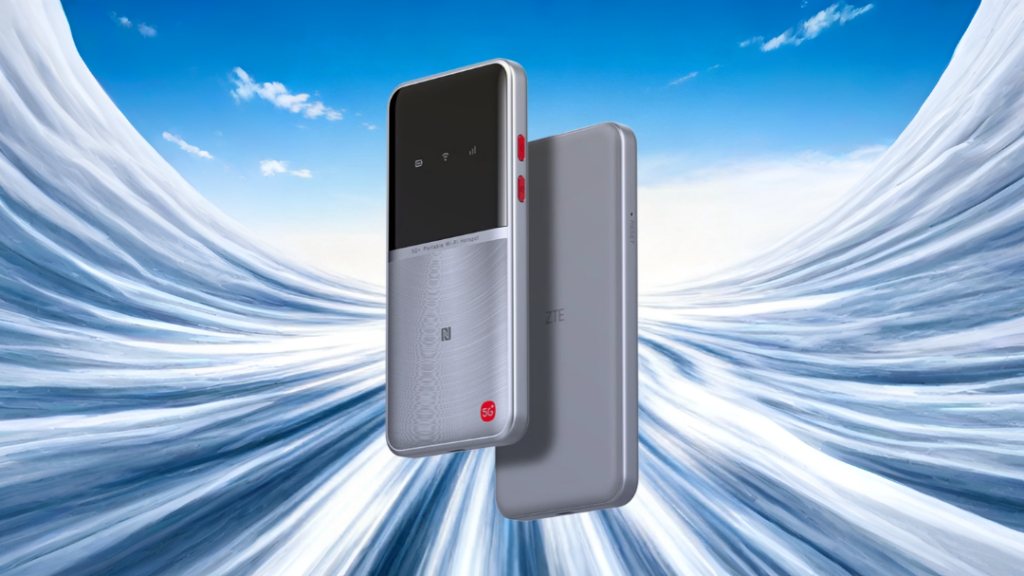
ZTE has put a new portable 5G hotspot up for pre-order in China. The M3 Pro 5G is priced at 599 yuan (~$90) and is scheduled to go on regular sale on September 24th. It is a straightforward mobile networking device aimed at people who need a dedicated internet connection while traveling or working away from home.
Inside, the M3 Pro 5G runs on an unnamed octa-core processor built on a 6nm process. It supports both Standalone (SA) and Non-Standalone (NSA) 5G networks, alongside older 4G and 3G networks for fallback if 5G isn’t available in a specific area.
ZTE has included a nine-antenna array to help maintain a steady signal, and the device supports 4×4 MIMO on a few specific 5G bands (n1, n3, n41, and n78) to handle multiple data streams. The company says the hotspot can hit download speeds of up to 500Mbps, though that number comes from laboratory testing and will likely vary in everyday use depending on carrier reception.
For local connections, the hotspot uses WiFi 6 and supports both 2.4GHz and 5GHz bands. You can connect up to 16 devices to it at the same time. If you have a compatible Android phone, there is an NFC tag built in that lets you tap the device to connect without typing in a password.
ZTE says that the 2.4GHz band is faster than its previous models and claims the wireless signal can reach up to 220 meters, though that requires an open space with no walls or signal interference.
The device is powered by a 5,000mAh battery. ZTE estimates this will provide about 14.5 hours of battery life during normal use. Physically, it is fairly standard for a mobile hotspot, measuring 149 x 70 x 12.5mm.
It also supports multiple 5G SIM cards on certain versions, which lets you manually switch to a different carrier if your current network drops out or has poor coverage.
You manage the hotspot using the ZTE Smart Life app, which includes standard settings like a firewall, data tracking, device blacklisting, and a guest network. ZTE is also planning a software update for next month, in October 2026, which will add a high-speed rail mode to help the device stay connected while moving between cell towers on trains, along with a gaming acceleration plugin for China Mobile users.
In related news, Huawei has recently launched an affordable eSIM portable WiFi with up to 9 hours of battery life and support for 16 devices, while Lenovo has introduced the Legion LM50S portable WiFi with WiFi 6, 4G LTE, and up to 12 hours of battery life.
For more daily updates, please visit our News Section.
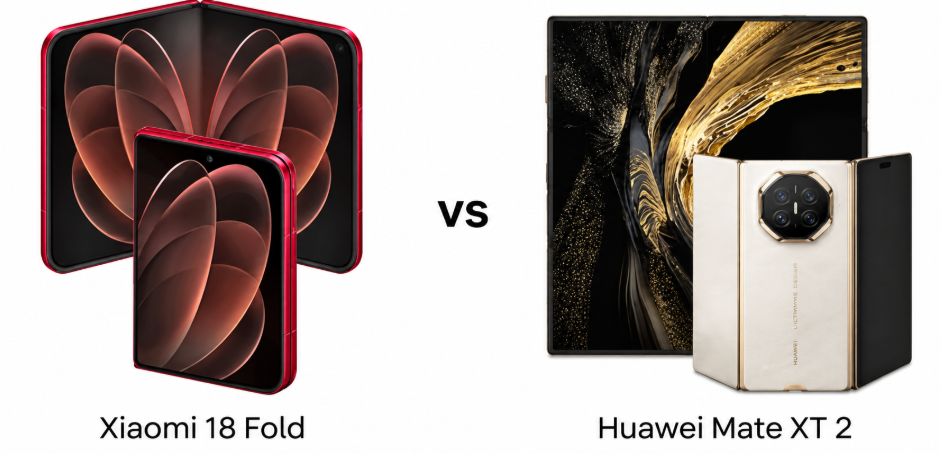
Xiaomi 18 Fold vs Huawei Mate XT 2 Ultimate is a fascinating foldable comparison because both push the category in different directions. Xiaomi focuses on a more conventional book-style foldable experience with flagship cameras and a high-refresh-rate display, while Huawei takes the concept further with a massive tri-fold screen. The choice ultimately comes down to whether practicality or maximum screen versatility matters more.
The Xiaomi 18 Fold uses a premium combination of Dragon Crystal Glass 3, glass, and an aluminum frame, while maintaining IP58/IP59 protection. Its dual-SIM setup also makes it straightforward for conventional smartphone use. Huawei Mate XT 2 Ultimate uses a similarly durable construction with IP58/IP59 protection and adds stylus support. Its tri-fold mechanism makes the Huawei far more ambitious, but the Xiaomi feels like the more practical everyday foldable.
Xiaomi offers a 7.58-inch LTPO AMOLED panel with 120Hz refresh rate, HDR10+, Dolby Vision, HDR Vivid, and up to 4000 nits peak brightness. Huawei counters with a much larger 10.2-inch tri-fold LTPO OLED panel, but its 90Hz refresh rate is lower. The Huawei is better suited to tablet-style productivity, while Xiaomi delivers a smoother, more familiar flagship viewing experience.
Verdict
Xiaomi offers the more practical design and smoother display experience, while Huawei wins for sheer screen versatility. For everyday foldable use, Xiaomi feels easier to live with.
2. Specifications Including Battery
Performance
Xiaomi 18 Fold is powered by the 3nm XRing O3 chipset with a 10-core CPU and Arm G2-Ultra NX MC16 GPU. Storage reaches 1TB with up to 16GB RAM and UFS 4.1. Huawei uses the Kirin 9050 Pro with 16GB RAM and up to 1TB storage. Xiaomi’s newer platform and faster UFS 4.1 specification give it a stronger flagship-oriented hardware package.
Battery and Charging
The Xiaomi packs a 6000mAh silicon-carbon battery with 67W wired charging, 50W wireless charging, and reverse wired charging. Huawei uses a 5600mAh battery with 66W wired, 50W wireless, 7.5W reverse wireless, and 5W reverse wired charging. Xiaomi’s larger battery gives it an advantage for sustained everyday use, while both provide fast and flexible charging options.
Xiaomi takes this section with its larger battery, newer-looking performance platform, and UFS 4.1 storage. Huawei remains competitive, but Xiaomi offers the stronger all-round hardware package.
3. Camera
Main and Secondary Lenses
Xiaomi 18 Fold features a 200MP main camera with OIS, alongside a 50MP telephoto offering 3.x optical zoom and a 50MP ultrawide. Leica lens branding, laser autofocus, 8K recording, and Dolby Vision 4K video strengthen its camera credentials. Huawei uses a 50MP variable-aperture main sensor, 50MP 3.5x periscope telephoto, and 40MP ultrawide. Xiaomi offers the more feature-rich camera system.
Selfie Camera
Xiaomi equips both the main and cover displays with 16MP selfie cameras capable of 1080p recording. Huawei uses 8MP selfie cameras on both configurations, although external-display video recording can reach 4K with HDR Vivid. For selfies, video calls, and front-facing detail, Xiaomi’s higher-resolution cameras are the more compelling choice. Huawei’s 4K external-camera recording is useful, but it does not offset the resolution gap.
Verdict
Xiaomi wins the camera comparison with higher-resolution selfie cameras, a 200MP main sensor, Leica tuning, and 8K video. Huawei remains versatile, particularly with its periscope camera.
4. Pricing
The Xiaomi 18 Fold is priced around $1,600, or approximately ₹155,000, while the Huawei Mate XT 2 Ultimate is priced around $2,800, or approximately ₹280,000. That makes Huawei substantially more expensive, reflecting its tri-fold construction and larger display. Xiaomi therefore enters a much more accessible premium-foldable price bracket while still offering flagship-level specifications.
Huawei’s premium is easier to understand if the massive tri-fold screen, stylus support, and tablet-style experience are essential. For most buyers, however, Xiaomi’s combination of flagship cameras, 120Hz displays, large battery, powerful hardware, and wireless charging creates a more balanced package. The Xiaomi 18 Fold delivers considerably more conventional flagship value without sacrificing the core foldable experience.
Verdict
Xiaomi offers significantly stronger value for money. Huawei’s premium pays for its unique tri-fold concept, while Xiaomi provides a broader flagship feature set at a substantially lower price.
Disclaimer: Prices are approximate and may vary based on country, region, launch timing, and applicable taxes. Always check whether the listed price is for a China unit or a global/international variant when purchasing.
5. Conclusion
Xiaomi 18 Fold stands out with its 200MP Leica camera system, 120Hz 4000-nit displays, 6000mAh battery, UFS 4.1 storage, and 50W wireless charging. Huawei Mate XT 2 Ultimate’s defining advantage is its tri-fold 10.2-inch display, stylus support, optional privacy display, and tablet-like productivity potential. Huawei is the more experimental device, while Xiaomi feels closer to a polished flagship smartphone that happens to fold.
Verdict
Xiaomi 18 Fold is the overall winner, offering the stronger combination of performance, cameras, battery, display smoothness, and value. Huawei Mate XT 2 Ultimate makes more sense for buyers specifically seeking its unique tri-fold tablet experience.
1. Which phone has the better camera system? The Xiaomi 18 Fold has the more versatile camera setup, led by a 200MP main sensor and Leica optics.
2. Which phone is better for gaming? The Xiaomi 18 Fold offers stronger gaming hardware with its XRing O3 chipset, 16GB RAM option, and UFS 4.1 storage.
3. Which phone has better battery life? The Xiaomi 18 Fold has a larger 6000mAh battery, giving it an advantage for longer everyday usage.
4. Is Huawei Mate XT 2 worth its premium price? It can be worthwhile for buyers who specifically want a tri-fold design, huge tablet-style display, and stylus support.
5. Which foldable should most buyers choose? The Xiaomi 18 Fold is the more balanced option for buyers prioritizing flagship features, practicality, and lower cost.
Disclaimer: Prices, specifications, and availability may vary by region and retailer. Recommendations in this article are based on editorial opinion, feature-based value, and market positioning at the time of writing. Readers are advised to do their own research before making a purchase.
I keep saying that charging your phone overnight isn’t a problem. Both phones and chargers, whether they use USB PD or proprietary charging technology, are capable enough in 2026 to stop charging the battery when needed. They shouldn’t continue pushing power into the battery unnecessarily. But what I saw at 4 am this morning was rather concerning.
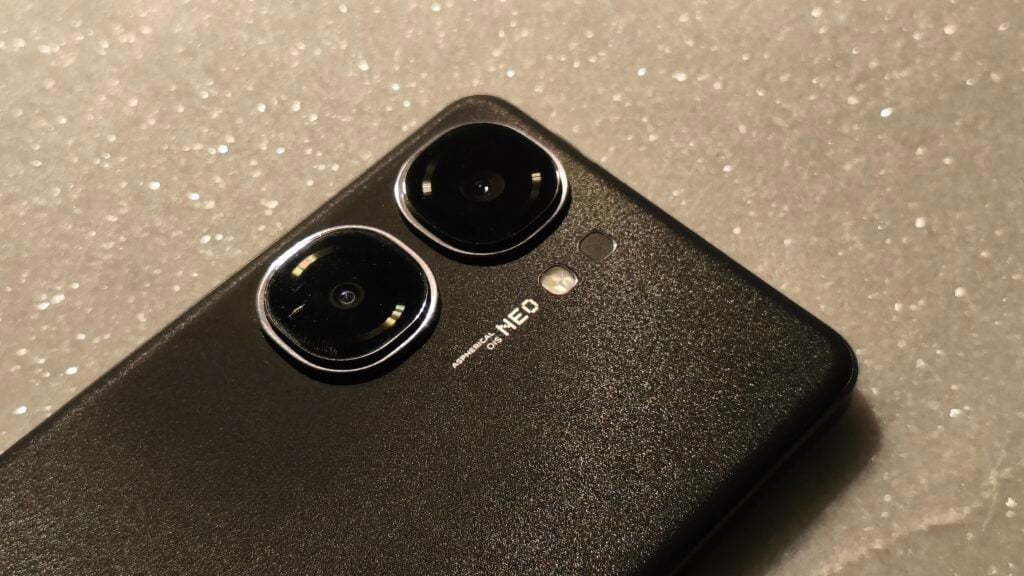
After being connected to the phone’s own 120W fast charger for more than four hours, the iQOO Neo 9 Pro and the power adapter were both significantly warmer than their surroundings. The phone was at 100% battery level at that moment.
The only explanation I can think of is the “Optimize based on habits” feature: the phone stopped charging around 80% and then completed right before I woke up. It would explain why both the phone and charger were still warm. The feature is designed to avoid keeping the battery at 100% (maximum voltage) for long periods, which can accelerate battery wear over time.
The feature comes with a toggle, which is turned off on my phone. And 4 am is much closer to my bedtime than my usual waking time. So it made little sense for the phone to have completed charging only then, after being on hold for much of the 4+ hour charging session.
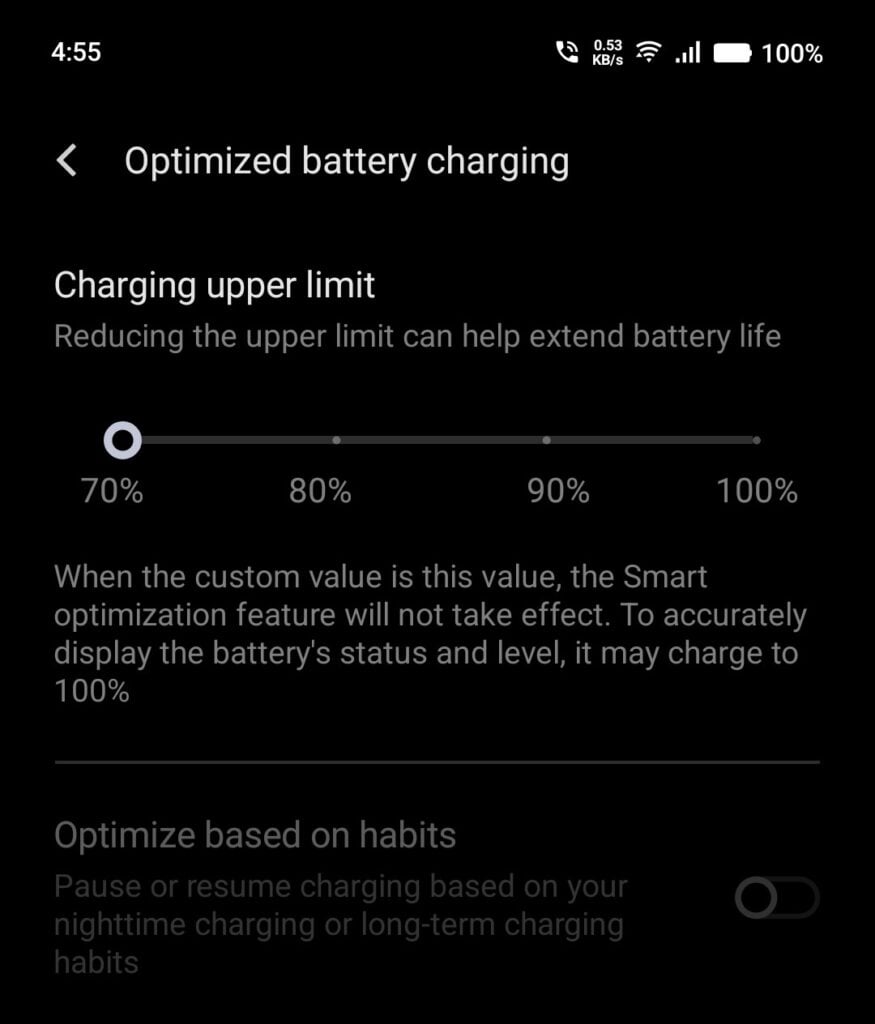
And it gets weirder. As you can see in the screenshot, the charging upper limit is set to 70%, yet the battery is at 100%. The phone reaches a full charge despite the limit being enabled roughly half of the time. It’s a critical bug. It does reliably pause at the set upper limit if I restart the phone right before plugging it in, which isn’t exactly convenient. I’ve simply got used to it since the feature arrived with Android 15 (or Funtouch OS 15).
The fact that the charger was also warm is worrying, as it confirms that it was supplying significant power to the phone even when the battery was at 100%. And, of course, the phone already has some issues with battery management.
I’d rather avoid new features that come with critical and surprising bugs, which is why I’m yet to install the OriginOS 6 update.
And this type of charging regulation issue is certainly not limited to iQOO devices. I’ve seen similar behavior on the POCO X7. A Galaxy S25+ recently caught fire while charging overnight.
I’m not sure how to feel about this: lucky that my phone didn’t go into thermal runaway, or frustrated that it has a critical battery-management bug. But one thing is certain: I would never suggest leaving your phone connected to the charger overnight.
There are several sensors and other semiconductor components that can cut power at the right time, provided they work together as intended. And that’s what happens in most cases. But if those systems fail, you risk not only damaging your battery’s health, but also potentially causing an accident.
The problem isn’t fast charging itself, but how charging is regulated.
Oppo unveiled ColorOS 17 at its developer conference in China on September 17, and the company has now revealed most of what is coming with the update. Along with the new software, Oppo also announced a rollout schedule for Oppo, OnePlus, and Realme devices, which we covered in our official launch and rollout schedule report.
This time, we’re taking a closer look at the changes you are most likely to notice in everyday use, before getting to the phones that will receive the update and when.
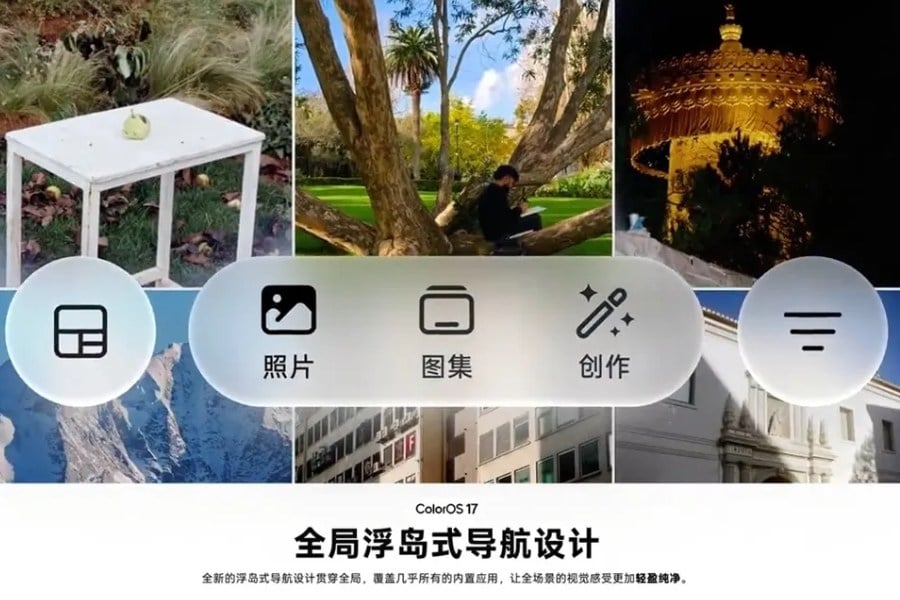
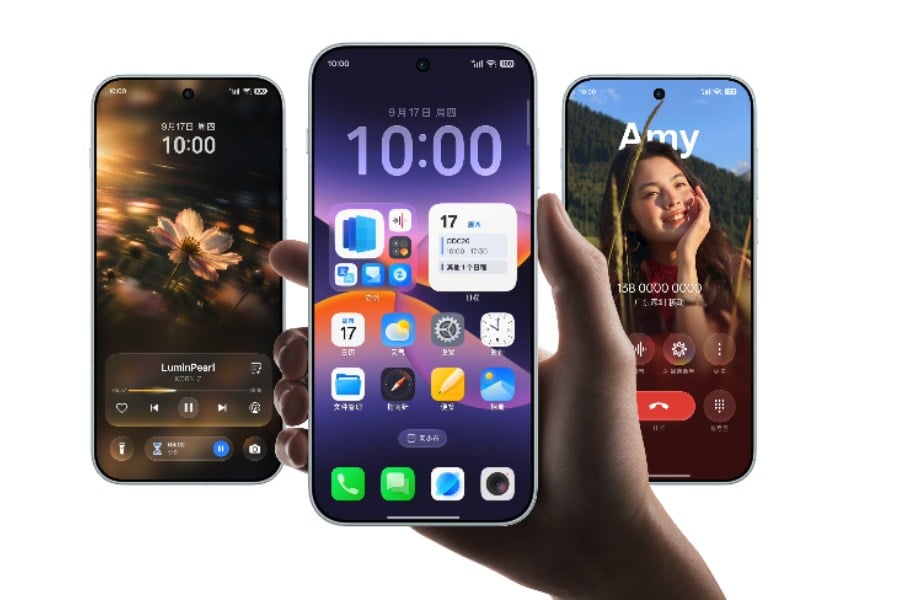
One of the first things you may notice is the new navigation design. Instead of sitting along the bottom edge of the screen, the navigation bar now floats above your content as a transparent, pill-shaped bar.
Oppo has brought the design to many of its own apps, including Files, Photos, Phone Manager, Compass and Notes. Background activities can also appear as tappable capsules, while the lock screen gets a separate Lockscreen Island for things such as music, calls and navigation.
The idea is to keep these controls within easier reach, especially when you are using the phone with one hand.
2. Fluid Design animations
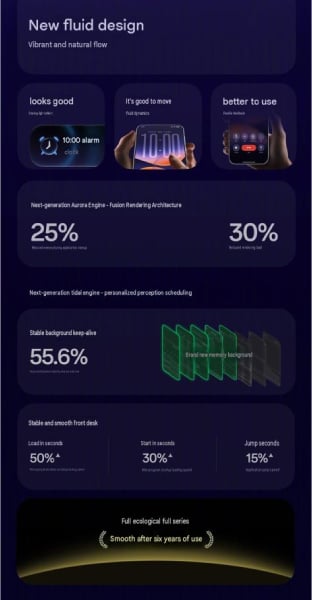
The new navigation is part of a wider visual change that Oppo calls Fluid Design. Rather than keeping every element rigid, the interface now reacts more noticeably to how you interact with it.
For example, buttons and selection boxes can stretch or squeeze slightly when you press them, then settle back into place. The clock also moves between the lock screen and home screen as you unlock the phone, making the transition feel more connected.
The animations respond to your touch as well. A quick flick gets a quick response, while slowly dragging an element gives you a little more resistance. Oppo says the Aurora Engine handles the rendering, with a separate animation layer taking care of the motion.
3. Frosted-glass look and new lock screen clocks
The visual changes don’t stop with animations. ColorOS 17 also brings a translucent, frosted-glass look to parts of the interface, including the Control Centre, Media Player, Notes, Files and lock screen.
The system uses different levels of blur to create a sense of depth, while a soft outline called Contour Glow helps separate cards and selected items from the background. The Control Centre has also been redesigned with fully circular toggles.
There is some resemblance to Apple’s iOS 26 design here, although Oppo says it has kept the refraction effect more restrained. The company also says the translucent elements are designed to keep text and icons easy to read.
The lock screen gets some attention of its own, with three new clock styles to choose from. If you like one of them, you can also use the same clock styles as widgets on the home screen.
4. Faster app switching with the Tidal Engine
Beyond the visual changes, Oppo is also trying to make ColorOS 17 feel faster when you move between apps.
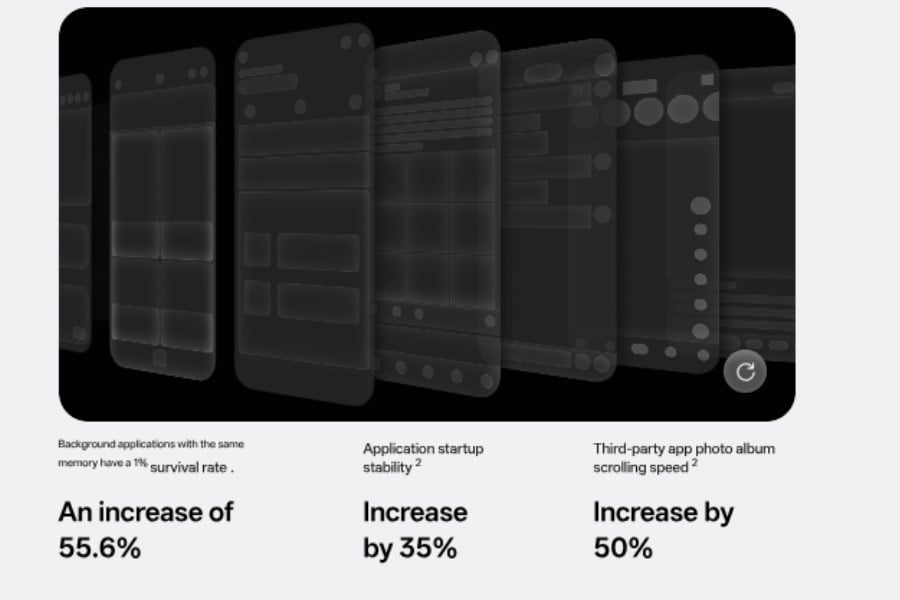
That’s where its Tidal Engine comes in. The system learns which apps you use most often and how long you typically spend in them, then adjusts how resources are allocated. It also works to keep more apps running in the background, so returning to an app doesn’t always mean starting from the beginning.
Oppo’s own figures show a 55.6% improvement in background app retention, along with 35% better app launch stability. The company also claims 50% faster scrolling and loading in third-party photo galleries and 15% faster app switching.
There is another system called the Polar Light Engine, which Oppo says can reduce the memory used when launching apps by 25% and cut rendering load by 30%. As always, the actual difference will depend on the phone’s hardware and how the software performs on it.
5. AI Photo Editor and AI Memory Gallery
AI is also becoming a bigger part of the photo experience in ColorOS 17. With the AI Photo Editor, you can simply describe the change you want instead of going through individual editing tools.
You can also give the editor a reference image and ask it to use that image’s colors, lighting, or skin tone. On top of that, it can remove unwanted objects, reduce motion blur, and adjust colors and tones. Oppo says its DaVinci visual model powers these features.
The gallery gets some AI features too. AI Memory Gallery can turn your photos into photo blogs, which Oppo calls Plogs, and generate the accompanying text for you.
There is also a more useful change if you regularly shoot with other devices. Footage from cameras such as the Insta360 GO Ultra, as well as files stored on NAS devices, can be accessed directly from the album through Album Direct Connection without first taking up space on your phone.
6. AI Notes and live translation
ColorOS 17 also gives AI Notes a bigger role in meetings and other situations where you need to keep track of information.
The app can listen to a meeting while taking notes at the same time. You can also bring in videos, books, and other ideas with a single click and have them turned into structured notes. If you need to share the results of a meeting, the system can create an editable overview diagram as well.
Oppo is also bringing live translation into the mix. When compatible Oppo earphones are connected, the system can translate another person’s speech in real time and play the translation into your ear. Your response can then be played through the phone’s speaker.
7. Xiao Bu assistant
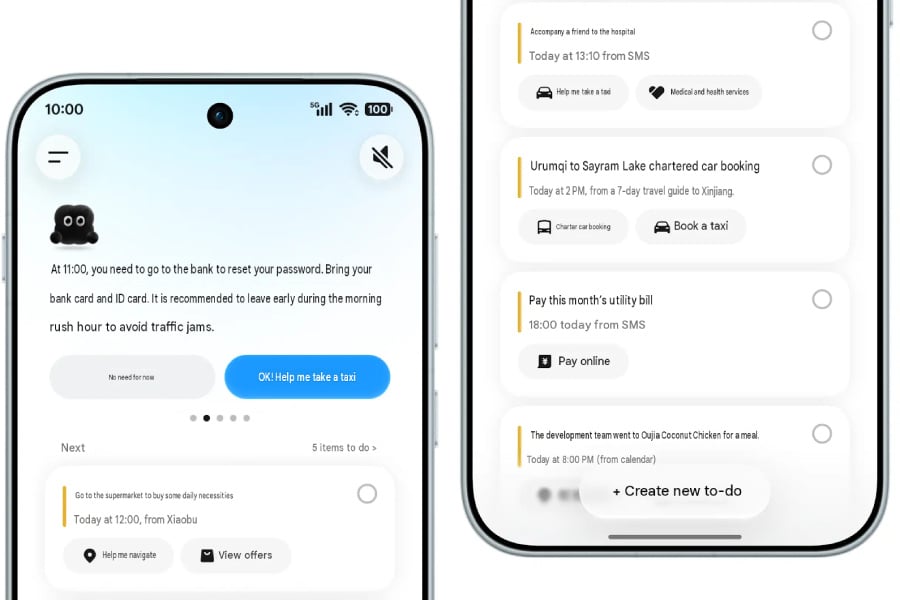
Oppo’s assistant, known as Heytap Assistant, Breeno or Xiao Bu depending on the market, is getting a more proactive role with Xiao Bu Space.
Instead of simply waiting for commands, it can keep track of tasks and flag things that need attention. Oppo gives examples such as an overdue credit card payment or a forgotten reservation, with the assistant pointing you toward the service that can resolve the issue.
Travel is another area where Oppo is putting Xiao Bu to work. You can describe a trip in one sentence and have it create an itinerary covering things like transport, accommodation, tasks and precautions. Once you’re travelling, it can show your boarding pass, arrange a taxi after you land, and even warn you if you have selected the wrong airport, station, or terminal.
Oppo says the assistant supports more than 700 scenarios. For now, these features have been announced for the China version of ColorOS 17, and it has not confirmed which ones will make their way to global builds.
8. Scam and deepfake protection
Oppo is also using AI to add more protection against scams and deepfakes.
One of the new tools is AI Cross-App Anti-Fraud, which looks at activity across calls, web browsing, and app installations. If it detects a chain of behavior that could eventually lead to a coerced payment, it can warn the user and record the event.
Then there is AI Face-Swapping Detection, which checks video calls for signs that someone’s face may have been digitally replaced and reminds you to verify who you are speaking with.
Finally, AI Call Anti-Fraud uses a new language model to look for scam scripts and AI-generated voices. Oppo says it can work across its own apps as well as third-party apps.
9. Car, watch and earphone features
ColorOS 17 is also expanding beyond the phone itself. Oppo has added Car+ connectivity, which allows supported cars and phones to work together more closely.
For example, Walking-Navigation Handover can move navigation from your phone to the car’s larger display when you start driving.
Oppo’s watches get some new tricks as well. Air gestures let you control parts of the phone without touching the screen. A double pinch can switch songs or videos, while a wrist flip or double tap can skip backward. You can also use the watch as a remote shutter for the phone’s camera.
For fitness, FatMax can set personalized heart-rate zones and provide voice coaching, while Sports Fluid Cloud can send heart-rate and calorie data to a phone or tablet in real time.
The Oppo Watch S2, which is among the first devices to run ColorOS 17, includes FatMax mode and launches on September 22.
10. Smaller changes testers have found
There are also a few smaller changes that have shown up in the closed beta. These aren’t necessarily final, so Oppo could still change them before the stable release.
For calls, you can swipe up to answer and swipe down to end one, with an option to reverse those gestures if you prefer. The status bar has also been rearranged, with the battery shown first, followed by Wi-Fi and signal information. On dual-SIM phones, the two signal indicators can also appear as a single block.
The torch gets a new full-screen interface with a brightness slider, while the charging animation now uses a glowing battery bar.
11. Which phones get ColorOS 17?
Oppo’s ColorOS 17 page lists the Oppo Find X10 series, OnePlus 16, and Oppo Watch S2 among the first devices to debut the new software. You can also check our Oppo Find X10 series roundup for what we know about that lineup so far.
For existing devices, Oppo has already published a rollout schedule for models in China. The stable rollout starts on October 8, although that doesn’t mean every device in a particular batch will receive the update on the same day. Oppo describes these as rollout start dates, and the schedule can still change.
Here are the main batches:
October 8: Oppo Find X9 series and Find N6, OnePlus 15 and OnePlus 15T, Realme GT8 Pro.
October 16: Oppo Find X8 series, Find N5 and Pad 5 Pro, OnePlus 13 and OnePlus 13T, Realme GT7 Pro, GT8 and Neo8.
October 20: OnePlus Ace 6 series and Oppo Watch X3.
October 22: Oppo Reno 16 and Reno 16 Pro.
November 26: Oppo Find X7 Ultra, Reno 15 and Reno 14 series, OnePlus 12, OnePlus Ace 5 series, Realme GT5 Pro, GT7, Neo7 and Realme 15 Pro, along with more Oppo tablets and foldables.
For users outside China, the wait is a little longer. Oppo has not yet published a global or India rollout calendar.
The company is already running a closed beta in India for the Oppo Find X9 Pro, Reno 15 Pro, Reno 15 Pro Mini, OnePlus 15, OnePlus 15R and Realme GT 8 Pro. That gives us an idea of which phones could be among the first to get the stable update, although Oppo has not confirmed its final rollout dates. The ColorOS 17 beta expansion has more details on the wider beta list.
OnePlus users will also have a choice when the transition happens. They can move from OxygenOS to ColorOS and roll back later if they decide they want to return. Realme India, meanwhile, has confirmed that its upcoming phones will launch with ColorOS 17 instead of Realme UI.
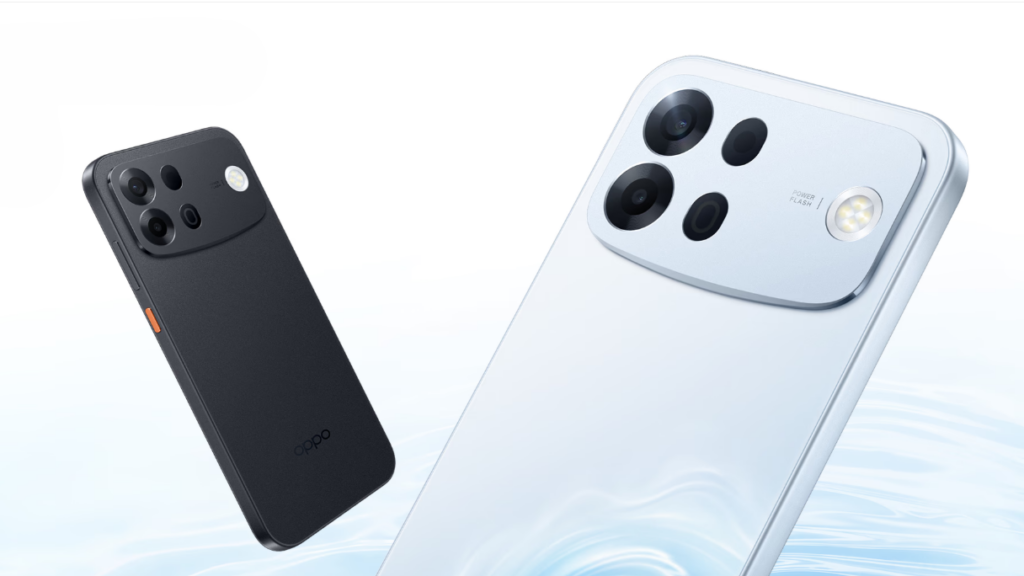
Oppo’s been quietly expanding one of its more interesting mid-range phones beyond China. The Oppo A7 Pro Max 5G first showed up in China back in August 2026, and it’s now launched in Austria, Malaysia, and Thailand. If you’re the kind of person who hates hunting for a charger every few hours, this one’s worth a look.
The big headline is the battery: a massive 10,000mAh pack. That’s among the biggest you’ll find in a mainstream phone right now. It also supports 80W wired charging (so a full top-up takes about 90 minutes in ideal conditions) and 27W reverse charging, meaning you can use it to top up other devices in a pinch. Oppo’s using silicon-carbon battery tech that should hold up better over time and keep more of its capacity after lots of charge cycles.
The rest of the phone is solid mid-range fare. You’re getting a 6.78″ AMOLED screen at 2,772 × 1,272 with a 120Hz refresh rate and peak brightness up to 1,800 nits, so outdoor visibility should be decent.
Under the hood is the Snapdragon 4 Gen 5 (4nm) with LPDDR4X RAM and UFS 3.1 storage. Cameras are more modest: a 50MP main sensor with OIS, a 2MP mono secondary on the back, and a 50MP selfie camera. Video maxes out at 1080p/30fps both front and rear.
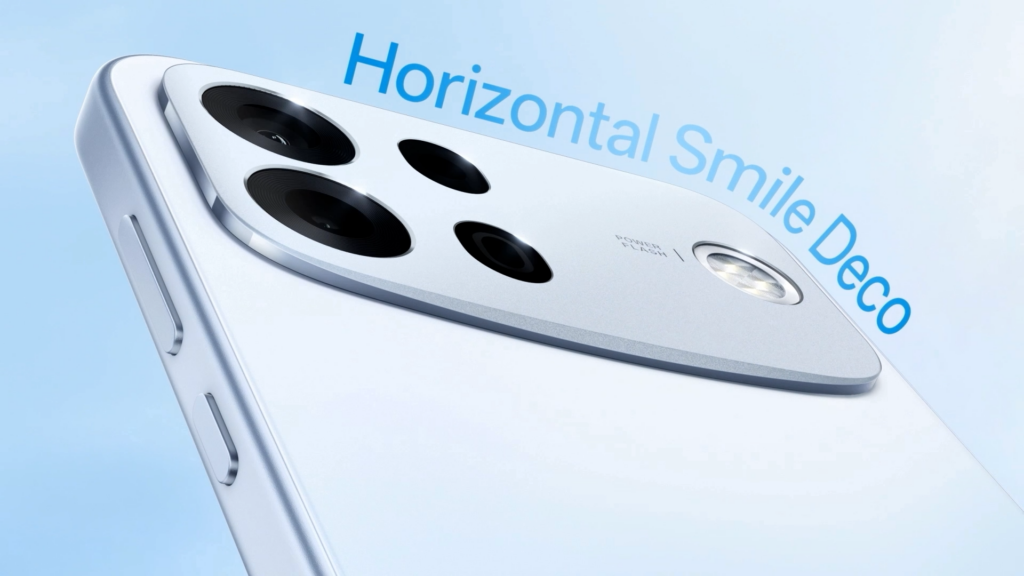
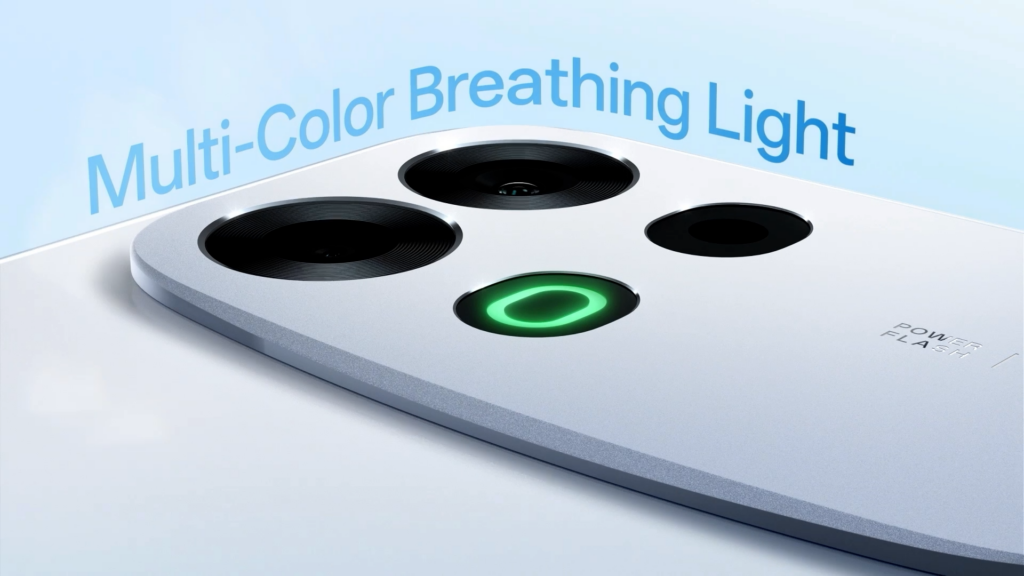
While the camera specifications aren’t exactly exciting, the Xiaomi Mix Fold 4-like camera plateau and a multi-color “Breathing Light” make the phone’s appearance stand out.
It packs an IP69K water and dust resistance rating, an optical in-display fingerprint sensor, and NFC. Software is ColorOS 16 on Android 16. Despite the huge battery, it’s not a brick: roughly 163 × 78 × 8.6 mm and about 224g.
Pricing depends on the market. In Austria the 6GB/256GB model is €599 (around $688). Malaysia and Thailand get the 8GB/256GB version for MYR 2,299 (~$563) and THB 19,999 (~$600) respectively. Colors are Surfing Blue and Lunar Black.
We use cookies on our website to give you the most relevant experience by remembering your preferences and repeat visits. By clicking “Accept”, you consent to the use of ALL the cookies.
This website uses cookies to improve your experience while you navigate through the website. Out of these, the cookies that are categorized as necessary are stored on your browser as they are essential for the working of basic functionalities of the website. We also use third-party cookies that help us analyze and understand how you use this website. These cookies will be stored in your browser only with your consent. You also have the option to opt-out of these cookies. But opting out of some of these cookies may affect your browsing experience.
Necessary cookies are absolutely essential for the website to function properly. This category only includes cookies that ensures basic functionalities and security features of the website. These cookies do not store any personal information.
Any cookies that may not be particularly necessary for the website to function and is used specifically to collect user personal data via analytics, ads, other embedded contents are termed as non-necessary cookies. It is mandatory to procure user consent prior to running these cookies on your website.