Advertisement

Meizu 20 Series Roundup: Launch Date, Specs, & Expected Price

Meizu is no longer a known name in the smartphone industry. However, the company is still alive and has been releasing its annual flagships in its home market China, except last year.

The firm was acquired by Geely in 2022. Following the acquisition, the new owner confirmed that the brand will release a new premium smartphone lineup in 2023.

As promised, the company has scheduled a launch event for this week to introduce its latest flagship smartphones — Meizu 20 series.

For the unaware, the Meizu 18 series is the company’s last premium smartphone lineup. It was released in 2021. Since there wasn’t a successor in 2022, the brand has skipped the Meizu 19 moniker.

With that out of the way, let’s take a look at everything that’s known about the upcoming Meizu handsets.
Meizu-20-Pro
Meizu 20 Pro

Meizu 20 Series Launch Date

The Meizu 20 series is set to launch in China on March 30. The press conference will begin at 7:30 PM GMT+8.

The event will be live-streamed on Weibo and other leading Chinese video streaming platforms.

Meizu 20 Series Design

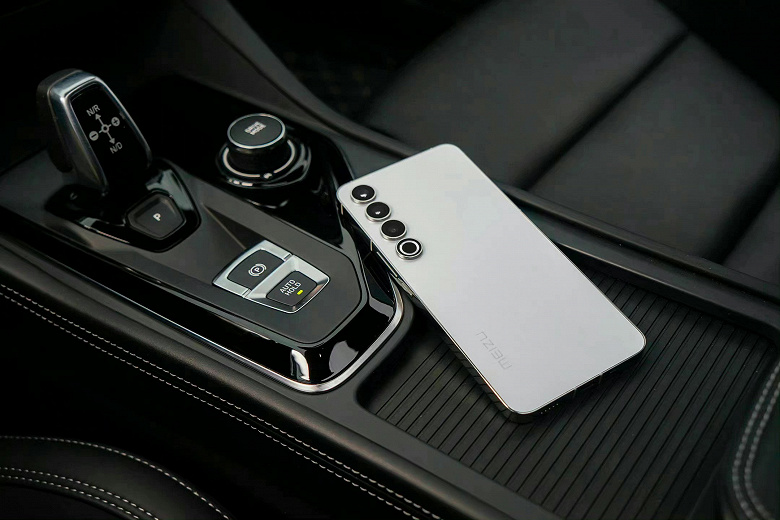
The Meizu 20 series borrows designs from both the Samsung Galaxy S series and the Apple iPhones. It has a flat frame like the iPhones and features a camera layout similar to the Galaxies.

The handsets are expected to arrive in at least two colors, such as white and gold. There could be other hue options as well.

Meizu 20 Series Specifications

The Meizu 20 lineup is said to include two devices, namely Meizu 20 and Meizu 20 Pro. Both of them are expected to be powered by a Qualcomm Snapdragon 8 Gen 2 chipset paired with LPDDR5x RAM and UFS 4.0 storage.

The phones are also tipped to sport 10-bit HDR-enabled OLED displays with up to a 120Hz refresh rate. The pro model will not only have a larger panel but it will also support LTPO technology.

Not much is not known about the cameras, except that the Meizu 20 Pro will flaunt a 1-inch Sony IMX989 sensor, like the rest of the Chinese flagship smartphones from Xiaomi, Oppo, and Vivo.

On the software front, the phones will boot Flyme 10 based on Android 13. Last but not least, the Meizu 20 Pro will draw energy from a 5,000mAh battery and will carry support for 80W wired charging and 50W wireless charging.

Meizu 20 Series Expected Price

The Meizu 20 series may cost between ¥4,000 (~$580) and ¥6,000 (~$870). We wouldn’t be surprised if it costs more than this, given the current economic situation.

RELATED:

South Korea Surpasses China in Chip Spend, Transforming the Global Semiconductor Landscape

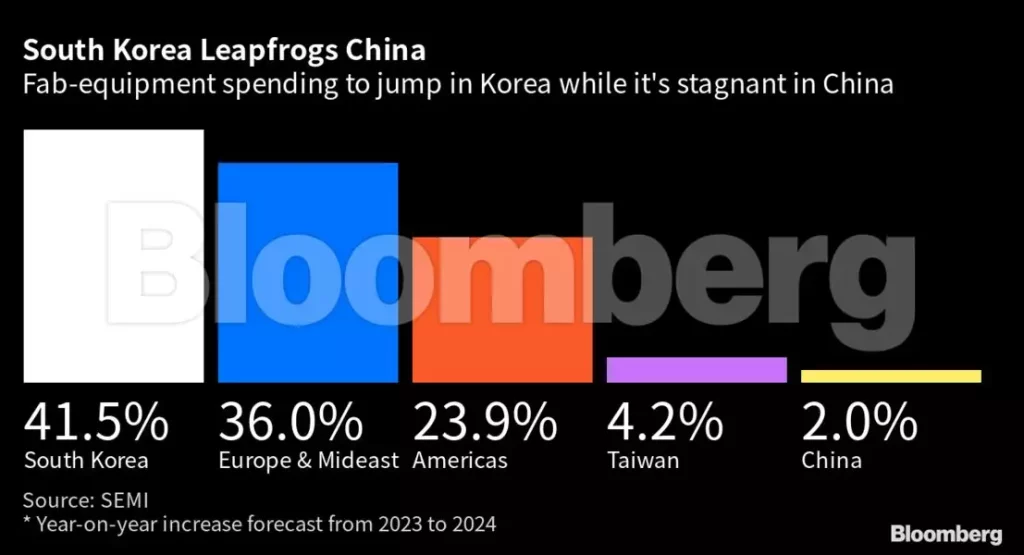
South Korea is set to overtake China in spending on advanced chipmaking equipment in 2024, a significant shift signaling the impact of US export controls on the global semiconductor supply chain. Data from SEMI, a US-based global semiconductor association, reveals that South Korea’s investment in fab equipment will likely increase by 41.5% to $21 billion, while China’s spending will only grow by 2% to $16.6 billion. Here are the details…

South Korea beating China in chip spend to reshape global semiconductor supply chain

South Korea is set to overtake China in spending on advanced chipmaking equipment in 2024,.This shift highlights China’s ongoing struggle to secure essential machinery for improving its chips. The US-imposed restrictions have made it increasingly difficult for China to access equipment from leading manufacturers like ASML Holding NV of the Netherlands. With Dutch and Japanese governments also joining the US in imposing export restrictions, advanced chips and equipment from companies such as Nvidia Corp. and Tokyo Electron Ltd. are now largely inaccessible to Chinese buyers.

Source: Bloomberg

As a result, US chipmaking equipment suppliers, including Applied Materials Inc., Lam Research Corp., and KLA Corp., are projected to lose billions in sales this year due to the US restrictions on China. Semiconductor foundries are crucial in the race for economic and political dominance, as they manufacture cutting-edge chips required for artificial intelligence, self-driving vehicles, and other advanced technologies. For example, OpenAI’s ChatGPT was created by assembling tens of thousands of Nvidia’s A100 chips, which are banned for sale in China, into a functional supercomputer.

Recognizing the importance of foundries and the increasing concerns from the US, South Korea is now focusing on building foundries within its own borders. Earlier this month, President Yoon Suk Yeol announced plans to invest in a chipmaking cluster south of Seoul, with Samsung Electronics Co. committing to invest 300 trillion won ($230 billion) over the next two decades. Furthermore, Samsung is constructing a semiconductor plant in Texas to expand its foundry business, particularly in the US market.

Taiwan, home to the world’s largest contract chipmaker, Taiwan Semiconductor Manufacturing Co., is expected to maintain its global lead in fab equipment spending. SEMI predicts that fab equipment spending in Japan will rise to $7 billion in 2024, following the recent lifting of export curbs to South Korea as diplomatic ties and tech supply chains were restored between the two US allies.

RELATED:

(via)

AI & Smartphones – An Ongoing Revolution in the world of Mobile Technology

Artificial Intelligence is taking over every industry in the world right now, especially with services like ChatGPT becoming more mainstream day by day. In the approaching years, the integration of artificial intelligence (AI) with smartphones is set to transform the way we use and interact with our mobile devices, which are already key factors in our lives as of now. As AI technology continues to advance, it is becoming increasingly clear that the smartphone of the future will be a far more intelligent and intuitive device than anything we have seen before. Let’s see how this revolution is taking place, and how it will shape up in the future.

Smartphones AI

One of the key ways in which AI will be integrated with smartphones is through the use of virtual assistants. Already, we have seen the likes of Siri, Alexa, and Google Assistant become increasingly sophisticated, able to understand natural language queries and respond with relevant information. However, in the coming years, virtual assistants will become even more intelligent, able to anticipate our needs and preferences and offer personalized recommendations and suggestions. For example, they may be able to suggest restaurants based on our past dining habits, or recommend books based on our reading history. A lot of services already do that, so the future will be quite interesting.

Another way in which AI will be integrated with smartphones is through the use of augmented reality (AR) technology. AR allows digital objects to be overlaid onto the real world, creating a seamless blend of virtual and physical environments. This technology has already been used in a number of smartphone apps, such as Pokemon Go, but in the future, it is likely to become even more widespread. AR could be used to create immersive gaming experiences or to provide real-time information about our surroundings, such as the names of buildings or landmarks. AI and AR are complementary technologies, since services that are working with Augmented Reality technology use AI to build (and integrate) environments that can be catered to audiences. Furthermore, marketing AR tech to users has become easier than ever. For instance, certain AR offers or coupons can appear on the customer’s device when they are shopping through the aisles of a store. This is powered by AI, since it recognizes your location and patterns to recommend you relevant information – in this case, coupons. Google Maps has already started integrating AR within Street view. When you open maps and AR is an option, the app will automatically recommend switching to AR view, and it’s a lifesaver for tourists who like exploring places without the guidance of locals and the barrier of language.

AI will also play a key role in improving the security of smartphones. Already, many smartphones use facial recognition or fingerprint scanning to unlock the device, but these systems can be bypassed by hackers using sophisticated techniques. In the future, AI-powered security systems could use a range of biometric data, such as voice and behavioral patterns, to more accurately identify the user and prevent unauthorized access. For reference, AI is far more capable of recognizing certain frequencies and discrepancies in sound signatures which can help privacy-centric people be stress-free since hacking an AI-powered security barrier will be far harder than a simple fingerprint scanner.

However, as with any technological advancement, there are also concerns about the integration of AI with smartphones. One of the main concerns is the potential loss of privacy, as AI-powered virtual assistants may have access to sensitive personal information. There are also concerns about the impact of AI on employment, as the increasing automation of tasks may lead to job losses in certain industries.

Despite these concerns, it is clear that the integration of AI with smartphones has the potential to revolutionize the way we use and interact with our mobile devices. As technology continues to advance, we can expect to see even more sophisticated virtual assistants, more immersive AR experiences, better photographs, and more secure and personalized smartphones. It is up to us as consumers to ensure that the benefits of these advances are balanced against the potential risks, and that we use this technology responsibly and ethically.

RELATED:

ISRO successfully launches another 36 OneWeb satellites with LVM3 rocket

ISRO (Indian Space Research Organisation) has just successfully launched another 36 satellites from its largest LVM3 rocket. These new satellites were launched by NewSpace India Limited (MSIL) and officially completes the plans to release 72 satellites of OneWeb to Low Earth Orbit.

For those unaware, the Indian Space agency had previously deployed 36 satellites of OneWeb back in October 2022. And on Sunday (March 26), it announced that the lift off was successful and carried a total of 36 OneWeb Gen 1 satellites that weigh around 150 kilograms for a total payload of 5,805 kilograms. Following launch, the LVM3 rocket hit the required altitude of 450 kilometers in about 9 minutes.

ISRO

The rocket reached the conditions to release the satellites into Low Earth Orbit in 18 minutes and began releasing these OneWeb satellites in the 20th minute mark.The new 36 OneWeb satellites were separated in 9 phases with batches of 4. OneWeb also confirmed that the satellite injection was successful as it confirmed the acquisition of signals from all 36 satellites. Notably, this mission being successful also marks the second OneWeb satellite deployment project from India.

Furthermore, this is also OneWeb’s 18th launch, which brings its total OneWeb satellite count to 618 units. The OneWeb constellation design requires 588 satellites for global coverage and additional satellites are planned for resiliency and redundancy, as per the company.

RELATED:

(Via)

boAt Wave Armour rugged smartwatch with 1.83″ display, Bluetooth calling launched in India

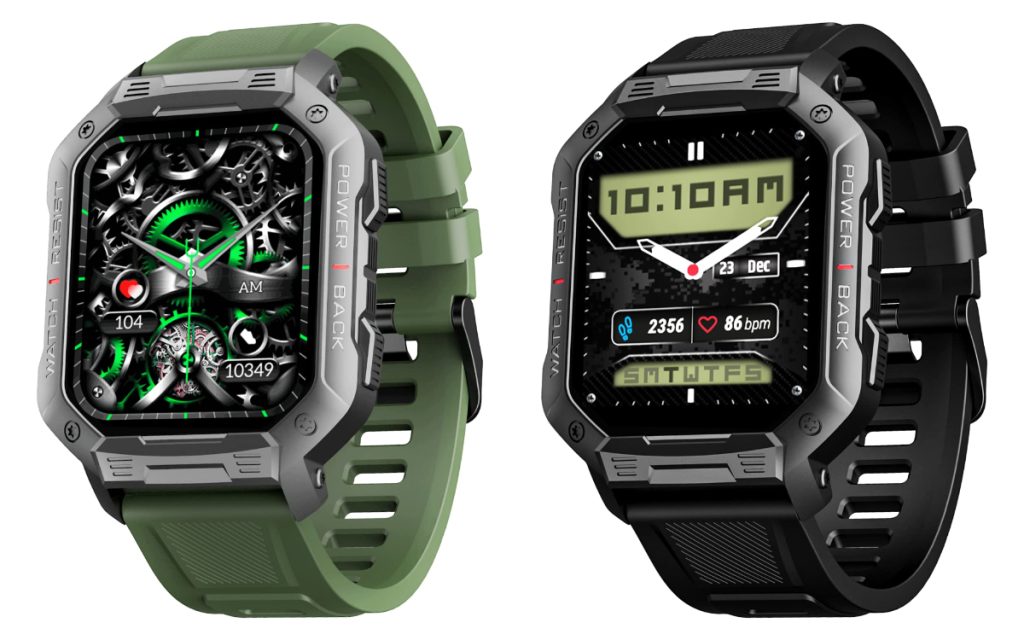
boAt, a leading Indian brand in the audio equipment segment, has added a new smartwatch, the boAt Wave Armour, to its lineup. The boAt Wave Armour is a military-grade smartwatch that boasts a rugged design and advanced features for health and wellness monitoring.

The most impressive feature of the boAt Wave Armour is its tough and durable display. The watch comes with a large 1.83″ HD display with a 240×284 resolution and a high brightness level of 550 nits. This means users can view the screen even in bright sunlight. The watch also has a split-screen widget, which enables users to access multiple features simultaneously.

The design of the boAt Wave Armour is sturdy and built to withstand tough conditions. It has a zinc-alloy body that is resistant to damage, making it ideal for outdoor activities. The watch is IP67-rated, meaning it is dust and water-resistant, making it perfect for fitness enthusiasts who love to work out in any condition. It has a comprehensive health and wellness monitoring system. The watch tracks heart rate, SPO2, and sleep stages. It has 20+ sports modes, including cricket and hiking, making it perfect for fitness enthusiasts.

The battery life of the smartwatch is impressive, lasting up to 7 days on a single charge, or up to 2 days with Bluetooth calling. This means users can wear the watch without worrying about constantly charging it. In terms of connectivity, the smartwatch has Bluetooth version 5.2 and Bluetooth calling. It has a built-in mic and speaker, making it easy for users to make and receive calls on the go.

Pricing and availability

The boAt Wave Armour Smartwatch with Bluetooth Calling feature is now accessible at a special introductory price of only Rs 1,899 on boAt-lifestyle.com and Amazon.in. Customers can choose from two color options, Active Black and Olive Green, to suit their preferences.

RELATED:

Apple may launch iOS 17 with some long anticipated features

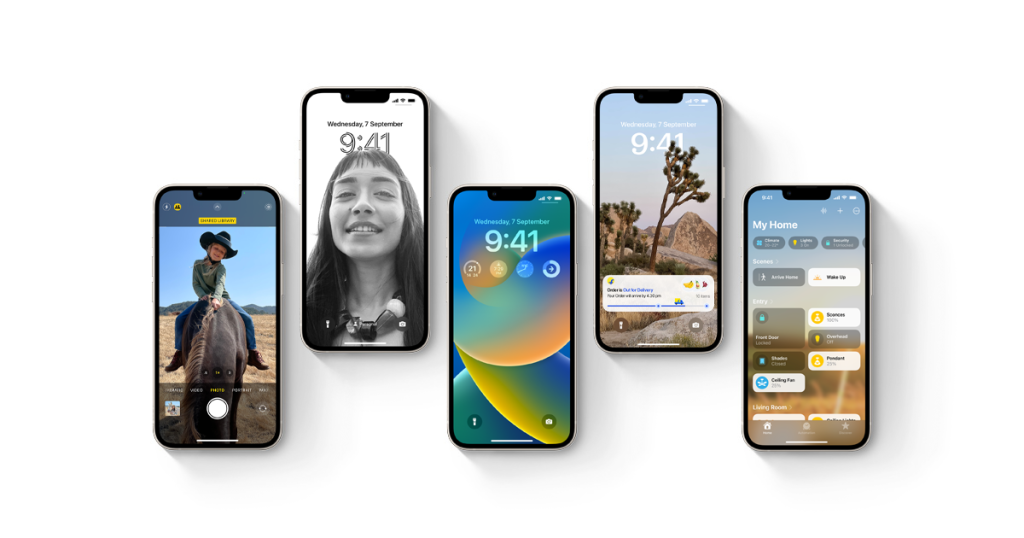
Apple has been working on its next iteration of iOS for sometime now. The new iOS 17 is set to launch later this year and will reportedly come with some highly anticipated features that many have been looking forward to. So here are all the details.

The news arrives from the latest Power On newsletter from Bloomberg’s Mark Gurman. Based on what we know so far, the Cupertino based giant is gearing up to launch the new major software version for its smartphones in June 2023. Previously, it was believed that the iOS 17 update would arrive with incremental changes over the last generation software. But it appears that the iPhone maker has changed its strategy in late development stages.

Apple

So now, rather than focusing on simply performance improvements and fixing other issues, it will now launch with a bunch of new features. With the new update, Apple is expected to offer improvements alongside new features such as an updated CarPlay experience, upgrades to Siri, support for sideloading apps and alternate app stores, along with mixed reality headset support, among other things.

In other words, it is clear that the brand will not be launching a simple update this year. We can expect the iOS 17 announcement to arrive sometime in June during the Worldwide Developers Conference (WWDC 2023) event. This is all the information we have at the moment, so stick around for more updates regarding this matter.

RELATED:

(Via)

OPPO to exit Germany, France, Netherlands, UK markets

OPPO, one of China’s leading smartphone manufacturers, plans to withdraw from its business operations in Germany, France, Netherlands, and the UK. The company will only retain a few employees to handle basic operations, and the plan is expected to be implemented in mid-2023. The move comes amid tough market conditions in Europe, where high sales costs and declining consumer purchasing power have made it increasingly difficult for companies to operate profitably.

OPPO’s decision to scale back its operations in Europe reflects the challenging environment faced by smartphone manufacturers in the region. According to Counterpoint Research, smartphone shipments in Europe declined by 17% in 2022, marking the worst year for the industry since 2012. This trend was particularly pronounced in the fourth quarter of the year when OPPO’s shipment volume fell by 39% year-on-year.

OPPO

The decline in smartphone sales in Europe has been driven by a number of factors, including the ongoing Russian-Ukrainian conflict and inflation, which have caused a decline in consumer purchasing power. Additionally, the high operating costs associated with doing business in the region have made it difficult for companies to achieve profitability.

Despite these challenges, OPPO remains committed to the European market and plans to invest accurately and efficiently in key markets in the future. The company recently launched the global version of its OPPO Find N2 Flip in London, UK, and showcased multiple products and technologies at the World Mobile Congress in Barcelona, Spain.

However, OPPO is also facing a difficult patent litigation issue in Europe. Nokia has sued OPPO for patent infringement in Finland, Germany, Sweden, the UK, the Netherlands, and other countries after the company entered the European market.

In response to the challenging market conditions, industry experts suggest that smartphone manufacturers will need to focus on innovation and differentiation to stand out in the crowded market. Companies will also need to work closely with carriers and retailers to effectively market and distribute their products in the region.

RELATED:

(Source)

You Are Being Watched! France plans to use AI-powered surveillance to secure the Olympics

The use of artificial intelligence technologies is growing every day. AI has been used for various purposes, from academic research to creating non-existent videos. Now, AI is set to replace security personnel as France has approved its use in video surveillance during the 2024 Paris Olympics. Here are the details…

France looks to AI-powered surveillance to secure Olympics

During the 2024 Paris Olympics, France will use AI to monitor and analyze activities across the capital. Government officials say that algorithmic video surveillance can detect pre-determined events, abnormal behavior, and crowd surges, helping to ensure the safety of millions of tourists visiting the French capital next summer. This means AI’s role won’t be limited to merely observing events in real-time.

Ai surveillance

Some may recall the TV series “Person of Interest,” which aired between 2011 and 2016. The show depicted AI predicting future events and alerting authorized individuals. It seems that the series accurately predicted the future of AI surveillance. However, France’s approach will involve observation through public cameras only, without eavesdropping on phone calls or reading messages like in “Person of Interest.”

Harold Finch From Person of Interest

Despite these measures, security concerns persist. Critics argue that this could lead to unwarranted surveillance and question whether the government should impose sanctions related to uncommitted crimes. However, many people support the use of AI, believing it will reduce terrorist incidents.

Defending the technology, Stephane Mazars, an MP with President Emmanuel Macron’s Renaissance party, said, “In front of the whole world, France will need to rise to meet the greatest security challenge in its history.” France’s privacy watchdog, CNIL, is also backing the French government’s bill on the condition that no biometric data is treated. However, privacy specialists are still sceptical.

RELATED:

(via)

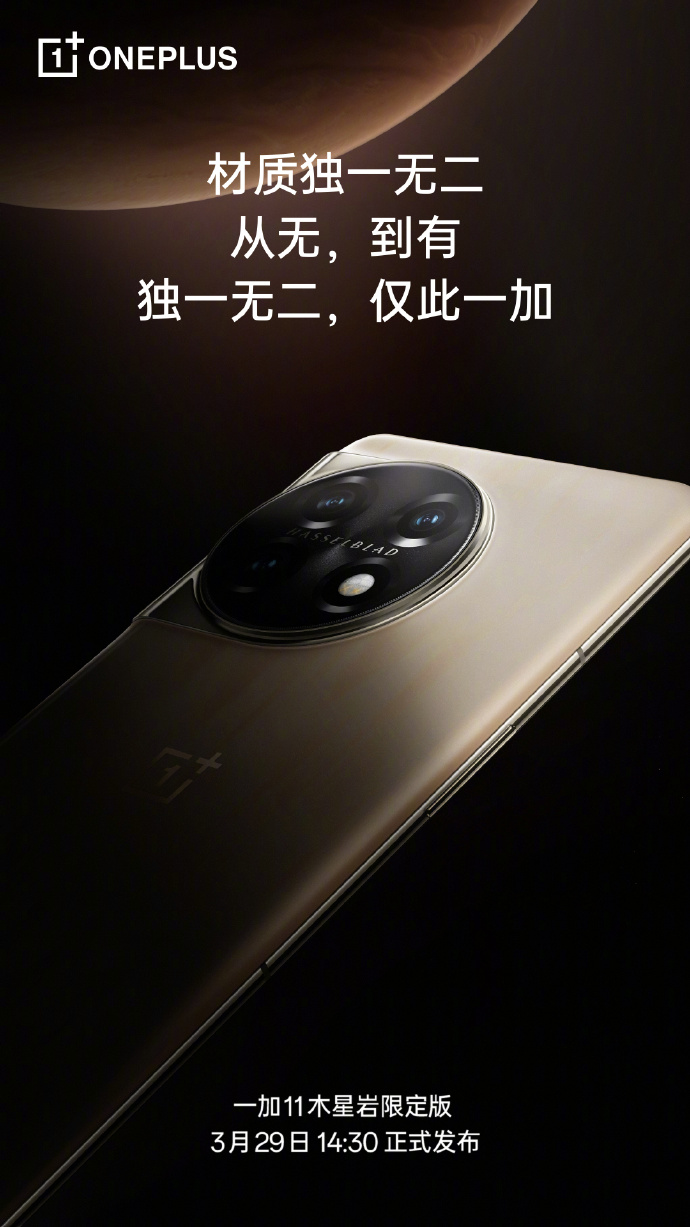
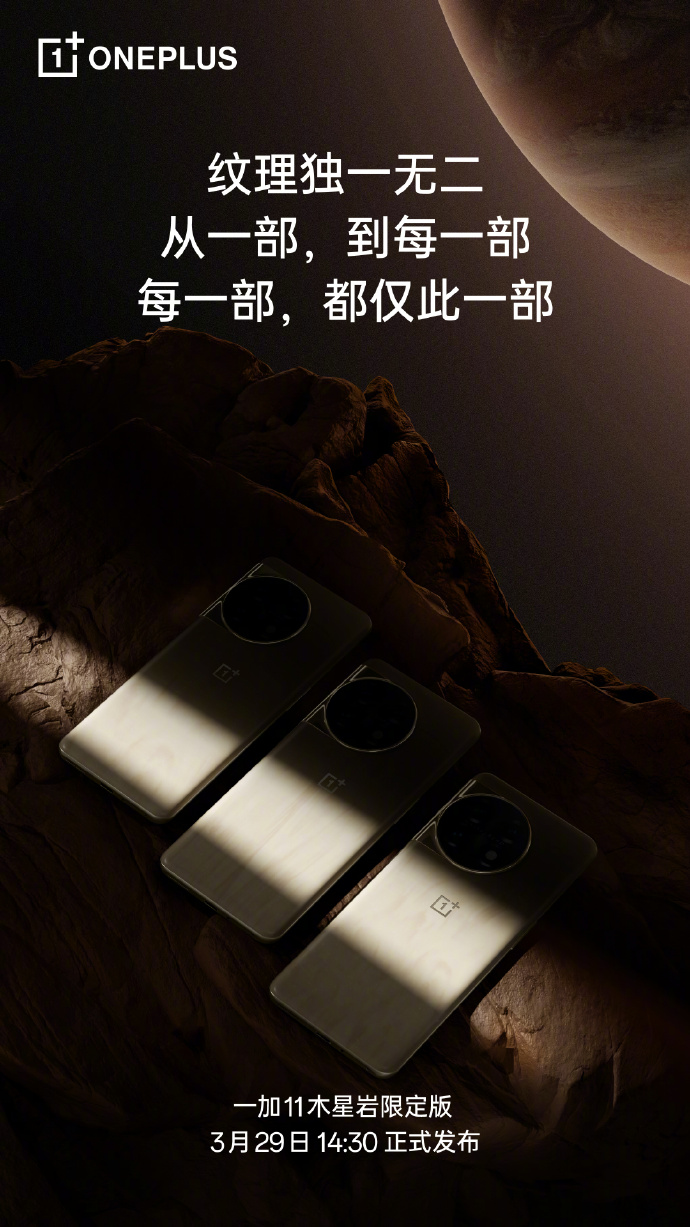
OnePlus 11 Jupiter Rock Edition launching on March 29

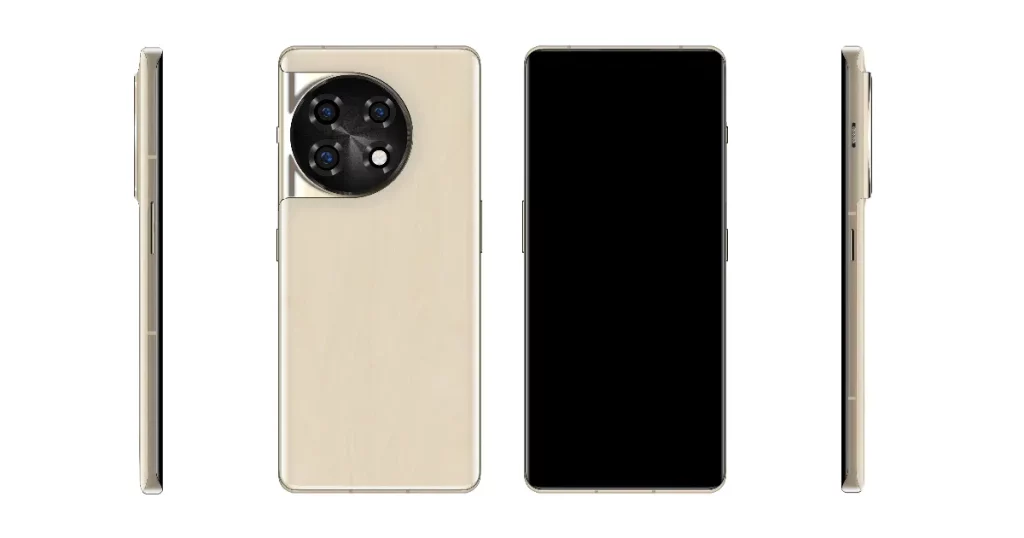
OnePlus has announced the launch of a limited edition variant of its flagship smartphone, the OnePlus 11 5G Jupiter Rock Edition, in China on March 29. The new edition is expected to feature unique design materials with pleasant textures, which have not been used in the industry before. Although details about the materials are currently under wraps, the live image of the Jupiter Rock edition leaked in the past showed a cream-colored back that resembles the shades of Jupiter’s surface.

OnePlus president Li Jie had previously stated that the Jupiter Rock edition will be quite unique, and the phone is expected to be available in limited quantities for a limited time period. More details about the special edition variant are likely to be revealed at the launch event. The OnePlus 11 5G was launched earlier this year in Black and Green color options for global markets.

OnePlus 11 specs

The OnePlus 11 boasts a 6.7-inch QHD+ AMOLED display with curved edges and a hole-punch cutout at the top left corner. It supports a 120Hz refresh rate, offers 1300 nits of peak brightness, and is compatible with Dolby Vision technology. Powered by a Snapdragon 8 Gen 2 SoC, the smartphone comes with up to 16GB of RAM and 256GB of storage.

It also features a 5000mAh battery that supports 100W wired fast charging but doesn’t have wireless charging capabilities. The phone’s triple-camera setup on the back is tuned by Hasselblad and comprises a 50MP Sony IMX890 primary camera, a 48MP ultra-wide camera, and a 32MP telephoto camera. For selfies, the OnePlus 11 5G comes with a 16MP front camera.

RELATED:

(source)

Infinix Hot 30i launched for under Rs 10,000 in India with 8GB RAM & 90Hz display

Infinix has just launched a new budget grade smartphone in the Indian market. The device in question is the Hot 30i model, which features so notable specs despite having a sub 10,000 INR price tag. So let’s have a look.

Inifnix

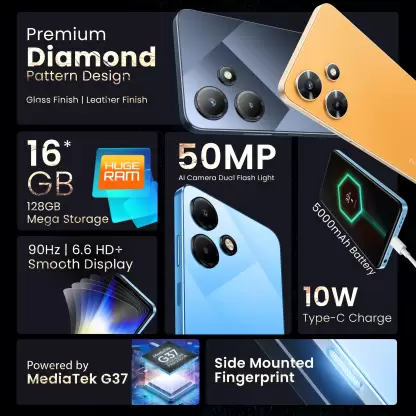
The Hot 30i was just released and sports a 6.6 inch HD+ IPS LCD panel that supports Panda Glass protection, 90Hz refresh rate, and 500 nits of peak brightness. Under the hood, it is equipped with the MediaTek Helio G37 SoC. Despite its affordable price tag, the brand’s new Hot 30i features 8GB of RAM and 128GB of internal storage. Notably, the Hot 30i model also supports virtual RAM expansion, which allows you to get up to 16GB of RAM.

The device is also powered by a large 5,000mAh battery pack, but it only supports 10W standard charging. The rear features a 50 megapixel primary sensor along with an AI lens. On the other hand, the front houses a 5 megapixel selfie shooter. Other notable features include, side mounted fingerprint scanner, Android 12 OS based XOS 12 custom skin, IP53 water and dust resistance, USB Type-C port, 3.5mm headphone jack, 191 grams in weight, and 8.4mm thickness.

The smartphone has been launched in India in multiple color options including, Mirror Black and Glacier Blue. There is also a premium faux leather finish variant as well. It has a price tag of 8,999 INR and is available in India via Flipkart.

RELATED:

Lava Blaze 2 4G appears on Geekbench with Unisoc T616 SoC

LAVA, an Indian smartphone brand established in 2009, had gained popularity in the market for its budget-friendly and feature-rich smartphones. In 2021, it launched the Lava Z series, followed by the Lava Blaze 5G in the previous year. LAVA is expected to release another affordable smartphone in India soon.

Lava Blaze 2

The upcoming entry-level smartphone from LAVA is rumored to be called the Lava Blaze 2 and may be available in the Indian market by April. The device is speculated to feature a Unisoc T616 SoC processor and is expected to cost less than Rs. 10,000.

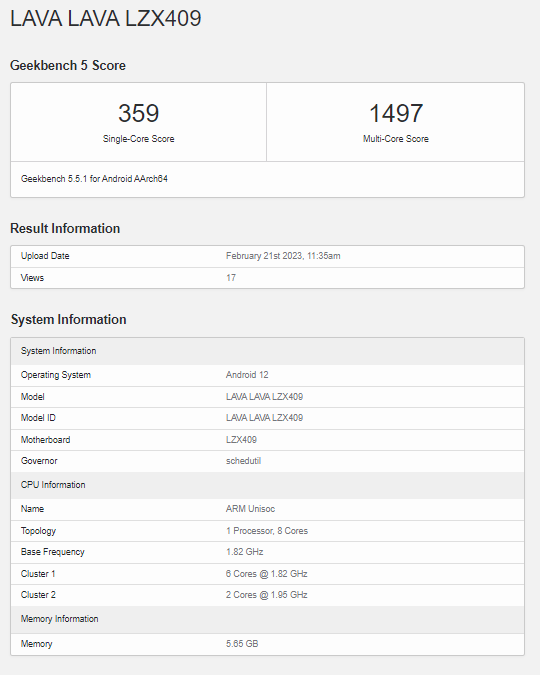
The Geekbench listing for the Lava Blaze 2 reveals that it will be equipped with a UNISOC chipset. This 0cta-core chip features a base frequency of 1.82GHz and a boost clock speed of 1.95GHz. Based on the benchmark scores and specifications, the Lava Blaze 2 with model number LZX409, obtained 359 points in the single-core round and 1497 points in the multi-core round of the Geekbench 5 test. The smartphone will be pre-installed with Android 12 and paired with 6GB RAM.
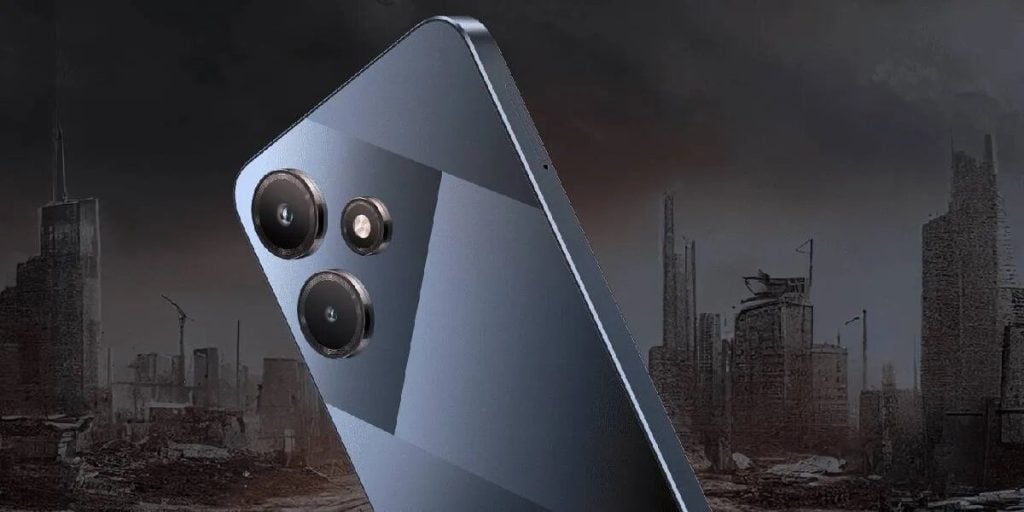
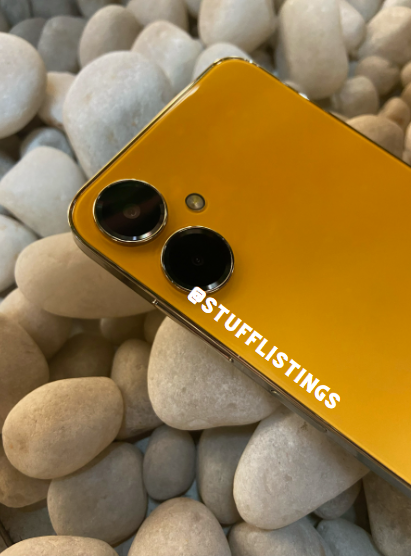
An image of the upcoming Lava Blaze 2 was recently leaked online, revealing its design. The smartphone has a flat glass back with two large rings that house the camera sensors. The sides of the phone are also flat, with the volume rockers and power button integrated into the right edge, which also serves as a fingerprint sensor. The front of the device was not shown in the leaked image, but it is expected to have thick bezels and a waterdrop notch.

RELATED:

(via)

Microsoft Releases Security Update to Fix Screenshot Vulnerability

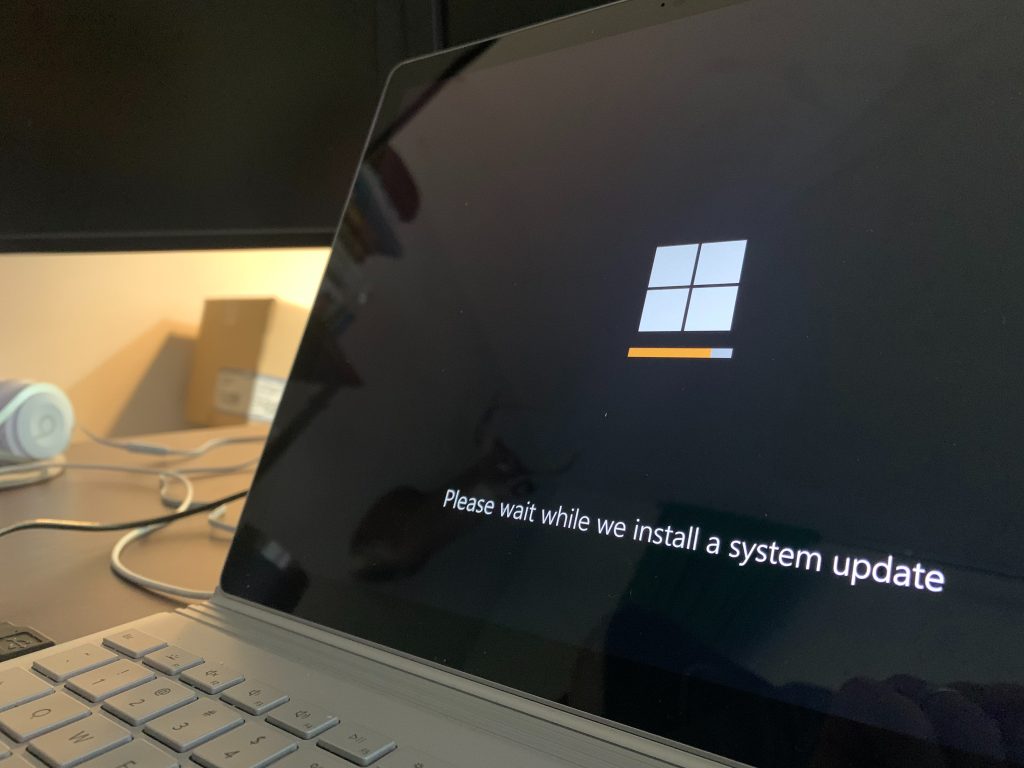
Recently, a new vulnerability came to light that compromised the security of sharing edited screenshots. Referred to as “aCropalypse”, the vulnerability was first detected on Pixel devices and addressed by Google in its March security update. In the case of Windows 11’s Snipping Tool, the issue was related to the app’s failure to overwrite cropped PNG data. Microsoft has taken swift action to address the security flaw that could have had dire consequences for users of its Windows 10 and 11 screenshot editing apps. The issue was originally discovered by Chris Blume, a retired software engineer, and reported to Microsoft earlier this week.

Windows Update

Although the vulnerability did not affect all PNG files, it posed a serious risk, as attackers could potentially recover edited images that had been cropped to conceal sensitive information. Microsoft’s patches are similar to Google’s March Android update in that they do not provide protection for images that were created prior to the installation of the updates.

According to Bleeping Computer, Microsoft wasted no time in testing and deploying updates for the affected apps. On Friday, the company began rolling out public updates for Windows 11’s Snipping Tool and Windows 10’s Snip & Sketch app. Users can easily download the updates manually by accessing the Microsoft Store and clicking on “Library,” followed by “Get Updates.” Microsoft is urging all users to install the updates as soon as possible to ensure their devices are protected.

RELATED:

(Via)

Honor Play 7T Key Specifications, Design Confirmed Ahead of March 28 Launch

On March 28, Honor will remove the covers from the Honor Play 7T mid-range 5G phone in China. It will arrive as a successor to the Play 6T from last year. Today, the brand rolled out a new poster to reveal the front and rear designs of the Play 7T. In addition, it has also confirmed the key specifications of the device.

Honor Play 7T design

Honor Play 7T Launch Date-
Honor Play 7T

The poster reveals that the Honor Play 7T will have a teardrop notch screen, which seems to be an LCD panel. The bottom edge of the device has a 3.5mm audio jack, a microphone, a USB-C port, and a speaker grille. Even though it can’t be seen in the picture, the device seems to have a fingerprint scanner on the side.

Honor Play 7T specifications

According to Honor, the Play 7T is fitted with a 6.74-inch panel. Like the predecessor model, the device may support an HD+ resolution and a 90Hz refresh rate.

The device will arrive in 128 GB and 256 GB storage versions. Both models will be equipped with 8 GB of RAM. It will be backed by a 6,000mAh battery. It is expected to run on Android 13 OS with Magic OS 7.1 on top.

It is speculated that the Honor Play 7T will feature the Dimensity 6020, which went official. The new chip offers performance similar to the existing Dimensity 700. Rumors are rife that the Play 7T will be a tweaked edition of the Honor Play 40 Plus, which debuted in October 2022.

Last year, Honor unveiled the Honor Play 6T Pro alongside the Play 6T in April. At present, there is no information available on the existence of the Honor Play 7T Pro.

RELATED:

Twitter’s Valuation Drops from $44 Billion to $20 Billion, as per Elon Musk

Twitter is a social media platform that allows users to post and interact with short messages called “tweets.” It was created in 2006 and has since become a popular tool for sharing news, opinions, and other content in real-time. Tweets can include text, photos, videos, and links to other websites. Twitter also allows users to follow other accounts and receive updates on their tweets, making it a powerful tool for staying informed about current events and engaging with others on a global scale. The company, which was worth $44 billion at the time it was purchased by Elon Musk, has drastically dropped in valuation.

Twitter

According to an email seen by The Information and The New York Times, Elon Musk has valued Twitter at around $20 billion. The memo was sent to Twitter employees on Friday to announce a new stock compensation program. In the memo, Musk warned that Twitter was in a precarious financial position and said the company had been only four months away from running out of cash at one point. Musk also stated that he sees a “clear but difficult path” to a $250 billion valuation, which would make the current stock grants worth ten times as much in the future. The policy will allow Twitter staff to sell stock every six months, which Musk claims will give employees “liquid stock” while shielding them from the “price chaos” that comes with equity at a publicly traded company.

At $20 billion, Twitter would be worth more than Snap, a company with nearly 140 million more daily active users. However, the estimate likely reflects the difficulties Twitter has faced due to Musk’s decisions. The company’s daily revenue was reportedly down 40% from a year ago at the start of 2023, and more than 500 of its top advertising partners had paused spending on the platform. The firm’s messy relaunch of Twitter Blue, which saw verified trolls abuse the service to impersonate brands, caused many of these companies to leave. With only around 180,000 Twitter Blue subscribers in the US at the beginning of February, it seems that the service is nowhere close to making up for the financial downturn Twitter has experienced since Musk’s takeover.

RELATED:

(Via)

Vivo X Fold 2 appears on AnTuTu benchmark revealing impressive performance

There have been rumors circulating that Vivo is developing a new foldable smartphone, supposedly called the Vivo X Fold 2, which would serve as the successor to the Vivo X Fold. It is expected that the phone will be released in the first half of 2023, and various specifications have already been leaked. Recently, the phone has also been seen on AnTuTu benchmark, showcasing its performance.

Vivo X Fold Plus

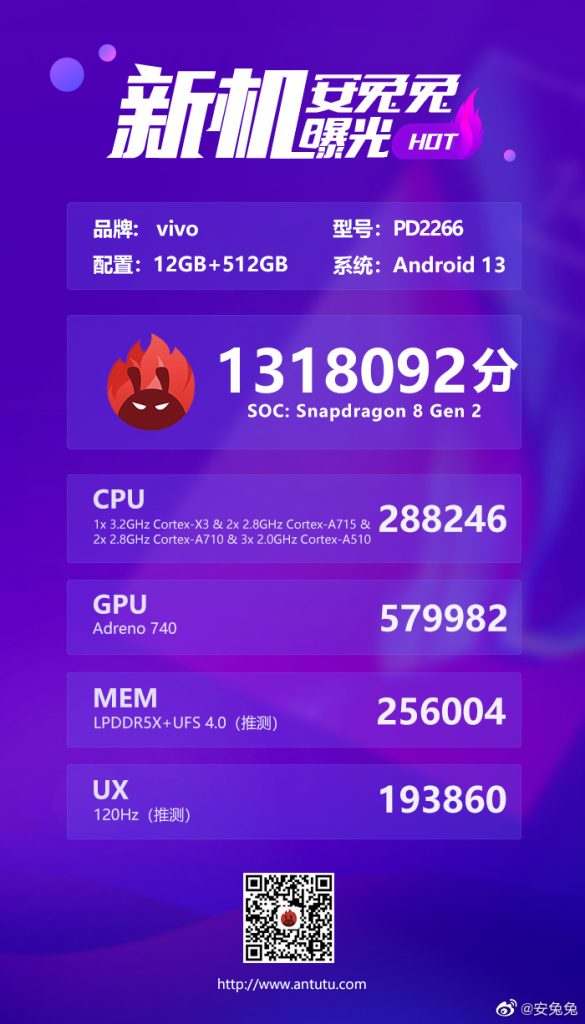
According to the AnTuTu benchmark listing, the upcoming Vivo foldable smartphone, with model number PD2266, will be equipped with the latest Qualcomm Snapdragon 8 Gen 2 SoC, 12GB of RAM, and 256GB of internal storage. The listing also confirms that the device will come with Android 13 pre-installed, with the Chinese market version featuring Origin OS 3. If the phone launches globally, it is expected to have Funtouch OS 13 installed.

Vivo

The Vivo X Fold 2 performed remarkably well on AnTuTu, scoring an impressive 13,18,092 points overall. The phone scored 2,88,246 and 5,79,982 points in the CPU and GPU tests, respectively, and obtained 2,56,004 and 1,93,860 points in the Memory and UX tests. This score places the phone among the top-performing smartphones, not just in the foldable phone category. Now, let’s examine some additional information that has been disclosed about the device.

Vivo X Fold 2 specs (rumored)

Previous leaks have also revealed additional specifications of the X Fold 2. The device is expected to be equipped with a 4800mAh battery and support 120W fast charging. Its foldable display is anticipated to measure 8 inches and feature E6 AMOLED technology, along with a 2K resolution and 120Hz refresh rate support. The phone is also rumored to come with an in-display fingerprint scanner on its cover screen.

Furthermore, the X Fold 2 is said to have a triple-camera setup on its back, including a 50MP Sony IMX866 primary camera with OIS, as well as a 12MP Sony IMX663 ultra-wide sensor and a 12MP Sony IMX663 telephoto lens. Additional information regarding the X Fold 2 should become available soon, and we will provide more details as they emerge.

RELATED:

Realme GT Neo 5 SE Display Specifications Officially Confirmed

Realme has been releasing teasers for its upcoming phone, the Realme GT Neo 5 SE. In the previous week, they showcased the rear design of the phone in their teasers, and today they released an image revealing its display and key specifications. In addition, reliable tipster Digital Chat Station has released a lifestyle image of the phone, which also gives a good look at its front design.

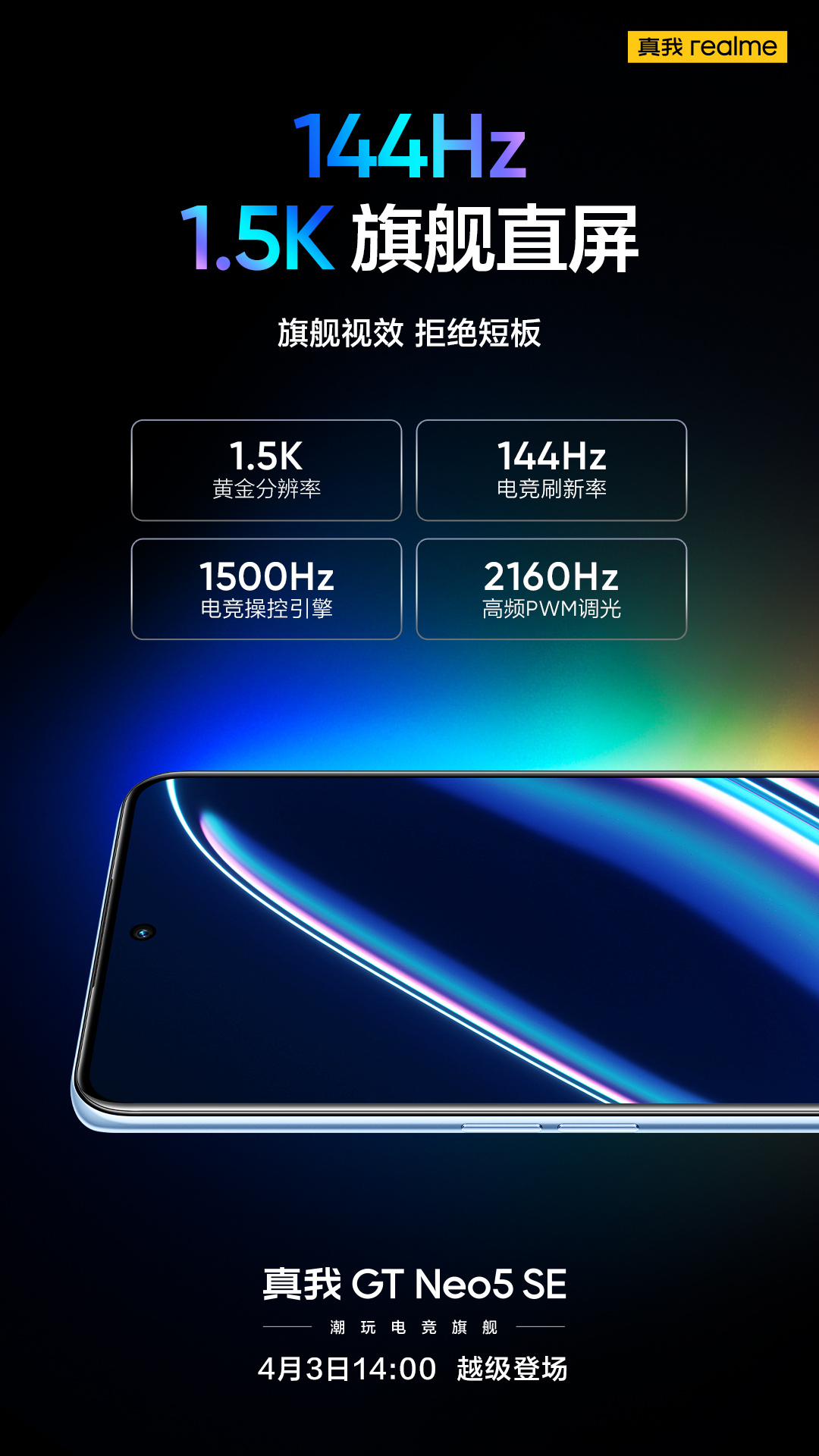
The GT Neo 5 SE has a flat display with a centrally located punch-hole that supports a resolution of up to 1.5K and has a refresh rate of up to 144Hz, as seen in the Realme poster. The screen also supports 2160Hz high-frequency PWM dimming.

DCS revealed that the OLED display of the GT Neo 5 SE measures 6.74 inches. He further said that the screen offers a maximum brightness of 1,400 nits and has a built-in fingerprint sensor. The image also reveals that the GT Neo 5 SE will offer an impressive screen-to-body ratio since its screen is surrounded by slim bezels.

The GT Neo 5 SE will be one of the first phones powered by Qualcomm’s latest chipset – Snapdragon 7 Plus Gen 2 along with LPDDR5x RAM and UFS 3.1 storage. The topmost variant of the device could be equipped with 16 GB of RAM and 1 TB of storage.  It will have a battery capacity of up to 5,500mAh that supports 100W rapid charging.

The Realme GT Neo 5 SE will have a 64-megapixel triple camera setup on the rear and a 16-megapixel selfie snapper on the phone. It will run on the Realme UI 4.0-based Android 13 OS. The device is said to be priced between 2,000 Yuan and 3,000 Yuan. It will come in at least two shades: Final Fantasy and Black. For those who don’t know, the GT Neo 5 SE is set to go official on April 4 in China. 

RELATED:

Apple Watch with Blood Glucose Monitoring feature isn’t coming anytime soon

It’s been a long time since we first heard rumors about Apple planning to add Blood Glucose Monitoring support to the Apple Watch as a part of its health-related services.

Earlier this year, it was reported that the company had made major progress in the development, which led to speculations that it could get launched soon, but now a new report claims that the device isn’t coming anytime soon.

Apple Watch

As per the latest report coming from Mark Gurman, the Apple Watch with support for the Blood Glucose Monitoring feature is still several years away. He indicates that the device will take somewhere between three to seven years to go official.

It is said that the Cupertino-based technology giant still needs to work on the algorithms and onboard sensors to be able to bring the technology to market. Further, the size of a module also needs to be reduced to fit the small and thin package of the Apple Watch.

For Apple, it has been a long journey working on introducing a Blood Glucose Monitoring technology. It reportedly first started working on it in 2010 with the acquisition of RareLight, and then it worked with Avolante Health LLC before moving to Exploratory Design Group (XDG).

The goal for Apple appears to be able to warn users of its smartwatch devices if they are prediabetic and suggest lifestyle changes before diabetes develops. It is speculated that the company is in the early stages of discussions to get regulatory approval for the technology.

RELATED:

Source

A Redmi Note 12 Turbo “Harry Potter” Edition Smartphone Is on Its Way

Tech companies have been increasingly collaborating with Hollywood studios to release special editions of their products tied to popular movies. These collaborations offer fans a chance to own a piece of memorabilia related to their favourite films while also providing tech companies with an opportunity to market their products to a wider audience. For example, Samsung has partnered with Marvel Studios in the past to release Avengers-themed versions of its smartphones, while Apple has collaborated with Disney to create Star Wars-inspired versions of its popular AirPods. As per the latest reports, Redmi is gearing up to launch a Harry Potter-themed version of their upcoming smartphone, the Redmi Note 12 Turbo.

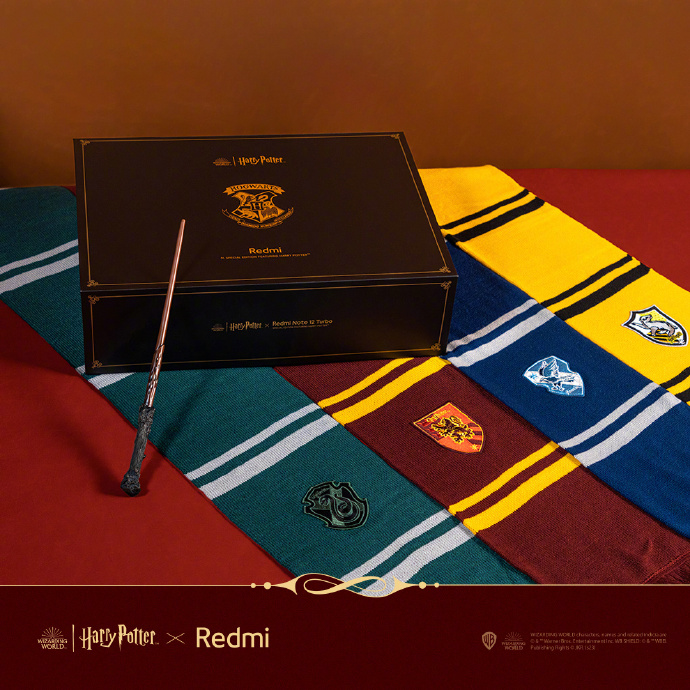
The limited edition package will come with college wizard robes, scarves, magic wands, and famous souveneirs of Harry Potter: an admission notice and 9¾ card pins. According to the latest reports and teasers, the phone will feature a 12-bit Flexible OLED panel, 16GB+1TB storage, and a massive 5000mAh battery with 67W fast charging support. The company also teases the color of the device, which is “Ice Feather White”. Under the hood, the Redmi Note 12 Turbo will be powered by the Qualcomm Snapdragon 7+ Gen 2 processor, paired with LPDDR5 RAM and UFS 3.1 storage. The phone will have a 3725mm vapor chamber cooling system to improve heat dissipation by 35%. The Redmi Note 12 Turbo will also run on MIUI 14 based on Android 13 out of the box, making it the first Redmi Note 12 smartphone to run on Android 13 out of the box.

The Redmi Note 12 Turbo will be equipped with a 64-megapixel main camera. It will be coupled with features like optical image stabilization (OIS) and the Xiaomi Imaging Engine 2.0. There is no official confirmation on the auxiliary cameras of the device. The Redmi Note 12 Turbo is expected to launch globally under the Poco F5 branding on April 5th in India. With its impressive specifications, this phone is sure to attract a lot of attention in the crowded smartphone market.

RELATED:

(Via)

Huawei P60 Pro Captured This Beautiful Image of the Moon & Venus

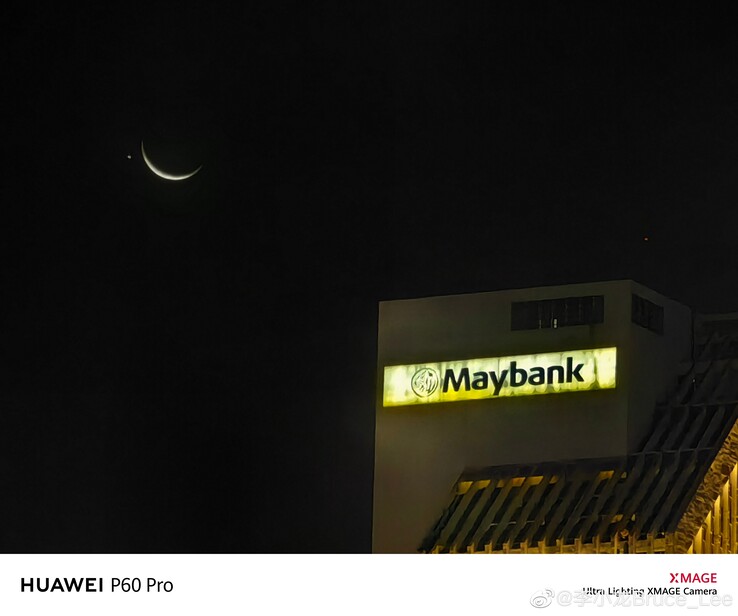
Huawei recently launched its highly-anticipated P60 series lineup of smartphones. The series includes the base P60, the higher-end P60 Pro model and the P60 Art version as well. In terms of dimensions, all versions are basically identical, although the Pro variant is heavier. From the front, the new devices appear like any other handset, but the rear design is quite unique. The camera module on the rear is quite prominent thanks to the large primary sensor that is housed between two other sensors. Speaking of the smartphone’s cameras, a picture captured by the Huawei P60 Pro is going viral online, and you have to see it to judge that for yourself.

Huawei
Huawei

On March 24, 2023, a rare celestial event took place, where the alignment of Jupiter, Venus, and Mars could be clearly observed and photographed from various locations across the world. The crescent moon briefly obscured Venus, providing a stunning highlight of the planet’s brightness in the sky that night. This event also gave Huawei the opportunity to showcase its latest flagship smartphone, the P60 Pro, and its camera capabilities. With its “F2.1 Large Aperture” lens and 90mm telephoto module with a “200x” digital zoom, the P60 Pro has been designed to compete with other high-end smartphones such as the Samsung Galaxy S23 Ultra.

The P60 Pro’s low-light performance has been rated as significantly improved compared to its predecessor, the P50 Pro. A Huawei executive shared a photo on Weibo, which was reportedly taken by colleagues in Malaysia, featuring a clear shot of Venus beyond the moon’s crescent. The lunar texture and the planet’s colour and brightness are well-represented in the photo, indicating that Huawei did not rely on any camera trickery this time around and let the P60 Pro’s cameras capture the beauty of the celestial event.

RELATED:

(Via)

Dell Inspiron 16 Plus 7630 with 13th Gen Intel processors & up to RTX 4060 GPUs launched

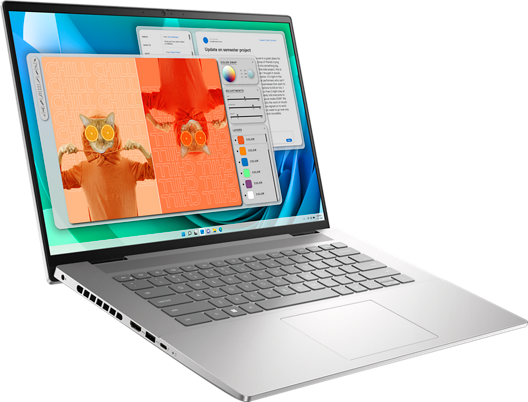
Dell‘s new Inspiron 16 Plus 7630 laptop has been released in select markets, including China and Japan, and is expected to become available in other regions soon. The latest model features significant upgrades beyond standard CPU and GPU improvements, including a new color option called “Galactic Star Trail,” which is essentially silver.

Dell

The top-end variant of the Inspiron 16 Plus 7630 currently available in Dell’s China and Japan online stores boasts an Intel Core i7-13700H processor with 14 cores and 20 threads, capable of reaching clock speeds up to 5.0 GHz. It can also be configured with an Nvidia GeForce RTX 4060 Laptop GPU, up to 64 GB DDR5 RAM, and up to a 1 TB NVMe SSD. However, it is worth noting that this new model does not include a numpad, which may be a downside for some potential buyers.

One significant change in the display of the Inspiron 16 Plus 7630 from the previous model, the 7620, is a downgrade in resolution from 3K to 2.5K. However, the refresh rate has been upgraded from 60 Hz to 120 Hz. The laptop also features quad speakers, making it a compelling choice for casual and serious gamers alike.

The pricing of the high-end model of the Inspiron 16 Plus 7630 on Dell’s China and Japan websites is around US$2,100. However, the entry-level model starts at just US$1,093 and includes an Intel Core i5-13500H processor, Iris Xe graphics, 16 GB of RAM, and a 512 GB SSD. Prices may vary in other markets depending on local taxes and pricing differences.

RELATED:

(Source 1, 2, via)