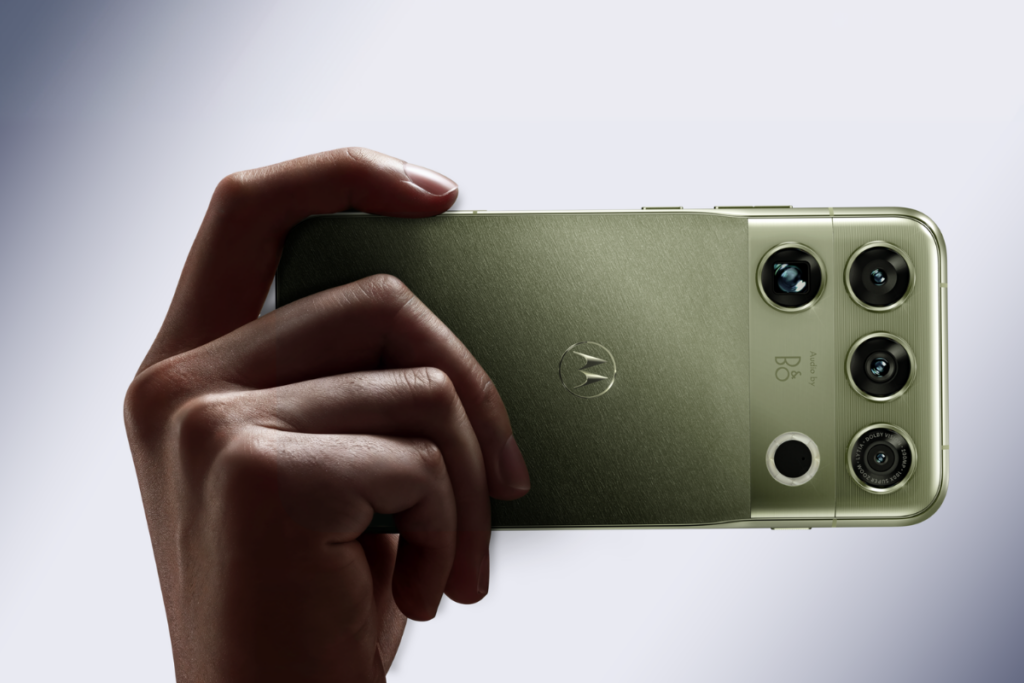
When it comes to buying a smartphone on a strict budget in the US, Motorola is usually the first brand that comes to mind. While other companies focus heavily on their premium flagship devices, Motorola has maintained a steady output of affordable phones in its Moto G series.
For 2026, the company has updated its lineup with a focus on practical features: larger batteries, durable builds, and the inclusion of Android 16. If you are looking to spend less than $400 this year, here is a look at the most notable Motorola devices available right now, along with one slightly pricier option that might be worth the stretch.
The Moto G Power has historically been Motorola’s most balanced budget phone, and the 2026 model continues that trend. Priced at $300, it offers a sensible mix of hardware for everyday tasks.
The phone features a 6.8-inch FHD+ LCD screen. While it isn’t an OLED panel, it does offer a 120Hz refresh rate for smoother scrolling and reaches up to 1000 nits of brightness, which is adequate for outdoor visibility. It is powered by the MediaTek Dimensity 6300 processor and comes with 8GB of RAM. This setup is fine for standard use like web browsing, messaging, and video streaming, though it will likely struggle with heavy gaming.
The phone includes a 5200mAh battery with 30W wired charging, which should easily get most users through a full day. Motorola also added MIL-STD-810H durability and IP68/IP69 water and dust resistance, making it unusually rugged for this price bracket. The trade-off is that it lacks wireless charging, but the inclusion of a vegan leather back gives it a nice texture.
Price: $299.99
2. Moto G 5G (2026)
If your budget is strictly capped at $200, the Moto G 5G (2026) is the baseline model. Motorola kept the same MediaTek Dimensity 6300 processor and 5200mAh battery found in the G Power, which means battery life and basic performance remain consistent.
However, to hit the lower price point, there are noticeable hardware reductions. The display is a 6.7-inch LCD, but the resolution drops to HD+. It retains the 120Hz refresh rate, but text and images won’t look as sharp. The RAM is also halved to 4GB, which means you might notice some slowdowns when multitasking or keeping multiple apps open in the background.
Additionally, the water resistance is downgraded to a basic IP52 rating, meaning it can handle a light splash but shouldn’t be submerged. It’s a basic phone for basic needs.
Price: $199.99
3. Moto G Stylus 5G (2026)
While the Moto G Stylus 5G (2026) sits above the $400 mark, it is worth mentioning if you have flexibility in your budget. At $500, it offers a significant step up in hardware and functionality.
The most obvious addition is the built-in active stylus, which now supports tilt and pressure sensitivity. Motorola has integrated it with Google Gemini AI for features like Sketch to Image and a handwriting calculator. The display is also a major upgrade: a 6.7-inch 1.5K pOLED screen that gets significantly brighter than the LCDs on the cheaper models.
Internally, it uses the Qualcomm Snapdragon 6 Gen 3 processor, which offers better performance, and it features a more capable 50MP main camera with a Sony LYT-700C sensor and optical image stabilization. It also adds 68W fast charging and 15W wireless charging, alongside the same high-level IP68/IP69 durability as the G Power.
Price: $499.99
For more daily updates, please visit our News Section.
Sony has unveiled the LYTIA 610, a new smartphone camera sensor aimed at improving zoom photography and video recording. The sensor introduces a redesigned pixel arrangement that promises sharper image output while maintaining reliable autofocus performance, an area where manufacturers often face trade-offs.
A new pixel structure focused on image quality
Sony LYT-610
The LYTIA 610 is a 1/2-inch stacked CMOS sensor with approximately 64 megapixels and marks the industry’s first mass-produced sensor to feature Sony’s RB2×2 On Chip Lens (OCL) pixel structure. Unlike conventional designs, the new arrangement combines different lens structures within the same sensor to improve both detail capture and phase-detection autofocus.
Sony says green pixels, which contribute significantly to image clarity, use a dedicated 1×1 lens structure for better resolution. Meanwhile, red and blue pixels are grouped under a 2×2 lens design that supports autofocus functions. The company has also developed a dedicated remosaicing algorithm tailored to this layout. Together, these changes deliver more than 20 percent higher spatial resolution compared to the LYTIA 601, despite both sensors sharing the same 0.7μm pixel size.
Beyond photography, Sony has improved the sensor’s internal processing and data conversion system to significantly increase readout speeds. According to the company, the LYTIA 610 can read data at roughly twice the speed of its previous 1/2-inch sensor generation.
This improvement enables 4K video recording at up to 120fps, a first for Sony in this sensor category. The sensor also supports 4K 60fps HDR recording, making it suitable for scenes with challenging lighting conditions. Faster data handling can also help reduce visual differences between primary and secondary cameras in multi-camera smartphone setups, resulting in smoother transitions while recording video.
The LYTIA 610 measures 1/2 inch in optical format, offers around 64 effective megapixels, and supports output through MIPI C-PHY and D-PHY interfaces. Mass production shipments are scheduled to begin by the end of June 2026.
For more daily updates, please visit our News Section.
Samsung’s Galaxy Watch 9 series is already generating some excitement, and fresh leaked renders give us a pretty clear idea of what to expect ahead of its likely summer launch.
The images, which popped up yesterday, come from reliable tipster OnLeaks and were shared by Android Headlines. Overall, the design sticks close to the winning formula of recent models. It keeps that signature “squircle” shape, basically a rounded square that still feels nicely circular on the wrist.
On the back, the BioActive Sensor array looks mostly unchanged, which is fine since it already handles solid health tracking like ECG, blood pressure (where supported), body composition analysis, and detailed sleep monitoring.
You’ll have two size options again: a smaller 40mm version and a larger 44mm one. Color-wise, the 40mm is shown in Cream and Graphite (one render has a slight greenish vibe), while the 44mm comes in Silver and Graphite. Sporty silicone bands round out the practical, premium look Samsung has nailed lately.
The real headline here is under the hood. Samsung is finally moving away from its in-house Exynos chips to Qualcomm’s new Snapdragon Wear Elite platform, a 3nm chipset with a dedicated NPU for on-device AI. This should reduce power consumption, bring smarter gesture recognition, more personalized health insights, and snappier performance.
Everything lines up with expectations for a July 2026 Unpacked event, where the Watch 9 will probably launch alongside new foldables and maybe the Galaxy Watch Ultra 2.
While we still don’t have full details on display specs, or pricing, the early leaks suggest Samsung’s approach this year: keep the comfortable, proven design and pour the innovation into software and AI features that actually make a difference for users.
It looks like a polished evolution rather than a major redesign. More concrete info should start rolling in over the next few weeks.
Oppo is wasting no time pushing smartphone photography even further. Fresh leaks suggest the upcoming Find X10 Ultra will fix one of the few weak spots from its predecessor, the dedicated 10x optical telephoto camera, while keeping that impressive long-range zoom capability intact.
The Find X9 Ultra, which launched earlier in 2026, has been one of the standout camera phones of the year alongside devices like the Vivo X300 Ultra. Its Hasselblad-tuned setup includes a pretty rare 50MP 10x periscope telephoto lens (230mm equivalent). The current flagship offers up to 20x “optical-quality” zoom through clever image processing. The downside? The relatively small 1/2.75-inch sensor on that 10x lens has struggled in low light compared to the bigger 3x periscope in the same phone.
According to well-known Chinese tipster Digital Chat Station, Oppo is planning to address exactly that issue with the Find X10 Ultra. In one of his recent Weibo posts, he claimed the sensor behind the 10x telephoto could jump to a much larger 1/1.95-inch unit. The resolution remains 50MP.
That bigger sensor should pull in more light, cut down on noise, and deliver noticeably better results in dim or tricky lighting conditions. He also mentioned it won’t be the Sony LYT-600, but the exact sensor model is still unknown this early on.
Development seems to be moving along nicely for Oppo’s 2027 Hasselblad flagship, especially compared to some reported delays hitting competitors like Xiaomi’s Ultra series. We still don’t have many details on the rest of the camera setup, the display, or battery improvements.
Oppo’s approach makes sense in such a competitive premium camera segment. By refining that true 10x optical zoom (which uses some advanced periscope tech like quintuple prism reflection), they’re trying to blur the line between a smartphone camera and a dedicated camera. It’s a smart way to stand out for photography lovers who want real optical reach instead of relying on heavy digital zoom or extra lenses.
If the upgraded sensor actually makes it in, the Find X10 Ultra could become one of the strongest long-zoom camera phones yet. We’ll be watching for more leaks as things develop.
Vivo has officially detailed the core specifications of the Vivo X Fold 6 ahead of its launch on June 26. The upcoming foldable is shaping up as a flagship device that combines AI-driven productivity, advanced imaging hardware, and a large battery while introducing several upgrades tailored specifically for foldable smartphone users.
Vivo X Fold 6 core specifications
At the heart of the Vivo X Fold 6 is the MediaTek Dimensity 9500 Super Edition flagship processor, paired with Vivo’s Blue Crystal tuning. The device will run OriginOS 6 Fold, a software platform designed specifically for large foldable displays and multi-threaded interactions. Vivo is also introducing an upgraded Atomic Workbench feature that supports serial and parallel task modes, allowing multiple apps to run simultaneously on a single screen.
The company says the foldable is designed to become a powerful AI productivity device. Users will be able to combine AI workflows with large-screen multitasking, while additional features such as a desktop-style mode and PC-level WPS support are intended to make the device a more capable alternative for work on the move.
The Vivo X Fold 6 comes with a 7,000mAh battery across all variants. It combines fifth-generation silicon-carbon battery technology with a third-generation semi-solid-state design, addressing one of the biggest challenges of foldable devices: balancing battery capacity with a slim form factor. The phone also features Samsung’s M14 display material on the inner screen and second-generation Armour Glass protection on the outer display.
Photography is another major focus. The Vivo X Fold 6 features a 200-megapixel ZEISS main camera with a large 1/1.4-inch sensor and CIPA 4.5 stabilisation. It is joined by a 50-megapixel ZEISS APO telephoto camera based on a 1/1.95-inch sensor, along with Vivo’s V3+ imaging chip. The device also supports the optional ZEISS Teleconverter G2 accessory, Dolby Vision 4K 60fps recording, and full-range zoom flash capabilities.
The Vivo X Fold 6 supports IPX8 and IPX9 water resistance, IP5X dust resistance, underwater folding, and Vivo’s self-developed 1+4 communication chipset system for stronger connectivity. It is expected to arrive in multiple configurations, including 12GB+256GB, 12GB+512GB, 16GB+512GB, and 16GB+1TB variants. It is tipped to start at 9,999 Yuan (~$1,470) and may be offered in green, black, white, and a black-and-gold colour option. The black-and-gold variant is expected to be exclusive to the 16GB+1TB model.
For more daily updates, please visit our News Section.
Redmi has confirmed that the Redmi K90 Ultra will launch in China on June 30, while also revealing several details about the upcoming handset ahead of its debut. Redmi describes the handset as a performance-focused gaming flagship in the 3,000-Yuan (~$440) price category and says it has been designed to deliver sustained performance during extended gaming sessions.
Space Silver design revealed ahead of launch
Alongside the launch date announcement, Redmi showcased the K90 Ultra in a Space Silver colour option. The rear panel retains the familiar design language seen on the Redmi K90 Max, including a large horizontal camera module and dual-camera arrangement.
Images shared by the brand also reveal a wide air outlet positioned beneath the camera module. The design indicates that the built-in cooling fan is deeply integrated into the phone’s structure. Redmi is expected to continue using an independent cooling architecture similar to the one found on the K90 Max, allowing the active cooling system to operate without affecting battery capacity or durability features.
The smartphone will be powered by the Snapdragon 8 Elite chipset and paired with upgraded thermal management for stable performance during extended gaming sessions. Redmi also claims the built-in fan helps sustain peak performance during demanding gaming workloads.
According to the company, the phone can maintain a stable frame rate for up to 60 minutes in a graphically intensive 3D turn-based mobile game running at the highest visual settings, without frequency throttling. Players can expect smoother movement while exploring maps, more responsive combat, and fluid visual effects during battles.
Reports also indicate that the device could pack a battery exceeding 8,500mAh and support 100W wired fast charging. The company is expected to reveal more details about its specifications in the days leading up to the launch event.
For more daily updates, please visit our News Section.
Co-founder Akis Evangelidis said that climbing RAM and storage prices made a proper CMF Phone 3 Pro difficult without either raising prices or cutting corners, so the company chose a different path.
The result is the Phone (4b). Evangelidis noted that the B Series is meant to expand into a new segment while keeping a clear product hierarchy below the A Series. The phone is confirmed to launch on July 7, 2026, and a Flipkart microsite is already live ahead of that date.
Nothing Phone (4b) Geekbench Listing
The listing confirms the phone will be powered by a Snapdragon 6 Gen 4 consisting of a 2.30GHz prime core, 2.21GHz performance, and 1.80GHz efficiency cores. Graphics are handled by the Adreno 810 GPU, and the phone in testing has 8GB of RAM and Android 16 OS.
Benchmark scores came in at 1,088 for single-core, 3,155 for multi-core, and 2,896 for the OpenCL GPU test on Geekbench 6.
The Phone (4b) sits below the Phone (4a) series in Nothing’s lineup. Nothing is expected to price it under Rs 25,000 in India. The phone is also set to feature a single rear camera, which would be a first for any Nothing device.
More details on the full spec sheet and pricing should surface before the July 7 launch. We will update this space as more information becomes available.
When the battery indicator turns red, a reliable power bank can be the difference between staying connected and scrambling for an outlet. Anker has long been one of the most trusted names in portable charging, offering a range of options that balance capacity, speed, and everyday practicality.
The good news for shoppers is that some of the brand’s best performers sit comfortably under the $100 mark on Amazon right now. The best Anker power banks under $100 include the Anker 313 PowerCore 10K, the Anker Nano Power Bank (30W), the Anker 737 PowerCore 24K, the Anker MagGo Power Bank (10K, Slim), and the Anker Prime Power Bank (9.6K, 65W, Fusion).
For anyone who wants dependable backup power without overthinking it, the Anker 313 PowerCore 10K is about as straightforward as it gets. Priced at around $19 on Amazon, it packs a 10,000mAh battery into a slim, lightweight frame that measures just 5.99 by 2.81 by 0.61 inches and weighs 8.6 ounces. Anker claims the unit can charge an iPhone 15 twice over, a Galaxy S23 close to twice, and an iPad mini about once and a quarter, which covers most day-trip scenarios with ease.
The PowerCore 10K includes a USB-C port for both input and output, a USB-A output port, and a Micro-USB input, so two devices can charge at the same time. Anker’s PowerIQ technology tailors the output to whatever device is connected, and the built-in safety features cover surge protection and short-circuit prevention.
2. Anker Nano Power Bank (30W, Built-In USB-C Cable): Best for travel
The Anker Nano Power Bank takes a different approach by eliminating one of the most common travel frustrations: forgetting the cable. Its built-in retractable USB-C cable means one less thing to pack, and the compact form factor makes it easy to slip into a jacket pocket or small pouch. At around $34 on Amazon, it offers 10,000mAh of capacity alongside 30W fast charging output.
The Nano also supports 30W input, meaning the power bank itself recharges quickly when plugged back in. Anker’s PowerIQ technology is on board here as well, intelligently adjusting output for connected devices. The built-in cable is rated to withstand over 10,000 bends, addressing the durability concern that often comes with integrated designs.
3. Anker 737 PowerCore 24K: Best for laptops
Step up the budget slightly, and the Anker 737 PowerCore 24K at around $95 on Amazon is one of the most capable power banks available under the $100 threshold. The 24,000mAh capacity gives it serious staying power, and the inclusion of 140W Power Delivery 3.1 via its USB-C port means it can fast-charge a 16-inch MacBook Pro to 50% in roughly 40 minutes.
The 737 features two USB-C ports and one USB-A port, allowing multiple devices to charge simultaneously. It also has a smart display for real-time information on remaining battery percentage and power flow. It is the bulkiest option on this list by some margin, which is the main caveat.
4. Anker MagGo Power Bank (10K, Slim): Best for iPhone users
Apple users who have grown accustomed to MagSafe will find a natural companion in the Anker MagSafe Power Bank (10K, Slim). Priced at around $80 on Amazon, it attaches magnetically to MagSafe-compatible iPhones and delivers Qi2-certified 15W wireless charging. The slim A1664 design measures just 4.09 by 2.78 by 0.58 inches and weighs 7.05 ounces.
The USB-C port supports both 30W input and 30W wired output, offering flexibility for those who also want to cable-charge a second device. Anker’s ActiveShield safety system monitors temperature at a very high frequency throughout the charging process.
The usable wireless capacity lands in the 5,500 to 6,500mAh range after typical conversion losses, but for iPhone users who prioritize convenience and cable-free everyday charging, it remains a polished and well-executed option.
5. Anker Prime Power Bank (9.6K, 65W, Fusion): Best 2-in-1
The Anker Prime Fusion takes a unique approach by combining a power bank and a wall charger into a single unit, priced at $70 on Amazon. The built-in foldable AC plug lets it plug directly into a wall outlet to recharge itself while simultaneously charging a connected device via its USB-C port at up to 65W. That dual functionality makes it a genuinely space-saving solution for travelers who want to cut down on the number of accessories they pack without sacrificing charging speed.
With 9,600mAh of capacity and 65W output, it handles fast charging for phones and lighter laptops with ease. The trade-off is that the capacity is lower than some other picks on this list, so it may not be the right call for those needing multiple full charges on a single outing.
As an all-in-one option for the daily commuter or business traveler, though, it covers the bases efficiently and stylishly, and the “Prime” branding means it comes with Anker’s higher-tier build quality and safety standards baked in.
For more daily updates, please visit our News Section.
Rollme has released the Hero D5, a new rugged smartwatch that brings dual-band GPS and offline mapping to the sub-$100 price bracket. The smartwatch is positioned as an outdoor-focused wearable, integrating hardware features that are typically found on more expensive models from established fitness brands.
Rollme Hero D5 Specifications
The Hero D5 is built around a 1.43-inch AMOLED display with a 466 x 466 resolution, covered by Panda Glass for scratch resistance. The watch case is constructed from a combination of zinc alloy and two-color molded plastic.
For navigation through the user interface, Rollme has included three physical buttons on the side of the case, a standard design choice for users who might be wearing gloves or operating the watch in wet conditions.
The watch carries a MIL-STD 810H durability rating, along with 5ATM and IP69K water resistance ratings, meaning it is rated to withstand swimming and high-pressure water exposure.
The Hero D5 uses dual-band, six-satellite positioning, connecting to GPS, GLONASS, BeiDou, Galileo, NAVIC, and QZSS networks to maintain location accuracy. It also supports offline map downloads. Additionally, the watch includes built-in altimeter, barometer, and compass (ABC) sensors to provide standard environmental data.
Internally, the watch is powered by an ATS3085S main chip and uses a VC30F sensor for health monitoring. It tracks standard daily metrics, including continuous heart rate, blood oxygen (SpO2), sleep stages, and stress levels.
The software includes over 170 sports modes, with automatic recognition for six basic activities like walking, running, and cycling. It also features a built-in waterproof speaker and microphone to handle Bluetooth 5.3 hands-free calls.
The watch is powered by a 600mAh battery. According to Rollme, this capacity provides up to 21 days of battery life under normal usage conditions, 10 days with heavy use, and up to 60 days if placed in a restricted battery saver mode.
Pricing and Availability
The Rollme Hero D5 is available now on the company’s website for $69.99. It comes in three colors: Black, Gray, and Gold.
In related news, Rollme has recently launched AI smart glasses with a 13MP camera and OpenAI support, as well as the 32g Rollme G9 smartwatch with offline maps, dual GPS, and up to 15 days of battery life.
For more daily updates, please visit our News Section.
Huawei is making a proper push into the enterprise wearable space with a sleek new smartwatch that mixes professional style with solid health and fitness tools. The Qingyun H3550 feels like it’s built for busy professionals who want something reliable.
The design takes clear cues from rectangular smartwatches. It has a rounded aluminum case measuring 42.9 x 38.2 x 9.5 mm and weighs just 27 grams, so it’s impressively light. It’s rated 5 ATM water resistant, meaning it can handle swimming and daily wear without worry. The highlight is the 1.82-inch AMOLED screen with 480 x 408 resolution (347 PPI) and a peak brightness of 2,500 nits, bright enough to see clearly even in direct sunlight.
On the health and fitness side, Huawei packed in some meaningful upgrades. There’s an advanced PPG sensor with six LEDs and six photodiodes for better heart rate accuracy, plus SpO2 blood oxygen tracking. Sleep monitoring gets a boost with TruSleep 5, and it also includes HRV analysis for recovery insights, emotional health tracking, and even a fun cartoon panda-themed workout coach for quick desk exercises. Built-in GPS lets you track runs or rides without your phone, and NFC handles contactless payments and digital keys.
Battery life looks like one of its strongest selling points for people with packed schedules. Huawei claims up to 10 days in power-saving mode, 7 days with typical use, and around 4 days if you keep the always-on display turned on.
What really sets this apart for business users is the enterprise focus. Companies can customize packaging, boot-up logos, watch faces, and straps for their employees. There’s also SDK support, cloud data integration, and tailored health services designed for corporate wellness programs, early risk detection, and rehab support.
Pricing and general availability details haven’t been fully shared yet, since it seems aimed primarily at corporate channels for now.
Overall, the Qingyun H3550 feels like a thoughtful blend of premium hardware and practical business tools. It’s not trying to be the flashiest consumer smartwatch: it’s going after organizations that want to give their teams capable, long-lasting wearables that actually get used. As more details roll out, it’ll be interesting to see how it stacks up against the usual suspects in the corporate wellness space.
In the cutthroat world of semiconductors, the patent wars never really stop. Netlist Inc. has filed fresh infringement lawsuits against Samsung Electronics, going after the South Korean giant’s high-bandwidth memory (HBM) and DDR5 products that are critical for the exploding AI industry.
The complaints were filed in two places: the US International Trade Commission (ITC) and the US District Court for the Eastern District of Texas. Netlist claims Samsung’s advanced memory tech steps on two of its patents.
One patent (No. 12,646,537) covers innovations in stacking memory chips using through-silicon vias (TSV), basically tech that helps pack more performance into dense memory packages while cutting down on power issues. The other (No. 12,650,937) relates to register clock driver (RCD) technology, which is important for making DDR5 memory modules (like RDIMMs and MRDIMMs) run smoothly at high speeds. These are exactly the kinds of components AI accelerators and high-end servers are hungry for right now.
The ITC case also names several big players who use Samsung’s memory: Google, Nvidia, Supermicro, and Broadcom. That includes stuff like Google’s TPUs, Nvidia’s Blackwell and Rubin GPUs, and various Supermicro servers. Netlist is pushing for import bans and cease-and-desist orders, which, if they win, could block these products from the US market and seriously mess with AI hardware supply chains.
This isn’t their first rodeo. Netlist, a smaller California company focused on memory modules and storage, had a licensing deal with Samsung back in 2015. Things went south around 2020, and it’s been a messy legal fight ever since. Samsung has already lost two big jury verdicts in Texas: $303 million in 2023 and another $118 million in late 2024 for willful infringement of other Netlist memory patents.
Samsung’s memory business has been one of its brightest spots lately, thanks to massive demand for HBM in AI training and inference. Companies like Nvidia can’t get enough of it. Netlist’s CEO, C.K. Hong, framed the lawsuits as necessary to protect the company’s innovations in the AI server memory space.
Memory tech is converging fast, and everyone wants a piece of the pie. Samsung says its products comply with the law and will defend itself vigorously, as usual. The ITC tends to move quicker than regular courts, so we could see preliminary rulings with real commercial impact in the coming months.
Meta is trying to get its smart glasses onto more faces, and its latest strategy is a straightforward one: drop the price and launch an in-house brand. Today, the company announced Meta Glasses, a new line of screenless smart glasses built in partnership with eyewear manufacturer EssilorLuxottica.
Specifications and Pricing
Starting at $299, the new frames are $80 cheaper than the second-generation Ray-Ban Meta models released last year. The price cut is a clear effort to lower the barrier to entry for consumers as Meta continues to heavily invest in wearable AI hardware.
The initial lineup features three distinct frame designs. The Adventurer is a standard square frame available in two sizes, while the Fury offers a thicker, heavier build. Both start at the $299 base price.
The third model, Starfire, is designed in collaboration with Kylie Jenner; it features a slim oval design and carries a higher $399 price tag. In total, Meta is offering 26 configurations across different colors, such as black, green, and tortoiseshell, and lens types, including prescription, polarized, and photochromic options. On the hardware side, Meta has added three-way adjustable nose pads, a practical tweak aimed at improving the fit for a wider range of users.
Internally, the technology remains largely identical to Meta’s existing smart glasses platform. There are no displays in the lenses. Instead, the glasses rely on built-in cameras, open-ear speakers, and a multi-mic array for phone calls, wind noise reduction, and voice commands. Battery life is rated at up to eight hours of continuous use, with a folding charging case providing an additional 40 hours.
The frames ship with Muse Spark, a new multimodal AI model developed by Meta. Users can trigger the assistant via a dedicated physical action button to ask questions about what they are currently looking at, translate conversations in real-time (with 14 new languages added to the roster), or capture media. Meta is also adding a dynamic photo burst mode to help users capture better hands-free images and plans to roll out audio-based pedestrian navigation for turn-by-turn directions soon.
Availability
The new Meta Glasses are available starting today through Meta’s website, Amazon, Best Buy, and select eyewear retailers like LensCrafters and Sunglass Hut.
In related news, Xreal has recently unveiled the ultra-light XBX A01 AR glasses, featuring 120Hz Micro OLED displays and interchangeable frame designs.
For more daily updates, please visit our News Section.
In a world where phones keep getting bigger and more sealed-off, Nothing is apparently paying attention to what people keep complaining about. The company just dropped a fan-inspired “Dream Phone” concept based directly on community feedback, and it’s pretty interesting.
The idea is a genuinely compact phone that stays comfortably under 6 inches, so it actually fits in your pocket without feeling like you’re carrying something. They brought back two beloved features that most manufacturers ditched years ago: a 3.5mm headphone jack and microSD card support for expandable storage. No more forcing everyone onto wireless earbuds or expensive cloud plans.
The front looks super clean thanks to a pop-up selfie camera that hides dual sensors, so there’s no notch or punch-hole eating into the display. Around the back, they kept the camera module almost flush to avoid that annoying wobble when the phone is lying on a table. It’s the little things.
Inside, it runs Nothing’s signature lightweight Nothing OS with zero pre-installed bloatware, which fits perfectly with the brand’s minimalist, transparent design vibe. Power comes from a 3,800mAh silicon-carbon battery.
This isn’t the first time Nothing has played around with community ideas. They’ve done similar “Dream Phone” exercises with folks like MKBHD and JerryRigEverything. The company was upfront that this detailed 3D rendering isn’t heading to production. It’s more of a fun, creative exercise to show what fans actually want.
Still, it hits on real frustrations: some people are tired of giant slabs, missing headphone jacks, and non-expandable storage. The pop-up camera and silicon-carbon battery show they’re thinking about practical engineering, not just chasing trends.
Even though we won’t see this exact phone in stores, it’s a nice reminder that Nothing is willing to listen and experiment. Who knows: bits and pieces of this “dream” might quietly influence their actual Phone (3) or (4) down the line.
For anyone who’s been quietly wishing for actually compact phones again, this concept feels like a little spark of hope.
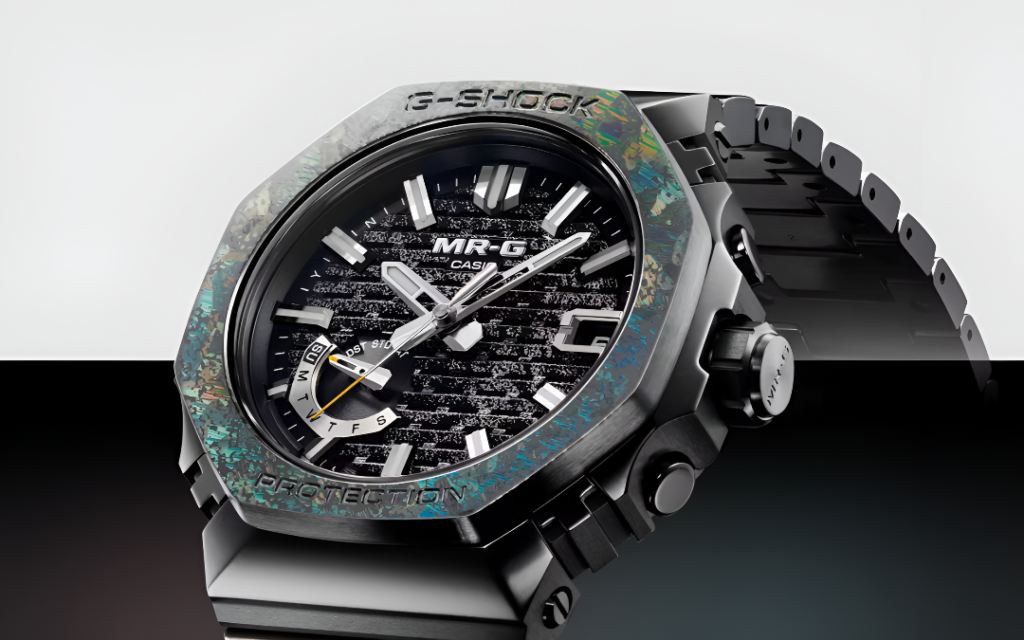
Casio has released a new variant of its long-running DW5600 G-Shock series in the US. The DW5600TT25-1 is a $150 collaboration with Japanese tire manufacturer Toyo Tires, applying automotive design cues to the standard digital watch platform.
Design Details
Instead of altering the underlying hardware, the collaboration focuses entirely on cosmetic changes. The watch uses a standard black resin case and band, but the strap is printed with a subtle texture that mimics the tread pattern of Toyo’s Proxes Sport R summer tire.
The dial is white with high-contrast black digital numerals and features the Toyo Tires logo alongside signature blue accents. When you press the button for the LED backlight, a custom Proxes “R” logo appears on the display. Casio is also including custom packaging for this release, shipping the watch in a blue presentation box and a metal tin printed with wheel graphics.
Underneath the co-branding, this is the exact same DW5600 that Casio has been selling for years. It measures 48.9 by 42.8 by 13.4 mm and weighs 52 grams, making it one of the more moderately sized G-Shocks available. The case and bezel are made from a mix of standard and bio-based resins, while the display is covered by mineral glass. It maintains the lineup’s standard shock-resistant construction and 200 meters of water resistance.
The feature set is standard for Casio’s digital modules. The watch includes a 1/100-second stopwatch, a 24-hour countdown timer, a multi-function alarm, and a fully automatic calendar.
It also features a flash alert system that synchronizes the white LED backlight with alarms and timer notifications, causing the light to blink when alerts are triggered. The watch is powered by a standard CR2016 battery, which Casio estimates will provide approximately five years of battery life.
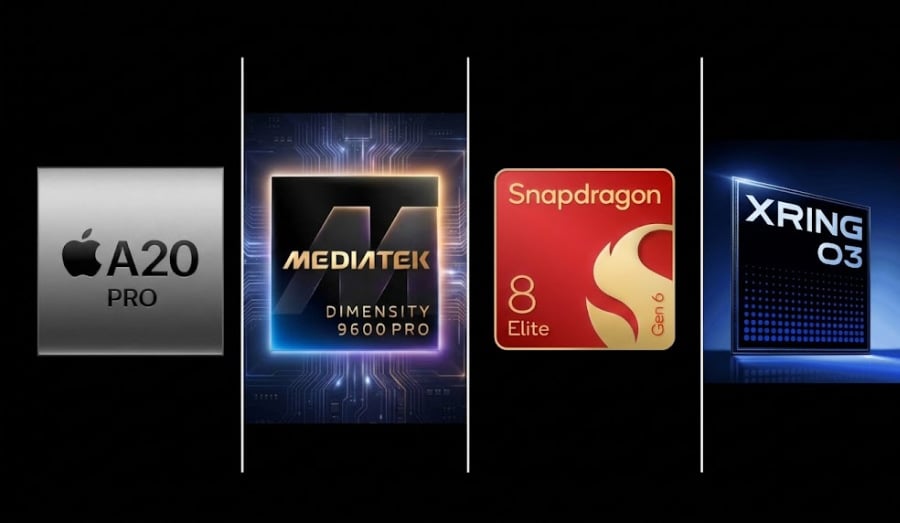
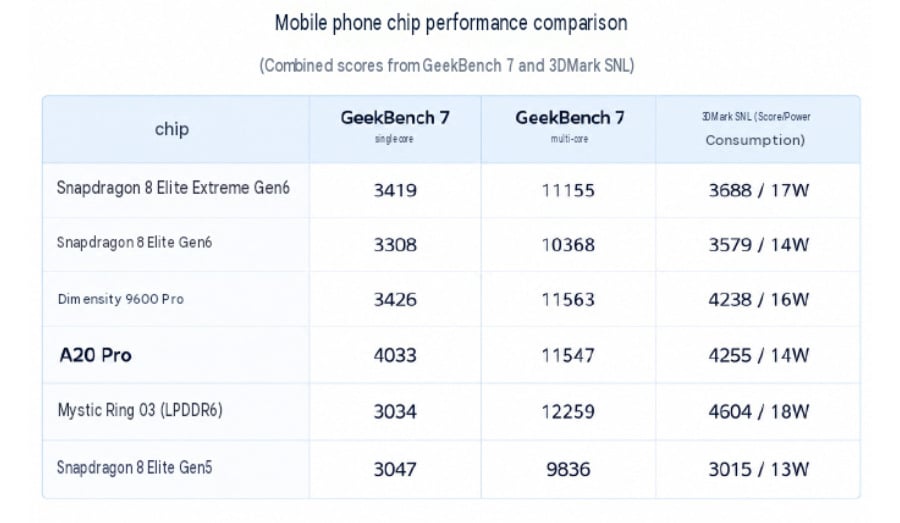
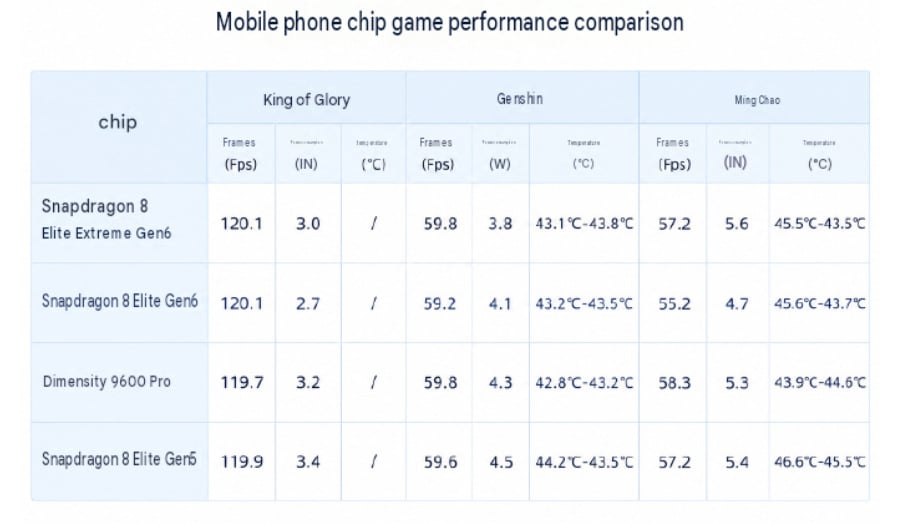
Smartphone makers are gearing up for the next round of flagships, and right now chip pricing is becoming a pretty interesting battle. MediaTek looks like it’s getting ready to raise the cost of its upcoming flagship chip. The Dimensity 9600 Pro is reportedly landing around $216 per unit, which is a noticeable bump up from the previous generation.
According to supply chain chatter, the Pro model is expected to sit at about $216 (roughly RMB 1,466), which works out to roughly an 8% to 20% increase compared to the Dimensity 9500’s current $180–$200 range. It’s being called a “structural recovery”, basically stronger demand for new phones and improving markets in emerging regions are helping justify the hike. Realtek’s recent ~10% increase on some lines follows a similar pattern.
What we know about the Dimensity 9600 series
There’ll be a standard model and a higher-end Pro version. The Pro is rumored to use TSMC’s advanced N2P (2nm-class) process and support faster LPDDR6 memory, while the regular one might stick with N2 and LPDDR5X.
On the CPU side, the Pro is tipped for an aggressive 2+3+3 octa-core setup: two ultra-high-performance ARM Cortex C2-Ultra cores (pushing close to 5GHz), three C2-Premium cores, and three C2-Pro cores. That should deliver solid gains in both single-core and multi-core performance, making it a strong challenger to Qualcomm’s Snapdragon 8 Elite Gen 6 Pro and even giving Apple’s A-series some competition in certain benchmarks.
Other expected features include UFS 5.0 storage, an upgraded Arm “Magni” GPU, and better AI capabilities. Moving to 2nm brings efficiency improvements and higher peak performance, but it also drives up wafer costs — which explains part of the price jump.
MediaTek has been steadily gaining ground in the premium segment, especially with Chinese brands like Oppo and Vivo. The Dimensity 9600 series is expected to show up in phones launching around September 2026.
A noticeable price increase like this will probably lead to slightly higher phone prices down the line, but it shows MediaTek is investing seriously in new manufacturing tech and architecture to keep closing the gap with rivals.
BenQ has introduced the MA320UG in India, expanding its Mac-focused monitor lineup with a display aimed at creators and professionals. Designed for users who spend hours editing videos, creating graphics, and managing multiple applications, the new monitor combines a large screen, high refresh rate, and Mac-centric software features to create a more seamless workspace.
BenQ MA320UG specifications and features
BenQ MA320UG
The BenQ MA320UG features a 32-inch 4K UHD display with support for a 120Hz refresh rate, making it suitable for video editing, animation work, motion graphics, and everyday productivity. The larger screen provides extra room for timelines, editing tools, reference windows, and multitasking without feeling cramped.
For colour-sensitive work, the monitor covers 98 per cent of the DCI-P3 colour gamut and offers a 2000:1 contrast ratio. BenQ has also equipped it with its Nano Gloss Panel technology, which is designed to improve visual depth and colour reproduction while helping reduce unwanted reflections. The display is specifically tuned to match the visual characteristics of macOS, helping maintain colour consistency between Mac devices and the external monitor.
The monitor supports Thunderbolt 4 connectivity with up to 96W power delivery, allowing compatible MacBooks to charge, transfer data, and connect to the display through a single cable. It also supports daisy-chaining for multi-monitor setups.
Another notable feature is Smart KVM, which enables users to control two connected systems with a single keyboard and mouse while transferring text, files, and images between devices. BenQ has also included a height-adjustable stand with 150mm of travel and support for Display Pilot 2 software for workspace management and Mac-specific controls.
BenQ MA320UG price and availability
The BenQ MA320UG is now available across India through authorised retailers, BenQ partners, and online platforms. The monitor carries a special launch price of Rs 84,998 (~$900).
For more daily updates, please visit our News Section.
OnePlus Nord 6 and Poco X8 Pro bring flagship-inspired features to the upper mid-range segment. From powerful processors and AMOLED displays to massive batteries and fast charging, both phones offer plenty for their price. This comparison breaks down their design, performance, cameras, battery life, and value to find out which one comes out on top.
The OnePlus Nord 6 and Poco X8 Pro both offer premium-looking designs backed by flagship-grade durability. Each device carries IP68/IP69K certification, providing strong protection against dust and water. The key difference lies in the materials. The Nord 6 uses a plastic frame and rear panel, while the Poco X8 Pro features an aluminum frame that gives it a more premium feel during everyday use. OnePlus counters with stronger display protection through its Crystal Guard glass, which is rated at Mohs level 8 and should provide better scratch resistance over time.
Display Quality
Both smartphones feature excellent AMOLED panels, but they focus on different strengths. The Nord 6 comes with a 165Hz refresh rate, making animations and gaming feel exceptionally smooth. The Poco X8 Pro offers Dolby Vision support, higher color depth, and stronger high-brightness performance, which benefits video streaming and outdoor visibility. Both displays are sharp and vibrant, making them excellent choices for media consumption.
Verdict
The Poco X8 Pro feels more premium thanks to its aluminum frame and multimedia-focused display features. The OnePlus Nord 6, however, offers stronger screen protection and a class-leading 165Hz refresh rate. Users focused on gaming may prefer the Nord 6, while entertainment enthusiasts may lean toward the Poco X8 Pro.
2. Specifications Including Battery
Performance
Performance is one of the biggest advantages of the OnePlus Nord 6. Powered by the Snapdragon 8s Gen 4 chipset and paired with UFS 4.1 storage, it delivers flagship-level speed for gaming, multitasking, and demanding applications. The chipset also benefits from strong optimization support across many popular games. The Poco X8 Pro’s Dimensity 8500 Ultra is a capable processor that handles daily tasks with ease, but it sits a step below the Snapdragon chip in overall power and graphics performance.
Battery and Charging
Battery life is a major strength for both devices. The global Nord 6 features a massive 7,500mAh battery, while the Indian model increases capacity to an impressive 9,000mAh. This gives it a significant endurance advantage. The Poco X8 Pro uses a 6,500mAh battery, which remains excellent for everyday use. Charging speed favors the Poco thanks to its 100W wired charging support, allowing users to get back to full power more quickly than the Nord 6’s 80W solution.
Verdict
The OnePlus Nord 6 offers stronger processing power and exceptional battery endurance, making it the better choice for heavy users. The Poco X8 Pro responds with faster charging, but the overall hardware package feels more powerful and future-ready on the OnePlus device.
3. Camera
Main and Secondary Lenses
On paper, both smartphones use a similar camera setup consisting of a 50MP primary sensor with OIS and an 8MP ultrawide camera. The Poco X8 Pro gains a slight hardware advantage through its brighter f/1.5 aperture, which can help capture more light in darker environments. The OnePlus Nord 6, however, is likely to appeal to users who prefer balanced color reproduction and consistent image processing. Both devices support 4K video recording at up to 60fps, making them suitable for casual content creation.
Selfie Camera
The OnePlus Nord 6 holds a clear lead in the selfie department. Its 32MP front camera includes autofocus support and can record 4K video, making it more versatile for video calls and social media content. The Poco X8 Pro relies on a 20MP camera limited to 1080p video recording. While sufficient for everyday selfies, it lacks the flexibility offered by the OnePlus solution.
Verdict
The rear camera battle is relatively close, with each device offering strong image quality. The superior selfie camera, autofocus support, and 4K front video recording give the OnePlus Nord 6 the overall camera advantage.
4. Pricing
The OnePlus Nord 6 is priced around $460 (₹39,000), placing it in the premium end of the upper mid-range segment. The Poco X8 Pro is priced around $375 (₹35,000), making it the more affordable option. The price difference is noticeable and positions the Poco as a strong value-focused competitor.
The Nord 6 justifies its higher price through its Snapdragon 8s Gen 4 processor, larger battery, faster display refresh rate, and superior selfie camera. These upgrades target enthusiasts who prioritize long-term performance and endurance. The Poco X8 Pro focuses on delivering a balanced experience with premium build materials, Dolby Vision support, and faster charging while maintaining a lower price point.
Verdict
The Poco X8 Pro delivers stronger value for buyers seeking maximum features at a lower cost. The OnePlus Nord 6 commands a higher price but backs it up with meaningful upgrades that many power users will appreciate.
Disclaimer: Prices are approximate and may vary based on country, region, launch timing, and applicable taxes. Always check whether the listed price is for a China unit or a global/international variant when purchasing.
5. Conclusion
The OnePlus Nord 6 stands out with its Snapdragon 8s Gen 4 chipset, massive battery capacity, 165Hz AMOLED display, stronger screen protection, and 4K autofocus selfie camera. These features make it particularly attractive for gamers, heavy users, and buyers looking for a phone that remains competitive for years.
The Poco X8 Pro differentiates itself through its aluminum frame, Dolby Vision display support, 100W fast charging, and more aggressive pricing. It offers many flagship-like features while maintaining a lower entry cost, making it appealing to value-conscious buyers.
Verdict
OnePlus Nord 6 is the better smartphone overall thanks to its stronger performance, larger battery, smoother display experience, and superior selfie camera. The Poco X8 Pro remains an excellent alternative for buyers prioritizing value, premium materials, and faster charging. Those seeking the most complete package should choose the OnePlus Nord 6, while budget-focused users will find the Poco X8 Pro difficult to ignore.
Disclaimer: This comparison is based on the specifications provided and is intended for general informational purposes. Actual performance, camera results, battery life, and overall experience may vary depending on real-world usage, software updates, and individual preferences.
Apple’s iPhone 17 Pro is a highly capable device. The transition to an aerospace-grade aluminum unibody makes it lighter, the A19 Pro chip delivers reliable performance, and the new 48MP telephoto lens is a practical upgrade for mobile photographers. But as we move through 2026, the smartphone market is broader than just iOS.
If you are planning to spend around $1,000 on a new phone, it is worth looking at what the rest of the industry is doing. Android manufacturers have spent the last few years rethinking battery chemistry, expanding camera focal lengths, and improving display technology. Today, several alternatives offer larger batteries, faster charging, and more versatile camera systems for the same price, or even less.
Here is a look at five of the most compelling alternatives to the iPhone 17 Pro available right now.
Priced similarly to Apple’s top-tier models, the Samsung Galaxy S26 Ultra remains the most direct competitor to the iPhone Pro and Pro Max. This year, Samsung has slimmed the device down to 7.9mm while introducing a few practical hardware innovations. The most unique is the built-in Privacy Display, which restricts viewing angles to keep your screen hidden from people sitting next to you on a train or in a cafe.
On the software side, Samsung is focusing on what it calls Agentic AI. Instead of just answering questions, the updated Bixby assistant can navigate phone settings and complete tasks based on conversational requests.
The camera system remains comprehensive, featuring a 200MP main sensor and a 50MP periscope lens with 5x optical zoom. Paired with seven years of guaranteed OS updates, the S26 Ultra is a long-term investment that matches the iPhone on longevity while offering a very different software approach.
2. Oppo Find X9 Ultra
Oppo has positioned the Find X9 Ultra as a camera-first device, heavily leaning into its partnership with Hasselblad. The phone features an eco-leather back inspired by the Hasselblad X2D 100C Earth Explorer, giving it a distinct, tactile feel compared to the standard glass and metal slabs on the market.
Oppo has included a 7,050mAh Glacier Battery, utilizing a new silicon-carbon anode material. This allows for a significantly larger battery capacity without making the phone overly thick. It also supports 100W wired charging, which is a noticeable step up from the iPhone 17 Pro’s 40W limit.
The camera array includes six lenses, highlighted by a 10x optical zoom Hasselblad telephoto and a 200MP main sensor. You can zoom even further with the Hasselblad Professional Imaging Accessory Kit.
The device also supports dual-satellite communication for areas without cellular service. For roughly the same price as the base iPhone 17 Pro, the Find X9 Ultra offers a hardware package that prioritizes battery endurance and photographic flexibility.
3. Xiaomi 17 Ultra
Xiaomi’s ongoing collaboration with Leica has resulted in some of the most interesting camera phones of the last few years, and the Xiaomi 17 Ultra continues that trend. At 8.29mm thick, it features a 6.9-inch flat OLED LTPO display that can reach a peak brightness of 3500 nits.
The camera system is built around a 1-inch Light Fusion 1050L sensor and a Leica 200MP optical zoom telephoto. Because the system uses the full 1/1.4-inch sensor across its 75mm-100mm equivalent range, it can capture native 200MP images without relying on digital cropping.
For users who want a more traditional photography experience, Xiaomi offers an optional Photography Kit Pro. This grip attachment adds a two-stage shutter button, a zoom lever, and an additional 2000mAh battery. It is a niche accessory, but it shows Xiaomi’s commitment to users who view their phone primarily as a camera.
4. Vivo X300 Ultra
Vivo’s X Series has built a quiet reputation for excellent color science and portrait photography, and the X300 Ultra refines that formula. Co-engineered with ZEISS, the phone is designed to handle complex lighting and varied focal lengths with consistency.
The standout component is the 200MP 85mm APO Telephoto camera. Built to ZEISS APO standards to reduce chromatic aberration, it includes a specialized OIS system that helps stabilize shots in low light or at long distances. Vivo also included a multi-spectral sensor with 12 color channels to ensure accurate color reproduction across different environments.
Just like the Xiaomi 17 Ultra and Find X9 Ultra, Vivo offers an optional X300 Ultra Photography Kit for users who want a more dedicated shooting experience. This kit includes an imaging grip and physical lens attachments, specifically, 200mm and 400mm equivalent vivo ZEISS Telephoto Extenders, allowing you to push the phone’s optical zoom capabilities even further.
Powered by the Snapdragon 8 Elite Gen 5 and a 6,600mAh battery, the X300 Ultra is well-equipped to handle demanding tasks like 4K 120fps video recording. If your main priority is taking photos of people or shooting at a distance, the X300 Ultra offers a highly specialized toolset that directly rivals Apple’s computational photography.
5. OnePlus 15
While the other phones on this list sit firmly in the $1,000+ premium tier, the OnePlus 15 takes a different approach. At $799, it undercuts the iPhone 17 Pro by a significant margin while still providing high-end specifications.
OnePlus 15 comes with a huge 7,300mAh Silicon NanoStack battery. It is currently one of the largest batteries available in a mainstream smartphone, and with 120W wired charging, it requires very little time plugged into a wall. The display is a 6.78-inch 1.5K AMOLED panel with a 165Hz refresh rate, which will appeal to mobile gamers.
It runs on the same Snapdragon 8 Elite Gen 5 chip as the more expensive Android models on this list. While its camera system, a 50MP main, 50MP ultrawide, and 50MP 3.5x periscope, may lack the Leica or Hasselblad co-branding of its competitors, it remains a very capable setup for daily use. For buyers who want premium performance without crossing the four-figure price threshold, the OnePlus 15 is a highly practical option.
For more daily updates, please visit ourNews Section.
London-based smartphone maker Nothing has confirmed the Nothing Phone (4b) will launch on July 7th. Announced on X, “b” is a new line of affordable phones that might focus on doing the basics brilliantly.
The company subtly teased the design yesterday, hinting at a single rear camera, which explains its budget nature. However, being a part of the Nothing family (and not CMF), it will inherit the transparent aesthetic that has become synonymous with the brand’s identity.
The company shared the announcement today with the caption “kept sketching the Phone (4a) series and accidentally made a new phone.” Nothing is still keeping the official looks under wraps, though, and much like the design, there’s no word yet on the specs.
Phone (4b). Kept sketching the Phone (4a) series and accidentally made a new phone.
Nothing’s co-founder and India President, Akis Evangelidis, shared some context on the vision and placement of the B series. He said, “The B Series builds on the success of the A Series by expanding into a new segment, while maintaining a clear product hierarchy.”
He further added, “The A Series has been our best-selling smartphone line, bringing the best of Nothing’s design innovation while focusing on the features that matter most. The A Series remains our most premium line below our flagship products, which don’t carry a letter designation. This avoids overusing suffixes and provides a clearer naming structure as the portfolio expands. Hope this is clear.”
As for pricing, the Nothing (4a) currently starts at Rs 37,999 in India, but that’s after a Rs 6,000 increase due to climbing memory prices. We expect the Nothing Phone (4b) to target a sub-25k segment in the country.
A microsite has gone live on Flipkart, with more details expected ahead of the July 7th launch.
For more daily updates, please visit our News Section.
The BenQ ZOWIE XL2566X+ is a monitor designed with a very specific audience in mind. Unlike many premium gaming displays that attempt to balance gaming, content creation, and entertainment, this monitor focuses almost entirely on competitive esports performance. With a 400Hz refresh rate, Fast TN panel, and the latest DyAc 2 motion clarity technology, it aims to provide professional and aspiring esports players with every possible advantage.
After spending time with the monitor in fast-paced shooters such as Counter-Strike 2, it becomes clear why ZOWIE displays remain a common sight at major esports tournaments around the world.
2DyAc 2 Takes Motion Clarity to Another Level
BenQ ZOWIE XL2566X+
Refresh rate alone does not guarantee a competitive advantage. Motion clarity plays an equally important role, and this is where BenQ’s DyAc 2 technology shines.
During testing, moving targets remained significantly sharper during fast camera movements compared to conventional gaming monitors. In Counter-Strike 2, enemy outlines remained easier to track while strafing, making it simpler to maintain focus during intense engagements.
The combination of the Fast TN panel and DyAc 2 technology helps reduce motion blur and unwanted afterimages that can distract players during critical moments. The result is a cleaner image that allows players to react more confidently when every millisecond matters.
For many competitive gamers, DyAc 2 is likely to be the monitor’s most valuable feature and one of the primary reasons to choose it over alternative high-refresh-rate displays.
We use cookies on our website to give you the most relevant experience by remembering your preferences and repeat visits. By clicking “Accept”, you consent to the use of ALL the cookies.
This website uses cookies to improve your experience while you navigate through the website. Out of these, the cookies that are categorized as necessary are stored on your browser as they are essential for the working of basic functionalities of the website. We also use third-party cookies that help us analyze and understand how you use this website. These cookies will be stored in your browser only with your consent. You also have the option to opt-out of these cookies. But opting out of some of these cookies may affect your browsing experience.
Necessary cookies are absolutely essential for the website to function properly. This category only includes cookies that ensures basic functionalities and security features of the website. These cookies do not store any personal information.
Any cookies that may not be particularly necessary for the website to function and is used specifically to collect user personal data via analytics, ads, other embedded contents are termed as non-necessary cookies. It is mandatory to procure user consent prior to running these cookies on your website.