Advertisement

Upcoming phones with Snapdragon 8 Elite Extreme Gen 6 chip

Honor phone with Snapdragon 8 Elite Extreme Gen 6 processor

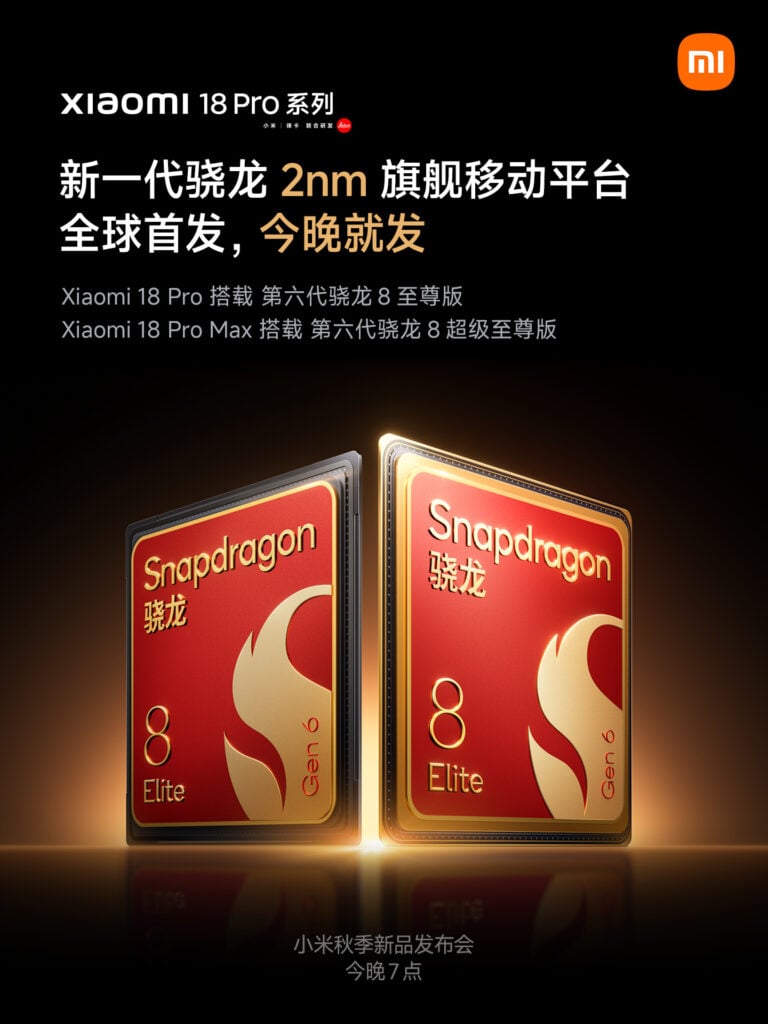
Moments after Qualcomm unveiled the powerful 2nm Snapdragon 8 Elite Extreme Gen 6 chipset, major smartphone brands rushed to announce their upcoming flagships rocking the same chipset. Xiaomi didn’t waste any time launching the Xiaomi 18 Pro Max in China just a few hours after the chip was announced.

If you’re planning to get your hands on a Snapdragon 8 Elite Extreme Gen 6-powered phone, we’ve compiled a list of devices confirmed to ship with this chipset.

Every phone confirmed to launch with the Snapdragon 8 Elite Extreme Gen 6 SoC

1. Xiaomi 18 Pro Max

Launch date: September 23, 2026

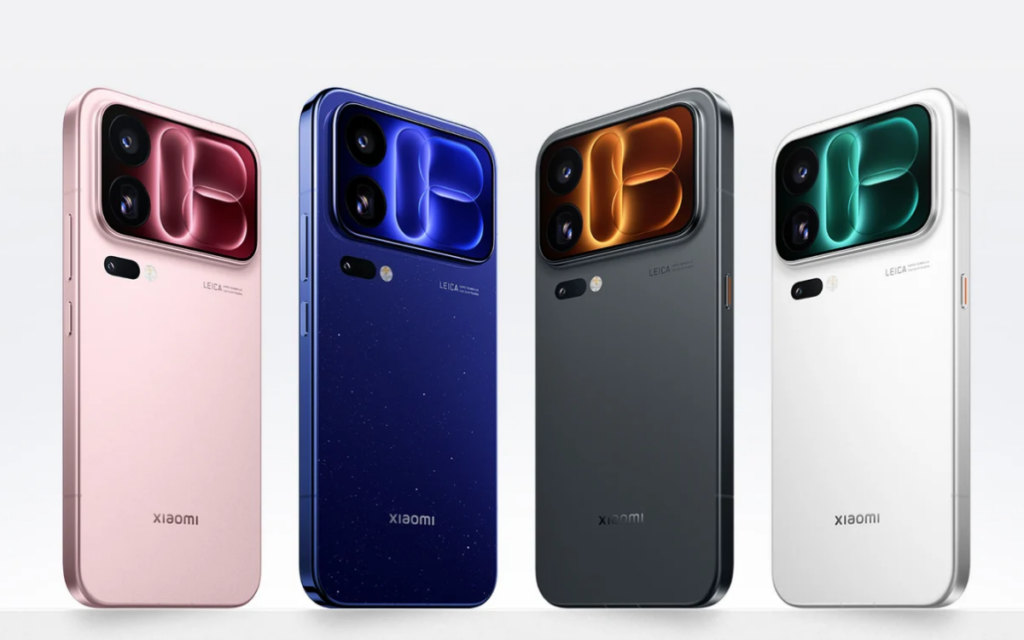
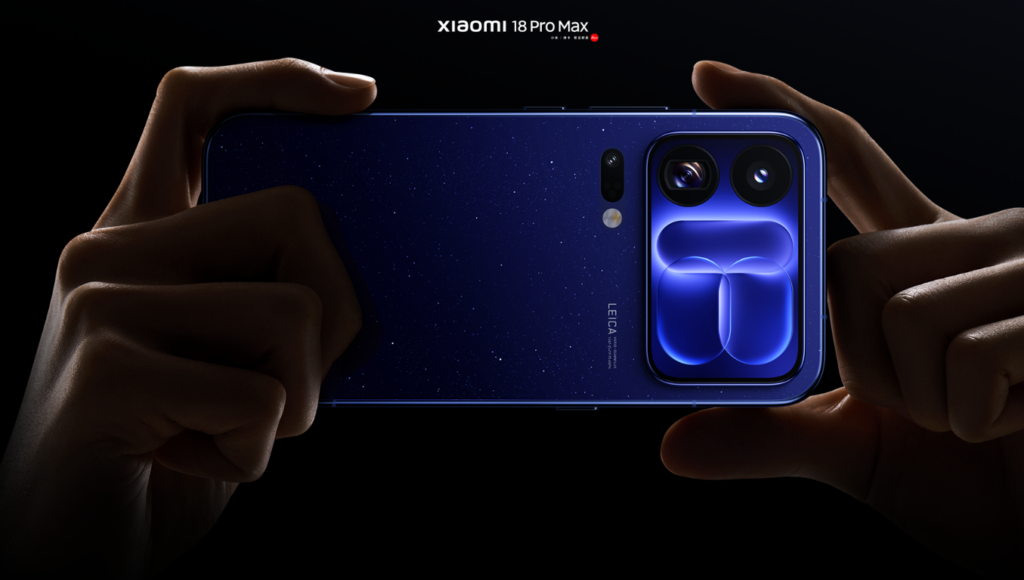
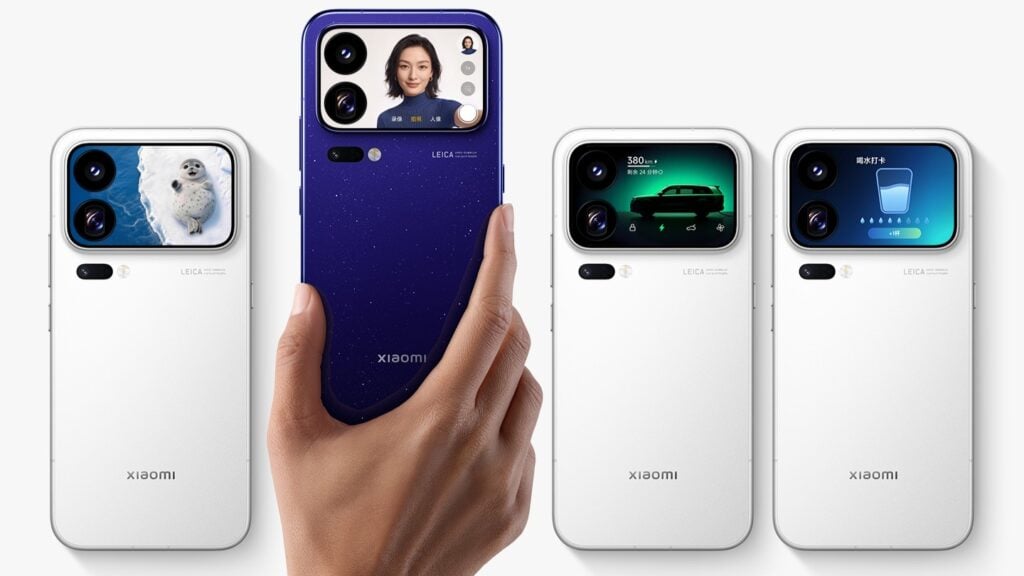
Xiaomi 18 Pro Max is the first phone to get the Snapdragon 8 Elite Extreme Gen 6 chipset. It’s built around a 6.9-inch LTPO AMOLED screen with 4000nits of peak brightness. The smaller 2.9-inch AMOLED screen on the rear side also offers the same peak brightness and LTPO support.

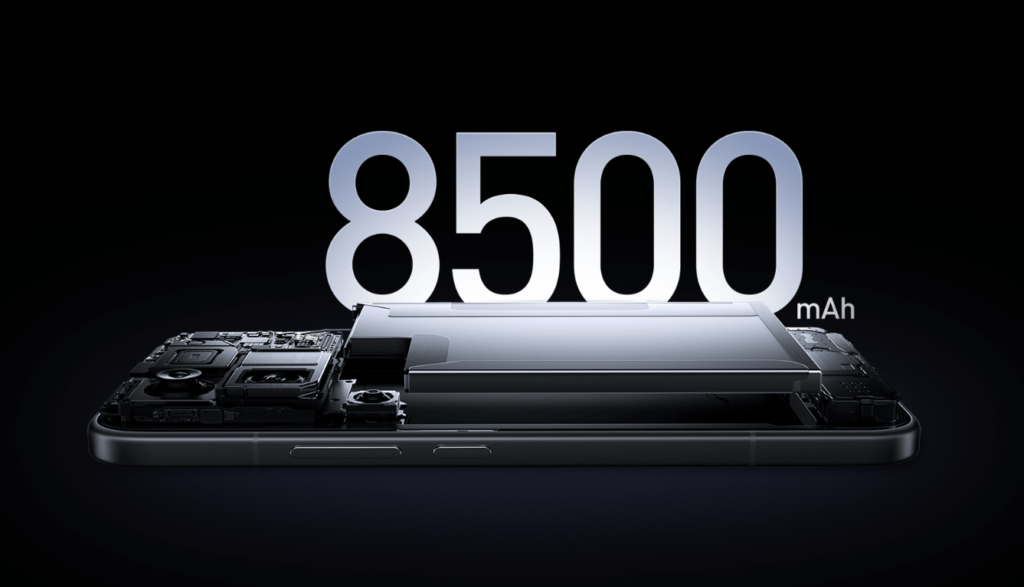
As for the optics, the Xiaomi phone offers a triple camera setup, featuring a 200MP primary shooter, a 200MP periscope telephoto lens with 3.2x optical zoom, and a 50MP ultrawide unit. It has a 50MP selfie camera, though you can also use the rear camera and secondary display to capture much better selfies. The device packs an 8,500mAh battery with support for 100W wired, 50W wireless, and 27W reverse wireless charging.
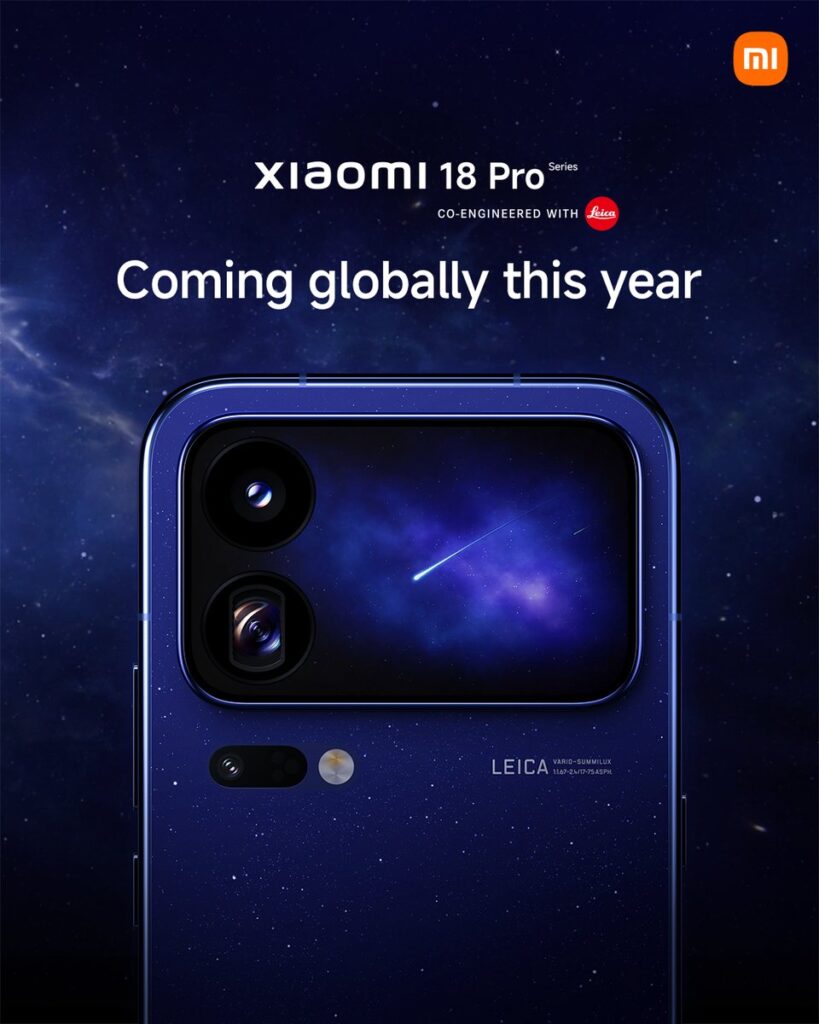
Xiaomi 18 Pro series global launch poster

Xiaomi 18 Pro Max has been launched in China, and the brand has confirmed it will be available globally, including in India. Xiaomi India’s X account also confirms this, with a global launch teased to be “coming soon”.

2. HONOR Magic9 Pro Max

Launch date: September 28, 2026 (confirmed)
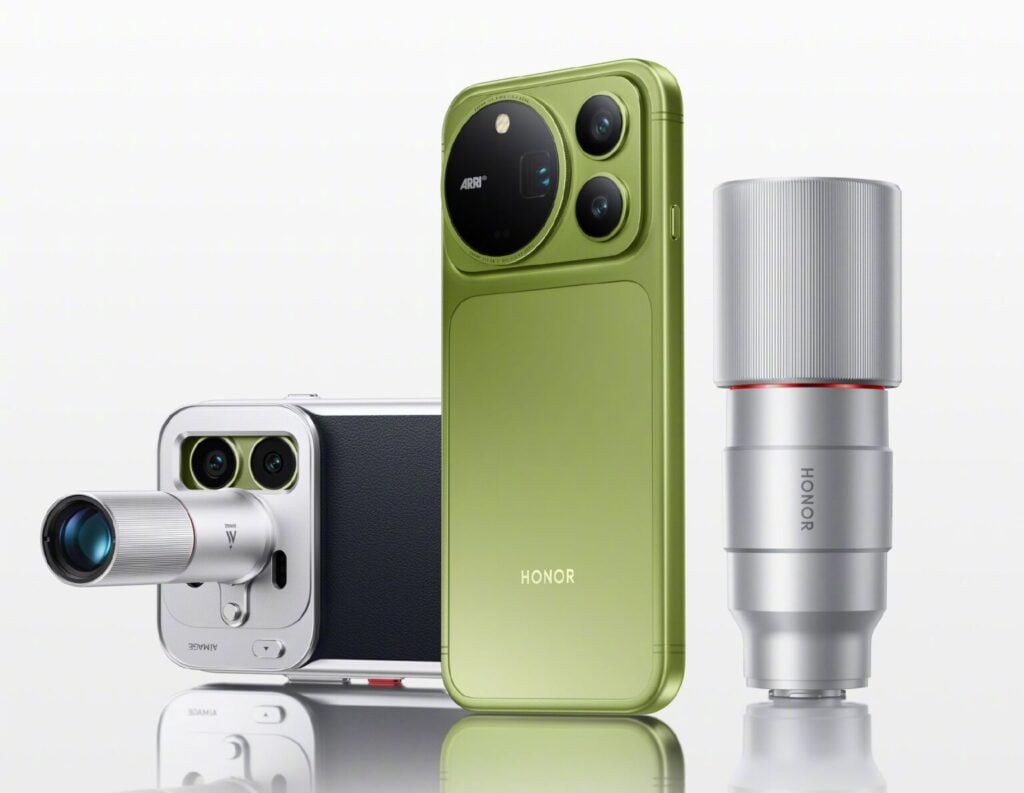
That’s when the Magic9 Pro Max will launch in China, but the global launch has not been announced yet. That might happen soon after it’s launched in China.

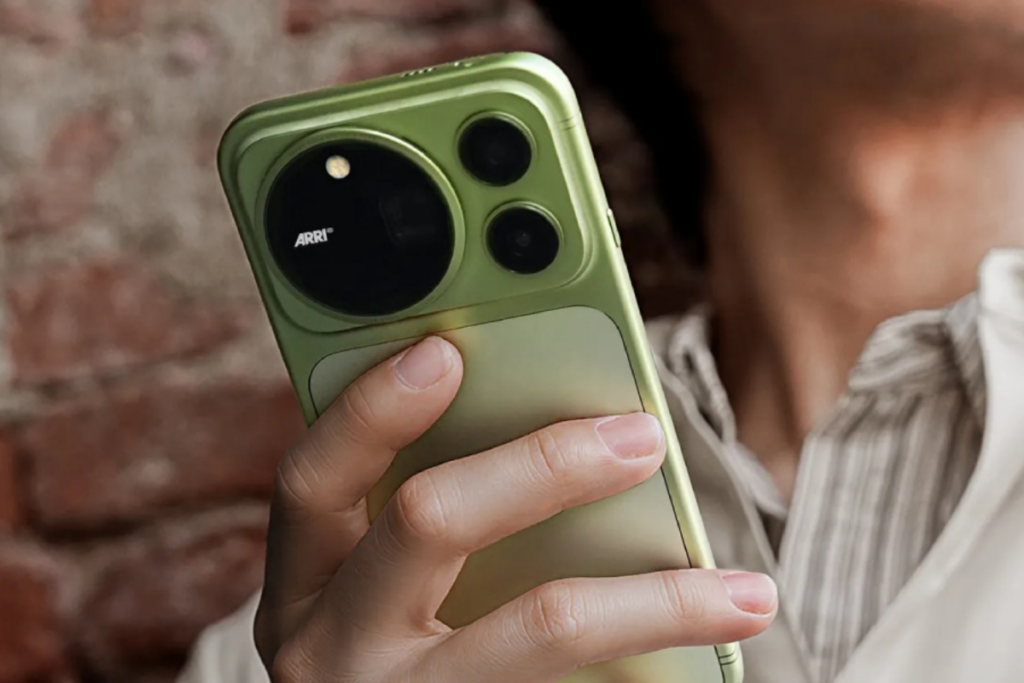
The smartphone will feature a brand-new triple rear camera layout that includes two 200MP sensors: a 1/1.28-inch primary sensor with an f/1.57 aperture and a 1/1.4-inch super-night telephoto sensor with an f/2.6 aperture. The camera has been developed in partnership with ARRI (the legendary German cinema camera maker) to bring professional film-style color science and video tools to the device. Details about the third sensor haven’t been announced yet.

The smartphone could carry a 55MP selfie camera, a 6.8-inch OLED screen, and an 8800mAh battery. Honor has confirmed that the phone will be offered in four memory/storage combinations: 12GB+256GB, 12GB+512GB, 16GB+512GB, and 16GB+1TB. The color options will be: Moss Green, Silver, and Shadow Black.

3. iQOO 16

Launch date: September 29, 2026 (confirmed)
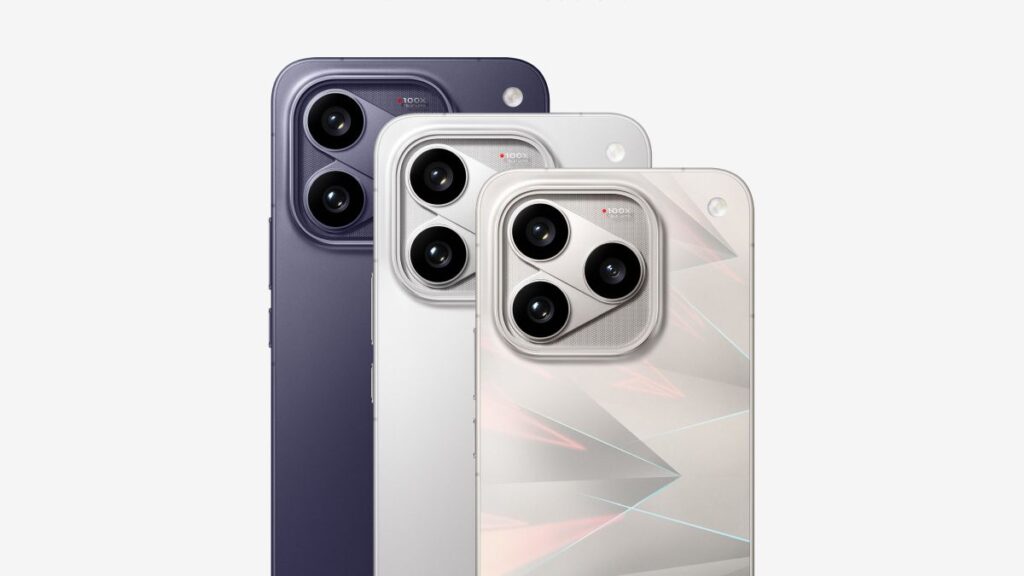
The upcoming iQOO 16 will launch in China next week, featuring Qualcomm’s powerful Snapdragon 8 Elite Extreme Gen 6 mobile chipset. The brand has revealed some of its specs through teasers, and leaks have spilled the rest of the details.

The iQOO 16 will feature a reworked camera island design, featuring three sensors. According to recent leaks, the camera island will have three 50MP sensors. The company says iQOO 16 will be the first phone to offer a 2K resolution panel with a 165Hz refresh rate, developed jointly with Samsung. The screen size is tipped to be 6.85 inches.

The smartphone is said to have a Q4 gaming chip, with upgraded vibration motors and speakers for a better gaming experience. It could come with an 8,400mAh battery and support for 100W wired and 50W wireless charging.

4. OnePlus 16

Launch: September 2026 (expected)
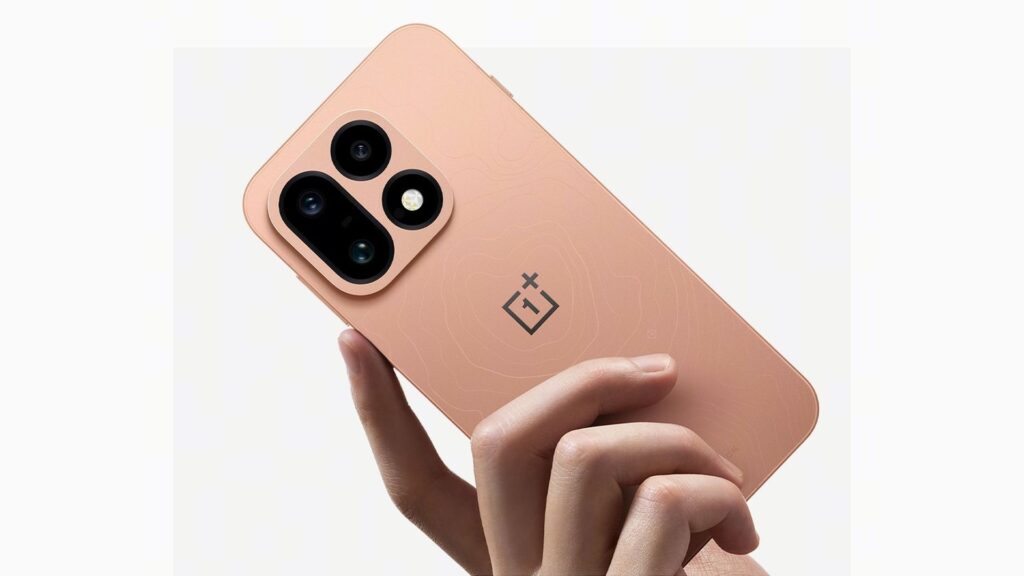
OnePlus has confirmed that the OnePlus 16 will launch soon with the Snapdragon 8 Elite Extreme Gen 6 SoC, but it hasn’t announced a launch date yet. Rumors suggest the phone could be unveiled in China later this month, with a global launch likely to happen next month.

The OnePlus 16 is confirmed to feature a triple-camera setup with a 200MP primary camera, a 50MP periscope telephoto lens with 3x optical zoom, and a 50MP ultrawide camera. The selfie camera will also have a 50MP resolution. The phone will also get new shooting modes for better control over the final output.

Leaked specs include a 6.78-inch flat AMOLED display with a 185Hz refresh rate, up to 16GB of LPDDR5X RAM, up to 1TB of UFS 4.1 storage, and a 9,000mAh battery.

5. RedMagic 12 Pro+

Launch: October 2026 (confirmed)
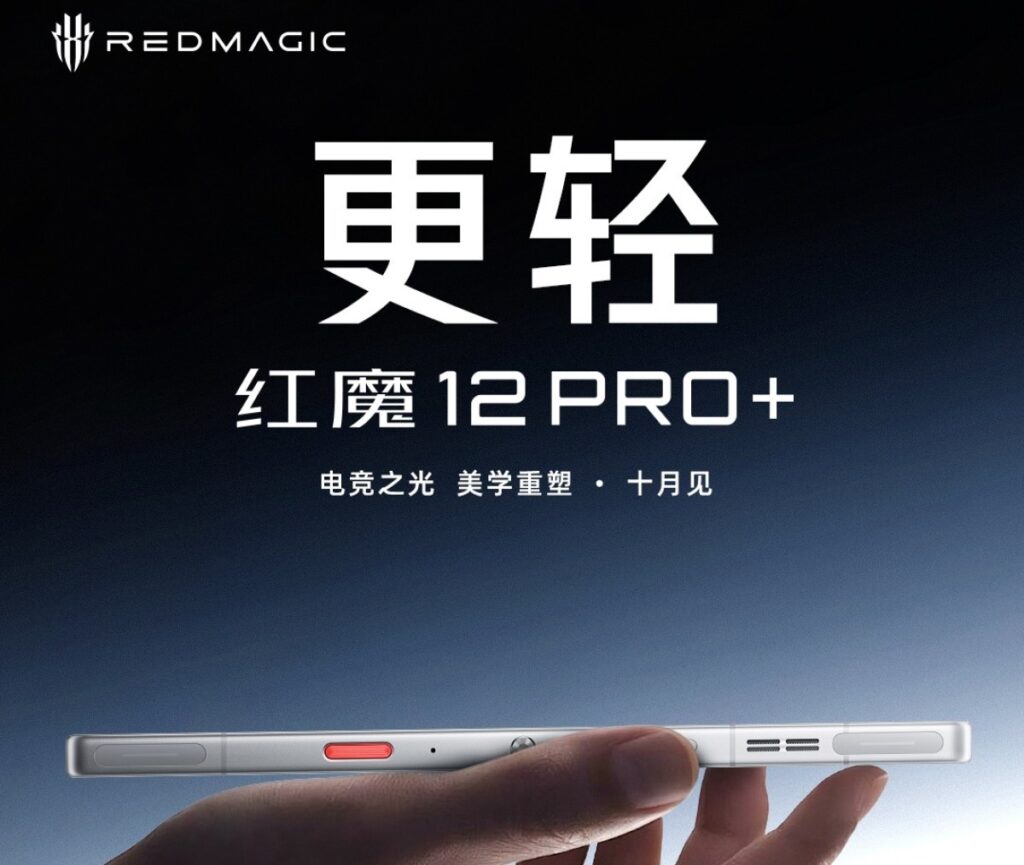
The phone will launch in China in October. We’ll have the exact launch date soon, but the global launch hasn’t been announced yet.

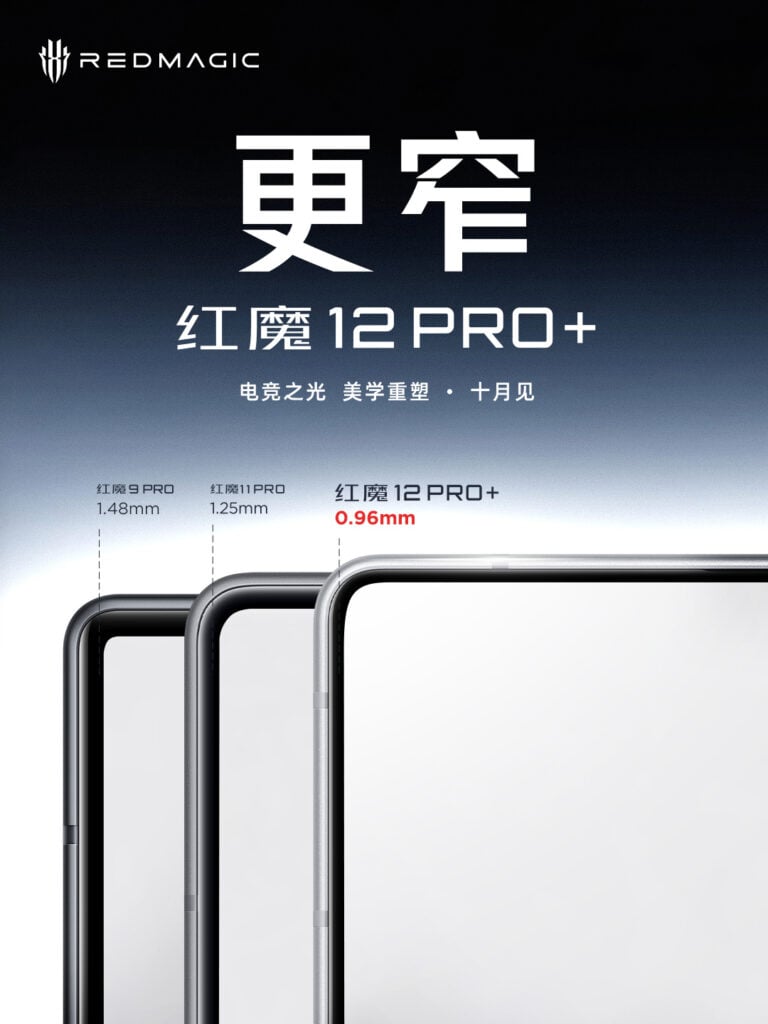
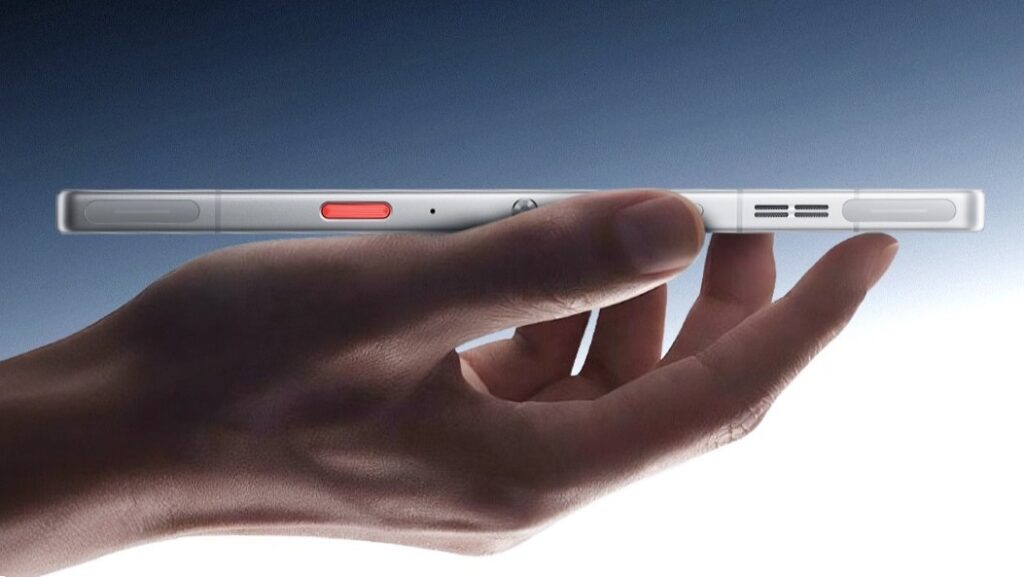
RedMagic has teased several details of the RedMagic 12 Pro+, such as ultra-narrow 0.96mm bezels and RedMagic’s ninth-generation Under-Display Camera (UDC) system. The phone will shift to softer, rounded corners for improved handheld ergonomics during extended gaming sessions.

The smartphone is said to house an 8,400mAh battery with 120W wired and 80W wireless charging. It could feature a triple-camera setup on the rear, led by a 50MP main sensor. The device is expected to be available with up to 24GB of LPDDR5X RAM and up to 1TB of UFS 4.1 storage.

6. Motorola Signature 27

Launch: Later this year
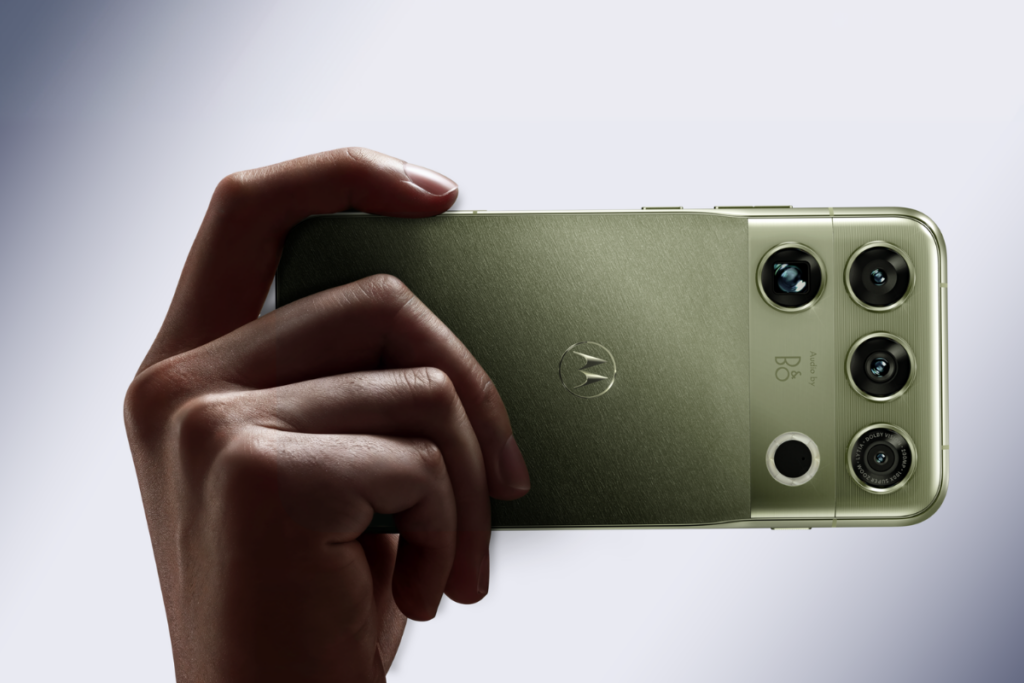
Motorola unveiled the Signature 27 at the Snapdragon Summit, marking a big shift in the company’s approach. The brand has largely avoided bringing top-tier chips to its phones, but that has now changed. The Signature 27 is just the start. We believe future Signature phones will continue in this direction.

Motorola has revealed key details about the device, but the exact global release date and pricing details are due to be announced later this year. The Signature 27 features an unusual rear camera design, with a 50MP main camera and a 200MP periscope telephoto lens. Details about the other two sensors and the selfie camera haven’t been announced yet.

The phone will have an ArcticMesh cooling system featuring a vapor chamber that is 40 percent larger than the previous generation. Audio gets a premium boost through a partnership with Bang & Olufsen.

Next year will bring a lot more smartphones powered by the Snapdragon 8 Elite Extreme Gen 6 chipset, including the Galaxy S26 Ultra. We’ll continue to track the latest developments on the topic and post them on this website.

You can visit the News section regularly for fresh details. Also, join our Telegram channel to receive instant alerts when we post new stories.


Meta Muse Charm is a pocket-sized AI device for talking to Muse without glasses

Alongside the latest VR, Meta unveiled the Muse Charm at today’s Connect event. Mark Zuckerberg introduced it as a small, always-on handheld device for talking to Muse, Meta’s AI assistant. It’s aimed at people who don’t wear Meta’s smart glasses, and Zuckerberg described it as a quick way to reach Muse without putting on a pair. Meta’s glasses lineup includes the Meta Ray-Ban Display, which it launched last year.

Meta says it will release the Muse Charm before the December holidays. It hasn’t announced a price and says it will share more details later.

Meta Muse Charm Launch Specs Price

Meta also announced several updates to Muse itself. You’ll be able to make video calls with a customizable AI avatar that responds in real time. The Muse agent is also getting its own email address, so it can complete tasks and communicate with you directly.

Who made it and how it looks

According to Bloomberg’s Mark Gurman, the Muse Charm came out of Meta’s new design lab, which is reportedly led by Alan Dye, Apple’s former UI design chief.

The Muse Charm looks like a 90s electronic pet. It has a roughly 2-inch OLED display and runs a new operating system. When you power it on, a virtual Muse avatar appears in the center of the screen, and you can change its appearance, clothing, and voice.

Meta Muse Charm Design

You can wear the Muse Charm on a wristband, keep it in your pocket, or attach it to a bag or keychain with a lanyard. The casing is semi-transparent, so you can see the internal circuitry through the back and sides. One interesting feature is that two Muse Charm devices recognize and interact with each other when their owners are close together.

Inside, the Muse Charm has a 5G modem, so you can reach Muse even if you don’t have Wi-Fi. According to the report, it works like a phone in other ways but can’t make phone or video calls. It has a fingerprint sensor for unlocking.

You get cameras on the front and back for photos and videos. Their main job is to give Muse visual information to analyze, and you can view what you’ve captured on the device. The Muse Charm also plays music and video, and it has a speaker, a microphone, and a USB-C port for charging.

Timing and price

Meta originally planned to release the Muse Charm in 2027. Sources say Zuckerberg pushed the team to move it up to 2026 so it would be available by the end of the year. The same sources say it will be priced similarly to a smartwatch. Meta hasn’t finalized the details for mobile carrier access.

For more daily updates, please visit our News Section.

Stay ahead in tech! Join our Telegram community and sign up for our daily newsletter of top stories!

Meta VR Glasses weigh about 100g and are the first VR device with IMAX Enhanced certification

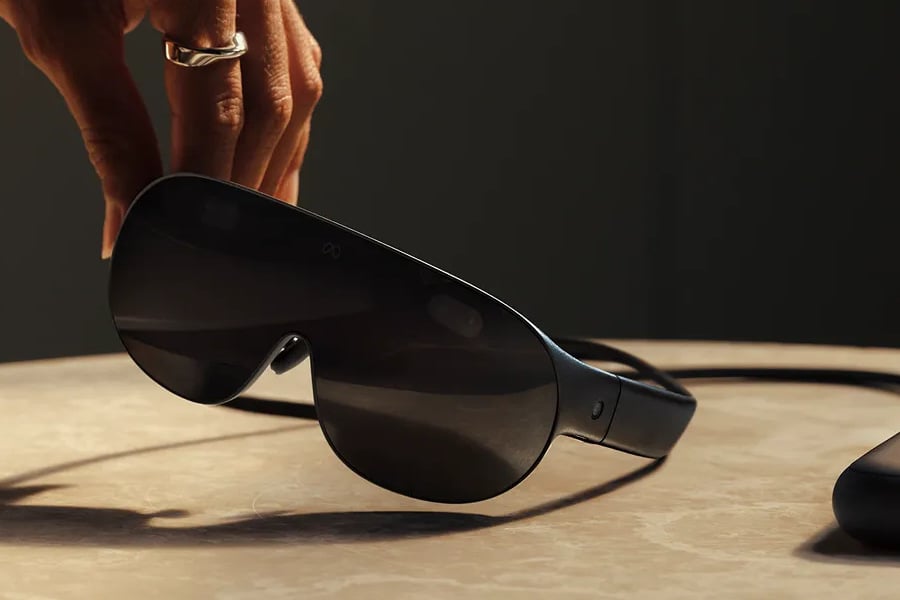
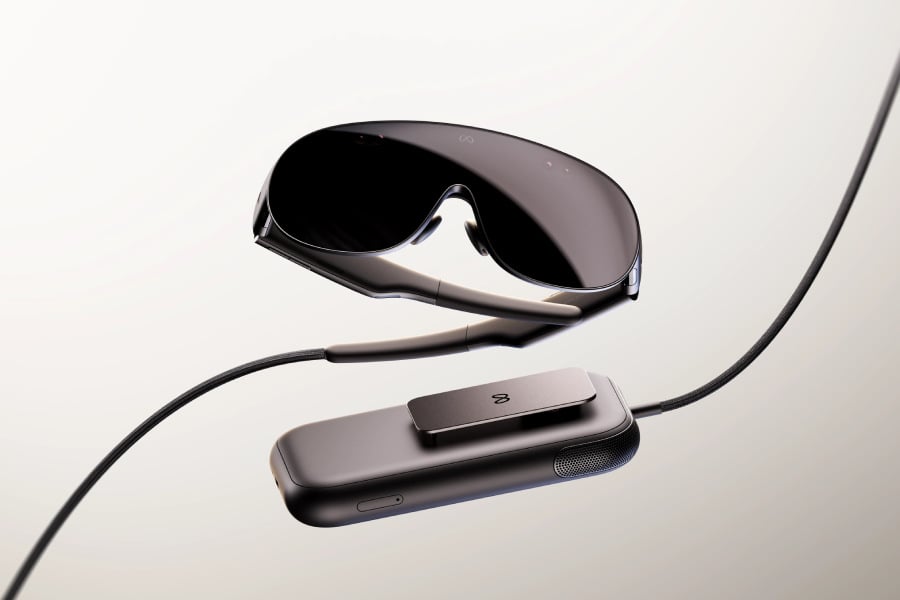
Meta has announced the Meta VR Glasses at its Connect conference. The headset weighs about 100 grams, costs $1,299.99, and goes on sale in spring 2027.

Meta VR Glasses Launch Specs Price

The weight is roughly one-fifth of the Meta Quest 3, which comes in at around 515 grams. The Apple Vision Pro is more heavier at over 600 grams. The Meta VR Glasses look a lot like the lighter Vision Pro that Bloomberg’s Mark Gurman described, a project Apple has reportedly shelved in favor of smart glasses. Meta now has a product in that space before Apple does.

Two pieces, not one

The Meta VR Glasses are split into the glasses and a separate computing unit. The glasses hold the display and sensors. The computing unit holds the processor, storage, and battery, and it connects through optical cables. You can clip it to a pocket or drop it in a bag, which is how Meta keeps the weight on your face so low.

The screen is a 5K Micro-OLED panel with 37 pixels per degree, paired with small pancake lenses. The Meta Quest 3 launched with LCD panels at 2064 × 2208 per eye, so Meta has moved to the same panel type the Apple Vision Pro uses. Meta also supports Dolby Vision and Dolby Atmos spatial audio.

Meta VR Glasses Design

Inside the computing unit is Qualcomm’s new Snapdragon Reality Elite processor. The battery plays high-resolution media for up to 3 hours and charges at 45W. 

You control the Meta VR Glasses with your voice, your eyes, and hand gestures, and Meta has built its AI agent into the operating system. You can ask it to start a movie, open an app, rearrange your workspace, or run a search. 

What you can do with it

The Meta VR Glasses are the first VR device with IMAX Enhanced certification. Starting in November, Disney+ subscribers in select regions can watch 3D versions of films like The Avengers and Black Panther. Viewing environments include Tatooine and Avengers Tower. The Disney Immersive Cinema by ILM app adds VR-enhanced versions of Avengers: Infinity War and Star Wars: Episode IV – A New Hope. Prime Video, YouTube, DIRECTV, AMC+, Crunchyroll, Plex, and ESPN are also on board.

Where to buyMeta Quest 3Browse the range on AmazonShop now →

Sports fans get an “Immersive Sports” experience built with ESPN, with 8K live streams and a 180° view. Meta says you’ll have access to more than 100 events a year from partners including MLB, NBC Sports, TNT Sports, and UFC.

Meta VR Glasses Compute

For work, you get a large virtual screen and can open several screens at once. Any flat surface can become a keyboard and touchpad, and full-color passthrough lets you keep seeing your desk, your phone, and the room around you.

More than 75 games with gesture-only controls will be available at launch, and Xbox Cloud Gaming will let you stream more. Meta also announced holographic calls, which create an avatar that follows your facial expressions and movements and places the other person with spatial audio. For now, this only works in select apps such as WhatsApp and Zoom.

Price and availability

At $1,299.99, the Meta VR Glasses cost more than twice the Meta Quest 3’s $499.99 launch price and far less than the $3,499 Apple Vision Pro. You’ll have to wait until spring 2027 to buy one.

For more daily updates, please visit our News Section.

Stay ahead in tech! Join our Telegram community and sign up for our daily newsletter of top stories!

OnePlus 16 camera specs confirmed: 200MP main sensor and new pro imaging modes

OnePlus is gradually revealing details about the OnePlus 16, which is set for an October announcement in China. So far, the brand has confirmed details about its display and chipset, and its latest teaser has now revealed the camera specifications and professional imaging modes. This suggests the OnePlus 16 could be a significant upgrade over the OnePlus 15 in terms of imaging capabilities.

OnePlus 16 camera gets a major upgrade

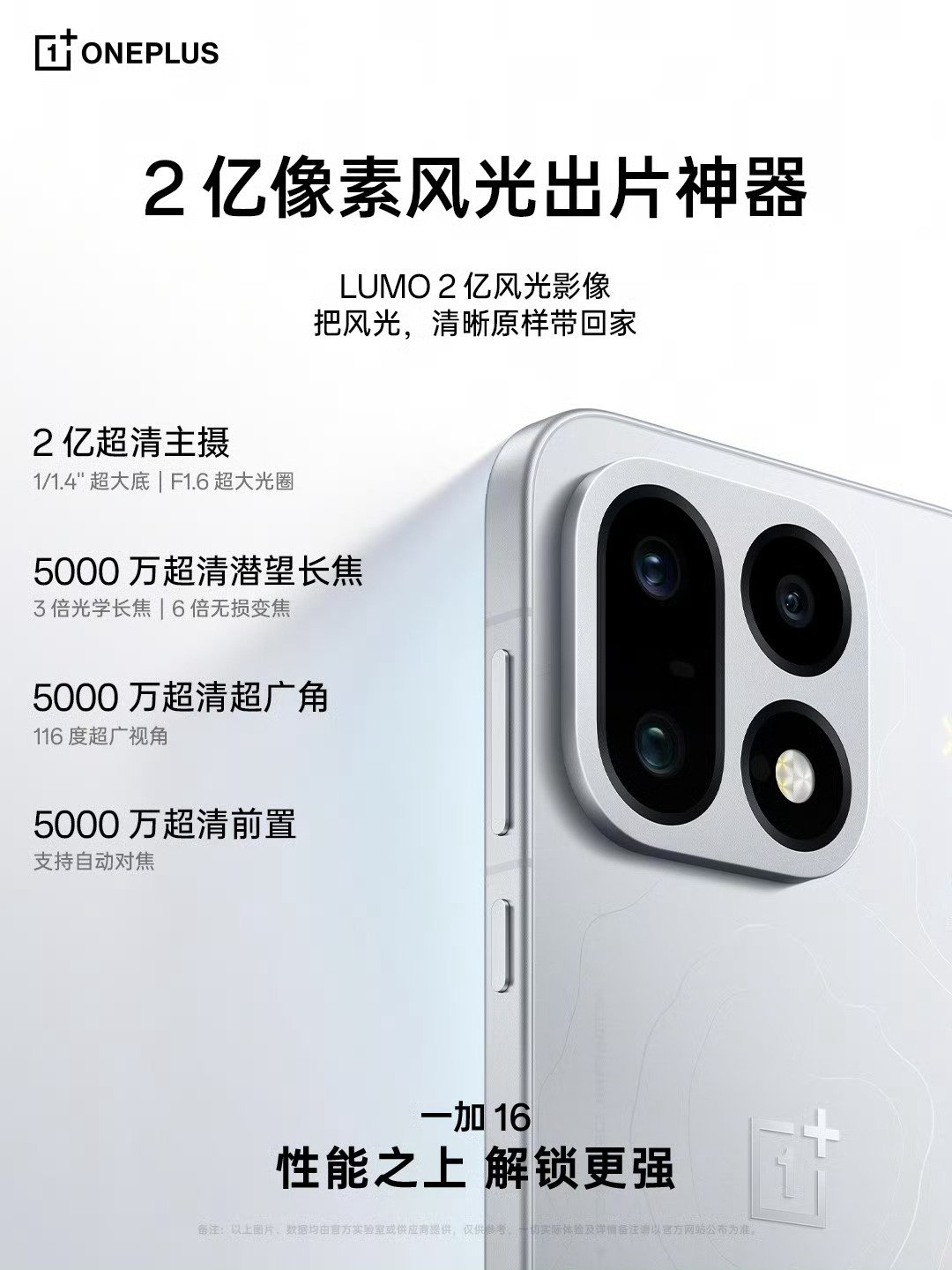
The OnePlus 16 will feature a 200-megapixel primary camera with a large 1/1.4-inch sensor and an f/1.6 aperture. It will be joined by a 50-megapixel periscope telephoto camera offering 3x optical zoom and 6x lossless zoom, while another 50-megapixel sensor will serve as the ultra-wide camera with a 116-degree field of view. The front camera will also use a 50-megapixel sensor with autofocus.

This represents a notable change from the OnePlus 15, which uses a triple 50-megapixel rear camera setup. The move to a much larger 200-megapixel primary sensor gives the OnePlus 16 a different hardware approach, while the company is also adding new shooting options designed to give users greater control over the final image.

OnePlus has confirmed three new imaging modes for the phone. Master Mode is designed to produce a film-inspired look with more natural light rendering, while High-Pixel Mode focuses on maximum detail and clarity. The 65:24 Widescreen Mode takes a much wider aspect ratio for a more cinematic presentation.

OnePlus 16 specifications

The OnePlus 16 recently appeared on AnTuTu with a score of 5,384,433 points. The tested configuration featured the Snapdragon 8 Elite Extreme Gen 6, 16GB of LPDDR5X RAM, 1TB of UFS 4.1 storage, and Android 17-based ColorOS 17, with the benchmark identifying an 185Hz display refresh rate.

Battery capacity is set to reach 9,000mAh, based on current information, while China’s 3C certification has confirmed support for 100W wired charging. The phone is also expected to support 50W wireless charging, which would retain the wireless charging capability of its predecessor while delivering a considerably larger battery.

With its upgraded camera hardware, new imaging modes, high-end chipset and larger battery, the OnePlus 16 appears to be a substantial step forward from the OnePlus 15. The phone is expected to debut in China in October, with details about its availability in other markets still to be confirmed.

Xiaomi launches TV S Pro RGB-Mini LED 2027 Supreme Edition with 5500 nits and 170W audio

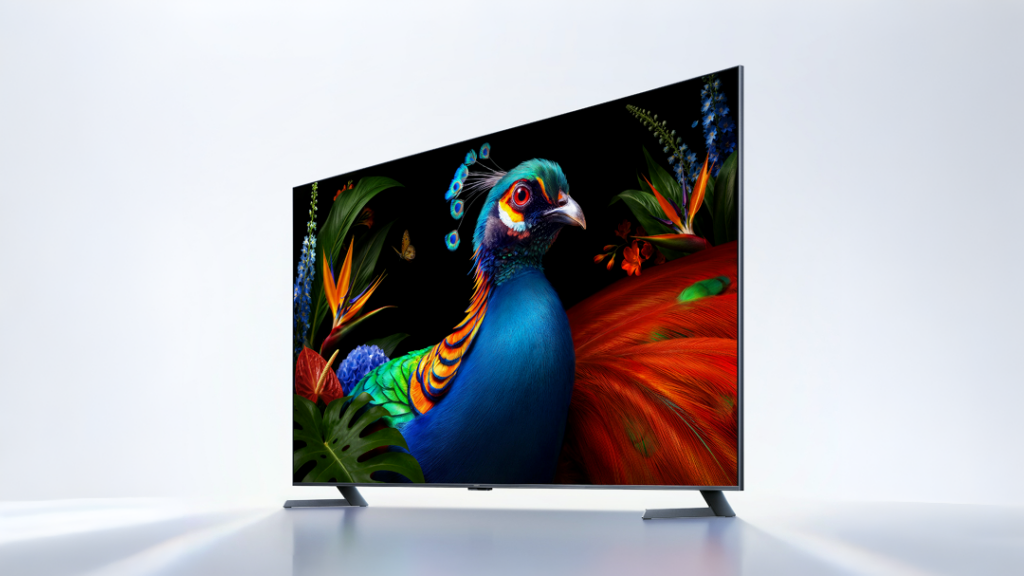
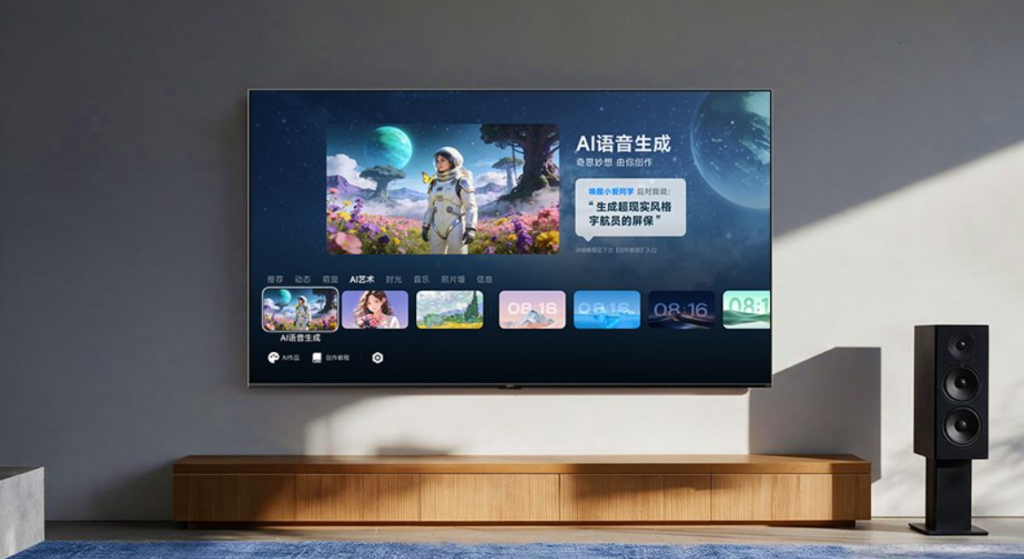
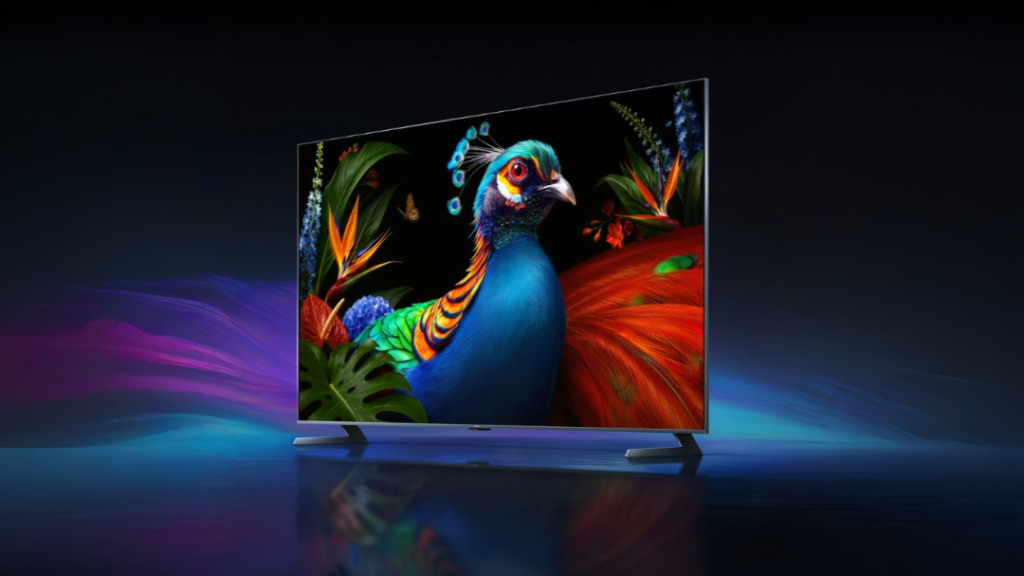
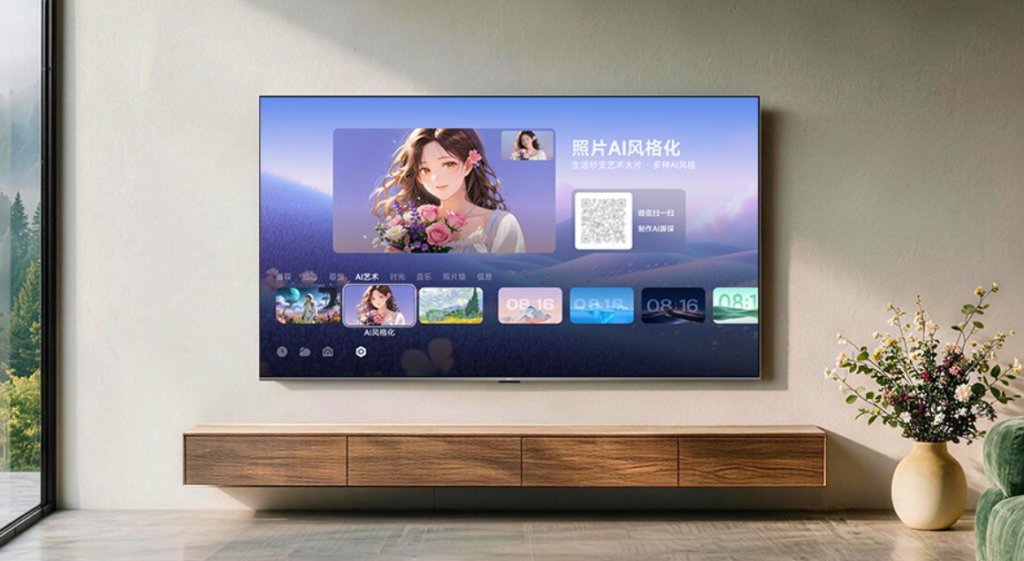
Xiaomi has introduced the Supreme Edition of its TV S Pro RGB-Mini LED 2027 lineup. It serves as a hardware revision to the standard 2027 models announced alongside it, focusing specifically on increasing peak brightness and expanding the built-in speaker system.

Xiaomi TV S Pro RGB-Mini LED 2027 Supreme Edition

Xiaomi TV S Pro RGB-Mini LED 2027 Supreme Edition Specs

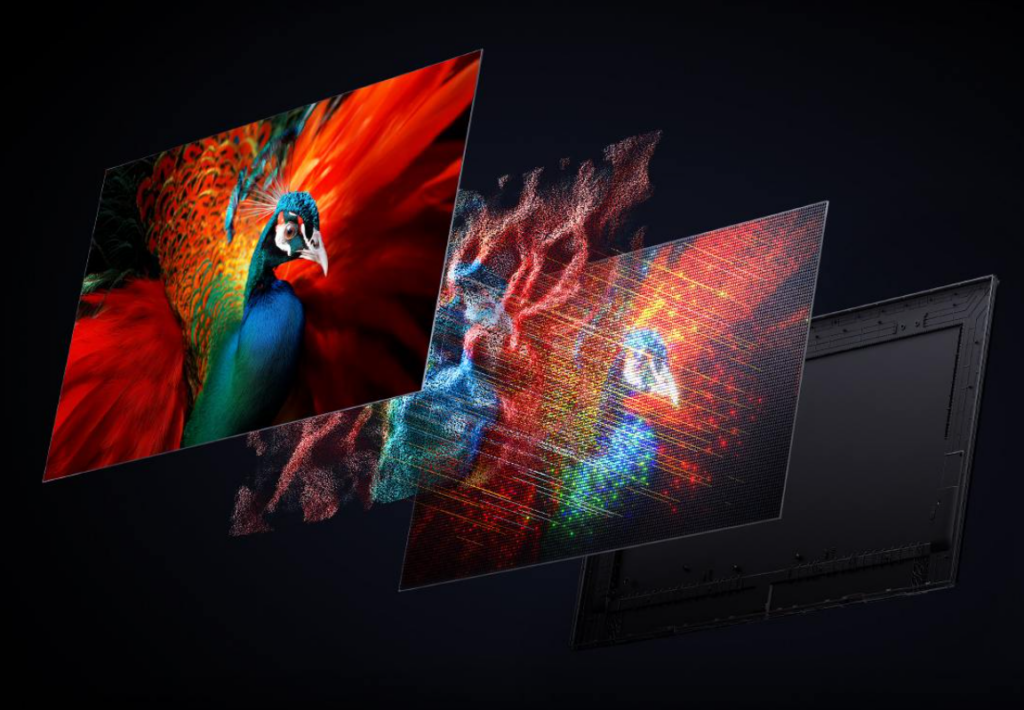
The television uses an RGB-Mini LED panel with individual red, green, and blue light sources. Xiaomi claims it covers 100% of the BT.2020 color gamut while reducing power consumption by around 30% in single-color scenes.

The Supreme Edition increases peak brightness by 500 nits over the standard version, reaching 5,500 nits. The screen also includes a 0.5% low-reflection coating to reduce glare in bright rooms. Picture processing is handled by the company’s XM9000 chip, which manages color accuracy and contrast between the backlight and LCD layers.

Xiaomi TV S Pro RGB-Mini LED 2027 Supreme Edition

For audio, the Supreme Edition replaces the standard model’s 130W 2.1.2-channel system with a 170W 4.1.2-channel setup. This adds dedicated left and right surround channels to the upward-firing speakers and subwoofer. The system is tuned by Harman and supports Dolby Atmos.

Where to buyXiaomi TV S Pro 2027Browse the range on AmazonShop now →

For gaming, the panel has a native 4K 180Hz refresh rate, which can operate at 360Hz in a specific competitive mode. It supports VRR, AMD FreeSync Premium Pro, and includes four HDMI 2.1 ports, one of which supports eARC.

Xiaomi TV S Pro RGB-Mini LED 2027 Supreme Edition

The TV runs on a quad-core Cortex-A73 processor with 4GB of RAM and 64GB of storage, using HyperOS 4. It also includes a millimeter-wave radar that detects viewer position to adjust picture and audio settings automatically. The remote connects via Bluetooth, charges via USB-C, and includes NFC for casting.

The metal chassis measures 49.7mm thick on the 65-inch model and 54.9mm on the 98-inch model. Both are compatible with a flush wall mount that leaves a 5mm gap.

The TV S Pro RGB-Mini LED 2027 Supreme Edition is launching in China with the following pricing:

  • 65-inch (2,160 dimming zones): 6,299 yuan ($945)
  • 75-inch (2,880 dimming zones): 7,299 yuan ($1,095)
  • 85-inch (3,744 dimming zones): 9,299 yuan ($1,395)
  • 98-inch (4,860 dimming zones): 13,999 yuan ($2,100)

For more daily updates, please visit our News Section.

Stay ahead in tech! Join our Telegram community and sign up for our daily newsletter of top stories!

Xiaomi launches TV S Pro RGB-Mini LED 2027 with 5,000 nits and 4K 180Hz gaming

Xiaomi has launched its new TV S Pro RGB-Mini LED 2027 lineup, marking the debut of the company’s first RGB-Mini LED TV. The new series is available in four screen sizes, ranging from 65 inches to a massive 98 inches.

Xiaomi TV S Pro RGB-Mini LED 2027

Xiaomi TV S Pro RGB-Mini LED 2027 Specifications

Instead of using a traditional white backlight that passes through a color filter, these new models rely on separate red, green, and blue light sources. Xiaomi says this hardware adjustment allows the display to cover 100% of the BT.2020 color space. This direct RGB lighting approach reduces power consumption by about 30% in single-color scenes when compared to its previous 2026 models.

The panels are built for high brightness and precise local dimming, with a rated peak brightness of 5,000 nits. The 65-inch model includes 2,160 local dimming zones, while the 98-inch version increases that count to 4,860 zones. To help manage glare in bright rooms, the screens feature a low-reflection coating, which brings the overall screen reflection rate down to a stated 1.8%.

Xiaomi TV S Pro RGB-Mini LED 2027

For gaming and video playback, the TVs support a 4K resolution at a native 180Hz refresh rate. They include standard features expected for modern consoles and PCs, such as Variable Refresh Rate (VRR), MEMC motion smoothing, and AMD FreeSync Premium Pro. Connectivity options include four HDMI 2.1 ports (one with eARC support), Wi-Fi 6, Ethernet, and standard USB inputs.

Inside, the televisions are powered by a quad-core Cortex-A73 processor, 4GB of RAM, and 64GB of storage, running on HyperOS 4 software. The system also integrates a millimeter-wave radar sensor designed to detect where viewers are sitting to adjust the picture accordingly.

Xiaomi TV S Pro RGB-Mini LED 2027

For audio, the TVs feature a 130W 2.1.2-channel speaker system with upward-firing channels and a built-in subwoofer, along with Harman tuning. The included Bluetooth remote also features NFC for casting and supports USB-C charging.

The design is straightforward, featuring a metal frame and a relatively thin profile, the 65-inch model is 49.7mm thick, while the 98-inch is 54.9mm. Both are compatible with a slim wall mount that leaves a 5mm gap from the wall.

The Xiaomi TV S Pro RGB-Mini LED 2027 is available now in China. Pricing for the four configurations is as follows:

  • 65-inch (2,160 dimming zones): 5,999 yuan ($894)
  • 75-inch (2,880 dimming zones): 6,999 yuan ($1,043)
  • 85-inch (3,744 dimming zones): 8,799 yuan ($1,311)
  • 98-inch (4,860 dimming zones): 12,999 yuan ($1,937)

For more daily updates, please visit our News Section.

Stay ahead in tech! Join our Telegram community and sign up for our daily newsletter of top stories!

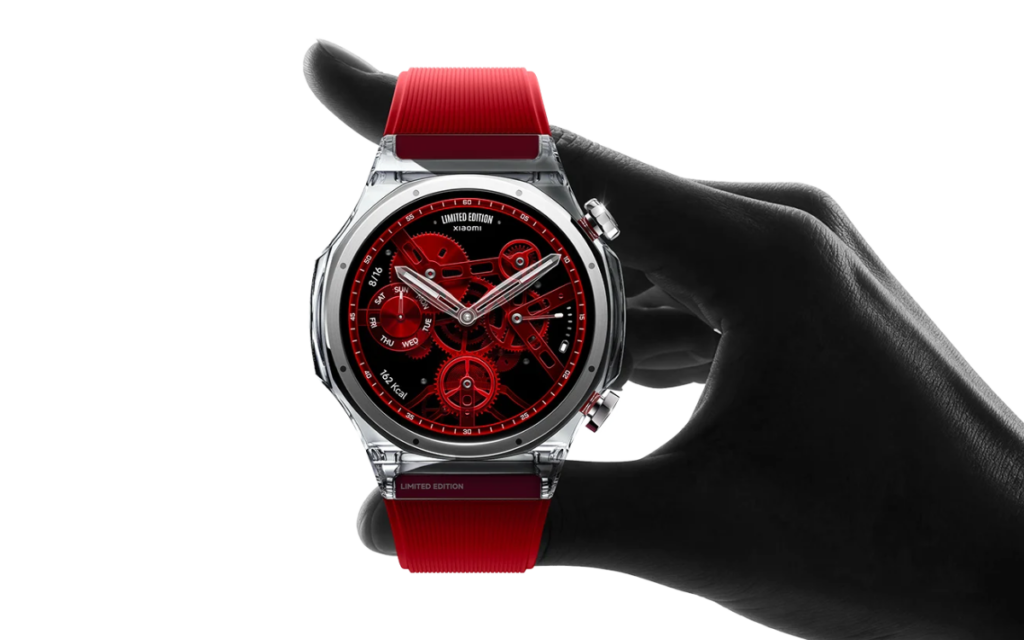
Xiaomi launches Watch S5 Transparent Edition with a see-through glass body, limited to just 5000 units

Xiaomi has announced a new variant in its wearable lineup, the Watch S5 Transparent Edition, which launched today alongside the standard 41mm Watch S5. The new model is priced at 2,499 yuan ($372) and will be restricted to a production run of just 5,000 units.

Design Details

The differentiator for this model is its casing. Instead of the usual aluminum, titanium, or stainless steel chassis found on most smartwatches, Xiaomi has built the 47mm octagonal watch body using a transparent material it refers to as Dragon Crystal Glass 3.0.

The design allows light to pass directly through the middle frame, exposing the internal structural elements of the device. To provide necessary structural rigidity and a bit of visual contrast, a brushed stainless steel bezel is embedded directly into the glass case.

Xiaomi Watch S5 Transparent Edition

Using glass for a watch chassis raises practical questions about durability, given that wrist-worn wearables are frequently subjected to accidental bumps and scrapes against doors and desks. Xiaomi claims to have addressed this by using a single piece of glass that undergoes a particularly lengthy manufacturing process.

Where to buyXiaomi Watch S5Browse the range on AmazonShop now →

According to the company, each case requires 20 distinct manufacturing steps, which include 240 minutes of CNC precision machining and 800 minutes of multi-stage polishing to achieve the clear finish.

Xiaomi Watch S5 Transparent Edition

The resulting glass has a Vickers hardness rating of 810 HV0.05. This specific material is designed to resist scratches and daily wear. Furthermore, the company says that unlike clear plastics, silicones, or resins that are sometimes used in transparent tech products, this glass will not discolor or turn yellow over time.

On the interface side, the watch ships with a custom red watch face designed to look like a traditional mechanical timepiece. This aesthetic choice is a direct nod to the company’s smartphone lineup, specifically mirroring the design language of the Xiaomi 18 Pro series Transparent Special Edition.

For more daily updates, please visit our News Section.

Stay ahead in tech! Join our Telegram community and sign up for our daily newsletter of top stories!

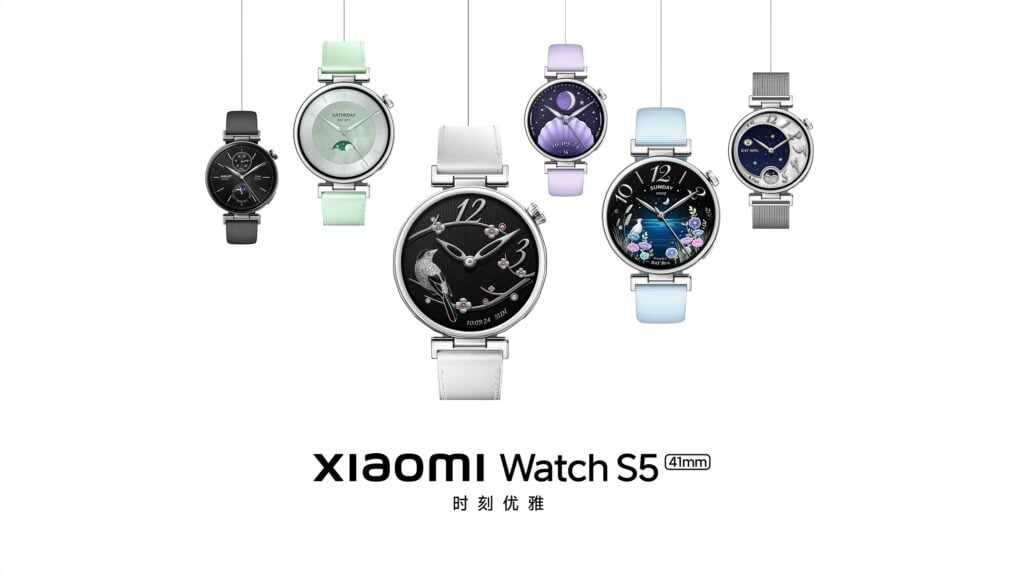
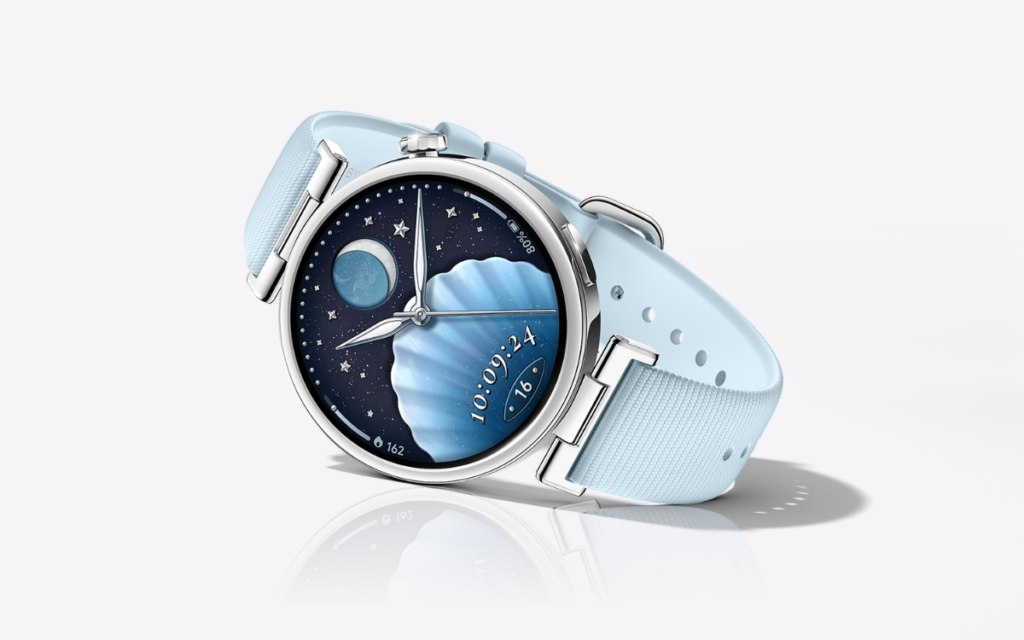
Xiaomi launches Watch S5 41mm with HyperOS 4, dual-band UV tracking & 14-day battery

Alongside the 18 Pro series, Xiaomi has introduced the 41mm version of its Watch S5, offering a smaller alternative to the 46mm model released earlier this year. The new smartwatch is the first device to ship with HyperOS 4 for wearables and includes an updated WeChat application. Pricing starts at 1,299 yuan ($194) for the standard fluoroelastomer strap models, while a genuine leather strap version is priced at 1,499 yuan ($224).

Xiaomi Watch S5 41mm

Xiaomi Watch S5 41mm Specifications

The watch features a 1.32-inch AMOLED display with a 60Hz refresh rate. Xiaomi says the screen can reach a peak brightness of 3,000 nits, which is intended to improve visibility in direct sunlight.

The case itself measures 9.9mm thick and weighs 36 grams without the strap. It is constructed with a stainless steel body, a ceramic bezel, and a textured crown. Color options include Black, Sea Salt Blue, and Ceramic White.

Xiaomi Watch S5 41mm

For health tracking, the Watch S5 41mm uses a four-LED, four-photodiode sensor array for heart rate and blood oxygen measurements. It also includes three wrist temperature sensors that the company says operate with an accuracy of ±0.1°C.

Where to buyXiaomi Watch S5Browse the range on AmazonShop now →

The temperature sensors are mainly used to track menstrual cycles and predict ovulation periods. The watch also features dual-band UVA and UVB monitoring, which measures ultraviolet intensity and provides more detailed information about sun exposure.

Xiaomi Watch S5 41mm

The Watch S5 41mm comes with more than 150 workout modes, covering a wide range of indoor and outdoor activities. It equips a dual-frequency GNSS chip for precise route tracking and supports full-color offline maps for navigation.

Xiaomi has also included a dedicated skiing mode that tracks distance, altitude, maximum slope, and other activity data. For added safety, the watch can detect falls while skiing and automatically sound an alert or reach out to emergency services when the wearer fails to respond.

Xiaomi Watch S5 41mm

On the software side, HyperOS 4 brings an upgraded WeChat app with voice-to-text and quick replies. The watch also integrates with Xiaomi’s ecosystem, allowing users to control smart home devices, view smart doorbell feeds, and access Xiaomi vehicle features. It supports iOS and Apple Health syncing, although some features remain exclusive to Android or Xiaomi devices.

The device is powered by a 590mAh battery. Xiaomi estimates up to 14 days of battery life in a restricted usage mode, eight days with standard health monitoring, and five days when using the always-on display alongside regular monitoring.

For more daily updates, please visit our News Section.

Stay ahead in tech! Join our Telegram community and sign up for our daily newsletter of top stories!

Xiaomi Pad 9 and Pad 9 Pro launches with 3.2K 144Hz screens, Snapdragon processors

Xiaomi has launched the Xiaomi Pad 9 and Xiaomi Pad 9 Pro in China. The Xiaomi Pad 9 starts at 2,999 yuan (~ $447), and the Xiaomi Pad 9 Pro starts at 3,799 yuan (~ $566). The Xiaomi Pad 9 Pro Max, which uses the Xring O3 chip, launched earlier this month, and you can read about it here. These two tablets use Snapdragon chips instead and cost less.

Xiaomi Pad 9

You get an 11.2-inch 3.2K LCD with an adaptive refresh rate of up to 144Hz and a peak brightness of 1,000 nits. It covers the DCI-P3 color gamut, supports 12-bit color, and carries hardware-level low blue light and flicker-free certifications.

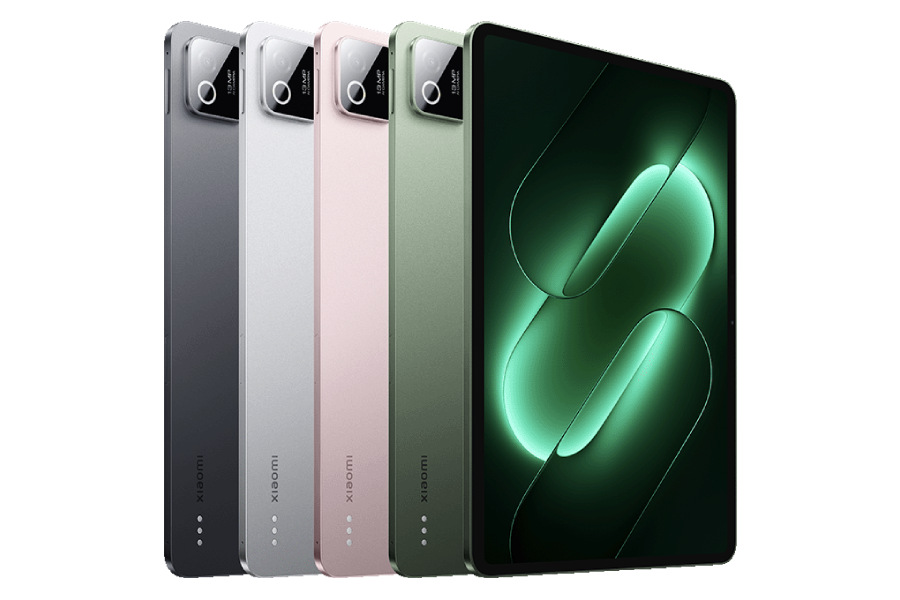
Xiaomi Pad 9 Colors
Xiaomi Pad 9

The processor is the Snapdragon 8s Gen 4, which is the same chip the Xiaomi Pad 8 uses. The battery is 9,720mAh with 45W wired charging. Xiaomi rates it for up to 14.5 hours of short video playback or 20 hours of online meetings.

The tablet is 5.75mm thick and weighs 485g. It has four speakers with Dolby Atmos, Wi-Fi 7, Bluetooth 6.0, a 50MP rear camera, and a 13MP front camera. It comes in Peach Pink, Spruce Green, Black, and Silver, and it runs HyperOS 4.

Xiaomi Pad 9 Pro

The Xiaomi Pad 9 Pro moves up to a 12.5-inch 3.2K LCD with a 144Hz refresh rate, P3 color, and 1,000 nits of peak brightness. It also supports full-brightness DC dimming and carries TÜV Rheinland eye protection certification. The Xiaomi Pad 8 Pro had an 11.2-inch screen with 800 nits, so this is a larger and brighter panel. 

Inside is a Snapdragon 8 Elite Gen 5, and Xiaomi says it scores over 3.4 million in AnTuTu. The cooling system uses graphite over a total area of more than 22,000 mm². The battery grows to 11,000mAh, up from 9,200mAh on the Xiaomi Pad 8 Pro. It supports 67W wired charging and 22.5W reverse charging, so you can top up a phone from it.

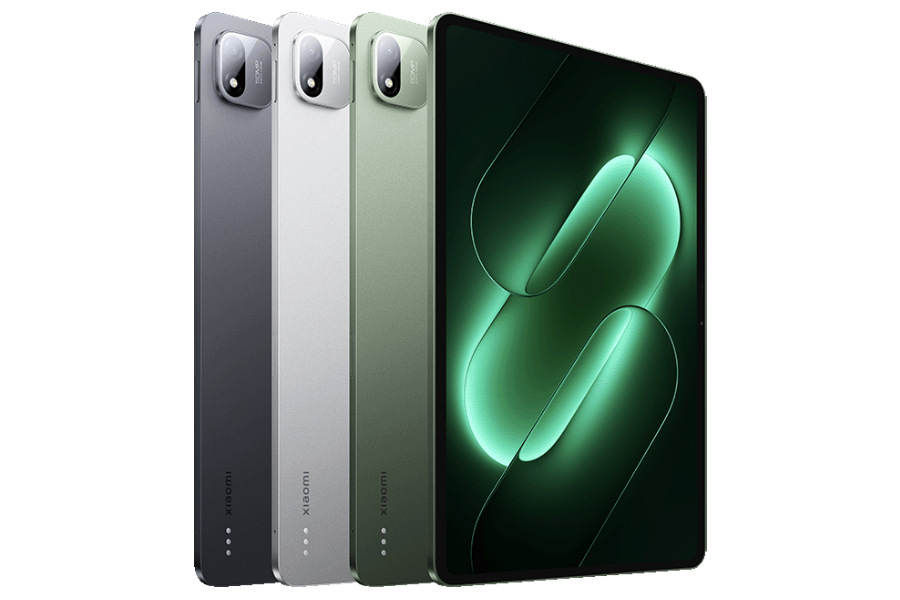
Xiaomi Pad 9 Pro colors

Audio also changes. The Xiaomi Pad 9 Pro has six speakers, compared with four on its predecessor, plus a four-microphone array for meetings. It is 5.8mm thick and weighs 580g.

For work, the tablet runs HyperOS 4 with PC-level apps such as the full version of WPS and CapCut Pro. It supports the Xiaomi Focus Stylus Pro and a keyboard accessory. Color options are Spruce Green, Black, and Silver.

Pricing

The Xiaomi Pad 9 Pro costs 800 yuan (about $119) more than the Xiaomi Pad 9 when you compare the 8GB+128GB models. The Soft Light Edition adds 200 yuan (about $30) to both tablets. 

Xiaomi Pad 9:

  • 8GB+128GB: 2,999 yuan (about $447)
  • 8GB+256GB: 3,299 yuan (about $491)
  • 8GB+256GB Soft Light Edition: 3,499 yuan (about $521)
  • 12GB+256GB: 3,799 yuan (about $566)

Xiaomi Pad 9 Pro:

  • 8GB+128GB: 3,799 yuan (about $566)
  • 8GB+256GB: 4,099 yuan (about $611)
  • 12GB+256GB: 4,599 yuan (about $685)
  • 12GB+256GB Soft Light Edition: 4,799 yuan (about $715)
  • 16GB+256GB: 4,999 yuan (about $745)

For more daily updates, please visit our News Section.

Stay ahead in tech! Join our Telegram community and sign up for our daily newsletter of top stories!

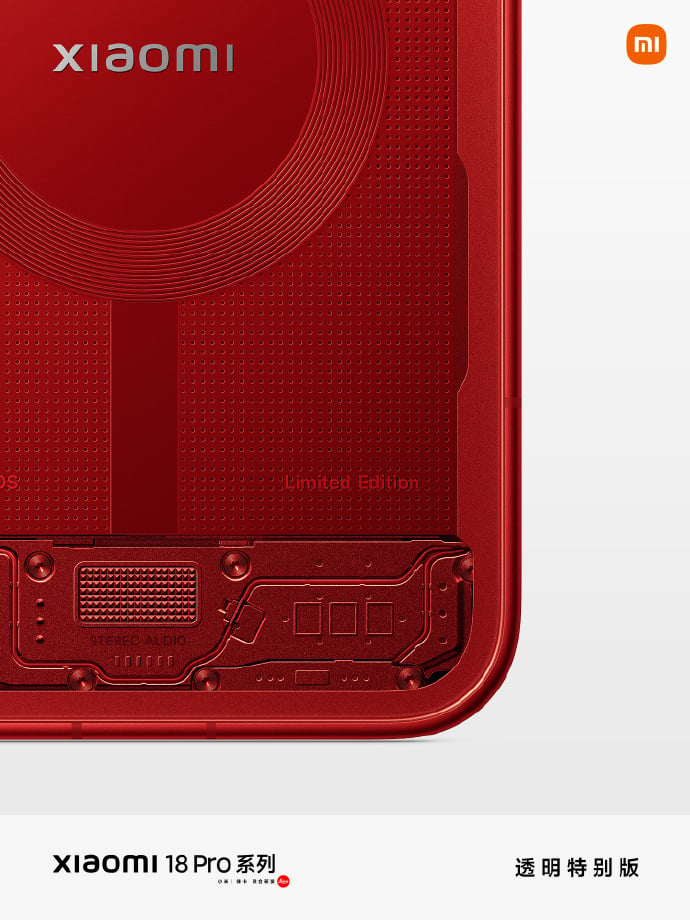
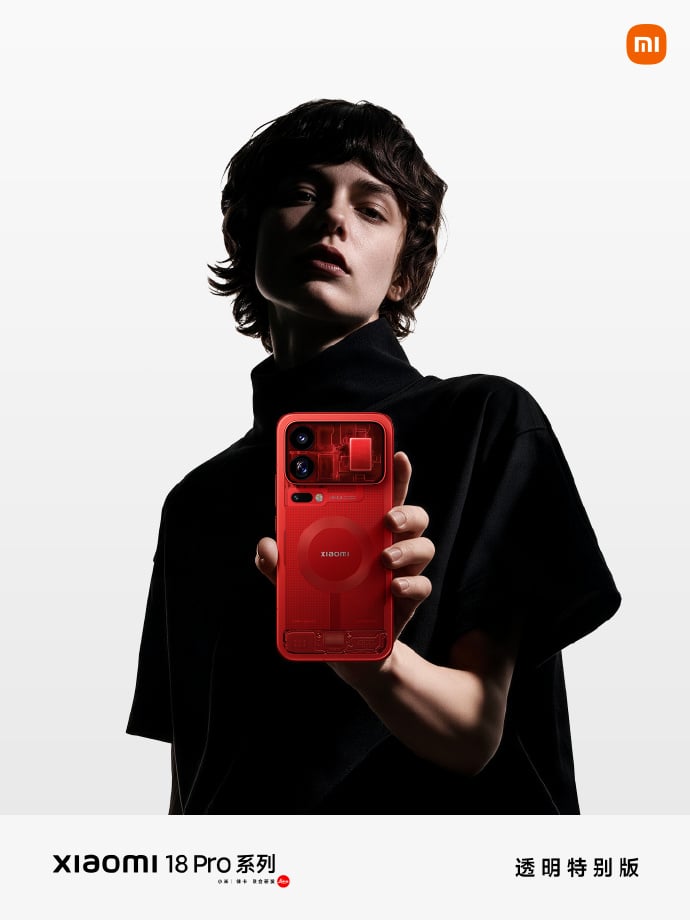
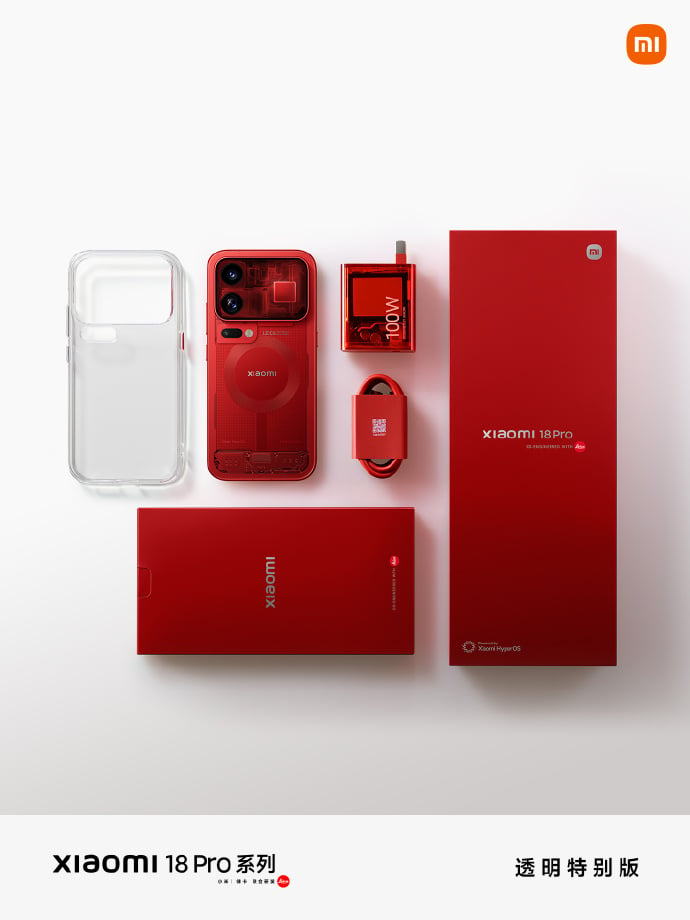
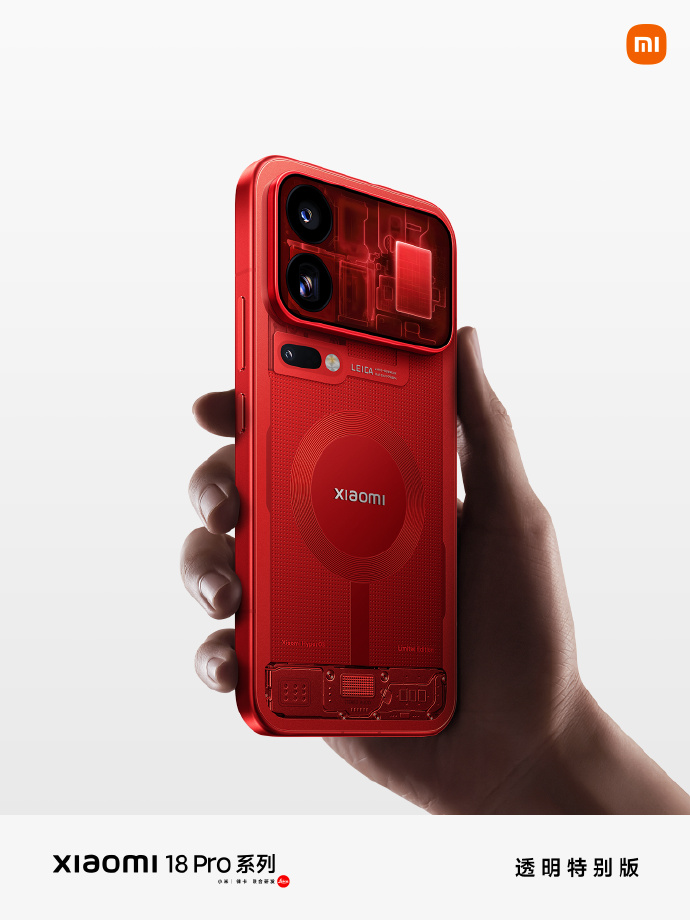
Xiaomi launches red Transparent Special Edition for the 18 Pro and 18 Pro Max

Xiaomi has announced a Transparent Special Edition for its Xiaomi 18 Pro and 18 Pro Max smartphones. The new models are priced at 9,999 yuan ($1,492) for the 18 Pro and 10,999 yuan ($1,642) for the 18 Pro Max. Both versions are available in a single configuration featuring 16GB of RAM and 1TB of internal storage.

Xiaomi red Transparent Special Edition

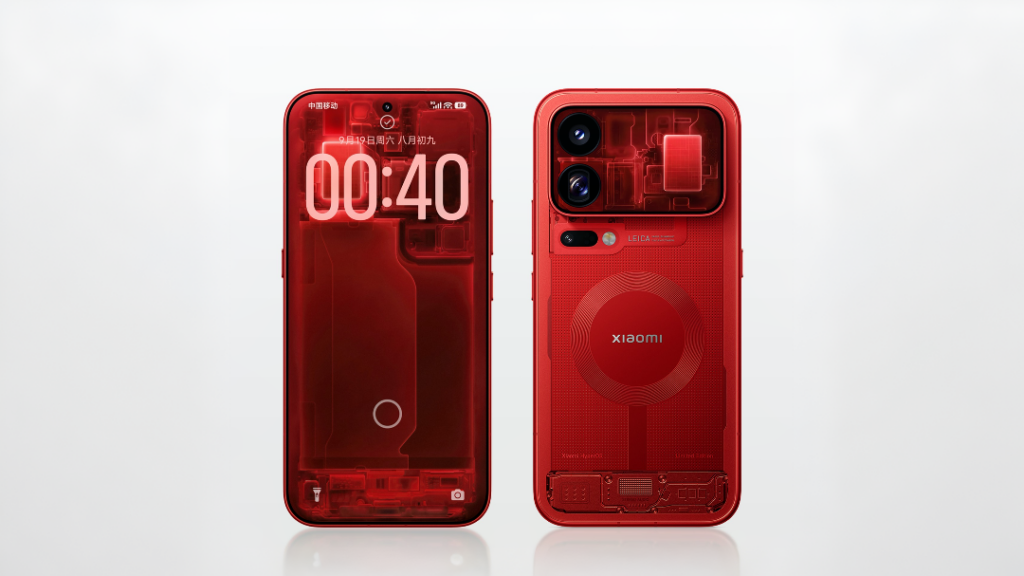
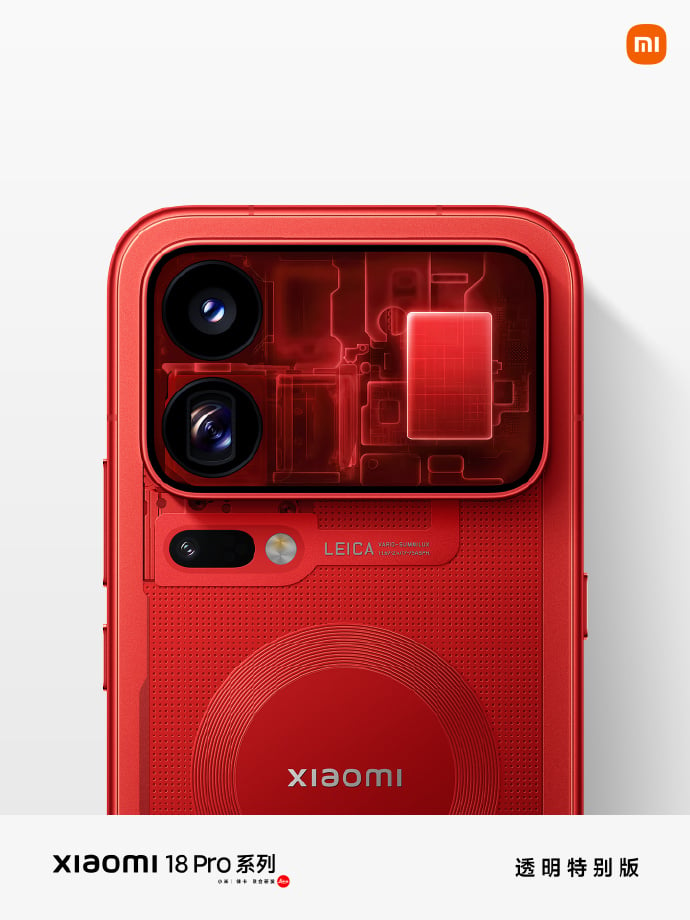
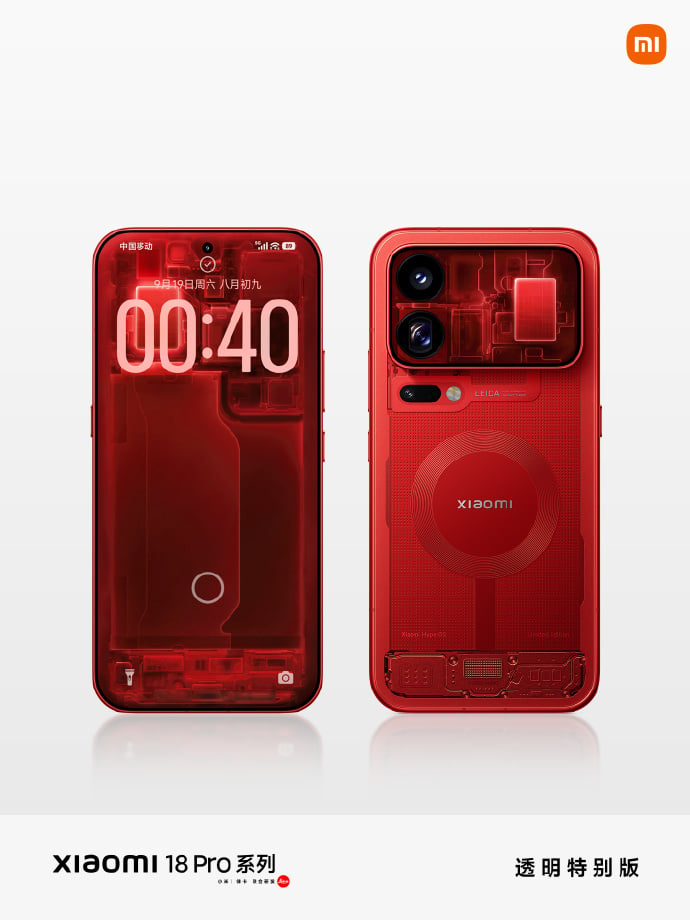
The phones feature a red colorway with a textured finish, which Xiaomi says is achieved using a micron-level film process to create a three-dimensional embossed effect on the back panel.

To match the hardware, Xiaomi includes custom software wallpapers on both the primary display and the secondary rear screen that display a digital representation of the phone’s internal components. The retail packaging also includes color-matched transparent red accessories, specifically the charging brick and data cable.

Aside from the cosmetic changes, the internal hardware is identical to the standard Xiaomi 18 Pro and Pro Max models. Both devices are built around a 1-120Hz OLED display that includes hardware-level privacy protection, alongside a smaller secondary screen on the back.

The camera system carries Leica branding and consists of three lenses. The setup includes a 200-megapixel main camera, a 200-megapixel periscope telephoto lens capable of 3.2x optical zoom, and a 50-megapixel ultrawide camera.

Processing is handled by Qualcomm’s 2nm chipsets. The 18 Pro uses the Snapdragon 8 Elite Gen 6, while the Pro Max is equipped with the Snapdragon 8 Elite Extreme Gen 6. Memory and storage are standard across the special editions, utilizing LPDDR5X RAM and UFS 4.1 storage, with a circular cold-pump cooling system for thermal management.

The battery specifications differ between the two sizes. The 18 Pro is powered by a 7,000mAh silicon-carbon battery, and the Pro Max uses an 8,500mAh unit. Both phones support 100W wired charging, 50W wireless charging, and 27W reverse charging. The devices run on HyperOS 4 with Super XiaoAI 2.0 and include standard hardware features like UWB, NFC, an IP water resistance rating, and Dolby Atmos audio support.

For more daily updates, please visit our News Section.

Stay ahead in tech! Join our Telegram community and sign up for our daily newsletter of top stories!

Xiaomi 18 Pro series officially confirmed to launch globally this year

In September 2025, Xiaomi unveiled the Xiaomi 17, 17 Pro, and 17 Pro Max. While the standard model was released globally, the Pro variants remained exclusive to the Chinese market. Now, the brand has taken the covers off the Xiaomi 18 Pro series in China. And the good news is that it is going global. Xiaomi has confirmed that the Xiaomi 18 Pro series will launch globally this year, marking a major change from the previous generation.

Xiaomi 18 Pro series global launch confirmed

Xiaomi announced the global availability through its official X account, stating that the Xiaomi 18 Pro series is “going global this year”. The company’s global post also teases the phones as the world’s first smartphones powered by Qualcomm’s new “Dual 8 Elites,” referring to the Snapdragon 8 Elite Gen 6 series.
Xiaomi India has separately posted that the Xiaomi 18 Pro is “going global” and is “coming soon”, suggesting that India could be among the markets targeted for the global rollout. However, it is unclear whether the Indian market will receive the Pro Max edition.

It appears that the Xiaomi 18 Pro series will take on the Oppo Find X10 series and Vivo X500 series, as these are also expected to break cover globally in the coming days.

Xiaomi 18 Pro series specifications

Xiaomi 18 Pro series

The Xiaomi 18 Pro and 18 Pro Max feature 6.4-inch and 6.9-inch AMOLED displays, respectively, with a 1-120Hz LTPO refresh rate, 4,000 nits peak brightness and 300Hz touch sampling. Both models also feature secondary rear displays.

The Xiaomi 18 Pro is powered by the Snapdragon 8 Elite Gen 6, while the Pro Max gets the Snapdragon 8 Elite Extreme Gen 6. Both phones feature LPDDR5X RAM and UFS 4.1 storage. The Pro packs a 7,000mAh battery, while the Pro Max gets an 8,500mAh cell. Both support 100W wired and 50W wireless charging.

For photography, both models feature dual 200MP Leica cameras, comprising a 200-megapixel main sensor and a 200-megapixel periscope telephoto camera. Both phones also have a 50-megapixel ultra-wide camera on the back and a 50-megapixel front-facing camera. Both models run on the latest HyperOS 4-based Android 17.

With the Pro models now confirmed for a global release, more details about their international launch should emerge in the coming weeks.

For daily updates, please visit our News Section.

Stay ahead in tech! Join our Telegram community and sign up for our daily newsletter of top stories!

Snapdragon 8 Elite Extreme Gen 6: Specs, benchmarks, and upgrades

Snapdragon 8 Elite Extreme Gen 6

Qualcomm has unveiled the Snapdragon 8 Elite Extreme Gen 6, alongside a more affordable but very capable Snapdragon 8 Elite Gen 6 at the Snapdragon Summit 2026. The “Extreme” version packs a much stronger CPU that can reach a peak speed of 5.0 GHz – the first smartphone chipset to achieve this feat. Plus, it brings massive upgrades to graphics performance, power efficiency, and agentic AI processing to power the next generation of premium Android smartphones.

A closer look at the Snapdragon 8 Elite Extreme Gen 6

Breaking the 5 GHz barrier

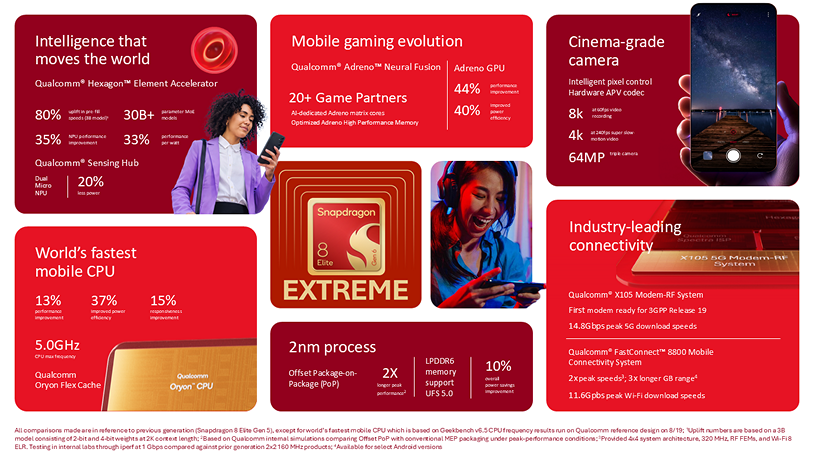
The Snapdragon 8 Elite Extreme Gen 6 uses an advanced 2nm process from TSMC to achieve top-tier performance and greater power efficiency. It brings a fourth-generation Qualcomm Oryon CPU, featuring two prime cores clocked at up to 5.0 GHz and six performance cores running at up to 4.0 GHz.

Qualcomm says the Snapdragon 8 Elite Extreme delivers a 13% uplift in CPU performance and a 37% jump in CPU power efficiency compared to its predecessor, the Snapdragon 8 Elite Gen 5.

The new Qualcomm chip supports up to 24 GB of LPDDR5X/6 RAM at up to 5,300 MHz and UFS 5.0 storage.

Adreno GPU with AI-dedicated cores

Apple and MediaTek recently unveiled their new chips, the A20 Pro and the Dimensity 9600 Pro, featuring dedicated AI cores in their GPUs, now joined by Qualcomm.

The Snapdragon 8 Elite Extreme Gen 6 integrates dedicated AI matrix cores featuring Adreno Neural Fusion – Qualcomm’s proprietary solution to AI-driven super resolution and frame generation. Qualcomm claims it unlocks “console-quality visuals at low power with AI-powered super resolution, frame generation, and advanced image reconstruction.” The GPU has 18MB of dedicated Adreno High Performance Memory (HPM).

The Snapdragon 8 Elite Extreme Gen 6 promises 44% improved GPU performance and a 40% uplift in the GPU power efficiency compared to the Snapdragon 8 Elite Gen 5.

AI, Imaging, & Connectivity

The Snapdragon 8 Elite Extreme Gen 6 puts a strong focus on the on-device AI performance. The upgraded Hexagon NPU delivers 35% better performance and 33% improved power efficiency than its predecessor.

The chipset can run Mixture-of-Experts (MoE) models exceeding 30 billion parameters directly on the device, with support for up to 32K context windows. Furthermore, it supports INT2, INT4, INT8, INT16, FP8, and FP16 precisions including mixed precisions.

The upgraded Qualcomm Sensing Hub features dual micro-NPUs, offering an 85% boost in compute and 20% better efficiency. Plus, it features dual always-sensing ISPs. The Qualcomm Sensing Hub supports 200M parameter models and powers Personal Scribe, which uses your messages, emails, and conversations to create a private local knowledge graph.

In terms of optics, the chip introduces a new triple 20-bit Spectra AI ISP with support for triple 64MP cameras, for the first time in a smartphone chip. It can record 8K videos at 60 fps and super slow-motion 4K videos at 240 fps. For professional videographers, the Extreme chip offers native hardware support for the Advanced Professional Video (APV) codec, Elite Color Engine with real-time 3D LUT support, and hardware decoding for Versatile Video Coding (VVC/H.266).

On the connectivity part, we have a new Qualcomm X105 5G Modem (3GPP Release 19) with peak download speeds of 14.8 Gbps and peak upload speeds of 4.2 Gbps. The Qualcomm FastConnect 8800 brings support for Wi-Fi 8 (11.6 Gbps peak speed) and Bluetooth 6.0.

The Snapdragon 8 Elite Extreme Gen 6 offers 6-antenna support for devices along with integrated quad-band (L1, L2, L5, and L6) GNSS, and built-in satellite communication supporting both NB-NTN for messaging and high-bandwidth NR-NTN for voice, data, and video.

Snapdragon 8 Elite Extreme Gen 6 benchmark numbers

It will take some time for brands to launch phones powered by the new Snapdragon 8 Elite Extreme Gen 6. Meanwhile, some people got access to a Qualcomm reference device powered by the same chipset and have shared the benchmark results.

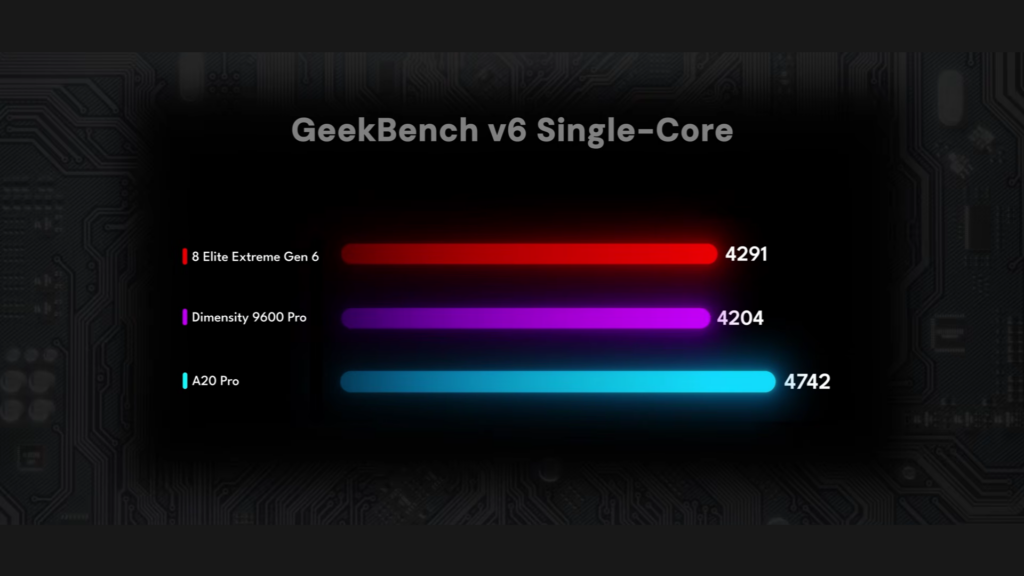
Folks at Trakin Tech posted the results, which show the Snapdragon 8 Elite Gen 6 with 4291 points in the single-core test, higher than the Dimensity 9600. Apple’s A20 Pro still dominates the chart despite the Snapdragon chip’s 5 GHz peak CPU speed.

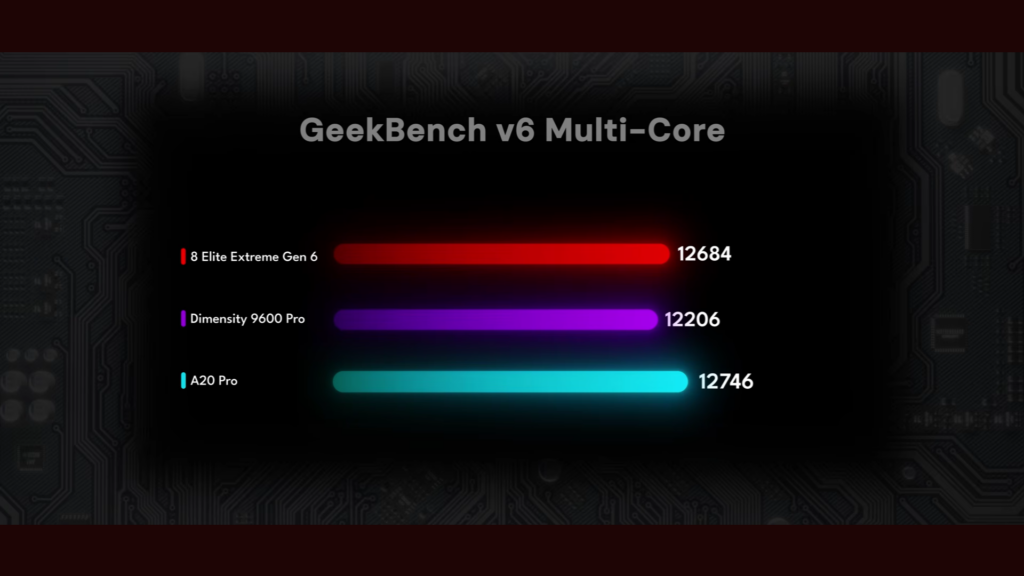
The multi-core performance results are largely similar, with the Snapdragon 8 Elite Extreme Gen 6 scoring 12,686 points, higher than Dimensity 9600 Pro’s 12206 points, but slightly lower than Apple A20 Pro’s 12746 points.

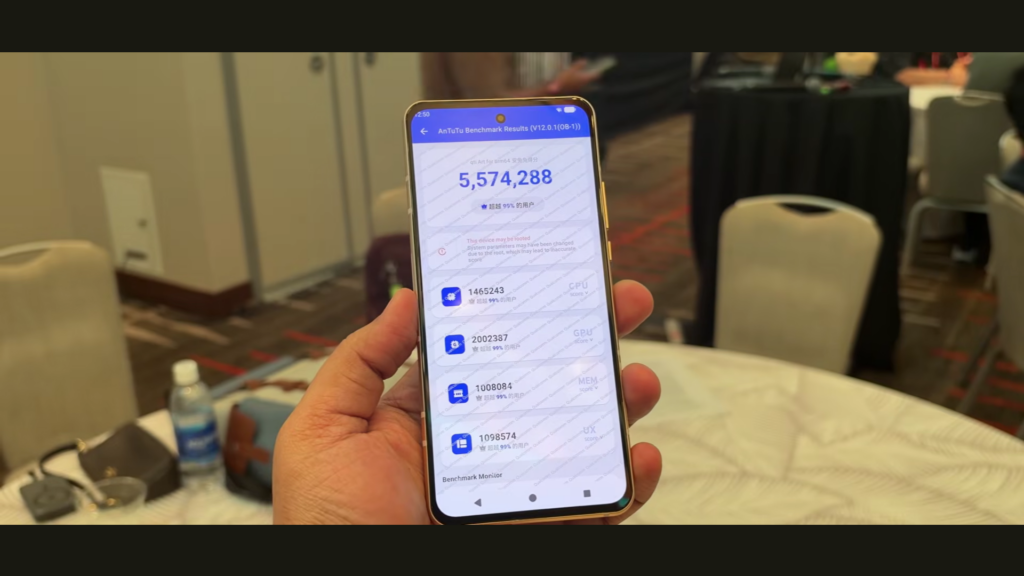
On AnTuTu v12, the chip posted a total score of over 5.57 million. As for the breakdown, the CPU gets 1,465,243 points; the GPU gets 2,002,387 points, the memory gets 1,008,084 points, and the UX gets 1,098,574 points.

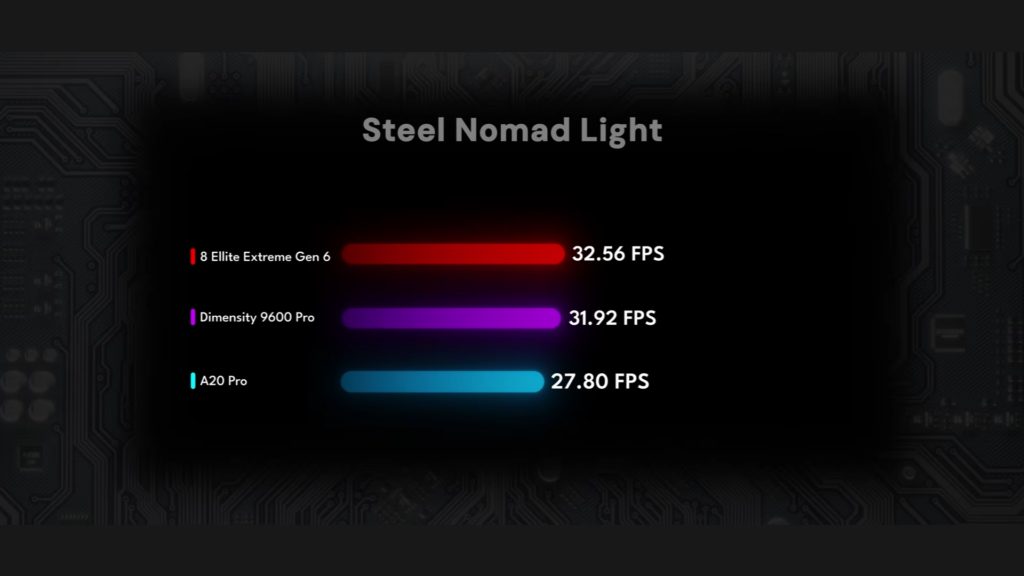
In the 3DMark’s Steel Nomad Light test, the Snapdragon 8 Elite Extreme is ahead of its biggest rivals. It posts an average frame rate of 32.56 fps, which is higher than the Dimensity 9600 Pro (31.92 fps) and the Apple A20 Pro (27.80 fps).

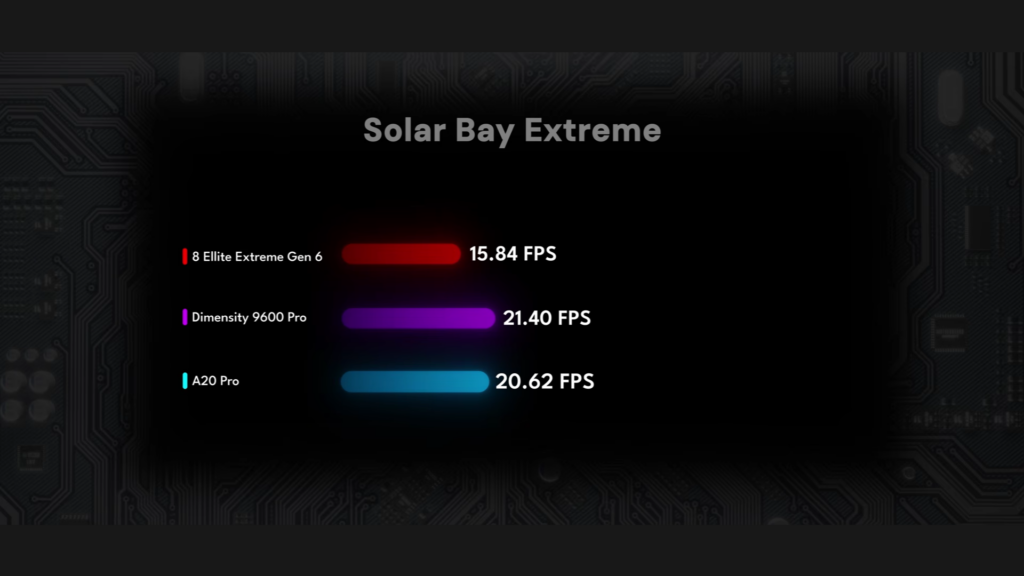
The Solay Bay Extreme test results were rather disappointing for the Snapdragon chip. The chip achieved an average frame rate of 15.84 fps, which is lower than the Dimensity 9600 Pro’s 21.40 fps and the Apple A20 Pro’s 20.62 fps.

It should be noted that the benchmark tests were performed using a Qualcomm reference device (QRD). This means the results you will get on a real device could be lower. But on some benchmarks, you may get higher numbers as the reference device used for the testing was said not to have the latest hardware, such as LPDDR5X instead of LPDDR6.

We’ll update the benchmark numbers here once we run the tests.

Snapdragon 8 Elite Extreme Gen 6 spec sheet

Snapdragon 8 Elite Extreme Gen 6
AnnouncedSeptember 2026
Process nodeTSMC’s 2nm (N2P)
CPU cores8-core
CPU cores2 x 5.0 GHz — Prime
6 x 4.0 GHz — Performance
GPUAdreno 850 with AI matrix cores
Adreno Neural Fusion
18MB of Adreno HPM
NPUQualcomm Hexagon NPU
Dual Micro NPUs
Dual Always-Sensing ISPs
Qualcomm Personal Scribe
MemoryLPDDR5x, LPDDR6
up to 5300 MHz
StorageUFS 4.1, UFS 5.0
CameraQualcomm Spectra Triple AI-ISP (20-bit)
Up to 320MP single camera
up to 108MP single camera with zero shutter lag
Up to 64MP triple cameras with zero shutter lag
8K/60fps video recording
4K/240fps slow-mo video recording
Bayer Massive Multi-Frame Noise Reduction with AI
Advanced Professional Video (APV) codec
Pro sight video capture
Elite Color Engine
ConnectivitySnapdragon X105 5G modem
Download speed: 14.8 Gbps (peak)
Upload speed: 4.2 Gbps (peak)
Wi-Fi 8 (peak speed: 11.6 Gbps)
Bluetooth 6.0

Upcoming phones with the Snapdragon 8 Elite Extreme Gen 6 processor

Here’s a list of devices that are officially confirmed to arrive with the most powerful Snapdragon chipset:

  • Xiaomi 18 Pro Max
  • Honor Magic 9 Pro Max
  • iQOO 16
  • iQOO Pad Ultra
  • Motorola Signature 27
  • OnePlus 16
  • RedMagic 12 Pro+

Xiaomi 18 Pro & 18 Pro Max debut with secondary OLED displays, 200MP Leica cameras & massive batteries

Xiaomi has launched the Xiaomi 18 Pro and Xiaomi 18 Pro Max in China, two flagship smartphones that combine high-resolution Leica cameras, secondary rear displays, large silicon-carbon batteries, and built-in hardware privacy controls.

Xiaomi 18 Pro Max

Xiaomi 18 Pro & Pro Max Specifications

Both Xiaomi 18 Pro models feature flat OLED displays with 0.99mm bezels, 1-120Hz adaptive refresh rates, up to 4,000 nits brightness, and Xiaomi’s Super Pixel 2.0 and M11 OLED technologies. The 18 Pro has a 6.4-inch 2436 x 1120 screen, while the Pro Max gets a larger 6.9-inch 2624 x 1208 panel.
Xiaomi 18 Pro Max

Both also feature hardware-level privacy protection that limits side viewing and can automatically protect sensitive apps and content. On the back, the 18 Pro sports a 2.7-inch OLED display, while the Pro Max gets a 2.9-inch panel, with both supporting up to 120Hz refresh rates and 4,000 nits brightness.

Under the hood, the Xiaomi 18 Pro features the 2nm Snapdragon 8 Elite Gen 6, while the Pro Max gets the more powerful Snapdragon 8 Elite Extreme Gen 6. Both use Qualcomm’s fourth-generation Oryon CPU architecture, with the standard chip reaching up to 5GHz.

Both phones come with up to 16GB of LPDDR5X RAM and 1TB of UFS 4.1 storage. Xiaomi also equips them with its circular cold-pump cooling system, offering a 4,355mm² heat dissipation area on the Pro and a larger 5,513mm² area on the Pro Max.

Xiaomi 18 Pro Max

Both phones run HyperOS 4 with the updated Alive Design interface and Super XiaoAI 2.0, powered by Xiaomi’s MiMo large language model. The AI assistant supports memory, complex tasks, smart home controls, travel planning, and cross-device functionality across phones, tablets, Windows PCs, and Macs.

Both models also feature a customizable AI button for quick access to privacy controls, voice notes, mute mode, and XiaoAI. Their rear displays support more than 100 app cards at launch, including notifications, quick controls, mini-games, and AI-generated custom cards.

In terms of photography, both phones feature a Leica-branded triple-camera system with a 200MP 1/1.28-inch Light Hunter 960 main sensor, a 200MP 1/1.56-inch periscope telephoto, and a 50MP ultrawide camera. The telephoto supports 3.2x optical zoom, up to 12.8x lossless zoom, 75mm portraits, and 12cm macro photography. Both phones also feature Xiaomi’s new Legendary Moment imaging system, which combines on-device and cloud processing with three dedicated camera styles.
Xiaomi 18 Pro Max

Talking about the battery life, the Xiaomi 18 Pro packs a 7,000mAh silicon-carbon battery, while the Pro Max gets a larger 8,500mAh unit. Both support 100W wired charging, 50W wireless charging, and 27W wired reverse charging. Xiaomi also claims the batteries can retain at least 80% of their original capacity after 2,000 charging cycles.
Xiaomi 18 Pro Max

For connectivity, both phones support UWB, 5G-A, Wi-Fi, Bluetooth, NFC, global roaming, and compatible UWB digital car keys. The Xiaomi 18 Pro weighs 203 grams and features Dolby Atmos stereo speakers, while the larger Pro Max starts at 235 grams and gets a three-speaker setup. Both also feature upgraded vibration motors and Xiaomi Dragon Crystal Glass 3.0, along with IP66, IP68, and IP69 protection for water and dust resistance.
Pricing and Availability

The Xiaomi 18 Pro is priced as follows:

  • 12GB + 256GB: 5,999 yuan ($895)
  • 12GB + 512GB: 6,999 yuan ($1,045)
  • 16GB + 512GB: 7,999 yuan ($1,194)
  • 16GB + 1TB: 8,999 yuan ($1,343)

The Xiaomi 18 Pro Max costs:

  • 12GB + 256GB: 6,999 yuan ($1,045)
  • 12GB + 512GB: 7,999 yuan ($1,194)
  • 16GB + 512GB: 8,999 yuan ($1,343)
  • 16GB + 1TB: 9,999 yuan ($1,492)

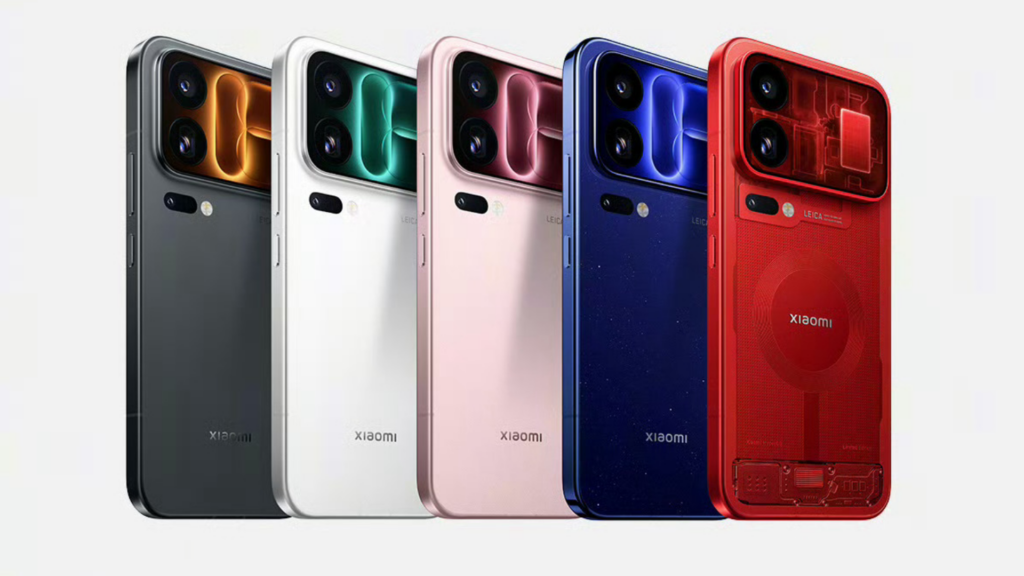
Both phones are offered in Black, White, Ice Peach Pink, and Galaxy Blue, with a transparent edition. Xiaomi says sales begin immediately after the launch event.

For more daily updates, please visit our News Section.

Stay ahead in tech! Join our Telegram community and sign up for our daily newsletter of top stories!

Rollme launches Matrix smartwatch with 4G, GPS, AMOLED display and a pop-up camera

Rollme has launched the Matrix, a new wearable designed to function as a standalone 4G device on your wrist. Thanks to a dedicated SIM card slot, built-in GPS, and an unusual side-mounted pop-up camera, the smartwatch can operate independently without a smartphone.

Rollme Matrix smartwatch

Rollme Matrix Specifications

The Matrix features support for global 4G frequency bands, allowing it to work independently from a smartphone for calls, messages, and apps that require an internet connection. It also offers Bluetooth calling when paired with a phone.

Rollme has equipped the watch with a side-mounted pop-up camera that can be extended when needed for photos and video calls. Its positioning gives the camera a more natural angle for video chats compared to the fixed upward-facing cameras used on some earlier smartwatch designs.

Rollme Matrix smartwatch

Up front, the Matrix sports a large 2.06-inch AMOLED display with a 410 x 502 resolution. Under the hood, it runs on an SL8541E processor paired with 2GB of RAM and 16GB of internal storage. That provides enough overhead to handle basic app downloads from its ecosystem, which supports video, music, and navigation tools.

Where to buy4G smartwatchesBrowse the range on AmazonShop now →

On the health and fitness side, the Matrix covers the standard bases. It includes 24/7 heart rate monitoring, one-tap blood oxygen (SpO2) measurements, and sleep tracking that breaks down deep, light, and REM cycles. For outdoor use, it features built-in GPS and a geomagnetic sensor for compass navigation, alongside multiple workout modes.

Rollme Matrix smartwatch

To handle the higher power demands of standalone 4G connectivity and GPS, Rollme has equipped the Matrix with a 1,100mAh battery, which is considerably larger than what is typically found in a smartwatch.

The battery charges through a magnetic cable and takes around 80 minutes to reach 100%. The watch also comes with an IP67 rating for protection against dust and everyday splashes, but it is not intended for swimming.

Pricing and Availability

The Rollme Matrix is available now through the company’s official online store. It is offered in two colors, Midnight Black and Dawn Gold, at a launch price of $89.99.

In related news, Rollme has recently launched the Hero D6 rugged smartwatch with offline maps, dual-band GPS, and up to 15 days of battery life.

For more daily updates, please visit our News Section.

Stay ahead in tech! Join our Telegram community and sign up for our daily newsletter of top stories!

(Rollme)

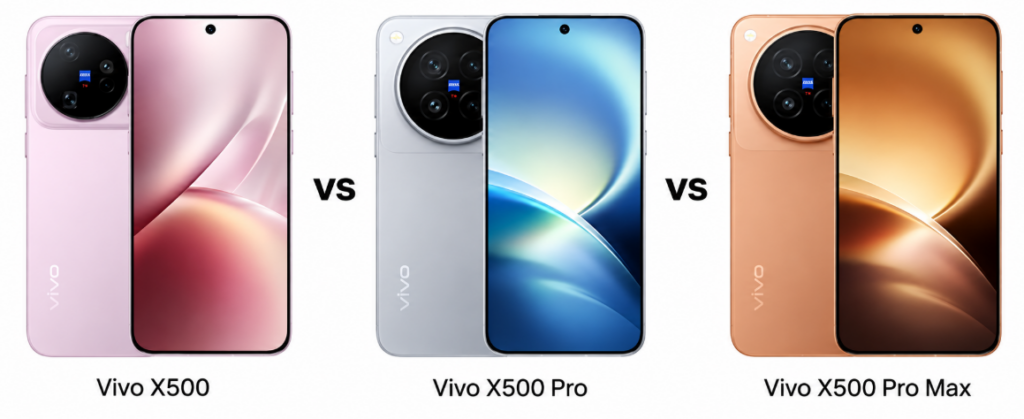
Vivo X500 vs X500 Pro vs Pro Max: Key Differences Compared

Vivo X500 series takes a familiar flagship formula and stretches it in three very different directions. The X500 prioritizes a massive battery and strong everyday hardware, the X500 Pro adds a more advanced 2nm platform and LTPO display, while the X500 Pro Max turns the series into a camera-and-endurance powerhouse with a 200MP periscope and 8,000mAh cell. What makes this comparison interesting is that the upgrades are not simply incremental: each model changes where the X500 series puts its emphasis, from practical flagship hardware to high-end performance and serious imaging.

Major Features:

CategoryVivo X500Vivo X500 ProVivo X500 Pro MaxUpgrades
Display6.59-inch AMOLED, 144Hz, HDR10+, 4000 nits6.36-inch LTPO AMOLED, 144Hz, Dolby Vision, 4500 nits6.85-inch LTPO AMOLED, 144Hz, Dolby Vision, 4400 nits, 1440pPro adds LTPO and Dolby Vision; Pro Max adds 1440p resolution and larger display
ChipsetDimensity 9600M, 3nmDimensity 9600 Pro, 2nmDimensity 9600 Pro, 2nmPro upgrades to a 2nm flagship platform; Pro Max retains it
GPUARM G1-UltraMali-G2-Ultra-NXMali-G2-Ultra-NXPro and Pro Max use the more powerful GPU
RAMUp to 12GBUp to 12GBUp to 16GBPro Max adds 16GB RAM options
StorageUp to 1TB, UFS 4.1Up to 1TB, UFS 4.1Up to 1TB, UFS 4.1Pro Max offers more high-RAM storage configurations
Main Camera50MP, f/1.7, OIS50MP, f/1.6, OIS50MP, f/1.6, OISPro improves aperture; Pro Max retains it
Telephoto64MP, 3x optical zoom64MP, 3.5x optical zoom200MP, 3.5x optical zoomPro increases optical reach; Pro Max makes a major 200MP telephoto upgrade
Ultrawide50MP, 119°, AF50MP, 119°, AF50MP, 119°, AFCore hardware remains similar
VideoUp to 8K/30fps, 4K/120fpsUp to 8K/30fps, 4K/240fps, Dolby VisionUp to 8K/30fps, 4K/240fps, Dolby VisionPro adds advanced video modes; Pro Max retains them
Selfie Camera50MP AF50MP AF50MP AFNo major upgrade
Battery7500mAh6510mAh8000mAhPro Max adds the largest battery; X500 still has more capacity than Pro
Wired Charging90W90W90WNo upgrade
Wireless Charging40W40W40WNo upgrade
Reverse ChargingWiredWireless + wiredWireless + wiredPro adds reverse wireless charging
ProtectionIP68/IP69IP68/IP69IP68/IP69No upgrade
ConnectivityWi-Fi 7, Bluetooth 5.4/6.0, NFC, IRSameSame + satellite connectivity on select China variantPro Max adds satellite connectivity on the specified configuration
OSAndroid 17, OriginOS 7Android 17, OriginOS 7Android 17, OriginOS 7Same software platform
PriceAround $820 / ₹80,000Around $950 / ₹93,000Around $1,000 / ₹1,00,000Pro costs about $130 more; Pro Max about $180 more than X500

1. Design and Display

Build and Feel

All three phones use premium materials, aluminum frames, glass or glass-fiber reinforced backs, and IP68/IP69 protection. The X500 takes a slightly more straightforward flagship approach, while the Pro models feel more refined with their LTPO AMOLED panels and higher-end positioning. All three also feature ultrasonic fingerprint scanners, stereo speakers, NFC, and infrared connectivity, keeping the core experience remarkably complete.

The X500 is the practical choice for buyers who prioritize durability and a large battery without moving into the Pro pricing tier. The X500 Pro feels like the most balanced design upgrade, combining a more compact flagship form with a premium LTPO panel. The Pro Max instead targets users who prefer a larger, more immersive flagship experience.

Display Quality

The X500 uses a 6.59-inch 144Hz AMOLED display with HDR10+ and up to 4,000 nits peak brightness. The Pro upgrades to LTPO AMOLED, Dolby Vision, Ultra HDR support, and 4,500 nits peak brightness. The Pro Max goes further with a sharper 1440p LTPO AMOLED panel, Dolby Vision, Ultra HDR, and 4,400 nits peak brightness.

For everyday viewing, all three should deliver excellent brightness, smoothness, and contrast. The Pro’s LTPO panel makes it the more refined middle ground, while the Pro Max clearly targets enthusiasts who appreciate higher resolution and a larger canvas. The X500 remains perfectly capable rather than feeling significantly compromised.

Verdict

The X500 suits practical buyers, the Pro offers the most balanced display upgrade, while the Pro Max is designed for users who specifically want a larger, sharper premium screen.

2. Specifications Including Battery

Performance

The X500 uses the Dimensity 9600M on a 3nm process, while both Pro models move to the 2nm Dimensity 9600 Pro. The Pro chips also feature higher CPU clock speeds and the Mali-G2-Ultra-NX GPU. All three use UFS 4.1 storage and support up to 1TB, although the Pro Max adds 16GB RAM configurations.

For demanding gaming, sustained workloads, and longer-term performance, the Pro and Pro Max offer the more substantial hardware upgrade. The X500 remains powerful enough for mainstream flagship use, but the Dimensity 9600 Pro gives the higher-tier models a clearer performance advantage. The Pro Max makes the most sense for buyers who intend to keep their phone for several years.

Battery and Charging

Battery capacity separates these models significantly. The X500 packs a 7,500mAh battery, the Pro uses 6,510mAh, while the Pro Max reaches 8,000mAh. All three support 90W wired charging and 40W wireless charging, although the Pro additionally supports reverse wireless charging.

The X500 therefore offers an unusual combination of flagship performance and huge battery capacity. The Pro Max goes even further and should appeal to heavy users who value endurance above everything else. The Pro’s smaller battery is the trade-off for its more balanced flagship positioning, although 40W wireless charging keeps its charging setup versatile.

Verdict

The X500 offers excellent battery efficiency, the Pro balances performance and features, while the Pro Max combines the strongest chipset with the largest battery and highest memory ceiling.

3. Camera

Main and Secondary Lenses

The X500 features a 50MP main camera, 64MP 3x periscope telephoto, and 50MP ultrawide. The Pro improves the main camera’s aperture and extends the telephoto to 3.5x optical zoom. The Pro Max keeps that main camera setup but replaces the 64MP telephoto with a much larger 200MP 3.5x periscope sensor.

This is where the Pro Max becomes substantially more specialized. Its 200MP telephoto sensor is designed for users who frequently shoot distant subjects, portraits, or detailed zoom images. The Pro remains a strong middle option with a useful 3.5x optical reach, while the X500 provides a capable flagship camera system without chasing the highest-end telephoto hardware.

Selfie Camera

All three phones use the same 50MP autofocus selfie camera with a 20mm equivalent field of view. They also support HDR and 4K video recording at up to 60fps, meaning the front-facing experience remains consistent throughout the lineup. There is no meaningful Pro-series differentiation for selfies.

That consistency is actually useful for buyers choosing between the three. The upgrade path is primarily about the rear camera system rather than portrait or video calls. Users who rarely use telephoto photography can therefore save money with the X500 without sacrificing much on the selfie side. The Pro Max’s premium camera advantage is concentrated firmly on its rear cameras.

Verdict

The X500 is already versatile, the Pro improves telephoto reach, but the Pro Max is the meaningful camera upgrade for users who prioritize zoom photography and large-sensor telephoto detail.

4. Pricing

The Vivo X500 is priced around $820 or ₹80,000, making it the entry point into this flagship family. The X500 Pro is priced around $950 or ₹93,000, while the X500 Pro Max is priced around $1,000 or ₹1,00,000. The relatively narrow gap between the Pro and Pro Max makes their feature differences particularly important.

The X500 saves roughly $130 compared with the Pro and $180 compared with the Pro Max. The Pro sits only around $50 below the Pro Max, which makes its positioning interesting. Buyers who want the Pro’s chipset and display upgrades may find the Pro Max worth considering if the additional camera and battery capabilities matter.

Is the price justified? 

The X500 offers the strongest practical proposition for buyers who want flagship performance, a huge battery, capable cameras, and premium durability without approaching four-figure pricing. The Pro justifies its premium through the 2nm chipset, LTPO display, stronger telephoto, and additional charging features.

The Pro Max’s extra cost is comparatively small over the Pro but unlocks the 200MP periscope camera, 8,000mAh battery, sharper display, and 16GB RAM options. That makes it the more compelling upgrade for power users, while the X500 remains the sensible choice for buyers focused on core flagship value.

Verdict

The X500 offers the clearest value, the Pro provides a balanced premium step-up, while the Pro Max makes the most sense when its camera, battery, display, and memory upgrades will actually be used.

5. Conclusion

The three phones have surprisingly distinct personalities despite sharing the X500 name. The standard X500 emphasizes battery capacity and flagship essentials, while the Pro adds the Dimensity 9600 Pro, LTPO AMOLED technology, Dolby Vision, and a stronger 3.5x telephoto camera. The Pro Max turns those upgrades into a more enthusiast-focused package.

Its defining features include an 8,000mAh battery, 1440p LTPO display, up to 16GB RAM, and a 200MP periscope telephoto camera. The Pro Max therefore represents the fullest expression of the series, while the X500 remains more focused on practical flagship value. The Pro occupies the middle ground for users who want meaningful upgrades without paying for every top-end feature.

Verdict

Overall, the Vivo X500 Pro Max makes the most sense for enthusiasts because its upgrades are substantial across cameras, display, battery, and memory. The X500 suits value-focused buyers, while the Pro is the balanced middle option.


FAQs

1. Which Vivo X500 model is best for photography?
The X500 Pro Max, thanks to its 200MP periscope telephoto and advanced imaging hardware.

Where to buyVivo X500 ProLatest price on AmazonCheck price →

2. Which Vivo X500 has the best performance?
The X500 Pro and Pro Max share the Dimensity 9600 Pro, delivering stronger performance than the standard X500.

3. Which Vivo X500 has the longest battery life?
The X500 Pro Max has the largest 8,000mAh battery, making it the endurance-focused model.

4. Is the Vivo X500 Pro worth the extra cost?
Yes, for buyers wanting a better display, flagship chipset, enhanced telephoto camera, and wireless charging features.

5. Which Vivo X500 offers the best overall value?
The X500 offers strong flagship hardware and a 7,500mAh battery at the lowest price in the lineup.

Read More:

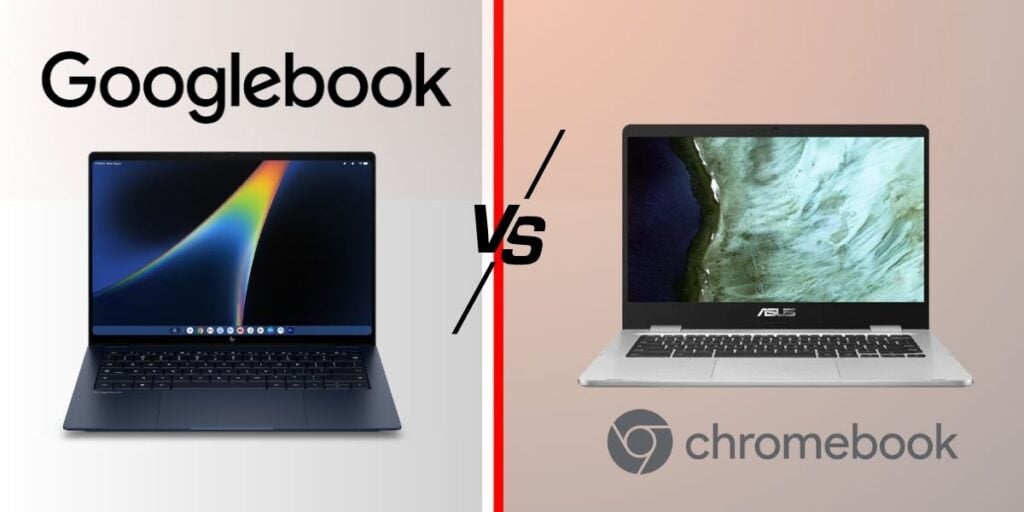
Googlebook vs Chromebook: What changes with Google’s Android laptop

Google just made the Chromebook decision a little more complicated. After confirming back in May that it was building an Android-based alternative to ChromeOS, Googlebook is now official, available for pre-order, and set to hit stores on October 4. It’s not a rebrand, either. Google has created a new laptop category with its own operating system, hardware, and features, with prices starting at $899.

Googlebook vs Chromebook

The interesting part is that Google isn’t replacing the Chromebook with Googlebook. Both lines are staying around, but they are targeting different sets of users. Chromebooks continue to cover the simpler and more affordable side of Google’s laptop lineup, while Googlebook brings Android, higher-end hardware, and deeper Gemini integration into a more premium package.

So, before you think of Googlebook as simply “the new Chromebook,” here’s a closer look at what actually separates the two.

1. Two OSes, two different approaches

Chromebooks have always followed a simple formula: open a browser, use cloud-based services, and get on with your work. That hasn’t changed, and it’s one reason you can buy a Chromebook for under $200 and hand it to a student without spending much. Android apps are available on Chromebooks too, but they run inside a separate container. As a result, some apps can still feel like phone software adapted to a larger screen.

Googlebook works differently. It runs Googlebook OS, which combines parts of Android and ChromeOS into a single platform instead of keeping Android apps separate from the main system. Google Play apps are designed to work with a keyboard, mouse, trackpad, and resizable windows. So rather than adding Android apps to a ChromeOS laptop, Google has built Android into the laptop’s operating system.

2. Gemini goes beyond the sidebar

Chromebook Plus already includes Gemini. You can open the sidebar, enter a prompt, get a response, and return to whatever you were doing. It’s useful, but the AI remains a separate part of the interface.

Googlebook puts Gemini into more of the things you do on the laptop. One example is Magic Pointer, developed with Google DeepMind. It turns the cursor into a way to access Gemini features directly.

Point at a date in an email, for example, and Gemini can offer to schedule a meeting. Select two images, and it can merge or compare them. There’s also Create My Widget, which lets you describe the information you want in a dashboard. You could ask for flight details, hotel bookings, and dinner reservations for a trip, and Gemini can put that information together using Gmail, Calendar, and the web.

Google is also using Gemini Nano v3 on the device for tasks such as file search. This means some tasks, including summarizing a document, can be handled on the laptop without sending the file to the cloud first. Google has already used a similar on-device approach on phones such as the OnePlus 13, and Googlebook brings it to the laptop.

Chromebook users can still access Gemini through Chrome, but it doesn’t have the same level of integration with the operating system.

3. What you can actually buy, and how much it costs

Pre-orders for the first five Googlebooks are now open, with sales starting October 4. Prices range from $899 to $1,299, with each manufacturer offering a slightly different configuration:

  • Acer Googlebook 14 — Priced at $899, it’s the cheapest model and the only 2-in-1 in the lineup. It has a 14-inch 2.8K OLED touchscreen, Intel Core Ultra 5 or Ultra 7 processors, and up to 16 hours of claimed battery life.
  • ASUS Googlebook 14 — At $1,299, this is the most expensive model. It’s also the lightest at 1.0kg and has the most ports among the five laptops.
  • Dell XPS Googlebook — Uses a Snapdragon X Elite processor and shares much of its design with the XPS 13. It has two USB-C ports.
  • HP Googlebook — Also comes with a Snapdragon X Elite chip and offers up to 1TB of storage, the highest capacity in the lineup. It supports both face and fingerprint unlock.
  • Lenovo Googlebook — Has the largest display at 15.3 inches, with a 2880×1800 OLED panel running at 120Hz. It’s also the only model available in white. Lenovo has added a “Glowbar” light strip to the lid for battery and charging information, along with a dedicated Google key on the keyboard that is expected to provide quick access to Gemini.

All five models come with a 12-month Google AI Pro subscription, 5TB of cloud storage, and three months of YouTube Premium, Photoshop, and CapCut. Google is also promising up to 10 years of system updates, matching the update period already offered with Chromebooks.

The pricing is quite different from the Chromebook lineup. Entry-level Chromebooks start at around $179, while Chromebook Plus models such as the ASUS Chromebook Plus CX34 are closer to $400. Even more expensive Chromebook Plus configurations generally stay below $800.

Googlebook sits in a different price range. With prices starting at $899, it’s positioned alongside premium laptops such as the MacBook Air rather than the budget and mid-range Chromebook market.

4. So is the Chromebook dead? No.

Google has been clear that Chromebooks and Chromebook Plus aren’t going anywhere. Both will continue to receive up to 10 years of updates, and schools and businesses can keep managing them through the same admin console they already use. Google executive Sameer Samat has also said Googlebook is intended for people who already use Android, rather than specifically targeting MacBook users.

Where to buyASUS Chromebook Plus CX34Latest price on AmazonCheck price →

That Android connection does come with some requirements. Cast My Apps and Quick Access, which let you stream phone apps and access files from your phone on the laptop, require an Android phone running Android 17 or later.

iPhone users can’t use those features for now. Google says iPhone support is coming, but it hasn’t announced when it will be available.

For someone who mainly browses the web, needs an affordable and durable laptop, or is buying computers for a classroom, the existing Chromebook lineup still makes sense within Google’s range. Googlebook is for users who want Android to play a bigger role on their laptop, along with deeper Gemini integration and closer connections with their phone.

The two platforms are therefore serving different parts of Google’s laptop lineup rather than one replacing the other. The main difference is that Googlebook starts at $899, while Chromebooks remain available at much lower prices.

Don’t miss a thing! Join our Telegram community for instant updates and grab our free daily newsletter for the best tech stories!

For more daily updates, please visit our News Section.

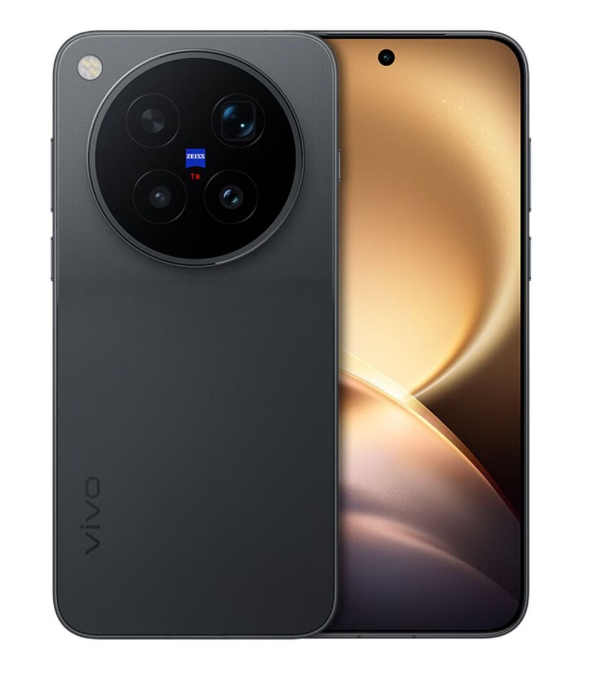
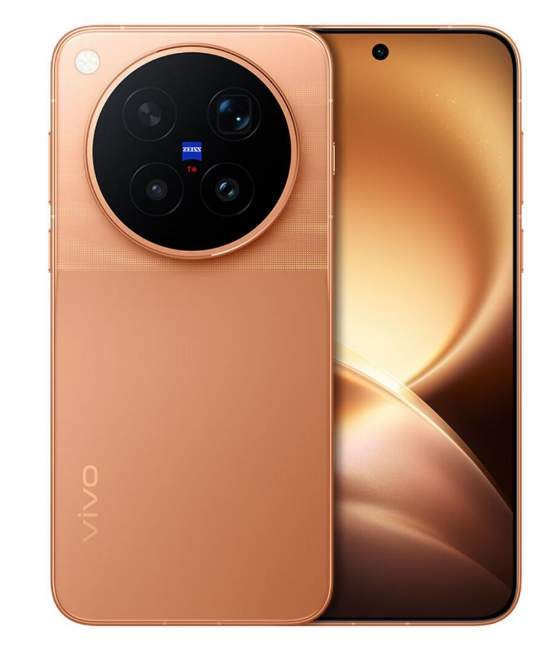
Vivo X500 Pro Max: 200MP Camera, 8000mAh Battery, Available at Giztop

Vivo X500 Pro Max is a high-end smartphone built around a large display, powerful hardware, and a camera-focused setup. It runs Android 17 with OriginOS 7 and comes with up to 16GB of RAM and 1TB of storage. The phone also packs an 8,000mAh battery with 90W fast charging, making it suitable for users who want strong performance and long battery life.

Price and Availability

The Vivo X500 Pro Max starts at $1,299.00. It is available to purchase through Giztop, with global shipping and express shipping options available for international buyers.

Display and Performance

The phone features a 6.85-inch BOE Q11 OLED display with 2K resolution, a 144Hz refresh rate, and 1440Hz high-frequency dimming. The high refresh rate should make scrolling, gaming, and animations feel smooth. Under the hood, the MediaTek Dimensity 9600 Pro chipset is paired with LPDDR5X Ultra RAM and UFS 4.1 storage. Storage options include 256GB, 512GB, and 1TB.

Cameras

Photography is a major focus of the Vivo X500 Pro Max. It has a 50MP Sony LYT-L910 main camera, a 50MP ultra-wide camera, and a 200MP Samsung ISOCELL HPB periscope camera with an 85mm equivalent focal length. The telephoto camera supports telephoto macro photography and comes with Zeiss APO optics and Zeiss T* coating. A 50MP front camera handles selfies and video calls. The 16GB/1TB version also includes the full Photography Kit.

Battery and Features

The 8,000mAh battery supports 90W fast charging. Vivo claims the phone can reach 50% charge in around 10 minutes and a full charge in about 30 minutes. Other features include NFC, HiFi audio, dual stereo speakers, an X-axis linear motor, an in-display fingerprint sensor, facial recognition, and dual Nano SIM support.

Read More:

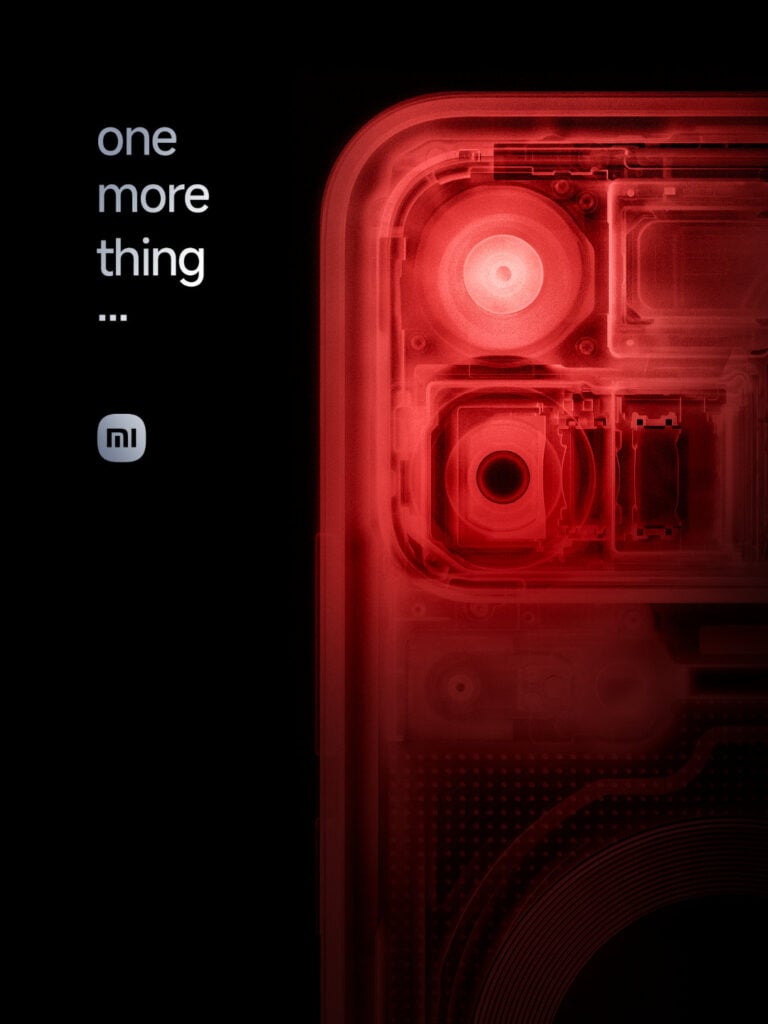
Xiaomi 18 series transparent back version teased as “one more thing” hours before big reveal

Xiaomi is ramping up the hype for today’s flagship launch with a pretty cryptic teaser. In an official Weibo post, the company said: “Tonight is a little special because the last time we met was 6 years ago…” (machine translated). The image that came with it shows a transparent body on what appears to be the Xiaomi 18 Pro or the Xiaomi 18 Pro Max.

That strongly suggests Xiaomi is bringing back a clear back cover variant, something we haven’t seen on a Xiaomi flagship in years.

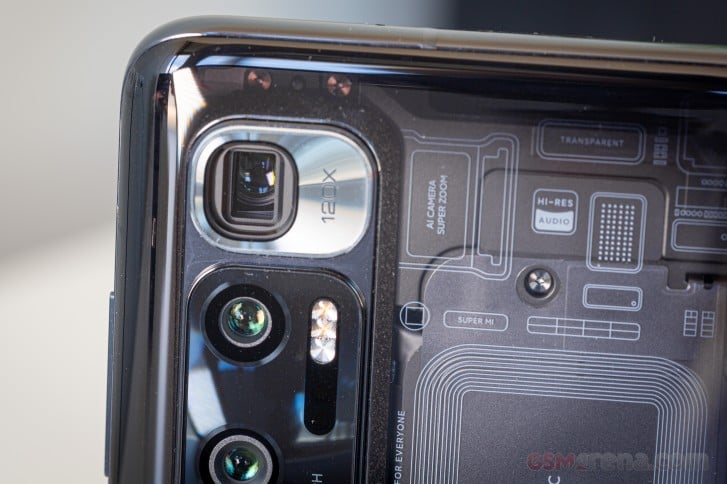
The last transparent model from Xiaomi was the Mi 10 Ultra (Transparent Edition). The Mi 9 and Mi 8 series also included similar transparent versions. Since then, no Xiaomi flagship has had that see-through look, so this teaser is bound to get fans of those older experimental designs pretty excited.

Mi 10 Ultra (Transparent Edition)

So we’ll see a total of three devices this evening: the Xiaomi 18 Pro, Xiaomi 18 Pro Max, and this transparent edition model. It’s still unclear whether this is just a minor cosmetic tweak on one of the two Pro models or something with different core specifications.

At the 2026 Snapdragon Summit earlier, Zeng Xuezhong (Senior Vice President of Xiaomi Group and President of the International Department) confirmed the series will be the first in the world to use Qualcomm’s Snapdragon 8 Elite Gen 6 series chips: the standard version on the Pro model and the “Extreme” edition on the Pro Max. This dual-chip approach allows the company to offer a more tailored and differentiated flagship experience to a wider range of users.

Xiaomi only dropped this “one more thing” teaser a few hours before the official reveal and is still keeping almost everything about the phone under wraps. Whether the transparent version ends up as a limited commemorative model or something more widely available is also still up in the air.

Don’t miss a thing! Join our Telegram community for instant updates and grab our free daily newsletter for the best tech stories!

For more daily updates, please visit our News Section.

(Source: Lu Weibing on Weibo)

RedMagic 12 Pro+ leak fills in the battery, charging, and camera specs RedMagic left out

RedMagic confirmed the chip for its next gaming flagship earlier today, and now a fresh leak fills in most of what that announcement left out. You’re looking at an 8,400mAh battery, 120W wired charging, and 80W wireless charging on the RedMagic 12 Pro+.

The brand already teased a redesign with tighter bezels cut down to 0.96mm, and the new leak backs that up while adding a wrinkle: the standard RedMagic 12 Pro is reportedly getting dropped from the lineup entirely, leaving the Pro+ as the only model when the series launches. If true, buyers won’t have a cheaper option as they did with the RedMagic 11 Pro and 11 Pro+.

RedMagic 12 Pro+ specifications

Inside, you get the Snapdragon 8 Elite Extreme Gen 6 that RedMagic already confirmed, paired with a new-generation under-display camera. RedMagic has been using under-screen selfie cameras since the 8 series, and the leak suggests further refinement in how well the sensor blends into the panel without visible discoloration or dips in image quality. Combined with the narrower bezels, the front of the phone should look closer to an uninterrupted slab of glass than any previous RedMagic model.

The screen refresh rate is also said to be climbing further, though exact numbers haven’t surfaced yet. Given the liquid-and-air cooling setup rumored for the series back in July, it looks like sustained performance and thermals remain the priority even as the design shrinks down. 

RedMagic has already said the 12 Pro+ is meant to be its most comfortable phone yet to hold, and the thinner body with a bigger battery suggests the company found some real efficiency gains in the new chip and cooling combo to pull that off.

RedMagic is targeting a launch in October for the 12 Pro+. There’s also talk that national esports players have been training on RedMagic devices ahead of the Asian Games, though it’s not clear yet whether the 12 Pro+ itself will make an appearance there.

Don’t miss a thing! Join our Telegram community for instant updates and grab our free daily newsletter for the best tech stories!

For more daily updates, please visit our News Section.

Xiaomi 18 Pro series will be the first to bring both Snapdragon 8 Elite Gen 6 and 8 Elite Extreme Gen 6 to market

At the 2026 Snapdragon Summit, Zeng Xuezhong, Senior Vice President of Xiaomi Group and President of the International Department, announced that Xiaomi will be the world’s first to launch phones powered by Qualcomm’s latest Snapdragon 8 Elite Gen 6 series. The Xiaomi 18 Pro will use the standard chipset, while the 18 Pro Max will step up to the Snapdragon 8 Elite Extreme Gen 6.

Here’s exactly what’s different between the standard Snapdragon 8 Elite Gen 6 and the Snapdragon 8 Elite Extreme Gen 6.

Lu Weibing, Partner, President of the Mobile Phone Division, and General Manager of the Xiaomi Brand, put it this way: “Xiaomi has always been committed to bringing groundbreaking innovation to consumers through its flagship product portfolio. Qualcomm Technologies’ new multi-flagship strategy allows us to achieve this goal more flexibly.”

He added: “By adopting the standard Snapdragon 8 Elite Gen 6 and the higher-end Snapdragon 8 Elite Extreme Gen 6 in our upcoming devices, Xiaomi can bring a tailored and differentiated flagship experience to a wider range of users. We are working with Qualcomm Technologies to drive the development of the next generation of AI-powered smartphones, delivering unprecedented personalized and responsive experiences.”

The dual-chip approach gives Xiaomi more flexibility to differentiate models within the series while pushing on-device AI, performance, and efficiency. The platforms are expected to support more advanced agentic AI features, better gaming, and overall snappier responsiveness.

The Xiaomi 18 Pro series is scheduled to launch in China this evening (September 23). A global rollout is planned for later this year. More details on specs, pricing, and regional availability should come out during and after the Chinese launch event.

Don’t miss a thing! Join our Telegram community for instant updates and grab our free daily newsletter for the best tech stories!

For more daily updates, please visit our News Section.

(Source: Lu Weibing on Weibo | ITHome)