Realme has launched multiple Realme 10-branded phones, such as the Realme 10, Realme 10s, Realme 10 Pro, and Realme 10 Pro+, in the Chinese market. A new leak, courtesy of reliable tipster Digital Chat Station, reveals that the brand is now working on a high-performance mid-range phone for the home market. It is unclear whether the phone will be a new addition to the Realme 10 series or a GT-branded phone.
According to the tipster, the upcoming Realme mid-range phone will pack a pair of 2,750mAh cells. Hence, it is expected to pack a 5,500mAh (combined typical value) battery. The device will support fast charging, but the exact charging capabilities are not known yet. Hopefully, the upcoming reports will reveal more details about the device.
All the major smartphone brands from China have launched Snapdragon 8 Gen 2-powered smartphones in the home market. However, Realme is yet to launch an SD8G2 phone. Next month, the company will unveil the Realme G Neo 5, which will come equipped with support for 240W fast charging.
While there are no concrete leaks available, it is likely that the Realme GT 3 Pro with the Snapdragon 8 Gen 2 may debut after the GT Neo 5. The mysterious Realme phone with a 5,500mAh battery is also expected to launch after the GT Neo 5. Hopefully, the upcoming reports will reveal more information about these devices.
As far as the GT Neo 5 is concerned, it may arrive in two battery variants, such as 4,600mAh with 240W charging and 5,000mAh battery with 150W charging. Both variants are expected to feature a 6.74-inch FHD+ AMOLED display, a Snapdragon 8 Plus Gen 1 chipset, LPDDR5 RAM, UFS 3.1 storage, Android 13 OS, Realme UI 4.0, a 16-megapixel main camera, and 50-megapixel triple rear cameras.
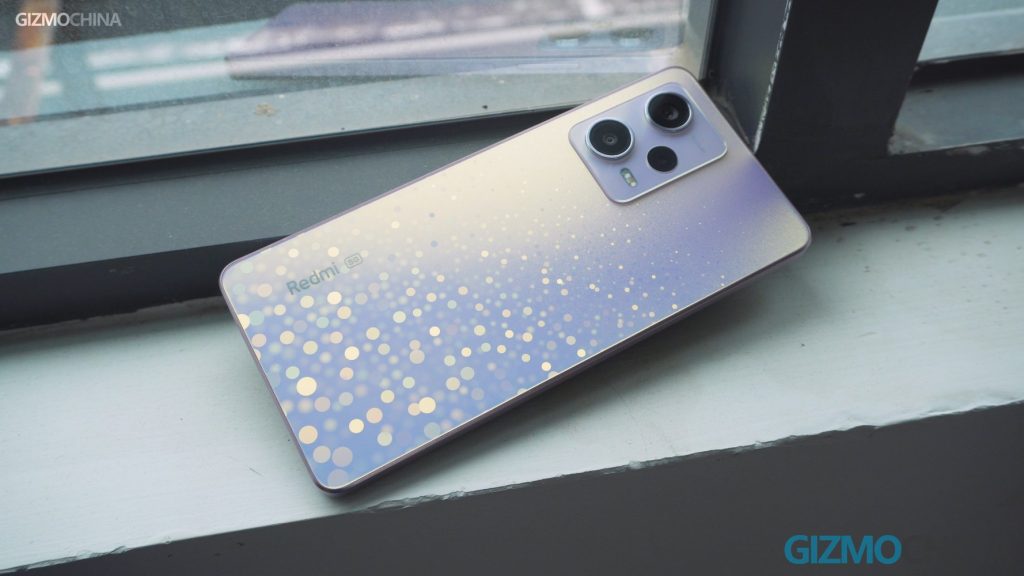
The Redmi Note 12 series was first unveiled in China at the end of October. The lineup originally consists of four models. A fifth device was introduced in December. Further, three of these handsets made their way to India last week.
Now, as per a reliable source, the company may introduce one more phone. Let’s check out the details.
Redmi Note 12 Pro
According to Kacper Skrzypek, Xiaomi may release yet another Redmi Note 12 series smartphone. This device will be officially called Redmi Note 12 Turbo (not to be confused with Redmi Note 12 Pro Speed).
The tipster says that this handset is codenamed ‘marble’. It will be powered by a Qualcomm chipset. Additionally, Xiaomiui states that it will ship with MIUI 14 based on Android 13.
Unfortunately, that’s all the information he has shared so far. Hopefully, we get to learn more about this mysterious phone in the coming days. It should start popping up on certification websites once the launch nears.
For the unaware, the Redmi Note 12 Turbo is not the only unreleased Redmi Note 12 series smartphone. Xiaomi is also expected to launch Redmi Note 12 Pro 4G, which is basically a rebranded Redmi Note 10 Pro. This device was earlier planned to go official as Redmi Note 11 Pro 2023.
During the Redmi Note 12 series launch conference in India, the company said that it will keep the new Redmi Note family less cluttered. But it doesn’t appear to be like that, at least for other markets.
After launching many TVs and new software features at the CES 2023 event, Samsung unveiled two standalone technology – Ready Care and Ready Tune in collaboration with Harmon. Which, Ready Care is something very interesting tech which is revealed by Samsung. The Ready Care uses multiple information and then changes the settings of the car in order to ensure safe driving. Regarding Ready Tune, it is simply a technology which intelligently adjusts the sound output to provide a best-in-class audio experience.
In more depth, Ready Care examines the physical and mental health of the driver. It modifies the car’s settings based on the data collected to increase driving safety and comfort. Using cameras and sensors installed inside a car as well as health-related information from wearables like the Galaxy Watch, this new technology from Harman and Samsung may detect cognitive distraction, visual distraction, and tiredness in a driver.
Based on these three factors, Ready Care can alter a number of vehicle settings to increase driving security. To keep the driver awake, the system might adjust the audio level, interior illumination, and air conditioning settings if it notices that the driver is getting sleepy. Similarly to this, the system will activate a function known as Stress-Free Routing if it determines that the driver is stressed (via Galaxy Watch readings). Even if it requires taking a longer route, it will offer a navigation path with fewer traffic and weather-related problems to keep stress levels in check.
Following that is Relaxing Mode. This function can operate smart home appliances including lights, air conditioning, and TV with the aid of Samsung SmartThings. Just before the driver gets home, Relaxing Mode will modify various settings of these gadgets according to the driver’s mental state to make them more relaxing. Samsung hopes to increase driving safety and offer seamless integration across multiple connected systems based on the data acquired through in-car cameras and sensors, utilising health information received from gadgets like the Galaxy Watch, and using the company’s services like SmartThings.
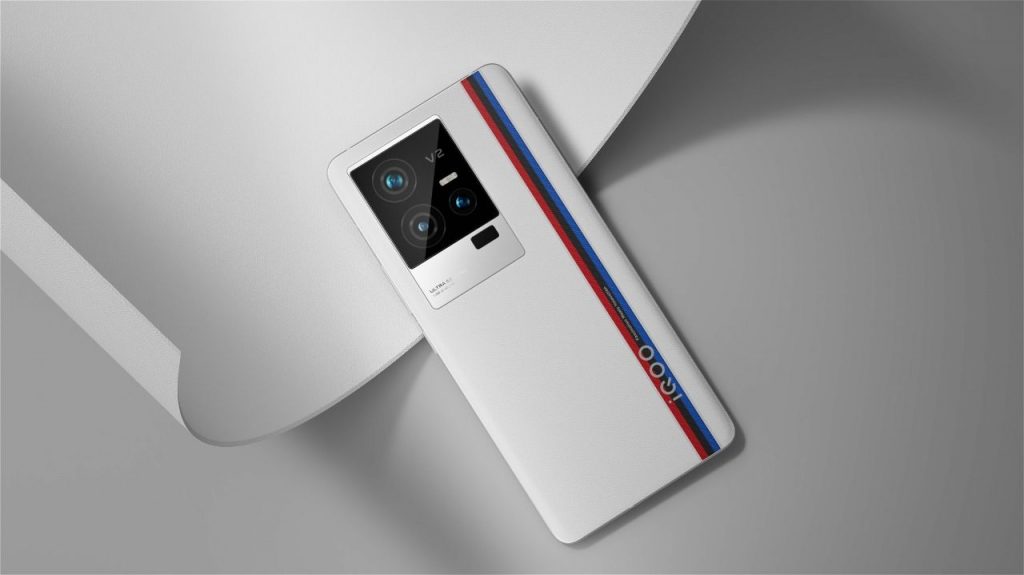
The iQOO 11 made its global debut in China in early December. It was made available in Southeast Asia a few days later. Today, the company has launched the device in India as scheduled.
The iQOO 11 is the brand’s flagship smartphone. It comes with the latest Qualcomm Snapdragon 8 Gen 2 chipset, a 2K 144Hz AMOLED display, and 120W fast-wired charging support. Let’s check out everything it has to offer along with pricing and availability.
iQOO 11 Specifications
The iQOO 11 is built around a 6.78-inch centered punch-hole Samsung E6 AMOLED display protected by Corning Gorilla Glass Victus. The 10-bit panel offers a resolution of 3200 x 1440 pixels (2K), 517 PPI, 144Hz refresh rate (LTPO 4), and 300Hz touch sampling rate (1200Hz instant).
The device is powered by a Qualcomm Snapdragon 8 Gen 2 chip. The SoC is paired with LPDDR5x RAM, UFS 4.0 storage, and a VC liquid cooling system. The handset ships with Funtouch OS 13 based on Android 13. The company guarantees 3 Android updates and 4 years of security updates.
There’s a triple camera setup on the rear consisting of an OIS-assisted 50MP Samsung GN5 primary sensor, an 8MP ultra-wide unit, and a 13MP 2x telephoto shooter. On the front, there’s a 16MP snapper. All of these cameras are powered by a Vivo V2 imaging chip.
The smartphone provides support for dual SIM, 5G, WiFi 6, Bluetooth 5.3, GNSS, NFC, and USB Type-C. It also arrives with dual stereo speakers, an IR sensor, and an optical fingerprint sensor.
Last but not least, the handset draws energy from a 5,000mAh battery and carries support for 120W fast wired charging.
iQOO 11 Price and Availability in India
The iQOO 11 will retail at the following price tags in India.
8GB + 256GB – ₹59,999 (~$730)
16GB + 256GB – ₹64,999 (~$790)
It can be availed in either Alpha (glass back) or Legend (silicon leather) color options.
The device will be available for purchase starting at 12 PM IST on January 13 via Amazon India and iQOO.com. Customers can get ₹5,000 discount on credit/debit cards issued by HDFC and ICICI banks.
The brand is also offering an additional exchange bonus of up to ₹4,000. Finally, Amazon Prime customers get 24-hour early access to the sale at 12 PM IST IST on January 12, in addition to an extra ₹1,000 discount.
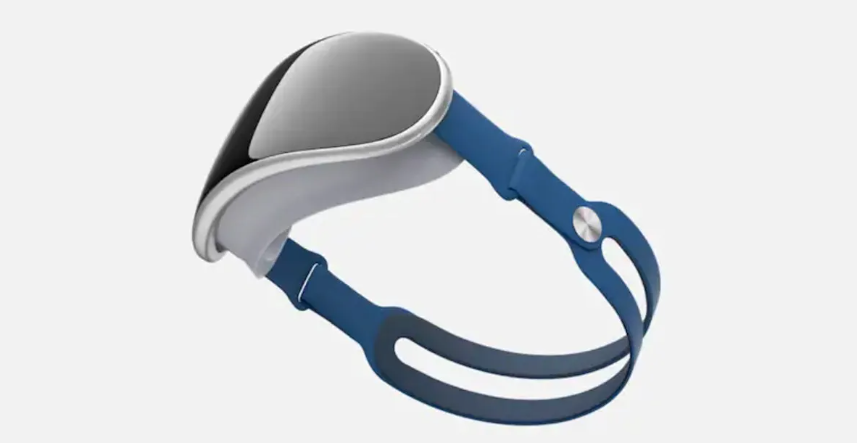
Apple is now reportedly planning to enter the field of AR headsets soon. It has been claimed that the brand is working on its upcoming AR/VR headset and Apple will launch the gadget this spring, ahead of the WWDC 2023 event. If this comes out to be true, then Apple will surely overtake Samsung in terms of launching the AR headset. Both brands are working on their very own AR/VR headset and as of now, it seems that Apple may launch one earlier. Let’s look into the information in more detail.
According to well-known insider Mark Gurman of Bloomberg, Apple’s next AR/VR headset will go on sale sometime in the fall of this year. Another Apple expert, Ming Chi-Kuo, predicted a few days ago that the company would release its AR/VR headgear before the end of 2023. Samsung has not yet announced an AR/VR headset, despite Apple being close to doing so.
Gurman claims that Apple has already sent a few developers the prototype hardware to test. The product, however, is far from finished, and it appears that Apple still has a lot of problems to address. According to Gurman, earlier predictions that Apple’s AR/VR headset might be unveiled in January were accurate. The company had a lot of work to do on the product and many bugs to fix, thus the schedule shifted. Apple is focusing on launching the product as soon as possible. The brand is also making sure that there won’t be any further delay in the launch.
That concludes our discussion of Apple’s upcoming augmented reality headset. By entering the market for AR headsets sooner than Samsung, it appears that the brand will inevitably surpass Samsung. There have been practically no leaks about Samsung’s future AR/VR headset. Samsung will, however, undoubtedly soon release its own headset as well. What do you think about this? Please let us know by leaving a comment below in your own words.
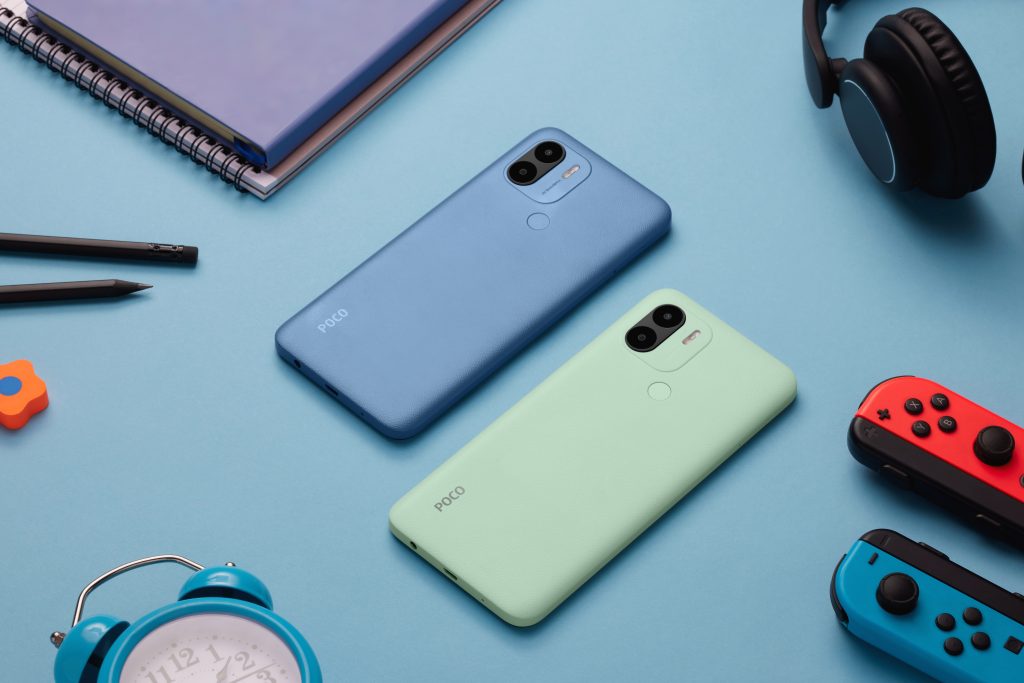
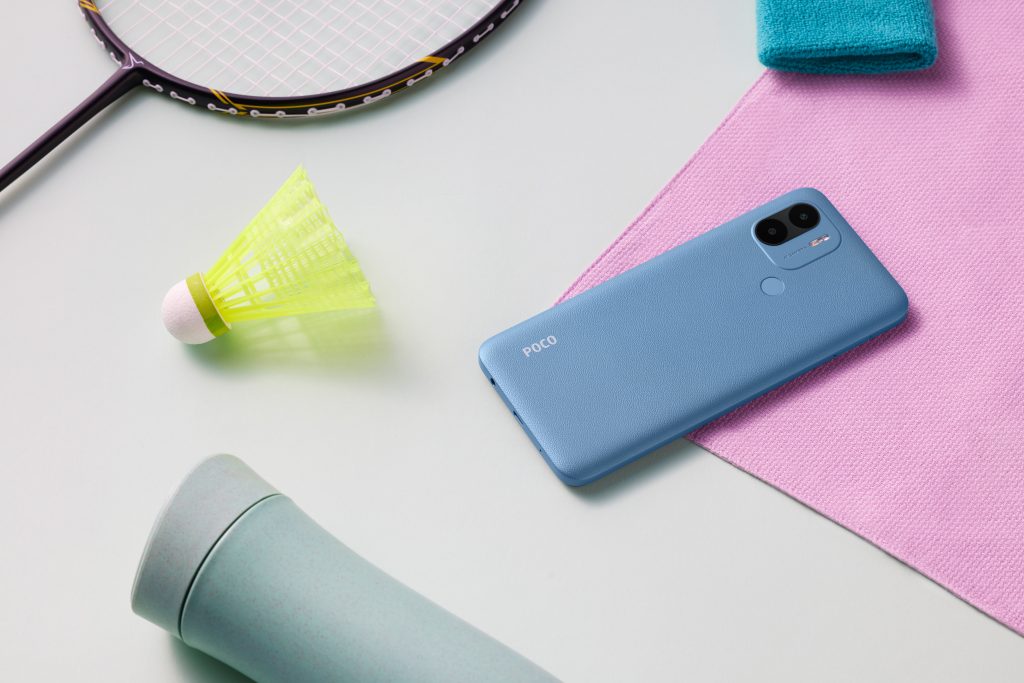
Poco recently launched the Poco C50 budget-range smartphone in India. POCO’s latest C-series smartphone is a rebranded Redmi A1+, which was released in the country last year. The POCO C50, like the Redmi, is powered by a MediaTek Helio A22 processor and up to 3GB of RAM. Now, the device has finally gone on sale in India.
POCO C50 Price, availability
The POCO C50 costs Rs 6,499 in India for the 2GB + 32GB configuration. Additionally, a 3GB + 32GB configuration of the entry-level smartphone is available for Rs 7299. The smartphone will be available for purchase exclusively through Flipkart beginning at 12:00 PM today (January 10).
POCO is offering the 2GB and 3GB variants of the device at Rs 6,249 and Rs 6,999, respectively, as a launch offer.
POCO C50 specs
The POCO C50 features a 6.52-inch IPS LCD display with an HD+ (720 1600 pixel) resolution, 269ppi pixel density, 60Hz refresh rate, and 400nits peak brightness. It has 1500: 1 contrast ratio and a waterdrop notch to house the selfie camera.
The smartphone is powered by a quad-core MediaTek Helio A22 processor with an integrated IMG PowerVR graphics unit. It has 3GB of LPDDR4X RAM and 32GB of eMMC storage. The dedicated micro-SD card slot allows for additional storage expansion. The handset comes pre-installed with Android 12 Go Edition.
The POCO C50 features a dual-rear camera setup with an 8MP primary shooter and a depth sensor. For selfies and video calls, it has a 5MP camera.
The latest C-series handset includes a 5000mAh battery and 10W charging support. It has a micro USB charging and data transfer port. The phone has a fingerprint scanner on the back. It has a single speaker and a 3.5mm audio jack. It has Dual-SIM, 4G, 2.4GHz WiFi, Bluetooth 5.0, GPS, Glonass, and BeiDou connectivity.
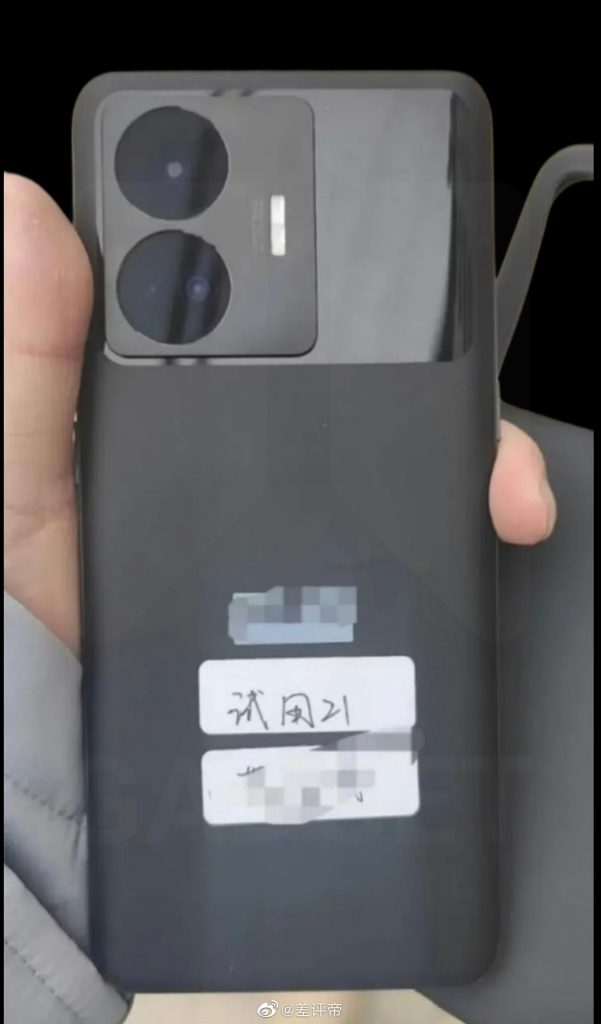
Realme is expected to go official at the Realme GT Neo 5 smartphone in February through the Mobile World Congress (WMC) 2023 tech trade show. The device has already appeared in the database of the TENAA certification platform with all its specifications and images. Now, a Weibo post has appeared to leak the live shot of the device.
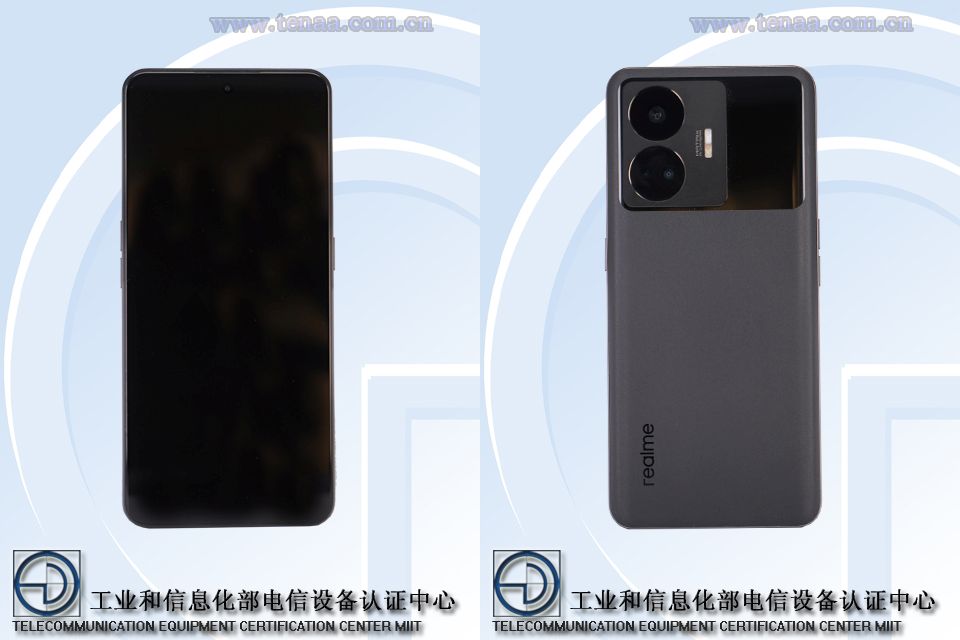
The RMX3706 and RMX3708 are said to be the model codes of the 150W and 240W charging editions of the Realme GT Neo 5. The TENAA images of both models revealed that they have a slight difference in their rear designs. The leaked shot that has surfaced today resembles the Realme GT Neo 5 150W variant’s TENAA image.
The leaked image suggests that the Realme GT Neo 5 could feature a polycarbonate back. The top portion has a glossy rectangle-shaped block, which houses a slightly protruding camera island towards the left. It has two camera rings and an LED flash unit. The top camera ring reportedly houses the 50-megapixel Sony IMX890 primary camera with OIS support. The second camera ring could house an 8-megapixel ultra-wide lens and a 2-megapixel macro camera.
The front view of the Realme GT Neo 5, which can be seen in the TENAA image below, revealed that it has a punch-hole display with an under-display fingerprint scanner. It will feature a 6.74-inch AMOLED display that offers a 1.5K resolution and a refresh rate of 144Hz.
Realme GT Neo 5 RMX3706 TENAA images
The Snapdragon 8 Plus Gen 1 chip’s underclocked version will power the Realme GT Neo 5. It is expected to arrive with up to 16 GB of LPDDR5 RAM and up to 512 GB of storage. Its 4,600mAh battery variant may support 240W fast charging, while its 5,000mAh battery variant will support 150W rapid charging.
Last week, OnePlus 11 launched in China. The device is the successor of the OnePlus 10 Pro, and reports have suggested there won’t be a OnePlus 11 Pro this year. The OnePlus 11 is scheduled to launch on February 7 in India and other global markets.
Ahead of the launch, key details regarding the phone’s RAM and storage configuration have emerged. As we already know, the Chinese variant of the OnePlus 11 is sold in three configurations – 12GB + 256GB, 16GB + 256GB, and 16GB + 512GB. Now, tipster Mukul Sharma has claimed that the Indian variant of the device will start at 8GB + 128GB RAM and Storage instead of 12GB + 256GB.
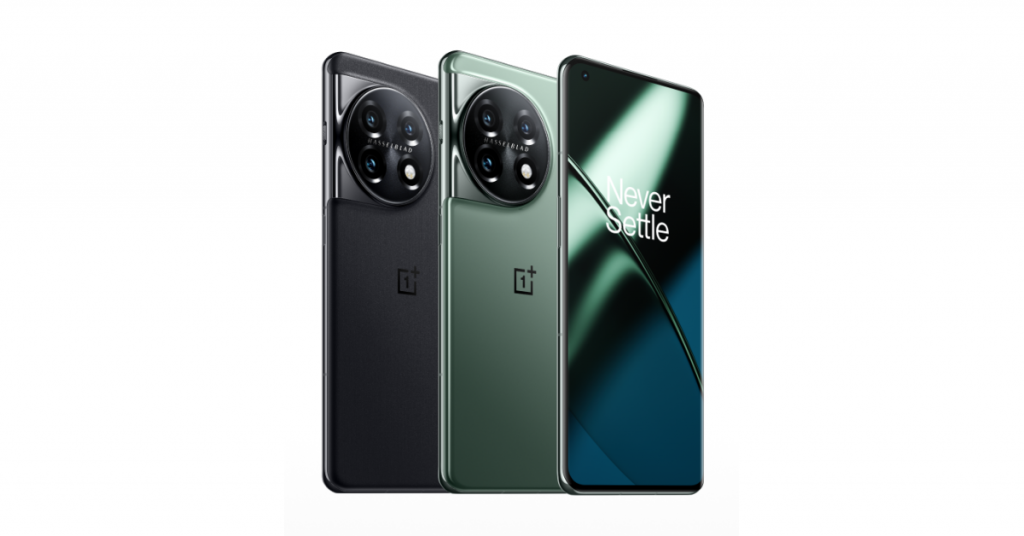
Currently, it is not clear if OnePlus will launch its latest flagship in 16GB + 512GB configuration in India. It is however clear that both the Black and Green color options will be launched in the sub-continent. Let’s take a look at the specs of this upcoming smartphone.
OnePlus 11 specs
The OnePlus 11 has a 6.7-inch E4 AMOLED LTPO 3.0 display with a refresh rate of up to 120Hz, a Quad HD+ resolution of 3216 x 1440 pixels, and Dolby Vision. It has an in-screen fingerprint scanner. It has Gorilla Glass 5 protection on the front and back and is an IP54-rated device.
The global version, which will be available on February 7, will be powered by OxygenOS 13, which is based on Android 13. It has a 5,000mAh battery and supports 100W charging.
The smartphone is powered by a Snapdragon 8 Gen 2 chipset. It comes with up to 512 GB of UFS 4.0 storage and up to 16 GB of LPDDR5x RAM. It boasts a 16-megapixel front camera for selfies and three cameras on the back: a 50-megapixel main camera with optical image stabilization (OIS), a 48-megapixel ultra-wide camera, and a 32-megapixel telephoto camera.
iQOO is expected to launch the iQOO 11 5G later today (Jan 10) in India. The smartphone has already launched in China last month, so we pretty much know everything regarding the specifications. Ahead of the launch, the pricing, and configuration of the Indian model have also been revealed.
According to known tipster Parag Guglani (@passionategeekz), the iQOO 11 will come with two memory and storage variants in India. The 8GB + 256GB configuration will have a price tag of ₹54,999, while the 16GB +256GB configuration will cost ₹59,999. Do note that these prices are Including offers. The tipster states that the 16GB RAM variant has up to ₹4,000 cashback offer on it, meaning we can expect the actual price tag to be around ₹63,999.
The last bit of information provided by the tipster implies that the first sale of the iQOO 11 will commence on the 13th/14th of January in India and the 8GB +256GB model will have limited stock.
iQOO 11 5G specs
The iQOO 11 will be the first smartphone to launch in India featuring an E6 AMOLED display. The display has a Quad HD+ resolution and a refresh rate of up to 144Hz. Additionally, the brightness maxes out around 1800 nits.
Under the hood, the phone features a Snapdragon 8 Gen 2 chipset paired with LPDDR5x RAM and UFS 4.0 storage. The iQOO 11 will ship with Android 13 OS and the FunTouch OS UI preloaded. The company has declared that it will provide the iQOO 11 with 3 years of Android OS upgrades and 4 years of security patch updates. The battery will have a capacity of 5,000mAh and allow 120W fast charging.
Coming to optics, the device is expected to feature three cameras: a 50MP primary sensor (with OIS), an 8MP ultrawide sensor, and a 13MP telephoto sensor with a 2x optical zoom. Additionally, the Vivo V2 chip in the iQOO 11 claims to improve photography, particularly in low light.
More information about the device will be revealed at today’s launch event, so stay tuned.
After rolling out the latest January 2023 update for the selected Google Pixel series of smartphones, the brand has now started rolling out the latest January 2023 Google Play System Update for a few Android users across the globe. The broader audience will get access to the update in the forthcoming days. Regarding the latest update, it brings many changes like improvements in the Google Play Protect, and further addition of some developer-focused features.
Numerous new features are added to the Google Play System with the most recent update. The company has focused on making the process of downloading and installing the app as simple as possible. In contrast, there are some improvements coming to Android’s Device Connectivity-related services that are developer-focused in addition to the standard patch notes that the Play Store team releases each month. With the most recent Play System upgrade, the Play Games profile will also receive a few improvements that should be sufficient to increase the variety of use cases.
Here’s the complete changelog for the latest January 2023 update changelog of the Google Play System update:
Games
[Phone, PC] Expanding the range of users and use cases supported by the Play Games profile.
Google Play Store
New Features to help you discover the Apps & Games you love.
Optimizations allowing faster and more reliable downloads and installation.
Continuous improvements to Play Protect to keep your device safe.
Various performance optimizations, bug fixes and improvements to security, stability and accessibility.
Developer Services
[Phone] New developer features for Google and third-party app developers to support Device Connectivity related developer services in their apps.
There don’t appear to be many interesting user-facing functions at this time. Having said that, the brand anticipates releasing additional repairs and additions throughout the month. This completes our article on the most recent Google Play System update. What do you think about this? Please let us know by leaving a comment below in your own words.
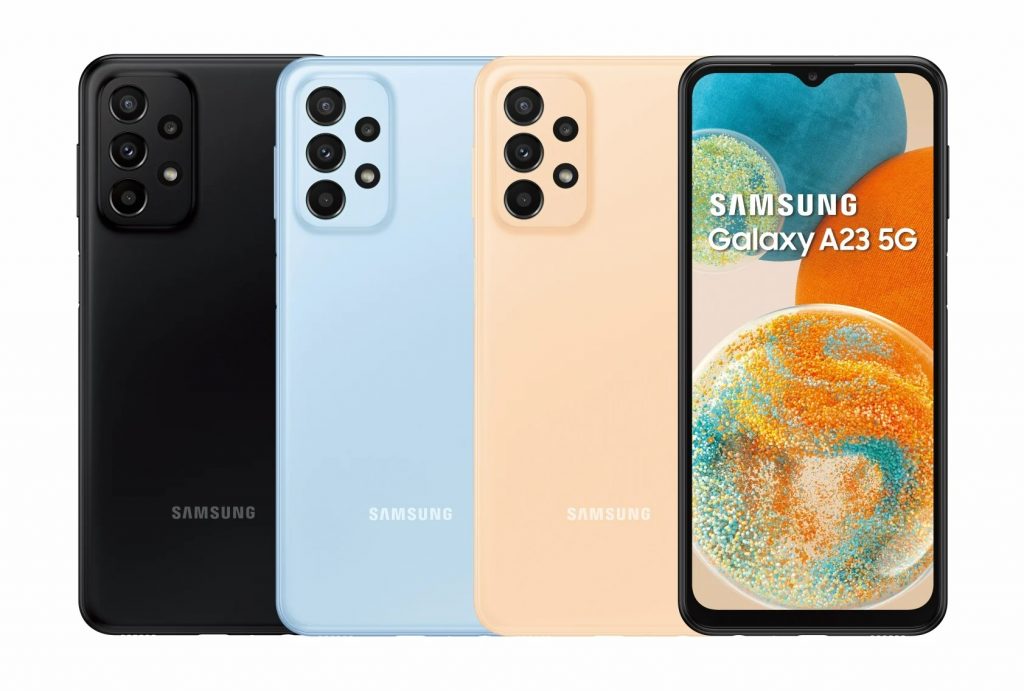
Samsung has a mid-range smartphone lineup in the form of the Galaxy A-series, and there are already a few 5G smartphones from the lineup available in India. Now, two more 5G smartphones under the Galaxy A-series are coming to the Indian market.
The South Korean giant has teased that two new 5G smartphones in the “A series” will go official in the Indian market on 18th January. The teaser says, “Being awesome is one thing, but amping up your awesome is a whole new world.”
We recently reported that the Samsung Galaxy A14 5G smartphone would be launched in India on 18th January, and now the Galaxy A23 5G is all set to launch on the same date in India.
While the company has not officially revealed the names of the devices that are launching in India in a couple of weeks, the source on the teaser page has revealed the names of both smartphones.
The Samsung Galaxy A23 5G smartphone was introduced in August last year, featuring a 6.6-inch 120Hz Full HD+ display. Under the hood, the device is powered by the Qualcomm Snapdragon 695 octa-core processor, coupled with Adreno 619L GPU.
The device packs up to 8GB of RAM and up to 128GB of internal storage. In the camera department, there’s a 50MP primary camera sensor, a 5MP ultra-wide lens, a 2MP depth sensor, and a 2MP macro lens. On the front side, it features an 8MP snapper for taking selfies and video calling.
The phone runs the Android 13 operating system with the One UI 5 custom interface on top. It is powered by a 5,000mAh battery with support for 25W fast charging.
Google is for sure amongst one of the fastest update-providing Android OEMs. It should be obvious as they themselves are the owner of the Android OS. Anyway, the latest January 2023 update for the Google Pixel 6 and Pixel 7 series has an issue with the in-car Bluetooth system. Various users across the internet have reported the issue while using the in-car Bluetooth connection system from various car manufacturers.
Users are apparently unable to connect to the infotainment system over Bluetooth or maintain that connection. The problem appears to predominantly affect Pixel devices with a Tensor SoC, like the Pixel 6, Pixel 6 Pro, Pixel 6a, Pixel 7, and Pixel 7 Pro, according to user reports on Reddit and Twitter. However, not all users are impacted. The reports also claim that the problem affects some Kia, Hyundai, Honda, Toyota, and Infiniti vehicles’ in-car infotainment systems.
Uncertainty persists on the specific cause of the problem. The company does not, however, take very long to fix the problem. In the next few days, Google is likely to provide an OTA update to address the fault with the Bluetooth settings in cars. There is currently no official remark from the brand on the subject.
You should wait to update your Pixel in January 2023 if you use Bluetooth to connect to the infotainment system in your automobile. You can try to connect to your car’s infotainment system via an FM adaptor or a Bluetooth receiver if you’ve previously done the update and are having problems. So that was all we had to cover up for the recently discovered bug on the Pixel 6 and Pixel 7 devices. Do let us know your thoughts on the comment box down below.
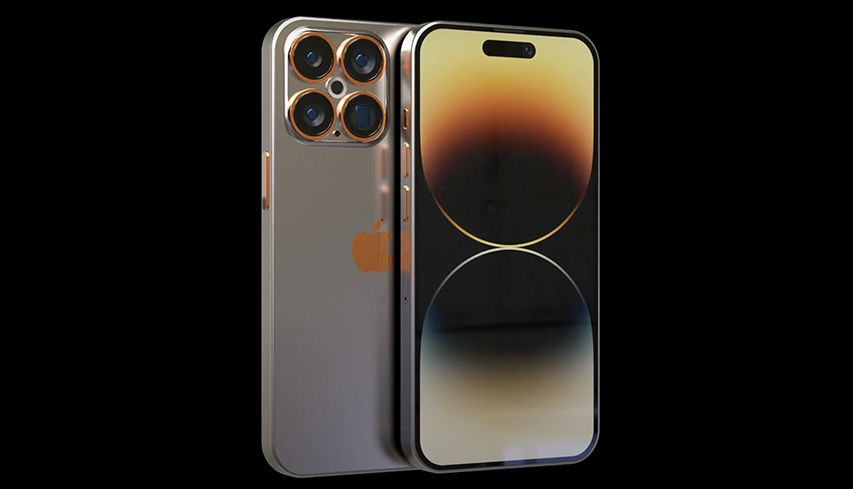
It’s been just months since Apple launched the iPhone 14 lineup, and rumors about the iPhone 15 have already started surfacing online, and it appears that not just rumors but the company itself is moving at a rapid pace.
As per the latest report, the upcoming Apple iPhone 15 has entered early “machine trial production” with the Cupertino-based technology giant’s primary assembler Foxconn.
The report adds that Foxconn has received instructions from Apple to begin “new machine trial production” for the new iPhone 15 and to begin new product introduction (NPI) for the device. The process is meant to introduce the device’s specific design and production needs for the company.
The development comes ahead of the mass production of smartphones, which is still several months away. This time, the company appears to be going through the process early, given that the production will be a bit different as manufacturing will take place in two countries — China and India.
Apple’s upcoming iPhone 15 series is expected to have four models — iPhone 15, 15 Plus, 15 Pro, and 15 Ultra. The Apple iPhone 15 Ultra will be replacing the Pro Max model and will be the top-end offering from the brand. As per the report, the Ultra model will have a titanium frame, a solid-state haptic volume button instead of physical buttons, and a USB-C port with faster transfer speeds.
This time around, all the iPhone models launching will come with a Dynamic Island, unlike the iPhone 14 series, where only the Pro models have the new front panel. All the phones are expected to have a 48MP primary camera sensor, and they will have a USB-C port.
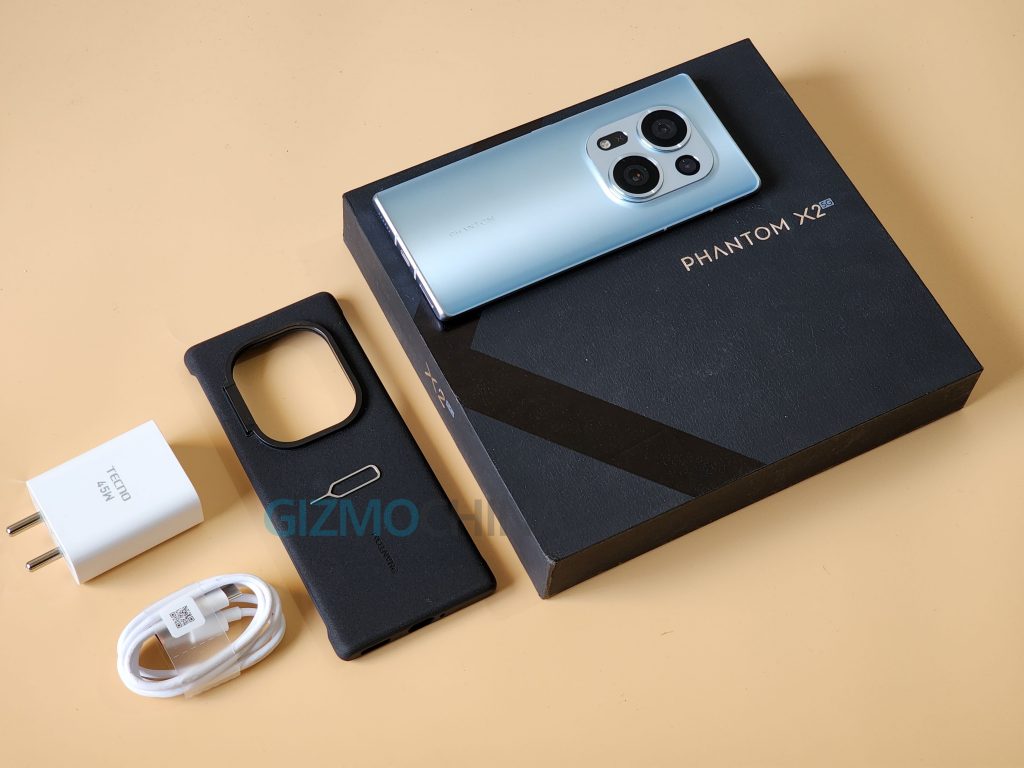
Tecno has mainly focused on the mid-range market in India. However, with the launch of the Phantom X2 and Phantom X2 Pro flagship phones, it appears that Tecno will soon rival other brands like Xiaomi, Realme, and OnePlus in the flagship category. The Phantom X2 and X2 Pro are almost identical phones, as their main differences are in the camera department. The Phantom X2 Pro, which hasn’t arrived yet in India, is equipped with an innovative retractable camera on the back. While we are unsure of the X2 Pro’s India launch, its regular version – the Phantom X2, is now up for purchase with a price tag of Rs 39,999 (~$487). Read on to what Tecno is offering on its latest flagship offering.
Earphones with in-line microphone and USB-C connector
Design and Display
Dimensions
Display
Size – 164.6 x 72.65 x 8.9mm
6.82-inch AMOLED FHD+ display
P3 wide color gamut
Weight – 201 grams
1080 x 2400 pixels (FHD+)
Widevine L1 support
20:5.9 aspect ratio
Under-display fingerprint scanner
Color variants
Up to 120Hz refresh rate
Gorilla Glass Victus
Moonlight Silver
Up to 360Hz touch sampling rate
Stardust Grey
10-bit colors
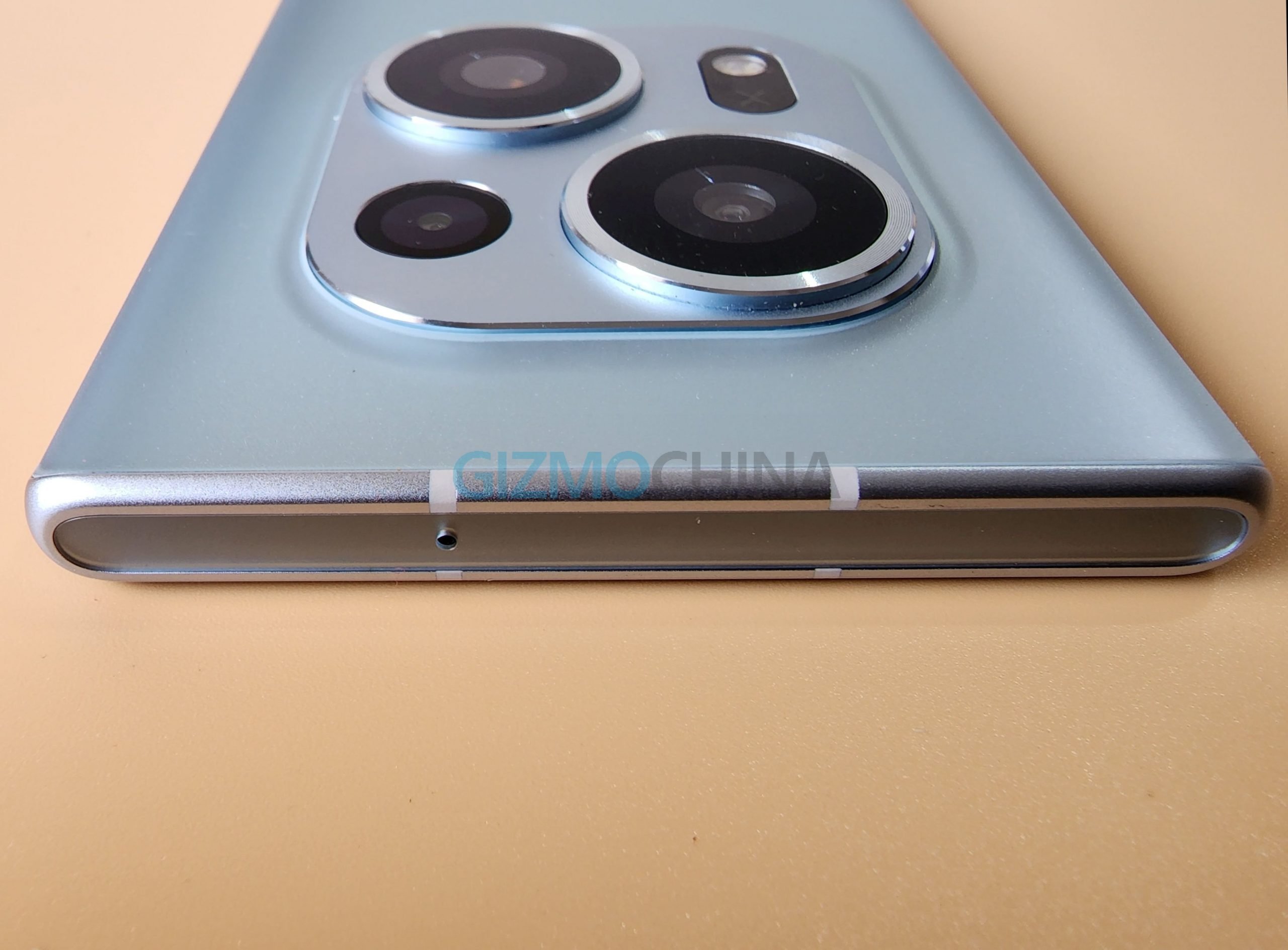
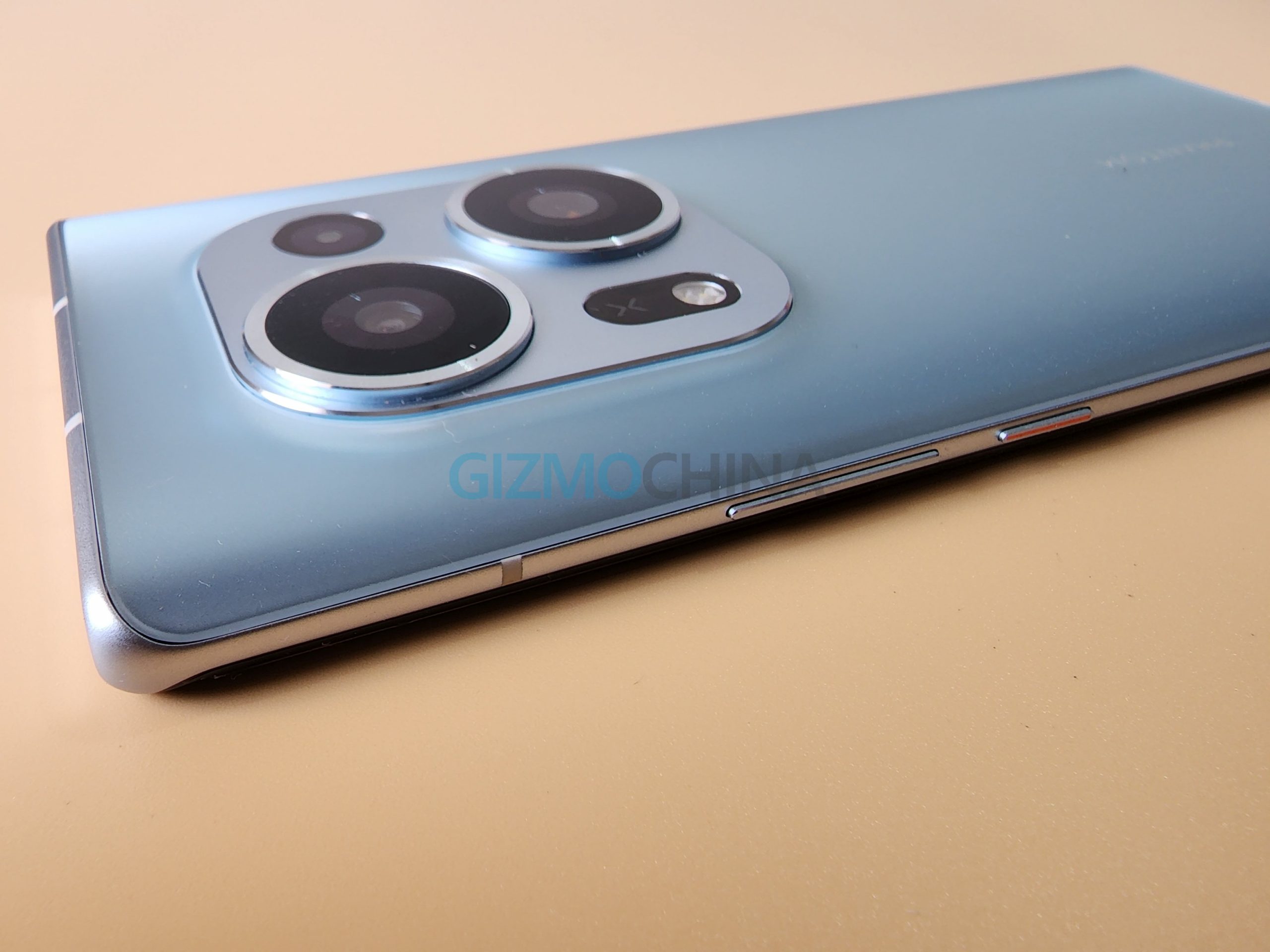
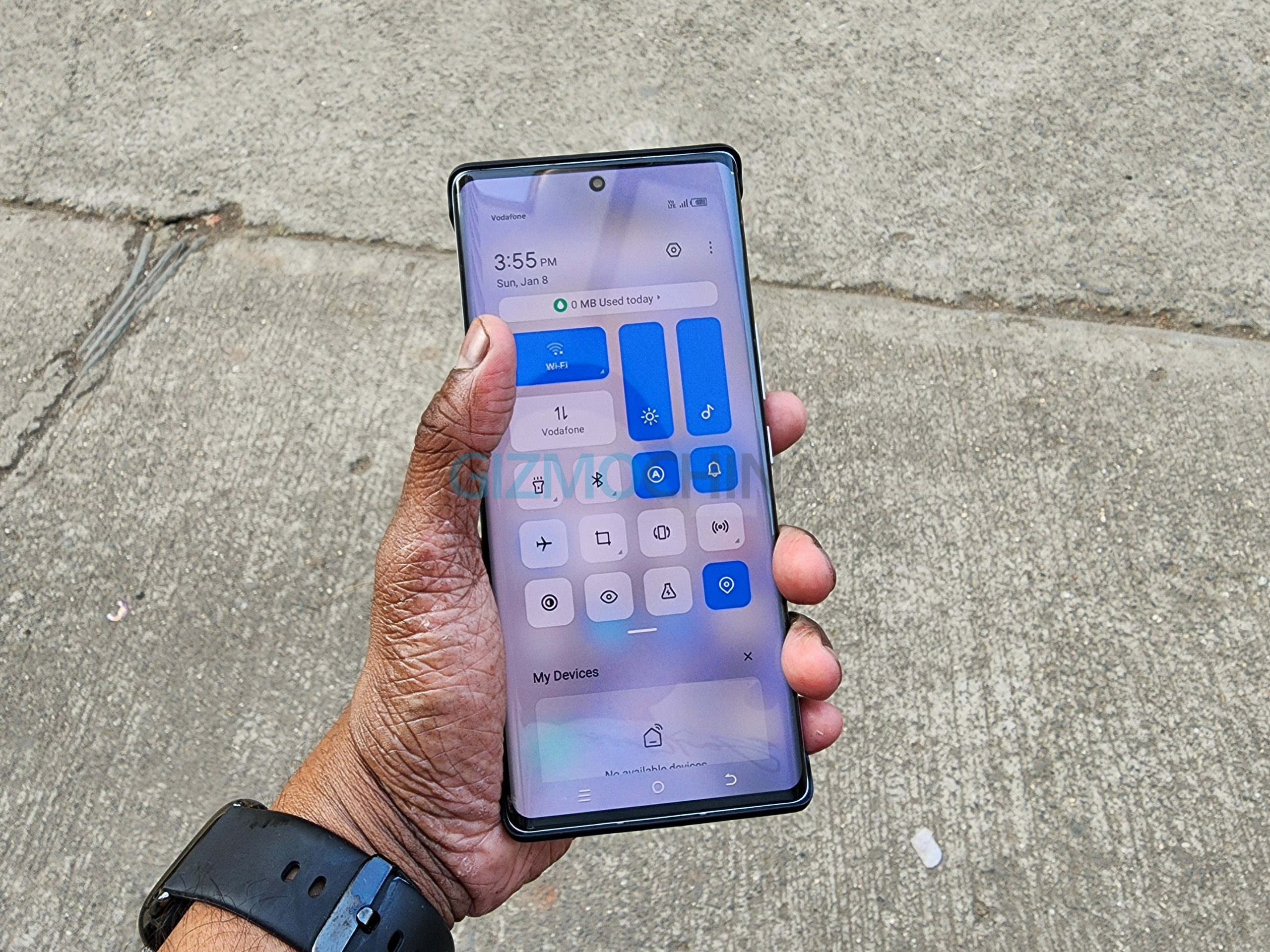
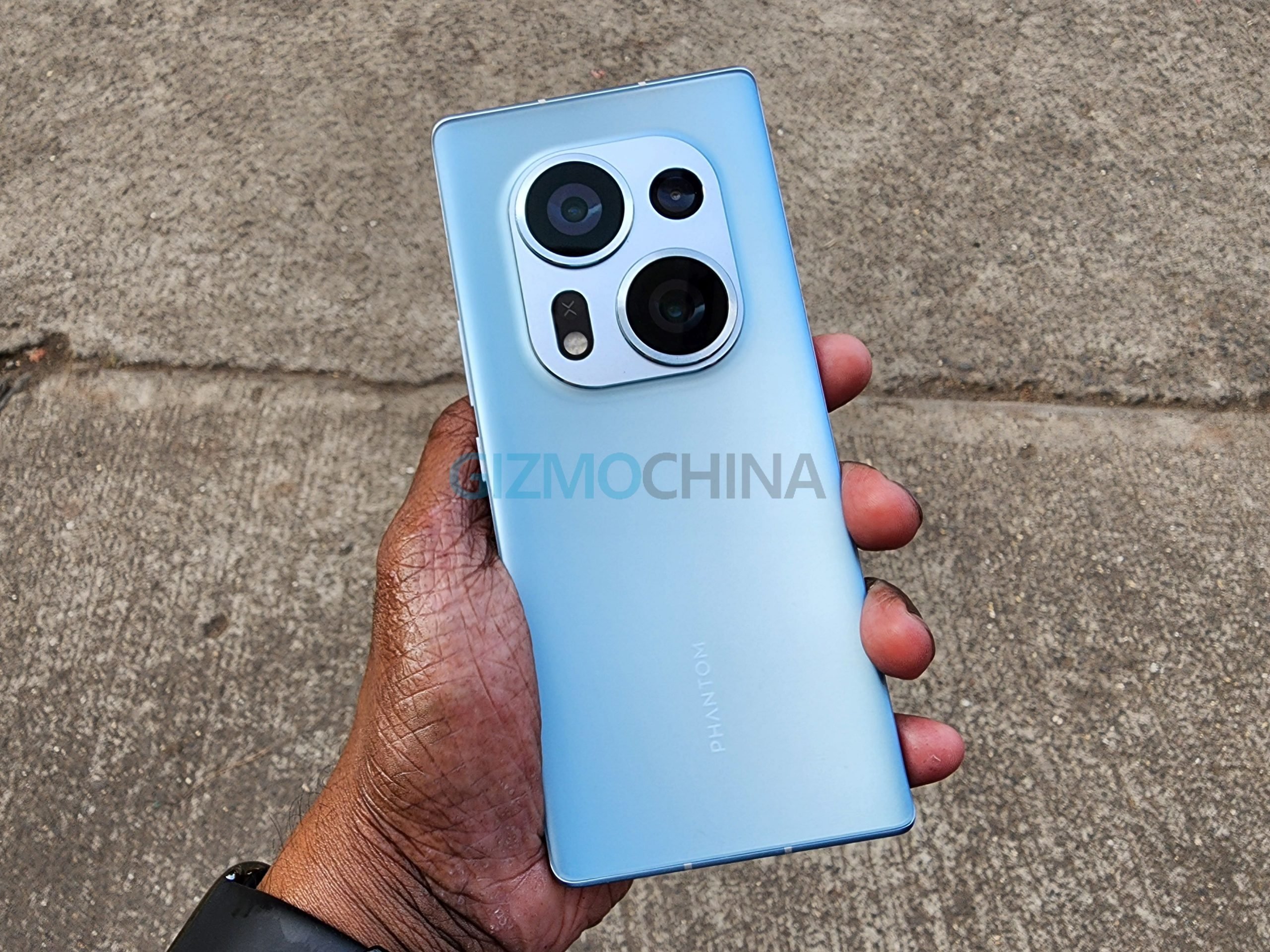
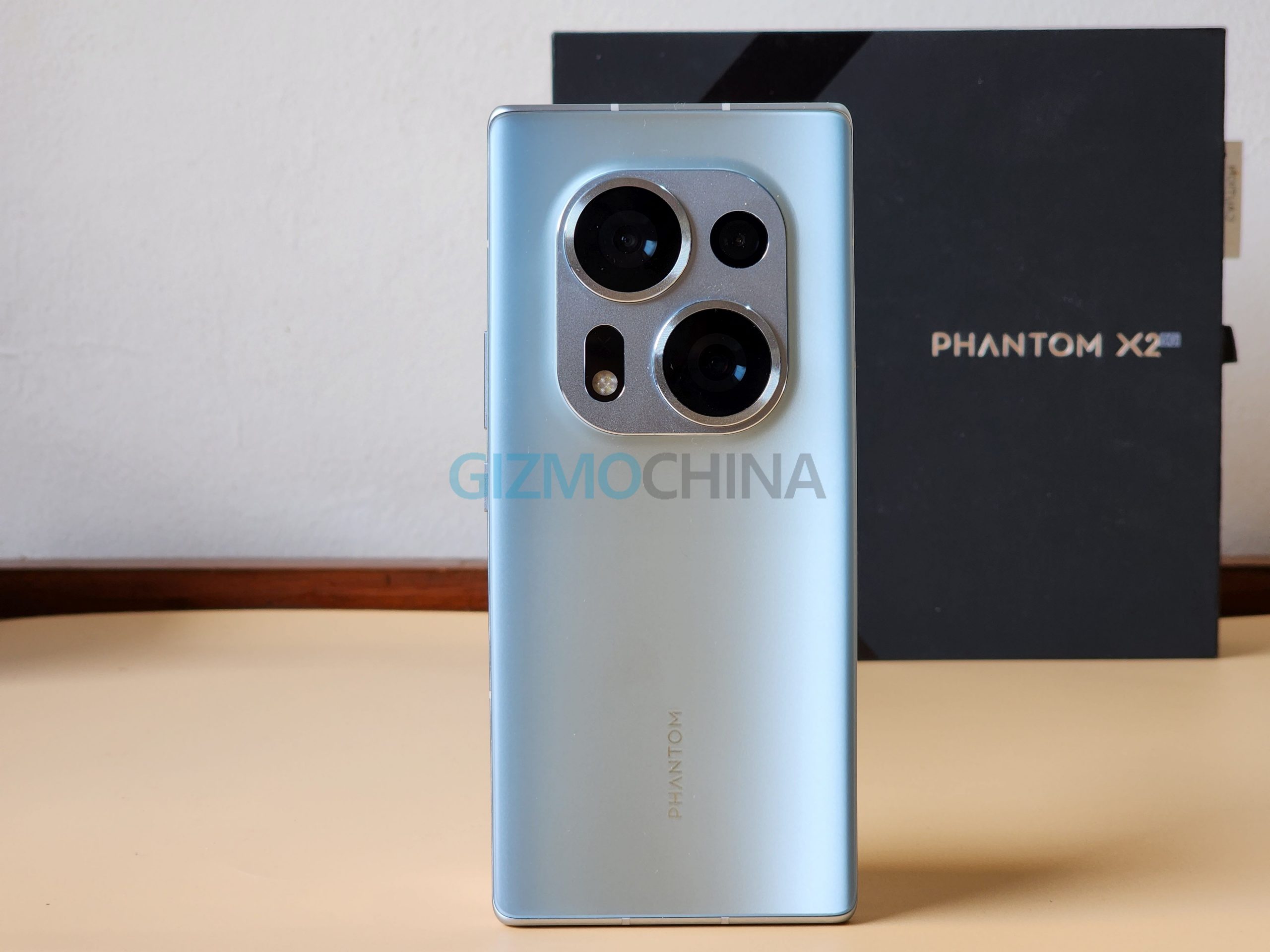
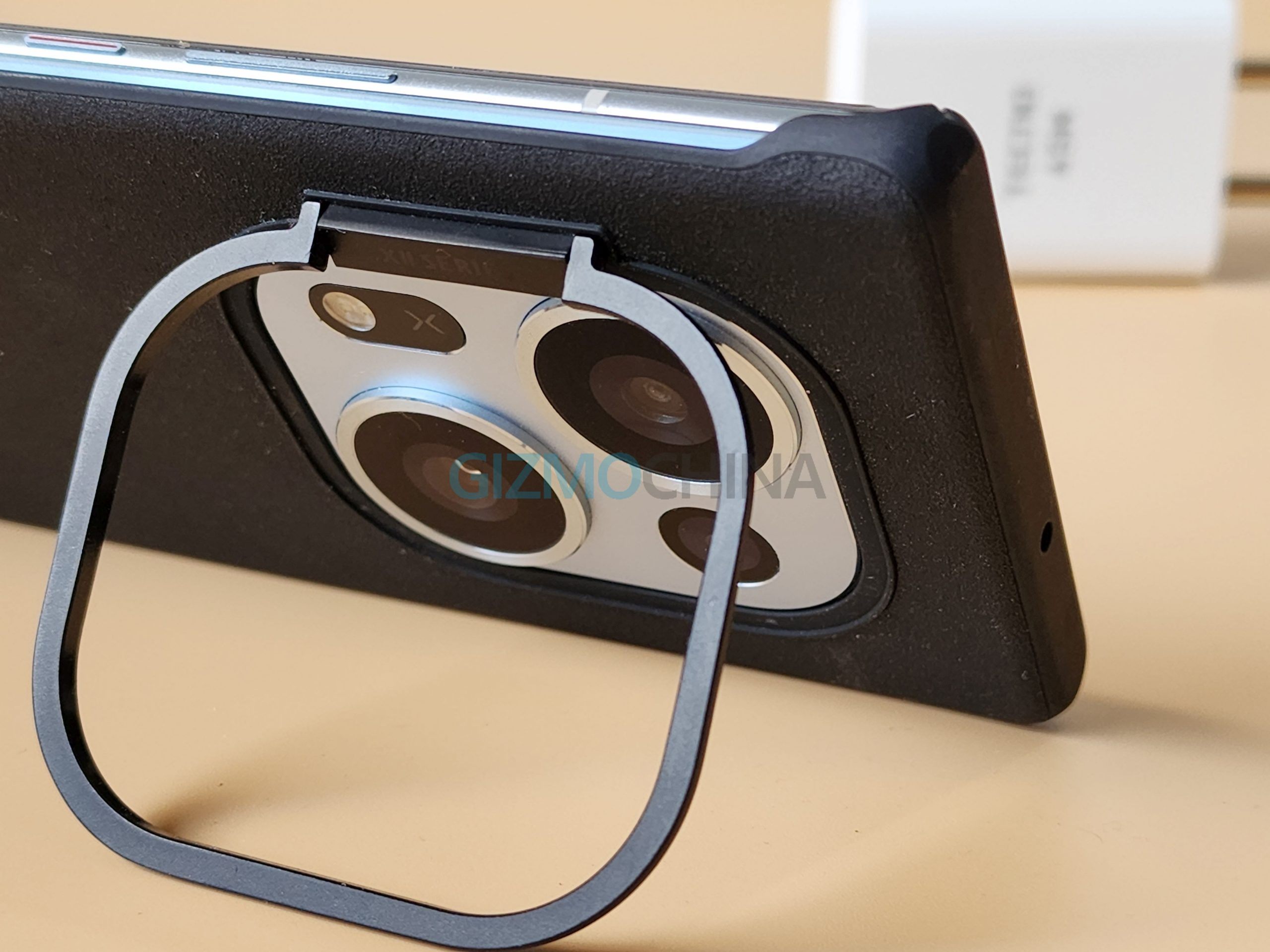
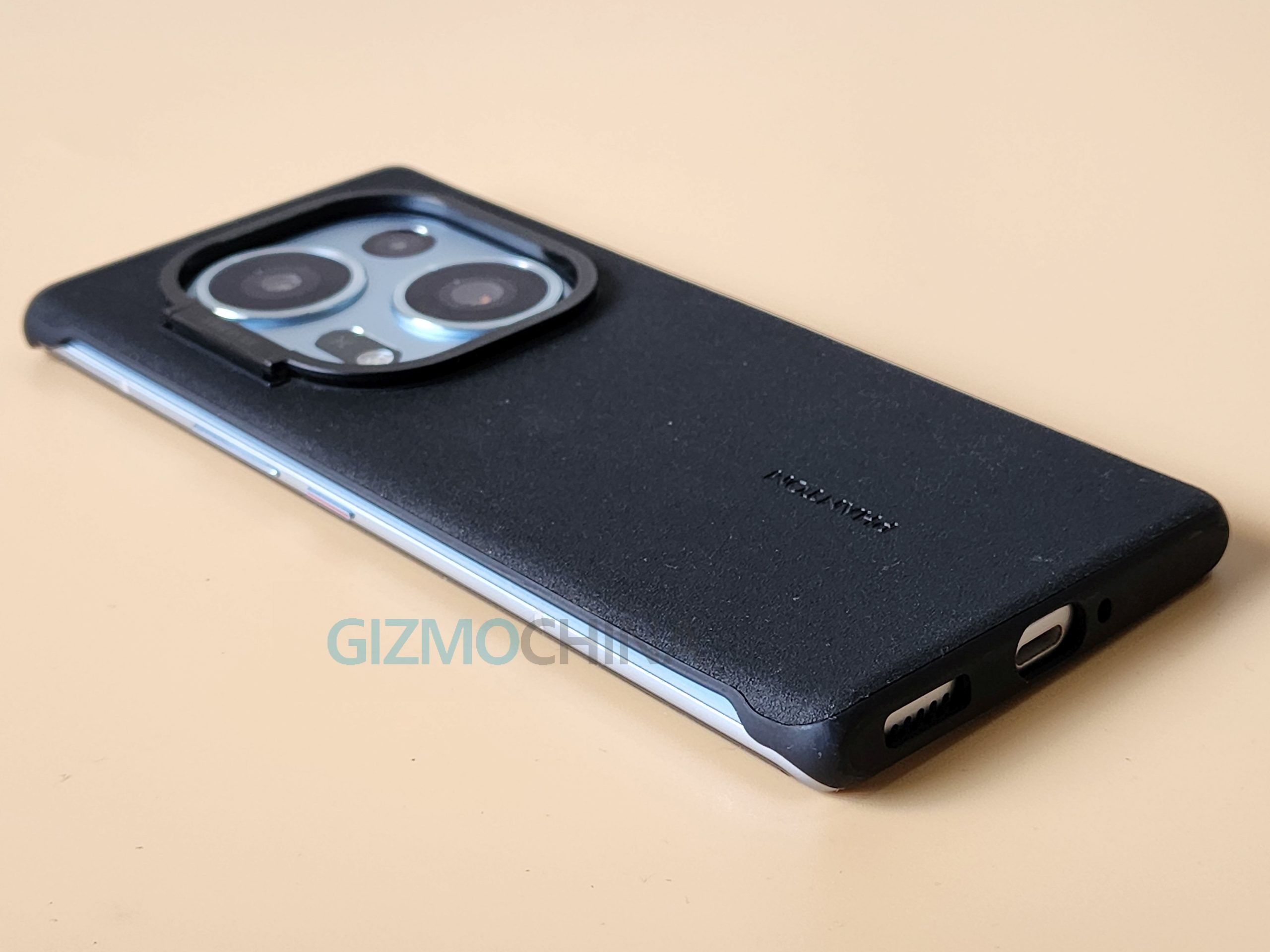
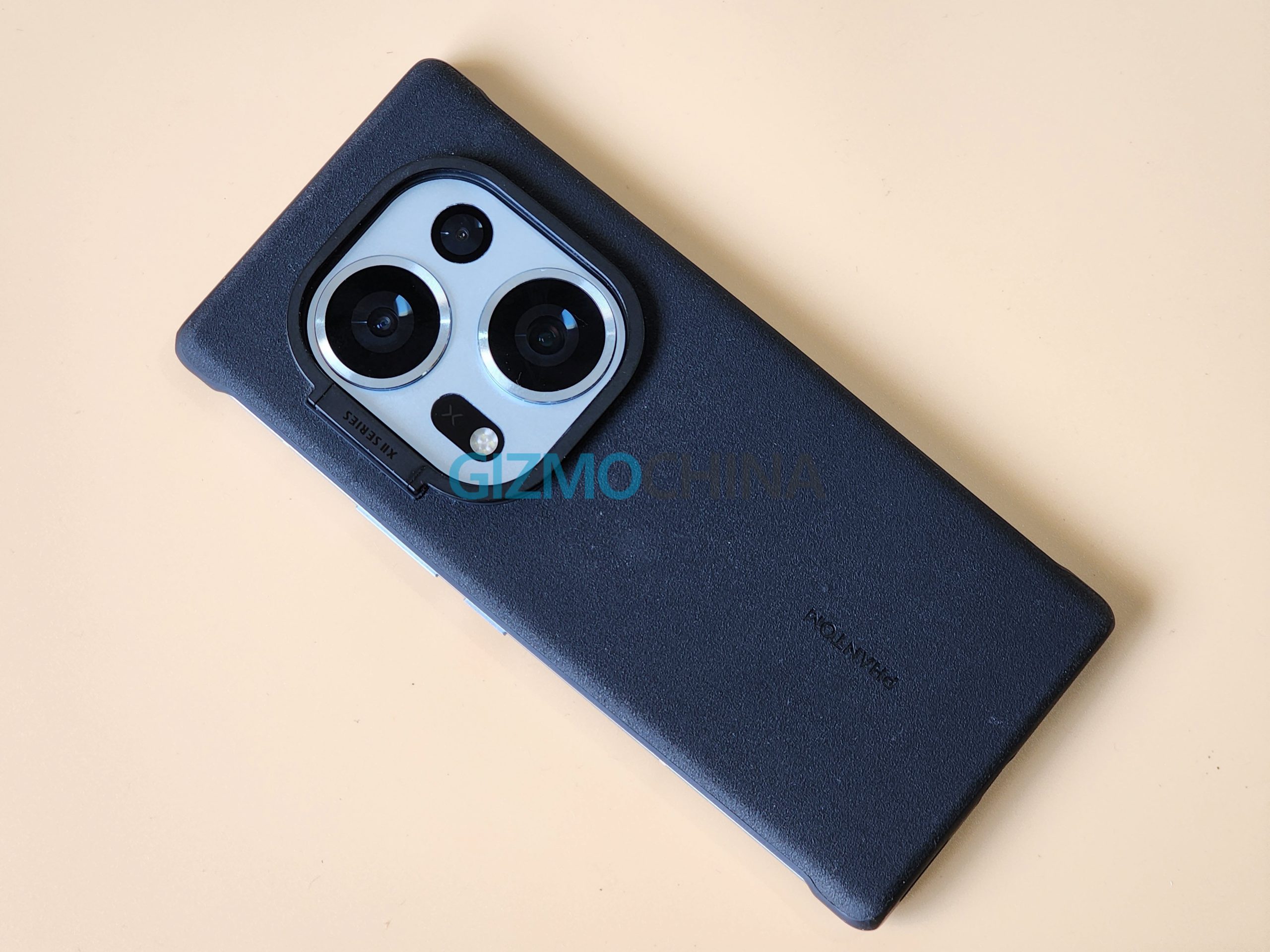
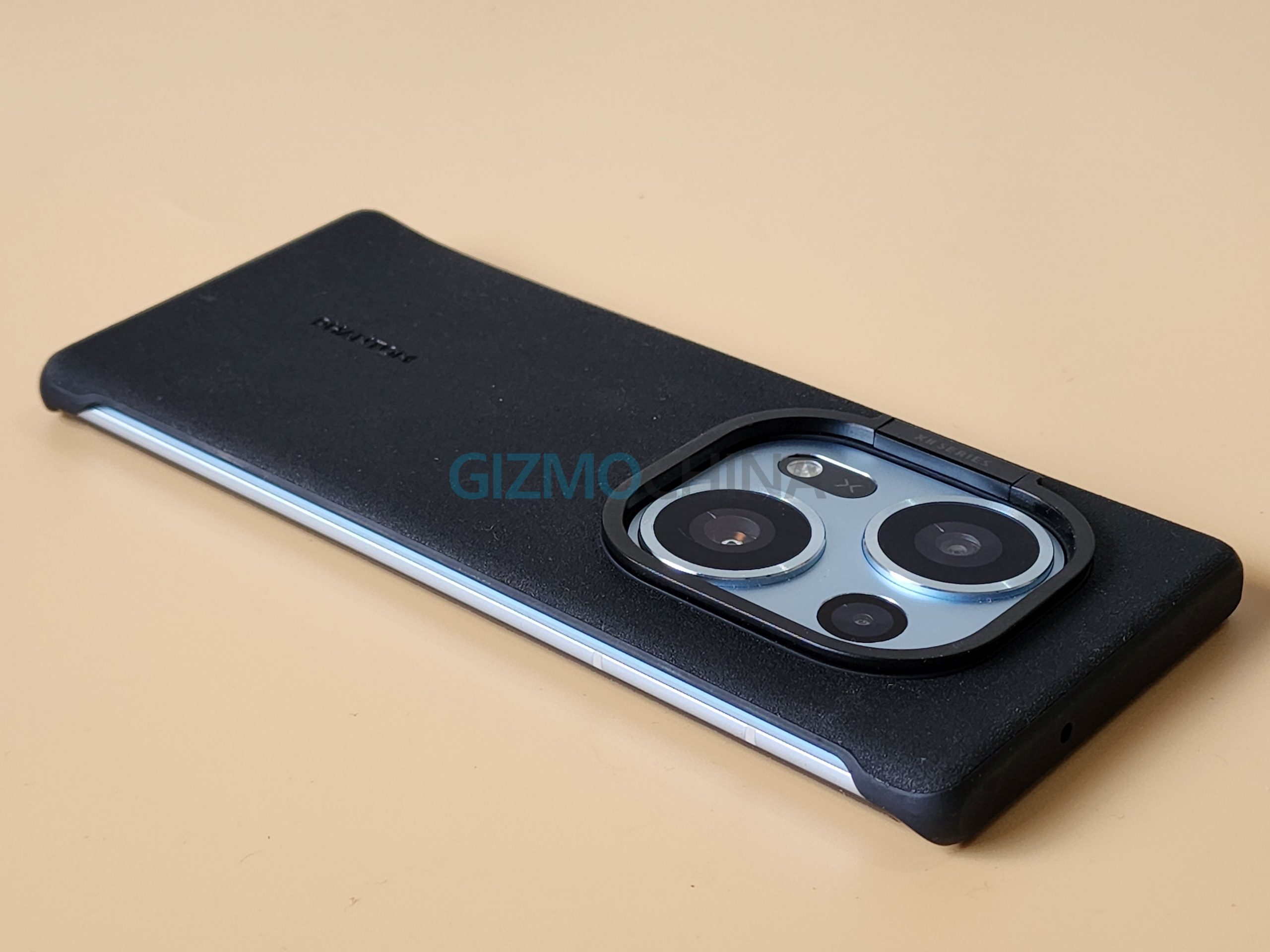
Starting from the back, the Tecno Phantom X2 features a polycarbonate body, which feels a bit hollow. The Moonlight Silver edition that we received feels smooth and shows different shades of silver depending on the light reflection. The device is fitted with a square-shaped camera module with rounded edges. It includes two large camera rings and a third camera. There is a quad-LED flash unit with an X-logo above it. The uniquely designed camera island has a 3.5D moon crater-inspired design.
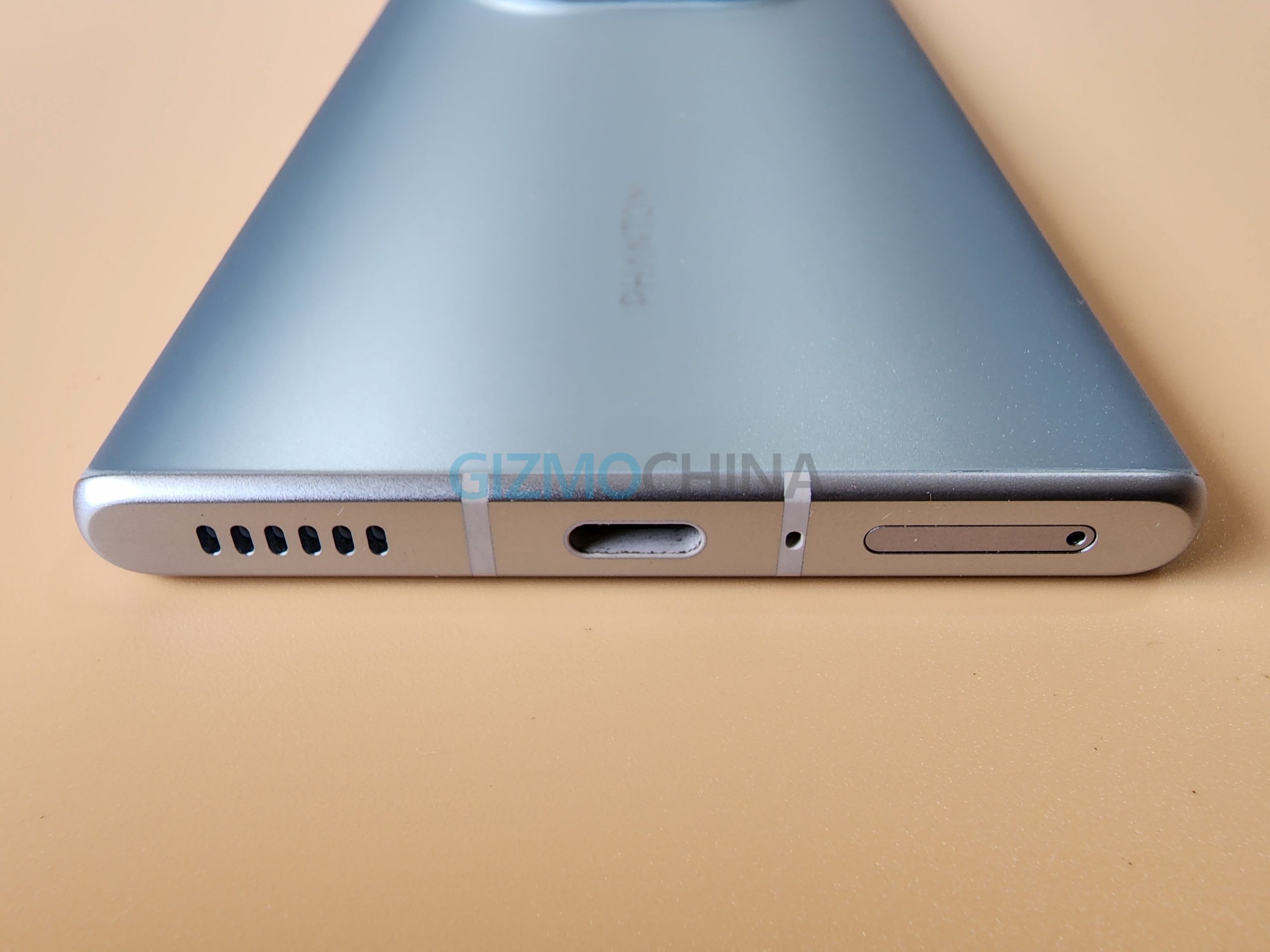
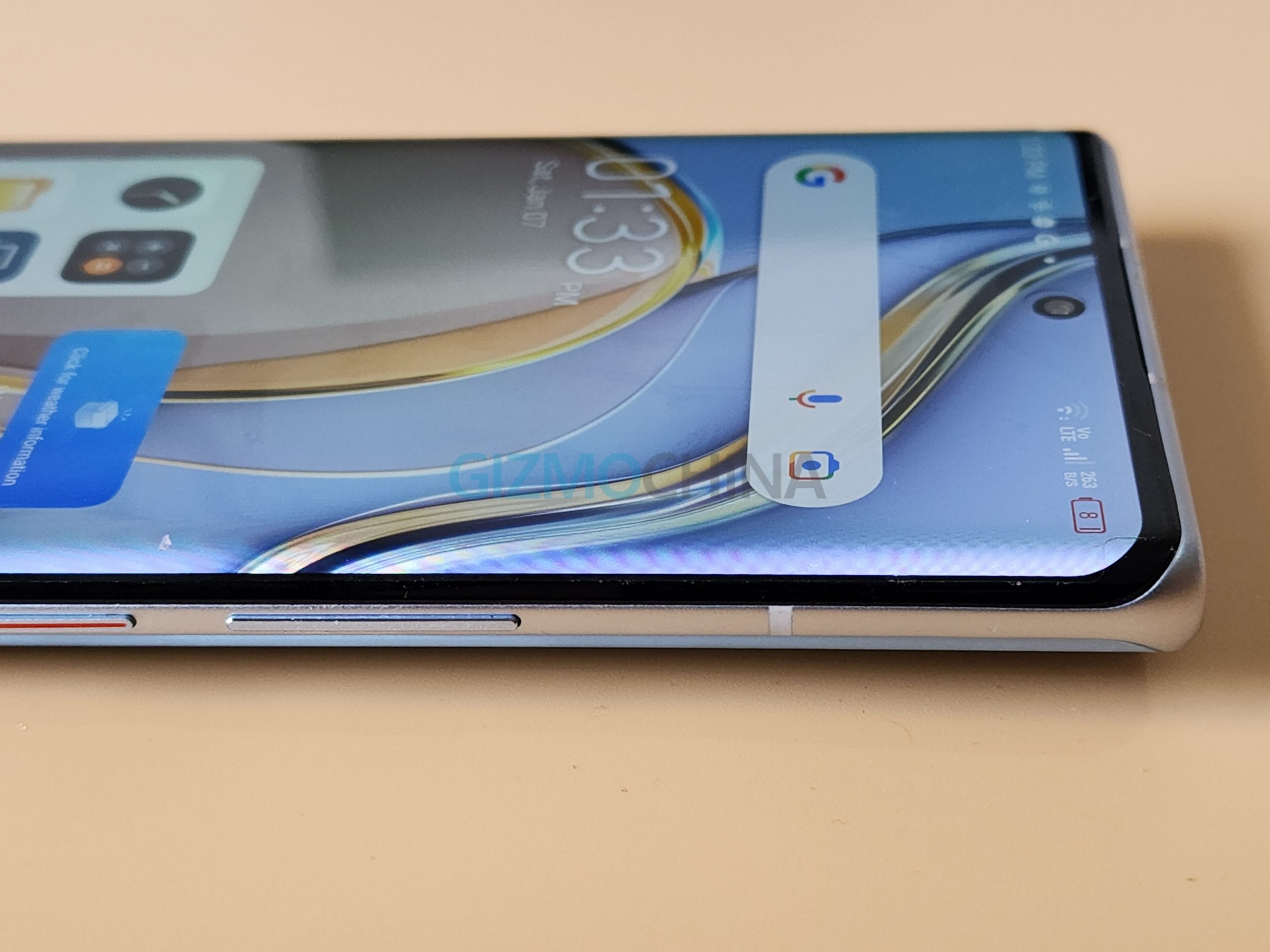
The top edge of the Phantom X2 5G features a microphone. The left side is barren, while the right houses a volume rocker and a power key with a red accent. The bottom edge has a SIM slot, a microphone, a USB-C port, and a speaker grille. It lacks a 3.5mm audio jack, a second speaker for stereo output, and a microSD card slot.
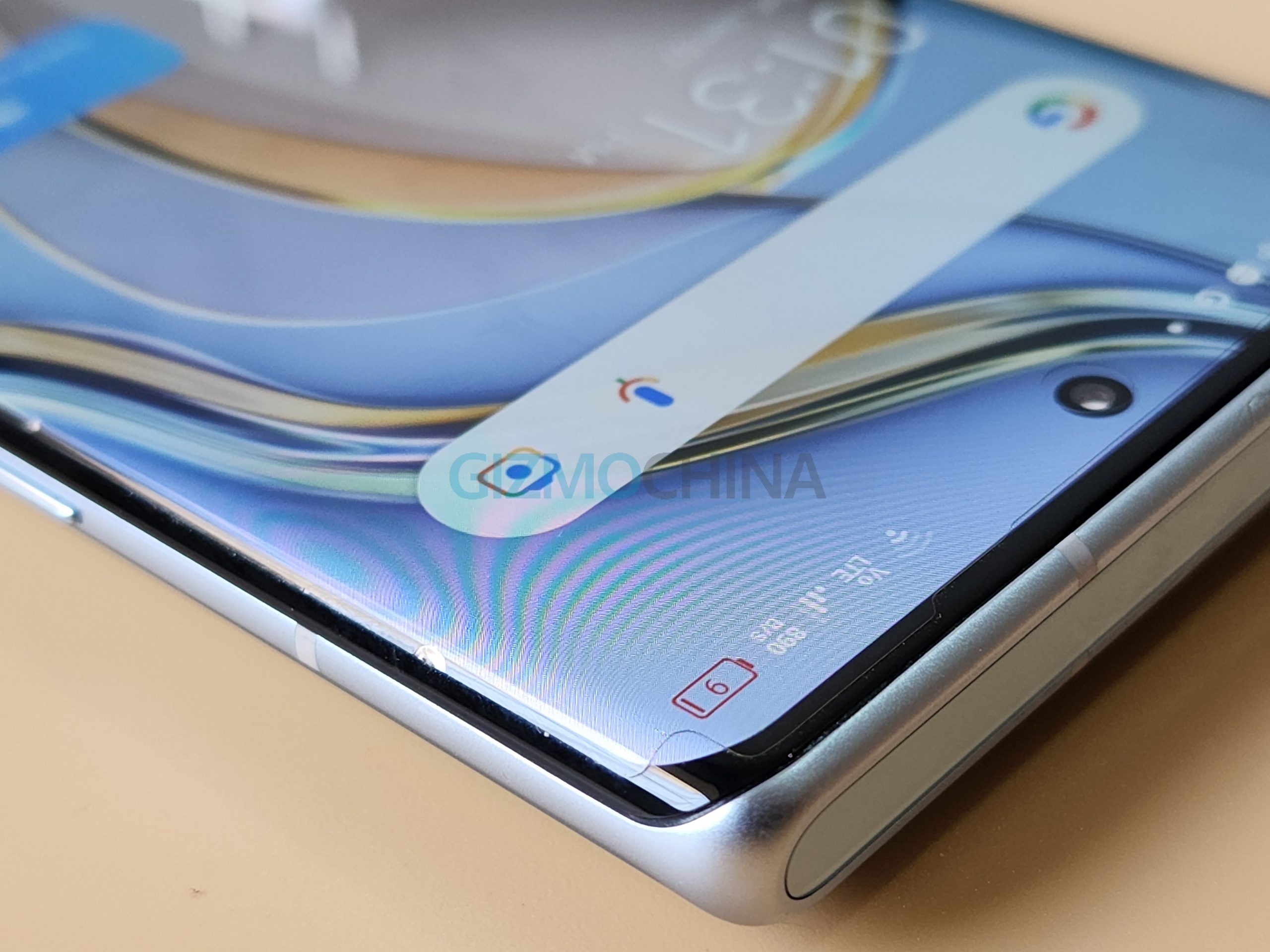
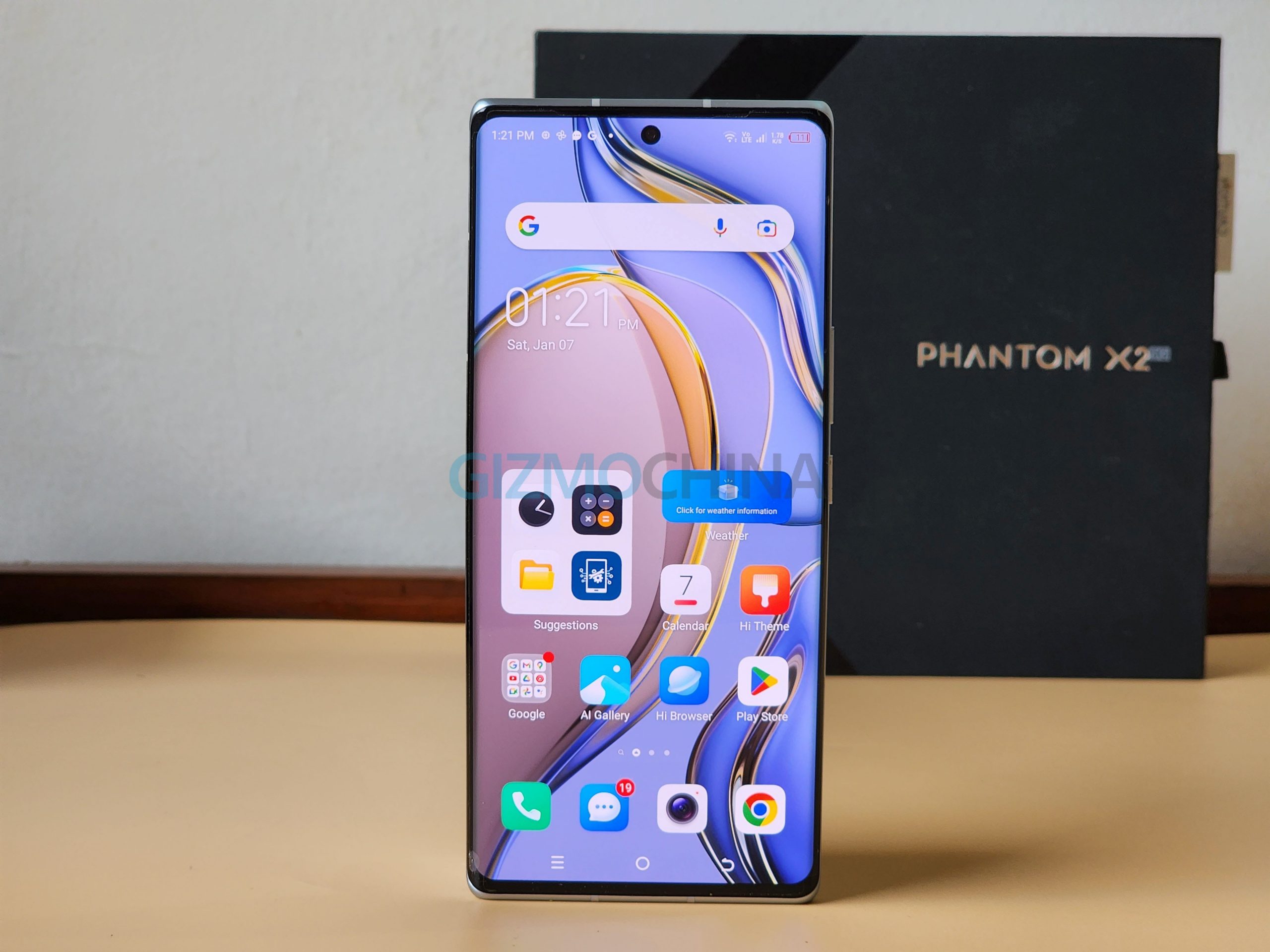
Tecno has a marvellous front, which features a curved edge display with a centred punch-hole. The top and bottom bezels are quite chin and are almost symmetrical. The side bezels appear non-existent thanks to curved edges. Thanks to the slim bezels, it boasts a 93.5 percent screen-to-body ratio, according to Tecno The very look at the phone suggests that it is a premium device. The display is shielded by Gorilla Glass Victus.
The Phantom X2’s display is quite bright and usable in bright sunlight. The adaptive brightness works as expected. There is a high brightness mode for an even clearer viewing experience under strong light. There is an eye-care mode The X2’s screen offers 60Hz, 120Hz, and auto-switch refresh rate modes.
Tecno Phantom X2 5GTecno Phantom X2 5G
Games like Alto’s Adventure work fine in 120Hz refresh rate mode. The two color profiles available on the device, such as Bright Colored and Original Color. The latter works fine but shows a blue tint. The X2 supports Widevine L1 for viewing HD content on OTT platforms. It supports HDR10, HDR10+, and HLG. It can smoothly run 2160p HDR content on YouTube. The position of the under-display fingerprint scanner is fine, and it works accurately.
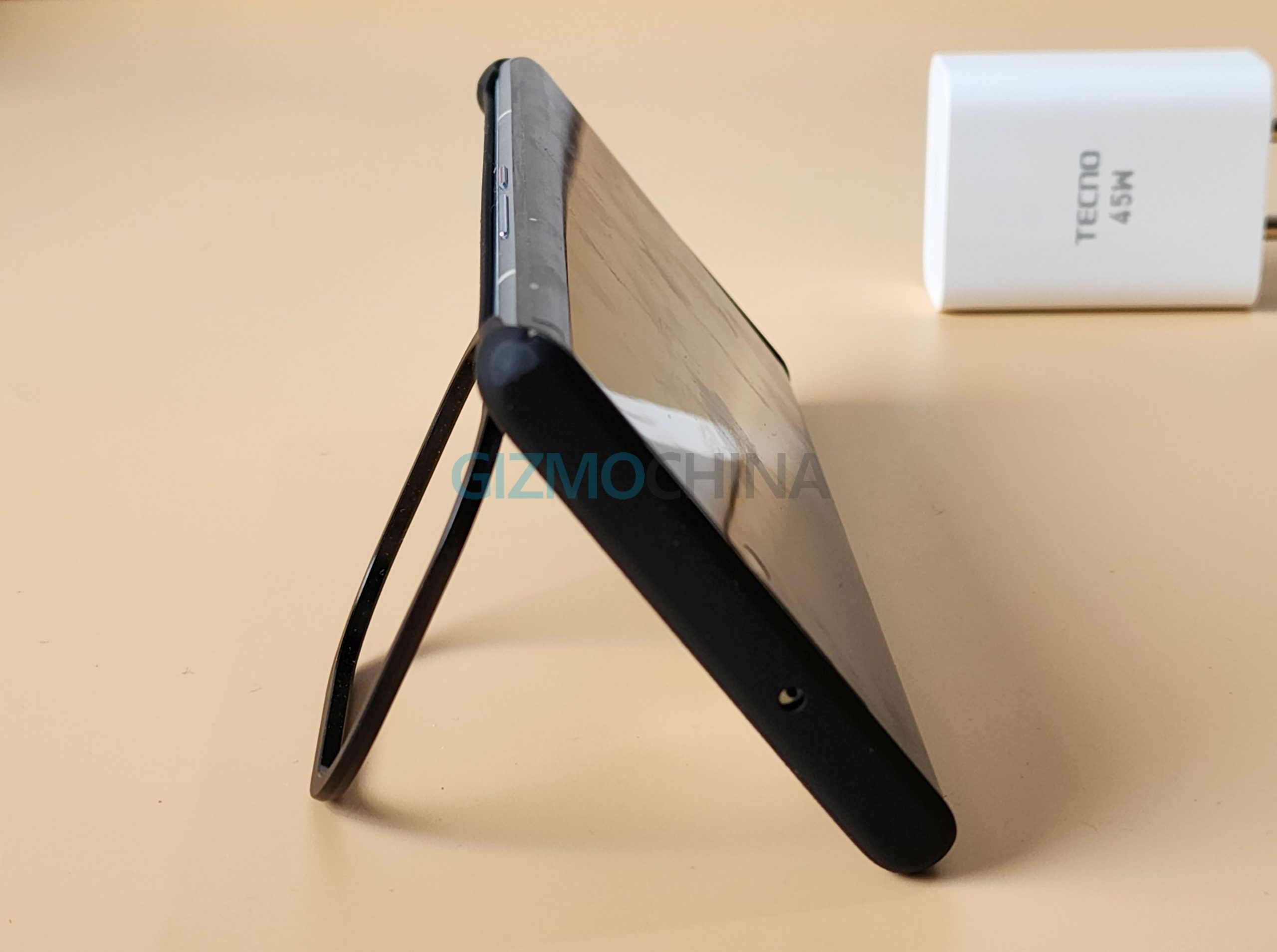
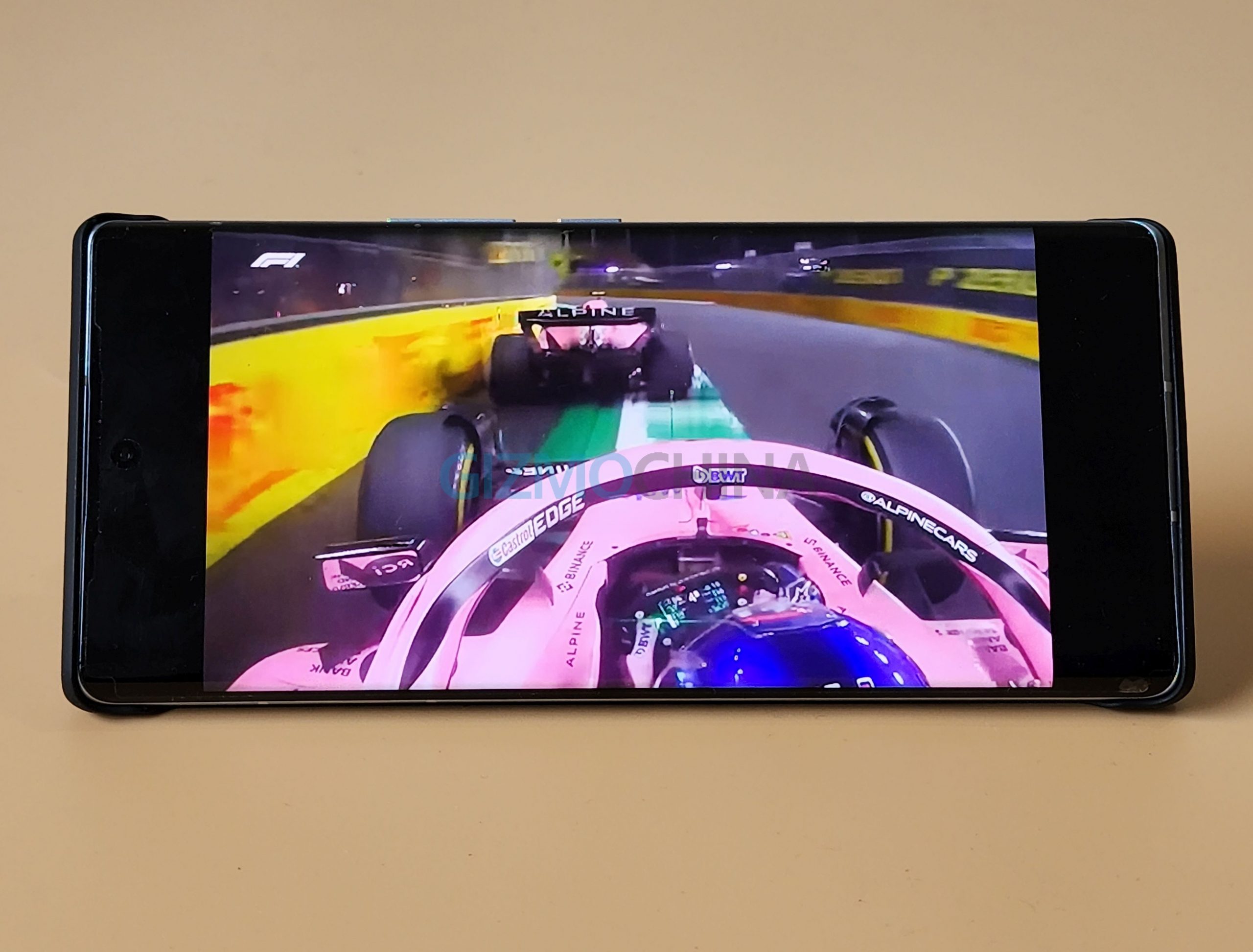
Despite housing a massive 6.8-inch display, it is narrower than other smartphones that have a similar-sized screen. Because it measures 72.7mm in width, it feels good to hold the device. The phone measures nearly 9mm, but it does not feel that thick because of its curvy design. I am using the Samsung Galaxy S22 Ultra, which weighs 228 grams, as my regular phone. Hence, the Phantom X2 5G, which weighs 201 grams, does not feel bulky to me. The spec sheet does not say anything about the IP rating of the device. The kickstand case available with the device has a vegan leather finish. Thanks to the brand for including it in the box, it urged me to watch a lot of content on YouTube / OTT platforms. This would not have been the case had it come with a regular transparent case.
Kickstand caseKickstand caseKickstand caseKickstand caseKickstand caseKickstand case
Performance and Software
Dimensity 9000
5,160mAh battery
8GB of LPDDR5 RAM
45W fast charging
256GB of UFS 3.1 storage
Android 12 OS with HiOS 12 UI
The Phantom X2 5G is the only other phone in India, apart from the Vivo X80, to feature the 4nm Dimensity 9000 chipset. The X90, a flagship phone focused on photography, is priced at Rs 54,999 (~$669). Apart from the inclusion of LPDDR5 RAM and UFS 3.1 storage, it also offers up to 5GB of “Memory Fusion,” which is Tecno’s way of saying “virtual RAM.”
The 5,160mAh battery of the X2 can easily last for more than a day on a full charge. It took around 73 minutes for the device to charge completely. I tested a couple of games, such as Garena Free Fire (Max + High setting), Shadow Fight 4, and Asphalt 9, on the X2, and the phone only became moderately warm after playing for an hour.
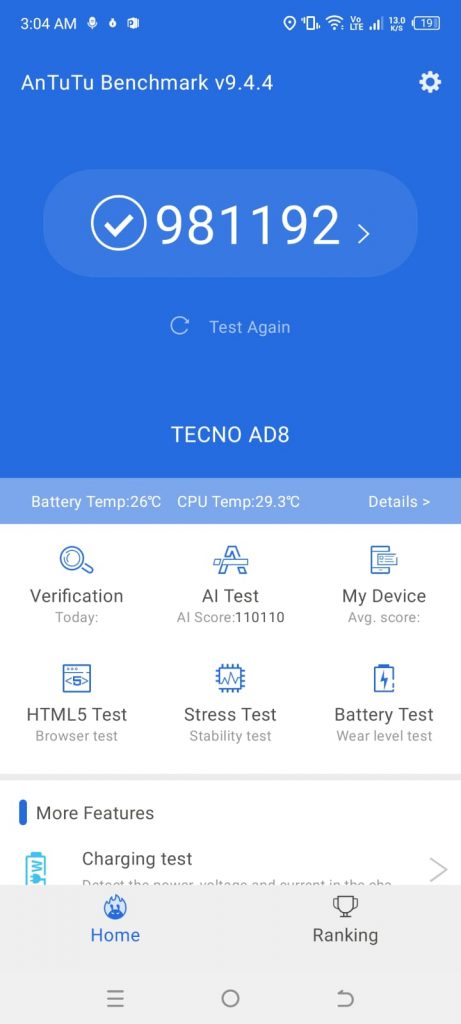
The official website of the Phantom X2 states that it has a vapor chamber cooling system but does not elaborate on it much. I did not encounter any heating issues on the X2. It recorded a very impressive score of 981192 on AnTuTu benchmarks, which reflects the smooth performance it promises.
The HiOS 12 and Android 12 OS feel much better on the Phantom X2 as compared to Tecno’s lower-priced models. Even though it comes with bloatware, some of which can be uninstalled, the notifications from such apps are not very obtrusive. Unwanted notifications. can simply be disabled. The OS is filled with plenty of features, such as call recording feature (without notification), Always-On Display (AOD) options, gesture navigation, app twin (clone Facebook and WhatsApp), smart panel (sidebar apps), multi-window, game mode, video assistant (prevents notifications while viewing a video), game assistant, kids mode, social turbo that offers features like WhatsApp call recording and voice changer, and so on to name a few. In addition, the OneLeap feature allows users to pair the Phantom X2 with a laptop to access features like data sharing, file management, multi-screen collaboration, and reverse network sharing.
On the lock screen, the Phantom X2 gives access to the camera (right corner) and torch (left corner). Swiping left on the homescreen gives access to frequently used apps, a steps counter, tips, important days, and a few more. The X2 comes with Tecno’s Ella assistant preinstalled, which works even if there is no data connection. The app drawer lists the apps from A to Z.
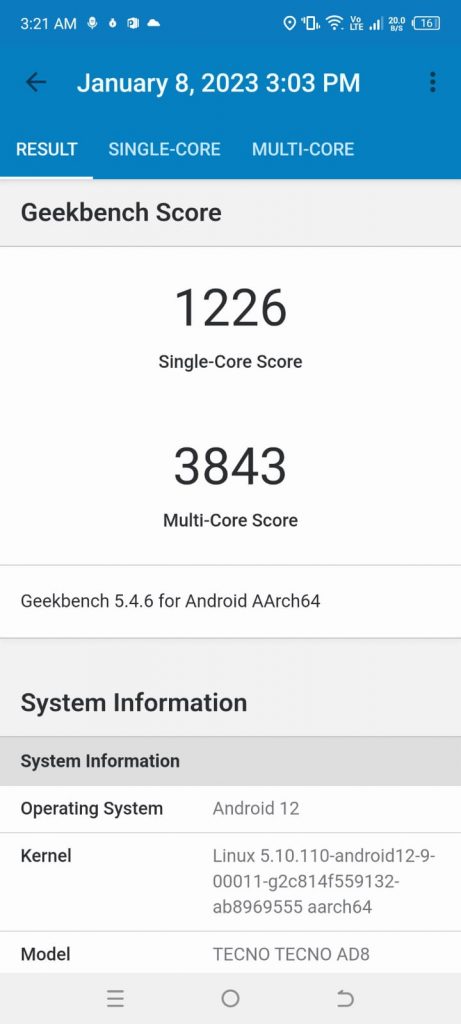
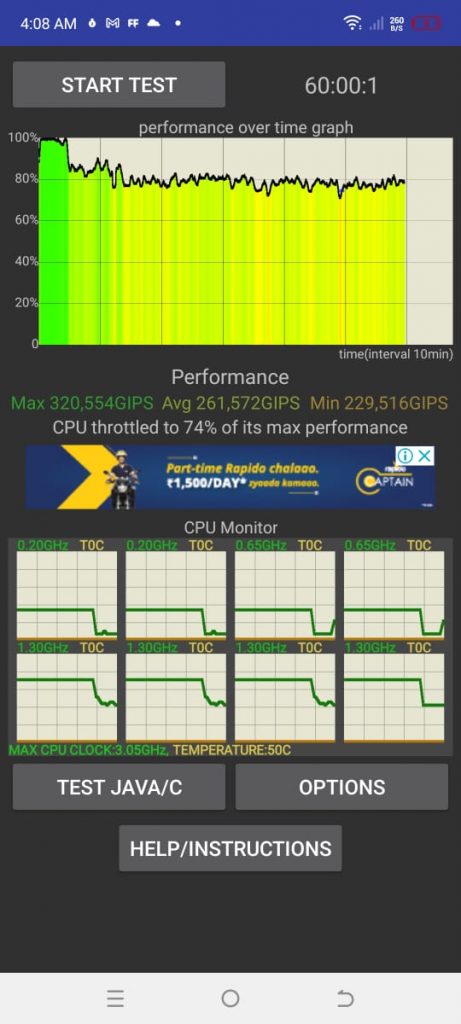
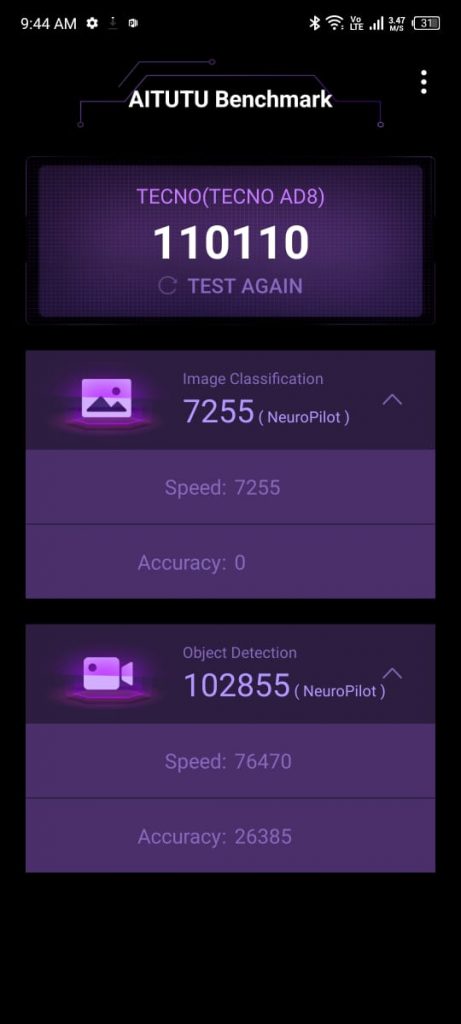
AnTuTuGeekbenchWild Life Stress TestWild Life Exreme Stress TestCPU ThrottleAnTuTu AI benchmark
Searching for “Netflix” on the Play Store shows the following message, “This app won’t work for your device.” However, it can be downloaded from Tecno’s app store, called Palm Store, or by downloading the APK file from Netflix’s official website. Shown above is a look at the screenshots from each of the benchmark apps.
Photography and Other Features
Rear Camera
Other features
Triple camera 6MP Samsung S5KGWBS main camera with OIS
Face unlock
13MP Samsung S5K3L6 ultra-wide less with macro mode
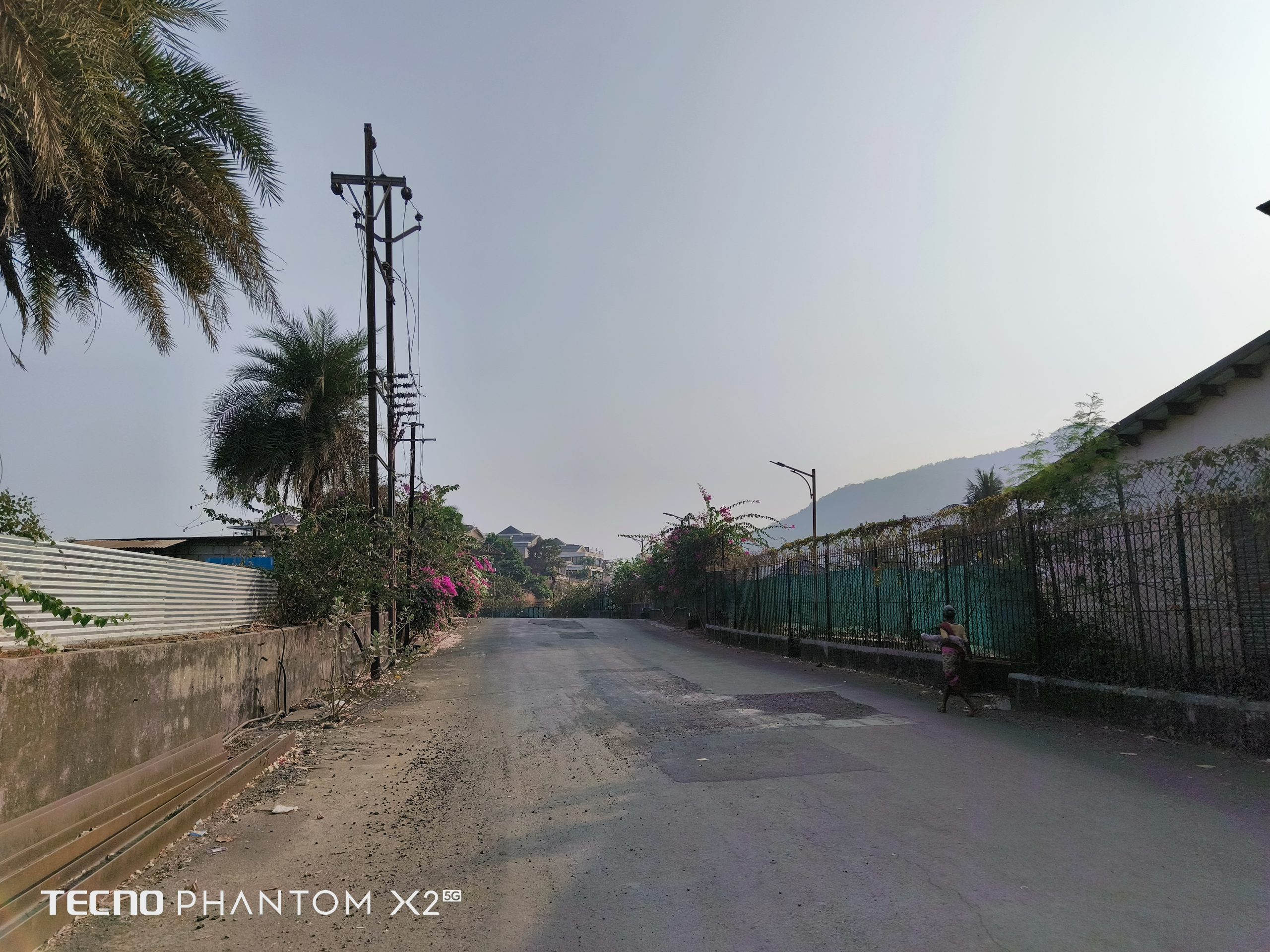
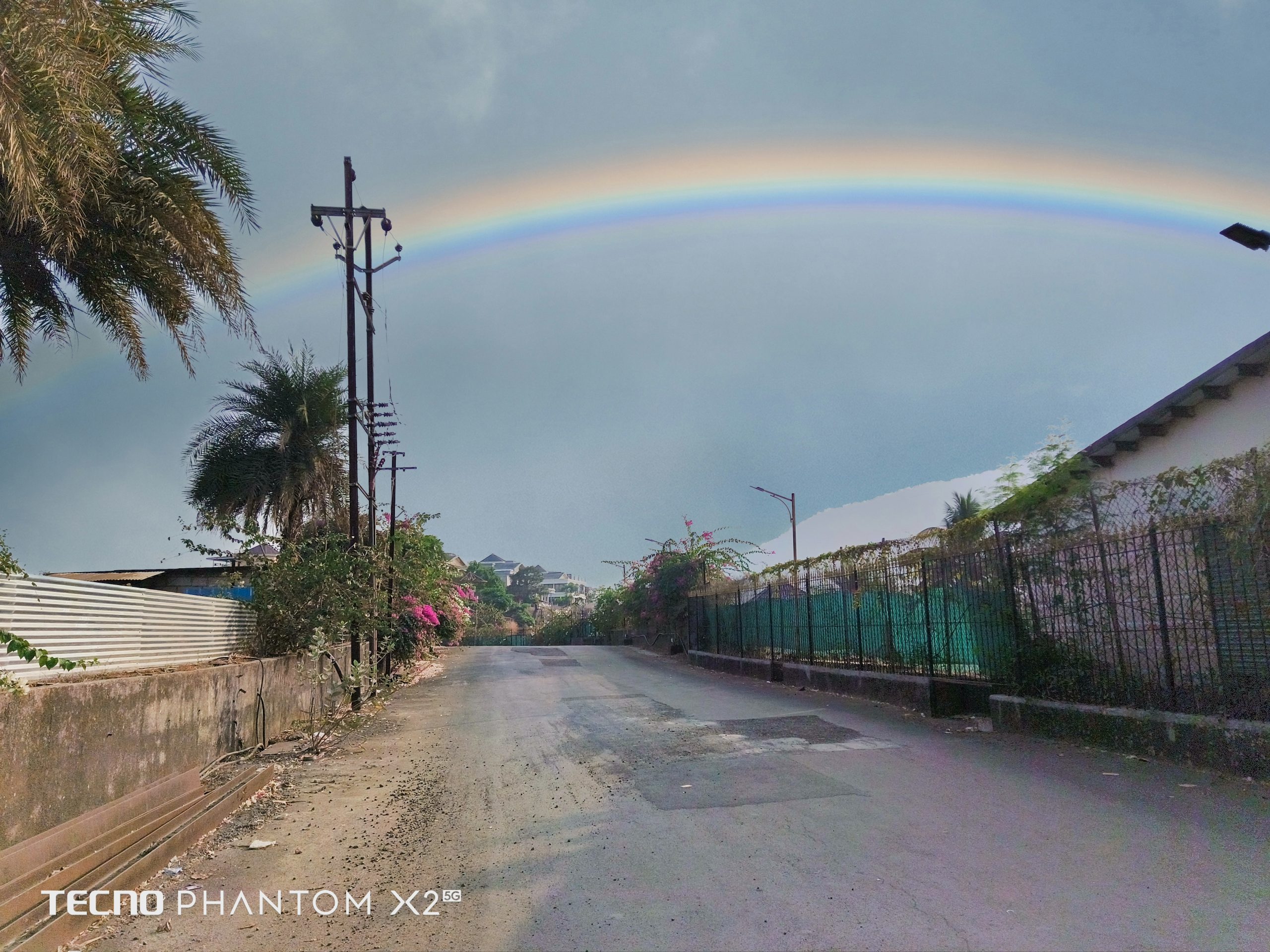
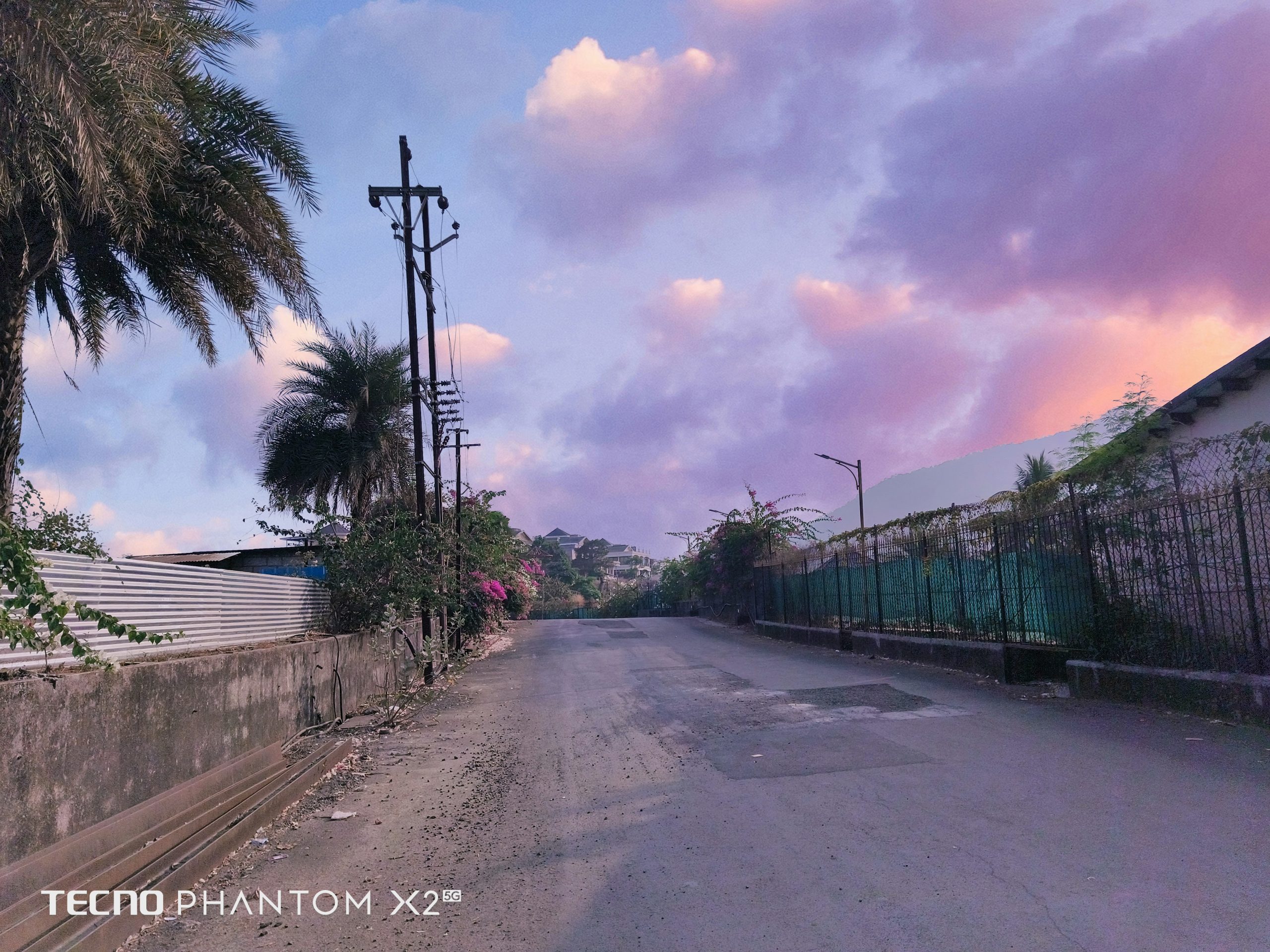
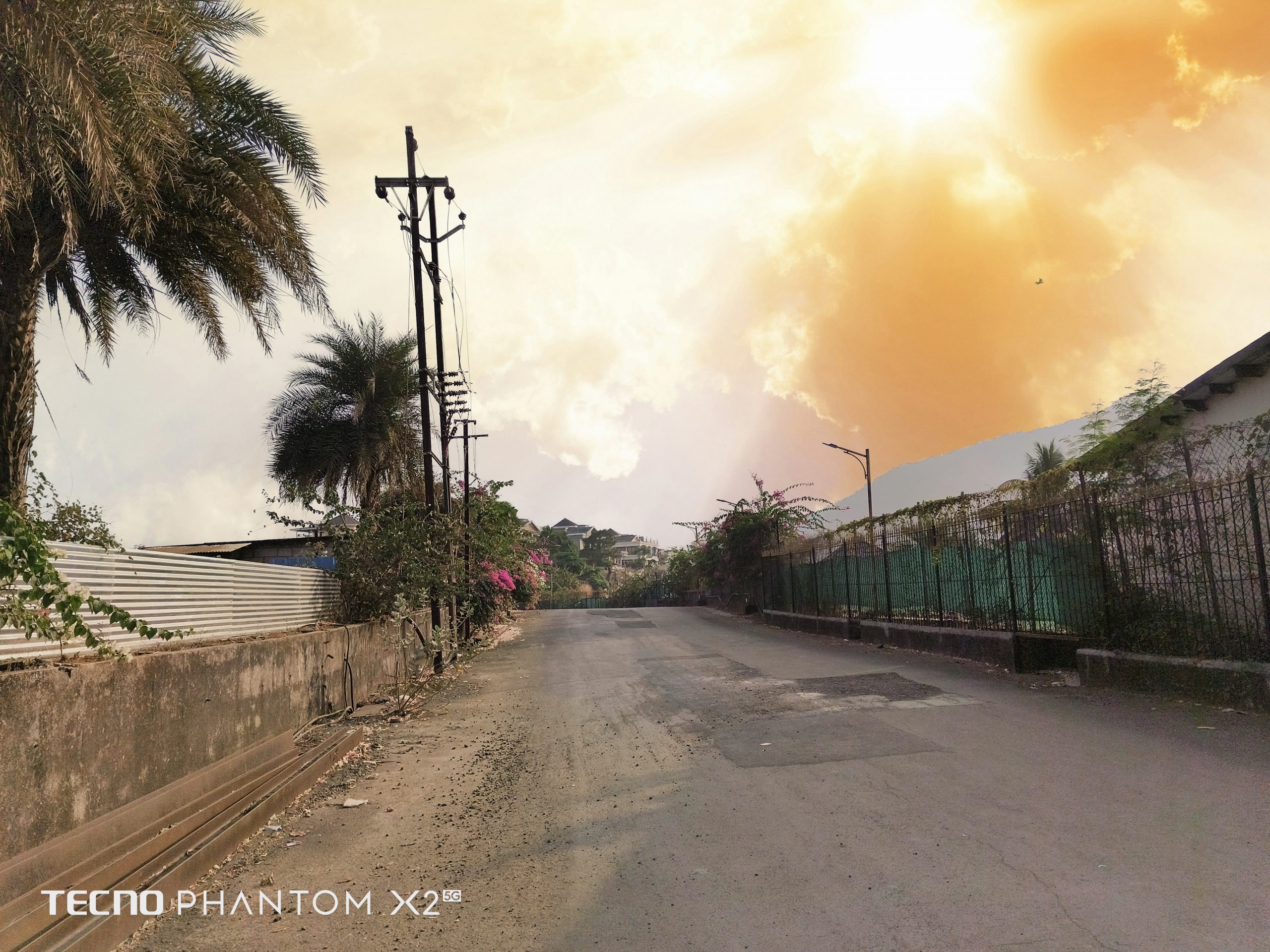
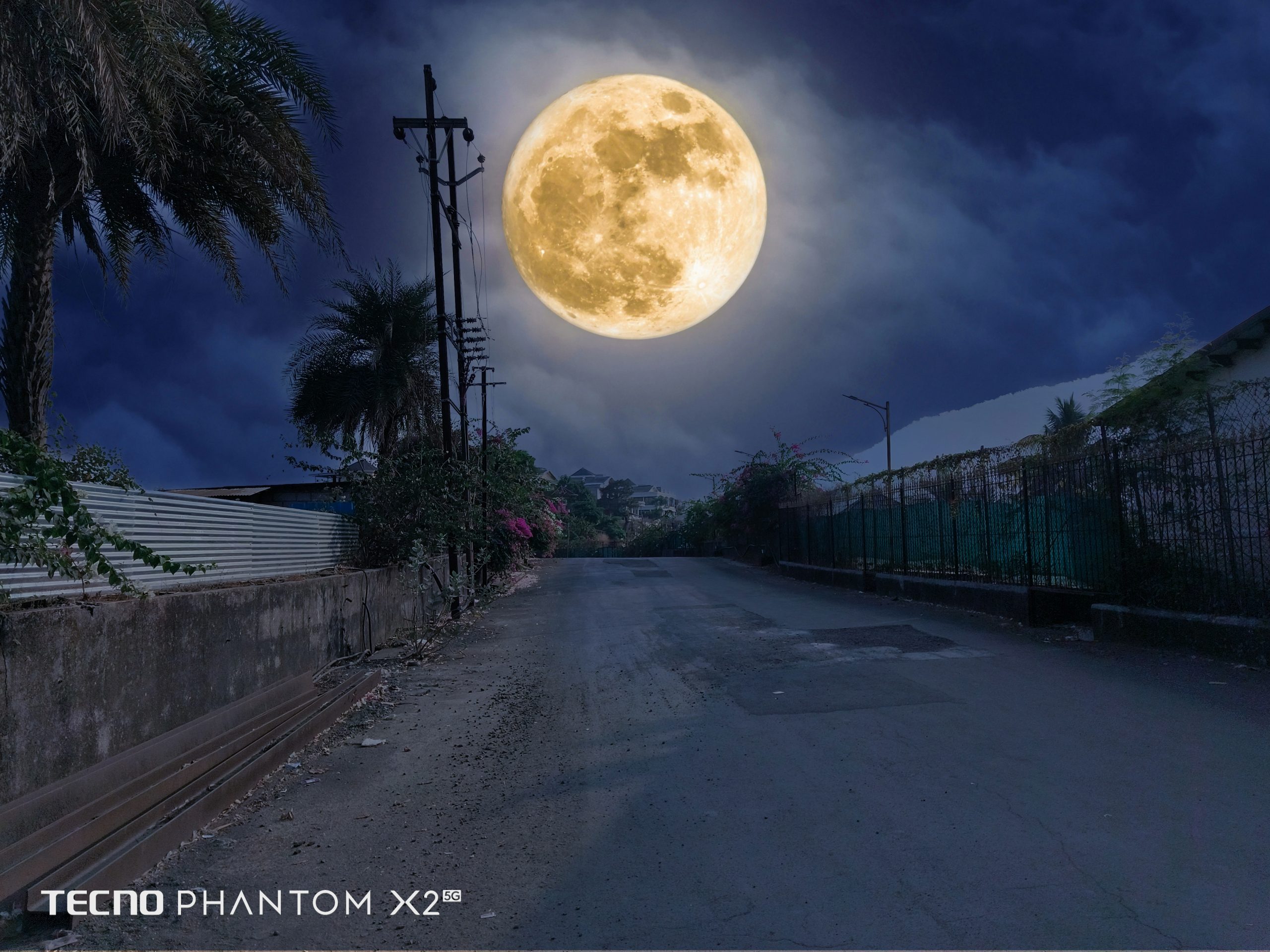
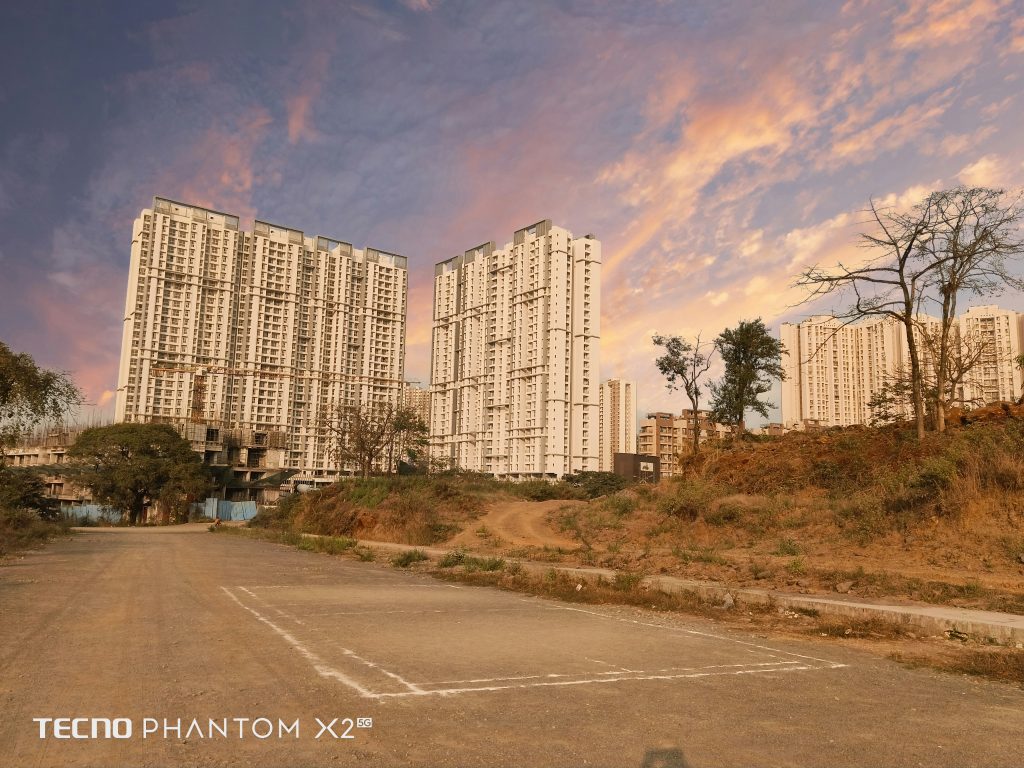
The camera app offers shooting modes, such as AI camera, portrait, super night, video, film, documents (scanner), AR shot, slow motion, panorama, timelapse, sky shop, dual video, and Google Lens. The Pro mode is not available. The film mode offers preset like Vintage, Performance, Street, Sport, and so on for shooting video clips of a few seconds. The Sky mode can be used to add effects like Sunny, Rainbow, Sunset, Twilight, Starry, and more to shots that have the sky in the background. The feature is interesting and works fine. However, if there is a sun or moon in the background, even that is replaced by the selected filter.
OriginalRainbowSunnyRosyCloneTwlightMoonSky mode
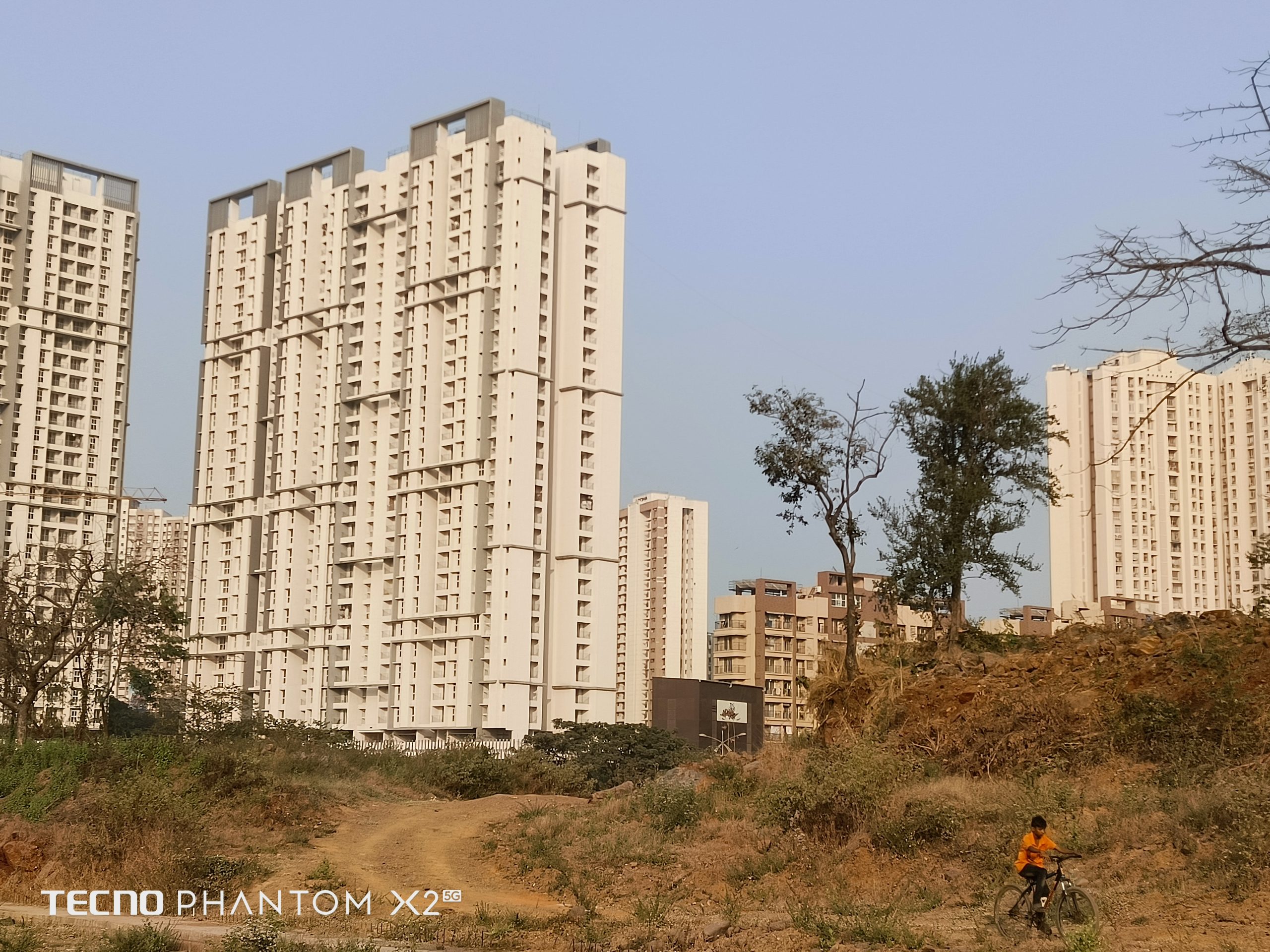
The main camera takes 16-megapixel shots by default with pixel-binning technology. In daylight, the shots come out well with good dynamic range. While the size of regular shots can be around 5MB, when images are shot in 64MP mode, the file size increases to around 17MB. The large file size also means it captures images with more details. Portrait shots also come out well with or without background blur. It supports 2x to 10x digital zoom. The image produces softer results as the zoom is increased. However, the zoom shots are passable.
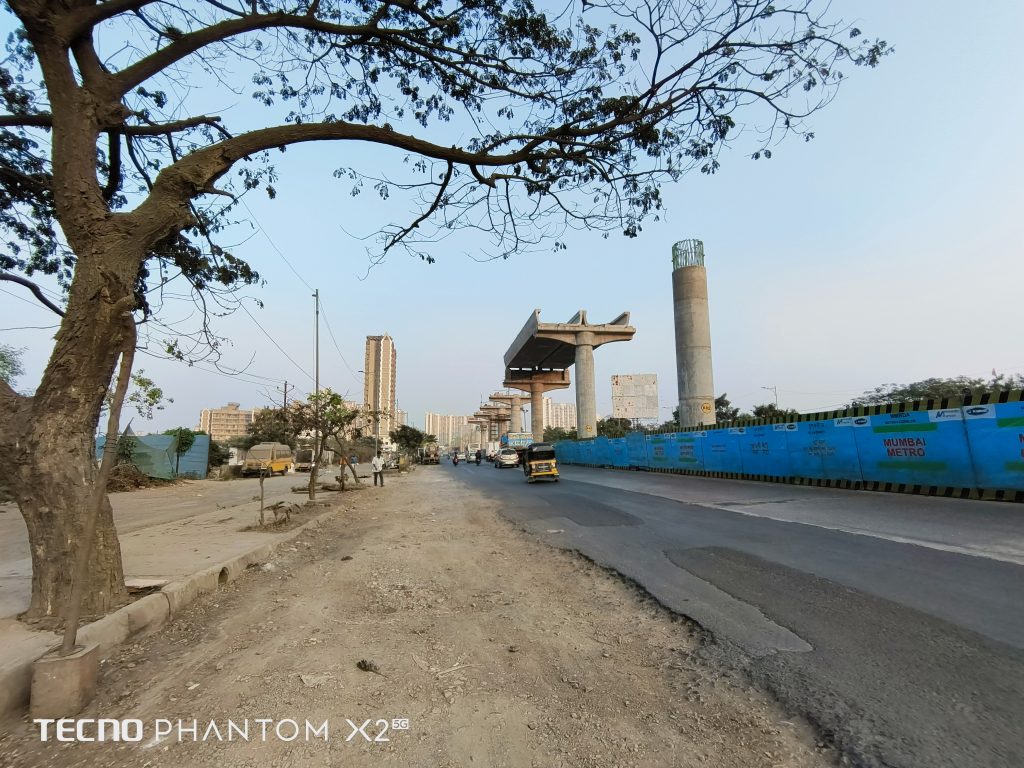
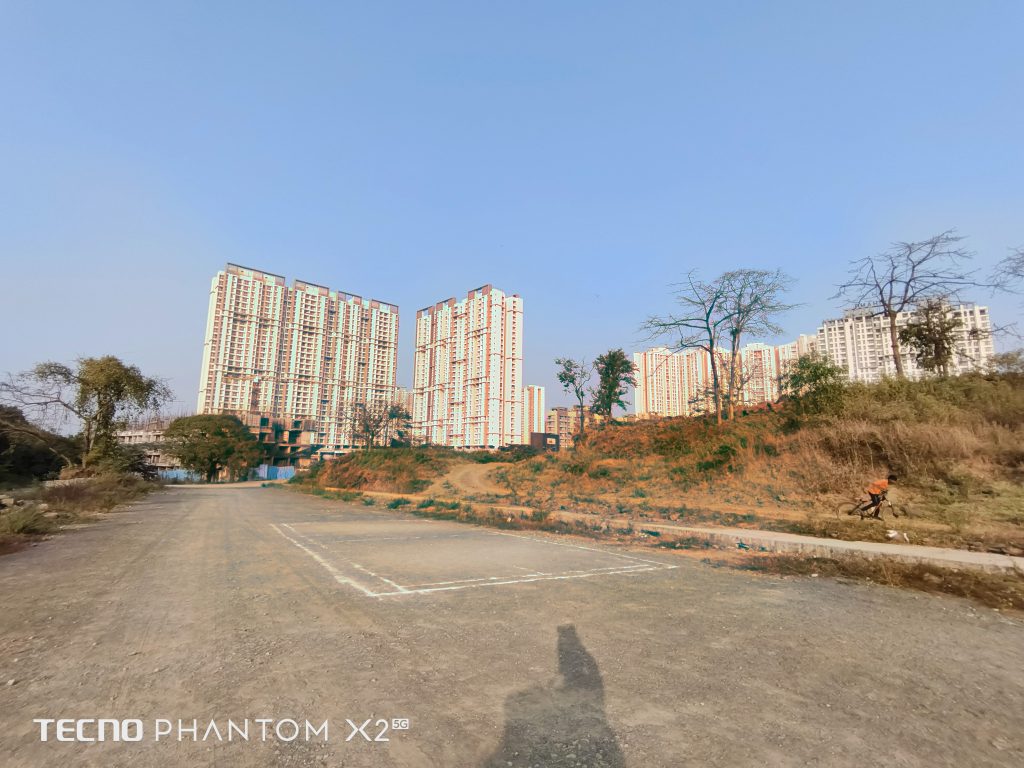
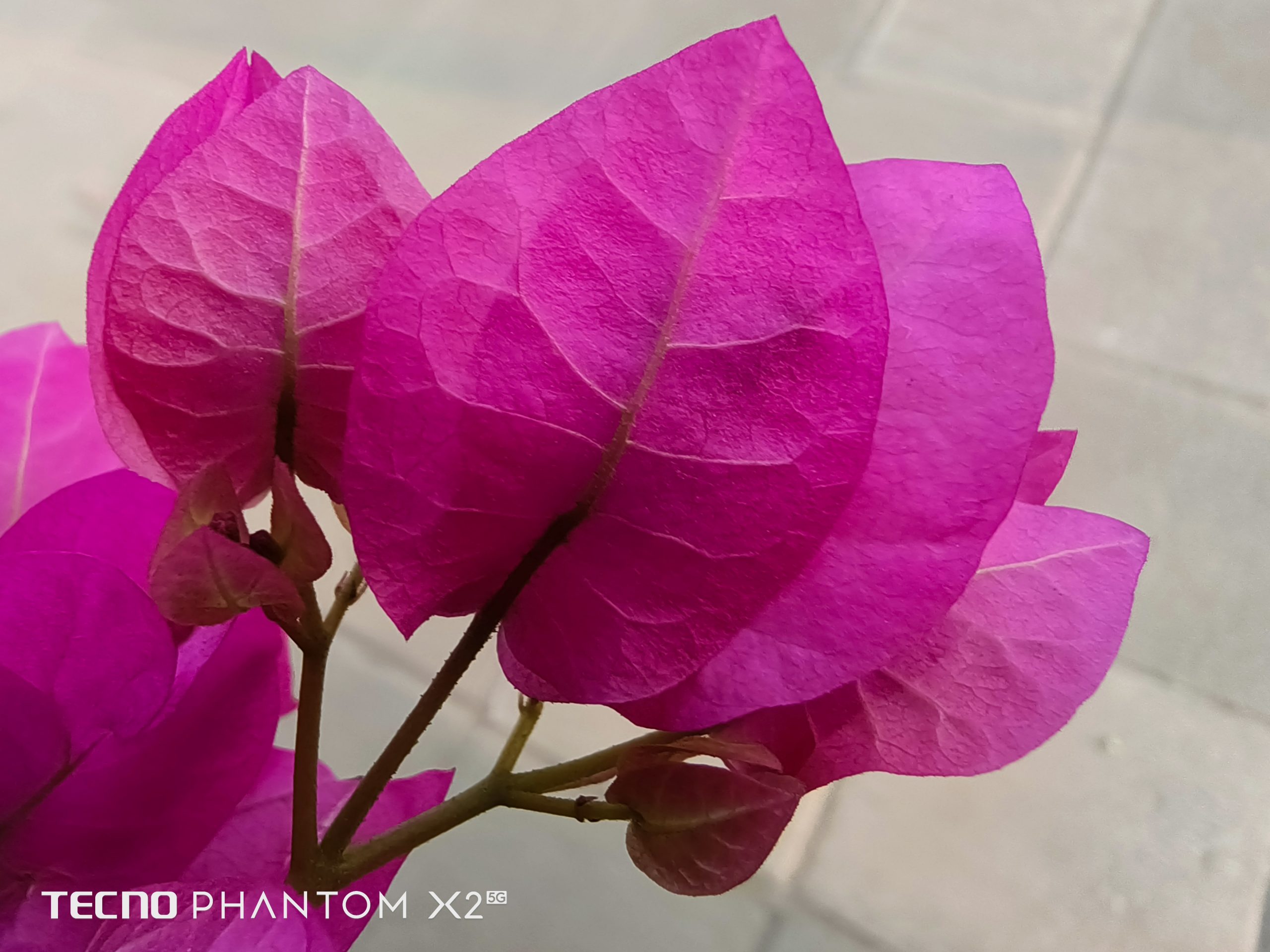
The ultrawide shots of the Phantom X2 are also impressive in brighter conditions. Images appear as good as if they were taken from the main camera. The support for autofocus enables the ultra-wide to capture macro shots. The X2 can shoot some good-quality macro shots.
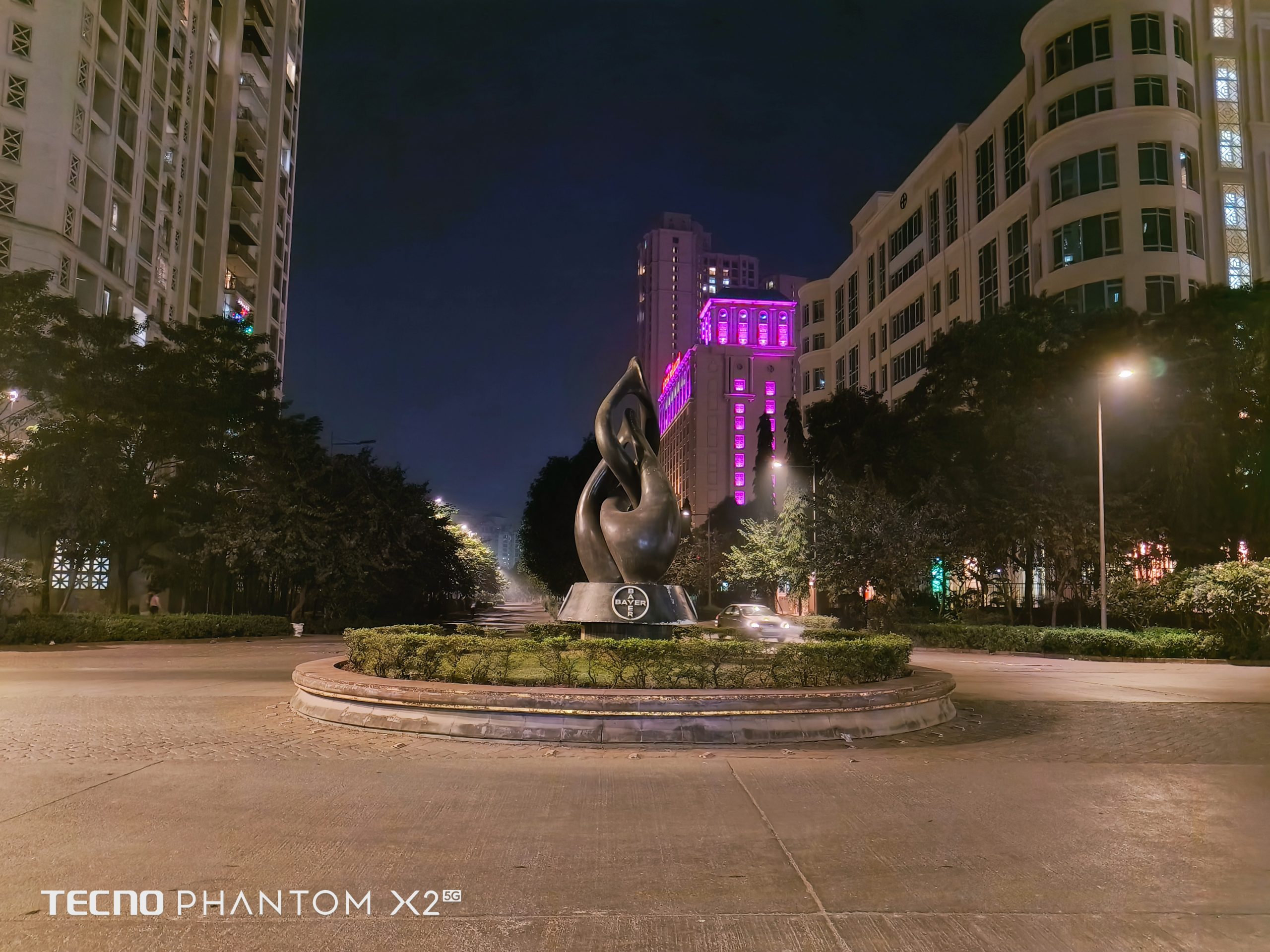
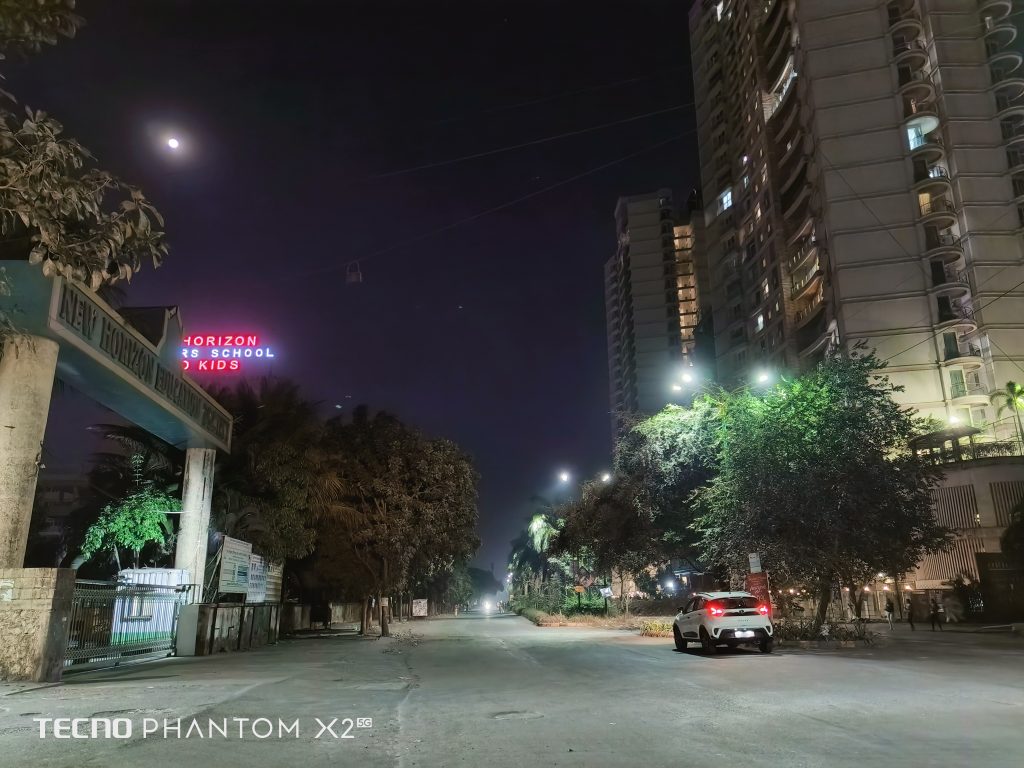
The main snapper performs well in low-light conditions, with realistic colors, a good dynamic range, and less noise. The Super Night Mode takes a few more seconds to capture a shot but does well at enhancing the images when there are light sources. The ultra-wide camera does not impress in dim lighting conditions, but when there is enough light, the results are better.
The Phantom X2 can capture up to 4K at 60 fps with good details and clarity. However, Ultra-Steady video and bokeh effect are available for up to Full HD 30fps video. Ultra-wide video (Full HD) can be captured with Ultra-Steady mode on. The videos captured with the main camera have more detail and better color reproduction in both bright and low-light conditions. The color reproduction in ultra-wide videos is good, but the amount of noise is easily noticeable in when there isn’t enough light.
portrait selfieSelfieLow lightLow lightRegularLowi lightSuper night modeLow lghtLow lightLow lightSuper night mode
The 32-megapixel front camera captures detailed selfie shots. It offers various features like background blur, filters, HDR, super mode, AR shot, and adjustable LED flash via a slider. In any lighting condition, the front camera captures 32-megapixel shots in portrait mode. The standard selfie has an 8-megapixel resolution.
The front camera can shoot up to 1080p at 60 fps. Ultra-Steady video stabilization is only available for videos up to 1080p at 30 fps. Skin tones appear natural, and colors appear vibrant in selfie videos. However, it slightly struggles when adding bokeh effects to videos. The front camera also supports time-lapse and up to 960 fps slow-motion videos. The front camera captures decent shots with natural skin tones in areas with less light. Overall, the X2 does not disappoint in the photography department.
Tecno should have offered another speaker on the Phantom X2 for stereo output. Nevertheless, the sound output through the bottom-firing is not bad. Speaking of sound, the device is equipped with DTS Sound support. Not many flagship phones have FM radio onboard. Well, the Phantom X2 has it. It is equipped with various sensors, such as a proximity sensor, ambient light sensor, 3-axis accelerometer, 6-axis gyroscope, proximity sensor, and compass. I did not encounter any issues with these. The USB-C port supports USB 2.0 transfer speeds. The Wi-Fi and other connectivity features work fine. The in-screen fingerprint scanner also works well as it can unlock the X2 without any delay.
Tecno Phantom X2 5G
Verdict
The Tecno Phantom X2 has an eye-catching design, offers a decent photography experience, and delivers good performance. In addition, the device will be receiving two major software updates. Aside from a few missing features, such as no IP rating and no secondary speaker, the Phantom X2 remains an appealing bargain at Rs 39,999 (~$487). While many brands do not even provide a charger along with the phone, Tecno should be appreciated for adding some goodies like a kickstand case and earphones in the Phantom X2’s box. I can’t think of any brand providing such accessories with the phone these days.
In addition, the Phantom X2 buyers in India can benefit from multiple offers, such as a Rs 5,000 (~$61) additional discount on smartphone exchange, 12 months of Amazon Prime membership, and no cost EMI starting at Rs 6,667 (~$81) per month. In addition, buyers will receive a 12-month warranty and 100 days of free screen replacement. Those who pre-ordered the X2 between Jan. 2 and Jan. 8 are eligible for a free upgrade to the Phantom X3, which is expected to launch later this year.
Some of the other phones that are currently available in a similar price range include the OnePlus 10R 150W, Realme GT Neo 5 150W, iQOO 9 5G, and Asus ROG Phone 5s. The gaming-focused ROG Phone 5s (8GB+128GB) is the only phone that comes close to the Phantom X2, but it is an older phone from 2021 featuring an older Snapdragon 888 Plus chip. The OnePlus 10R and Realme GT Neo 3 have the Dimensity 8100 chip, while the iQOO phone has the Snapdragon 888+.
Disclaimer: The opinions expressed in this Tecno Phantom X2 review are solely mine based on my experience, and there has been no editorial input from Tecno.
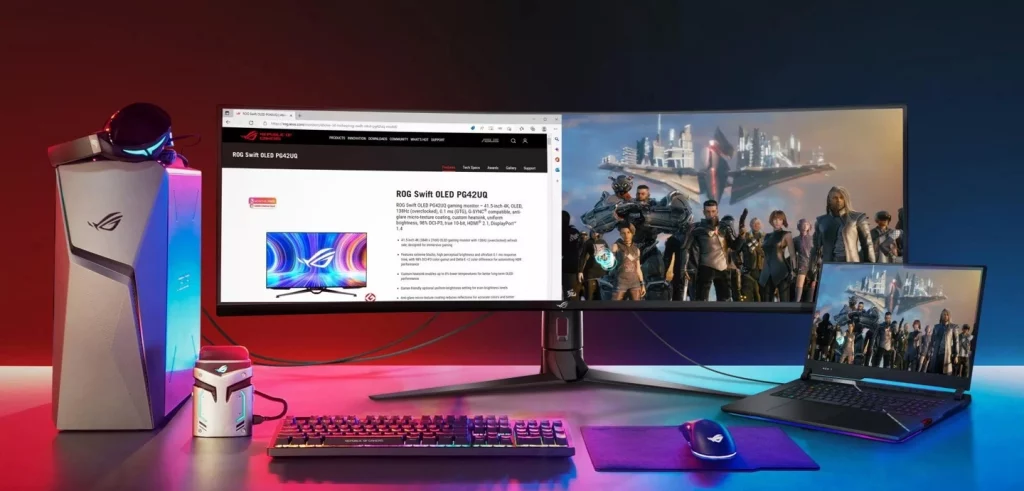
Taiwanese tech giant ASUS unveiled a new super-ultra-wide display at CES 2023 dubbed the ROG STRIX XG49WCR monitor. The monitor packs a 49-inch ultra-wide curved screen with a resolution of 5120×1440 pixels and a screen aspect ratio of 32:9. The display can be seen as two 27-inch 1440p screens seamlessly installed as a single monitor. You can see everything clearly because of the monitor’s 1800R curvature, which wraps the display around the edge of your field of view.
The huge screen also has a relatively high refresh rate of 165Hz, which is supported by adaptive-sync for VRR from both NVIDIA and AMD systems. Other features include an expanded color gamut with 125% sRGB coverage and factory calibration with dE <2.
In terms of connectivity, DisplayPort 1.4, HDMI 2.0, USB type-C, USB data ports, and even an Ethernet connector are among the connectivity choices. The XG49WCR’s built-in RJ45 connector also allows it to function as a dock for laptops, enabling network connectivity through a single USB-C connection. The USB type-C interface supports a 65W reverse power supply. Thus, it will charge your laptop while accepting a display signal and connecting you to the accessories you have connected to the inbuilt USB hub of the display.
The screen incorporates a Smart KVM switch, which allows the user to effortlessly swap control between two devices connected to the display using a keyboard and mouse. When you move your pointer from one side of the screen to the other, the ROG Strix XG49WCR will automatically swap control from one machine to the other using Smart KVM, eliminating the need for manual switching.
There are reports that ASUS will release the ROG STRIX XG49WCR Monitor in the second quarter of this year and it will be priced at around 1199 Euros.
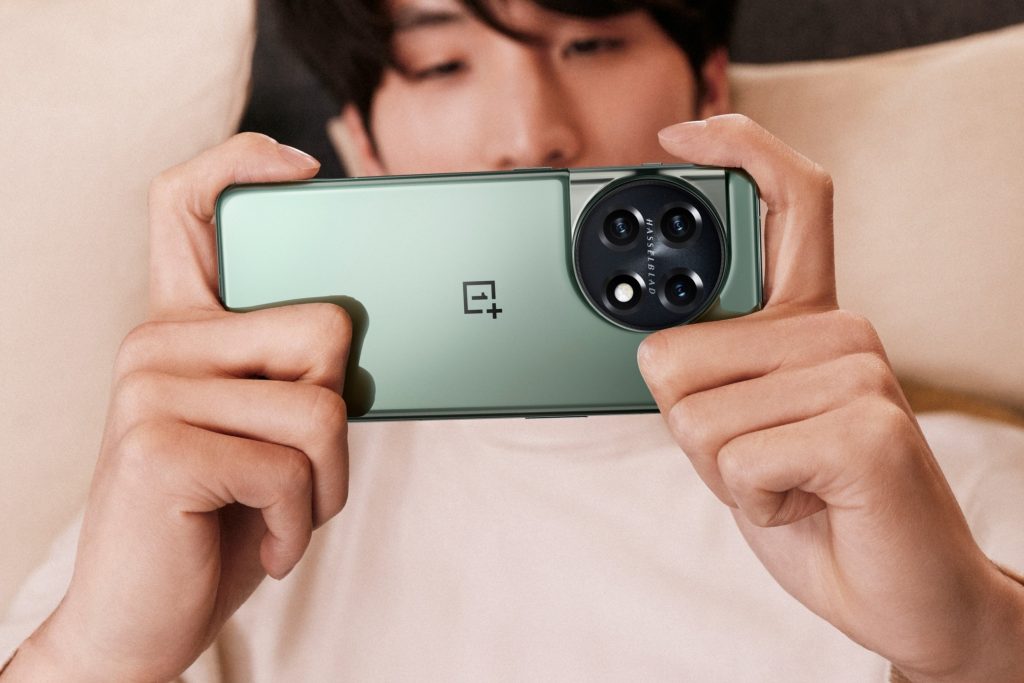
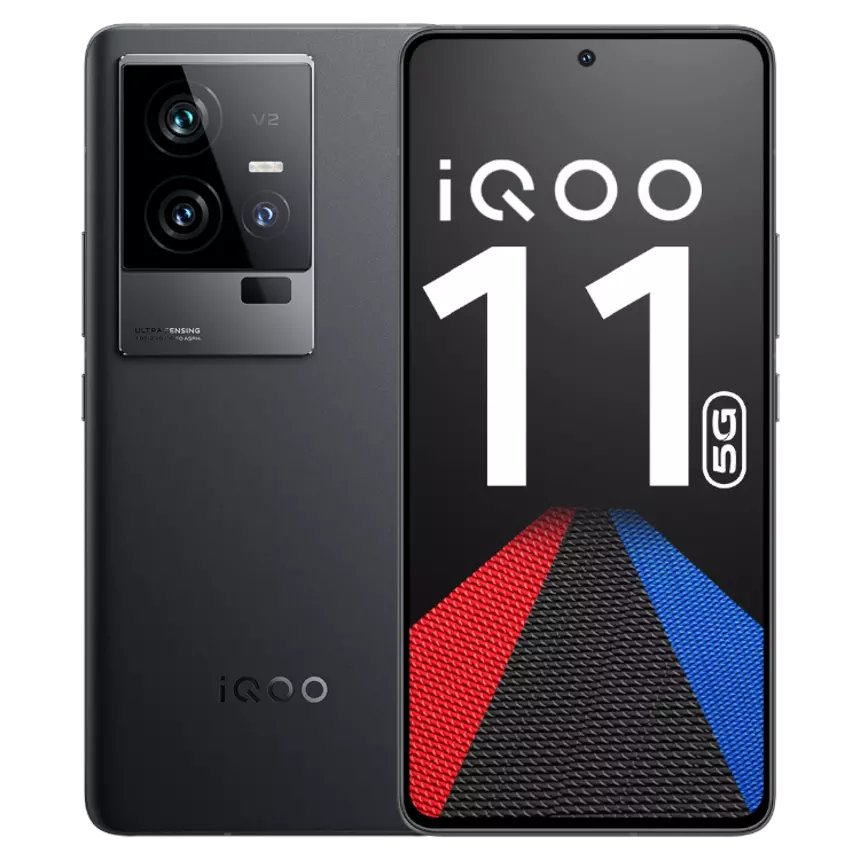
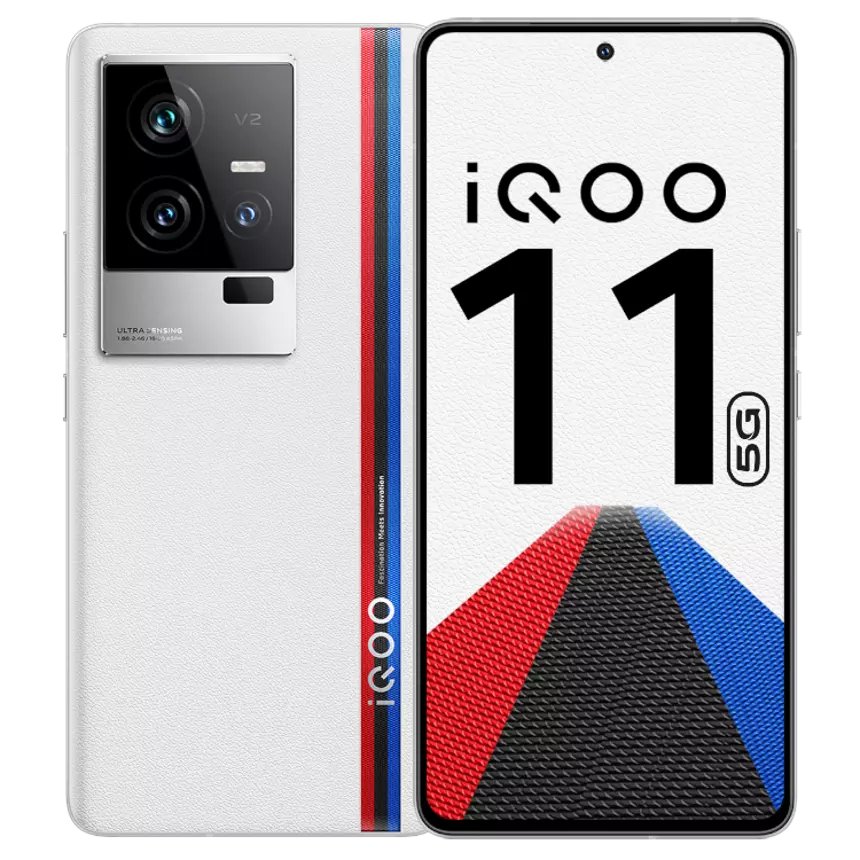
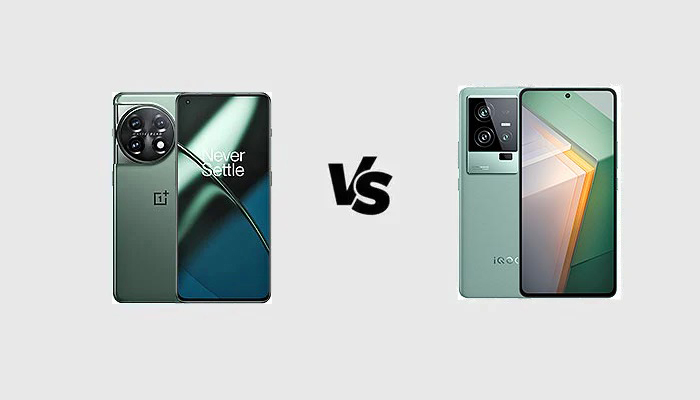
Two 11 series flagships made their debut in just a month: the OnePlus 11 and the iQOO 11. And they are actually sold in the same price range. They are flagship phones, but not premium ones: more like flagship killers. However, they still come with several premium specifications, including very advanced displays and cameras. Given that their prices do not differ so much, a lot of people are wondering which of these phones is the best. That is exactly the reason why we are coming to help. Here you can find a comparison between the main specifications of the OnePlus 11 and the iQOO 11. Note that the iQOO 11 also comes in a Pro variant, while the OP 11 does not. However, the Pro variant is much better than both as it is a top-tier flagship phone, so we won’t include it in this comparison.
OnePlus 11 vs Vivo iQOO 11
OnePlus 11
Vivo iQOO 11
DIMENSIONS AND WEIGHT
163.1 x 74.1 x 8.5 mm,
205 g
164.9 x 77.1 x 8.4 mm,
205 g
DISPLAY
6.7 inches, 1440 x 3216 pixels (Quad HD+), AMOLED
6.78 inches, 1440 x 3200 pixels (Quad HD+), AMOLED
Triple 50 + 32 + 48 MP, f/1.8 + f/2.0 + f/2.2
16 MP f/2.4 front camera
Triple 50 + 13 + 8 MP, f/1.9 + f/2.5 + f/2.2
16 MP f/2.5 front camera
BATTERY
5000 mAh, fast charging 100W
5000 mAh, fast charging 120W
ADDITIONAL FEATURES
5G, dual SIM
5G, dual SIM
Design
Which design should you prefer? It is mostly a matter of taste. Personally, I would go for the OnePlus 11 because its design is more original. It comes with a circular camera module, unlike a lot of phones out there equipped with a square-shaped camera module. Further, it is slightly more compact than its rival and it has a premium glass back. On the other hand, you should note that the iQOO 11 comes in a special color variant dedicated to BMW M Motorsport: it is very suggestive with its vertical stripe reminiscent of a sports car. So if you love cars, then you may prefer this phone to the OnePlus flagship.
Display
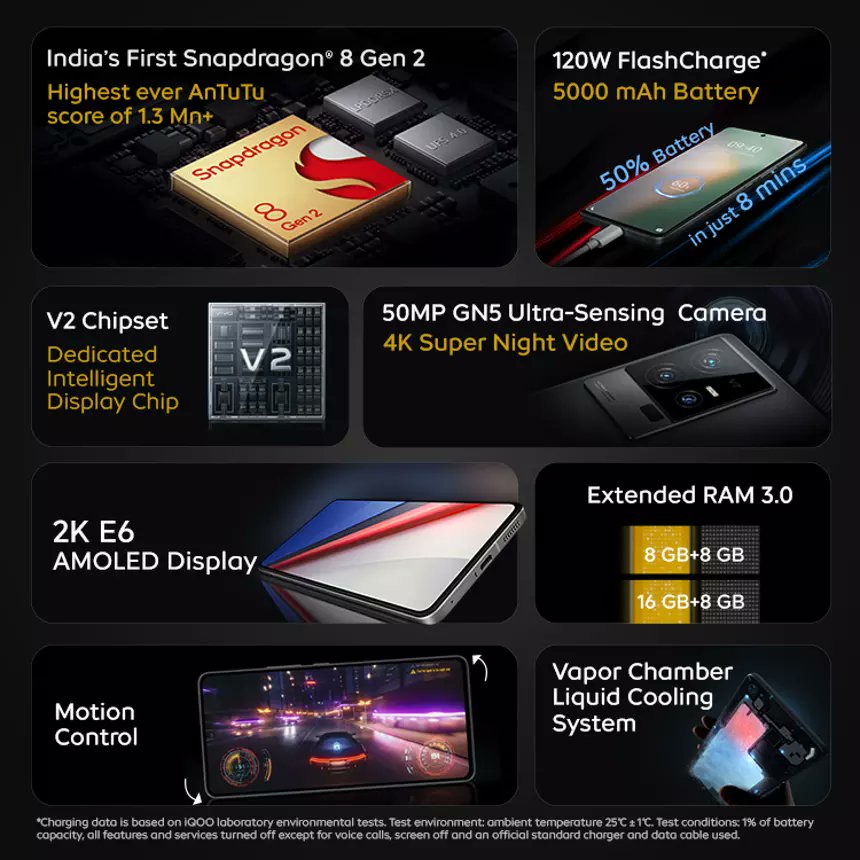
The display found on the iQOO 11 is actually better than the one found on the OnePlus 11. It is an AMOLED panel able to show up to one billion colors with a diagonal of 6.78 inches, a Quad HD+ resolution of 1440 x 3200 pixels, a 144 Hz refresh rate (it is an adaptive refresh rate thanks to the LTPO 4.0 technology), HDR10+ certification, a peak brightness of 1,800 nits, and an in-display fingerprint reader. The OnePlus 11 has an AMOLED display with a diagonal of 6.7 inches, a Quad HD+ resolution of 1440 x 3216 pixels, a 120 Hz refresh rate, HDR10+ certification, a peak brightness of 1,300 nits, and an in-display fingerprint scanner. You can clearly see from the specifications which one is the best.
Specs & Software
With these two phones, you can actually get the same hardware department. They are fueled by the Snapdragon 8 Gen 2 mobile platform built with a 4 nm production process and sporting an octa-core architecture. The chipset is composed of a Cortex X3 CPU running at a max frequency of 3.2 GHz, two Cortex A715 cores, two Cortex A710 cores, three Cortex A510 cores, and an Adreno 740 GPU. Alongside the SoC, there are up to 16 GB of LPDDR5X RAM and up to 512 GB of UFS 4.0 native storage. The iQOO 11 comes in more configurations (including one with UFS 3.1 native storage), but the highest-end configuration is the same. These devices run Android 13 out of the box with highly customized user interfaces on top: OxygenOS and Funtouch OS / OriginOS, respectively.
Camera
The most advanced camera belongs to the OnePlus 11. It has a triple rear camera composed of a 50 MP Sony IMX890 main sensor with OIS, a 32 MP telephoto shooter with 2x optical zoom, and a 48 MP ultrawide lens, all with the Hasselblad optimizations inside. With the iQOO 11, you can still get a 50 MP main camera with OIS, but the secondary sensors are inferior: there is a 13 MP telephoto lens and an 8 MP ultrawide sensor.
The battery capacities of these two phones are the same and they are supposed to offer a similar battery life. But the iQOO 11 is able to charge quicker because it supports 120W fast charging instead of just 100W.
Price
The iQOO 11 starts from about $558/€520, while the OnePlus 11 begins at $659/€614. Which one would you pick?
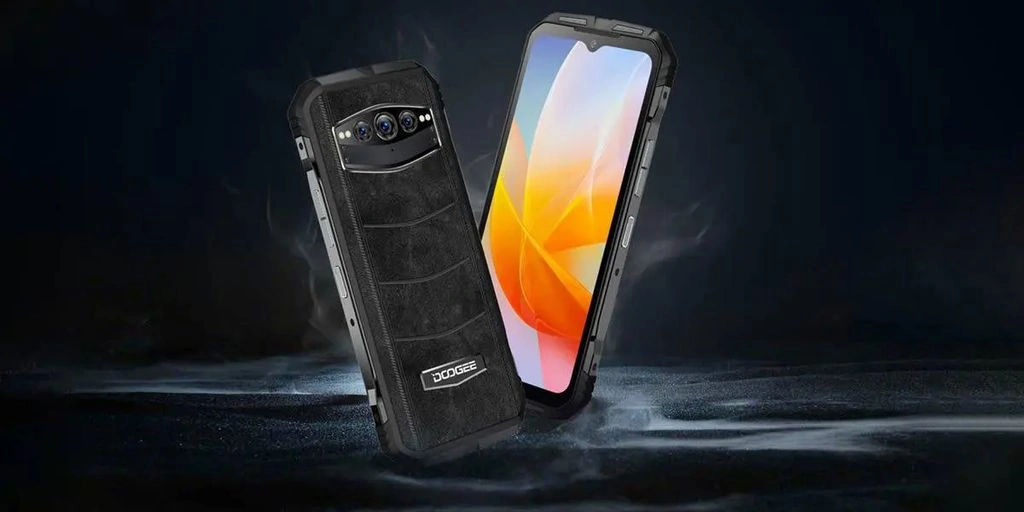
Key specs and images of the yet-to-be-released Doogee V Max rugged smartphone have surfaced online. The V Max packs a monster 22,000mAh battery and its camera has night vision capability. The Doogee V Max will likely be released in February as part of an elaborate product lineup. The solid spec sheet of the rugged phone puts it up in the ruggedness scale.
The Doogee V Max comes with a 22,000mAh battery which is quite unprecedented. There are quite a few smartphones that can boast of anything close to the V Max’s battery capacity. The V Max will overtake the Oukitel WP19 at 21,000mAh. The battery is charged via USB-C at up to 33W. The battery reportedly can last for 10 days on normal usage and up to 64 days on standby mode. The V Max however comes quite bulky. It is 27.3mm thick although its weight is not known.
The V Max has a 6.58-inch FHD IPS display with a 120Hz refresh rate. The screen has Gorilla Glass protection while a notch houses the selfie camera. The selfie camera is a 32MP Sony IMX616 90º FOV. The back panel has a leather-like finish and bears some resemblance to Vertu phones.
The triple rear camera setup includes a 108MP primary Samsung sensor, a 20MP Sony night vision camera, and a 16MP ultra-wide sensor. The ultra-wide unit has a 130º field of view and autofocus for macro shots. There are two flashes on the left and two infrared night vision lights on the right side of the cameras.
The Doogee V Max will come with the Android 12 OS. There are no indications yet on how many upgrades it will enjoy. The MediaTek Dimensity 1080 chipset powers the V Max. It has 12GB of RAM (expandable virtually to 19GB) and 256GB of storage. The internal storage can be expanded via TF cards. Other features of the V Max include NFC, a side-mounted fingerprint scanner, 5G connectivity, and IP68/IP59/ MIL-STD-810H certifications. There are no pricing details yet for the upcoming Doogee phone.
Samsung announced in February 2022 that a whole bunch of Galaxy devices will be eligible for four years of Android updates, including flagships, foldable phones, and even budget models. However, 2020’s Galaxy S20 series wasn’t so lucky and it is expected to receive only 3 major updates. The lineup already received its last major update in the form of Android 13. But it looks like Samsung is planning to release another big update to the S20 series.
As reported by Sammobile, the Korean company has started the internal testing of the One UI 5.1 update for the Galaxy S20, Galaxy S20+, and Galaxy S20 Ultra. The software is apparently being tested with firmware version G980FXXUFHWA1. The H in the tenth position of the firmware version suggests the software is a major one.
For reference, the Galaxy S20 series devices running One UI 5.0 has a firmware version G980FXXUFGWA5, with the letter G in the same position.
Based on this information, we can assume that Samsung will soon release a new One UI 5.1 update to the aging Galaxy S20. This new version of One UI is reported to bring some new features and improvements. It could bring some additional lockscreen and other UI customization features.
The company is expected to introduce the One UI 5.1 alongside the Galaxy S23 Series on February 1. However, there’s no official confirmation from the brand yet.
It is worth reminding you that the Galaxy S20 series, which includes the Galaxy S20+ and Galaxy S20 Ultra, will continue receiving monthly security patches for up to two more years.
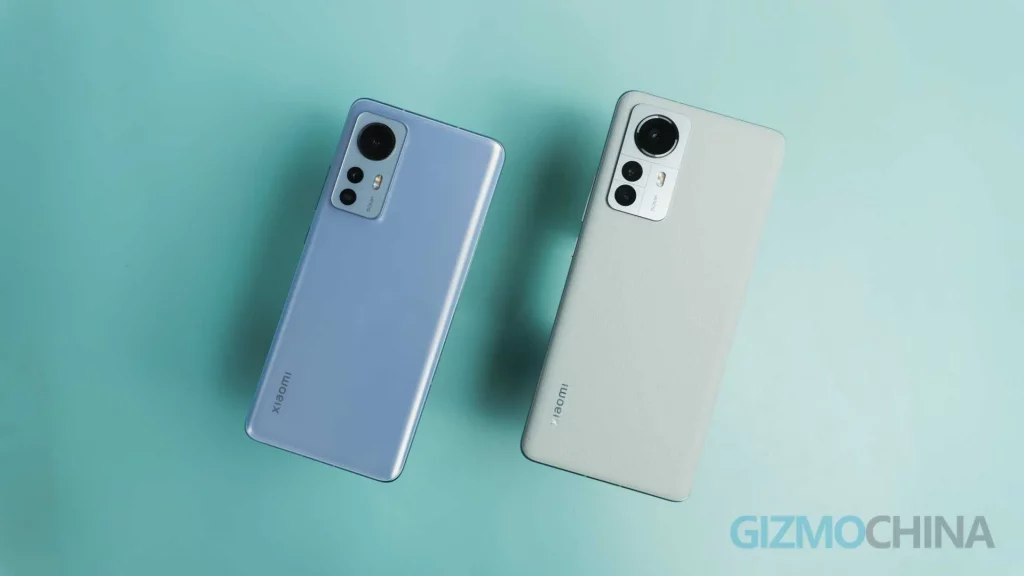
Xiaomi introduced the latest version of MIUI in December of last year, and soon after, it released a stable build of the update to the flagship Xiaomi 12S series. Now, the brand is releasing stable MIUI 14 to a number of smartphones, including Xiaomi 12, Xiaomi 12 Pro, Redmi K50 Series, and Xiaomi 11. Let’s look at the details.
As reported by users in China, Xiaomi is releasing the MIUI 14 update to the Xiaomi CIVI 1S, Xiaomi 11 Youth Edition, Xiaomi 11 Youth Vitality Edition, Xiaomi 12, Xiaomi 12 Pro, Xiaomi 12 Pro Dimensity Edition, Xiaomi 13, Redmi K50, Redmi K50 Pro, Redmi K50 Ultra, and Redmi K50G.
As per the changelog, the update brings all the new features that Xiaomi packed in MIUI 14. This includes the new Photon engine, which operates on the underlying Android kernel and allows the devs to streamline their apps and improve loading speeds. There’s also a revamped UI, large icons, and new privacy improvements.
It has been reported that the new software is being released in multiple batches, and each batch has a limited number of users. In addition, Xiaomi has also started releasing the development version of MIUI 14 to the MIX Fold. The foldable is currently being adapted to Android 13, and it will be receiving a stable update once the adaptation is complete.
Do note that Xiaomi is yet to announce the MIUI 14 in the global market. Currently, there’s no news on the international arrival of the software. However, we can expect a launch in the first quarter of this year. We’ll keep you posted.
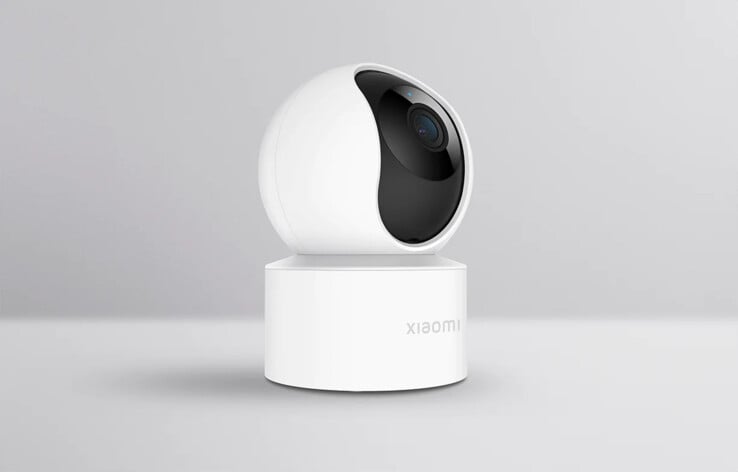
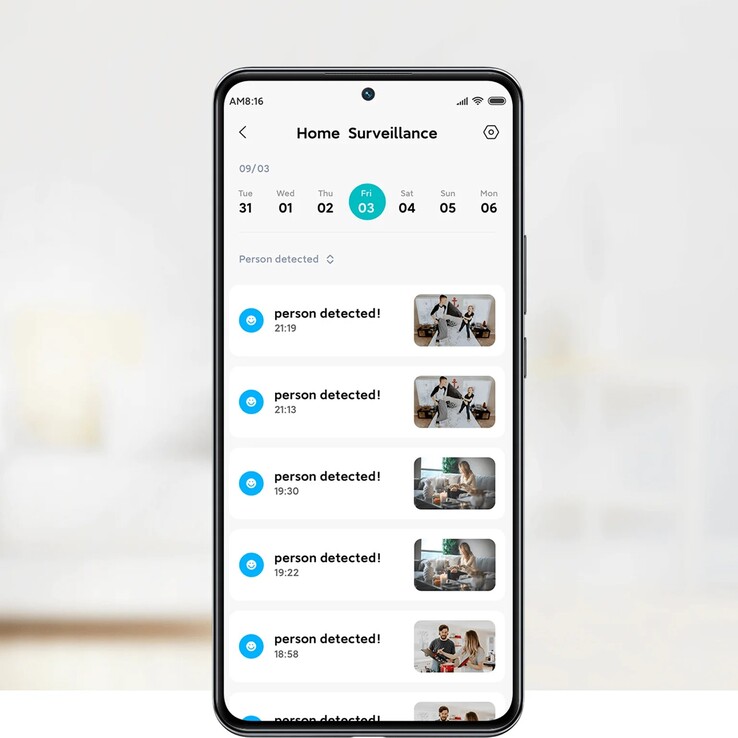
Xiaomi has launched its Smart Camera C200 with a raft of decent features in Germany. The Xiaomi Smart Camera C200 can rotate 360 degrees horizontally and 106 degrees vertically. It has a 1080p camera that can capture, record, and live-stream videos. You can view video activity using the Xiaomi Home app or using a connected display device.
The Xiaomi Smart Camera C200 supports Amazon Alexa and Google Home systems functionality. The device’s full HD 2MP camera with WDR support gives a full view of your environment. The camera can operate easily at night using its 940nm infrared light. The infrared light itself does not visibly glow, thus providing stealth functionality. In addition, AI human detection is featured in the Xiaomi Smart Camera C200. It enables the gadget to track and record human presence automatically.
The camera can be placed securely in a variety of scenarios. It can be placed on a table or mounted on a wall or the ceiling. It can operate within temperature ranges of -10ºC and 40ºC. The device is not waterproof and could be easily damaged when in contact with water.
Xiaomi says that H.265 video encoding technology in the C200 helps to compress the file size of videos by up to 50%. You can view a live feed of the camera using the Xiaomi Home app or view previously recorded videos using the Mi Smart Clock. Its built-in microphone makes two-way calling possible. The smart camera can also be integrated into the Google Home and Alexa systems.
The Xiaomi Smart Camera C200 is now available in Germany for €39.99 (~$43). The gadget could subsequently arrive in several other markets like the UK and the rest of Europe.
We use cookies on our website to give you the most relevant experience by remembering your preferences and repeat visits. By clicking “Accept”, you consent to the use of ALL the cookies.
This website uses cookies to improve your experience while you navigate through the website. Out of these, the cookies that are categorized as necessary are stored on your browser as they are essential for the working of basic functionalities of the website. We also use third-party cookies that help us analyze and understand how you use this website. These cookies will be stored in your browser only with your consent. You also have the option to opt-out of these cookies. But opting out of some of these cookies may affect your browsing experience.
Necessary cookies are absolutely essential for the website to function properly. This category only includes cookies that ensures basic functionalities and security features of the website. These cookies do not store any personal information.
Any cookies that may not be particularly necessary for the website to function and is used specifically to collect user personal data via analytics, ads, other embedded contents are termed as non-necessary cookies. It is mandatory to procure user consent prior to running these cookies on your website.