Advertisement

Alleged OPPO Reno 9 Pro’s Full Specifications Leaked Via TENAA Listing

The OPPO Reno 9 series is all set to break cover on Nov. 24 in China. Reports have revealed that the model numbers PHM110, PGX110, and PGW110 belong to the Reno 9 series. Now, the PGX110 model has surfaced in the database of the TENAA certification platform. Here is a look at all the details that have appeared through its TENAA appearance.

OPPO Reno 9 Pro Specifications

As per the TENAA listing, the alleged OPPO Reno 9 Pro will feature a 6.7-inch AMOLED display that offers a Full HD+ resolution of 1080 x 2412 pixels and 10-bit colors. It will have a curved-edge display with a punch-hole in the centre, according to official renders. The screen is expected to support up to a 120Hz refresh rate and will be integrated with a fingerprint scanner.

OPPO Reno 9 Pro
OPPO Reno 9 Pro

The 2.85GHz octa-core processor that powers the Reno 9 Pro seems to be the Dimensity 8100-Max chipset. It will arrive with 12 GB / 16 GB of RAM and 128 GB / 256 GB of storage. But the device’s listing on OPPO China’s website already shows that it will be sold in two different ways: with 16 GB of RAM and 256 GB of storage, or with 16 GB of RAM and 512 GB of storage.

On the front, the OPPO Reno 9 Pro has a 32-megapixel camera. Its back panel has a 50-megapixel main camera and an 8-megapixel lens, which could be an ultra-wide snapper. It is likely that the device may feature a Sony IMX890 primary camera powered by the company’s MariSilicon ISP.

The Reno 9 Pro will come preloaded with ColorOS 13-based Android 13.  It will also feature an IR blaster. The official renders of the device show that it will come in black, gold, and gold with a gradient. 

RELATED:

Vivo X90 Pro Full Specifications Via TENAA Appearance

On Nov. 22, Vivo will unveil the Vivo X90 series of smartphones in China. Earlier this week, the Vivo X90, which has a model number of V2241A, surfaced in the database of the TENAA certification platform. Now, another X-series phone with model number V2242A has been approved by the TENAA authority. This model is nothing but the Vivo X90 Pro (via. TechGoing). Here is a look at the specifications that have surfaced in its TENAA listing.

Vivo X90 Pro Specifications

The Vivo X90 Pro has dimensions of 164.07 x 74.53mm and houses a 6.78-inch AMOLED display that produces an FHD+ resolution of 1260 x 2800 pixels and 10-bit colors. The screen size and resolution are the same as on the Vivo X90. However, the X90 Pro weighs more at 214.85 grams. The reason behind it is that it houses a 2 x 2375mAh (rated value) dual-cell battery. Hence, it appears that the combined capacity of the X90 Pro could be around 4,850mAh (typical value). Like the vanilla model, the Pro variant is expected to support 120W charging.

Under the hood, the Vivo X90 Pro has the Dimensity 9200 chipset, which works at 3.05GHz. The device will ship with 8 GB / 12 GB / 16 GB of RAM and 128 GB / 256 GB / 512 GB of storage.

The X90 Pro has a 32-megapixel camera on the front. On the back, it has a 50-megapixel + 50-megapixel + 12-megapixel triple camera unit. It seems that the device could feature a 1-inch Sony IMX989 primary camera.

The Vivo X90 Pro is expected to come preinstalled with the OriginOS 3-based Android 13 OS. It will offer other features like an in-screen fingerprint scanner and an IR blaster.

RELATED:

Apple iPhone 15 Pro models to feature Thunderbolt Port for high-speed data transfer

Apple is expected to offer a USB-C port with the upcoming iPhone 15 series models, marking a significant shift for the technology giant after sticking with its proprietary Lightning Port for a decade.

Now, a new report from well-known analyst Ming-Chi Kuo indicates that the next-generation Apple iPhone 15 Pro and iPhone 15 Pro Max models will feature a USB-C port with support for at least USB 3.2 or Thunderbolt 3, offering major advantages over existing models.

Apple iPhone 14 Pro Series

The Thunderbolt 3 port can offer bandwidth of up to 40Gbps while the Lightning connector, which supports USB 2.0 speeds, maxes out at 480Mbps on all the existing iPhone models available in the market.

Even when considering real-world scenarios, the Thunderbolt port support on the upcoming Apple iPhone series models will offer a significant performance boost and faster data transfer speeds. This will come in handy, especially when the user wants to transfer large files, such as images captured using the ProRAW mode on the iPhone.

It’s noteworthy that Apple is already offering USB-C ports on most of the iPads for faster data transfer. The Apple iPad Pro powered by the M1 chipset has support for 40Gbps bandwidth, while the fifth-generation iPad Air is capable of transferring data at 10Gbps. On the other hand, the iPad Mini supports 5Gbps speed. The 10th generation iPad is the only one with a standard USB-C port, limited to USB 2.0 speeds.

Apple has been trying to distinguish Pro and non-Pro iPhone models, and with the iPhone 14 series, it has made several changes where most of the premium features are limited to the Pro series models. This will continue with the upcoming phones as well, and the USB 3.0 or Thunderbolt 3 support will be for the iPhone 15 Pro and Pro Max models, while the standard iPhone 15 and 15 Plus models will be limited to the USB 2.0 speed even with support for USB-C port.

RELATED:

Samsung partners with Google and AMD to make a new chip for future Galaxy S-series smartphones

Samsung has been making Google’s Tensor chips, and now it appears that the South Korean technology giant has increased involvement with Google and will be working on making a new chipset for its upcoming flagship smartphones.

As per the new report from tipster Connor, Samsung is working with Google’s Tensor team and AMD’s graphics team to create a new chipset that will be powering the Samsung Galaxy S-series flagship smartphones, most likely from 2025.

Samsung Exynos Chipset Featured

It is being said that the chipset will consist of two high-performance Cortex-X cores, four performance-focused cores running at a lower clock speed, and four energy-efficient cores. The diagram shared indicates that AMD GPU will be included in the chipset for processing grahpic-intensive tasks.

Google and Samsung have already teamed up to produce Google Tensor chips for the Pixel series smartphones. The Tensor and Tensor G2 chips powering the Pixel 6 and the Pixel 7 series smartphones are manufactured by Samsung. They are basically Exynos chips but with AI features on top from Google’s team.

Recent reports indicate that both these companies have already started working on the third-generation Google Tensor SoC, which will be debuting with the Pixel 8 series smartphones next year. The chip is reportedly codenamed “Ripcurrent” and carries model number S5P9865.

Most of the chips for smartphones nowadays are manufactured using the 5nm or 4nm process, but since this new chipset for the future Galaxy S-series phones is expected to go official a couple of years from now, it could be manufactured using a more advanced 3nm process and there’s a high possibility of that happening given that Samsung has already started working on 3nm chips.

RELATED:

WhatsApp New Update: Polls Now Available for All Android and iOS Users

WhatsApp had been testing a new poll feature for its messaging application. It had been previously reported that the messaging platform is working on a new feature which allows users to make polls in group chats. The feature has now officially begun to be made available to users all across the world. One can quickly access the newly added feature after updating the application to the latest version.

The WhatsApp application’s stable version now includes the poll feature, which was previously only available in the beta version. Both group chats and one-on-one personal conversations support the feature. Speaking of the feature and how it functions, it has up to 12 options to include. This implies that a single poll can have up to 12 different options. However, one has the option to add fewer alternatives if one chooses. A poll can only be made and posted if there are at least two alternatives.

WhatsApp

When it comes to voting, each user is free to select any number of options. The user can also be able to select just one option. There are no limitations on the user’s ability to change the choice they made, they can change the option they had voted for any time before the poll ends. So that’s how the new poll feature for the WhatsApp messaging service will operate.

Open the WhatsApp app and go to a group chat or an individual chat to start a poll. Now, if you’re using an Android device, click the “attachment” button, and if you’re using an iOS device, click the “+” icon. Find the Poll option now, then hit the button. After typing your question in the “Ask Question” section and including voting options, post it, you’re done!

Related

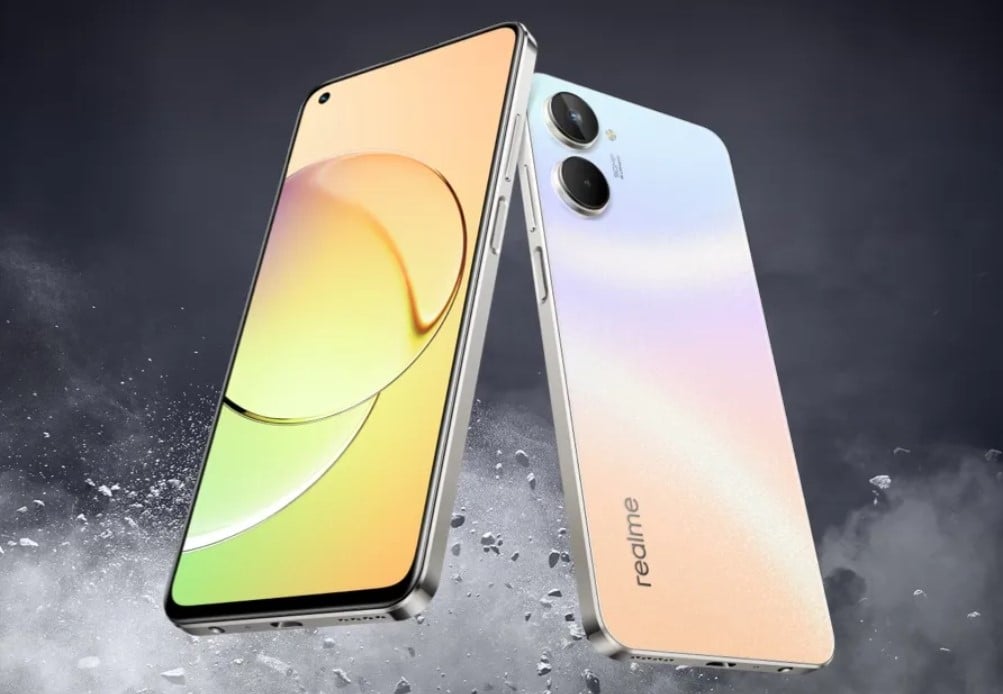
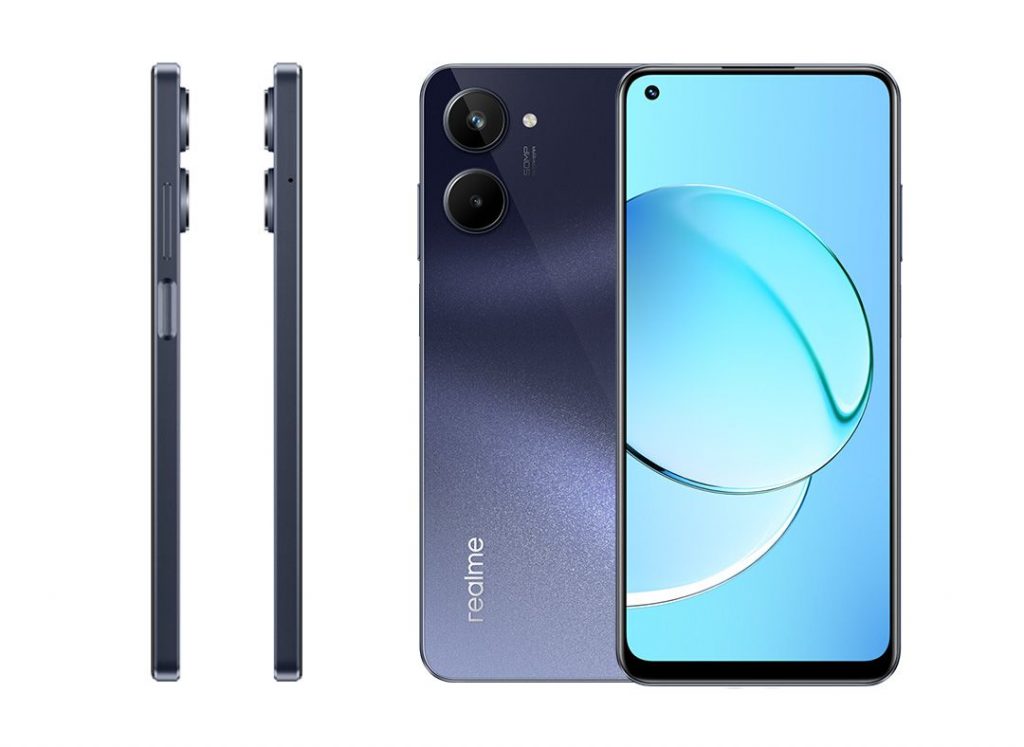
Redmi Note 12 Pro+ vs Realme 10 Pro+: Specs Comparison

Realme 10 Pro+ just made its debut in the Chinese market and it will come very soon in the global market starting from India. It is a mid-range phone looking like a flagship thanks to its stunning design, but it comes with a very high value for money. It is definitely a perfect competitor of the Redmi Note 12 Pro+ released by Xiaomi, and the Redmi Note 12 Series is the perfect rival for the Realme 10 Series as well. Given that the two handsets come with similar specifications and exactly the same hardware department, a lot of people are wondering which one to go for. Through this article, we decided to give you all the useful info to establish it: here is a comparison between the main specifications of the Redmi Note 12 Pro Plus and the Realme 10 Pro Plus.

Xiaomi Redmi Note 12 Pro Plus vs Realme 10 Pro+

Xiaomi Redmi Note 12 Pro Plus Realme 10 Pro+
DIMENSIONS AND WEIGHT 162.9 x 76 x 9 mm,
208 g
161.5 x 73.9 x 7.8 mm,
173 g
DISPLAY 6.67 inches, 1080 x 2400 pixels (Full HD+), OLED 6.7 inches, 1080 x 2412 pixels (Full HD+),  AMOLED
PROCESSOR Mediatek Dimensity 1080, octa-core 2.6 GHz Mediatek Dimensity 1080 5G, octa-core 2.6 GHz
MEMORY 8 GB RAM, 256 GB – 12 GB RAM, 256 GB 8 GB RAM, 128 GB – 8 GB RAM, 256 GB – 12 GB RAM, 256 GB
SOFTWARE Android 12, MIUI Android 13, Realme UI
CONNECTIVITY Wi-Fi 802.11 a/b/g/n/ac/ax, Bluetooth 5.2, GPS Wi-Fi 802.11 a/b/g/n/ac/6, Bluetooth 5.2, GPS
CAMERA Triple 200 + 8 + 2 MP, f/1.7 + f/1.9 + f/2.4
16 MP front camera
Triple 108 + 8 + 2 MP, f/1.8 + f/2.2 + f/2.4
16 MP f/2.5 front camera
BATTERY 5000 mAh, fast charging 120W 5000 mAh, fast charging 67W
ADDITIONAL FEATURES dual SIM slot, 5G, IP53 certification dual SIM slot, 5G

Design

There is no challenge if we talk about the design: the Realme 10 Pro+ beats the Redmi Note 12 Pro+ 10-0. It comes with a very thin design including a curved screen at the edge just like the most expensive Android flagships, as well as great color options including the Star Light one with a very original texture. It is thinner, lighter, and even more compact than its rival. The Redmi Note 12 Pro+ is not only bigger but also way thicker and uglier. However, it is built with premium materials including a glass back and an aluminum frame. Further, it has the IP53 certification thanks to which we can say that it is dust resistant and splash resistant. So, with this phone you get a very high build quality, but not the best design.

Display

There are no huge differences between the displays of these two devices and they are more or less at the same level. We are talking about two AMOLED panels good for a high-end phone, but not the best out there. With the Redmi Note 12 Pro Plus, you get an AMOLED display that is able to show up to one billion colors with a diagonal of 6.67 inches, a Full HD+ resolution of 1080 x 2400 pixels, a 120 Hz refresh rate, a peak brightness of 900 nits, HDR10+ certification, Dolby Vision support, and an in-display fingerprint reader. The Realme 10 Pro Plus has an AMOLED display with one billion colors, a diagonal of 6.7 inches, a Full HD+ resolution, a 120 HZ refresh rate, HDR10+ certification, and an in-display fingerprint scanner. Both phones are equipped with stereo speakers and they include a 3.5 mm audio jack.

Specs & Software

There are no differences between the hardware departments of these two handsets if we consider the most expensive memory configurations. They are both powered by the Dimensity 1080 chipset by MediaTek: a midrange processor built with a 6 nm production process and sporting an octa-core architecture composed of two Cortex A78 CPUs running at a maximum frequency of 2.6 GHz, two Cortex A55 CPUs running at 2 GHz, and a Mali G68 MC4 GPU. Alongside the chipset, there are up to 12 GB of RAM and up to 256 GB of UFS 2.2 internal storage, but there are options with 8 GB of RAM and 128 GB of storage. Note that Realme 10 Pro Plus ships with Android 13 out of the box, while the Redmi Note 12 Pro Plus runs Android 12.

Camera

The Redmi Note 12 Pro Plus is the winner of the camera comparison simply because it sports a better main camera. We are referring to a 200 MP Samsung ISOCELL sensor with OIS, paired with an 8 MP ultrawide sensor and a 2 MP macro camera, as well as a 16 MP selfie shooter. The Realme 10 Pro Plus has the same secondary sensors and the same selfie snapper, but the main camera is a 108 MP shooter without OIS.

Battery

The battery life provided by these two devices is similar as they both come with a 5000 mAh battery and they have similar components. But the Redmi Note 12 Pro Plus charges quicker thanks to 120W fast charging.

Price

You need just €230/$230 to purchase the Realme 10 Pro Plus (128 GB), while the Redmi Note 12 Pro+ starts from €339/$339 (256 GB). The latter wins the comparison due to better specifications, but the former has a higher value for money.

Xiaomi Redmi Note 12 Pro Plus vs Realme 10 Pro Plus: PRO and CONS

Xiaomi Redmi Note 12 Pro Plus

PRO

  • IP53 certification
  • Better camera
  • Faster charging
  • Infrared port

CONS

  • Uglier design

Realme 10 Pro Plus

PRO

  • Better design
  • More compact
  • Thinner and lighter
  • Android 13 out of the box

CONS

  • Inferior camera

RELATED

Check the latest videos from our YouTube channel and subscribe:

KYMCO SuperNEX & RevoNEX High-performance Electric Motorcycles Unveiled

KYMCO has released refreshed versions of its SuperNEX and RevoNEX electric motorcycle prototypes. The two bikes were showcased during EICMA 2022 and they pack some performance specs with them.

Kymco RevoNEX electric motorcycle
Credit – Electrek.co

KYMCO unveiled the SuperNEX electric superbike in 2018 while the RevoNEX entered the market in 2019. The superbikes were a stark departure from KYMCO’s traditional products like e-scooters and smaller motorbikes. The RevoNEX sports a slightly toned-down design for high-performance recreational riding, unlike the SuperNEX. Both the SuperNEX and RevoNEX are high-speed, high torque and multi-speed gearbox motorbikes. There has been less clarity from KYMCO on the status of the two models with no clear timelines for their evolution.

Kymco
Credit – Electrek.co

The new KYMCO SuperNEX and RevoNEX come with updated designs that offer an expanded design philosophy, according to KYMCO chairman Allen Ko. They offer riders the joy of shifting, the thrills of performance, the sensation of sound, the assurance of control, and the versatility of driving modes. Although the finer details of the specs of both bikes are lacking, they may be based on LiveWire’s Arrow platform. It will also be interesting to know what is on offer in the gear-shifting feature of both bikes. It could possibly be a form of simulated electronic shifting rather than a traditional gearbox.

Kymco
Credit – Electrek.co

There are no concrete timelines yet for the release of the SuperNEX and RevoNEX high-performance electric bikes. KYMCO has several collaborations with Harley-Davidson, BMW, Kawasaki, and other companies. It recently unveiled the MV Agusta Ampelio developed by MV Agusta.

RELATED:

(source)

ZTE reveals it has commenced research on 6G technology with positive results

ZTE has announced that it launched 6G key technology research in pursuit of monster network speeds of 1 million Gigabits. The astounding potential of such monster speeds is quite remarkable, but we could be several away from such technology. ZTE says that it is committed to technological innovation and R&D investment in order to maintain its market advantage in network improvement.

6G

ZTE spent up to 16 billion yuan on research in 2022, which is about 17% of its operating income within the period. It says 6G is the next big thing in mobile communication but is in its early stage of development. ZTE will carry key defining research in 6G technologies that could set the template for future development in the area. The company will draw from its rich resource of R&D staff to deliver the innovation needed to drive 6G evolution. The 6G research has an extensive technical layout and will be in-depth. ZTE says it will actively explore industry alliances, open-source communities, and other creative engagements to drive the research.

ZTE sees an active R&D strategy as an important fulcrum in enterprise development. It has active R&D units at different places around the world with some core competencies. Its core areas include 5G wireless network, bearer, access, chips, and more. It has consistently devoted up to 10% of its operating income annually to this cause. It says it will continue to put in the needed effort to fast-track key developments in 6G technology. It is noted that the 6G network is projected to come on stream by 2030.

RELATED:

(source)

Samsung Galaxy M14 5G Surfaces on Geekbench With a New Exynos Chipset and 4GB RAM

Samsung is reportedly working on a bunch of new mid-range smartphones. Recently, the Galaxy A14 4G and A14 5G were spotted on the Geekbench website. And now a new M-series smartphone, dubbed Galaxy M14 5G, has appeared on the benchmarking site. The listing hints the upcoming handset will come with an octa-core Exynos processor, Android 13, and 4GB of RAM. Let’s have a closer look at the details.

A Samsung smartphone with model number SM-M146B has been listed on the Geekbench database (via MySmartPrice). This model is believed to be the upcoming Galaxy M14 5G. It is listed on the benchmarking site with an octa-core Exynos s5e8535 chipset, paired with 4GB of RAM. It has two 2.4GHz cores and six 2.00GHz efficiency cores. The moniker of the chipset is yet to be known, but it is expected to be the unannounced Exynos 1330.

Galaxy M14 geekbench

The handset is listed with Android 13 and will likely receive three major updates. As per the Geekbench listing, the Samsung Galaxy M14 5G has received a single-core performance score of 751 points and a multi-core performance score of 2051 points.

MySmartPrice says the Galaxy M14 5G could be the rebranded version of the Galaxy A14 5G, which was also spotted on the Geekbench recently and is expected to debut soon. The handset is reported to feature a 6.8-inch Full HD+ display, a 50MP rear camera, and a 5000mAh battery. It could sport a 16MP selfie camera on the front.

Samsung is yet to reveal any details about the upcoming M-series smartphone. We can expect the OEM to launch the device in early 2023 in India and other regions. More details about the handset should emerge soon. Stick around for updates.


RELATED:

Wuling Bingo EV with a cool design launching soon as a successor to the popular Hongguang Mini EV

Chinese EV brand Wuling gained global prominence as a result of its super-affordable electric vehicle – the Hongguang Mini EV. The Mini EV is currently the electric vehicle with the highest sales in China. In order to build on this feat, Wuling has unveiled a new miniature EV known as Wuling Bingo.

Wuling Bingo

The latest batch of new car declaration catalogue of China’s Ministry of Industry and Information Technology released a few days back reveal the new Bingo model. The appearance of the new car adopts a retro-style design. In the future, it may become a competitor of small electric cars such as Euler Haomao.

Judging from the declaration drawing, Bingo adopts the new design philosophy of the Wuling family. The front face of the car has rounded lines, including the headlights, which are also warm and lovely. The configuration of LED and lens adds a lot of sense of technology to it. The headlights at the rear of the car body are also in an elliptical shape, which echoes the front part of the car. The overall car body looks very design and is expected to be welcomed by many female car owners.

In terms of body size, the length, width and height of the new car are 3950/1708/1580mm respectively, and the wheelbase is 2560mm. It adopts a 4-door design and is positioned above Wuling Hongguang MINI EV.

In other respects, the new car will be equipped with 185/60 R15 tires with a curb weight of 990 kg. It is equipped with a single motor with a maximum power of 30kW. The battery life information has not been disclosed but since it is lightweight, battery life may also be more than 300 kilometers.

Wuling Bingo

There is no doubt that Wuling Bingo already has the temperament of a popular car in terms of vehicle design. If it adopts an affordable pricing like the Hongguang MINI EV, it may tune out to be another top-selling model

RELATED:

Xiaomi 13, 13 Pro Internal Testing Reportedly Started in Asia, Could Launch in Early 2023

Xiaomi 13 and 13 Pro are rumored to debut later this month in China. The handsets have been tipped to feature a triple rear camera setup along with a center punch hole cutout nesting the selfie camera. In the latest development, a tipster has claimed that the upcoming Xiaomi 13 series devices have now entered the internal testing phase in Asia. The lineup is expected to debut in the Asian market in early 2023.

According to tipster Mukul Sharma, the internal testing of the Xiaomi 13 and Xiaomi 13 Pro has begun in various Asian countries. The tipster claims that both Xiaomi smartphones could launch in Asia in early 2023. Recently, the handsets were also spotted on the Bureau of Indian Standards (BIS) India website, hinting at an imminent launch in that country as well.

Xiaomi-13-CAD-render

Recent CAD renders suggest the Xiaomi 13 and Xiaomi 13 Pro will come with a center-aligned hole-punch cutout at the front and a triple rear camera setup. The Pro model could come with a 50-megapixel Sony IMX989 1-inch sensor, a 50-megapixel ultra-wide-angle lens, and a 50-megapixel telephoto unit. It will likely feature a 32-megapixel selfie camera.

Further, the smartphone is rumored to feature Leica’s color science technology. Reports have claimed that both 13-series handsets will be powered by the newly launched Snapdragon 8 Gen 2 chipset.

The vanilla model reportedly measures 152.8 x 71.5 x 8.3mm and houses a 6.2-inch display. Whereas the Pro phone could have dimensions of 163 x 74.6 x 8.8mm and pack a 6.65-inch display. Xiaomi is yet to reveal any details about the two phones. We should be getting an official announcement soon. So, stick around for the updates.

Related:

Samsung rolling out Stable Android 13 x One UI 5.0 update to Galaxy A52

Samsung released the stable Android 13-based One UI 5.0 update for the mid-range Galaxy A73, Galaxy A53, and Galaxy A33 last week. Now, the Galaxy A52 is also joining the party. The handset is reportedly receiving a stable One UI 5 update in Russia. The software is expected to reach other regions soon. Here are all the details.

As reported by SamMobile, Samsung is now rolling out a stable One UI 5 build to Galaxy A52 users in Russia. The update comes with firmware version A525FXXU4CVJB and brings plenty of new features. It also bumps the phone’s security patch level to November 2022. We can expect this update to extend to other countries in the near future.

Galaxy A52 one ui 5

The changelog of the update is not available since Samsung has not officially announced its rollout. It is expected that the software will include all the new features introduced by the South Korean company with One UI 5.0. There will be a lot of visual changes, including a new notification interface, icons, and more. It may bring stackable widget support, Bixby Text Call, new multitasking gestures, and more.

Galaxy A52 users residing in Russia should be getting an OTA notification of the new software. If not, users can download the update by heading to Settings, selecting Software Update, and tapping “Download and install.”

To recall, Samsung launched the Galaxy A52 last year with Android 11 onboard. As promised, the handset has already received the Android 12 update last year, and now it’s getting the Android 13 update. The smartphone will receive its final major update in the form of Android 14 sometime late next year.

RELATED:

India’s TWS Shipments Double YoY in Q3 2022, Indian Brands Dominate

India has one of the largest technology markets in the world. While this situation increases the country’s importance for big brands, it also leads to the growth of domestic ones. It seems that domestic brands have even managed to outperform their rivals. According to the third Q3 report of 2022, the market share of Indian brands in TWS shipments has reached an impressive 79%.

Indian brands break record with 79% share in TWS market

According to the latest research from Counterpoint’s IoT Service, India’s TWS (True Wireless Stereo earbuds) shipments doubled YoY in Q3 2022. The biggest reason for the increase was high demand, new launches and considerable discount periods. The companies with the highest sales were the domestic brands of the country, and their total market share reached 79%.

 Counterpoint’s India TWS raport

Indian brands such as boAt, Noise, Mivi, Boult Audio and Ptron grew 143% year-on-year in the third quarter of 2022. Indian brands also have a high share of 95% in the low-price segment (< INR 2,000 or < $ 50). However, it was not only domestic companies that grew; Chinese brands also saw an increased share of 13% in Q3 2022. The biggest shareholder was OnePlus and Nord Buds CE. Domestic manufacturing saw a record 288% quarterly growth this year, contributing to 34% of the total shipments.

On the other hand, global brands were present in the report with premium models as always. Brands such as Samsung, JBL and Apple achieved 9% annual growth.

Commenting on brand performance, Senior Research Analyst Anshika Jain said, “The top five TWS brands in India – boAt, Noise, Mivi, OnePlus and Boult Audio – accounted for almost 70% of the total shipments. OnePlus made a comeback in the top five driven by two recent launches – Nord Buds and Nord Buds CE – at an affordable price point. Indian brands showed the fastest YoY growth of 143% to reach their highest shipments ever in Q3 2022.

“Launching multiple devices according to customer needs, effective marketing tactics and aggressive participation in sales events have been their major growth drivers. Moreover, strong growth was observed in Q3 due to festive season sales and a focus on local manufacturing. People also use these devices for gifting purposes during festivals like Raksha Bandhan and for corporate gifts.”

(Source: Counterpoint)

Tecno, Counterpoint, MediaTek, and Editor-At-Large of Forbes Magazine, To Discuss Evolution of Premium Smartphones in an Upcoming Webinar

In its upcoming webinar, Counterpoint Research will host keynote speakers from TECNO, MediaTek, and an Editor-At-Large of Forbes Magazine to discuss the forces and opportunities influencing current smartphone trends. Together, they will present global and continental perspectives on the continuous evolution of cutting-edge smartphone technology.

tecno-towards-1

Entitled “The Push Towards Premium: Changing Smartphone Preferences and the Technologies Behind Them”, the webinar will be hosted by Peter Richardson, vice president of Counterpoint Research, and feature keynote addresses from TECNO, a rising player in the high-end market. TECNO’s recent offerings such as the Tecno Phantom X2 have been praised by both users and reviewers alike, and the brand is well known for its premium yet value-for-money smartphones.

TECNO has expanded its portfolio into more premium products in response to the rising demand for premium smartphones. Its recent flagship—the Phantom X2—ships with the Dimensity 9000 5G chip and features great cameras that can capture impressive night shots.

The webinar will also feature the major chipset supplier MediaTek, and Forbes Magazine, a globally known media house. As well as the expansion of flagship technology, the webinar will discuss the influences and technological underpinnings of the smartphone trends for 2023-2024.

A webinar like this is timely as the technological demands of smartphone manufacturers and users are growing rapidly and the emerging market is becoming a major driving force for premium growth.  During the webinar, a live and open panel discussion and Q&A session will also be arranged to cover the most pressing questions. It will be broadcasted on Tuesday, November 22 at 12 pm London. Interested readers can register by following the link embedded here.

Related:

Bigme Galy Colored e-ink Tablet With an 8-inch Display Unveiled

The Bigme Galy color tablet with E INK Gallery 3 and an 8-inch display has been announced. The latest Bigme color e-note uses the E INK Gallery 3 color e-paper technology and it can display over 50,000 colors. The company says the drawing experience using its new product is unrivaled.

Bigme Galy Colored e-ink Tablet

The Bigme Galy is capable of reading and editing PDF files in full color, as well as comics and magazines. It has a dual camera setup featuring OCR technology and will be the first Gallery 3 product that has entered the market commercially. It could thus open the way for other brands to latch on to the impressive Gallery 3 technology in their applications. Its 8-inch display has a 300 PPI color resolution. It has a four-particle ink system consisting of cyan, magenta, yellow and white, which allows a full-color gamut at each pixel.

The Bigme Galy has an 8MP rear camera and a 5MP front camera, while a fingerprint sensor is an added security feature. You can use the fingerprint sensor to unlock the tablet and also incorporate an additional layer of security using a passcode. There are four noise-canceling microphones on the device to handle audio dictation, voice recognition, or other voice communication app.

Bigme Galy Colored e-ink Tablet

The new color tablet has a color temperature system and a front-lit display. You can thus easily read content in the dark using white and amber LED lights. There are a total of 36 different lights on the tablet. Design-wise, the Bigme Galy sports a similar build as the Good e-Reader X Bigme inkNote Color. It has a combination of aluminum alloy material and a glass back panel. It combines a slender look with a luxurious texture.

The Bigme Galy has an A53 2.3GHz octa-core processor and a 6GB/ 128GB RAM/ storage configuration. The tablet’s storage can be expanded via MicroSD by up to 128GB. It supports both Bluetooth 5.1 and Wi-Fi connectivity, providing a range of additional options available for the device. Its dual stereo speakers deliver standard audio and the tablet is charged via USB-C.

Bigme Galy Colored e-ink Tablet

The tablet has a 4,000mAh battery which can last for up to two weeks. The new tablet’s stylus is of the highest quality and it has a laser light presenter function as well as other exciting functions. The Bigme Galy color e-note is expected to be released in January 2023 and is priced at $699. The slate is presently available for backing on Kickstarter.

RELATED:

Qualcomm Teases Next-Gen Oryon CPU

The past few days have been busy with news about Windows on Arm. After Apple’s success with M-series processors, both Qualcomm and MediaTek want a share of the pie. Qualcomm, which has been operating in this field for a long time and is more ambitious, made the first announcement of its new processor. The company has announced that its upcoming custom Windows on Arm silicon cores will be called Oryon.

Qualcomm announces ‘Oryon’ next-gen ARM CPU

At Snapdragon Technology Summit 2022, Qualcomm announced a name for its custom Arm CPU called Oryon. Unfortunately the company didn’t offer any details but we have some knowledge. First of all, unlike MediaTek, these processors will be flagship, not entry-level. There will even be models that can compete with Apple’s M-series custom Arm processors.

Qualcomm has long invested in Windows on ARM. Having made several unsuccessful attempts so far, the company is determined to change course. In fact, they bought Nuvia for $1.4 billion a while ago. Nuvia has been working on ARM architectures for a long time, and they might have the experience Qualcomm needs to compete with Apple.

Unfortunately, the Windows-compatible Qualcomm processors currently on the market are directly based on ARM’s architecture. The company wants to make some more customizable products with Nuvia’s help. If they are successful, it is possible that they will manufacture processors just as powerful as Apple’s.

Products using the new Qualcomm Orion-based chips are expected to hit the shelves in 2024. Still, companies need to act quickly. Apple is currently widening the gap between the M series and its competitors. Within a year, the company is expected to introduce processors such as the M2 Pro and M3.

RELATED:

(Source)

MediaTek Sets Its Sights On The Windows On ARM PC Market

Smartphone processors using ARM architecture are getting better and better every day. In fact, they have recently become powerful enough to defy computers. In particular, Apple has launched very powerful laptop and PC models with the M series processors. The company’s success convinced other chip manufacturers to enter the ARM PC market. MediaTek, one of the manufacturers in question, has set its sights on the Windows on ARM PC market.

MediaTek still plans to enter the Windows on ARM PC market

MediaTek, one of the most popular processor manufacturers in the world, continues its leadership in the smartphone market. However, the company wants to carry its success to the PC market. At an event hosted by the company, future plans were revealed. One of the MediaTek executives said that they see a $40 billion opportunity for the PC market.

MediaTek Kompanio Proceccors

The first target of MediaTek will be the Chromebook market. The company recently launched the new Kompanio 520 and 528, entry-level chipsets for Chromebooks. Both processors stand out with their efficiency and being sufficient for daily use. Unfortunately, the details of the tech giant’s future plans are unknown.

Still, MediaTek vice president Vince Hu said, “In CPU and GPU we are having to make some bigger investments as a foundational capability. Based on this sentence, it can be said that the company has serious goals for the Windows on ARM market.

Also, MediaTek will design improved CPUs and GPUs in-house rather than acquire them from third-party manufacturers as Qualcomm did. The new Kompanio 520 and 528, entry-level chipsets for Chromebooks, have been released today. MediaTek’s PC operations will be led by Adam King, MediaTek’s vice president and general manager of customer computing. King previously worked at Intel for ten years and held key positions.

(Source)

Honor 80 Pro Stunning Camera Samples flaunt the prowess of the 160MP Sensor

Huawei’s spin-off Honor is planning to launch the Honor 80 series in the coming days. The company recently confirmed that the series will be officially released on November 23. Ahead of the launch, the models that make up the series have continued to feature in leaks and teasers. A few official teasers containing the front and rear designs of the device had earlier appeared. Now, camera samples said to have been shot using the Honor 80 Pro have appeared online.

Honor 80 Pro camera sample

The Honor 80 series is made up of the vanilla Honor 80, Honor 80 SE, and the high-end Honor 80 Pro. The 80 Pro is expected to pack flagship specs including a 160-megapixel main camera which has been confirmed. The resolution of the photo is said to be able to reach 14592 × 10944 pixels and the capacity can reach an astonishing 61.6MB.

With the amazing resolution of the 160-megapixel main camera, the camera samples show a rich output with vivid quality. One of the pictures was zoomed but it still retained some level of clarity similar to the output from a high-quality telephoto lens.

Honor 80 Pro camera sample

The Honor 80 Pro is expected to pack a flagship Snapdragon 8 Plus Gen 1 chipset while the Honor 80 will be powered by the Snapdragon 782G processor. The 80 SE will feature a MediaTek Dimensity 1080 chipset.

RELATED:

(source)

Apple Ramps up Manufacturing Capabilities in India With Biggest Unit Near Bangalore, Will Employ 60,000 People

In a major boost to the ‘Make in India’ initiative, Indian Telecom and IT Minister Ashwini Yadav announced that Apple’s largest manufacturing unit is being built in the country. The plant is said to be located in Hosur, around 40 km away from Bengaluru. The Cupertino-based tech giant has been producing the latest models of iPhones in India since 2017. 

The new manufacturing hub for Apple’s iPhones is said to be the biggest in the country. It will reportedly employ 60,000 people in a single factory. The first 6,000 employees are tribal women from areas like Ranchi and Hazaribagh. They have been trained to make the smartphone and will soon be joining the workforce. In September, it was reported that Tata Group could make iPhones for Apple in the country. Recently, they won the contract to manufacture mechanics and the Hosur plant is being set up by Tata Electronics. The company is reportedly in talks with Apple’s Taiwanese supplier to establish a joint venture to assemble iPhones in India. Tata Electronics also aims to hire 85 percent of women in their workforce. 

Currently, Apple has three Taiwanese contract manufacturers in India with Foxconn’s unit located in Tamil Nadu, Pegatron near Chennai, and Wistron in Bengaluru. The development about the biggest Apple manufacturing hub comes after Reuters reported that Foxconn plans to at least quadruple the size of its operations in India over the next two years. Additionally, Foxconn’s largest iPhone manufacturing unit in the world located in Zhengzhou was closed due to the COVID-19 lockdown resulting in to crunch supply, especially of the iPhone 14 Pro variants. 

Previously it was reported that Apple aims to relocate 25 percent of iPhone production to India by 2025. 

Related:

iQOO 11 Legend Could Be the First Snapdragon 8 Gen 2-Powered Phone in the Global Market

iQOO 11 Legend is tipped to be the world’s first Snapdragon 8 Gen 2-powered phone in the global market. Qualcomm unveiled its second-generation flagship processor yesterday. A host of brands are expected to debut smartphones powered by the said processor in China in the coming weeks. Now, tipster Anvinraj (Twitter @zionsanvin) has revealed that Vivo sub-brand iQOO could be the first to launch a phone with Snapdragon 8 Gen 2 processor. 

The tipster adds that the iQOO 11 Legend could debut by the end of this month. It may be announced after November 25th with the launch event possibly taking place on November 27th or 29th. It is already teased to launch soon in Malaysia, hence the date could also be for the Malaysian market. 

The iQOO 11 series will arrive as the successor to the iQOO 10 series. iQOO has been offering the Legend Edition of its number series flagship which is developed in partnership with BMW Motorsports. It comes with the automaker’s signature Red-Black-Blue stripe design on the back panel. Previously, the RAM and storage configurations of the Legend Edition were tipped. The device is expected to come in 12GB + 256GB and 16GB + 256GB options. 

The iQOO 11 series will reportedly be powered by a Snapdragon 8 Gen 2 processor coupled with LPDDR5 RAM and UFS 3.2 storage. It will also feature an in-house V2 image processing chip. The regular variant is said to be backed by a 5,000mAh battery with support for 120W charging, whereas the Pro model is tipped to come with a 4,700mAh cell with 200W charging. 

Related: