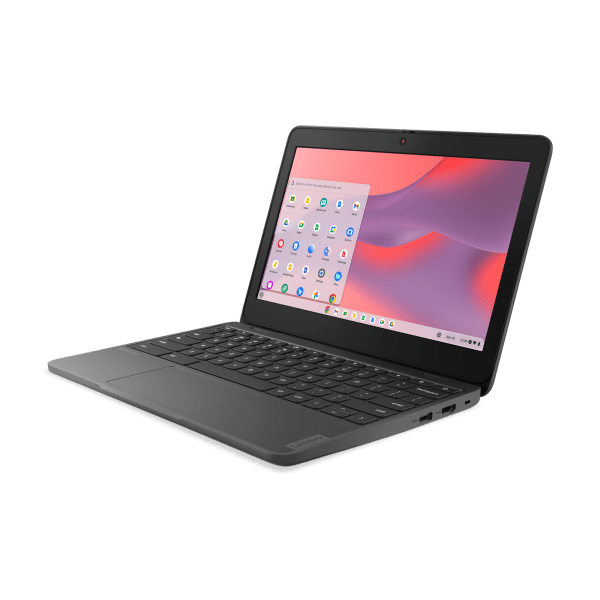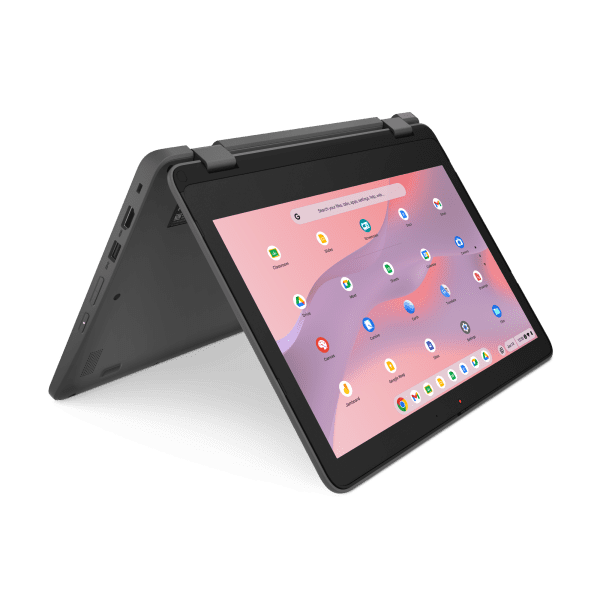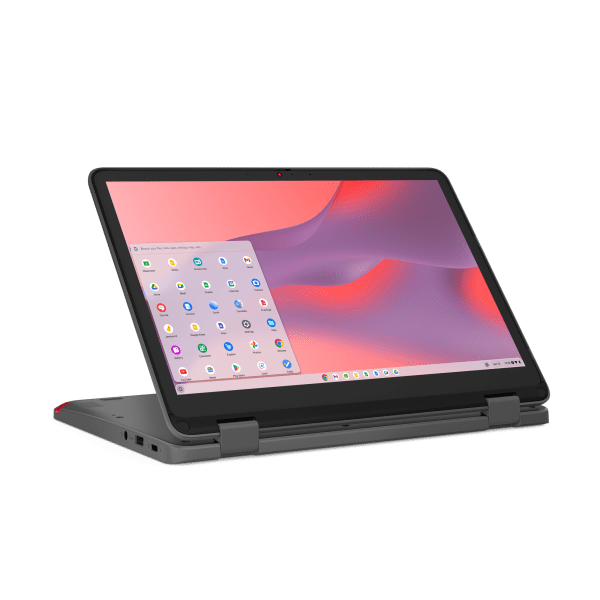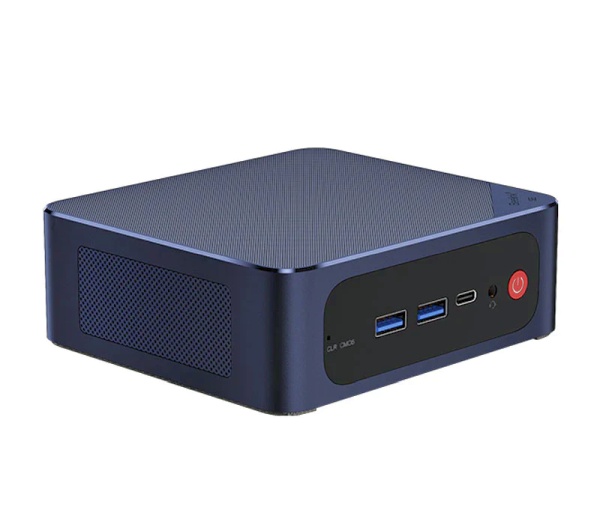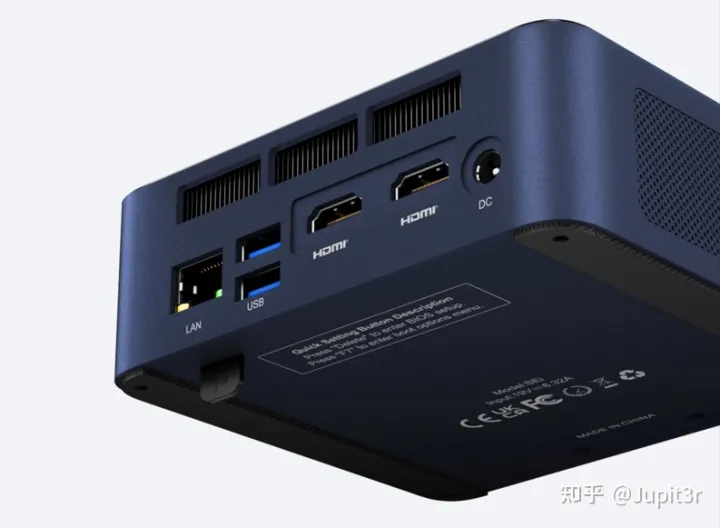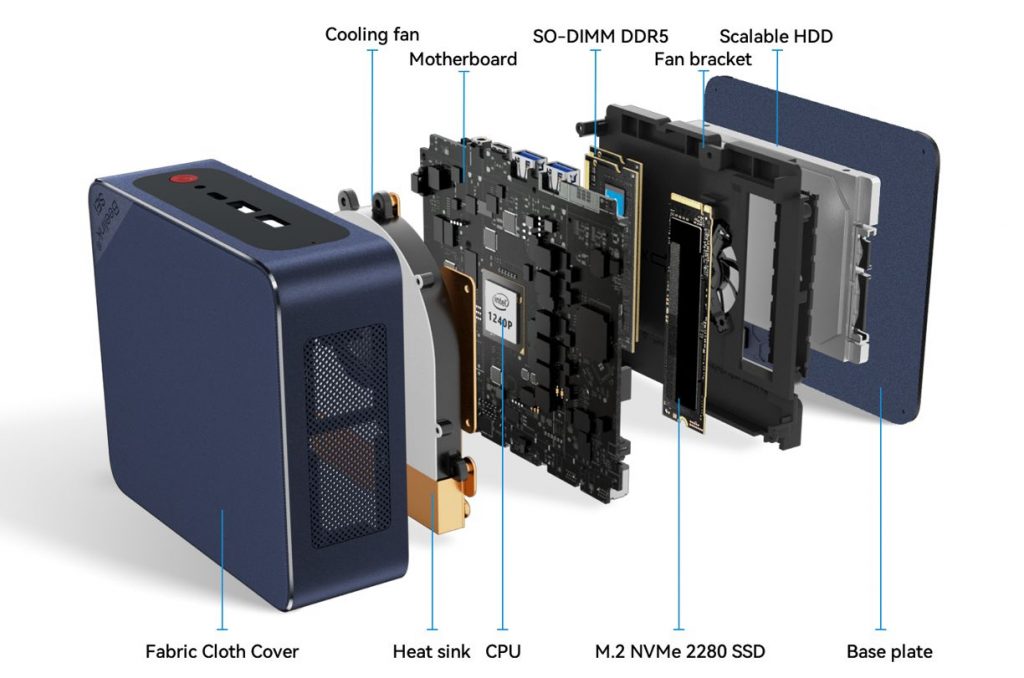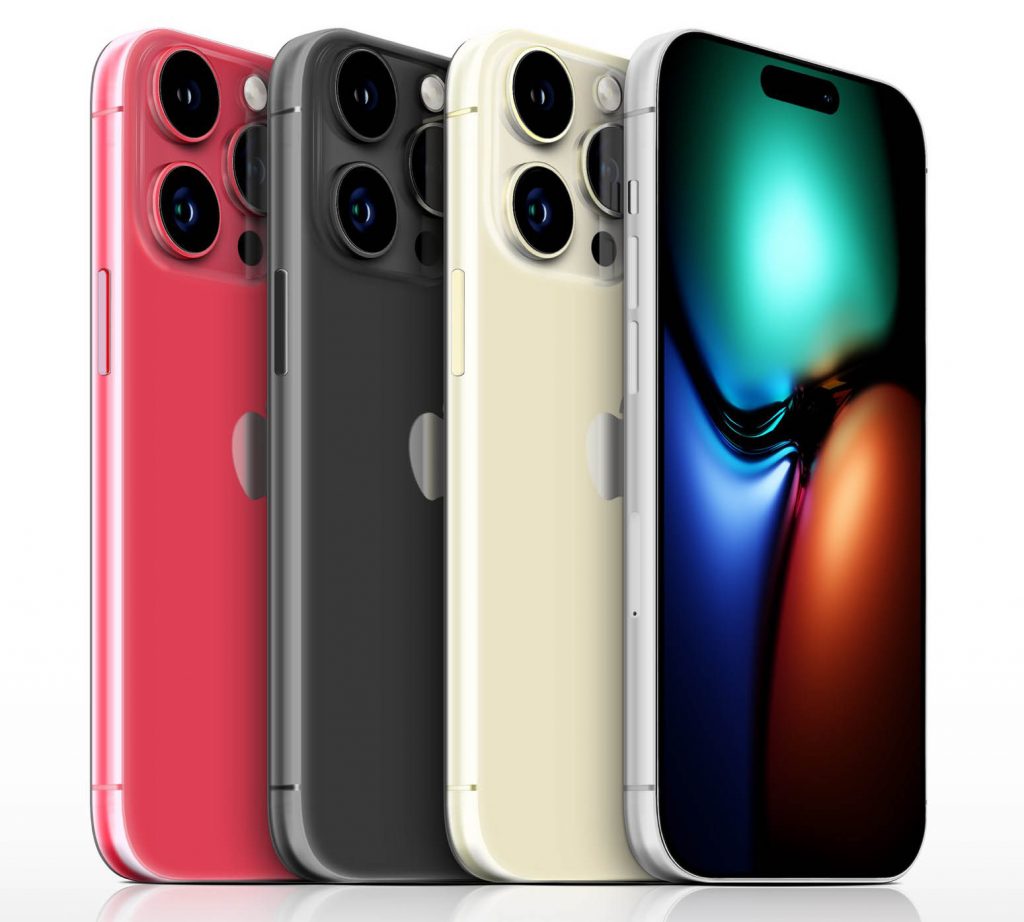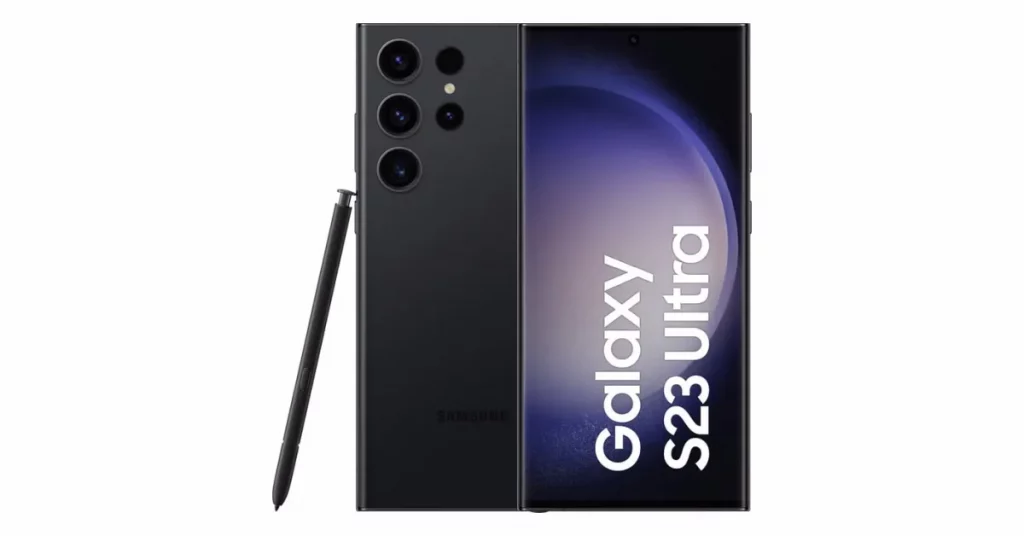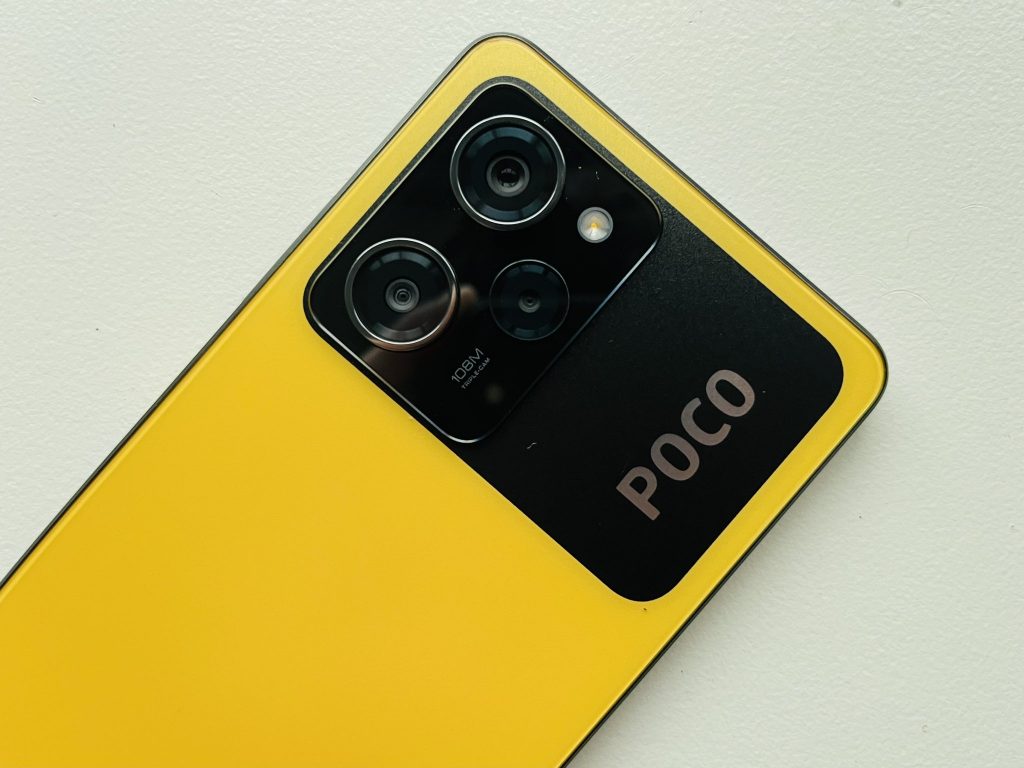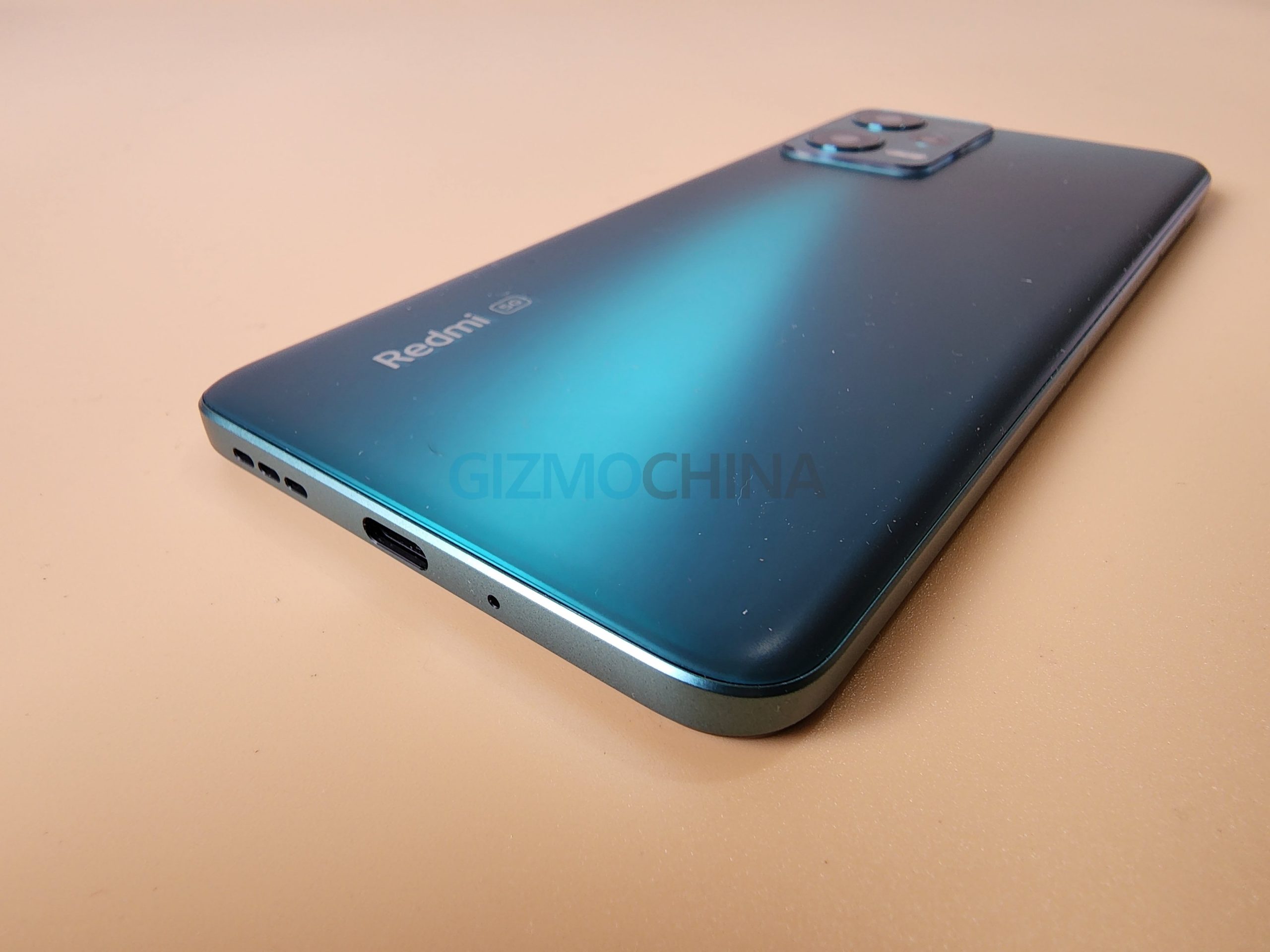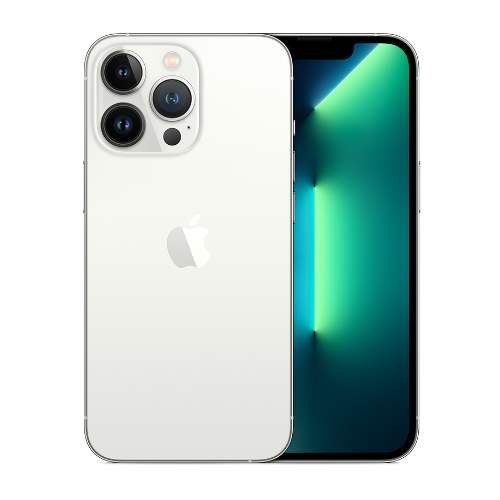
Great news for tech lovers. This Black Friday, Giztop is showering deals and discounts of up to 50% on various gadgets including smartphones, tablets, gaming consoles, earbuds, smartwatches, and other accessories like mouse, keyboards, chargers, etc.
Moreover, a flat 5% discount is available on all purchases made under the Black Friday Sale by using the coupon code: BF5. This discount is applicable to all products available on Giztop.
Giztop has an impressive list of the best, and latest gadgets and offers global shipping services to its consumers.
Please note that the Black Friday Sale starts on November 11 and Ends on November 30, 2022. Under this sale, you can avail of huge discounts on the latest smartphones and devices of popular brands like Xiaomi, Lenovo, IQOO, RED Magic, Motorola, Oppo, Vivo, and more.
So head onto giztop.com to check out some of the best deals on different gadgets.
For more information on such exciting deals and offers check out our deals hub.
Vivo is all set to launch the Vivo X90 series of smartphones on Nov. 22 in China. The Vivo X90, X90 Pro, and X90 Pro+ are among the three phones in the lineup. The company has already released a couple of renders to showcase the design of the X90 series. However, it has not released each of the renders for the above-mentioned smartphones. 91mobiles has published the leaked official renders of the Vivo X90 and X90 Pro+ to reveal their designs and color variants.
Vivo X90
On the front, the Vivo X90 and X90 Pro+ have an identical look as they feature a curved-edge OLED display with curved edges and a centrally positioned punch-hole. On the back, the X90 and X90 Pro+ can be seen flaunting a round-shaped camera module housing a quad-camera setup.
Vivo X90
The only major difference in terms of design between the two is that the X90 Pro has a smaller camera module as compared to the Pro+ variant. The red variants of both smartphones seem to feature a leather back. Below the camera module, there is a horizontal strip with “Xtreme Imagination” and “Vivo | Zeiss co-engineered” texts.
Vivo X90 Pro Plus
The black and blue variants of the X90 and X90 Pro+ have a matte look. It appears that both phones could be fitted with a glass back. The right edge of both devices has a power button and a volume rocker.
Vivo X90 Pro Plus
Unfortunately, there are no images of the Vivo X90 Pro model. In all likelihood, the X90 Pro could sport a similar design as the X90 and X90 Pro+. As can be seen in the above renders, the overall design of the X90 series is not too different from the Vivo X80 lineup, which debuted earlier this year. Reports have claimed that the X90 and X90 Pro will have the Dimensity 9200 chipset, whereas the X90 Pro+ will get the upcoming Snapdragon 8 Gen 2 SoC.
Earlier this year, Google announced a pilot project under which companies can bypass the Google Play billing system and can use their own or third-party payments system. The pilot project, named User Choice Billing, is currently limited to select applications and Spotify is among them.
Spotify and Google have now announced that User Choice Billing is available for the users of the music streaming platform in select markets and could expand to other regions later. The company will continue to include the option of Google Play billing.
Interestingly, Google will still get a cut of all the transactions that happen through the User Choice Billing payment system and not the company’s own Google Play billing. The company is reducing the payment commission by 4 percent, which means those developers using the third-party payments system will be paying either an 11 percent or 26 percent cut to Google.
Even though Google gets a commission for the third-party payments system, Spotify says that the system still represents progress toward greater “platform fairness and expanded payment options.” The streaming giant has termed the deal as fair, but it’s not yet known if Google is offering a special deal to Spotify.
The User Choice Billing pilot project from Google is running in 35 countries, and apart from Spotify, some other applications, including dating app Bumble have joined the program. It is available for applications only and games remain ineligible for the program altogether.
Xiaomi recently unveiled the world’s first phone equipped with a 1.5K display: the Redmi K50 Ultra. Besides having this great panel, this handset also offers a flagship-class hardware department at a very affordable price. This, alongside the high refresh rate, makes this handset perfect for gamers and power users. If you need a similar device with the same price tag, you cannot avoid considering the recent iQOO Neo7 released at the end of last month. It has an amazing processor, a long battery life, and even a great multimedia department. A lot of gamers are wondering which one to go for, and that is the reason why we decided to help them. We did it with this comparison between the main specifications of the iQOO Neo7 and the Xiaomi Redmi K50 Ultra.
Vivo iQOO Neo7 vs Xiaomi Redmi K50 Ultra
Vivo iQOO Neo7
Xiaomi Redmi K50 Ultra
DIMENSIONS AND WEIGHT
164.8 x 76.9 x 8.5 mm,
197 g
163.1 x 75.9 x 8.6 mm,
202 g
DISPLAY
6.78 inches, 1080 x 2400 pixels (Full HD+), AMOLED
Triple 50 + 8 + 2 MP, f/1.9 + f/2.2 + f/2.4
16 MP f/2.5 front camera
Triple 108 + 8 + 2 MP, f/1.6 + f/2.2 + f/2.4
20 MP front camera
BATTERY
5000 mAh, fast charging 120W
ADDITIONAL FEATURES
5G, dual SIM
5G, dual SIM
Design
The design of the Redmi K50 Ultra is more interesting because this phone has a more minimalistic look, at least in my honest opinion. Its camera module is not invasive and the phone has a very high screen to body ratio, with a punch hole placed in the center of the upper part of the display. The iQOO Neo7 has an even higher screen to body ratio, but the presence of a huge camera module does not convince me. It is also a bigger phone because it packs a bigger display, so definitely not the best if you need a more compact device. Further, you should note that the Xiaomi Redmi K50 Ultra comes in a special edition dedicated to Mercedes AMG, with a very original rear design and color option. If you love sports cars, you should not miss it.
Display
The most advanced display belongs to the Redmi K50 Ultra by Xiaomi. It is an OLED panel, the first OLED panel with a 1.5K resolution of 1220 x 2712 pixels. This display is able to show up to 68 billion colors with a very high 144 Hz refresh rate, Dolby Vision support, and HDR10+ certification. The phone also packs stereo speakers and an in-display fingerprint reader. With the iQOO Neo7, you get a midrange-class AMOLED display with a diagonal of 6.78 inches, a Full HD+ resolution of 1080 x 2400 pixels, a 120 Hz refresh rate, HDR10+ certification, a peak brightness of 1,500 nits, and an in-display fingerprint reader. Unfortunately, it does not have stereo speakers but it has just a mono speaker, and it does not even feature a 3.5 mm audio jack.
Specs & Software
Even though these two devices have different processors, their performance levels are similar. The Redmi K50 Ultra is fueled by the Snapdragon 8 Gen 1 mobile platform built with a 4 nm production process and sporting an octa-core architecture including a Cortex X2 CPU running at a 3.19 GHz frequency, three Cortex A710 CPUs, four Cortex A510 CPUs, and an Adreno 730 GPU. With the iQOO Neo 7, you get a Dimensity 9000+ mobile platform by Mediatek built with a 4 nm production process and sporting an octa-core architecture with a Cortex X2 CPU running at 3.2 GHz, three Cortex A710 CPUs, four Cortex A510 CPUs, and a Mali G710 MC10 GPU. Both handsets offer up to 12 GB of RAM and up to 512 GB of internal storage, but the iQOO Neo7 is the only one with Android 13 out of the box (customized by OriginOS 3), while the Redmi K50 Ultra still runs Android 12.
Camera
If your goal is to get a better camera, then you should choose the iQOO Neo 7. It has a triple rear camera including a 50 MP main sensor with OIS, an 8 MP ultrawide lens, and a 2 MP macro shooter, as well as a 16 MP front camera. The Redmi K50 Ultra is inferior but not disappointing as it features a 108 MP main camera with OIS and the same secondary sensors, but the selfie camera is a 20 MP snapper.
The battery life provided by these two devices is not so different, but the Redmi K50 Ultra should last slightly more. The charging speeds are similar as well.
Price
The Redmi K50 Ultra starts from about $430 or €430, while the iQOO Neo 7 begins at $380 or €380. Which one would you pick?
Amazon has unveiled a smart robot picker that it believes will revolutionize the warehouse workspace. The Amazon Sparrow uses artificial intelligence (AI) to identify objects in the warehouse. The new robotic system portends significant improvements in efficiency and safety in the workspace. Amazon’s Sparrow can detect, select, and handle products in the inventory with finesse.
Sparrow uses computer vision and AI that makes it capable of identifying and handling millions of items in the warehouse. It will take on repetitive tasks, thus freeing employees to focus their time on other tasks. Because Sparrow will help drive automation, Amazon says it will improve efficiency in its service delivery. Amazon also says that by employing robots, it has created more than 700 new job categories.
However, Amazon seems to have a sticky record of workplace safety in locations where humans work alongside such robots. A 2020 report by the Center for Investigative Reporting indicated a damning performance in robot-human workplaces. In three years (2016-2019), there was a 50% higher rate of serious injuries for Amazon employees in automated facilities than at facilities not using robots.
There had been previous claims by Amazon warehouse workers that the company used the robots to ratchet up production quotas to an extremely high level that humans cannot keep pace anymore without hurting themselves. This heightened work profile for employees in automated warehouses seems to be corroborated by the investigative report. This suspicion of unfair work practices has made US regulatory agencies beam their search light on the logistics giant. The US Occupational Safety and Health Administration carried out long-awaited inspections last July to ascertain Amazon’s safety rating.
The unveiling of Sparrow falls in line with Amazon’s broader objectives of fully automating its workspaces. Amazon continues to battle agitations from its staff to unionize.
The Davinci DC 100 was unveiled in China back in 2021, and a few months back, the DC 100 Classic was also released on the mainland. Chinese startup Davinci is now making inroads into the European market with the expected release of the Europe-version DC 100 electric bike. The DC 100 was showcased during the 2022 EICMA and could launch in Europe by mid-2023.
After seven years of development, Davinci launched the DC 100 in limited numbers in China. The European version of the DC 100 offers an array of driving assistance functionalities. These include hill assist, automated braking, the presence of a reverse gear, and traction control. Indeed, the specs of the Europe-bound DC 100 look impressive on paper. It has a top speed of 200km/h and can go from 0-100km/h in 3 seconds. The DC 100 has a peak power of 100kW and 850Nm torque.
The suspension system of the DC 100 consists of the Bitubo RCH02 front suspension and Bitubo XZE21V2 rear suspension. It also features Brembo Stylema Brake Calipers and 30mm front brake discs. The bike is fitted with Pirelli Diablo Rosso II tires on 17-inch wheels. The bike has a curb weight of 255kg, ABS, and an adjustable seat height. Its one-piece aluminum alloy chassis and carbon fiber composite shell offer sturdiness to the bike.
The DC 100 electric bike has a 17.7kWh battery that Davinci says can be fully charged in 30 minutes. The company was silent on the range of the DC 100 as well as details on its electric motor’s make-up. The DC 100 has a €26,000 (~$26,835) price tag and is already available for pre-orders after making a deposit. Davinci says it expects to begin deliveries of the DC 100 in Europe by Q2 or Q3, 2023. The company hopes to open a few showrooms/ hubs in Europe before the release of the DC 100.
The Red Bull Racing e-scooter with a sporty design and a top speed of 28mph (45km/h) has been unveiled. The new e-scooter sports a design akin to a Formula One racing car, but is primed for urban movement. The RBS#01 is the latest addition to the Red Bull racing family and could be on the road soon.
The Red Bull racing e-scooter RBS#01 sports the traditional red and black livery design of Red Bull. It comes with some insane features of cars found on the race circuit. The RBS#01 is equipped with drilled brakes that make it come to a stop at short notice. It is powered by a 750W electric motor that delivers a top speed of 28 miles/hour (45km/h). Its 760Wh battery unit gives the EV a range of 37 miles (~60km) on a single charge.
The large wheels and large tires of the Red Bull Racing e-scooter provide balance during rides even in difficult terrain. The carbon fiber design gives the RBS#01 a sturdy build and it weighs 23kg. You are guaranteed a stable drive in the e-scooter even when navigating potholes.
The Red Bull Racing e-scooter comes with a $6,000 price tag. It is now open for pre-order although customers will join a waiting list after making a $600 deposit. Payment for the new Red Bull e-scooter can be spread monthly with an interest-free facility available. There is no indication yet when the first deliveries of the RBS#01 will be made and the number of units produced.
Samsung is hard at work expanding OneUI 5.0’s availability to its smartphone lineup. The company began rolling out the first stable update to its Galaxy S22 series last month and has since released the software to a number of its older flagships as well as mid-range devices. Now, Samsung has released the Android 13-based One UI 5.0 update for the Galaxy Xcover 6 Pro. Here are the details.
As reported by SamMobile, Galaxy Xcover 6 Pro is now receiving the One UI 5 update with firmware version G736BXXU1BVK2. The update comes with new Android 13 features but doesn’t bring the November 2022 security patch. The software is currently rolling out in European countries, and we can expect the update rollout to be expanded into other countries soon.
If you are a Galaxy Xcover 6 Pro user in Europe, keep an eye out for the OTA notification. Samsung is likely to release the update in a phased manner, and it might take several days before the update is available to everyone. Users will be able to download the update by going to Settings, selecting Software Update, and tapping “Download and install.”
Samsung hasn’t publicly announced the update’s rollout, so we do not have access to its changelog. We can expect the software to bring all the new features that were introduced with the One UI 5.0. Users should see a slightly revamped UI design, including an improved color palette feature, stacked widgets, bigger app icons in the notification area, and more translucent effects.
The 2022 World VR Industry event has seen the unveiling of the Huawei Smart Vision VR Glass. Huawei Device BG’s chief operating officer (COO), He Gang showcased what is the first smart vision glass. The new smart Vision VR glass comes with lots of impressive features and outstanding functionalities. It is a decent addition to the world of virtual reality.
The Smart Vision VR Glass has a Micro-OLED display that is similar to an expansive 120-inch virtual screen. It features Binocular 1080p resolution, full HD, and 480 nits of brightness. The virtual reality glass has a 90% DCI-P3 color gamut and TUV Rheinland low blue light eye safety certification. The smart Vision VR glass sports a muscular outlook, and matte texture on the frame, and the pack-box has a robust black structure. There is also a plug-in void on the left, as well as an ultra-thin smart speaker system.
The Huawei smart Vision VR Glass supports myopia adjustment up to 500 degrees, corresponding to up to 500 diopters of refractive power. The smart glass lacks a local CPU or storage segment and doesn’t support an external mobile hard drive. It can however be connected to a smartphone, tablet, or PC. Its battery life depends on the battery life of the connecting device.
Huawei has not released any pricing details yet for the smart Vision VR glass but it is available for pre-order from November 14. The VR glass will go on sale later in December.
Samsung released the stable Android 13-based One UI 5.0 update for the Galaxy S21 series in Europe last week, and now it has started extending the update to other regions. In the latest development, the Galaxy S21 smartphones in India, Kazakhstan, and Russia are now getting a stable One UI 5 update. Let’s look at the details.
As reported by SamMobile, Samsung has started rolling out the stable One UI 5 update to the Galaxy S21, Galaxy S21+, and Galaxy S21 Ultra in India, Kazakhstan, and Russia. The update comes with firmware version G99xBXXU5DVJC and includes the November 2022 security patch as well.
The new software is available for smartphones running One UI 4.1.1. It comes with a download size of around 2GB, so consider installing it over Wi-Fi if your carrier’s deal is not data-heavy. One UI 5.0 beta testers is getting the same update, with a download size of around 275MB.
We currently do not have access to the changelog of the update because Samsung hasn’t announced the rollout officially. We can expect the software to bring all the new features the South Korean company introduced with the One UI 5.0. Users should see loads of visual changes, including new notification UI, icons, and more.
Galaxy S21 users residing in the countries mentioned above can download the new software by going to Settings, selecting Software Update, and tapping “Download and install.” Also, it is worth mentioning that the Galaxy S21 FE will be receiving the update separately.
Samsung is doing a commendable job of updating its devices. It began rolling out the first stable One UI 5.0 update on October 24 to its Galaxy S22 series flagships and has since brought the software to a number of its older flagships, foldables, and A-series devices.
According to reports, the Hyundai Motor Group has collaborated with LG Uplus Corporation, the third-largest mobile carrier service provider in South Korea, to offer a unique solution for wireless communication in cars. According to reports, the company would cooperate with Hyundai under a long-term contract they both signed. The agreement relates to the communication service, and because of it, we might see improvements in Hyundai cars as early as next year.
A linked automobile is a car that has a wireless communications network attached to its system, allowing it to be remotely managed and enable numerous infotainment applications. It has been reported that LG has agreements with Kia Corp. and Genesis, two other major automakers. In accordance with the contract, LG will only offer connectivity services to the three brands for their linked vehicles. The length and cost of the contract were not disclosed by either party.
Hyundai Motors is currently receiving wireless services from the brands like SK Telecom Co. and KT Corp. The deal with other brands may or may not get affected because of the latest agreement signed between LG and Hyundai.
LG Uplus will start exclusively supplying wireless communication services to Hyundai starting January 2023. Connected cars coming from the house of Hyundai after Jan ’23 are expected to utilize LG’s wireless communication services.
Samsung is reportedly working on a new entry-level smartphone, dubbed Galaxy M04. It was first spotted on Geekbench in July, followed by certification sites like Bluetooth SIG and BIS India. The Korean company is yet to reveal any details about the upcoming handset. However, we can expect the smartphone to launch pretty soon since its support page has now gone live in India. Also, it has been revealed that the Galaxy M04 could be a rebranded Galaxy A04e. Let’s look at the details.
The support page for the Samsung Galaxy M04 has gone live on the company’s official India website (via MySmartPrice). It has been listed with the model number SM-M045F. The handset’s support page does not reveal any specifications. However, the user manual suggests the Galaxy M04 will launch in the country as a rebadged version of the Galaxy A04e, which was launched last month in some regions.
Galaxy A04e Specifications
The Galaxy A04e debuted last month (October) with a 6.5-inch PLS LCD panel that offers an HD+ resolution. The display has a waterdrop notch that features a 5-megapixel camera for selfies and video calls. For photography, it has a 13-megapixel primary camera and a 2-megapixel depth sensor on the back. On the software front, the device runs Android 12 OS with One UI Core 4.1 (toned-down version of One UI for entry-level models) skin on top.
Powering the handset is an unnamed octa-core chipset, which is believed to be the MediaTek Helio G35 chipset. The processor comes paired with 3 GB / 4 GB of RAM. The Galaxy A04e packs a 5,000mAh that supports 10W charging. The handset has a plastic body. It measures 164.2 x 75.9 x 9.1mm and weighs 188 grams.
A security researcher has just discovered that Apple analytics data is collected and sent from iPhones, irrespective of the user’s permission. The researcher further says that the amount of data it collects is really shocking.
Known developer and security researcher Tommy Mysk recently discovered a flaw in the privacy of Apple’s software. Mysk had previously reported that Apple apps bypass the VPN connections in order to send data to Apple. He further reported that the Mail app on the Apple Watch was not using the Mail Privacy Protection feature.
We are all aware that before sending Apple Analytics Data, Apple requests users’ permission. If the permission is disabled, the data should not be communicated to the company, however, that is not the case in this instance. According to reports, the company is gathering Apple Analytics information without the users’ knowledge or consent. In fact, the researcher has said that he could not tell whether the user had opted to accept or reject authorization because there was no difference at all in the data sent.
Mysk claimed that even with consent, the amount and level of data would be excessive because it contained all the information required for device fingerprinting. It should be emphasized that in its developer guidelines, Apple expressly discourages such solutions. Information like your app searches, the adverts you’d seen, how you found the apps you browsed, and even how long you spent on an app’s page were all sent in real time by the App Store app.
A lawsuit has been reportedly filed against the brand in California for breaking privacy norms. Specifically, Apple is charged with breaking the California Invasion of Privacy Act. According to the plaintiff in the lawsuit, Elliot Libman, “Privacy is one of the key problems that Apple utilises to set its devices apart from rivals.” “However, Apple’s privacy guarantees are wholly unreal.”
Xiaomi 13 is expected to debut in China in December alongside the Xiaomi 13 Pro. Now, it seems the handset may soon launch in the Indian market too, as it has recently been spotted on the Bureau of Indian Standards (BIS) database. Earlier reports suggest the Xiaomi 13 will come with a Snapdragon 8 Gen 2 chip and feature triple rear cameras. Let’s look at the details.
The vanilla Xiaomi 13 was recently spotted on the BIS India website with model number 2210132G (via MySmartPrice). As usual, the listing did not reveal any details regarding the specifications of the device. However, it suggests that the smartphone could launch in India in the future. Xiaomi 13 is expected to launch in China in December, followed by India next year.
Previous reports have revealed the standard Xiaomi 13 could be powered by the yet-to-be-announced Qualcomm Snapdragon 8 Gen 2 chip paired with up to 12GB of RAM and 256GB of internal storage. The handset may feature a 6.2-inch Full HD+ AMOLED display that could offer 1.5K resolution. It may come equipped with a 50MP main camera sensor and run Android 13-based MIUI 14 out of the box.
The leaked renders of the handset suggest it will have a flat surface and sharp edges with minimal bezels, as well as a hole-punch camera on the top. Xiaomi has apparently flattened the sides of the smartphone to give it a boxy appearance. Interestingly, the back of the phone may still have a slight curve around the edges The device also features an updated camera module. It has a square camera island with lenses occupying three of the four corners.
ZTE is gearing up for the launch of its ZTE V70 Pro smartphone in the Chinese market. Ahead of the official launch, the smartphone has now been listed on the Chinese Telecom Terminal Product Library. The listing of the product does reveal some of its specifications. It has been said that it will offer specifications like a Qualcomm Snapdragon 765G 5G chipset, and much more. Let’s dive deep into the information to know more about it.
The overall design and looks of the smartphone will be very much similar when compared with the ZTE Yuanhang 40 Pro+. It features a dual-ring camera bump which houses a triple rear camera and an LED light. It will be powered by the SM7250-AB chipset, which is no other than the Qualcomm Snapdragon 765G. Furthermore, it will be paired with 8GB of RAM and 256GB of ROM and will flaunt a 6.7-inches display with 2400*1080 pixel resolution.
The device is expected to be backed by a 4510mAh battery with a USB Type-C 2.0HS charging interface. The smartphone will have a triple rear camera setup with a 64-megapixel primary wide lens coupled with a 5-megapixel secondary lens and a 2-megapixel tertiary lens. It will have a 32-megapixels front-facing selfie camera housed inside the punch-hole cutout. It will boot up on an Android 12-based operating system right out of the box.
ZTE V70 Pro will measure the dimension of 163.5×75.8×7.6mm and will weigh 192.5gms in hand. Further, it will have flat frame, similar to the iPhones. The official launch of the device is expected in the upcoming days.
One of the most widely used browsers out there is Google Chrome. It is also accessible on Windows, Android, and iOS. The majority of users still favor using Google Chrome as their main browser. Countless tabs are open at once for the millions and billions of Chrome users who use the browser globally. But keeping track of all those stored tabs might be a challenge. The Chromium development team has added a new saved tabs feature to cut down on this specific issue. It was a feature that made it simple to manage the saved tabs.
Later updates made saved tab groups visible in the bookmarks bar, making it simpler to locate them. Its serious shortcoming, however, hindered it from becoming as useful as it may have been. The saved tabs would all disappear whenever you updated or restarted the browser, which was a serious problem. And if the saved tabs are gone after an update or restart, offering this option really makes no sense. But thankfully, the developers have addressed the problem and found a workable solution.
Devs have introduced a new Sync bridge which allows the saved tabs to be saved in the local storage. Therefore, if Chrome gets restarted or updated, the saved tabs would be accessible even after that. A well-known Redditor who follows Chrome-related news found the commit. However, they draw attention to the fact that during a fresh browsing session, saved tab groups can not display in the exact same order as they were initially saved. Chrome devs are already working on a fix and anyway, something is better than nothing.
Though the Reddit user hypothesises that the Chromium team may decide to integrate it with versions 108 or 109, potentially making it accessible to a larger audience of users, the feature currently seems on track to be a part of version 110 of the browser. As a result of this change, more users will undoubtedly benefit from stored tab groups more quickly because tabs can now persist across many browser sessions.
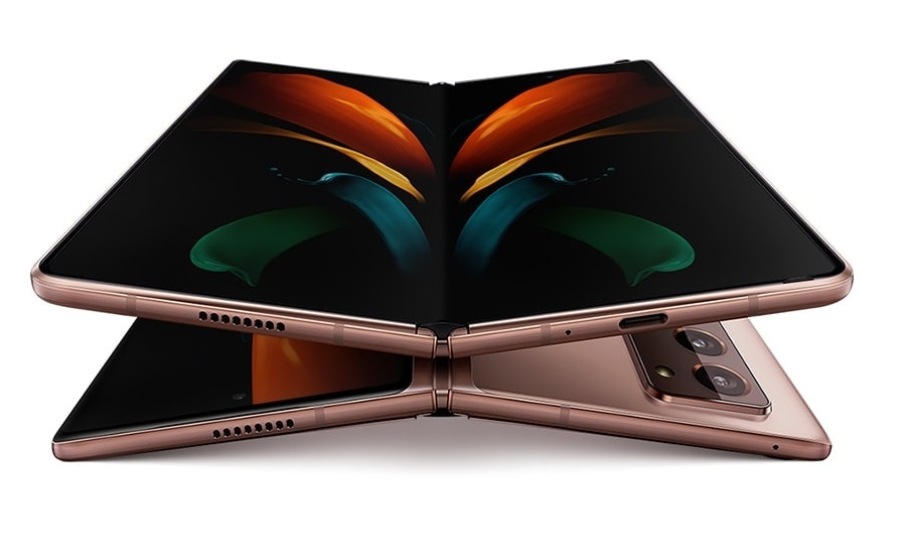
Honor has been working on launching its next generation of foldable smartphones, the Honor Magic VS, in mainland China. The brand has been teasing the device for a long time and the official launch is expected to happen somewhere later this month. Now, pre-booking for the Honor Magic VS has started in the country and interested users can now reserve the upcoming device before launch.
The Honor Magic VS will be officially launching on November 23rd, 2022 at 14:30 local time. The shipping is expected to start as soon as the official launch event ends. It has been said that the Magic VS will be powered by the Qualcomm Snapdragon 8+ Gen1 chipset. It will have a 2030mAh + 2870mAh dual-cell battery setup, which can combine to give an output of 4900mAh. Furthermore, it will bring support for up to 66W of wired charging. The Magic VS will have a new upgraded hinge solution and the overall form factor of the device will also be further upgraded. The form factor of the device will be further optimized and a reduction in weight will be done in order to make the device thinner and lighter.
According to the company’s official promotional video, the device employs an inward folding design and has a golden central frame. It will have a 2K resolution OLED display. The company will also introduce its brand-new Honor MagicOS 7.0 operating system, which might come with a multi-device communication sharing functionality, along with the release of the Honor Magic VS. Additionally, it is reported that the Honor 80 series will also debut at the same event.
As reported by ITHome, the spokesperson noted that HarmonyOS 3 Public Beta will be available for the 4th batch of Huawei devices starting this November. Owners of these 3 Huawei smartphones (Huawei Nova 8, Nova 8 Pro, Nova 8 Pro 4G) will be able to apply for HarmonyOS 3 Public Beta by the end of this November, whilst for the Huawei nova 8 SE and Huawei Nova 8 SE Vitality Edition, the HarmonyOS 3 Public Beta will be available starting early 2023.
Besides these 5 Huawei devices, Huawei also earlier announced last week that HarmonyOS 3 Stable had been rolled out to 15 Huawei device models this November. The full list is linked in this article here.
Source: Huawei
For those unfamiliar with Huawei’s HarmonyOS software development rollout, it can be easily explained in 3 easy to read paragraphs.
The HarmonyOS rollout is divided into 3 stages, a closed beta, a public beta, and a stable version rollout. In the closed beta version rollout, Huawei device users can opt-in for early access software development to try out the new features due to be added in the next major software update. Interested participants first need to go to settings and apply for the closed beta programme, and then once Huawei has approved the application, only then the closed beta update will roll out to the user’s device. Normally, only 2000 users will be selected for the closed beta programme.
For the next stage – the HarmonyOS public beta rollout, there is no limit to how many Huawei users can join the programme. Users can opt-in for the update via settings at any time. However, Huawei does suggest users who opt-in for the public beta back up their devices beforehand, as it is still not a stable release. Just like the closed beta, Huawei users can experience upcoming software features before the stable release and the main purpose of releasing a public beta first is to iron out any bugs and stability issues before rolling it out for all users.
In the final stage, HarmonyOS is rolled out to all Huawei device users with a stable version release. The update will include notable features found in the closed and public beta testing, as well as security updates, stability and bug fixes for all Huawei users over the air.
Xiaomi‘s latest Bone conduction headset has officially gone on sale. The product was initially launched last month but was only available to pre-order. The headset is priced at 699 yuan (~$99) and is now available to buy via Jingdong (JD.com).
As the name suggests, the headset uses bone conduction technology to transmit sound. Instead of using air, the technique transmits sound waves along your cheeks. It is the same approach used by sea mammals underwater, and it is thought to be the technique employed by German classical musician Ludwig Van Beethoven after he lost his hearing to produce music. Users can also hear the sound of their surroundings while listening to music using this technology, allowing them to pay attention to the environment at all times.
The vibrator inside the earphone has an unusual track-type design, which improves sound quality. A 360° closed directional sound chamber may also efficiently reduce sound leakage and safeguard privacy.
The new earphones have a Bluetooth 5.2 chip for rapid connectivity. Xiaomi claims the connectivity delay is as low as 86ms. As a result, customers will have a stable connection to the headset while exercising, with no disconnection. The earphone also has a single battery life of up to 12 hours. It employs a Type-C interface, which is widespread in phone charging cables. Up to two hours of music playback can be obtained from a 5-minute charge.
The Xiaomi Bone Conduction headset also supports MIUI pop-up quick connection. When the gadget is close to the phone, it is instantly and rapidly paired. It also has IP66 dust and water resistance, which means it can survive wind, rain, and snow.
There is no word as to when it would be launched on the global turf but you can get it right now from Gizmochina’s online store Giztop.
Chinese tech company Realme recently confirmed that it would launch the Realme 10 series for its home market on November 17. In addition, to the 10 series, the company has now confirmed that it will launch new truly wireless earbuds. Teaser posters shared by the firm show that the new earbuds will be known as Realme Buds Air 3S.
While the specifications of the new truly wireless earbuds are not known at this time, the posters give us a clear look at the design. As can be seen from the official poster, the new earphones are designed with short stems giving them a smaller and lighter look. The design also includes ear wings that retain the buds to the ears firmly so that they won’t fall off easily.
In addition, the new product is equipped with a square charging box. The inside of the charging box has the slogan “DARE TO LEAP” inscribed. The inscription is Realme’s latest slogan which replaced the equally cool tagline “Proud To Be Young”. The Buds Air 3S is reportedly open for reservation in China. The pair will be available in two color options – Space white and carbon black.
The specs of the Buds Air 3S will likely not be too different from the Buds Air 3 Neo that was launched in July. The Buds Air 3 Neo comes with a built-in 10mm bass moving coil. It also comes with support for AI electronic noise cancellation as well as a 30% increase in physical wind noise resistance. The Buds Air 3 Neo has support for Bluetooth 5.2, has an ultra-low latency of 88ms, and has an IPX5 waterproof rating. It also has an affordable price tag of 129 yuan (~$18). We expect the Buds Air 3S to be priced around this region.
We use cookies on our website to give you the most relevant experience by remembering your preferences and repeat visits. By clicking “Accept”, you consent to the use of ALL the cookies.
This website uses cookies to improve your experience while you navigate through the website. Out of these, the cookies that are categorized as necessary are stored on your browser as they are essential for the working of basic functionalities of the website. We also use third-party cookies that help us analyze and understand how you use this website. These cookies will be stored in your browser only with your consent. You also have the option to opt-out of these cookies. But opting out of some of these cookies may affect your browsing experience.
Necessary cookies are absolutely essential for the website to function properly. This category only includes cookies that ensures basic functionalities and security features of the website. These cookies do not store any personal information.
Any cookies that may not be particularly necessary for the website to function and is used specifically to collect user personal data via analytics, ads, other embedded contents are termed as non-necessary cookies. It is mandatory to procure user consent prior to running these cookies on your website.