Google has taken measures to address the issue of malware infections on Android smartphones by implementing stricter guidelines for app development and distribution. The company has ensured that apps available on the Google Play Store are free from malware, but the ability to sideload apps has created a loophole for malware to spread. In response, Google plans to block the installation of outdated apps on Android 14, as seen in recent code changes. This move aims to eliminate the potential for malware to spread through sideloading and older apps.
Google also urges Android users to update their applications regularly. Since the latest version of Android, Android 13, is only available to 5.2% of all devices, Google might increase the minimum API limit to Android 6.0 to further protect users from malware spread. This is because malware attacks usually target older versions of Android with outdated security patches and loopholes. Once Google starts blocking the sideloading feature, the number of malware attacks will go down considerably. It is worth noting that this won’t affect newer smartphones with later versions of the OS, since they receive timely updates for their applications.
Google is considering offering options for brands to turn on or off the feature that blocks the installation of outdated apps on Android 14. The company recognizes that the spread of malware among Android smartphones is a concern and is taking steps to address it. To ensure that users have complete control over their devices, Google may also provide a way for users to bypass the feature through the command shell. This can be done by introducing a specific flag in the command shell. However, it’s important to note that this process would be more complex than simply installing an APK on an Android smartphone. The goal is to make it more difficult for most users to bypass the feature, but still provide a way for those who need it.
Users might see the feature in the developer preview of Android 14, which is set to be available in March 2023.
In December 2022, Redmi unveiled the Redmi Watch 3 and Redmi Band 2 fitness tracker in China. Today, the company will be releasing Band 2 in the Indonesian market. As per a report by XiaomiTaday, the fitness tracker will also be released soon in Europe.
The Redmi Band 2’s listing has appeared in the database of the Declaration of Conformity in Italy. The moniker of the device is not explicitly mentioned in the listing. However, it does mention the model number M2225B1, which belongs to Band 2. At present, there is no word on the launch timeframe of the fitness tracker for the European market.
Redmi Band 2 specifications
Redmi Band 2
The Redmi Band 2 has a 1.47-inch LCD display that offers 247 ppi pixel density and 450 nits of peak brightness. Its appearance can be customised by choosing from more than 100 watch face options. The fitness tracker houses a 210mAh battery that supports up to 14 days of battery life.
The device is equipped with health tracking features like 24 x 7 heart rate tracking, SpO2 monitoring, and female health tracking. It offers 30+ sports modes for tracking different sports activities.
The Redmi Band 2 offers Bluetooth 5.1 LE connectivity and is compatible with devices running on Android 6 or higher or iOS 12 or later. The fitness band offers other features like remote camera control, time, stopwatch, weather, and music playback. Lastly, it offers 5ATM water resistance.
In China, the Redmi Band 2 is priced at 169 Yuan. It comes in shades like Midnight Black and Dream White. There is a possibility that it may arrive in other colours, such as pink, blue, and green.
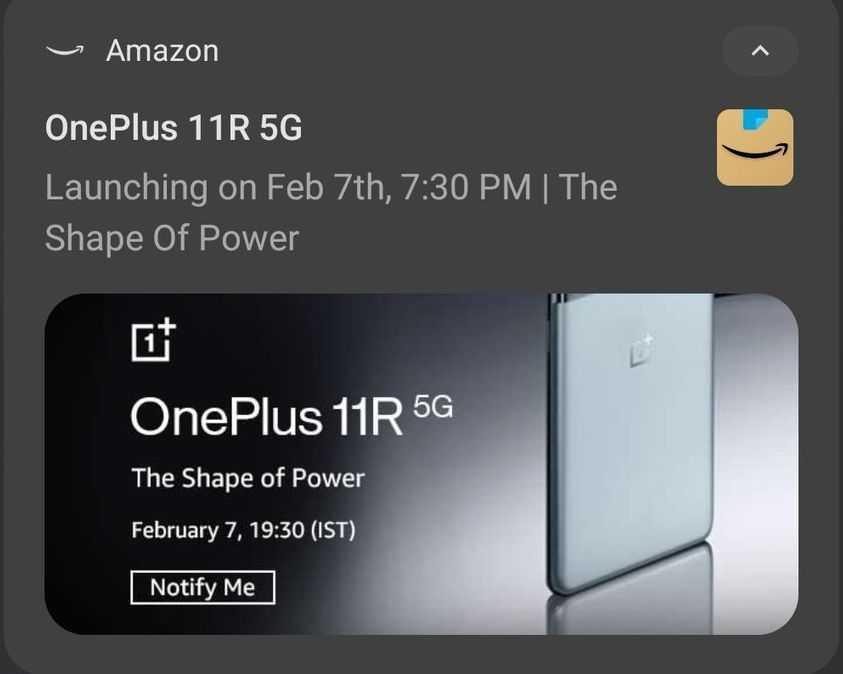
OnePlus is scheduled to announce the OnePlus 11 5G, Buds Pro 2 TWS earbuds, and its first keyboard on Feb. 7 in India. A notification for the rumored OnePlus 11R 5G has reportedly surfaced on Amazon India. Clicking on it reveals the following poster, which confirms that it will also break cover at 7:30 pm (local time) on Feb. 7.
As can be seen, the OnePlus 11R 5G will be marketed with the “The Shape of Power” tagline. While the launch date has appeared on Amazon, there has been no official confirmation from the brand about its arrival.
Several reports have already leaked a lot of information about the OnePlus 11R 5G. Speculations are rife that the same device will be heading to the Chinese market with the OnePlus Ace 2 moniker.
OnePlus 11R 5G specifications (rumored)
The OnePlus 11R 5G is expected to feature a 6.7-inch AMOLED display with curved edges. It will support an HD+ resolution and a 120Hz refresh rate. The phone will run on OxygenOS 13-based Android 13.
The OP11R will arrive with a 16-megapixel selfie. On the back, it will feature an OIS-enabled 50-megapixel main camera, a 12-megapixel ultra-wide lens, and a 2-megapixel macro camera.
Under the hood, it will have the underclocked edition of the Snapdragon 8 Plus Gen 1 chipset. It is expected to arrive with LPDDR5 RAM and UFS 3.1 storage. It will house a 5,000mAh battery with 100W charging. For security, it will be equipped with an under-display fingerprint scanner. It will also feature an alert slider.
The device will be available in two configurations: 8 GB of RAM with 128 GB of storage and 16 GB of RAM with 512 GB of storage. The base model is likely to cost between Rs 35,000 (~$429) and Rs 40,000 (~$490), while the higher edition may cost between Rs 40,000 (~$490) and Rs 45,000 (~$552).
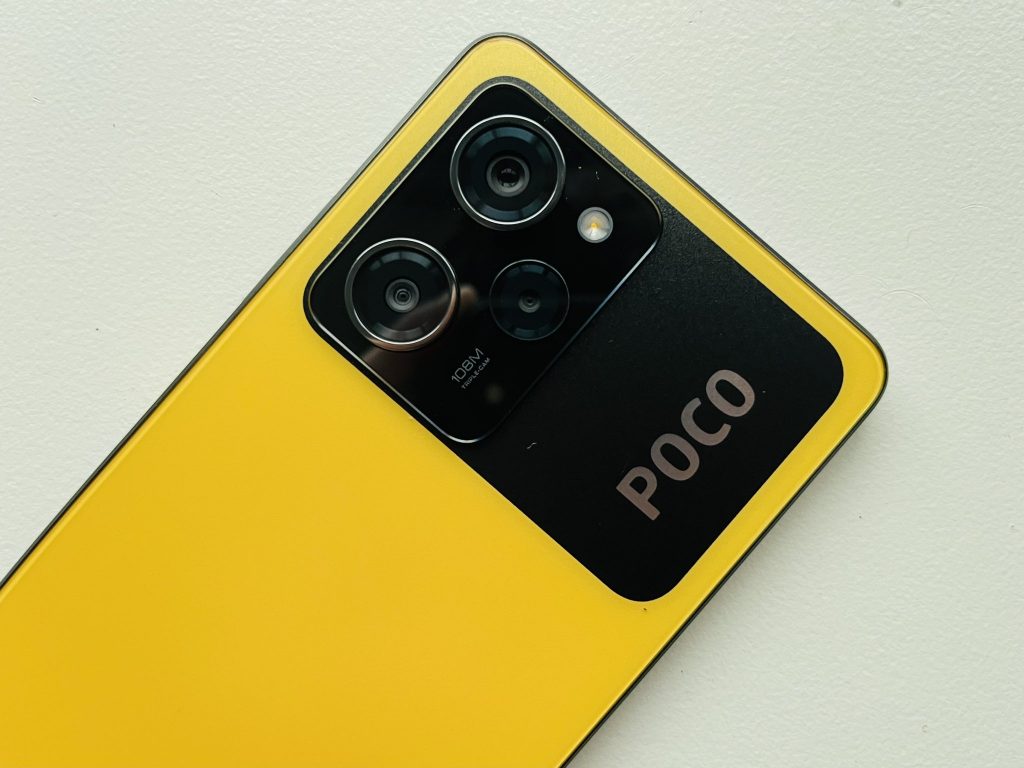
After the debut of various Redmi Note 12 series devices in the global market, POCO appears to be gearing up to launch the X5 lineup of smartphones globally. Leaked promo material has already confirmed the design of the POCO X5 Pro, and rumors state that the device will be a rebrand of the Redmi Note 12 Pro Speed Edition.
Now, a new leak has surfaced, hinting at the Indian launch price range of the X5 Pro. According to tipster Debayan Roy, the POCO X5 Pro will be priced between ₹21,000 ($258) to ₹23,000 ($282). As mentioned, these will be the launch prices of the device, and therefore it is expected that the device will cost more after the introductory period is over. Nonetheless, this pricing will certainly make the POCO X5 Pro the cheapest Snapdragon 778G-clad smartphone on the Indian market.
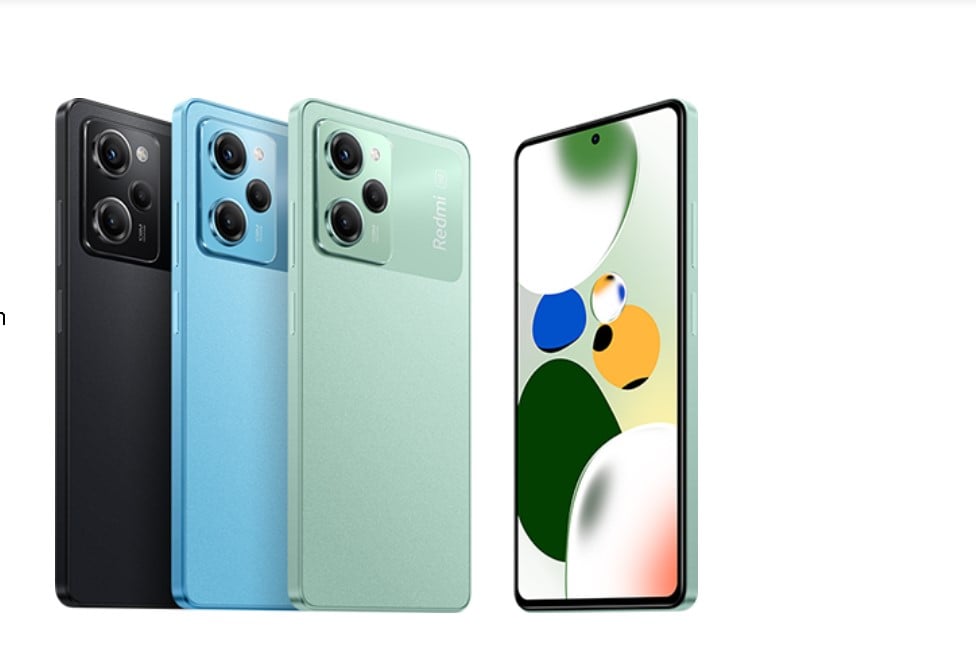
Redmi Note 12 Pro Speed Edition
So far, the leaked image of the POCO X5 Pro suggests that it will share its frame design with the Redmi Note 12 Pro Speed Edition. Obviously, the device will come with a POCO-exclusive paint job. The back will house a triple-camera setup and an LED flash.
Coming to specifications, we can expect the handset to feature a 6.67-inch FHD+ 10-bit OLED display with a 120Hz refresh rate as well as 240Hz touch sampling and up to 1920Hz PWM dimming.
As mentioned above, the device will likely have a Snapdragon 778G chipset coupled with up to 8GB of RAM and 256GB of storage. On the software front, we can expect the device to come pre-loaded with Android 13-based MIUI 14.
The camera system on the device will likely be headlined by a 108MP sensor, paired with an 8MP ultra-wide unit and a 2MP macro camera. A 5,000mAh battery will power the smartphone, and fast charging is expected to be as high as 67W.
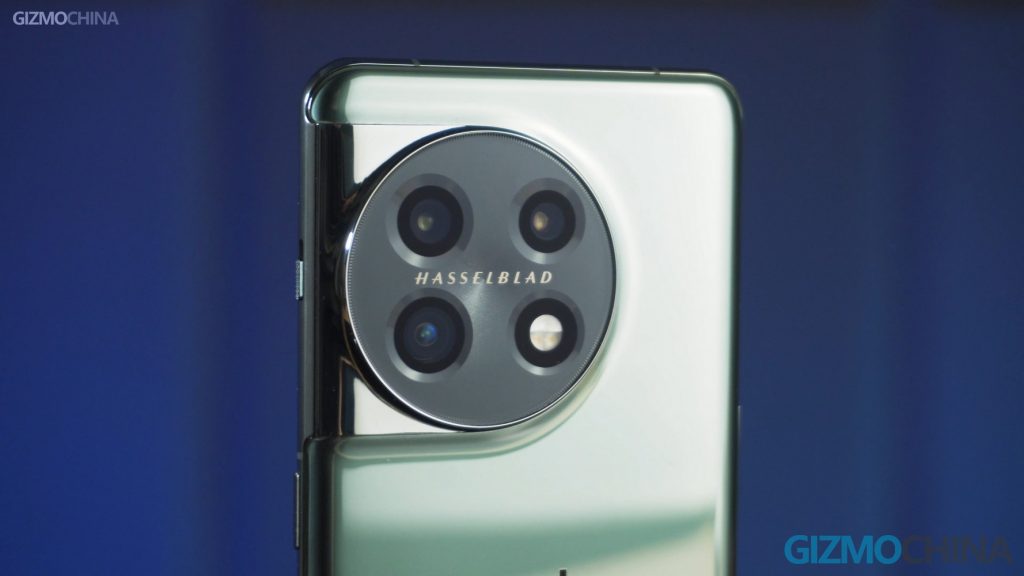
As we already know, the OnePlus 11 will be getting a global launch on February 7. The device launched in China in early January. Although it is said to be a global launch, customers in Germany won’t be seeing the flagship smartphone launch in their country.
This is due to the recent ban imposed by Germany on the sale of OnePlus and Oppo smartphones in the country. For those unaware, the ban was imposed by the German count on Oppo and OnePlus back in August 2022, after Nokia filed a suit against the brands for illegally using its 4G and 5G patents in their devices.
According to sources close to OnePlus, the situation still remains the same for the company. However, customers interested in getting their hands on the OnePlus flagship will be able to do so by buying it from other countries in the EU.
OnePlus 11 specs
As the device is already available in China, we know all there is to know about the specifications. The display of the flagship device is a 6.7-inch E4 AMOLED this time around with a 120Hz refresh rate and 3216 x 1440p resolution. It supports HDR10+ and comes with a punch-hole cutout in the top left corner.
Under the hood, there is a Qualcomm Snapdragon 8 Gen 2 chipset taking care of all the computing. The chipset is paired with up to 16GB of LPDDR5 RAM, and 512GB UFS 4.0 storage. Software-wise, the device has Android 13 onboard with OxygenOS 13 on top.
The triple camera unit on the back of the OnePlus 11 consists of a 32MP Sony IMX709 2x telephoto camera, a 48MP Sony IMX581 ultra-wide-angle camera, and a 50MP Sony IMX890 primary sensor with OIS. For selfies and video calls, the front camera has a 16MP sensor.
A 5,000mAh battery with 100W fast charging comes standard in the OnePlus 11. A USB Type-C port, Bluetooth 5.2, GPS, Wi-Fi 6E, and 5G are among the available connectivity options. The phone weighs 205 grams and has dimensions of 163.1 x 74.1 x 8.53mm. Other features include an in-display fingerprint sensor, IP54 certification, and an alert slider.
Infinix unveiled the Zero 5G in February 2022 as its first-ever 5G-enabled smartphone. The company recently confirmed that the Zero 5G 2023 series will be announced on Feb. 4 in India. The word “series,” which can also see on the landing page available on Flipkart, suggests that the lineup may include another model. The top model in the lineup is dubbed as the Infinix Zero 5G 2023 Turbo. Here’s what to expect from the price of the Turbo model.
The Realme 10 Pro+, Redmi Note 12 Pro, and Note 12 Pro+ are the only Dimensity 1080-powered phones available in the Indian market. In their base models, these devices offer configurations, such as 8GB+128GB, 6GB+128GB, and 12GB+256GB. These are priced at Rs 25,999 (~$319), Rs 21,999 (~$269), and Rs 29,999 (~$367), respectively. The Infinix Zero 5G 2023 will undercut these phones with a sub-Rs 20,000 (~$245) price tag.
Infinix Zero 5G 2023 Turbo
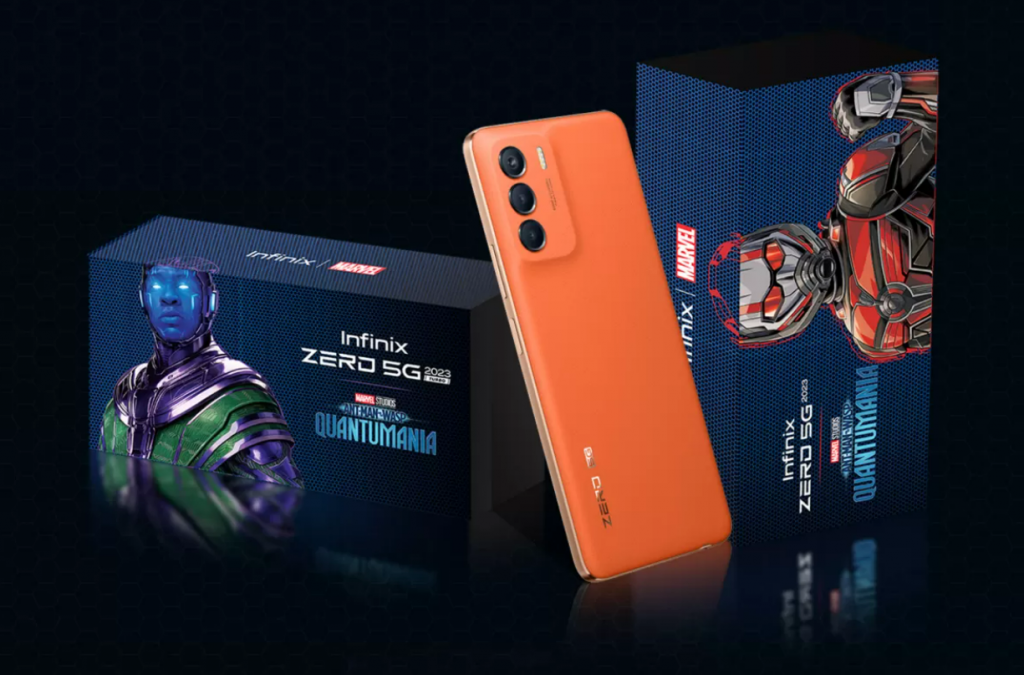
The Zero 5G 2023 Turbo will come in an 8GB+256GB version only. The company has partnered with Marvel Studios for the smartphone to celebrate the release of Ant-Man and the Wasp: Quantomania, which is scheduled to take place on Feb. 17. Hence, it will arrive in a special package, as shown in the above image.
Unlike its rivals that have an AMOLED panel, the Zero 5G 2023 Turbo will have a 6.78-inch LCD panel that offers a Full HD+ resolution. It will run on Android 12-based XOS 12 and feature a side-facing fingerprint scanner. The phone will be available in three different colors: orange (with a vegan leather back), black, and white.
The Zero 5G 2023 Turbo will have a 5,000mAh battery with 33W fast charging support. It will have a 16-megapixel front camera with dual-LED flash and a 50-megapixel (main) + 2-megapixel (depth) + 2-megapixel (macro) triple-camera system with quad-LED flash.
Infinix will announce the Infinix Note 12i mid-range phone in India today. It will be one of the most affordable phones with an AMOLED screen, with a price tag of around Rs 11,000 (~$135). After the Note 12i, the company will release two more products, namely the Infinix Zero Book Ultra and the Zero 5G 2023 series. The notebook is scheduled to launch on Jan. 31, whereas the Zero-series phone is all set to launch on Feb. 4 in the country. Here is everything you should expect from the Infinix Zero Book series of notebooks.
Infinix entered the laptop segment in December 2021 by announcing the INBook X1. The company released three new products in 2022: the INBook X1 Slim, the INBook X1 Neo, and the INBook X2 Plus. Now it is all set to announce its Zero-branded laptops, namely, the Zero Book and Zero Book Ultra, in the country.
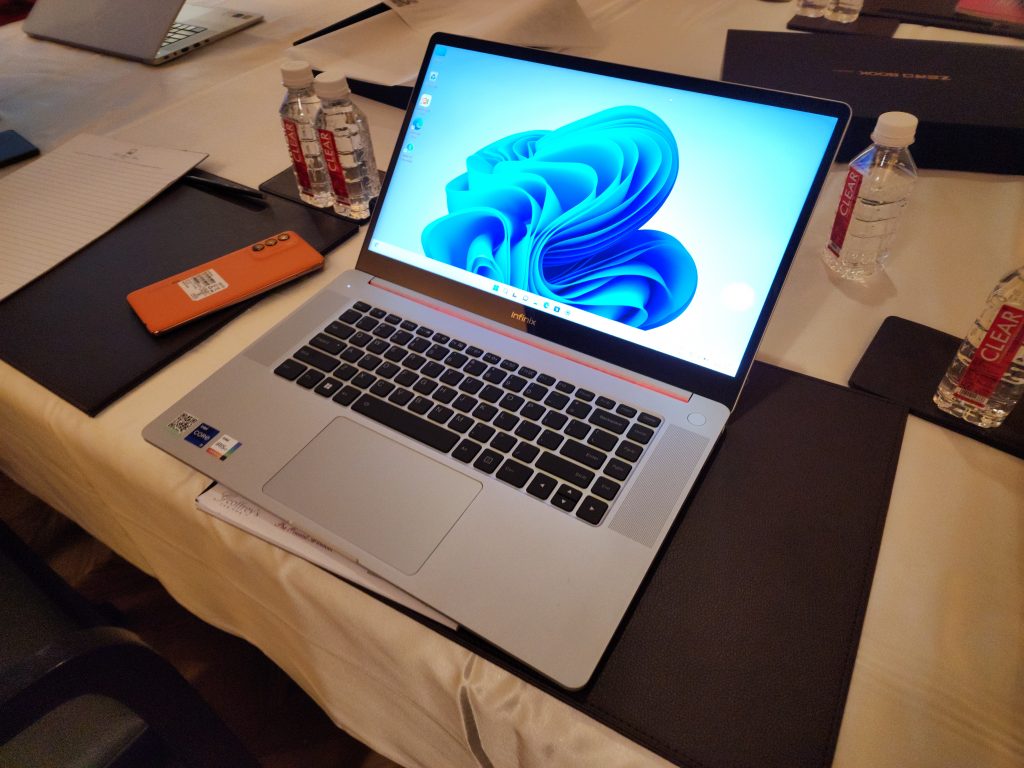
Infinix Zero Book Ultra
Designed for creators, the upcoming Zero Book series of notebooks will be priced higher than any of the Infinix laptops available in the Indian market. To deliver top-notch performance, the device will come equipped with 12th-generation Intel Core H processor options, such as the Core i5, Core i7, and Core i9. The Zero Book series will feature LPDDR5 RAM and PCIe 4.0 SSD storage.
The Zero Book series’ first generation will be available in four configurations: Core i5 with 16 GB of RAM and 512 GB of storage, Core i7 with 16 GB of RAM and 512 GB of storage, Core i9 with 16 GB of RAM and 512 GB of storage, and Core i9 with 32 GB of RAM and 1 TB of storage.
The top two variants will have “Ultra” branding. As far as pricing is concerned, the highest configuration model will be priced under Rs 90,000 (~$1,100), which is an astonishing price since notebooks with such a configuration cost around Rs 1,50,000 (~$1,837) in the Indian market.
Some of its key features include a physical “Overboost” toggle that enhances its performance, an FHD webcam with an AI BeautyCam feature, quad-array speakers, and a 70Whr battery that promises a long battery life. It will feature a 15.6-inch FHD LED-backlit display and support 96W charging. The device will be available for purchase via Flipkart.
Portronics has announced a smart writing pad named the Ruffpad 15M in India. One of the key features of the device is that it comes equipped with a large color display. Another good thing about it is that it allows users to save drawings and notes by using a smartphone app. Hence, the Ruffpad 15M is a significant effort to reduce paper waste by providing a big, colourful display panel with the ability to save and share your work via a smartphone app.
Portronics Ruffpad 15M specifications and features
Portronics RuffPad 15M
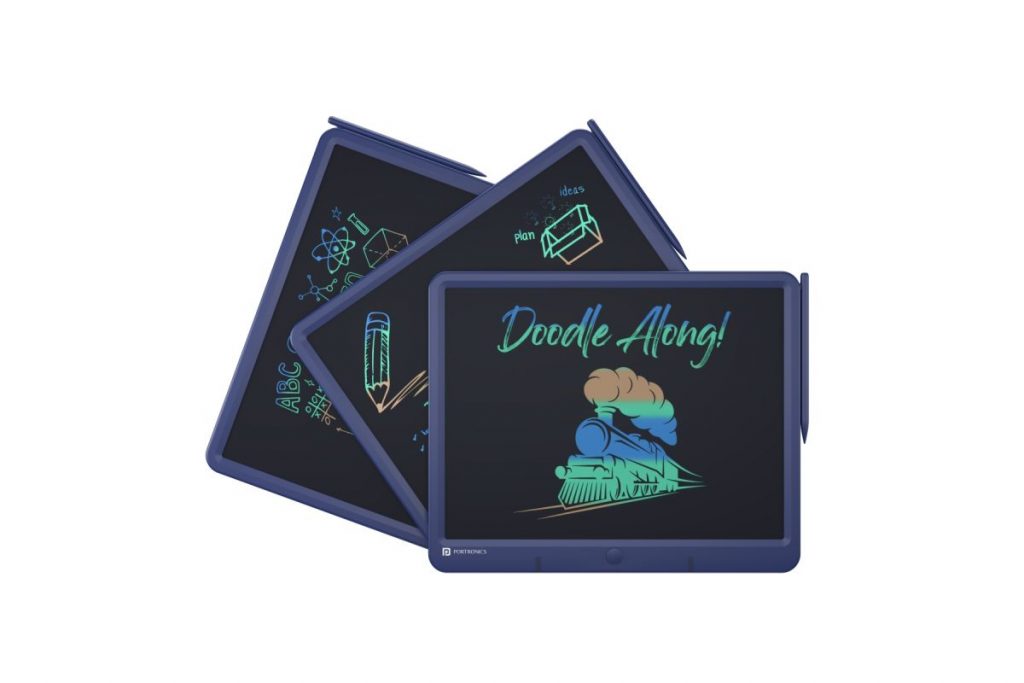
The Portronics Ruffpad 15M has a 15-inch LCD panel, which can display vibrant colors. The stylus that accompanies the device has a rubber tip that offers a smooth experience while writing and drawing on the LCD screen.
A 3V user-replaceable coin cell that can last for several months, according to the company, powers the smart pad. There is a single button on the front for quick erasing. A smart lock switch is available onboard to prevent accidental erasing.
Portronics RuffPad 15M
To save the drawings or writings on a smartphone, one can use the Ruffpad app, which can be found in the Android and iOS app stores. It has a thickness of 6.6mm and weighs around 340 grams. Since it is a very lightweight writing pad, one can easily carry it in a backpack.
Portronics Ruffpad 15M price in India
The Portronics Ruffpad 15M has arrived in the Indian market with a price of Rs 1,399 (~$17). Interested customers can purchase it via Potronics.com, Amazon, and Flipkart. It can also be bought through other leading online retailers as well as offline stores.
Portronics Ruffpad 15M Smart Writing Pad with Color Display Launched for Rs 1,399 (~$17)
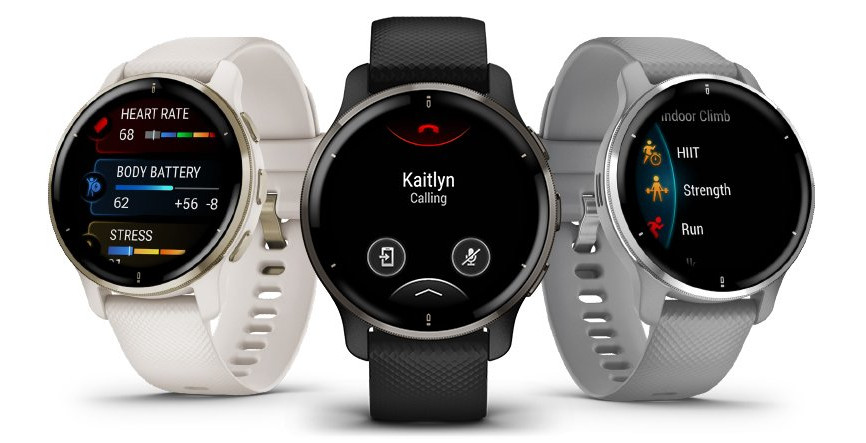
US-based company Garmin, better known for its GPS and fitness tracking technology, has launched a clinically-proven electrocardiogram (ECG) app for its top smartwatch, the Venu 2 Plus. The app, which has been approved by the US Food and Drug Administration (FDA), aims to help users more closely monitor their heart health by utilizing existing sensors on the watch to record the electric signals produced by users’ hearts.
ECG capabilities have been available on consumer wearables for some time, but the approval process for these tools can be challenging. Garmin’s app, however, has been clinically validated, making it a major addition to the company’s already powerful platform. Eligible users can access the app immediately and record on-demand ECG readings right on the wrist. After thirty seconds, the app will display the heart rhythm results.
The app is capable of analyzing users’ results for potential health concerns such as early signs of atrial fibrillation (AFib). If synced with Garmin Connect, the app will also provide users with a history of their ECG readings, which can then be shared with medical professionals via the smartphone app.
At the moment, the ECG app is only available to users in the US and is only accessible on Venu 2 Plus. However, Garmin has stated that it plans to continue expanding the launch to additional products in the future. Furthermore, the app will be made available to more users as the company meets the necessary regulatory approval in additional regions.
It is important for users to ensure that their device is utilizing the latest version of Garmin Connect to access the ECG app on their Venu 2 Plus. With the ECG app, users can now have more control over their heart health and can easily share their results with medical professionals, making it a valuable tool for those who want to keep a close eye on their heart health.
Anker has showcased the Mach V1 cordless vacuum in Japan which will be sold under crowdfunding. The Mach V1 is a cordless vacuum cleaner with steam-cleaning functionality. The gadget has a suction power of up to 16.8kPa and can operate for up to 82 minutes on a single charge. The crowdfunding campaign will be in Japan but the gadget will be available in China and possibly Australia.
The Anker Mach V1 combines normal vacuum cleaning and steam cleaning. The high-temperature cleaning helps to disinfect the floor effectively. The gadget uses the SteamWave Continuous steam and Eco-clean Ozone technology is very effective in bacteria elimination. The vacuum cleaner is built on the technology of Anker’s Eufy range of robot vacuum cleaners.
The vacuum has one-click automatic cleaning, sterilization, and drying functions which maintain its freshness after every use. It is equipped with a 7,400mAh battery to power the device for up to 82 minutes. The maximum sound output of the device is 65dB, which is a decent feature.
There are few details relating to the crowdfunding campaign but the device will retail for $882 on pre-order. The gadget is also available in China and Australia is also a possibility. Anker is offering up to 40% discount for customers who sign up for the Anker newsletter. Interested buyers in Japan can pre-order the Anker Mach V1 from Makuake. The Mach V1 charging base has ERAC certification although its charging time particulars are lacking. It is unclear whether the new Anker vacuum will berth in other markets.
India is seeing a massive expansion of its network infrastructure to accommodate 5G connectivity. The latest addition is the Jio 5G services that rolled out to fifty cities. Jio 5G services in India now span 184 cities spread across the regions. Jio continues to serenade its customers with the super-fast 5G connectivity on offer.
Jio is offering data speeds up to 10Gbps via the Jio Welcome Offer to users in new locations. The latest rollout in 50 cities includes Andhra Pradesh, Assam, Chhattisgarh, Goa, Haryana, Jharkhand, Punjab, and Rajasthan, among others. The Jio Welcome Offer opened on Tuesday, January 24, 2023.
Jio, in a statement, stated that the company is thrilled to launch the Jio True 5G services in 50 additional locations. Jio says the latest rollout is the largest rollout of 5G anywhere in the world. The rollout delivers high-speed network connectivity to millions of Jio network users. The company says it has stepped up the speed and intensity of True 5G for the benefit of its customers.
Jio plans to scale up its 5G network services to all parts of India by December this year. It says it has continued to enjoy support from the various state governments in its quest to digitize every region. The potential benefits for Jio are quite immense. The rollout could engender an expansion of its customer base as users seek faster data connectivity. The implications of full 5G penetration in India open up new vistas of development.
A leaker has provided the price listing for the Garmin Forerunner 265 and Forerunner 965 smartwatches. The early retailer listing of the two Forerunner 265 and Forerunner 965 provide an early peek into the two wearables. The retailer revealed some details of both smartwatches in addition to their prices.
The leak by @fttest_en comes two weeks after the same leaker stumbled upon the two smartwatches at the FCC. The indications are that the two Garmin next-gen Forerunner models will be launched in a few weeks. The two models will come with a significantly higher price tag than their predecessors, according to the listing.
The leaker stated that RunningXpert priced the Forerunner 265 at $499.99. The price of the Forerunner 265 is up to $150 higher than the Forerunner 255.
It is rumored that Garmin will not release a Forerunner 265 Music as the follow-up to the Forerunner 255. Thus the Forerunner 265 is a replacement for both the Forerunner 255 and Forerunner 255 Music. The Forerunner 255 Music is priced at $399.99 and is also cheaper than the Forerunner 265. On the other hand, the Garmin Forerunner 965 comes with a $691 price tag. The Forerunner 265s is also part of the new Garmin smartwatches.
The three upcoming Garmin models are expected to be released in February 2023. The smartwatches will be available in different color opotions. The Forerunner 265 will come in Aqua/ Black, Black / Power Grey, or Whitestone/ Tidal blue. The Forerunner 265s has light pink/ Whitestone options, while the Forerunner 965 will have Amp Yellow/ Black, Black/ Powder Grey, and Whitestone / Powder Grey colors. The coming days will further illuminate the authenticity of the latest leaks about the new Garmin smartwatches.
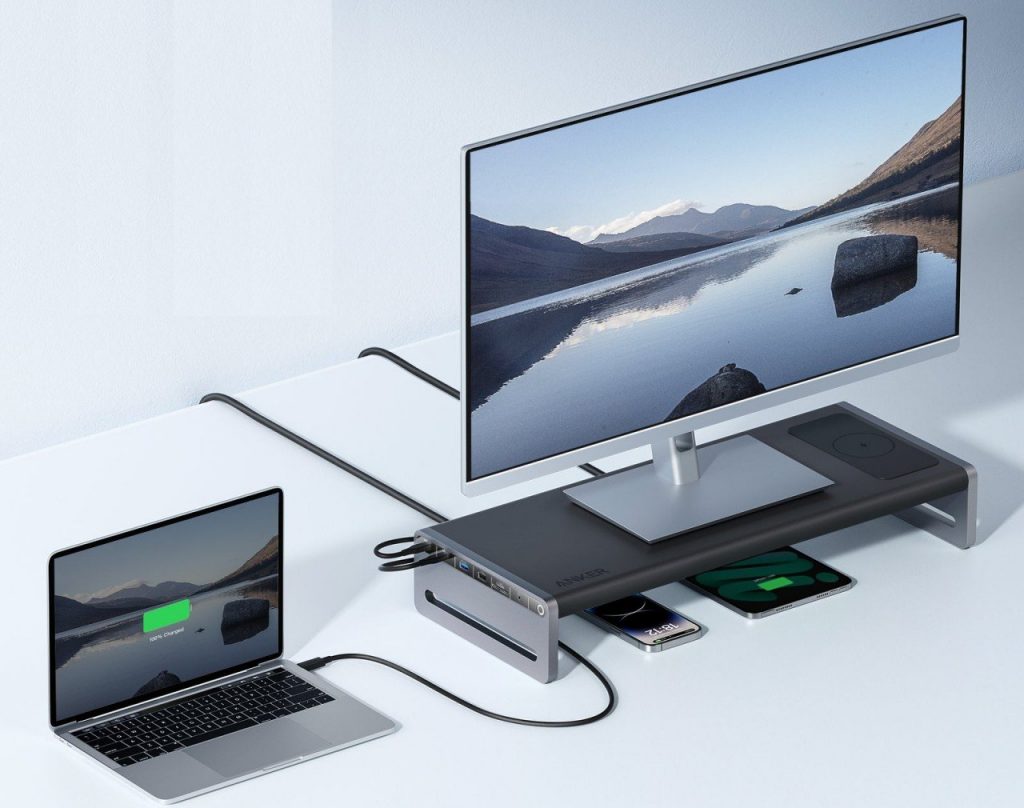
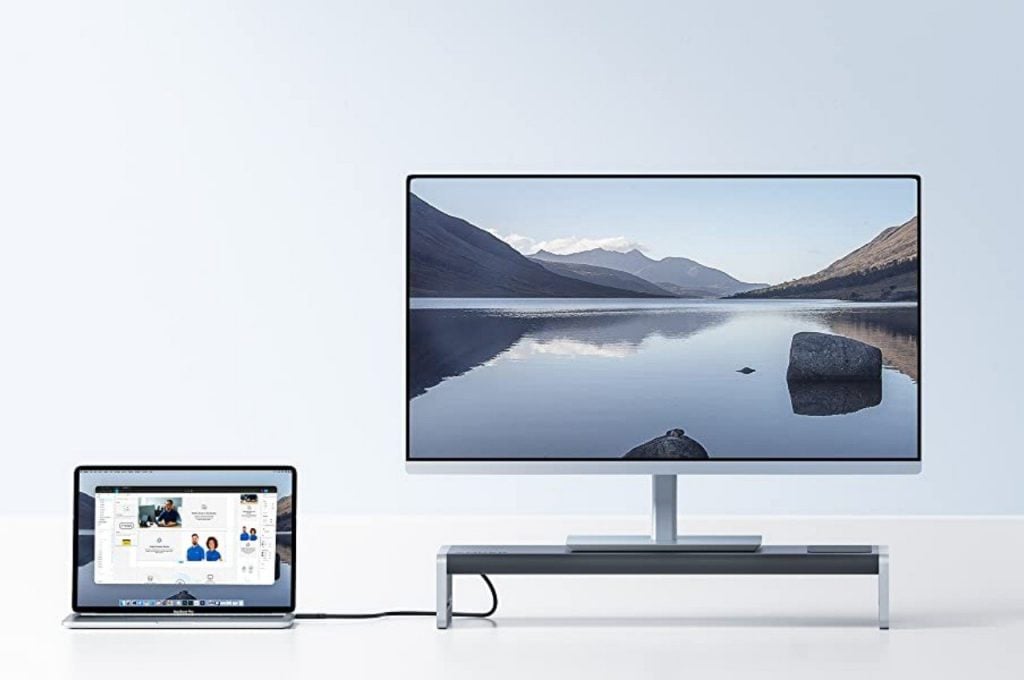
Chinese tech giant Anker has launched yet another innovative product – a monitor stand that doubles as a USB-C docking station. The Anker 675 USB-C Docking Station, as it is called, is more than just a monitor stand, it is a multi-functional hub that can help you organize your desk and make your work life easier. The docking station’s main function is to elevate your computer monitor to a more ergonomic height, reducing strain on your neck and eyes. But it also offers a wide range of ports that allow you to connect all of your devices in one place, making it easy to access and switch between them.
One of the standout features of the Anker 675 USB-C Docking Station is the variety of ports it offers. It has a total of 10 ports, including USB-A and USB-C, an HDMI port, and a data card reader. This means you can connect all of your devices, such as your computer, phone, camera, and peripherals, to the docking station, making it easy to switch between them. The most frequently used ports are placed on the left side of the dock for quick access, while others are hidden beneath the surface to prevent your hands from tripping over them.
In addition to the ports, the Anker 675 USB-C Docking Station also includes a wireless charging pad on the right side that supports most modern phones. This means you can charge your phone while you work, without the need for additional cords and cables.
The Anker 675 USB-C Docking Station is also designed to be aesthetically pleasing, which can help reduce stress and improve your overall work experience. The dock is made of aircraft-grade aluminum alloy, with a minimalist design that doesn’t take up too much space. The curved edges and corners give it an aesthetically pleasing form, which is just the break that your eyes and mind need when dealing with the pressures and stress of work life. Additionally, the empty space it leaves below is a perfect storage space for documents or even other devices that you want to keep within arm’s reach, even if they’re not immediately needed.
The Anker 675 USB-C Docking Station is priced at $250 and it will be officially launched on January 30.
Meizu isn’t as popular in the international smartphone market as other Chinese brands. However, the OEM has a decent fan base in its home country due to its feature-packed smartphones. The brand recently confirmed that it is working on a new Snapdragon 8 Gen 2-powered flagship, dubbed Meizu 20. And while we wait for the handset’s formal debut, some leaked patent images have fully revealed its design. Here are the details.
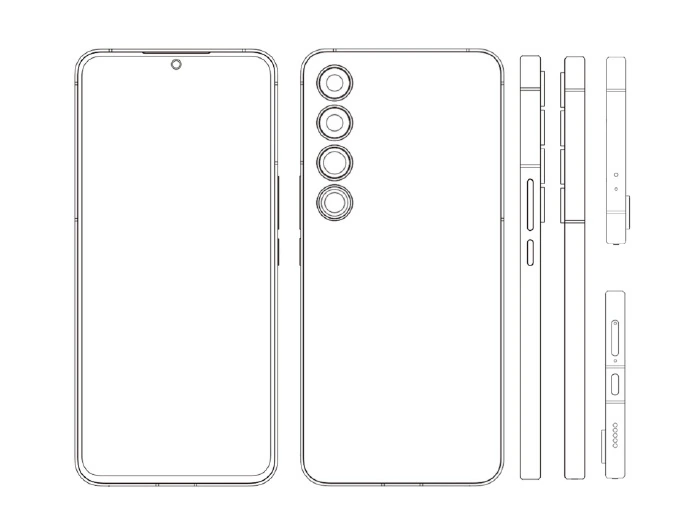
Meizu applied for the design patent for an upcoming smartphone, which is believed to be the Meizu 20. As can be seen in the image, the smartphone has a flat back with four protruding rings housing camera sensors. It has a boxy design with flat sides. The left edge can be seen with the volume and power buttons while the left one remains empty.
Up front, there’s a flat display with a center-punched hole nesting the selfie camera. Overall, the design of the Meizu 20 looks quite premium. The boxy design gives the smartphone a clean appearance, enhancing its overall aesthetic appeal.
Meizu 20’s existence was confirmed last month through a teaser video. The brand previously revealed that the smartphone will be powered by the latest Snapdragon 8 Gen 2 processor. In addition, rumors suggest the company may pair the smartphone with a higher-end model, called Meizu 20 Pro.
It has been quite some time since Meizu launched a flagship smartphone. The last flagship – Meizu 18 debuted back in 2021 with Snapdragon 888 5G. It packs a Super AMOLED display with a 120hz refresh rate.
Meizu 20 is expected to be an interesting release as it will pack a powerful processor and will likely have impressive cameras. Its launch date should be announced soon. We’ll keep you posted.
Yes, you’ve read the title correctly. It seems beverage corporation Coca-Cola will be teaming up with a smartphone brand to launch a new device in India. The handset will apparently have the soft drink company’s popular logo on the back.
Tipster Mukul Sharma recently shared high-quality renders of what seems to be a Coca-Cola-branded smartphone. He says the handset will be a result of a collaboration between the soft drink giant and a smartphone brand. While Sharma didn’t reveal the name of the brand, the handset’s design points fingers at Realme.
As you can see in the images, the smartphone has a flashy design with a Coca-Cola logo on the right side of the back panel. It is red in color, matching the beverage company’s theme. There are two circular rings on the back panel that house two camera sensors. It has round edges with the volume buttons on the right.
The specifications of the smartphone are not known yet. But as 91Mobiles rightly pointed out, the device looks a lot like the recently launched Realme 10 4G. It would not be unexpected for Realme to be involved in this partnership, as the company has a history of releasing intriguing special edition smartphones.
In addition to cosmetic changes, the device could have its user interface based on the Coca-Cola theme. We’ll also not be surprised to see custom accessories and packaging.
Details about this interesting collaboration are still pretty limited. However, Sharma says it will be launched in the Indian market by this quarter. This means we may soon be getting an official confirmation. Stick around for the latest updates.
It was a busy day for Motorola as the brand launched several new mid-rangers in the global market. These devices are Moto G23, Moto G13, Moto G73, and Moto G53. Apart from this, the Lenovo-owned company also unveiled a new budget smartphone, dubbed Moto E13. It debuts with a sleek design and packs impressive specs like a 5,000mAh battery, a 6.5-inch HD+ display, and more. Read on to find out its detailed specifications, pricing, and availability.
Motorola’s new budget offering comes with a pretty decent design that matches a lot of smartphones launched last year. There’s a rectangular camera that has two circular rings in the center. However, don’t confuse it with a dual camera setup because you only get a single 13MP sensor. The other ring houses the LED flash. On the front, the Moto E13 has a flat display with a waterdrop notch that nests a 5MP selfie camera. The bezels around the screen are fine but the chin is unsightly. We won’t complain as it’s a super-affordable device.
Moving toward the specifications, the Moto E13 packs a 6.5-inch display that offers an HD+ resolution. The brand says there’s an octa-core entry-level Unisoc Tiger T606 SoC under the hood of the device with two ARM Cortex A75 cores clocked at up to 1.6 GHz and six power-efficient ARM Cortex A55 cores at up to 1.6 GHz.
Powering the smartphone is a 5,000mAh battery unit that supports 10W charging. There’s dual sim card support and Bluetooth v5.0 for connectivity. The Moto E13 has a MicroSD card to help you extend the storage up to 1TB. It also has a 3.5mm headphone jack.
Talking about the pricing, Moto E13 has a price tag of 119.99 Euros (roughly $130/ Rs. 10,600). It will be available for purchase in multiple regions, including Europe, the Middle East, Africa, Asia Pacific, and Latin America. The handset is offered in three colors: Cosmic Black, Aurora Green, and Creamy White.
Motorola has been doing quite well in the market. Their recently released budget smartphone offers a great set of hardware specifications and offering a clean stock android experience is another pro for the brand. The firm has now announced a new Moto secure app which enables users to control their privacy settings more easily. The newly announced application from Motorola is designed to be the “go-to destination for all the vital device security and privacy features” on your Moto smartphone.
The Moto Secure App provides quick and simple access to all Android and Motorola security apps and settings installed on your phone and is powered by Motorola’s Thinkshield, a security platform created to safeguard your smartphone from malware, phishing, and other dangers. However, the new Moto Secure App provides more than simply a central location to manage your phone’s security settings. Additionally, it has a few new security measures that are intended to give you an added measure of security and, in Motorola’s words, “peace of mind.”
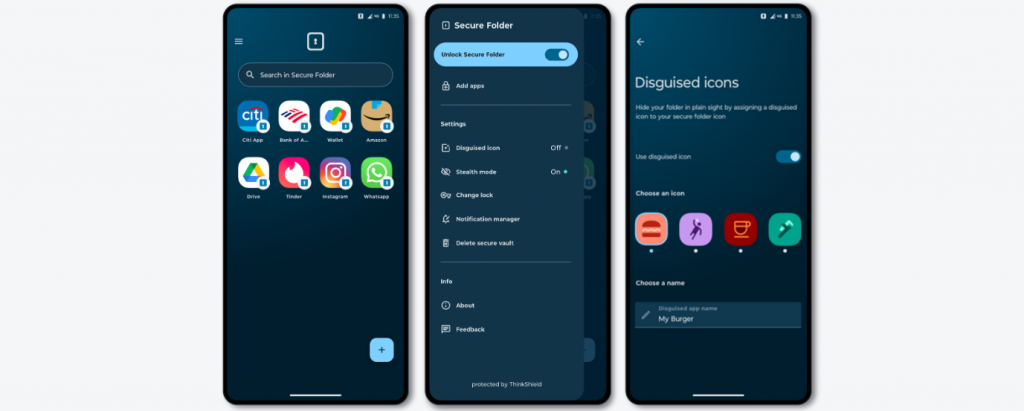
“Secure Folder” is a function that comes with the Moto Secure App. This enables you to store critical data and apps in a password-protected folder. Additionally, you can use the Disguised Mode capability that is already integrated into your device to alter the names and icons of any programmes or files that are stored in the safe folder by choosing from four different names and icon options. By using images and labels that only you understand, you can conceal important information like email accounts, digital wallets, and financial apps.
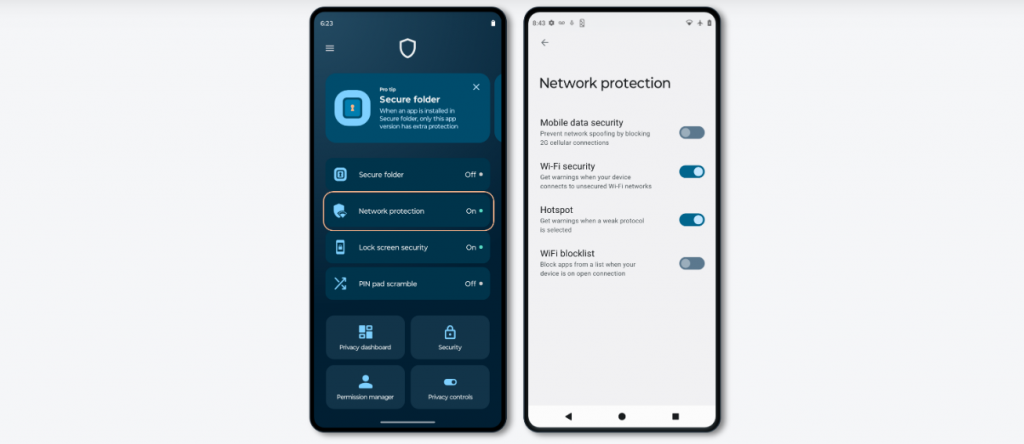
Network Protection is another new function in Motorola’s new security software. When it discovers a security risk with a hotspot or Wi-Fi, this one will automatically let you know. By limiting 2G connections, the function can prevent spoofing—a technique by which a malicious actor impersonates a recognised or trusted source—and stop specific programmes from using open networks.
The Moto Secure App also includes a Privacy Dashboard that provides you with a clear, detailed overview of which apps have recently had access to your calendar, contacts, files, camera, microphone, and location. You can manage app permissions, update security settings, and modify privacy controls directly from the Moto Secure App using the Privacy Dashboard. So you can quickly let an app know who is in charge if it doesn’t recognise its boundaries.
Elista was established in 2020 and is now India’s major brand for high-end electronics, home appliances, IT, and mobile accessories. Elista, a member of TeknoDome, UAE, upholds the Indian “Atmanirbhar” manufacturing tenet. The company has just introduced a brand-new tower speaker in the nation that comes with features like RGB lighting and the best possible sound performance. The gadget has a brand-new design and a sporty appearance. Let’s take a closer look at the device’s features.
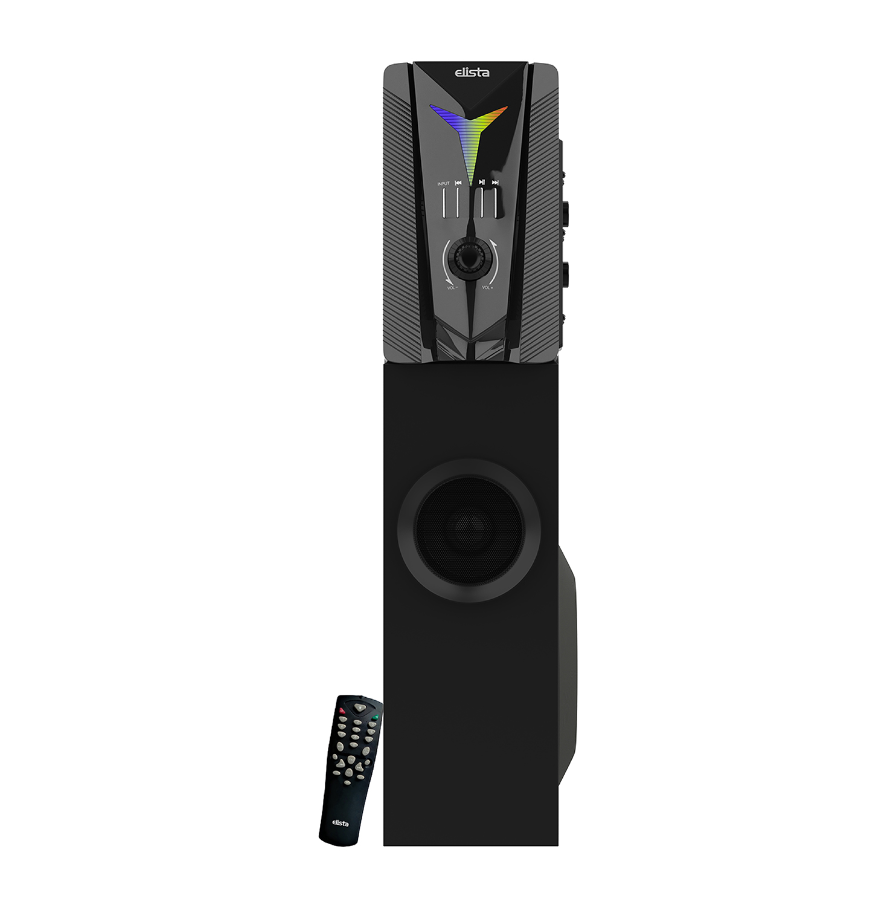
The Elista ELS-ST6500AUFB tower speaker offers up to 65W of sound output and support for multi-colour RGB dancing lights to further enhance the experience of the users. The company claims that the speaker can provide loud and crisp sound output. The sporty finish further adds a unique look to the device. The manual button for controlling the volume, bass and treble is provided on side of the device. Support for remote is further added to the device which ensures an increase in the user experience.
As for connectivity, the Elista tower speaker comes with Bluetooth, AUX, FM and USB ports. Further, the users can plug in their mics as it supports karaoke. The device has been priced in the country at INR 3,999. The device will be soon available for sale in the country via select retail stores and the Flipkart e-commerce platform. The speaker further comes with a one-year on-site warranty.
Elista’s CEO, Mr Pawan Kumar, said: “Elista has been working to improve the in-home listening experience for its consumers. We are pleased to have impressed the audience with our reasonably priced audio selection that produces top-notch quality. With our new party speakers, we hope to strengthen our position as market leaders and give customers more options”.
So that was it for the recently launched Elista tower speaker in India. What do you think about the product? Will it be able to compete with the other products in this range? Do let us know by dropping a comment in your words down below. Thanks a lot for reading the post till the end, we appreciate you taking your time for this.
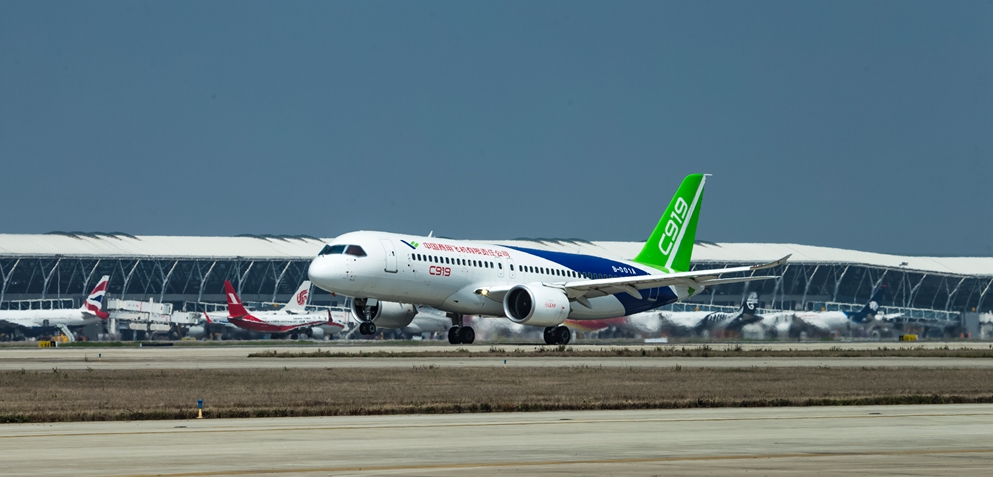
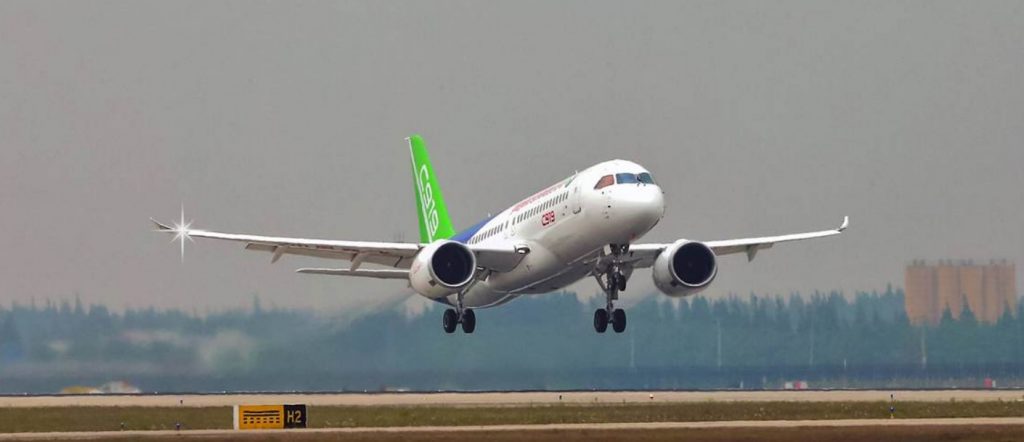
China’s indigenous C919 jetliner is set to take its first passenger flight in the Spring of 2023. The C919 is a part of commercial passenger aircraft made by COMAC (Commercial Aircraft Corp of China). Once in operation, the aircraft will put China on the global aviation map and help Beijing to end the duopoly of US-based Boeing and France-based Airbus.
source:comac.cc
Airbus SE is the world’s biggest aircraft manufacturer. Though the company also makes military aircraft and helicopters, its major business comes from commercial passenger airlines. In 1972, Airbus launched the A300, the first-ever aircraft to have a digital fly-by-wire interface as well as dual engines and aisles. It then launched the upgraded A320 aircraft, which was designed with similar features and is considered the most popular and safest passenger aircraft in the world.
Boeing is famous in the aviation industry. The American corporation not only makes passenger aircraft but also manufactures weapon systems, satellites, and rockets. Boeing 747, 737, and Dreamliner models are extremely popular across the globe. However, Boeing faced serious backlash for the crash of Lion Air Flight 610 and Ethiopian Airlines Flight 302, which led to a worldwide grounding of Boeing 737 Max from March 2019 to December 2022. Some countries including China lifted the ban just this month.
China ranks second in the world, after US, for air passenger traffic and has the fastest-growing air passenger market. Thus, Beijing is highly motivated to make indigenous aircraft so that it can leverage the economic advantage of the massive market and reduce the dependency on international players like Airbus and Boeing. Moreover, complete dependence on foreign firms also increases the risk to national security and other geopolitical issues. Therefore, China wishes to become fully self-reliant when it comes to the civil aviation industry.
China Has Been Looking Forward To This Moment Since 2008
To fulfill China’s Civil Aviation dreams, the COMAC was established in 2008 in Shanghai. The state-owned aerospace manufacturer designs and manufactures large passenger aircraft for the country. The C919, twin-engine, single aisle short to medium-range passenger aircraft designed by COMAC will become the country’s first commercial passenger aircraft. The name C919 has a special meaning wherein the C stands for China, ‘9’ in Chinese is pronounced as ‘九’ which means everlasting and enduring and 19 represents the aircraft’s max capacity of 190 seats.
Source: Comac.cc
C919 will try to compete with the world-famous Airbus A320 and Boeing 737 Max medium-range aircraft. The C919 features a standard range of 4075 km and a maximum range of 5555 km. The aircraft comes with a price tag of $99 million, which is cheaper than the $122 million Airbus A320 and $111 million Boeing 737 Max.
However, while the C919 is designed and assembled in China, like Boeing and Airbus, it also depends on global partnerships and collaborations for certain crucial parts and technological know-how. For example, COMAC uses LEAP-1C engines specifically designed for the company by CFM, a joint venture between GE Aviation of the US and Safran Aircraft Engines of France.
The C919 had its first successful maiden flight in 2017 and is now conducting the final certification procedures. As of December 26, the aircraft has completed a total of 100 hours of verification flights. China Eastern Airlines had already signed a contract to buy five C919 jetliners in March 2021 and will be the first air carrier to fly passengers on this aircraft.
COMAC Has Received 1200 Orders From 32 Customers
Zhang Yujin, deputy general manager of COMAC said that China Eastern Airlines has the first batch of orders, and several airlines are vying for their planes. In the next five years, the company is expecting to produce 150 aircraft annually. According to the Science and Technology Commission of Shanghai, COMAC has already received more than 1200 orders from 32 customers.
The initial demand for C919 will be focused in China but according to the recent report from Mercator Institute for China Studies (MERICS), the C919 has the capacity to go global by breaking the Boeing-Airbus duopoly in the domestic market and then leveraging that success to explore overseas markets.
source: comac.cc
Global players are already vying for the Chinese aviation market. As China has the second-largest number of passenger air travelers it is a lucrative and important market for the global aviation industry. In 2022 alone, Airbus made 662 deliveries out of which 100 aircraft were for Chinese air carriers and Boeing made 480 deliveries out of which 8 were sold to Chinese airlines. For both these giants, the rise of COMAC and homegrown aircraft by China can pose a potential threat to their hegemony.
Blizzard Entertainment is shutting down two of its most popular online multiplayer games in China. The servers for the company’s massively successful World of Warcraft and Overwatch are going offline. This news was followed by many taking to social media platforms to express their grievances, since both titles collectively had tens of million of players in the region alone. Many are still unclear as to why Blizzard is shutting its servers in China, so here are all the details.
NetEase And Blizzard’s Partnership Lasted 14-years In China
The decision from Blizzard to shut down the servers in China is due to a major fallout with its local publisher, NetEase. For those unaware, game developer Blizzard had partnered with NetEase for the past 14 years to have its popular titles be available in the Chinese market. This cooperation was inevitable considering the rigid and strict market rules the Chinese government places on the gaming industry. So since 2008, Blizzard’s massively multiplayer games like World of Warcraft (aka WoW) had its servers managed by NetEase in China.
Notably, this publisher is also behind other major Western games like Minecraft. So, it was a solid deal for the Chinese company since it boosted it to become the second-largest games distributor in the region, just behind Tencent Holdings. But now, both firms broke off their deal, following talks late last year regarding the licensing agreement that allowed Blizzard to run its Diablo, Warcraft, and Overwatch titles. However, after a public fallout, NetEase accused Blizzard of being “rude and inappropriate.”
This statement was made after Blizzard offered to extend their licensing agreement for another six months while they work out new terms. NetEase stated that this idea was the same as “proposing a divorce while still engaging with the same partner”. While the game devs IPs were licensed by NetEase, they were still owned by Blizzard. Following talks, NetEase rejected this offer from the developer. Thus, Blizzard’s games went offline on the midnight of January 23. Notably, the company has also promised World of Warcraft players to save their progress with a new service.
All May Not Be Lost For Blizzard In China
China and the US are two of the biggest gaming markets in the world, and Blizzard Entertainment has faced a lot of criticism for going out of its way to remain active in the former market. During the outbreak of protests in Hong Kong, it had even banned esports athletes from its tournaments over statements that sided against the Chinese government. So it is clear that Blizzard aims to continue its service in the country. Meaning, while the developer has lost its ability to run its popular games in China right now, there is a possibility that the shutdown isn’t permanent. In other words, the company might return to the region with a different partner.
Keep in mind that this is still just speculation at the moment, so take this with a pinch of salt for now. Although, if this does end up happening, it would be great news for many gamers in China. One fan of the World of Warcraft wrote that “It is truly a sad day for World of Warcraft players and Blizzard Entertainment fans everywhere,” while another stated that “The sudden shutdown is a stark reminder of impermanence, displacing millions of players”.
Interestingly enough, the president of NetEase’s global investment, Simon Zhu, also added that he had spent over 10,000 hours playing those games and expressed his disapproval of Blizzard’s actions.
We use cookies on our website to give you the most relevant experience by remembering your preferences and repeat visits. By clicking “Accept”, you consent to the use of ALL the cookies.
This website uses cookies to improve your experience while you navigate through the website. Out of these, the cookies that are categorized as necessary are stored on your browser as they are essential for the working of basic functionalities of the website. We also use third-party cookies that help us analyze and understand how you use this website. These cookies will be stored in your browser only with your consent. You also have the option to opt-out of these cookies. But opting out of some of these cookies may affect your browsing experience.
Necessary cookies are absolutely essential for the website to function properly. This category only includes cookies that ensures basic functionalities and security features of the website. These cookies do not store any personal information.
Any cookies that may not be particularly necessary for the website to function and is used specifically to collect user personal data via analytics, ads, other embedded contents are termed as non-necessary cookies. It is mandatory to procure user consent prior to running these cookies on your website.