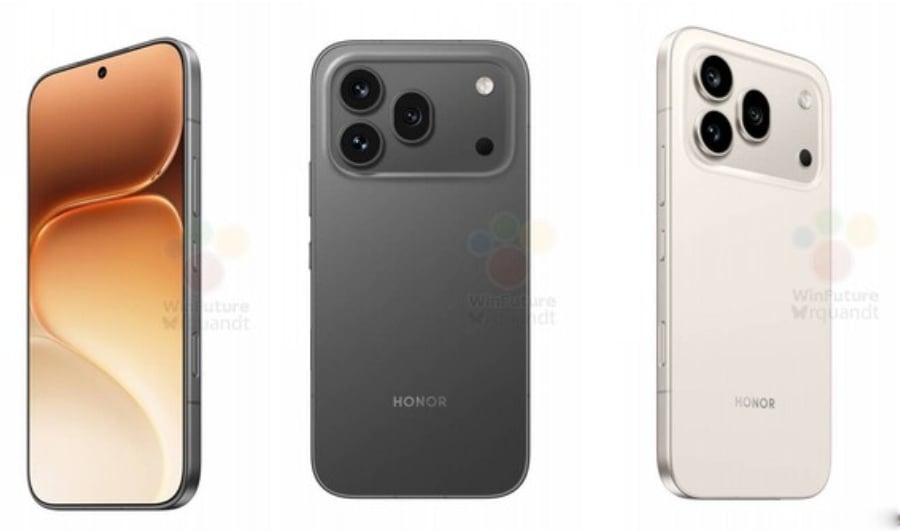
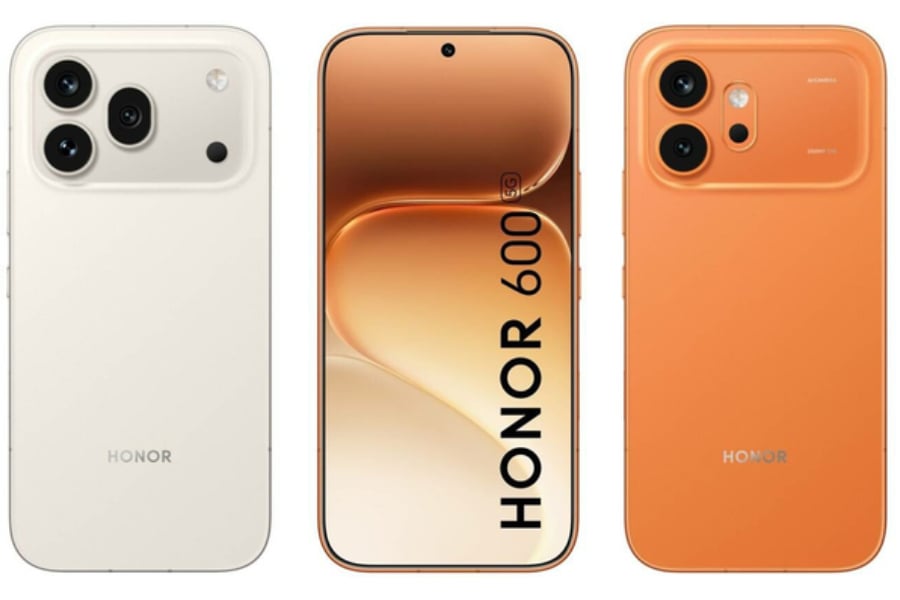
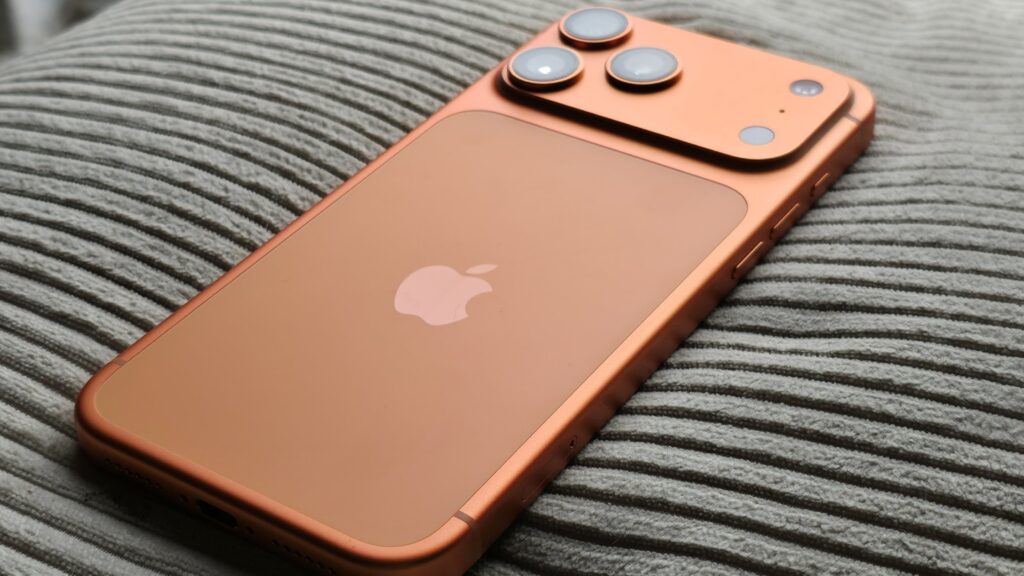
If you’ve ever liked the look of an iPhone but hesitated at the price, Honor seems ready with an alternative. Images of the upcoming Honor 600 and Honor 600 Pro have just surfaced online, and yes, they look more like iPhones than Honor phones.
The back panel features a full-width horizontal bar that houses the camera system, LED flash, and laser autofocus. Like an iPhone 17 Pro. Its color options are also said to include black, gold, and an orange finish. Like an iPhone 17 Pro.
Honor 600 / 600 Pro Expected Specifications
On the front, both devices are expected to feature a 6.57-inch OLED display with a 120Hz refresh rate and a 1.5K resolution.
Under the hood, things are still a bit unclear. Reports suggest the phones will use a high-end Qualcomm Snapdragon 8 series chipset, though it’s not confirmed whether that means last year’s flagship silicon or a newer, slightly toned-down “s” variant.
As for cameras, Honor is reportedly using a 200-megapixel main sensor with built-in hardware image stabilization. The Pro model is expected to expand on that with additional ultrawide and zoom cameras.
More impressively, Honor is expected to use a silicon-based battery with a massive 9000mAh capacity. The Honor 500 and Honor 500 Pro, in comparison, has 8000mAh cell with 80W charging.
Both models are also expected to feature a metal frame and glass panels. Other reported features include wireless charging support and a 3D ultrasonic fingerprint sensor. The ultrasonic scanner, in particular, would be a step up from the optical in-display sensor on the Honor 500.
There’s still no official word on when the Honor 600 series will launch or how much it will cost. We will keep you updated if any new information emerges.
For more daily updates, please visit our News Section.
Update: Recent IMEI sightings have suggested that the next-generation Redmi Note series will carry Redmi Note 17 branding, meaning the brand may skip the Note 16 series entirely. The title of this post has been modified accordingly.
Original story continues…
Xiaomi’s Redmi Note series follows a known, predictable rhythm. The company refreshes the lineup roughly once a year. It introduced the Redmi Note 15 lineup in China in August, so a successor should arrive in August 2026 or sometime close to it.
Months ahead of that launch, a new leak may have just revealed what the Redmi Note 16 series could bring in terms of hardware specs.
Redmi Note 16 Series Expected Specs
According to a recent tip from Digital Chat Station, a new device currently in testing features a massive 10,000mAh battery paired with 100W fast charging, along with a 200-megapixel main camera.
The leak doesn’t explicitly name the device, but discussion around it points toward the upcoming Redmi Note 16 series. That lines up with an earlier rumor from November, which also suggests the Redmi Note 16 series has a 200MP sensor.
In comparison, even last year’s top-end Redmi Note 15 Pro+ doesn’t have a 200MP sensor. Instead, it features a triple-camera setup led by a 50MP main sensor, alongside a 50MP telephoto lens with 2.5x optical zoom and an 8MP ultrawide camera.
The rumored battery capacity is just as attention-grabbing. The device could pack a 10,000mAh cell, which, if true, would be the largest in any Redmi or Xiaomi phone. Currently, that title belongs to the Redmi Turbo 5 Max with its 9,000mAh battery. Charging is said to come in at 100W.
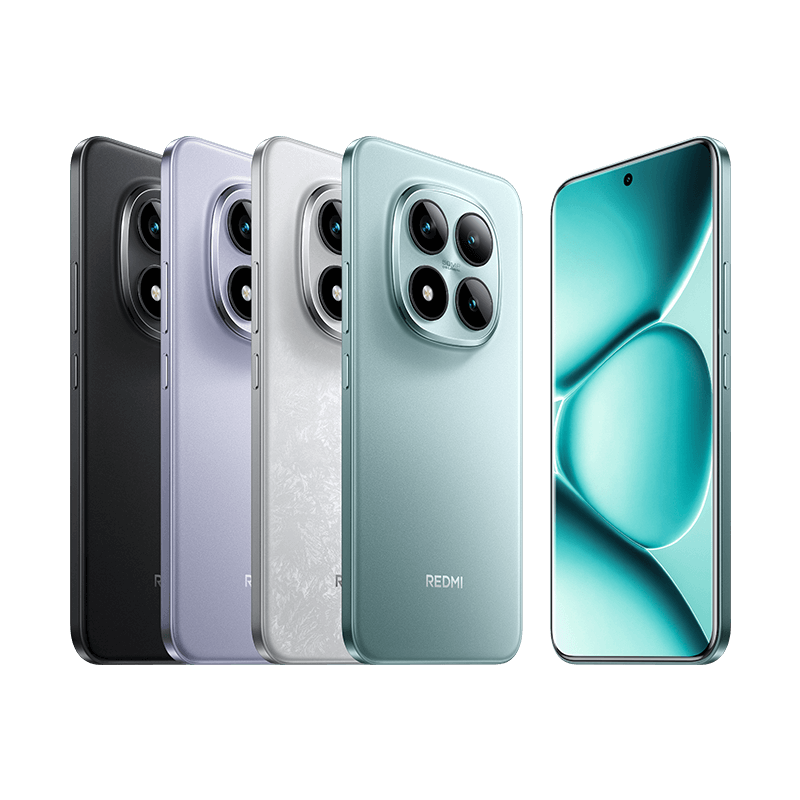
Redmi Note 15 Pro Plus
Of course, leaks like this are early and often incomplete. There’s no confirmation on how Xiaomi plans to balance size, weight, and thermals if these specs make it into the final product. It’s also unclear whether these features would be limited to a single model in the lineup or spread across multiple variants.
We’ll keep you updated as new details emerge, so stay tuned.
For more daily updates, please visit our News Section.
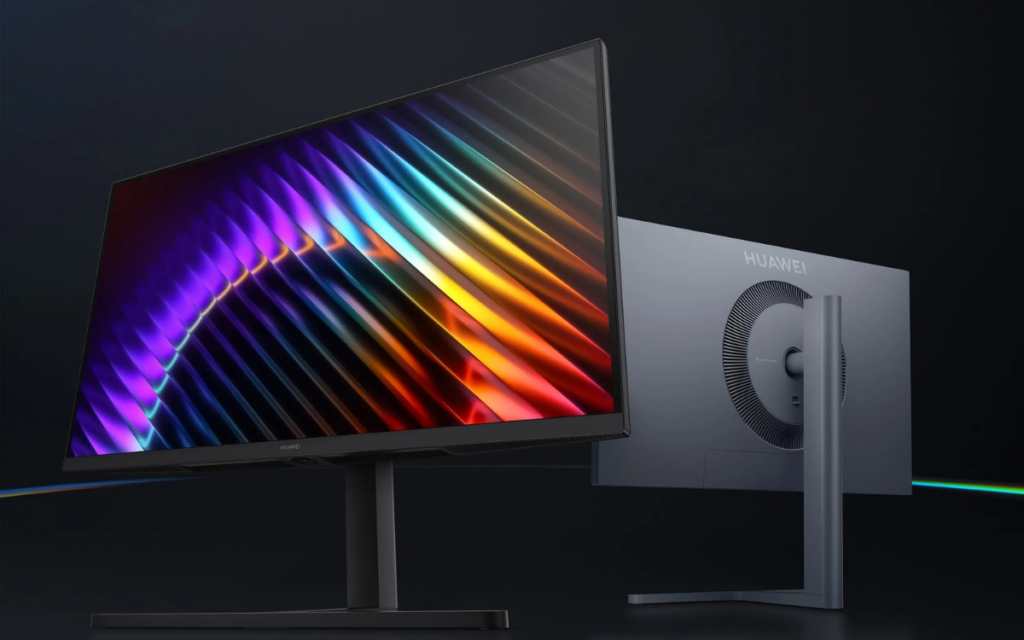
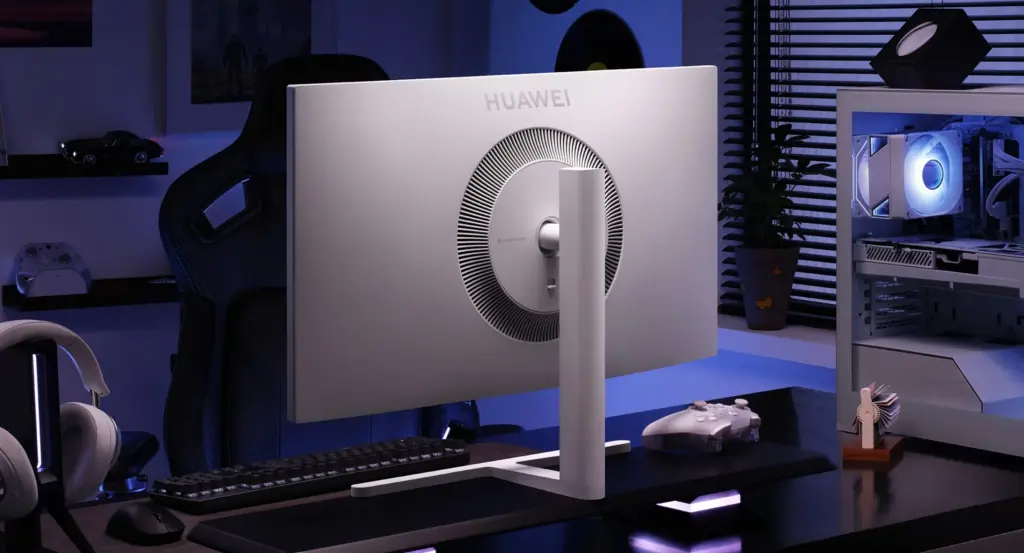
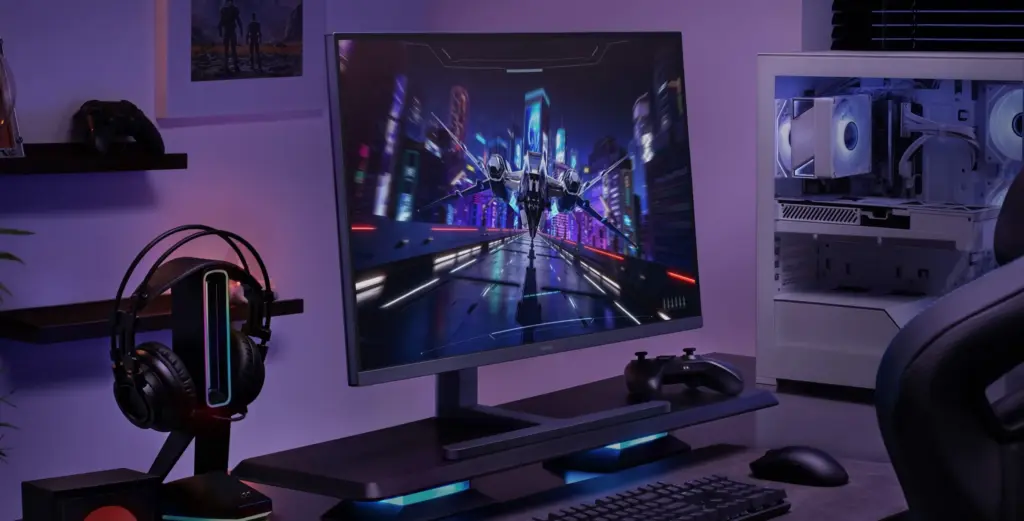
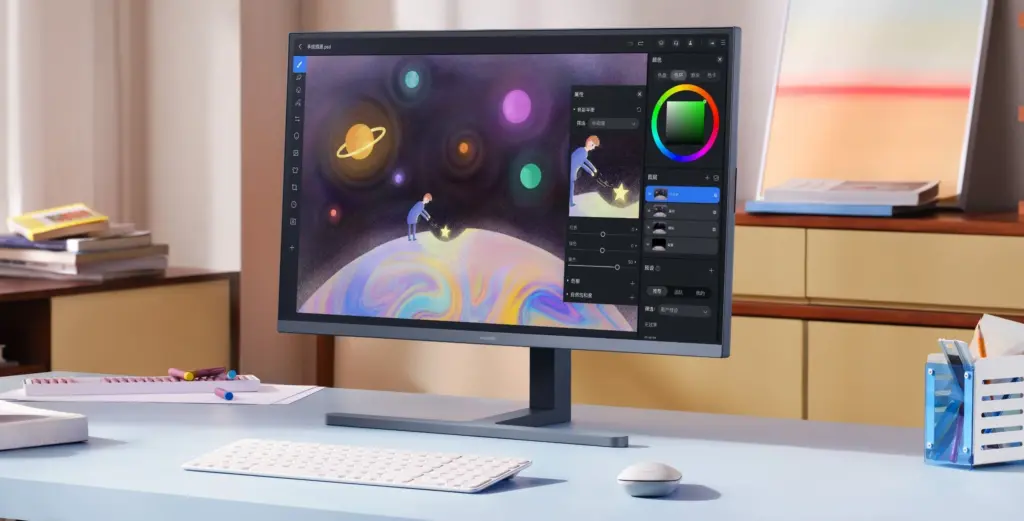
Huawei has officially launched the MateView GT 2026 monitor series in China, aimed at professionals, gamers, and entertainment enthusiasts.
Huawei MateView GT 2026 Specifications
The series is offered in four configurations, including the Smooth version (Standard and Sound variants) and the Ultra HD version (Standard and Sound variants), each designed to cater to different usage needs ranging from office work to immersive entertainment and gaming.
The monitor features a 27-inch display across all variants, with a high 91% screen-to-body ratio. The Ultra HD Sound edition stands out as it comes with Huawei’s Cloud Clear Soft Light screen technology, which focuses on reducing glare and reflections while improving eye comfort. The remaining models sport a standard full-screen panel but still retain TÜV Rheinland certifications for low blue light and flicker-free performance.
In terms of resolution and refresh rate, the Ultra HD variants offer a 4K resolution paired with a 160Hz refresh rate. These models also support a dual-mode system, allowing users to switch to 1080p at up to 320Hz. The Smooth variants, on the other hand, come with a 2K resolution and support up to a 200Hz refresh rate.
For colors, Huawei has equipped the monitors with 95% DCI-P3 and 100% sRGB color gamut coverage. Each monitor comes factory-calibrated to achieve a color accuracy of ΔE < 2. Brightness levels differ between models. The Ultra HD versions offer a peak brightness of 450 nits, while the Smooth variants provide up to 350 nits.
The Sound editions equip a built-in 4.1-channel speaker system tuned with Huawei Sound. This setup includes multiple drivers that handle low, mid, and high frequencies separately, creating a more immersive and layered audio experience. The Standard versions do not include built-in speakers.
Connectivity options vary slightly depending on the variant. The Ultra HD models feature dual HDMI 2.1 ports, a DisplayPort 1.4 interface, and, in the Sound edition, a USB-C port that supports video transmission and 100W reverse charging. The Smooth Sound variant also includes USB-C, while the standard Smooth model comes with a single HDMI 2.1 port and DisplayPort.
The monitors also feature an ergonomic stand that supports tilt adjustment and vertical rotation, allowing users to customize viewing angles.
Pricing and Availability
The Huawei MateView GT starts at 1099 yuan (~$165) for the 27-inch Smooth Standard version, while the 27-inch Ultra HD Standard model is priced at 1999 yuan (~$300).
The Smooth Sound Edition is priced at 1,499 yuan (~$225), while the Ultra HD Sound Edition is priced at 2,599 yuan (~$390).
These will be available through Huawei Mall, authorized e-commerce platforms, and offline experience stores starting March 23 at 16:08.
For more daily updates, please visit our News Section.
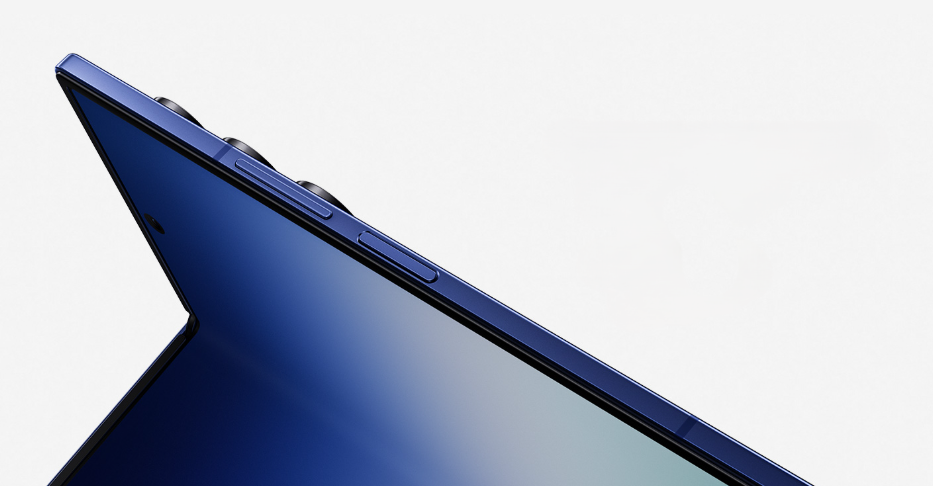
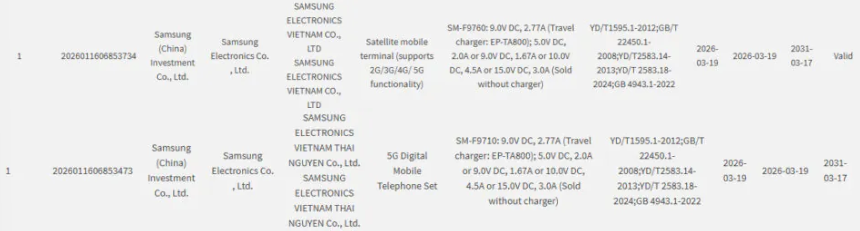
New entries on China’s 3C certification platform have revealed two book-style models, SM-F9760 (likely the Galaxy Z Fold 8) and SM-F9710 (rumored as the Galaxy Z Wide Fold). Both are listed with 45W wired charging support (15V/3A). That might not sound like a big deal at first, but Samsung has kept its Fold lineup at 25W since 2020, so this is actually a meaningful change.
It also lines up with earlier reports suggesting internal design adjustments, likely to handle heat and higher power delivery a bit better. Foldables already have tight internal layouts, so upgrades like this usually mean something has shifted inside.
There’s also talk of a battery upgrade. The Fold 8 could finally move past the familiar 4,400mAh limit, with some leaks pointing to 5,000mAh. If that happens, combined with faster charging, it should make day-to-day use a bit more forgiving.
The Galaxy Z Flip 8 (SM-F7760), though, seems to be sticking to the same formula. Its certification still shows 25W charging, and battery capacity is expected to remain largely unchanged. Not surprising, but it does make the Flip feel a bit static next to the Fold updates.
Galaxy Z Fold 8, Galaxy Z Wide Fold 3C
Then there’s the Galaxy Z Wide Fold, which might end up being the more interesting addition. Early details suggest a wider outer display with an 18:9 aspect ratio, unfolding into a more square inner screen. There’s also some talk of S Pen support returning here, which would be notable after being dropped in the thinner Fold 7.
Nothing here is officially confirmed yet, and 3C listings only tell part of the story. Still, this round of upgrades feels a bit more practical than flashy, the kind you notice after using the phone for a few days, not just on launch day.
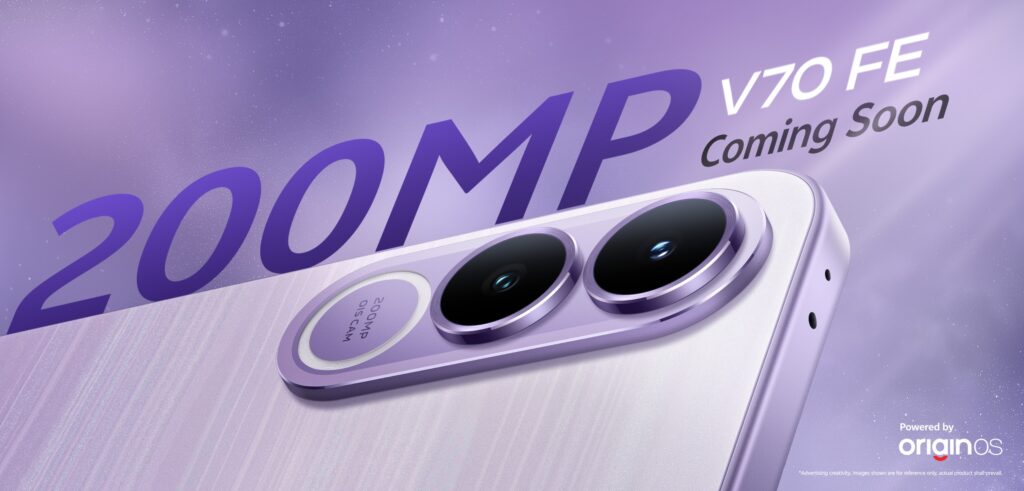
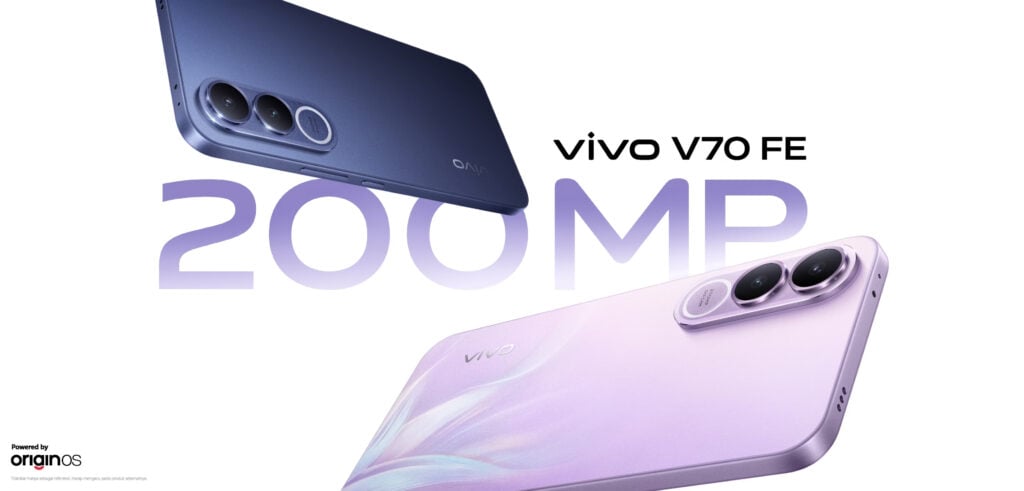
Vivo has confirmed that the V70 FE will launch in India soon as the successor to the V60e. The phone has already been introduced in Indonesia, and teasers along with microsites are now live in India. The launch is expected in early April, and the device will be available through Amazon India, Flipkart, and vivo’s official retail channels.
The V70 FE stands out for its large 7,000mAh battery. It supports 90W wired fast charging. The phone also includes an under-display optical fingerprint scanner, dual SIM support, dual-band Wi-Fi, Bluetooth 5.4, GPS, and an IR blaster.
It is powered by MediaTek’s Dimensity 7360-Turbo chipset, built on a 4nm process. On the software side, the phone runs OriginOS 6 based on Android 16. vivo says it will provide up to six years of security updates, but has not confirmed how many Android version upgrades the device will receive.
For cameras, the V70 FE uses a dual rear setup. The main camera has a 200MP sensor with an f/1.88 aperture and optical image stabilization. It is paired with an 8MP ultra-wide camera. On the front, there is a 32MP camera for selfies and video calls. The rear also includes an Aura Light to improve lighting for portrait shots.
The phone features a 6.83-inch AMOLED display. It is a 10-bit Q10+ panel with a 1.5K resolution. The display supports a 120Hz refresh rate and can reach a peak brightness of 1,900 nits. It also supports HDR10+ playback.
The device comes with IP68 and IP69 ratings for water and dust resistance. With its large battery, high-resolution main camera, and long-term security update support, the V70 FE is positioned as a feature-focused mid-range smartphone in vivo’s lineup.
For more daily updates, please visit our News Section.
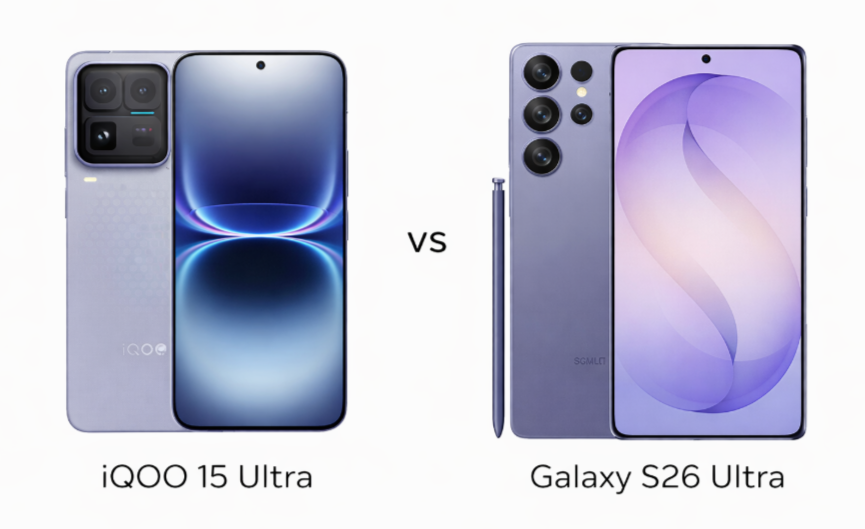
Choosing between the iQOO 15 Ultra and the Galaxy S26 Ultra isn’t just about specs; it’s about deciding what kind of flagship experience actually matters. One pushes boundaries with raw power, massive battery, and aggressive hardware, while the other refines every detail with premium features, smarter software, and a more complete ecosystem. For buyers stuck between performance-driven value and polished flagship excellence, this comparison highlights which direction truly makes more sense.
The iQOO 15 Ultra focuses on a performance-first design with aggressive elements like pressure-sensitive zones and a built-in cooling fan, giving it a gaming-centric identity. It feels engineered for sustained performance rather than pure elegance. In contrast, the Galaxy S26 Ultra leans toward a refined flagship aesthetic with premium materials, stylus support, and a cleaner, more professional finish. The inclusion of S Pen functionality adds practical versatility that goes beyond typical smartphone usage. One feels like a powerhouse tool, while the other feels like a polished everyday flagship.
Display Quality
iQOO pushes boundaries with a 144Hz AMOLED panel, extremely high peak brightness, and support for multiple HDR formats, making it visually striking and fluid. The Galaxy S26 Ultra counters with a Dynamic LTPO AMOLED panel that is more adaptive and efficient, paired with an anti-reflective coating and excellent color tuning. While iQOO impresses with sheer numbers, Samsung delivers a more balanced, eye-friendly viewing experience.
Verdict
The iQOO 15 Ultra is built for speed and immersion, but the Galaxy S26 Ultra offers a more premium, versatile design with a display that feels more refined in daily use.
2. Specifications Including Battery
Performance
Both devices run on the Snapdragon 8 Elite Gen 5, but the iQOO 15 Ultra is tuned more aggressively with higher RAM options and a dedicated cooling system. This allows it to sustain peak performance longer, especially during gaming or heavy workloads. The Galaxy S26 Ultra still delivers flagship-level speed but focuses more on stability and long-term optimization through One UI and extended software support. Performance feels similar in bursts, but iQOO holds an edge under stress.
Battery and Charging
This is where iQOO dominates. A massive 7400mAh battery combined with 100W wired and 40W wireless charging creates a clear advantage for power users. The Galaxy S26 Ultra’s 5000mAh battery is reliable and efficient, but feels conservative in comparison. Charging speeds also lag, making it less exciting for users who value quick top-ups.
Verdict
iQOO 15 Ultra is the clear winner for raw performance and battery endurance, while Samsung focuses on balance and long-term reliability.
3. Camera
Main and Secondary Lenses
Samsung takes a clear lead with its versatile quad-camera setup, including a 200MP main sensor and dual telephoto lenses offering 3x and 5x zoom. This creates a more flexible photography system capable of handling varied scenarios with consistency. The iQOO 15 Ultra uses a triple 50MP setup, which is strong and balanced but lacks the same zoom versatility. Samsung’s processing also tends to produce more refined and reliable results across lighting conditions.
Selfie Camera
The iQOO 15 Ultra offers a higher-resolution 32MP front camera, delivering sharper detail on paper. However, Samsung’s 12MP sensor with dual pixel autofocus often produces more consistent skin tones and better video stabilization. It feels more optimized for real-world usage rather than just numbers.
Verdict
Galaxy S26 Ultra wins with superior versatility and processing, while iQOO delivers solid performance but lacks flagship-level camera depth.
4. Pricing
The iQOO 15 Ultra is priced at around $850 (₹74,000), while the Galaxy S26 Ultra sits significantly higher at $1300 (₹1,40,000). This creates a major gap, positioning iQOO as a high-performance value flagship and Samsung as a premium-tier device.
Is the Price Justified?
iQOO offers exceptional value with top-tier performance, a massive battery, and advanced display features at a much lower price. It feels like a device built to deliver maximum hardware for the money. On the other hand, Samsung justifies its pricing through brand value, superior camera system, longer software support, and features like S Pen and DeX. The experience feels more complete, but the premium is substantial.
Verdict
iQOO 15 Ultra is clearly the better value-for-money option, while Galaxy S26 Ultra is justified only for users who prioritize ecosystem, camera, and premium experience.
5. Conclusion
iQOO 15 Ultra stands out with its built-in cooling fan, pressure-sensitive gaming controls, massive battery, and ultra-fast charging, making it a performance beast tailored for enthusiasts. Meanwhile, the Galaxy S26 Ultra differentiates itself with S Pen support, Samsung DeX, longer software support, and a more versatile camera system. These features make it feel like more than just a smartphone; it becomes a productivity tool.
Final Verdict
If only one device has to be chosen, the Galaxy S26 Ultra stands out as the smarter overall pick thanks to its more complete flagship experience, better cameras, longer software support, and added features like S Pen and DeX that enhance everyday usability. It feels more future-proof and reliable for long-term use. However, the iQOO 15 Ultra remains a strong alternative for those who prioritize raw performance, massive battery life, and value for money, offering top-tier hardware at a significantly lower price.
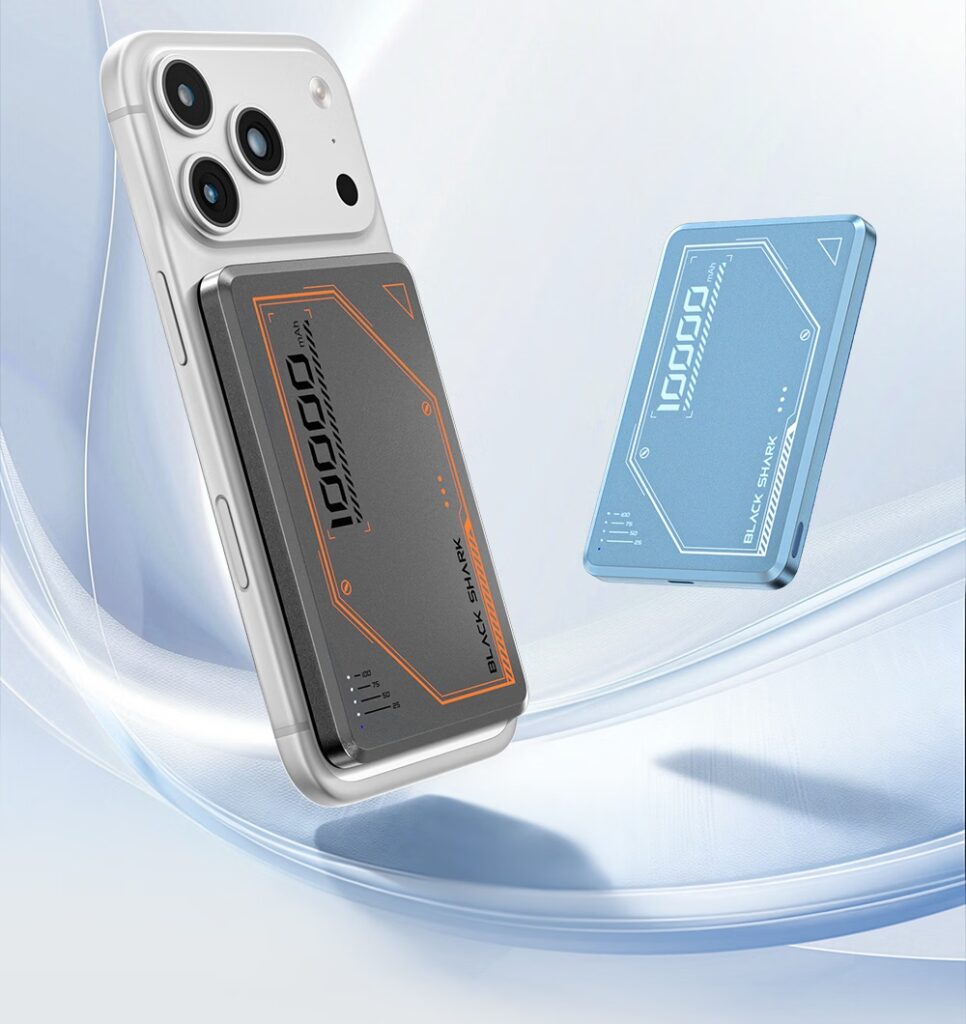
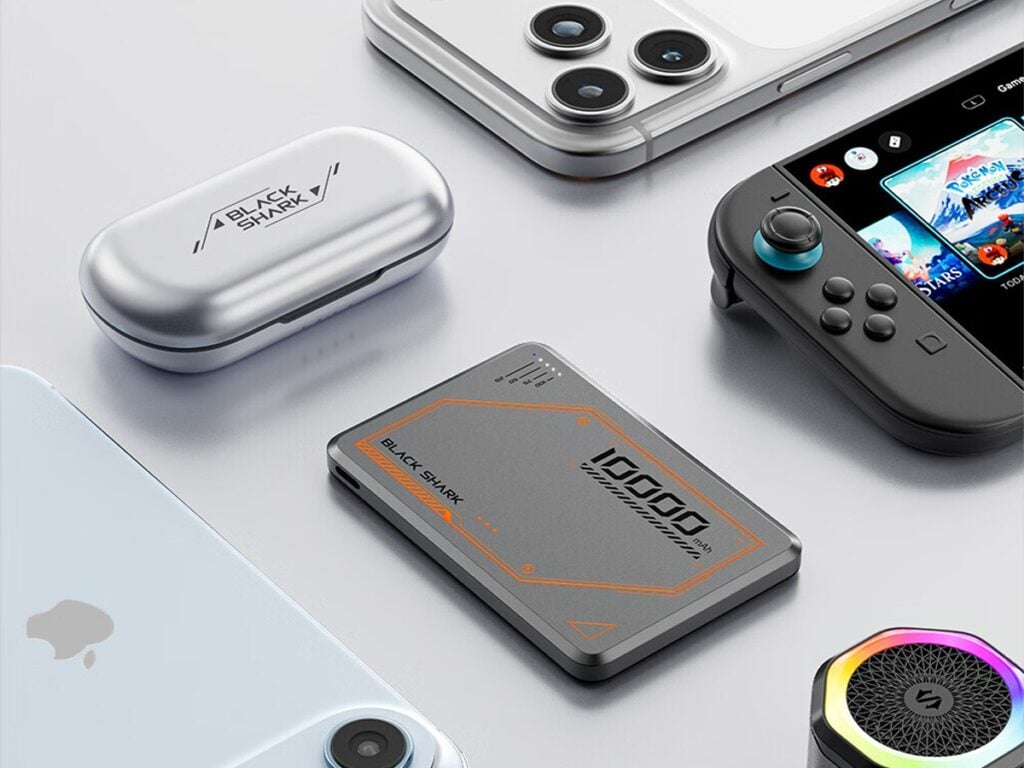
Xiaomi’s gaming-focused sub-brand Black Shark has unveiled the Black Shark Blade 2+ series in China, bringing updated versions of its compact magnetic power banks. While the overall concept remains the same, the newer models bring refinements in build and usability. A key change from the previous model is the magnetic surface, which now uses a UV-based coating designed to feel smoother and reduce the chances of scratching a phone’s back panel.
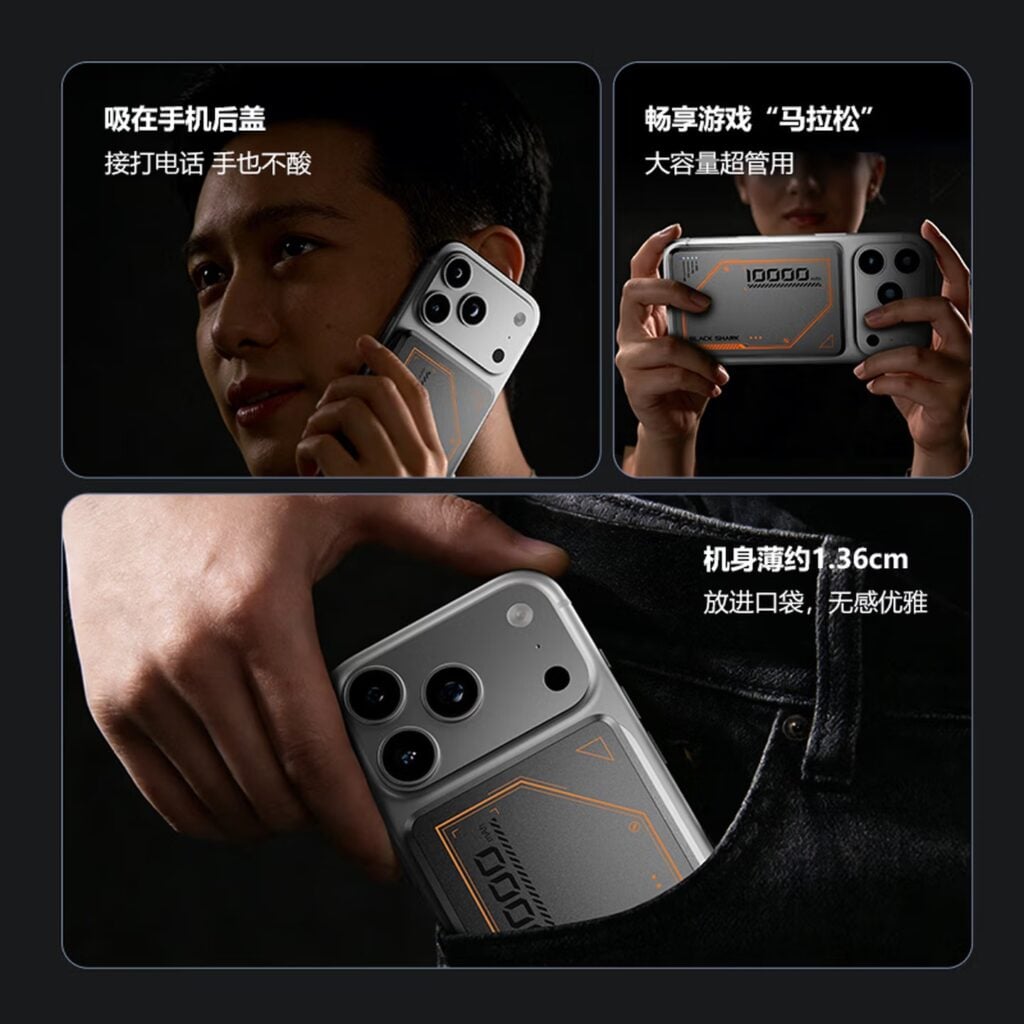
The series includes two capacity options. The 5,000mAh model focuses on portability, measuring about 0.8cm in thickness and weighing 105g. The larger 10,000mAh version increases thickness to 1.36cm and weighs 175g, offering more backup power while still maintaining a slim form factor. Both variants are built to attach directly to smartphones without adding much bulk.
Charging support is split between wireless and wired modes. Each model delivers up to 15W wireless charging. When using a cable, the smaller unit supports up to 18W output, while the higher-capacity version goes up to 22.5W. Support for multiple charging standards ensures compatibility across different devices.
Xiaomi is also emphasizing battery reliability. The company says the internal cells are similar to those used in Apple products, focusing on consistent output and longer service life. The units are rated for around 400 charge cycles, which is higher than typical compact power banks in this category.
The design follows a gaming-inspired aesthetic associated with the Black Shark brand. Sharp lines, visible capacity markings, and LED indicators give it a distinct look. A side button lets users quickly check the remaining charge, and a double press powers the unit off.
Magnetic attachment is handled by N52-grade magnets, which are intended to keep the power bank securely aligned with compatible devices during use. This ensures stable charging even while handling the phone.
Pricing in China starts at CNY 159 for the 5,000mAh model and CNY 189 for the 10,000mAh version. Xiaomi has not confirmed availability outside China, and a broader international launch does not appear to be planned at this point.
For more daily updates, please visit our News Section.
Apple’s latest hardware is doing something pretty unexpected on the AI side, though it comes with a clear catch. The iPhone 17 Pro has been shown running a 400-billion parameter language model locally, which sounds almost unreal for a phone.
The demo comes from an open-source project called Flash-MoE, shared by developer @anemll. Models of this size usually need well over 200GB of memory to even load, so getting one to run on a device with 12GB of RAM shouldn’t really be possible in the usual sense.
What’s happening here is a bit different. Instead of loading the whole model into memory, the system pulls in pieces from storage as needed. It also relies on a Mixture of Experts setup, where only a small portion of the model is active at any given moment. That combination is what makes it run at all.
The problem is speed. Or rather, the lack of it. The model generates at about 0.6 tokens per second, which means you’re waiting a couple of seconds for a single word. It’s slow enough that even simple prompts start to feel like a test of patience. Battery drain is another likely issue here, though that’s expected with this kind of workload.
Still, it’s interesting to see. Not because it’s usable right now, but because it shows where things might be heading. Running something this large entirely on-device, without relying on the cloud, wasn’t even part of the conversation not too long ago.
For now, though, there’s a clear gap between what’s possible and what actually makes sense to use. Smaller models are still the practical choice. But experiments like this do give a glimpse of what future phones might eventually handle more comfortably.
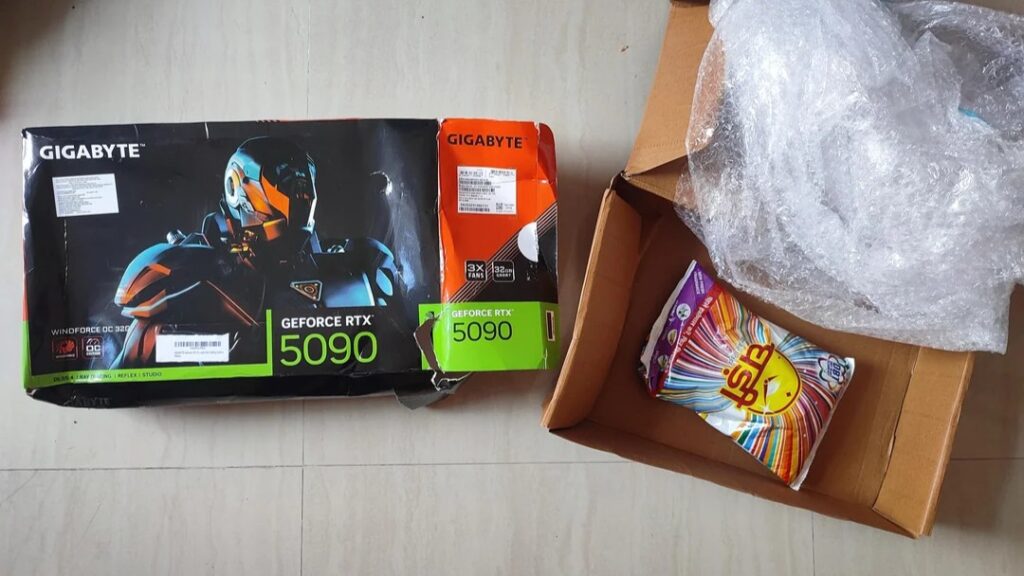
A strange online shopping case in India is making the rounds after a buyer expecting a high-end NVIDIA GeForce RTX 5090 ended up with something completely different. Instead of a graphics card worth ₹2,99,995.00, the box reportedly contained a packet of laundry detergent.
The incident was shared on Reddit by user void_SW, who was helping a friend, Harsh Raj, an IIT BHU student. The order was placed on March 10 for a GIGABYTE RTX 5090 WINDFORCE OC 32G through Amazon India, listed under the Fulfilled by Amazon program. Delivery happened on March 14, and at first, nothing seemed obviously wrong with the outer packaging.
That changed once they opened the box. Inside, there was no GPU. Just bubble wrap and a 1kg pack of Ghadi detergent. The packaging itself also raised some questions, with signs that it may have been tampered with. One small detail that stood out was the listed weight. The shipment showed up as 1.56 kg, which doesn’t quite line up with what you’d expect from a large, triple-fan GPU box.
They reportedly shared raw, uncut, high-resolution unboxing footage with timestamps and other details with Amazon while raising the complaint. Still, after about a week, the claim was denied.
What makes this a bit more concerning is that similar complaints have started appearing in reviews tied to the same seller. Some buyers are claiming they received unrelated items instead of what they ordered. It’s not entirely clear where things went wrong here, but the pattern has caught attention.
A similar case I faced
I ran into something similar back in January when I ordered a laptop from Amazon India. The product itself was the correct model, but the packaging raised concerns right away. The brand seal was already broken, and the usual “Package ID” system meant to ensure tamper-proof delivery wasn’t actually attached to the box. Instead, it was shown separately by the delivery personnel.
He insisted this was totally normal and asked me to check the laptop, but it wouldn’t turn on. Since it was a cash-on-delivery order, I chose to cancel it on the spot. Cases like these, along with recent reports, are a reminder to be extra cautious when buying expensive items online, or at least consider checking offline options first.
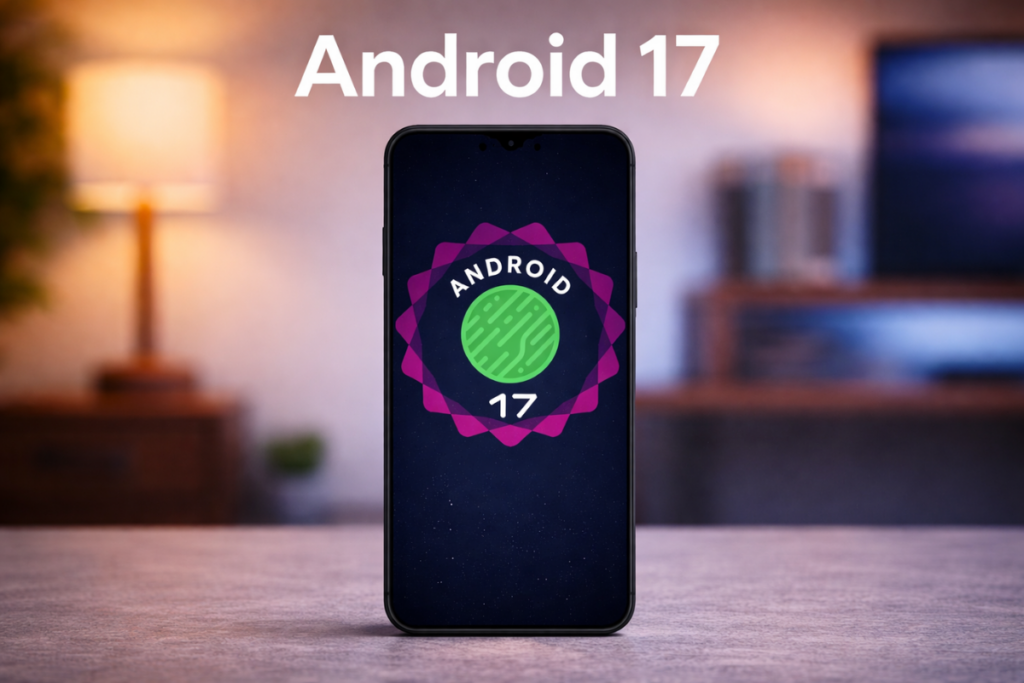
Google has made several major changes to the Android development cycle in recent years, and as a result, newer versions now arrive a lot earlier than before. The upcoming Android 17 has already entered the development phase. In fact, Google has already released two public betas, giving us a sneak peek at the upcoming features and changes.
What’s the dessert name for Android 17?
The tech giant doesn’t name Android versions after desserts anymore. It abandoned that tradition with Android 10, sticking to only the version number for future releases.
However, the internal team still uses a dessert codename. Android 16 has a dessert name, “Baklava”, and for the upcoming Android 17, Google has chosen “Cinnamon Bun” as the dessert codename.
A cinnamon bun is a sweet, spiral-shaped pastry made with rolled dough and a mixture of butter, sugar, and ground cinnamon. It’s quite popular in northern Europe and North America.
Android 17: Upcoming features and changes
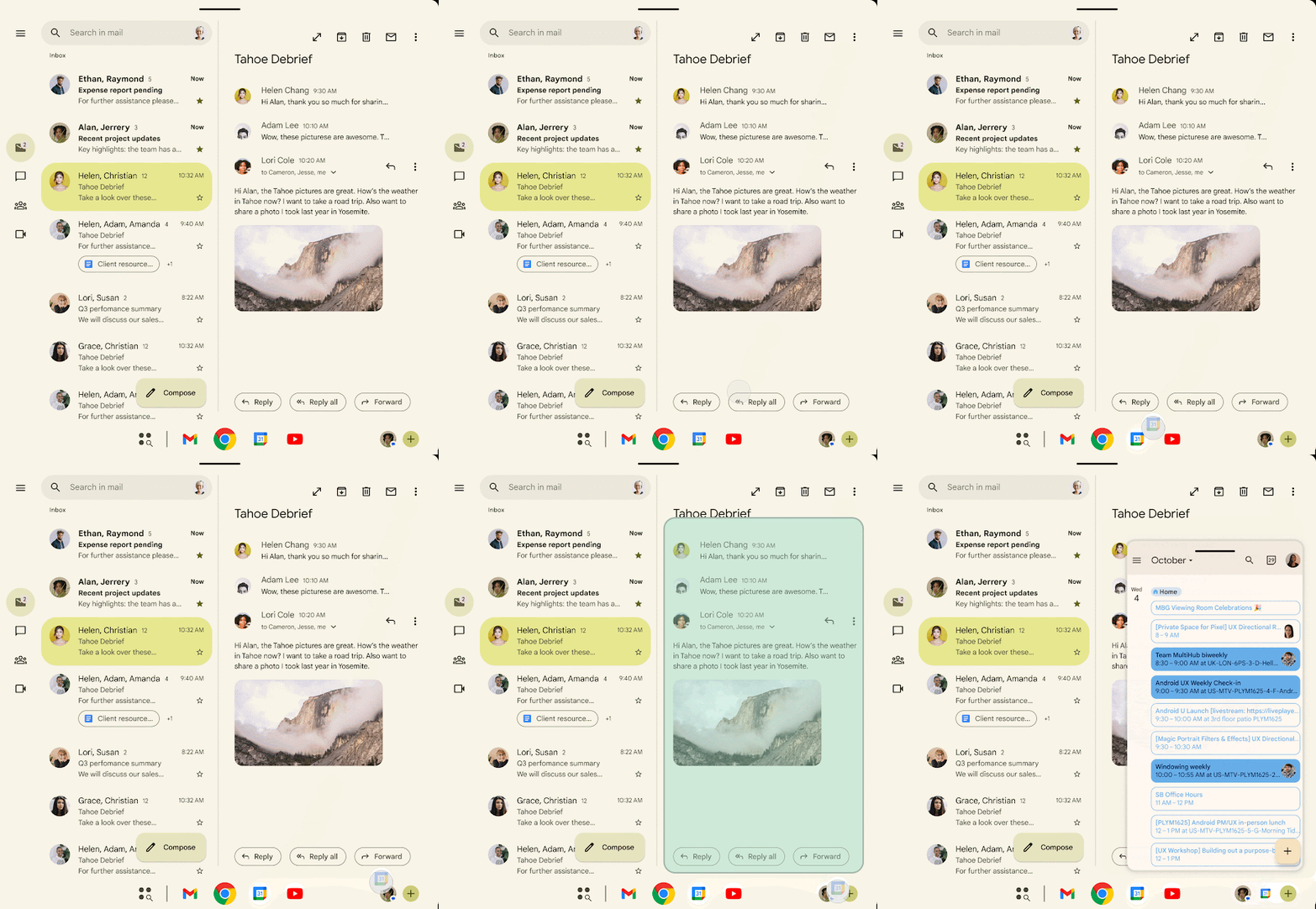
Bubbles
The bubble feature has been around here for quite a few years now, but that’s limited to conversation notifications. Google is now working on implementing it for all apps. The new Bubbles feature was spotted in Android 17 Beta 2, allowing users to run multiple floating apps without ever having to leave the full-screen app.
Bubbles in Android 17
Once activated, users can enable a floating bubble for an app by tapping and holding the icon and then choosing “Bubble” from the context menu. On large-screen devices, a dedicated bubble bar appears in the taskbar, which makes it easy to organize bubbles and switch between them.
Limited Connects access
Android 17 introduces a new system-level Contacts Picker application, which will allow users to select one or more contacts to share with an app at a time. What makes it more privacy-focused is that apps won’t be able to track any changes you make to a contact’s information.
Contacts Picker in Android 17
Google says Contact Picker grants temporary, session-based read access to the specific data fields selected by the user. That means the app will be required to ask for permissions again after the session timeout. The new feature also allows selections from the device’s personal or work profiles.
Seamless task continuity
Android 17 could bring the awaited “Task Continuity” feature, which will allow users to sync notifications, share files, and continue apps across their linked Android devices. Essentially, you will be able to transfer an app’s current state from one Android device to another.
As explained by Android Authority, this feature will show a suggestion on the taskbar representing the running app from another device. When you click this suggestion, the system initiates the handoff and passes the remote app’s state.
Google officially announced the new Handoff API in Android 17 Beta 2, which allows developers to specify the application state to resume on another Android device. Once enabled, the Android system displays a handoff suggestion in the launcher of the user’s nearby devices. This feature is designed to offer seamless task continuity across linked Android devices.
Redesigned privacy indicators
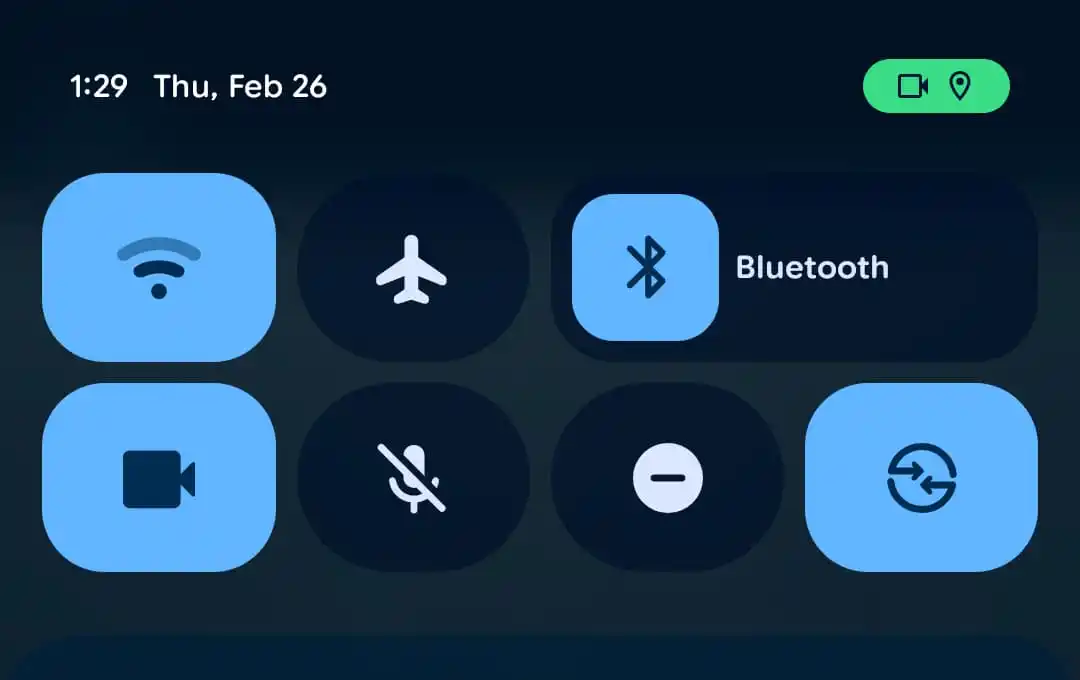
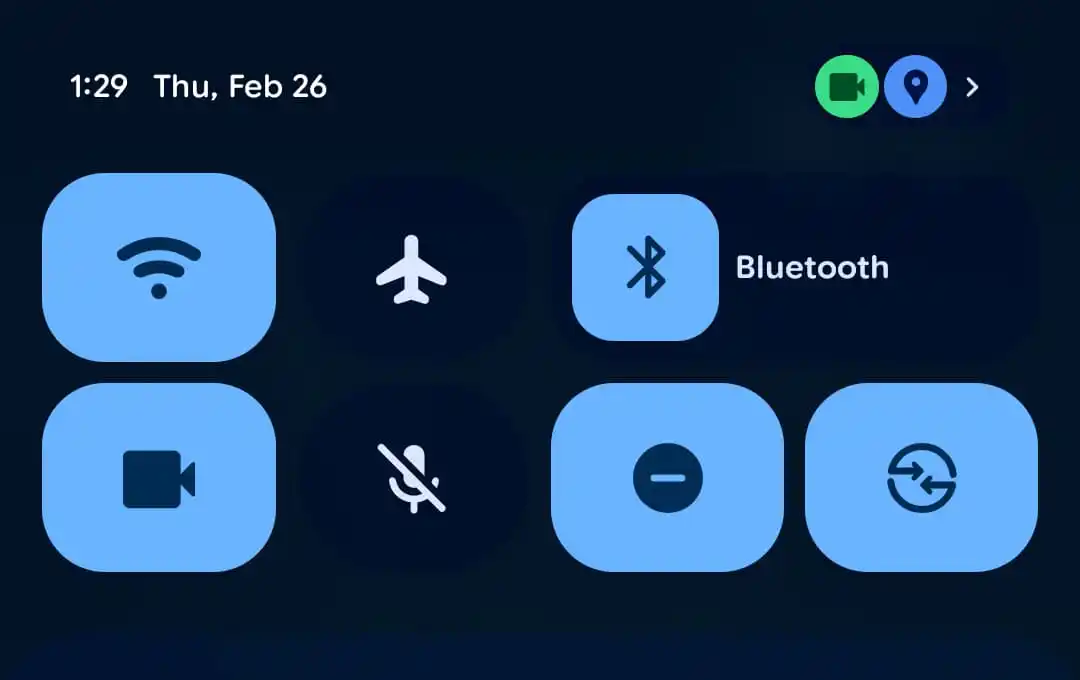
Android 17 Beta 2 introduced changes to privacy indicators, now featuring separate circles and multiple colors. Earlier, the privacy indicators were shown in a pill-shaped green enclosure. The icons now appear in separate circles, and the location icon has a blue circle instead of green.
Privacy indicators (old vs new)
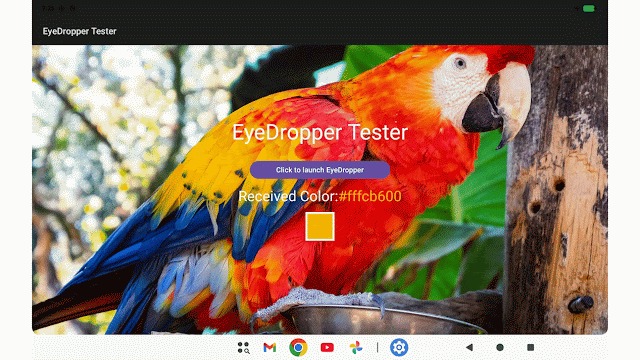
System EyeDropper
Google has added an “EyeDropper” app in Android 17 Beta 2 to allow other apps to ask Android to pick the exact color of any pixel shown on the screen without requiring sensitive screen-capture permissions. This means developers will no longer need to build their own eyedropper tool or import third-party libraries, resulting in time saving and a slight reduction in the app’s file size.
With Android 17 Beta 2, Google has further strengthened OTP message protection by delaying access to OTP messages for three hours for apps that are not intended to be recipients. This narrows down OTP access to select apps, but it excludes the default SMS app, assistant apps, and companion apps for connected devices.
The latest change applies to WebOTP messages, SMS retriever format messages, and standard OTP SMS messages.
Better app adaptability
Google began phasing out apps’ ability to restrict screen orientation and resizability on large-screen devices with Android 16. However, it still allowed app developers to opt out of this change. But Android 17 makes it mandatory, and developers will no longer be able to opt out.
This change will make apps running on Android 17 fill the space and respect the device posture on large-screen devices. The users will still have the ability to opt in/out of using an app’s default behavior via the aspect ratio settings.
Versatile Video Coding (VVC) support
Google introduced the Versatile Video Encoding (VVC) standard (also known as H.266) in Android 17 Beta 1. This video compression standard can deliver video quality similar to or better than the original at reduced file sizes, provided that the Android device has the hardware decode support and capable drivers.
Loudness Management
Google is introducing the CTA-2075 loudness management API with Android 17 Beta 1. This allows apps to dynamically adjust audio playback loudness based on metadata from supported AAC content and device characteristics, resulting in a more consistent listening experience across applications and hardware.
And a lot more
The features and changes we’ve discussed so far have been spotted in the first two betas of Android 17. However, for non-Google brands like Xiaomi, OnePlus, Oppo, Vivo, and Samsung, the list would be much longer, as the Android 17 build for them will also include features from Android 16 QPR releases.
The first major release of a new Android OS happens around June. That build is shipped to most of the Android devices, which might also include some additional features and upgrades from their OEMs. Google Pixels, on the other hand, also receive QPR releases with new features and upgrades every three months (quarter).
Google released three Android 16 QPR releases: QPR1, QPR2, and QPR3. All three builds brought new features and meaningful upgrades, including Material 3 Expressive, auto-themed icons, Desktop Mode, Secure Lock Device, and Low Light mode. Google Pixels have received these QPR builds. For other brands, these new features and upgrades will be added as part of Android 17. So, there’ll be plenty of new features and upgrades for non-Google Pixel devices.
When will Google release Android 17?
Google is largely following the same timeline for Android 17 as last year’s Android 16, with a major SDK release in Q2 and a minor SDK release promised for Q4.
As of writing this post, Google has released two Android 17 betas: Beta 1 arrived on February 13, and Beta 2 arrived on February 26.
Android 17 Beta 1: February 13, 2026
Android 17 Beta 2: February 26, 2026
There will be a couple more beta releases before Google pushes the stable build. The stable build of Android 16 was released on June 10, 2025. Google is unlikely to change the timeline this year, and therefore, we’re expecting the stable Android 17 to land in June 2026.
We’ll keep posting new stories on Android 17 in the Google section. Remember to visit it at least once every few days to stay up-to-date with the latest developments. Alternative, you can join our Telegram channel to get instant notifications about the latest tech news and software updates.
Vivo is once again leaning hard into smartphone photography, and its upcoming Vivo X300 Ultra looks like it’s going all in on camera hardware. At a recent imaging-focused event, the company shared detailed specs that make it clear this phone is being positioned less like a typical flagship and more like a compact camera alternative.
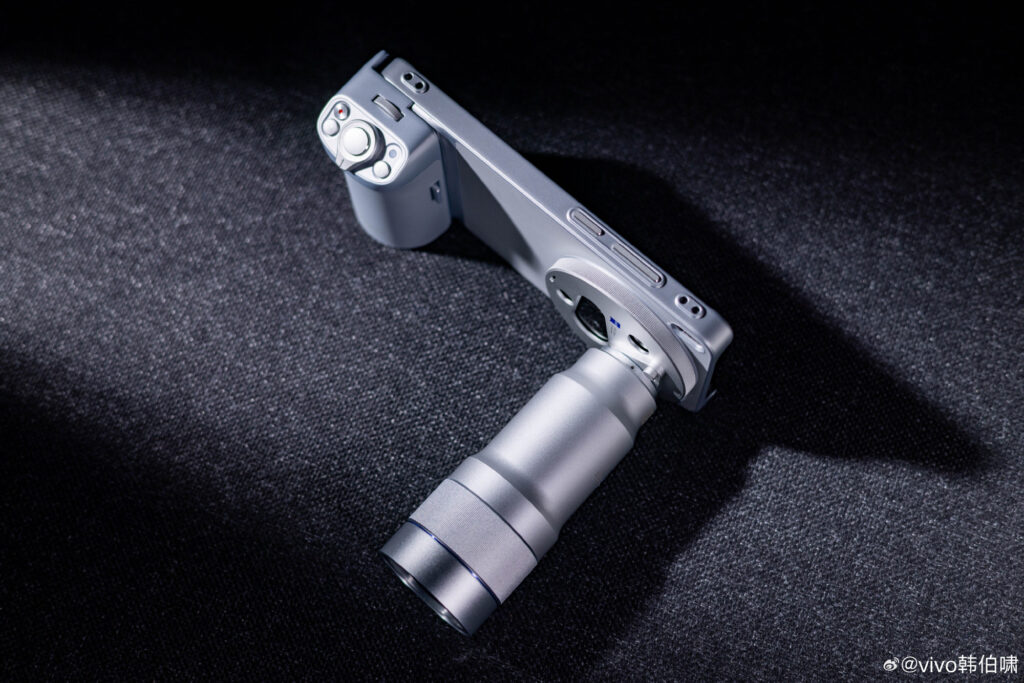
Vivo X300 Ultra 400mm teleconverter kit-
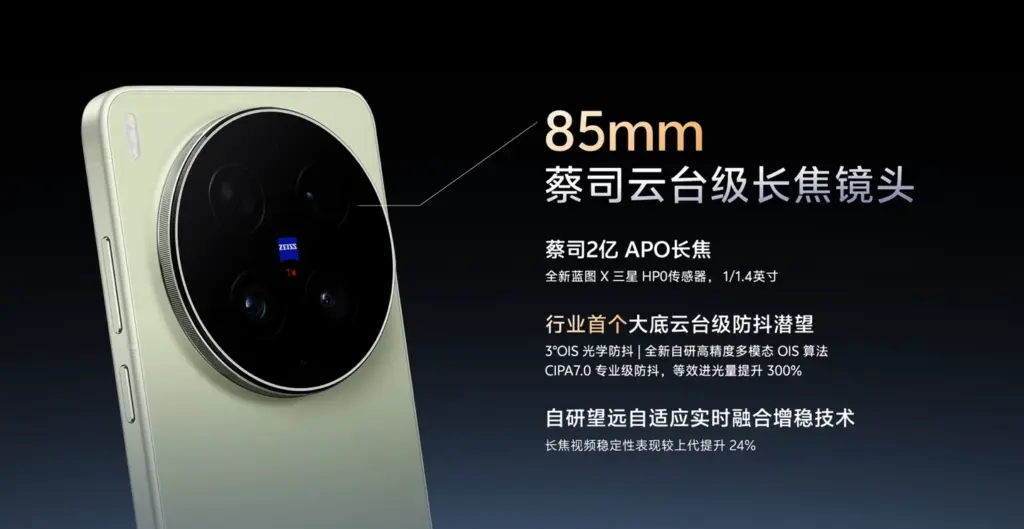
The announcement came during Vivo’s Blueprint Imaging Technology Communication Conference, where the brand outlined a new camera system developed in collaboration with Zeiss. The setup follows what Vivo calls a “3+2” configuration, essentially three main sensors backed by additional optical elements and processing tweaks.
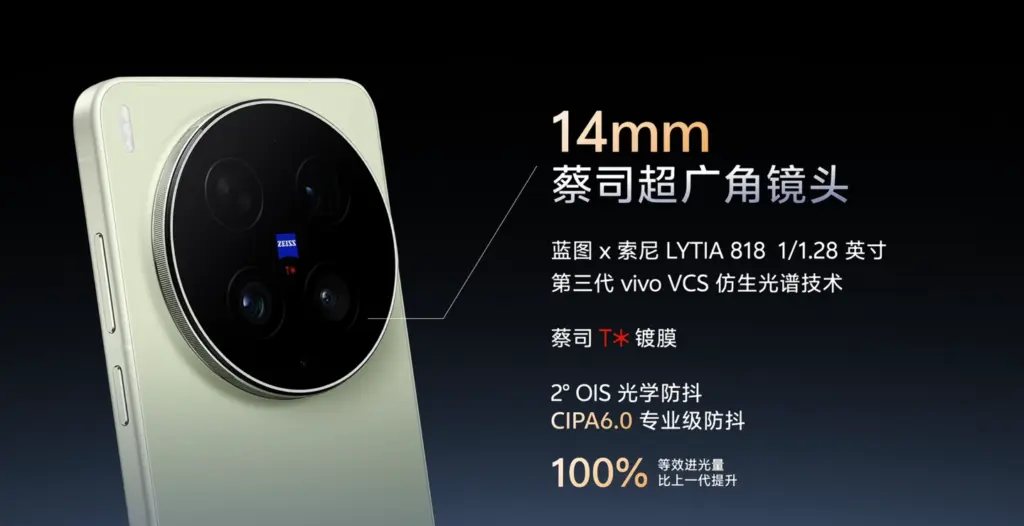
The ultra-wide camera uses a 1/1.28-inch Sony LYTIA 818 sensor. That’s unusually large for an ultra-wide, and Vivo is pairing it with its latest VCS bionic spectrum tech and Zeiss T* coating. The company claims improved light capture and CIPA 6.0 level stabilization, which could make wide shots more usable in low light than usual.
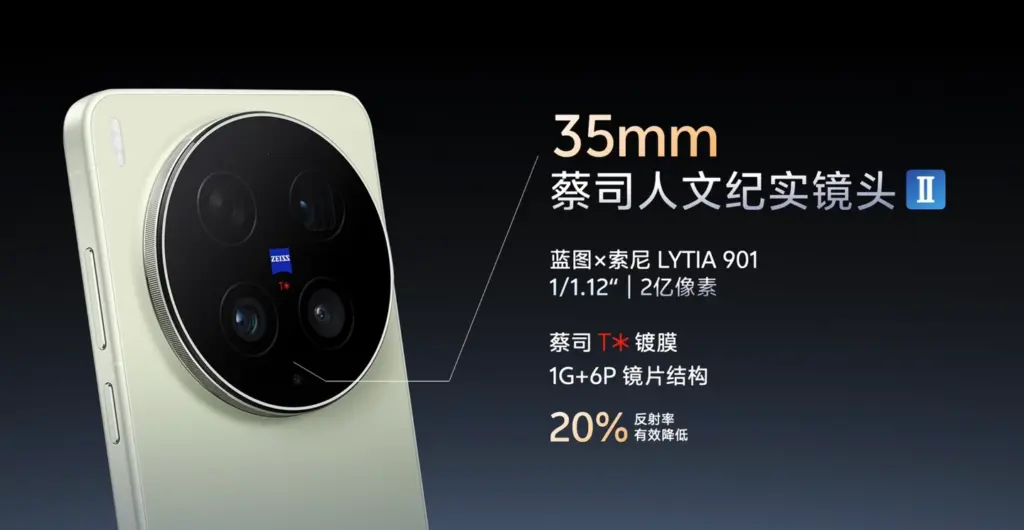
The main camera is where things get even more ambitious. Vivo is using the Sony LYTIA 901, a 200MP sensor that hasn’t been seen in a phone before. It’s paired with a new lens setup designed to reduce reflections and improve light intake, along with updates to noise reduction and HDR processing.
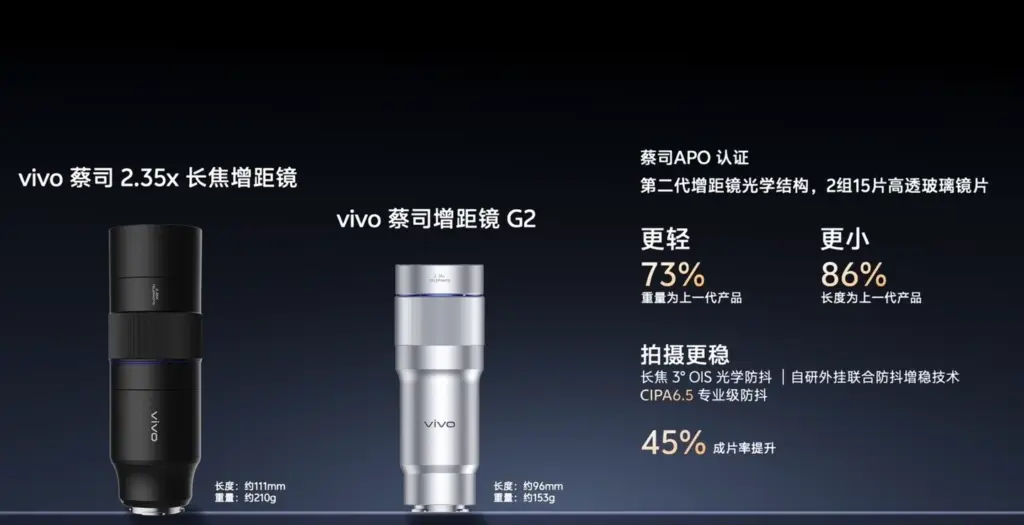
Then there’s the telephoto system, which might be the headline feature. Vivo is going with a 200MP periscope camera based on Samsung’s HP0 sensor, along with a CIPA 7.0 rating, which the company describes as gimbal-level stabilization. There are also new G2 teleconverter options, offering extended focal lengths up to 400mm, which is getting into serious zoom territory for a phone.
Vivo has also shared official samples from both the main and telephoto cameras earlier. It’s clear what Vivo is aiming for. The X300 Ultra isn’t just about specs for the sake of it, it’s trying to push smartphone photography a bit closer to dedicated camera gear, at least in certain situations.
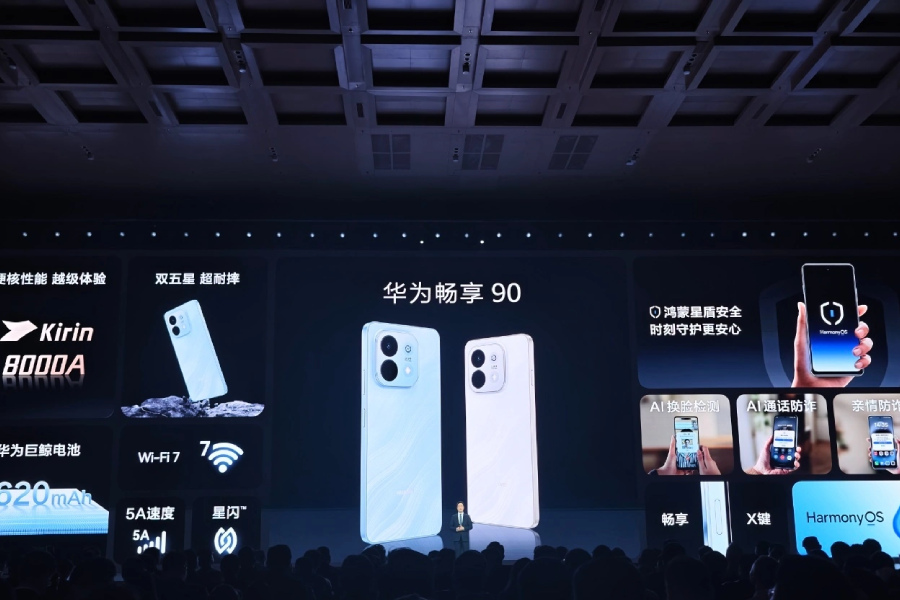
Huawei has officially introduced the Enjoy 90 Plus smartphone. The new model sits just below the Pro Max but still carries a similar foundation, including the same Kirin 8000 chipset.
There’s even a lower-tier model, the vanilla Huawei Enjoy 90, which has a big battery and a slightly less powerful Kirin 8000A processor.
Huawei Enjoy 90 Plus Specifications
The Enjoy 90 Plus comes with a 6.67-inch HD+ LCD display that supports a 120Hz refresh rate. It can reach a peak brightness of 850 nits.
The phone is powered by the Kirin 8000 processor, which Huawei claims gives a 67% improvement in performance compared to previous iterations.
On the camera side, the Enjoy 90 Plus has a 50-megapixel rear camera and an 8-megapixel front-facing sensor.
Keeping it on is a 6,620mAh battery paired with 40W charging. Combined with Huawei’s software optimizations, it suggests the phone is designed to last through extended use without frequent charging.
The Enjoy 90 Plus runs on HarmonyOS 6 out of the box. Additional hardware features include IP65 resistance, a side-mounted fingerprint sensor, an IR blaster, and support for Wi-Fi 7 and Bluetooth 6.0. The device measures 8.32mm thick and weighs 212 grams.
Pricing is 1,499 yuan for the 128GB variant and 1799 yuan for the 256GB variant.
Huawei Enjoy 90 Specifications
As for the vanilla model, it uses a Kirin 8000A processor and shares the same large battery. It also runs on HarmonyOS 6 and has AI-focused features, including face-swapping recognition and tools to prevent fraud during calls and within family networks.
It is priced at 1299 yuan for the 128GB and 1599 yuan for the 256GB variant.
For more daily updates, please visit our News Section.
There’s a noticeable shift in how people use laptops today, less tied to desks, more dependent on mobility. Whether it’s working from cafés, traveling, or simply moving between spaces, access to reliable power has quietly become a limitation many only notice when it runs out.
Laptop power banks solve that problem. The best options in 2026 don’t just extend battery life; they remove the need to plan around charging altogether. The key is choosing one that actually fits how you use your laptop, rather than chasing specs that don’t translate into real-world benefit.
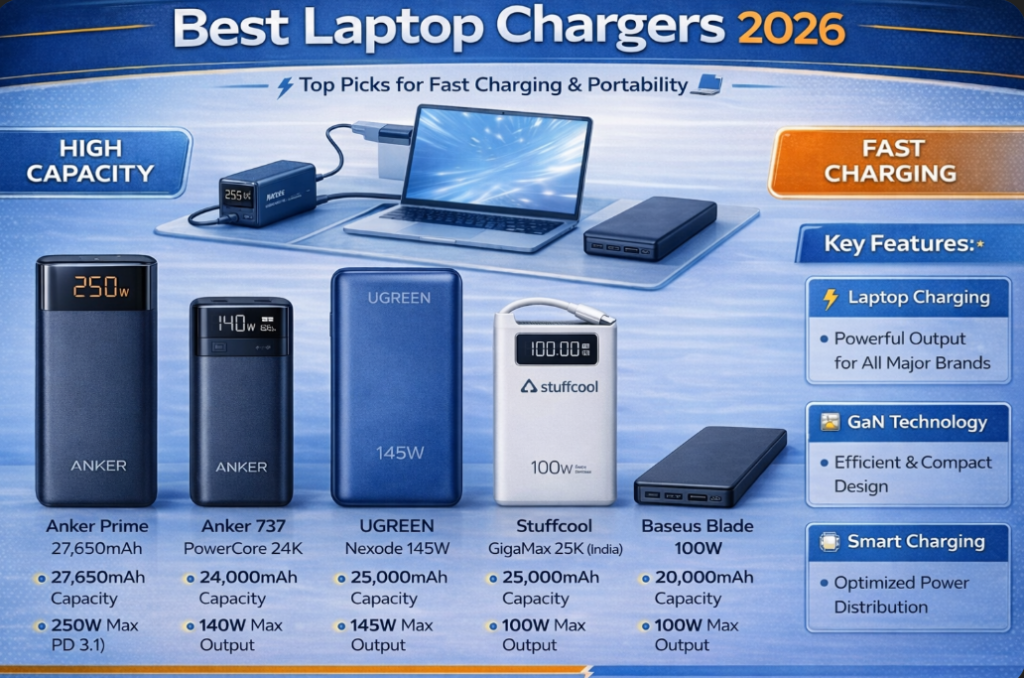
AI-generated image for representation only
Factors to Consider Before Buying
Power Output (Wattage)
This is the first thing to get right.
65W works for ultrabooks
100W or higher is needed for most modern laptops
Anything lower will either charge very slowly or not at all under load.
Battery Capacity
The ideal range is 20,000–27,000mAh. This gives you at least one full charge without making the power bank unnecessarily heavy or impractical to carry.
Port Selection & Usability
Look for at least two USB-C ports with Power Delivery. Multi-device charging is no longer optional; it’s expected. Small details like display indicators or wattage readouts also improve daily usability.
Recharge Speed
A high-capacity power bank should also recharge quickly. Faster input (100W+) makes a noticeable difference if you use it daily.
Portability vs Practicality
Higher capacity often means more weight. Slim designs are easier to carry, but may sacrifice sustained performance. The right choice depends on how often you actually carry it.
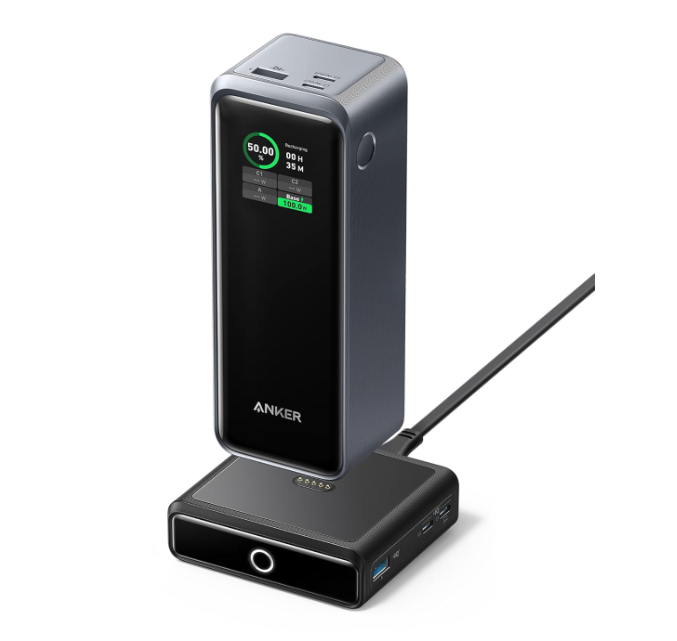
The Anker Prime feels like the most complete and refined option in this space. It delivers up to 140W via a single USB-C port (PD 3.1), with a total combined output of 250W, making it capable of charging both high-performance laptops and multiple devices simultaneously without slowing down. The 27,650mAh (≈99.5Wh) capacity hits the sweet spot between endurance and portability. What genuinely stands out is the real-time smart display, which shows input/output wattage and remaining time, useful in ways most people don’t expect until they have it. It also recharges unusually fast for its size. The only trade-off is price, but it justifies it by being the one power bank that rarely feels limiting.
Please Note: When you buy something using the links in our articles, we may earn a small commission at no cost to you.
Anker 737 Power Bank (PowerCore 24K) — Best Value
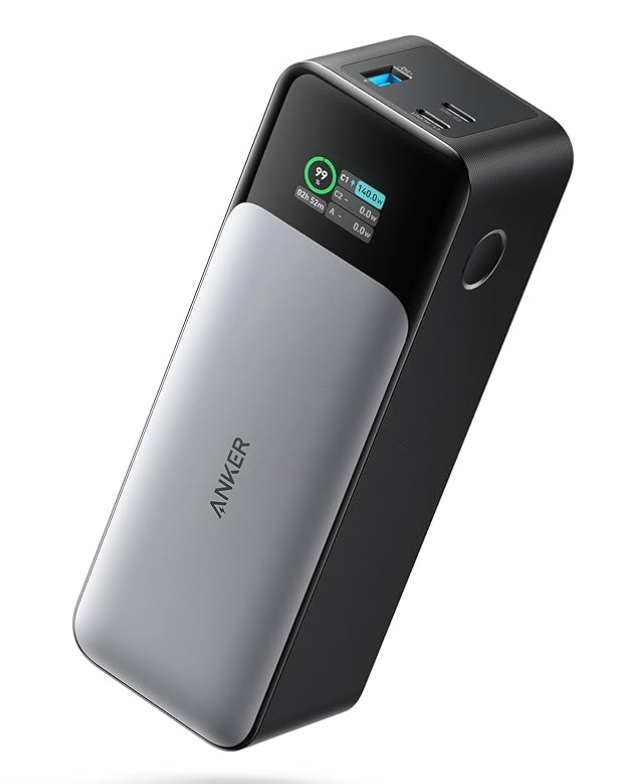
The Anker 737 remains one of the easiest recommendations because it gets the fundamentals right without trying to reinvent anything. It delivers 140W bidirectional charging, meaning both output and recharge speeds are equally strong, something many mid-range options quietly compromise on. The 24,000mAh capacity is slightly smaller, but in practice still covers most daily use cases. Its digital display is simple but genuinely useful for tracking performance. It does feel a bit bulkier and less polished compared to newer designs, but the reliability and consistent output make it a safer buy than most alternatives in this price range.
Please Note: When you buy something using the links in our articles, we may earn a small commission at no cost to you.
UGREEN Nexode 145W Power Bank — Best Performance
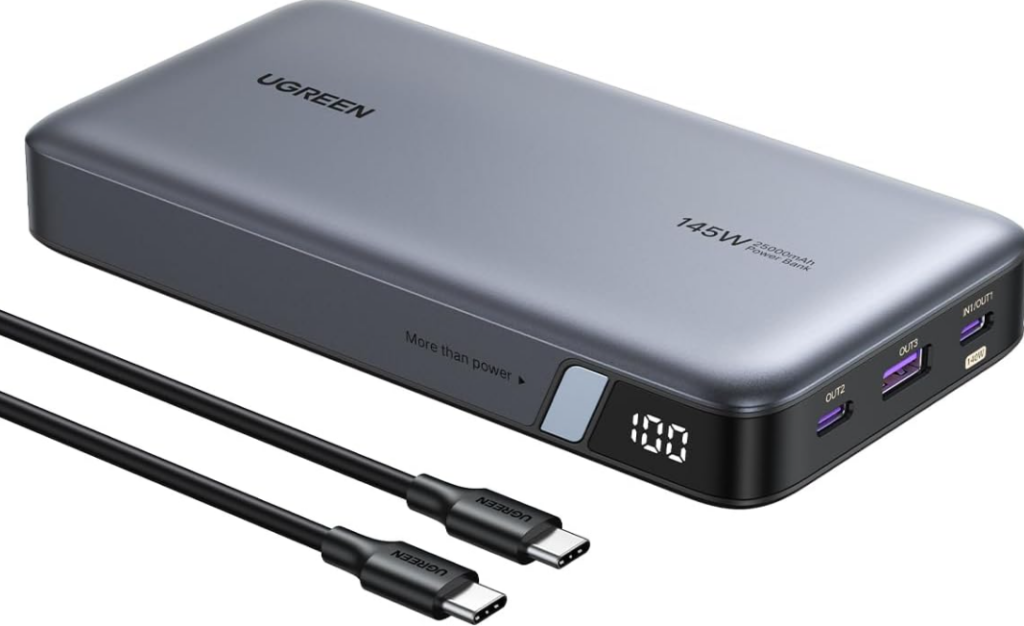
The Nexode 145W is built for users who care less about portability and more about consistent high output. Its 145W maximum output isn’t just a headline number—it sustains power well even when multiple devices are connected, thanks to smart distribution. The ~25,000mAh capacity drains predictably rather than quickly under load, which matters during longer work sessions. Thermal performance is also well-managed, so it doesn’t feel stressed during heavy use. The trade-off is that it’s not the most compact or travel-friendly option, but if your priority is stable, no-compromise charging, this is one of the more dependable picks available.
Please Note: When you buy something using the links in our articles, we may earn a small commission at no cost to you.
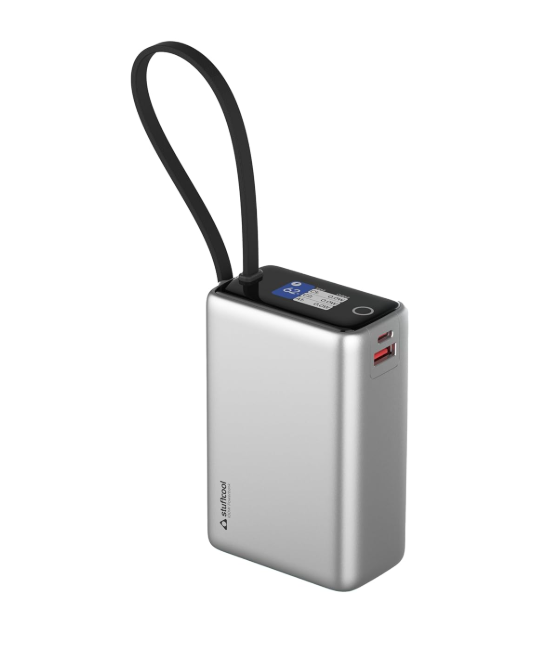
Stuffcool Giga Max 25,000mAh (India) — Specific for Travel
The Stuffcool Giga Max stands out as a practical travel-focused power bank, offering a 25,000mAh capacity that stays within airline limits while still delivering 100W USB-C output for laptops. It supports PPS charging, making it particularly useful for a wider range of devices, including Samsung laptops and phones. What adds to its usability is the built-in display and integrated cable, reducing the need to carry extra accessories. It’s not the most powerful option in this category, but for travel, it strikes a better balance between portability, availability, and everyday convenience.
Please Note: When you buy something using the links in our articles, we may earn a small commission at no cost to you.
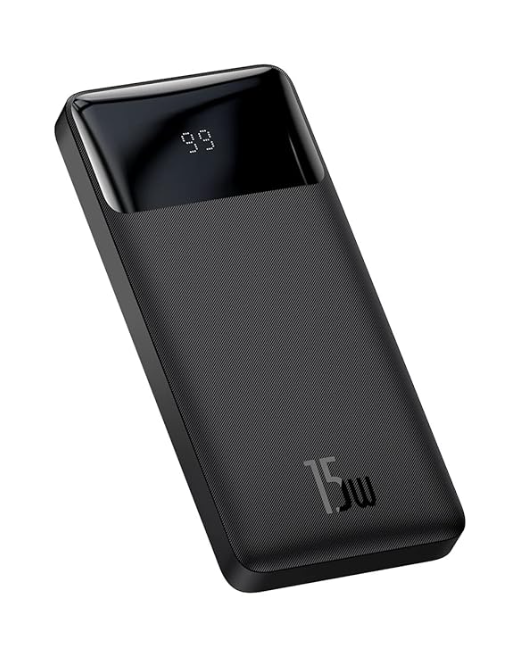
Baseus Blade 100W — Best Slim Design
The Baseus Blade stands out because it solves a very real problem: most power banks are awkward to carry with a laptop. Its flat, wide design fits naturally into sleeves and backpacks, making it far more likely to be carried daily. It still delivers 100W output and a 20,000mAh capacity, which is sufficient for ultrabooks and moderate workloads. The compromise is that it’s not built for sustained heavy output like higher-end models, and the form factor prioritizes portability over raw efficiency. Still, for everyday mobility, it’s one of the few options that genuinely feels designed for how people carry laptops.
Please Note: When you buy something using the links in our articles, we may earn a small commission at no cost to you.
Disclaimer
Selections are based on typical performance, brand reliability, and current market relevance in 2026. Prices, availability, and charging compatibility may vary by region, retailer, and laptop model, so it’s advisable to verify details before purchase.
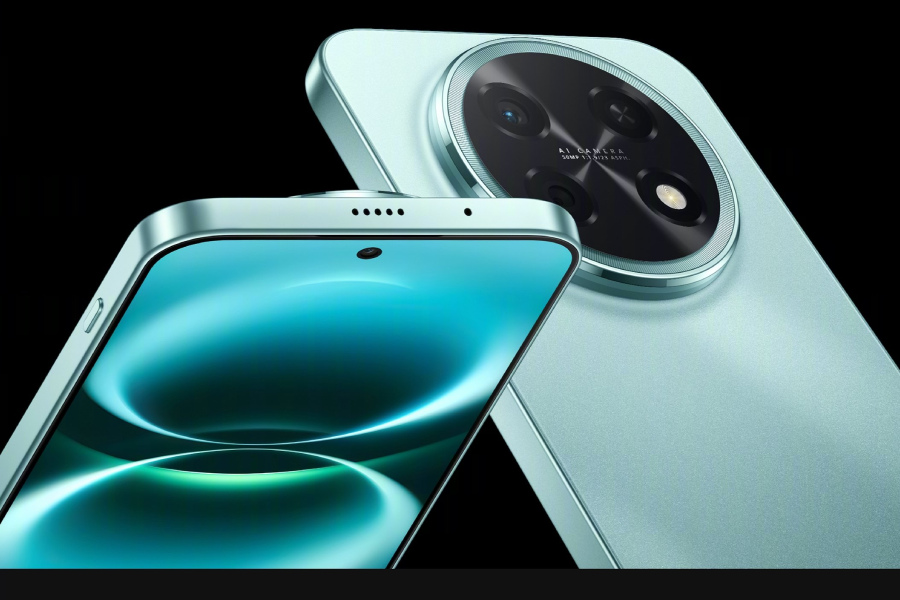
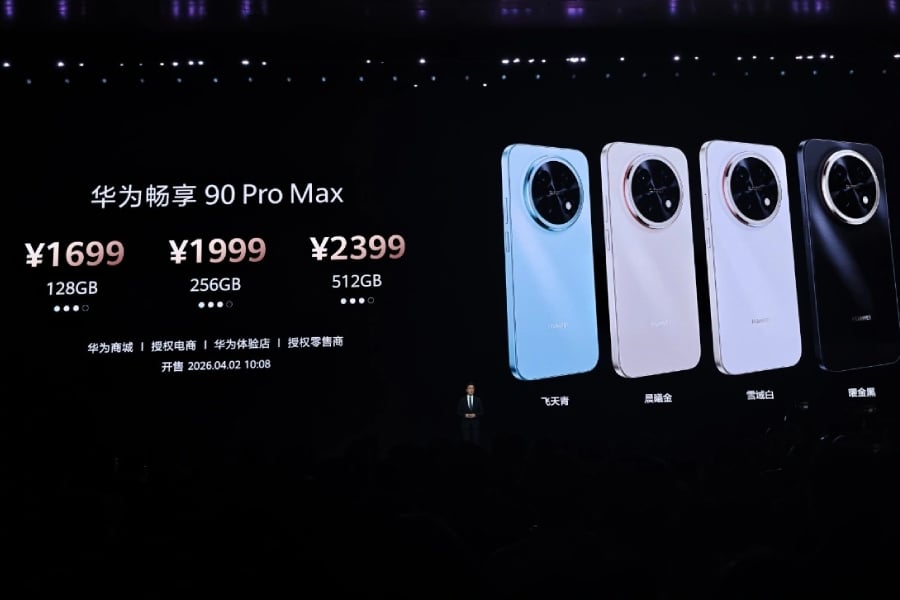
After a series of teasers, Huawei has officially introduced its new Enjoy 90 series smartphones. The line includes standard, Plus, and Pro Max variants, and as you might expect, the latter is the most feature-heavy option in the lineup.
Huawei Enjoy 90 Pro Max Specifications
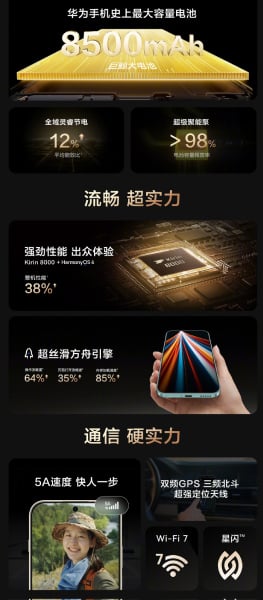
The Huawei Enjoy 90 Pro Max runs on Huawei’s Kirin 8000 chipset and comes pre-installed with HarmonyOS 6. Huawei says the combination of its in-house chip and software, along with what it calls the Ark Engine, allows tighter integration between hardware, software, and cloud services.
According to the company, this setup results in a 38% improvement in overall performance. Huawei is also claiming smoother everyday usage, with a 64 percent boost in phone operation smoothness and a 35 percent improvement in page loading.
In gaming, Huawei says the device can sustain up to five hours of gameplay at 120 frames per second in Honor of Kings.
The Enjoy 90 Pro Max packs an 8,500mAh battery and supports a combination of power management features, including what Huawei calls a “super energy pump” and system-wide power-saving optimizations.
On the front, the phone features a 6.84-inch flat OLED display with a 1.5K resolution and a 120Hz refresh rate. It also supports up to 4,000 nits of peak brightness and uses 2160Hz PWM dimming.
Its camera hardware includes a 50-megapixel main sensor with OIS and an 8-megapixel front-facing camera.
Other features include Wi-Fi 7, Bluetooth 6.0, NFC, and support for dual-frequency GPS and tri-frequency Beidou for more precise location mapping. The device also carries IP65 certification and has passed multiple drop-resistance tests, including CQC and SGS five-star ratings.
Pricing and Availability
The Huawei Enjoy 90 Pro Max starts at 1,699 yuan ($250) for the 128GB model. The 256GB model retails at 1999 yuan ($290) while the highest 512GB flavor is priced 2399 yuan ($350). Availability starts from 2nd April.
For more daily updates, please visit our News Section.
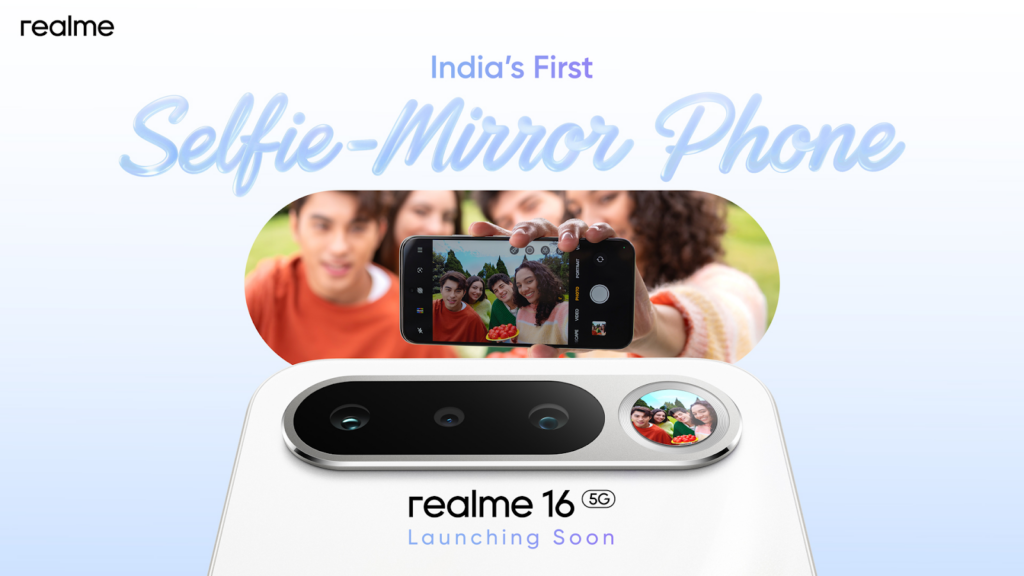
Back in January, Realme unveiled the Realme 16 in Vietnam. Now, the device is heading to the Indian market in the coming days. It is being advertised as India’s first selfie mirror smartphone.
Realme 16 5G’s India launch teased
Realme 16 teaser
The teaser released above shows the Realme 16 sporting a horizontal camera bar similar to Google Pixel phones and the iPhone Air. What sets it apart is the inclusion of a selfie mirror, which allows users to capture high-quality selfie shots using the rear cameras by relying on the mirror.
Realme hasn’t confirmed any details about the Realme 16’s specifications and features, but everything is already known through its Vietnam launch. This will be a new addition to the lineup, which already includes the Realme 16 Pro and 16 Pro+ handsets.
Realme 16 specifications
Starting from the front, the Realme 16 has a 6.57-inch AMOLED screen that offers an FHD+ resolution, up to 1,400 nits of brightness, and a 120Hz refresh rate. It runs on Android 16 with a layer of Realme UI 7 on top and features an optical in-screen fingerprint sensor for security.
Under the hood, the Realme 16 is powered by the Dimensity 6400 Turbo chipset. In Vietnam, the device is available with up to 12GB of LPDDR4x RAM and 256GB of UFS 2.2 storage. There’s also a hybrid SIM slot, which can be used to add a microSD card for additional storage.
The Realme 16 packs a massive 7,000mAh battery with 60W charging and reverse charging support. On the front, it has a 50-megapixel selfie camera, while the rear camera setup includes a 50-megapixel Sony IMX852 main camera and a 2-megapixel auxiliary lens.
The Realme 16 also includes features such as dual speakers, a 6050mm² heat dissipation unit, and IP66/68/69/69K-rated dust and water resistance. It is expected to arrive with a sub-Rs 20,000 price tag in India.
For more daily updates, please visit ourNews Section.
OnePlus is expected to unveil the OnePlus Nord 6 in the first week of April in India. While the Nord CE 6 may or may not launch alongside the Nord 6, it seems that the company is planning an anime-inspired limited edition version.
OnePlus Nord 6 Naruto Limited Edition spotted
OnePlus Nord 6 Naruto Edition coming? 👀. Spotted on the Repair & Service page.
As can be seen above, the OnePlus Nord 6 Naruto Limited Edition moniker has appeared on the Repair & Services page on OnePlus India’s website, suggesting that this special edition will be announced alongside the regular version of the Nord 6.
This will be the second time a Nord series device will have a special edition version. To recall, the brand unveiled the OnePlus Nord 2 Pac-Man Edition in 2021. The Nord 6 Naruto Edition may come in a special package with theme-inspired elements.
OnePlus rumored to shut down in some markets
For the past few months, there have been rumors that OnePlus may shut down. One such report that emerged in January was refuted by OnePlus CEO Robin Liu, who said that OnePlus India’s business operations will continue as normal. Now, tipster Yogesh Brar has released a fresh post on X revealing that OnePlus is shutting down in some markets.
OnePlus is shutting down in select Global markets..
China business will stay unaffected.
India market will mostly get budget & mid-range products
Brar states that the brand will stop operating in markets like the US and Europe, including the UK. He added that the brand will remain unaffected in China, and as far as India is concerned, it will focus on budget and mid-range devices. This would be completely against the company’s original identity of launching flagship phones at aggressive pricing, which is why the initial OnePlus phones were dubbed “flagship killers.”
OnePlus is a brand known to connect well with its user base, whether it’s addressing issues like the infamous green line problem or responding to shutdown rumors. Hence, it is likely to soon release an official statement addressing the recent development.
For more daily updates, please visit our News Section.
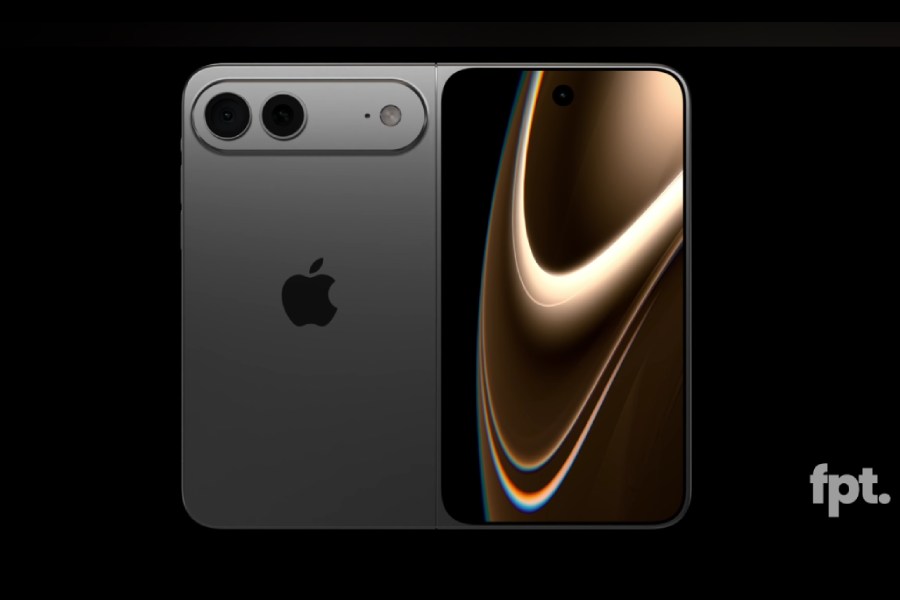
Oppo recently debuted the Oppo Find N6 foldable with a crease that is almost negligible in daily use. It’s not completely invisible, but it’s subtle enough that many users barely notice it while scrolling or watching videos. Even Apple is rumored to use a similar display technology in its first foldable, which could launch this September.
However, the Cupertino giant appears to be even more serious about making this display the best it can be.
Apple iPhone Fold will use multiple layers of protective layers between the display
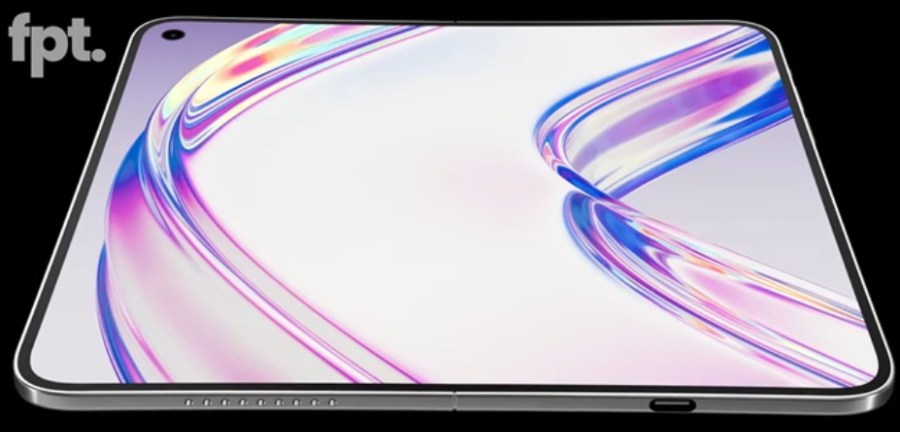
According to supply chain reports shared by tipster Digital Chat Station, Apple’s foldable display could use a dual-layer glass structure built from UTG (Ultra Thin Glass) and UFG materials.
In simple terms, this means the screen may consist of multiple glass layers rather than a single thin sheet. The display panel itself would sit between these layers instead of being placed directly against the hinge mechanism.
This design could help solve one of the biggest problems with foldables: durability. When a foldable phone bends thousands of times during its lifetime, the pressure around the hinge can gradually create a visible crease in the middle of the screen. By separating the display layer from the hinge area and using multiple glass layers, Apple may be trying to reduce stress on the panel.
The rumored display may also include a form of self-healing glass. The idea is that the display could gradually smooth itself over time, helping it maintain a cleaner look after repeated folding.
Oppo did something similar with the Find N6, which it says uses Auto-Smoothing Flex Glass, where the crease slowly smooths itself out over time.
None of this is confirmed yet, and Apple rarely comments on products before they launch. But we know for certain that a foldable iPhone is coming.
For more daily updates, please visit our News Section.
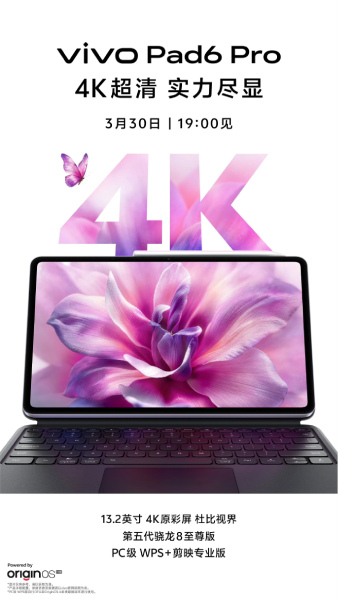
Vivo is preparing for a major product launch event in China on March 30, where it will unveil the new Vivo X300 Ultra and Vivo X300s smartphones. Alongside these devices, the company has also confirmed the arrival of the Vivo Pad 6 Pro.
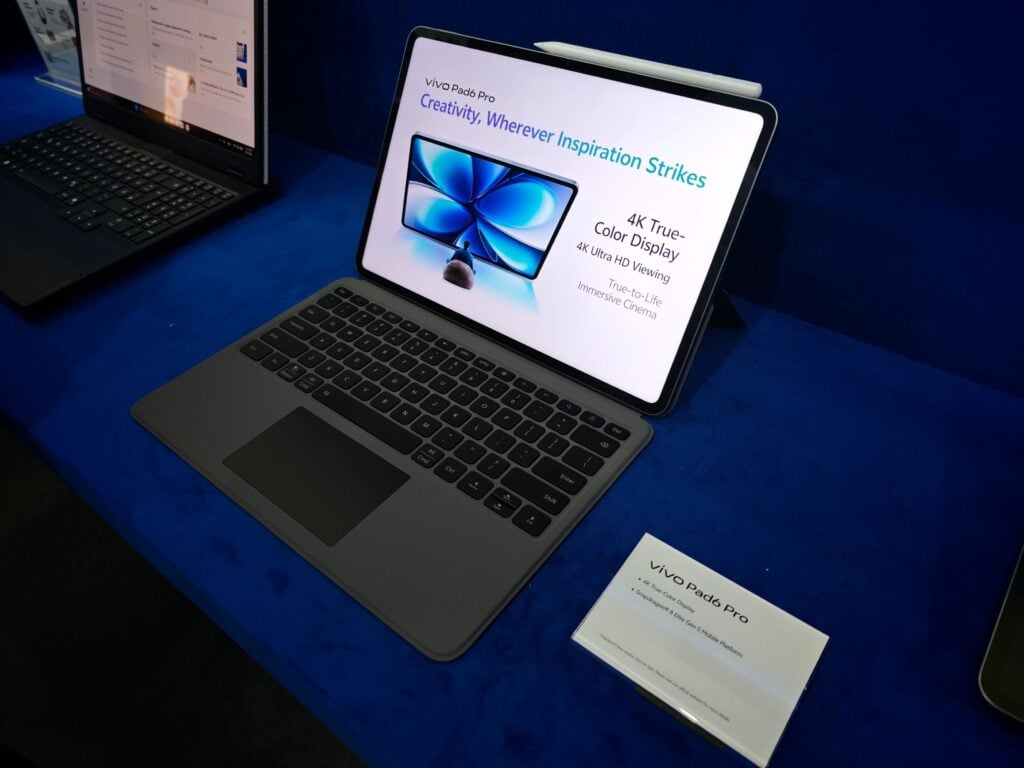
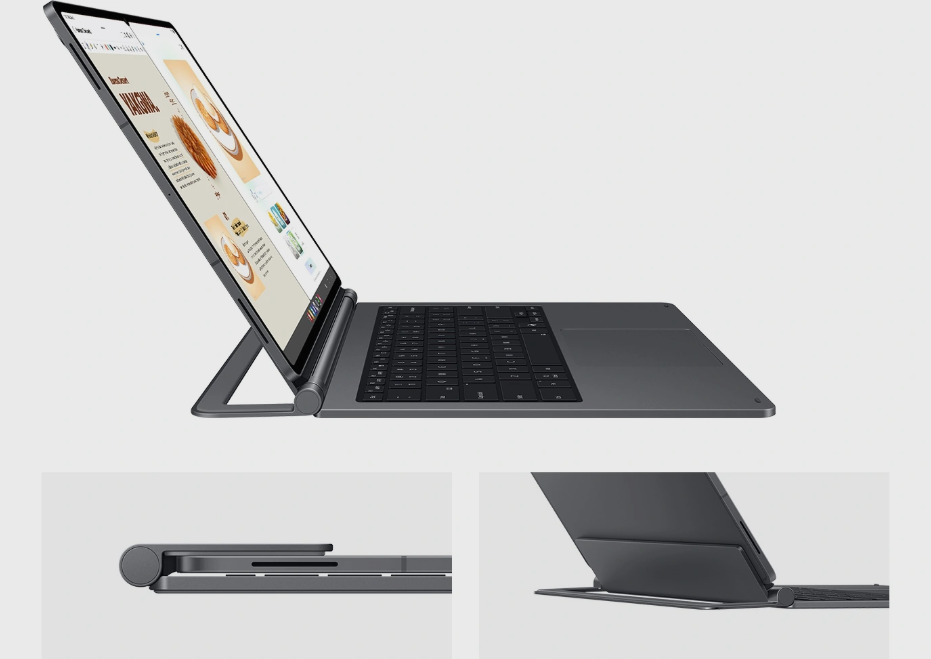
Vivo is positioning the Pad 6 Pro as a productivity-focused device. The tablet was previously showcased at Mobile World Congress, where it was seen paired with a keyboard accessory and stylus.
It also features a large 13.2-inch display with a 4K True Color screen that supports Dolby Vision. In terms of performance, the Vivo Pad 6 Pro will be powered by the current best Snapdragon 8 Elite Gen 5 chipset.
To further support its productivity angle, Vivo is bundling PC-grade WPS Office and CapCut Professional Edition with the device. These additions make it clear that the tablet is not just for media consumption but also for tasks like document editing, video editing, and general work use.
Vivo Pad 6 Pro Specifications (Expected)
As for other specifications, reports suggest that the tablet could feature a high refresh rate display, possibly up to 144Hz, for smoother visuals. Camera-wise, it is expected to include a 13-megapixel rear camera and an 8-megapixel front-facing camera. Typical for tablets, which are usually meant for general video calls and document scanning and not much more.
Moreover, the Pad 6 Pro is said to carry roughly a 13,000mAh cell, up from 12,050mAh in the previous model. It will support either 80W or 90W of charging.
Vivo is likely to reveal more about the device in the lead-up to launch. As for global availability, there’s no word yet. But since Vivo showed off the device in MWC, we can expect a global announcement soon.
For more daily updates, please visit our News Section.
Xiaomi has announced a new pet feeding gadget called the Mijia Smart Pet Feeder 2 Visual Edition. It’s a follow-up to its 2023 model that, until now, handled feeding but didn’t let you actually see what your pet was doing.
The new version is launching on Xiaomi’s Youpin platform, with crowdfunding set to begin at 10:00 AM on March 30. It carries a suggested retail price of 549 yuan, though early backers will be able to get it for 449 yuan.
Xiaomi Mijia Smart Pet Feeder Visual Edition Features
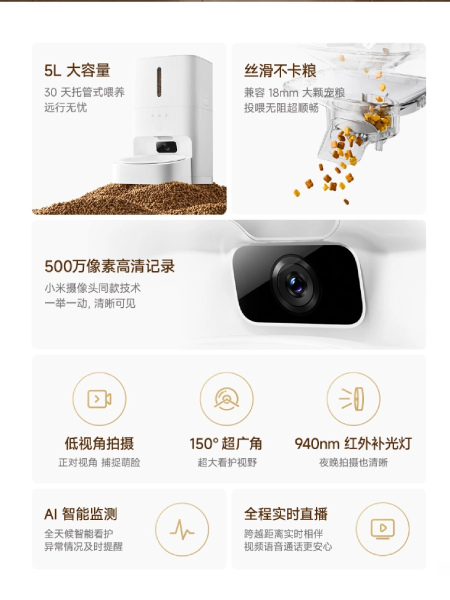
The biggest addition here is a built-in 5-megapixel camera. It’s paired with a 150-degree ultra-wide-angle lens and a 940nm infrared fill light, which means it can capture footage even in low light or at night.
Xiaomi is also leaning on its AI capabilities here, allowing the feeder to recognize when a pet is approaching or actively eating.
The feeder supports 24-hour real-time monitoring and offers both local and cloud storage options. Users can insert a microSD card from 16GB to 128GB, or opt for paid cloud storage if they prefer remote access and backups.
Outside of the camera, the core hardware remains similar to the previous model. The feeder includes a 5-liter storage container that can hold up to 2.5kg of dry pet food, which Xiaomi says is enough to feed an adult cat for around 30 days.
It supports kibble sizes of up to 18mm and includes an automatic error correction mechanism that reverses the system if food gets stuck.
There are also a few practical upgrades focused on durability and food safety. Xiaomi is using a triple sealing and barrier design to help keep food dry and protected from moisture. Structurally, the feeder is built to maintain consistent operation, and it includes an emergency power supply system designed to keep feeding schedules intact during outages.
For more daily updates, please visit our News Section.
The idea of a “best” guide for any gadget doesn’t really stay still for long. Things change, products get better (or sometimes just more confusing), and what counts as worth it shifts pretty quickly.
That’s especially true with tablets, where the gap between a cheap device and an expensive one isn’t just about performance; they’re often meant for completely different things.
That’s also why picking the right one has become less about specs and more about knowing what you actually need. A $100 tablet and a $1000 tablet aren’t trying to do the same job anymore, and that’s a good thing.
So instead of trying to cover everything, this guide keeps it simple. One tablet per price range, each one chosen because it holds up right now, not just on paper, but in everyday use.
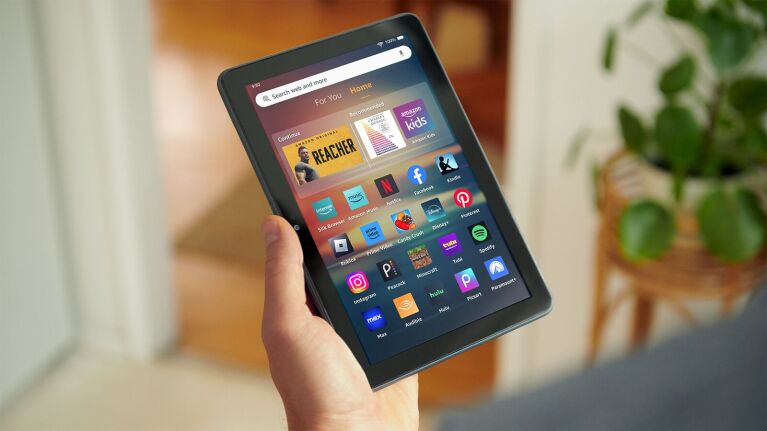
At $100, finding a good tablet is quite hard. You won’t get extreme raw power. Rather, you should look for something that gets the work done. And that’s exactly where the Fire HD 8 fits in.
This tablet is not trying to compete with iPads or premium Android tablets. Instead, it focuses on the basics.
You get an 8-inch display, a MediaTek processor, 32/64GB of storage with 3/4GB of RAM, and microSD expansion support up to 1TB. It’s a decent machine for everyday chores like browsing and streaming apps like Netflix and Prime Video.
Please Note: When you buy something using the links in our articles, we may earn a small commission at no cost to you.
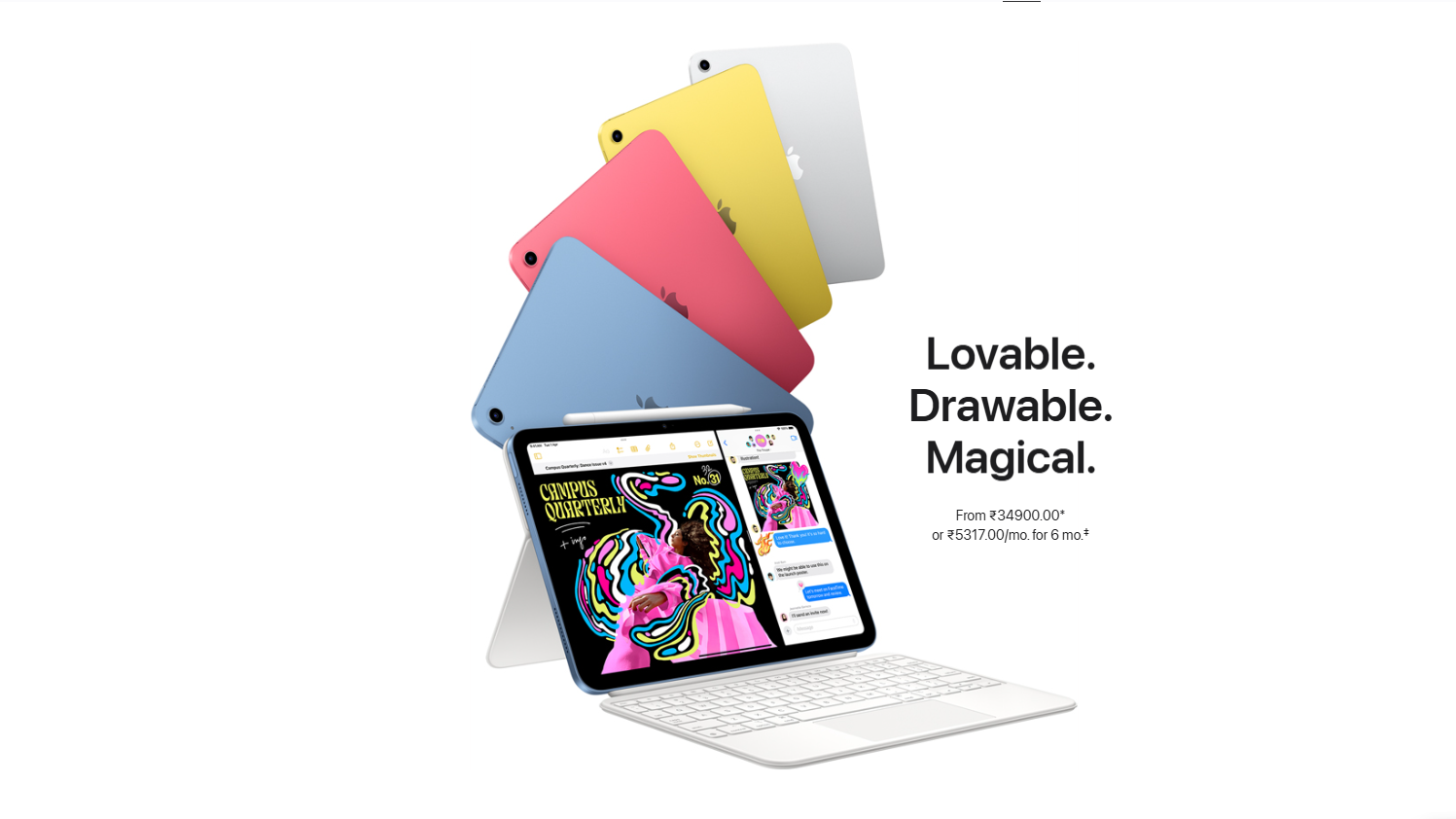
2. $300: iPad (11th Generation)
If you have $300 and you don’t want to think about specs, the iPad (11th Gen) is a no-brainer. Announced in March 2025 for $350, you can get it for $299 during sales and discounts. The best thing about this is that Apple has finally bumped the base storage to 128GB.
Under the hood, it is powered by the A16 Bionic chip (the same one that powered the iPhone 15). As a result, it’s snappy, efficient, and handles iPadOS with zero hesitation.
The 11-inch Liquid Retina display is still unlaminated, though. Meaning there’s a tiny gap between the glass and the pixels, which might bother artists, but for the other 95% of the population, it’s a non-issue.
What makes the 11th Gen the best at this price is the ecosystem. It supports the Apple Pencil (USB-C) and the Magic Keyboard Folio for students to take notes or sketch. But it doesn’t support the high-end “Apple Intelligence” features found on the Pro models.
Please Note: When you buy something using the links in our articles, we may earn a small commission at no cost to you.
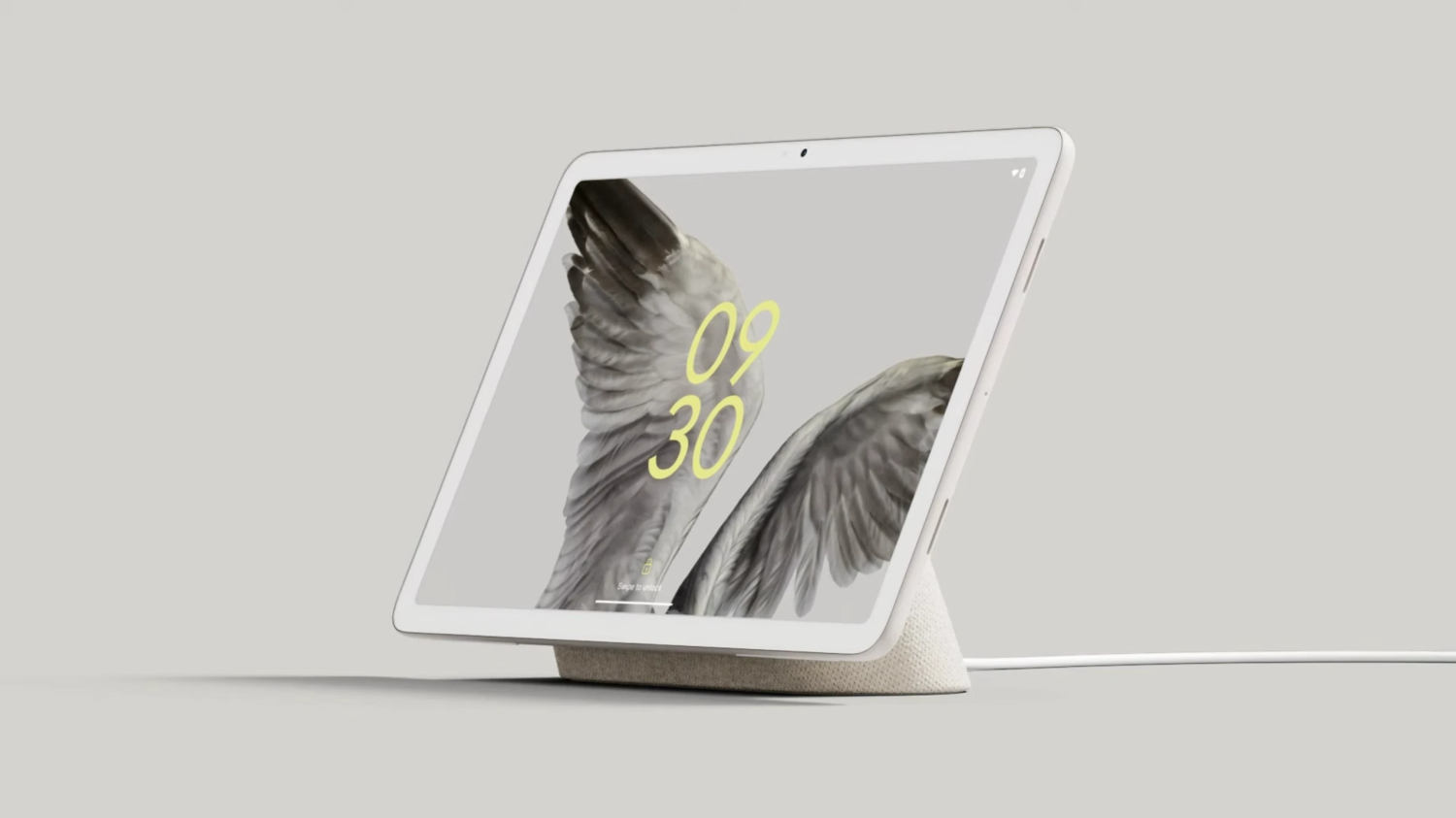
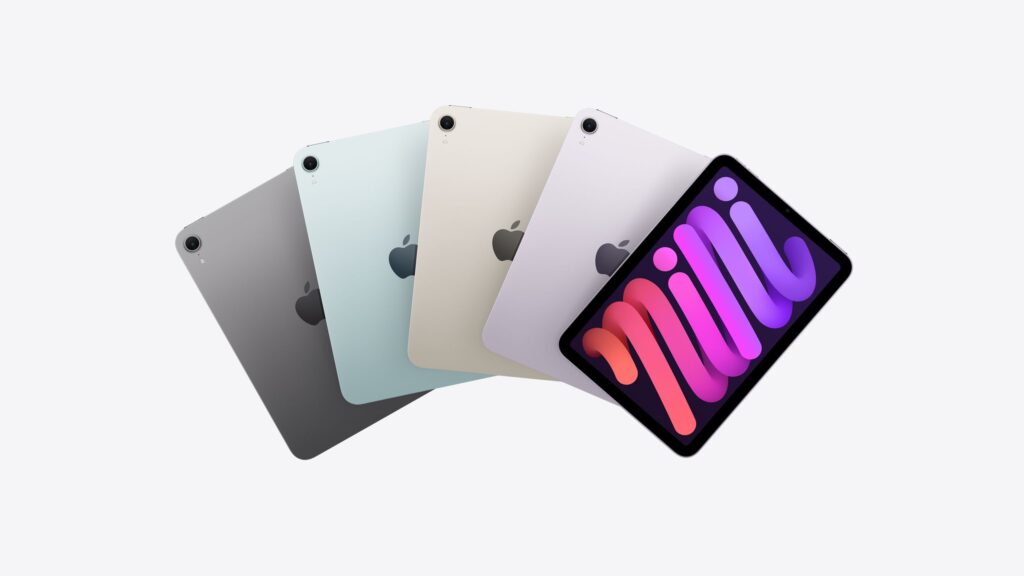
3. $500: Google Pixel Tablet / iPad mini 7
$500 is a sweet spot for a tablet, because you can get a good device in both the Android and Apple worlds.
First off is the Google Pixel Tablet, which works as both a tablet and a smart home device. With its dock, it can act like a smart display when not in use. This makes it a good option for people who want a hybrid device for home use.
Please Note: When you buy something using the links in our articles, we may earn a small commission at no cost to you.
On the other hand, the iPad mini 7 is all about portability. It’s compact, powerful, and easy to carry around. Despite its size, it delivers strong performance and supports the Apple Pencil, making it great for reading, note-taking, and quick tasks.
This price range is less about “which is better” and more about “what fits your lifestyle.” If you want versatility at home, go Pixel. If you want something small but powerful, go for the iPad mini.
Please Note: When you buy something using the links in our articles, we may earn a small commission at no cost to you.
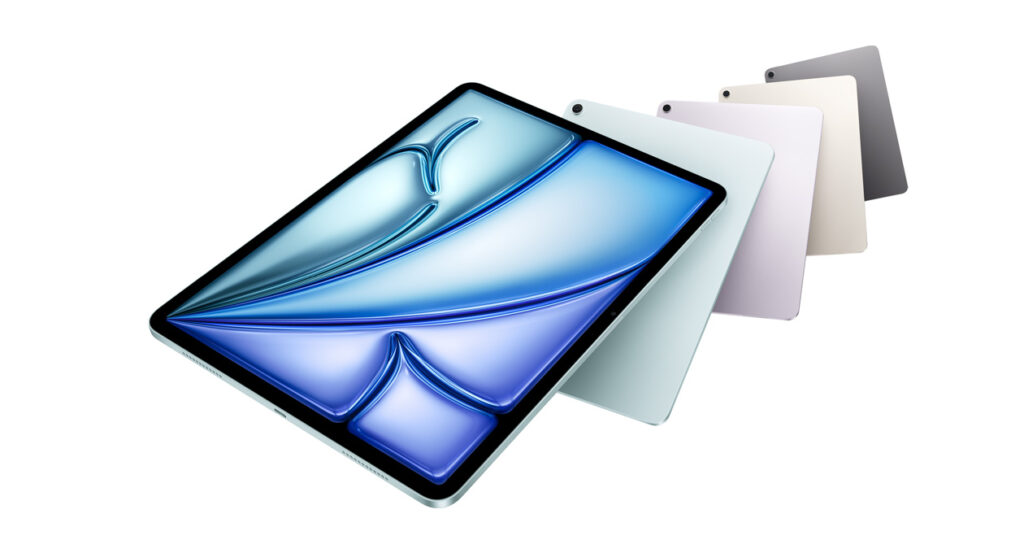
4. $800: iPad Air (M4, 2026 Model)
Apple just refreshed the iPad Air with the M4 chip in March 2026. The lineup actually starts at $599 for the 11-inch model, while the 13-inch model is $799.
Both feature pro-grade M4 chip, Apple Intelligence support, and Liquid Retina displays. The iPad Air is also the first in the Air lineup to support Apple Pencil Pro. The stylus brings advanced creative tools like squeeze, barrel roll, and haptic feedback.
Not to forget, you also have Magic Keyboard support, which is a big part of why it feels much closer to a pro device than a basic tablet.
The compromise, you could say, is that Apple still doesn’t offer an OLED display in its $800 device. You’re still looking at a very high-quality LCD. However, unless you are a professional colorist or you spend your life watching movies in pitch-black rooms, you probably won’t care.
Please Note: When you buy something using the links in our articles, we may earn a small commission at no cost to you.
5. $1000: Samsung Galaxy Tab S11 Ultra
At $1000, you’re entering true flagship territory. And the Galaxy Tab S11 Ultra is one of the most powerful tablets available right now.
This device is all about scale and performance. It features a massive 14.6-inch AMOLED display with HDR10+ support and 1600 nits of peak brightness. Audio is handled by a quad-speaker setup, making it one of the best tablets for watching content.
Powering it is a MediaTek Dimensity 9400+ chipset with a massive 11600mAh battery. Samsung also pushes its multitasking features hard, with desktop-style modes that make it feel closer to a laptop.
The downside is obvious, though. It’s big, expensive, and not as easy to use casually. But if you want the biggest and most capable Android tablet, this is the one.
We use cookies on our website to give you the most relevant experience by remembering your preferences and repeat visits. By clicking “Accept”, you consent to the use of ALL the cookies.
This website uses cookies to improve your experience while you navigate through the website. Out of these, the cookies that are categorized as necessary are stored on your browser as they are essential for the working of basic functionalities of the website. We also use third-party cookies that help us analyze and understand how you use this website. These cookies will be stored in your browser only with your consent. You also have the option to opt-out of these cookies. But opting out of some of these cookies may affect your browsing experience.
Necessary cookies are absolutely essential for the website to function properly. This category only includes cookies that ensures basic functionalities and security features of the website. These cookies do not store any personal information.
Any cookies that may not be particularly necessary for the website to function and is used specifically to collect user personal data via analytics, ads, other embedded contents are termed as non-necessary cookies. It is mandatory to procure user consent prior to running these cookies on your website.