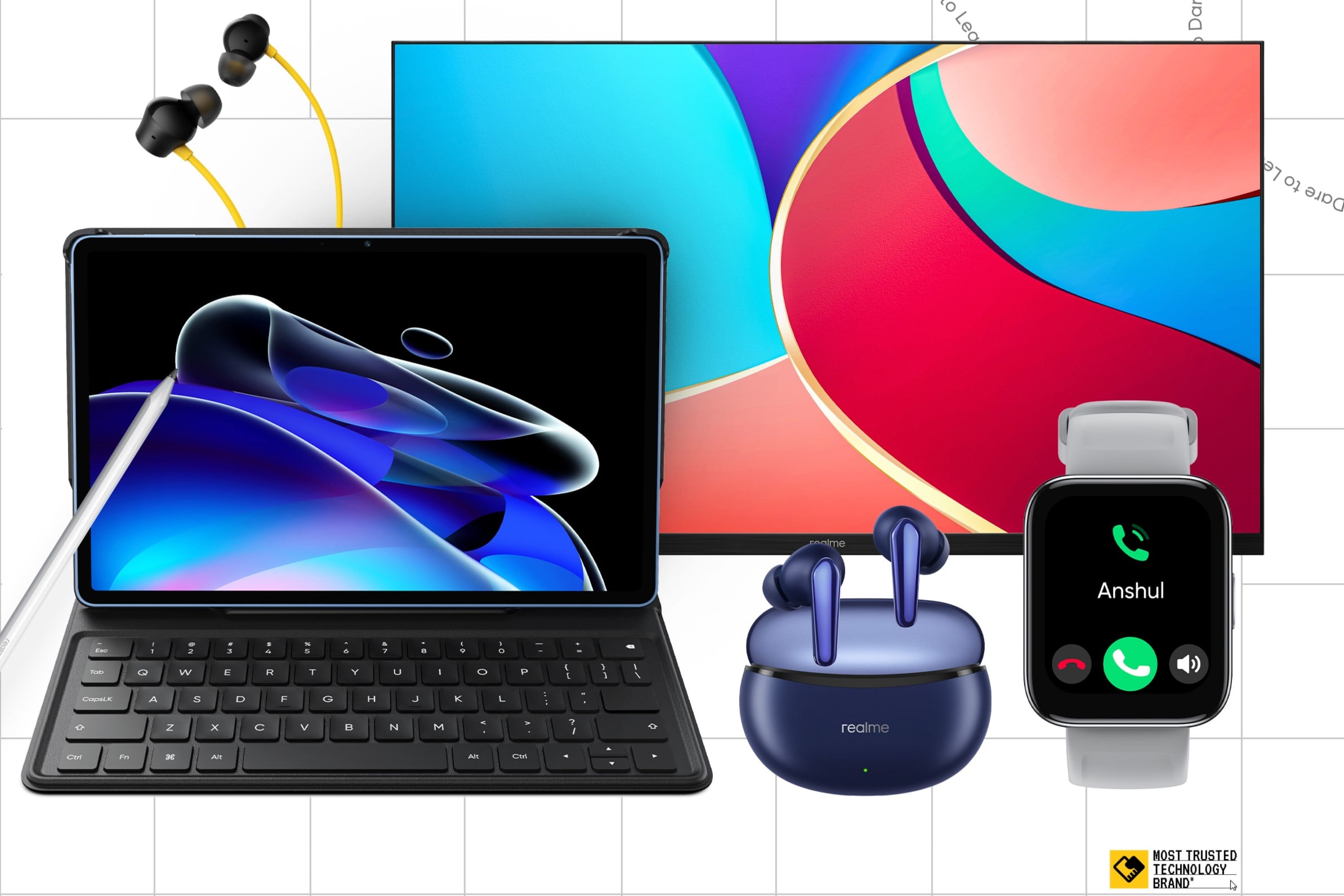
Realme’s next AIoT launch event will be held on July 26 in India. So far, the company has launched two tablets in India, namely, the Realme Pad and the Realme Pad Mini. Tomorrow, the company will be taking off the covers from its first 5G-ready tablet, named the Realme Pad X 5G, in the country. Apart from the Pad X, the event will see the arrival of a couple of other products. Here is all the information on how to watch the livestream of the Realme AIoT launch event and what to expect from it.
Realme AIoT launch even: How to watch the livestream
The Realme AIoT launch event will start at 12:30 pm (local time) on July 26 in India. The event will be livestream through Realme India’s YouTube channel. The company is expected to post live updates from the launch event through its other social media handles such as Twitter, Instagram, and Facebook.
Realme AIoT Launch Event 2022
Realme AIoT launch event: What to expect
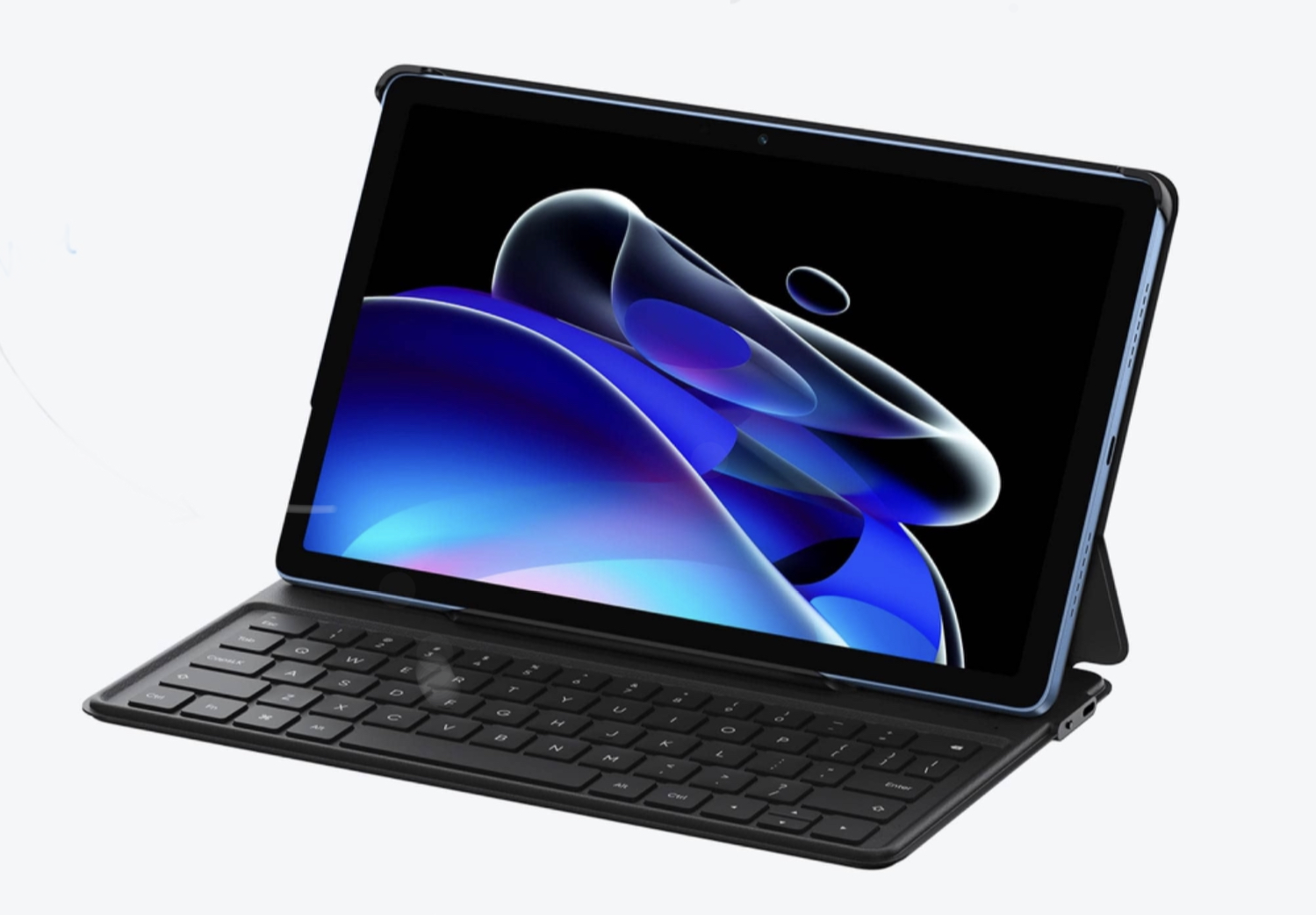
The Realme Pad X 5G tablet is expected to arrive with key features such as a 10.95-inch LCD display, Snapdragon 695 chipset, 8,340mAh battery with 33W fast charging, quad speakers, Realme Pencil support, an 8-megapixel front camera with motion tracking support, and a 13-megapixel rear camera. The device is likely to be priced under Rs 25,000 (~$313).
The Realme Studio Display will be the company’s monitor with a screen size of 23.8 inches. It will support up to a 75Hz refresh rate, an 8ms response time, and a thickness of 6.9mm at the thinnest point.
The Realme Watch 3 will come with support for Bluetooth calling with AI noise cancellation and a built-in smart power amplifier. It will have a 1.8-inch curved display with 500 nits of brightness. It will be available in black and white colors.
The Realme Buds Air 3 Neo TWS earbuds and Realme Buds Wireless 2S will also be unveiled on July 26. The latter has already been confirmed to cost Rs 1,499 (~$19).
The Realme Pad X 5G is one of the products that Realme will be announcing on July 26 in India. Ahead of the launch, the official landing page of the device has confirmed some of its key features. Here is a look at all that has been officially revealed about the Pad X for India.
The Pad X’s page available on Realme India’s website mention that the device is equipped with a 6nm Snapdragon chipset and clocks at up to 2.2GHz. In all likelihood, it features the Snapdragon 695 mobile platform.
Realme Pad X 5G
The Pad X has a 10.95-inch display that offers 450 nits of brightness. It will be powered by the O1 Ultra Vision Engine for better image quality. According to the company, the device has an 84.6 percent screen-to-body ratio.
Under the hood, the Realme Pad X 5G has an 8,340mAh battery that supports 33W Dart Charge technology. The tablet is equipped with Dolby Atmos powered quad speakers. It also features Hi-Res Audio support and smart PA.
The Pad X will come with an 8-megapixel front camera with a 105-degree FOV. It will be equipped with a feature called Limelight, which can automatically track the subject and keep it in the center of the frame even if it is moving. The tablet has a single 13-megapixel camera on the back.
Considering that the Realme Pad X 5G has the Snapdragon 695 chipset onboard, it is likely to cost less than Rs 25,000 in the country. The official images of the device show that the company will also sell optional accessories such as a Realme Pencil and a folio keyboard for Pad X users. The tablet is rumored to arrive in colors, such as Glacier Blue, Racing Green, and Glowing Grey. Coming to the storage options, it may come in two options: 4 GB RAM + 64 GB storage and 6 GB RAM and 128 GB storage.
Apart from the Pad X 5G, Realme will also announce the Realme Watch 3, Realme Buds Air 3 Neo TWS earbuds, Realme Buds Wireless 2S Bluetooth neckband, and a 23.8-inch Realme Studio Display.
Motorola is working on the successor for the Moto G31. It is most likely to debut with the Moto G32 moniker in the market. At present, there is no word on the launch timeframe for the device. However, it appears that its launch date could be drawing near as the leaked renders have surfaced on the web.
Reliable tipster Steve Hemmerstoffer (aka. OnLeaks) has collaborated with publication Compare Dial to share the official renders of the upcoming Moto G32. The images give a good look at the phone’s design from almost all angles.
Moto G32 renders by Compare Dial
The leaked renders show that the Moto G32 will be arriving in black and red. According to previous leaks, the handset is also expected to arrive in silver and grey. The front side of the device features a punch-hole display with a thick chin. Its bottom edge has a 3.5mm audio jack, a USB-C port, and a speaker grille. A SIM card slot seems to be placed on the left side of the G32.
On the right side of the device is a volume rocker and a power key, which appears to be integrated with a fingerprint scanner. The rear side of the phone has a redesigned triple camera unit as compared to its predecessor. The engraved text in the camera module reveals that it has a 50-megapixel main camera.
Moto G32 specifications (rumored)
The Moto G32 is expected to feature a 6.5-inch IPS LCD display that offers an HD+ resolution and a 90Hz refresh rate. It will have an 8-megapixel front camera. The rear side of the device may feature a 50-megapixel (main) + 8-megapixel (ultra-wide) + 2-megapixel (macro) triple camera unit. It may come preloaded with the Android 12 OS.
The G32 will be powered by the Unisoc T606 chipset, 3 GB of RAM and a 5,000mAh battery. The device is expected to arrive with 32 GB of storage. It is likely to carry support for 33W fast charging. It might cost 229 euros in Europe. Since both the EEC and the NCC have approved the device, it looks like it will be released in the next few days.
However, a recent report online on Chinese social media indicates that Huawei may also be launching a new smartphone at the July 27th launch event, and that smartphone in question is the Huawei Enjoy 50 Pro.
Huawei Enjoy 50 Pro (Rumoured)
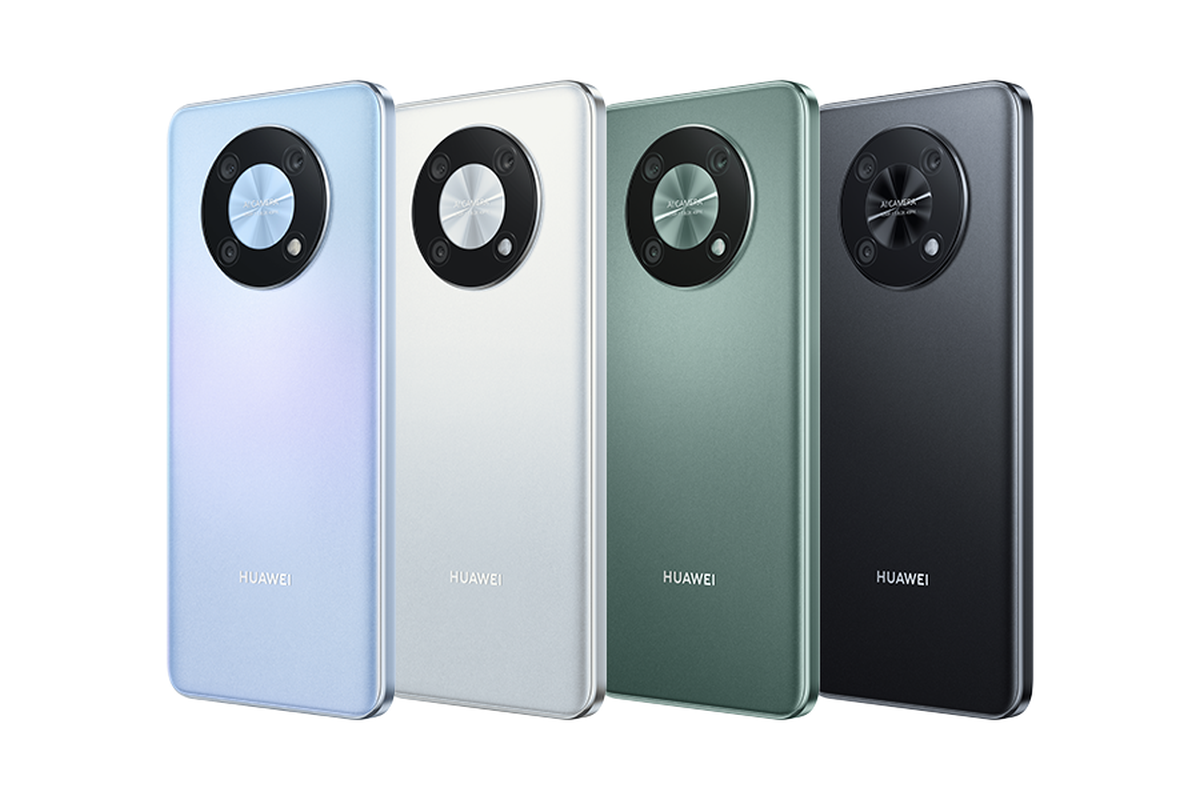
From the report, we gathered that the specifications and design of the Huawei Enjoy 50 Pro is actually identical to an entry-level smartphone that Huawei earlier released in the global market, the Huawei Nova Y90. And this leads us to believe that the Huawei Enjoy 50 Pro is just a renamed Huawei Nova Y90 for the Chinese market.
The Huawei Nova Y90 was launched globally last month and has already gone on sale in several countries like Malaysia for RM999 (around US$ 225).
For the specs of the Huawei Nova Y90, it features a 6.7-inch IPS LCD display with a centered punch-hole at the front. It offers a screen resolution of 1080 x 2388 pixels, a refresh rate of 90Hz, and a touch sampling rate of 270Hz.
At the back, the Huawei Nova Y90 has a circular triple camera setup consisting of a 50 MP main camera, a 2 MP macro lens, and a 2 MP depth sensor with an LED flash to boot. For selfies, the device has an 8 MP front-facing camera.
Huawei Nova Y90
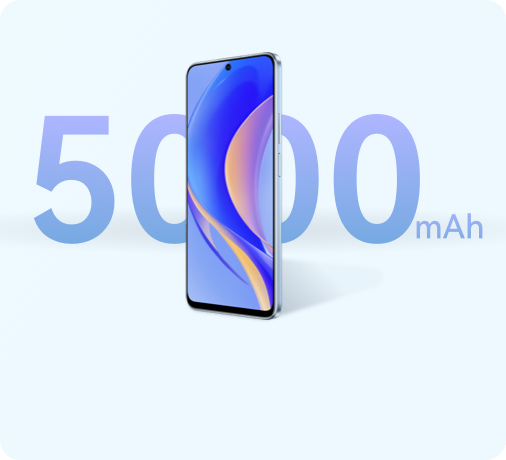
The Qualcomm Snapdragon 680 SoC powers the Huawei Nova Y90. The device ships with 8 GB of RAM and 128 GB of internal storage. It packs a 5,000mAh battery that carries support for 40W wired fast charging by Huawei.
Lastly, the Huawei Nova Y90 runs on the Android 12 OS with EMUI 12 on top. However, for the Chinese market, expect the renamed Huawei Enjoy 50 Pro to feature HarmonyOS 3 instead.
For more details on the Huawei Enjoy 50 Pro, stay tuned to our coverage of Huawei’s July 27th launch event here at Gizmochina!
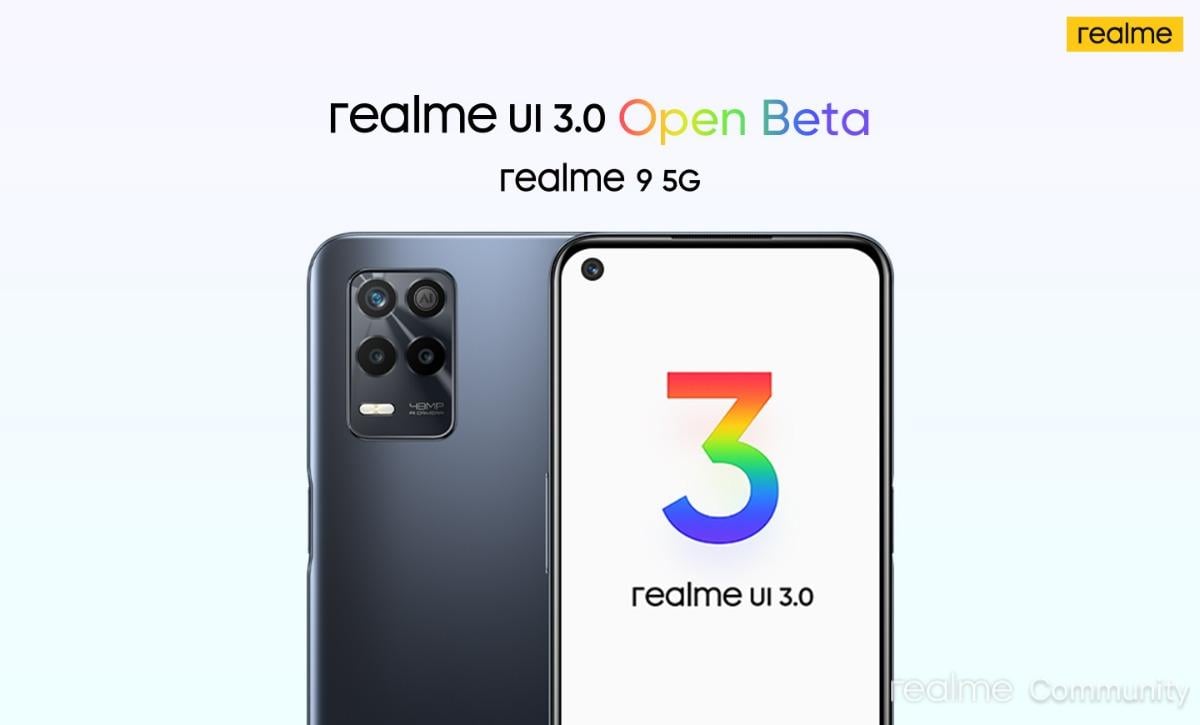
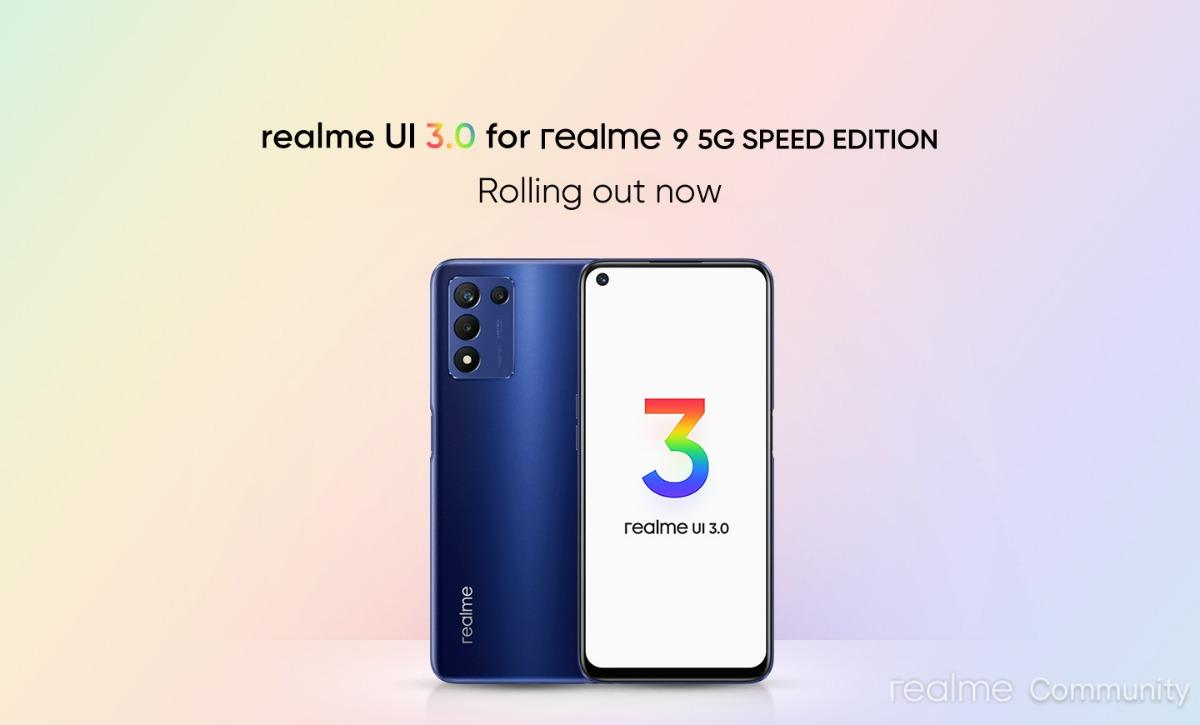
For the Realme 9 5G Speed Edition, it will be getting the official stable release of realme UI 3.0 from this week onwards. For the Realme 9 5G, an open beta programme has been announced for users who want an early taste to Android 12.
The Realme UI 3.0 stable update rollout will be released to Realme 9 5G SE users in batches, and to be eligible for the update, users will have to make sure that they are on the latest firmware version of Realme UI 2.0. The latest firmware version for the device is RMX3461_11.A.11.
Realme reminds users to be patient as the update rollout happens in a staged manner to ensure the stability of the update, and to make sure that there are no critical bugs in the update.
For Realme 9 5G users, the Realme UI 3.0 open beta programme has been announced on Realme’s Community Forum, and to enroll for the programme, users will have to follow the instructions as listed in the forum post here.
Realme wants users to keep in mind that being in an early open beta software programme, there might be bugs and some apps might not work properly. It might not be recommended to install the Open Beta software on your primary phone.
Realme also recommends applicants to back up their personal data before proceeding with the programme to prevent any unnecessary data loss should any unfortunate bugs or glitches happen during the early access programme.
The company also notes that due to unpredictable factors such as network communication and strategy adjustment, it is not possible to guarantee that every applicant will receive the update. In case the update is not received, Realme suggests users to patiently wait for the official stable release.
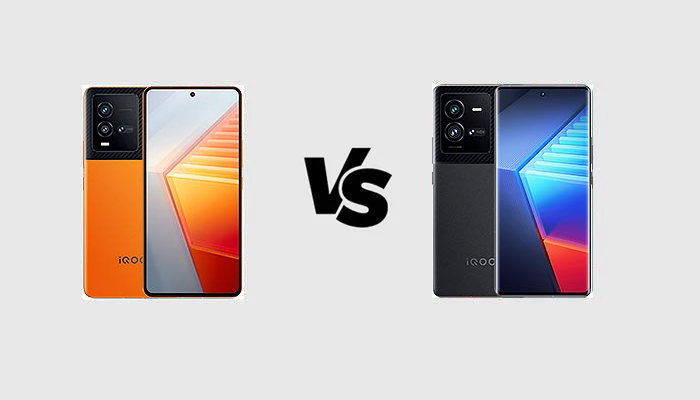
Vivo’s sub-brand launched one of the most impressive smartphone series of this year: the iQOO 10 series. It is composed of two variants: the iQOO 10 and the iQOO 10 Pro, each of them released in several memory configurations inside the Chinese market. This series also contains the first phone with 200W fast charging: the most powerful charging technology available on the market. Even the prices are impressive if we consider their specifications. But which of these devices delivers the highest value for money? In order to answer this question, we decided to write a comparison between the iQOO 10 and the iQOO 10 Pro. Obviously, you already know which one is the best, that is why this comparison will be focused on highlighting the few differences between these handsets instead of telling you which one is better.
vivo iQOO 10 vs vivo iQOO 10 Pro
vivo iQOO 10
Vivo iQOO 10 Pro
DIMENSIONS AND WEIGHT
164.5 x 77.1 x 8.4 mm,
206 g
164.9 x 75.5 x 9.5 mm,
215 g
DISPLAY
6.78 inches, 1080 x 2400 pixels (Full HD+), AMOLED
6.78 inches, 1440 x 3200 pixels (Quad HD+), LTPO AMOLED
Triple 50 + 12 + 13 MP, f/1.9 + f/2.0 + f/2.2
16 MP f/2.5 front camera
Triple 50 + 14.6 + 50 MP, f/1.9 + f/2.2 + f/2.3
16 MP f/2.5 front camera
BATTERY
4700 mAh, fast charging 120W
4700 mAh, Fast Charging 200W, fast wireless charging 50W
ADDITIONAL FEATURES
5G, dual SIM
5G, dual SIM, reverse wireless charging
Design
Even though these phones look similar in terms of design, there are a few important differences making the Pro variant definitely better than the vanilla one. The rear side is slightly different when it comes to the camera module, but the most important difference is on the front, where the Pro variant provides a curved screen at the sides with a higher screen to body ratio, while the vanilla version comes with a flat display. On the other hand, the vanilla version is thinner and lighter, while the Pro one is one of the thickest phones released this year from a mainstream brand. For the rest, there are no important differences: these phones come with a power key and volume buttons both placed on the right side, they come with two different textures on the rear side, and they have no audio jack.
Display
One of the most important differences between the vanilla version and the Pro one is the display. With the Pro variant, you can get a way better panel and one of the best displays in the whole smartphone market. It is an AMOLED panel with a diagonal of 6.78 inches able to show up to one billion colors with a Quad HD+ resolution of 1440 x 3200 pixels, the LTPO 3.0 technology (enabling an adaptive refresh rate from 1 to 120 Hz), the HDR10+ certification, and a very high peak brightness of 1,500 nits. It also features a great ultrasonic in-display fingerprint reader instead of the traditional optical ones. The iQOO 10 has a 6.78-inch AMOLED display as well, but with a lower Full HD+ resolution of 1080 x 2400 pixels, a non-adaptive refresh rate of 120 Hz, and HDR technology. The fingerprint reader is under the display, but it is an optical one.
Specs & Software
There seems to be no difference between the hardware departments of these two phones, so if your goal is only to get the best performance, then you can opt for both of these phones. They are fueled by the Snapdragon 8+ Gen 1 mobile platform: the most impressive SoC by Qualcomm. It is a chipset built at 4 nm with an octa-core architecture composed of one Cortex X2 CPU running at a max frequency of 3.19 GHz, three Cortex A710 CPUs running at 2.75 GHz, four Cortex A510 CPUs running at 1.8 GHz, and an Adreno 730 GPU. The chipset is paired with 8 or 12 GB of RAM and 128, 256, or 512 GB of UFS 3.1 internal storage depending on the chosen memory configuration. These phones run Android 12 out of the box, customized by Origin OS Ocean which is the latest version of Vivo’s user interface based on Android 12.
Camera
The iQOO 10 Pro is a superior phone not only due to its display but even when it comes to the rear cameras. It is one of the best camera phones out there, even though it does not feature a periscope camera. On the rear side, it has a 50 Mp main camera with gimbal OIS, a 14.6 MP telephoto sensor with 3x optical zoom, and a 50 MP ultrawide sensor with a FOV of 150 degrees. The original iQOO 10 has a 50 MP main camera with OIS, a 12 MP telephoto lens with 2x optical zoom, and a 13 MP ultrawide sensor with a FOV of 120 degrees. On the front, they both have a 16 MP selfie camera.
The battery capacity of these two handsets is the same and you should expect more or less the same battery life because the components are similar. But the charging technologies vary: the vanilla version only features 120W fast charging, while the Pro one has 200W fast charging, 50W fast wireless charging, and reverse wireless charging.
Price
The vanilla iQOO 10 carries a starting price tag of €540 or $540 in the Chinese market, while you need at least €730 or $730 for the Pro. Which one would you pick?
Huawei, the Chinese-based consumer electronics tech giant, will launch its latest premium smartwatch – the new Huawei WATCH 3 Pro (2022) on its July 27th (Wednesday) launch event alongside Huawei’s next-generation operating system, HarmonyOS 3 and its latest 11-inch MatePad Pro 2022 tablet computer.
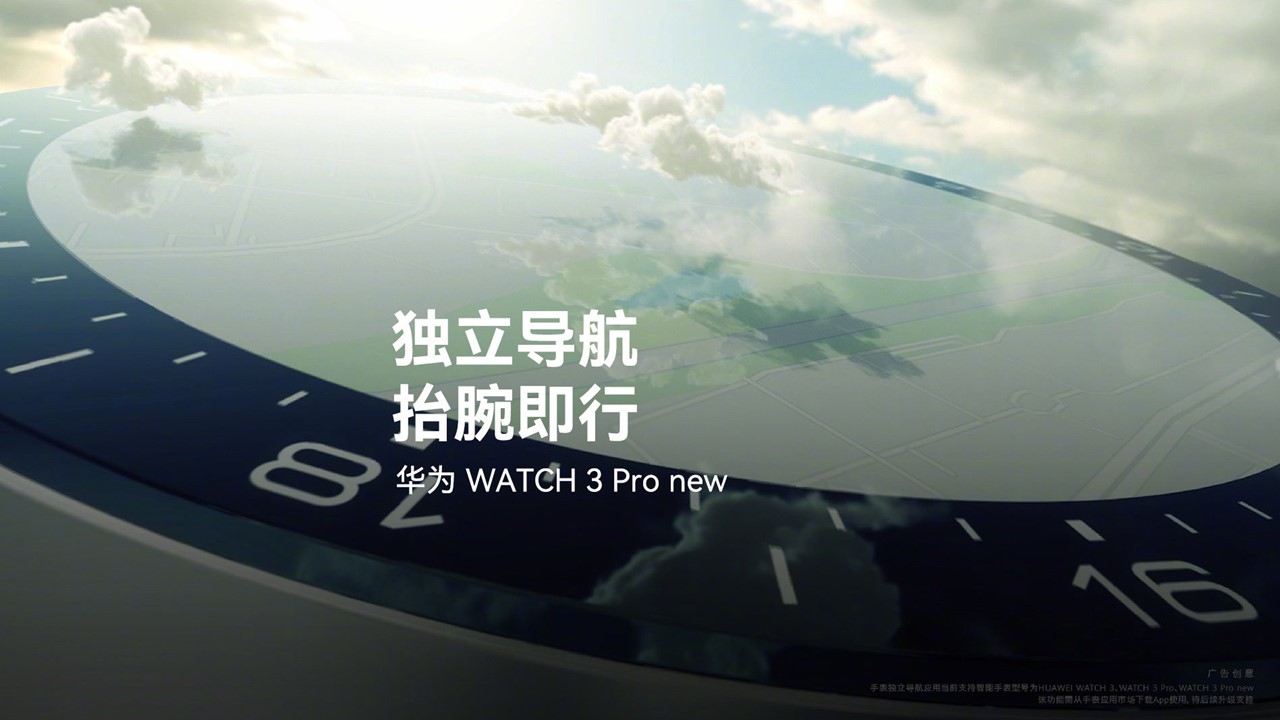
Huawei WATCH 3 Pro new (2022) Teaser
On Huawei’s official Chinese Weibo account, the brand shared a teaser video showcasing the upcoming highlighting features of the new Huawei WATCH 3 Pro (2022).
The new Huawei WATCH 3 Pro (2022) is the annual refresh of Huawei’s premium smartwatch series, the Huawei WATCH, with its predecessor being last year’s Huawei WATCH 3 Pro (2021). Although this year, it is rather strange that Huawei did not opt for the names, Huawei WATCH 4 Pro or Huawei Watch 5 Pro, for its latest premium smartwatch, which could indicate that the Huawei WATCH 3 Pro (2022) is a side grade.
According to ITHome, the Chinese technology news media outlet reports that the new Huawei WATCH 3 Pro (2022) is to feature Huawei’s own self-developed standalone watch navigation system that enables bikers and runners in the city to keep track of where they are currently and where they are heading on the watch’s display itself independently.
The upcoming smartwatch also supports ECG functionality based on earlier reports from the outlet. The ECG functionality enables smartwatch users to quickly and accurately track down their current health status which includes heart rate and blood pressure levels.
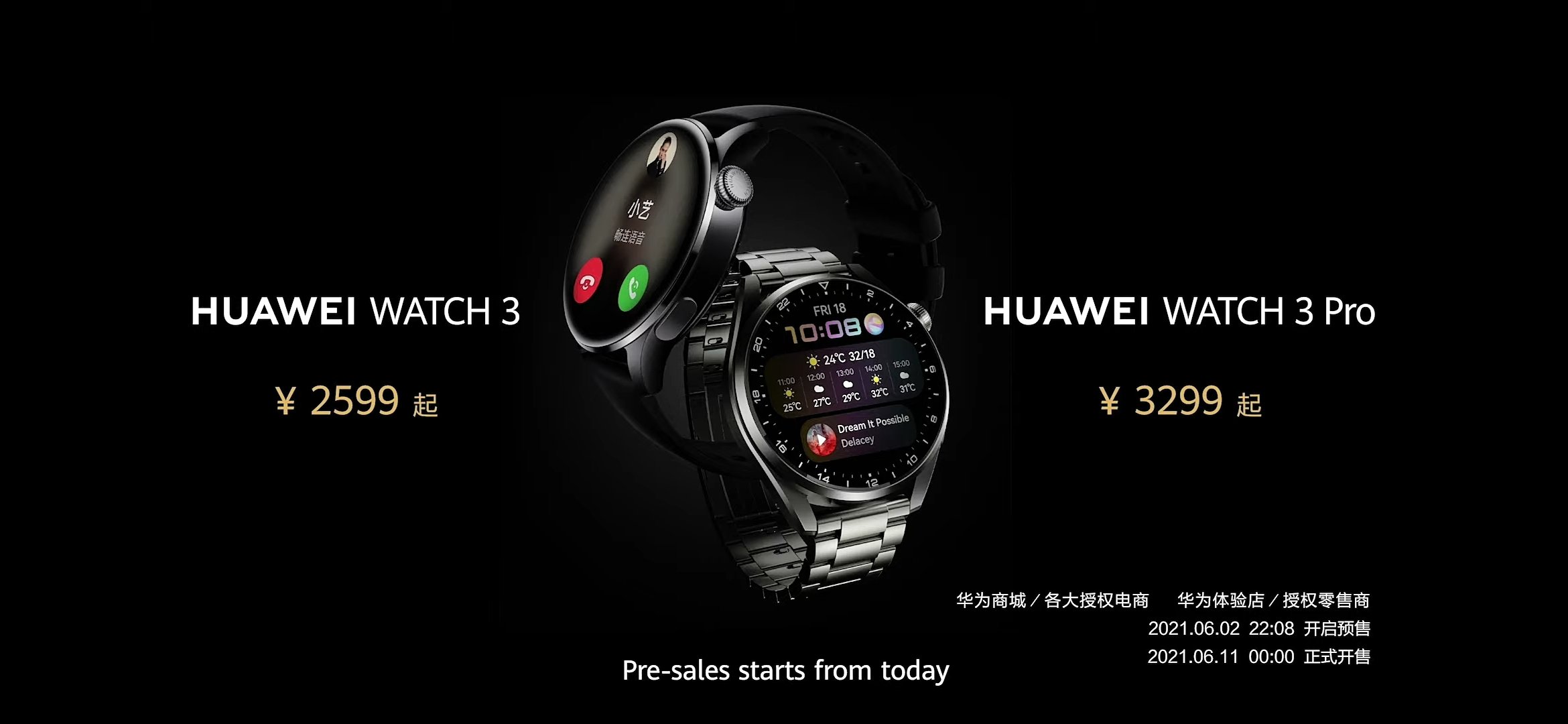
The new Huawei WATCH 3 Pro (2022) is the sequel to last year’s original Huawei Watch 3 Pro (2021). The Huawei WATCH 3 Pro (2021) was officially released in the Chinese market on June 2, 2021. It featured a premium chassis that includes the glass front, ceramic back, and titanium metal frame. It is 5 ATM water-resistant (50m water resistant) whilst being rather lightweight compared to its flagship competitors at 63 grams.
Huawei WATCH 3 series (2021)
The Huawei WATCH 3 Pro (2021) also supports eSIM along while the display up front is a 1.43-inch circular AMOLED that has a resolution of 466 x 466 pixels. The smartwatch is packed with 2 GB RAM and 16 GB internal storage. It runs on Huawei’s self-developed HarmonyOS 2.0 operating system.
The new Huawei WATCH 3 Pro (2022) launch event will be held on July 27th Wednesday at 7:30 pm Beijing Time (GMT +8) / 5 pm New Delhi Time (GMT +5:30) and 12:30 pm London Time (GMT +1). To know more about the device and its pricing details, stay tuned to Gizmochina as we will be covering the launch here on our website as well!
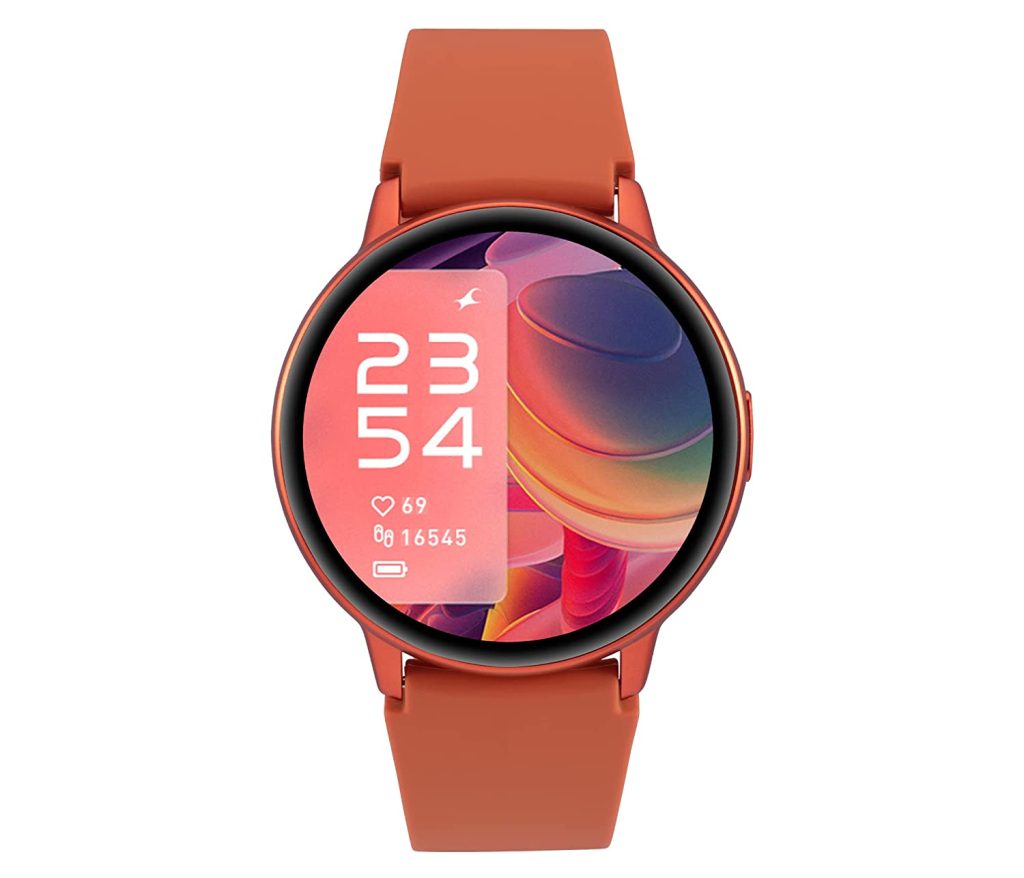
Smartwatches are fast replacing mechanical watches due to their expanded functionalities aside from being mere timepieces. There are a number of smartwatches in the market and even domestic manufacturers in India are churning out new, affordable smartwatches. Indian fashion accessory retail brand Fastrack has unveiled a new smartwatch dubbed Reflex Play in India.
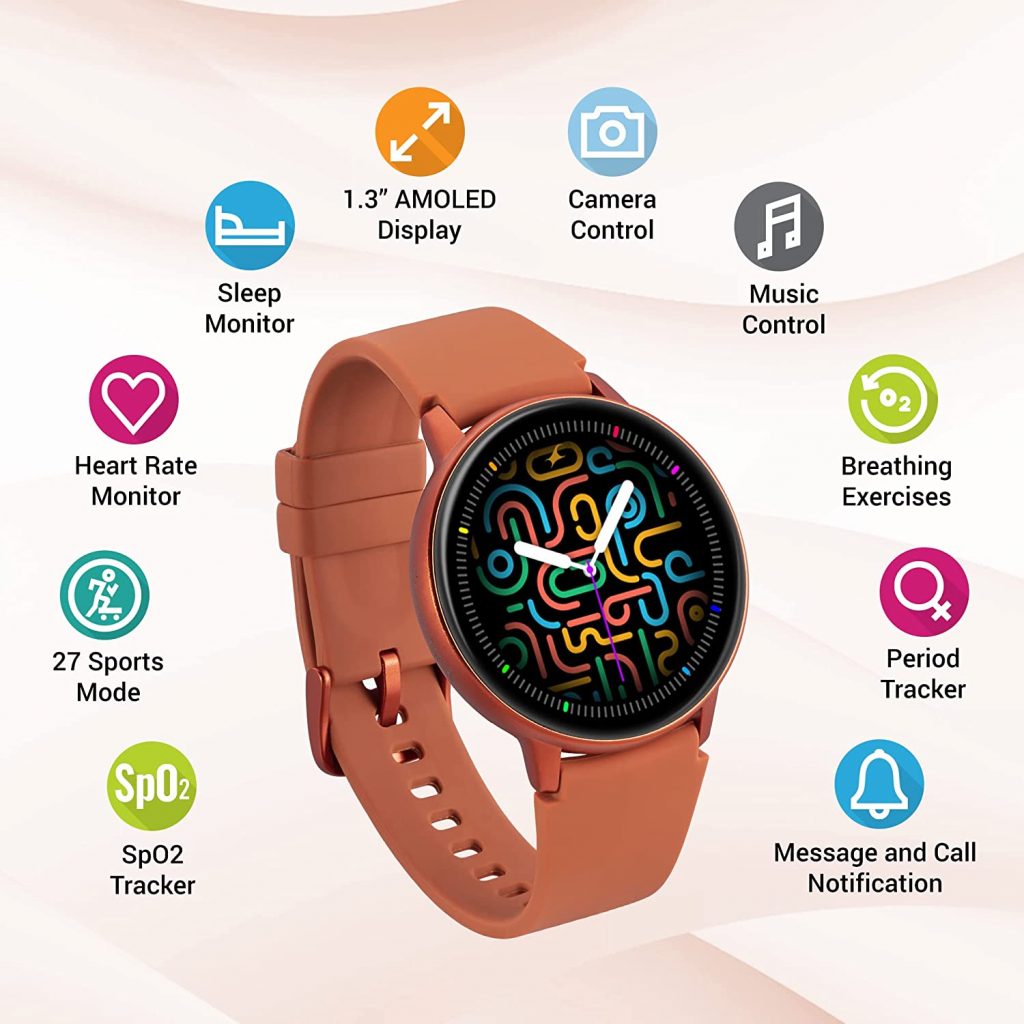
The Reflex Play has a 1.3-inch AMOLED display, 25+ sports modes, and a circular aluminum dial. The smartwatch features several sensors for health and fitness monitoring. The watch provides 24-hour heart rate monitoring, blood oxygen (SpO2) monitoring, blood pressure tracking, and sleep tracking. The smartwatch equally features notification alerts, music, and camera controls. It is also compatible with iOS and Android smartphones and features several built-in games. It comes with IP68-level dust and water protection rating.
The new Fastrack smartwatch promises a decent battery life of 7 days and offers a variety of animated watch faces. The Always on Display and Notifications option helps you to receive instant messages and updates from a connected smartphone.
The Fastrack Reflex Play is priced at Rs. 7,995 (~$100) but customers can get the Reflex Play via Amazon India at a discounted price of Rs. 5,995 (~$75) during the Amazon Prime Day sales on July 23 and 24. A further 10% discount is available for Bank of Baroda cardholders. The smartwatch is available in four cool colors namely: pink, orange, black, and blue.
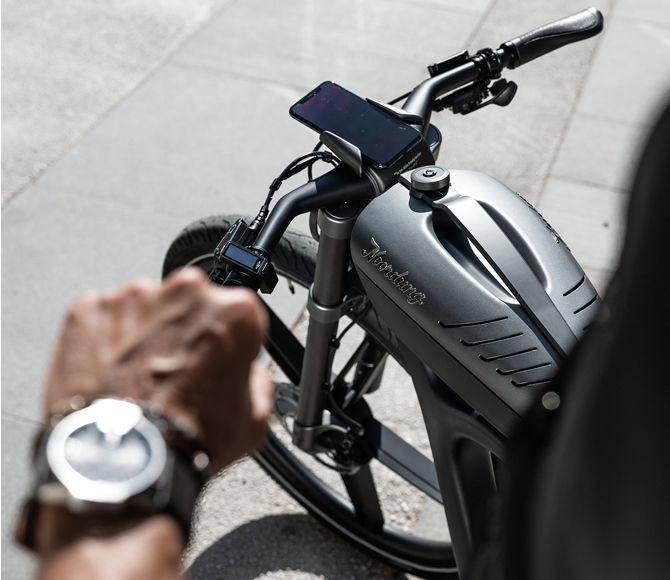
Noordung e-bike has been unveiled at Eurobike 2022. The new e-bike features air pollution sensors, Bluetooth-connected speakers, and a power bank in its Boombox. The Noordung e-bike can deliver an assisted range of 60km on a single charge.
The bike is a visually attractive urban e-machine and weighs about 20.8kg with its Boombox. Its air sensors help you to track air pollution on the go and the data feeds into a decentralized air pollution data network. There are four high-fidelity speakers inside the Boombox which can be connected via Bluetooth. An electric hub motor provides the power for the pedelec and its 300Wh battery offers ride assistance up to 60km. With the 100W Noordung charger, the e-bike can be fully charged in three hours.
The detachable Boombox can serve as a power bank for charging devices. You can also decide to ride the bike without assistance. The accompanying smartphone app provides ride information as well as air pollution status. You can plan your ride to follow the least polluted routes for a more refreshing experience. The bike features an integrated electronic lock for enhanced security and a smartphone mount.
Furthermore, the electric bike sports a unique design and exquisite craftsmanship with premium materials. Its frame is made from carbon fibre and you can easily control the bike using its intuitive one-button settings. The app is compatible with iOS and Android devices
The Noordung e-bike is presently available to pre-order and it carries a hefty €6,990 ($7,105) price tag.
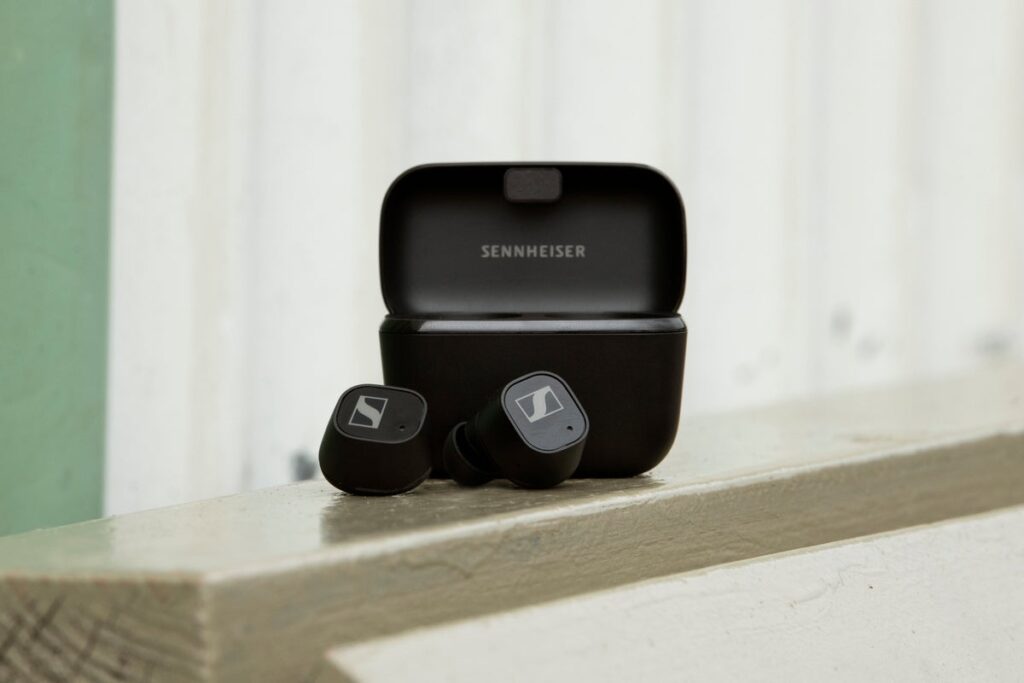
Audio accessories maker Sennheiser has announced the CX Plus Special Edition TWS headphones in India. The release will coincide with the Amazon Prime Day Sale on July 23 and July 24. Sennheiser is offering a 40% discount on the earbuds during the Amazon Prime Day sales. The price will revert to Rs. 14,990 (~$188) after July 24.
The Sennheiser CX Plus Special Edition is designed for a distinct sound output with a brushed matte finish. The sound is engineered by a TrueResponse transducer and the earbuds fit securely on the ears. The CX Plus SE can play for up to 24 hours and are IPX4 splash-resistant. Active Noise Cancellation (ANC) is featured in the earbuds, providing clarity of sound in noisy environments. There’s also a Transparent Mode that allows you to feel the sound pulse of the surroundings.
The custom touch controls on the earbuds make it easy to make calls, play audio and use the voice assistant. Its 2-microphone beamforming array is used to enhance the clarity of calls via ANC. The earbuds have a 55mAh battery while the charging case offers up to 420mAh. The earbuds yield up to 8 hours of playback, which is expandable to 24 hours with the charging case. The Sennheiser CX Plus SE supports Bluetooth 5.2 connectivity and will fully charge in 1.5 hours.
The original price of the CX Plus True Wireless SE in India is Rs. 14,990 (~$188), but it will retail at Rs. 8,990 (~$113) on July 23 and July 24 during the Amazon Prime Day Sale. You can get the Sennheiser CX Plus SE from Amazon India.
Noise Evolve 2 Play and ColorFit Ultra 2 LE smartwatches have been launched in India. The former arrives as the successor to the Evolve 2 that was announced last year. The Noise Evolve 2 Play comes with a round dial whereas the ColorFit Ultra 2 LE features a square dial. Both smartwatches are quite identical but the Evolve 2 Play is a more premium offering among the two.
Noise Evolve 2 Play and ColorFit Ultra 2 LE specifications and features
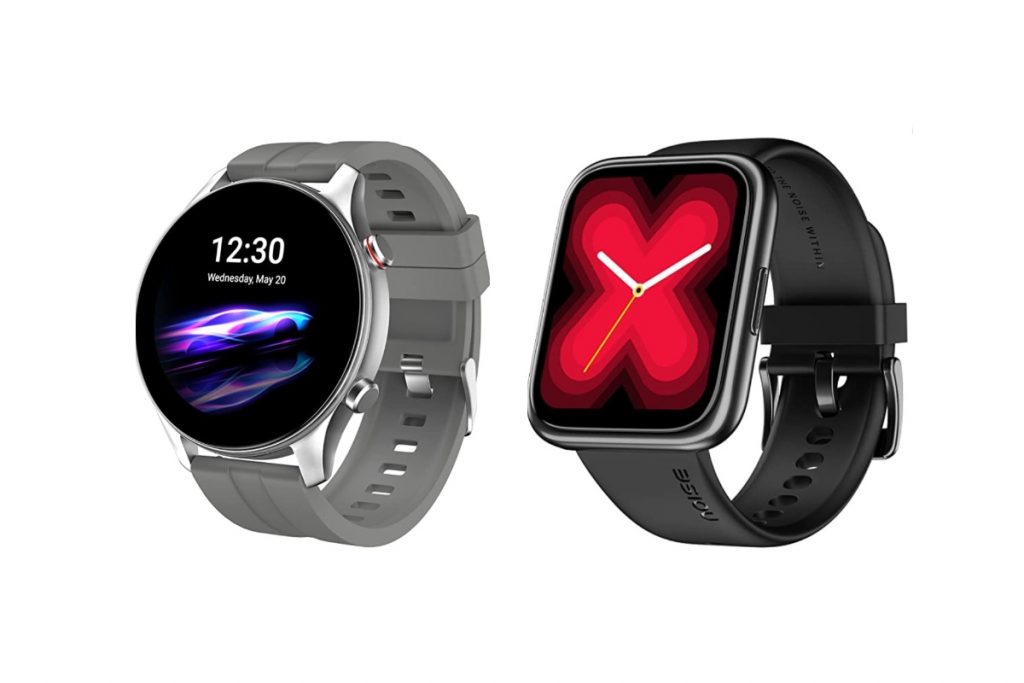
Noise Evolve 2 Play on the left and ColorFit Ultra 2 LE on the right
The Noise Evolve 2 Play features a round dial and two physical buttons on the right side. It comes with sporty straps and the device is water-resistant up to 3 meters. The smartwatch features a 1.2-inch AMOLED display bearing a resolution of 390 x 390 pixels as well as Always-on display support.
The Noise Evolve 2 Play is equipped with a heart rate monitor, SpO2 sensor, sleep tracker, stress monitor, and breathing exercises. The wearable device is capable of tracking more than 100 sports modes. The smartwatch offers productivity features like Hindi language support, quick reply, music and camera control, night mode, social media notifications, and more. The device is backed by a 300mAh battery life that is claimed to last up to 10 days.
As for the Noise ColorFit Ultra 2 LE, it features a square dial with a 1.78-inch AMOLED screen. It offers AoD and more than 100 watch faces. The smartwatch is IP68 certified water-resistant. The wearable device is also equipped with the same health-tracking sensors as the Evolve 2 Play. However, this one packs support for only 30 workout modes. It also features the same productivity and convenient features as the Evolve 2 Play. However, the ColorFit Ultra 2 LE is backed by a smaller 230mAh battery unit that is said to offer 7 days of usage.
Noise Evolve 2 Play and ColorFit Ultra 2 LE price in India
The Noise Evolve 2 Play and ColorFit Ultra 2 LE carry price tags of Rs 3,299 and Rs 2,999 respectively. Both smartwatches are available in Grey, Blue, and Black colours and can be purchased from Amazon.
Motorola will announce the Moto X30 Pro flagship phone on Aug. 3. It will be the most powerful flagship phone from the brand. Apart from featuring the Snapdragon 8 Plus Gen 1 chip, it will also feature a 200-megapixel camera. Lenovo China’s Genera Manager for the mobile phone division, Chen Jin, has confirmed the fast-charging capabilities of the X30 Pro.
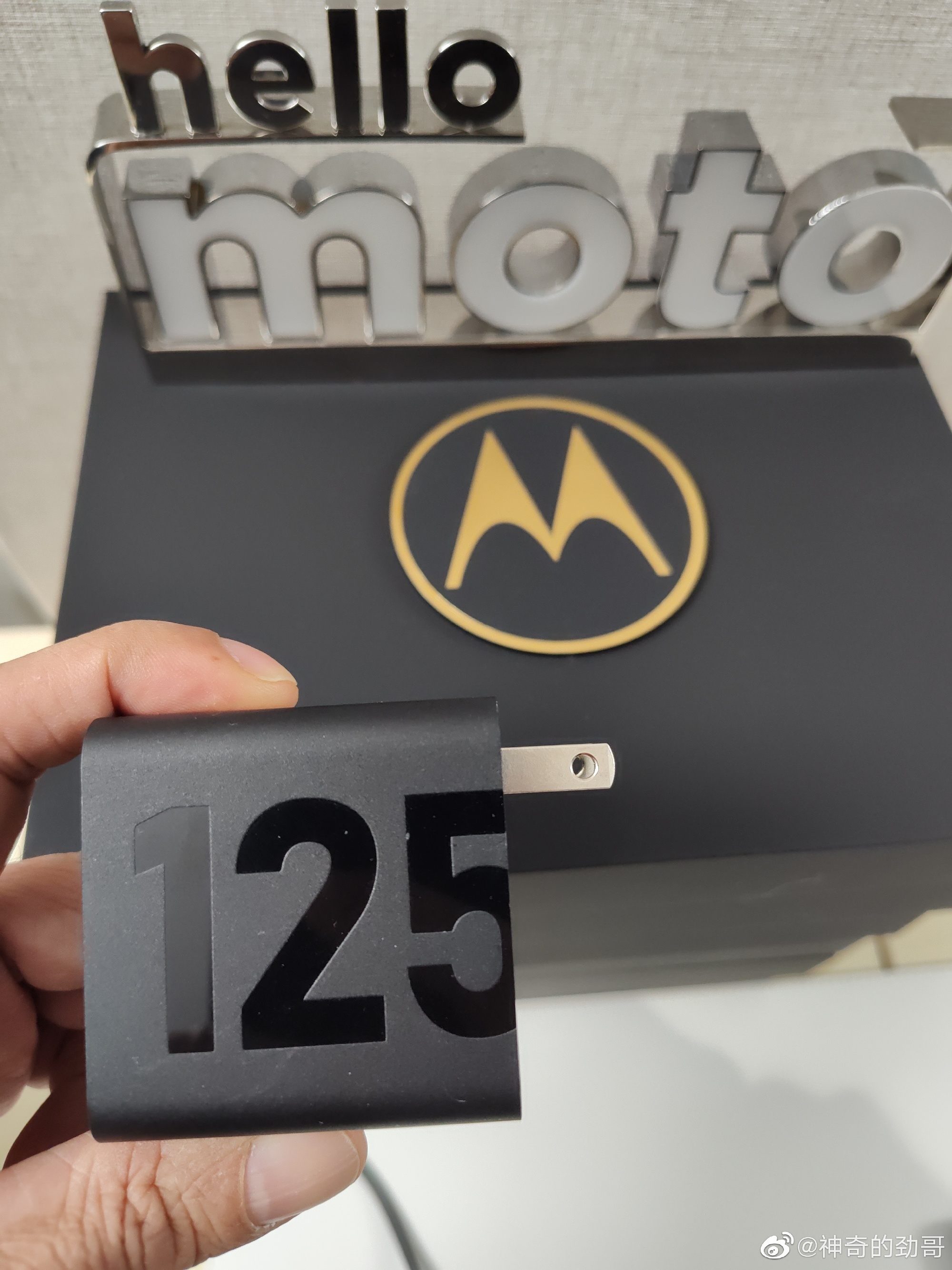
Last year, the Lenovo-owned brand announced the Motorola Edge X30 in China with a Snapdragon 8 Gen 1 chip. It came with support for 68W fast charging. The device featured a 5,000mAh battery. Earlier this year, Jin shared an image of a 125W fast charger. Today, he posted the same image again on Weibo and confirmed that the Moto X30 Pro will support 125W fast charging. The X30 Pro is expected to house a 4,500mAh battery and carry support for wireless charging.
Reports have revealed that the Moto X30 Pro will have a 6.73-inch P-OLED display with a punch-hole at the center and curved edges. It will carry support for a Full HD+ resolution and a 144Hz refresh rate. The SD8+G1-powered device could include up to 12 GB of LPDDR5 RAM and 256 GB of UFS 3.1 storage.
The X30 Pro may feature a 60-megapixel front-facing camera. Its rear camera setup may comprise a 200-megapixel main camera, a 50-megapixel ultra-wide lens, and a 12-megapixel telephoto snapper.
The X30 Pro will come preloaded with the Android 12 OS and the latest MyUI 4.0. For security, it will feature an under-display fingerprint scanner. The X30 Pro is expected to be released in the global market with the Motorola Edge 30 Ultra moniker. Apart from unveiling the X30 Pro on Aug. 3, the company will also take off the covers of the Motorola Razr 2022 clamshell device.
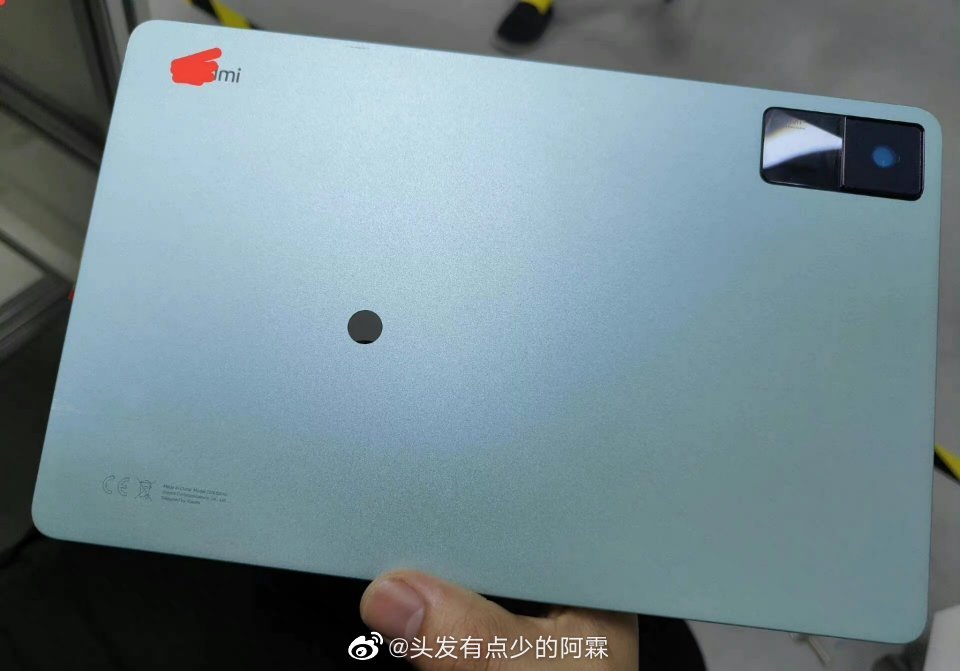
Rumors are rife that Xiaomi is working on its first-ever Redmi tablet. The official name of the device is not known yet. The device is being called the Redmi Pad 5G because the name appeared in an MIUI 13 survey in China in May this year. The Redmi tablet was reportedly certified by the 3C authority in China earlier this month. A live shot (via) of the alleged device has surfaced on Weibo.
The Redmi Pad 5G does not reveal much about the device. It seems equipped with a metallic chassis with a single camera on its back. It seems that it could be the mysterious Redmi tablet with the 22081281AC model number, which was certified by the 3C and CMIIT authorities in June this year.
Redmi Pad 5G live shot
The CMIIT certification confirmed support for 5G and Wi-Fi 802.11ac connectivity, whereas the 3C listing revealed that it may ship with a 67W charger. It’s still unclear if the 22081281AC device will be called the Redmi Pad 5G when it comes out.
According to Xiaomiui, the Redmi Pad 5G could be powered by a less powerful MediaTek chip. There is a possibility that there could be a Pro variant in the future, which may feature a powerful chipset. The publication also said that the Redmi Pad 5G would come with the MIUI Lite software, which is made for low-end devices.
Reports have revealed that the company is working on as many as four tablets for the Chinese market. The 22081281AC (shortened model number: L81A) is expected to debut as the Redmi Pad 5G. The shortened model numbers of the other three devices are L81, L82, and L83. These model numbers belong to the upcoming Xiaomi Pad series, which may include three devices: the Xiaomi Pad 6, the Xiaomi Pad 6 Pro, and the Xiaomi Pad 6 Pro 5G. A recent report revealed that the Redmi Pad 5G may debut soon in India.
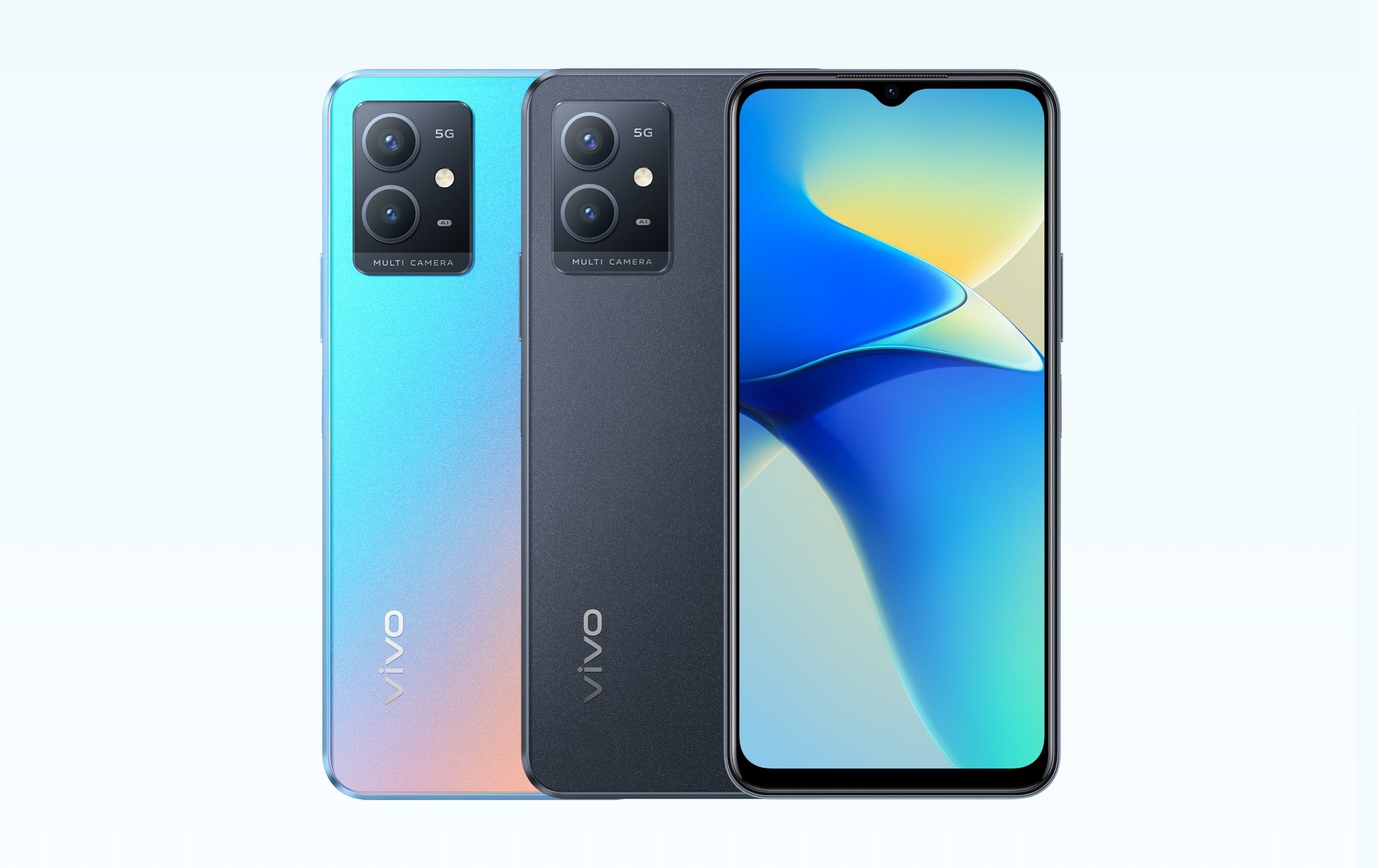
The Vivo Y30 5G has been announced in Thailand. It is an affordable 5G phone from the brand that comes equipped with the Dimensity 700 chipset, a 5,000mAh battery, and 50-megapixel dual rear cameras. Read to find out the specifications, and price of the Vivo Y30 5G.
Vivo Y30 5G specifications and features
The Vivo Y30 5G has a 6.51-inch IPS LCD display that offers an HD+ resolution of 720 x 1600 pixels and a 20:9 aspect ratio. It has a waterdrop notch display and a thick bottom bezel. The company claims that it offers a screen-to-body ratio of 89 percent. A fingerprint scanner is embedded in the power button of the device. The handset also carries support for face unlock.
Vivo Y30 5G
Under the hood, the Vivo Y30 5G has the Dimensity 700 chipset. It is equipped with 6 GB of RAM, 2 GB of extended RAM, 128 GB of built-in storage, and a microSD card slot for additional storage. The device runs on Android 12 OS with FunTouch OS 12 UI On top. The device is backed by a 5,000mAh battery that supports only 10W charging.
The Y30 5G has an 8-megapixel camera on the front for selfies and videos. Its back panel has a 50-megapixel main camera with an f/1.8 aperture, a 2-megapixel macro camera, and an LED flash. It offers connectivity features such as dual SIM, 5G, Wi-Fi 802.11ac, Bluetooth 5.1, a USB-C port, and a 3.5mm audio jack. It has a thickness of 8.25mm and weighs around 193 grams.
The Vivo Y30 5G is a rebranded version of China’s iQOO U5e smartphone. The only difference between the two models is that the U5e supports 18W charging.
Vivo Y30 5G price and availability
The Vivo Y30 5G is priced at THB 8,699 (~$237). The device comes in two colors, such as Starlight Black and Rainbow Fantasy.
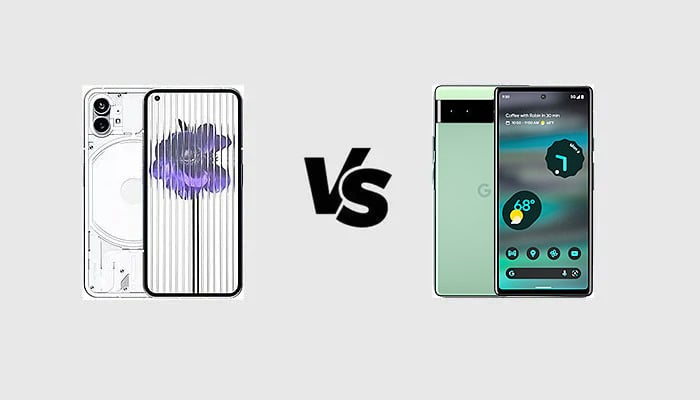
In the mid-range segment, it is very hard to beat the most important Chinese giants. But this year there are two mid-rangers released by two different manufacturers which are way more interesting than the traditional Chinese mid-rangers. A few days ago, the brand created by the OnePlus co-founder Carl Pei released its first phone in the global market: the Nothing Phone (1). Yesterday, Google launched the Pixel 6a in several regions and it is offering it with a launch promo providing the Pixel Buds A as a gift with a discounted price. Given that the price range of these two phones is exactly the same, a lot of people are wondering which one to buy. This is a comparison between the specifications of the Nothing phone (1) and the Google Pixel 6a which will let you find out, at least if you are trying to make a choice.
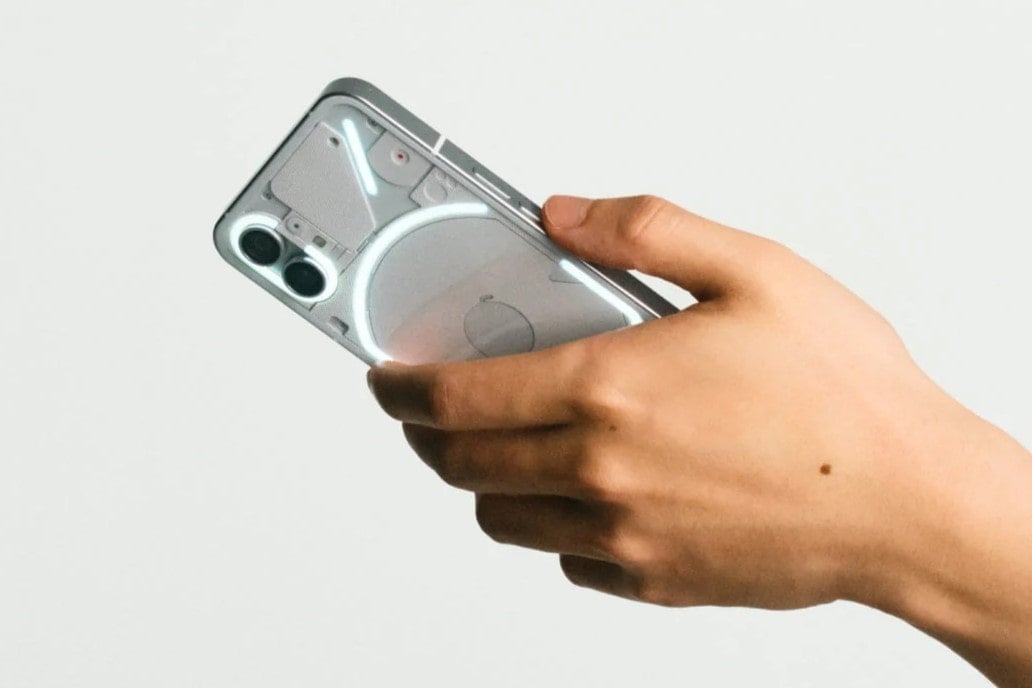
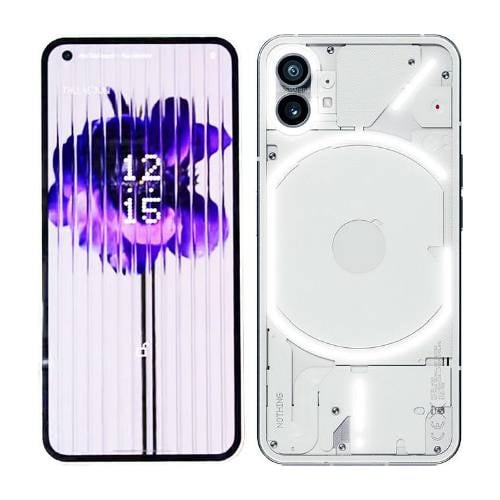
The Nothing phone (1) and the Google Pixel 6a have very original designs, but the former wins the comparison because it is much more innovative. The Nothing phone (1) comes with an aluminum frame and a transparent glass back protected by Gorilla Glass 5 just like the front glass. Under the transparent cover, there is a total of 160 LEDs you can use as notifications LEDs and customize through the software. These LEDs are called the Glyph interface. This phone also comes with the IP53 certification making it dust resistant and splash resistant. However, the Google Pixel 6a has its pros: its design with an aluminum frame and a plastic back is very compact thanks to the presence of a small display with narrow bezels. Further, it is water resistant with the IP67 certification.
Display
Judging from the specs on the paper, the Nothing phone (1) has a superior display. It is an OLED panel with a diagonal of 6.55 inches able to show up to one billion colors with a 120 Hz refresh rate, a Full HD+ resolution of 1080 x 2400 pixels, and the HDR10+ certification. This amazing screen also comes with an in-display fingerprint reader. Unfortunately, the OLED display of the Google Pixel 6a is not able to show one billion colors and it has a standard 60 Hz refresh rate, but it is still a great panel with a Full HD+ resolution of 1080 x 2400 pixels, and the HDR technology. The display is very compact with a diagonal of 6.1 inches, but it still includes an in-display fingerprint reader. Both the phones come with stereo speakers, but they do not feature audio jacks for wired earphones, so you need either an adapter or true wireless earbuds if you want to use earphones.
Specs & Software
Despite being a mid-range phone, the Google Pixel 6a is powered by a flagship-class chipset: the Google Tensor, which is also the first proprietary chipset by Google. It is an SoC built at 5 nm and composed of two Cortex X1 cores running at a max frequency of 2.8 GHz, two Cortex A76 cores running at 2.25 GHz, and four Cortex A55 cores running at 1.8 GHz, as well as a Mali G78 MP20 GPU. The chipset is paired with 6 GB of RAM and 128 GB of UFS 3.1 native storage. With the Nothing phone (1) you get an inferior Snapdragon 778G mobile platform, but you also get a better memory configuration, with up to 12 GB of RAM and up to 256 GB of UFS 3.1 internal storage. The Snapdragon 778G is a chipset built at 6 nm with an octa-core architecture composed of a Cortex A78 CPU running at 2.5 GHz, three Cortex A78 running at 2.4 GHz, and four Cortex A55 running at 1.8 GHz, as well as an Adreno 642L GPU. Both the handsets run Android 12, with a user experience close to stock Android.
Camera
Even though the Google Pixel 6a is a good camera phone, the Nothing phone (1) is equipped with better cameras. It has two sensors on the rear side: a 50 MP main camera with OIS and a 50 MP ultrawide sensor. Definitely better than the 12.2 MP main camera and the 12 MP ultrawide lens of the Google Pixel 6a.
The Nothing phone (1) and the Google Pixel 6a do not differ very much in terms of battery capacity: 4500 mAh and 4410 mAh, respectively. Buth the charging technologies are very different: the former supports 33W fast charging, 15W wireless charging, and reverse wireless charging, while the latter only supports 18W fast charging.
Price
The Google Pixel 6a can be purchased for about $450/€450, while you need about €500 or $500 to grab a unit of the Nothing phone (1). At the end of the day, the Nothing phone has a better design, better display, superior cameras, better charging technologies. The Google Pixel 6a has software supported by Google, better water resistance, and a more compact design. Which one would you pick?
Nothing phone (1) vs Google Pixel 6a: PRO and CONS
Nothing recently launched the Nothing Phone (1) globally. The device has been selling like hot cakes in the Indian market. So, the folks at MySmartPrice have put the smartphone to test against the best devices offered in the mid-range segment in India right now.
These Include the OnePlus Nord 2T, iQOO Neo 6, and POCO F4. The tests were carried out at the highest levels of standardization possible in order to reduce the possibility of errors on the devices. The display was kept at its maximum brightness. It’s also worth noting that the batteries in the Nothing Phone (1), Oneplus Nord 2T, iQOO Neo 6, and POCO F4 are 4,500mAh, 4,500mAh, 4,700mAh, and 4,500mAh, respectively.
The first test lasted two hours and was a video playback test. The test put the most strain on the Nothing Phone (1), which dropped from 100 percent to 79 percent charge. All others had a good 80+ percent charge left, with the iQOO Neo 6 having the most with 89 percent.
The next test looked at device performance, including Geekbench, AnTuTu, and a CPU throttling test. This test strained the POCO F4, which dropped to 57 percent battery juice, while the iQOO Neo 6 maintained the lead with 65 percent power remaining in its battery pack. The performance test was followed by a quick round of gaming, where the Nothing Phone (1) took the lead while the POCO F4 trailed in last place.
The camera test followed, and it taxed the OnePlus Nord 2T, which died after 5 hours and 38 minutes of operation. After 5 hours and 51 minutes of work, the POCO F4 came in second. The camera tests were replaced by a round of social media browsing, and it was at this point that the iQOO Neo 6, which has the largest battery capacity, ran out of juice at 6 hours and 13 minutes. The newest mid-ranger, the Nothing Phone (1), was thus the last smartphone standing for the test, lasting 7 hours and 2 minutes.
So far, it appears that the Nothing Phone (1) is the king of battery life in the mid-range segment. However, the device lags behind when it comes to fast charging. As we know, the Nothing Phone (1) has 33W fast charging, enabling the device to completely charge in 1 hour and 17 minutes. While the Nord 2T, which features 80W fast charging takes just 32 mins to fully charge from 0 percent.
Nothing recently debuted its first attempt at an Android smartphone dubbed the Nothing Phone (1). The device went on its first sale on July 12 in India and has since sold out every time within minutes of getting restocked.
For those of you eager to get your hands on the Nothing Phone (1) in India, we bring you the next sale date of the Nothing Phone (1) in India.
According to a promotional banner on Flipkart, the Nothing Phone (1) will be available to buy on July 30 at 12 PM IST. As a promotional offer, customers will get a Rs 2,000 instant discount when purchasing the phone with an HDFC Bank Credit Card and EMI transactions.
The Nothing Phone (1) comes in two colours: black and white, as well as three storage capacities: 8GB + 128GB, 8GB + 256GB, and 12GB + 256GB. The 8GB + 128GB variant costs Rs 32,999, the 256GB variant costs Rs 35,999, and the top-tier 12GB + 256GB variant costs Rs 38,999.
Nothing Phone (1) specs & features
The Nothing phone (1) has a 6.55-inch OLED Full HD+ AMOLED display with a refresh rate of 120Hz, a touch sampling rate of 240Hz, a typical brightness of 500 nits, and a peak brightness of 1,200 nits. The panel is capable of 10-bit color and HDR10+. It has an in-display fingerprint sensor and Gorilla Glass 5 protection on the front and back.
The device is powered by a Snapdragon 778G Plus chipset with up to 12GB of LPDDR5 RAM and 256GB of UFS 3.1 storage. It has a 4,500mAh battery and supports 33W fast charging. The device also comes with the Nothing OS, which is very similar to the stock Android 12 experience.
The device has a 50-megapixel Sony IMX766 primary sensor with OIS and EIS. It also has a 16-megapixel Samsung JN1 ultra-wide sensor with a field of view of 114 degrees. The 16-megapixel Sony IMX471 sensor powers the selfie camera.
Amazon India Prime Day Deal 2022 is now live. Under this deal, you can get up to 40% OFF on smartphones and accessories. The deal starts today and ends tomorrow i.e. 24 July 2022. So let’s check out some of the best smartphone deals under Prime Day 2022.
Under the Prime Day Deal, Amazon is giving Exclusive Benefits to Prime Members such as:
No Cost EMI
Flat ₹3000 OFF on ICICI Bank credit cards
Falt ₹2250 OFF on SBI credit cards
Exchange Offers
Please note that the discounts and benefits may vary from product to product. So we request you to read the terms and conditions on the product page carefully before placing your order.
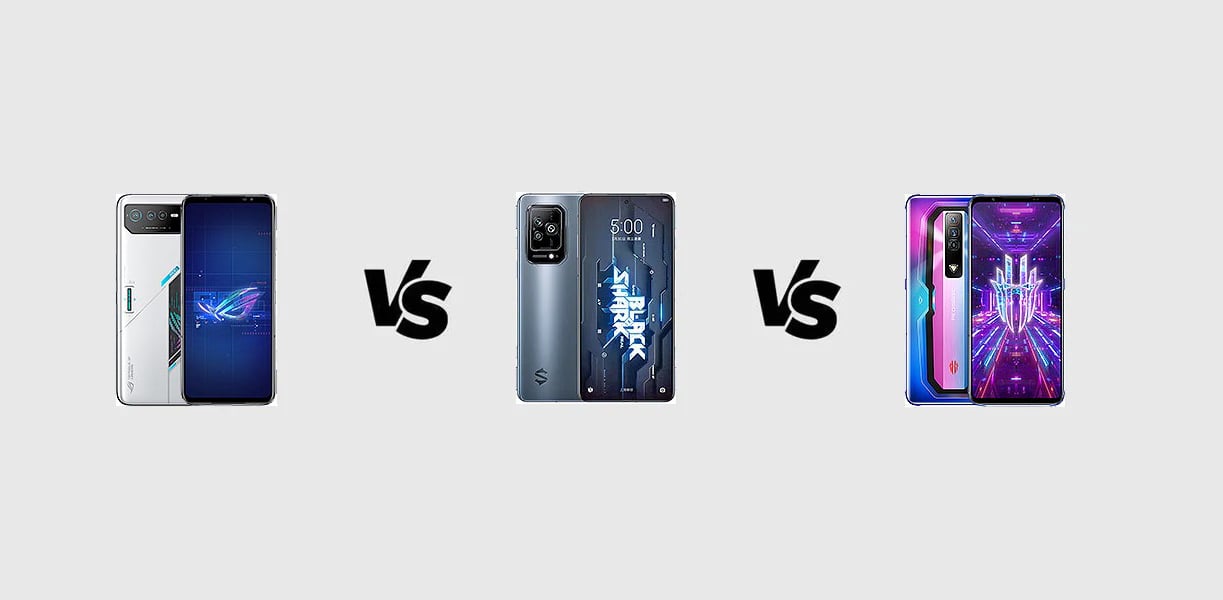
The gaming phone niche became incredibly high, so high that now, every time a flagship gaming series gets launched, it is composed of several variants and configurations. Today, we are putting the accent on three vanilla versions of the latest flagship gaming series from the best brands in this niche. We are talking about the Asus ROG Phone 6, the Black Shark 5 by Xiaomi, and the REDMAGIC 7 by Nubia. All of these devices have a Pro variant, but it is not needed if you do not need certain advanced components. And thanks to these vanilla versions, you can get better prices. This is a comparison between the specifications of the Asus ROG Phone 6, the Xiaomi Black Shark 5, and the Redmagic 7 by Nubia.
Asus ROG Phone 6 vs Xiaomi Black Shark 5 vs Nubia REDMAGIC 7
The Black Shark 5 by Xiaomi has nothing special when it comes to design. The REDMAGIC 7 is more interesting with its glass back and aluminum frame, but the most incredible one is the Asus ROG Phone 6 sporting an aluminum frame and a glass back protected by Gorilla Glass 3 with an illuminated RGB logo. So it wins the comparison and there is also to say that it is the only one with the IPX4 certification guaranteeing water resistance. The REDMAGIC 7 and the Asus ROG Phone 6 include pressure sensitive zones on the rear side which can be used as gaming triggers, while the Black Shark 5 by Xiaomi has two physical pop-up triggers on the right side. Do you prefer pressure sensitive areas or physical gaming triggers?
Display
The display of the Asus ROG Phone 6 is the most advanced one, at least on paper. It has a 6.78-inch panel with AMOLED technology able to show up to one billion colors with great image quality. It has a Full HD+ resolution of 1080 x 2448 pixels, a 165 Hz refresh rate, the HDR10+ certification, the Gorilla Glass Victus protection by Corning, and an in-display fingerprint scanner. The silver medal goes to the REDMAGIC 7 equipped with an AMOLED display sporting a 6.8-inch diagonal. This panel is able to show one billion colors as well, with a Full HD+ resolution of 1080 x 2400 pixels, a 165 Hz refresh rate, and the Gorilla Glass 5 protection by Corning, as well as an in-display fingerprint reader. The Black Shark 5 has an inferior AMOLED display with a diagonal of 6.67 inches, a Full HD+ resolution of 1080 x 2400 pixels, a 144 Hz refresh rate, and a side-mounted fingerprint reader.
Specs & Software
The most powerful phone of this trio is the Asus ROG Phone 6 because it has the strongest processor: the Snapdragon 8+ Gen 1 by Qualcomm built at 4 nm with an octa-core architecture composed of one Cortex X2 CPU running at a max frequency of 3.19 GHz, three Cortex A710 CPUs running at 2.75 GHz, 4 Cortex A510 CPUs running at 1.8 GHz, and an Adreno 730 GPU. The chipset is paired with up to 16 GB of RAM and up to 512 GB of native storage. But you should not underestimate the REDMAGIC 7 with its Snapdragon 8 Gen 1 mobile platform, up to 18 GB of RAM, up to 512 GB of native storage, and a built-in cooling fan lowering the heat even during long gaming sessions. All of these phones run Android 12 out of the box.
Camera
It looks like the Asus ROG Phone 6 has the most interesting camera department, composed of a 50 MP main camera, a 13 MP ultrawide sensor, and a 5 MP macro lens. The Nubia REDMAGIC 7 and the Black Shark 5 are more or less at the same level with their 64 MP triple cameras, but the former has a disappointing 8 MP selfie camera.
With the Asus ROG Phone 6, you get the biggest battery, one of the biggest ones even found on a flagship phone: it has a capacity of 6000 mAh and it supports 65W fast charging.
Price
Asus ROG Phone 6 costs $1100/€1100, REDMAGIC 7 starts from €630/$630, and Black Shark 5 costs €500/$500 in its base configuration. The ROG Phone 6 is definitely a better phone thanks to its superior chipset, bigger battery, and better display, but the REDMAGIC 7 provides the best value for money.
Asus ROG Phone 6 vs Xiaomi Black Shark 5 vs Nubia REDMAGIC 7: PRO and CONS
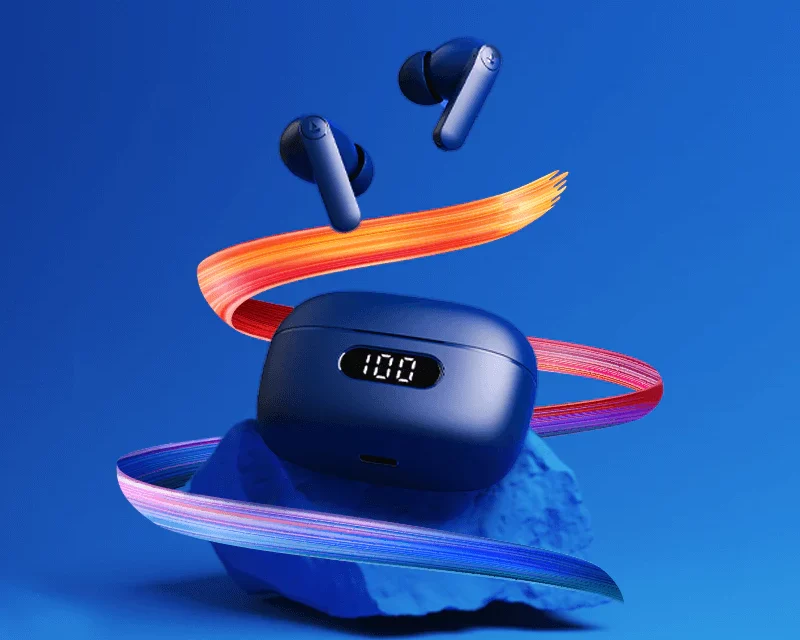
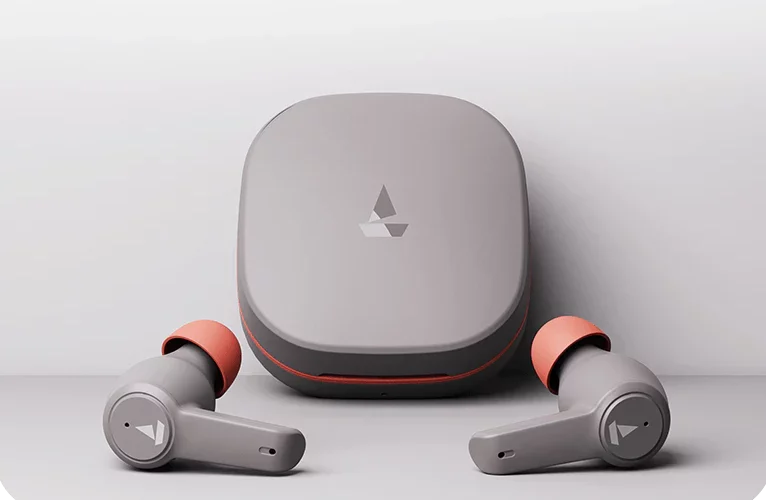
Yesterday, boAt announced two new TWS earphones for the Indian market. These are the boAt Airdopes 121 Pro and Airdopes 413 ANC earbuds. Now, as the Prime Day sale has commenced on Amazon, these earbuds are available to purchase from the website.
boAt Airdopes 121 Pro
The Airdopes 121 Pro is equipped with 10mm drivers and boAt’s signature bass-heavy audio tuning. Despite the emphasis on bass, the earbuds produce clear highs and lows.
The earbuds connect via Bluetooth 5.3 technology and include the Insta Wake N’ Pair feature. The LCD panel on the charging case that displays the device’s battery is one of the most eye-catching features of the Airdopes 21 Pro. Talking about the battery, the earbuds provide 3 hours of playback time on a single charge and up to 40 hours of total playback time with the charging case. 5 minutes of charge time in the case results in up to 60 minutes of playback time.
Aside from that, users will have access to simple touch controls, a one-touch voice assistant, and IPX4 water resistance.
boAt Airdopes 413 ANC
The Airdopes 413 ANC is equipped with 10mm dynamic drivers and boAt’s signature punchy bass tuning. The earbuds, as the name implies, provide active noise cancellation of up to 25dB. Aside from that, the Airdopes 413 comes with two ENx-enabled microphones for crystal-clear audio during calls.
The earbuds have Bluetooth 5.2 connectivity, touch controls, and easy voice assistant access. On a single charge, it provides up to 4.5 hours of playback time with ANC active and up to 5.5 hours with ANC disabled. When used in conjunction with the charging case, the earbuds have a total playback time of 20 hours. A quick 10 minutes in the charging case provides users with an additional 60 minutes of playback time.
The earbuds have IPX4 water resistance and are available in two colors: black and green.
Pricing & availability
The boAt Airdopes 413 ANC has a price tag of ₹2,499, but for Prime members, the earbuds are available for just ₹1,999 for the duration of the Prime Day sale. On the other hand, the Airdopes 121 Pro is priced at ₹1,299.
We use cookies on our website to give you the most relevant experience by remembering your preferences and repeat visits. By clicking “Accept”, you consent to the use of ALL the cookies.
This website uses cookies to improve your experience while you navigate through the website. Out of these, the cookies that are categorized as necessary are stored on your browser as they are essential for the working of basic functionalities of the website. We also use third-party cookies that help us analyze and understand how you use this website. These cookies will be stored in your browser only with your consent. You also have the option to opt-out of these cookies. But opting out of some of these cookies may affect your browsing experience.
Necessary cookies are absolutely essential for the website to function properly. This category only includes cookies that ensures basic functionalities and security features of the website. These cookies do not store any personal information.
Any cookies that may not be particularly necessary for the website to function and is used specifically to collect user personal data via analytics, ads, other embedded contents are termed as non-necessary cookies. It is mandatory to procure user consent prior to running these cookies on your website.