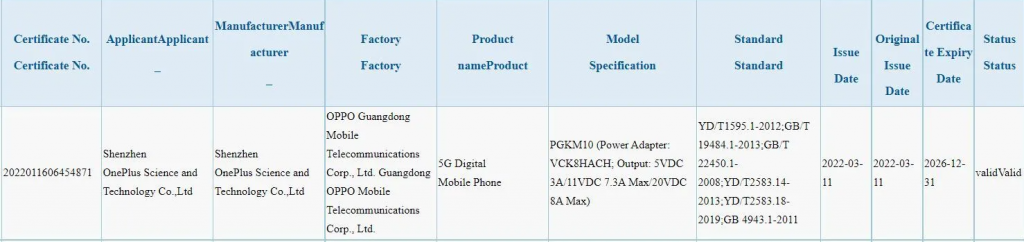
Oppo recently unveiled its 150W and fast charging technology that is set to debut on a OnePlus device scheduled to launch in Q2 2022. However, a OnePlus device with a fast charge capacity of 160W has appeared on China’s 3C certification website.
First spotted by MySmartPrice, the listing reveals that the device has the model number PGKM10 and is a 5G mobile phone device. The information is somewhat confusing as up until now, the PGKM10 model number has been related to the upcoming OnePlus tablet, dubbed the OnePlus Pad. However, it is hard to imagine OnePlus debuting a tablet with that high fast charging capacity while Oppo’s tablet, which debuted just a couple of weeks ago, comes with 33W fast charging.
There are a few candidates that can come with this 160W SuperVOOC fast charge. The device could be a OnePlus 10 series variant. A recent leak revealed that OnePlus is working on a device that has a Dimensity 8100 SoC, a 6.7-inch OLED display, and a 50-megapixel Sony IMX766 main camera. The other candidate for this charging rate could be the rumoredOnePlus 10 Ultra, which was first exposed through OnePlus design patents.
For now, the information available is too scarce, so we would prefer to wait for more details to surface before making any further assumptions.
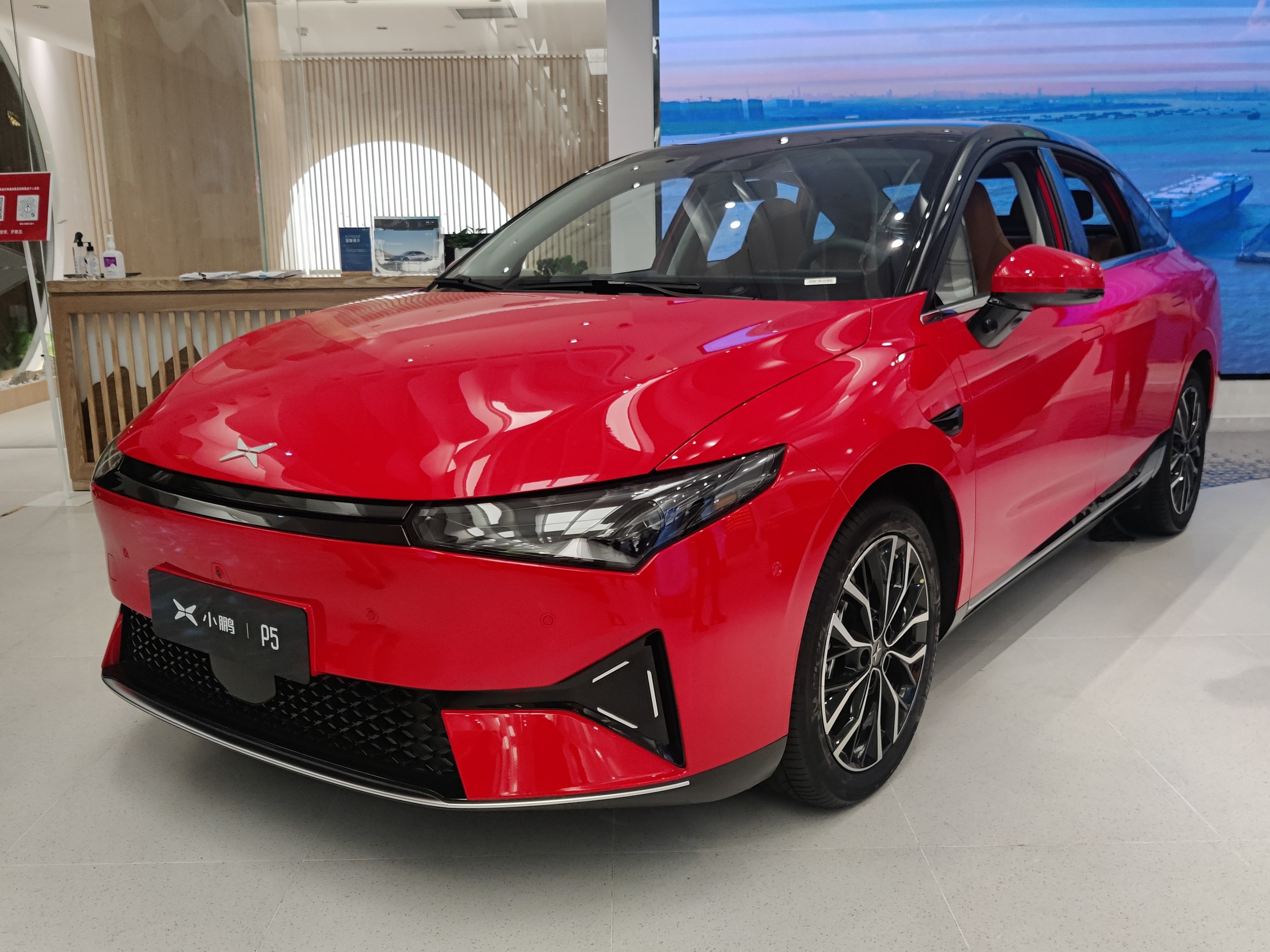
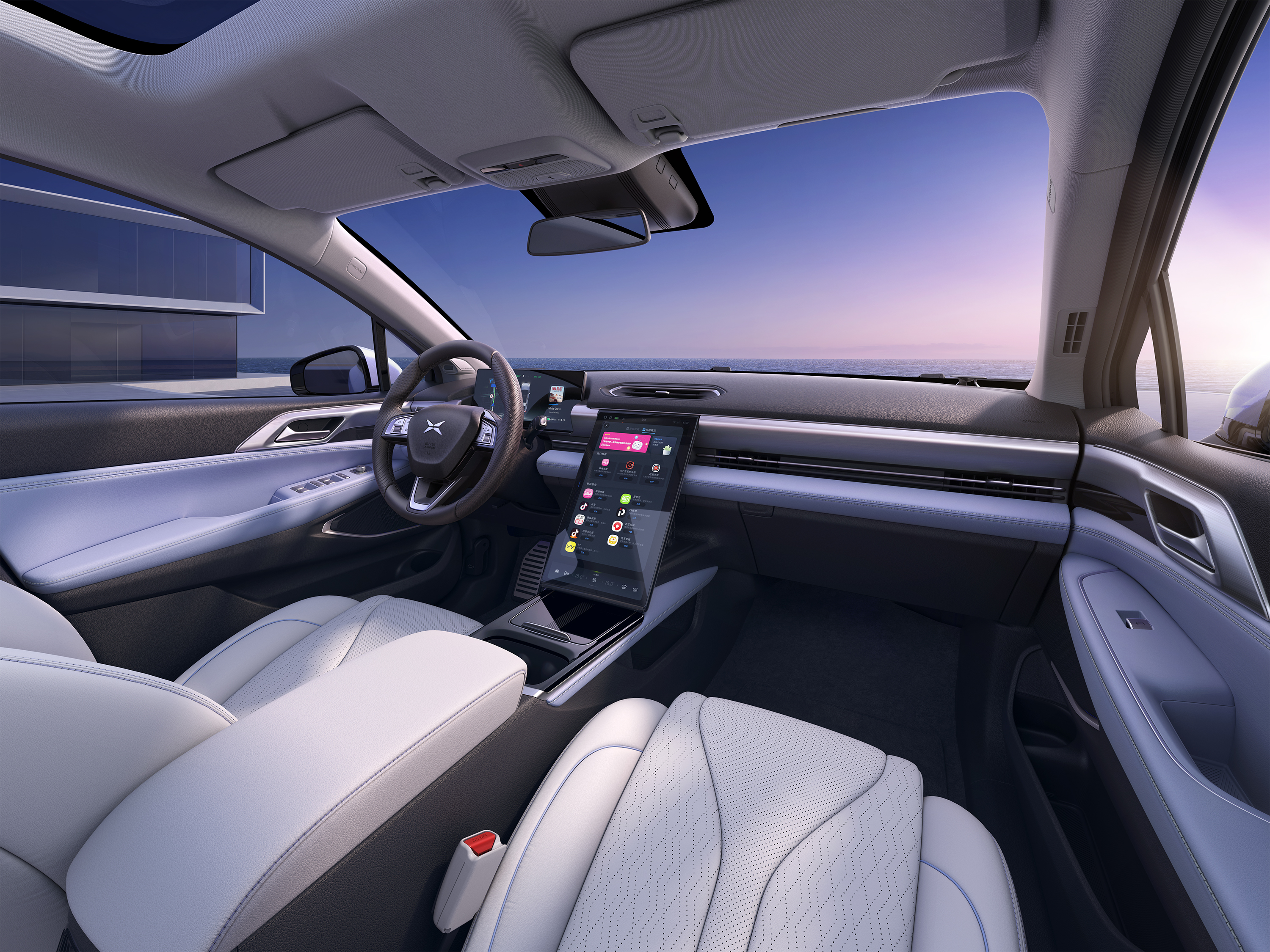
China-based electric vehicle manufacturer XPeng Motors first announced its third production model dubbed XPeng P5 in April last year. The EV was touted to be the world’s first smart car to be equipped with automotive-grade LiDAR technology. Nearly one year after, the company has now launched the P5 electric sedan in Europe. The car is now available for pre-orders in four European countries namely, Denmark, the Netherlands, Norway, and Sweden.
The Chinese company has been making rapid inroads into Europe for almost a year now. The company unveiled its flagship P7 sedan in Norway in August last year. The EV’s launch in Norway marked the brand’s debut on the international market.
While the design of the global Xpeng P5 is the same as that of the Chinese variant, the features are markedly different. As stated earlier, the P5 is the world’s first smart car to be equipped with automotive-grade LiDAR technology. The European P5 won’t feature the Lidar technology. However, it is equipped with Xpilot 2.5, Xpeng’s advanced driver-assistance system (ADAS) bringing autonomous driving with a driver still on the wheels. This feature doesn’t require Lidar to work.
Xpeng is building on its in-house developed autonomous driving tech and other features in a bid to appeal to buyers. The company is betting on these features to drive sales in Europe. No doubt the sleek build of its EVs will also contribute to its market growth.
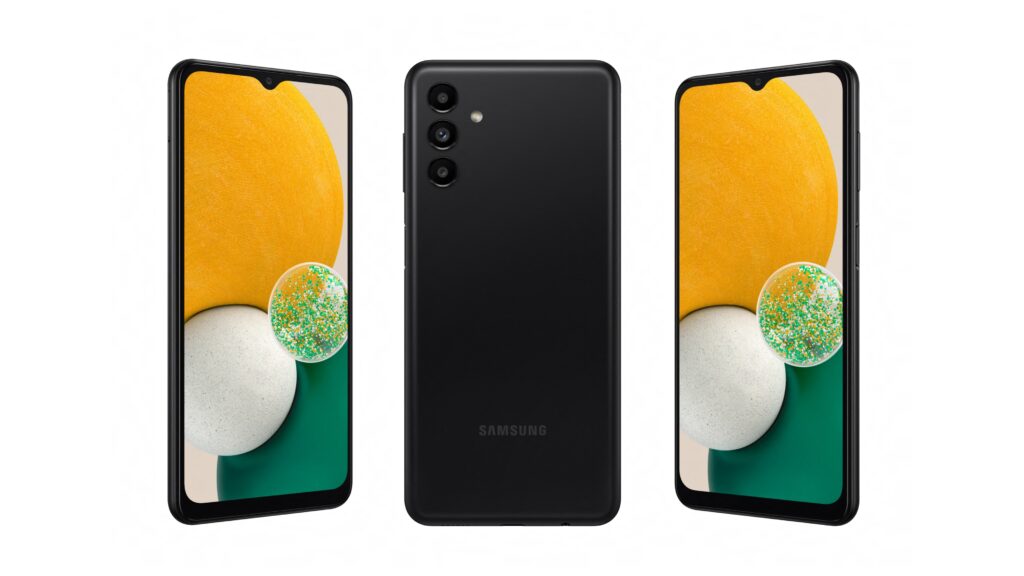
Samsung recently unveiled their Galaxy A13 4G smartphone earlier this month, and it appears that the Galaxy A13 5G will also soon be hitting the Indian market.
A 91mobiles report states that Samsung has started production of the Galaxy A13 5G smartphones at the Greater Noida factory in India. The news comes through industry sources, so we can expect the Galaxy A13 5G to debut in the coming week.
For those unaware, the device was already launched in the US market back in December 2022, so we already know all its specs and features.
Samsung Galaxy A13 5G Specifications and Features
The newly announced Galaxy A13 5G looks like the Galaxy A32. It measures 164.5 x 76.5 x 8.8mm in dimensions and weighs 195g.
The handset sports a 6.5-inch LCD panel on the front with a resolution of 1600 x 720 pixels and a 90Hz refresh rate. The dewdrop notch (Infinity-V) on the top houses a 5MP camera for selfies and video calls. Whereas, on the back, it houses a triple camera setup consisting of a 50MP primary sensor, 2MP macro snapper, and a 2MP depth sensor.
The variant for the US is powered by a MediaTek Dimensity 700 SoC paired with 4GB of RAM and 64GB of storage, with support for MicroSD card expansion. There’s also NFC to utilize Samsung Pay. These features will differ by country.
Connectivity options on the phone include sub-6GHz 5G, dual-band WiFi, Bluetooth, a USB Type-C port, and a 3.5mm headphone jack. The remaining specs comprise a side-mounted fingerprint sensor, a single speaker, Android 11, a 5,000mAh battery, and 15W charging.
As for the pricing, the Samsung Galaxy A13 5G was launched in the US for USD 249 (approx Rs 18,700). We expect the phone’s price in India to be lower in comparison.
Redmi recently launched the Redmi Note 11 Pro 4G and the Redmi Note 11 Pro 5G smartphones in India. The devices bring an impressive 6.67-inch Full HD+ OLED display with 120Hz refresh rate, powerful SoCs, and 108-megapixel primary cameras. However, the devices are yet to go on sale in the country, and in this article, we’ll tell you when and where you can buy these smartphones.
Redmi Note 11 Pro+ 5G
Redmi Note 11 Pro 4G, Note 11 Pro+ 5G pricing and availability
Here is the pricing and availability of the Redmi Note 11 Pro series:
Redmi Note 11 Pro 4G
6 GB RAM + 128 GB storage – Rs 17,999
8 GB RAM + 128 GB storage – Rs 19,999
Colors: Stealth Black, Phantom White, and Sky Blue
Redmi Note 11 Pro+ 5G
6 GB RAM + 128 GB storage – Rs 20,999
8 GB RAM + 128 GB storage – Rs 22,999
8 GB RAM + 256 GB storage – Rs 24,999
Colors: Stealth Black, Phantom White, and Mirage Blue
The Redmi Note 11 Pro series will be available for purchase through Amazon India, Mi India’s online store, Mi Store app, and authorized resellers. The first sale of the Note 11 Pro 4G will be carried out at 12 pm (local time) on March 23, whereas the Note 11 Pro 5G will go on sale for the first time at 12 pm (local time) on March 15. Like its predecessor, the smartphones will likely be sold through flash sales, so we advise readers to be prepared as the stock will likely run out in a few minutes.
Redmi Note 11 Pro 4G
Users of HDFC Banks will be able to avail an instant discount of Rs. 1,000 when making the purchase using the bank’s Credit or Debit Card. The discount will also be applicable when opting for EMI using these cards. Additionally, users of older Redmi devices can exchange their smartphones for an additional loyalty bonus of Rs. 2000 over the exchange price of your Redmi device. You can check out if your device qualifies for exchange by visiting the Amazon India landing page.
To know more about the specs and features of the Redmi Note 11 Pro 4G and the Redmi Note 11 Pro+ 5G, you can check out our launch coverage of the devices.
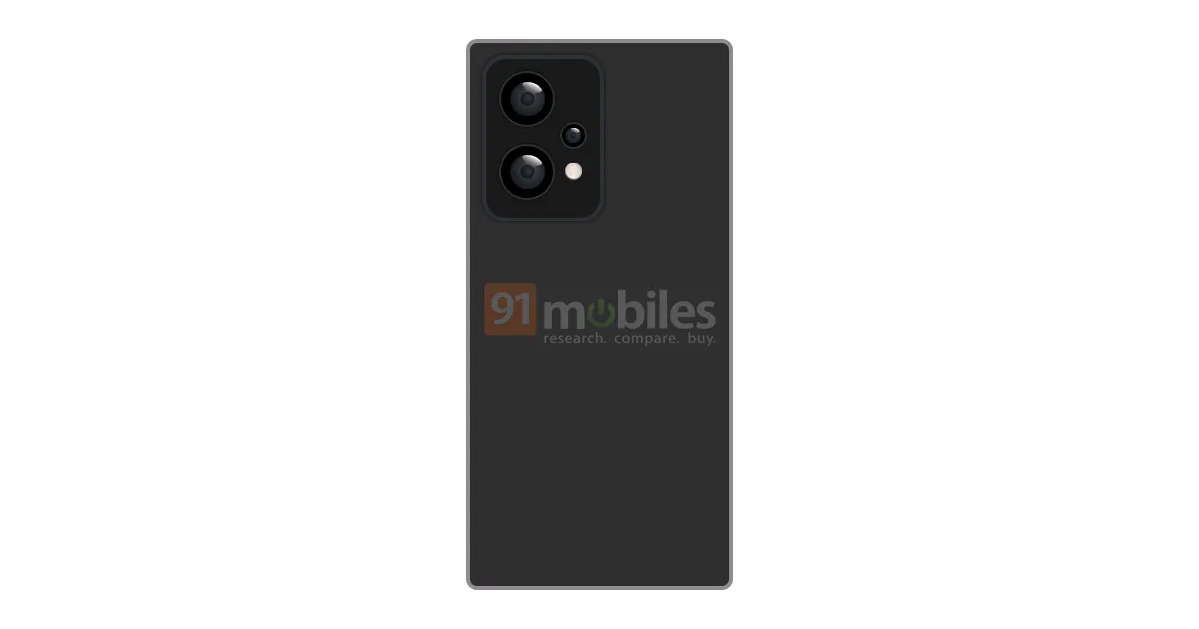
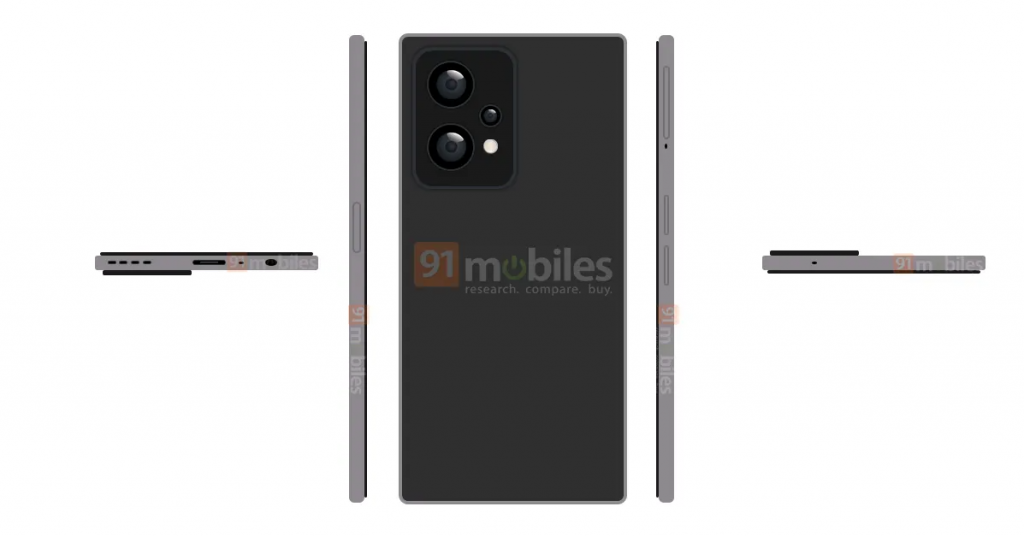
Last month, OnePlus launched their second-generation core edition smartphone dubbed the OnePlus Nord CE 2 which brings along the Dimensity 900 SoC and 65W SuperVOOC fast charging. And now, early renders of the OnePlus Nord CE 2 Lite have surfaced giving us a rough idea of the design of the upcoming phone.
OnePlus Nord CE 2 Lite early renders
1 of 5
Image via 91mobiles
Image via 91mobiles
Image via 91mobiles
Image via 91mobiles
Image via 91mobiles
According to the renders revealed by 91mobiles, the Nord CE 2 Lite will likely get a glossy plastic rear panel with a metal frame around it. The rear panel appears to house a rectangular camera island that holds a triple camera setup with two large lenses and one smaller sensor. The LED flash will also be present on the camera island.
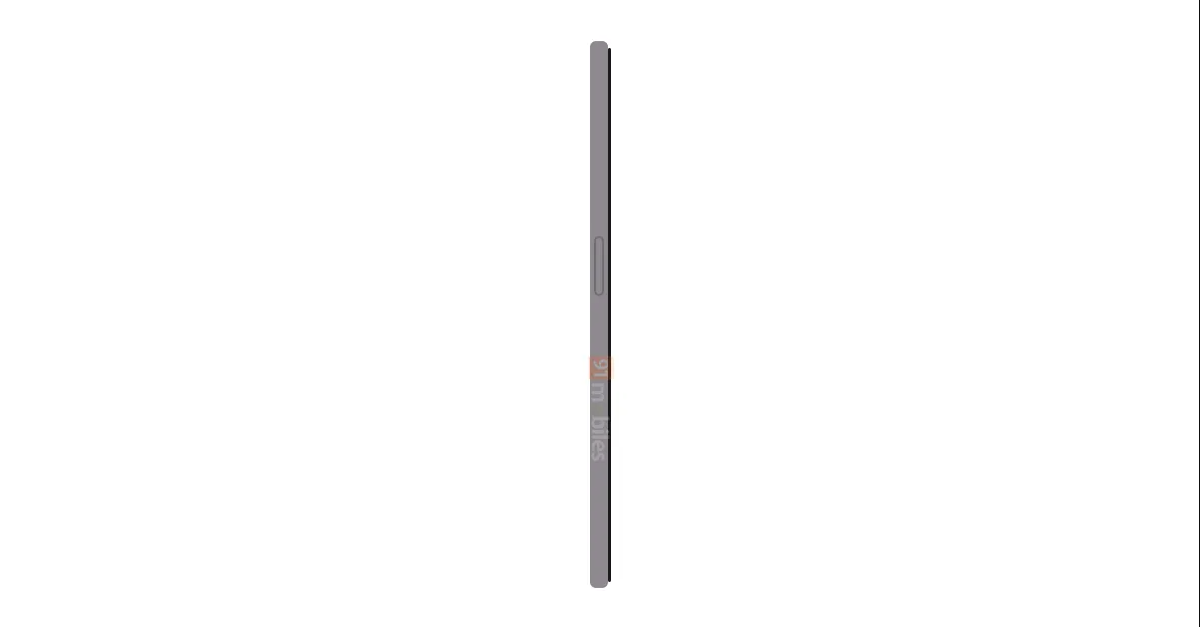
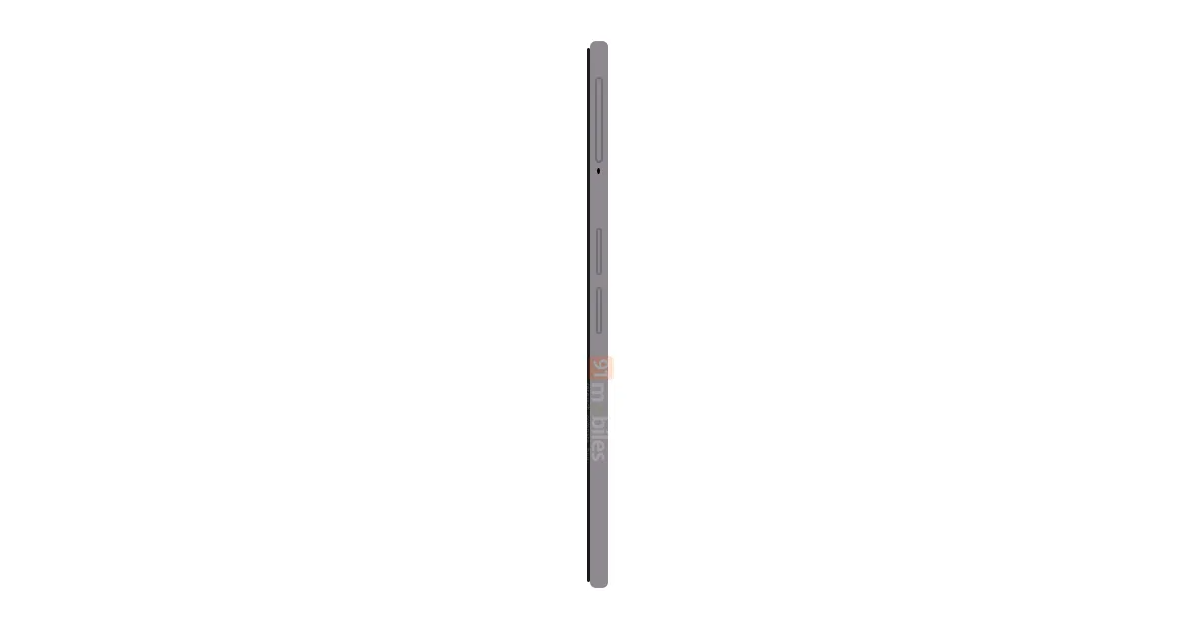
On the right side of the frame, we get a power button that will also come with an integrated fingerprint scanner. On the left side of the frame, we get the volume rocker and a hybrid SIM slot. On the bottom, we can observe a Type-C port, a speaker grille, and a 3.5mm headphone jack. And like the Nord CE 2, the Lite variant will also be missing the Alert Slider.
OnePlus Nord CE 2 Lite specs (rumored)
According to previous reports, the OnePlus Nord CE 2 Lite will likely come with a 6.59-inch FHD ‘fluid’ display, which means that it will support a refresh rate higher than 60Hz. The panel type could, however, be an LCD instead of an AMOLED.
The device is also said to come with the Snapdragon 695 SoC with support for 5G connectivity and will run Android 12 out of the box. The phone will house a large 5,000mAh battery with support for 33W fast charging.
For photography, the Nord CE 2 Lite will have a triple camera setup at the rear, comprised of a 64MP OmniVision primary camera, a 2MP macro sensor, and a 2MP macro lens. The selfie shooter upfront will be a 16MP Sony IMX471 sensor.
Current rumors suggest that the Nord CE 2 Lite will come with a starting price as low as Rs 20,000 ($262).
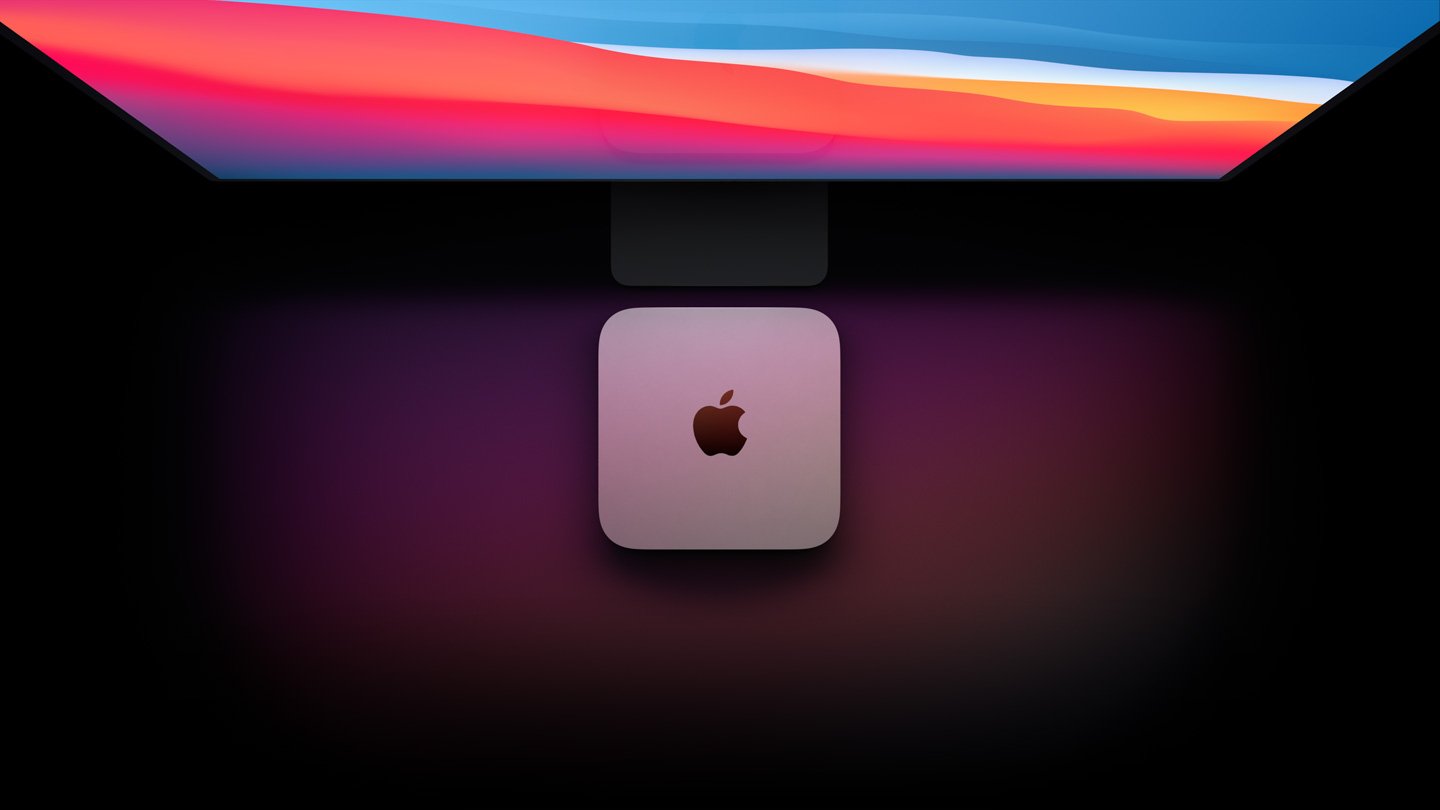
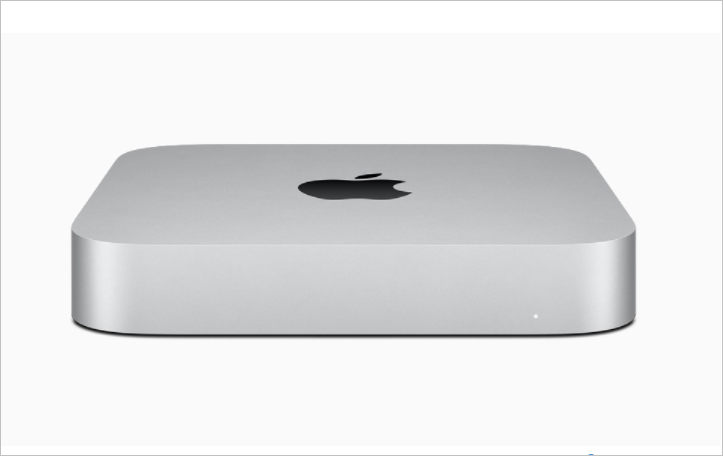
While Apple was believed to launch new Mac Mini PCs this year, a new report has suggested that the brand has shifted its launch to next year. The news arrives from a known analyst who shared the news earlier today (11th March 2022).
According to Ming-Chi Kuo on Twitter, the Cupertino based giant will be launching the new Mac Mini in 2023. Notably, the analyst had shared his prediction for the upcoming Mac lineup for 2022 and 2023 just last week. He had claimed that Apple is planning on releasing a new high end Mac Mini and a 27 inch external display without mini LED display tech later this year. But now, he shared an update, which stated that this Mac Mini model has been delayed to next year.
Apart from this, Kuo also stated that the Mac Pro and iMac Pro will also be arriving sometime in 2023. As if right now, the company’s latest Mac Mini’s are available with M1 chipset, alongside Intel variants as well. So, we can expect to see the next gen model featuring the new M2 chip, or possibly even the M2 Pro as well. A recent report had hinted at the M2 chipset being featured on the new 13 inch MacBook Pro, 24 inch iMac, and Mac Mini, which are currently in development.
This chip would be the successor to the M1 and offer the same 8 core CPU, but with improvements to both performance and energy efficiency. Talking about the next gen Mac Mini, it is expected to receive a design refresh, which will have it be built on a smaller chassis, a plexiglass like top, and two tone color options. Although, the PC is still a while away from launch. So stick around for more updates.
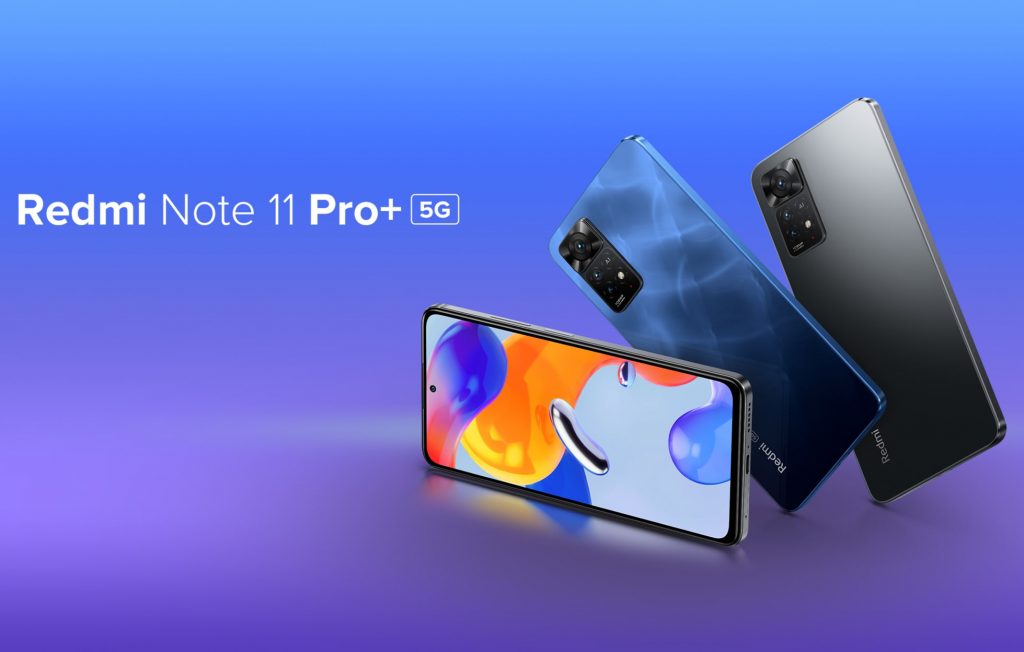
A few days back, Xiaomi brought the Redmi Note 11 Pro lineup to India comprising of two devices. These are the exact same smartphones that were announced in Europe and other markets a few weeks back. The only difference is that the Redmi Note 11 Pro 5G goes by the name of Redmi Note 11 Pro+ 5G in India.
This handset is scheduled to go on sale for the first time at 12 PM on March 15 (Tuesday) in the country. It carries the following price tags.
6GB + 128GB – ₹20,999
8GB + 128GB – ₹21,999
8GB + 256GB – ₹24,999
Customers can avail it in either Stealth Black, Phantom White, or Mirage Blue color options from Mi.com, Amazon, Mi Homes, and official retailers.
Having said that, the Redmi Note 11 Pro+ 5G is not the only phone available in this price category. It has multiple competitors from different brands. Let’s take a look at its competition based on specs.
Before we begin, here’s a quick rundown of Redmi Note 11 Pro Plus 5G’s specifications.
BUILD
Plastic Frame + Glass Back
DIMENSIONS & WEIGHT
164.2 x 76.1 x 8.1mm
202g
DISPLAY
6.67-inch AMOLED Panel, 2400 x 1080 (FHD+) Resolution, Up to 120Hz Refresh Rate, 1,200 Nits Peak Brightness, Centered Punch Hole
CHIPSET
Qualcomm Snadragon 695 SoC
RAM & STORAGE
6GB/8GB LPDDR4x RAM, 128GB/256GB UFS 2.2 Storage
SOFTWARE
MIUI 13 based on Android 11
REAR CAMERA
108MP Wide-angle Camera, 8MP Ultra-Wide Camera, 2MP Macro Camera
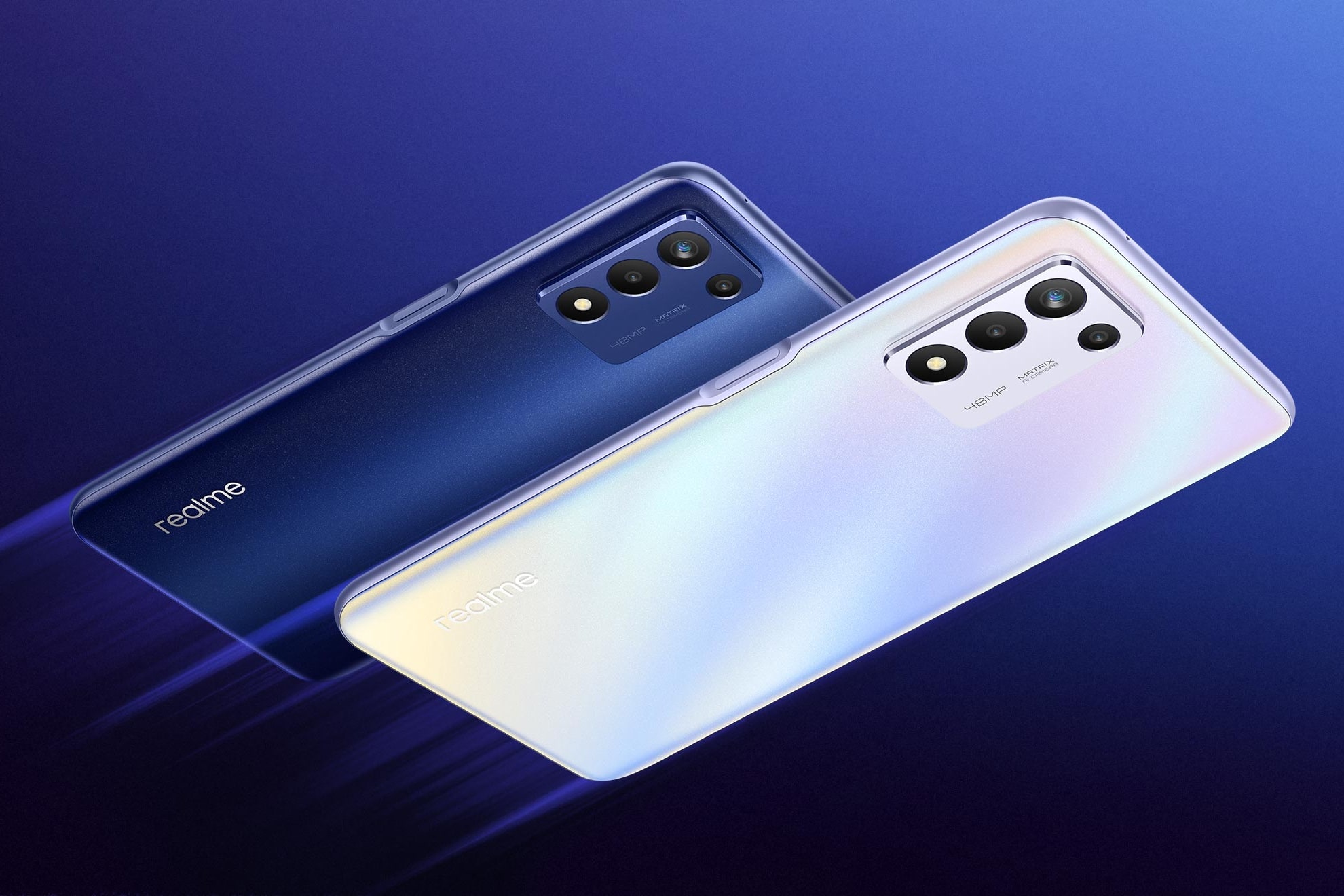
The main highlight of the Realme 9 5G SE (Speed Edition) is the Qualcomm Snapdragon 778G SoC present underneath it. This chipset is more powerful than the Qualcomm Snapdragon 695G powering the Redmi Note 11 Pro Plus 5G.
Further, the realme handset can record at 4K 30fps from the main camera, which is not possible on Redmi. It also arrives with a dedicated MicroSD card slot instead of a hybrid one as the Redmi.
BUILD
Plastic Frame + Plastic Back
DIMENSIONS & WEIGHT
164.4 x 75.8 x 8.5mm
199g
DISPLAY
6.67-inch LCD Panel, 2412 x 1080 (FHD+) Resolution, Up to 144Hz Refresh Rate, 600 Nits Peak Brightness, Punch Hole At Top Left Corner
CHIPSET
Qualcomm Snadragon 778G SoC
RAM & STORAGE
6GB/8GB LPDDR4x RAM, 128GB UFS 2.2 Storage
SOFTWARE
Realme UI 2.0 based on Android 11
REAR CAMERA
48MP Wide-angle Camera, 2MP Macro Camera, 2MP Depth Camera
But unfortunately, it falls behind in most other aspects. It has a plastic body, LCD screen but with up to 144Hz refresh rate, mono speaker, and, 30W fast charging.
As far as the cost is concerned, it is priced at ₹19,999 and ₹22,999 for 6GB + 128GB and 8GB + 128GB memory configurations respectively.
2. OnePlus Nord CE 2 5G
The OnePlus Nord CE 2 5G comes powered by a MediaTek Dimensity 900 chip, which is slightly better than the Qualcomm Snapdragon 695 silicon residing inside the Redmi Note 11 Pro Plus 5G. The OnePlus phone not only supports 4K 30fps video recording from the primary camera but also has a dedicated MicroSD card slot.
BUILD
Plastic Frame + Glass Back
DIMENSIONS & WEIGHT
160.6 x 73.2 x 7.9mm
173g
DISPLAY
6.43-inch AMOLED Panel, 2400 x 1080 (FHD+) Resolution, Up to 90Hz Refresh Rate, 800 Nits Peak Brightness, Punch Hole At Top Left Corner
CHIPSET
MediaTek Dimensity 900 SoC
RAM & STORAGE
6GB/8GB LPDDR4x RAM, 128GB UFS 2.2 Storage
SOFTWARE
OxygenOS 11 based on Android 11
REAR CAMERA
64MP Wide-angle Camera, 8MP Ultra-wide Camera, 2MP Macro Camera
Though the OxgenOS 11 running on the OnePlus handset is based on the unified codebase of ColorOS and OxygenOS, it continues to offer one of the best software experiences with little to no bloatware. Finally, it is backed by a smaller 4,5000mAh battery, which can be filled quicker with 65W fast charging.
The OnePlus Nord CE 2 5G costs ₹23,999 for the 6GB + 128GB variant and ₹24,999 for the 8GB + 128GB version.
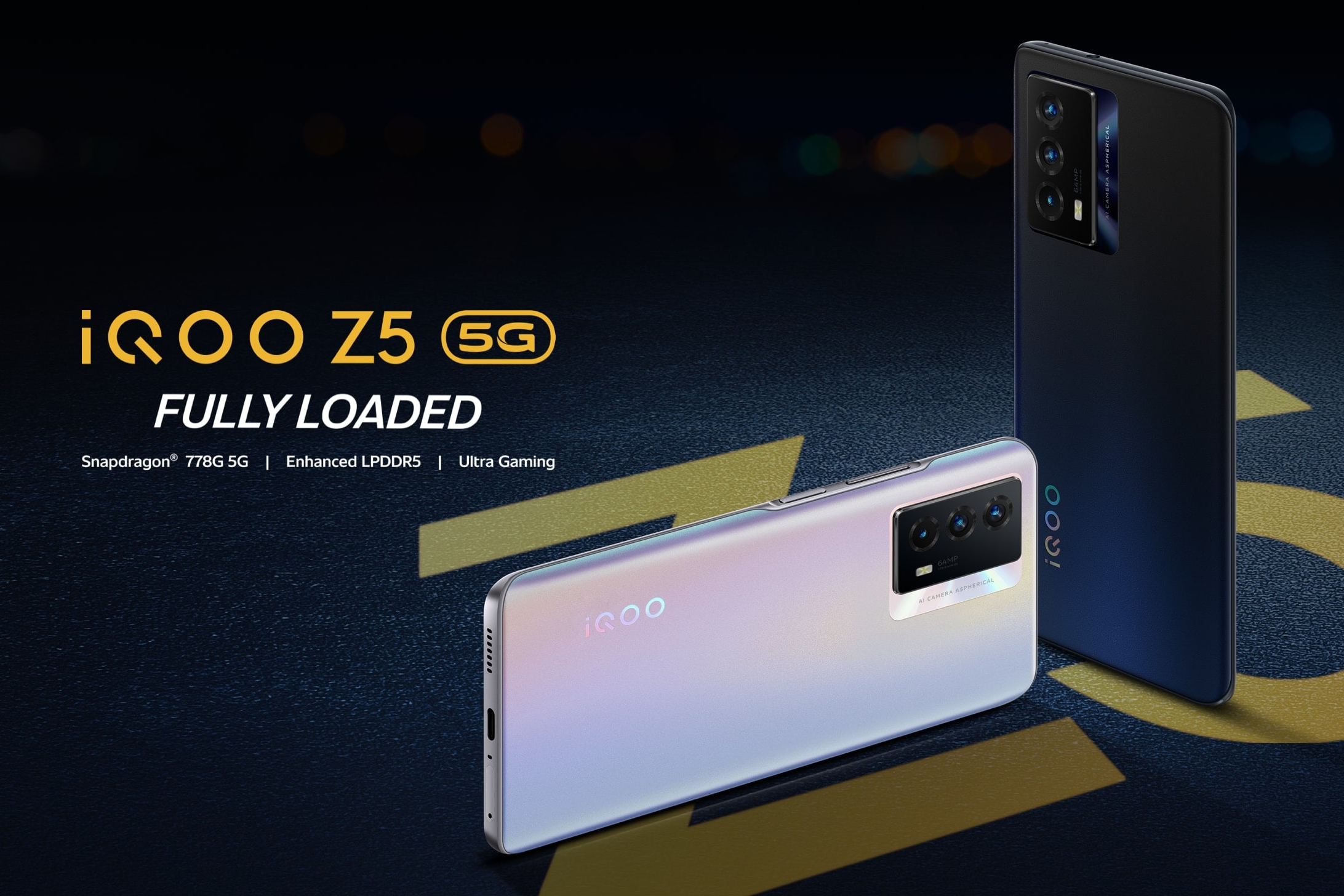
3. iQOO Z5 5G
The iQOO Z5 5G is also run by a Qualcomm Snapdragon 778G SoC like the realme 9 5G SE but arrives with a faster LPPDR5 RAM and UFS 3.1 storage. Unlike other competitors of the Redmi Note 11 Pro Plus 5G, it not only sports dual stereo speakers but also can max at 4K video recording in 60fps from the main camera.
BUILD
Plastic Frame + Plastic Back
DIMENSIONS & WEIGHT
164.7 x 76.7 x 8.5mm
193g
DISPLAY
6.67-inch LCD Panel, 2400 x 1080 (FHD+) Resolution, Up to 120Hz Refresh Rate, 650 Nits Peak Brightness, Centered Punch Hole
CHIPSET
Qualcomm Snapdragon 778G SoC
RAM & STORAGE
8GB/12GB LPDDR5x RAM, 128GB/256GB UFS 3.1 Storage
SOFTWARE
Funtouch OS 12 based on Android 11
REAR CAMERA
64MP Wide-angle Camera, 8MP Ultra-wide Camera, 2MP Macro Camera
However, it lacks a MicroSD card slot and a 3.5mm headphone jack. Lastly, it comes with a plastic body, an LCD panel with up to a 120Hz refresh rate, and 44W fast charging.
The iQOO Z5 5G retails at ₹23,990 (8GB + 128GB) and ₹26,990 (12GB + 256GB) in India.
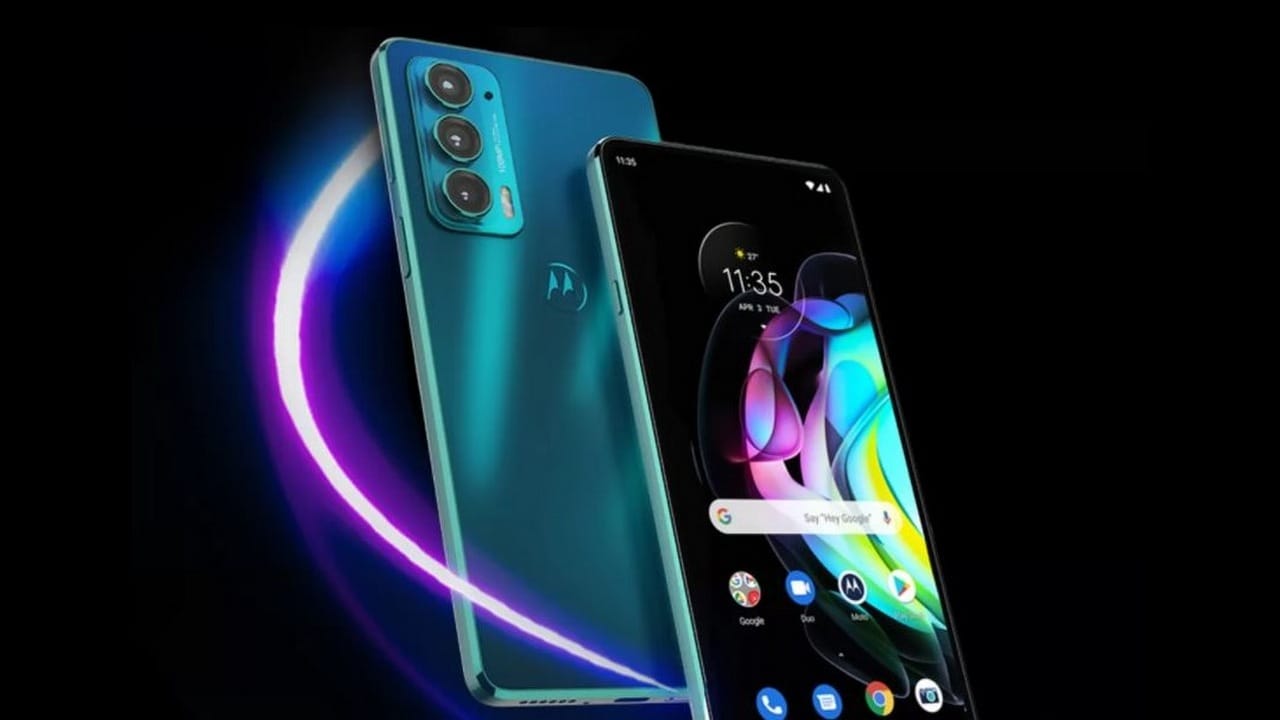
4. Motorola Edge 20 Fusion
The Motorola Edge 20 Fusion is the only competitor of the Redmi Note 11 Pro Plus 5G with an inferior chipset. It houses a MediaTek Dimensity 800U SoC underneath it. Anyway, it can still record videos in 4K 30fps from the primary camera.
BUILD
Plastic Frame + Plastic Back
DIMENSIONS & WEIGHT
166 x 76 x 8.3mm
185g
DISPLAY
6.7-inch 10-bit OLED Panel, 2400 x 1080 (FHD+) Resolution, Up to 90Hz Refresh Rate, Centered Punch Hole
Side-mounted Fingerprint Sensor, Hybrid MicroSD Card Slot, Ready For PC Connectivity
BATTERY & CHARGING
5,000mAh Battery, 30W Fast Wired Charging
Also, unlike any other smartphones on the list, including Redmi, the Edge 20 Fusion is the only one sporting a 10-bit 90Hz OLED display. It features a plastic design and supports only 30W charging.
The Motorola Edge 20 Fusion is priced at ₹21,4999 and ₹22,999 for 6GB + 128GB and 8GB + 128GB memory variants respectively.
A few days back, Redmi officially announced the release date of the Redmi K50 series. Now, as it turns out, the March 17 event will also see the launch of multiple other products, with company GM Lu Weibing saying that it’s “Redmi’s most important launch of the year.”
According to the GM, the Redmi brand’s entire lineup will undergo a complete refresh this year. Several of these products will see their newer iterations on March 17 alone, but it seems that Redmi will be keeping other major events throughout the year.
A teaser image shared with the announcement shows the silhouette of multiple other products along with the Redmi K50 such as a router, a TV, and a laptop.
Speaking of laptops, the RedmiBook Pro 15 was spotted on Geekbench a couple of days back with the Intel Core i7-12650 processor. The processor has 10 cores, 16 threads, and up to 24MB cache, which have helped it achieve an impressive multi-core score of 11,872. This laptop is expected to launch alongside the Redmi K50 series.
The Redmi K50 series will be the most extensive flagship lineup from Redmi ever and will be powered by processors from both Qualcomm and MediaTek. It comprises the Redmi K50 Pro+ with its Dimensity 9000, the Redmi K50 Gaming with the Snapdragon 8 Gen 1, the Redmi K50 Pro with the Dimensity 8100, and the Redmi K50 with the Snapdragon 870.
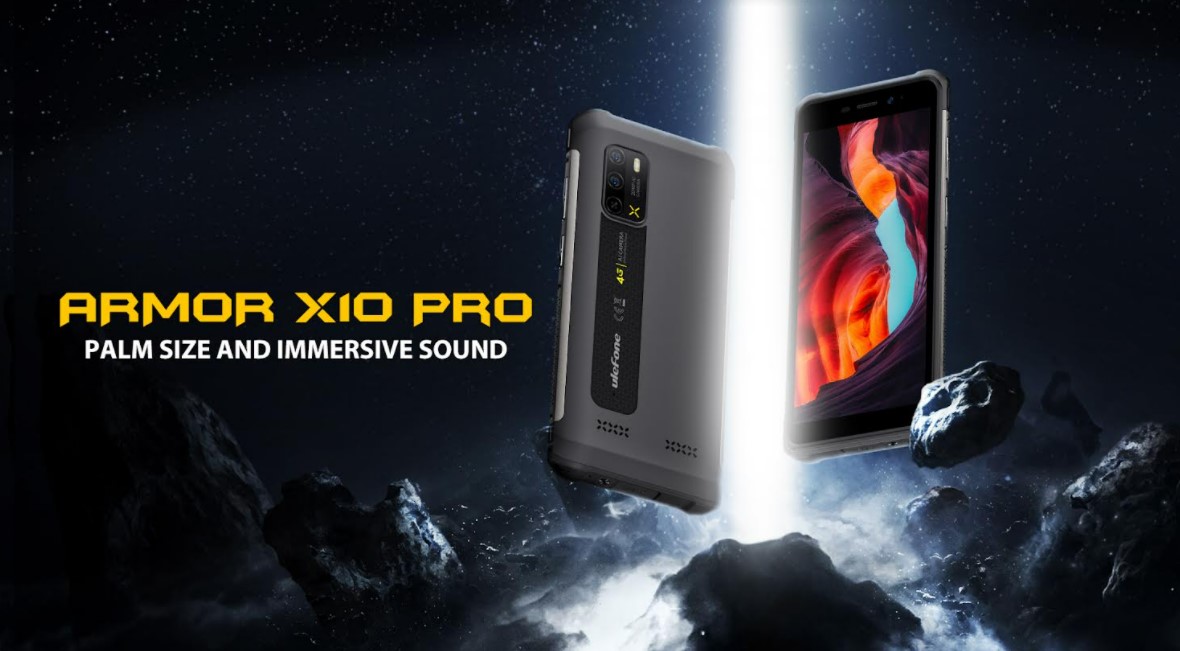
Ulefone Armor X10 Pro is designed to give you upgraded features and better performance as compared to its predecessors. To that end, the company has introduced the MediaTek Helio P22 processor in this phone. With this octa-core chipset, Ulefone Armor X10 Pro gets a 21% increase in performance as compared to the Armor X10. Moreover, you get 4GB RAM and double the storage space as compared to Armor X10 with a 64GB ROM expandable up to 128GB.
The phone comes with IP68/69K and MIL-STD – 810G military-grade certifications. This means the phone is dust, dirt, shock, and waterproof and can perform under extreme and harsh conditions. Though the phone is made to be rugged and withstand hazardous environments, it comes in a fashionable and lightweight design that can be easily carried around in your pocket or purse.
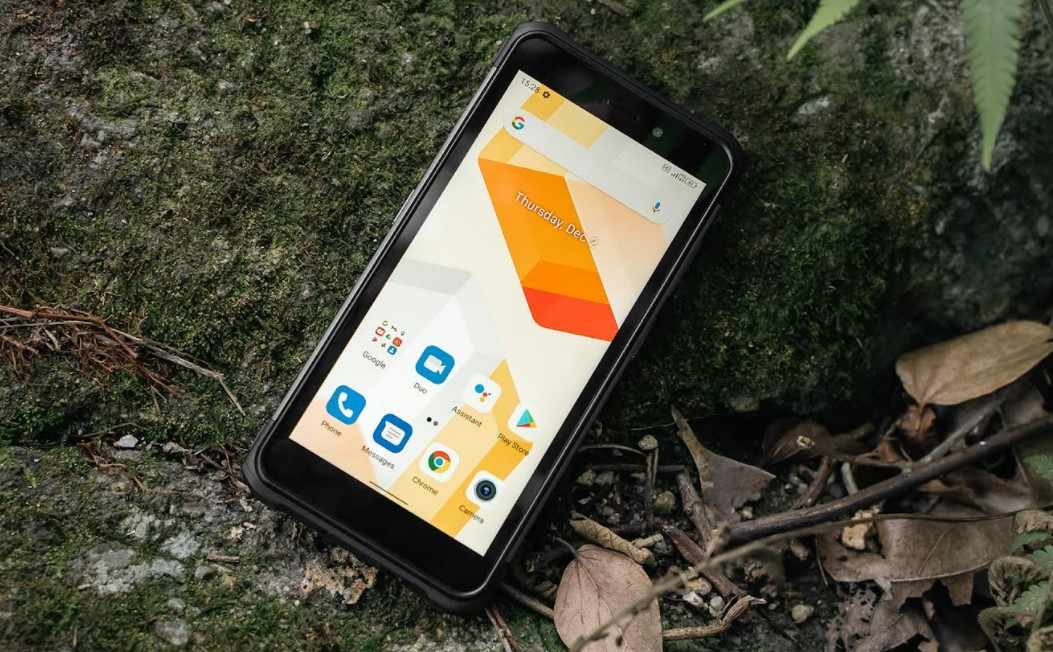
Ulefone Armor X10 Pro features a 5.45” display which makes it easy to control and use single-handedly. You have a 20MP Sony dual-camera setup at the back and a 5MP sensor in the front, for your selfies. The phone is fueled by a 5180mAh battery and runs the Android 11 OS. And to enjoy your favorite music and videos, you have Dual 1216 super-linear speakers that provide you with an immersive audio experience. Other interesting features include headset-free FM radio, 3.5mm earphone jack, NFC and Google play support, triple SIM/Card slots, customizable key, and gloves mode. For more information check out this official video from Ulefone.
Ulefone Armor X10 Prowill launch globally at the end of March. Under the world premiere sale, you can get huge discounts and buy Ulefone Armor X10 Pro for as low as $119.99. For more details on the phone and the sale check out their official website.
For more information on such exciting deals and offers check out our deals hub
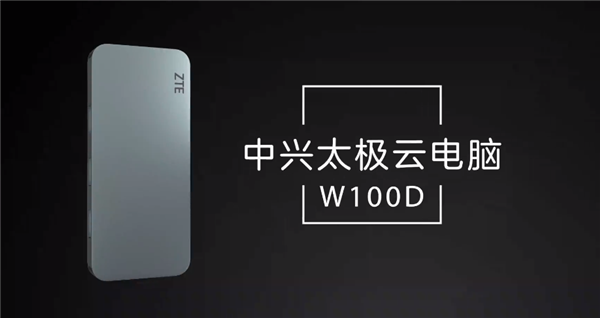
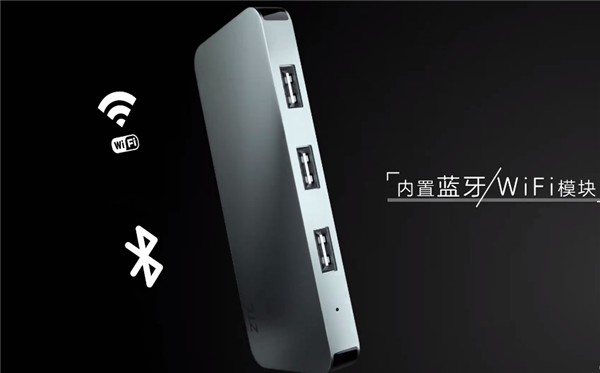
ZTE today announced a new mini PC that’s small and lightweight enough to fit into a pocket named the Taichi Cloud Computer W100D.
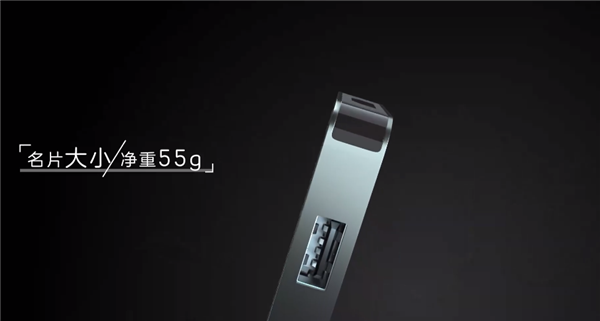
The computer weighs just 55g, which makes it much lighter than the average smartphone (via My Drivers). While specifics haven’t been provided, the device appears to be solely cloud-based and works through a simple connection.
Being cloud-based means that its power consumption is extremely low, which in turn means it’s very environmental-friendly. The overall package size is tiny due to this very reason and it’s quite easy to use, is extremely cost-effective, and is very suitable for light usage scenarios like education and office work.
The ZTE mini PC comes with a Type-C port for power supply and supports ZTE. All data runs in a secure data center to ensure information security.
1 of 3
The only gripe with cloud computing is latency but ZTE claims that bandwidth is kept in the range of 100Kbps~20Mbps at all times to ensure a great user experience. The PC also makes use of a new technology called “low-code high-definition,” which guarantees an optimal experience even under poor quality networks.
The ZTE Taichi Cloud Computer W100D is joined by a similar offering from Ningmei, which can be purchased via Xiaomi Youpin. This one’s not a cloud computer but targets a similar market with its extremely compact size.
Earlier this week, US regulators issued the final rules that removed the requirement on autonomous vehicles makers that mandated the companies to equip self driving cars with manual driving controls.
For those unaware, the autonomous vehicles sold in the US were required to feature human driving controls to meet the crash standards. Hence, automobile manufacturers and even tech companies faced challenges in developing automated driving systems (ADS) without any manual driving controls (Via Gadgets360). These standards were set decades ago, but have now been removed in America. Just last month, automobile giant General Motors and its self driving unit Cruise petitioned the US National Highway Traffic Safety Administration (NHTSA) to build and deploy a fully autonomous vehicle that do not feature steering wheels or brake pedals.
Notably, the revision in the rules also assume that cars “will always have a driver’s seat, a steering wheel and accompanying steering column, or just one front outboard passenger seating position.” But the regulators added that “For vehicles designed to be solely operated by an ADS, manually operated driving controls are logically unnecessary.” These new rules were first proposed back in March 2020 and have finally been adopted.
NHTSA Deputy Administrator Steven Cliff stated that “As the driver changes from a person to a machine in ADS-equipped vehicles, the need to keep the humans safe remains the same and must be integrated from the beginning.” Although, the NHTSA added that children should not occupy seats that are typically reserved for “drivers.” So now, we can expect to see more autonomous cars that do not require any human interaction from their passengers.
MIUI 13 first started rolling out in January this year, and has now already reached most of the eligible premium and mid-range devices. Some newer budget offerings like the Redmi Note 10 Pro have received it too, meaning Xiaomi is keeping an okayish pace. Now, the latest global device to get the update in is the POCO X3 GT, and here’s all you need to know about it.
The POCO X3 GT MIUI 13 update is based on Android 12 and carries version number V13.0.3.0.SKPMIXM. The complete recovery-flashable zip is sized 3.2GB and also includes the February security patch. The full changelog is given below for your reference:
[System]
Stable MIUI based on Android 12
Updated Android Security Patch to February 2022. Increased system security.
[More features and improvements]
New: Apps can be opened as floating windows directly from the sidebar
Optimization: Enhanced accessibility support for Phone, Clock, and Weather
Optimization: Mind map nodes are more convenient and intuitive now
Do note here that the update is still in its early rollout stages and looks limited to Mi Pilot Testers alone as of now. But if found bug-free, Xiaomi should be pushing it to more units and expanding the release to more regions.
The POCO X3 GT was launched in July 2021 with Android 11 and should therefore be eligible for at least another upgrade after Android 12.
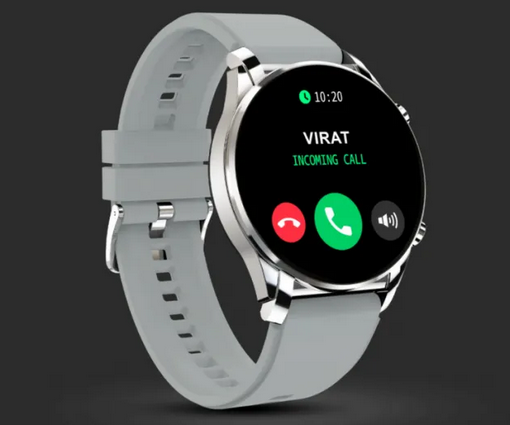
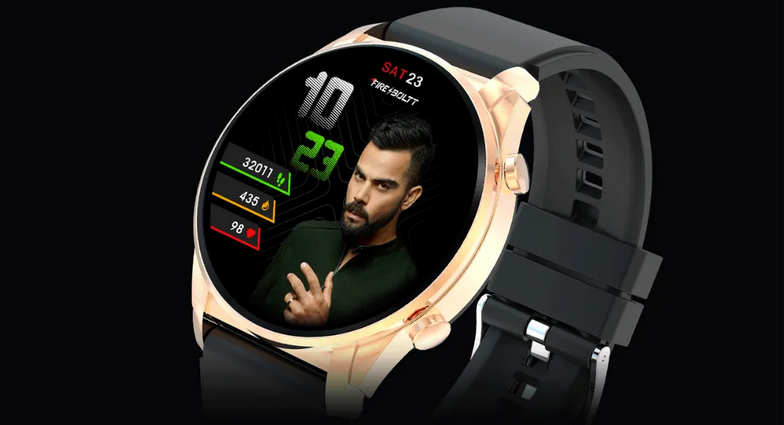
Fire-Boltt has just launched a new product in India. It is the new Thunder smartwatch, which is the company’s latest budget wearable in the category that offers some notable specifications for its price.
The Fire-Boltt Thunder smartwatch sports a 1.32 inch AMOLED display that has a screen resolution of 360 x 360 pixels. This is a circular display that offers more than 200 watch faces as well. Although, one of its key highlighting features is its Bluetooth calling feature. Basically, users can pick up calls from the paired smartphone through Bluetooth. You can also have a conversation through its built in mic and speakers, which is paired with a quick dial pad, saved contacts, and even a call history as well.
Furthermore, it also offers SpO2 blood oxygen monitoring, heart rate sensor, body temperature, and sleep mapping as well. It also supports 30 sports modes like running, cycling, basketball, badminton, and more. The smartwatch also supports voice assistant as well. Interestingly, it even comes with a couple of games in built, like 2048 and a flappy bird clone. The smartwatch can even last for up to seven days in a single full charge.
Other features include IP68 water and dust resistance, alarm, stopwatch, sedentary reminder, camera control, music control, drink water reminder, weather updates, and brightness adjustment. The Fire-Boltt is priced at 4,999 INR (roughly 65 US Dollars) and will be available for purchase starting from March 14 on Amazon. It will also be sold in multiple color variants, including Black, Gold, and Silver color options.
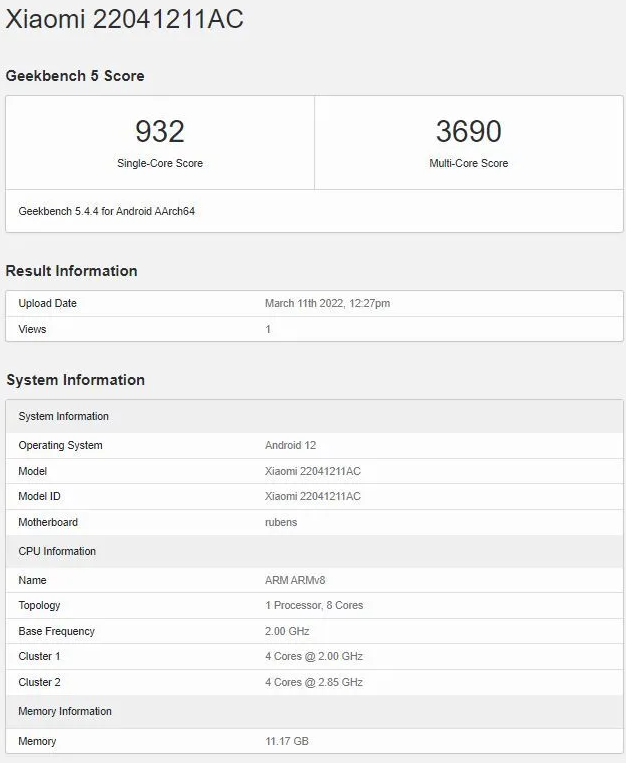
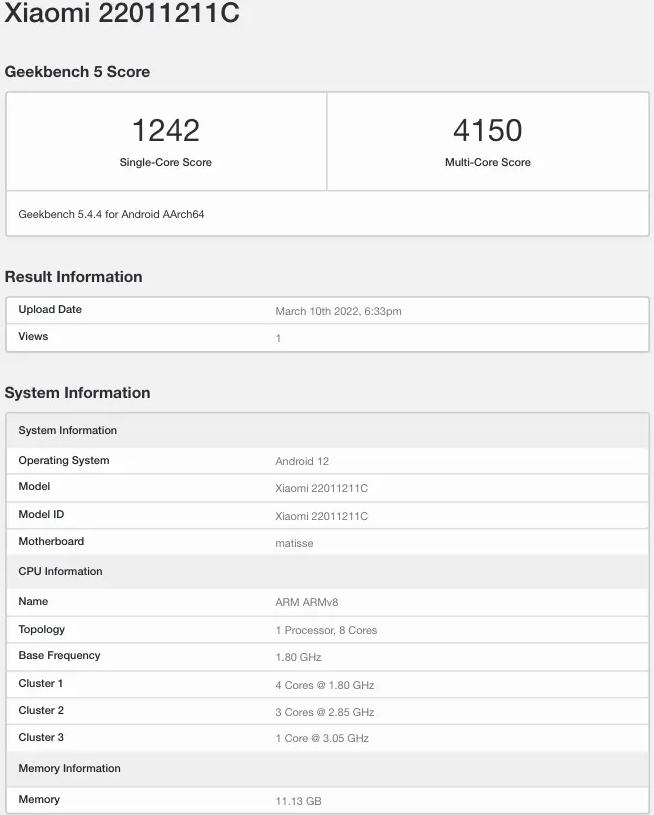
Redmi K50 series is scheduled to be announced in China next week. But prior to the March 17 launch, the two Pro models within the lineup were spotted on GeekBench, which also listed a number of the K50 Pro+ and K50 Pro‘s specifications.
According to a MySmartPricereport, a smartphone with model number 22041211AC was listed on the popular benchmarking platform. This model is believed to be the Redmi K50 Pro. Similarly, the K50 Pro+ was also spotted on GeekBench with the 22011211C model number. Both models will likely run on MIUI 13, since they were listed with Android 12 OS. Furthermore, the K50 Pro will come with up to 12GB of RAM.
Furthermore, this model will also run on MediaTek’s Dimensity 8100 SoC, although, this was already confirmed by the brand previously. This chipset is coupled with the Arm Mali G610 MC6 GPU with HyperEngine 5.0 gaming suite. On the other hand, the K50 Pro+ was spotted on the platform with Dimensity 9000 SoC, paired with 12GB of RAM and Android 12 OS as well. This chipset is also coupled with Mali G710 MC10 GPU.
Talking about the base K50 variant, this model will launch alongside the two Pro models on March 17. It will reportedly sport a 6.6 inch AMOLED display with a 120Hz refresh rate and 4,700mAh battery pack, with support for 120W fast charging rate. The smartphone will also probably run on Android 12 out of the box, however, we will have to wait for its official release to know for sure. So stick around for more updates.
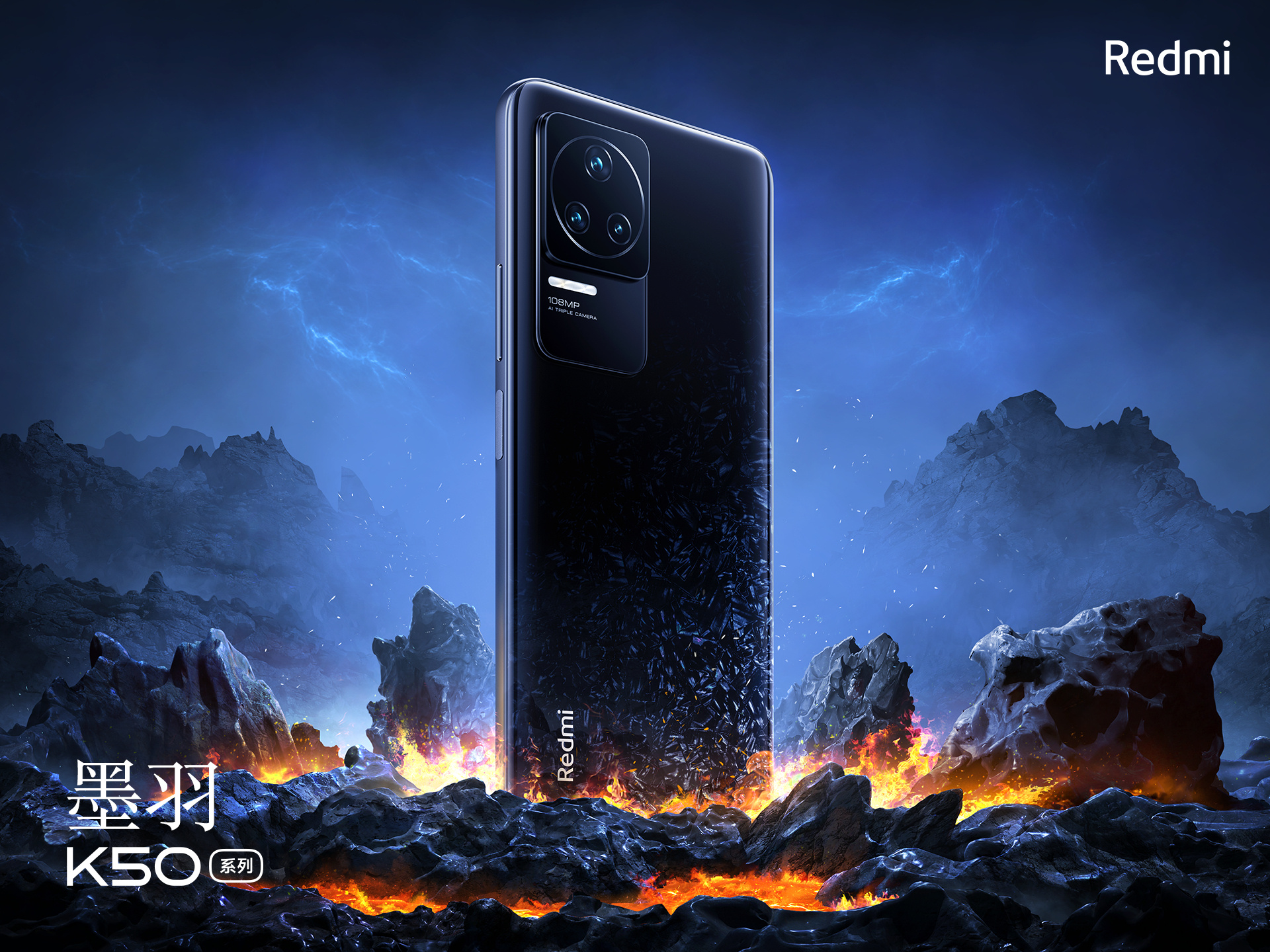
Xiaomi’s sub-brand Redmi will be announcing the Redmi K50, Redmi K50 Pro, and Redmi K50 Pro+ smartphones on March 17 in China. Yesterday, the company released a poster to showcase the rear camera design of the K50 lineup. Today, it rolled out a new poster to give a good look at its rear design.
Shown below is the “Black Feather” color variant of the Redmi K50 series. The upper-left corner of the phone’s back features a triple camera unit, which is headlined by a 108-megapixel camera. Below it is a flashlight strip, which seems to house a dual-LED unit. The right edge of the phone has a volume rocker and a power key.
The Redmi K50 trio is likely to sport the same rear design. It is unclear whether the vanilla K50 will have a 108-megapixel main camera. However, reports have revealed that the Redmi K50 Pro+ will feature a 108-megapixel primary camera with OIS support, while the K50 Pro will have the same camera without OIS support.
Hence, it appears that the handset shown in the new poster could be the Redmi K50 Pro or Pro+. The bottom portion of the phone’s back panel has a crystal-like pattern that seems to glow when light passes through it. The front side of the phone has yet to be revealed. However, rumors surrounding it have claimed that the K50 lineup will have an AMOLED display with a centrally positioned punch-hole.
The K50, K50 Pro, and K50 Pro+ are rumored to be powered by the Snapdragon 870, Dimensity 8100, and Dimensity 9000 chipsets, respectively. The K50 and K50 Pro may have support for 67W fast charging, while the Pro+ variant may come with 120W rapid charging support.
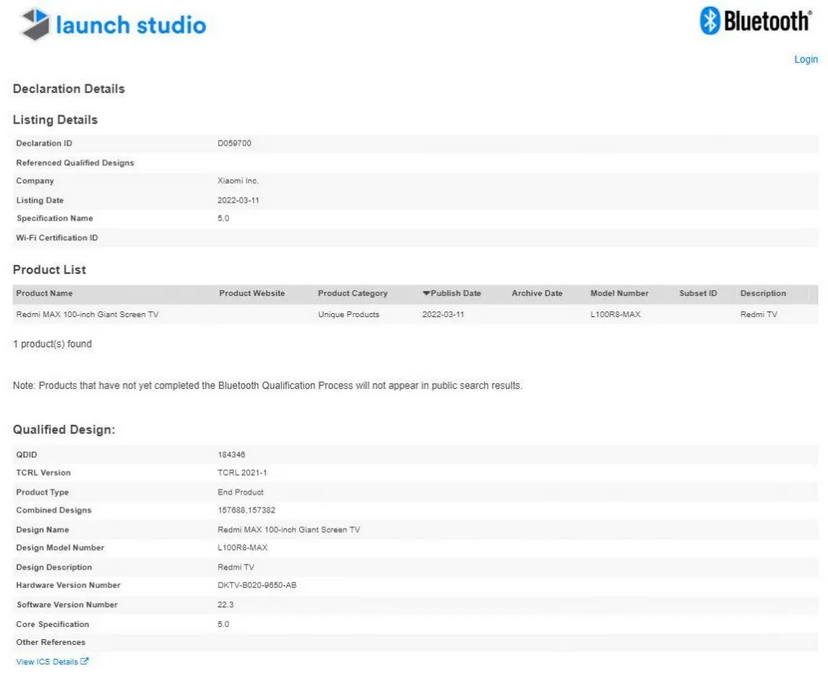
Redmi, the budget smartphone making unit of Xiaomi, is apparently planning on launching a new smart TV in its home country of China. It appears that the company will soon launch a top end TV with a massive 100 inch display size.
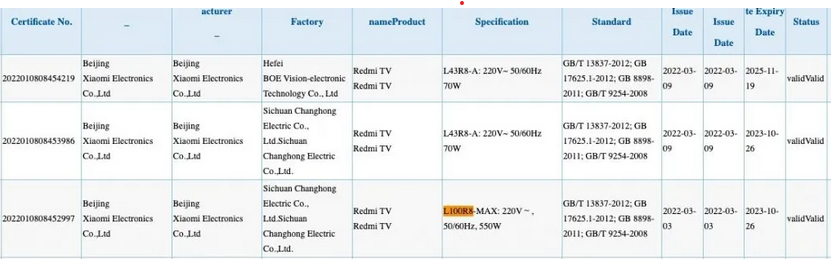
According to a MySmartPricereport, the Chinese company’s new MAX smart TV has been spotted on various certification websites. It is a 100 inch smart TV model that has surfaced on Bluetooth SIG certification and even 3C certification database as well. It carries the model number L100R8-MAX and was also listed with its actual name, the Redmi MAX 100 inch Giant Screen TV. Notably, the company had released the Redmi Smart TV 98 inch MAX back in 2020, so this version might be its successor.
The 98 inch smart TV was also launched in India, and supports 4K resolution. So, we can expect the newer model to also release in India and carry a similar, if not higher resolution. As per the Bluetooth SIG certification, the upcoming MAX 100 inch Giant Screen TV will feature Bluetooth 5.0. Unfortunately, this is also the information shared on this listing. However, the 3C certification database in China revealed that the display panel on the TV will arrive with a 60Hz refresh rate.
Finer details regarding this new smart TV is still at large, but, we can make some speculations based on the previously launched MAX model. The 98 inch model featured 4K resolution along with 85 percent NTSC color gamut and 192 dynamic backlight zones. Furthermore, it was also powered by a custom 12nm chipset that was paired with 4GB of RAM and 64GB of internal storage. So, the new 100 inch model will likely feature at least these specifications, alongside some improvements as well.
A HUAWEI device with model number NOH-AN50 has appeared with the Kirin 9000L on Geekbench. Named Mate 40E Pro 5G, its benchmark scores indicate that it performs very similarly to the Dimensity 1200.
The single-core scores average around 900 while the multi-core scores average around 2,800, which puts it in the upper mid-range bracket by 2022 standards (via Huawei Central).
Via Geekbench
The Kirin 9000L is actually a slightly toned-down version of the original Kirin 9000 and 9000E chipsets, with a slightly lower peak clock speed of 2.86GHz, compared to the 3.13GHz frequency of the other two. Its GPU is slightly less powerful too with the Mali-G78 being an 18 core unit as opposed to the 24 and 22 cores on the Kirin 9000 and Kirin 9000E, respectively.
The chip’s configuration includes 1x Cortex-A77 at 2.86GHz + 2x Cortex-A77 at 2.54GHz + 3x Cortex-A55 at 2.05GHz.
The Huawei Mate 40E Pro 5G already went on sale in China last month for 6,700 Yuan (around $1,062) for the 8GB RAM and 256GB internal storage variant. It features a 6.76-inch OLED FHD+ display, a triple camera setup at the rear, and a 4,400mAh battery with support for 66W super-fast charging.
When I first saw the DOOGEE V20, I was amazed. The phone brings in a new choice for people who need a rugged phone. The V20 is basically a rugged phone with a flagship look and a great screen.
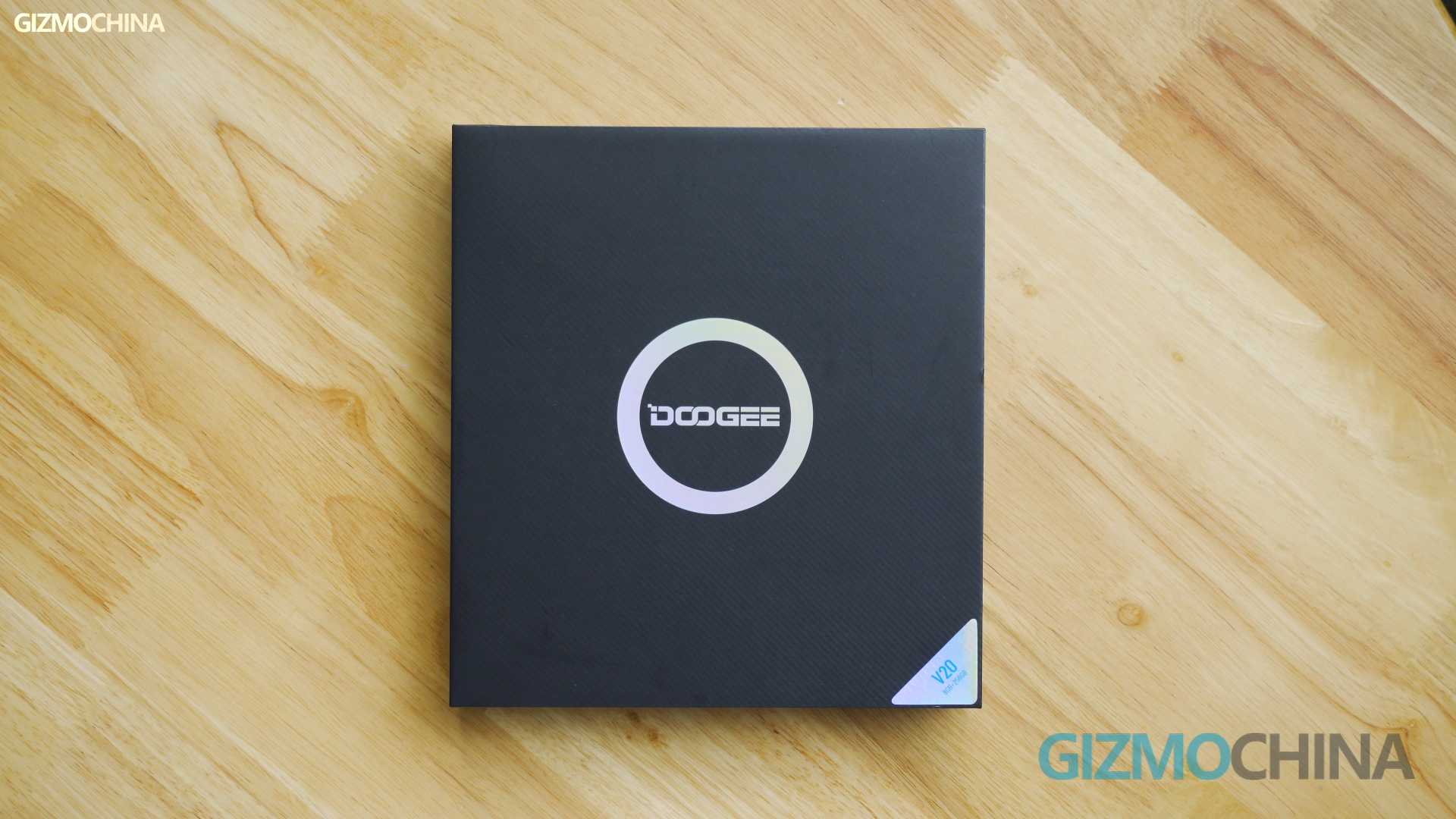
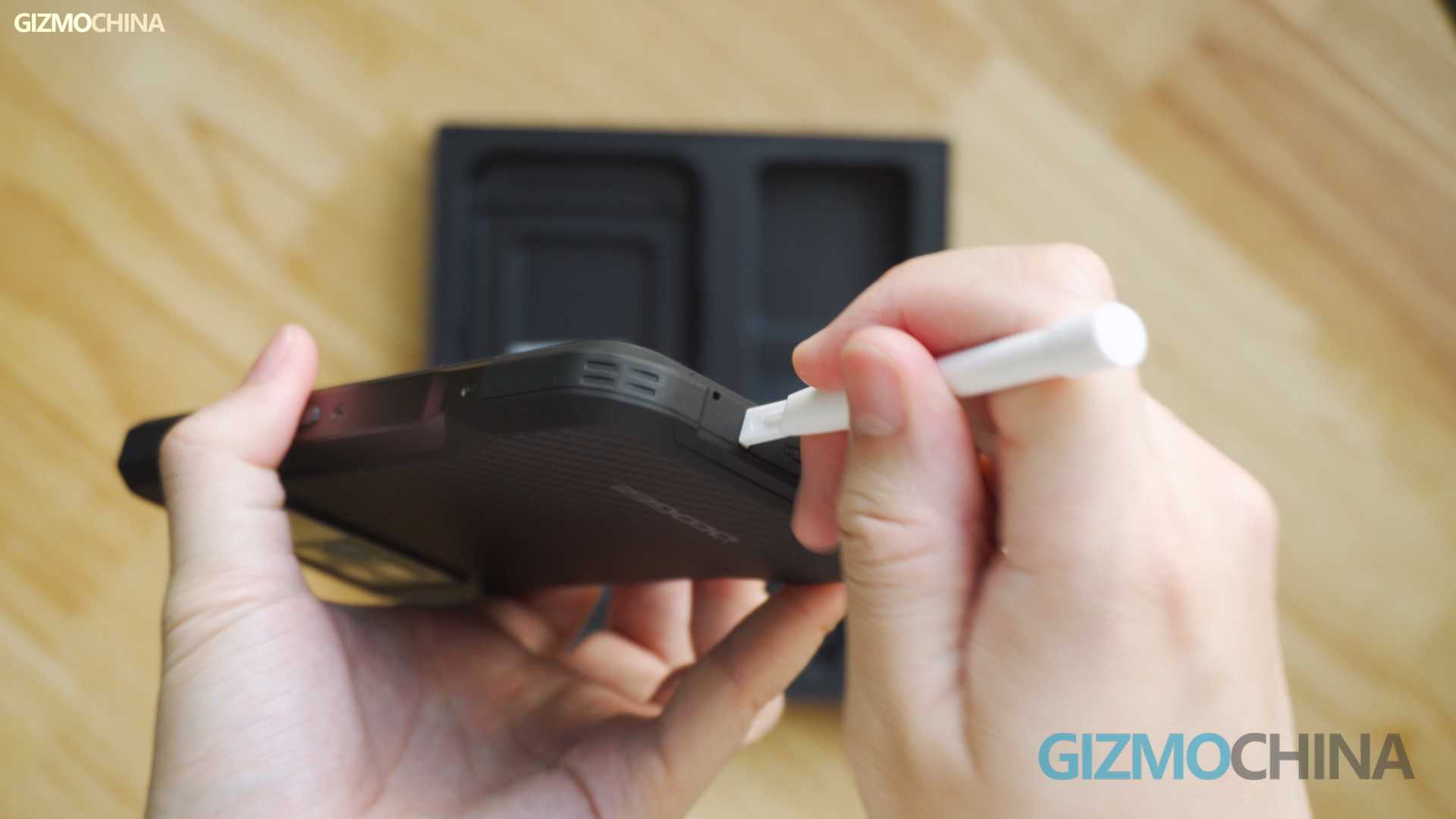
As soon as I saw the box of DOOGEE V20, I knew it was different from other rugged phones. When you open the box, you can see the rich accessories inside. One of the most eye-catching ones is the white pry bar.
I have to say that DOOGEE is really thoughtful. It helps you to open the SIM Card Slot and charging port to avoid damaging your nails. And the phone comes with a pre-installed tempered film protector. However, DOOGEE still adds an extra Anti-explosion film in the box.
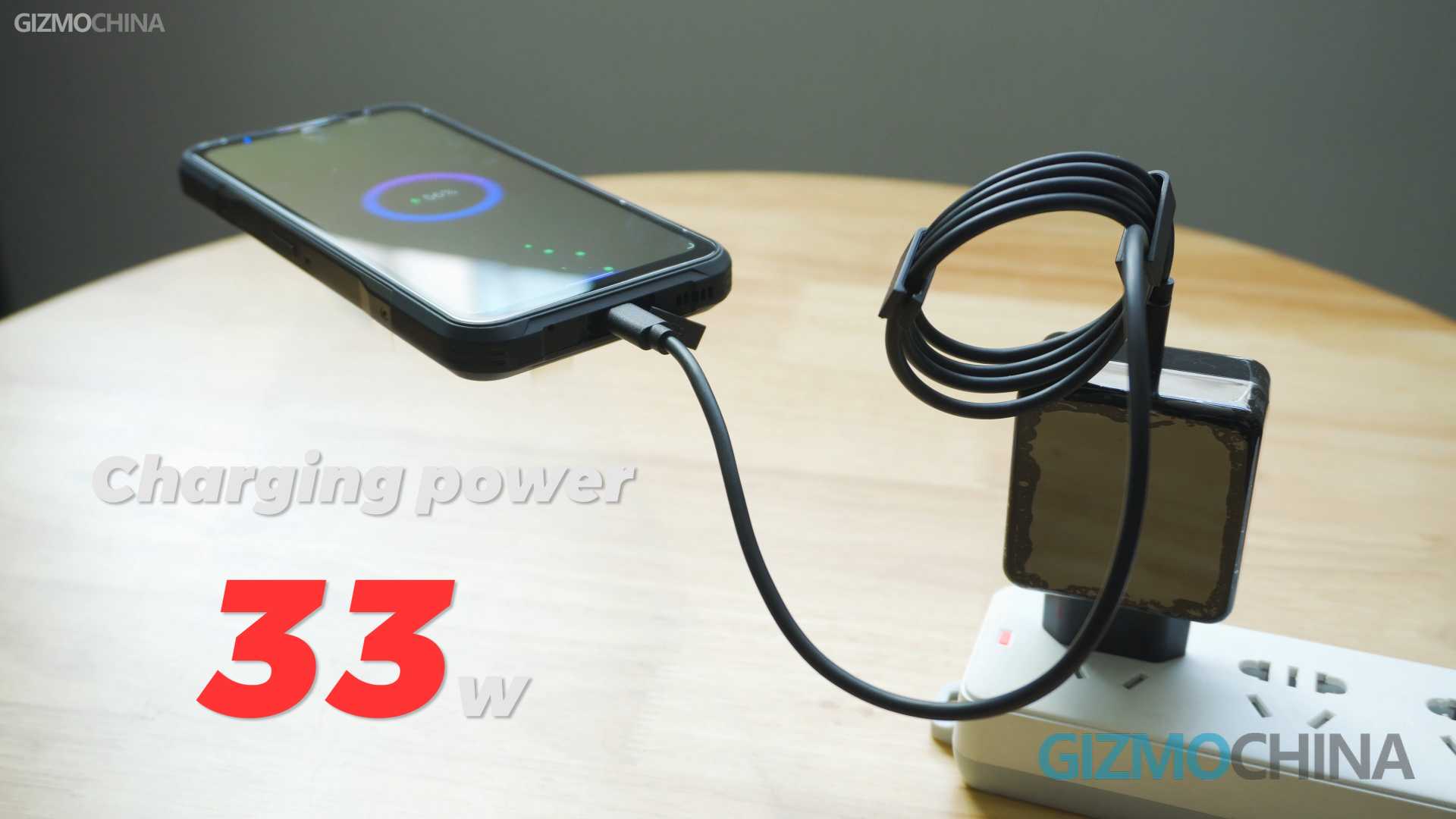
This power brick here is a 33w Type-C charger. And we tested its compatibility performance and found that it performed well, supporting PD 3.0 and PPS. It comes with a USB C to A Female cable. As you can see, the V20 is already better than most rugged phones right from its unboxing.
Doogee V20 Review: Design
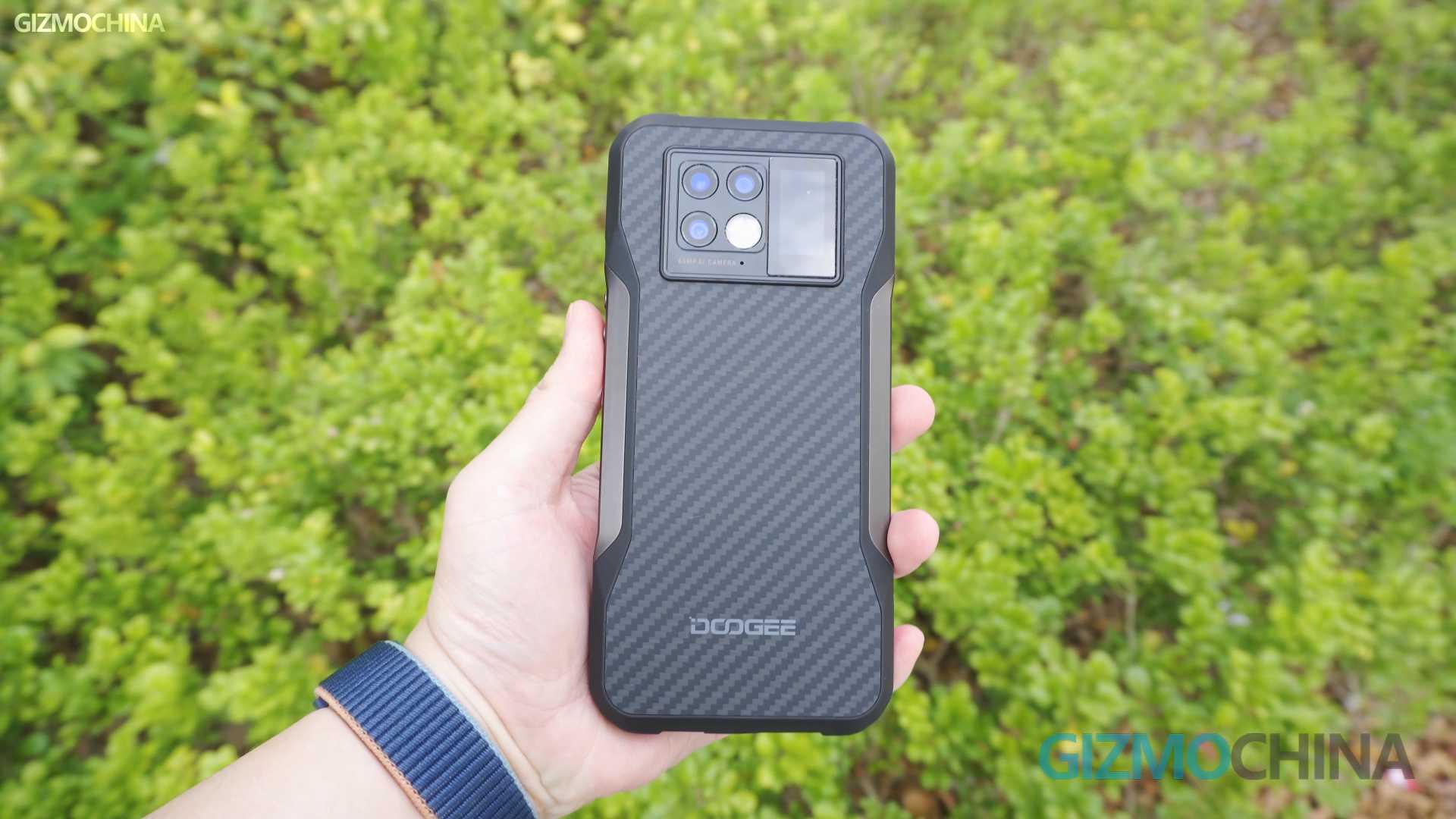
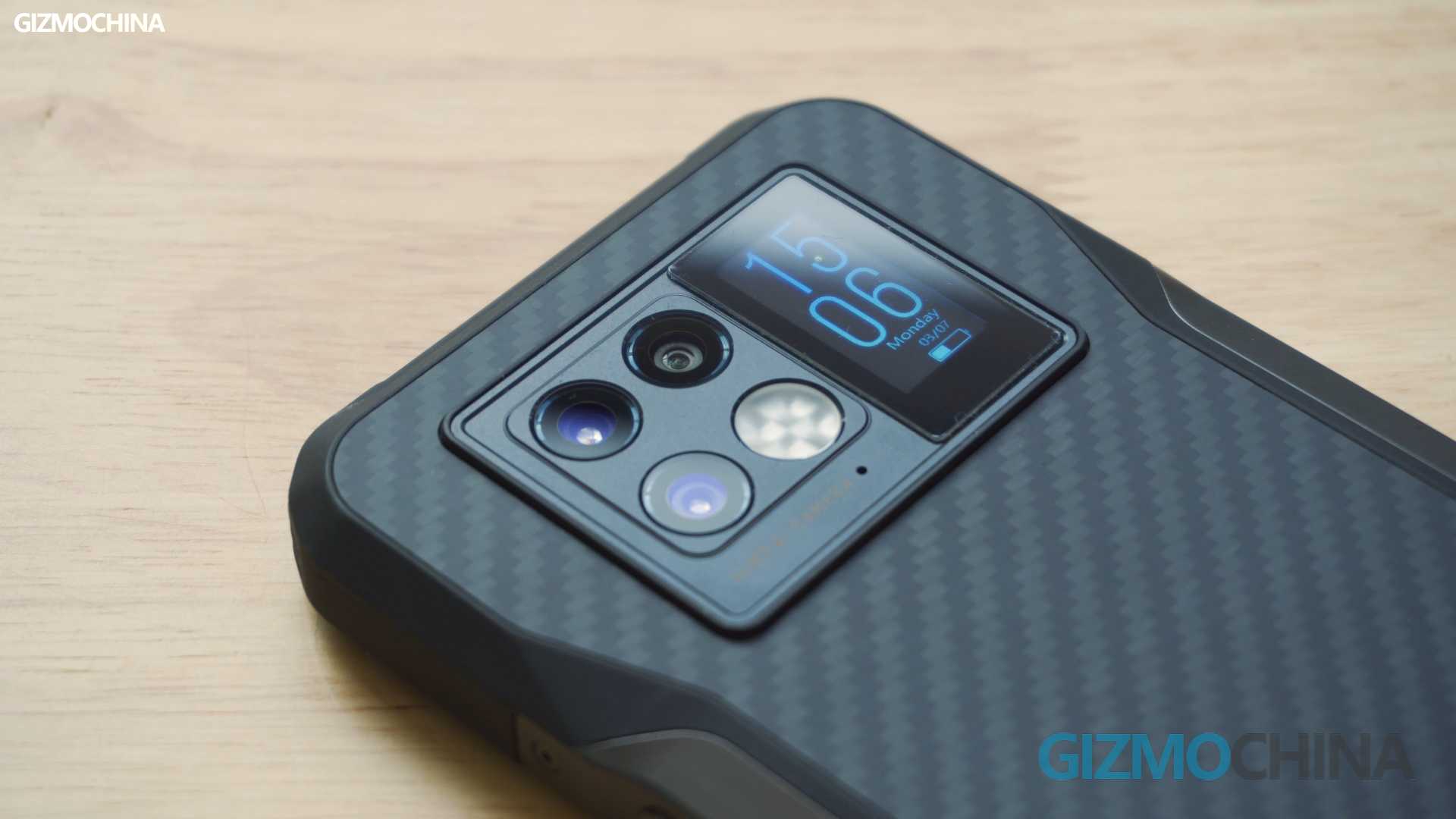
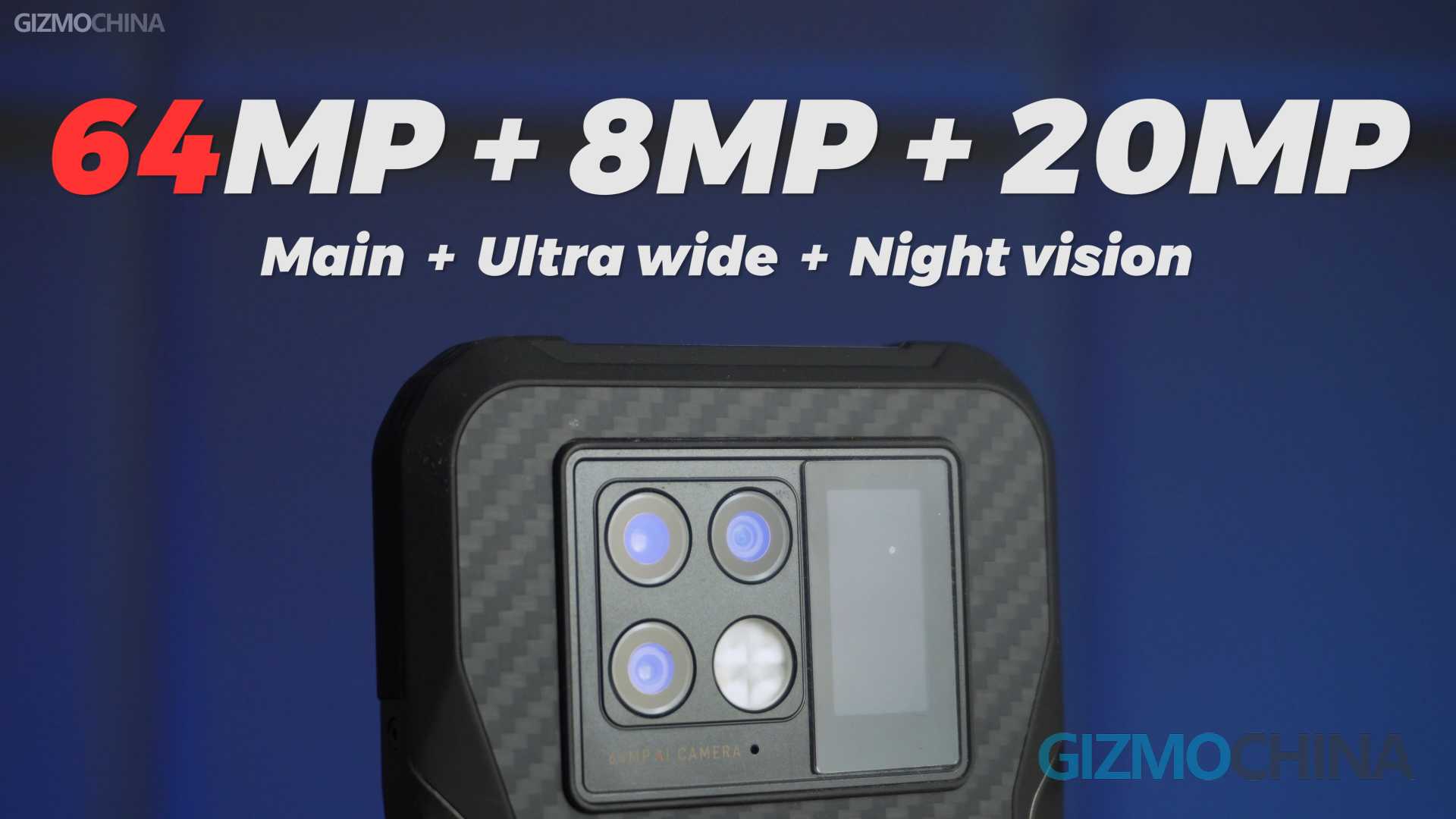
I thought there was nothing much to say about the design of the rugged phone. It’s just a rubberized case with a few cameras in the middle. The bezel has some screws, and that’s it. But the design of the V20 does have some unique features. The rubber around the perimeter is not very raised, and the overall look is relatively flat. The material on the back is real carbon fiber. It is very smooth to touch and won’t be easily damaged. The most notable feature of the design is the camera module. Rectangular camera modules are common, but the small screen next to it is very interesting.
Yes, it’s a small touch screen. Time can be displayed and songs can be switched. It also comes with a tempered film pre-applied. Unfortunately, the rear screen can’t be used to show the camera preview.
Looking at the three lenses, we seem to have seen this design somewhere…. right?
Any way, you won’t see such a special design on other rugged phones. It has NFC and customizable buttons, which DOOGEE calls the Easy Key for customizable shortcuts. It also has a SIM Card Tray with Micro SD Card slot. Except for the lack of a headphone jack, the phone has all the features you’d want on a rugged device.
Doogee V20 Review: Display
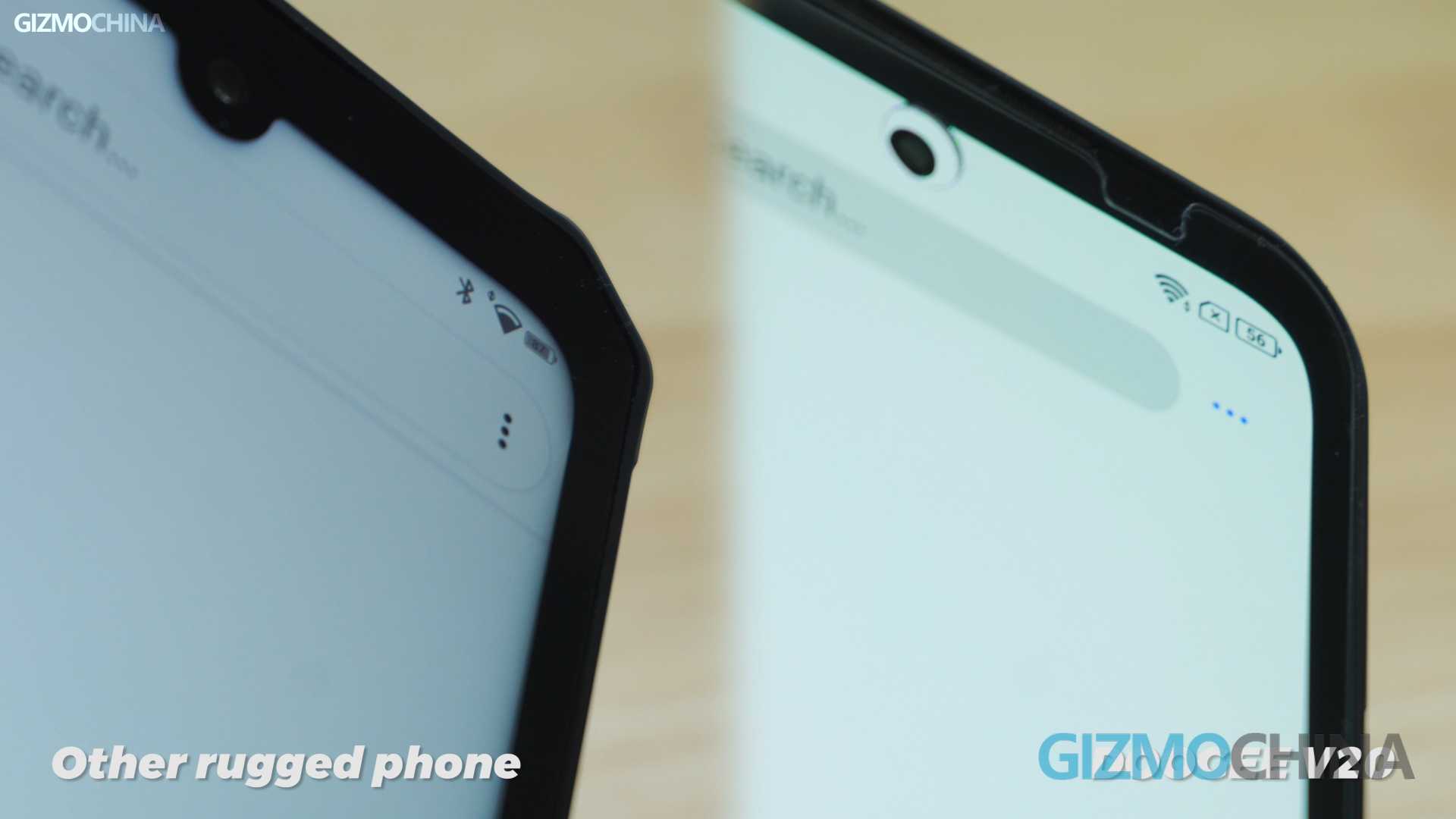
But if you think the design of the V20 is its biggest selling point, you are in for a surprise. The phone’s biggest selling point is actually the screen. While other rugged phones are using LCD screens, the V20 is already using OLED. This OLED screen comes with a maximum brightness of 500 nits and definitely ranks on top among rugged phones.
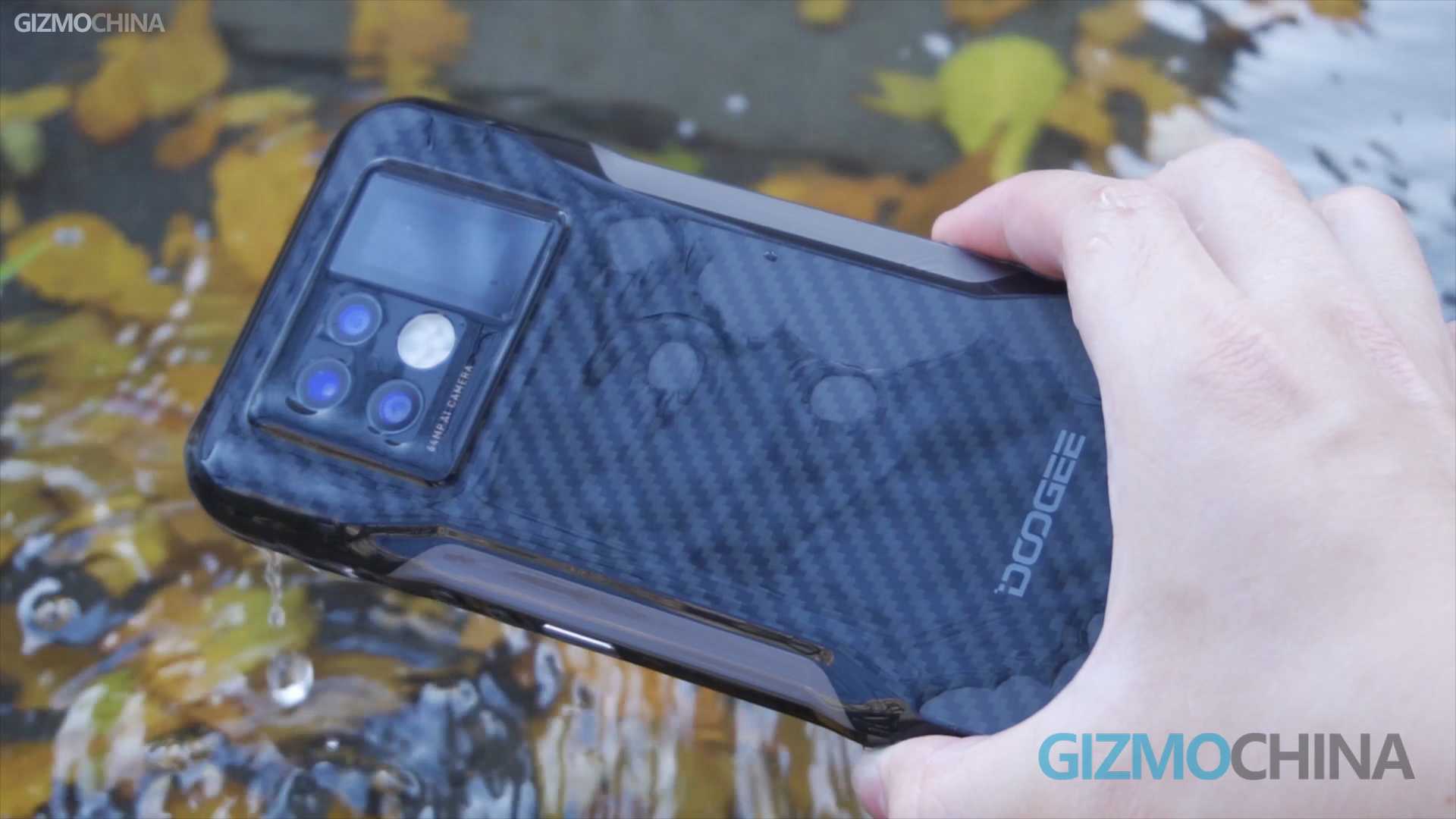
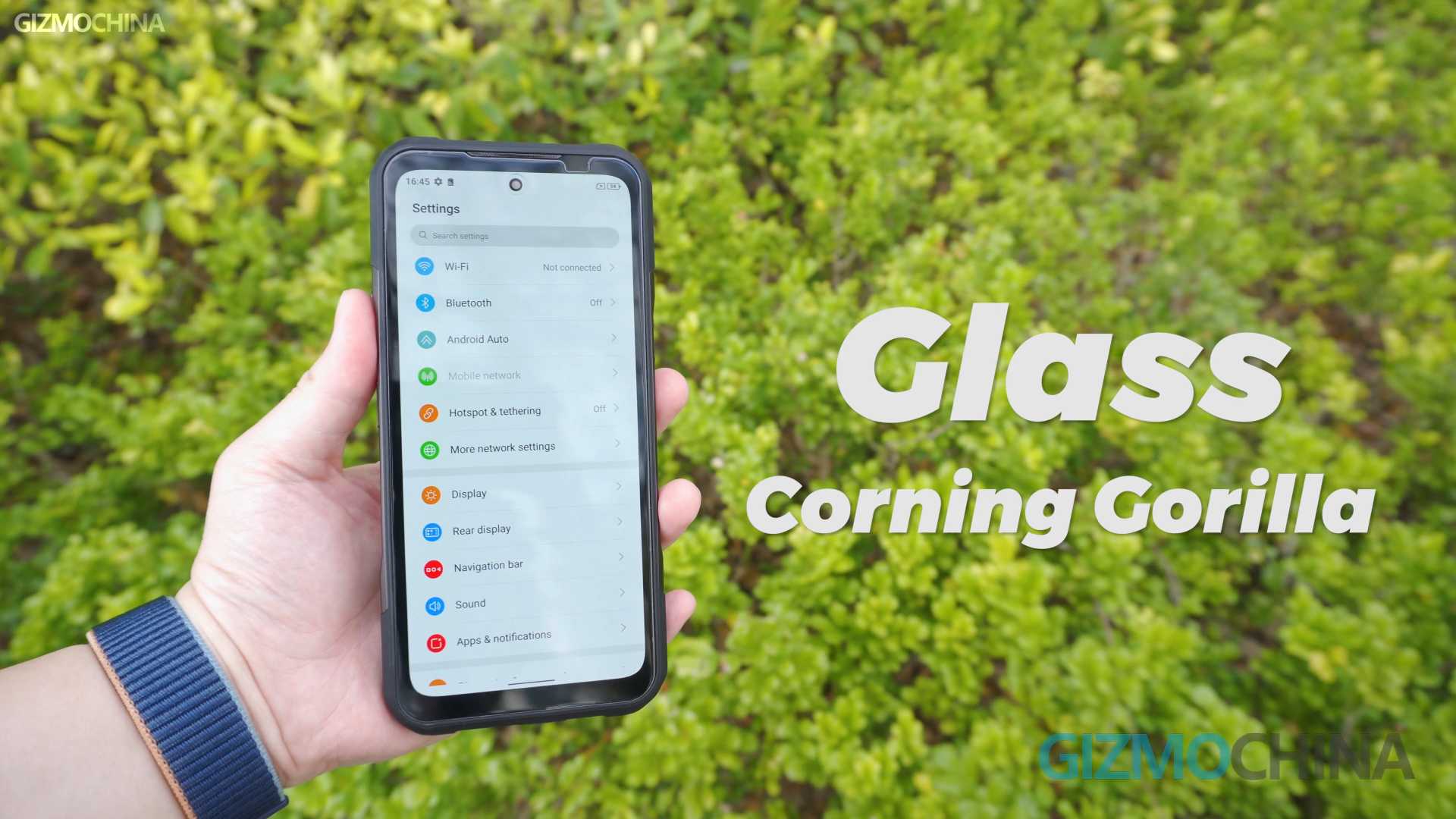
Let’s compare it with other rugged phones featuring LCD screens. It is pretty obvious that there are shadows around the LCD screen of other rugged devices and the black areas are not pure black either. However, the V20 has none of these problems. The colors are vivid and the contrast is high, so you can enjoy a good experience with a high quality screen, even outdoors. A good screen must be protected, the protective glass of Corning Gorilla plus the tempered film is enough to ensure that the screen is not broken when dropped at a height of 1.8 meters. All interfaces are waterproof and it is IP68 and IP69K certified.
Doogee V20 Review: Cameras
The camera system of V20 consists of a 64MP main camera, 8MP ultra-wide camera, and 20MP Night vision Camera. This camera system has performed well in the past few days of use. Because the main camera doesn’t have four in one pixel in auto mode like other phones, you get a clear, sharp photo most of the time. The benefit of the native 64 mega pixel is that you can crop the photo and it will still be sharp.
Main
1 of 9
Night
Night
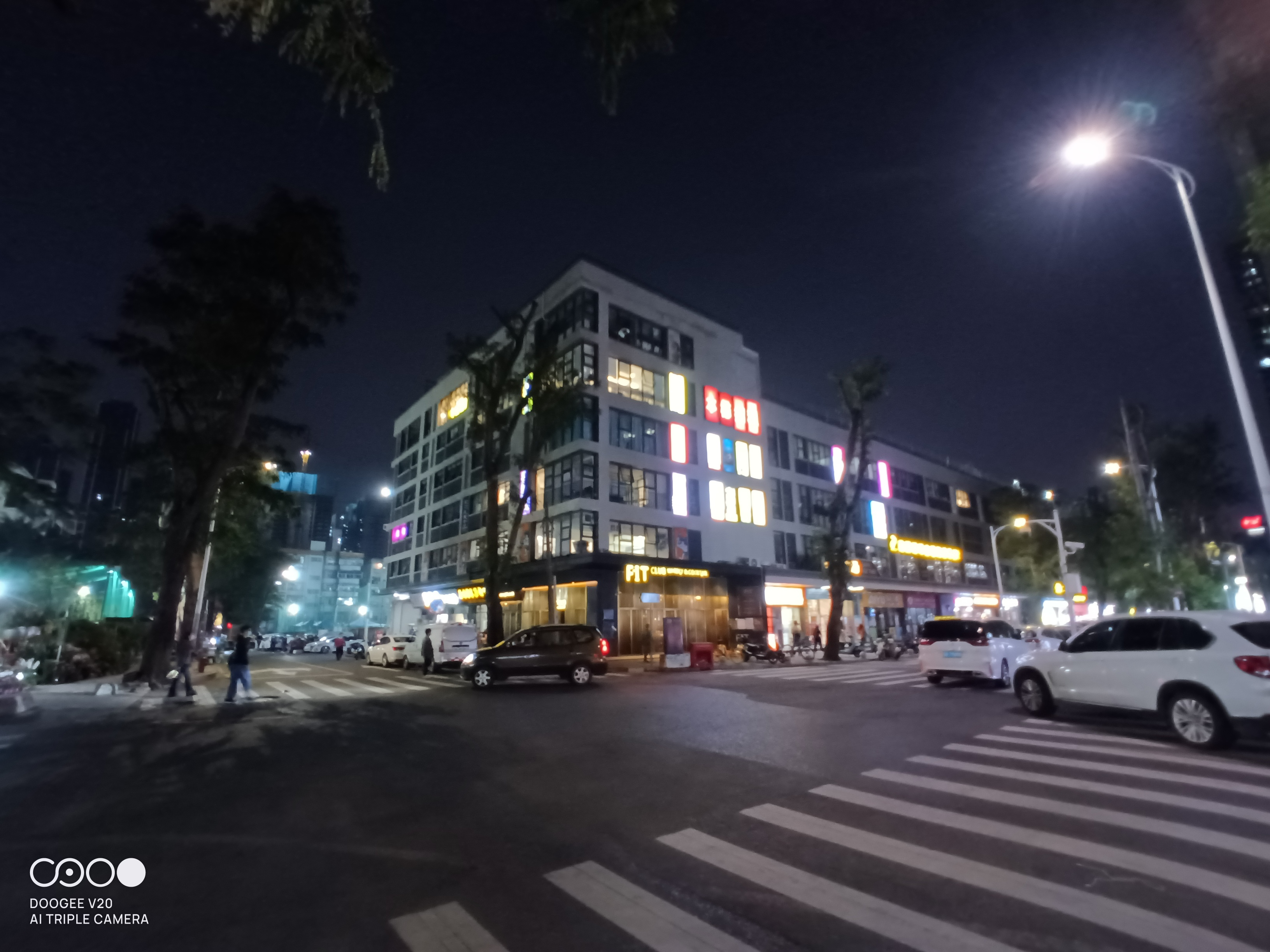
Night mode is sometimes blurrier than photos taken in auto mode, so you can actually use auto mode for all scenes. Unless the environment is very dark, there is no need to switch to night mode.
Ultrawide
1 of 7
The ultra-wide camera can help you capture a wider range of images, but of course its photo quality is still inferior compared to the main camera.
Night Vision
1 of 3
Night vision camera is actually an infrared camera, but unfortunately this camera cannot auto-focus. When you are too close to the subject, infrared fill light will flash to remind you that the object is not in focus. When you move away from the object, it will return to normal. This will reduce your chances of getting a blurry picture. If you are using the video mode, the IR fill light will not flash.
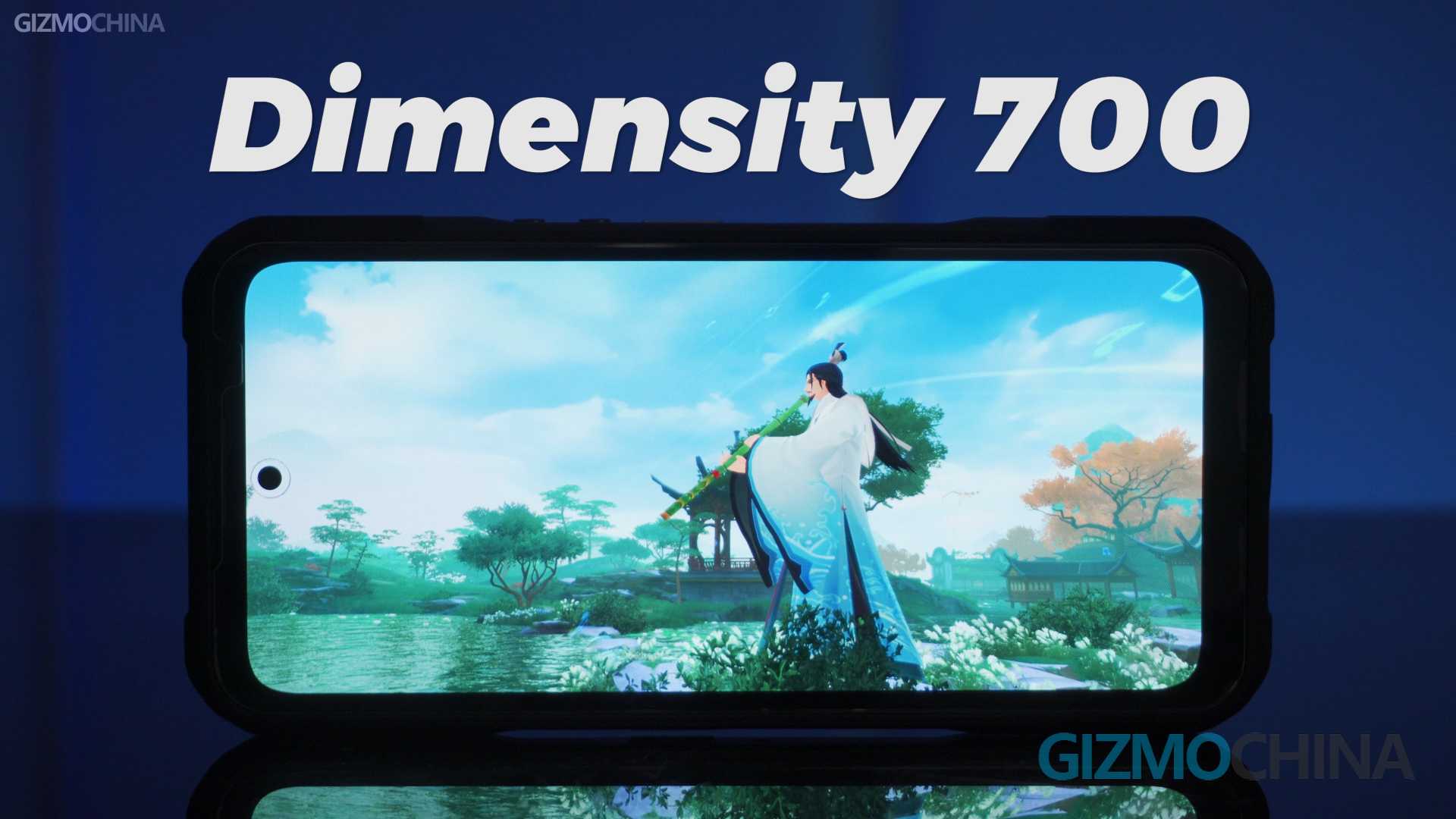
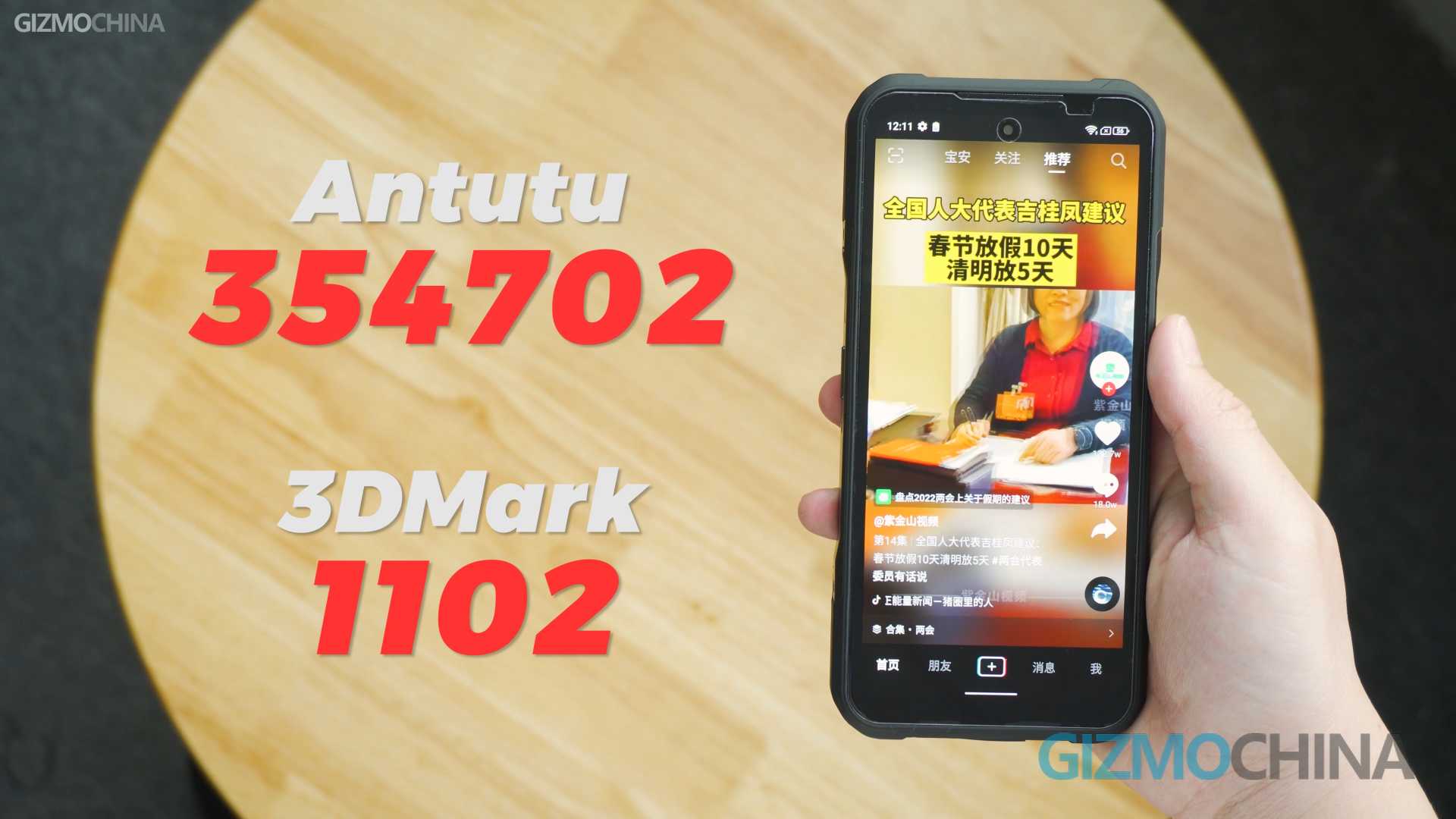
DOOGEE V20 uses the Dimensity 700 processor. We have seen this processor in many rugged phones. But we still decided to test its performance. The Antutu Bench score is 350,000 and the 3DMark score is 1102. As long as we don’t make things difficult for this processor, it has no problem handling daily applications and light games. For example, PUBG is also stable at 40fps.
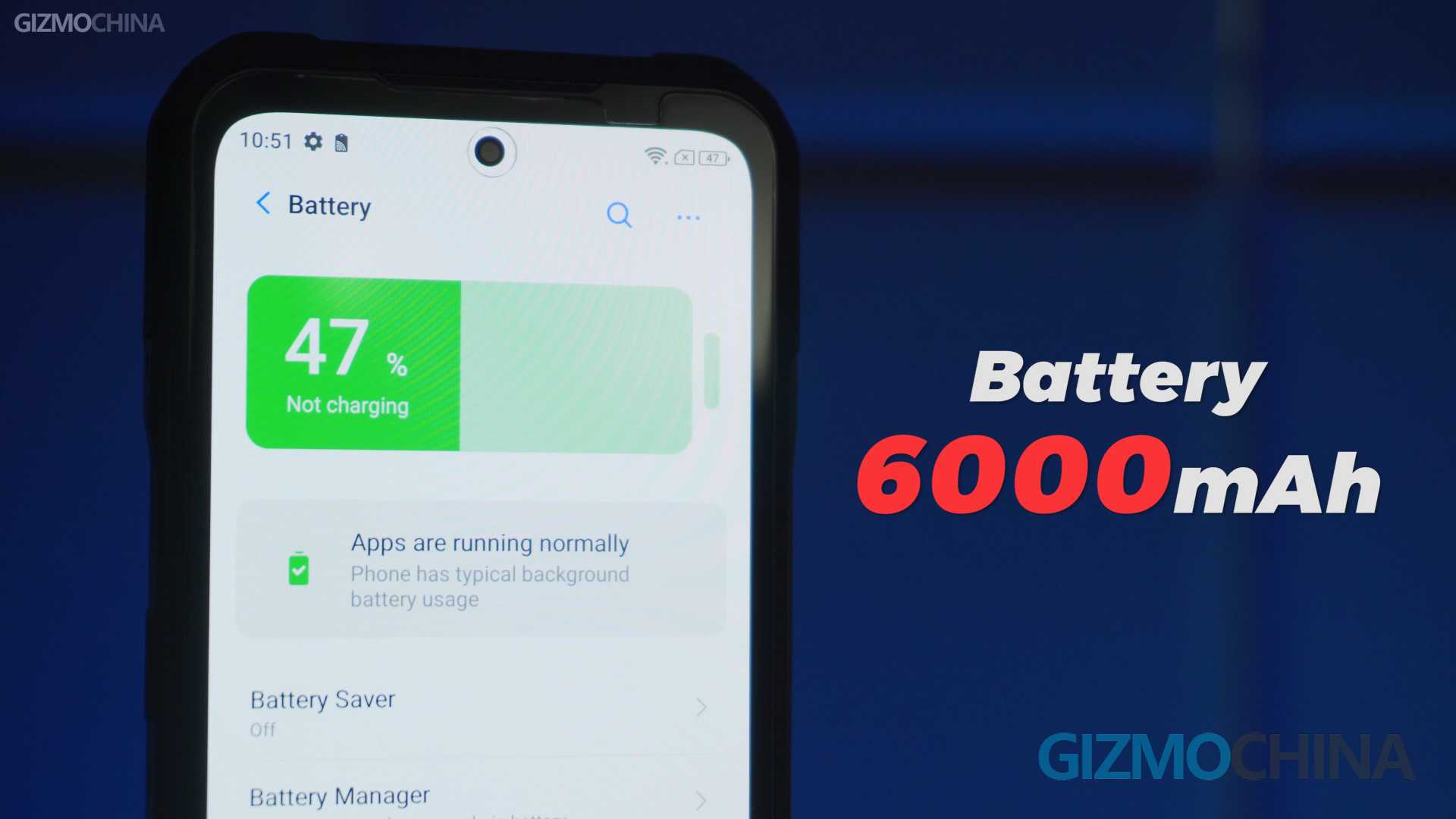
The battery capacity is 6000mAh, and you can use it for two or three days without charging. While the V20 may not have the largest battery capacity we’ve ever seen, it’s definitely one of the fastest charging rugged phones in the market. And, it supports 15w wireless charging too! This is not common among rugged phones.
To conclude, the rugged phone market is pretty uniform and there are hardly any phones that can distinguish itself from the crowd. And DOOGEE V20 is one of them. It has an OLED screen and a unique design that no one else has. It gives the target users a new choice, and that’s the biggest point of its existence.
The HUAWEI P50E is all set to be launched on March 16th along with a number of other products including MatePad Paper ink tablet, Sound Joy speaker, and more. Ahead of that, a tipster has shared a little of what to expect from the device.
First things first, the HUAWEI P50E will be powered by the Snapdragon 778G 4G processor (via My Drivers). The 5G version of the chip was fairly popular in mid-range devices last year but still holds up quite well by 2022 standards. The P50E will be using its 4G version because of the US ban.
HUAWEI P50 4G
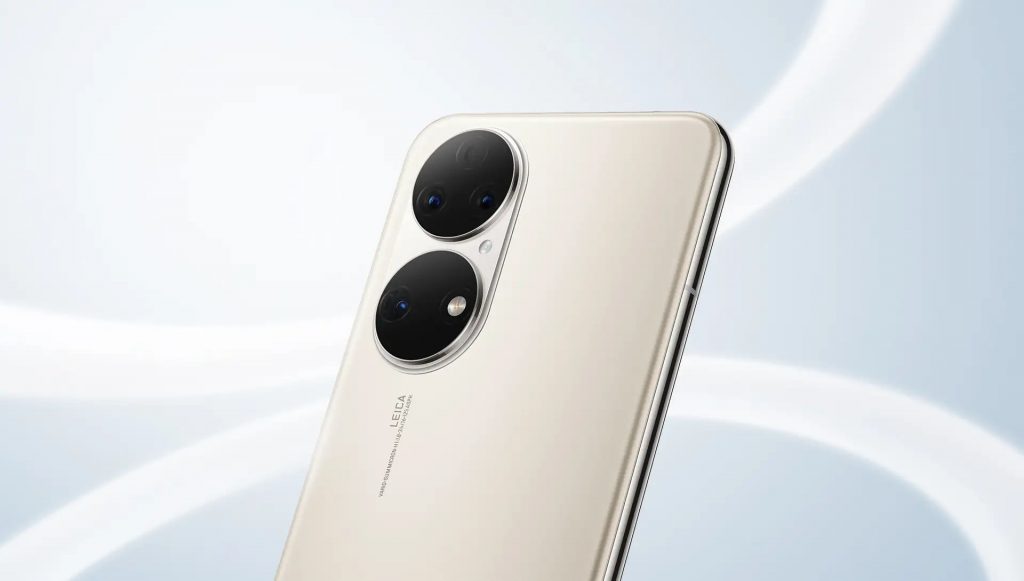
The design of the phone will be very similar to the HUAWEI P50 that was launched in July 2021. The older device has a premium build with a unique dual-ring camera design, each housing multiple lenses.
All in all, the HUAWEI P50E looks to be a more affordable, mid-range version of the standard P50. Previous leaks had indicated that it will start at approximately 4,000 Yuan (around $630) in China.
Meanwhile, the HUAWEI P50 series that was launched in July 2021 started from 4,488 Yuan (around $710), of which the P50 is powered by the Snapdragon 888 4G while the P50 Pro came in two chip variants — one is equipped with the Kirin 9000 4G and the other with the Snapdragon 888 4G.
It is worth mentioning here that although 5G is not supported by either of the devices, Yu Chengdong, CEO of Huawei’s consumer business, previously stated that Huawei P50 series users can still get a great networking experience through 4G+WiFi6+AI technologies.
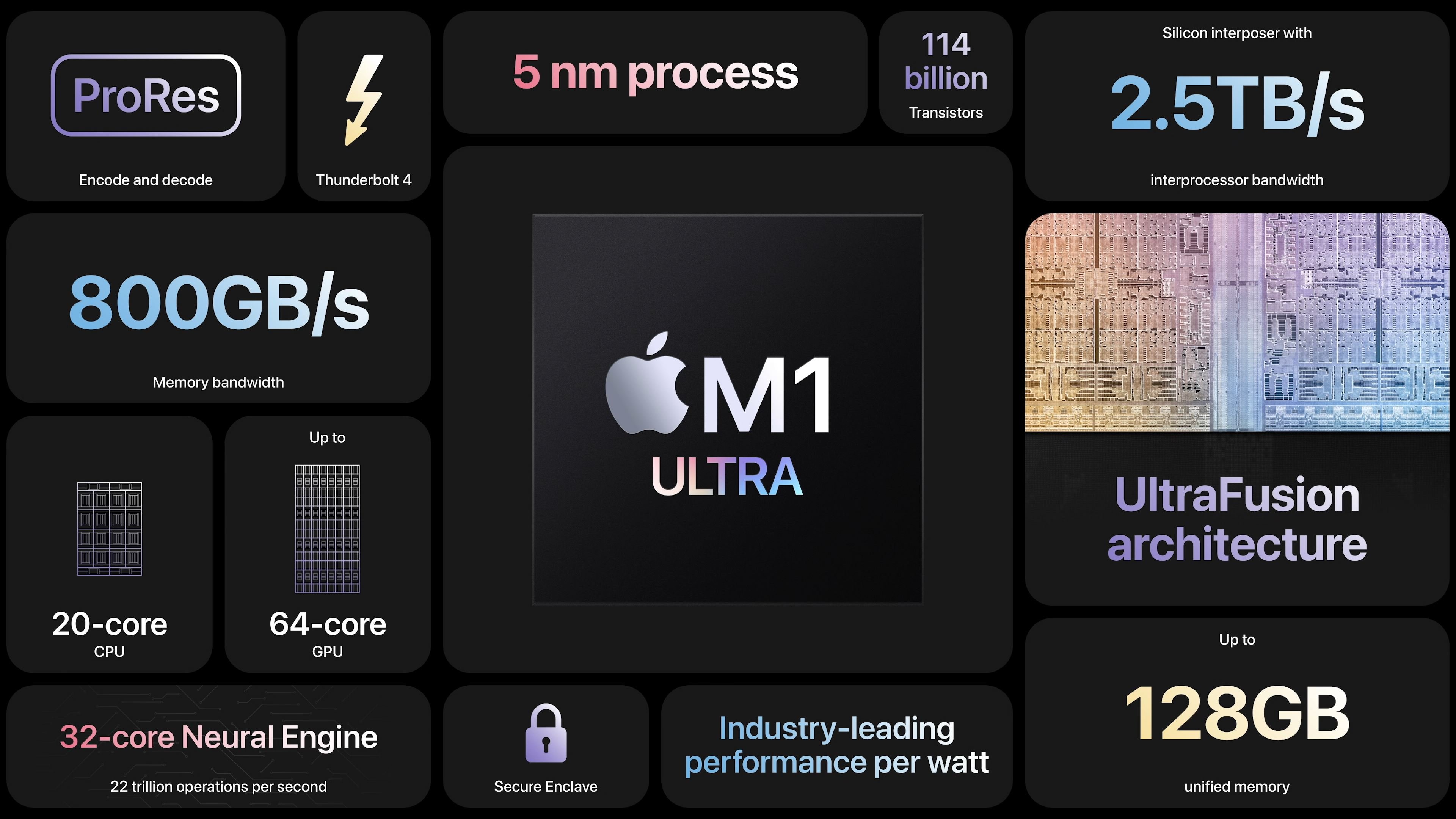
Apple had just launched its top end desktop series processor, the M1 Ultra. This chipset has been surfacing on benchmarking platforms, and now, the chipset has been spotted on GeekBench where it beat some notable chips from Intel and AMD.
According to a Tweet from @TheGalox_, the Cupertino based giant’s newly unveiled M1 Ultra passed through GeekBench with a score of 24,055 points in the multi core tests and 1793 points in single core tests. This result was quite impressive considering it beat Team Blue’s high end Core i9-12900K processor that only scored 17,299 points in the multi core tests. Although, its single core tests were slightly faster with a score of 1893.
However, the M1 Ultra’s performance really impressive when you pit it against Team Red’s Ryzen Threadripper PRO 5975WX chipset. This is a enterprise grade processor that scored 27603 points in multi core tests. Keep in mind, the Threadripper has 32 cores while the M1 Ultra has just 20 cores. Furthermore, we had also recently reported on an early benchmark of the M1 Ultra nearly rivaling the Ryzen Threadripper 3990X processor, which has a whopping 64 cores.
Just saying, but geekbench scales a lot worse on windows than on macos so scores aren't really comparable, Cinebench is better
While the new Apple chip did not beat the AMD chips, it came extremely close to matching both chipsets. This is quite impressive for a chipset that is basically two M1 Max SoCs combined together. Although, this is just synthetic benchmarks that only depict raw performance in one particular platform. So it does not directly imply that the chip is already outperforming every other chipset in the market. But, it is still impressive nonetheless.
We use cookies on our website to give you the most relevant experience by remembering your preferences and repeat visits. By clicking “Accept”, you consent to the use of ALL the cookies.
This website uses cookies to improve your experience while you navigate through the website. Out of these, the cookies that are categorized as necessary are stored on your browser as they are essential for the working of basic functionalities of the website. We also use third-party cookies that help us analyze and understand how you use this website. These cookies will be stored in your browser only with your consent. You also have the option to opt-out of these cookies. But opting out of some of these cookies may affect your browsing experience.
Necessary cookies are absolutely essential for the website to function properly. This category only includes cookies that ensures basic functionalities and security features of the website. These cookies do not store any personal information.
Any cookies that may not be particularly necessary for the website to function and is used specifically to collect user personal data via analytics, ads, other embedded contents are termed as non-necessary cookies. It is mandatory to procure user consent prior to running these cookies on your website.