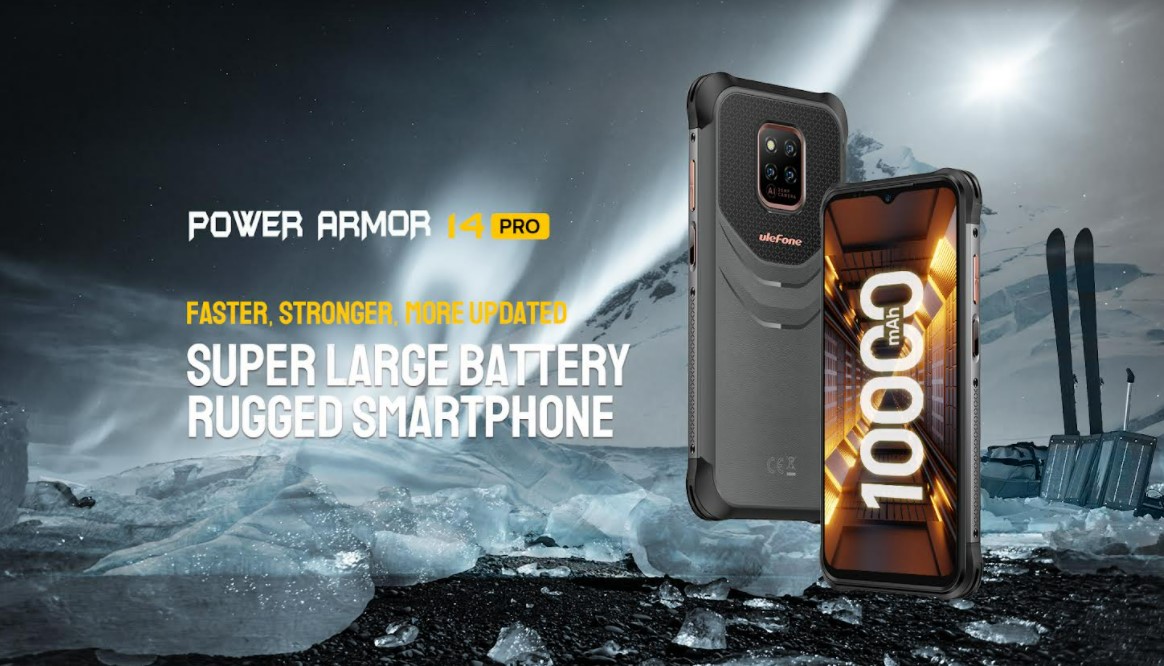
Ulefone has come out with its latest Power Armor Phone the Ulefone Power Armor 14 Pro. An obvious upgrade to the Power Armor 14, the 14 Pro smartphone retains all the best features of its predecessor but comes with upgraded specs. So let’s check out the Power Armor 14 Pro.
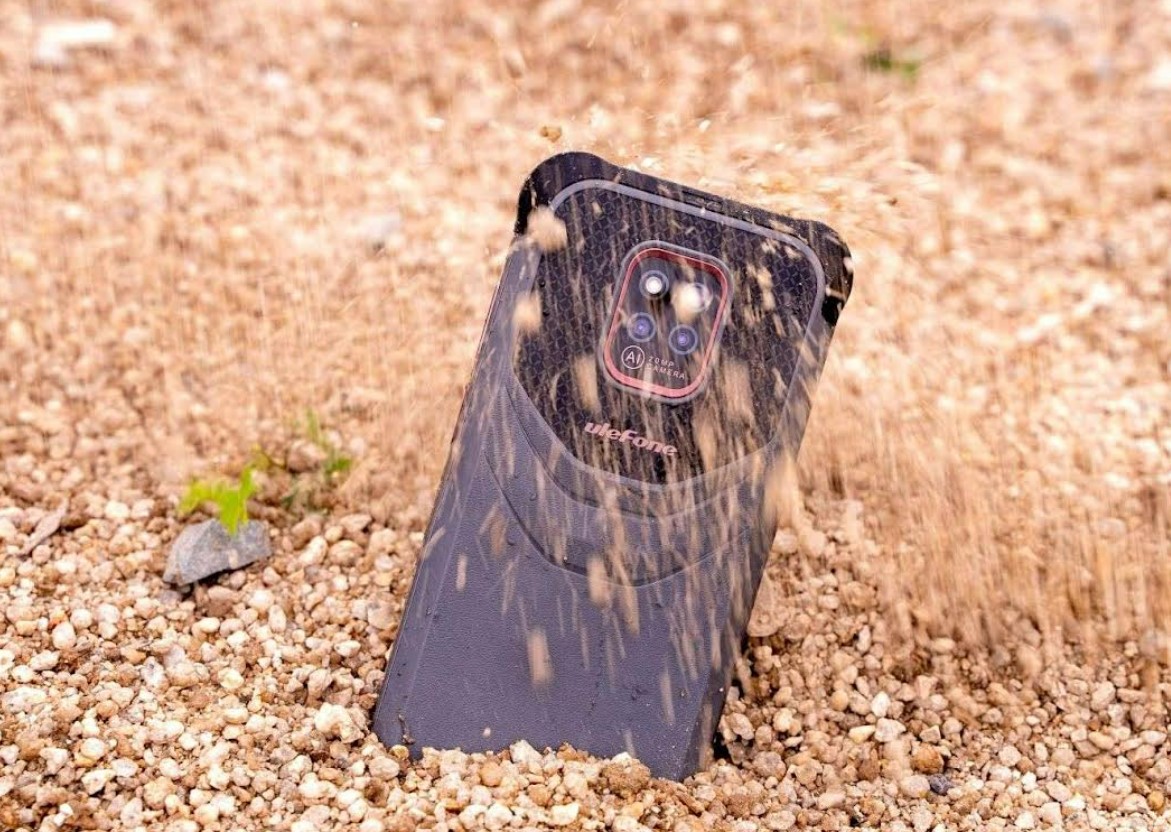
Ulefone Power Armor 14 Pro is designed to withstand the harsh and extreme outdoors. And to that end, this 6.52” smartphone comes with IP68/69K and MIL-STD – 810G military-grade certifications. This means the phone is dust, dirt, shock, and waterproof and can perform under extreme and harsh conditions.
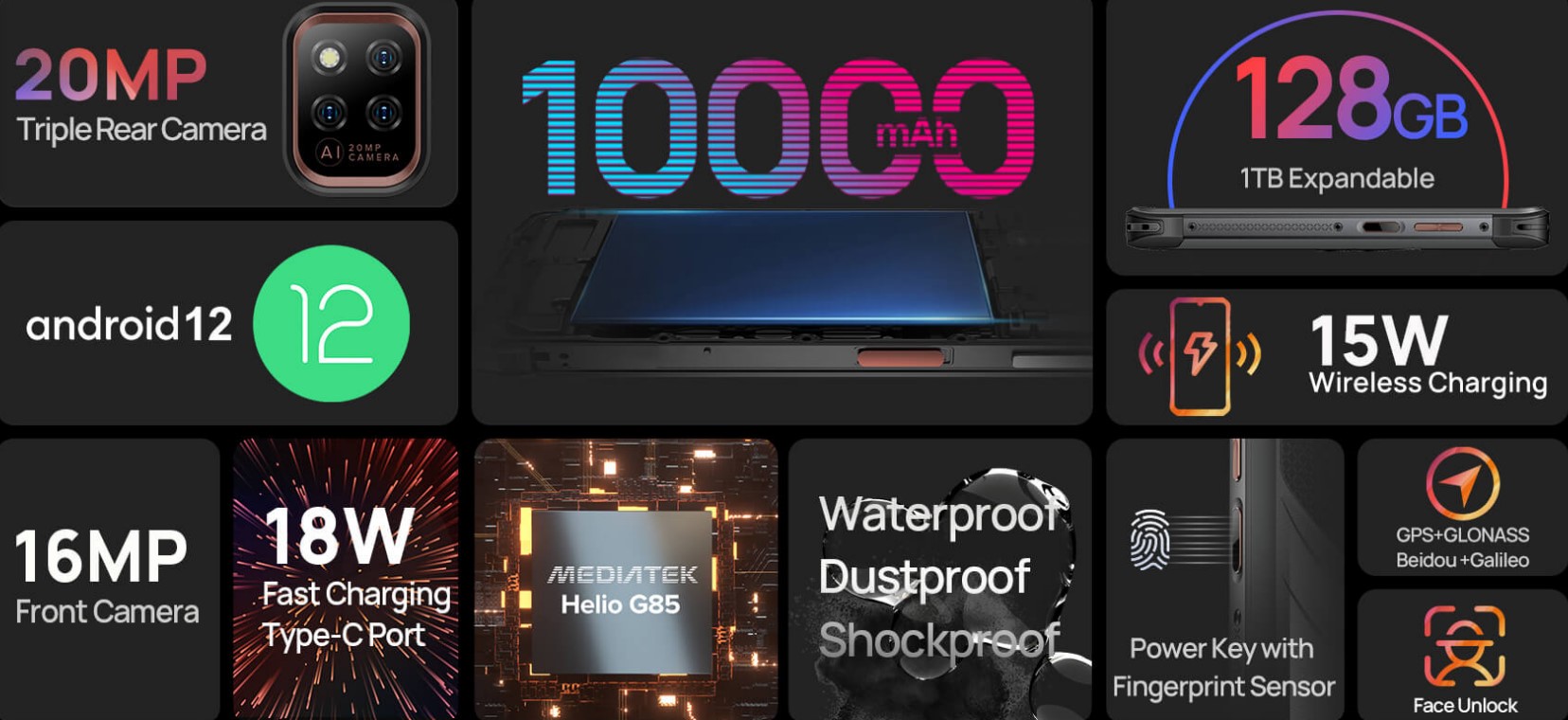
But Ulefone Power Armor 14 Pro stands out from other rugged smartphones not only for its endurance but also for its exceptional battery life. Similar to Power Armor 14, the Pro version also comes with a 10000mAh battery that can last you for up to two days on moderate usage and supports 18W wired charging and 15W wireless charging.
Ulefone Power Armor 14 Pro features a 6.52” IPS LCD display with 1700x720p resolution and a 20:9 aspect ratio. While the display comes with Corning Gorilla Glass protection, the phone is protected by a high-grade rigid plastic body encased in metal frames and rubber corners. Powered by MediaTek Helio G85 octa-core processor, it comes with 6GB RAM and 128GB storage space.
You have a triple rear camera setup with a 20MP main camera, a 2MP macro sensor, and a depth sensor. For your selfies, you have a 16MP front camera. The phone also comes with a special AI photoshoot feature wherein it automatically identifies the subjects and adjusts the camera specs to give you optimal results.
Ulefone Power Armor 14 Pro runs the latest Android 12 and comes with a fingerprint sensor, programmable side key, and dual Sim / MicroSD slot. For more detailed information and visuals check out this video.
Ulefone has scheduled the global launch of Power Armor 14 Pro at the end of March. The smartphone will retail at $399.99, but under the World Premiere sale, you can expect huge discounts on the smartphone. So stay tuned at Ulefone.com for more information on the upcoming World Premiere Deal.
For more information on such exciting deals and offers check out our deals hub
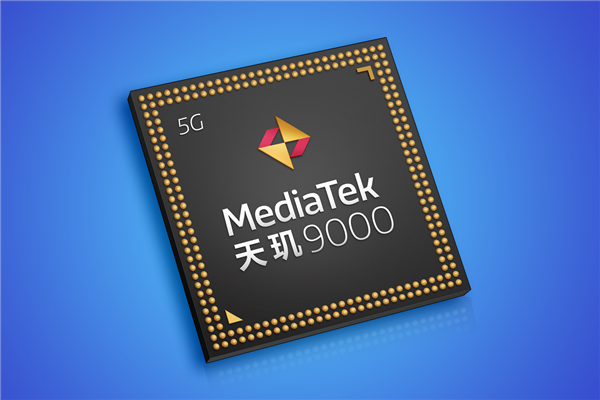
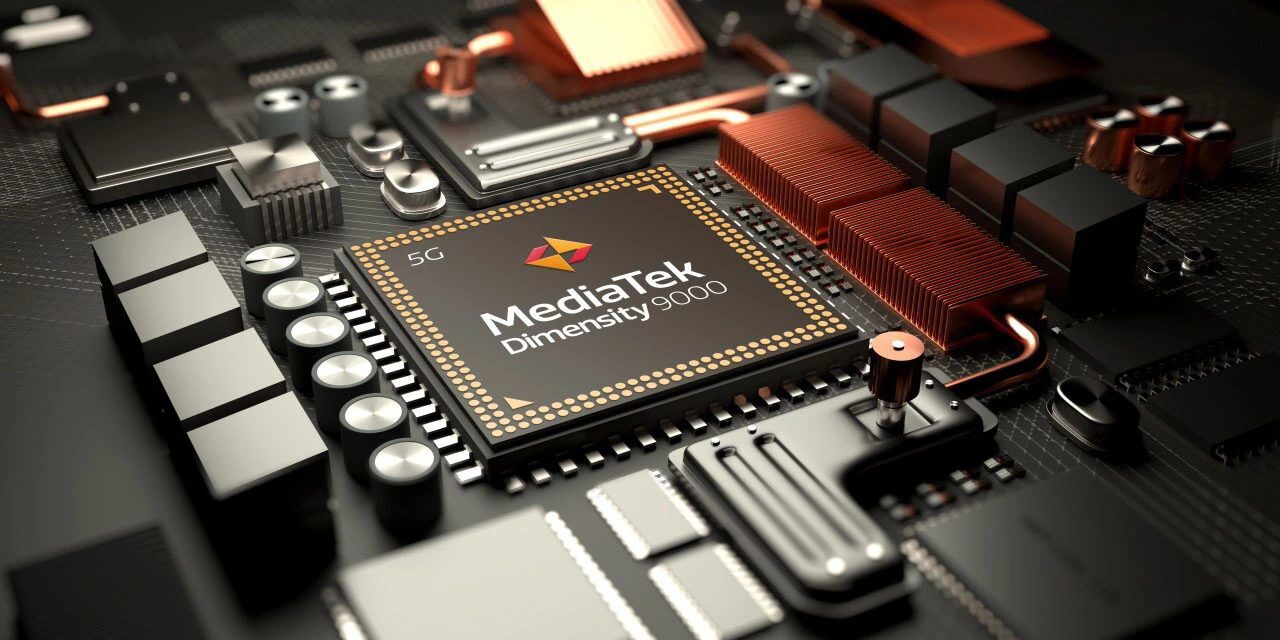
MediaTek recent shared a financial report that revealed its consolidated revenue for the first two months of this year. The company has seen robust growth in recent months, rivaling Qualcomm in certain quarters, and now, its newly launched Dimensity 9000 has helped boost its revenue even further.
In February 2022 alone, the Taiwanese chipmaker recorded 40 billion Yuan (roughly 6.32 billion US Dollars) in revenue. This marked one of the company’s best February performance till date, marking a notable 22.9 percent rise over the same month last year. On the other hand, the brand’s performance in the first two months was also robust, with a combined revenue of 83.531 billion Yuan (roughly 13.2 billion US Dollars), which was 23 percent higher than the same period in 2021.
Furthermore, MediaTek also revealed its estimated revenue for the first quarter of this year. According to company CEO Cai Lixing (Via UDN), the increase in revenue was due to the better penetration of the brand’s 5G chipsets alongside the launch of its new flagship 5G SoC, the Dimensity 9000. This is its latest high end processor that will be shipped in premium grade handsets and rivals the Qualcomm Snapdragon 8 Gen 1.
Cai Lixing also believes that MediaTek’s annual growth rate this year will surpass 20 percent. Recently, we have covered numerous reports of the company catching up or even beating its primary rival Qualcomm, in some quarters in 2021. With its new 5G chip launches, the company will likely see robust performance in the coming quarters as well. So stick around for more updates.
Earlier this year, a massive leak revealed almost the entire spec sheet of the OnePlus Nord 2T 5G, leaving nothing but the price to speculation. But that changes today with yet another leak which says that the phone’s base variant will cost below Rs 35,000.
The info comes from tipster @Shadow_Leak on Twitter who also shared the already-known specifications of the Nord 2T. It’s powered by the MediaTek Dimensity 1300, which looks to be the successor of the Dimensity 1200. The Dimensity 1200 was actually MediaTek’s most powerful smartphone chip last year before it was dethroned with the announcement of the Dimensity 9000 in December 2021.
OnePlus Nord 2 5G
And if the past is any indication, then the Dimensity 1300 will be an upper mid-range offering and will be fair enough for a sub-Rs 35,000 phone.
Other known specifications of the OnePlus Nord 2T 5G include a 6.43″ AMOLED display with a 90Hz refresh rate and an FHD+ resolution of 2400×1080. It will have a 50MP+8MP+2MP rear camera setup and a 32MP selfie camera. The battery will be sized 4,500mAh with support for 80W fast charging. Two memory configs will be offered — 8GB+128GB and 12GB+256GB. Out of the box, the device will be booting into Android 12.
Another leak from a couple of days back had provided a first glimpse into the design of the upcoming phone, which you can check out from here.
Yesterday, iQOO India teased the arrival of the iQOO Z6 5G smartphone in India. The key specifications of the phone were shared by Mukul Sharma (aka stufflistings) yesterday. Now, tipster Abhishek Yadav has tipped the launch date of the iQOO Z6.
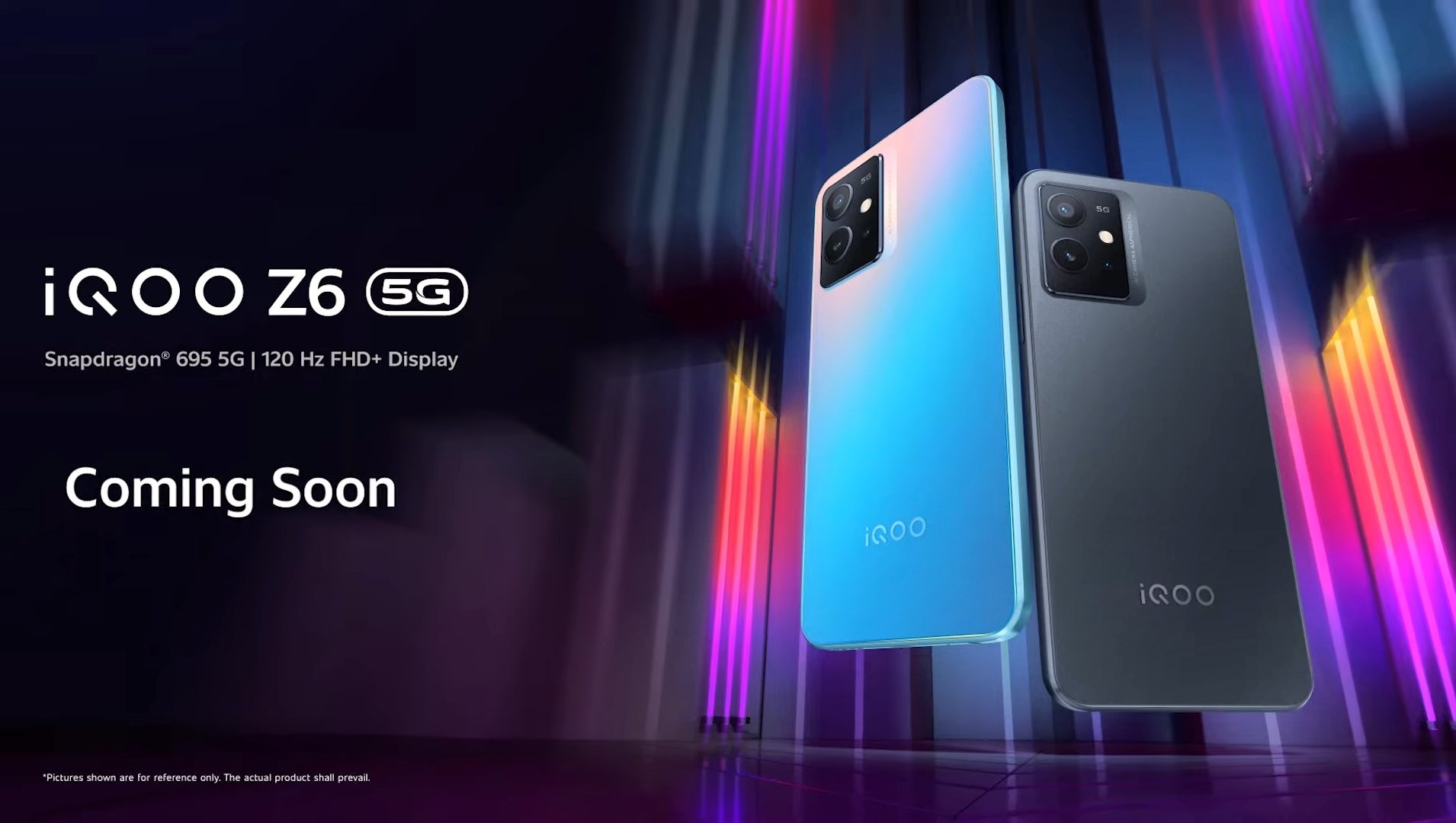
According to Yadav, the iQOO Z6 will be made official on March 16 in India. The device is likely to be priced around Rs 15,000. iQOO India has rolled out a new promo video to reveal that the Z6 will feature a 120Hz refresh rate and it will be powered by the Snapdragon 695 chipset.
IQOO Z6 5G
As can be seen in the screenshot above, the iQOO Z6 will be arriving in black and gradient colors. It looks like the Z6 will be the same as the Vivo T1 5G that came out in India last month.
Reports surrounding the iQOO Z6 5G have revealed that it will be equipped with a 6.58-inch display, 240Hz touch sampling rate, 4 GB of virtual RAM, and a 5-layer liquid-cooling system. The device is likely to arrive in two options, such as 6 GB RAM + 128 GB storage and 8 GB RAM + 128 GB storage.
Now that the company has started teasing the iQOO Z6 5G in India, it may confirm its launch date in the next few days. Last year, iQOO launched the Snapdragon 695 powered iQOO U5 in China. The same phone with an enhanced rear design and a 16-megapixel front camera was made official as the Vivo T1 5G in India. In comparison, the iQOO U5 offers an 8-megapixel front camera. It remains to be seen whether the iQOO Z6 5G will be similar to the Vivo T1 5G / iQOO U5.
Last month, Samsung officially launched the Galaxy S-series flagship smartphones in the form of the Galaxy S22 lineup. Now, the company is gearing up to announce the next-generation foldable smartphones.
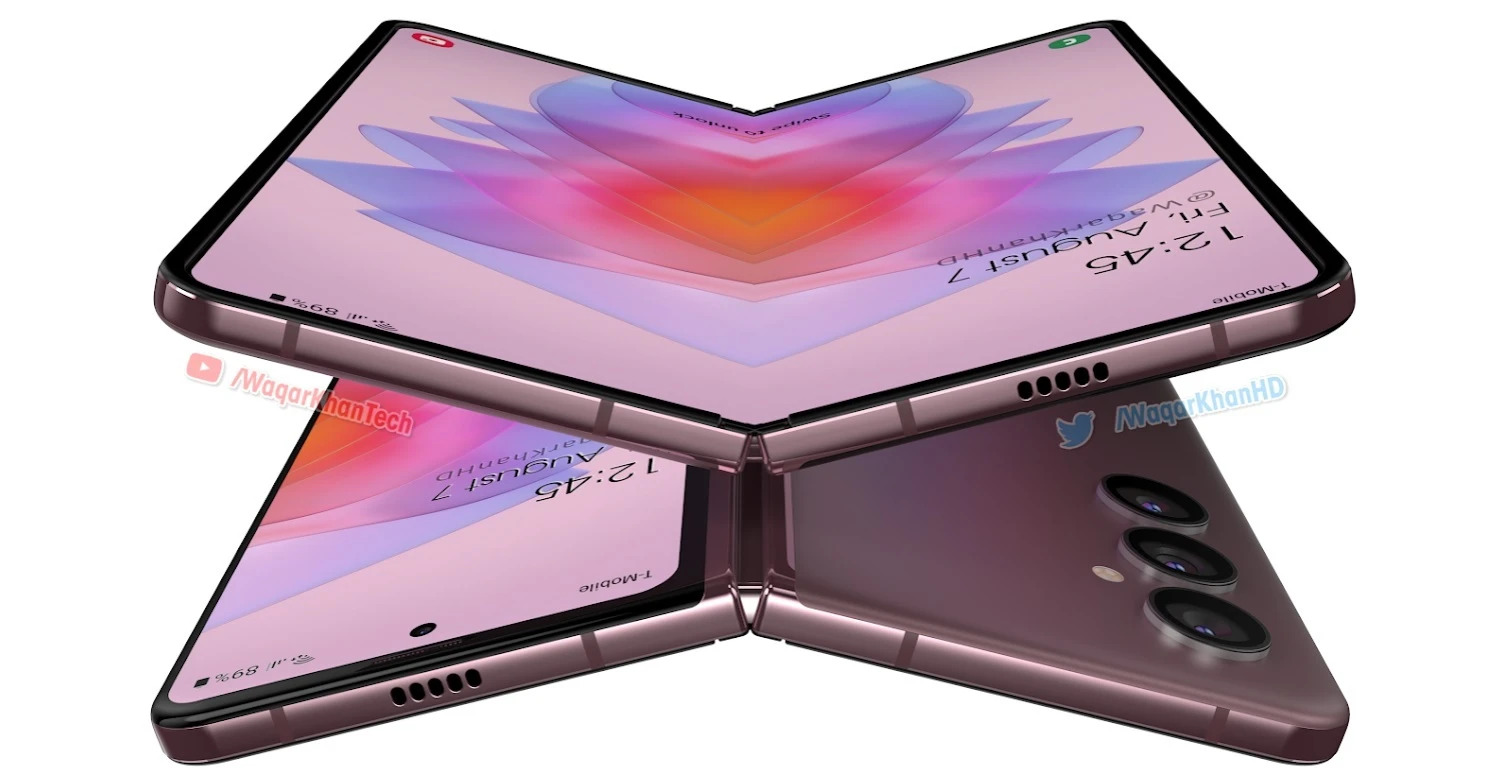
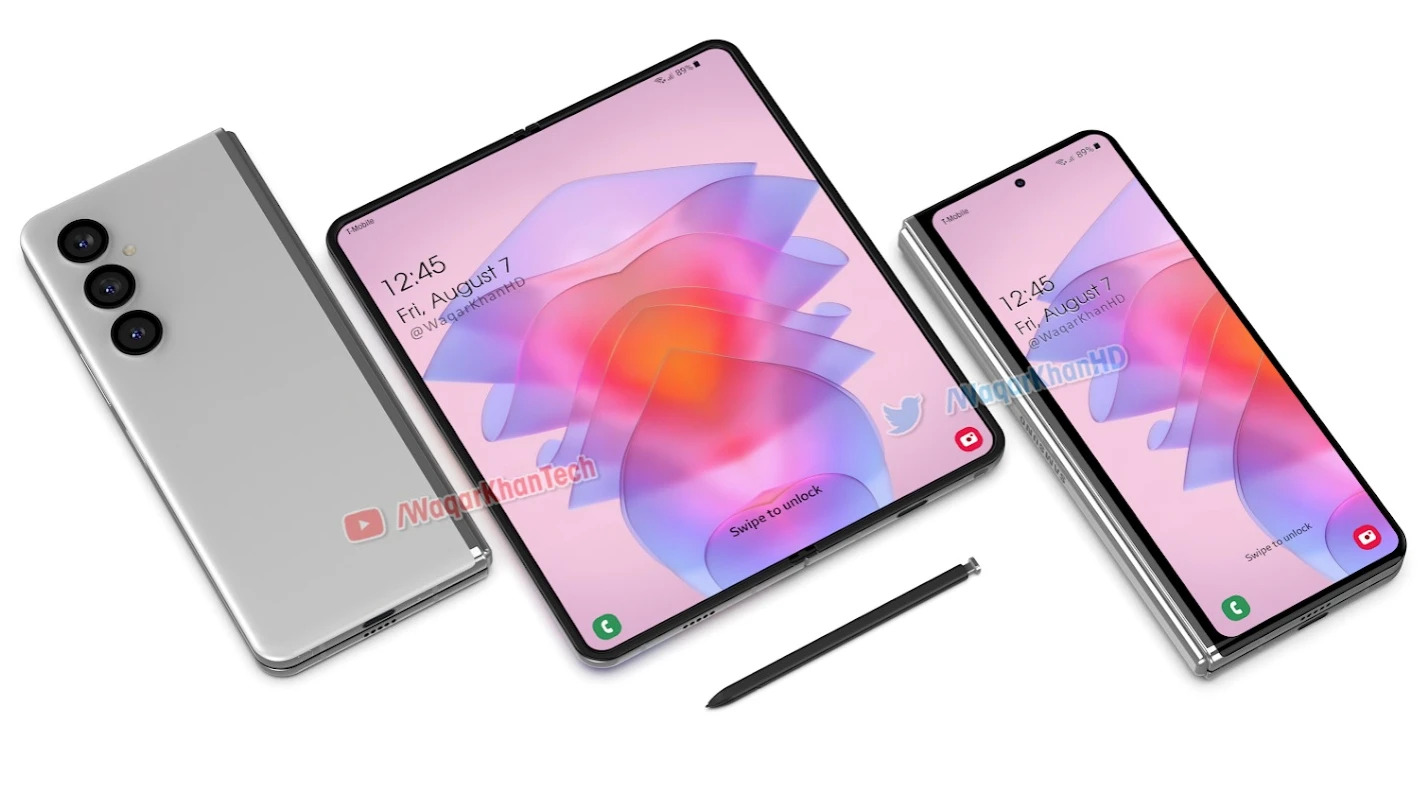
Ahead of any official announcement regarding the upcoming foldable smartphones, the Samsung Galaxy Z Fold 4 smartphone’s renders have surfaced online through the concept render designer Waqar Khan.
In terms of design, the upcoming Galaxy Z Fold 4 continues with the book-like foldable design. The size of the internal display when the device is fully opened is 7.6-inch while externally, there’s a 6.2-inch screen.
The renders of the smartphone show the S Pen stylus but there’s no place on the smartphone to hold the S Pen. However, previous reports have indicated that the phone will come with a slot for holding the Samsung S Pen stylus.
The current generation Galaxy Z Fold 3 has support for S Pen Fold Edition and the S Pen Pro, however, the stylus needs to be bought separately and the device does not feature a dedicated silo to house the stylus inside its body.
On the other hand, the South Korean giant will also announce the Galaxy Z Flip 4 which is a clamshell foldable smartphone. It features a 1.1-inch external display for notifications and more and flips to open, offering a 6.7-inch smartphone with a tall and thin display.
As of now, not much is known about the upcoming foldable smartphones from Samsung but we expect to get information in the coming weeks and months. While the launch date is not yet known, the phones are said to go official in the second half of this year.
Huawei has silently announced the Huawei Nova 9 SE in markets like China and Malaysia. Back in September 2021, Huawei announced the Nova 9 5G and Nova 9 Pro 5G smartphones. Now, it has unveiled the more affordable Nova 9 SE, which is a 4G LTE device powered by the Snapdragon 680 chip. Here is all the information on the specifications, features, and pricing of the Nova 9 SE.
Huawei Nova 9 SE specifications and features
The Huawei Nova 9 SE features a 6.78-inch IPS LCD display with a centrally positioned punch-hole. The screen produces a Full HD+ resolution of 1080 x 2388 pixels, a refresh rate of 90Hz, and a touch sampling rate of 240Hz.
Huawei Nova 9 SE
A 16-megapixel camera is available on the front of the Nova 9 SE. Its back panel has a 108-megapixel primary camera, which is coupled with an 8-megapixel ultrawide lens, a 2-megapixel depth sensor, and a 2-megapixel macro camera. The phone boots into EMUI 12. Like other Huawei phones, it lacks Google apps and services.
Huawei Nova 9 SE
The Nova 9 SE is powered by the Snapdragon 680 and has a 4,000mAh battery that supports 66W fast charging. The device comes with 8 GB of RAM and 128 GB / 256 GB of storage. The usual connectivity features such as dual SIM support, 4G VoLTE, Wi-Fi 802.11ac, Bluetooth 5.0, GPS, NFC, and a USB-C port are also present on the device. For security, it has a side-mounted fingerprint scanner.
Huawei Nova 9 SE pricing and availability
The Huawei Nova 9 SE has arrived in three colors such as Crystal Blue, Pearl White, and Midnight Black. It’s pricing for China and Malaysia is yet to be confirmed. The Vmall retailer listing of the phone comes in two options, such as 8 GB RAM + 128 GB storage and 8 GB RAM + 256 GB storage.
Since working from home has become common for so many people, many new products have emerged that have tried to make your work-life easier at home. While portable monitors are not exactly one of the latest innovative products, their portability and ease of use can solve a lot of the users’ pain points. You don’t really have to settle for a heavy monitor in your small room. A portable monitor can be a better option in a lot of scenarios.
So today we bring you guys the latest portable monitor from the brand Arzopa, the Arzopa A1 Gamut Slim.
Display
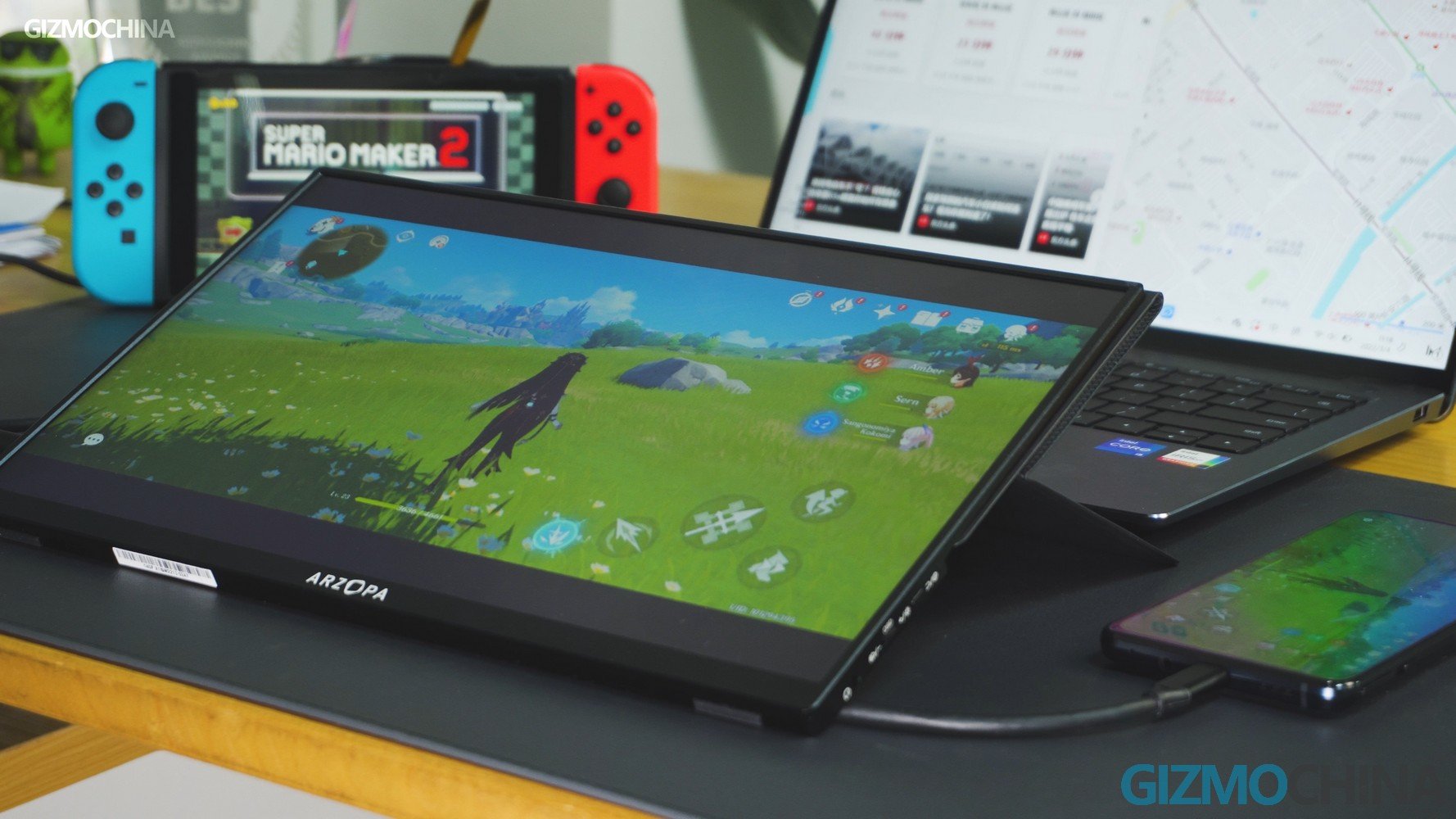
The A1 Gamut series has been pretty popular in recent years, including its 15.6-inch versions and 13-inch mini variants. Apart from a Full-HD standard resolution, the 13-inch Mini version even offers 2K resolution as an option. But personally, I think the Slim Version has better value for money. And it could be a great option for those who are planning to have a second or even a third monitor, whether it’s for your laptop, smartphone, or game consoles like a switch.
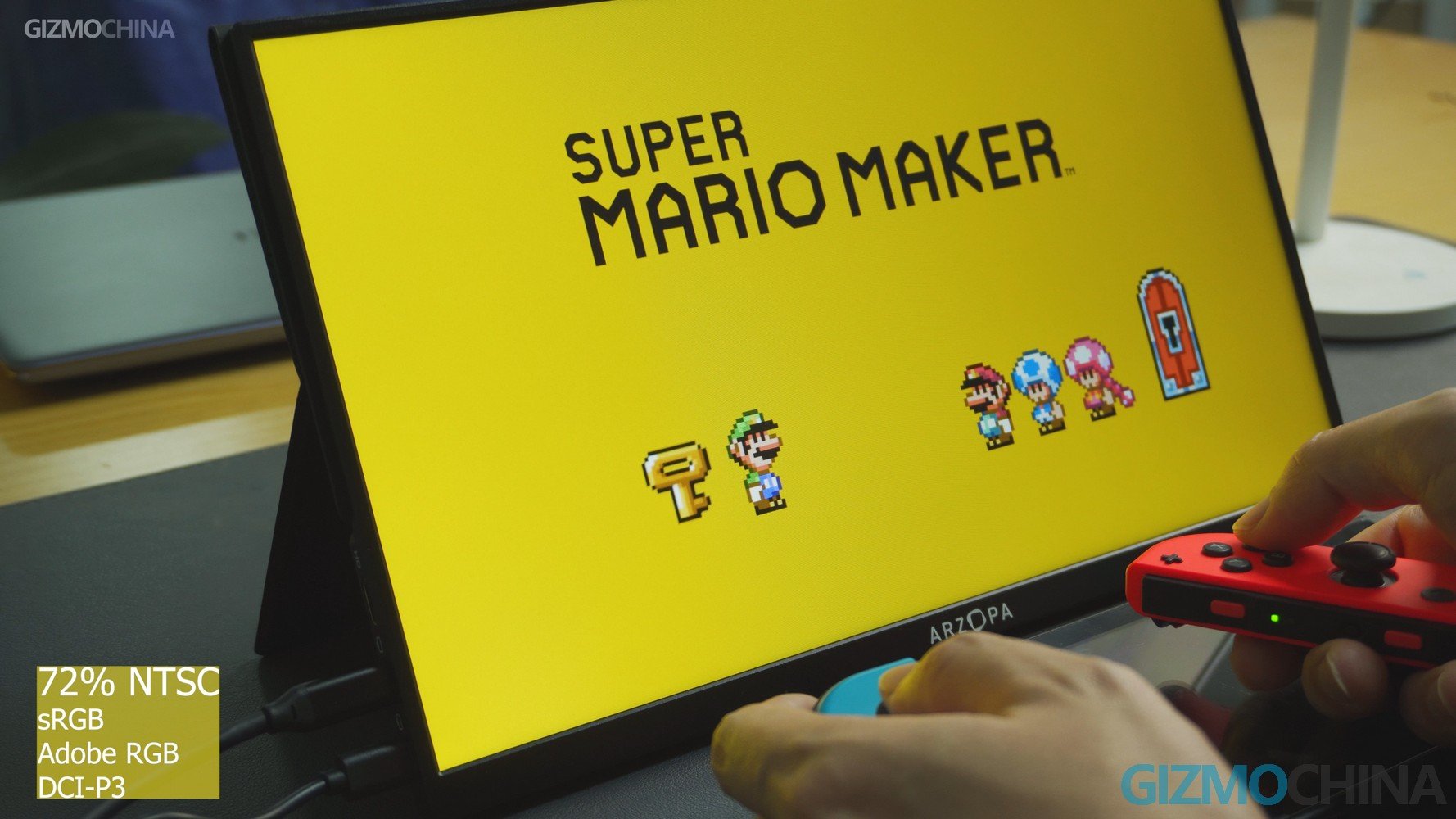
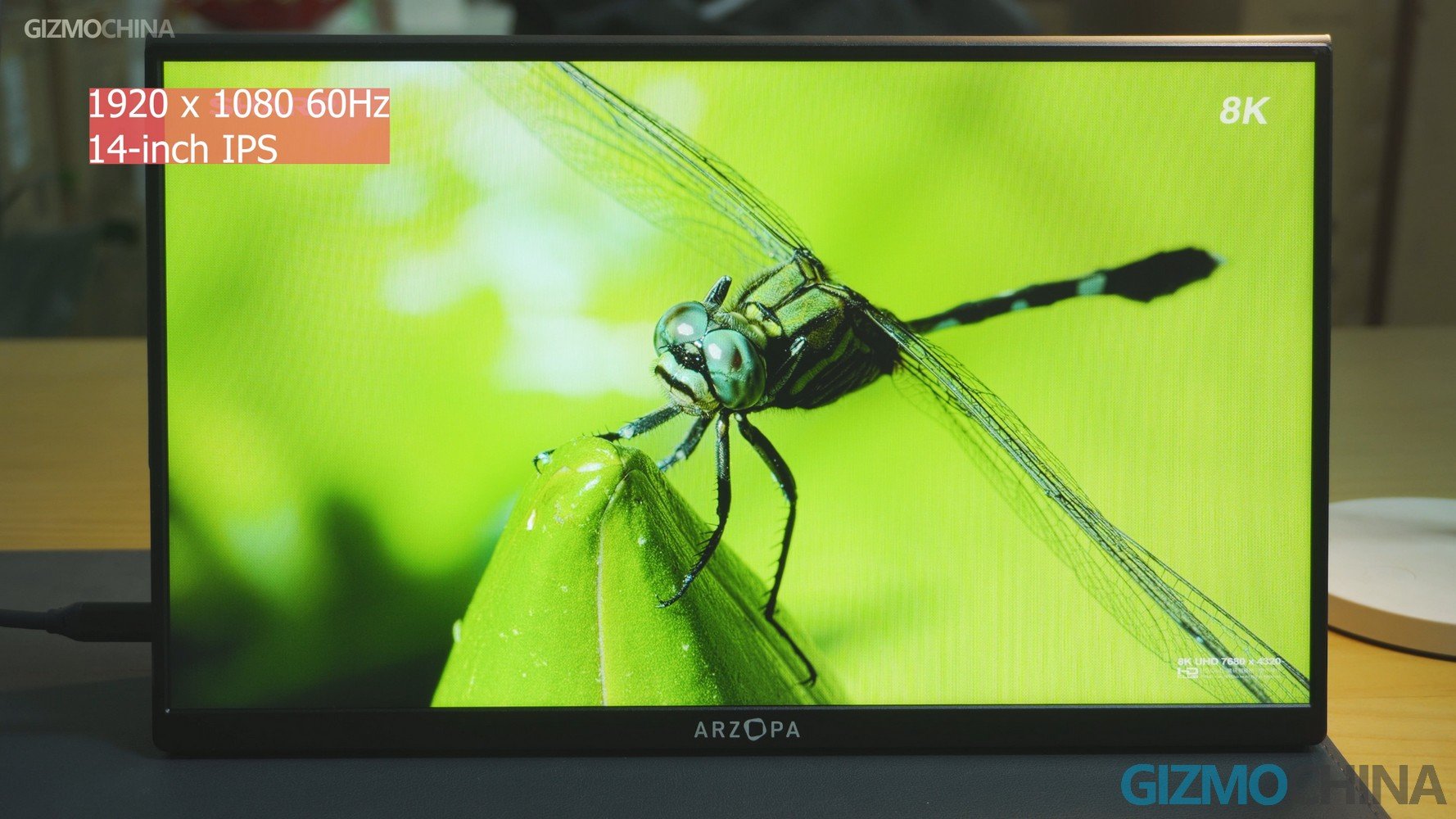
The A1 Gamut Slim features a 14-inch Full-HD IPS screen with a 60Hz refresh rate. The slim version gets a slightly upgraded contrast ratio from 1000:1 to 1200:1. The IPS panel supports a wide 178°-viewing angle, which visually gives a pretty decent color contrast under 72% NTSC color gamut. Apart from the NTSC gamut, the monitor also offers sRGB, DCI-P3, Adobe, and the native gamut in OSD Menu for options.
The brightness can reach up to 320cd/㎡, which is slightly better than most portable monitors that we used before. At the same time, HDR mode is available in the OSD menu. During our experience, we could obviously see the difference in the HDR output, but the actual effect isn’t as good as what we saw on many smartphones’ OLED displays.
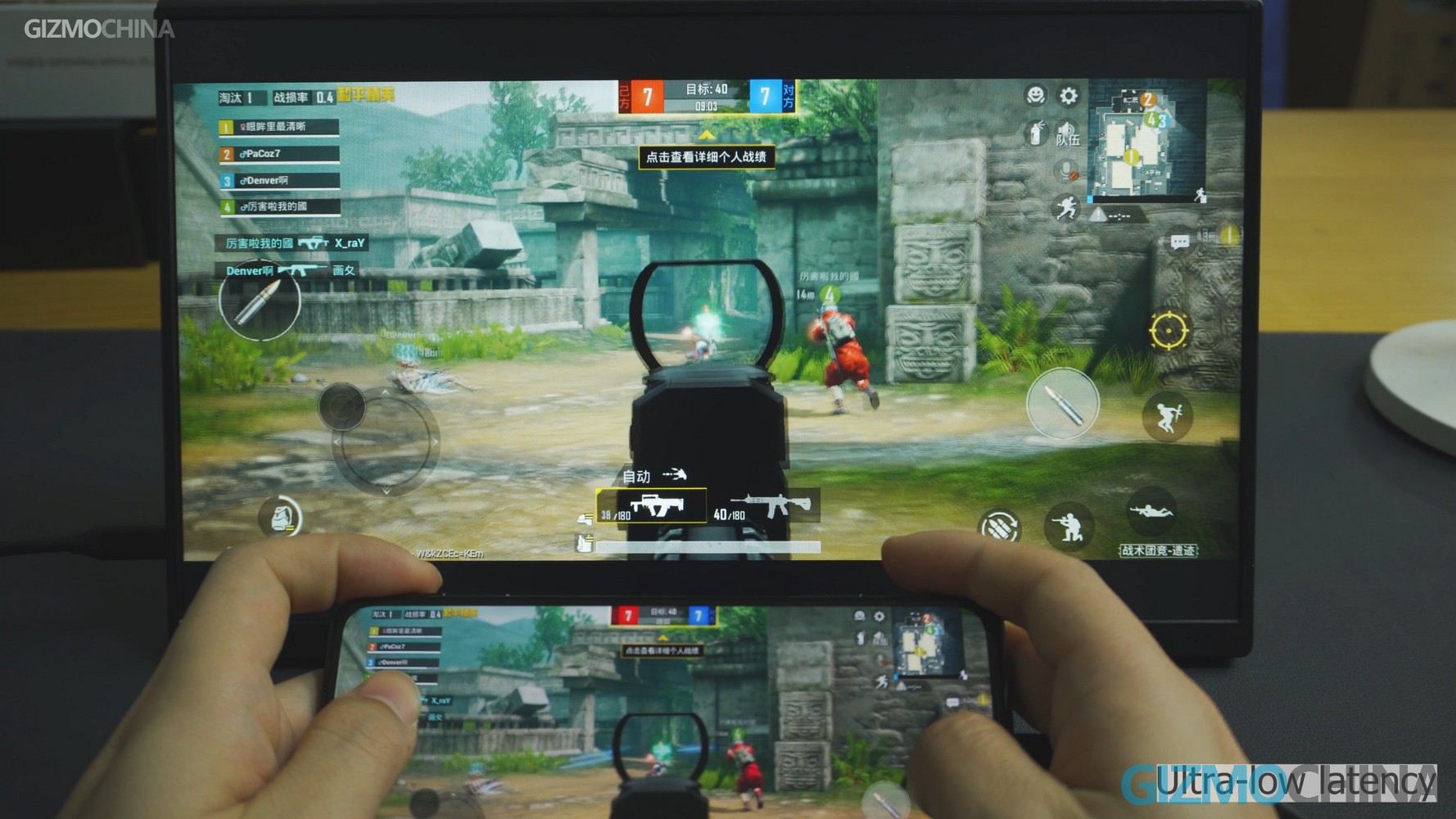
In actual use, it could deliver pretty good detail and colors under different visual modes. The blur and ghosting issues were not as serious as we thought. Most of the time, it could provide a fast response without lags or perceivable latency.
Accessories in the box
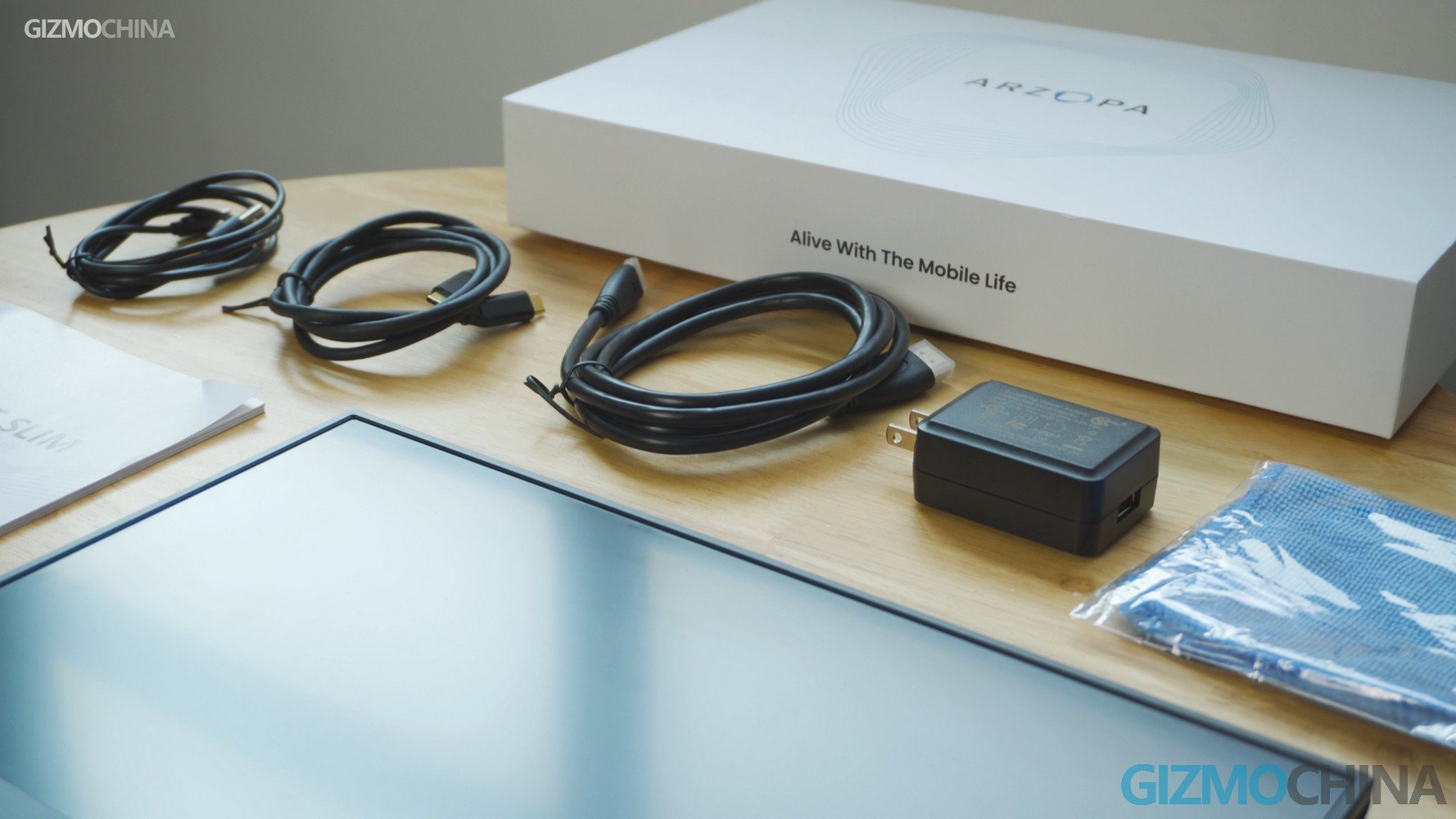
Now let’s check out what’s in the product box and what the slim monitor provides for connectivity. The first item we found was the user manual in different languages, which looks pretty detailed for those who are using it for the first time.
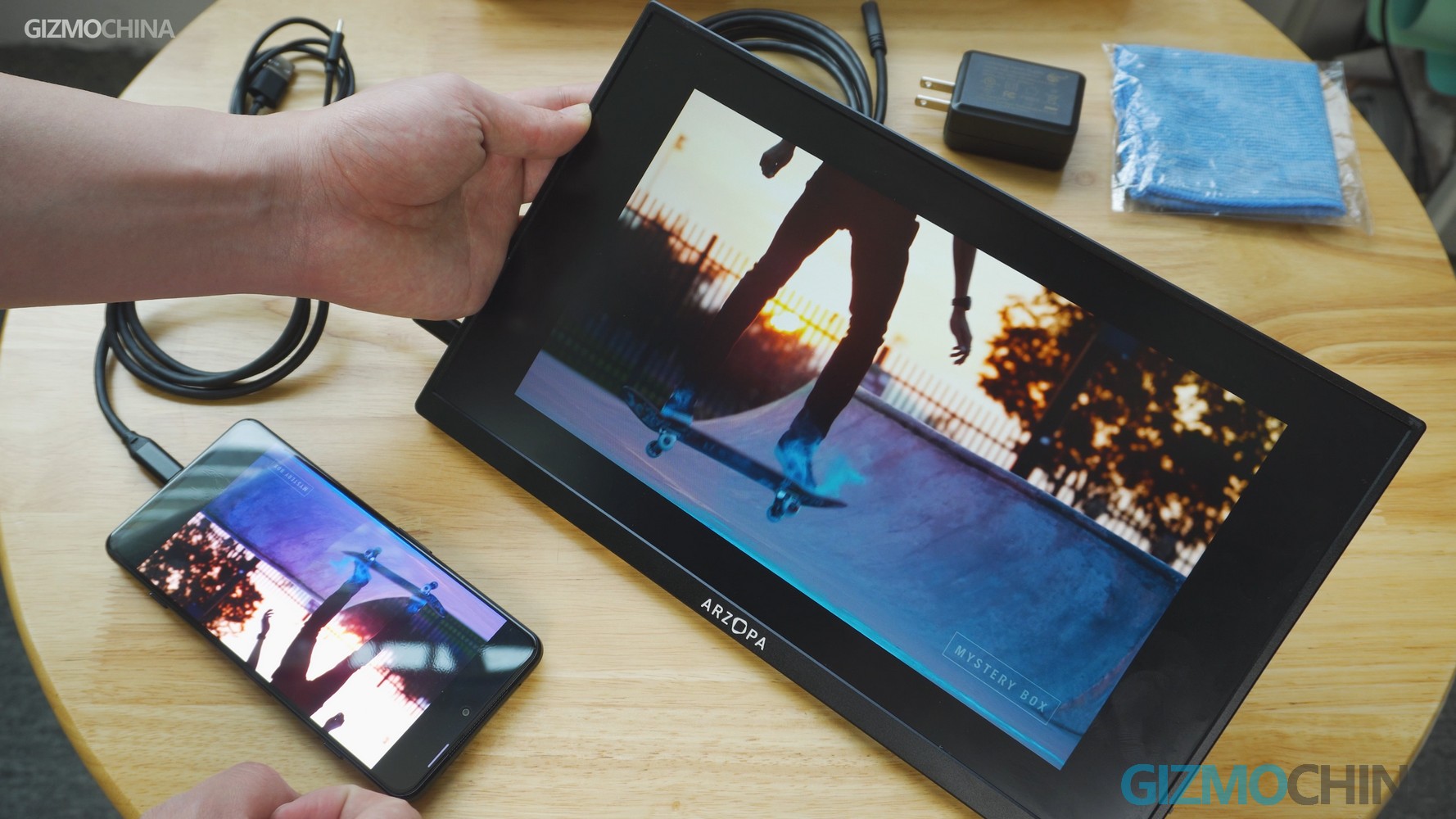
Well, it’s good to see all the three cables are made available for different connectivity options, including a Type-C to Type-C cable for full-feature use, a Type-C to Type-A cable basically used for supplying power, and another Mini HDMI to HDMI cable for video signal input. In addition to the power cable, there’s a piece of cleaning cloth and a common power brick included inside the accessories kit.
Connectivity
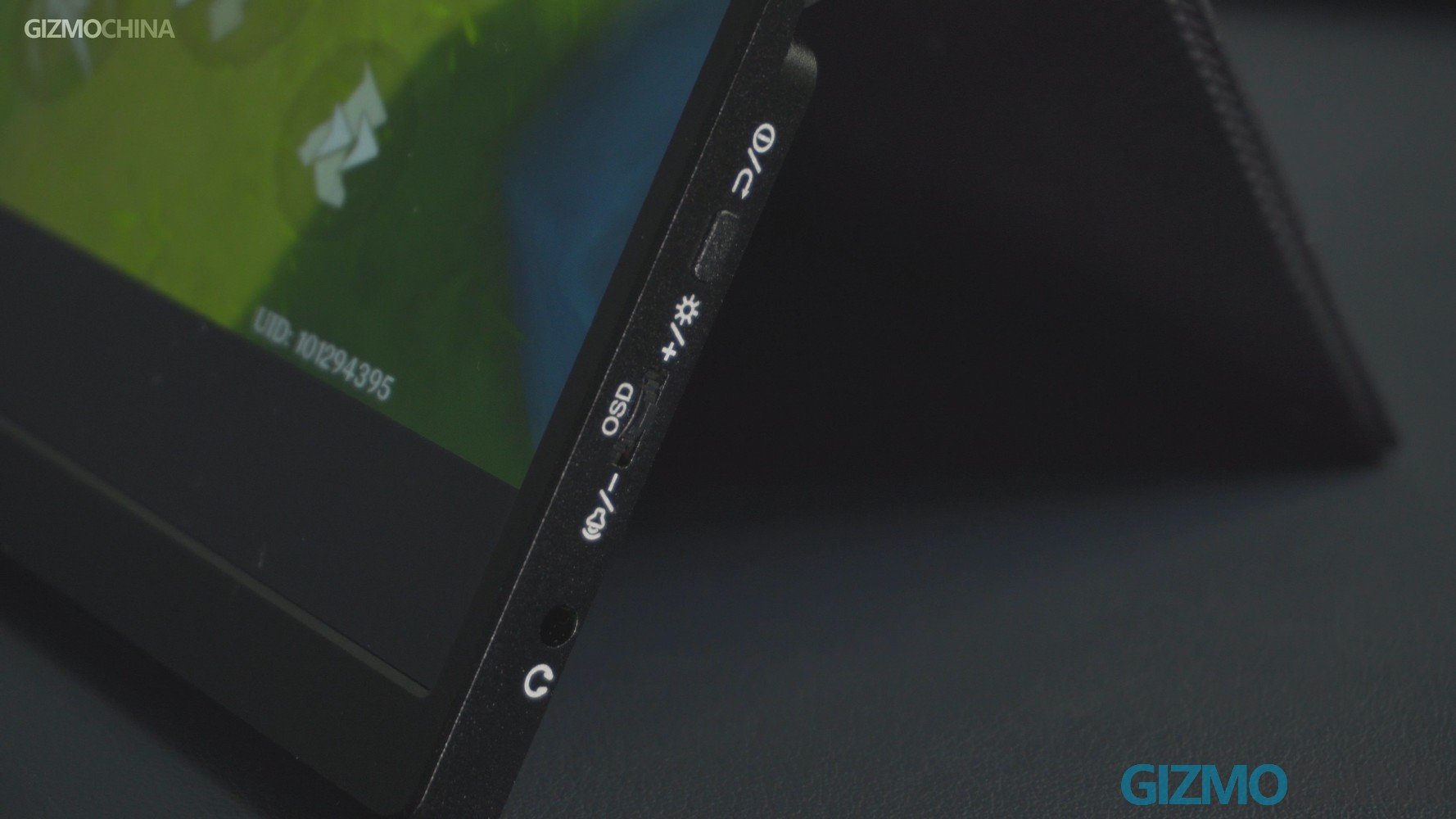
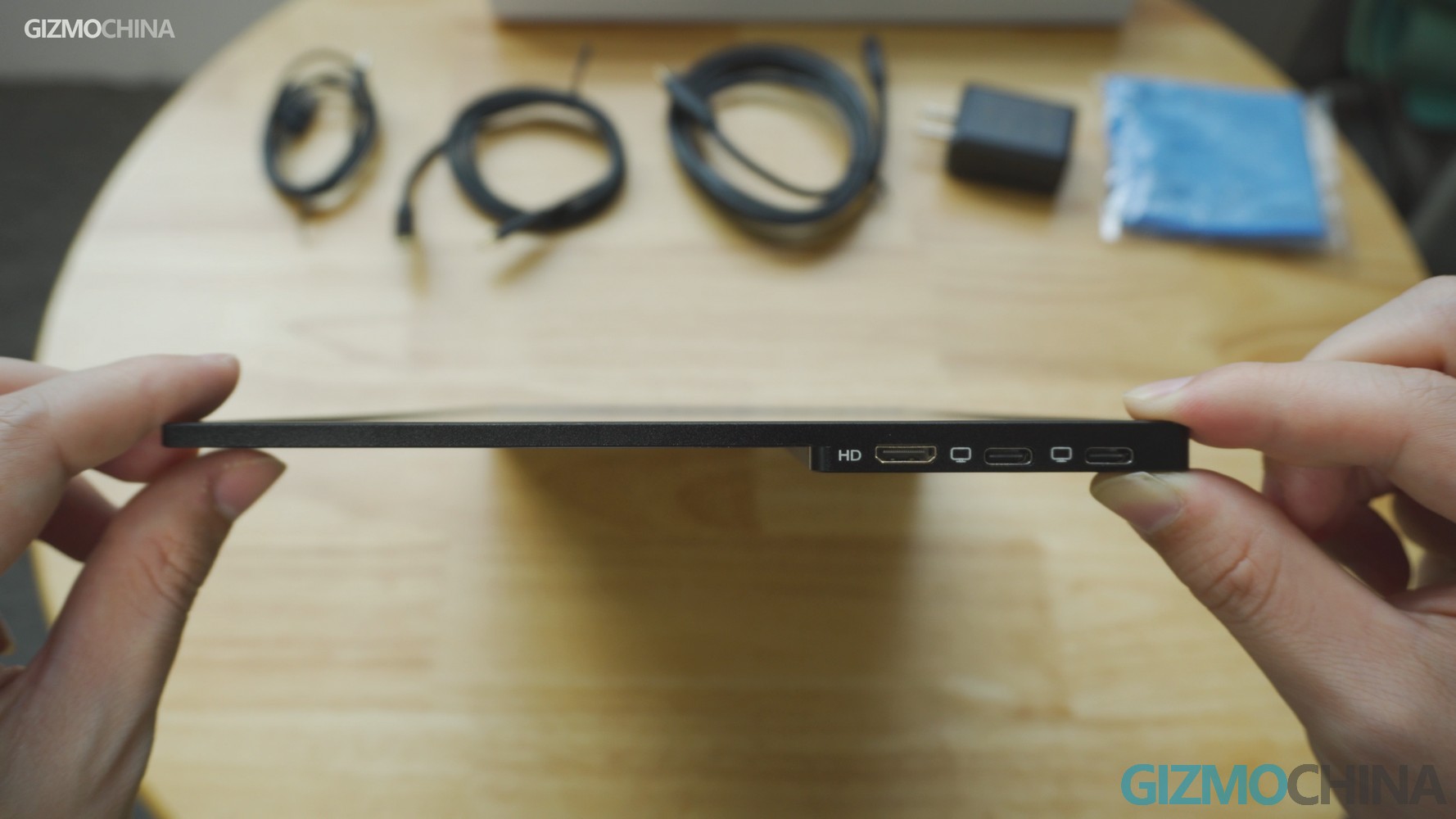
And now let’s look at the portable monitor. Just as it claims, the monitor is slim and lightweight, even with the attached protective cover. On the left side, there’s a power button, 3.5mm audio output, and another scrolling button for OSD operation. On the other side, it offers a Mini HDMI Port, a full-featured USB Type-C Port for receiving audio, video signals, and power connection, and another Type-C port only for power supply. At the same time, just note that the monitor doesn’t have a built-in battery, which means a wired power supply is necessary.
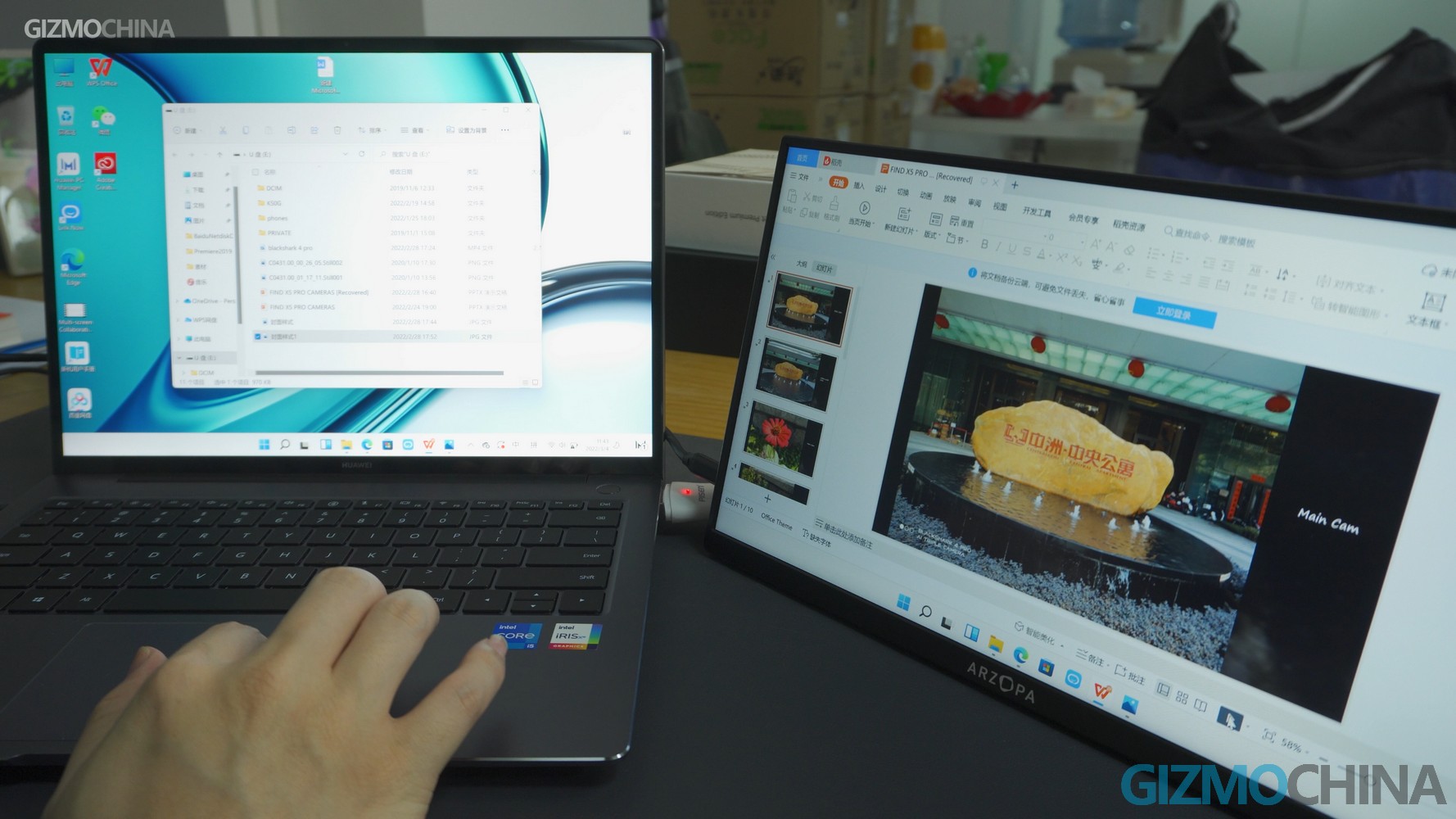
So let’s find out how it works. First, if you are going to use it as a monitor for a device with a full-functioned Type-C port, all you need to do is connect the monitor directly with the included Type-C cable. While transferring audio and video signals, it can also output the power supplied from the device. Such a full-functioned Type-C port now is available on most new Laptops, so just make sure that your laptop supports the most convenient connectivity.
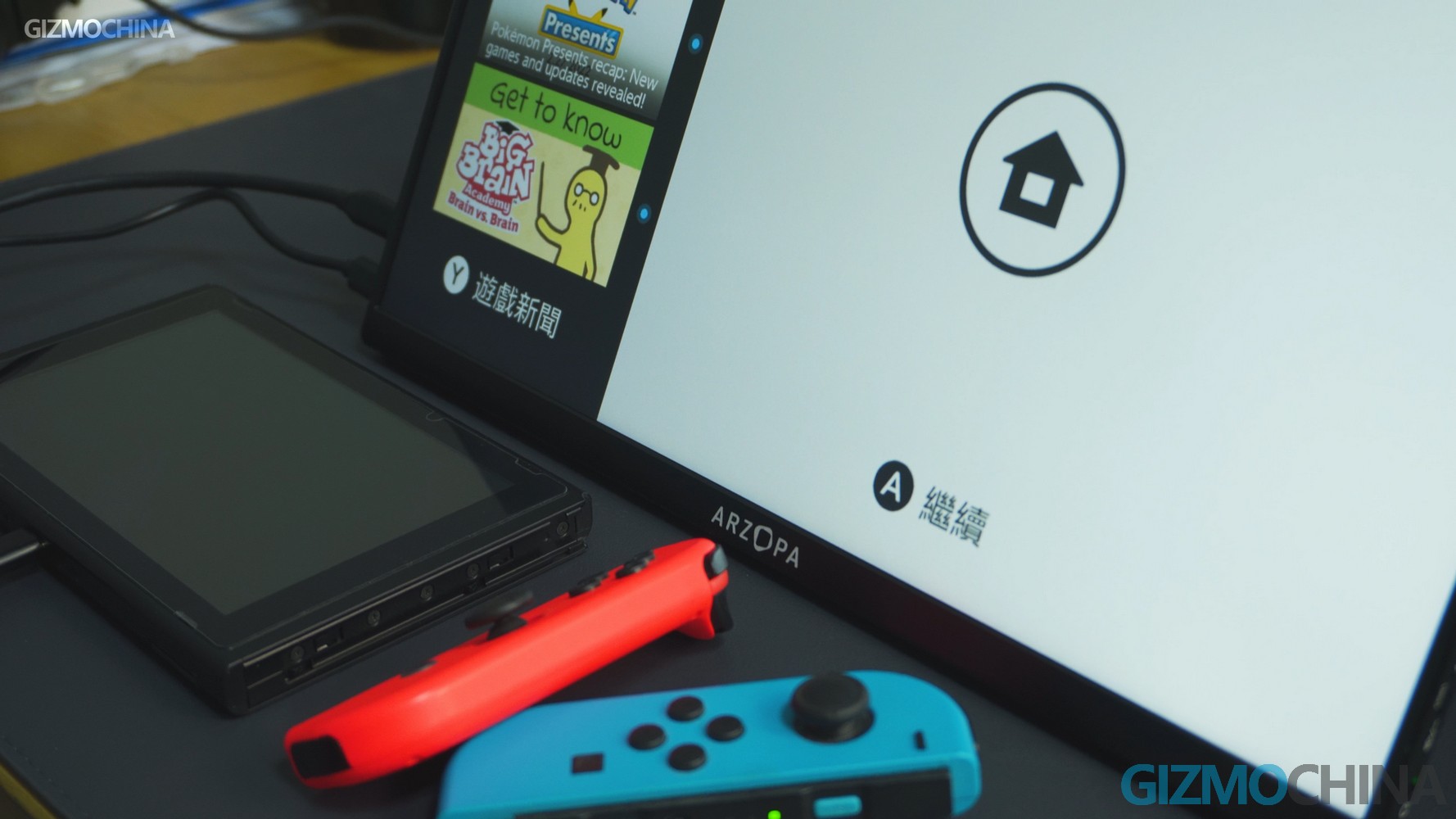
Or if you were going to project the content from your phone or a Switch console, a single-cable connection would still work. But at the same time, the monitor might quickly drain your phone’s power. Note that, different devices support different power output solutions, and some of them may be too low to consistently power the monitor.
So in this case, it’s better to connect the monitor with the included power kit. When connected to the external power, we found that the monitor surprisingly reverse-charged the phone during projection. When connected to a Switch console, it could also supply power to both the monitor and the console.
For those devices without a Type-C port for video output, such as TV boxes, PC,s or older game consoles, the A1 Gamut monitor offers another connectivity with the Mini HDMI port. But in this case, the external power supply is necessary through the type-C power port.
Verdict
So in short, it comes with wide support for different devices like phones, Laptops, PCs, or even game consoles like Switch and PS4. More specifically, it could be a second portable screen for gaming; or just a duplicate screen for entertainment or even learning from your mobile devices; or it could also be an extended screen for your PC or laptop and help make your work from home experience more efficient.
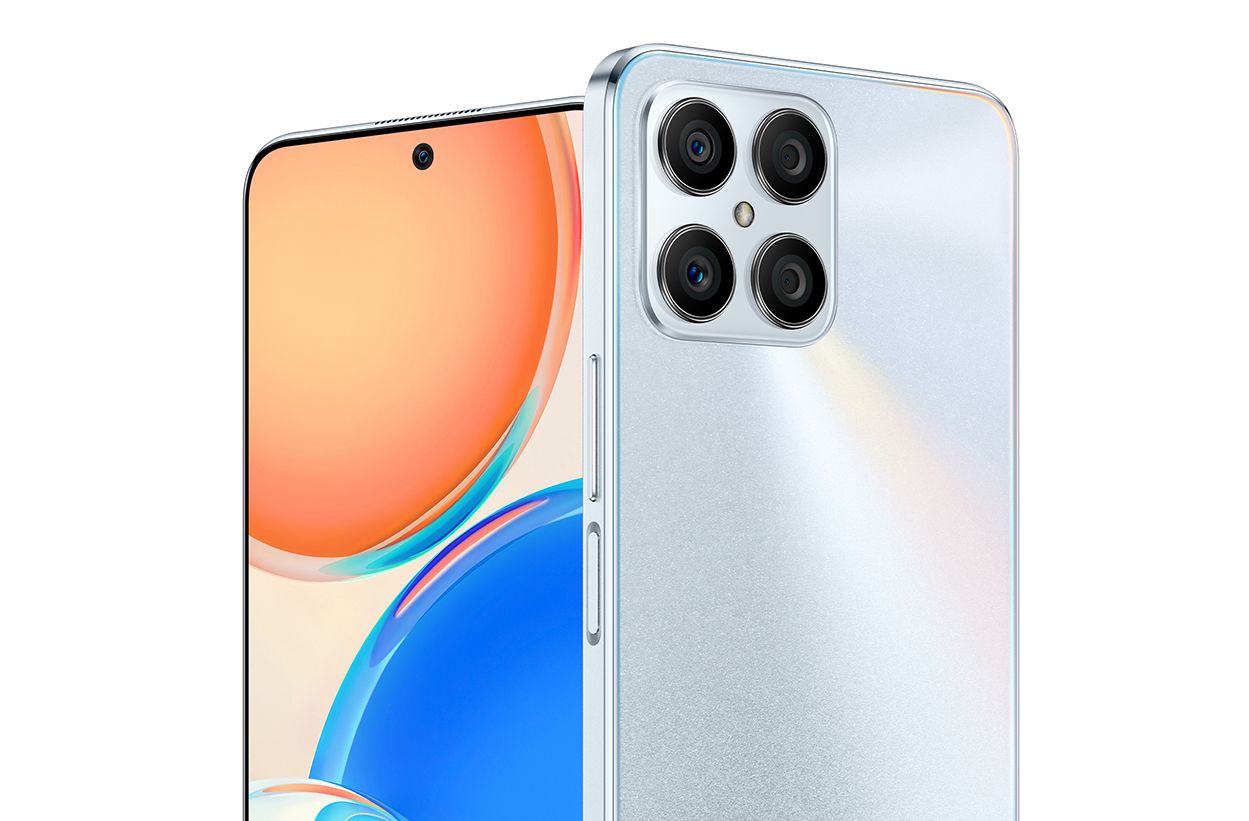
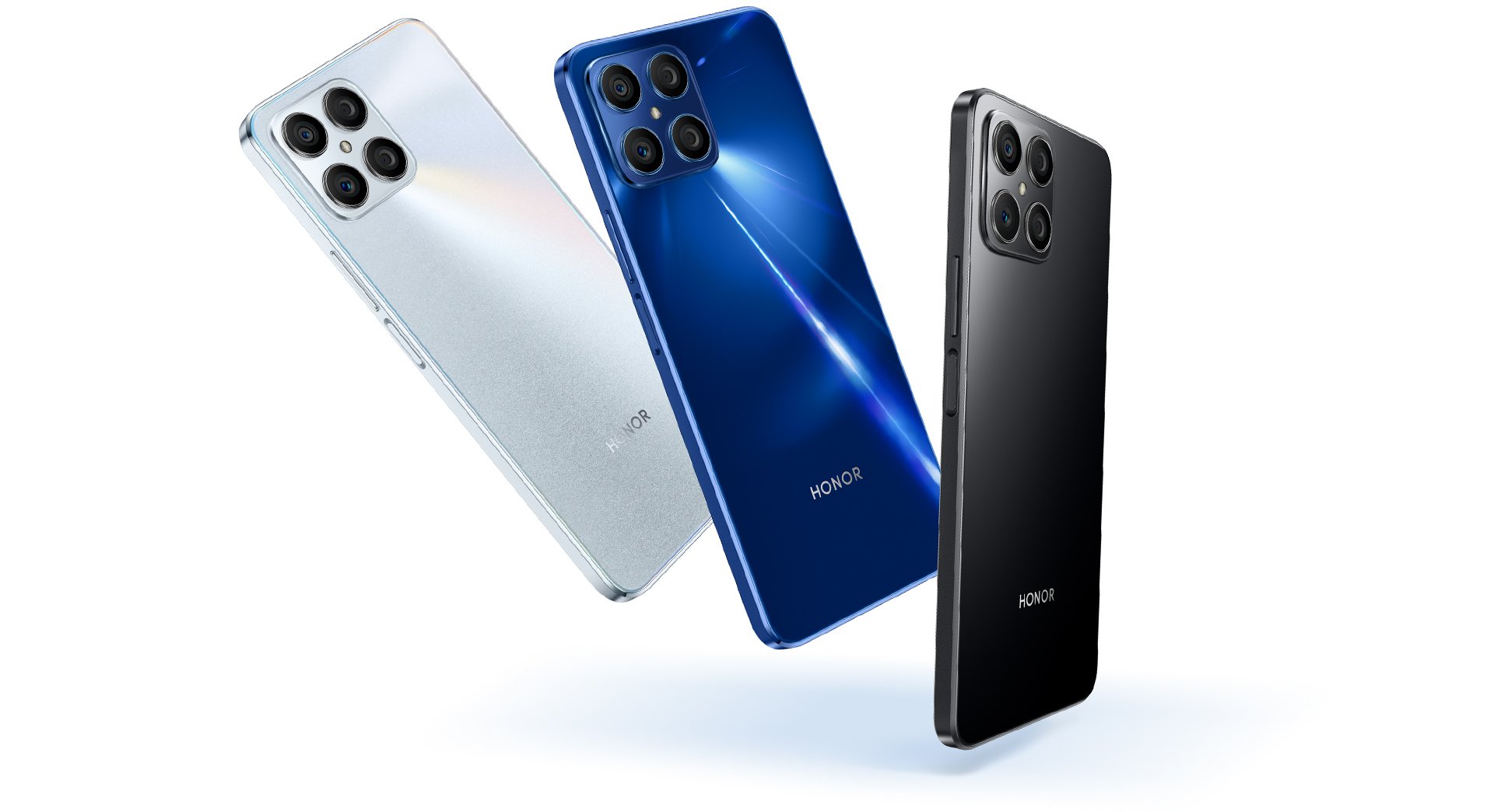
Honor has silently unveiled the Honor X8 mid-range phone. Its front side features a display with a centrally positioned punch-hole. Its rear side has a 64-megapixel quad-camera unit. Here is all the information on the specifications, features, and pricing of the phone.
Honor X8 specifications and features
The Honor X8 measures 163.4 x 74.7 x 7.45mm and weighs 177 grams. It has a 6.7-inch LCD screen that offers a Full HD+ resolution of 1080 x 2388 pixels and a 90Hz refresh rate. It has a 93.6 percent screen-to-body ratio.
Honor X8
The Snapdragon 680 is present under the hood of the Honor X8. The device comes with 6 GB of RAM and 2 GB of virtual RAM. It offers 128 GB of built-in storage. The handset runs on Android 11 OS, which is overlaid with Magic UI 4.2.
The X8 is equipped with a 16-megapixel camera on the front, which is capable of shooting 1080p videos. Its rear camera setup has a 64-megapixel main camera, a 5-megapixel ultrawide lens, a 2-megapixel depth sensor, and a 2-megapixel macro camera.
Honor X8
The Honor X8 includes a 4,000mAh battery that carries support for 22.5W fast charging. The company claims that a 10-minute charge will allow the phone to offer 3 hours of video playback. The handset offers other features such as dual 4G VoLTE, Wi-Fi 802.11ac, Bluetooth 5.0, GPS, a USB-C port, a 3.5mm audio jack, AI face unlock, and a side-mounted fingerprint scanner.
Honor X8 pricing and availability
The price of the Honor X8 is yet to be confirmed. It is expected to arrive in markets like the Middle East, Africa, and Europe. It will be available in colors like Titanium Silver, Midnight Black, and Ocean Blue.
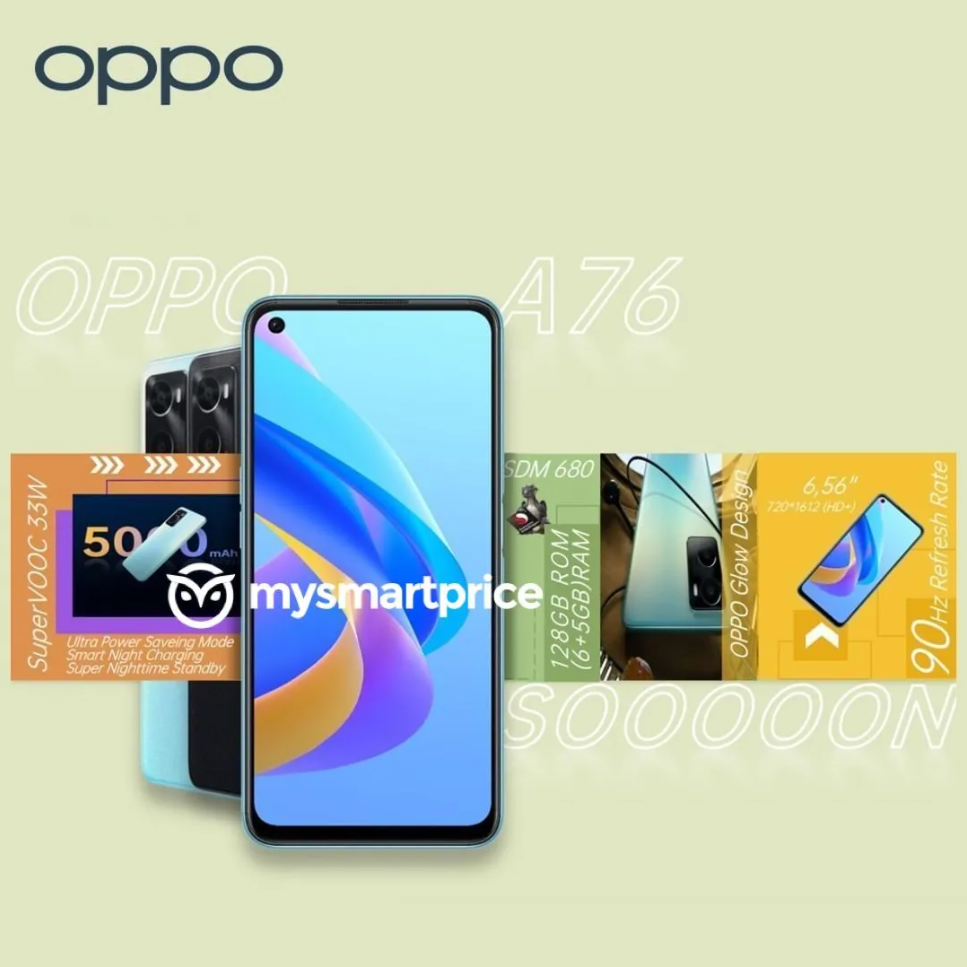
Leaked information that surfaced yesterday claimed that the OPPO A96 and OPPO A76 smartphones will be launching soon in India. The report revealed the key specifications of both smartphones. Abhishek Yadav, a tipster, has now shared the variants, prices, and launch dates of these phones.
The tipster claimed that the OPPO A96 and OPPO A76 would be launched on March 12 in India. The 8 GB RAM + 128 GB storage edition of the OPPO A96 will be priced at Rs 20,000 (~$262). On the other hand, the 6 GB RAM + 64 GB storage variant of the OPPO A76 may cost Rs 17,000 (~$222). It is unclear whether these smartphones will be available in other configurations.
OPPO A96 specifications (rumored)
Oppo A96 leaked poster by MySmartPrice
The OPPO A96 is expected to arrive with a 6.59-inch AMOLED punch-hole display that offers an FHD+ resolution and a 90Hz refresh rate. The Snapdragon 680 powered phone will come with 8 GB of RAM, up to 256 GB of storage, and a 5,000mAh battery that supports 33W fast charging.
OPPO A76 specifications (rumored)
Oppo A76 leaked poster by MySmartPrice
The OPPO A76 is likely to house a 6.56-inch LCD HD+ punch-hole display that offers a 90Hz refresh rate. It is also expected to arrive with the Snapdragon 680 chip. It may come with 6 GB of RAM, up to 128 GB of storage, and a 5,000mAh battery with 33W rapid charging support.
Both phones will come with 5 GB of virtual RAM. The camera details of both phones are yet to be revealed. Both devices are likely to arrive in black and blue colors. It is likely that both phones will be available for purchase through Amazon India, Flipkart, and OPPO India’s online store.
Apple recently hosted an event where the company announced its new iPhone SE, iPad Air, Mac Studio, and Studio Display. There are still several new products from the company that is yet to go official.
In the latest development, it has been reported that Apple is gearing up to launch at least two new laptop models and both of them will be launched later this year.
Apart from the Mac models, the Cupertino-based technology giant is also set to launch the next-generation Apple Silicon M2 processor. It will be the successor to the M1 chipset which also has other variants like M1 Pro, M1 Max, and M1 Ultra.
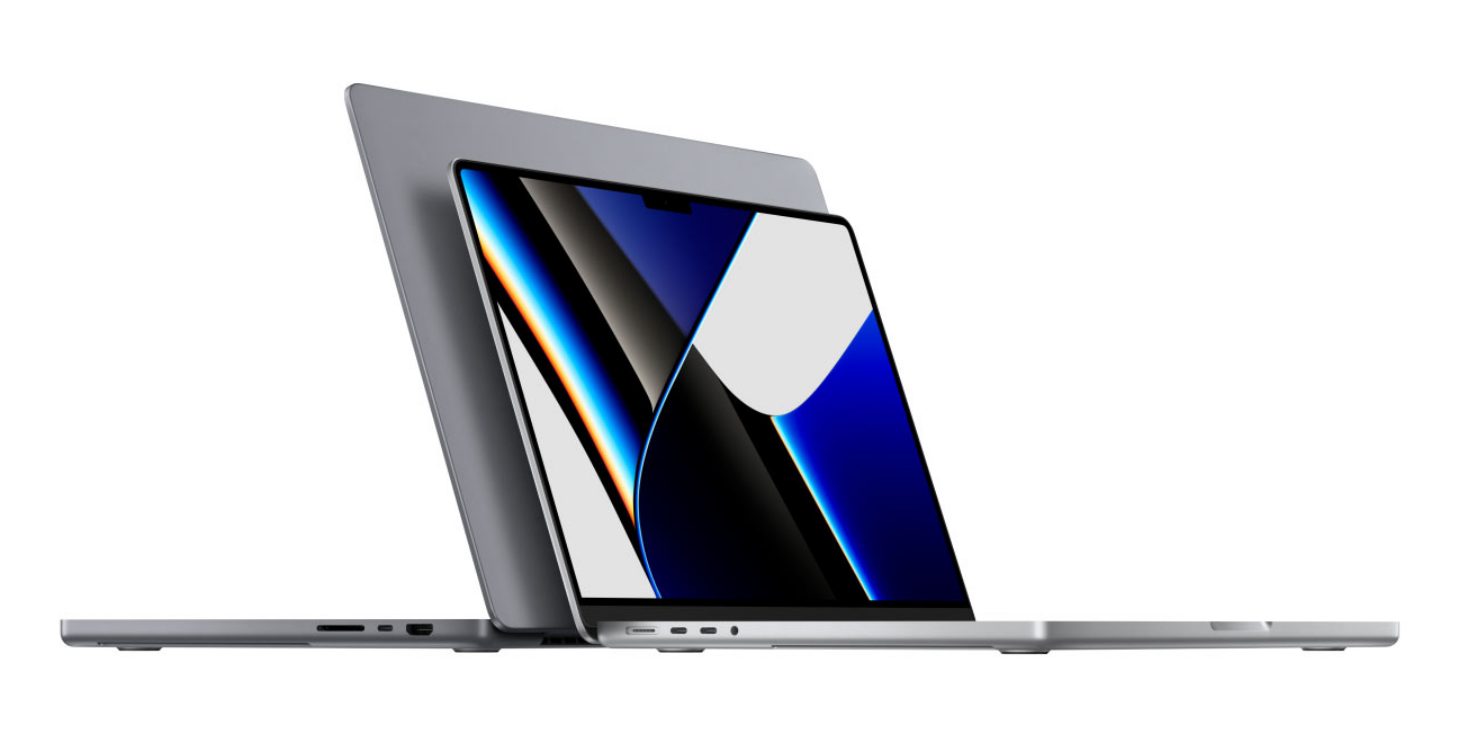
Coming to the MacBook, the report adds that there will be two models — MacBook Air and MacBook Pro, both of which are said to have Apple Silicon chip. This contradicts the previous report that the next-gen MacBook will be powered by a different variant of the M1 chip.
However, the report adds that for the MacBook Pro, the company could drop the “Pro” labeling, which means that the new product could simply be called MacBook. As of now, there’s no launch date known but the devices are said to be all set for the official launch sometime this year.
Google has outlined its vision and recent work in large screen devices including tablets, as captured by its tablet-first Android apps plans. The details were presented on March 10 during the Android Show which featured Google’s CTO of tablets and Android co-founder Rich Miner.
According to Miner, since 2011 when its first Android tablets were released, the trajectory had been a mixture of highs and lows. The Android tablet market had virtually fizzled out before the COVID-19 pandemic after its surge post-2011.
The Android tablet market has continued to rebound since the pandemic era began and Google is projecting an even more accelerated growth with its development of tablet-first apps. Google says that tablets have taken a new identity as tools for creativity and productivity. Miner also posits that the trajectory of growth of tablets will continue in the positive direction, and tablets sales may surpass that of laptops within a few years.
On the development of tablet Android Apps, Miner points app developers in the direction of taking advantage of additional screen resources and having a look at Google’s latest Jetpack Libraries and other features available in the Android 12L. Miner also said that Google is encouraging developers to focus on building tablet-first apps to take advantage of the massive opportunities in that direction.
Google’s tablet-first vision for tablet Android apps needs to have the buy-in of the developer community for it to be a huge success. It also relies on the incentives and resources already put in place by Google for the success of its grand vision, aptly pursued by an Android giant in the person of Miner.
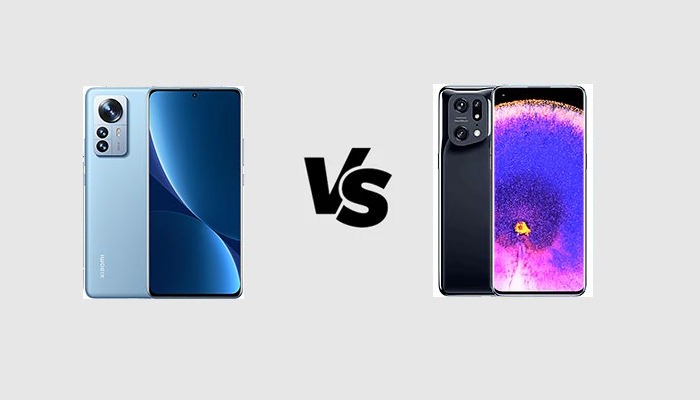
Nowadays, all the main Chinese brands release top-tier flagships. The most powerful handsets released by Chinese manufacturers have nothing to envy the best Samsung and Apple devices and they often turn out to be very innovative. The OPPO Find X5 Pro is a perfect example of innovation with its amazing design and the first proprietary NPU dedicated to imaging. It launched in the global market a few days ago, but it will not be lonely. Xiaomi 12 Pro is another top-tier flagship that will hit the global shelves very soon this month. This comparison between the specifications of the Xiaomi 12 Pro and the OPPO Find X5 Pro will highlight the differences between the most powerful Chinese flagships in the global market alongside the OnePlus 10 Pro, the Realme GT 2 Pro, and the Motorola Edge 30 Pro.
Triple 50 + 50 + 50 MP, f/1.9 + f/1.9 + f/2.2
32 MP front camera
Triple 50 + 13 + 50 MP, f/1.7 + f/2.4 + f/2.2
32 MP f/2.4 front camera
BATTERY
4600 mAh, fast charging 120W and Qi wireless charging 50W
5000 mAh, Fast Charging 80W, Qi wireless charging 50W
ADDITIONAL FEATURES
5G, dual SIM
5G, dual SIM, eSIM, IP68 waterproof
Design
The design of the OPPO Find X5 Pro wins the battle thanks to its futuristic look and its ceramic body. It is the only 2022 flagship made of ceramic and it even comes in an additional color option made of vegan leather (this color option is exclusive for the Chinese market). Thanks to its ceramic body and the Gorilla Glass Victus protection for the front glass, it is a very resistant phone. Further, it has the IP68 certification making it waterproof and dustproof. The Xiaomi 12 Pro is a traditional glass + metal sandwich and it lacks the IP68 certification; further, its design is pretty anonymous if compared to the other 2022 flagships.
Display
The Xiaomi 12 Pro and the OPPO Find X5 Pro come with very similar displays on paper. They have LTPO AMOLED panels with a Quad HD+ resolution of 1440p, an adaptive refresh rate from 1 to 120 Hz, the HDR10+ certification, and up to one billion colors which can be shown with very high brightness. They also come with stereo speakers and in-display fingerprint scanners. It is hard to tell which of these two devices features the better display; for DisplayMate, they both deserve the A+ vote. The screens are both curved, with a punch hole placed in the upper left corner.
Specs & Software
The Xiaomi 12 Pro and the OPPO Find X5 Pro are powered by the Snapdragon 8 Gen 1 mobile platform: it is the most advanced Qualcomm chipset and it is built at 4 nm with an octa-core architecture running at a max frequency of 3 GHz. The chipset is paired with up to 12 GB of RAM on both the phones and up to 256 GB on the Xiaomi flagship, while the OPPO one goes up to 512 GB. Note that the 512 GB configuration is for the Chinese market. Both the phones run Android 12 with a customized user interface on top: MIUI and ColorOS, respectively. Two of the best UIs out there.
Camera
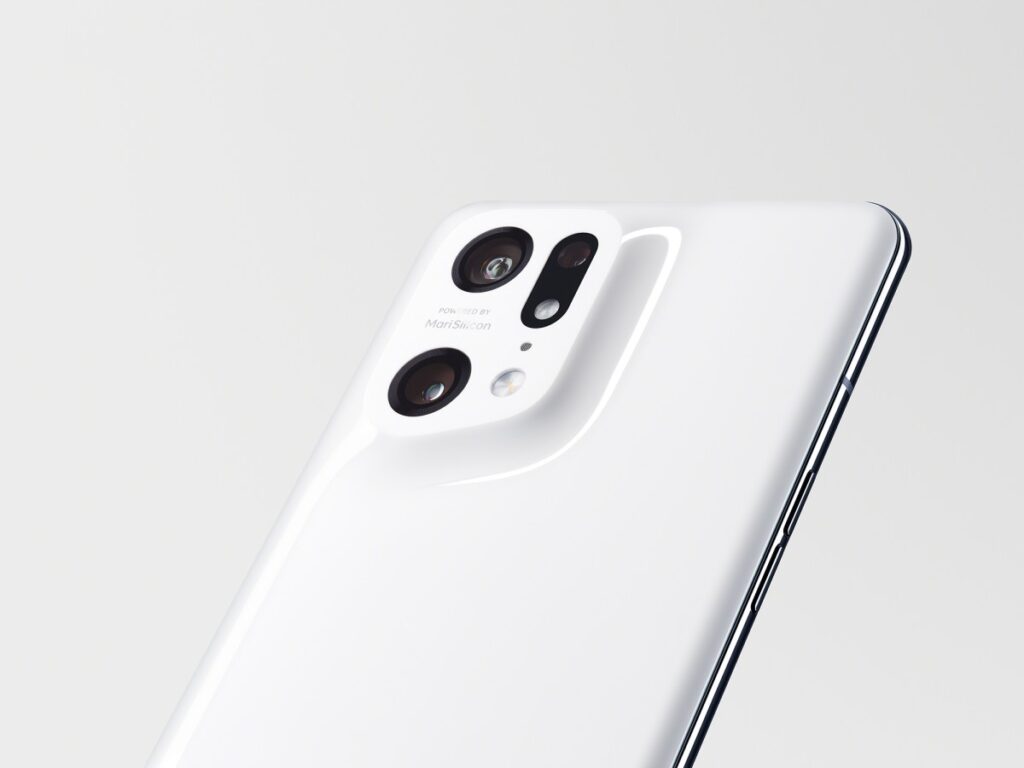
Even though both the phones look to be top-tier camera phones, we believe that the OPPO Find X5 Pro is able to shoot better photos in a higher amount of scenarios if compared to its rival. It comes with a 50 MP Sony IMX766 main camera with OIS, a 50 MP Sony IMX766 ultrawide camera, and a 13 MP telephoto sensor with 2x optical zoom. But the difference will be made by the MariSilicon X: the first OPPO’s proprietary chip which is exclusively used to improve the imaging. The Xiaomi 12 Pro has three 50 MP cameras including a telephoto sensor with 2x optical zoom: the telephoto sensor should be better than the one found on the Find X5 Pro, but for the rest, the OPPO flagship should be superior.
The OPPO Find X5 Pro is equipped with a bigger battery, so it will most likely provide a longer battery life in almost every scenario. On the other hand, the Xiaomi 12 Pro features faster charging thanks to a power of 120W.
Price
The global listing price of the OPPO Find X5 Pro for the global market is €1300/$1428, while the Xiaomi 12 Pro is still not available globally, but it is rumored to cost €1100/$1208 in its base variant. The Find X5 Pro looks like a superior flagship due to its amazing build quality, great camera performance, and bigger battery.
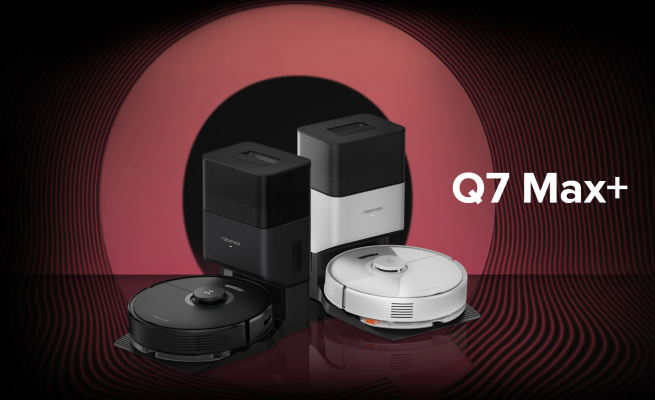
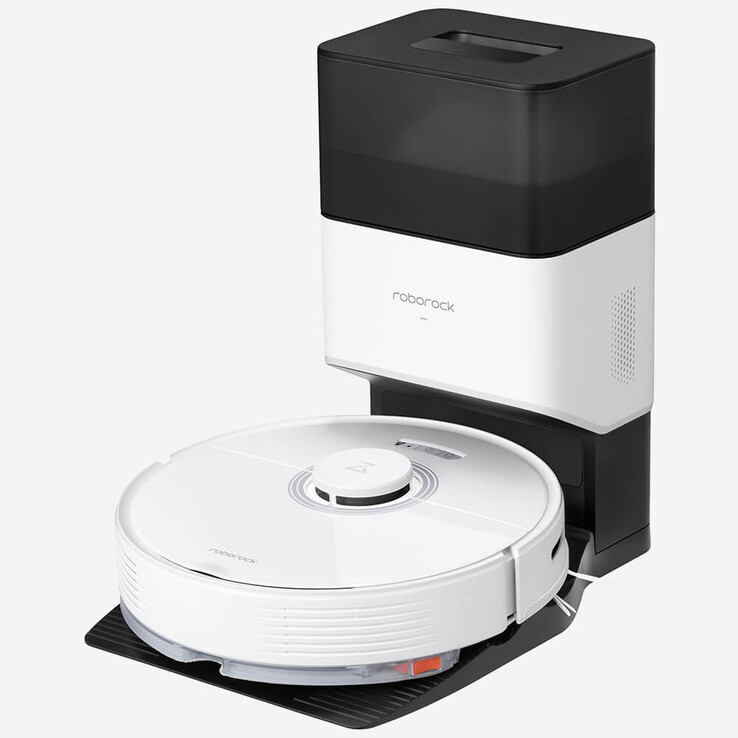
Robotics company Roborock has released its Q7 Max+ robot vacuum cleaner with LIDAR navigation and an auto-emptying dock. The new robot vacuum cleaner also has up to 4,200 Pa suction power and it is capable of effectively cleaning larger room spaces up to 300 square meters. The Q7 Max+ has a limited feature compared to the earlier showcased S7 MaxV which can refill its tank.
According to Roborock, the dock of the Q7 Max+ can hold 2.5 liters of dirt at a time and the dustbin could be left for up to 7 weeks without emptying it. It has a 350 ml water tank and a 470 ml bin. The Q7 Max+ offers up to 0.3kg of wiping pressure and 30 water levels, in addition to its suction power of 4,200 Pa.
The LIDAR navigation system in the Q7 Max+ enables the robot vacuum cleaner to easily map and navigate the cleaning environment for an effective operation. The LIDAR navigation system also allows the user to view and edit the 3D maps via the Xiaomi Home mobile app.
The Roborock Q7 Max+ robot vacuum cleaner has a 5,200mAh battery that enables it to work for up to three hours. This is one of the reasons why the device can clean up to 300 square meters space. However, it is most probable that the 3 hours capacity of the device’s battery may be possible under the quiet mode with several functionalities disconnected.
Pricing details have not been provided by Roborock but the Q7 Max+ will be available from Spring but the markets have not also been specified.
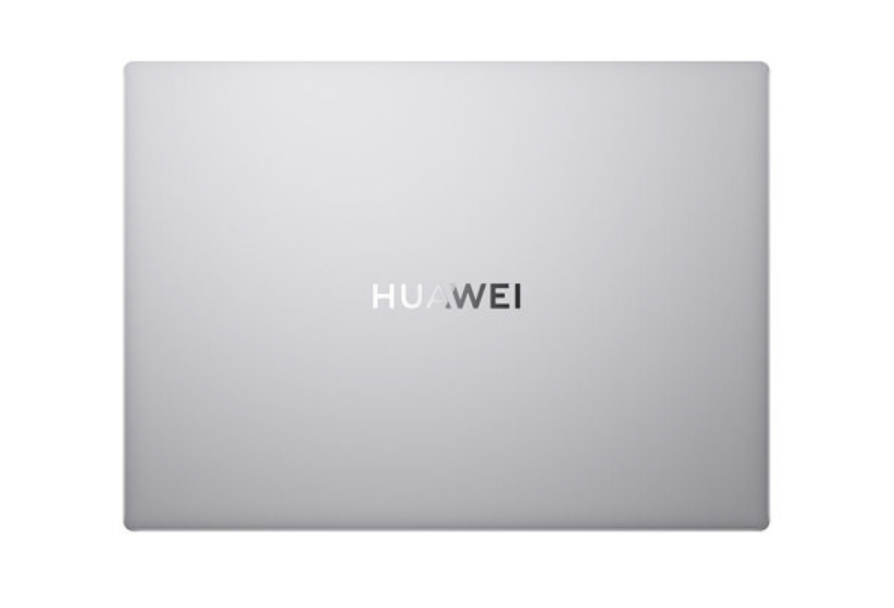
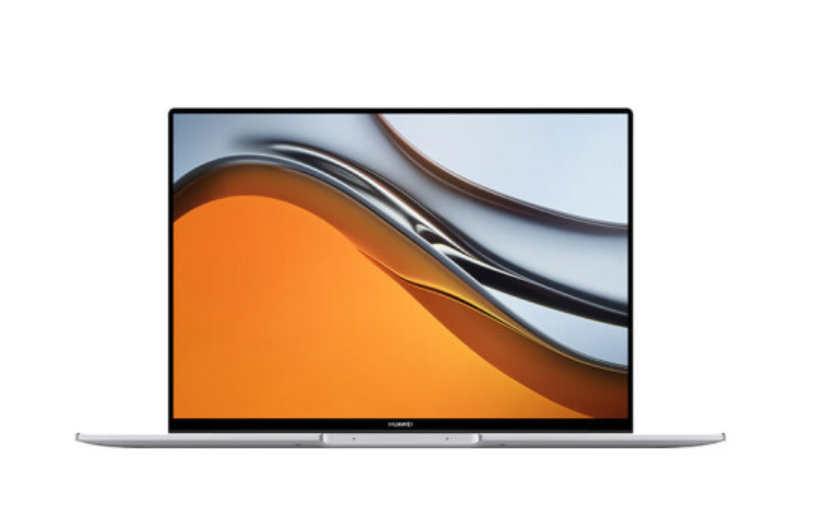
Huawei has recently launched the Windows 11 compatible version of the MateBook 16 Ryzen Edition notebooks in China.
The configuration of the device remains the same as last year, however, it has a lower starting price this time around.
Huawei MateBook 16 specifications and features
The Huawei MateBook 16 measures 351 x 254.9 x 17.8mm and weighs 1.99kg. It has a 16-inch IPS panel with super slim bezels around it, which allows it to deliver a screen-to-body ratio of 90 precent. The MateBook 16 supports 1680 x 2520 pixels resolution, 189ppi pixel density, a 3:2 aspect ratio, 1.07 billion colors, a 1500:1 contrast ratio, 300nits brightness, 100 percent RGB color gamut, and 178-degree viewing angle.
The MateBook 16 comes in two CPU versions such as AMD Ryzen 5 5800H and Ryzen 5 5600H. Both offer AMD Radeon graphics, 16 GB of DDR4, and 512 GB of NVMe PCIe SSD storage. It runs on Windows 11 OS and it carries support for multi-screen collaboration for connecting Huawei phones with the MateBook.
It is backed by an 84Wh lithium polymer battery, which can last for up to 3.5 hours once fully charged. The notebook comes with a 135W fast charger. The HD webcam is hidden in one of the function keys available on the keyboard.
The MateBook 16 has a full-sized keyboard, which tags along with a fingerprint scanner and a large-sized touchpad. Its other features include stereo speakers, a pair of microphones, two USB-C ports, two USB 3.2 Gen1 ports, an HDMI port, a 3.5mm headphone and microphone combo port, Bluetooth 5.1, and Wi-Fi 6.
Huawei MateBook 16 pricing and availability
The two variants of the MateBook 16 are priced at 5,799 Yuan (~$917) and 6,299 Yuan (~$996), respectively. It comes in Haoyue Silver and Deep Space Gray colors.
Chinese tech giant Realme Thursday held a launch event where the Realme 9 5G was launched alongside the Realme 9 SE. The company also announced two wearables the S100 smartwatch and the Realme TechLife Buds N100 neckband earbuds.
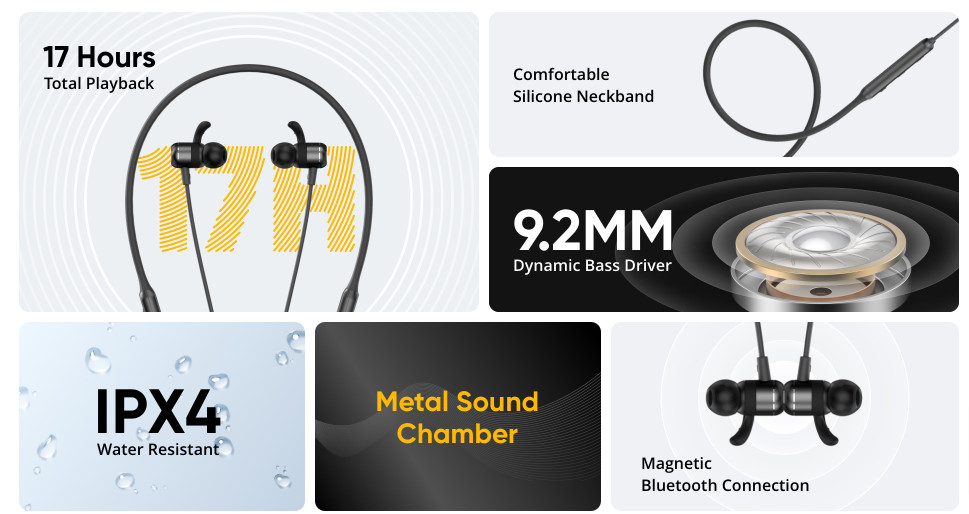
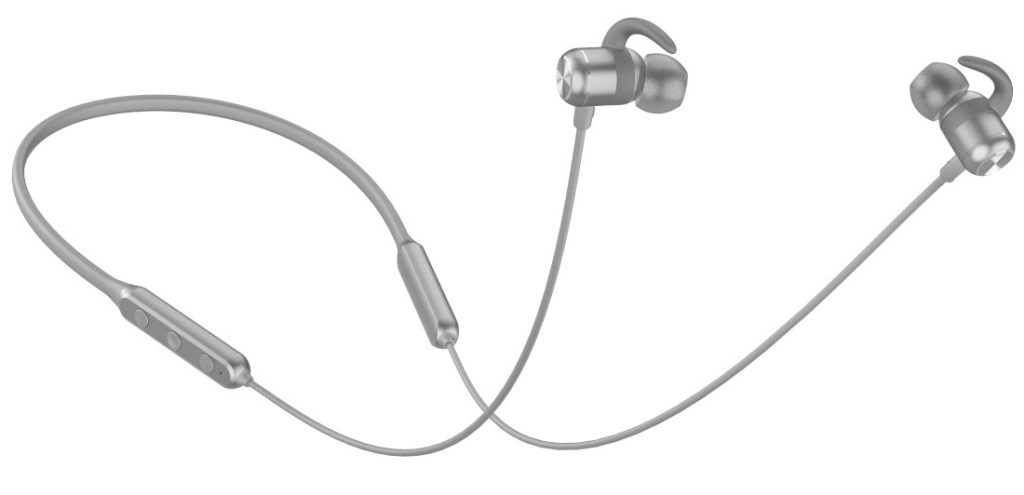
The Realme TechLife Buds N100 neckband earbuds features a 9.2mm dynamic bass boost driver while the diaphragm is a mixture of TPU and PEEK composite. Th earbuds also come with aluminium sound chamber.
The device connects via Bluetooth 5.2 with up to 10m effective range. It is said to have Magnetic Control that lets users pair the device by simply separating the two earbuds. The earbuds also presents with a comfy silicone necband. It also comes with AAC audio codec.
In terms of battery life, the Realme Techlife N100 promises up to 17 hours of music playback on a single charge. You also get an IPX4 water resistant build. It charges via a USB charging port.
As for the price, the Realme TechLife Buds N100 neckband earbuds is priced at Rs. 1,299 ($17). The neckband earbuds will be available in Grey and Black colour. It is billed to go on sale from March 15 via realme.com, Flipkart.com, and offline stores.
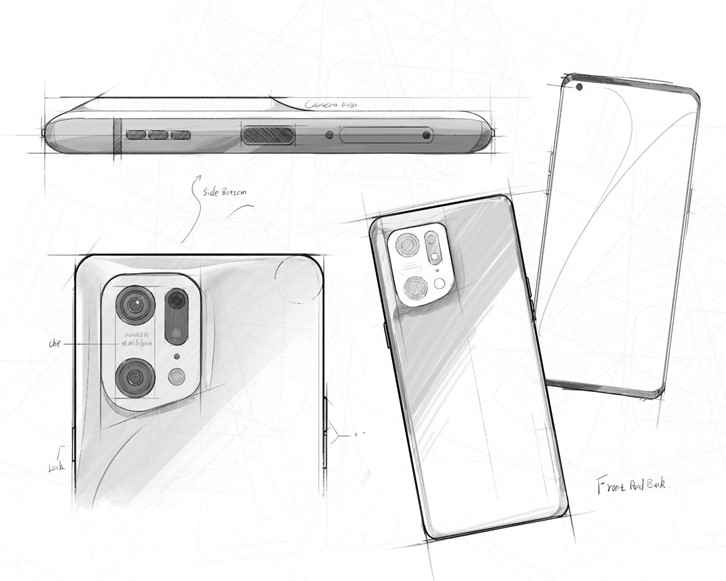
Oppo recently unveiled its Find X5 Pro flagship smartphone which came with all the cutting edge bells and whistles including the latest flagship chipsets from Qualcomm and MediaTek and even incorporates their Marisilicon X NPU chip (Snapdragon variant), however, the smartphone mostly stands out for its unique design and the never before seen ceramic back panel. So let’s take a look at why and how Oppo made this back panel possible.
With the Find X5 Pro, Oppo wanted to create a truly premium experience for its users both in the looks and feel of the device, so they decided to go with ceramic instead of glass for the back. The material has a lot of advantages compared to glass, like it is twice as tough, making it essentially drop-proof, and also has a texture that reduces fingerprints.
The back panel design is perfected to a tee with the use of in-house techniques of molding ceramic into an organically curved rear with a smoothness that feels like a pebble. But as we know that ceramic is one of the hardest materials out there, it proved nearly impossible to mold it using conventional methods, and therefore the engineers at Oppo invented a process from scratch to achieve the elegant design and finish of the Find X5 pro.
Oppo claims to have invested millions to develop specialized automated equipment which utilizes over 2,000 individual control points to achieve the uniquely curved ceramic rear panel of Find X5 pro and its iconic seamless camera housing.
To remove the machine marks from the back panel, engineers meticulously polish the ceramic’s edges in multiple stages, using a four-axis polishing machine and micron-level diamond powder. This process takes five whole days to produce a ceramic cover that is up to Oppo’s standards.
The Ceramic back of the Oppo Find X5 Pro has truly combined luxury with utility, which has been possible due to Oppo’s commitment to precision and perfection.
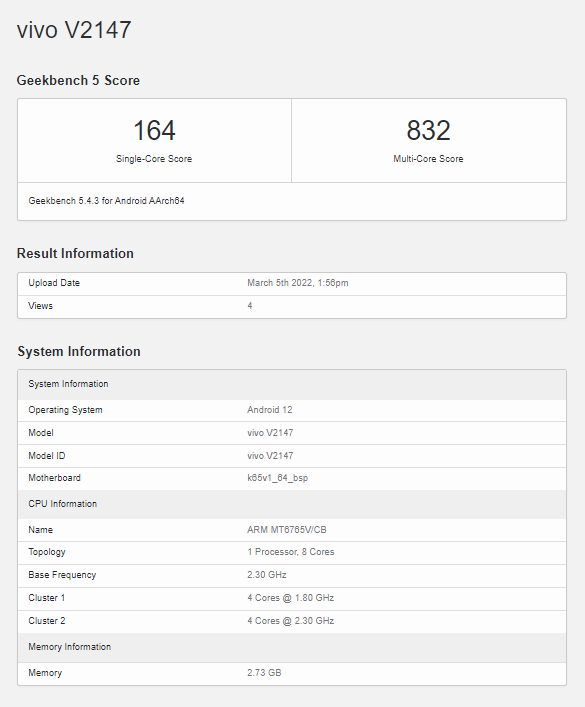
A new Vivo smartphone has appeared on the Geekbench portal. The smartphone has the model number V2147, and as per PassionateGeekz, this is the Vivo Y15C. Thanks to the certification, we now know the key specs of the smartphone.
The Vivo V2147 or the Y15C scores 164 points in the single-core department and 832 points in the multi-core department. The smartphone has a MediaTek MT6765V/CB, which is the Helio P35 SoC. It has 3GB of RAM and boots on the Android 12 operating system.
Moreover, the smartphone with the same model number was earlier spotted with the CQC certification. We learn that the device has a 10W charging speed.
Apart from this, there are no other details about this smartphone. However, we expect to get more insights about the phone in the coming weeks.
In related news, the company recently launched the Vivo Y15s in India. The smartphone has the same Helio P35 SoC and has a 5,000mAh battery. Just like the Y15C, this one too features a 10W charging speed. It has 3GB of RAM and 32GB of internal storage.
The smartphone sports a 6.51-inch water-drop notch display with an HD+ resolution and a 60Hz refresh rate. It features a 13MP + 2MP dual-camera at back and an 8MP selfie camera at the front. The device has a side-mounted fingerprint scanner for security and boots on Android 11 Go Edition. It has a 3.5mm headphone jack for music needs and a USB Type-C port for charging and data transfer.
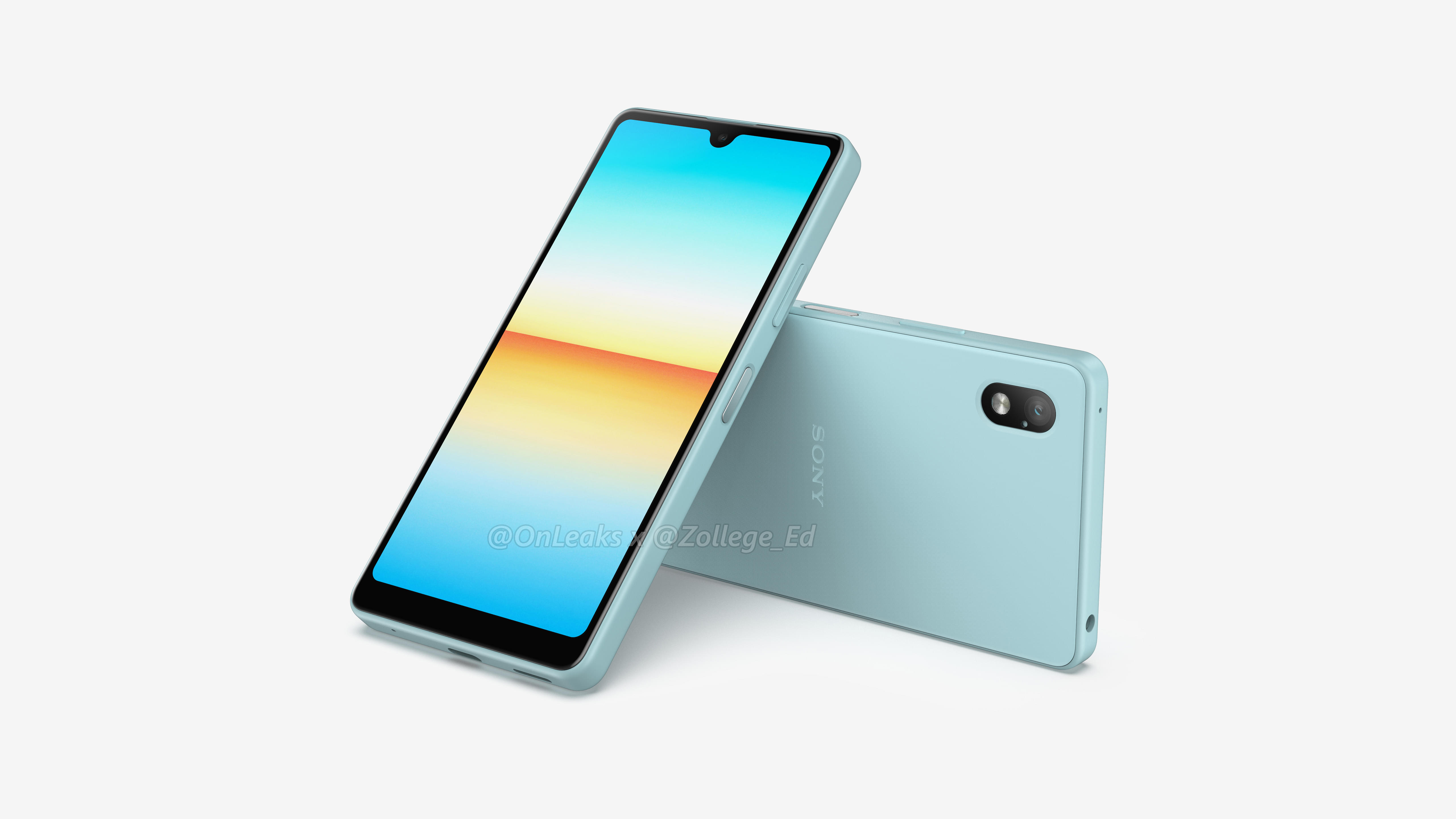
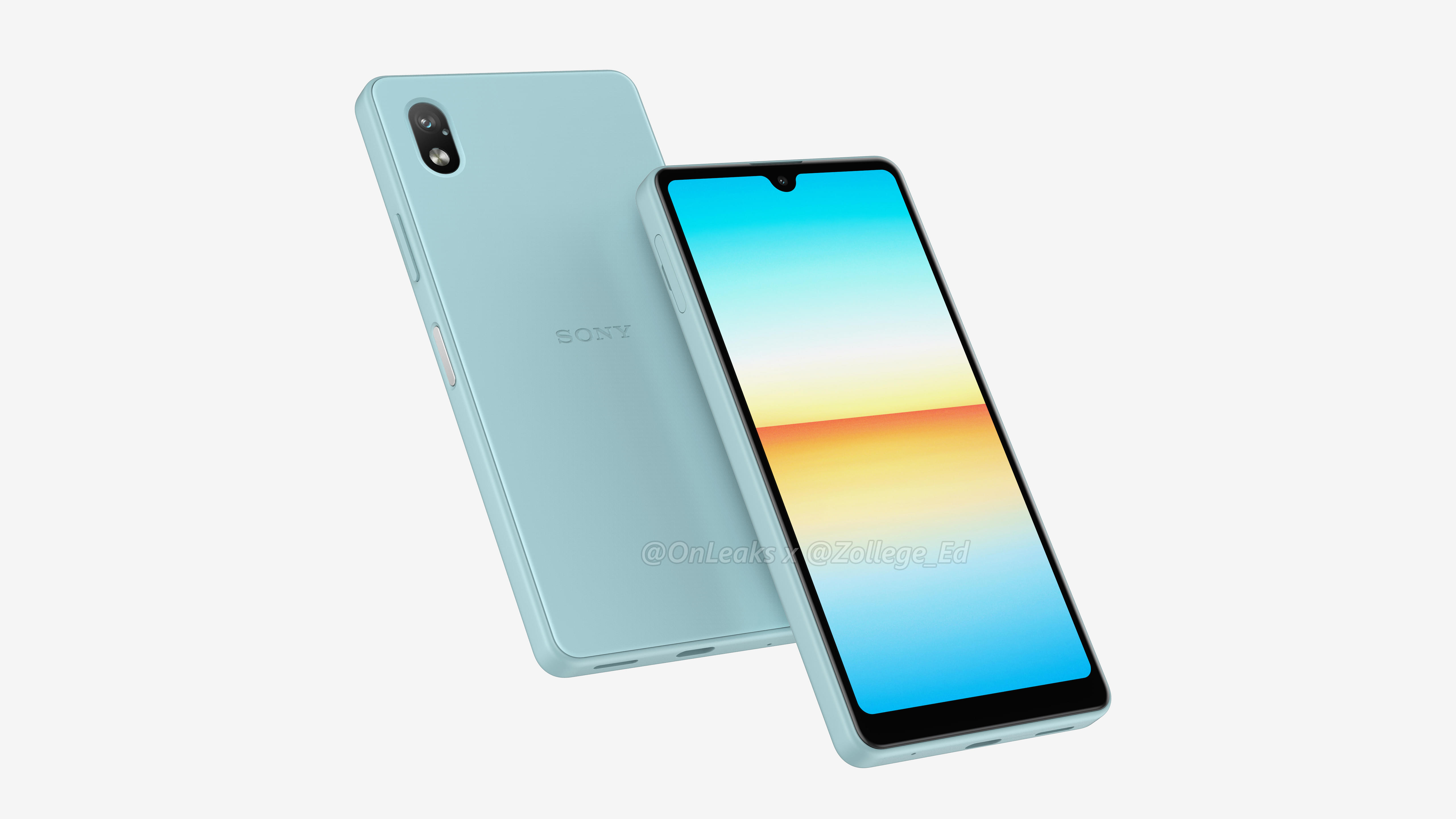
Despite the old-style design of the recently launched iPhone SE 2022, it is still expected to sell like hot cakes in some markets. Looking at the Android phone market, there aren’t many small-sized Android devices to compete with it. Now, Sony appears to be changing this, as a new device with an iPhone SE-like compact design has appeared in new renders. The device is called the Sony Xperia ACE 3, and it is tiny and thick.
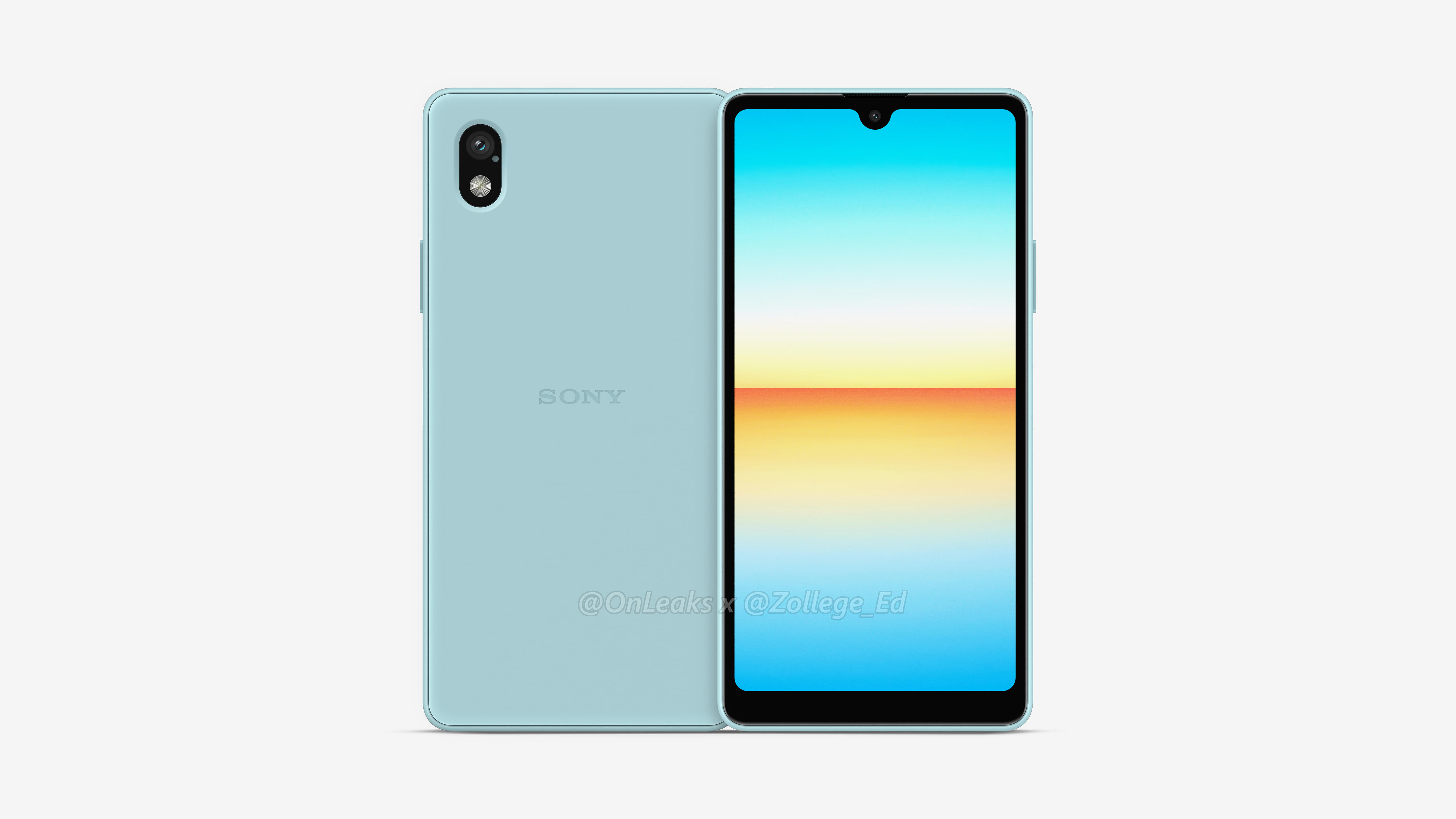
The Sony Xperia ACE 3 renders come from OnLeaks (via Zollege). The renders show the compact dew-drop notch display of the device. The smartphone has a 5.5-inch panel and, even though it has a modern design, boasts noticeable bezels. At the bottom, it has a thick chin, similar to the predecessor ACE models. The device has the following measurements: – 139.7 x 68.9 x 9.1mm.
Moving to the back, the smartphone has a clean design with only a small camera island at the top left and the Sony branding at the center. Speaking of the camera island, it houses a 13MP shooter and an LED flash. On the left side, it has a SIM tray, and on the right, it boasts the power button, the volume rocker. Here, the power button doubles up as a side-mounted fingerprint reader. At the top and bottom, it has the 3.5mm headphone jack, a USB Type-C port, a speaker grille, and a microphone.
1 of 2
The rest of the specs include the powerful Qualcomm Snapdragon 888 5G SoC paired with 6GB of RAM and 128GB, 256GB of internal storage. It will come with a 4,500mAh non-removable battery.
Apart from the specs, the publication also reveals the alleged pricing of the smartphone. The Sony Xperia ACE 3 is said to cost Rs. 24,999 ($327), which seems a little unlikely, given that the ACE series usually only lands in Japan. Regarding the launch, the phone is expected to arrive sometime in June this year.
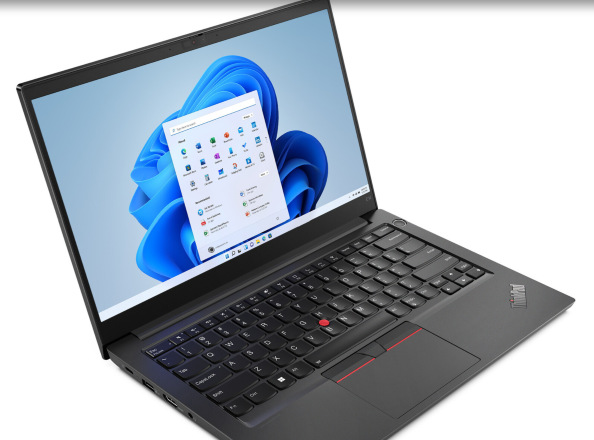
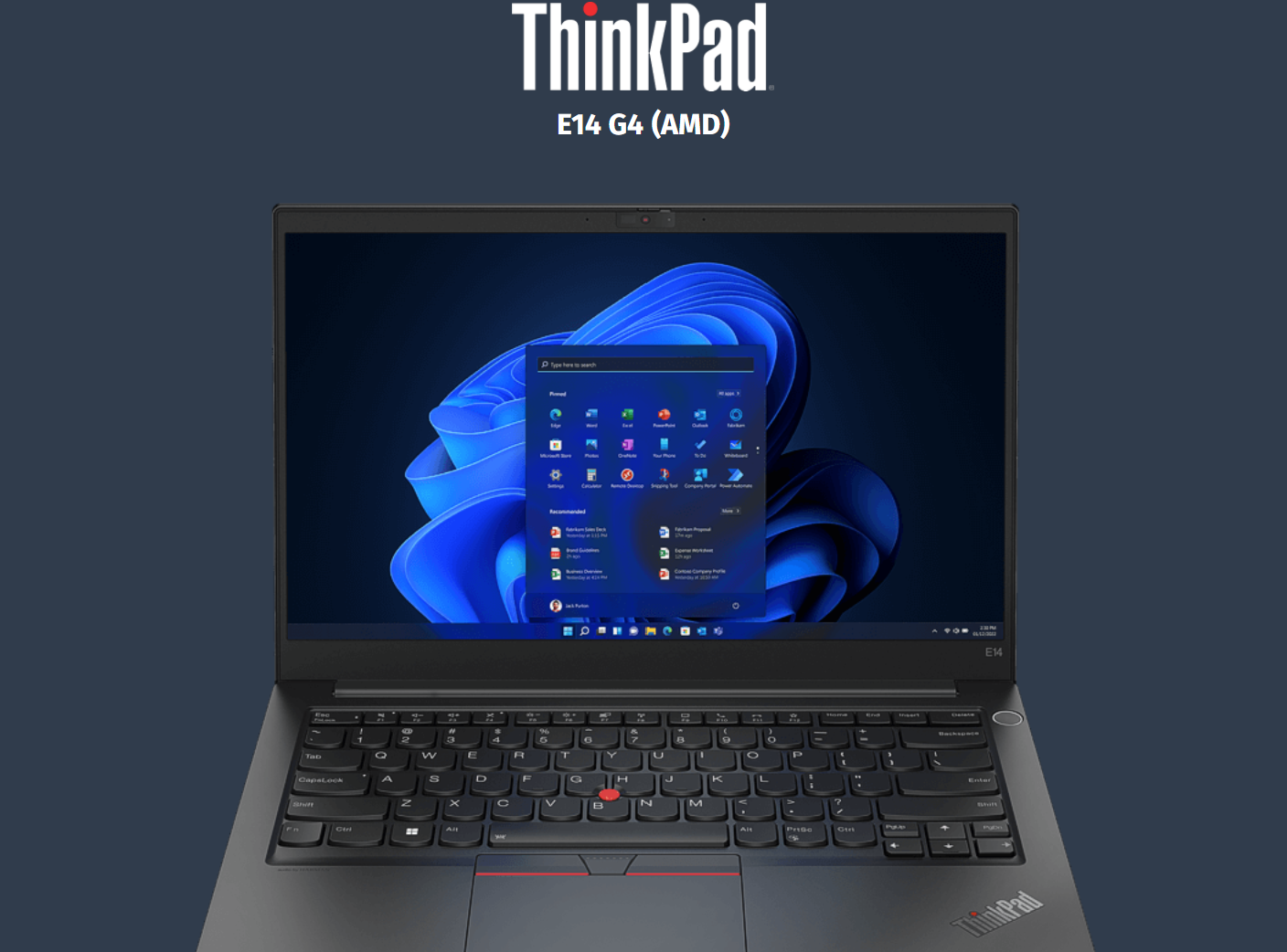
Lenovo has silently introduced a new ThinkPad series into the market and they come cheaper. The Lenovo ThinkPad E15 and E14 G4 are budget-oriented series that will have smaller CPUs and updates this year.
The marketing direction of Lenovo seemingly places a lower premium on the budget-friendly laptops that consist of the Lenovo ThinkPad E15 and E14 G4. These new laptops are being introduced into the market without a formal announcement from Lenovo, unlike some of the more illustrious – and quite expensive models, which get all the assortments of marketing opportunities available. The Lenovo ThinkPad E15 Gen 4 is a 15-inch laptop while the E14 Gen 4 sports a 14-inch screen.
It is unclear why Lenovo silently introduced the latest ThinkPads into the market without even a formal press release, but that does not take anything away from the popularity of the models. Their cheap prices have continued to attract much traffic to the models, and we expect this trend to continue with the Lenovo ThinkPad E15 and E14 Gen 4 models. It should however be noted that the new models do not come with any new features per se and they only reflect little updates from their predecessors.
The 16:9 design present in the previous iteration of the ThinkPad (the ThinkPad E14 G3 and E15 G3) is maintained in the new models. Both models also have the USB 2.0 port which seems a far cry from what could be expected. However, the CPUs are different with the Ryzen 5000 Barcelo-U series replacing the Rembrandt in the previous model. These CPU models come with limited functionality when compared with the Ryzen 6000. It seems however that affordability may be the key driver for the ThinkPad E14 and E15 G4.
There may still be an official announcement that will provide all the needed details and pricing for the new Lenovo ThinkPad E15 and E14 G4 series. The optics will become clearer in the coming days or weeks.
Three popular Chinese brands are reportedly in talks with Indian phone manufacturers about making phones locally and selling them to the global markets. As per a Bloomberg report, this decision comes after considering the cash incentives that the local phone makers get.
Will we get assembled in India phones?
The three brands in question are Xiaomi, Oppo, and Vivo, some of the largest Chinese smartphone makers. As per the report, these companies are in discussion with two of the well-known Indian manufacturers. Xiaomi is following up with Dixon Technologies, while Oppo and Vivo are in talks with Lava. If the plan succeeds, we expect to see phones from Xiaomi, Oppo, and Vivo labeled with the ‘Assembled in India‘ tag.
Reportedly, these brands want to take advantage of cash incentives available to local phone makers like Lava and Dixon. With the incentive benefits, the company may be able to offer affordable products in India. The phone prices may vary for the other markets getting these India-assembled devices.
Both Lava and Dixon technologies are said to be aimed at boosting India’s competitiveness and making the country a hub for electronics production. If all goes as planned, this process could start as early as this year.
As for now, company officials from these three brands are likely to visit the Indian factories soon.
We use cookies on our website to give you the most relevant experience by remembering your preferences and repeat visits. By clicking “Accept”, you consent to the use of ALL the cookies.
This website uses cookies to improve your experience while you navigate through the website. Out of these, the cookies that are categorized as necessary are stored on your browser as they are essential for the working of basic functionalities of the website. We also use third-party cookies that help us analyze and understand how you use this website. These cookies will be stored in your browser only with your consent. You also have the option to opt-out of these cookies. But opting out of some of these cookies may affect your browsing experience.
Necessary cookies are absolutely essential for the website to function properly. This category only includes cookies that ensures basic functionalities and security features of the website. These cookies do not store any personal information.
Any cookies that may not be particularly necessary for the website to function and is used specifically to collect user personal data via analytics, ads, other embedded contents are termed as non-necessary cookies. It is mandatory to procure user consent prior to running these cookies on your website.










 Moving to the back, the smartphone has a clean design with only a small camera island at the top left and the Sony branding at the center. Speaking of the camera island, it houses a 13MP shooter and an LED flash. On the left side, it has a SIM tray, and on the right, it boasts the power button