Advertisement

Lenovo unveils the 10w Windows 11 tablet & 13w Yoga laptop

Microsoft recently released the latest Windows 11 operating system. Lenovo has now unveiled an affordable tablet that runs on the latest OS. The tablet know as Lenovo 10w was unveiled alongside the 13w Yoga laptop. Lenovo 10w tablet
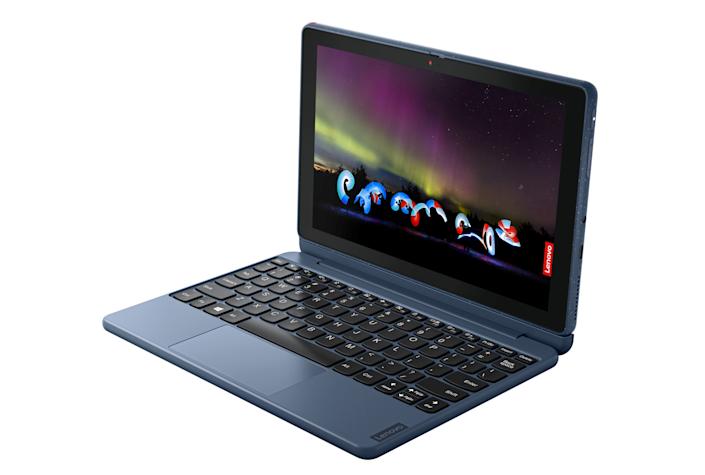
The Lenovo 10w tablet is designed for students and comes with a number of rugged features that make it suitable to withstand the rigors of daily student use. The tablet features a 10.1-inch FHD display with a 16:10 aspect ratio and 400 nits brightness. The display is covered by a layer of Corning Gorilla Glass protection with a rubber bumper on the edges.

The slate is powered by a Qualcomm Snapdragon 7c processor paired with up to 8GB of LPDDR4x RAM and up to 128GB of eMMC storage. As stated earlier, the tablet runs on Windows 11. It equally packs a 2MP front camera for selfies while at the rear, there is an 8MP camera.Lenovo 10w tablet
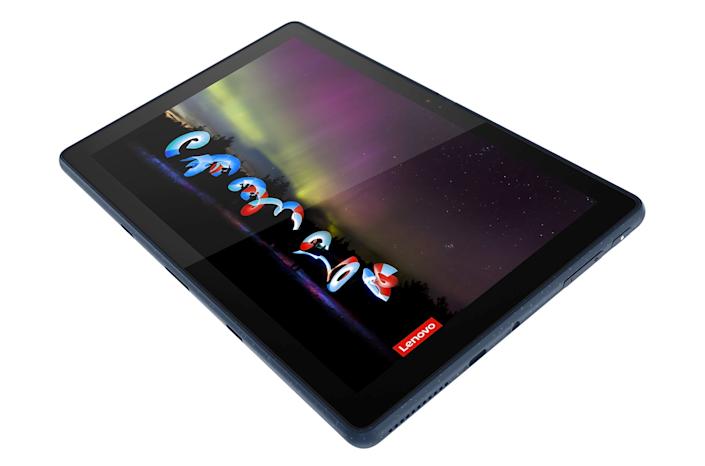
The 10w tablet is bundled with a detachable keyboard and users may also choose to add a stylus pen if they wish. Keeping the lights on is a 30Whr battery pack that charges via a USB-C port. The device also comes with a headphone jack, WiFi connectivity, and more.

As for the price, Lenovo 10w tablet carries a $329 price tag and this includes the keyboard. The device is expected to start shipping in the United States in April 2022.

Lenovo has also unveiled the 13W Yoga convertible laptop and it will start shipping in April as well. The laptop packs an AMD Ryzen 5000 U-series processor with on-chip graphics. The processor pairs with up to 16GB of 3200Mhz DDR4 RAM which is upgradable and up to 5152GB SSD.

The laptop features a 13.3-inch display with Full HD resolution and 300 nits of brightness. There is a 1080p front camera equipped with a privacy shutter while at the rear, the laptop packs a 5MP camera. The 13W Yoga features a fingerprint reader embedded under the power button. Lenovo 13w Yoga
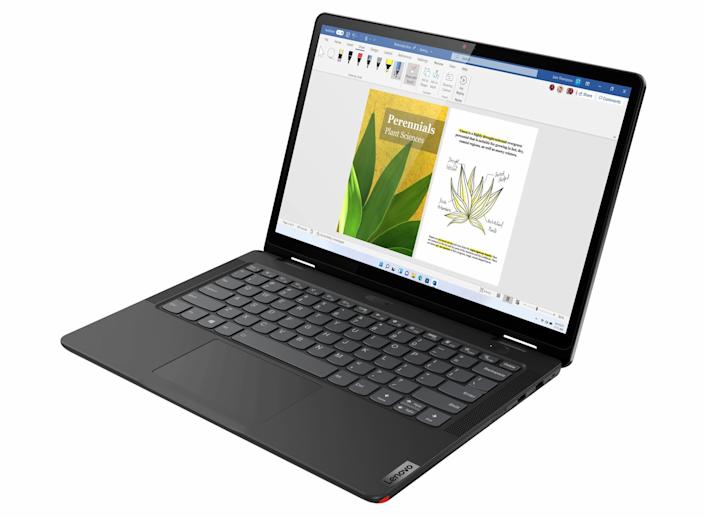
Other features include Dolby Audio, a 51Whr battery, audio jack, two USB-C 3.2 ports, one USB-A 3.2 port, a full SD card reader, and HDMI 2.0. The laptop also comes with support for WiFi 6 and optional 4G LTE support as well.

The Lenovo 13w Yoga features a starting retail price of $749.

RELATED:


(via)


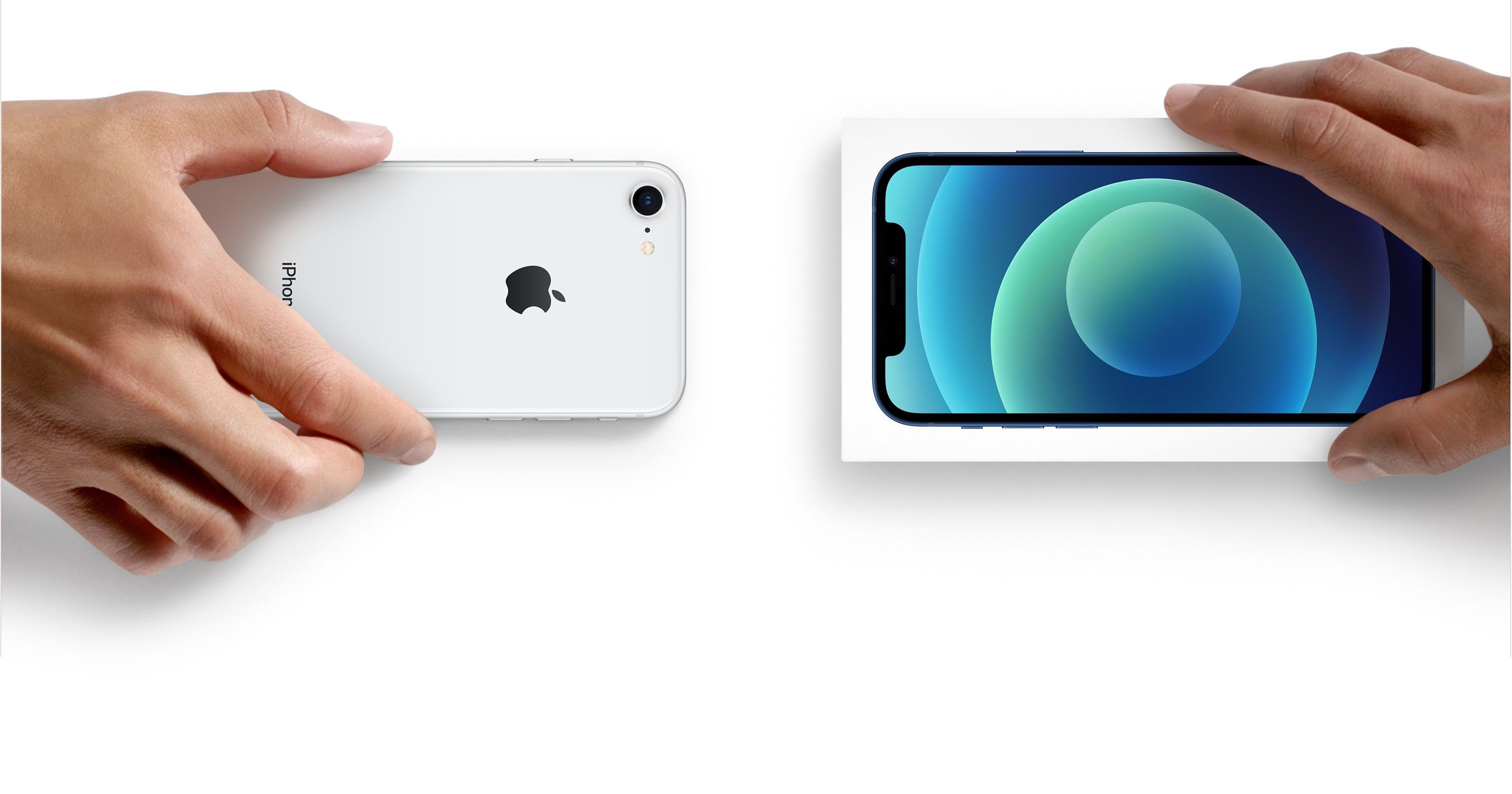
Apple is now offering a lower trade-in value for your old Android phone

Apple offers a great trade-in value for older iPhones as well as Android devices. And for a long time, buyers have been benefiting from this trade-in program from Apple. However, now it looks like, Apple has made some significant changes when it comes to the trade-in value, as MacRumors has reported that Apple has officially lowered the trade-in values for Android devices.

As per the report, starting from today, Apple has lowered the estimated exchange value for Android smartphones. Not just that, Apple has also lowered the value for a few old iPads and MacBooks.

Apple trade-in

On the Apple official website, Apple has been listing out the highest possible amount a buyer can get discounted when he or she trades his old Apple or Android phone. By highest value, we mean the maximum possible exchange value, which in the end varies depending on the condition of your device. However, today, the publication has noticed these highest trade-in values to be slightly lower than usual. This seems to be a silent move from Apple.

Following are some of the new trade-in values. The left indicates the current values while in the bracket you can see the previous value.

Trade-in Value for Android Devices 

  • Samsung Galaxy S21 5G – $260($325)
  • Samsung Galaxy S21+ 5G – $325(~$435)
  • Samsung Galaxy S20+ – $205(~$275)
  • Samsung Galaxy S20 – $150 ($205)
  • Samsung Galaxy S10+ – $170 ($185)
  • Samsung Galaxy S10 – $150 ($160)
  • Samsung Galaxy S10e – $120 ($130)
  • Samsung Galaxy S9+ – $80 ($95)
  • Samsung Galaxy S9 – $65 ($75)
  • Samsung Galaxy S8+ – $60 (no change)
  • Samsung Galaxy S8 – $50 (no change)
  • Samsung Galaxy Note 20 Ultra – $405 ($545)
  • Samsung Galaxy Note 20 – $285 ($385)
  • Samsung Galaxy Note 10 – $175 ($235)
  • Samsung Galaxy Note 9 – $120 ($130)
  • Samsung Galaxy Note 8 – $45 ($65)
  • Google Pixel 5 – $235 ($315)
  • Google Pixel 4 – $110 ($150)
  • Google Pixel 4a – $120 ($160)
  • Google Pixel 4 XL – $135 ($180)
  • Google Pixel 3 XL – $50 ($70)
  • Google Pixel 3 – $45 ($55)
  • Google Pixel 3a – $50 (no change)
  • Google Pixel 3a XL – $50 ($55)

Trade-in Value for iPads and MacBooks.

  • iPad – $200 ($205)
  • iPad Air – $335 ($345)
  • MacBook Air – $530 ($550)
  • MacBook Pro – $1415 ($1630)
  • MacBook (discontuined) – $325 ($340)
  • iMac – $1260 ($1320)
  • Mac mini – $740 ($800)

As you may have noticed, the change in the exchange value is quite significant. Some of the phone’s exchange prices have been lowered by striaght $100. As of now, we don’t know why has Apple suddently lowered these values. Also, we’re not sure if the new trade-in prices are only for the global market or if they’ve been modified in other regions as well.

In case, you are an Apple fanatic or just been spying on the Apple website, do let us know whether the prices have been changed in your region.

RELATED:

Zebronics Zeb-Fit Me with SpO2 and Blood Pressure sensor launched in India

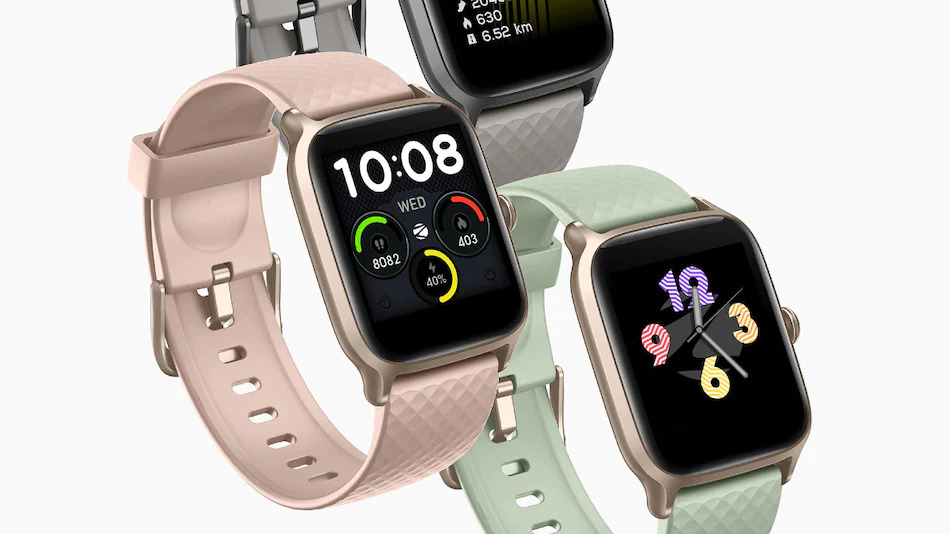
Zebronics seems to be expanding its gadgets lineup as it has launched a new smartwatch dubbed Zebronics Zeb-Fit Me in the Indian market. The smartwatch comes under the Rs 3,000 price range in India and offers a SpO2 sensor and up to 7-day battery life.

The Zebronics Zeb-Fit Me has a squarish design with a 1.2-inch TFT color display. It is a touch panel that can display over 50 different watch faces. All the watch faces can be applied from the dedicated mobile app for Android and iOS.

Zebronics Zeb-Fit Me

Two of its highlights are the SpO2 sensor and the Blood Pressure sensor. It also has a Heart rate monitor and Pedometer. The smartwatch can track steps, jogs, and runs. It comes with up to 14 sports modes like hiking, swimming, yoga, hiking, and others.

Just like any other smartwatch, the Zeb-Fit Me can show message alerts and app alerts from specific apps like Whatsapp and Facebook. One can also see calls and reject them directly from the smartwatch.

In terms of battery, the Zebronics Zeb-Fit Me has up to 7 days of battery life on a single charge. It takes up to two hours for the smartwatch to get fully charged. The smartwatch also has music controls, where users can play/pause the music and skip to the next or previous track. The device has 12 months of warranty.

The Zebronics Zeb-Fit Me is priced at Rs 2,799 in India and will be available for purchase from Flipkart. It can be picked up in five color variants – Black, Blue, Sea Green, Grey, and Rose Pink.

RELATED:

Xiaomi Mi A3 gets yet another Android update that is just 12.29 MB in size

Xiaomi has continued to provide software support for the Mi A3 even though the phone is gradually moving towards the end of days. Not too long ago, the company rolled out a new update bringing December 2021 security patch with an unusually large file size of 458 GB. The Chinese company has yet again provided a new update for the Mi A3. The new update ushers in the January 2022 Android security patch.Xiaomi Mi A3 Featured

Unlike the December 2021 security patch, this new update has an exceptionally small file size of just 12.29 MB. It comes with the firmware number V12.0.18.0.RFQMIXM, showing it is still based on MIUI 12 despite the device launching as part of Google’s Android One program. The software is still Android 11 and we doubt if Xiaomi will push any major update to the device which launched with Android 9.0 Pie. This means it has received two major Android upgrades even though the migration to Android 11 was plagued with several bug incidence. https://youtu.be/8_PwyyjkAPg

According to the changelog, the update delivers the January 2022 security patch, fixes bugs, will enhance the stability of the device, and optimize the overall performance of the Mi A3. The V12.0.18.0.RFQMIXM build is presently being delivered via OTA update on MIUI’s global channel.

It should be noted, though, that the Mi A3 will not be getting official software support from July 2022.

RELATED:


(source)


boAt Watch Matrix now on sale in India for Rs. 3999 (~$54)

Indian accessories manufacturer boAt has recently unveiled a new smartwatch in India dubbed the boAt Watch Matrix. The device wasn’t put on sale immediately but is presently up for grabs in India presently. The smartwatch carries a price tag of Rs. 3999 (~$54) and is presently on sale on Amazon India and boAt’s website.boAt Watch Matrix

The boAt Watch Matrix is a budget smartwatch with an AMOLED display. The watch packs a 1.6-inch 2.5 Curved AMOLED screen with support for an Always-on display. The watch also comes with several health-centric features such as SpO2 blood oxygen monitoring, sleep monitoring, heart rate sensor, and others.

The smartwatch also comes with a durable battery that can deliver up to 7 days of usage on a single charge while using the Always-On display cuts down the battery life to just 2 days. Other features onboard include customizable watch faces as well as support for call alerts, camera, and music control. The Watch Matrix arrives with 3ATM dust and water resistance rating as well. boAt Watch Matrix

The boAt Matrix Smartwatch is available in Ocean Blue, Pitch Black, and Twilight Grey colors. It also features 3 ATM dust and water resistance which makes it suitable for use during workouts and in the rain. It may not be suitable for use in the shower, though.

RELATED:


iQOO 9 Pro Indian model arrives on Geekbench running on Android 12 OS

iQOO has already confirmed that the new iQOO 9 and 9 Pro are coming to India soon. However, the company has not revealed an exact launch date. Well, while we look for the launch date, the Indian model of the iQOO 9 Pro has now passed the Geekbench listing. The listing was first spotted by MySmartPrice and it affirms the phone’s key specs.

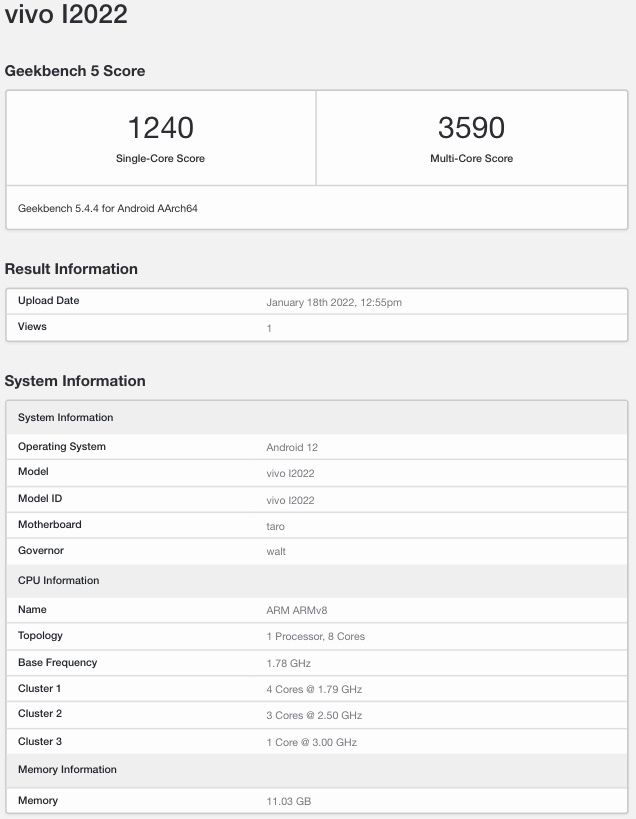
As per the listing, the iQOO 9 Pro has the model number vivo I2020. It scored 1240 points in the single-core department and 3590 points in the multi-core department.

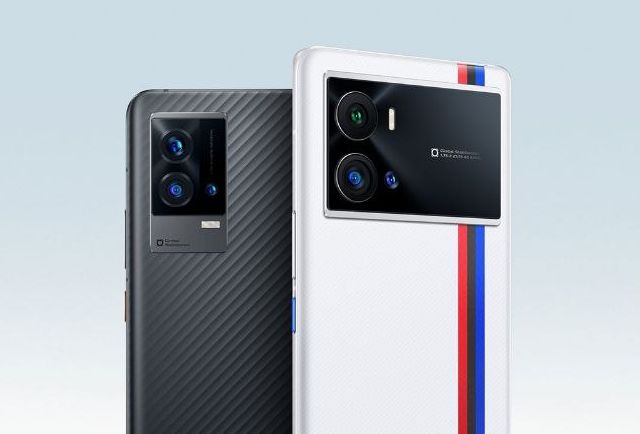
iQOO 9 Pro

The smartphone has Snapdragon 8 Gen 1 octa-core SoC inside and here, the first four cores are clocked at 1.79 GHz. The other three cores are clocked at 2.50 GHz and the rest two cores are clocked at 3.00 GHz. The smartphone has 12GB of RAM and boots on Android 12 out of the box.

Recent reports have revealed that the iQOO 9 series will be entirely different for the Indian market. In India, the iQOO 9 will be the iQOO 8 Chinese model, and the iQOO 9 Pro could be the vanilla iQOO 9. That being said, the iQOO 9 India will be powered by the Qualcomm Snapdragon 888+ chipset.

iQOO 9 and iQOO 9 Pro India varaints

The duo will have AMOLED panels with a high 120Hz refresh rate. The vanilla model will have an FHD+ resolution, while the Pro will feature a QHD+ resolution.

As for cameras, the vanilla will feature a 48MP +12MP + 13MP triple camera unit and the Pro is expected to have a 50MP + 50MP + 16MP triple camera system. The duo is expected to have a 120W fast charging support but the battery capacities will differ.

RELATED:

New Budget OnePlus Nord phone could be heading to India this year under Rs 20,000(~$269)

OnePlus has experimented with different strategies when it comes to segmenting smartphones in the market. The brand initially started offering flagship killer phones and later switched to offering both, mid-range devices above Rs 20,000(~$269) and flagship phones above Rs 40,000(~$537).  Now, a new report from 91Mobiles reveals that the company may soon a launch budget phone in India, and the device may arrive under Rs 20,000.

The tipster Yogesh Brar has said to the publication that the phones coming under Rs 20,000 would be under the Nord series. As for now, the Indian phone market is quite competitive, the market has budget phones from brands like Xiaomi, Realme, Motorola, and even the recent entrant Tecno. Now if we see OnePlus phones under the sub-Rs 20,000 range then these aforementioned brands will surely face fierce competition.

Budget OnePlus Nord

Moreover, it is said that there’s still time until we see the device. OnePlus will launch the OnePlus Nord 2 CE in Q1 this year and only after that, we will get to see the tipped budget Nord phone. The Nord 2 CE is expected to arrive by March this year, so we can expect the release of the budget Nord after March. The publication, however, says that the phone may arrive after July.

As of now, there are no confirmed details regarding the specs of this budget OnePlus Nord phone. But, the tipster said that the budget Nord phone will be powered by a MediaTek chipset. Furthermore, a 90Hz AMOLED display, 50MP cameras, and 5G connectivity could be the highlights of the device.

RELATED:

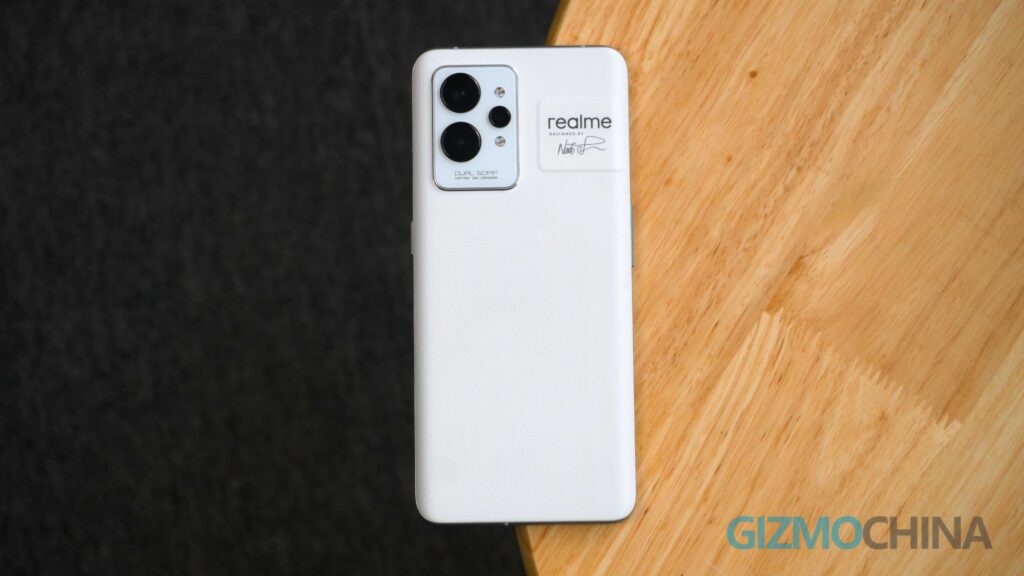
Realme GT 2 Pro users can now brag about adaptive refresh rate with new software update

The realme GT 2 Pro is the first proper premium flagship smartphone from the brand. It was announced earlier this month in China. The handset has been confirmed to release in international markets soon. Ahead of that, the device gets a new software update that brings an option to brag one of the phone’s key features.

Realme GT 2 Pro

Realme has pushed a new OTA system update for the Realme GT 2 Pro in China with firmware version A.14. The latest update brings many changes like high refresh support for multiple video streaming apps. 

Most interesting of all, the new software release for the handset adds an option to display the refresh rate of the screen when LTPO mode (dynamic refresh mode) is enabled. Users need to enable this option from ‘Developer options’.

Usually, all Android devices come with a toggle in Developer options to check the refresh rate of the display. We are not sure if this option was included at launch. If it was, the brand’s executive wouldn’t talk about it on social media.

For the unaware, the Realme GT 2 Pro flaunts a 6.6-inch WQHD+ (3216 x 1440 pixels) AMOLED 2nd gen LTPO AMOLED display with a 1Hz-120Hz variable refresh rate, 1 billion colors, and 92.6% screen-to-body ratio. The panel has a 1000Hz touch sampling rate, 5,000,000:1 contrast ratio, and 1400 nits peak brightness. 

The screen has a color accuracy of JNCD ≈ 0.5, a punch hole at the top left corner, and covers 100% of the DCI-P3 color gamut. Lastly, it is protected by Corning Gorilla Glass Victus.


RELATED:


Intel, AMD and Nvidia CPU and GPU cost to rise as TSMC hikes prices: Report

The ongoing semiconductor shortage wreaked havoc on the pricing of PC components like CPUs and GPUs in 2021, and it appears that 2022 might be even worse.

According to a report by Digitimes, the Taiwanese semiconductor giant TSMC has already raised its quotes by 10-20% for both mature and advanced nodes starting this year. This means that TSMC’s major customers like AMD, Intel, and Nvidia will also increase their product prices in the near future.

AMD Ryzen 6000

For AMD, the price hike will likely come across its entire range of processors, including the 7nm based Zen 2 (Ryzen 3000) and Zen 3 (Ryzen 5000) processors, as well as their upcoming 5nm based Ryzen 7000 processors. The RDNA 2 based AMD GPUs are also expected to be more expensive in the future as they also depend on TSMC’s 7nm process.

Nvidia

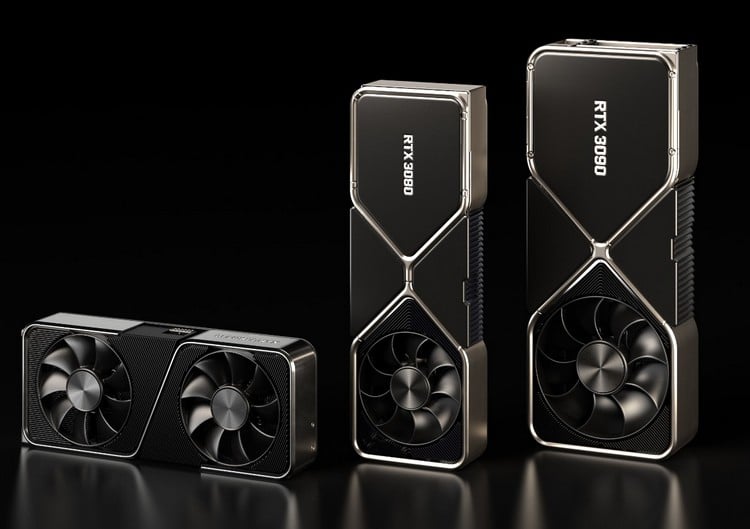
Talking of GPUs, Nvidia has recently raised the MSRP for multiple cards in the RTX 3000 series and going by the report, the company’s upcoming 4000 series is expected to be even costlier since it has switched nodes from Samsung to TSMC’s 5nm for their next-gen GPUs. DigiTimes also reports that Nvidia has already made prepayments to TSMC for long-term orders of 5nm silicon for the RTX 4000 series GPUs starting in 2022 as well.

Intel 12th Generation Alder Lake Processor

Moving on to Intel, the California-based giant is expected to be least affected by this new development as it makes most of its chips in-house. However, the report states that Intel will also be hiking its pricing for multiple reasons, including the increased cost of wafer production outsourced to TSMC. The firm is also building new fabs to enable the in-house production of chips based on advanced nodes, which will give Intel more incentive to drive costs higher to recuperate the additional investments.

All in all, the report indicated that 2022 could potentially be a terrible year for the PC industry as well as the customers who have been facing excruciatingly high prices for more than a year now. So if you are planning to build/buy a PC or upgrade components on your existing system, we suggest you do so quickly before the price hikes are implemented.


RELATED:


Redmi Buds 3 Youth Edition may launch in India soon

Redmi launched a new pair of truly wireless earphones called Redmi Buds 3 Youth Edition at the end of October 2021 in China. As the name suggests, this TWS is the lite version of Redmi Buds 3. This audio accessory could soon launch in India.

Redmi Buds 3 Youth Edition 01

According to Twitter user Yash (@i_hsay), the Redmi Buds 3 Youth Edition with model number M2110E1 have been certified by BIS (Bureau of Indian Standards). Hence, these wireless earphones may launch in India in the coming days.

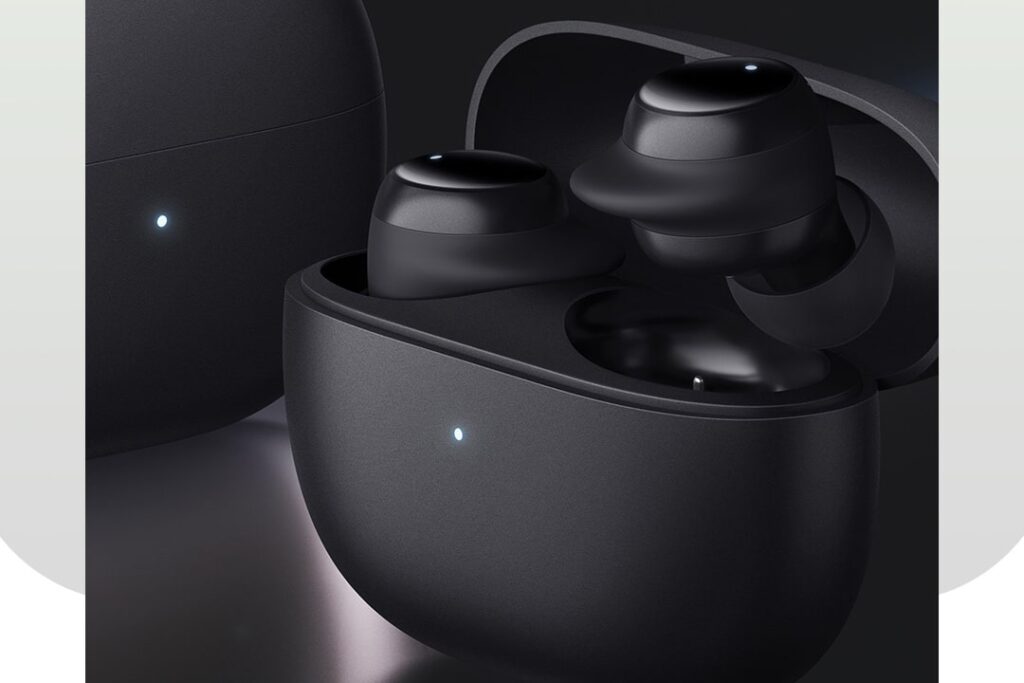
The Redmi Buds 3 Youth Edition (aka Redmi Bdus 3 Lite) are an affordable pair of wireless earbuds priced at ¥99. The buds look like the Galaxy Buds+. They even come with wingtips like the Samsung model. Whereas, their case resembles that of Apple AirPods Pro.

These in-ear style buds are IP54-rated for dust and water resistance. They offer features like ENC (Electronic Noise Cancellation) for calls, low latency mode for gaming, and touch gesture controls.

Redmi Buds 3 Youth Edition 04


The buds weigh 4.2g each and are rated to last hours on a full charge. On the other hand, with the USB Type-C equipped charging case, the whole product weighs 36g. The company claims a total battery life of 18 hours.

Finally, the Redmi Buds Youth Edition arrive in a single black color option.


RELATED:


Samsung becomes world’s first to demonstrate in-memory computing MRAM technology

Samsung has announced that it has become the world’s first to demonstrate the MRAM (Magnetoresistive Random Access Memory) technology for in-memory computing. The company’s paper for the same titled ‘A crossbar array of magnetoresistive memory devices for in-memory computing’ was published by Nature (via SamMobile).

Data is usually stored in DRAM for quick access for the CPU. MRAM changes things though and combines data storage and computing, letting both happen on the same chip. Operations are theoretically much faster in such a case as there is no need to transfer data from memory to processor and vice versa.

Moreover, there are significant power savings since data processing happens in a highly parallel manner inside the memory.

The demonstration is a breakthrough because while other in-memory computing solutions like PRAM and RRAM have been demoed, working MRAM has been quite difficult to achieve, mainly due to its low resistance. It was also impossible to use MRAM’s power efficiency advantage in a standard in-memory computing architecture.

Samsung has made MRAM possible thanks to a self-developed MRAM array chip that uses ‘Resistance Sum’ instead of the standard ‘Current-Sum,’ which counters the resistance problem.

The solution was tested by running AI applications, and it offered 98% accuracy in the classification of handwritten digits and 93% accuracy in detecting faces in images. Samsung says that MRAM tech can be used for AI processing and to make highly power-efficient AI chips.

Dr. Seungchul Jung, the first author of the paper, said, “In-memory computing draws similarity to the brain in the sense that in the brain, computing also occurs within the network of biological memories, or synapses, the points where neurons touch one another. In fact, while the computing performed by our MRAM network, for now, has a different purpose from the computing performed by the brain, such solid-state memory network may in the future be used as a platform to mimic the brain by modeling the brain’s synapse connectivity.”

RELATED:

Moto G71 5G goes on sale in India; check the price and specs

Motorola Moto G71 5G was launched last week in the Indian market with impressive specs like an AMOLED display, triple cameras, and Snapdragon 695 SoC. Starting from today, the smartphone has gone on sale in India.

The Moto G71 5G is priced at Rs 18,999(~$256) for the sole 6GB RAM and 128GB variant. It comes in Neptune Green and Artic Blue color variants. It is available for purchase from the Flipkart India website.

Moto G71 5G
Moto G71 5G

Motorola Moto G71 5G Specifications

The smartphone comes with a 6.4-inch punch-hole AMOLED display with an FHD+ resolution. It has a DCI-P3 color gamut and 700 nits of brightness. It has a standard 60Hz refresh rate and a 20:9 aspect ratio.

The phone sports a triple camera system at the rear with a 50MP main lens, an 8MP ultra-wide sensor, and a 2MP macro lens. Upfront, it has a 16MP camera for selfies.

Motorola Moto G71 5G Featured A

Under the hood, it is powered by the 6nm Qualcomm Snapdragon 695 SoC and has a 5,000mAh battery. It has a 33W fast charging support via the USB Type-C port. The device has 6GB of RAM and 128GB of internal storage.

Motorola has also offered a microSD card slot for additional storage. It has the Motorola ThinkShield feature and boots on Android 11 out of the box. It has 13 5G bands and supports two SIMs. The device has an IP52 water-repellant coating and has a rear-mounted fingerprint scanner.

RELATED:

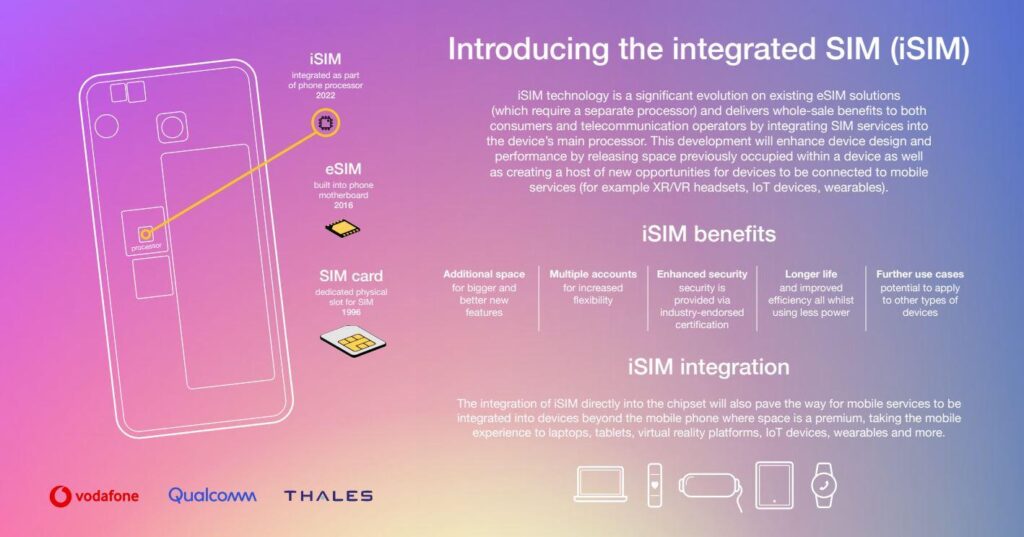
Qualcomm announces world’s first demo of iSIM tech that integrates SIM card with processor

Qualcomm Technologies, Vodafone, and Thales together demonstrated the world’s first smartphone with working iSIM (integrated SIM) technology that allows the SIM card to be embedded into the device’s processor, thus eliminating the need for a dedicated slot.

The breakthrough paves the way for the commercialization of the technology, which if picks pace will not only kill the need for dedicated SIM card slots but also eSIMs — something that has seen a rather slow adoption by both carriers and smartphone OEMs alike.

qualcomm vodafone thales isim

The greatest advantages of the SIM and processor integration include better system integration, higher performance, and increased memory capacity. It also does away with the need for a separate chip that’s required by eSIMs.

The iSIM conforms with GSMA specifications and delivers benefits for both consumers and telecom operators, further paving the way for mobile services to be integrated into devices other than mobile phones. This means that it would be far easier for laptops, tablets, VR platforms, IoT devices, wearables, and others to make use of LTE or 5G services.

The demonstration of the technology took place in Europe in Samsung’s R&D labs where it made use of Vodafone’s network, illustrating its readiness and efficiency in working with existing infrastructure.

A Samsung Galaxy Z Flip3 5G powered by the Snapdragon 888 5G was used and it ran the Thales iSIM operating system for the purpose.

Enrico Salvatori, senior vice president and president of Qualcomm Europe said: “iSIM solutions offer great opportunities to MNOs, free-up valuable space in devices for OEMs, and provide flexibility for device users to benefit from the full potential of 5G networks and experiences across a wide range of device categories. Some of the areas that will benefit most from iSIM technology include smartphones, mobile PCs, VR/XR headsets, and industrial IoT. By engineering the iSIM technology into the SoC, we are able to create additional support for OEMs in our Snapdragon platform.”

RELATED:

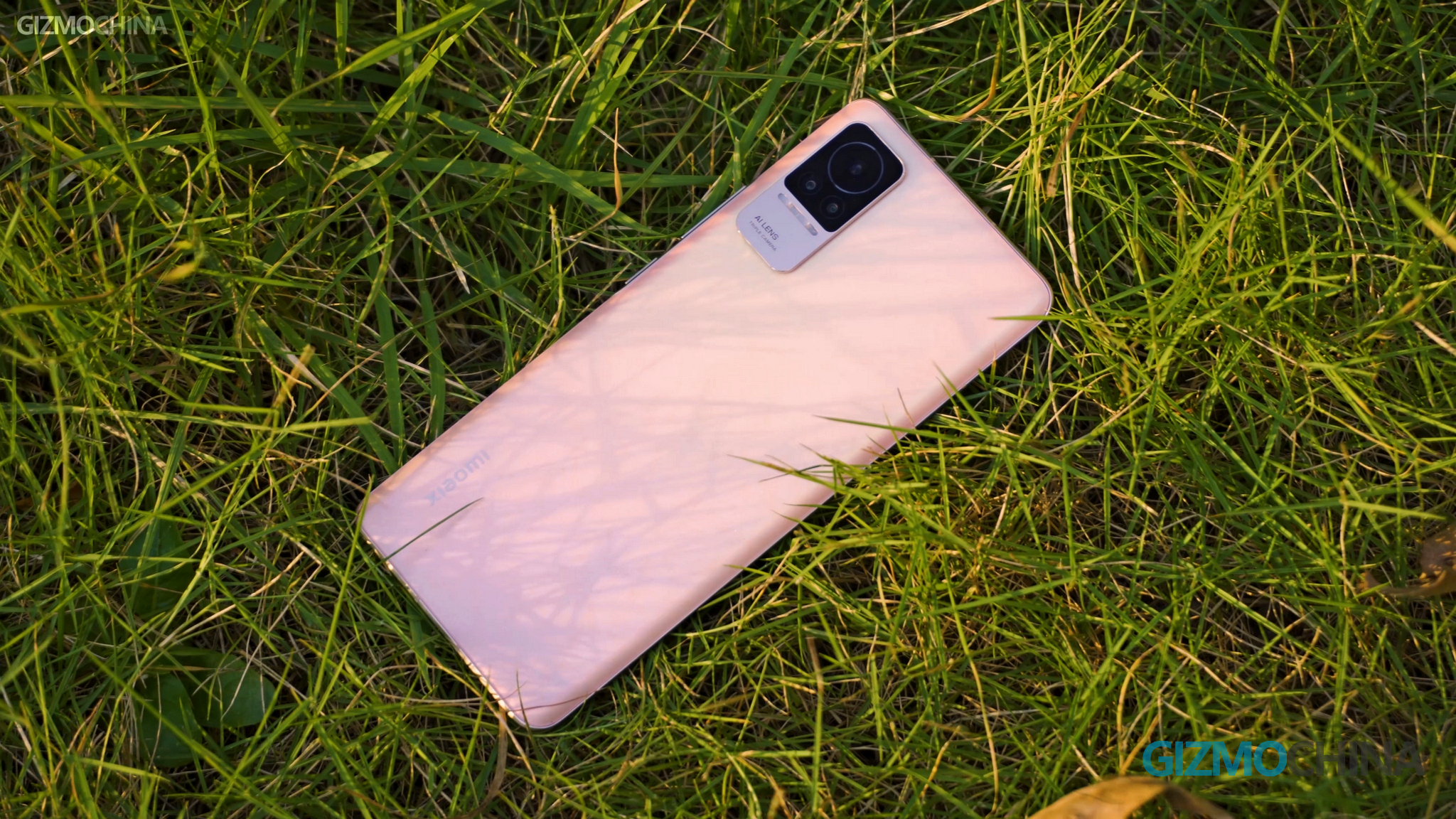
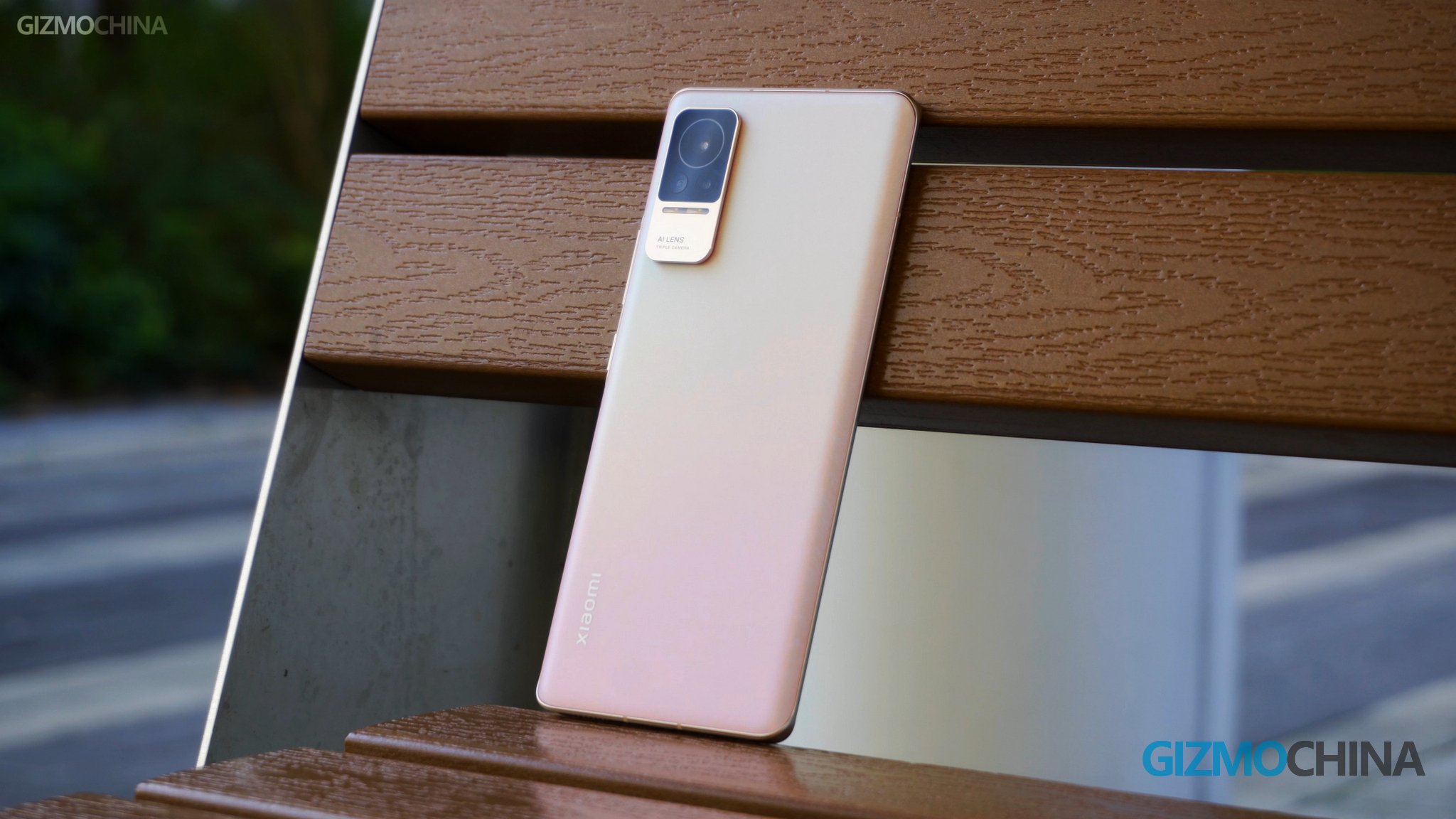
Xiaomi Civi price slashed in China, now available for 2,499 Yuan ($393)

Xiaomi has just discounted the price of the Civi in China. The smartphone is now available in the region for 2,499 Yuan for its 8GB of RAM and 128GB of internal storage variant.

Xiaomi CIVI review featured 2

The Chinese tech giant’s online store lists the Civi with a special 100 Yuan (roughly 18 US Dollars) discount coupon. For those unaware, the company had first launched the smartphone last year. During its first sale, the company sold out the Civi in just 5 minutes of going live, bringing in over 200 million Yuan (roughly 31 million US Dollars). The company’s success was thanks to its attractive design and capable specs at an attractive mid range price point.

Under the hood, the device features a Qualcomm Snapdragon 778G chip that is paired with either 8GB or 12GB of RAM and up to 256GB of internal storage. The Xiaomi Civi is also available in multiple variants and initially started from 2,599 Yuan (roughly 400 US Dollars). Apart from these specs, the company offers the device with skin renewal technology that uses deep learning skin characteristics to reconstruct facial imperfections such as blemishes, acne, and more.

Xiaomi CIVI review featured

On the front, the smartphone sports a 6.55 inch FHD+ OLED panel with 120hz refresh rate and a 32 megapixel front camera. Meanwhile, the rear houses a 64 megapixel primary shooter paired with an 8 megapixel ultra wide angle lens and a 2 megapixel macro sensor as well.

RELATED:


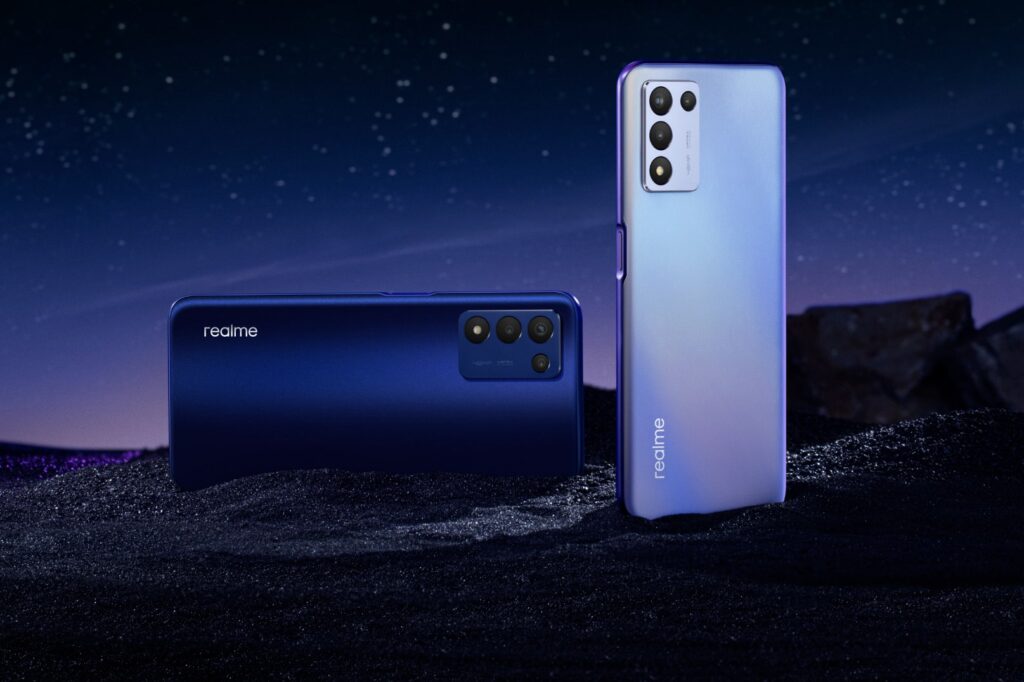
Realme Q3s could launch in India as it receives BIS certification

Realme launched the realme Q3s in China in October. Even after three months, the smartphone is still exclusive to its home market. According to a new finding, this might change soon as the handset may finally release outside mainland China.

realme Q3s Featured A
realme Q3s

According to Twitter user Yash (@i_hsay), the realme Q3s with model number RMX3461 has been certified by BIS (Bureau of Indian Standards). This means the phone may release in India.

For the uninitiated, the realme Q series of smartphones are sold exclusively in China. However, some of these handsets have previously been released in other markets under different names.

Hence, the Realme Q3s could be called something else in India. Going by the device’s specifications, it could be either part of the Realme narzo series or the Realme number series.

The Realme Q3s is an interesting budget 5G smartphone with a Qualcomm chipset and a high refresh rate screen. It only falls behind in the camera department.

The phone comes with a 6.6-inch HDR-ready FHD+ 144Hz display (LCD) with 600 nits peak brightness, Qualcomm Snapdragon 778G SoC, 48MP (wide) + 2MP (monochrome) + 2MP (macro) triple camera setup, 16MP selfie camera, side-mounted fingerprint sensor, 8.5mm thickness, 199g weight, realme UI 2.0 based on Android 11, 5,000mAh battery, and 30W fast charging.


RELATED:


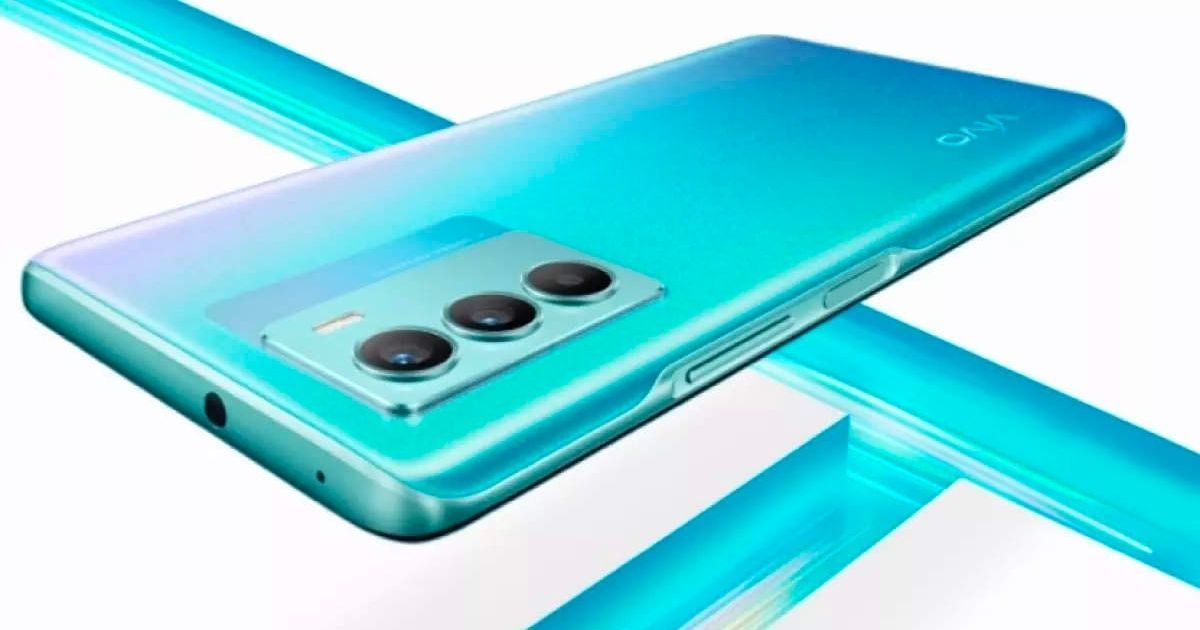
Vivo T series will be a performance oriented series aimed towards the online market in India

Earlier, Vivo was touted to launch a new smartphone under the T lineup in India. The smartphone series was said to replace Vivo’s Y series for the region. Now, however, the tipster Mukul Sharma reveals that the new “Series T” will be aimed towards the online marketplace in India.

As per the tipster, the new Vivo T series or “Series T” will be aimed towards the online market and will be performance-oriented. He further said that the new series should make its debut by early February in India.

To recall, the past report revealed that Vivo is planning to launch a T series phone dubbed Vivo T1 in India. But, contrary to the above information, the past report mentioned a March arrival. Nonetheless, the new T series is coming and the tipster has already confirmed that the first device to arrive will be the Vivo T1 in the country.

Vivo T series

Reportedly, the Vivo T1 will be a 5G phone and it will have two variants for the Indian market. It will have an 8GB RAM + 128GB storage variant and an 8GB RAM + 256GB storage variant. The device may also come in a 12GB variant as per the previous report.

As for other specs, the phone was already launched in China last year. It sports a 6.67-inch LCD display with an FHD+ resolution. It has a 120Hz refresh rate and HDR10 support. The device has a 64MP + 8MP + 2MP triple camera system and a single 16MP selfie lens.

Under the hood, the phone is powered by the 6nm Qualcomm Snapdragon 778G SoC and has 8GB of RAM and up to 256GB of internal storage. It packs a 5,000mAh battery and features a side-facing fingerprint scanner for security.

RELATED:

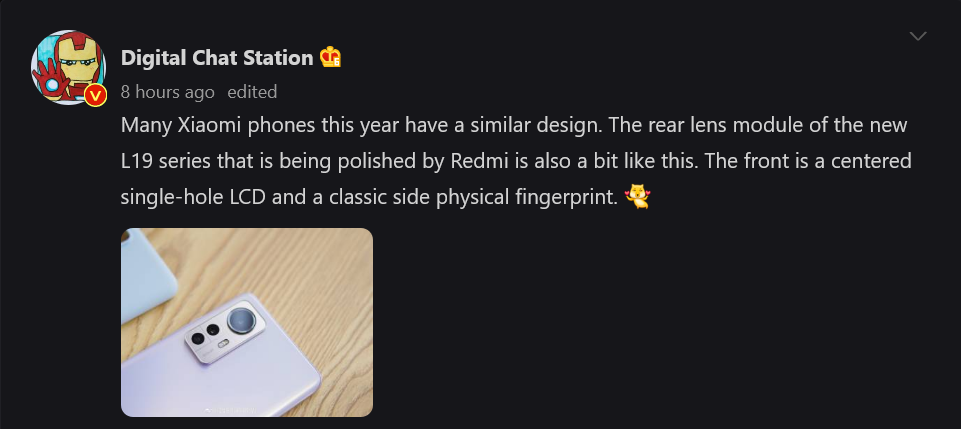
Upcoming Redmi L19 series to sport Xiaomi 12-inspired camera design, LCD display

Redmi is currently working on a new “L19 series” with LCD displays and its rear camera module looks quite like the one on the Xiaomi 12, notable tipster Digital Chat Station has revealed through a post on Weibo.

redmi xiaomi 12 phone dcs

The series appears to be called Redmi L19 at the moment, although the name may be changed to something else later on.

The tipster further revealed that the LCD display will house a single punch hole for the selfie camera and that the phone will feature a side-mounted fingerprint sensor, most likely within the power button.

From the configuration perspective, the upcoming series may be positioned in the mid-range or entry-level. Since Redmi now uses OLED screens across all of its flagship products, the usage of LCD displays has reduced significantly over the years. As of now, it is limited to entry-level offerings and mid-rangers like the Redmi Note 10 series.

LCD usage in 2022 isn’t anything disappointing in this case though as Xiaomi does make sure that mid-range devices with such have “flagship LCD panels”, or at least that’s what company officials like to call it.

Redmi Note 10 Pro (China)

Take the Chinese Redmi Note 10 Pro (not to be confused with the global one), for example, that supports 6-speed variable refresh rate adjustment, including 30Hz, 48Hz, 50Hz, 60Hz, 90Hz, and 120Hz. This is adjusted automatically based on various usage scenarios and the content being displayed at the time, effectively extending battery life. There’s even HDR10 support onboard.

RELATED:

Realme to sell last 5000 GT Neo2 Dragon Ball Z Edition units for 2799 Yuan ($440)

Earlier today (19th January 2022), Realme announced on its official Weibo account (a Chinese microblogging website) that it will be selling the GT Neo2 Dragon Ball Z Edition for a special discounted price soon.

Apparently, the Chinese smartphone maker will be selling the last 5,000 units of its GT Neo2 Dragon Ball Z variant worldwide for a limited price of just 2,799 INR (roughly 440 US Dollars). For those unaware, the Realme GT Neo2 Dragon Ball Z Special Edition first retailed for 2,999 Yuan (roughly 472 US Dollars). During its initial sales, the company sold out all 5,000 units of the limited edition smartphone earlier this month. But now, the company will be selling another 5,000 units of the device for a slightly lower price.

Realme

Talking about the smartphone itself, it is practically identical to the regular GT Neo2 in terms of specifications. However, its design is what sets it part. It features a unique theme, which is based on the iconic Anime series from the 90s. Under the hood, the device is powered by the Qualcomm Snapdragon 870 chipset with a large 5000mAh battery that supports 65W SuperDart Charging. It sports a 6.62 inch E4 Samsung AMOLED display with 120Hz refresh rate as well. The company has yet to announce an official launch date for the last 5000 units, so stick around for more updates.

RELATED:


Nearby Share on Chrome OS to get even more useful

Google introduced Nearby Share for the public in 2020. Initially, it was only limited to Android devices. Within a year, Chrome OS also added support for it. Now, according to a new finding, the search giant is working on a feature for Chrome OS based on Nearby Share.

Nearby Share

A finding by ChromeStory (via Android Police) reveals that Google is developing a new feature for Chrome OS called ‘Nearby Sharing Self Share’.  This feature will rely on Nearby Share.

When this feature goes live, users will see an option dubbed as ‘Send to your devices’ in the Nearby Share screen. As the name suggests, by selecting this option, users will be able to share files to all their devices.

This is a nifty feature, especially for those who use multiple devices at a time. Unfortunately, it’s not known when it will be introduced in the ‘Canary’ channel, let alone stable.

Though Nearby Share (stable) is only one and a half years old, it is already proving to be one of the best and most useful features from Google to date. The company has even announced plans to bring it to Windows in the near future.

The AirDrop competitor works across more devices, however, it is not as stable as Apple’s offering. Hopefully, it gets better in the long run.


RELATED:


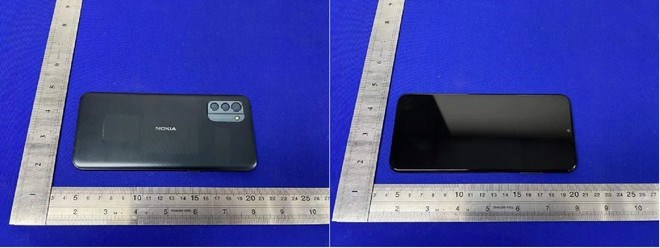
Nokia G21 to launch in India in Feb, with 50MP triple camera & 4GB RAM: Report

The Nokia G20 was launched in India back in July 2021. This model was a mid range smartphone, and now, new report suggests that the company is working on a successor to this device that might be launching soon.

Nokia G21 (TA-1418)

According to a 91Mobiles report, the brand is planning on launching the newer Nokia G21 in India soon. This device has recently spotted receiving FCC certification and also made an appearance on Russian retailer ahead of its official launch. Furthermore, known tipster Mukul Sharma revealed the possible launch timeline for the device as well. Reportedly, the G21 will be arriving in India sometime next month, which is February.

We had previously also spotted the G21 on a Russian retail website, which revealed its key specifications. The Nokia G21 will sport a triple camera setup on the rear, with the primary shooter being a 50 megapixel camera paired with a 2 megapixel secondary and another 2 megapixel tertiary lens. On the front, it is expected to feature an 8 megapixel sensor for selfies. The smartphone will also launch in two storage configurations, including a 3GB and 4GB RAM variants.

Nokia G20
Nokia G20

Based on our previous report, the Nokia G21 could sport a 6.5 inch HD+ display with 1600 x 720px resolution and a 20:9 aspect ratio. Furthermore, it might house an octa core processor, although, the exact processor is still unknown. However, it might be a 4G Unisoc chipset, which will be paired with 128GB of internal storage that can be expanded via microSD card slot. The mid range device might also be powered by a large 5,050mAh battery pack with quick charging support and is rumored to be available in Black and Dusk color options.

RELATED: