Advertisement

Moto G Stylus (2022) full list of specifications leaked ahead of imminent launch
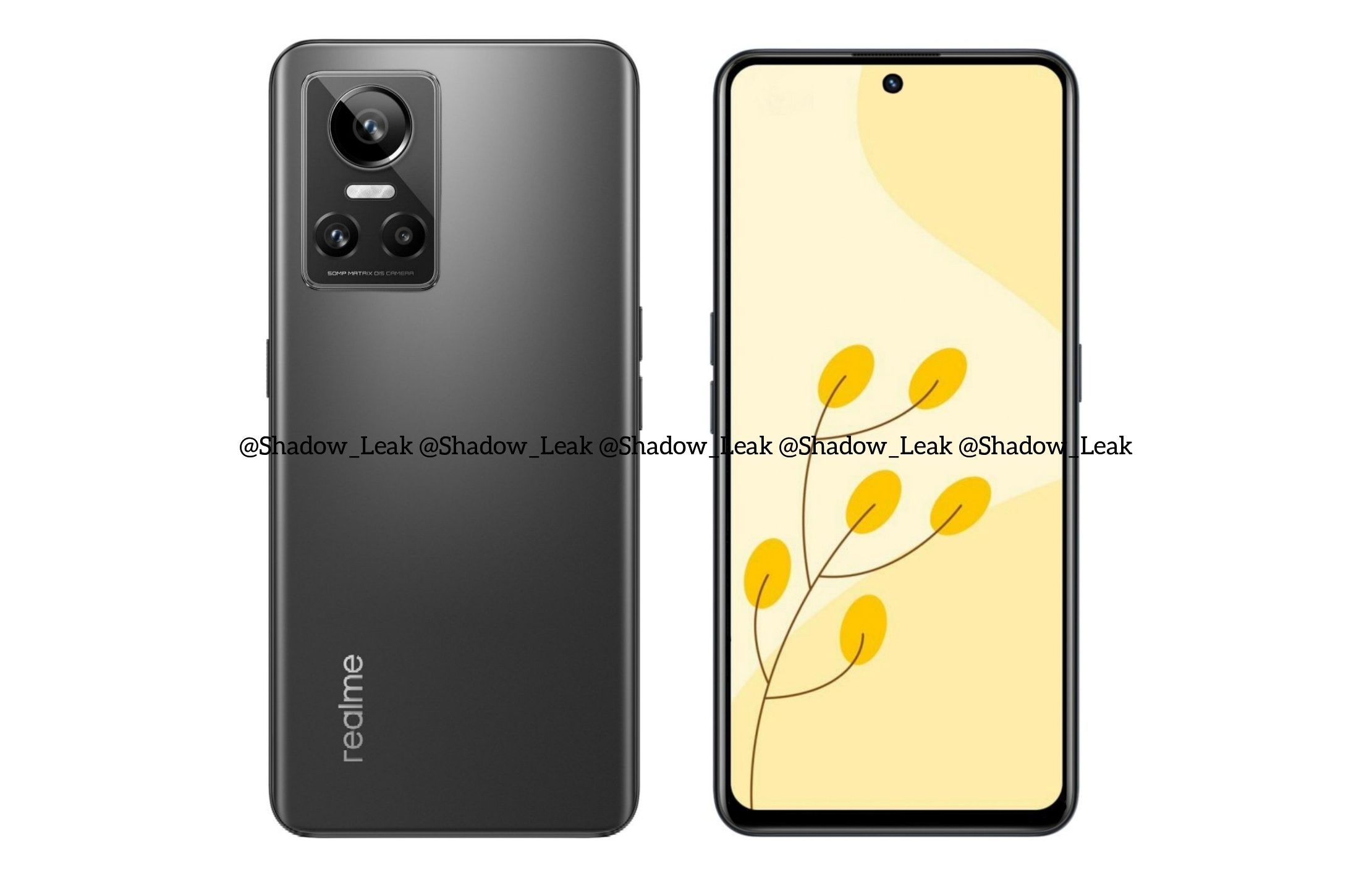
The Moto G Stylus series was launched back in early 2020 as a mid-range offering with a large display and stylus pen support. This was followed by the release of the 2021 version in January last year. And with 2022 now freshly upon us, it’s that time of the year again. The Moto G Stylus 2022 has been doing rounds for a while, and ahead of the launch, the complete specs of the device have been revealed.

Moto G Stylus 2022
Image: OnLeaks, prepp_in

The info comes from XDA Developers sources who have revealed that the codename of the device is Milan and that it will launch with Android 11. The display of the Moto G Stylus will be a 6.78-inch FHD IPS LCD panel with a 90Hz refresh rate. Under the hood, there will be last year’s MediaTek Helio G85 chip coupled with the Mali-G52 GPU.

Obviously, the phone will be coming with a stylus pen, just as its name implies, and there will be a dedicated slot for it too.

For photography, the Moto G Stylus (2022) comes with a triple camera setup at the rear comprised of a 50MP Samsung ISOCELL S5KJN1, an 8MP Samsung ISOCELL S5K4H7 ultra-wide, and a 2MP GalaxyCore GC02M1 depth sensor. Upfront, there’s an OV16A1Q 16MP fixed-focus shooter.

moto-g-stylus-2022-render-design-feat
Image: 91mobiles

The battery of the device is expected to be a 5,000mAh one with 10W charging support. Two RAM+storage variants will be offered, namely 4GB+128GB and 6GB+128GB that can be expanded using a MicroSD card.

One of the sources has also informed that the Moto G Stylus (2022) will only be receiving one Android upgrade — that too to Android 12 that the phone was supposed to come with out-of-the-box by now. The device is expected to launch in North America and Europe at the very least, although that’s uncertain at the moment.

Finally, the Motorola Moto G Stylus (2022) also has a fingerprint sensor embedded into the power button. For audio, there’s a single bottom-firing speaker and a 3.5mm headphone jack. No NFC or dual SIM support is offered.

RELATED:

Realme GT 2 series global release confirmed; India and Europe to get it first

This week, Realme launched the new GT 2 series in the Chinese market, and ever since its launch, the global release was a question. While the company is yet to spill beans about its global release, VP Madhav Sheth has already confirmed that the Realme GT 2 is indeed coming to the global markets.

Sheth said that the first global market to get the Realme GT 2 series will be India. It will be followed by other markets including Europe. In addition, he also confirmed that a series of new Android tablets and Windows laptops will be launched this year. However, he didn’t reveal any specific date for the same.

Realme GT2

Apart from this, Sheth also revealed to Android Authority that the company won’t be launching any Realme phones in the US. But the company may bring IT and AIoT products to the US market in 2022.

Coming to the Realme GT 2 series, the series has two devices namely the Realme GT 2  and GT 2 Pro. The phones come with powerful hardware like the Snapdragon 8 Gen 1 in the Pro model and Snapdragon 888 in the vanilla model.

The Realme GT 2 has a 6.62-inch Samsung E4 AMOLED display with a 120Hz refresh rate and FHD+ resolution. The GT 2 Pro, on the other hand, has a larger 6.7-inch LTPO AMOLED display with a QHD+ resolution and 120Hz refresh rate. The phones boast a 50MP triple camera system at the rear and have a  32MP selfie on the Pro and a 16MP selfie on the vanilla. The duo has a 5,000mAh battery and has a 65W fast charging support.

RELATED:

Huawei P50 Pro global launch date announced and it’s just around the corner

Huawei has now revealed the global launch date of its latest flagship phone through a post on one of its socials, which says that the Huawei P50 Pro will be going live on January 12th (via PhoneArena).

To recall, the device was first announced back in July 2021 for China and went on sale a month later domestically. It was followed by the release of its vanilla variant — the Huawei P50 — more recently in October 2021.

Do note here though that there are a couple of things where the global variant of the Huawei P50 Pro differs from its Chinese counterpart. For starters, the global model will be running EMUI 12 and not HarmonyOS 2 — although the overall user experience should be the same across both.

But the main difference lies in the processor department, where the global P50 Pro will be coming with the Snapdragon 888 chip instead of the Kirin 9000 5G on the domestic version.

Now, Qualcomm stans will certainly take this bit as good news considering Snapdragon chips continue to dominate the Android world in terms of performance. But the inclusion of the Snapdragon 888 chip on the P50 Pro comes with a major catch — lack of 5G support.

Huawei-p50-pro-featured

Obviously, the main reason behind the mess is the ‘Huawei ban’ by the US that has put multiple barriers on the company from using 5G chips. This, combined with the fact that Huawei only has a limited stock of the Kirin 9000 5G chip, means that the global P50 has to make do with the Snapdragon 888 4G.

Anyway, moving on to the specs, the Huawei P50 Pro comes with a 6.6-inch OLED display with a resolution of 1228 x 2700 and support for 120Hz. The camera setup at the rear is comprised of a 50MP primary camera with an aperture of f/1.8 and OIS, complemented by 13MP ultrawide and 64MP telephoto sensors. On the front, you get a 13MP camera, housed within a center-aligned punch-hole.

Keeping the lights on is a 4,360mAh battery that can charge at 66W wired and 50W wirelessly. The phone measures 158.8 x 72.8 x 8.5 mm, weighs, 195g, comes with an IP68 rating. Its price for its 8GB RAM + 256GB storage stands at 6,488 yuan which roughly converts to $1,003.

RELATED:

Apple silicon head Jeff Wilcox joins Intel as Design Engineering Group CTO

Jeff Wilcox, Apple’s director of Mac system architecture who oversaw much of the Apple Silicon transition, has left Apple to join Intel.

Apple

According to Tom’s Hardware, Intel has hired Jeff Wilcox as an Intel Fellow and Chief Technology Officer of the Design Engineering Group. The former Apple official helped lead Mac’s transition to Apple silicon that now powers the MacBook Air, MacBook Pro, Mac mini, and iMac.

Recently news emerged that Apple was issuing stock bonuses of up to $180,000 in an effort to retain talented employees. However, it appears that Intel might have offered Wilcox a better deal as he has now taken charge of SoC architectural design across all intel client segments.

He announced the change on LinkedIn over the past few weeks. In his initial LinkedIn post, he wrote:

“After an amazing eight years I have decided to leave Apple and pursue another opportunity. It has been an incredible ride and I could not be prouder of all we accomplished during my time there, culminating in the Apple Silicon transition with the M1, M1 Pro and M1 Max SOCs and systems. I will dearly miss all of my Apple colleagues and friends, but I am looking forward to the next journey which will start at the first of the year. More to come!”

A few weeks later, he revealed his new position is another on LinkedIn saying:

“I’m pleased to share that I have started a new position as Intel Fellow, Design Engineering Group CTO, Client SoC Architecture at Intel Corporation. I could not be more thrilled to be back working with the amazing teams there to help create groundbreaking SOCs. Great things are ahead!”

Intel’s latest hire has sent waves in the industry as the Santa Clara-based giant prepares to enter the SoC market. So stick around for more news coverage regarding this matter.


RELATED:


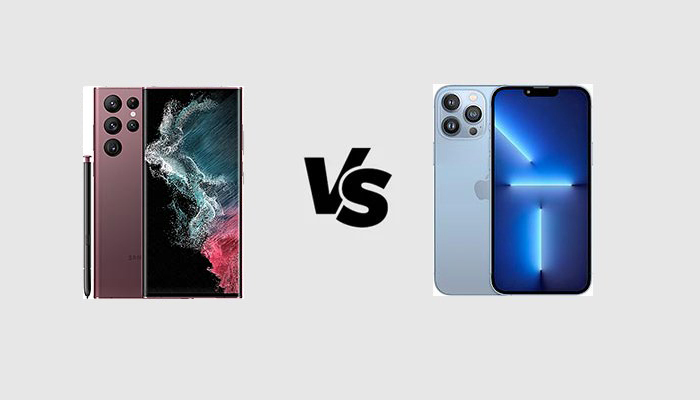
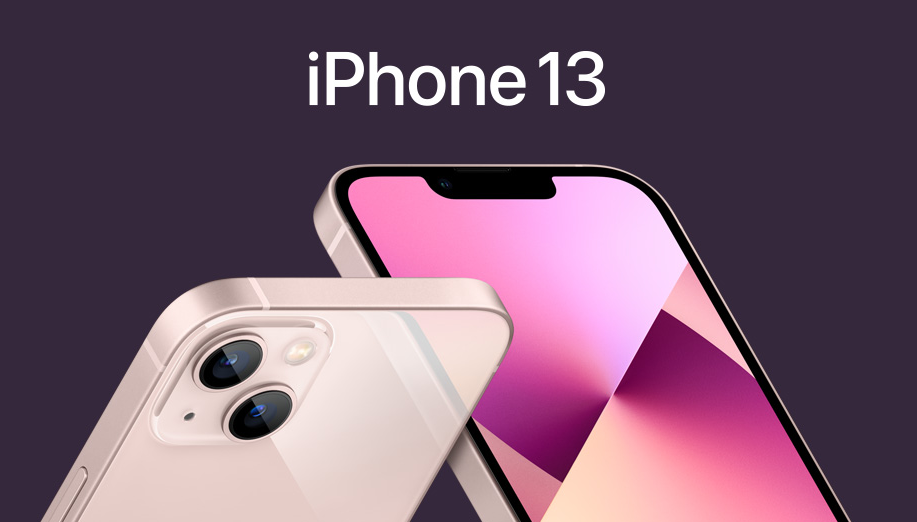
Xiaomi 12 vs iPhone 13: Specs Comparison

2021 came to an end with the launch of the Xiaomi 12 and, for the first time after several years, one of the main Xiaomi’s flagship is also a very compact phone. This is the reason why we think it will be a perfect alternative to the iPhone 13: just like the Apple flagship, one of its best advantages is the compact dimensions, which is something very hard to find on nowaday’s flagships. But can the Xiaomi 12 replace the iPhone 13 on paper? This is a comparison between the specifications of the Xiaomi 12 and the iPhone 13 which will hopefully answer this question and let you understand which one to go for after considering your actual needs.

Xiaomi 12 vs Apple iPhone 13

Xiaomi 12 Apple iPhone 13
DIMENSIONS AND WEIGHT 152.7 x 69.9 x 8.2 mm,
179 g
146.7 x 71.5 x 7.7 mm,
174 g
DISPLAY 6.28 inches, 1080 x 2400 pixels (Full HD+), OLED 6.1 inches, 1170 x 2532 pixels (Full HD+), Super Retina XDR OLED
PROCESSOR Qualcomm Snapdragon 8 Gen 1, octa-core 3 GHz Apple A15 Bionic, octa-core 3.22 GHz
MEMORY 8 GB RAM, 128 GB – 8 GB RAM, 256 GB – 12 GB RAM, 256 GB 4 GB RAM, 128 GB – 4 GB RAM, 256 GB – 4 GB RAM, 512 GB
SOFTWARE Android 12, MIUI iOS 15
CONNECTIVITY Wi-Fi 802.11 a/b/g/n/ac/6, Bluetooth 5.2, GPS Wi-Fi 802.11 a/b/g/n/ac/6, Bluetooth 5.0, GPS
CAMERA Triple 50 + 13 + 5 MP, f/1.9 + f/2.4
32 MP front camera
Dual 12 + 12 MP, f/1.6 + f/2.4
Dual 12 MP f/2.2  + SL 3D front camera
BATTERY 4500 mAh, fast charging 67W and fast wireless charging 50W 3240 mAh, Fast Charging 23W, Fast wireless charging 15W
ADDITIONAL FEATURES 5G, dual SIM, reverse wireless charging 5G, MagSafe, Face ID, IP68 waterproof

Design

The Apple iPhone 13 has definitely an iconic design and it looks very modern thanks to its flat borders. A lot of people will prefer it just because it is an Apple device and the main phone designs come from Apple. But I actually prefer the Xiaomi 12 due to its higher screen to body ratio and its punch-hole display: I as well as many other people do not like big notches like the one found on the iPhone 13; but keep in mind that it is a matter of tastes. On the other hand, the iPhone 13 has a better build quality: it has a front glass and a rear glass protected by Ceramic Shield and it is waterproof up to 6 meters deep thanks to the IP68 certification. You do not get any kind of certification against water and dust with the Xiaomi 12.


Display

On the paper, the Xiaomi 12 has a more advanced display. It is an OLED panel with one billion colors, a 120 Hz refresh rate, the HDR10+ certification, and Dolby Vision support. But not always the specs on the paper correspond to the real experience: the Apple iPhone 13 provides an incredibly accurate color reproduction with its Super Retina XDR OLED display, it supports Dolby Vision and HDR10 as well. But there are two cons with the Apple flagship: it comes with a standard 60 Hz refresh rate and, unlike the Xiaomi 12, it does not have a fingerprint reader. On the other hand, it supports Face ID for 3D facial recognition, which is actually safer than a fingerprint reader.


Specs & Software

The Apple iPhone 13 is powered by the Apple A15 Bionic chipset built at 5 nm and running at a max frequency of 3.22 GHz, while the Xiaomi 12 is fueled by the 4 nm Snapdragon 8 Gen 1 mobile platform with a max frequency of 3 GHz. These two phones have very different amounts of RAM: the former offers just 4 GB, while the latter goes up to 12 GB. However, thanks to the amazing optimization of the iOS operating system, the performances of the iPhone are at the same level and often higher than the ones provided by the Xiaomi 12 which runs Android 12.


Camera

The camera hardware of the Xiaomi 12 is superior to the iPhone 13: it has a 50 MP main camera with OIS, a 13 MP ultrawide sensor, and a 5 MP telephoto macro camera. But despite that, the iPhone 13 clicks better photos in a lot of scenarios thanks to the great camera software and algorithm provided by iOS. It is still too early to make a final judgment because Xiaomi 12 went official just a few days ago and no one still had the chance to test its cameras thoroughly.


Battery

Even though iOS is better optimized if compared to Android 12 and MIUI 13, the Xiaomi 12 will most likely last more on a single charge if compared to the iPhone 13, simply because its battery is much bigger. And it is not all: the 4500 mAh battery of the Xiaomi 12 supports a faster charging technology with a power of 67W and even faster wireless charging with a power of 50W.


Price

Xiaomi 12 has a starting price of €510/$580 for the Chinese market, while you need more than €800/$900 to purchase the iPhone 13. While the iPhone 13 may be a superior device for a lot of people, the Xiaomi 12 has a way higher value for money and not many compromises. Which one would you pick?


Xiaomi 12 vs Apple iPhone 13: PRO and CONS

Xiaomi 12

PRO

  • Faster charging
  • 8K video recording
  • Bigger battery
  • Reverse charging
  • Great price

CONS

  • Nothing particular


Apple iPhone 13

PRO

  • Amazing performance
  • Face ID
  • Waterproof
  • MagSafe

CONS

  • Price

RELATED

Check the latest videos from our YouTube channel and subscribe:

iQOO 9 series India launch confirmed; But the iQOO 9 for India could be the iQOO 8 China variant

Earlier today, a report cited that the iQOO 9 and 9 Pro may launch soon in India, however, its availability wasn’t backed by any official teasers. Later today, at the ongoing BGMI gaming event, iQOO officially teased the series’ arrival.

As per a teaser image, iQOO will soon launch the iQOO 9 and 9 Pro in India. The image shows the ‘coming soon’ status and reveals its specs.

iQOO 9

The series is slated to come powered by the latest Qualcomm Snapdragon 8 Gen 1 SoC. It will have a whopping 120W FlashCharge support. While we get to learn its arrival, one this remains quite odd, the teaser image showcases the iQOO 9 Pro, however, it has the old iQOO 8 besides it.

It seems that the company will be launching a tweaked iQOO 9 series for India. The vanilla iQOO 9 for India will actually be the iQOO 8.

iQOO 9

To corroborate, the company has also published the landing page of the iQOO 9 series in India. The landing page shows the phones, teases some specs, and lets fans register for getting notified about its release.

iQOO 9 series Specifications 

Coming to the iQOO 9 series, the iQOO 9 for India which will apparently be the iQOO 8(Chinese model) was launched back in August 2021. It has a 6.56-inch FHD+ AMOLED display with a 120Hz refresh rate. The device is powered by the Snapdragon 888 SoC and packs a 4,350mAh battery. It has 120W fast charging support.

As for cameras, the phone has a 48MP + 13MP + 12MP triple camera setup and features a 16MP selfie lens. It has a small vertical camera module, unlike the rectangular camera island on the iQOO 9 Pro.

The iQOO 9 Pro will have some distinguishing specs over the iQOO 9 India(iQOO 8). It will feature a larger 6.78-inch QHD+ curved LTPO AMOLED display. It will have a 120Hz refresh rate. It will be powered by the Snapdragon 8 Gen 1 SoC paired and pack a 4,700mAh battery with 120W fast charging support. In China, the smartphone equips a 50MP + 50MP + 16MP triple camera lens and a 16MP selfie snapper.

RELATED:

WeRide Robobus without steering wheels, throttle or brake pedals begins operation in Guangzhou

The Chinese autonomous driving company WeRide has recently announced that it has officially begun unmanned minibus Robobus service at Guangzhou International Bio Island. However, different from the electric autonomous vehicles till now, this minibus gets rid of all traditional controls like the steering wheels, throttles, or brakes pedals.

WeRide RoboBus
Image via WeRide

According to a report by Pandaily, WeRide has officially begun operations of their unmanned Robobus service at Guangzhou International Bio Island. WeRide has introduced the new service after two years of successful operations of their Robotaxi commercial service (China’s first) in the region.

The Robobus is a pure electric vehicle and has a top speed of 40 kilometers per hour. It can achieve safe and stable unmanned driving services along urban roads, expressways, and tunnels in rush hours and under inclement weather conditions.

After thorough research and investigation of the daily traffic on Guangzhou International Bio Island, Robobus has opened two operating routes in its first phase and will further offer services throughout the entire island.

Robobus operates 7 days a week, from 8:00 a.m. to 10:00 p.m., Monday to Friday. On Saturday and Sunday however, the bus operates from 9:00 a.m. to 6:00 p.m. Additionally, Passengers can view real-time locations and the running status of the vehicles on their “WeRide Go” app.

Robobus vehicles will initially have volunteers who will help first-time passengers to understand and familiarize themselves with the autonomous vehicle’s workings. And WeRide support center will monitor the vehicles in real-time. The bus also has a brake button located inside for emergency situations.

The concept of the pure electric Robobus seems genuinely intriguing and is sure to be a better, eco-friendly alternative to fossil fule based public travel. However, the absence of manual controls is a bold step by the company and thus WeRide will have to uphold high safety standards to gain public trust.


RELATED:


Sony Xperia 1 III, Xperia 5 III get Android 12 stable update in Russia

Sony has officially pushed a stable Android 12 update to its Xperia 1 III and Xperia 5 III. The update is only available to the dual-SIM variants of the phone, at least for now.

Those owning the Sony Xperia 1 III and Xperia 5 III  possessing model numbers XQ-BC72 and XQ-BQ72 have started receiving the new Android 12 OS. But it is currently only pushed to devices in Russia. It is an OTA update with build number 61.1.A.1.149.

Sony Xperia 1 III Green

The update brings new features like the long screenshots, one-handed mode, and Nearby Share. It also has a feature called Extra Dim where it allows the phone’s display to go even dimmer than the lowest brightness setting.

It also brings another useful feature where it tells users if any app is using the microphone or camera without you knowing. It will immediately drop a notification in case there’s actually some app accessing the camera or mic.

Sony Xperia 5 III
Sony Xperia 5 III

As said earlier, the Android 12 OTA is currently only available in Russia, but we expect it to be available to devices in other markets soon. If you own one of these phones and haven’t received an update notification, go to the Settings app and check the Software Update tab for updates.

Coming to the phones, the Sony Xperia 1 III and Xperia 5 III were launched in Q3 last year with specs like Snapdragon 888 SoC and OLED panel. The Xperia 1 III has a 4k resolution and boasts a 12MP + 12MP+ 12MP + ToF quadruple-camera setup, while the Xperia 5 III has an FHD+ resolution and 12MP + 12MP + 12MP triple camera system. The phones were launched running on Android 12 packing a 4,500mAh battery.

RELATED:

(source)

Google Pixel January update fixes bug preventing emergency calls

Google has recently released the January update for multiple Pixel devices which surprisingly includes the Pixel 3 and 3XL. However, the update is still on hold for Pixel 6 series devices which will receive multiple bug fixes later in January. So, let’s take a look at what the new update carries.

According to an official post made on Google’s support forums, The update is rolling out this week with build number SP1A.210812.016.A2. The update brings the January security patch and a whole host of bug fixes. The most notable fix mentioned in the changelog is that Google is finally getting rid of the bug that prevents users from making emergency calls when certain third-party apps are installed on their pixel devices.

One of these culprits is the Microsoft Teams app, for which the company recently has released a patch. However, Google is making changes on a firmware level to prevent this issue from happening again in the future.

Pixel 3a to Pixel 6 series devices also receive a bug fix that was causing an issue where phones would unlock by themselves after a missed call. Other than that, a whole host of fixes and changes have been made all across the board for multiple devices, which you can check by reading the complete changelog.

You can see if the update has hit your phone by going to Settings > System> System update. This update is being sent out to the Pixel 3, Pixel 3 XL Pixel 3a, Pixel 3a XL, Pixel 4, Pixel 4 XL, Pixel 4a, Pixel 4a (5G), Pixel 5, Pixel 5a (5G), Pixel 6, and Pixel 6 Pro. However, keep in mind that the Pixel 6 and Pixel 6 Pro are not expected to receive the update until later this month.
RELATED:


Realme GT Neo2 Dragon Ball Z Limited Edition could soon launch in India and Europe

A few days back, Realme announced the Dragon Ball Z limited edition model of the GT Neo2 in China. The smartphone comes with an Orange and Blue paint job referring to the protagonist from the series Goku. Now, the limited edition model seems to launch in Indian and European markets soon, as the company CMO has teased its release outside China.

Realme’s CMO Francis Wong on Twitter asked the community whether they want the Dragon Ball Z Edition of the phone in India and Europe. While he seems to be genuinely questioning about the fan’s interest in the special edition phone, it is none other than a clever teasing of the phone’s launch.

In the past, we’ve seen companies teasing the phone by asking questions about the device, later just to realise that it was nothing but a teaser for the phone’s arrival. This tweet from Wong seems to be the same.

Having said that, it’s time for Realme India and Europe fans to gear up for the launch of the Realme GT Neo2 Dragon Ball Z limited edition phone. Although there’s no exact date of its launch, we can anticipate its arrival in the coming weeks.

Realme GT Neo2 Dragon Ball Design
Realme GT Neo2 Dragon Ball Z Limited Edition

The Realme GT Neo2 was launched back in September in India with specs like a 6.62-inch FHD+ AMOLED display. It sports a 120Hz refresh rate and Corning Gorilla Glass protection. It has a triple camera system with a 64MP main lens, an 8MP ultra-wide sensor, and lastly a 2MP macro sensor. Upfront, it has a 16MP selfie shooter.

Under the hood, the GT Neo2 is powered by the Qualcomm Snapdragon 870 octa-core SoC paired with up to 12GB of LPDDR5 RAM and 256GB of UFS 3.1 internal storage. It packs a 5,000mAh battery and has a 65W fast charging support.

RELATED:

Truke BTG 3 & Air Buds Lite with auto in-ear detection sensor, up to 48-hour playback time launched in India

Truke has launched two classy-looking TWS gaming earbuds as the successor to the BTG 2 model. The Truke BTG 3 and Air Buds Lite earbuds both have similar features although the Air Buds Lite has a different design. The two new earbuds have 55 ms low-latency and are capable of automatic in-ear detection of audio via a dedicated sensor. The two Truke gaming earbuds offer excellent gaming excellent and they have just been launched in India for Rs. 1,399 (~$19).

The Truke Air Buds Lite offers Bluetooth 5.1 connectivity, AI-powered noise cancellation with deep neural network noise cancellation, AAC codec, and 10mm, titanium drivers. The earbuds support dual-mode configurations for seamless switching between gaming and music modes. The ultra-low latency of the device, together with its special tuning technology, enhances the audio in gaming applications for positional accuracy and audio effects including gunshots. Both the BTG 3 and Air Buds Lite are lightweight (weighing just 4g) and offer up to 10 hours of activity on a single charge, which can be scaled up to 48 hours with their 300mAh charging case.

Truke will hope to build on its successful run in 2021 with the launch of the two earbuds. They are quite affordable and feature some premium noise-canceling functionality not available with earbuds in the same price range as the two products.

Two-color variants are available for both earbuds and they can be gotten from Amazon India or Flipkart from January 7th.

RELATED: 


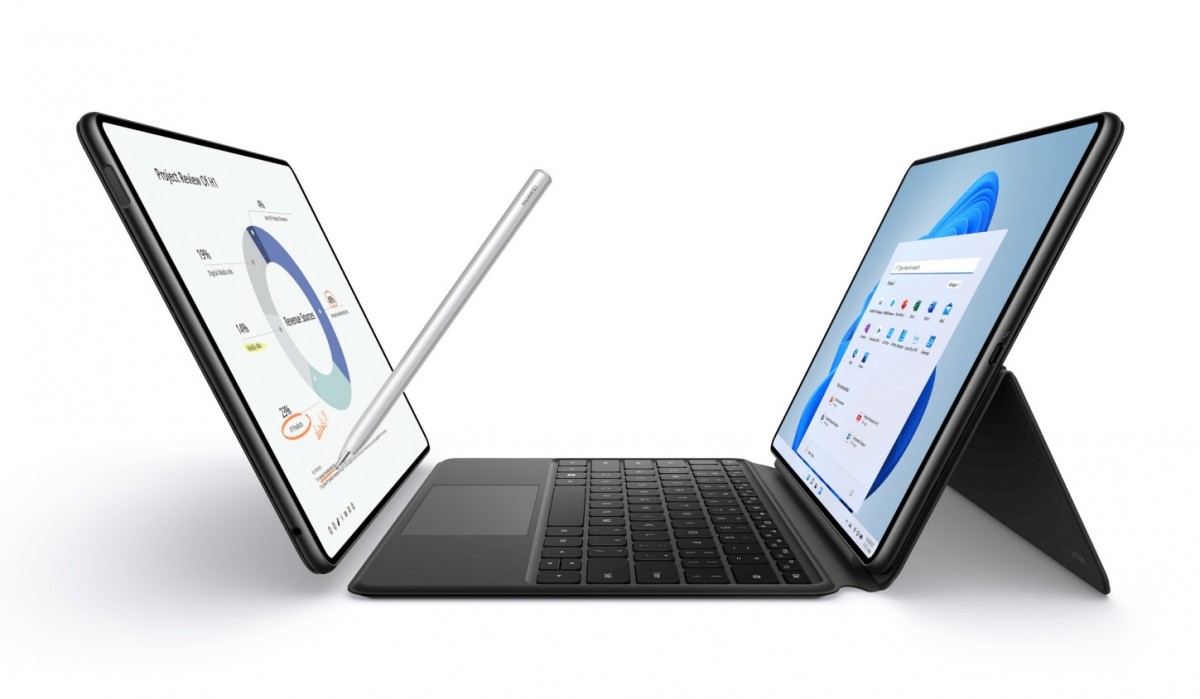
ASUS ExpertBook B3 Detachable is a 2-in-1 tablet with Snapdragon 7C Gen 2 SoC, Windows 11 Pro

ASUS announced a bunch of computers at CES 2022. The main star of the show was Zenbook 17 Fold, a foldable device, which can be used as a desktop, a laptop, or a tablet at will. Whereas, most others were updates to existing lineups. That being said, it appears the company did unveil yet another interesting device in the form of ExpertBook B3 Detachable.

ASUS ExpertBook B3 Detachable

According to Tom’s Hardware, the ASUS ExpertBook B3 Detachable is a 2-in-1 tablet with an ARM processor and Microsoft Windows 11 Pro. Specifically, it is powered by a Qualcomm Snapdragon 7C Gen 2 SoC paired with 8GB LPDDR4 RAM and 128GB eMMC storage.

The aforementioned chipset is not a beast. Nevertheless, it is enough for light tasks. Unfortunately, ASUS hasn’t revealed the entire specs nor price and availability. But we do know a thing or two about this device.

ASUS ExpertBook B3 Detachable

For starters, it is similar to the ASUS Chromebook Detachable CM3. This means it comes with a magnetic keyboard accessory and a magnetic kickstand. These accessories are officially called ExpertBoard and ExpertStand respectively.

The tablet also has a built-in stylus. The company claims that the pen will offer up to 45 minutes of usage with just 15 minutes of charging.

ASUS ExpertBook B3 Detachable

Last but not least, the MIL-STD 810H-certified tablet features a 16:10 display, a power button, a volume rocker, a USB Type-C port, and a 3.5mm headphone jack.


RELATED:


Razer showcases its modular workstation concept with a 65-inch OLED at CES 2022

Razer has displayed its prototype modular workstation concept with a 65-inch OLED during the ongoing CES 2022 in Las Vegas. Razer, in line with its tradition of always serenading its followers with a signature product during CES, has continued this year with the Project Sophia. The Project Sophia prototype is a modular gaming desk that includes room for 13 separate modules which can be used to add several components. These include touchscreen hotkeys panel, external capture cards, audio mixers, and other components to customize the workstation to your needs. According to Razer, the reconfiguration of Project Sophia could be accomplished within a few seconds.Razer Project Sophia

The Project Sophia gaming desk has an in-built computer that is housed in a chassis that magnetically snaps underneath the glass tabletop surface of the device. The case is detachable so the latest components can easily be updated or upgraded.

Project Sophia offers lots of RGB lighting which can be controlled using the installed Chroma software application in the workstation. The Project Sophia may come with either a 65-inch OLED or a 77-inch display if it eventually makes its way to the market.Razer Project Sophia

Project Sophia looks really like a concept that may be far away from the market in its present form. The device looks quite rigid on the ergonomics side, as it lacks adjustable stands and it remains to be seen how a gamer will sit comfortably on the workstation. The release date for Project Sophia was not disclosed by Razer and pricing is still far off to discuss.

RELATED: 


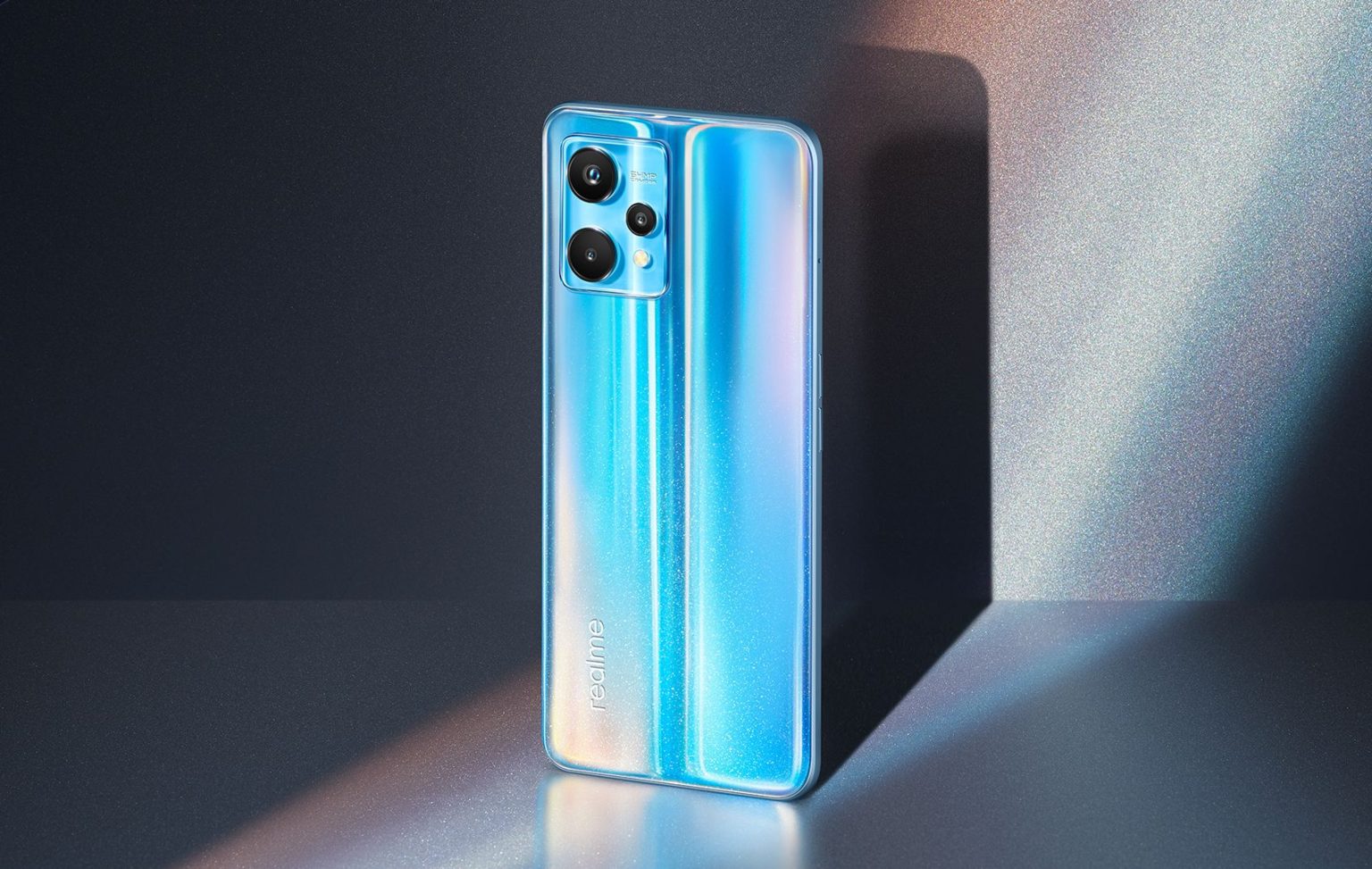
Realme GT 2 Pro Unboxing & First Impressions: Flagship tech wrapped in paper-like design

Realme recently released their first premium flagship device, the Realme GT 2 Pro, which is the current holder of multiple smartphone records. And now, the Gizmochina team has managed to get its hands on one of these devices. So without further delay, this is our unboxing and first impressions of the GT 2 Pro.

The Realme GT 2 Pro comes in a clean white packaging box. Inside you can find the device, documentation, and surprisingly a 65W charging brick, a USB-C cable, and a protection case that have almost gone extinct in the recent premium flagships due to the eco-friendly initiative.

Realme GT 2 Pro

However, Realme takes a different approach to be eco-friendly as the packaging they offer contains less than 0.3% plastic. Additionally, the back of the phone is made of Biopolymers that have been sourced from paper, soybeans, and other materials. These solutions combine to reduce the total carbon emotions of the production process by up to 60%.

Realme GT 2 Pro

But that’s not all, as the paper-inspired Biopolymers back felt a lot like leather when we first held the device in our hand. Combined with the slim, ergonomic design, it makes for a pleasant and comfortable holding experience. The camera bump felt non-intrusive and the chrome plating made for a pretty looking contrast between the rear panel and the camera module.

One concern we have about the back panel is its practicality. Will it get dirty easily? how will it handle scratches? and how long will the back design last without wearing out? we don’t know the answers at the moment but will surely shed a light on these questions in our upcoming full review.

Moving on to the device’s specs and performance, the device felt smooth to operate thanks to its 2K LTPO AMOLED 120Hz display and Snapdragon 8 Gen 1 SoC. The device features the world’s largest internal cooling system that Realme calls Diamond ice Core Cooling System, 5000mAh battery, and 65W Fast charging that we will test in the upcoming review. For now, we stepped outside to get a taste of this Realme flagship’s camera performance.

Realme GT 2 ProThe camera features multiple modes like movie mode, dual-view video, portrait, microscope among others. But what had us most interested was the 50MP 150 degrees ultra-wide camera, which holds the record for widest ever ultrawide camera. And we were quite surprised by the additional field of view it provides compared to other flagship ultra-wides. We clicked a couple of shots with the ultra-wide as well as the 2MP microscopic lens which came out to be crisp and detail-rich.

The 50MP main camera performance along with the overall performance of the device will be elaborated upon our upcoming full review of the device, so stay tuned.

RELATED:

China Mobile’s NZONE S7 is likely manufactured by Huawei, now on sale on its JD flagship store

China Mobile’s subsidiary NZONE recently launched the NZONE S7 5G phone powered by a MediaTek Dimensity 700 chipset. Apparently, the device bears similarity to the Huawei Nova 8 SE smartphone fuelling speculations that it was indeed manufactured by Huawei. To add credence to these speculations, Huawei has now started selling the 5G smartphone via its official flagship store on Jingdong (JD.com).

The NZONE S7 has a retail price of 1,699  yuan but is on offer from Huawei’s flagship store for 1,649 yuan representing a 50 yuan discount for the base variant with 6GB RAM and 128GB storage.

That said, the NZONE S7 features a similar waterdrop notch design as the Nova 8 SE. The major difference is that while the base variant of the Nova 8 SE only have support for 4G connectivity while the higher variant supports 5G, the entire NZONE S7 lineup supports 5G connectivity.

NZone S7
NZone S7

In terms of the specifications, the NZONE S7 packs a 6.5-inch display with an HD+ resolution and a waterdrop notch design. The notch houses an 8MP selfie camera. At the rear aspect, there is a triple camera setup made up of a 13MP main shooter, a 2MP depth sensor and a 2MP macro lens. Keeping the lights on is a 5000mAh battery which supports 22.5W fast charge.

RELATED:


BMW’s 31-inch Theatre Screen brings cinematic experience for backseat passengers

The German automotive giant BMW has recently unveiled BMW Theatre Screen, a new in-car entertainment system. The entertainment system consists of a 31-inch 8K screen that turns the back seat area of the car into a personal theater. So let’s take a closer look at this new feature and everything that comes along with it.

BMW Theatre Screen
Image via BMW

According to a report by The Verge, at CES 2022, BMW has revealed their new Theatre Screen prototype. The entertainment system was built into a car which appeared to be their luxury Electric 7 Series.

The screen is fitted into the ceiling of the car which descends to give a comfortable viewing experience. The screen has an 8K resolution of 8000 x 2000 and supports aspect ratios of 16:9, 21:9, and 32:9. The system runs Fire OS which grants access to most modern video streaming services and other Fire TV apps and has 5G connectivity support.

The 31-inch panel is a touch screen and additionally, small touchpad controls are built into the rear doors of the car. The BMW Theatre Screen offers surround sound using 30 speakers from Bowers & Wilkins. BMW describes the sound as “4D” as it also utilizes the speakers built into the rear seats to provide audio vibrations and high emersion during intense moments.

The German automaker takes the emersion aspect even further as they stated that ” When the screen descends from the ceiling, the roller sunblinds for the side windows and the rear window are closed and the ambient lighting in the rear of the vehicle is dimmed.”

The company is yet to provide any information regarding the availability and cost of this Theatre Screen entertainment system but BMW officials have stated that the features “look quite similar to what will be launched very soon in series production.”

RELATED:

ColorOS 12 stable update rolling out for OPPO Reno5 Pro+ 5G, Reno5 5G in China

OPPO is rolling out the Android 12-based ColorOS 12 stable update for multiple devices worldwide. The latest phones to receive the said update are OPPO Reno5 5G and OPPO Reno5 Pro+ 5G in China.

OPPO Reno 5 Pro Plus Artist Limited Edition 02
OPPO Reno5 Pro+ Artist Limited Edition 5G

According to official announcement posts on OPPO Community, the Chinese smartphone maker has begun to seed ColorOS 12 stable update for the following handsets.

If you own the Chinese variant of the aforementioned devices and are on the required firmware, then head over to Settings > Software Updates > Gear Icon > Trial Version and follow the on-screen instructions to download and install the fresh system update.

As far as international versions of these phones are concerned, the update is already live for them in some markets. The Reno5 5G is known by its original name outside mainland China, while the Reno5 Pro+ 5G is called Reno5 Pro 5G in certain regions.

Lastly, the original OPPO Reno5 Pro 5G is scheduled to receive the update from January 18.

Like any other OTA software update, OPPO is also seeding the ColorOS 12 builds in a batched manner. Hence, the update will take some to reach every user.


RELATED:


Samsung reveals all its TVs and chargers will use near-zero standby power by 2025

Samsung Electronics, with its pre-show keynote at CES 2022, pledged to build a green and sustainable future, announcing that it had last year produced Carbon Trust Standard-compliant chips that helped cut carbon dioxide emissions by nearly 700,000 metric tons. The initiative is part of the Samsung ‘Together for Tomorrow’ Vision.

Samsung’s Visual Display Business plans to use 30 times more recycled plastics than it did in 2021. Also revealed were plans to expand its use of recycled materials over the next three years, including all mobile products and home appliances.

Samsung Together for Tomorrow Vision

In addition, the company plans to make all of its TVs and phone chargers use near-zero standby power by 2025, meaning they’ll not be consuming any energy when not in use.

Samsung also revealed that in 2021, all of the packaging for its TVs used recyclable materials. In 2022, it will expand the application of recycled materials to cover the inner packaging of cartons. The company also promised to use similar packaging material with its home appliances in the future.

E-waste is another major challenge for the tech industry and Samsung says it has done its bit by actively recycling e-waste since 2009. Today, the collection stands at 5 million metric tons.

Last but not the least, Samsung Electronics dropped some profitability figures for Q4 2021, stating with a press release revealing that its consolidated operating profit stood at approximately 13.8 trillion Korean won or around $11.5 billion. Consolidated sales, on the other hand, totaled 76 trillion Korean won approx. or around $63 billion. Detailed earnings will be made available on January 27th.

RELATED:

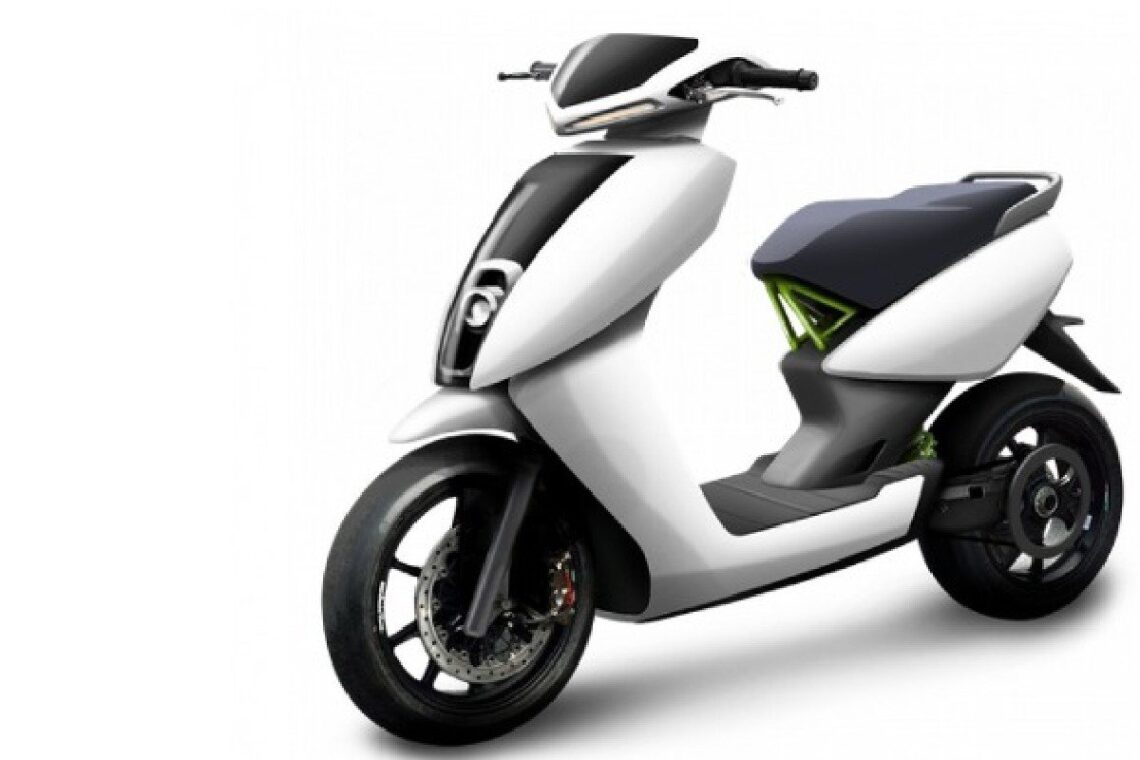
Bajaj Chetak 2022 may launch soon at an affordable price

Last month, Bajaj announced Rs. 300 crore investment for its new electric vehicle plant in Akurdi, Pune, India. The company has planned to manufacture over 5 lakh EVs per year at full capacity. It will indeed reduce the manufacturing costs, as the EVs will be built with local components, hence reducing the price. Now, following up with this news, a report reveals that the upcoming Bajaj Chetak 2022 could launch soon and might be an affordable option in the market.

Bajaj is said to completely manufacture its upcoming electric vehicles in India. The report cites that the new Bajaj Chetak will be able to deliver a 4.2kW peak power and a continuous output of 4.0kW. This is improved over the existing Chetak’s peak power of 4.08kW and continuous output of 3.8kW.

Bajaj Chetak

Reportedly, this time around the company may launch the Chetak 2022 with localized components which may reduce its price. To recall, the Bajaj Chetak is priced at Rs. 1.48 lakhs, while other EV manufacturers in India are selling their EVs at around Rs. 1 lakh.

In related news, a report cited that Indian vehicle sales have seen a year-on-year growth of 240%. A total of over 50,800 EVs were bought in December 2021, which is a 21% increase from the 42,055 EVs in November. That said, this year, we expect the Indian EV market to grow even further.

RELATED:

(via 1, 2)

Planet Astro Slide 5G with a Dimensity 800 & slider keyboard will start shipping in March

London-based computer firm Planet Computers first unveiled the Astro Slide 5G with a slider keyboard design in March 2020 under crowdfunding on Indiegogo. The crowdfunding exercise was a huge success with the company officially launching the device in January 2021. Despite the official launch, the device was still not ready to ship. Planet Computers has yet again unveiled the Astro Slide 5G during CES 2022.

Astro Slide

The company equally hinted that the device will start shipping in March this year after the long wait. The device which is offered in a single blue color carries a retail price of £862. However, there is a 30% discount on Indiegogo for the device and it is still active, bringing down the price to around $650.Astro Slide

In an era where premium phones with physical keyboards are almost out of the market, the Astro Slide comes as a perfect fit for those who would like to own a device with a physical keyboard.

The device is powered by a MediaTek Dimensity 800 chipset which brings 5G connectivity to the mix. The processor is backed by 8GB RAM while there is 128GB of internal storage onboard as well as option for storage expansion via a microSD card. It also features a backlit mechanical keyboard which can be hidden when not in use via the slider mechanism. The slider mechanism in use is said to be the recently patented RockUp slider hinge which converts the device to a palm top computer. Astro Slide 5G

The device features a 6.39-inch AMOLED screen with an FHD+ resolution of 2340 x 1080 pixels. The display is also protected by a layer of Corning Gorilla Glass 3. The device also comes with a 4,000mAh battery with support for 30W fast wired charging and 10W Qi Wireless charging.

Other features onboard the slider phone includes a 48MP rear camera as well as a 13MP front camera. There is also stereo speakers, NFC support, a 3.5 mm audio jack, two USB-C ports with OTG and DP support. The device boots Android 11 out of the box. The device also supports multi-boot with various Linux distributions.

RELATED: