Advertisement

Poco F8 Pro may skip charger inside the box, but Bose audio is onboard

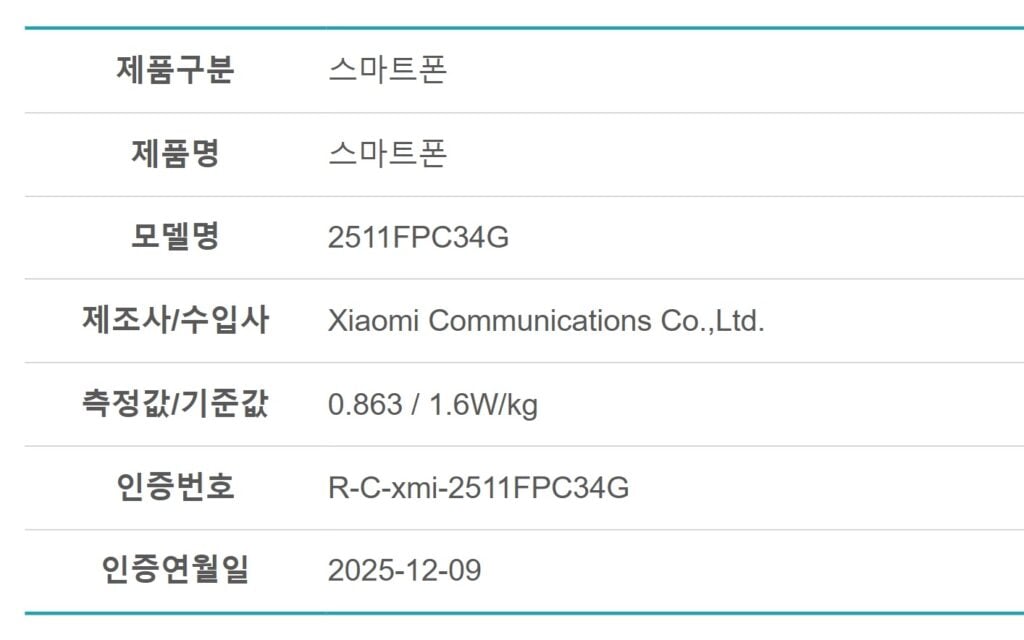
The Poco F8 Pro has just picked up its NBTC certification ahead of its launch in Thailand. But while that means the release is near, a new leak suggests something less exciting — the phone might skip a charging accessory in the box. 

Word for this comes from tipster Abhishek Yadav on X, who claims the Poco F8 Pro will not include a charging brick. However, it’s not entirely new for Poco. The Poco X7 Pro and F7 also shipped without chargers in Europe, so this could be another region-specific move.

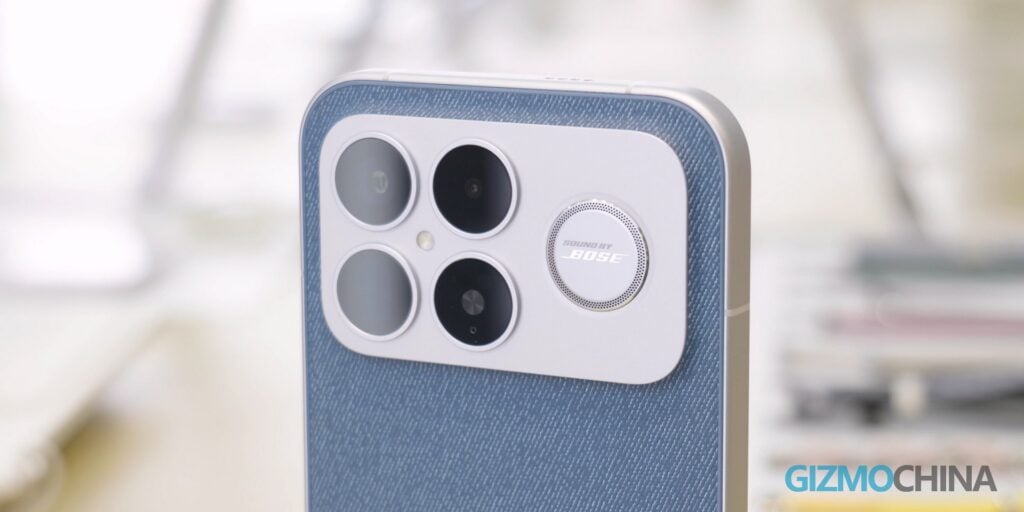
Yadav also shared an image of part of the retail box showing a “Sound by Bose” logo. That’s interesting because Xiaomi’s new Redmi K90 series carries the same branding. 

Bose branding hints at Redmi K90 rebrand

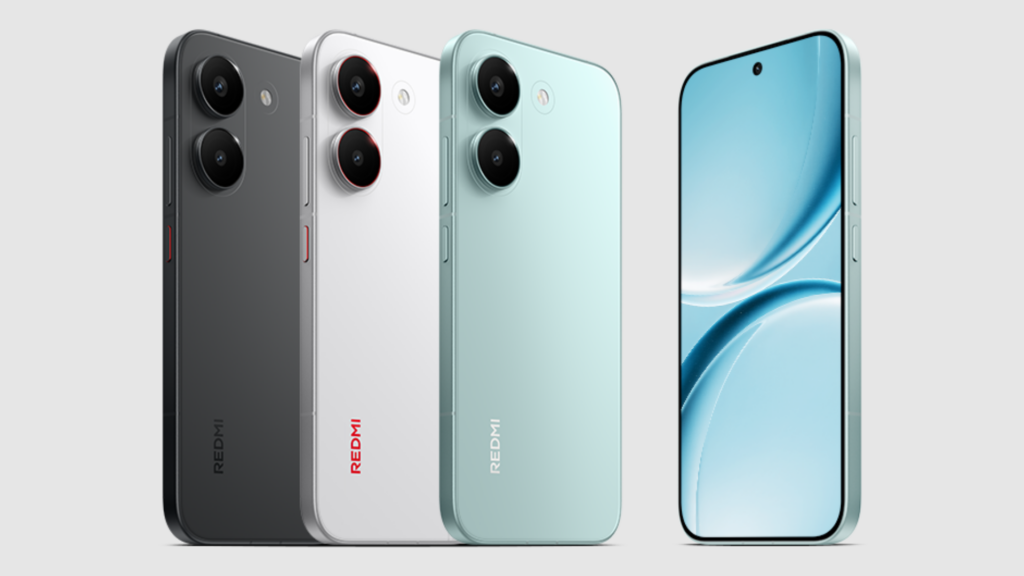
Given Poco’s long history of rebadging Redmi’s K-series phones for global markets, this adds weight to speculation that the Poco F8 Pro could be a rebranded Redmi K90.

If that’s true, the F8 Pro could share the K90’s 6.59-inch 2K LTPO flat display with a 120Hz refresh rate and up to 3,500 nits of peak brightness.

Redmi-K90-Launch-Specs-Price

Inside, the Redmi K90 runs on Qualcomm’s Snapdragon 8 Elite chip with an Adreno 830 GPU, paired with LPDDR5X RAM and UFS 4.1 storage.

The camera system includes a 50MP Light Hunter 800 main camera with OIS, an 8MP ultrawide lens, and a 50MP 2.5x telephoto periscope lens. Up front, there’s a 20MP selfie camera.

Keeping things running is a large 7,100mAh battery with 100W fast charging. For audio, it has dual stereo speakers tuned by Bose. Other notable features include Wi-Fi 7, Bluetooth 5.4, NFC, IP68/IP69 water and dust resistance, and a 3D ultrasonic in-display fingerprint scanner.

Don’t miss a thing! Join our Telegram community for instant updates and grab our free daily newsletter for the best tech stories!

For more daily updates, please visit our News Section.

(Source 1, 2)

Things to Look for in Camera-Centric Smartphones in 2025

Smartphone photography in 2025 is more advanced than ever, and picking a camera-focused phone isn’t as simple as reading a spec sheet. Every brand now boasts massive megapixel counts, custom sensors, and AI-powered processing, but those numbers often tell only part of the story. What really defines a great camera phone is how its hardware, optics, and software come together in real-world use, and that’s something no marketing slide can fully capture.

You can’t tell how good a smartphone camera truly is just by reading specs. At best, they serve as clues. The actual performance depends on image processing, lens quality, and the brand’s tuning approach. That’s why most people rely on expert reviews, comparisons, and hands-on experience before making a decision. Still, there are a few key things worth understanding when you’re choosing a camera-centric smartphone.

Vivo X200 Ultra

1. Sensor Size and Type

The image sensor is the heart of any smartphone camera. Larger sensors absorb more light, preserve texture, and deliver a natural depth of field. In 2025, high-end phones often use 1-inch or near 1-inch sensors. The benefit is noticeable in low-light and high-contrast scenes, where these sensors maintain detail without blowing out highlights or shadows.

You’ll often see sensors from Sony, such as the LYT or IMX series, or Samsung’s HP series in premium models. Both companies dominate the sensor market, but performance still depends heavily on how each brand tunes them. For example, Sony’s sensors are known for accuracy and tone consistency, while Samsung’s high-resolution HP sensors excel in detail and dynamic range.

However, even the most advanced sensor can’t guarantee great photos on its own. How the brand handles image processing, color science, and lens calibration matters just as much, if not more.

2. Lens Engineering

Many top manufacturers now collaborate with professional camera brands to fine-tune their optics and imaging pipeline. These partnerships go beyond logos. They influence lens design, color calibration, and even the camera interface.

Leica’s work with Xiaomi, for instance, gives phones like the 15 Ultra distinctive tonal balance and lens coatings that reduce glare and ghosting. Zeiss teams up with Vivo to produce neutral, filmic color science and advanced APO-certified optics that minimize fringing. Hasselblad’s partnership with OnePlus, although no longer active with the OnePlus 15, helped shape its color accuracy and smoother exposure transitions.

These co-engineered systems help brands create distinct visual styles. But remember, they don’t make every photo automatically professional; they give photographers more predictable results and a signature look straight out of the camera.

3. Zoom Versatility

Periscope telephoto lenses have become essential in high-end camera phones. Unlike digital zoom, which crops into the sensor, periscope modules use folded optics to achieve true optical zoom, usually around 3x to 5x, and still maintain detail.

Phones like the Galaxy S25 Ultra, Vivo X300 Pro, and iPhone 17 Pro Max use high-quality sensors behind their zoom lenses, giving users sharp telephoto shots and even lossless zoom across multiple focal lengths. What’s more, many of these telephoto setups now double as macro lenses. By combining long-range and close-focus capabilities, they allow for detailed close-ups with impressive subject separation, perfect for product shots or creative portraits.

It’s also worth noting that digital zoom has improved significantly through computational photography. Phones now merge multiple frames from different lenses to maintain resolution and clarity even at higher magnifications. Still, optical zoom remains the benchmark for image quality.

4. Imaging Chips

Hardware alone doesn’t make a great camera anymore. The magic happens in the processing pipeline, where dedicated image signal processors (ISPs) and custom imaging chips manage color accuracy, HDR blending, noise reduction, and real-time AI optimization.

Apple’s Photonic Engine, Xiaomi’s Light Fusion, and Vivo’s V3+ imaging chips are designed specifically to handle these tasks. They make night shots brighter without overexposing highlights, improve skin tones, and ensure consistent color across all lenses. Dedicated ISPs also accelerate computational photography, allowing for faster capture and sharper previews.

If you often shoot in challenging conditions, like indoor lighting, moving subjects, or mixed exposures, a phone with a custom imaging chip will almost always produce more reliable results.

5. Software

Camera software is the most important part of the entire photography experience. Most flagship phones now come with feature-rich apps that cater to both casual users and professional photographers. When choosing a phone, think about whether you’ll use it more for video or still photography.

For video, Apple remains the leader with its advanced tools such as ProRes recording and Cinematic mode. Samsung is nearly on par, offering excellent video quality and consistent color science. Xiaomi and Vivo are close behind both in video and pictures, providing detailed manual controls, full RAW capture, and LOG video for creators who want flexibility and precision.

Then there’s the Google Pixel series, which now focuses heavily on AI-driven photography. Tools like Magic Editor and Best Take allow effortless adjustments to lighting, faces, and composition, often producing near-perfect results with minimal effort.

Most flagship smartphones now support 8K recording and 4K 60 fps on all lenses, so video performance rarely disappoints.

As we said before, each brand has its own approach to color science. Xiaomi and Vivo offer Leica Vibrant and Zeiss Natural modes that affect tone and contrast directly at the sensor level. These aren’t simple filters; they’re part of the image pipeline and define each phone’s visual identity.

When choosing your next camera phone, consider what matters most to you: video capabilities, AI assistance, or color science.

6. Front Camera

The front camera deserves just as much attention as the rear setup. Most people take selfies or video calls daily, and for content creators, the front sensor is as important as the main camera.

High-end phones now feature large front sensors with autofocus, 4K video recording, and advanced facial tone mapping. The iPhone 17 Pro, for instance, uses an 18MP sensor with Center Stage framing and strong HDR performance. Similarly, many Android flagships now use 50MP front cameras that deliver consistent color and exposure with the rear system.

If you vlog, stream, or shoot handheld videos, a capable front camera can save you from relying on the main sensors for every shot.

Please Note: When you buy something using the links in our articles, we may earn a small commission at no cost to you.

For more daily updates, please visit our News Section.

Stay ahead in tech! Join our Telegram community and sign up for our daily newsletter of top stories! 💡

Reno 15 series breaks cover with first teaser and camera leak

Oppo has officially dropped the first details about its upcoming Reno 15 series. In a post on Weibo, the company said it will share more information about the lineup on November 10th in China.

But we are not sure whether this will be a full product launch or simply an announcement of a future event date. The teaser doesn’t mention an event start time, which we usually see for full-scale launches, suggesting this might just be an announcement for the actual unveiling later on.

Speaking of which, another leak from earlier this week points to November 17th as a possible launch date for the Reno 15 lineup.

Meanwhile, tipster Digital Chat Station has shared an image of the Reno 15’s camera design on Weibo. It still features a squircle module housing three lenses and a flash, similar to its predecessor.

Both the standard and Pro versions are said to offer four high-resolution cameras in total, with a 200-megapixel main camera taking the spotlight. The tipster adds that both models support simultaneous front and rear live-streaming, and there’s talk of an “amazing feature” designed specifically for live shooting.

What can you expect?

As for the specs, the regular Oppo Reno 15 is said to feature a 6.32-inch 1.5K flat display framed in metal, powered by MediaTek’s Dimensity 8450 processor. 

It could come with a 50-megapixel front camera and a triple rear setup consisting of a 200MP main sensor, a 50MP ultra-wide lens, and a 50MP periscope camera. The phone will also carry IP68 and IP69 waterproof ratings.

The Reno 15 Pro, on the other hand, steps it up with a larger 6.78-inch 1.5K flat screen, the same Dimensity 8450 chip, and a glass body for a more premium feel. 

It shares the same 50MP front and 200MP triple rear camera configuration as the standard model but adds 50W wireless charging to the mix. Like the base model, it is also expected to have IP68 and IP69 water resistance.

For more daily updates, please visit our News Section.

Stay ahead in tech! Join our Telegram community and sign up for our daily newsletter of top stories! 💡

(Source)

B by Lenskart opens its AI camera smartglasses platform to Indian developers

Lenskart has revealed fresh details about its upcoming AI camera smartglasses called B by Lenskart. The company has informed developers that the device will soon be open for integration, and early information highlights features such as an AI assistant and a built-in camera. The brand is positioning the product as part of a broader shift towards wearable technology in India, and the following sections cover everything the company has shared so far.

B by Lenskart key features

B by Lenskart
B by Lenskart

According to the company, B by Lenskart is being developed as a lightweight, everyday pair of smartglasses with AI capabilities at its core. Designed for day-long comfort, the frame weighs about 40 grams, which makes it significantly lighter than many international alternatives. The glasses run on Qualcomm’s Snapdragon AR1 Gen 1 platform, which is the same chipset seen in several advanced AR wearables globally.

A Sony camera is fitted into the frame to enable hands-free photo and video capture. The AI assistant is powered by Gemini 2.5 Live and supports features such as conversational interactions, live translation, well-being feedback, hands-free UPI transactions and more.

Lenskart’s wider strategy for B includes working closely with consumer app developers. Categories such as food delivery, fitness and entertainment are expected to benefit from integrations, turning the glasses into a multipurpose everyday device. The company’s investments in XR and AI technologies also reflect a long-term plan to build a homegrown wearables ecosystem.

B by Lenskart price and availability

The company has confirmed that B by Lenskart is expected to launch in India by the end of December 2025. Pricing is yet to be announced, but given Lenskart’s positioning and retail strengths across India, the glasses are expected to reach both online and offline channels.

For more daily updates, please visit our News Section.

Stay ahead in tech! Join our Telegram community and sign up for our daily newsletter of top stories.

AOC launches U27G4F gaming monitor with dual-mode 4K 190Hz & FHD 380Hz Fast IPS panel

AOC has introduced its latest gaming monitor, the U27G4F, on Chinese e-commerce platforms. It comes with a 27-inch dual-mode overclocked display capable of reaching 4K resolution at 190Hz, priced at 1,799.1 yuan ($252).

AOC U27G4F Monitor

AOC U27G4F Monitor Specifications

The AOC U27G4F features a 27-inch Fast IPS panel with dual refresh modes supporting 4K 190Hz and FHD 380Hz. It delivers sharp visuals, smooth motion, and fast 1ms GtG and 0.3ms MPRT response times. The monitor supports Adaptive-Sync to prevent tearing and carries VESA DisplayHDR 400 certification with 450 nits peak brightness.

The monitor delivers 1000:1 contrast ratio and 178-degree viewing angles. Its 10-bit panel covers 99% sRGB and 95% DCI-P3 color gamuts, achieving factory calibration accuracy of ΔE < 2. It also includes a six-axis color adjustment system, and each unit ships with an individual calibration report for verified precision.

AOC U27G4F Monitor

The U27G4F offers gaming features like an AI dynamic crosshair, sniper zoom assist, FPS counter, and a visual engine that fine-tunes brightness and contrast in real time, with MBR Sync and Dark Boost enhancing overall clarity and shadow detail.

The monitor includes two HDMI 2.1 ports and two DisplayPort 1.4 ports, supporting 4K 120Hz output with HDR and VRR on PlayStation 5 and Xbox Series X consoles. It also has a 3.5mm headphone jack but lacks built-in speakers.

AOC has also focused on eye protection. The panel supports hardware-level low blue light and DC dimming without flicker. The stand allows tilt adjustment between -5° and 23°, swivel up to ±30°, pivot rotation of ±90°, and height adjustment up to 130mm. The monitor supports 100×100mm VESA mounting as well.

In related news, AOC recently unveiled the Q27G20SM gaming monitor featuring a 1152-zone Mini LED QHD panel with a 320Hz refresh rate and also introduced a 260Hz IPS gaming monitor with pro-grade color accuracy priced under $100.

For more daily updates, please visit our News Section.

Stay ahead in tech! Join our Telegram community and sign up for our daily newsletter of top stories! 💡

(AOC JD)

GTA 6 Delayed to November 2026, Rockstar Promises More Polish Before Release

Rockstar Games has announced that Grand Theft Auto VI will now release on Thursday, November 19, 2026. In a post on X, the company wrote, “Grand Theft Auto VI will now release on Thursday, November 19, 2026. We are sorry for adding additional time to what we realize has been a long wait, but these extra months will allow us to finish the game with the level of polish you have come to expect and deserve.” Rockstar also thanked fans for their patience and said it is “incredibly excited for players to experience the sprawling state of Leonida and a return to modern-day Vice City.”

GTA 6

This is the second major delay for GTA 6. The game was originally expected to launch in Fall 2025 before being postponed to May 26, 2026. Rockstar has now pushed it again by another six months, giving it a new release date in November 2026. The studio did not cite specific technical reasons for the delay, only saying the extra time will help ensure quality.

Online reaction to the news has been mixed. Many players on X expressed disappointment and frustration about waiting longer, saying the new date feels far away after years of anticipation. Others were more understanding, saying they prefer Rockstar to take more time if it means a smoother and more complete game at launch. A number of users joked about saving up for new consoles or upgrading PCs by the time the game finally arrives.

While disappointment is clear, most agree that more time could help Rockstar deliver the kind of polished experience the series is known for when GTA 6 launches on November 19, 2026.

Don’t miss a thing! Join our Telegram community for instant updates and grab our free daily newsletter for the best tech stories!

For more daily updates, please visit our News Section.

(Source)

DJI Neo 2 may not launch in the US; hints new teaser

DJI is gearing up for another product reveal this month, but its latest teaser has sparked more questions than excitement—especially for buyers in the US. While the company appears ready to showcase the new Neo 2 drone globally, one key detail is casting doubt over whether American customers will get access to it at all.

Rumors about DJI’s November plans began circulating over a month ago, suggesting the company had three product announcements lined up. So far, only one of them—the Osmo Mobile 8—has officially launched worldwide. DJI later hinted that the Osmo Action 6 would follow on November 19. Now, in an unexpected twist, the company has dropped a new teaser for yet another announcement scheduled for November 13, placing it between the other two releases.

The teaser, titled “Fly Your Way,” heavily implies that the November 13 event will focus on the DJI Neo 2. DJI is even reusing the same teaser it employed for the Neo 2’s launch in China on October 30. That alone makes it fairly clear what’s coming. Recent leaks also pointed to a mid-November reveal, adding more weight to the idea that DJI is simply rolling out the Neo 2 globally.

But here’s where things get complicated: the teaser doesn’t load on DJI’s US website. Instead, it returns a 404 error, which lines up with recent reports claiming that DJI drones have been prohibited from sale in the US. If that’s accurate, the Neo 2 may be absent from the American market despite being promoted worldwide.

For now, all signs point to DJI officially unveiling the Neo 2 on November 13—just don’t expect it to hit US store shelves anytime soon.

Don’t miss a thing! Join our Telegram community for instant updates and grab our free daily newsletter for the best tech stories!

For more daily updates, please visit our News Section.

(Source: DJI)

Nubia Z80 Ultra Goes Global with Snapdragon 8 Elite Gen 5, 7200mAh Battery and 80W Fast Charging

Nubia Z80 Ultra

Nubia has launched the Z80 Ultra globally as part of an early bird campaign, following its debut in China last month. The global version is now available for purchase with limited-time launch offers valid until December 2.

All pre-orders placed before November 18 will include a complimentary original charger and a premium protective case. Customers can also use the code Z80USAVE30 to get a £20/€20/$30 discount on any variant until December 2. In addition, Nubia is offering two optional accessories: the Z80 Ultra Retro Kit camera set priced at £109/€149/$149 and the GamePad 2 controller priced at £69/€99/$99.

Nubia Z80 Ultra features

The phone features a 6.85-inch AMOLED display with Nubia’s 8th-generation under-display camera technology. It offers a full-screen experience without notches or punch holes, 1.5K resolution, up to 2000 nits brightness, and a 144 Hz refresh rate. AI EyeCare adjusts brightness and color for comfortable viewing at any time of day.

The dual-primary camera setup includes a 35 mm customized main lens and an 18 mm ultra-wide macro lens. The Light & Shadow Master 990 sensor, adjustable aperture, and optical image stabilization deliver sharp and colorful photos across an 18–85 mm zoom range.

The Z80 Ultra runs on the Snapdragon 8 Elite Gen 5 Mobile Platform paired with LPDDR5X memory and UFS 4.1 storage. A 35 percent larger vapor chamber cooling system helps maintain consistent performance. The built-in RedMagic Gaming Engine supports low latency, stable frame rates, and a dedicated Gamespace mode for gaming.

Powering the phone is a 7200 mAh battery with 80 W wired and 80 W wireless fast charging, using the official Nubia charger. It features liquid-metal construction, a 3D Cryo-Steel VC cooling system, and an optional Retro Kit 2.0 with a textured grip, lens hood, and strap.

The Z80 Ultra runs on MyOS with Gemini AI, supporting tools like Circle to Search, Gemini Voice Assistant, and AI Photo Editing. Other features include IP68 and IP69 water and dust resistance, DTS Duo Box stereo speakers, magnetic NFC case support, and a dual-stage physical button for camera or gaming control.

Pricing details

Global pricing for the Nubia Z80 Ultra:

  • 12 GB + 256 GB: £579 / €649 / $649
  • 16 GB + 512 GB: £709 / €799 / $799
  • 16 GB + 512 GB (Starry Night): £729 / €829 / $829
  • 16 GB + 1 TB: £799 / €899 / $899

The Nubia Z80 Ultra is now available globally, with early bird discounts and exclusive launch accessories available until December 2.

For more daily updates, please visit our News Section.

Tech enthusiast? Get the latest news first! Follow our Telegram channel and subscribe to our free newsletter for your daily tech fix!

Realme C85 tipped to launch in India this month

Realme might have another budget phone on the way to India, and it could be landing sooner than expected. According to a new tip, the Realme C85 (mistakenly referred to as the G85 in the post) is set to launch in India later this month, lining up as a cheaper alternative to the Realme 15x.

The leak comes from @yabhishekhd on X, who claims the phone is already in the pipeline, even though Realme hasn’t officially said anything yet. Based on his post, the C85 will be pretty close to the 15x in terms of overall hardware, just with a step-down camera setup to keep the price in check.

For context, the Realme 15x features a 6.81-inch HD+ display with a 144Hz refresh rate, a MediaTek Dimensity 6300 processor, and a massive 7000mAh battery. It also offers up to 8GB RAM, 256GB expandable storage, and runs Android 15 with realme UI 6.0. The phone’s cameras include a 1/2.93″, 50MP main sensor and a 50MP selfie shooter.

The C85, however, has already launched in Vietnam with an 8MP front camera. The X post also mentioned a “downgraded camera,” suggesting that the Indian variant will pack the same cameras as the Vietnamese model.

Users should get nearly the same performance and endurance as the 15x, just without the same camera capabilities. It should help Realme position the C85 as a slightly more affordable alternative to the 15x while still delivering midrange-level speed and battery life.

The same tipster also mentions Redmi’s upcoming launches. The Redmi 15C is expected either later this month or in early December, followed by the Redmi Note 15 series in January 2026. If these timelines are accurate, the next few months could be crowded for budget and mid-range phones as well in India.

More details should drop once Realme officially confirms the launch.

Don’t miss a thing! Join our Telegram community for instant updates and grab our free daily newsletter for the best tech stories!

For more daily updates, please visit our News Section.

(Source)

Upgrade Your Mobile Gaming Experience With These Smartphone Accessories

If you’re serious about gaming on your smartphone, simply tapping and swiping on a screen doesn’t cut it anymore. After high refresh rate displays and powerful flagship grade chips, the next step in improving your gameplay is undoubtedly the gear you have. There are plenty of accessories for your smartphone that can help elevate the gaming experience. So, whether you’re playing competitive shooters, racing games or fighting games, here’s a breakdown of the gaming accessories that can take your mobile setup from good to great.

1. Gamepads or Controllers

Red Magic Gamepad
Red Magic Gamepad

One of the biggest leaps you can make is swapping the touch-screen interface for a physical controller. Modern mobile gamepads give you analog sticks, shoulder buttons, and ergonomic grips designed for long sessions. This simply adds a better input method for reduced finger fatigue, improved precision, and a more console like experience.

For many gamers, a controller turns their phone into a true handheld game console. It is one of the most meaningful upgrades you can make to enhance your performance. There are some models with built in shoulder triggers, but these are scratching the surface when it comes to a true controller experience. One can either opt for a dedicated controller with smartphone support or a gamepad that attaches to your device.

2. External Cooling Solutions

iQOO-Cooler-Back-Clip-2-Pro

Smartphones pushing high-end hardware often hit thermal limits when gaming. This results in thermal throttling that reduces frame rates or impacts the stability of the game with stuttering or frame drops. That’s where external cooling attachments come in: clip-on fans, cooling grips or even full mobile gaming docks with built-in ventilation.

By keeping the phone cooler during extended sessions, you preserve performance and enhance comfort since your phone doesn’t feel as hot. For gamers who play fast-paced titles or stream for a long time, a cooling accessory can make a notable difference in sustain and responsiveness.

3. Finger Sleeves

Black Shark

If you’re already comfortable with screen inputs or don’t like a controller layout, finger sleeves are the next best thing. It helps offer a smooth input, avoiding issues like sweat or stickiness on the display glass. Finger sleeves use conductive fabric that helps improve touch sensitivity, reduce sweat, and keep movement consistent.

The finger sleeves can reduce friction and improve your touch inputs. Meaning, even if you’re playing for hours or going for precision in competitive matches, a pack of finger sleeves is lightweight, cheap, and surprisingly effective.

4. Audio Upgrades

RedMagic Cyberpods TWS Gaming Earbuds

Another major upgrade can be with audio. Sound is often overlooked in mobile gaming, but a good set of gaming headsets or earphones can make a big difference in immersion and competitive advantage. You can go the old faithful way with wired earphones, or opt for wireless earbuds with a dedicated low latency mode.

These wireless earbuds also bring access to active noise cancellation that helps block out all the distractions. For mobile gamers who take audio seriously, this is an upgrade that pairs perfectly with touch controls and visuals.

For more daily updates, please visit our News Section.

Don’t miss a thing! Join our Telegram community for instant updates and grab our free daily newsletter for the best tech stories!

JBL Unveils Tune 730BT Headphones with LE Audio, 40mm Drivers, and 76-Hour Battery Life

Harman International has announced the launch of the JBL Tune 730BT wireless over-ear headphones in Japan. The new model will be available from November 13, 2025.

JBL Tune 730BT Wireless Over-Ear Headphones

As music and video streaming have grown, more people are using headphones not just for listening but also as part of their personal style. The JBL Tune 730BT fits this trend with a lightweight, foldable body that weighs about 218 grams. It will be available in three colors: black, white, and blue.

The headphones are equipped with a 40mm dynamic driver that delivers JBL’s Pure Bass sound with rich bass and clear highs. They come with two beamforming microphones and an AI noise reduction module that helps reduce background noise for clearer calls. The Tune 730BT supports Bluetooth 6.0 and the latest LE Audio standard using the LC3 codec, which improves power efficiency and sound quality.

Battery life is one of the key highlights. The Tune 730BT offers up to 76 hours of playback on a full charge. With quick charging, a five-minute charge provides about five hours of use. The headphones also support multipoint connection, allowing users to connect two Bluetooth devices at the same time.

They are compatible with Google Fast Pair, Microsoft Swift Pair, and Google Find My Device. Users can adjust button controls and sound settings through the JBL Headphones app.

Pricing & availability

The JBL Tune 730BT wireless over-ear headphones will go on sale at an open price, with the JBL online store listing them at 13,200 yen including tax.

Please Note: When you buy something using the links in our articles, we may earn a small commission at no cost to you.

Don’t miss a thing! Join our Telegram community for instant updates and grab our free daily newsletter for the best tech stories!

For more daily updates, please visit our News Section.

Deal: Grab Hisense 32E5Q QLED TV for just ₹15,999

If you’re waiting for Black Friday Deals, Amazon is live with a decent deal on the feature-packed Hisense 43E5Q Series QLED Google TV. Originally priced at an M.R.P. of ₹31,999, the 43-inch model is already listed at a huge discount. However,  you need to make use of the available offers to achieve a price as low as ₹15,999.

Right now, the TV is available for a discounted price of ₹17,999 in the listing. With a few simple steps, you can bring the effective price down to just ₹15,999, provided you have an HDFC credit card handy! Read below on how you unlock the full savings:

  • Instant Coupon: Applying the instant ₹500 off Coupon available right on the product page will immediately drop the price to ₹17,499.
  • Bank Offer: For the most significant savings, you can leverage the ongoing bank promotional offers. Shoppers using an HDFC Bank credit card are eligible for an additional instant discount of ₹1,500. Which brings the final price down to just ₹15,999!

Please Note: When you buy something using the links in our articles, we may earn a small commission at no cost to you.

That’s over 50% off the max retail price for a  QLED Smart TV. The deal gets even better with extremely flexible payment options. For ease of purchase, you may take advantage of the No Cost EMI plans, such as the convenient 3-month plan at ₹6,000/month available when you use the Amazon Pay ICICI Credit Card. Furthermore, if you have an older TV, the Exchange Offer can save you up to ₹1,420 more!

This smart TV packs good specs enough to justify the offer price point. It boasts a stunning QLED panel, which promises to deliver millions of vibrant colours and incredible brightness, combined with a sharp Full HD resolution. Powering the immersive audio experience are robust 30W speakers. Hisense 43E5Q Series QLED comes with Google TV built in, you get seamless, smart access to major streaming services and apps.

So, hurry and grab the Hisense 43-inch QLED TV before the stock runs out or the coupon expires on Amazon India.

Maharashtra Becomes First Indian State to Partner with Starlink for Satellite Internet

Maharashtra has signed a Letter of Intent with Starlink Satellite Communications Pvt. Ltd to bring satellite internet to remote and underserved areas. This is the first agreement of its kind in India. The move is part of the Digital Maharashtra mission to expand broadband access across the state.

Starlink_Logo

The deal was signed in Mumbai by Starlink vice-president Lauren Dreyer and state IT Secretary Virendra Singh. Chief Minister Devendra Fadnavis was present at the event.

The project will focus on tribal districts such as Gadchiroli, Nandurbar, Washim and Dharashiv. These areas have limited or no internet access. Once Starlink gets the needed approvals from the Department of Telecommunications, its low-Earth orbit satellites will provide internet coverage to these regions.

The satellite internet will connect tribal schools, Aaple Sarkar centres, primary health centres, forest outposts, coastal police stations and disaster control rooms. It will also improve connectivity along the Mumbai to Nagpur Samruddhi Expressway and in coastal development zones.

A joint working group will manage a 90-day pilot rollout. Progress will be reviewed every 30, 60 and 90 days. The pilot will operate under the direction of the Chief Minister.

Fadnavis called the deal a step toward ending the digital gap in the state. He said the plan would bring internet to every remote village, school and health centre in Maharashtra.

Lauren Dreyer said Starlink’s goal is to bring fast internet to places traditional networks do not reach. She called the partnership a first-of-its-kind effort.

Starlink is a unit of SpaceX and runs the largest network of low-Earth orbit satellites. The company is planning a full commercial launch in India by early 2026. It is building gateway stations across the country to support this rollout.

The pilot in Maharashtra will show how satellite internet can help in education, telemedicine, emergency communication and public safety. It also supports other state programs like EV development, coastal planning and disaster readiness.

(Source)

Black Shark launches AirPods Max lookalike gaming headphones with insane ANC & 155 h battery

Black Shark has launched the Fengming S1 over-ear wireless headphones in China, priced at 379 yuan ($53) and available on JD.com. The design bears a strong resemblance to Apple’s AirPods Max but is tuned for gaming and extended comfort during long sessions.

Black Shark Fengming S1

Black Shark Fengming S1 Specifications

The Fengming S1 features custom 40mm dual-diaphragm drivers made of TPU composite and titanium-coated materials. Black Shark claims the drivers deliver strong bass, smooth mids, and crisp high-frequency response. The headset also supports personalized 3D spatial audio, designed to simulate a 360-degree soundstage for more accurate positional awareness during games and a more cinematic experience while watching content.

Black Shark has equipped the headphones with advanced active noise cancellation that can suppress ambient noise up to -52dB. It uses a five-microphone ENC setup to enhance voice clarity and minimize ambient interference during calls.

Black Shark Fengming S1

The headset features Bluetooth 6.0 for faster transmission and better power efficiency. Its low-latency gaming mode cuts delay to 60 ms, ideal for multiplayer titles. It also supports dual-device pairing, allowing seamless switching between a smartphone and a PC or tablet. For wired playback, the S1 includes a 1.2-meter audio cable.

The Fengming S1 uses a 1000mAh battery that delivers up to 155 hours of playback with ANC turned off and around 80 hours with it enabled. It takes roughly 2.2 hours to fully charge via USB-C. Black Shark has added multiple safety protections, including safeguards against overcharging, overheating, and short-circuiting.

Black Shark Fengming S1

The headset features a lightweight, ergonomic build. It uses soft protein-leather ear cushions and breathable mesh to reduce heat and pressure. The adjustable headband automatically adapts to different head shapes, and the earcups can rotate 90 degrees for easier storage.

Black Shark is offering the Fengming S1 in Stardust Silver and Shadow Black color options. The headset supports SBC and AAC codecs and works with HSP, HFP, A2DP, AVRCP, and BLE Bluetooth profiles.

In related news, Audio-Technica has recently unveiled the ATH-M50x ENSO Limited Edition, celebrating Japanese minimalism, while Final has introduced the UX5000, a premium wireless headset featuring LDAC support, hybrid noise cancellation, and up to 65 hours of battery life.

For more daily updates, please visit our News Section.

Stay ahead in tech! Join our Telegram community and sign up for our daily newsletter of top stories! 💡

(Black Shark JD)

Google Maps Adds Gemini AI: Hands-Free Assistance, Traffic Alerts, and Lens Integration

Google is adding its Gemini AI to Maps, bringing a smarter and more conversational driving experience. The update lets drivers use voice commands for navigation and other tasks without touching their phones, making it easier to get help while keeping their hands on the wheel.

Google Maps gets Gemini integration

With Gemini built into Maps, users can ask for things like “Find a budget-friendly restaurant with vegan options along my route” and “What’s parking like there?” before saying “OK, let’s go there.” Gemini can also handle connected tasks, such as “Add a calendar event for soccer practice tomorrow at 5 p.m.” Once permission is given, it syncs directly with Google Calendar. Drivers can also ask about popular dishes, get news updates, or check sports scores while navigating.

Google has also made it simpler to report road conditions. Drivers can say, “I see an accident,” “There’s flooding ahead,” or “Watch out for that slowdown” to share traffic updates right away. The Gemini-powered navigation will start rolling out in the coming weeks on Android and iOS, with Android Auto support coming soon.

Maps will also start giving directions based on real-world landmarks instead of distance markers. Instead of hearing “Turn right in 500 feet,” users will get clearer guidance like “Turn right after the Thai Siam Restaurant,” with the landmark shown on the map. This update uses data from more than 250 million mapped places and Street View images to identify visible landmarks. Landmark-based navigation is now rolling out on Android and iOS in the U.S.

Google Maps is also adding proactive traffic alerts. Even if you are not navigating, Maps can now notify you about unexpected road closures or heavy traffic ahead. This feature is rolling out on Android in the U.S.

Lastly, the new Lens feature built with Gemini lets you explore places visually. By pointing your phone’s camera at a restaurant or store, you can ask questions like “What’s this place known for?” or “What’s the vibe inside?” Lens with Gemini will begin rolling out later this month in the U.S. on Android and iOS.

Don’t miss a thing! Join our Telegram community for instant updates and grab our free daily newsletter for the best tech stories!

For more daily updates, please visit our News Section.

(Source)

Qualcomm expects to power 75% of Galaxy S26 units with its Snapdragon 8 Elite Gen 5

Samsung’s next flagship lineup might not rely on its in-house silicon as much as we expect it to. During Qualcomm’s Q4 2025 earnings call, the company revealed that it expects to power roughly 75 percent of Samsung’s upcoming Galaxy S26 devices with its Snapdragon 8 Elite Gen 5 chip, leaving the remaining quarter for Samsung’s own Exynos 2600 processor.

Qualcomm-Snapdragon-8-Elite-Gen-5-confirmed

When asked about Samsung’s growing efforts to use internal modems and custom chipsets, Qualcomm executives didn’t sound too concerned. In fact, they made it clear that their partnership with Samsung remains strong and that Snapdragon will continue to dominate the Galaxy lineup.

“What used to be a normal relationship at 50% share, the new baseline is about 75%,” a Qualcomm spokesperson said during the call. “On Galaxy S25, we got 100%. Our assumption for any new Galaxy is always going to be 75%. That is our assumption for Galaxy S26.”

This surely sounds like a confident expectation, and if true, Samsung’s long-awaited return to its dual-chip strategy might not be a full-scale comeback for its homegrown processors. Qualcomm clearly expects its chip to remain the default option in most Galaxy S26 models.

Still, Samsung’s Exynos 2600 doesn’t look like a weak link on paper. Built on the company’s 2nm GAA process, new benchmark listings suggest it can go head-to-head with Snapdragon 8 Elite Gen 5 or Apple’s A19 Pro. 

Despite these promising numbers, Samsung seems to be treading carefully. The company’s confidence in its chip might not yet match Qualcomm’s proven consistency, especially when it comes to real-world thermals and sustained performance.

Don’t miss a thing! Join our Telegram community for instant updates and grab our free daily newsletter for the best tech stories!

For more daily updates, please visit our News Section.

ISource)

Huawei unveils FreeBuds Pro 5 as world’s first earbuds with NearLink audio transmission

Huawei has announced its next pair of flagship earbuds, and while they’re not on shelves just yet, the early details already paint a pretty big upgrade. The FreeBuds Pro 5 is now official, arriving right on the heels of the Mate 70 Air launch.

Reservations are open in China, with the full launch coming later this month. Even so, Huawei has already shared enough to hint at where it wants to go with this generation — especially if you’ve been eyeing the upcoming AirPods Pro 3.

The headline feature is pretty simple: NearLink Audio. This is the first time we’re seeing it in a pair of wireless earbuds, and Huawei is calling it the start of a “new era of lossless audio.” On paper, it definitely sounds ambitious. The Huawei tech allows 2.3 Mbps lossless transmission, and the transfer rate can jump to 12 Mbps. The earbuds support L2HC codec, which should help push audio quality well past what most Bluetooth earbuds can manage today. NearLink is also supposed to be more power-efficient, reportedly cutting consumption by up to 40% compared to conventional solutions.

All of this should translate into better battery life than the current FreeBuds Pro 4, which top out at 33 hours with the case. Huawei hasn’t shared exact numbers, but the claims suggest a noticeable jump.

There are a few design tweaks, too. The noise-cancelling microphones have been moved around — likely to improve ANC performance.

With lossless audio support, more efficient hardware, and a refreshed design, the FreeBuds Pro 5 is shaping up to be a strong contender in the premium earbuds space. We’ll find out more once the earbuds hit the shelves later this month.

Don’t miss a thing! Join our Telegram community for instant updates and grab our free daily newsletter for the best tech stories!

For more daily updates, please visit our News Section.

(Source)

Machenike Mini GTS Mini PC launched with Intel Core Ultra 9 285H and a smart display

Machenike has officially released its latest Mini GTS mini PC in China. The new system features Intel’s Core Ultra 9 285H processor, a compact unibody metal chassis, and a flip-up smart display. It is priced at 8,299 yuan ($1,164).

Machenike Mini GTS mini PC

Machenike Mini GTS Specifications

The Mini GTS is powered by the 16-core, 16-thread Intel Core Ultra 9 285H processor with a maximum turbo frequency of 5.4 GHz. It uses Intel’s integrated Arc graphics based on the Xe architecture and supports AI-powered technologies such as XeSS 2 upscaling and frame generation.

Machenike has included 64GB of dual-channel DDR5-5600 memory in the base configuration. The system supports expansion up to 128GB through two SO-DIMM slots. For storage, it comes with a 1TB PCIe 4.0 NVMe SSD and provides two M.2 slots for expansion up to 4TB.

The Mini GTS also includes a dedicated AI chip rated at 99 TOPS of compute performance. This chip is designed to accelerate local large language models, AI-assisted rendering, and over 400 AI-optimized applications. The company claims the AI chip delivers a 3.3× improvement in performance when running 8-billion-parameter models locally.

On top of the chassis, the Mini GTS features a 2.33-inch TFT smart display that shows real-time data such as CPU and GPU usage, temperatures, clock speeds, and memory load. The layout and RGB lighting can be customized through the Machenike M-Control software. The chassis includes a hidden RGB light bar under the hinge with effects like rainbow, breathing, and color cycling.

Machenike Mini GTS mini PC

Connectivity options include dual 2.5 Gb Ethernet ports, Wi-Fi 6E, Bluetooth 5.3, two USB-C (40 Gbps), one USB-C (10 Gbps), four USB 3.2 Gen 1, one HDMI 2.0, and one DisplayPort 1.4. The system supports up to four displays and 4K output for multitasking or gaming.

For cooling, the Mini GTS uses the MER 3.0 system with a Y + U-shaped heat pipe layout and four internal fans. Machenike claims a 20 percent improvement in heat dissipation compared to previous designs. The system supports sustained CPU power loads up to 65W.

The Mini GTS ships with Windows 11 pre-installed and has undergone durability testing for shock, temperature, and system compatibility. Machenike provides a two-year warranty on core components and one year on the full system.

In related news, Gmktec has recently launched the NucBox M8 Mini PC featuring the Ryzen 5 Pro 6650H processor, 16GB LPDDR5 memory, and OCuLink support. Morefine has also introduced the H1 Mini PC powered by the Ryzen AI Max+ Pro 395 chip with up to 128GB of RAM.

For more daily updates, please visit our News Section.

Stay ahead in tech! Join our Telegram community and sign up for our daily newsletter of top stories! 💡

(Machenike JD)

Canon EOS R6 Mark III Full-frame Mirrorless Camera launched in India: 7K video, improved AF, and new RF45mm F1.2 STM lens

Canon India has launched the EOS R6 Mark III full-frame mirrorless camera and the RF45mm F1.2 STM lens. The EOS R6 Mark III succeeds the 2023 EOS R6 Mark II, bringing a 32.5-megapixel sensor, enhanced autofocus, and advanced video capabilities for professionals.

The camera supports high-resolution shooting with flexible cropping and includes a pre-continuous shooting feature that records up to 20 frames before the shutter is pressed, available in RAW, C-RAW, or HEIF formats. Autofocus improvements enhance subject tracking in complex lighting or motion scenarios, while the Register People Priority function allows pre-registered subjects to be prioritized in group shots.

The EOS R6 Mark III retains the durable body design of its predecessor with better ergonomics and button customization for vertical handheld use. It features exposure and color monitoring tools such as waveform, false colors, and zebras, along with AWB Response and Shockless WB for smoother white balance transitions. Creative options include 14 Color Filters and Slow & Fast Motion modes for flexible video workflows.

Video performance is a key focus, with support for 7K 60p internal RAW recording, 3:2 Open Gate 7K 30p RAW, and simultaneous MP4 proxy or 4K DCI Fine sub-movie recording. Recording formats include Canon Log 2, Canon Log 3, HLG, HDR PQ, and compatibility with Cinema EOS Custom Picture profiles and LUT import.

Other highlights include up to 40 fps electronic shutter shooting, 12 fps mechanical shutter, 5-axis in-body image stabilization, and Dual Pixel CMOS AF II technology. It supports the LP-E6P battery and optional BG-R20/BG-R20EP battery grip.

The RF45mm F1.2 STM lens weighs about 346g and features a bright f/1.2 aperture, PMo aspherical elements, STM motor, and magnetic detection for accurate autofocus. It offers edge-to-edge sharpness at f/8 and delivers a natural 45mm perspective on full-frame or a 72mm equivalent on APS-C cameras.

Please Note: When you buy something using the links in our articles, we may earn a small commission at no cost to you.

Pricing and Availability:

EOS R6 Mark III Body – ₹2,43,995
EOS R6 Mark III 24-105 STM Kit – ₹2,71,995
EOS R6 Mark III 24-105 USM Kit – ₹3,43,995
RF45mm F1.2 STM Lens – ₹40,495
Available via Canon e-Shop and authorized retailers.

For more daily updates, please visit our News Section.

Tech enthusiast? Get the latest news first! Follow our Telegram channel and subscribe to our free newsletter for your daily tech fix!

(Source)

A look at RedMagic 11 Pro’s futuristic cooling mechanism from the inside

The RedMagic 11 Pro only just went global, but we’re already getting a good look at what’s going on under the hood. A new teardown has surfaced that gives a surprisingly detailed peek at one of the phone’s headline features.

Zack from JerryRigEverything managed to get his hands on a unit and, as usual, put it through his durability routine. The standout feature of this phone is its liquid cooling loop, which the brand has been promoting as a world first in a mass-produced smartphone.

If you couldn’t catch the video, here’s how the liquid cooling works: the loop is made of flexible material, and a piezoelectric micropump sits on top of it and vibrates. Inside the loop, there is a one-way check valve that allows the liquid to flow only in one direction. This loop touches a metal part near the main processor and carries the heat away from it, then dissipates it through a larger area on the back panel.

But this is not even the only active cooling solution RedMagic packed into this phone: there is a fan that reaches 24,000 RPM. The air passes through an isolated duct, maintaining IPX8 water resistance. And of course, the brand didn’t forget to add conventional cooling measures: this phone reportedly includes the industry’s largest VC heatsink. All to make the most of the Snapdragon 8 Elite Gen 5.

As for the durability, the results were pretty predictable. The display started scratching at level 6 on the Mohs scale, with deeper marks at level 7 — basically standard for modern smartphone glass. But the bend test result was impressive. The phone didn’t flinch. No bends, no cracks, nothing, no matter which direction it was pushed from. Considering there’s a full liquid cooling setup inside, that’s actually pretty impressive.

Don’t miss a thing! Join our Telegram community for instant updates and grab our free daily newsletter for the best tech stories!

For more daily updates, please visit our News Section.

(Source)