Advertisement

Maimang 10 tipped to launch this month in China

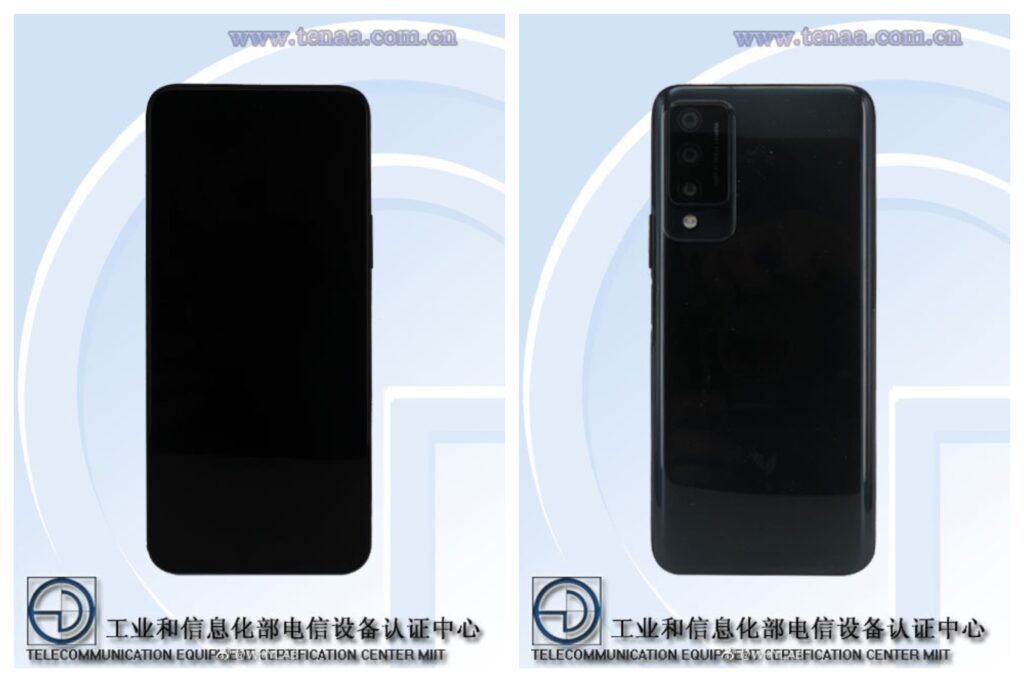
Last month, a tipster revealed that Maimang 10 budget smartphone will soon go on sale in China. At the same time, the device appeared on TENAA revealing some of its key specs. A few days later, the handset is now said to hit the shelves this month.
Maimang 10 TENAA A
Maimang 10 | Source: TENAA

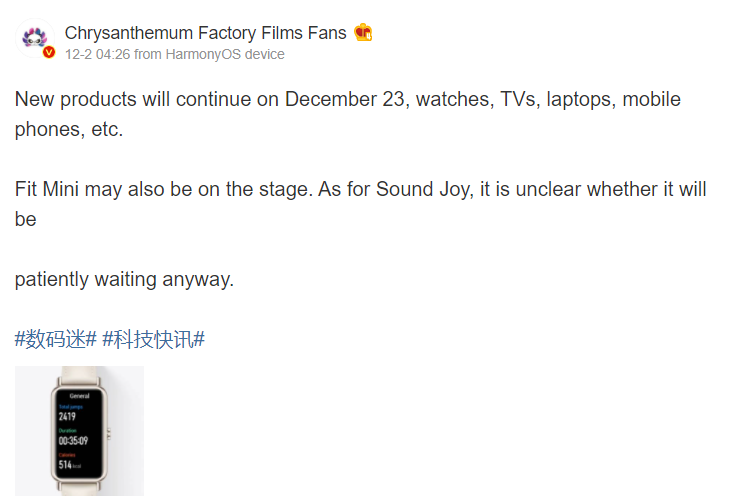
According to 菊厂影业Fans on Weibo, China Telecom will release the Maimang 10 in December. It will be positioned as a better version of Maimang 10 SE from earlier this year.

For the uninitiated, the Maimang series of phones are sold exclusively by China Telecom in China. These handsets are made by Huawei. However, from this year onwards, the HUAWEI branding has been dropped.

According to TENAA, the upcoming Maimang 10 will be near identical to NZONE S7 Pro, which is yet another China Telecom-exclusive smartphone developed by Huawei.

The device is expected to come with features like a 6.6-inch HD+ 90Hz punch-hole display, MediaTek Dimensity 720 SoC, 40MP + 20MP + 2MP triple camera setup on the rear, 16MP camera on the front for selfies and video calls, 4,900mAh battery, 40W fast charging, 8.4mm thickness, and 179g weight.

Last but not least, the Maimang 10 could cost around ¥2,299 ($361). In other words, the phone offers very little for its asking price when compared to other smartphones in the segment.


RELATED:


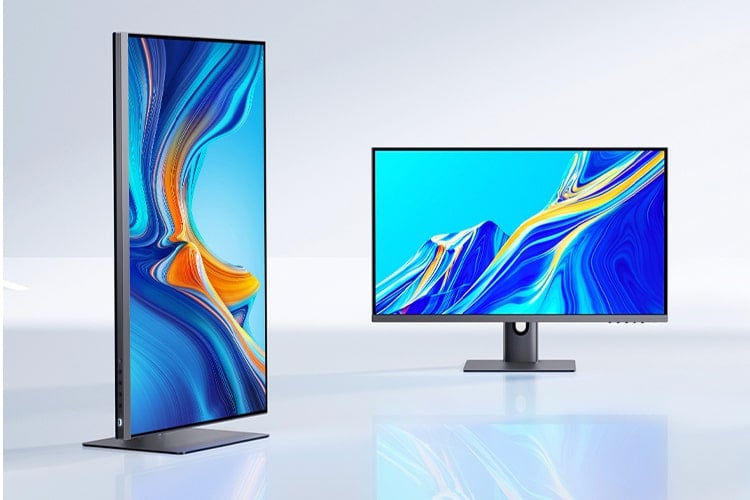
Redmi Monitor 27-inch Pro launched with 2K resolution

A Redmi monitor also got launched alongside the Xiaomi Monitor 27-inch 4K in China earlier today. Dubbed as Redmi Monitor 27-inch Pro, this product offers a 2K resolution at an affordable price tag. Let’s take a look at everything it has to offer.

Redmi Monitor 27-inch Pro D

Redmi Monitor 27-inch Pro Specifications and Features

The new Redmi Monitor comes with model number RMMNT27NQS. It flaunts a 27-inch IPS LCD panel with a resolution of 2560 x 1440 pixels (2K), 16.7 million colors, and 300 nits brightness. 

The screen supports 100% sRGB color gamut and DC dimming. It is certified by TÜV Rheinland and SGS for low blue light emission.

Since it’s a budget model, the monitor offers limited port options. It features an HDMI 1.4 port, a DP 1.2, and an audio port.

Anyway, the product can be adjusted up and down, tilted forward and backward, rotated and wall-mounted. It can be also used vertically.

Other features include a magnetic cover for ports and a hole in the stand for cable management.

Redmi Monitor 27-inch Pro Price and Availability

The Redmi Monitor 27-inch Pro costs ¥1,599 ($251) in China. But for a limited time, it will be sold at ¥1,399 ($219). The product arrives with a 3-year warranty and it is already up for pre-order.

As of now, we don’t have any idea regarding its international availability.


RELATED:


Xiaomi Monitor 27-inch 4K launched with PANTONE certification

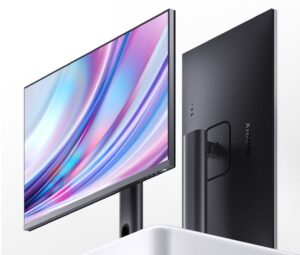
After teasing it for days, Xiaomi has finally launched its first-ever 4K monitor in China. This product is officially called ‘Xiaomi Monitor 27-inch 4K’. Although the company has teased some of its highlights, let’s take a look at what all features it has to offer.

Xiaomi Monitor 27-inch 4K D

Xiaomi Monitor 27-inch 4K Specifications and Features

As the name suggests, the new Xiaomi monitor with model number XMMNT27NU sports a 27-inch screen with minimal bezels. This IPS LCD panel has a resolution of 3840 x 2160 pixels (4K), 1.07 billion colors, and 400 nits brightness.

The PANTONE-certified display has a color accuracy of delta E<1, a 99% DCI-P3 color gamut, a 100% sRGB color gamut. There’s a dedicated physical key to switch between multiple professional modes for different scenarios like CG design, CAD design, and more.

The panel is TÜV Rheinland-certified for low blue light emission. It also supports VESA DisplayHDR 400 HDR standard and DC dimming.

The monitor offers a wide variety of connectivity options like 2 x HDMI 2.1, 1 x DP 1.4, 1 x USB Type-C, 2 x USB Type-A, and 1 x 3.5mm headphone jack. The USB Type-C port supports data transfer, audio/video transmission, and up to 90W power output.

The product has a vent for heat dissipation, a magnetic cover to hide ports, and a hole in the stand for cable management. Last but not least, it can be adjusted up-down/sides, used horizontally/vertically, and can be wall-mounted.

Xiaomi Monitor 27-inch 4K Price and Availability

The Xiaomi Monitor 27-inch 4K is priced at ¥3,499 ($549) in China and comes with a 3-year warranty. It is already up for pre-order in the country at a discounted price tag of ¥2,999 ($470) for a limited time.

At present, it’s not known whether this monitor will make its way to international markets.


RELATED:


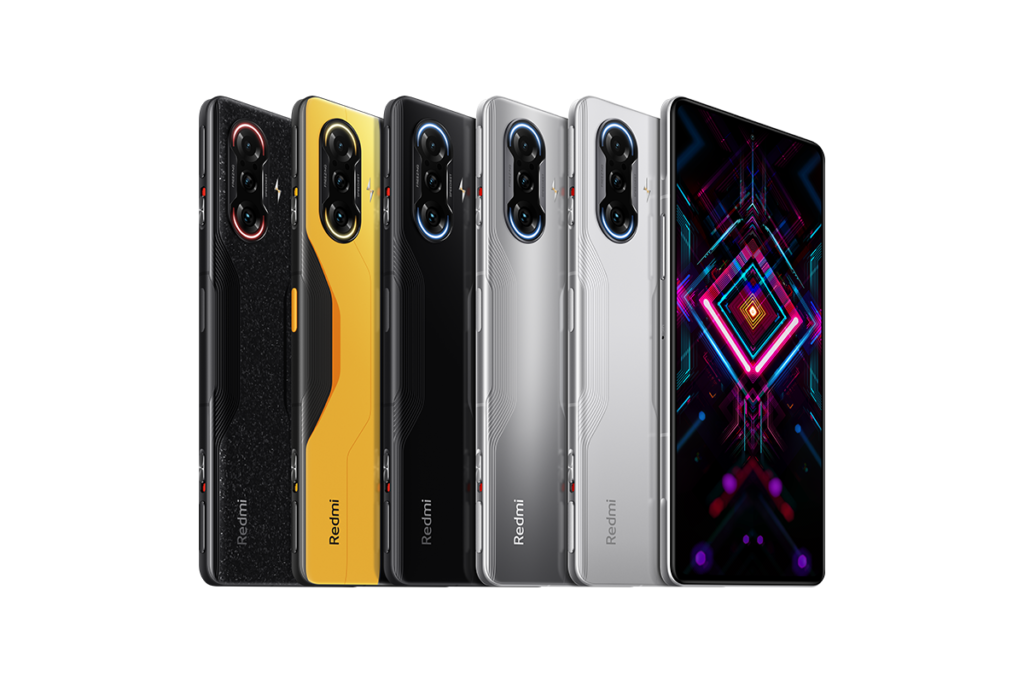
Redmi K50 series to debut in February 2022, Four models incoming

Xiaomi’s Redmi is expected to bring the successor of the Redmi K40 series soon and the rumours for it have started pouring in. The successor Redmi K50 has already been subject to a few leaks and is touted to launch anytime soon. Now, the popular tipster @DigitalChatStation has shared its launch timelines giving us an idea of its arrival.

According to the tipster, the Redmi K50 series will debut next year. It is touted to arrive by the end of February in China. Reportedly, the phone will have multiple models, which is obvious considering the many variants of the Redmi K40 series. As per reports, the phone will come with four different chipsets – Qualcomm Snapdragon 8 Gen 1, Snapdragon 870, MediaTek Dimensity 7000, and Dimensity 9000.

Redmi K40 Gaming Edition Inverse Scale and color variants
Redmi K40 Gaming Edition

Previous leaks revealed that the K50 series phones will boot MIUI 13 straight out of the box. Considering that the launch is in February it isn’t a surprise anymore since the MIUI 13 would debut this month itself. Now, it remains to be seen if it debuts with Android 12 based MIUI or Android 11 based MIUI.

Nonetheless, there’s still plenty of time until we see the device officially on the market. As for now, we have a few specs of the phones, thanks to the leakers and certifications. The Redmi K50 is slated to have codenames – Matisse and Rubens which may debut as two models with Matisse powering Dimensity 9000 SoC, the much-rumoured gaming model.

Redmi K40 Gaming Edition Inverse Scale featured

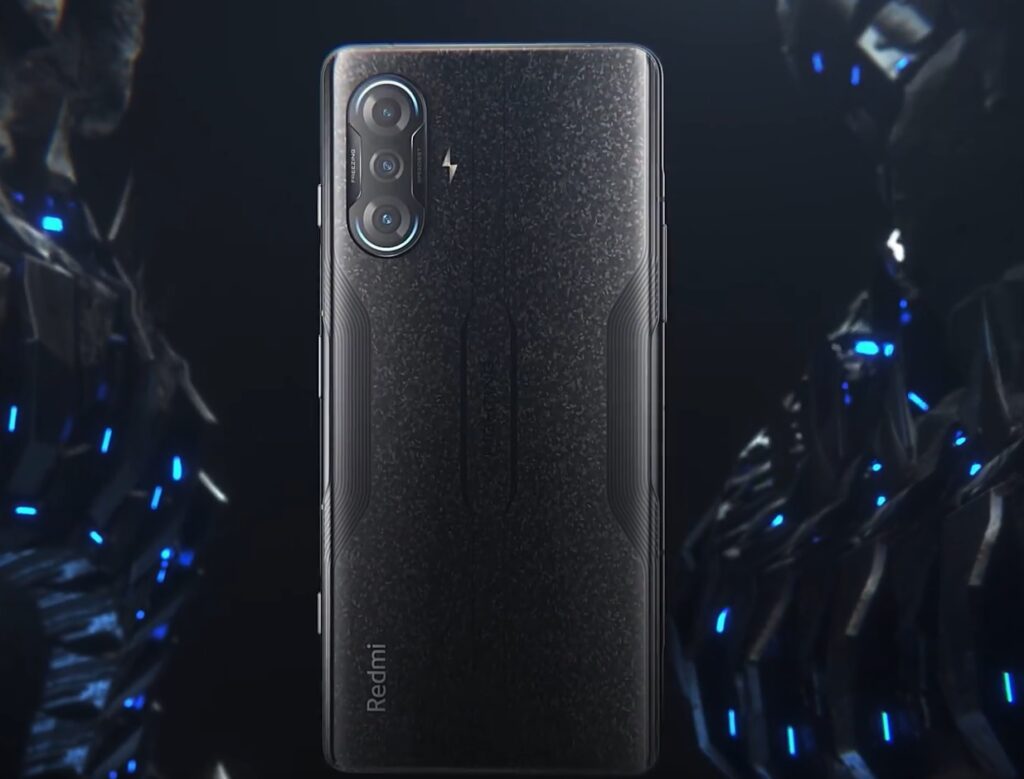
The Matisse a.k.a the Dimensity 9000 powered gaming K50 phone will come with either 120Hz or 144Hz refresh rate screen. It is said to be an OLED screen that will double up as an in-display fingerprint scanner for added security. It is expected to have a 64MP quad-camera system and it may come with some cooling mechanism considering that it will be a gaming phone. This device may be called as Redmi K50 Gaming Pro model.

Furthermore, the phone codenamed Rubens is expected to be the Redmi K50 Gaming Standard model powering Dimensity 7000. It may have a 64MP triple camera system followed by some cooling mechanism similar to the Matisse, the Gaming Pro model.

The details regarding the Snapdragon 870 and Snapdragon 8 Gen 1 powered K50 models are yet to be learned. Once we learn more information on the same, we’ll update you.

RELATED:

IDC projects global smartphone shipments to grow by 5.3% overall in 2021

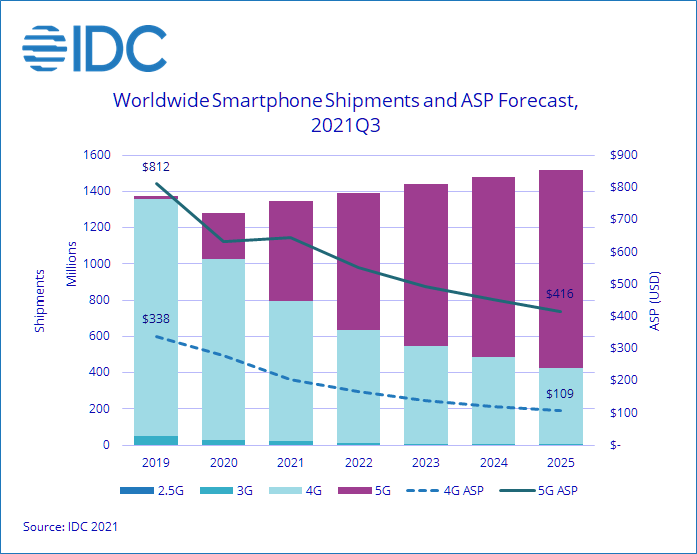
The latest outlook provided by the International Data Corporation (IDC) quarterly report on global smartphone shipments indicates that a decent 5.3% growth is expected for 2021, despite disruptions due to supply chain constraints and the global chip shortage. The IDC Worldwide Quarterly Mobile Phone Tracker indicates that shipments will climb to 1.35 billion units, which is a 5.3% increase from last year.IDC Global smartphone market forecast 2021

The IDC report also indicates a lower than expected third quarter that has seen the global component shortage bite harder and hurt manufacturers’ projections. These challenges are not expected to improve drastically until mid-2022, thus lowering the forecasts for 2022 to 3.0% from earlier projections of 3.4%. The 2021 outlook was also downgraded to 5.3% from the initial 7.4%, according to IDC.

IDC says overall, the logistic and components shortage challenges will slowly decline, with a 3.5% five-year annual growth rate expected. This will be driven by pent-up demand, continued transition from feature phones to smartphones, as well as declining average sale prices for phones. IDC also says that the component shortage problem seriously affected 4G models and this will gravely impact vendors with a higher mix of 4G models than 5G. This, in IDC’s view, was the major reason for the downgrading of the Q3 outlook for 2021.

The fourth quarter will see a single-digit decline although this could be felt more in the Asia-Pacific region, excluding Japan and China. Due however to the impressive half-year numbers across the regions, only China will see a flat year-on-year result, while the rest regions will record positive growth. The average price of devices by the operating system will see Android peak at $265 while iOS will finish at $950. The numbers also indicate that Apple accounts for about 43% of all smartphone revenue and a 17.1% market share.

RELATED:


(source)


Infinix Note 11 vs Infinix Note 11i: Specs Comparison

A month ago Infinix launched the new devices from the Note 11 series, including the vanilla Infinix Note 11 and the Infinix Note 11i. In the 4G segment, they are definitely among the most interesting phones because of their very affordable prices. Not everyone knows these devices because this is a Transsion brand and it is not operative in all the areas of the global market. But a lot of Indian customers are currently wondering which of these two devices is the best one in terms of value for money. Despite they are two affordable variants from the same series, these phones are very different from each other. Here is a comparison between the specifications of Infinix Note 11 and Infinix Note 11i.

Infinix Note 11 vs Infinix Note 11i

Infinix Note 11 Infinix Note 11i
DIMENSIONS AND WEIGHT 164.4 x 76.7 x 7.9 mm, 184 grams 173.2 x 78.7 x 8.8 mm
DISPLAY  6.7 inches, 1080 x 2400p (Full HD+), AMOLED  6.95 inches, 1080 x 2460p (Full HD+), IPS LCD
PROCESSOR Mediatek Helio G88, octa-core 2 GHz Mediatek Helio G85, octa-core 2 GHz
MEMORY 4 GB RAM, 64 GB – 4 GB RAM, 128 GB – 6 GB RAM, 128 GB – micro SD dedicated slot 4 GB RAM, 64 GB –  micro SD dedicated slot
SOFTWARE Android 11, XOS Android 11, XOS
CONNECTIVITY Wi-Fi 802.11 a/b/g/n/ac, Bluetooth, GPS Wi-Fi 802.11 a/b/g/n/ac, Bluetooth, GPS
CAMERA Triple 50 + 2 MP + QVGA
16 MP front camera
Triple 48 + 2 + 2 MP, f/1.8 + f/2.4 + f/2.4
16 MP front camera
BATTERY 5000 mAh, fast charging 33W 5000 mAh, fast charging 18W
ADDITIONAL FEATURES Dual SIM slot Dual SIM slot

Design

The design of these two devices is totally different from each other. While the Infinix Note 11 comes with a waterdrop notch, the Infinix Note 11i has a punch-hole display. But the latter is a lot bigger than the vanilla version due to its huge display and a lower screen to body ratio. Even the rear side is very different: the vanilla version has a bigger main camera and smaller secondary sensors, while on the Note 11i all the sensors come with the same dimensions inside the camera module. Besides being more compact, the vanilla version is even a thinner phone. Both the handsets are built with cheap materials: they have a plastic back and a plastic frame too.


Display

If you want the most advanced display when it comes to image quality, then you should go for the Infinix Note 11 without thinking twice. It has an AMOLED display with brighter colors and deeper blacks sporting a diagonal of 6.7 inches and a Full HD+ resolution of 1080 x 2400 pixels. But despite it having an AMOLED display, the fingerprint reader is side-mounted. The Infinix Note 11i has a less impressive display with its IPS technology and a Full HD+ resolution, but it is a very wide 6.95-inch panel which is very suitable for productivity and gaming thanks to its huge diagonal. The Note 11i has a side-mounted fingerprint scanner as well.


Hardware/Software

Do you need the highest performance? If so, then opt for the Infinix Note 11. It is powered by a stronger Mediatek Helio G88 chipset paired with up to 6 GB of RAM and up to 128 GB of internal storage. The Helio G88 found on the Infinix Note 11 provides better CPU performance than Helio G85 found on the Note 11i and the same GPU. Further, the Infinix Note 11i comes in just one configuration with 4 GB of RAM and 64 GB of storage, while you can double the storage and increase the RAM with the vanilla version. Last but not least, Infinix Note 11i ships with XOS 10 out of the box, while its sibling still comes with XOS 7.2.


Camera

The Infinix Note 11 also comes with a superior camera setup: the main sensor is actually better with its 50 MP resolution and a bright f/1.6 aperture allowing for decent photos even in low light conditions. But you should not confuse it with camera phones, it is very far from them in terms of camera performance. The front cameras are the same with a 16 MP resolution.


Battery

The batteries of the Infinix Note 11 and the Note 11i have the same 5000 mAh capacity, but the Infinix Note 11 lasts more on a single charge because of its smaller and energy-efficient AMOLED display. Further, the Infinix Note 11 supports faster 33W charging, while the Note 11i has just 18W. For a 5000 mAh battery, 33W fast charging guarantees way shorter charging times.


Infinix Note 11 vs Infinix Note 11i: Price

The Infinix Note 11 is expected to hit the Indian market with a starting price tag of about $141/€125, while you need about $160/€141 to purchase the Note 11i. The Infinix Note 11 is actually a superior phone thanks to its AMOLED display, a better chipset, superior memory configurations, a better camera, and faster charging technology. The only advantage of the Note 11i is the huge 6.95-inch display: it is very rare to find a phone with a so wide panel. Would you choose the Note 11i just for this reason?


Infinix Note 11 vs Infinix Note 11i: PRO and CONS

Infinix Note 11

PROS

  • More compact
  • AMOLED display
  • Faster charging
  • Better main camera
  • Superior chipset

CONS

  • Nothing particular


Infinix Note 11i

PROS

  • Wider display
  • Punch hole

CONS

  • LCD display
  • Slower charging
  • Inferior main camera


RELATED

Check the latest videos from our YouTube channel and subscribe:

Oppo PESM10 hits TENAA with punch-hole display and dual cameras

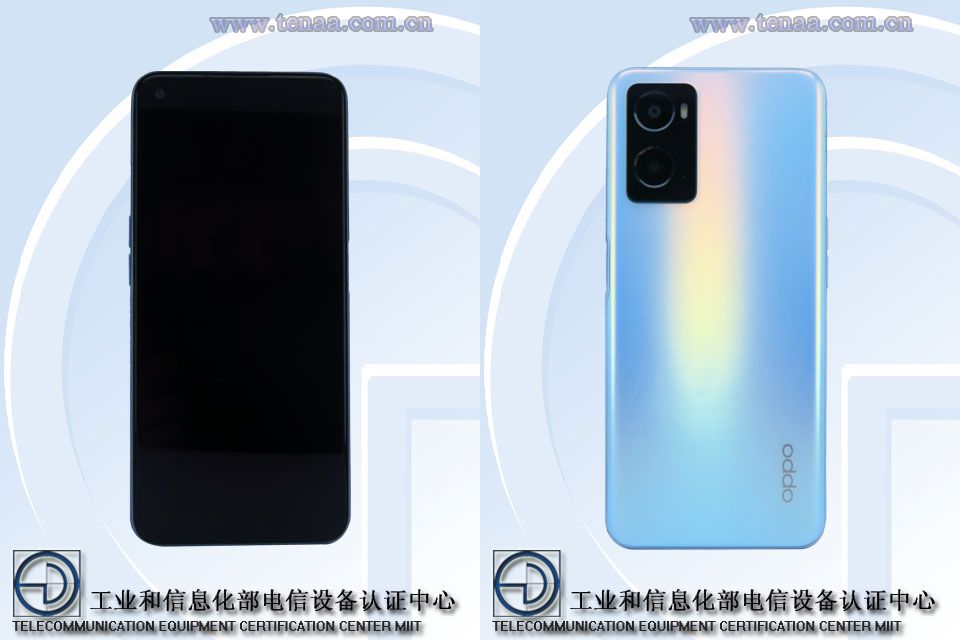
Oppo seems to launch a new smartphone soon as a device carrying model number PESM10 has passed TENAA certification. The certification reveals its key specs and also gives a glimpse of its design.

The Oppo PESM10 sports a 6.56-inch punch-hole display holding a single camera at the front. It has a dual-camera system at the rear alongside the LED flash. The camera island has a rectangular design and is placed vertically. Coming to the numbers, the sheet reveals that it has an 8MP selfie camera and a 13MP + 2MP dual-camera system.

Oppo PESM10

Under the hood, it is powered by an unknown octa-core processor with 6GB and 8GB of RAM with up to 256GB of internal storage. It is also said to come in two other storage configurations like the 64GB and 128GB variants. The smartphone packs a 4,890mAH rated value and will support fast charging support. However, the fast charging capability of the smartphone is unknown for now.

The phone runs on Android 11 out of the box and is expected to run on Oppo’s ColorOS. It is expected to arrive in three colour options Blue, Black, and Pink.

As of now, there isn’t much to know about the phone, but given that it has received TENAA certification, the launch isn’t far away.

In related news, Oppo launched the Reno7 series comprising of the Reno7 and Reno7 Pro. The former comes powered by the Qualcomm Snapdragon 778G SoC, whereas, the latter boards the MediaTek Dimensity 1200 SoC. The phones come with a 4,500mAh battery with 60W fast charging on the Reno7 and 65W fast charging on the Pro model.

RELATED:

Huawei Mate V flip phone tipped to launch on December 23 along with other products

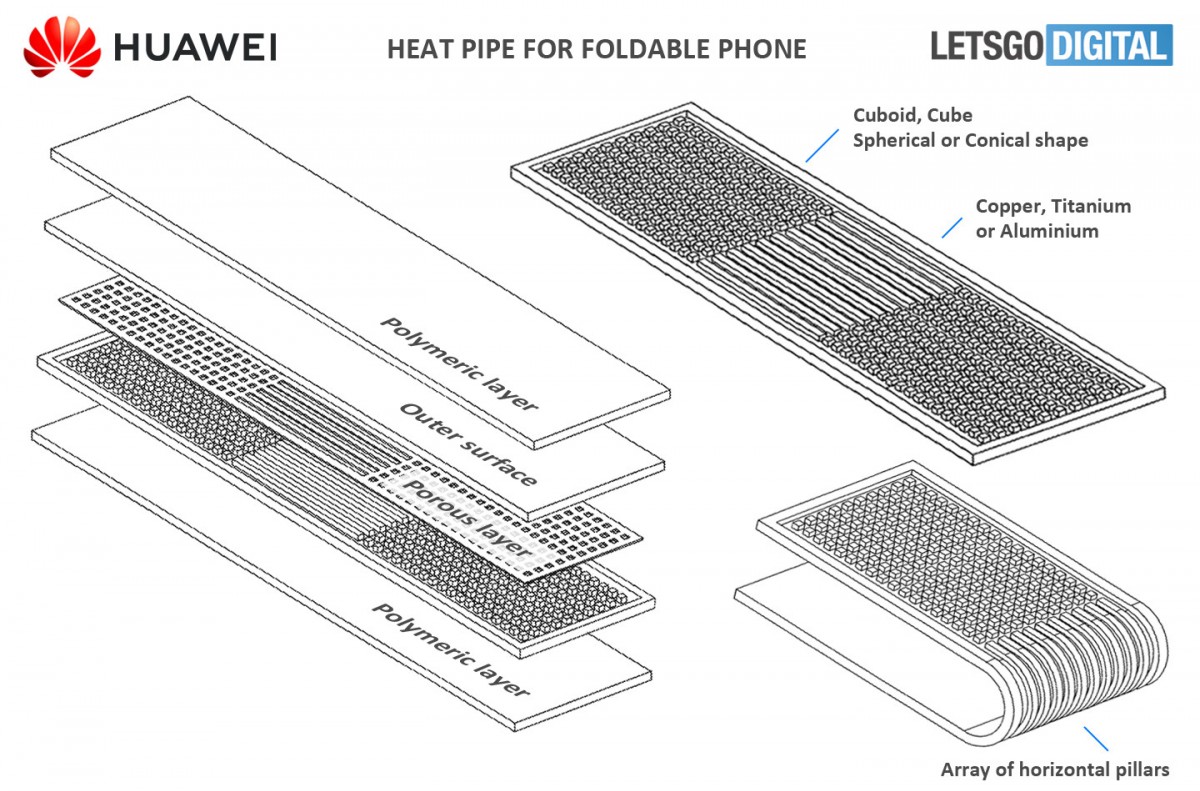
A Weibo tipster has revealed that the Huawei Mate V flip phone is scheduled for launch on December 23 alongside other products. The Mate V has been the subject of rumors and a combination of official teasers, rumors, and a possible connected patent all provide further details on the device. Indeed, in line with previous rumors, it seems the Mate V will sport a unique heat pipe designed for a more efficient heat dissipation process for foldable smartphones.Huawei Mate V

Huawei has a scheduled launch event for December 23 and the lineup includes laptops, TVs, and a smart wearable device. The Huawei Mate V seems to be the main highlight of the December 23 launch, as per the statement by the Weibo tipster. A leaked Huawei teaser seems to lend credence to the December 23 launch. The Huawei teaser showed what seems to be a closed flip phone that was promised to be launched in late December 2021.

The innovative heat pipe design in the Huawei Mate V has been patented by Huawei in 2020, which may not be definitive proof, but the patent surfacing at this time could provide some support for the rumor. The flexible heat pipe will span across the length of the Mate V and would likely offer substantial improvements in heat management and the overall efficiency of the device.

RELATED:


(source, via)


Motorola Edge X30 rumor roundup: Specs, price, colors, and more – what to expect

With the storm of smartphone announcements that followed after Qualcomm unveiled the Snapdragon 8 Gen 1, Motorola has come out on top with the official confirmation that the upcoming Motorola Edge X30 will be the first phone to feature this new flagship SoC, and will launch at 7:30 PM on Dec. 9 in China.

Here’s a look at what to expect on the specifications, features, and pricing of the Motorola Edge X30:

Design & Display

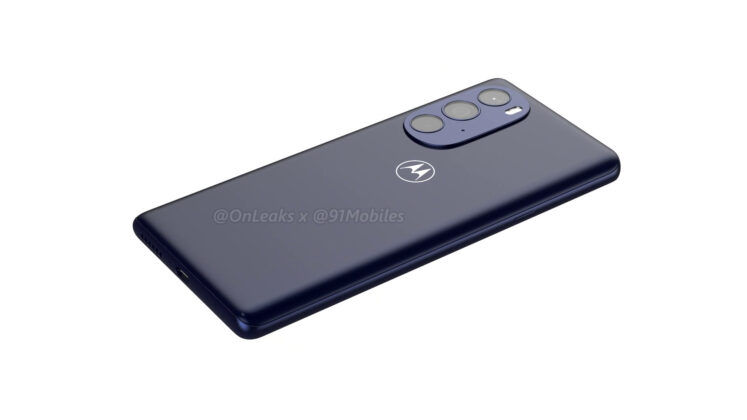
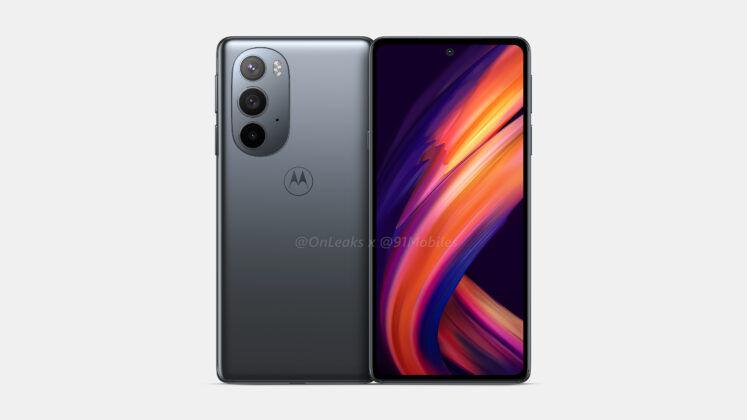
Through leaked renders, we can observe the display to be surrounded by slim bezels and features a hole punch at the center for the selfie camera. The body is expected to be made out of metal, and Chen Jin, Lenovo China’s GM for the mobile division, has confirmed that it comes with Gorilla Glass panels on the front and the back. The volume control and power buttons are present on the right side of the device. The device carries an oval-shaped camera module on the rear with triple rear cameras and an LED flash. 

Motorola Edge 30 Ultra

The Moto Edge X30 (which may go by the Moto Edge 30 Ultra name outside China) features a 6.67-inch 1080 x 2400 pixels AMOLED panel with a 144Hz refresh rate and HDR10+ support. The fingerprint scanner is likely to be located under the display or embedded in the Moto logo on the back. The Type C port, primary microphone, and speaker grille will be located at the bottom of the frame.

Cameras

The camera setup on the device is speculated to be a 50-megapixel (OmniVision OV50A) primary lens, a 50-megapixel (Samsung JN150) ultrawide lens, and a 2-megapixel (OmniVision OV20B1B) depth sensor. The phone is rumored to feature a 60MP selfie snapper on the front.

Performance


Moto Edge X30 launch date poster

As we know, Motorola Edge X30 will be the first phone to feature the Qualcomm Snapdragon 8 Gen 1 chipset. It is expected to be paired with 6GB/8GB/12GB/16GB LPDDR5x RAM and 128GB or 256GB or 512GB UFS 3.1 storage options. The smartphone will be powered by a 5,000mAh battery and is expected to come with 68W fast charging support. The device will be equipped with stereo speakers, IP52 rating, 5G, 4G LTE, Wi-Fi 6, Bluetooth 5.2, NFC, USB Type-C 3.1, GPS with dual-band A-GPS, GLONASS, BDS, GALILEO. Additionally, the phone was earlier revealed to run on the latest version of My UX 3.0.

Variants and price

Unfortunately, the pricing of the Edge X30 has not leaked yet. But we know that the phone will come in at least two color variants, namely, gradient blue and black.

The Motorola Edge X30 will likely be released in various memory configurations such as 6 GB RAM + 128 GB storage, 8 GB RAM + 256 GB, 12 GB RAM + 256 GB, and 16 GB + 512 GB storage.

Motorola is set to release the Edge X30 at 7:30 PM on Dec. 9 in China, so stay tuned as we will be covering the launch event.

RELATED:


Mercedes-Benz unveils a solar-powered Maybach designed by the late Off-White CEO, Virgil Abloh

The quality of recently deceased fashion designer Virgil Abloh came to light again with the unveiling of the Mercedes-Benz Project Maybach solar-powered car. The Project Maybach is the culmination of a partnership between Mercedes-Benz and fashion designer Abloh, and the unveiling had the support of the late designer’s family. Virgil Abloh passed away last week, and the German carmaker says the Project Maybach sports a design, unlike anything that has been developed by the company.solar-powered Maybach

Mercedes-Benz says every element of the innovative car was built from the scratch with a lot of impressive features that would excite sustainability enthusiasts. With a length of about 6 meters, the Project Maybach has a transparent front bonnet underneath which solar cells are placed to provide charging power for the car’s electric battery.Mercedes Benz solar-powered Maybach

The Project Maybach is a show car that can seat two persons and is, according to Mercedes-Benz, inspired by the great outdoors. The vehicle combines large off-road wheels, distinctive attachments, and a huge Grand Turismo proportion to yield an iconic car with the imprimatur touch of excellence due to Abloh.

Designed as an electric show car, the Project Maybach was unveiled during the Miami Art Week which featured several other activities. Fashion designer, Virgil Abloh has previously collaborated with Mercedes-Benz and succumbed to cancer last week, aged 41 years. In deference to the memory of the late designer, Mercedes-Benz is showing Project Maybach at Miami’s Rubell Museum instead of the scheduled press event to unveil the car.Mercedes-Benz solar-powered Maybach

The company says it was devastated to hear of the demise of Abloh, stressing that its sincere thoughts are with Virgil’s family and teams. Mercedes-Benz underscored the late designer’s great vision, unbridled imagination, and inspirational designs.

RELATED;


(via)


Vivaldi browser brings two rows of tabs to Android smartphones with 5.0 update

Vivaldi, the Chromium-based web browser has introduced two rows of tabs to its Android mobile browser, making it the first browser to do so on the smartphone platform.

Vivaldi for Android smartphones

The new feature comes with its 5.0 update and enables users to keep two separate rows of tabs open at once, placing one on top of the other row. The “two-level tab stacks” solution was launched earlier this year in the browser’s desktop version and now has come to Android devices. Yes, that includes Android tablets, which get a whole host of improvements and new features, but more on that later.

Vivaldi 5.0 for Android smartphones

To enable this new feature, you have to long-press the New Tab button and select “New Tab Stack.” That should allow you to start using the new stack/group you created, with the current tab and one new additional tab.

In addition to the two-level tab stack feature, the 5.0 update also brings an improved tab interface and new ways to tweak the tab bar. The built-in Notes tool has been enhanced too so that users can quickly handle big chunks of text from a webpage to an existing note with an “Append to Note” option when highlighting text. Lastly, the update also brings dark mode for websites. When you toggle this feature, the browser automatically changes the site background color to black, making it easier on the eyes. This setting is saved on a per-site basis.

Vivaldi for Android tablets

Vivaldi for Android tablets

Vivaldi 5.0 also improves support for Android tablets. The tablet platform also gets the “two-level tab stacks” feature with an additional way of creating a new stack by simply dragging tabs onto one another to create a new tab stack.

Like the desktop browser, tablet users can now enable panels that appear on the left and provide quick access to functions such as bookmarks, history, notes, etc.

For those unaware, Vivaldi is a freeware, cross-platform web browser developed by Vivaldi Technologies, a Norway-based company founded by Tatsuki Tomita and Jon Stephenson von Tetzchner, who was the co-founder and CEO of Opera Software.

Although intended for general users, it is first and foremost targeted towards technically-inclined users as well as former Opera users disgruntled by its transition from the Presto layout engine to a Chromium-based browser that resulted in the loss of many of its iconic features.

RELATED:


Deal: Get Bose Frames Tempo Audio Sunglasses for $219 (Retail Price $249)

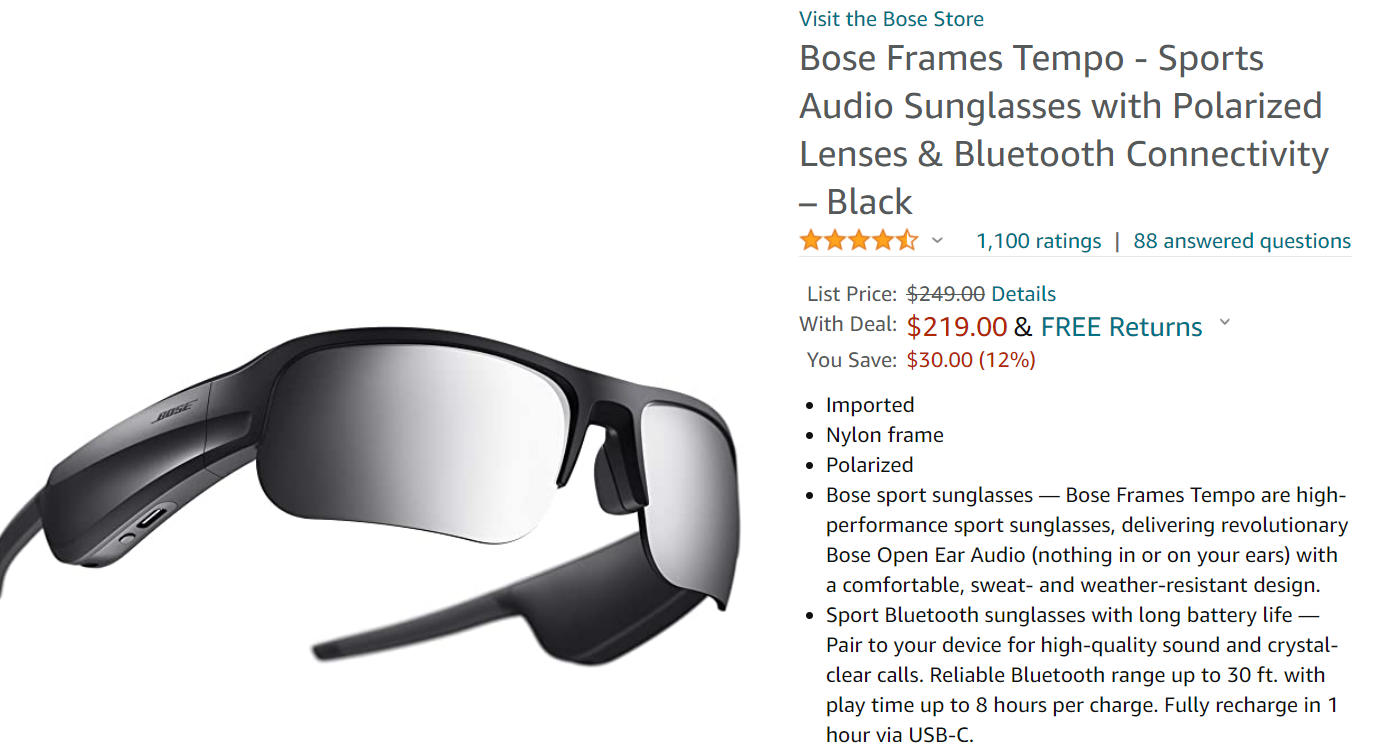
Bose Frames Tempo the revolutionary sunglasses with speakers which generally retails for $249 is now available at a discounted price of $219 only at Amazon US. 

WHERE TO BUY
Bose Frames Tempo at $219 @Amazon US

Bose Frames Tempo

Bose Frames Tempo is a sports audio sunglass that comes with polarized lenses and Bluetooth connectivity. This advanced sunglass is specially designed for sports and fitness enthusiasts. With frames tempo, you can experience the revolutionary Bose open ear audio design that allows you to listen to your music as well as your surroundings at the same time. Basically, it’s like a high-quality personal speaker at your fingertips.

Bose Frames Tempo

Key Features:

  • Mirrored black polarized lenses
  • Blocks up to 99% UV rays
  • Scratch and shatter-resistant
  • Bose open ear audio design
  • Two specially designed bose speakers fitted in the frame – Plays loud enough to hear your music over rushing winds  when cycling at a speed of 40km/h
  • Smart and intuitive touch control  to adjust volume and access voice assistant 
  • Integrated motion sensor
  • IPX4 water-resistant
  • Flexible temple grips
  • Interchangeable nose pads for a comfortable and secure fit
  • Comes with a ballistic-nylon case

Bose Frames Tempo

Generally retailing for $249, you can now buy Bose Frames Tempo at a discounted price of $219 only at Amazon US. Please note that this is a limited-time offer. 

For more information on such exciting deals and offers check out our deals hub

* Please Note: When you buy something using the links in our articles, we may earn a small commission at no cost to you.

WhatsApp’s abuse detection tech got over 2 million Indian accounts banned in October

The fifth Monthly Compliance Report for India by WhatsApp indicates that 2,069,000 accounts were banned in the country in October 2021. The process which relies on WhatsApp’s abuse detection technology has had some huge numbers in previous months, with the October figure lower than the 2.2 million accounts blacklisted by the social media platform in September 2021.WhatsApp Logo

WhatsApp also announced that it received 500 grievance reports from users, which comprised 248 ban appeals, 146 account support requests, and 53 product support, among others. There were some actions taken under the various grievance reports and the new regime is in line with the Intermediary Guidelines and Digital Media Code regulations, 2021.

The user-safety report mechanism kicked off in July 2021 and enables WhatsApp to monitor and take preventive actions to combat abuse of its safety rules on the platform. An Indian account is identified with its prefix +91 in the phone number, and the banning is aimed at preventing abuse among end-to-end encrypted messaging services. WhatsApp uses its Artificial Intelligence and other technologies to ensure that users are kept safe on the platform.

The huge number of accounts that have been progressively banned by WhatsApp may be indicative of the depth of the problem of abuse within social media platforms. WhatsApp hopes to continue to enhance its processes to discover and prevent abuse within the platform. It has continued to invest heavily in technology as the driving force for ensuring compliance with its rules.

RELATED:


vivo patents ‘extendable display’ phone, similar to the OPPO X 2021

The China-based smartphone maker vivo continues on its innovative journey as the company patents a smartphone with an extendable display design.

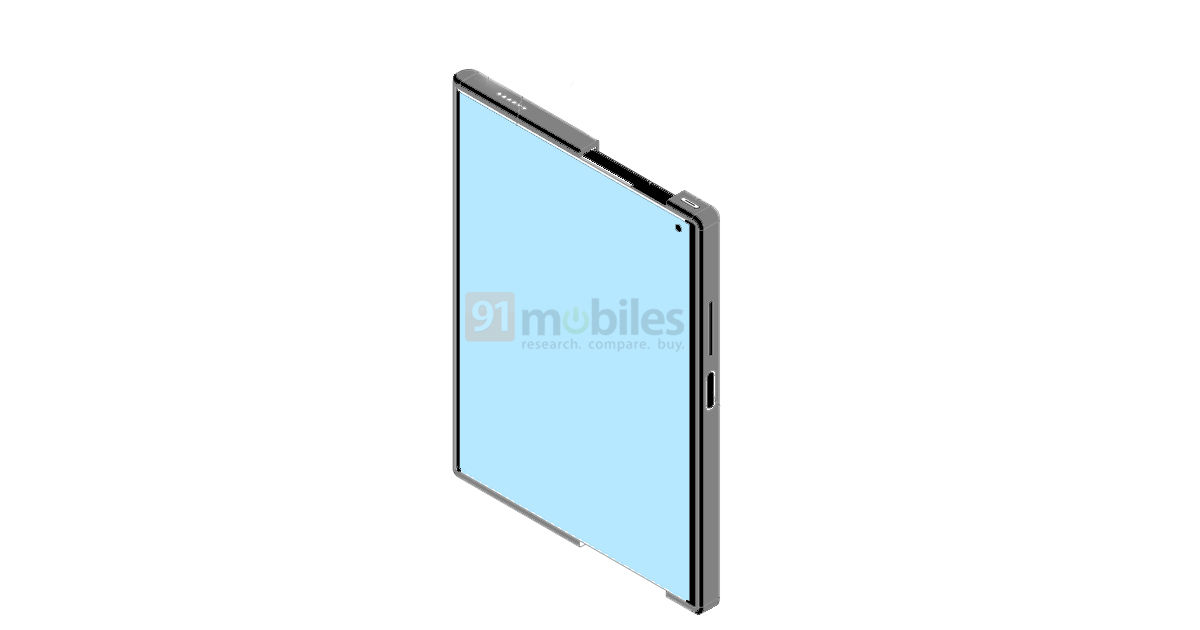
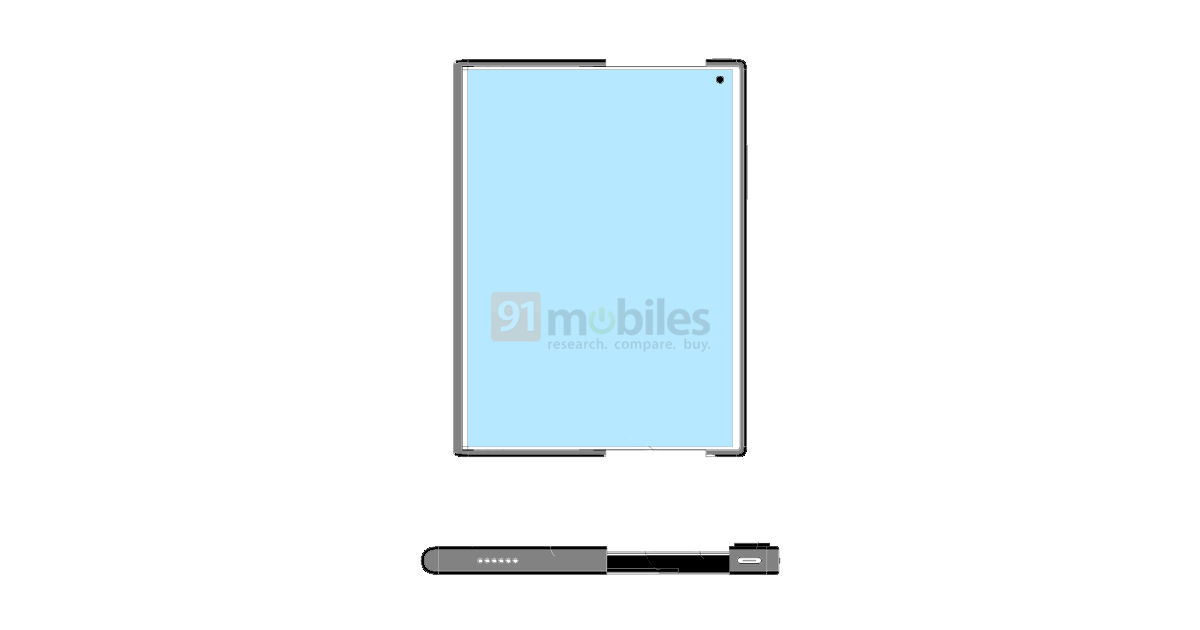
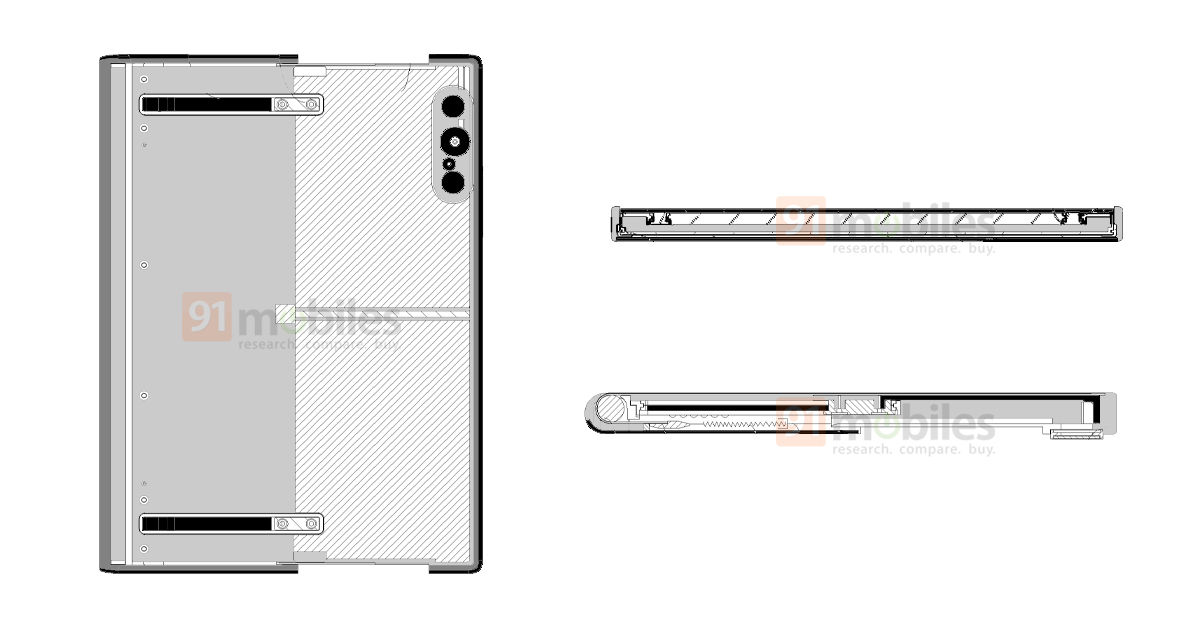
The future of smartphones might not be foldable but sliding, as a report by 91mobiles surfaced earlier today, giving first glances at a patent filed by vivo at the World Intellectual Property Organisation back in May 2021. The patent was published on December 2nd and contains images of the sliding concept.

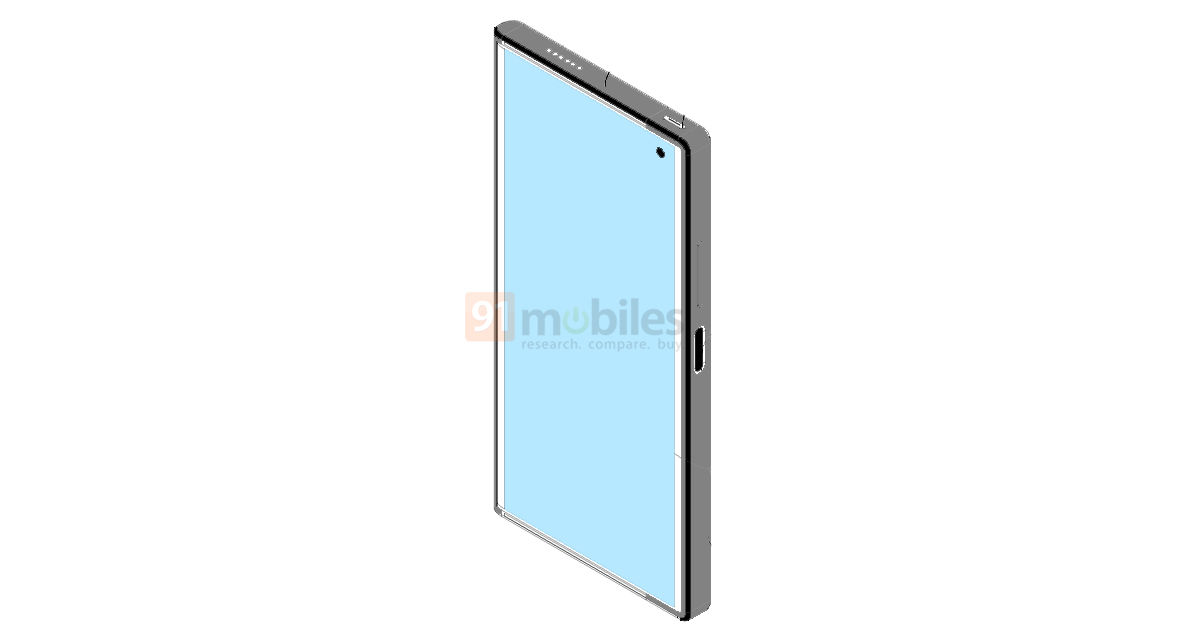
The patent drawings show the phone will have an extendable display that extends from right to left and provide the user with additional screen real estate. The vivo extendable phone expands from the right spine and clips back in when not in use. The phone is equipped with a motor that when triggered automatically brings out the screen. The screen might be manually expandable with the help of a touch or a physical trigger, while some tasks like accessing the rear camera might trigger this response automatically as a triple camera module can be observed on the left side of the phone, which appears when the screen is extended.

The speaker grille can be observed on the top, while the USB Type-C port is on the right spine. The phone has a punch-hole cutout on the front for the selfie snapper.

vivo is not the first company to try its hands on the sliding phone, as OPPO has previously made a concept phone dubbed the OPPO X in 2021. That being said, no sliding smartphone is commercially available yet.

Since the vivo sliding phone is still in the patent stage, it is unknown when customers can see a working model. So stay with us as we will provide updates when notable developments surface regarding this phone.

RELATED:


BYD reveals the possible prices & names of its upcoming smartwatch

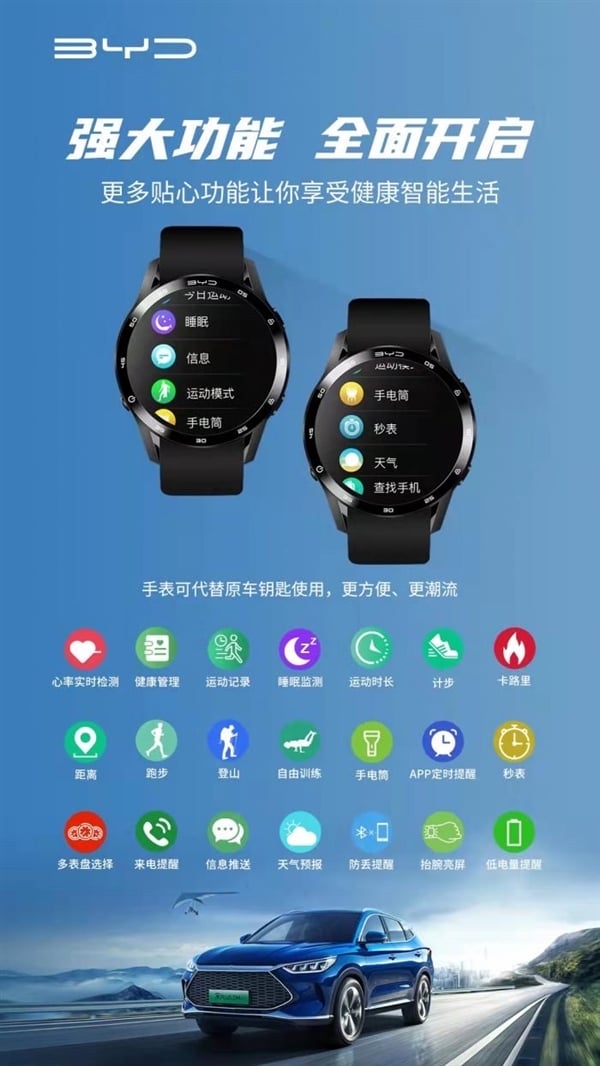
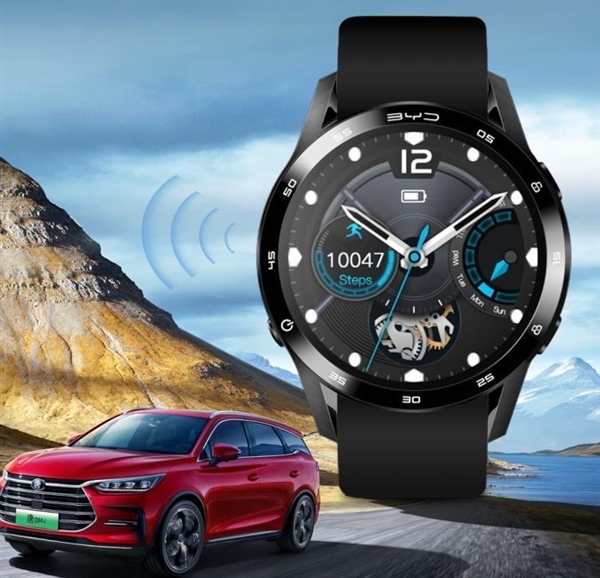
Chinese automobile manufacturer BYD recently teased its upcoming smartwatch that will have several features that will be vital to buyers of its cars. The smartwatch which is expected to be launched later this month will come with features such as smart ignition, comfortable entry, smart locking, raising and lowering windows, opening the tailgate, and others, thus replacing the need to always move about with the car keys at all time.BYD Smartwatch

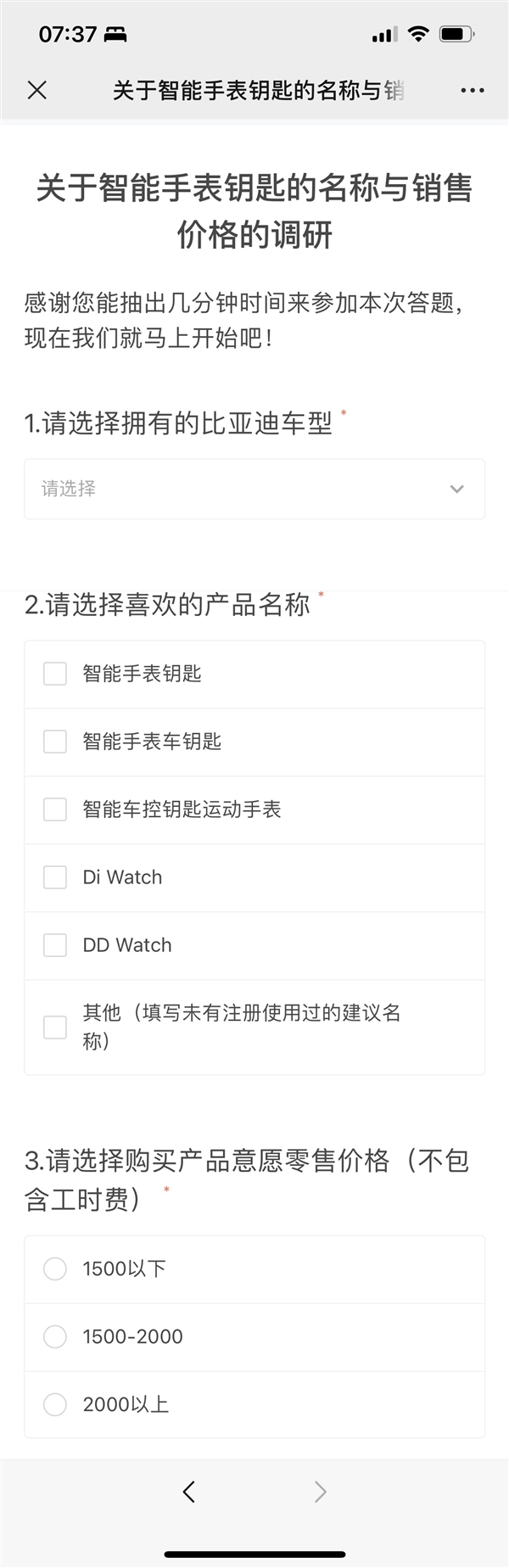
Well, BYD has reveal a number of names and price range from which a final selection will be made by the company. The company is bringing in fans into the decision-making process as it released a survey asking fans to choose from a list of five different names, the one they’ll prefer to have as the moniker for the smartwatch. The names are translated as; smart watch key, smart watch car key, smart car control key sports watch, Di Watch, and DD Watch. The final naming is likely to be selected from the above names. While we can’t say for sure if the highest-ranking name in the polls will win, it is certain that one of the five names will ultimately be what the watch will be called. BYD smartwatch

The company is also asking fans to determine the price tag of the smartwatch from three available options. The first option is an under 1,500 yuan (~$235) price tag, the second option is between 1,500 – 2,000 yuan while the third option is above 2,000 yuan. Of course, we expect majority of the respondents to choose the base option which sounds fair considering the prices of other smartwatches in the same category.

The teaser poster earlier released shows the smartwatch will come with a premium build including metal bezels, sapphire glass, and rubber straps.

Apart from the features relevant to car owners, the watch will also come with fitness and health-tracking features such as exercise pedometer, heart rate monitoring, sleep monitoring, call reminder, temperature sensor, and others. Thus, in addition to activating keyless car entry, the watch will also serve as a fitness tracker.

RELATED: 


(via)


Xiaomi invests in VR based firm founded by known Movie Director Zhang Yimou

A Xiaomi affiliated company, Hanxing Venture Capital, has just invested in a new firm. The company in question is based around VR (virtual reality) and was co-founded by known movie director Zhang Yimou.

According to a PanDaily report, the VR company, Sky Limit Entertainment had recently added both the Xiaomi backed investment firm and Intel Asia Pacific R&D Company as shareholders. As of right now, the company’s registered capital had increased by a 75.7 million Yuan (roughly 11.8 million US Dollars). For those unaware, Sky Limit Entertainment is a VR based service provider that integrates IP operation, content production, and digital real life entertainment.

Xiaomi

This firm was founded back in 2008, with its business scope including organizing cultural and artistic activities, stage lighting and sound design, performance agent, and more. At the moment, the company’s shareholders include Lenovo Capital, Mango Foundation, Weiyue Group, Intel, Zhang Yimou, and others. Notably, the movie director is well known for winning numerous awards and recognitions for his work in films like Hero (2003), Raise the Red Lantern (1991), and The Flowers of War (2011) among a few other.

The latest investment from the Xiaomi backed firm joins its other investments in various fields, like automobiles, autonomous driving technology, AR, VR, semiconductors, and more. A few examples being the investment in NIO’s battery supplier, autonomous driving tech developer Geometric Pal, and many more.

RELATED:


Android TV app installation via smartphone rolls out to more users worldwide

Last month, we reported on Google bringing the much-needed functionality that enables users to install apps on their Android-enabled smart TVs through their phones. However, the functionality was still being tested and was only available to some users.

Android TV Playstore

Now, Google has begun rolling out the feature to a broader userbase. If this is the first time you’ve heard about this feature, here are its functionalities and advantages, as mentioned below.

Browsing apps on the Play Store on a smart TV is a hassle. Google is trying to fix this issue years after the release of Android TV by allowing users to install applications from their smartphones.

VLC Android TV

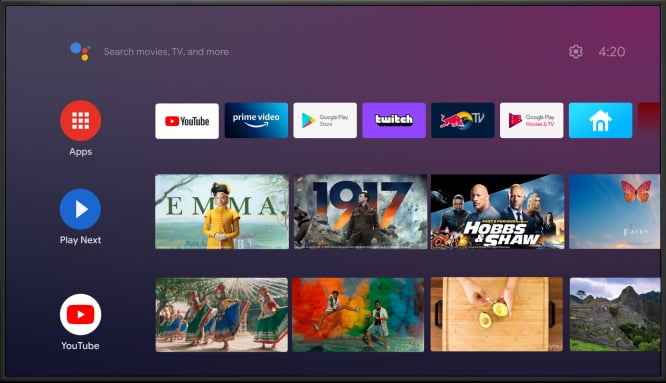
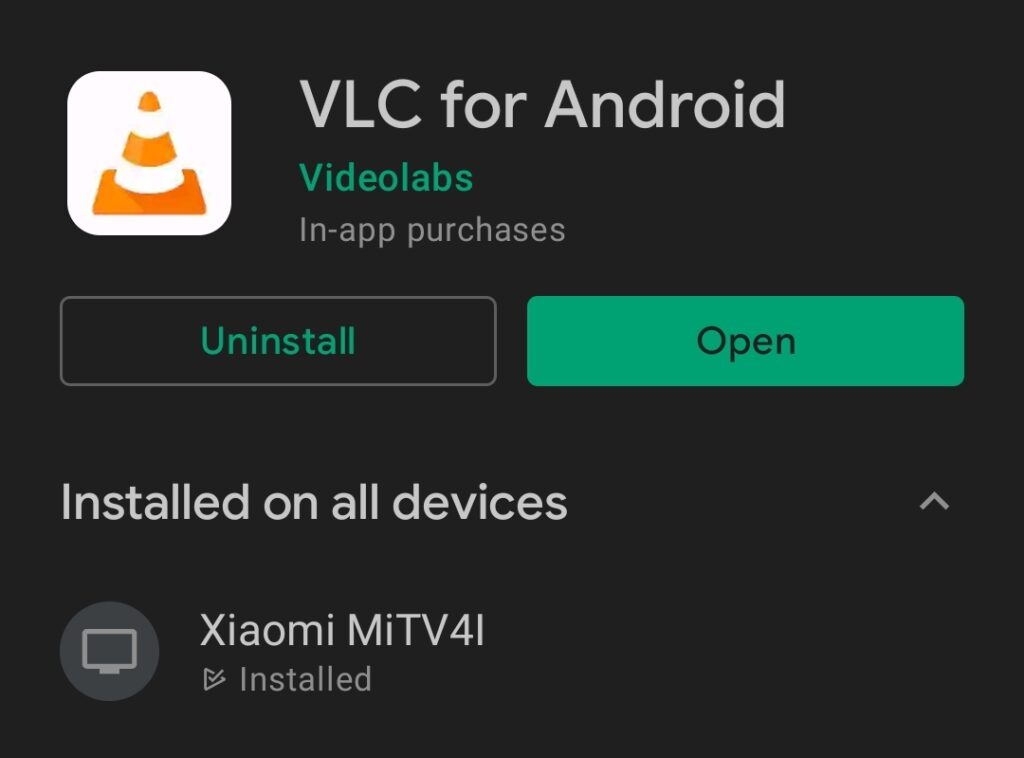
With the new server-side update, users can finally install an app on their Android TV devices from the Play Store on their smartphone. The option appears only for the applications that are available on Android TV. The only requirement is that the same Google account should be logged into both the smartphone and the Android TV device. The feature added a drop-down menu to the Install button on the Google Play Store, which shows a list of smart devices registered to your account. You can choose the device you want to install the app on from this list. This feature is similar to Google’s solution for the same issue related to Wear OS-enabled wearable devices.

The feature brings a breath of fresh air to the Android TV owners by tackling the problem of searching for on the Google Play store apps by typing in using the TV remote as well as the slower response times of TVs.

If you haven’t received this feature yet, you can manually update the Google Play Store on your device, or you might have to wait a few more days if the feature still doesn’t show up after installing the latest Play Store update.

RELATED:


Intel to deepen relations with TSMC to secure 3nm chip & avoid conflict with Apple: Report

Intel is apparently seeking to deepen its relationship with TSMC. The company aims on expanding its cooperation to ensure a secure supply of 3nm chip production technology while avoiding a conflict with the iPhone maker as well.

Apple

According to DigiTimes report (Via MacRumors), the known American chipmaker plans to secure the advanced 3nm process technology of the world’s largest contract chip producer. As per our previous report, the Taiwan Semiconductor Manufacturing Company had already began the pilot production of its 3nm process technology, with its mass production stage starting sometime in the fourth quarter of next year. In other words, the Cupertino based giant, Apple would likely use the technology in its 2023 iPhones and Mac.
To deepen its relations with TSMC, Team Blue is reportedly planning to send high level executives to visit Taiwan and TSMC later this month. These executives will discuss the 3nm chip process technology and its production capacity. Furthermore, through the growing relations, the company would be able to gain access to more 3nm process capacity at TSMC. This closer tie would also help it avoid any conflict with one of TSMC’s important customers, Apple.

Intel 12th Generation Alder Lake Processor

As of right now, Apple’s latest chipset use the advanced 5nm process from TSMC, which power a number of its products lines like Macs, iPads, and iPhones. With the 3nm technology, the smartphone maker would likely be a priority customer to receive the first batch of the cutting edge chip process. So, the move from Intel arrives as no surprise, considering the world is already facing a shortage of semiconductors.

RELATED:


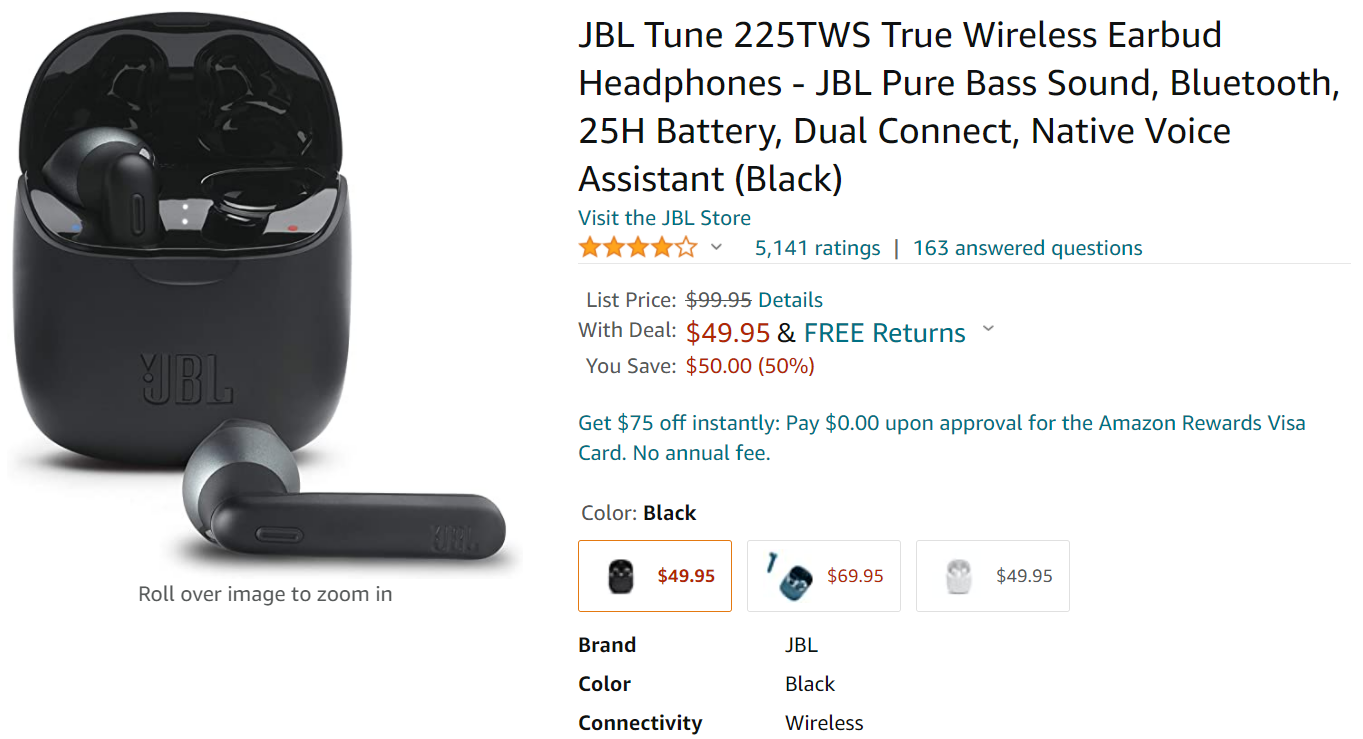
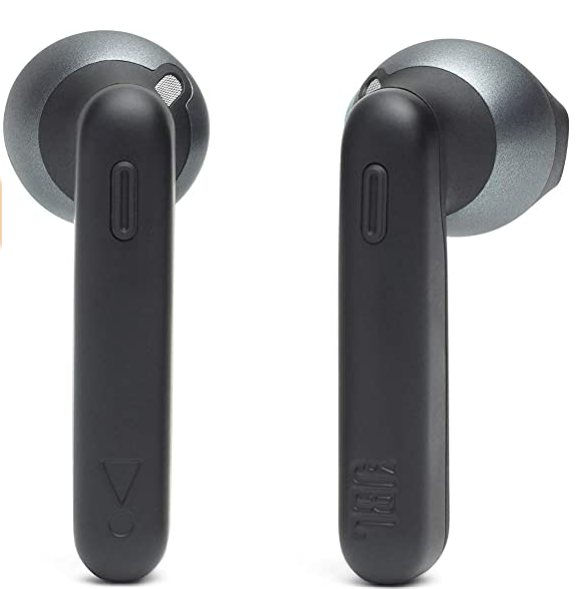
Deal: Get JBL Tune 225 TWS Headphone for $49.95 (Retail Price $60)

JBL Tune 225 TWS Headphone which generally retails for $60 is now available at a discounted price of $49.95 only at Amazon US. Please note that this is the lowest price yet offered on this product on Amazon. 

WHERE TO BUY
JBL Tune 225 TWS Headphone at $49.95 @Amazon US

JBL Tune 225 TWS Headphone

JBL Tune 225 TWS Headphone

JBL Tune 225 TWS Headphone

Key Features:

  • JBL Pure Bass Sound
  • Up to 25 hours of battery life
  • Dual connect technology; use single earphone for calls or both simultaneously for music
  • Can charge a single earphone while using the other one
  • River stone inspired sleek charging case design
  • Soft body and pop-up curved lid
  • Type-C charging interface
  • Colors: Black and White

JBL Tune 225 TWS Headphone

Generally retailing for $60, you can now buy JBL Tune 225 TWS Headphone at a discounted price of $49.95 only at Amazon US. This is the lowest price ever offered on this product by Amazon. Please note that this limited period offer is available only on the Black and White color variants. However, you can also get the Blue color variant but without a discount at a price of $69.95. 

For more information on such exciting deals and offers check out our deals hub

* Please Note: When you buy something using the links in our articles, we may earn a small commission at no cost to you.

Oppo Reno7 sales cross 100 million Yuan ($15mn) in just 15 minutes

Earlier today (3rd December 2021), the Oppo Reno7 series went on sale in its home market of China. The lineup saw an explosive success in the region, with its first sales bringing in a whopping 100 million Yuan (roughly 15 million US Dollars) in just a matter of minutes.

With the first sale seeing great results, the smartphone maker even shared this achievement on its official Weibo account (a Chinese microblogging website) via an image poster. The Reno7 series, including the vanilla and Pro model, brought in over 15 million US Dollars in sale in just 15 minutes. This is quite impressive considering the Reno7 starts from 2,699 Yuan (roughly 420 US Dollars) and the Reno7 Pro starts from 3,699 Yuan (roughly 580 US Dollars).

Oppo

Talking about the smartphones itself, both handsets feature an AMOLED display, with the Pro model sporting a slightly larger panel. Under the hood, the base version houses a Qualcomm Snapdragon 778G processor while the Pro variant arrives with the MediaTek Dimenisty 1200 Max chipset. While the series feature a triple camera setup, the rear camera on the Reno7 is a 64 megapixel sensor, meanwhile, the Reno7 Pro features a 50 megapixel primary shooter. Both models are powered by a large 4,500mAh battery and support 60W fast charging on the vanilla variant and 65W fast charging in the Pro version.
RELATED: