Advertisement

Sony Airpeak S1 professional drone for Alpha Cameras finally goes on sale

Sony first unveiled the Airpeak S1 at CES 2021 as its first-ever professional drone. The drone also emerged as the smallest in the world to have support for a full-frame mirrorless interchangeable-lens alpha camera. The drone has now gone on sale for $9,000 and will start shipping on December 24. In addition to the drone, the retail box contains two sets of propellers, a remote control, two batteries, and a battery charger.Sony Airpeak S1

The Airpeak S1 drone uses a proprietary motor, propeller, sensing, and control system technology, which according to the company, allows it to fly at an incredibly high speed of up to 55mph. It also features propulsion technology which allows for wind resistance of up to 44.7mph (20m/s) in strong winds.

The drone features an advanced remote controller, increased safety via cloud management of the aircraft, and flight information. There’s also obstacle detection. Its maximum speed is 55mph (25m/s) / 90km/h, the angular velocity of 180°/s maximum, and tilt angle of 55° maximum. The drone has a flight time of 22 minutes on a full charge and it’s not carrying anything.Sony Airpeak S1
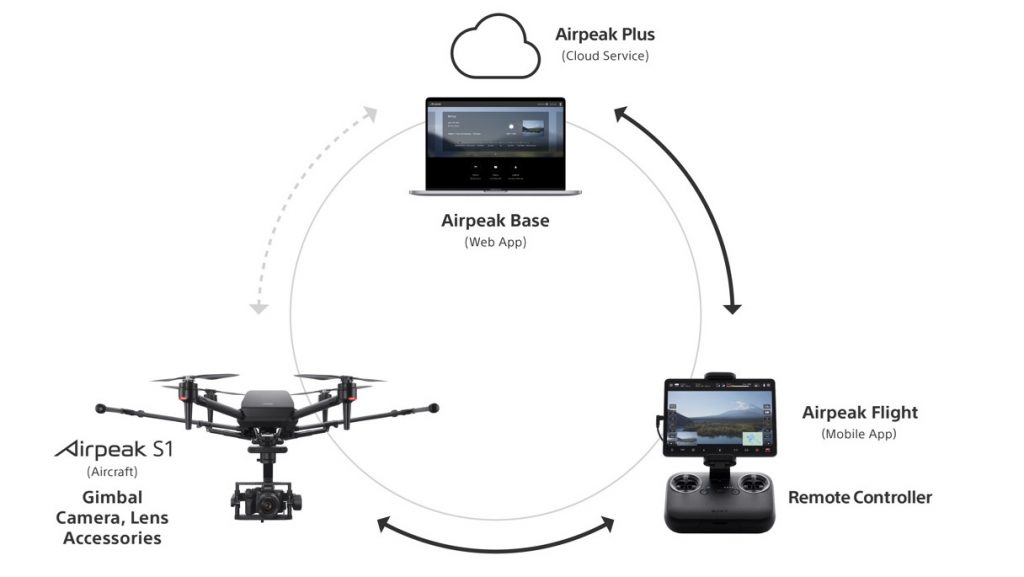
The Electric Speed Controller (ESC) for optimal control, is a unique and high-performance flight control system that integrates all sensor information and the propulsion device. This will guarantee the drone has a stable flight and the ability to maneuver very well.

The drone is up for pre-orders via major retailers including AdoramaB&H Photo, and Drone Nerds. There is also a third-party gimbal that was specifically made for this drone but it will be sold separately.

RELATED:


(via)
 

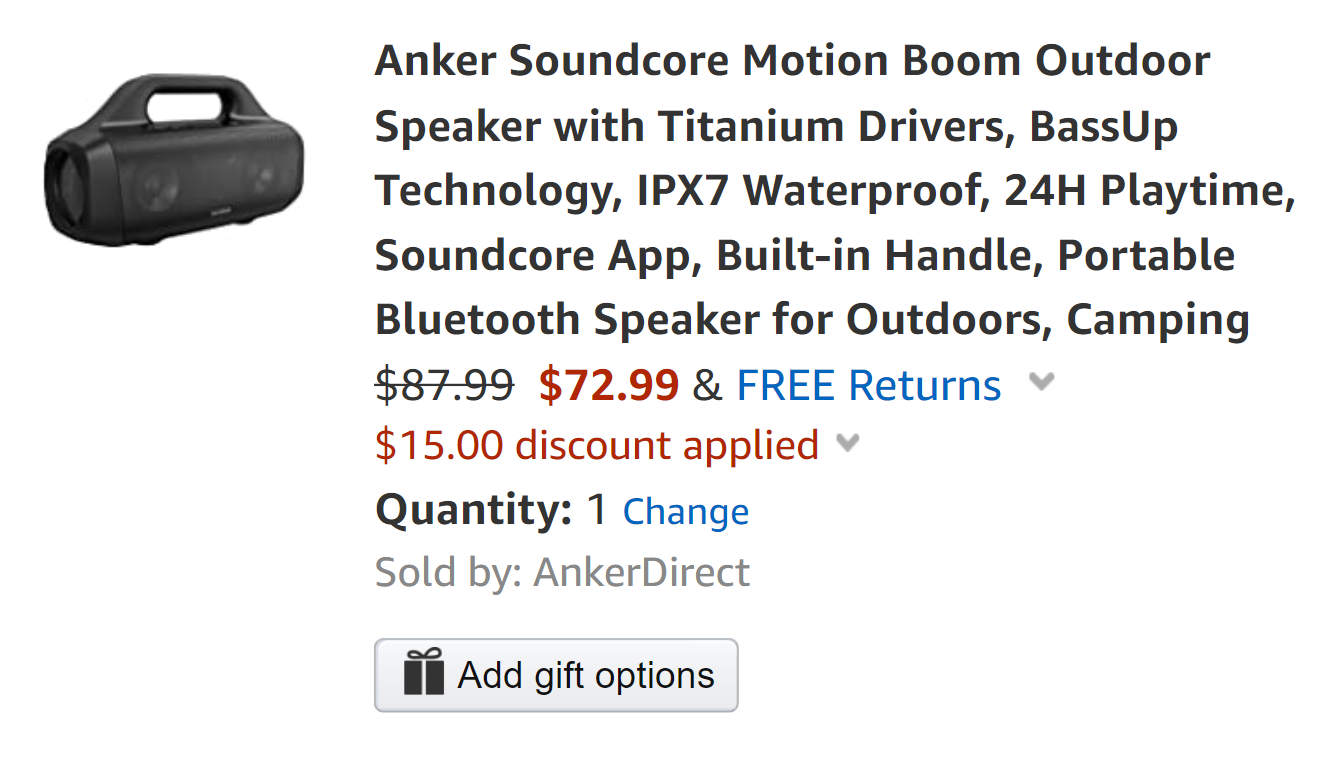
Deal: Get Anker Soundcore Motion Boom Speaker for as low as $72 on Amazon US

Anker Soundcore Motion Boom Speaker which generally retails for $120 is now available at a discounted price of $87.99 only at Amazon US.  There is a $15 discount coupon available as a page clip-on. Thus the final price you have to pay comes down to just $72.99. This is the lowest price yet offered on this product on Amazon US. Please note that this is a limited stock offer.

WHERE TO BUY
Anker Soundcore Motion Boom Speaker at $72.99 (after discount)@Amazon US

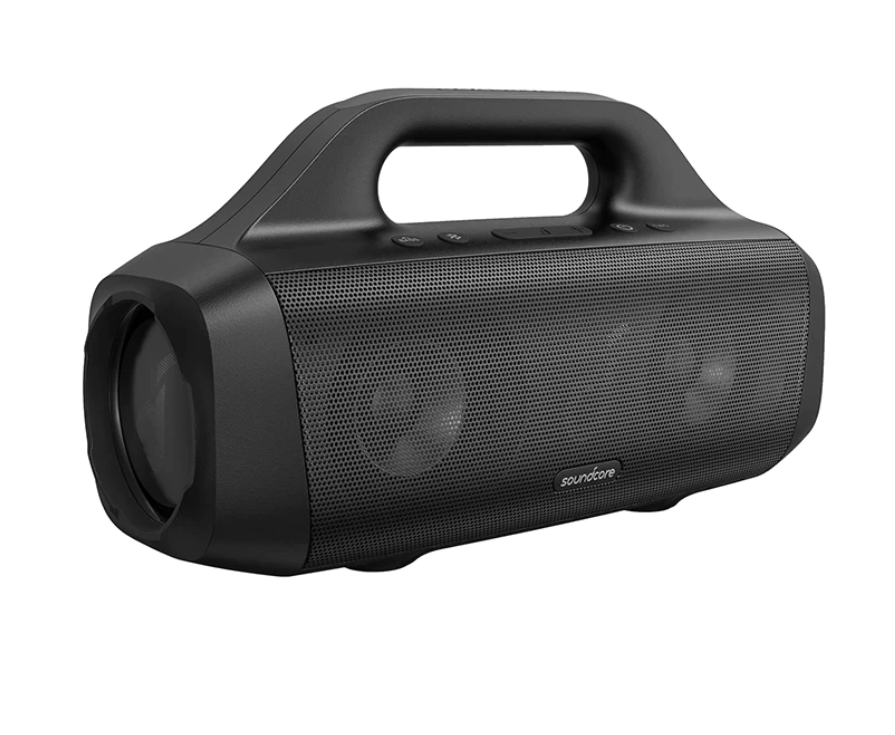
Anker Soundcore Motion Boom Speaker

Anker Soundcore Motion Boom Speaker

Key Features:

  • Perfect speaker for the extreme outdoors
  • Pure titanium drivers for high-quality clear sound
  • Huge stereo sound
  • Bass Up Technology
  • IPX7 fully waterproof
  • 10000mAh battery – 24-hour playtime
  • Customizable EQ via Soundcore app
  • Bluetooth v5.0
  • Wireless stereo pairing
  • Power IQ technology – to charge your smartphones using the speaker
  • USB Type-C charging interface

Anker Soundcore Motion Boom Speaker

Generally retailing for $120, you can now buy Anker Soundcore Motion Boom Speaker at a discounted price of $72.99 only at Amazon US. Please note that this is a limited stock offer. So grab your speaker, while the stock lasts.

For more information on such exciting deals and offers check out our deals hub

* Please Note: When you buy something using the links in our articles, we may earn a small commission at no cost to you.

POCO F2 Pro and Xiaomi Mi 10T get their first Android 12 beta builds in China

Xiaomi has been testing Android 12 on a number of its devices for a while now. While the initial batch was mostly comprised of recent launches and flagship devices, more and more phones are getting added to the roster. The most recent are the Redmi K30 Pro (known as POCO F2 Pro globally) and Redmi K30S Ultra (known as Mi 10T globally).

Redmi K30 Pro POCO F2 Pro Featured
Redmi K30 Pro (POCO F2 Pro)

The duo has received MIUI 12.5 beta based on Android 12 through builds 21.11.30 and 21.12.2 (via Xiaomiui). The builds have officially been released in China alone but should be rolling out in the coming months as stable to both the devices.

Yesterday, the Xiaomi 10 and Mi 10 Pro were also treated to their first Android 12 update through MIUI 12.5 beta version 21.11.30. Before this, it was the Xiaomi Mi 10 Ultra that got a taste of Android 12 with update 21.11.15.

Coming back to Redmi K30 Pro (POCO F2 Pro) and Redmi K30S Ultra (Mi 10T), Xiaomi says that the Android 12 developer builds come along with multiple optimizations and improvements “to pay tribute to the brave early adopters.”

Xiaomi Mi 10T 5G

The official changelog for the update has been given below:

Status bar, notification bar

  • Fix the issue that the previous floating notification will flash when receiving multiple floating notifications in landscape mode
  • Fix the problem that the notification bar is automatically retracted after receiving a notification after pulling down the notification bar

Settings

  • Fix the problem that the icon is displayed abnormally in the upper right corner of the system application upgrader (Xiaomi 11 Ultra, Xiaomi 11)

Short message

  • Optimize some experience issues

Xiaomi is expected to roll out both MIUI 13 and Android 12 for eligible devices in China soon. An official announcement for MIUI 13 is already expected this month along with a Xiaomi 12 launch.

RELATED:

Report: Samsung Galaxy S21 FE India launch timeline, colour variants revealed

The Samsung Galaxy S21 FE has been a hot topic recently. The upcoming device has been subject to many rumors, be it leaks hinting at an early 2022 release date or live images of the phone surfacing on the internet.

Samsung Galaxy S21 FE 5G whtie
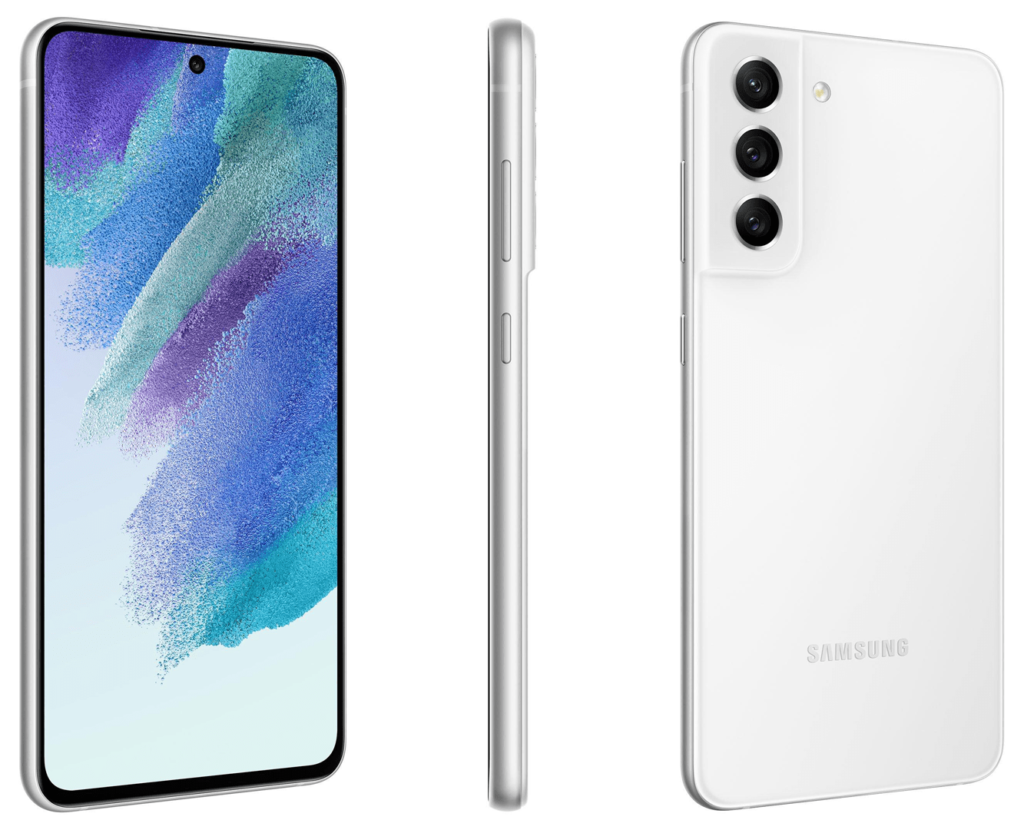
Samsung Galaxy S21 FE 5G

Now, according to a report by 91mobiles, the Indian launch date of the device is tipped to be near the global announcement of the phone, meaning in January of 2022. Previous reports have revealed that the Samsung Galaxy S21 FE is set to launch at CES 2022 in January of 2022. The release is expected to be a soft launch rather than a dedicated event. The initial supply of these premium flagship-grade devices is also likely to be limited due to the ongoing chip shortage.

This report comes via industry sources of 91mobiles, which further reveals that the Samsung Galaxy S21 FE will be available in White, Black, Pink, and Green color options in India.

Samsung Galaxy S21 FE Specs, feature, and pricing (Rumored)

Coming to the rumored specifications of the Samsung Galaxy S21 FE, the device features a 6.4-inch Full HD+ display with a 120Hz refresh rate. It will be powered by the Qualcomm Snapdragon 888 or the company’s own Exynos 2100 chipsets. The Snapdragon 888 variant is expected to be shipped to the U.S., while the Indian subcontinent is rumored to receive devices with an Exynos 2100 under their hood.

The device will come in two memory variants — 8GB RAM with 128GB internal storage and 8GB RAM with 256GB of internal storage. It will be powered by a 4,380mAh battery and support 25W fast charging technology.

The Samsung Galaxy S21 FE is said to have a triple camera layout on the back, with a 64MP primary sensor, which might be paired with a 12MP ultra-wide-angle lens, and a 2MP depth sensor. The phone could house a 32MP snapper for selfies and video chats on the front.

It is likely to boot Android 11 OS with OneUI 3.1 custom skin out of the box. Connectivity features include 5G, 4G LTE, Wi-Fi 6, GPS, NFC, Bluetooth 5.2, and a USB Type-C port for charging and data sync.

The base model with 8GB RAM and 128GB internal storage will cost EUR 920 while the 8GB RAM with 256GB of internal storage version will be priced at EUR 985. Note that the pricing is included the local value-added tax (VAT).

With the CES event scheduled for January 2022 expect more leaks to surface regarding Samsung’s upcoming devices, so stay tuned for the latest coverage.

RELATED:


realme GT Neo 2 has an exceptionally impressive battery performance, DXOMARK review shows

The realme GT Neo 2 has an impressive battery size of 5000mAh, but size isn’t the only thing that determines how long a battery can last. DXOMARK knows of this and has put the phone under multiple rigorous tests to determine how the battery actually performs in real-world scenarios. The results speak for themselves and have prompted the benchmark site to award the realme GT Neo 2 an impressive score of 94.

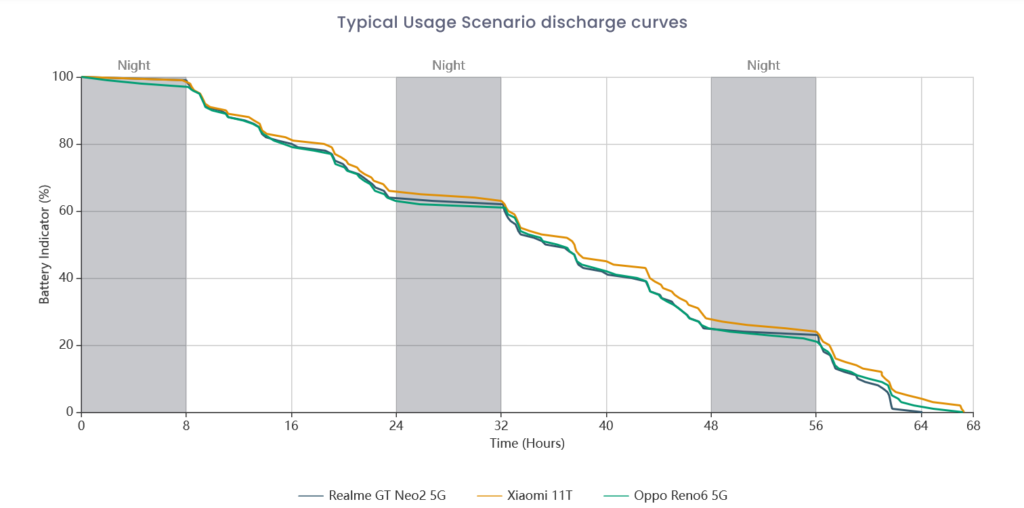
Image: DXOMARK

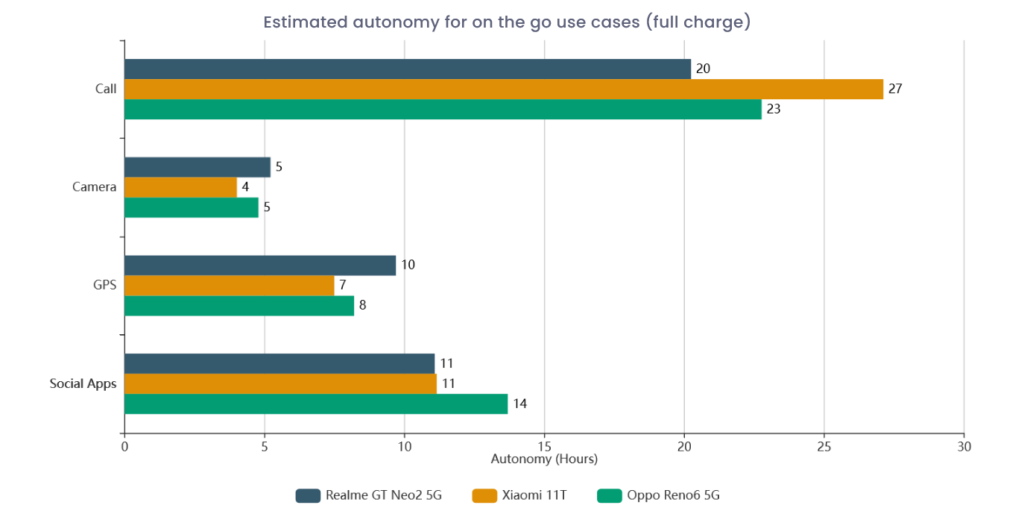
In DXOMARK’s ‘Stationary’ tests, the realme GT Neo 2 lasted for 64 hours, which is about 3 hours less than both the Xiaomi 11T and the Oppo Reno6 5G. However, it is at overnight battery drain that the device shines, losing just 0.33% of its battery charge – the lowest in DXOMARK’s entire database. For the uninitiated, Stationary testing is what DXOMARK calls a typical usage scenario (TUS) – making calls, video streaming, etc. – 4 hours of active use over the course of a 16-hour period, plus 8 hours of idle time.

DXOMARK further found that the realme GT Neo 2 performs quite well on calls, GPS, gaming, and while using the camera, with its battery life exceeding rivals Xiaomi 11T and OPPO Reno6 5G across multiple use cases.

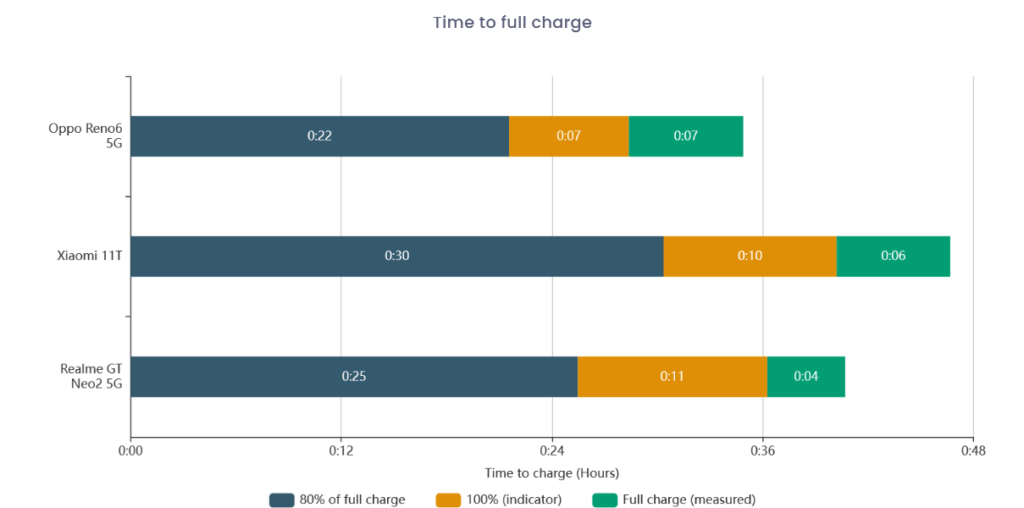
Moving on to charging, the realme GT Neo 2 was found to go from 0-80% in just 25 minutes, 0-90% in 30 minutes, and 0-100% in 41 minutes, which again is outstanding especially considering the large battery size. The charging times do not come as a surprise though since the phone supports ultrafast 67W fast charging. DXOMARK says that the charging performance is currently the third-best in the high-end segment.

All in all, the battery life of the phone was found to be 2 days 12 hours. The benchmark resulted in a score of 94, which is currently the 2nd best in DXOMARK’s ranking, with the top spot being held by the OPPO Reno6 5G (96 score).

RELATED:

Huawei to launch new laptop for enterprises with 5nm Kirin 9006C, Dual OS: Leak

When talking about laptops from Huawei, one would usually think about the MateBook series of notebooks. However, the company also has another series of laptops that are geared towards enterprises and government agencies rather than consumers. Now, a new leak has revealed that the company is working on a new Qingyun L420 laptop that will be powered by a Kirin 9006C SoC.

Huawei

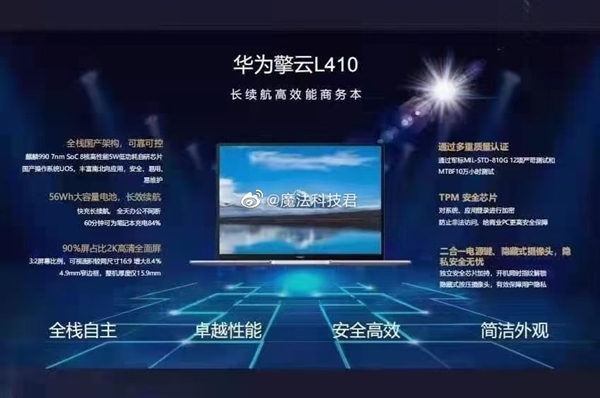
Previously, the Chinese tech giant had launched its first ARM based laptop, the L410, earlier this year, which had the same design as the MateBook 14 notebook. It was also equipped with a 14 inch screen with 2K resolution and was powered by a Kirin 990 processor, which is a 7nm chip, and ran the UOS (Unity Operating System). Now, the successor to this laptop is apparently in the works and will also feature a HiSilicon Kirin processor. Although, this laptop is a Kirin 9006C processor that has never been seen prior to this.

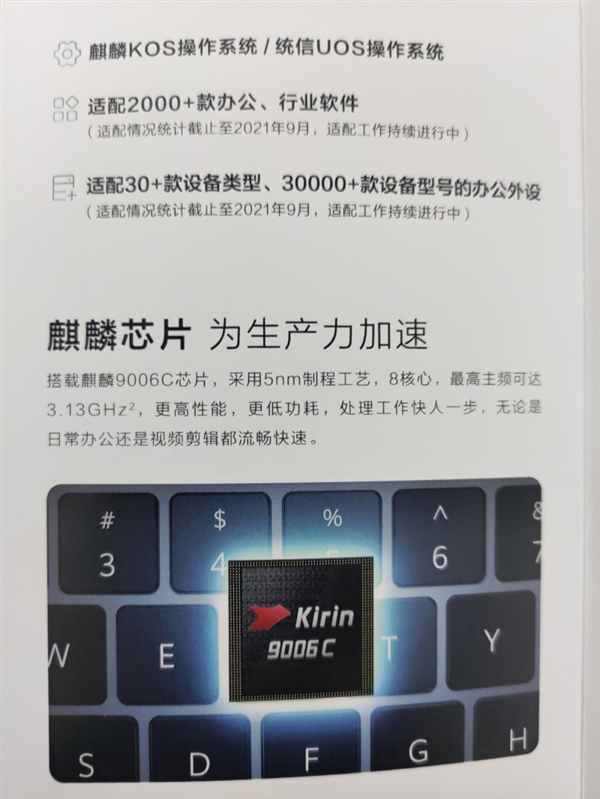
According to a new report, the new chipset is based on the 5nm process and features eight cores (possibly a variant of the Kirin 9000). Its core clock speeds can reach up to 3.13GHz and even features an integrated graphics card. Furthermore, this chip will reportedly offer improved performance over its predecessor along with improvements in energy efficiency. The leak adds that the display is still a 14 inch 2K panel while the body is made from an aluminum alloy that has a maximum thickness of 15.9m and weighs just 1.45 kilograms. In other words, its clearly a business oriented lightweight notebook.

Huawei

As per the leak, the new Qingyun L420 laptop will be powered by a 56Whr battery pack that supports 65W fast charging from a USB C port. Other ports include USB A and one USB C along with an HDMI, mini RJ-45, and a 3.5mm headphone jack. For memory, it offers 8GB of LPDDR5 RAM paired with either 256GB or 512GB of internal storage. Connectivity options also reportedly include WiFi 6 and Bluetooth 4.2. Notably, this laptop will even run on two different operating systems, namely UOS and KOS. Keep in mind that this is still an unconfirmed leak so take it with a pinch of salt for now.

RELATED:


OPPO to showcase its technological achievements through first-ever virtual INNO DAY event

OPPO today announced that it will be hosting the annual OPPO INNO DAY on the 14th and 15th of December 2021 in Shenzhen, China. The event will be showcasing the company’s technological advancements over the past year and also giving out strategy updates. Worldwide attendees are expected to be drawn by it, and the event will even be streamed online for all to see.

oppo inno day 2021 featured

OPPO started with its INNO Days back in 2019 and the event has since been considered as a precursor of the company’s roadmap. The 2019’s event saw the company demonstrating its AR Glasses, 5G CPE, smartwatch, and other integrated ecosystem products. And in last year’s event, OPPO showcased three conceptual products, including a revolutionary rollable phone.

oppo inno world

While the company hasn’t yet revealed what to expect from 2021’s OPPO INNO DAY, it is trying to transform the event itself into a virtual experience to remember, complete with an entertaining and interactive world.

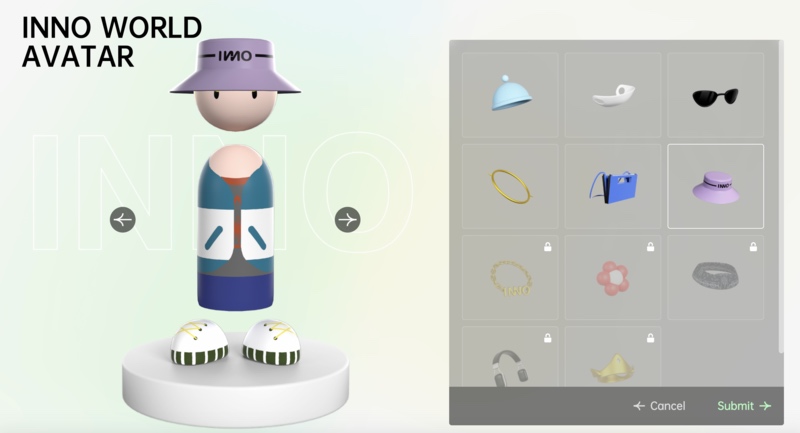
Regular visitors of the event can join the fun remotely using customized avatars, using which they can visit all virtual exhibition halls. These avatars will also enable watchers to socialize and invite each other to hunt hidden easter eggs across the virtual world.

oppo inno avatar

If interested in the OPPO INNO Day 2021 event, you can sign up for it and create your avatar through this link.

RELATED:

Huawei to globally launch HarmonyOS in 2022: Report

As of right now, the Huawei HarmonyOS is already available in China, across multiple different devices. This includes the likes of smartphones, smart home appliances, and more. However, the company had yet to release it globally for its handsets outside of China. But that might be changing soon.

Huawei
HarmonyOS 3.0

According to a HuaweiCentral report, Romanian daily newspaper, Adevarul, had recently interviewed Derek Yu, who is President of Huawei’s CB for Central and Eastern Europe, Northern Canada and Turkey. During this interview, Yu stated that the Chinese tech giant could launch its proprietary operating system for its global users next year. For those unaware, HarmonyOS (also known as HongMengOS in China) is already available in the company’s home market.

At the moment, over 140 smartphones, tablets, smart screen devices, and others feature this OS. Although, its global roll out has yet to be officially announced. The senior official further added that the current version of HarmonyOS has primarily been focused for Chinese users, but have already been installed by over 100 million users. The company had first unveiled the OS back in 2019 during its Huawei Developer Conference, emphasizing on its cross platform functionalities.

Huawei HarmonyOS Logo Featured

Last year, HarmonyOS 2.0 was officially announced, with a number of improvements along with extension of the list of devices that support the OS. Earlier this year, the third iteration HarmonyOS 3.0 was unveiled, with its first preview beta being set in the first quarter of 2022. While the executive hinted at the global launch, its unknown if the preview beta will also be launched globally. So stay tuned for more updates.

RELATED:


Xiaomi 11 Lite 5G NE starts receiving MIUI 12.5 Enhanced Edition update

The Xiaomi 11 Lite 5G NE (aka Xiaomi 11 Lite NE 5G in India) is the most affordable model in the Mi 11 series of smartphones. The device was initially announced alongside the Xiaomi 11T series in mid-September. Almost three months after its release, the handset has now started receiving MIUI 12.5 Enhanced Edition update.

Xiaomi 11 Lite NE 5G Review Cameras
Xiaomi 11 Lite 5G NE

The Xiaomi 11 Lite 5G NE debuted with MIUI 12.5 based on Android 11. The company has now begun to roll out MIUI 12.5 Enhanced Edition update for this handset.

The latest software update for the device is currently live in India and Turkey with build numbers V12.5.4.0.RKOINXM and V12.5.4.0.RKOTRXM respectively. Like any other OTA system update, this one is also being pushed in batches.

As a result, the fresh software release may take some time to reach certain users, while others may get access to it earlier. At the end of the day, the update should be available for every unit in all the regions in the coming days.

Having said that, the Xiaomi 11 Lite NE 5G is unlike any other Xiaomi smartphone in its price segment. That’s because the company promises 3 Android updates for 4 years of security updates for it.

This means the phone should receive up to Android 14 and will be supported until 2025 with security updates.


RELATED:


Download Samsung Galaxy S22 Wallpapers in HD Quality [Leaked]

The Korean giant is all set to unveil the new flagship smartphone earlier next month with a lot of new surprises. The upcoming iteration of the Galaxy S series’s unconfirmed details is already out via some certifications and other leaks. The highly-anticipated launch of the Galaxy S22 series is set for early 2022. But, before that, we have got the alleged official Galaxy S22 Wallpapers that you can download.

Must See: Download iPhone 13/13 Pro wallpapers in HD+ resolution

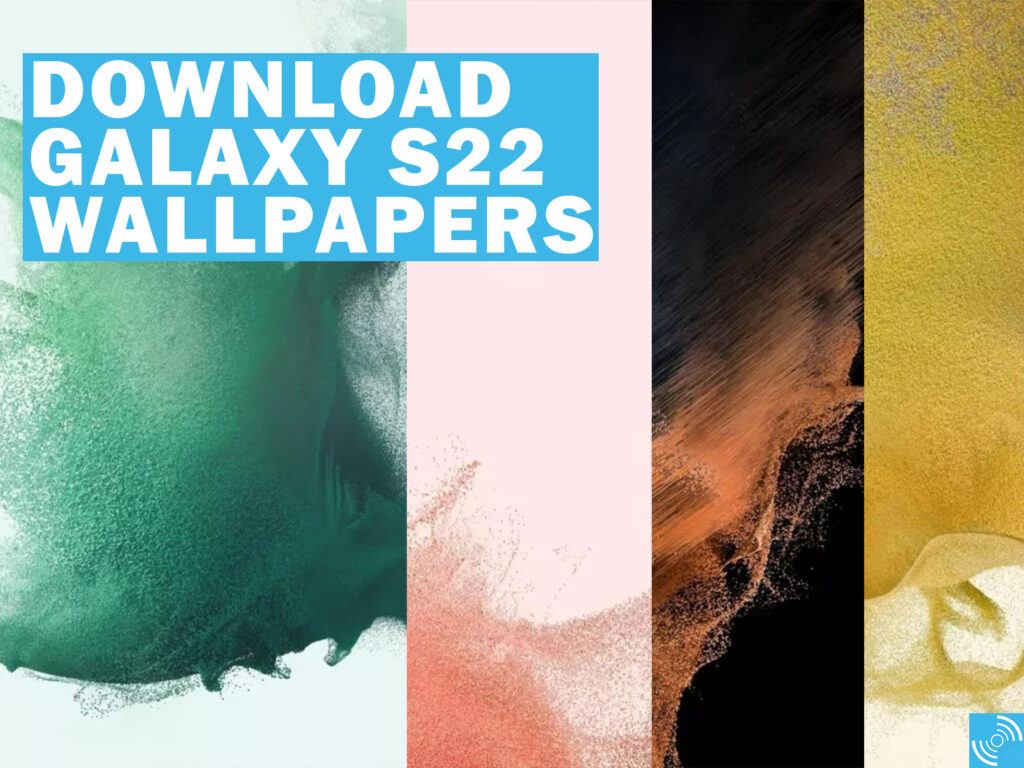
As extracted by Android Police, the new wallpapers offer abstract and colorful designs. The wallpapers look legit but still, we can’t comment on the legitimacy of the wallpapers as the source didn’t confirm how they obtained them.

Download Samsung Galaxy S22 Wallpapers

However, the wallpapers look artistic with a blend of abstract. The wallpapers seem to be matching the light and dark skin of the theme. Only four wallpapers are currently available carrying three with a light tone and a single wallpaper with a dark tone. . However, the wallpapers below are just for illustration purposes, they are not of the exact quality. You can download the compressed zip file below for the high-quality Samsung Galaxy S22 Wallpapers.

Download from here

Samsung Galaxy S22 Specifications (Expected)

Samsung Galaxy S22 series is all set to launch with new hardware and specifications. As per leaks, the Galaxy S22 series will come with three different models – Galaxy S22, Galaxy S22+, and Galaxy S22 Ultra.

Samsung Galaxy S22 might come with a 6.06-inch display, a Snapdragon 898, and Exynos 2200 SoC. It will come with a 3700 mAh battery and 50MP Samsung GN5 rear sensor and a 10MP selfie camera. However, the Galaxy S22+ variant will come with the same SoC, but, it is expected to ship with a 4500 mAh battery. It is rumored to feature the same camera as the standard Galaxy S22 variant.

The Galaxy S22 Ultra is expected to ship with Snapdragon 989 or Exynos 2200, 5000 mAh battery with support for 45W fast charging, 108MP primary sensor, and an S Pen storage silo.

Related: Samsung Galaxy S22 series tempered film leak confirms rear camera design for all three models


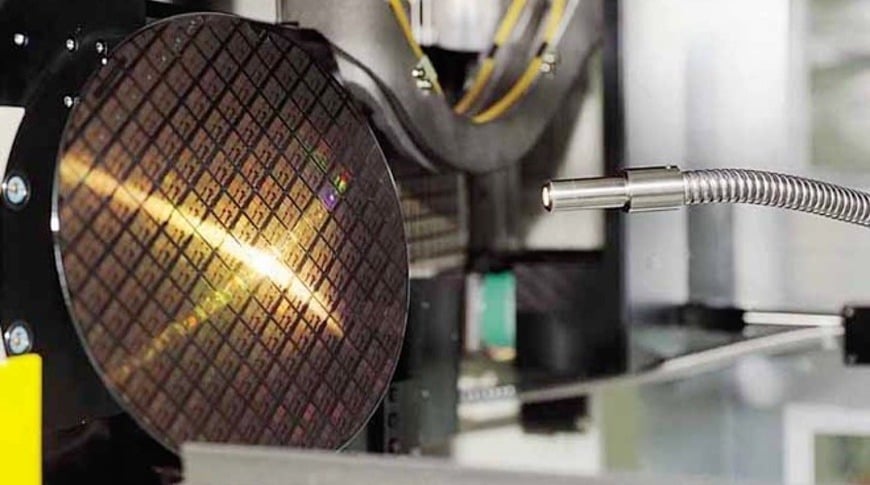
TSMC starts pilot production of 3nm process that may power 2023 iPhones and Macs

TSMC has apparently began the pilot production of its cutting edge 3nm process technology. The company is expected to begin volume production for the next gen chips in the fourth quarter of next, which means that the 3nm process could power 2023 iPhone and Macs as well.

TSMC

According to a DigiTimes report (Via 9To5Mac), industry sources close to the matter have anonymously revealed that the world’s largest contract chipmaker has started “pilot production” of its 3nm chip technology. Meanwhile, the actual volume production is slated for Q4 2022. In other words, we can expect products launching in 2023 from the Cupertino based giant to feature this technology as well.

This could include the 2023 iPhone along with new Mac PCs. While initial rumors had hinted that the iPhone 14 series might feature the new 3nm based A series chips, although recent reports have revealed that this might not be the case. As per our previous report, Apple might not launch the iPhone 14 series with a 3nm chip as TSMC is facing a production constraints. In other words, the 2022 iPhone might still feature a 5nm process technology for the next A series chipset.

TSMC
Apple M1 Max

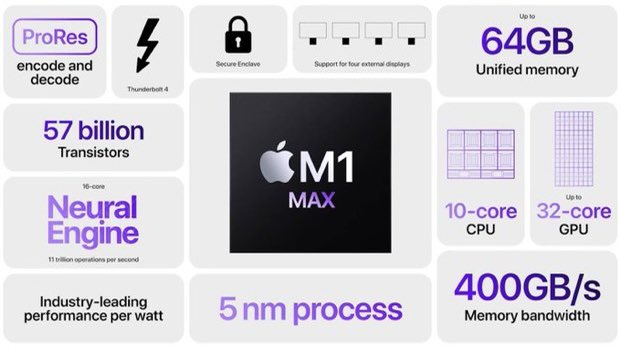
For those unaware, all current gen Apple silicon including the A14, M1, M1 Pro, and M1 Max are built on the 5nm process technology. But with its primary chip supplier faces issues in production amid a global semiconductor shortage, its likely that the 3nm Apple chips will also be delayed by a year as well.

RELATED:


FTC sues Nvidia to block $40 billion acquisition of ARM

Ever since Nvidia announced the acquisition of ARM, the deal has been facing lots of obstacles and now it has run into another massive hurdle. The Federal Trade Commission (FTC) has announced that it is suing to block the merger from going through.

The commission is concerned that the combined entity would “stifle competing next-generation technologies.” The lawsuit comes after FTC investigated the deal after receiving complaints from Google, Microsoft, and Qualcomm.

NVIDIA Logo Featured

In a statement, FTC Bureau of Competition Director Holly Vedova said: “The FTC is suing to block the largest semiconductor chip merger in history to prevent a chip conglomerate from stifling the innovation pipeline for next-generation technologies. This proposed deal would distort Arm’s incentives in chip markets and allow the combined firm to unfairly undermine Nvidia’s rivals.”

Responding to the news, Nvidia spokesperson said: “As we move into this next step in the FTC process, we will continue to work to demonstrate that this transaction will benefit the industry and promote competition.”

The FTC notes that Nvidia already uses Arm-based products for several areas, including high-level advanced driver systems for vehicles, CPUs for cloud computing, and DPU SmartNICs. By acquiring Arm, Nvidia would gain an unfair advantage in those markets.

It has also raised concerns that Nvidia would gain access to sensitive information from Arm licensees who already compete with Nvidia, in addition to de-incentivizing Arm from working on new products and designs that would conflict with Nvidia’s own interests.

Nvidia has promised that it would keep Arm’s existing open licensing model to provide semiconductor designs to companies, including Apple, Qualcomm, Samsung, Amazon, and more. Nvidia CEO Jensen Huang said that the company has no intention to ‘throttle’ or ‘deny’ Arm’s supply to any customer.

Apart from FTC, the European Union has also opened a formal investigation into the deal while the UK’s Competition and Market Authority is looking more in-depth for the potential national security risks and competition concerns.

For the uninitiated, Nvidia announced its plans to acquire the UK-based Arm from SoftBank in September 2020 in a deal that is valued at $40 billion. The deal has faced criticism from both international regulators and industry heavyweights.

RELATED: 

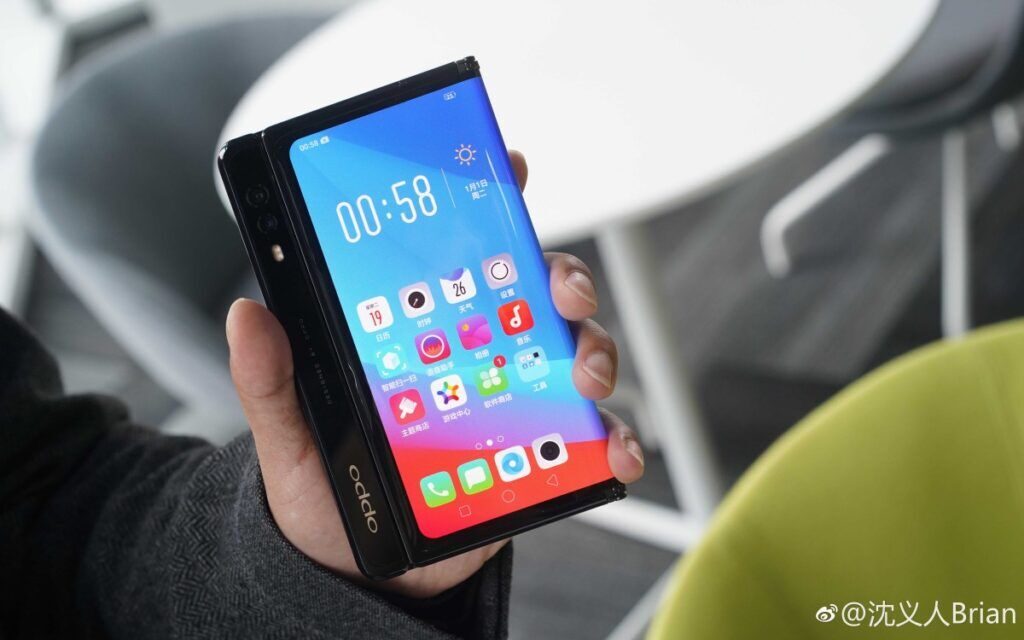
OPPO’s alleged first-ever foldable smartphone gets certified, will be equipped with self-developed image chip

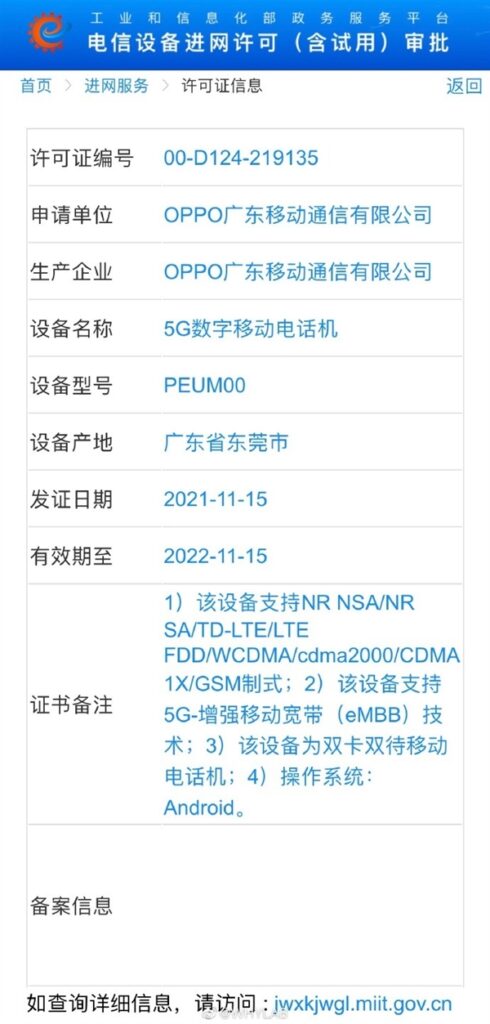
A new OPPO phone with the model number “PEUM00” has been certified by the Chinese Ministry of Industry and Information Technology, and a well-known tipster has stated that the device is none other than the company’s first-ever foldable.

According to previous reports, OPPO was set to launch a foldable smartphone this very month. While that is still unconfirmed, it is pretty clear with this certification that if the device is indeed a foldable, its launch is now closer than ever. The tip comes from tech blogger @WHYLAB.

oppo foldable smartphone

OPPO had actually previously shown off a foldable smartphone concept, and various patents have pointed towards the company working towards the mass-production of such a phone for years.

The Chinese brand’s first foldable phone is touted to come with a Qualcomm Snapdragon 888 or Snapdragon 888+ flagship processor (via My Drivers). While the chip is soon set to be superseded by the Snapdragon Gen 1, it is still one of the most powerful mobile chips around.

oppo-fold-1024x640
Representative image

The phone is also expected to be called the OPPO Find N and will be adopting an inwards-folding screen. This display is reportedly of an excellent quality and has a 2K resolution paired with 120Hz refresh rate. LTPO screen technology may also be adopted, allowing a dynamic refresh rate from just 1Hz all the way to 120Hz, which will allow it to be highly battery-efficient.

Last but not least, the OPPO foldable smartphone may be featuring the company’s first-ever self-developed image chip. The chip will be using a custom 50MP Sony IMX766 sensor and will be capable of capturing some really stunning images.

RELATED:

OPPO F21 series India launch date tipped

Earlier this week, the OPPO F21 series was tipped to launch in India by the end of Q1 2022. Just a few days later, the rough launch date for the lineup has now emerged. Let’s take a look at when these smartphones will go official.

OPPO F19 Pro Plus Featured A
OPPO F19 Pro+

According to a report by 91Mobiles, the OPPO F21 series will include three models, namely OPPO F21, OPPO F21 Pro, and OPPO F21 Pro+. Previously, the publication suggested that there will be only a standard and a Pro model.

Further, the report says that two of these handsets will be launched in India between March 17 and March 21. This duo will be OPPO F21 and OPPO F21 Pro+. 

The latter will go on sale first, followed by the former a week later. Whereas, the OPPO F21 Pro will be released sometime later.

Unfortunately, nothing else is known about the OPPO F21 series, except that it could sport a better design than the OPPO Reno7 series. For those unaware, the OPPO F series is a family of fashion and lifestyle-focused smartphones, which are exclusive to India. Hence, it is not surprising to learn that they may have a better design than the more expensive phones.

This year’s OPPO F19 series also consists of three models. The base and mid variants are limited to 4G connectivity, while the top version can connect to 5G networks.

All three devices in the OPPO F21 series could arrive with 5G support, given the current market trend. They are expected to cost between ₹20,000 and ₹30,000.


RELATED:


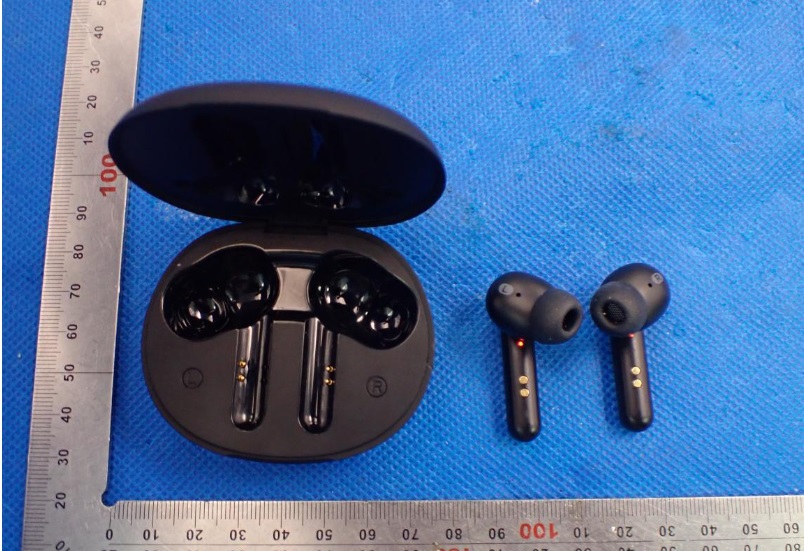
Nokia TWS-731 earbuds FCC listing reveals design and features

True wireless earbuds have become very popular these days and almost all smartphone manufacturers have introduced their own TWS earphones and now Nokia is also gearing up to launch a new model, despite having launched about 13 audio products this year.

As per the report from Nokiamob, the Finnish company is gearing up to launch Nokia TWS-731 that will come with advanced features like low-latency for gaming as well as Active Noise Cancellation (ANC).

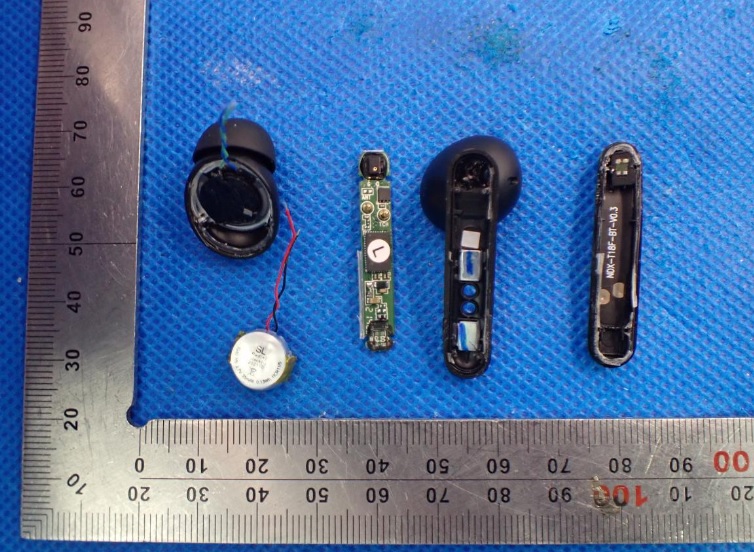
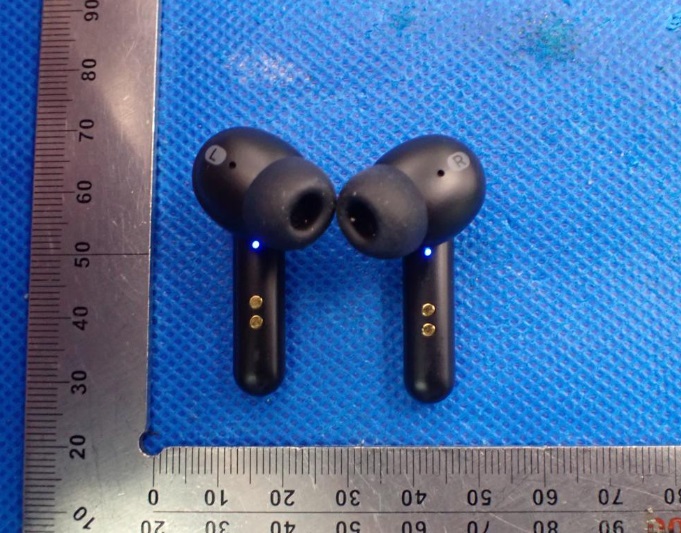
These upcoming earphones have passed through FCC certification which has revealed the design of the product as well as the user manual.

From the images, it appears that the charging case for the true wireless earbuds is quite small in size and has a rounded design. It looks compact enough to be easily placed in the pocket of jeans/pants.

The earbuds have two LED indicators — one on the outer side and another on the inside. The outer LED shows the audio mode activated while the inner LED shows the battery percentage level. They are powered by a 35mAh battery which is claimed to offer up to 5 hours of audio playback on a single charge.

As of now, there’s no information available about the launch date of the Nokia TWS-731 TWS earbuds. Also, the details about the earphone’s pricing and availability remain unknown. But as the earphones have passed FCC, we expected them to get launched soon.

RELATED: 

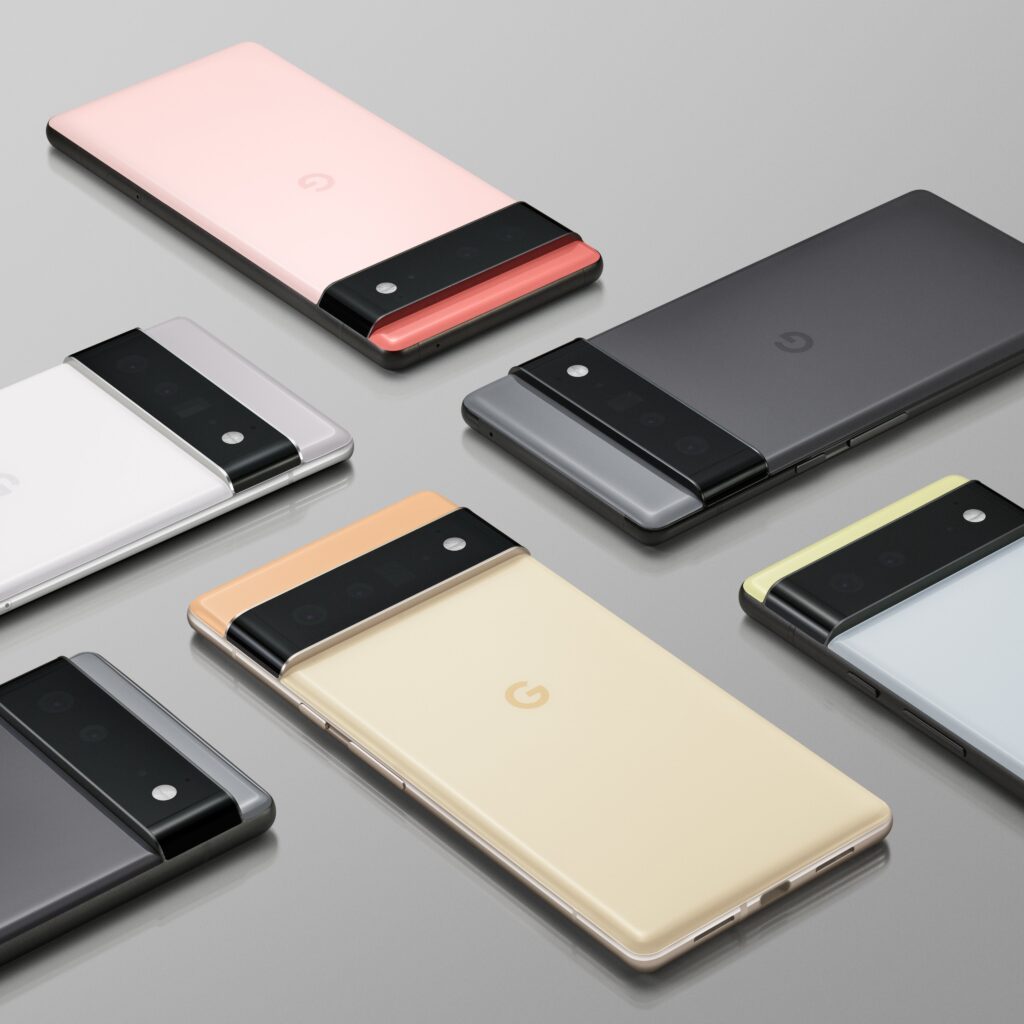
Google Pixel 6 and Pixel 6 Pro users complain about signal drops, but there possible workarounds

Multiple Google Pixel 6 and Pixel 6 Pro users have taken to Reddit to complain that their phone randomly loses mobile network service, even as their older device had no such issues.

The issue doesn’t seem limited to a particular region or carrier as Pixel owners from the US, Canada, and other parts of the world are reportedly facing it (via Android Police). The phone usually recovers from the signal drops on its own but several users have also complained that when the mobile network is lost, the only way to get it back is by rebooting the device.

Google Pixel 6 series featured

Complaints aren’t limited to Reddit though as there’s another thread on the official Pixel Phone Help forums with over 130 replies. Here, several reports have interestingly stated that the network drop issues started for them only recently, meaning that the problem could also be something triggered by a recent update.

While several users were able to actually get replacements after contacting Google, doing so isn’t really guaranteed to fix the issue as several of such have observed that the problem continues on the replacement unit. Google support also recommended users perform a network reset on their Pixel 6, which doesn’t seem to help at all either.

What did help though was getting a SIM card replacement from their carrier for some. Several other users reported that turning off “Adaptive Connectivity” from the Settings menu fixed the problem to a large extent.

Regardless, a definitive solution for the signal drop issue on the Google Pixel 6 series is still awaited. With no official acknowledgment from Google yet, it is near-impossible to ascertain the cause. Still, if the issue isn’t software-related, then the Pixel 6’s antennas could be the one to blame.

We previously highlighted with a Pixel 6 disassembly story how the phone has only a single antenna for mmWave 5G. An on top of that, its position isn’t exactly optimal either, as its placement is sure to be interrupted when holding the device in the landscape mode.

Either way, we hope that Google will soon be clarifying the matter.

RELATED:

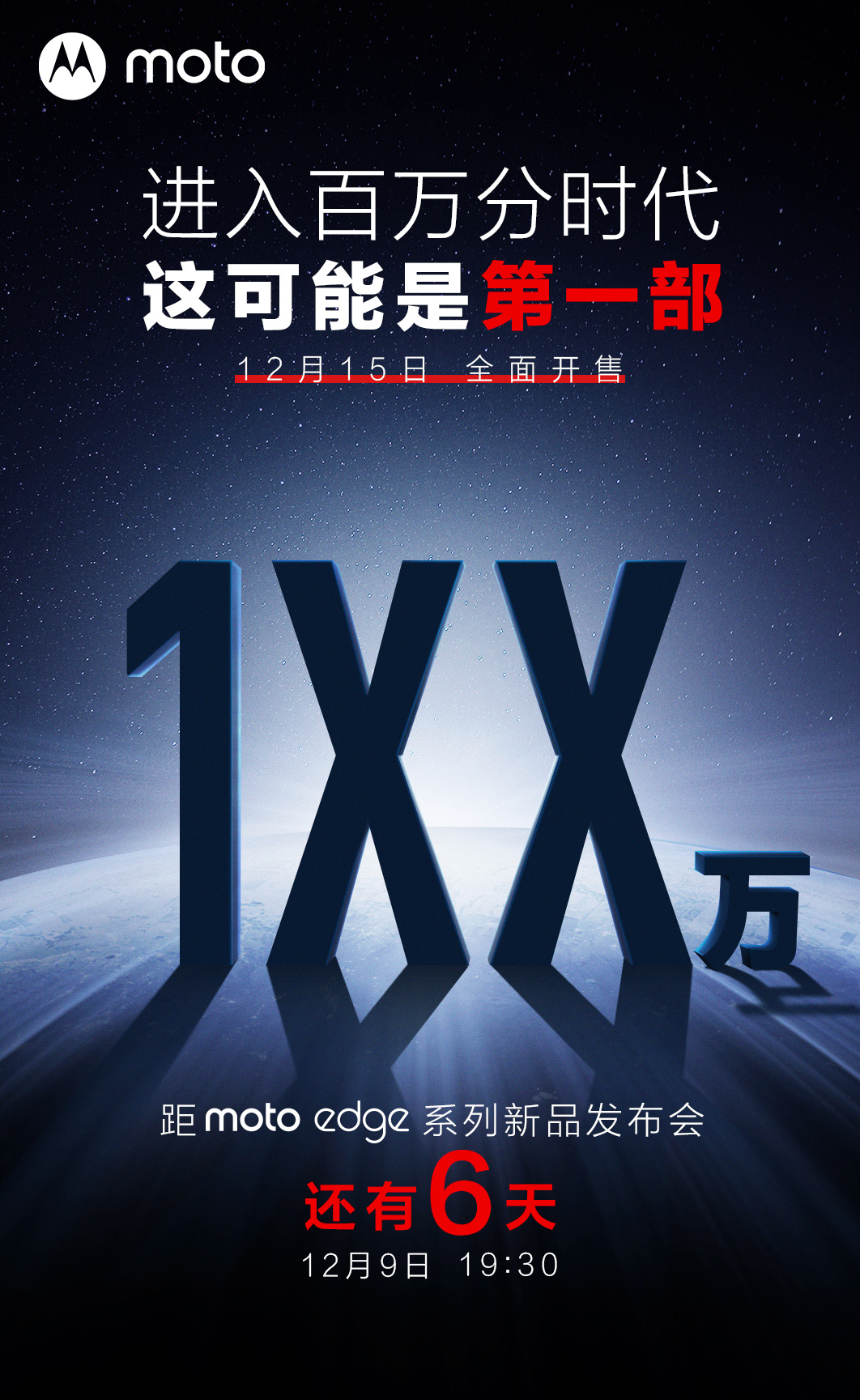
Motorola Edge X30 with Snapdragon 8 Gen 1 is the first to hit 1 million points on AnTuTu

Earlier today (3rd December 2021), Motorola and one of its official teased their upcoming flagship smartphone with Qualcomm’s newly announced Snapdragon 8 Gen 1 SoC. The teaser highlighted the device’s performance, with the Edge X30 being the first to achieve a 1 million score on AnTuTu.

Motorola

The Lenovo owned brand shared the news on its official Weibo account (a Chinese microblogging website). This was even shared by Lenovo smartphone department’s General Manager, Chen Jin. Looking at the teaser poster, the company showcased the impressive feat of the Edge X30 series’ score hitting 1 million score on AnTuTu, which is a known smartphone benchmarking platform. Chen Jin stated that improvements in performance arrives at a time where VR technology is becoming more popular and the world is shifting towards the metaverse.

In other words, the additional horsepower is more than welcomed. Talking about the chip that offers this great score, the Snapdragon 8 Gen 1 was just announced earlier this week and arrives with a sizeable 20 percent increase in CPU performance and 30 percent increase in GPU performance over the last gen’s Snapdragon 888 SoC. Furthermore, even its energy efficiency is raised by 25 percent over its predecessor. Just now, AnTuTu had released the November 2021 list of best performing flagship phones, which revealed some interesting details. Even with the refreshed Qualcomm Snapdragon 888+ chipset, the highest score recorded didn’t even cross the 900,000 mark.

Motorola

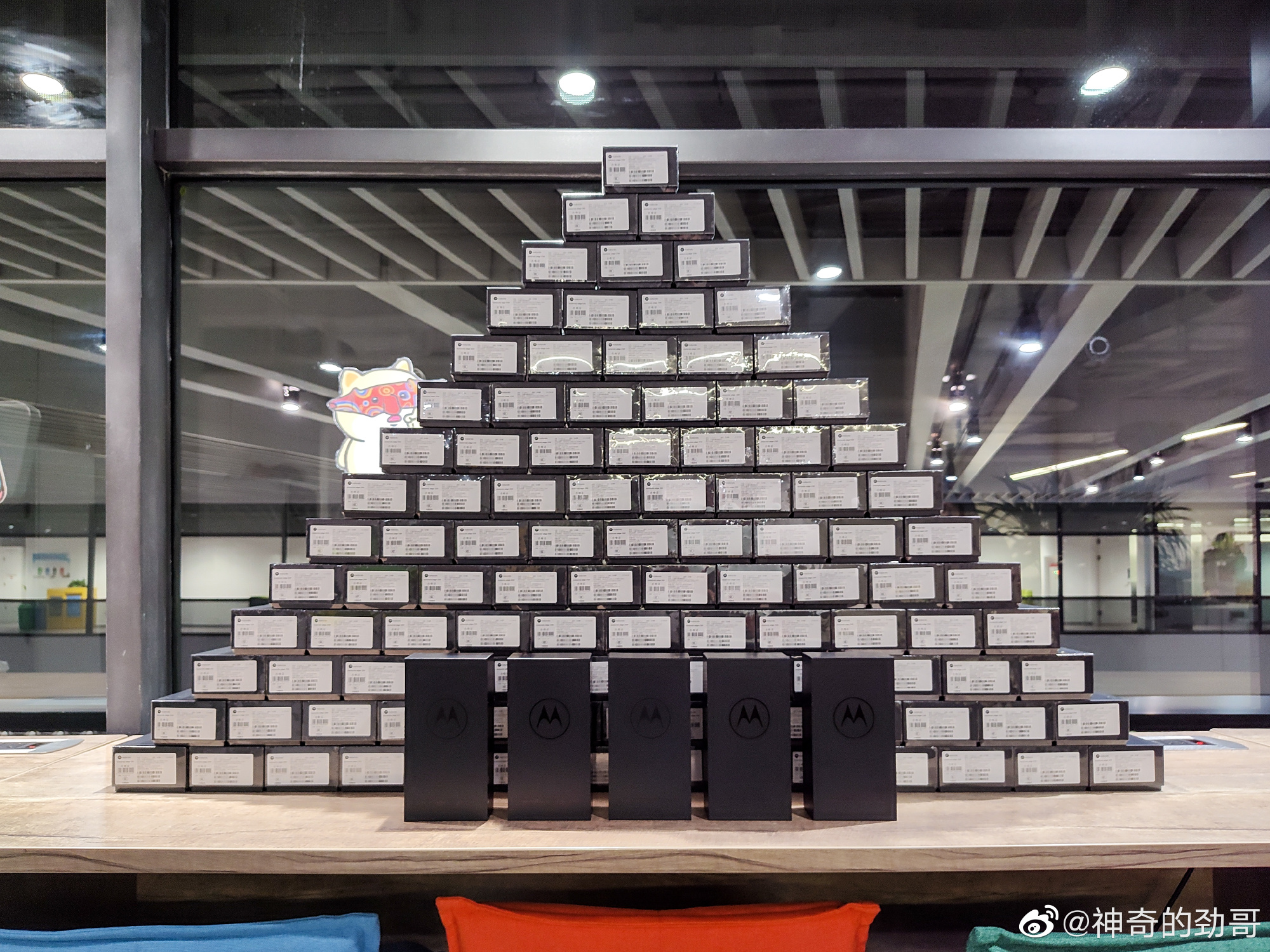
Notably, with the launch being just under a week away, Motorola has also announced that it will be giving out 100 Edge X30 series smartphone to Weibo users in China. The company will be giving out 10 units of the upcoming model everyday up till the December 9 launch event. During this event, the brand will be giving out the remaining 30 units altogether. To enter the giveaway, Weibo users had to report or share the new teasers that have been surfacing on the platform.

RELATED:


Motorola Moto G51 5G India launch teased officially

Motorola just launched the Moto G31 in India earlier this week. However, the company has already started teasing the release of its next smartphone in the country. Going by the short teaser posted by the firm’s official Twitter handle, the upcoming handset will be nothing but the Moto G51 5G.

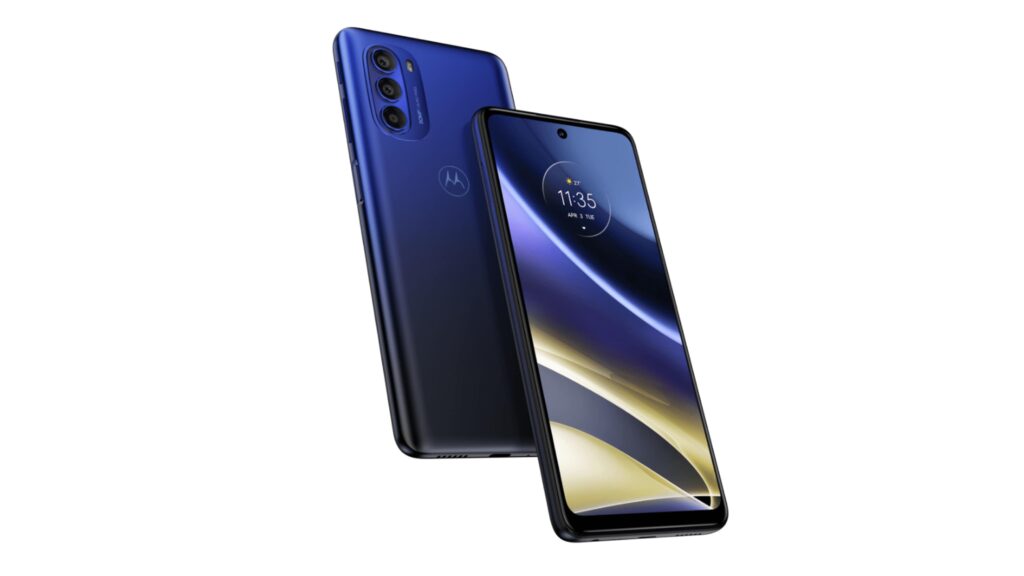
Motorola Moto G51 5G Indigo Blue Featured A
Motorola Moto G51 5G

Last month, Motorola announced five smartphones for international markets. Out of them, the Moto G31 made its debut in India a few days back. According to a new teaser by the company, the Moto G51 5G will be also making its entry into the region very soon.

The Motorola Moto G51 5G was first unveiled in China in early November, followed by a global announcement a couple of weeks later. It was then tipped to launch in India along with Moto G31 and Moto G71. It is expected to carry a retail price under ₹20,000 in the country.

As far as specs are concerned, the Moto G51 5G comes with a 6.8-inch 120Hz display (LCD), Qualcomm Snapdragon 480+ SoC, LPDDR4x RAM, UFS 2.2 storage, 50MP (wide) + 8MP (ultra-wide)  + 2MP (macro) triple rear camera setup, 13MP selfie camera, Android 11, 5,000mAh battery, 10W charging, and more.

We expect Motorola to officially reveal the launch date of Moto G51 5G in India very soon. The device may go official on December 10.


RELATED:


POCO X3 Pro turned out to be a real money-spinner during Europe’s Black Friday sales

While the year has been rather slow in terms of smartphone sales, the fourth quarter really turned into a win-win situation for both consumers and corporations. Buyers benefitted from the huge discounts while companies’ sales figures saw a major spike. Such companies have thus been excitedly sharing data points from last month. But perhaps the most interesting bit is from Xiaomi that just revealed that POCO X3 Pro was the best-selling smartphone in several European countries over the Black Friday shopping period.

Lu Weibing, president of Xiaomi Group China and general manager of the Redmi brand, shared on social media site Weibo that the POCO X3 Pro has bagged the top spot in Amazon’s Black Friday sale in Spain, France, Germany, Italy, Netherlands, and the United Kingdom.

This is unsurprising considering the price of the POCO X3 Pro (6GB+128GB) dropped significantly from its already-compelling figure of €249 to just €179. The 8GB RAM + 128GB variant, on the other hand, saw its price drop from €299 to €200-220. The offer was hard to resist especially when one takes a look at the device’s spec-sheet – Snapdragon 860 flagship processor, 120Hz display, 64MP rear camera, 5160mAh battery, and whatnot.

Now, Amazon doesn’t publicly share data about best-selling products from a particular timeframe, but an archived version of Amazon Germany’s ‘Best Sellers’ page from November 29th did show the POCO X3 as #1 (via XDA). The phone has now, however, fallen to second place.

All in all, Lu Weibing’s post is a solid indicator for Xiaomi gaining traction in western European markets and of more success to come.

RELATED:

Android 12L Developer Preview is out for Lenovo Tab P12 Pro

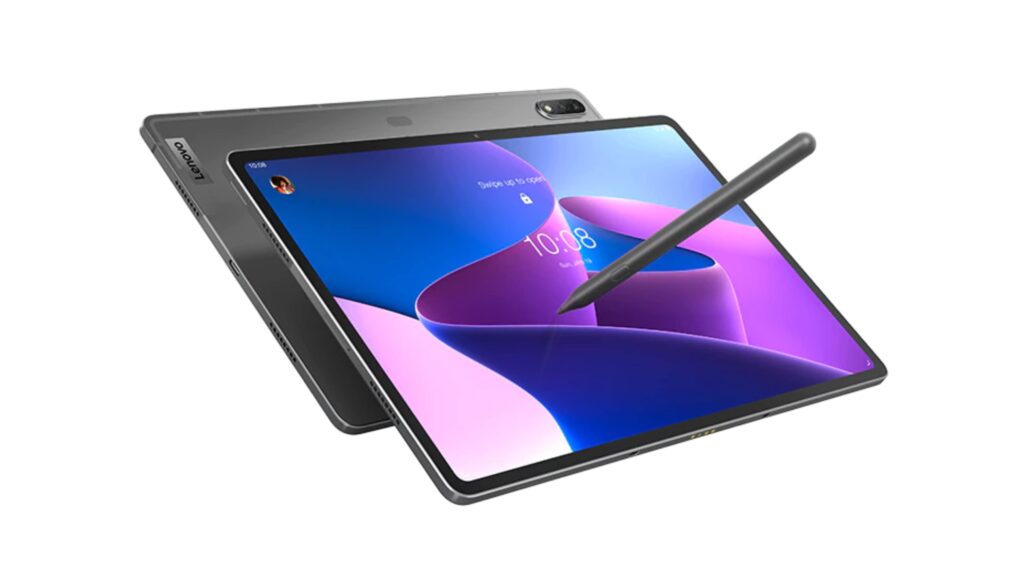
Android 12L, which is designed for large-screen devices like tablets and foldables, is currently the latest version of Android. However, Google is yet to release beta builds for Pixels. In the announcement post, the search giant had revealed that a Developer Preview will be available for Lenovo Tab P12 Pro. This DP is now live for the said device.

Lenovo Tab P12 Pro Featured A
Lenovo Tab P12 Pro

The Android 12L Developer Preview for the Lenovo Tab P12 Pro comes directly from Lenovo and not Google (via 9To5Google). The first-ever build arrives with all the new APIs and November 2021 security patches.

The software can be only installed on the WiFi-only variant of the tablet with model number Lenovo TB-Q706F. This product is yet to go on sale in multiple countries. However, Google has already announced a special deal on this tablet for developers to try out Android 12L.

Lenovo clearly states that the Android 12L Developer Preview for the Lenovo Tab P12 Pro is only intended for application developers. Hence, the software build lacks many customized features, which are available in the stable channel.

The Chinese PC maker says that it has prioritized releasing Developer Preview as soon as possible by not optimizing its self-developed features on its hardware. This software build lacks almost all useful features of the device like fingerprint unlock, face unlock, touchpad gestures, functions related to the ToF sensor, and more.

Lenovo is hoping that developers will continue to provide regular feedback on this build. Anyway, it also offers an option to roll back to the stable channel.

The final AOSP release of Android 12L is scheduled to happen at the end of Q1 2022. We can expect OEMs like Lenovo, Samsung, and others to start rolling out the beta and the and stable builds to their end devices following that.


RELATED: