Advertisement

Honor 500 series’ leaked sketch reveals an iPhone Air-like design

Honor is expected to announce the Honor 500 series later this month in China. While the company is likely to start teasing its key features soon, a new leak from reliable tipster Digital Chat Station has revealed the design of the Honor 500 series. As can be seen below, the new lineup will sport a horizontal camera bar similar to the Apple iPhone Air and Google Pixel phones.

Honor 500 series design revealed

Honor 500 series design leak
Honor 500 series design sketch by DCS

The sketches shared by the tipster show that the Honor 500 series will sport a horizontal camera deco and a flat display with large, rounded corners. The design appears quite refined now compared to the previous generation, claims the tipster.

The tipster added that the Honor 500 series will arrive with upgrades in departments like the camera system, performance, and peripheral features, using top-tier components. However, with these improvements, a price increase seems to be inevitable.

He claimed that the Honor 500 and 500 Pro will sport the same design, with the Pro having a triple camera setup on the back. The above image specifically showcases the Honor 500’s design with a dual-camera system on the back.

Honor 500, Honor 500 Pro specifications (rumoured)

The Honor 500 and 500 Pro are expected to feature a 6.5-inch OLED panel that supports a 1.5K resolution. Both phones will run on MagicOS 10-based Android 16 and support 80W charging. While the Pro model will have the Snapdragon 8 Elite chip, the SoC of the standard model is yet to be revealed. Their battery capacities are also under wraps.

The rear camera setup of the Honor 500 and 500 Pro will include a 200-megapixel main camera and an ultra-wide lens, while the Pro model will also have an additional OmniVision OV64B 64-megapixel periscope telephoto camera. Both devices will come in shades like black, silver, pink, and blue.

The Honor 500 series will rival the Oppo Reno 15 lineup and the Vivo S50 series, which are also expected to launch this month in China.

For more daily updates, please visit our News Section.

Stay ahead in tech! Join our Telegram community and sign up for our daily newsletter of top stories.

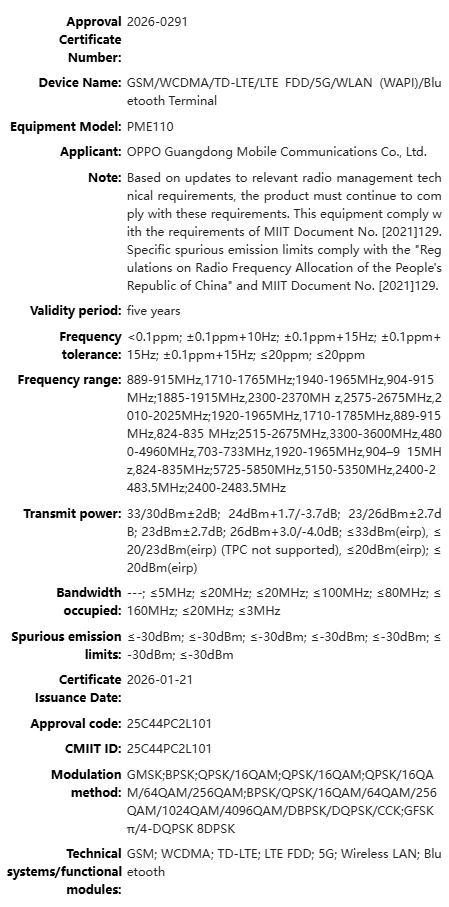
Oppo Reno 15 series phone’s chipset revealed via Geekbench listing

Oppo is expected to announce the Reno 15 series of smartphones later this month in China. It is speculated that the lineup will comprise three models, namely the Reno 15, Reno 15 Pro, and Reno 15 Mini. One of these devices has now surfaced on Geekbench, revealing key details such as its chipset, RAM, and OS version.

Oppo Reno 15 series device on Geekbench

As shown above, an upcoming Oppo smartphone with the model number PLV110 has appeared in Geekbench’s database. The listing reveals that it is powered by the Dimensity 8450, paired with 16GB of RAM, and runs on Android 16.

Although the chipset’s name is not explicitly mentioned, the CPU and GPU (via source code) details are sufficient to conclude that it is powered by the D8450, which also powered the Oppo Reno 14 Pro. In the single-core and multi-core tests, the device scored 1,668 and 6,274 points, respectively.

At present, it is unclear which of the three Reno 15 models the PLV110 model number belongs to. Recent reports have claimed that the Reno 15 Mini and Reno 15 Pro will feature the D8450 chipset. Therefore, it remains to be seen whether the standard Reno 15 will also have the same chip.

In terms of specs, the Reno 15, 15 Pro, and 15 Mini are said to be equipped with 6.59-inch, 6.78-inch, and 6.31-inch displays, respectively. While all three are expected to run on ColorOS 16-based Android 16, the other specs of the standard model remain under wraps.

Oppo Reno 14 Pro
Oppo Reno 14 Pro

The rear camera setups of the Reno 15 Pro and 15 Mini are expected to feature a 200-megapixel Samsung HP5 main camera with OIS support, a 50-megapixel ultra-wide lens, and a 50-megapixel periscope telephoto camera. For selfies, the Pro model is said to be equipped with a 32-megapixel front camera.

The Reno 15 Pro is also said to pack a 6,300mAh battery with 80W wired and 50W wireless charging support. It will have a metal frame and a glass back. The Pro and Mini models are expected to offer an IP68/69-level of dust and water resistance.

A recent report claimed that the Reno 15 series is also heading to India by the end of next month (December).

For more daily updates, please visit our News Section.

Stay ahead in tech! Join our Telegram community and sign up for our daily newsletter of top stories.

(via)

These JBL Tune 510BT Wireless Headphones Are On Sale for Under $30

There are plenty of wireless headphones to choose from, and you can spend as much or as little as you want to for your next pair. But known brands can usually be pretty expensive. However, a pair of Bluetooth headphones from JBL is on a steep discount. The model in question is the JBL Tune 510BT. So what’s the deal, and what do these headphones offer? Read on to find out.

Deal Alert: JBL Tune 510BT Wireless Headphones for Less Than $30

The popular audio brand’s Tune 510BT arrives with JBL’s Pure Bass sound that promises punchy bass. These headphones connect via Bluetooth 5.0, offering up to 40 hours of audio playback on a single full charge. While charging the JBL Tune 510BT headphones takes around two hours, a quick 5 minute charge from the USB Type-C port offers an additional 2 hours of music playback.

JBL Tune 510BT Budget Headphones
JBL Tune 510BT

Other notable features include on ear controls for volume adjustment, pause and playing tracks, and smart assistant support like Google Assistant and Siri. The JBL Tune 510BT headphones often sell for around $50, but as of right now, it is listed on Amazon for just $29.95. This is for the White variant, while the Black variant sells for even lower, depending on its availability.

Apart from this, the wireless JBL headphones are also offered in Rose and Blue color options. During the recent Amazon Prime Day sale, the JBL Go 4, which is a tiny speaker, got a notable discount as well. It sold for around $40 and can often be found in a similar price range every now and then. But for now, the JBL Tune 510BT is basically the most basic pair of JBL wireless headphones you can buy right now

For more daily updates, please visit our News Section.

Don’t miss a thing! Join our Telegram community for instant updates and grab our free daily newsletter for the best tech stories!

5 Most Anticipated Games You Can’t Miss: GTA 6, Marvel’s Wolverine, 007 First Light, & More

The gaming industry just saw massive releases with Arc Raiders and Battlefield 6. But the calendar for gaming is still bursting with promise. So we’ve compiled a list of five of the most anticipated games that have yet to release: from sprawling fantasy worlds, latest entries in massive franchises, and a game that breathes new life into an iconic spy series.

1. The Witcher IV

5 Most Anticipated Games
The Witcher IV

For fans of rich, mature RPGs, The Witcher series is practically mythical. The last entry in the series was a massive success, leading CD Projekt Red to then work on Cyberpunk 2077. After years of speculation of another Witcher game being in the works, the CDPR finally confirmed that it is working on The Witcher IV.

This next installment in the series is expected to use the Unreal Engine 5 and promises to expand the witcher universe significantly, focusing on the character Ciri. We will likely get another immersive open world fantasy game with a strong focus on narrative and character expression.

2. Grand Theft Auto VI

GTA 6 Second Trailer
Grand Theft Auto VI

Few franchises spark as much feverish speculation as Grand Theft Auto, and GTA 6 is no different. From the return to a modern Vice City reimagining, to introducing a female protagonist Lucia alongside a male partner, this open-world behemoth is poised to redefine sandbox gaming.

Official listings now put the launch date at 26th May 2026, for PS5 and Xbox Series X|S, with PC to follow later. For gamers looking for immersive scale, deep systems and high ambition, this is the title to watch. Its trailers have already broken the internet before, so this title might be one of the most anticipated video game of all time.

3. 007 First Light

5 Most Anticipated Games
007 First Light

A fresh take on James Bond arrives with IO Interactive’s origin story for 007. Set for 27th March 2026, across PS5, Xbox Series X|S, PC and Nintendo Switch 2, First Light combines stealth, gadgets and high-stakes espionage, just like the iconic spy thriller movie franchise.

Unlike typical Bond games, it promises a younger Bond on the rise, mixing sleek spycraft with grand action set-pieces (like the Uncharted series). For any gamer who craves cinematic narrative and elegant mission design, this one stands out.

4. Marvel’s Wolverine

5 Most Anticipated Games
Marvel’s Wolverine

After the success of the recent Spider-Man games, Insomniac Games is planning on bringing another popular comicbook superhero to life in a new video game. Marvel’s Wolverince is set to exclusively release on the Sony PS5 sometime in Fall 2026.

The game emphasises brutal melee combat, mature storytelling and locations from across the globe including fictional and real-life regions like Madripoor and Japan. If you’re drawn to superhero action that combines depth with spectacle, this is one of the most intriguing titles on the horizon, which makes sense once you see the gore, fights, and furious gameplay of Logan.

5. Resident Evil Requiem

5 Most Anticipated Games
Resident Evil Requiem

Horror fans get their moment too. Capcom’s next major instalment in the survival-horror genre is called Resident Evil Requiem that is set for a 27th February 2026 release. Developed in the RE ENGINE, this game promises cinematic visuals, tension-filled exploration and a chilling return to tradition. The Resident Evil franchise is a giant in the horror genre, so the latest installment is already garnering hype and the trailer already getting nearly 4 million views on YouTube.

For more daily updates, please visit our News Section.

Tech enthusiast? Get the latest news first! Follow our Telegram channel and subscribe to our free newsletter for your daily tech fix! ⚡

This Xiaomi Sterilizer Feels Premium, Cleans Everything, and Costs Under $150

Xiaomi has launched the Mijia Smart Sterilizer, a 25-liter hygiene appliance designed for family use. It is available on JD.com for 1,199 yuan ($168), with coupon discounts bringing the price down to 917.24 yuan ($128).

Mijia Smart Sterilizer

Mijia Smart Sterilizer Specifications

The Mijia Smart Sterilizer targets families with infants or health-conscious users who need frequent sterilization of household items. It supports a large 25-liter capacity and accommodates a variety of items such as baby bottles, utensils, toys, and small clothing. The inner chamber uses food-grade 304 stainless steel baskets that resist corrosion and bacterial buildup.

Xiaomi equips the device with a dual sterilization system that combines ultraviolet (UV-C) disinfection and pasteurization. The UV system uses 24 LED lamp beads emitting at 260-270nm, scientifically arranged to provide 360-degree coverage. The pasteurization mode heats the interior to 75°C. Together, they can eliminate up to 35 types of microorganisms with a sterilization rate of 99.999%.

The interior remains antibacterial for up to 72 hours after each cleaning cycle. It features a graphene heating system that enables the sterilizer to reach 75°C in just eight seconds. Xiaomi says this optimal temperature helps prevent mold, remove excess moisture, and eliminate odors such as milk residue.

Mijia Smart Sterilizer

The airflow system is based on the chimney effect and aerodynamic principles. It enables even heat distribution while keeping noise levels under 29.8 decibels. It also includes a night mode that disables button sounds and dims the lights.

The Mijia Smart Sterilizer connects to Xiaomi’s HyperOS ecosystem, allowing remote control through the Mi Home app to monitor status, schedule cleanings, and switch sterilization modes. It also includes a child lock, anti-scald protection, door-activated lighting, and soft ambient illumination, while the top surface doubles as a convenient storage area.

In related news, Xiaomi recently released a smart foot spa with heating, massage, UV sterilization, and automatic folding features, along with a new water purifier capable of making ice and instantly heating water.

For more daily updates, please visit our News Section.

Stay ahead in tech! Join our Telegram community and sign up for our daily newsletter of top stories! 💡

(Xiaomi JD)

Huawei Mate 70 Air rumored for November 6 launch with massive 6,500mAh battery; live images already leaked

Huawei appears to have taken a completely different approach with its “Air” model than Apple: practicality over chasing extreme thinness. The upcoming Mate 70 Air is rumored to pack a much larger battery and a more capable camera system than the recently launched slim phones, including Apple’s iPhone Air. Hands-on photos are already circulating online, and pre-launch reservations are reportedly open in China.

A hands-on image posted on Weibo shows a design somewhat similar to the Mate 70 Pro, with rounded edges and a slightly curved middle frame that should make it more comfortable to hold than phones like the Galaxy S25 Edge. While the display is out of focus in this particular image, a previous leak pointed to a micro-quad-curved glass design — a detail that lines up with what we can see here.

The leaks don’t include exact dimensions yet, but based on the early specs, the Mate 70 Air isn’t likely to compete directly on thinness. Instead, it’s doubling down on battery life — literally. The Mate 70 Air is rumored to ship with a massive 6,500 mAh battery, more than twice the capacity of the iPhone Air (3,149 mAh). Charging speeds are expected to top out at 66W via USB-C.

The camera setup also looks noticeably more advanced than what we’ve seen on other slim-focused phones. According to leaks (and the live photo), the Mate 70 Air will feature a triple-camera system: a 50 MP main, a 13 MP ultrawide, and an 8 MP periscope telephoto. A multispectral sensor is also expected to help deliver more accurate color reproduction in photos and videos.

The Mate 70 Air is tipped to be officially introduced on Thursday, November 6. As with many recent Huawei launches, the phone is expected to remain exclusive to China for now, with no signs of an international rollout.

If these specs hold true, the Mate 70 Air could offer a more balanced take on the “Air” concept — trading ultra-thin design for substantial battery life and camera versatility.

Don’t miss a thing! Join our Telegram community for instant updates and grab our free daily newsletter for the best tech stories!

For more daily updates, please visit our News Section.

(Sources: 1, 2)

OnePlus 15 vs OnePlus 13: Is the OnePlus 15 Worth the Hype?

OnePlus 13 was already a powerhouse, redefining performance and camera consistency in its segment. But with the arrival of the OnePlus 15, OnePlus seems intent on refining every edge, from display speed to endurance and AI integration. This comparison matters because it highlights whether the leap to the new generation offers true innovation or just incremental polish, especially for users upgrading from the 13 or considering a premium Android flagship in 2025

Key Upgrades:

#CategoryOnePlus 13OnePlus 15Upgrade
1PerformanceSnapdragon 8 Elite Gen 3Snapdragon 8 Elite Gen 5Faster chip with better efficiency and GPU power.
2Battery & Charging6000 mAh, 100W7300 mAh, 120W + UFCSBigger battery and quicker, more versatile charging.
3Display120Hz LTPO AMOLED165Hz LTPO AMOLEDSmoother visuals and improved HDR tone mapping.
4BuildCeramic Guard, IP69Victus 2/Crystal Shield, IP69KStronger protection and refined materials.
5Camera50 MP (3× zoom)50 MP (3.5× zoom) + LUT previewBetter zoom and color accuracy tools.

1. Design and Display

Build and Feel:
OnePlus 13 exudes premium craftsmanship with its Ceramic Guard glass and aluminum frame, offering a more traditional flagship heft. The OnePlus 15, however, refines durability with Gorilla Glass Victus 2 and an aluminum alloy frame that feels lighter yet more robust. Its IP69K rating improves water resistance, suggesting stronger real-world protection. The slightly sleeker back panel and new color finishes lend a more futuristic, professional appeal. The shift to Crystal Shield Glass also improves grip and scratch resistance. OnePlus 15 feels more balanced in the hand, with better ergonomics, a step forward in premium build refinement rather than just aesthetics.

Display Quality:
Both devices boast high-end LTPO AMOLED panels, but the OnePlus 15 pulls ahead with a 165Hz adaptive refresh rate versus the 120Hz on the 13. It retains the same sharpness but feels smoother, especially in animations and gaming. Though the OnePlus 13 offers a higher peak brightness of 4500 nits, the 15’s improved HDR tone mapping and Ultra HDR support deliver more realistic visuals in streaming and photography previews. OnePlus 15’s color calibration appears more natural and less punchy, prioritizing accuracy over vibrancy, which feels better suited for creators and long viewing sessions.

Verdict:
OnePlus 15 refines rather than reinvents,  offering a more comfortable feel, superior refresh rate, and balanced visual tone. OnePlus 13 remains brighter outdoors, but the 15’s viewing experience feels more fluid and immersive overall.

Please Note: When you buy something using the links in our articles, we may earn a small commission at no cost to you.

2. Specifications 

Performance:
Powered by the Snapdragon 8 Elite Gen 5, the OnePlus 15 outpaces the 13’s Elite Gen 3 in both CPU and GPU power. The new Oryon V3 cores offer improved thermal efficiency and better multitasking under sustained loads. Gaming and AI-driven tasks feel noticeably smoother, thanks to the Adreno 840 GPU and enhanced cooling management. The UFS 4.1 storage and optimized Android 16/ColorOS 16 integration also contribute to faster app launches and better resource allocation. OnePlus 13 remains strong for general users, but the 15’s gains in AI optimization, image processing, and stability make it ideal for power users or creators.

Battery and Charging:
OnePlus 13’s 6000 mAh battery was impressive, but the OnePlus 15 ups the ante with a 7300 mAh cell, maintaining a similar body size. Despite its larger capacity, charging remains exceptionally fast, 120W wired and 50W wireless. Efficiency improvements mean longer screen-on times and cooler charging temperatures. The inclusion of UFCS, PD, QC, and PPS support ensures universal compatibility, making it more versatile for global users. The OnePlus 15 can easily last over a day and a half with moderate use, while the 13 struggles to reach that under heavy load.

Verdict:
The OnePlus 15 represents a meaningful step forward, not just faster, but more efficient and future-ready. Its improved AI optimization and massive battery make it a more reliable daily driver, particularly for demanding users.

3. Camera

Main and Secondary Lenses:
Both phones share a triple 50MP setup, but the OnePlus 15’s newer sensors and improved color pipeline make a visible difference. The main lens captures sharper contrast with better HDR balancing, especially in backlit scenes. The periscope lens offers a 3.5x optical zoom versus the 13’s 3x, providing clearer distant shots with less noise. OnePlus 15’s LUT preview feature helps creators visualize final color output before capture, a professional-grade enhancement. Night shots are also cleaner with less overprocessing, showing OnePlus’s growing maturity in computational photography.

Selfie Camera:
The 32MP front camera hardware remains similar, but software improvements on the OnePlus 15 deliver smoother skin tones and better edge detection in portraits. HDR performance in sunlight is improved, and autofocus feels more responsive. The selfie experience feels more natural and consistent across lighting conditions, suggesting improved AI tuning.

Verdict:
OnePlus 15 edges ahead with smarter processing and finer detail reproduction. While the 13 was already great for photography, the 15’s enhanced dynamic range, zoom, and preview features make it a better all-around imaging companion.

4. Pricing

OnePlus 13 debuted at around $700, while the OnePlus 15 starts at $900. The $200 difference brings faster performance, a larger battery, a higher refresh display, and enhanced durability. For users on a budget, the 13 still offers flagship-level power. However, the 15’s refinements make the price gap feel justified, especially for those who value longer longevity, improved imaging, and AI optimization. In 2025’s competitive flagship space, it offers a stronger balance of endurance and future-readiness than most similarly priced rivals.

Disclaimer:
Prices are approximate and may vary based on country, region, and applicable taxes.

5. Conclusion

OnePlus 15 introduces UFCS fast-charging compatibility, a gyro-grade sensor suite, advanced LUT previews for creators, and Ultra HDR image rendering, features unseen in the 13. It’s more of an “intelligent evolution” than a radical redesign, focusing on refinement over reinvention.

Verdict:
OnePlus 15 solidifies OnePlus’s identity as a performance-driven flagship brand. It offers meaningful upgrades in display fluidity, battery endurance, and computational photography, making it a worthy successor. OnePlus 13 remains a strong value option, but the 15 clearly represents the more future-proof choice for those seeking cutting-edge performance and durability.

Read More:

RedMagic 11 Pro goes global with Snapdragon 8 Elite Gen 5, Red Core R4 gaming chip, and liquid cooling

RedMagic’s newest gaming flagship is finally stepping out of China. The RedMagic 11 Pro is now confirmed for a full international launch, complete with global pricing, hardware tweaks, and early-bird preorder details.

Globally, the RedMagic 11 Pro arrives as the brand’s more powerful offering above the RedMagic 10 Air. It’s powered by Qualcomm’s latest Snapdragon 8 Elite Gen 5 chipset, paired with the company’s in-house Red Core R4 chip. For those unfamiliar, this secondary Red Core handles graphics upscaling and frame interpolation in supported games.

RedMagic has made a few regional tweaks, though. The global model features a 7,500 mAh battery, slightly smaller than the 8,000 mAh pack in the Chinese version, paired with 80 W wired charging instead of 120 W. Fortunately, 80 W wireless charging remains intact.

The display consists of a 6.85-inch AMOLED panel with a 2,688 × 1,216 resolution, which supports a 144 Hz refresh rate and 1,800-nit peak brightness. And in true RedMagic fashion, the front camera sits under the display — no punch-hole, no notch, just a full uninterrupted panel. For selfies and video calling, it includes a 16 MP under-panel camera. On the back, it houses a dual 50 MP setup (main + ultrawide).

The global RedMagic 11 Pro still features the company’s new active cooling system, combining liquid cooling, a vapor chamber, and a fan spinning up to 24,000 RPM — all while keeping IPX8 water resistance. That combination remains one of RedMagic’s biggest selling points for sustained gaming performance.

Availability and Pricing:

The RedMagic 11 Pro will officially retail from November 19, with Early Bird vouchers available starting November 13 for buyers who want to secure units early. Global pricing is as follows:

12GB + 256GB: $749 or €699

16GB + 512GB: $849 or €799

24GB + 1TB: $999 or €999

Starting at $749 in the US and €699 in Europe, RedMagic is positioning the 11 Pro as a performance-first alternative to mainstream flagships — and for gamers, it may be one of the best deals of 2025.

Don’t miss a thing! Join our Telegram community for instant updates and grab our free daily newsletter for the best tech stories!

For more daily updates, please visit our News Section.

(Source: RedMagic)

Lexar launches a 6mm-thin portable SSD with 400MB/s speeds, USB-C & up to 1TB storage

Lexar has launched the Air portable solid-state drive (pSSD) in China. The drive weighs only 19 grams and measures just 6mm at its thinnest point. Lexar has positioned this as a compact and lightweight solution for mobile storage, targeting users who need quick access to high-speed storage on the go.

Lexar Air SSD

The Lexar Air is available in two storage options: 512GB and 1TB. The 1TB version is priced at 459 yuan ($64). The 512GB model is not available yet.

Lexar Air SSD Specifications

The SSD features a USB 3.2 Gen 1 (5Gbps) interface with a native USB-C port and includes a C-to-A adapter cable in the box. Lexar claims sequential read speeds of up to 390MB/s and write speeds of up to 400MB/s.

Lexar Air SSD

The drive features a palm-sized form factor with a maximum thickness of 9.3mm. It also comes with a lanyard hole and a solid-state construction that can withstand drops of up to two meters. The company provides two color options: Lime Green and Black.

Lexar uses a single-chip controller to optimize thermal performance and reduce power consumption. The drive maintains consistent transfer speeds even during long sessions and stays cool without requiring additional cooling systems.

Lexar supports the Air pSSD with a mobile backup app for iPhone and Android devices. The app enables automatic photo and video backups, real-time synchronization, full-resolution photo restoration, and compatibility with iPhone Live Photos. The app simplifies data transfers for users who want to quickly move large media libraries off their phones.

Lexar Air SSD

The Lexar Air supports a wide range of operating systems, including macOS 14 and later, Windows 11/10/8/7, Android 10 and above, and iOS 17 or newer. Lexar also provides a free lifetime data recovery service for one incident during the three-year limited warranty period.

In related news, Corsair has recently launched the EX300U SSD featuring 1100MB/s transfer speeds, MagSafe compatibility, and up to 4TB of storage. Sharge has also introduced the Disk Pro, a compact credit card-sized all-in-one SSD hub equipped with active cooling.

For more daily updates, please visit our News Section.

Stay ahead in tech! Join our Telegram community and sign up for our daily newsletter of top stories! 💡

Snapdragon 8 Elite Gen 5 claims every top five spot in AnTuTu’s latest performance ranking

AnTuTu has released its latest performance ranking for Android flagships, and this month’s chart is all about the start of a new generation of smartphone chips. 

Qualcomm’s Snapdragon 8 Elite Gen 5 and MediaTek’s Dimensity 9500 are now showing up in real phones, and we’re already seeing how they stack up.

REDMAGIC 11 Pro and 11 Pro+

Leading the list is the Red Magic 11 Pro+. It’s an 8 Elite Gen 5 powered gaming phone that scored above 4 million (4,132,403) points on AnTuTu. Red Magic devices have always leaned heavily into the “gaming phone” identity, but this model goes a step further in cooling tech. 

To squeeze more sustained performance out of the chip, the phone uses a combination of active air cooling and liquid cooling. It’s an ambitious setup for maintaining performance stability, and the results are evident in the benchmark test. 

Qualcomm rules the top five 

What’s amazing is that the rest of the top five is also packed with Snapdragon 8 Elite Gen 5 phones. We have the new OnePlus 15, iQOO 15, Honor Magic8, and Honor Magic8 Pro in sequential order. While these flagships don’t go as extreme on cooling hardware as Red Magic, the ranking shows Qualcomm’s latest chips are coming in strong.

The Dimensity 9500-powered Vivo X300 Pro (Satellite Edition), OPPO Find X9, and Vivo X300 rank sixth, eighth, and tenth. It’s a bit surprising that MediaTek-powered phones did not make it to the top, but if you look at it, the benchmark numbers aren’t that far off.  

It’s also worth noting how AnTuTu calculates its rankings. Instead of reporting one best benchmark attempt, the score is the average score for that model across the month. So don’t be surprised if the numbers differ from flashy manufacturer demos.

For more daily updates, please visit our News Section.

Stay ahead in tech! Join our Telegram community and sign up for our daily newsletter of top stories.

OnePlus 15 vs Galaxy S25 Ultra: Can a $900 Phone Dare to Challenge Samsung’s $1300 Flagship

The OnePlus 15 and Samsung Galaxy S25 Ultra are two of 2025’s most talked-about flagships, both powerful but built for very different users. While the Galaxy S25 Ultra targets professionals who value the S Pen, camera versatility, and long-term updates, the OnePlus 15 focuses on raw performance, faster charging, and better value for money. This comparison breaks down which one actually delivers more where it matters in everyday use, performance, battery life, and real-world experience.

Key Differences:

CategoryKey DifferencesWinner
Display & Refresh Rate• OnePlus 15: 6.78″ LTPO AMOLED, 165Hz
• S25 Ultra: 6.9″ Dynamic AMOLED 2X, 120Hz, 2600 nits brightness, higher resolution
Samsung Galaxy S25 Ultra
Battery & Charging• OnePlus 15: 7300 mAh, 120W wired, 50W wireless
• S25 Ultra: 5000 mAh, 45W wired, 15W wireless
OnePlus 15
Camera System• OnePlus 15: Triple 50 MP setup (3.5× zoom)
• S25 Ultra: Quad setup, 200 MP main, dual telephoto (3× & 5×)
Samsung Galaxy S25 Ultra
Build & Features• OnePlus 15: Aluminum frame, IP69K, rugged
• S25 Ultra: Titanium frame, Gorilla Armor 2, S Pen support
Samsung Galaxy S25 Ultra
Price & Value• OnePlus 15: ~$900
• S25 Ultra: ~$1300
OnePlus 15

1. Design and Display

Build and Feel:
The OnePlus 15 embraces a sleek aluminum alloy frame with Gorilla Glass protection, offering a refined yet durable design. It’s also IP69K rated, which is superior to the S25 Ultra’s IP68, meaning it can withstand high-pressure water jets, a rare feature in smartphones. The Galaxy S25 Ultra, meanwhile, takes a more premium approach with a titanium frame, giving it a sturdier, luxury feel. It also includes the signature S Pen, adding functionality for creative and productivity users. While Samsung’s design feels more business-oriented and classic, the OnePlus 15 brings a tougher and slightly more modern aesthetic that’s better suited for adventurous users or those valuing ruggedness with style.

Display Quality:
The OnePlus 15 features a 6.78-inch LTPO AMOLED panel with a super-smooth 165Hz refresh rate and Dolby Vision support, delivering an exceptionally fluid experience for gamers and heavy users. Samsung’s 6.9-inch Dynamic AMOLED 2X panel pushes brightness to a stunning 2600 nits with a crisper QHD+ resolution, making it unbeatable for outdoor visibility and HDR media. While the S25 Ultra leads in sheer brightness and pixel density, the OnePlus 15 impresses with its faster refresh rate and versatile HDR support. For entertainment lovers, Samsung’s display wins on detail and clarity, but for competitive gaming, OnePlus offers a smoother visual experience.

Verdict:
Samsung takes the edge in craftsmanship and display sharpness, but OnePlus wins in refresh rate and rugged versatility. Users prioritizing productivity and media will favor the S25 Ultra, while those who crave speed and durability will lean toward the OnePlus 15.

Please Note: When you buy something using the links in our articles, we may earn a small commission at no cost to you.

2. Specifications 

Performance:
Both phones run the latest Snapdragon 8 Elite chipsets, but the OnePlus 15’s Oryon V3 cores give it a slight performance advantage in raw processing and thermal efficiency. It also features UFS 4.1 storage, which is marginally faster in sustained data transfer compared to Samsung’s UFS 4.0. Samsung’s Adreno 830 GPU, though slightly older, remains highly optimized for One UI and gaming stability. The OnePlus 15’s Adreno 840 GPU provides improved frame pacing, making it better for extended gaming sessions. OnePlus also includes advanced heat dissipation and bypass charging, making it ideal for heavy users who game or multitask intensively. Overall, both deliver flagship-level performance, but OnePlus edges out in sustained speed and efficiency.

Battery and Charging:
The OnePlus 15 dominates this category with a massive 7300 mAh battery and blazing 120W wired charging, offering a full charge in just 40 minutes. It even supports 50W wireless and 10W reverse wireless charging. In contrast, the Galaxy S25 Ultra’s 5000 mAh battery with 45W charging feels modest, though its power efficiency and Qi2 wireless support keep it relevant. Samsung’s battery optimization through One UI ensures reliable endurance, but the OnePlus 15’s size advantage and ultra-fast charging make it the better long-term performer for users who value speed and battery life balance.

Verdict:
The OnePlus 15 is the clear winner here, with faster charging, larger capacity, and superior charging flexibility. Samsung’s battery management is solid, but its slower charging speed feels dated next to OnePlus’s cutting-edge power system.

3. Camera

Main and Secondary Lenses:
Samsung’s S25 Ultra continues its dominance in camera versatility, led by a 200MP main sensor that delivers exceptional dynamic range and clarity. Its dual telephoto setup (3x and 5x optical zoom) adds flexibility that the OnePlus 15 can’t match, even with its strong 50MP periscope. However, OnePlus impresses with natural color tuning, LUT preview, and Dolby Vision video recording, features that appeal to creators seeking cinematic results. Samsung’s computational photography and HDR10+ recording give it a slight edge in consistency and low-light shots. Both excel, but Samsung’s optical hardware provides more versatility, while OnePlus offers greater creative control and color science refinement.

Selfie Camera:
The OnePlus 15 features a 32MP front shooter with autofocus and 4K recording, producing crisp detail and accurate tones. Samsung’s 12MP selfie camera, despite the lower resolution, benefits from dual pixel autofocus and HDR10+, ensuring smooth video and superior dynamic range in challenging lighting. Samsung’s selfies look more polished and evenly lit, while OnePlus delivers sharper details and truer tones for natural portraits. Those into vlogging or video calls might prefer Samsung’s balanced exposure and HDR handling.

Verdict:
Samsung takes the lead in overall photography with its more versatile camera array and optimized image processing. OnePlus holds its ground for cinematic recording and realistic color output, appealing to enthusiasts who prefer creative control over computational flair.

4. Pricing

At around $900, the OnePlus 15 offers tremendous value for the hardware, flagship-grade performance, an advanced display, and industry-leading battery technology. The Samsung Galaxy S25 Ultra, priced at roughly $1300, commands a premium for its titanium design, S Pen functionality, and superior camera system. 

While Samsung justifies its cost with brand prestige, long-term software updates (seven years), and advanced features like DeX and UWB, the OnePlus 15 delivers more raw power and faster charging for significantly less.

For users who prioritize performance-to-price ratio, the OnePlus 15 is the smarter buy, while those seeking ecosystem integration and elite build quality will find Samsung’s premium worth the investment.

Disclaimer:
Prices are approximate and may vary based on country, region, and applicable taxes.

5. Conclusion

The OnePlus 15 stands out with its record-breaking 7300 mAh battery, 120W charging, IP69K protection, and advanced color grading tools, all rare in the smartphone world. The Galaxy S25 Ultra, on the other hand, continues to lead with its S Pen support, titanium design, and desktop-level Samsung DeX experience. Samsung’s promise of long-term updates also adds to its longevity.

Verdict:
Both phones represent the best of Android innovation in 2025. If budget allows and you want the most complete flagship experience with longevity and extra features, go with the Galaxy S25 Ultra. If you want the best performance-for-money, big battery, and super-fast charging, the OnePlus 15 is the smarter practical choice.

Read More:

Oppo Reno 15 Pro battery size, wired, wireless charging details leaked

A recent leak unearthed a lot of details about the Oppo Reno 15 Pro, but it did not mention details about its battery size and charging capabilities. A new leak, courtesy of industry insider Yogesh Brar, has revealed these missing details about the Pro model. Here’s a look at what to expect from the device.

Oppo Reno 15 Pro specifications (rumored)

Oppo Reno 14 Pro
Oppo Reno 14 Pro

As per the leak, the Oppo Reno 15 Pro will feature a massive 6,300mAh battery that supports 80W wired and 50W wireless charging. In comparison, the Reno 14 Pro has a slightly smaller 6,200mAh battery with the same charging capabilities.

The major upgrade is expected to be seen in the camera department as it is said to be equipped with a 200-megapixel main camera, a 50-megapixel ultra-wide lens, and a 50-megapixel periscope telephoto camera. For selfies, it will have a 32-megapixel front-facing camera. To recall, the Reno 14 Pro featured a triple 50-megapixel camera setup on the back and a 50-megapixel front-facing camera.

The Reno 15 Pro will arrive with a 6.78-inch flat OLED panel that offers a 1.5K resolution and a 144Hz refresh rate. It will run on ColorOS 16-based Android 16 and will be powered by the Dimensity 8450 chipset. While the same chip powers the Reno 14 Pro, it came with a slightly bigger 6.83-inch flat OLED 1.5K 120Hz screen.

In terms of durability, the Reno 15 Pro will have an IP68/69-rated dust and water-resistant body. It will also feature a metal middle frame and a glass build.

As per other reports, the Reno 15 Mini will have the same set of cameras and chipset as the Pro version. It will be equipped with a 6.31-inch flat OLED 1.5K 120Hz screen, but there’s no information about its battery size and charging capabilities. The standard Reno 15 is said to have a 6.59-inch screen, but its other details are under wraps.

The Reno 15 series is expected to hit the Chinese market later this month. A new report claims that the lineup will debut by December end in India, followed by early January 2026 purchase availability.

For more daily updates, please visit our News Section.

Stay ahead in tech! Join our Telegram community and sign up for our daily newsletter of top stories.

Casio Reveals 30th Anniversary Pro Trek PRW-61ANS-3 and PRG-340ANS-3 Watches for Outdoor Enthusiasts

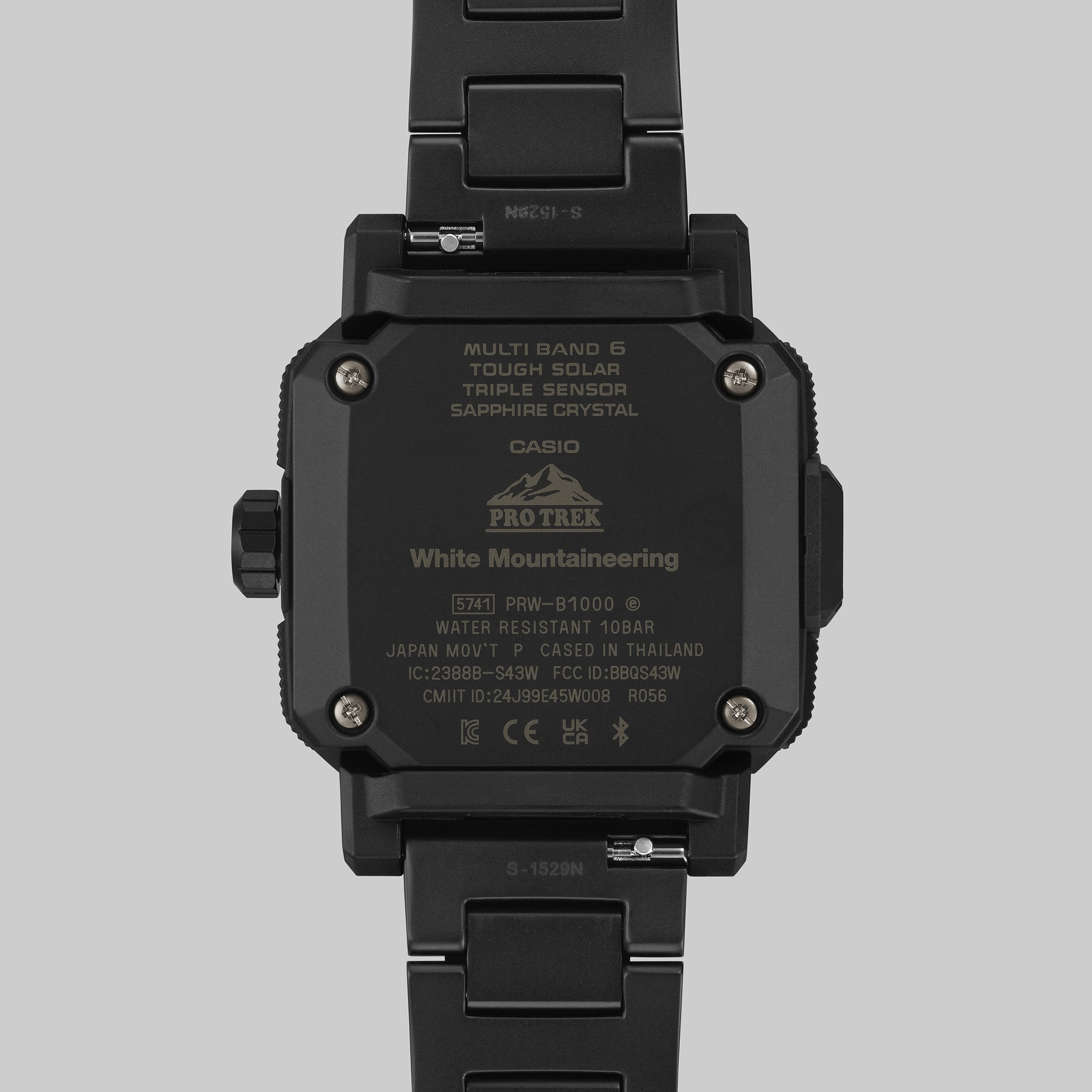
Casio is marking 30 years of its Pro Trek line with two special edition watches, the PRW-61ANS-3 and PRG-340ANS-3. Both models celebrate the brand’s “One with Nature” theme while combining outdoor reliability with eco-friendly design.

The PRW-61ANS-3 is the first Pro Trek to feature a green vapor deposition dial, paired with gold accents inspired by sunlight filtering through trees. The PRG-340ANS-3 uses a duplex LCD with a dual-layer layout for better visibility of the digital compass. Both watches use a green and gold color scheme to represent nature and light.

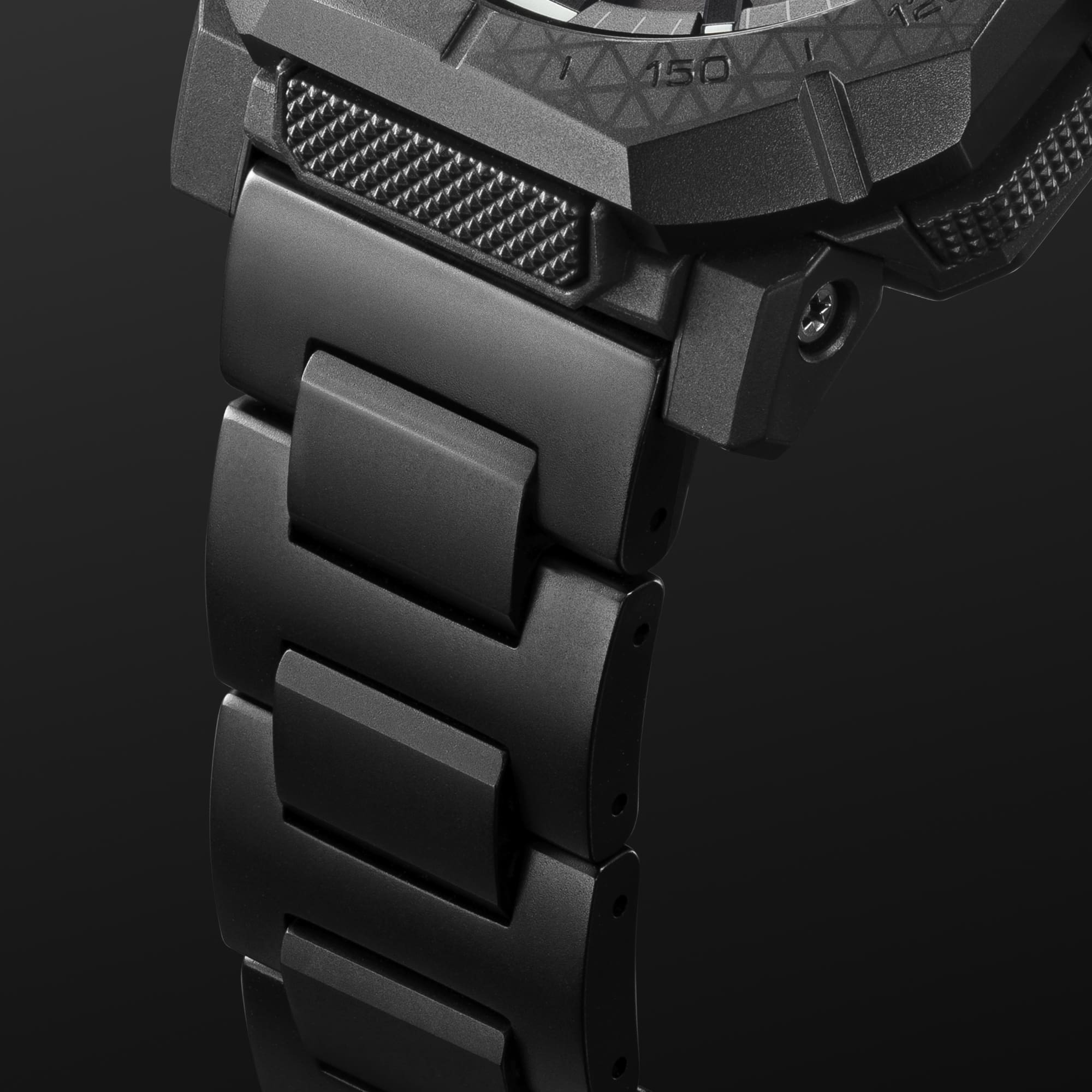
To highlight the anniversary, the bands are printed with the model numbers of past Pro Trek watches since 1995, and the case back carries the 30th-anniversary logo. The watches come in environmentally responsible, resin-free packaging.

Both models are equipped with Casio’s Triple Sensor, providing readings for compass direction, barometric pressure, altitude, and temperature. They run on the Tough Solar system, which converts sunlight and indoor light into power. Multiband 6 radio control keeps the time accurate by receiving signals from six stations around the world.

The case and band are made of bio-based resin to help reduce environmental impact. Each model offers 100-meter water resistance, low-temperature resistance down to -10°C, and Super Illuminator dual LED lights for visibility in the dark.

Other features include world time with 29 time zones, a 1/100-second stopwatch, a 60-minute countdown timer, five daily alarms, a full auto-calendar (to the year 2099), and a power-saving mode. The PRW-61ANS-3 measures 51 × 47.4 × 14.7 mm and weighs 57 g.

Both watches feature mineral glass, a gold ion-plated bezel, and a screw-lock crown. They provide up to 6 months of battery life with regular use or 25 months in total darkness with the power-saving function.

Casio will release the Pro Trek PRW-61ANS-3 and PRG-340ANS-3 in November, priced at ¥69,500 (about $451) and ¥39,500 (about $256) in Japan.

For more daily updates, please visit our News Section.

Stay ahead in tech! Join our Telegram community and sign up for our daily newsletter of top stories.

(Source: 1, 2)

AgiBot Makes History: First Robot to Learn Directly on the Factory Floor

AgiBot, a robotics company focused on embodied intelligence, has achieved a major milestone by successfully deploying its Real-World Reinforcement Learning (RW-RL) system on a pilot production line with Longcheer Technology. This marks the first-ever real-world application of reinforcement learning in industrial robotics, bridging years of AI research with practical use in manufacturing.

Transforming the Future of Manufacturing

For decades, precision manufacturing has relied on rigid automation systems that require complex fixtures, extensive tuning, and high setup costs. These systems are difficult to reconfigure when new products are introduced or production layouts change. Even modern robots equipped with vision and force-control systems often suffer from high sensitivity to parameter changes, resulting in long deployment times and expensive maintenance.

AgiBot’s RW-RL solution aims to solve these long-standing challenges by enabling robots to learn directly from real-world interactions. Instead of depending on pre-programmed instructions, the robots can adapt to changing conditions on the factory floor and refine their performance in real time.

How AgiBot’s RW-RL System Works

The Real-World Reinforcement Learning system allows robots to acquire new skills within minutes instead of weeks. Once deployed, they can maintain industrial-grade stability and perform tasks continuously without performance degradation. The system requires minimal hardware adjustments when switching between tasks or products, significantly reducing downtime and costs.

AgiBot’s technology also enables robots to autonomously adjust for part variations and manufacturing tolerances, ensuring consistent precision. This adaptability makes the system ideal for flexible, multi-product production lines, paving the way for smarter and more versatile factories.

From Research to Real-World Deployment

The RW-RL breakthrough is built on years of academic research into the stability and efficiency of reinforcement learning. Led by Dr. Jianlan Luo, Chief Scientist at AgiBot, the team successfully transformed complex AI algorithms into a deployable industrial system. The pilot deployment with Longcheer Technology validated the system’s performance under near-production conditions, confirming it as the first verified industrial application of reinforcement learning in manufacturing robotics.

Following the successful pilot, AgiBot and Longcheer plan to expand the use of RW-RL to consumer electronics and automotive component production. Their goal is to create modular, easily deployable robotic solutions that can integrate seamlessly into existing factory systems.

With this achievement, AgiBot has not only demonstrated a major advancement in robotic intelligence but also taken a crucial step toward the future of self-learning, adaptable manufacturing systems, bringing the promise of embodied AI closer to industrial reality.

Xiaomi launched a smart foot spa that heats, massages, sterilizes, and folds itself

Xiaomi has launched the Mijia Smart Airbag Foot Bath 2 Pro Lift Version in China. The new smart wellness device is now available for preorder on JD.com at a retail price of 1,149 yuan ($161).

Xiaomi Mijia Smart Foot Bath 2 Pro

Mijia Smart Airbag Foot Bath 2 Pro Specifications

The product features an electric dual-screw lifting structure that allows the tub to automatically rise and fold with a single button press. Xiaomi claims the mechanism has passed over 10,000 lifting tests without issues. The foot bath expands to 35 cm in height during use and folds down to just 18 cm for easy storage under furniture or next to cabinets.

Xiaomi equips the device with a full-foot airbag massage system that envelops both the instep and sole. The setup delivers a three-zone massage focused on the toes, arches, and heels. The base is lined with a soft TPE pad that feels gentle on the skin and helps prevent dirt accumulation. The foot bath also supports heating and vibration functions to promote better blood flow and reduce fatigue after extended use.

Xiaomi Mijia Smart Foot Bath 2 Pro

For hygiene, the foot bath uses a UV sterilization lamp embedded inside the water pipeline. The system eliminates bacteria such as E. coli and Staphylococcus aureus with a claimed 99.9% sterilization rate. The UV light remains contained within the internal plumbing to avoid direct skin exposure.

Xiaomi integrates a DPS water-electric separation heating system that manages water temperature between 35°C and 48°C. If the temperature exceeds 54°C, the device triggers an E2 alert and halts heating. The unit includes a 1.5-meter cable with built-in leakage protection that cuts power within 0.1 seconds if an electrical fault is detected.

Xiaomi Mijia Smart Foot Bath 2 Pro

The Airbag Foot Bath 2 Pro integrates with Xiaomi’s HyperOS ecosystem, allowing control through the Mi Home app and Xiao AI voice assistant. It lets users start sessions, modify settings, and monitor usage directly from their devices. The system features ten intelligent massage modes, four customizable presets, and a seven-day foot bath calendar for detailed usage tracking.

The device includes a smart control panel, a timer adjustable between 5 and 60 minutes, and a memory function that recalls preferred settings. Its design also incorporates a hidden carrying handle and bottom rollers for easy movement. It uses a gravity-assisted drainage system and supports one-touch self-cleaning for added convenience.

In related news, Xiaomi recently introduced a new water purifier capable of producing ice and dispensing hot water instantly. The company has also unveiled its first premium French door refrigerator featuring micro-ice fresh technology.

For more daily updates, please visit our News Section.

Stay ahead in tech! Join our Telegram community and sign up for our daily newsletter of top stories! 💡

(Xiaomi JD)

iQOO 15 Mini testing reportedly begins; display and chipset details tipped again

Recent reports have claimed that the iQOO 15 series includes three devices, such as the iQOO 15, 15 Ultra, and 15 Mini. While the iQOO 15 has already launched in China and is now on the verge of a global launch, the other two models are expected to debut in the home market by the first half of 2026. A new leak claims that the company has started testing the compact model.

iQOO 15 Mini key specifications (rumored)

iQOO 15 Mini leak by DCS

According to the tipster, the iQOO 15 Mini, equipped with a 6.31-inch display, is being tested by the brand. The device is powered by a Dimensity 9500 Plus chipset, which hasn’t gone official yet.

The tipster also claimed that the device will arrive with a similar design but did not reveal any further details about its specifications. A previous leak claimed that it may house a massive 7,000mAh battery.

The Dimensity 9500 Plus will most likely end up as an overclocked version of the regular D9500 chip, which debuted in October. To recall, the Dimensity 9400 Plus was announced in April, which suggests that the D9500+ may go official around the same month next year. Therefore, it is likely that the iQOO 15 Mini may debut in the second quarter of 2026.

In terms of competition, the iQOO 15 Mini may rival the OnePlus 15T, the Honor Magic Mini, the Oppo Find X9s, and the Vivo X300s, which are expected to debut around the same time in China. Except for the OnePlus model, which will have the Snapdragon 8 Elite Gen 5 chip onboard, the other devices could be equipped with the D9500+.

Readers are advised to wait for further reports to learn more about the iQOO 15 Mini.

For more daily updates, please visit our News Section.

Stay ahead in tech! Join our Telegram community and sign up for our daily newsletter of top stories.

Xiaomi 17 Ultra to set new benchmark with industry’s largest camera sensor

Recent reports have suggested that Xiaomi may announce the Xiaomi 17 Ultra by the end of this year in China. A new leak claims that the device will borrow many of its specs from the Xiaomi 17 Pro Max, which debuted last month in China. However, there is a certain feature that sets it apart from all other premium flagship phones available in the market.

Xiaomi 17 Ultra to feature industry’s largest camera sensor

Xiaomi 17 Ultra leak by DCS

According to the tipster, the Xiaomi 17 Ultra will share several key specifications with the 17 Pro Max, including the display, processor, speakers, vibration motor, and fingerprint sensor. This means that the 17 Ultra will have a 6.9-inch OLED 2K 120Hz display with an ultrasonic in-screen fingerprint sensor and the Snapdragon 8 Elite Gen 5.

However, the Ultra model will stand out with a distinctive large circular camera design, making it a true imaging flagship. DCS mentions that the device will feature a premium gold color option and emphasizes that its core strength lies in photography. A previous DCS leak claimed that it will also come in shades like black, white, and purple.

The 17 Ultra is expected to come with the largest main camera sensor in the industry and introduce a new generation of periscope telephoto technology, developed exclusively by Xiaomi. The tipster adds that the phone will bring “multiple camera tricks” and employ a new external lens solution, which will reportedly outperform all existing external zoom lens systems currently available.

As per a recent leak, the Xiaomi 17 Ultra will have a 50-megapixel main camera with an enhanced in-sensor zoom technology, and a seamless transition to its telephoto lens for lossless focal range coverage. It could be accompanied by a 50-megapixel Samsung JN5 ultra-wide lens, a 50-megapixel Samsung JN5 telephoto camera, and a 200-megapixel Samsung HPE periscope telephoto camera with 4×4 RMSC technology for lossless zoom across multiple focal lengths and telephoto macro capabilities. For selfies, it may arrive with an OmniVision OV50M 50-megapixel front camera.

Xiaomi 15 Ultra
Xiaomi 15 Ultra

While the 17 Ultra may borrow many of its specs from the Xiaomi 17 Pro Max, it may not feature the secondary rear-facing camera. It will have two variants, while both will have UWB (Ultra-Wideband) support, the higher-end variant will feature Tiantong satellite calling and Beidou short message communication.

For more daily updates, please visit our News Section.

Stay ahead in tech! Join our Telegram community and sign up for our daily newsletter of top stories.

Moto G100s Launches in China with Huge 7,000mAh Battery for Under $150

Motorola has unveiled the new Moto G100s in China, targeted squarely at budget-conscious buyers. The device features an old mid range Qualcomm Snapdragon chip, a massive flagship level battery, and much more for an attractive price point. So let’s check it out.

New Sub $150 Budget from Motorola Debuts in China

Back in October 2025, Motorola unveiled the Moto G100 in the Chinese market for 1,339 Yuan, which is roughly about 188 US Dollars. But just under a month later, the company has now unveiled the Moto G100s. This newer model brings similar specs and features along with a more affordable price tag. The new G100s also sports a tall 6.72-inch LCD panel with an FHD+ resolution, a 120Hz refresh rate, 1050 nits of peak brightness, DC dimming, and hardware level blue light protection.

Motorola Moto G100s
Motorola G100s

Under the hood, the Moto G100s is equipped with the Snapdragon 7s Gen 2 SoC, which is paired with 8GB of RAM and up to 256GB of internal storage. A gigantic 7,000mAh battery pack powers this device, which supports 30W wired fast charging. For optics, the rear has a 50MP main camera along with an 8MP ultra wide angle lens. Meanwhile, the front houses an 8MP shooter for selfies and video calls, which is a notable downgrade from the 32MP selfie camera on the Moto G100.

Other notable features include an IP64 rating for water and dust resistance, NFC, dual speakers, and a side mounted fingerprint scanner. Motorola just unveiled the G100s in two color options, namely Blue and Black. It is available in two storage configurations with a starting price tag of 999 yuan (roughly $140) for the 8GB + 128GB model. The higher end 8GB + 256GB variant costs 1,099 Yuan (roughly $154).

For more daily updates, please visit our News Section.

Don’t miss a thing! Join our Telegram community for instant updates and grab our free daily newsletter for the best tech stories!

Moto Edge 70 Teardown: Under the Hood of a 6mm Phone

While teardown videos often reveal the different ways a company has put together their smartphone, things get a bit more interesting when breaking down a super slim phone. The Moto Edge 70 is one such model, and a fresh video has offered us a glimpse of its impressive internals.

What the Moto Edge 70 Teardown Video Reveals

Moto Edge 70
Moto Edge 70

The latest teardown was shared by YouTuber Kingmi Mobile. Looking at this video, we get a full view of the internals of the Moto Edge 70. Among the thin components, two aspects stood out in particular. First, the battery of the Edge 70 takes up a large portion of the internal space, but measures just 3.9mm thick. This cell is around 0.4mm thicker than the battery in the iPhone Air and 0.2mm thicker than Samsung’s Galaxy S25 Edge.

Second, you get a super thin display that measures just 1mm, which is half as thick as the iPhone Air’s 2mm display panel. Despite the razon thin dimensions, the screen of the Edge 70 offers a 120Hz refresh rate, 4500 nits of peak brightness, a 1.5K resolution, and Corning’s Gorilla Glass 7i for protection. To recall, the Galaxy S25 Edge is powered by a 3,900mAh cell, while the iPhone Air has around a 3,100mAh battery.

So the Motorola Edge 70 impresses with a much larger 4,800mAh battery pack. The YouTuber also found a small but efficient thermal dissipation system, which keeps the internals, like the Qualcomm Snapdragon 7 Gen 4 cool. The company just recently unveiled the Moto Edge 70 in Europe, while it debuted in China as the Moto X70 Air.

For more daily updates, please visit our News Section.

Tech enthusiast? Get the latest news first! Follow our Telegram channel and subscribe to our free newsletter for your daily tech fix! ⚡
Reno 15 Mini could debut in December in India as Oppo’s first compact Reno phone

Oppo is reportedly working on the Reno 15 series for multiple markets. While it is expected to unveil the series later this month in China, a previous report has claimed that it could be heading to India by early January. Now, a new report claims that the Reno 15 lineup, which will comprise three models, will debut in December in India.

Oppo Reno 15 to accompany Reno 15, 15 Pro

Oppo Reno 14 5G
Oppo Reno 14 5G

To recall, the Reno 13 series was announced in January this year, and the Reno 14 lineup was made official in July. Now, a new report by 91mobiles, with tipster Sudhanshu Ambhore as the source, claims that the Reno 15 series may debut by the end of December in India, much earlier than expected.

According to the report, the Reno 15 Mini equipped with a 6.31-inch display will be a new addition to the series. Previous reports have revealed that the Reno 15 will have a 6.59-inch display, whereas the Reno 15 Pro will sport a larger 6.78-inch screen.

The Reno 15 Mini and 15 Pro are expected to feature the Dimensity 8450 chipset. However, there is no information about the chipset and other specs of the Reno 15.

The Reno 15 Mini and 15 Pro’s rear camera setup is expected to feature a 200-megapixel Samsung HP5 main camera, joined by a pair of 50-megapixel sensors for ultra-wide and periscope zoom cameras. For selfies, both models will feature a 50-megapixel front-facing camera. The entire series will run on ColorOS 16-based Android 16.

At present, there is no information about the battery capacities of the Reno 15 Mini and 15 Pro. What’s known is that the Pro version will have wireless charging support.

The new report also claims that the Reno 15 series will be available for purchase in India in the first or second week of January 2026.

For more daily updates, please visit our News Section.

Stay ahead in tech! Join our Telegram community and sign up for our daily newsletter of top stories.