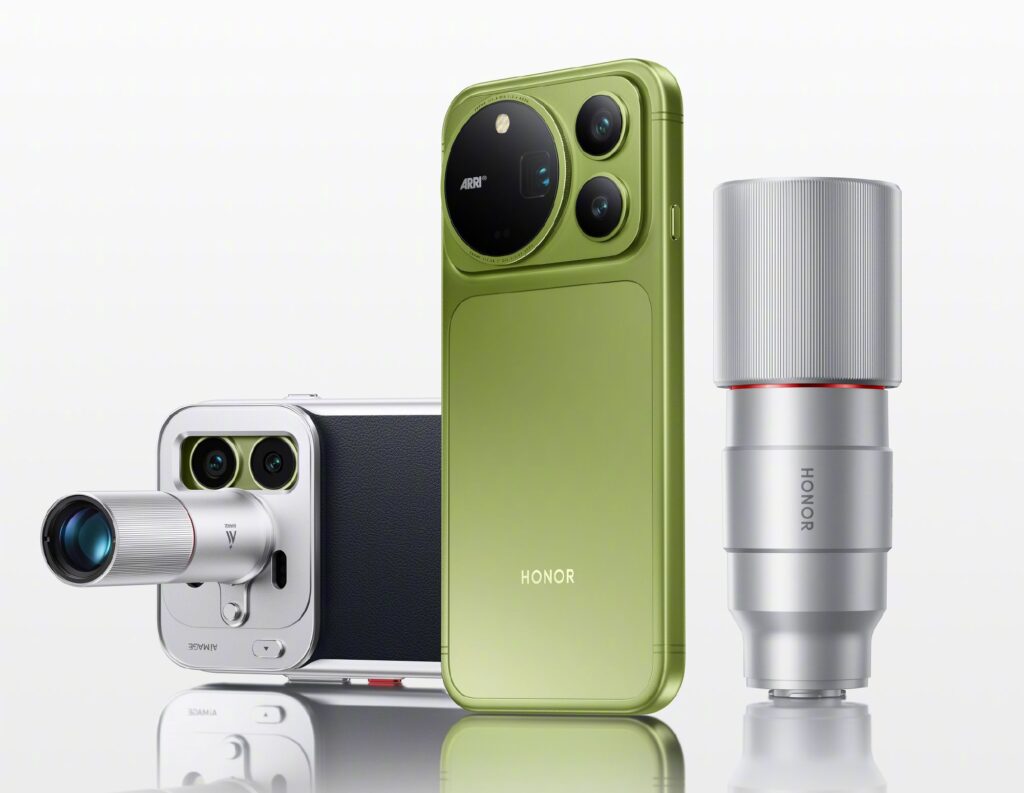
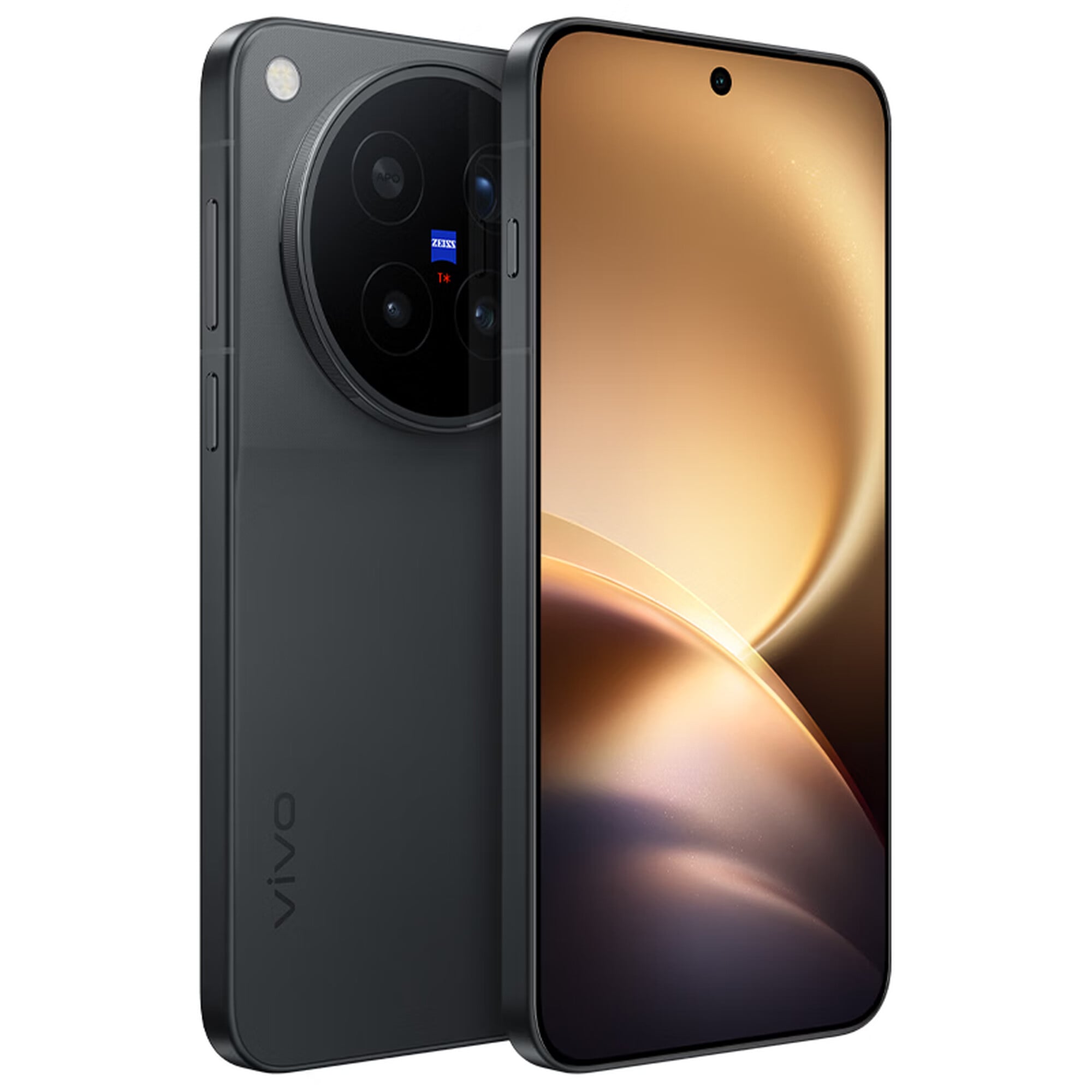
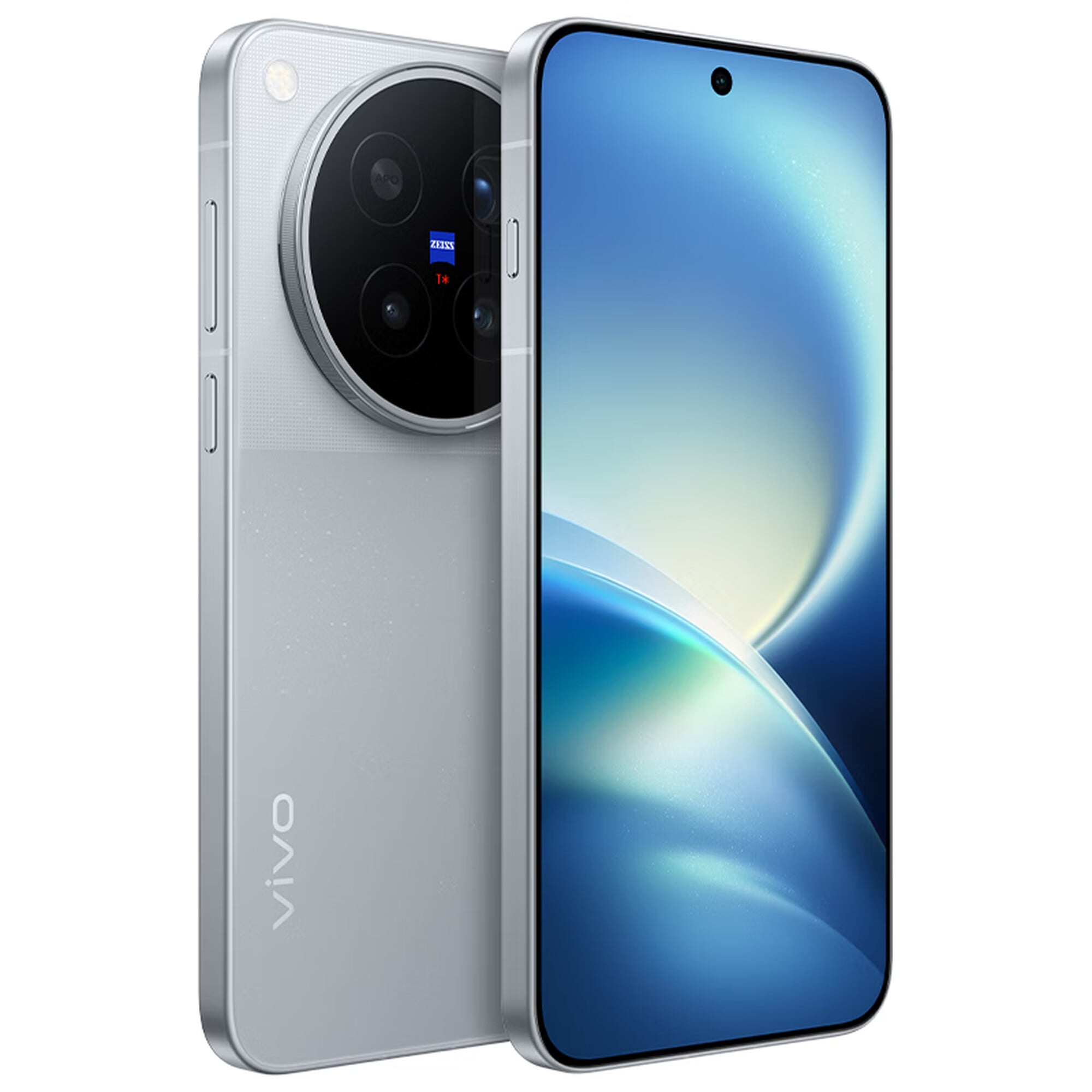
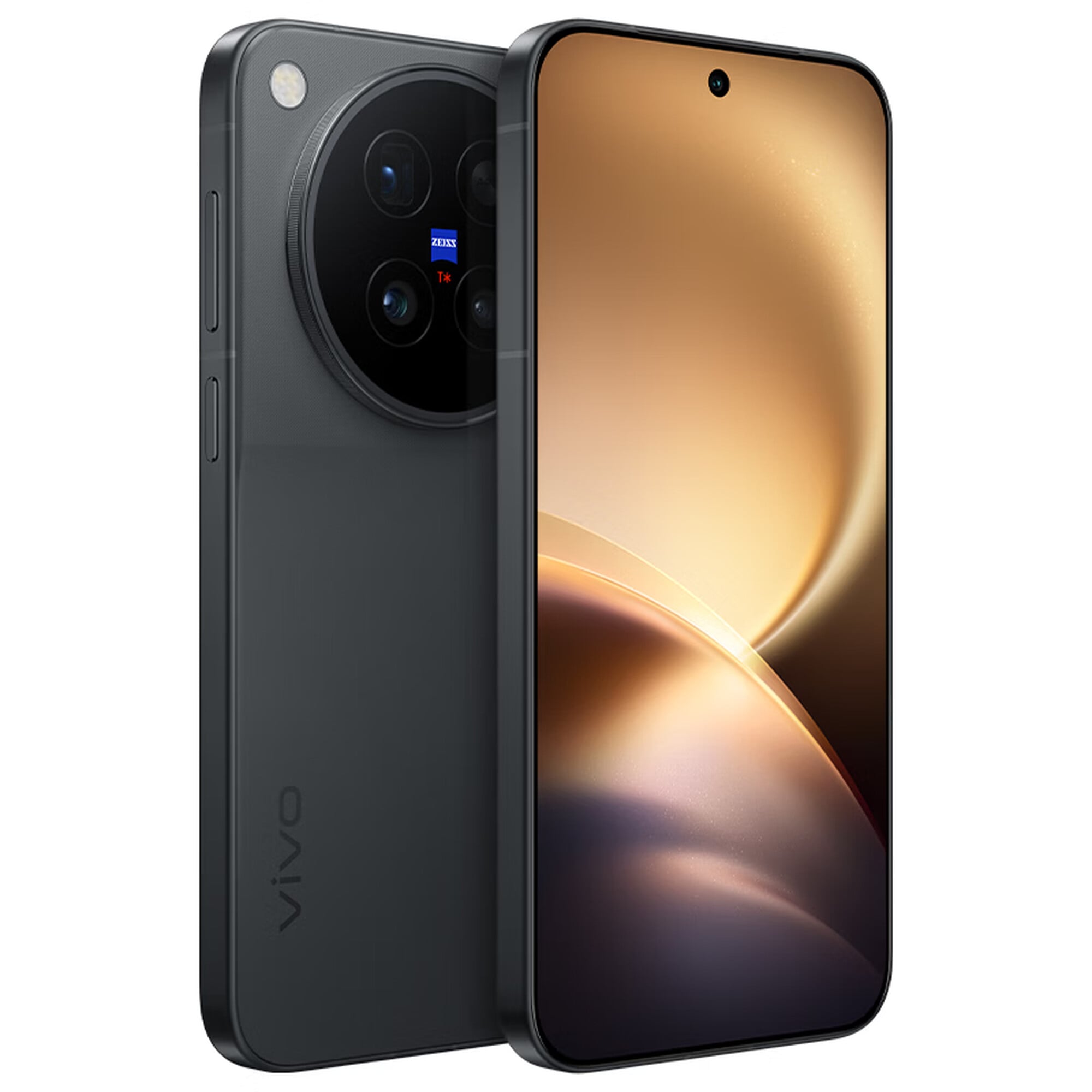
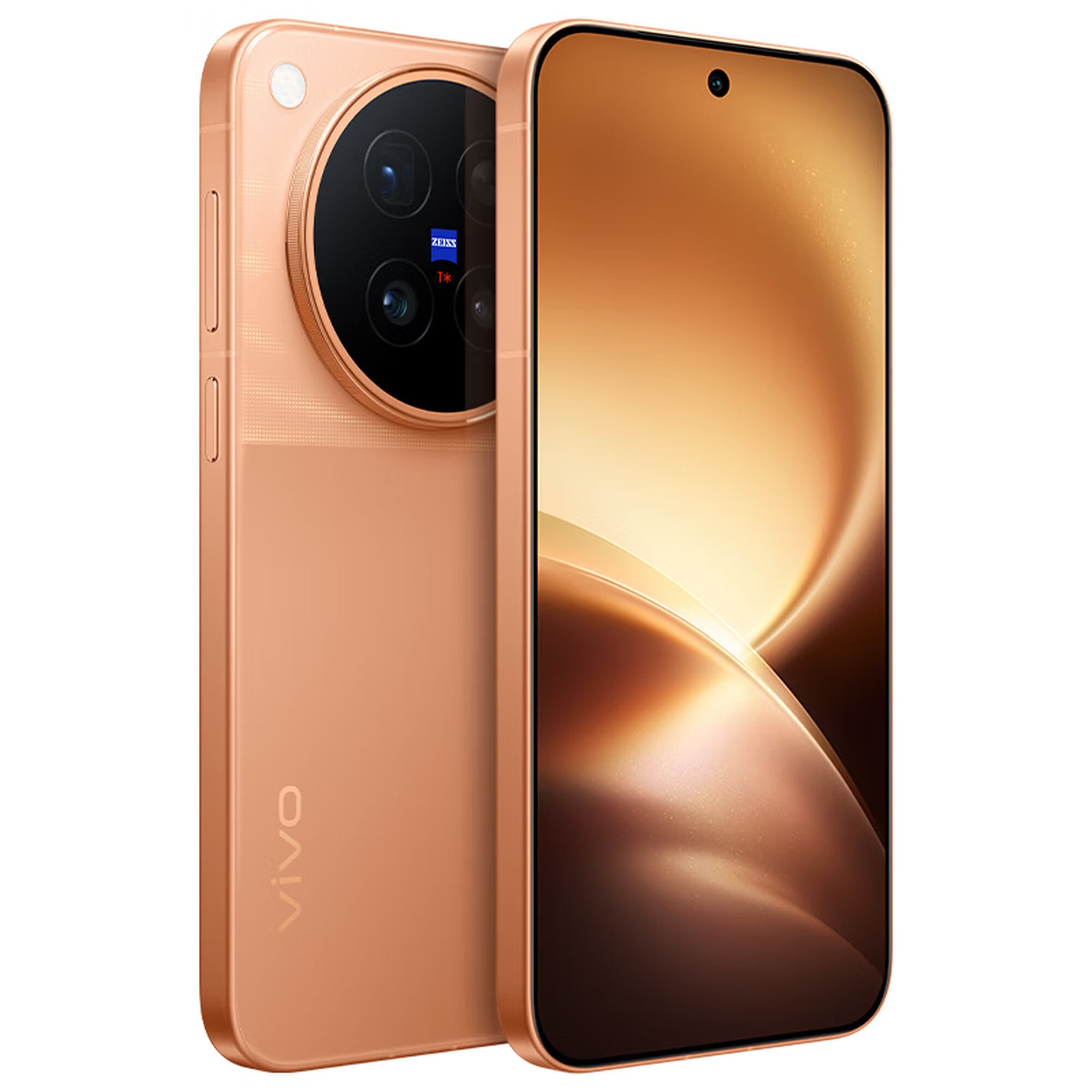
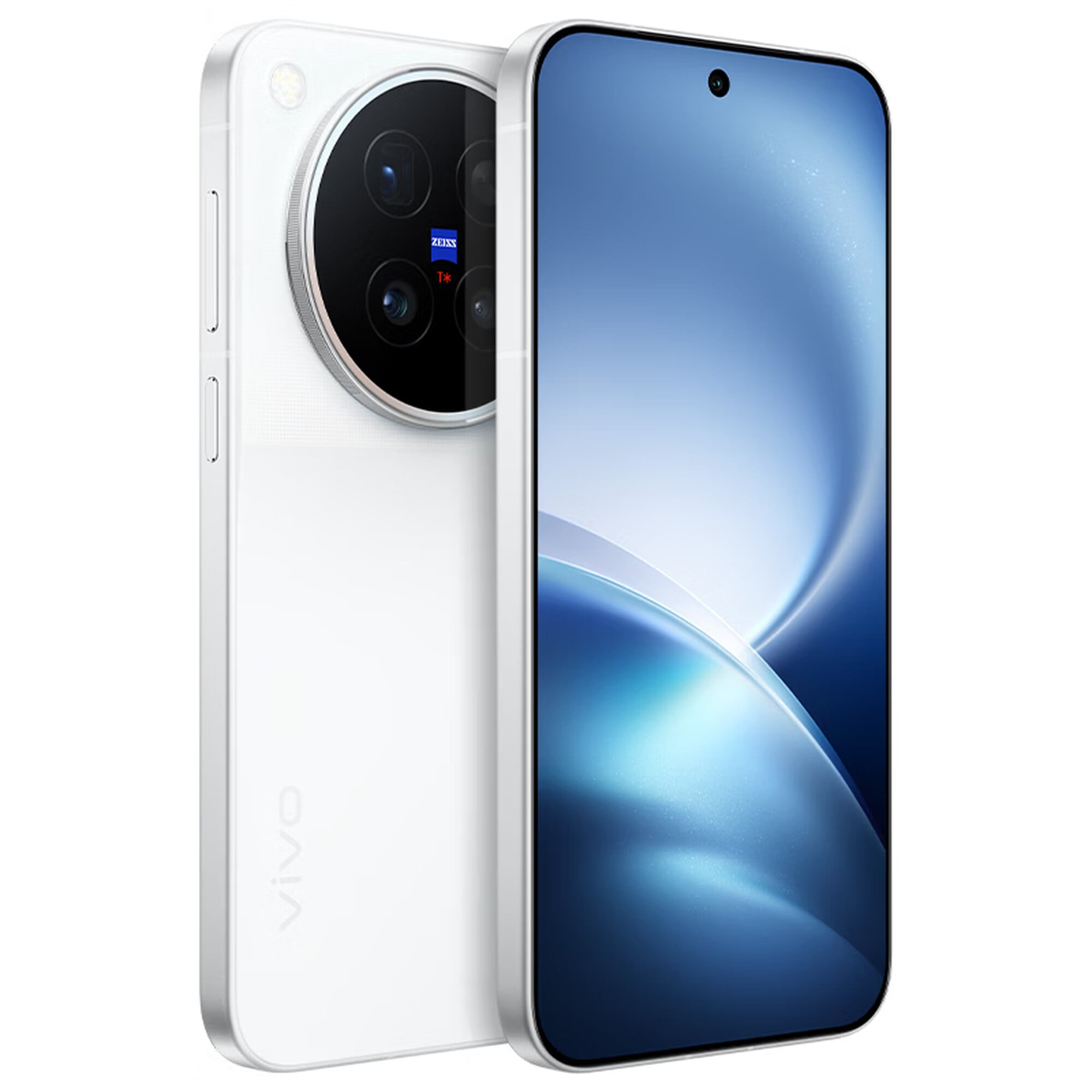
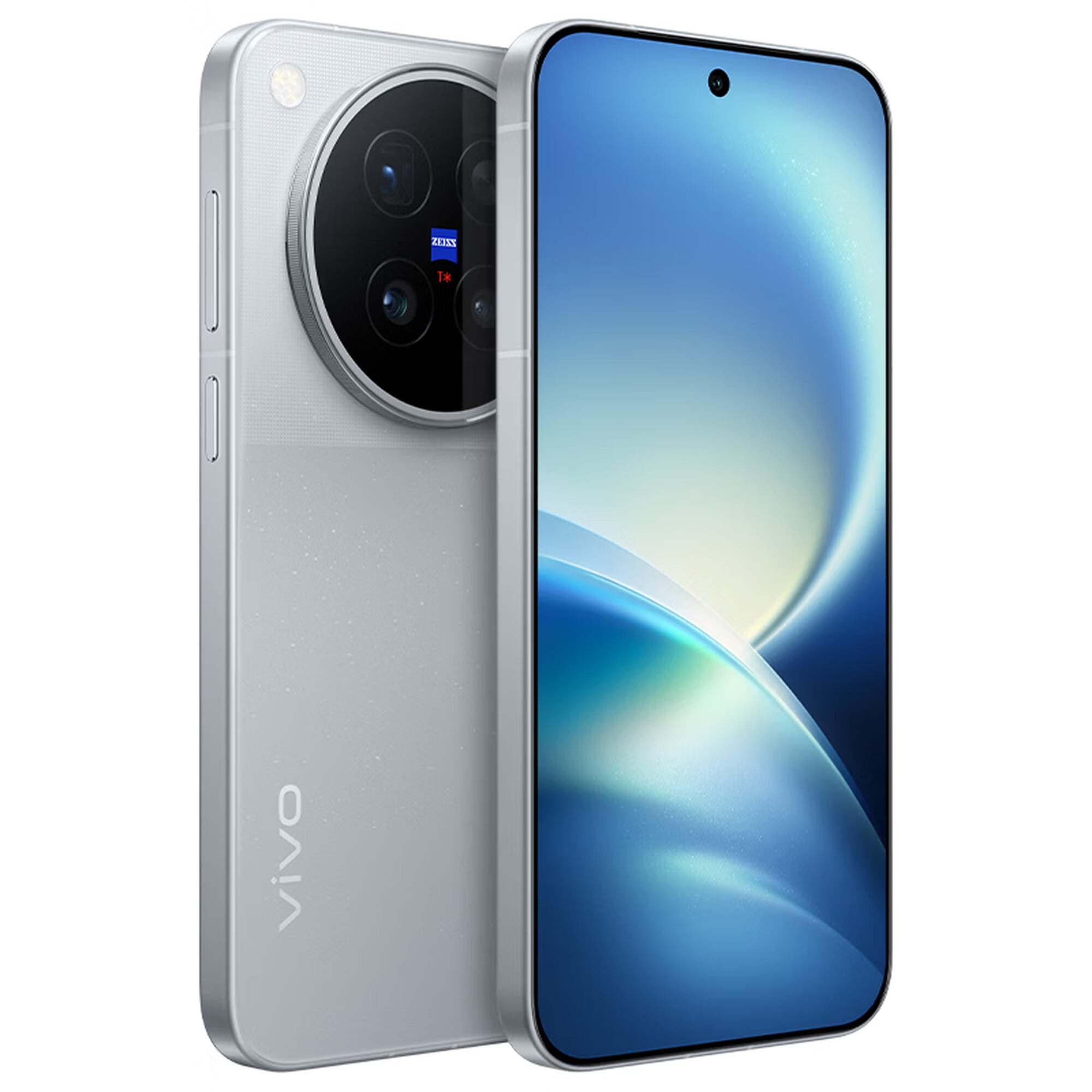
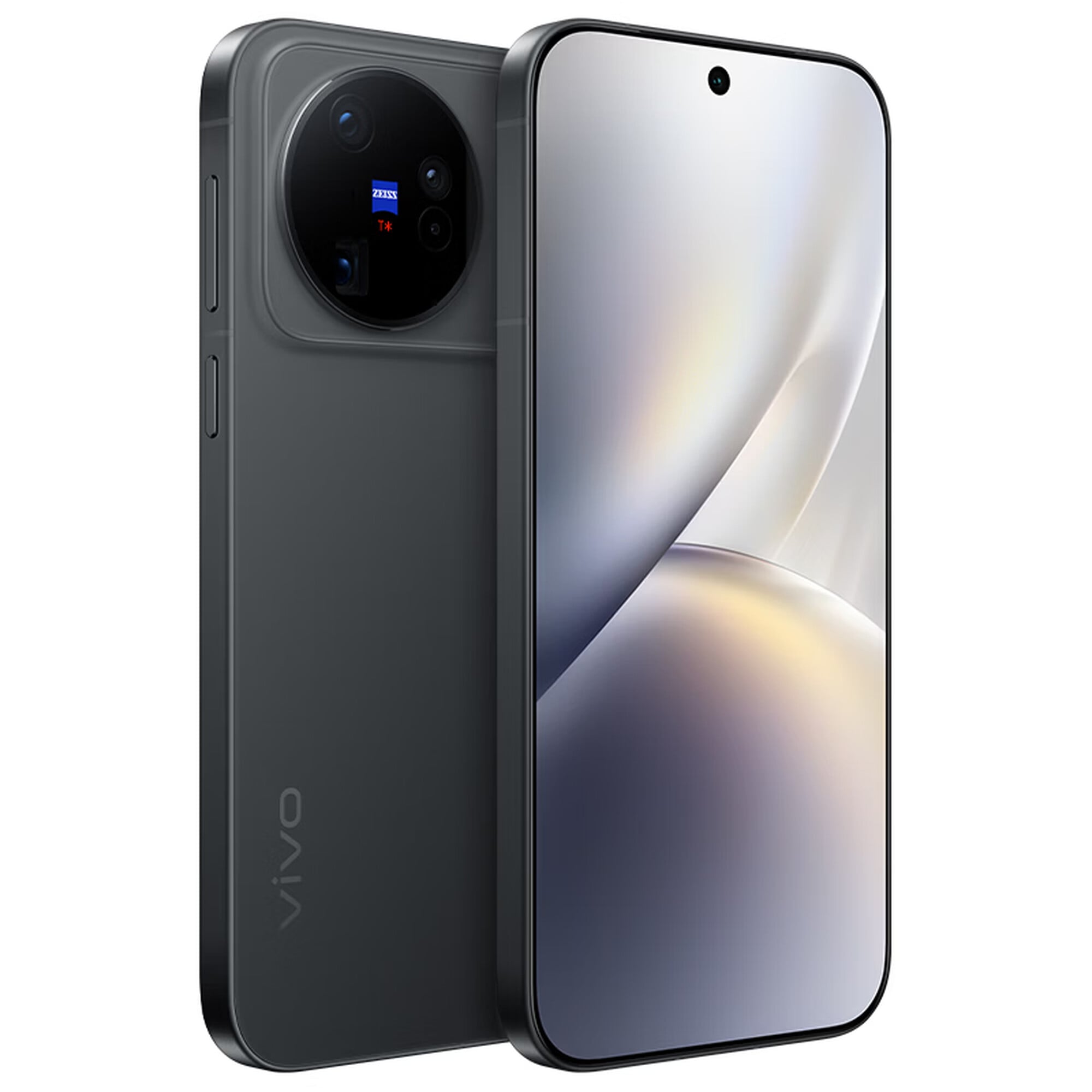
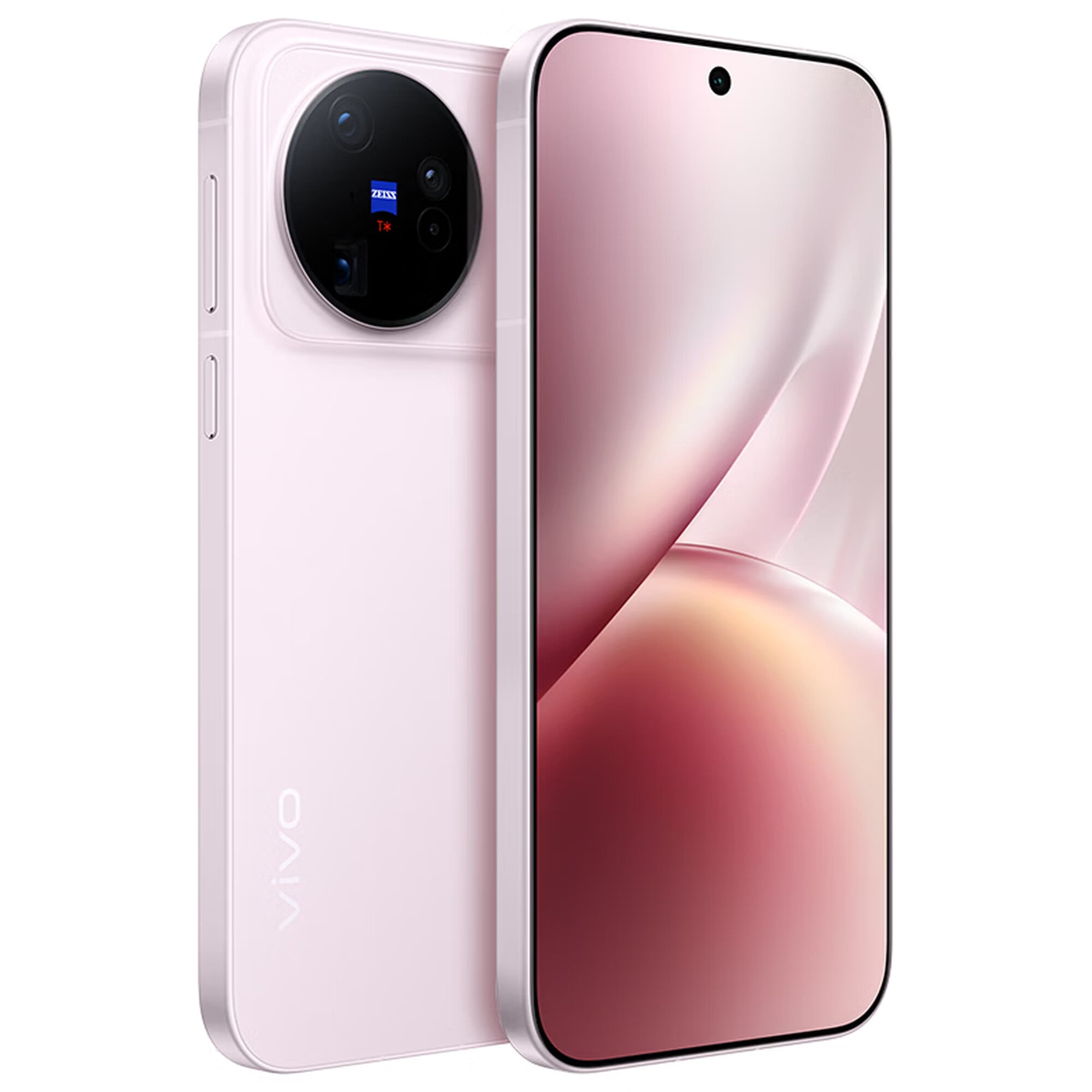
Honor is getting ready to launch its new 600 series smartphones in China, and the company is placing a strong focus on battery life and imaging capabilities this time around. The company has officially confirmed that the Chinese variants of the Honor 600 series will debut on May 25, 2026, at 19:00 local time. Actor Xiao Zhan will continue as the brand ambassador for the lineup and is expected to appear in the launch promotions as well.
Honor says the China models will feature an 8600mAh battery, noticeably larger than the 7000mAh units found in the global variants. That said, it is not a massive jump over the Chinese Honor 500 series models, which already offered 8000mAh batteries. Still, the added capacity should make the phones especially appealing to heavy users upgrading from older devices.
The company is also teasing a stronger focus on imaging. According to the official details shared so far, the series will support 4K flash “mirrorless” Live recording and use a 200MP ultra-clear main sensor. While Honor has not gone into full technical details yet, the setup seems aimed at improving low-light video, live content creation, and overall image clarity.
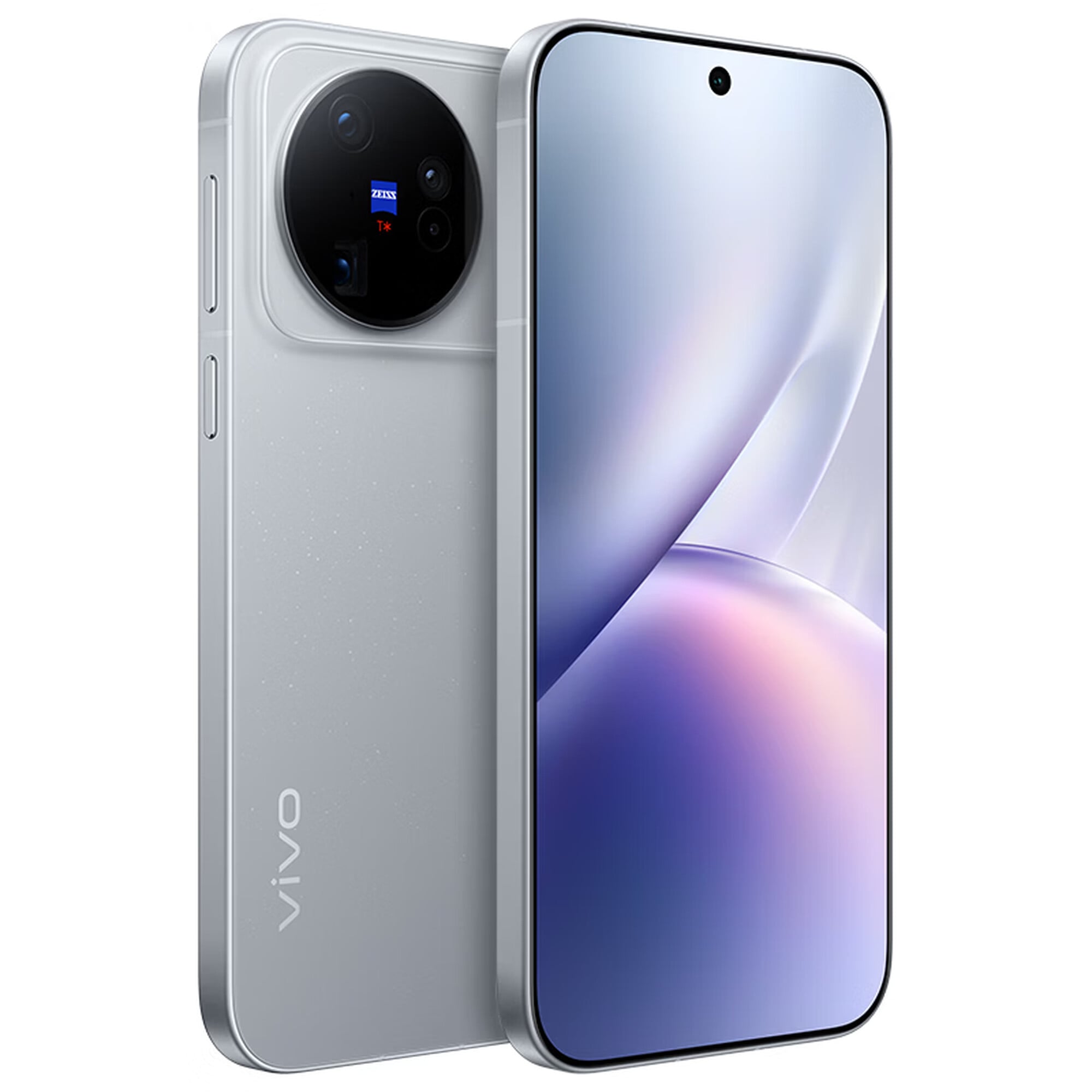
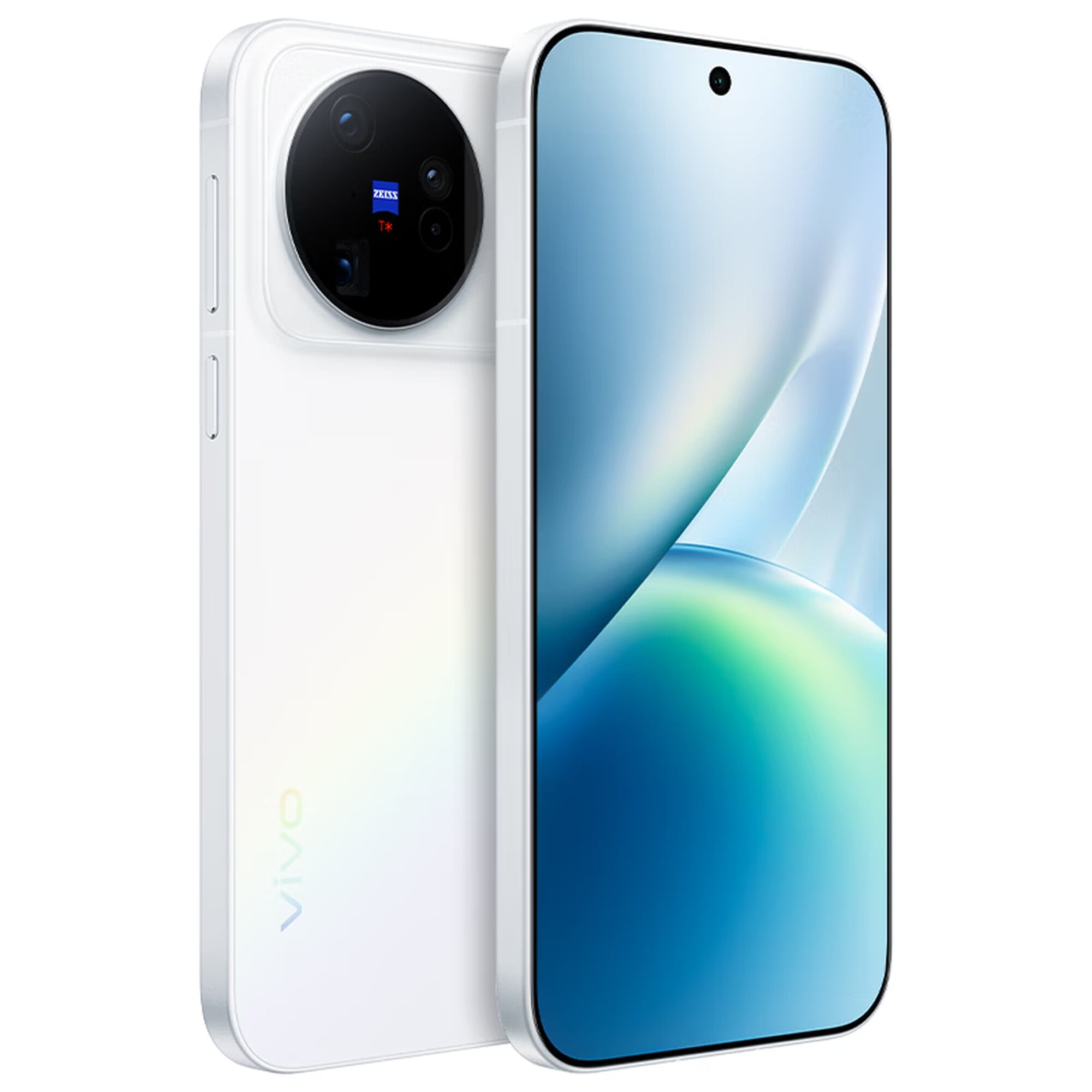
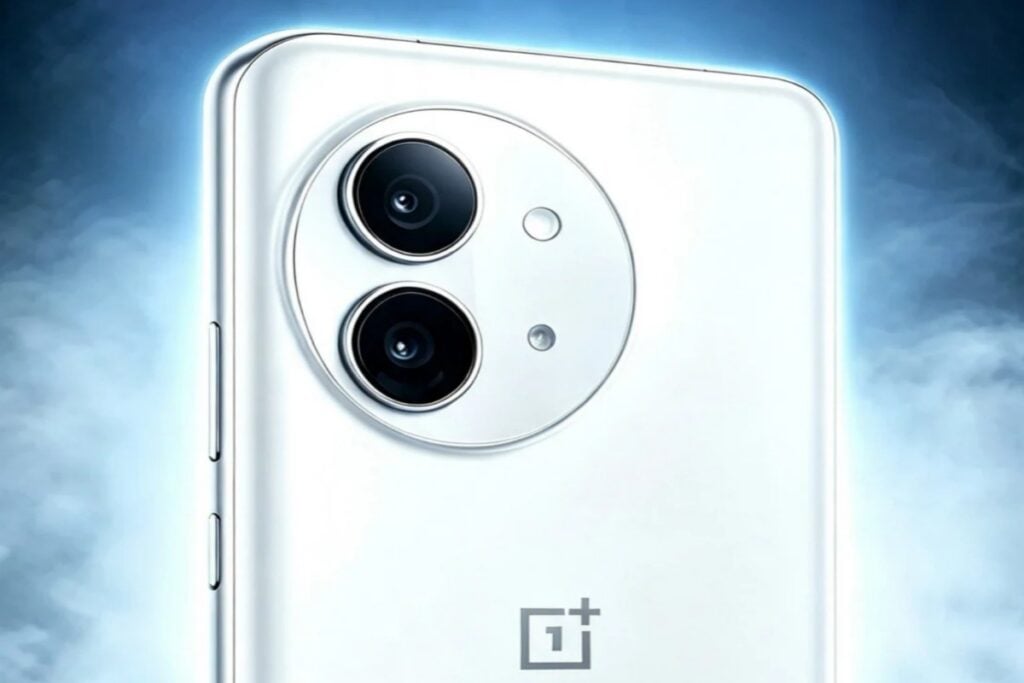
Honor has also revealed one of the launch colors called “Lucky Star”, which appears to feature a glossy, light-shifting finish on the back panel. The design looks a bit more playful compared to the global models released earlier.
So far, Honor has not confirmed the full hardware specifications for the Chinese variants, but more details about the chipset, charging speeds, display, and pricing are expected closer to launch day. Readers outside China can also check out the global Honor 600 models, which debuted last month.
While the One UI 8.5 stable rollout has begun only recently, Samsung was already preparing for the bigger One UI 9 release, which will be based on Android 17. The beta program has already gone live for the Galaxy S26 series, with more Galaxy devices soon to follow.
As the One UI 9 beta kicks off, the big question is: will your Galaxy device receive the next major upgrade? We’ve put together a full list of eligible devices for the next major upgrade. Review the list below to find out if yours is included.
Samsung One UI 9 (Android 17) update: List of eligible devices
Galaxy S series
Galaxy S26
Galaxy S26+
Galaxy S26 Ultra
Galaxy S25
Galaxy S25+
Galaxy S25 Ultra
Galaxy S25 Edge
Galaxy S25 FE
Galaxy S24
Galaxy S24+
Galaxy S24 Ultra
Galaxy S24 FE
Galaxy S23
Galaxy S23+
Galaxy S23 Ultra
Galaxy S23 FE
Galaxy Z series
Galaxy Z TriFold
Galaxy Z Fold 7
Galaxy Z Flip 7
Galaxy Z Flip 7 FE
Galaxy Z Fold Special Edition
Galaxy Z Fold 6
Galaxy Z Flip 6
Galaxy Z Fold 5
Galaxy Z Flip 5
Galaxy A series
Galaxy A57
Galaxy A56
Galaxy A55
Galaxy A54
Galaxy A37
Galaxy A36
Galaxy A35
Galaxy A34
Galaxy A26
Galaxy A25
Galaxy A24
Galaxy A17
Galaxy A16 (LTE & 5G)
Galaxy A15 (LTE & 5G)
Galaxy A07 (LTE & 5G)
Galaxy A06 5G
Galaxy M series
Galaxy M56
Galaxy M55
Galaxy M55s
Galaxy M54
Galaxy M36
Galaxy M34
Galaxy M17
Galaxy M17e
Galaxy M16
Galaxy M15
Galaxy M07
Galaxy M06
Galaxy F series
Galaxy F70e
Galaxy F56
Galaxy F55
Galaxy F54
Galaxy F36
Galaxy F34
Galaxy F17
Galaxy F16
Galaxy F15
Galaxy F07
Galaxy F06
Galaxy Tab series
Galaxy Tab S11
Galaxy Tab S11 Ultra
Galaxy Tab S10+
Galaxy Tab S10 Lite
Galaxy Tab S10 Ultra
Galaxy Tab S10 FE
Galaxy Tab S10 FE+
Galaxy Tab S9
Galaxy Tab S9+
Galaxy Tab S9 Ultra
Galaxy Tab S9 FE
Galaxy Tab S9 FE+
Galaxy Tab S6 Lite (2024)
Galaxy Tab A11
Galaxy Tab A11+
Galaxy Tab Active 5
Galaxy Tab Active 5 Pro
Galaxy XCover series
Galaxy XCover 7
Galaxy XCover 7 Pro
It’s important to note that Samsung hasn’t officially announced the list yet. However, we already know which Galaxy devices will receive the update, thanks to Samsung’s clear-cut software update policy. Based on this, we’ve prepared a comprehensive list that shouldn’t differ from the official one when announced.
One UI 9.0, based on Android 17, is expected to debut in July 2026 on the upcoming Galaxy Z Fold 8 and Galaxy Z Flip 8, with the stable rollout likely going live in Q3, 2026.
We’ll keep you posted with the latest information on One UI from Samsung and our credible sources in the Samsung section on Gizmochina. You can also join our Telegram channel to receive instant alerts.
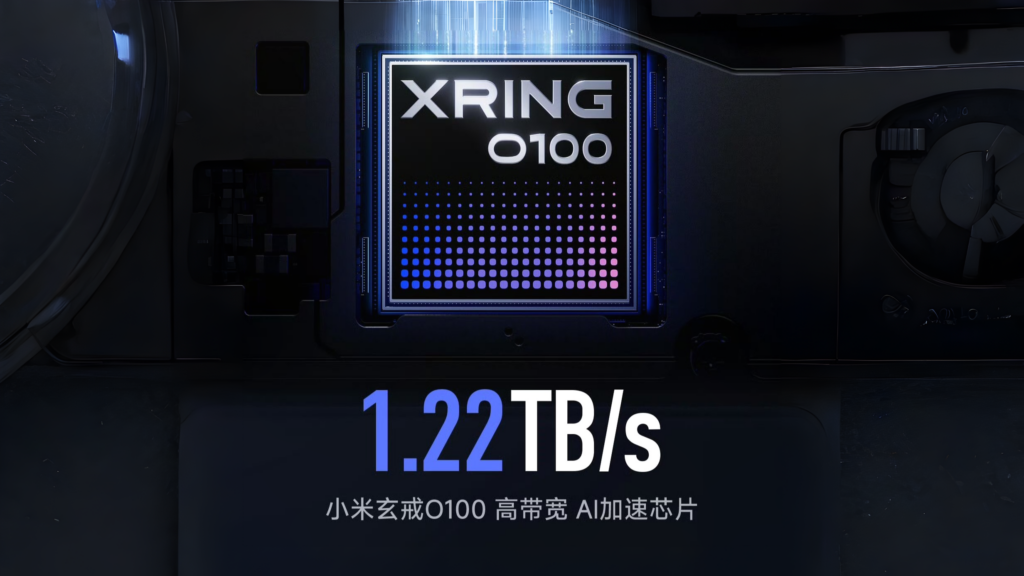
Chinese tech giant Xiaomi has officially released and open-sourced its new Xiaomi OneVL framework. It is a system designed to improve how autonomous driving models understand, reason, and predict road situations.
According to the company, Xiaomi OneVL is the first framework in the industry to combine multiple major technologies into a single system. These include VLA (Vision-Language-Action), world models, and latent space inference. The company says the framework builds on the reasoning abilities of the XLA model while improving both inference speed and accuracy.
In autonomous driving research, VLA and world models have usually been treated as separate approaches. VLA systems primarily focus on understanding traffic scenes and generating driving actions, whereas world models predict how a scene may evolve. Xiaomi says OneVL is the first framework to unify both methods through latent space reasoning.
The company also claims that the framework performs strongly across several mainstream benchmarks for perception, reasoning, and planning. Xiaomi says OneVL pushes the limits of latent inference methods and delivers higher accuracy than explicit Chain-of-Thought (CoT) reasoning while maintaining speeds similar to latent space CoT systems that focus only on predicting final answers.
Xiaomi OneVL is also built around interoperability
Another major focus of the framework is interpretability. Xiaomi says OneVL can explain its decision-making process in both language and visual form. Practically, this means the system can describe why a vehicle should take a certain driving action while also showing predictions of what could happen next on the road.
The OneVL comes just after Xiaomi recently open-sourced its audio generation model called Omnivoice. By open-sourcing OneVL, Xiaomi is also positioning itself more aggressively in the broader AI and smart mobility space, areas where competition has continued to increase among major technology companies.
Sony appears to be preparing a more fashion-forward take on its flagship noise-cancelling headphones. Newly surfaced renders show what looks to be a premium spin on the WH-1000X lineup, with upgraded materials and a noticeably more luxurious design that could put it closer to rivals like Apple AirPods Max in terms of styling and positioning.
The upcoming model, reportedly called the WH-1000XX The ColleXion (or simply 1000X The ColleXion), was recently seen worn by actor Damson Idris ahead of the Met Gala. Fresh renders shared by OnLeaks in collaboration with Android Headlines also offer a much clearer look at the headphones in multiple color options, revealing what could be Sony’s biggest design shift for the series in years.
Compared to the standard Sony WH-1000XM6, the new model adopts a more premium aesthetic. The renders show a metal headband structure with wraparound arms, thicker cushioning around the top band, and redesigned earcups that appear to swap the usual matte plastic finish for a leather-like material. Overall, the look feels more upscale and lifestyle-focused while still keeping the familiar over-ear design of the 1000X lineup intact.
Sony has already started teasing the product ahead of launch. In a recent teaser video posted by Sony with the tagline “A masterpiece awaits…”, the company briefly showcased parts of the design, effectively confirming that the upcoming reveal is for the WH-1000XX The ColleXion. The launch is scheduled for May 19 at 9 AM PST.
Pricing is also expected to place the headphones firmly in the luxury segment, with reports pointing to $649 in the US, €629 in Europe, and £549 in the UK.
Full specs are still under wraps for now, but Sony’s 1000X series is already known for top-tier ANC, strong audio quality, customizable sound features, and reliable battery life. It would not be surprising to see Sony introduce upgraded internals or exclusive tuning features to help justify the higher price tag here.
The ColleXion seems to be Sony experimenting with a more premium and fashion-conscious direction for its headphone lineup. If the leaked renders are accurate, this could end up being one of the company’s most visually distinctive audio products in years.
Lenovo has launched a new budget gaming monitor called Lecoo N2757Q in China. It costs 799 yuan ($118) and is now listed on JD.com.
Lenovo Lecoo N2757Q Specifications
The N2757Q features a 27-inch Fast IPS display. It comes with a 2560 x 1440 resolution, delivering sharp 2K visuals with a pixel density of 108PPI. Lenovo equips the monitor with a native 200Hz refresh rate that can be overclocked to 210Hz. The panel also supports a 1ms GtG response time.
The monitor features HDR400 support with up to 400 nits brightness. Lenovo claims the display covers 121% sRGB and 96% DCI-P3 color gamut, while also supporting 10-bit color depth through 8-bit + FRC processing. This allows the monitor to display up to 1.07 billion colors.
Lenovo further equips the N2757Q with factory color calibration rated at Delta E <2, aiming to provide accurate colors for creative workloads such as photo editing, video editing, and graphic design.
For eye comfort, the display features hardware-level low blue light technology alongside DC dimming flicker-free support. Lenovo says the hardware low blue light solution reduces harmful blue light emission while maintaining more natural color reproduction compared to traditional software filtering methods.
The monitor also includes several gaming-oriented features such as GamePlus crosshair assistance and selectable FPS and RTS gaming modes. Connectivity options include two HDMI 2.1 ports, two DisplayPort 1.4 ports, and a 3.5mm audio jack.
The included stand supports tilt adjustment from -5° to 20°, while the monitor itself supports VESA 100 x 100mm wall mounting for flexible installation setups.
For more daily updates, please visit our News Section.
Ugreen has released a new portable monitor in China, the AP16, which combines a high-refresh-rate display with a slim metal chassis. It is priced at 1,799 yuan (roughly $264) and now available on JD.com.
Ugreen AP16 Monitor Specifications
The monitor is built around a 16-inch IPS panel from BOE, featuring a 2560 x 1600 resolution. Because it uses a 16:10 aspect ratio, it provides a bit more vertical screen space than a standard 16:9 widescreen. Alongside the resolution, the panel supports a 165Hz refresh rate.
In terms of image quality, the screen reaches 500 nits of peak brightness and has a 1200:1 contrast ratio, making it bright enough to use comfortably in most indoor environments. Ugreen states the monitor covers 100% of the sRGB color gamut and supports 10-bit color depth through 8-bit plus FRC technology. It also comes factory calibrated with a ΔE<2 color accuracy rating and includes TÜV Rheinland certification for low blue light, which is meant to help reduce eye strain during longer work sessions.
Physically, the AP16 has a straightforward metal unibody design. It measures 6.5mm thick and weighs 928 grams, which is light enough to carry in a backpack alongside a laptop. Ugreen includes a magnetic stand rather than a built-in kickstand. The stand allows for both landscape and portrait orientations and offers a wide range of tilt adjustments for better ergonomics.
For connectivity, the monitor has two full-function USB-C ports and a Mini HDMI port. The USB-C ports support pass-through charging.
It is compatible with a wide variety of hardware, including MacBooks, iPads, recent iPhones, Windows laptops, and gaming devices like the Nintendo Switch, PlayStation, and handhelds from Asus and Lenovo. It also includes basic dual stereo speakers, though you will likely prefer headphones for games and movies.
Lenovo has announced a new power bank, the Legion P5, which is scheduled to go on sale in China on May 19 for 169 yuan (around $25). It is a 10,000mAh power bank that supports up to 100W fast charging.
Lenovo Legion P5 Specifications
The power bank comes with a built-in cable measuring about 24 centimeters long and is made of a soft silicone material to handle bending in a bag or pocket. Visually, the Legion P5 has a mech-inspired design, which aligns with its Legion gaming brand. It also includes a digital display on the front that provides real-time information, showing the current charging wattage, the remaining battery percentage, and indicators for input and output status.
Internally, the power bank uses four 18650 automotive-grade cylindrical battery cells manufactured by EVE Energy, providing a rated energy of 36.72Wh.
For connectivity, the Legion P5 offers three options: the built-in USB-C cable, a secondary USB-C port, and a standard USB-A port. If you are using just one of the USB-C connections, you can get the full 100W output. The USB-A port maxes out at 30W.
If you try to charge multiple devices at the same time, the total power output is capped at just 20W across all ports. The device does support pass-through charging, meaning you can plug the power bank into a wall outlet to recharge it while it simultaneously charges a connected phone.
Lenovo included support for a wide range of charging protocols, including PD 3.0, PPS, QC, and Motorola’s 68W Turbo Power. There is also a low-current charging mode for smaller accessories like smartwatches and wireless earbuds, which you can activate by holding the power button for three seconds.
The Legion P5 weighs 296 grams and measures 141 x 63.6 x 24mm. It has received China’s 3C safety certification for both the cells and the main unit, includes standard electrical protections, and is approved for airline travel.
Buying a smartphone doesn’t have to mean spending a thousand dollars. Over the last few years, the mid-range smartphone market has improved significantly, and Samsung’s current lineup is a good example of this trend. Between standard retail pricing, carrier discounts, and regular sales, there are several capable Samsung devices available for under $500.
Whether you prioritize battery life, long-term software support, or a decent camera, here is a look at the most practical Samsung phones you can get in this price range right now.
The Galaxy S25 FE has a standard retail price of $649, which puts it above our budget. However, Samsung and retailers like Walmart frequently discount the device or offer trade-in promotions that bring the price down to around $450. If you can wait for one of these sales, it is the most well-rounded option on this list.
For that price, the phone offers a 6.7-inch 120Hz AMOLED display with Gorilla Glass Victus+ and an Exynos 2400 processor. It also includes a 4,900mAh battery and a dedicated 8MP telephoto camera with 3x optical zoom, a feature usually reserved for more expensive models.
Additionally, Samsung promises seven years of Android and security updates, which adds a lot of longevity to the device. It also supports recent software features like Gemini Live and Circle to Search.
MSRP: $649
Typical Sale Price: ~$449 to $457
2. Samsung Galaxy A57 5G
The newly announced Galaxy A57 5G is another phone that technically sits above the $500 mark at retail, but carrier incentives and trade-in credits regularly bring it down.
The A57 5G comes with a relatively thin 6.9mm design and a 5,000mAh battery that supports 45W charging. It runs on the Exynos 1680 processor and comes with Android 16. Samsung has included several software tools here, such as Voice Transcription for calls and a Best Face feature for group photos.
The camera setup includes a 50MP main sensor, and the phone comes with a guarantee of six years of OS and security updates. It’s a solid choice if you want a modern device with a long support lifecycle.
MSRP: $549
Price with discounts: Under $500
3. Samsung Galaxy A56 5G
If you don’t mind buying a slightly older model, the Galaxy A56 5G is a very practical choice. While its official price is $499, it frequently goes on sale at retailers like Amazon for around $385.
Because it’s from the previous release cycle, it ships with Android 15 (upgradable to Android 16) and the Exynos 1580 processor. However, the hardware holds up well. You get a 6.7-inch 120Hz Super AMOLED screen, a 50MP main camera, a 12MP ultra-wide lens, and a 5,000mAh battery.
It has an IP67 rating for dust and water resistance, which is slightly lower than the IP68 rating on the newer models, but still perfectly adequate for daily use.
MSRP: $499
Typical Sale Price: ~$385
4. Samsung Galaxy A37 5G
For a phone that sits comfortably under $500 without needing to rely on trade-ins, the Galaxy A37 5G is the standard option. It retails for $449 but can often be found for about $375.
The A37 5G shares a lot of its design and basic specs with the A57 5G, including the 6.7-inch 120Hz display, the 5,000mAh battery, and the IP68 water and dust resistance. To keep the price lower, Samsung uses the Exynos 1480 processor and an 8MP ultra-wide camera instead of a 12MP one.
Despite the hardware step-down, it still runs Android 16 with One UI 8.5 out of the box, meaning you get access to current software features like Circle to Search. It is a straightforward, reliable phone for everyday tasks.
MSRP: $449
Typical Sale Price: ~$375
For more daily updates, please visit our News Section.
Motorola Edge 70 Pro and Samsung Galaxy A57 target two very different types of buyers in the premium mid-range segment. Motorola focuses on delivering aggressive hardware with a faster display, bigger battery, and more versatile cameras, while Samsung emphasizes polished software, premium build quality, and longer update support. Both phones bring flagship-like features at lower prices, but their priorities make this comparison far more interesting than a simple specs battle.
Major Features:
Feature
Motorola Edge 70 Pro
Samsung Galaxy A57
Winner
Display
6.78-inch AMOLED, 144Hz, 1272p, 5200 nits
6.7-inch Super AMOLED+, 120Hz, FHD+, 1900 nits
Motorola – Sharper, brighter, and smoother
Build
Gorilla Glass 7i, eco leather back, IP69
Gorilla Glass Victus+, aluminum frame, IP68
Samsung – More premium materials
Processor
Dimensity 8500 Extreme
Exynos 1680
Motorola – Faster overall performance
GPU
Mali-G720 MC8
Xclipse 550
Motorola – Better gaming capability
Storage Type
UFS 4.1
UFS 3.1
Motorola – Faster storage speeds
RAM & Storage
Up to 12GB + 512GB
Up to 12GB + 512GB
Tie – Similar configurations
Software Support
3 Android upgrades
6 Android upgrades
Samsung – Longer software support
Main Camera
50MP OIS
50MP OIS
Tie – Similar primary camera quality
Telephoto Camera
50MP periscope, 3.5x zoom
No telephoto
Motorola – Superior zoom photography
Ultrawide Camera
50MP ultrawide
12MP ultrawide
Motorola – Better detail and versatility
Selfie Camera
50MP AF
12MP
Motorola – Sharper selfies with autofocus
Video Recording
4K 120fps rear
4K 30fps rear
Motorola – More advanced video features
Battery
6500mAh
5000mAh
Motorola – Larger battery capacity
Charging
90W wired, wireless charging
45W wired
Motorola – Faster and more versatile charging
Wireless Charging
Yes
No
Motorola – Extra flagship-level feature
Audio
Stereo speakers, Dolby Atmos, Hi-Res Audio
Stereo speakers
Motorola – Richer audio experience
Connectivity
Wi-Fi 7, Bluetooth 5.4
Wi-Fi 6E, Bluetooth 6.0
Motorola – Better Wi-Fi support
Durability
IP68/IP69 + MIL-STD-810H
IP68
Motorola – Stronger protection
Starting Price
~$400 / ₹39,000
~$550 / ₹57,000
Motorola – Better value for money
Overall Winner
—
—
Motorola – Better specs, cameras, battery, and pricing
Disclaimer: Specs are based on available data. Actual performance may vary. Verify details from official sources before buying.
The Motorola Edge 70 Pro focuses on a sleek yet practical design with its eco-leather finish and curved AMOLED panel. The texture gives the phone a more comfortable grip and a slightly more premium in-hand feel despite the plastic frame. Samsung takes a different route with the Galaxy A57 by using Gorilla Glass Victus+ on both the front and back, along with an aluminum frame, making it feel more flagship-inspired. Both devices offer IP68 protection, but Motorola adds IP69 resistance and MIL-STD-810H certification, which gives it a more rugged personality for long-term use.
Display Quality
Motorola clearly pushes display hardware harder with a 144Hz AMOLED panel, higher resolution, and an impressive 5200 nits peak brightness. Animations feel smoother, gaming appears more responsive, and HDR content looks richer. Samsung’s Super AMOLED+ display is still excellent with strong color tuning and HDR10+ support, but the 120Hz refresh rate and lower resolution make it feel slightly less premium beside Motorola’s panel. Samsung’s display tuning remains more natural for streaming and social media consumption.
Verdict
The Galaxy A57 feels more refined in materials, but the Edge 70 Pro delivers the more exciting overall multimedia experience. Motorola’s brighter and sharper display gives it the edge for gaming and entertainment lovers.
2. Specifications Including Battery
Performance
The Motorola Edge 70 Pro gains a major advantage from the Dimensity 8500 Extreme chipset paired with UFS 4.1 storage. App launches feel quicker, gaming performance remains more stable, and multitasking is noticeably smoother during heavier workloads. Samsung’s Exynos 1680 is efficient and optimized well for One UI, but it does not match Motorola in raw speed or GPU performance. The Galaxy A57 compensates with a stronger software commitment, offering up to six major Android upgrades compared to Motorola’s three. That longer support cycle makes Samsung a safer long-term choice for users who prioritize stability and updates.
Battery and Charging
Motorola dominates battery hardware with a massive 6500mAh silicon-carbon battery and 90W charging support. The addition of wireless and reverse wireless charging also adds flagship-level flexibility rarely seen in this segment. Samsung’s 5000mAh battery is dependable for daily use, but 45W charging feels conservative at this price point. Motorola simply feels more future-ready for heavy users.
Verdict
The Edge 70 Pro is the stronger performance and battery package by a clear margin. Samsung’s software longevity is attractive, but Motorola offers more power, faster storage, and significantly better charging technology.
3. Camera
Main and Secondary Lenses
Motorola equips the Edge 70 Pro with one of the more versatile camera systems in its category. The triple 50MP setup includes a periscope telephoto lens with 3.5x optical zoom alongside a high-resolution ultrawide camera, giving users far more flexibility for portraits and long-range photography. The camera tuning also benefits from Pantone color validation, helping images look vibrant without becoming overly saturated. Samsung’s Galaxy A57 keeps things simpler with a reliable 50MP main sensor, a decent ultrawide camera, and a macro lens that adds limited real-world value. Daylight shots from Samsung are clean and social-media friendly, but the lack of a telephoto lens makes the setup feel less ambitious.
Selfie Camera
Motorola again takes the lead with a 50MP autofocus selfie camera capable of detailed 4K recording. Samsung’s 12MP front camera delivers natural skin tones and strong HDR handling, though it lacks the sharpness and flexibility of Motorola’s sensor.
Verdict
The Edge 70 Pro offers a more complete camera experience. Samsung delivers consistency, but Motorola feels far more versatile and premium for photography enthusiasts.
4. Pricing
The Motorola Edge 70 Pro is priced at around $400 or ₹39,000, while the Samsung Galaxy A57 sits much higher at roughly $550 or ₹57,000. That price difference immediately changes how both devices are viewed. Motorola enters the market as a value-focused performance flagship, while Samsung positions the A57 closer to a premium mid-range device built around software support and brand trust. For many buyers, the hardware gap does not justify Samsung’s significantly higher pricing.
Motorola offers a sharper display, a larger battery, faster charging, stronger gaming performance, and a more capable camera setup at a noticeably lower cost. Samsung’s higher price mainly reflects its polished software experience, longer update cycle, and premium materials. Those advantages matter, but they may appeal more to users planning to keep a phone for four to five years.
Verdict
The Edge 70 Pro delivers substantially better value for the money. Samsung offers long-term reliability, but Motorola provides more hardware for far less cash.
Disclaimer: Prices are approximate and may vary based on country, region, launch timing, and applicable taxes. Always check whether the listed price is for a China unit or a global/international variant when purchasing.
5. Conclusion
The Motorola Edge 70 Pro stands out with features rarely seen at this price, including a 144Hz AMOLED display, periscope zoom camera, 90W charging, wireless charging support, and a huge silicon-carbon battery. It feels designed for users who want flagship-like hardware without crossing premium pricing territory. Samsung’s Galaxy A57 takes a more balanced approach by focusing on polished software, longer Android support, and a refined premium design. One UI continues to be one of the most user-friendly Android experiences, especially for productivity and ecosystem integration.
Motorola feels more exciting from a hardware perspective, while Samsung feels safer and more dependable for long-term ownership. The choice ultimately depends on whether cutting-edge specifications or long software support matters more in daily use.
Verdict
The Motorola Edge 70 Pro is the stronger overall smartphone for most buyers because of its superior value, performance, display, and camera versatility. The Galaxy A57 remains a solid option for users prioritizing software longevity and Samsung’s ecosystem experience.
Disclaimer: This comparison is based on the specifications provided and is intended for general informational purposes. Actual performance, camera results, battery life, and overall experience may vary depending on real-world usage, software updates, and individual preferences.
Motorola has quietly launched the new Moto Tag 2 in parts of Europe. At first glance, the tracker looks fairly simple. It’s a compact tracker designed for attaching to things like keys, bags, wallets, or luggage, and it connects through Google’s Find Hub network on Android devices.
But the more interesting upgrades are happening underneath. The Moto Tag 2 supports Ultra-Wideband (UWB) alongside Bluetooth 6.0 and Bluetooth Channel Sounding, which allows for much more accurate nearby positioning compared to regular Bluetooth trackers.
In practice, that means your phone can guide you toward the lost item with directional indicators and more precise distance measurements instead of just vaguely telling you it’s “nearby.” That’s especially useful indoors, where traditional Bluetooth trackers can sometimes feel frustratingly imprecise.
Motorola claims the tracker can last up to 600 days using a standard replaceable CR2032 battery. This is a major upgrade over the “one-year battery” of the first-generation Moto Tag. The Moto Tag 2 is also rated IP68 for dust and water resistance, so it should survive rain, spills, and general everyday abuse without much trouble.
Design-wise, Motorola has kept things fairly minimal. The tracker is slim enough to fit inside wallets or luggage compartments and comes in green and orange color options instead of the usual plain white or black approach most trackers use.
There are a couple of smaller convenience features too. The built-in button can apparently be used to ring your connected phone or even trigger the camera shutter remotely. Motorola is also leaning on Google’s encrypted Find Hub ecosystem for privacy and secure location sharing.
Overall, the Moto Tag 2 feels like Motorola trying to make a more capable Android alternative to Apple’s AirTag without overcomplicating the product. And honestly, UWB support alone already gives it a pretty noticeable advantage over many cheaper Bluetooth trackers still relying entirely on signal strength estimation.
Pricing and availability:
The Moto Tag 2 is currently available in markets like the UK and Germany, priced at around £29.99 and €40 respectively. So far, the rollout seems limited to parts of Europe, though broader availability will likely follow later on.
Motorola Edge 70 Pro and OnePlus Nord 6 take two very different approaches to the premium mid-range market. One focuses on flagship-style cameras and premium features, while the other pushes raw performance and massive battery life. With both phones priced similarly, this comparison breaks down which one actually delivers the better overall value.
The Motorola Edge 70 Pro and OnePlus Nord 6 both aim at premium mid-range buyers, but their designs appeal to different audiences. Motorola focuses more on elegance and comfort with its eco-leather finish, curved styling, and slimmer overall profile. The phone feels cleaner and more refined in daily use, especially with the soft-touch rear panel that gives it a flagship-like character. The Nord 6, in comparison, adopts a more aggressive and performance-oriented look with a glass back and a bolder frame design. Both devices offer IP68/IP69 protection along with MIL-STD-810H certification, making durability a strong point on either side.
Display Quality
Both smartphones feature sharp AMOLED displays with 1B colors and identical resolution, but the tuning differs noticeably. The Nord 6 pushes a faster 165Hz refresh rate, giving animations and gaming a smoother appearance. Meanwhile, the Edge 70 Pro counters with higher peak brightness and stronger HDR optimization, making streaming and outdoor visibility more impressive. Motorola’s display feels more cinematic and balanced for multimedia, while OnePlus leans heavily toward responsiveness and gaming fluidity.
Verdict
The Edge 70 Pro feels more premium and polished overall, while the Nord 6 is better suited for users who prioritize ultra-smooth visuals and gaming-focused display performance.
2. Specifications Including Battery
Performance
The OnePlus Nord 6 clearly targets enthusiasts with the Snapdragon 8s Gen 4 chipset and Adreno 825 GPU. Gaming performance, multitasking, and sustained thermal management are stronger here, especially during heavier workloads. OxygenOS also keeps the software experience extremely fluid and responsive. The Motorola Edge 70 Pro, powered by the Dimensity 8500 Extreme, still delivers excellent day-to-day performance and reliable gaming capability, but its approach feels more balanced rather than aggressively performance-focused. Motorola’s near-stock Android experience also gives the device a lighter and cleaner feel in regular usage.
Battery and Charging
Battery capacity heavily favors the Nord 6. The global version carries a massive 7500mAh battery, while the Indian model stretches all the way to 9000mAh, giving it exceptional endurance for gaming and media consumption. However, Motorola answers with faster 90W charging, wireless charging support, and reverse wireless charging, features rarely available in this segment. The Edge 70 Pro feels more complete in terms of convenience, while the Nord 6 focuses purely on long-lasting power.
Verdict
The Nord 6 wins for raw performance and battery endurance, but the Edge 70 Pro offers a more balanced flagship-style experience with better premium hardware features.
3. Camera
Main and Secondary Lenses
Motorola takes a major lead in camera versatility with its triple-camera setup. The Edge 70 Pro includes a 50MP main sensor, a 50MP ultrawide camera, and a 50MP periscope telephoto lens with 3.5x optical zoom. This combination delivers far more flexibility for photography enthusiasts, especially for portraits and zoom shots. The Nord 6 uses a simpler dual-camera system with a 50MP primary sensor and an 8MP ultrawide lens. While the main camera performs well in daylight and social media photography, the secondary sensor feels less impressive for this price segment.
Selfie Camera
The Edge 70 Pro also pushes ahead with a sharper 50MP autofocus selfie camera capable of 4K recording. The Nord 6 still produces respectable selfies through its 32MP front camera, but detail retention and focus consistency are noticeably stronger on Motorola’s device. Motorola’s image processing also tends to look more natural and balanced without excessive sharpening.
Verdict
The Edge 70 Pro is clearly the stronger camera smartphone overall. Its periscope zoom lens and higher-quality secondary cameras give it a more flagship-like photography experience.
4. Pricing
Both the Motorola Edge 70 Pro and OnePlus Nord 6 are priced around $400 or roughly ₹39,000, placing them directly against each other in the premium mid-range category. At this price, the competition becomes extremely close because both phones prioritize different strengths. The Nord 6 focuses heavily on performance, battery capacity, and gaming-oriented hardware. Buyers who want maximum endurance and stronger sustained gaming performance will likely find better value in OnePlus’ approach.
The Edge 70 Pro, however, feels like a more complete premium smartphone package. Wireless charging, reverse wireless charging, a dedicated periscope telephoto camera, and a more premium eco-leather finish help it stand out from typical mid-range competitors. These additions give Motorola a stronger flagship-like identity, especially for multimedia and photography-focused users. The decision ultimately depends on whether raw power or overall versatility matters more.
Verdict
The Nord 6 delivers stronger value for gamers and power users, while the Edge 70 Pro feels like the better all-around premium smartphone for the same money.
Disclaimer: Prices are approximate and may vary based on country, region, launch timing, and applicable taxes. Always check whether the listed price is for a China unit or a global/international variant when purchasing.
5. Conclusion
The Motorola Edge 70 Pro stands out because it combines premium extras rarely seen in this segment. Wireless charging, reverse wireless charging, a periscope zoom camera, Pantone-validated imaging, and a cleaner, premium design help it feel more refined and feature-rich. It targets users who want a flagship-style experience without stepping into ultra-premium pricing territory.
The OnePlus Nord 6 takes a completely different route by focusing on raw hardware power. The Snapdragon 8s Gen 4 chipset, huge battery capacity, bypass charging support, and 165Hz AMOLED display make it one of the most performance-oriented phones in its category. It feels specifically designed for gamers and heavy users who prioritize endurance and speed above everything else. OxygenOS also continues to appeal to users who prefer a fast and responsive software experience.
Verdict
The Motorola Edge 70 Pro is the better-balanced smartphone overall, especially for cameras, multimedia, and premium features. The OnePlus Nord 6 is the stronger choice for gaming, battery life, and long-term performance-heavy usage.
Disclaimer: This comparison is based on the specifications provided and is intended for general informational purposes. Actual performance, camera results, battery life, and overall experience may vary depending on real-world usage, software updates, and individual preferences.
Xiaomi has started teasing the upcoming Xiaomi 17 Max in China. Fresh teasers released by the brand suggest that it will also unveil a couple of other products alongside the flagship phone. These include a new fitness tracker and a few audio products.
Xiaomi Smart Band 10 Pro incoming
Xiaomi Smart Band 10 Pro teaserXiaomi’s first-ever clip-on earbuds teased
The latest teaser confirms that the upcoming Xiaomi Smart Band 10 Pro will debut soon, likely alongside the Xiaomi 17 Max. The teaser highlights an upgraded, slim, and lightweight design.
The device measures just 9.7mm in thickness and weighs 21.6 grams. It also features an aluminium alloy body paired with a gently curved display.
Recently, the Smart Band 10 Pro was spotted on a Brazilian retailer platform in black, silver, and pink colour options. Reports suggest that the Chinese version may also arrive in additional variants, including white, orange, and a white ceramic edition.
The retailer listing revealed that the Xiaomi Smart Band 10 Pro features a 1.74-inch AMOLED display and a 380mAh battery that may deliver up to 25 days of battery life. In Brazil, the device is expected to be priced between $150 and $170. The Smart Band 10 Pro will reportedly sit above the existing Xiaomi Smart Band 10, which debuted in June last year.
Apart from the Smart Band 10 Pro, Xiaomi has also teased a new pair of earbuds, hinting at the launch of the company’s first clip-on style audio product. However, the company has yet to confirm the official name or specifications of the earbuds. Reports also suggest that a few Redmi-branded audio products may debut at the same launch event, the date of which is yet to be announced.
For more daily updates, please visit our News Section.
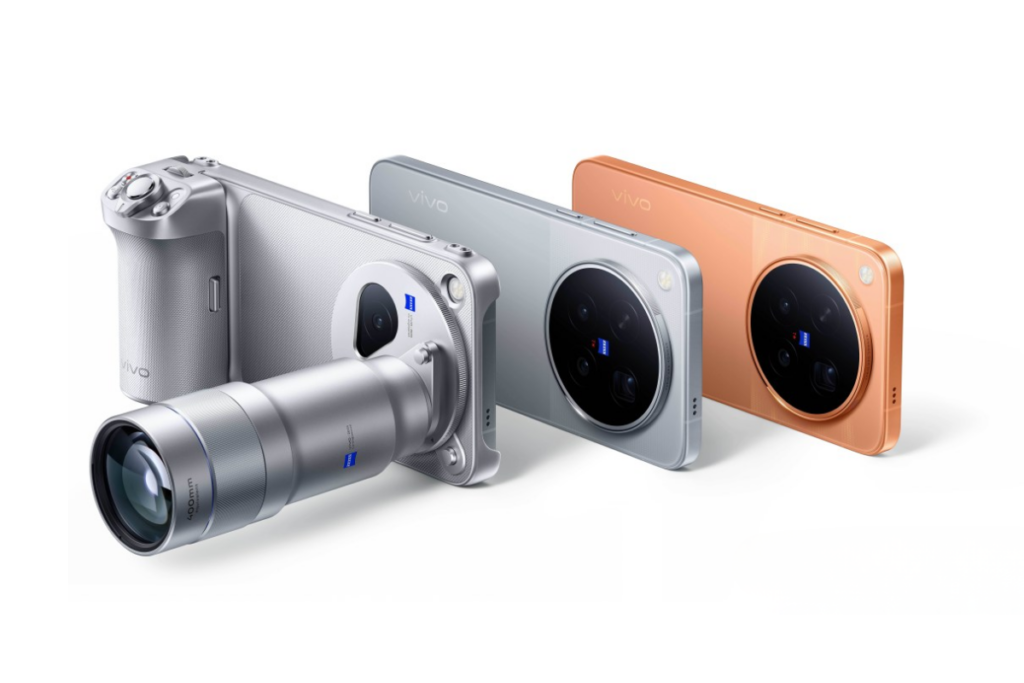
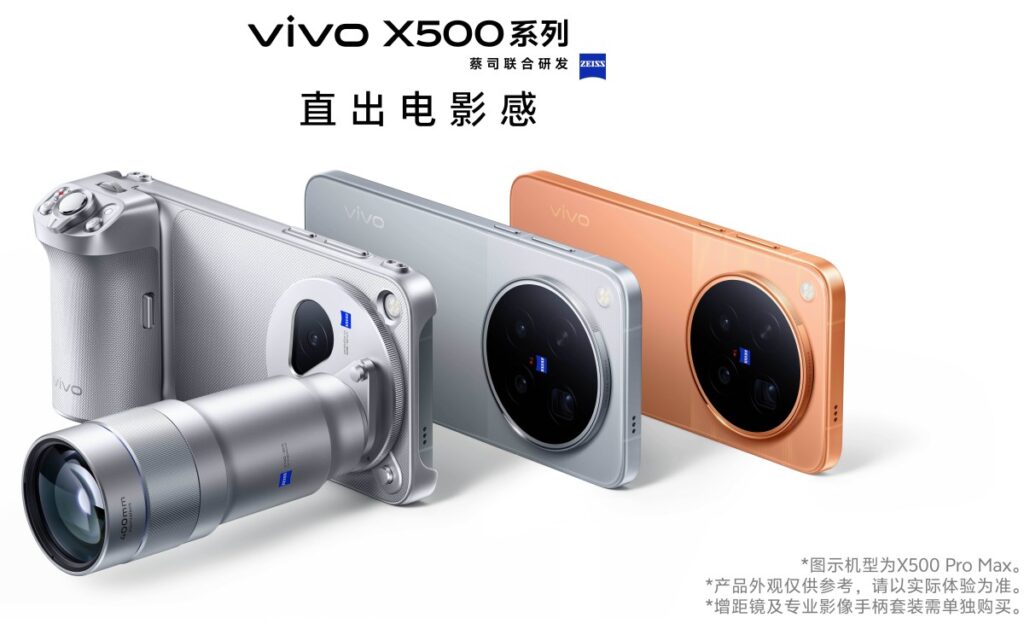
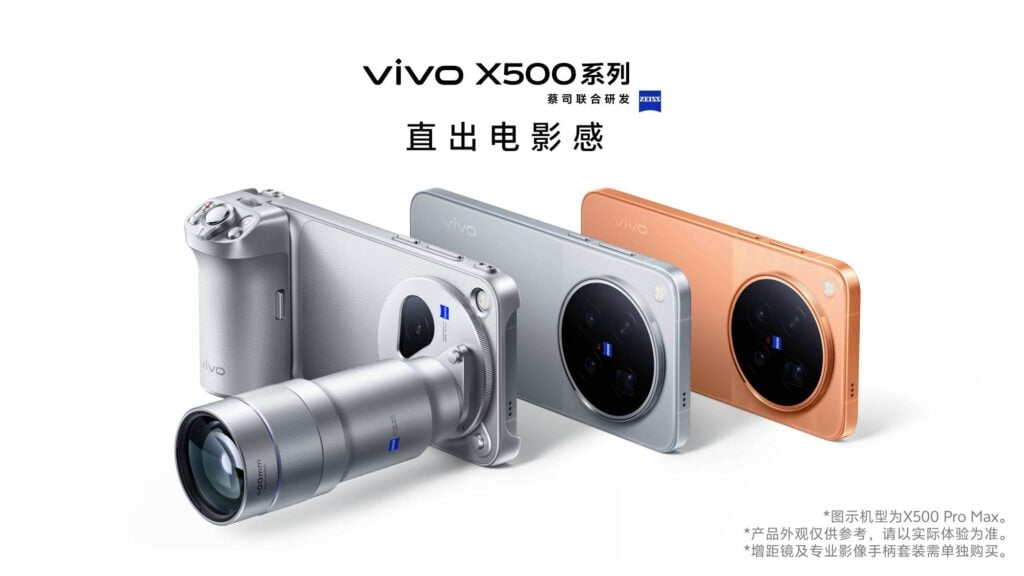
Reliable tipster Digital Chat Station has seemingly leaked the display sizes of the four devices expected to be part of the upcoming Oppo Find X10 lineup. In the comments section of the same post, the tipster also revealed what appear to be the display sizes of the Vivo X500 series. Here’s a look at what the tipster shared.
Vivo X500 series display sizes tipped
The post suggests that the Vivo X500 series will feature three display size options, including 6.59-inch, 6.37-inch, and 6.85-inch panels.
It appears that the standard Vivo X500 will feature a 6.59-inch display. The X500 Pro may come with a 6.37-inch screen, as the device could be positioned as an alternative to the iPhone 18 Pro, which is also expected to feature a similar display size.
The Vivo X500 Pro Max may feature a 6.85-inch display. Reports suggest that the Vivo X500 Ultra could debut in the first half of 2027 and may feature the same display size as the X500 Pro Max.
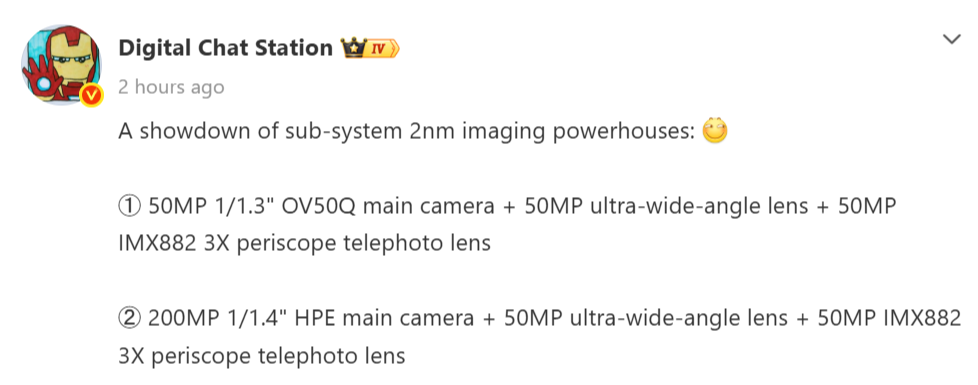
Digital Chat Station claimed in another Weibo post that only the large-screen variant in Vivo’s next-generation 2nm flagship series is currently testing a 200-megapixel periscope telephoto camera. In other words, only the X500 Pro Max may feature the said camera, while the other variants could arrive with a 50-megapixel periscope telephoto camera.
The tipster further claims that the prototype device is equipped with a 50-megapixel primary camera featuring a large 1/1.28-inch sensor and LOFIC technology for improved dynamic range and light capture. In addition, Vivo is reportedly considering an upgraded 50-megapixel ultra-wide camera for the lineup.
In related news, a recent report revealed that the lineup may also include a device named the Vivo X500e. However, the technical details of this device remain unknown, and it is unclear whether it will launch in the Chinese market, where the lineup is expected to debut in September.
For more daily updates, please visit our News Section.
Motorola Edge 70 Pro and Nothing Phone (4a) Pro target the same premium mid-range audience, but they approach the experience very differently. Motorola focuses on raw hardware value with a massive battery, flagship-style cameras, and faster performance, while Nothing leans into bold design, software polish, and visual identity. Both promise high-end features without entering true flagship pricing, making this one of the most interesting smartphone comparisons in the segment right now.
Major Features:
Feature
Motorola Edge 70 Pro
Nothing Phone (4a) Pro
Winner
Display
6.78-inch AMOLED, 144Hz, 5200 nits peak
6.83-inch AMOLED, 144Hz, 5000 nits peak
Motorola – Brighter outdoor visibility
Protection
Gorilla Glass 7i, IP68/IP69
Gorilla Glass 7i, IP65
Motorola – Better durability and water resistance
Build
Eco leather back, plastic frame
Aluminum unibody design
Nothing – More premium in-hand feel
Chipset
Dimensity 8500 Extreme
Snapdragon 7 Gen 4
Motorola – Higher performance tier
Storage Type
UFS 4.1
UFS 3.1
Motorola – Faster app and file speeds
RAM & Storage
Up to 12GB + 512GB
Up to 12GB + 256GB
Motorola – Higher storage option
Main Camera
50MP OIS
50MP OIS
Tie – Similar flagship-grade main sensors
Telephoto Camera
50MP periscope, 3.5x zoom
Tie – Comparable zoom hardware
Ultrawide Camera
50MP ultrawide
8MP ultrawide
Motorola – Much stronger secondary camera
Selfie Camera
50MP AF, 4K video
32MP, 1080p video
Motorola – Better detail and video support
Rear Video
4K up to 120fps
4K up to 30fps
Motorola – More advanced video recording
Battery
6500mAh
5080mAh / 5400mAh India
Motorola – Larger capacity
Charging
90W wired, wireless charging
50W wired
Motorola – Faster and more versatile charging
Wireless Charging
15W wireless, reverse wireless
No
Motorola – Extra flagship feature
Audio
Stereo speakers, Hi-Res audio
Stereo speakers
Motorola – Better audio feature set
Connectivity
Wi-Fi 7, Bluetooth 5.4
Wi-Fi 6, Bluetooth 5.4
Motorola – More future-ready connectivity
Software
Android 16, 3 upgrades
Nothing OS 4.1, 3 upgrades
Nothing – Cleaner and more unique UI
Special Features
Smart Connect, MIL-STD durability
Glyph-style LED interface
Nothing – More distinctive experience
Price
₹39,000 / $400
₹40,000 / $500
Motorola – Better hardware value
Disclaimer: Specs are based on available data. Actual performance may vary. Verify details from official sources before buying.
The Motorola Edge 70 Pro and Nothing Phone (4a) Pro take very different approaches to design. Motorola focuses on practicality with its eco-leather finish, slimmer profile, IP68/IP69 protection, and MIL-STD-810H certification. It feels cleaner and easier to grip, while the curved styling gives it a more premium in-hand experience. Nothing, meanwhile, leans heavily into visual identity with its aluminum unibody chassis and signature Glyph-style mini-LED setup on the back. The metal construction feels more flagship-like, though the glossy finish may not appeal to users who prefer understated designs.
Display Quality
Both phones offer 144Hz AMOLED panels with HDR support and excellent sharpness, but the experience differs slightly. Motorola pushes brighter peak brightness levels and delivers stronger outdoor visibility, while Nothing counters with richer HDR tuning and slimmer bezels for a more immersive look. The Nothing display feels more cinematic, whereas Motorola’s panel appears more aggressive and vibrant for gaming and scrolling.
Verdict
Motorola feels more practical and durable for daily use, while Nothing delivers a stronger visual personality. Users who prefer clean usability may gravitate toward Motorola, but Nothing stands out more in a crowd.
2. Specifications Including Battery
Performance
The Motorola Edge 70 Pro clearly targets power users with the Dimensity 8500 Extreme chipset, UFS 4.1 storage, and faster CPU cores. App loading, multitasking, and gaming performance should feel noticeably quicker, especially during sustained workloads. The Nothing Phone (4a) Pro uses the Snapdragon 7 Gen 4 paired with UFS 3.1 storage, which remains efficient and capable for everyday tasks, but it does not reach the same performance tier. Motorola also gains an advantage with Wi-Fi 7 support, making it feel slightly more future-ready.
Battery and Charging
Battery capacity is another major win for Motorola, thanks to its 6500mAh silicon-carbon battery and 90W charging. It also includes wireless and reverse wireless charging, features usually missing in this price segment. Nothing’s 5080mAh global battery and 50W charging are respectable, though less impressive considering the price. Charging speeds remain good, but Motorola simply offers more flexibility and endurance overall.
Verdict
Motorola provides stronger raw hardware value and a more complete battery package. Nothing focuses more on balanced efficiency, but Motorola feels better suited for heavy users and long-term performance needs.
3. Camera
Main and Secondary Lenses
Both phones use a 50MP primary camera with OIS and a 50MP periscope telephoto lens offering 3.5x optical zoom, making this one of the closest camera battles in the segment. Motorola gains an edge with its 50MP ultrawide camera, which should preserve more detail and consistency across focal lengths. Nothing uses an 8MP ultrawide sensor, which feels less competitive beside its otherwise premium setup. Video capabilities also favor Motorola with support for 4K at up to 120fps and HDR10+, while Nothing focuses more on Dolby Vision HDR tuning and cinematic processing.
Selfie Camera
Motorola again appears stronger on paper with a 50MP autofocus selfie camera capable of 4K recording. Nothing’s 32MP front camera is solid for casual use, but the lack of 4K selfie video makes it feel less premium. Motorola’s setup seems more creator-friendly overall.
Verdict
Motorola offers a more versatile and technically complete camera system. Nothing may produce more stylized processing and social-media-friendly colors, but Motorola delivers stronger consistency across all lenses.
4. Pricing
The Motorola Edge 70 Pro is priced at around ₹39,000 ($400), while the Nothing Phone (4a) Pro sits near ₹40,000 ($500). Despite the small gap in India, the hardware difference is surprisingly noticeable. Motorola includes a stronger chipset, a larger battery, faster charging, wireless charging support, a higher-resolution ultrawide camera, and faster storage. On pure specifications alone, it feels aggressively priced for the segment.
Nothing justifies part of its premium through design identity, software polish, and the Glyph-inspired LED experience. The aluminum body and cleaner Nothing OS experience also add emotional appeal that some buyers may value more than benchmark numbers. It feels more lifestyle-oriented, while Motorola is clearly chasing maximum hardware value.
Verdict
Motorola Edge 70 Pro delivers stronger value for money and offers more flagship-grade hardware for the price. Nothing Phone (4a) Pro still appeals to buyers who prioritize unique design and software experience over raw specifications.
Disclaimer: Prices are approximate and may vary based on country, region, launch timing, and applicable taxes. Always check whether the listed price is for a China unit or a global/international variant when purchasing.
5. Conclusion
The Motorola Edge 70 Pro stands out through its performance-focused approach. Features like the Dimensity 8500 Extreme chip, 6500mAh silicon-carbon battery, wireless charging, Wi-Fi 7, and triple 50MP camera setup make it feel unusually complete for its price category. It targets users who want flagship-like hardware without crossing premium pricing territory.
The Nothing Phone (4a) Pro focuses more on identity and software personality. Its Glyph-inspired LED system, aluminum unibody design, and clean Nothing OS experience create a device that feels different from mainstream Android phones. The interface and visual styling give it a more distinctive character, especially for users bored with conventional smartphone designs.
Verdict
Motorola Edge 70 Pro is the stronger all-rounder with better specifications, battery life, charging, and camera versatility. Nothing Phone (4a) Pro succeeds more as a design-first smartphone with a cleaner aesthetic and unique personality.
Buyers focused on value and power will likely prefer Motorola, while Nothing remains appealing for users who prioritize style and software experience.
Disclaimer: This comparison is based on the specifications provided and is intended for general informational purposes. Actual performance, camera results, battery life, and overall experience may vary depending on real-world usage, software updates, and individual preferences.
Xiaomi has introduced a new Mijia shower system in China, and it’s very much in line with the company’s recent approach to smart home products: clean design, practical features, and a surprisingly premium-looking finish without an ultra-premium price tag.
The new Mijia shower head was officially announced today with a retail price of 1,099 yuan (roughly €138 at the current exchange rate), though Xiaomi is initially offering it through crowdfunding for 899 yuan (around €112). The campaign is scheduled to begin next week.
One of the biggest highlights is the built-in storage area. Xiaomi has integrated a large 370mm tempered glass shelf directly into the shower system, giving users a place to store bottles and bathroom essentials without needing separate wall-mounted racks. The main overhead shower itself is also fairly large, measuring 305mm across with a square design intended to provide wider water coverage.
As for controls, Xiaomi seems to be aiming for a more tactile and mechanical feel rather than going fully digital. The shower system uses a stepless rotary knob for temperature adjustment, alongside separate piano-style buttons that independently control different water output modes. According to Xiaomi, the system supports 4 spray modes and can output water from multiple channels simultaneously.
The overall design looks quite minimal as well, especially with the tempered glass finish. Xiaomi says the main structure uses antibacterial brass construction designed to improve corrosion resistance and reduce bacterial buildup over time.
In a way, this feels like a continuation of Xiaomi’s earlier Mijia smart shower systems, but with more focus on usability and physical interaction rather than just smart features or digital displays.
At its current crowdfunding price, the new shower system already looks fairly competitive considering the size, materials, and overall feature set Xiaomi is offering here.
iBall has announced the launch of the Cinebar 560, a new 5.1 channel soundbar designed for users looking for a more immersive home entertainment experience. The latest sound system focuses on combining cinematic surround sound with a sleek design that blends easily into modern living room setups. Alongside audio performance, the company is also highlighting versatile connectivity and wireless speaker support.
iBall Cinebar 560 key features
iBall Cinebar 560
The iBall Cinebar 560 features a true 5.1 channel setup consisting of a three-driver soundbar, dual wireless rear satellite speakers and a 20.32cm wireless subwoofer. Powered by Dolby Audio, the system delivers up to 800W RMS output aimed at movies, OTT content, gaming, music playback and live sports viewing.
According to iBall, the soundbar has been tuned to offer wider sound separation, stronger bass response and clearer dialogue reproduction. The wireless rear speakers are designed to create a more room-filling surround sound effect without requiring excessive cable management across the room.
The soundbar also comes with multiple connectivity options, including Bluetooth 5.3, TV ARC, Optical IN, USB and AUX support. This allows compatibility with televisions, smartphones, laptops, gaming consoles and streaming devices. Users additionally get dedicated EQ modes for adjusting the audio profile based on the type of content being played.
Apart from audio performance, the Cinebar 560 features a premium gloss finish combined with a perforated mesh design for a more modern appearance. iBall has also included a front LED display, remote control support and wall-mount compatibility for easier installation and day-to-day usage.
iBall Cinebar 560 soundbar is available with an introductory price of Rs 19,999 (~$210) on Amazon.
Interestingly, the launch also marks another step in iBall’s return to the consumer electronics space. While the brand remained relatively inactive after 2018 in the Indian market, Zebronics confirmed the acquisition of iBall in January 2026. Following the acquisition, the Cinebar 560 becomes the company’s second major product announcement after the recently introduced GLIDR Ai1 AI wireless mouse earlier this month.
For more daily updates, please visit our News Section.
Last year, the brand unveiled only two flagship phones, namely the Find X9 and Find X9 Pro, in October in China. This year, the company expanded the lineup by adding two more models, such as the Find X9 Ultra and Find X9s Pro.
Coming this October, Oppo may unveil the Oppo Find X10 series. If a new leak is to be believed, the X10 lineup could include as many as four models.
Oppo Find X10 series display sizes tipped
Reliable tipster Digital Chat Station has shared fresh details about what appear to be the display sizes of the upcoming Find X10 series. According to the leak, the series is currently being tested with four different screen sizes, including a 6.32-inch 1.5K LTPS panel, a 6.59-inch 1.5K LTPO display, a 6.78-inch 1.5K LTPO screen, and a 6.89-inch 2K LTPO panel.
To recall, the Find X9 features a 6.59-inch screen, whereas the X9 Pro packs a larger 6.78-inch display. The X9s Pro is a compact flagship with a 6.32-inch screen, while the X9 Ultra is the largest model with a 6.82-inch display panel.
Coming back to the X10 lineup, previous reports suggest that the Find X10 could feature a 6.59-inch 1.5K display, while the Find X10 Pro may arrive with a 6.78-inch 1.5K panel. The Find X10 Pro Max edition could feature a 6.89-inch 2K screen.
It remains to be seen what the 6.32-inch model will be called when it debuts in the market. The X10 Ultra’s display size is not known, but it could be same as the Pro Max edition.
The tipster also claims that all models in the lineup will feature large-radius corner designs for a more rounded appearance. In addition, the entire Find X10 series is expected to support LIPO ultra-narrow bezel packaging technology, which could help achieve slimmer and more symmetrical bezels around the display. Another highlighted feature is support for the BT.2020 wide color gamut standard, suggesting improvements in color reproduction and visual accuracy across the lineup.
For more daily updates, please visit our News Section.
Insta360’s upcoming Luna Ultra is starting to look a lot more real now. New promotional renders and what appear to be official certification photos of the device have surfaced online, giving a much clearer look at Insta360’s next high-end pocket gimbal camera. And honestly, it seems like the company is aiming well beyond casual vlogging this time.
The biggest change is the camera system itself. The Luna Ultra appears to use a dual-camera setup built around a 1-inch primary sensor paired with a dedicated 3x telephoto lens, reportedly developed alongside Leica. Based on current leaks, the main camera uses an f/1.8 aperture, while the telephoto lens enables around 6x “lossless” zoom and up to 12x hybrid zoom overall. That already puts it much closer to a compact mirrorless-style setup than a typical Pocket camera.
But the hardware design is arguably even more interesting. Images shared by leaker Igor Bogdanov (@Quadro_News) show a detachable front grip that magnetically separates from the body and turns into a wireless remote controller with a 2-inch OLED touchscreen. There is also a joystick for gimbal control, zoom controls, and a dedicated record button. For solo creators, that could end up being genuinely useful instead of just another gimmick accessory.
The Luna Ultra also appears to retain a full three-axis mechanical gimbal, which remains one of the biggest advantages these dedicated pocket cameras still have over smartphones.
On the video side, the rumored specs are fairly serious. Reports mention support for 6K recording at 50fps, 4K at 120fps, 10-bit i-Log, and Dolby Vision. Some leaks even suggest certain slow-motion modes may push beyond that.
Audio seems to be getting proper attention too. The camera is said to support 32-bit audio recording at 48kHz, alongside compatibility with Insta360’s wireless microphone ecosystem. That matters more than people sometimes realize, especially for creators shooting unpredictable outdoor content where clipping and sudden volume spikes can ruin otherwise usable footage.
Current leaks suggest the Luna Ultra could start around ¥5,299 (roughly $780 at the current exchange rate), while larger Creator-style bundles may approach ¥6,499 (around $950). At those prices, Insta360 is no longer competing only with DJI’s Pocket lineup. It’s starting to edge into territory normally occupied by entry-level mirrorless cameras and premium compact shooters from Sony and Canon.
Whether creators are willing to spend that much on a pocket-sized gimbal camera remains to be seen. But based on the hardware alone, Insta360 clearly isn’t trying to make a budget travel gadget here. The Luna Ultra looks much more like a serious creator tool that just happens to fit in your pocket.
Motorola has officially launched the Razr Fold in India after introducing its first book-style foldable smartphone in select global markets earlier this year. Alongside the standard models, India is also getting the special Motorola Razr Fold FIFA Edition, which comes with exclusive FIFA-themed UI customizations, a FIFA Heroes game and 24 karat FIFA logo plating on the rear panel. The limited-edition model is available only in the 16GB+512GB configuration and adds a more premium appeal to Motorola’s latest foldable lineup.
Motorola Razr Fold specifications and features
Motorola Razr Fold FIFA World Cup 26 Edition
The Motorola Razr Fold features a slim body measuring 9.9mm when folded and just 4.6mm when unfolded. The device weighs 244 grams and carries IP48/IP49 certification for dust and water resistance. Motorola has also added support for the Motorola Pen Ultra, targeting users interested in productivity and creative tasks on the large foldable display.
Motorola has equipped the phone with a 6000mAh silicon-carbon battery along with 80W wired charging, 50W wireless charging and 5W reverse wired charging support. The foldable is powered by the Snapdragon 8 Gen 5 chipset coupled with up to 16GB LPDDR5X RAM and up to 512GB storage.
For photography, the Razr Fold packs a triple rear camera setup featuring a 50-megapixel Sony LYTIA 828 primary camera with OIS, a 50-megapixel ultra-wide camera with a 122-degree field of view and an OIS-enabled 50-megapixel periscope telephoto camera with 3x optical zoom and OIS. The device also gets a 32-megapixel external front camera and a 20-megapixel camera on the inner display.
The phone sports a 6.6-inch external pOLED display with a 165Hz refresh rate, Gorilla Glass Ceramic 3 protection and up to 6000 nits peak brightness. Inside, it features an 8.1-inch LTPO foldable display with a 120Hz refresh rate and up to 6200 nits brightness. The Razr Fold runs Android 16 out of the box and Motorola promises seven Android upgrades along with seven years of security updates.
Motorola has also launched the Moto Buds 2 Plus alongside the Razr Fold. The earbuds are powered by Sound by Bose tuning and feature 11mm dynamic drivers, Dynamic ANC, LHDC and LDAC codec support, and up to 40 hours of total playback time with the charging case.
Motorola Razr Fold price and availability
The Motorola Razr Fold 12GB + 256GB variant is priced at Rs 1,49,999 (~$1,570), while the 16GB + 512GB model costs Rs 1,59,999 (~$1,670). The special Motorola Razr Fold FIFA Edition with 16GB+512GB storage is priced at Rs 1,69,999 (~$1,780). The phone comes in Lilly White and Blackened Blue shades and will go on sale starting May 20. Meanwhile, the Moto Buds 2 Plus are priced at Rs 5,999 (~$65).
Motorola is also offering launch benefits for buyers. Customers purchasing the Razr Fold can avail either an instant bank discount of Rs 10,000 or an exchange bonus of Rs 10,000. The company is additionally offering no-cost EMI options for up to 18 months on select bank cards. Buyers of the Moto Buds 2 Plus can get an instant bank discount of Rs 1,000.
For more daily updates, please visit our News Section.
Alongside Android 17, Oppo has been working on a mid-cycle upgrade, ColorOS 16.1, which has just started rolling out to initial devices. It’s still based on Android 16, but there are a host of visual changes, AI upgrades, and enhancements that make it feel like more than an incremental upgrade.
ColorOS 16.1 rollout progress and timeline
The ColorOS 16.1 update is currently rolling out to Oppo Find X9 series phones, with expansion to the Reno 15 series and the Find X8 series expected to follow soon. The upcoming Oppo Find X9s and Find X9 Ultra will boot the latest software out of the box.
Oppo has yet to announce a global rollout schedule for ColorOS 16.1. The rollout schedule for China has already been released, which suggests the update will only be released for a limited set of devices, mainly recent flagship phones and select mid-range phones. We’ll update you on the website when the global rollout schedule is announced.
ColorOS 16.1 update: New features and major upgrades
1. Live Space
It’s one of the biggest additions to ColorOS 16.1, which looks and functions similar to the Now Bar on Samsung phones. It’s a capsule-shaped UI element that sits at the bottom of the screen and displays ongoing activities, such as timers, music playback, food delivery tracking, and notifications.
You can tap a capsule to expand it for more controls, and swipe between multiple live activities to see updates without unlocking your phone or opening apps.
Live Space also works with Google Maps. You can tap the album art to expand it to full-screen mode, which offers more controls and real-time scrolling lyrics on the lock screen.
2. Contour Glow effect
ColorOS 16.1 brings the Contour Glow effect to Settings, adding a subtle shimmer animation around UI elements like Control Center toggles, lock screen widgets, and the search bar. You can enable or disable this feature anytime.
3. Redesigned Camera app
The Camera app receives several big upgrades with the ColorOS 16.1 update. It now features translucent layers, glossy blur effects, floating cards, and smoother transitions throughout the interface.
As Smartprix noted, the controls have been moved as well. EV and exposure controls now don’t sit together, and the swipe-up function from the viewfinder opens quick controls like aspect ratio, macro mode, action mode, and soft light. The Settings section now opens in pop-up cards instead of full-screen. Modes like Portrait and Text now use popup-style menus.
4. MindPilot AI
ColorOS 16.1 introduces MindPilot AI to Mindspace, a deeply integrated AI assistant to manage everyday contextual requests. It supports ChatGPT, Gemini, and Perplexity models to ask questions and suggestions, with Mindspace content and integrations as context, for a more personalized response.
5. AI Bill Manager
The update also introduces a new AI Bill Manager to help you track your expenses. It can track expenses, income, daily averages, and monthly spending patterns.
You can manually add expense records and import older data from supported apps or use Excel and CSV files. Further, users can also set spending limits and ask the AI to get spending data.
6. AI Menu Translation
Those who frequently travel abroad would find this feature very helpful, as it instantly translates foreign languages through the camera. So, you don’t need to take the image and paste it into a translator app. The AI Menu Translation feature can also identify prices and convert currencies.
You can download the language packs, totaling about 518MB, for offline translation support. This new feature can also generate AI summaries during real-time conversations.
7. AI Home Screen Organization
The AI can also handle home screen organization, grouping apps by category (such as games, social media, music) or by icon color. The feature also saves layout history, so you can restore it later.
8. AI Document Scanning
The upgraded AI Document Scanning feature now filters out shadows, glare, blur, and distortion, resulting in better output. With upgraded capabilities, it can now recognize handwriting, long paragraphs, and tables more accurately.
Scanned docs are automatically saved in the Documents app and can be exported to Word or copied instantly.
9. Audio Sharing
ColorOS 16.1 adds support for Audio Sharing, allowing users to connect two audio devices at the same time. You can play the audio through both connected audio devices simultaneously. This feature works with earbuds and supported Audio devices.
All you need to do is connect the second audio device through the Audio Sharing menu.
10. Smoother animations
Oppo continues to refine animations to make it feel smoother and more polished, with ColorOS 16.1 taking it a step further. You’ll experience better animations with floating windows, app closing, and app opening. Scrolling inside apps also feels more refined with reduced jitters.
11. Quick Share with AirDrop support
Oppo has added AirDrop support to Quick Share on several devices running ColorOS 16.1. It allows users to share files with Apple devices without third-party apps. This feature is currently available on the Oppo Find X9 and Find X9 Pro.
Remember to visit the Oppo section regularly to get the latest updates. Alternatively, you can join our Telegram channel to get instant notifications when we post new stories.
We use cookies on our website to give you the most relevant experience by remembering your preferences and repeat visits. By clicking “Accept”, you consent to the use of ALL the cookies.
This website uses cookies to improve your experience while you navigate through the website. Out of these, the cookies that are categorized as necessary are stored on your browser as they are essential for the working of basic functionalities of the website. We also use third-party cookies that help us analyze and understand how you use this website. These cookies will be stored in your browser only with your consent. You also have the option to opt-out of these cookies. But opting out of some of these cookies may affect your browsing experience.
Necessary cookies are absolutely essential for the website to function properly. This category only includes cookies that ensures basic functionalities and security features of the website. These cookies do not store any personal information.
Any cookies that may not be particularly necessary for the website to function and is used specifically to collect user personal data via analytics, ads, other embedded contents are termed as non-necessary cookies. It is mandatory to procure user consent prior to running these cookies on your website.