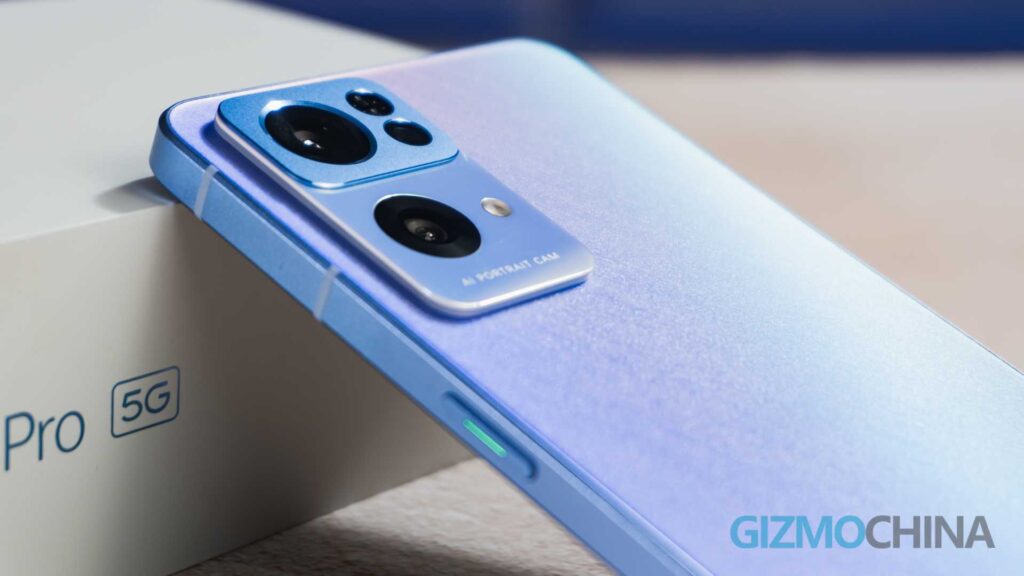
During Realme‘s first product launch conference held today, apart from the flagship Realme GT2 Pro, the tech giant also unveiled the vanilla Realme GT2. The model also highlights an environmentally-friendly bio-based material on some models just like the GT2 Pro with which it shares design.
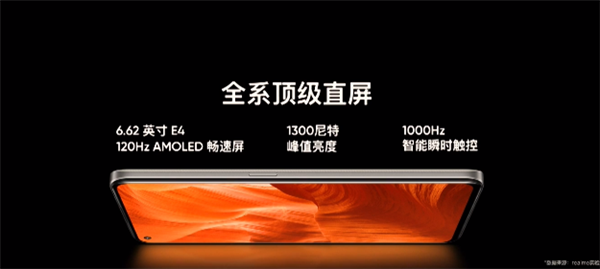
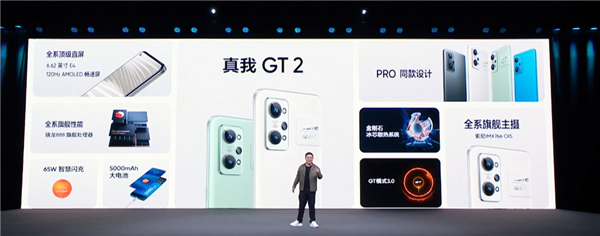
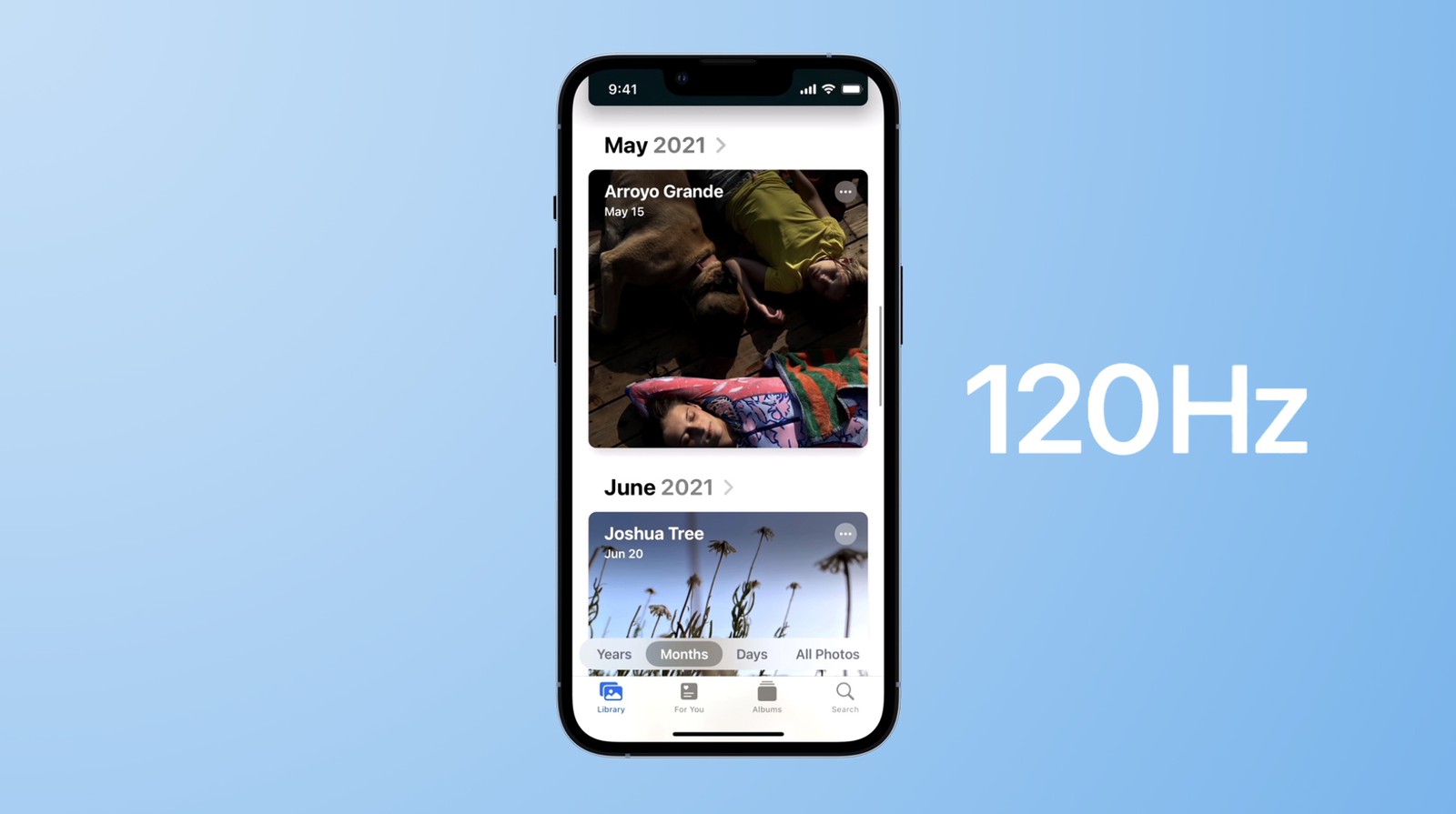
The vanilla GT2 features a slightly smaller 6.62-inch Samsung E4 AMOLED display with support for a 120Hz refresh rate. The display also comes with 720Hz touch sampling rate/1000Hz smart instantaneous touch while the display is protected by the Corning Gorilla Glass 5.
In terms of the core specs, the Realme GT2 is powered by the Qualcomm Snapdragon 888 chipset which powered 2021 flagships. The processor is paired with 8GB / 12GB RAM on different models. The device crams a built-in 5000mAh battery and supports 65W flash charging. The vanilla model is also equipped with a diamond ice core cooling system.
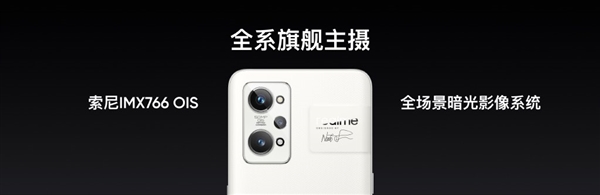
In terms of photography, the Realme GT2 packs a Sony IMX766 OIS flagship main camera teaming up with a 119° ultra-wide-angle lens. At the front, there is a 16MP selfie camera. The device is also comes equipped with several features found on the GT2 Pro such as free switching antenna, multifunctional NFC, X-axis linear motor, Dolby Atmos dual speakers/Hi-Res sound quality certification, and Android 12-based Realme UI 3.0.
There is a Realme GT2 Master Edition which is designed by the well-known Japanese industrial design master Naoto Fukasawa. The design is said to have been inspired by “paper”. It attempts to integrate nature with technology, resulting in the use of bio-based building material. Apart from the build, the retail box also utilizes an environmentally friendly packaging material that is not toxic and can be recycled or are biodegradable. Plastic accounts for only 0.7% of the packaging material.
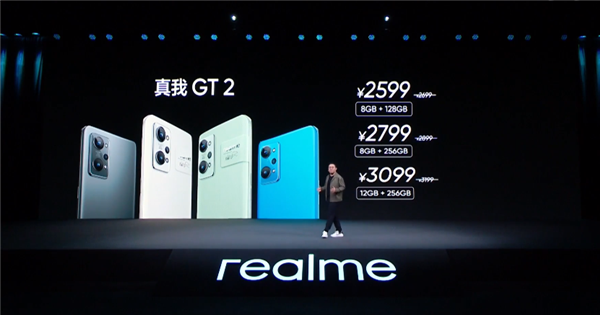
As for the price, the vanilla Realme GT2 starts at 2,599 yuan (~$408) for the 8GB+128GB version. The 8GB+256GB version will retail for 2799 yuan while the 12GB+256GB version is priced at 3099 yuan. The ordinary GT2 model comes in Gold, Blue, and Black colors. On the other hand, the AG glass version comes in satin black and titanium blue while the environmentally-friendly GT2 Master Edition is available in Master Paper and Master Sen variants.
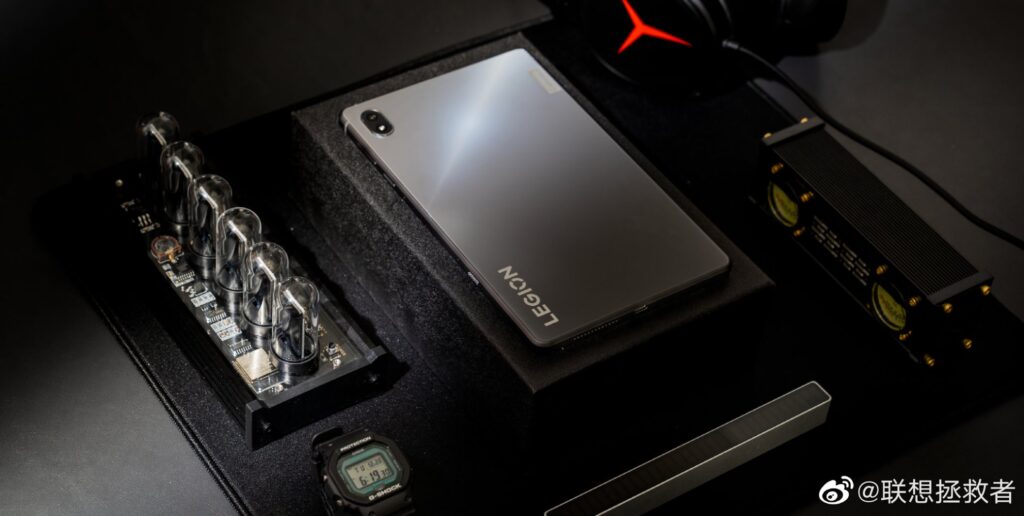
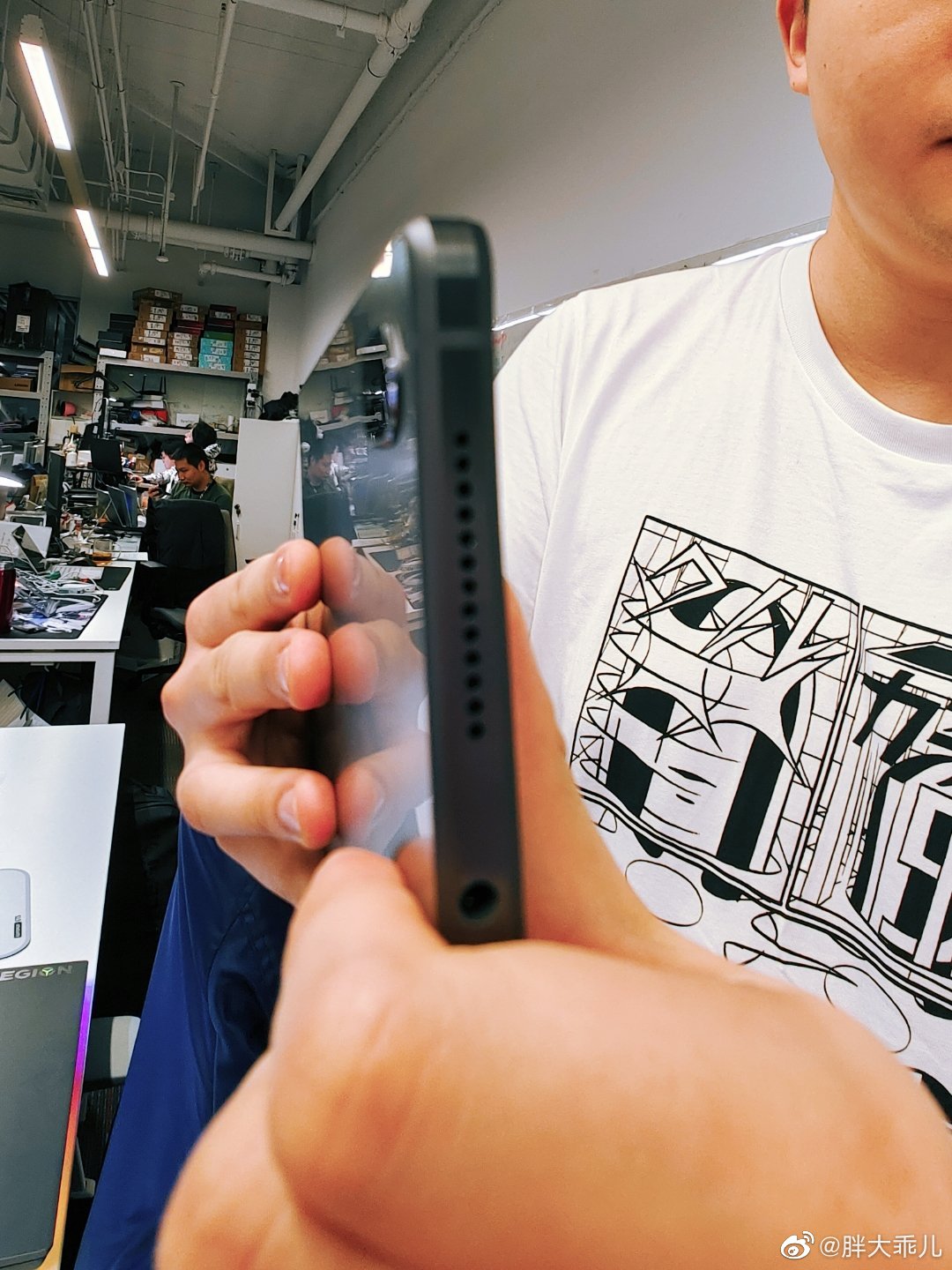
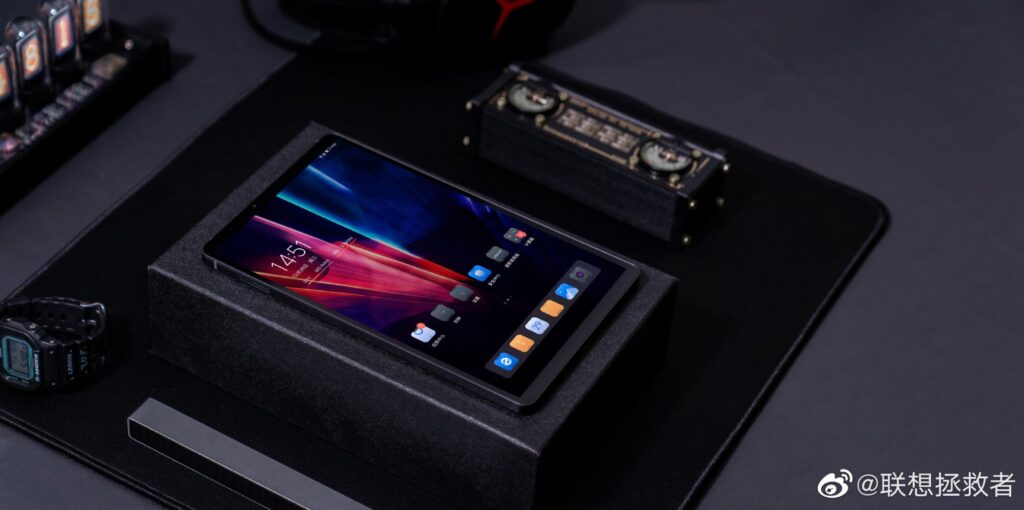
A couple of weeks ago, Lenovo unveiled the first looks of the Legion Y700 Gaming Tablet along with some of its specs and features device. Now, live images of the upcoming tablet have surfaced giving a deeper look at its design profile and even comparing it against the Apple iPad mini 2021.
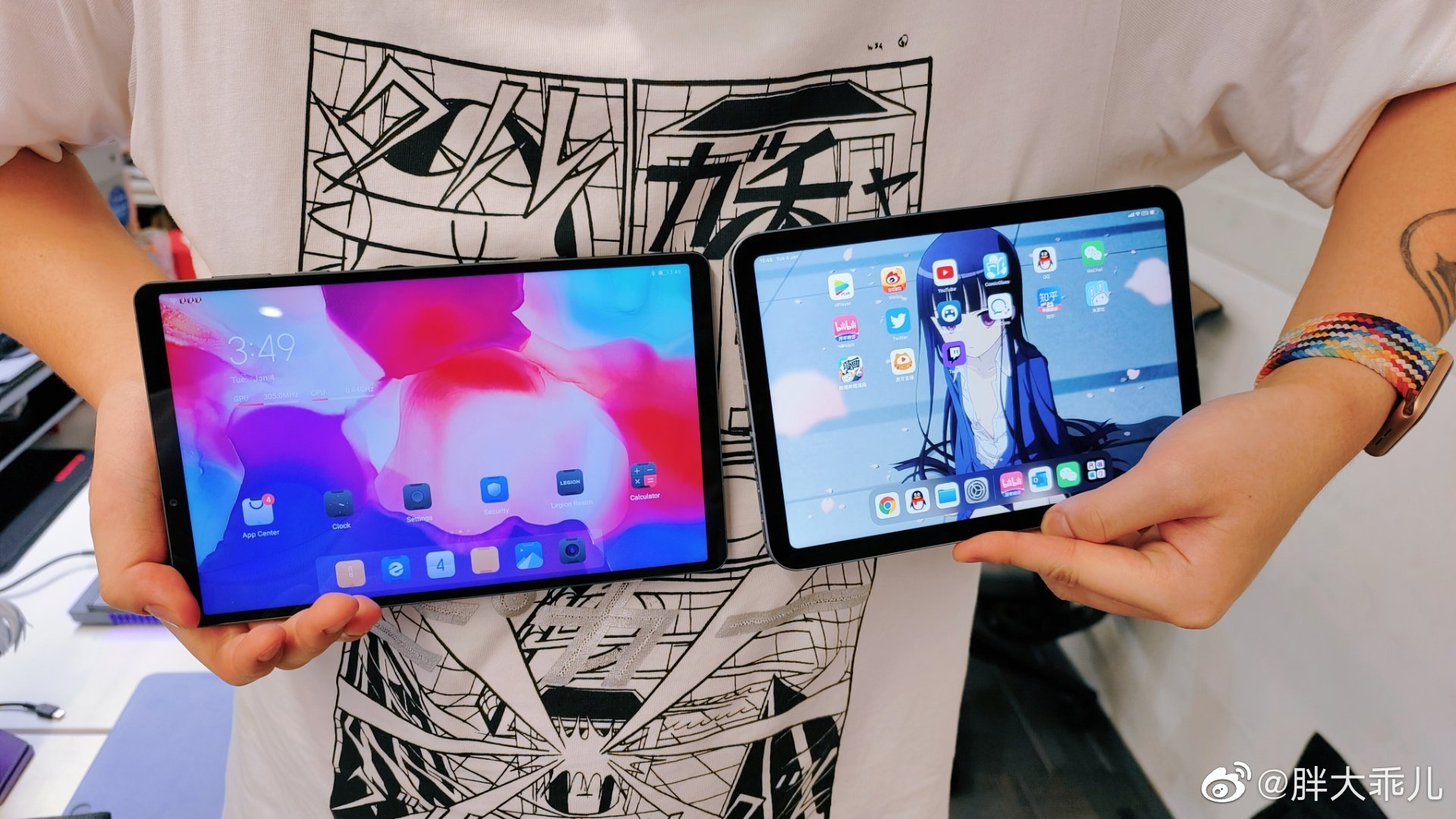
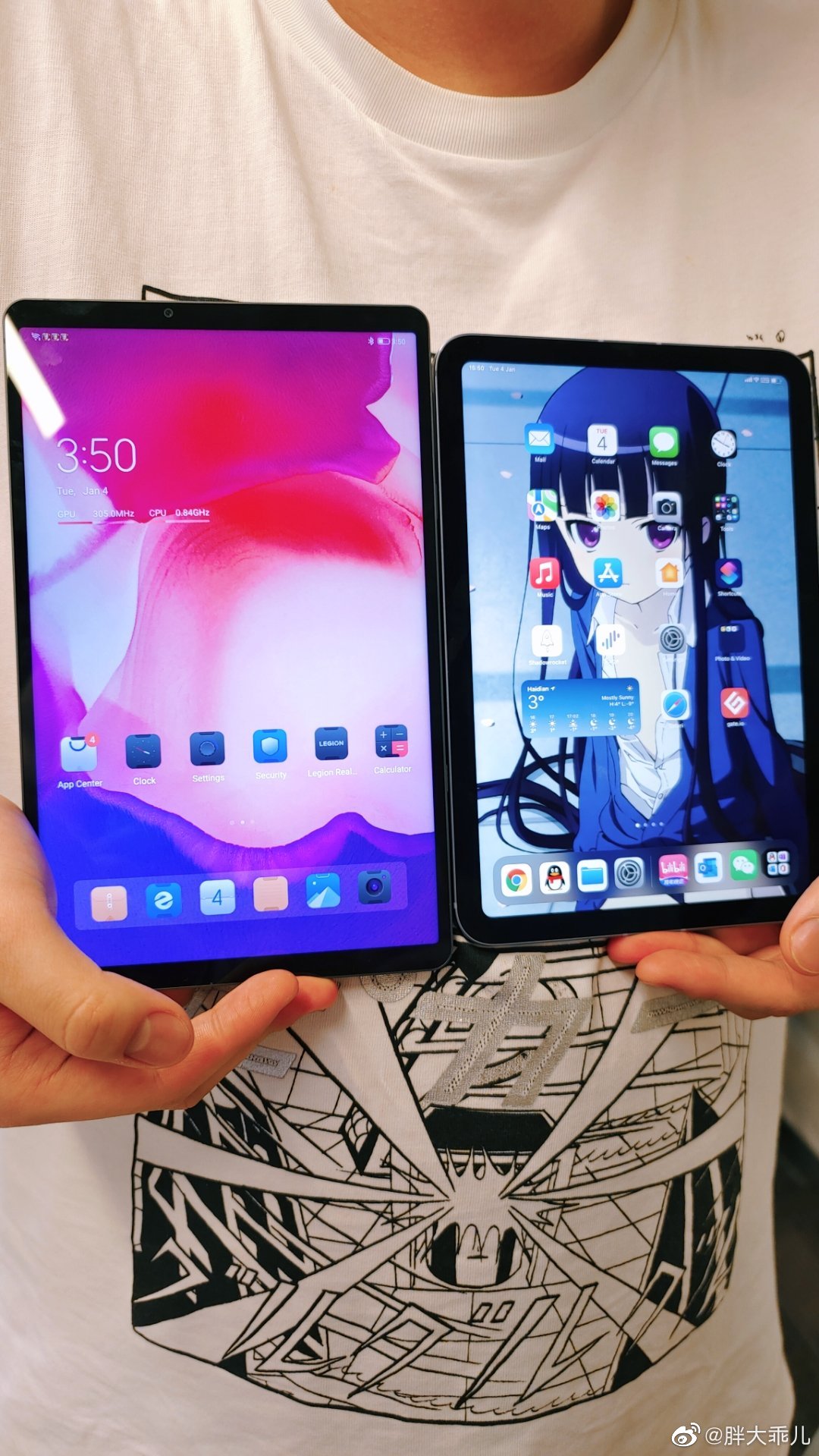
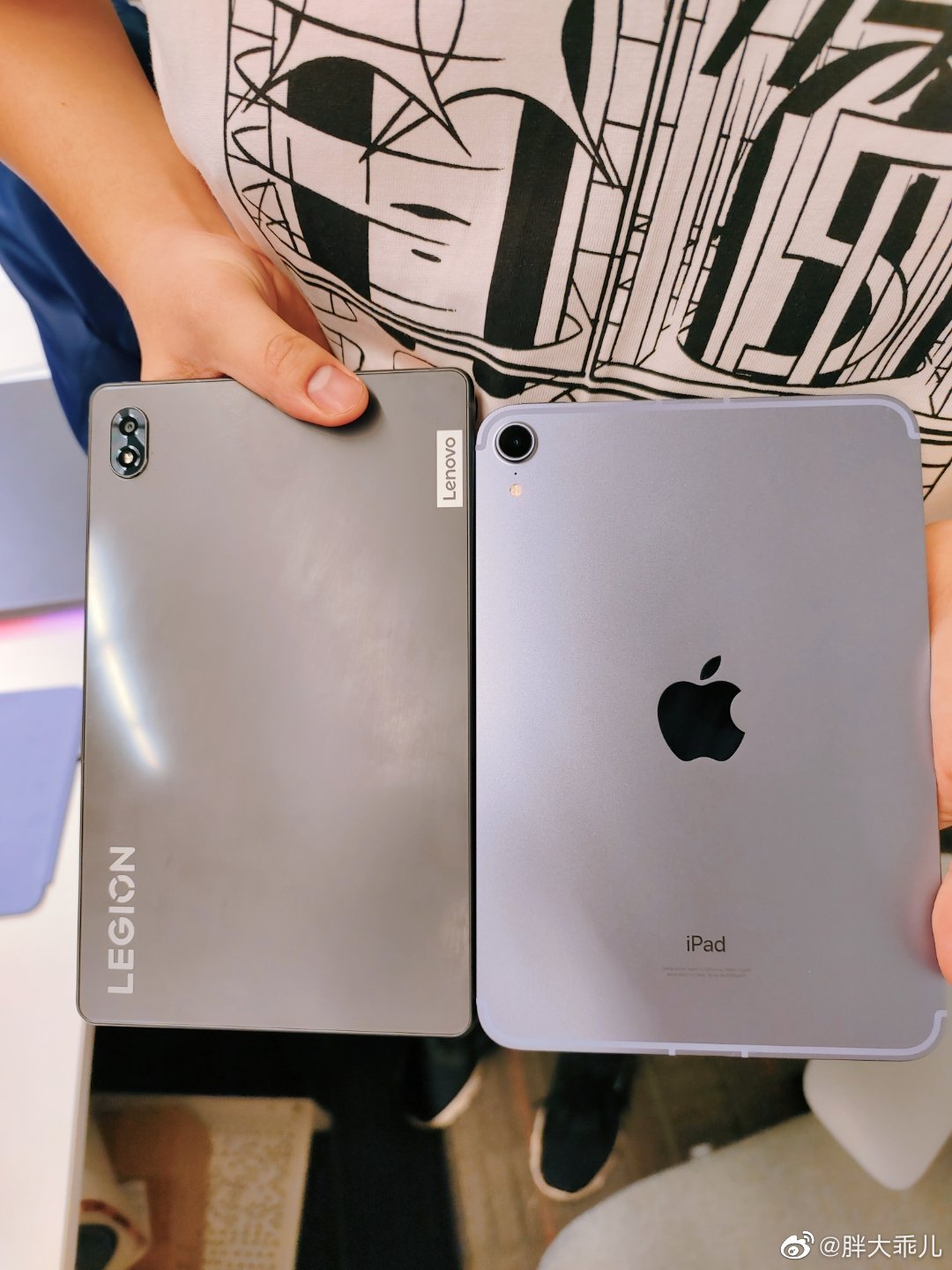
Weibo tipster Fat Boy has managed to get his hands on a Legion Y700 Gaming Tablet to compare it side by side an iPad mini 6 in the looks and design department.
Lenovo Legion Y700 Gaming tablet live images
1 of 5
The images reveal that the 8.8-inch Lenovo Legion Y700 tablet is almost equal to the Apple iPad mini 2021 when it comes to height (landscape) and is a a lot wider that the mini offering by Apple. The device is also noticeably thicker when compared to the iPad mini. Additionally, the images reveal that the device has two speaker grills, one located on the bottom while other on top. The USB-C port is present on the bottom of the device while the 3.5mm audio jack in the center at the top.
Many people have questioned this design choice by Lenovo as the positioning of the 3.5mm headphone jack might be a hinderance when plugged in while gaming.
The device features wide bezzles on top and bottom coupled with comparitevly narrower bezzles on the sides. According to the specs previously revealed by the company, the Legion Y700 Gaming Tablet comes with an 8.8-inch 2560 × 1600p display. The device is revealed to have a 120Hz refresh rate screen with a 240Hz touch sampling rate and supporting 100% DCI-P3 color gamut.
One of the edges was also previously shown to feature JBL, Dolby Vision, and Dolby Atmos tags, indicating that the tablet will likely also feature some really high-quality speakers for a great gaming experience.
The device was previously remored to be powered by the latest Snapdragon 8 Gen 1 chipset but new rumors have hinted at the device housing a Snapdragon 888 SoC while the SD 8 Gen 1 can come with a higher tier (rumored) Legion Y900 Gaming Tablet. As of yet, there is no word from Lenovo on an official launch date of the Legion Y700 Gaming Tablet so stay tuned for more updates.
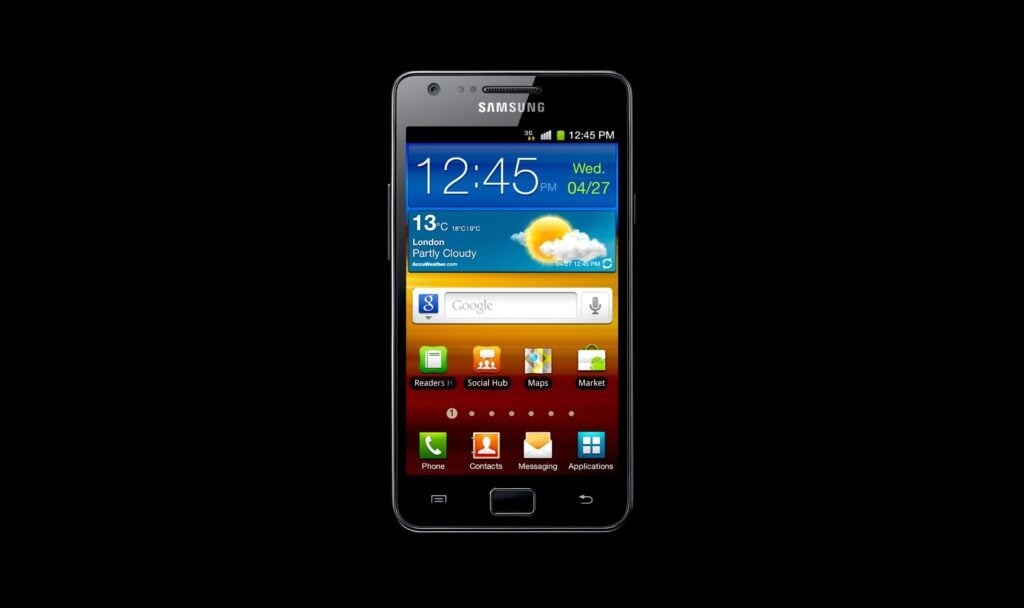
Samsung is one of the few Android OEMs known for offering longer software support. The South Korean tech giant is also notable for faster and timely update delivery. The company started rolling out the Android 12-based One UI 4.0 stable update for the eligible Galaxy S, Galaxy Note, and Galaxy Z series of handsets before New Year’s Day. On top of that, developers have now ported Android 12 for out-of-support old-gen Samsung flagship smartphones.
Samsung Galaxy S2
The Samsung Galaxy S series has been the best-selling premium Android smartphone family for years. They have always been the best Samsung phone of their released year, in addition to Galaxy Note.
Hence, these handsets are also popular in the developer community. In fact, they have such a fan following that a developer has managed to port Android 12 for the almost 11-year-old Galaxy S2.
At the same time, yet another developer ported Android 12 for the nearly 10-year-old Galaxy S3. That’s not all, the latest version of Android is also available for Galaxy S9, Galaxy S9+, and Galaxy Note9, courtesy of one more developer.
Therefore, if you have any of the aforementioned devices lying around, then you can try installing the Android 12 custom ROM on them. However, do note that these software builds have multiple bugs. So don’t expect fully functional software.
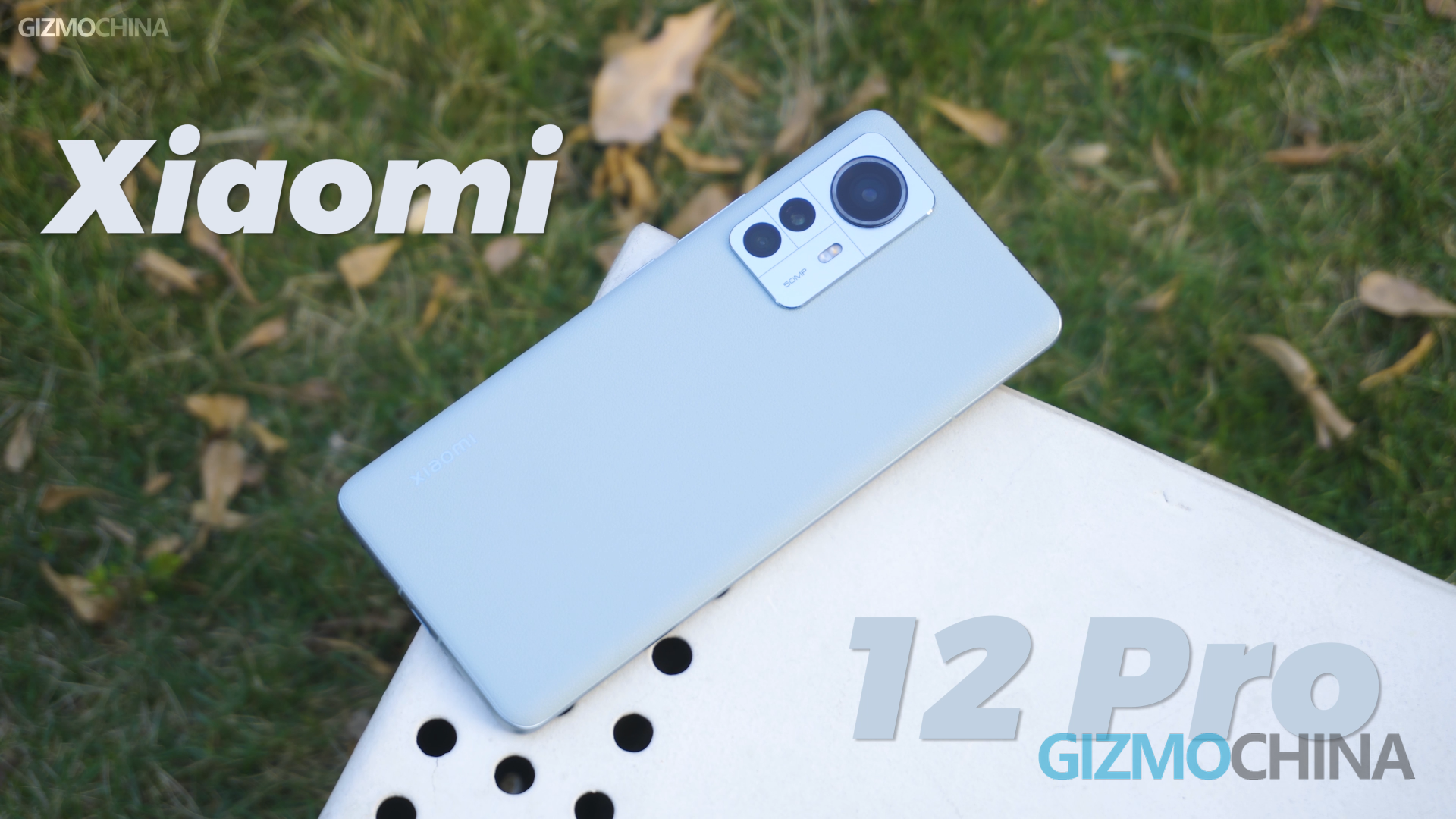
This year’s Xiaomi 12 series is different from last year’s. The Xiaomi 12 has become a small screen flagship, while the Xiaomi 12 Pro is becoming more like an upgraded version of the Mi 11. The appearance also has a new change. Although Lei Jun said: we want to fully compete with the iPhone. but with the Xiaomi Civi looks similar to the Xiaomi 12 Pro can really make consumers spend more than $ 700 to buy it?
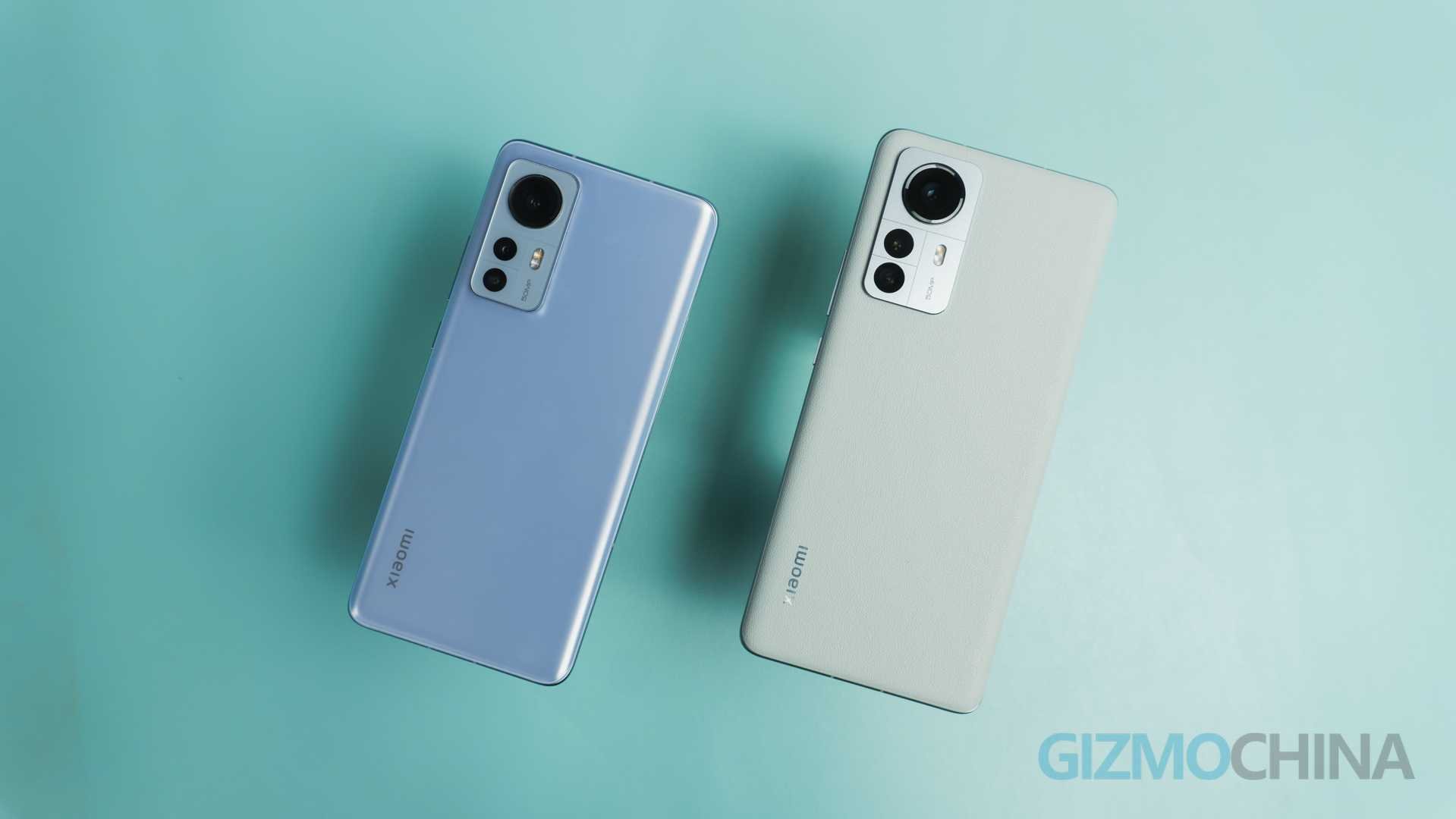
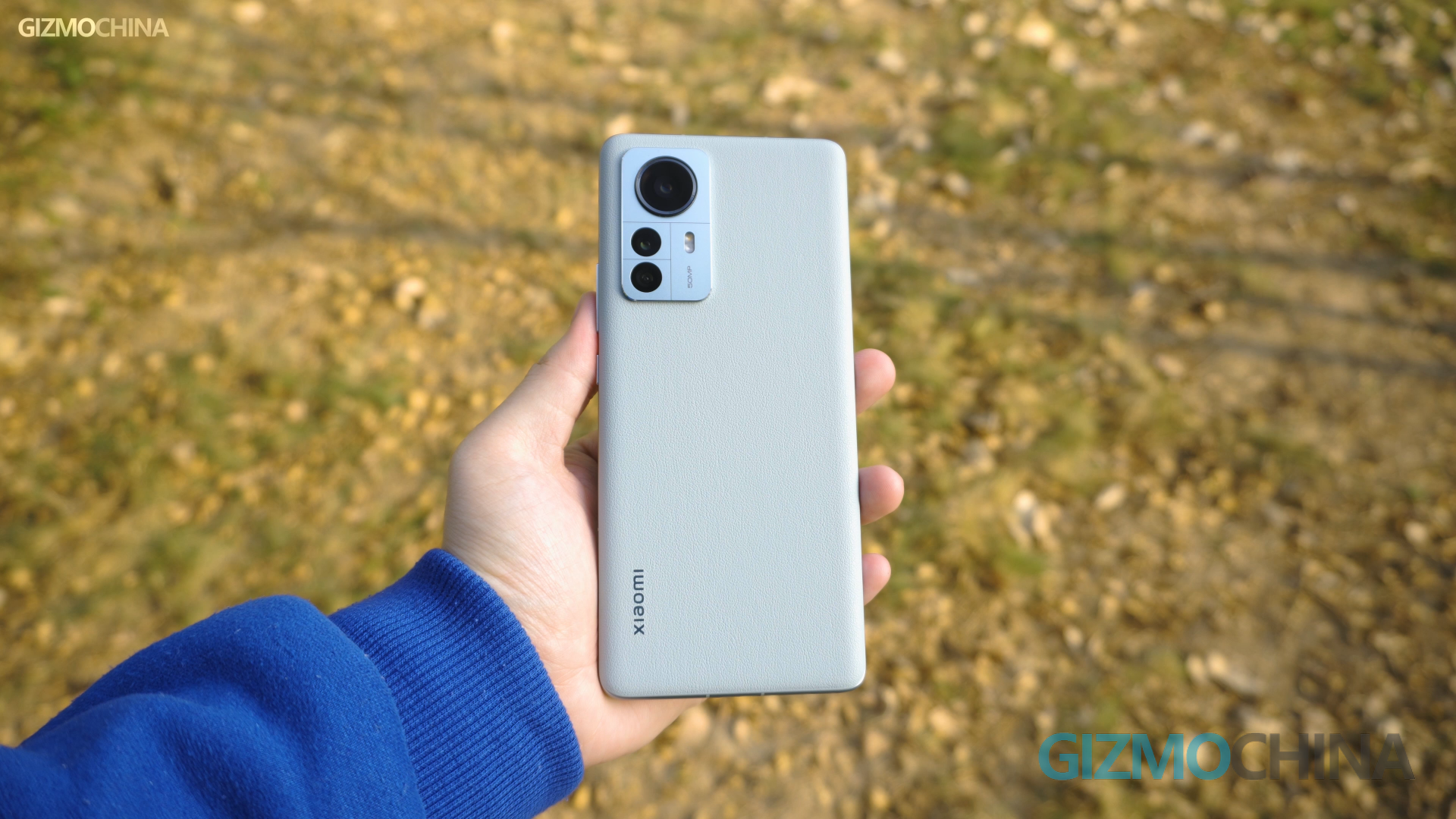
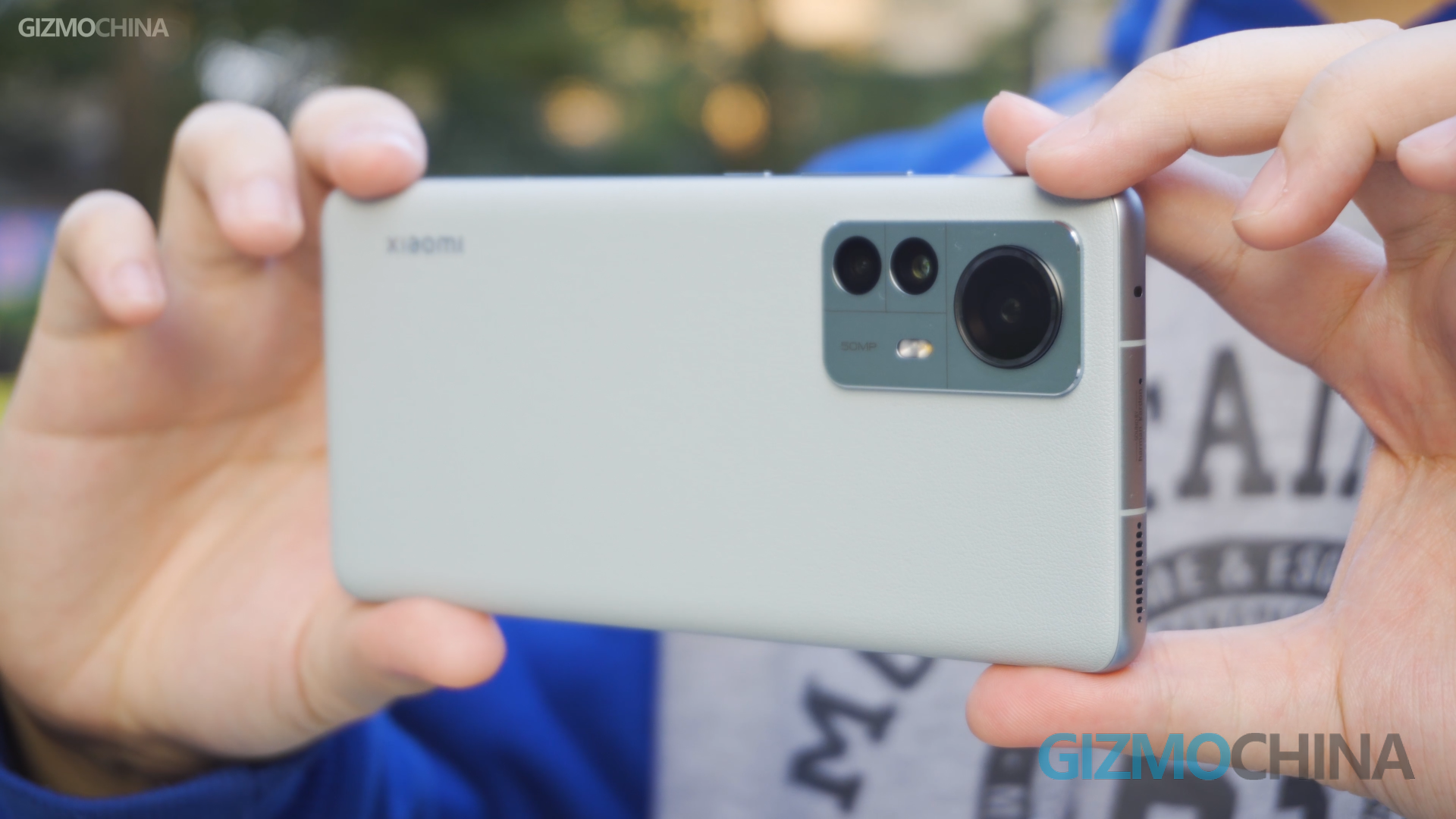
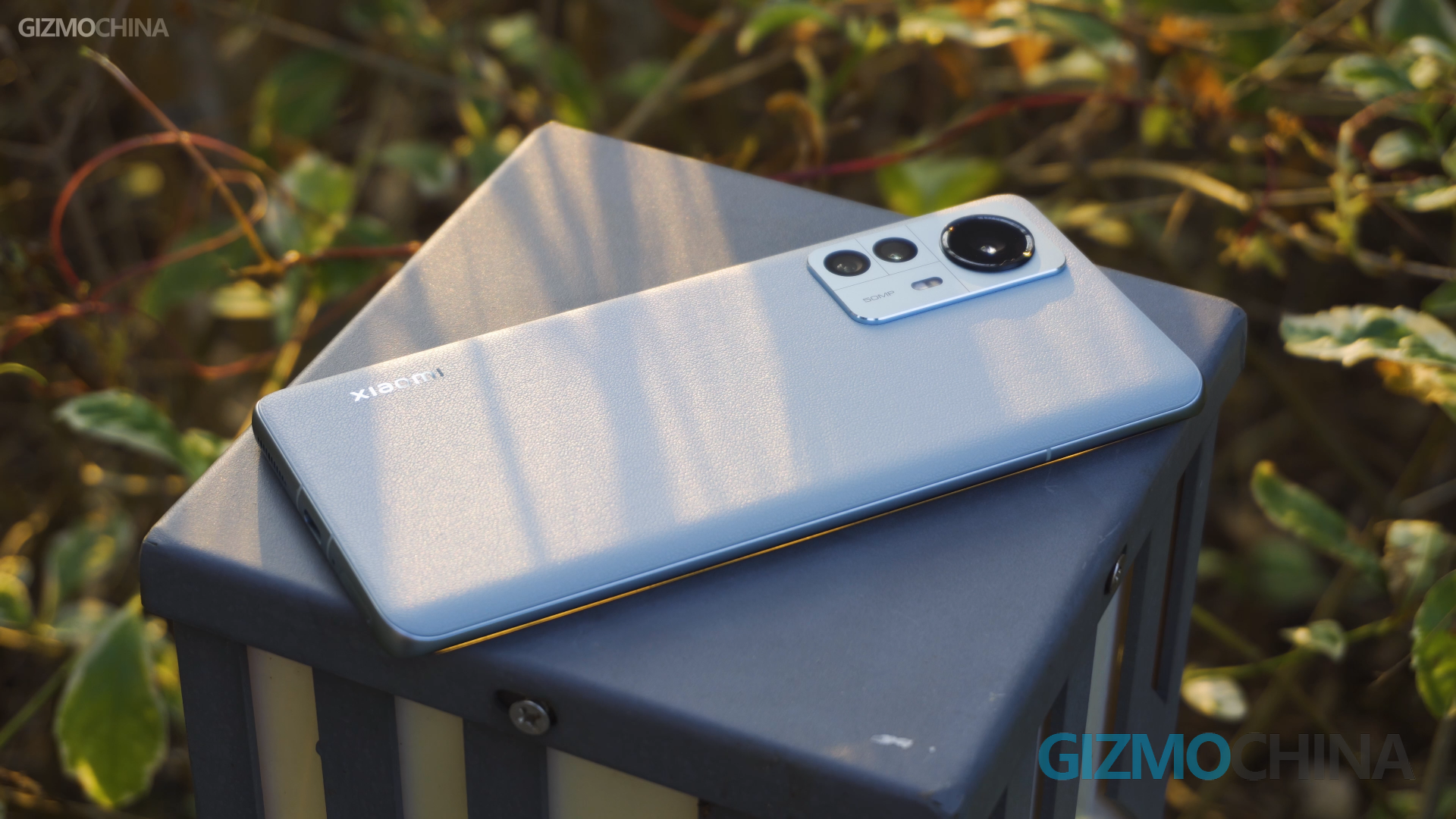
We bought the Xiaomi 12 Pro in green vegan leather, and to be honest, it looks pretty ordinary at first glance. It’s not the first time that a vegan leather back cover has been used on Xiaomi’s flagship phone.
It doesn’t feel any different from the Mi 11. The Xiaomi logo area has become more simple. The rectangular lens module is similar to the Xiaomi Civi, with a large circle and several small circles. But the addition of a few lines across the design gives the lens module a more orderly feel.
The new color scheme does look more refreshing, but the overall design really doesn’t have as much personality as the Mi 11. I don’t mean to say that the Xiaomi 12 Pro is ugly, it’s actually quite beautiful. It just lacks the kind of recognition that makes it easy to tell that it’s Xiaomi’s latest flagship. The Xiaomi 12 Pro has an improved frame design. Because of the more rounded frame and back curvature, plus the smaller size, it feels great to hold. NFC, IR blaster and X-axis linear motor are not missing either. Looking good, feeling good in the hand and full of features, I think the Xiaomi 12 Pro has done well enough in terms of design.
Xiaomi 12 Pro Review: Display
Xiaomi 12 and 12 Pro
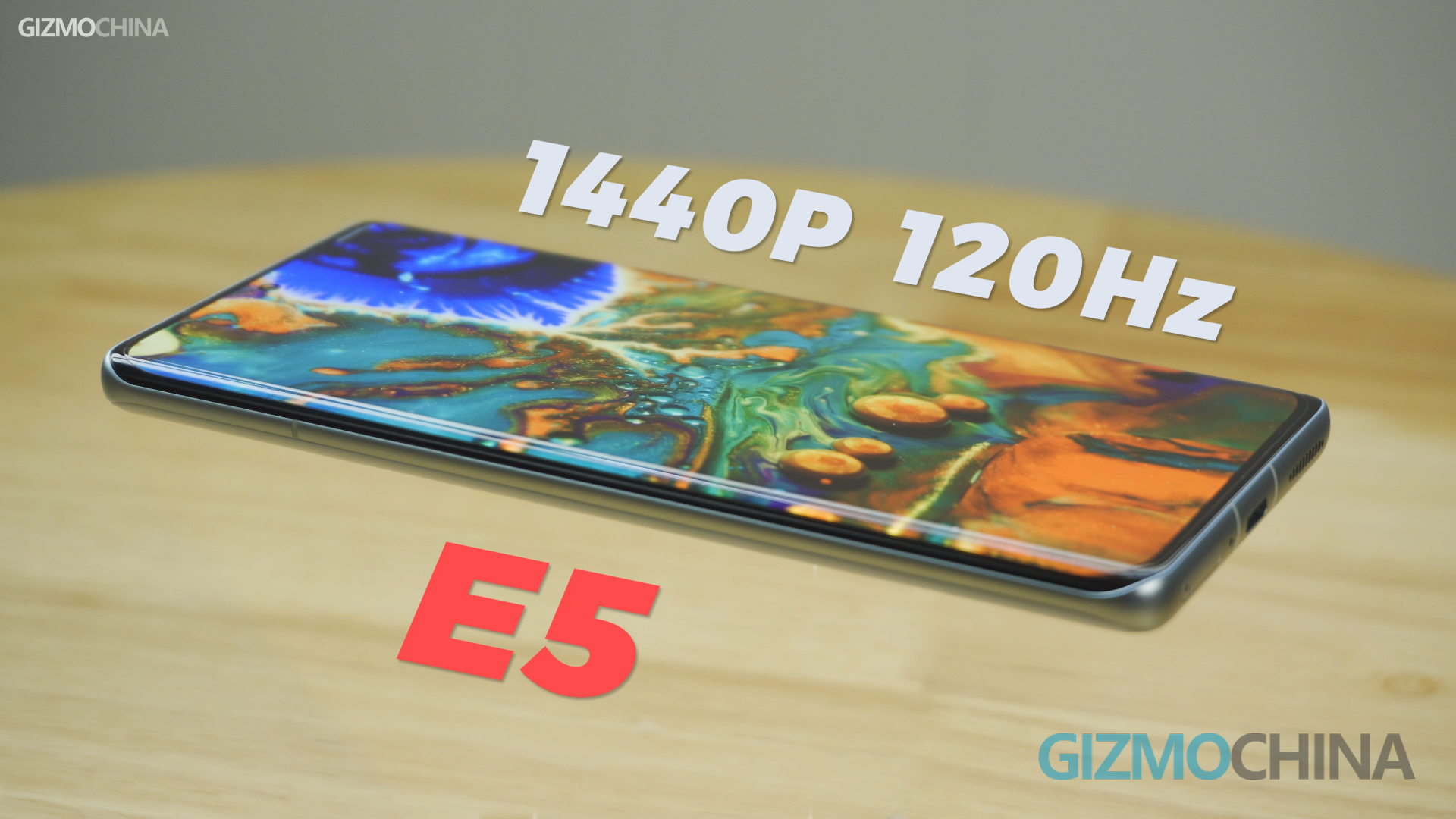
We all know that Mi 11 comes with a very good screen. the screen of Xiaomi 12 Pro is upgraded on top of that. Not only does it keep the 1440P resolution and 120Hz refresh rate, but it uses Samsung’s E5 material. Plus, Micro-Lens technology enables the Xiaomi 12 Pro to be more power-saving. Speaking of efficiency, Mi 12 Pro has another trick: the second generation LTPO technology.
We all know that because of ProMotion technology, the 3,000mAh iPhone 13 Pro has achieved amazing battery life. And this second-generation LTPO is similar to ProMotion, which allows the Xiaomi 12 Pro’s screen refresh rate to switch adaptively between 1 and 120Hz. For example, if I swipe the screen, I can see that it can switch to a different refresh rate with the scroll speed. On many non-Xiaomi applications, although you can’t change the refresh rate with the swipe speed, you can switch back to 10Hz when you stop. watching videos can switch to 30 or 60Hz depending on your video, and when reading e-books you can theoretically go down to as low as 1Hz.
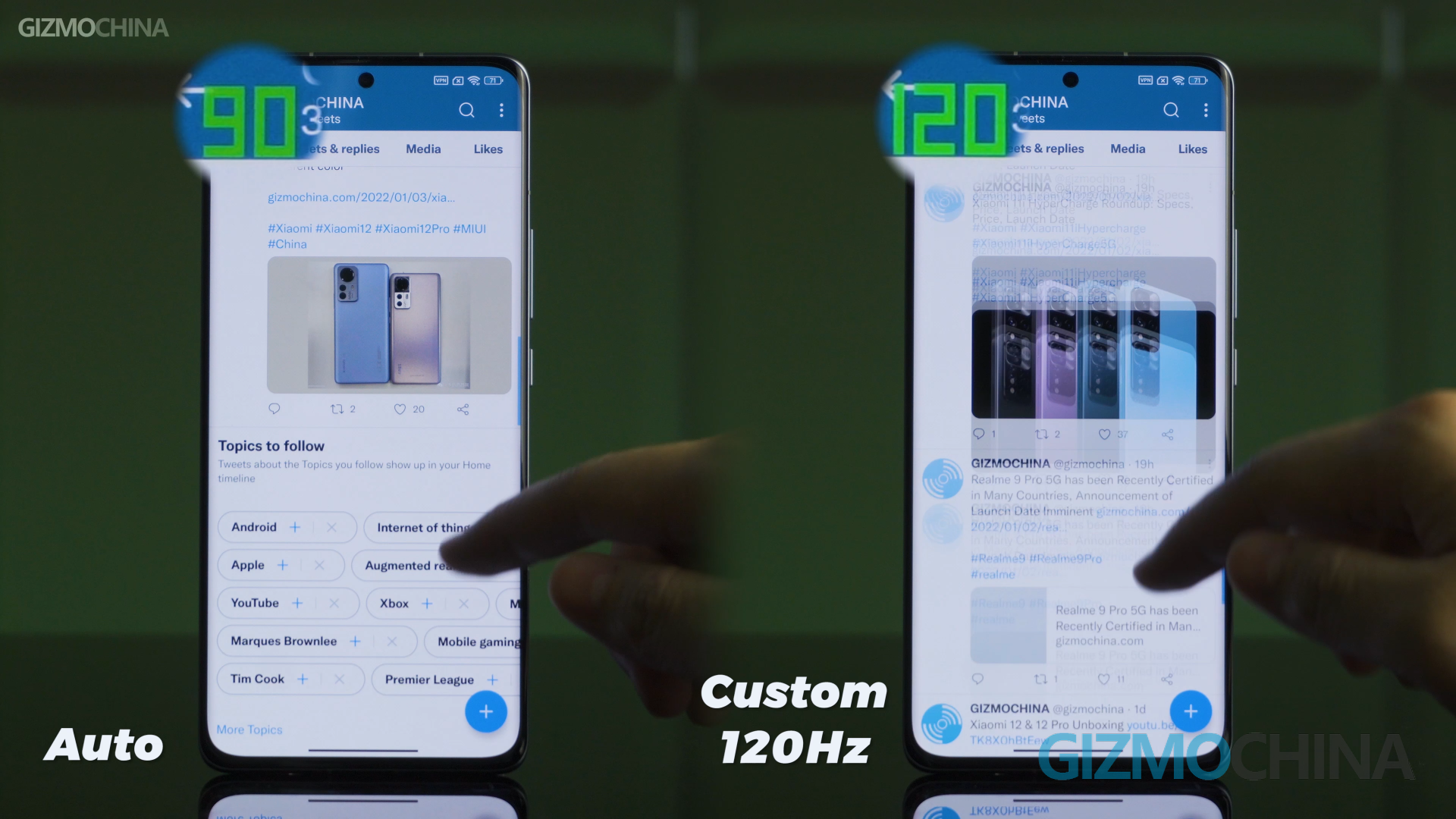
But in fact, it seems that Xiaomi is not optimized in place, repeated tests have failed to reach 1Hz. I suggest you go to the settings to change the Auto-refresh rate to custom 120Hz. Because some APP systems will lock in 90Hz or 60Hz, such as Twitter, and open the custom 120Hz to achieve the highest refresh rate. And the screen still drops to 10Hz when it stops.
You may be confused why the first-generation LTPO like OPPO Find X3 did not feel as power-efficient as this? Because the first generation, no matter what you are doing, can only use 60Hz and 120Hz in two gears. And the second generation has six gears.
Also since the phone uses an ultra-thin fingerprint recognition module, the fingerprint recognition area is also at a very suitable location. The screen glass is also made of Corning Gorilla Victus. Although 2022 just started, I can promise that this screen should be one of the most powerful screens this year.
Xiaomi 12 Pro Review: Performance & Gaming
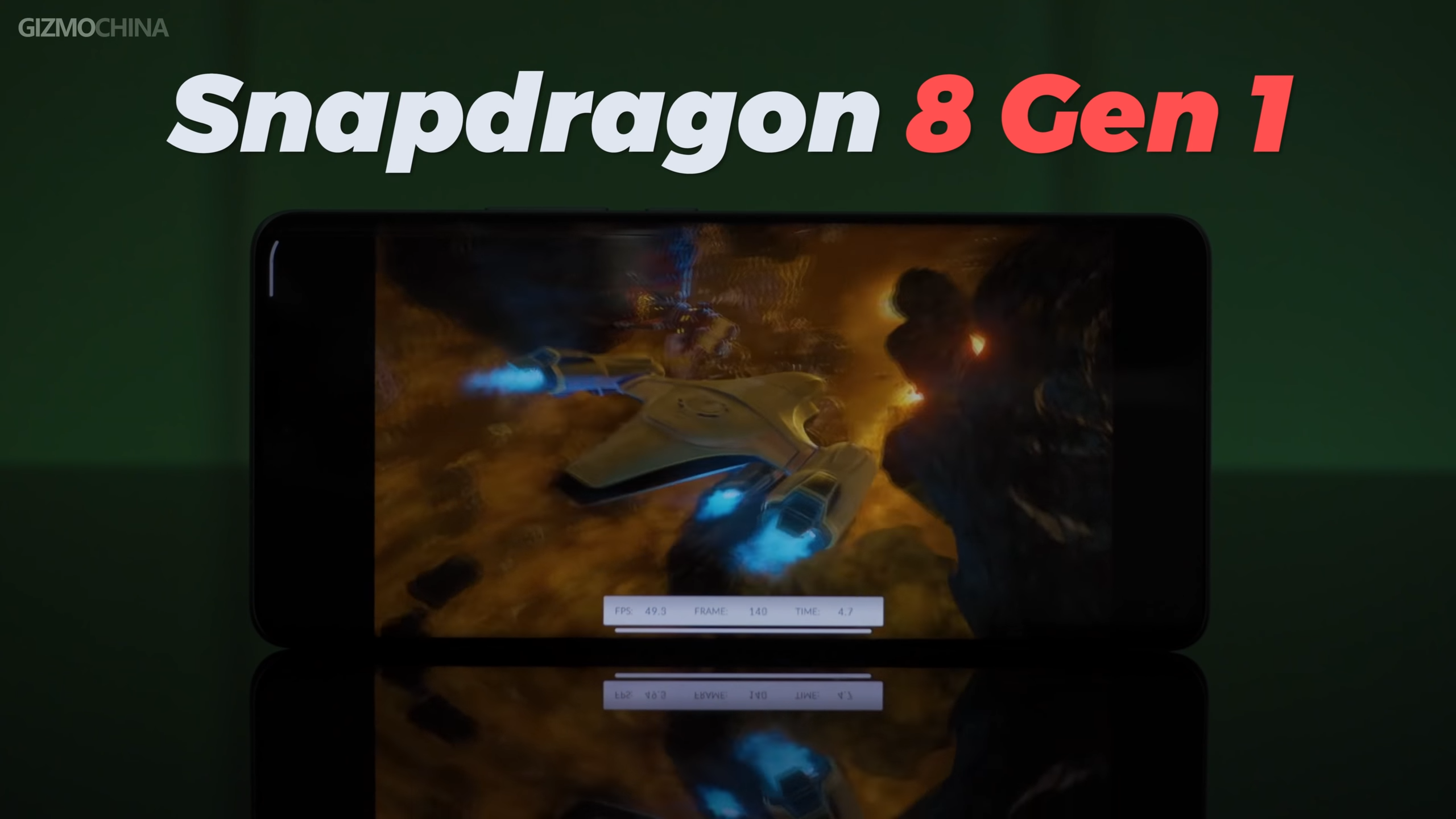
We should all know very well how the Snapdragon 8 Gen 1 is performing this year. So can Xiaomi tame this fire dragon? I must complain, this time Xiaomi has added Speed mode option in Developer options. If you want to play the game with the highest quality performance at full power, you need to turn on this option. Then turn on Performance mode, and then go to the game mode to turn on High quality.
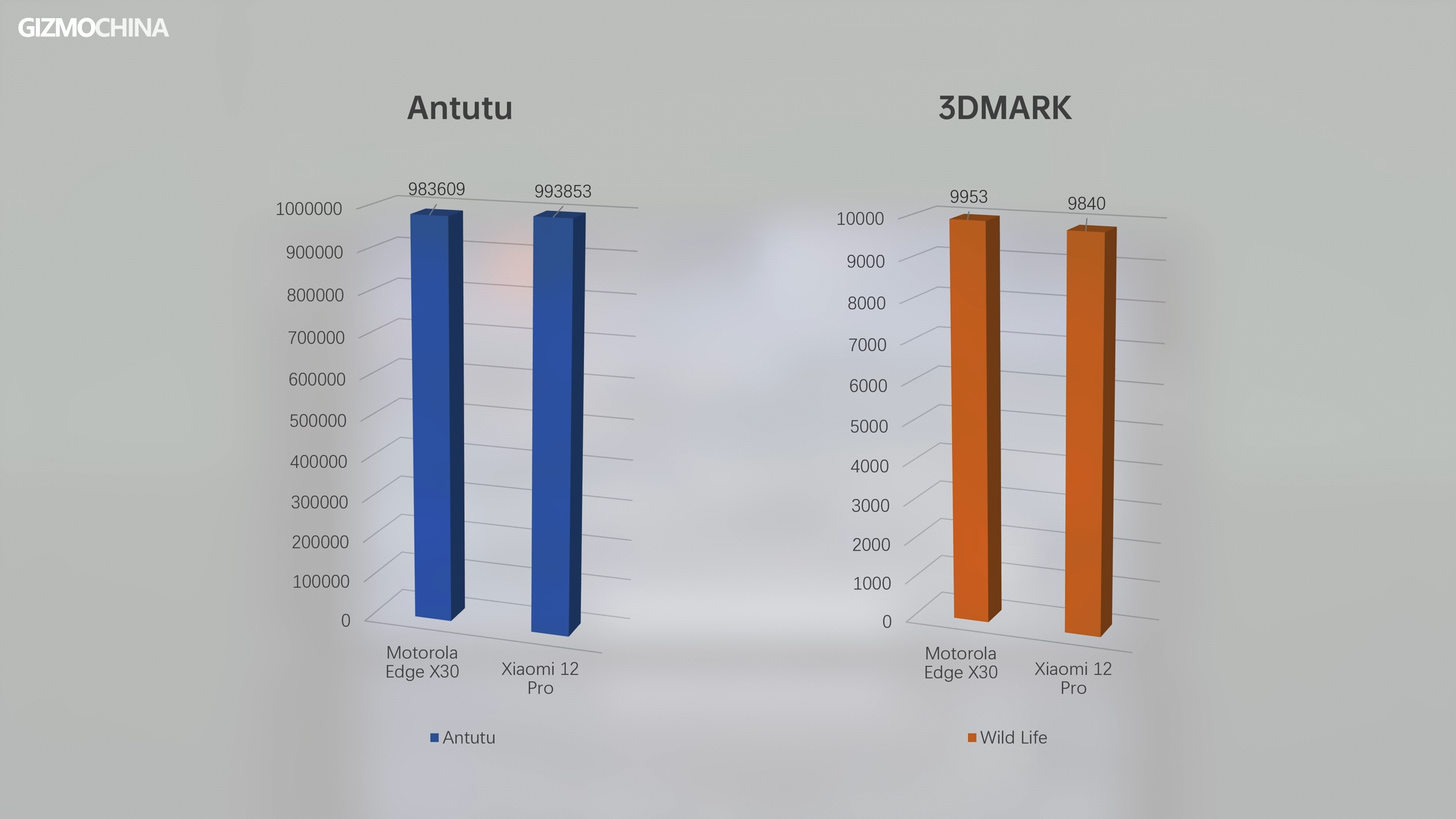
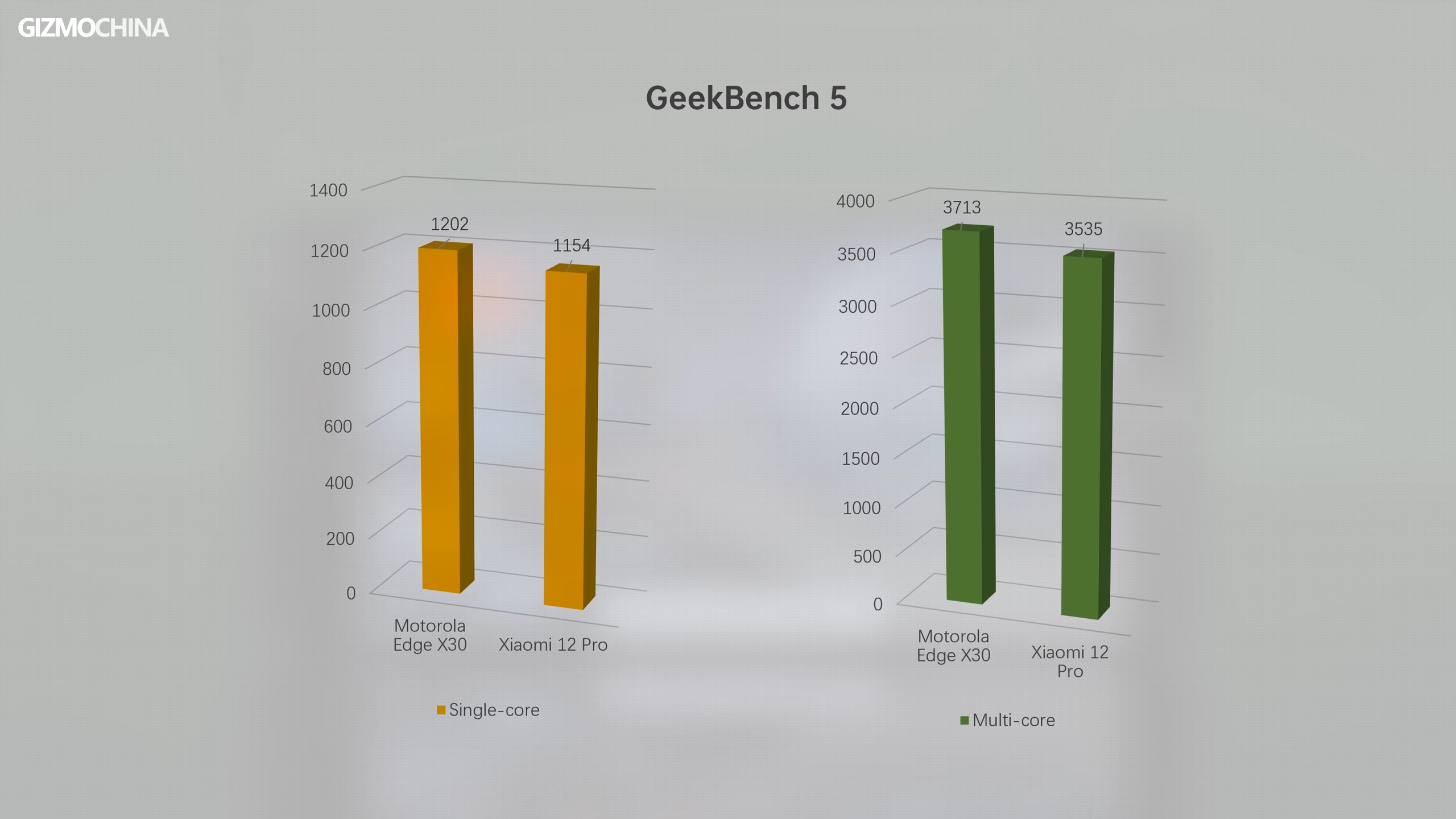
Antutu Bench scores are close to a million, 3DMARK 9840, Geekbench 5 single-core 1154, multi-core 3535.
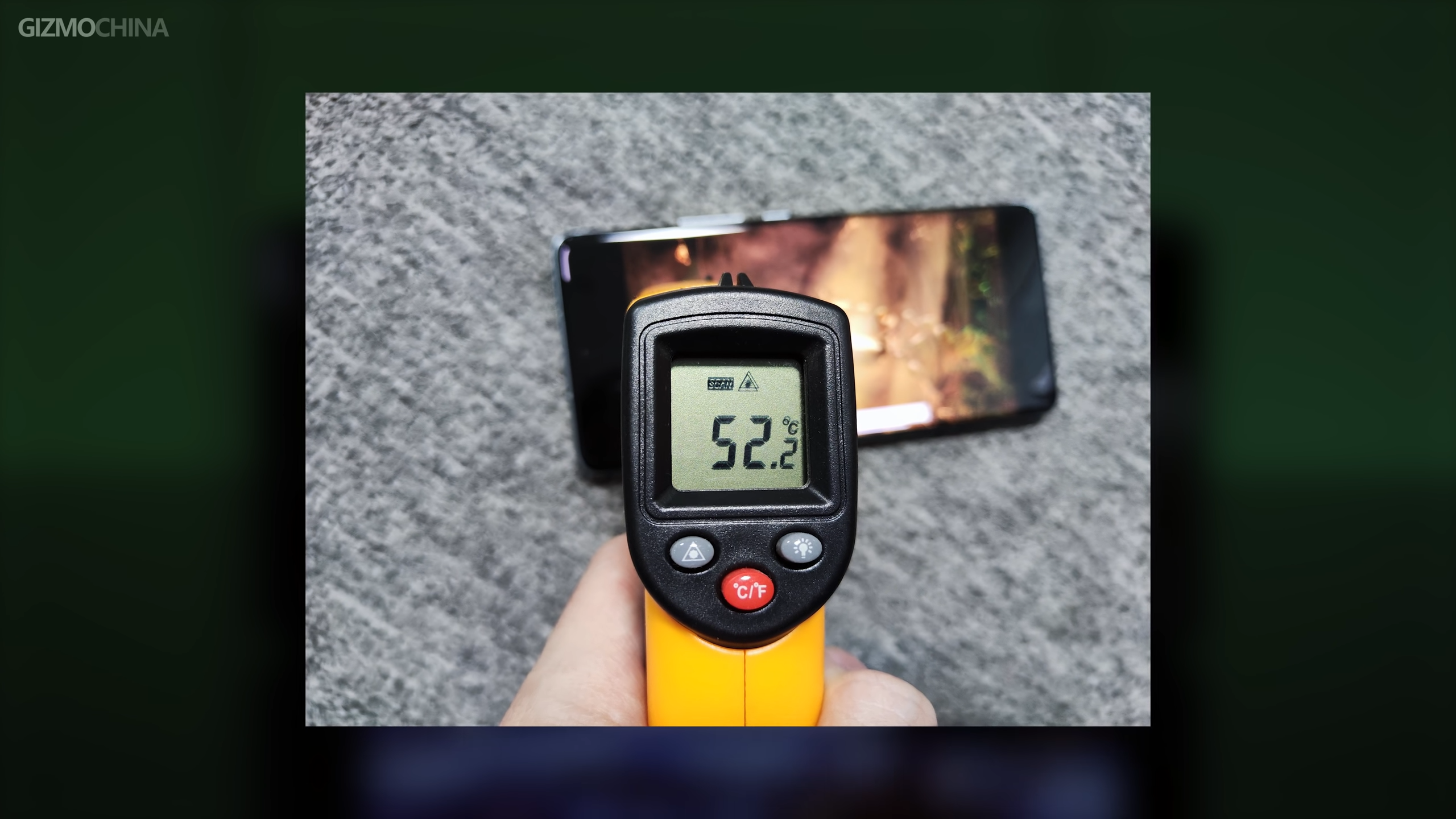
As much as we wanted to test the 3DMARK Stress Test, even with both Performance mode and Speed mode turned off, the Xiaomi 12 Pro was unable to complete the test in an indoor environment with a room temperature of 21 degrees Celsius. The body temperature at this point was around 52 degrees Celsius. This means that Xiaomi is not able to suppress the heat of this chip, and the temperature control is very strict.
When it comes to game testing (check our video review for detailed gaming test), the PUBG HDR Graphics Extreme frame rate can be maintained at 60fps. there is no frequency reduction and the phone is not very hot. The Brightridge case is more interesting.
The full power output was locked at 50fps after a minute and then at 40fps after 4 minutes. Xiaomi 12 Pro didn’t hold up in the second half of the test, going back and forth between 40 and 25fps. Compared to the Edge X30, which has worse heat dissipation, the performance output is actually weaker. But the temperature is not as horribly high as the Edge X30.
The average power is only 7.6w, which is lower than both the Edge x30 and Mi 11. Xiaomi’s scheduling strategy for Genshin Impact is completely different from Motorola’s. Motorola tends to use the highest frequency and wait until it overheats before lowering the frequency. 12 Pro is to keep the temperature around 45 degrees Celsius to ensure you can be at a higher frame rate for a longer time.
I personally like Xiaomi’s gaming strategy better. At least my hands will feel a lot better. All in all, I find the Xiaomi 12 Pro’s gaming performance acceptable, especially since it’s a very big improvement over last year’s Mi 11.
Xiaomi 12 Pro Review: Cameras
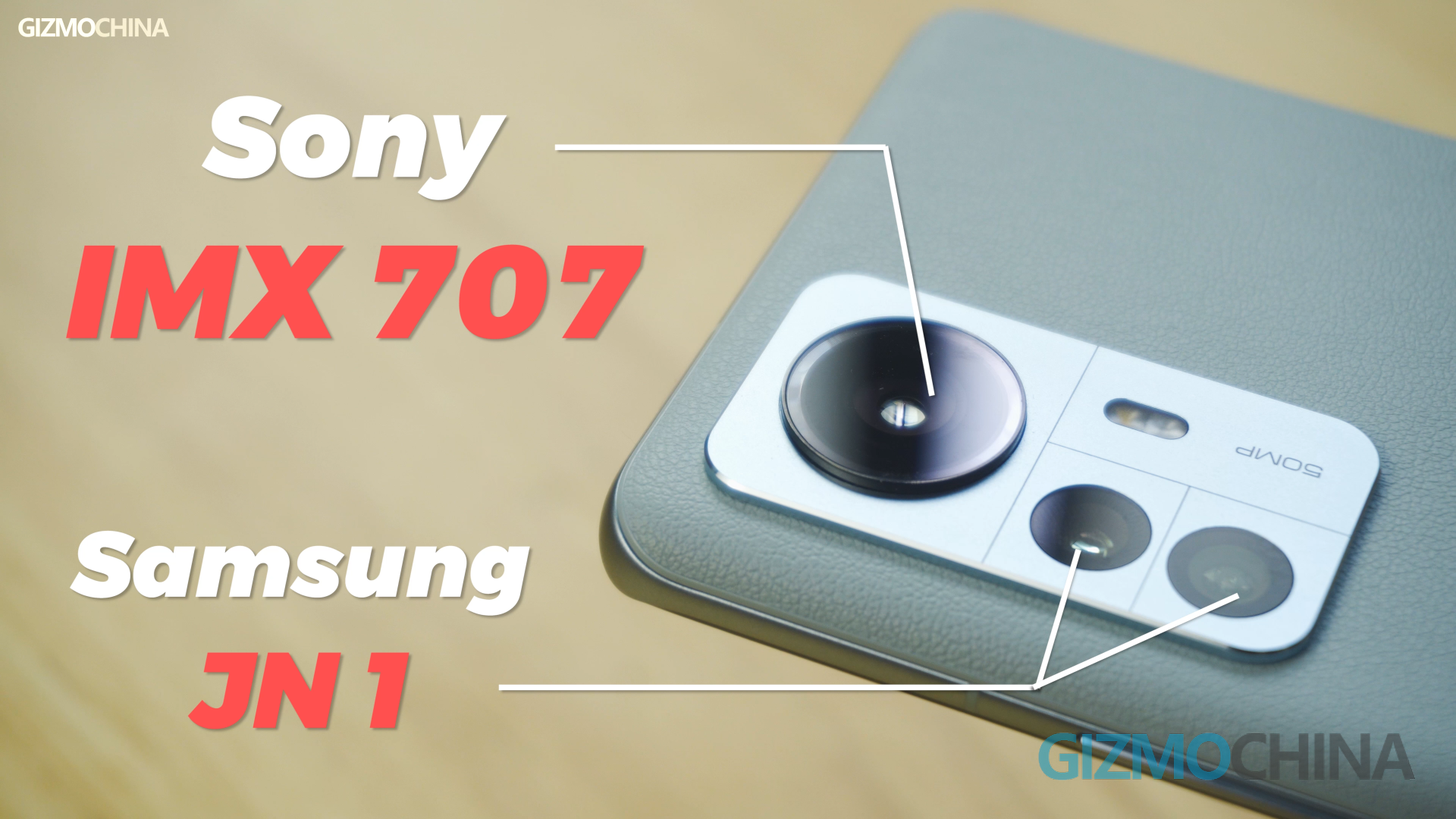
The Xiaomi 12 Pro no longer uses Samsung’s sensor for its main camera but moves back to Sony’s latest 50MP IMX707 sensor.
Main Camera
1 of 20
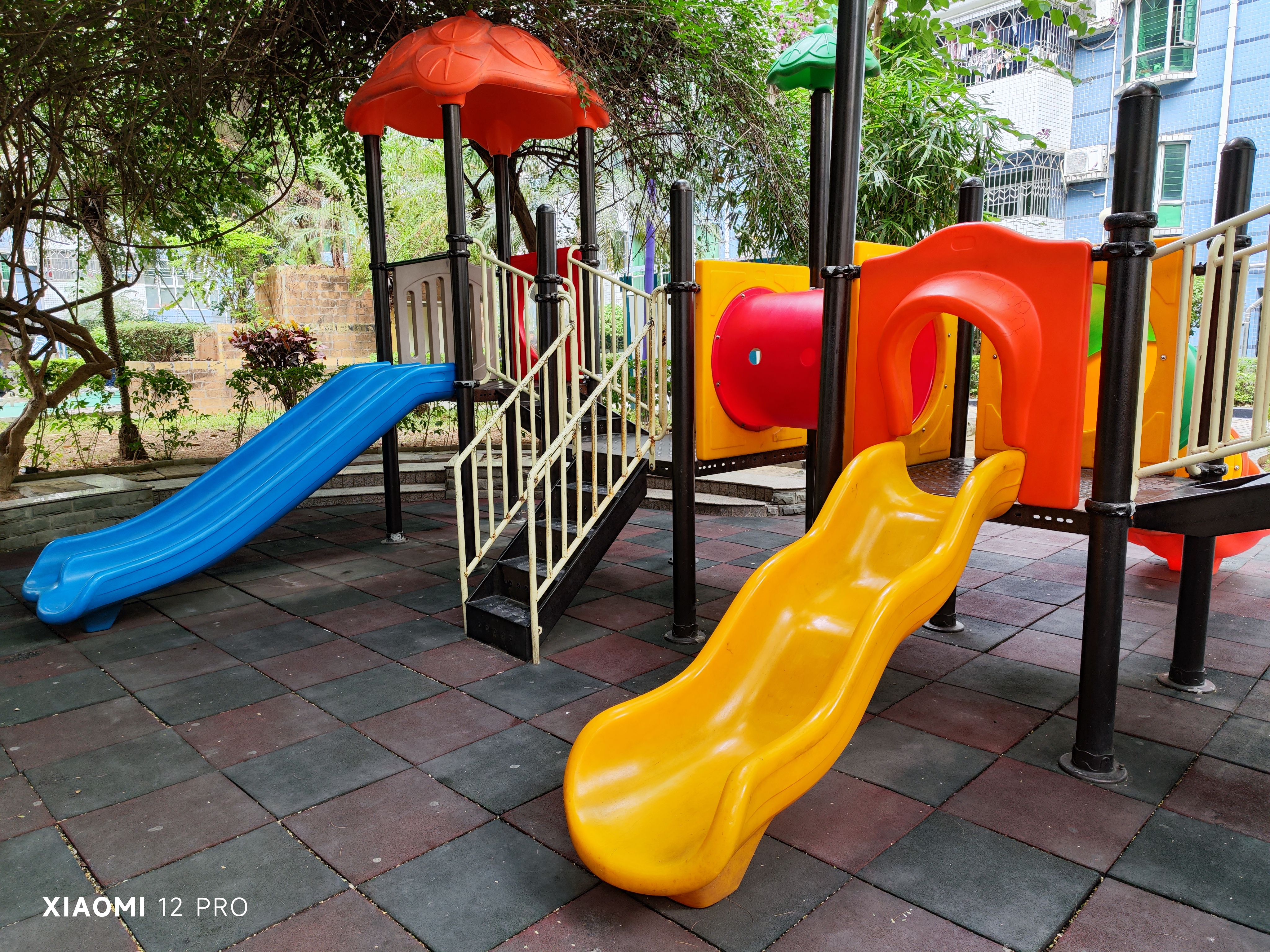
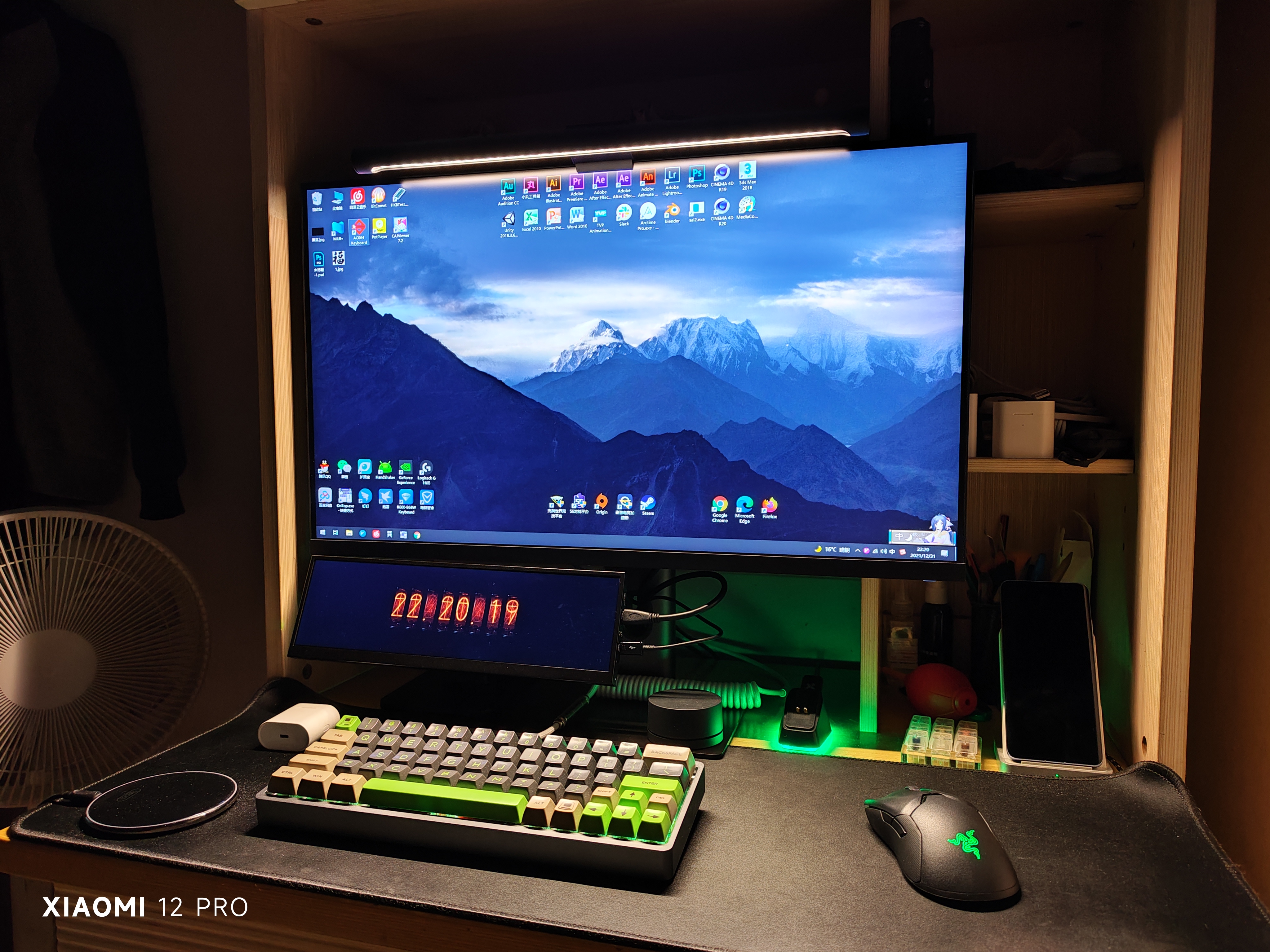
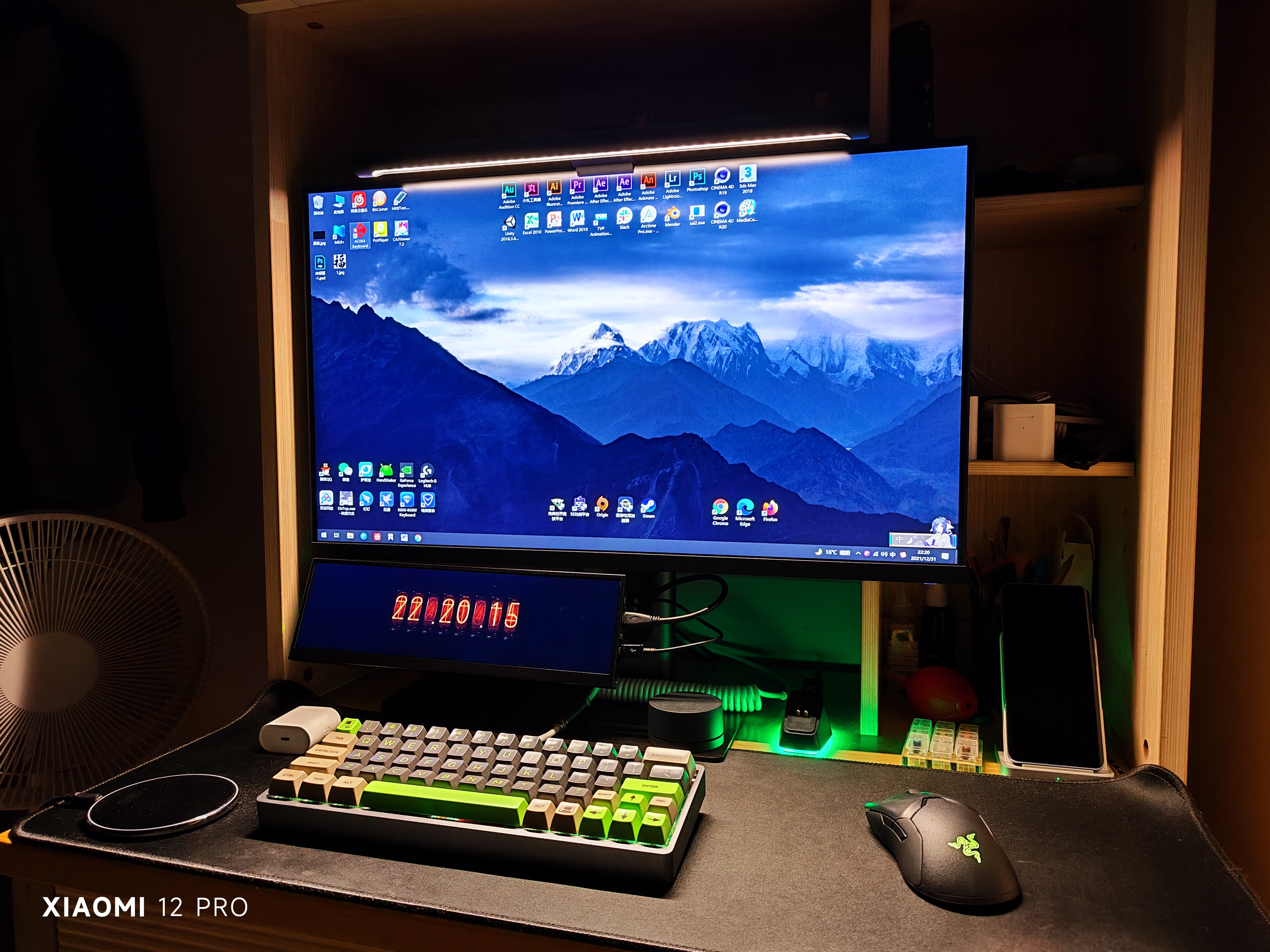
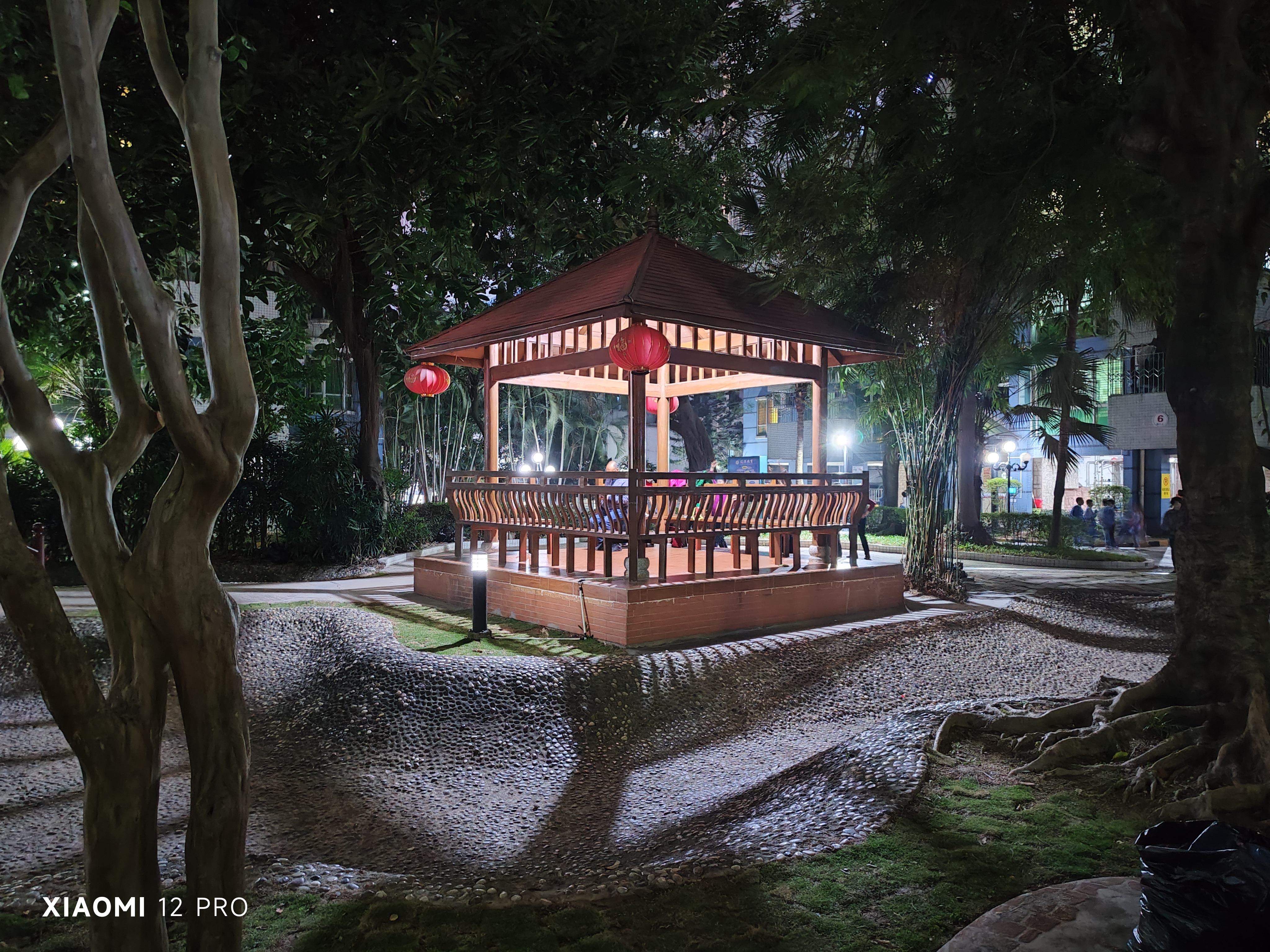
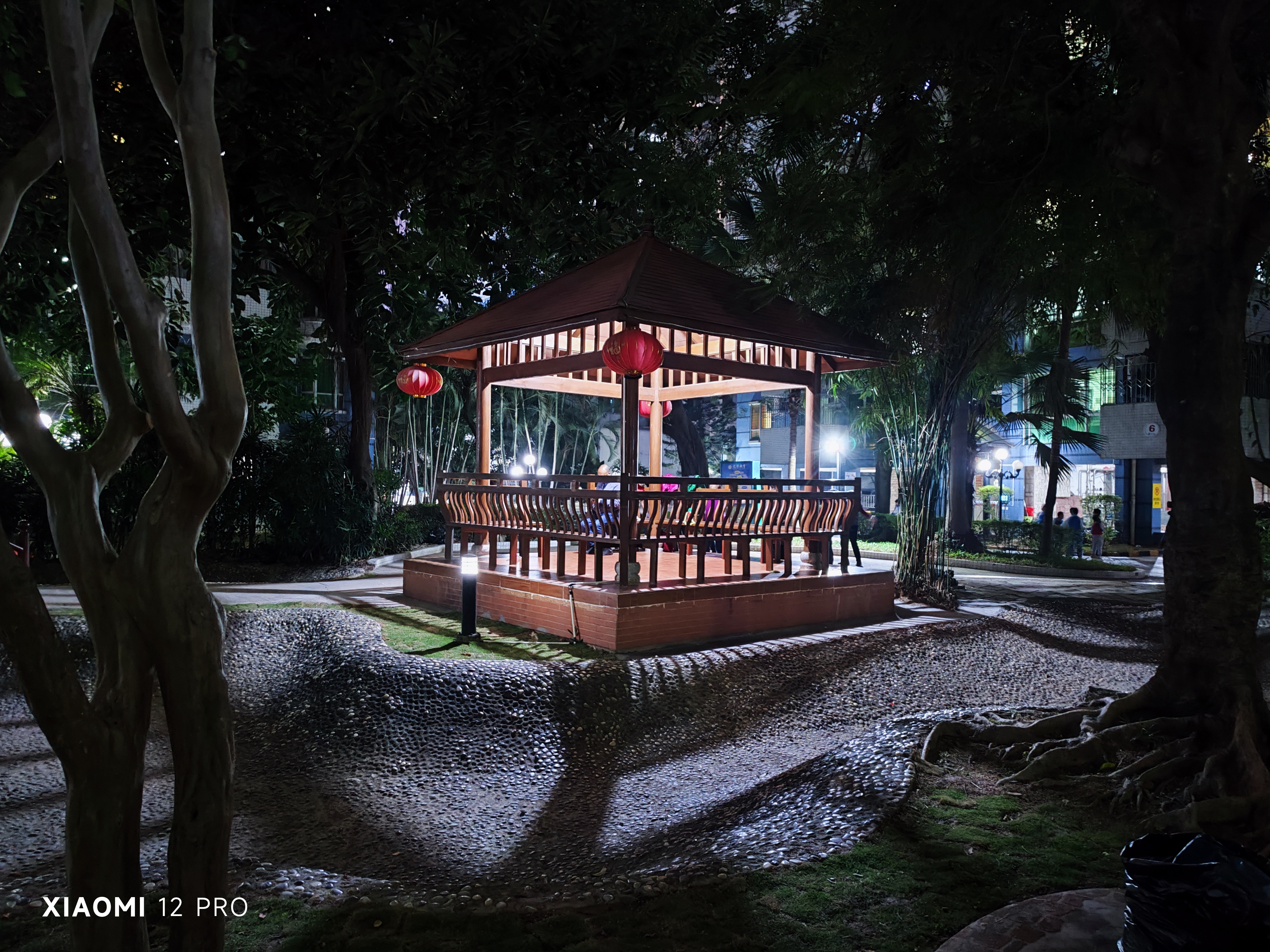
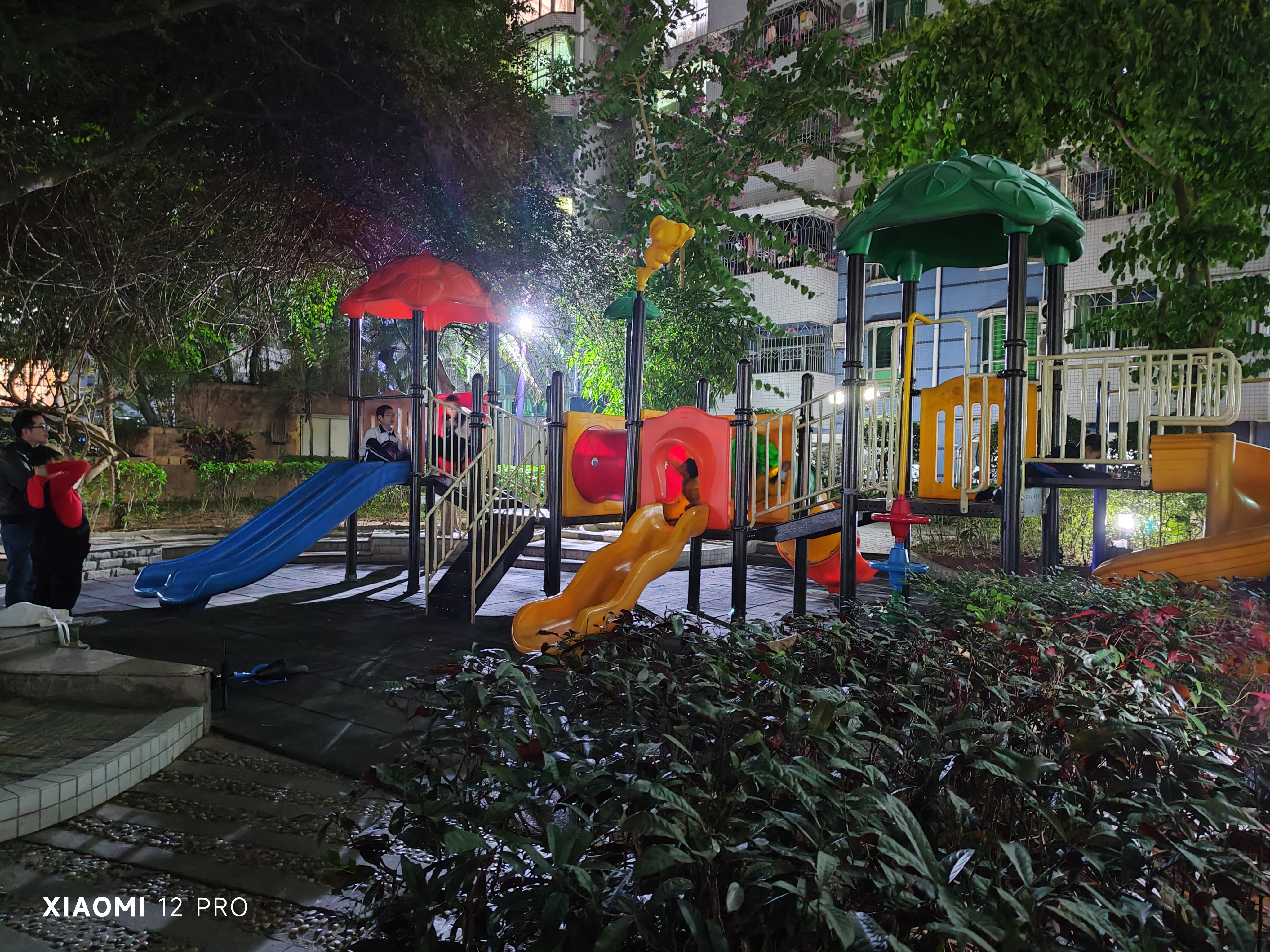
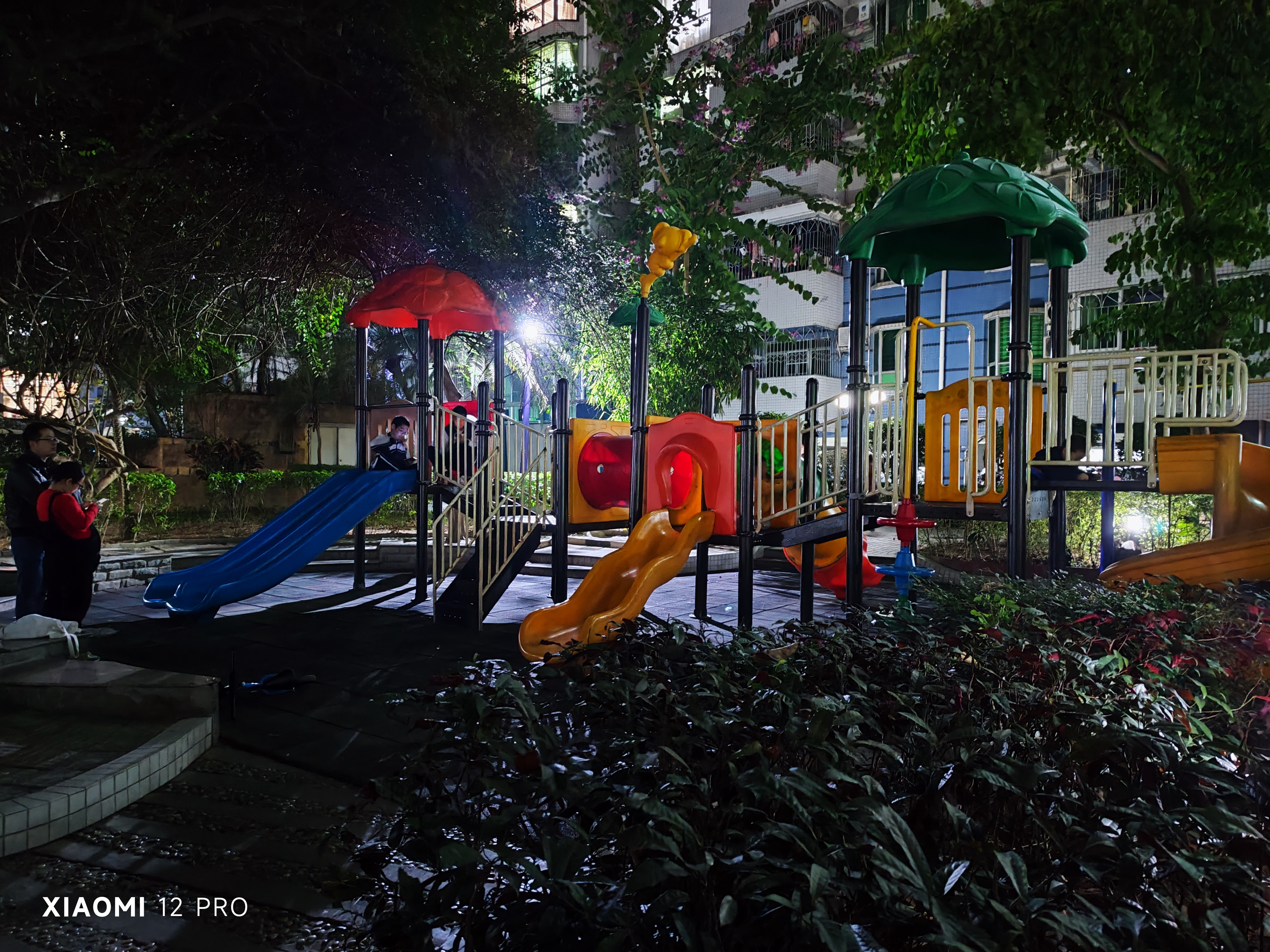
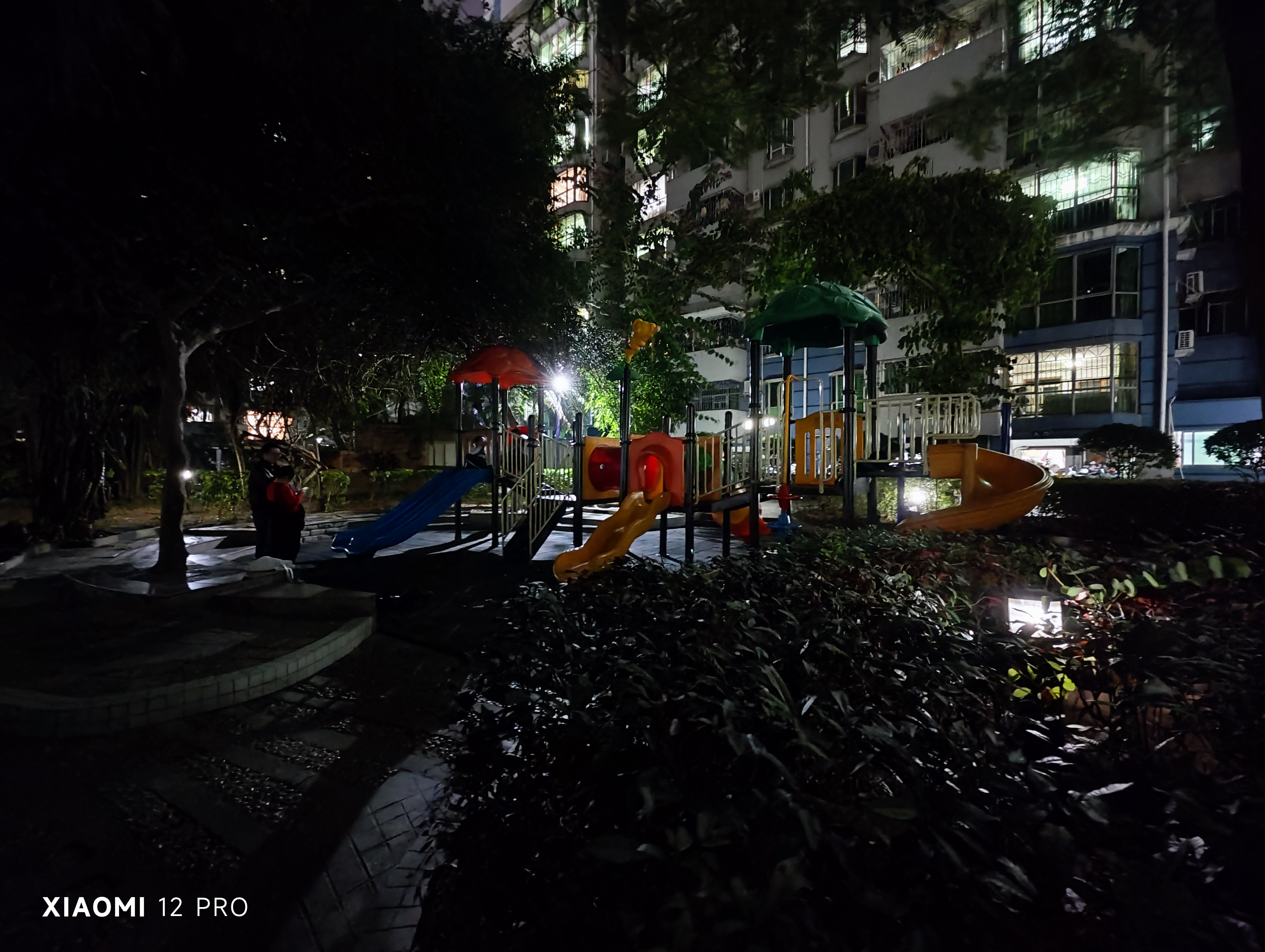
This time the 12 Pro is a change from its previous tuning style, the colors are more intense and the contrast is higher than before. And like other brands, the sharpening algorithm has been enhanced. Yes, Xiaomi has finally learned to please the user in terms of color. The photos are finally not very bland. At night, the performance is similar to Mi 11 Ultra most of the time. The main improvement is in color reproduction. If the environment is dark, Mi 11 Ultra photos will be greenish, while Xiaomi 12 Pro will not. And the Night View mode algorithm has been greatly improved. The night mode wait time has been drastically reduced and the benefit is that the photos don’t get blurry. If you zoom in on a Mi 11 Ultra photo, you’ll see that 5 seconds of night mode has caused the photo to become blurry. And turning back to auto mode will also trigger the night view algorithm. The Xiaomi 12 Pro has a wait time of about two seconds even when the night view mode is on, so the photos are very clear. Of course, because the exposure time is shorter, it’s not as bright as the Mi 11 Ultra.
Ultra-Wide Camera
1 of 18
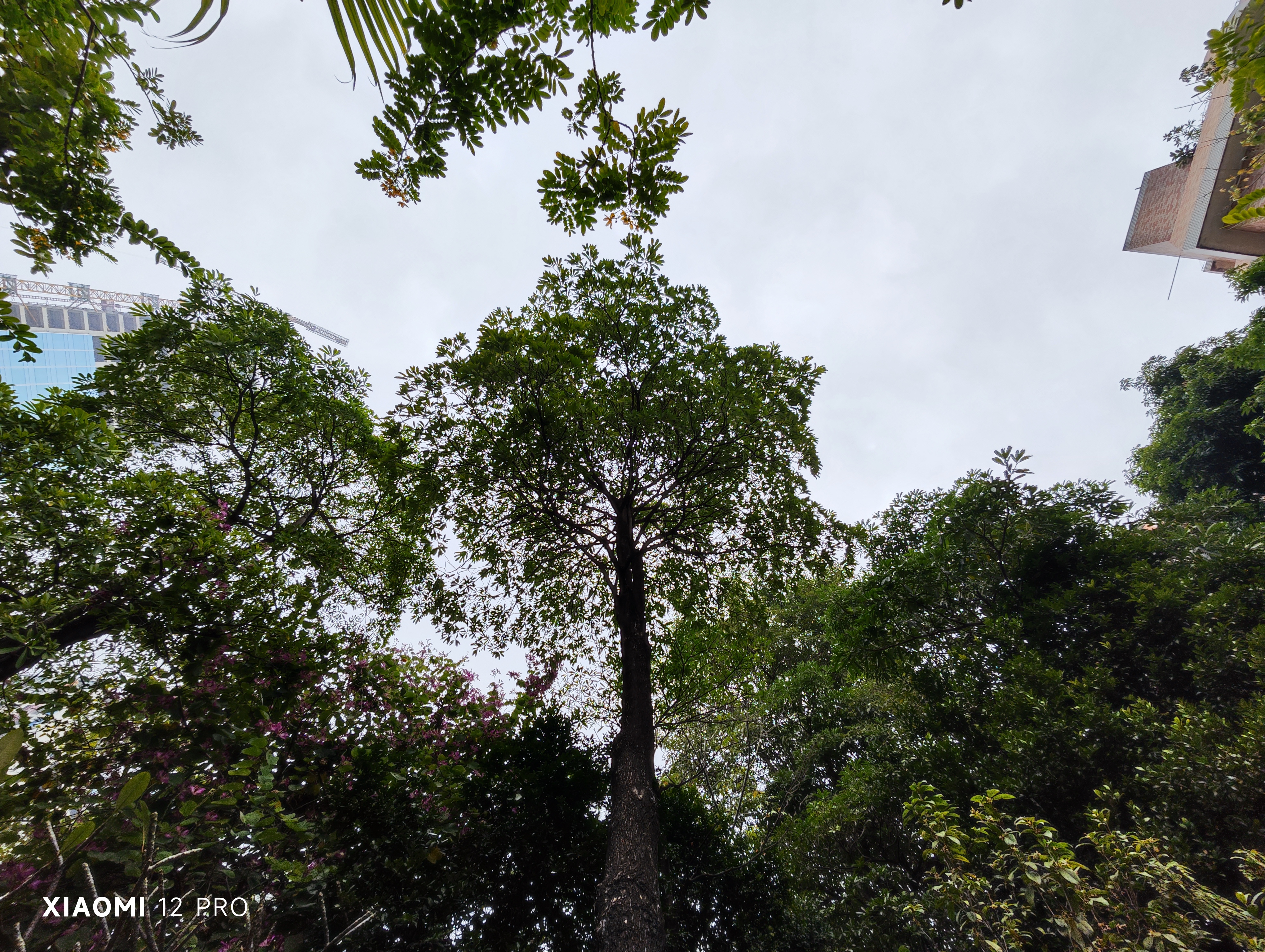
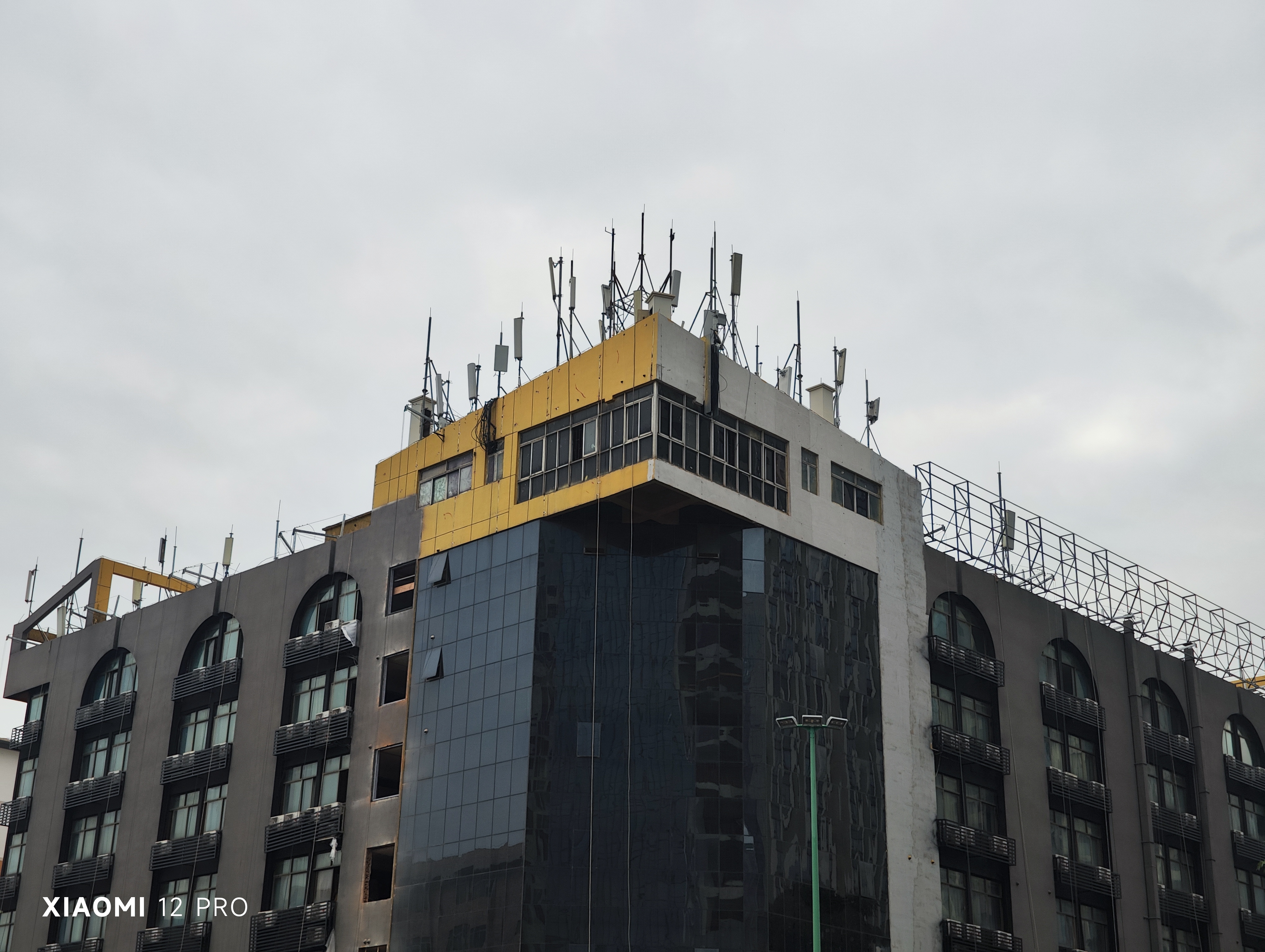
The Xiaomi 12 Pro’s Ultra-wide camera and 2x telephoto camera sensors are both 50MP JN1. Although the ultra-wide field of view is not as wide as the Mi 11 Ultra, the dynamic range is better, and the purple-fringing issue and edge image quality is improved from the hardware side. The ultra-wide-angle performs the same as the main camera most of the time as well. Auto mode performs about the same as Mi 11 Ultra at night. The difference is mainly in the algorithm of the night mode. You can see that the Xiaomi 12 Pro’s night mode is indeed a bit brighter than the auto mode, while the Mi 11 Ultra doesn’t seem to have any changes.
2X Telephoto
1 of 10
The 2x telephoto lens isn’t as impressive as I thought it would be. Even if the Mi 11 Ultra uses the main camera for cropping, the image quality performance is better than the 2x optical telephoto lens of the Xiaomi 12 Pro. Highlight control, noise control are not as good as Mi 11 Ultra. But the dynamic range is still better if HDR is successfully triggered. At night, the Xiao 12 Pro performed well in auto mode, and both phones performed similarly. But once night mode is turned on, both perform poorly. The Mi 11 Ultra has a poor algorithm, while the Xiaomi 12 Pro is easily blurred due to the lack of OIS.
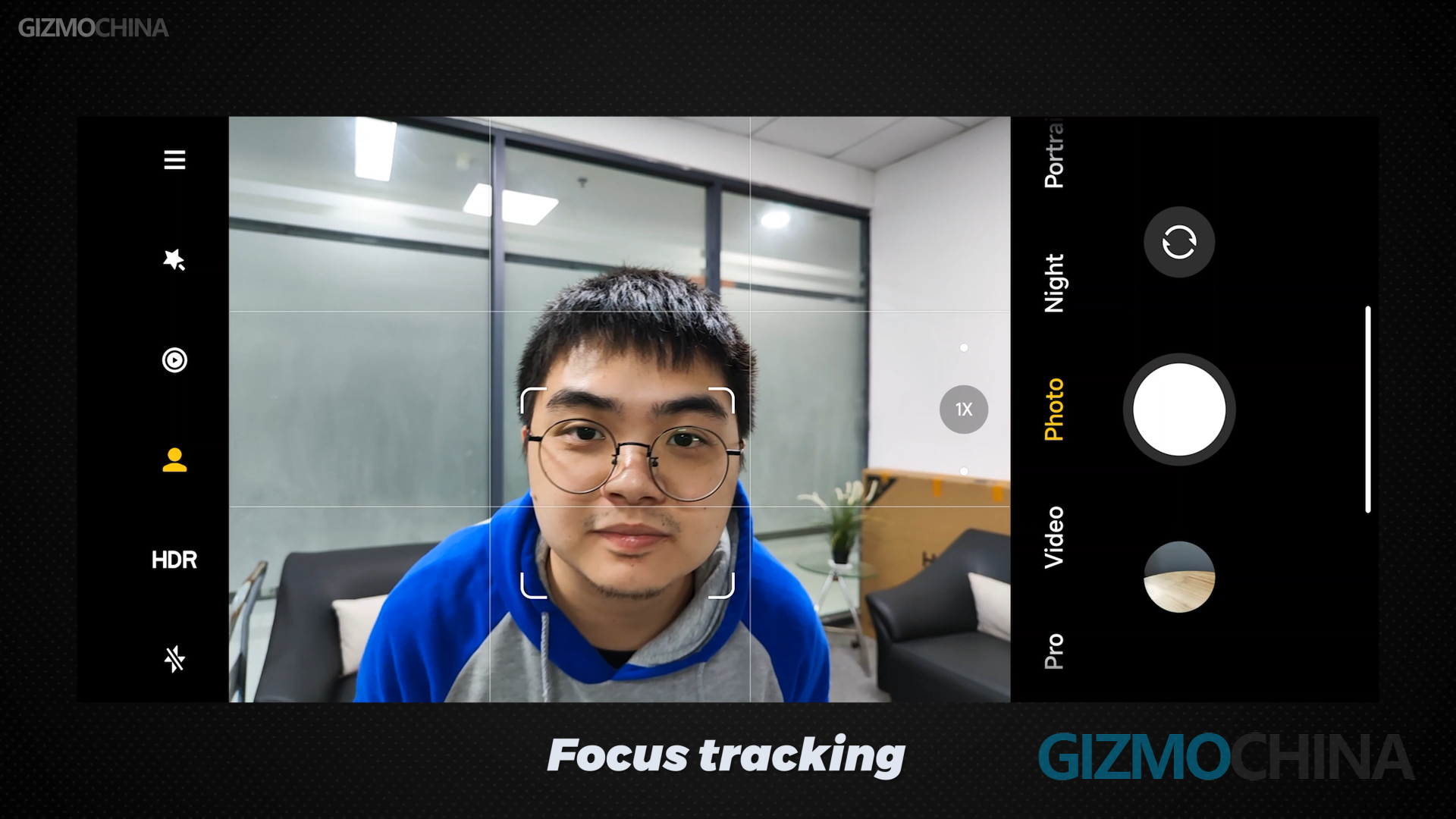
Xiaomi 12 Pro has done a great job of optimizing the camera experience. For example, the new Focus tracking feature, which will automatically catch the focus if someone or a dog or cat appears in front of the camera. This is good news for many users who have children and pets. There is also the optimization of the shutter delay. You can look at the shutter speed in comparison to the Mi 11 Ultra, which is not in the same level anymore. There’s also an animation when switching between lenses now, instead of jumping straight to the camera. Stability has also been improved, like in this photo. The Mi 11 Ultra took three photos that were overexposed, while the Xiaomi 12 Pro encountered no such bugs.
Overall, the Xiaomi 12 Pro has surpassed the Mi 11 Ultra in many aspects and considering the good photo experience and the price difference, the Xiaomi 12 Pro’s photosystem is already tied with the Mi 11 Ultra for first place.
The video performance is relatively similar to the photo performance with a high contrast ratio. All three lenses are capable of shooting 4k 60fps video. You can also freely switch between the three lenses when recording 4k 30fps video. You can see that the dynamic range of the Xiaomi 12 Pro is not as good as that of the Mi 11 Ultra, and the green color is too intense and not as natural as that of the Mi 11 Ultra. In general, the Xiaomi 12 Pro’s video recording level is also top-notch, and there is not much difference between it and the Mi 11 Ultra.
You may not believe it when you hear it, but the Xiaomi 12 Pro actually comes with four-unit speakers. Two low-frequency units and two high-frequency units ensure that both vocals and instruments are well separated. Unfortunately, the speakers are in an awkward position. One is on the top and one is on the bottom, so no matter how you hold the phone you will always block one. Other than that, the speaker performance is probably one of the best I’ve ever used.
Xiaomi 12 Pro Review: Charging
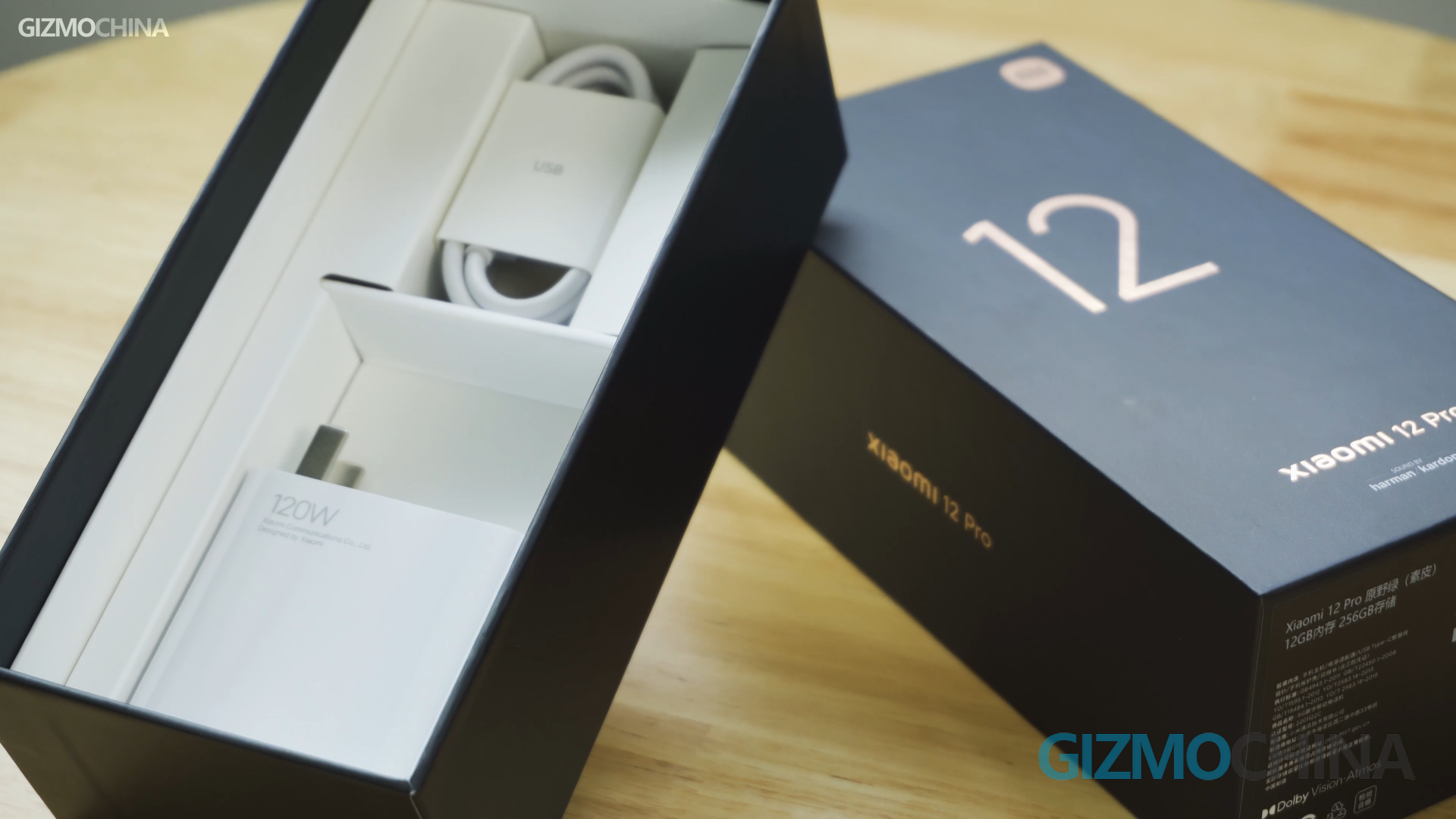
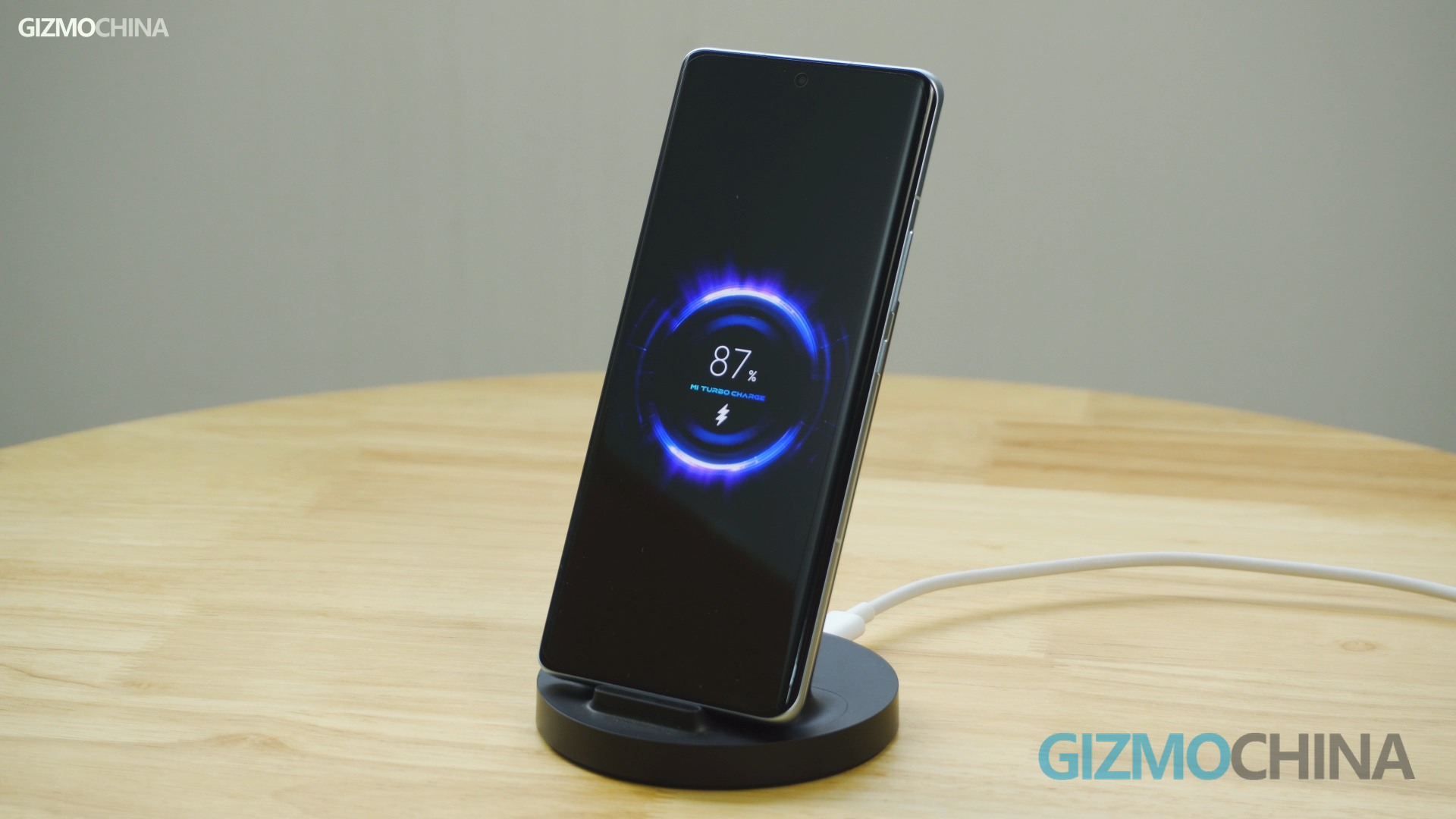
This time Xiaomi launched the Surge P1 chip and first time equipped on Xiaomi 12 Pro. This is a charging chip that allows the phone to do 120W charging with a single cell. Previously, 120W charging could only exist in dual-cell phones, so the battery capacity of phones with 120W charging has not been able to break through 4500mAh. The 4600mAh Xiaomi 12 Pro proves that Xiaomi is ahead of the game when it comes to charging. Wireless charging can only do 50w for some reason, you can watch our MIX 4 Review for more details. of course, Xiaomi knows that 120W chargers are expensive, so they are included in the box.
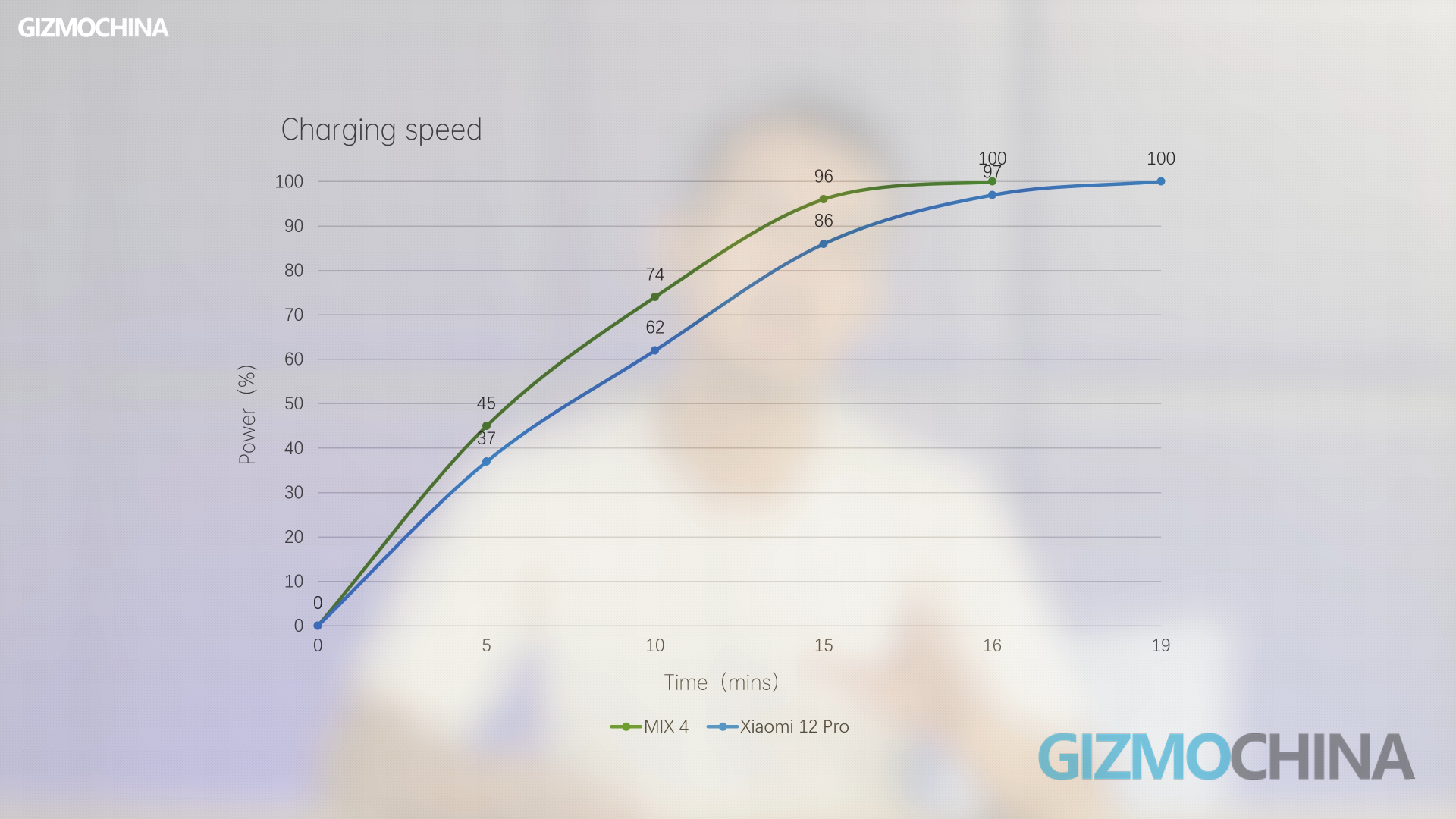
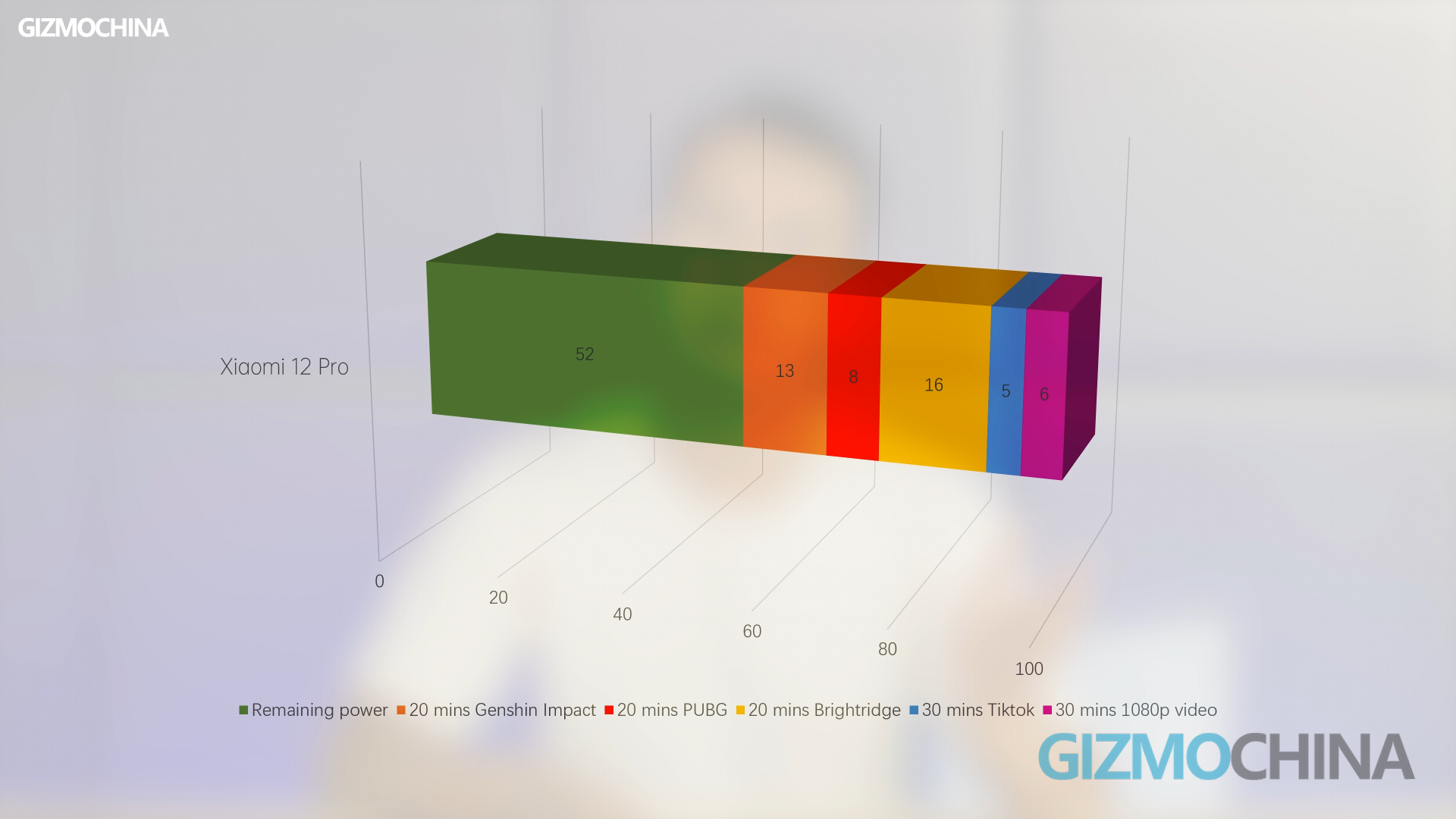
The actual charging speed is shown in the line graph. 5 minutes to 37% and 19 minutes to full. Although it will be a little slower than the dual-cell MIX4, but it is also very fast. In the battery life test, half an hour of 1080P online video and Tiktok consumed 6% and 5% of the power. The power consumption of the three games also looks very high. The first thing I want to say is that all three games are on Performance mode and Speed mode. Secondly, it is a 1440p 120Hz screen, which is really good but also very power-hungry. What’s more, perhaps you may think LTPO doesn’t save much power, but this is a test in a single scene, and the refresh rate is fixed. So the power saving effect of LTPO can not be reflected in our test. The actual use is certainly able to save more power than last year is Mi 11 series.
Finally, let’s talk about MIUI 13. Honestly, it doesn’t differ much from MIUI 12.5. Because it is mainly based on MIUI 12.5 to do the stability optimization. Yes, it has become much less buggy and laggy. All kinds of animations don’t drop frames anymore. Some widgets have been added to the desktop as well so that the desktop will not become so boring. The new feature can allow you to stream your content across Xiaomi devices. But it’s hasn’t been updated yet. The new system doesn’t really have much to show, so you can think of it as MIUI 12.8 to use it.
This year’s Xiaomi 12 Pro has become more stable. Although some areas have taken a step back, such as less 400mAh battery compared to Mi 11 Pro, smaller sensor size for the main camera, and less power for wireless charging. But its experience has improved. In this year, Xiaomi realized that paper specs do not mean a good phone experience. Only good optimization can make consumers satisfied. This is the phone that consumers want, a smooth, good-looking, and also easy to use Xiaomi flagship phone.
Well, that’s all there is to this review. We will soon make a photo comparison video between Xiaomi 12 Pro and iPhone 13 Pro. So stay tuned to that.
Acer has launched three new Chromebooks just in time for the CES 2022 and the company says that these new devices are made for consumers who need secure, easy-to-use, and affordable devices for productivity, entertainment, and communication.
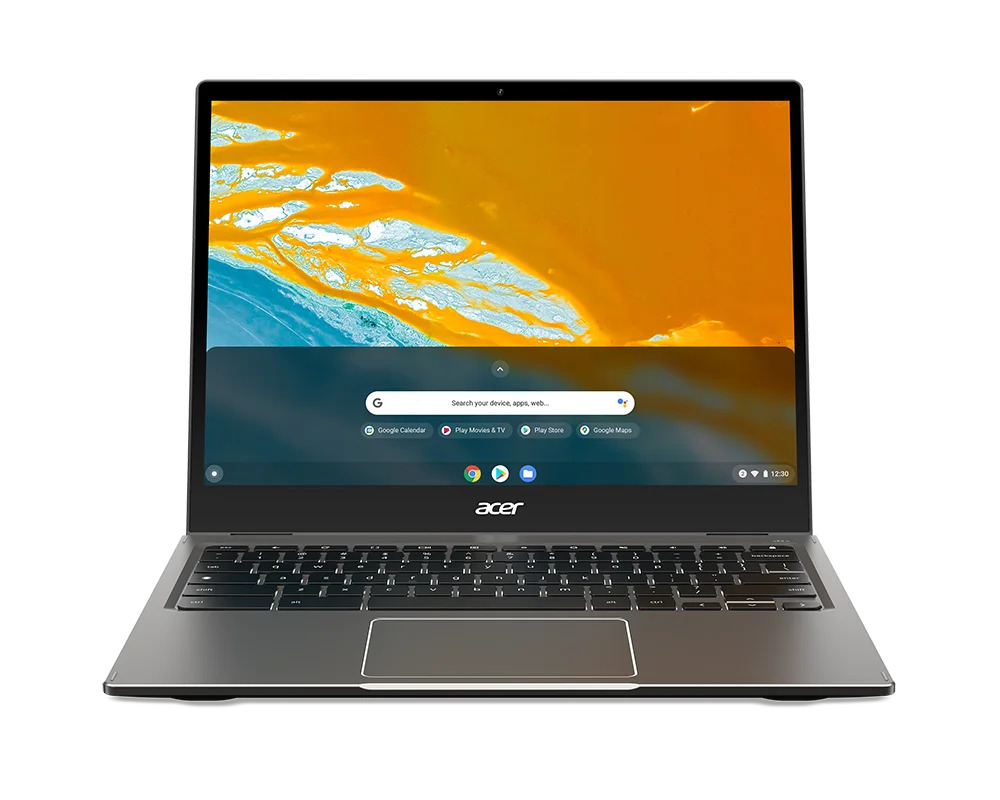
All three devices — Chromebook Spin 513, Chromebook 315, and Chromebook 314 come with different screen sizes and form factors.
The Acer Chromebook Spin 513, which carries model number CP513-2H, comes with a 13.5-inch VertiView display that offers a 2256 x 1504 pixels screen resolution and a 3:2 aspect ratio. It has narrow 7.7mm bezels and thanks to the aspect ratio, there’s 18 percent more vertical screen space.
Under the hood, the device is powered by the MediaTek Kompanio 1380 chipset which comes with eight cores for enhanced multitasking and productivity and is claimed to offer exceptional performance.
It is designed in such a way that the device can be used in four different modes. It features military-grade MIL-STD 810H durability. There’s Wi-Fi 6 support as well as a USB-C port for connecting peripherals, transferring data, and charging devices.
As for the battery life, the new Acer Chromebook Spin 513 offers 10 hours of usage on a single full charge, which is a downgrade from its predecessor’s 13 hours of battery life. It is priced at $599.99 and will be available for purchase in North American from June.
Acer Chromebook 315 comes with a larger 15.6-inch Full HD IPS anti-glare display. There’s also an optional touch-screen display that allows for easy navigation, while the large keyboard has room for a dedicated numeric keypad.
It comes powered by an Intel chipset which could be the Celeron N4500, Celeron N5100, or the Pentium Silver N600. This means that the company is moving away from AMD A-series chip as when the first model was launched in 2019, it was the first Chromebook to come powered by the AMD silicon. As for the pricing, the Acer Chromebook 315 is priced at $299.99 and will so go on sale in North America later this month.
Lastly, there’s a new Acer Chromebook 314 that features a 14-inch Full HD IPS anti-glare touchscreen display with narrow 8.1mm side bezels. Similar to the 315, this one too features an OceanGlass touchpad that offers a sleek touch experience.
The device is powered by the Intel chip but the exact model number has not been revealed by the company. This one too has MIL-STD 810H ratings for durability. For connectivity, it supports Wi-Fi 6 which is about three times faster than Wi-Fi 5.
It has two built-in microphones with noise-reduction technology, along with a webcam that helps in reducing distracting lighting issues. As for the battery life, the laptop offers 10 hours of usage on a single charge. This one too is priced at $299.99 and will go on sale in North America from June this year.
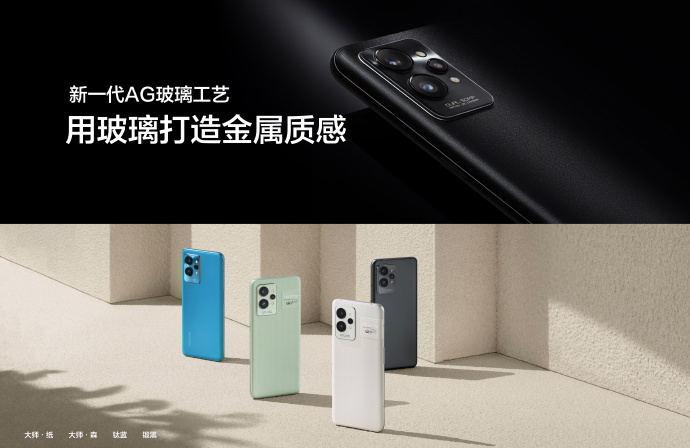
Realme has officially announced the Realme GT2 Pro flagship smartphone equipped with several innovative features. One of the fun features is the use of environmentally friendly, bio-based materials to manufacture the rear cover. The casing is said to have been sourced from paper, soybeans, and other materials.
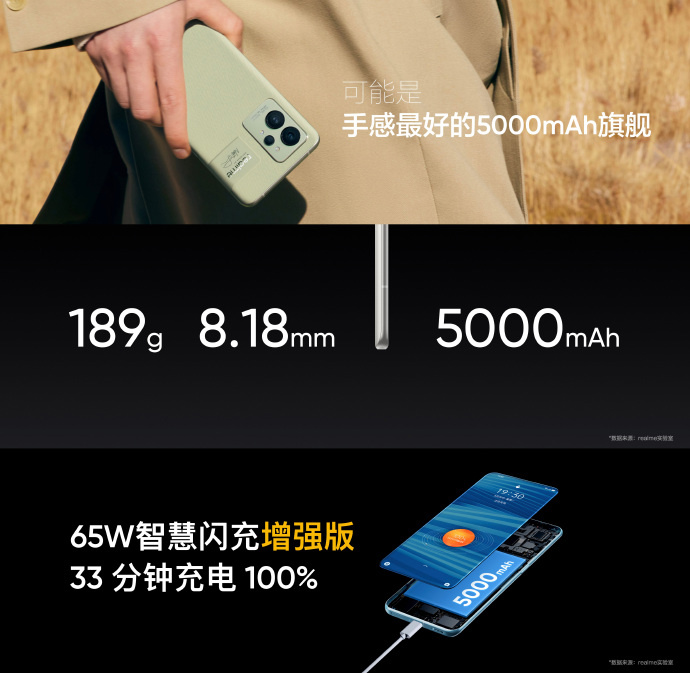
The use of environmentally friendly materials may have contributed to the lightweight design as the device weighs only 189g despite packing a massive 5,000mAh battery. The device comes with support for a 65W flash charge which the company claims can deliver 100% charge in just 33 minutes.
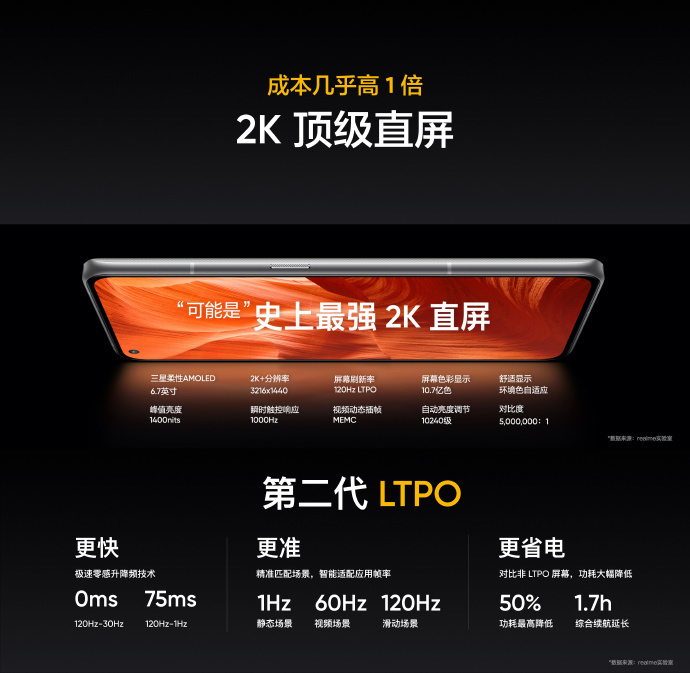
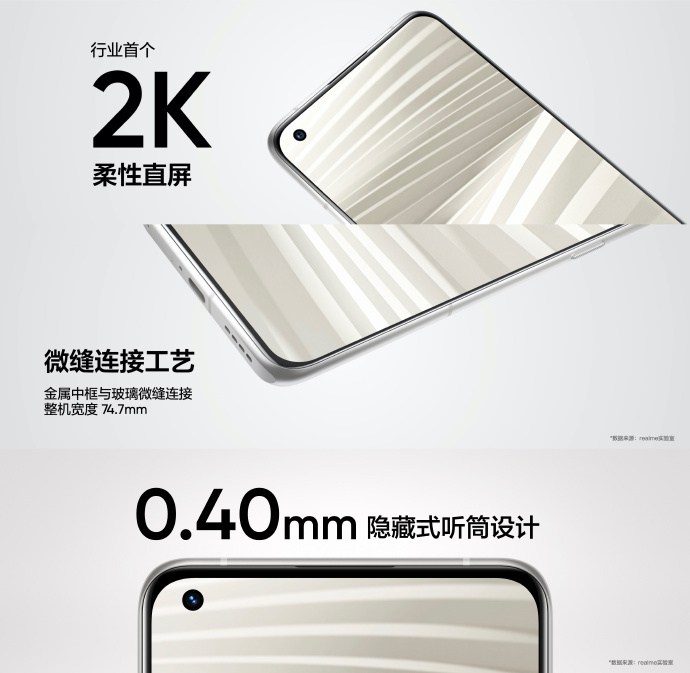
The Realme GT2 Pro features a 6.7-inch LPTO AMOLED screen with a 2K resolution of 3216 x 1440 pixels. The display is said to be a flexible panel with support for a 120Hz refresh rate, up to 1400 nits. The display has a punch-hole cut out at the top left corner of the screen housing the selfie camera. The display is protected by a layer of Corning Gorilla Glas Victus. The display has also received DisplayMate’s A+ rating. Furthermore, the screen features support for a single 1000Hz gaming control engine, O-Sync overclocking response 2.0. You also get a new generation under-display fingerprint sensor that can unlock the screen very fast and also supports heart rate detection.
The GT2 Pro is touted to be the world’s first device to pack a new generation of super-large X-axis linear motor. The device uses a revolutionary full-speed matrix antenna system as well as a Wi-Fi network enhancement system and new-gen omnidirectional NFC.
The Realme GT2 Pro is powered by the latest Snapdragon 8 Gen 1 5G chipset. It equally adopts the diamond ice core cooling system Plus which is said to increase the heat dissipation area by 205%. The nine-layer heat dissipation structure covers 100% of the heat source bringing a conduction efficiency increase of 50%. The design also reduces the peak core temperature by 19°C. The phone has a heat dissipation area of 36761mm² which is likely the industry’s largest. It also features what is also likely the industry’s largest tempered VC liquid cooling area – 4129mm².
For interface, the Realme GT2 Pro is pre-installed with Realme UI 3.0 based on Android 12 which brings an upgrade in the UI as well as new desktop components in GT mode and a more stable and smooth AI frame stabilization technology 2.0. The device also comes with GPU heterogeneous rendering technology that helps lower power consumption.
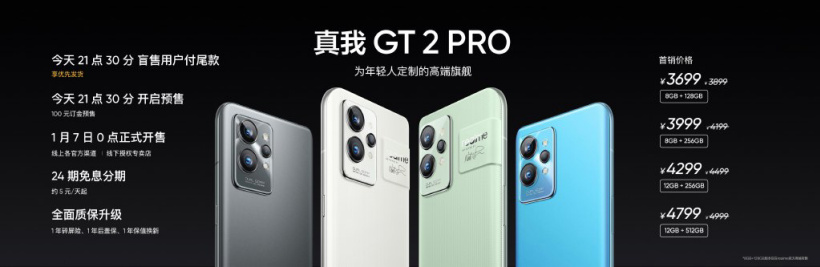
The Realme GT2 Pro comes in 8GB RAM and 12GB RAM options. The 8GB+128GB variant is priced at ¥3699 (~$582) while the 8+256GB version comes in at ¥3999 (~$629). The 12+256GB is priced at ¥4299 (~$676) and the top-end 12+512GB will retail for ¥4799 (~$755). The device is presently up for pre-orders and will g on sale on January 7th.
The Chinese tech giant OPPO has recently unveiled its latest TWS earphones offering dubbed the OPPO Enco Air 2 in China. The buds come as the successor of the Enco Air which was released back in 2021 and therefore retains some of its features while offering some new ones.
In the looks department, the Enco Air 2 is similar to the last-gen Enco Air and comes with a translucent jelly-like case. The exterior design of the buds also remains unchanged for the most part.
According to an ITHome report, the earbuds use 13.4mm composite titanium-plated drivers, featuring OPPO’s new Enco Live tuning. OPPO has stated that the Enco Air 2 has been tuned by the company’s Blu-ray technology R&D expert team to make the sound more balanced, in order to meet the high sound quality requirements of the users.
The presence of a bass duct in the Enco Air 2 further enhances the bass performance and enables the TWS to offer two new stereo sound effects, namely “pulsing bass” and “melodious vocal”.
The OPPO Enco Air 2 is capable of up to 24 hours battery backup and is equipped with Bluetooth 5.2 for connectivity. The earphones also offer features like low latency mode for gaming, call noise reduction function, and improve upon issues such as synchronization issues, interference, and disconnection problems.
The Enco Air 2 TWS has been announced earlier today by OPPO and is set to go for a starting price of 179 yuan ($28) and will later retail at a price of 199 yuan ($31). The TWS is available in two colors: Blue and White.
Additionally, the earbuds are rumored to launch in India in February 2022 but no official comments have been made by OPPO on the matter.
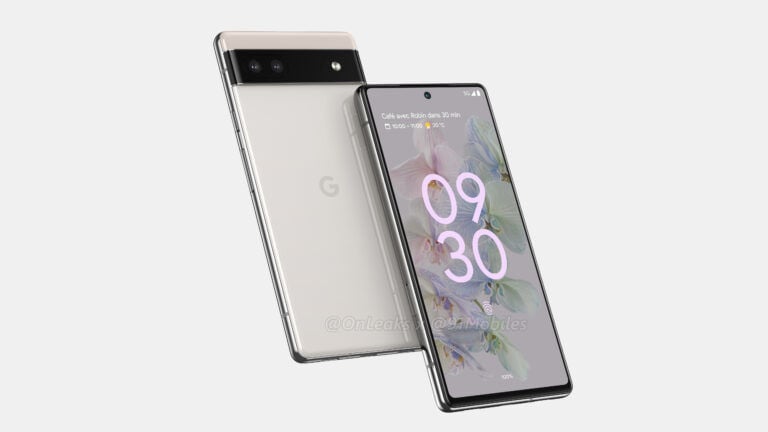
The Pixel 6 and the Pixel 6 Pro are the latest smartphones from Google. But unfortunately, these handsets are limited to specific markets. However, according to a tipster, it won’t be the case for the search giant’s upcoming phone, which could be the Pixel 6a.
Google Pixel 6a | Source: @OnLeaks via 91Mobiles
Tipster Yogesh Brar says that a new Pixel smartphone is heading to India. He adds that the handset will debut in the country by the end of Q1 2022.
Lastly, he also reveals that the phone should get certified by BIS soon. He suggests that this device could be the unreleased Pixel 6a.
For those who don’t know, Google hasn’t released any flagship smartphone in India after Pixel 3 and Pixel 3 XL. Since then, the country has only received the Pixel A series of mid-range handsets like Pixel 3a, Pixel 3a XL, and Pixel 4a.
As far as the Pixel 6a is concerned, it is expected to feature the same design as the standard Pixel 6 and Pixel 6 Pro. Hence, the device will have a centered punch-hole display on the front and a visor-like camera set on the rear.
We also know that the phone is codenamed Bluejay and it will be powered by the identical Google Tensor GS101 chipset like the Pixel 6 and Pixel 6 Pro. But unlike them, the upcoming device will have an older main camera.
The Pixel 6a is said to arrive with a 12.2MP IMX363 primary camera, a 12MP IMX386 ultrawide unit, and an 8MP IMX355 front-facing shooter. In other words, the main sensor will be the same as the one found on the previous three generations of Pixel smartphones.
Unfortunately, this is all the information we have on the Google Pixel 6a so far. Anyway, we are looking forward to learning more about this handset before its official announcement.
Earlier, Jabra unveiled its Elite 4 Active TWS buds in the UK. Now, the company has officially launched the TWS earphones in the Indian market. The Jabra Elite 4 Active comes with impressive features like Active Noise Cancellation, aptX audio, and up to 28 hours of playback.
The Jabra Elite 4 Active is priced at ₹10,999(~$147) and can be purchased from the Amazon India website. The earphones come in three colours – Black, Navy, and Light Mint. Reportedly, the buds will also be available for purchase on Flipkart and offline retail stores like Croma and Reliance.
Jabra Elite 4 Active Specifications
The Jabra Elite 4 Active comes with an in-ear design offering a secure fit. The earbuds have a wing-free design and boast Qualcomm’s aptX audio.One of its major highlights is the presence of Active Noise Cancellation(ANC) which is claimed to block intrusive sounds with a touch of a button. It also has HearThrough technology.
It has Bluetooth v5.1 and features a built-in Alexa voice assistant. The earphones also come with Google’s Fast pair technology has a battery life of up to 7 hours. The buds provide a total of 28 hours of playback with the charging case. It bags fast charging support that offers 1 hour of playback with just 10 minutes of charge.
The Elite 4 Active comes with 4-microphone support and has 6mm speakers. It has IP57 sweat and waterproof rating and has a 2-year warranty.
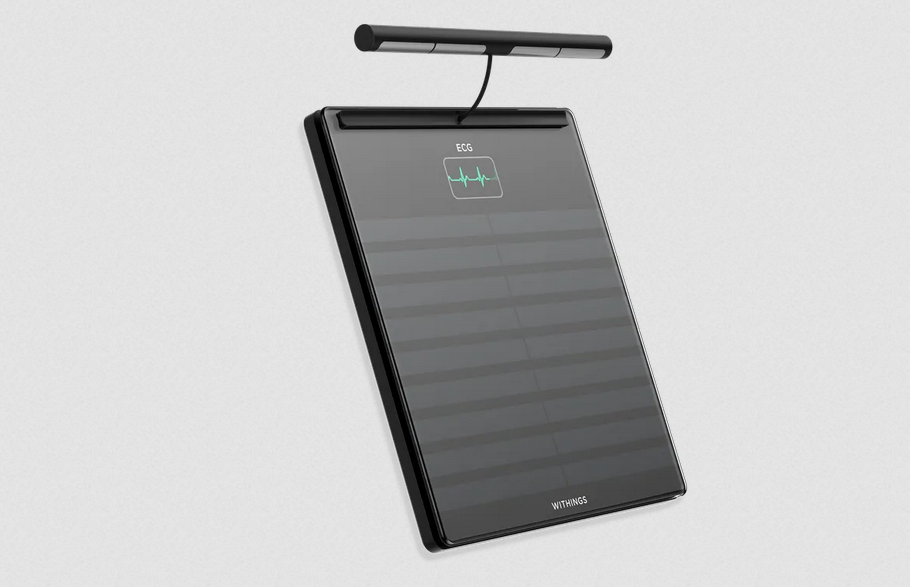
During CES 2022, a number of tech based companies revealed their latest innovations and breakthroughs in technologies, apart from just consumer electronic products like smartphones. Now, Withings has unveiled a new smart scale that can scan the various parts of the user’s body.
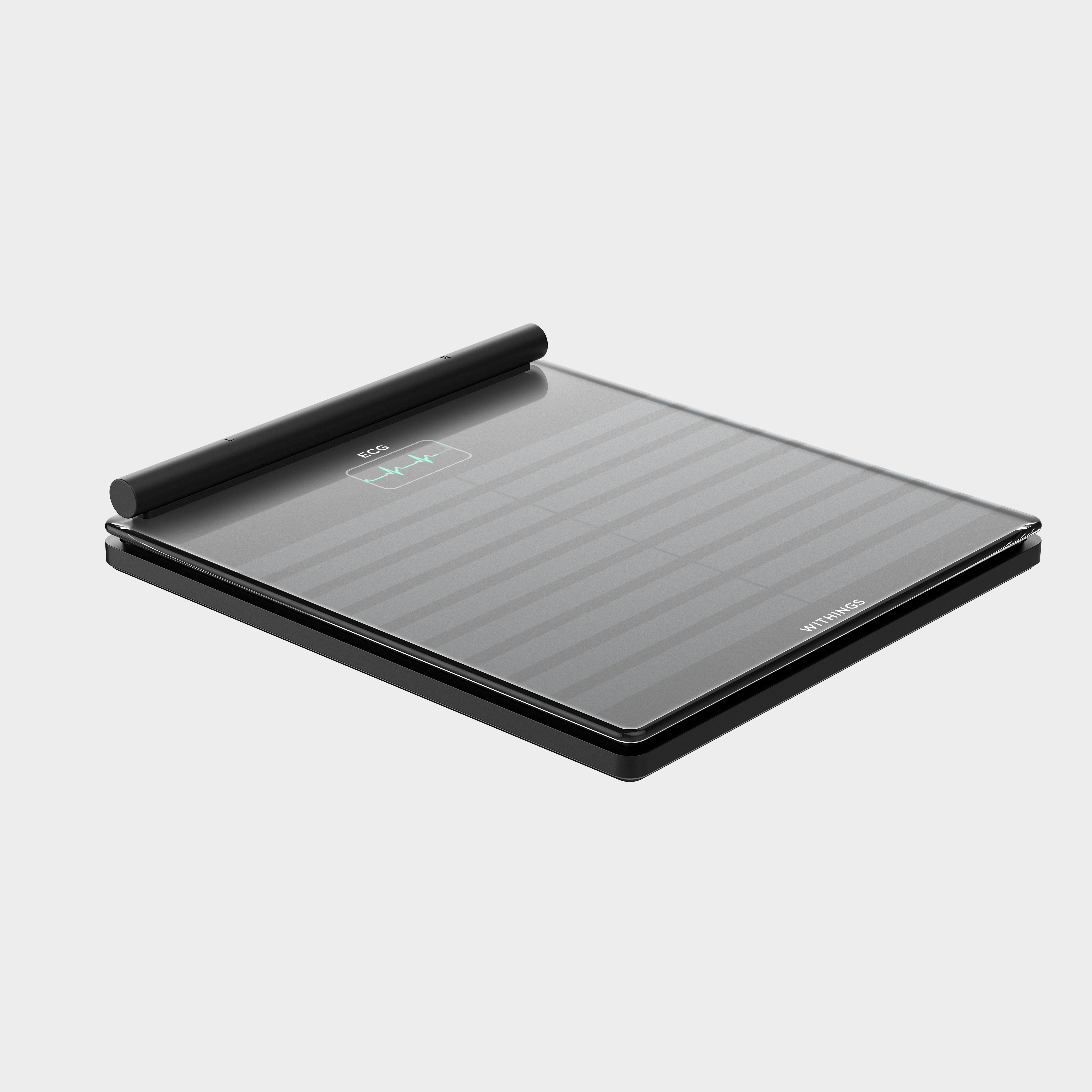
In the event, the company revealed the new Withings Body Scan that features six lead EKG readings, segmented body composition measurements, and even the ability to assess foot nerve activity as well. To put things simply, the new smart scale is capable of measuring how fat is distributed in their bodies and how it may affect the health of your heart. Looking at the new Body Scan, it appears like any regular scale, although, a notable inclusion is a retractable handle that extends from the top that allows it to measure different parts of your body and also distinguish between them.
This handle houses four weight sensors along with 14 ITO electrodes in the scale and another four located in the handle itself. Furthermore, the scale also sports a larger 3.2 inch LCD color screen, with the device rated to have a battery life that can last for one year. Interestingly, users can also pair this smart scale with the Withings’ smartwatches that integrate this device as well as Apple HealthKit and Google Fit APIs. The handle is also what offers one of the highlighting features of the new Body Scan.
It can measure various body compositions through bioelectrical impedance analysis (passing low level electrical current through the body) to measure body fat, water, and lean mass. Apart from body compositions, the device will still provide heart rate, EKG recordins, and vascular age data at each weigh in. These readings can be recorded and later shared with doctors.
Talking to The Verge, Withings chief medical officer Shikha Anand stated that “We’ve been looking for a way to do this safely and effectively. We can’t solve the way in which the world sees weight, but that said, we will make every effort not to exacerbate it. We will ground in health and not in weight wherever we can. It will always be about how your weight relates to your health.” The company aims on launching the new Body Scan smart scale for 279 US Dollars in the second half of this year, but the launch depends on the product passing FDA and CE clearance.
Chinese phone maker Realme is expected to launch its upcoming Realme 9, 9i, 9 Pro, and 9 Pro+ soon. Recently, the Pro+ model passed several certifications hinting for a sooner launch. Now, a concept render of the Realme 9 Pro+ based on some schematics was surfaced by user Yash Purohit (via – @yabhishekhd). The render gives us a closer look at the phone and reveals its possible design.
As per the image, the Realme 9 Pro+ has a large punch-hole panel with a thin bezel design even at the bottom. It has a single selfie snapper and an earpiece at the top.
It has a triple camera system at the rear that looks similar to the iPhone 13 Pro’s triple camera array but it is much boxier. It also has an LED flash beside the lenses. The smartphone has a power button and volume button on the right-side.
Since it is a concept render, we would tell our readers to take it with a grain of salt. Nonetheless, if the phone comes with this design, it will be somewhat similar to the predecessor Realme 8 series.
Other than this, the Realme 9 Pro and 9 Pro+ were recently tipped to debut in February this year. The phones are touted to get an initial European release followed by the rest of the markets. Coming to the specs, the Realme 9 Pro and Realme 9 Pro+ are expected to come powered by a MediaTek Dimensity 810 SoC and Dimensity 920 SoC respectively. The rest of the specs of the series is unknown as of now.
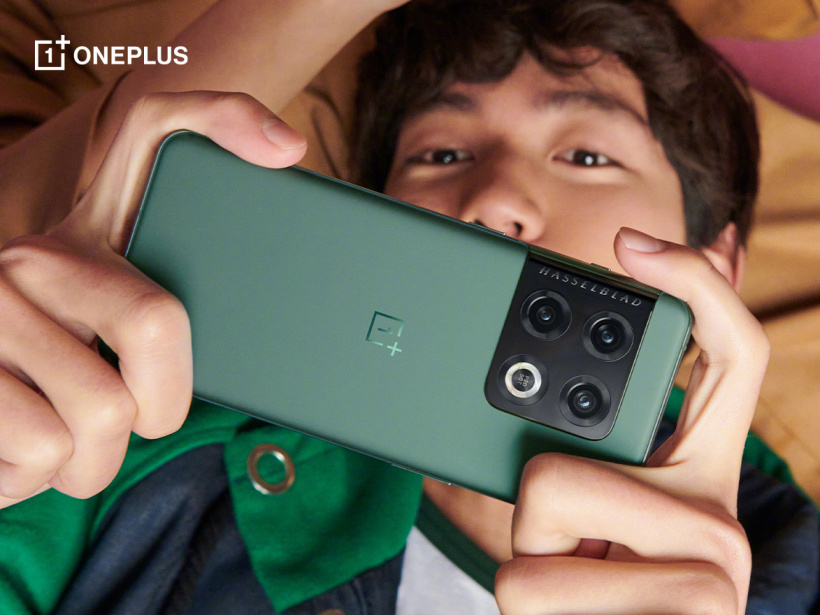
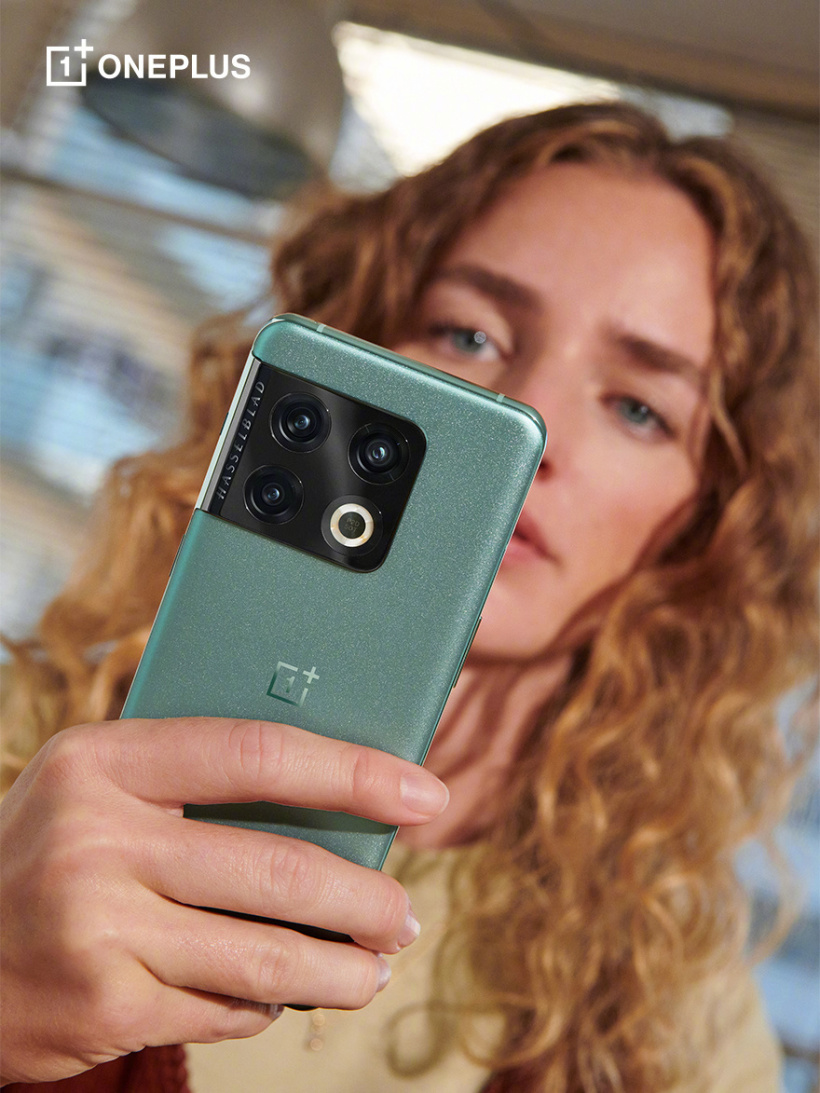
With its official launch right around the corner, the OnePlus 10 Pro has leaked almost all of its specs and features. Additionally, earlier today, OnePlus officially unveiled the launch date of the upcoming device, along with the company’s founder sharing multiple live images of the smartphone. So let’s take a look at what the upcoming OnePlus flagship has to offer.
Design & Display
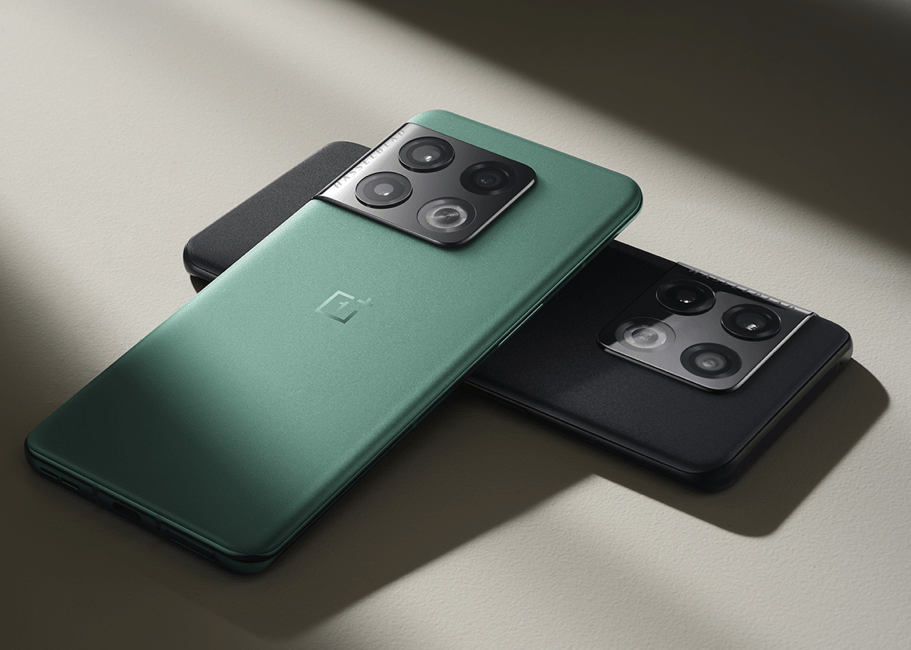
The device measures 163 x 73.9 x 8.5mm and weighs 200.5 grams starting with the design. The rear panel houses a large camera island with a triple camera setup.
The camera module has a Hasselblad branding on the left edge, aligning with the previous leaks. OnePlus has admitted that the camera module design has received a mixed reception from customers and fans all over. Some love the radical design change, while others do not.
The OnePlus 10 Pro has a 6.7-inch AMOLED LTPO 2.0 display that offers a Quad HD+ resolution of 1440 x 3216 pixels with thin bezels and a 120Hz refresh rate.
Cameras
Recent TENNA certification has revealed that the device houses a triple rear camera setup with a 48-megapixel primary sensor, a 50-megapixel ultrawide, and an 8-megapixel telephoto lens which supports up to 3x optical zoom. The cameras come with Hasselblad calibration offering impeccable color accuracy. A 32-megapixel snapper is present on the front for selfies and video calls.
Performance
The Snapdragon 8 Gen 1 chipset is confirmed to power the OnePlus 10 Pro. The device features 8 GB / 12 GB of LPDDR5 RAM and 128 GB / 256 GB of UFS 3.1 internal storage. However, recent Chinese listings have confirmed that the phone will also come in 8GB RAM with a 512GB storage configuration. It is expected to ship with Android 12 based OxygenOS and ColorOS 12 in China.
The OnePlus 10 Pro has a 4,880mAh rated battery (5,000mAh typical value). The 3C appearance of the phone revealed that it might carry support for 80W fast charging. It is also rumored to offer 50W wireless charging. Additionally, the device will come equipped with multiple sensors like a gravity sensor, proximity sensor, light sensor, and a fingerprint sensor under the screen.
Variants, pricing, and availability
The OnePlus 10 Pro is expected to launch in China on January 11th at 14:00 local time. The device has been revealed to come in olive and black color variants but renders also show a white color model. As for the memory configurations, the phone is expected to house 8GB and 12GB of ram coupled with storage configurations starting from 128GB and going up to 512GB. The pricing of the upcoming OnePlus flagship has not been revealed yet, but Chinese customers can pre-book a device by paying a deposit of 100 yuan (~$16).
Russia continues its campaign against tech giant firms. Now, the Russian government is targetting online video/movie streaming services like Netflix, which are required to include state backed TV channels on their platforms.
According to The Moscow Times (Via 9To5Mac), the nation’s communications regulator, Roskomnadzor, has just announced that it will mandate foreign streaming services to also offer 20 local federal television channels to their userbase. This regulation was first introduced back in late 2020 and is set to take effect starting from March 2022. So now, out of the 20 Russian government run channels, Netflix and other streaming services will also broadcast the nation’s flagship “Channel One,” alongside the Orthodox church channel “Spas”, and more.
Furthermore, the government also seeks to have its streaming service providers abide by local regulations and laws. In other words, these companies are not allowed to showcase movies that promote “extremism” or even LGBTQIA+ related content. Roskomnadzor even added that the laws also apply to all of these streaming services that regularly bring in more than 100,000 users daily. So, we can expect the changes to impact the likes of Netflix and Amazon Prime Video among others.
The latest move from the government is also in line with its efforts to rein in tech giants. It had previously attempted to restrict the operations of foreign companies like Apple, Facebook, and Google, by requiring them to set up local offices within the country to prevent a possible ban on the firms. The iPhone maker even faced an antitrust case against its App Store, with the government demanding companies to offer third party payments options as well.
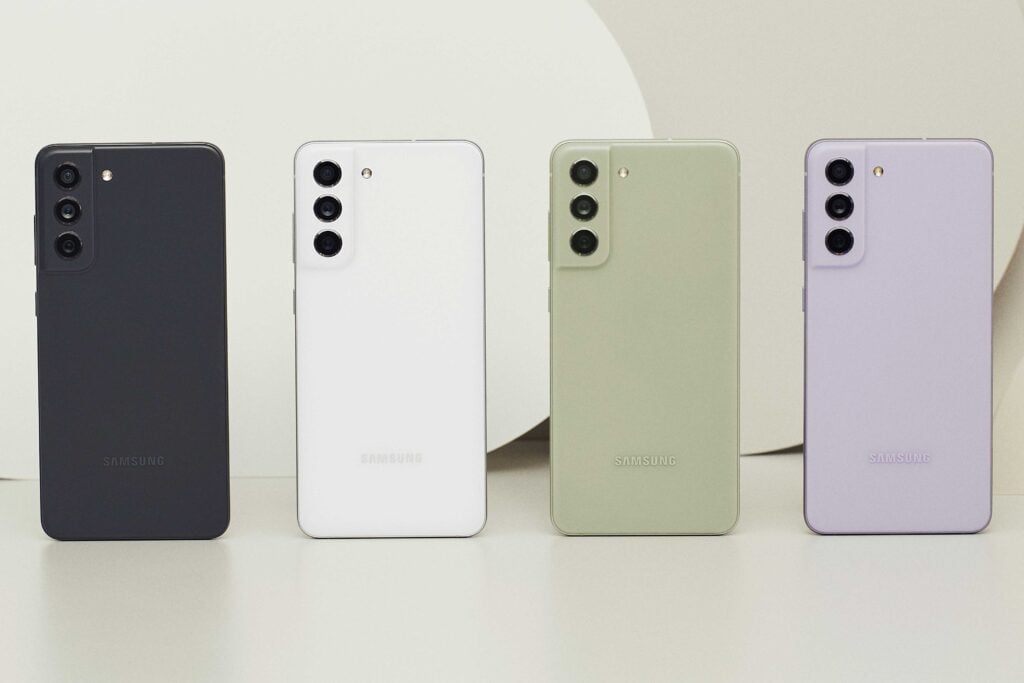
Earlier today, Samsung officially announced the Galaxy S21 FE. Just like the reports stated, the smartphone arrives with two different chipsets depending on the market it is sold in. Samsung has even revealed which markets get what silicon but not in a detailed manner.
Samsung Galaxy S21 FE
According to a report by SamMobile, the South Korean tech giant has confirmed that the Samsung Galaxy S21 FE is powered by Qualcomm Snapdragon 888 chip in the US as well as Europe. For the unaware, the latter region usually gets the Exynos variant.
This is not the first time a flagship Galaxy product is coming with a Qualcomm chipset in Europe. The last year’s Galaxy S20 FE 5G also featured the SoC from the US-based chipmaker in Europe. However, the original Galaxy S20 and the Galaxy S21 models feature Exynos silicon.
As far as other regions are concerned, there is a Galaxy S21 FE variant with ‘E’ in its model number. SamMobile points out that this version will house the Exynos 2100 SoC. The publication also says that Samsung will be offering this variant in most Asian countries.
But unfortunately, the exact regions that will be receiving the Exynos version are not known at the moment. We expect to learn more about them once Samsung starts revealing the availability of the handset in those markets.
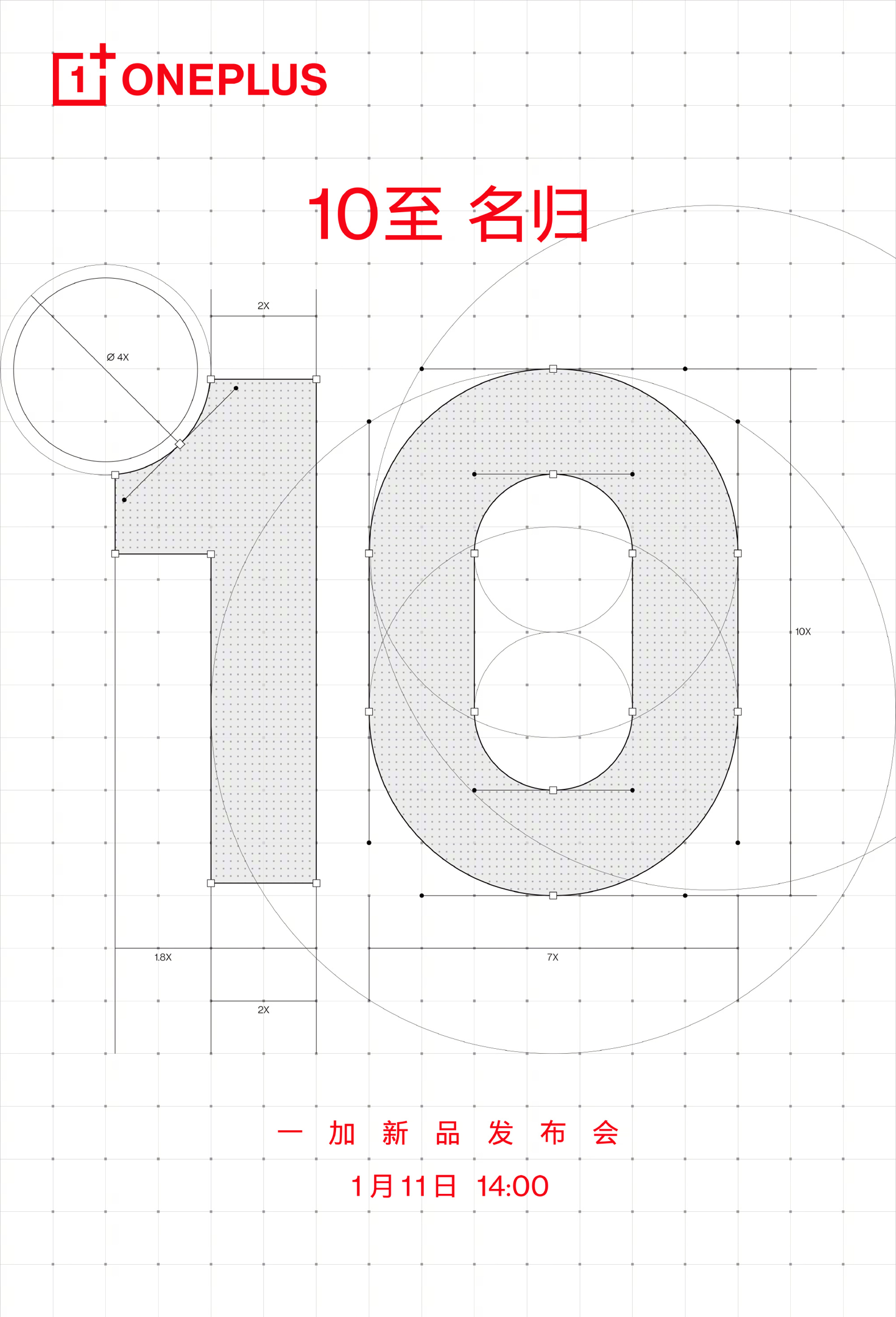
As the OnePlus 10 Pro design has been revealed, OnePlus has finally reconfirmed the launch event of its highly anticipated OnePlus 10 Pro. It will be happening on January 11th at 2PM CST in China.
OnePlus 10 Pro design
As shown in the promotional poster below, the official slogan for the OnePlus 10 Pro is “bringing 10 to the name”, a pun of a Chinese saying, “bringing fame to the name”. 10 is seen as the perfect 10/10 score for many sports such as diving, gymnastics, and 10-pin bowling, and OnePlus is trying to imply that the OnePlus 10 Pro is going to bring perfection to the flagship smartphone space, and will be solidifying the OnePlus brand name in the premium smartphone category.
OnePlus 10 Pro Promotional Poster
At the same time, Pete Lau, founder of OnePlus, has also gone to Weibo to share his excitement of the announcement with fellow OnePlus fans as well!
Pete Lau sharing his OnePlus 10 Pro excitement on Weibo
Pete shares that in 2022, the OnePlus brand has been established for 9 years, and the OnePlus community is now spanning across 50 countries with 1.4 million active users worldwide. As once called the “flagship killers” in the industry, he shares that OnePlus wants to challenge itself further, with a truly 10/10 premium flagship, to be worthy to be called a “perfect flagship”.
He mentions that to create a “perfect flagship”, one must follow a 10 point rule, whereby 3 points go into the specs of the product and 7 points go to the finish and polish of the product. He said that this mission has been accomplished with the 10th iteration of the OnePlus flagship, the OnePlus 10 Pro. Despite that, he mentions that the OnePlus 10 Pro will still have the top of the specs within its class, albeit with a more refined finish for OnePlus’ first truly ultra-premium smartphone.
Oppo kickstarted last year with the launch of the Oppo A93 5G smartphone in China. Soon after that, the company unveiled the Oppo A94 in multiple markets in both 4G and 5G variants. Later the company launched the Oppo A95 5G and 4G models in China and Malaysia. Now, Oppo seems to be gearing up to launch the successor Oppo A96 5G soon as new renders of the phone have emerged on the Internet.
Thanks to @evleaks, we now have a clear look at the upcoming Oppo A96 5G. As per the images, the smartphone features a pristine look at the rear. It has a dual-camera system that looks much cleaner.
The camera island isn’t the obvious black like the predecessor, rather it is of the same colour as the back panel. The phone has an LED flashlight and a 5G branding besides the lenses.
Upfront, it has a punch-hole panel with thin bezels on all three sides except for the bottom. At the bottom, it has a thick chin. The phone seems to have an earpiece at the top, a power button on the right spin; and volume buttons, sim-card tray on the left.
1 of 3
The smartphone looks somewhat similar to the recently teased Oppo Reno7 series, Realme 9i, and the already available Realme GT Neo 2. The renders also confirm its color variants – Black, Pink, Blue Gradient(a mix of Blue & Purple).
Apart from this, the Oppo A96 5G may come with an AMOLED screen and could be powered by a mid-range 5G SoC. As of now, the specs for the phone are unknown but we may hear more about the phone soon.
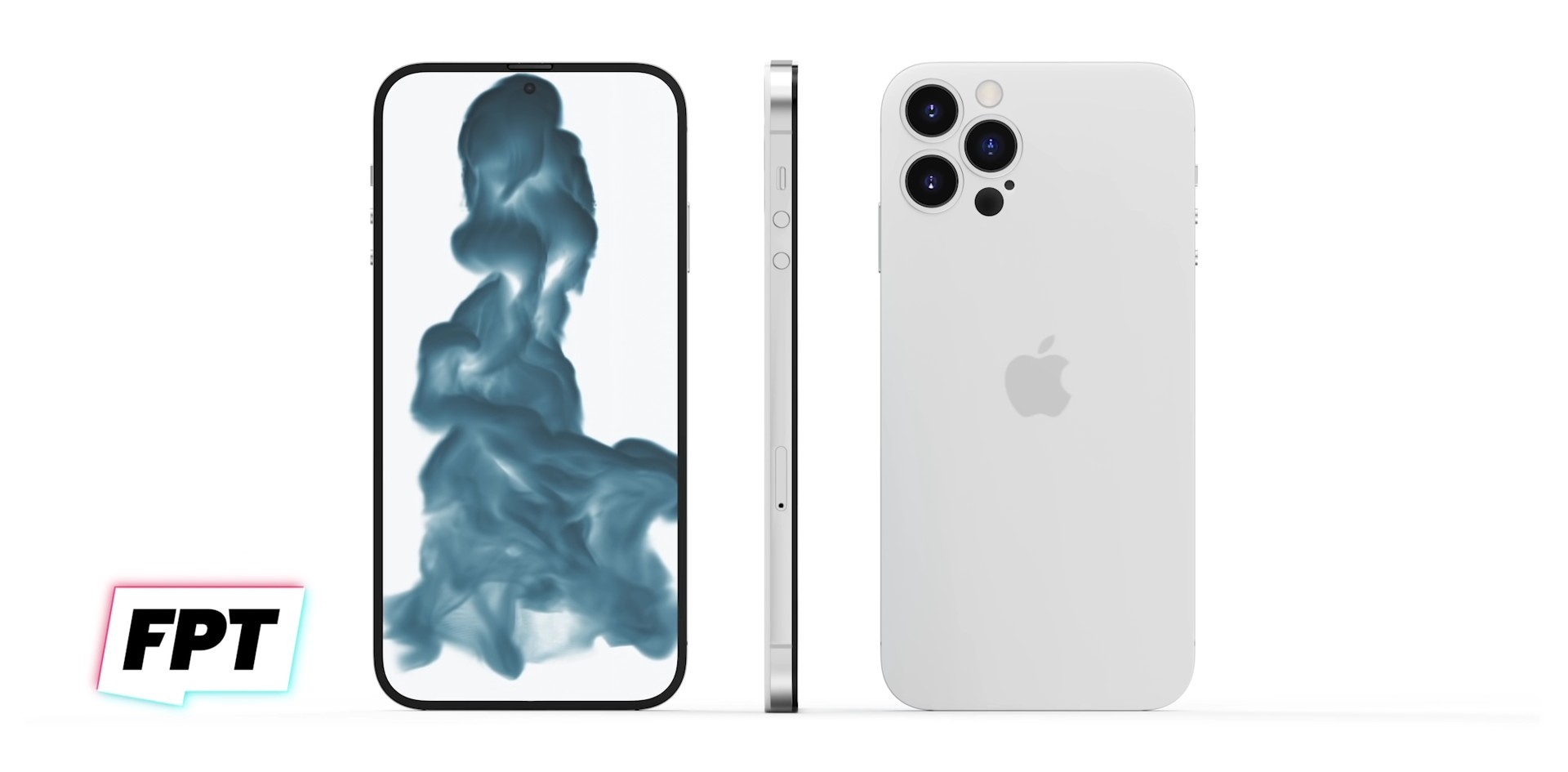
An analyst has just revealed interesting information regarding the 2023 Apple iPhone series. Apparently, one of the models within the iPhone 15 series will feature a periscope camera lens that offers improved zoom capabilities.
iPhone 14 Pro
According to a MacRumorsreport, analyst Jeff Pu stated that the iPhone 15 Pro might feature a periscope camera system, which would enable the company to fit a longer telephoto setup inside the device. Additionally, this would also allow users to zoom in even further without losing quality. The Cupertino based giant has been rumored to include a periscope lens on its iPhones for a while now, with first mentions of it arriving from a known Apple analyst Ming-Chi Kuo back in 2020.
It was previously reported that the iPhone 14 Pro would feature this camera technology. But now, the latest report hints that the wait for this might be a whole year longer. As of right now, the current premium grade flagship iPhone 13 series offers 3x optical zoom on the Pro models.
But with the next gen models, the iPhone might be able to offer optical zoom up to 10x, which would have it rival top end Android phones in the market. Keep in mind that this is still an unconfirmed report so take it with a pinch of salt for now. It is still too early to tell if the company is actually going to include this camera sensor in the iPhone 15 series, which is almost two years away.
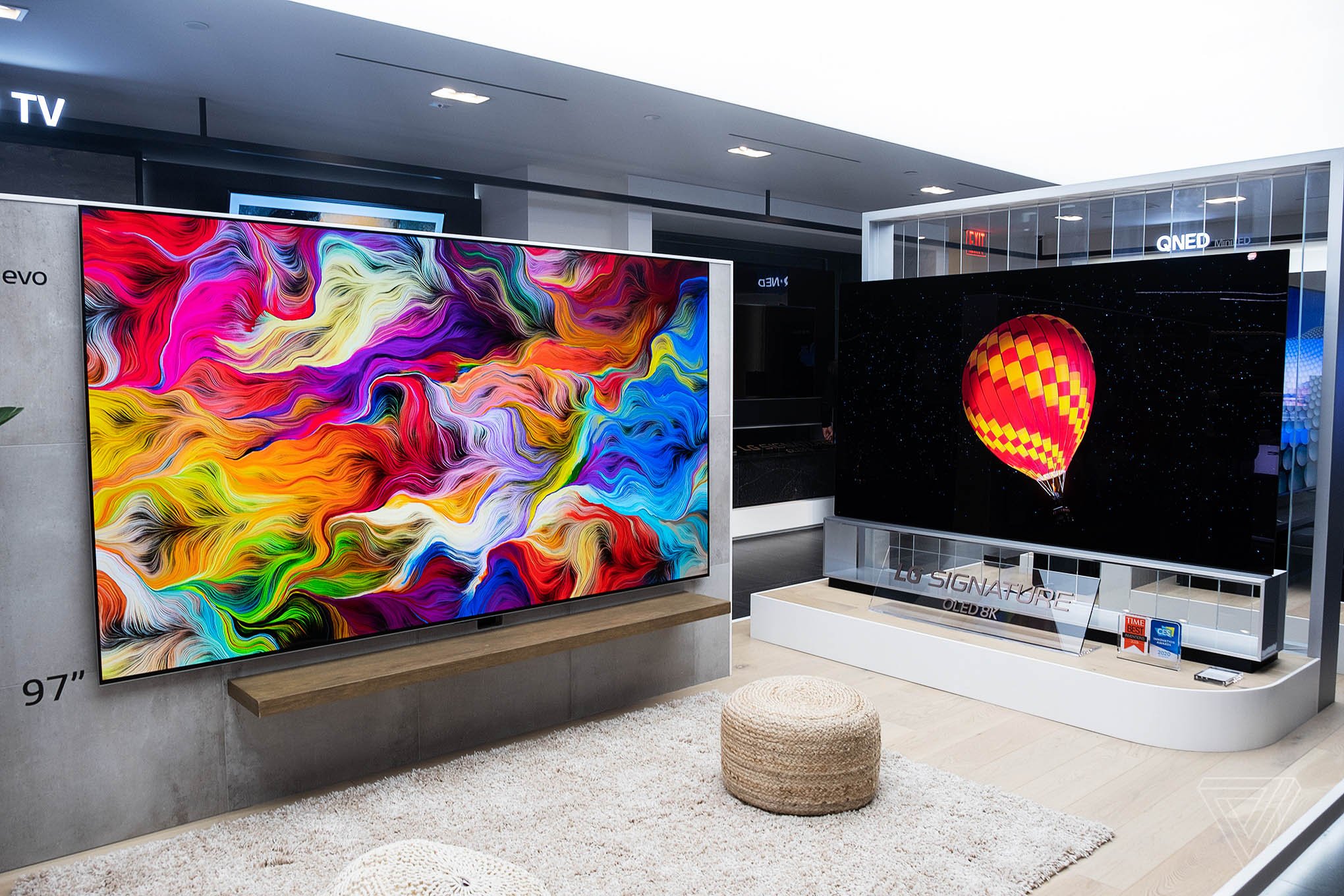
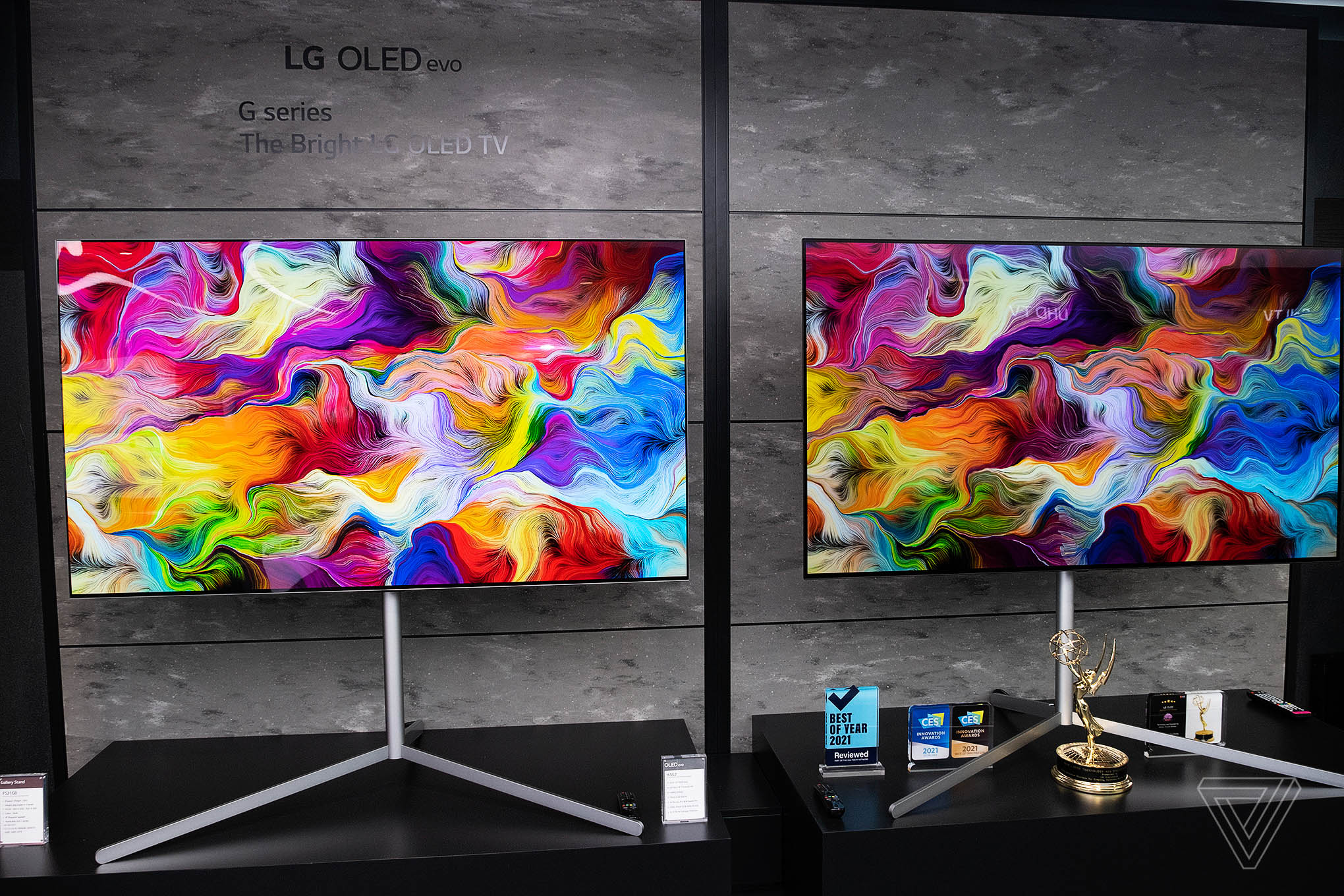
As we enter into a new year, brands are gearing up to launch their latest consumer electronics products. One of the companies includes LG, which has just unveiled its 2022 lineup of OLED TVs during the CES 2022 event.
The South Korean based company has just announced new screen sizes of its OLED TVs to expand its G2 and C2 series. These new TVs arrives with a number of improvements along with some new feature as well. This includes the new multiuser profiles in the webOS software for its TVs. Furthermore, the new televisions will also ship with the fifth generation of A9 processor that enables better 4K upscaling, improved tone mapping, and a better sense of depth through foreground object enhancement.
For 2022, LG is adding new screen sizes that fill in as both its largest and smallest ever OLED TV sizes. Previously, the smallest OLED TV from the brand was a 48 inch model, but now, a new 42 inch OLED TV has just been unveiled to fit in small spaces and is a part of the C series. On the other side of the spectrum, the largest OLED TV used to be an 83 inch 4K model and an 88 inch 8K model. And now, the company has unveiled a massive 97 inch 4K model under its G series.
Both the new C and G series TVs will offer full HDMI 2.1 support along with 120Hz 4K gaming, variable refresh rate, auto low latency mode, and more. Notably, LG is also bringing support for GeForce Now and Google Stadia cloud gaming services as well. The new G2 OLED TVs will arrive in the 97 inch, 83 inch, 77 inch, 65 inch and 55 inch screen sizes. Whereas, the C2 series will now include the 83 inch, 77 inch, 65 inch, 55 inch, and 42 inch screen sizes.
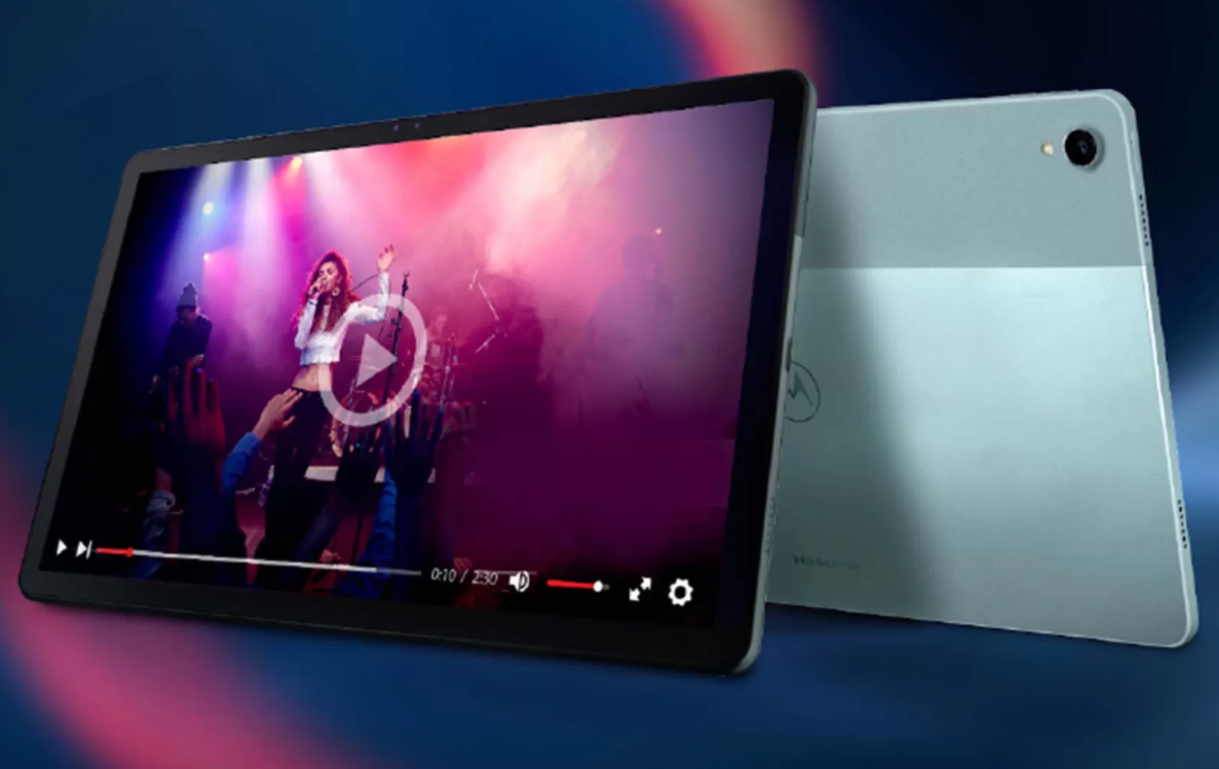
Motorola entered the tablet market in India last year by unveiling the Moto Tab G20 in September. The company is now gearing up to launch a new tablet called the Moto Tab G70 in India. The landing page of the new tablet is now live on Flipkart, which indicates that it may debut soon in the country. Motorola will be unleashing the Moto G71 5G smartphone on Jan. 10 in India. It is likely that the Tab G70 may also go official alongside the G71.
Moto Tab G70 specifications
The Moto Tab G70 has an 11-inch display with slim bezels. It offers a 2K resolution, 400 nits of brightness, and is capable of playing HD content from OTT platforms like Amazon, Prime Video, and Netflix. The tablet is fitted with Dolby Atmos powered quad speakers.
Moto Tab G70
The Helio G90T is present under the hood of the Moto Tab G70. It has a 7,700mAh battery that carries support for 20W fast charging. Once charged, the tablet can also for up to 15 hours, claims the company. The tablet is equipped with 4 GB of RAM and 64 GB of native storage.
The tablet comes preinstalled with Android 11 OS that has a dedicated Google entertainment space to provide access to users’ favorite movies, games, etc. For photography, it has a 13-megapixel rear camera and an 8-megapixel front camera for video calls. The tablet supports connectivity features like Wi-Fi 802.11ac, Bluetooth 5.1, a USB-C port, and a pogo-pin for connecting an optional keyboard.
The Tab G70 has an aluminium alloy body with a dual-tone finish. In addition, it comes with an IP52 rated water-repellant construction. The device measures 258.4 x 163 x 7.5mm and weighs 490 grams.
The OPPO Reno7 series was tipped to launch in January in India. Now, as we have entered the said month, more details about the phone’s release in the country have emerged. Let’s check out what the new information has to say.
OPPO Reno7 Pro
According to Mukul Sharma (via MySmartPrice), the OPPO Reno7 series will launch in India either at the end of January or early February. Only two models are expected, namely OPPO Reno7 and OPPO Reno7 Pro.
Apart from revealing a possible launch timeline, the tech influencer has also shared a promotional poster of the series for India. The screenshot of the OPPO Store app showcases the OPPO Reno7 Pro but doesn’t mention its name.
Going by a previous report, the OPPO Reno7 will cost between ₹28,000 and ₹31,000 in India. On the other hand, the OPPO Reno7 Pro will retail around ₹41,000-₹43,000.
This means the handsets could be costlier than their predecessors. For the unaware, the OPPO Reno6 and the OPPO Reno6 Prodebuted at ₹29,990 and ₹39,990 respectively in India.
Anyway, we think that the smartphones will probably cost the same as their forerunners, however, we could be wrong. That’s because the newer models come with a revamped design and some changes in specs. Hence, a price bump is possible.
We use cookies on our website to give you the most relevant experience by remembering your preferences and repeat visits. By clicking “Accept”, you consent to the use of ALL the cookies.
This website uses cookies to improve your experience while you navigate through the website. Out of these, the cookies that are categorized as necessary are stored on your browser as they are essential for the working of basic functionalities of the website. We also use third-party cookies that help us analyze and understand how you use this website. These cookies will be stored in your browser only with your consent. You also have the option to opt-out of these cookies. But opting out of some of these cookies may affect your browsing experience.
Necessary cookies are absolutely essential for the website to function properly. This category only includes cookies that ensures basic functionalities and security features of the website. These cookies do not store any personal information.
Any cookies that may not be particularly necessary for the website to function and is used specifically to collect user personal data via analytics, ads, other embedded contents are termed as non-necessary cookies. It is mandatory to procure user consent prior to running these cookies on your website.