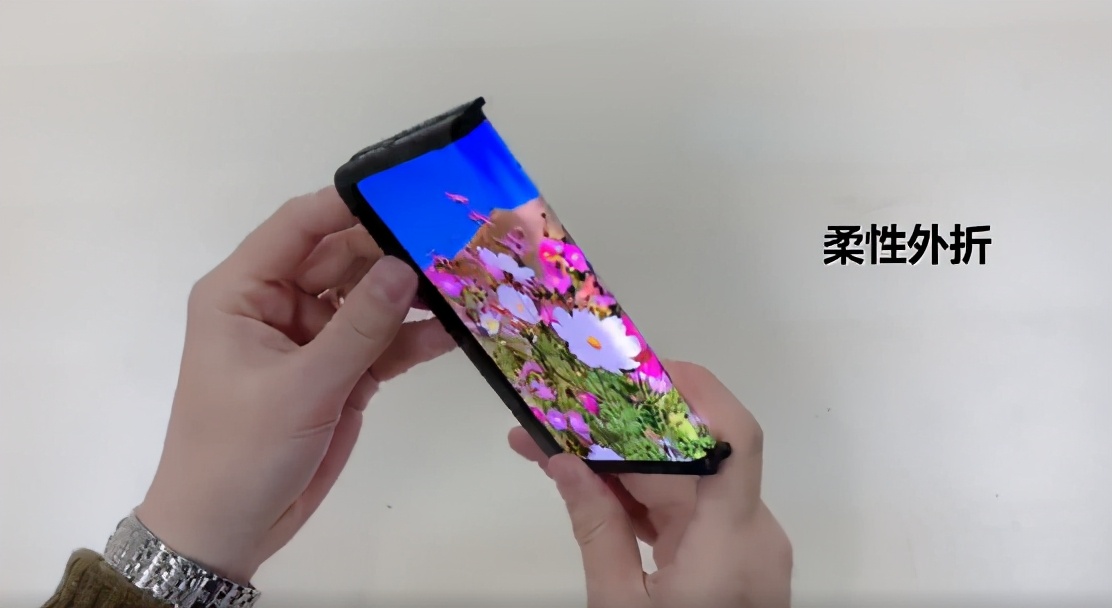
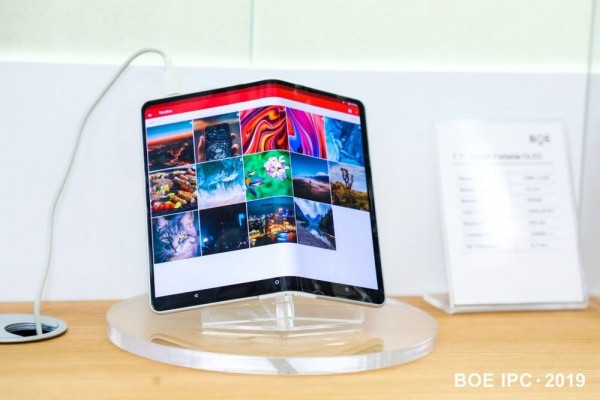
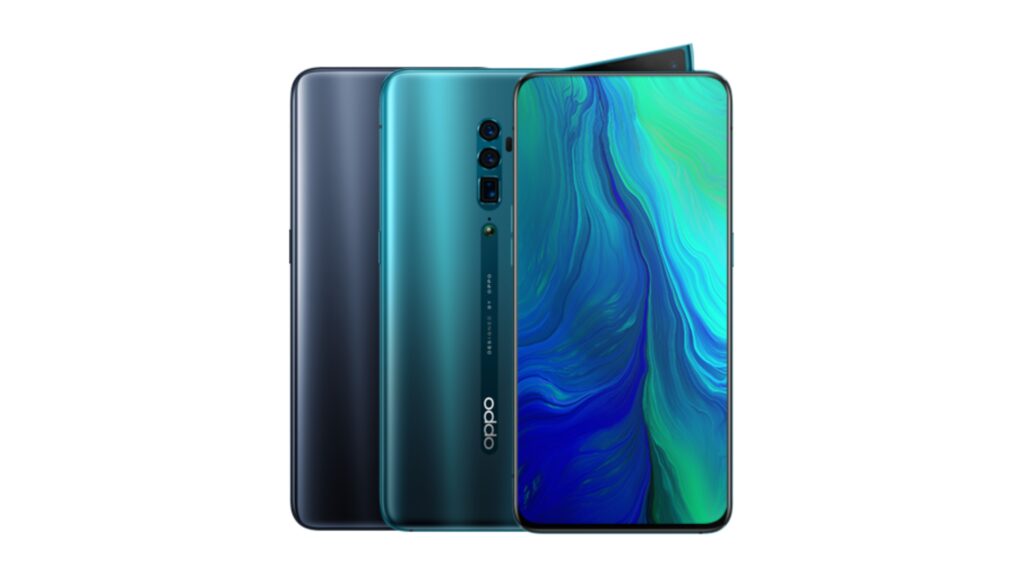
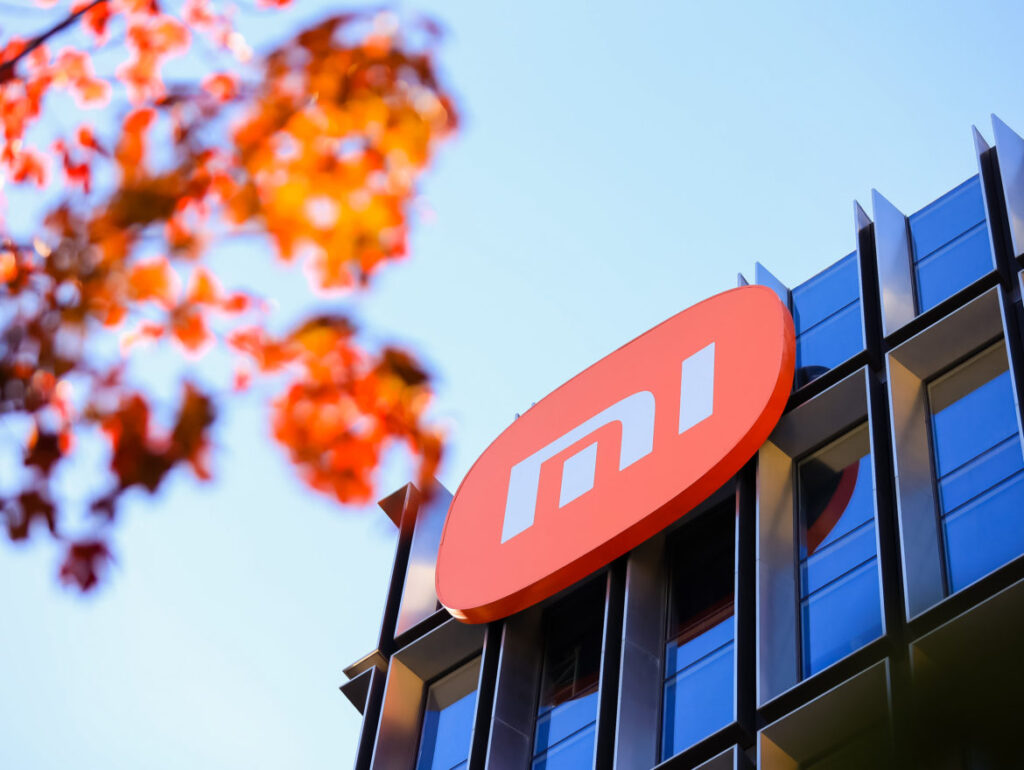
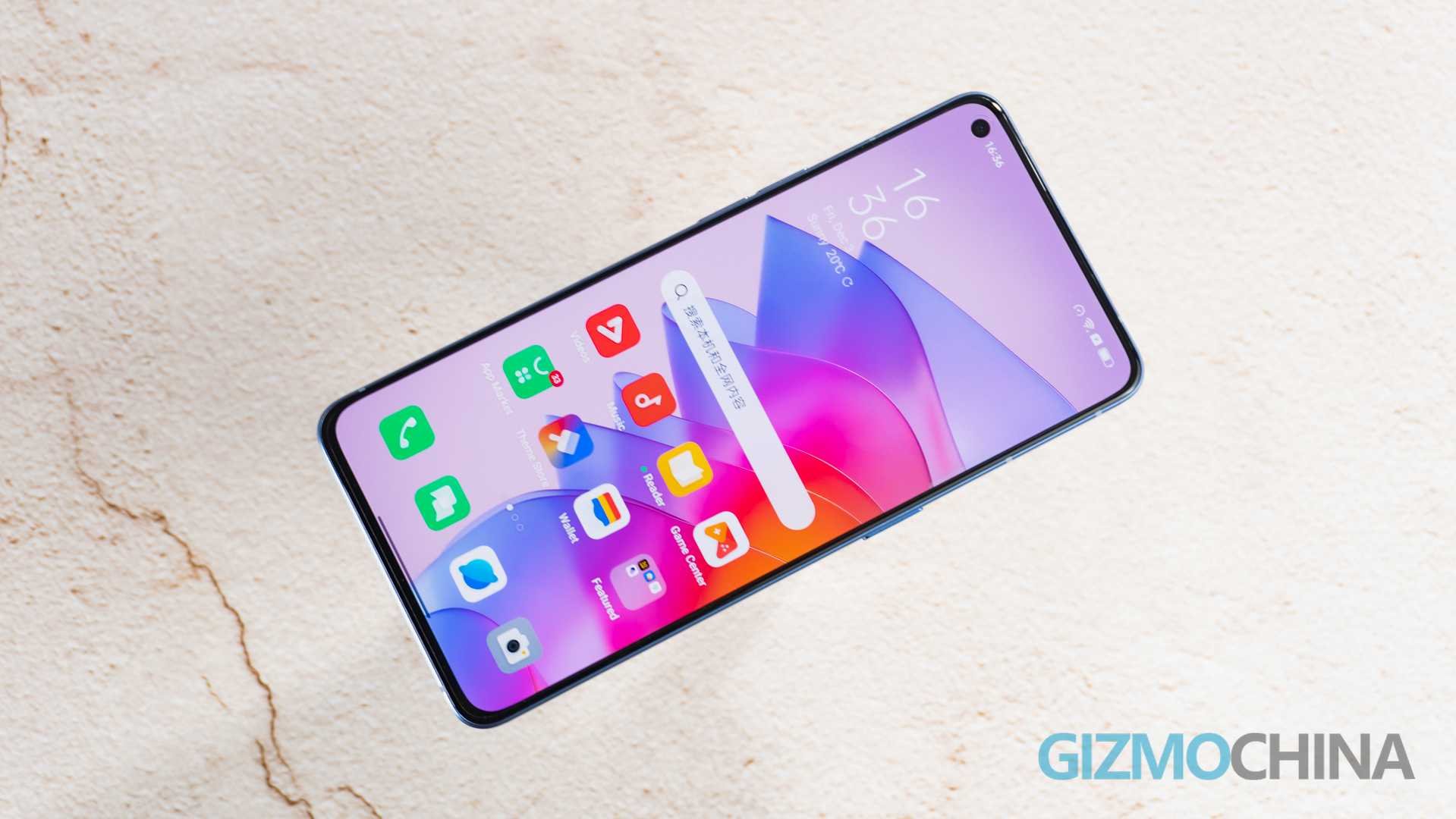
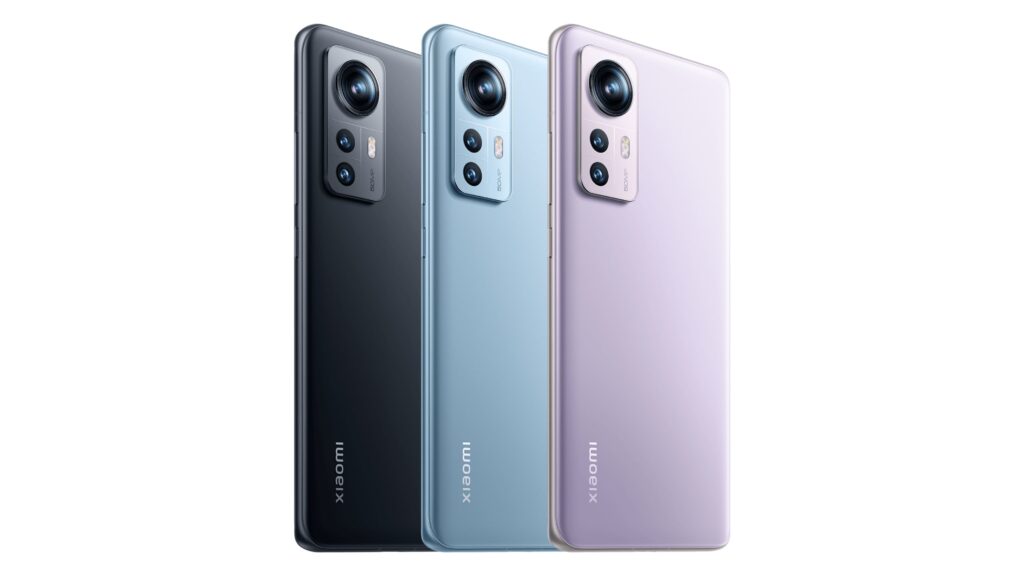
Xiaomi 12 isn’t expected until next year but thanks to popular Chinese tipstter Digital Chat Station, we are already getting an idea of how the device will look like and its features. The Weibo tipster has now diclosed that the Xiaomi 12 will arrive with a high screen-to-body ratio. The tipster equally hinted that the device will come with a smaller punch-hole design.
Xiaomi 12 Concept
Xiaomi has over the years consistently made efforts to reduce the size of the bezels around its smartphone displays. The most successful of such venture has been without doubt on the Mi Mix series. The flagship Mi, now Xiaomi series have also had its own fair share of significant reduction in the sizes of the bezels. Thus, a high screen-to-body ratio can only mean that the company is planning to further trim the bezels around the display to further increase the screen ratio. Perhaps, we’ll see a reduction of the bezels around the chin to match the size of the side bezels.
In addition, the tipster hinted that the flagship device will feature a curved-edge design and a flexible display panel. Digital Chat Station also hinted at a smaller punch-hole compared to those of the Mi 11 series.
Earlier on, the same tipster had disclosed that the Xiaomi 12 will likely feature three 50-megapixels camera sensors at the rear. This sounds ridiculous but you never can tell.
In other aspects, the flagship 12 series is expected to be powered by the upcoming Qualcomm Snapdragon 898 SoC. The device is also likely to cram a massive 5,000mAh battery under the hood with 120W wired fast charging support and 100W wireless ffst charging. Xiaomi is yet to release any official detail pertaining to the 12 though. So, these are just rumours at best.
There have been numerous reports of an iPhone SE 3, a successor to the iPhone SE (2020). The phone is expected to be the last Apple smartphone with an LCD display and should have 5G support. New info has surfaced and it reveals the iPhone SE 3 has been postponed. However, a new model called the iPhone SE Plus will launch next year.
iPhone SE (2020)’ successor said to be the iPhone SE Plus
The iPhone SE series is a line of affordable small-screen iPhones that was first introduced in 2016. The second phone in the series didn’t launch till last year and a successor is expected to arrive in 2021.
According to Ross Young (@DSCCRoss), the latest news regarding the iPhone SE series says Apple will launch an iPhone SE Plus in 2022. This phone will have a 4.7-inch LCD like the iPhone SE 2020, which is actually the same display as that of the iPhone 8. The phone will also have 5G.
We now hear the next LCD iPhone will be introduced in 2022 and called the SE Plus with the same 4.7" LCD as the 8 along with 5G. We hear the iPhone SE3 with a 5.7" – 6.1" LCD is now pushed to 2024. https://t.co/9gxiAAk8Yi
He adds that the iPhone SE 3 which should have an LCD between 5.7 and 6.1 inches has been postponed to 2024. The new release date means Apple is sticking to a 2-year cycle for the iPhone SE line. Unfortunately, there is no explanation as to why Apple has changed its plans.
None of the info above has been confirmed yet, and while the source has a great track record, we still advise readers to take it with a pinch of salt. Manufacturers are known to change their plans and it can sometimes include the cancellation of a product.
The custom console was announced by the Xbox account on Twitter along with details of how to partake in the sweepstakes. The tweet includes a photo of the custom console which has a fuchsia and black paint job along with a matching Xbox Wireless Controller. Alongside the custom controller and console, the grand prize also includes a copy of Marvel’s Guardians of the Galaxy Cosmic Deluxe Edition for Xbox Series X. Both gifts have a combined value of $578.99.
Jet boots = engaged
Follow and RT with #GOTGGameSweepstakes for a chance to win this custom Xbox Series X, Xbox Wireless Controller, and Marvel's Guardians of the Galaxy: Cosmic Deluxe Edition.
To enter into the sweepstakes, you must be 18 years or older and a resident of any Xbox Live supported region. You can check the full details for how to enter in the link included in the tweet. Just hurry up if you are interested. The winner will be chosen on November 14th and contacted via Twitter DM.
Compact flagships are not a trend, but Apple keeps releasing them and a lot of people choose them due to their compact dimensions. The latest compact flagship released by Apple is the iPhone 13 mini: it has nothing to envy if compared to all the other devices from the iPhone 13 series, but it comes with smaller dimensions. A lot of people are wondering whether it is worth spending more for this handset or to get the very affordable iPhone SE released in 2020 which is currently the most affordable iPhone on the shelves. This comparison will highlight the differences between the specifications of the iPhone 13 mini and the 2020 version of the iPhone SE.
Apple iPhone SE vs Apple iPhone 13 mini
Apple iPhone SE
Apple iPhone 13 Mini
DIMENSIONS AND WEIGHT
138.4 x 67.3 x 7.3 mm,
148 g
131.5 x 64.2 x 7.7 mm,
141 g
DISPLAY
4.7 inches, 750 x 1334p (HD+), Retina IPS LCD
5.4 inches, 1080 x 2340p (Full HD+), Super Retina XDR OLED
You just need to look at them to recognize them: the iPhone 13 mini has the best design ever seen on a smartphone by Apple, with a borderless display and a notch 20 percent smaller than the one found on the iPhone 12 series. The handset is built with a glass back and an aluminum frame and it has the IP68 certification making it waterproof and dustproof. The iPhone SE, instead, has a very old design: the same as the old iPhone 8 with thick bezels around the display, a glass back, an aluminum frame, and the IP67 certification guaranteeing water resistance. Despite the iPhone 13 mini having a bigger display, it is more compact thanks to its narrow bezels around the screen. It also comes with better water resistance and higher resistance thanks to Ceramic Shield.
Display
The display of the iPhone 13 mini is 10 times better if compared to the iPhone SE 2020. Unlike the SE, it has a Super Retina XDR OLED panel with the HDR10 certification and Dolby Vision support, as well as a higher Full HD+ resolution of 1080 x 2340 pixels. The iPhone SE 2020 has a lower-end IPS panel with an HD+ resolution. The iPhone 13 mini relies on 3D facial recognition for authentication, while the iPhone SE 2020 has the old Touch ID which consists of a fingerprint reader. There is definitely no challenge when it comes to the display: the iPhone 13 mini wins with a wide margin.
Specs & Software
The iPhone 13 mini wins the hardware comparison as well because it has a stronger processor and a higher quantity of RAM. The Apple A15 Bionic found on the iPhone 13 mini provides a 50% CPU performance boost compared to the Apple A14 Bionic and a 30 percent GPU performance boost. The iPhone SE 2020 has the Apple A13 Bionic chipset which you can also find on the iPhone 11 lineup: it is still a high-end chipset, but it is very inferior to the A15 Bionic. Further, the iPhone SE 2020 has just 3 GB of RAM instead of the 4 GB found on the iPhone 13 mini. Last but not least, iPhone 13 mini runs iOS 15 out of the box and it will get two more years of software support, while iPhone SE 2020 ships with iOS 13.
Camera
The iPhone 13 mini has a stronger camera department composed of a 12 MP main camera with an f/1.6 focal aperture and a 12 MP ultrawide sensor with an f/2.4 aperture. The iPhone SE 2020 has just a single sensor on the rear: a 12 MP camera with an f/1.8 focal aperture. With the iPhone 13 mini you can shoot better photos under every light condition and record better videos.
With a capacity of 2438 mAh, the iPhone 13 mini provides a bigger battery and a longer battery life. Besides its bigger battery, it also provides a lower energy consumption thanks to its efficient OLED display and a 5 nm chipset.
Price
You can currently find the iPhone SE 2020 for less than €400/$400, while you need at least €800 or $700 to get the iPhone 13 mini. The 13 mini is a superior phone from every point of view (display, camera, battery, hardware, and software), but you can save a lot of money with the SE while still getting great performance and a solid user experience.
Apple iPhone SE vs Apple iPhone 13 mini: PRO and CONS
Around the second half of August this year, Indian startup ebikeGo unveiled the Rugged G1 and G1+ electric scooters purpose-built for the Indian market. The electric motorbikes are not only designed to withstand the rugged Indian terrain, they also key into the government’s drive to achieve sustainability in the electric two-wheeler market. While the e-scooters are not yet rolling out from the factory, the company commenced bookings for the rugged bikes immediately. The Indian firm has now disclosed that it had received up to 100,000 (1 Lakh) paid bookings for the electric bikes. This is said to have amounted to around ₹1,000 crore in revenue.
As a reminder, the bikes are relatively cheap due to the electric vehicle incentive regime in place in India. The base variant is priced at Rs. 79,999 ($1,079) while the G1+ comes in at Rs. 89,999 ($1,214).
For this prices, you get a rugged e-scooter models offering a range of 160km, with two 2KWh batteries that can be easily swapped without the driver dismounting. The e-bike also comes with a 3kW motor that is capable of delivering a top speed of 70kmph.
The rugged e-scooters also come with app support that allows owners to unlock their bike via the mobile app. It also arrives with several useful sensors aimed at delivering seamless usage as well as a 30L storage compartment and a seven-year chassis warranty in India.
Despite launching the Redmi Note 10 series this year, Xiaomi‘s independent Redmi brand is set to take the wraps off its successor in a couple of days times. The Redmi Note 11 series is already confirmed to launch on October 28. Ahead of the launch, Xiaomi has been quite generous with details of the new series which is being dished out by way of teaser posters.
The Redmi Note 11 is confirmed to pack a 4500mAh battery
Redmi went ballistic today, releasing several teaser posters in quick succession, as a way of counting down to the launch date. Some of the teasers are reiterations of what the brand had earlier revealed like the presence of an AMOLED screen, the retention of the legendary 3.5mm audio jack, and support for 120W fast charging.
Redmi’s latest teasers show the device will also bring support for NFC for contactless payment as well as Bluetooth 5.2 and WiFi 6 support. The device is also shown to pack a 4500mAh battery under the hood which can be topped up in a short while thanks to the 120W fast charging capability. The safety of the 120W charging is guaranteed as the technology is TuV Rheinland certified.
One of the teasers also reveals the presence of an X-axis linear vibration motor aimed at delivering shorter, crisper vibrations and a better reminder experience.
Redmi is yet to confirm the processor onboard the device but at this rate, we won’t be surprised if that is done in the coming days, right before the launch. There are speculations that the vanilla Note 11 will get its juice from a MediaTek Dimensity 810 chipset while the Pro model will be fired up by a Dimensity 920 chipset. The topmost Note 11 Pro Plus is rumored to pack a Dimensity 1200U chipset. We’ll have to wait to see if indeed it’ll entirely be a MediaTek affair.
The Motorola Edge S launched in China early this year as the first smartphone powered by the Snapdragon 870. The phone later made it out of China as the Moto G100. A successor is now on the way and it is expected to launch next month as the Moto G200.
The Moto G100’s successor arrives next month as the Moto G200
The first mention of the Moto G200 was on Twitter via the famous leaker Evan Blass (@evleaks) who revealed that the phone is codenamed “Yukon”. Now the folks at TechnikNews have revealed more details about the phone.
The source reports that the Moto G200 will have an FHD+ display with a 144Hz refresh rate. The display type isn’t mentioned but there is a possibility it is an OLED panel like that of the Motorola Edge 20 Pro/Motorola Edge S Pro.
The Moto G200 will swap the Snapdragon 870 chipset for the Snapdragon 888 which will be paired with 8GB of RAM. It will also replace the 64MP primary camera on its predecessor with the Samsung S5KHM2 108MP sensor of the Edge 20 Pro. There is also a 13MP ultrawide angle camera which should be able to shoot macro photos and a 2MP depth sensor. Those who didn’t like the double punch hole of the Moto G100 will be pleased to know there is a single 16MP front-facing camera on the Moto G200.
There is no specific date for the launch of the Moto G200 save for the report that it is arriving next month. Unfortunately, it will run Android 11 out of the box and not the latest Android 12. It has also been reported that it will be sold in China as the Motorola Edge S30.
Last year, Redmi launched its first fitness tracker, the Redmi Band, in China. The fitness tracker eventually made its way to India as the Redmi Smart Band and to Malaysia as the Mi Smart Band 4C. Now, rather than a Redmi Band 2, it appears what we will be getting is the Redmi Smart Band Pro.
The Redmi Smart Band Pro is not far away. Actually, as reported by Winfuture.de, the fitness tracker is expected to arrive this week in Europe.
According to the source, the Redmi Smart Band Pro is the Xiaomi subsidiary’s take on the Huawei Watch Fit. As shown in the image, it has a larger display than the Redmi Band and even the Mi Band 6. We are not sure but the rectangular display should be AMOLED. There are no buttons on the side which means operating it is entirely via touch.
1 of 4
Redmi Smart Band Pro
The watch is shown in black in the photos with matching removable silicone straps. There should be other colors available when it launches on October 28.
The specs are unknown but from the watch face, we can deduce it will have basic fitness tracking features such as a heart rate monitor, step counter, sleep tracking, and a calorie counter.
OPPO has officially launched a new smartphone under its popular A-series in China. The OPPO A56 5G arrives as the successor to the A55 5G which was launched in India not too long ago. The new A56 5G shares the same design as its predecessor as well as an almost identical specs lineup.
Oppo A56 5G
The A56 5G features an all-metal build with a gradient back design. The device packs a rectangular module at the rear that houses the rear cameras and it is aligned vertically at the top left corner of the screen. The rear design is where the A56 5G differed from the A55 5G as it packs a dual-camera setup whereas the A55 has a triple camera setup.
At the front aspect, the Oppo A56 5G sports a 6.5-inch LCD screen with a waterdrop notch design. The smartphone is powered by a MediaTek Dimensity 700 processor paired with 6GB of RAM while there is 128GB storage on board. The storage can be expanded via a microSD card.
For photography, the A56 5G packs a 13-megapixel main camera teamed up with a 2-megapixel depth sensor. The device runs on Android 11-based ColorOS 11.1 and equally comes with NFC support and a side-mounted fingerprint scanner integrated with the power button.
Keeping the lights on is a mammoth 5,000mAh battery with support for 10W fast charging.
As for the price, the Oppo A56 5G is priced at 1,599 yuan (~$250) in China. The device comes in black, purple, and blue colors and is already up for reservations. There is no word yet on the pricing and availability in other markets.
3 color temperature and 3 adjustable brightness modes
Stepless adjustable brightness
Interactive touch control
80-degree adjustable angle
No glare
EU Blue light RGO test certification
3000K – 5000K
Energy-saving LED
Type- C charging interface
Easy to intsall
You can now buy this beautifully designed Baseus Dimmable Auto- adsorption Desk Light at a discounted price of $24.59only at AliExpress. Please note that this price is applicable to the lamp without the charger. However, you can also buy the lamp with a charger but at an additional cost. This is a limited-time offer. So place your order asap.
Please note that the above price is region-specific and the final price may vary according to your shipping region, warehouse, and regional taxes.
For more information on such exciting deals and offers check out ourdeals hub.
* Please Note: When you buy something using the links in our articles, we may earn a small commission at no cost to you.
Earlier this year, we had reported on Huawei unveiling the Arcfox Alpha S, which was a new electric vehicle that was co-developed with BAIC and featured HarmonyOS. Now, the company has officially announced that it will begin the production and delivery for a small batch of Arcfox Alpha S units in the fourth quarter of this year.
While Huawei has stated in the past that it is not planning on building cars, it has been actively working with other carmakers for the launch of its own in car systems for both hardware and softwares. The Arcfox Alpha S is a great example of the Chinese tech giant partnering with an automobile brand for an advanced car with autonomous driving features. For those unaware, the Alpha S is the result of over a billion dollars worth of investment for research and development of EV and autonomous driving based research.
Despite the Arcfox being branded under BAIC, the new electric car’s highlighting features is the Huawei’s “HI” systems. This system is short for Huawei Inside and offers the Level 4 capabilities, which means that the car is capable of full autonomy. The car is priced between 388,900 Yuan and 429,900 Yuna (roughly 60,000 to 66,000 US Dollars) and runs HarmonyOS and related applications powered by a Huawei HiSilicon Kirin processor.
This allows it to offer automated driving, fast charging, and even cloud computing as well. While the company does claim L4, it clarified that the L4 is in experience but it is legally required to note l2 since China has only permitted a small number of companies from testing autonomous vehicles and is far from allowing consumer vehicles being driven autonomously on the urban roads. But Huawei did showcase the L4 function, with the Arcfox traveling 1,000 kilometers in a busy Chinese city without any human intervention. The car managed to achieve this through a series of sensors, including LiDAR, six millmeter wave radars, 13 ultrasonic radars, and 12 cameras along with Huawei’s own chipset for self driving.
Earlier this month, OPPO launched a budget smartphone called OPPO A55 in India. A few days from that, details about a higher variant of this device called OPPO A56 5G have now emerged. As the name suggests, the latest model arrives with 5G connectivity.
According to the industry sources of 91Mobiles, OPPO will soon launch the OPPO A56 5G in India. Apart from sharing a picture of the device in all colors, the sources have also revealed all the key features of the handset to the publication.
As per the image, the phone will arrive in three colors, namely Soft Mist Black, Wind Chime Purple, and Cloud Smoke Blue. It will house a rectangular camera island on the rear with two cameras, LED flash, and 5G branding. The back of the smartphone will also include an OPPO branding,
As far as specs are concerned, the OPO A56 5G will sport a 6.2-inch LCD panel with HD+ resolution and a dewdrop notch. It will be powered by a MediaTek Dimensiity 700 SoC paired with 4GB/6GB RAM and 128GB internal storage.
The handset will come with a 13MP (wide) + 2MP (depth) rear camera setup and an 8MP front-facing camera. It will run ColorOS 11.1 based on Android 11 and will be backed by a 5,000mAh battery with support for 10W charging.
Interestingly, the phone will not only have a side-mounted fingerprint sensor but also NFC. Last but not least, it will measure 8.4mm in thickness and weigh 189g.
Huawei‘s smartphone business may be in the lurch at the moment but the company has been pushing its ecosystem products in several markets. There were reports of the company planning to launch the Watch FIT New in India in the coming days. Before that will happen, the company has made a surprise unveiling of the Watch FIT Mini. The smartwatch is listed on Amazon Germany.
Both the new Watch FIT Mini and the unannounced Watch Fit New are offshoots of the Huawei Watch Fit that made its debut last year. The Watch Fit came with an elongated square-shaped design and was well-received both in China and overseas. The new iteration retains the same design as its predecessor but is a bit smaller.
In terms of specification, the Watch FIT Mini features a 1.47-inch display with a resolution of 194 x 368 pixels. In comparison, the Watch FIT packs a 1.64-inch screen which is 0.17-inches bigger and has a better resolution. But the display type is still an AMOLED panel.
The watch retains the sports and health-tracking features smartwatches are known for. Some of the health/fitness features include a SpO2 sensor, stress monitoring, and sleep tracking.
Furthermore, the watch features up to 96 sports modes, supporting activities such as swimming, cycling, walking, running, and many others. You won’t have to worry about taking it out jogging or while in the shower as it comes with 5 ATM water resistance.
The Huawei Watch Fit Mini carries a price tag of €99 in the EU. The watch crams a 180mAh battery under the hood which Huawei claims can last up to 14 days. We can’t say when the company will launch the watch in other markets soon.
Sony has a launch event scheduled for tomorrow, and from a teaser video, we already know it is a smartphone. This is not just any Sony smartphone, but according to one early user that appeared in the teaser video, it is the “best smartphone camera”. Just a day to the event, official press renders of the phone have leaked, giving us an early look at this camera beast.
Sony Xperia Pro-I
The photos, which were posted on Twitter by @nokishita_c, show the phone from various angles as well as some of its features. According to the sources, the device should launch as the Sony Xperia Pro-I.
The Xperia Pro-1 seems to get its name from the 1-inch camera sensor on the back of the phone. The camera is said to be a brand new sensor that will be making its debut on the new Xperia flagship. This 1” sensor will be one of the highlights of the phone’s launch tomorrow. In one of the photos, it is shown that the sensor has a variable aperture and can switch between F2.0 and F4.0. Alongside the 1-inch sensor are three other cameras, all of which are stacked vertically in the middle of the phone.
The phone shares some of its design with the Xperia Pro that was announced back in January but has enough to distinguish it. The middle frame has three parallel lines running across it. On the right side of the phone are the volume rocker, a power button that doubles as a fingerprint scanner, a Google Assistant button, and a textured shutter button.
Unlike the Xperia Pro which served as a companion device to Sony cameras, thus acting as a viewfinder. The Xperia Pro-I is designed to be the only camera you need. In one of the photos, the phone is attached to a gimbal and a handful of accessories including a microphone and a small display that serves as a vlog monitor.
1 of 5
In another photo, the Xperia Pro-I is seen attached to a white Sony VR headset which means Sony will likely announce a VR headset at tomorrow’s event.
The Xperia Pro-I will be pretty expensive just like the Xperia Pro which launched for $2499 in the US. Considering this new phone has better features, it should have a higher launch price.
Back in 2019, Microsoft had unveiled the Surface Duo and Surface Neo. But while we got the latter, the former was never released in the market. Now, new images have surface of a prototype model of the Surface Neo, which offers us a look at the device that might never be released.
The images of the prototype build was shared by Max Weinbach on Twitter. Although, the American tech giant launched the Surface Duo and its successor the Surface Duo 2, the first gen Neo model has yet to be launched. Initial reports had pointed at a 2020 launch for the dual display device, but other rumors from back in April 2020 had suggested that the Surface Neo might not be arriving in 2020 at all.
Since then, there has been no official news about the Surface Neo. Although the official reason for the delayed or possibly canceled launch is unknown, the Coronavirus would likely have played a part as well. Microsoft had even stated that it had to reconsider its strategy post the pandemic, especially in regards to its Windows 10X and dual screen Windows devices. As of right now, it has shifted its focus back to single screen PCs.
But despite the Surface Neo underground, the tweet from Max Weinbach does arrives out of nowhere and offers us a look of what could’ve been. Reportedly, this prototype arrived from China but did not feature a display. In other words, we can see the internal components of the device directly. Looking at the images, the Surface Neo feature a form factor similar to the Surface Duo and can even pass off as an enlarged Surface Duo variant.
Apple’s suppliers are currently developing components for next-gen sensors that will enable blood glucose level monitoring on the upcoming Apple Watch Series 8 smartwatch.
The report from Digitimes reveals that Apple and its suppliers have already begun working on short-wavelength infrared sensors – a commonly used sensor type for health devices. The suppliers in question are Ennostar and Taiwan Asia Semiconductor. The new sensor will likely be installed on the back of the watch, allowing it to measure the sugar and glucose content in its wearer’s blood.
Apple Watch Series 7
Apple has continued to add useful health features with its iteration of its Watch Series, the most recent being blood oxygen monitoring with the Apple Watch Series 6. As a result, Apple Watch Series 7 can now measure/detect a slew of health-related variables including ECG, falls, heart rate, blood oxygen levels, and much more.
Blood glucose levels are typically measured through a finger-prick test which requires a glucose monitor to come in direct contact with blood. But the Apple Watch Series 8 can turn out to be a game-changer for diabetic patients if it does indeed come with accurate blood glucose monitoring.
That said, the implementation of the feature hasn’t come without its challenges. According to a report by The Wall Street Journal, turning a typically invasive medical practice into a non-invasive one isn’t exactly a walk in the park.
The recently released iOS 15 update did add a blood glucose health metric to the Health app but it requires manual input of data. The addition of a glucose monitoring feature on the next Apple Watch can change that though.
Apple is expected to announce the Apple Watch Series 8 in the 2022 fall season.
Back in February, a sales presentation revealed that three new Motorola-branded smartwatches by eBuyNow (merged with CE Brands Inc) will launch in 2021. Unfortunately, the timeline has passed and we are yet to see these wearables. However, months later, we now finally get to learn more about these watches.
According to an investor press release by CE Brands Inc (via 9to5Google), Moto Watch 100 will be the brand’s newest smartwatch. This device is designed for an entry-level price point with a premium feel. It will enter mass production in November 2021.
A new operational update presentation suggests that the upcoming Moto Watch 100 will be nothing but the Moto G Smartwatch that was earlier scheduled to launch in June 2021. This wearable will have a circular dial, two oval buttons on the right side, and no crown button.
Further, the FCC certification of the watch suggests that it may not run Wear OS. If this happens to be true, we can expect the product to ship with a customized RTOS like the numerous cheap smartwatches in the market.
As of now, only a few details about the Moto Watch 100 are known apart from its design. The device will be available in two color options, namely Phantom Black and Steel Silver. It will have an aluminum casing with 5ATM water resistance.
For connectivity, the wearable will come with Bluetooth 5.2 and GPS. It will feature a heart rate sensor and a magnetic connector at the bottom. Finally, it will be backed by a 355mAh battery.
Just like the presentation from earlier this year, the latest one also reiterates two other Motorola-branded smartwatches. These products are now called Moto Watch 100S and Moto Watch 200 instead of Moto Watch One and Moto Watch.
Both Moto Watch 100S and Moto Watch 200 are now scheduled to release in Q1 2022. The former will have a similar design as the Moto Watch 100, while the latter will look like an Apple Watch with a square dial but no crown.
Last but not least, the presentation also mentions the launch of the previously leaked Moto 360 4th Gen (earlier though to be Moto Watch One) with Qualcomm Snapdragon 4100 in Q3 2021. However, such a product was never released in the last quarter.
Rome is apparently seeking to win over Intel and have it invest billions to build a chipmaking plant in Italy. The news arrives amid a global shortage of semiconductors that has affected various economies and industries across the globe.
According to a Reutersreport, sources close to the matter have revealed that Italy is drawing up offers to convince the chipmaking giant to setup an advanced chip production site in the country. As per the three sources, the government is already in talks with team blue regarding the potential investment, with its preliminary estimates being more than 4 billion euros (roughly 4.7 billion US Dollars).
Notably, the new chip plant in Italy would be in line with the drive by the US group that seeks to build advanced semiconductor based factories in Europe. This, in turn, would help prevent major shortages or supply constraints in the future. For those unaware, the world is currently facing a global shortage of chipsets. The issue in supply was so sizeable that automobile production for certain carmakers had halted entirely earlier this year.
Now, it seems that Rome is ready to fund part of this multi billion dollar plan that could reach around 8 billion euros just to build a cutting edge chip plant with Intel. This factory would also create more than 1000 jobs in the nation. One of the sources told Reuters that “The government is preparing a very detailed offer with the aim of clinching a deal by the end of the year. Discussions with Intel are at an advanced stage. There is no deal yet, but if the government works hard on this it has a good chance of bringing the plant to Italy.”
Huawei Watch Fit, a fitness tracker from the Chinese company which was first launched last year, has been updated when the company launched its successor, dubbed as Huawei Watch Fit New. Recently, it was revealed that the device will soon debut in India.
Now, Amazon India has published a landing page that confirms the imminent launch of the Huawei Watch Fit New in the country. This also indicates that the wearable device will be exclusively available through the online marketplace Amazon.
The Huawei Watch Fit New will be offered in four color options in India — Distilled Blue, Graphite Black, Pomelo Red, and Sakura Pink. As of now, the pricing and availability details of the wearable product for the Indian market aren’t known.
We expect the device to be similar to the model launched in China. It features a 1.64-inch Vivid AMOLED display — the same as the original model launched last year, offering 280 x 456 pixels resolution. There isn’t much difference in terms of design. It comes with 300 different dials users can choose from.
It has support for 97 sports modes as the company has now added support for jump rope. It also comes with features like animated workouts, automatic identification of swimming styles, SWOLF score, and many more. As for the battery life, the company is claiming that it can offer up to 10 days of battery juice.
Further, the device has 24/7 heart rate monitoring, 24/7 blood oxygen monitoring, sleep tracking, menstrual tracking, and stress monitoring. It also supports call notifications, application alerts, music playback control, NFC payment, and can also control compatible smart home appliances.
XPeng Motors has announced a full-scenario driver assistance tech system that will be unveiled in the first half of 2023, thus going a step further to fully autonomous driving.
According to some industry analysts, the Guangzhou-based electric vehicle start-up is set to be the world’s first to deliver point-to-point driver assistant services from vehicle switch-on to parking with an updated version of its XPilot technology (via South China Morning Post).
The current XPilot 3.0 version was unveiled earlier this year. It has navigation guided pilot (NGP) functions on highways and has recorded 11.98 million kilometers of driving. It is now being superseded by XPilot 3.5, set to go live in the first half of 2022. This will in turn be upgraded to XPilot 4.0 in 2023 to enable full-scenario driver assistance on XPeng vehicles.
XPilot 3.5 will provide driver assistant technology on the roads in urban areas. XPeng’s P5 sedan, the world’s first Lidar-guided smart car, will be able to self-park and read traffic lights.
By Anonymousfox36 – Own work, CC BY-SA 4.0
He Xiaopeng, co-founder and chief executive of XPeng on Sunday said that the company will be accelerating the development process to mass-produce vehicles fitted with the latest digital technologies to stay ahead of competitors. These include companies like NIO, WM Motor, BYTON, Lucid, Qoros Auto, Lit Motors, and of course, Tesla.
“Our exploration of more efficient, safer, carbon-neutral mobility solutions goes far beyond just smart EVs,” Xiaopeng said at the company’s Tech Day virtual briefing. “It is the cornerstone of our long-term competitive advantages.”
A driver assistance system (DAS) is a precursor to autonomous driving that analyses real-time traffic data sent by on-board sensors using algorithms. Environment-detection sensors can assist a vehicle in deciding whether or not to pass a slow-moving vehicle, although human involvement is still required.
XinZhou Wu, vice-president of autonomous driving at XPeng Motors said that XPilot 4.0 will be built on a comprehensive hardware upgrade. This will be supported by two Orin-X autonomous driving system-on-the-chip units, 8-million-pixel front-view binocular camera and 2.9-million-pixel side-view cameras.
We use cookies on our website to give you the most relevant experience by remembering your preferences and repeat visits. By clicking “Accept”, you consent to the use of ALL the cookies.
This website uses cookies to improve your experience while you navigate through the website. Out of these, the cookies that are categorized as necessary are stored on your browser as they are essential for the working of basic functionalities of the website. We also use third-party cookies that help us analyze and understand how you use this website. These cookies will be stored in your browser only with your consent. You also have the option to opt-out of these cookies. But opting out of some of these cookies may affect your browsing experience.
Necessary cookies are absolutely essential for the website to function properly. This category only includes cookies that ensures basic functionalities and security features of the website. These cookies do not store any personal information.
Any cookies that may not be particularly necessary for the website to function and is used specifically to collect user personal data via analytics, ads, other embedded contents are termed as non-necessary cookies. It is mandatory to procure user consent prior to running these cookies on your website.