Advertisement

Meizu 18s vs iQOO 8: Specs Comparison

iQOO is currently one of the brands which release the highest amount of flagship killers in a year. The iQOO 8 is simply an amazing phone for gamers and power users, not only for its performance but especially because of its price. But there is another old glory that came up with a flagship killer that is even more powerful at the same price: Meizu. The Meizu 18s offers the best hardware you can expect from a 2021 flagship and, thanks to its price tag, it is able to compete with the iQOO 8. This comparison should help you to understand which one is the best for you.
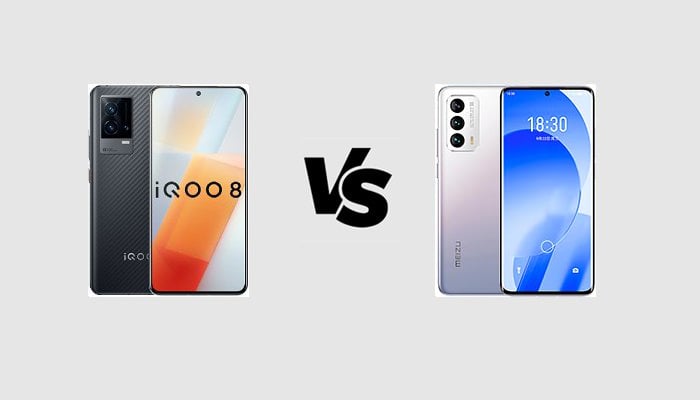
Meizu 18s vs Vivo iQOO 8

Meizu 18s Vivo iQOO 8
DIMENSIONS AND WEIGHT 152.4 x 69.2 x 8.2 mm, 162 grams 159 x 75.1 x 8.6 mm, 200 grams
DISPLAY  6.2 inches, 1440 x 3200p (Quad HD+), Super AMOLED  6.56 inches, 1080 x 2376p (Full HD+), AMOLED
PROCESSOR Qualcomm Snapdragon 888+, octa-core 3 GHz Qualcomm Snapdragon 888, octa-core 2.84 GHz
MEMORY 8 GB RAM, 128 GB – 8 GB RAM, 256 GB – 12 GB RAM, 256 GB 8 GB RAM, 128 GB – 12 GB RAM, 256 GB
SOFTWARE  Android 11, Flyme  Android 11, OriginOS
CONNECTIVITY Wi-Fi 802.11 a/b/g/n/ac/6e, Bluetooth 5.2, GPS Wi-Fi 802.11 a/b/g/n/ac, Bluetooth 5.2, GPS
CAMERA Triple 64 + 8 + 16 MP, f/1.6 + f/2.4 + f/2.2
20 MP f/2.2 front camera
Triple 50 + 13 + 13 MP
16 MP f/2.5 front camera
BATTERY 4000 mAh, fast charging 36W 4350 mAh, fast charging 120W
ADDITIONAL FEATURES Dual SIM slot, 5G Dual SIM slot, 5G

Design

If you are looking for the most elegant phone, then the Meizu 18s offers something more for you. It is thinner, lighter, and more elegant with its incredibly high screen to body ratio and its clean glass back. Last but not least, the Meizu 18s has a curved edge to edge display making it even more elegant. Further, it is a very compact phone, one of the most compact out there. The iQOO 8 still comes with an original design, but it is chunkier and less interesting than the Meizu 18s.


Display

The display of the Meizu 18s has a diagonal of just 6.2 inches and it may not be the best for several gamers out there due to its small size, but its image quality is awesome. One of the elements which makes it clearly better than iQOO 8 is the resolution: it has a Quad HD+ panel with a 1440p resolution, as well as the 120 Hz refresh rate and the HDR10+ certification. You get HDR10 and 120 Hz with the iQOO 8, but the resolution is a standard Full HD+ with 1080p. On the other hand, it has a wider 6.56-inch panel making it more comfortable for advanced users. The fingerprint reader is inside the display. Do you prefer a better image quality on a 6.2-inch panel or a bigger display for your phone?


Specs & Software

The hardware department of the Meizu 18s is more powerful thanks to the Snapdragon 888+ mobile platform which provides an important boost over its predecessor Snapdragon 888, including a higher 3 GHz clock frequency. But the iQOO 8 is still a very powerful flagship killer with its Snapdragon 888 and the same high-end memory configuration as the Meizu 18s. The iQOO 8 runs OriginOS which is actually a more advanced operating system than Flyme, but both the devices are based on Android 11.


Camera

The Meizu 18s is a superior camera phone. Its 64 MP sensor comes with OIS support and it is paired with a telephoto sensor with 3x optical zoom and a 16 MP ultrawide sensor. The iQOO 8 has a 50 MP camera, a telephoto lens with 2x zoom, and a 13 MP ultrawide camera: it is still a good camera phone but, on paper, it is inferior to its rival


Battery

The Meizu 18s’ battery capacity is just 4000 mAh, which is above the average: the phone has a smaller battery because it is very compact thanks to its 6.2-inch display, so there was probably not enough space to include a bigger battery. The iQOO 8 comes with a bigger 4350 mAh and not only it provides a longer battery life, but even faster charging speeds thanks to 120W fast charging.


Price

Both Meizu 18s and iQOO 8 are only available to purchase in the Chinese market with prices starting from €490/$574 and €500/$586, respectively. We are waiting for the launch of the iQOO 8 in India, but it is still too early. Which is the best device between these two? The Meizu 18s offers a few interesting pros: a better image quality for the display and a superior camera setup, as well as a more interesting design, a stronger processor, and more compact dimensions. But it has a display that could be too small for advanced users, with a diagonal of just 6.2 inches. Further, the iQOO 8 has a bigger battery and a more advanced operating system. Each of these devices has its pro and cons and understanding which one has the best value is not easy as it depends on the users’ needs. Which one would you pick?


Meizu 18s vs Vivo iQOO 8: PRO and CONS

Meizu 18s

PRO

  • Snapdragon 888+
  • Better cameras
  • Thinner
  • Lighter
  • More compact
  • Better display

CONS

  • Smaller battery


Vivo iQOO 8

PRO

  • Wider display
  • Bigger battery
  • Faster charging

CONS

  • Inferior cameras and chipset


RELATED

Check the latest videos from our YouTube channel and subscribe:
Madhav Sheth adds CEO of Realme Latin America to his bio

It is common knowledge that Madhav Sheth is the face of Realme. The top executive has been at the helm of affairs since Realme operated as a sub-brand of OPPO and even after it was spinned off as an independent company.

For a while, Madhav Sheth’s role was as the CEO of Realme India. Then in August of 2020, it was announced that in addition to being the head of the Indian arm of the young brand, he will also be the CEO of Realme Europe. Today, the 41-year old took to Twitter to announce his new role as the CEO of Realme Latin America. This is in addition to leading Realme India and Realme Europe.

Realme already has a presence in six Latin American countries including Brazil, Colombia, Chile, and Mexico. Some of its phones sold in this region include the Realme GT Master Edition, Realme 8 series, Narzo 30 5G, Realme 7 series, Realme C21, Realme Watch S, realme Buds Pro.

The company which started operations in 2018 is now present in over 30 countries. Its portfolio has expanded beyond smartphones and related accessories and now includes smart TVs, laptops, tablets, vacuum cleaners, air purifiers, and lifestyle products such as beard trimmers and electric toothbrushes.

Earlier this week, it was reported that Realme is now the 4th largest smartphone brand in China and the 6th largest globally. It has ranked as the top brand in multiple markets including the Philippines and Bangladesh.


RELATED:

Samsung Galaxy S22 and Galaxy S22+/S22 Pro renders show a slightly refreshed design

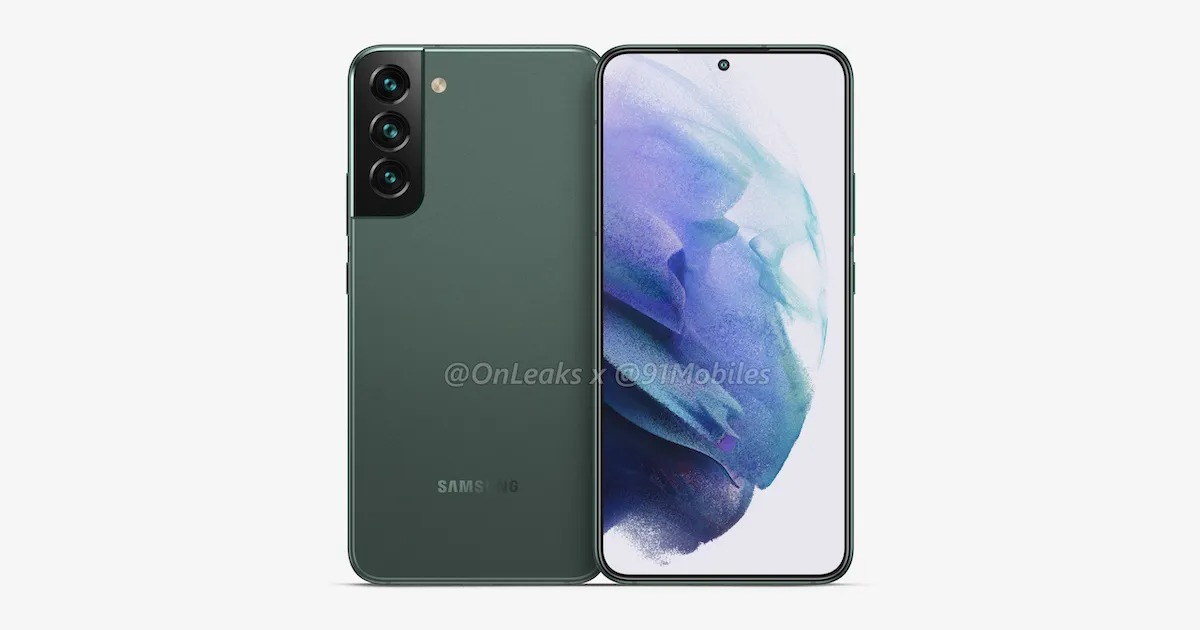
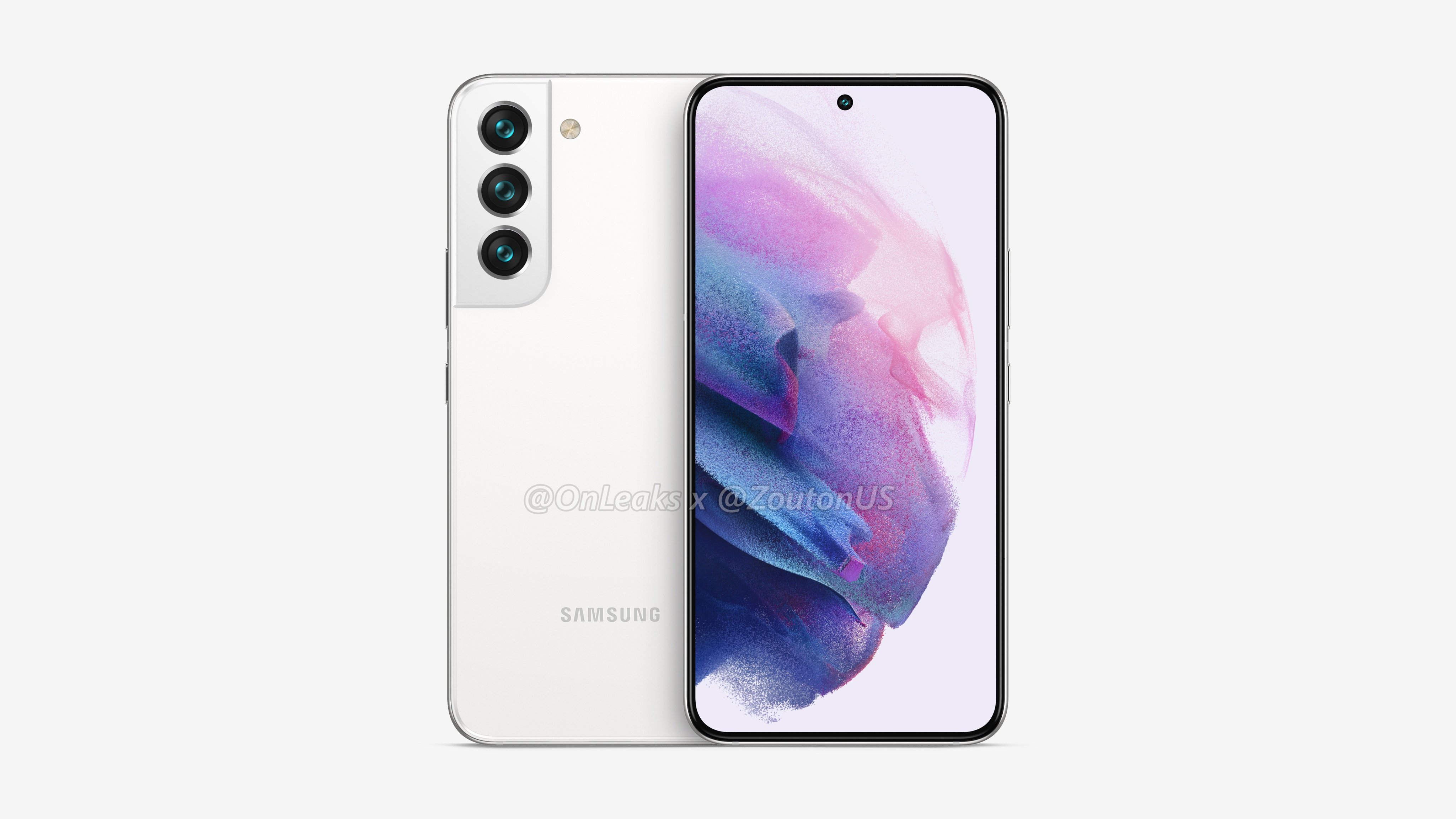
Yesterday, we got a super early look at the Galaxy S22 Ultra, Samsung’s next flagship that isn’t expected to launch until early 2022. Now, the same source has provided renders of the other 2 models in the series – the Galaxy S22 and the Galaxy S22 Plus or as the source said was revealed to him, the Galaxy S22 Pro.

Galaxy S22 render

Galaxy S22

For our first look at the Galaxy S22, Steve Hemmerstoffer a.k.a. OnLeaks has partnered with the blog, Zouton. The images and videos show the Galaxy S22 will only slightly differ from the Galaxy S21 with respect to how it looks.

The phone has a flat display with a centered punch hole in front while the back is home to three rear cameras. The major difference between the Galaxy S22 and the Galaxy S21 is that the camera module of the former isn’t fused to the frame as that of the Galaxy S21. Those with keen eyes will notice this is the same design Samsung will use for the upcoming Galaxy S21 FE.

There are antenna lines around the phone and at the bottom is the SIM tray, microphone, USB-C port, and a speaker grille. The button placements are also unchanged from the Galaxy S21.

Earlier reports have revealed that the Galaxy S22 will have a smaller display than its predecessor. The provides dimensions – 146 x 70.5 x 7.6 millimeters – show that it is indeed shorter than the Galaxy S21 which measures 151.7 x 71.2 x 7.9 millimeters but it is wider and thicker.


Samsung Galaxy S22 Plus

Galaxy S22 Plus/Galaxy S22 Pro

Samsung has used the “Plus” moniker for the Galaxy S series since the Galaxy S8 but it might be changing to “Pro” for the Galaxy S22 series according to OnLeaks. However, until concrete evidence surfaces, it will be referred to as the Galaxy S22 Plus.

The Galaxy S22 Plus, just like the Galaxy S22, will not significantly differ from its predecessor as seen in the renders. It also has a flat display and a centered punch hole for a single front-facing camera. On the back are three cameras in a similar housing as that of the Galaxy S21 Plus but the camera housing isn’t fused to the frame.

The Galaxy S22 Plus is also smaller than its predecessor, measuring 157.4 x 75.8 x 7.6 millimeters (9.1mm with the camera bump). The smaller length of the phone is due to it packing a smaller display than the Galaxy S21 Plus.

Both the Galaxy S22 and Galaxy S22 Plus will launch in Exynos and Snapdragon variants depending on the market. They will have AMOLED displays with high refresh rates, an in-display fingerprint scanner, and run Android 12 out of the box. However, none of the phones are expected to ship with a charger.


RELATED:

Xiaomi Pad 5 6GB+256GB variant launched in Indonesia for Rp. 4,999,000 (~€299)

Xiaomi Indonesia has announced via Twitter, the launch of the Xiaomi Pad 5 tablet in the Asian country. The Pad 5 made its debut in China earlier this year and just recently in Europe. The slate went on its first sale mid-week in Europe and was completely sold out within minutes. The Chinese company seems to be offering up only the 6GB RAM and 256GB storage variant for the Indonesian market at the moment and it carries a decent price tag of Rp. 4,999,000 (~€299). This is way cheaper than the €399 price tag which the same model is on sale in Europe for. 

The Pad 5 will go on sale from September 28 and will be sold simultaneously via Mi.com, JD.ID, Akulakuand on Xiaomi’s domestic physical store.

As a reminder, the Xiaomi Pad 5 features a large 11-inch LCD screen with a resolution of 2560 x 1600 pixels, a high refresh rate of 120Hz, a PPI of up to 275, and a contrast ratio of 1500:1. The slate is powered by the Snapdragon 860 processor paired with 6GB RAM. The device comes in two storage options – 128GB and 256GB.

The Pad 5 also excels in the camera department, packing a single 13MP camera with LED flash at the rear. For selfies, there is a single 8MP camera at the front which also supports Face unlock. It also features four built-in speakers.

The Mi Pad 5 packs an 8720mAh battery with 33W fast charging support. It runs on the new MIUI For Pad operating system. The MIUI For Pad brings features such as custom input methods, split screens, small windows, parallel windows, and other functions.

RELATED:

iPhone 13 Pro teardown reveals larger 3,095mAh battery & Qualcomm X60 5G modem

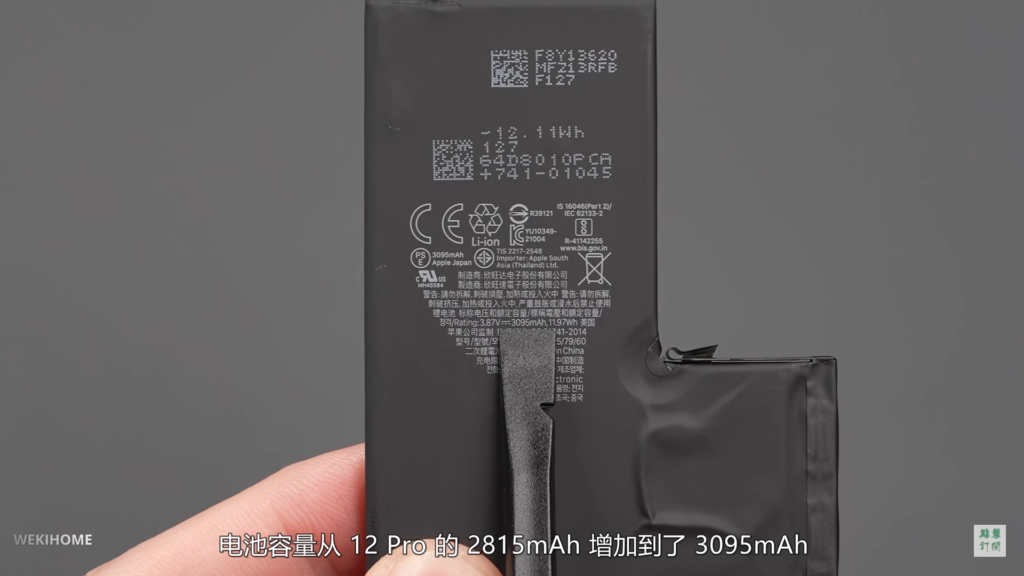
A teardown video has revealed that the just-released Apple iPhone 13 Pro comes with a battery that’s exactly 3,095mAh in size. This is sizeably larger than the 2,815mAh capacity found on its predecessor, the iPhone 12 Pro.

iphone-13-pro-teardown-battery-size
Source: WekiHome
Apple had promised that the new model should last up to 1.5 hours longer on a single charger, so it figures. The battery is L-shaped this time and is manufactured by the China-based Sunwoda Electronic Co.

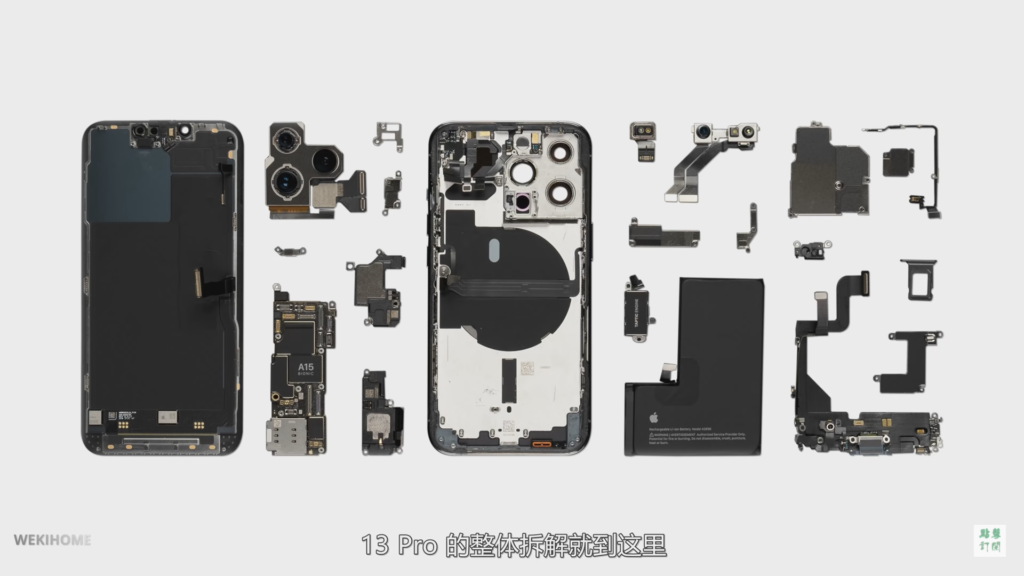
The teardown video by blogger WekiHome (via: GSMArena) further reveals that the iPhone 13 Pro is utilizing the Qualcomm X60 as its 5G modem. Additionally, it comes with a Samsung-supplied 120Hz screen and a slightly smaller Taptic Engine compared to last year. The device’s RAM is also supplied by Samsung while Japan’s Kioxia is responsible for the flash memory.
iphone-13-pro-disassembled
iPhone 13 Pro completely disassembled

All in all, the innards of the iPhone 13 Pro are not too different when compared to the 12 Pro, although there have been plenty of adjustments.

That said, those that are looking to purchase the latest and greatest iPhones from Apple will be disappointed to know that the Cupertino-based company has delayed their delivery time to October. Preorders are still being taken though.

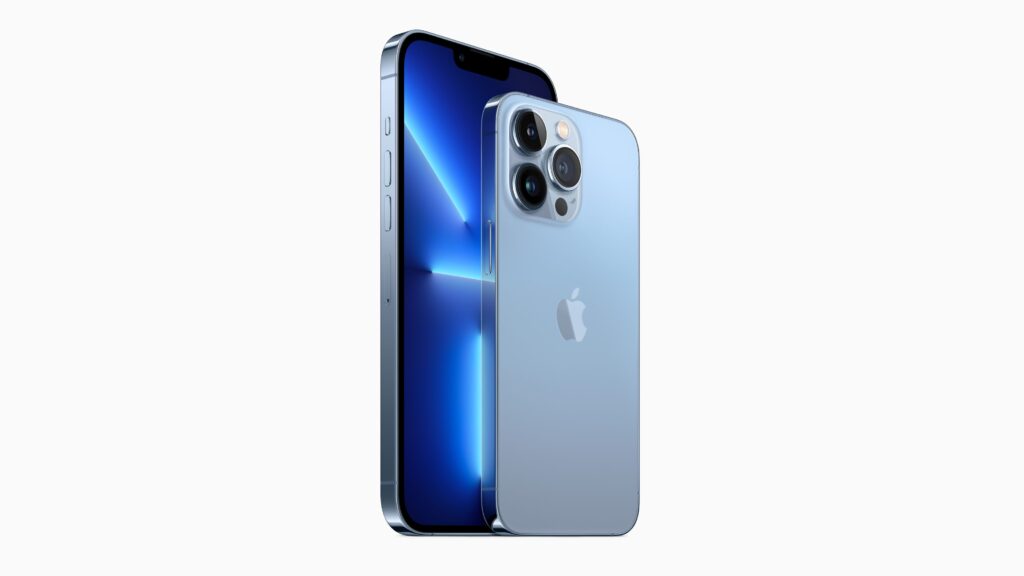
Apple’s iPhone 13 series handsets include storage options of 128GB, 256GB, and 512GB, with the Pro versions getting a 1TB storage variant for the first time. The entry-level model costs $699, while the top-tier model costs $1,599. Sierra Blue, Silver, Gold, and Graphite are the four color options available for the Pro versions.

RELATED:

OPPO A55 4G sporting a 50MP main camera to launch in India on October 1

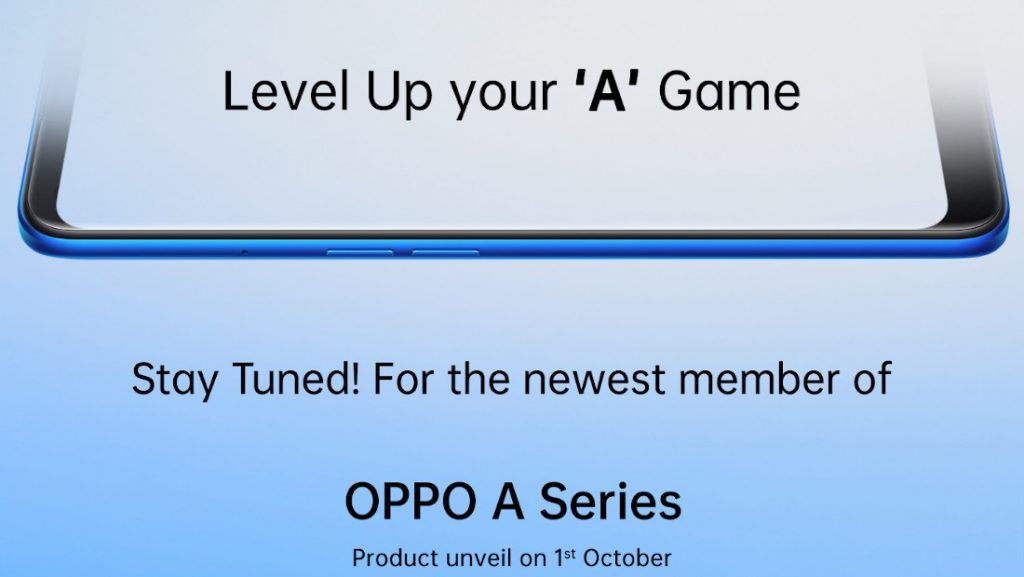
OPPO recently confirmed that it would launch the OPPO F19s in India via Flipkart on September 27. The company has now teased the launch of a new A-series smartphone that would be launched on October 1 and will be sold exclusively on Amazon.in.OPPO A55 4G

Although the teaser poster did not specify the name of the device, it is expected to be the OPPO A55 4G. The Oppo A55 5G had earlier been launched in some markets but this model is expected to bring support for 4G connectivity. The A55 5G packs a Dimensity 700 SoC but we expect this model to utilize a different chipset.

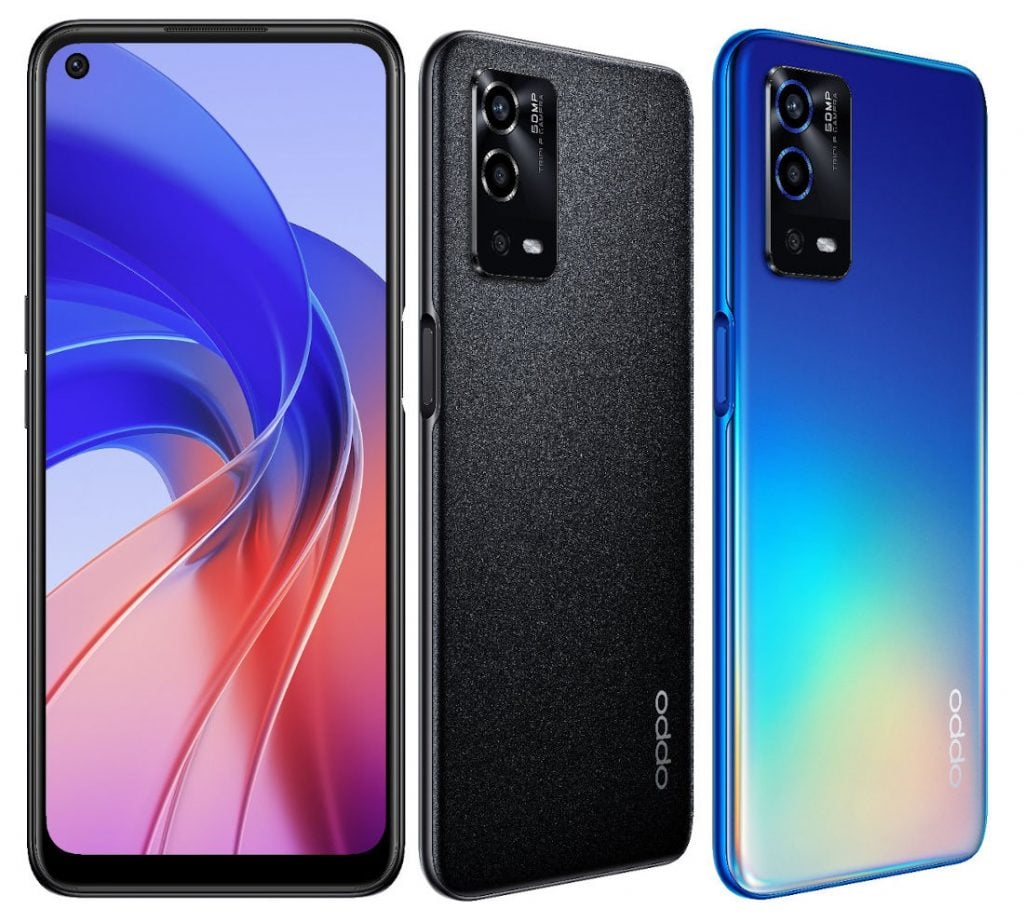
In terms of the design, earlier renders of the OPPO A55 4G shows that it will feature a triple camera setup at the rear with a slightly tweaked camera island. The camera system is placed vertically but it has the LED flash at the lower side of the camera island. It is also teased to pack a 50MP main camera lens.  The display will also house a punch-hole camera design which is different from the water-drop design on the predecessor.

OPPO A55 4G
OPPO A55 4G

The Oppo A55 4G is expected to have a big battery similar to the predecessor. It might be bigger than a 5,000mAh cell.  The device will come in Black, Green, and Gradient Blue color variants. The rest of the details of the smartphone are currently unknown.

RELATED:


Huawei to focus on HarmonyOS & openEuler simultaneously as part of its transformation into a service provider

Huawei will be focusing on both the HarmonyOS and openEuler operating systems at the same time. While the former will be used in smart terminals, IoT terminals, and industrial terminals, openEuler will be used in servers, edge computing, and cloud infrastructure.

Huawei openEuler

Both the operating systems will also be open-source (via: Global Times), in an effort to increase adoption and solve the problem of China not having an OS of its own to use in basic technology, Huawei’s rotating chairman Eric Xu Zhijun told reporters at a roundtable interview on Friday.

The openEuler program was initially announced back in 2019 and Huawei is now gearing up for the launch of the new open-source openEuler OS today. The move is also a part of Huawei’s efforts to transform itself from a components manufacturer to that of a service provider amid the US ban.

“The transformation process is painful since it’s a transformation of the business model. But the good news is that we have gradually changed over,” Xu said, adding that the frequent reshuffle of its senior executives is an indicator of the difficulty of the process.

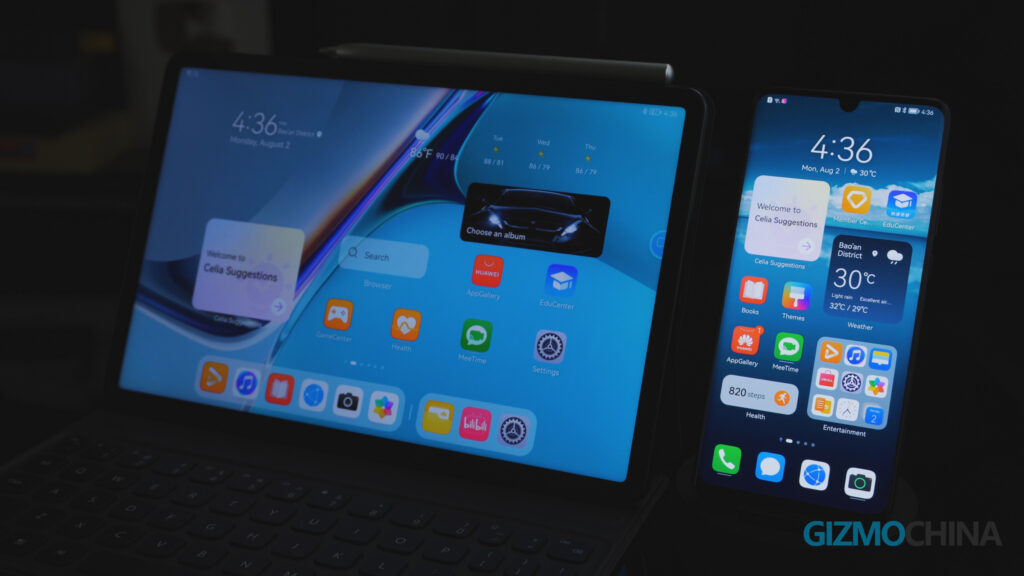
MatePad 11 Review HarmonyOS Multi-screen Collab 01
MatePad 11 running HarmonyOS

Huawei announced 11 new scenario-based solutions for customers spanning public services, transportation, banking, energy, and manufacturing, during the Huawei Connect 2021 on Friday. This showed its goal of “empowering digitalization” in every area with its ICT capabilities.

Peng Zhongyang, Huawei’s Board Member, President of the Enterprise Business Group, said that Huawei will continue to integrate ICT with real-life scenarios and processes and develop a new model of consulting, integration, and operational support.

Huawei Cloud was launched just four years ago and has already brought together more than 2.3 million developers, 14,000 consulting partners, and 6,000 technology partners, according to the company. It also made more than 4,500 services available in the Huawei marketplace.

In response to a question from Global Times, Huawei said its cloud unit is still suffering losses but that it is also growing rapidly. Thus, it has no plans to sell off its cloud business.

According to a Reuters report from Thursday, the Biden administration “will take further action against Huawei if necessary,” after some Republican lawmakers have pressed for more steps.

Huawei has not commented on this matter so far.

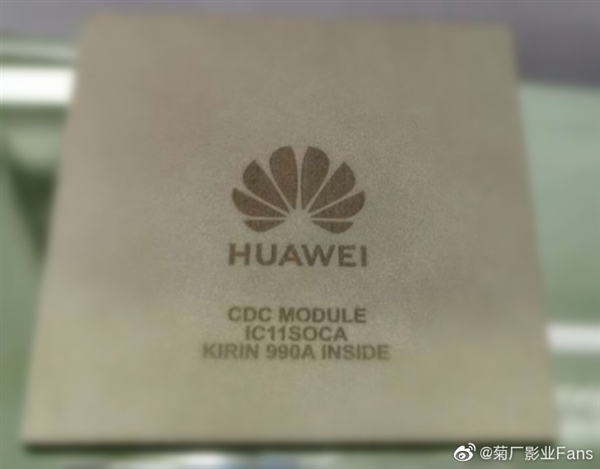
Kirin 990A

In response to the chips shortages problems, Xu confirmed that Huawei has got approval from the US to buy some low-end chips that serve its auto unit, while admitting that the US chip cut still poses great challenges for its smartphone businesses, making its 5G handsets unavailable in the market right now.

“We will strive to keep our smartphone businesses afloat,” he added.

The United States had last year cut off all access for Huawei to high-end chips, which analysts had called the toughest sanction towards a Chinese company.

RELATED:

HUAWEI P50 with Snapdragon 888 listed online ahead of first sale

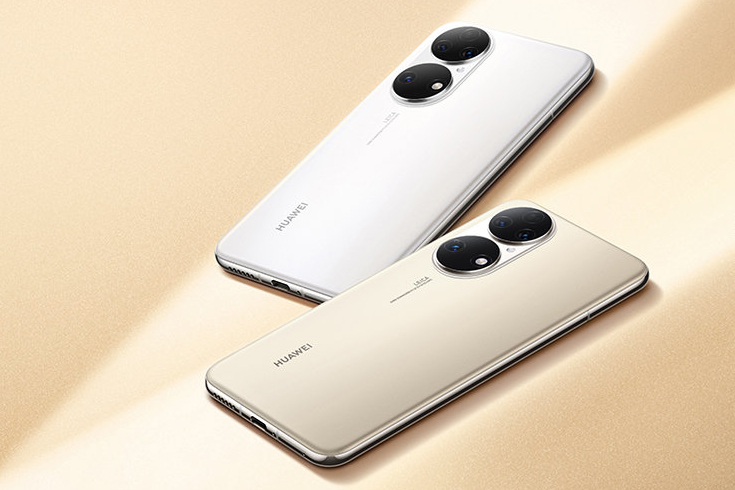
Huawei announced the HUAWEI P50 series consisting of HUAWEI P50 and HUAWEI P50 Pro at the end of July. Unlike the Pro model, which comes powered by both Kirin 9000 and Snapdragon 888, the vanilla variant only features Snapdragon 888. The Kirin 9000 version of the Pro went on sale soon after the unveil, while the vanilla model is scheduled to hit the shelves next week. Ahead of that, this phone has been now listed on popular online retailers.

HUAWEI P50 Featured 01
HUAWEI P50

According to a report by ITHome, the HUAWEI P50 with Qualcomm Snapdragon 888 chipset is now listed on JD, TMall, and other online retailers in China. The smartphone is set to go on sale for the first time on September 29 at 10:08 AM (local time).

The HUAWEI P50 arrives with features like 6.5-inch 90Hz OLED display, 50MP (wide) + 12MP (5x periscope) + 13MP (ultra-wide) triple rear camera setup, 13MP front-facing camera, IP68 dust and water resistance, stereo speakers, under-display fingerprint sensor, HarmonyOS 2.0, 4,100mAh battery, 66W fast charging, and more.

Unfortunately, it does not have support for 5G just like the Pro model. These phones are limited to 4G LTE due to the four rounds of sanctions imposed by the United States. The 8GB + 128GB and 8GB + 256GB variants of the handset are priced at ¥4,448 ($694) and ¥4,988 ($771) respectively in China.

On the other hand, the Snapdragon 888 version of the HUAWEI P50 Pro is expected to go on sale in December.


RELATED:


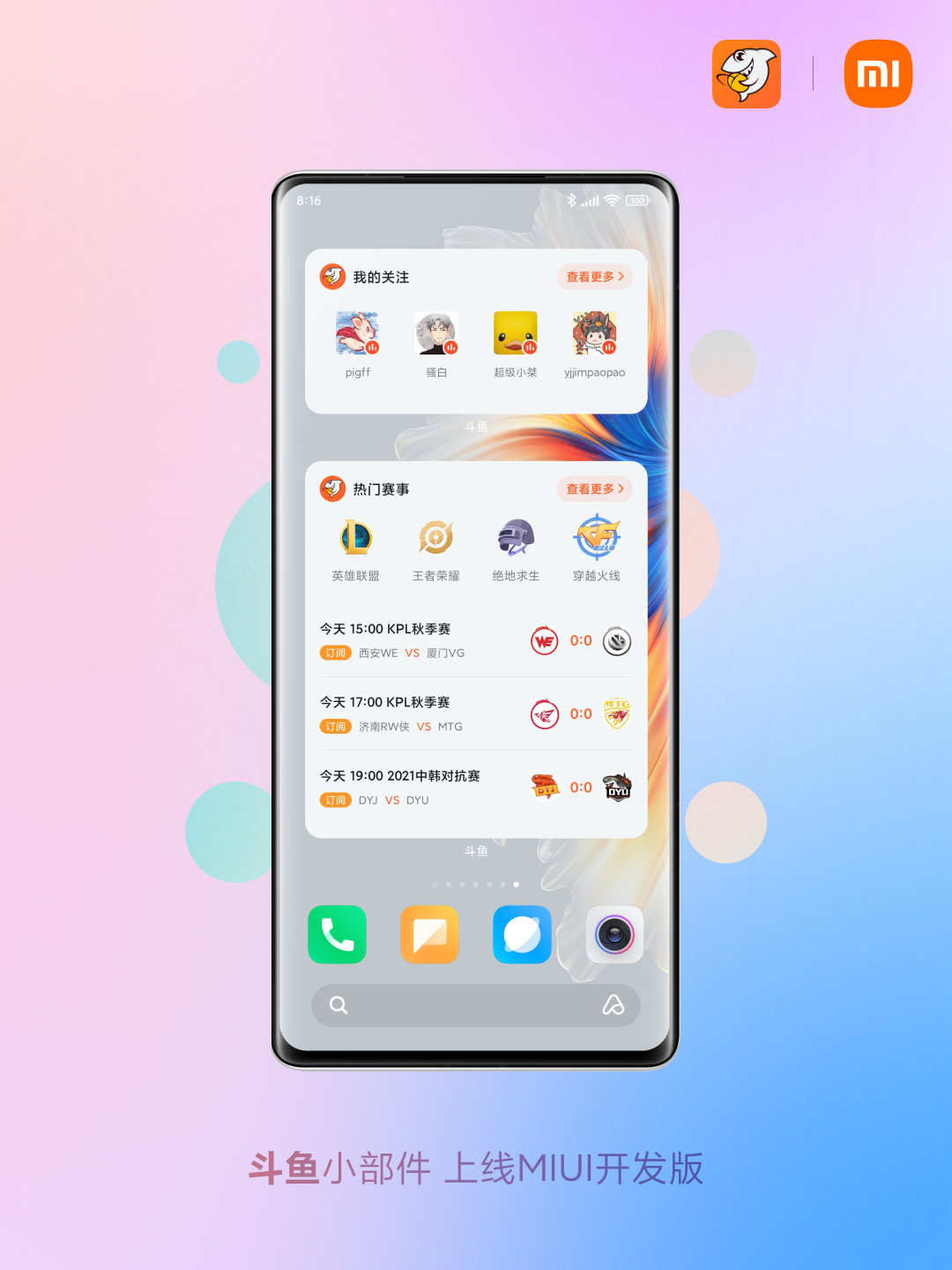
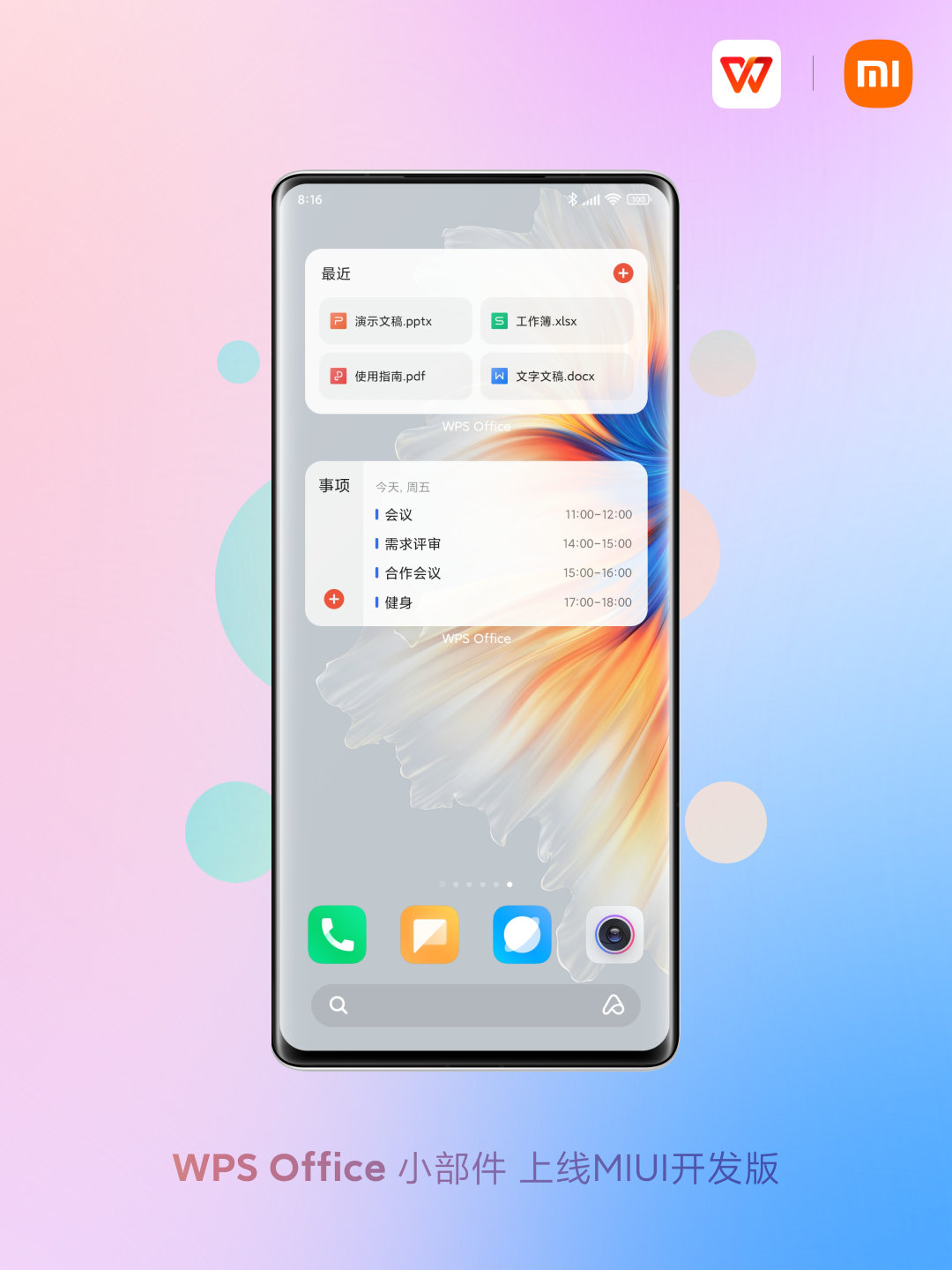
New iOS-like MIUI widgets are now live in the beta channel

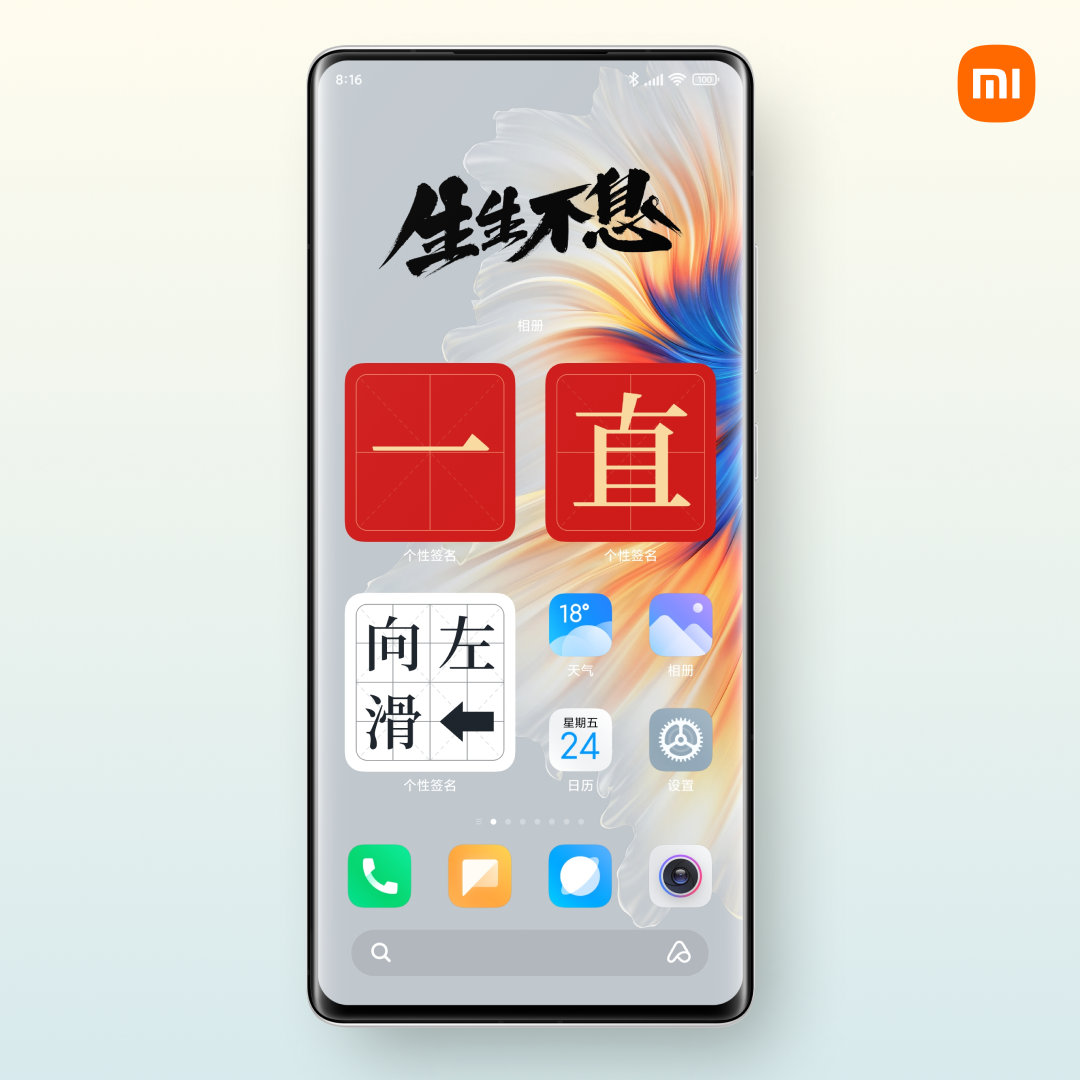
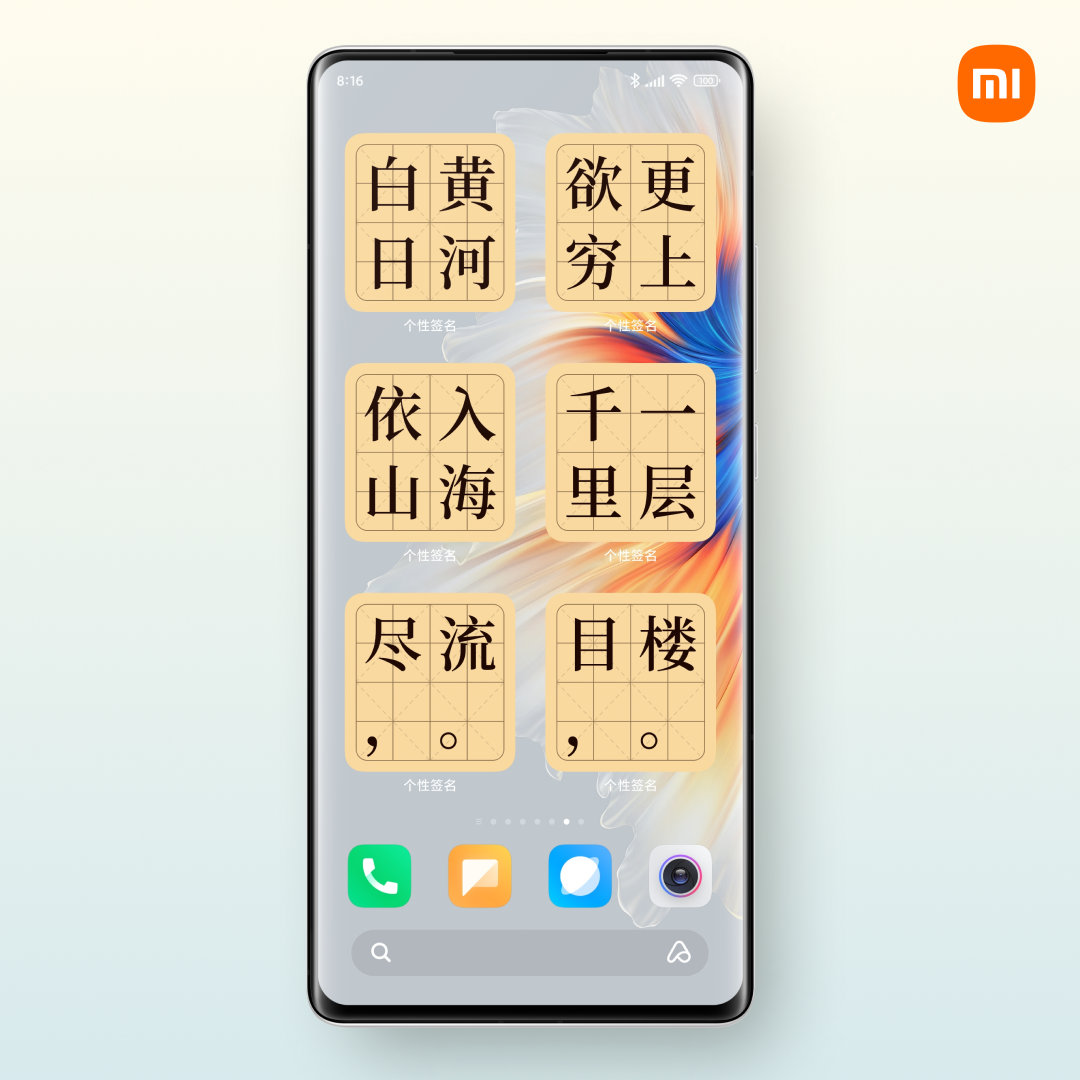
Last month, we reported that Xiaomi was working on iOS-like widgets for MIUI. These widgets are now live in the beta channel. Anyone with a supported device running MIUI China Beta ROM can experience the new UI elements right away.

According to an announcement by the official Weibo account of MIUI, the iOS-like widgets are now available in the MIUI Beta channel. 

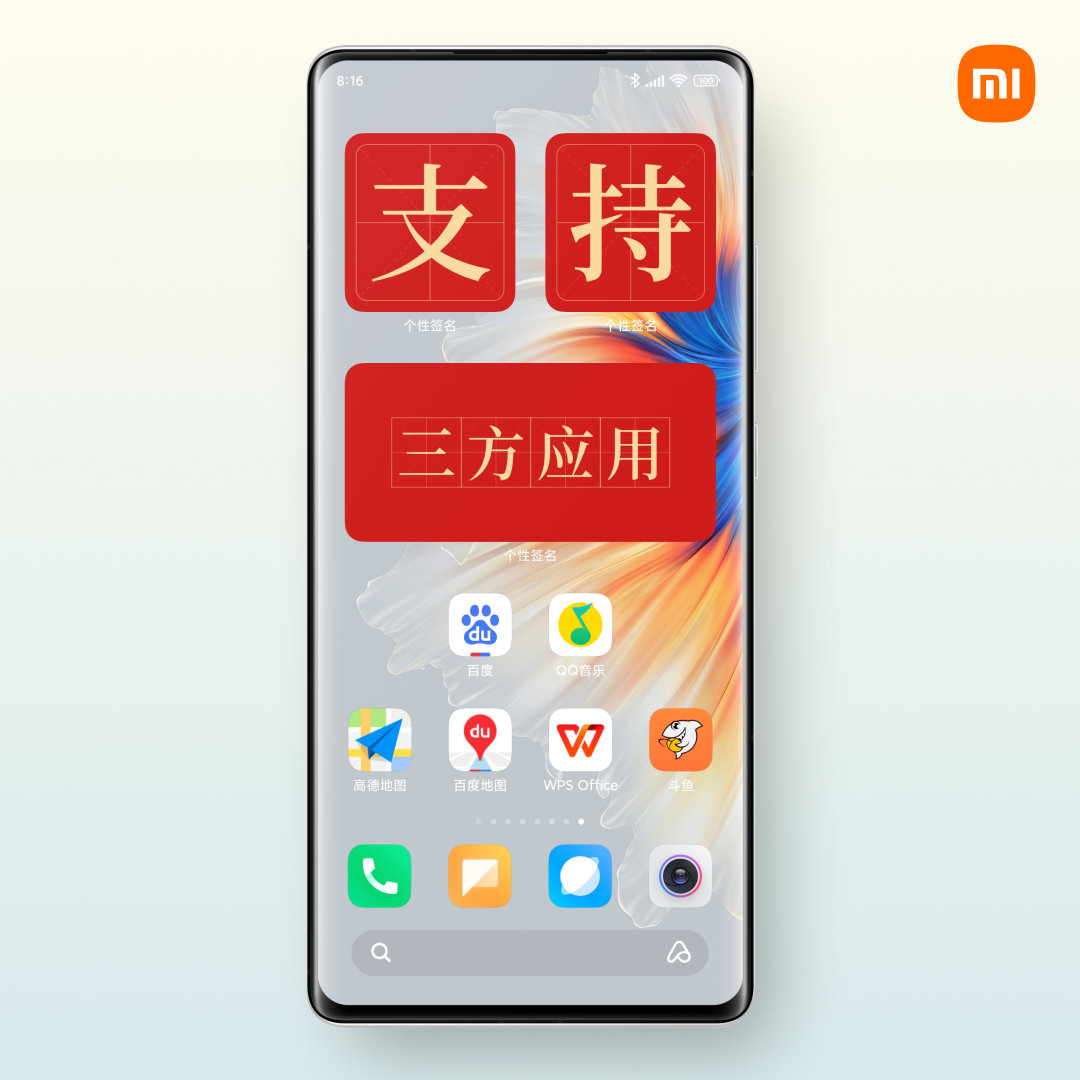
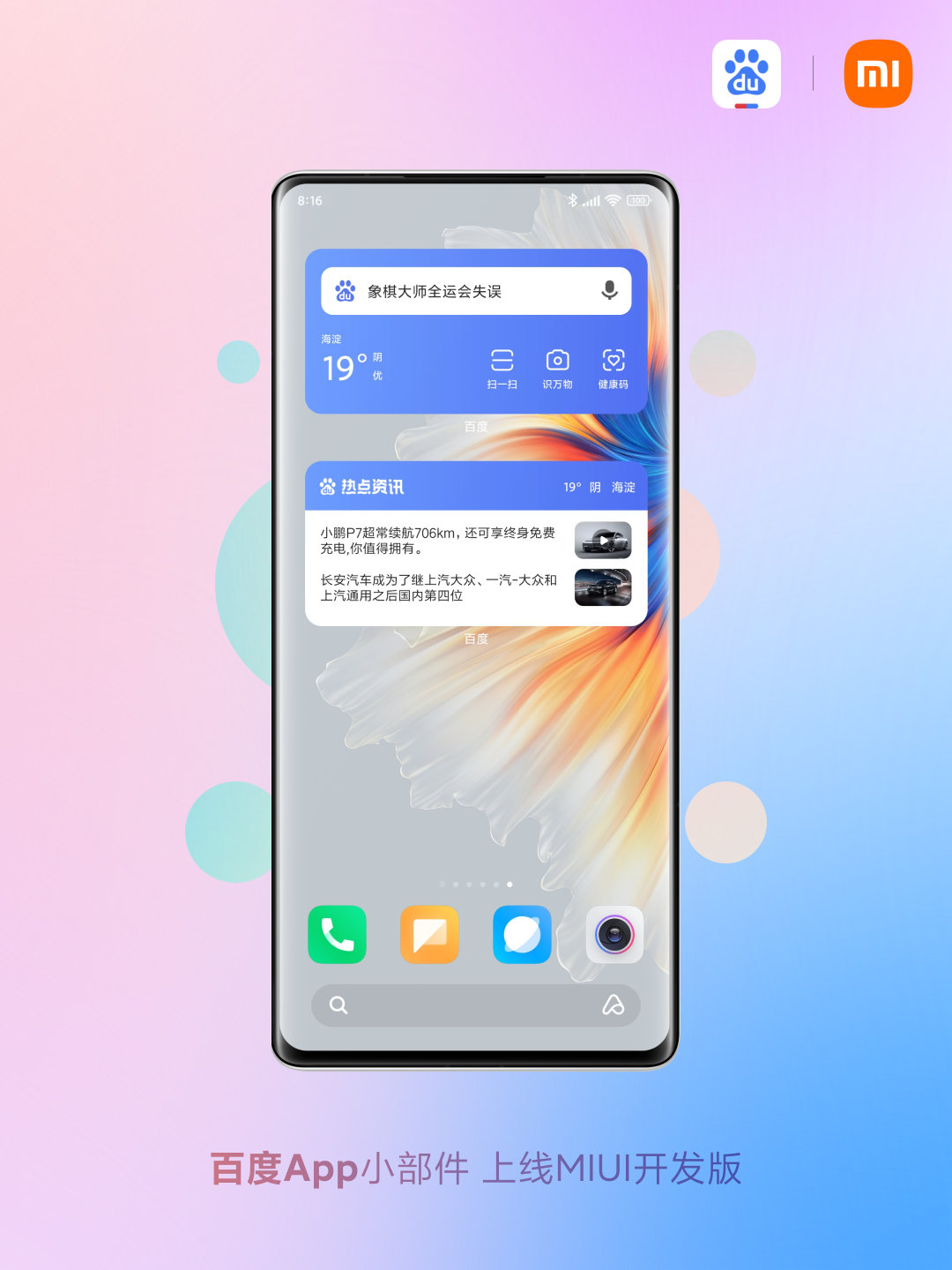
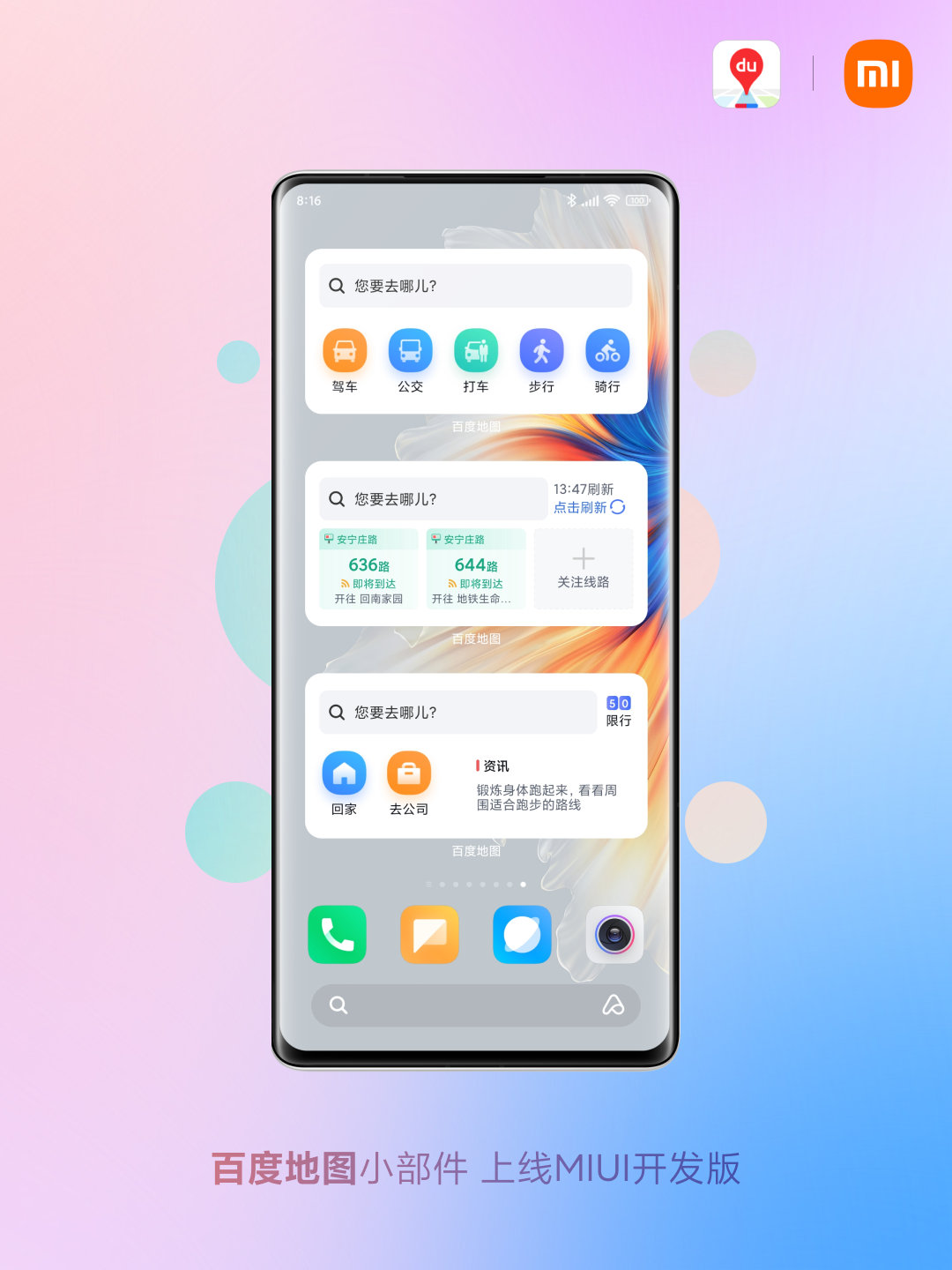
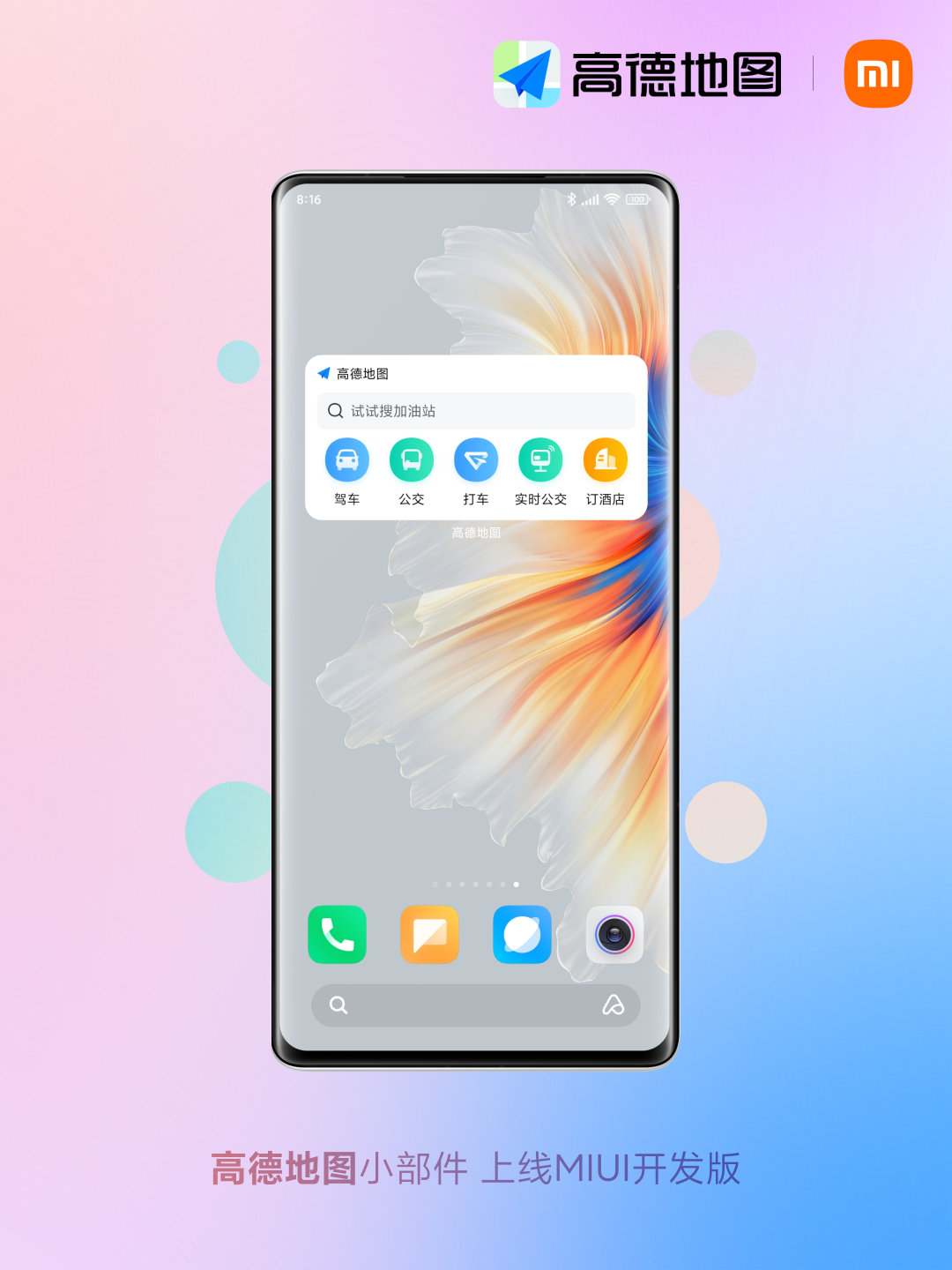
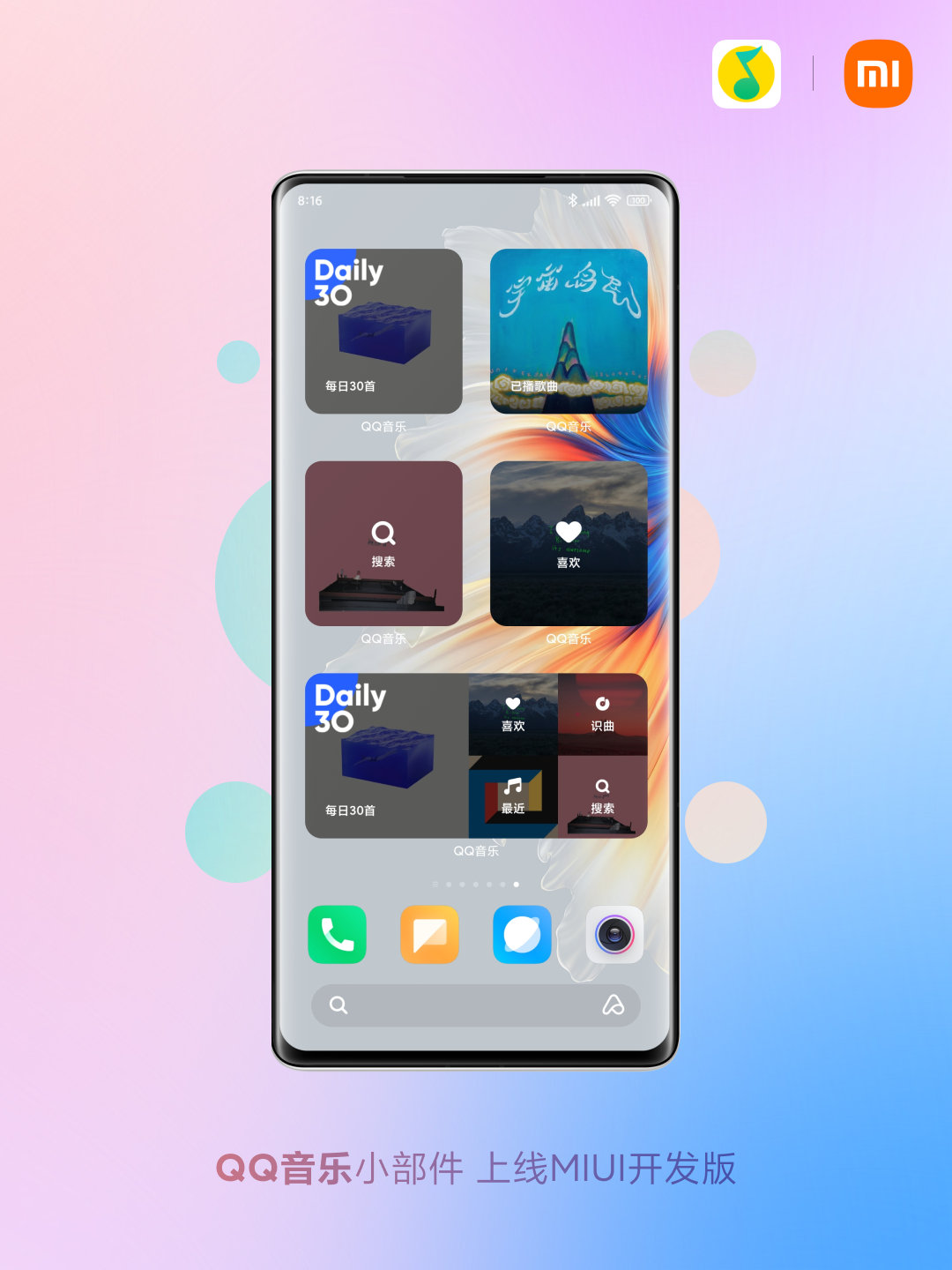
During the initial testing stage, only a few first-party applications supported the new widget system. But now, Xiaomi says that developers of 6 popular apps in China have updated their applications for compatibility and even introduced some widgets.

The below-listed are the third-party apps that currently have widgets for MIUI.

  • Baidu App
  • Baidu Map
  • AutoNavi Map
  • QQ Music
  • Douyu
  • WPS Office

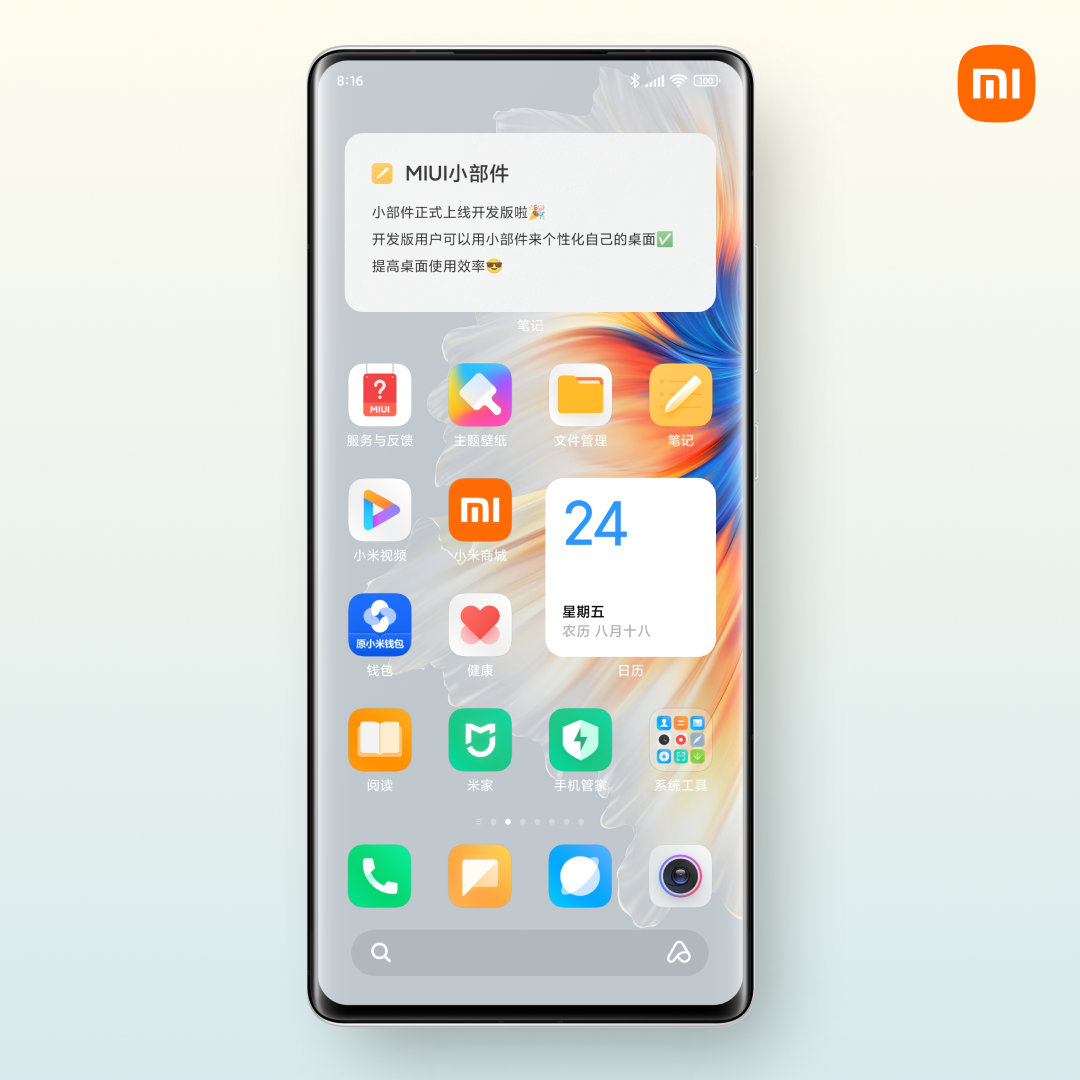
In addition to these applications, users can also experience widgets of stock MIUI apps like Gallery, Notes, Clock, Security, and others. The widgets can be placed both in ‘App Vault’ and on the home screen. They also support dark mode.

Unfortunately, as mentioned earlier, these widgets are currently only available on select mid-range and premium Mi, Redmi, and Xiaomi-branded smartphones running MIUI China Beta ROM. It’s not known when this feature will be made available in the global markets.

Android has always had widgets for a long time, however, they sort of died. Ever since Apple introduced widgets in iOS 14 last year, competitors bean to re-introduce starting with vivo OriginOS.

Google also revamped the Android widget system for Android 12 with support for the ‘Material You’ theming engine. Lastly, OPPO also has its own implementation of widgets called ‘Quick View Cards’ in ColorOS 12.


RELATED:


MacBook Pro 2021 M1X 14″ & 16″ display resolutions likely revealed through latest macOS Monterey beta

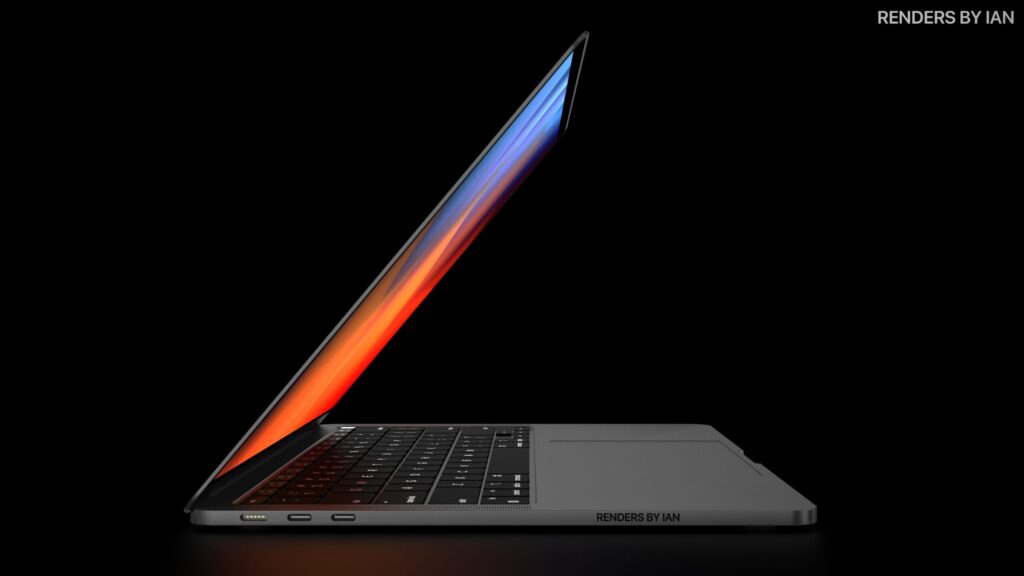
The display resolutions of the upcoming “M1X” 14-inch and 16-inch Apple MacBook Pro 2021 models may have been revealed by the seventh beta of macOS Monterey that was released earlier this week.

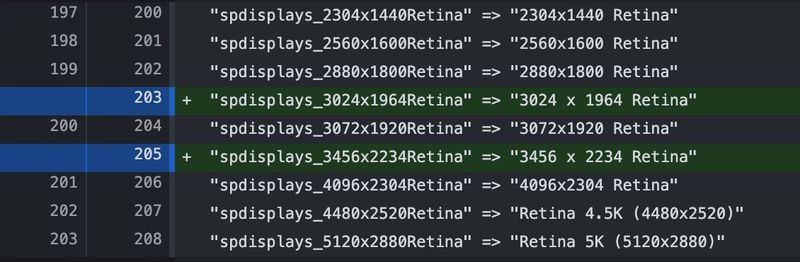
A couple of new entries in a list of display resolutions in the System Information app show “3456 x 2234 Retina” and “3024 x 1964 Retina”, and neither of them match the resolutions of the displays on any current or past Apple product (via: MacRumors).

Apple MacBook Pro 2021 Render
Image Credit: Renders By Ian

It seems that these resolutions are indeed for the upcoming 2021 models of the 14-in and 16-in MacBook Pro, based on the resolutions themselves and their relationships with each other.

If the entries are to be believed, then they confirm an increase in the pixel density from around 226 PPI on last year’s MacBook Pro models to 250 PPI. The current 16-inch and 13-inch MacBook Pro’s native resolutions stand at 3072 x 1920 and 2560 x 1600 respectively.

This should allow for native 2x Retina as the default setting for these new machines for the sharpest possible image, as per MacRumors.

macbook-pro-2021-resolutions
Image: MacRumors


While users have several display resolution options to choose from, current MacBook Pro models feature scaled default resolutions that fall between the native display resolution and a 2x Retina display.

Sure, users have a variety of display resolution options to choose from, but recent MacBook Pro models have scaled default resolutions that sit in between native and 2x Retina display resolutions.

For example, a native resolution of 3072 x 1920 on the current 16-inch MacBook Pro would correspond to a true 2x Retina display of 1536 x 960, but the content on a 16-inch diagonal appears uncomfortably large for most users, so Apple ships the machines with a default scaled resolution that “looks like” 1792 x 1120.

With the improved pixel density on both future MacBook Pro models, a true 2x Retina option would be ideal for most users, with the 16-inch model yielding a “looks like” resolution of 1728 x 1117. As for the 14-inch variant, it could have an apparent resolution of 1512 x 982.

The new MacBook Pro 2021 models are expected to be announced before the end of the year, likely sometime in October or November through another launched event.

RELATED:

Xiaomi CIVI will feature Snapdragon 778G, 4,500mAh battery: Official

Xiaomi has scheduled an event for September 27 to launch the Xiaomi CIVI smartphone. The company has been officially teasing the features of this phone for the past few days. The latest teasers reveal the chipset and the battery capacity.

Xiaomi CIVI Featured C

According to the official Xiaomi Weibo account, the upcoming Xiaomi CIVI will be powered by a Qualcomm Snapdragon 778G. The same chip is present inside the Xiaomi 11 Lite NE 5G and a number of other mid-range smartphones from other brands.

Although we know that the Snapdragon 778G is inferior to the Snapdragon 780G found in the Mi 11 Lite 5G (aka Mi 11 Youth Edition), Xiaomi claims that the Xiaomi CIVI will offer a smooth experience for 36 months.

Further, the firm also confirms the presence of a 4,500mAh battery. For those unaware, this handset measures only 6.98mm in thickness and weighs about 166g. The Mi 11 Lite series with almost similar measurements houses a slightly smaller 4,250mAh battery.

According to previous teasers, the Xiaomi CIVI will have a design similar to vivo and OPPO smartphones. It will feature a triangular camera array, an AG glass back, a curved display with a centered punch-hole, and a metal frame. The device is also said to offer ‘pixel-level’ beauty mode in the camera app.

Last but not least, a tipster even revealed most of the remaining specs. However, we would advise you to consider them with a pinch of salt.


RELATED:


Apple confirms to bring full support for 120Hz in iPhone 13 Pro series third-party apps

The launch of the iPhone 13 lineup was special in more than one way but the biggest takeaway from the launch was the introduction of what Apple calls “ProMotion”. In simple words, there’s a new OLED display with a 120Hz display that has been adopted by Apple but is only a charm for the iPhone 13 Pro and iPhone 13 Pro Max.

Apple iPhone 13 Pro iPhone 13 Pro Max Featured

Ideally, one would expect things to be ultra-smooth on a device that has a display with a 120Hz refresh rate but upon scrolling through the device in the first couple of days, it has been found that even though the scrolling seems to work perfectly, the animations are still stuck at 60Hz. This appears to be a case with only the third-party apps where animations and other small elements don’t really refresh at 120Hz. For instance, scrolling through Instagram would be at 120Hz but animations take a big hit as they only operate at 60Hz and this capping is across all third-party apps.

There are already tons of reports surfacing online where iPhone 13 Pro buyers could be seen fuming for restricting a feature this cool. Well, what’s worse is that iPad Pro has no such restrictions and users have been enjoying a fluid experience even on third-party apps since 2017.

Apple has programmed this in such a way that the screen automatically switches to a lower refresh rate when idle, saving a significant proportion of battery. Upon digging deeper, 9to5Mac found out that Apple exempted its own apps on iPhone 13 Pro series and allows them to operate at a full capacity of 120Hz.

Since it picked up a lot of heat in the initial days, Apple had to acknowledge the bug and while they were at it, it has also been ensured by their team that this will be fixed in the coming days. Apple has accepted that these events were part of an OS bug and full support for 120Hz in third-party apps is coming soon. We”ll finally see the full potential of these displays when the issue gets resolved.

Related:

[embedyt] https://www.youtube.com/watch?v=aP-7v6EB5Co[/embedyt]

Future Apple iPad Pro may feature horizontal camera layout and landscape Apple logo on the back

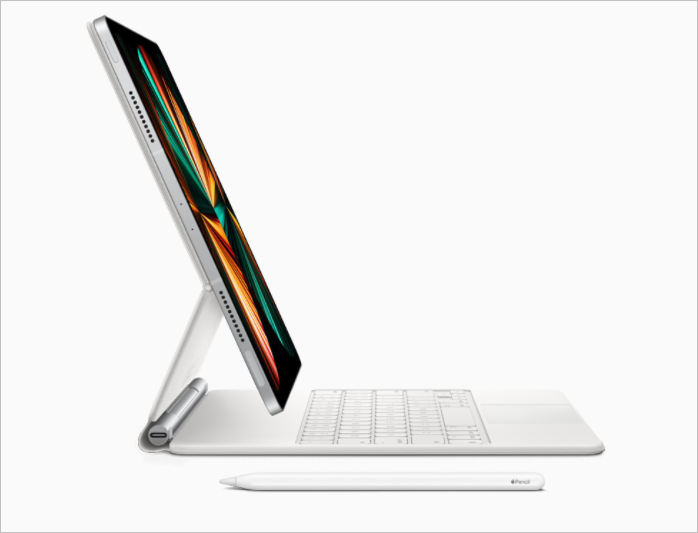
Apple has begun promoting its premium segment iPad Pro to have functionalities close to laptops. Equipping it with the Magic Keyword is one such move that distinct the device from a regular tablet. If rumors were to be believed, Apple may go a step ahead and begin sporting a horizontal camera layout and a landscape Apple logo on the back of its iPad Pro lineup.

iPad Pro
iPad Pro 2021

At present, Magic Keyboard has the logo placed on its back in landscape, so there’s a high probability that Apple may simply want to bring the ‌iPad Pro‌ in more sync with its accessories. What corroborates this is the change of orientation of the startup Apple logo shown on iPadOS to the landscape mode. There are already multiple devices from brands that promote landscape orientation and Apple may want to promote the same as well.

While Apple recently updated its iPad Pro with the M1 chip in April, there hasn’t been a significant redesign since 2018. Bloomberg has reported that the next-gen ‌iPad Pro‌ will feature a glass back that could enable reverse wireless charging for other Apple devices as well as wireless charging for the ‌iPad Pro‌ itself.

Apple is already on the track of blurring lines between iPad and MacBooks with the introduction of the M1 chip to iPad Pro which was initially designed for macs. Apple is also reportedly exploring bigger display size options on iPads.

Related:

[embedyt] https://www.youtube.com/watch?v=aP-7v6EB5Co[/embedyt]

(via)

DJI Mavic 3 Pro Features, Specifications, and Pricing surfaces days ahead of launch

Companies don’t usually leak complete details of a device until it’s officially launched but the fact is, there’s nothing hidden anymore. Even a trillion-dollar company Apple finds it difficult for devices to avoid being leaked. While we’re still awaiting DJI’s official announcement, a set of documents have surfaced online that reveals complete information about the upcoming drone, including its pricing. The Mavic 3 Pro is an upgrade from the Mavic 2 Pro and is highly anticipated among users.

Source: DroneDJ
DJI Mavic 3 Specifications

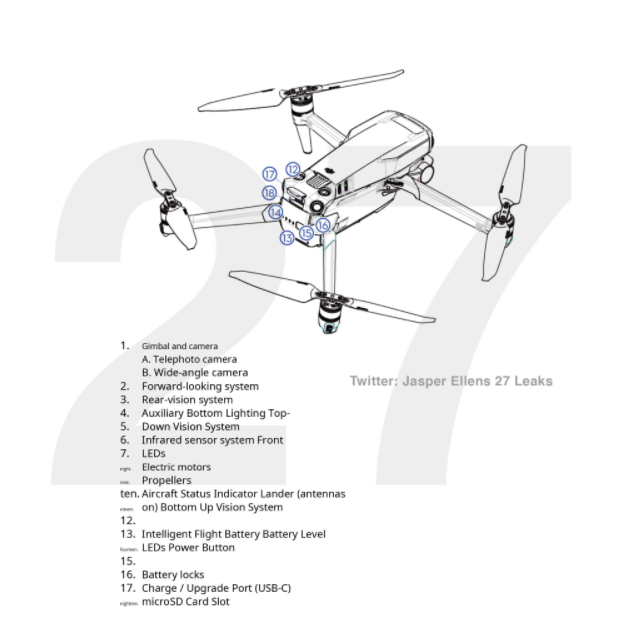
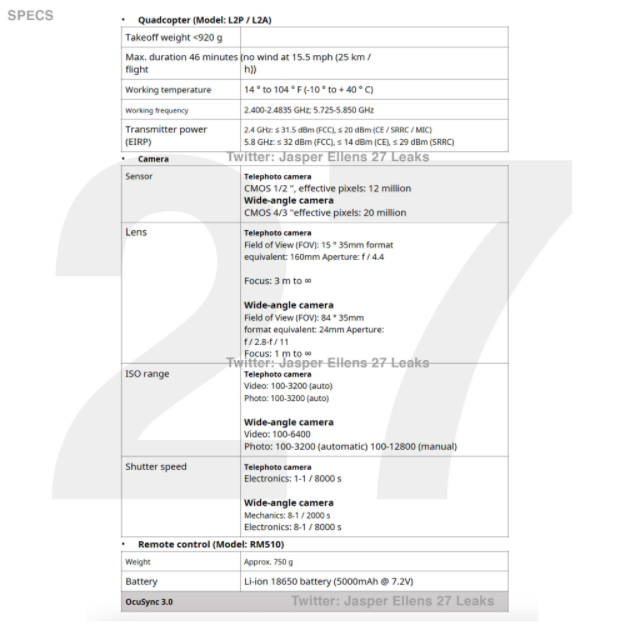
From what it appears, DJI Mavic 3 will weigh in at just 920 grams. It will be feature both a telephoto and a wide-angle camera and will have the ability to shoot videos in 5.2K and click 20MP still images. The forward obstacle avoidance sensors no longer point ahead and are now placed slightly angled slightly. This has been done in order to assist the drone with an enhanced field of view for obstacle avoidance.

There are tons of features that have been confirmed to be on Mavic 3 which includes the full array of DJI proprietary features including obstacle avoidance and intelligent flight mode. There will be modes such as HyperLapse, ActiveTrack, QuickShot, Panorama, and Advanced Pilot Assistance which takes the entire video experience a notch above. Based on ideal conditions (No wind and flying at 15.5mph), the Mavic 3 can easily have a 46-minute flight time.

As for the lens used on the drone, there’s plenty of reasons to like it. There’s a telephoto camera with a 15-degree field of view, f/4.4 aperture, and focus from 3m. The wide-angle camera allows an 84-degree filled of view, a varying f/2.8 aperture – f/11 aperture, and focus from 1m.

DJI Mavic 3
Source: DroneDJ

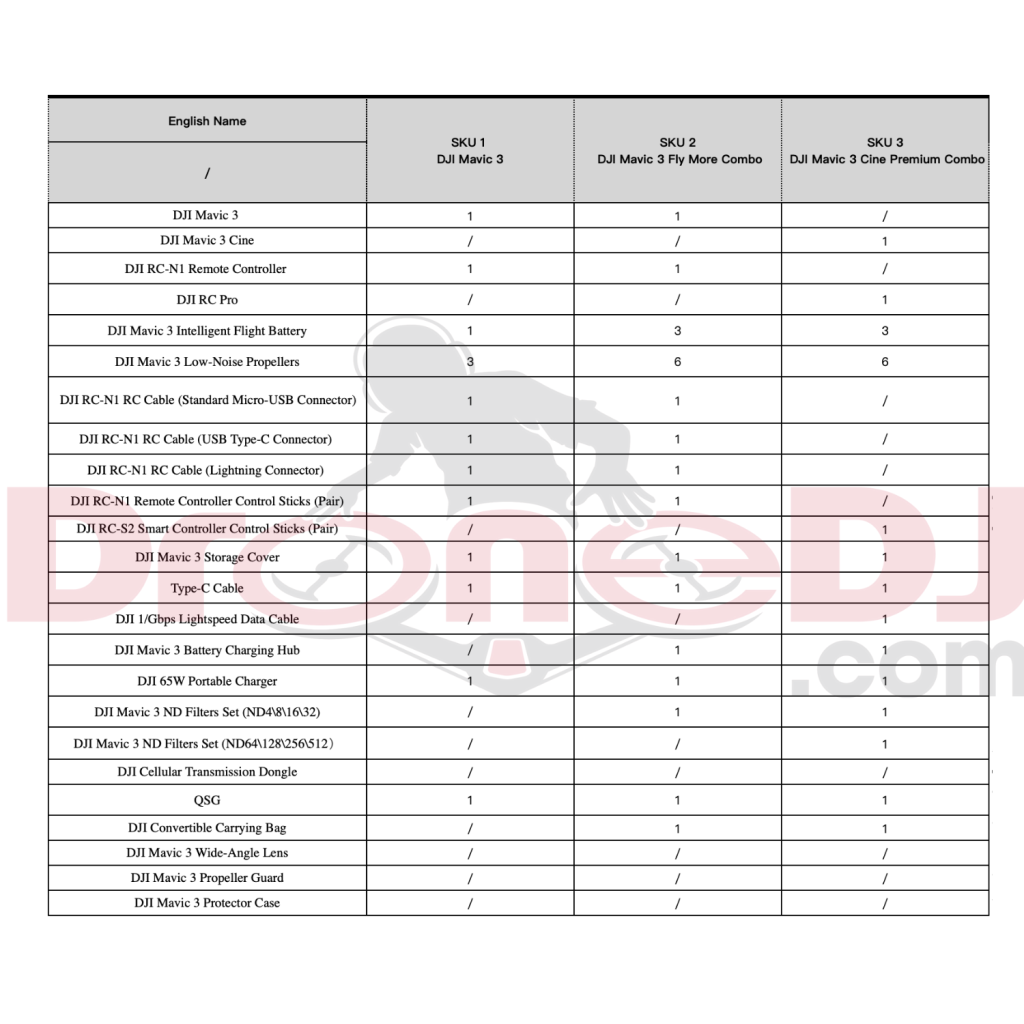
In addition to that, documents suggest that DJI also has plans to have a Fly More combo for the Mavic 3 Pro that tags along with additional accessories including extra propellers, 3 batteries, a carrying bag, and more. Here’s a list of the combos and accessory bundles that are going to be available when the device hits markets.

Pricing details

DroneDJ confirms that retail pricing will start at $1599.

The Cine model that will come with an SSD and ultra-high-speed data capability of 1Gbps may be priced at $2500.

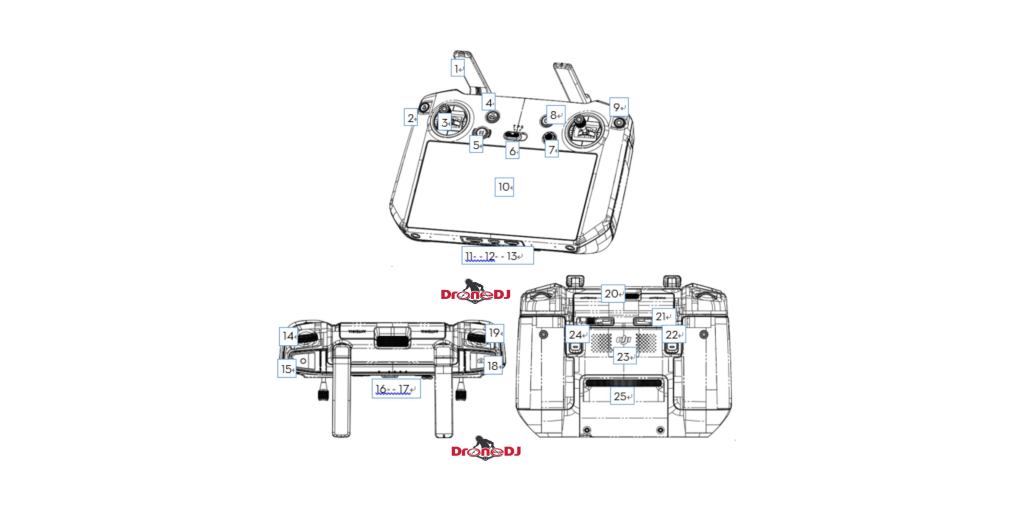
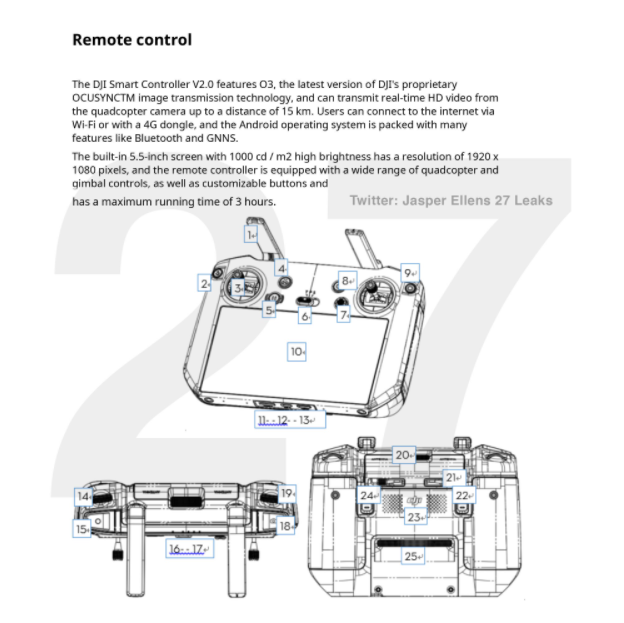
DJI Smart Controller V2

Well, a drone is incomplete without its controller and we sure will see a new controller as well that”ll be called Smart Controller V2. With the latest version of DJI’s OcuSync video transmission technology, it will be able to transmit real-time HD video up to 15km and will sport a 1920 x 1080 resolution, 1000 nit bright built-in screen.

Source: DroneDJ

Running Android out of the box, the DJI Mavic 3 Pro Smart Controller will be able to connect to the internet using WiFi or via an LTE dongle. This will be powered by a 5000mAh battery at 9.2V that has a running time of 3 hours. There will be customizable buttons, gimbal control features, and gladly, a USB-C port for charging.

Related:

[embedyt] https://www.youtube.com/watch?v=aP-7v6EB5Co[/embedyt]

(via)

iPhone 13 Pro Max vs Samsung Galaxy S21 Ultra: Specs Comparison

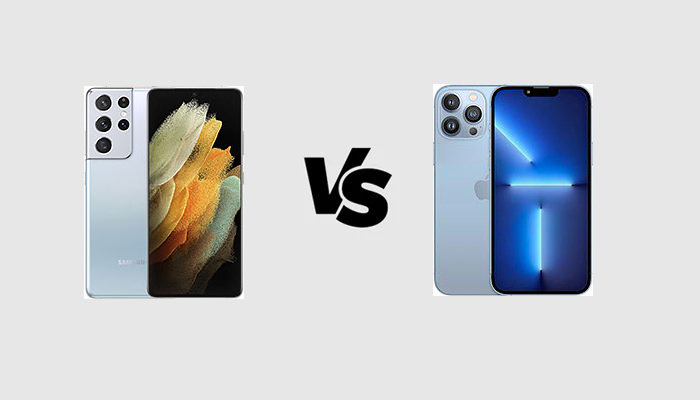
The iPhone 13 series is finally official and it is composed of four variants, just like last year. The most advanced one is the iPhone 13 Pro Max but is it the most advanced phone in the market or you can find something better from other brands? We think there is no better way to understand it than comparing it to the most advanced Android flagships. For this comparison, we chose the best Samsung flagship excluding foldable phones: the Samsung Galaxy S21 Ultra. The price range of these two devices is the same, but which one is the best? This comparison should help you find out. Note that this comparison is only based on the specs on the paper and the iPhone 13 Pro Max is yet to hit the shelves.

Samsung Galaxy S21 Ultra vs Apple iPhone 13 Pro Max

Samsung Galaxy S21 Ultra Apple iPhone 13 Max
DIMENSIONS AND WEIGHT 165.1 x 75.6 x 8.9 mm,
227 g
160.8 x 78.1 x 7.7 mm,
240 g
DISPLAY 6.8 inches, 1440 x 3200 pixels (Quad HD+), Dynamic AMOLED 2X 6.7 inches, 1284 x 2778p (Full HD+), Super Retina XDR OLED
PROCESSOR Samsung Exynos 2100 or Qualcomm Snapdragon 888, octa-core 2.9 GHz or octa-core 2.84 GHz Apple A15 Bionic hexa-core 3.22 GHz
MEMORY 12 GB RAM, 512 GB – 12 GB RAM, 128 GB – 12 GB RAM, 256 GB – 16 GB RAM, 512 GB 6 GB RAM, 512 GB – 6 GB RAM, 128 GB – 6 GB RAM, 256 GB – 6 GB RAM, 1 TB
SOFTWARE Android 11, One UI iOS 15
CONNECTIVITY Wi-Fi 802.11 a/b/g/n/ac/6e, Bluetooth 5.2, GPS Wi-Fi 802.11 a/b/g/n/ac/ax, Bluetooth 5, GPS
CAMERA Quad 108 + 10 + 10 + 12 MP, f/1.8 + f/4.9 + f/2.4 + f/2.2
40 MP f/2.2 front camera
Quad 12 + 12 + 12 MP + TOF 3D LiDAR scanner, f/1.5 + f/2.8 + f/1.8
Dual 12 MP + SL 3D f/2.2
BATTERY 5000 mAh, fast charging 25W and Qi wireless charging 15W 4373 mAh, Fast Charging 20W, Qi wireless charging 7.5W
ADDITIONAL FEATURES 5G, optional dual SIM, optional eSIM, IP68 waterproof, stylus support 5G, optional dual SIM, optional eSIM, MagSafe 15W, IP68 waterproof

Design

Which phone has the best design? It mostly depends on your tastes: not everyone likes that big notch of the iPhones, but they are the trend. Further, the iPhone 13 Pro Max has a better build quality with a Ceramic Shield back and a stainless steel frame. The Samsung Galaxy S21 Ultra has a glass back protected by Gorilla Glass Victus and an aluminum frame. Both the phones feature the IP68 certification, but the iPhone 13 Pro Max can resist immersions up to 6 meters deep, while Samsung Galaxy S21 Ultra stops at 1.5 meters. The iPhone 13 Pro Max has a more compact, thinner, and lighter design, while the Samsung Galaxy S21 Ultra is a lot bigger.


Display

Both of these devices are equipped with astonishing displays, so whatever you choose, you will get an amazing image quality. On the paper, the Samsung Galaxy S21 Ultra is superior with its HDR10+ certification, LTPO technology with adaptive refresh rate, Quad HD+ resolution, and an active digitizer which enables the support of the S Pen just like the Galaxy Note series. It also comes with an in-display fingerprint reader. The OLED display of the iPhone 13 Pro Max has a color reproduction very close to perfection and even a high 120 Hz refresh rate. It does not support the pen, but it has Face ID for 3D facial recognition.


Specs & Software

In terms of performance, the iPhone 13 Pro Max should be better thanks to the better optimization of the iOS operating system and a stronger chipset. It does not matter that Samsung Galaxy S21 Ultra offers up to 16 GB of RAM: iOS is well-optimized and can provide incredible performances even with lower-end hardware. Further, note that iPhone 13 Pro Max offers up to 1 TB of internal storage, while the Galaxy S21 Ultra stops at 512 GB. The Samsung flagship has Android 11 out of the box (it will be one of the first phones to get Android 11), while iPhone 13 Pro Max ships with iOS 15.


Camera

If shooting photos is your priority, then Samsung Galaxy S21 Ultra may be a more versatile device for you. Besides a great 108 MP main camera, it has a periscope sensor with 10x optical zoom and it is able to record videos in 8K resolution. The iPhone 13 Pro Max should be better at video recording, but it does not offer the amazing zoom capabilities of the Samsung Galaxy S21 Ultra as it stops at 3x optical zoom.


Battery

The Samsung Galaxy S21 Ultra has a bigger battery, but the iPhone 13 Pro Max is expected to reach a similar battery life due to the great optimization of the operating system. The charging speed is similar between the two devices and both support wireless charging, but the iPhone is the only one with MagSafe. The MagSafe technology is better for wireless charging and it gives the chance to connect other accessories such as battery packs.


Price

The starting price of the iPhone 13 Pro Max is €1249 in Europe and $1099 in the U.S while the Samsung Galaxy S21 Ultra starts from €1020 in Europe and $795 in the U.S. You can currently find better street prices for the S21 Ultra. There is no clear winner of this comparison: now you know the advantages of the one and the other and it should be easier for you to make a choice.


Samsung Galaxy S21 Ultra vs Apple iPhone 13 Pro Max: PRO and CONS

Samsung Galaxy S21 Ultra

PRO

  • Wider display
  • Pen support
  • Bigger battery
  • 10x optical zoom

CONS

  • Dimensions


Apple iPhone 13 Pro Max

PRO

  • iOS 15
  • Great materials
  • MagSafe
  • Amazing hardware

CONS

  • Price

DJI Mavic 3 owner’s manual leak revealing key details, tipped to launch November 15

Several leaks about the yet-to-be-released DJI Mavic 3 drone detail a few improvements from its predecessor. The new and improved Mavic 3, according to the leaks, comes with a substantially improved camera and a longer flight time of 46 minutes. The two cameras include a telephoto lens, as well as another with a larger sensor. These features could be a boon for cinematographers and photographers who are engaged in aerial shots.

Although there is no official confirmation as of now, on the Mavic 3, the new model could combine some of the camera functionalities of both the Mavic 2 Pro and Mavic 2 Zoom. The Mavic 3 offers both a larger four-thirds sensor and a 24-48mm equivalent zoom on the same drone, which is impressive. The presence of a four-thirds sensor allows for extra detail and a more cinematic display, as well as a longer flight time. This innovative two-in-one drone has now brought greater accessibility and possibly, affordability in shooting panoramic videos and still pictures, thus establishing its versatility.

While the full details about pricing are lacking from the leaks, we could expect the DJI Mavic 3 to be priced higher than its predecessor, due to its greater functionality and features. Furthermore, the drone also offers direct USB-C charging, as there is no need to remove the battery to charge externally. There is a marginal increase in the weight of the Mavic 3 Pro (weighs about 920g), but its flight time is fifteen minutes more than what is obtained with the Mavic 2.

Two models, as per the leaks will be available under the Mavic 3 banner – a Pro and a Cine Model. The Cine model is priced at around $2,600 and will come with more enhanced functionality than the Pro model. Faster transfers will be achieved with the signature model, together with a new version of the DJI Smart Controller. The Smart Controller will allow video transmission over 15km, which is a 5km improvement from the Mavic 3 Pro.

RELATED: 


TAGG Verve Ultra smartwatch with 3D Curved screen launched in India for ₹2,999(~$41)

Indian maker TAGG has launched a new smartwatch in India dubbed TAGG Verve Ultra. The smartwatch comes at an affordable price offering impressive features like a 3D curved display, SpO2 sensor, and IP68 rating.

The TAGG Verve Ultra is priced at ₹2,999(~$41) and it comes in Black, Grey, and Pink. The smartwatch has an Apple Watch-inspired design where the dial is square-shaped and has a matte coloured strap. It will be available for purchase starting from 25 September.

TAGG Verve Ultra Smartwatch Specs 

The smartwatch comes with a 1.69-inch display with 500 nits of brightness. It has curved sides and a Zinc Alloy Body. It has a SenselQ technology that ensures that data tracking is on par with reality. That said, it has a SpO2 sensor, Heart rate monitoring sensor, Female Menstrual Cycle tracking, and Sleep tracking.

It comes with multiple sports models including walking, running, wing, skipping, exercise, and hiking. The smartwatch comes with 10-day battery life and has an IPX67 rating for dust and water resistance.

Other than this, it has a NORDIC NRF52832 chipset and has different watch faces. It comes with the Smart Reminders feature which will remind you for drinking water, alarms, and menstrual cycle tracking. The smartwatch comes with seven watch faces and 50+ cloud watch faces.

RELATED:

Samsung Galaxy S22 Ultra gets leaked in the form of early renders

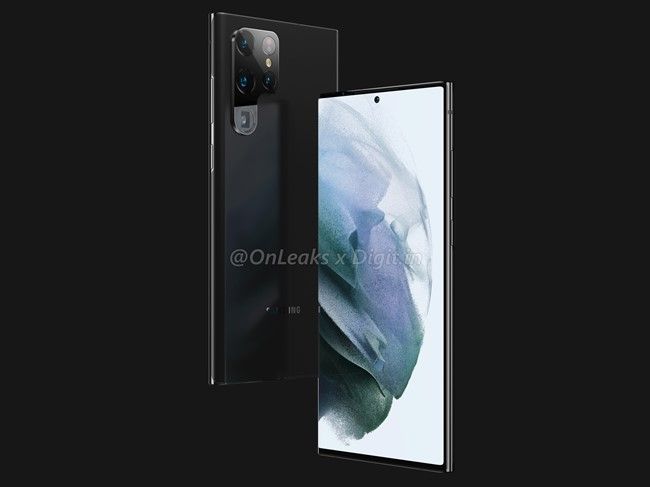
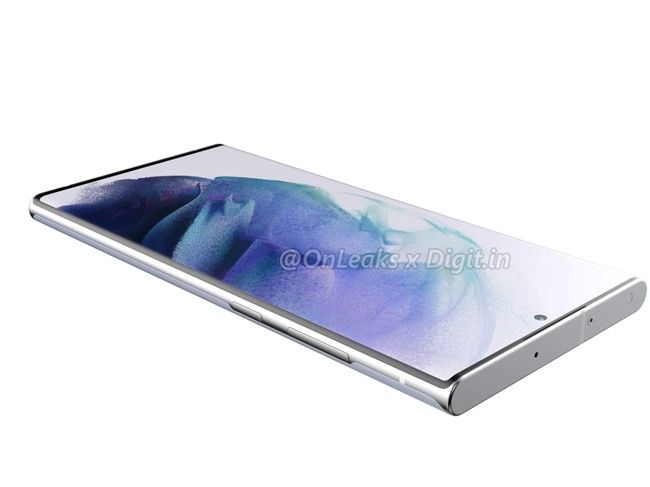
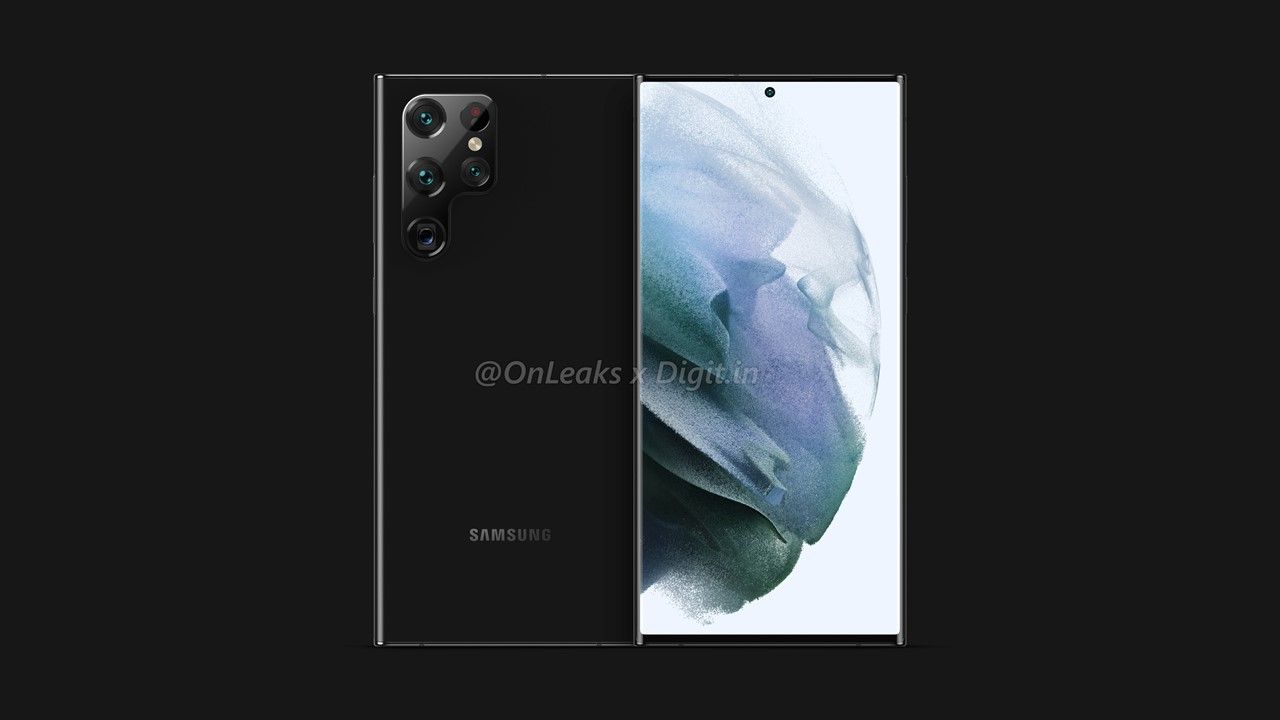
Samsung is expected to announce the Galaxy S22 series next year, but months before that, early renderings of the smartphone have surfaced today. The renders come from notorious leaker Onleaks in collaboration with DigitIndia. The renders give us the early look at what to expect and reveal key changes over the current S21 series.

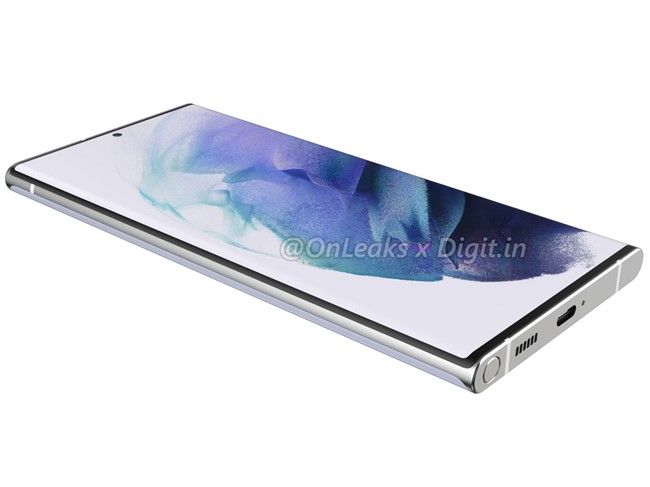
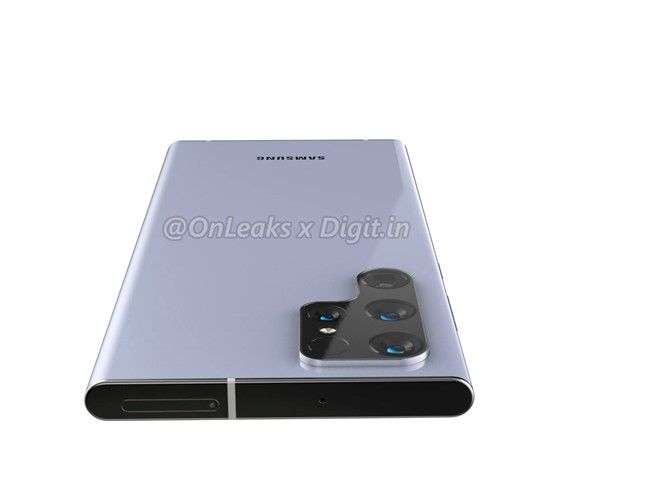
The renders reveal that the Samsung Galaxy S22 Ultra will bring a new form factor. It will go with a similar shell as the Galaxy Note 20 meaning that there will be sharp corners on all four sides. As per the publication, the smartphone features a 6.8-inch curved screen. Reportedly, it is an AMOLED panel with a high refresh rate. Precisely, the device measures 8.9mm in thickness and has the following dimensions – 163.2 x 77.9 x 8.9mm.

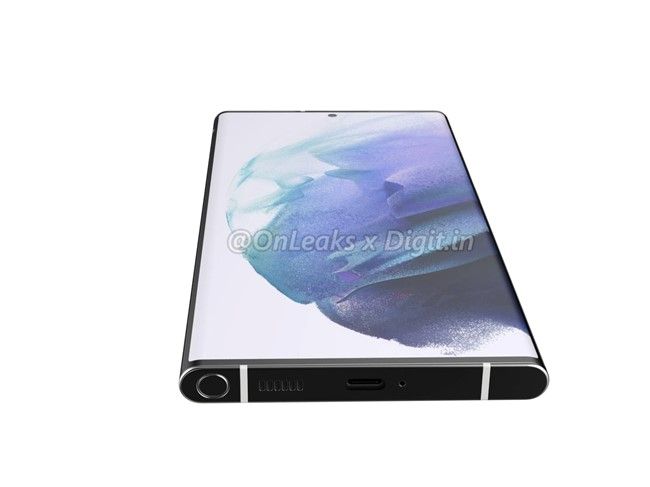
Interestingly, the rear camera island looks to be protruded and it comes in a completely new design. The camera island has four cameras and a LED flash. The smartphone has a USB Type-C port, a speaker grille, and a microphone at the bottom. And, has a secondary microphone and a SIM tray at the top.

Just like last year, the upcoming Galaxy S22 Ultra will also have S-Pen support. The S-Pen will be placed beside the speaker grille at the bottom. That said, the smartphone may come with some S-Pen-centric features as well. Under the hood, we expect it to be powered by the flagship Snapdragon SoC for some markets and may have an Exynos chipset as well.

Apart from this, the phone’s rest of the details are under wraps. There’s still plenty of time until the Galaxy S22 series officially arrives. Ahead of its unveiling, we expect to see some more leaks in the coming weeks.

RELATED:

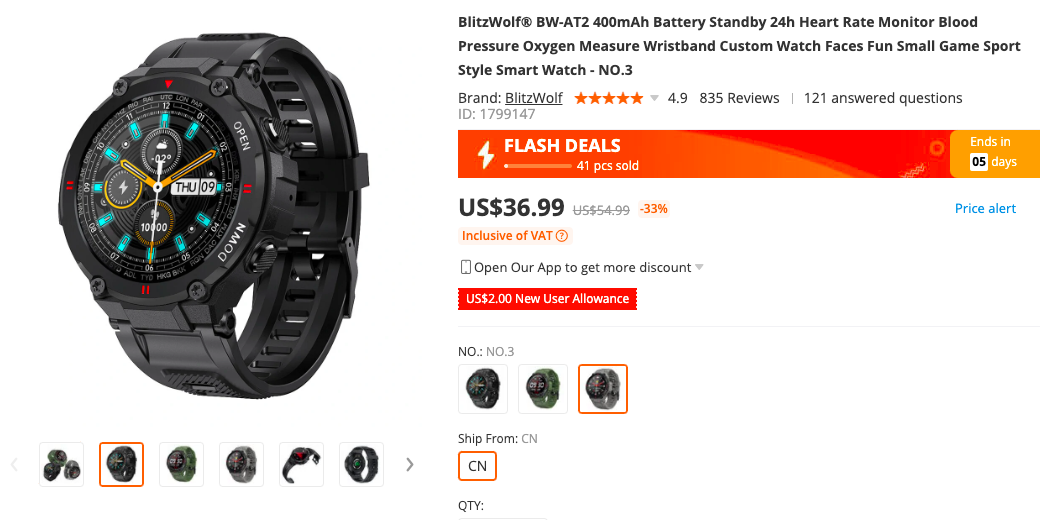
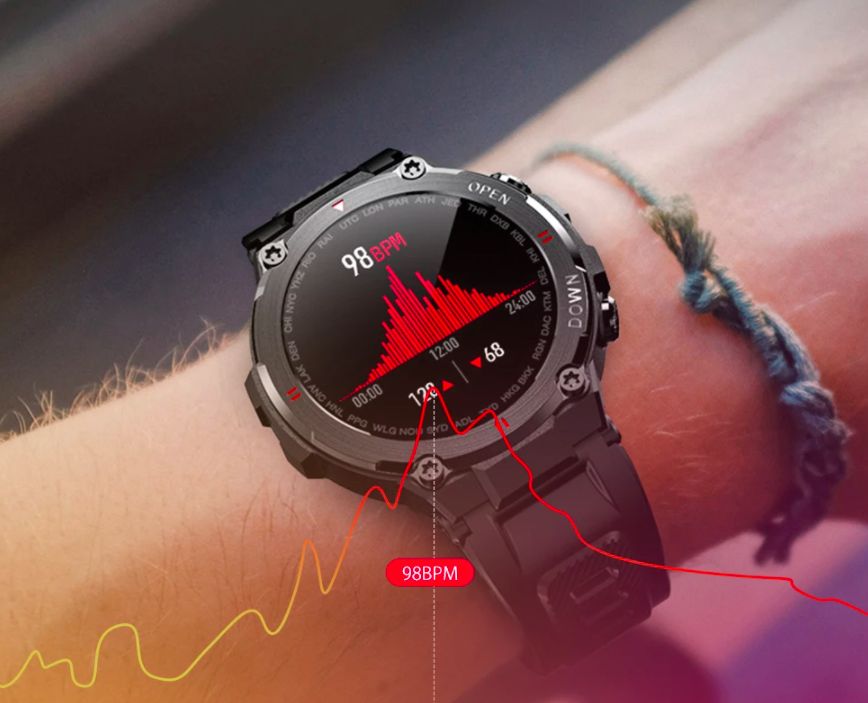
Deal: Get BlitzWolf BW-AT2 Sports Smartwatch for $37 (Retail Price $50)

BlitzWolf BW-AT2 Sports Smartwatch which usually retails for $50 is now available at a heavily discounted price of $36.99 only at Banggood. This flash deal ends in 5 days. 

WHERE TO BUY
BlitzWolf BW-AT2 Sports Smartwatch at $36.99 @Banggood

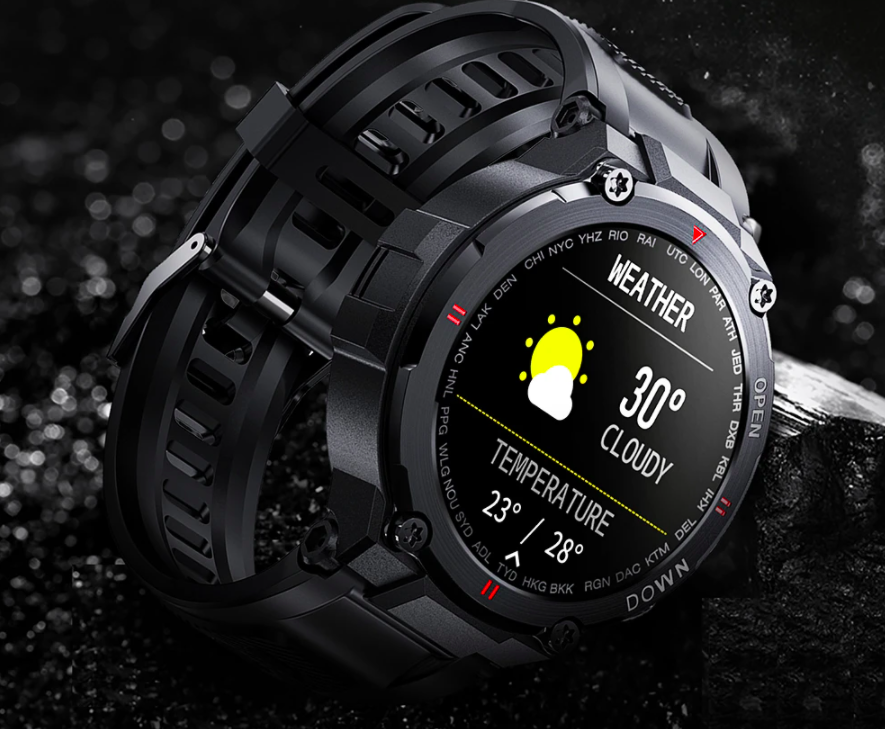
BlitzWolf BW-AT2 Sports Smartwatch

BlitzWolf BW-AT2 Sports Smartwatch

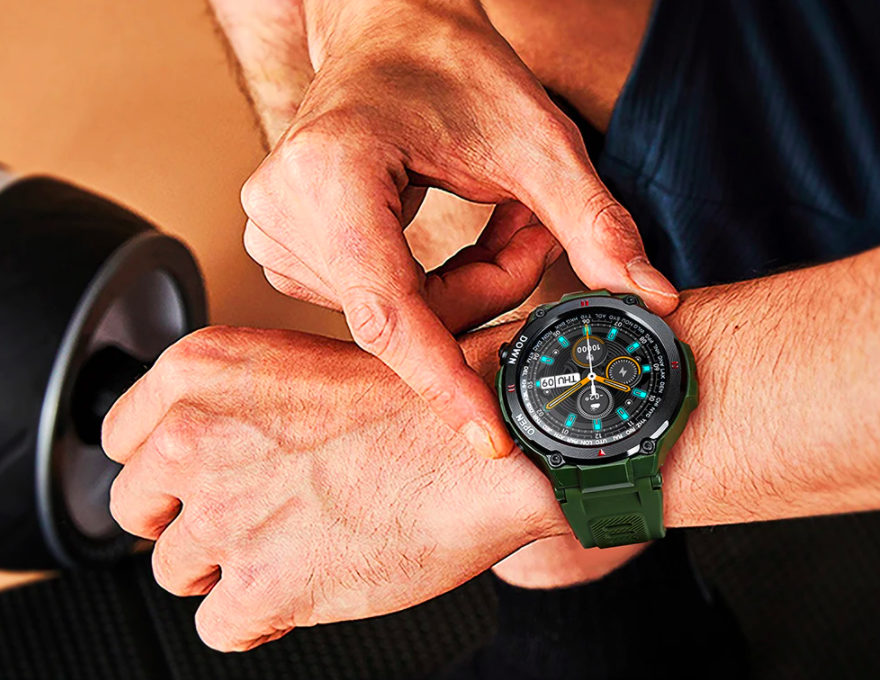
BlitzWolf BW-AT2C Sports Smartwatch

Key Features:

  • 1.3-inch Full Touchscreen
  • Sports wear-resistant shell
  • 22mm detachable universal strap
  • Customizable watch faces
  • 24 x 7 Heart Rate Monitor
  • Blood Pressure and Oxygen Monitor
  • Real-time weather display
  • Music Control
  • Menstrual Cycle Tracker
  • Multi-sports mode
  • IP54 waterproof
  • GPS run route track
  • 400mAh battery – 30 days standby
  • Colors: Black, Green, and Grey

BlitzWolf BW-AT2C Sports Smartwatch

Generally retailing for $50, you can now buy BlitzWolf BW-AT2 Smartwatch at a discounted price of $36.99 only at Banggood. This flash deal ends in 5 days. So place your order asap. 

For more information on such exciting deals and offers check out our deals hub.

* Please Note: When you buy something using the links in our articles, we may earn a small commission at no cost to you.

Samsung Galaxy M52 5G gets an early unveil in Poland ahead of India

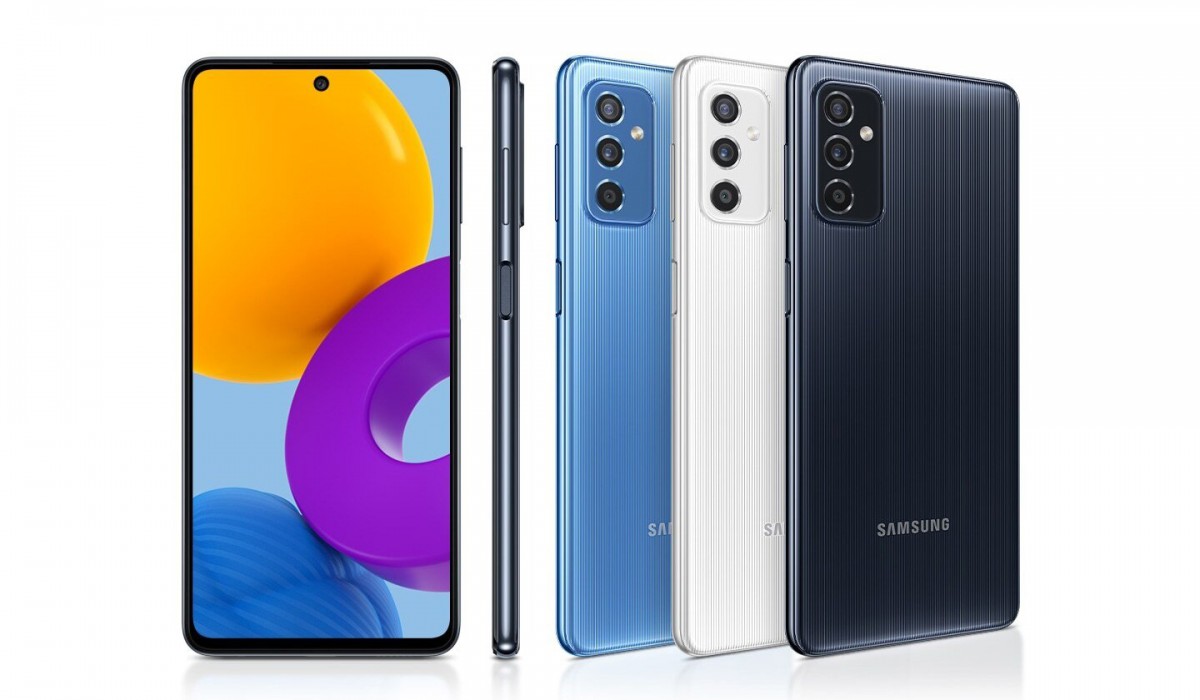
Samsung recently revealed that it would officially unveil the Galaxy M52 5G in India on September 28. But in a new twist, the device has now quietly been unveiled in Poland. Well, Samsung Poland just listed the smartphone on its official website with all the details except the price in tow. This is not much of a surprise considering that the device had earlier been spotted in a Polish retailer listing. Samsung Galaxy M52 5G

The Galaxy M52 5G is equipped with a 6.7-inch AMOLED panel with a punch-hole design and a Full HD+ resolution of 1080 x 2400 pixels. The device also supports a 120Hz refresh rate.Samsung Galaxy M52 5G

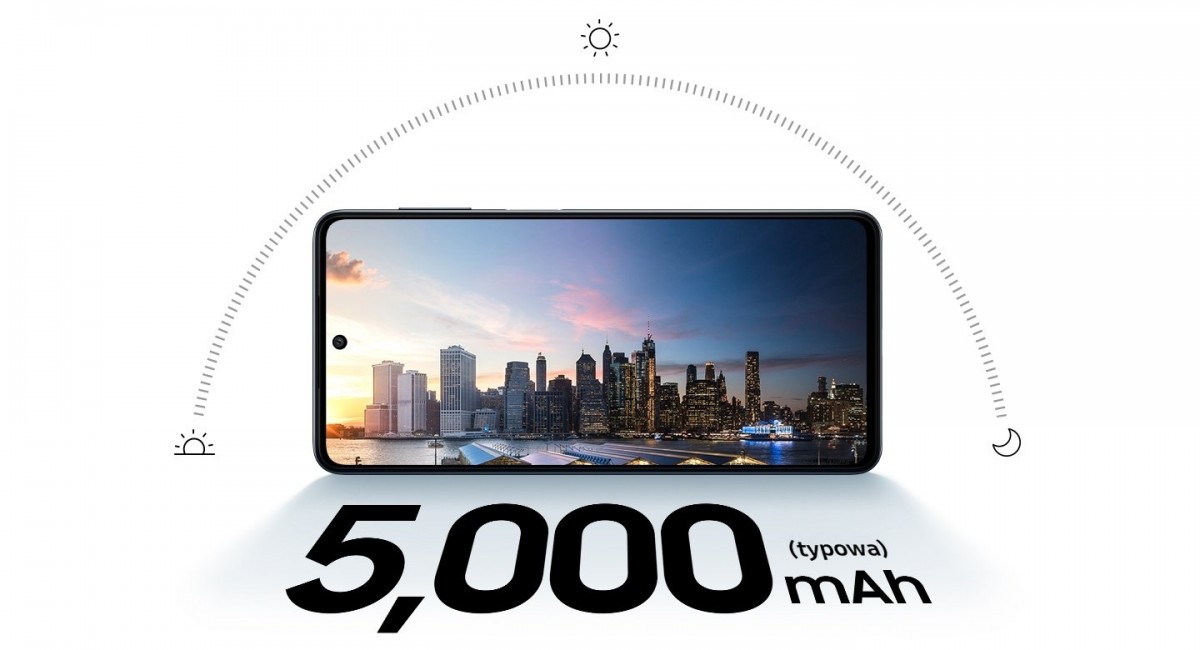
The premium mid-range phone is powered by the Qualcomm Snapdragon 778G chipset paired with 6GB/8GB RAM options. The device comes in a single 128GB storage that can be expanded via the microSD card slot. The M52 runs on the Android 11-based One UI 3.1. Keeping the light on is a generous 5,000mAh battery, which supports 25W rapid charging.

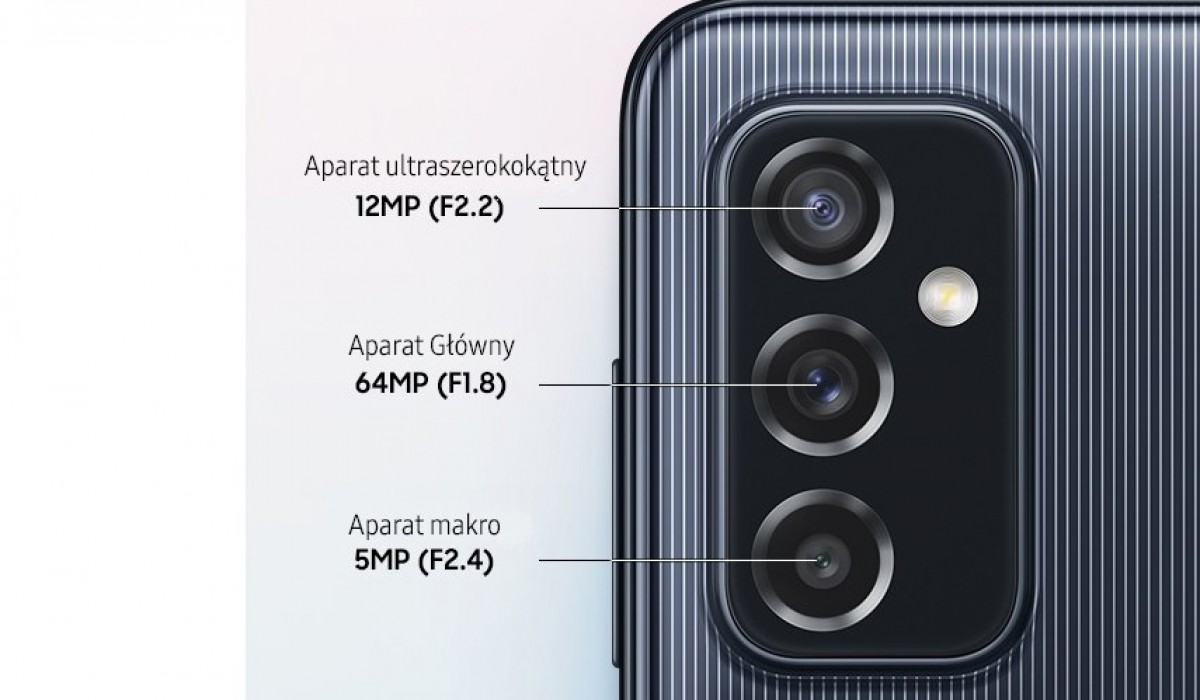
On the camera aspect, the Galaxy M52 5G sports a triple rear camera setup consisting of a 64-megapixel main sensor, a 12-megapixel ultrawide shooter, and a 5-megapixel macro lens. For selfies, it packs a 32-megapixel front camera. The mobile phone equally packs a side-mounted fingerprint sensor that doubles as the power button.Samsung Galaxy M52 5G

Around the back M52 5G brings a 64MP primary camera alongside a 12MP ultrawide snapper and a 5MP macro cam. Qualcomm’s Snapdragon 778G 5G sits at the helm aided by 6GB RAM and 128GB of expandable storage.

Samsung is yet to announce the price of the Galaxy M52 5G but the earlier Polish retailer listing suggests the device will retail for PLN 1,749 (~€380/~$446/~Rs 32,900) for the 6GB+128GB variant. The device will be available in Blue, Black, and White colors.

RELATED: