Advertisement

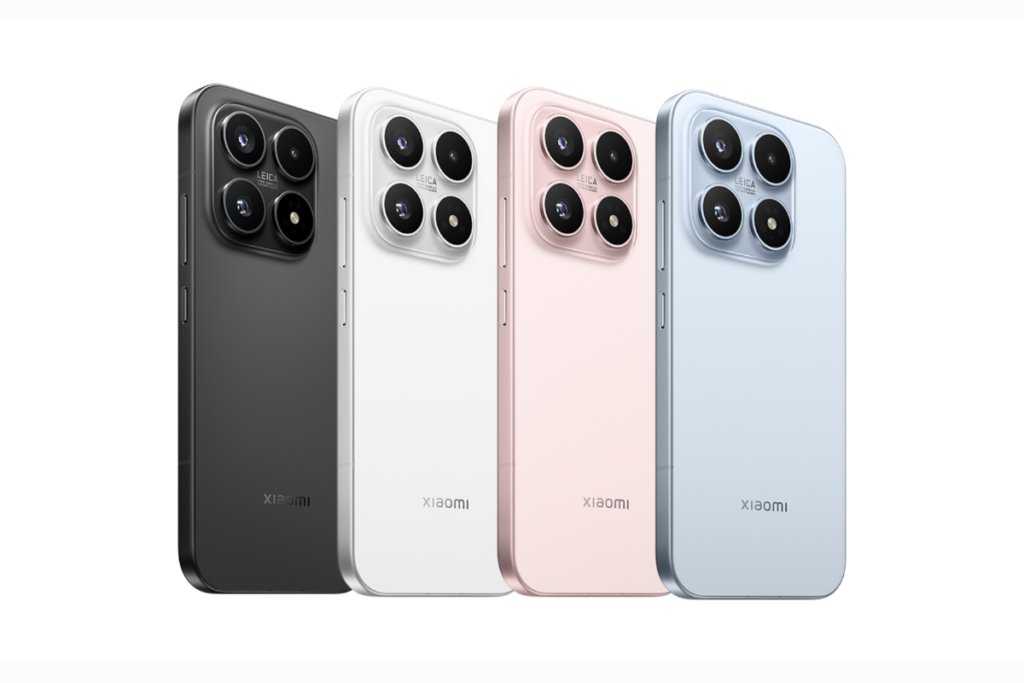
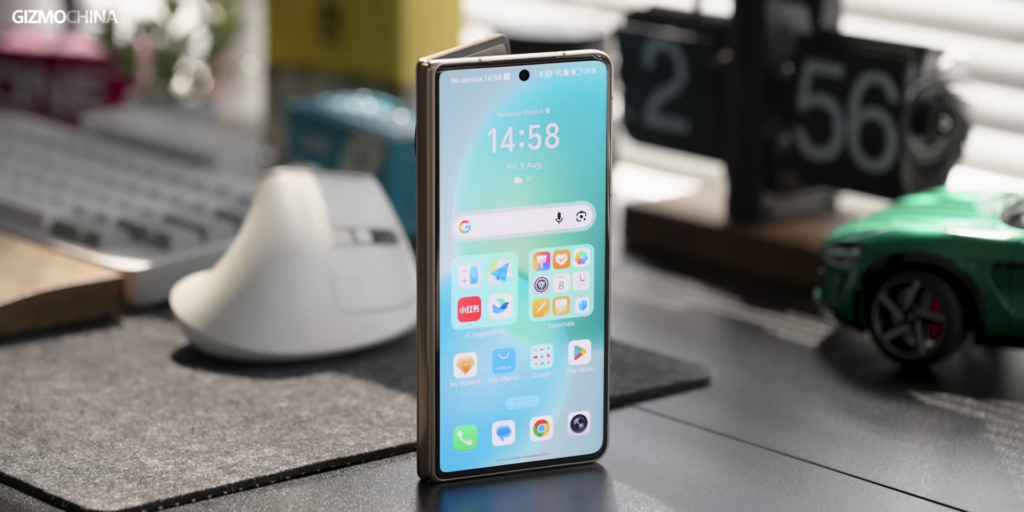
Meizu 22 launches new “Moon White Sky Blue” color with matching white front bezels

Meizu unveiled the Meizu 22, a compact flagship phone powered by the Snapdragon 8s Gen 4 chip, in September this year in China. At that time, it was introduced in black, white, and pink shades. In recent weeks, several flagship smartphones have arrived in the Chinese market, prompting Meizu to introduce a refreshed version of its compact flagship with a new colour option to stay competitive.

Meizu 22 now comes in a new “Moon White Sky Blue” shade

Meizu 22 new color
Meizu 22 launches new “Moon White Sky Blue” color

Meizu has officially announced the return of its most celebrated color, “Moon White Sky Blue”, with the Meizu 22. This new variant features a smooth ceramic-finish back cover inspired by the elegance of traditional Chinese celadon craftsmanship.

The design integrates a 0.8mm symmetrical “pure white” flat panel and a 6.3-inch frame that offers a refined and balanced in-hand experience.

According to Meizu, the new color variant symbolizes the brand’s commitment to combining modern design with oriental aesthetics. The new variant has a starting price of 2,999 Yuan (~$420) and will go on sale in China starting Oct. 30.

Alongside this, Meizu also introduced a special “Return Voyage: China Flagship Edition”, developed in collaboration with the China State Shipbuilding Corporation’s 714 Research Institute. This edition features design motifs inspired by naval vessels and aircraft, along with a customised UI and collectible accessories.

Meizu 22 specifications

The Meizu 22 is powered by the Snapdragon 8s Gen 4 processor and features a 6.3-inch 1.5K display with adaptive 1–120Hz refresh rate. It includes a triple 50-megapixel rear camera setup covering wide, telephoto, and ultra-wide lenses, as well as a 50-megapixel front camera.

The phone packs a 5,510mAh battery with 80W wired and 66W wireless charging support. Other highlights include ultrasonic fingerprint scanning, an X-axis linear motor, an IR blaster, and IP66/68-rated dust and water resistance.

For more daily updates, please visit our News Section.

Stay ahead in tech! Join our Telegram community and sign up for our daily newsletter of top stories.

The Edge is dead because Samsung is working on even slimmer device called More Slim

It’s been a complete mess for Samsung—or at least it seems that way from the outside. First, the company was thought to be replacing the Galaxy S26 Plus with the S26 Edge.

Later, reports suggested that the S26 Plus was back in the lineup and that there wouldn’t be a Galaxy S26 Edge instead. In fact, the entire Edge series was said to have been dropped.

Even slimmer than Edge: More Slim

Now, a wild new rumor claims there’s more to this story. According to the Dutch site GalaxyClub, the S26 Edge has indeed been scrapped, but Samsung hasn’t given up on making a slim flagship. The company is reportedly developing another thin phone, internally codenamed “More Slim.”

The report states that Samsung has been working on this mystery device for a few months now, although its development began significantly later than previously thought to be the S26 Edge project. 

Samsung Galaxy S25 Edge

The previous S25 Edge carried the internal codename “Slim,” so it does make “More Slim” sound like a deliberate continuation of that idea.

Now, we don’t know much about this More Slim device, except that the name itself hints it could be even slimmer than the now-scrapped S26 Edge.

We’re not entirely sure what Samsung’s logic is here. The S25 Edge was already an expensive phone for what it offered—you got a dual-camera setup with no telephoto lens and a small 3,900mAh battery.

Making the next iteration even thinner will likely drive up costs, as Samsung would need to custom-engineer components to fit more into even less space. And even then, how does the company plan to improve on common complaints about the S25 Edge, like battery in an even slimmer design?

Samsung must have a plan in mind, and we’ll likely learn more about it in the near future.

For more daily updates, please visit our News Section.

Stay ahead in tech! Join our Telegram community and sign up for our daily newsletter of top stories! 💡

(Source)

Xiaomi 17 vs Vivo X300 vs Oppo Find X9: A quiet flagship contest

Flagship smartphone launches used to be simple. There was one premium model, one Pro version for those who wanted more, and maybe a standard version for everyone else. But that line has almost completely blurred in 2025.

The so-called “base” models from major Chinese brands have grown powerful enough to challenge their own Pro siblings. They now offer high-end cameras, premium materials, and top-tier chips, all at prices that make Pro models feel unnecessary.

The latest proof of this comes from Vivo, Xiaomi, and Oppo, whose new phones — the Vivo X300, Xiaomi 17, and Oppo Find X9 — were launched within weeks of each other.

Although these three phones sit below their Pro counterparts, they look and feel like top-tier devices in their own right. What’s even more interesting is how differently each company interprets the idea of a flagship phone for everyone.

1. Design and Display

On paper, the three phones share similar footprints. The Vivo X300 and Xiaomi 17 are almost identical in size, hovering around 6.3 inches, while Oppo’s Find X9 stretches slightly larger to 6.59 inches. 

All three offer some level of IP68 water and dust protection, though Vivo and Oppo go further with IP69 ratings, which means resistance to high-pressure water jets. This feature is almost unnecessary for most people (here’s why), but it’s here nonetheless.

There’s not much to separate them in display technology either. Each uses an LTPO AMOLED panel with up to 120Hz refresh rate, HDR10+ support, and color standards that now seem mandatory for phones at this price. 

Only if we nitpick, Xiaomi claims that it can reach 3,500 nits peak brightness, Vivo claims 4,500 nits, and Oppo claims 3,600 nits. While these are peak figures and you’re rarely hitting these numbers, it’s reassuring to know all three should remain perfectly usable outdoors.

All three panels support HDR10+, Dolby Vision, and high-frequency PWM dimming, with pixel densities hovering around 460ppi. In real use, they’ll likely look nearly identical, though the default color calibration depends on how the brand prefers it. 

2. Performance

Snapdragon 8 Elite Gen 5 vs Dimensity 9500

The clearest separation between these phones comes from what’s inside. Xiaomi uses Qualcomm’s Snapdragon 8 Elite Gen 5, while both Vivo and Oppo rely on MediaTek’s Dimensity 9500.

On paper, Qualcomm still leads in raw CPU and GPU performance. Xiaomi’s 8 Elite Gen 5 uses custom Oryon cores with clock speeds up to 4.6GHz and the new Adreno 840 GPU.

Vivo and Oppo’s Dimensity 9500 chips are not far behind; they are built on the same 3nm process and have their own “C1 Ultra” cores running at 4.21GHz. But MediaTek’s focus is on efficiency and sustained performance, and in practice, the difference may be small unless you push the phones with extended gaming or AI workloads.

What’s more notable is how similar these three feel in day-to-day use. All three phones use UFS 4.1 storage and LPDDR5X RAM to ensure flagship-level responsiveness. 

3. Cameras

Vivo X300 Pro telephoto converter

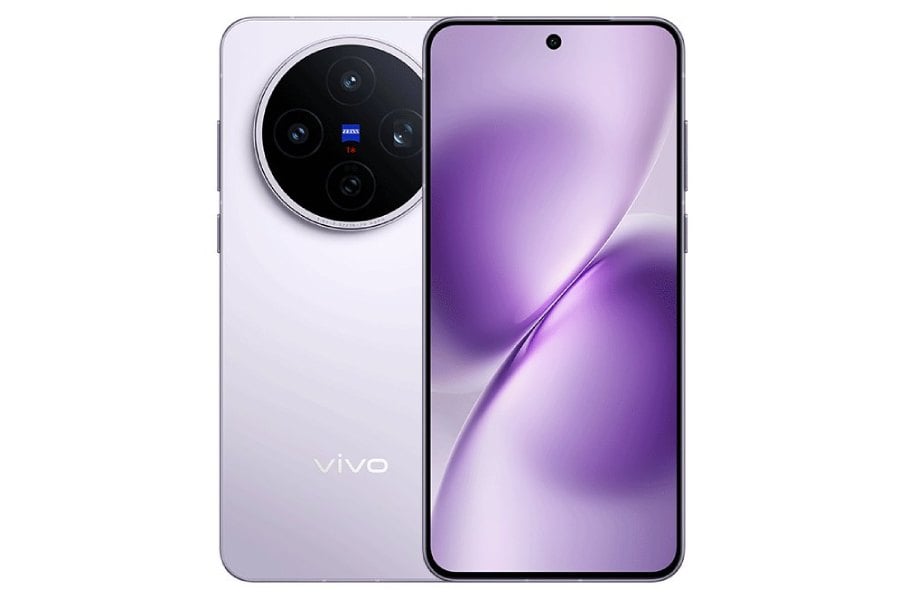
The biggest philosophical split lies in the camera systems. Vivo is the most camera-focused brand here, and it shows. The Vivo X300 leads with a 200-megapixel Samsung HPB main sensor, accompanied by two 50-megapixel cameras — one telephoto, one ultrawide. 

Then it has Zeiss optics and the ability to import 3D LUTs. And it even supports a detachable telephoto extender lens sold separately, something previously reserved for its Ultra series.

Xiaomi 17 uses a triple 50-megapixel setup, each tuned in collaboration with Leica. The main lens is a 1/1.31-inch sensor with an f/1.7 aperture, and the telephoto offers 2.6x optical zoom. It also supports 8K video and Dolby Vision HDR, matching its Pro siblings in video flexibility.

Oppo’s Find X9, meanwhile, keeps things simple. It sticks with three 50-megapixel sensors but relies on the established partnership with Hasselblad for color tuning. 

The 3x periscope telephoto offers real optical range, and image quality should remain strong thanks to the large 1/1.4-inch main sensor. Like Vivo, Oppo has a telephoto extender for the Find X9 series, but it’s reserved for the Pro model. 

4. Battery and charging

Battery life is where these phones start to feel generationally different. All three use silicon-carbon battery chemistry, allowing higher capacity without added bulk. 

Oppo leads the group with a 7,025mAh battery, followed closely by Xiaomi’s 7,000mAh and Vivo’s smaller but efficient 6,040mAh pack. Despite the difference in capacity, Vivo claims its battery lasts as long as a typical 7,000mAh unit. 

Charging speeds are fast across the board. Xiaomi supports 100W wired and 50W wireless charging, Oppo follows with 80W wired and 50W wireless, and Vivo offers 90W wired and 40W wireless. The phones can go from empty to full in under 40 minutes.

5. Software and experience

All three phones ship with Android 16, customized heavily by their respective skins: HyperOS 3 on Xiaomi, OriginOS 6 on Vivo, and ColorOS 16 on Oppo.

Each takes a different approach to personalization, and whether you like these skins or not largely comes down to preference. Each phone also includes an ultrasonic fingerprint sensor, dual stereo speakers, NFC, and infrared blasters. None offers a 3.5mm headphone jack, but all support high-resolution wireless audio.

6. Verdict

In truth, there’s no clear winner here. The Vivo X300, Xiaomi 17, and Oppo Find X9 are all high-end devices with different priorities wrapped in similar price brackets.

The Vivo X300 is for those who care about photography above all else. Its 200-megapixel sensor and Zeiss collaboration make it a quiet powerhouse for imaging, and its compact design will appeal to users tired of oversized flagships.

The Xiaomi 17 is an all-rounder. Its Leica-tuned cameras, Snapdragon chip, and large battery make it easy to recommend to anyone who values both power and polish.

The Oppo Find X9 sits somewhere between the two. It emphasizes endurance and balance. It’s not as flashy as the Xiaomi or as ambitious as the Vivo. Still, it might be the most reliable of the bunch, combining excellent battery life, consistent camera output, and understated design.

For more daily updates, please visit our News Section.

Stay ahead in tech! Join our Telegram community and sign up for our daily newsletter of top stories! 💡

Dreame launches P7 Steam Iron, its first entry into the garment care market

We don’t know what’s happening, but Dreame seems to be on a spree of launching new products almost every day. The company has been expanding aggressively into new categories, from Mini LED TVs and soundbars to large home appliances like refrigerators.

It has also confirmed plans to enter the smartphone market. Now, Dreame is stepping into the garment care segment with the introduction of the P7 Steam Iron in the Chinese market. It is priced at 635 yuan ($89) and is now available on JD.com.

Dreame P7 Steam Iron

Dreame P7 Steam Iron Specifications

The Dreame P7 features a 90-degree rotating “butterfly wing” ironing panel designed for better comfort and efficiency. The patented horizontal layout increases the ironing surface to 172mm, allowing it to cover more area in a single pass. The steam output zone is physically separated from the grip area to ensure safe handling and prevent accidental burns during use.

The P7 is powered by a 1200W dual-core pressure-boosting system capable of delivering steam at a rate of approximately 12±5g per minute and a pressure of up to 200kPa. The dense and consistent steam penetrates deep into fabric fibers to eliminate wrinkles quickly.

The device uses Dreame’s multi-layer vaporization system to generate ultra-fine nano steam that prevents moisture buildup on fabrics. It also includes a 0.1-second touch sensor that instantly stops steam when the handle is released and resumes operation when it’s held again.

Dreame P7 Steam Iron

It includes five ironing modes that support both dry and steam settings, optimized for different materials such as silk, cotton, wool, linen, and synthetic blends. These modes adjust power and steam levels dynamically to match fabric types. In addition to wrinkle removal, the P7 also supports sterilization, promising 99.99% bacteria elimination and complete mite removal through high-temperature steam.

The device includes a detachable 100ml water tank that supports multiple garments in one session. It also has a self-cleaning mode that flushes the internal heating system with high-frequency water flow to prevent scale buildup and maintain long-term performance.

For more daily updates, please visit our News Section.

Stay ahead in tech! Join our Telegram community and sign up for our daily newsletter of top stories! 💡

(Dreame JD)

Oppo Find X9 Pro vs OnePlus 15: Which 2025 Flagship Should You Pick?

The competitive world of flagship smartphones is heating up again, with Chinese brands bringing a new wave of premium devices. Two of the latest models to hit the market are the Oppo Find X9 Pro and OnePlus 15. While the former is a high end smartphone with cutting edge cameras, the latter focuses on performance. So both serve a different purpose despite being the latest gen flagships. So here’s a quick comparison from display and design to hardware performance and camera systems to help you decide which model fits your priorities.

Display & Design

These are both top of the line smartphones from Oppo and OnePlus, so you get a premium build quality that uses metal and glass, along with high end IP rating for water and dust resistance, and uniform bezels. So picking between the designs is based on personal preference. However, the display on the front immediately showcases the different focus of the two smartphones.

Oppo Find X9 Pro

The Find X9 Pro sports a 6.78-inch LTPO AMOLED display with a 2780×1264 resolution, 3840Hz PWM dimming, Dolby Vision, a 120Hz refresh rate, and up to 3600 nits of peak brightness. Meanwhile, the OnePlus 15 has a similar 6.78-inch LTPO AMOLED panel with a 1.5K resolution as well. However, it bumps up the max refresh rate to 165Hz, which appeals to mobile gaming enthusiasts.

Hardware & Performance

Under the hood, these phones take different paths once again. The Find X9 Pro is equipped with MediaTek’s latest and greatest Dimensity 9500. On the other hand, the OnePlus 15 gets Qualcomm’s flagship Snapdragon 8 Elite Gen 5 SoC. Both models offer up to 16GB of RAM and 1TB of internal storage. You can expect high end performance on both models, from everyday use to intense tasks like gaming.

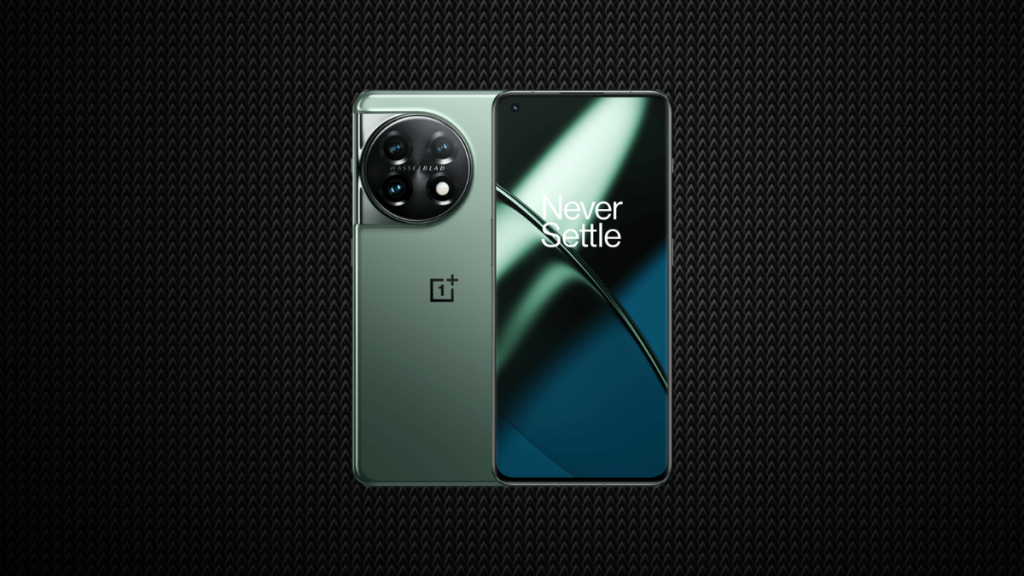
OnePlus 15
OnePlus 15

However, the OnePlus 15 was clearly built to double as a great gaming phone as well. A gigantic 7,500mAh battery pack powers the Find X9 Pro, which supports 80W wired fast charging and 50W wireless fast charging. While OnePlus’ latest flagship has a slightly smaller 7,300mAh cell, it makes up for this with a faster 120W wired fast charging and 50W wireless fast charging support.

Camera

Photography is another area where each device offers distinct priorities. Oppo’s Find X9 Pro places a big focus on offering a flagship grade camera experience. It features Sony’s new 50MP LYT828 primary sensor (1/1.28″, OIS, f/1.5), 200MP Samsung HP5 periscope telephoto shooter (1/4″, OIS, f/2.1), and 50MP ultra wide angle lens on the rear. For selfies and video calls, there is a 50MP Samsung ISOCELL JN5 camera on the front. Just like before, the cameras are also tuned by Hasselblad.

Last year, the OnePlus 13 was a bit similar to the Find X8 Pro. But now, the OnePlus 15 has made some downgrades to its camera system. The 1.4-inch main camera is now a smaller 50MP Sony 1/1.56-inch primary sensor (OIS, f/1.8), which is coupled with a 50MP ultra wide angle lens, and a 50MP periscope telephoto shooter with a 3.5x optical zoom. Gone is the Hasselblad tuning, being replaced by Oppo’s LUMO Condensed Light Imaging. While it would be wrong to call the camera worse outright, photography is clearly not a major focus anymore.

Pricing and Final Thoughts

Taking all of this into account, it isn’t surprising that Oppo’s Find X9 Pro has a higher starting price tag of 5,299 Yuan, which is roughly around 746 US Dollars, for the 12GB + 256GB configuration. In comparison, the OnePlus 15 is a lot more affordable with a 3,999 yuan starting price (roughly 561 US Dollars) for the same storage option.

So in choosing between the OPPO Find X9 Pro and the OnePlus 15, your decision comes down to what you value most. If you’re after absolute photography capability and long battery life, the Find X9 Pro emerges as a strong pick. On the flip side, if you prioritise raw performance, relatively affordable pricing, ultra-fluid display and a chipset built for gaming or heavy tasks, the OnePlus 15 may be the smarter choice.

For more daily updates, please visit our News Section.

Tech enthusiast? Get the latest news first! Follow our Telegram channel and subscribe to our free newsletter for your daily tech fix! ⚡

Nvidia will invest $1 billion in Nokia to push AI-powered telecom networks

Nvidia is betting big on the future of intelligent connectivity, investing $1 billion in Nokia to accelerate work on AI-driven 5G and 6G networks. The move gives Nvidia a 2.9% stake in the Finnish telecom giant and signals a deeper partnership aimed at blending AI and radio access networks (RAN) — what both companies are calling AI-RAN.

Nokia company logo

Under the deal, Nvidia will buy almost 166.4 million new Nokia shares at $6.01 each, pending regulatory approval. The funding will help Nokia speed up its development of AI-based RAN software, expand its cloud and data center solutions, and enhance its optical and switching technologies — all key to building the next generation of AI-ready infrastructure.

The collaboration will see Nvidia’s CUDA and AI platforms integrated into Nokia’s telecom systems, effectively turning networks into smart, adaptive systems capable of handling AI workloads closer to the user.

T-Mobile US is already signed on as a partner, with field trials planned for 2026 to test performance, power efficiency, and real-world scalability.

Nokia CEO Justin Hotard described the partnership as a “fundamental redesign” of how networks operate — bringing computing intelligence to the edge of connectivity. Nvidia’s Jensen Huang added that telecommunications form the “digital nervous system” of modern economies and that AI-RAN could be a generational shift for national infrastructure.

The deal also pulls in Dell Technologies as part of the broader ecosystem, hinting at new opportunities in data center and edge computing integration.

If successful, this could mark one of the most significant shifts in telecom since the rollout of 4G — paving the way for 6G networks that think, learn, and adapt in real time.

Huawei Mate 70 Air leak hints at curved display and more RAM than the standard model

Huawei’s Mate lineup has always been about pushing boundaries, and the upcoming Mate 70 Air looks like it’ll continue that trend — only slimmer and sleeker. Fresh leaks suggest that the Mate 70 Air will pack a quad-curved display and extra RAM, giving it an edge over the standard model ahead of its rumored November debut.

The standard Mate 70 already sets a solid foundation with a 6.7-inch flat OLED display, 120Hz refresh rate, and 1.5K resolution (2688 × 1216). It supports 1.07 billion colors, P3 wide color gamut, 1440Hz PWM dimming, and 300Hz touch sampling — all protected by second-gen Kunlun Glass, which Huawei claims is impressively durable in terms of both scratch and drop protection. Inside, there’s the Kirin 9020 chip, 12GB of RAM, and storage options up to 1TB.

According to tipster Fixed Focus Digital, the Mate 70 Air takes things a step further. It’s said to feature a quad-curved display — curved on all four edges — for a more immersive, near bezel-free experience. The screen could measure around 6.9 inches, with a slightly different aspect ratio from the Mate 70’s layout.

Storage options will likely include 12GB/256GB, 12GB/512GB, and possibly a 16GB variant. The device will ship with HarmonyOS 5.1, with an upgrade path to HarmonyOS 6.0 later. Despite its slim profile — reportedly just over 6mm thick — the Air is expected to hold its own in battery life, likely surpassing rivals like the iPhone Air and Samsung’s S25 Edge.

As for timing, FixedFocus claims Huawei is planning a “warm-up for autumn” release, pointing to the first week of November 2025.

The Mate 70 was announced toward the end of November last year, measuring 7.8mm thick and housing a 5,300mAh battery. With the Moto X70 Air (5.99mm) entering the slim phone race with a 4,800mAh cell, it’ll be interesting to see how much Huawei’s battery tech can manage. Pricing remains under wraps for now, but we should learn more as the launch draws closer.

Don’t miss a thing! Join our Telegram community for instant updates and grab our free daily newsletter for the best tech stories!

For more daily updates, please visit our News Section.

Latest HyperOS Bug Report Highlights Issues on Xiaomi 15, POCO F7, and Redmi Note 12 Pro

Xiaomi has shared a new HyperOS Weekly Bug Report outlining the latest issues, fixes, and updates under review. The company continues to refine HyperOS with help from testers and users who report problems affecting daily performance.

Wi-Fi Issues Under Analysis

In Germany, some Xiaomi 15 users have reported that Wi-Fi is not working on version OS2.0.225.0.WOCEUXM (Beta). Xiaomi has confirmed that this issue is being analyzed. Another problem has been found on the POCO F7 running OS2.0.206.0.VOLEUXM, where Wi-Fi stays connected but does not work properly or disconnects automatically. A temporary solution is to reconnect to Wi-Fi or grant “Notification” permissions to the app, which may fix the issue for now.

Screen Recording and Charging Fixes

Some Xiaomi 15 users running OS2.0.225.0.WOCMIXM (Beta) and OS2.0.225.0.WOCEUXM (Beta) have noticed that the screen recording button pop-up window does not appear. Xiaomi said this will be fixed in an upcoming update.
For Redmi Note 12 Pro 5G and Redmi Note 12 Pro+ 5G, users have reported slow charging, especially when the device is warm. This problem has been fixed in version OS2.0.7.0.UMOIDXM, and Xiaomi recommends updating to this version to apply the fix.

Upcoming Fixes in Future Updates

Xiaomi listed several known issues that will be fixed in future updates:

  • Camera freeze on Xiaomi 14 Ultra
  • Can’t hear other person’s voice on Redmi Note 14 5G
  • Random shutdowns on Xiaomi 15, Xiaomi Pad 7, and Xiaomi 14T Pro
  • Unstable network signal on Xiaomi 15T

Users facing any other issues can report them through the Feedback App or post in the ROM Subforum. For update schedules and discussions about specific device problems, Xiaomi suggests joining its Official Telegram Channel and device-specific groups for support.

In related news, Xiaomi has started rolling out the HyperOS 3 update, based on Android 16, to a new batch of devices in China. Devices now receiving the update include the Xiaomi MIX Flip 2, CIVI 5 Pro, Redmi K80, Redmi Turbo 4/4 Pro, multiple Xiaomi Pad 7 models, Redmi K Pad, Xiaomi TV S/Mini LED 2025 series, and the Xiaomi Watch S4 lineup. Xiaomi has also begun the global rollout of HyperOS 3, starting earlier this week with the Xiaomi 15T and 15T Pro. According to the official schedule, the update will reach more than a dozen additional devices by next month.

For more daily updates, please visit our News Section.

Stay ahead in tech! Join our Telegram community and sign up for our daily newsletter of top stories!

(Source)
MediaTek’s latest Kompanio 540 chip is built for student Chromebooks

MediaTek is not just about powering Android smartphones with its Dimensity or Helio line. The company continues to expand its reach across connected devices, and its latest effort in doing so is the Kompanio 540, a new processor built specifically for Chromebooks.

Kompanio 540 Specifications

MediaTek says the Kompanio 540 is a chip built for superior performance and all-day battery life in student Chromebooks. The chipmaker claims it delivers up to 35% better power efficiency compared to the previous Kompanio 520.

While that is to be proven in real-world usage, the Kompanio 540 brings an architecture upgrade designed to improve overall performance. 

It features an eight-core CPU based on a 2+6 configuration, which includes two high-performance Cortex-A78 cores clocked at 2.6GHz and six power-efficient Cortex-A55 cores running at 2.0GHz. In comparison, the Kompanio 520 includes two Cortex-A76 cores (2.0GHz) and six Cortex-A55 cores (2.0GHz).

The chip also comes with ARM’s Mali-G57 MC2 GPU that enables support for 4K displays at 60Hz or dual 2.5K monitors when connected to external screens. For a Chromebook, that’s a notable step forward in display flexibility and graphical capability, especially for users who rely on multitasking setups.

The Kompanio 540 supports Wi-Fi 7, Bluetooth 6.0, and Bluetooth Low Energy (LE) for connectivity. Storage and memory options are also flexible. The chip supports both LPDDR5-6400 and LPDDR4x-4266 RAM, as well as eMMC 5.1 and faster UFS 3.1 storage. 

Last but not least, it’s also compatible with USB 3.2 Gen 2 and PCIe Gen 2 for peripheral expansion. The Kompanio 540 will make its debut in consumer devices starting January 2026.

For more daily updates, please visit our News Section.

Stay ahead in tech! Join our Telegram community and sign up for our daily newsletter of top stories! 💡

(Source)

Gmktec launches NucBox M7 Ultra Mini PC with Ryzen 7 Pro 6850U, USB4 & up to 64GB DDR5 RAM

Gmktec has launched its latest ultra-compact desktop globally, the NucBox M7 Ultra. The Mini PC starts at $309.99 for the base configuration and goes up to $429.99 for the top-end model with 32GB RAM and a 1TB SSD. Early buyers who place their orders before November 9 will receive a free USB Hub expansion dock as part of the launch promotion.

Gmktec NucBox M7 Ultra

Gmktec NucBox M7 Ultra Specifications

The NucBox M7 Ultra is powered by AMD’s Ryzen 7 Pro 6850U processor, which features 8 cores, 16 threads, and a maximum boost frequency of 4.7GHz. The chip is built on TSMC’s 6nm FinFET process and supports three power profiles, with the top mode reaching 54W TDP. The company claims a Cinebench R23 multi-core score of 13,521, placing it well above typical Mini PCs in terms of raw performance.

Gmktec has equipped the M7 Ultra with the integrated AMD Radeon 680M GPU. The GPU includes 12 compute units clocked at 2200MHz and supports up to 2GB of shared VRAM. According to the company, the graphics performance is close to that of the Nvidia GTX 1050 Ti.

Gmktec NucBox M7 Ultra

The device supports dual-channel DDR5-4800 SO-DIMM RAM and allows memory expansion up to 64GB. Storage includes two M.2 2280 PCIe 4.0 x4 SSD slots, supporting up to 8TB each. The M7 Ultra also includes PCIe 3.0 SSD options in its pre-configured variants.

On the connectivity front, the Mini PC includes dual USB4 ports with 100W power delivery and DisplayPort 1.4 output, HDMI 2.1, and DisplayPort 2.0. These ports allow up to four displays to run simultaneously at 8K resolution. It also features an OCuLink port on the front, enabling full-speed external GPU support via PCIe Gen4 x4 bandwidth.

The M7 Ultra includes dual Intel 2.5G LAN ports, Wi-Fi 6E, and Bluetooth 5.2. It supports Windows 11 Pro out of the box and is also compatible with Linux and Ubuntu. The device uses a dual-fan cooling system and produces less than 38dB of noise under load.

The compact aluminum chassis measures 132 × 125 × 58 mm and weighs approximately 604g. The design also includes VESA mount compatibility for flexible placement in home or office setups.

In related Gmktec news, the company has also introduced the NucBox M5 Ultra Mini PC recently powered by the Ryzen 7 7730U, along with the M6 Ultra Mini PC featuring the Ryzen 5 7640HS and Radeon 760M graphics.

For more daily updates, please visit our News Section.

Stay ahead in tech! Join our Telegram community and sign up for our daily newsletter of top stories! 💡

(Gmktec)
Nothing Phone (3a) Lite Debuts: The Cheapest Nothing Phone Arrives With No Gimmicks

As we near the end of 2025, Nothing has one more smartphone for its fans. The mid range Nothing Phone a series has been quite popular in the market, so the brand decided to release another model from the Phone (3a) lineup. But the Nothing Phone (3a) Lite is its most affordable device yet, with a focus on delivering capable specs at the cost of some flashy new design element.

Nothing Phone (3a) Lite

Design & Display

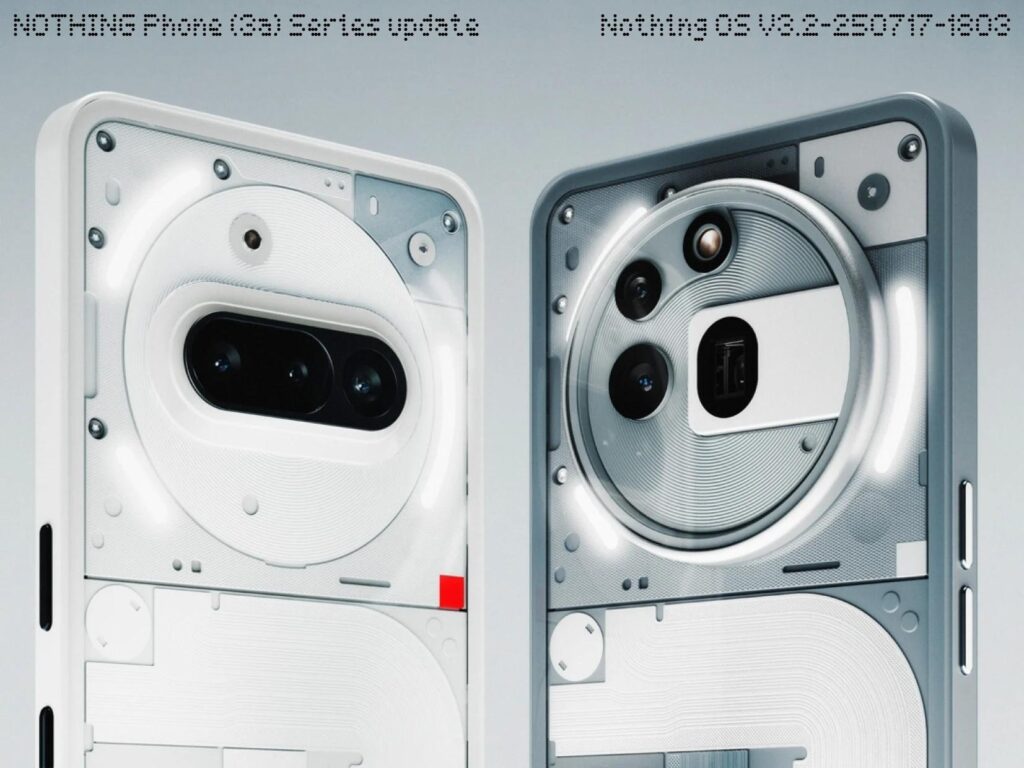
This is the first Nothing smartphone ever to be released with no eye-catching flair. While it stays true to the brand’s DNA that involves a transparent glass rear panel and the industrial layout underneath, it doesn’t feature the Glyph interface like the rest of the Phone (3a) series. Gone are the LEDs, bringing a clean and minimalistic aesthetic.

The only two aspects that do light up is the red square to signify recording and a tiny Glyph light on the bottom right corner. You also get an IP54 rating for water and dust resistance, a metallic frame, and Panda Glass for protection. At first glance, you might think that the grooves underneath the panel are for a replaceable battery, but that’s not actually the case.

On the front, Nothing Phone (3a) Lite sports a tall 6.77-inch AMOLED display with an FHD+ resolution, a 120Hz adaptive refresh rate, 480Hz touch sampling rate, HDR10+, 2160Hz PWM Dimming, up to 3000 nits of peak brightness, and Panda glass for protection.

Hardware

Under the hood, the company looks to MediaTek again for its affordable Dimensity 7300 Pro SoC, which is a slightly faster version of the chip that powered the older Nothing Phone (2a) model. The processor is paired with 8GB of RAM and up to 256GB of internal storage. Users can even expand storage by up to 2TB via a microSD card slot.

A sizeable 5,000mAh battery pack powers this model, with support for 33W wired fast charging. For photography, the rear has a triple camera setup that consists of a 50MP Samsung primary sensor (1/1.57-inch, EIS, f/1.88), an 8MP ultra wide angle lens (EIS, f/2.2), and a 2MP macro shooter (EIS, f/2.4). Meanwhile, the front houses a 16MP shooter for selfies and video calls.

Other notable features include an in-display fingerprint scanner, an 8.3mm body that weighs 199 grams, Bluetooth 5.3, WiFi 6, a hybrid Dual SIM slot, and Android 15 OS based Nothing OS 3.5 custom skin out of the box. Since its also a part of Nothing’s latest smartphones, it features the Essential Key as well, which brings access to Essential Space. This allows users to press the dedicated button to save voice notes, go through their saved items, and much more.

Pricing and Availability

Nothing Phone (3a) Lite

The Nothing Phone (3a) Lite was just announced in the global market, namely the UK and Europe. It has a starting price tag of 249 Euros for the 8GB + 128GB model, while the 8GB + 256GB option costs 279 Euros. While the available details for other regions are still unknown, Nothing will release this budget model in markets like India soon. This model will be available for purchase in two color options, namely White and Black. While you don’t get a charging brick with this model either, Nothing has included a transparent protective case in the box.

For more daily updates, please visit our News Section.

Don’t miss a thing! Join our Telegram community for instant updates and grab our free daily newsletter for the best tech stories!

Asus Starts Selling 720Hz ROG Swift OLED PG27AQWP-W monitor 15% Brighter and 60% Longer-Lasting Panel

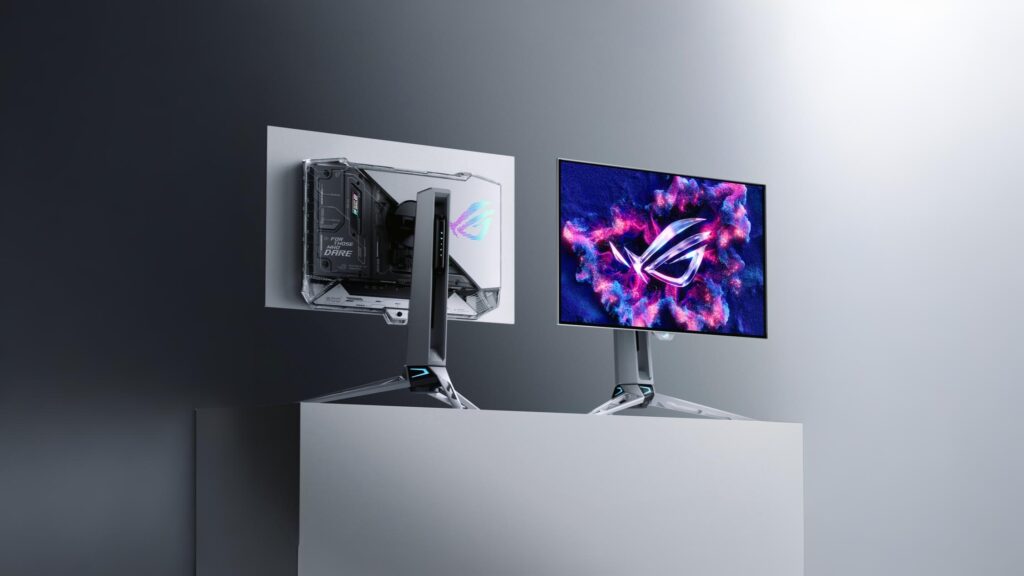
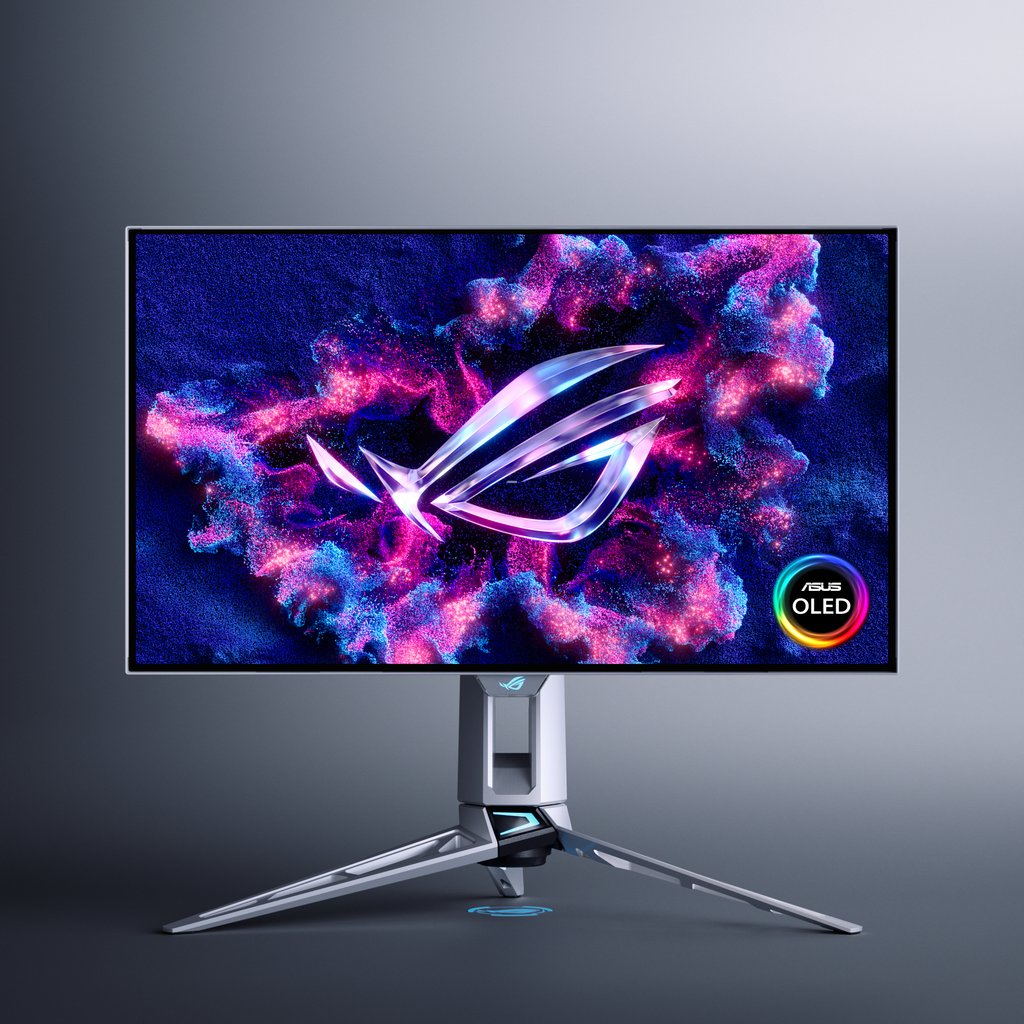
Asus has started selling the ROG Swift OLED PG27AQWP-W, its first 720Hz OLED gaming monitor. The model was first shown at Gamescom 2025. As mentioned, what makes this monitor unique is its ability to output 720Hz refresh rate, at the cost of display resolution.

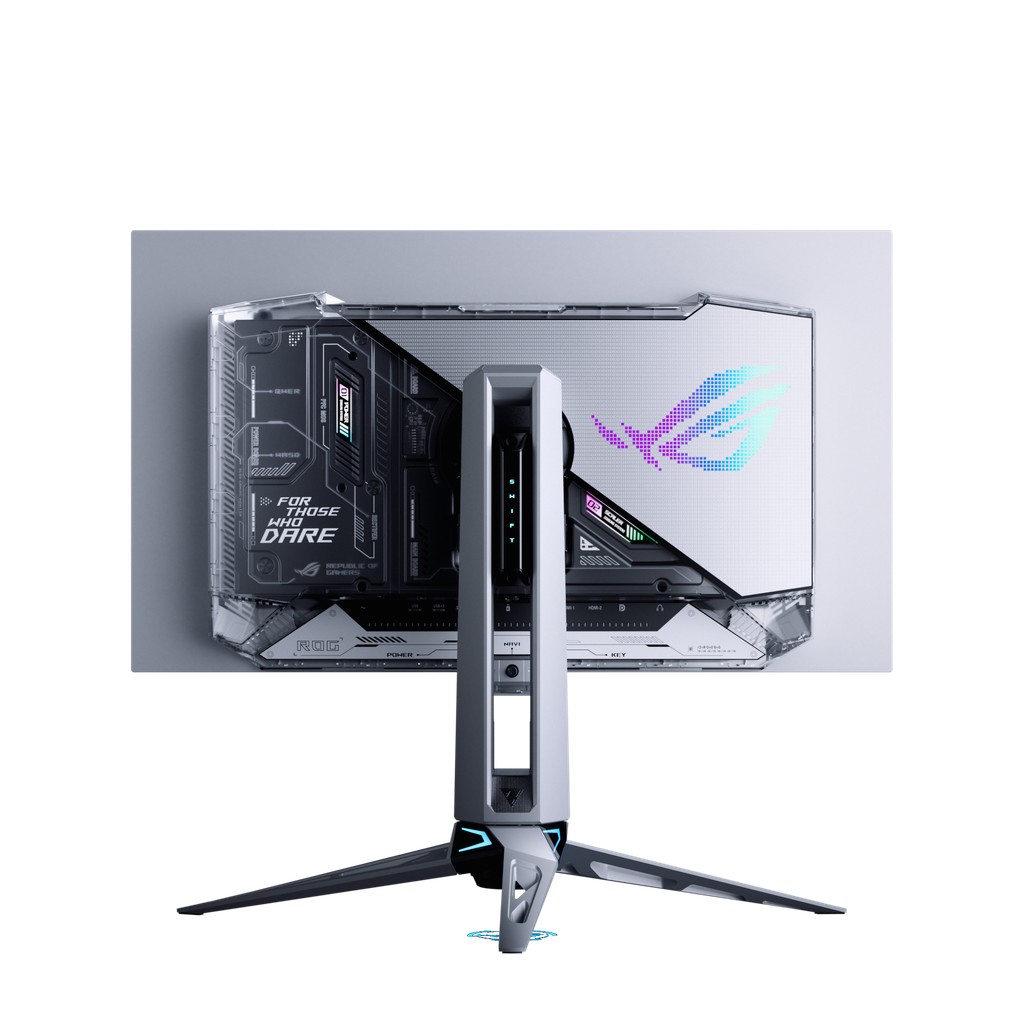
ROG Swift OLED PG27AQWP-W

To access its 720Hz mode, users will have to knock down the resolution to 720Hz. This mode is specifically designed for competitive gaming in mind where players don’t mind reducing the resolution to get better framerates. Normally, the monitor is capable of running at 540Hz at QHD resolution.

The ROG Swift OLED PG27AQWP-W is priced at CNY 8,499 (about $1,197), and buyers can use a launch coupon to get it for CNY 7,998 (about $1,127).

Asus ROG Swift OLED PG27AQWP-W features

The monitor has a 26.5-inch 2560×1440 OLED panel based on LG Display’s 4th Gen W-OLED technology. It runs at 540Hz by default and can reach 720Hz. The new tandem OLED design gives it 15% higher peak brightness, 25% wider color volume, and a 60% longer lifespan than older WOLED panels.

It features a TrueBlack Glossy coating that improves contrast and color depth while reducing glare. The screen supports VESA DisplayHDR 500 True Black, covers 99.5% of the DCI-P3 color space, and has a 0.03ms response time. These specs make it suitable for esports as well as color-critical creative work.

Asus has given this monitor a unique look with a silver stand and a semi-transparent back panel. It includes DisplayPort 2.1a with full 80Gbps bandwidth, HDMI 2.1, and a tripod socket for easy mounting.

The PG27AQWP-W also includes Asus OLED Care Pro, a set of tools to prevent burn-in. It uses a Neo Proximity Sensor that dims the screen when the user steps away. Asus offers a three-year burn-in warranty for added peace of mind.

For more daily updates, please visit our News Section.

Stay ahead in tech! Join our Telegram community and sign up for our daily newsletter of top stories!

(via)

Galaxy S25+ reportedly catches fire after overheating

Well, a fire incident involving Samsung’s Galaxy S25+ has reignited concerns about smartphone safety, echoing uncomfortable memories of the Galaxy Note 7 saga. This time, the explosion occurred not during charging but during regular use, a troubling development for the company’s latest flagship series.

Galaxy S25+ reportedly catches fire

Not Charging but Still Caught Fire

The incident took place in South Korea and was first reported on Samsung’s official community forum by the device owner, who described a terrifying sequence. According to the user, the S25+ suddenly began to overheat while being held, followed by a loud popping sound. The phone was immediately tossed to the floor, and that quick reaction may have prevented a more serious injury. Despite the effort, flames broke out, and the user sustained minor burns on their fingers.

Photos shared on the forum show a severely damaged S25+, with a charred frame and a warped display. Samsung has since collected the phone and begun an internal investigation, although early findings from the company’s service center cite the cause as “unknown.”

What makes this case more alarming is the absence of charging at the time of the explosion. Typically, such fires are linked to charging malfunctions or third-party cables. This time, the fault may lie deeper, possibly in the battery management system, thermal dissipation, or even abnormal chip heating. Until more information is available, the incident remains an isolated but deeply concerning outlier.

Samsung has reportedly issued a full refund to the affected user. Meanwhile, safety experts and consumers are left wondering whether the Galaxy S25+ or other models in the lineup might be at risk.

For now, if your S25+ starts to run unusually hot or behaves erratically, shut it down immediately and contact Samsung support. This might just be a one-off, but it is a hot one, literally.

For more daily updates, please visit our News Section.

Stay ahead in tech! Join our Telegram community and sign up for our daily newsletter of top stories! 💡

(Source, Via)

Snapdragon 6s Gen 4 vs Dimensity 7300: which offers superior performance?

Snapdragon 6s Gen 4 vs Dimensity 7300

Qualcomm continues to push more power into affordable chips by incorporating modern chip technologies and premium features. The newly announced Snapdragon 6s Gen 4 aims to strengthen Qualcomm’s presence in the affordable and lower mid-range smartphone market. But there’s strong competition from MediaTek in that segment.

The Dimensity 7300, announced in June 2024, has a similar spec sheet, featuring four Cortex-A78 and four Cortex-A55 cores. The chipset already powers many phones from different brands, such as Vivo, Oppo, and Nothing. Here, we’ll compare it against the Snapdragon 6s Gen 4 to see which one has the edge.

Snapdragon 6s Gen 4 vs Dimensity 7300

As of writing this post, no smartphone has been launched with the Snapdragon 6s Gen 4. So, we don’t have the benchmark data as yet. So, we’ll be focusing on the rest of the details for this comparison. We’ll update this comparison with benchmark data once available.

CPU, GPU, & NPU

The Snapdragon 6s Gen 4 is manufactured using Samsung’s 4nm process node, while the Dimensity 7300 uses TSMC’s 4nm process node. The difference here is that TSMC’s manufacturing facility generally produces chips that offer higher performance and power efficiency than Samsung’s.

Furthermore, the Snapdragon chip uses four Cortex-A78 performance cores and four Cortex-A55 power-efficiency cores. The Dimensity 7300 also has the same CPU configuration, but the cores run at higher speeds, which should offer higher peak performance.

The Snapdragon 6s Gen 4 is equipped with an Adreno GPU (the exact model hasn’t been disclosed yet) that promises 59% better performance than its predecessor, the Snapdragon 6s Gen 3. Qualcomm says the chip is capable of delivering ultra-smooth 144fps gaming at FHD+ resolution. Additionally, the chip supports Variable Rate Shading and Qualcomm Game Quick Touch for an enhanced gaming experience.

The Dimensity 7300, on the other hand, uses a dual-core Mali-G615 GPU. It also brings MediaTek HyperEngine optimizations, which improve performance, battery efficiency, and latency. In short, both GPUs promise smooth gaming. However, to see which chip offers better gaming performance, we’ll have to wait until a device with the Snapdragon 6s Gen 4 chip arrives in the market.

Both chipsets also feature NPUs for on-device AI capabilities: Qualcomm Hexagon NPU on the Snapdragon 6s Gen 4 and MediaTek APU 655 on the Dimensity 7300.

Camera & Imaging

The Snapdragon chip features dual 12-bit Spectra ISPs, allowing up to 200MP photo capture and 2K HDR video recording at 30fps. Additionally, it supports 720p slow-motion video recording at 240 fps.

The Dimensity 7300 has a 12-bit Imagiq 950 ISP, which also allows up to 200MP photo capture. It supports hardware-based noise reduction, as does the Snapdragon 6s Gen 4, but the Dimensity chip can record HDR videos at up to 4K resolution, while the Snapdragon chip is capped at 2K.

Connectivity

The Snapdragon 6s Gen 4 uses a 5G modem from Qualcomm that offers up to 2.9 Gbps download speed. The peak speed over a Wi-Fi connection is also limited to 2.9 Gbps. The chip supports Wi-Fi 6E, Bluetooth v5.4, and both 5G mmWave and sub-6 GHz networks. Additionally, it features Qualcomm 5G PowerSave 2.0, Qualcomm SmartTransmit 2.0, and Qualcomm Wideband Envelope Tracking for strong connectivity and improved power saving.

The Dimensity 7300, with its in-house 5G modem and 3CC carrier aggregation, can achieve up to 3.27Gbps download speed over a 5G connection. The chip supports Wi-Fi 6E and Bluetooth v5.4 and features MediaTek 5G UltraSave 3.0+ technology for improved power savings.

Snapdragon 6s Gen 4 vs Dimensity 7300: spec sheet

Snapdragon 6s Gen 4Dimensity 7300
AnnouncedOctober 2025June 2024
Manufacturing4nm (Samsung)4nm (TSMC)
CPU4 x 2.4 GHz — Cortex-A78
4 x 1.8 GHz — Cortex-A55
4 x 2.5 GHz — Cortex-A78
4 x 2 GHz — Cortex-A55
GPUQualcomm Adreno GPUMali-G615 MP2
NPUQualcomm Hexagon NPUMediaTek APU 655
MemoryLPDDR5, up to 3.2GHzLPDDR5, up to 3.2GHz
StorageUFS 3.1UFS 3.1
CameraDual 12-bit ISPs
up to 200MP single camera
up to 36MP single camera at 30 fps with zero shutter lag
up to 16+16MP dual cameras at 30 fps with zero shutter lag
up to 2K HDR video recording at 30 fps
Hardware-based noise reduction support
Imagiq 950 ISP (12-bit)
up to 200MP single camera
up to 4K HDR video recording at 30 fps
Hardware-based noise reduction support
ConnectivityQualcomm 5G modem
up to 2.9 Gbps download speed
Wi-Fi 6E (peak speed: 2.9 Gbps)
Bluetooth 5.4
MediaTek 5G modem
up to 3.27 Gbps download speed
Wi-Fi 6E
Bluetooth 5.4

Walmart Selling Galaxy Watch FE at 50% OFF

If you are not someone trapped in the Apple ecosystem, then here is the good news for you. The Galaxy Watch FE is now available at Walmart at 50% off. It’s a pretty good deal in this Halloween week if you’re looking for a good smartwatch.

Galaxy Watch FE Halloween deal

The smartwatch categories have always been a tough one to recommend. Most of the so-called smartwatches were smart bands in disguise, and recommending a smartwatch under budget has always been a challenging task. Not anymore. Now the Galaxy Watch FE is available for around $99 at Walmart. The watch was launched at $199 last year (2024).

We have seen this trend before. Brands launch their product and drop their price on the very next sale. But this is more than any ordinary discounts. The drop is 50% and that’s huge. And if you are someone who is planning to buy a smartwatch, then the Galaxy Watch FE is the one.

As the name suggests, it’s an FE edition, so don’t expect pro-level performance. The Galaxy Watch FE comes with sapphire glass and is only available in one size. 40mm. It comes with an aluminium case, a 1.2-inch 396×396 Super AMOLED touchscreen, the Exynos W920 SoC at the helm, 1.5GB of RAM, 16GB of storage, and a 247 mAh battery. It runs on Wear OS with Samsung’s own One UI 5 Watch on top. The watch has an IP68 rating for dust and water resistance, a 5ATM rating for diving, making it a perfect sporty watch too.

Galaxy Watch FE comes with 100+ different workouts, advanced running analysis, personalised heart rate zones, and body composition analysis. The watch has an advanced sleep tracking with sleep pattern monitoring and sleep coaching. It also comes with a mind-blowing feature called Smart Heart Monitoring, which detects irregular patterns of your heartbeat and gives a notification. However, at the price of $99, the Galaxy Watch FE becomes an easily recommendable watch, and if you are an athlete or someone who is involved in sports regularly, then this is a must-have wearable to track your movements.

OnePlus 15 set to launch in India on November 13

OnePlus officially unveiled the OnePlus 15 in China last night. The company has been teasing its international rollout for weeks, and now it’s confirmed that the phone is coming to India on November 13th.

The launch event is scheduled for 7 PM IST, and sales will kick off just an hour later. The teaser also confirms that India won’t miss out on any color options either.

Alongside the OnePlus 15, the company introduced the OnePlus Ace 6 in China. However, it seems so far the Indian event will focus solely on the flagship 15.

OnePlus 15: quick overview

The phone features a 6.78-inch 1.5K LTPO AMOLED display with a 165Hz refresh rate. Thanks to the new Snapdragon 8 Elite Gen 5 chipset, it can push up to 165fps in supported games such as Call of Duty Mobile, League of Legends Mobile, and Naruto Mobile.

Powering the device is a 7,300mAh silicon-carbon battery that can handle 120W wired and 50W wireless charging. On the back, you’ll find a 50MP triple-camera setup, which includes a wide, a 3.5x periscope telephoto, and an ultrawide lens. Selfies are handled by a 32MP sensor. 

The OnePlus 15 even has a gyroscope of the same specifications used in the PS5 controller. It offers a 200Hz sampling rate, improving accuracy by 77% and cutting latency by 11%. Other features include an IP69K rating, USB 3.2 Gen 1, and dual stereo speakers.

OnePlus 15 starts at around $560 or some Rs 50,000 in China. So it’s wise to expect that the phone could launch under Rs 60,000 in India. 

You can go through our launch coverage to learn in detail about the smartphone. Or better yet, check out our hands-on video of the OnePlus 15 on YouTube.

For more daily updates, please visit our News Section.

Stay ahead in tech! Join our Telegram community and sign up for our daily newsletter of top stories.

This $20000 humanoid robot will clean your house but there is a hidden catch

1X Technologies, a robotics startup backed by OpenAI, has opened preorders for its first consumer-facing humanoid robot named Neo. The robot costs $20,000, with shipments set to begin in the United States in 2026, followed by a global release in 2027.

1X Neo humanoid robot

Specifications and Design

Neo stands 1.68 meters tall and weighs around 30 kilograms. It uses tendon-driven actuators and features a soft body made of 3D lattice polymer. The robot has a low operating noise of 22 decibels and can operate for up to four hours on a single charge. It can carry loads up to 24.95 kilograms and lift objects weighing up to 69.85 kilograms. Neo is available in three color options: Tan, Grey, and Dark Brown.

1X says Neo can take care of everyday household chores, including folding laundry, organizing shelves, and cleaning rooms. The robot can be operated through voice commands or a dedicated mobile app that supports task scheduling and real-time monitoring. It also includes a built-in large language model that enables contextual conversations, answers user queries, and offers helpful suggestions.

1X Neo humanoid robot

Neo combines audio, visual, and memory-based data to personalize its behavior and recognize when it is being addressed. It can also process visual information to identify kitchen ingredients and suggest recipes accordingly.

During its early stages of development, Neo relies on a feature called Expert Mode for tasks it does not yet understand. Through this system, users can schedule remote assistance sessions where a human operator from 1X can take control using a VR headset. These sessions require user consent, and privacy options let users blur faces, define private zones, and restrict access.

1X says it has implemented multiple security layers to protect user privacy. The company emphasized that early adopters should expect some level of human teleoperation to support Neo’s AI training. CEO Bernt Øyvind Børnich described this as part of a “social contract” between users and the company to help advance the technology.

Pricing and Availability

The robot is now available for preorder on the official 1X website with a refundable deposit of $200. The company also offers a $499 monthly subscription plan for those who prefer not to pay the full price upfront.

In related AI news, a study finds that AI search engines tend to cite lesser-known websites over popular sources. Meanwhile, Google has introduced Vibe Coding in AI Studio, allowing developers to create AI apps from a single prompt.

For more daily updates, please visit our News Section.

Stay ahead in tech! Join our Telegram community and sign up for our daily newsletter of top stories! 💡

(Source, Via)

Samsung Galaxy Buds Core sees massive price drop, grab at ₹2,899

A compelling deal on the Samsung Galaxy Buds Core is unleashed on Amazon India. You could literally take home a brand new Galaxy Buds Core at just ₹2,899 effectively. This massive price drop is unlocked by a limited time coupon offer, so don’t waste any more time and read below to learn how to avail it.

Samsung Galaxy Buds Core deals

The deal is straightforward and incredibly easy to claim. Customers can instantly apply a special ₹1,000 Off Coupon directly on the Amazon product page (as shown in the image). It brings the final purchase price down to just ₹2,899 (plus any additional bank offers or cashback). 

The Galaxy Buds Core offers more for a budget-friendly price tag. It delivers a packed feature set designed for the modern user. Key highlights include AI-enabled noise Reduction for crystal clear calls, a  comprehensive 6 Mic Setup, and robust Touch Controls for seamless interaction.

Please Note: When you buy something using the links in our articles, we may earn a small commission at no cost to you.

Samsung has not compromised the build quality for the asking price, so the earbuds come with an IP54 rating for dust and splash resistance, ensuring they can handle workouts and daily commutes. Furthermore, users can enjoy music and calls for up to 35 hours of total battery life with the charging case.

We believe Samsung Galaxy Buds Core offers unmatched value at this discounted rate. Don’t miss this opportunity to own a Samsung earbud at an effective price of ₹2,899. Head over to Amazon India now, click on the coupon, and secure this deal before the offer expires!

Gigabyte Aorus FO27Q5P 27-inch 500Hz QD-OLED Monitor Now Available in the UK

Gigabyte has launched the Aorus FO27Q5P gaming monitor in the UK after its earlier release in Europe. It is one of the few monitors to feature UHBR20-capable DisplayPort 2.1 ports, allowing high data transfer and performance without compression.

GIGABYTE AORUS FO27Q5P 27"OLED QHD Gaming Monitor

The Aorus FO27Q5P comes with a 27-inch QD-OLED panel offering a 2560×1440 (QHD) resolution and a 500Hz refresh rate. It reaches 1,000 nits brightness in HDR and meets VESA DisplayHDR True Black 500 certification. The panel covers 99% of the DCI-P3 color gamut, supports 10-bit color, and delivers a 1.5M:1 contrast ratio with a 0.03ms response time (GTG). These specs ensure smooth visuals, deep contrast, and accurate color reproduction.

This monitor’s key advantage is its DisplayPort 2.1 UHBR20 support, which allows it to achieve its full 500Hz refresh rate at QHD without using Display Stream Compression. It is also ClearMR 21000-certified to reduce motion blur and comes factory-calibrated (ΔE<2) for color precision. The FO27Q5P includes two HDMI 2.1 ports, one DisplayPort 2.1 UHBR20, one MiniDP 2.1 UHBR20, one DisplayPort 1.4 output, one USB-C port with 18W power delivery, two USB 3.2 downstream ports, one USB upstream port, and audio jacks for both earphones and microphones. It also features dual 5W speakers and a built-in KVM switch.

The display supports tilt (-5° to +20°), swivel (±20°), pivot (0° to +90°), and height adjustment up to 130mm. It has an anti-reflective coating, flicker-free technology, and VESA 100x100mm mounting.

Pricing & Availability

The Gigabyte Aorus FO27Q5P is now available in the UK for £838.99 (~$1,120) on Amazon and Overclockers UK, priced higher than the AOC Agon Pro AG276QKD2 (£678.95). Gigabyte has not yet confirmed its US launch.

For more daily updates, please visit our News Section.

Stay ahead in tech! Join our Telegram community and sign up for our daily newsletter of top stories!

Smartphone prices tipped to rise as AI boom causes a memory chip shortage

If you’ve been eyeing a new phone, you might want to buy sooner rather than later. A global memory chip shortage is pushing up costs, and many smartphone makers, including Samsung, one of the largest memory manufacturers, are reportedly planning price hikes across their lineup.

The issue comes down to high-bandwidth memory (HBM), the same ultra-fast RAM used in AI servers that power tools like ChatGPT, Gemini, and Copilot. Demand has exploded thanks to the AI boom, but supply hasn’t caught up. Prices for memory chips are reportedly up by more than 50% this year, and it’s starting to ripple through to consumer hardware.

Samsung, for instance, is expected to raise prices on its upcoming phones and tablets to offset higher chip costs. Even though Samsung makes its own DRAM and NAND, it’s not immune to global supply pressure. The report doesn’t mention exact figures, but the bump will reportedly affect most product lines.

Some brands are already adjusting their prices. Xiaomi’s new Redmi K90 launched with a starting price of 2,599 CNY, a 100 CNY increase over its predecessor with the same 12GB + 256GB configuration.

What does that mean for buyers? Expect similar price hikes on upcoming models — roughly $50 to $100 for a flagship. And this memory crunch isn’t ending anytime soon. As SamMobile reports, the shortage could drag on into 2027 or even 2028, with AI demand showing no signs of slowing down. So, if you’re planning an upgrade, it might be smart to grab your next handset before prices start creeping up.

Don’t miss a thing! Join our Telegram community for instant updates and grab our free daily newsletter for the best tech stories!

For more daily updates, please visit our News Section.

(Source)