Advertisement

Honor Magic 9 Pro Max to feature dual 200MP main and periscope cameras with stronger video capabilities

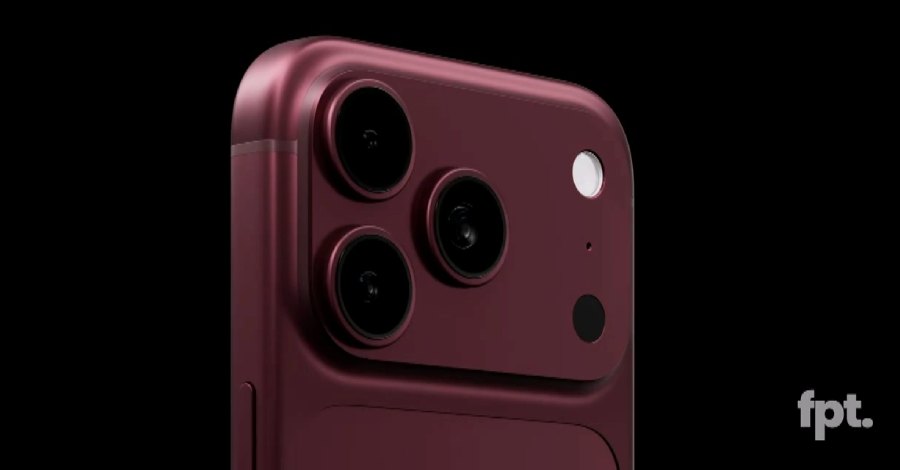
Honor’s upcoming lineup of flagship phones is expected to include three models: the Magic 9, Magic 9 Pro, and Magic 9 Pro Max. New leaks that have surfaced online have revealed key details about the Magic 9 Pro Max as well as the standard Magic 9. Read on to learn more about these devices.

Honor Magic 9 Pro Max key details tipped

According to tipster Digital Chat Station, the upcoming Honor flagship powered by a next-generation 2nm Snapdragon 8 Elite Gen 6 series chip is expected to place a stronger focus on imaging capabilities. Its latest engineering prototype is reportedly testing two different 200-megapixel main camera sensors — a 1/1.28-inch unit and a larger 1/1.12-inch sensor.

The device is also said to feature a 200-megapixel periscope telephoto camera with a large 1/1.4-inch sensor, with major emphasis being placed on video hardware improvements. A previous report revealed that the Magic 9 series will feature ARRI-powered imaging capabilities, bringing significant improvements to both photography and video recording performance. ARRI is a well-known name in the professional cinema industry, known for producing high-end cinema cameras, lenses, and lighting equipment used in Hollywood films, television productions, and commercials.

Today’s leak also suggests that the Honor Magic 9 Pro Max will pack other features, such as an ultrasonic in-screen fingerprint sensor, 3D facial recognition, flagship-grade stereo speakers, high-level water resistance, and a potentially upgraded X-axis vibration motor.

On the front, the Magic 9 Pro Max is said to feature a 6.8x-inch flat OLED panel with support for a 1.5K resolution and LIPO technology. The device is also expected to pack a massive 8,000mAh battery and run on MagicOS 11-based Android 17.

Honor Magic 9 details emerge

According to tipster Smart Pikachu, Honor will continue to launch a compact flagship phone, but it will not carry the “Air” branding like the Honor Magic 8 Pro Air, which debuted earlier this year. This upcoming device is most likely to launch as the standard Honor Magic 9 with a 6.3-inch display.

This is further supported by DCS’s Weibo post, which also states that the standard Magic 9 will feature a compact screen and an ultrasonic in-screen fingerprint sensor, indirectly suggesting that it may lack 3D facial recognition support, which could remain exclusive to the Magic 9 Pro models.

As far as launch is concerned, the Magic 9 series is expected to debut in October in China.

For more daily updates, please visit ourNews Section.

Stay ahead in tech! Join our Telegram community and sign up for our daily newsletter of top stories! 💡

Ugreen P6 45W 10,000mAh power bank officially launched with built-in screen & integrated cable

Ugreen has officially launched a new power bank, the P6 Series 45W, priced at 199 yuan (about $29). The device was initially unveiled last week, but a lot of key specs were missing at the time. It is a 10,000mAh battery pack that uses battery cells from ATL, the same supplier that provides batteries for Apple devices.

Ugreen PB603 Power Bank

Ugreen P6 Power Bank Specifications

Instead of standard LED dots to indicate battery life, the P6 features a small TFT screen. This display connects to Ugreen’s proprietary Battery Management System to show real-time information, including voltage, temperature, overall battery health, and the number of charging cycles the device has gone through. If the system detects issues like overvoltage or overheating, it displays a direct alert on the screen.

For charging, the device has a built-in braided USB-C cable and an additional USB-C port. Both the cable and the port can output up to 45W of power, which is sufficient for charging smartphones, tablets, and some smaller laptops. When recharging the power bank itself, both the built-in cable and the USB-C port support up to 36W input. There is also a standard USB-A port that outputs up to 22.5W for older devices or smaller accessories.

Ugreen PB603 Power Bank

Ugreen has emphasized the longevity and safety of the battery in this release. The cobalt lithium cells are rated to last for up to 800 charging cycles before experiencing significant degradation. According to the company, this represents a 166% improvement in lifespan compared to the 300-cycle rating of its previous power bank models. To manage heat and ensure safe operation, the internal monitoring system reportedly checks temperatures up to 14,400 times per minute during use.

The company states that the P6 already meets China’s upcoming 2026 national safety standards. According to Ugreen, the battery passed extreme laboratory stress tests, including puncture resistance with steel needles, 2.5-ton compression pressure, and prolonged exposure to 140-degree Celsius heat without catching fire, exploding, or leaking. Furthermore, Ugreen notes that the product undergoes more than 150 testing procedures before shipping.

The power bank is designed for everyday portability, weighing around 210 grams and measuring 109 x 69 x 17.65mm. Its casing is constructed from an aluminum alloy, polycarbonate, and ABS plastic, featuring a textured, wave-like finish. It is approved for use on flights and high-speed trains, providing a practical, data-rich option for travel.

In related news, Anker has introduced a new ultra-slim 10,000mAh magnetic power bank with support for 15W wireless charging.

For more daily updates, please visit our News Section.

Stay ahead in tech! Join our Telegram community and sign up for our daily newsletter of top stories! 💡

Xiaomi launches smart eye mask with heated massage and app controls for under $30

Xiaomi has introduced a new Light Sand color for its Mijia Smart Massage Eye Mask, which is now available for pre-order. The eye mask originally came out last year in a standard black finish. The new lighter color variant has an introductory price of 199.75 yuan ($29), though its standard suggested retail price will be 249 yuan ($36).

Xiaomi Mijia Smart Massage Eye Mask Light

Mijia Smart Massage Eye Mask Specifications

The device is essentially a reusable heated eye mask with built-in massage functions, aimed at reducing eye strain from looking at screens or working long hours. Physically, it has a curved design meant to fit around the bridge of the nose to help block out ambient light. The inside of the mask is recessed, which keeps the fabric and internal components from pressing directly against your eyelids while you wear it.

For the massage features, the mask uses four small, independently controlled vibration motors. They are programmed to mimic the rhythm of a finger-pressure massage around the eye area.

The massage heads are hidden under the padding, so they don’t leave noticeable pressure marks on your skin after a session. Alongside the vibration, it offers heated compression with two adjustable temperature levels, regulated by an NTC temperature controller to keep the heat consistent.

Xiaomi Mijia Smart Massage Eye Mask Light

You can control the mask manually, but it also connects to the Mijia app via your smartphone. The app lets you set a specific timer for your session, ranging anywhere from 2 to 30 minutes.

It also includes six preset routines, such as Heat Compress, Nap, Vitality, and Refresh, as well as an option to create a custom routine based on your own preferences.

Xiaomi placed the main control module in the center of the mask’s forehead area. This layout is meant to make it easier to lie on your side without a hard plastic component pressing into your temples.

The vibration motors operate at a relatively low volume, rated at 40dB(A) or lower, so they don’t disrupt your rest. Additionally, the breathable fabric cover is removable and washable, which makes it easier to keep the device clean over time.

In related news, Xiaomi has recently introduced the Mijia Wireless Vacuum Cleaner 4 with blue-light dust detection, alongside a new 1.7-liter titanium steel electric kettle.

For more daily updates, please visit our News Section.

Stay ahead in tech! Join our Telegram community and sign up for our daily newsletter of top stories! 💡

(Xiaomi)

Nubia GT Buds launches in China with semi-transparent design, RGB lights, 35db ANC, and up to 40 hour battery life

Nubia has launched a new pair of budget wireless earbuds in China, and unsurprisingly, the company is leaning pretty heavily into gaming aesthetics this time. Called the GT Buds, the new earbuds combine a semi-transparent design with RGB lighting, active noise cancellation, and low-latency audio, all while staying under the 300 yuan mark.

The charging case uses a semi-transparent shell that partially exposes the internal structure underneath, alongside built-in RGB lighting effects that give it a more gaming-oriented look. The earbuds themselves follow the same style with transparent accents and lighting details, so they stand out quite a bit compared to the usual plain white or black earbuds dominating this price range.

As for features, Nubia claims up to 35dB active noise cancellation, which should be enough to reduce background noise during commuting or indoor use. The earbuds also support Bluetooth 6.0 and include a dedicated low-latency gaming mode with audio delay reportedly dropping to around 70ms. That won’t completely eliminate lag, of course, but it should still feel slightly more responsive while gaming.

Battery life looks fairly solid as well. Nubia says the earbuds themselves can last up to 6 hours on a single charge, while the charging case extends total usage to around 40 hours. There’s also support for quick voice assistant access through touch controls.

At 269 yuan (roughly $39), the GT Buds are clearly aimed at the budget gaming crowd rather than audiophiles. But honestly, that’s probably where the product makes the most sense anyway. The combination of ANC, low latency, and the transparent RGB-heavy design gives them a fairly distinct identity in a market full of earbuds that mostly look interchangeable now.

The launch also fits pretty naturally alongside Nubia’s gaming-focused smartphone lineup, especially the Neo and RedMagic series. Actual sound quality is still something that’ll need proper hands-on testing once the earbuds become more widely available.

Don’t miss a thing! Join our Telegram community for instant updates and grab our free daily newsletter for the best tech stories!

For more daily updates, please visit our News Section.

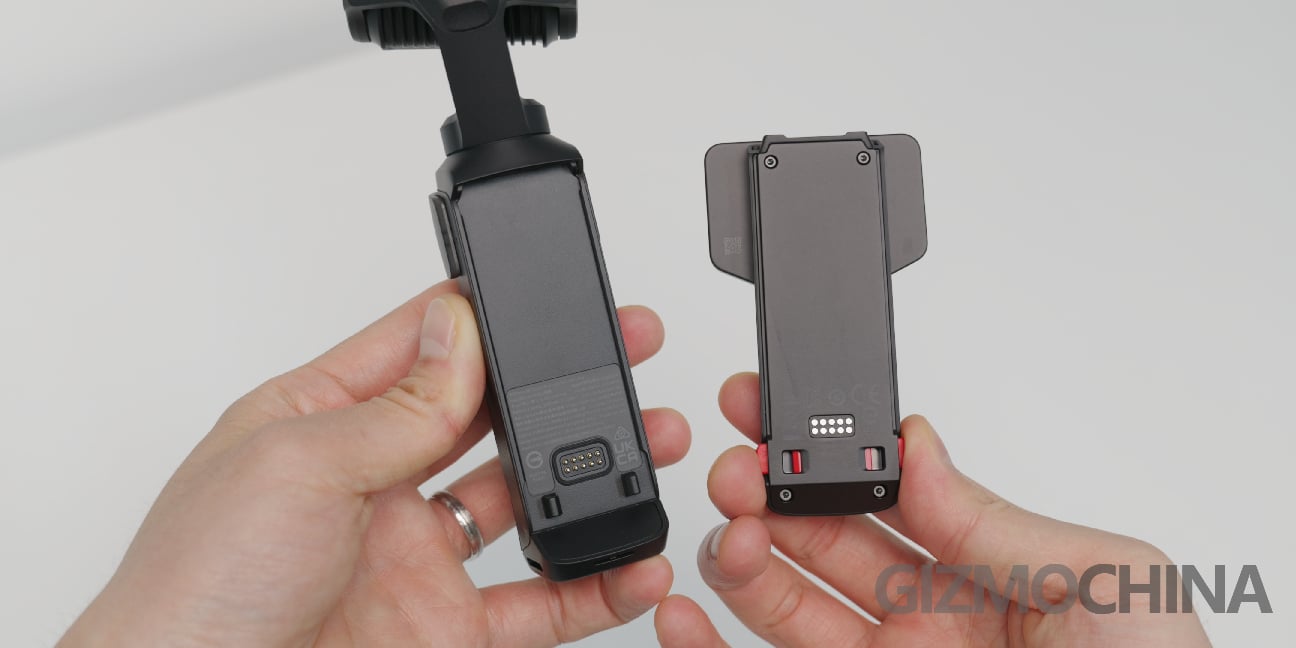
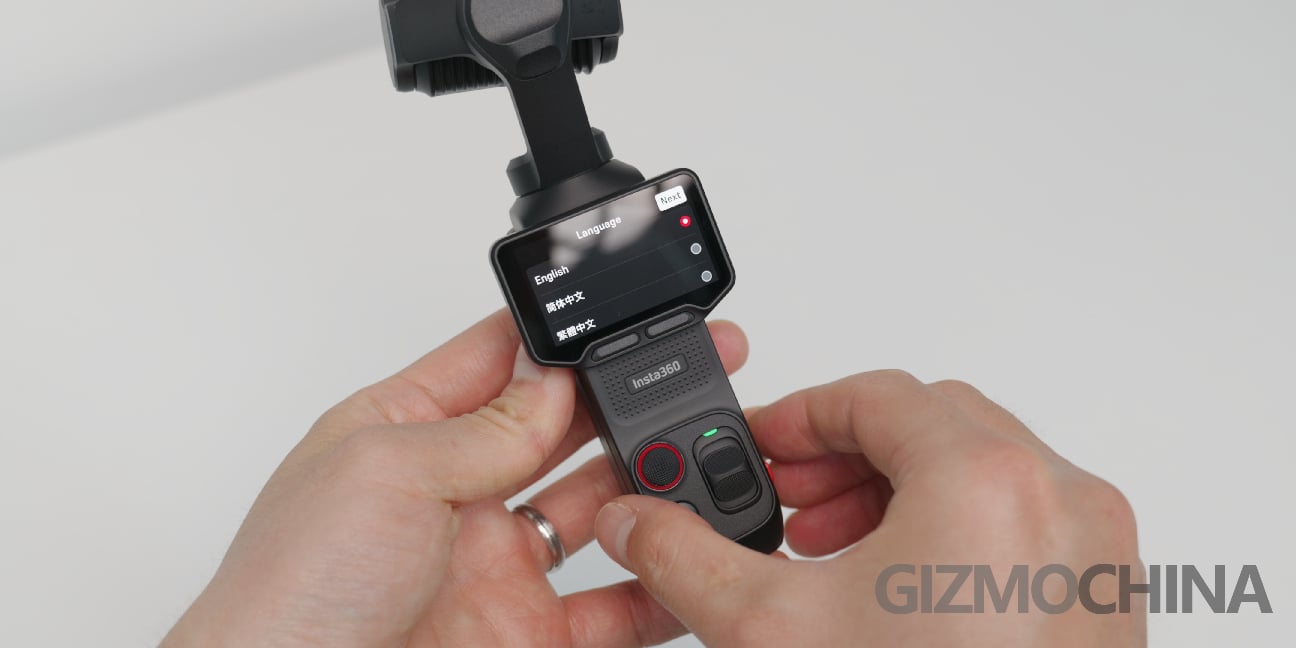
DJI Osmo Pocket 4P launching globally on May 14

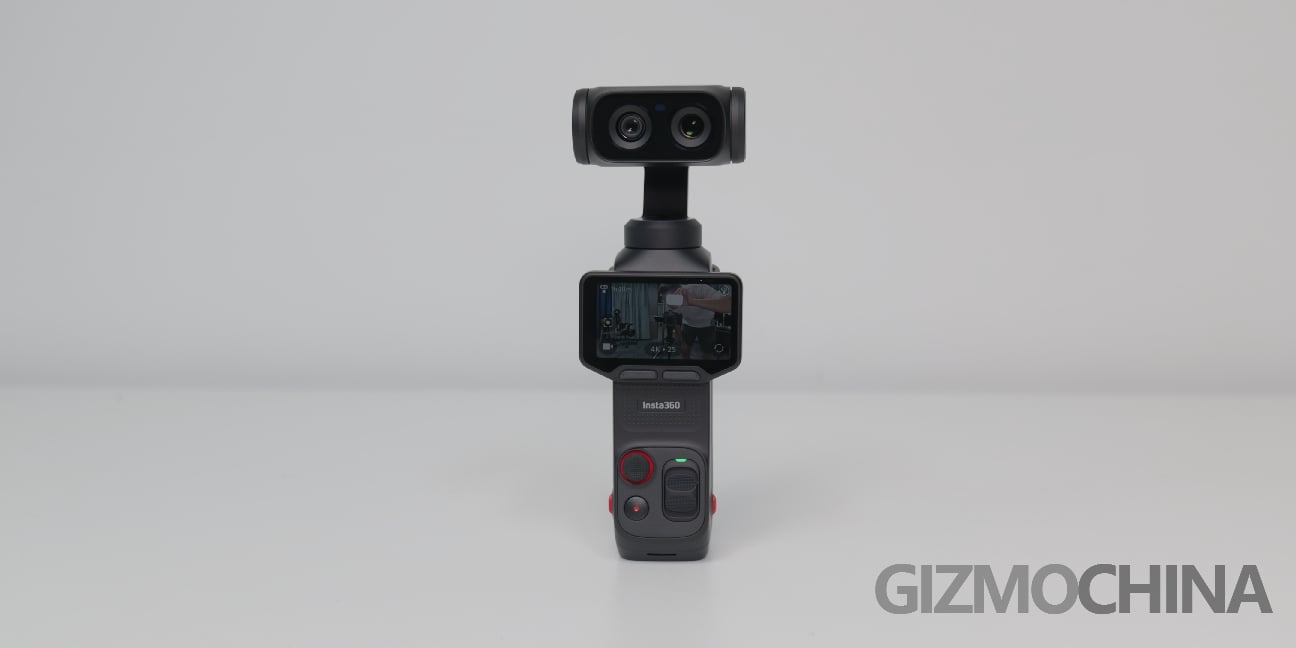
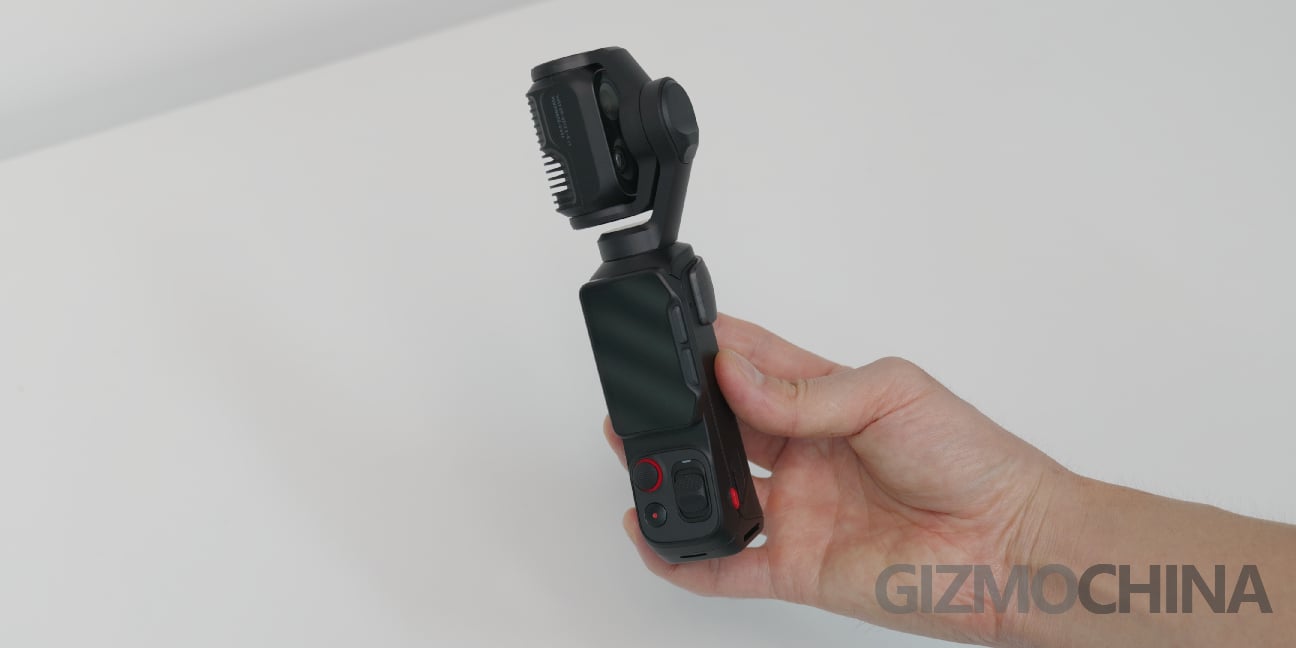
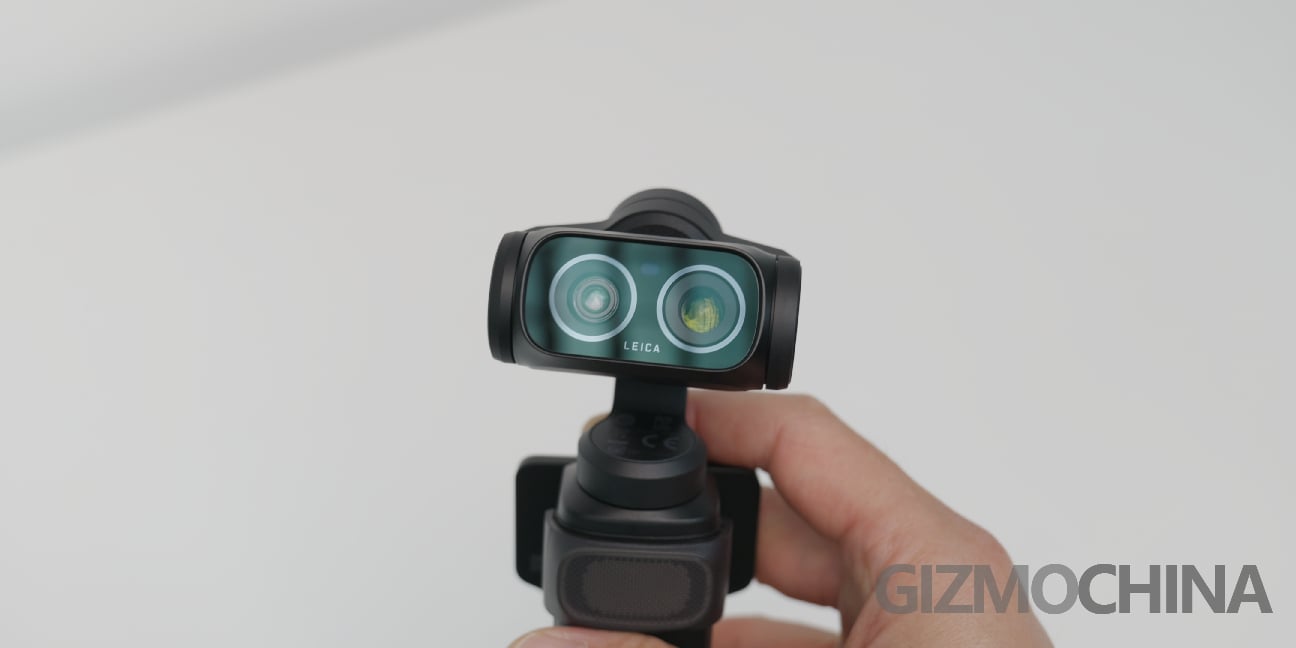
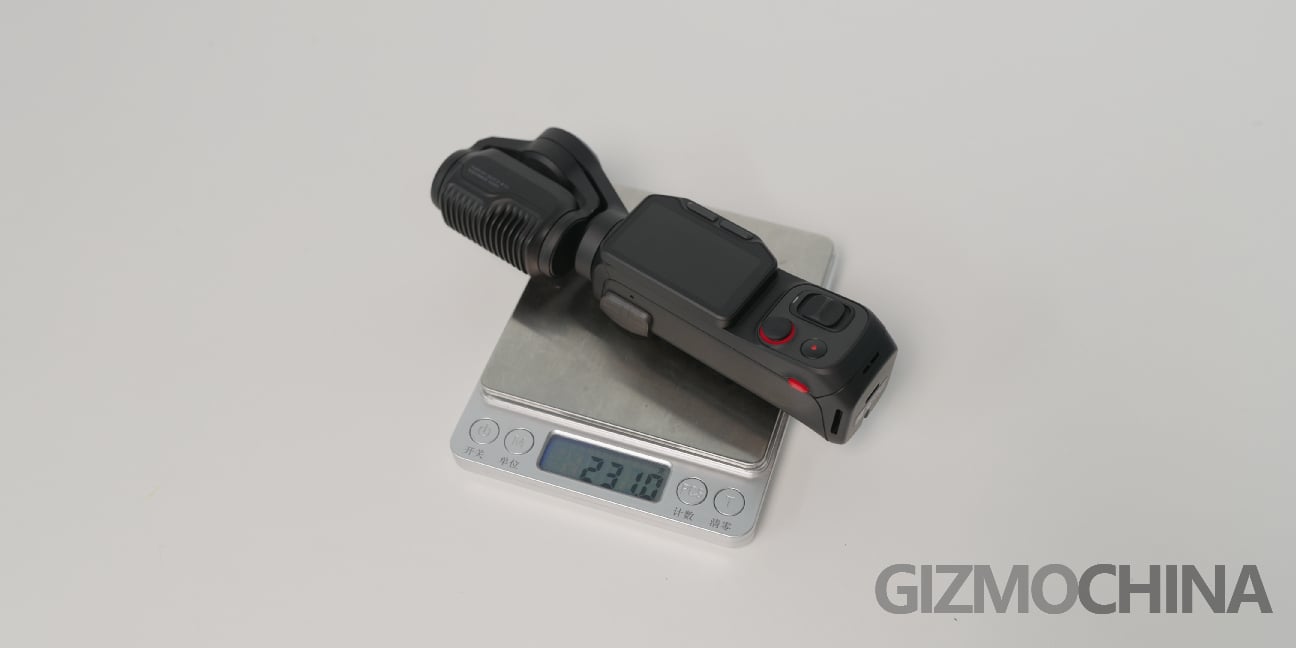
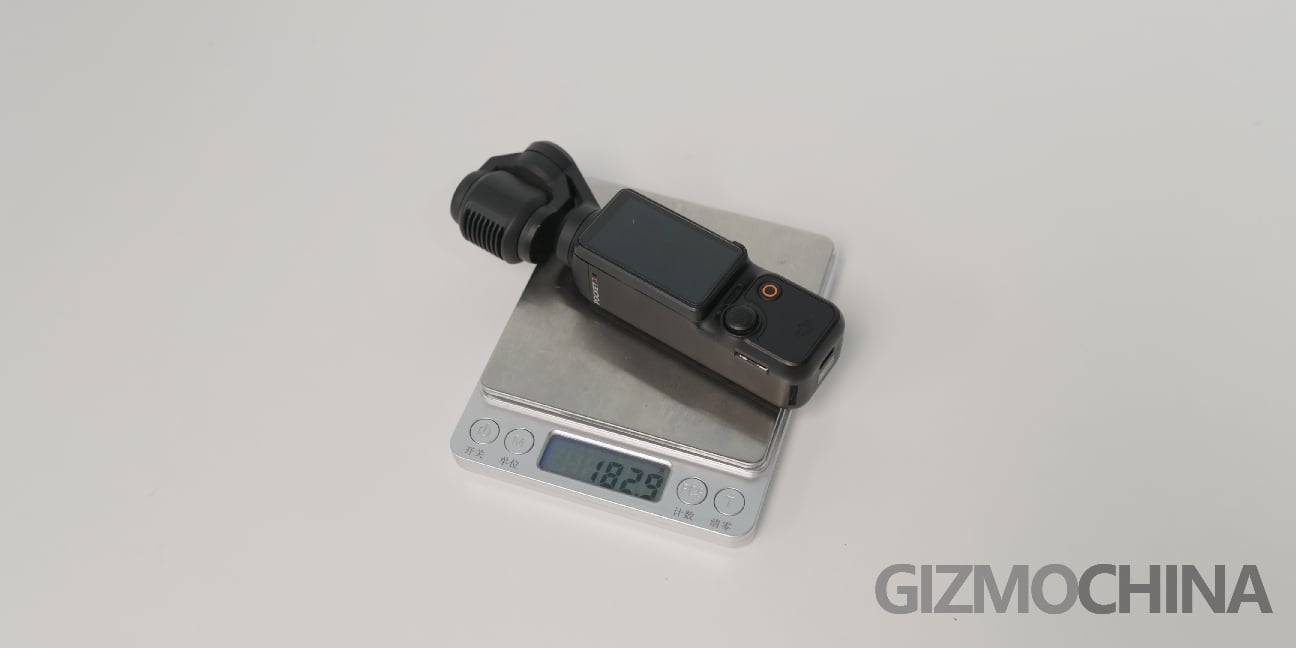
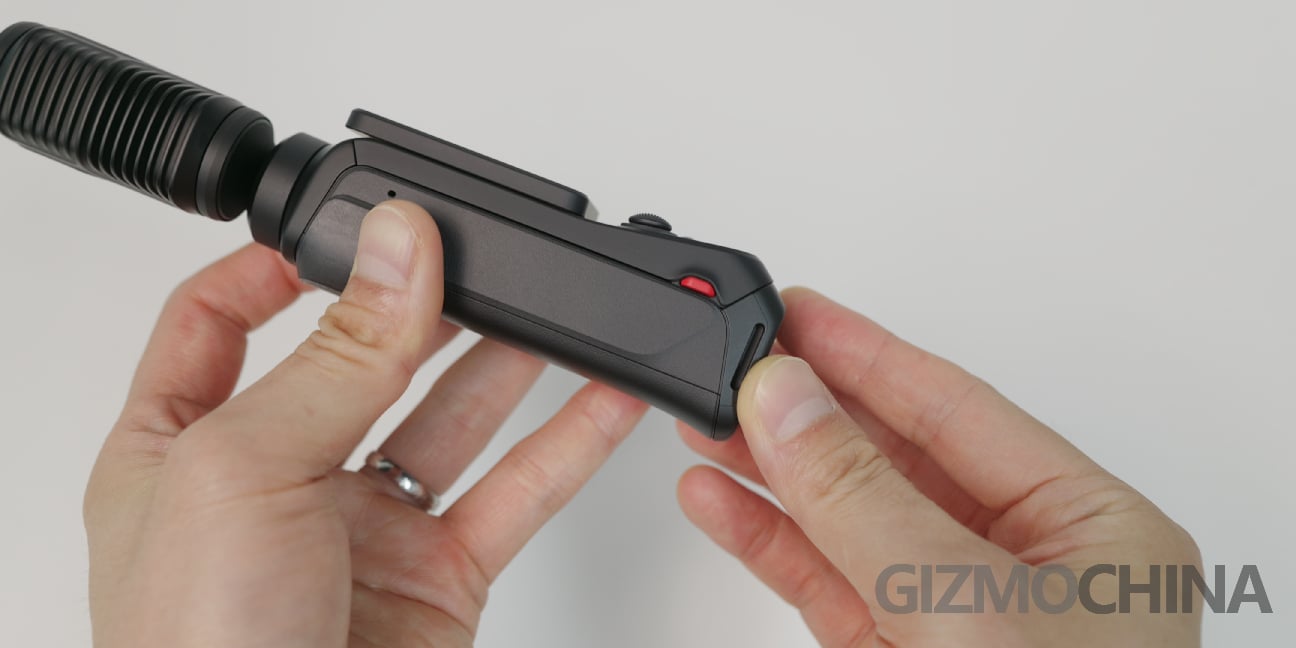
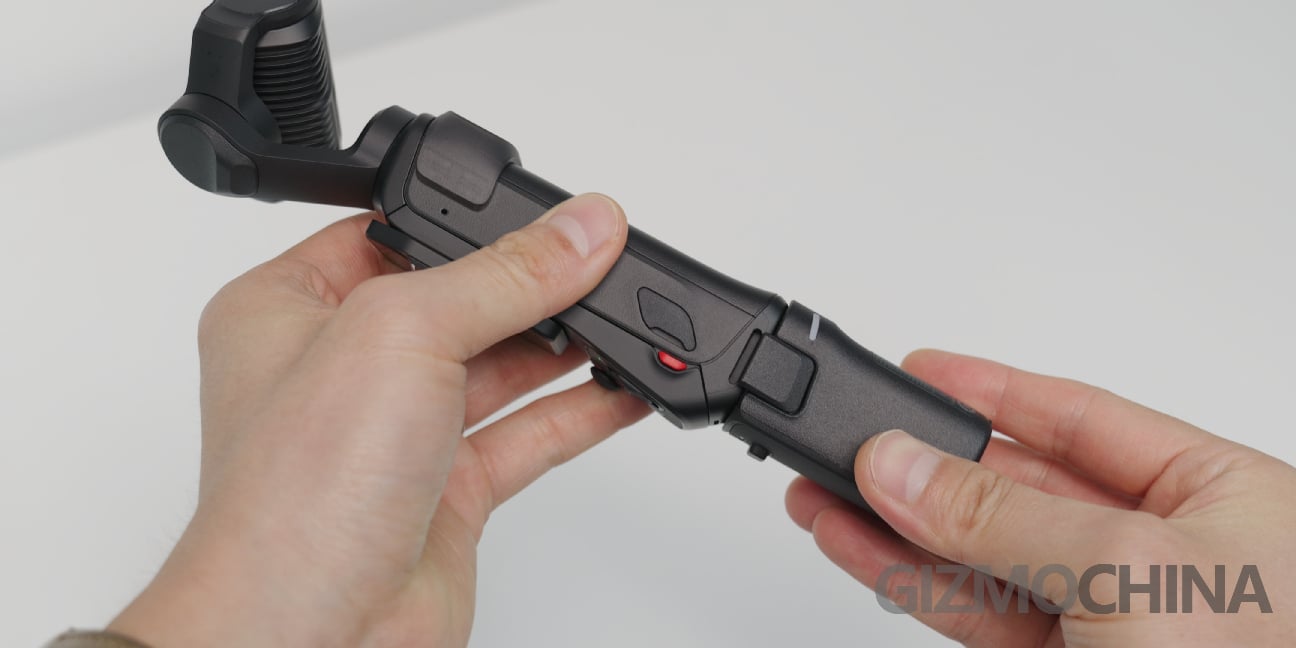
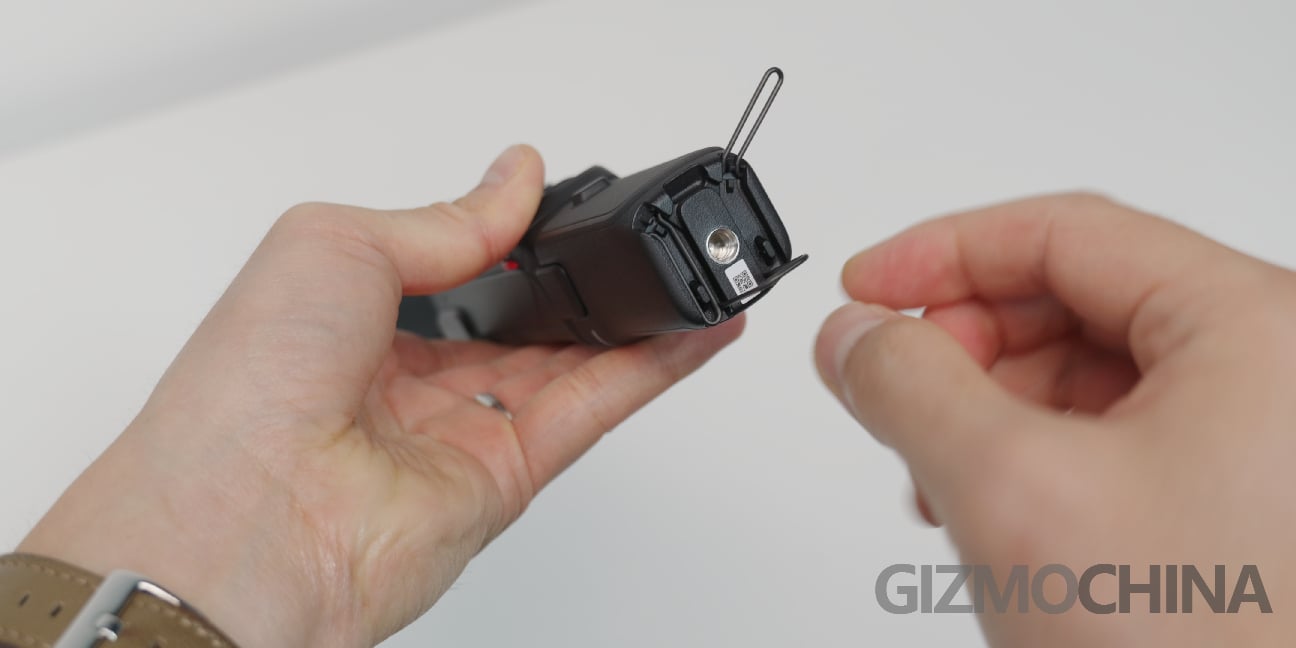
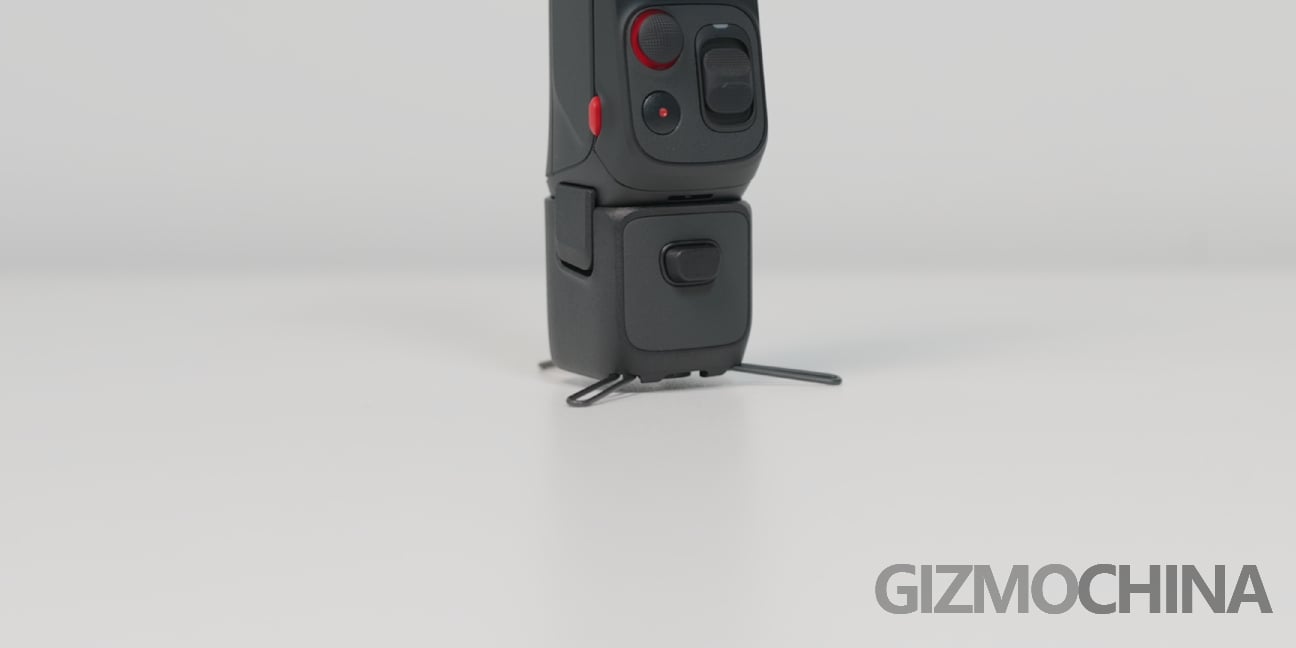
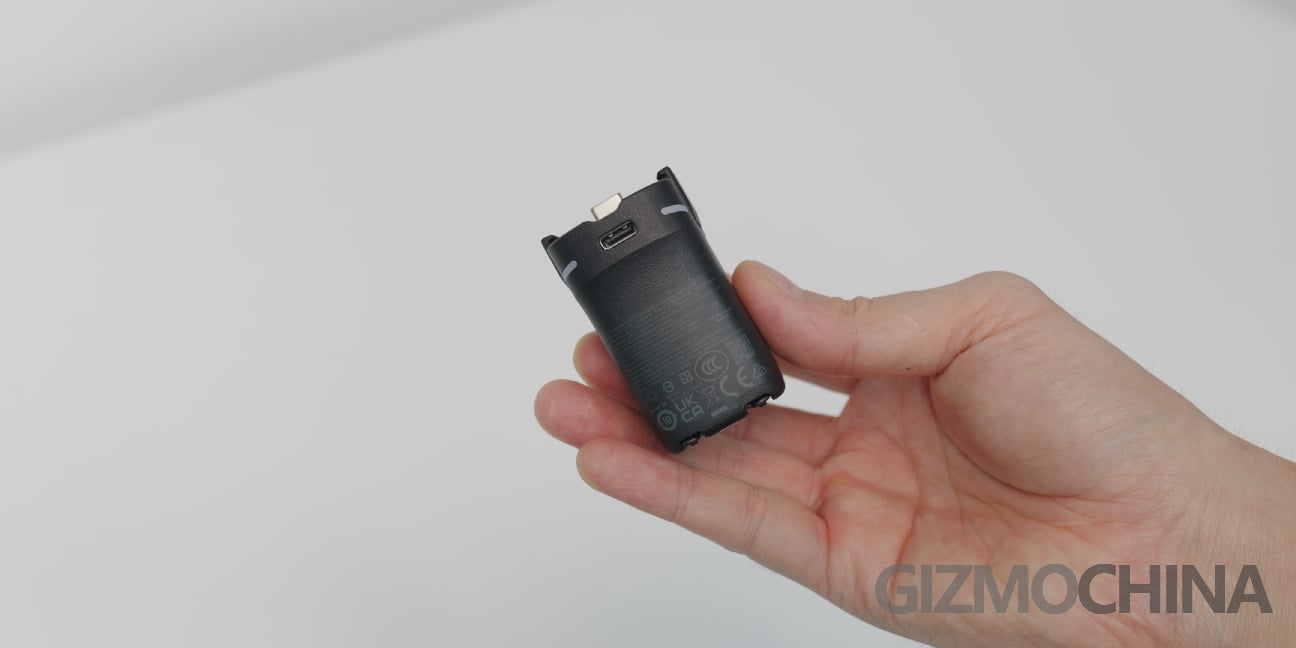
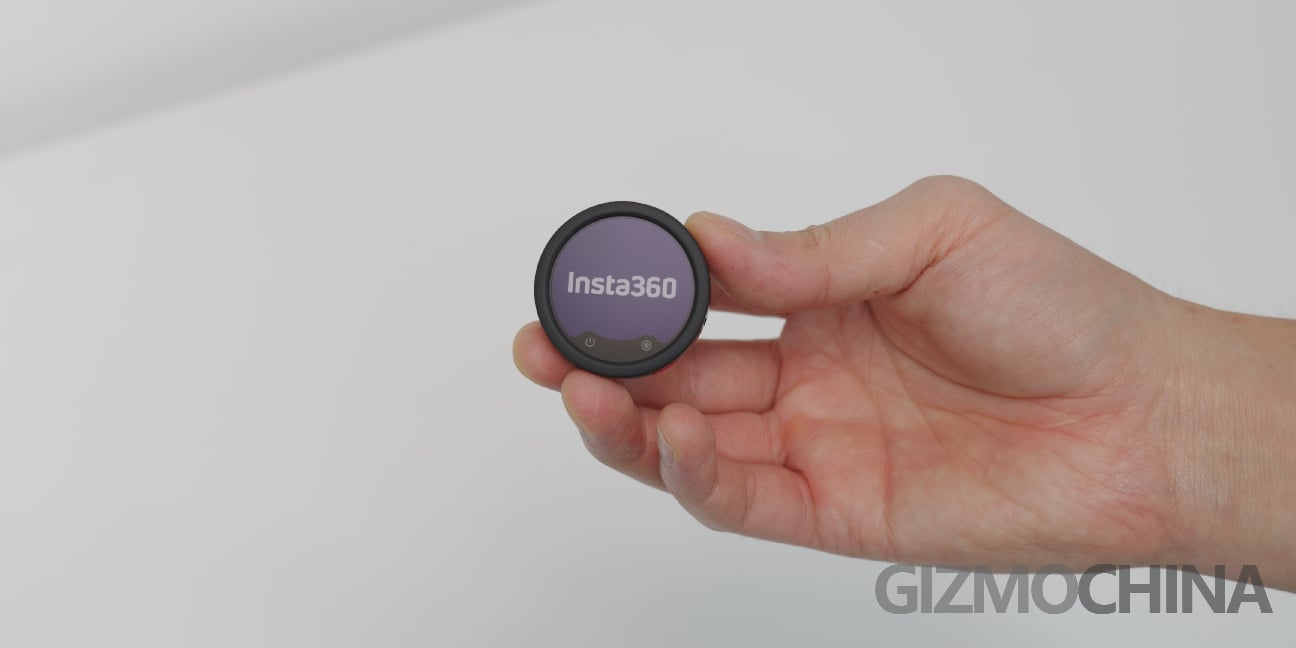
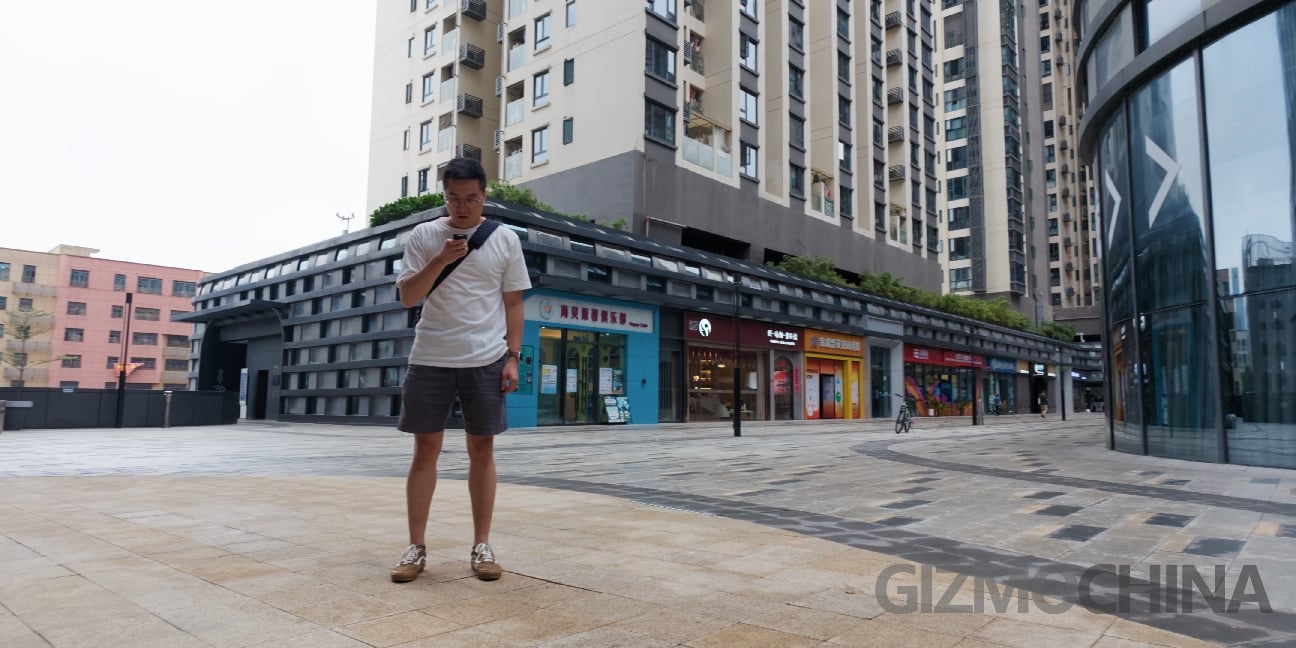
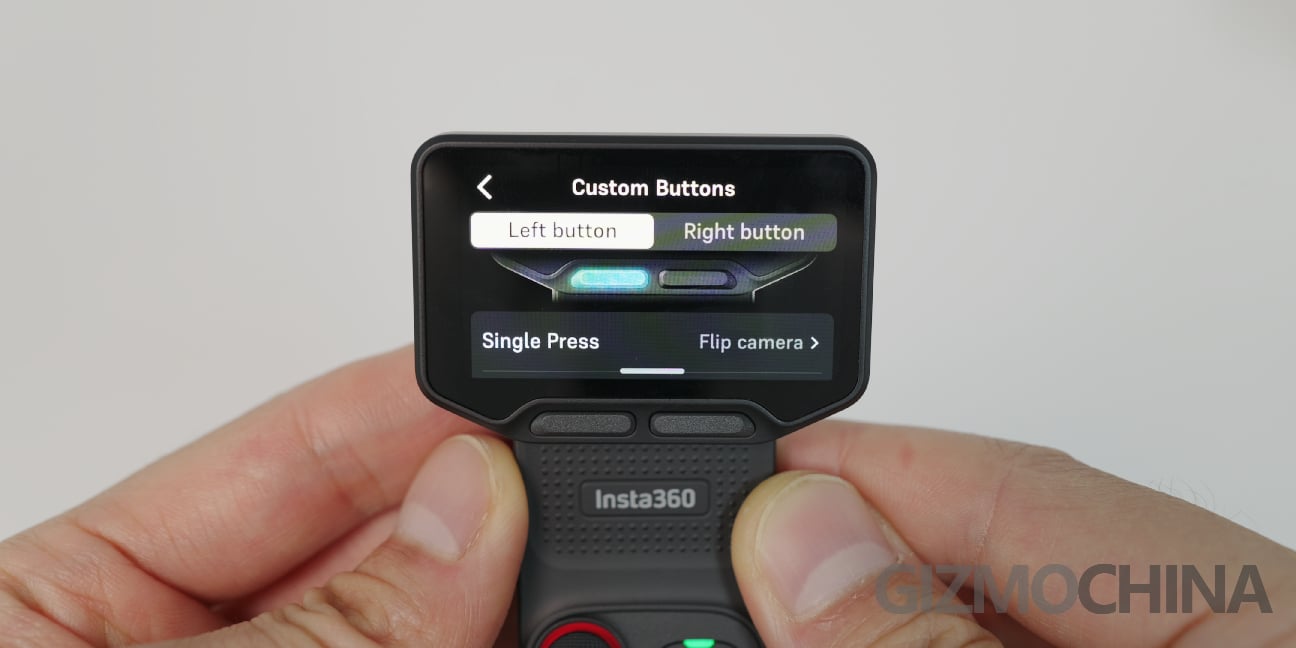
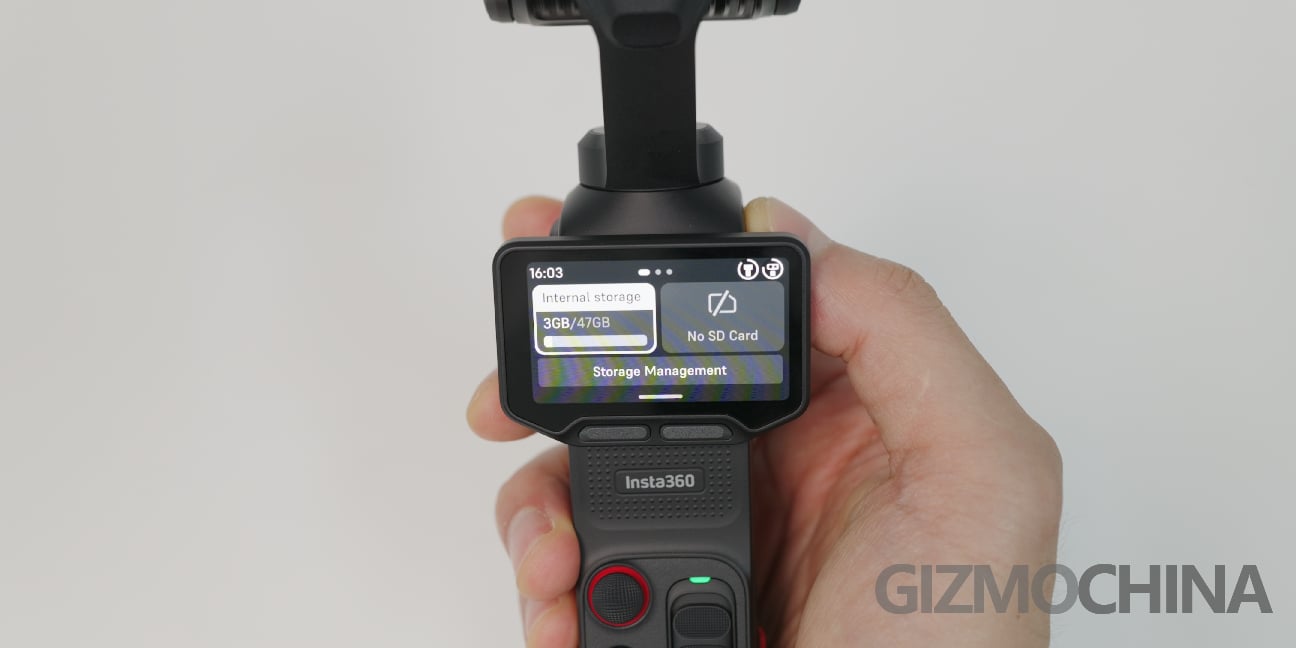
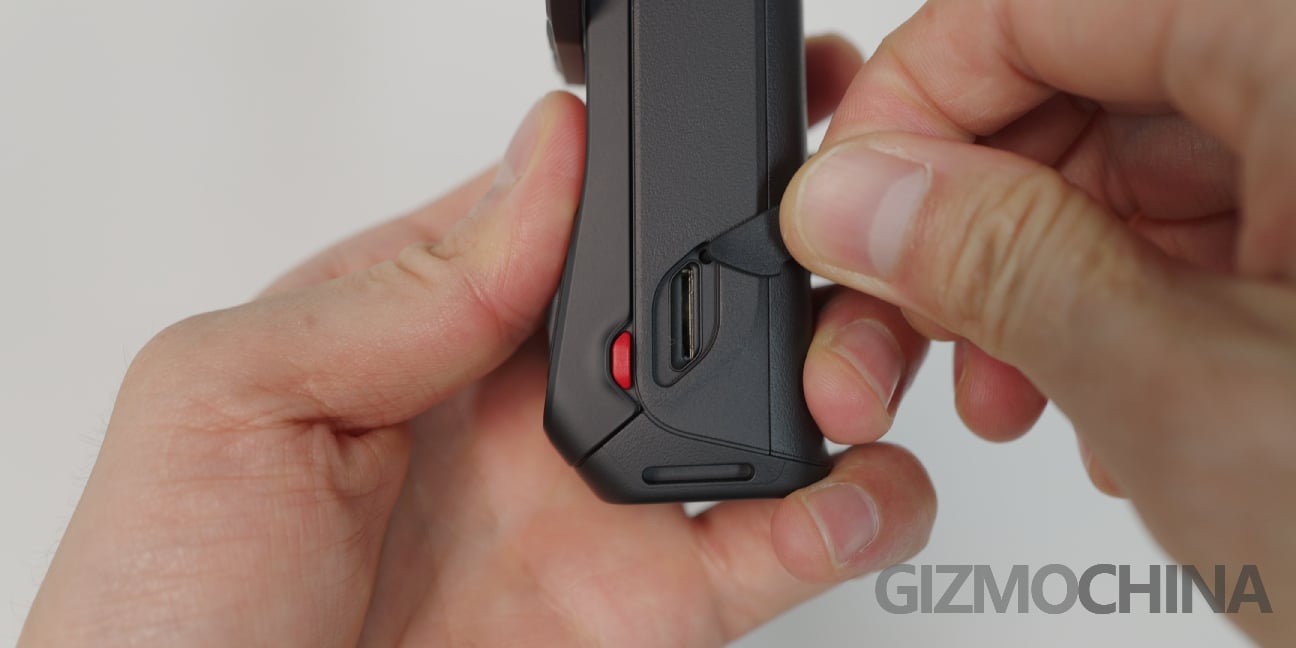
DJI is about to launch the most ambitious Pocket-series camera it has made so far. The company has officially confirmed the global debut of the Osmo Pocket 4P, scheduled for May 14 during the Cannes Film Festival in France. Pre-orders are already live through DJI’s website, and early hands-on units have started appearing through Chinese media outlets and creators ahead of the announcement.

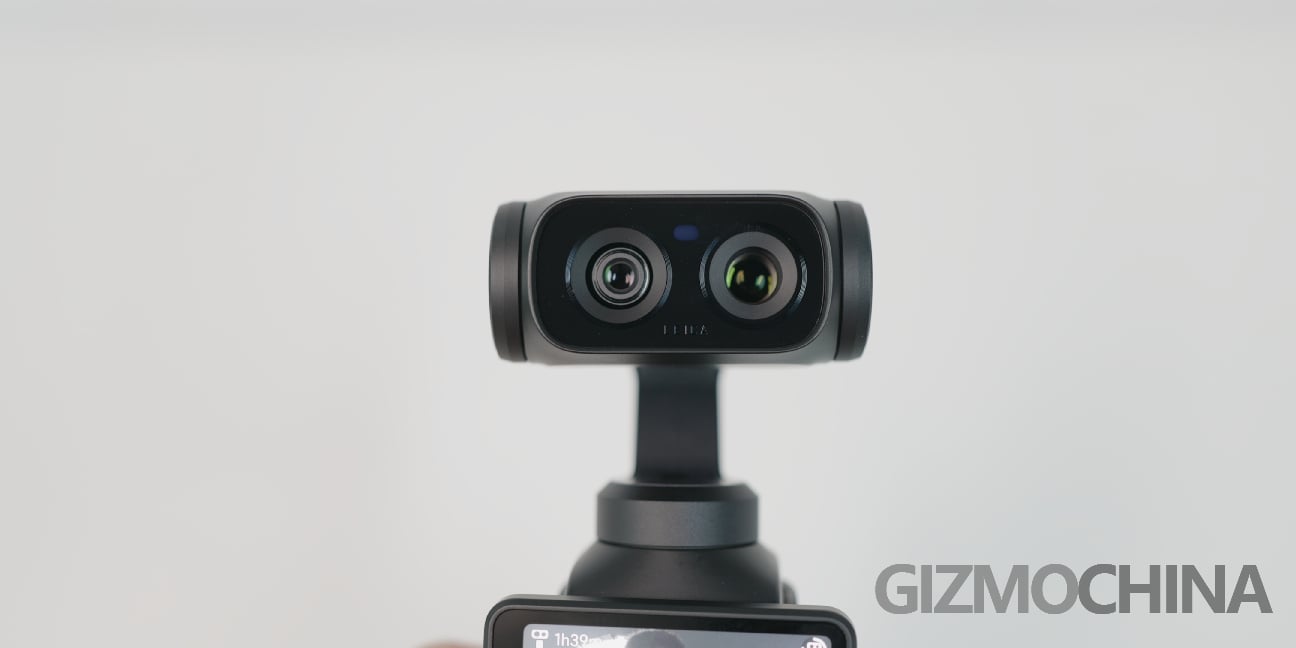
The biggest change this time is the camera setup itself. For the first time in the Pocket lineup, DJI is adding a second lens. The Pocket 4P combines the familiar 1-inch primary sensor from the standard Osmo Pocket 4 with a dedicated 3x telephoto camera, reportedly sitting around a 70mm equivalent focal length.

That may not sound like a huge upgrade at first, but it actually changes the way the Pocket camera can be used. Older Pocket models were mostly limited to wide-angle shooting, which worked fine for vlogging but wasn’t always ideal for portraits, interviews, or tighter cinematic framing. Adding a telephoto lens makes the Pocket 4P noticeably more flexible without forcing creators to rely heavily on digital zoom. Reports also mention a variable aperture system (f/1.7-f/2.8) for the main camera, alongside up to 12x hybrid zoom and around 6x “lossless” zoom depending on the shooting mode.

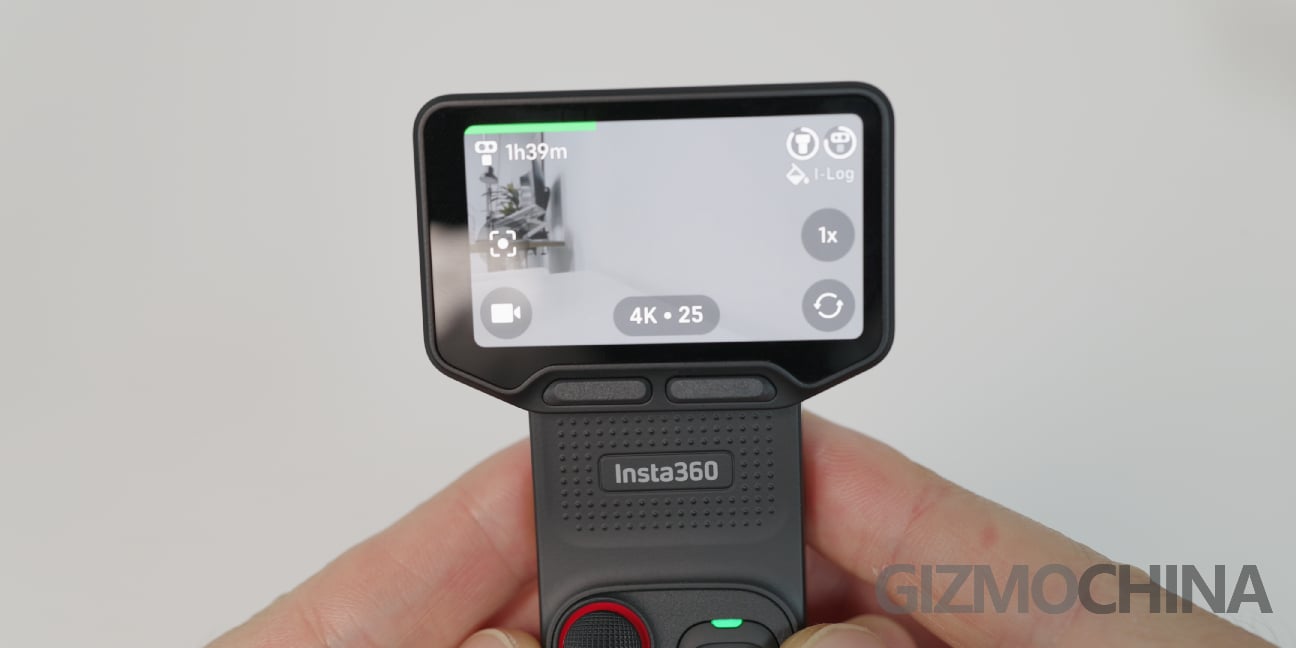
Outside of the camera hardware, DJI seems to be refining the rest of the experience rather than redesigning everything. The Pocket 4P reportedly supports 10-bit D-Log recording, upgraded ActiveTrack 7.0 tracking, and a larger 2.5-inch rotating touchscreen with brightness reaching 1000 nits. Battery capacity is also said to increase to around 2000mAh for longer recording sessions.

And of course, the signature 3-axis mechanical stabilization system remains one of the main selling points. DJI also appears to be pushing ecosystem integration more heavily this generation, with tighter compatibility expected between the Pocket 4P and the company’s microphones, drones, and creator accessories.

Pricing hasn’t been officially revealed yet, but the Pocket 4P is expected to sit above the standard Pocket 4 in DJI’s lineup. Availability in the US is still uncertain as well, since some recent DJI launches have faced regulatory complications there.

The Pocket 4P isn’t trying to replace larger mirrorless cameras, but it does seem aimed at creators who want more framing flexibility and better image quality without carrying around a full camera setup all day.

Don’t miss a thing! Join our Telegram community for instant updates and grab our free daily newsletter for the best tech stories!

For more daily updates, please visit our News Section.

(Sources: 1, 2)

Lenovo refreshes Bellator Blade 7000 desktops with Intel Core Ultra 5 230F & Nvidia RTX 5060 series GPUs

Lenovo is refreshing its pre-built desktop lineup in China. The company’s new Lecoo Bellator Blade 7000 models are scheduled to go on sale on May 13. They are straightforward mid-range gaming PCs that pair Intel’s new Core Ultra processors with Nvidia’s RTX 50-series graphics cards.

Lenovo Lecoo Bellator Blade 7000

Lenovo Lecoo Bellator Blade 7000 Specifications

Inside, these desktops run on the Intel Core Ultra 5 230F. It is a 10-core, 10-thread processor sitting on an Intel H810 chipset motherboard. The chip has a maximum boost clock of 5.0GHz and 24MB of cache. It is a practical processor for a mid-range build, capable of handling standard gaming and everyday desktop tasks.

For graphics, buyers can choose between the Nvidia GeForce RTX 5060 and the RTX 5060 Ti. Both cards are built on Nvidia’s Blackwell architecture and include 8GB of GDDR7 memory on a 128-bit bus. They support Nvidia’s current software features, including DLSS 4 for frame generation and Reflex 2.

Lenovo is shipping all of these configurations with 24GB of DDR5 memory. Storage options include either a 512GB or 1TB PCIe SSD. The entire system runs on a 500W power supply, which is adequate for the power draw of these specific components.

The case design is typical for a modern gaming PC, featuring a glass side panel, some RGB lighting, and an angular front panel. Lenovo says its internal cooling layout can dissipate up to 700W of heat using standard airflow channels. The chassis is built from galvanized steel, using 0.8mm steel for the main body and 1mm steel for structural parts like the motherboard tray and side panels.

Lenovo Lecoo Bellator Blade 7000

If you want to swap parts later, the case offers standard upgrade clearances. It fits graphics cards up to 390mm long (or 420mm if you remove the front fans), CPU coolers up to 165mm tall, and power supplies up to 290mm long. There is room for a 360mm liquid cooler on the top panel, mounting points for up to 12 fans, and a drive cage that holds two physical hard drives.

Connectivity includes Wi-Fi 6, Bluetooth 5.2, and Gigabit Ethernet. The front panel has two USB 3.2 Gen 1 ports and a headphone jack, while the back panel includes a mix of USB 3.2 and USB 2.0 ports, plus standard audio and display connections.

Pricing

The base RTX 5060 model with a 512GB SSD costs 8,199 yuan ($1,206). The RTX 5060 Ti version is 8,499 yuan ($1,250), and increasing the storage to 1TB brings the price to 8,999 yuan ($1,324).

In related news, Lenovo’s compact yet powerful gaming tablet has officially launched in the U.S., while the company has also unveiled a 31.5-inch 4K 240Hz QD-OLED gaming monitor with an ultra-fast 0.03ms response time.

For more daily updates, please visit our News Section.

Stay ahead in tech! Join our Telegram community and sign up for our daily newsletter of top stories! 💡

(JD)

DJI Romo 2 series launched with AI cleaning, 36,000Pa suction, and self-cleaning dock

DJI has officially unveiled the new Romo 2 series AI-powered robot vacuum and mop cleaners in China. The lineup includes the Romo P2 and Romo A2 models, focusing on smarter cleaning, advanced obstacle detection, and reduced manual maintenance. The company is positioning the new series as a premium smart home cleaning solution powered by AI and DJI’s spatial sensing technology.

DJI Romo P2, Romo A2 specifications and features

DJI Romo 2 series
DJI Romo 2 series

The Romo 2 series comes with DJI’s upgraded AI cleaning system that can recognise different floor conditions and cleaning scenarios automatically. The robot can increase suction while cleaning carpets, detect liquid spills for targeted mopping, and intelligently navigate cluttered spaces without needing users to rearrange furniture beforehand.

DJI has equipped the Romo 2 lineup with a new obstacle avoidance system inspired by its drone technology. The setup combines laser radar sensors, fisheye vision cameras, and ToF sensing hardware to identify even small obstacles such as thin cables or pet pads. The system can also detect transparent objects like mirrors and glass surfaces. A built-in dirt-detection light helps the robot spot dust and obstacles in dark environments.

DJI Romo P2
DJI Romo P2

The cleaning hardware includes a radar-adaptive robotic arm capable of swinging up to 123 degrees for improved edge and corner cleaning. DJI says the new design can cover an additional 4.5cm area near walls compared to previous models. The Romo 2 series also features a powerful 36000Pa suction system with intelligent boost mode for carpets and deep dust removal. It supports 8.5cm dual-layer obstacle climbing and includes anti-tangle brush structures for hair management.

DJI has also focused heavily on automation and maintenance. The docking station supports high-temperature self-cleaning, multiple antibacterial features, hot-air drying, UV sanitisation, and automatic sewage cleaning. The robots additionally support voice control, remote video communication, dirt heatmaps inside the DJI Home app, and 55W fast charging.

DJI Romo P2, Romo A2 price and availability

DJI has launched four variants under the Romo 2 lineup in China:

  • DJI Romo P2 (water tank version) – 5,999 Yuan (~$830)
  • DJI Romo P2 (automatic water supply and drainage ultra-thin base station version) – 6,499 Yuan (~$900)
  • DJI Romo A2 (water tank version) – 5,499 Yuan (~$760)
  • DJI Romo A2 (automatic water supply and drainage ultra-thin base station version) – 5,999 Yuan (~$830)

 The products are currently available for pre-orders in China through DJI’s official online and offline channels. At this time, there is no official confirmation regarding global availability.

For more daily updates, please visit our News Section.

Stay ahead in tech! Join our Telegram community and sign up for our daily newsletter of top stories! 💡

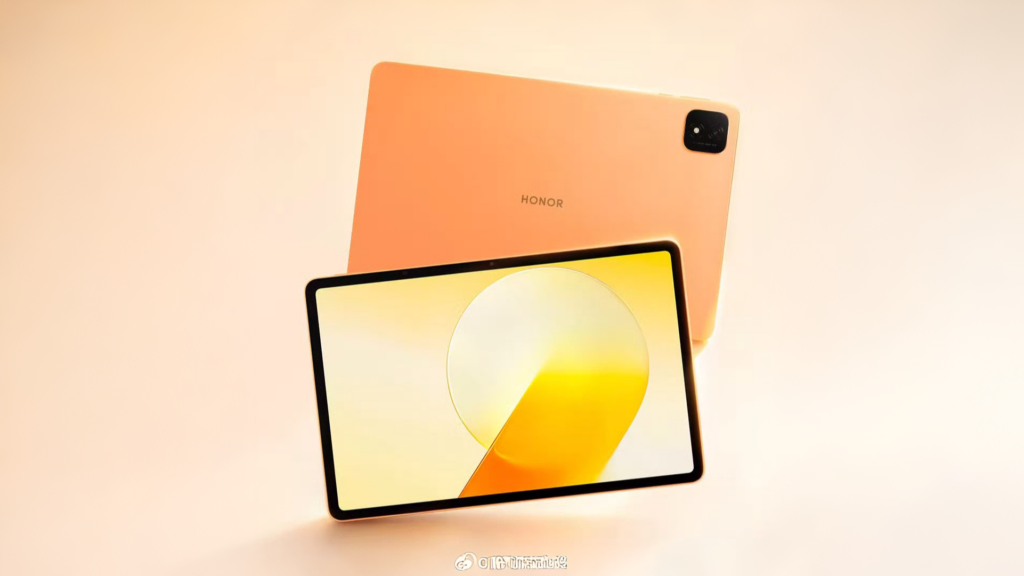
Honor Pad 20 introduced with 12.1″ 3K display, Snapdragon 7 Gen 3

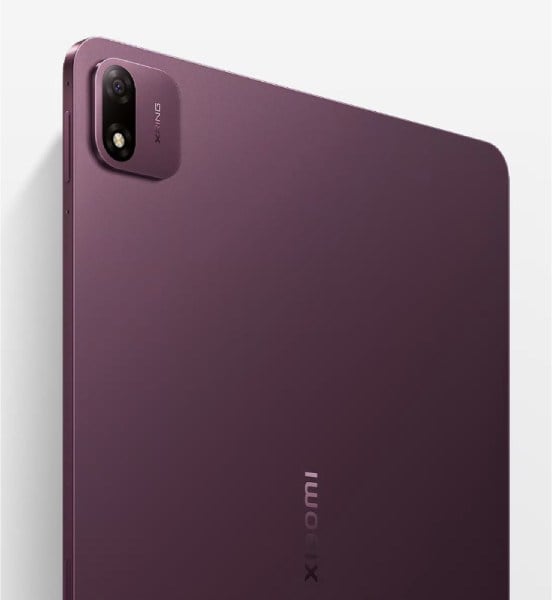
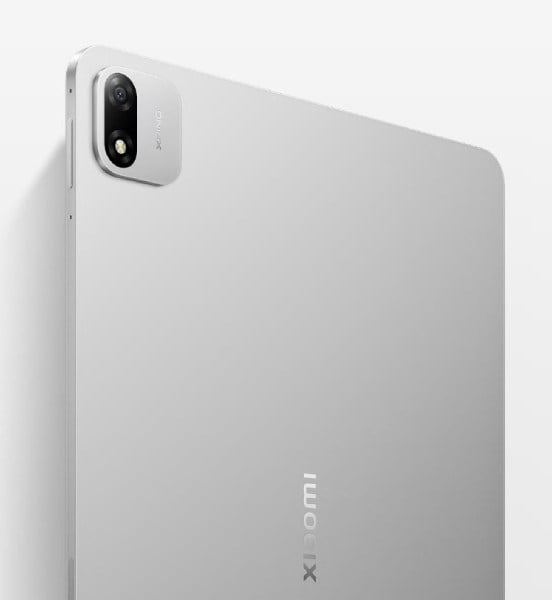
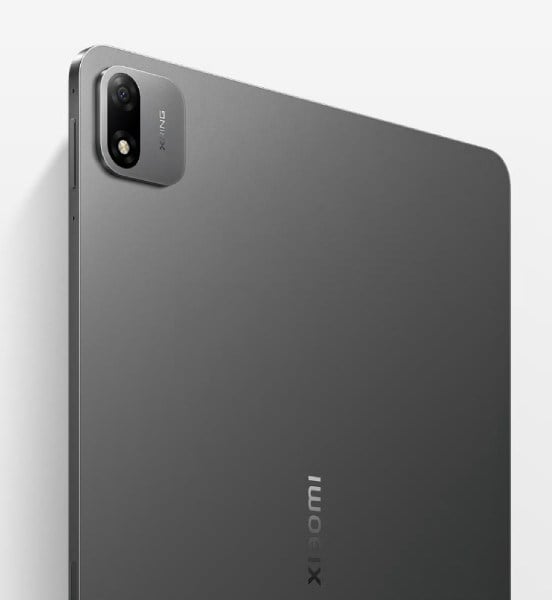
Honor has officially introduced a new tablet aimed at students and note-taking users. Called the Honor Pad 20, the device was announced by Honor’s all-scenario product division earlier today alongside a series of teaser images showing off the design and color options.

Visually, the tablet keeps things fairly clean and lightweight. The back features a small circular camera module, and Honor is offering the device in a few brighter finishes including Vibrant Pink, Forest Green, and a gray variant. It’s clearly targeting a younger audience rather than going for the usual all-business tablet look.

Honor says the Pad 20 uses a 12.1″ 3K “full-color paper-like” screen, designed to make handwriting and stylus input feel closer to writing on actual paper. Companies have been experimenting with this sort of textured display coating for a while now, especially on productivity-focused tablets, and Honor seems to be leaning heavily into that idea here. There’s also a Soft Light version of the tablet focused on reducing glare and improving eye comfort during longer study or reading sessions.

On the software side, Honor is mentioning several AI-powered learning tools as part of the package, including features aimed at exam preparation and note organization. The overall direction seems pretty clear: this is meant to be a study-focused tablet first.

The tablet has already appeared on the company’s official website with a few key specifications confirmed. The listing mentions a Snapdragon 7 Gen 3 chipset, and a 10,100mAh battery with 45W wired charging. Configurations include 8GB RAM paired with either 128GB or 256GB storage.

Pre-orders have already gone live in China through platforms like JD.com, which usually means the official release isn’t very far away. The Pad 20 already feels like Honor refining a formula that has been working fairly well for the company lately: large displays, lightweight designs, and features aimed directly at students and younger users rather than pure flagship performance.

Don’t miss a thing! Join our Telegram community for instant updates and grab our free daily newsletter for the best tech stories!

For more daily updates, please visit our News Section.

(Sources: 1, 2)

Refurbished Galaxy phones with official warranty are now available in India, checkout the list of devices with price

Samsung has officially introduced its Certified Re-Newed program in India, bringing refurbished Galaxy smartphones to buyers looking for premium devices at relatively lower prices. The company-backed initiative includes flagship and mid-range Galaxy models that undergo refurbishment and testing before being resold with an official warranty.

Samsung’s refurbished Galaxy phone program arrives in India

Refurbished Samsung phones now officially available in India

Under the new Certified Re-Newed program, Samsung is offering the following refurbished smartphones:

  • Galaxy A36 5G (128GB) – Rs 23,249 (~$244)
  • Galaxy A36 5G (256GB) – Rs 24,499 (~$257)
  • Galaxy A56 5G (8GB RAM) – Rs 31,499 (~$331)
  • Galaxy A56 5G (12GB RAM) – Rs 32,749 (~$344)
  • Galaxy S25 (256GB) – Rs 58,749 (~$617)
  • Galaxy S25 Ultra (256GB) – Rs 97,499 (~$1,024)

Samsung says all Certified Re-Newed devices go through detailed inspection, cleaning, testing, and software validation at authorised facilities. The phones are restored using genuine Samsung parts wherever replacements are needed. Each unit is also reset to erase previous user data and updated with the latest available software before sale.

The company is packaging the devices in new boxes along with accessories such as a USB cable, SIM ejector tool, and quick-start guide. Samsung is also providing a one-year manufacturer warranty, similar to what buyers receive with new Galaxy smartphones. According to the company, the program is intended to make premium Galaxy devices more accessible while supporting longer product lifecycles.

While the program adds an official and more trustworthy route for buying refurbished Samsung phones in India, pricing may become an important factor for buyers. Some of the refurbished Galaxy devices are currently listed close to the pricing of brand-new units available through online marketplaces and offline retailers during sales and promotions.

This could make the value proposition less attractive for certain buyers, especially when discounts on new phones are available. However, Samsung’s official refurbishment process and warranty support may still appeal to users looking for added peace of mind over third-party refurbished options.

For more daily updates, please visit our News Section.

Stay ahead in tech! Join our Telegram community and sign up for our daily newsletter of top stories! 💡

Dreame launches Pocket P10 Cake foldable hair dryer with a built-in oil dispenser

Dreame has introduced a new hair dryer to its lineup, the Pocket P10 Cake, in the Chinese market. Priced at 599 yuan ($88), the device is designed primarily around portability and combining standard hair drying with an automated hair oiling system.

Dreame is offering the device in five pastel, dessert-themed colors: Tiramisu Brown, Peach Mochi Pink, Mint Puff Blue, Lemon Parfait Yellow, and Grape Mousse Purple.

Dreame Pocket P10 Cake hair dryer

Dreame Pocket P10 Cake Specifications

Physically, the P10 Cake is built for travel and small spaces. It weighs around 300 grams and features a 180-degree folding hinge. When collapsed, the dryer is roughly the size of a smartphone, which makes it practical for packing into a gym bag, a carry-on suitcase, or storing in a small bathroom cabinet.

In terms of hardware, the dryer uses a 110,000 RPM motor that generates wind speeds of up to 70 meters per second. According to the manufacturer, this airflow can dry short hair in about 40 seconds, shoulder-length hair in two minutes, and long hair in roughly four minutes.

To manage the heat, it includes an NTC temperature control system. This sensor checks the air temperature 300 times per second to maintain a consistent heat level and prevent accidental heat damage to the hair during use.

The P10 Cake also comes with an integrated hair oil dispenser. Instead of requiring users to apply serums by hand after drying, the device uses a specific nozzle with a refillable capsule chamber.

As the dryer runs, it distributes a scented hair oil, made with camellia seed, jojoba seed, and grape seed oils, directly into the airflow to coat the hair evenly. Each color version comes with a matching scent. Additionally, a built-in negative ion system releases 300 million ions to help reduce frizz and smooth the hair cuticles.

For basic operation, the dryer offers two wind speed settings and four heat modes, including hot and cold air options. It also has a detachable rear cover so users can clean out trapped dust, and a curved handle for a more comfortable grip.

In related news, Dreame has recently unveiled the F20 air fryer with 360-degree hot air cooking for around $45, while the Dreame H70 Ultra Station arrives with 28,000Pa suction and 200°C steam cleaning support.

For more daily updates, please visit our News Section.

Stay ahead in tech! Join our Telegram community and sign up for our daily newsletter of top stories! 💡

(JD)

SanDisk launches its crayon-shaped USB-C flash drives in India

SanDisk has partnered with Crayola to release a line of USB-C flash drives designed to look exactly like standard wax crayons. After initially launching globally last year, the officially licensed drives are now making their way to India. They are aimed primarily at students, teachers, and anyone who wants a storage device that doesn’t look like a plain metal or plastic rectangle.

SanDisk Crayola Flash Drive

SanDisk Crayola Flash Drive Specifications

From a design perspective, the drive closely mimics the classic Crayola wrapper, complete with the familiar wavy black borders and recognizable font. Pulling off the tip of the crayon reveals a standard USB-C connector. In India, SanDisk is offering the drive in three distinct colors: Mango Tango, Cerulean Blue, and Electric Lime.

Underneath the colorful plastic casing, it is a standard, capable storage drive. It uses a USB 3.2 Gen 1 interface, and SanDisk states it can reach read speeds of up to 300 MB/s. That is fast enough for its intended use case, moving homework assignments, PDFs, photos, and standard media files between laptops, Chromebooks, and iPads. The choice to go exclusively with USB-C rather than the older USB-A standard makes sense here, given that most modern tablets and laptops used in education today rely entirely on USB-C ports.

SanDisk Crayola Flash Drive

SanDisk also added a few minor software touches to lean into the theme. When you plug the drive into a desktop computer, it mounts with a custom Crayola icon in the file manager rather than a generic external drive logo. It also supports SanDisk’s Memory Zone app for basic file management and backups.

Because the product is heavily targeted at younger users and their parents, each drive comes bundled with a three-month subscription to the Crayola Create & Play app, alongside access to printable activity sheets. However, SanDisk explicitly notes that the drive is not a toy and includes a standard choking hazard warning for children under three years old due to the small, removable cap.

Pricing and Availability

The SanDisk Crayola USB-C Flash Drive is available now on Amazon India. The base 64GB model costs Rs. 2,769, the 128GB version is Rs. 3,939, and the highest-capacity 256GB model is priced at Rs. 6,029. All three storage tiers come with a five-year limited warranty.

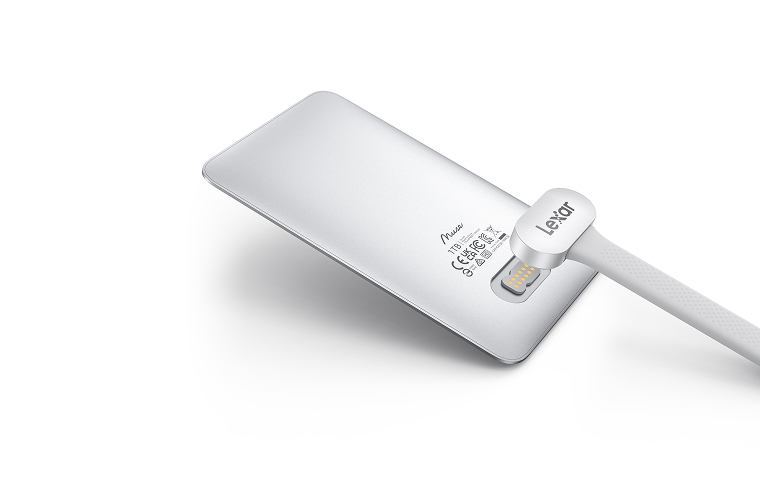
In related news, SanDisk has recently launched a new 1TB portable SSD that delivers read speeds of up to 600MB/s.

For more daily updates, please visit our News Section.

Stay ahead in tech! Join our Telegram community and sign up for our daily newsletter of top stories! 💡
Tecno Camon Slim certification reveals 7000mAh battery, 60W charging

Tecno looks ready to add another model to its Camon lineup. A new device called the Tecno Camon Slim has now appeared across multiple certification platforms, including FCC filings and Tecno’s own Carlcare service database, revealing some early hardware details ahead of launch. The phone carries the model number CN6c and appears to come with 8GB RAM alongside either 128GB or 256GB storage depending on the version.

But the bigger talking point is probably the battery. According to the FCC listing, the Camon Slim uses a battery identified as BL-68DX with a typical capacity of 7000mAh and a rated capacity of 6840mAh. That’s unusually large for a phone that’s apparently being positioned around slimness and design. The same certification also confirms support for 60W wired charging through Tecno’s U600TSA power adapter.

At the same time, things get slightly more complicated depending on the region. A separate TÜV Rheinland certification mentions smaller battery variants rated at 5800mAh and 5430mAh for certain markets, including parts of Europe and Saudi Arabia. So Tecno may end up shipping different battery sizes depending on local regulations or design priorities.

FCC schematics also reveal part of the design. The rear camera setup appears to use a horizontal pill-shaped module with two camera sensors, somewhat similar to the look Tecno used on the Spark Slim. NFC support is also confirmed through the filing, alongside dual-band Wi-Fi, Bluetooth, LTE support, and likely 5G connectivity as well.

As for the rest of the hardware, earlier leaks suggest the phone could use MediaTek’s Dimensity 7100 chip paired with a 6.78-inch AMOLED display and Android 16 running underneath HiOS 16.

At this point, pricing and launch timing still haven’t been officially revealed. But with FCC and TÜV certifications already in place, the announcement probably isn’t too far away now. And honestly, if Tecno really manages to fit a 7000mAh battery into a genuinely slim chassis, that alone could end up being the phone’s biggest selling point.

Don’t miss a thing! Join our Telegram community for instant updates and grab our free daily newsletter for the best tech stories!

For more daily updates, please visit our News Section.

(Source)

OnePlus Nord 6 vs Nothing Phone (4a): Which Phone Gives Better Value in 2026?

The mid-range smartphone segment is becoming more competitive than ever, and the OnePlus Nord 6 vs Nothing Phone (4a) comparison perfectly shows why. OnePlus is pushing aggressive flagship-grade performance and massive battery life, while Nothing is focusing on standout design, clean software, and a surprisingly versatile camera setup. Both phones target users looking for premium features without flagship pricing, but they take very different approaches to get there. Here’s a closer look at which device delivers the better overall experience for gaming, photography, daily usage, and long-term value.

Major Features:

FeatureOnePlus Nord 6Nothing Phone (4a)Winner
Display6.78-inch AMOLED, 165Hz, 3600 nits peak6.78-inch AMOLED, 120Hz, 4500 nits peakOnePlus – Higher refresh rate gives smoother gaming and scrolling
Resolution1272 × 2772, 450ppi1224 × 2720, 440ppiOnePlus – Slightly sharper panel
ProtectionOnePlus Crystal GuardGorilla Glass 7iNothing – Gorilla Glass branding feels more premium
Water ResistanceIP68/IP69KIP64OnePlus – Far stronger protection
ChipsetSnapdragon 8s Gen 4Snapdragon 7s Gen 4OnePlus – Much more powerful chipset
GPUAdreno 825Adreno 810OnePlus – Better gaming performance
Storage TypeUFS 4.1UFS 3.1OnePlus – Faster storage speeds
Rear Cameras50MP + 8MP50MP + 50MP Periscope + 8MPNothing – Periscope zoom adds versatility
Zoom CameraNo3.5x optical periscopeNothing – Dedicated telephoto advantage
Rear Video4K 60fps4K 30fps, Dolby Vision HDRNothing – Dolby Vision support adds premium video features
Selfie Camera32MP with 4K video32MP with 1080p videoOnePlus – Better selfie video recording
Battery7500mAh Global / 9000mAh India5080mAh Global / 5400mAh IndiaOnePlus – Massive battery advantage
Charging80W wired50W wiredOnePlus – Faster charging
Reverse Charging6.5W / 27W India7.5WNothing – Slightly faster reverse charging globally
SoftwareAndroid 16, OxygenOS 16Android 16, Nothing OS 4.1Nothing – Cleaner software experience
Android UpdatesNot specified3 major Android upgradesNothing – Clear update promise
BluetoothBluetooth 6.0Bluetooth 5.4OnePlus – Newer standard
Wi-FiWi-Fi 7Wi-Fi 6OnePlus – Better future-proof connectivity
Special FeaturesBypass charging, IR blasterGlyph mini-LED interfaceTie – Different features for different users
Approx Price$460 / ₹39,000$400 / ₹32,000Nothing – More affordable
Disclaimer: Specs are based on available data. Actual performance may vary. Verify details from official sources before buying.

1. Design and Display

Build and Feel

OnePlus Nord 6 and Nothing Phone (4a) approach design very differently. OnePlus focuses on durability and aggressive flagship-style hardware, offering IP68/IP69K protection along with MIL-STD-810H certification. It feels more practical for users who want a device that can survive rougher daily usage. The plastic back keeps the phone lighter in hand despite the massive battery inside, while the flat-frame styling gives it a modern, premium appearance.

Nothing Phone (4a) leans more toward visual personality. Its transparent-inspired design language, mini-LED glyph system, and glass back create a cleaner and more distinctive look. It feels more lifestyle-oriented and immediately stands out in a crowded mid-range segment. The phone does not offer the same water resistance level as the Nord 6, but the overall finish looks more premium.

Display Quality

Both devices use AMOLED panels with HDR10+ and strong peak brightness figures, but the Nord 6 clearly pushes harder on display hardware. Its 165Hz refresh rate makes scrolling and gaming feel exceptionally fluid, while the Snapdragon platform can better sustain high refresh gaming. The Nothing Phone (4a) counters with stronger peak brightness and slightly more natural tuning, which may feel easier on the eyes during media consumption.

Verdict

OnePlus Nord 6 is the stronger option for durability, gaming visuals, and smoother responsiveness. The Nothing Phone (4a) feels more stylish and unique, especially for users who value design identity over raw hardware advantage.

2. Specifications Including Battery

Performance

Performance is one of the biggest differences between these two devices. OnePlus Nord 6 uses the Snapdragon 8s Gen 4 chipset paired with UFS 4.1 storage, delivering near-flagship power. Gaming, multitasking, and long-term performance stability are noticeably stronger here. Heavy applications load faster, and the 165Hz panel complements the powerful GPU particularly well. It feels closer to a premium flagship than a traditional Nord-series phone.

Nothing Phone (4a) uses the Snapdragon 7s Gen 4 with UFS 3.1 storage. Daily performance remains smooth for social media, casual gaming, and multitasking, but it lacks the raw speed and sustained gaming power of the Nord 6. Nothing OS remains one of the cleaner Android skins, though, which helps the phone feel optimized in normal usage.

Battery and Charging

Battery capacity heavily favors the Nord 6, especially in India where it ships with a massive 9000mAh battery. Even the global variant’s 7500mAh unit is significantly larger than the Nothing Phone (4a)’s 5400mAh Indian model. Combined with 80W charging and bypass charging support, the Nord 6 clearly targets power users and gamers. The Nothing device still offers respectable endurance with decent 50W charging, but it prioritizes balance rather than extreme battery life.

Verdict

OnePlus Nord 6 dominates in raw performance and battery endurance. The Nothing Phone (4a) feels smoother than expected thanks to software optimization, but users focused on gaming, longevity, and heavy usage will find the Nord 6 far more capable.

3. Camera

Main and Secondary Lenses

camera philosophies are very different here. The OnePlus Nord 6 keeps things simple with a 50MP primary camera and an 8MP ultrawide lens. The main sensor should deliver reliable daylight shots with good stabilization and balanced colors, while 4K 60fps recording gives it decent video flexibility. However, the secondary camera setup feels more functional than exciting.

Nothing Phone (4a) is much more ambitious in photography. Alongside the 50MP primary camera, it adds a 50MP periscope telephoto lens with 3.5x optical zoom. This instantly gives it an advantage for portraits and long-range photography, something rarely seen in this segment. Dolby Vision HDR recording also adds a more premium video experience. The ultrawide sensor is similar to the Nord 6 on paper, but the telephoto camera changes the overall versatility completely.

Selfie Camera

Both phones use 32MP selfie cameras, but the Nord 6 supports 4K selfie video recording, making it more suitable for creators and video-focused users. The Nothing Phone (4a) limits selfie video to 1080p, though its image processing may appeal to users preferring softer and more natural skin tones.

Verdict

Nothing Phone (4a) is the more versatile photography phone because of its periscope zoom camera and stronger video features. The Nord 6 counters with better selfie video capabilities and more dependable processing performance during heavy camera use.

4. Pricing

OnePlus Nord 6 is expected to cost around $460 or ₹39,000, while the Nothing Phone (4a) sits lower at roughly $400 or ₹32,000. That price gap creates two very different value propositions. The Nord 6 asks for more money, but it also delivers significantly stronger hardware in areas like chipset performance, display refresh rate, charging speed, and battery capacity. For users who keep phones for several years or regularly play demanding games, the extra cost feels justified.

Nothing Phone (4a), meanwhile, focuses on offering a more balanced and stylish experience at a lower entry price. The inclusion of a periscope telephoto camera at this price point makes it especially attractive for photography enthusiasts. Its software design and unique LED interface also give it a personality that many competitors lack.

Verdict

OnePlus Nord 6 offers stronger hardware value for power users, while the Nothing Phone (4a) provides better lifestyle appeal and camera versatility for the price. The better value depends heavily on whether performance or overall experience matters more.

Disclaimer:
Prices are approximate and may vary based on country, region, launch timing, and applicable taxes. Always check whether the listed price is for a China unit or a global/international variant when purchasing.

5. Conclusion

OnePlus Nord 6 feels designed for users who want maximum specifications without stepping into true flagship pricing. Its enormous battery, flagship-grade Snapdragon chipset, 165Hz AMOLED display, and aggressive charging speeds make it one of the most performance-focused phones in its category. Features like bypass charging and advanced water resistance further strengthen its appeal for gamers and heavy users.

Nothing Phone (4a) takes a different route by emphasizing personality and camera versatility. The glyph lighting system, cleaner software experience, and periscope telephoto camera help it stand apart from typical mid-range Android devices. It feels more refined in daily lifestyle usage rather than purely benchmark-driven.

Verdict

OnePlus Nord 6 is the better choice for users prioritizing gaming, battery life, and long-term performance. The Nothing Phone (4a) is the more stylish and photography-focused option with a stronger sense of identity. Both phones target different audiences successfully, which makes this comparison more about preference than outright superiority.

Disclaimer: This comparison is based on the specifications provided and is intended for general informational purposes. Actual performance, camera results, battery life, and overall experience may vary depending on real-world usage, software updates, and individual preferences.

Read More:

com

Vivo X500 Pro Max name confirmed for the fourth model in the series, primary camera details leaked

A recent report revealed that the Vivo X500 series will include three devices, as their names were found listed in the IMEI database. Now, a report, courtesy of SmartPrix, reveals that another X500-series model has emerged in the said database. At the same time, tipster Digital Chat Station has revealed the primary camera details of the entire X500 lineup.

Vivo X500 Pro Max moniker spotted at IMEI database

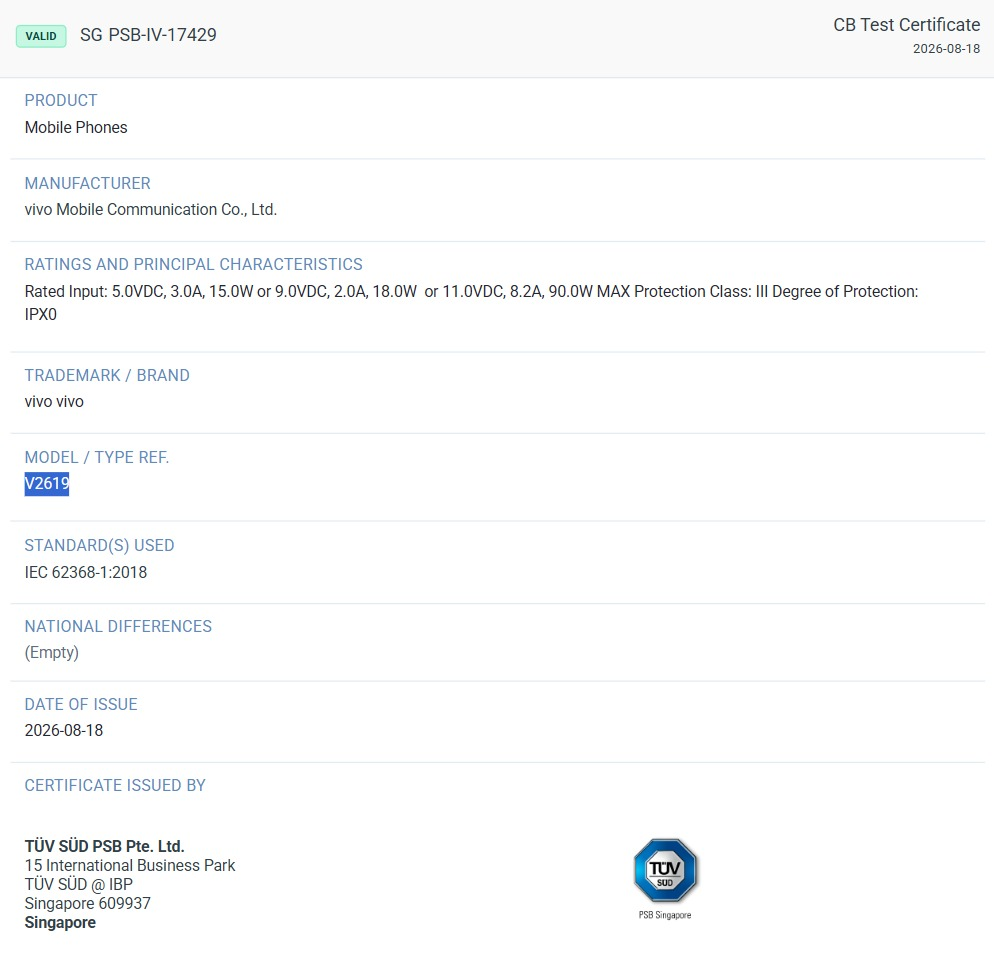
As can be seen in the image shared by the publication, the X500 Pro Max has also been registered in the IMEI database. The branding suggests that it will be Vivo’s topmost model this year until the rumored Vivo X500 Ultra arrives in the first half of 2027.

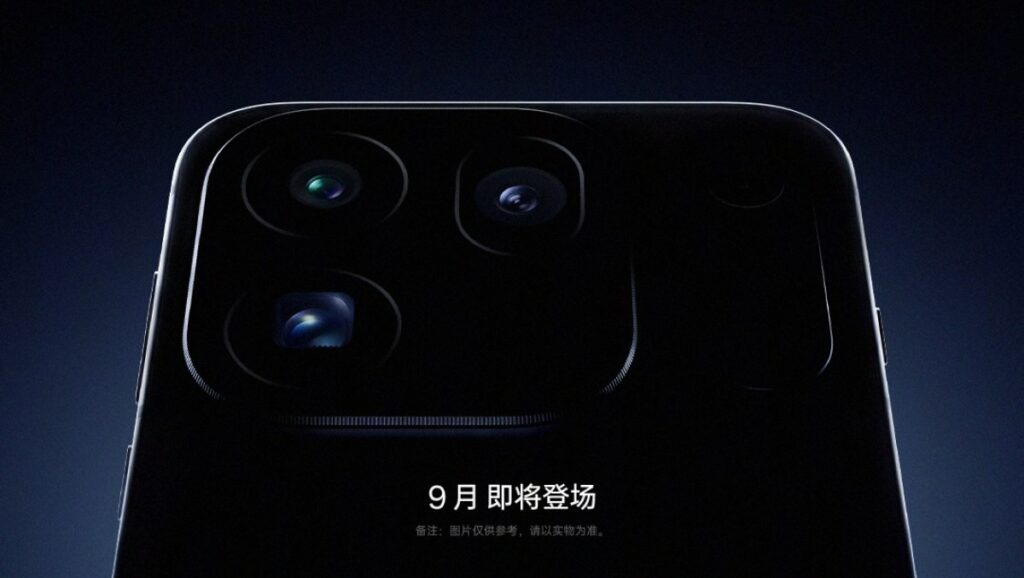
Apart from this, the Vivo X500e, Vivo X500, and Vivo X500 Pro have also been spotted at IMEI database. While the X500 lineup is expected to launch in Spetember this year, it is unclear whether all four models will be unveiled at the same time.

Previous reports have revealed that the X500 Pro Max will feature a 6.9-inch 2K AMOLED screen. Under the hood, it may feature the Dimensity 9600 series chip and a battery of around 7,000mAh capacity with 100W wired and wireless charging support.

Vivo X500 series’ primary camera details tipped

Vivo X500 series’ primary camera details tipped

In the above Weibo post, reliable tipster Digital Chat Station has suggested that the X500 lineup is currently undergoing testing with a focus on significant imaging upgrades. According to latest reports, three models in the Dimensity-powered iteration line are being tested with 50-megapixel main cameras featuring approximately 1/1.28-inch ultra-large sensors. Other reports suggest that this could be the upcoming Sony LYT-838 camera sensor.

Furthermore, the higher-end “Pro” and “Pro+” (Pro Max) variants, which are referred to as the “big cup” and “extra-big cup” in the leak, are expected to incorporate LOFIC (Lateral Overflow Integrator Capacitor) sensor technology. This technology is designed to significantly improve dynamic range and prevent overexposure in challenging lighting conditions.

For more daily updates, please visit our News Section.

Stay ahead in tech! Join our Telegram community and sign up for our daily newsletter of top stories! 💡
(source)

Dimensity 8600 with 3nm process in works, flagship-level upgrades expected

MediaTek will unveil the Dimensity 9600 chip built with 2nm process later this year. This chip is designed to power the upcoming flagship phones, such as Vivo X300 series and Oppo Find X10 lineup. A new development reveals that the brand is also working on a new chip called the Dimensity 8600. Here’s a look at the first details about that have surfaced today.

Dimensity 8600 to be built with 3nm process

According to a new leak shared by tipster Digital Chat Station, MediaTek’s upcoming Dimensity 8600 chipset is expected to deliver a major generational upgrade for the company’s upper mid-range smartphone lineup. The tipster claims the chip will be built on a 3nm process and feature significant improvements in both architecture and manufacturing technology, marking one of the biggest upgrades yet for MediaTek’s mid-range performance-focused chips.

To recall, the Dimensity 8500, which debuted first in China in January this year, is a 4nm chip. It powers the likes of Redmi Turbo 5, Poco X8 Pro, Honor Power 2, iQOO Z11 (Chinese), Motorola Edge 70 Pro, and Oppo K15 Pro.

Coming back to the leak, it further suggests that smartphone brands such as Oppo, Vivo, Xiaomi, Honor, and their sub-brands are already evaluating new devices powered by the Dimensity 8600. Some of these upcoming phones are also tipped to feature massive batteries exceeding the 10,000mAh mark. The new devices are expected to be launched around the end of this year.

MediaTek Dimensity 8600
MediaTek Dimensity 8600 (AI-generated image)

One of the upcoming devices appears to be the Honor Power 3. It remains to be seen whether the Redmi Turbo 6 and Poco X9 Pro and successors of the above-mentioned phones will feature the D8500 chip.

For more daily updates, please visit our News Section.

Stay ahead in tech! Join our Telegram community and sign up for our daily newsletter of top stories! 💡
A Mother’s Day campaign, a fan idol joke, and a backlash: How Oppo landed in trouble in China

Oppo has found itself at the centre of a major controversy in China following a Mother’s Day campaign linked to the Oppo Find X9 Ultra. What appeared to be an attempt to portray modern mothers with different personalities and interests quickly turned into a social media storm, forcing the company to issue multiple public apologies.

Oppo’s Mother’s Day campaign sparks backlash

Oppo Mother’s Day campaign poster with controversial Chinese text

The controversy began after Oppo shared a promotional poster as part of its “Rewrite My Mom with the Lens” campaign. One particular line in the campaign drew strong criticism online. The Chinese text roughly translated to: “My mom has two ‘husbands’. One is my dad, and the other I see twice a year. She barely dresses up for dates with my dad, but for the other one she can’t wait to wear a wedding dress.”

While the wording sounded controversial to many readers, the intended meaning was reportedly tied to Chinese fan culture. The “other husband” was not meant literally, but referred to a celebrity idol admired by the mother. The “twice a year” reference pointed toward concerts or fan meet appearances. The campaign poster itself showed a woman holding a concert light stick outside what appeared to be a venue, suggesting Oppo wanted to highlight that mothers can still enjoy hobbies, fandoms, and personal passions.

However, many social media users felt the wording was inappropriate for a Mother’s Day campaign and criticised the brand for being insensitive toward family values. The backlash quickly spread across Weibo, with several users calling the campaign vulgar and tone-deaf.

Oppo issues apology after criticism

Oppo releases apology
Oppo’s apology statement on Weibo after campaign backlash

In response, Oppo published an apology on its official Weibo account, admitting that the campaign content and the company’s handling of the issue reflected poor judgement. The company said it had removed all related promotional material and promised to review its content approval process more carefully in the future. Oppo later followed it up with another apology statement as criticism continued online.

Marketing controversies are not unusual in the tech industry, but Oppo’s decision to publicly acknowledge the mistake and respond quickly has also drawn attention.

What do you think about the campaign and Oppo’s response to the backlash?

For more daily updates, please visit our News Section.

Stay ahead in tech! Join our Telegram community and sign up for our daily newsletter of top stories! 💡

RedMagic 11S Pro+ spotted on Geekbench as first Android phone to cross 4,000 single-core points

RedMagic’s next gaming flagship is already showing up in benchmarks ahead of launch, and the numbers are pretty wild. A new Geekbench 6 listing believed to belong to the upcoming RedMagic 11S Pro+ has reportedly crossed the 4000-point mark in single-core performance, something that, according to Chinese blogger @肥威, no Android phone had legitimately managed before on the platform.

Multiple Geekbench 6 listings for the device surfaced on May 10 under the model number nubia NX809J. One particular entry reportedly crossed the 4000-point mark in single-core performance, scoring around 4010 points before later disappearing from the database. Even so, several remaining listings still show extremely high scores in the 3900+ range for single-core performance, alongside even stronger multi-core results exceeding 12,000 points in some cases. Altogether, the benchmark results line up pretty closely with RedMagic’s continued focus on aggressive performance tuning and overclocking.

RedMagic recently talked about its overclocking process and how it selects the “best of the best” Snapdragon 8 Elite Gen 5 chips, which could explain the jump in peak performance. In simple terms, the company claims to be cherry-picking the strongest chips it can get. There’s also another interesting detail here: instead of the usual Qualcomm ARMv8 labeling, the benchmark references a “QTI SM8850 3628 MHz (8 cores)” configuration.

Of course, raw clock speed only matters if the phone can actually sustain it without overheating. That’s where RedMagic’s cooling setup comes in. The 11S Pro+ is expected to feature an upgraded active cooling fan alongside vapor chamber and liquid-cooling-style thermal systems, continuing the company’s usual approach of prioritizing performance above almost everything else.

There’s also mention of RedMagic’s custom Redcore R4 gaming chip and the latest version of its CUBE Sky Gaming Engine. According to teaser material, the phone can supposedly run more than 200 games at up to 2K resolution and 144fps while simultaneously using frame interpolation and resolution upscaling.

The full RedMagic 11S Pro series is scheduled to launch in China on May 18, where the company is also expected to announce a new gaming tablet.

Don’t miss a thing! Join our Telegram community for instant updates and grab our free daily newsletter for the best tech stories!

For more daily updates, please visit our News Section.

Sources: 肥威 on Weibo, Geekbench (1), (2)

Samsung Display currently experimenting with holographic display

Samsung Display may already be experimenting with what comes after today’s smartphone screens, and if a new leak is accurate, the company is looking far beyond foldables this time.

Galaxy-S26-Ultra-Privacy-Display

According to information shared by leaker Schrödinger, also known as phonefuturist on X, Samsung is currently researching a holographic display system internally under the codename MH1 or simply H1. The long-term idea reportedly involves a future “Spatial iPhone,” with Apple being mentioned as a possible customer for the technology down the line.

At the moment, though, this sounds very early. The leak claims the display uses a combination of a nano-structured holographic layer, eye-tracking, and beam-steering technology to create a glasses-free 3D effect directly on the screen. In theory, users would be able to slightly move or tilt the phone and view objects from different angles, almost like looking around them rather than just at a flat image.

Apparently, the system would still preserve full resolution during normal 2D use, which is important because older glasses-free 3D attempts usually came with pretty noticeable compromises in image quality. And honestly, that’s probably the biggest challenge here.

The smartphone industry has experimented with glasses-free 3D before, but most implementations ended up feeling gimmicky or difficult to use consistently. Devices like the Nintendo 3DS worked, but only within a narrow viewing angle, and the effect could break pretty easily if your eyes shifted too far off-center. Samsung’s reported beam-steering approach is supposedly meant to solve some of those limitations by directing light much more precisely toward the viewer’s eyes.

Still, the project is reportedly only in the first phase of research and development. Even the original leak suggests commercialization likely wouldn’t happen any time soon, assuming the technology actually reaches mass production at all.

That said, Samsung Display has a pretty strong history when it comes to pushing new panel technologies into the mainstream. The company played a major role in foldable OLED adoption and has already experimented with glasses-free 3D monitors and spatial displays in other categories. More recently, Samsung introduced hardware-level viewing angle control technology with the Galaxy S26 Ultra, and similar implementations are reportedly expected to appear in flagship phones from Xiaomi, Oppo, and Vivo later this year.

If something like MH1 eventually becomes real, it could open the door to much more immersive interfaces on phones, whether that’s floating UI elements, spatial gaming, or deeper integration with mixed reality ecosystems like Apple’s Vision Pro.

(Source: @phonefuturist)

Vivo and Honor tipped to be developing wide foldable smartphones

Recently, Huawei unveiled the Pura X Max with a wide foldable design. Speculation is also rife that Samsung may unveil a similar device alongside the Galaxy Z Fold 8 and Z Flip 8 in July this year. Apple is reportedly working on its first foldable phone, possibly called the iPhone Ultra, which may break cover in September this year. Fresh reports suggest a few more brands are also preparing to launch wide foldable phones in the coming years.

Vivo’s wide foldable phone is in development

As seen in the above leak, tipster Smart Pikachu claims that the upcoming Vivo X Fold 6 is expected to bring noticeable improvements to its crease performance. He added that users who prefer large foldable smartphones should keep an eye on the device, as the display crease has reportedly seen major refinements compared to previous generations.

The leak also suggests that Vivo may gradually shift its foldable lineup toward wider “book-style” foldable designs going forward. However, there is currently no clarity on whether such a device will debut this year.

Honor’s wide foldable phone design tipped

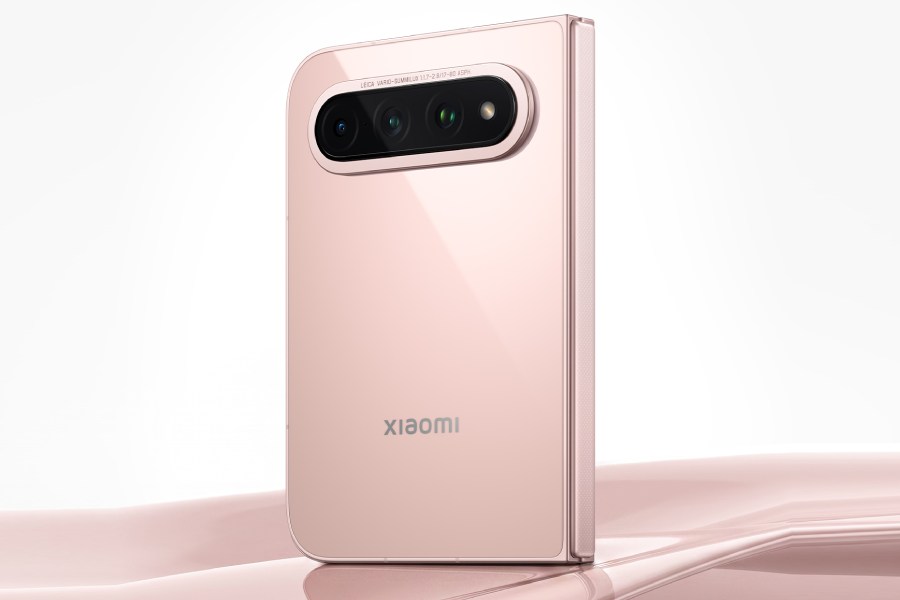
According to tipster Guan Tongxue GiM, Honor has been working on a wide foldable phone for a long time. While he did not share any technical details about the device, his post included an image revealing the possible design.

The device appears to feature a triple-camera setup and a secondary screen on the back, along with a wider form factor. When unfolded, it may offer a tablet-like display experience in horizontal orientation. As for the launch timeline, reports suggest that the device may not arrive until Q1 2027.

For more daily updates, please visit our News Section.

Stay ahead in tech! Join our Telegram community and sign up for our daily newsletter of top stories! 💡
Oppo Find X10 Pro Max’s 200MP triple camera details and display size tipped

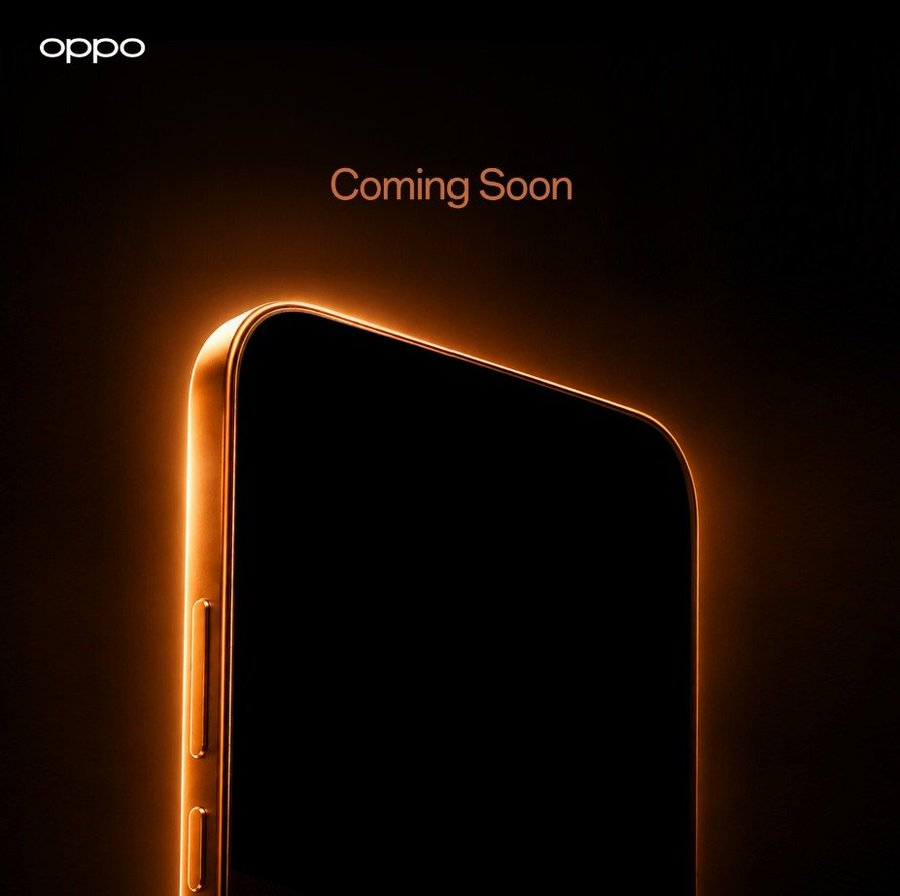
Oppo’s Find X10 series, which is expected to launch in China in October, may comprise three models, namely the Find X10, Find X10 Pro, and Find X10 Pro Max. Tipster Digital Chat Station has been consistently leaking details about the Pro Max variant. Today, he shared another Weibo post revealing key details about its display, cameras, and chipset.

Oppo Find X10 Pro Max’s key details emerge

Oppo Find X10 Pro Max’s key details tipped

According to a new leak shared by tipster Digital Chat Station, the alleged Oppo Find X10 Pro Max could arrive with some of the most ambitious camera hardware seen on a flagship smartphone. The leak claims the device is currently being tested with a 200-megapixel primary camera featuring a massive 1/1.3-inch sensor, paired with a 200-megapixel periscope telephoto camera using a large 1/1.28-inch sensor. As per a previous leak from the same source, the phone may use Samsung’s upcoming HPC sensor.

Oppo is also said to be considering two ultra-wide camera options, including a 200-megapixel sensor with a 1/1.56-inch size or a smaller 50-megapixel 1/2.75-inch sensor. The setup is also said to include a 3-megapixel multispectral sensor.

The leak further reveals that Oppo is internally evaluating multiple display and camera configurations for the device. One of the test variants reportedly features a 6.89-inch 2K LTPO flat display, while another version may use a slightly smaller 6.78-inch 1.5K LTPO panel.

Powering the device could be MediaTek’s upcoming 2nm Dimensity flagship chipset. According to rumors, the chip is tentatively called the Dimensity 9600 Pro. As far as Find X10 Pro and Find X10 are concerned, these could be powered by the Dimensity 9600 and Dimensity 9500 Plus, respectively.

For more daily updates, please visit our News Section.

Stay ahead in tech! Join our Telegram community and sign up for our daily newsletter of top stories! 💡