Advertisement

Top stories from last week: Redmi Note 8 2021, Fuschia OS makes it debut, Lenovo and Samsung announce new tablets, Xiaomi removed from US Blacklist, and more

Last week was packed full of announcements. Not only were there several new phones but we also got a handful of new tablets from two tech giants, a new operating system, and new CPU and GPU cores from Arm.
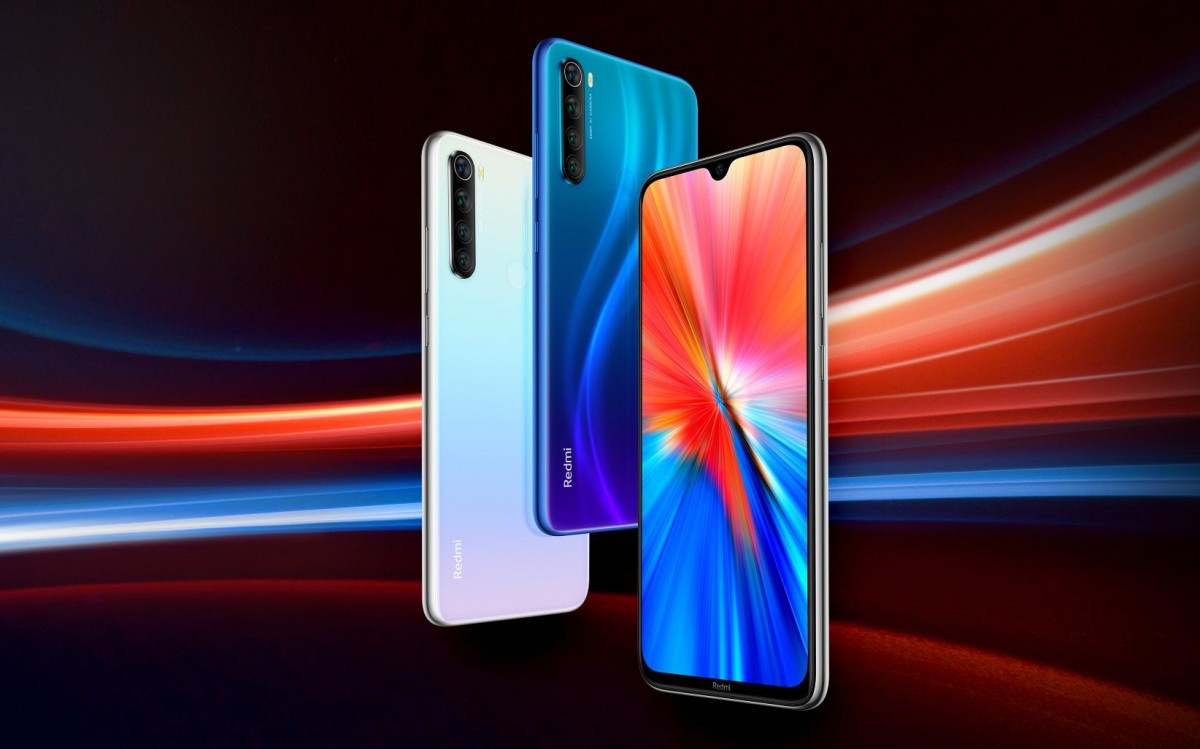
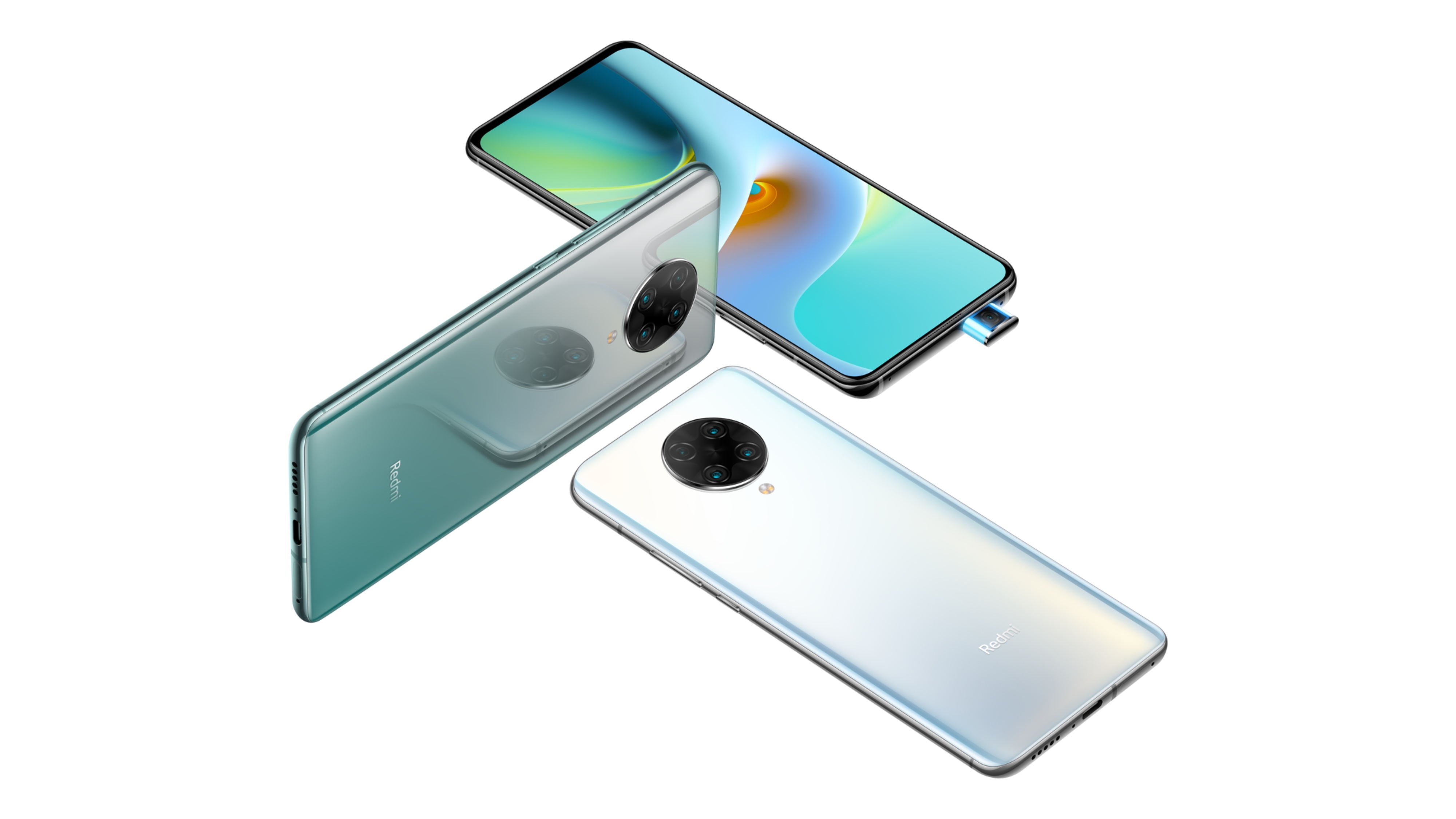
Redmi Note 8 2021

Redmi Note 8 2021

The Redmi Note 8 2021 was one of the devices announced last week. The refreshed phone which originally launched in 2019 now comes with a new processor and the latest version of Android. There is no price tag yet but it will be sold in Europe.

 

Fuchsia OS
Fuchsia OS

Fuchsia OS is official, rolls out to the Nest Hub

Fuchsia OS, the operating system in development by Google since 2016 is now official and the tech giant is pushing it out as an update to the first-gen Nest Hub which originally runs Cast OS. Google has bigger plans for the operating system but it is starting with its IoT devices, so expect to see the new OS power a lot more devices soon.
 

Xiaomi Mi Logo

US drops Xiaomi from its trade blacklist

The United States has had no other choice than to Xiaomi has officially been removed from the US trade blacklist following a ruling from a US court. The company had taken the US Govt. to court following its addition to a list of companies designated as Communist Chinese Military Companies. The court has now ruled in favor of the Chinese tech giant.
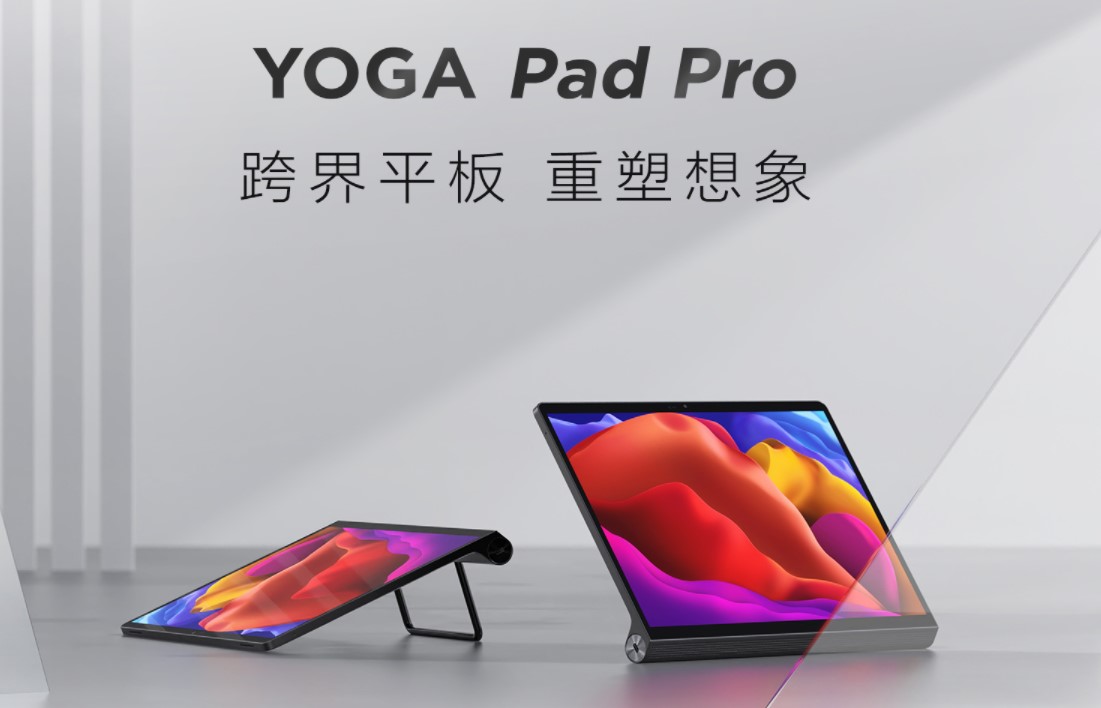
 

Lenovo YOGA Pad Pro featured

Lenovo and Samsung’s new tablets battle it out

Both Lenovo and Samsung announced new tablets last week. The latter announced the Xiaoxin Pad Pro 2021, Xiaoxin Pad Plus, and the YOGA Pad Pro while Samsung announced the Galaxy Tab S7 FE and the Galaxy Tab A7 Lite.

ARM

Arm’s new CPU cores are powerful and boast a new architecture

Arm’s CPUs and GPUs are the basis for a lot of mobile processors. Last week, it announced new ones that are not only powerful but also mark a big shift in architecture as they drop the 2011 Arm v8 for the new Arm v9.

The new CPUs include the Cortex-X2 performance core, the Cortex-A710 big core which succeeds the Cortex-A78, and the Cortex-A510 which succeeds the Cortex-A55 that was announced back in 2018. As you can see, Arm has switched from two digits to three for its big core and little cores.

For the new GPUs, we have the Mali-G710 and Mali-G610 for high-end chips and the Mali-G510 and Mali-G310, successors to the Mali-G57 and Mali-G31 for budget and mid-range chips. All of this GPUs are available with different cores, so that will play a role in their performance when they begin to appear in chipsets.
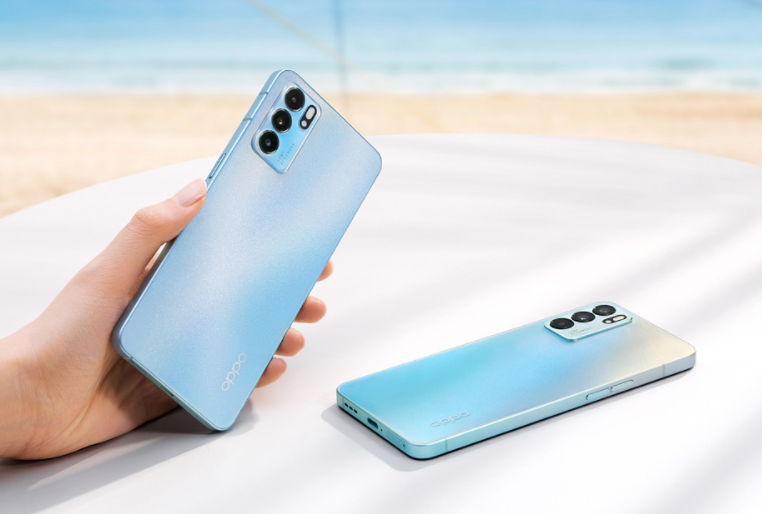
 

OPPO Reno6

OPPO Reno6 series

The Reno6 series made its debut in China last week. The three devices come with high refresh rate displays, MediaTek and Qualcomm processors, and support for 65W fast charging across board.

 

realme OS Preference Survey

Realme could switch back to ColorOS

When Realme first began shipping phones, the devices ran ColorOS. Along the line, it announced its own UI called realme UI, which is actually a fork of OPPO’s ColorOS. Now a recent survey carried out by the brand realme could switch back to ColorOS for its smartphones, though with some features exclusive to its own phones.
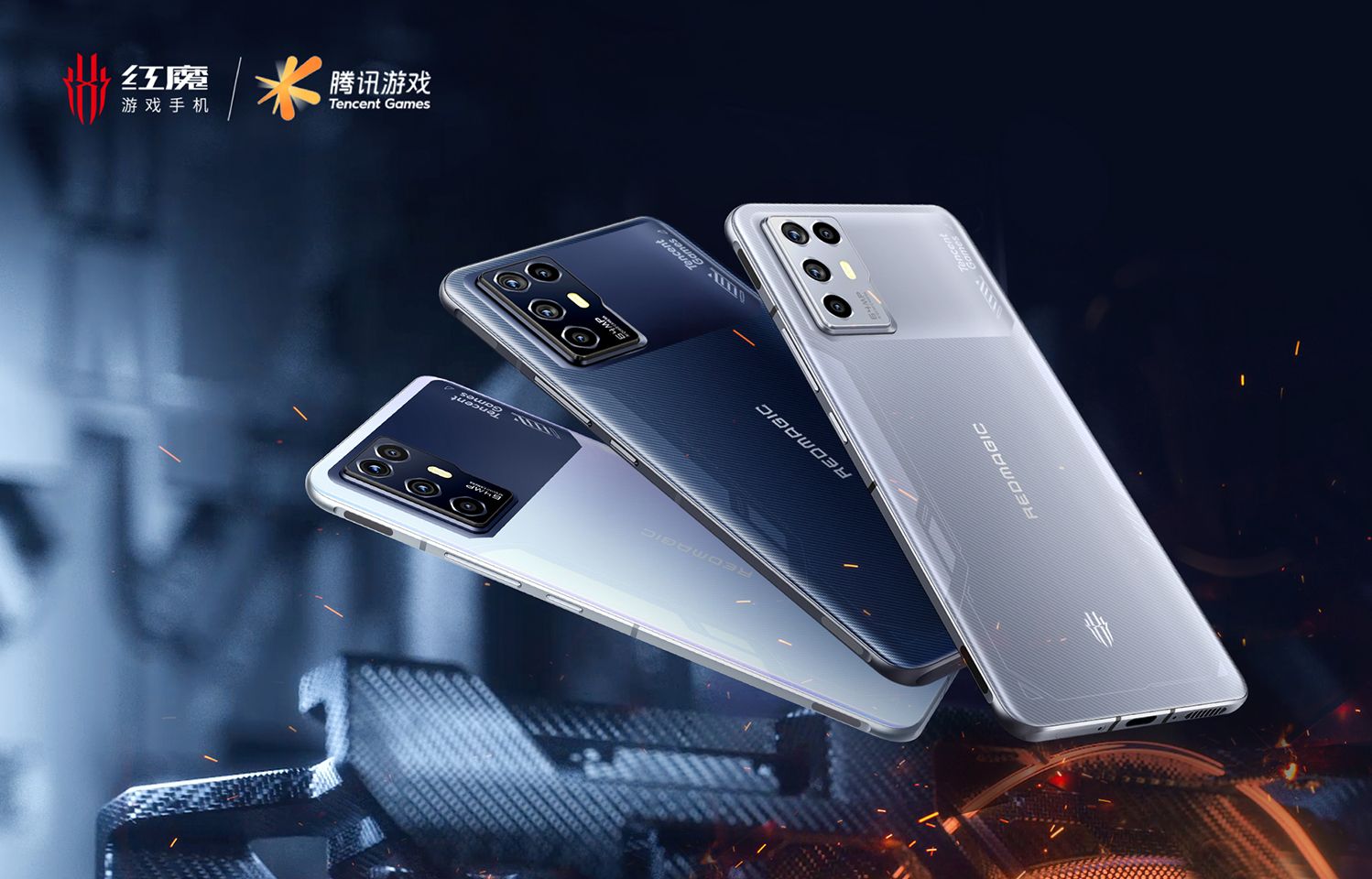
 

RedMagic 6R
RedMagic 6R

Redmagic 6R is a more affordable gaming flagship

Nubia’s RedMagic gaming smartphone brand announced a new model for its RedMagic 6 series last week. The RedMagic 6R is a proper flagship in its own right with its AMOLED display, 144Hz refresh rate, Snapdragon 888 chip, and support for 55W fast charging, but it is more affordable than its siblings with a starting price of under ~$450.


RELATED:

Poll of The Week: Redmi Note 10 Pro 5G (China) or Redmi Note 10 Pro (Global)?

The Redmi Note 10 Pro (5G) launched a few days ago in China and it is quite different from the Redmi Note 10 Pro (global version) that was announced back in March.

Some of the key differences include support for 5G on the Chinese version as a result of the Dimensity 1100 whereas the global version has a Snapdragon 732G processor. It also has a 120Hz LCD screen with Gorilla Glass Victus protection while the global version comes with a 120Hz AMOLED display with Gorilla Glass 5.

Xiaomi also ships the global version with a 108MP quad camera setup while the Chinese version has a 64MP triple camera setup. Another major difference is that the Redmi Note 10 Pro 5G has a 5000mAh battery with support for 67W fast wired charging while the Redmi Note 10 Pro (global) has a 5020mAh battery with support for 33W fast wired charging.

As you can see, these are quite significant differences. Xiaomi is yet to say if the Redmi Note 10 Pro 5G will get a global launch, nevertheless, we want to know which one of the two phones you prefer. Is it the Redmi Note 10 Pro 5G or the Redmi Note 10 (Global version)?

[yop_poll id=”86″]


RELATED:

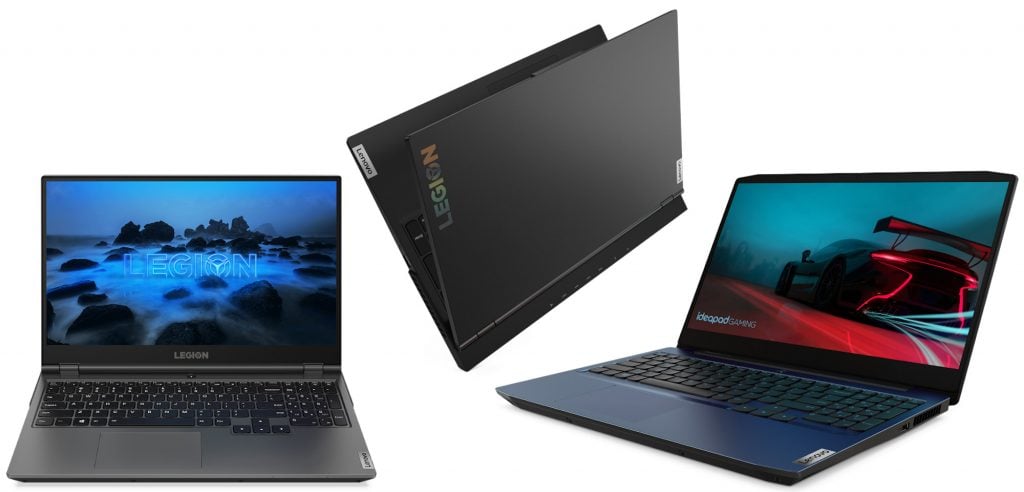
Lenovo records its best performance ever in 2020/2021 with over $60bn in revenue

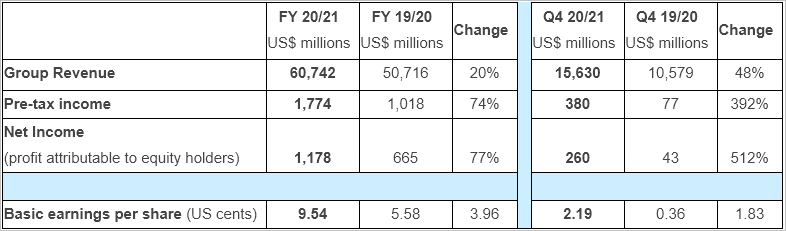
Lenovo Group unveiled its full-year financials for the 2020/2021 fiscal year, and it shows some impressive performances. The Group had a solid fourth-quarter result and achieved a milestone of crossing the $60 billion mark in revenues for the fiscal year. Profits also showed record-breaking levels, which indicates that the Lenovo brand is on the right trajectory in its development.

Exceptional growth indices were recorded across the Group’s businesses, reflecting a solid outlook for the company. It also demonstrates resilience, consistency, and an ability to engender sustainability across the Group. The Lenovo Group continues to expand its outreach through diversification to areas of strong competencies, which could have resulted in the impressive and record-setting financial results released. The company’s corporate strategy is the 3S, which denotes a preference for Smart applications and technology in the Internet of Things, Infrastructure, and Solutions. The company hopes to continue to sustain its strong performance, going forward and will explore growth opportunities created by trends in the tech marketplace.

A close look at the numbers from the financials shows a 48% increase in revenue accruals to the Group to $15.6 billion. A massive 392% jump in pre-tax profits was observed together with another 512% surge in profits after tax, which is a record, by the way.

The financial results show that the Group performed excellently across several performance indicators, and its shareholders are expected to reap bountiful returns on their investments this year. Lenovo shareholders will get a dividend of $0.0309 per share for the 2020/2021 fiscal year.

According to Lenovo’s Chairman and CEO, Yuanging Yang, the company delivered its best-ever performance in almost a decade in the last quarter of the fiscal year. It achieved a milestone of $60 billion in revenue on the back of a strong focus on the company’s core competencies.

The growth pattern showed significant contributions from various segments of the Group including laptops, tablets, data, cloud services, and smartphones, amongst others. It also showed a growing global presence of Lenovo, with solid performances observed in Europe, North America, and the Asia Pacific.

The company will continue to leverage its core mandate while interfacing with new opportunities as it seeks to sustain this strong performance.

RELATED:


(source)


Microsoft’s Your Phone App extends its multi-app multitasking feature to more Samsung devices

In recent times, the relationship between Microsoft and Samsung has gotten stronger with new partnerships and features that make their devices work better with each other. One of such features is the Microsoft Your Phone App that allows select Samsung Galaxy phones to run multiple apps simultaneously when connected to a Windows computer. Now, more Samsung devices are getting the feature.

When it was announced in January, the multi-app multitasking feature was limited to the Galaxy Note 20 series, the Galaxy Z Fold 2, the Galaxy Z Flip/Z Flip 5G, the Galaxy S20 5G series, and the Galaxy S21 series. Now MSPoweruser reports that Microsoft has added a few more devices to the list.

These devices are as follows:

The source reports that users also have to have their PCs running the Windows 10 May 2020 update or later and also have their computer and Samsung Galaxy device connected to the same Wi-Fi network.

When connected to your PC, you will be able to make and receive calls from your PC, send and receive SMS messages, mirror your apps and access them on your PC, easily copy and transfer files between devices, and more.


RELATED:

Xiaomi will announce new record-breaking HyperCharge fast charging technology tomorrow

Xiaomi is one of the manufacturers that has pushed the bar of fast charging technology to incredible levels. It currently holds the record for the fastest wireless charging technology and is one of the few manufacturers with a device that supports 120W fast wired charging. Now, it is ready to set another record tomorrow when it unveils its new HyperCharge fast charging technology.

The tech giant has shared a post across its social media channels that say it will set a new record with its new HyperCharge fast charging technology. We are not sure if the new technology is wired or wireless but we want to believe it is the former.

Earlier this year, there were reports that Xiaomi has a phone with support for 200W fast charging planned for release in the second half of this year. However, the source explained that the 200W is a sum of all the modes of charging the device supports i.e. wired + wireless + reverse wireless charging. The Mi 11 Ultra which is Xiaomi’s highest premium model supports 67W wired charging, 67W wireless charging, and 10W reverse wireless charging which sums up to 144W. So whatever will be announced tomorrow should see the manufacturer get closer or arrive at the 200W mark.

The Chinese brand already holds the record for the fastest wireless charging technology in a device with its 67W wireless charging technology present in the Mi 11 Pro and Mi 11 Ultra. Last year, it announced an 80W wireless fast charging technology that is yet to be supported by any device yet though it already sells an 80W wireless charger.


RELATED:

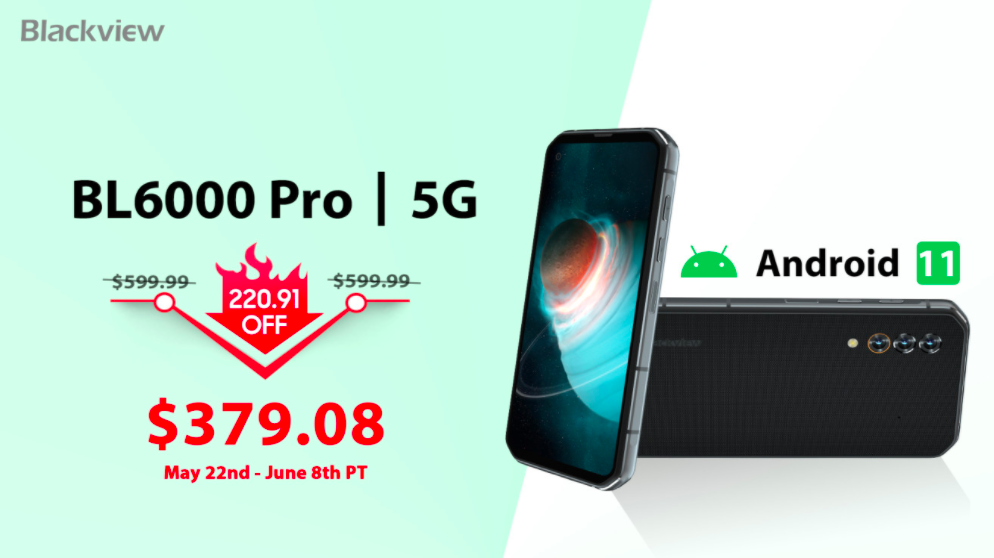
Deal: Get Blackview BL6000 Pro with Android 11 for $379 (Original Price $599)

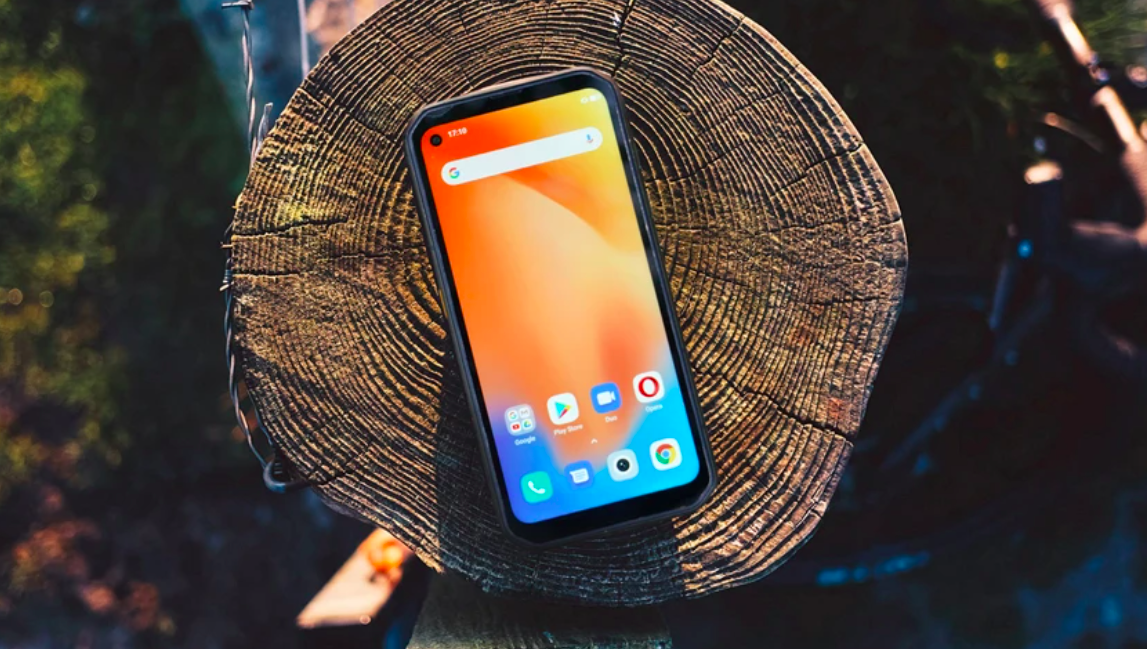
Blackview BL6000 Pro is now available with the latest Android 11. The rugged 5G smartphone which generally retails for $599 can now be bought for $379.08 only. 

blackview bl6000 pro upgrade

NEW FEATURES:

With the latest Android 11 update, you bow get new and advanced features on the smartphone like Enhanced Privacy, Improved user experience, Smarter Device Control, etc. With the latest updates, you now get an all-in-one notification section and chat bubbles, optimized control over smart home devices, and media players.

Apart from the Android upgrade, the smartphone is also optimized for better touch-sensitive and made some other improvements like faster fingerprint unlock accurate gesture recognition, enhanced charging speed, etc.

Please note that the existing users with the old Android 10 BL6000 Pro smartphones can also manually make upgrades through the OTA update which will be available on 5 June 2021.


SMARTPHONE FEATURES:

blackview bl6000 pro upgrade

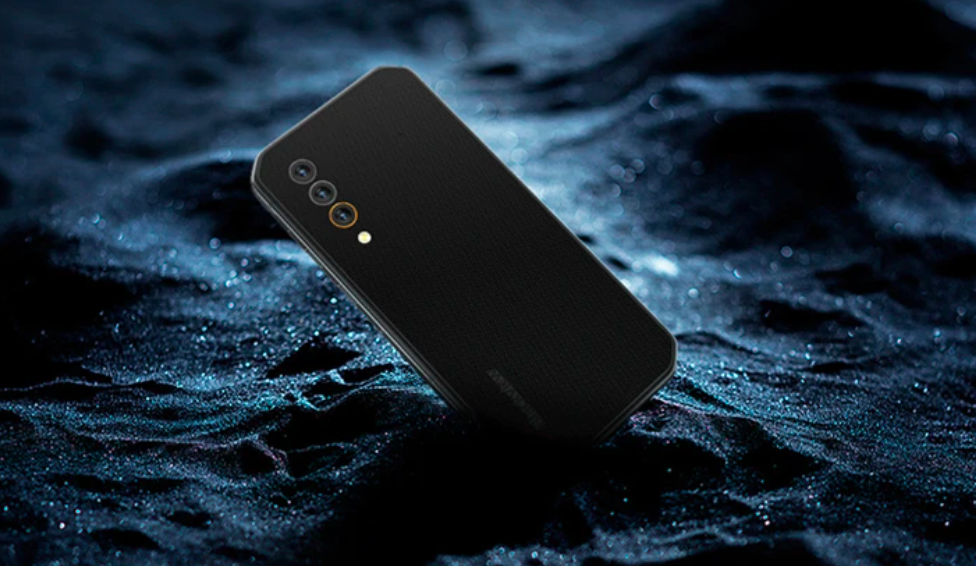
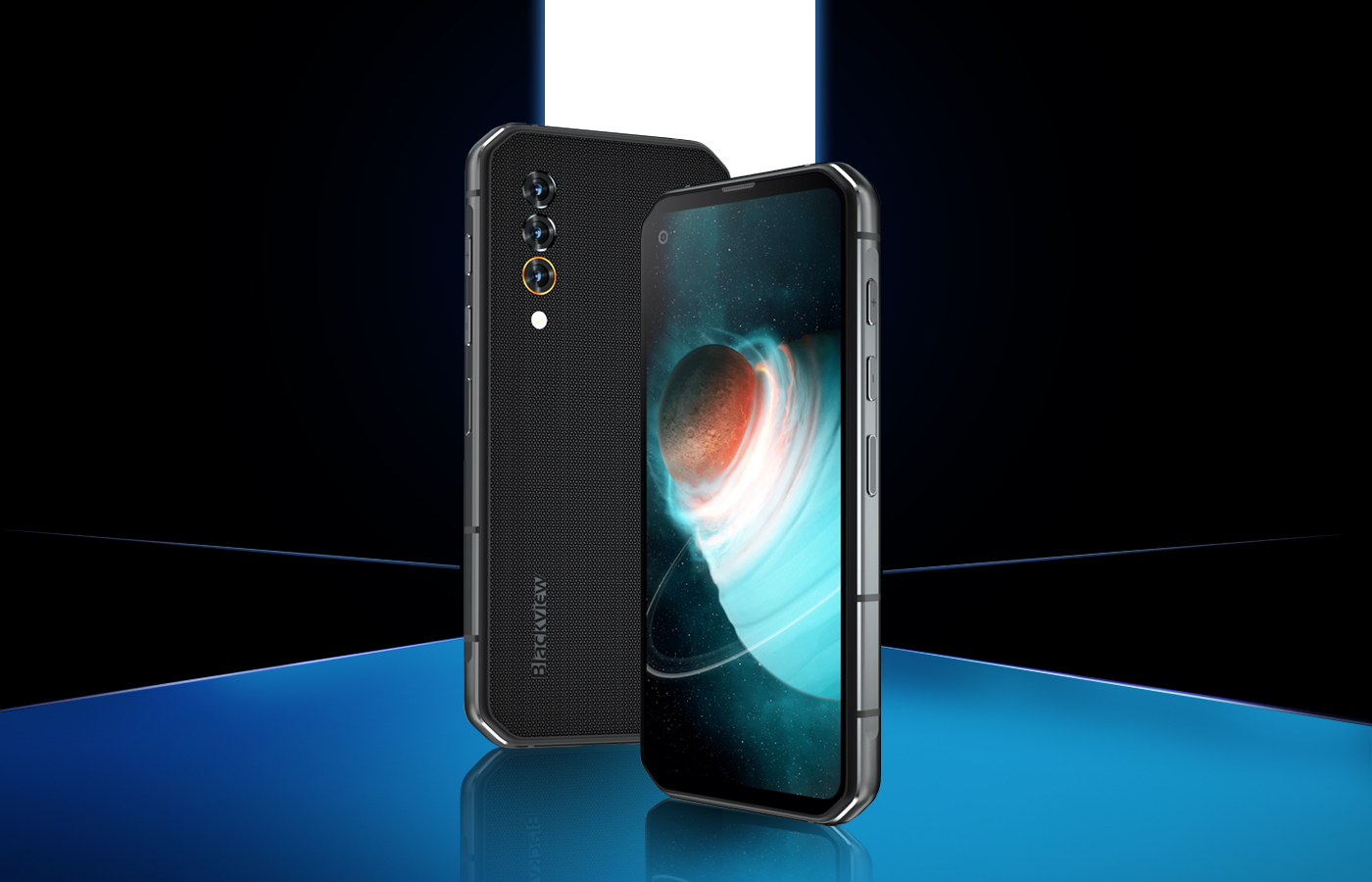
Blackview Bl6000 Pro 5G rugged smartphone comes with a 6.36-inch FHD+ Punch Hole Display and is powered by the MediaTek Dimensity 800 chipset. The smartphone features a triple rear camera setup with a 48MP Sony IMX582 sensor. For your selfies, you have a Samsung S5K3P9-SP 16MP front camera.

Blackview Bl6000 Pro1

Blackview Bl6000 Pro 5G smartphone is designed to work in the harshest environment and comes with an IP68, IP69K, and MIL-STD-810G certification making it waterproof, dustproof, drop-proof, and shockproof. The smartphone is up to – 30 degrees celsius cold resistant and can withstand dangerous and hazardous weather elements like heat, pressure, etc. 

Blackview Bl6000 Pro3

Designed using nanotechnology and sealed with a special membrane, the smartphone can withstand up to 1.5m of water for up to 30 minutes and a robust metal body structure makes it drop-proof up to 1.5m in height.

The smartphone comes with 8GB RAM and 256GB ROM and is powered by a massive 5280mAh battery that gives you 11 hours of video time and 480 hours of standby on one single charge. 

Blackview BL6000 Pro-4-

Retailing at $599 you can now buy Blackview Bl6000 Pro for a heavily discounted price of $379.08 only. Please note that this promotional discount ends on 8 June 2021. So hurry up and place your order asap. 


For more information on such exciting deals and offers check out our deals hub.

Next Week in Tech: Meizu Watch, Realme X7 Max and 4K TV, and Huawei’s launch event

The month of May has been packed with several launches and announcements but the month is not yet over. With the last day of the month on Monday, there are still a few key announcements. June is also off to an interesting start with a launch from Huawei. Here is what’s happening next week in tech:

Meizu Watch

Meizu Watch – May 31

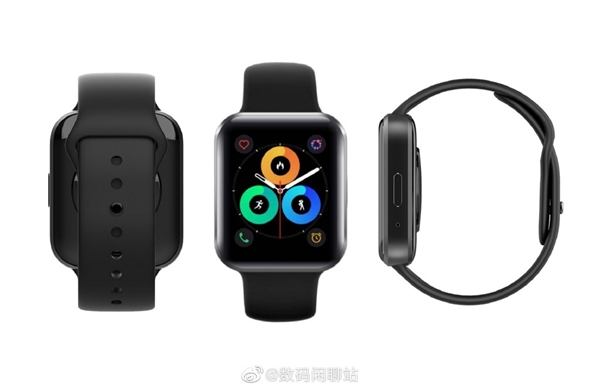
The Meizu Watch has been a long time coming and now it will be announced on Monday, May 31. The smartwatch will be powered by the Snapdragon Wear 4100, run Flyme for Watch, have an eSIM, and come with a charging cradle with a detachable USB-C cable.


realme Smart TV 4K Featured
realme Smart TV 4K, Huawei

Realme Indian Launch – May 31

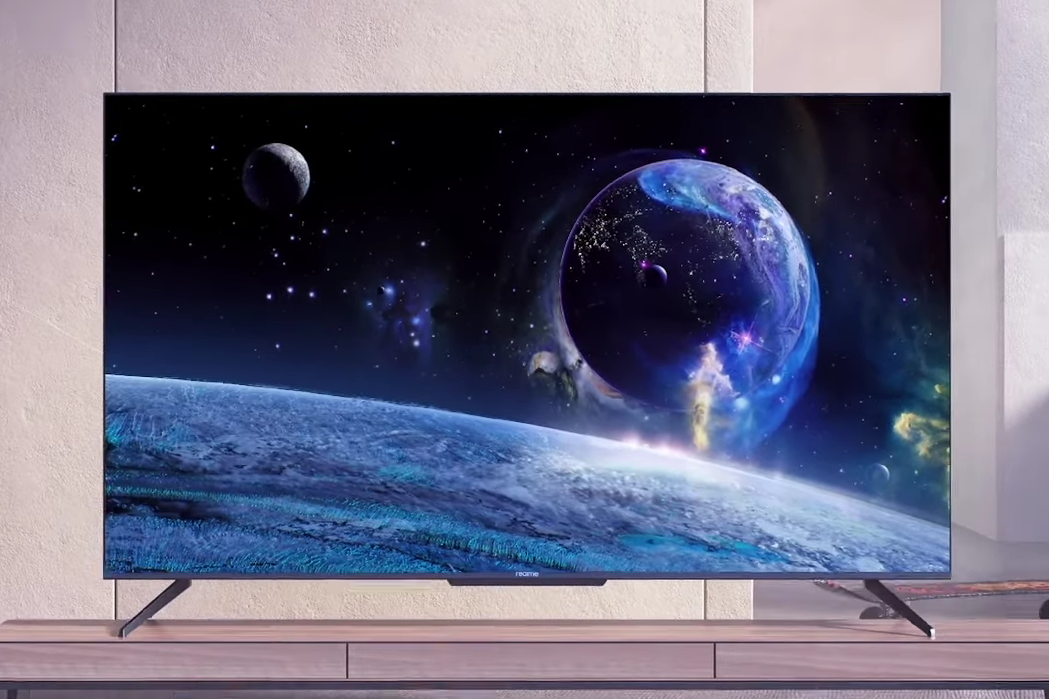
Realme will announce two new products for the Indian market on Monday too. The first is the Realme X7 Max 5G smartphone and there is the Realme Smart TV 4K. The latter is a rebadge of the Realme GT Neo sold in China while the TV will be available in 43-inch and 50-inch versions.


Huawei Watch 3 HarmonyOS Teaser

Huawei China Launch Event- June 2

Huawei has a big announcement set for Wednesday, June 2. The manufacturer will unveil HarmonyOS for smartphones as well as a few devices powered by the operating system such as the MatePad Pro 2. It will also announce a new smartwatch powered by a version of the OS designed for watches.


RELATED:

Realme GT 5G listed as “coming soon” on Indian website, schedules 5G summit for June 3

A few weeks ago Realme confirmed that its flagship phone, the Realme GT will get a global launch followed by a release of the global version of Android 12 Beta for the device.

realme 5G Summit

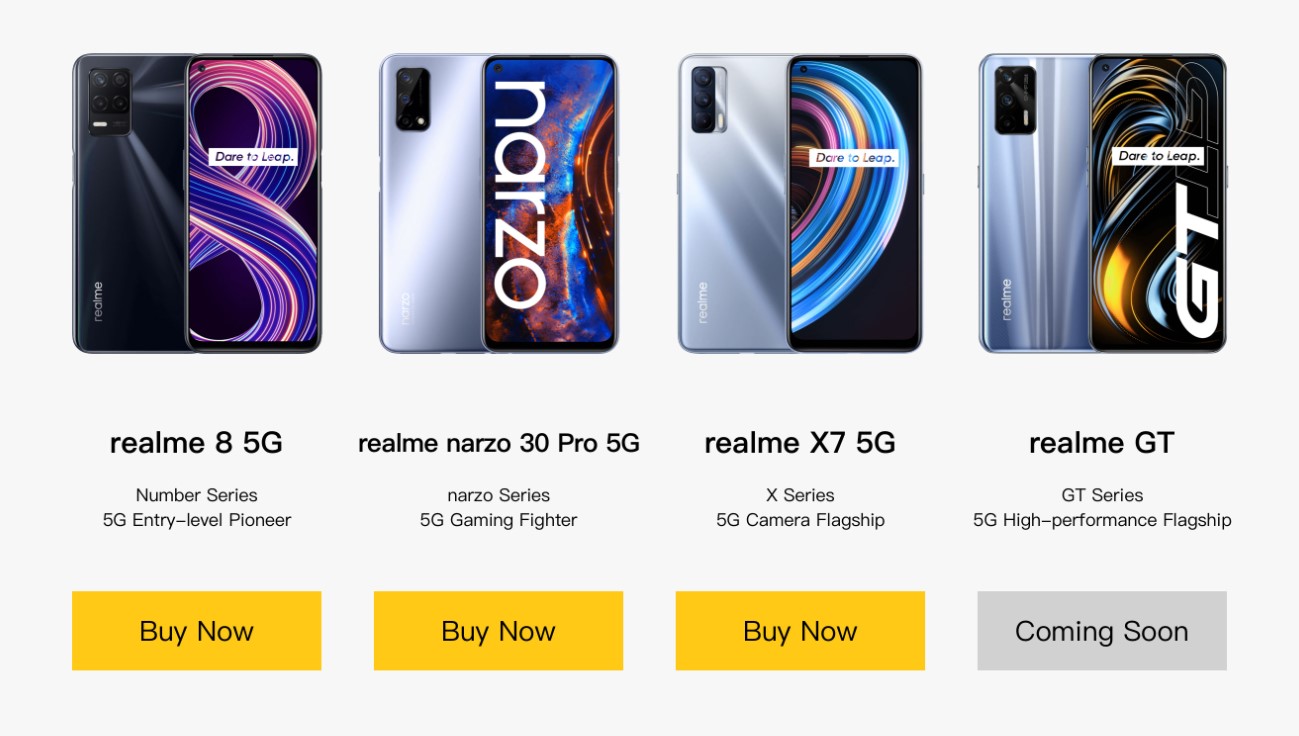
The manufacturer has already confirmed that the flagship will launch in Europe in June but while it is yet to announce a launch date for the Indian market, a page on its website has revealed the phone will be launching soon in the country.

The page is for its global 5G summit scheduled for June 3 and it has a list of 5G smartphones from the brand. Among these devices is the Realme GT 5G, but unlike the others, it is listed as “coming soon”. The other devices that were listed are the Realme 8 5G, Realme Narzo 30 Pro 5G, and the Realme X7 5G.
realme GT 5G India

The 5G summit will begin at 10 AM GMT+1 and will have executives from Counterpoint Research, GSMA Intelligence, and Qualcomm as guest speakers. The company’s CEO of India and Europe, Madhav Sheth will also be among the speakers in addition to the brand director, Johnny Chen.

Realme will also hold more 5G sessions in other countries. There will be one in Indonesia on June 8; in India on June 10; Mexico, Columbia, and Peru on June 16; Russia on June 17; and the Middle East and Africa on June 28.

The Realme GT launched in China in March. It has a 6.43-inch FHD+ Super AMOLED screen with a 120Hz refresh rate, and a punch hole at the top left corner of the screen. There is a Snapdragon 888 inside it along with 12GB of RAM and 128GB or 256GB of storage.

On the back of the device is a 64MP triple camera setup that includes an 8MP ultrawide angle camera and a 2MP macro camera. There is a 16MP sensor nestled in the hole at the top corner of the screen. the Realme GT has stereo speakers and is one of the few flagships in 2021 with an audio jack. It packs a 4500mAh battery, and with support for 65W fast charging, you can fill it up in about 35 minutes.


RELATED:

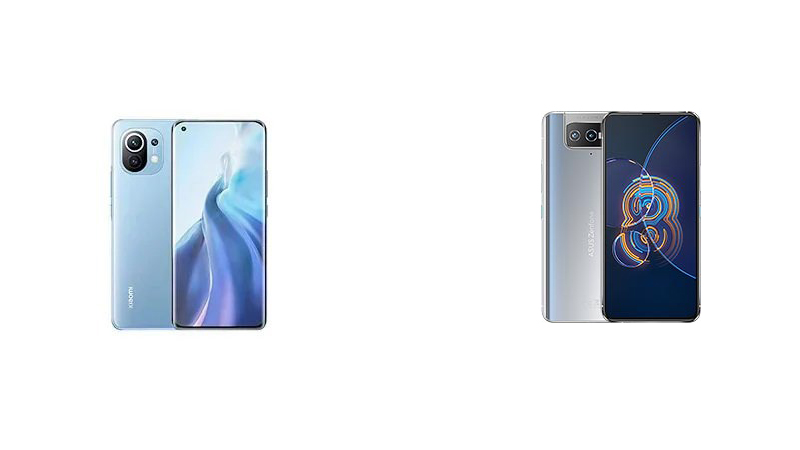
Xiaomi Mi 11 vs Asus Zenfone 8 Flip: Specs Comparison

Asus is not only ROG gaming phones. Despite the company axed its budget offerings, the Zenfone series is still alive and kicking with flagships being released every year. This year the Taiwanese company released the compact Zenfone 8 and the Asus Zenfone 8 Flip: both are flagship killers with unique features in the actual Android market. But in the same price range as the Asus Zenfone 8 Flip you have another stunning choice: the vanilla Xiaomi Mi 11. Is the new Asus flagship able to compete with Xiaomi’s beast or the Zenfone series is still too expensive to catch your attention? Let’s discover it together in this comparison.

Xiaomi Mi 11 vs Asus Zenfone 8 Flip

Xiaomi Mi 11 Asus Zenfone 8 Flip
DIMENSIONS AND WEIGHT 164.3 x 74.6 x 8.1 mm, 196 g 165 x 77.3 x 9.6 mm, 230 g
DISPLAY  6.81 inches, 1440 x 3200p (Quad HD+), AMOLED  6.67 inches, 1080 x 2400p (Full HD+), Super AMOLED
PROCESSOR Qualcomm Snapdragon 888, octa-core 2.84 GHz Qualcomm Snapdragon 888, octa-core 2.84 GHz
MEMORY 8 GB RAM, 256 GB – 8 GB RAM, 256 GB – 12 GB RAM, 256 GB 8 GB RAM, 128 GB – 8 GB RAM, 256 GB – micro SD dedicated slot
SOFTWARE  Android 11, MIUI  Android 11, Zen UI
CONNECTIVITY  Wi-Fi 802.11 a/b/g/n/ac/ax, Bluetooth 5.2, GPS  Wi-Fi 802.11 a/b/g/n/ac/ax/6e, Bluetooth 5.2, GPS
CAMERA Triple 108 + 13 + 5 MP, f/1.9 + f/2.4 + f/2.4
20 MP front camera
Triple 64 + 8 + 12 MP, f/1.8 + f/2.4 + f/2.2
No front camera (uses main camera)
BATTERY  4600 mAh, fast charging 50W, wireless charging 50W  5000 mAh, fast charging 30W
ADDITIONAL FEATURES Dual SIM slot, 5G, reverse wireless charging 10W Dual SIM slot, 5G, flip-up camera

Design

The Asus Zenfone 8 Flip is one of the few flagships without holes or other interruptions in the display (thanks to its flip-up camera). That makes it definitely interesting in terms of design. But I love the Xiaomi Mi 11 too much because of its curved screen, high screen-to-body ratio, and original rear cover, so my choice would still be the Xiaomi Mi 11. Further, the Xiaomi Mi 11 is protected by Gorilla Glass Victus, so it should be sturdier.


Display

If you need the best display, you should go for the Xiaomi Mi 11 without thinking twice. Its Quad HD+ resolution provides a higher level of detail and its 120 Hz refresh rate provides a smoother viewing experience. Further, it shows up to one billion colors and it even comes with a wider diagonal for the display (6.81 inches vs 6.67 inches). Last but not least, it has a higher brightness which guarantees higher visibility under sunlight. The Zenfone 8 Flip still comes with a great display including the AMOLED technology, the HDR10+ certification, and a 90 Hz refresh rate, but it can not compete with the Xiaomi Mi 11.


Specs & Software

Xiaomi Mi 11 and Asus Zenfone 8 Flip are both flagships fueled by the Snapdragon 888 mobile platform by Qualcomm, but the Mi 11 comes in a configuration with 12 GB of RAM, while Asus Zenfone 8 Flip stops at 8 GB. Further, the MIUI software found on the Xiaomi Mi 11 is richer in features than the Zen UI. On the other hand, Zenfone 8 Flip is one of the few flagships which still retain the micro SD slot to expand the internal storage.


Camera

The Xiaomi Mi 11 has a better main camera: a 108 MP main sensor with OIS and 8K video recording support. The Asus Zenfone 8 Flip has an inferior 64 MP main sensor but superior secondary sensors, including an 8 MP telephoto sensor with 3x optical zoom (the Mi 11 lacks a telephoto sensor) and a 12 MP ultrawide camera. Further, the rear camera module of the Zenfone 8 Flip can be used as a front camera because it is a flip-up camera module.


Battery

The Asus Zenfone 8 Flip has a bigger battery than Xiaomi Mi 11: while the former has a big 5000 mAh unit, the Mi 11 comes with just 4600 mAh. It is also a more efficient phone because its display is smaller and it comes with a lower resolution, so it will most likely last more on a single charge. But the Xiaomi Mi 11 wins the charging comparison: it supports fast wireless charging (which is not present on the Zenfone 8 Flip) with a power of 50W and even faster wired charging (55W vs 30W).


Price

The Xiaomi Mi 11 and the Asus Zenfone 8 Flip are priced at €800/$975 in the global market (Europe). The same price for two very different phones and there is not a clear winner, despite I would definitely choose the Xiaomi Mi 11 unless the Asus Zenfone 8 Flip goes more affordable. The Xiaomi Mi 11 offers a better display, wireless charging, and faster charging speeds. With the Asus Zenfone 8 Flip, you get a more interesting camera setup and a bigger battery.


Xiaomi Mi 11 vs Asus Zenfone 8 Flip: PRO and CONS

Xiaomi Mi 11

PRO

  • Better display
  • More advanced software
  • 108 MP camera
  • Wireless charging
  • Faster charging

CONS

  • Smaller battery


Asus Zenfone 8 Flip

PRO

  • Bigger battery
  • Flip-up cameras
  • Telephoto sensor
  • Holeless display
  • Micro SD slot

CONS

  • Inferior display


RELATED

Check the latest videos from our YouTube channel and subscribe:

Latest Redmi K40 Gaming Edition update brings support for Google Mobile Services

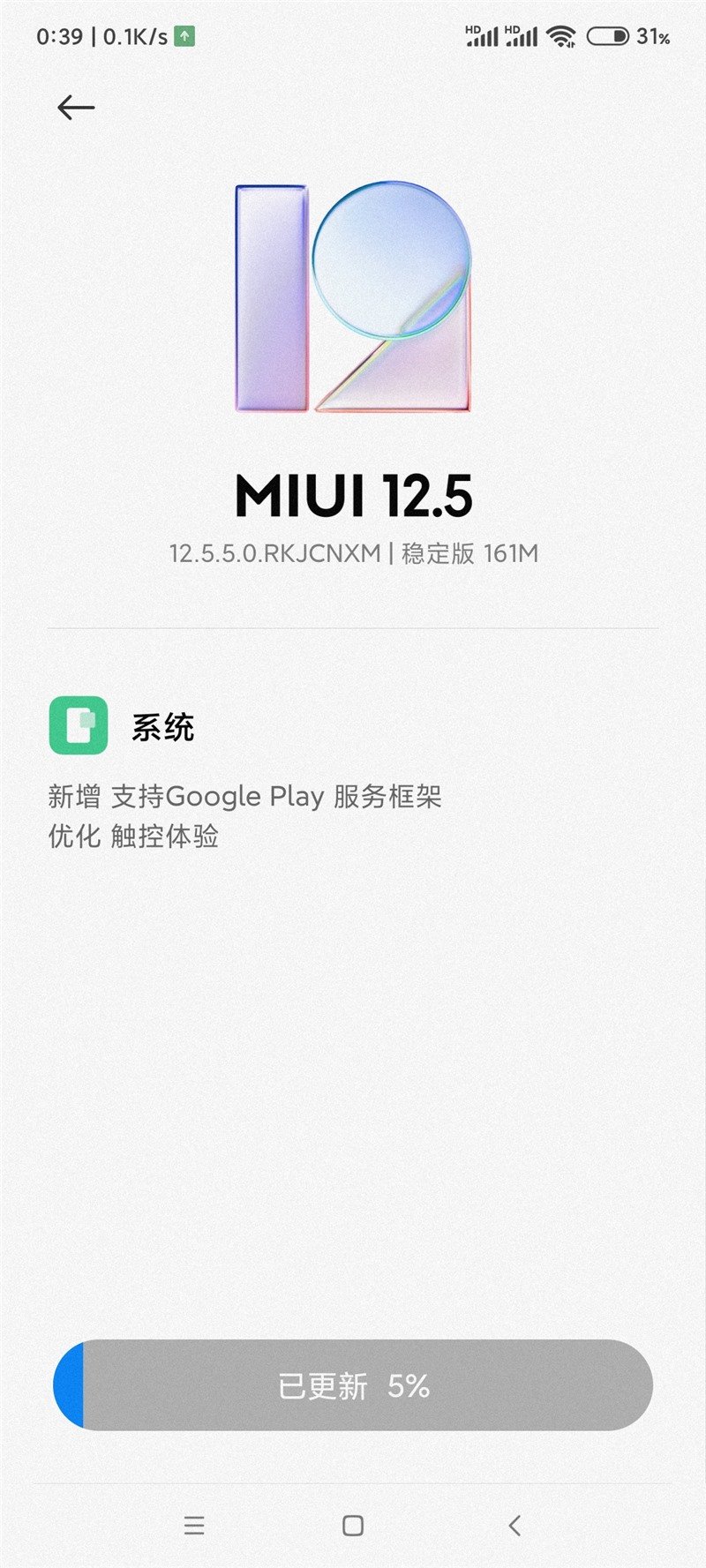
A new update is rolling out to the Redmi K40 Gaming Edition and while the file size is small, it is a pretty important one especially for those outside China that plan to get their hands on the phone.

The update is rolling out as MIUI 12.5.5.0RKJCNXM is 161 MB in size, and according to the changelog, it brings support for the Google Play Services framework. This means those who purchase this device from China can install Google Mobile Services on it. This is an important update as Xiaomi had revealed earlier this year that it will remove support for the framework from its devices going forward.

WHERE TO BUY
Redmi K40 Gaming Edition at $399 @Giztop
Redmi K40 Gaming Edition MIUI GMS update
Image source: ITHome

Save for adding support for the Google Play Services framework, the update also optimizes the touch experience.

The Redmi K40 Gaming Edition launched last month as the brand’s first gaming smartphone. Powered by the Dimensity 1200 processor, the phone has a 6.67-inch FHD+ OLED display with a 120Hz refresh rate. It comes with up to 12GB of RAM and up to 256GB of non-expandable storage.

There are three cameras on the back of the Redmi K40 Gaming Edition – a 64MP main camera, an 8MP ultrawide angle camera, and a 2MP macro camera. It also has a 16MP front-facing camera, JBL-tuned stereo speakers, retractable shoulder buttons, Gorilla Glass 5 on both sides, and an IP53 rating. Redmi ships it with a 5065mAh battery with support for 67W fast charging. It runs Android 11 out of the box.


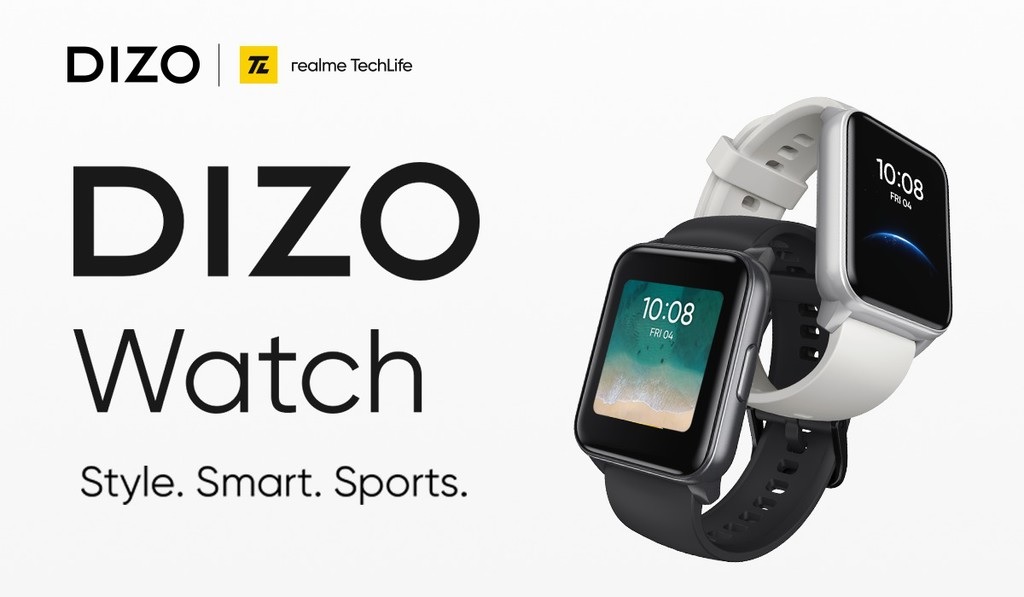
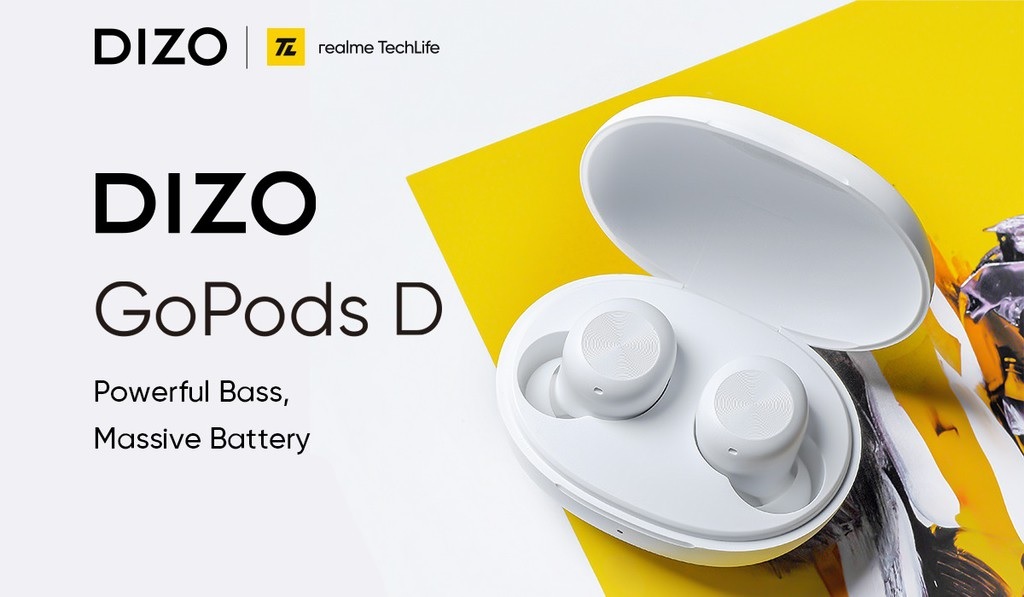
Listed DIZO Watch, DIZO GoPods, and DIZO GoPods D are rebadged realme products

Earlier this week, it was announced that DIZO, an Indian-based company will be the first brand under Realme’s TechLife ecosystem. While the brand didn’t say when its first product will launch, it revealed its lineup will include products under “Smart Entertainment, Smart Home, Smart Care, and Accessories”. Now three DIZO-branded products have been spotted and they are practically rebadged Realme ones.

The products were seen by Twitter user Chun (@chunvn8888) who found them on the official DIZO store on Shopee Vietnam. The three products are the DIZO Watch, DIZO GoPods, and the DIZO GoPods D. The first two products are the rebadged realme Watch 2 and realme Buds Air 2 respectively while the GoPods D is based on the realme Buds Q2.

We expected DIZO’s first set of products will be IoT devices and not a rebadged realme smartwatch and earphones but that is not the case. Nevertheless, fans of realme in Vietnam should be happy with these products as their realme equivalents are not sold in the country. So this is their chance to get their hands on them.

DIZO Watch

The DIZO Watch is priced at VND 1,490,000 (~$64) and is available in black, though a white variant should be available later. It has a 1.4-inch display, a 12-day battery life, support for 90 sports modes, a heart rate sensor, a blood oxygen monitor, an IP68 rating, and doubles as an AIoT hub for supported devices.


DIZO GoPods

The DIZO GoPods has a price tag of VND 2,690,000 (~$117) and is currently available in black though the images also show an off-white variant with black earbuds. The earbuds have Bluetooth 5.2, ANC, a transparent mode, a realme R2 chip, 10mm drivers, a game mode with 88ms super-low latency, and up to 25 hours of playback with the case. It is also IPX5 water-resistant and can be tweaked to the owner’s preference via the realme Link app.


DIZO GoPods D

The DIZO GoPods D is based on the design of the realme Buds Q2 but has slightly different features. Priced at VND 790,000 (~$34), each earbud has 10mm drivers, connects via Bluetooth 5.0, is IPX4 rated, and weighs 4.1 grams. The earbuds have a battery life of 20 hours with the case and charge via a micro-USB port. There is also fast charging support. One significant difference between this and the realme Buds Q2 is the game mode – the DIZO has 110ms low latency while the Buds Q2 has 88ms low latency. Unlike the other two products, it is not yet available for purchase.


RELATED:

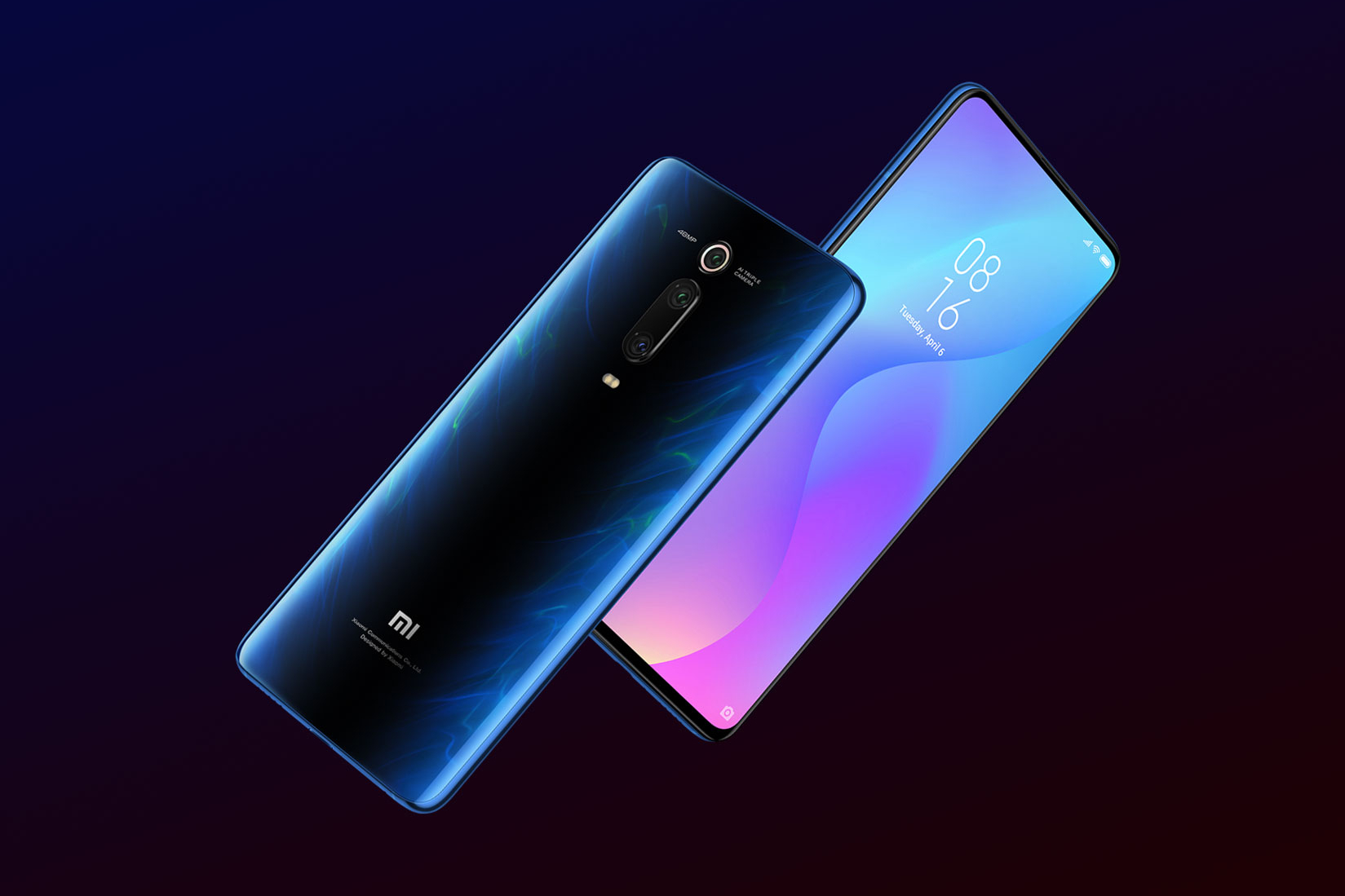
Xiaomi Mi 9T aka Redmi K20 Android 11 update released

Recently, Xiaomi rolled out MIUI 12.5 update for the Redmi K20 Pro. Hence, the vanilla Redmi K20 was also expected to get it soon. Instead, the company is seeding the Android 11 update for the Mi 9T, a variant of Redmi K20 that was sold in western markets.

Xiaomi Mi 9T Glacier Blue Featured
Xiaomi Mi 9T

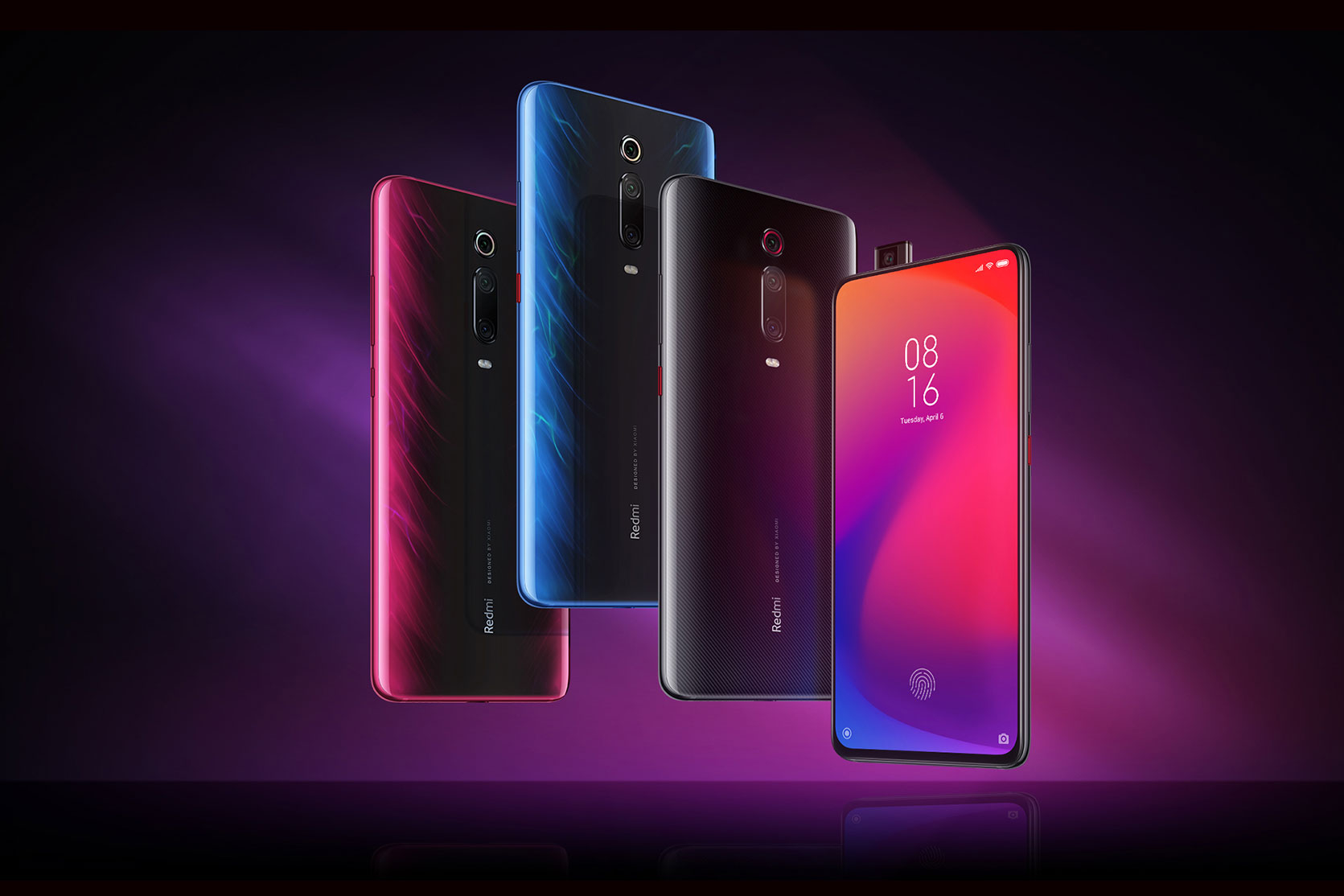
The Redmi K20 series was the first flagship smartphone lineup from Redmi. The series includes two models, namely Redmi K20 and Redmi K20 Pro. These two handsets are also known as Mi 9T and Mi 9T Pro in some markets.

The original Chinese Redmi K20 received the Android 11 update in February. The Redmi K20 Pro was expected to get it next. But Xiaomi delayed the update and released it just recently along with MIUI 12.5.

On the other hand, none of the international versions of these phones got neither of the two updates until now. The Mi 9T, which is a different name for the vanilla Redmi K20 in some regions has started receiving the Android 11 update.

Redmi K20 Colors Featured
Redmi K20

The latest system update for this handset is currently live for the ‘Global’ variant with build number V12.1.2.0.RFJMIXM. This software build is labeled as both ‘Stable Beta’ and ‘Mi Pilot’. This means it is only released for Mi Pilot testers.

However, it could be available for a select few regular users as well. If you are one of those, do let us know in the comment section below. Anyway, the update should reach all users as well as regional variants of the Mi 9T / Redmi K20 in the coming days.


RELATED:


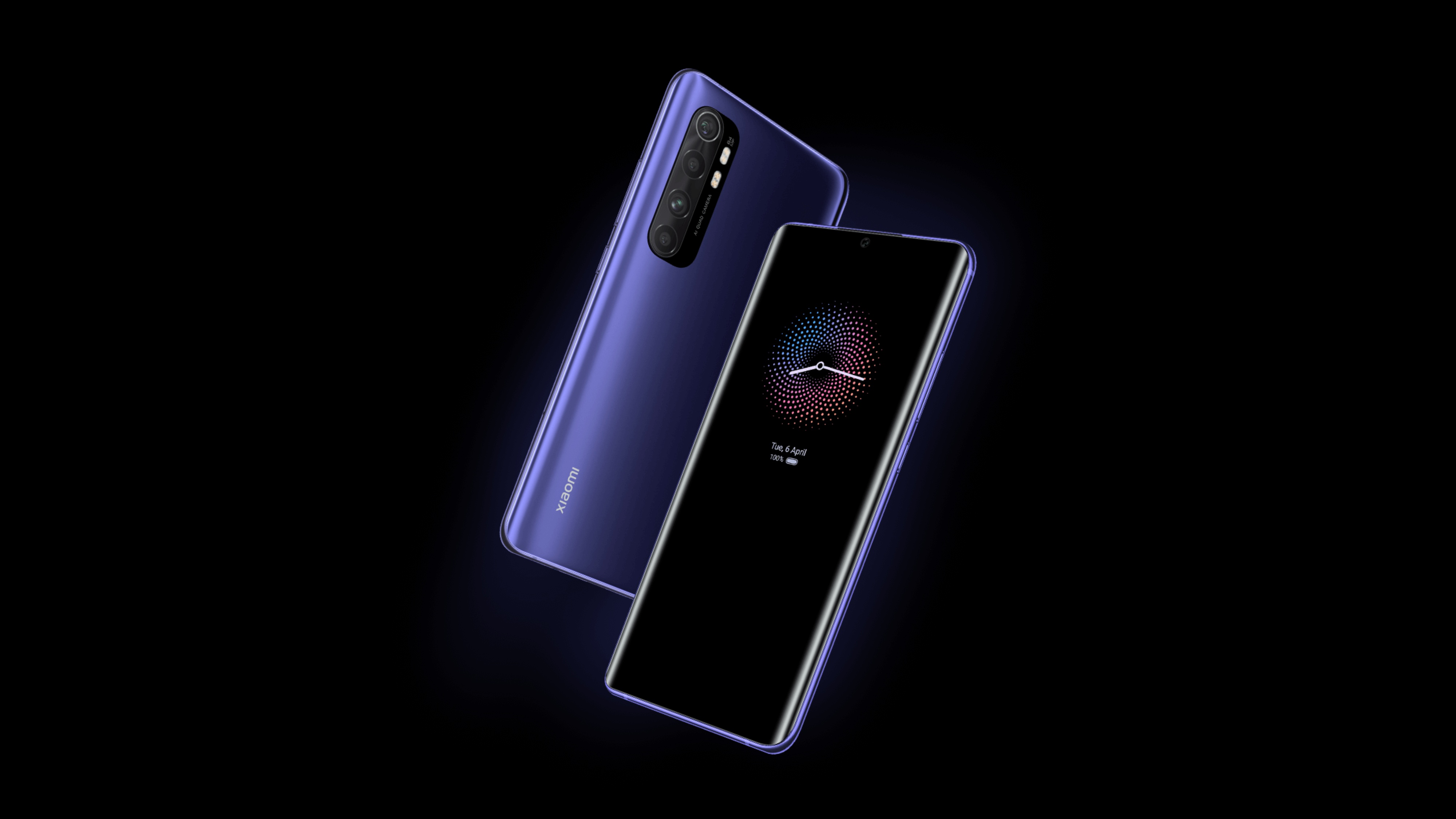
Xiaomi Mi Note 10 Lite, Redmi K30 Ultra receive MIUI 12.5 update

Xiaomi has been lately releasing MIUI 12.5 update for a number of eligible devices. The latest phones to join this list are the China-exclusive Redmi K30 Ultra and the limited market-exclusive Mi Note 10 Lite. The former is an affordable flagship, whereas the latter is a mid-ranger.

Redmi K30 Ultra Featured A
Redmi K30 Ultra

The Redmi K30 Ultra was launched alongside the Mi 10 Ultra to commemorate Xiaomi’s 10th anniversary in August 2020. The handset debuted with MIUI 12 based on Android 10.

Now, nearly a year later after its release, the phone has started receiving the MIUI 12.5 update. This system update also brings Android 11, just like on Redmi K20 Pro and Mi 9. The update arrives with build number V12.5.3.0.RJNCNXM.

On other hand, the Xiaomi Mi Note 10 Lite was launched before the former smartphone. Hence, it debuted with older MIUI 11 based on Android 10. However, after getting the MIUI 12 update, this handset also received the Android 11 update earlier this year.

Xiaomi Mi Note 10 Lite Nebula Purple Featured
Xiaomi Mi Note 10 Lite

Now, Xiaomi has started rolling out the MIUI 12.5 update for the ‘Global’ variant of the Mi Note 10 Lite. The update comes with build number V12.5.1.0.RFNMIXM.

Anyway, it is worth noting that the newly released software builds for both of these smartphones are in the ‘Stable Beta’ phase right now. This means the update is being seeded out in batches for a select few users. 

But all users should get the update in the coming days, including users with other regional variants (EEA, Turkey, Russia) of Mi Note 10 Lite.


RELATED:


realme Smart TV 4K key specs and price leaked ahead of launch

Smartphone brand realme has confirmed to launch the realme Smart TV 4K in India on May 31. Ahead of the announcement, the company has been teasing some of its features for the past few days. But now, thanks to a leak, we know more specs about this upcoming television.

realme Smart TV 4K Featured
realme Smart TV 4K

According to Debayan Roy (@Gadgetsdata), who has partnered with realmetimes for his new leak, the forthcoming realme Smart TV 4K will be available in two sizes – 43-inch and 50-inch. The smaller size was already teased by the company back in April.

Both size variants will have the exact same set of specifications. These televisions will sport a 4K display (should be LED-backlit LCD) with 1.07 billion colors, Dolby Vision (as per official teaser), and a 178° viewing angle.

The TVs will be powered by a MediaTek SoC but unfortunately, there’s no info on the amount of RAM and internal storage. As for software, they will run Android TV 10, which should have support for leading streaming apps, Google Chromecast, and Google Assistant.

Talking about connectivity and ports, the televisions will come with dual-band WiFi, Bluetooth 5.0, 3 x HDMI, 2 x USB, 1 x AV, tuner, and Ethernet. Lastly, for audio, the TVs will feature 24W quad-stereo speakers with support for Dolby Atmos (as per teaser) and DTS-HD.

The realme Smart TV 4K is expected to retail around the following price tags in India.

  • realme Smart TV 4K 43” – ₹28,000 – ₹30,000
  • realme Smart TV 4K 50” – ₹33,000 – ₹35,000


RELATED:


OPPO A16 with 5,000mAh battery bags FCC certification

The upcoming OPPO A16 smartphone with model number CPH2269 was recently approved by certification platforms such as ECC in Europe, IMDA in Singapore, TKDN in Indonesia, and BIS in India. Now, it has received certification from the FCC authority in the U.S.

The FCC listing reveals that the handset has 163.78 x 75.62mm dimensions and it measures 180.39mm diagonally. A schematic of the rear panel of the phone shows that it has a rectangle-shaped camera module. It is fueled by a 5,000mAh battery that supports only 10W charging.

OPPO A16 FCC
OPPO A16’s schematic at FCC

The OPPO A16 will boot to ColorOS 11.1 based on Android 11 OS. The FCC appearance further revealed that it offers connectivity features such as dual-band Wi-Fi, 4G LTE, and Bluetooth. It appears that it will be arriving as a successor to last year’s OPPO A15 smartphone. The other specs of the phone are yet to appear.

The A15 features a 6.5-inch IPS LCD panel that delivers an HD+ resolution. It has a front camera of 5-megapixel and it has a 13-megapixel (main) + 2-megapixel (macro) + 2-megapixel (depth) triple camera system.

The MediaTek Helio P35 chipset fuels the A15. The 2 GB and 3 GB RAM variants of the phone ships with 32 GB of native storage. It is backed by a 4,230mAh battery, which supports 10W charging. Its other features include ColorOS 7.2 based on Android 10 OS and a rear-mounted fingerprint scanner. The device is priced at Rs 9,490 (~$131).

(via)

RELATED:

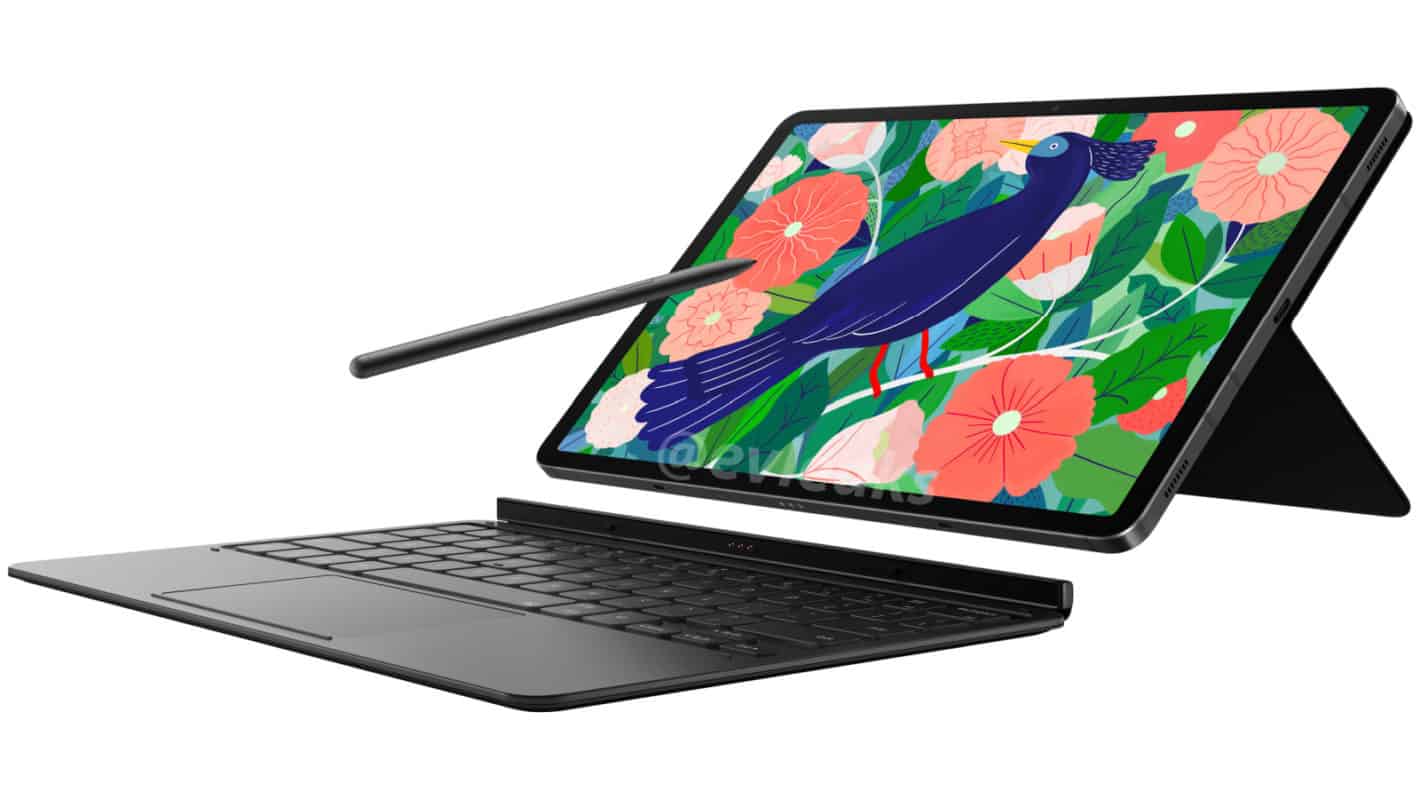
Samsung Galaxy Tab S8 Ultra, Tab S8+, and Tab S8 specifications and pricing leaked

Last year, Samsung launched the Galaxy Tab S7 and Galaxy Tab S7+ flagship tablets. Fresh information that has appeared on South Korean site Naver.com reveals that the Galaxy Tab S8 will have three members such as Galaxy Tab S8, Galaxy Tab S8+, and Galaxy Tab S8 Ultra. These phones are codenamed as Basquiat 1, Basquiat 2, and Basquiat 3, respectively.

Galaxy Tab S8 Ultra specifications (Rumored)

The Galaxy Tab S8 Ultra has a massive 14.6-inch OLED panel that offers a 120Hz resolution, an in-screen fingerprint sensor, a dual front camera setup featuring an 8-megapixel main camera and a 5-megapixel ultrawide lens, a 12,000mAh battery with 45W fast charging, 5.5mm thickness, and weighs 650 grams.

The Wi-Fi, LTE, and 5G variants of the Tab S8 Ultra are priced at KRW 1,469,000 (~$1,319), KRW 1,569,000 (~$1,408), and KRW 1,669,000 (~$1,498), respectively. Samsung will separately sell premium keyword worth KRW 320,000 (~$287) for Tab S8 Ultra users. The tablet will be available in two variant such as 8 GB RAM + 128 GB storage and 12 GB RAM + 512 GB storage.

Samsung Galaxy Tab S7

Galaxy Tab S8+ and Galaxy Tab S8 specifications (Rumored)

The Galaxy Tab S8+ has a 12.4-inch 120Hz OLED panel with an in-screen fingerprint sensor, an 8-megapixel front camera, a 10,090mAh battery with 45W fast charging, 5.7mm thickness, and weighs 575 grams. Its Wi-Fi, LTE, and 5G variants will be priced at KRW 1,149,000 (~$1,031), KRW 1,249,000 (~$81,121), and KRW 1,349,000 (~$1,211), respectively. Its optional keyboard will cost KRW 220,000 (~$196), respectively. The Galaxy Tab S8+ and Tab S8 will both come in 8 GB RAM + 128 GB storage and 8 GB RAM + 256 GB storage.

The Galaxy Tab S8 features an 11-inch LTPS TFT 120Hz display, an 8-megapixel front camera, an 8,000mAh battery with 45W fast charging, 6.3mm thickness, and weighs 502 grams. Its Wi-Fi, LTE and 5G variants are priced at KRW 829,000 (~$744), KRW 929,000 (~$834), and KRW 1,029,000 (~$924), respectively. Its optional keyboard is priced at KRW 198,000 (~$178).

The Galaxy Tab S8 Ultra, Tab S8+, and Tab S8 will offer some common features such as a 13-megapixel + 5-megapixel dual-camera system with flash, quad-speakers, and support Bluetooth enabled S Pen. The leak has no information on the processor that will be driving the Tab S8 lineup. These tablets are also equipped with the “fastest next-gen AP,” which could be referring to a processor or some other feature. The above-mentioned prices belong to the 8 GB + 128 GB of Galaxy Tab S8 trio.

(source|via)

RELATED:

Snapdragon 888+ Geekbench listing appears, likely to power some flagships in H2 2021

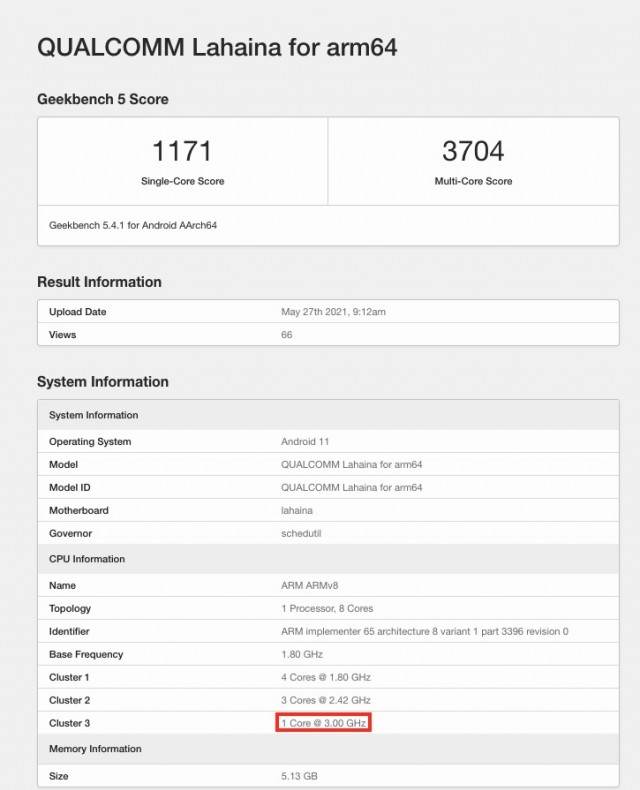
Qualcomm announced the Snapdragon 888 mobile platform in December 2021. The Xiaomi Mi 11 5G debuted in the same month as the world’s first phone with an SD888 chip onboard. Fresh information reveals that the company could be working on an enhanced version of the chip that may debut with the Snapdragon 888+ moniker. The new chip has appeared on the Geekbench benchmarking platform (via. Abhishek Yadav) with some of its key specs.

The Snapdragon 888 mobile platform’s codename is Lahaina. The new chipset that has appeared on the benchmarking platform has the same codename, which indicates that it is a new variant of the SD888. It includes four low-power cores working at 1.80GHz, three Cortex-A78 clusters working at 2.42GHz, and lastly, there is a performance core that offers clocking speeds of 3.0GHz.

Snapdragon 888+ Geekbench

In comparison, the SD 888 offers a 2.84GHz performance core. Hence, it appears that the new chip may debut in the market as Snapdragon 888+ or Snapdragon 888 Pro and it will be arriving as an enhanced version of the existing SD888 chip.

The testing device which has appeared on the benchmarking site with the SD888+ chip has 6 GB of RAM and Android 11 OS. In the single-core and multi-core tests of Geekbench, the handset scored 1171 and 3704 points, respectively.

Snapdragon 888 variants

In related news, a recent Weibo post by the popular Chinese tipster Digital Chat Station suggests Qualcomm may three variants of the SD888 such as Snapdragon 888 4G, Snapdragon 888 Wi-Fi, and Snapdragon 888 Pro. Probably, some of the flagship phones arriving in the second half of this year could be equipped with the SD888 Pro chip.

RELATED:

Sony to create mobile versions of some of its popular PlayStation games soon

Some top-rated and iconic Sony PlayStation games will soon find their way to mobile applications and a wider audience. This is according to Sony Interactive Entertainment boss Jim Ryan. Sony says that its expansion into mobile applications will begin this year with the rollout of some of its highly successful PlayStation franchises into mobile. Ryan spoke at the Investor Relation Day event of the company and hinted that this year could see Sony take steps to bring PlayStation IP to mobile, which could exponentially increase the size of its audience.Sony PlayStation

The extension into mobile gaming for Sony could significantly transform the outlook of the PlayStation brand, as the company will now have greater access to a large set of customers and possibly increased returns from mobile gaming applications. Many of the top-rated and successful console games have been transiting to the larger audience of mobile in recent years. Microsoft, Nintendo, Fortnite, and even Google are making concrete moves to join the mobile gaming bandwagon.

The possibilities of mobile gaming and the options available are pretty promising in the foreseeable future. While Sony does not expect any returns on its foray into mobile gaming applications in the short term, it could rake in huge returns when its mobile infrastructure and games lineup become well established. The plan is to continue expanding the list of games being deployed to mobile while ensuring that feedback is factored into subsequent releases to grow the mobile applications ecosystem of PlayStation games.

Some sources claim that Sony will catalog a vast chunk of its in-house PlayStation titles for mobile applications within the first year of its foray into mobile gaming. Sony has not provided, at this time, the rollout strategy, whether there would be a simultaneous rollout to both Android and iOS. However, we can be confident that the Android option is almost guaranteed with the massive number of smartphones running on Android compared to iOS.

RELATED:


(via)


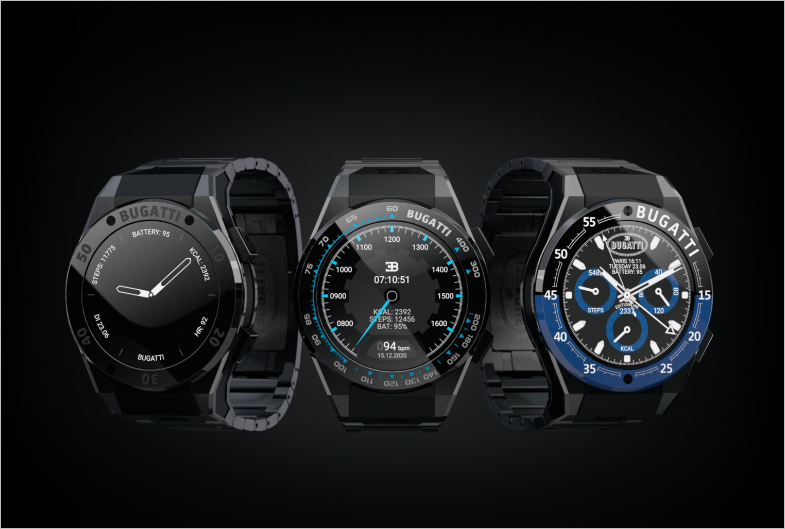
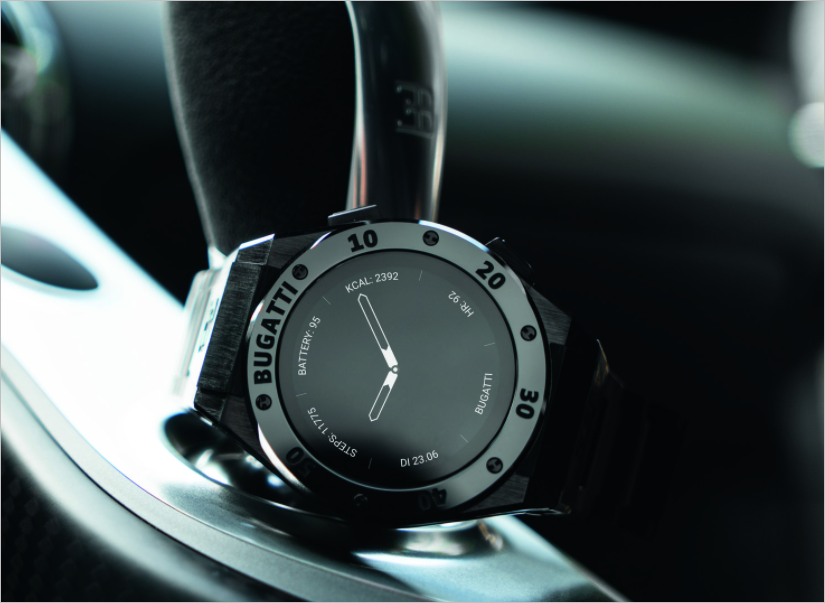
Bugatti announces three new smartwatch models packing cutting-edge technology

Bugatti has an established profile of quality, excellence, and exquisiteness in the design of its sports cars which are truly iconic. It is now teaming with watchmaker VIITA to develop three excellent smartwatches that will reflect cutting-edge technology and materials in crafting what the two firms see as masterpieces. VIITA has blossomed to become a leading luxury smartwatch brand. Its combination with Bugatti reflects a common design philosophy of excellence and deployment of cutting-edge technology as drivers for their products.Bugatti

The three new Bugatti smartwatches bear the names of some of the luxury automaker’s iconic brands – like the Bugatti Pur Sport, Le Noire, and Divo. The three models are all prefixed by Bugatti Ceramic.Bugatti

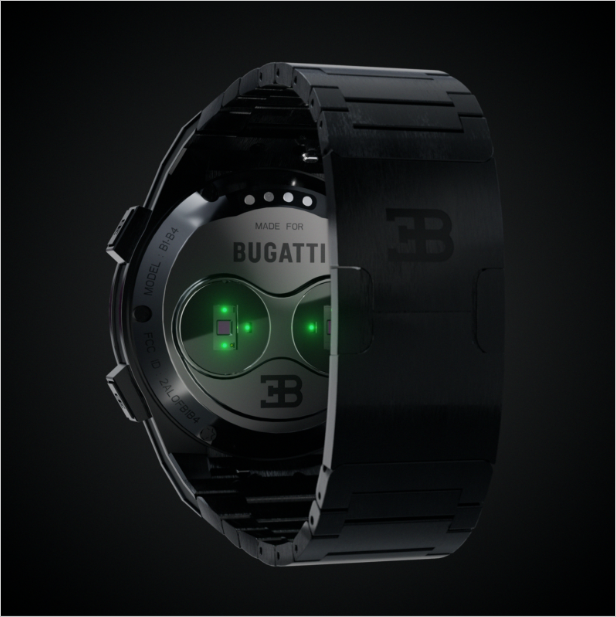
All three smartwatches are brimming with some impressive features and functionalities. There are up to 90 different sport modes, health and fitness sensors to monitor vital statistics at every moment, as well as acceleration and GPS. The dual-purpose heart sensor measures both heart rate and heart rate variability.Bugatti smartwatch

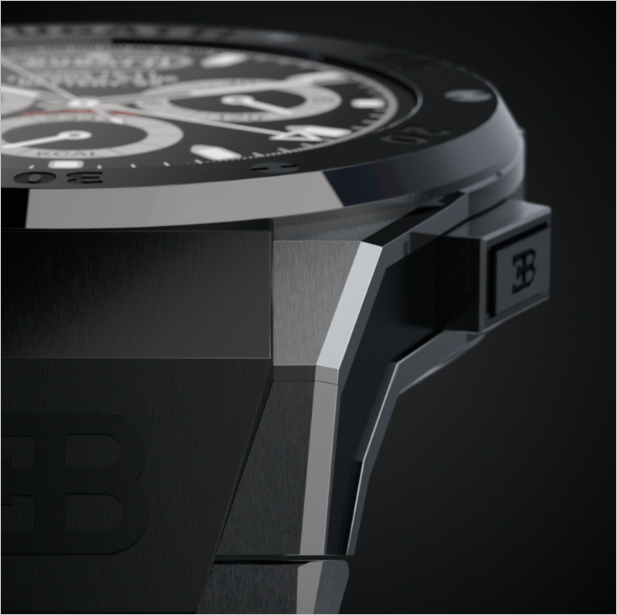
The three Bugatti smartwatches are crafted with the highest level of precision, class, and comfort. There is a Bugatti rubber wrist strap or a titanium strap to choose from. Several personalization and customizations are possible with each of the models.

The impressive-looking bezel is made of scratch-resistant ceramic. The cover is forged from lightweight titanium. Up to two weeks of use could be gotten from the 445mAh capacity battery of the smartwatches. The Bugatti smartwatches also have a hi-res 390 x 390 pixel LED touchscreen within the sculpted sapphire glass housing.

As for the pricing, the three new smartwatches won’t cost as much as a Bugatti sports car but are priced as luxury watches, thanks to the premium materials used in their production. They are available for early-bird buyers for €899. A five-year warranty is available for each of the models which are believed to be in limited supply.

RELATED:


(source)


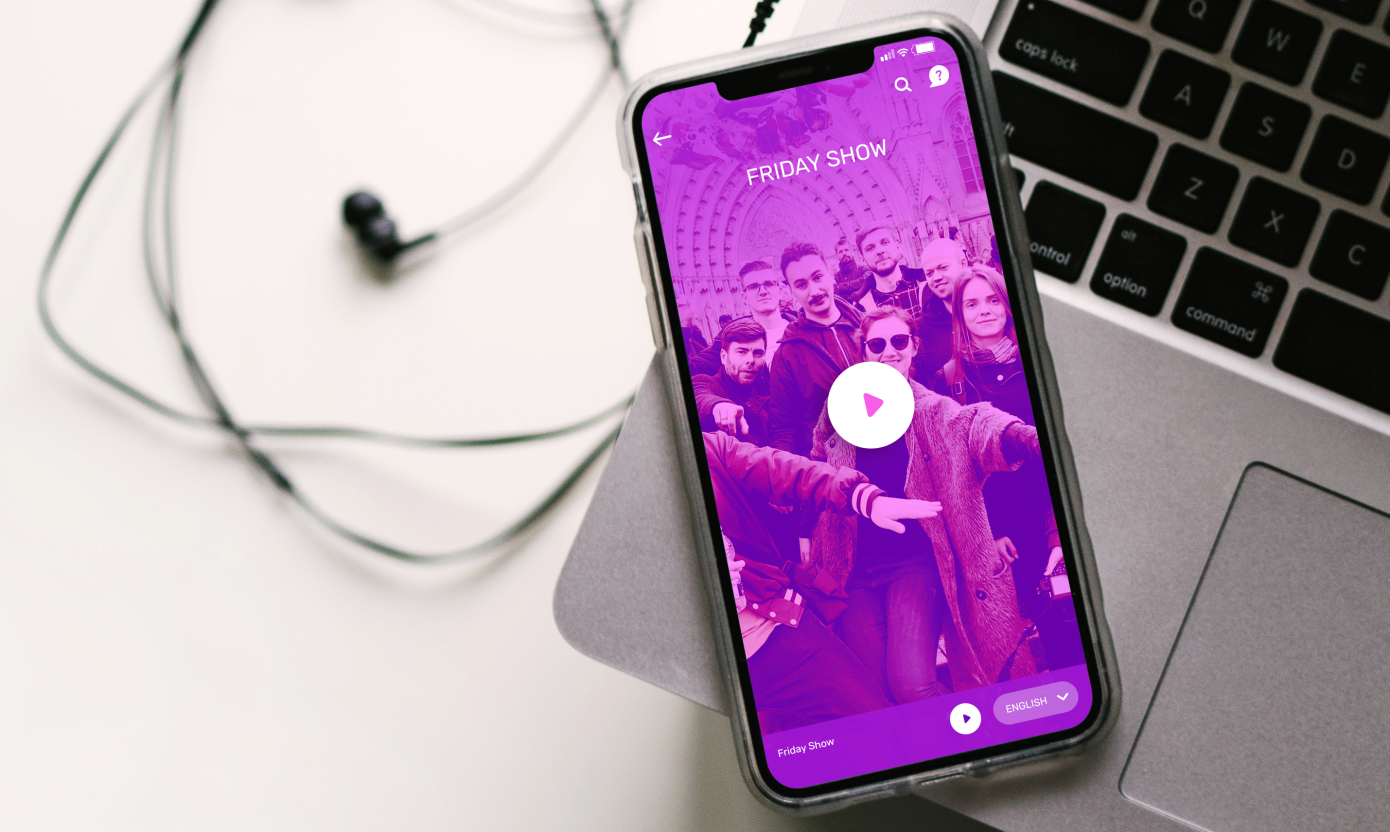
Interactio, a remote interpretation platform saw a 12-fold growth fuelled by COVID-19 lockdown

The COVID 19 pandemic may have adversely affected several businesses but there are some who smile at the bank as a result of the boom experienced. One very prominent startup in this category is Zoom Meeting. Another less prominent startup that had a surge in its business is the remote interpretation platform, Interactio.

Interactio boasts of some big-hitting customers within its ranks. These include Microsoft, BMW, the United Nations, JP Morgan, etc. The company has carved a niche by providing digital tools to connect online meetings with certified human interpreters who provide real-time interpretation between participants. It also offers various services like a video-conferencing application that interfaces with several apps like Zoom for online meetings with interpretation service incorporated. The company has a pool of certified interpreters that could be deployed to give an on-site interpretation or online services.

Interactio offers interpretation services in any language, and says it hosted over 18,000 meetings within the past year with over 390,000 participants, reflecting its strong presence as a one-stop platform for language services.

The company recently posted its earnings for 2020 even with the scourge of the COVID-19 pandemic. It would be expanding its scope via the Series A funding from a group of investors led by Eight Road Ventures.

The new funding will help the company develop its language interpretation infrastructure to cater to multiple interpretation services during online multi-lingual meetings. Interactio hopes to further move higher on the spectrum of language communication services in the ever-widening works of online interactions.

The goal is to offer a fully hybrid solution that can be seamlessly integrated with hardware on-site. The overall outlook remains bright for the young company, and the new funding will accelerate its growth trajectory.

There are still issues in the ability of the app to meet fully the services demanded by users, as underscored by feedback from both iOS and Android users. The platform will also have to cope with fast-evolving voice assistant interpretation services that do not need a physical interpreter.

RELATED:


(via)