Last week, ASUS announced its new flagship phones – the Zenfone 8 and the Zenfone 8 Flip. Save for the Snapdragon 888 inside these devices, the two phones are quite different.
While the Zenfone 8 is compact and has a design similar to that of the average phone in 2021, the Zenfone 8 Flip is much bigger and keeps the flip camera design of the Zenfone 6 and Zenfone 7 series. There are other differences too such as an IP68 rating, audio jack, dual cameras, and a 120Hz refresh rate on the Zenfone 8 while the Zenfone 8 Flip has a lower 90Hz refresh rate, no waterproof rating or audio jack, but packs motorized triple rear cameras that double as the front-facing cameras, a dedicated MicroSD card slot, and a bigger battery capacity.
For this week’s poll, we want to know which of these two flagships you prefer. Is it the Zenfone 8 or the Zenfone 8 Flip? Please take the poll and also share a comment telling us why you prefer one over the other.
LG confirmed it was shutting down its smartphone business last month. Following that announcement, we have seen some of the devices it had planned for release surface on the internet such as the LG Rollable and the LG V70. Now, it is the turn of the LG Velvet 2 Pro, a device that should have launched as the successor to the LG Velvet announced a year ago.
The LG Velvet 2 Pro (let’s hope we get to see the standard version soon) is actually a finished device that is being sold only to LG employees in South Korea according to Tron (@FrontTron) who shared images and details of the phone on Twitter. He adds that there are approximately 3000 units available and employees are limited to just two units which they can not resell.
LG Velvet 2 Pro in Beige | Image source: Tron (@FrontTron)
The selling price for the phone is stated to be about $170 which is definitely a fraction of what the phone would have sold for if it actually launched. It will come with 2 official jelly cases.
One of the images shows the LG Velvet 2 Pro has a similar design to the original. The Raindrop camera style has been retained but now all three cameras protrude unlike the LG Velvet that has only one of its cameras protruding. The back is curved and obviously made of glass and we can catch a glimpse of the gold-plated frame. According to the leaker, this color variant is called Beige and there are two others – Black which has a gossy finish and Bimetallic Bronze which has a matte finish.
The LG Velvet 2 Pro has a curved display with a camera in the center. Sorry to (not) disappoint but it is a U-shaped notch like we have on the first-gen model. While the specs of the phone are unknown, it has been revealed that the phone ditches physical buttons (power and volume control) for pressure-sensitive ones.
The source has revealed that LG will not provide software updates for the device which is not surprising considering the device never launched. However, those who purchase it will get about 6 months of after-sales service or for the period parts are in stock.
Back in February, it was revealed that the successor to the OnePlus midrange phone, the Nord N10 5G smartphone will launch as the Nord N1 5G. Now, the source has posted another leak that says the phone will go by a different name – Nord CE 5G.
According to a tweet by Max Jambor, the Nord CE 5G is the name of the smartphone that will succeed the Nord N10 5G. Apparently, OnePlus decided to do a last-minute name change.
The new name is even weirder as folks will agree that a successor to a phone called the Nord N10 5G should arrive as either the Nord N11 5G or Nord N20 5G. Surprisingly, what we are getting is the Nord CE 5G. The leak didn’t reveal what the CE stands for, so your guess is as good as ours.
The specs of the Nord CE 5G are still unknown but we expect it to be an affordable 5G phone like the Nord N10 5G.
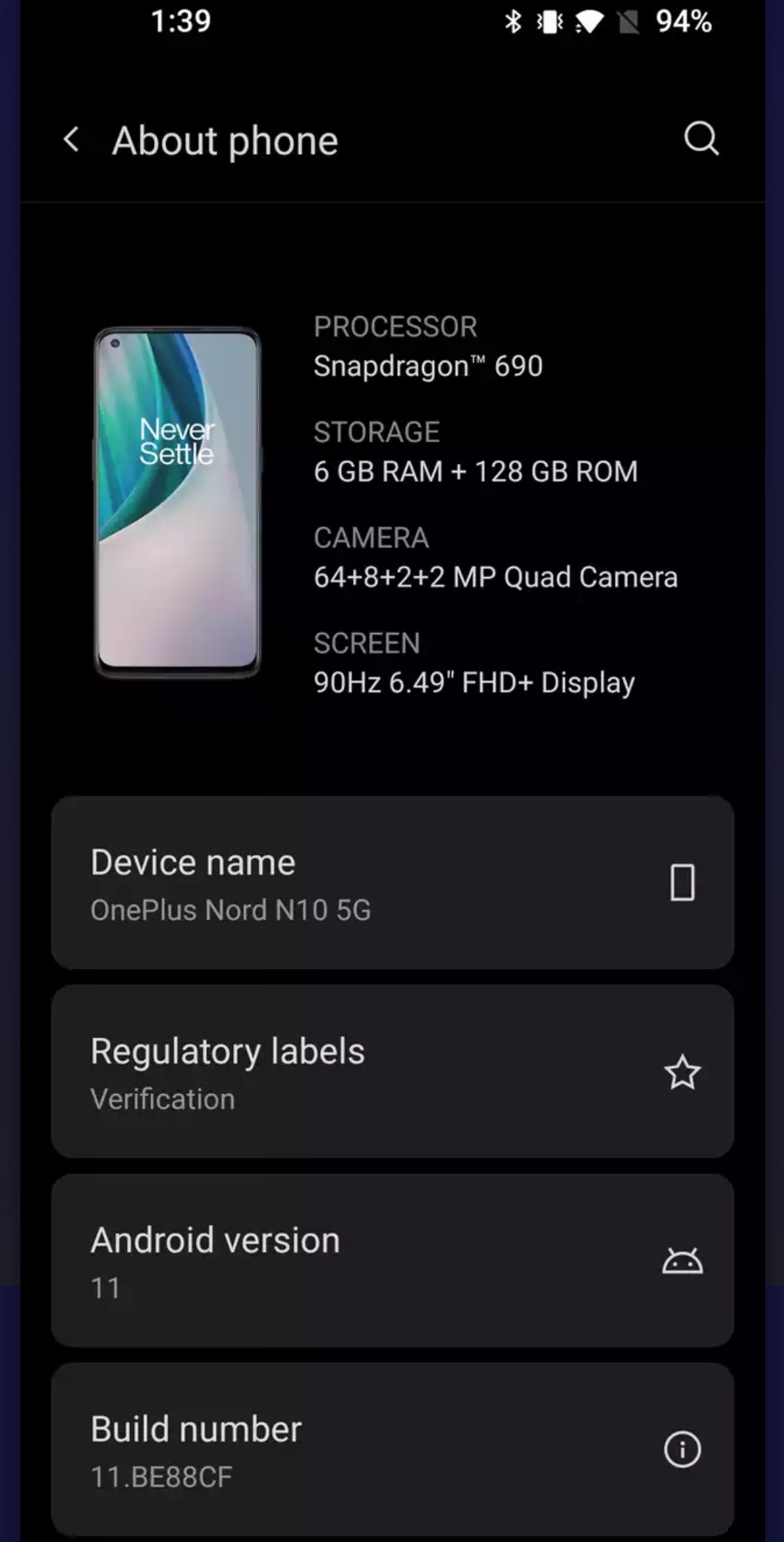
The Nord N10 5G has a 6.49-inch FHD+ 90Hz display with a hole in the screen for the selfie camera. It is powered by a Snapdragon 690 processor and has 6GB of RAM and 128GB of storage that can be expanded via a MicroSD card slot. The phone has a 64MP quad-camera setup along with a fingerprint scanner on the back, a 16MP front-facing camera, an audio jack, a 4300mAh battery capacity, and support for 30W fast charging. It is sold in a single color variant – Midnight Ice – but we hope its successor comes in more color options.
While this week had some key announcements, the coming week will be packed with even more as brands such as Honor, POCO, Nubia, Huawei, and Google all have events scheduled. Here is a roundup of what to expect in the third week of May.
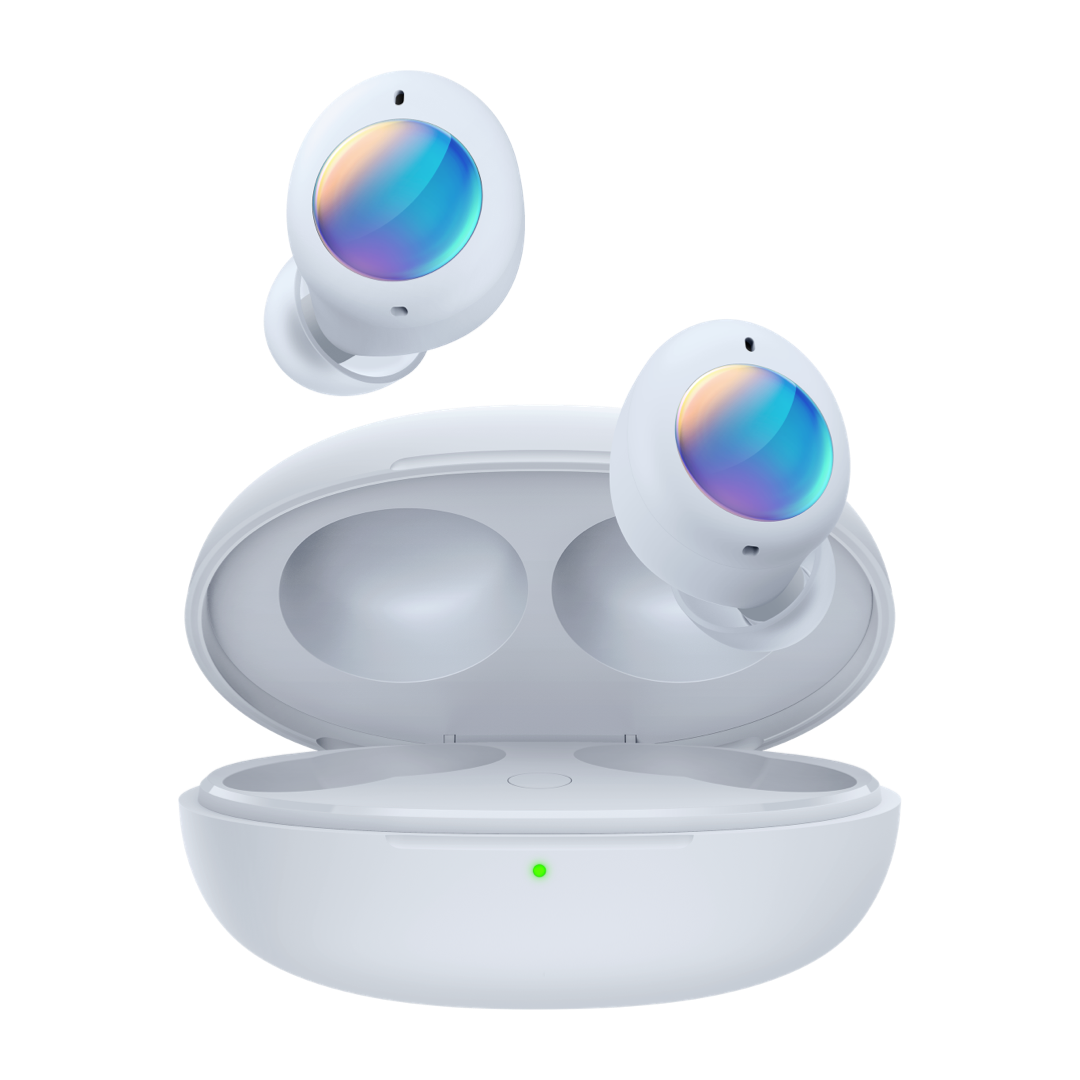
Google’s annual developer conference will kick off on Tuesday, May 18. The two-day all-virtual event will see the tech giant announce Android 12 and a bunch of new features and services it has been working on. There are speculations it may also announce the Pixel Buds A wireless earbuds.
POCO M3 Pro 5G – May 19
POCO will announce the POCO M3 Pro 5G at a global online event on Wednesday, May 19. The mid-range 5G phone will have a Dimensity 700 5G processor, an AMOLED display with a high refresh rate, and 48MP triple rear cameras.
Huawei – May 19
Huawei has a launch event scheduled for May 19 during which it will announce a handful of products. Among the lineup are monitors, a smart display, the FreeBuds 4 TWS earbuds, a smart scale, and a children’s smartwatch.
Infinix Hot 10S – May 20
The Infinix Hot 10S will make its way to India on May 20. The Helio G85-powered phone already launched in some other markets such as Indonesia. It has a large 6.8-inch HD display with a 90Hz refresh rate, a massive 6000mAh battery, and a 48MP triple camera setup.
Nubia Z30 series – May 20
The Nubia Z30 series will be announced on Thursday, May 20. So far, we expect there will be two devices – the Nubia Z30 itself and the Nubia Z30 Pro. It has been reported that the latter will have an under-display front-facing camera, an AMOLED display, and four rear cameras with 100x hybrid zoom.
Vivo TWS 2 – May 20
Vivo will announce its second-generation earbuds on May 20. The Vivo TWS 2 will launch as the successor to the Vivo TWS that was announced in 2019 and it is expected to bring improvements in multiple areas.
The Huawei P9 launched as the first phone borne from Huawei and Leica’s partnership. Since the 2016 flagship was released, both companies have worked together on several more Huawei phones that have set a high standard for mobile phone photography. New info says that the partnership will come to an end this year.
It has been revealed by Teme (@RODENT950) that the upcoming Huawei P50 series will be the last project that will have the German camera company’s branding.
In a separate tweet, the leaker also mentioned that the partnership between both companies has fallen from software and hardware input from Leica to just branding. We can deduce this to mean that there is practically no Leica technology in the upcoming Huawei P50 series phones and all we will be getting is the “Co-Engineered With Leica” tag line we are familiar with. This line will now merely denote that the phone has impressive cameras.
The collaboration between Leica and Huawei is apparently coming to an end P50 series will be last Leica Huawei phone and Leica is looking for a new manufacturer for its brand. Honor / Xiaomi / Sharp etc https://t.co/QJJ4OdmMDT
Leica's role in Huawei's phones has fallen from software and hardware to just branding. P9/Mate10 contained classical Leica expertise
P20/P50 began to go in a different direction more efficient and innovative hardware. RYYB sensors, periscope super zooms Freeform lenses etc pic.twitter.com/r9pt7QFZN4
Leica is said to be looking for a new phone company to partner with but it seems it has already found. Renders of the upcoming Sharp AQUOS R6 that were leaked last week show that the phone has the “Co-Engineered With Leica” tag line, confirming that Leica and Sharp already have an ongoing partnership. It remains to be seen if this is long-term or a one-time thing.
It is no surprise that Huawei and Leica are parting ways. Huawei’s mobile phone business is on a lifeline already as a result of the US ban. It has also been the worst hit with the ongoing chip shortage. So with a thinning product lineup, there is no sense in the partnership being sustained.
Samsung stated back in March that it will not be announcing a new Galaxy Note smartphone this year. The news, while expected due to multiple earlier leaks, broke the hearts of several fans of the Note series. However, an image that is circulating on the web is giving fans hope that there will be a Galaxy Note21.
The photo is of a mural said to have been taken outside an official Samsung Store. One Twitter user confirmed it is the Samsung Hongdae Mega Store, one of Samsung’s biggest stores in South Korea. The mural which is of a large Google “G” logo on a white background has the names of several Samsung Galaxy products.
While all of the aforementioned products have been released, there are two devices that show up in the image that are yet to be announced and they are the Galaxy Note21 5G and the Galaxy Note 21 Ultra 5G. The appearance of these two devices on the mural has led to speculations that Samsung may eventually announce new Galaxy Note phones. However, there are others who believe that the series is dead regardless of what the image shows.
We do not think Samsung will release the Galaxy Note 21 series this year. We have not heard anything about the development of the phones, and considering that we are less than three months away from when they should launch, it means they are actually not in development.
The 6.43-inch S-AMOLED display smartphone comes with a Snapdragon 888 Octa processor and a triple rear camera setup of 64MP + 8MP + 2MP. The smartphone features a 16MP selfie camera. The impressive and creative design on Realme GT is complimented with a dedicated GT mode which leapfrogs your gaming performance with enhanced images, 4D-in-game vibrations, dynamic sound effect, etc.
Fueled by a 4000mAh large battery, the smartphone supports 65W fast charging that can charge your phone from scratch to 100% in just 35 minutes. The phone comes in two memory variants viz: 8GB-128GB and 12GB -256GB.
Generally retailing at $599 you can now buy Realme GT 5G from Giztop at a discounted price of $499. Please note that this price is applicable on the 8GB + 128GB variant only and the final price may vary as per your variant and color.So get your discounted smartphone asap.
For more information on such exciting deals and offers check out ourdeals hub.
AliExpress is giving a fantastic deal on Rollme S08 Smartwatch. The watch which generally retails for $170 is now available for a discounted price of $119.98 (via a $20 coupon: FB38XV8JSY8Q ).
Rollme S08 Smartwatch comes with a 1.69” IPS display with 450*450 resolution and Corning Gorilla Glass 4 Protection. The watch features a durable and scratch-resistant reflective ceramic bezel and an optimized 8MP camera which can be used for facial id unlocking and video calls through third-party apps like WhatsApp and Messenger.
The IP68 certified Smartwatch is waterproof for up to 50m and 48 hours. The smartwatch also features an 8MP side camera to capture your precious moments and comes with a huge 3560mAh battery that gives you 5 days of battery life on a single charge which takes about 1.5 hours.
Other interesting features include 4G LTE band support, 9 sports mode, and smart functions like a heart rate monitor, pedometer, voice search, music player, voice assistant, etc.
Generally retailing for $170, AliExpress is giving out Rollme S08 for $139.98. But for a limited period, you can get an additional discount of $20 by using the coupon code: FB38XV8JSY8Q. Thus you have to pay just $119.98to get Rollme S08 smartwatch. So place your order asap, before the deal expires.
For more information on such exciting deals and offers check out ourdeals hub.
Earlier this week, ASUS announced its 2021 flagship phones for the Zenfone line. The compact Zenfone 8 and the Zenfone 8 Flip feature Snapdragon 888 processors and run Android 11 out of the box. While ASUS didn’t say anything about software support during the launch, new details have surfaced regarding that.
According to The Verge, ASUS revealed that it will provide at least two major OS updates for the Zenfone 8. This means that the new flagship will get updated to Android 12 and also receive an update to Android 13 when it is announced. The Taiwanese manufacturer will also provide security updates for the same duration which is about two years.
It appears that ASUS is sticking to the same plan it used for the Zenfone 6. When it announced the 2019 flagship which launched with Android 9 Pie out of the box, it promised that it will get updated to Android Q (Android 10) and Android R (Android 11). It kept that promise as it released Android 10 for the phone in November 2019 and Android 11 in December 2020. As you can see, both stable updates arrived just a few months after the new version was released, so we can expect the same for the Zenfone 8. However, three years of OS and security updates would have been better considering that is what other major brands are offering for their flagships.
The Zenfone 8 has a 5.9-inch FHD+ display with a hole at the top left corner for a 12MP selfie camera. It comes with up to 16GB of RAM and 256GB of storage. There is a 64MP camera on the back along with a 12MP ultrawide angle camera that can also take macro shots. ASUS has added an audio jack at the top, stereo speakers, IP68 rating, and a 4000mAh battery under the hood with support for 30W fast charging.
A couple of days back, Lenovo announced a new sub-brand called Lenovo Go. According to the official press release, the company will be selling a wide variety of PC accessories designed for ‘mobile productivity and ‘hybrid workforce’ under this brand. As of now, the Chinese tech giant has introduced two products, namely Lenovo Go Wireless Multi-Device Mouse and Lenovo Go USB-C Laptop Power Bank (20,000 mAh).
Lenovo Go Wireless Multi-Device Mouse
As the name suggests, the newly announced Lenovo Go Wireless Multi-Device Mouse can be paired with up to three devices. Users can switch between the paired devices by simply clicking on a dedicated button for this purpose.
The mouse not only has Bluetooth 5.0 but also comes with a 2.4GHz wireless USB Type-C receiver. The official spec sheet mentions that this product is only compatible with Microsoft Windows and Google Chrome OS. But since it features Bluetooth, it should work will almost all devices, including Android smartphones and tablets, iPads, iPhones, and many more.
Further, the mouse features three buttons (left, right, scroll wheel) and a Nordic IC (52810). It supports on-the-fly adjustable DPIs (2400, 1600, 800) and can be used on any surface, thanks to a blue optical sensor.
1 of 9
The mouse is backed by a 380mAh battery, which the company claims to last for about 2 months on a full charge. As for charging, the mouse supports USB Type-C wired charging and Qi wireless charging.
Lastly, the Lenovo Go Wireless Multi-Device Mouse measures 100 x 62 x 34mm in dimensions and comes in two colors (Storm Grey, Thunder Black). It is priced at $59.99 and will be available from June 2021 in the US.
Lenovo Go USB-C Laptop Power Bank (20,000 mAh)
The new Lenovo Go Power Bank has a 20,000mAh capacity. The accessory uses a 4-cell battery (5,000mAh each). Another highlight of this product is that it supports up to 65W fast charging.
It comes with two USB Type-C ports and a single USB Type-A port. The former ports support various output rates like 65W (20V/3.25A), 45W (15V/3A), 18W (9V/3A), and 15W (5V/3A). Whereas, the latter is limited to 18W.
Further, the two USB Type-C ports also support input up to 100W. Hence, the power bank can be charged quickly with a high-capacity charger.
The accessory can charge up to three devices at a time. Additionally, the power bank itself can be recharged while charging two devices.
1 of 6
Officially, it is said to be compatible with Lenovo and ThinkPad laptops with USB-C 65W power and below power. But it should work with almost all other products, including laptops, smartphones, tablets, and handheld gaming consoles from other brands.
The power bank has an integrated USB Type-C cable, a physical button to turn on/off, and LED indicators. It measures 170 x 72 x 23mm in dimensions, weighs 390g, and comes in two colors (Thunder Black, Storm Grey).
Last but not least, Lenovo Go USB-C Laptop Power Bank (20,000 mAh) is priced at $89.99 and will be available for June 2021 in the US.
Popular accessory maker and audio brand Soundcore by Anker has announced the release of its truly wireless earbuds for the Indian market. The Soundcore Life Dot 2 ANC TWS earbuds have a functional, active noise cancellation technology, coupled with dust and waterproof capabilities via its IPX4 rating.
There is a hybrid active noise cancellation technology on display with the Life Dot 2 TWS earbuds. The two approaches to active noise cancellation on the gadget are targeted active noise-canceling and multi-mode noise cancellation. Both techniques combine to effectively mask up to 90% of the noise in the environment. There are currently three noise cancellation modes – transport, outdoor and indoor.
These ANC modes are tailored to adapt to the environmental conditions specified by each mode. This ensures that at all times the user will enjoy quality audio output with minimal interference. The earbuds also come with customize touch controls via the Soundcore app which allows the device to adjust the sound profile to suit your tunes.
There are six microphones in the TWS earbuds, which guarantees high-quality audio output during voice calls. The earbuds have an extended battery life of about 35 hours on a full charge when used with the charging case. An added feature of the Life Dot 2 ANC TWS earbuds is the fast charging functionality of its battery.
Gopal Gopal Jeyaraj, Country Head, Anker Innovations, in a public statement on the launch, said that the company continues to enjoy positive feedback after the launch of its two latest ANC earbuds. The feedback has motivated the company to continue offering value for money spent on its devices.
Anker Soundcore Life Dot 2 ANC TWS earbuds is priced at Rs. 7999 (~$110) and is available on Flipkart India.
The Galaxy A11 is one of the many budget smartphones launched by Samsung in the first half of 2020. The device debuted with Android 10-based One UI Core 2.x. Now, a year after its release, the handset has started receiving the Android 11 update.
The Android 11 update for the Samsung Galaxy A11 arrives as One UI Core 3.1. According to SamMobile, the update is currently live in Panama with firmware version A115MUBU2BUE1.
Apart from bringing new features and UI design, the latest system update for this yesteryear budget smartphone also bumps up the security patch level to May 2021.
Like any other OTA system update, this one is also being rolled out in batches. But it should be available for all users around the world in the coming days. Users can navigate to Settings > Software update > Download and install to check whether their phone has received the update.
Samsung is committed to providing at least four years of security patches for the Galaxy A11. Hence, the device should receive software updates until 2024.
However, the handset is not eligible for three generations of Android updates. But that does not mean it won’t receive Android 12 since Samsung is known for delivering at least two Android updates for most of its smartphones.
The realme 7i is a cheaper version of the vanilla realme 7. The smartphone debuted with realme UI based on Android 10. The company released the Android 11-based realme UI 2.0 Early Access update for this handset in February. Now, three months later, the phone has started receiving the stable update.
OEMs have been rolling out Android 11 update to their eligible devices since late last year. But some companies have been struggling to deliver the update though they have a huge customer base and brand presence in multiple markets. Oujia brands OnePlus and realme are two such companies.
For those unaware, realme has been running the Android 11 (realme UI 2.0) beta program since September. But the brand has managed to provide the stable update to only a handful of devices.
The latest handset to join this elite list is the realme 7i. According to the official announcement post on realme Community, the Android 11 stable update for this smartphone arrives with firmware version RMX2103_C.05.
As per the brand, users should be on either of these three firmware builds to receive the realme UI 2 .0 update via OTA.
RMX2103_A.41
RMX2103_A.43
RMX2103_A.47
If users are not satisfied with the realme UI 2.0 (Android 11) update on their realme 7i, then they can roll back to realme UI (Android 10) using the rollback package. However, this process will wipe the phone’s internal storage,
POCO will be holding a global launch event on May 19 to announce the POCO M3 Pro 5G smartphone. The event will begin at 20:00 GMT+8 and it will be streamed live through POCO’s Twitter, Facebook, and YouTube channels. Ahead of the launch, the company has confirmed the display and chipset of the POCO M3 Pro 5G.
The official posters released by the brand reveals that the POCO M3 Pro 5G has a 6.5-inch Full HD+ resolution supporting screen. The DotDisplay (centrally aligned punch-hole) will offer a 90Hz refresh rate. The DynamicSwitch feature will allow the device to automatically adjust the refresh rate depending on the content.
The 7nm Dimensity 700 chipset by MediaTek will be present under the hood of the M3 Pro 5G. The inclusion of this chipset suggests that it could be debuting as one of the cheapest 5G phones in the market. Also, it will POCO’s first M-series smartphone to carry support for 5G connectivity.
POCO M3 Pro 5G | Source: Ishan Agarwal
The leaked renders of the smartphone revealed that it will be sporting a two-tone design on the back. The black-colored vertical camera portion has the POCO branding, and an LED flash assisted 48-megapixel triple camera system. The handset will be available in three colors like black, yellow, and blue.
Rumors surrounding the POCO M3 Pro 5G revealed it could be rebranded version of the Redmi Note 10 5G. The Redmi phone offers specs like a 90Hz 6.5-inch IPS LCD FHD+ display, Dimensity 700 chipset, 4 GB / 6 GB of RAM, 64 GB / 128 GB of storage, an 8-megapixel front camera, a 48-megapixel + 2-megapixel + 2-megapixel triple camera system, and a 5,000mAh battery that supports 18W fast charging.
The Realme GT Neo was announced in April in China as the world’s first phone powered by the Dimensity 1200 chipset. The GT series also includes the Snapdragon 888 powered Realme GT flagship, which was announced earlier this year. Fresh information reveals that the company could be working on a third GT series handset called the Realme GT Neo Flash Edition. It is expected to offer better specs than the Realme GT Neo.
According to Digital Chat Station, the Realme GT Neo Flash Edition will break cover within this month. It appears the upcoming Flash Edition mainly differs in the charging department as compared to the GT Neo handset.
The Realme GT Neo has a 4,500mAh dual-cell battery, which carries support for 50W fast charging. The tipster claims that the Realme GT Neo Flash Edition will have the same battery, but it will come with support for the faster 65W rapid charging technology. The other specs are expected to remain the same on the Flash Edition.
Realme GT Neo
He added that the Realme GT Neo Flash Edition will have the same design as the GT Neo. However, it will be available in a new color and its thickness will increase to 9.1mm. In comparison, the GT Neo has a thickness of 8.4mm.
A new device with the model number RMX3350 has recently appeared in the database of the TENAA certification site. The device has a 6.43-inch display, and it runs on Android 11 OS. One of the capacities of its dual-cell battery is mentioned as 2,200mAh and the device measures 158.5 x 73.3 x 9.1mm. The other specs and images of the phone have not appeared yet at TENAA. It has been spotted with a 65W charger at the 3C certification. These specs suggest that it could be a Realme GT Neo Flash Edition smartphone.
It is believed that the OPPO phone with model number PENM00 which was recently approved by the TENAA authority of China could be the upcoming Reno6 Pro+ flagship. The listing revealed the images and specs of the phone. Fresh leaks have now revealed some information about the Reno6 Pro+.
Digital Chat Station claimed that the Reno6 Pro+ will meet the shortcomings of its predecessor. The Snapdragon 870 chipset-powered smartphone is expected to arrive with dual stereo speakers and an X-linear vibration motor. Another tipster claimed that the latter is provided by AAC technology.
TENAA images of OPPO Reno6 Pro+
The TENAA listing of the Reno6 Pro+ revealed that it features a 50-megapixel main camera. According to Digital Chat Station, it features the Sony IMX766 lens as the primary snapper. It can be said based on the TENAA listing that the 50-megapixel camera is accompanied by a 16-megapixel superwide lens, a 13-megapixel telephoto snapper, and a 2-megapixel depth sensor.
The handset is backed by a 4,500mAh battery that supports 65W fast charging. It sports a slim profile of 7.9mm and weighs 188 grams. On the front, it features a 6.55-inch FHD+ AMOLED curved screen with a punch-hole design.
For selfies, the Reno6 Pro+ has a 32-megapixel camera. It has 8 GB / 12 GB of RAM and 128 GB / 256 GB of native storage. It will ship with ColorOS UI flavored Android 11 OS.
South Korean tech major Samsung Electronics has officially released three new laptops in the Galaxy Book series. The devices are the Galaxy Book, Galaxy Book Pro, and the Galaxy Book Pro 360. All three portable and highly versatile laptops come with an excellent AMOLED display.
The Galaxy Book is a slim model and offers some improvement from its predecessor. It has a 15.6-inch comfortable display that has anti-glare functionality to enhance the viewing experience. With its wide viewing angle of 170 degrees, the Samsung Galaxy Book offers a high level of immersion. Two-color variants are available, and the price of the model ranges from $860 to $1,465, depending on the system memory capacity, CPU, and other key fundamentals.
Samsung Galaxy Book Pro
The Galaxy Book Pro is a slim and lightweight portable laptop. It holds the record as the thinnest and lightest model in the Galaxy Book series. It has all the features that can serve as a mobile office, Movie Theater, or just a personal companion. Three color variants are available for the Galaxy Book Pro, and the price ranges from $1,153 to $1,907.
The Galaxy Book Pro 360 is a dual-purpose laptop with S Pen functionality. It is an ultra-slim lightweight device. The Galaxy Book Pro 360 also provides strong connectivity between devices in the Galaxy Book series. The easy and quick connectivity with the various devices in the series means that the user can easily switch from a smartphone to a notebook, tablet, or even a smart wearable device. Some of the features available on the Galaxy Book series suite are Quick Share, Samsung Gallery, Second Screen, etc. There is support for up to five devices interconnected through the laptop.
The Galaxy Book Pro 360 is capable of a 360-degree rotation, making it possible for the device to serve as a tablet. The attached S Pen has greater functionality and offers better comfort than previous versions. In addition, there is no need to charge the S Pen separately. Two models are available based on the display – there is the 15.6-inch and the 13.3-inch model, each available in three color variants—the price of the Galaxy Book Pro 360 ranges from $1,605 to $2,430.
Samsung says the devices are slated for release from May 21 and various incentives and discounts are available for buyers who purchase any of the devices via any of the available online and offline channels.
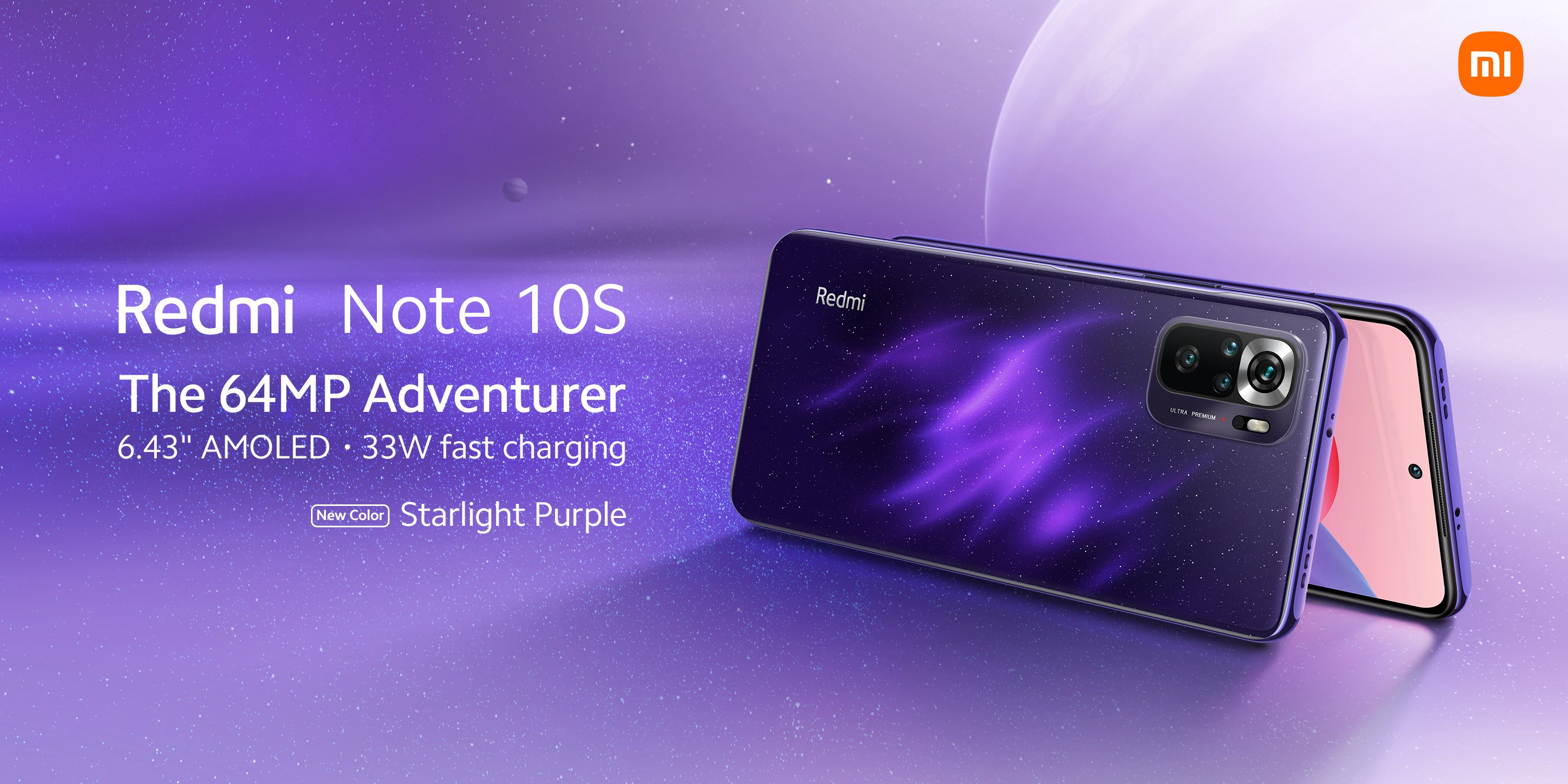
Xiaomi recently launched the amazing Redmi Note 10 series in the global market and it includes several devices with an incredibly high value for money. If you are looking for the most interesting device with a price tag of around €200, you can not avoid considering these phones. But given the high number of variants belonging to this series, you might make a lot of confusion when it comes to their specifications. After we published a comparison between Redmi Note 10, Redmi Note 10 Pro, and Redmi Note 10 Pro Max, we decided to compare the remaining variants: here is the specs comparison between Redmi Note 10, Redmi Note 10S, and Redmi Note 10 5G.
Xiaomi Redmi Note 10 vs Xiaomi Redmi Note 10S vs Xiaomi Redmi Note 10 5G
Xiaomi Redmi Note 10
Xiaomi Redmi Note 10S
Xiaomi Redmi Note 10 5G
DIMENSIONS AND WEIGHT
160.5 x 74.5 x 8.3 mm, 179 grams
161.8 x 75.3 x 8.9 mm, 190 grams
DISPLAY
6.43 inches, 1080 x 2400p (Full HD+), Super AMOLED
Triple 48 + 2 + 2 MP, f/1.8 + f/2.4 + f/2.4
8 MP f/2.0 front camera
BATTERY
5000 mAh, fast charging 33W
5000 mAh, fast charging 18W
ADDITIONAL FEATURES
Dual SIM slot, splash resistant (IP53)
Dual SIM slot, 5G
Design
Redmi Note 10, Redmi Note 10S, and Redmi Note 10 5G have the same design with a rectangle-shaped camera module, a punch-hole display, and a side-mounted fingerprint reader. They are all made of polycarbonate; the Redmi Note 10 and the Note 10S have the IP53 certification which makes them splash resistant and dust resistant (but not in every market). The Redmi Note 10 5G has a slightly wider display with a diagonal of 6.5 inches.
Display
Redmi Note 10 and Note 10S come with the same display which is actually better than the panel found on the 5G variant. We are talking about an AMOLED panel with a peak brightness up to 1100 nits, a diagonal of 6.43 inches, and a Full HD+ resolution. The Redmi Note 10 5G offers a higher 90 Hz refresh rate, but it has an IPS panel with less impressive colors. Despite those AMOLED displays, as mentioned above, all the phones have a side-mounted fingerprint scanner, but it is pretty fast and accurate.
Hardware/Software
The most complete hardware setup belongs to the Redmi Note 10 5G. The Mediatek Helio G95 found on the Redmi Note 10S provides a similar level of performance to the MediaTek Dimensity 700, but the latter supports 5G, while the Helio does not. Further, the Mediatek Dimensity 700 is built with a better 7 nm production process minimizing the energy consumption, while the Helio G95 is built at 12 nm. The Snapdragon 678 found on the vanilla Redmi Note 10 is even weaker than Helio G95, but it is built with a better 11 nm production process.
Camera
The most advanced cameras belong to the Redmi Note 10S. It has a better 64 MP main sensor, an 8 MP ultrawide camera, and a pair of 2 MP sensors for macros and depth calculation. The vanilla Redmi Note 10 has the same setup with the exception of the main camera, which is a 48 MP sensor.
Battery
These three handsets come with the same battery capacity: 5000 mAh. But the Redmi Note 10 should offer a longer battery life because of its components. The Redmi Note 10 5G should have a higher energy consumption due to its IPS display, despite its processor is built with a better production process. Redmi Note 10 5G also comes with a slower fast charging tech: you can get a power of 33W with Redmi Note 10 and 10S, while the 5G variant has just 18W.
Xiaomi Redmi Note 10 vs Xiaomi Redmi Note 10S vs Xiaomi Redmi Note 10 5G: Price
Redmi Note 10 is actually priced at less than €200/$243 globally, Redmi Note 10S costs €249/$304, and Redmi Note 10 5G costs €229/$279 in its base variant. We think the Redmi Note 10S is the most balanced device with its great camera, AMOLED display, and powerful chipset. But with the Redmi Note 10 5G you can get 5G and a better chipset, so do not underestimate it. You should opt for the Redmi Note 10 only if you need to save money as much as possible.
Embattled Chinese tech giant Huawei has released several teaser posters that hint at the launch of a new smart TV under a new category. The Huawei Smart Screen SE looks like a trimmed-down version of the high-end models and will come with more affordable pricing while retaining the premium features for which the brand’s smart TVs are known.
The teaser posters which were splashed on Vmall and Jingdong (JD.com) give us a glimpse of the smart TV as well as some hints of the features to expect onboard. For one, the Huawei Smart Screen SE will pack a pop-up camera that will definitely function as a web camera for video calls and other related functions. The smart TV is touted to arrive in two sizes – a 55-inch model that will be priced between 3,099 yuan – 3999 yuan (around $600) and a 65-inch version priced around 4,099 – 4,999 yuan (around $700).
The Smart Screen SE is expected to pack a 4K display resolution and will support multi-touch functions. The poster also shows that the Huawei Smart Screen SE will adopt a full-screen design with ultra-thin bezels on all four sides. It is also coming with Huawei’s self-developed color gamut enhancement technology. In addition, the screen is also expected to bring support for anti-reflective, anti-glare, anti-blue light technology and has zero color cast. The smart TV will run on Huawei’s custom HarmonyOS that will bring along several smart features.
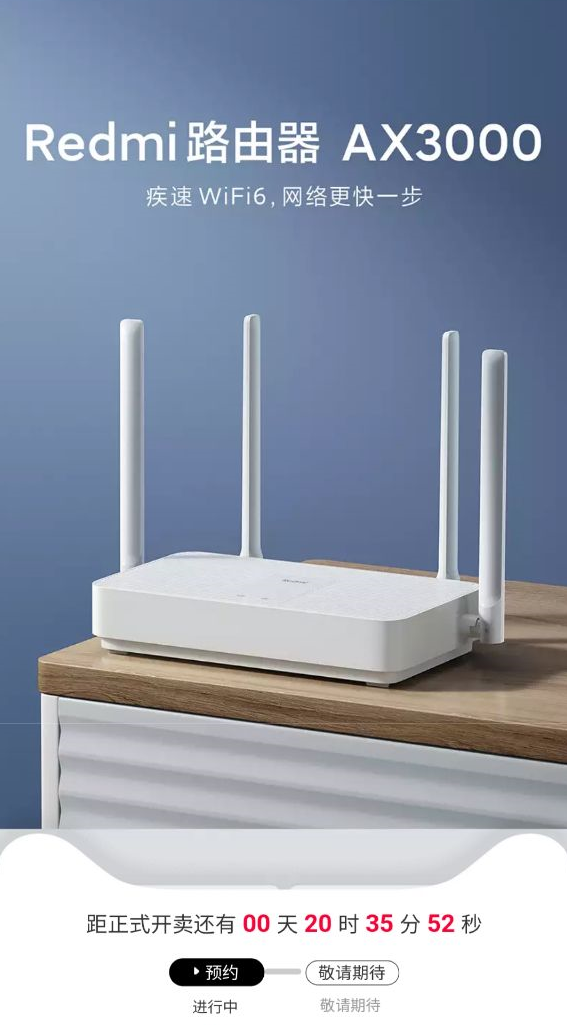
Apart from the Smart Screen SE, Huawei is also expected to announce the FreeBuds 4 true wireless headsets, Mate View high-end monitors, and a router at the May 19th press conference.
Lenovo has never been a big player in the smartphone category. But the company used to sell some good budget smartphones that competed with Xiaomi’s Redmi lineup. Right now, the world’s largest PC maker’s only in-house developed phones are the Lenovo Legion Phone Duel series. Whereas, the other affordable handsets are merely rebranded Motorola phones. According to a new leak, the firm will be soon releasing another such rebadged device.
Popular leakster Sudhanshu Ambhore has teamed up with 91Mobiles to bring us information about the upcoming Lenovo K13 Note. As per him, this handset will be nothing but a rebadged Motorola Moto G20.
Hence, it will have exact same set of specifications and design. He has even shared renders of this phone in two colors (Pink, Blue).
The only differences between the Lenovo K13 Note and the Moto G20 will be the branding on the back panel and no 128GB variant for the former. The K13 Note will include a vertically placed ‘Lenovo’ logo at the bottom left corner and will lack the iconic ‘Motorola Batwing’ on the rear-mounted fingerprint sensor. Additionally, it’s not sure whether the Note will feature NFC, which is market-dependent on the Moto.
That said, the other features are said to be common on both. Therefore, the Lenovo K13 Note will come with a 6.5-inch HD+ (1600 x 720 pixels) LCD panel with a 90Hz refresh rate and a dewdrop notch, UNISOC T700 SoC, 4GB RAM, 64GB internal storage, 48MP (wide) + 8MP (ultra-wide) + 2MP (macro) + 2MP (depth) quad-camera setup, and a 13MP selfie camera.
The remaining specs of this device will include a MicroSD card slot, 3.5mm headphone jack, USB Type-C port, IP53 rating, dedicated Google Assistant key, dual-SIM, 4G, dual-band WiFi, Bluetooth 5.0, GNSS, accelerometer, ambient light sensor, gyroscope, proximity sensor, Android 11, 5,000mAh battery, and 10W charging.
Unfortunately, the tipster doesn’t have info on when and in which markets the Lenovo K13 Note will be launched.
We use cookies on our website to give you the most relevant experience by remembering your preferences and repeat visits. By clicking “Accept”, you consent to the use of ALL the cookies.
This website uses cookies to improve your experience while you navigate through the website. Out of these, the cookies that are categorized as necessary are stored on your browser as they are essential for the working of basic functionalities of the website. We also use third-party cookies that help us analyze and understand how you use this website. These cookies will be stored in your browser only with your consent. You also have the option to opt-out of these cookies. But opting out of some of these cookies may affect your browsing experience.
Necessary cookies are absolutely essential for the website to function properly. This category only includes cookies that ensures basic functionalities and security features of the website. These cookies do not store any personal information.
Any cookies that may not be particularly necessary for the website to function and is used specifically to collect user personal data via analytics, ads, other embedded contents are termed as non-necessary cookies. It is mandatory to procure user consent prior to running these cookies on your website.