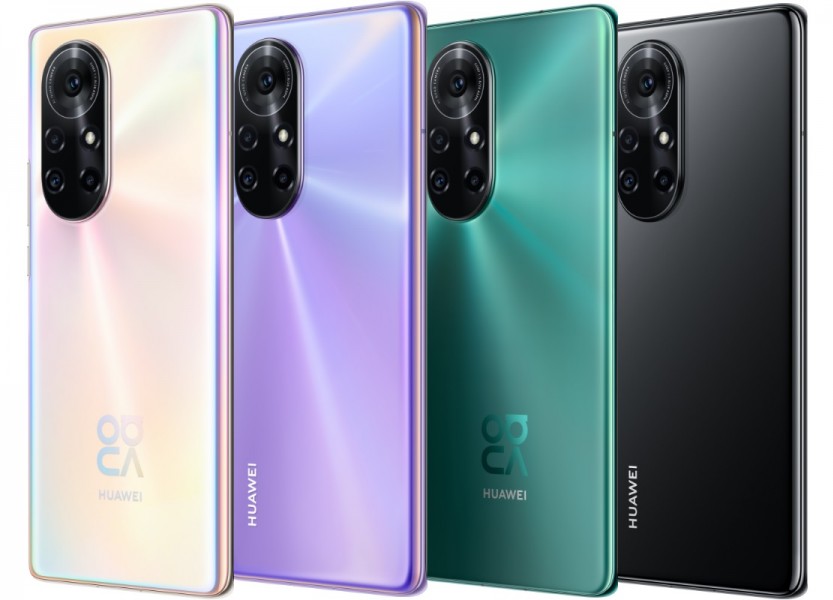
Huawei has launched the Nova 8 Pro 4G on its home turf. The Nova 8 Pro 4G is reminiscent of the Nova 8 Pro 5G that was announced in December last year. However, despite arriving with support for 4G connectivity, this model comes with several improvements over the 5G variant.
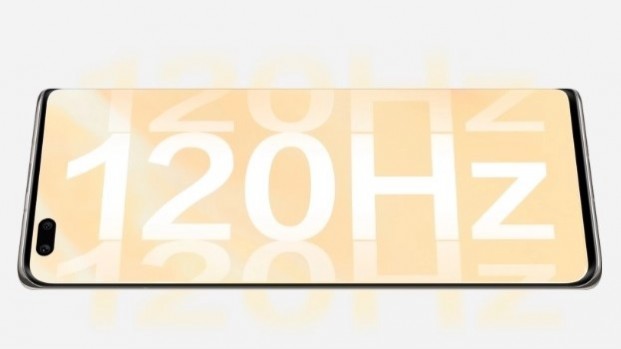
Huawei Nova 8 Pro 4G features a 6.72-inch OLED screen with a FullHD+ resolution of 2676 x 1236 pixels. The display supports a 120Hz refresh rate as against 90Hz which the 5G version supports. The device retains the Kirin 985 chipset paired with 8GB of RAM. It arrives with two storage options 128GB and 256GB.
For photography, there is a quad-camera setup at the back housed at the rear. The sensors include a 64MP main shooter teaming up with an 8MP ultrawide, 2MP depth sensor, and a 2MP macro camera. For selfies, the Nova 8 Pro 4G packs 16MP wide and 32MP ultrawide sensors housed in a pill-shaped module.
The Nova 8 Pro 4G packs a rear-mounted fingerprint reader for biometric authentication. There is equally a 4000mAh battery under the hood to keep the lights on. The battery charges via a USB-C port and supports 66W charging. The device indeed bundles a 66W charger which can charge from 0-60% in just 15 minutes and to full charge in 35 minutes.
The nova 8 Pro 4G is available in four different color options. Although the model is listed on Huawei’s official website, the pricing and availability details are yet to be revealed.
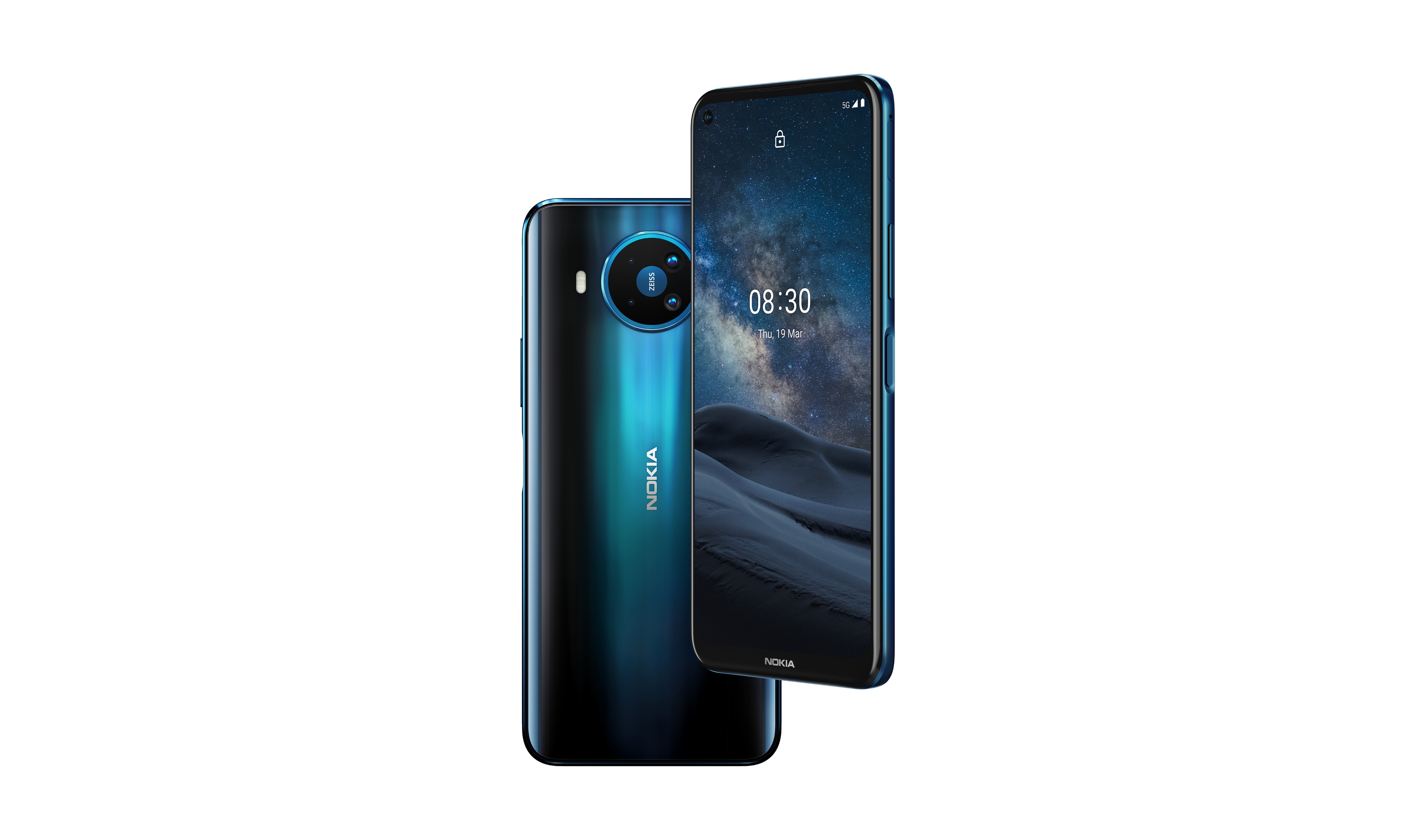
HMD Global launched the Nokia 9 PureView back in 2019 as the world’s first phone with a penta-lens camera setup. While several reports have talked about its successor model, the Finnish firm has steered away from launching a flagship device. Fresh information shared by the Nokia Power User claims that the company is working on an upper mid-range phone with a penta-lens setup, which will be succeeding the Nokia 8.3 5G smartphone. Probably, this device may arrive in the market as an X-series phone.
The report claims that the Nokia 8.3 5G’s successor will be sporting a penta-lens setup with a 108-megapixel primary camera. The device will not be coming to the market as the Nokia 8.4 5G, but it is likely to be called Nokia X50.
The handset is expected to feature a 6.5-inch PureDisplay V4 that that offers a Quad HD+ resolution and a 120Hz refresh rate. The report states that it is powered by the smartphone will be powered by the unannounced Snapdragon 775G chipset (SM7350 model number).
Nokia 8.3 5G
The device is likely to be powered by a 6,000mAh battery. Recently, a 6,000mAh battery for an upcoming Nokia phone was spotted at the TUV certification platform. The listing revealed that it will arrive with support for 22.5W rapid charging.
There is no word on the other cameras of the alleged Nokia X50 phone. However, the penta-lens setup is expected to include an ultrawide lens, a depth sensor, a macro shooter, and a telephoto snapper. The device is likely to feature ZEISS optics and OZO Audio technology. The report has no other information on its specifications.
It is not clear whether Qualcomm will be launching a chip called the Snapdragon 775G. The recent behind it is that the US-based chipmaker has already announced the 5nm Snapdragon 780G chipset as the successor to the older Snapdragon 765/765G chip. The part number of this chip is SM7350-AB. Hence, it is not clear which processor will be fueling the alleged Nokia X50.
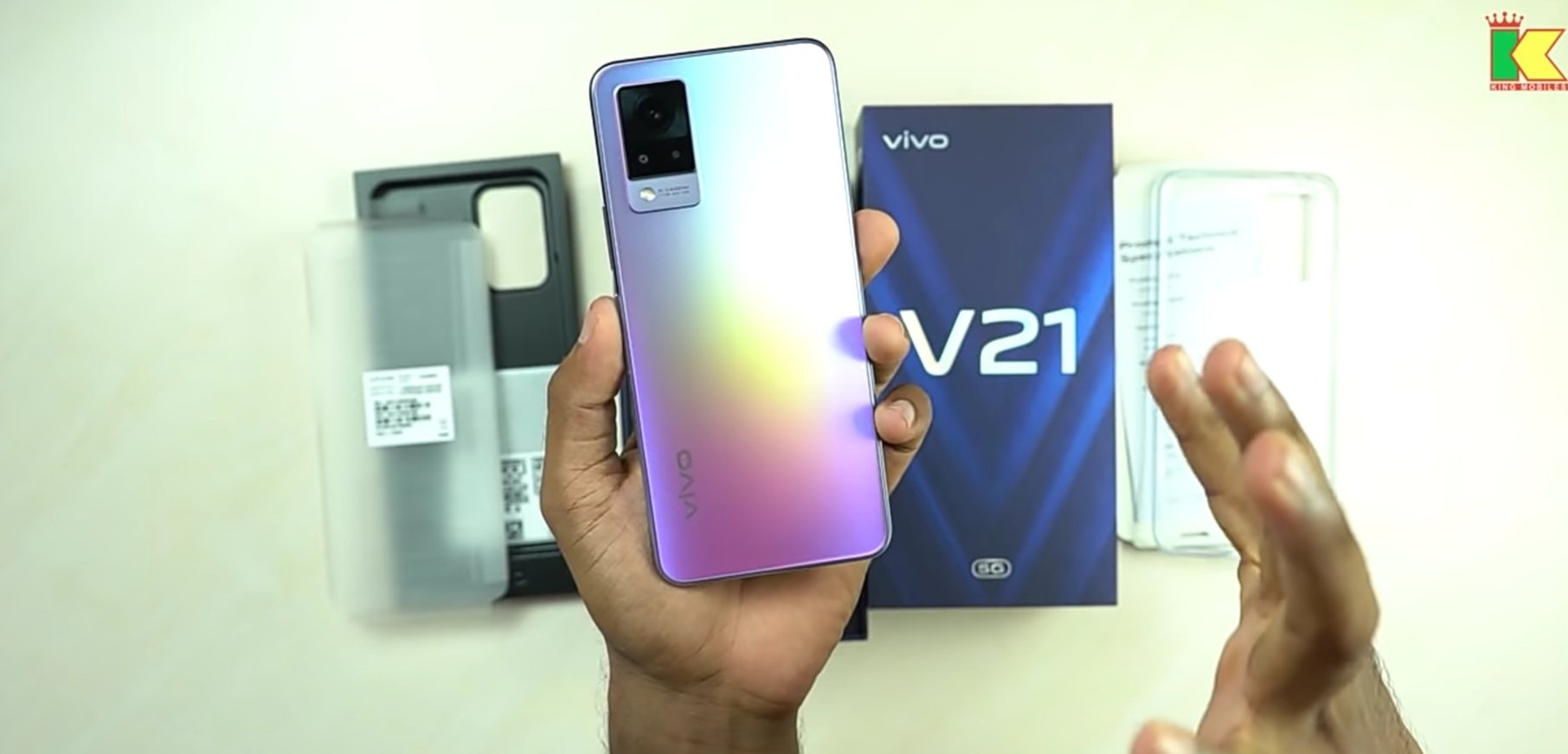
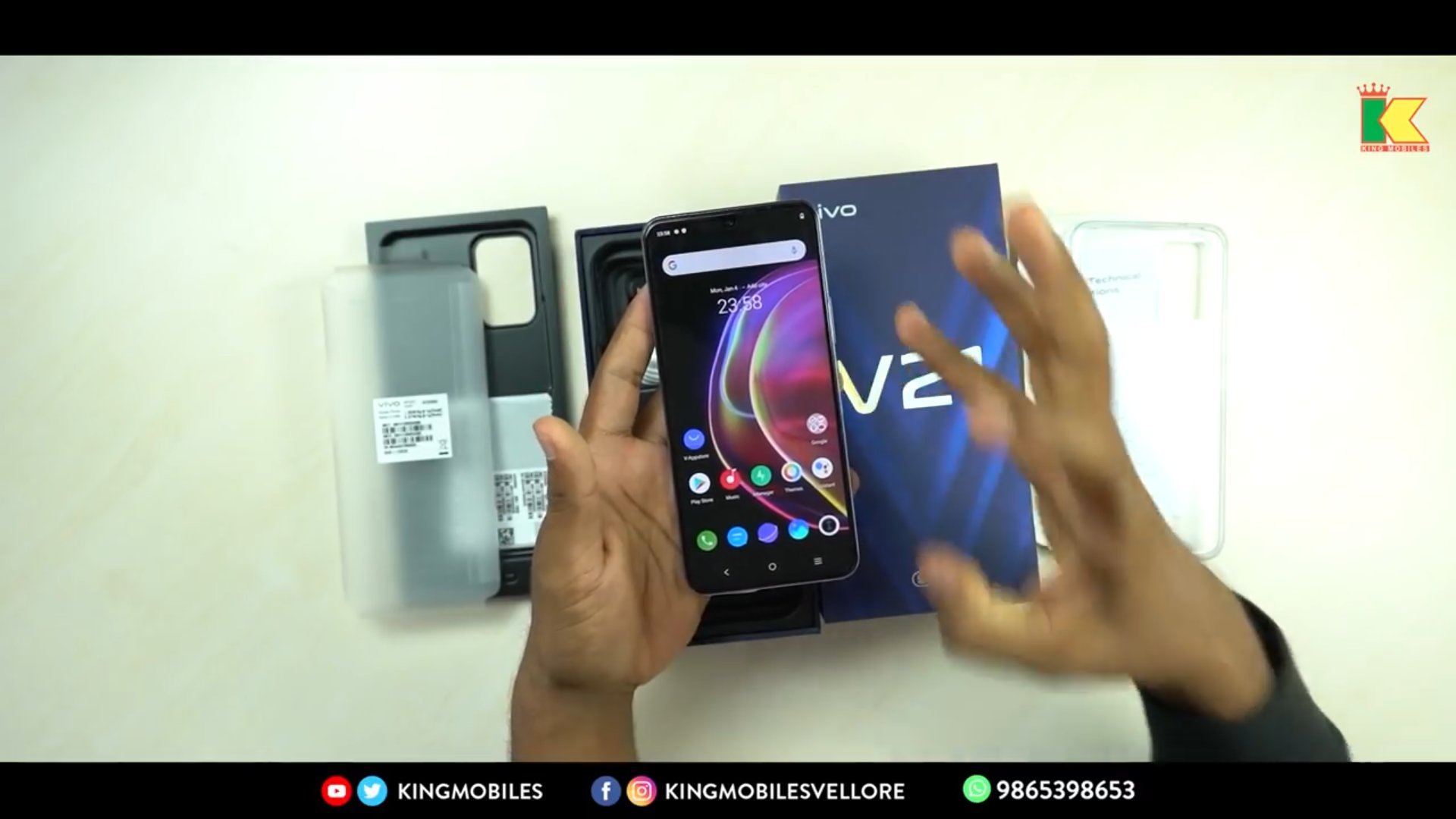
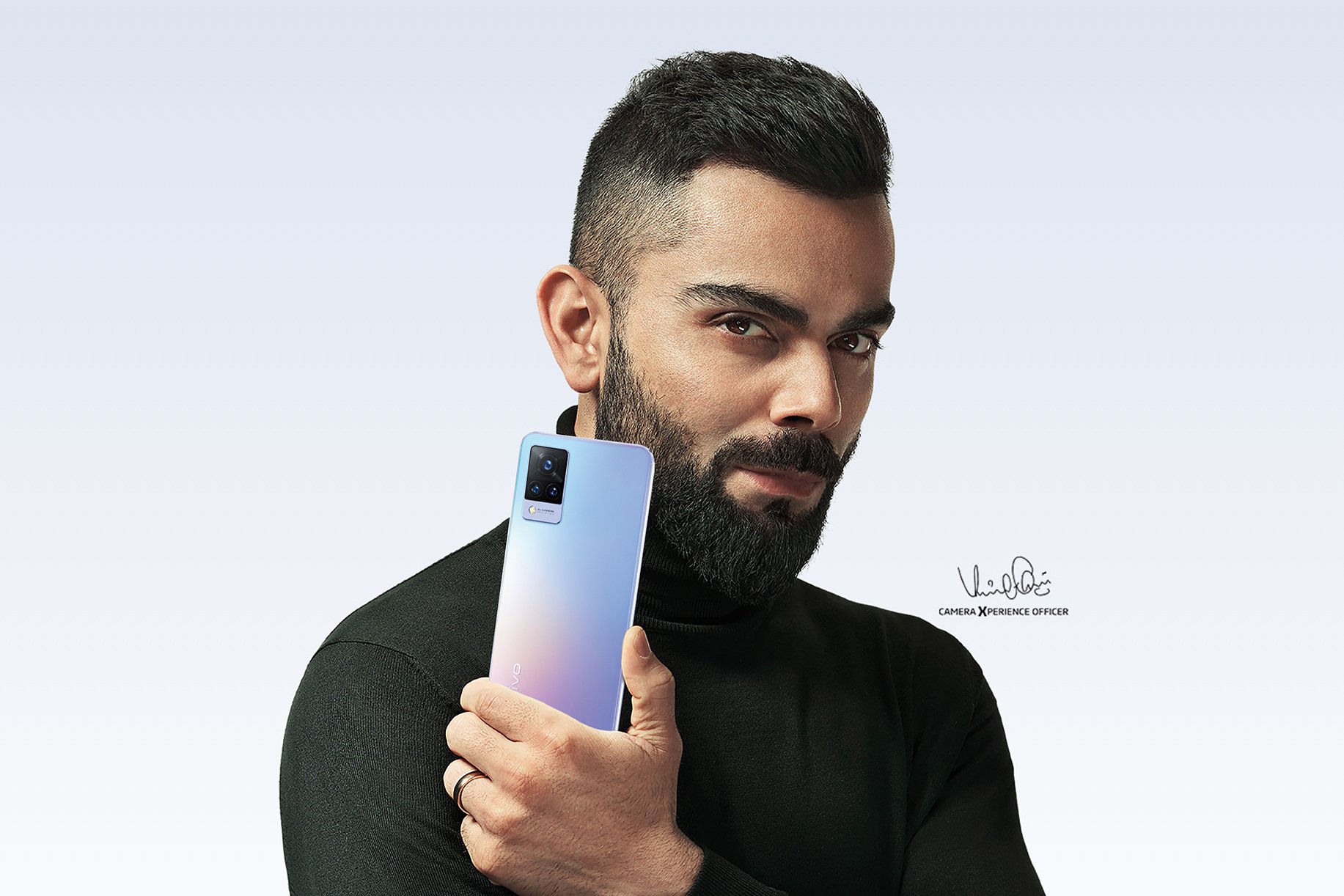
Vivo India will be announcing the Vivo V21 5G smartphone on April 29 in India. Ahead of the launch, an unboxing video of the phone has emerged on YouTube. The Vivo V21 5G unboxing video by King Mobiles YouTube channel gives a good look at the smartphone from all angles.
The Vivo V21 5G’s Sunset Dazzle handset can be seen in the unboxing video. The handset has a matte glass finish on the back, which showcases different colors when viewed from different angles. The left edge of the device is barren, and it has a noise cancellation mic at the top.
1 of 3
Vivo V21 5G unboxing video 2
Vivo V21 5G unboxing video 1
Vivo V21 5G unboxing video 3
A volume rocker and a power key can be found on the right spine on the device. Its bottom edge is populated with a SIM tray, a USB-C port, and an external speaker. The handset does not seem to feature a 3.5mm audio jack. The retail package of the device includes the handset, a protective case, a SIM ejector, a USB-C to 3.5mm audio jack, a 3.5mm earphones, USB-C to USB-A cable, and a 33W fast charger.
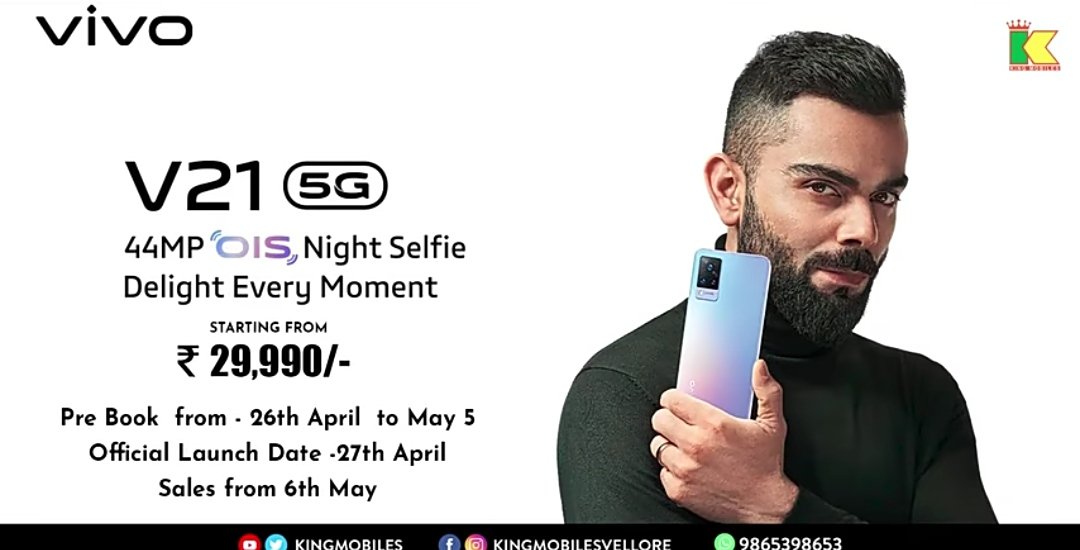
Past reports have revealed that the Vivo V21 5G will be sporting a 6.44-inch AMOLED E3 FHD+ display that offers a 90Hz refresh rate, Dimensity 800U chipset, 8 GB of RAM, 128 GB / 256 GB of internal storage, FunTouch OS 11 based Android 11 OS, and a 4,400mAh battery with 33W rapid charging support. For photography, it has a 44-megapixel front camera with OIS support, a 64-megapixel (OIS) + 8-megapixel + 2-megapixel triple camera system. Coming back to King Mobiles, it claims that the device will be priced at Rs 29,990 (~$400) and it will go on sale from May 6.
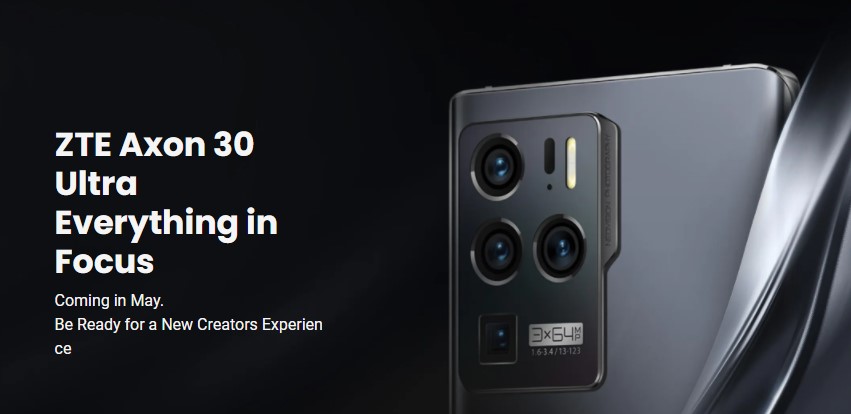
We had thought the Axon 30 Ultra will arrive much later but surprisingly, the global website has revealed that the ZTE Axon 30 Ultra will get a global release next month. Unfortunately, the specific date was not revealed.
The Axon 30 Ultra has a 6.67-inch curved AMOLED screen with a centered hole for the front-facing camera. The display has a 144Hz refresh rate, HDR10+, and is covered with a sheet of Gorilla Glass 5.
There is a Snapdragon 888 processor paired with up to 16GB of LPDDR5 RAM and 1TB of UFS 3.1 storage. There are four cameras on the back of the phone – a 64MP main camera with OIS and PDAF, a second 64MP main camera, a 64MP ultrawide angle camera, and an 8MP periscope telephoto camera. The front-facing camera is a 16MP sensor.
The Axon 30 Ultra has a 4600mAh battery capacity with support for 66W fast charging and Quick Charge 4+. Other features are stereo speakers, an in-display fingerprint scanner, Wi-Fi 6E, and Bluetooth 5.2. It runs MyOS based on Android 11 out of the box.
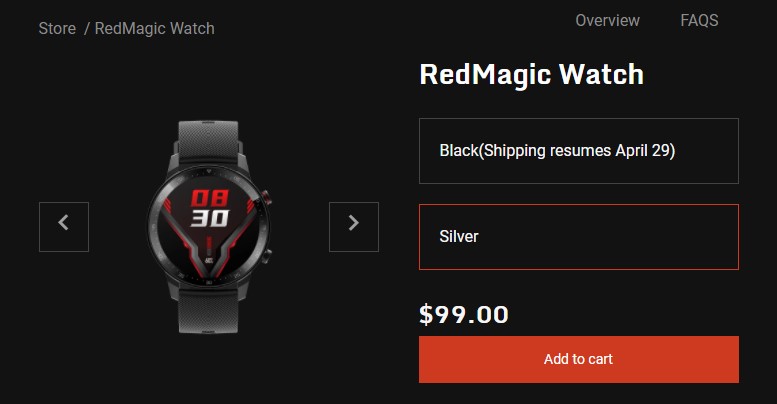
The RedMagic Watch was announced last month alongside the RedMagic 6 and RedMagic 6 Pro in China. The smartwatch is the first from the Nubia gaming smartphone brand and has now made its way out of China.
Launched for ¥599 (~$92) in its home country, the RedMagic Watch is priced at $99 in the US, £89 in the UK, and €99 in Europe. If you ask us, we will say these are very fair prices.
However, unlike in China where the watch is available in five colors including a slightly more expensive leather variant, the global version is only available in Black and Silver.
The RedMagic Watch has a 1.39-inch AMOLED display with two buttons on the right side. The watch supports 16 workout modes including football which has dynamic activity mapping that shows where you spend the most time on the field.
The smartwatch has blood oxygen monitoring and heart rate monitoring (Goodix sensor). It also has a 5 ATM Waterproof rating and a Sony low-power chip that brings GPS, QZSS, and BDS satellite positioning.
The RedMagic Watch works with the RedMagic Sports app which is available on the Play Store. The app will let you view your synced stats, change watch faces, set alarms, and more.
The smartwatch is already available for purchase on the RedMagic website.
The Snapdragon 888 is less than six months old but unsurprisingly, Qualcomm already has a more powerful version on the way. Details of this new chipset, which should power a number of flagships scheduled for the second half of the year, has surfaced.
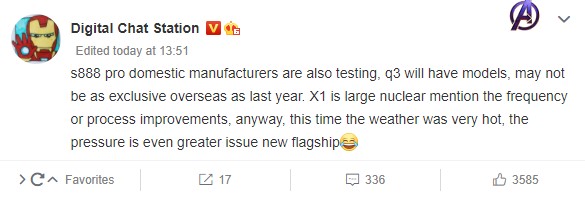
According to the Chinese leaker, Digital Chat Station, the Snapdragon 888 Pro (tentative name) is already being tested by Chinese smartphone manufacturers. He adds in the Weibo post that the first set of phones powered by the chipset should launch in the third quarter of this year.
Compared to the Snapdragon 865 Plus, more local (read Chinese) manufacturers are expected to announce phones powered by the Snapdragon 888 Pro chipset.
With respect to the specifications, it has been reported that the prime core, the Cortex-X1, will have a higher clock speed than that of the Snapdragon 888. The other cores should retain their clock speed. The GPU might not get a boost as it is already clocked pretty high. No surprises here as this is Qualcomm’s tradition when it comes to its flagship chipsets.
There are concerns about the heating issues of the Snapdragon 888 and if the Snapdragon 888 Pro with its higher clock speed won’t worsen the situation.
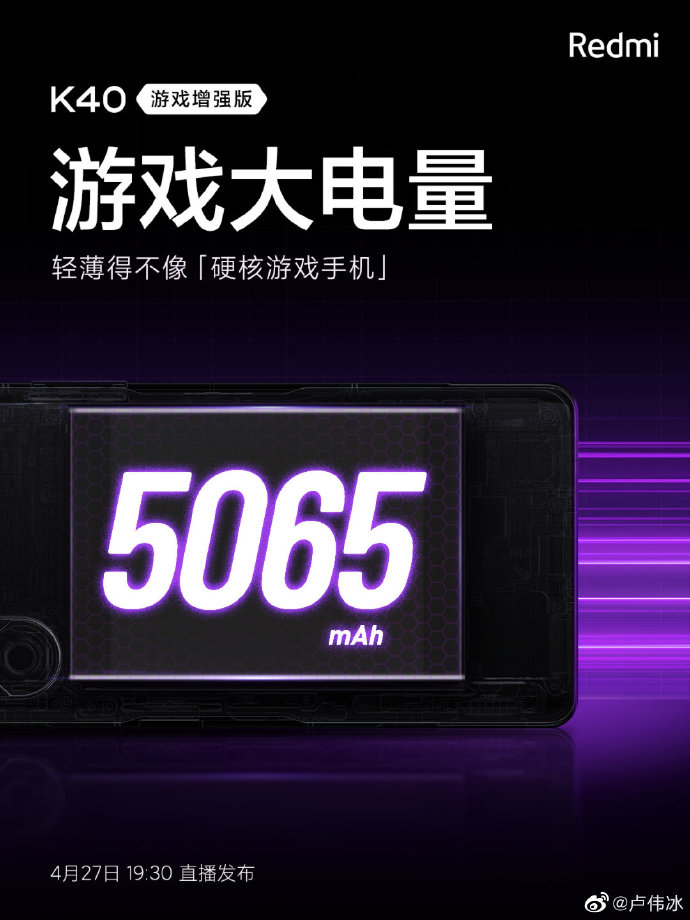
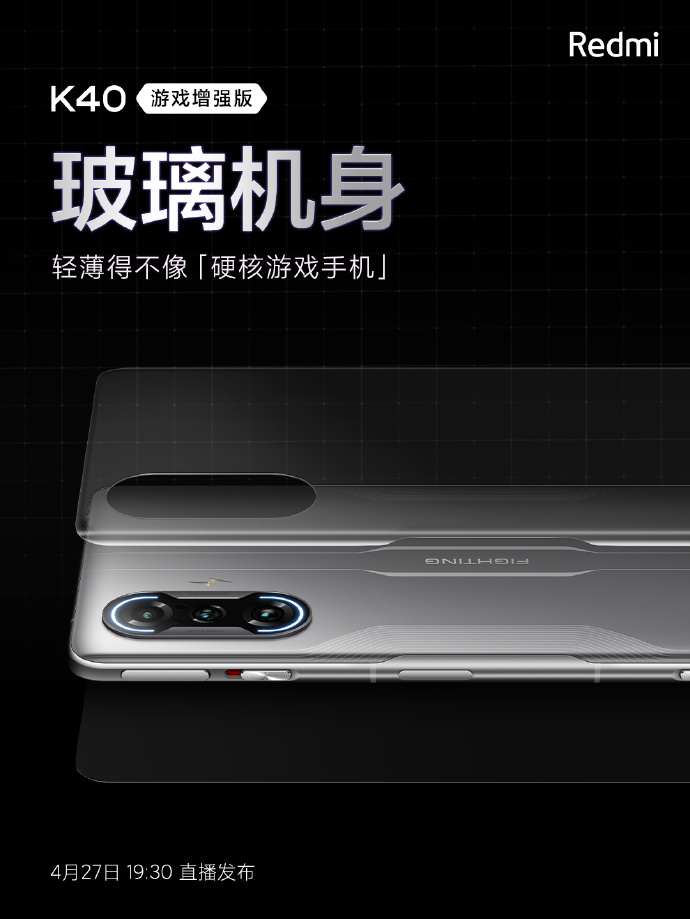
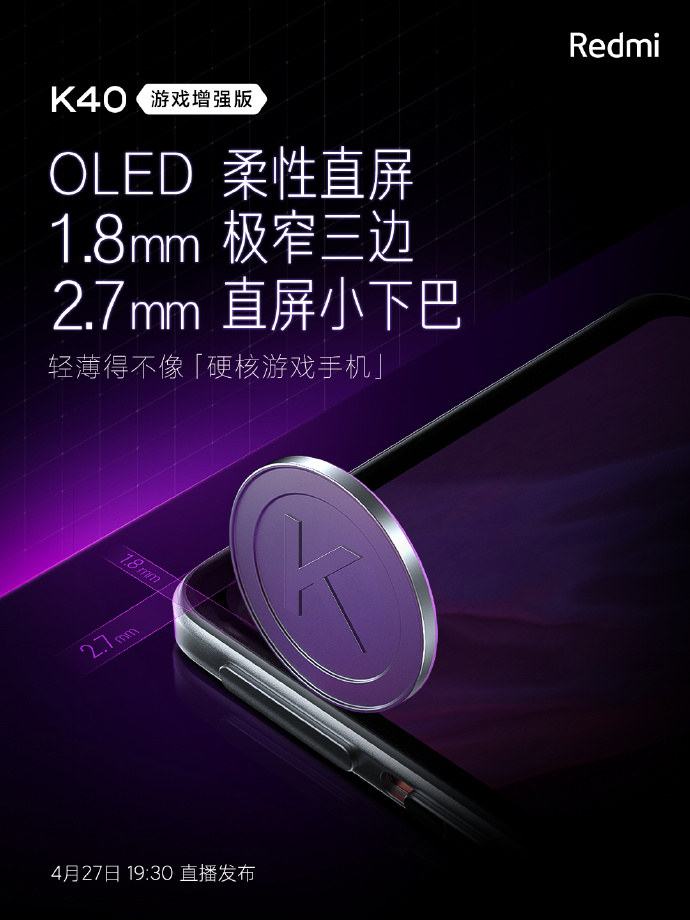
The Redmi K40 Game Enhanced Edition will be announced on Tuesday, April 27 in China. Ahead of the event, Redmi has been posting details of the device on its social media channels. Today, the manufacturer has released a new teaser poster that confirms the battery capacity of the phone. It also released a promotional video that gives us a good look at the device and the ambient light built around the camera housing.
Unlike the other Redmi K40 phones (Redmi K40, Redmi K40 Pro, and Redmi K40 Pro+) which all have a 4520mAh battery capacity, the Redmi K40 Game Enhanced Edition will pack a bigger battery capacity. According to the poster shared on the manufacturer’s Weibo page, the phone will have a 5065mAh battery capacity. That sure is a significant bump in battery capacity.
For a gaming phone, it makes sense that Redmi has increased the battery capacity. Previously, it confirmed that the device will come with support for 67W fast charging, the fastest ever in a Redmi phone and a significant bump from the 33W its siblings support.
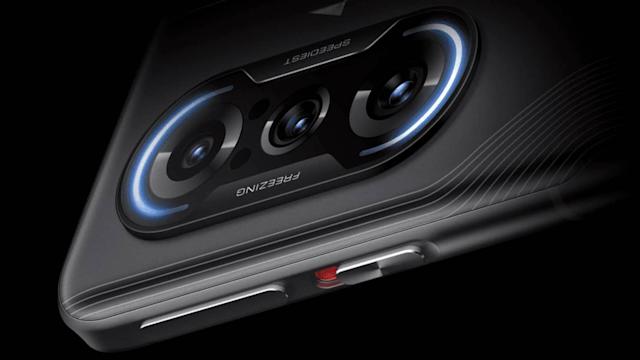
Redmi has also released a video that highlights the phone’s pulsating ambient light that is built around the triple camera setup. The video shows us that the LED switches between different colors. In another Weibo post, Redmi reveals that the light not only works with games but also serves as a notification LED for calls, messages, and charging. The LED color can be customized for any of these functions, so you can already tell what the notification is for when you see the light flash.
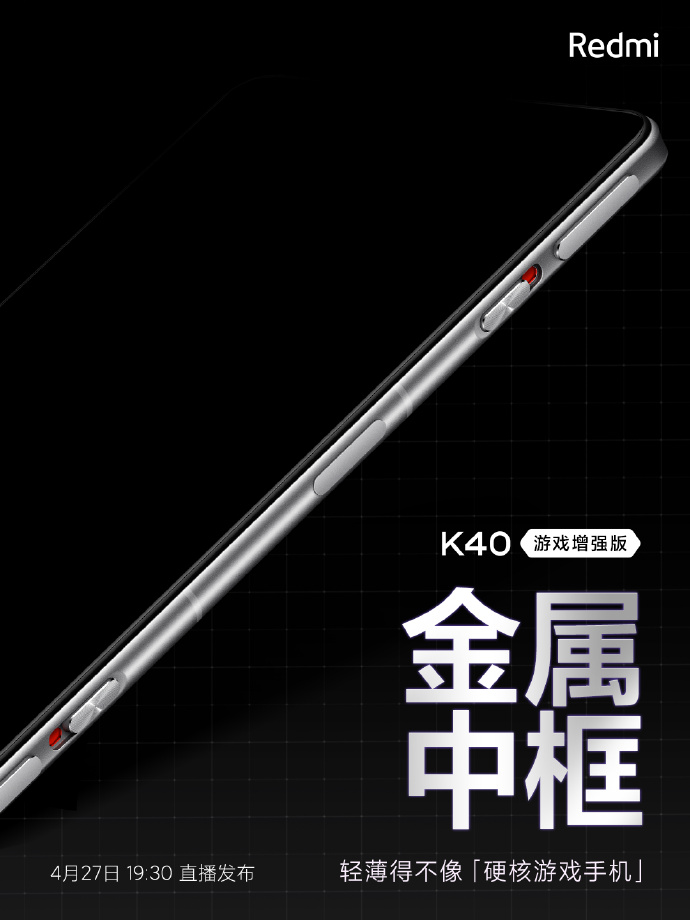
The Redmi K40 will be available in three colors when it launches. It has been confirmed that the phone has a metal frame with a silky matte finish and is covered in Gorilla Glass 5 on both sides. The phone has pop-up shoulder buttons that can be retracted and released with a textured switch. Redmi says there are more than 100 mobile games that are certified to work with the shoulder buttons.
The phone has a flexible OLED display with a 120Hz refresh rate, 480Hz touch sampling rate, and HDR10+. Redmi boasts that the bezels on three of the sides measure just 1.8mm which is about the thickness of a coin. It will be powered by MediaTek’s Dimensity 1200 processor.
There are three cameras on the back of the phone, and flanking the sensors on the side is a lightning-shaped LED flash. The phone will run Android 11 out of the box with MIUI on top.
For the last week of the month, there is a lot to look forward to. From Redmi’s first gaming phone to Vivo’s V21 series to Samsung’s Galaxy Unpacked event, here’s what to expect next week:
Redmi K40 Game Enhanced Edition
Earlier this year, Redmi announced it will unveil its first gaming smartphone this year. Come Tuesday, April 27, Redmi will announce the phone in China. The Redmi K40 Game Enhanced Edition will have a Dimensity 1200 processor, a 144Hz refresh rate, retractable shoulder buttons, and a 5000mAh battery. The phone is expected to get released outside China under the POCO brand.
Vivo V21 series – April 27/April 29
Vivo will take the wraps off the Vivo V21 series in Malaysia on April 27 and in India on April 29. For Malaysia, there will be three phones in total – the V21 4G, the V21 5G, and the V21e – but we don’t know if India will get all three models. However, it has been confirmed that the Vivo V21 5G will be announced in the country.
OPPO A53s 5G – April 27
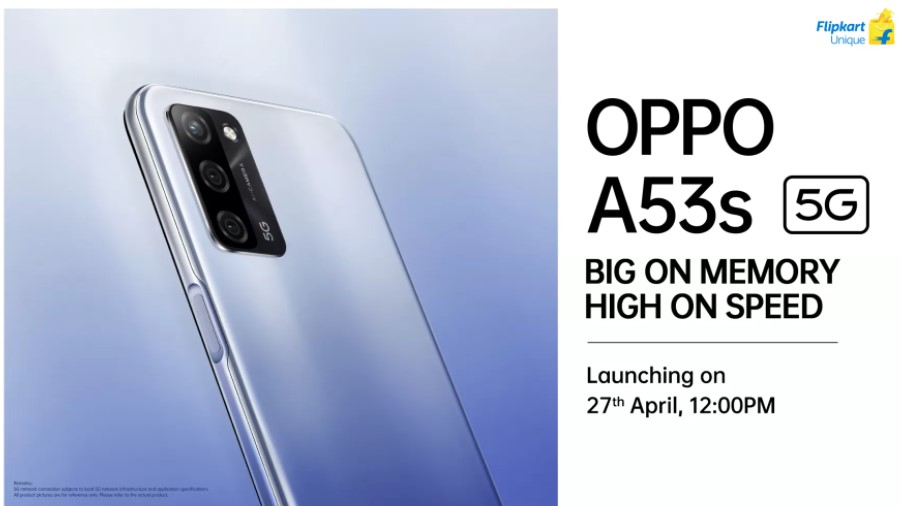
OPPO will also announce a new phone for the Indian market. According to the manufacturer, the OPPO A53s 5G will be the most affordable 5G smartphone under INR 15,000 (~$200) in India.
Samsung has a Galaxy Unpacked event set for April 28 but it most likely won’t be unveiling new smartphones. The event is for the launch of its new Galaxy Book line of computers. So far, Samsung is expected to announce the Galaxy Book Pro, the Galaxy Book Pro 360, and the affordable Galaxy Book Go. We also expect Samsung to announce new tablets such as the Galaxy Tab S7 Lite and the Galaxy Tab A7 Lite.
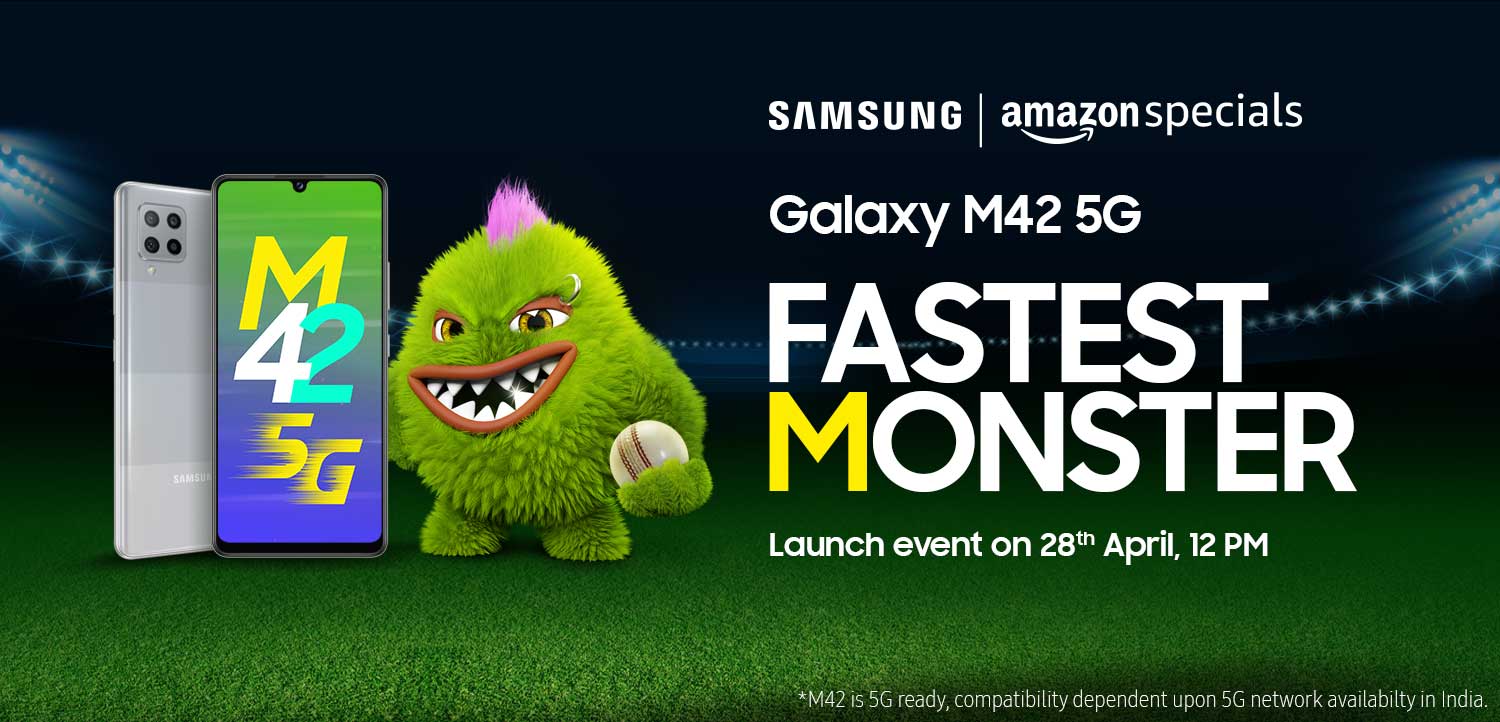
Galaxy M42 5G – April 28
Samsung will also announce a new smartphone in India on April 28 but this will most likely be unveiled via a press release or small online event in the country. The phone, the Galaxy M42 5G, will be the first of the Galaxy M series to have support for 5G.
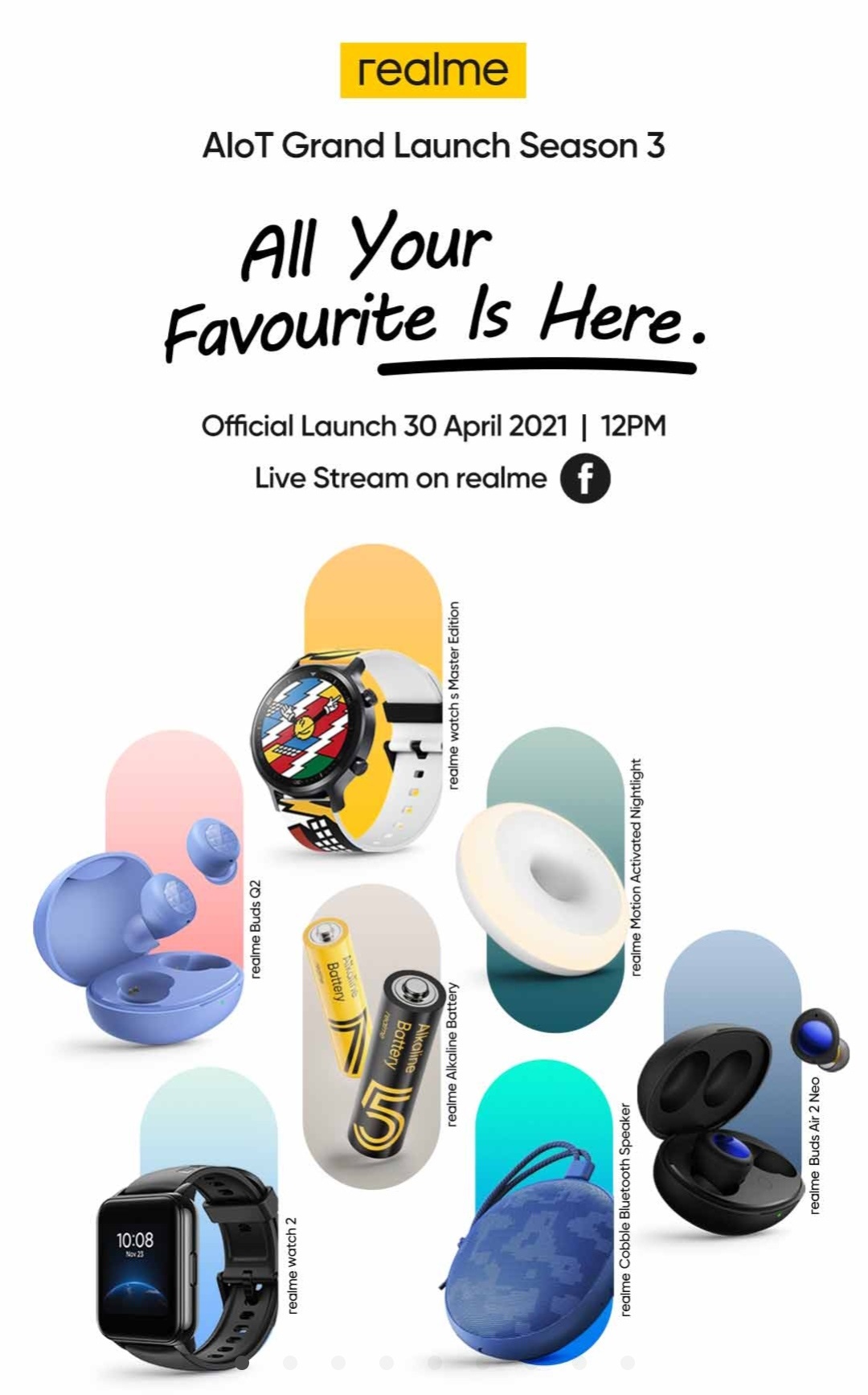
Realme has set April 30 for an event in Malaysia. The event is the AIoT Grand Launch Season 3 and the manufacturer plans to announce seven new products that include two new smartwatches, earbuds, a Bluetooth speaker, and more.
The launch poster has images of the products that will be announced.
Realme Watch S Master Edition
Realme is known to launch a Master Edition of some of its products. The trend which started with some of its phones has now been extended to other products such as the Realme Buds Air Pro Master Edition. Now, Realme will launch a Master Edition of its Realme Watch S smartwatch. As seen in the poster, the watch has a special strap and a custom watch face.
Realme Watch 2
The Realme Watch 2 will also be announced on that day as the second smartwatch. The new watch has a bigger battery capacity and an increased battery life compared to its predecessor. You can read more about its features and specs here.
Realme Buds Q2
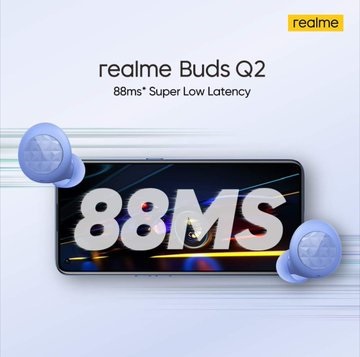
This is one of two TWS earbuds the Chinese manufacturer will unveil on that day. The Realme Buds Q2 is the successor to the budget Realme Buds Q that launched last year. The design has been slightly changed but it keeps the silicone tips for passive noise cancellation. It is also shown in the image in a blue colorway that should be dubbed Quite Blue. There is also a black version of the earbuds.
The big change is the reduced latency. Realme is claiming a super low latency of 88ms which is a significant drop from the 119ms of its predecessor. The Realme Buds Q2 will have the same 20 hours battery life as its predecessor.
Realme Buds Air 2 Neo
The second pair of TWS earbuds that will be unveiled is the Realme Buds Air 2 Neo. This was already announced earlier this month in Pakistan, however, the pair of earbuds that have ANC (active noise cancelation) will just be making their way to Malaysia.
Realme Cobble Bluetooth Speaker
The third audio product Realme will announce at the AIoT event is a Bluetooth speaker. The Realme Cobble Bluetooth Speaker has a blue camo-style top and a matching blue underside. It also has a lanyard cable. We want to believe this is Realme’s answer to Xiaomi’s Mi Outdoor Bluetooth Speaker. Realme already wins with the design, it remains to be seen if it can outdo Xiaomi’s speaker with respect to features and price.
Realme Motion Activated Nightlight
This is another product that is meant to compete with an existing product from Xiaomi, the Mi Motion Activated Night Light, further reinforcing the rivalry between both brands. The donut-shaped Realme Motion Activated Nightlight comes in white and just as the name says, it should light up when it senses motion.
Realme Alkaline Battery
Last but not least is the Realme Alkaline Battery. This is another product Xiaomi has offered for years but is available only in select markets. Realme, on the other hand, is launching its own first in Malaysia and will most likely bring it to other markets shortly after. As the image shows, the batteries will be available in Z15 (AA) and Z17 (AAA) sizes.
Realme recently declared that through the Q series, it will try to lead the market in the midrange segment by providing a stunning quality-price ratio. A few days ago, the Chinese giant launched the new lineup from the series composed of the Realme Q3 5G, the Realme Q3 Pro 5G, and the Realme Q3i 5G. We can definitely say that the brand kept the promise and launched three devices with an incredibly high value for money. Do you want to know the differences between each of these three devices? Go ahead and read this specs comparison.
Realme Q3 5G vs Realme Q3 Pro 5G vs Realme Q3i 5G
Realme Q3 5G
Realme Q3 Pro 5G
Realme Q3i 5G
DIMENSIONS AND WEIGHT
162.5 x 74.8 x 8.8 mm, 189 grams
158.5 x 73.3 x 8.4 mm, 179 grams
162.5 x 74.8 x 8.5 mm, 185 grams
DISPLAY
6.5 inches, 1080 x 2400p (Full HD+), IPS LCD
6.43 inches, 1080 x 2400p (Full HD+), Super AMOLED
Triple 48 + 8 + 2 MP, f/1.8 + f/2.3 + f/2.4
16 MP f/2.1 front camera
Triple 64 + 8 + 2 MP, f/1.8 + f/2.3 + f/2.4
16 MP f/2.5 front camera
Triple 48 + 2 + 2 MP, f/1.8 + f/2.4 + f/2.4
16 MP f/2.1 front camera
BATTERY
5000 mAh, 30W fast charging
4500 mAh, 30W fast charging
5000 mAh, fast charging 18W
ADDITIONAL FEATURES
Dual SIM slot, 5G
Dual SIM slot, 5G
Dual SIM slot, 5G
Design
The Realme Q3 5G and the Q3i 5G offer more or less the same design, with the same size and similar weight, as well as a very similar look if we exclude the color variants. Despite the Realme Q3 Pro 5G is not a premium device when it comes to aesthetics, it is actually more attractive than Realme Q3 5G and Q3i 5G because of a lighter, thinner, and more compact design. Further, the camera module is smaller and less invasive, while the display takes a higher portion of the front panel thanks to narrower bezels.
Display
Realme Q3 Pro 5G is again a way better device, even if we talk about the displays. The Realme Q3 Pro 5G is the only one to offer an AMOLED panel, so it is able to show more brilliant colors and absolute blacks. Further, it comes with an in-display fingerprint reader and a 120 Hz refresh rate. Realme Q3 5G and Q3i 5G are both equipped with a side-mounted fingerprint scanner and an average IPS display with a 6.5-inch diagonal and a Full HD+ resolution, but they have different refresh rates: the vanilla Realme Q3 5G has 120 Hz, while the Realme Q3i 5G has just 90 Hz.
Hardware/Software
While the Realme Q3 5G and Realme Q3i 5G are mid-rangers, the Realme Q3 Pro 5G is closer to flagships because it is powered by the great Dimensity 1100 chipset which is actually the best processor released by MediaTek after the Dimensity 1200. The chip built with a 6 nm production process is paired with up to 8 GB of RAM and up to 256 GB of UFS 3.1 native storage. Right after, we got the Realme Q3 5G with a cool Qualcomm Snapdragon 750G chipset, while Realme Q3i 5G is the inferior one with its Dimensity 700. All the phones run Android 11 out of the box, with the customizations of Realme UI 2.0.
Camera
The Realme Q3 Pro 5G has the best camera setup because it comes with a better main camera: a 64 MP sensor with an f/1.8 focal aperture. The vanilla Realme Q3 5G has the same secondary sensors as the Pro variant (an 8 MP ultrawide camera and a 2 MP macro camera), but the main sensor has a 48 MP resolution. The Realme Q3i 5G lacks the ultrawide camera and replaces it with a 2 MP depth sensor paired with a 2 MP macro camera and a 48 MP main camera.
Battery
Realme Q3 Pro 5G loses the fight when it comes to the battery. Realme Q3 5G and Q3i 5G are superior battery phones because they come with a capacity of 5000 mAh, while Realme Q3 Pro 5G has just 4500 mAh. With Realme Q3 5G and Q3 Pro 5G you get 30W fast charging, while Realme Q3i 5G has just 18W.
Realme Q3 5G vs Realme Q3 Pro 5G vs Realme Q3i 5G: Price
Realme Q3 5G is priced at €170/$205 in the Chinese market, Realme Q3 Pro 5G starts from €210/$255, and Realme Q3i 5G costs just €130/$157. While the Pro version is the most advanced one in terms of specifications, there is not a definitive winner when it comes to the value for money. All of these devices make a lot of sense for their price segments, but the flagship chipset of the Realme Q3 Pro 5G as well as its AMOLED display makes it more attractive. Which one would you pick?
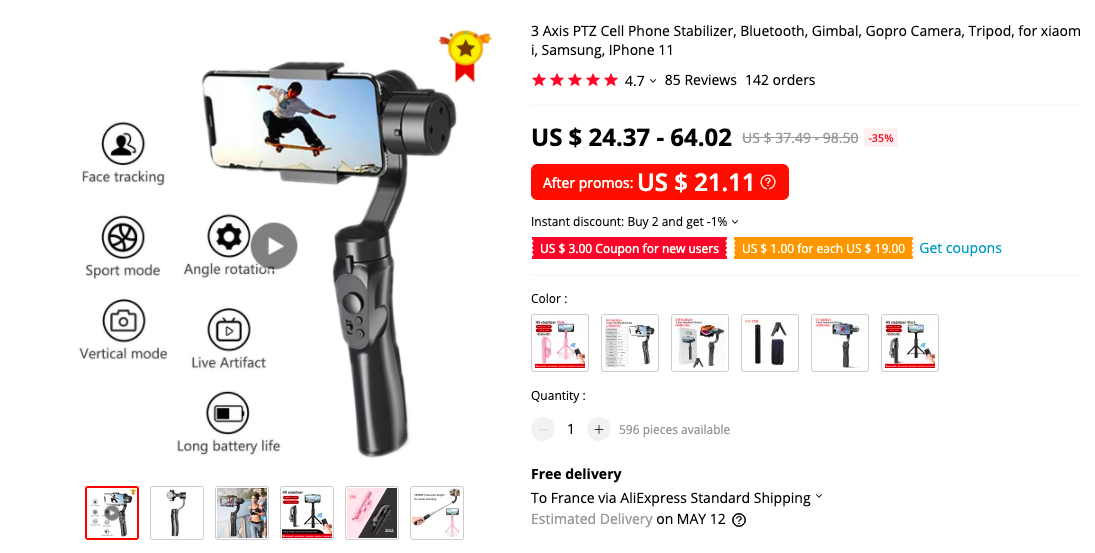
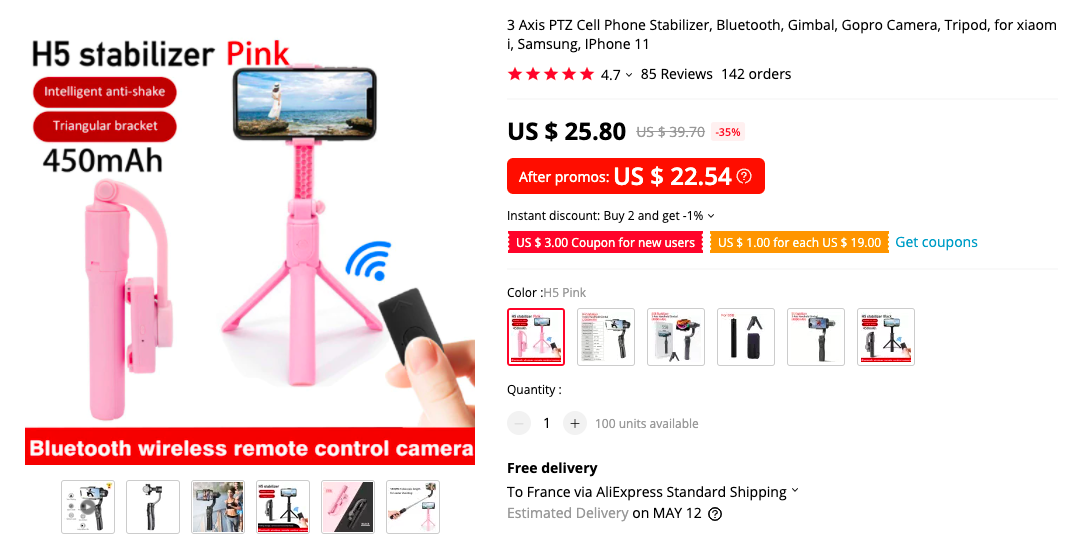
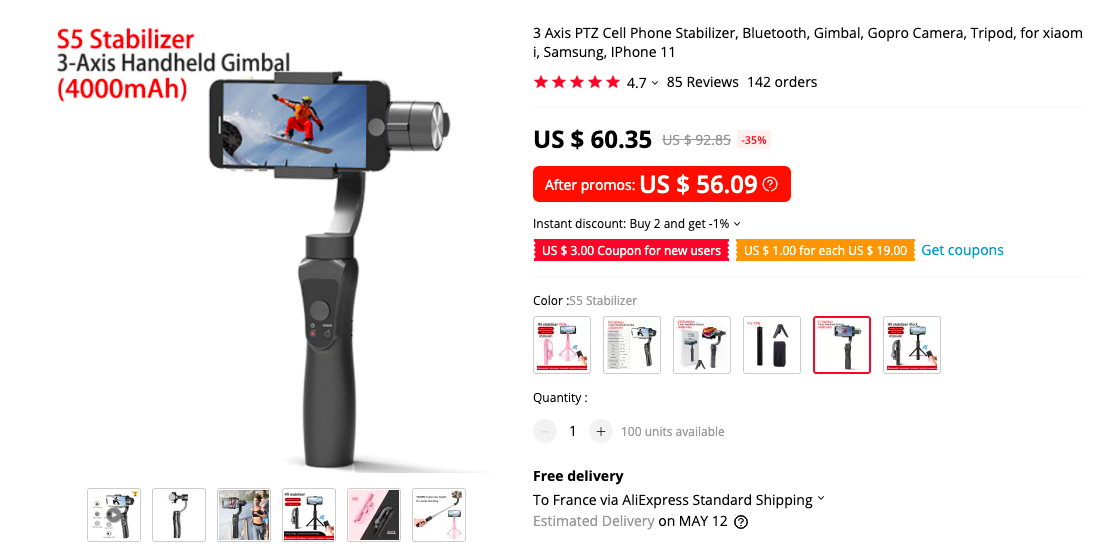
AI-Tech store is giving some amazing deals on phone stabilizers and gimbals on AliExpress. Under this deal, you can get an H5 stabilizer for as low as $22.54 and an S5 3 axis gimbal for $56.09.
Designed for mobile phones under 6.0 inches and GoPro 3,4,5,6
Product weight: 460g
Parts: Tripod, USB cable, Anti-drop chord
AI- Tech store is also giving discounts on other stabilizers and gimbals. So be sure to check out their page at AliExpress to get complete information on all the deals. Please note that the final price may vary depending on the product and shipping cost. So get your discounted gimbal asap.
For more information on such exciting deals and offers check out ourdeals hub.
* Please Note: When you buy something using the links in our articles, we may earn a small commission at no cost to you.
Taiwanese tech giant ASUS doesn’t churn out so many models annually but the brand’s models on the ROG and Zenfione series are reputed for their premium build and impressive hardware lineup. The company recently hinted at the launch of the next-gen Zenfone 8 series models slated for May 12.
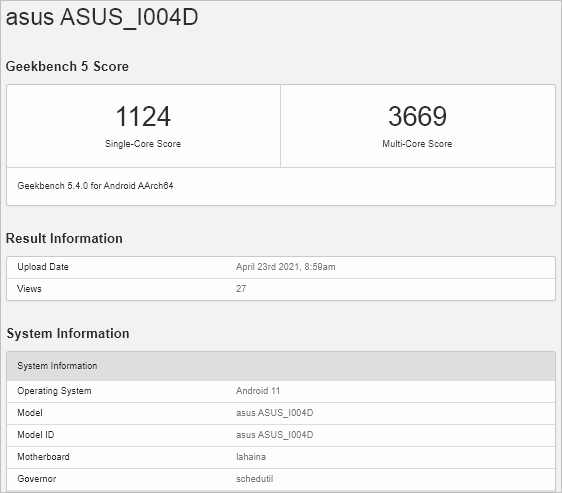
The Zenfone 8 series has featured in several leaks including the GeekBench listing for a device purported to be the Zenfone 8 Mini. Ahead of the launch, a second ASUS model has appeared on GeekBench, this time around the Zenfone 8. The model appears with the model number ASUS_I004D which corresponds to the model number of the Zenfone 8 spotted on a kernel source code breakdown done by the guys at XDA Developers.
The GeekBench listing shows the Zenfone 8 will also pack a Qualcomm Snapdragon 888 chipset just like the Zenfone 8 Mini. The processor will be paired with 8GB of RAM. Interestingly, the Mini was listed with 16GB RAM. Thus, we expect the Zenfone 8 to also have a 16GB version. The phone will run on the Android 11 operating system out of the box.
Talking of the GeekBench score, the flagship model scored 1,124 points on the single-core test while for the multi-core test, it scored 3,669 points. These scores are consistent with those of the Zenfone 8 Mini which surfaced last week.
Previous leaks tip the Zenfone 8 series to all run on the Snapdragon 888 flagship SoC. They will equally have AMOLED displays with FHD+ resolutions and that support a 120Hz refresh rate. On the camera aspect, the models will pack a 64MP Sony IMX686 main sensor that will team up with an unannounced Sony IMX663 module. The series will also come with support for 30W charging.
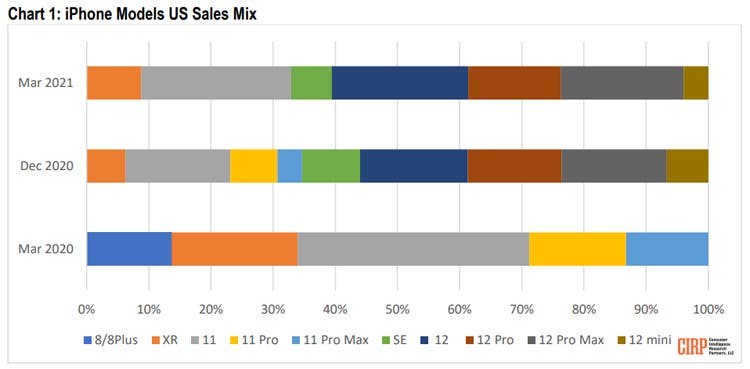
New data made available by Consumer Intelligence Research Partners indicate that Apple‘s US sales numbers were driven by the four iPhone 12 series models, which accounted for 61% of the overall sales in the first quarter of 2021. The four iPhone 12 models are the iPhone 12, iPhone 12 Pro, iPhone 12 Pro Max, and the iPhone 12 Mini.
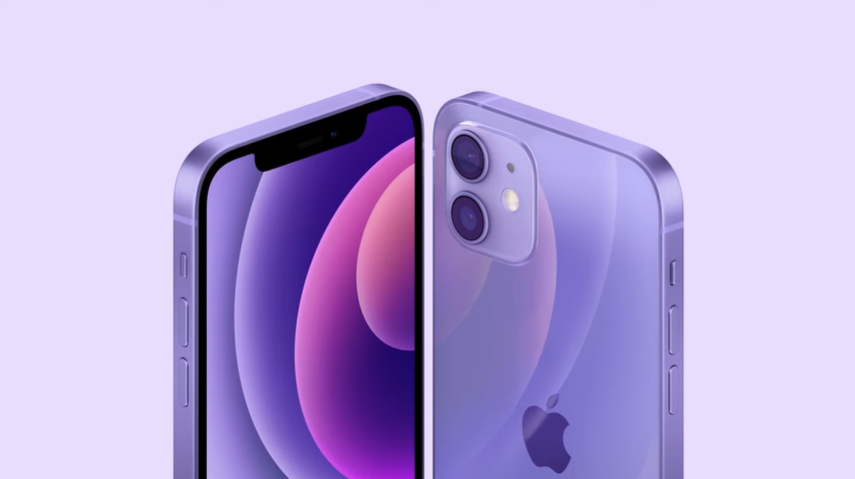
Apple recently added a purple variant for the iPhone 12
The iPhone 12 series performance data shows that the vanilla iPhone 12 model had the highest sales numbers among the four models. The petite iPhone 12 Mini accounted for the lowest number of units sold within the period. The iPhone 12 Mini has not met its pre-release projections and has not sufficiently caught the fancy of US consumers.
The sales trajectory showed a shift away from the more expensive and newer iPhone 12 series to the less expensive iPhone 11. This resulted in a decline in the average selling price to $847 from its December 2020 average of $873.
The iPhone 11 smartphone retained individual honor as the highest-selling Apple model, as was also the case in Q1 2020. The impressive and hugely popular Phone 11 grossed about 24% of the overall Apple smartphone sales, after a seeming lull in sales in the aftermath of the launch of the iPhone 12 series.
The iPhone 11 has had an outstanding performance against its more endowed successors, including the iPhone SE, iPhone 12 series, and the iPhone XR. It was a mixed bag for the iPhone SE and XR models in the three months ending in March 2021. While the iPhone SE declined from its Q4 2020 market share, the iPhone XR performed better.
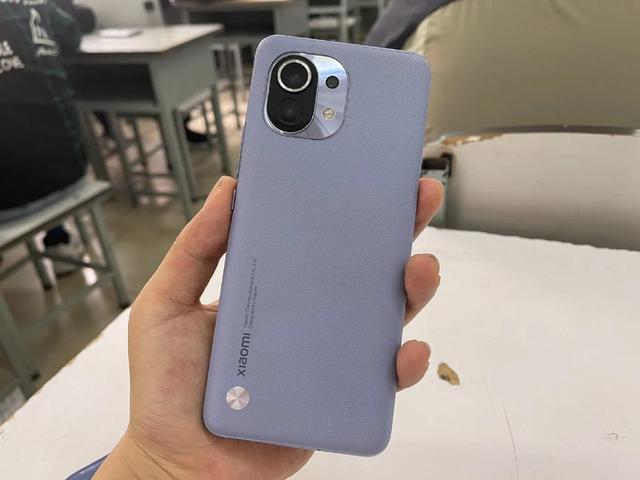
Xiaomi Mi 11 was first announced in January this year and has been on sale since then. The sales have been pretty impressive especially as the company released it as a single variant. The Mi 11 Ultra and Mi 11 Pro were only launched recently. Thus, most users who upgraded to Xiaomi’s latest flagship likely own the Mi 11.
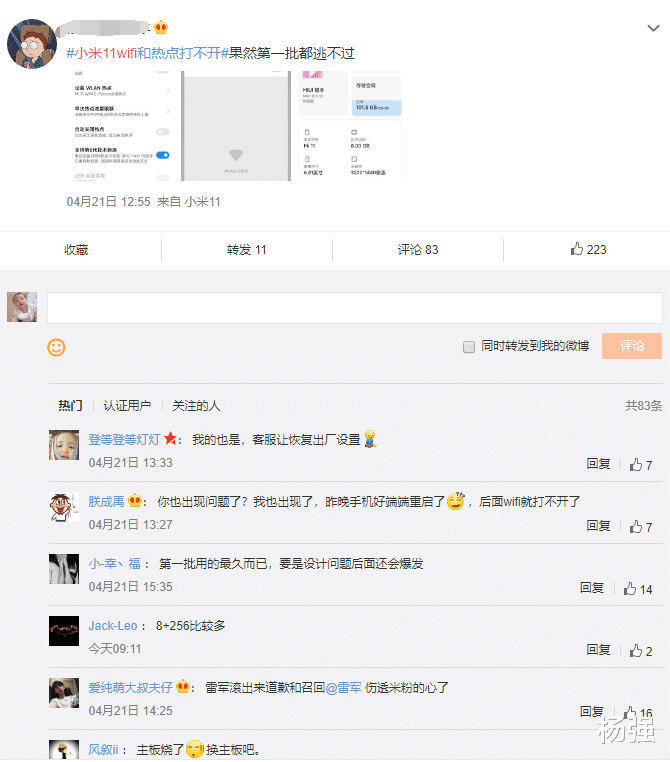
However, the flagship device has been plagued with a few minor issues which thankfully affected just a few users. Recently, we reported the burnt motherboards issue lodged by some users in China. A new complaint is now springing up from Mi 11 users in China. Some users have complained that their WiFi module abruptly stopped working for no reason.
The issue apparently affects not just one but a large number of users. But there are several others who say their Mi 11 Wifi module works just fine. This is perhaps why the company is yet to say anything about the issue. The Mi 11 is one of the first models to launch with the Snapdragon 888 chipset and there have been complaints before now of excessive hotness sometimes, high power consumption, and lower battery life.
Several reasons have been adduced by netizens as to why the issue popped up. A widely held view is that it is caused by serious flaws in the motherboard design. While some believe it is a production defect, some say the motherboard may have been affected by the overheating issue which may have soldered the WiFi module to the motherboard. However, a tech geek countered this by saying that chips are soldered using a high-temperature tin with a melting point close to 300 degrees. While the CPU heats up to more than 100 degrees during extreme use, it is unlikely to cause false soldering.
Further, the WiFi and Bluetooth modules are integrated on the same chip and so, if this chip is burned it should affect both the WiFi and Bluetooth connectivity instead of just the WiFi. Thus, this may be a production issue affecting a certain batch of the Mi 11 and if it is really a design issue, Xiaomi may need to recall the batch.
What makes this even more interesting is reports that posts with contents relating to this issue on the official Xiaomi community have begun to be blacklisted and deleted by the moderators. There is precedence to this sort of behavior but that will definitely not kill the matter. We expect Xiaomi to come out with an official statement instead of trying to silence complainants.
We await an official statement from Xiaomi about this issue.
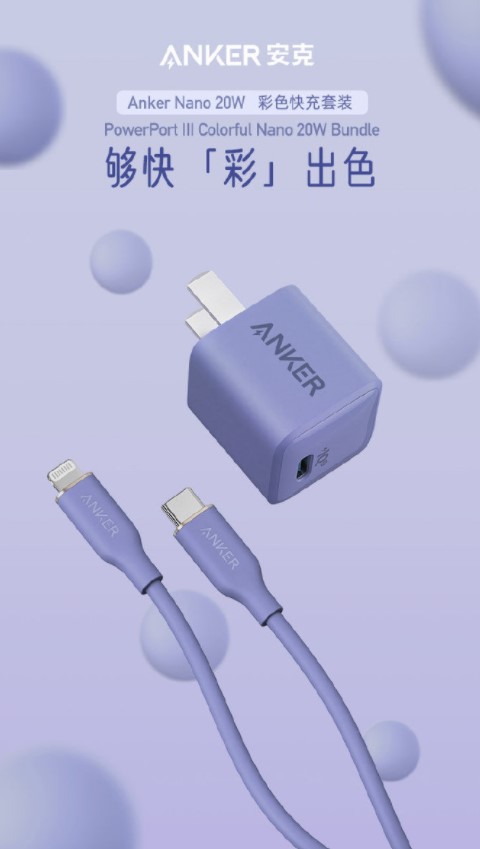
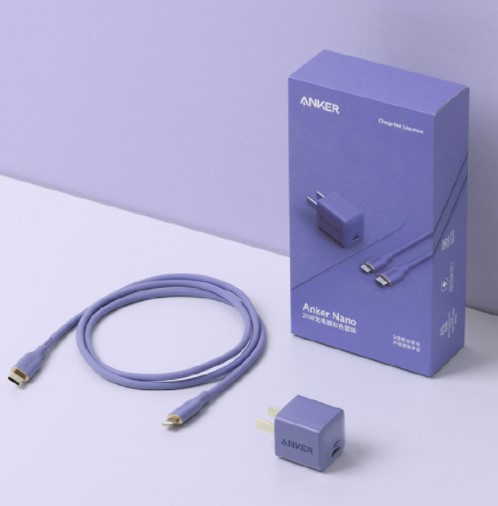
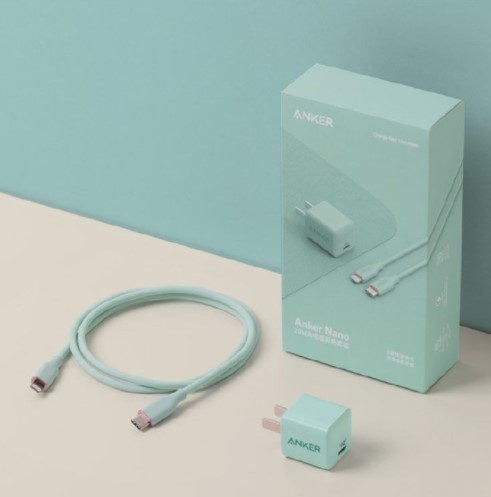
Just like the other color options, this too won’t come with a charger in the box, so you have to purchase one if you don’t have a spare lying around. One of the recommended chargers you can pick up is the Anker Nano (Anker PowerPort III Nano 20W), a 20W USB-C charger that’s no bigger than Apple’s 5W charger. The good thing is that the charger now comes in a colorway that matches the new purple iPhones.
The purple Anker Nano charger seems to be China-exclusive as we didn’t find it on Anker’s US and UK websites. This is also a bundle as it comes with a matching braided USB-C to Lightning cable included in the package (doesn’t come with a cable by default).
The Anker Nano is 50% smaller than Apple’s own iPhone 12 20W USB-C charger. It is also 3x faster than the 5W charger and will charge the iPhone 12 from 0 to 50% in 25 minutes.
The charger is also compatible with older iPhones up to the iPhone 8, all generations of the 12.9-inch iPad Pro, the 3rd and 4th gen iPad Air, and the 7th and 8th gen iPad. It is also compatible with Samsung’s Galaxy S10, Galaxy S9, and Galaxy S8 series as well as the Pixel 2 and up. Anker says it will also work for the Nintendo Switch but does not support charge-and-Play in TV mode.
The Anker Nano bundle (with cable) is priced at ¥298 (~$46)on Tmall. You can also buy just the power adapter for ¥99 (~$15). While we would love to see Anker make the charger available in matching colors for the other colorways of the iPhone 12 series, the only other color available is Green and it too comes with a matching braided cable.
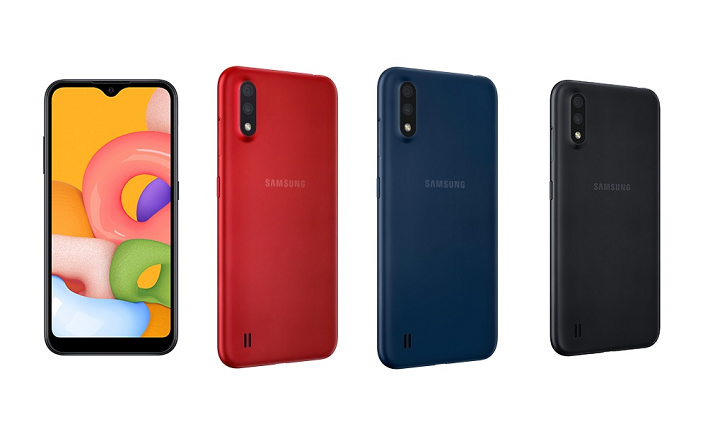
The Samsung Galaxy A01 was the cheapest Galaxy A series smartphone when it was released. The handset debuted with One UI Core 2.x. More than a year after its launch, the handset has started receiving its first major update.
According to a report by SamMobile, Galaxy A01, an entry-level Samsung smartphone has begun to receive its firm-ever major system update in the form of One UI Core 3.1 based on Android 11. The device was expected to get the update in May or later, however, the company is rolling it out earlier.
Currently, the South Korean tech giant is seeding this update in Russia with firmware version A015FXXU4BUD8. Apart from bringing the Android 11 features and a select few new One UI features, the new build also features April 2021 security patches.
Users of this phone in Russia can head over to Settings > Software update > Download and install to check whether their unit has got the OTA update. If not, they will have to wait a bit further because it is being rolled out in batches.
We can expect Samsung to seed this update in other regions in the coming days. Since the Galaxy A01 is an entry-level smartphone, it is not sure if it will be receiving the Android 12 update in the future. However, we can expect security patches for a while.
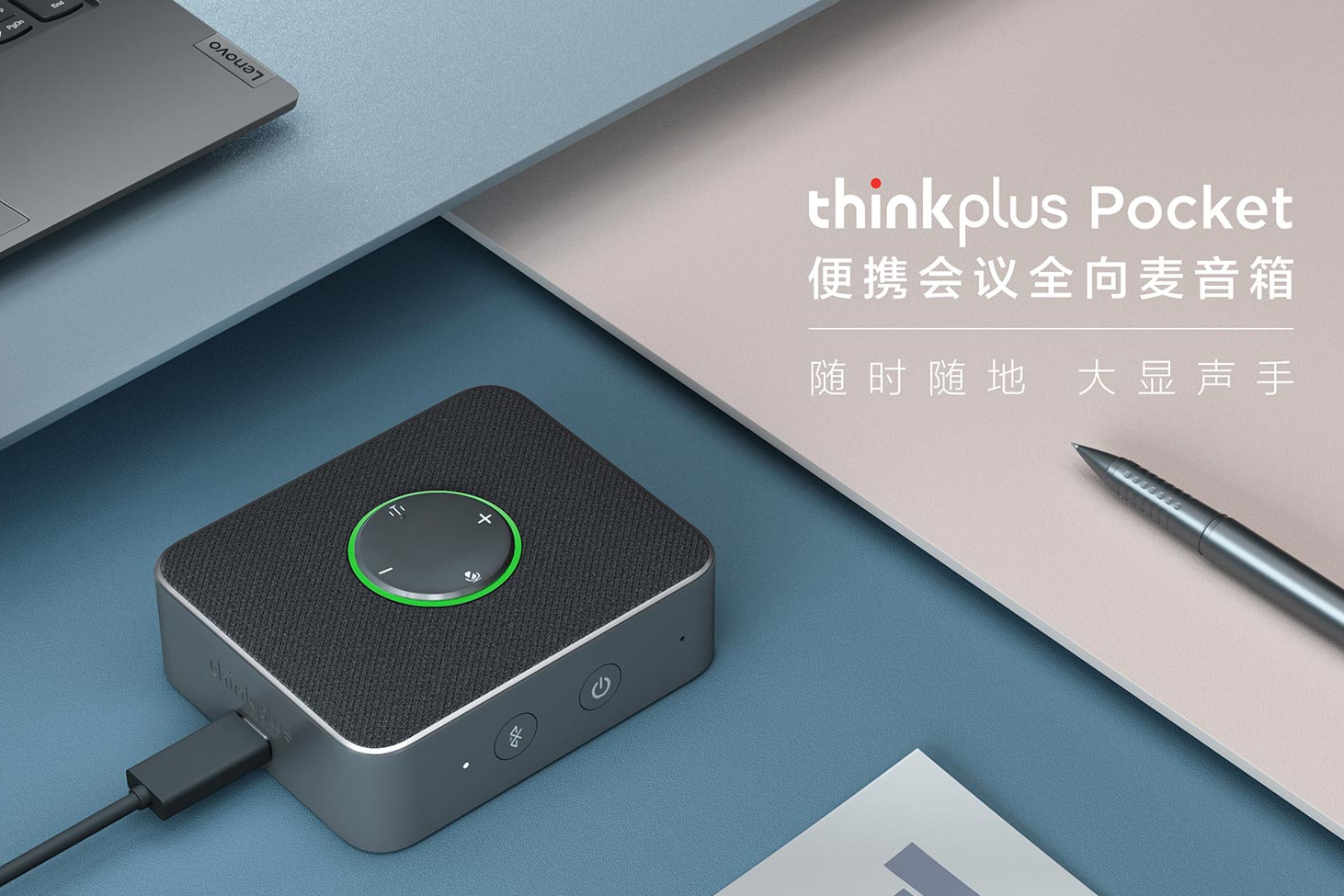
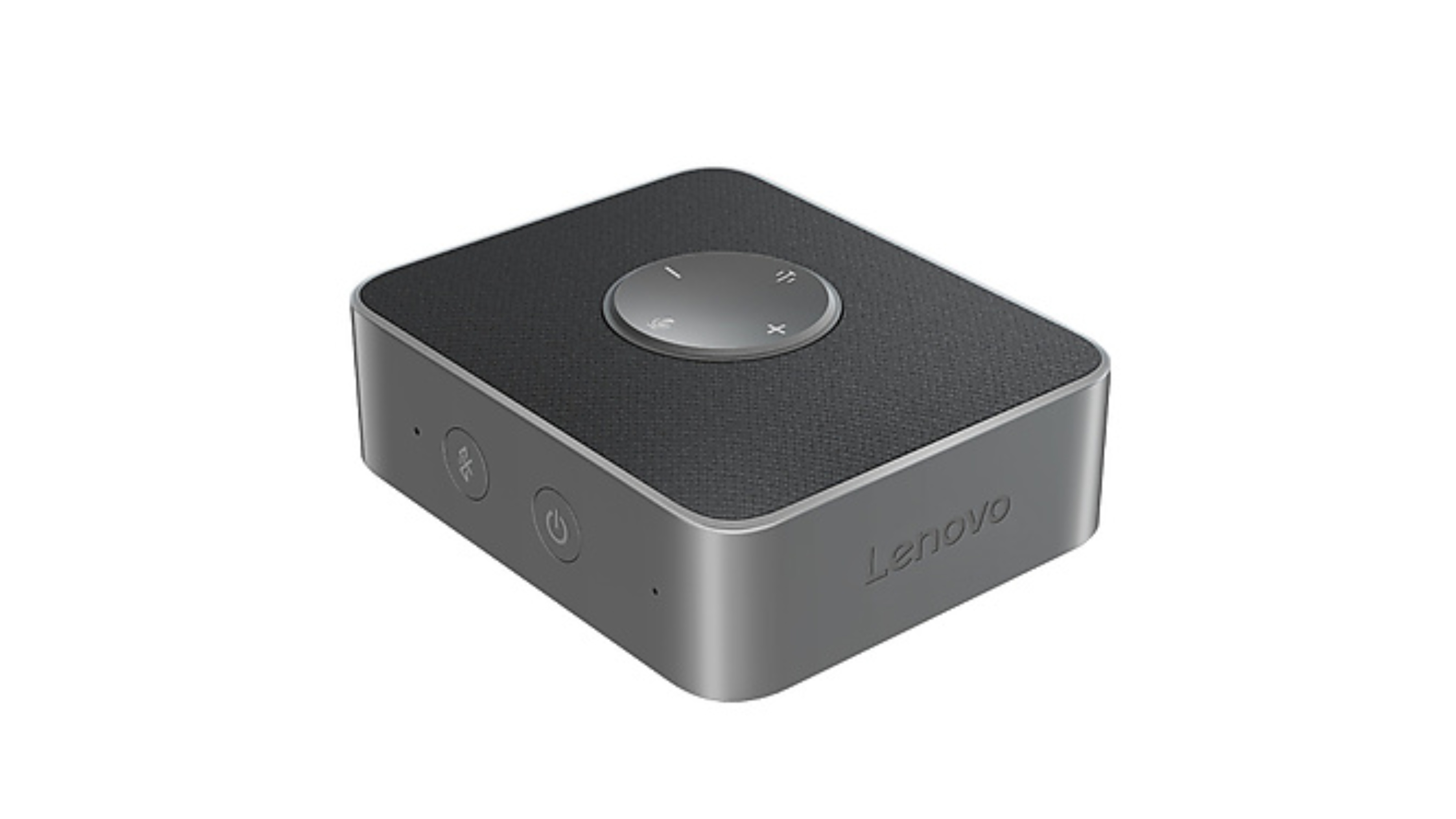
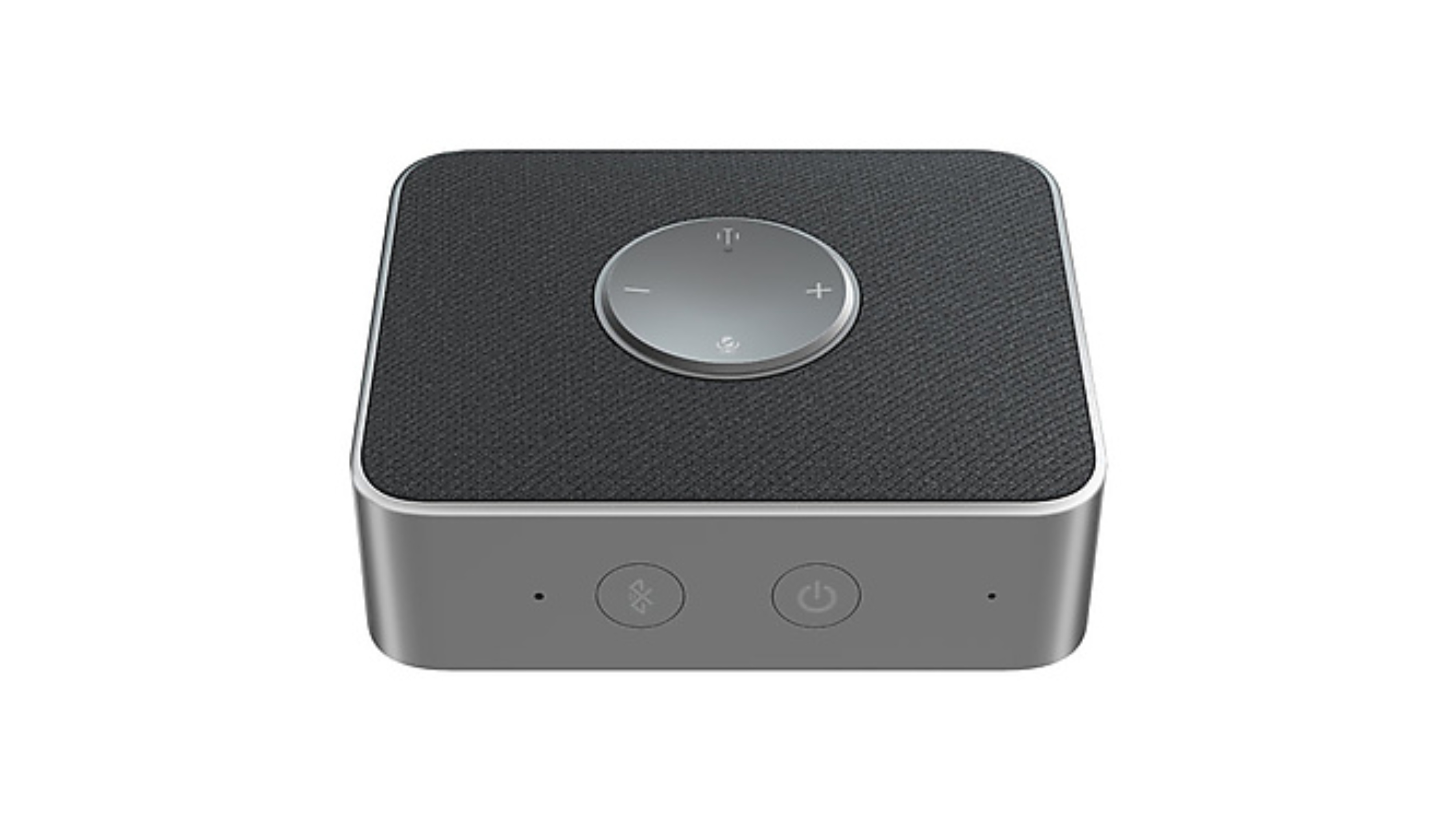
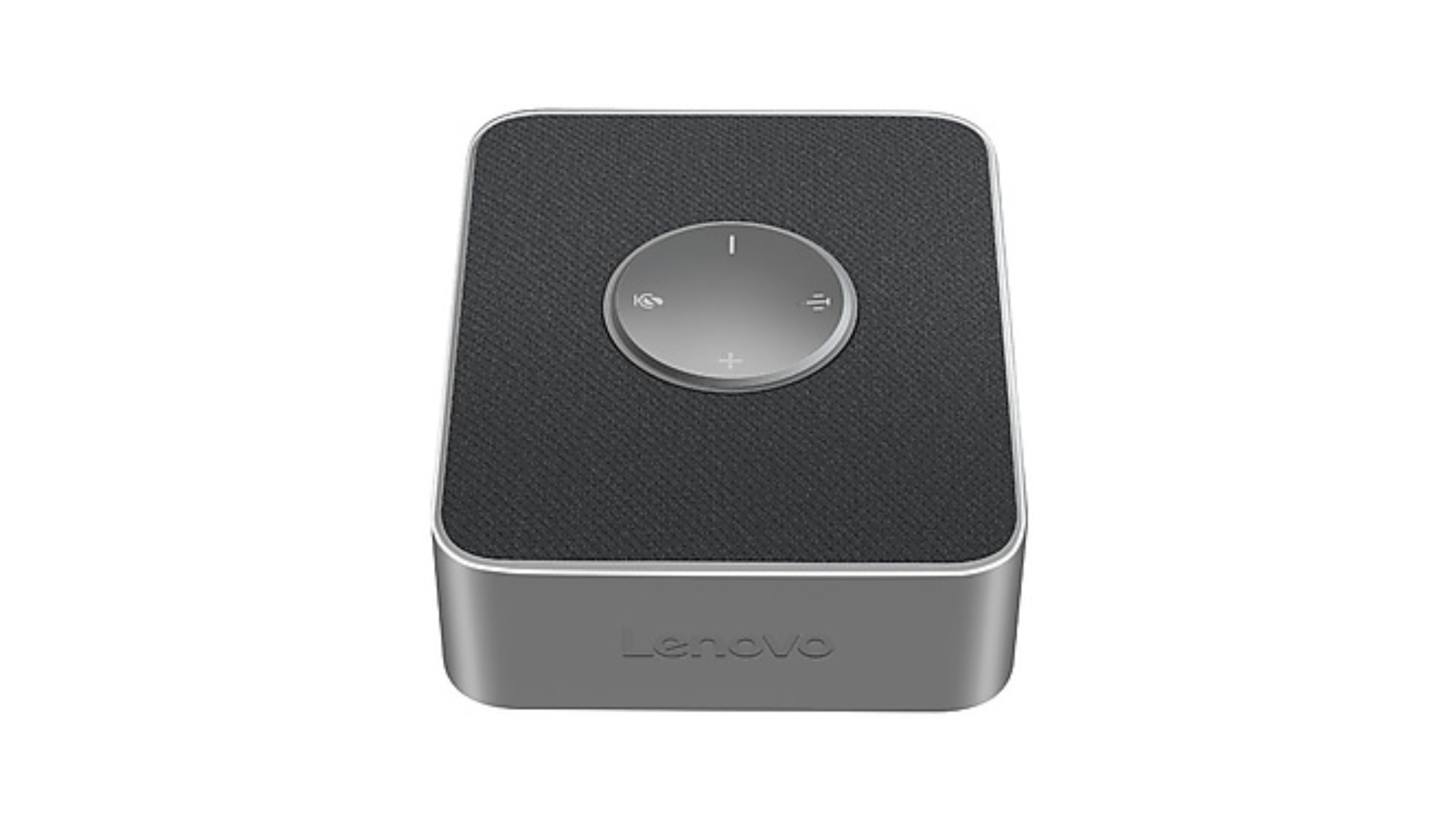
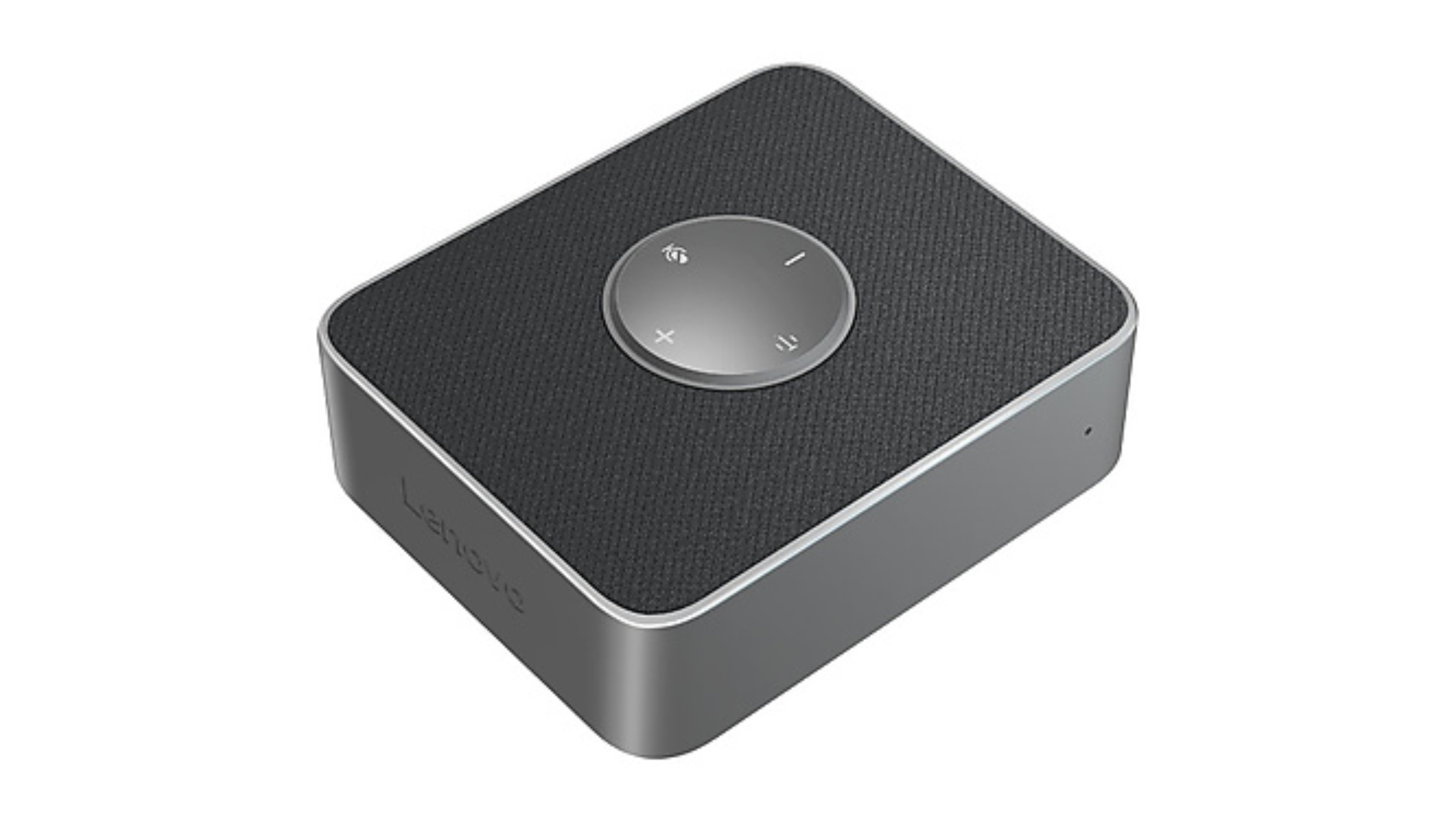
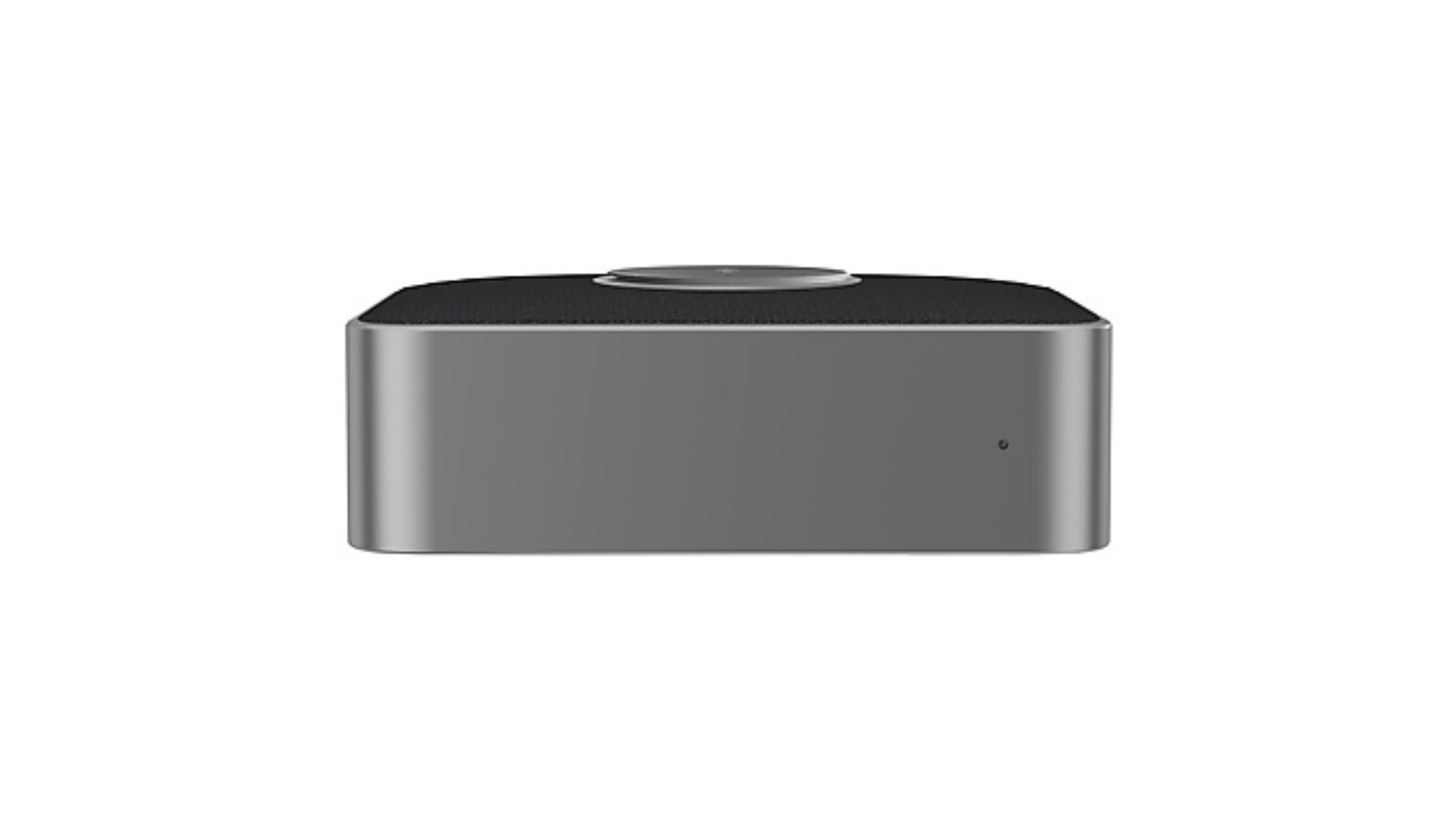
Recently, Lenovo held the YOGA x Xiaoxin spring product launch event in China. At this conference, the company announced a number of computers and accessories. We have covered most of these products on our website. You can read about them here. Here in this article, let’s take a look at an accessory called Lenovo thinkplus Pocket Portable Omnidirectional Microphone Speaker.
The newly launched Lenovo thinkplus Pocket Portable Omnidirectional Microphone Speaker is one of the most useful accessories for people working at home. It is also recommended for people who travel often for their job.
The product comes with Bluetooth 5.0 to connect with any Bluetooth-enable devices (desktop, laptop, tablet, smartphone) wirelessly. It is backed by a 500mAh battery that charges via USB Type-C. It is said to offer an endurance of 4 hours and can be used plugged in as well.
As the name suggests, this product features a 360° omnidirectional microphone and an upward-firing speaker. This mic has a pick-up radius of 1.5m, digital noise reduction algorithm, echo cancellation, and dual-talk optimization.
1 of 5
Further, the accessory supports recording and real-time translation in various productivity apps, including Microsoft Teams. It also has physical buttons and an LED indicator for various controls like mute. Lastly, the companion app for this product also supports transcription.
Last but not least, the Lenovo thinkplus Pocket Portable Omnidirectional Microphone Speaker measures 86 x 72 x 31mm in dimensions, weighs 110g, and is priced at ¥299 ($46). It is currently up for pre-order with a ¥20 ($3) discount.
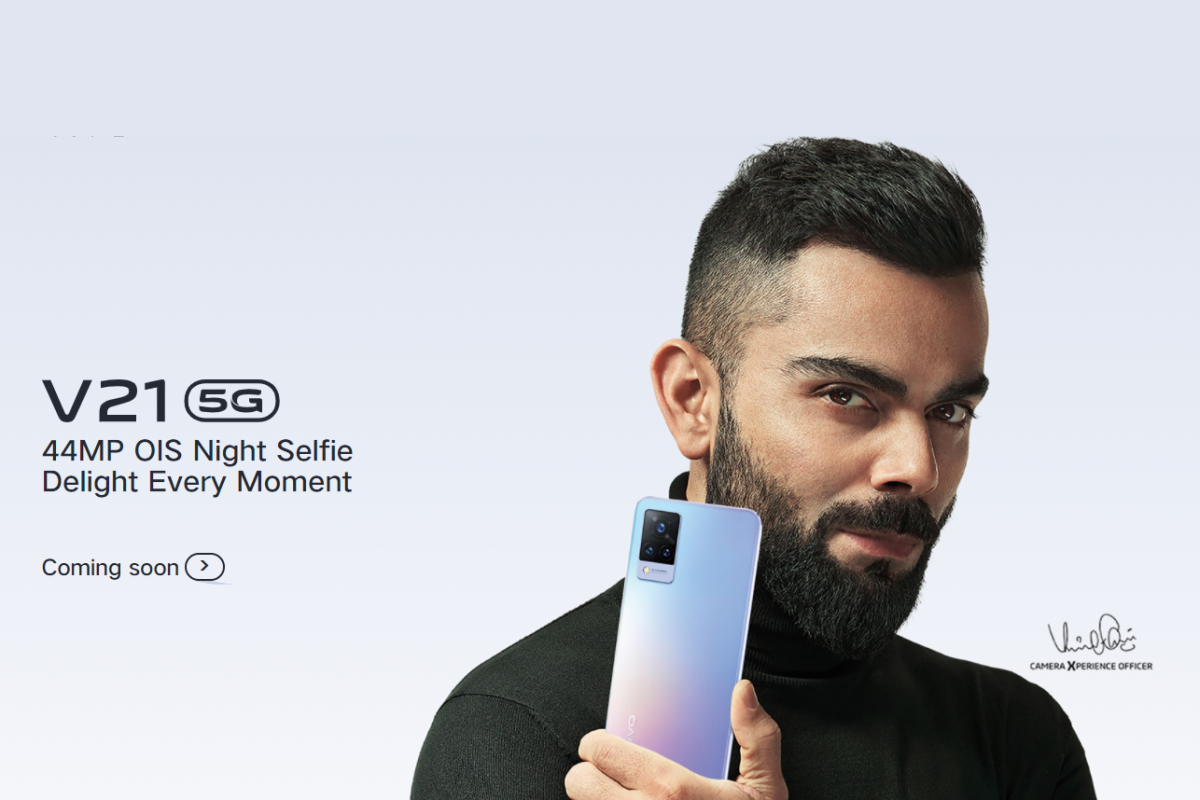
Chinese smartphone maker vivo will be launching the vivo V21 series first in Malaysia next week. Now, the company has confirmed that it will be debuting the vivo V21 5G in India a couple of days later from the handset’s global debut.
The upcoming vivo V21 series will initially include two models, namely vivo V21 5G and vivo V21e. These two devices will be unveiled first in Malaysia on April 27. Similarly, the vivo V21 5G has been confirmed to launch in India on April 29. Interestingly, it will not be accompanied by the vivo V21e.
According to previous reports, the upcoming vivo V21 5G will flaunt a 6.44-inch E3 AMOLED display with a dewdrop notch, 800 nits peak brightness, and HDR10+ support. It will be powered by a MediaTek Dimensity 800U SoC coupled with 8GB RAM.
The phone will house a triple camera setup consisting of a 64MP primary sensor with OIS, an 8MP ultra-wide unit, and a 2MP macro shooter. Whereas, on the front, the smartphone will include a 44MP selfie camera with OIS.
On the software front, the vivo V21 5G will run Android 11 (Funtouch OS 11.x) and will be backed by a 4,000mAh battery with support for 33W fast charging. Lastly, the device will measure 7.29mm in thickness, weigh 176g, and will be available in three colors (Sunset Dazzle, Dusk Blue, Arctic White).
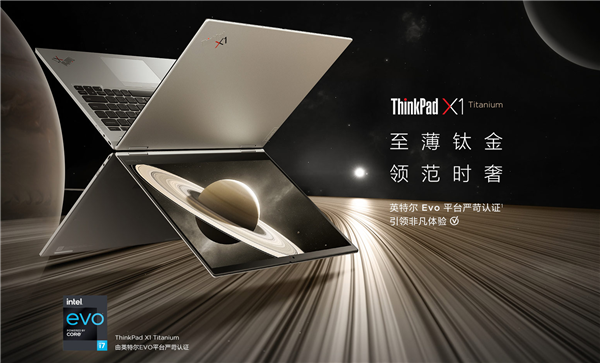
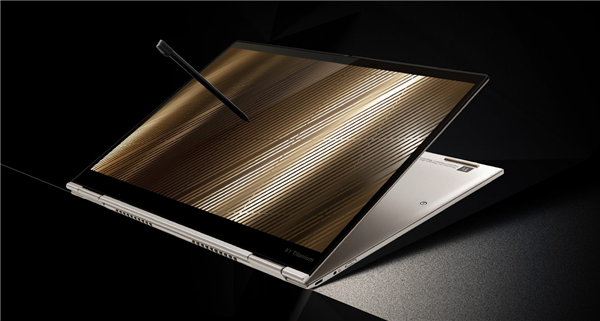
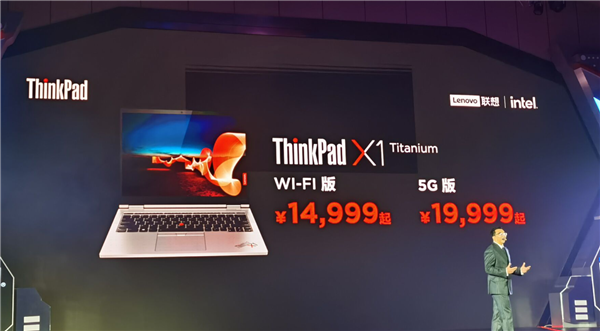
Lenovo took the wraps off a number of notebook models under the Xiaoxin, ThinkPad, and YOGA series but the one that stands out the most in terms of the design is the ThinkPad X1 Titanium. The model adopts a premium build with a body made from titanium.
Lenovo ThinkPad X1 Titanium features the 11th-generation Intel Core i5/ i7 processors and it also supports Intel EVO certification and 5G. The notebook doesn’t come cheap, though, as it carries a price tag of 19,999 yuan (~$3079).
The body is made of titanium and carbon fiber materials. As a result of the material used for the body, the ThinkPad X1 Titanium notebook is ultralightweight and also very thin. The new structural design makes the thickness only 11.5mm and the weight only 1.15kg. The body is made of titanium and carbon fiber materials. The laptop is said to be the thinnest ThinkPad notebook in history.
In addition, the ThinkPad X1 Titanium notebook packs a 13.5-inch display is also a reversible convertible. The screen size is 13.5 inches, it supports capacitive pressure-sensitive touch, and has a resolution of 2.2K, with a screen ratio of 3:2.
In terms of hardware, the ThinkPad X1 Titanium notebook’s processor also integrates an Intel Xe core GPU as well as 16GB RAM and a 512GB SSD hard drive. Under the hood is a 44.5Wh battery. It also arrives with support for face recognition.
As for the prices, the Wi-Fi version of the ThinkPad X1 Titanium notebook starts at 14,999 yuan (~$2309), and the 5G version starts at 19,999 yuan (~$3079). The notebook is already on pre-order and will start shipping on April 30.
We use cookies on our website to give you the most relevant experience by remembering your preferences and repeat visits. By clicking “Accept”, you consent to the use of ALL the cookies.
This website uses cookies to improve your experience while you navigate through the website. Out of these, the cookies that are categorized as necessary are stored on your browser as they are essential for the working of basic functionalities of the website. We also use third-party cookies that help us analyze and understand how you use this website. These cookies will be stored in your browser only with your consent. You also have the option to opt-out of these cookies. But opting out of some of these cookies may affect your browsing experience.
Necessary cookies are absolutely essential for the website to function properly. This category only includes cookies that ensures basic functionalities and security features of the website. These cookies do not store any personal information.
Any cookies that may not be particularly necessary for the website to function and is used specifically to collect user personal data via analytics, ads, other embedded contents are termed as non-necessary cookies. It is mandatory to procure user consent prior to running these cookies on your website.