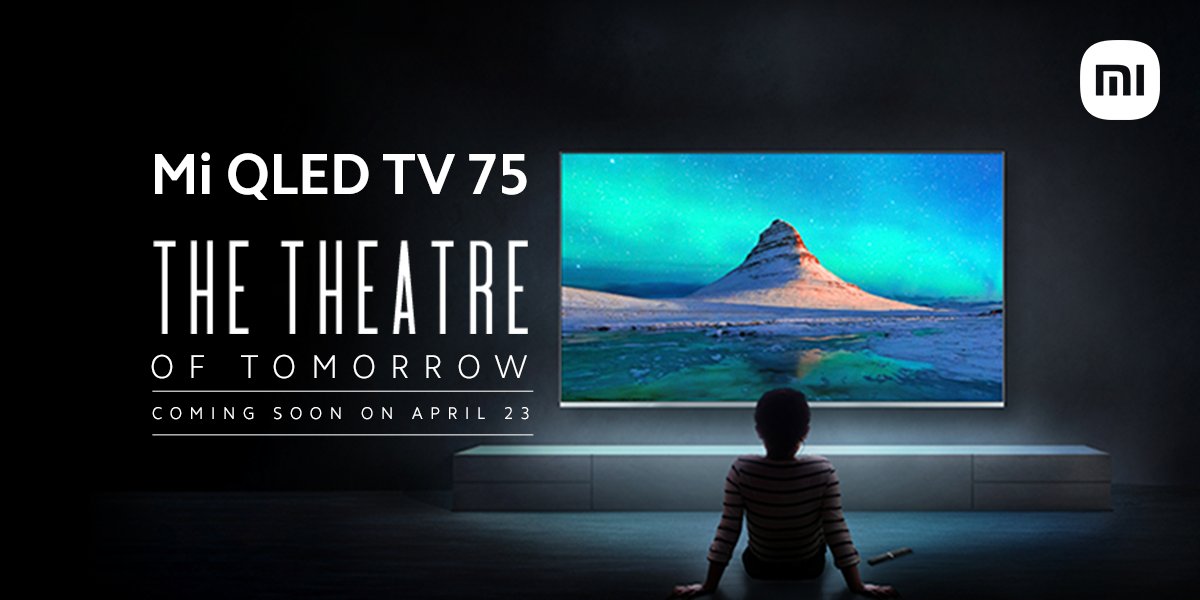
Yesterday, Xiaomi teased a new Mi TV in India and we speculated that it could be the Mi TV Q1 75-inch from Europe. Today, the company has confirmed that the Mi QLED TV 75-inch is launching in India on April 23.
Xiaomi made the Mi QLED TV 75-inch launch announcement via a Twitter post. A microsite page has also gone live on the Xiaomi India website and the teaser images further show that it’s the MI TV Q1 from Europe.
That said, this TV would be the second QLED TV for Xiaomi in India. In December 2020, Xiaomi officially brought its first QLED TV to the country but the variant had a 55-inch display size.
Anyway, Xiaomi isn’t limiting the launch of the Mi QLED TV 75-inch on April 23. We already know that the company is bringing its top-of-the-line premium Mi 11 Ultra flagship, and the Mi 11X series as well. Looks like the event will be one of the biggest ever for Xiaomi India.
If Xiaomi doesn’t make any India-specific changes, the Mi QLED TV 75-inch should have a 75-inch QLED 4K display panel that covers 100% NTSC color gamut, has up to 1.07 billion colors and 1,024 different color shades.
The display will likely have 178° viewing angle, 10,000:1 contrast ratio, 120Hz refresh rate with MEMC, HDR10+ certification and comes with support for Dolby Vision®️.
We can expect other features like HDMI 2.1 ports, ALLM, 360-degree Bluetooth remote, 30W speakers with Dolby AudioTM and DTS-HD, Android 10 TV OS, Google Assistant/Alexa voice assistant support, and has pre-installed Popular apps including Netflix, Amazon Prime Video, and YouTube.
The data collected in China from electric cars made by Tesla are stored within the country, as per a company executive. This statement arrives after the Chinese military banned the company’s cars from entering its facilities.
According to a Reutersreport, the vice president of the company issued the statement after it faced a ban from the Chinese military. For those unaware, the known electric vehicle maker is facing scrutiny in the region in terms of security and data collection. Previously, we had reported that the cars made by the company do not have cameras enabled by default outside of North America. This statement was made due to the brand being accused of being a security risk in the country.
Now, Tao Lin stated that “Tesla as a company with operations in China must abide China’s laws and regulations. Our data is very well protected. Chinese data is stored in China.” The senior official further added that the company would even share its understanding of data protection with the Chinese government. This even prompted the Tesla Chief Executive Elon Musk to say that his company would be shut down if the cars were to spy.
At the moment, Tesla is building its electric Model 3 sedans and Model Y sport utility vehicles in Shanghai. Meanwhile, China is the largest electric vehicle market in the world. Thus, it would make sense that the company would likely comply with the strict regulations that are imposed in the region. So stay tuned for more, as we will be providing updates when additional information is available.
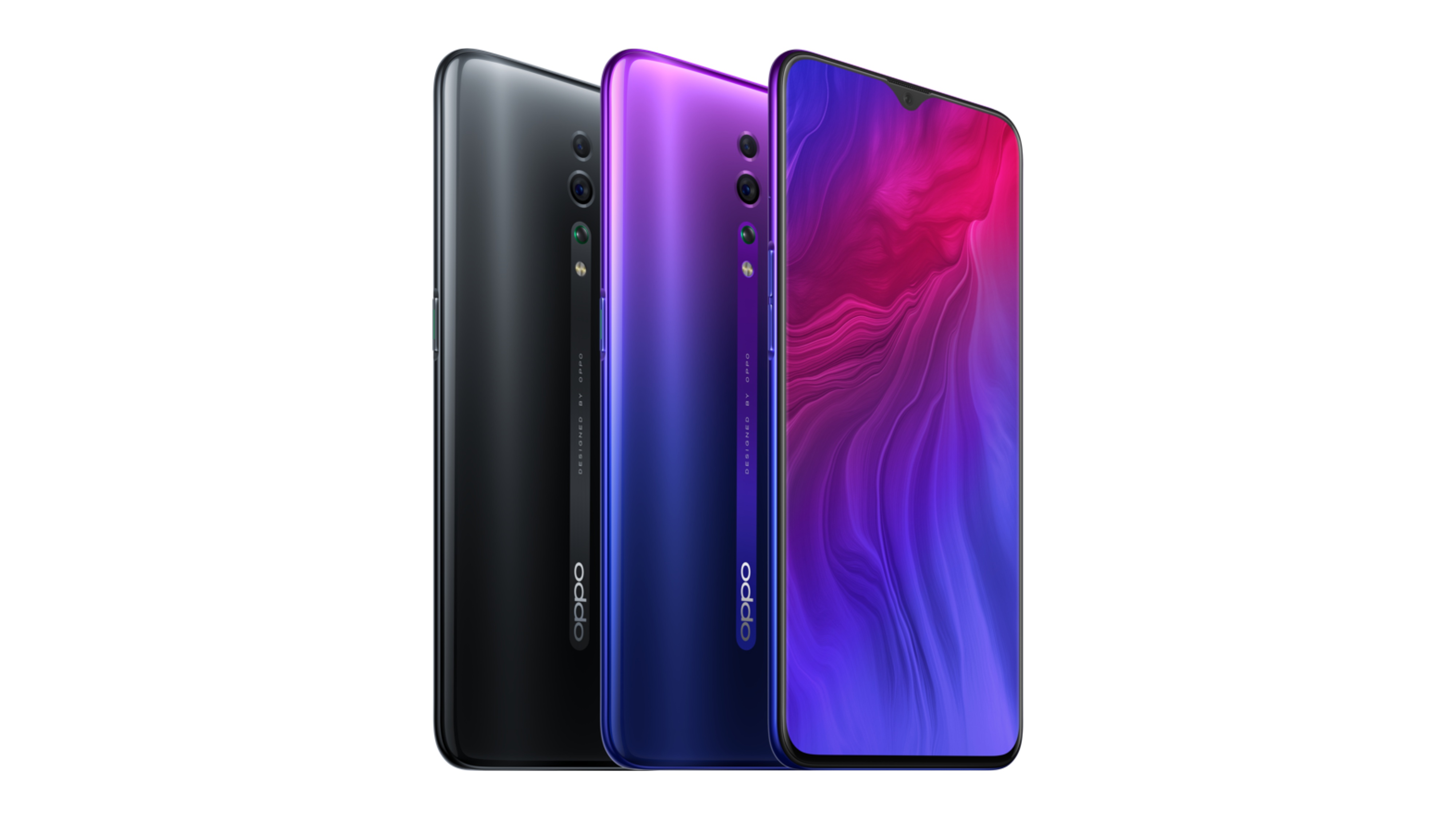
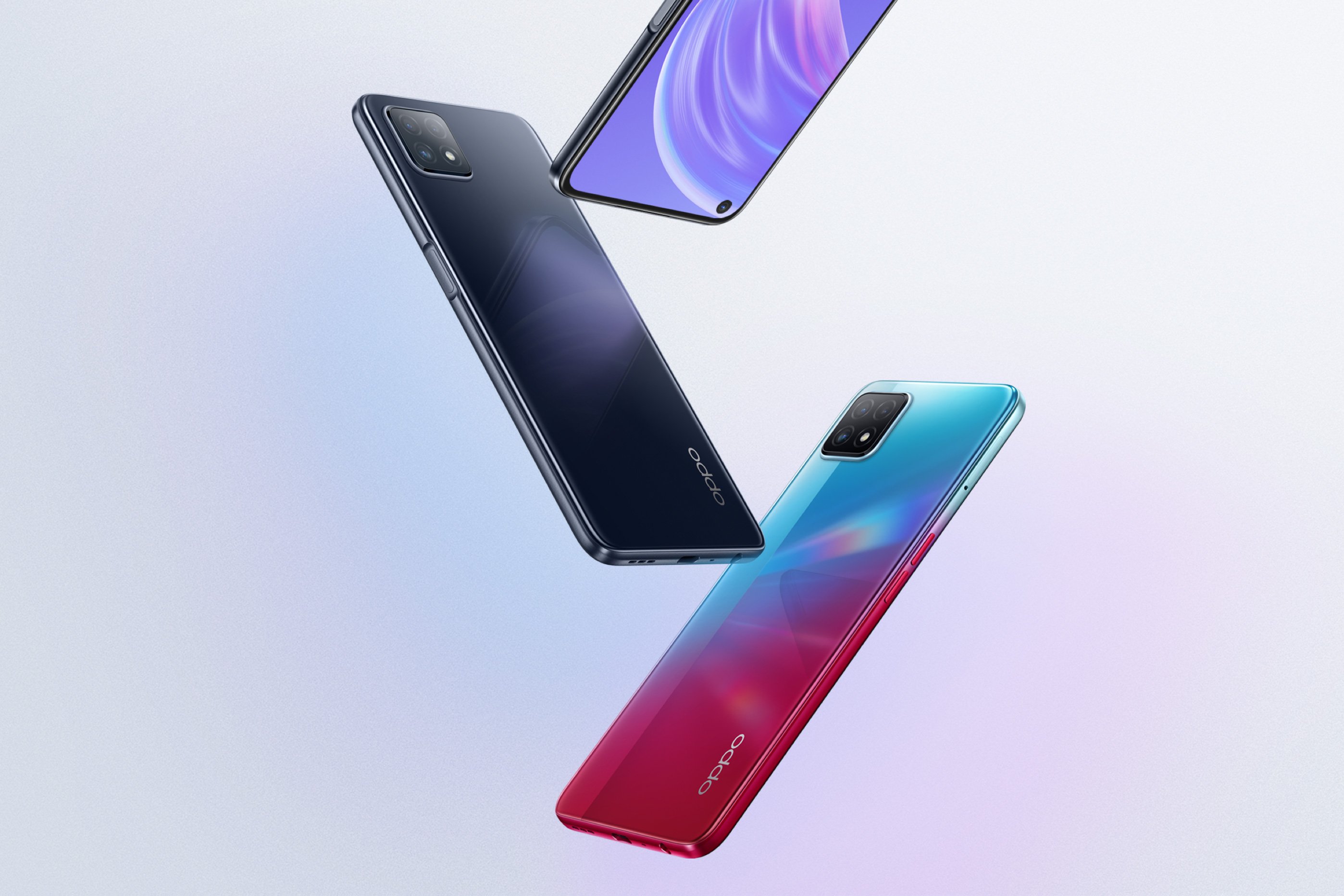
OPPO has been rolling out Android 11-based ColorOS 11 update to eligible devices since September. The latest smartphones to get beta builds are OPPO Reno Z and OPPO A73 5G. interested users of these handsets can enroll themselves for the beta program to experience the new version of OPPO’s mobile operating system.
OPPO Reno Z
A few days back. OPPO announced the ColorOS 11 update rollout plan for April 2021. According to the timeline, the OPPO Reno Z and the OPPO A73 5G were supposed to get ColorOS 11 Beta on April 13 and April 14 respectively.
However, the company had started recruiting testers ahead of the schedule on April 12. As per the official announcement posts on ColorOS Community, the registrations for the first batch will remain open till April 19.
As far as eligibility is concerned, interested users need to be running firmware version C.35 on OPPO Reno Z and A.13/A.15 on OPPO A73 5G. Also, the beta program is only live in Saudi Arabia and UAE for the former phone. Whereas, the initiative is also available in Australia for the latter handset, in addition to Saudi Arabia and UAE.
OPPO A73 5G
That said, in order to register, users will have to navigate to Settings > Software Update > Gear Icon > Apply for Beta Version > Update Beta Version and follow the on-screen instructions.
The OPPO Reno Z debuted with ColorOS 6.x based on Android 9.0 Pie. It was later updated to Android 10 (ColorOS 7.x) last year. Hence, ColorOS 11 (Android 11) should be the last major update for this phone.
On the other hand, the OPO A73 5G launched with Android 10-based ColorOS 7.2. The latest ColorOS 11 is its first major update. Therefore, it may receive ColorOS 12 (Android 12), as per OPPO’s update track record.
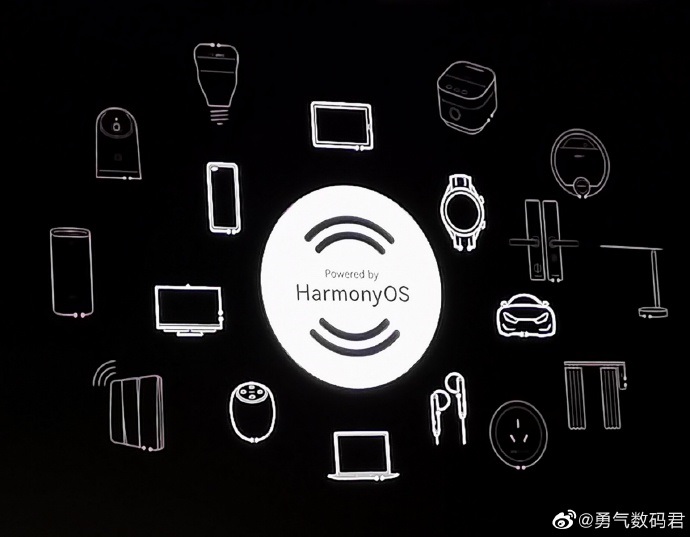
HarmonyOS is the proprietary operating system from Huawei, which the company has heavily invested into for its development. Now, the brand is aiming on bringing its in house OS to about 300 million devices within this year.
According to a CNTechPostreport, the Chinese tech giant is currently working on improving its hardware and software capabilities, and is seeking to bring HarmonyOS to 100 million additional devices within this year, as per Xu Zhijun, vice chairman of Huawei. Previously, another executive had revealed that the consumer electronics maker had partnered with 20 hardware vendors and 280 application software developing companies that would use its new operating system.
Now, Wang Chenglu, president of Huawei’s consumer business software division, has announced that the company’s conservative target for the number of HarmonyOS equipped devices this year is 300 million units. Some of its partners that will help it reach this goal include brands like Midea and Joyoung. Out of the 300 million units, 100 million devices would arrive with the new OS out of the box. Meaning, the company would be launching various new products that will ship the OS rather than later being upgraded to it.
For those unaware, HarmonyOS is a software built with cross platform integration in mind. In other words, the software is built to unify different devices and is not limited to just smartphones and TVs. The company aims to have it be universal for its product. Unfortunately, the vendor has yet to officially reveal a detailed release roadmap, although, the company has launched Beta versions of the OS for certain smartphone models.
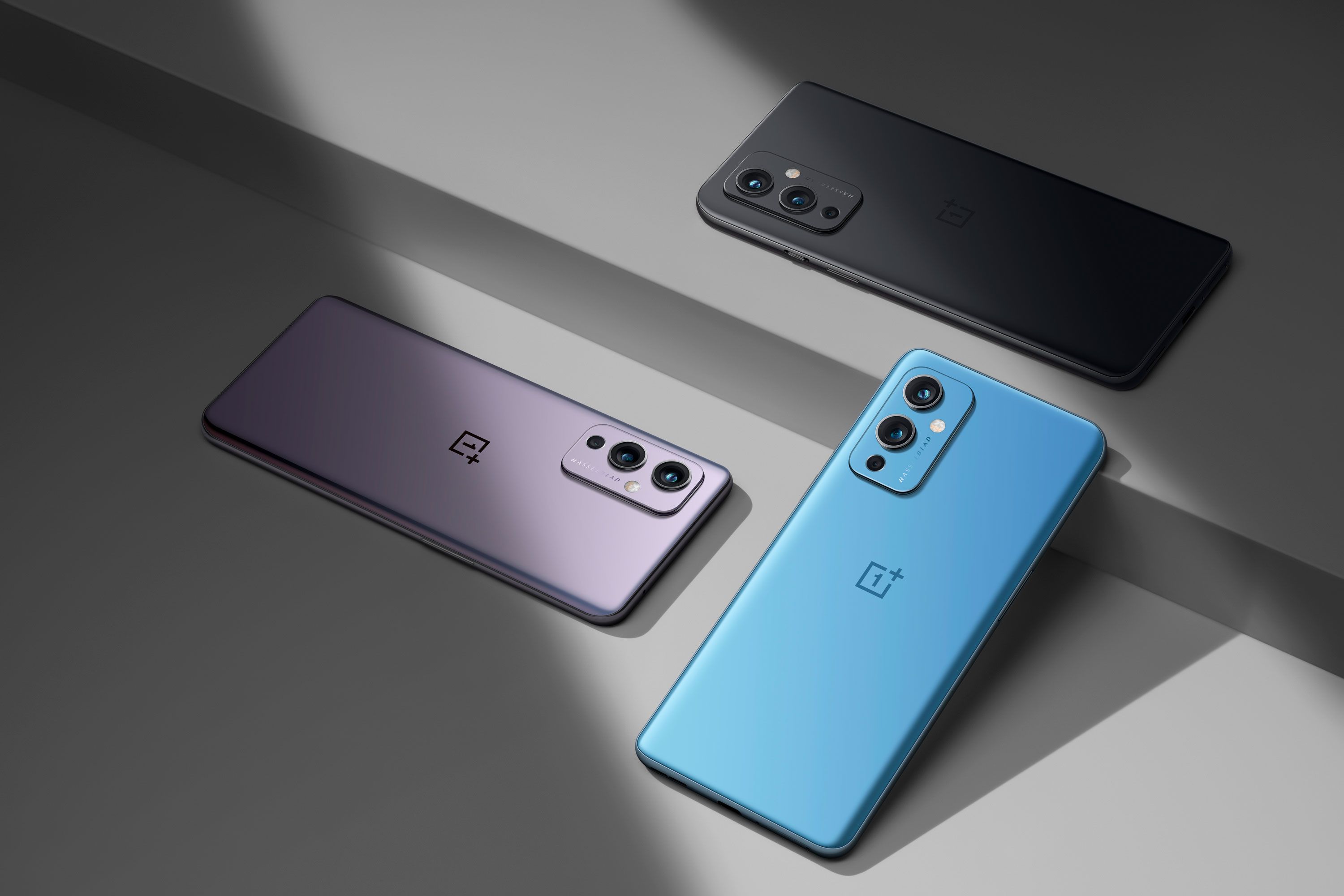
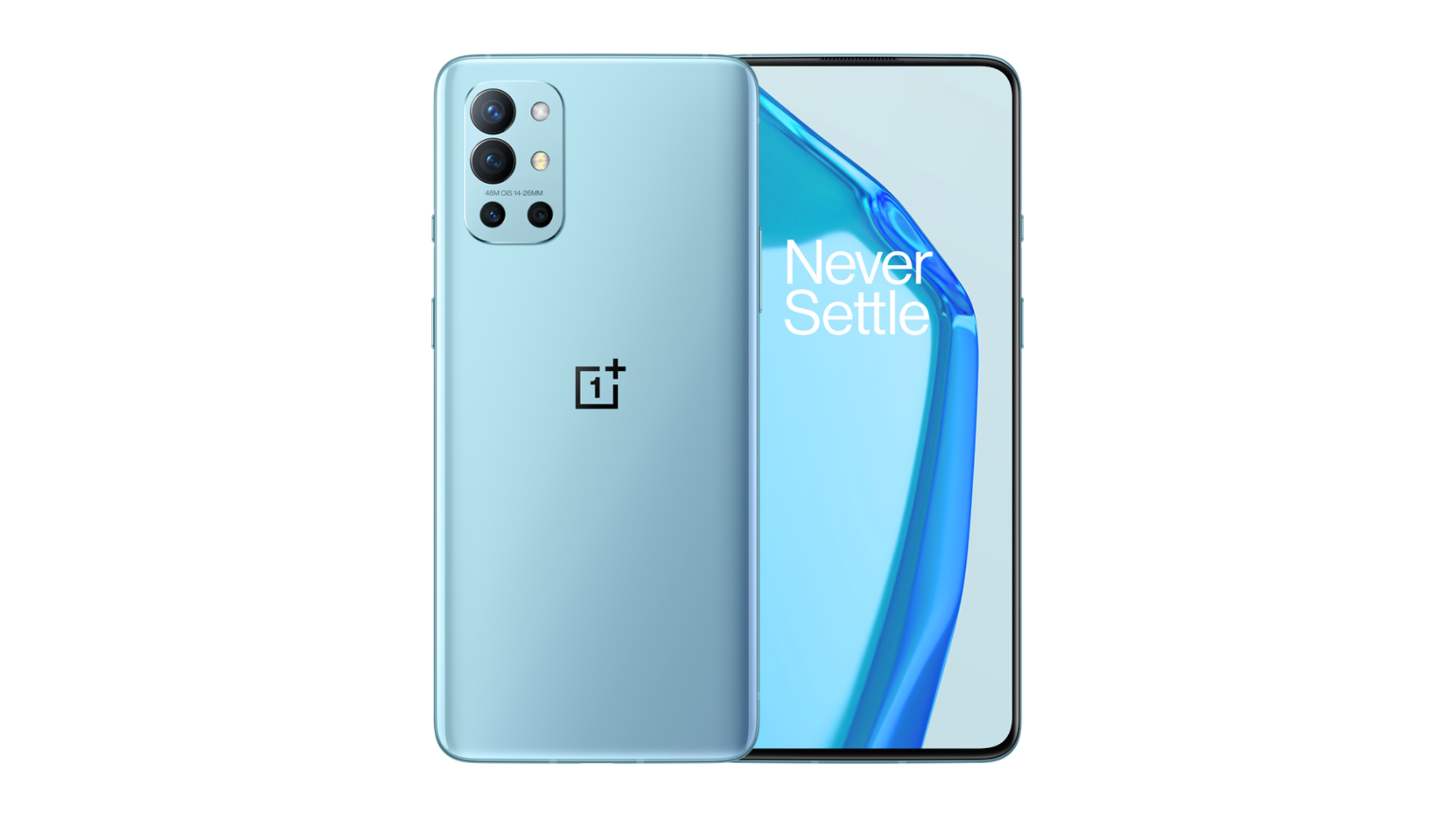
The entire OnePlus 9 series is finally available in India as of today (14th April 2021). The company has just launched the base flagship model along with the slightly cheaper 9R variant as well, which will be available for purchase on Amazon.
Back in March 23, the Chinese tech giant had first launched the higher end Pro variant, which went on sale in the region from March 31. The other two variants arrives soon after and are now finally going on sale in India through Amazon, but will only be available for Prime users as a form of an early access sale. The official open sale for all customers will begin tomorrow (15th April 2021). The devices are also arriving with bank offers for SBI card users that offers some additional discount.
The OnePlus 9 starts from 49,999 INR (roughly 665 US Dollars) for the 8GB + 128GB variant, and goes up to 54,999 INR (roughly 731 US Dollars) for the 12GB + 256GB variant. It is available in multiple color variants, including Winter Mist, Arctic Sky and Astral Black. For those unaware, the device is the company’s latest flagship and arrives with top notch specs like the Snapdragon 888 SoC, paired with LPDDR5 RAM and UFS 3.1 storage as well. It is powered by a large 4,500mAh battery pack and supports 65W fast charging.
Arriving at the OnePlus 9R, the device starts in India for a price of 39,999 INR (roughly 532 US Dollars) for the 8GB + 128GB version, and 43,999 INR (roughly 585 US Dollars) for the 12GB + 256GB variant. The smartphone is available in a Carbon Black and Lake Blue colour options. Unlike the base and Pro variant, the 9R sports a Snapdragon 870 SoC and aims to be a relatively affordable gaming flagship handset. Although, it still houses LPDDR5 RAM and UFS 3.1 storage.
The OnePlus Nord N10 5G is the brand’s most affordable 5G smartphone to date. The device debuted with OxygenOS 10.5 based on Android 10 and it is yet to receive OxygenOS 11 (Android 11). However, the company has been delivering maintenance updates to this phone since its launch. It has now started receiving March 2021 security update.
OnePlus is rolling out a new system update for the OnePlus Nord N10 5G. This update comes almost two months after the last update that brought Ferbruary 2021 security patches.
The latest build comes with the following build numbers for different regions.
EU: 10.5.11.BE89BA
GLO: 10.5.12.BE86AA
According to the official changelog, the update brings March 2021 security patches and certain improvements as well as fixes. This release is said to bring improvements for system power consumption, WiFi performance, and 5G network stability. Lastly, it also fixes some known issues and improves system stability.
OnePlus Nord N10 5G OxygenOS 10.5.11 / 10.5.12 Official Changelog
System
Improved power consumption of the system
Fixed known issues and improved system stability
Updated Android security patch to 2021.03
Network
Improved the performance and stability of Wi-Fi transfer
Improved the stability of communication and 5G network
The new OxygenOS stable update for the OnePlus Nord N10 5G is being seeded out in batches. Therefore, the build may take some time to reach every unit out there.
Voice input has become a commonly used feature for an increasing number of mobile phone users, thanks to the rapid development of voice recognition technology. The reduction of the voice recognition error rate has brought powerful assistance for users to free their hands. The voice input method isn’t as sophisticated on PCs compared to mobile phones. However, Chinese accessories maker Logitech has launched its first wireless mouse with voice input capability dubbed Logitech VOICE M380 wireless mouse.
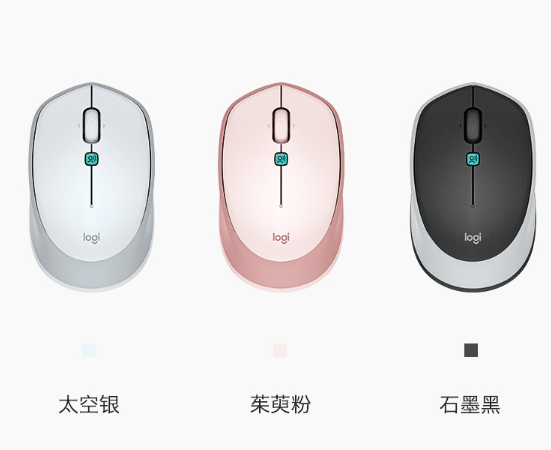
The VOICE M380 looks just like the ordinary wireless mouse but there is a dedicated button that prompts the voice input. The M380 adopts a soft curve shape that provides support for the user’s hand, ensuring that the user doesn’t feel fatigued easily even after working for a long time. It also supports multi-language translation.
The VOICE M380 wireless mouse combines Baidu’s voice input technology and only needs to click the mouse button to complete input and translation in multiple languages. The mouse currently supports seven languages including Chinese, English, Japanese, Korean, French, Spanish, and Thai.
In addition, the mouse dictates about 400 words per minute, with an accuracy rate of about 98%. It supports Chinese, English, and Japanese dictation to help users complete tasks efficiently.
For seamless connectivity, the Logitech VOICE M380 supports online and offline connectivity. In the online mode, the voice can be recognized more accurately, and when the network is unstable, it can also be switched to the offline convergence mode.
The mouse uses Logitech’s advanced optical tracking technology to enable it to move accurately on most surfaces. At the same time, it is equipped with Logitech’s unique Unifying wireless connection technology, so that it can be connected stably within 10 meters. The mouse is powered by a single AA battery and Logitech touts it to last for 18 months. When not in use, it automatically enters the dormant state.
Logitech M380 wireless mouse is available in three colors: Graphite Black, Space Silver, and Pink. The mouse also carries an affordable price tag of 199 yuan (~$30).
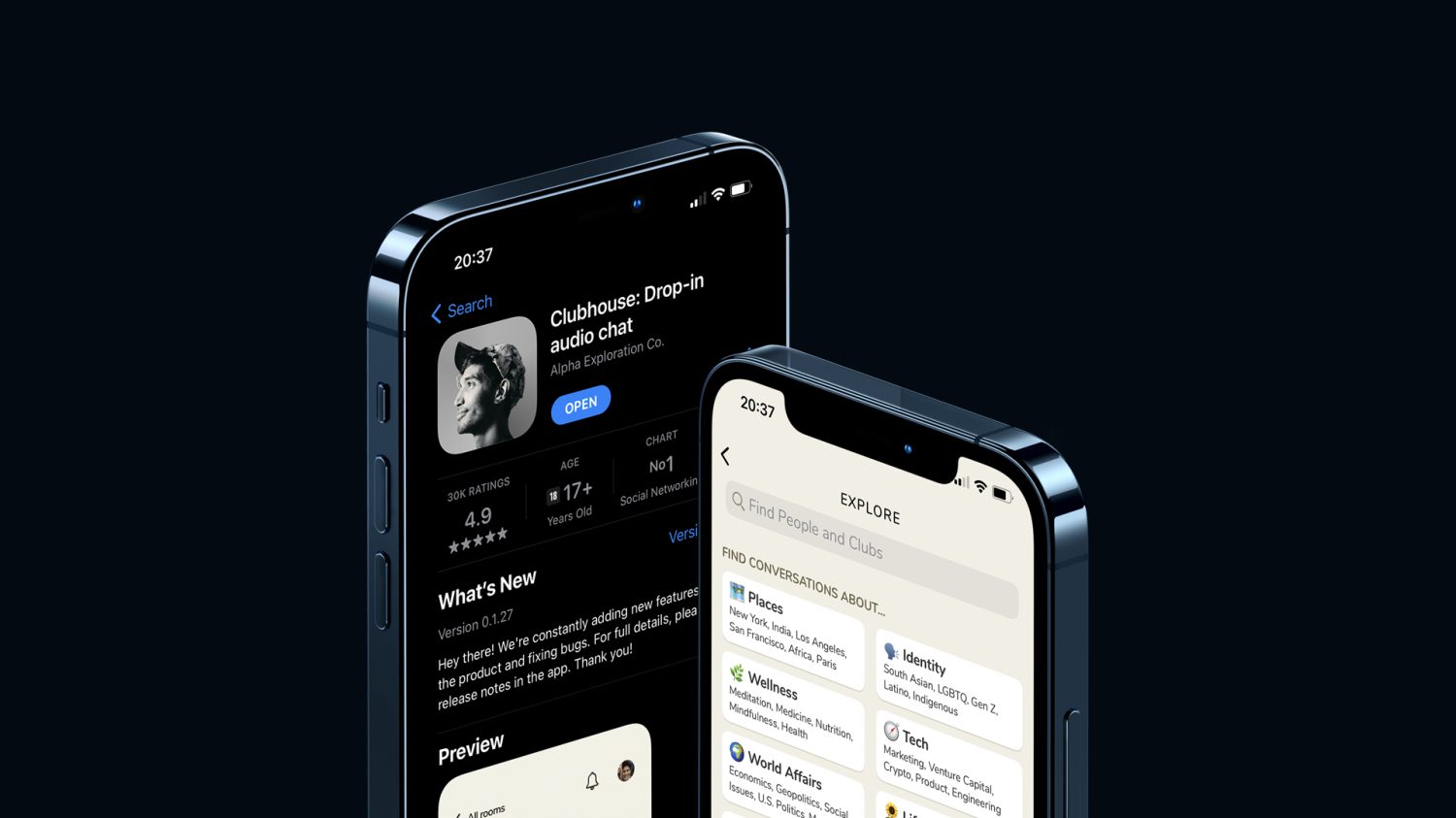
There are strong indications that the audio chat app Clubhouse could soon unveil its Android version, thus opening access to millions of potential app users. Currently, the top-rated audio app is only available for iOS. Clubhouse co-founder Paul Davidson had hinted in February that the company was in an advanced state of development. This has been further confirmed today with an interview conducted by CNBC and New York Times. Davidson and his co-interviewee, Microsoft’s Bill Gates discussed a raft of issues that veered into an ongoing Android version development of the Clubhouse app.
Further indication that the Android version of the fast-rising app is really on the track came from a couple of tweets from an app developer at Clubhouse, Mopewa Ogundipe, who gave a teaser on the incoming Android version, and Morgan Evetts, who projects that the actual launch of the Android app could be as early as May 2021.
Mopewa has been working on the Clubhouse Android app for around six weeks now, and it’s coming on nicely
Clubhouse app has had a massive hit since its release on iOS. Davidson has hinted that the Android version’s development is a top priority, as the company pursues a scaling of its growth numbers and ultimately revenue through app expansion. Indeed, the growth of Clubhouse globally has been phenomenal. Several brands within and outside China launch their alternative versions of the audio chat platform, including Twitter and ByteDance, owner of popular video-sharing social networking site TikTok.
It is not known why Clubhouse had delayed this long before making plans to launch an Android version of the app since its iOS unveiling. Twitter is developing a similar app called spaces, compatible with both iOS devices and Android.
Samsung, the world’s leading smartphone maker, has announced a new “Galaxy Unpacked” event for 28th April. Teasing the device, the company reveals that it is the “most powerful Galaxy” but the actual device remains unknown.
The event will be live-streamed on the official Samsung website at 10:00 AM EST which is around 7:30 PM IST. This will be the company’s third ‘Unpacked’ event this year after it hosted one in January for the Galaxy S21 lineup and another in March for the launch of Galaxy A-series smartphones.
The company has already launched the Galaxy S-series flagship lineup and the Galaxy Note series usually launches in the month of August. Thus, the device getting launched at this event could be a laptop.
Previous reports indicate that the South Korean giant has plans of launching a new Galaxy laptop, including Chromebooks. So, the upcoming event could be related to that. Going by the tagline of the event, the launch of mid-range smartphones seems unlikely.
Samsung is also expected to launch new foldable smartphones but reports indicate that the devices could launch in the summer. The company’s rumored new laptops — possibly the Galaxy Book Pro and Galaxy Book Pro 360 — could come with 5G connectivity, OLED screens, S-Pen support, and other high-end specifications.
On the other hand, Apple is also holding a launch event on 20th April, titled “Spring Loaded” where the company is expected to launch its new iPad Pro models. The company could also tease some of its Mac devices that are slated to launch later this year.
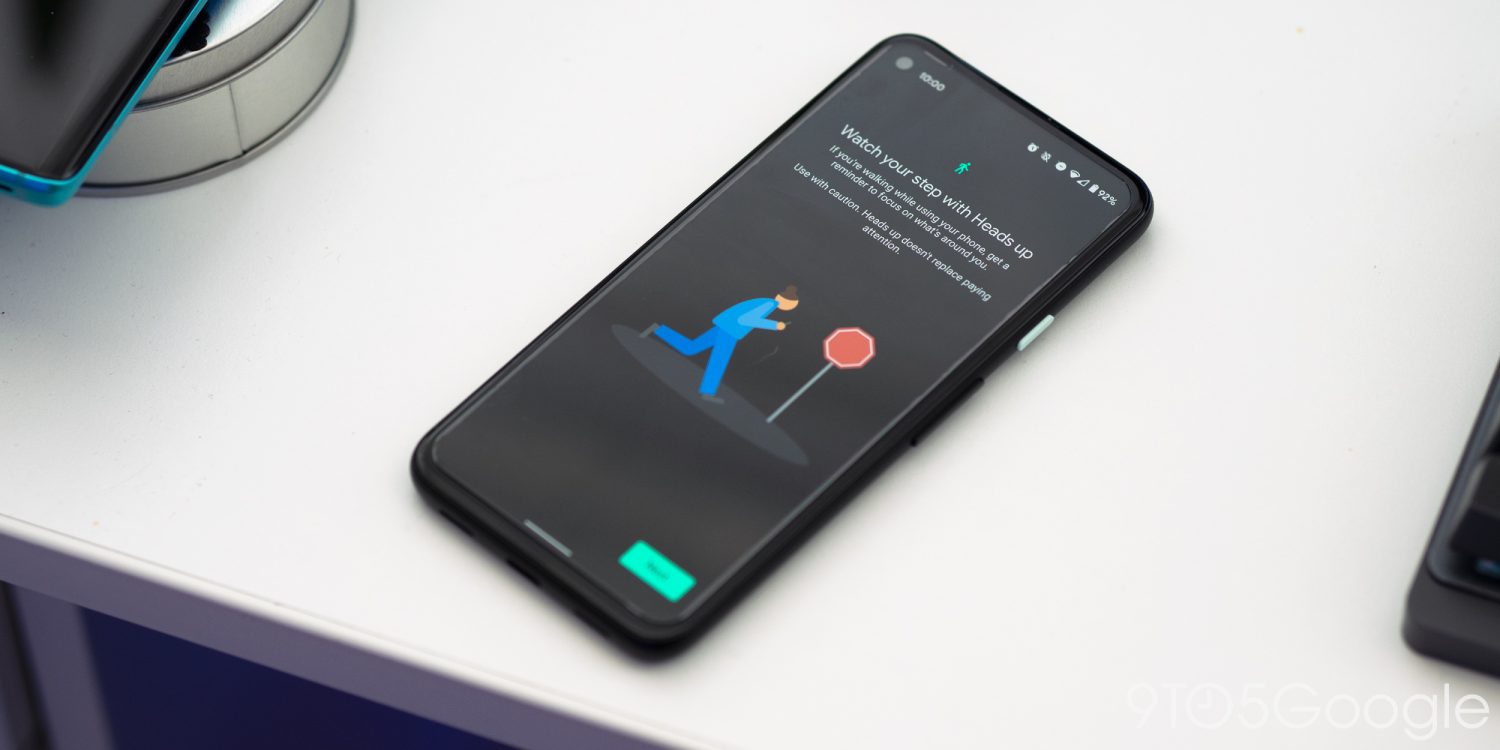
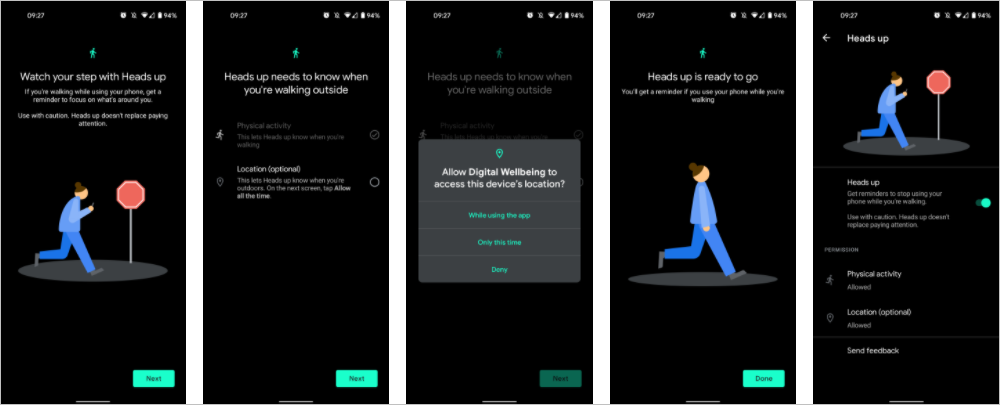
Google has added a new feature in the Digital Wellbeing app to help users pay greater attention to their environment while outside and operating their phones. The Heads Up feature has now rolled out among some selected devices and users who had already registered for the Beta program on the app. The new feature can help safeguard the user from potential hazards that may not be noticed because you are engrossed with your phone.
The new Heads Up feature needs location services to be enabled for it to operate, and the user also has to activate the feature on the app manually. The app will notify the user with words like Be careful, Watch out, Stay alert, and a few other cautions in potentially dangerous situations.
The Heads Up mode rollout has reportedly commenced and it would first be launched for users registered for the Beta program and on Pixel 4a and Pixel 5 devices. Users who may not be able to activate the Heads Up feature can go to the app setting, clear the Digital Wellbeing app’s cache, force the app to stop, and then restart. This may resolve the issue upon reopening the app, as you would manually activate the Heads Up mode. When the new feature becomes available on a broader array of Android devices, it will certainly add another layer of safety for users who may be nestled in a game or other activities in their smartphones, oblivious of the dangers that may be lurking around. Safety concerns will be well served for the vigilant user while the reckless may remain oblivious to his environment’s risks.
Microsoft has refreshed its Surface lineup with the launch of Surface Laptop 4. The company is offering a choice between Intel and AMD processors for both the models — 13.5-inch and 15-inch display.
The devices come powered by Intel‘s latest 11th-generation processors or AMD’s Ryzen 4000 series chips. The devices will go on sale in the United States, Canada, and Japan from 15th April, for a starting price of $999.
It’s noteworthy that Microsoft is not using the latest AMD Ryzen 5000 series but is using the older AMD Zen 2 architecture chips for the AMD Ryzen Surface Edition chip. But, the performance could be similar to the Intel version.
Apart from the internals, nothing much has changed for the Surface Laptop 4. It comes with a single USB-C port, one USB-A port, a headphone jack, and Microsoft’s Surface Connect port for charging.
With these new processors, the company is promising up to 70 percent more performance compared to its predecessor. Microsoft is also promising 19 hours of battery life on the 13.5-inch model and up to 17.5 hours on the 15-inch model.
The base model, priced at $999, comes packed with an AMD Ryzen 5 4680U processor, 8GB of RAM, and 256GB of storage. On the Intel side, the base model has a Core i5 1135G7 processor with 8GB RAM and 512GB of storage.
The Intel-powered models go up to $2,299 with a Core i7 processor, 32GB RAM, and 1TB storage. There’s also an AMD model with 16GB RAM and 256GB storage that is expected to launch after a couple of months for the price of $1,199.
As for the 15-inch models, the AMD-powered option starts at $1,299 that packs an AMD Ryzen 7 4980U model with 8GB of RAM and 256GB of storage. It can go up to 16GB of RAM and 512GB of storage for $1,699. On the Intel side, it starts at $1,799 for the Core i7 1185G7 with 16GB of RAM and 512GB of storage, with the option for 32GB of RAM and 1TB of storage for $2,399.
Apple has officially announced that the company’s next event, named “Spring Loaded”, will take place on 20th April. The confirmation from the company comes just hours after Siri revealed the date when asked “When is the next Apple event?”
The event will be streamed from Apple Park and can be viewed on the company’s official website — apple.com. It will start at 10:00 AM PDT (10:30 PM IST).
The announcement from the company doesn’t reveal anything related to the products getting launched at the event. However, looking at the squiggly Apple logo and the tagline “spring loaded”, the company could be hinting at the new Apple Pencil.
The new 11-inch and 12.9-inch iPad Pros have been rumored to launch later this month and there’s a high possibility that the devices get announced on 20th April. They will reportedly come with the same design but the top-end variant in the lineup is expected to have a Mini-LED display.
There are reports about a new iPad Mini with a larger display — 8.5-inch to 9-inch, which is said to launch in the first half of this year. The much-delayed AirTags could also get launched at this event.
Apple’s true wireless earphones under the AirPods lineup are also expected to get launched in the first half of this year. The AirPods 3 will have a design similar to the AirPods Pro, with shorter stems and replaceable ear tips. It remains to be seen if the AirPods get announced at this event or we have to wait a bit longer.
Apart from launching the devices at the 20th April event, the company could also tease some of its upcoming products that are slated to get launched later this year. This includes a revamped iMac lineup and new Mac laptops powered by the Apple Silicon processors.
Recently, the company confirmed that it would stop selling the current base model of the iMac Pro once supplies run out, which suggests that Apple is poised to announce new models sooner rather than later.
Unfortunately, there is no information available on the other specifications of the mysterious Realme phone that will arrive with the D1100 chip. The tipster claimed that it will be available with an affordable price tag. The Vivo X60t and Vivo S9 are the only phones with D1100 SoC available in the Chinese market.
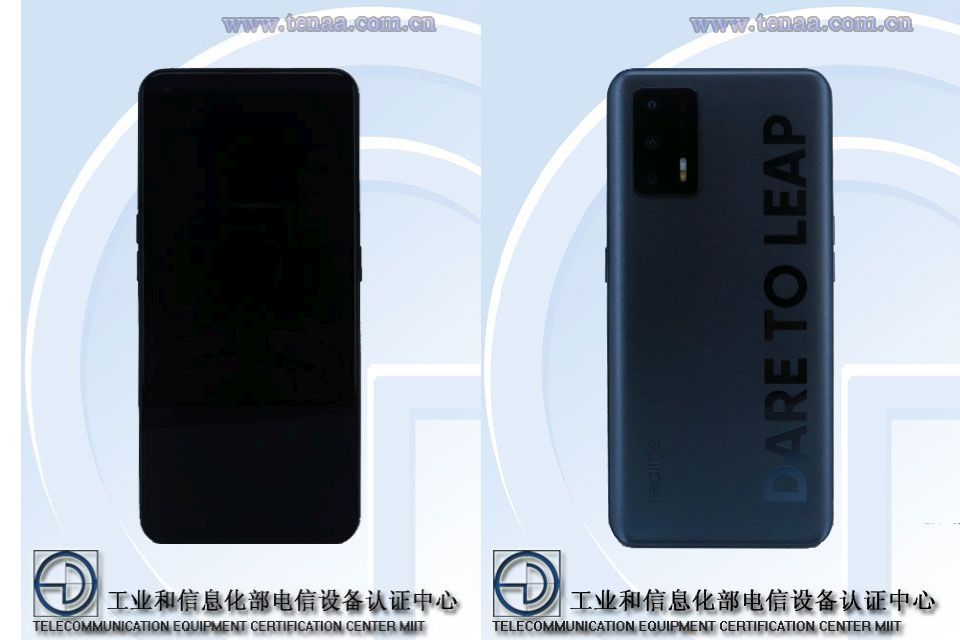
Recently, a new Realme phone with an RMX2205 model number was spotted at the TENAA certification body of China. The images of the phone suggest that it could be featuring an AMOLED display with an in-screen fingerprint reader. The size of the display is 6.43 inches, which seemingly supports Full HD+ resolution.
The phone measures 158.5 x 73.3 x 8.4mm with volume buttons on the left and a power key on the right. The phone runs on Android 11 OS and it is backed by a 4,400mAh battery. The back panel of the phone has a big “Dare to Leap” branding and a triple camera setup with an LED flash.
The final product name of the Realme RMX2205 handset is under wraps. There is a possibility that this device could be the rumored Realme phone with Dimensity 1100 chipset, which may launch as a Q-series handset. However, readers are advised to wait for further reports to know the identity of the RMX2205 phone. Speculations are rife that this phone will be debuting in some markets including India as the Realme 8i.
Huawei first launched the Huawei Mobile Service (HMS) for its mobile phones in 2019 as a response to the U.S government ban which saw the company unable to access Google Mobile Service. While the service has continued to grow over the years, one major challenge is the rich large Android ecosystem that Google has built over the years. Although Huawei has made tremendous progress in its efforts to expand the HMS ecosystem, it is still miles away from Android.
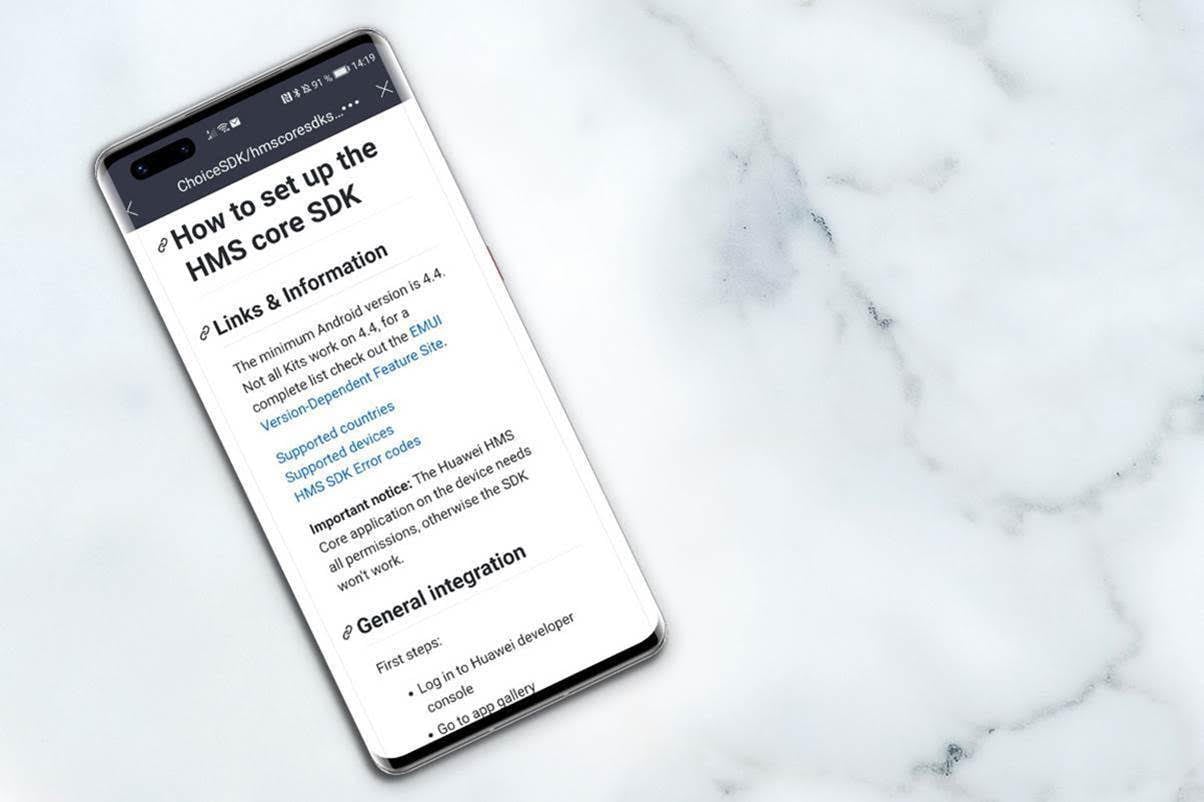
However, hope seems to be in sight for Huawei as a developer partner has created an open-source solution that adapters Google apps for the AppGallery. The solution is developed by developer partner bluesource, Europe’s leading provider of enterprise app solutions. It is an open-source method that adapts GMS apps for AppGallery removing the need to redevelop apps specifically for Huawei’s app store.
The solution is christened Choice SDK and Huawei claims it makes it easy for app publishers to transform their existing apps based on GMS and Firebase frameworks into HMS usable applications. Thus, developers won’t need to create an HMS version of their apps, thus saving cost and time in app development as just little effort is needed for the apps to run on Huawei devices.
The open-source Choice SDK was originally developed for Raiffeisen Bank to help the bank make their app available to Huawei phone users in Austria. Bluesource has since made it available as open-source software so that other brands and developers can get their apps adapted faster, safer and in a more convenient way. Since it became open-source, the Choice SDK has reportedly been utilized by Austria’s national TV broadcaster ORF, Austrian Federal Railways ÖBB, Austria’s Postal Service and deals app Aktionsfinder.
Since it was rolled out in 2019, Huawei’s AppGallery has experienced a massive growth which has catapulted it to become the world’s third largest app marketplace with 530 million monthly active users (MAUs). The company recorded a massive 61.5% growth YoY in Europe to record more than 42 million users. Huawei has offered various incentives ranging from cash to a lion share of revenue from the apps and it worked. Huawei presently has over 2.3 million registered HMS developers with about 300,000 outside China. The platform has increased the number of registered developers to 2.3 million, up by 77% vs last year, and now also counts 300,000 developers outside China. Presently, there are about 120,000 apps integrated with HMS Core, an increase of 118% compared to last year.
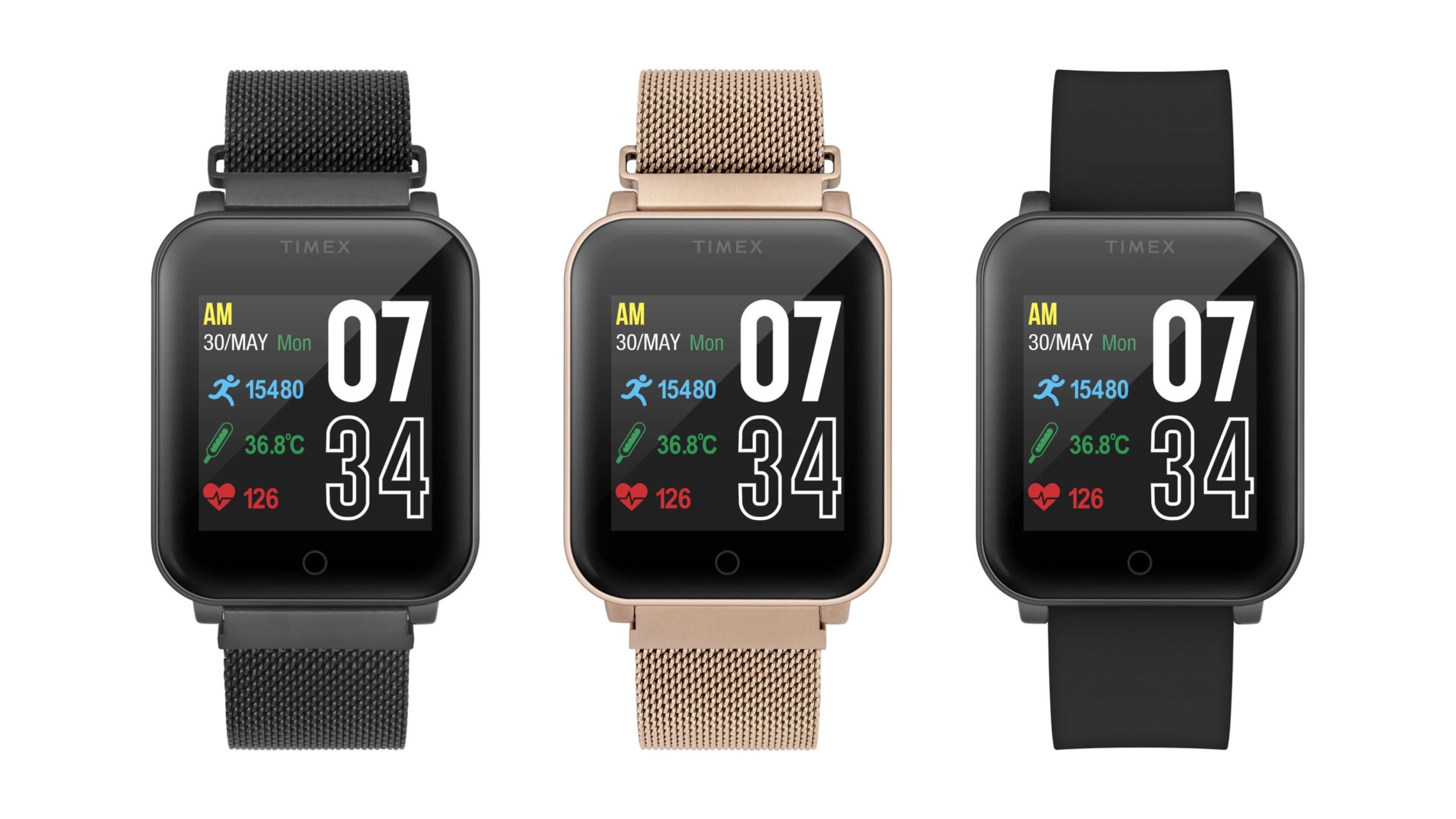
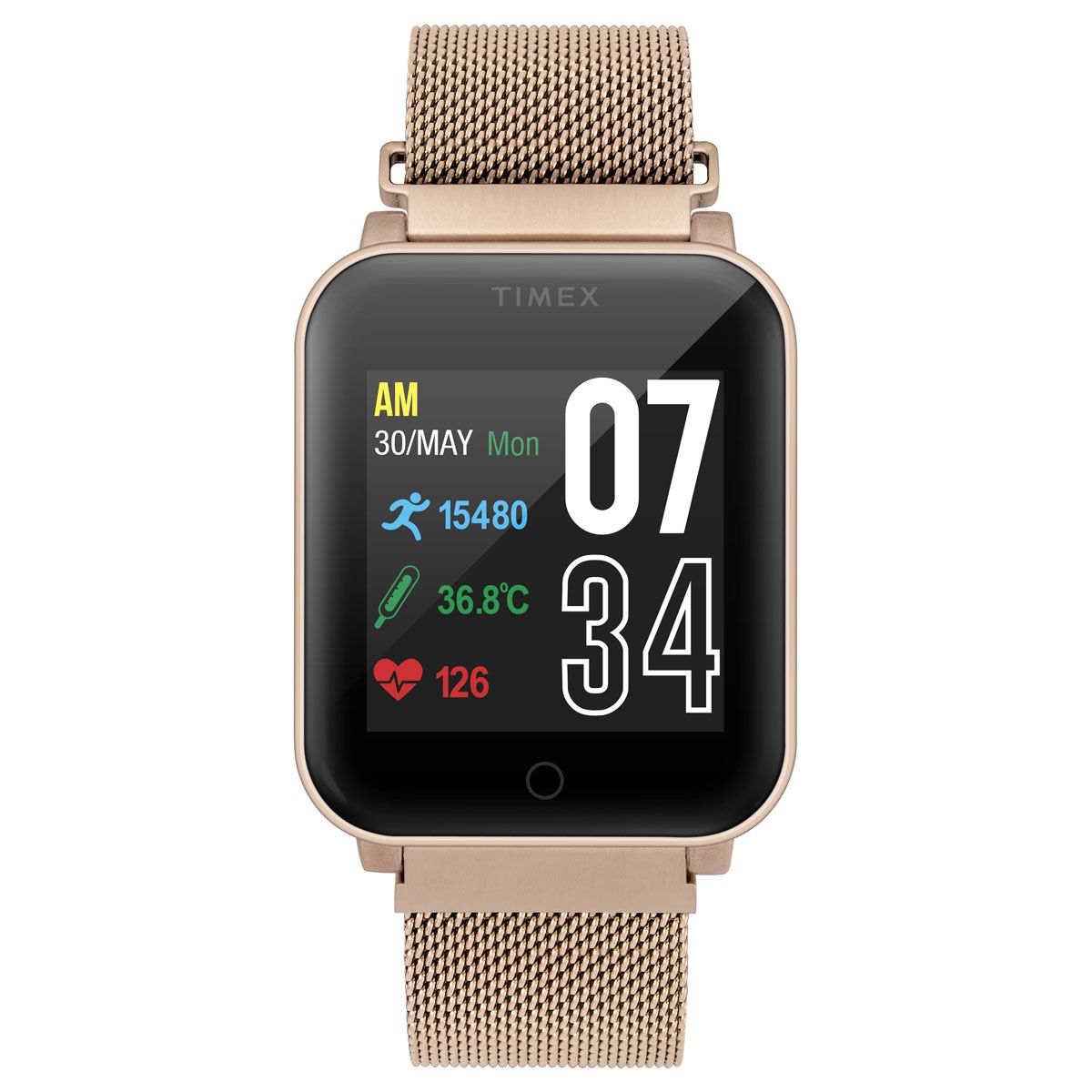
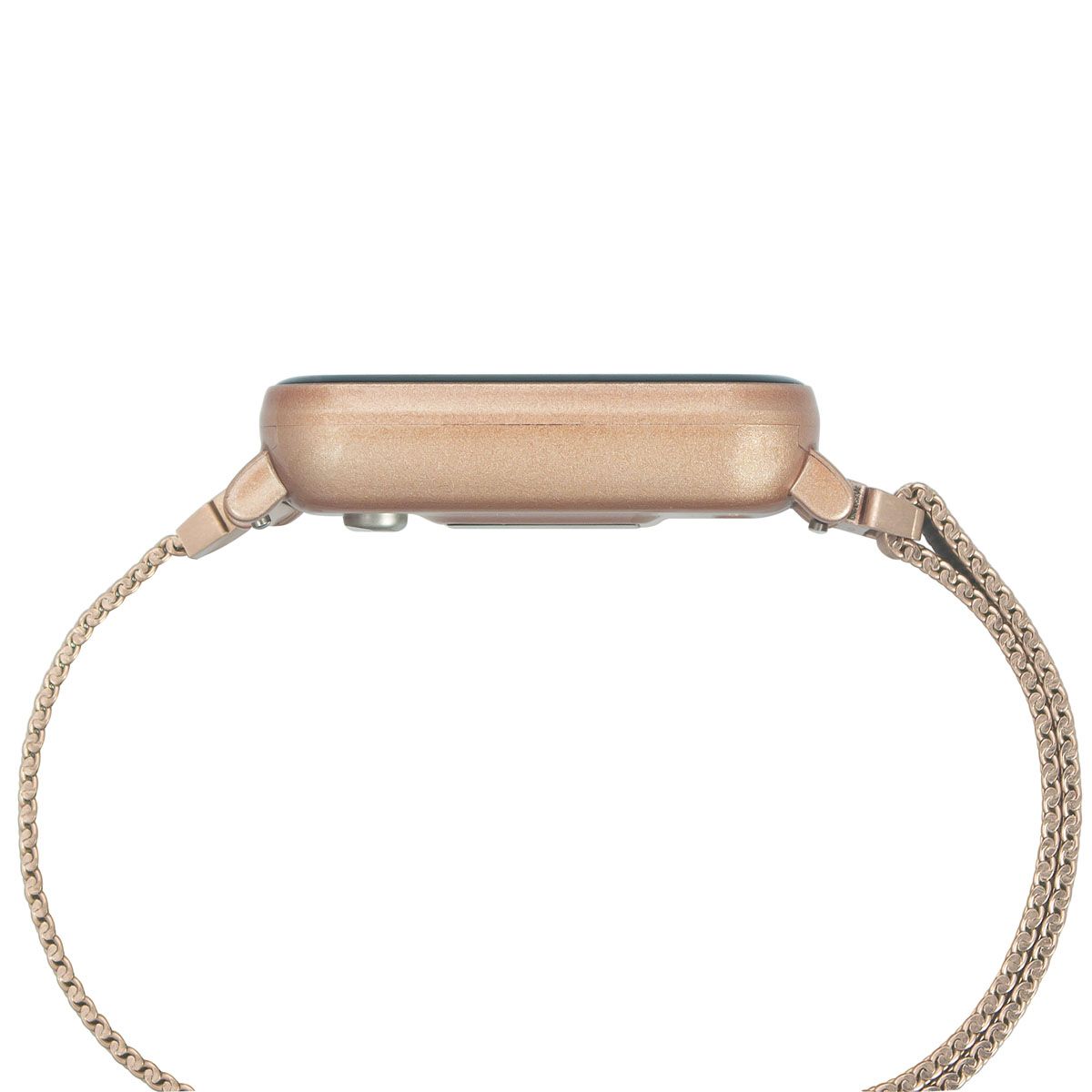
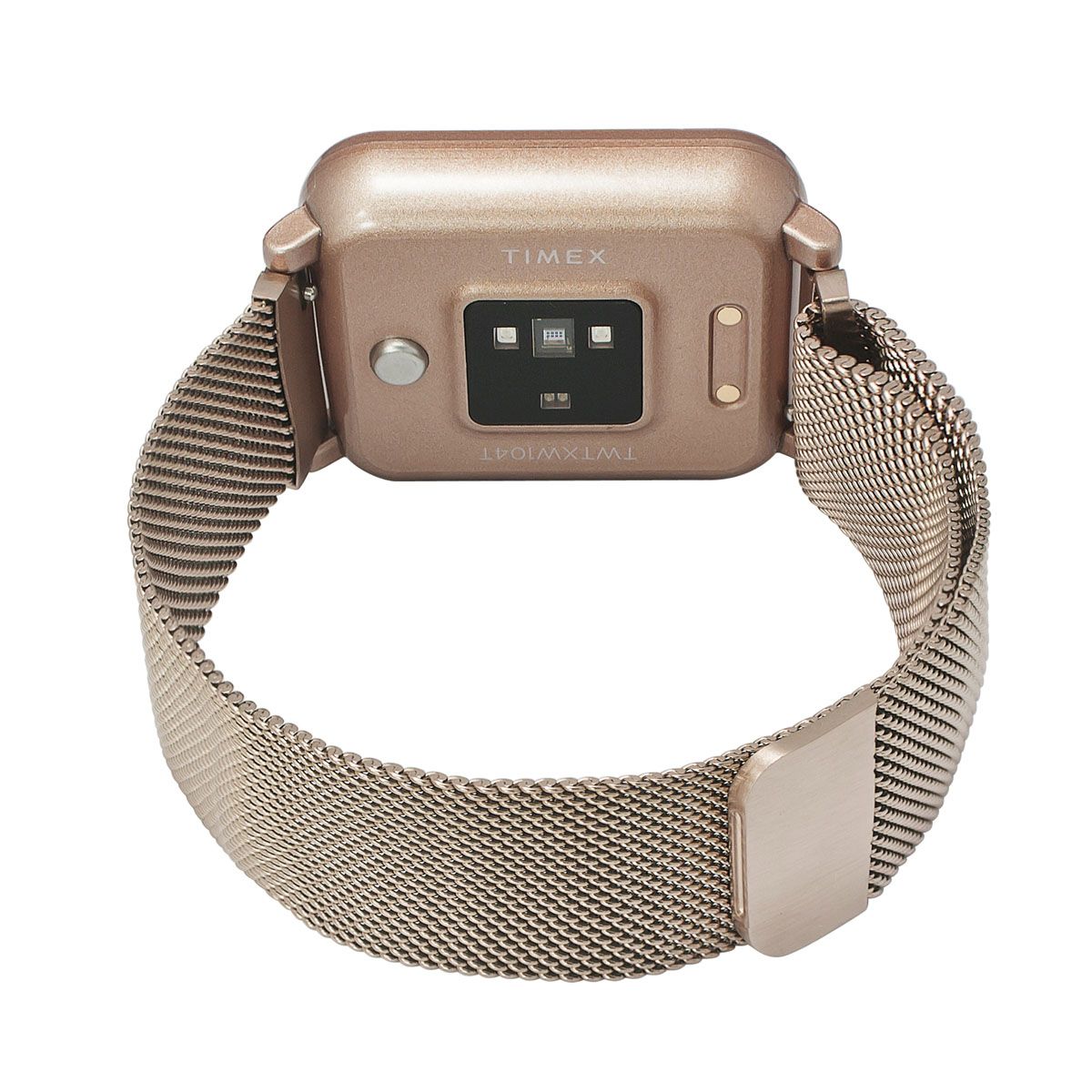
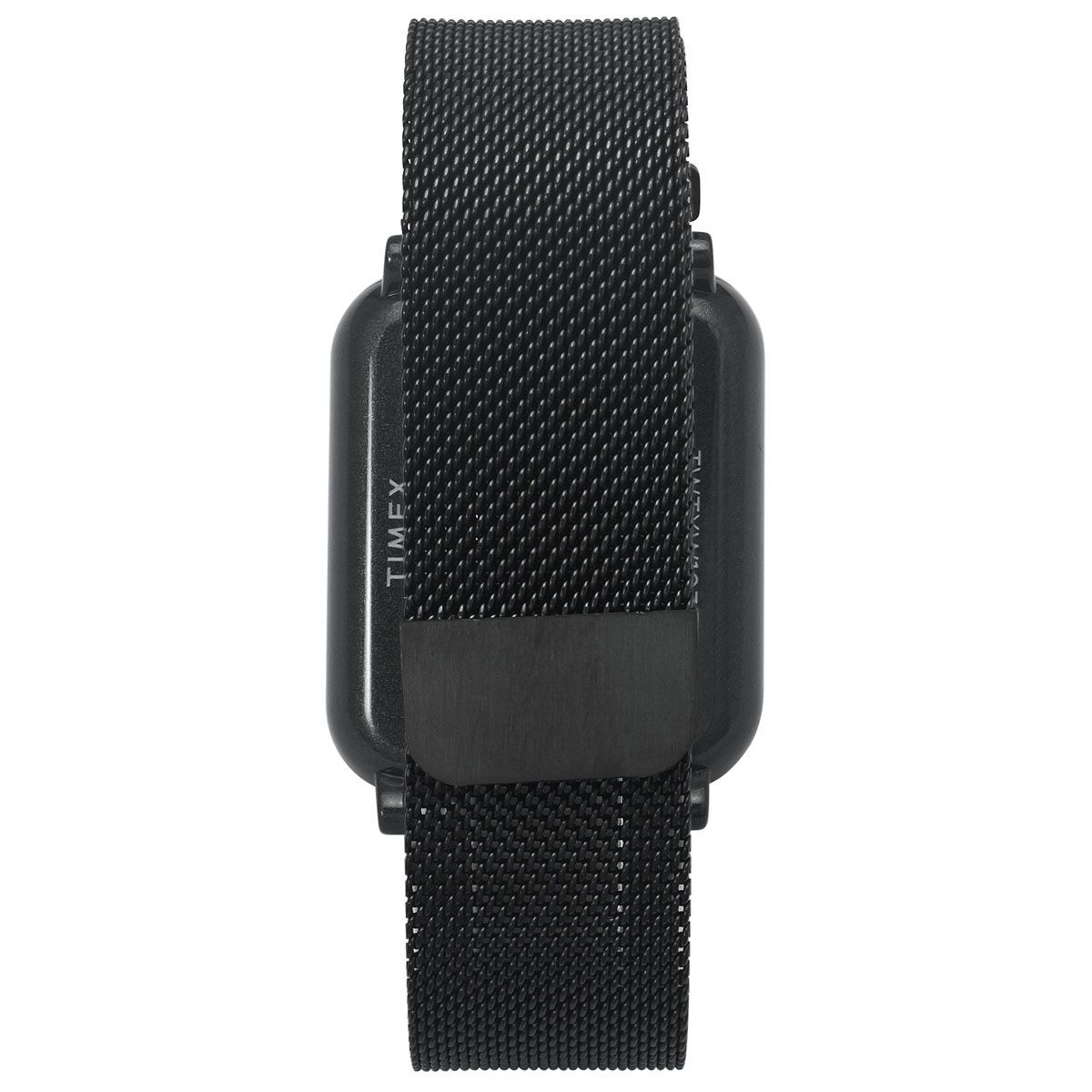
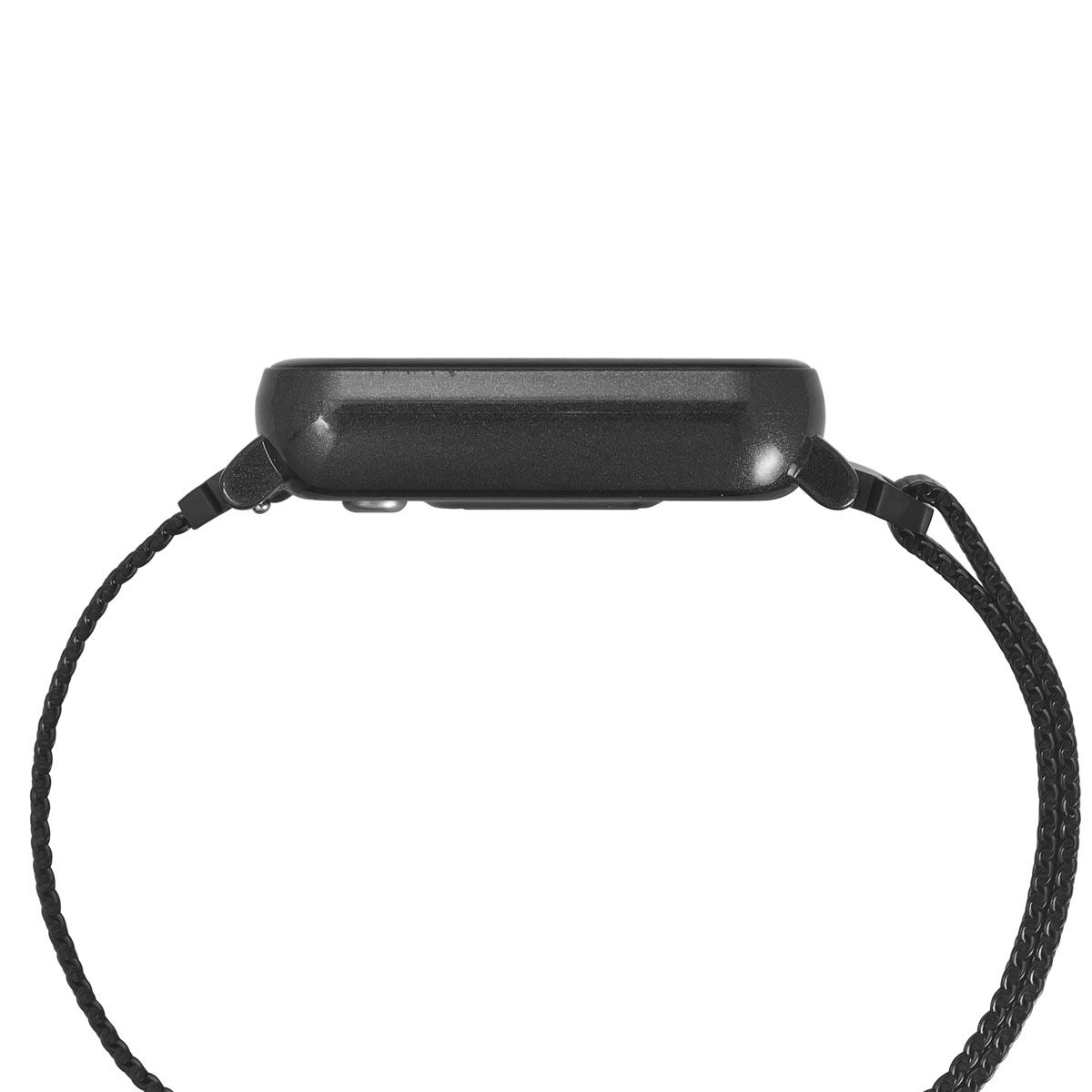
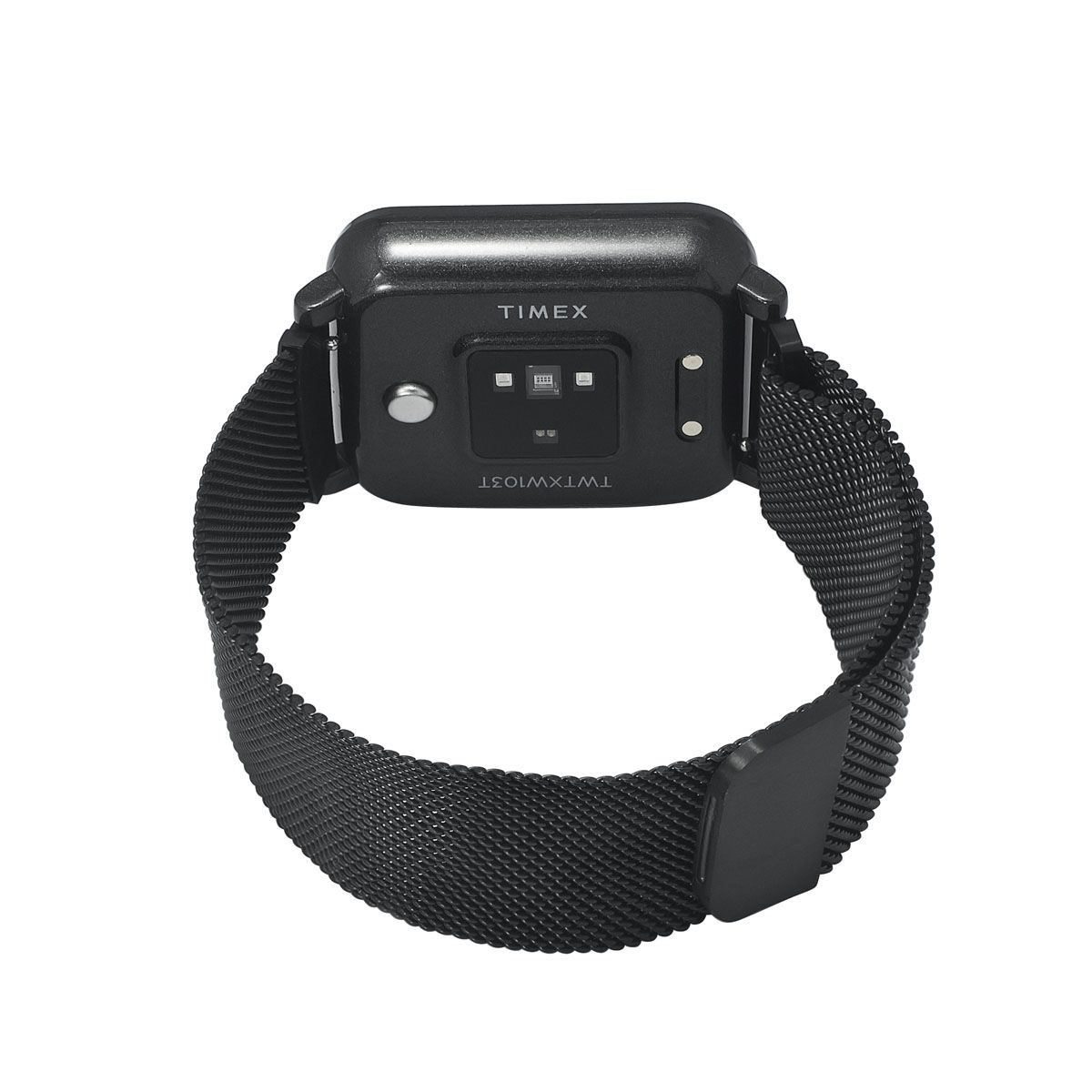
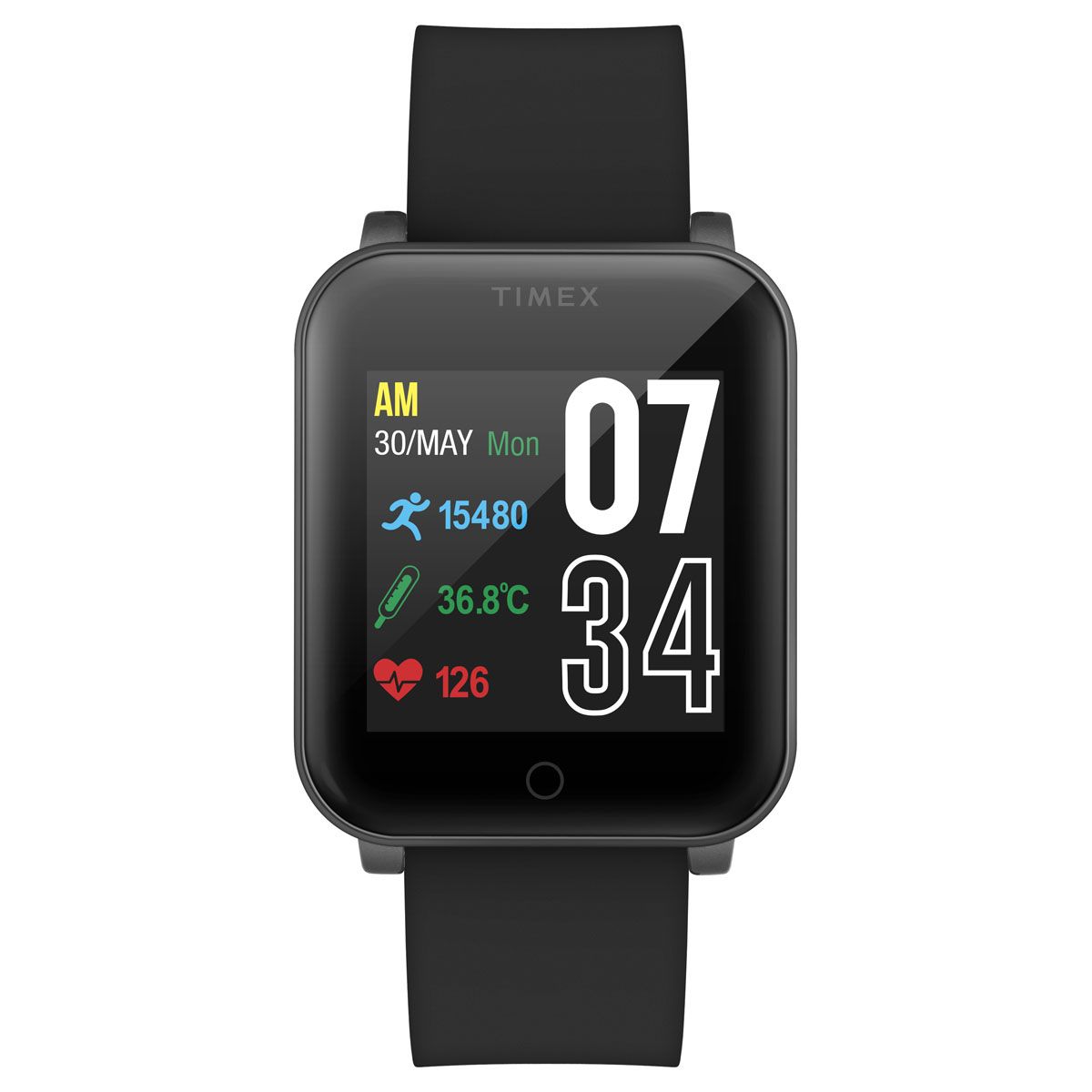
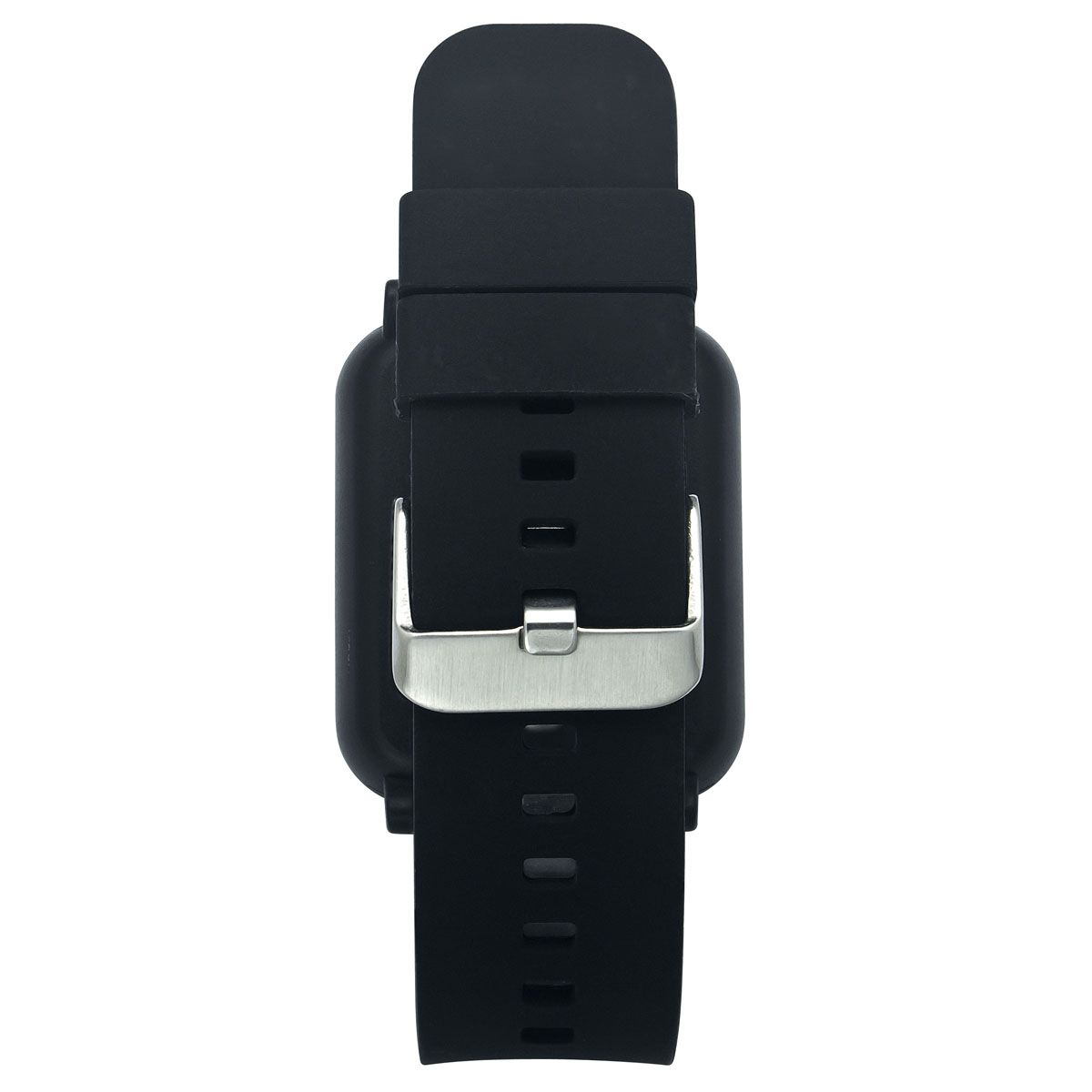
Timex has launched a new smartwatch in India called ‘Timex Fit’. The latest smart wearable from the watchmaker is priced at ₹6,995 for the silicon strap version and ₹7,495 for the metal strap variant. It is already up for sale on the company’s official website.
The newly launched Timex Fit is basically a glorified fitness tracker like any other so-called smartwatches. It is a better version of the company’s Timex Fitness Band that was released in November 2020.
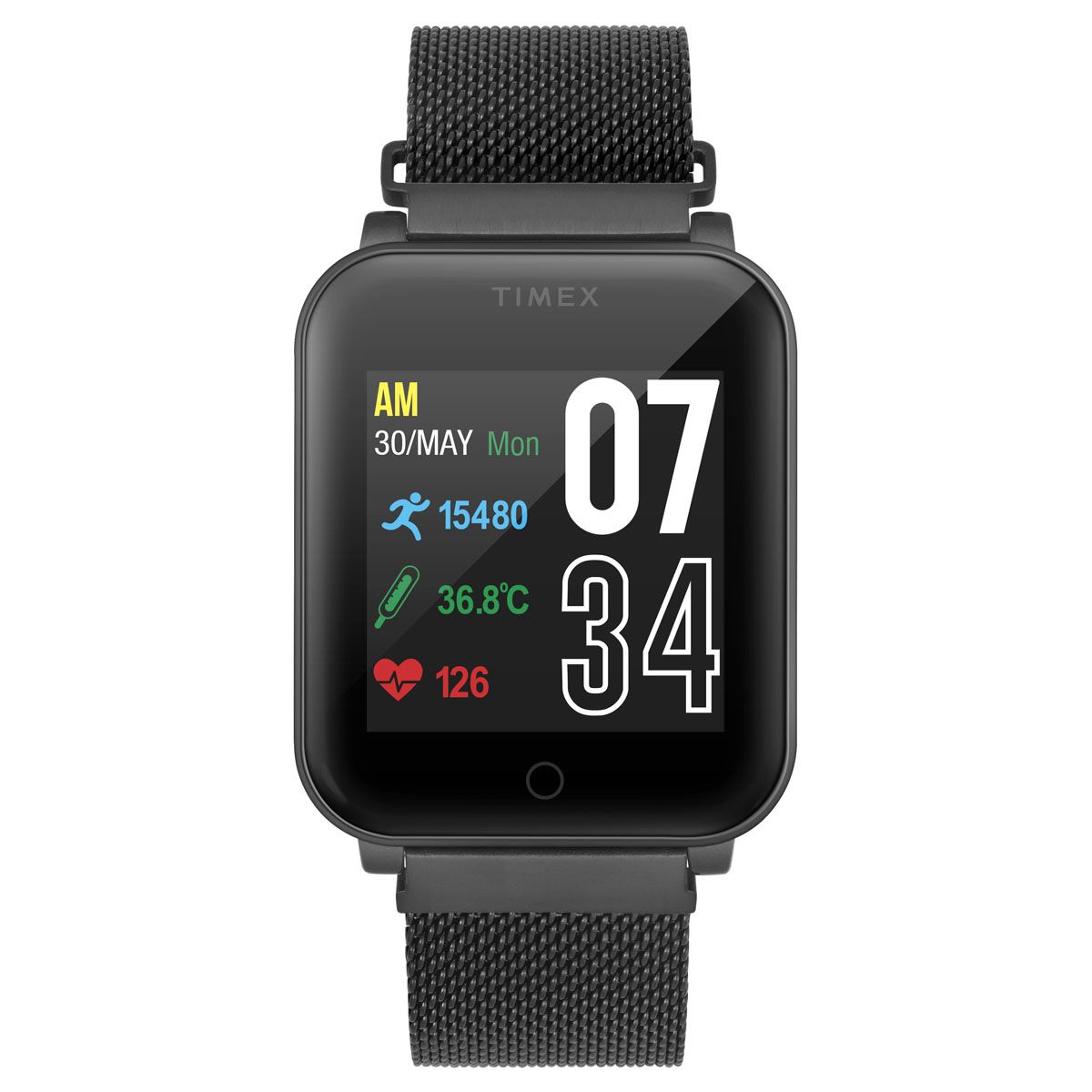
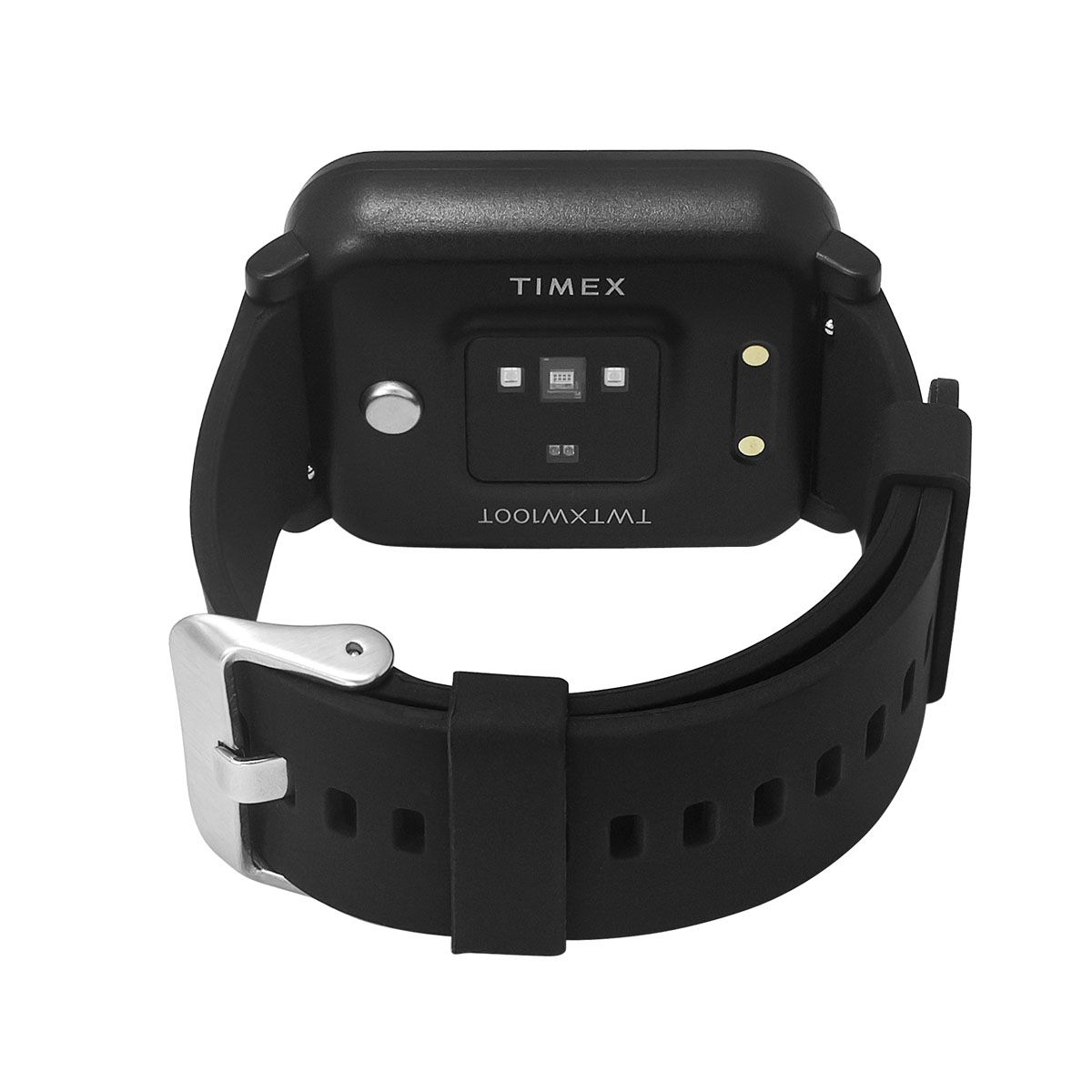
The wearable sports a color display with touch input. Unlike most smart wearables in the segment, it has a temperature sensor, in addition to an optical heart rate sensor and an SpO2 sensor.
It supports 10 sports modes, namely Running, Cycling, Tennis, Yoga, Dance, Badminton, Basketball, Football, Hiking, Gym. It also has features like heart-rate monitoring, blood oxygen level monitoring, blood pressure monitoring, sleep tracking, app notifications, alarm, reminder, and a telemedicine feature to consult with doctors.
1 of 8
Further, the watch can be paired with both Android and iOS devices via a companion app called Timex Fit. But unfortunately, the watch only supports 10 watch faces and can merely last up to 6 days on a full charge.
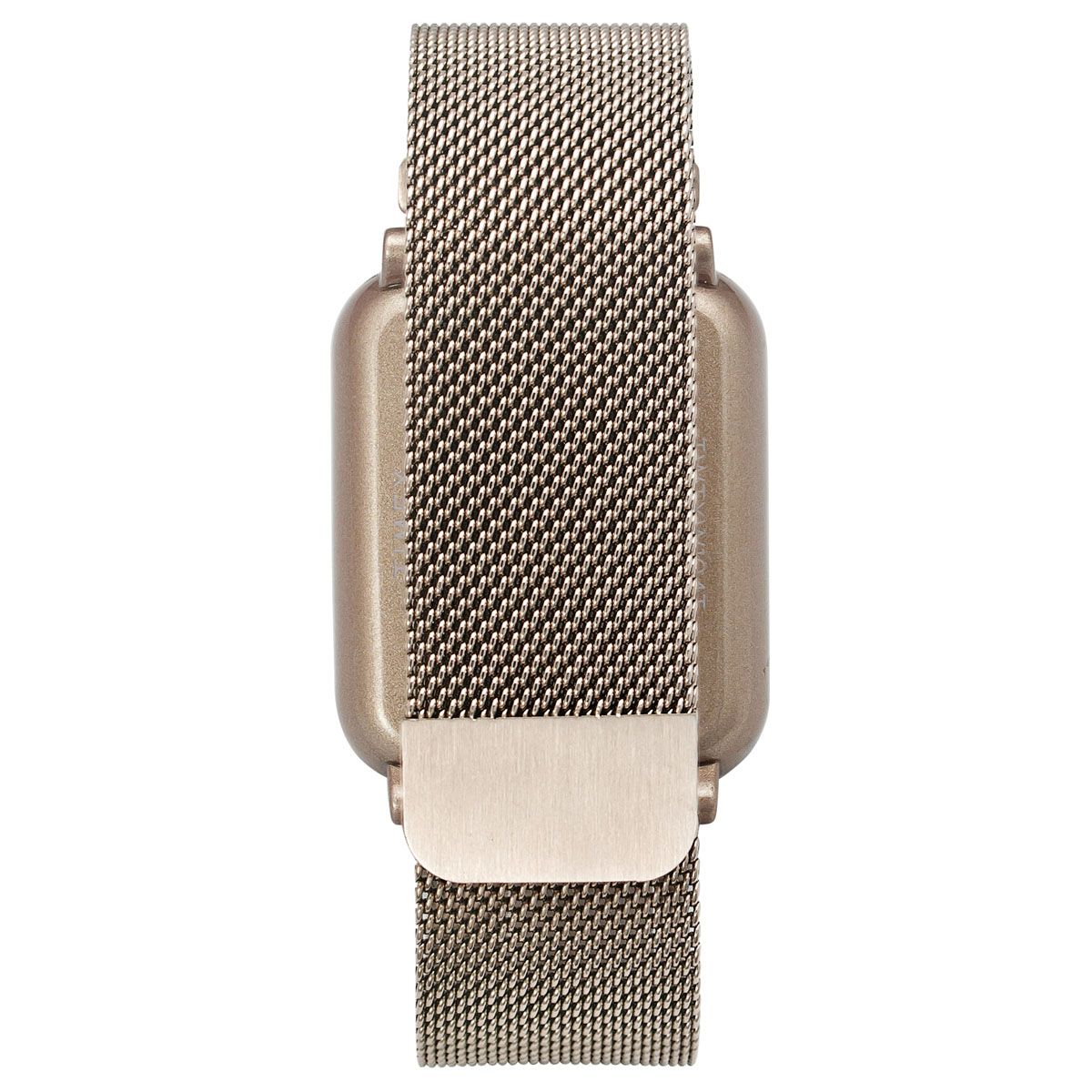
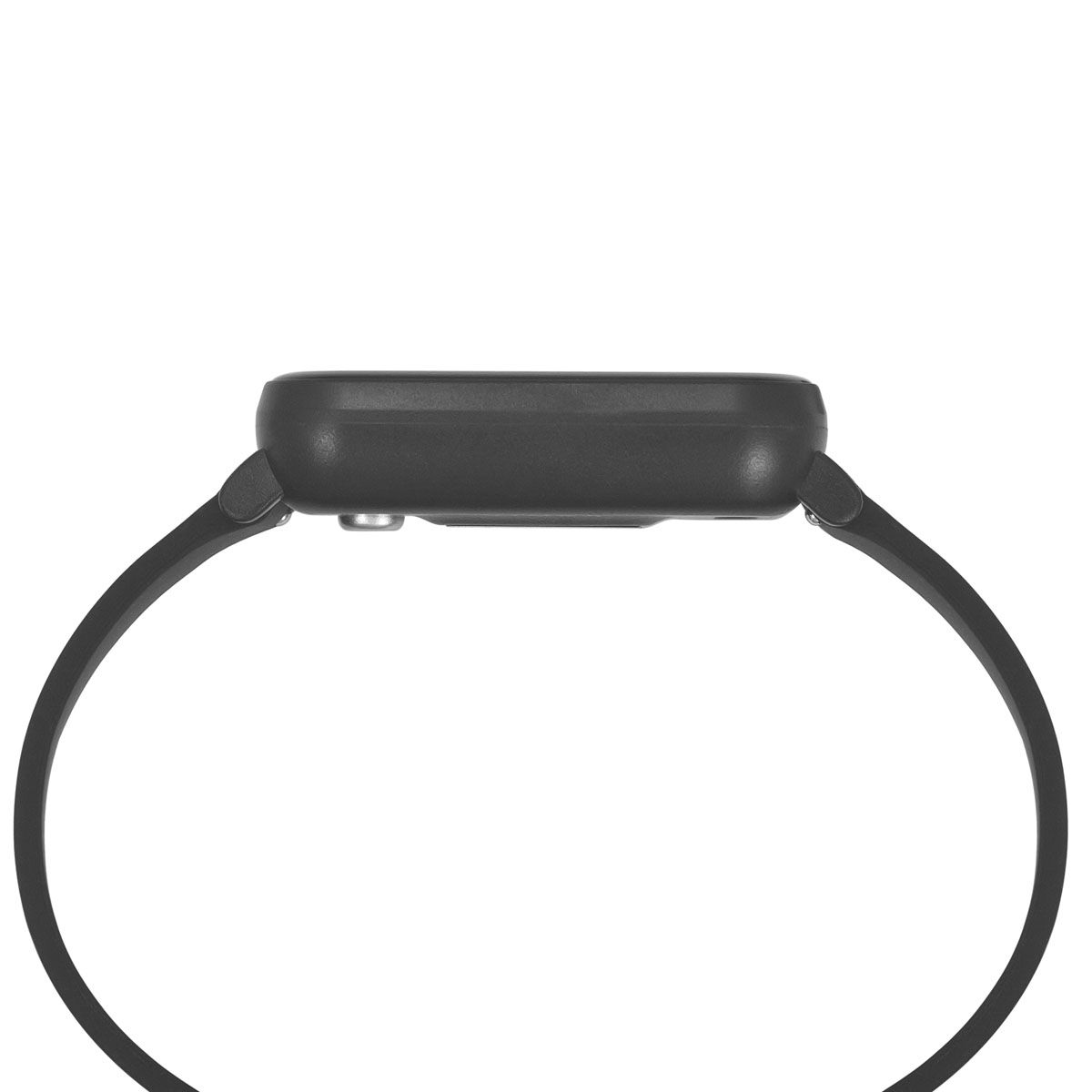
Talking about the design, the casing is made of plastic and it is 35mm in size. Like most smart wearables, this one is also water-resistant up to 1m.
1 of 4
Last but not least, the unisex Timex Fit Smartwatch comes in two finishes and three colors. The metal strap version comes in Black ( TWTXW103T) and Rose Gold (TWTXW104T) colors. Whereas, the silicon strap variant comes in a single Black (TWTXW100T) color option.
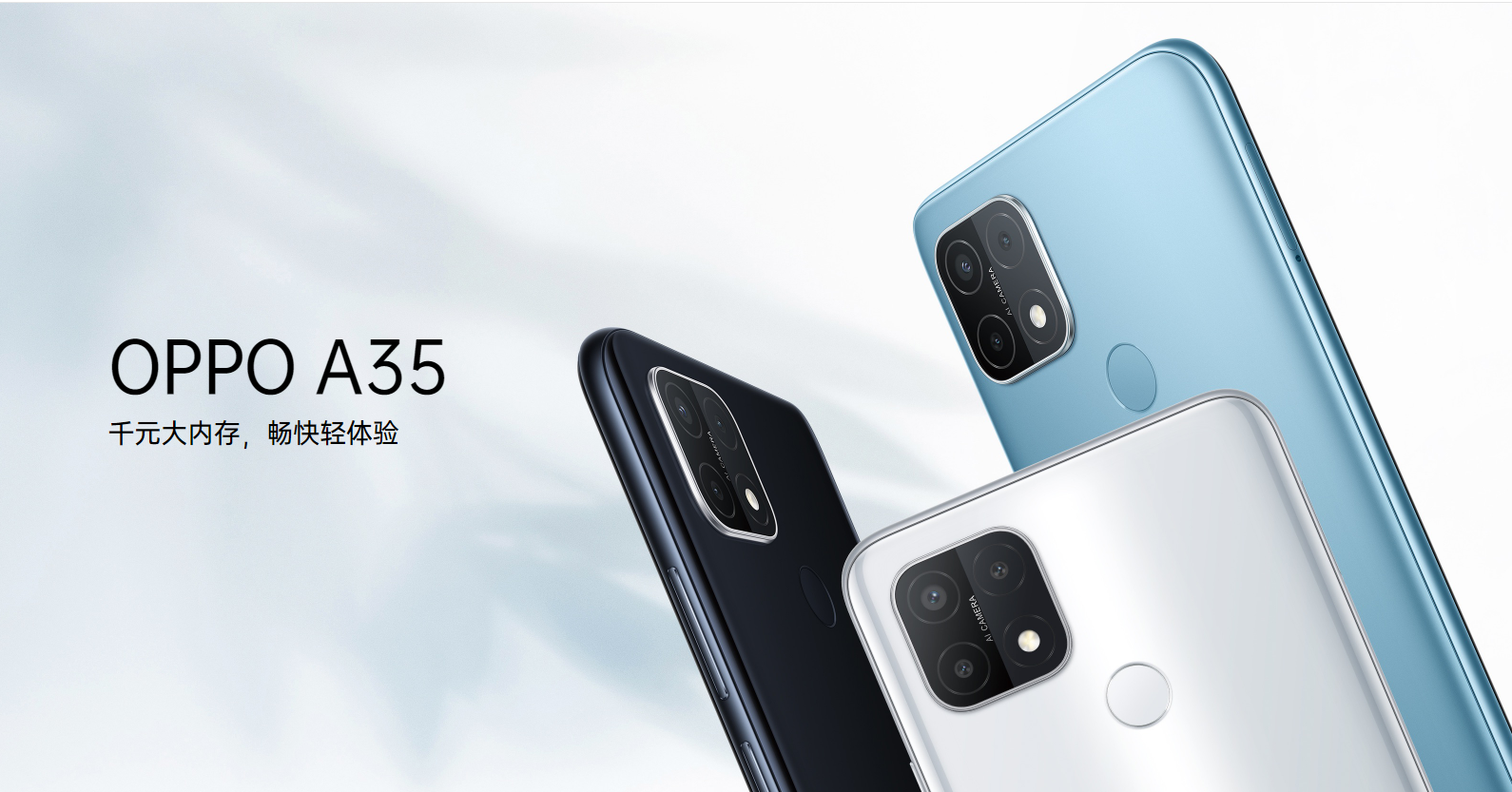
OPPO has silently announced the OPPO A35 smartphone in China. The handset is rebranded version of the OPPO A15s, which was announced in India back in December 2020. Here is all the information on its specifications and pricing.
OPPO A35 specifications and features
The OPPO A35 measures 164 x 75.4 x 7.9mm and weighs 177 grams. The device houses a 6.52-inch IPS LCD screen with a waterdrop notch. The 60Hz display offers an HD+ resolution of 720 x 1600 pixels, a 20:9 aspect ratio, a 269ppi pixel density, 480nits brightness, and a 1500:1 contrast ratio. For security, it has a rear-facing fingerprint scanner.
OPPO A35
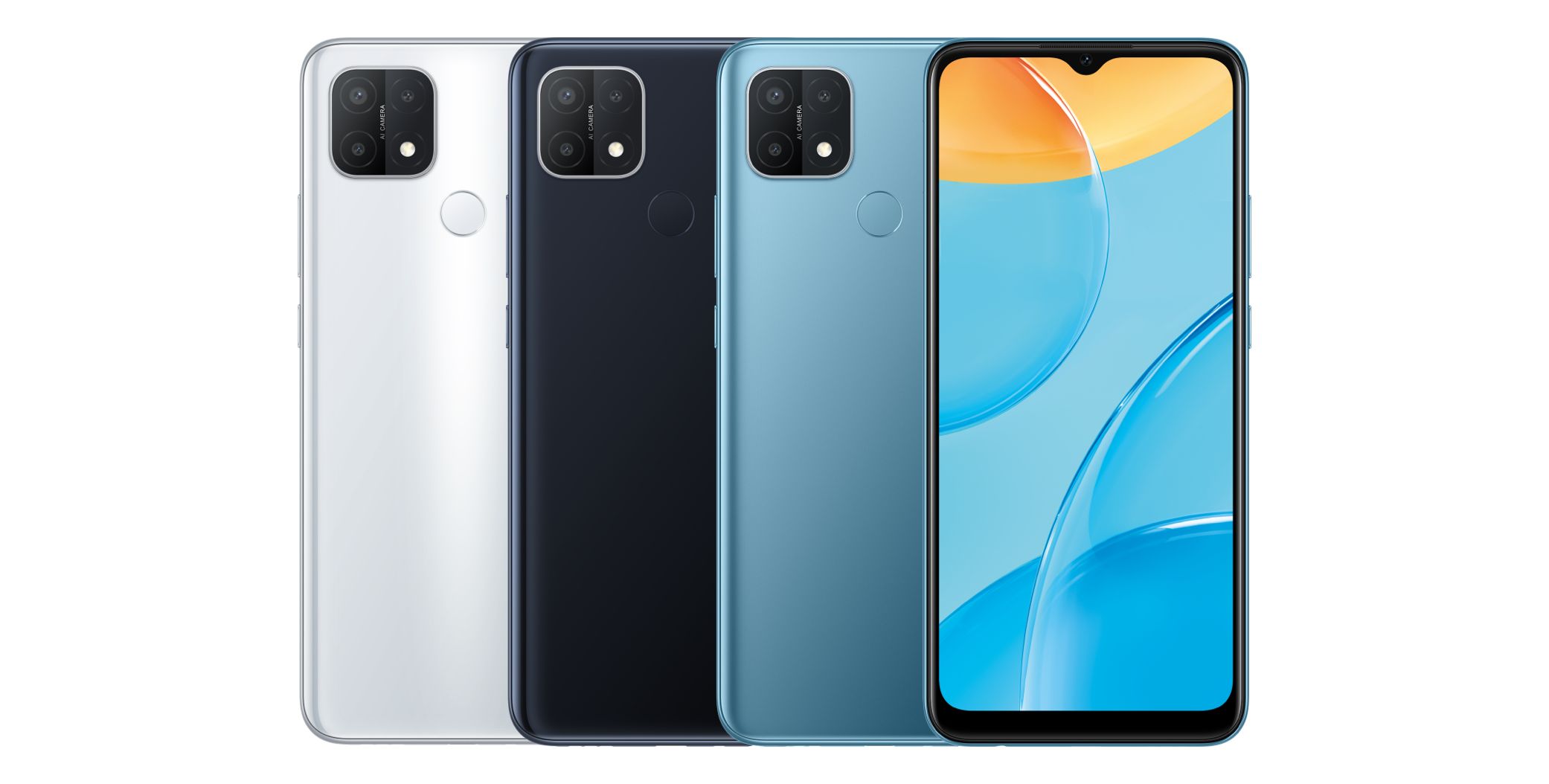
The OPPO A35 has a squarish camera module on its back, which comprises of a 13-megapixel primary camera, a 2-megapixel macro lens, and a 2-megapixel depth sensor. For selfies, it has a front camera of 8-megapixel.
The modest Helio P35 chipset by MediaTek is present under the hood of the OPPO A35. The phone ships with 4 GB of RAM and 128 GB of built-in storage. For additional storage, it has a microSD card slot and it runs on ColorOS 7.2 based Android 11 OS.
OPPO A35
The OPPO A35’s 4,230mAh battery supports 10W charging through a microUSB port. The usual connectivity features like dual 4G VoLTE, Wi-Fi 802.11 b/g/n, Bluetooth 5.0, GPS, and a 3.5mm audio jack are also available on the A35.
OPPO A35 pricing and availability
The pricing of the OPPO A35 is not known yet. It is expected to go on sale soon in China in colors like Ice Jade white, Glass Black, and Mist Sea Blue.
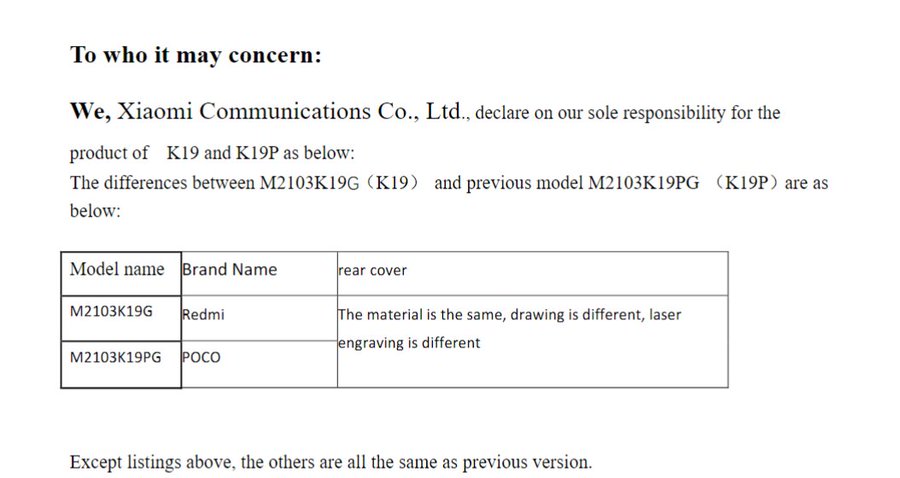
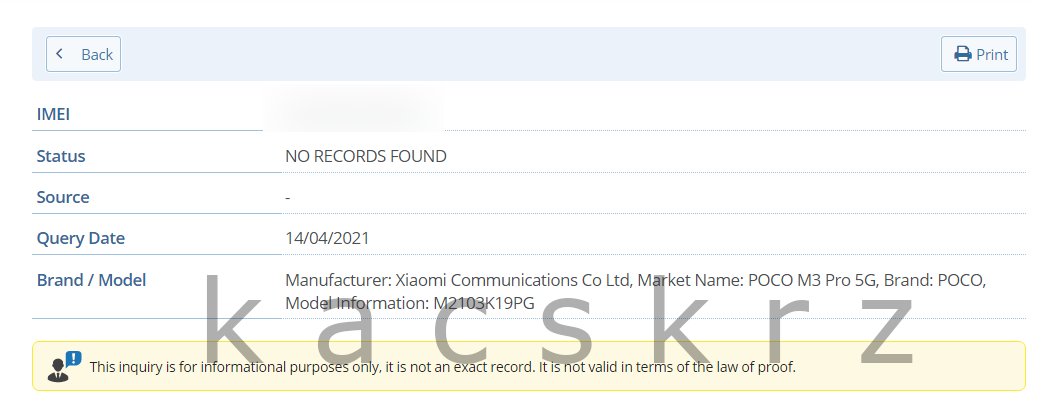
The XiaomiRedmi Note 10 5G that has a model number M2103K19G went official in global markets last month. Soon, a variant of this same device was spotted at the Bureau of Indian Standards (BIS) with the M2013K19PI model number. A global edition of this device with model number M2013K19PG has now appeared in the database of the Federal Communications Commission (FCC). A quick search for the device’s IMEI number through India’s IMEI database reveals that it could be landing in India and other markets with the name of POCO M3 Pro.
The FCC listing there is no difference in the specifications between M2103K19G (Redmi Note 10 5G) and M2013K19PG (POCO M3 Pro). However, there could be some noticeable differences in terms of design. Probably, it could be featuring a big camera array like the POCO M3, which was announced back in November.
1 of 2
POCO M3 Pro FCC 1
POCO M3 Pro IMEI
POCO has launched a few flagships like the POCO F3and POCO F2 Pro with flagship specs, but it has not launched a midrange phone with 5G support. Hence, the POCO M3 Pro could be the company’s first midrange 5G phone. Moreover, it could India’s first POCO phone with 5G support.
POCO M3 Pro specifications (Rumored)
The POCO M3 Pro has a 6.5-inch IPS LCD punch-hole display that produces an HD+ resolution and a 90Hz refresh rate. It draws power from Dimensity 700 chipset and 4 GB / 6 GB of RAM. The handset is loaded with MIUI 12 based Android 11 OS and it may arrive in 64 GB and 128 GB of UFS 2.2 storage choices.
Redmi Note 10 5G
For photography, the rear camera island of the POCO M3 Pro may include a 48-megapixel main camera and a pair of 2-megapixel lenses. It may house a 5,000mAh battery that supports 18W fast charging. For security, it may feature a side-facing fingerprint reader.
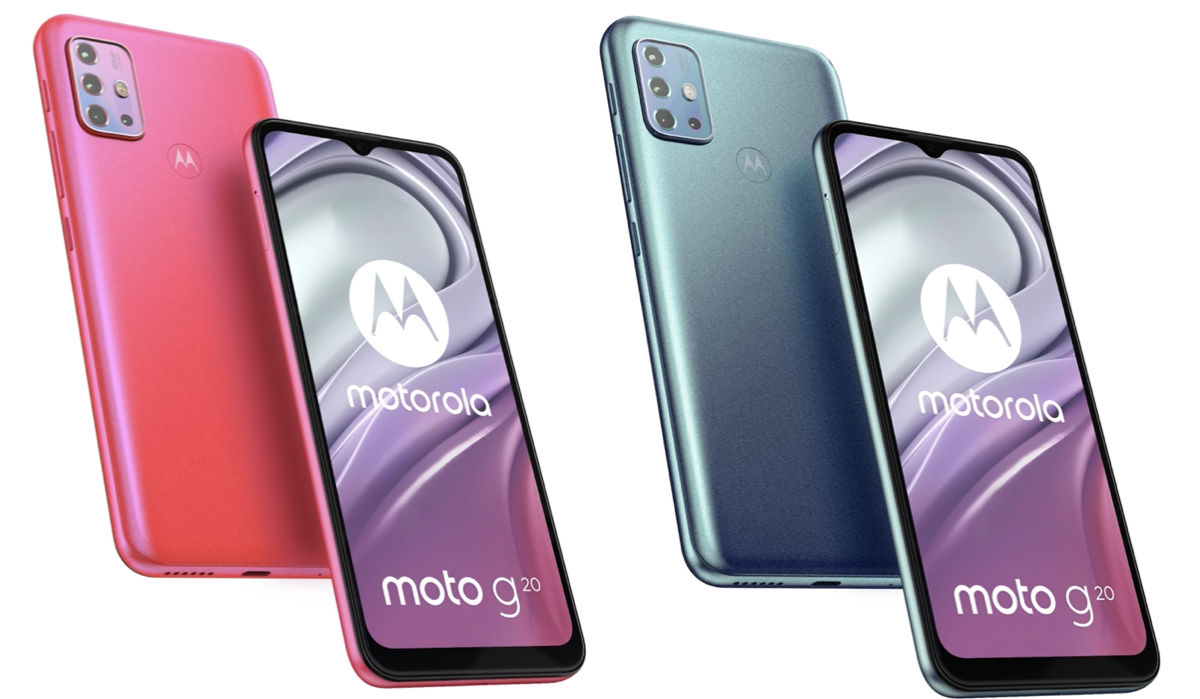
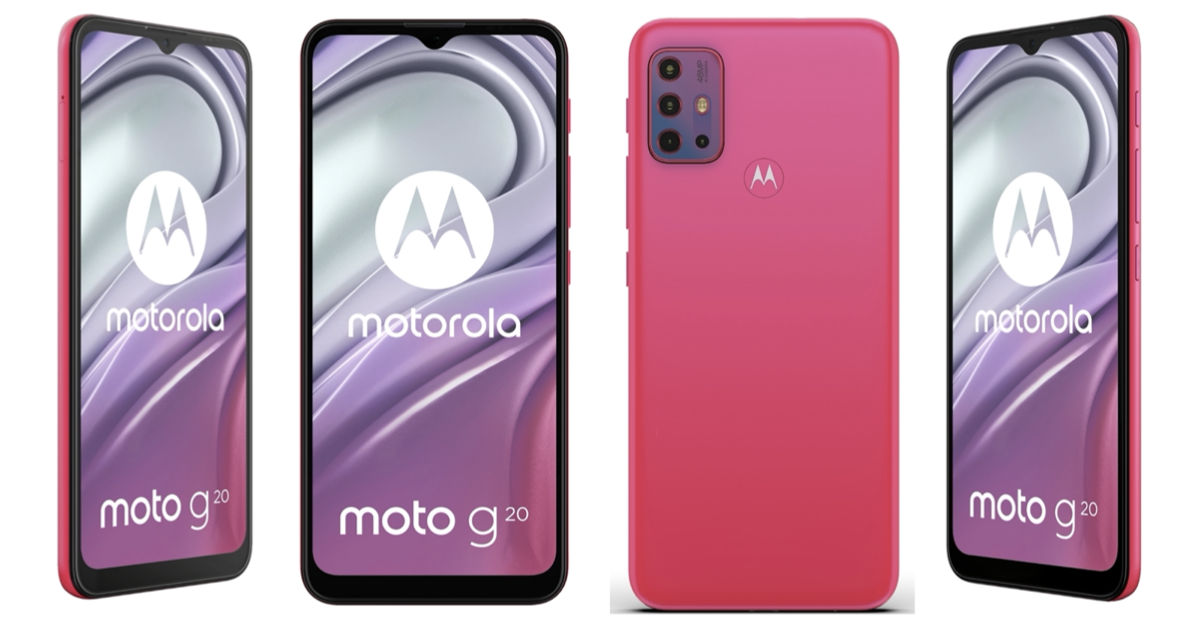
Recent reports have revealed that Motorola is working on at least three new G-series smartphones such as Moto G20, Moto G40 Fusion, and Moto G60. A lot of information on the specs of the G40 Fusion and Moto G60 has appeared in recent reports. Now, 91mobileshas collaborated with reliable tipster Sudhanshu Ambhore to reveal the leaked specifications and renders of the Moto G20.
Moto G20 specifications (Rumored)
The Moto G20 measures 165.22 x 75.73 x 9.19mm and weighs 200 grams. It houses a 6.5-inch LCD panel that offers an HD+ resolution of 720 x 1600 pixels, a 20:9 aspect ratio, a 269ppi pixel density, and it also supports a 90Hz refresh rate.
Motorola Moto G20 render
Firing up the Moto G20 is the new Unisoc T700 octa-core processor that includes 2 x ARM Cortex-A75 processor clocking at 1.8GHz and 6 x ARM Cortex-A55 processor working at 1.8GHz. The SoC also includes Mali-G52 3EE 2-core graphics that clocks at 850MHz. The handset will offer users 4 GB of RAM. For storage, it will have a built-in capacity of 64 GB and a dedicated microSD card slot for additional storage.
The Moto G20 is powered by a 5,000mAh battery, but there is no confirmation on whether it will come with support for rapid charging. The device was recently spotted at the Geekbench benchmarking site with Android 11 OS.
Motorola Moto G20 render
The rectangle-shaped camera island available on the backside of the Moto G20 features a 48-megapixel primary camera with f/1.7 aperture, an 8-megapixel ultrawide camera with f/2.2 aperture, a 2-megapixel macro camera with f/2.4 aperture, and a 2-megapixel depth helper with f/2.4 aperture. The G20 will come with other features like a fingerprint reader, a 3.5mm audio jack, a USB-C port, a dedicated Google Assistant key, NFC, and dual-SIM support. A previous leak claimed that it could be priced around 150 euros in Spain. There is no word on the launch date of the Moto G20.
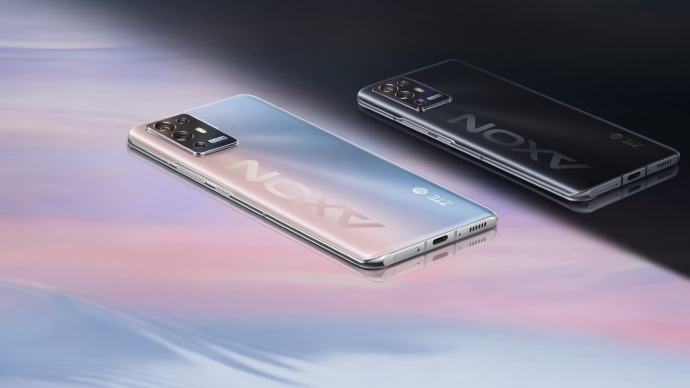
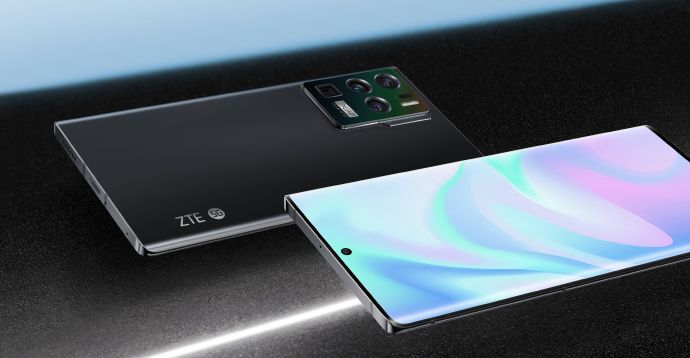
ZTE will announce the Axon 30 series on Thursday, April 15. Three phones are expected to be announced, and ahead of the launch, the manufacturer has released the color variants the Axon 30 Pro and Axon 30 Ultra will be available in.
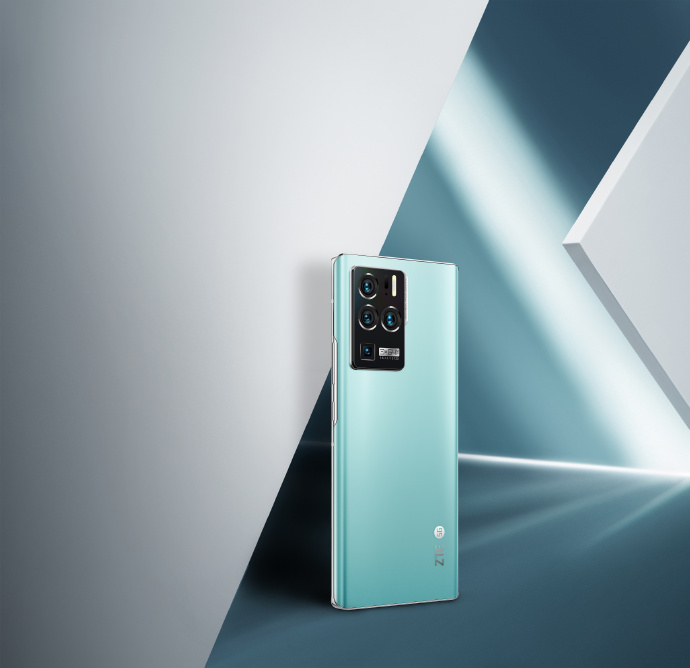
The Axon 30 will come in two color variants – Obsidian Black and “Misty Rain Blue”. The former is said to be inspired by the dark clouds formed by a volcano while the latter is inspired by the misty rain of the south of the Yangtze River. The two colors are shown in the image below.
The ZTE Axon 30 will be available in two colors
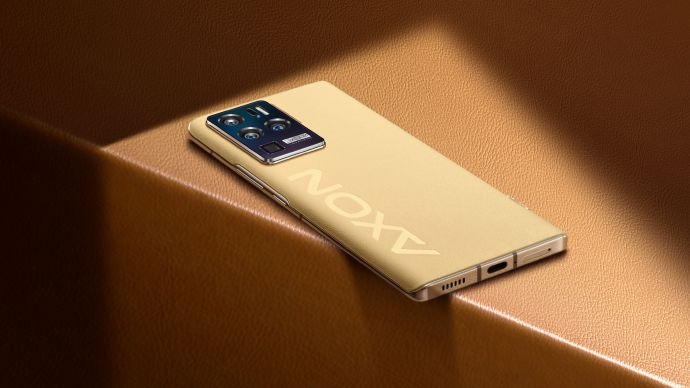
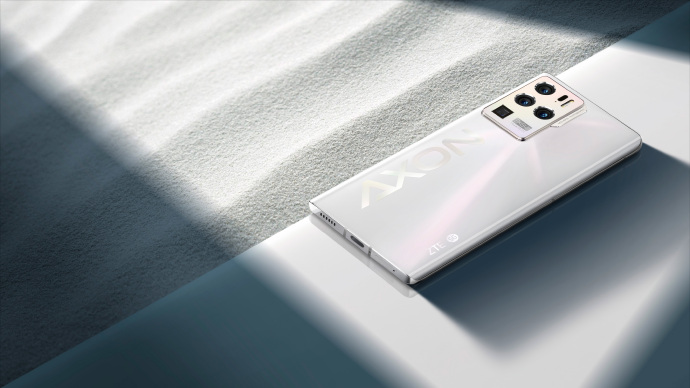
For the Axon 30 Ultra, ZTE is doubling the color variants. The top-end model will come in black, blue, white, and coffee. Two of them (white and coffee) have Axon written on the back in a large font and ZTE says the coffee version is covered in plain leather.
1 of 4
Axon 30 Ultra
Axon 30 Ultra Coffee
Axon 30 Ultra
The Axon 30 Pro and Axon 30 Ultra will be powered by the Snapdragon 888 processor. Both phones will have four rear cameras but of different configurations. The Aon 30 Pro will have a flat display with a centered punch hole while the Axon 30 Ultra will have a curved display with a centered punch hole and a 144Hz refresh rate.
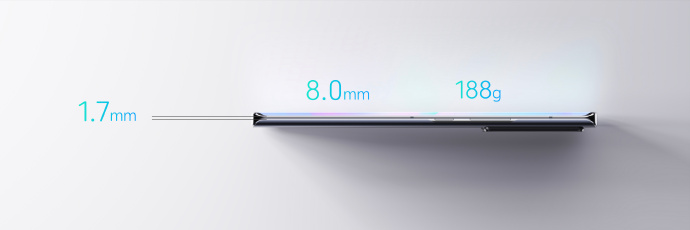
ZTE has also revealed that the Axon 30 Ultra uses a non-stacked design, unlike other phones that use a stacked design for the internals. The manufacturer says that the advantages this design brings include better heat dissipation, stronger network signals, and a thinner body. It claims the phone is just 8.0mm thick (the frame measures 1.7mm in thickness) while the weight is given as 180 grams.
ZTE has also released two teaser videos for the Axon 30 Pro and Axon 30 Ultra that you can feast your eyes on before the launch on Thursday.
HMD Global just launched six phones in the global market. They belong to three series: C, G, and X. The C series always included the most affordable Nokia phones and it is the same for the new handsets launched: Nokia C10 and Nokia C20. This is a comparison between the Nokia C10 and the Nokia C20, but it won’t be like the other comparison we usually publish. We will describe the phones instead of focusing on their differences because there are only two important differences between the phones. We are talking about the processor and the memory configurations: for all the rest, they are pretty much the same.
Nokia C10 and Nokia C20 come with a pretty modern design for an entry-level phone. They have a display with narrow bezels and a waterdrop notch including the front camera. Unfortunately, you do not get a fingerprint reader with these devices. The body is made of cheap polycarbonate and there is a circular camera module in the middle of the rear side. The volume rocker and the power key are placed on the right side of the phone. The upper border houses a 3.5 mm audio jack allowing you to connect your headphones, while the inferior border includes the speaker, the microphone, and a micro USB 2.0 port for charging the battery.
Display
The display of the Nokia C10 and the Nokia C20 has a diagonal of 6.52 inches and shows images with an HD+ resolution (720 x 1600 pixels). It has a 20:9 aspect ratio and it is an IPS LCD panel. Do not expect a high image quality from this panel: it is a low-end display with a sufficient but not exciting resolution, and not so accurate colors. The display covers more than 75 percent of the front panel and comes with a waterdrop notch for the front camera.
Specs & Software
The Nokia C10 and the Nokia C20 come with entry-level processors manufactured by Unisoc. The Nokia C10 has a Unisoc SC7331E, while the Nokia C20 has a Unisoc SC9863A. The latter is more powerful than the former: it is an octa-core processor (and not quad-core like the SC7331E) and it provides a higher clock frequency. Nokia C10 debuted in three memory configurations: the most affordable one has 1 GB of RAM and 16 GB of internal storage, then you get a 2/16 GB version and a 2/32 GB configuration if you need more internal storage. The native storage is expandable with a micro SD. The Nokia C20 comes in two memory options: 1/16 GB and 2/32 GB. If it was not for the presence of Android 11 Go as the operating system, these hardware departments would not be sufficient to guarantee decent performance with daily usage. But Android 11 Go Edition is an enlightened version of the operating system made for devices with outdated and low-end hardware departments. Nokia C10 and C20 will get 2 years of major Android updates and two years of security updates.
Camera
Nokia C10 and Nokia C20 sport entry-level cameras: unfortunately, they do not provide high-end camera performance and they are disappointing for those who are searching for a decent camera phone. They have just one camera on the rear side: a 5 MP sensor. The same 5 MP sensor is placed on the waterdrop notch above the display, but the interesting thing is that it is paired with a front-facing LED flash allowing to shoot selfies even in the dark.
Nokia C10 and Nokia C20 are equipped with a 3000 mAh battery. It is not a big battery and it is below-average if compared to other phones, but given that these devices come with entry-level specifications (such as the HD+ display and the low-end Unisoc chipset), it is more than sufficient to guarantee a good battery life.
Price
The starting price tag of the Nokia C10 in the global market is €80/$95, while the Nokia C20 starts from €90/$108. If you were wondering which one to go for, given the narrow price difference, we strongly recommend opting for the Nokia C20 in order to get a better mobile platform. For an entry-level phone like these, it is important to have at least an octa-core processor in order to get decent performance.
We use cookies on our website to give you the most relevant experience by remembering your preferences and repeat visits. By clicking “Accept”, you consent to the use of ALL the cookies.
This website uses cookies to improve your experience while you navigate through the website. Out of these, the cookies that are categorized as necessary are stored on your browser as they are essential for the working of basic functionalities of the website. We also use third-party cookies that help us analyze and understand how you use this website. These cookies will be stored in your browser only with your consent. You also have the option to opt-out of these cookies. But opting out of some of these cookies may affect your browsing experience.
Necessary cookies are absolutely essential for the website to function properly. This category only includes cookies that ensures basic functionalities and security features of the website. These cookies do not store any personal information.
Any cookies that may not be particularly necessary for the website to function and is used specifically to collect user personal data via analytics, ads, other embedded contents are termed as non-necessary cookies. It is mandatory to procure user consent prior to running these cookies on your website.