Drone maker DJI technology currently dominates the consumer drone market, controlling about 60% of the market. The US government recently restricted the company’s access to chips and other components by placing it in the same entity that had Huawei, ByteDance, SMIC, and others.
The US ban is already taking its toll on the company’s North American business, according to a Reuters report. The report shows that DJI’s North American business concern is presently plagued by internal wrangling which is an offshoot of the US ban.
Although DJI still performing well in the market, the company decided to cut its staff strength to reflect the ban. One-third of its entire staff strength of 200 persons in the US were reportedly laid off. As a result, some key managers decided to resign and take their services to rival companies. For instance, the head of DJI’s R&D team is reported to have resigned in February as a result of his displeasure over the job cuts. After the resignation, the company is said to have laid off the remaining ten R&D staff at its Palo Alto, California flagship research center.
Although some of the key execs who have resigned projects that the ban could affect the growth of the company but DJI’s founder Frank Wang insists that the company’s North American sales were growing strongly.
“Despite misleading claims from competitors, our enterprise customers understand how DJI products provide robust data security. Despite gossip from anonymous sources, DJI is committed to serving the North American market,” he added.
The US ban has led to the growth of rivals such as US firm Skydio but the company focuses on military drones. Thus, DJI’s market share in the consumer drone market may not be under too much stress.
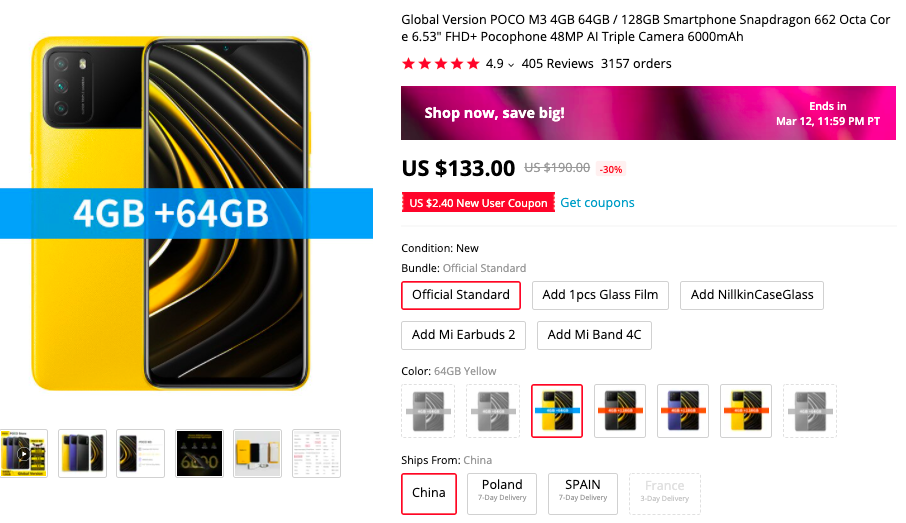
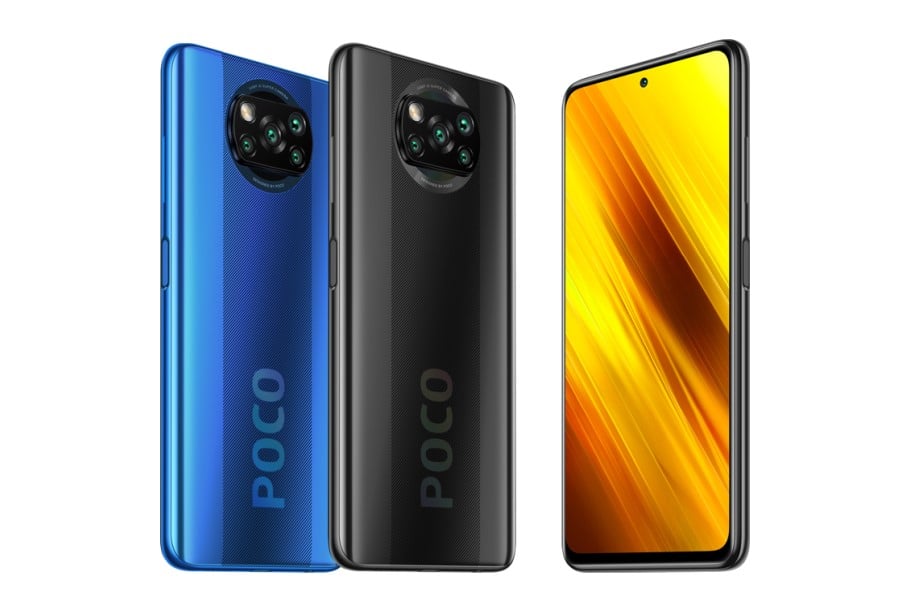
AliExpress is giving a fantastic deal on POCO M3 Global Version. The smartphone which usually retails at $170 is now available at a discounted price of $133 only.
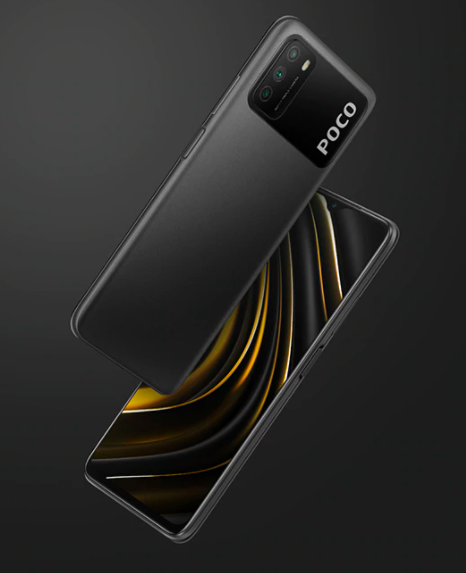
POCO M3, Global version comes with a 6.53 inch Dot Drop display and Snapdragon 662 Octa-Core processor. The smartphone which comes with 4GB RAM and 64GB ROM is fueled by a massive 6000mAh battery and supports 18W fast charging. With a triple AI Camera setup, POCO M3 boasts a 48MP main camera and 2MP + 2MP secondary cams. For more information on the smartphone, check out this article from Gizmochina.
Poco M3 Global version usually retails for $170. But as a limited period offer, AliExpress is giving out this smartphone for $133 only. Please note that the above price is applicable on 4GB + 64GB, Yellow color variant, ordered from the China warehouse. Other discounts are available on different color and memory variants and orders made from the China and EU warehouses. With an additional new user coupon and free shipment, this super deal on Poco M3 is simply too good to ignore.
For more information on such exciting deals and offers check out our deals hub.
* When you buy something using the links in our articles, we may earn a small commission at no cost to you.
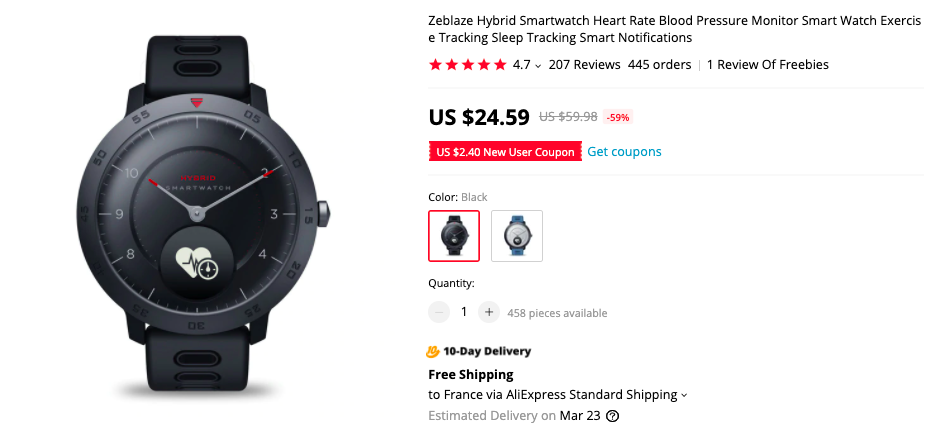
AliExpress is giving out this unbelievable deal on Zeblaze Hybrid Smartwatch. The smartwatch which retails for around $55 is now available for $24.59 only.
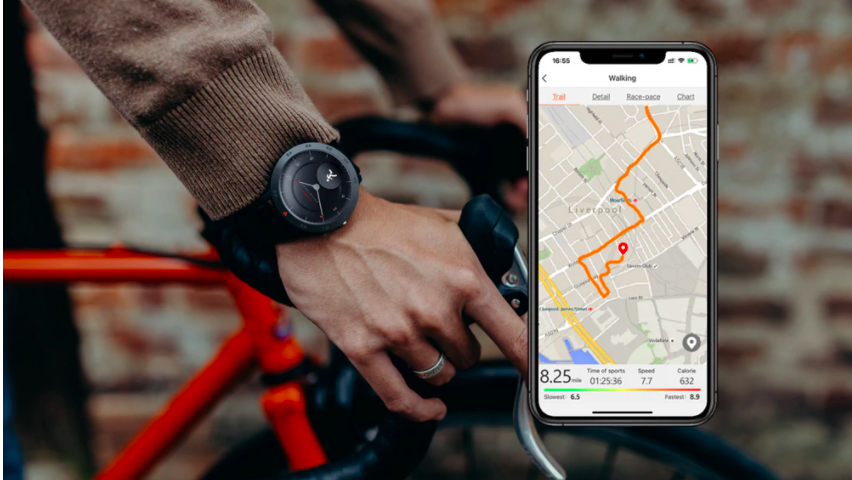
Zeblaze Hybrid is a unique smartwatch that has a hidden OLED touchscreen fitted into a retro watch display. This means it looks like a retro watch with old-fashioned dials and hands but in reality, is an advanced smartwatch with complete health and activity monitoring functions and an interactive touchscreen.
The smartwatch is made up of a Hybrid Intelligent Core which comes with Nordic 51802 Bluetooth 4.0 and mechanical hands. It helps you to track your health and fitness with functions like Heart Rate and Blood Pressure Monitor, Weather and temperature display, Exercise tracking, Sleep-tracking, etc. The smartwatch comes with 7 days of battery life on smart mode and 3 years on mechanical mode and also helps you to remotely control your calls and messages without taking out your phone.
Zeblaze Hybrid Smartwatch which is available in Black and Blue color variants usually retails at $55. But for a limited period, AliExpress is selling it for $24.59 only. So grab this amazing deal asap.
For more information on such exciting deals and offers check out our deals hub.
POCO X3 NFC launched with MIUI 12 based on the Android 10 OS out of the box back in September 2020. Months later, the company has finally started rolling out the Android 11 update.
POCO X3 NFC
An OTA(Over The Air) update with firmware version V12.0.6.0.RJGEUXM is rolling out to the users of the POCO X3 NFC. Here, the ‘EU’ in the firmware denotes that the update is currently live for the users of the European Economic Area (EEA).
Do note that, POCO X3 NFC also has other versions like Russia(RU), Indonesia(ID), Turkey(TR), Global(MI), however users in these regions will have to wait till Xiaomi expands the update to other regions. Speaking of which, the update weighs 2.5GB in size and brings the latest Android 11 update to the device.
If you recall, the POCO promised that it would keep updating the device for up to three years which means you are sure to get the next Android 12. As for another MIUI update, Xiaomi recently unveiled the MIUI 12.5 Globally.
It said that flagships like Xiaomi Mi 11 will get the update in the first wave of the rollout. And POCO X3 NFC, which is still on the MIUI 12 after the latest update, could get the intermediate MIUI 12.5 before the year ends.
Talking about the Android 11 rollout in the EU region, the update is still in the ‘Stable beta recovery’ stage meaning only a few users will get it now. After checking that it doesn’t have major bugs, Xiaomi will roll out the update to everyone in the coming days.
That said, this device, which is sold without NFC in countries like India(POCO X3), should also get the Android 11 update very soon.
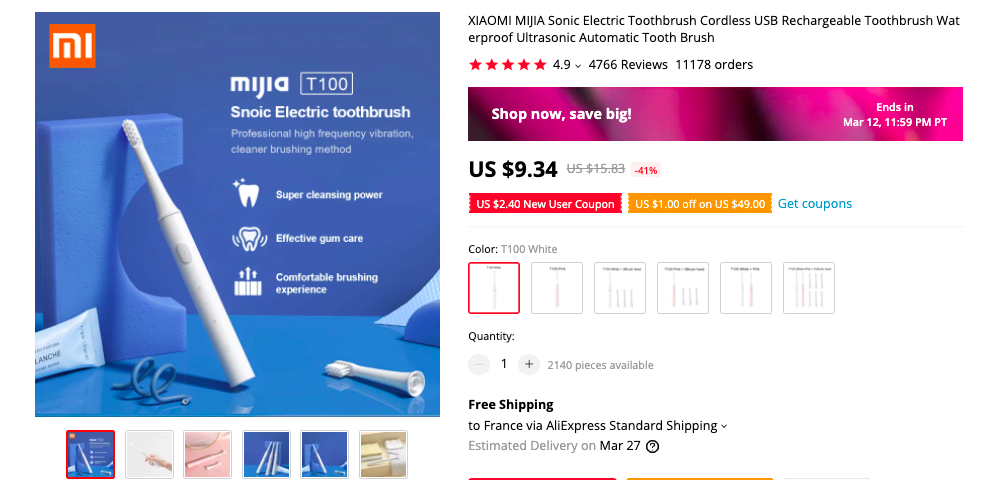
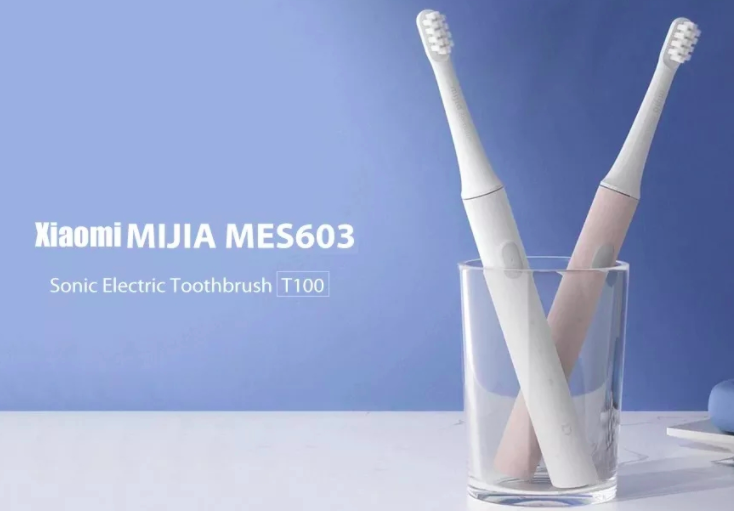
AliExpress is giving out Xiaomi Mijia T100 Sonic Electric Toothbrush for $9.34 only. Mijia T100 Sonic Toothbrush brings you a unique and innovative brushing experience.
This advanced sonic toothbrush comes with a vibration frequency of 16500 rpm and a 360-dimensional cleaning function which helps you to clean every nook and cranny of your teeth. The mini head made with imported high-quality soft bristles helps to clean the hard-to-reach areas and dual brushing modes help to meet your different dental needs.
The electric toothbrush comes with a 2 minute stop and 30-sec zone change reminder. This function helps you to clean all the different zones of your teeth and stop brushing after 2 minutes, to cultivate scientific brushing habits. The toothbrush can last up to 30 days with one single charge and the light and compact design make it easy to carry in your pouch or travel case.
Xiaomi Mijia T100 Sonic Electric Toothbrush is now available for $9.34 at AliExpress. This deal is applicable on both White and Pink color variants with free delivery via AliExpress Standard Shipping.
For more information on such exciting deals and offers check out our deals hub.
*We may earn a commission when you buy using one of our links.
There are reports LG may exit the smartphone industry soon. While the Korean giant has posted losses for several quarters, it has continued to show with the launch of its products that it hasn’t lost its drive for innovation, a trait that we wish was common among manufacturers.
In honor of LG’s contribution to the phone industry, here are six innovative smartphones that it has made, some of them from an era when it wasn’t a struggling phone company.
1LG DoublePlay
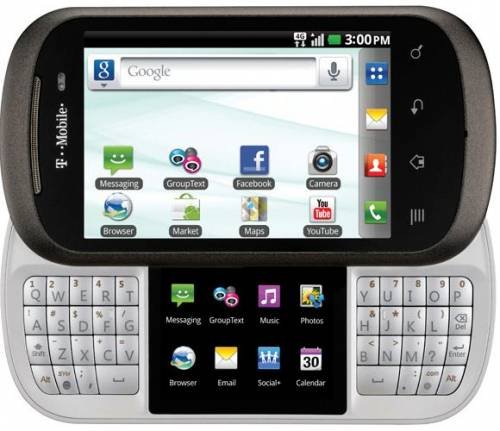
LG DoublePlay
Dual display phones are not new to LG and one can even say that only a very few manufacturers have as much experience with dual displays as LG.
One of its earliest dual-display phones was the 2011 LG DoublePlay, an Android smartphone with a horizontal slider design that opened to reveal a QWERTY keyboard with a screen in between the keys.
The main display was a 3.5-inch screen with a 320 x 480 resolution and the smaller display was a 2.0-inch screen that divided the keyboard into equal halves giving it a split design.
What did the smaller display do? It could display music playback controls while you surfed the web on the main screen. The smaller display also served as an extension of the bigger one for certain features. For example, you could cycle through your bookmarks or open tabs on the small screen while the main browser was open on the larger display. There was also an app called Richnote that allowed you quickly jot down information or ideas without exiting the app on the main screen. There were multiple other uses too but one interesting feature LG added was the ability to push the app on the small screen to the larger display with a single button.
2LG Crystal
LG Crystal
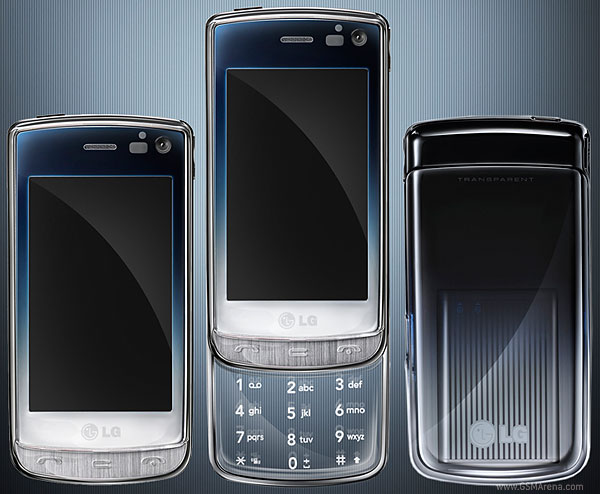
These days, we have seen companies launch phones with see-through back panels that allowed you to see their “internals”. These phones are meh when compared to the 2009 LG GD900 Crystal, a slider phone with an actual see-through part that didn’t show fake or ugly internals.
The LG Crystal’s transparent alphanumeric keypad is actually a touchscreen with alphabets and numbers etched on the surface. It had its own illumination which made it even cooler in the dark. And since it is actually a touchscreen, you could glide your finger over it and use it to navigate the device just like you would use a touchpad. It also supported multi-touch gestures such as pinch to zoom.
3LG G Flex
LG G Flex
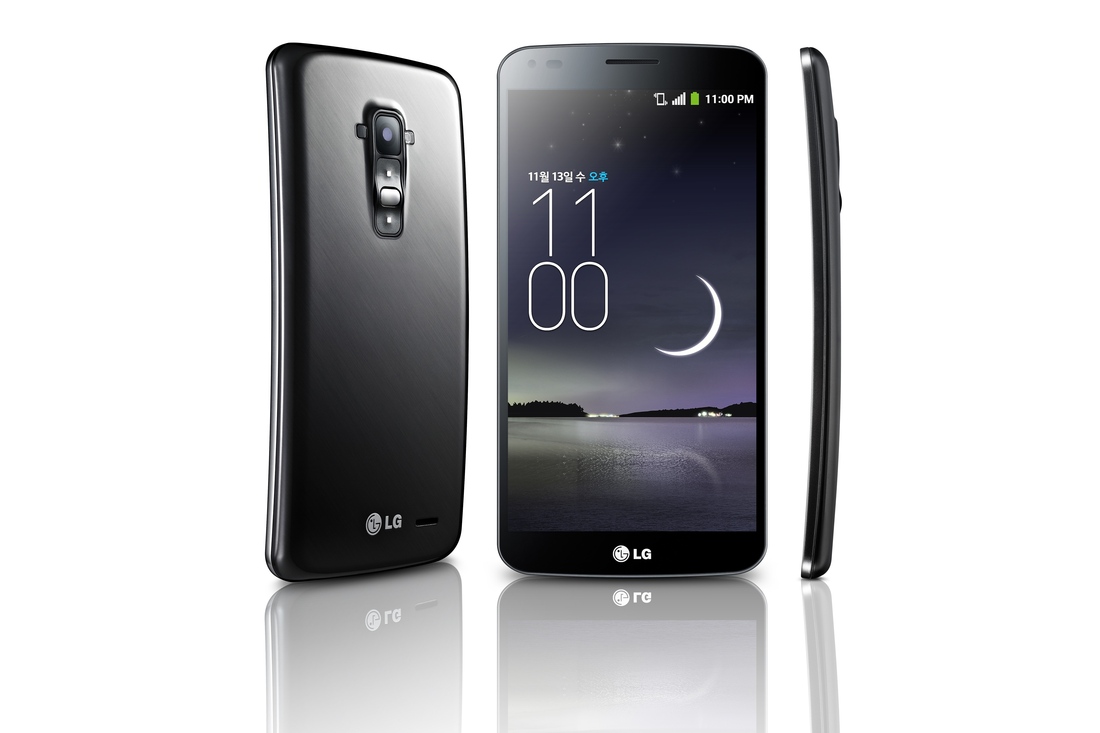
The LG G Flex was a device that packed multiple impressive technologies. From its concave curved Plastic OLED screen that made it comfortable to use, to its flexible LiPo battery, and the specially coated back panel that self-healed from scratches; the LG G Flex deserves to be in the smartphone hall of fame.
Other interesting features of the LG G Flex include its rear-mounted power and volume buttons as well as its rear-mounted IR blaster that allowed you to control electronic appliances by holding the phone upright rather than horizontally like a regular remote control.
4LG G5
LG G5
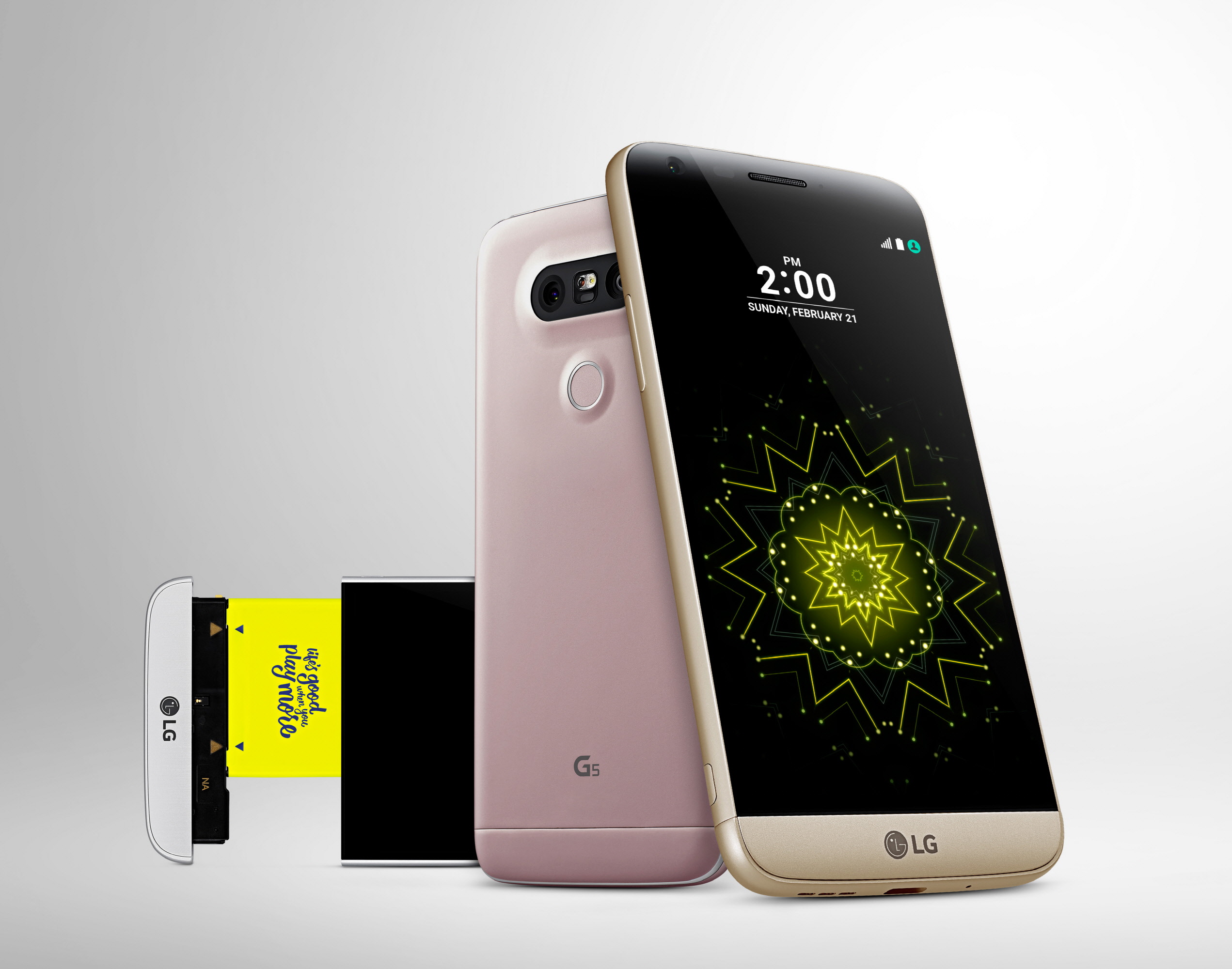
The LG G5 may have been considered one of LG’s failures but it deserves to be mentioned as it is LG’s take on a modular smartphone, an area that only a few manufacturers dared to tread.
The G5 had what is called a Magic Slot that allowed you to remove the bottom part of the phone and swap it for an add-on accessory. LG called these accessories LG Friends. One of these add-ons is the LG Cam Plus which brought hardware camera controls such as a physical shutter button, a camcorder button, and a zoom dial. This add-on also had a built-in battery, thus bumping up the phone’s total battery capacity. Another add-on was the LG Hi-Fi Plus which had a Bang & Olufsen DAC for hi-res audio.
5LG V10
LG V10
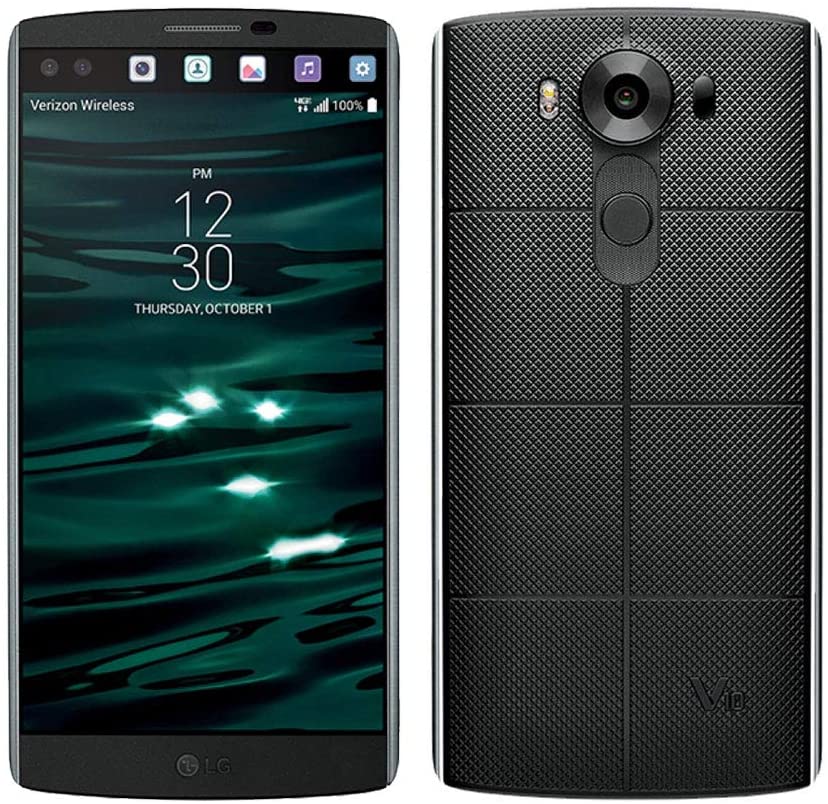
Remember we said earlier that LG isn’t new to dual displays, the LG V10 is another example of the Korean manufacturer’s obsession with dual screens. This flagship which launched in 2015 had two screens that sat atop each other.
The main screen was a 5.7-inch QHD screen and on top of it was a smaller 2.1-inch touchscreen next to the dual selfie cameras. By the way, LG was the first manufacturer to launch a phone with two front-facing cameras.
This second screen had its own display driver which means it worked independently of the main screen. It was always on and apart from displaying notifications, it also had shortcut icons for certain apps and toggles for features such as Wi-Fi, camera, Flashlight, and ring mode. You could also customize it to display a message of your choice. When the main display is in use, the smaller screen displayed the recent apps menu and shortcuts to features such as taking a screenshot.
6LG Wing
LG Wing
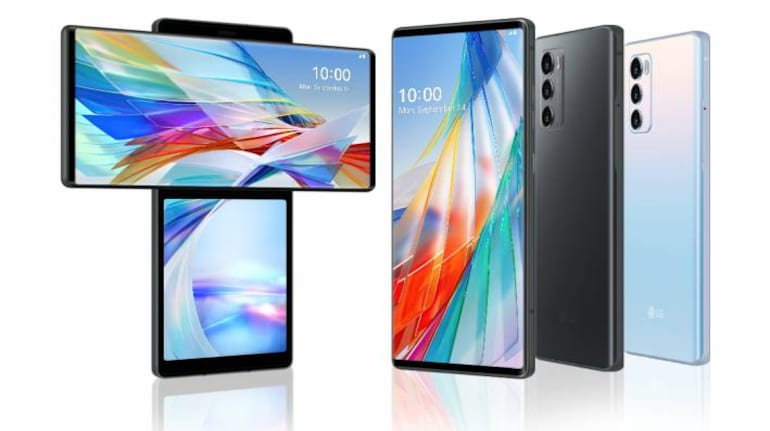
The LG Wing is the manufacturer’s latest attempt at a dual-screen device and its approach is different from the others we have mentioned above.
This time, LG has hidden a second display behind the main one, and to access it, what you have to do is slide the 6.8-inch outer display, which is connected to a swivel mechanism, to the left. With the main display, which now sits in a landscape position, out of the way, you can now access the smaller 3.9-inch secondary display. When opened, the LG Wing looks like an upper case “T”. You can hold the phone in this mode or turn it upside down, so the larger display is at the bottom.
There are several use cases for this dual-screen design. You can watch a YouTube video on the main screen while scrolling through the comments on the second screen. Also, if you launch the camera app, the second screen will display the camera controls and you can decide to scroll through your gallery on the smaller screen and the larger display will show the current selection. A number of multimedia apps also take advantage of the second screen by displaying controls there while the content plays on the larger screen. These are a few of the use cases of the LG Wing.
So these were some of the interesting smartphones from LG over the past few years. Do you think we missed out on a particular model? Let us know down below.
OPPO is expected to release a new budget smartphone called OPPO A54 very soon. This handset is reported to come in both 4G and 5G variants. The 4G variant with model number CPH2239 has been now certified by CQC.
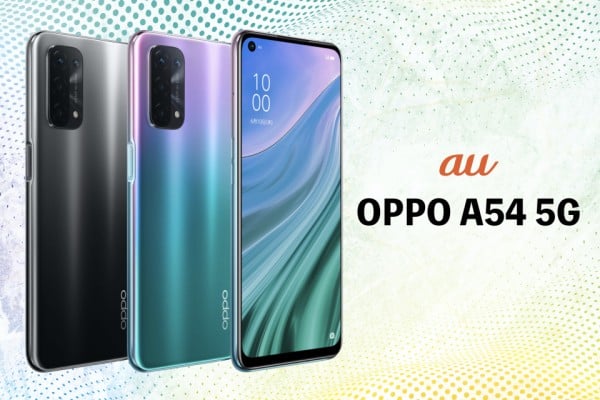
OPPO A54 5G | Source: Japanese Carrier au by KDDI
The upcoming OPPO CPH2239 smartphone was recently spotted on Indonesia Telecom, TKDN, and NBTC. The latter revealed the phone’s branding to be OPPO A54.
Now, this device has appeared on CQC (China Quality Certification Center) as well. According to this certification, the forthcoming OPPO A54 will come with 18W fast charging support. Unfortunately, CQC does not reveal anything else about this handset, just like the other certification bureaus.
As of now, we only have details regarding the OPPO A54 5G. This model has already been listed on a Japanese carrier’s website. According to the listing, it will feature Qualcomm Snapdragon 480, 6.5-inch FHD+ (1080 x 2400 pixels) IPS LCD panel with a punch-hole, and ColorOS 11 based on Android 11.
Other features of this phone will include a 48MP + 8MP + 2MP + 2MP quad-camera setup, 16MP selfie camera, 4GB RAM, 64GB internal storage, MicroSD card slot, dual-band WiFi, Bluetooth 5.0, 3.5mm headphone jack, USB Type-C port, 5,000mAh battery, 18W fast charging, and two colors (Purple, Black).
Last but not least, according to another leak, the OPPO A54 5G will retail around €200-300 in Europe.
boAt has finally launched the BOAT Flash Watch in India. The Smartwatch is priced at ₹2,499($34) and has features like an IP68 rating, heart rate, blood oxygen monitoring, and more.
1 of 3
BOAT Flash Watch Price, Availability
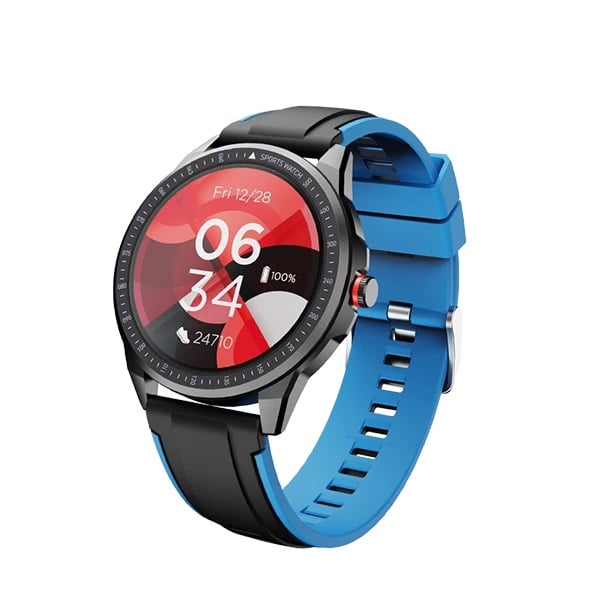
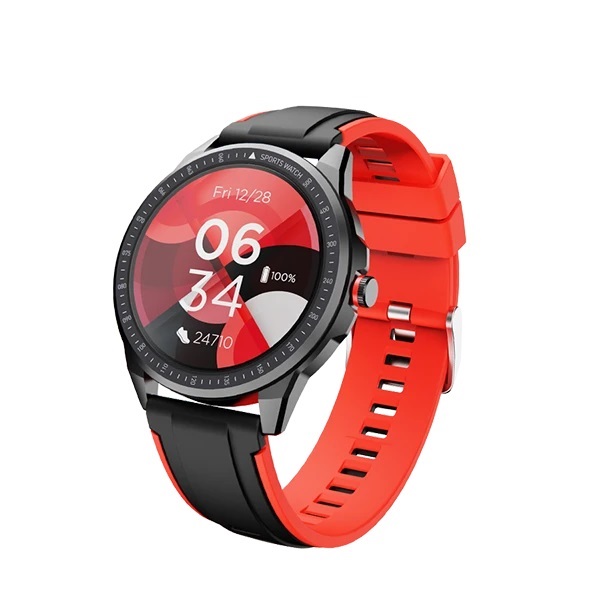
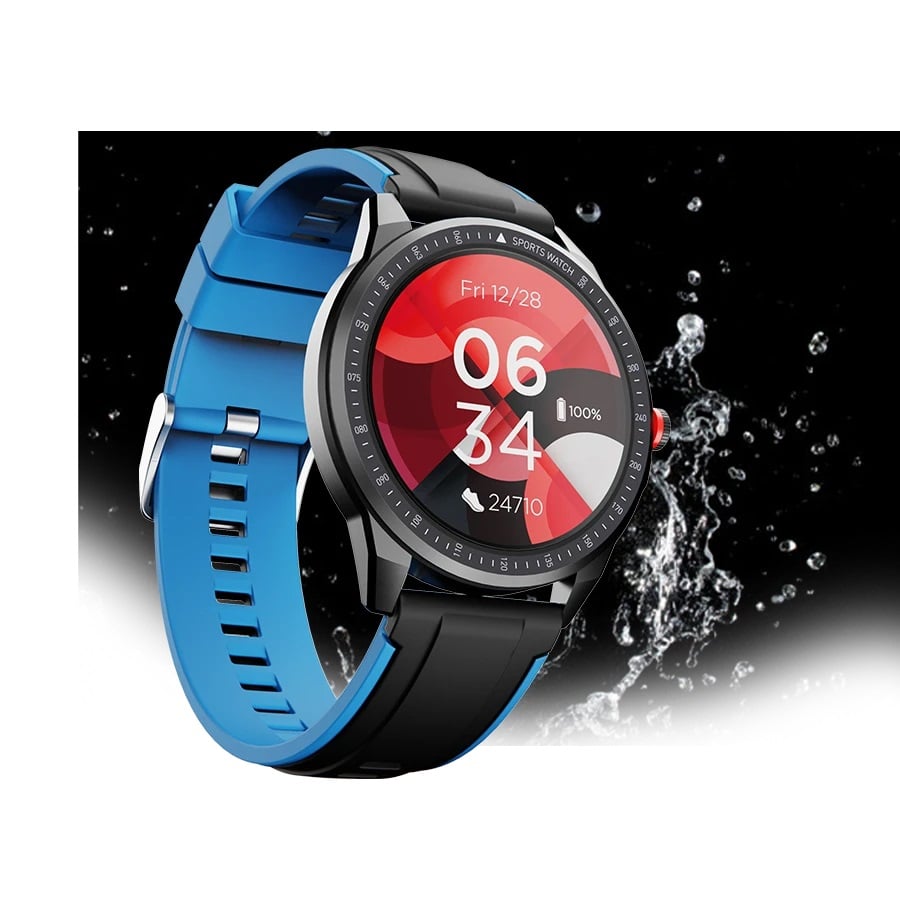
Boat has launched the BOAT Flash Watch in three strap colors- Active Black, Electric Blue, and Vivid Red strap. The smartwatch can be purchased via Amazon India and the company’s website. A flash has already gone live, earlier today. (Mar. 9 at 12 PM IST).
We aren’t sure when the next sale will be for the Smartwatch but at ₹2,499($34) it’s certainly a good buy if you are on a tight budget.
BOAT Flash Watch Specifications and Features
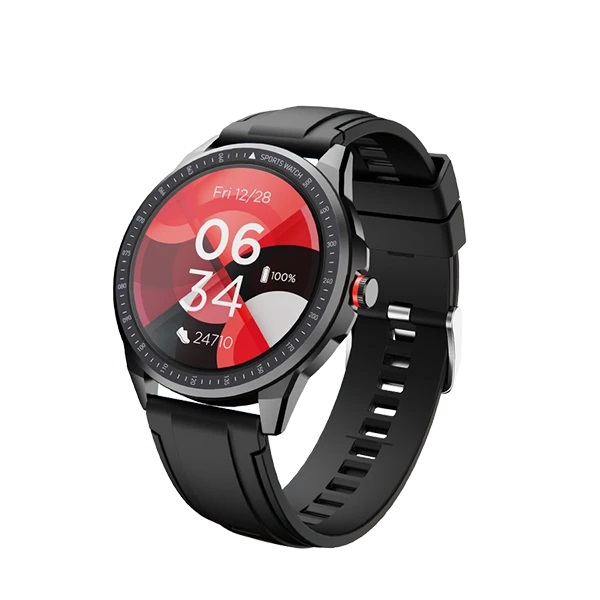
The BOAT Flash Watch features a 1.3-inch LCD display. The rim around the touch display is calibrated and we see a ‘sports watch’ etching. The watch frame is said to have a metallic design and as mentioned above, it comes in three strap color options.
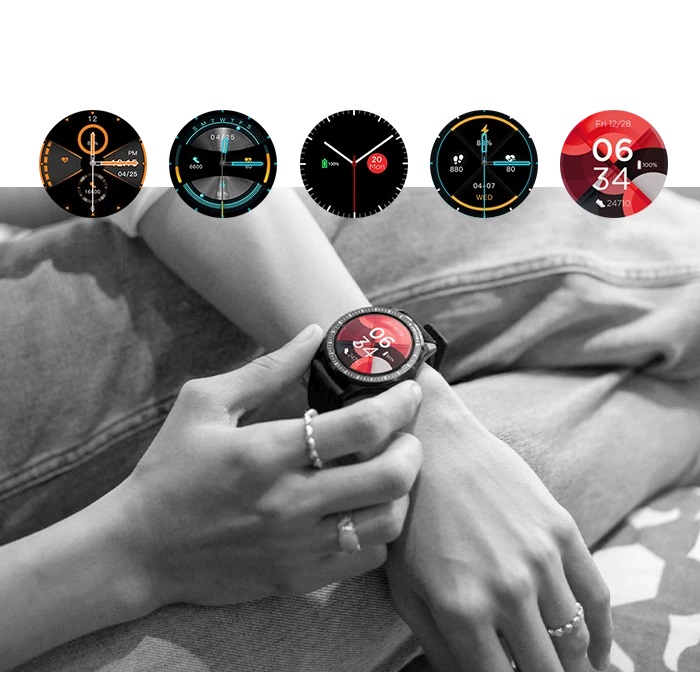
These straps are made of a dual-tone silicone material and there is a physical button on the right to access various settings. Further, the Boat Flash Smartwatch supports multiple Watch faces(up to 6), 24×7 Automatic Heart-rate(PPG), Blood-Oxygen(SpO2) and Sleep monitoring, 7-day battery life(standby time 10-15 days), IP68-rating for Water and Dust resistance, 10 sport modes.
1 of 2
IP68 rating
Boat Flash Watch
Watch faces
This 7-day battery life is achieved by a 200mAh battery inside and it charges via a magnetically connecting charger. Other features include activity tracking(up to 10 activities), meditative(breathing mode), sedentary & hydration alerts, notifications with weather forecast, music & camera controls, and more.
For connectivity, we have Bluetooth 5.0, and the smartwatch can control media & camera, show phone notifications, alarms, reminders, and more. Users can do this by connecting the watch to the smartphone via the boAt Wearable app(supports iOS 9.0+ and Android 5.0+).
Realme is speculated to launch the Realme 8 series of smartphones by the end of this month. It is unclear whether the lineup includes a 5G-ready handset, but reports have revealed that it consists of two phones namely, the Realme 8 and Realme 8 Pro. Today, Realme India CEO Madhav Sheth shared an official hands-on video of the Realme 8 Pro to reveal its front and rear design.
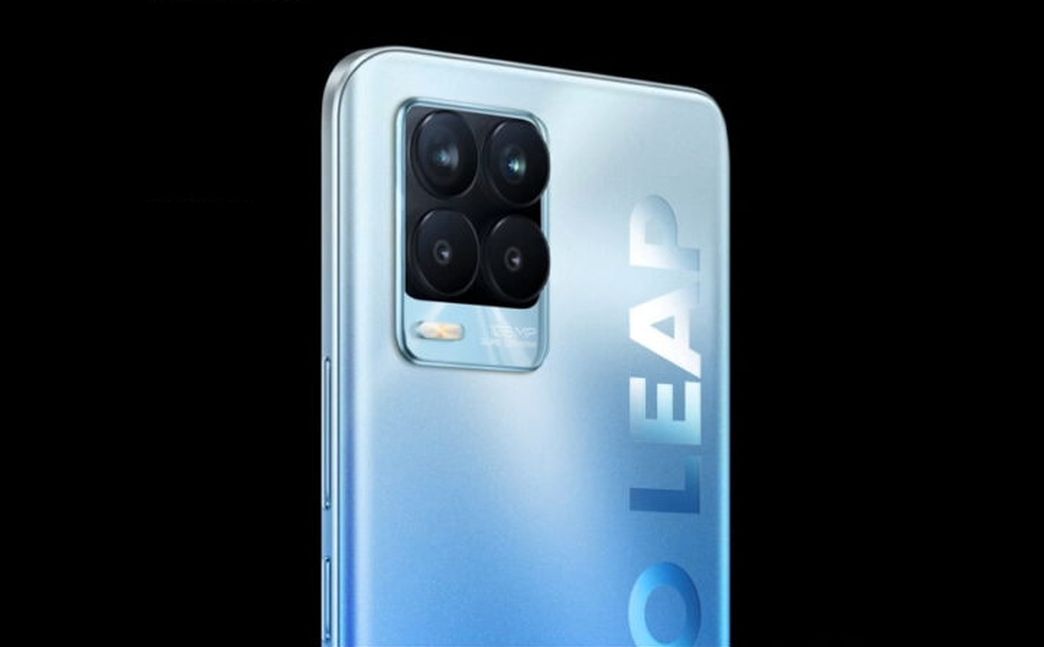
The hands-on video shows the rear appearance for a split-second at the start. The ‘Dare to Leap’ branding and a squarish camera island followed by an LED flash can be seen on the backside of the device. During the recently held camera innovation event, Realme had revealed the rear design of the Realme 8 Pro. It had also confirmed that the handset flaunts a Samsung ISOCELL HM2 108-megapixel main camera.
The Realme 8 Pro features a hole-punch-hole display with a slightly thick chin. However, the hands-on video also reveals that the smartphone’s screen embedded with a fingerprint scanner, which suggests that it houses an AMOLED panel. It takes only a second to unlock the Realme 8 Pro using the in-screen fingerprint scanner. It will be the first number series phone from the brand to feature an under-screen biometric recognition feature.
Realme 8 Pro
Realme is yet to reveal the specifications of the Realme 8 Pro. Rumors have it that the device could be equipped with Snapdragon 730G chipset. The handset is likely to arrive in variants such as 6 GB RAM + 128 GB storage and 8 GB RAM + 128 GB storage. It is rumored to hit the Indian market in colors like Infinite Blue, Infinite Black, and Illuminating Yellow.
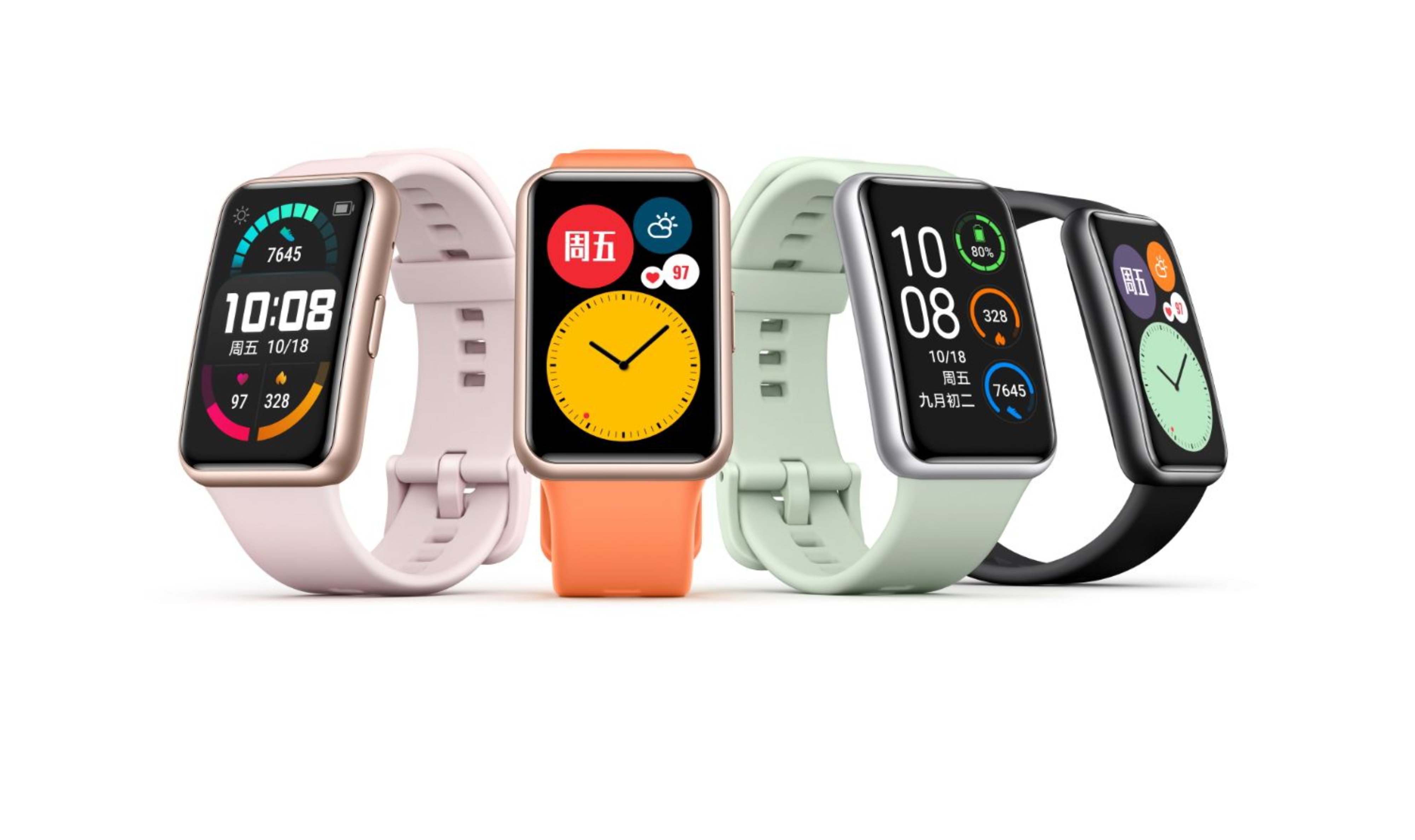
A few months ago, Huawei had launched a new smartwatch in its home market China — Huawei Watch Fit. Soon after that, it was reported that the company could launch another variant of the device, dubbed as Huawei Watch Fit Elegant Edition.
Now, an image of the Huawei Watch Fit Elegant Edition has leaked online, showcasing its design and revealing some information about the upcoming wearable device.
Huawei Watch Fit
It appears that the smartwatch will be adopting a metal middle frame design. Further, the strap has been replaced from Silicon Rubber to Fluorine Rubber, making it comfortable for the skin. Because of the metal frame, the weight has been increased to 27 grams.
While not much is known about this device at the time, we expect it to come with the same set of features found in the standard model. As for the pricing, the report mentions that the device could be priced at 899 yuan (~$138) or 999 yuan (~$153).
Huawei Watch Fit comes with a 1.64-inch rectangular AMOLED display with a resolution of 456 x 280 pixels and 326ppi pixel density. It is powered by HiSilicon Kirin A1 chipset and comes with 12 animated fitness courses.
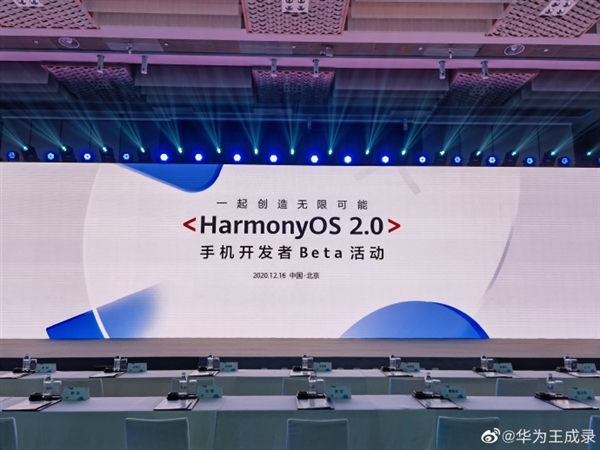
Huawei is yet to release its home-grown HongmengOS (HarmonyOS) adapted for mobile phones even though the company has been testing it on several models like the P30. d hinted about plans to push it to its flagship mobile phones. Apparently, the Chinese tech giant is planning to release the upcoming P50 series with a bang. There are rumours now that the P50 will be the first model to launch with HarmonyOS (HongmengOS) from the go.
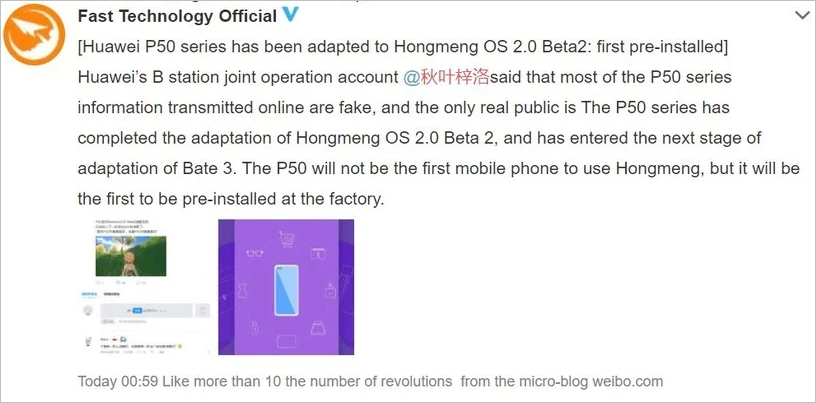
A Weibo post by Fast Technology is claiming that the company has completed the test process of HarmonyOS 2.0 Beta 2 and is shifting to Beta 3 which will be the final step before a stable release. The post also reveals that the HarmonyOS will come pre-installed on the P50 series, making it the first smartphone to run HarmonyOS out of the box.
Make no mistake, Huawei has already pushed beta versions of the HarmonyOS to some of its older smartphones like the P40, P30, Mate 30 Pro 5G, and others. However, the P40 will totally ditch the AndroidOS.
Huawei is also set to massively push HarmonyOS update to several of its models beginning from April with the flagship models front in line to get the update. The company is looking at having the in-house ROM onboard up to 300-400 million of its devices by the end of this year. That also includes smart TVs, smartwatches, and other IoT gadgets that utilize the OS.
Ahead of the mass migration, Huawei has expanded its Petal line with the Petal Search upgraded to a full search engine. The company also launched Petal Maps and Docs. The company is also expected to launch the Petal Assistant, a Petal keyboard, and Petal Vision which may be an AR app since the company already has AR glasses under its sleeves.
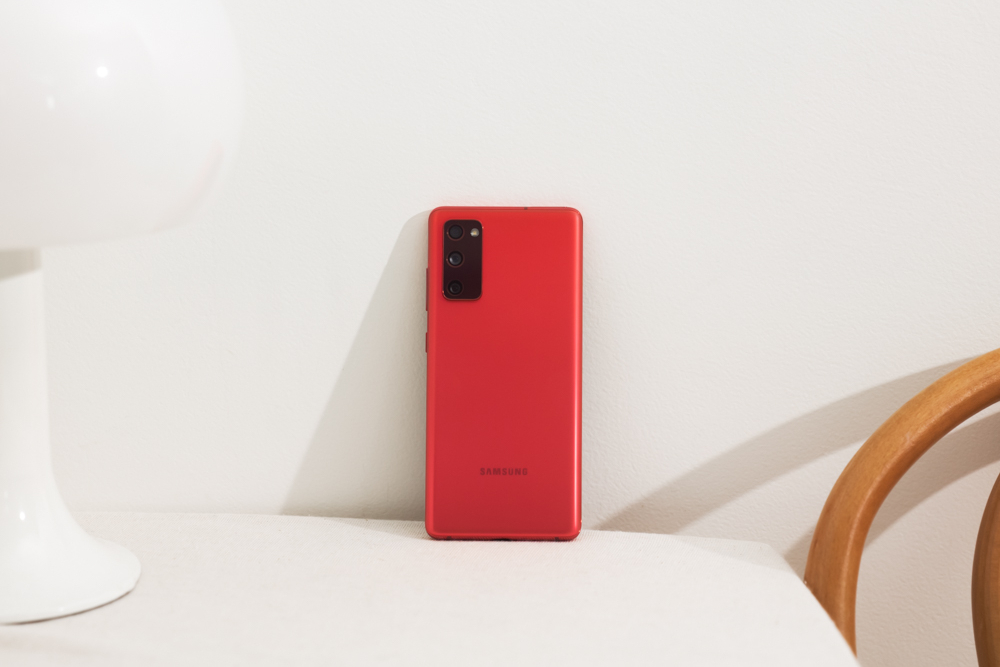
The Galaxy S20 FE was arguably one of the best smartphones released in 2020. Samsung debuted its second-ever Fan Edition phone in both 4G and 5G versions with different SoCs. Now, months after their launch, a new upcoming model of this handset appears on WiFi Alliance.
For those unaware, Samsung sells two different Galaxy S20 FE smartphones across the world. The one with 5G connectivity called Galaxy S20 FE 5G is powered by Qualcomm Snapdragon 865. On the other hand, the 4G-only model called Galaxy S20 FE is powered by the company’s in-house Exynos 990 SoC.
It has been over five months since these handsets hit the market. In fact, details regarding their successor (Galaxy S21 FE) have begun to pop up on the internet. Hence, it is surprising to know that the South Korean tech giant is set to release a new variant of Galaxy S20 FE, as per the WiFi Alliance certifications spotted by SamMobile.
According to these certifications, the forthcoming Galaxy S20 FE phone will come with three model numbers, namely SM-G780G, SM-G780G/DS, and SM-G780G/DSM. Going by the model numbers, it is certain that this device will be available in both single and dual-SIM variants.
Unfortunately, the WiFi Alliance certifications do not reveal anything else about this smartphone except for the fact that it will debut with Android 11 (One UI 3.x) out of the box. Hence, the new version of Galaxy S20 FE could receive up to Android 14, as per the company’s update policy.
In what way do you think the upcoming Galaxy S20 FE will differ from the already available variants? Do let us know in the comment section below.
Taiwan has assured that it has sufficient water reserves left to keep its semiconductor based tech giants running till late May 2021. This includes major chipmakers like TSMC (Taiwan Semiconductor Manufacturing Company).
According to a Bloombergreport, the news arrives as the nation faces one of its worst droughts in decades. The local government offered assurances that it can keep its chipmakers running as they wait for monsoon rains to arrive. At the moment, the region is expected to have enough water to supply its public and industry till later this year. Although, precipitation for the year is expected to fall short of historical averages, as per estimates from Minister of Economic Affairs Wang Mei-hua.
As of right now, the drought has yet to affect or in any manner impact operations of TSMC or any other companies. For those unaware, Taiwan has been suffering from the worst drought in 56 years, which is a threat to its water intensive sectors of the economy from chipmakers to even textile factories and farms. This has also led to heightened levels of concern as it arrives amid a shortage of semiconductors that have led to halting the production of automobiles from companies like General Motors, Volkswagen, and more.
Taiwanese President Tsai Ing-wen stated in a social media post that the government will do everything in its power to stabilize supply. Productions of chips generally require a large amount of water and power. Meanwhile, the US, Japan, and Europe have urged the Taiwanese government to do all it can to keep the supply of chips study to relieve the delay in production for automobiles across the globe.
We previously reviewed the Motorola Edge S, the first phone with the Snapdragon 870 chip. It’s possible that you were not quite satisfied with its overall performance of that phone. At the time, it was the only Snapdragon 870 phone launched in the market, so you didn’t have a choice. But now Redmi gives you a brand new option — the Redmi K40. Without further ado, let’s see how Redmi’s breakout model, the K40, performs in real life.
Redmi K40 Review: Design
The Redmi K40 comes in a regular-sized box. The charger and cable that disappeared from Mi 11’s box reappear in the K40 box. A 33w charger is included, and we’ll talk about the charging part later.
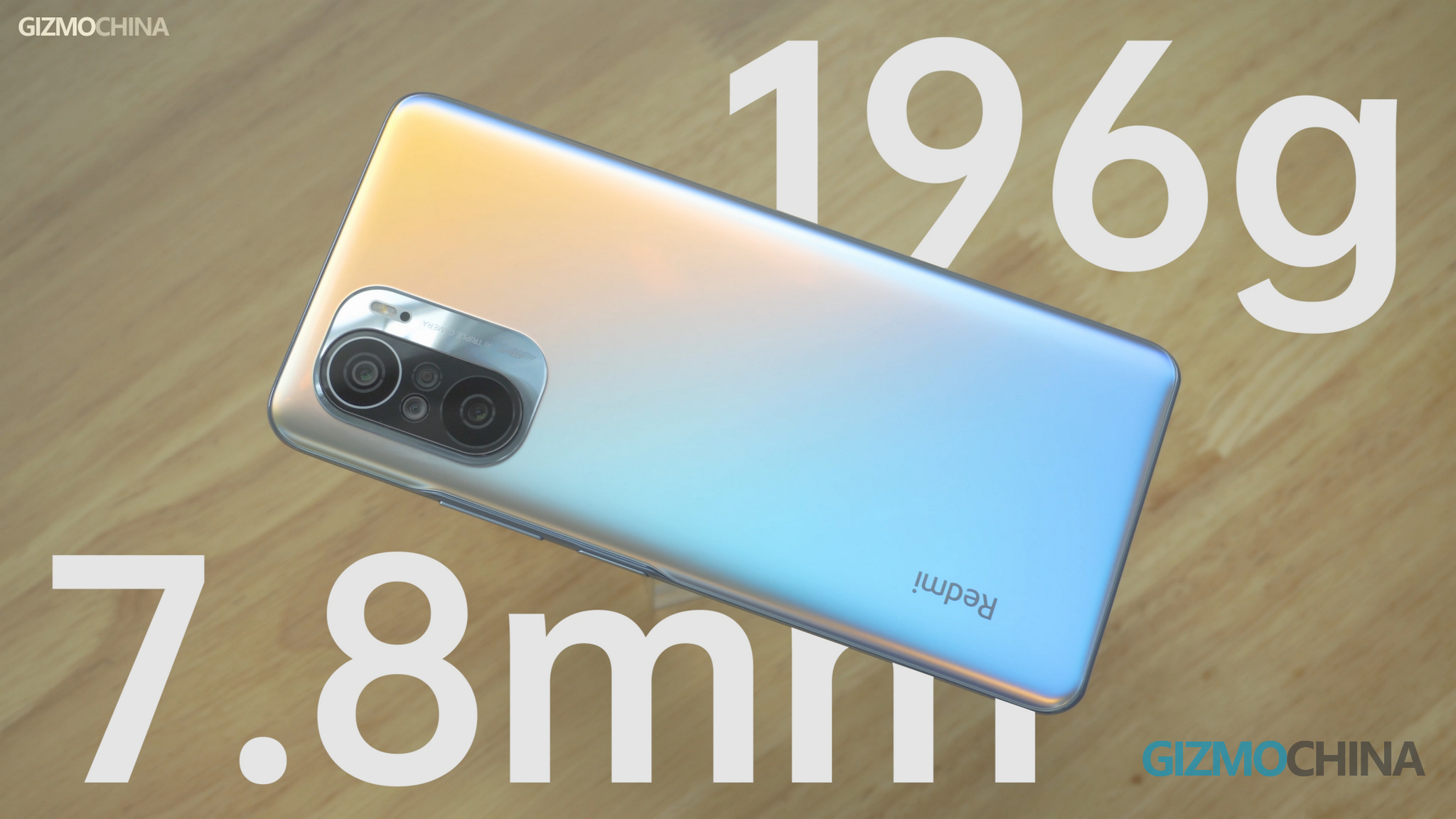
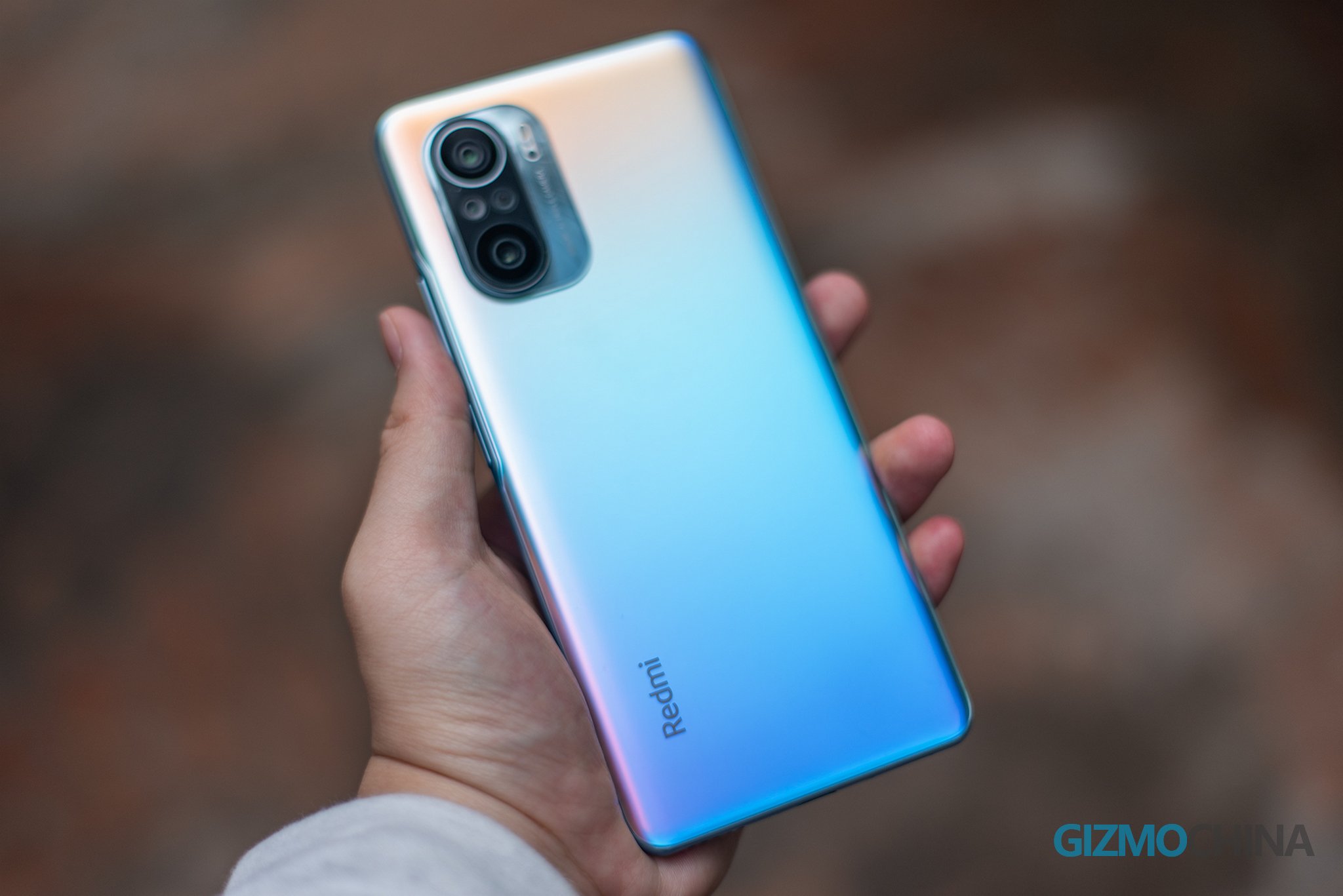
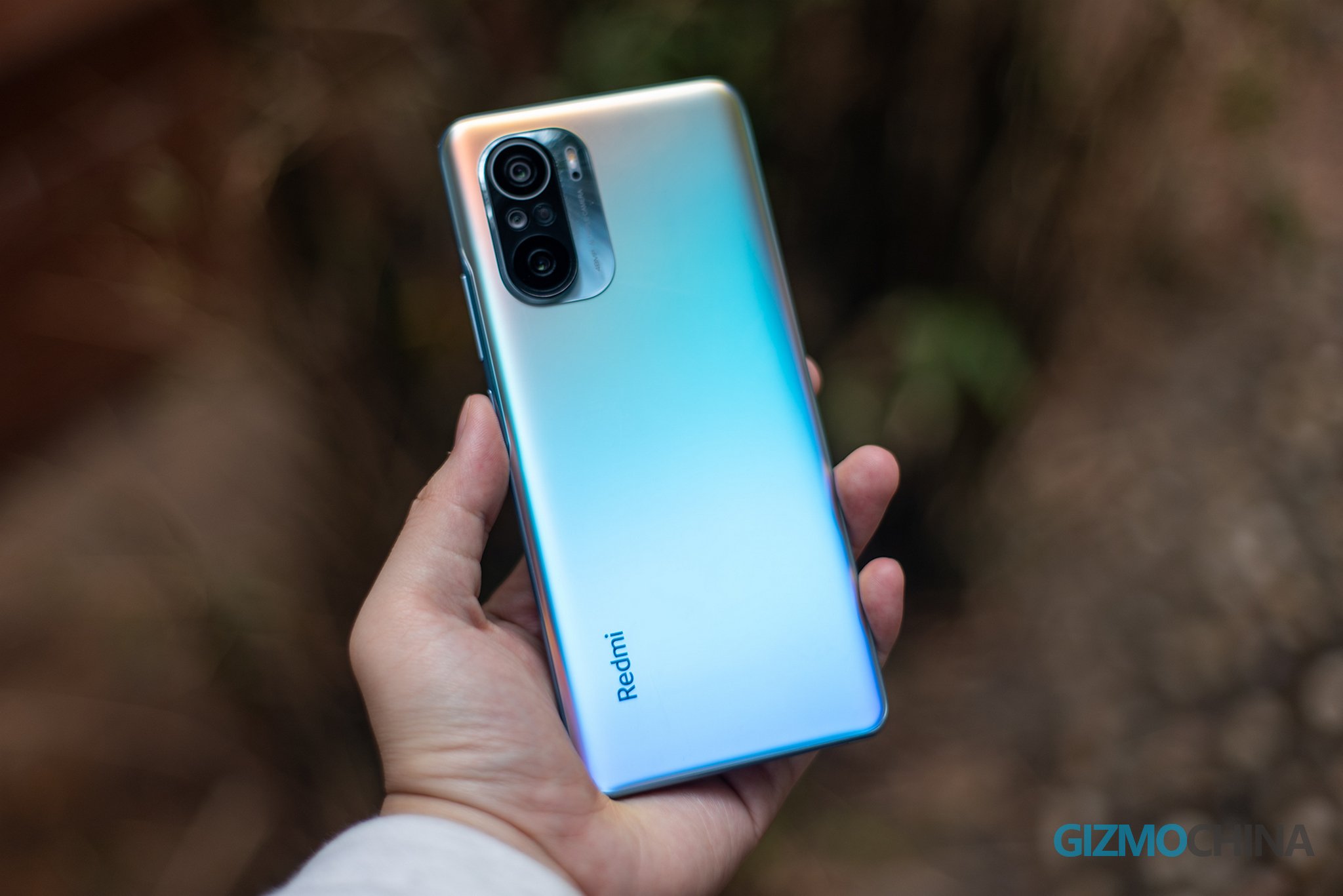
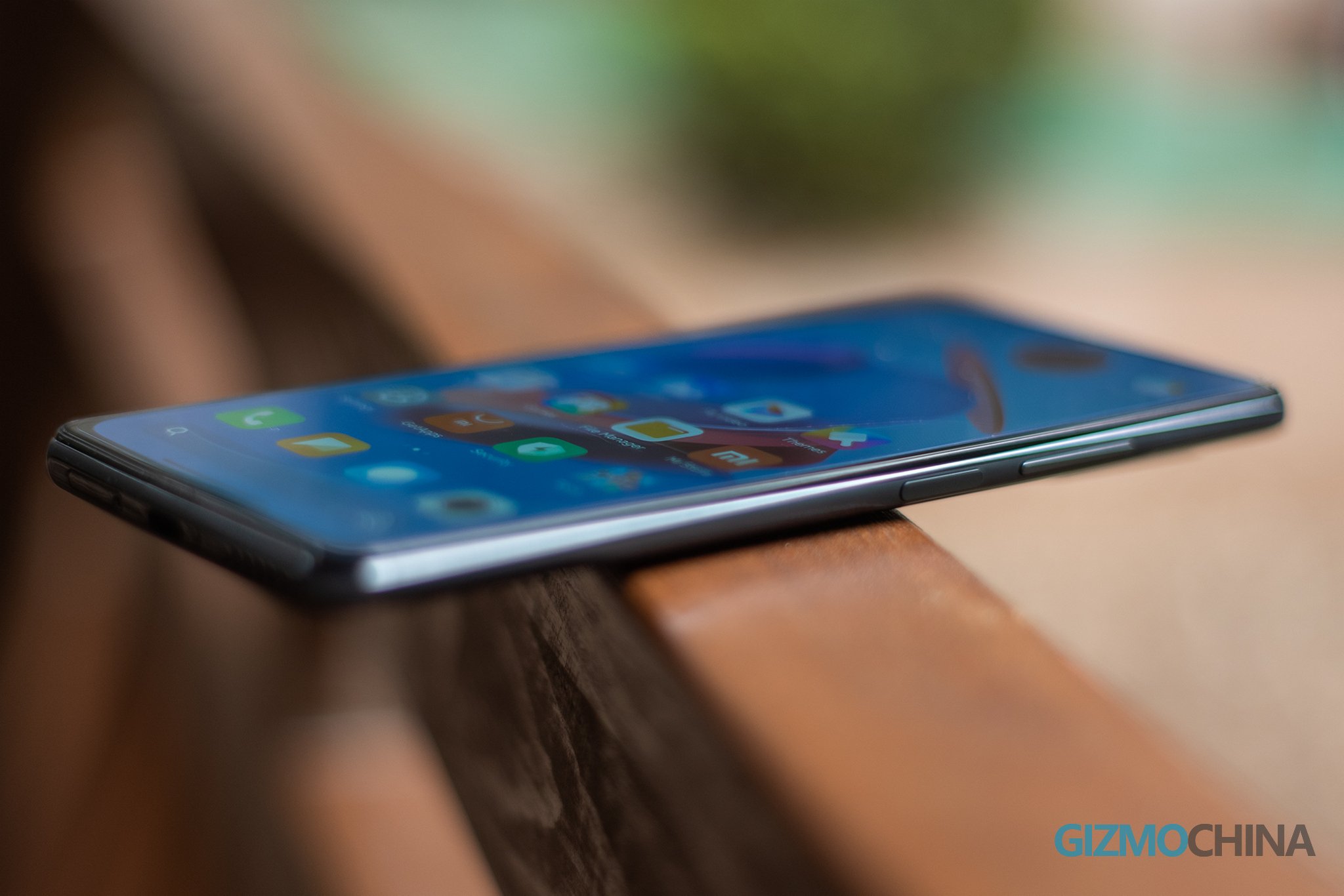
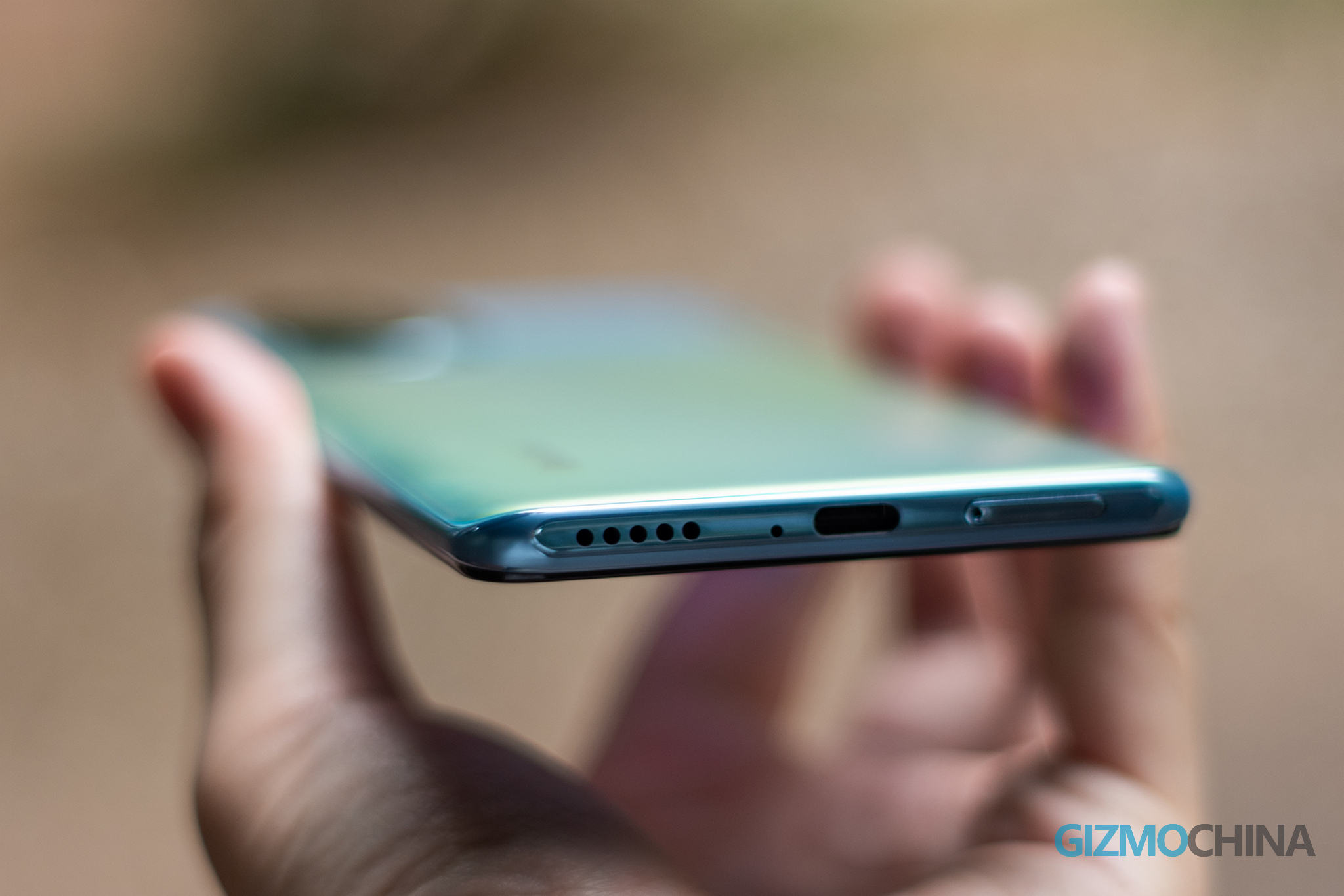
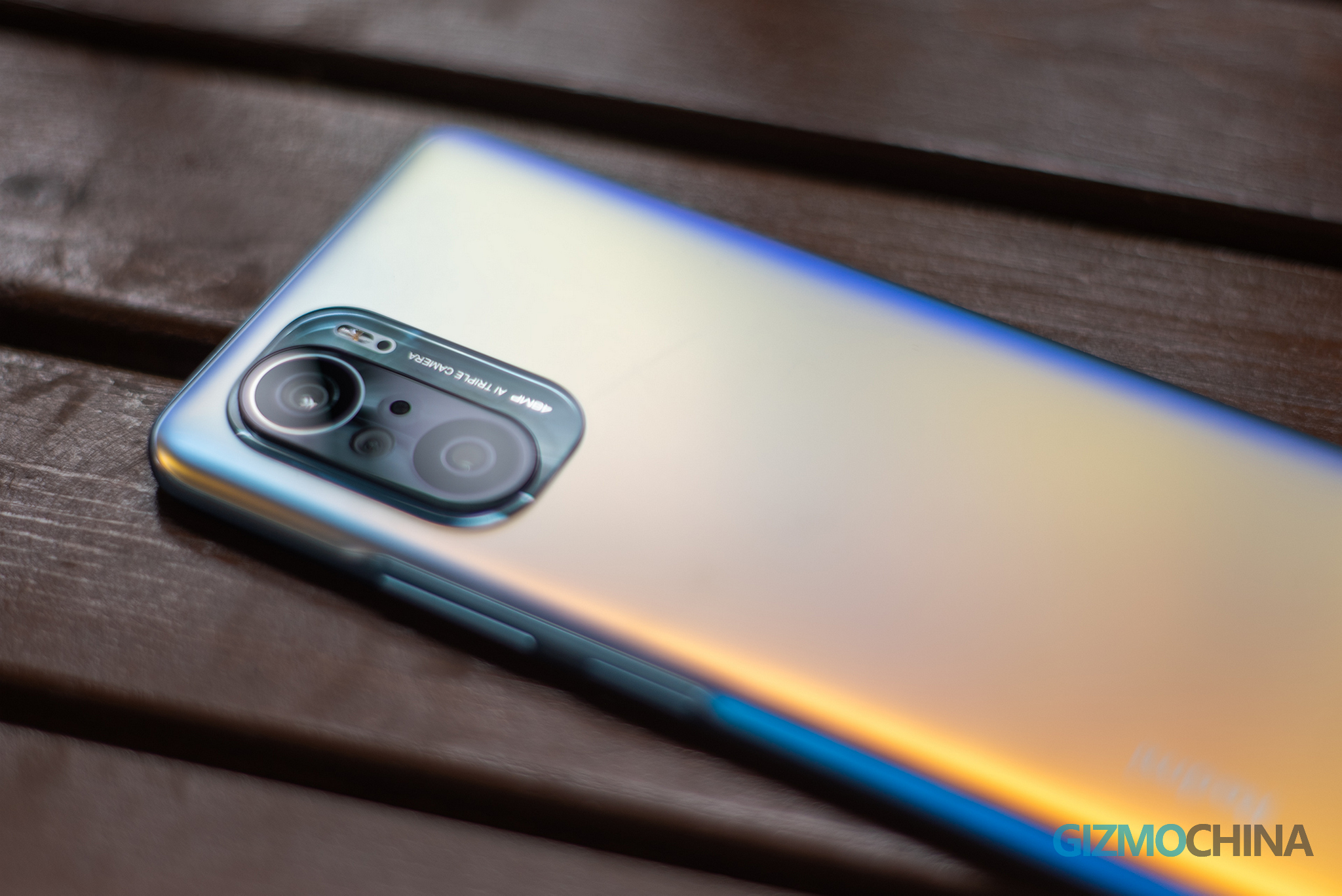
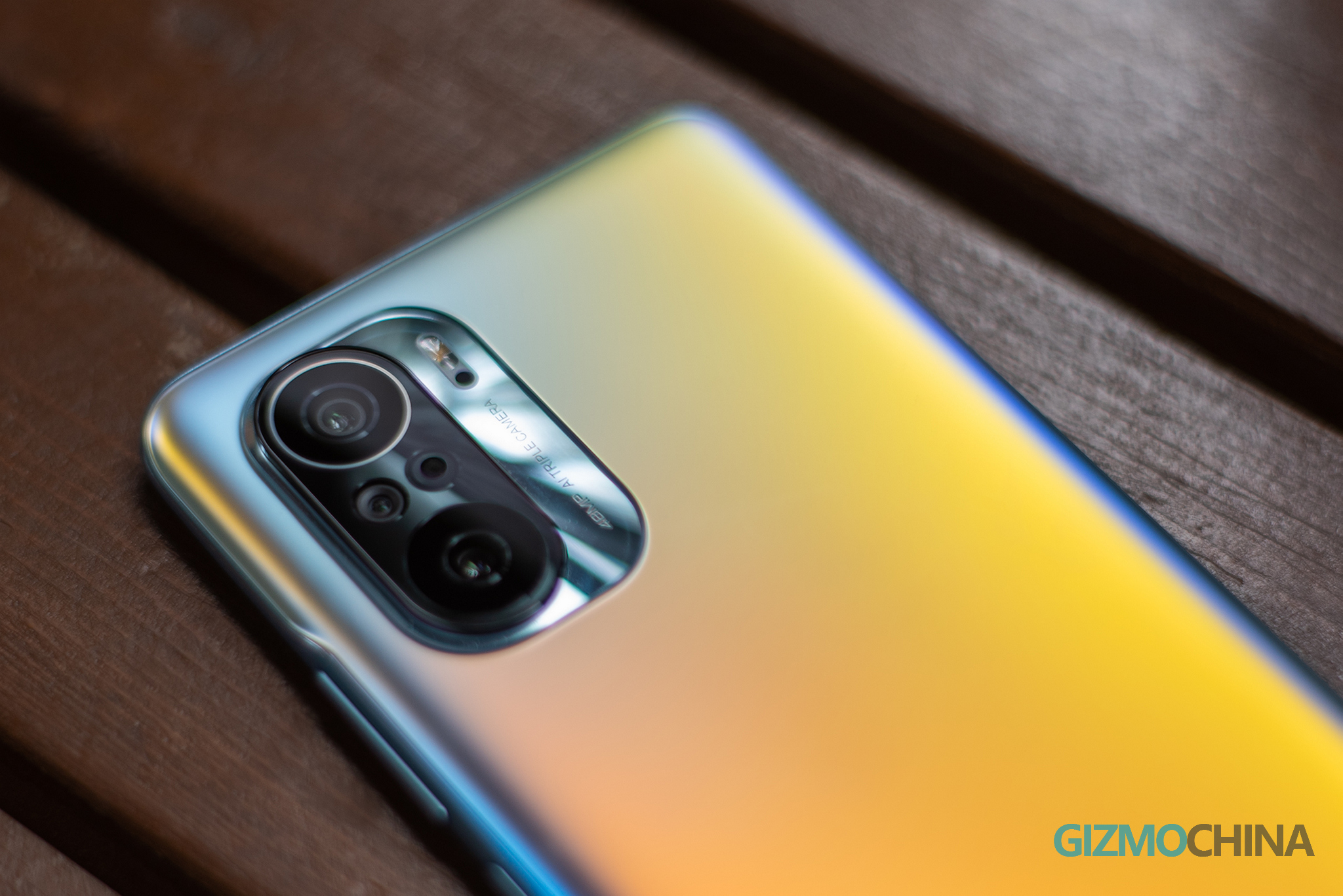
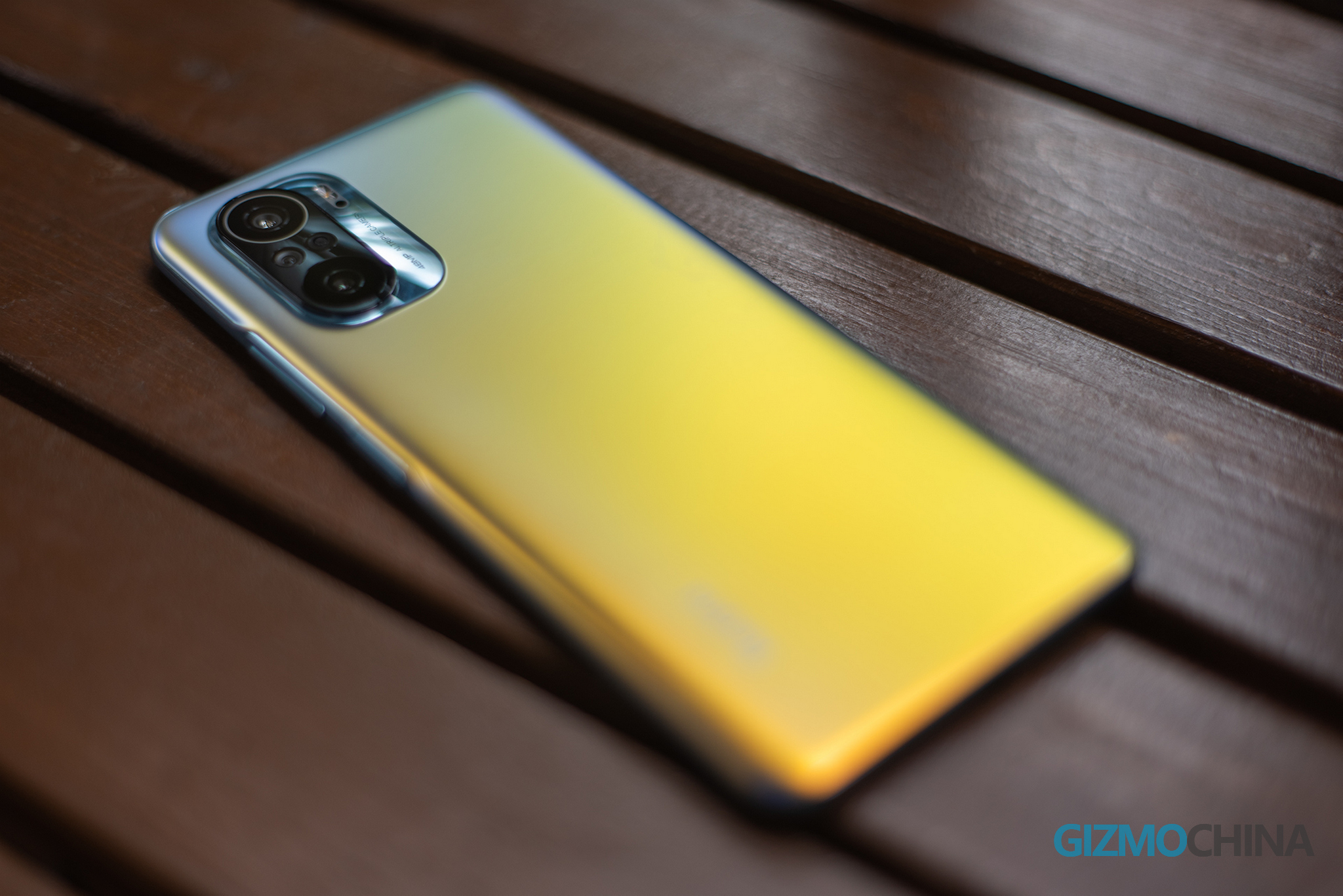
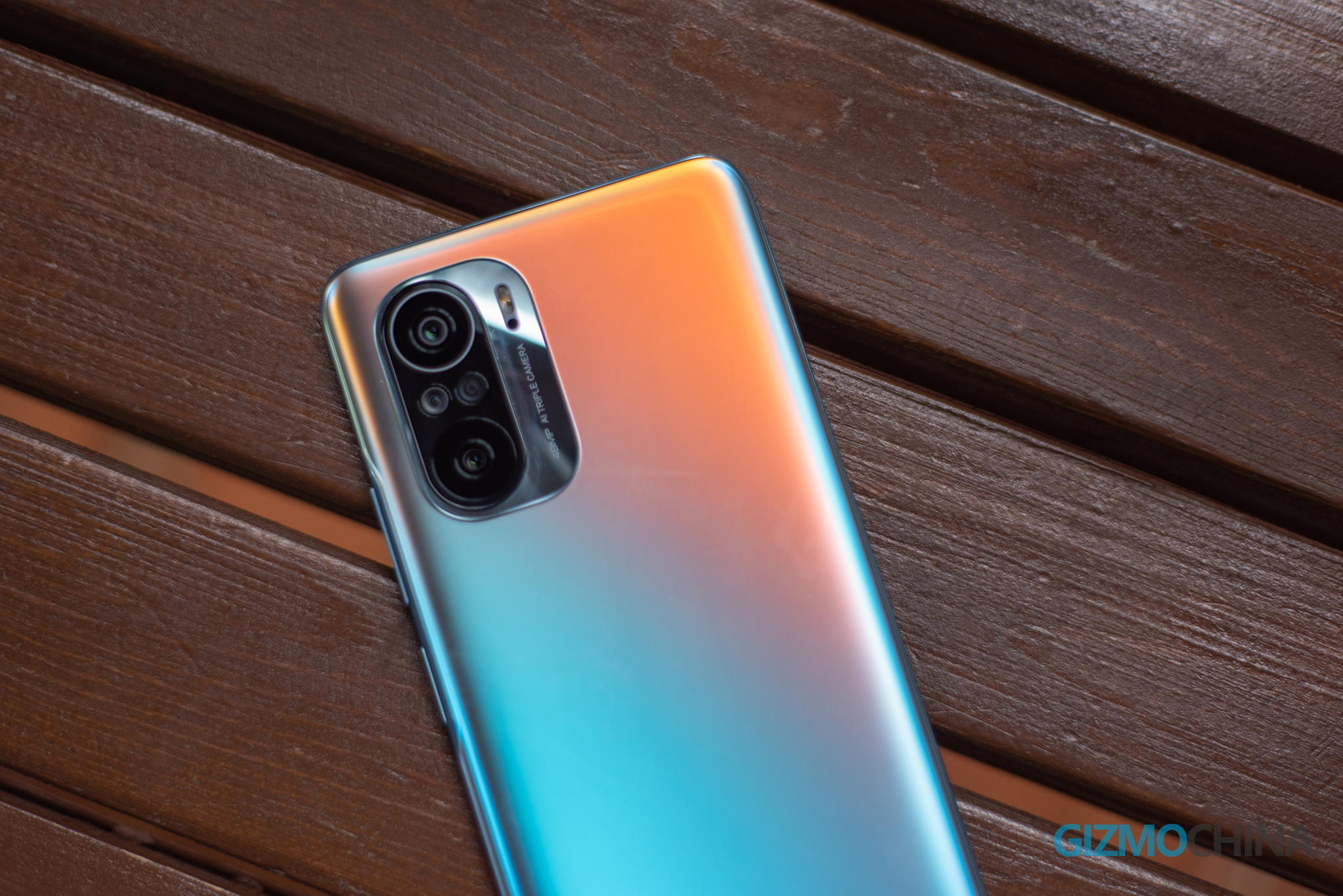
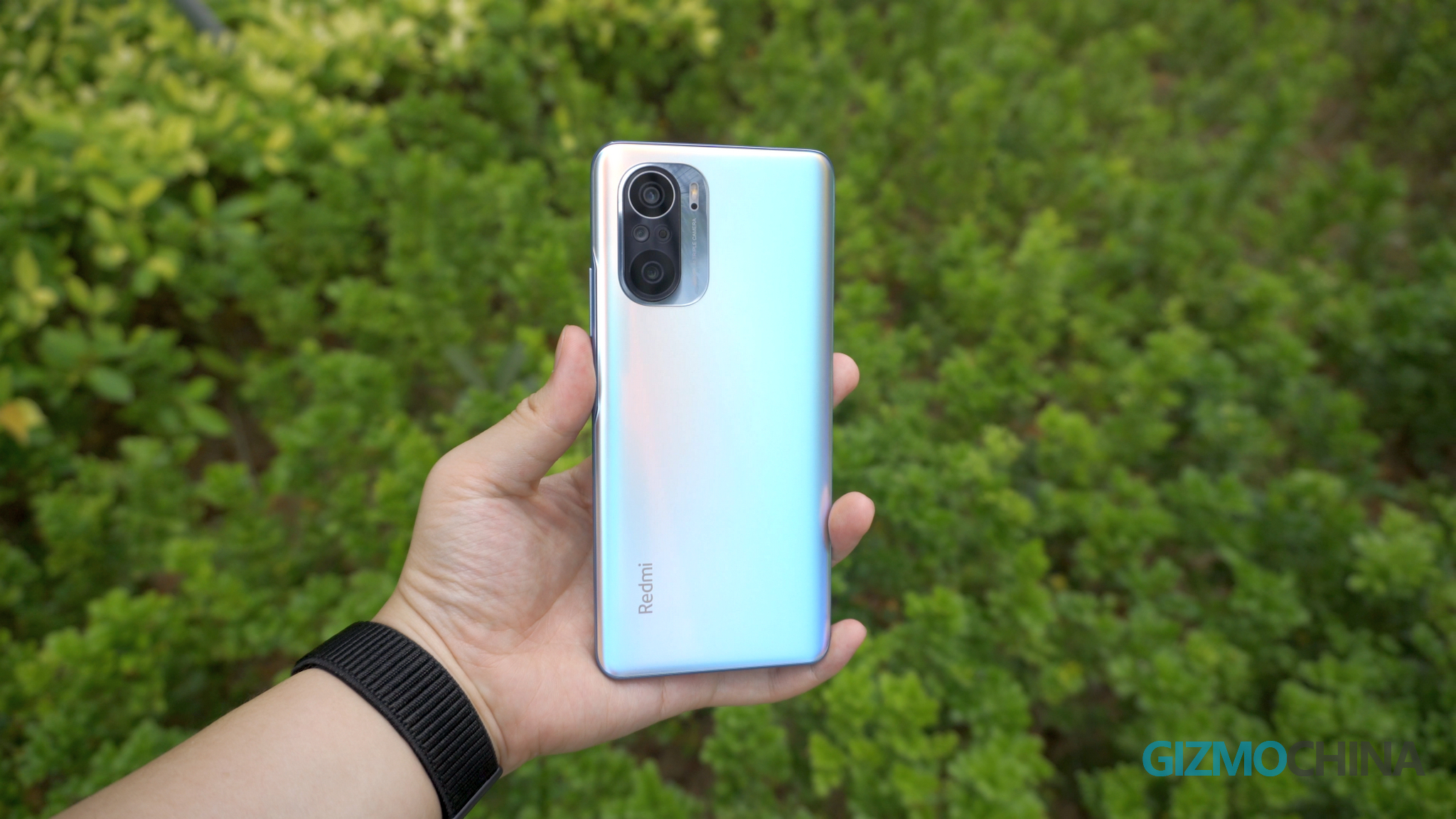
At first glance itself, you realize that the K40 is much more refined than the K30. It weighs only 196g and is 7.8mm thick. The whole back is a continuation of the Mi 11 design. The camera module is elongated and the elements are distributed more evenly. This makes the back look much better than its predecessor. The red and blue gradient color is the main color of the K40. It refracts blue and red in different lights. While this is not the first time we have seen this color, if you are a person who likes a design that stands out, you will definitely like it.
Redmi K40
The side fingerprint sensor embedded into the power button is a bit raised. This differentiates the phone from the previous side fingerprint recognition phones which featured a sensor that was situated in a groove on the side. The advantage is that it is more integrated into the frame and looks like a normal power button. And this makes it easier to press with your finger. Overall, the design of the K40 is a definite improvement. It’s even better looking than the Mi 11. This should be the first time that Redmi is on par with Xiaomi in terms of design.
You can check out the design of the Redmi K40 and K40 Pro in more detail in our hands-on article.
Redmi K40
Redmi K40 Review: Display Experience
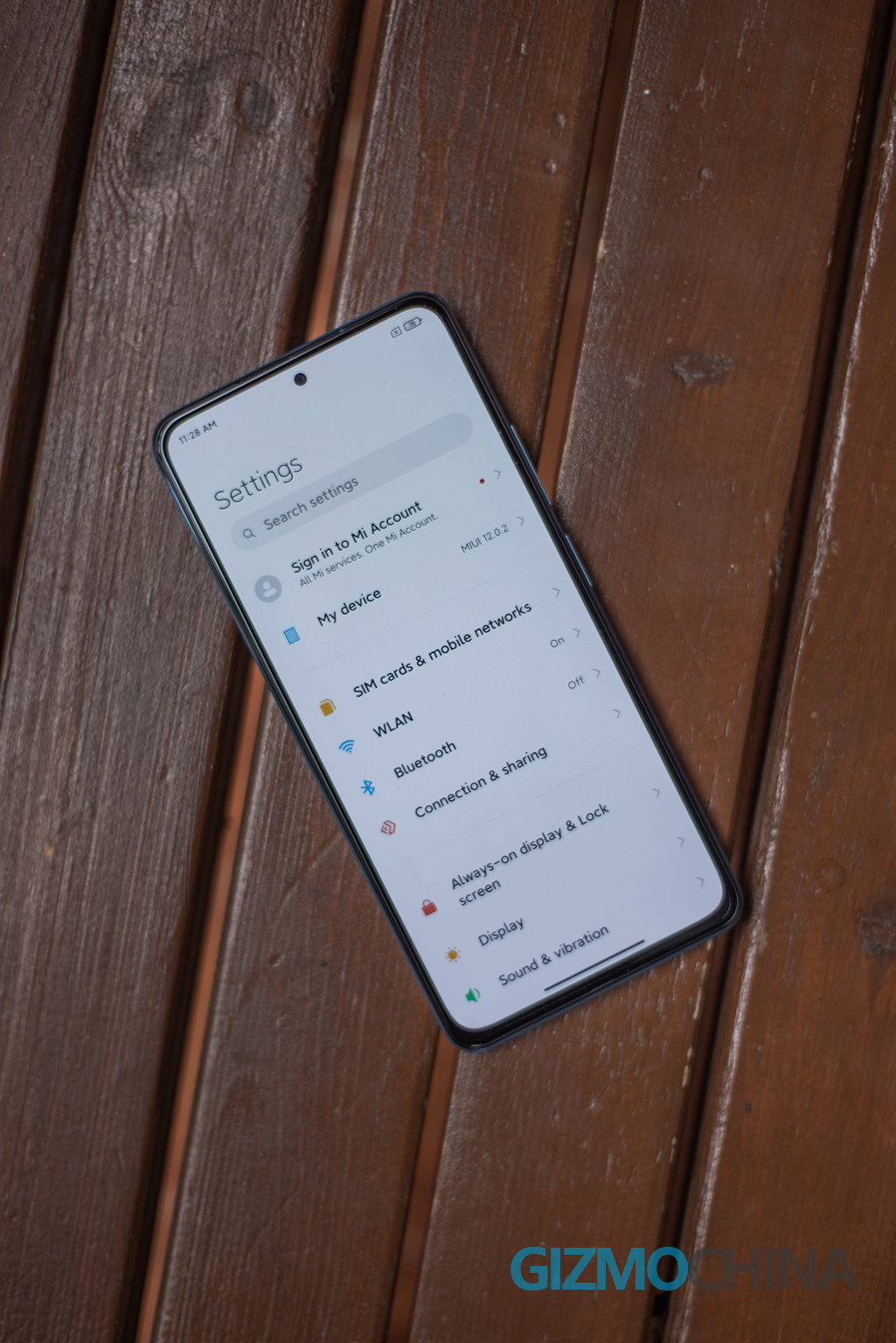
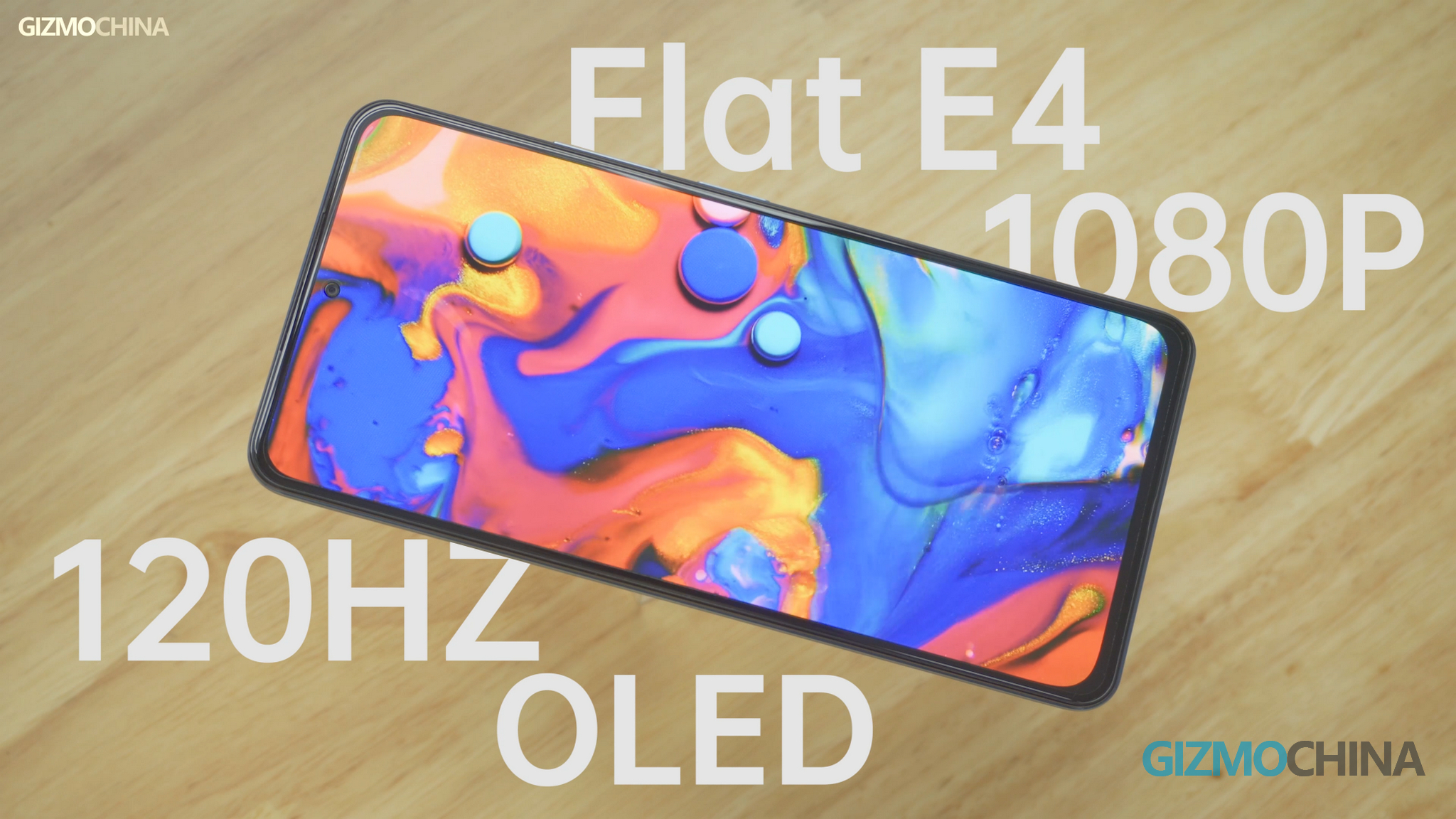
This year the K40 series uses a flat E4, 1080p, 120hz refresh rate OLED screen. The screen is one of the main selling points of the K40 series. Featuring 1300 nits of peak brightness and a 5,000,000:1 contrast ratio, while consuming 15% less power, the performance is truly outstanding. And with support for a three-finger 360hz touch sampling rate, multi-finger control should be more responsive than other phones. But the improvement in experience is more obvious to the user perception than the improvement in parameters.
Redmi k40 display
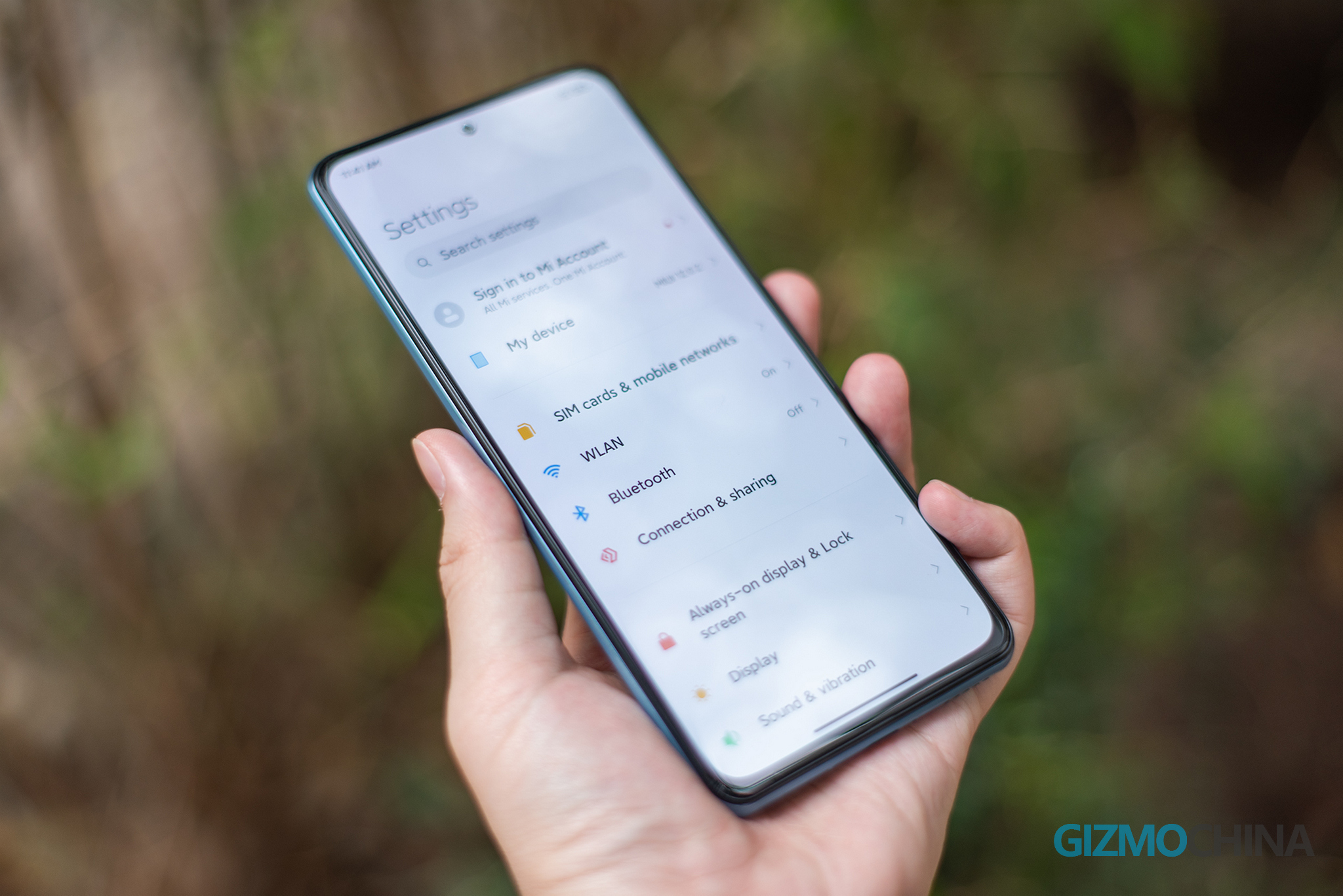
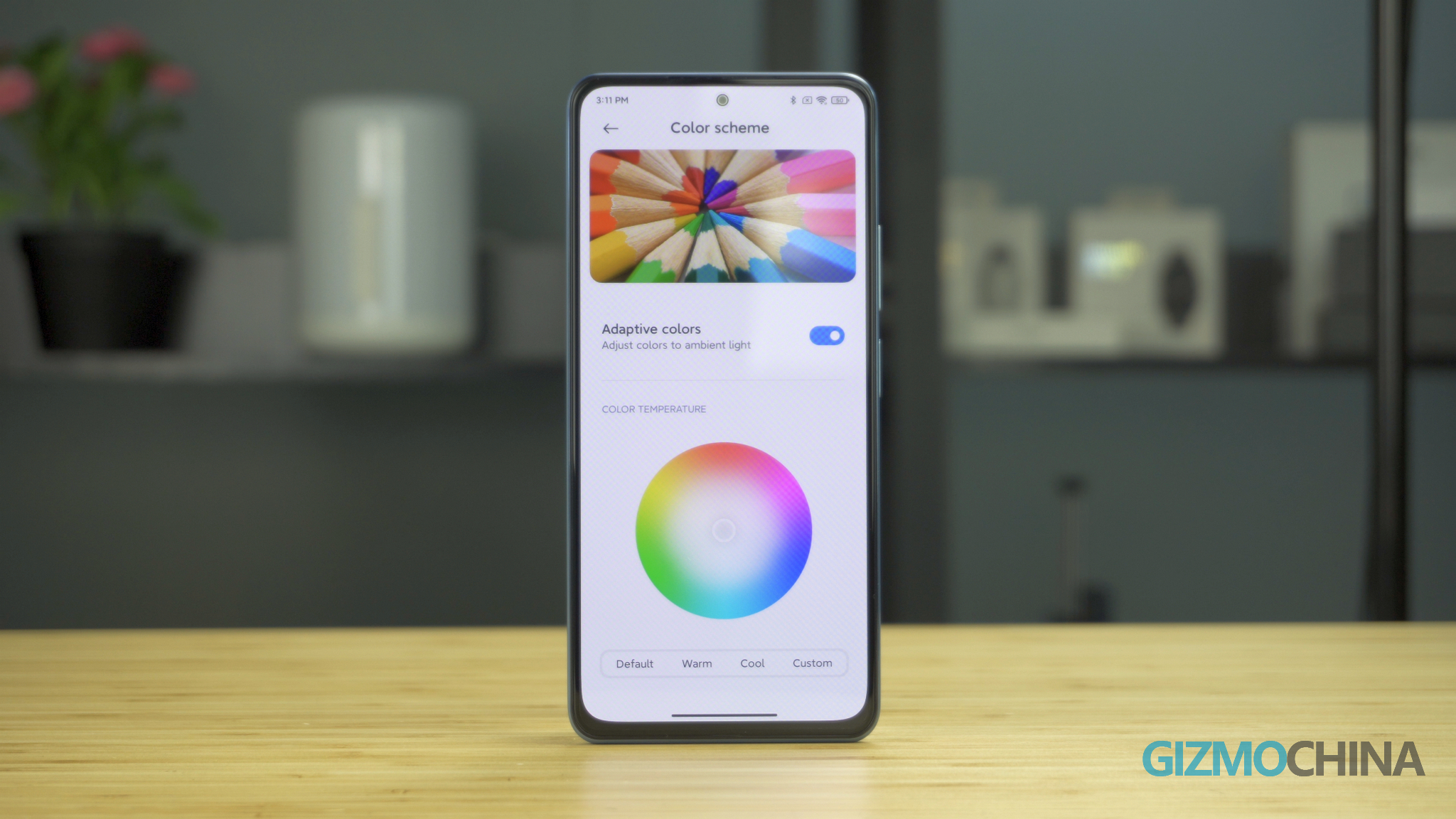
There are two obvious points of improvement in the screen experience of the K40. First one is the tiny 2.76mm hole-punch and the second one is the “Adaptive Color display”. This is one of the smallest hole-punch we’ve seen, allowing you to almost ignore the front camera and immerse yourself in the joy of video. As for “Adaptive Colors”, it is not a strange concept for iPhone users. It adjusts the color temperature of the screen to the color temperature of the ambient light. This feature can help reduce eye strain.
Redmi k40 Review 05
Apart from the plastic frame and the wide bezels, the screen for the price point is excellent.
Redmi K40 Review: Performance & Gaming
As you might have already seen in our Motorola Edge S review, the Snapdragon 870 is a very well-balanced chip. As a long-time Qualcomm customer, will Redmi be able to tune the Snapdragon 870 any better?
Let’s look at the regular Benchmark results first.
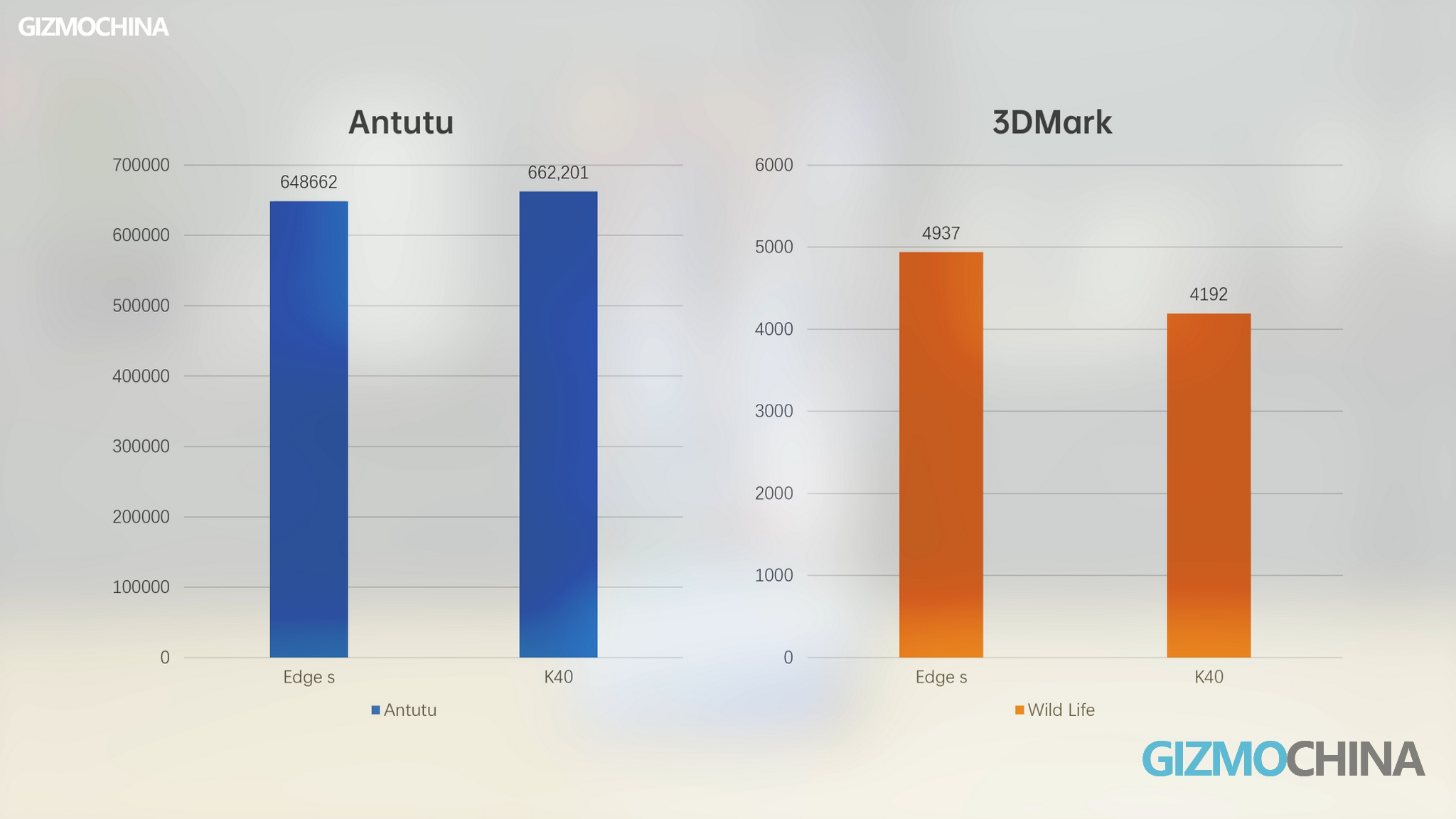
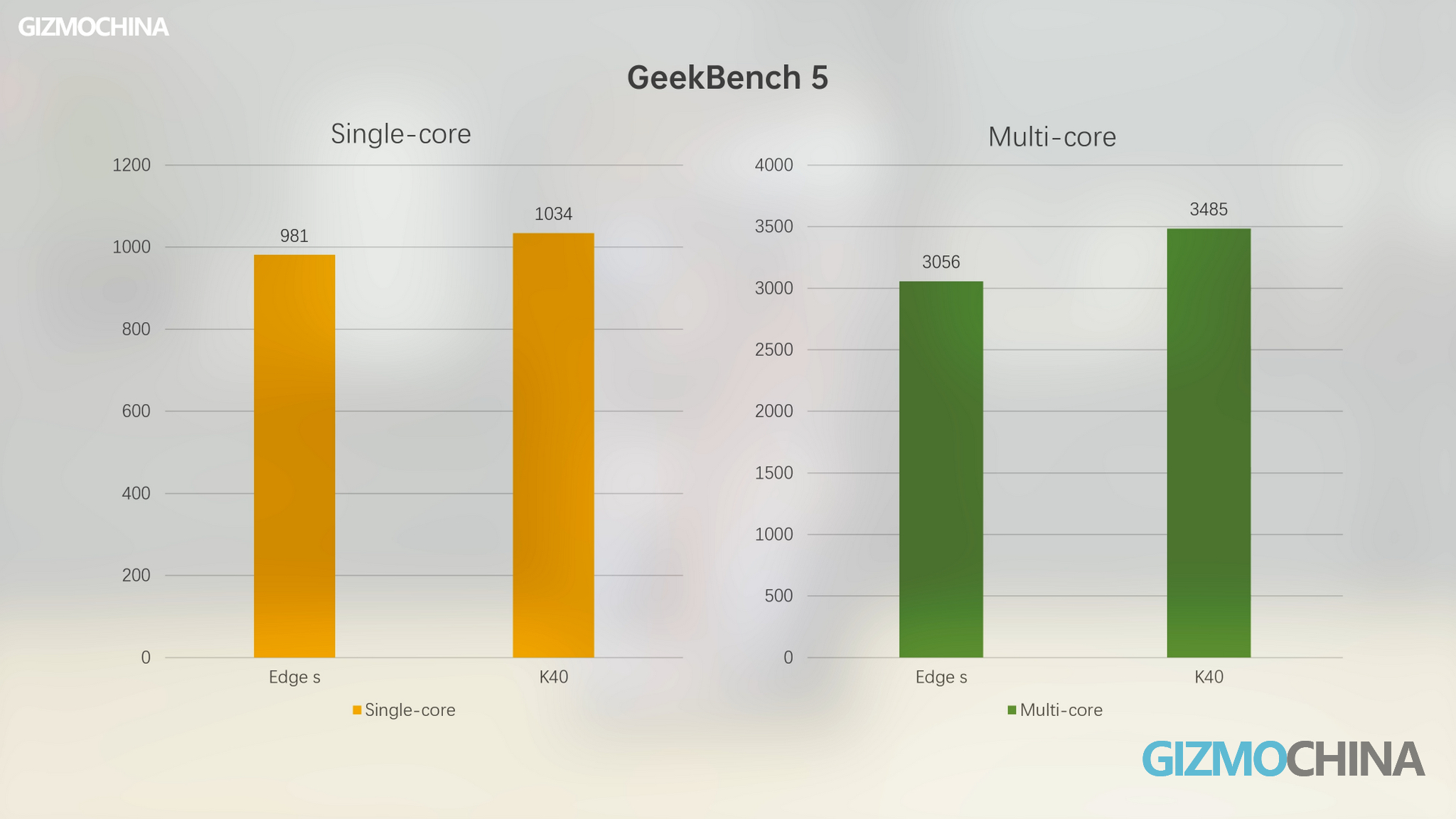
The phone scores the following in benchmark tests: AnTuTu score is 662,201, 3DMark score is 4192, and GeekBench 5’s single-core score is 1034, and multi-core score is 3485. We can see that the K40’s peak performance tuning is similar to the Edge S.
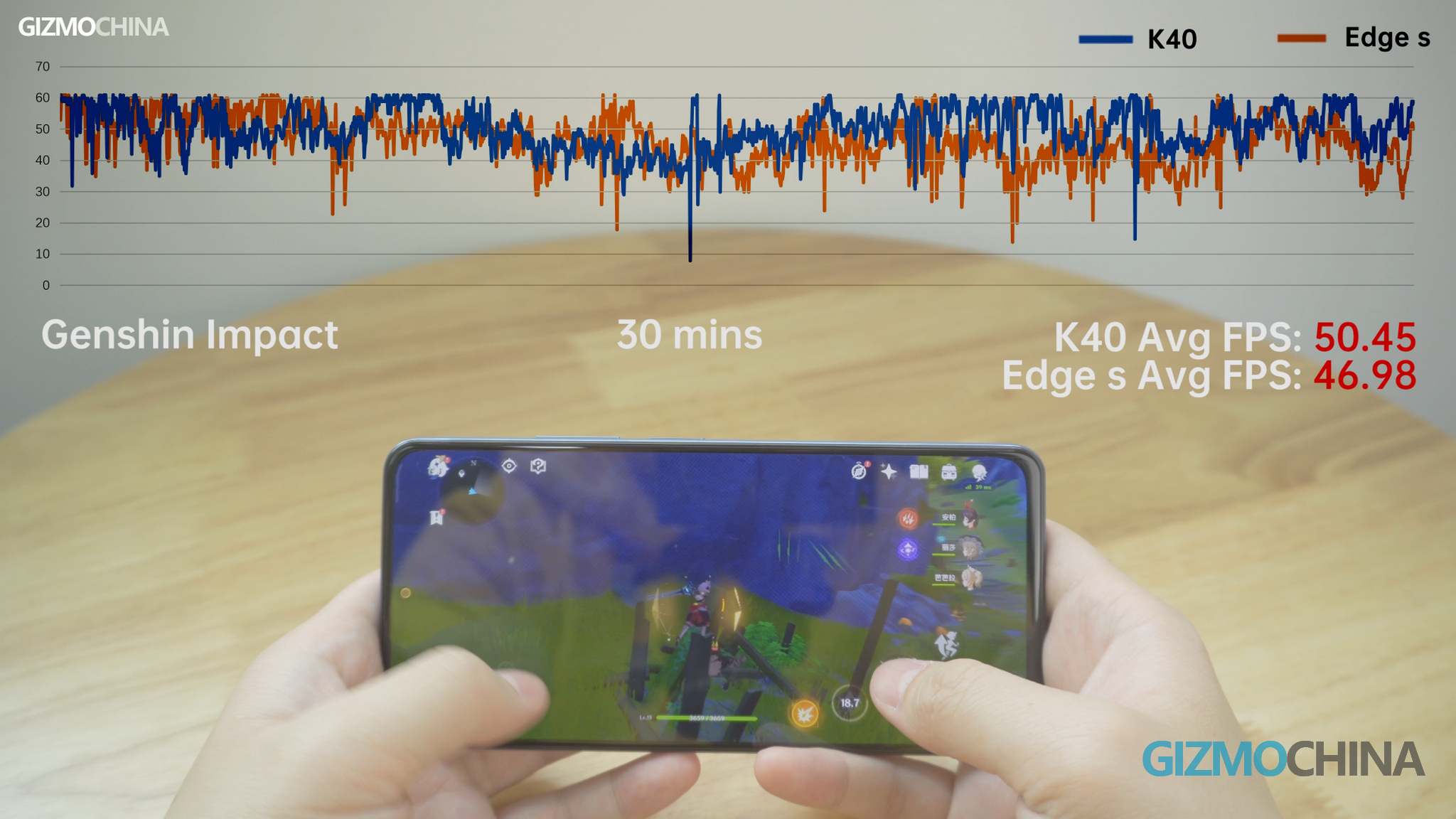
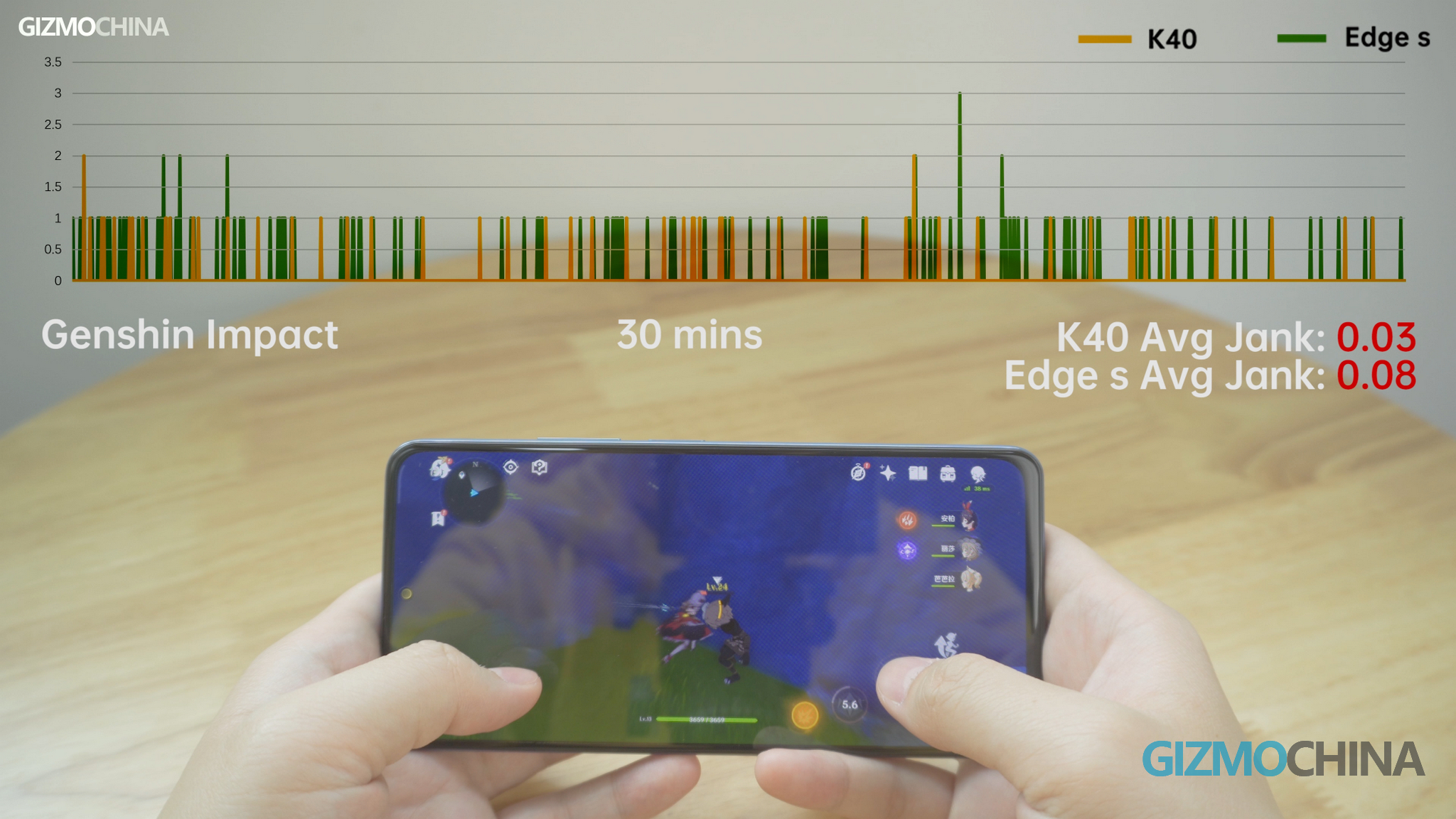
Next, let’s look at the tuning optimization for sustained performance output. In the Genshin Impact half-hour stress test the phone ran at 50.45fps, a little higher than the Edge S. Although judging from the frame rate curve, Redmi’s K40 and Edge S’ gaming performance look about the same. But looking at the frequency of lag, the K40 seems to be more consistently tuned.
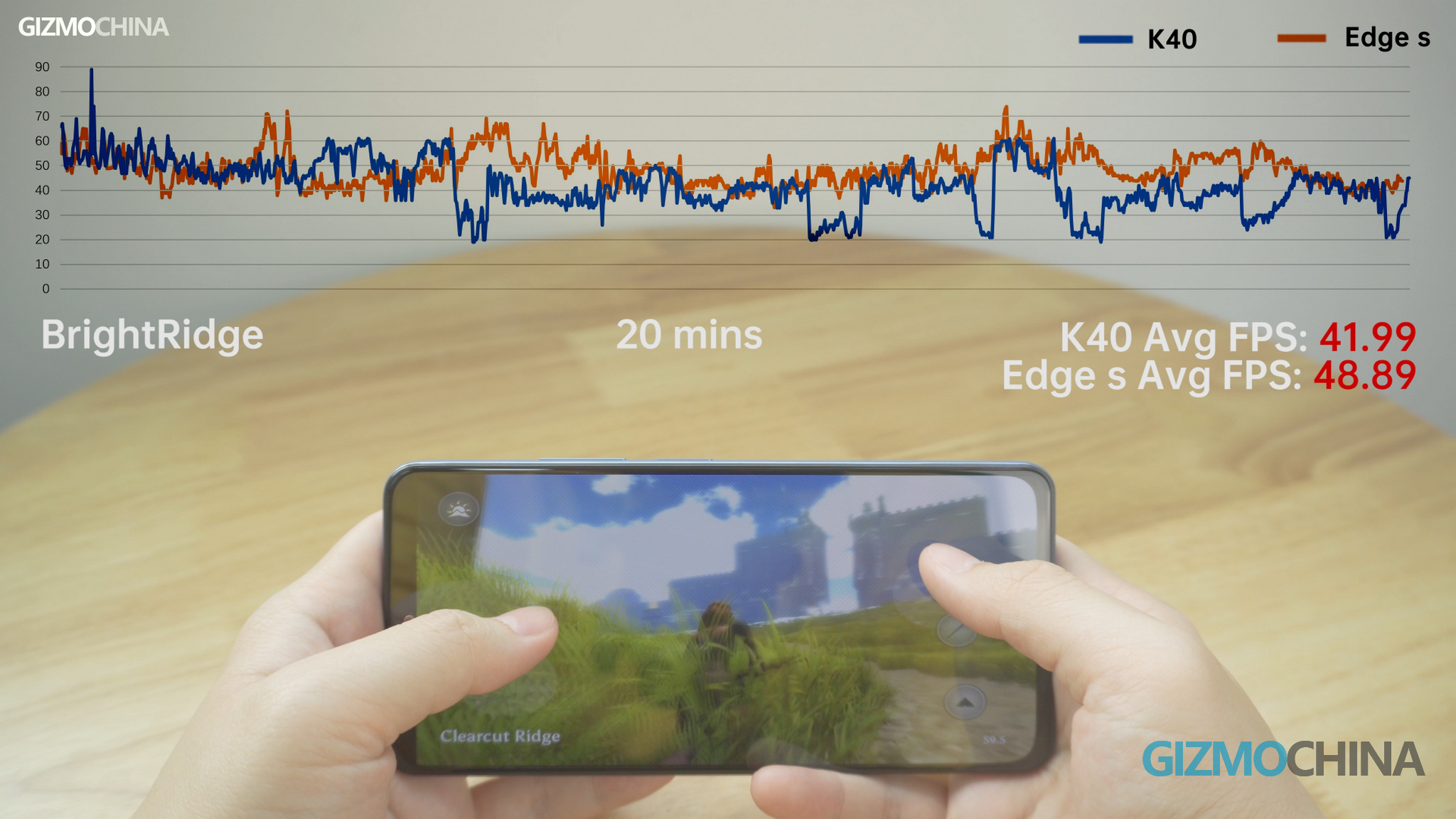
Now let’s take a look at the BrightRidge 20 minute test, in which the K40 got an average of 42 fps. This is lower than the Edge S. And there were a few times when the frame rate was only about 20 frames after down throttling. The experience was not very good. So it looks like for games that were optimized for the Redmi model, the phone offers a better gaming experience than the Edge S. And the temperature never went above 50℃. But if there were no targeted optimizations, the gaming experience would be inferior to the Edge S.
Redmi K40 Review: Camera Performance
Redmi k40 Camera
Given its price segment, we knew the cameras were going to be average. Let’s see how good it is at taking photos.
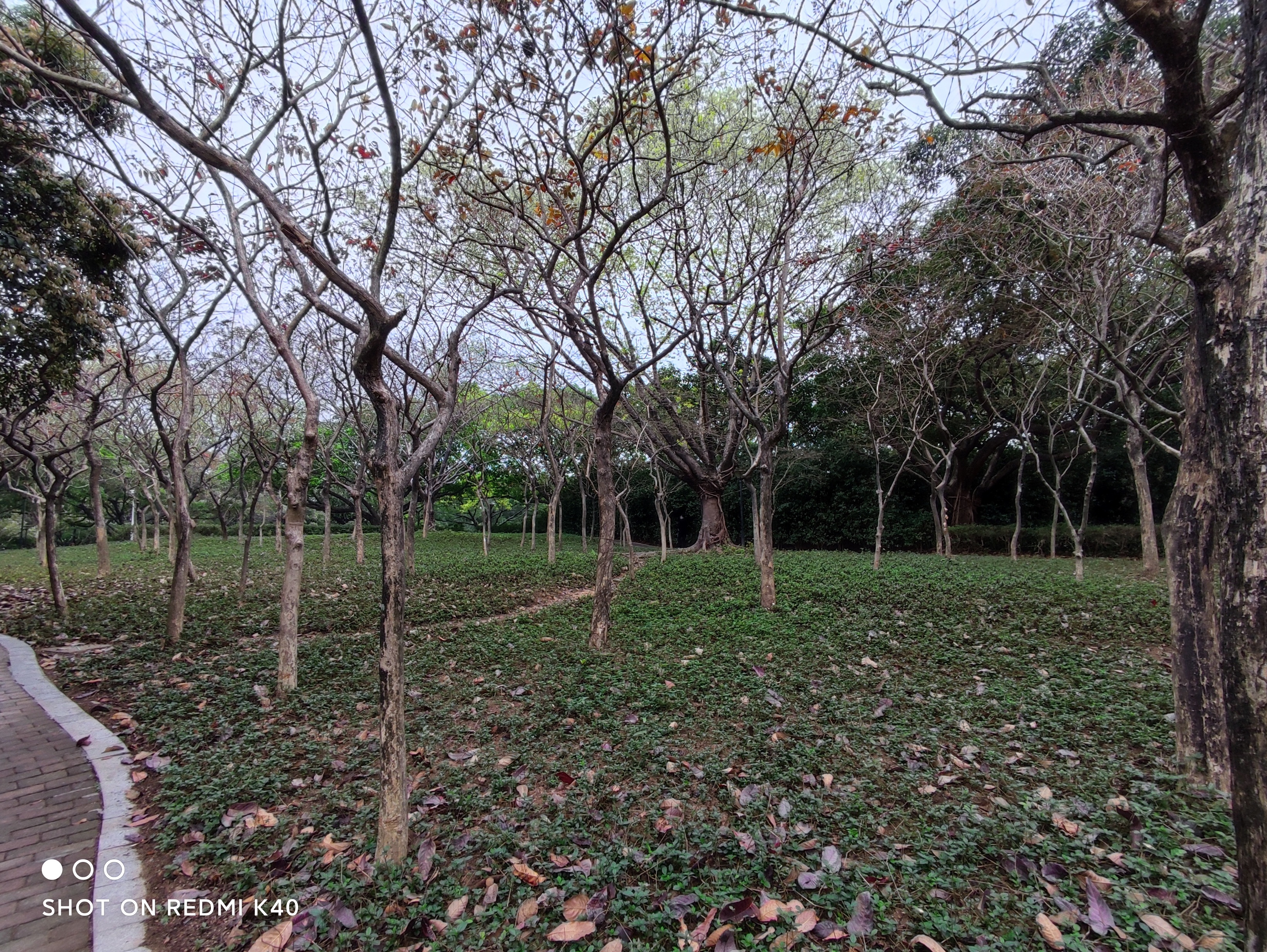
Please note that the below galleries feature the full-size samples from the K40 and a few samples from the K40 Pro for comparison. If you want to check out the comparison with Motorola Edge S, please watch our video review.
Main Camera
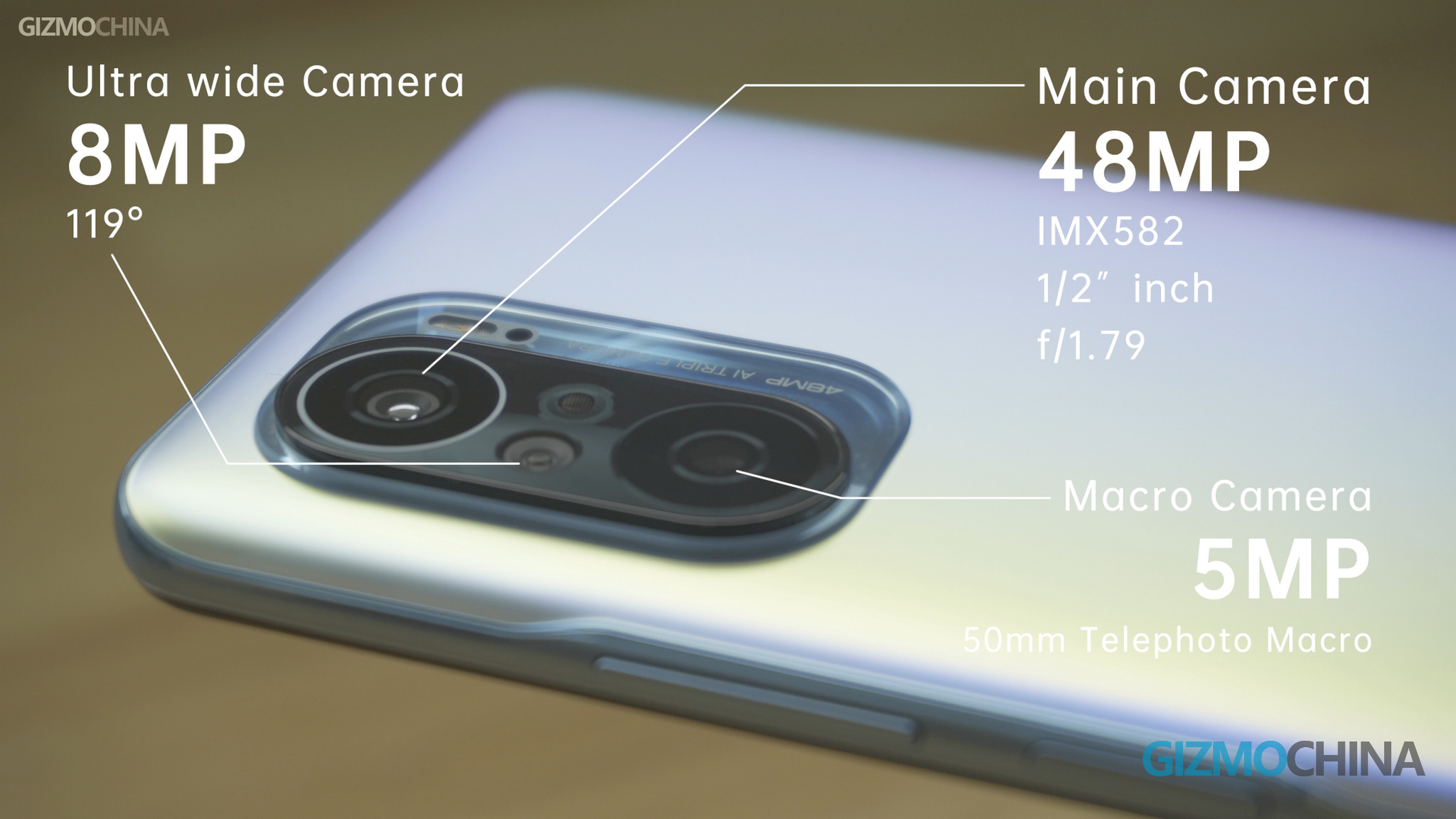
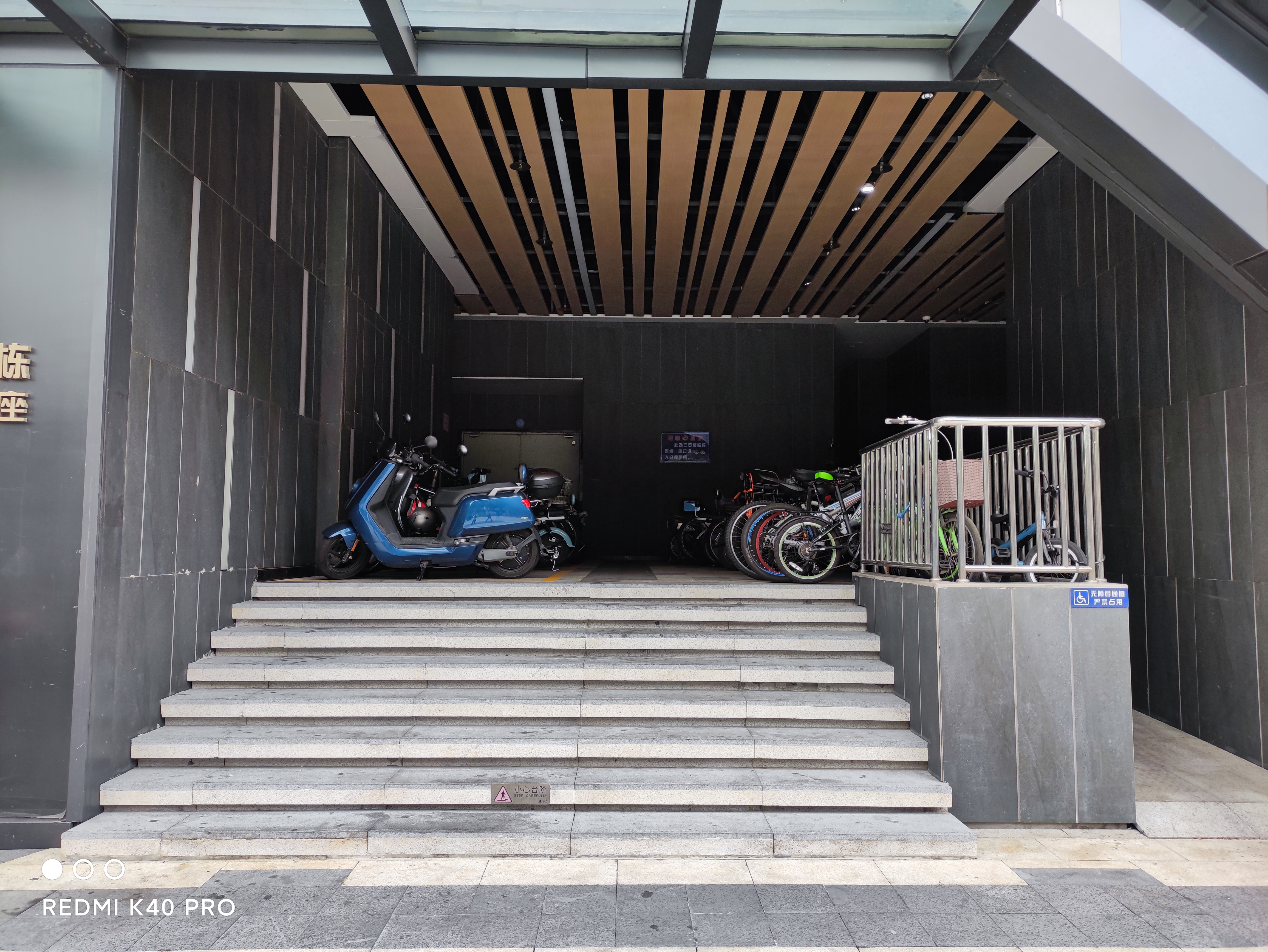
K40’s main camera is the IMX582 sensor introduced the year before and there is no optical stabilization. The ultra-wide-angle sensor is 8MP, and there’s a 5MP telephoto macro lens of the same type as the Mi 11.
Redmi K40 Main (24)
Redmi K40 Pro Standard 04
Redmi K40 Main (23)
Redmi K40 Pro Standard 03(1)
Redmi K40 Main (19)
Redmi K40 Pro Standard 03
Redmi K40 Main (22)
Redmi K40 Main (21)
Redmi K40 Main (20)
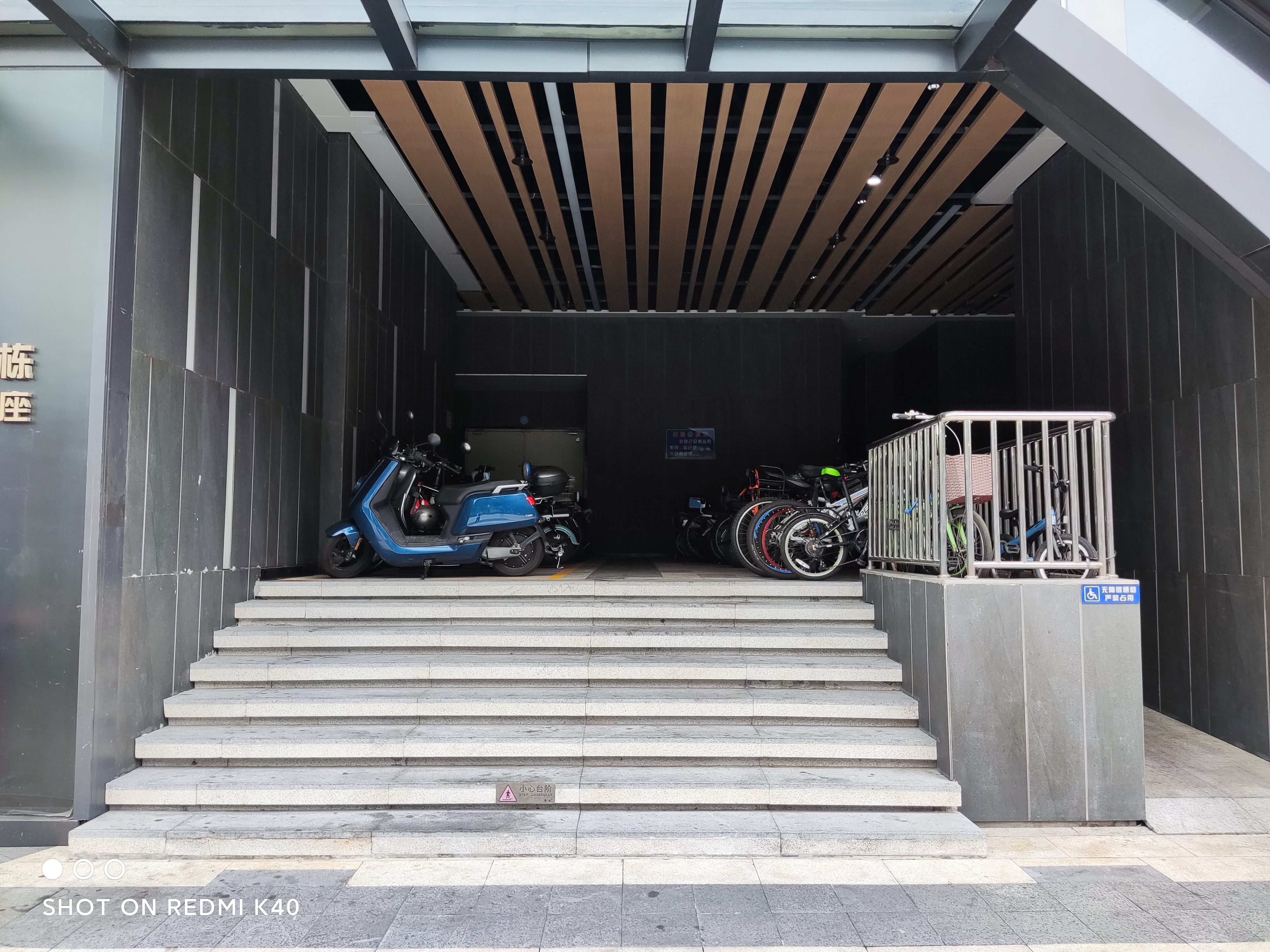
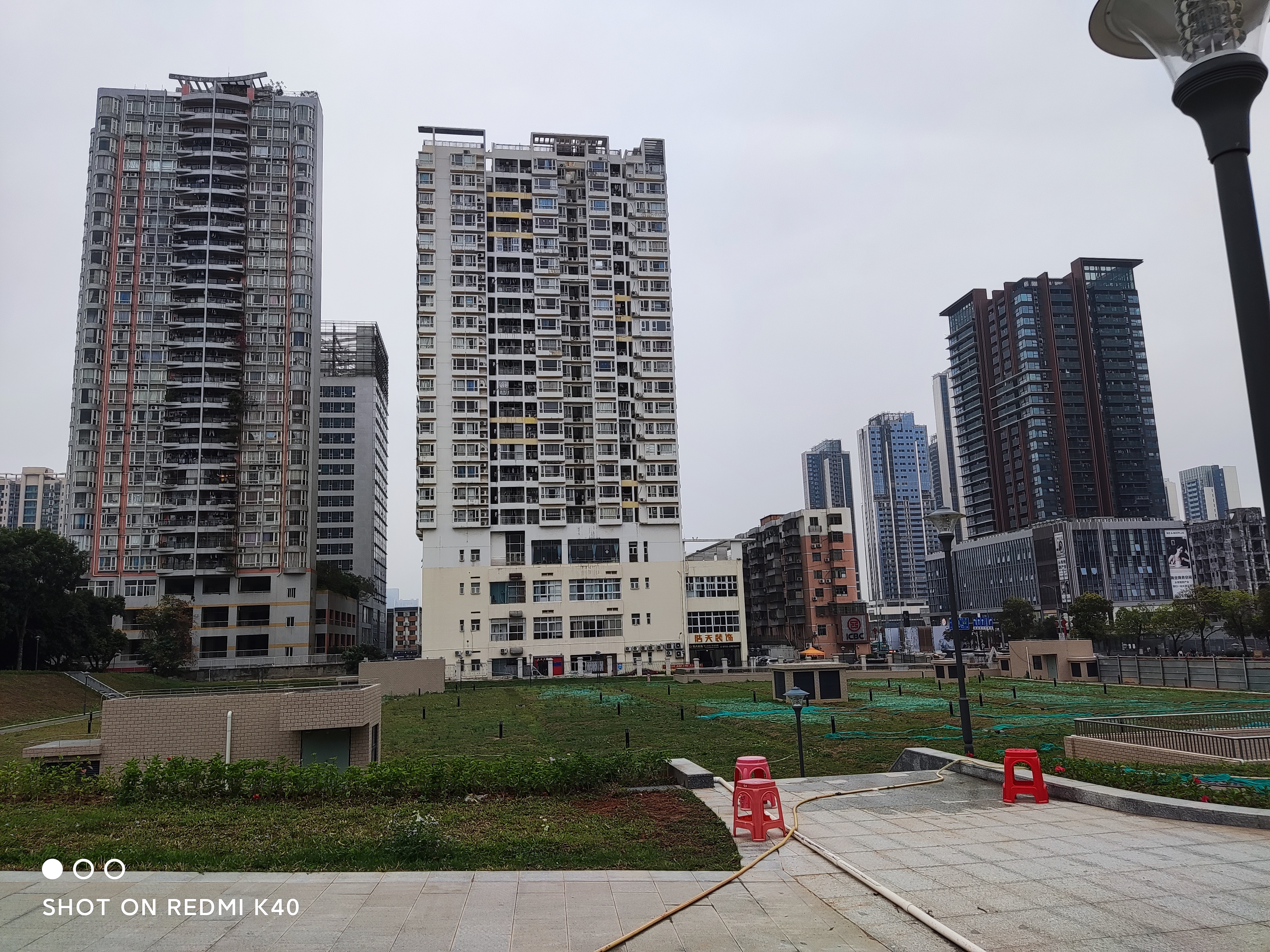
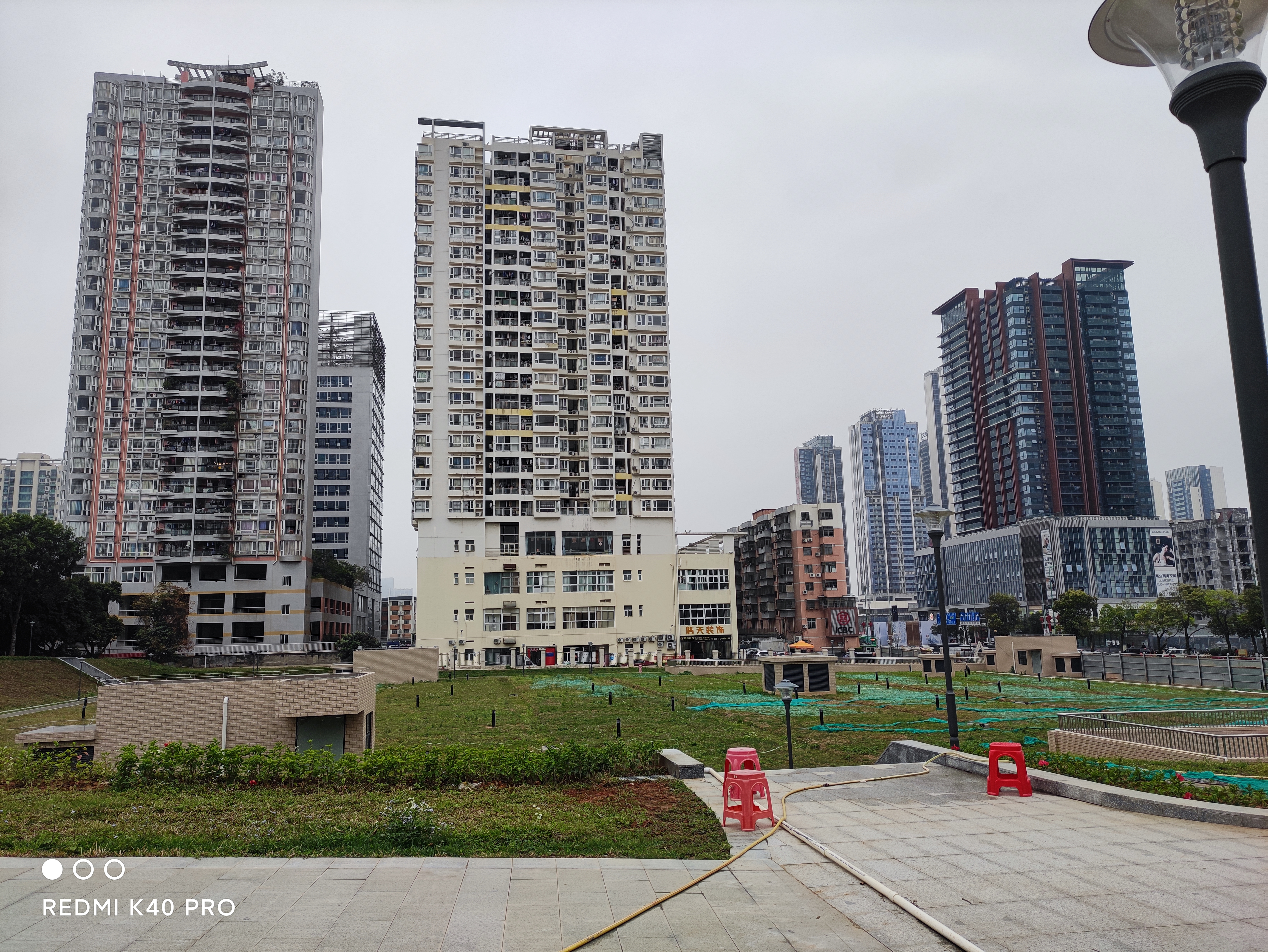
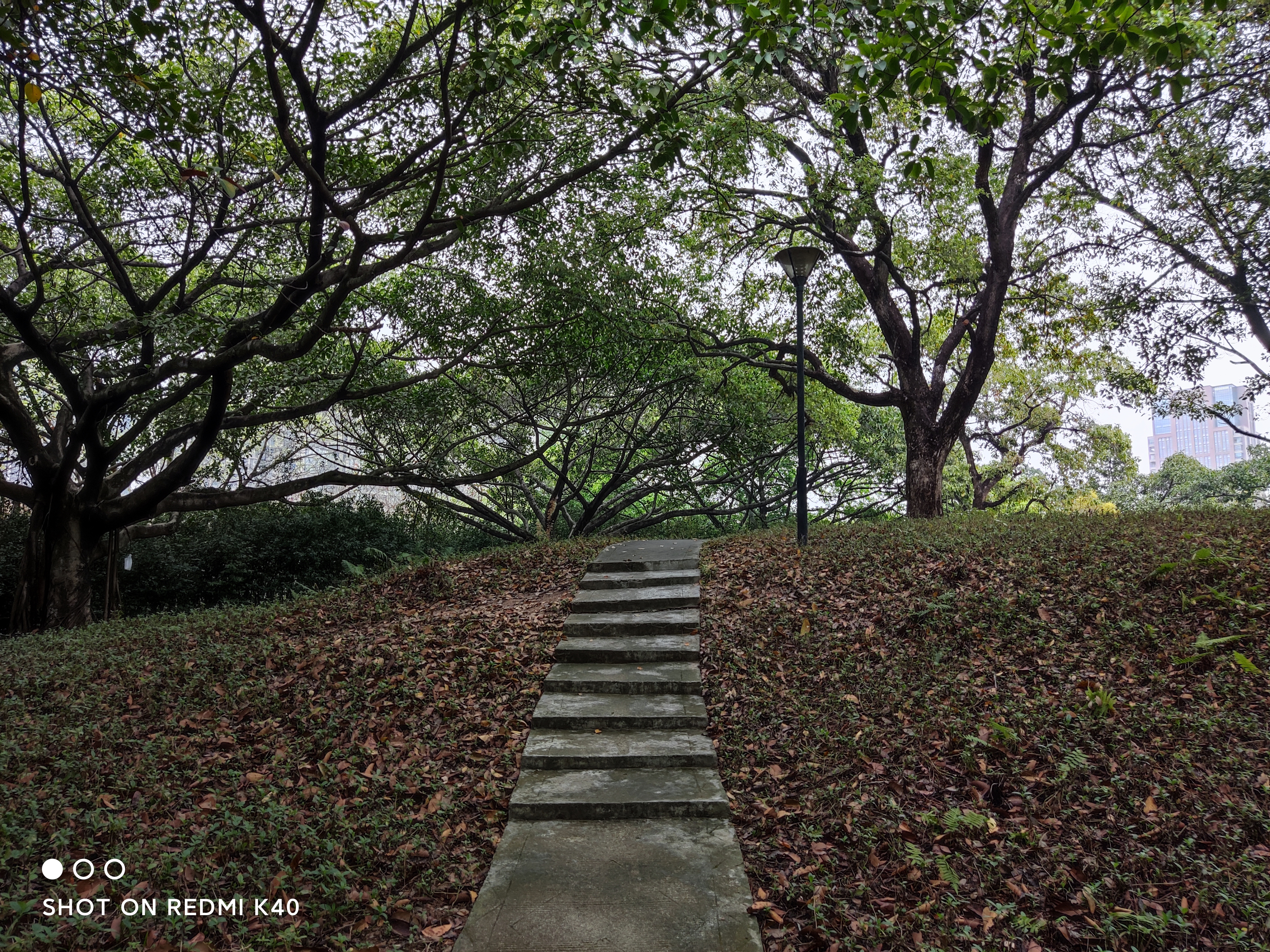
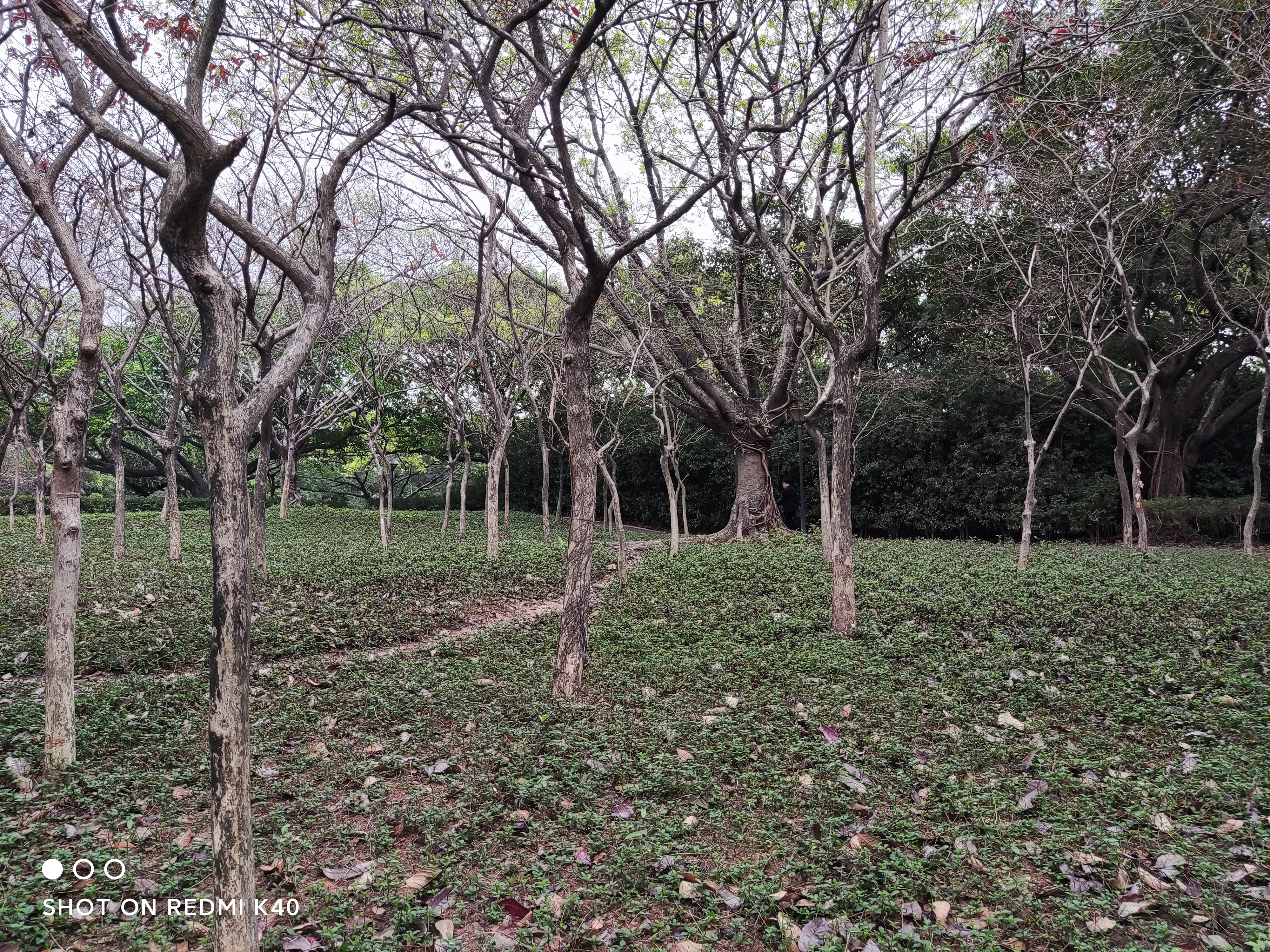
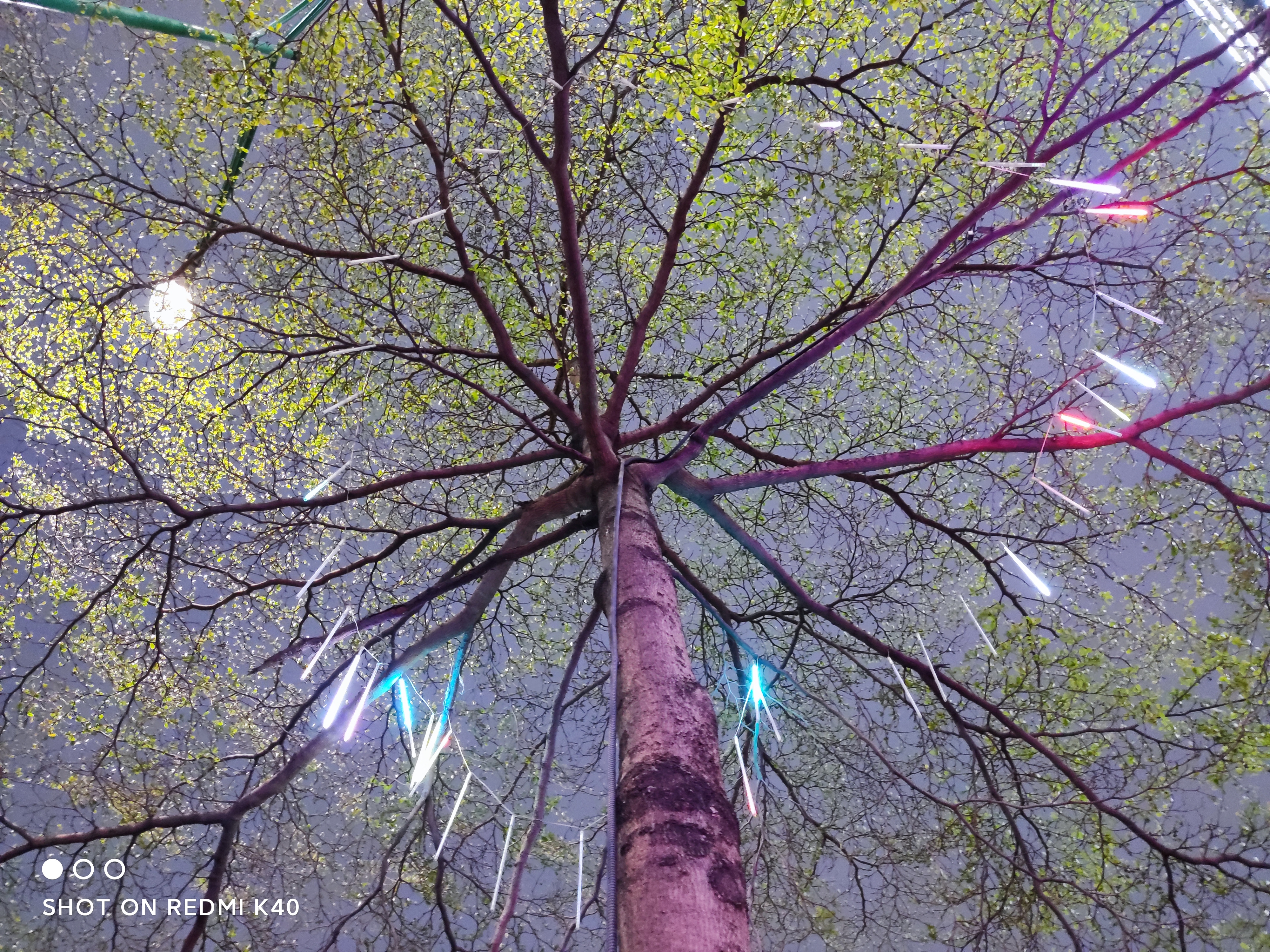
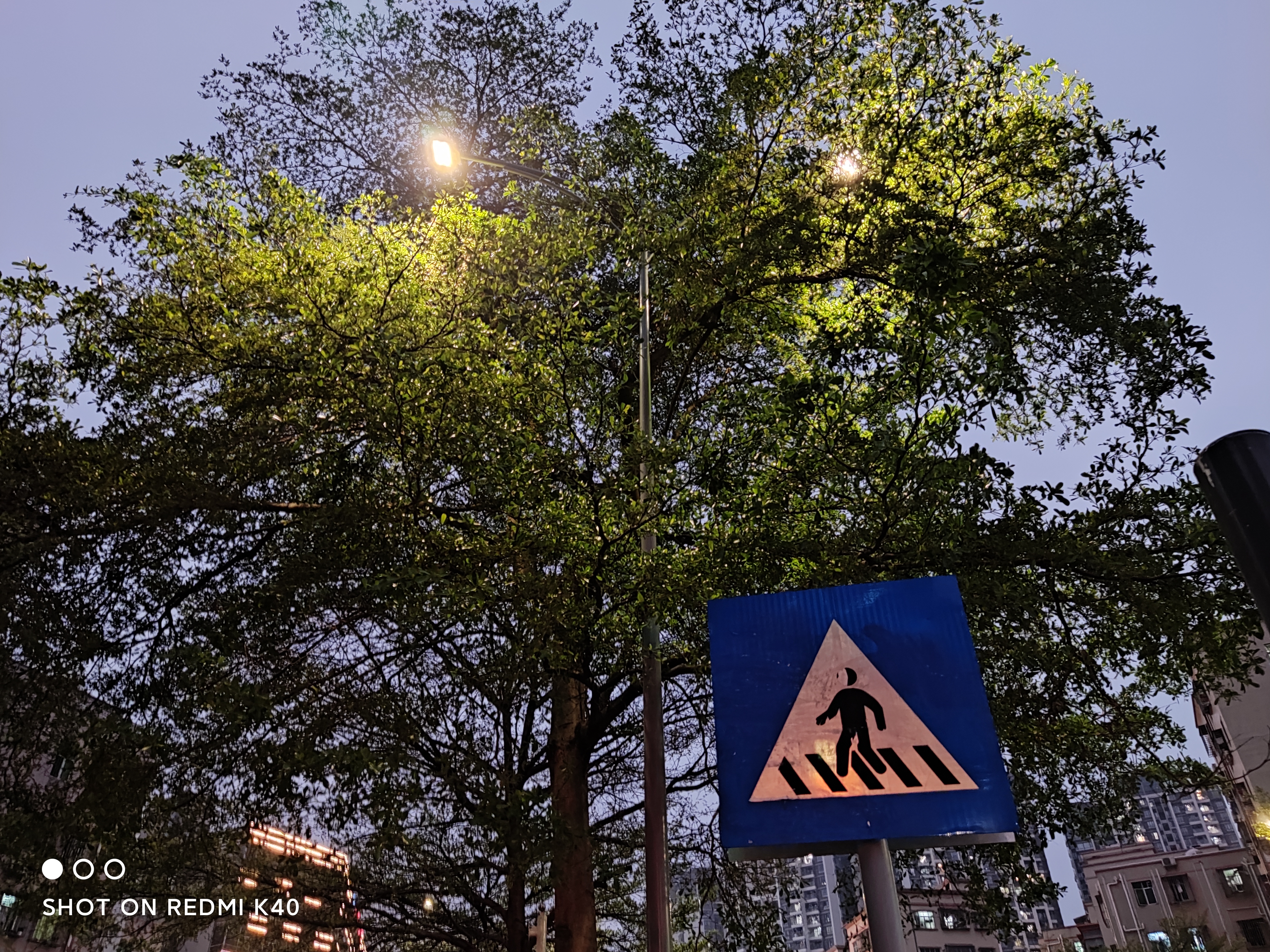
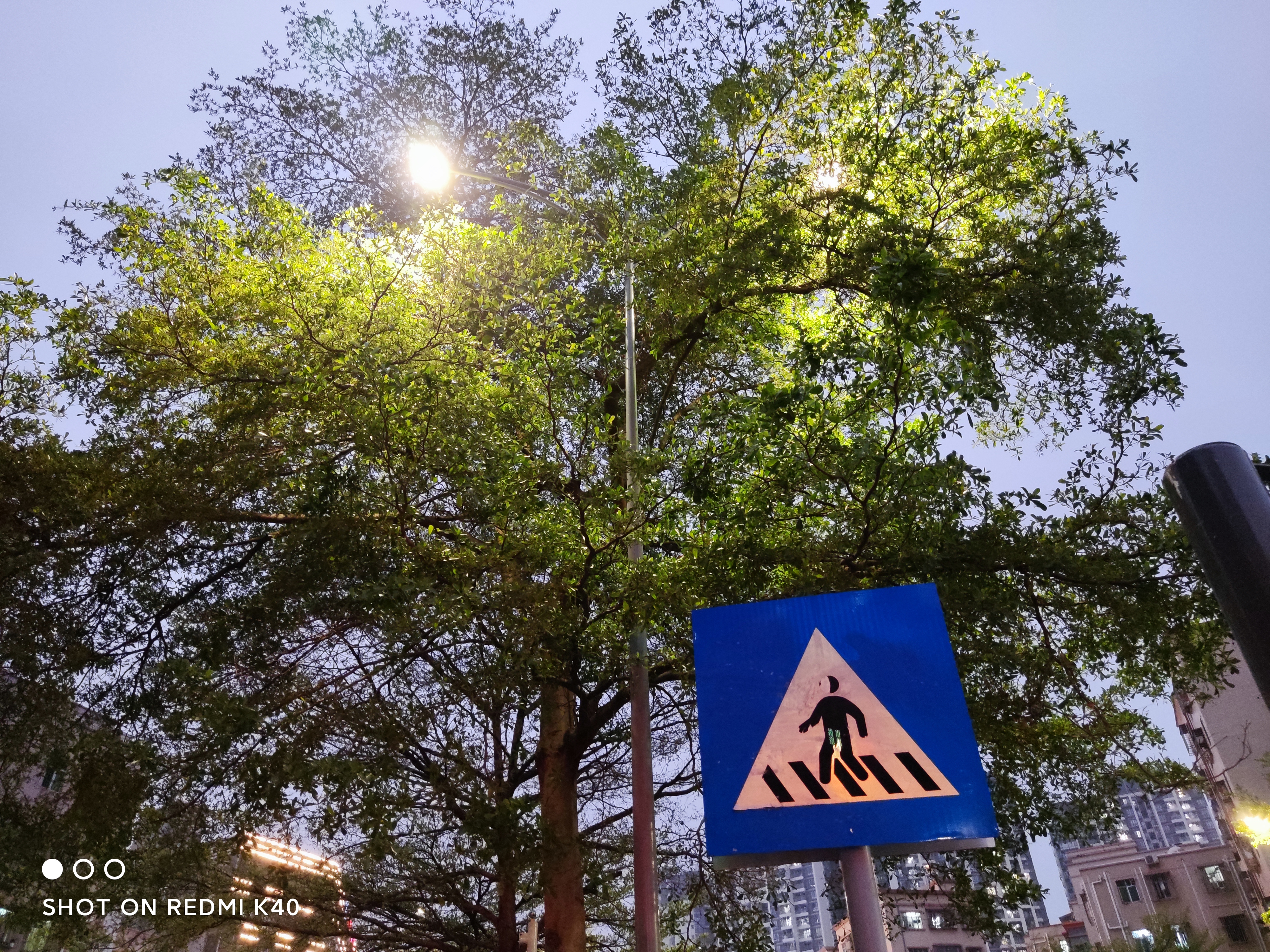
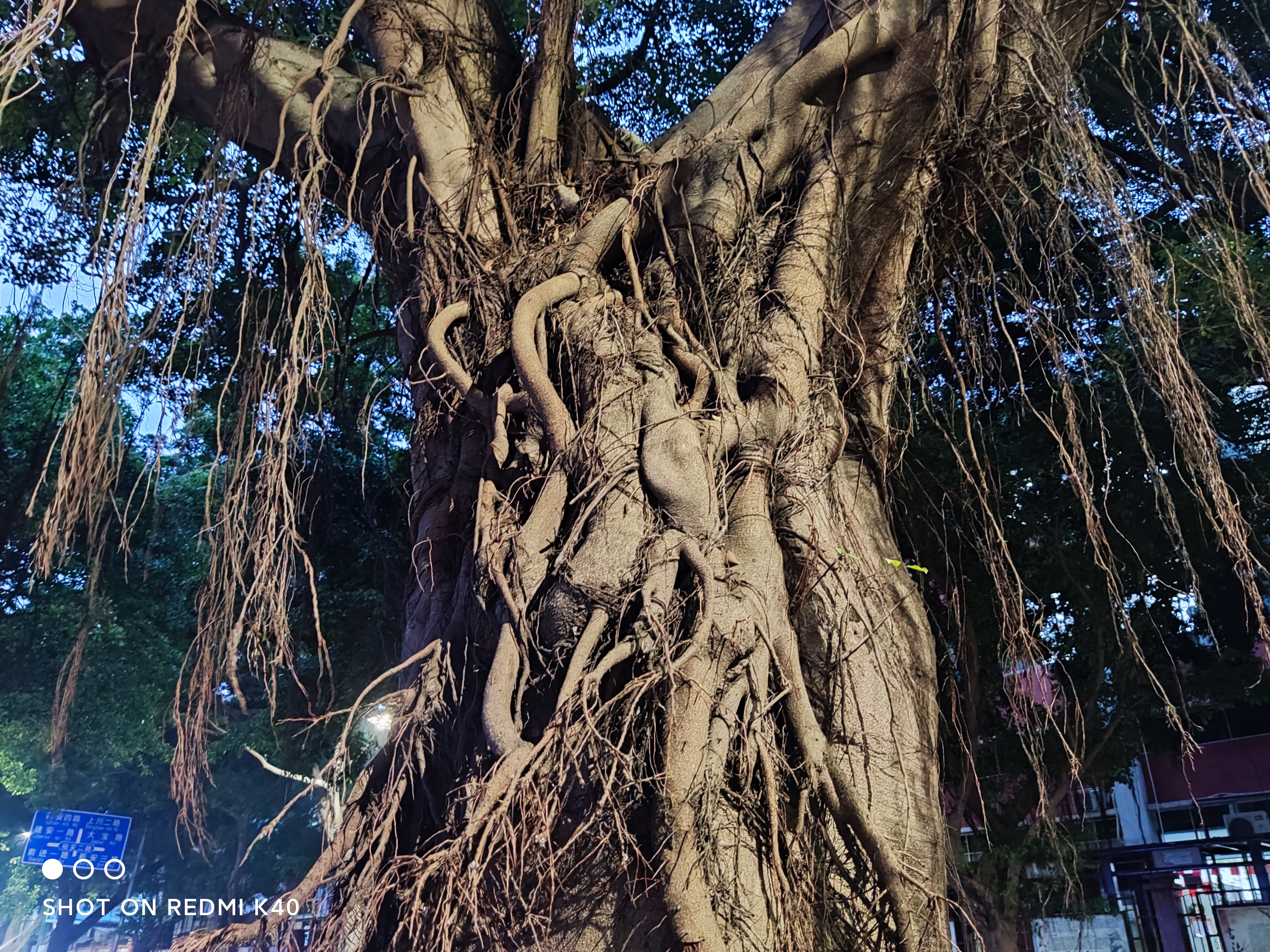
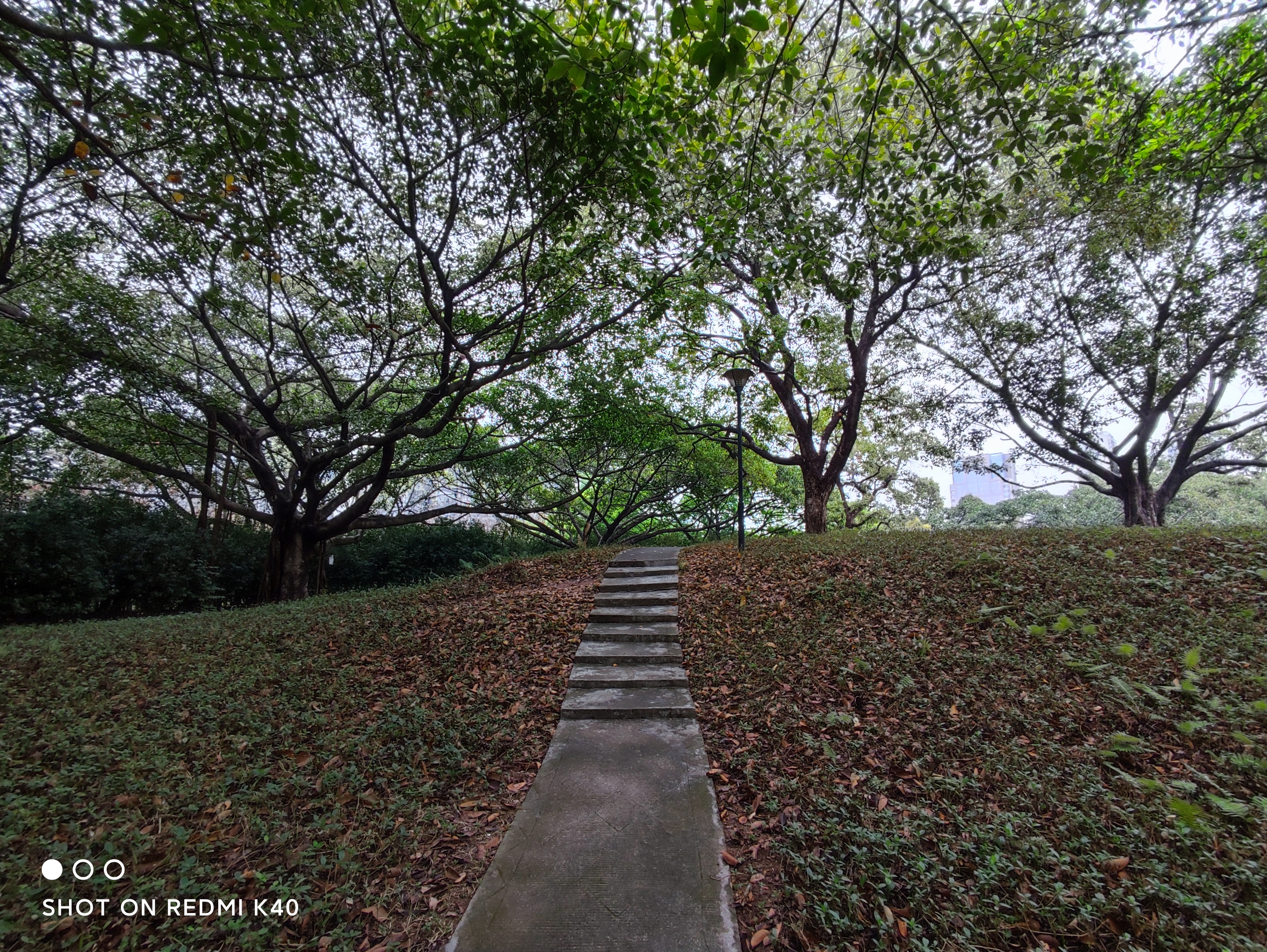
In real life, the K40’s primary camera underexposed samples in daylight conditions. Dynamic range is also not good, with serious loss of detail in dark areas. Colors are also not vibrant enough. The resolution is also inadequate. Apart from the slightly better control of the purple-fringing issue, the K40 loses out in all daytime scenes.
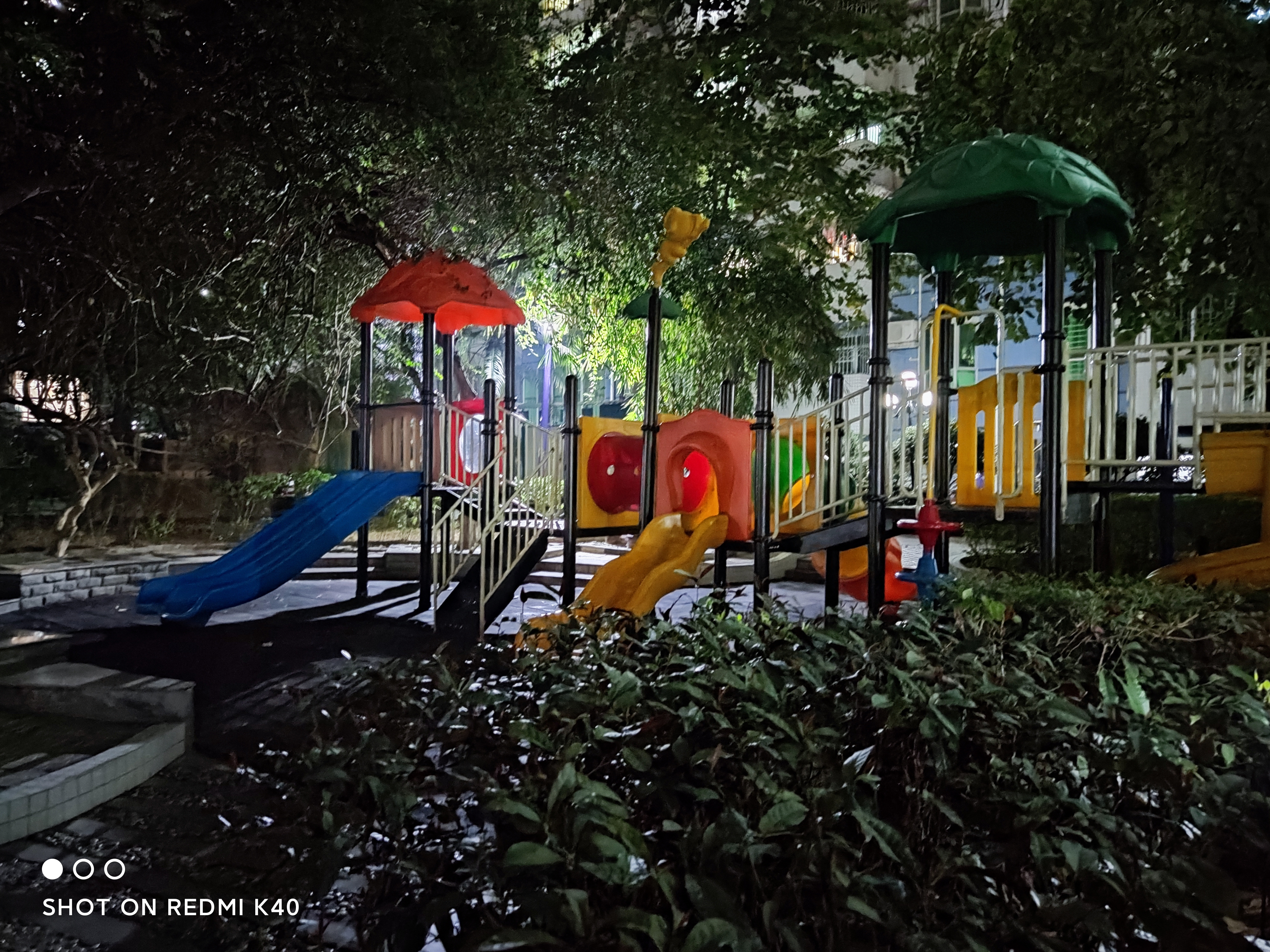
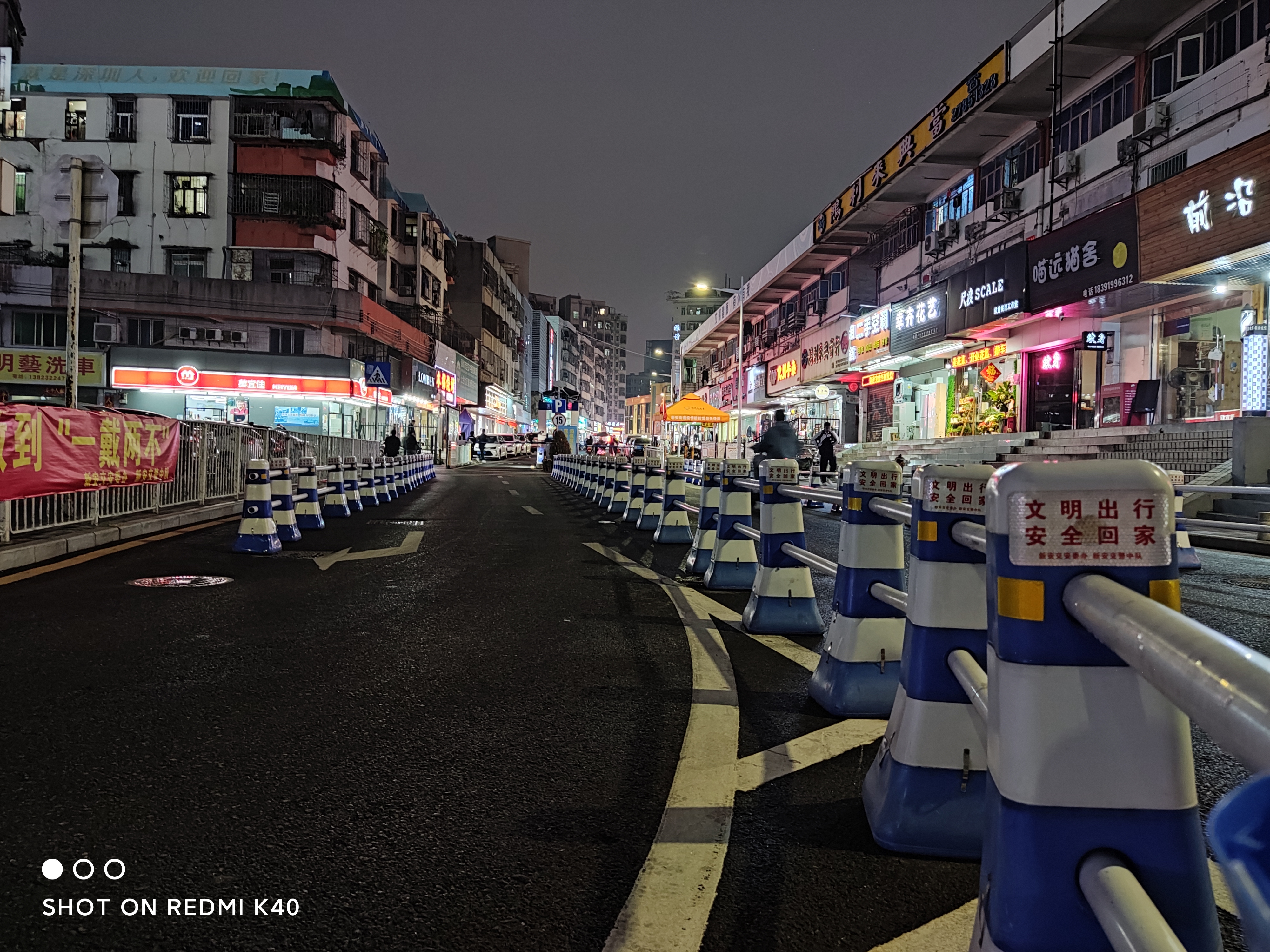
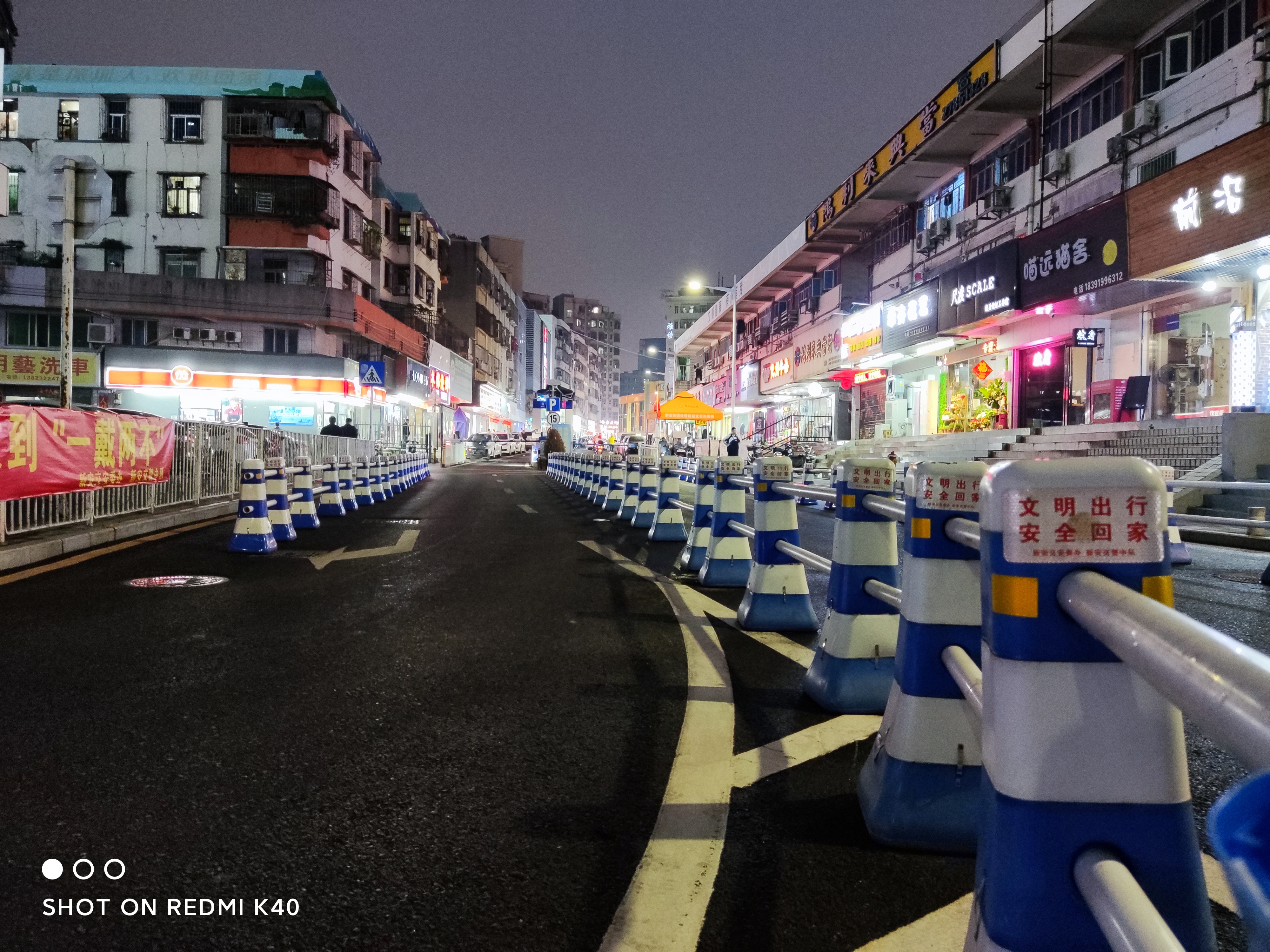
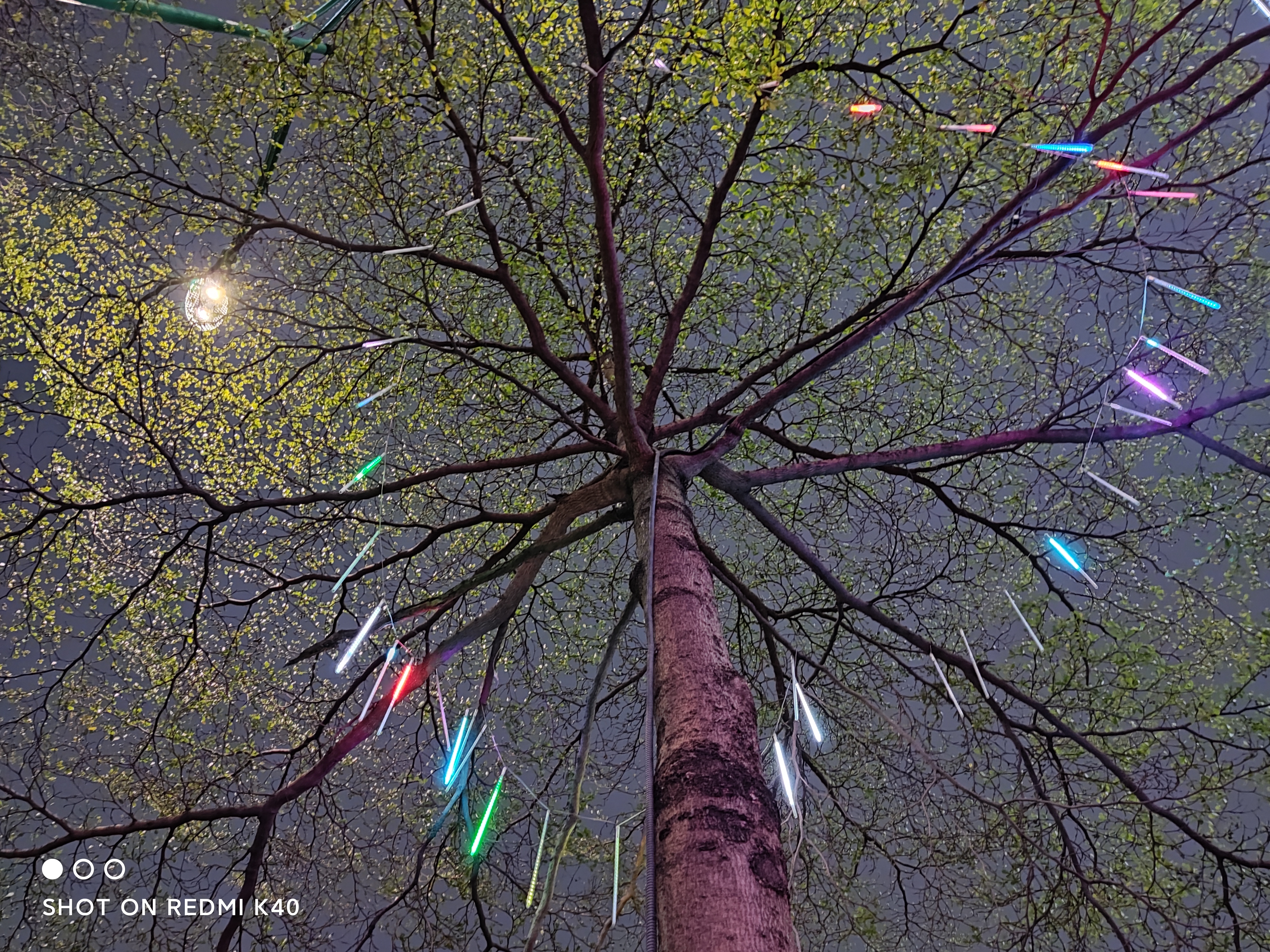
Night Camera Performance
Redmi K40 Main (18)
Redmi K40 Night Mode
Redmi K40 Main (16)
Redmi K40 Night Mode
Redmi K40 Main (14)
Redmi K40 Night Mode
Redmi K40 Main (12)
Redmi K40 Night Mode (11)
Redmi K40 Night Mode
Redmi K40 Main (4)
Redmi K40 Night Mode
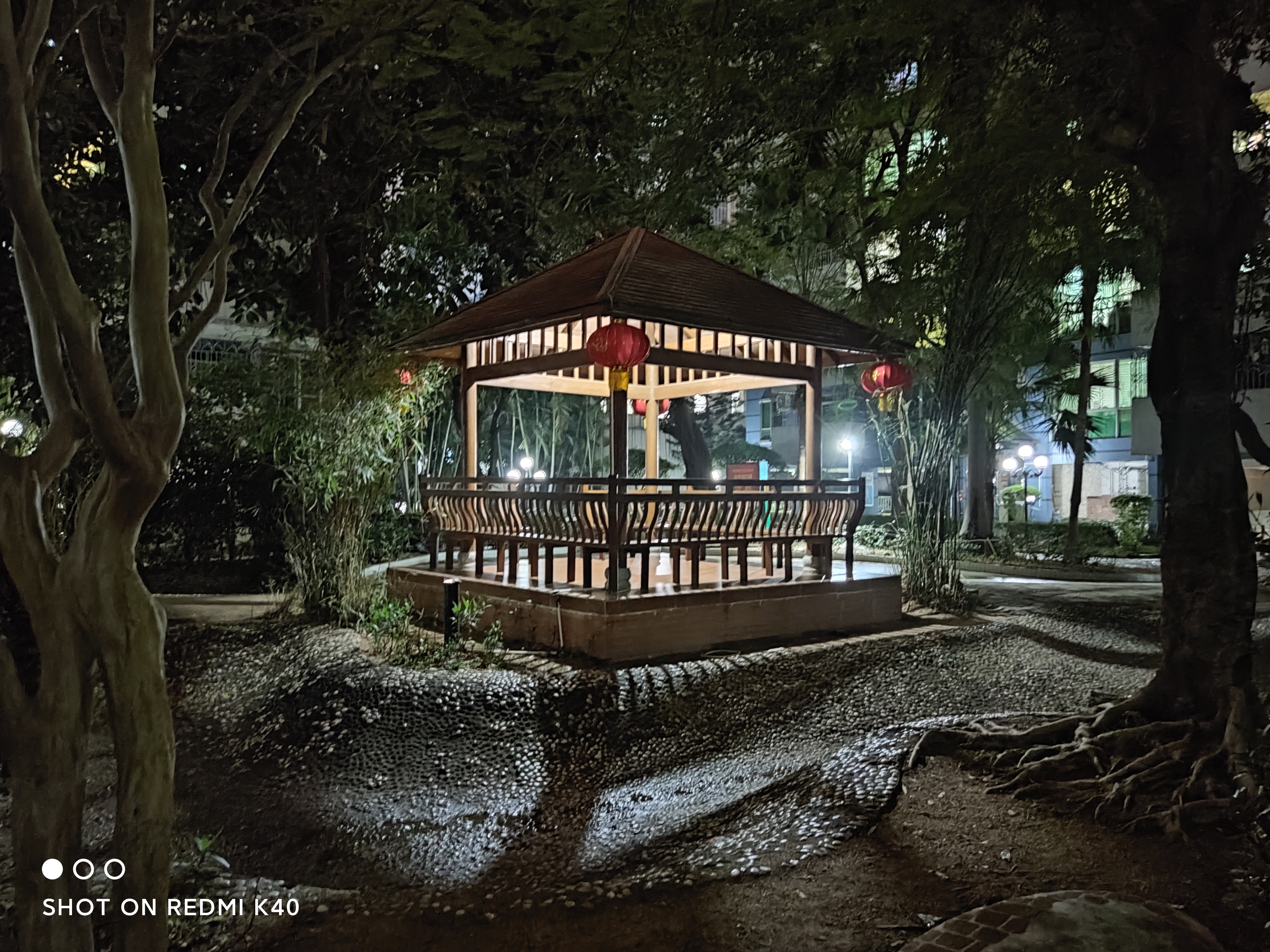
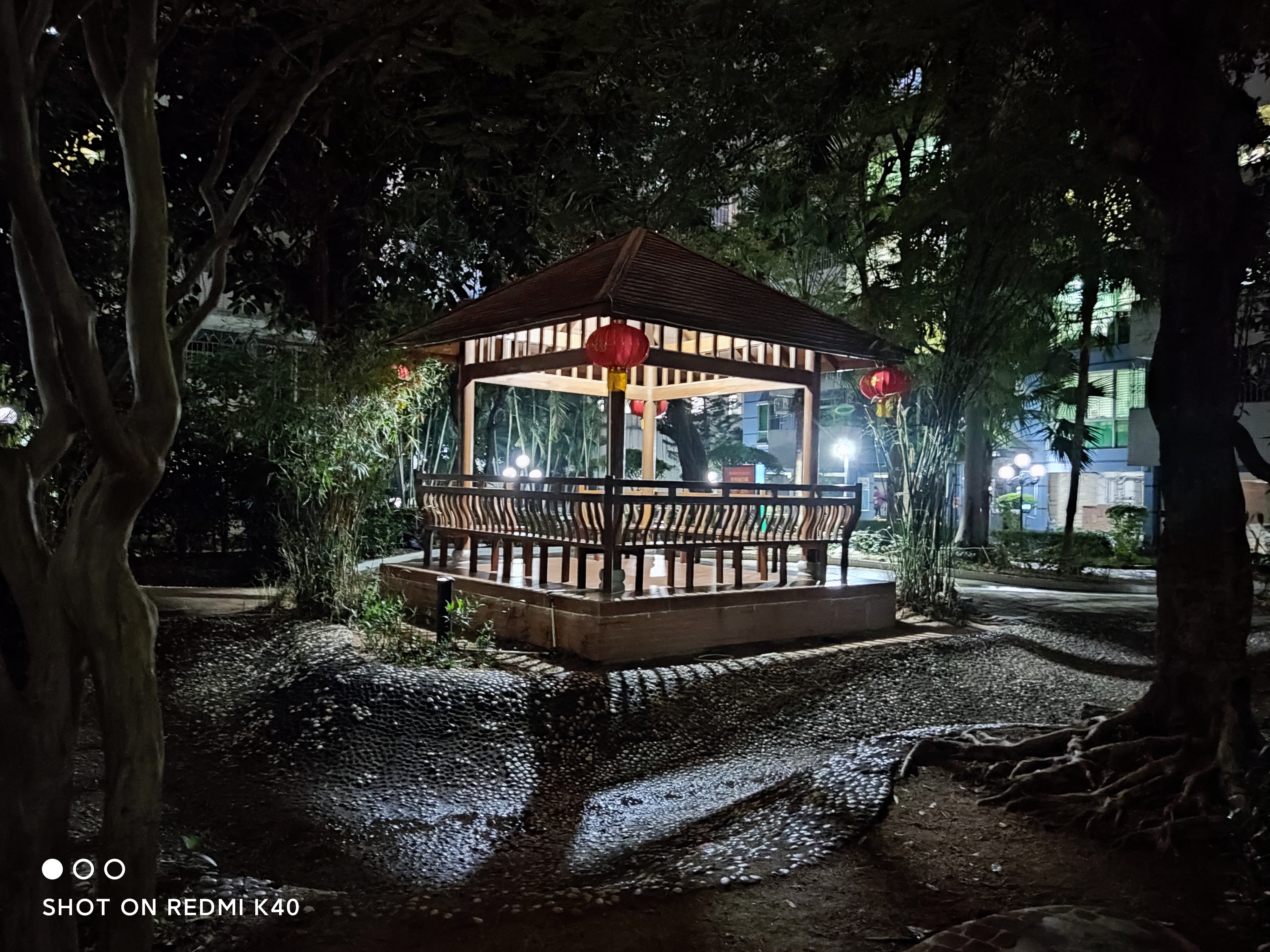
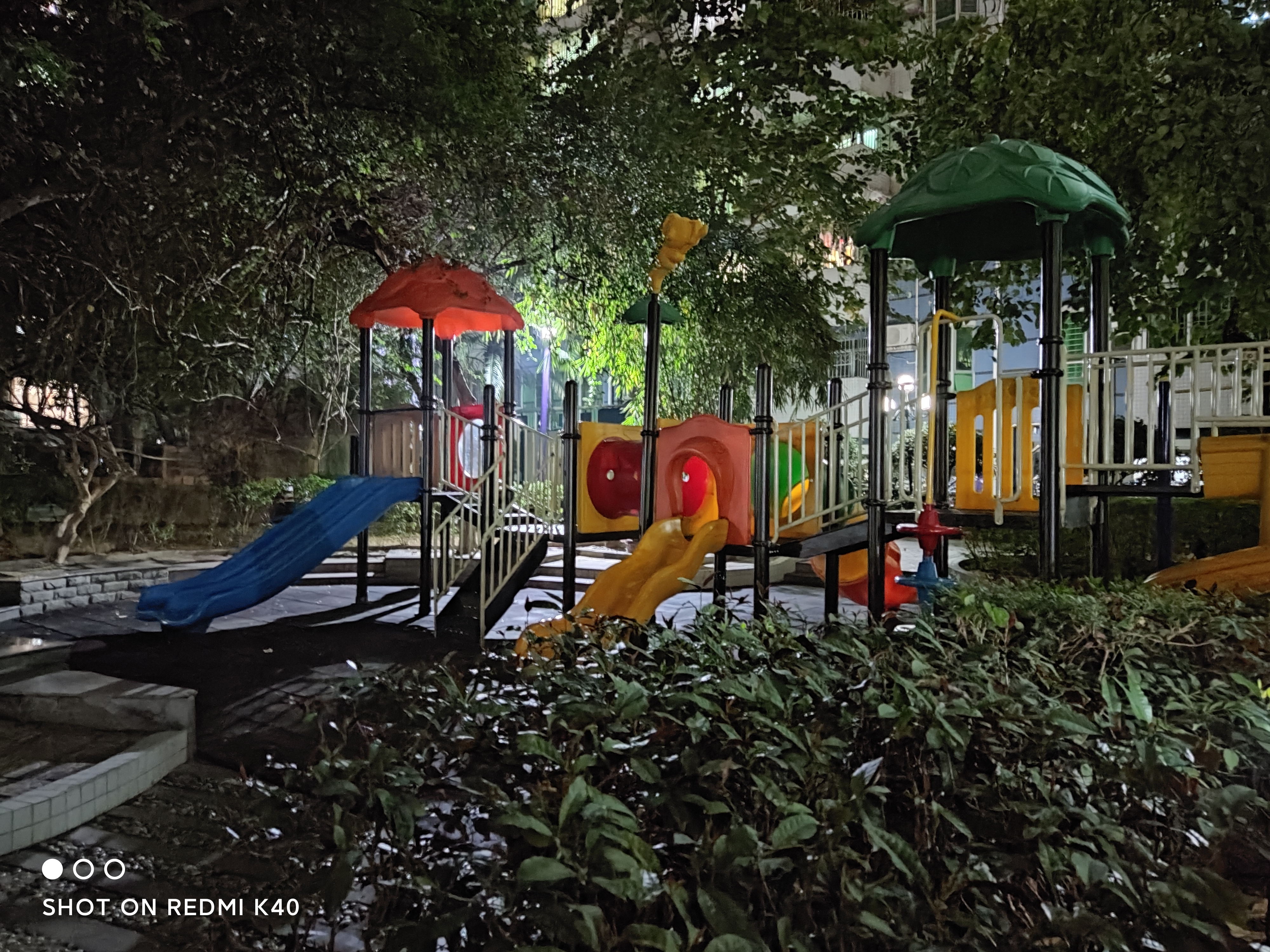
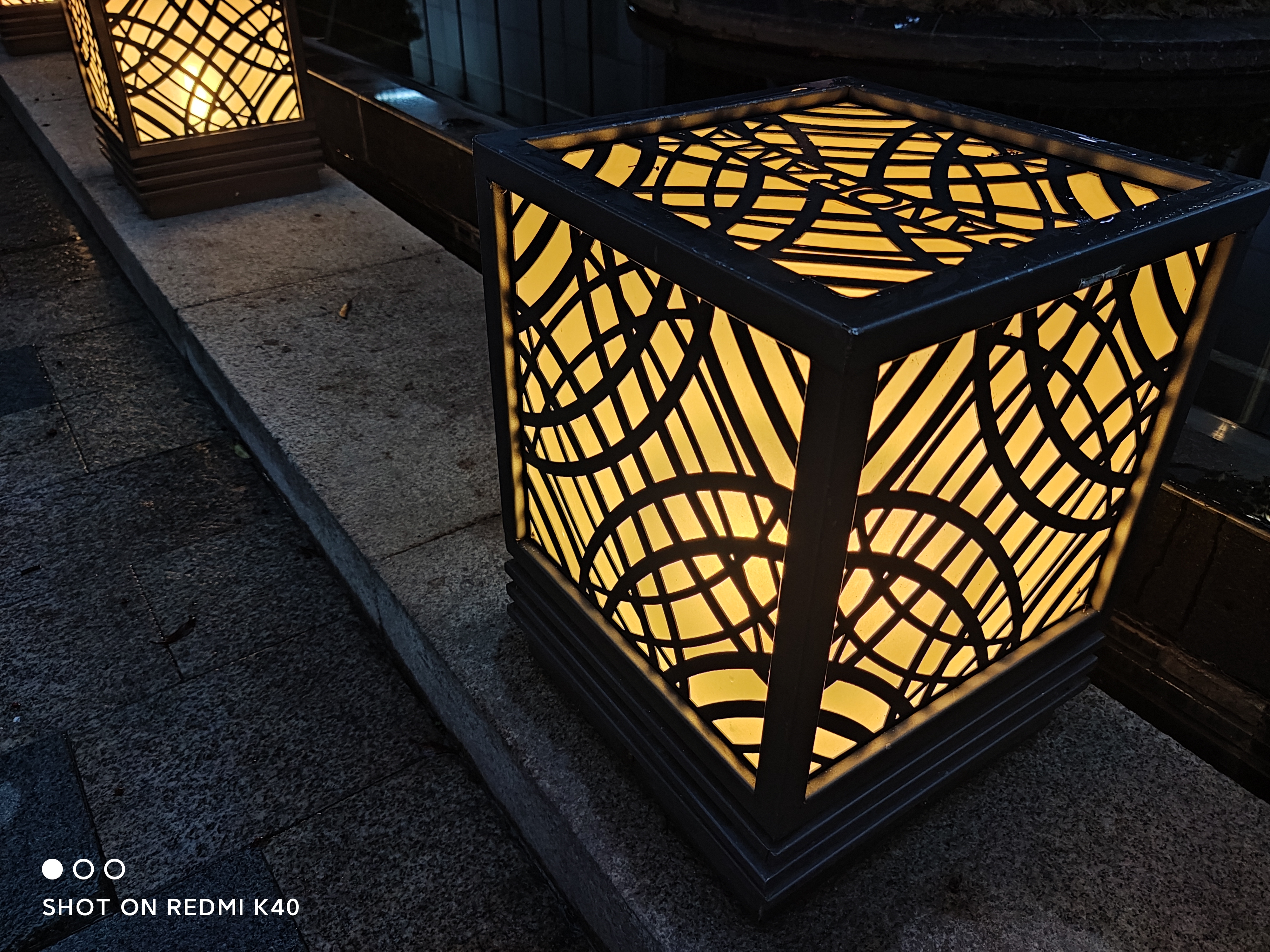
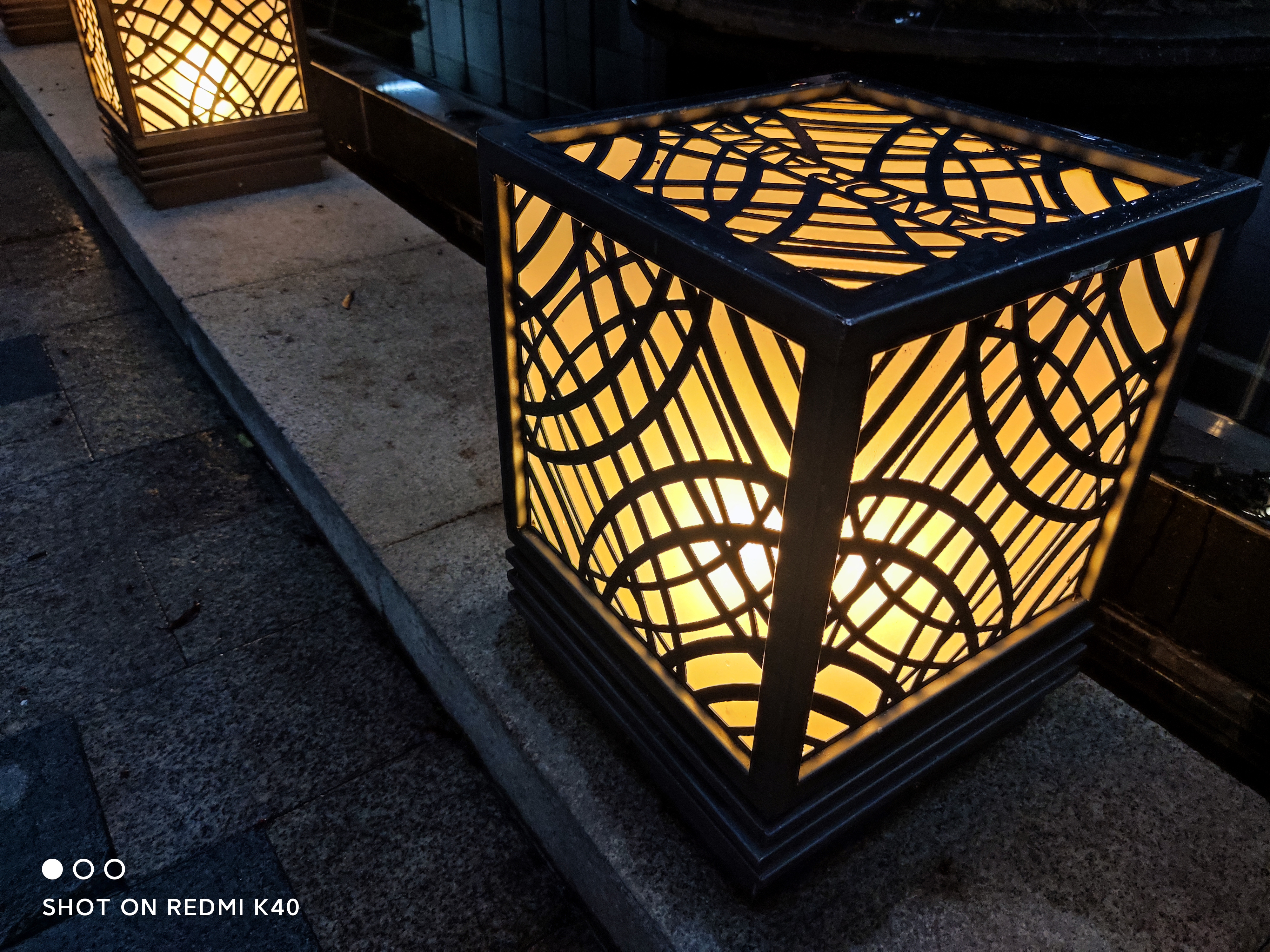
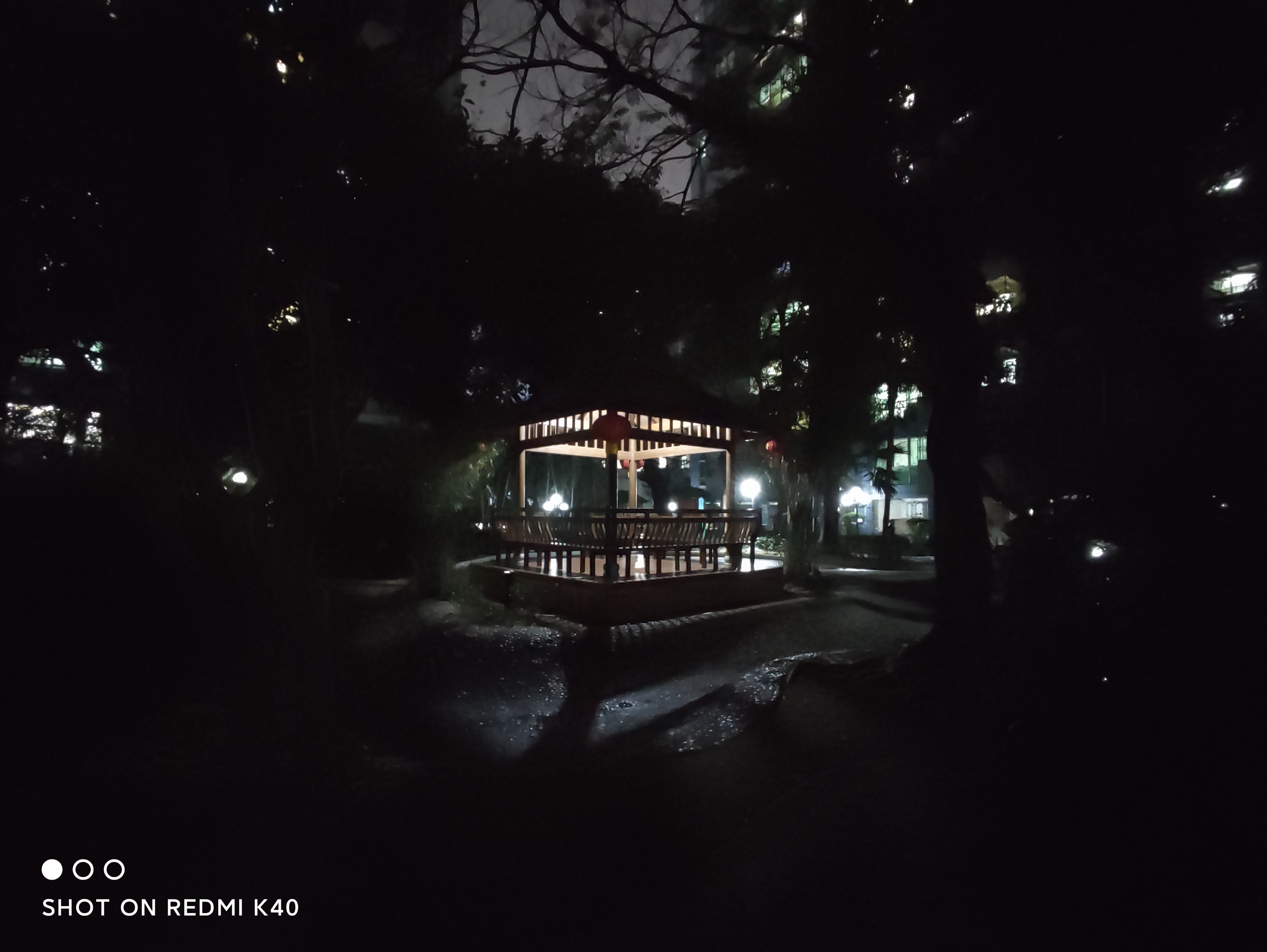
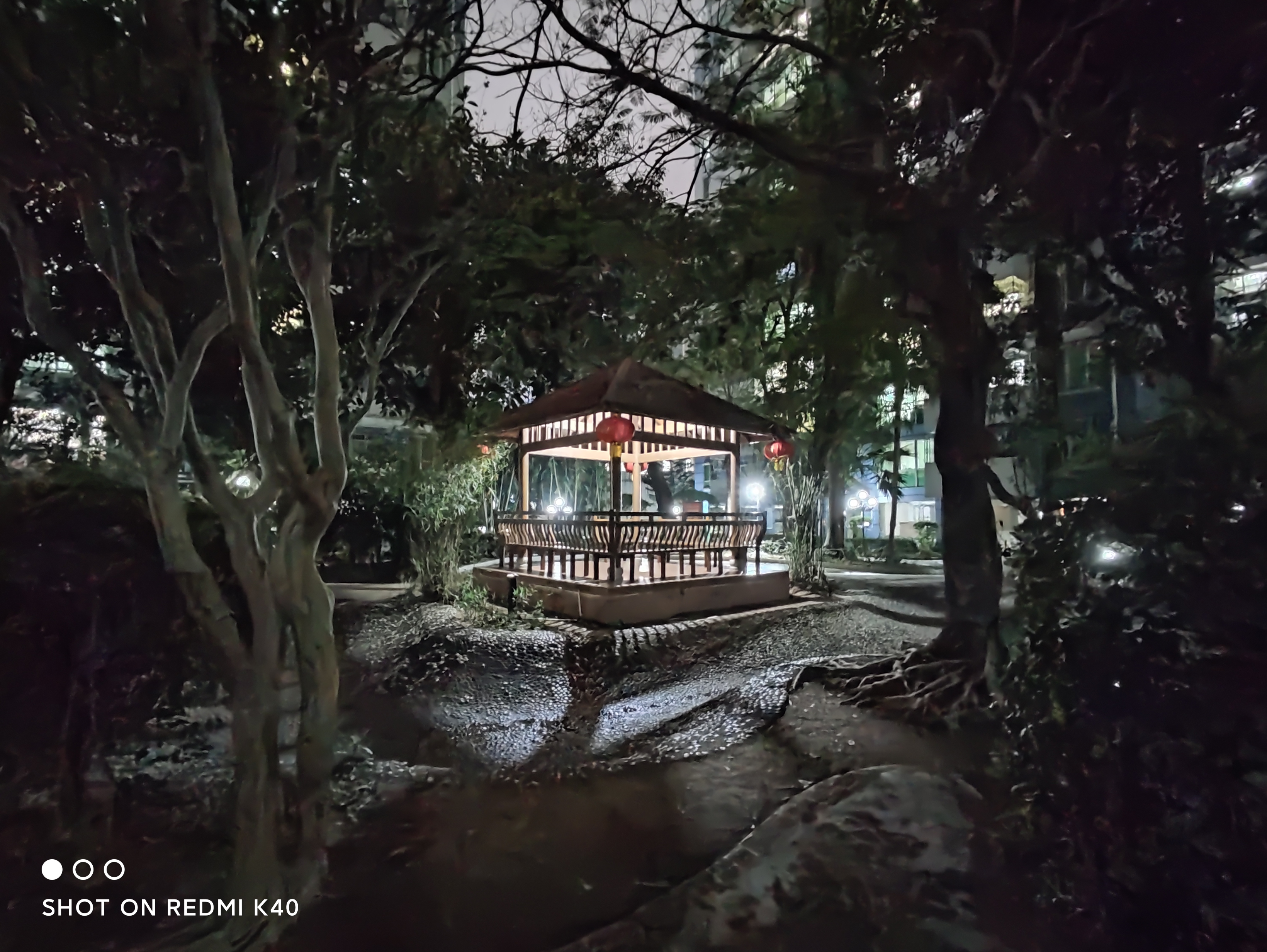
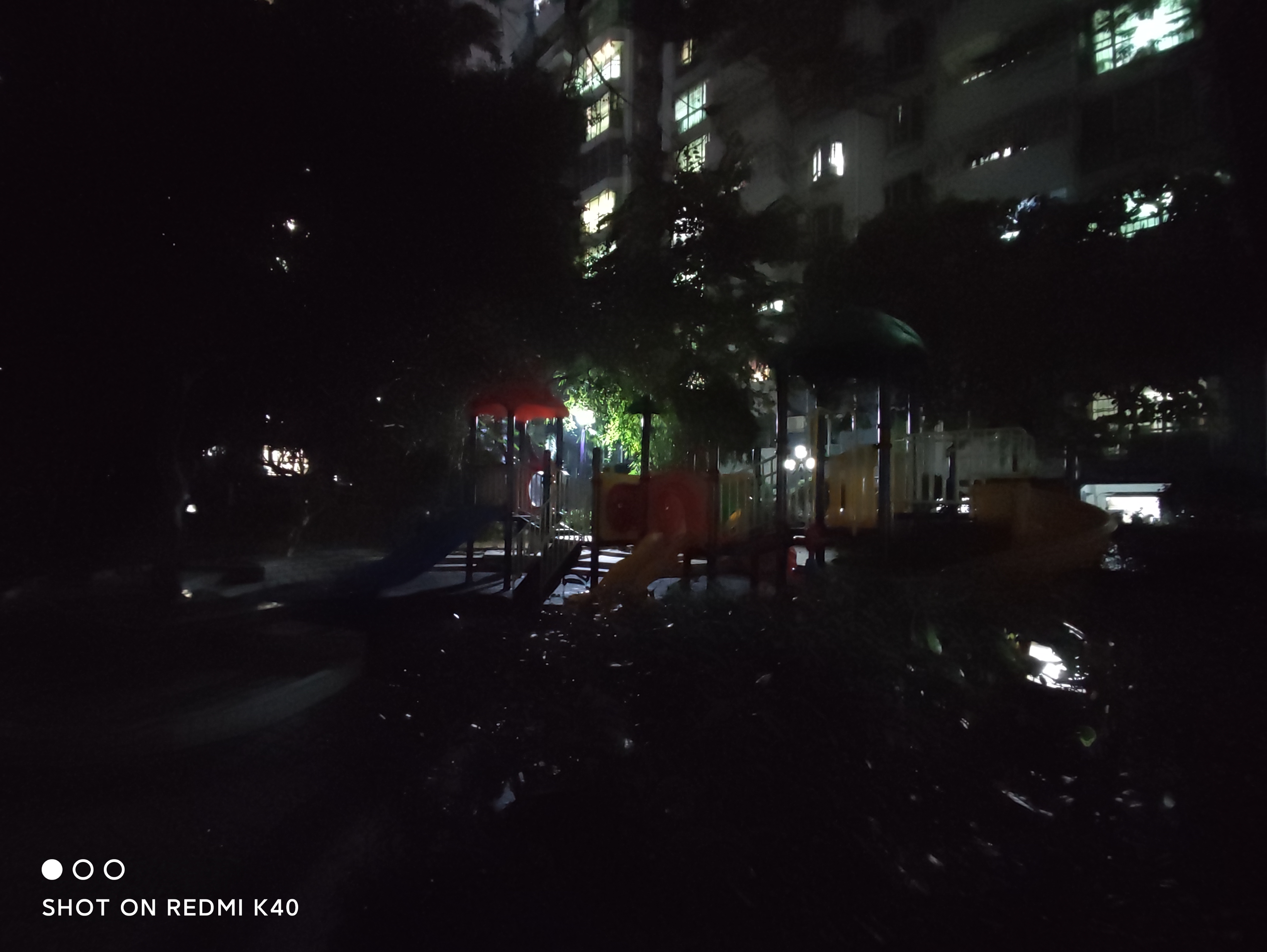
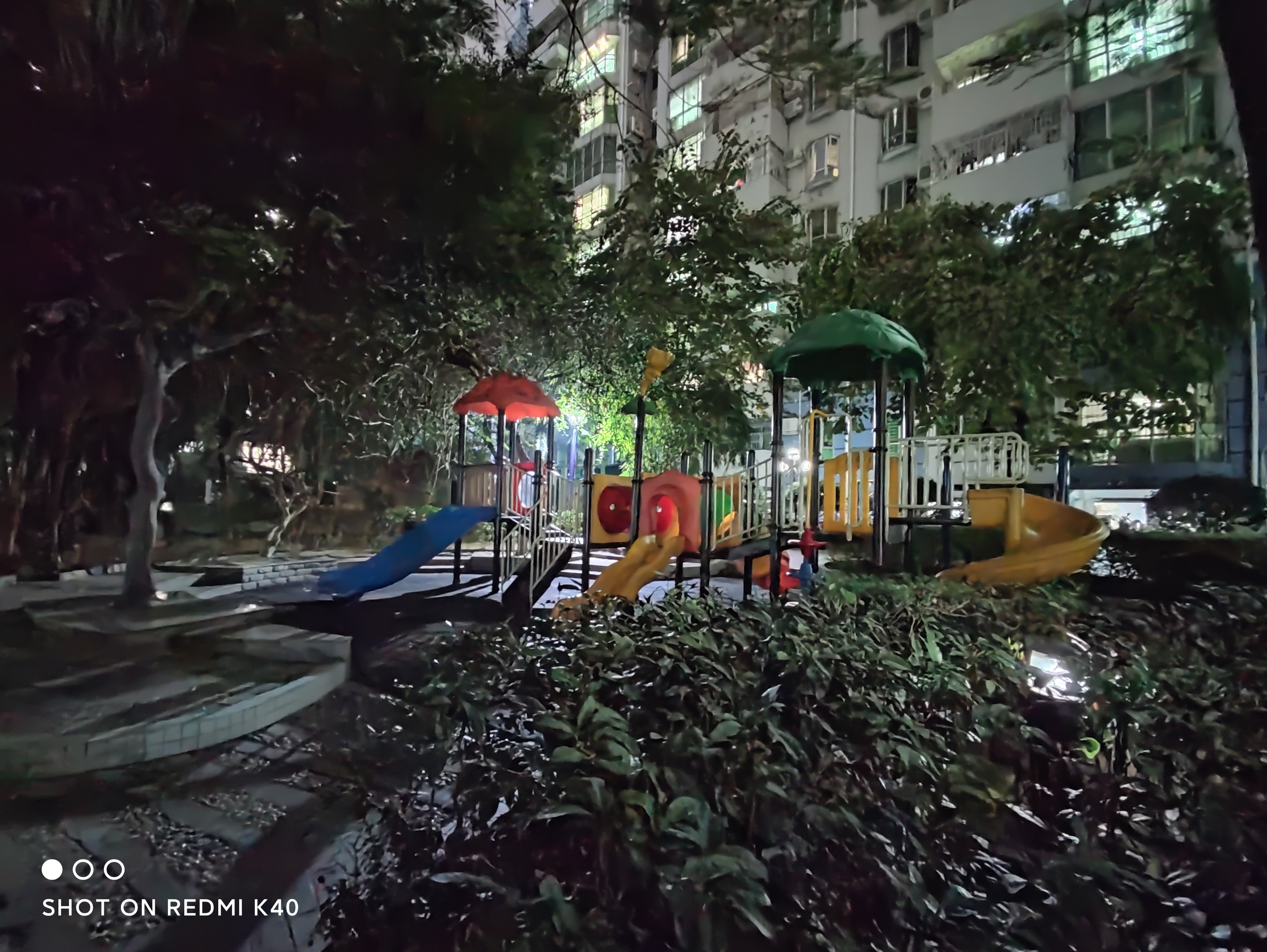
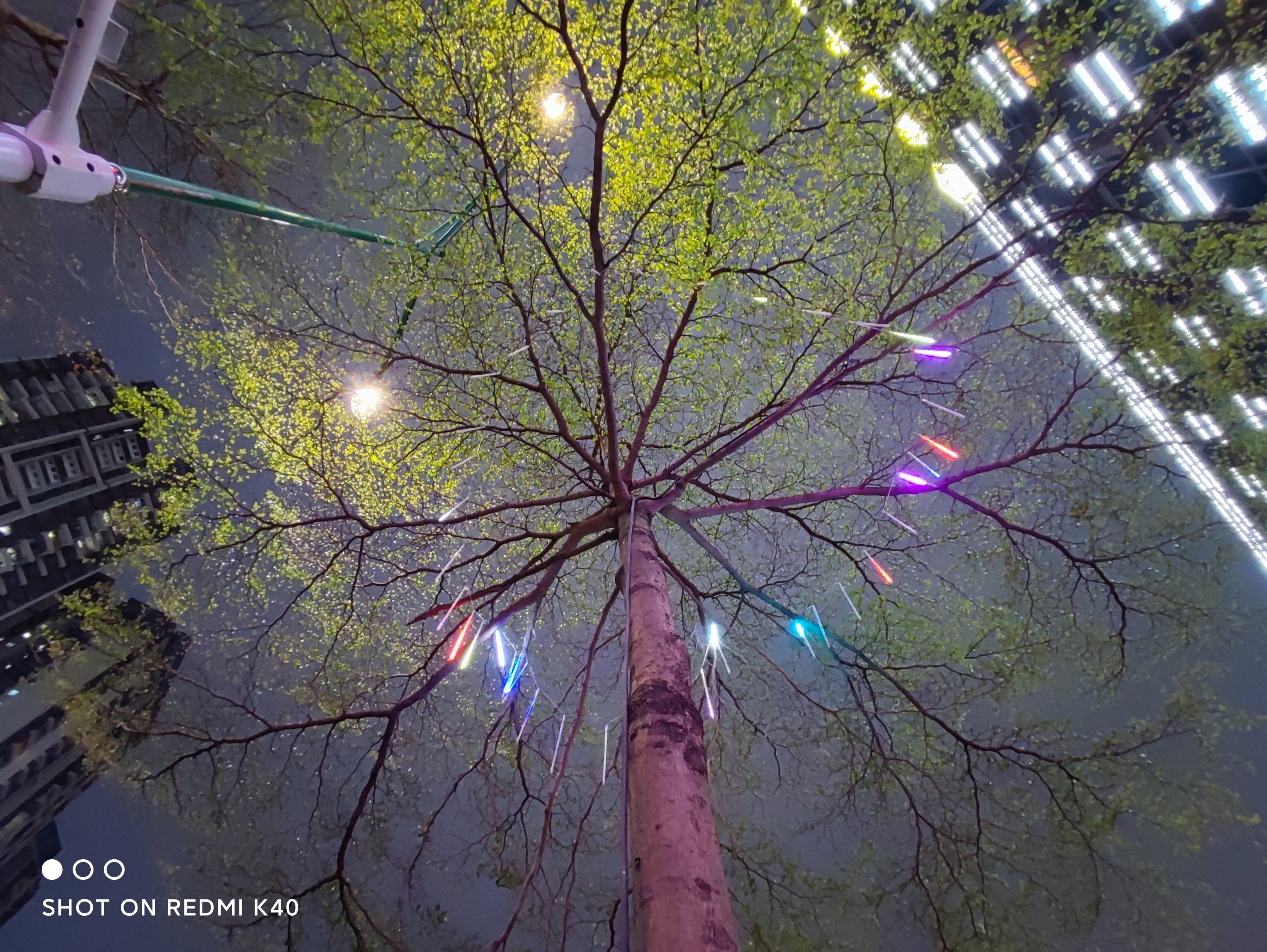
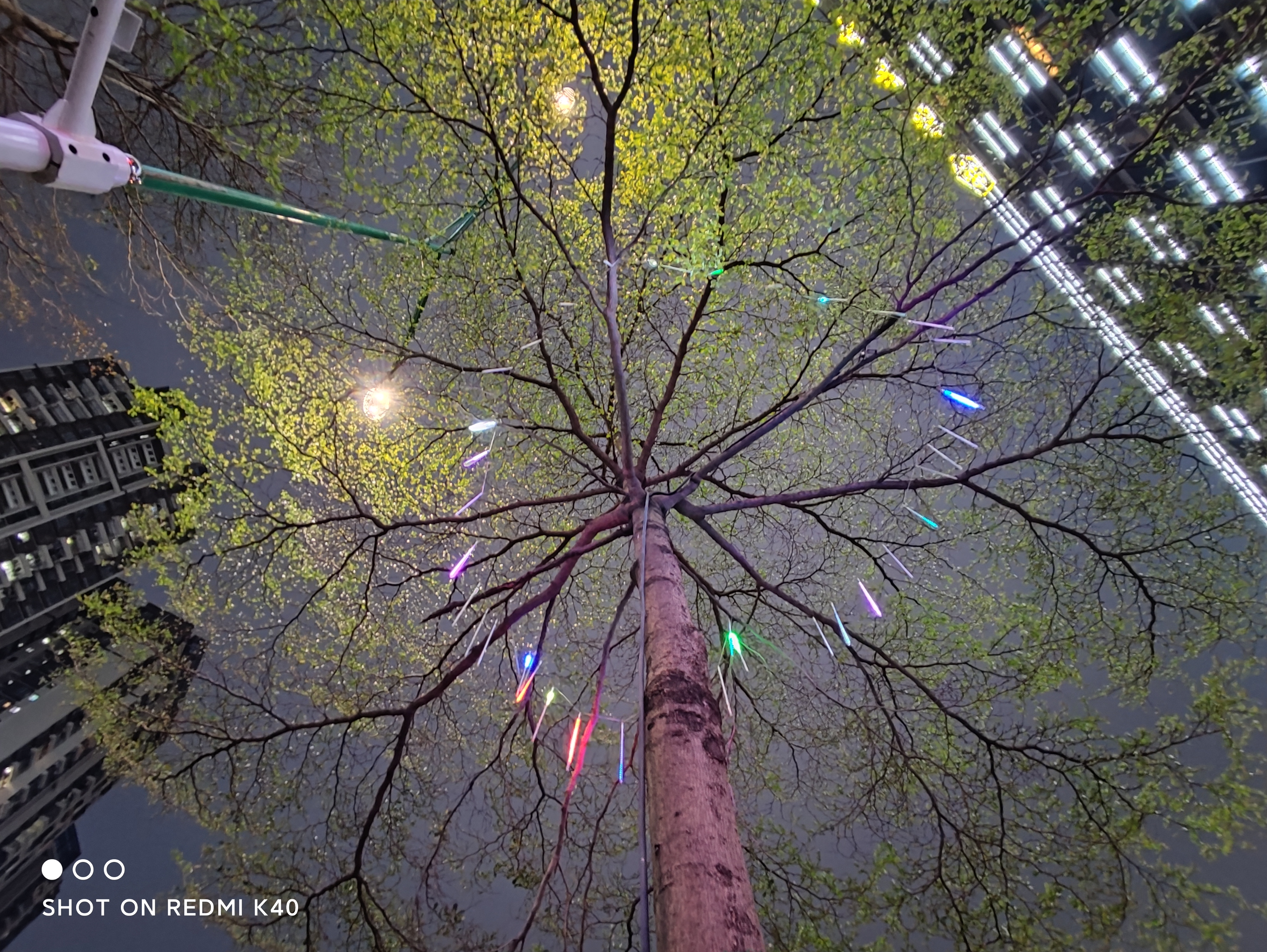
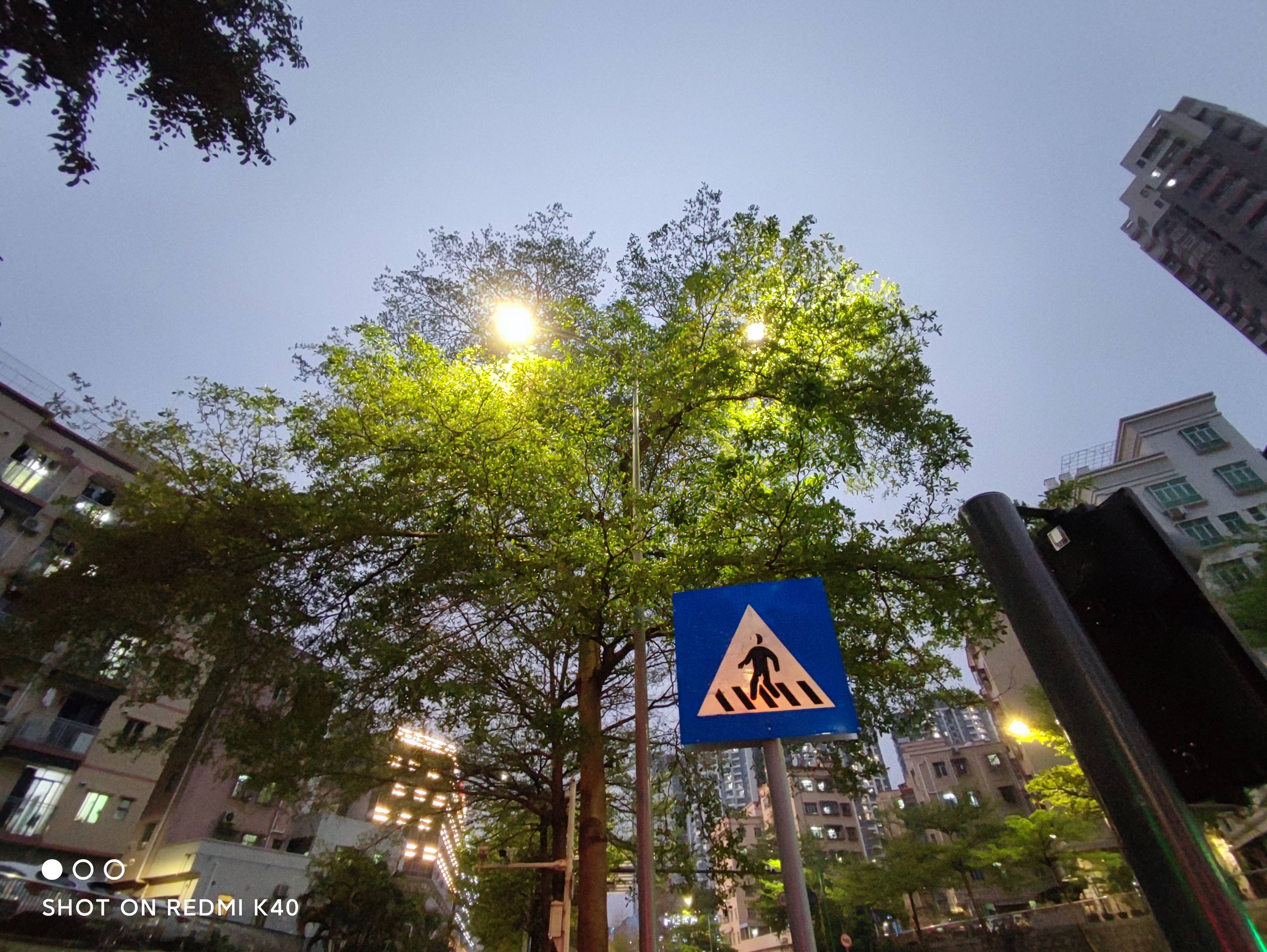
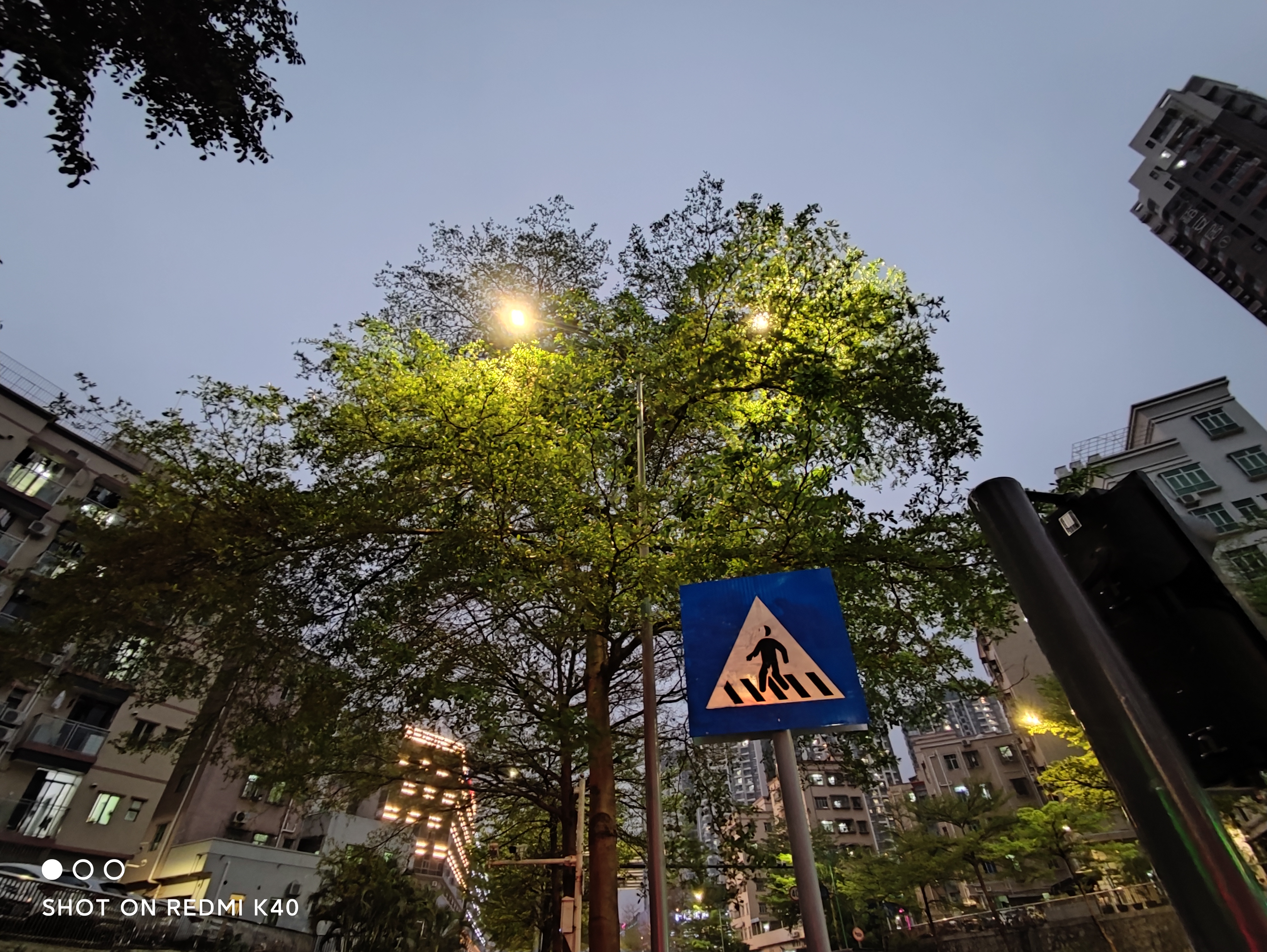
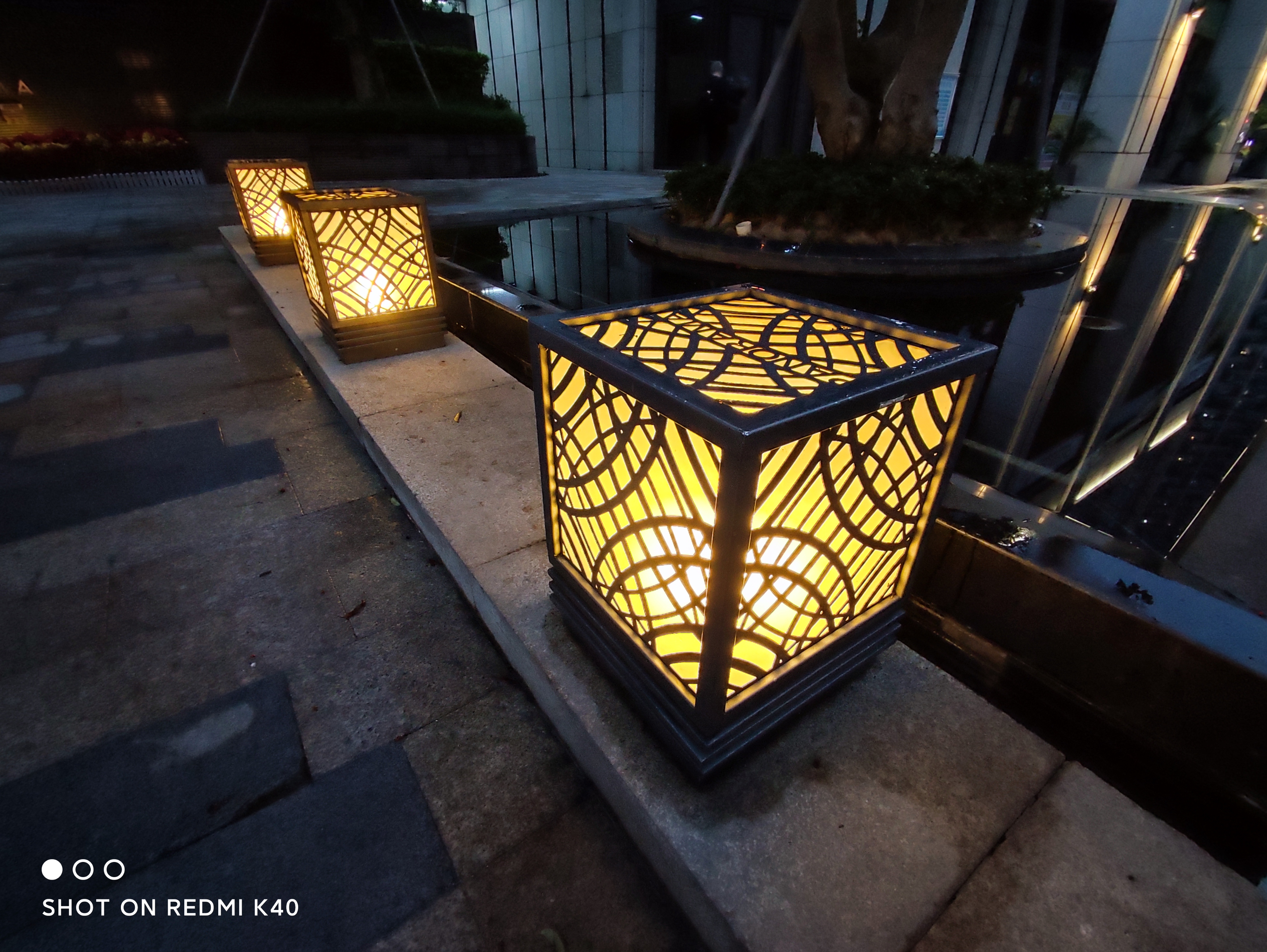
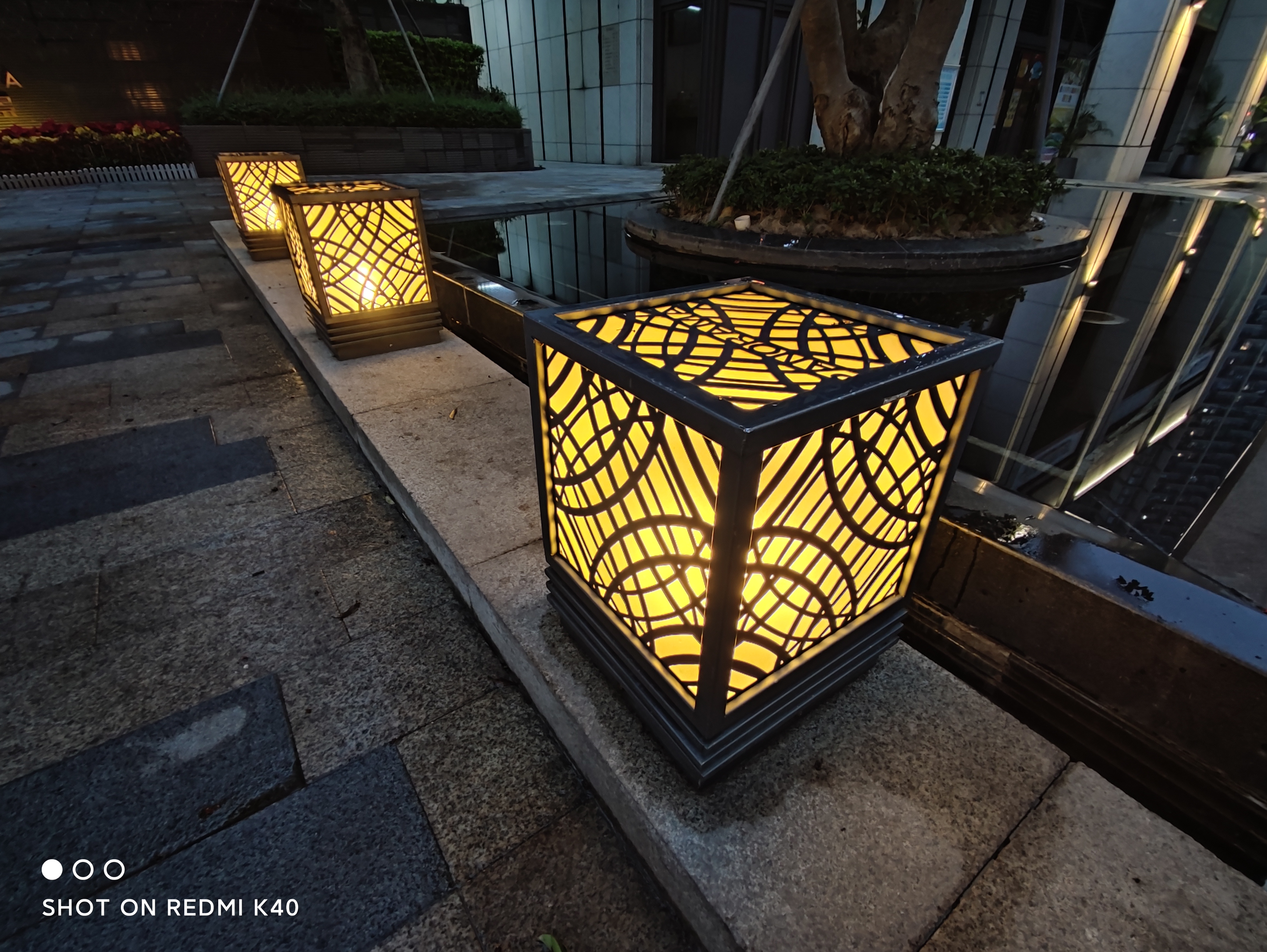
At night the K40’s exposure returns to normal. Although the highlights still spill over, there is much less noise than the edge s with almost the same resolution. There is also more detail in the dark areas than in the Edge S. This was applicable with Night mode on as well. Although the Edge s has improved its exposure in extreme dark lighting conditions, the noise is still not reduced. So the night time camera performance is a small victory for the K40.
Ultra Wide Angle Camera
Redmi K40 Ultra Wide (21)
Redmi K40 Ultra Wide (22)
Redmi K40 Ultra Wide (23)
Redmi K40 Ultra Wide (19)
Redmi K40 Ultra Wide (20)
Redmi K40 Ultra Wide (18)
Redmi K40 Ultra Wide (16)
Redmi K40 Ultra Wide (14)
Redmi K40 Ultra Wide (12)
Redmi K40 Ultra Wide Night 12
Redmi K40 Ultra Wide (4)
Redmi K40 Ultra Wide Night 4
Redmi K40 Ultra Wide (8)
Redmi K40 Ultra Wide Night 8
Redmi K40 Ultra Wide (6)
Redmi K40 Ultra Wide Night 6
Redmi K40 Ultra Wide (2)
Redmi K40 Ultra Wide Night 2
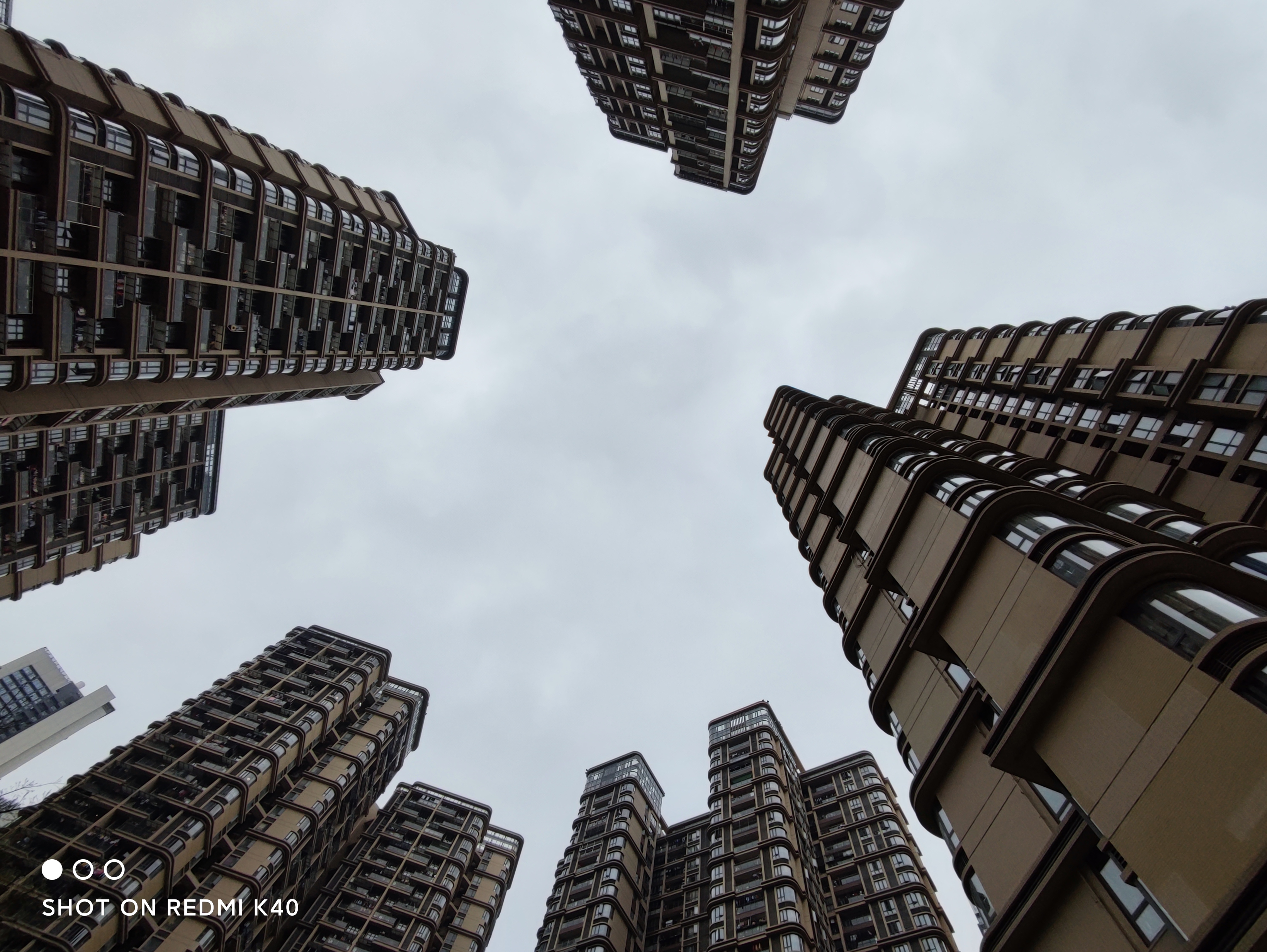
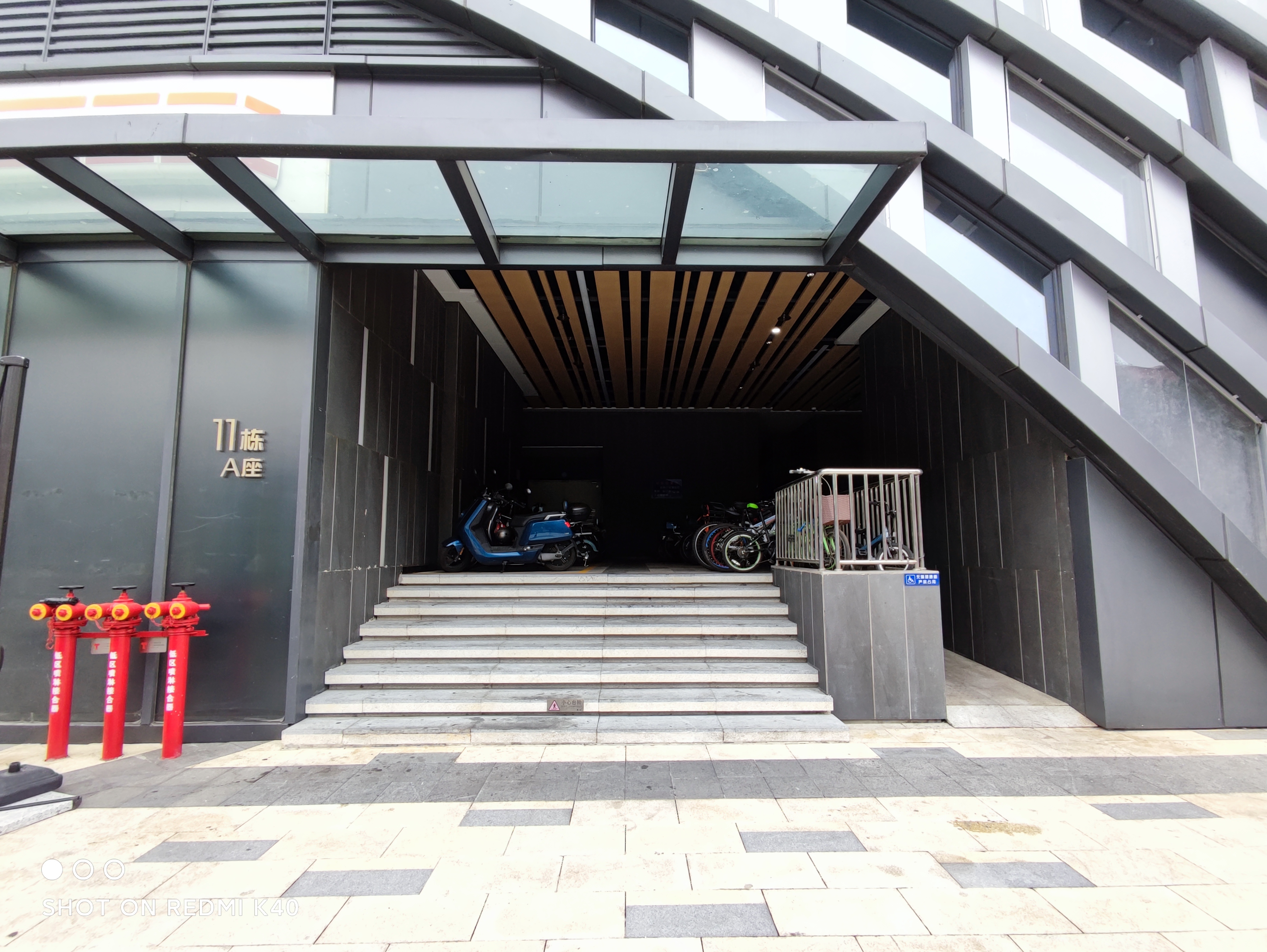
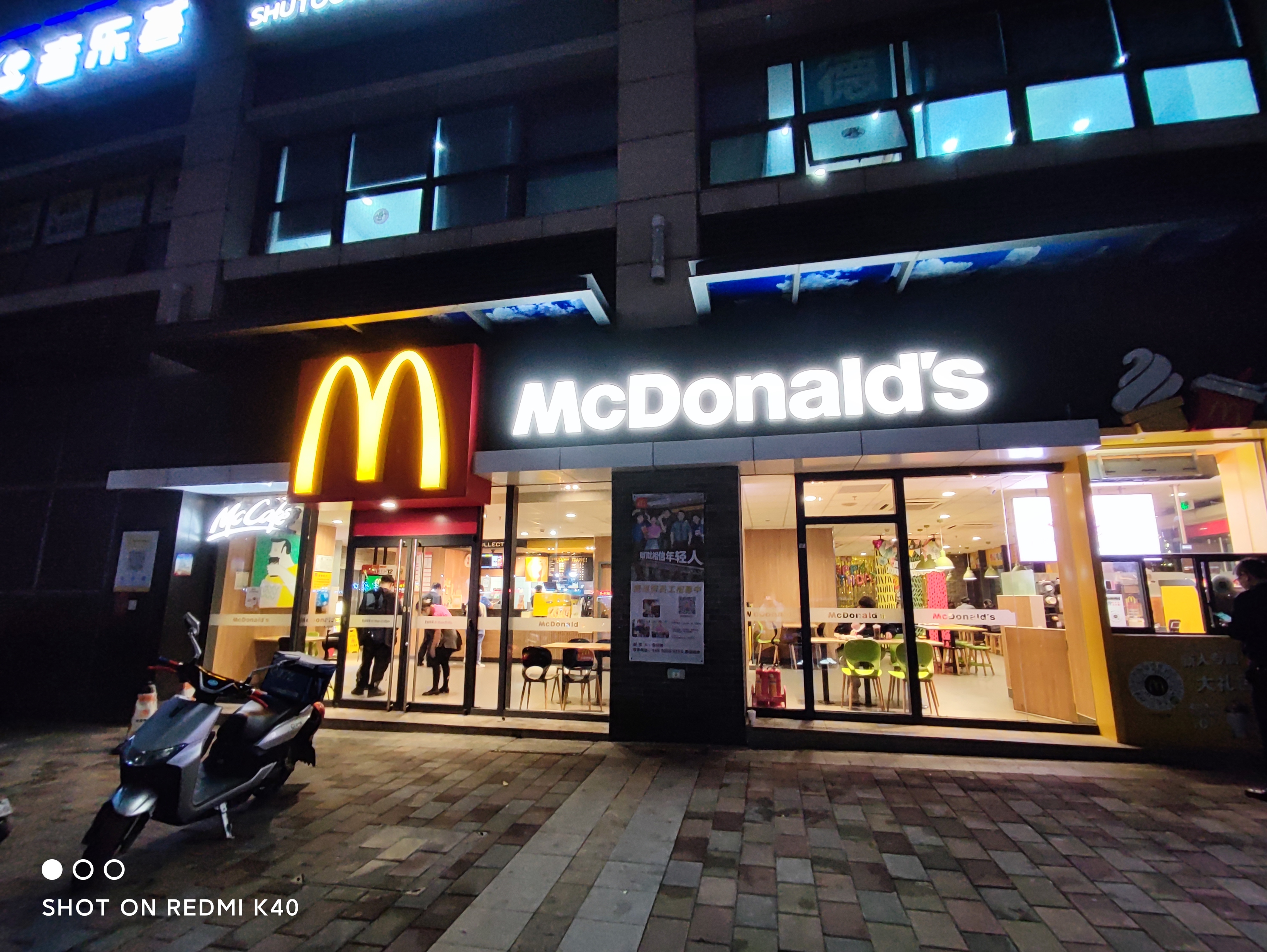
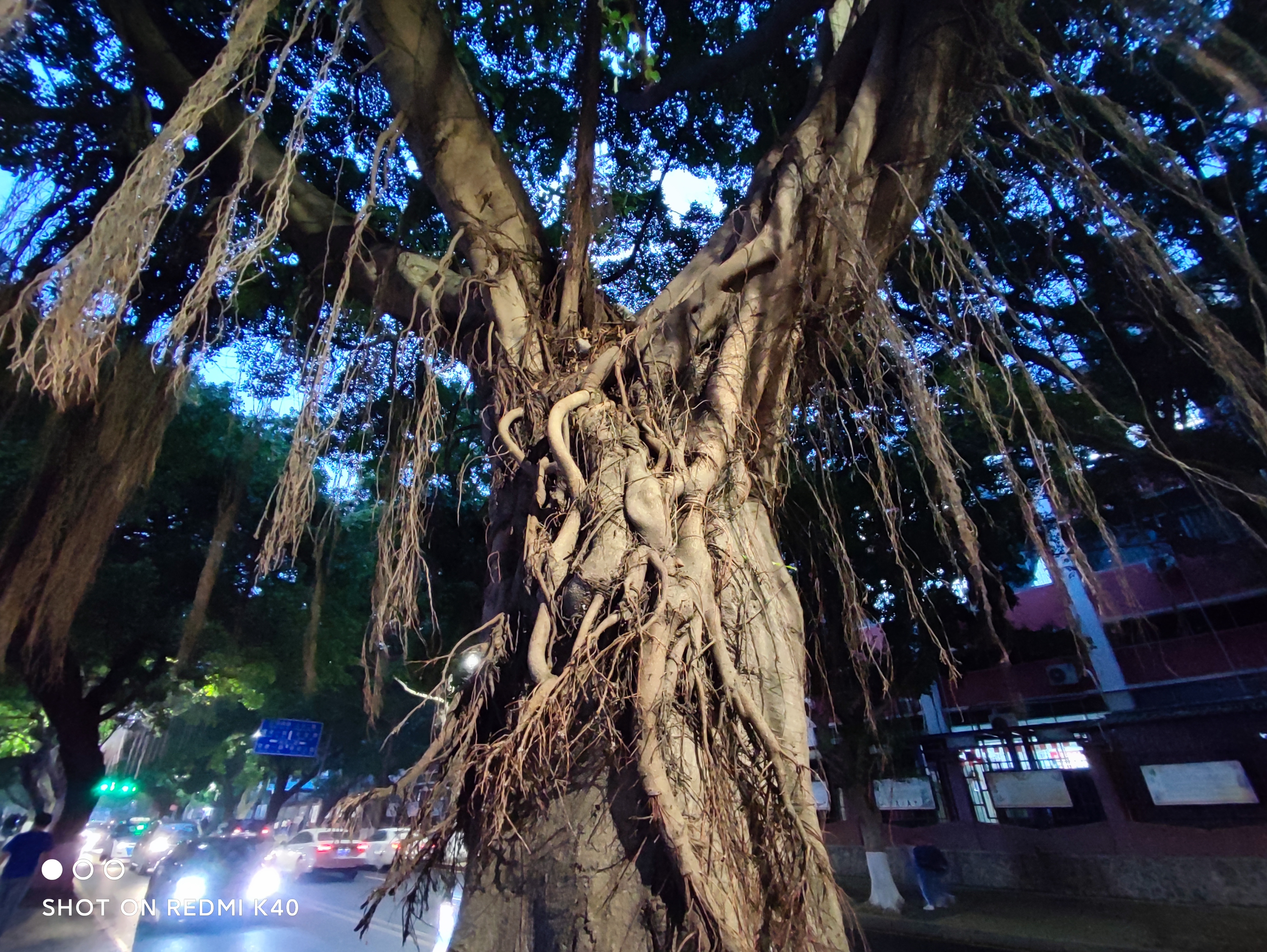
Both phones’ ultra-wide lenses perform the same as the main camera in daylight. The K40 didn’t do well and was defeated in this department. Since the results were the same, I won’t repeat myself. At night the K40 achieves another comeback. It wins across the board, except for the small range of highlight suppression, which sometimes was not good. If you turn on night mode, the gap will widen even more.
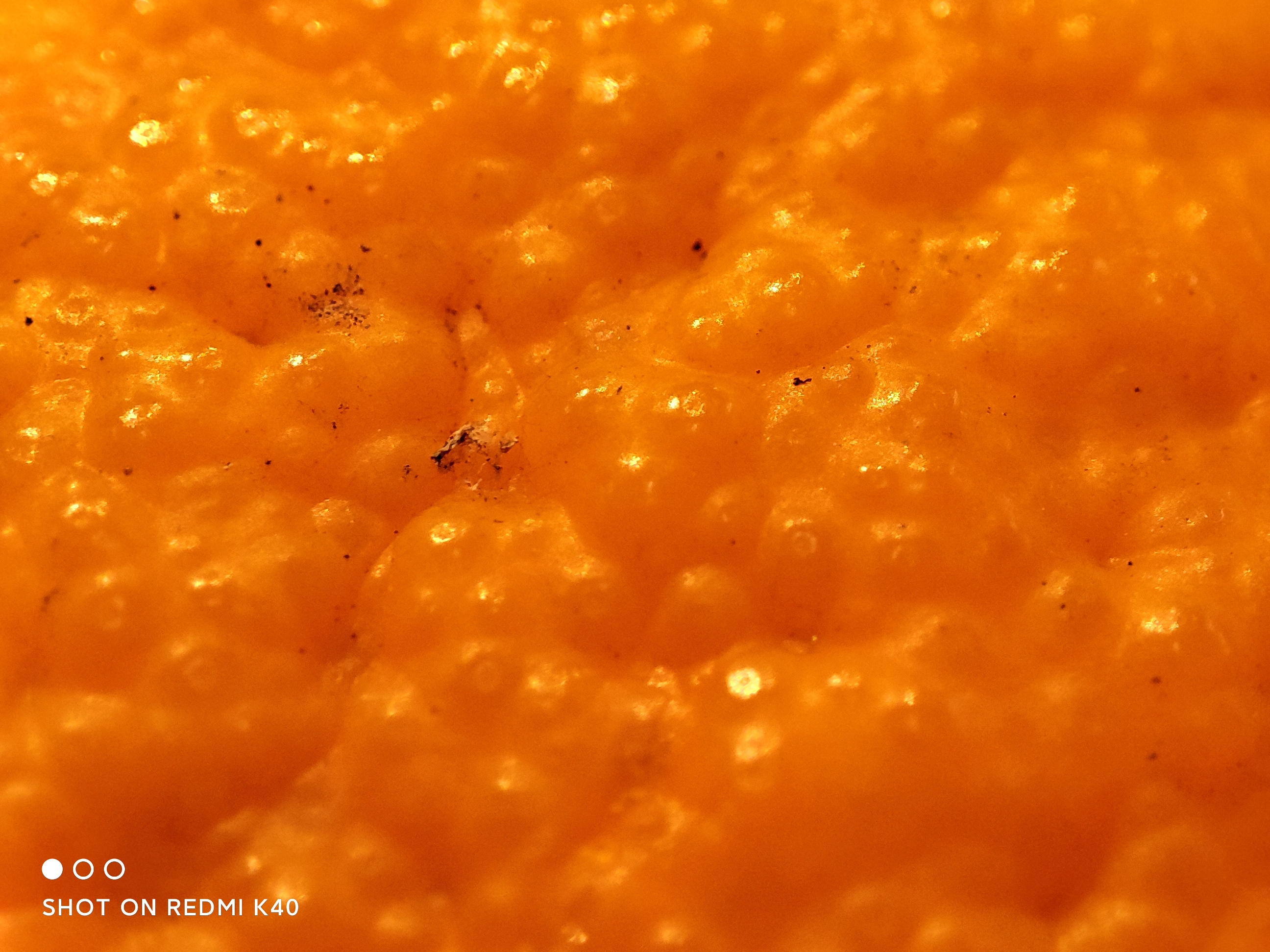
Macro Shooting
Remdi K40 Macro (1)
Remdi K40 Macro (2)
Remdi K40 Macro (3)
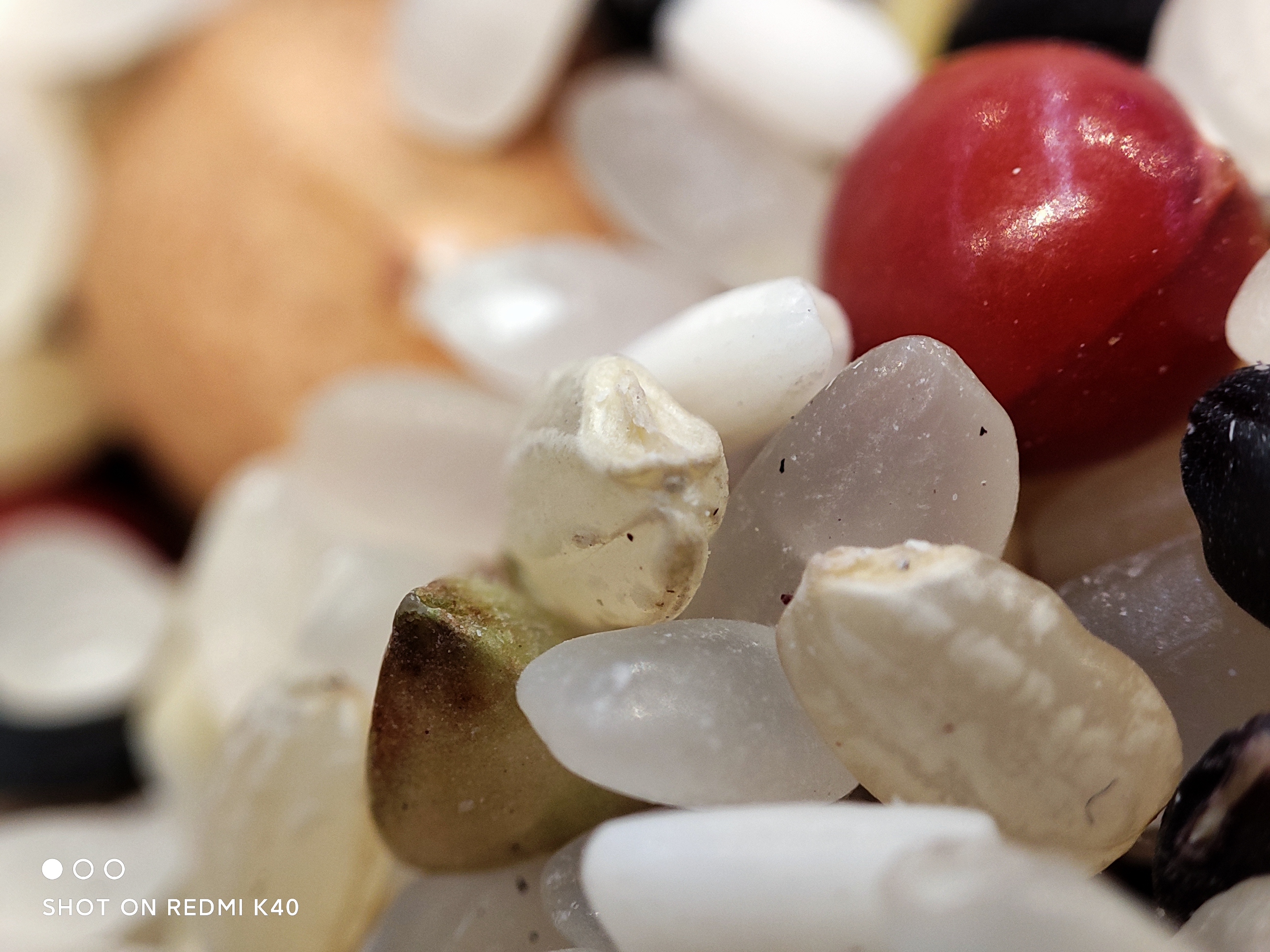
The K40 uses a separate special lens for macro shooting. So the focus distance is much closer than the Edge s. This is why the results are particularly impressive. As for the video, I just want to remind you that the K40 does not have 6K videos on its main camera. 4K only supports 30fps. Both the Edge S and the K40 only support up to 1080p 30fps from its ultra-wide camera.
Redmi K40 Review: Battery Life
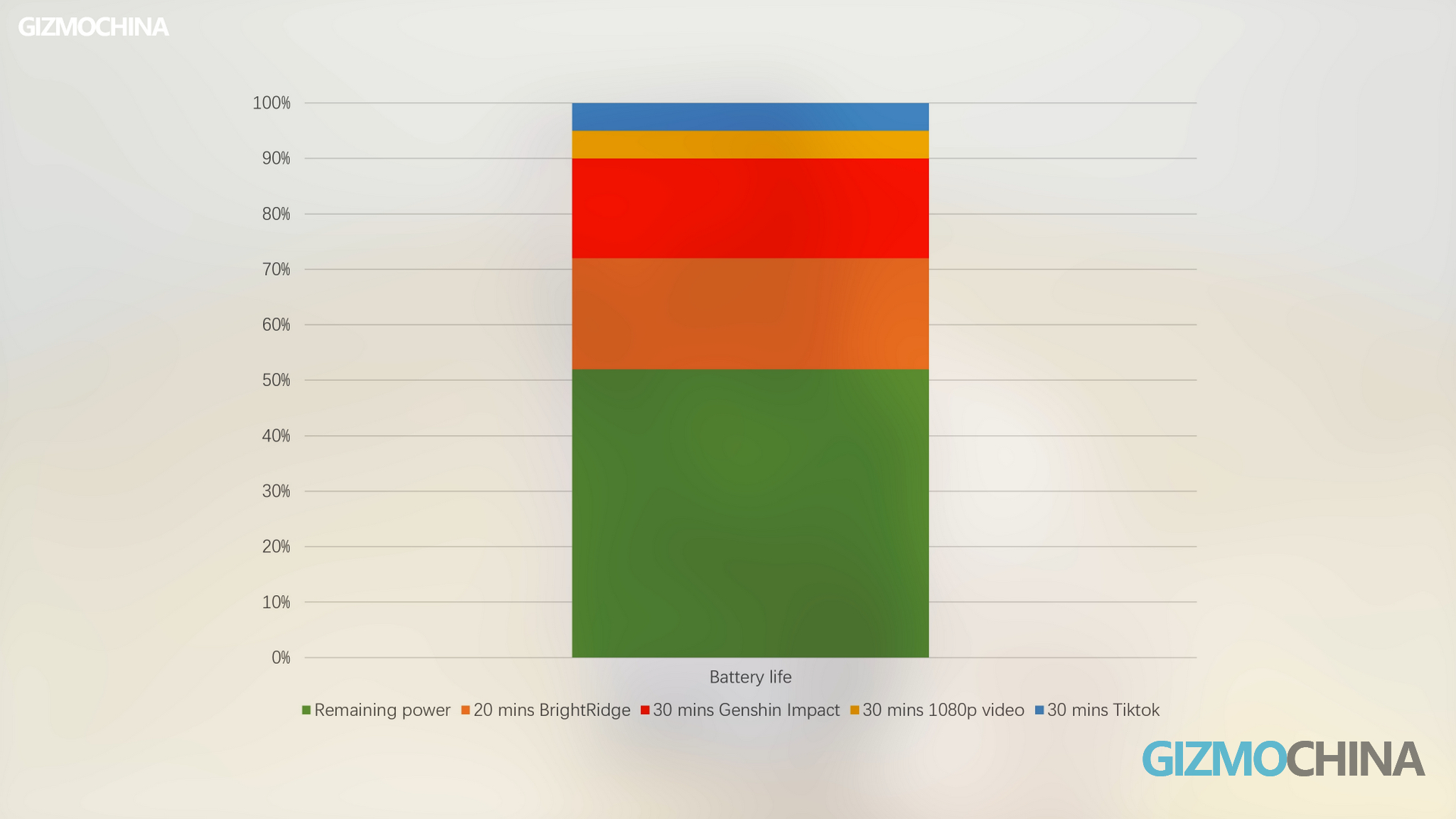
The K40 comes with a 4520mAh battery. After our tests, half an hour of Tiktok and half an hour of 1080p internet video both use only 5% of the power. 30 minutes on the Genshin Impact consumes 18%. 20 minutes on the BrightRidge consumes 20%. This battery optimization is still good.
Redmi k40 Charging Speed
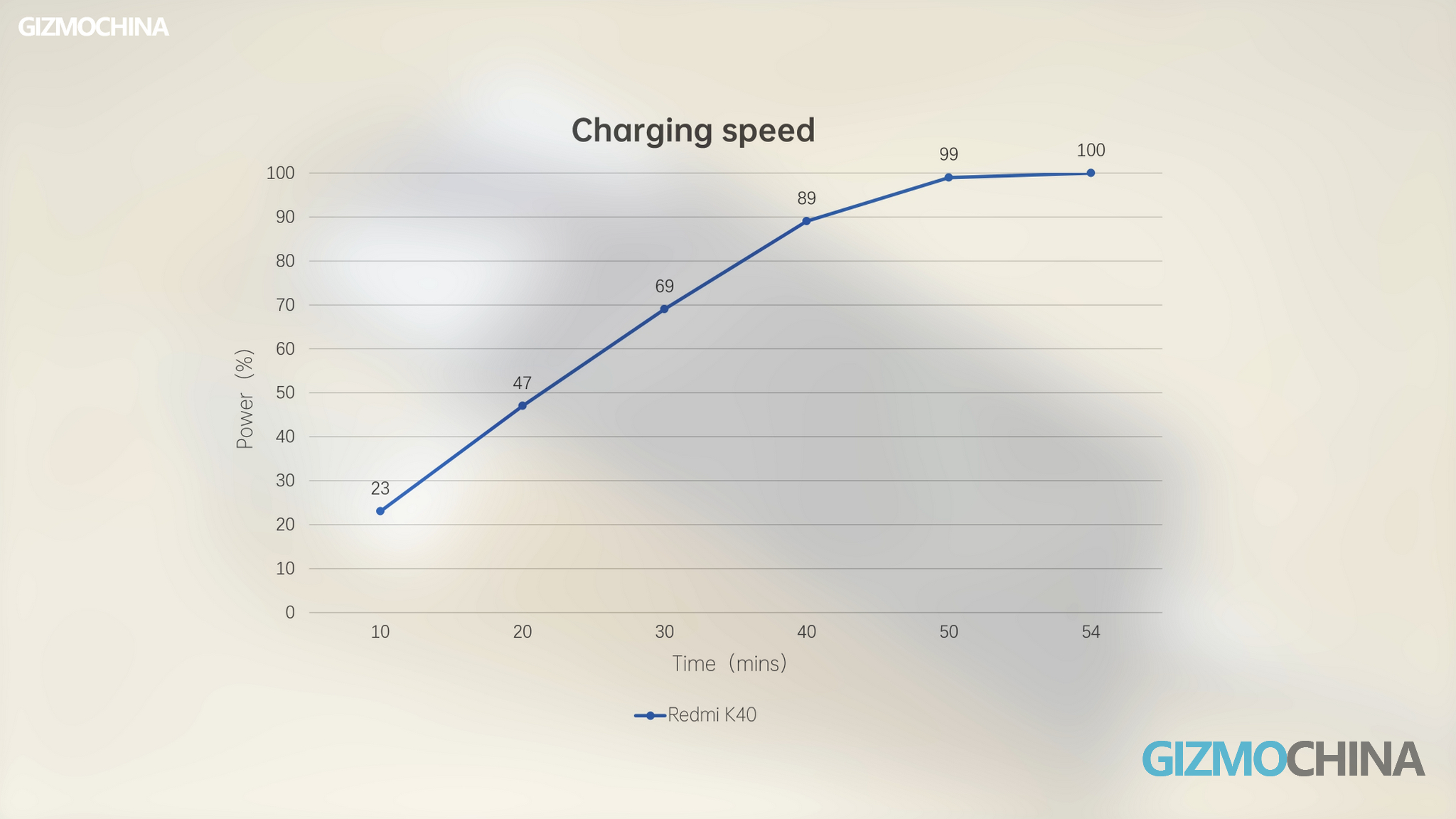
Although the K40 is still using 33w of charging, they’ve optimized it a lot this time. It charges to 69% in half an hour and can be fully charged in 54 minutes. So this is faster than many other brands’ 40w charging. So you don’t have to worry at all that the 33w of the k40 is not enough.
Redmi k40 Battery Life
Redmi K40 Review: Conclusion
To conclude, if you’re looking for a phone with high performance, low heating, and not so demanding camera, the K40 is perfectly suited for you. There are even a few surprises, such as the excellent E4 screen and the sophisticated design. Given its drawbacks, it’s not the best phone but it will be the most comfortable phone you can buy in this price range, at least for now.
There have been a lot of new phones recently, so the competition will definitely get tougher in the coming months.
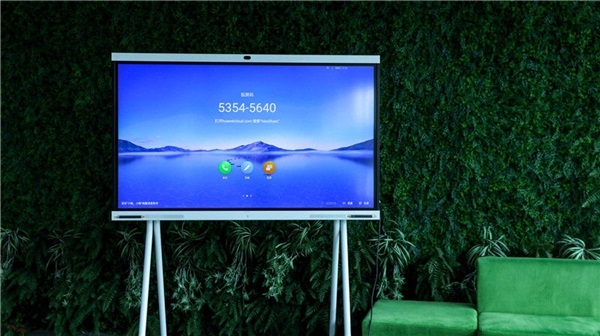
Earlier today (9th March 2021), a new leak suggested a few features of the upcoming smart screen from Huawei. The new device will apparently feature a 4K resolution on its display along with support for touch inputs.
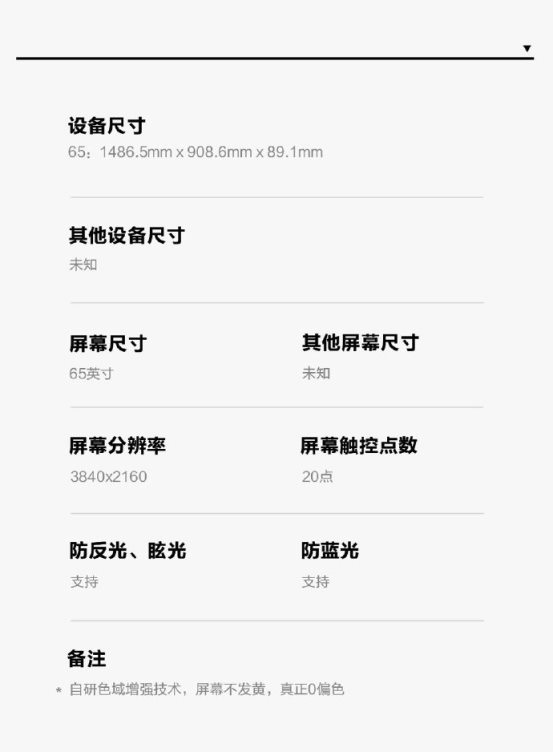
In a recent Weibo post, a Chinese microblogging website, from @数码闲聊站 (a known tipster), shared a screenshot of the smart screen’s specifications. Looking at this image, it can be observed that the smart screen from the Chinese tech giant will feature a resolution of 3840 x 2160px. Furthermore, the display will also support multi touch up to 20 points on the screen, which also features anti reflective, anti glare, and blue light filter along with “self developed” color gamut enhancement technology as well.
Keep in mind, this is a product designed for homes, as a part of the smart home ecosystem. So it would seem odd offering a TV a 20 point touch support. In other words, the smart screen can also be used in enterprises or the education market, where the touch input would be useful for PPT presentations, speeches, or offline education as well.
Earlier this month, it was reported that the company is working on a new smart screen that will launch on 25th March 2021. So, the rumored smart screen could be the same product, which will launch later this month. Unfortunately, the consumer electronics maker has yet to make any official announcement regarding this product. So stay tuned as we will be providing updates when additional information is available regarding the upcoming product.
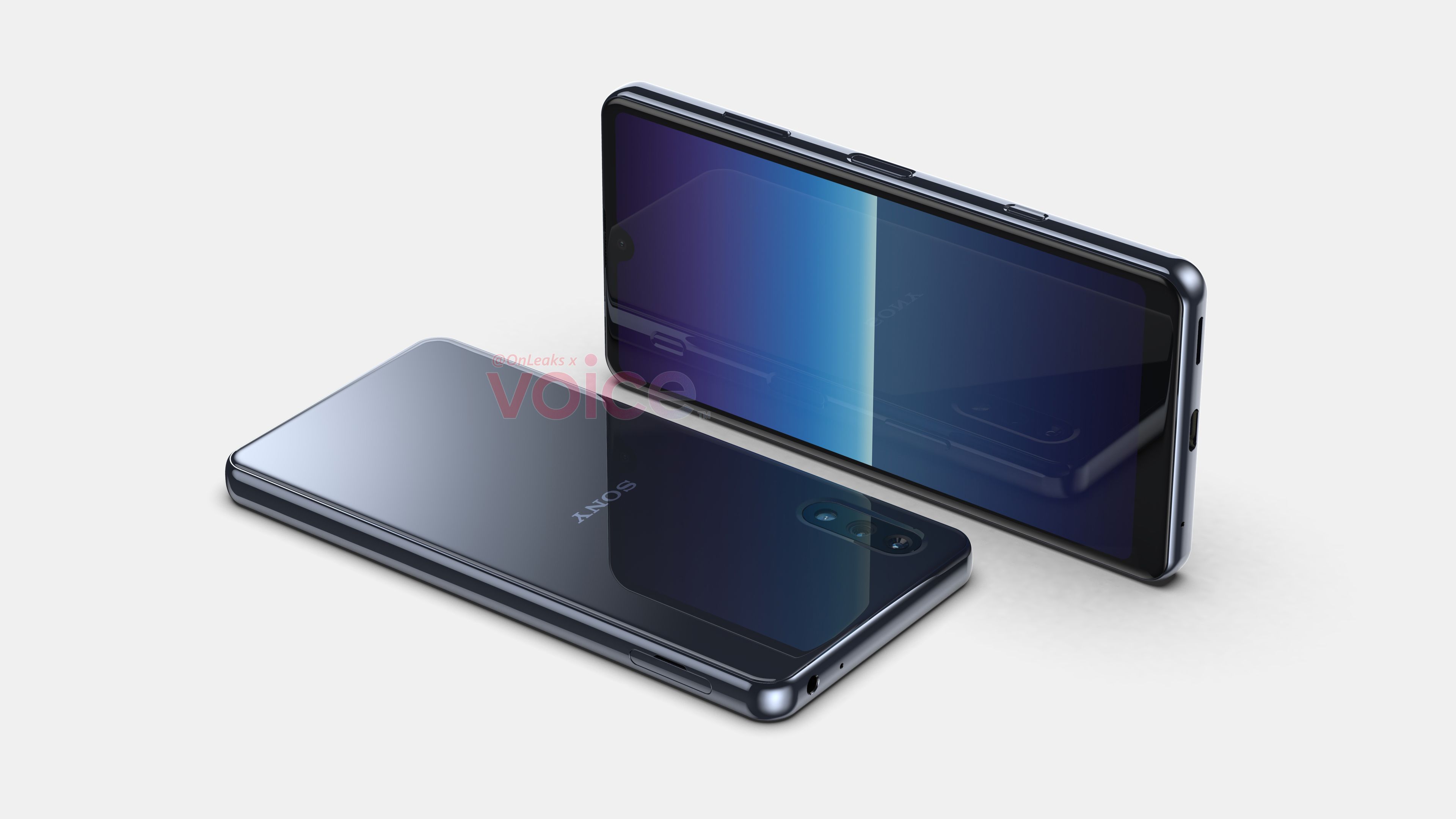
Sony was expected to announce three phones in February such as Xperia 1 III flagship, Xperia 10 III midranger, and Xperia L5 budget handset. In January, reliable tipster Steve Hemmerstoffer (also known as OnLeaks) had shared the CAD renders of another Xperia phone. At that time, it was dubbed the 2021 Xperia Compact. Fresh information shared by Android Nextreveals that it will be launching as the Xperia Ace 2 in Japan. This device is expected to arrive as the successor to the Xperia Ace that debuted back in May 2019.
According to the publication that cites information fond on Weibo, the Xperia Ace 2 would be available only through Docomo operator. Hence, it is expected to see a limited release in the country. Just as the Xperia Ace was available only in Japan, the Xperia Ace 2 is unlikely to sell in markets outside the home market.
The Xperia Ace 2 will be a compact-sized smartphone that may feature a 5.5-inch. The CAD renders of the phone had revealed that it has a waterdrop notch display and a sizable chin. The back panel of the smartphone has a vertical camera module that has two cameras and an LED flash.
The Xperia Ace 2 has a side-facing fingerprint scanner. Apart from the volume rocker and a side-mounted fingerprint scanner, the right edge of the phone has another button. The latter could be a dedicated button for accessing a voice assistant. It also features a USB-C port and a 3.5mm audio jack.
The publication states that the Xperia Ace 2 is a 5G device powered by the Snapdragon 690 chipset. Information that appeared in January revealed that it may feature an 8-megapixel selfie camera and a 13-megapixel rear camera.
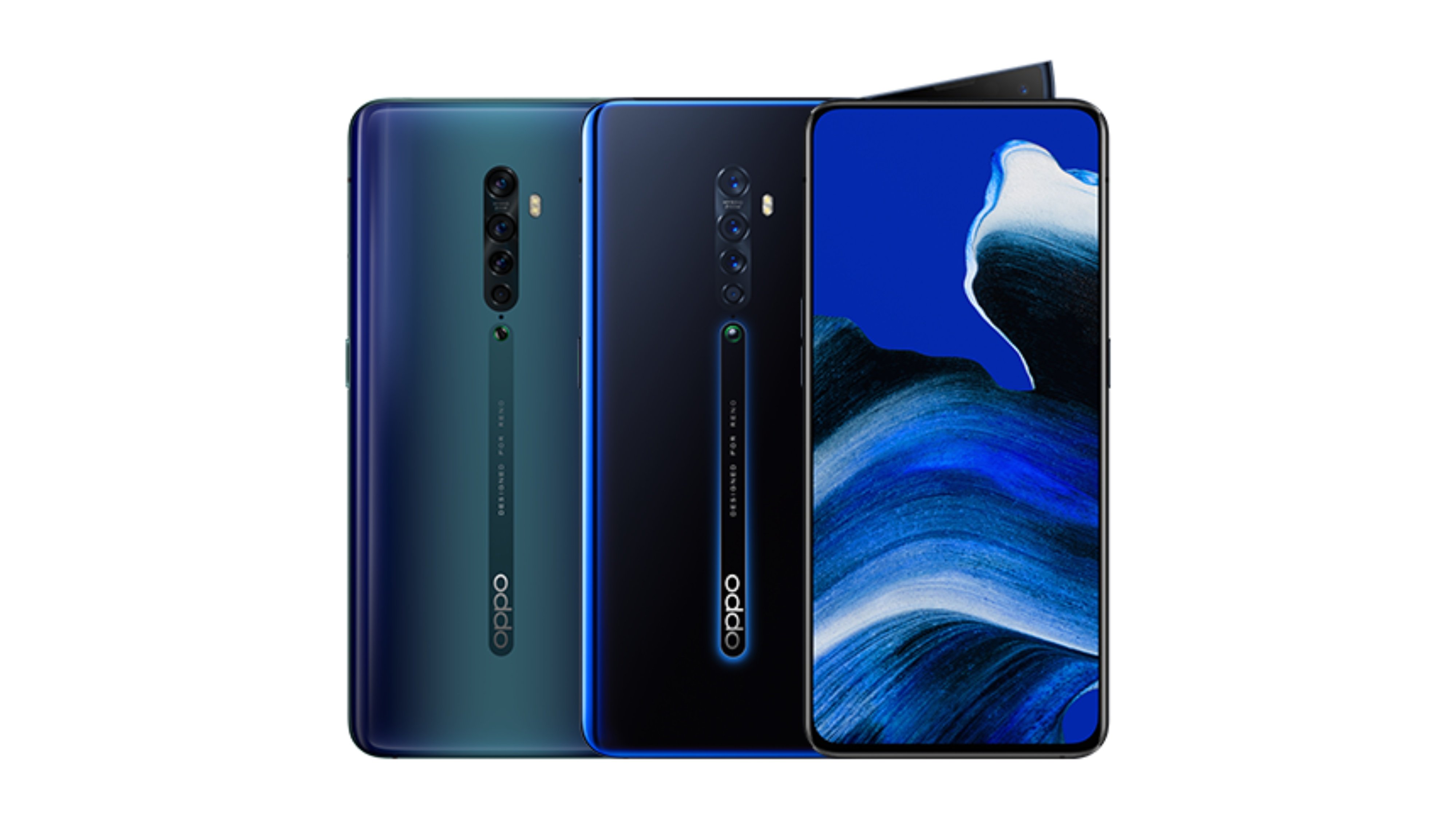
Last week, OPPO revealed the ColorOS 11 update plan for the month of March. According to that, the Chinese smartphone maker is supposed to open beta registrations for the OPPO Reno2 for India tomorrow (March 10). However, the company has started recruiting testers a day earlier today (March 9) for not only India but also Malaysia as well.
OPPO launched the OPPO Reno2 smartphone in the second half of 2019. The device debuted with ColorOS 6.1 based on Android 9.0 Pie. It was later updated to Android 10-based ColorOS 7. And now, the company has begun to recruit testers for ColorOS 11 (Android 11) beta for this handset.
Right now, the Android 11 beta program for the OPPO Reno2 is only live in India and Malaysia. In order to participate, interested users need to be on firmware version C.45. If they are, they can head over to Settings > Software Update > Gear Icon > Apply for Beta Version > Update Beta Version and follow the on-screen instructions.
That said, it is worth noting that the company will be only recruiting a handful of users. So if you are interested, make sure to enroll in the program as soon as possible. However, the announcement post does say that there will be more batches down the link.
Anyway, selected users will start receiving ColorOS 11 beta build via OTA within a week. Lastly, the stable update should be available for the regular public in a month or two.
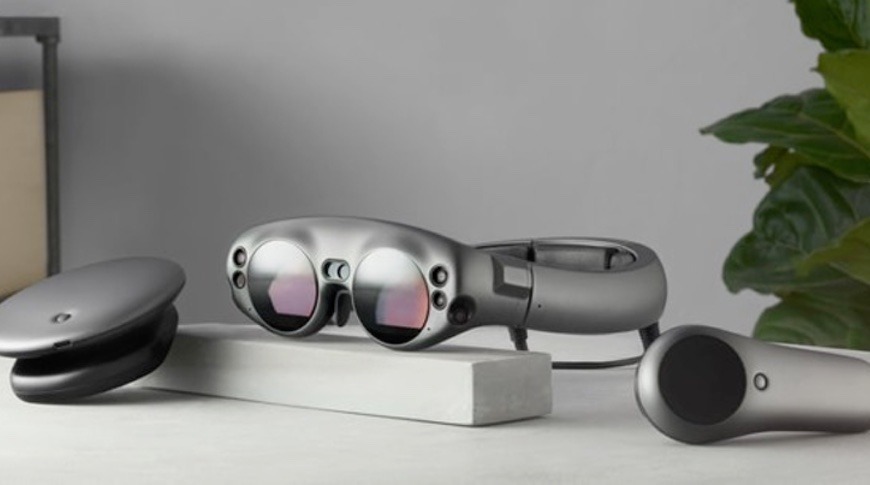
The highly anticipated Apple AR headset has been hinted at again, with the latest report arriving from known analyst Ming-Chi Kuo. The upcoming headset will apparently offer a wide range of advanced AR (Augmented Reality) experiences.
As per the note from Kuo (Via AppleInsider), the Cupertino based giant will integrate a total of 15 image sensors in the AR headset, which is also rumored to launch in 2022. At the moment, the current generation of VR headsets typically features anywhere between two and five cameras for interacting with its surrounding environment or performing image pass through operations. Eight of the camera modules will be supplied primarily by Largan.
These sensors will be placed around the headset to facilitate a pass through VR experience. In simpler terms, the technology will allow users to “see through” the enclosed device by feeding exterior images onto the display on the inside of the headset. It is reported that the Apple AR headset will feature high resolution MicroLED display panels. Furthermore, the company is expected to bring “innovative biometrics” that will work through six additional modules.
Unfortunately, it is unknown if this biometric system is similar to the Face ID, capturing facial data, or other forms of authentication related to facial features and their movement. Interestingly, this feature might also have other applications in VR as well. The final camera module will be installed for environmental detection. As per Kuo, the first iteration of the rumored headset will launch sometime next year and will feature a new processor and an onboard storage. This would make it portable and capable of working independently from iPhones or Macs.
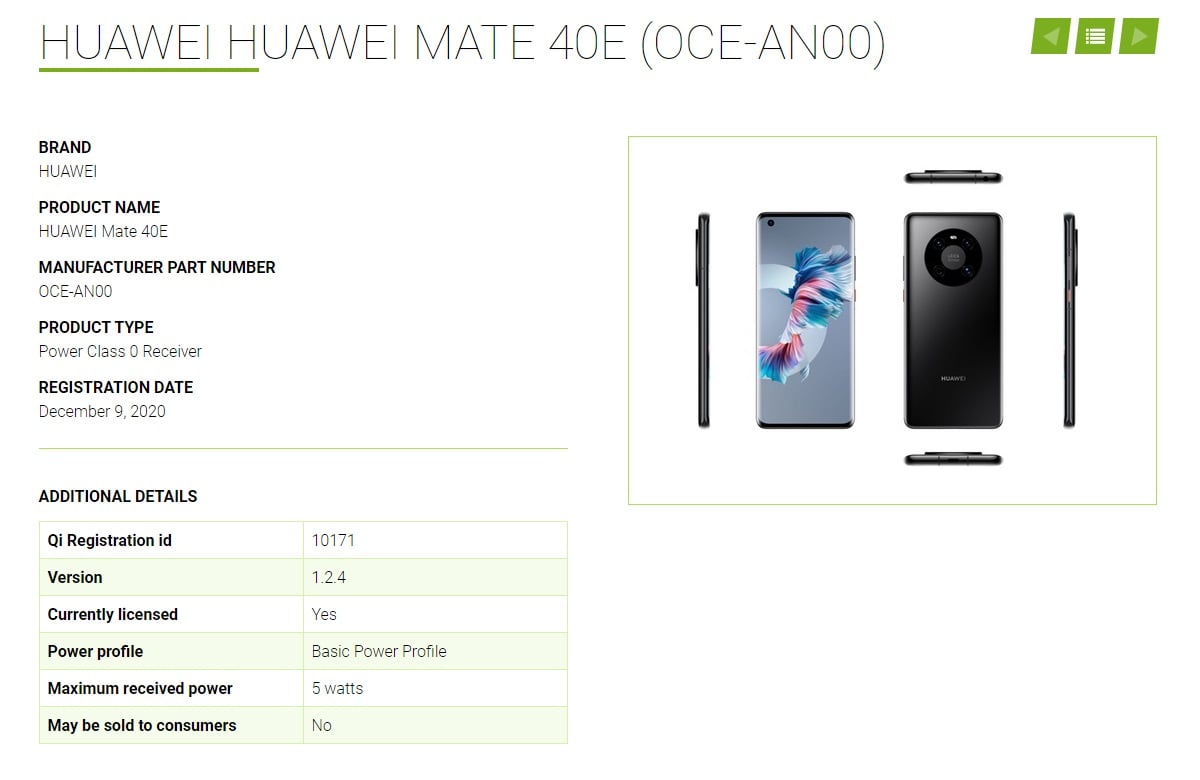
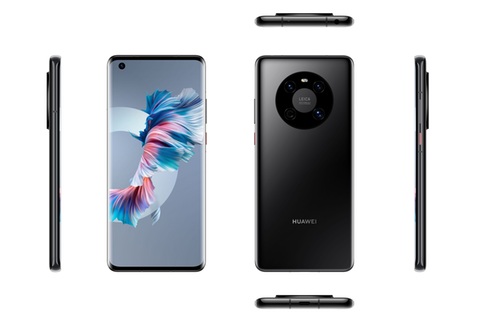
The Huawei Mate 40E is expected to launch soon, after a reservation listing was spotted on Tmall before being taken down by the compny. The new device was seen on the popular Chinese website with its model number, OCE-AN00.
The Mate 40E from the Chinese tech giant was recently spotted passing certification with the Wireless Power Consortium. It is set to arrive with a 6.5 inch OLED display with a resolution of 2376 x 1080px. Under the hood, the HiSilicon 990E 5G chipset will run the new device, which will reach clock speeds of up to 2.86GHz. Notably, the ‘E’ in the smartphone’s name is likely to highlight the Kirin 990E processor.
In terms of other specifications, the smartphone was expected to launch with a 50 megapixel Sony IMX700 sensor, but will now reportedly arrive with a 64 megapixel OmniVision OV64A sensor. This sensor features a 1/1.34-inch outsole, a single pixel size of 1um, support for four in one pixel binning up to 2um. Unfortunately, finer details regarding the device are currently unknown.
The company might be planning an imminent launch of the Mate 40E, especially considering that it had been listed on the Tmall store. However, the company was quick to remove the listing, but the name of the device was confirmed, as per a TechSina report. In other words, we can expect an approaching launch date. So stay tuned for more, as we will be providing updates when additional information is available.
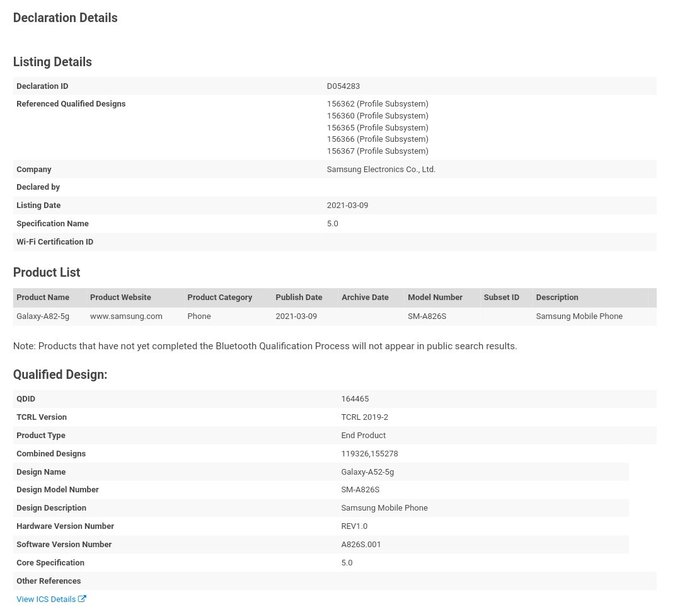
Samsung is reportedly working on a new A-series smartphone called the Galaxy A82. Last week, the handset was spotted at the Geekbench’s database. Now, the handset has received approval from the Bluetooth SIG authority (via).
The Bluetooth SIG listing states that the Galaxy A82 5G moniker is associated with model number SM-826S. The same variant was spotted at Geekbench in the previous week. The Bluetooth certification reveals that the handset supports Bluetooth 5.0 with LE (Low Energy). No other specifications can be found mentioned in the listing.
The Galaxy A82’s Geekbench appearance revealed that it could be powered by the Snapdragon 855 or Snapdragon 855+ chipset that fueled flagship phones back in 2019. The listing also revealed that the phone has 4 GB of RAM and Android 11 OS. Devices are known for going official around a month after appearing at Bluetooth SIG. Hence, there is a possibility that the Galaxy A82 may go official at some points in the coming month.
The Galaxy A82 will be succeeding the Snapdragon 730G powered Galaxy A80 handset that debuted back in April 2019. While the SD855/855+ chip is old, it is certainly an upgrade as compared to the predecessor model. The major attraction of the A80 was that it sported a notch-less screen and a swivel rear camera module. It remains to be seen whether the Galaxy A82 continues to sport the same design.
The Galaxy A80 came with specs like a 6.7-inch S-AMOLED FHD+ display, an in-screen fingerprint reader, a 3,700mAh battery with 25W fast charging support, 8 GB of RAM, 128 GB of built-in storage, and a rear camera system featuring a 48-megapixel main camera, an 8-megapixel ultrawide lens, and a TOF 3D lens.
We use cookies on our website to give you the most relevant experience by remembering your preferences and repeat visits. By clicking “Accept”, you consent to the use of ALL the cookies.
This website uses cookies to improve your experience while you navigate through the website. Out of these, the cookies that are categorized as necessary are stored on your browser as they are essential for the working of basic functionalities of the website. We also use third-party cookies that help us analyze and understand how you use this website. These cookies will be stored in your browser only with your consent. You also have the option to opt-out of these cookies. But opting out of some of these cookies may affect your browsing experience.
Necessary cookies are absolutely essential for the website to function properly. This category only includes cookies that ensures basic functionalities and security features of the website. These cookies do not store any personal information.
Any cookies that may not be particularly necessary for the website to function and is used specifically to collect user personal data via analytics, ads, other embedded contents are termed as non-necessary cookies. It is mandatory to procure user consent prior to running these cookies on your website.