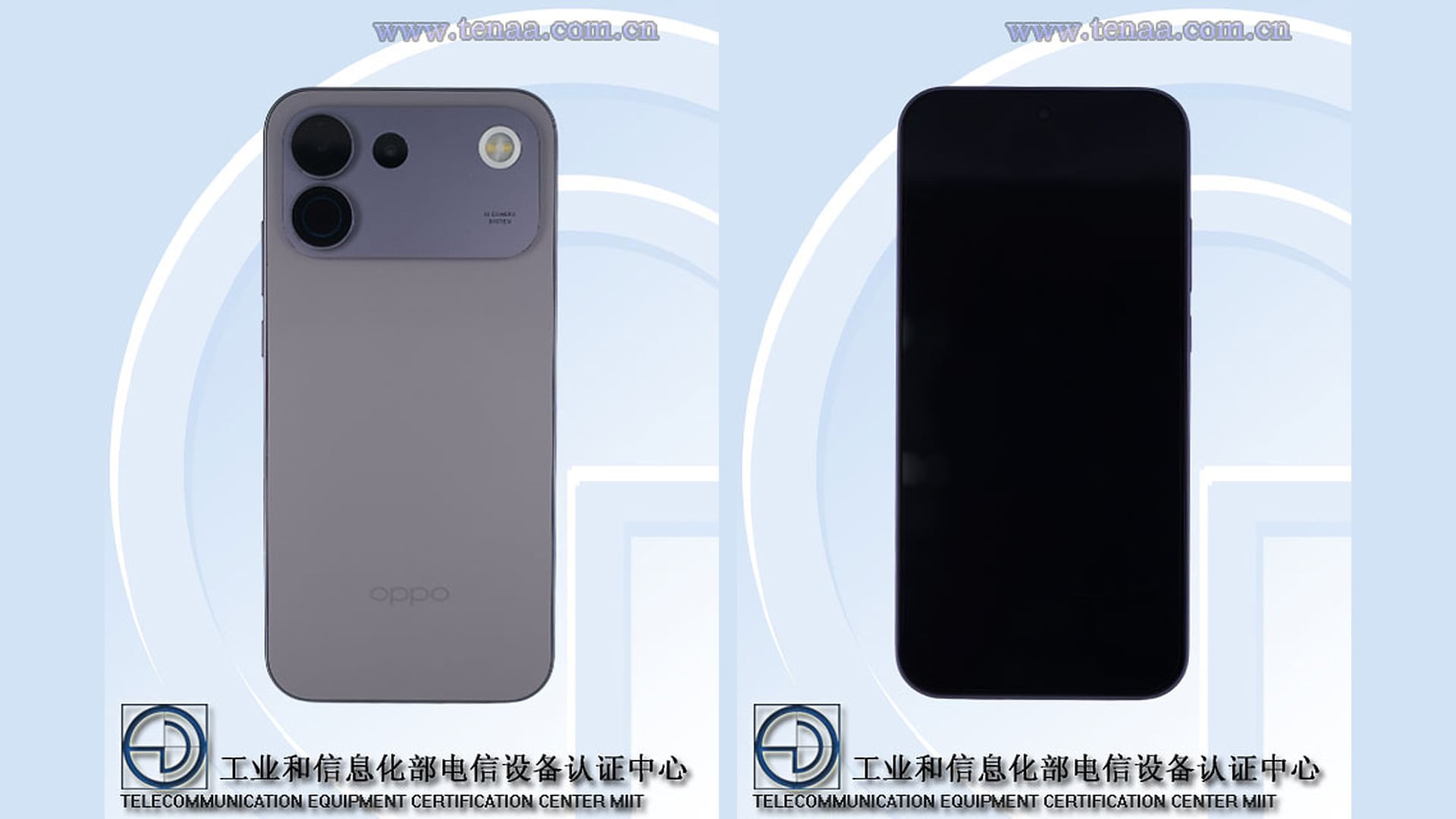
Official photos of an unannounced Oppo phone, listed as the PNC110, have been added to its MIIT network access license in China. This is the first official look at a purple 5G model, although Oppo has not confirmed a marketing name, price, or launch date.
Oppo PNC110 design revealed in official images
Oppo PNC110
According to AndroidTreasure, four new photos of the upcoming PNC110 Oppo have emerged in CMIIT’s database. On the back, the PNC110 uses a purple finish and a pill-shaped camera island with two lenses, a flash, and “AI CAMERA SYSTEM” printed on the module. The Oppo logo is placed low on the rear panel.
The set also includes two side views. One is a straight edge-on shot, and the other shows the volume rocker, the power button, and the raised camera module. The front is a flat screen with a punch-hole selfie camera in the center.
Oppo already has a large-battery phone in this segment. The Oppo A7 Pro Max launched in China in August with a 10,000mAh battery and later went on sale outside China. The PNC110 could be a bigger follow-up, with reports putting the rated capacity at about 11,460mAh to 11,640mAh.
Those two rated figures do not match, so the exact number is still unclear. The typical capacity is likely to be marketed at around 12,000mAh, which would make this Oppo’s largest phone battery to date. That would top the A7 Pro Max, but the company has not confirmed the figure.
The PNC110 is possibly an affordable A-series model, and it may land in the A7 family, though that remains unconfirmed. The license describes a 5G phone with dual-SIM support. Oppo has not released the chipset, display, charging speed, or software.
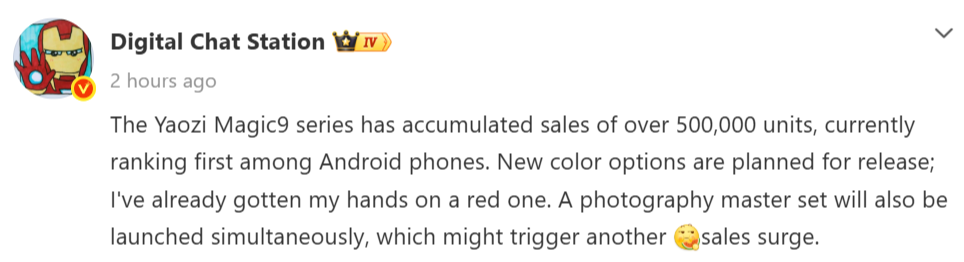
A new red color is coming to the Honor Magic 9 series, according to tipster Digital Chat Station, and a photography master kit is set to launch at the same time. DCS says a red unit is already in hand. The tip comes weeks after the China launch.
Honor Magic 9 red color and photography kit details
Honor Magic 9
In a Weibo post, DCS said new color options are planned for release. The leak does not name which of the three phones will get the red finish, or how many other new colors are coming. None of the launch shades is red.
DCS also claims the series has passed 500,000 units in sales and ranks first among Android phones, a figure Honor has not confirmed. Honor said in late October that the lineup had led 2026 Android flagships through week 42.
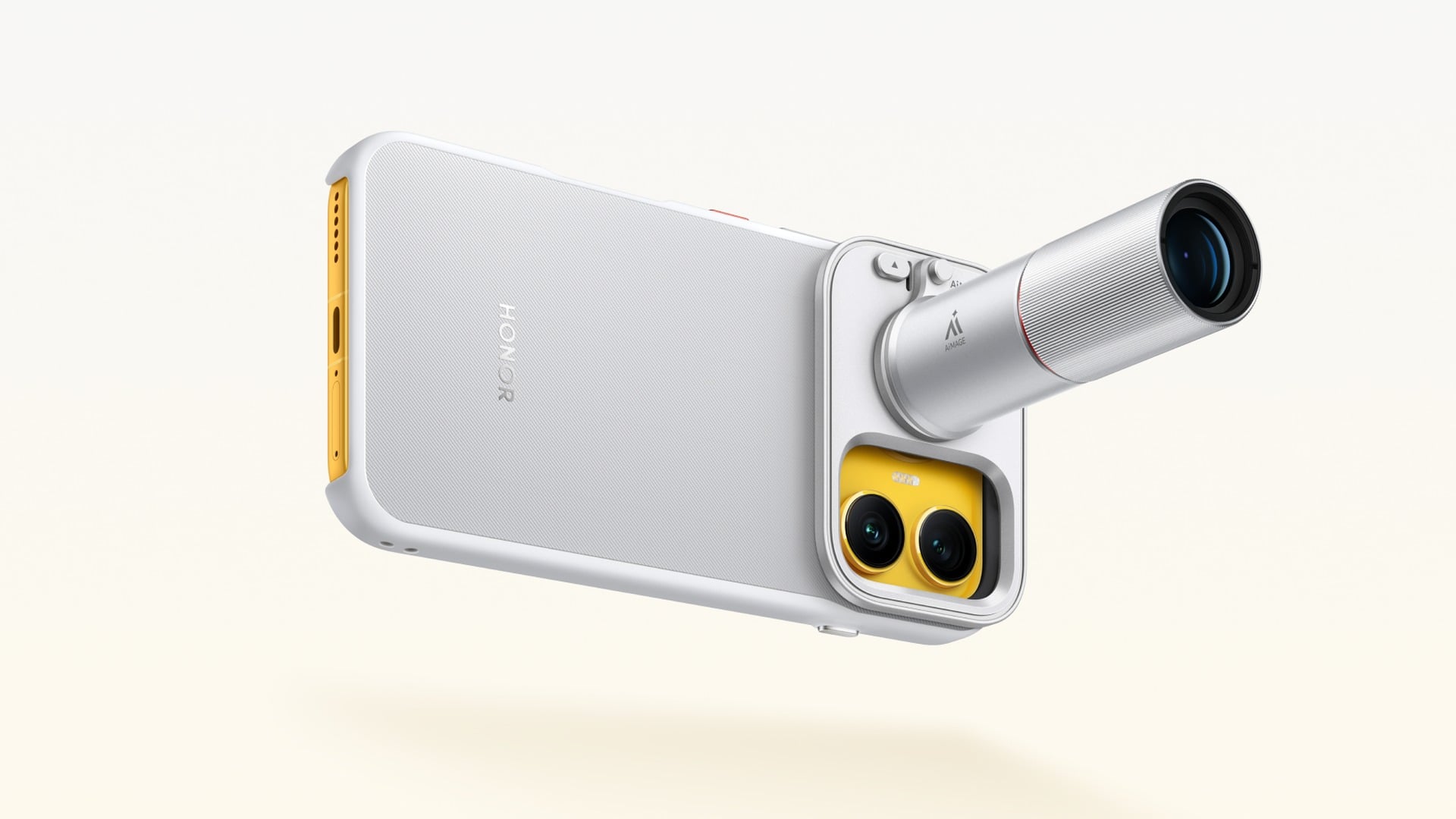
A photography master set will launch with the new colors, DCS added, and could trigger another sales surge. Honor already sells a photography master kit for the Magic 9 Pro Max at 10,999 yuan (~$1,645), plus the G200 and G500 teleconverters. DCS did not say what the new set includes.
Honor Magic 9 series specifications recap
Honor Magic 9
Honor launched the three phones in Beijing on September 28, with the Magic 9 from 4,999 yuan (~$747), the Magic 9 Pro Max from 6,499 yuan (~$972), and the Magic 9 Super Edition from 4,499 yuan (~$673). The Magic 9 and Super Edition arrived in Popcorn Yellow, Opening White, Curtain Black, and Olive Green, and the Pro Max in Moss Green, Shadow Black, and Glacier Silver.
The Magic 9 and Pro Max share dual 200MP ARRI main and telephoto cameras, a 50MP ultrawide, and a 55MP square selfie camera. The Magic 9 has a 6.37-inch display and an 8,000mAh battery, while the Pro Max uses a 6.8-inch panel, an 8,800mAh cell, and a 2nm Snapdragon 8 Elite Extreme Gen 6 chip.
The Super Edition is built around an 11,000mAh battery and a 6.81-inch display, with a 200MP main camera, a 50MP telephoto, and a 12MP ultrawide. All three run MagicOS 11.
Would a red Honor Magic 9 and a new photography master kit tempt you, or are you happy with the current colors? Let us know in the comments below.
Dyson has launched the Hot+Cool HF1 Remote Link Pre-heat in India, a bladeless heater and cooling fan for year-round use. It is priced at Rs 38,900 (~$414) and is already in stock on Dyson’s official India store. The HF1 can pre-heat a room from 12 to 32°C through the MyDyson app before you get home.
Dyson Hot+Cool HF1 specifications and features
Dyson Hot+Cool HF1
Dyson calls the HF1 its quietest and most powerful heater and cooling fan. Ceramic heater plates and Air Multiplier projection warm a whole room 20% faster than the previous AM09, and can raise the temperature by one degree in as little as 100 seconds. It also amplifies surrounding air up to eight times and delivers over 200 liters of airflow per second.
It is up to 25% quieter than the AM09 at full power, and Sleep mode drops to 26dB with a dimmed display, up to 80% quieter than the maximum fan speed. An intelligent thermostat only heats when needed, making the HF1 up to 30% more energy efficient than a heater without thermostat control.
There are no exposed heater elements or spinning blades, and it shuts off automatically if tipped over. A child lock can disable the controls, oscillation runs from 15 to 70 degrees, and the loop can be tilted by hand.
The MyDyson app handles pre-heat, airflow, temperature, and a seven-day heating schedule, with voice control through Siri, Alexa, and Google Home. A magnetized remote is included, and the tower stands 585mm tall and weighs 2.59kg.
Dyson Hot+Cool HF1 price and availability
Dyson Hot+Cool HF1
The HF1 is sold at Rs 38,900 (~$414), inclusive of taxes, in a White/Silver finish on Dyson.in. Buyers can pay Rs 1,621 a month with 24 months of no-cost EMI, and the machine carries a two-year guarantee.
Dyson is also selling the HF1 through its Demo stores in India. The official listing identifies the model as the AM15, first launched in China last year, and a Cool tower fan arrives alongside it at Rs 27,900 (~$297).
Would you pay Rs 38,900 for a bladeless heater fan with app pre-heat, or would you rather pick a cheaper standalone heater? Let us know in the comments below.
Reliable tipster Digital Chat Station has shared new details on a next-generation sub-brand flagship now being discussed as the purported Redmi K100 Ultra. The tipster did not name the model, and the notes come from an engineering sample still in testing. Redmi has not confirmed the phone or any of the claims.
Redmi K100 Ultra battery and charging details
Redmi K100 Ultra
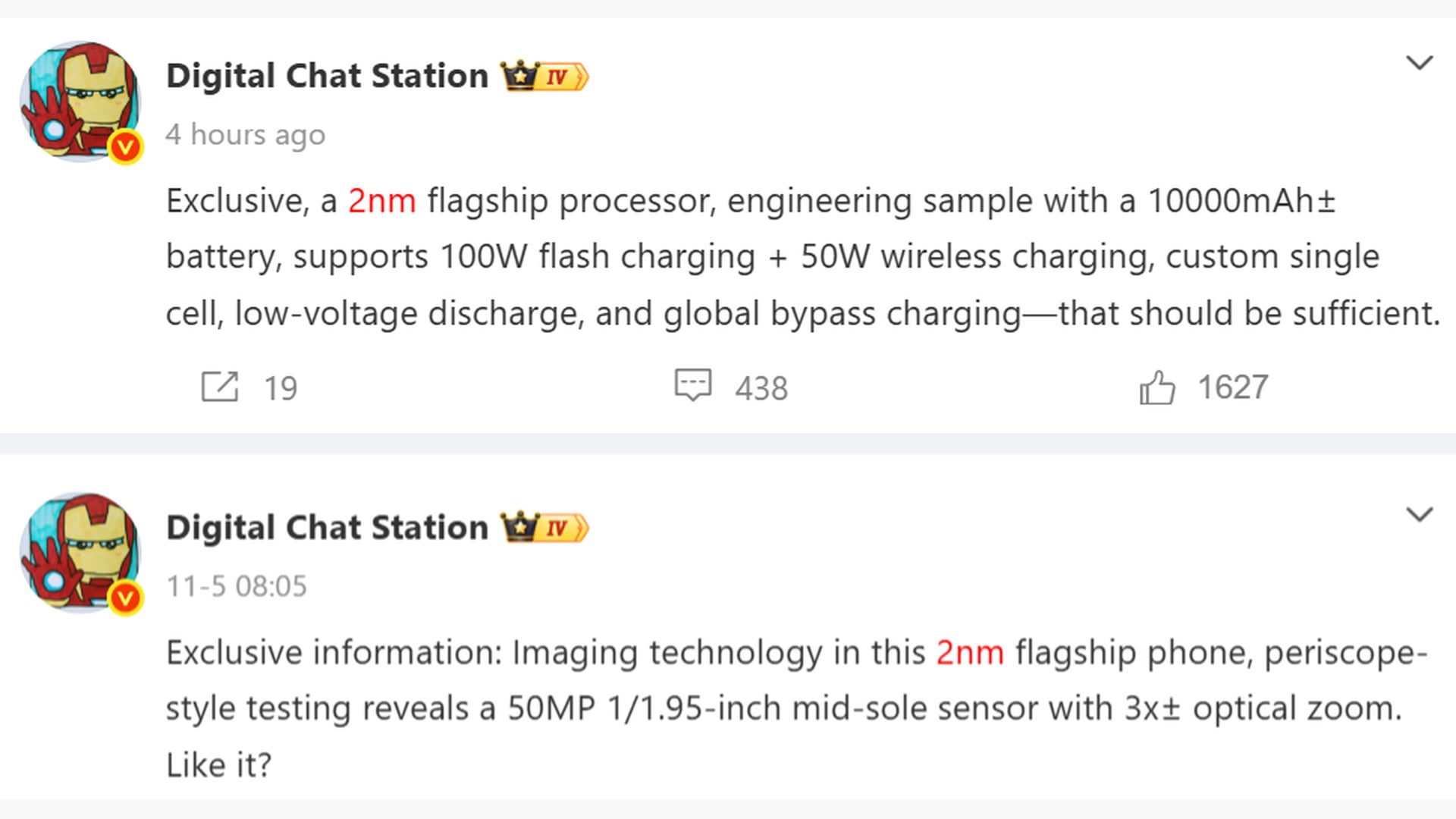
In a post today, Digital Chat Station said an engineering sample of the 2nm flagship carries a battery of around 10,000mAh and supports 100W wired charging plus 50W wireless charging. The tipster also cited a custom single-cell battery, low-voltage discharge, and global bypass charging, which can power the phone from the adapter during heavy use.
That would be a step up from the Redmi K90 Ultra, which arrived in China on June 30 with an 8,550mAh cell, 100W wired charging, and no 50W wireless charging. A 10,000mAh pack is already used on the standard Redmi K100, so the Ultra line would mainly gain capacity and wireless charging.
The same tipster offered an early look at the camera hardware on November 5, saying this 2nm flagship is testing a periscope camera with a 50-megapixel, 1/1.95-inch medium-size sensor and around 3x optical zoom. The rest of the camera setup was not listed, so those details remain unknown.
A dedicated periscope would be new for the Ultra line. The K90 Ultra uses a 50-megapixel Light Hunter 800 main camera with a 1/1.55-inch sensor and an 8-megapixel ultra-wide lens, with no telephoto camera. The 2nm chip itself has not been named.
The tipster’s “sub-brand flagship” wording is typically read as a Redmi phone, which is why this sample is tied to a purported K100 Ultra. The Redmi K100 Pro and K100 Pro Max launched in August, and the standard K100 followed in October, but a separate gaming flagship is still missing. Until Redmi confirms the name and specs, this should be treated as an early leak.
Would a 10,000mAh battery and a 3x periscope make you wait for the purported Redmi K100 Ultra, or do the current K100 models already cover what you need? Let us know in the comments below.
Motorola has been doing some good work with software rollouts lately. It has already delivered the stable Android 17 update to over a dozen models, and is now moving into the next phase of the rollout.
The brand has launched the Android 17 beta registration for 14 new devices. It announced the news through a series of posts on the community forum, which also includes details about eligible devices, regions, and other relevant details.
Android 17 beta registration goes live for these 14 new Motorola phones
If your Motorola device is on the list and you live in a supported region, sign up for the beta program to get an early taste of the software. However, unlike most Android brands, the beta registration for Motorola devices requires some extra steps. Check out this page for a complete step-by-step guide.
Beta builds are prone to have bugs or broken features. Therefore, it’s best to install them on a secondary device. For a clean software experience, you should wait a few more weeks until the stable build rolls out.
The Android 17 update to Motorola devices doesn’t bring groundbreaking changes, but there are a couple of upgrades worth waiting for. That includes upgraded Live Updates, which now integrates into the camera cutout similar to the Dynamic Island on Apple devices, and now works with most of your day-to-day apps. The updated Settings page layout looks more like Pixel UI.
There are new status bar icons, a new volume interface, and updated icons for Wi-Fi, cell tower, and battery. The lock screen gets new clock faces, typography, and style options, while it still lacks depth effect. There are some new features as well including a Landscape Stereo, Qira AI assistant, Enhanced HDR Brightness, and Battery health.
Not all of the changes may be included in beta releases. So, it remains to be seen when the beta rollout actually begins and what changes do come along.
Reading on a phone or tablet can be convenient, but it isn’t always the most comfortable experience, particularly if you spend hours going through books or documents. That’s where e-ink readers come in. Their paper-like displays offer a more natural reading experience, without the glare associated with conventional screens. Digital notebooks, on the other hand, take things a step further, allowing you to write, annotate, and organise notes without carrying multiple notebooks.
If you’re looking to move away from paper books or want a dedicated device for handwritten notes, there are several options worth considering. We have curated some of the best e-ink readers and e-notebooks you can buy in India.
How to choose an e-ink reader or e-notebook
Finding an e-ink reader or digital notebook in India isn’t as easy as picking up a regular tablet. The selection is fairly limited, and not every product sold as an e-book reader actually comes with an e-ink display. So, it’s worth checking the display technology before making a purchase.
If you primarily want to read books, pay attention to screen resolution, front lighting, supported file formats, and battery life. For note-taking, the stylus matters just as much as the screen. Check for pressure sensitivity, handwriting recognition, PDF annotation, and how easily you can transfer notes to your phone or computer. Storage and software support are also worth looking at, particularly if you plan to use third-party reading or note-taking apps.
8,192 pressure levels, Bluetooth 5.0, Up to 18 hours battery life
Rs 6,454
Kindle Paperwhite
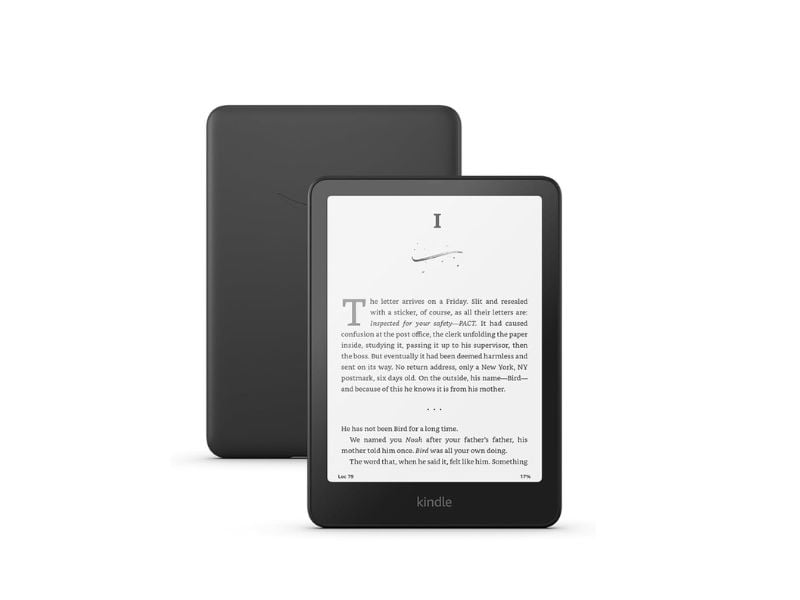
Probably the most popular e-ink reader on this list, the Kindle Paperwhite gets a 7-inch, 300ppi E Ink display with adjustable front lighting and warm-light settings. The sharp text and glare-free screen make it comfortable for extended reading sessions, while the larger display gives you enough room to read without constantly turning pages or adjusting the font size.
It is also waterproof and offers weeks of battery life on a single charge. You also get access to Amazon’s Kindle store, making it easy to browse and download books from the vast library.
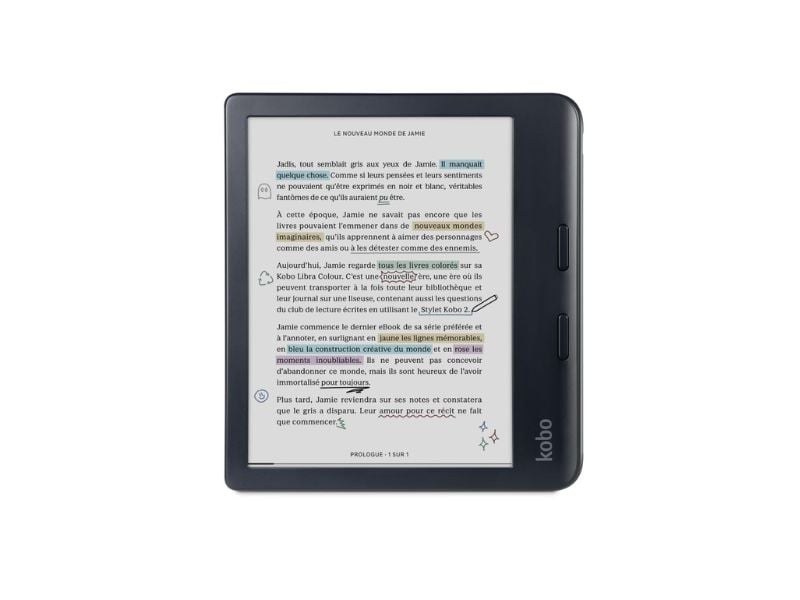
The Kobo Libra is another e-ink reader that features a 7-inch E Ink Kaleido 3 colour display, which means you can better enjoy comics and illustrated content. It also comes with physical page-turn buttons, adjustable lighting, and an IPX8 waterproof rating to add to its appeal.
It has 32GB of storage and supports multiple file formats, including EPUB and PDF. The optional Kobo Stylus 2 enables handwriting and annotations, although colour content appears at a lower resolution than black-and-white text.
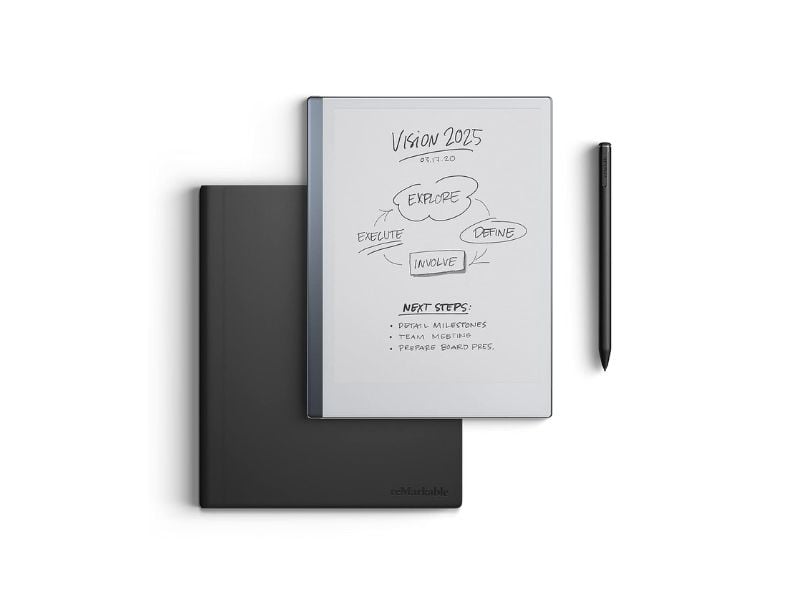
The reMarkable 2 is designed for people who want the feel of writing on paper without carrying a physical notebook. It features a 10.3-inch monochrome Canvas display with a paper-like surface, making it suitable for handwritten notes, reading documents, and annotating PDFs. It has a slim 4.7mm profile, making it easy to carry around.
It supports handwriting conversion, document organisation, and cloud syncing, while its battery can last up to two weeks, depending on usage. However, it lacks a conventional app ecosystem and does not support colour. If you want distraction-free writing and reading, the reMarkable 2 is a good alternative to a traditional notebook.
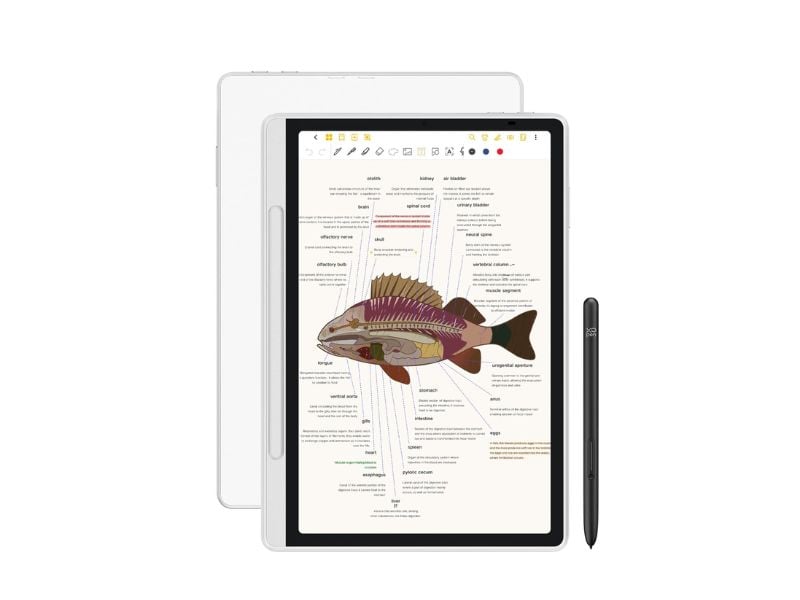
The XP-Pen Magic Note Pad is designed for those who want a digital notebook that can do more than just capture handwritten notes. It features a 10.95-inch X-Paper display and runs Android 14, allowing you to write, sketch, annotate PDFs, and use compatible Android apps.
It comes with the X3 Pro Pencil 2 stylus, which supports 16,384 levels of pressure sensitivity. You also get 6GB of RAM, 128GB of storage, and an 8,000mAh battery. However, its X-Paper display uses LCD technology rather than conventional E Ink, making it closer to a digital writing tablet than a dedicated e-reader.
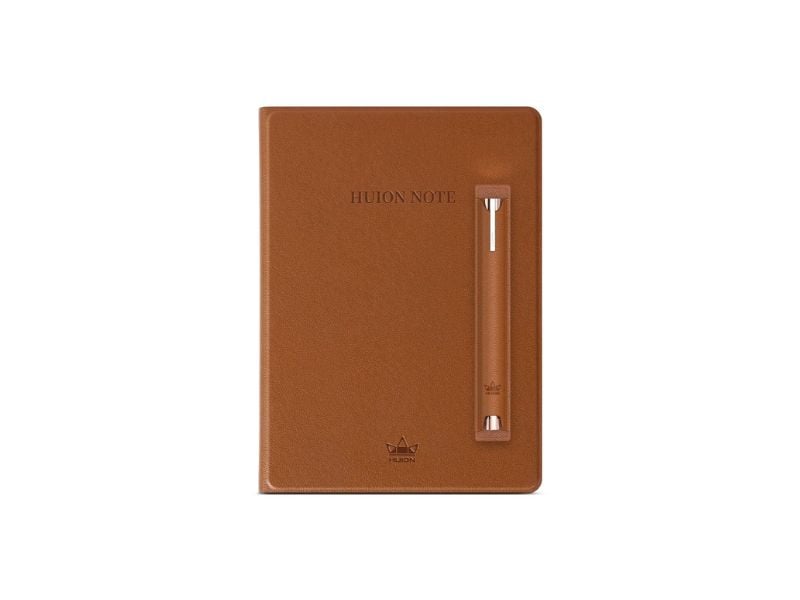
The HUION Note X10 lets you write on a physical notebook while capturing your notes digitally. It comes with a battery-free pen, while the pad under the paper tracks your handwriting and sends it to a connected device over Bluetooth, making it useful for meetings, lectures, and everyday note-taking.
The pen supports 8,192 levels of pressure sensitivity, while the companion app lets you organise and share your notes. It is compatible with Android, iOS, Windows, and macOS devices. However, you will need a compatible phone or computer to access and manage your digital notes.
The HUION Note X10 is a good entry-level option for digitising handwritten notes.
Which e-ink reader offers the best value for money?
The Kindle Paperwhite is the best value for money e-reader you can get, as it offers a great balance of display quality, battery life, and reading features.
Which is the best colour e-ink reader?
The Kobo Libra Colour is the best colour e-ink reader on this list, letting you read comics, illustrated books, and colour documents.
What is the best e-ink notebook for professionals?
The reMarkable 2 is a great choice for handwritten notes, document annotations, and distraction-free writing.
So, which of these e-ink readers and e-notebooks would you pick? Let us know in the comments below.
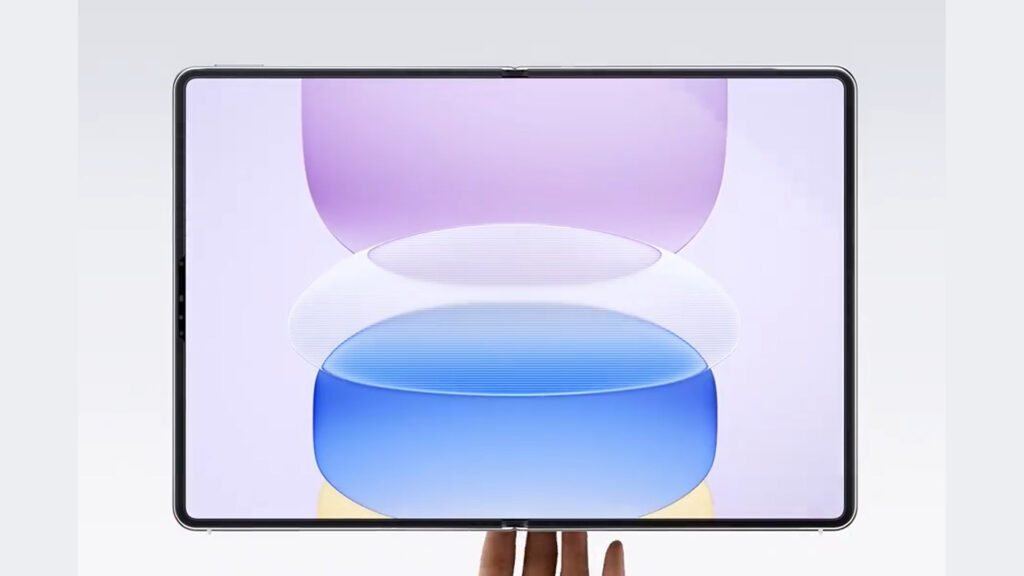
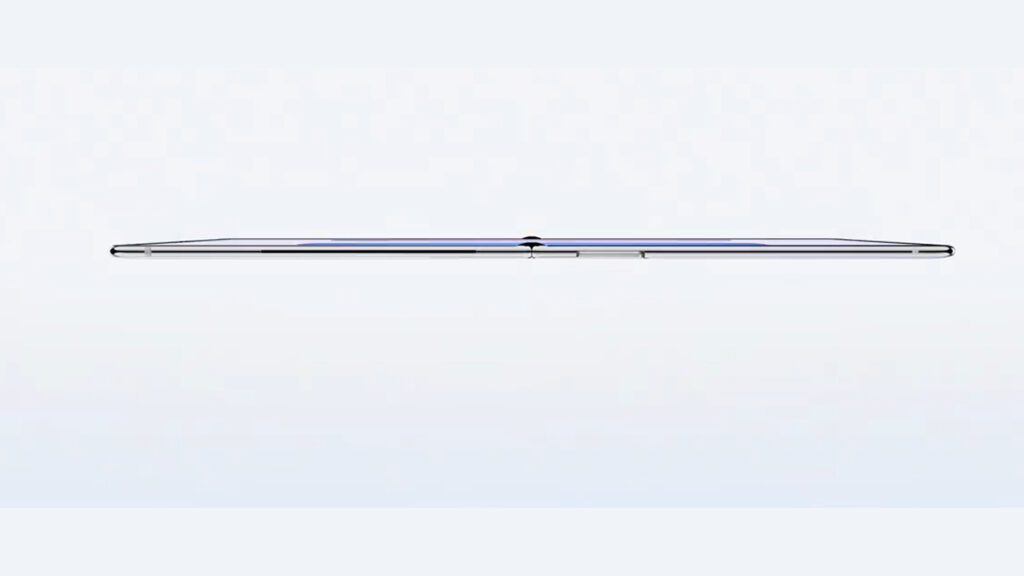
Huawei executive director and consumer BG chairman Richard Yu has teased the MateBook Fold S, a new compact foldable PC, in a Weibo post. The video shows a much smaller machine than the 18-inch MateBook Fold, and Yu says more surprises will come at the launch event. Huawei has now said pre-orders in China will open on November 14.
Huawei MateBook Fold S teaser details
Huawei MateBook Fold S
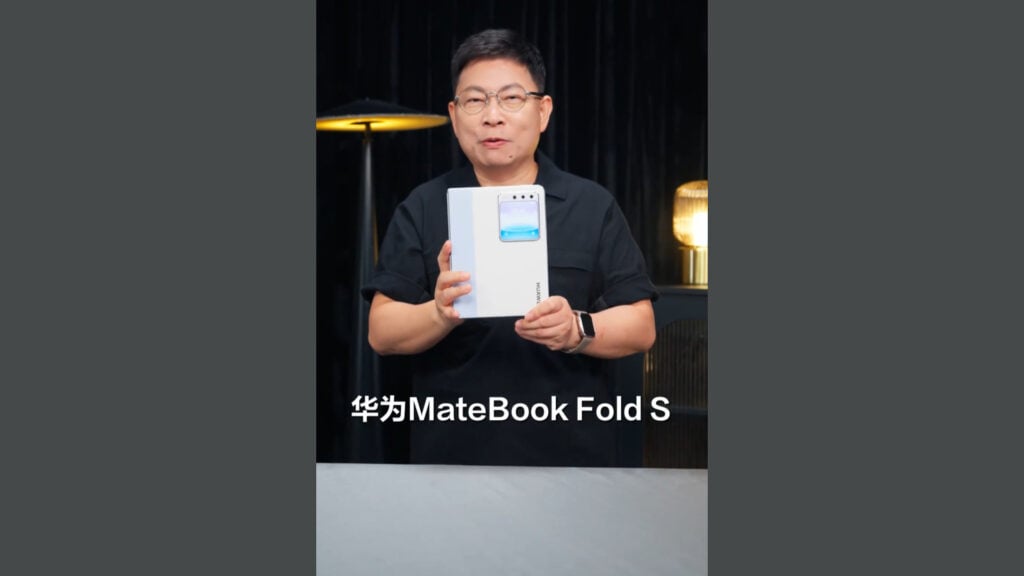
Yu posted the teaser on the morning of November 10, writing that a little magic trick had produced the latest compact foldable PC, the MateBook Fold S. In the clip, he puts the MateBook Fold Ultimate Design into an envelope, folds the envelope in half, and pulls the smaller Fold S out of it.
The new model is shown in Cloud Sea Blue, book-sized when folded, with a lit square cover screen on the outside. Huawei’s official poster later set pre-orders for 10:08 a.m. on November 14 in China, in Cloud Sea Blue, Sky White, and Magic Night Black. A formal launch date, the full specifications, and the price have not been published.
What to expect from the Huawei MateBook Fold S
Huawei MateBook Fold S
The Fold S is a HarmonyOS compact foldable PC that unfolds to a 14.7-inch display, closer to a typical notebook than the 18-inch panel on the original MateBook Fold. That first foldable PC launched in China in May 2025 with a dual-layer OLED screen and a folded 13-inch footprint, and a refreshed model is now sold from 24,999 yuan (~$3,740).
Huawei MateBook Fold S
The new cover screen, which Huawei calls a Live display, sits beside a triple camera labeled AI Camera and can show the time while the PC is closed. Huawei has not said what else it can do, or how typing will work on the smaller machine.
Huawei MateBook Fold S
Earlier reports have put the weight around 600g, but Huawei has not confirmed the weight, the chip, the battery, or the price. Those details are expected at the launch event.
Huawei MateBook Fold S
Would you pick the compact MateBook Fold S for travel, or do you still prefer the larger 18-inch Fold? Let us know in the comments below.
The wide-screen candybar trend is spreading across Android flagships, and OnePlus now looks set to put its next numbered phone on that path. Weibo tipster Smart Pikachu has flagged the OnePlus 17 as one of next year’s high-performance wide-screen phones. OnePlus has not confirmed the tip, and official OnePlus 17 specifications have not been announced.
OnePlus 17 may sport a wide-screen design
In a Weibo post tagged OnePlus 17, Smart Pikachu said next year, all five top-performing wide-screen smartphones will be included, offering a wider gaming field of view. The simplest reading is that the OnePlus 17 will join that 2027 group, with the extra width pitched as a gaming benefit. He did not share a screen size, chipset, camera setup, or launch date.
This goes further than a late October Digital Chat Station tip that OnePlus may skip a OnePlus 15T successor and offer a wide-screen phone instead. That earlier post did not name the OnePlus 17, so this is the first tip to place the numbered flagship itself in the wide-screen race.
A non-folding wide slab differs from the book-style foldables that followed the iPhone Duo. Huawei started this candybar trend with the Pura X View, and Vivo has since been tipped for a compact wide-screen flagship in 2027. If the OnePlus 17 drops the usual tall shape, it would compete in that candybar group, not with foldables.
The current OnePlus 16 launched in China in October with a 6.78-inch tall OLED that can reach 185Hz in games, a Snapdragon 8 Elite Extreme Gen 6 chip, a 200-megapixel triple camera, and a 9,000mAh battery. It starts at 5,999 yuan (~$897) in China, with no global or India price announced.
A late 2027 launch, a successor chip, and a battery at least that large would not be surprising, but none of those points were in Smart Pikachu’s post. They are only assumptions based on the OnePlus 16, so the only concrete takeaway is the wide-screen direction.
Would you want the OnePlus 17 to switch to a wide-screen design for gaming, or keep the familiar tall flagship shape? Let us know in the comments below.
Motorola has quietly confirmed when its wide foldable, the Razr Flex, is due to arrive. A newly surfaced support page on the company’s own site lists the phone as the Motorola Razr Flex 2027, pointing to a launch next year rather than before the end of 2026. No exact date has been given, but the listing is the clearest official signal yet of both the name and the timing.
Moto Razr Flex launch timeline
Moto Razr Flex
The page appeared on Motorola’s Australian testing support site and is titled “motorola razr flex – 2027,” the first time the name has shown up in the company’s own support documentation. Its security details look like placeholders, with an August 2024 launch, Android 16, support until August 2029, and a “Test Security Updates” heading.
Motorola has not issued a formal announcement or a firm date. Earlier reports, including previous coverage of leaked specifications, had pointed to a mid-December debut this year.
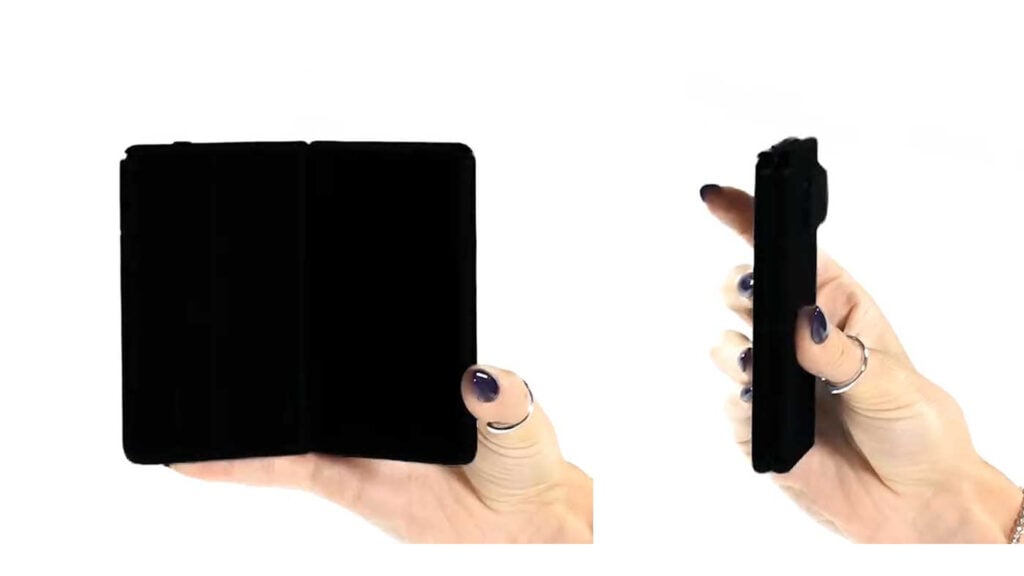
Motorola already teased a shorter, wider foldable on September 9, the same day Apple unveiled the iPhone Duo. Its official X video ended on a blacked-out compact foldable, calling it “our next move” without a name or launch date.
What to expect from the Moto Razr Flex
The iPhone Duo is Apple’s first foldable iPhone, announced on September 9 and priced from $1,999, with sales starting on October 23. The Razr Flex is expected to compete in the same short and wide category as the Duo and Samsung’s Galaxy Z Fold 8.
Reports have described a 6.92-inch 165Hz inner OLED, a 4.97-inch cover display, dual 50-megapixel cameras, 12GB of RAM, a 5,000mAh battery, and Android 17, though Motorola has not confirmed the leaked specs. A Geekbench listing also pointed to a Snapdragon 8 Gen 5 chip.
A European retailer listed a 12GB + 256GB model at €1,510.90 (about $1,693). It incorrectly described the phone as a flip, so the price should be treated with caution.
Would you wait until 2027 for Motorola’s wide foldable, or are you more interested in the iPhone Duo and Galaxy Z Fold 8? Let us know in the comments below.
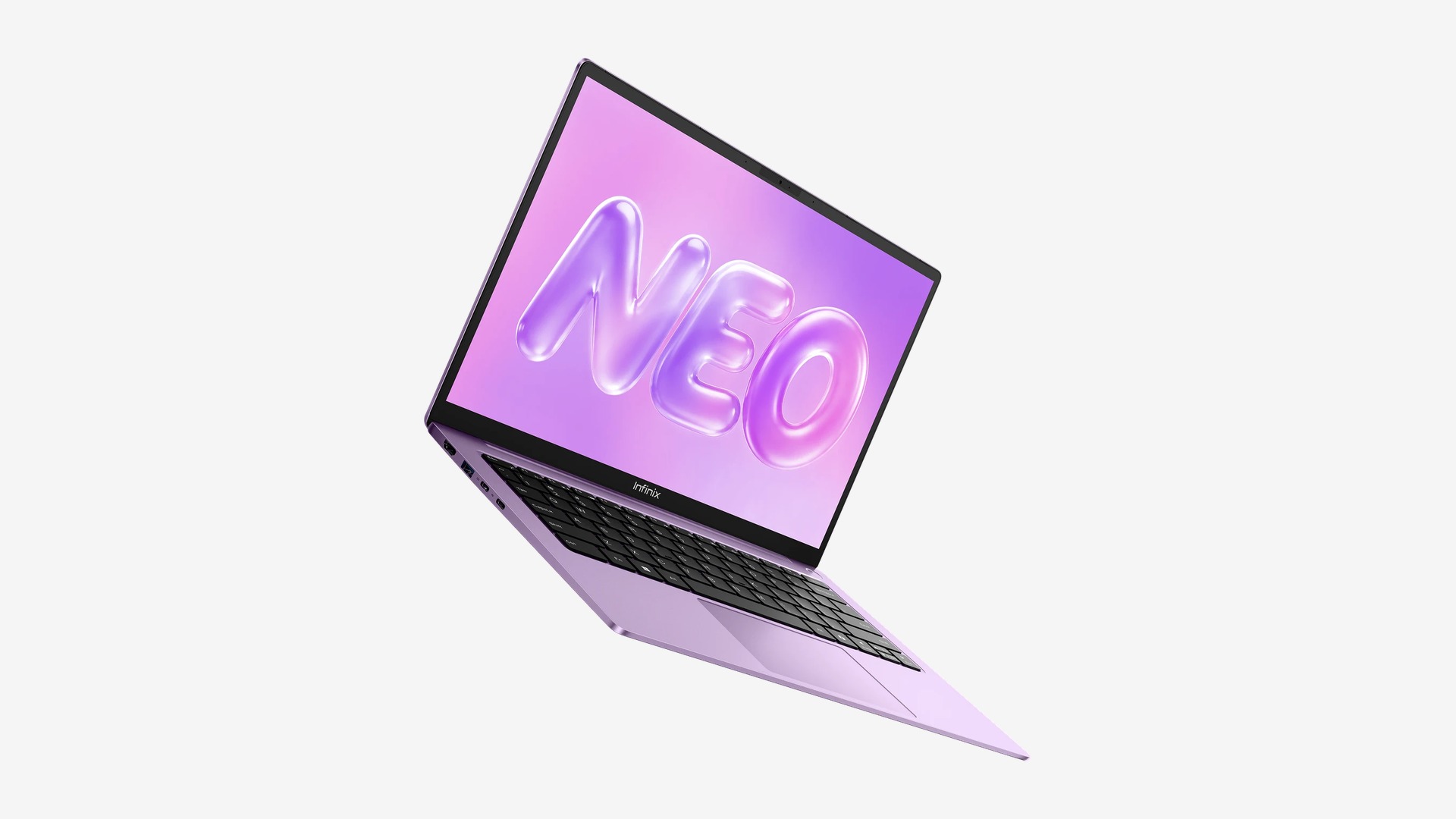
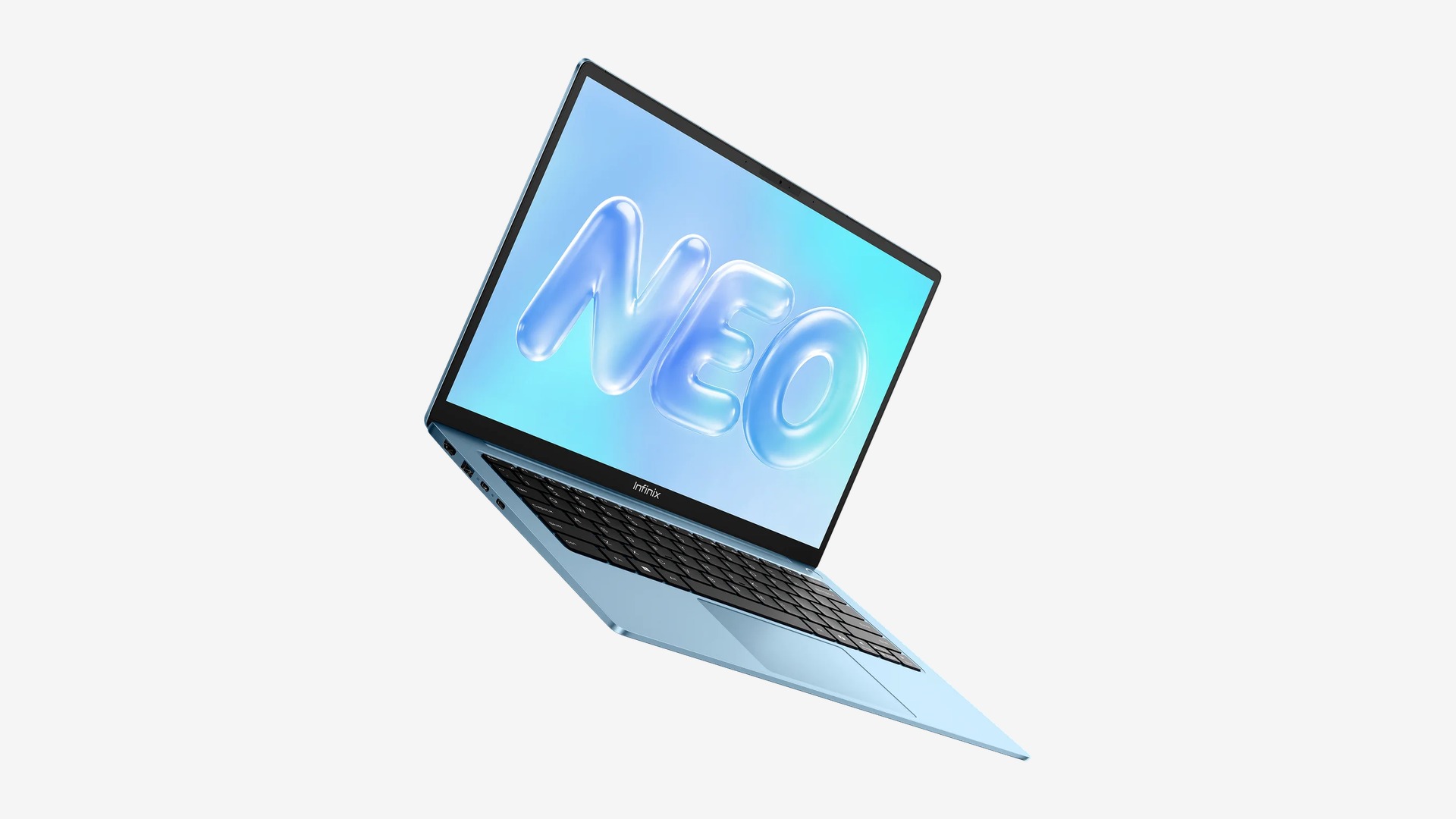
Infinix has launched the XBook 14 Neo laptop in Malaysia, with prices starting at RM2,199 (~$542). The ultra-light 14-inch notebook weighs just 1.2kg and runs on Intel Core i3 and Core i5 processors. It goes on sale today through Infinix brand stores and the company’s official online stores.
Infinix XBook 14 Neo specifications and features
Infinix XBook 14 Neo
The XBook 14 Neo features a 14-inch IPS display with a 1920 x 1200 resolution and a 16:10 aspect ratio. The panel offers 300 nits of peak brightness, 45 percent NTSC color coverage, a 91 percent screen-to-body ratio and a 178-degree viewing angle. Its hinge also opens a full 180 degrees, so the screen can lie flat on a desk.
The Malaysian models use either an Intel Core i3-1315U or a Core i5-1335U processor, both rated at a 15W TDP. Each comes with 8GB of DDR4 RAM, while storage is either 256GB or 512GB on an M.2 SSD. Infinix’s IceStorm 4.0 cooling system handles heat, and the Fn + O shortcut switches between Economic and Boost performance modes.
The laptop is 17.4mm thick and pairs an aluminum alloy top cover with a carbon fiber base. Infinix says the body has been tested to the US MIL-STD-810H military-grade standard, covering low pressure, temperature extremes and mechanical shock.
Infinix XBook 14 Neo
A 55Wh battery powers the machine, and Infinix claims it lasts up to 13 hours. It charges through the included 65W USB-C PD adapter. Ports include one full-function USB-C, one data-only USB-C, two USB 3.2 Gen 1, one USB 2.0, HDMI, a 3.5mm audio jack and a Kensington lock slot.
Other features include a backlit keyboard with two brightness levels, a 720p camera with a physical camera and mic switch, dual DTS speakers, Wi-Fi 6 and Bluetooth 5.2. The laptop ships with Windows 25H2 and comes with the built-in Folax AI assistant, plus Infinix PC Connection for screen mirroring, file transfer and shared controls with Infinix phones and tablets like the Xpad 30 Pro.
Infinix XBook 14 Neo price and availability
In Malaysia, the Core i3 model with 8GB RAM and 256GB storage costs RM2,199 (~$542). The Core i5 version with 8GB RAM and 512GB storage is priced at RM2,699 (~$665).
The laptop comes in Twilight Purple, Shadow Blue and Volcano Grey. It is available through Infinix brand stores nationwide, as well as the brand’s official Shopee and TikTok Shop stores. It follows the company’s XBook B15 as the latest addition to its budget laptop lineup.
Would you pick the XBook 14 Neo as a lightweight laptop for school or work at this price? Let us know in the comments below.
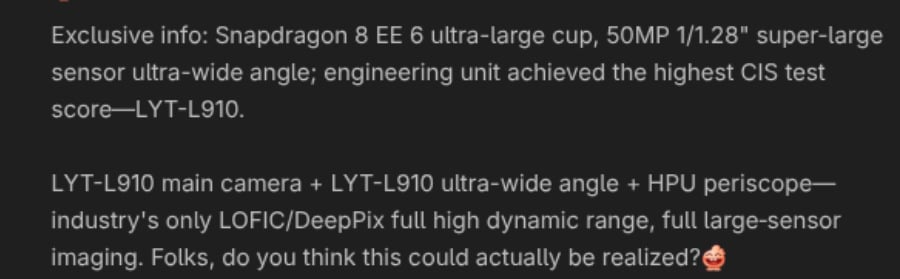
Digital Chat Station shared new camera details about an upcoming Ultra flagship today. It is likely the Vivo X500 Ultra, based on the tipster’s habits.
Here is what the post says. The phone has a 50MP Sony LYT-L910 1/1.28-inch main camera and, interestingly, the same LYT-L910 sensor for the ultrawide, while an HPU periscope lens is set to cover zooming duties.
The tipster also claims the engineering sample achieved the highest CIS test result with the LYT-L910. CIS stands for CMOS Image Sensor, and these tests evaluate a camera sensor’s performance in areas such as light sensitivity, image quality, noise, and dynamic range. He describes the phone as the only model combining a large sensor with full-sensor HDR based on LOFIC and DeepPix technology.
What LOFIC means for your photos
Sony announced the LYTIA L910 in June as its first smartphone sensor with LOFIC. It is a 50MP sensor with 1.22μm pixels, and each pixel can hold more charge before reaching saturation. Sony claims it can deliver up to 100dB of dynamic range in a single exposure.
Sony also claims the sensor has lower read noise, which should help with detail in low-light photos. Its lower power consumption could also reduce heat during extended 4K 60fps HDR recording. Phones with this sensor should also do well with backlit scenes and sunsets.
Vivo X300 Ultra
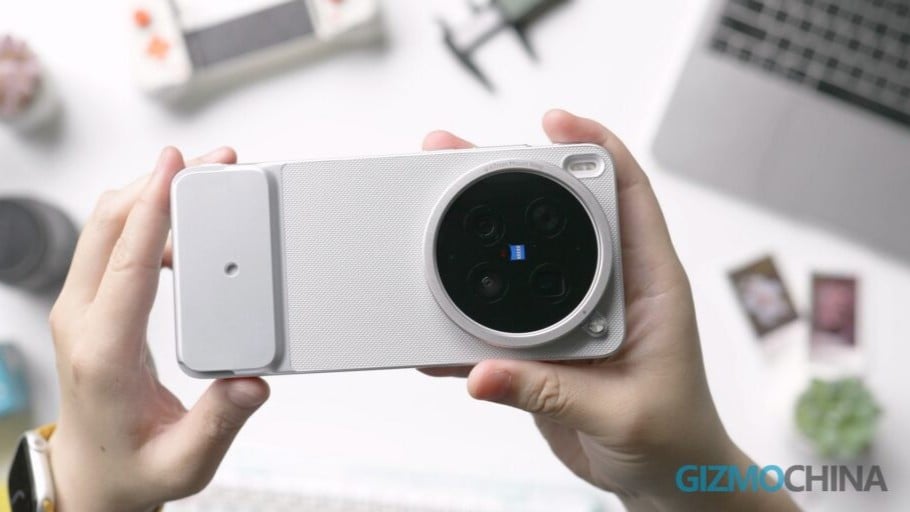
If the latest leak is accurate, the X500 Ultra would also mark a change from its predecessor. The Vivo X300 Ultra has a 200MP main camera alongside a 50MP 1/1.28-inch Sony LYT-818 ultra-wide camera.
The X500 Ultra could switch to a 50MP main sensor and bring the newer LYT-L910 to the ultra-wide camera as well.
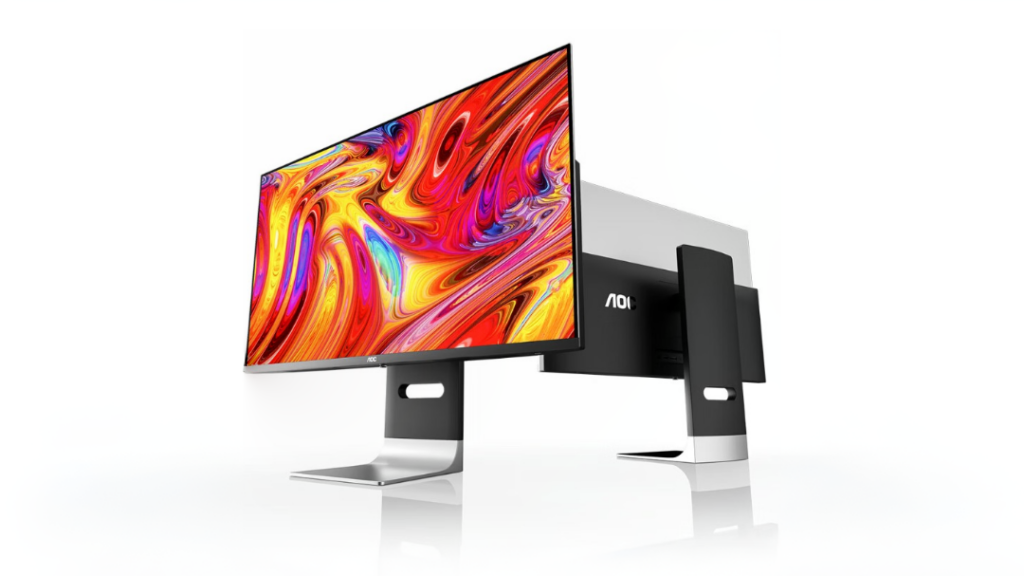
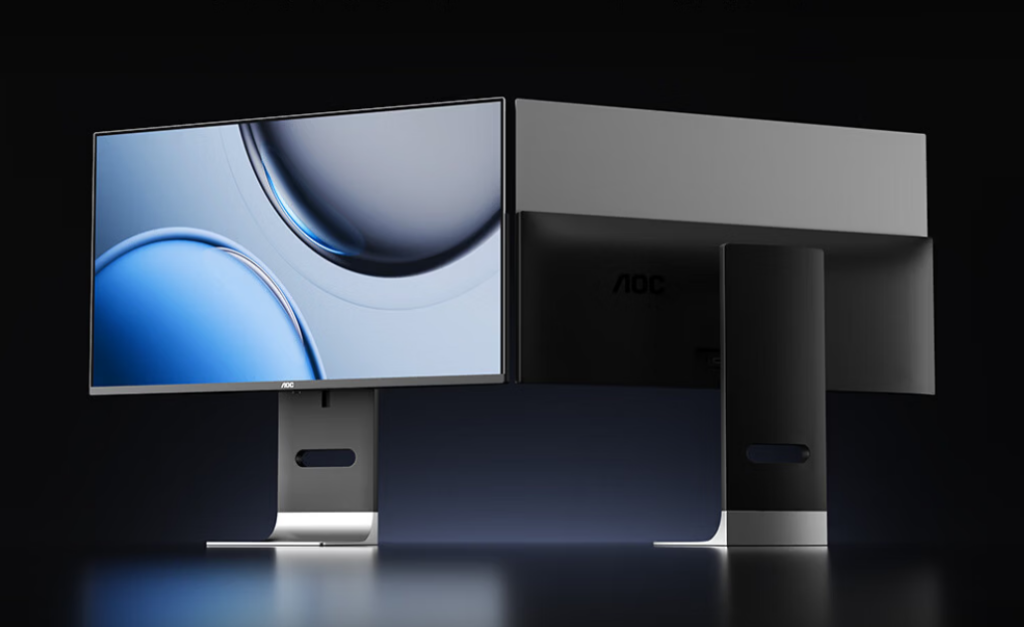
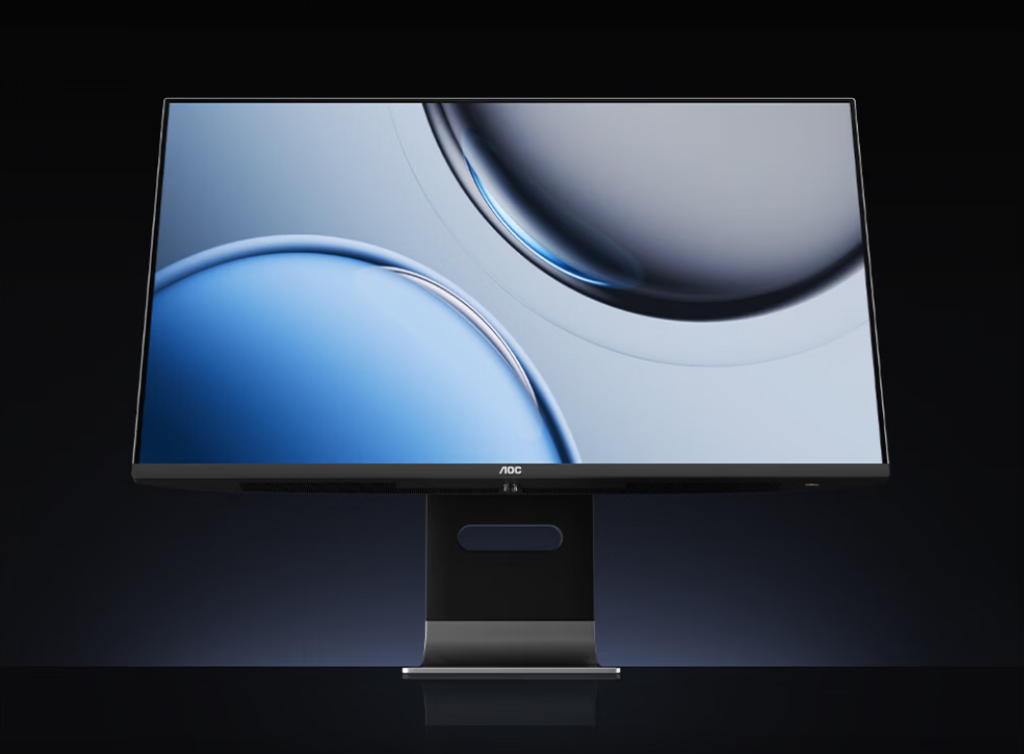
AOC has released a new 31.5-inch monitor in China, the U32U4, which uses Samsung Display’s latest QD-OLED technology. The monitor features a 4K resolution (3840 x 2160) and a 120Hz refresh rate, positioning it as a hybrid display for both professional color work and gaming.
The panel features a Penta Tandem five-layer stacked OLED structure. Instead of relying on a single light-emitting layer, this design distributes the electrical load across five layers. The result is that the monitor can reach a peak HDR brightness of 1,000 nits while reducing strain on individual organic materials, which should theoretically improve panel longevity and efficiency. It also features a 0.03ms response time and a 1,500,000:1 static contrast ratio.
To address common OLED durability concerns, AOC included a graphene-based heat dissipation layer to pull heat away from the panel and reduce the risk of burn-in. The screen also has a specialized black anti-glare coating. This is designed to cut down on ambient light reflections, preventing the washed-out look that glossy OLEDs can sometimes get in brightly lit office environments.
For color accuracy, the U32U4 supports native 10-bit color and covers 99% of the DCI-P3 gamut and 100% of sRGB. AOC says each monitor is factory-calibrated across 32 color axes to achieve a Delta E of less than 1, and it ships with a calibration report in the box. It also carries VESA DisplayHDR True Black 400 certification.
The monitor features a built-in KVM switch, PIP, and PBP modes for multitasking. Its connectivity options include HDMI 2.1, DisplayPort 1.4, a USB-C port with 96W power delivery, a secondary 15W USB-C port, a 7.5W USB-A port, and a headphone jack.
On the gaming side, the 120Hz refresh rate is paired with Adaptive-Sync to prevent screen tearing, and there are software toggles for shadow control and low input lag. The hardware is rounded out by two 5W speakers and a fully adjustable stand that supports height, tilt, swivel, and a 90-degree pivot for portrait orientation.
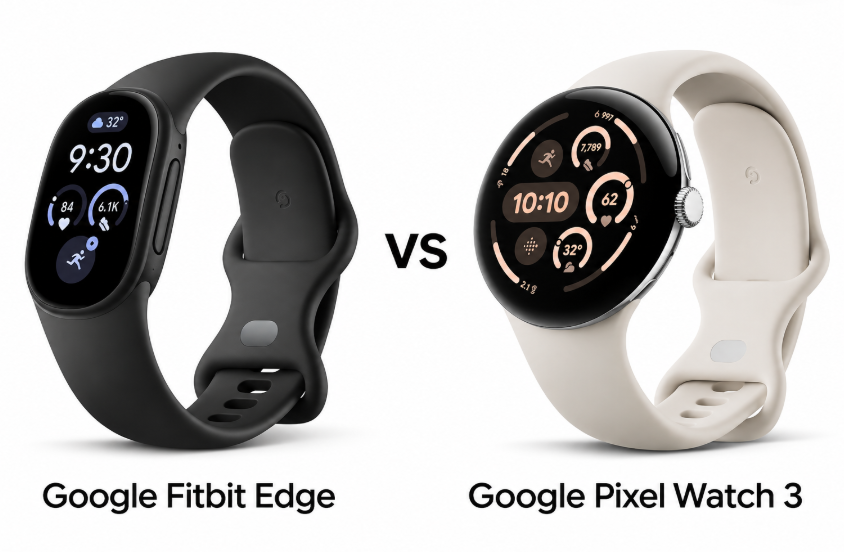
Google offers different types of wearables for users with different needs, and the Fitbit Edge and Pixel Watch 3 are good examples. Although both devices combine fitness tracking with health-monitoring capabilities, they serve different purposes. The Fitbit Edge is a dedicated fitness tracker focused on activity monitoring, health insights and extended battery life. The Pixel Watch 3, on the other hand, is a full-fledged smartwatch that combines Fitbit fitness features with Wear OS applications, communication tools and Google services. Here is how the two Google wearables compare.
Design & Build
The Google Fitbit Edge features a slim rectangular design with a 1.34-inch display, a 100% recycled aluminium case and a silicone band. Weighing just 17.7g without the band, it is designed for lightweight, all-day wear, including during sleep and workouts. The Pixel Watch 3 takes a more traditional smartwatch approach with a circular design, an aluminium frame and Gorilla Glass 5 protection. Its 45mm version weighs 37g without the band, making it noticeably heavier than the Edge. Both devices offer 5ATM water resistance and IP68 protection, making them suitable for everyday activities and workouts.
Key Difference: The Fitbit Edge prioritises lightweight comfort and fitness tracking, while the Pixel Watch 3 offers a conventional smartwatch design.
Display
The Fitbit Edge features a 1.34-inch Hybrid OLED colour display with always-on functionality and adjustable brightness. Its rectangular screen provides quick access to workout statistics, health information and everyday activity data. The Pixel Watch 3 features a 1.4-inch circular LTPO AMOLED display with a resolution of 456 × 456 pixels, approximately 320ppi and peak brightness of 2,000 nits. It also supports an adaptive refresh rate of 1–60Hz. The Pixel Watch 3 provides a more detailed viewing experience for notifications, maps and applications, whereas the Edge focuses on making fitness information easy to read at a glance.
Key Difference: The Pixel Watch 3 has a higher-resolution, brighter display with adaptive refresh technology, while the Edge offers a larger viewing area than previous Fitbit trackers.
Battery Life
Battery life is one of the biggest differences between these devices. The Fitbit Edge features a 65mAh rechargeable battery rated for up to seven days of usage. It supports magnetic charging, with a full charge taking approximately 90 minutes. A five-minute charge can also provide up to one day of battery life. The Pixel Watch 3 45mm comes with a considerably larger 420mAh battery but offers up to 24 hours of usage with the always-on display enabled and up to 36 hours in Battery Saver mode. Its larger display and full smartwatch operating system mean users will need to charge it considerably more frequently.
Key Difference: The Fitbit Edge is designed for extended battery endurance, while the Pixel Watch 3 prioritises a broader smartwatch experience at the cost of battery life.
Health Tracking
Both devices offer extensive health-monitoring capabilities, including continuous heart-rate tracking, blood oxygen monitoring, ECG functionality, skin temperature tracking and sleep monitoring. However, their approaches to health insights differ. The Fitbit Edge includes Google Health Guardian features that monitor blood pressure and insulin resistance trends, alongside high and low heart-rate alerts. It also tracks HRV, sleep patterns and menstrual cycles. The Pixel Watch 3 combines Fitbit health tracking with additional sensors, including an electrical skin conductance sensor for body-response tracking. Both offer comprehensive health information, although the Edge places particular emphasis on dedicated wellness monitoring and long-term health trends.
Key Difference: The Edge focuses on additional wellness trends and dedicated health insights, while the Pixel Watch 3 combines health monitoring with a broader range of smartwatch sensors.
GPS & Navigation
Both wearables feature built-in GPS, allowing users to track outdoor workouts without carrying a smartphone. The Fitbit Edge supports GPS and Galileo, with Google’s precision GPS technology offering up to 40% improved tracking accuracy compared with previous Fitbit trackers. It also includes an altimeter for measuring elevation changes during outdoor activities. The Pixel Watch 3 supports GPS, GLONASS and Galileo, with additional satellite systems available in supported regions. More importantly, it offers Google Maps navigation directly from the wrist, making it useful for following directions while walking, running or exploring unfamiliar places.
Key Difference: Both support standalone GPS tracking, but the Pixel Watch 3 offers a more comprehensive navigation experience.
Sports & Training Features
The Fitbit Edge is built around dedicated fitness tracking, supporting more than 50 exercise modes and automatic recognition of up to 100 workouts. It tracks workout metrics, pace, elevation, VO2 Max, Active Zone Minutes, Cardio Load and Readiness Score. The Pixel Watch 3 offers more specialised running tools, including custom workouts, interval training, pace guidance and running-form measurements such as cadence, stride length, vertical oscillation and ground contact time. Both can support regular exercise routines, but their strengths differ. The Edge focuses on broad fitness monitoring, while the Pixel Watch 3 provides more detailed running analysis.
Key Difference: The Edge focuses on everyday fitness and activity tracking, whereas the Pixel Watch 3 offers more specialised running analysis and training tools.
The Pixel Watch 3 has a significant advantage in traditional smartwatch functionality. Running Wear OS 5, it supports Google services and a wider application ecosystem, including Google Wallet, Google Maps, Google Assistant and smartphone notifications. Its built-in microphone and speaker also allow users to handle calls and voice interactions. The Fitbit Edge offers a simpler experience with call and message notifications, quick replies, media controls, alarms, timers and Google Maps. It also supports customisable watch faces and interchangeable bands. While the Edge provides useful everyday conveniences, it does not offer the same full Wear OS experience as the Pixel Watch 3.
Key Difference: The Pixel Watch 3 offers a full smartwatch operating system and broader app support, while the Edge focuses on essential everyday features.
Outdoor Features
Both devices offer features for outdoor activities, including GPS tracking, elevation monitoring and 5ATM water resistance with IP68 protection. The Fitbit Edge combines its lightweight construction with built-in GPS and an altimeter, making it suitable for running, walking, hiking and other fitness activities. Its longer battery life is also useful for people who regularly track outdoor workouts. The Pixel Watch 3 adds a compass, barometer, altimeter and broader satellite positioning support. Combined with Google Maps, these features make it a more versatile companion for outdoor navigation and location-based activities.
Key Difference: The Edge is better suited to lightweight outdoor fitness tracking, while the Pixel Watch 3 offers additional navigation and environmental sensors.
Which One Should You Buy?
Choosing between these Google wearables depends on what you expect from a wrist-worn device. The Fitbit Edge is suitable for people who primarily want to monitor their fitness, sleep, recovery and overall health without charging their wearable every day. Its lightweight design, seven-day battery life and dedicated health features make it a practical everyday fitness companion. The Pixel Watch 3 is better suited to people who want a traditional smartwatch with fitness tracking as an additional capability. Its Wear OS platform, Google services, communication features and advanced running tools make it more versatile for everyday use.
Choose the Fitbit Edge for: Dedicated fitness tracking, lightweight comfort, extended battery life and health-focused monitoring.
Choose the Pixel Watch 3 for: Smartwatch applications, smartphone integration, calls, navigation and advanced running features.
Google Fitbit Edge vs Google Pixel Watch 3: Major Differences
Oppo, Vivo, Xiaomi, and Honor have introduced Android Developer Verification (ADV) in mainland China. The Mobile Intelligent Terminal Ecosystem Alliance announced the move today, saying the four brands will recognize each other’s verification results. That is, developers who complete the process on one platform will not have to repeat it when distributing apps on the other three.
The system is intended to make it easier to identify developers behind apps installed outside official app stores. According to the alliance, China lacks a unified real-name verification system for sideloaded apps, making it difficult to trace malicious, counterfeit, and fraudulent software back to its developers. Such apps can expose users to financial scams, private data leaks, and unwanted purchases.
ADV links each developer’s verified identity to their apps. However, the change should have little effect on people who download apps through official stores. Apps already registered and listed on the four platforms go through verification automatically, so their developers do not need to submit another application.
The difference will become more noticeable when installing APK files from outside those stores. If an app comes from a developer who has not completed identity verification, users will see an “unverified” warning on phones from the four brands. They must confirm the installation manually before proceeding. The alliance acknowledges that the additional step could slow down app distribution.
Here’s Xiaomi ADV verification process
We have gone through the documentation for Xiaomi’s ADV verification process, and it’s more or less similar for all brands.
The company opened ADV submissions on October 21 and set October 31 as the date it would begin checking sideloaded app installations. This means the warning may already be active on Xiaomi devices.
According to Xiaomi, its verification process checks three things: an app’s package name, signing key, and developer verification status. If a sideloaded app changes its package name or signing key, it must go through verification again.
Xiaomi also clarifies that ADV is not a security scan. It only establishes the identity of the developer behind an app. The company will continue running separate virus and malware checks on sideloaded applications. A verified app can still contain malicious code, while an unverified app is not automatically dangerous.
Developers distributing apps outside official stores must register through the Xiaomi HyperOS developer platform. They first complete real-name verification as an individual or company, a process Xiaomi says takes one to three working days. They then upload a signed empty APK and associate it with the app’s package name. The actual app verification is automated and takes effect immediately.
Oppo, Vivo, and Honor have also published developer documentation, although we could not independently confirm their exact rollout dates or submission procedures.
Google is also tightening Android sideloading rules
Google began its rollout on September 30, 2026, in Brazil, Indonesia, Singapore, and Thailand. The requirement covers app installations from seven app stores, including Honor App Market, Oppo App Market, V-Appstore, and Xiaomi GetApps. Google plans to expand developer verification to all certified Android devices in 2027.
Google also provides an advanced installation process that lets users install apps from unregistered developers after a 24-hour waiting period. The Chinese alliance’s announcement does not mention a similar option for its ADV system.
Each of the four manufacturers has published its own developer documentation:
The four brands are building a shared verification system, but it remains unclear whether other Chinese smartphone manufacturers will join the initiative.
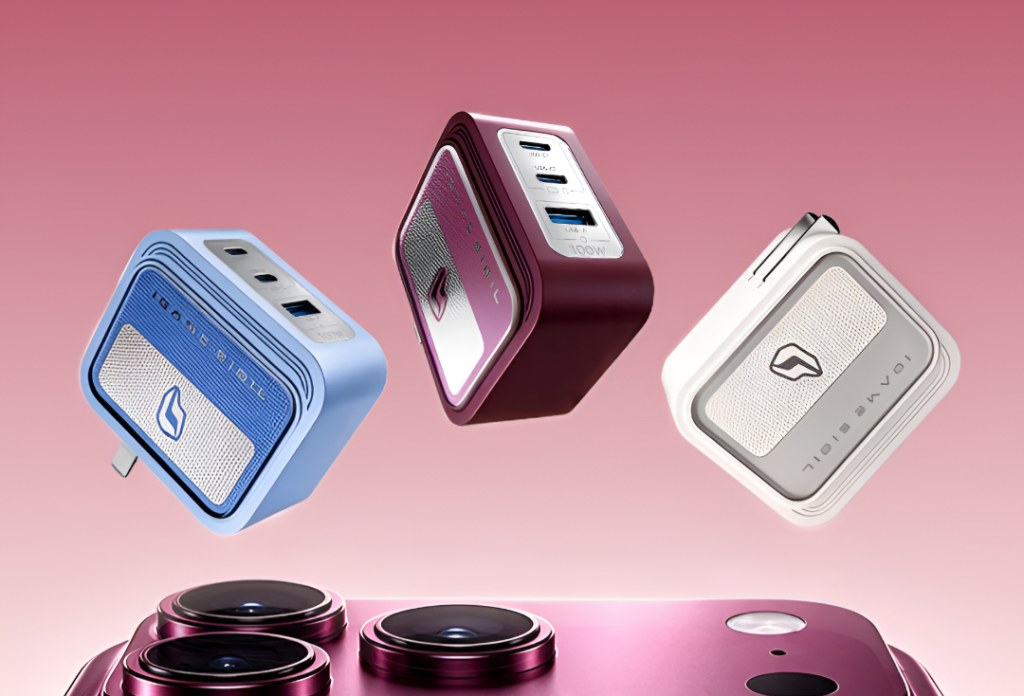
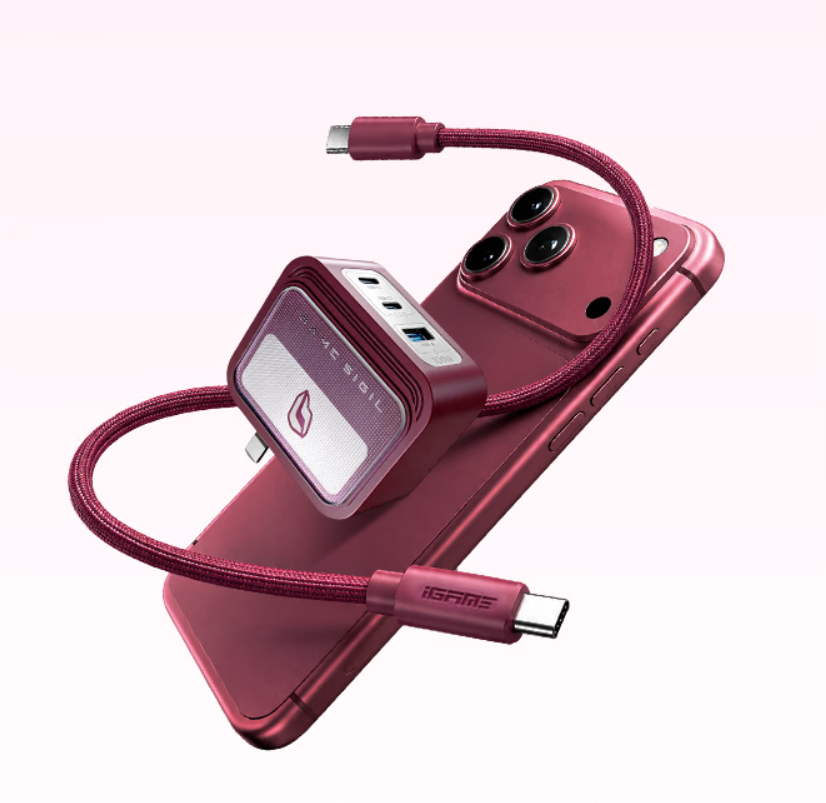
Colorful has released a new 100W travel charger in China. The iGame Sigil 100W GaN charger goes on sale on JD.com with an introductory price of 129 yuan ($19). It is a standard three-port brick that includes support for the newer PD 3.2 AVS charging protocol, which is particularly relevant for recent high-draw devices like the iPhone 18 Pro.
Colorful iGame Sigil 100W Charger Specs
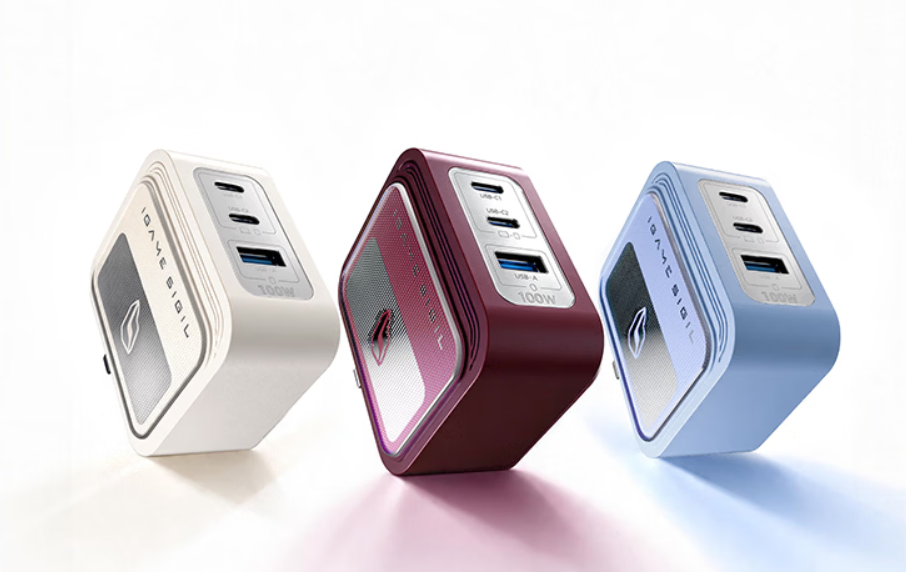
The charger uses a familiar 2C+1A configuration, meaning it has two USB-C ports and one USB-A port. If you are only using one of the USB-C ports, the charger can output the full 100W, which is enough to run most modern laptops. The USB-A port tops out at 33W when used alone. When you plug in multiple devices, the charger automatically divides the power based on what is connected.
Using both USB-C ports allows for power splits like 65W and 35W, or 45W and 45W. If you use all three ports at the same time, the primary USB-C port provides 65W, while the second USB-C port and the USB-A port share the remaining power at 7.5W each.
The charger supports PD 3.2 AVS (Adaptive Voltage Scaling), which allows it to continuously adjust its output voltage between 9V and 20V based on the connected device’s requirements. This enables charging speeds of up to 54W for the iPhone 18 Pro series. According to Colorful’s test data, it can charge an iPhone 18 Pro to 50% in approximately 15 minutes and 81% in 30 minutes.
Internally, the charger relies on a GaN power management chip from Southchip Semiconductor. It includes active Power Factor Correction (PFC) and is built to handle a wide 100-240V input range. Colorful also used a fully integrated potting process for the build.
This means the internal components are encased in a solid compound with no empty cavities, which helps transfer heat away from the components and makes the charger more resistant to physical vibrations or drops. It also includes standard safety features to prevent overheating, short circuits, and overvoltage.
The iGame Sigil supports common fast-charging protocols like PPS, QC, SCP, and FCP, making it compatible with hardware from Samsung, Xiaomi, Huawei, Vivo, and others. In Colorful’s lab tests, a 30-minute charge brought a 14-inch MacBook Pro M5 to 63% and a Samsung Galaxy S26 Ultra to 78%.
The charger is available in three colors: Cloud White, Crimson Red, and Ice Blue.
Timex has launched a new limited-edition variant of its Marlin watch in the US, introducing a California dial to the vintage-inspired line. The Marlin California Dial Limited Edition is priced at $299 and is restricted to a production run of just 200 individually numbered units.
Design Details
The watch comes with a traditional California dial that combines two types of numerals on a single face. The upper half uses Roman numerals for the 10, 11, 1, and 2 o’clock positions, while the lower half features standard Arabic numerals for the 4, 5, 7, and 8 o’clock positions.
Timex separates the two sections with horizontal stick markers at 3, 6, and 9 o’clock. The black dial features gold-tone numerals, while the hands include luminescent material for visibility in low-light conditions.
The physical dimensions of the watch remain identical to the standard 34mm Marlin. The case is polished stainless steel, measuring 34mm across and 13.5mm thick. By modern watch standards, 34mm is quite small, but it matches the 1960s sizing the watch is based on.
It weighs 33.2 grams and uses an 18mm lug width. The crystal covering the dial is domed acrylic. Acrylic is a plastic polymer that scratches more easily than the sapphire glass used on many modern watches, though minor scuffs can usually be polished out with a specialized paste.
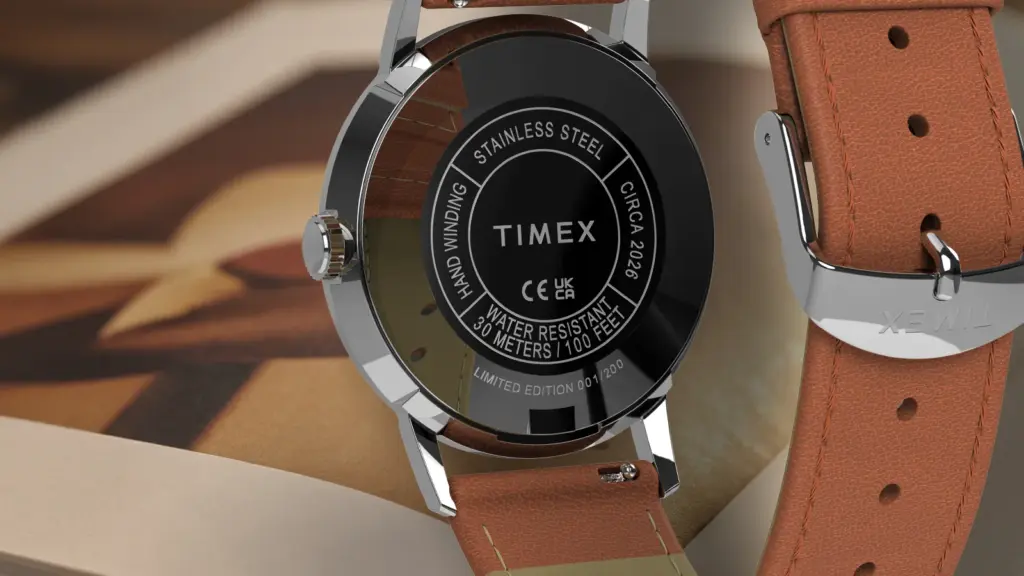
The watch is powered by a mechanical hand-wound movement, which means it does not require a battery or feature an automatic rotor. Instead, you need to manually wind the crown to keep it running. It also offers 30-meter water resistance.
In practical terms, this means the watch can handle rain or washing your hands, but it is not sealed for use in the shower or a swimming pool. The watch comes with a brown leather strap that includes quick-release spring bars, making it easy to swap bands without using a tool.
Timex is producing only 200 units of the watch, with the first 100 sold in person at the Windup Watch Fair in New York City. The remaining 100 units, numbered 101 through 200, are now available through the Timex US website. Each watch also features its individual production number engraved on the case back.
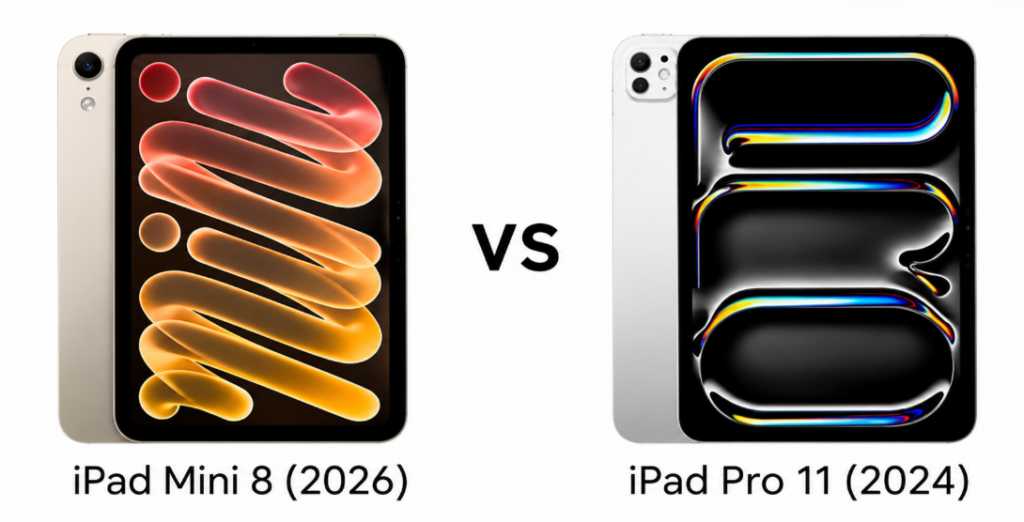
iPad Mini 8 (2026) and iPad Pro 11-inch (M4) are designed for two very different types of tablet users. While the iPad Mini focuses on portability, convenient handling and powerful performance in a compact form, the iPad Pro is built for users who need a larger workspace, advanced display technology and professional-grade computing capabilities.
Interestingly, the iPad Mini 8 brings several premium features of its own, including an 8.5-inch OLED display, the A20 Pro chipset, IP67 water and dust resistance and Apple Pencil support. Meanwhile, the M4 iPad Pro retains its appeal through its larger 120Hz Tandem OLED display, powerful M4 processor, Thunderbolt connectivity and professional creative features.
Rather than treating one as an outright winner, this comparison looks at where the two tablets differ, what each one offers and which type of buyer will benefit more from each device.
Disclaimer: Specs are based on available data. Actual performance may vary. Verify details from official sources before buying.
2. Design and Display
Build Quality
The biggest difference between the iPad Mini 8 and iPad Pro 11-inch is their size and portability. The iPad Mini 8 measures 195.3 x 132.6 x 5.4mm and weighs just 255g for the Wi-Fi model, making it considerably easier to carry, hold with one hand and use while travelling. It also features IP67 water and dust resistance, offering additional protection against accidental exposure to water and dust.
In comparison, the iPad Pro M4 measures 249.7 x 177.5 x 5.3mm and weighs 444g. Its larger aluminium construction makes it better suited to desk-based work, drawing and landscape-oriented use, although it is less convenient to hold for extended periods.
Display & Multimedia
The Mini features an 8.5-inch Super Retina XDR OLED display with a resolution of 1512 x 2316 pixels and approximately 325ppi pixel density. It also offers 600 nits of typical brightness and up to 1,200 nits in HDR conditions.
The Pro features a larger 11-inch Ultra Retina Tandem OLED display with 120Hz refresh rate, HDR10 and Dolby Vision support. It reaches 1,000 nits of typical brightness and up to 1,600 nits peak brightness. Its larger screen makes it more comfortable for watching movies, editing content and working across multiple applications.
Verdict
The Mini suits readers, travellers and portability-focused users who prefer a compact OLED tablet. The Pro is more suitable for those who want a larger, brighter and smoother display for creative work, productivity and multimedia.
3. Performance and Software
Processor & UI Smoothness
The iPad Mini 8 is powered by Apple’s A20 Pro chipset built on a 2nm process, while the iPad Pro 11-inch uses the M4 processor. Both are powerful Apple silicon platforms, but they target different computing requirements.
The A20 Pro features a penta-core CPU on the 128GB and 256GB variants, while the 512GB version gets a hexa-core CPU. Its 7-core GPU makes the Mini suitable for demanding applications, gaming, browsing and everyday creative tasks.
The M4, on the other hand, is designed for more demanding professional workloads. Its CPU configuration ranges from 9 cores on the 256GB and 512GB models to 10 cores on the 1TB and 2TB variants. The 10-core GPU also makes it better suited to intensive graphics applications, high-resolution video editing and complex creative projects.
Productivity & Multitasking
Both tablets offer the iPadOS experience, but their screen sizes influence how comfortably applications can be used together. The Mini is better for quick tasks, reading documents, taking notes and working on the move.
The Pro’s larger display provides more room for multitasking, document editing and creative workflows. It also offers 8GB RAM on the 256GB and 512GB variants, increasing to 16GB on the 1TB and 2TB models. The Mini offers 12GB RAM across its storage configurations.
Verdict
The Mini offers powerful performance in a compact package, making it suitable for everyday computing and entertainment. The Pro is better suited to users who regularly edit videos, handle demanding projects or want a larger workspace for professional applications.
4. Battery and Accessories
Battery Life
The iPad Mini 8 packs a 4,900mAh lithium-ion battery, while the iPad Pro M4 features an 8,160mAh lithium-polymer battery. The difference in capacity reflects their different sizes and hardware requirements.
The Mini’s smaller display and compact design make it convenient for reading, browsing and casual entertainment. Meanwhile, the Pro’s larger battery accommodates its bigger display and more demanding hardware. Actual battery endurance will depend on display brightness, applications and usage patterns.
The Mini supports wired charging and can reach 50% charge in approximately 30 minutes. The Pro also supports wired charging, although its charging performance depends on the compatible adapter used.
Stylus, Keyboard & Ecosystem
Both tablets support stylus input, making them useful for handwriting, sketching and creative work. However, the larger display of the Pro gives digital artists and professionals more room to work comfortably.
The Mini is better suited to handwritten notes, quick sketches and portable productivity. Its compact dimensions make it easier to carry between classes, meetings and different locations.
The Pro is more appropriate for users who want a larger tablet workspace, particularly when paired with a compatible keyboard and stylus. Its larger screen makes document editing, typing and creative applications more comfortable.
Verdict
The Mini makes more sense for portable note-taking, reading and casual productivity. The Pro is a better choice for users who want a larger workspace for extended writing, drawing and professional tasks.
5. Camera & Media
Rear and Front Camera
Both tablets feature a 12MP rear camera with an f/1.8 aperture and autofocus, making them suitable for everyday photography, document scanning and capturing occasional videos.
However, the iPad Pro M4 offers additional camera hardware, including a TOF 3D LiDAR scanner for depth sensing and a Quad-LED dual-tone flash. It also supports ProRes video recording at 4K and 1080p, giving it more flexibility for professional video workflows.
The iPad Mini 8 keeps things simpler with its single 12MP rear camera and multi-focus LED flash. It supports HDR and panorama photography, alongside 4K video recording at up to 60fps.
For selfies and video calls, both tablets feature a 12MP ultrawide front camera with a 122-degree field of view. The Mini has an f/2.0 aperture, while the Pro features an f/2.4 aperture. Both support 1080p video recording.
Video & Audio Quality
The iPad Pro has an advantage for professional video work with ProRes recording and its four-speaker audio system. The Mini offers stereo audio using Acoustic Display technology, providing a different multimedia experience in a smaller form factor.
Verdict
The Mini is suitable for video calls, document scanning and casual photography. The Pro is more appealing to content creators and professionals who need LiDAR capabilities, ProRes recording and a more immersive four-speaker setup.
6. Pricing
The iPad Mini 8 (2026) carries an approximate price of $700 (₹83,000), while the iPad Pro 11-inch (M4) costs approximately $1,000 (₹1,00,000). This creates a noticeable price difference, positioning the Mini as the more affordable entry point into Apple’s premium tablet experience.
The Mini’s pricing is particularly interesting because it brings several high-end features, including an OLED display, A20 Pro chipset, IP67 protection and stylus support. Buyers who primarily need a tablet for reading, entertainment, note-taking, browsing and occasional creative work may find it difficult to justify spending more on the Pro.
However, the additional investment in the M4 model brings a larger 120Hz Tandem OLED display, a more capable professional computing platform, Thunderbolt connectivity, four speakers and additional camera capabilities.
Verdict
The Mini is the more sensible purchase for portability-focused buyers who want premium features without spending as much. The Pro makes more financial sense when its additional productivity and creative capabilities will actually be used.
The iPad Mini 8 and iPad Pro M4 have different strengths, making their unique features more important than their overall specifications.
The Mini’s biggest attraction is its compact form factor, weighing just 255g while offering an 8.5-inch OLED display, A20 Pro processing, IP67 protection and stylus support. It is designed for users who want a capable tablet that can easily accompany them everywhere. Its smaller dimensions also make it a convenient option for reading, handwritten notes, casual entertainment and everyday browsing.
The iPad Pro M4 focuses on a more complete computing experience. Its larger 11-inch Tandem OLED display with 120Hz refresh rate, M4 chipset, Thunderbolt connectivity, LiDAR scanner, ProRes video recording and four-speaker system make it better suited to demanding creative and professional work.
Verdict
The iPad Mini 8 is a better fit for students, readers, travellers, casual gamers and people who prefer a lightweight tablet for everyday use. The iPad Pro M4 is more appropriate for designers, digital artists, video editors, professionals and users who want to replace some laptop workflows with an iPad.
Ultimately, the decision comes down to how the tablet will be used. The Mini prioritises convenience and portability, while the Pro prioritises workspace, creative flexibility and productivity. Neither is a direct replacement for the other because they serve distinctly different tablet experiences.
Disclaimer: The specifications, features and pricing mentioned in this comparison are based on the information available at the time of writing. Actual specifications, availability and pricing may vary by market and are subject to change.
One UI 9.5, expected to land with the Galaxy S27 series in early 2027, is already in active internal testing. Recent finds from early builds and app strings (spotted by SammyGuru) highlight two notable changes.
First up, the basic Galaxy AI tools that helped popularize the suite, including Photo Assist, Browsing Assist, Now Brief, and similar features, look like they’ll stay free. But the same leaks suggest they may come with usage limits. Once you hit those limits, you might need to buy credit top-ups or move to a higher tier.
There’s also talk of a new Galaxy AI Premium (sometimes referred to as a Max plan) subscription currently being tested. This would unlock extra capabilities and higher usage allowances. Reported premium features include Gen Video (creating AI videos from photos), Bixby Action (automating tasks across apps), and Daily Briefing, along with expanded limits on the existing tools.
Pricing strings found in the software currently show $4.99 per month or $47.99 per year, though these numbers aren’t final and could easily change. Early access testing is also mentioned, with any payments during that phase reportedly refundable. Availability may start with the S27 series.
Separately, DeX is getting some focused refinements, especially around the Samsung Browser. Instead of just stretching the mobile interface, the browser is being prepared with a more authentic desktop layout when used in DeX. Leaks describe a desktop-style sidebar, support for side-by-side webpage viewing, and an integrated Galaxy AI panel with tools like summarize, translate, read highlights, and ask questions. The goal seems to be making the experience feel closer to a native desktop browser when you’re on a larger screen or external display.
The leak offers an early look at how One UI 9.5 could expand both paid AI options and productivity tools for DeX users.
Apple followed a split launch strategy this year by only launching the iPhone 18 Pro and Pro Max at the September event. The first-gen foldable phone, iPhone Duo, was also a part of the event, but the standard iPhone 18 didn’t make an appearance.
The iPhone 18 is expected to arrive in early 2027. Some reputed leaksters say it will be priced higher than iPhone 17. So, the real question is: if it’s worth waiting a few months to get the iPhone 18 at higher prices, or get the iPhone 17 right now? Will the upcoming model bring enough solid upgrades to justify a price hike? Let’s find out.
Upgrades coming to iPhone 18
Apple hasn’t said anything about the iPhone 18, but extensive leaks in recent weeks have revealed almost everything about the device, including price hike details.
The iPhone 18 is expected to ship with a 2nm A20 chipset (Pro’s have A20 Pro chips). Of course, the performance is going to be better, but the switch to a 2nm node should bring a greater impact on battery efficiency.
According to Digital Chat Station, a Chinese tipster with a strong track record in Apple leaks, the standard iPhone 18 will switch to Apple’s C2 modem instead of using one made by Qualcomm. The Pro models also use the same modem.
The iPhone 18 will reportedly bring RAM upgrades as well. According to analyst Ming-Chi Kuo, it will come with 9GB of RAM, up from 8GB RAM on the iPhone 17.
Besides these three potential upgrades, there’s one that even beats the iPhone 18 Pro, and that is: a 4430mAh battery on the standard iPhone 18. For comparison, the iPhone 17 has a 3692mAh battery and the iPhone 18 Pro has a 4288mAh battery.
Well, this wouldn’t be the first time seeing a bigger battery on a standard iPhone than on a Pro model, but the 20% bigger battery compared to iPhone 17 is a big deal. This is only a rumor for now, but Apple fans are already sharing their excitement on public forums such as Reddit (1,2).
Other specs will reportedly remain unchanged. So, you may still get a 120Hz 6.3″ LTPO OLED screen, dual 48MP rear camera setup, an 18MP selfie camera with center stage, IP68 rating, and 40W wired charging support.
Price hikes are also coming
The iPhone 18 will reportedly face a price hike on top of already hiked prices of the iPhone 17. It is expected to cost $999 for the base variant with 256GB storage. The iPhone 17 with the same storage is currently priced at $899 after a recent hike of $100.
Is it worth waiting for the iPhone 18?
Based on the leaks and rumors so far, the iPhone 18 would essentially bring upgraded performance and a 20% larger battery. And for that you may have to pay an additional $100. If those upgrades and the price hike sound good, it’s better to wait.
However, if you’re a light user, the iPhone 17 is actually a better choice. The device comfortably lasts a day on normal usage, and doesn’t lag in everyday operations. Plus, you’ll save $100 and won’t have to wait for months to upgrade.
You can read about detailed coverage of iPhone 18 on this page.
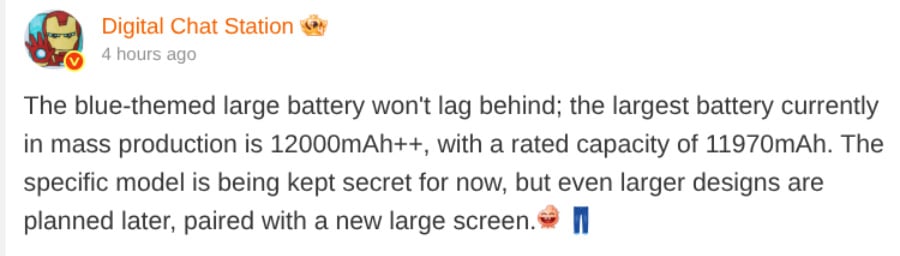
Vivo may have an 11,970mAh smartphone battery in mass production, according to a new leak. Weibo tipster Digital Chat Station said today that the “blue” manufacturer is keeping up with the growing trend of larger phone batteries. He did not mention the brand directly, but the color reference points to Vivo.
The tipster claims the largest battery currently in mass production has a rated capacity of 11,970mAh, putting it in the 12,000mAh class. He did not reveal which phone will use the cell, but added that Vivo has an even bigger battery planned for a future device with a larger display.
The claim follows an earlier post from Digital Chat Station in February, when he said Vivo was testing a phone with a single-cell silicon battery with a typical capacity between 11,000mAh and 12,000mAh. That device was still in testing at the time. The latest post suggests the battery may have since progressed to mass production.
The tipster also answered a few questions from readers about Vivo’s upcoming devices. One asked when the company’s next foldable would arrive next year and whether it would use a flagship 2nm processor.
Digital Chat Station says the 2nm chip would not be a problem, but Vivo still needs to settle on the phone’s form factor. The company is reportedly considering either a large foldable or a wider design.
Another reader asked about a flagship phone with a mid-sized display, seemingly referring to iQOO. The tipster replied, “I guess so,” although the brief response does not confirm any specific device or launch plans.
We use cookies on our website to give you the most relevant experience by remembering your preferences and repeat visits. By clicking “Accept”, you consent to the use of ALL the cookies.
This website uses cookies to improve your experience while you navigate through the website. Out of these, the cookies that are categorized as necessary are stored on your browser as they are essential for the working of basic functionalities of the website. We also use third-party cookies that help us analyze and understand how you use this website. These cookies will be stored in your browser only with your consent. You also have the option to opt-out of these cookies. But opting out of some of these cookies may affect your browsing experience.
Necessary cookies are absolutely essential for the website to function properly. This category only includes cookies that ensures basic functionalities and security features of the website. These cookies do not store any personal information.
Any cookies that may not be particularly necessary for the website to function and is used specifically to collect user personal data via analytics, ads, other embedded contents are termed as non-necessary cookies. It is mandatory to procure user consent prior to running these cookies on your website.