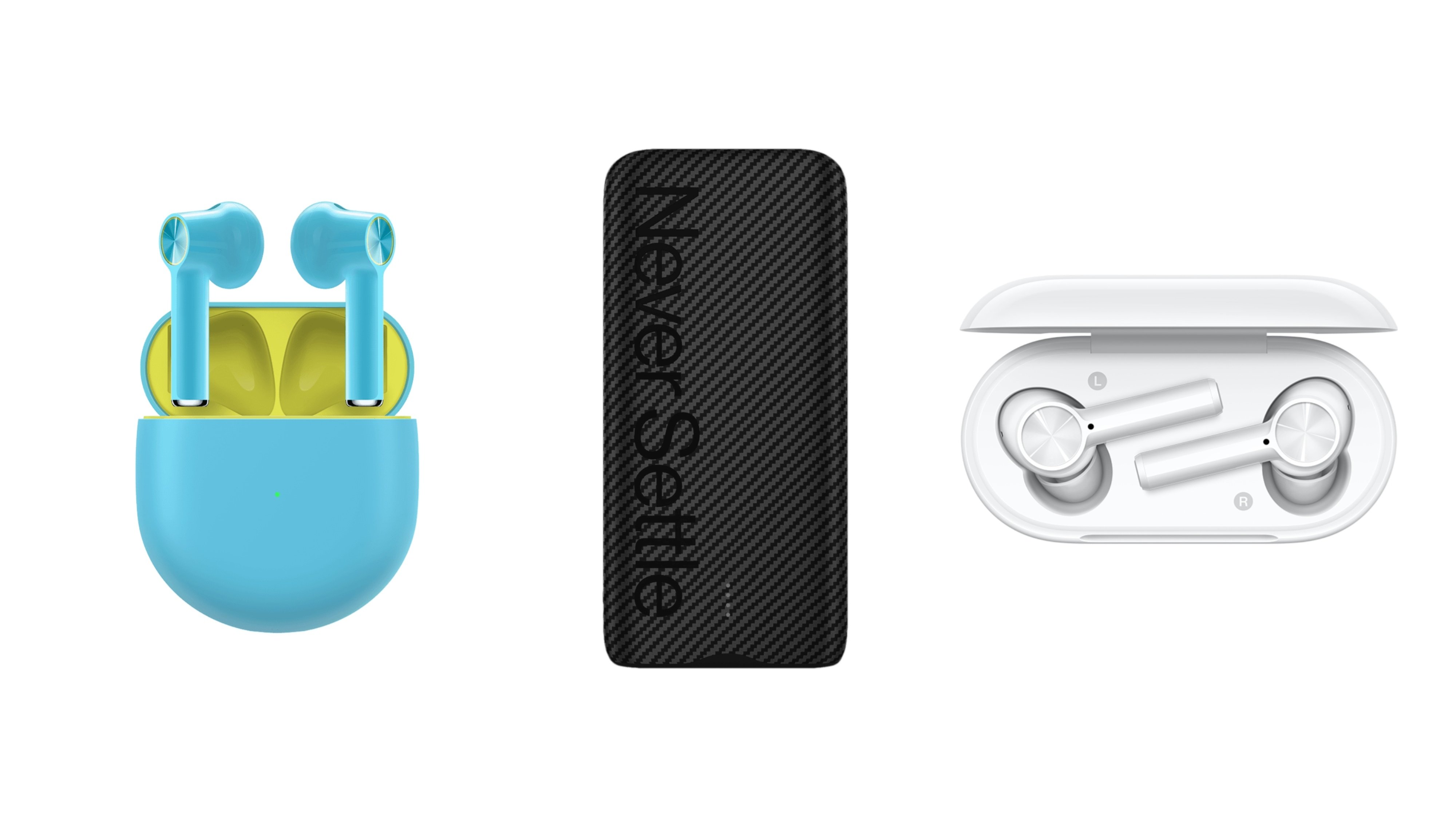
Last month, OnePlus India was selling a special bundle called OnePlus Band Power Music Bundle for a limited time. It was part of the company’s OnePlus Friday offers. A couple of weeks later, the brand is now offering discounts on select products, starting today (March 5) to the coming Monday (March 8).
OnePlus India is calling the new sale ‘The Final Horizon Sale’. The company has discounted some of its products to promote its upcoming event scheduled for March 8. The brand is expected to officially announce its partnership with the iconic Swedish camera maker Hasselblad for the OnePlus 9 series.
Anyway, coming to the deals, the firm has discounted the OnePlus Power Bank, OnePlus Buds, and OnePlus Buds Z respectively. They are on sale for the following price tags on the company’s official website.
As you can notice from the table above, OnePlus seems to be teasing the Qualcomm Snapdragon 888 SoC with the sale price of OnePlus Power Bank. We could not decipher the other hints. Or maybe, ₹888 could be a coincidence.
That said, as mentioned in the beginning, these products will be sold at discounted prices only until March 8. So make sure to make use of this deal if you were planning to buy any of them.
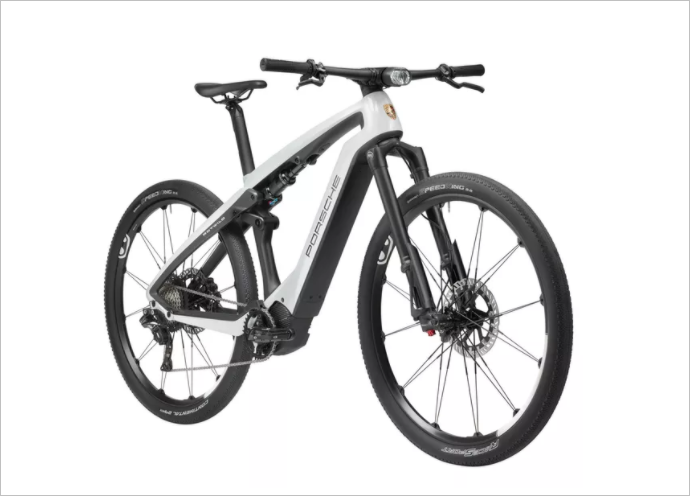
German carmaker Porsche unveiled its latest electric vehicle – the Porsche Taycan Cross Turismo yesterday. The company also took the wraps off two full-suspension electric bikes. The bikes which will start selling this spring are the brand’s first electric bicycles.
The e-bikes are dubbed Porsche Sport and Porsche Cross electric bikes, designed for different usage scenarios. While the Porsche Sport is a regular road bike for everyday use, while the Cross is an off-road bike.
in terms of the design, the Porsche Sport e-bike comes with a full-suspension carbon fiber frame and weighs less than 48 pounds. It is also has integrated front and rear lights while it is driven by a Shimano mid-drive motor. The Sport comes with a hefty price tag of about $10,700.
On its part, the off-roading adventure-designed Porsche Cross also packs a Shimano mid-drive and a carbon fiber frame. It also comes with full suspension which allows a comfortable drive even on a bumpy road. For braking, the Cross comes with a Magura-MT Trail hydraulic disc brakes that are extra-large and “heat resistant.” The bike is slightly heavier at 48.7 pounds and carries a price tag of $8,549.
The two bikes utilize the Shimano EP8 motor which is smaller than previous versions but provides up to 25 km/h of pedal-assisted support. Both bikes will be up for grabs from spring 2021.
China is planning on increasing its investment into its annual research and development by 7 percent every year, over the course of a five year period. The government made the announcement last week, in its report from the Fourth Session of the 13th Nationa People’s Congress.
According to a Reutersreport, the Chinese government will be increasing its spending on basic research by 10.6 percent this year alone. The surge in investment also showcases the nation’s commitment to further advance its tech sector, which arrives due to the various clashes between China and the US, and other nations as well, over technology policies. The local government also highlighted that it will focus on seven ey segments in its five year plan.
These areas include, ‘next-generation artificial intelligence, quantum information, brain science, semiconductors, genetic research and biotechnology, clinical medicine and health, and deep space, deep sea, and polar exploration.’ Furthermore, it further added that it would also seek to establish more national laboratories to research quantum information and artificial intelligence as well. Additionally, the government will be encouraging companies to open up data in areas ranging from search, e-commerce, along with social media as well, to support third party data services.
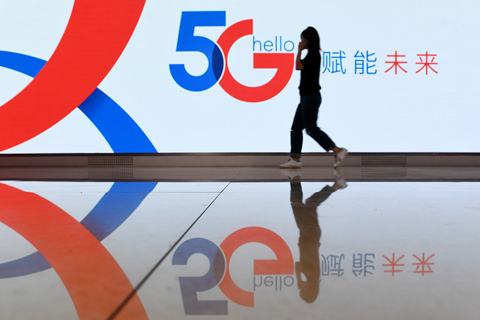
It would also focus on improving its channels for domestic companies going public. On the other hand, the government would be supporting foreign funded companies to set up their own research and development centers in China as well. A few other areas it seeks to expand on are the electric vehicle sector and 5G networking. The nation is aiming to achieve 56 percent 5G penetration within the next five years.
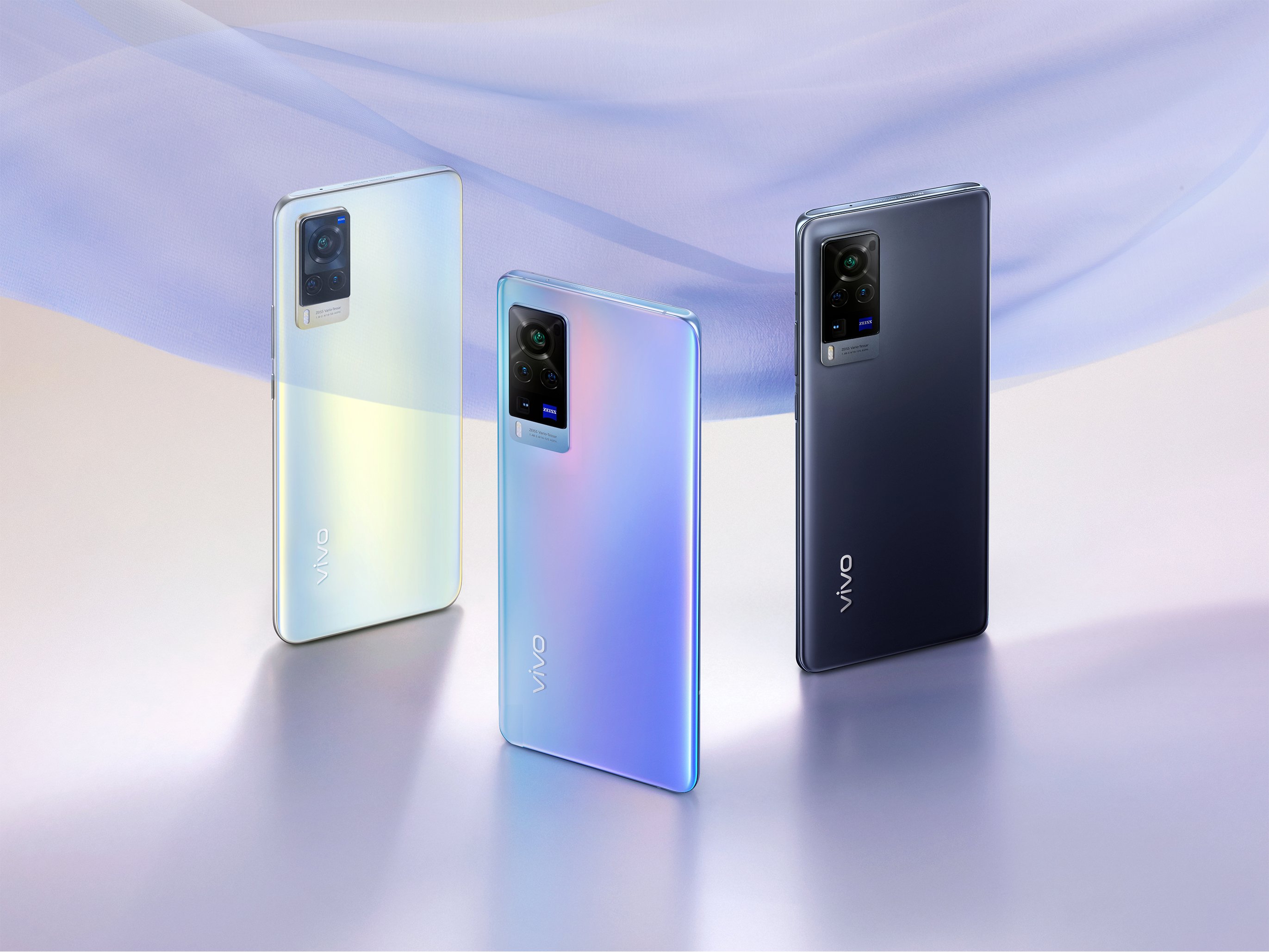
The Vivo X60 series of devices had received India’s BIS certifications indicating an imminent launch. Today, Vivo India Director of Brand Strategy Nipun Marya has confirmed its arrival in India.
Credit: Vivo
In a virtual press briefing, Nipun said(via Gadgets360) that the Vivo X60 series will launch in India this month. However, he hasn’t reportedly given clarity regarding the devices in the series. In addition to the Vivo X60 series, the company will also bring the Vivo Vision+ initiative to India.
Vivo Vision+ initiative and RGBW camera phone
This initiative, introduced back in September 2020, is for promoting the culture of mobile photography. Through this, the company will gather photography enthusiasts via Vision+ Mobile Photography Academy, conduct photography awards. It is also said to include the Master Class, and the Vivo Vision+ Photographer Federation.
Anyway, the initiative will start at the Vivo X60 series event so let’s wait for the launch to know more details on it. Moving on, the company has also said that it is bringing the RGBW camera sensor into mass production(in a smartphone) in H2 2021. If you recall, Vivo unveiled it in September 2020.
RGBW stands for Red, Green, Blue, White(filter), and the stack is based on the 4-in-1 Quad-Bayer to provide more pixel area. Here, the added White filter is supposed to increase the sensitivity by 160% as it acts as a transparent filter to allow light through.
In a world of traditional RGB camera sensors, this RGBW will add an extra ‘W’hite filter array to the arrangement, and using advanced algorithms, it is claimed to solve issues like color casting.
Vivo X60 series India: Specs
Also, regarding the Vivo X60 series, Digit India, through exclusive insider info, says that the Vivo X60 series will include Vivo X60, X60 Pro, and X60 Pro+ in India. It further says that the X60, X60 Pro will feature Snapdragon 870 chipset while the X60 Pro+ will retain the Snapdragon 888 from China.
If you recall, except the X60 Pro+, the other two devices featured Exynos 1080 chipset in China. This info is in line with recent evidences of the devices appearing online. Apart from chipsets, the Indian variants should retain the other specs from China.
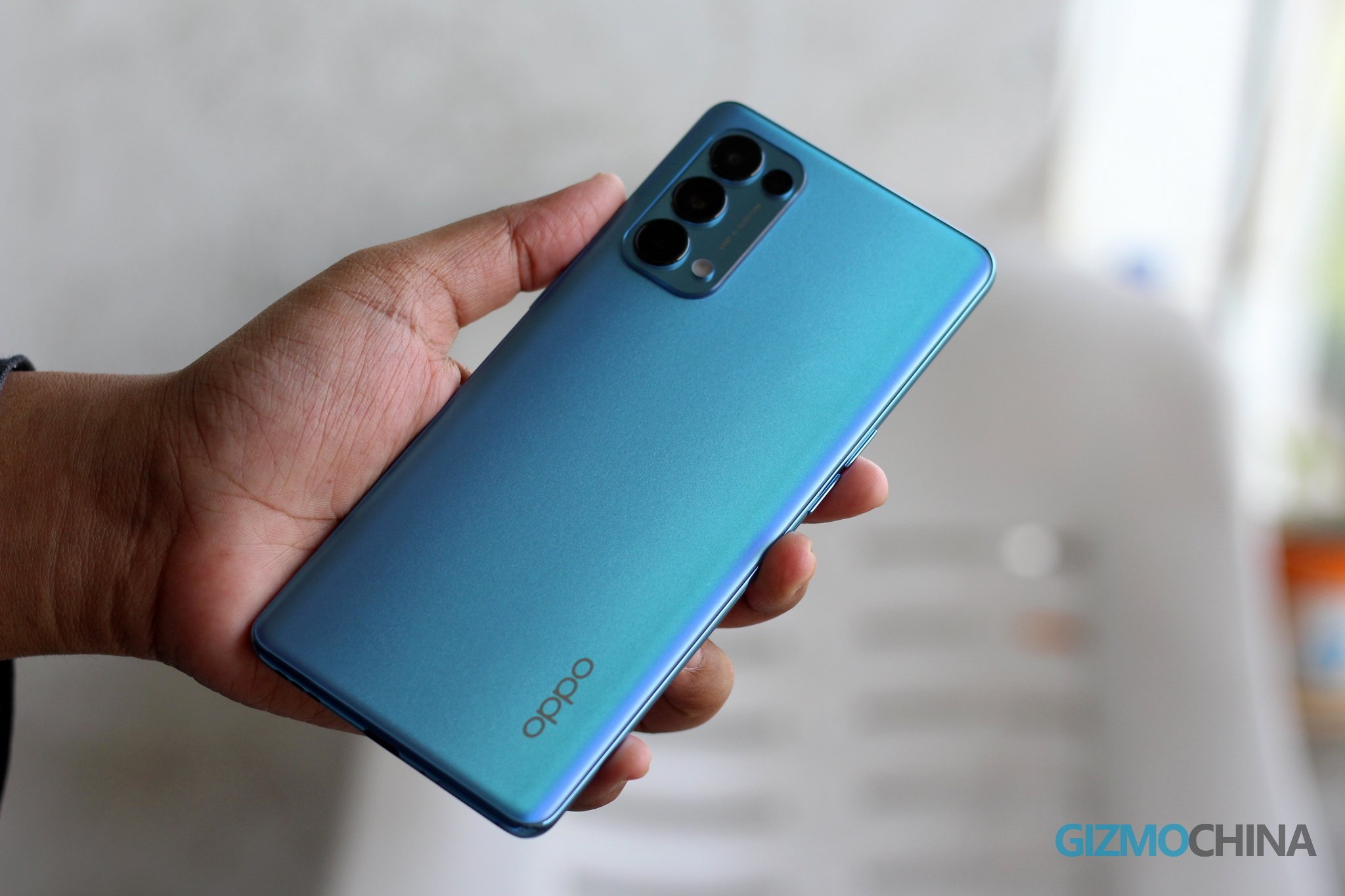
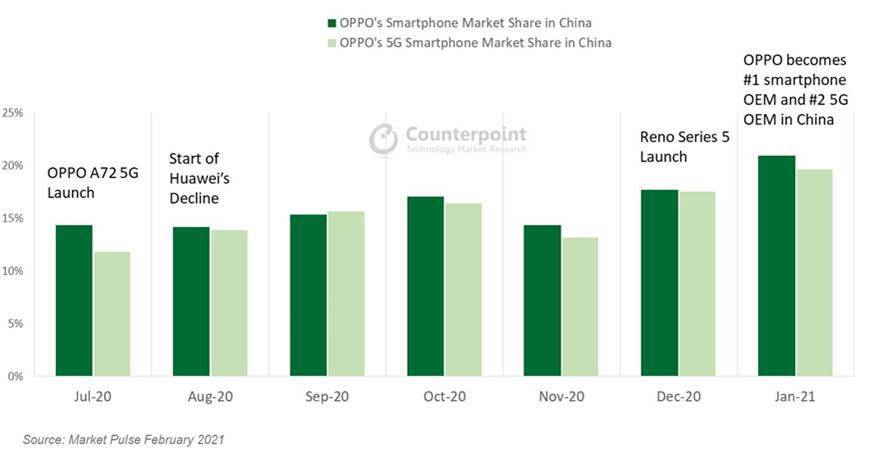
With HUAWEI’s decline, fellow Chinese OEMs have been trying their best to fill the void left by the once world’s largest smartphone maker. In fact, OPPO succeeded to become China’s largest smartphone brand for the first time since its inception in January 2021.
OPPO Reno5 Pro 5G
According to Counterpoint Research, OPPO’s market share in China stood at 21% in January 2021. The company was closely followed by vivo at 20%. Whereas, other top brands like HUAWEI, Apple, and Xiaomi had a 16% market share each.
As per Counterpoint Research’s Market Pulse Service, sales of OPPO smartphones grew 33% MoM (month-on-month) and 26% YoY (year-on-year) in January 2021. The OEM was also the largest 5G smartphone brand in the sub-$600 segment and second-largest as a whole.
OPPO was able to pull this because of HUAWEI’s steady decline. Both HUAWEI and HONOR have been continuously losing their market share due to the shortage of 5G smartphone components on account of the US sanctions.
OPPO’s success comes from the strong sales of the OPPO Reno5 series, which includes OPPO Reno5, OPPO Reno5 Pro, and OPPO Reno5 Pro+. The latest-gen Reno series was introduced at 10% cheaper, compared to its predecessor.
Source: Counterpoint Research
That’s not all, the OPPO A72 5G has been the best-selling 5G smartphone in its price segment since November 2020. Nearly one-third of the 5G handsets sold in China cost less than $300. Both the OPPO Reno and A series helped the company gain market share from HUAWEI’s nova and Enjoy series.
More than 65% of the handset sold in China in Q4 2020 were 5G-enabled. But HUAWEI and HONOR could not meet the demand, As a result, distributors in the country have now turned towards brands like OPPO, vivo, and Xiaomi. The former two now rule the offline channels while the latter is seeing growth across online channels.
Ever since HUAWEI sold HONOR, its market share even shrank further. The company is now only focused on selling premium phones with higher margins.
HUAWEI had more than 10,000 retail and experience stores across its home country at its peak. But that number has been now dwindling since Q4 2020. Competitors are expected to benefit more from the company’s further decline in 2021.
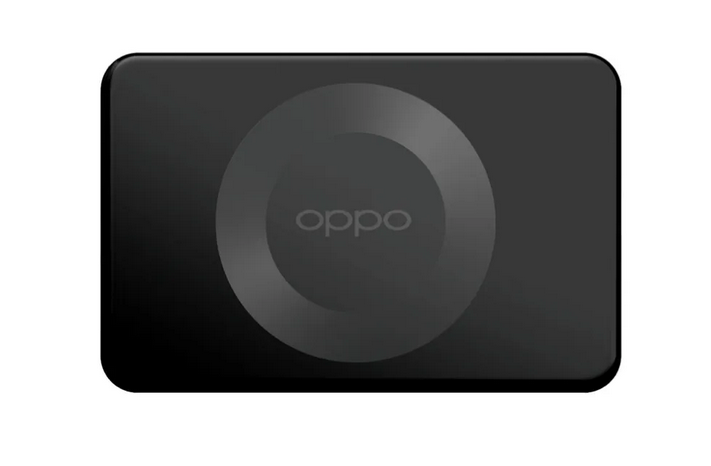
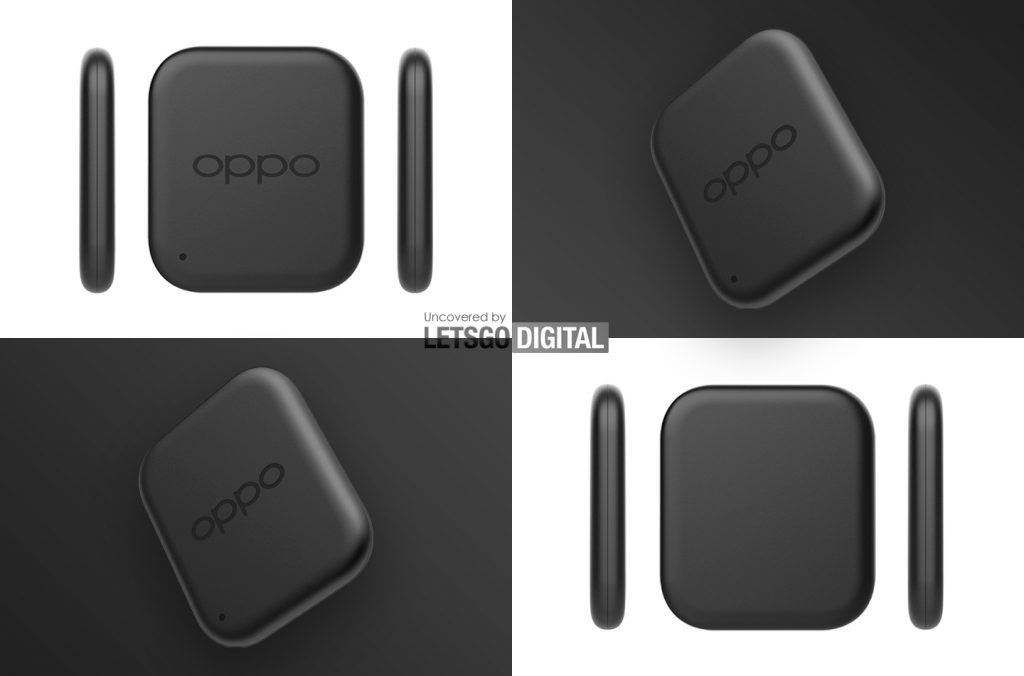
The Smart Tag from the Chinese tech giant will be functionally similar to the Galaxy SmartTag from Samsung, which was announced along with the Galaxy S21 series. So, it was also assumed at the time that we might see Oppo’s iteration of this device being launched alongside the Find X3 series. Now, the Smart Tag from the company has been spotted in a recent patent filing with China’s CNIPA, as per a 91Mobilesreport. The patent carries a number of images that are a bit different from the ones spotted earlier this year.
The Oppo Smart Tag appears to be flatter than and a bit larger than before. It features a rectangular design with rounded edges. In the middle, a circular design with the smartphone maker’s branding can be observed. Notably, the patent does not reveal any seam or hole that will allow one to attach the device to a personal item. For those unaware, smart tags are essentially small Bluetooth enabled devices that help locate certain items and objects, which they are attached to.
The Smart Tag that was spotted in a patent back in January 2021
In other words, it helps find items like keys or a bag if they are lost but still connected to your smartphone. Unfortunately, it is unclear if this is the final design the company would opt for. So, we will have to wait for the official announcement, which will arrive when the Find X3 series launches on the 11th of March 2021. So stay tuned.
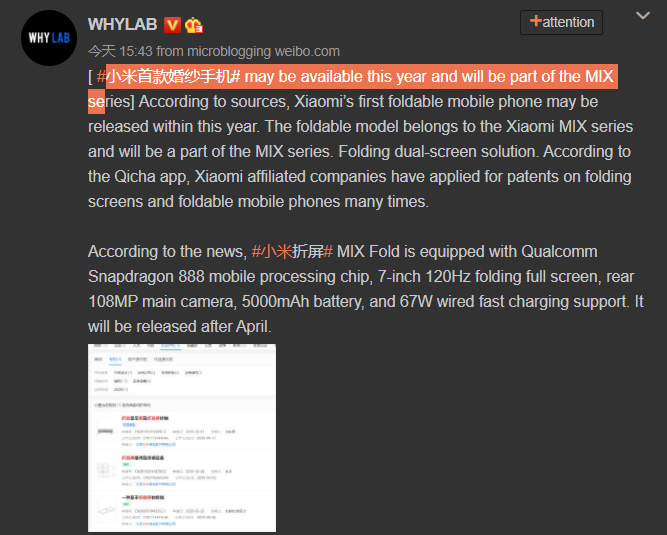
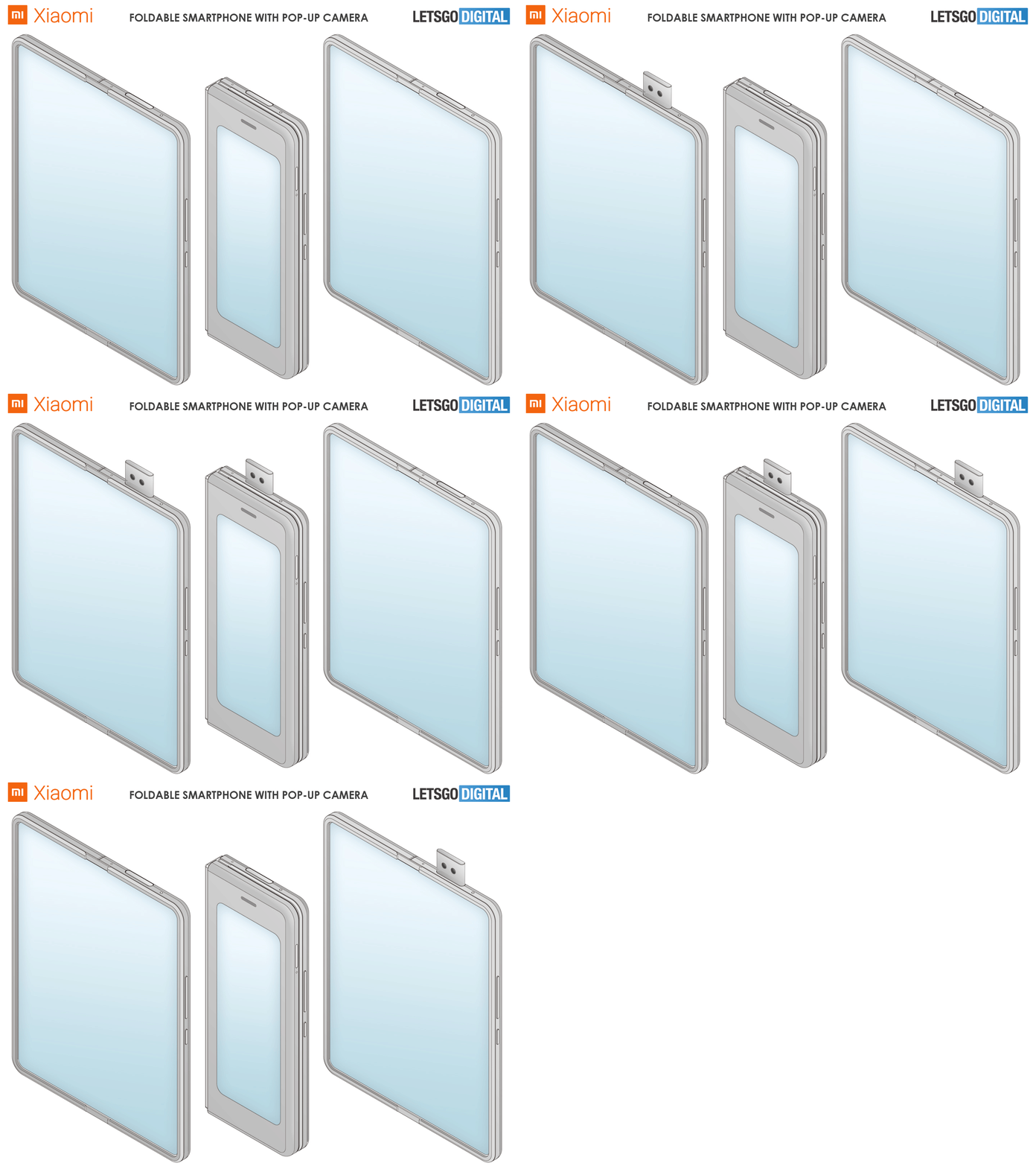
Xiaomi has recently applied for a new patent. This patent is for a new foldable smartphone, which will be part of the Mi MIX series. The patent was spotted on the QCC app and could be for the Mi MIX 4 Pro Max or the Mi MIX Fold.
The report arrives from a post on Weibo, a Chinese microblogging website, which shared the information of the new patent along with a few of its supposed specifications. Notably, the upcoming device would be the Chinese tech giant’s first foldable smartphone. Unfortunately, the actual name of the device is currently unknown. Meaning, we don’t know whether the foldable device will be the Mi MIX 4 Pro Max, as we had reported earlier, or the Mi MIX Fold as stated in the Weibo post.
The social media post also stated that the foldable device will feature dual displays and will feature the flagship grade Qualcomm Snapdragon 888 processor, paired with a 7 inch folding display with a high refresh rate of 120Hz. On the rear, the primary camera sensor will be a 108 megapixel shooter. Under the hood, a large 5,000mAh battery pack will reportedly power the device, which will also support 67W fast charging as well.
It is unknown if wireless charging will also be included, but it the Weibo blogger also added that the device will be released sometime after April of this year. Keep in mind, this is still an unconfirmed report and the company has yet to make any official announcement regarding the matter. So take this report with a pinch of salt and stay tuned for more, as we will be providing updates when additional information is available.
In the past couple of years, Redmi’s K-series has been one of the most exciting flagship lineups in the market. The series practically took over the position of the flagship killer from OnePlus and has been consistently offering extremely value-for-money flagship devices.
This year’s been no different with the new Redmi K40 and the K40 Pro bringing in top-notch specifications at fraction of the price of its competitors.
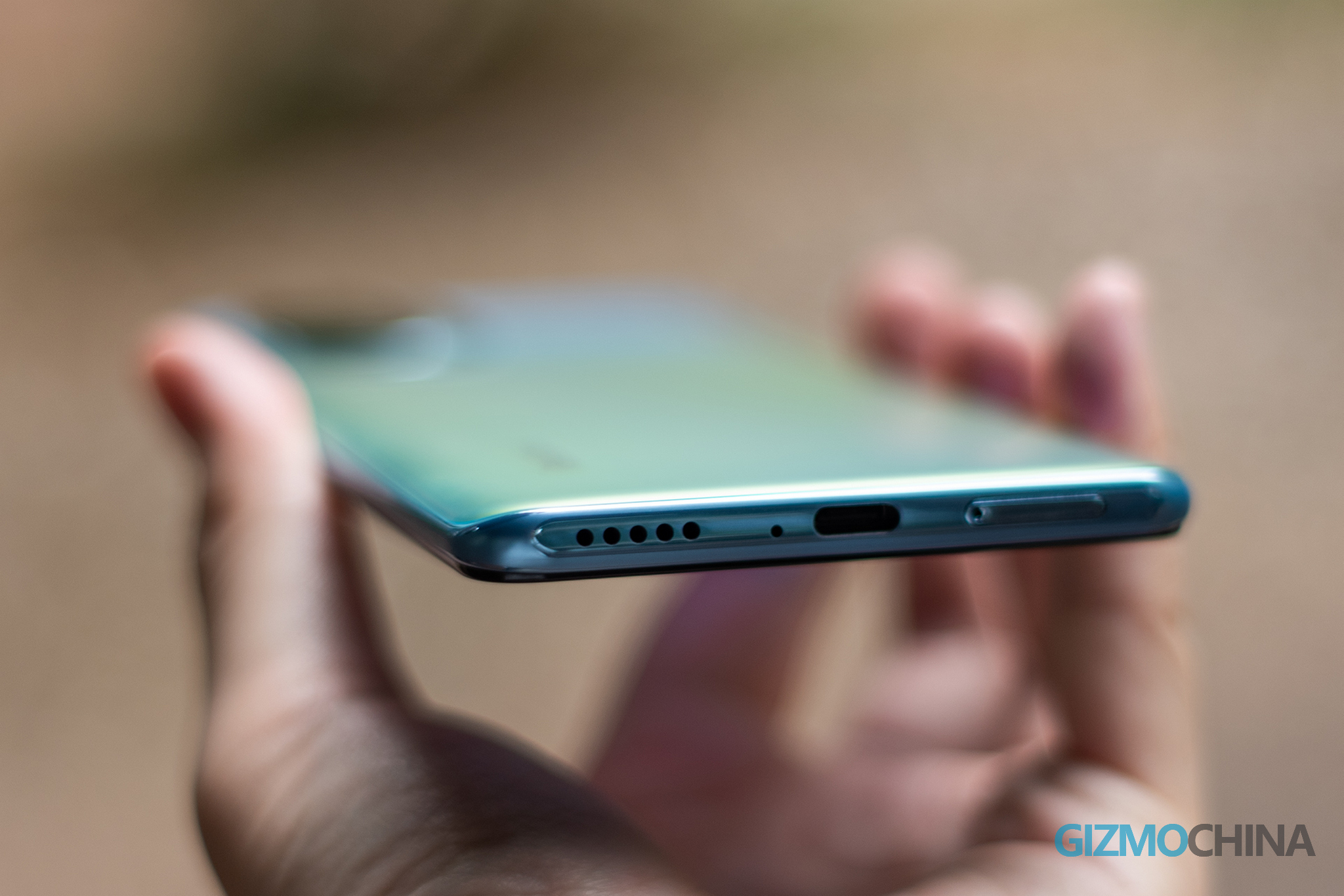
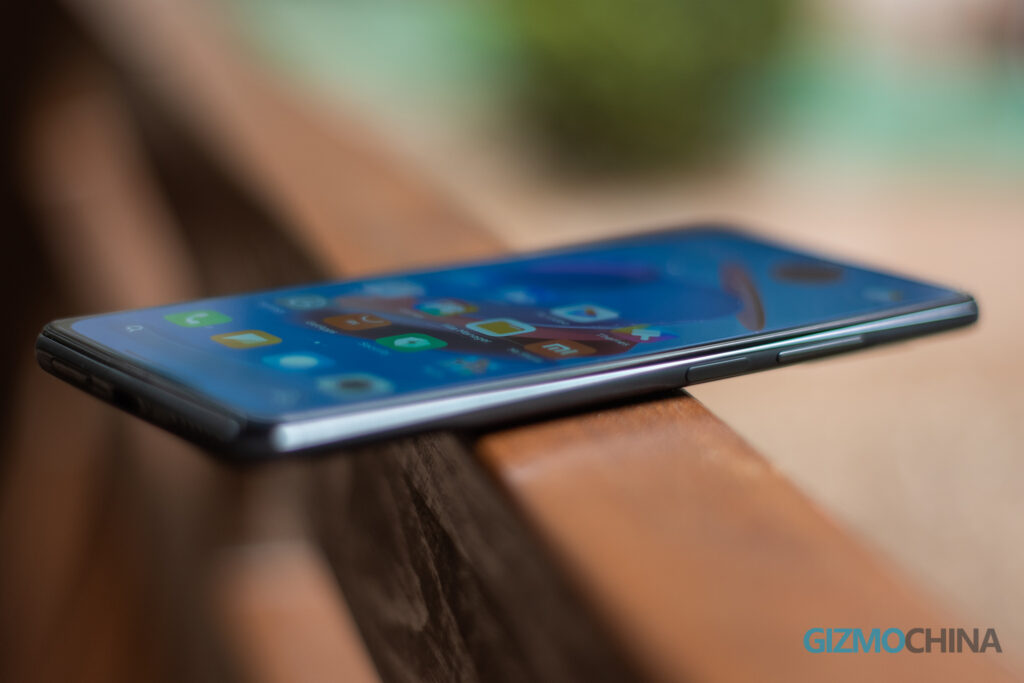
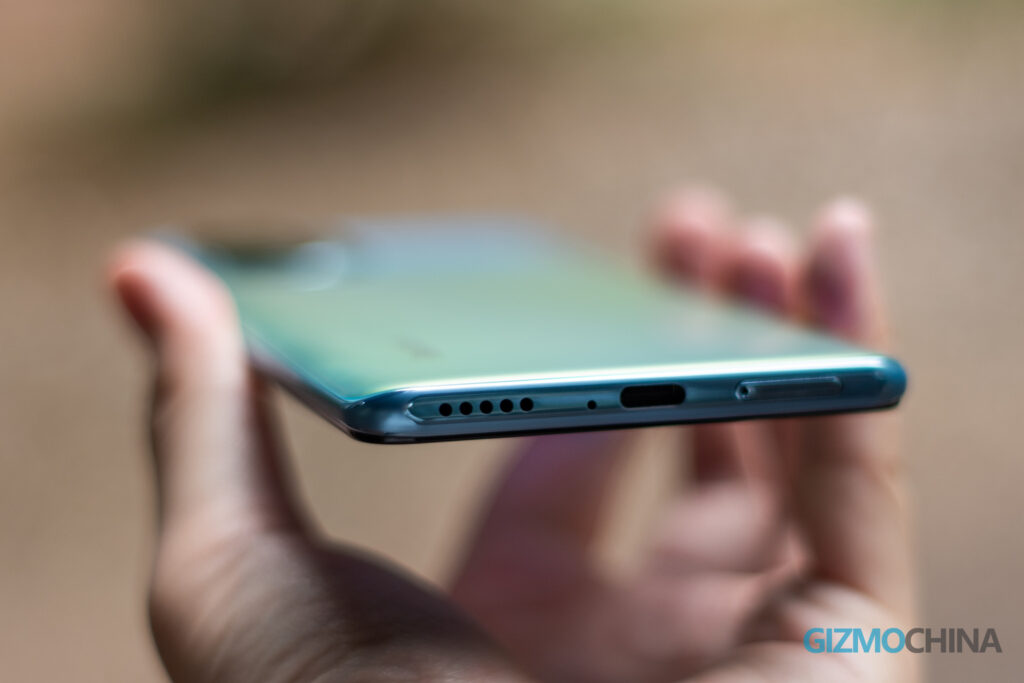
We’ve finally got both the Redmi K40 models in our office, so let’s take a quick look at the design and specs of the Redmi K40 and K40 Pro in this hands-on.
Redmi K40 & K40 Pro Hands-On: First Impressions
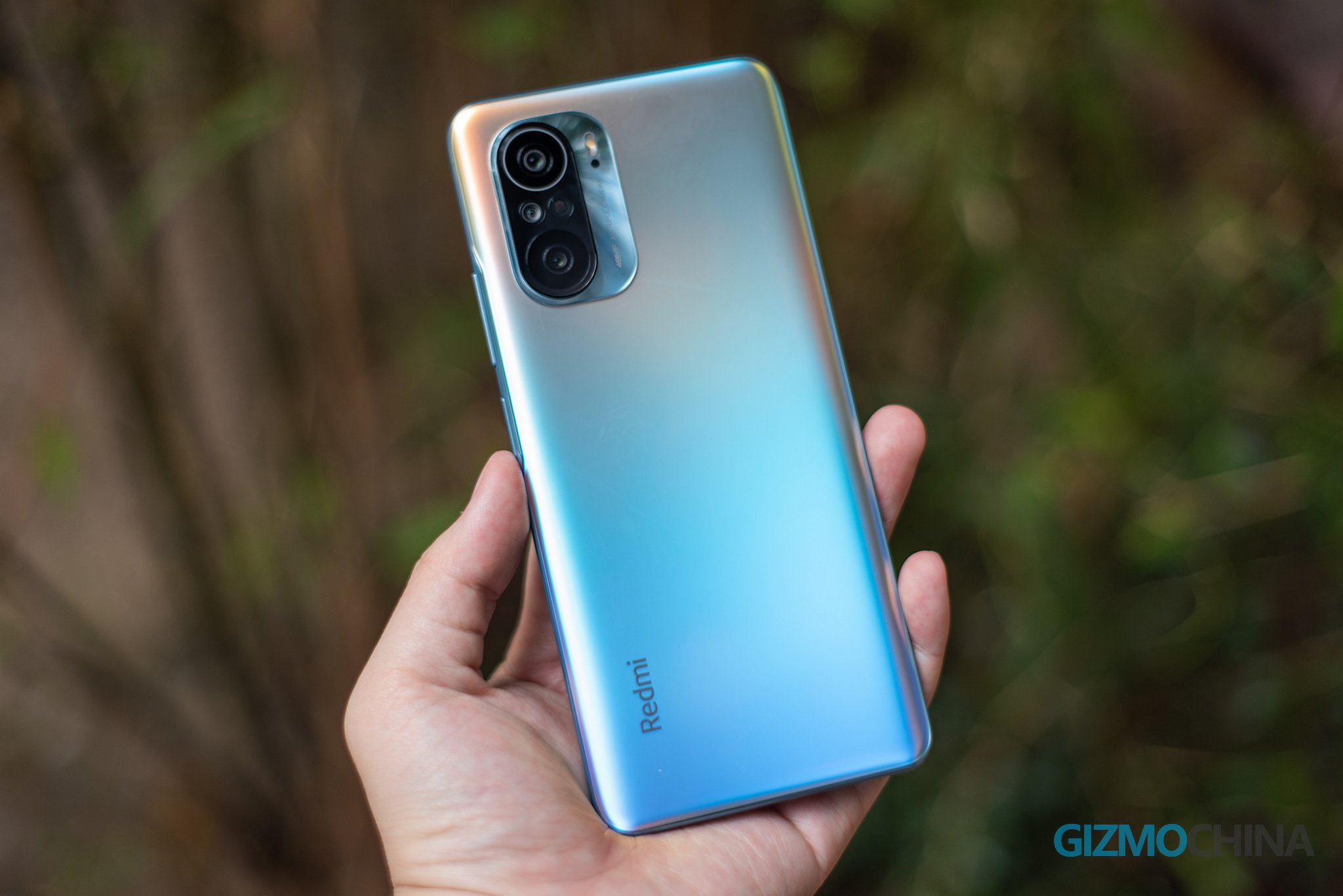
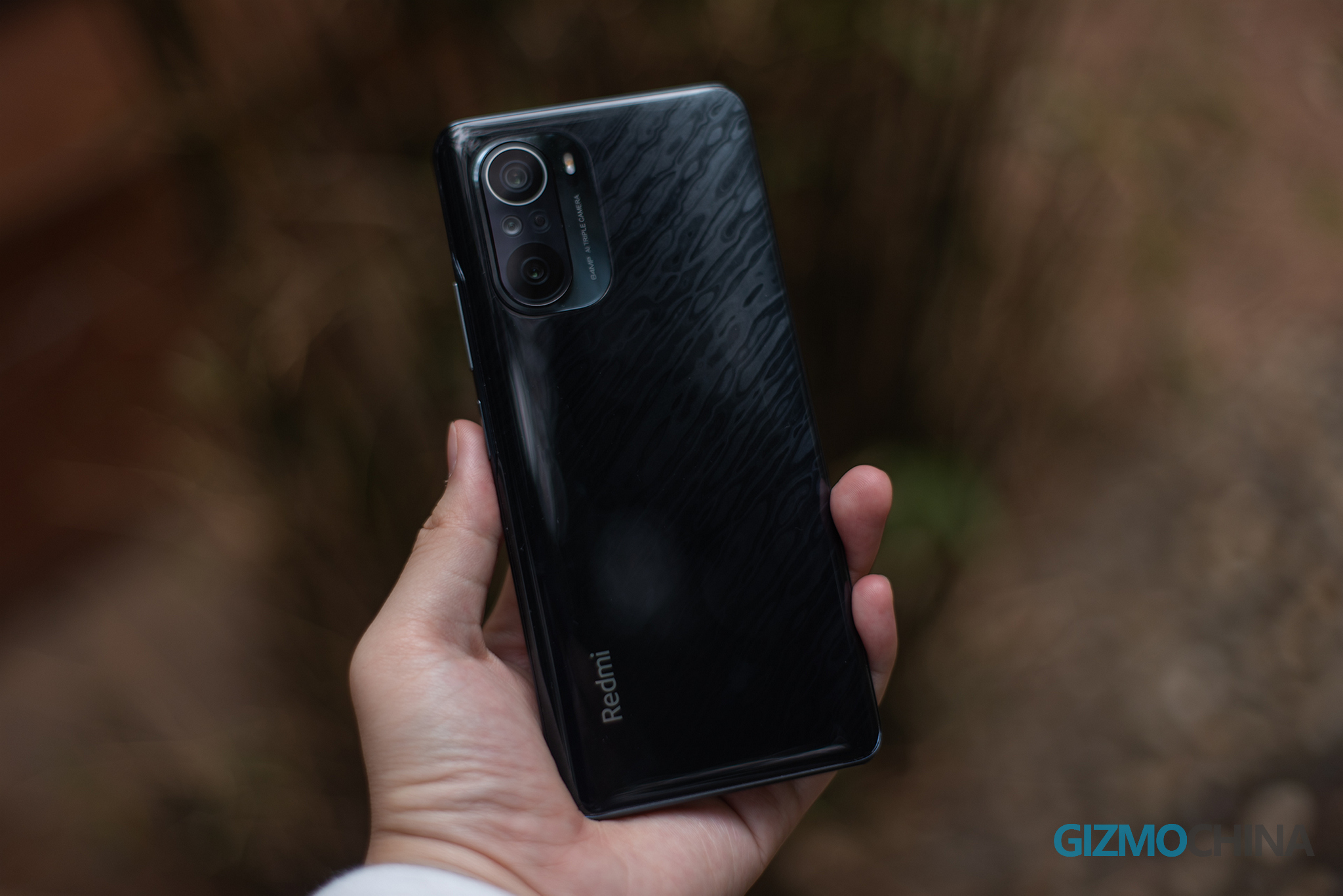
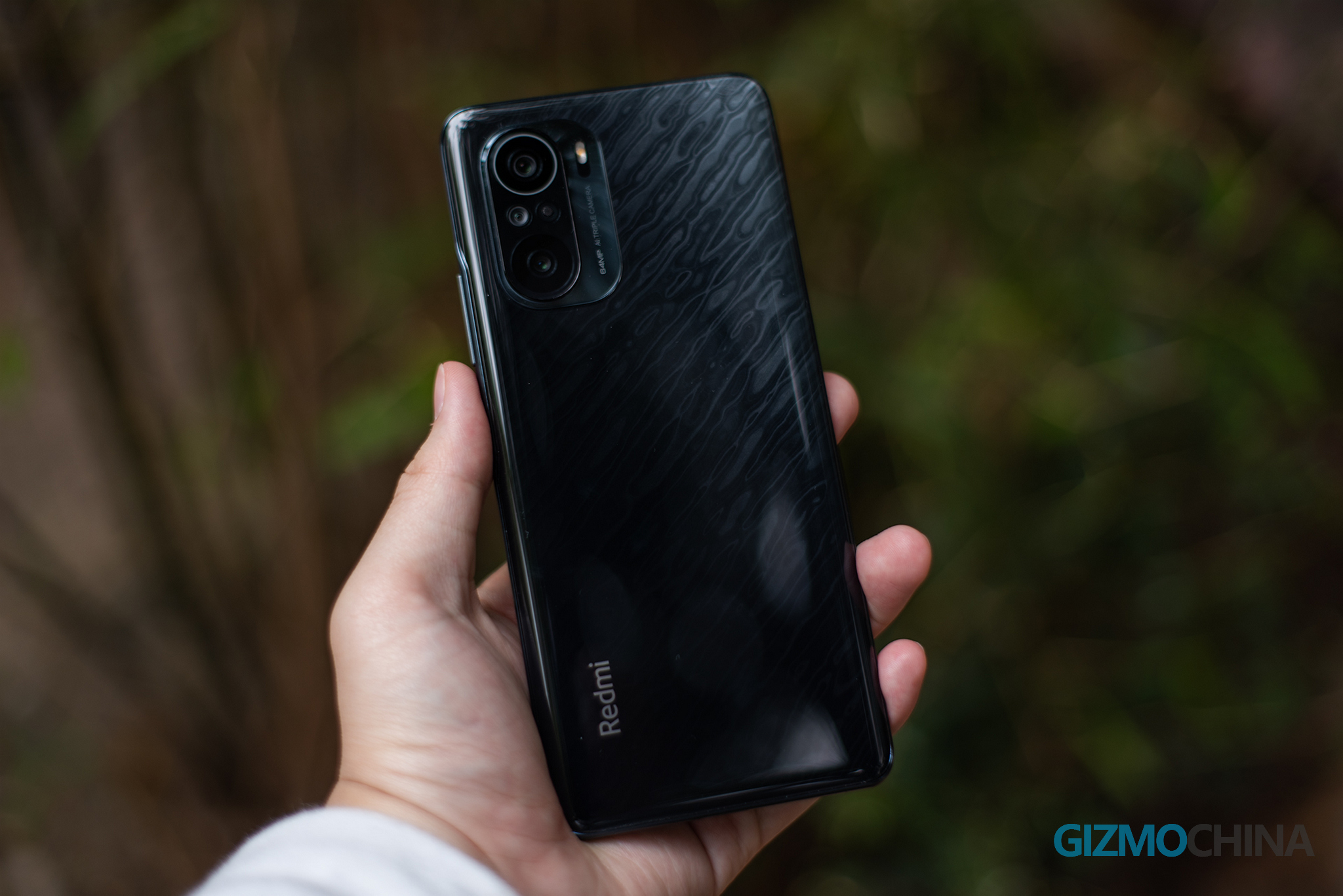
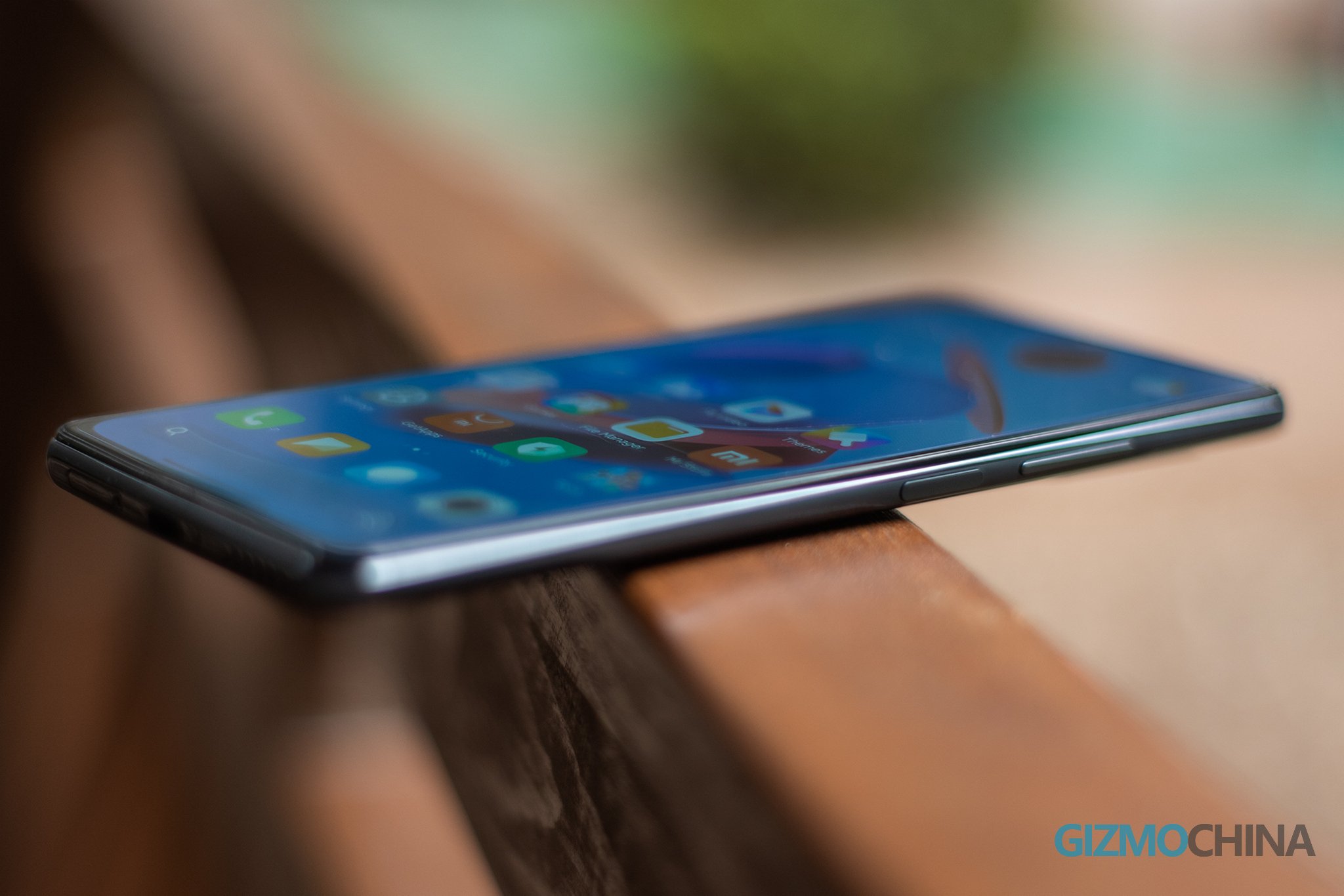
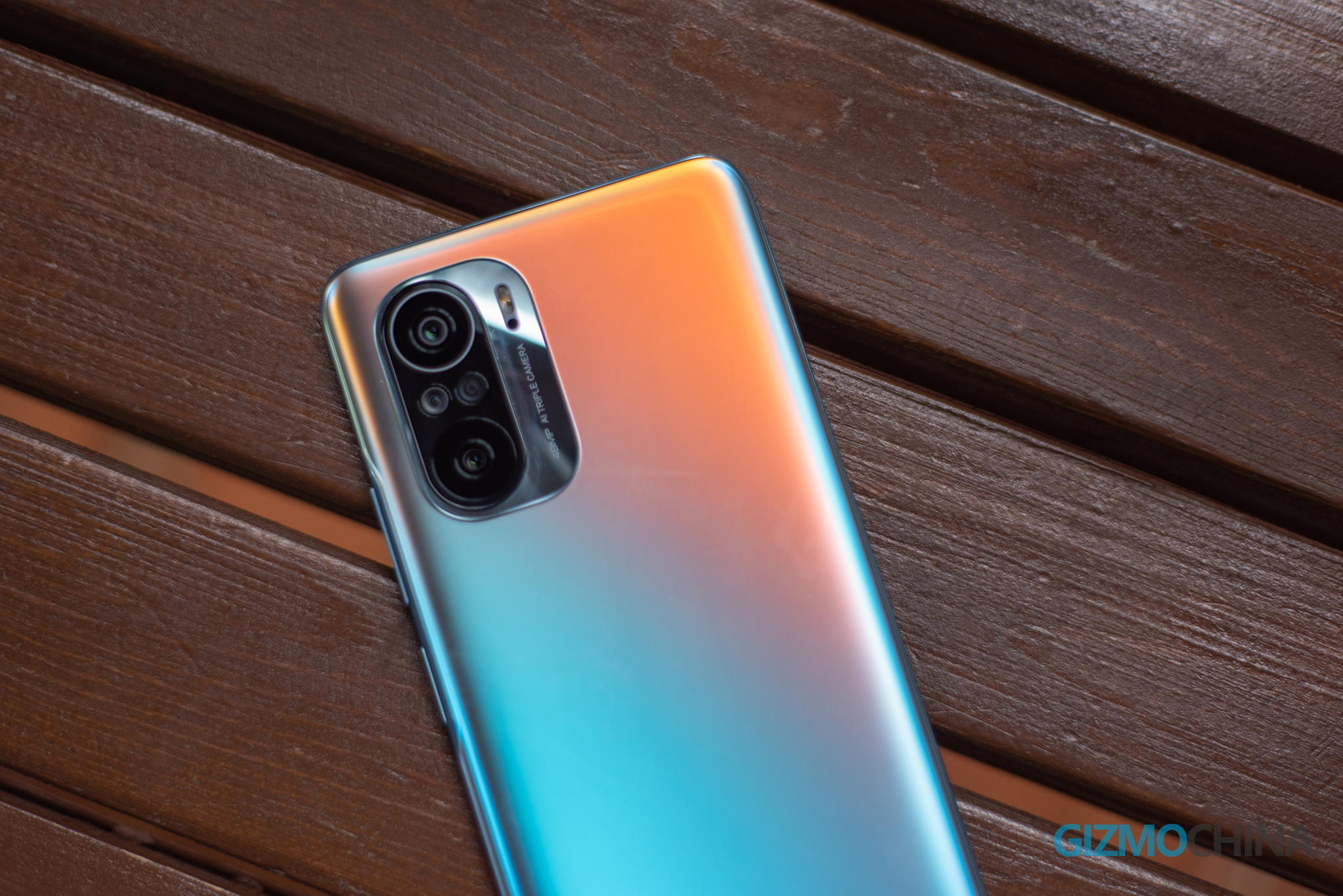
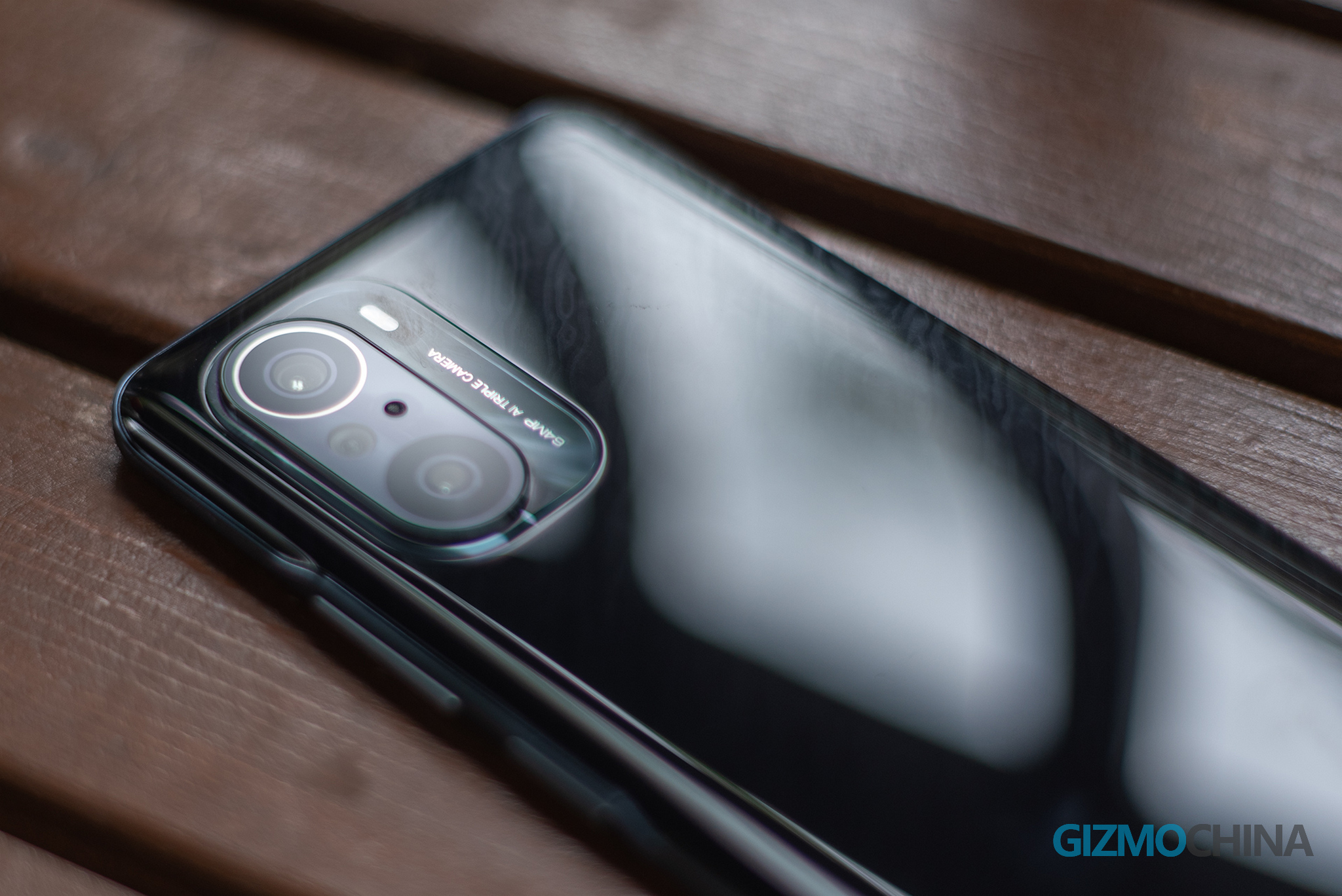
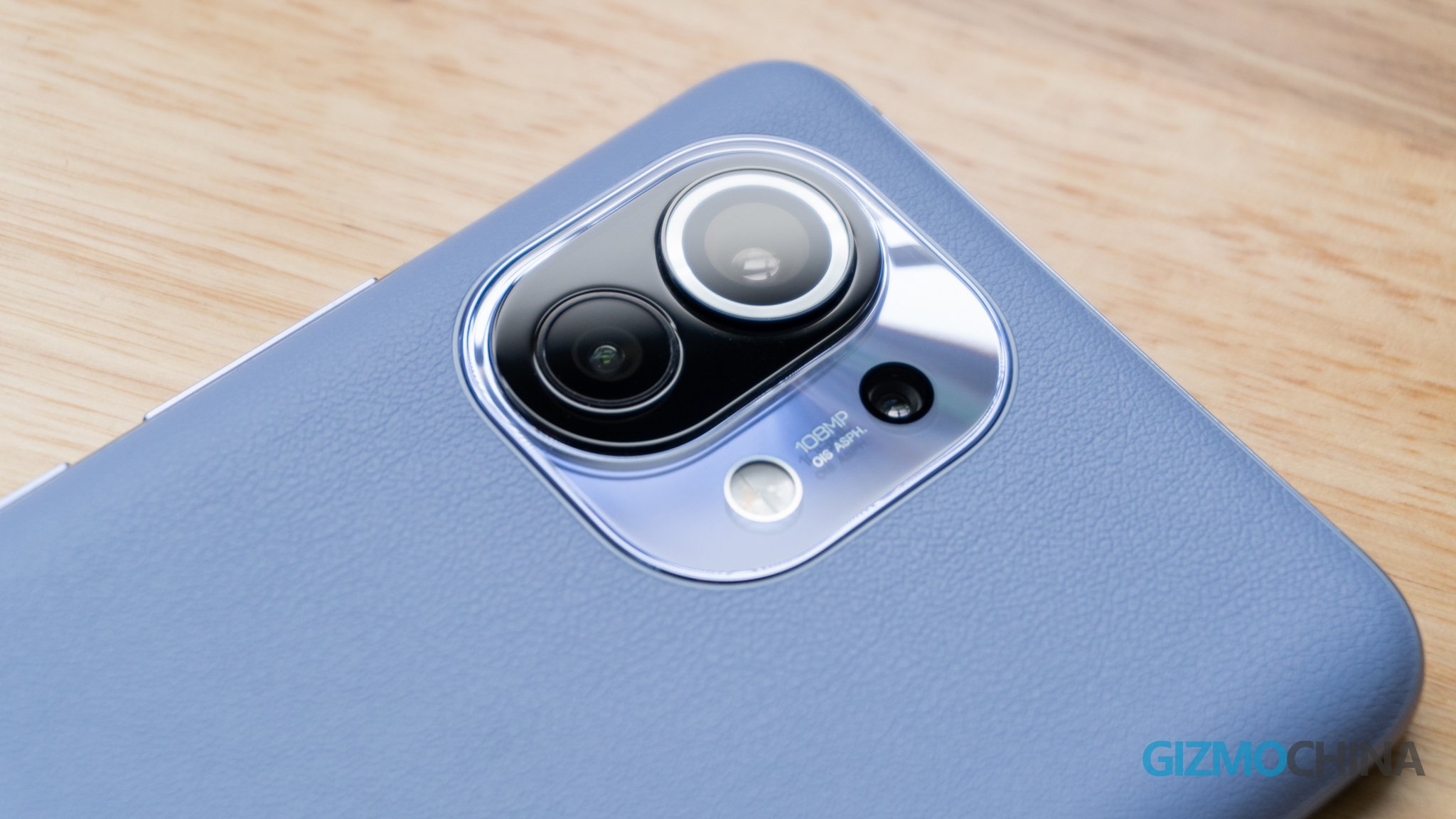
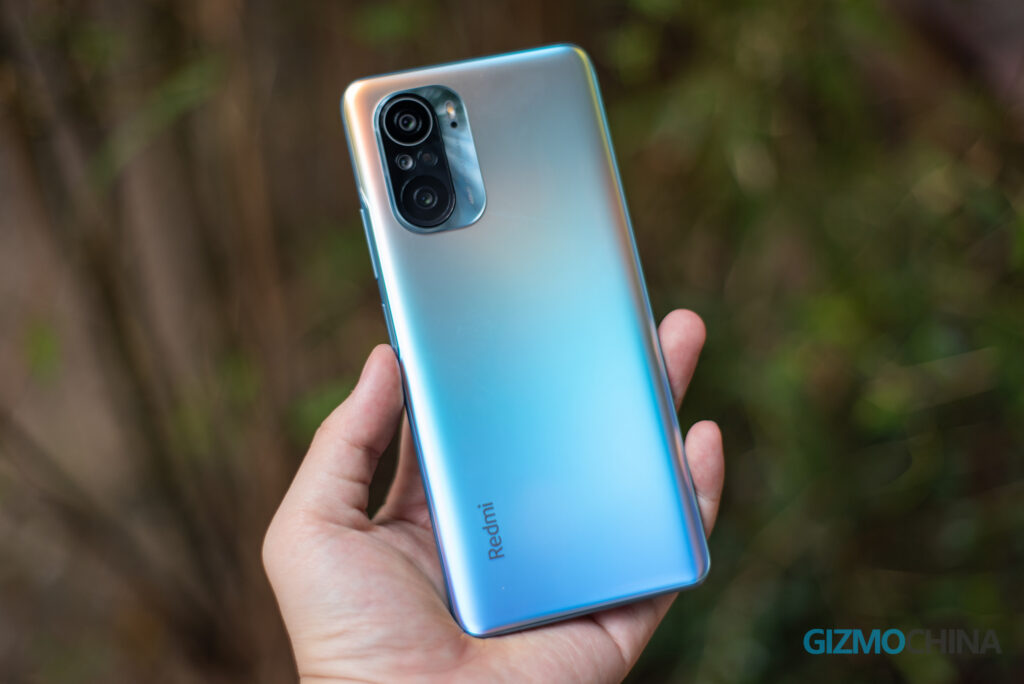
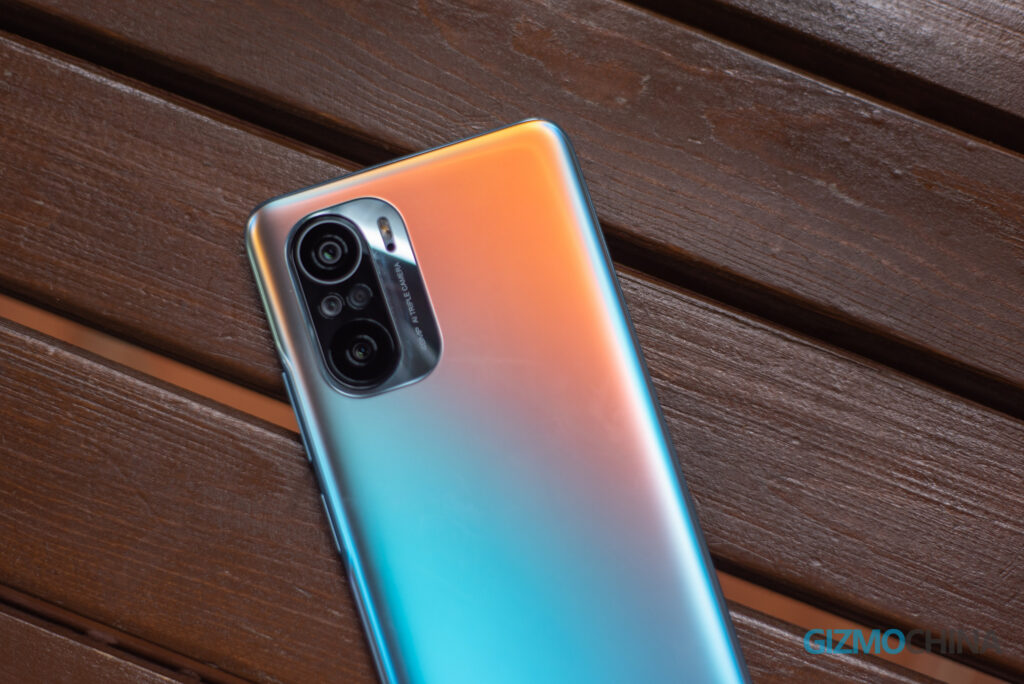
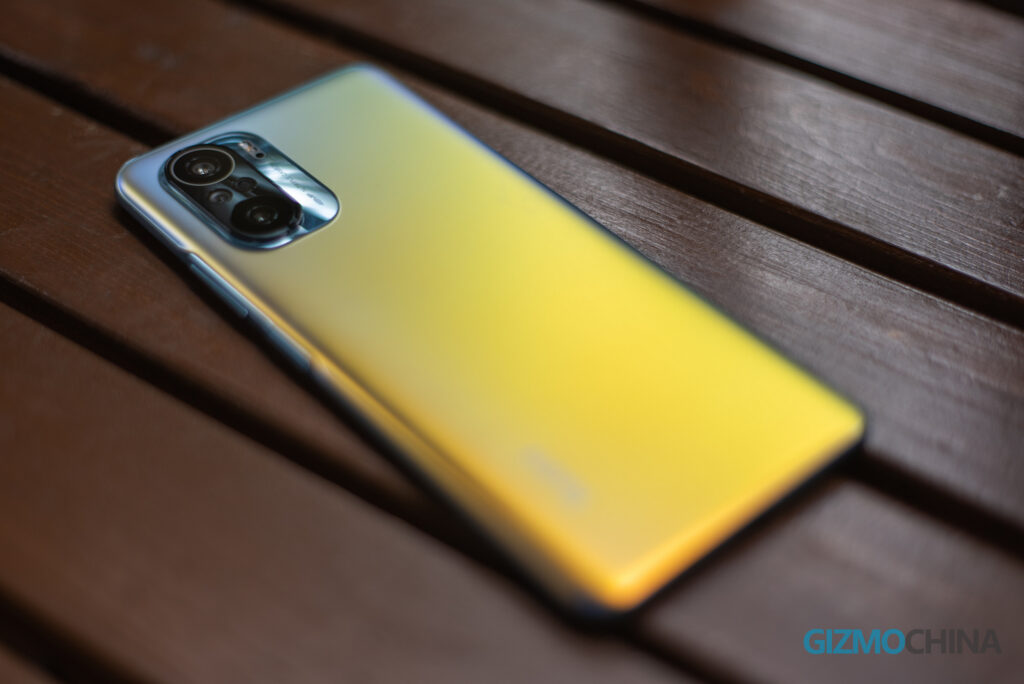
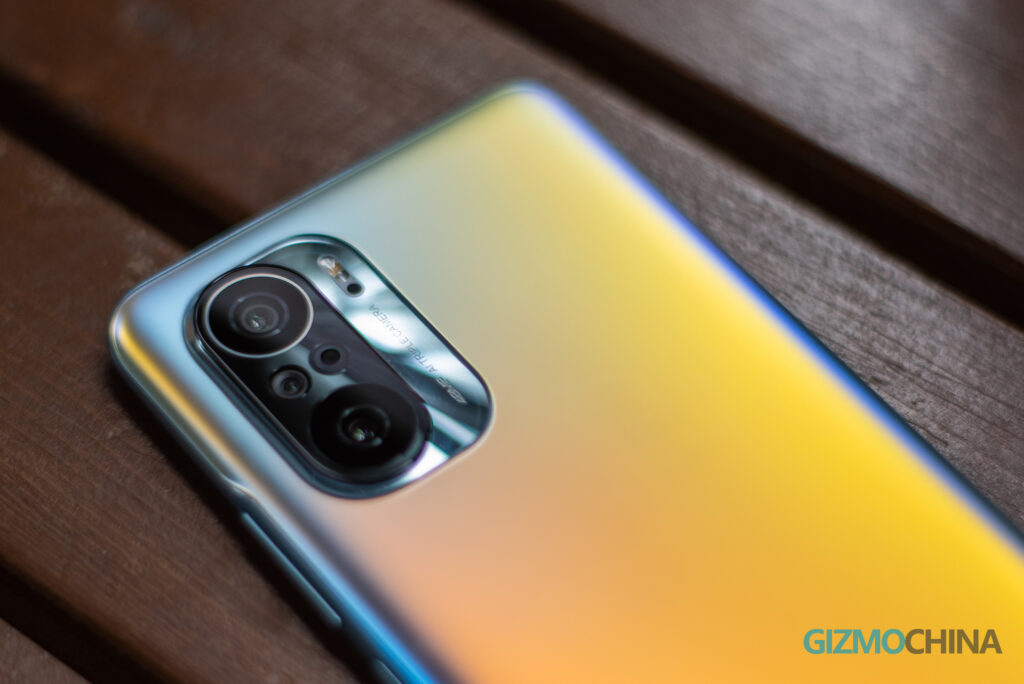
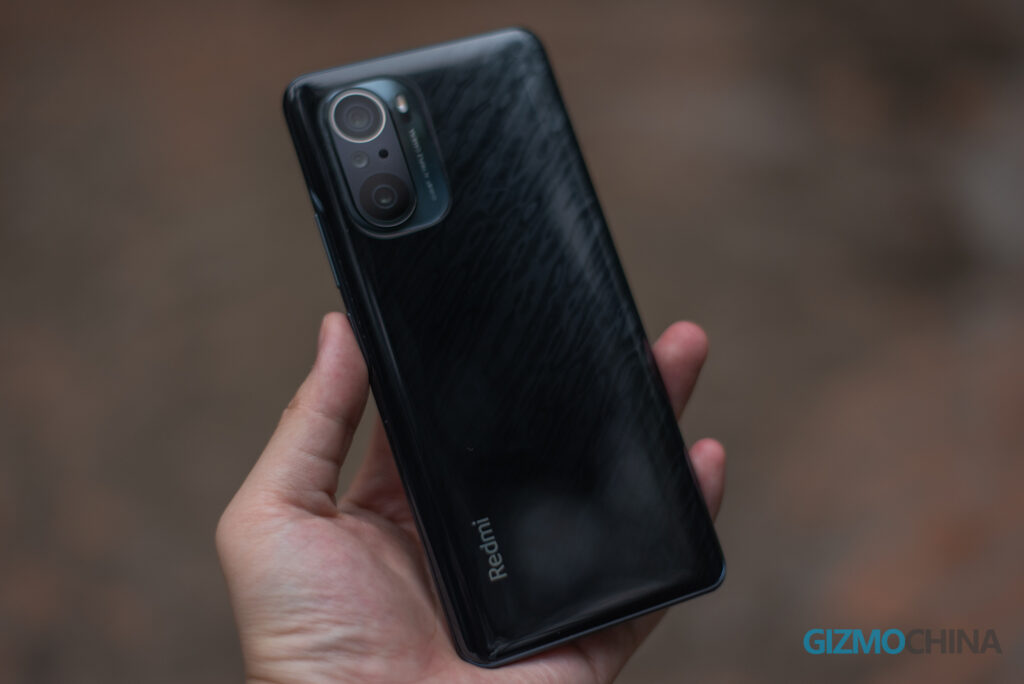
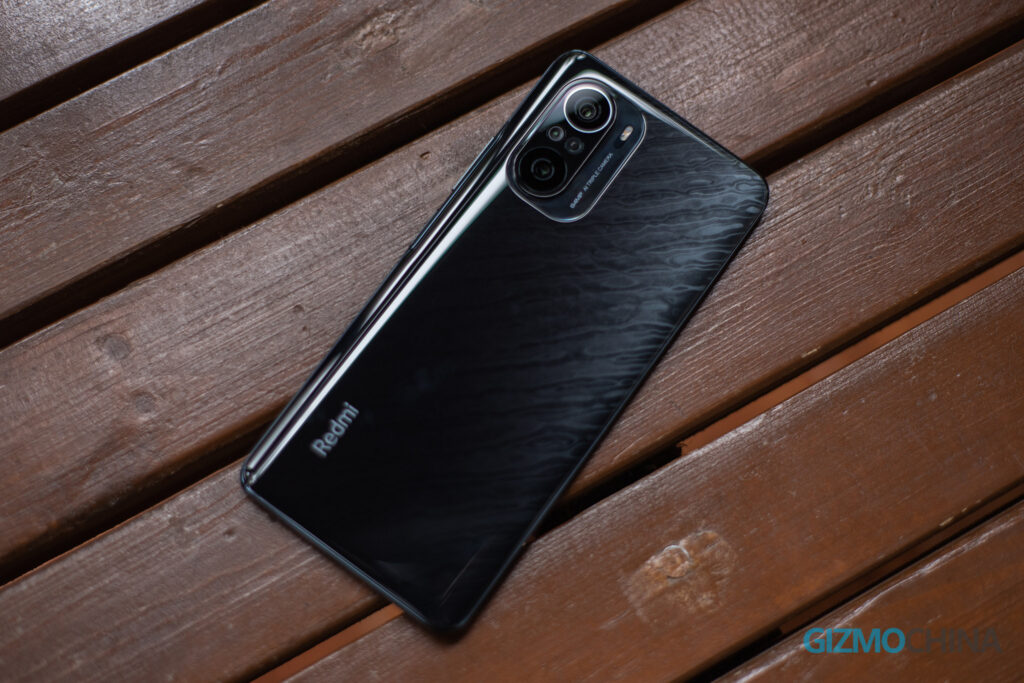
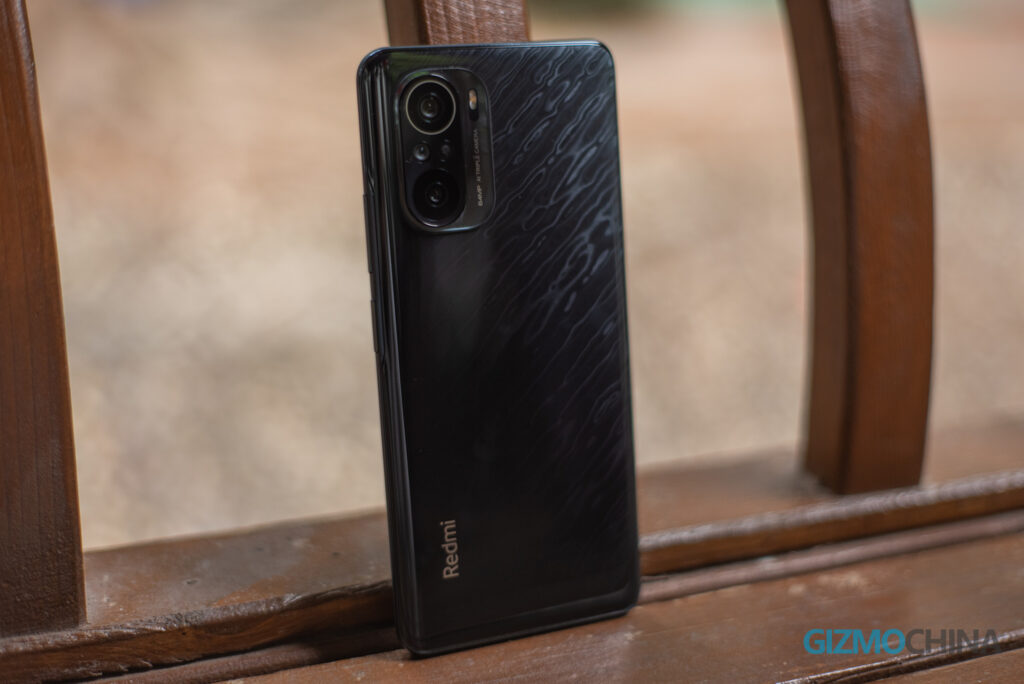
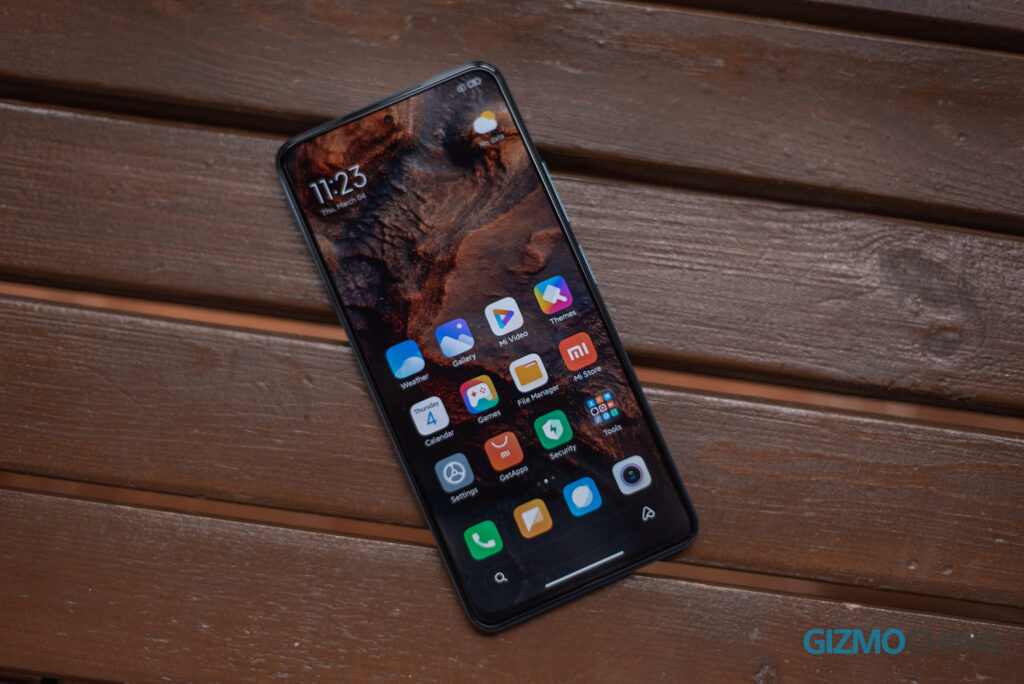
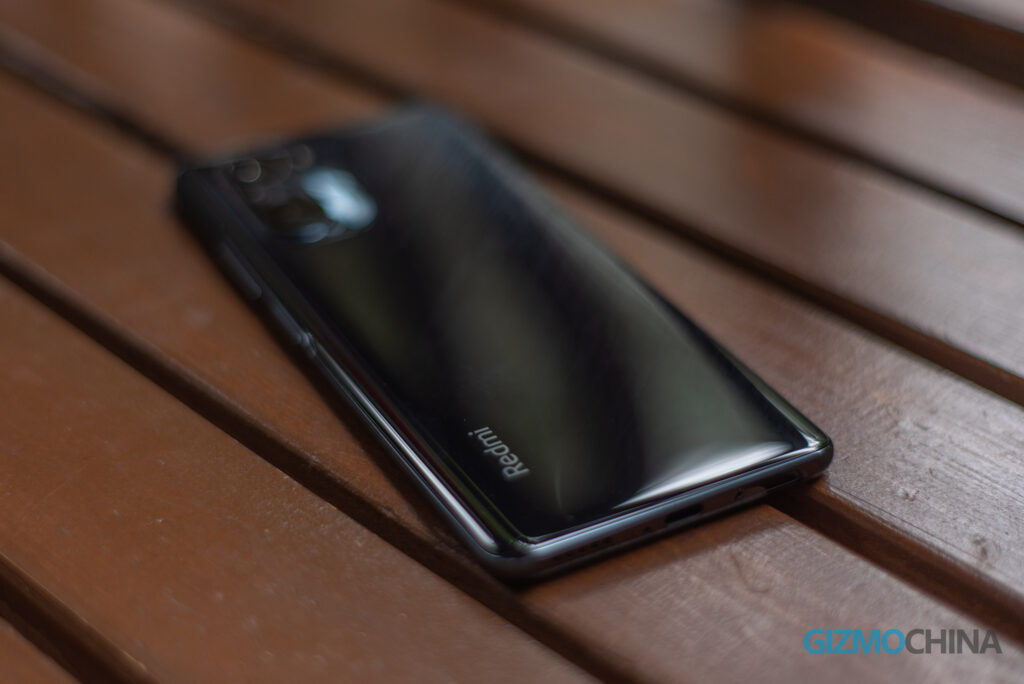
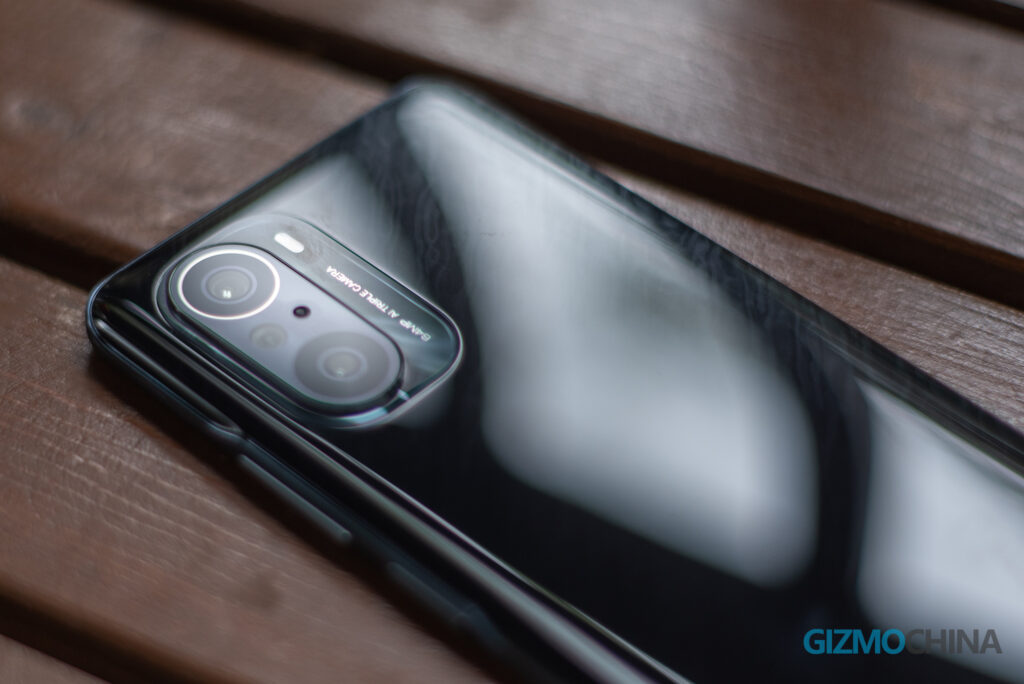
The Redmi K40 and the K40 Pro share almost the same design and I think personally, this is the first time I’m intrigued by the appearance of the K-series. Traditionally, Redmi’s K-series flagships have focused on excellent value for money without a special focus on appearance. But this time, both the Redmi K40 and the K40 Pro come with a premium-looking design. Even the camera module looks very refined and I personally find this camera setup at the back better looking than the Xiaomi Mi 11.
Redmi K40 Pro
Redmi K40
Another highlight of the design is its weight and thickness. Despite featuring a 4500mAh battery, both the models are relatively thin and lightweight. They both feature the same 7.8mm thickness and 196-gram weight. This is a huge upgrade from the Redmi K30 Pro from 2020 which weighed 218 grams and was 8.9mm thick.
I would also like to add that the Damascus Black edition of the Redmi K40 Pro looks unique and interesting. I’m sure there’ll be a lot of fans for this particular color of the model.
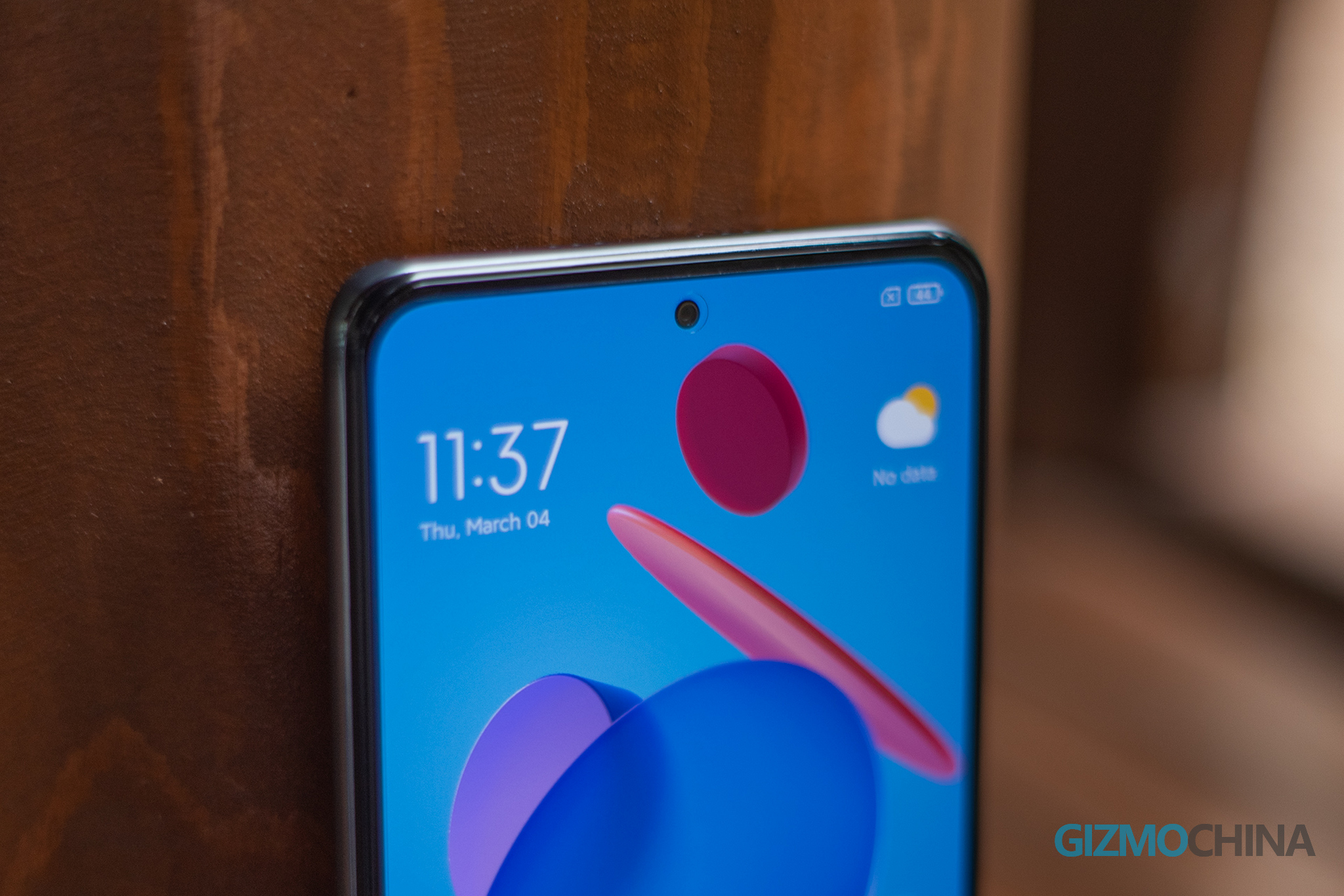
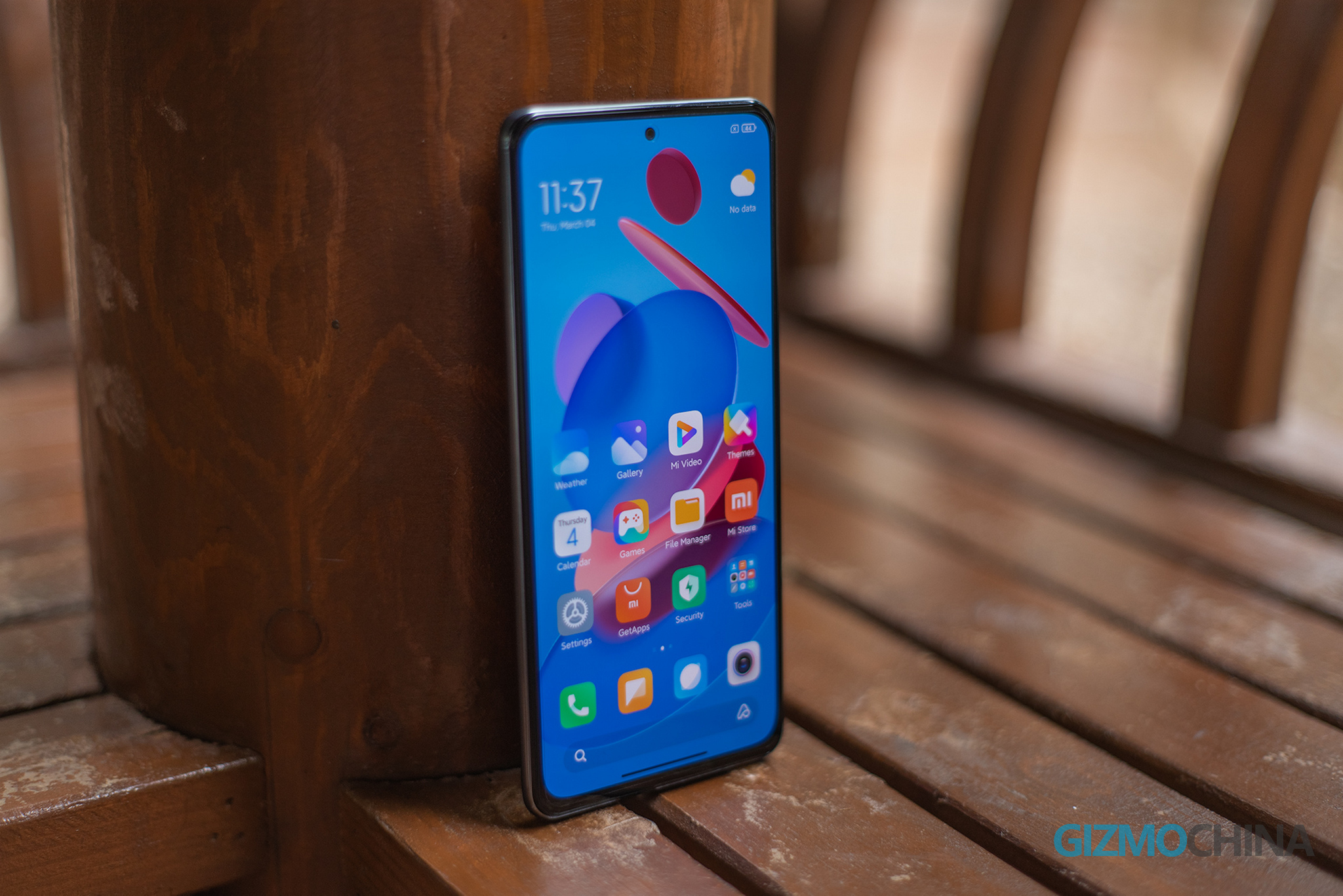
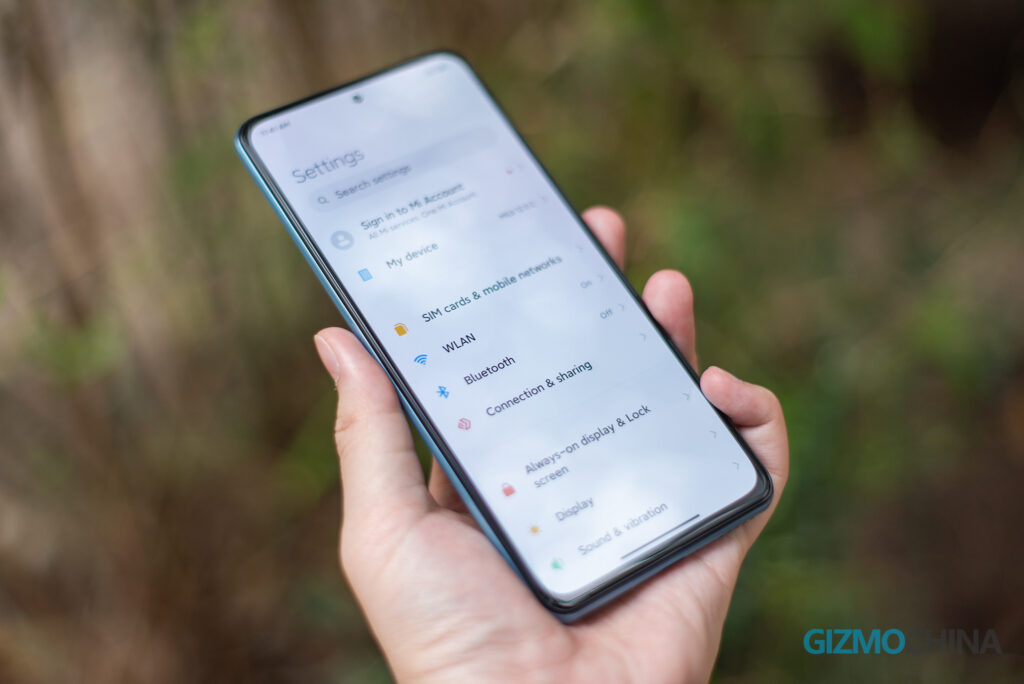
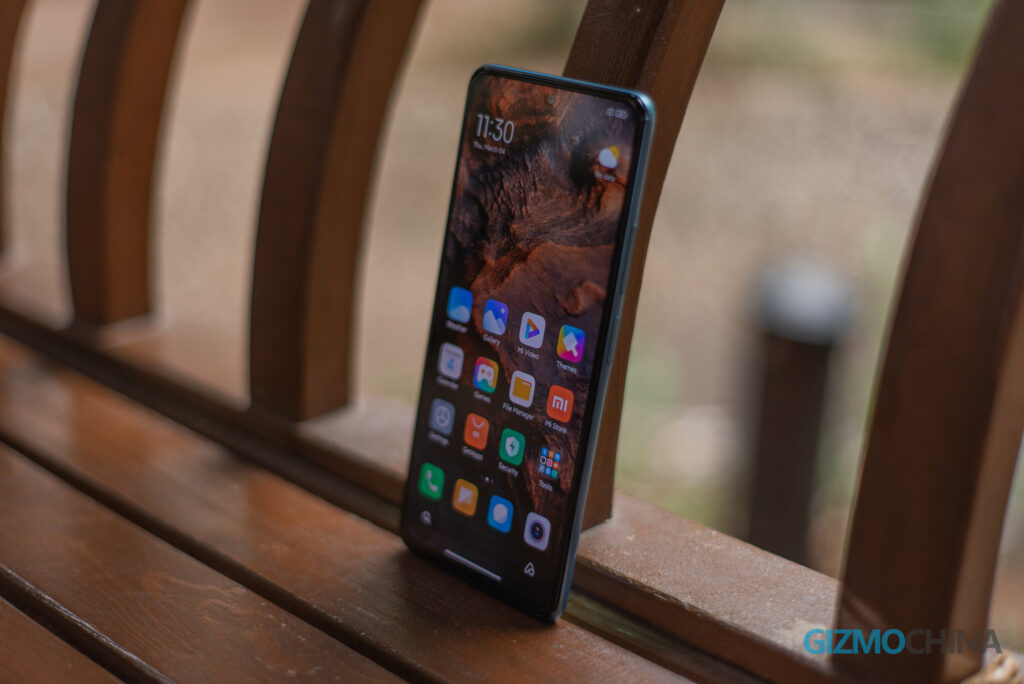
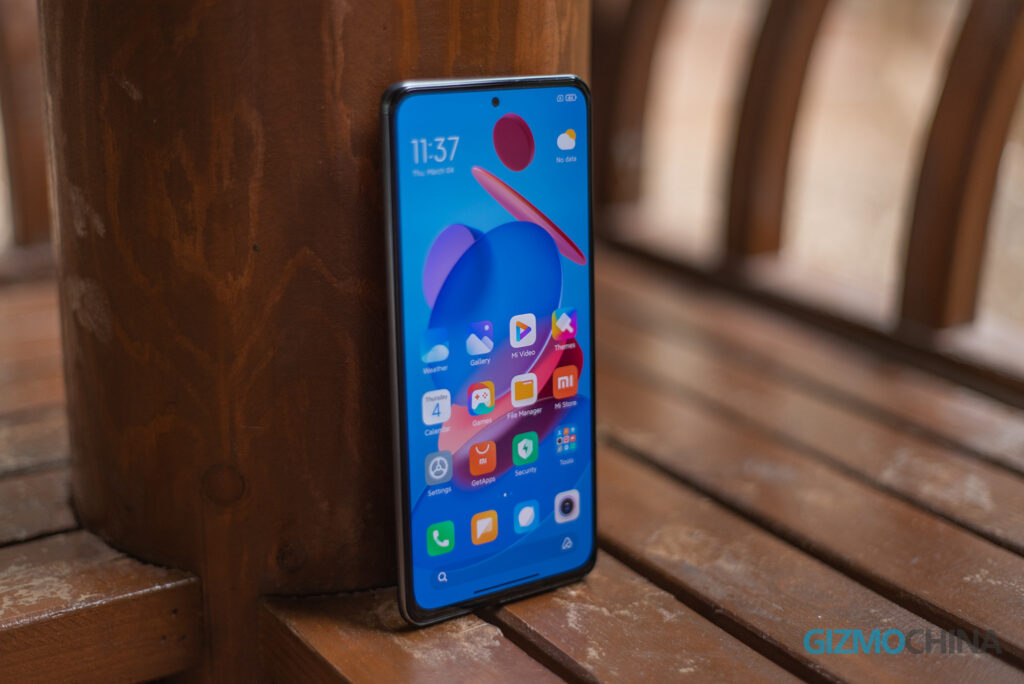
Coming to the front, the punch-hole camera on the top of the display is surprisingly small. It measures just 2.76mm which makes it among the smallest punch-hole cameras on a smartphone. The flat display also feels good, with zero miss touches and it can present full-display content better than a curved screen.
The E4 6.67-inch Super AMOLED panel also has wonderful details and color contrast. However, unsurprisingly, it’s not as good as the 2K display on the Xiaomi Mi 11 (Our Review Here). The display also features an ‘Adapative Color’ option which adapts according to the surrounding light and presents a more comfortable screen experience for your eyes.
A surprising move in the Redmi K40 series is the inclusion of a physical fingerprint sensor on the side, integrated into the home button. The company has carried forward this design on the Redmi Note 10 series as well.
And there’s a reason why this change makes sense. In our experience, this side-mounted fingerprint sensor was super fast. It’s faster than most under-display fingerprint sensors in the market. And since the sensor is on the side, it doesn’t come in between the overall premium design of the device. It looks no different than a regular power button on the side.
The stereo speakers with Dolby Atmos also sounded great in our initial use.
Redmi K40
Redmi K40 Pro
Xiaomi Mi 11
As for the cameras, you get a triple camera setup on both models. However, the Pro version gets a 64MP primary sensor while the standard version gets a 48MP shooter. Both of them share the same 8MP ultrawide and 5MP Macro shooters.
Redmi K40 vs K40 Pro Hands-On: Key Differences
Chipset: Snapdragon 870 vs Snapdragon 888
Main camera: IMX582 48MP vs IMX686 64MP
RAM: LPDDR5 5500mbps vs LPDDR5 6400mbps
5G: dual-sim card with single 5G standby vs dual-sim-card with dual 5G standby
Overall, the Redmi K40 and the K40 Pro bring a premium experience at an affordable price point. Our review videos of both the K-series models will be up in a few days, so stay tuned to that.
The Latin American market saw a fall of 10.3 percent year on year in the third quarter of last year. But despite the decline, Xiaomi managed to ride the recovery period following the pandemic to become the third largest smartphone brand in the market in Q4 2020.
According to a Counterpoint Research report, the drop in shipments was the least in Brazil and Peru, while the Chinese tech giant managed to achieve the top three position for the first time in the region. As per Counterpoint’s Principal Analyst Tina Lu, “Smartphone shipments in 2020 dropped 19.6%. The market suffered from a supply shortage in Q1 2020, especially in Brazil, where local manufacturers also experienced parts shortages. From the end of March and through May, most of the regional demand was halted due to broad lockdowns in most LATAM countries. The market started to recover slowly after June.”
Lu further added that the region saw a surge in online promotion events post lockdown, with events like Cyber Week and Black Friday. These events boosted sales during the fourth quarter of last year. Samsung was the most aggressive in promoting its online channels while also expanding its presence in the region. The South Korean tech giant also held the top spot in the market during the final quarter, with a market share of 36.9 percent. Meanwhile, Motorola and Xiaomi arrived second and third with 18.4 percent and 6.7 percent respectively.
However, in terms of annual market standings, Xiaomi only arrived fourth with just a 6.2 percent market share. Huawei took the third spot in the annual rankings but likely fell due to the impacts of US sanctions on its supply chain during the fourth quarter. In other words, Xiaomi might just surpass Huawei this year in the annual rankings.
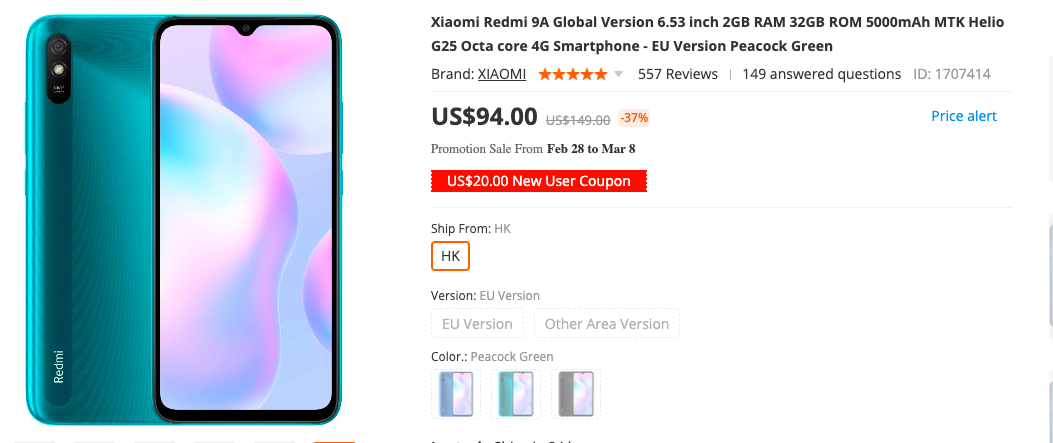
Banggood is giving an amazing deal on Xiaomi Redmi 9A Global Version. The smartphone which usually retails at around $125 is now available for $94 only.
Xiaomi Redmi 9A global version comes with a 6.53 inch IPS LCD display and waterdrop notch screen. The smartphone is powered by a MediaTek Helio G25 chipset and an octa-core processor and carries a massive long-lasting 5000 mAh battery. The rear camera is a single 13MP AI cam while the display comes with a 5MP selfie cam.
Xiaomi Redmi 9A Global version which usually retails at $125 is now available for $94 only at Banggood. This deal is applicable on 2GB+32GB variant, EU version, and Peacock Green color only and ends on 8 March 2021. Additional shipping charges may be applicable to the above product. So go grab your Redmi 9A at a heavily discounted price asap.
For more information on such exciting deals and offers check out our deals hub.
Motorola has finally confirmed the launch date of the Moto G10 Power, G30 in India. If you recall, the company has already launched the Moto G10, G30 in Europe last month.
Credit: Motorola/Flipkart
The Motorola Moto G10 Power and Moto G30 will launch in India on March 9 at 12 PM IST. Since the teaser is up on Flipkart, the devices should launch exclusively on the e-commerce platform. In a tweet, Motorola India has revealed that the devices will feature near-stock Android 11, ThinkShield security, and a long-lasting battery.
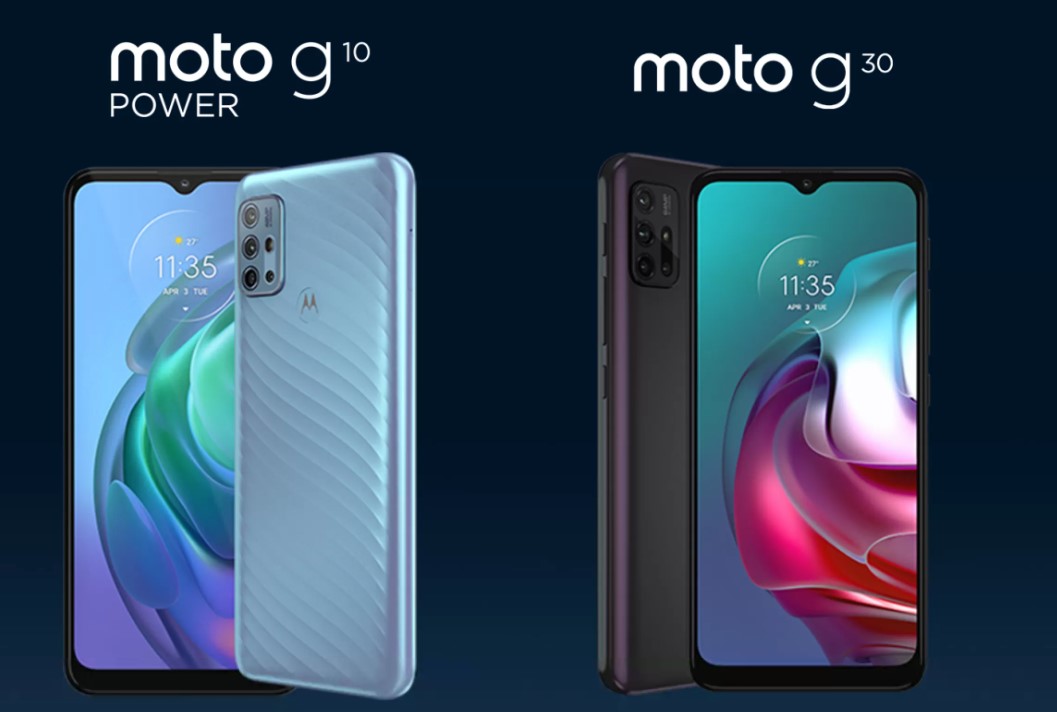
Further, on the Flipkart teaser page, the company has already revealed the first look of the devices. We have the Moto G10 Power and G30 where the former has a textured rear panel. Also, the image suggests that the Moto G10 Power is just the same as Moto G10 from Europe but with a different naming.
However, let’s wait and see if Motorola has any surprises in specs in the coming days. That said, it’s worth noting that the European version of the Moto G10 had Aurora Gray, Iridescent Pearl colors whereas the Indian variant seems to have a new Blue color.
Motorola Moto G10 Power and Moto G30 Specifications (Expected)
As for the Moto G30, the device has Phantom Black and Pastel Sky colors in Europe. Anyway, regarding the specs, the European versions of the Moto G10, and G30 feature a 6.5-inch HD+ IPS LCD panel.
This display has a resolution of 720 x 1600 pixels (HD+) and a dew-drop notch. The difference here is that the Moto G10 packs a 60Hz refresh rate panel while the G30 has a higher 90Hz.
Underneath, the show for the Moto G10 is run by Qualcomm Snapdragon 460 chipset paired with 4GB RAM, 64/128GB Storage. The Moto G30, on the other hand, has Snapdragon 662 chipset paired with 4/6GB RAM, 128GB storage.
For Cameras, the Moto G10 has a Quad-rear setup with a 48MP main lens, 8MP ultra-wide, 2MP macro, and 2MP depth sensors, and an 8MP front camera. The Moto G30 has the same auxiliary lenses as the G10 but its primary shooter is a 64MP sensor. Upfront, the G30 also has a 13MP selfie shooter.
Other features include 5,000mAh battery with 20W charging(Moto G30)/ 10W charging(Moto G10), 4G LTE, microSD(up to 512GB), 5GHz WiFi, Bluetooth 5.0, GNSS, 3.5mm headphone jack, USB Type-C, FM radio, and more.
Meet the C SEED M1, a huge 165 inch folding MicroLED TV that would be a dream for Netflix binge watchers and minimalism enthusiasts alike, since its huge screen can be folded and housed into your home’s floor.
The C SEED M1 is different from the flexible OLED TVs that companies like LG provides. It users MicroLED over regular OLED, and does not simply roll into a box when not in use. For those unaware, MicroLED technology is one of the futures of display technology, as it combines the best features of the current leading screen technologies with self illuminated RGB pixels that do not require a backlight and use inorganic compounds to prevent burn out faced by organic compounds used in regular OLED panels.
Furthermore, the screens are also more power efficient as well, allowing for slimmer displays that can produce whites and blacks that can even rival the best TVs that are currently available in the market. However, a major downfall to this technology is that has yet to be made into a flexible panel, unlike OLEDs. In other words, it’s difficult to make a giant 165 inch TV disappear into the floor. But to make this possible, C SEED has opted to use five separate panels that can fold into each other, similar to a giant fan.
This is one of the advantages of MicroLED panels, which can be used to assemble a much larger TV from smaller panels. These assemblies are also seamless, so it appears as a giant uniform display at the end. The company also stated that the M1 users a feature called the Adaptive Gap Calibration so that there is no discrepancy in the image being displayed between the multiple panels. These image optimizations are to correct any slight difference in brightness of edge pixels or to hide any shadows that could potentially create seam lines between panels.
The C SEED M1 is available in gold, black, or even titanium finishes. And for the kicker, it’s priced at a whopping 400,000 US Dollars. Also, this figure does not include the renovations one has to make to house the television in the floor. Meaning, you have to hire a contractor separately to ensure that you get a completely seamless experience.
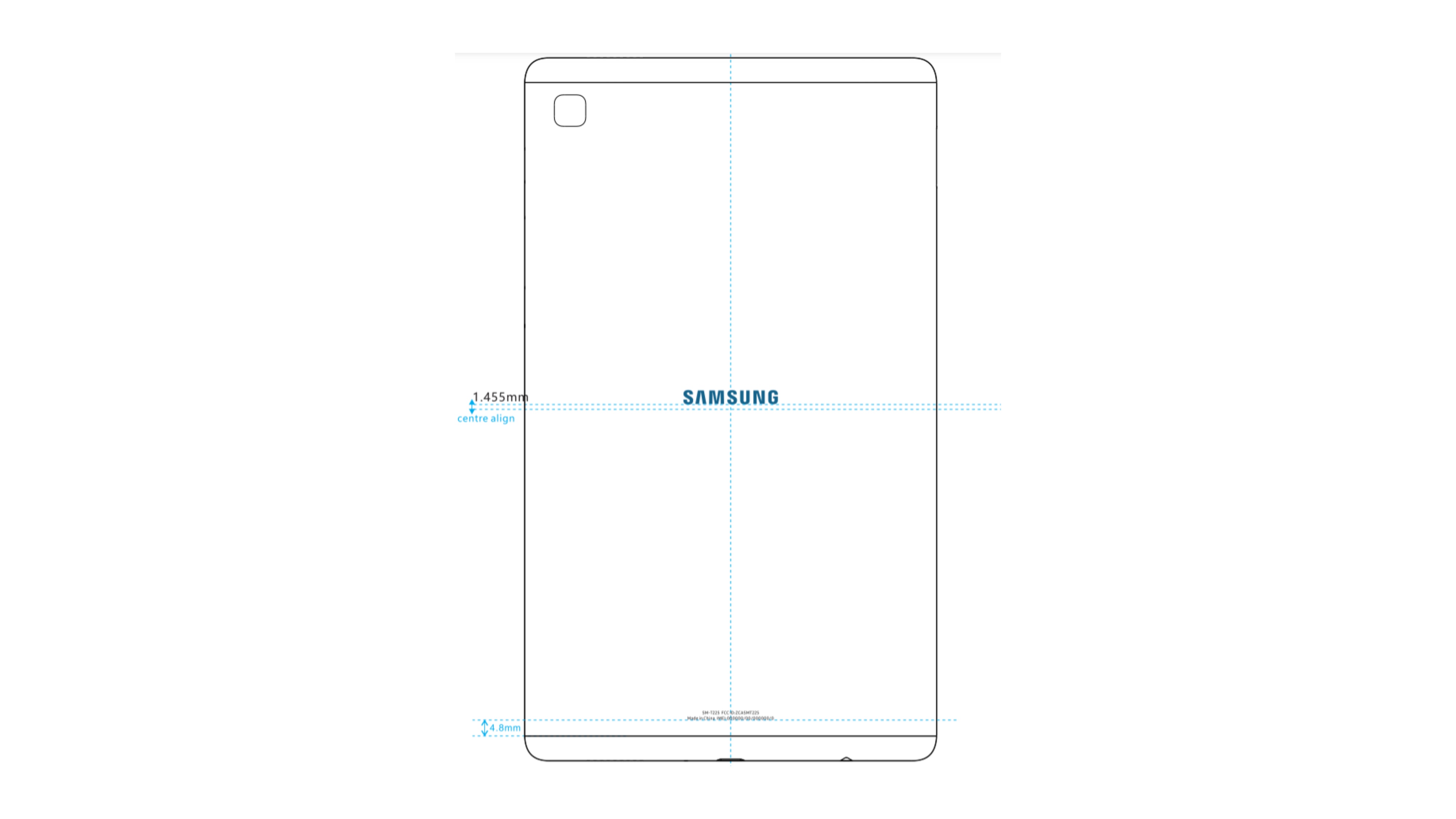
A few days back, a Samsung tablet with model number SM-T225 was certified by FCC. This tablet was even spotted on Geekbench in late January. Now, it has made its appearance on Bluetooth SIG as well. The product’s listing confirms it to go official as Galaxy Tab A7 Lite.
Samsung Galaxy Tab SM-T225 | Source: FCC
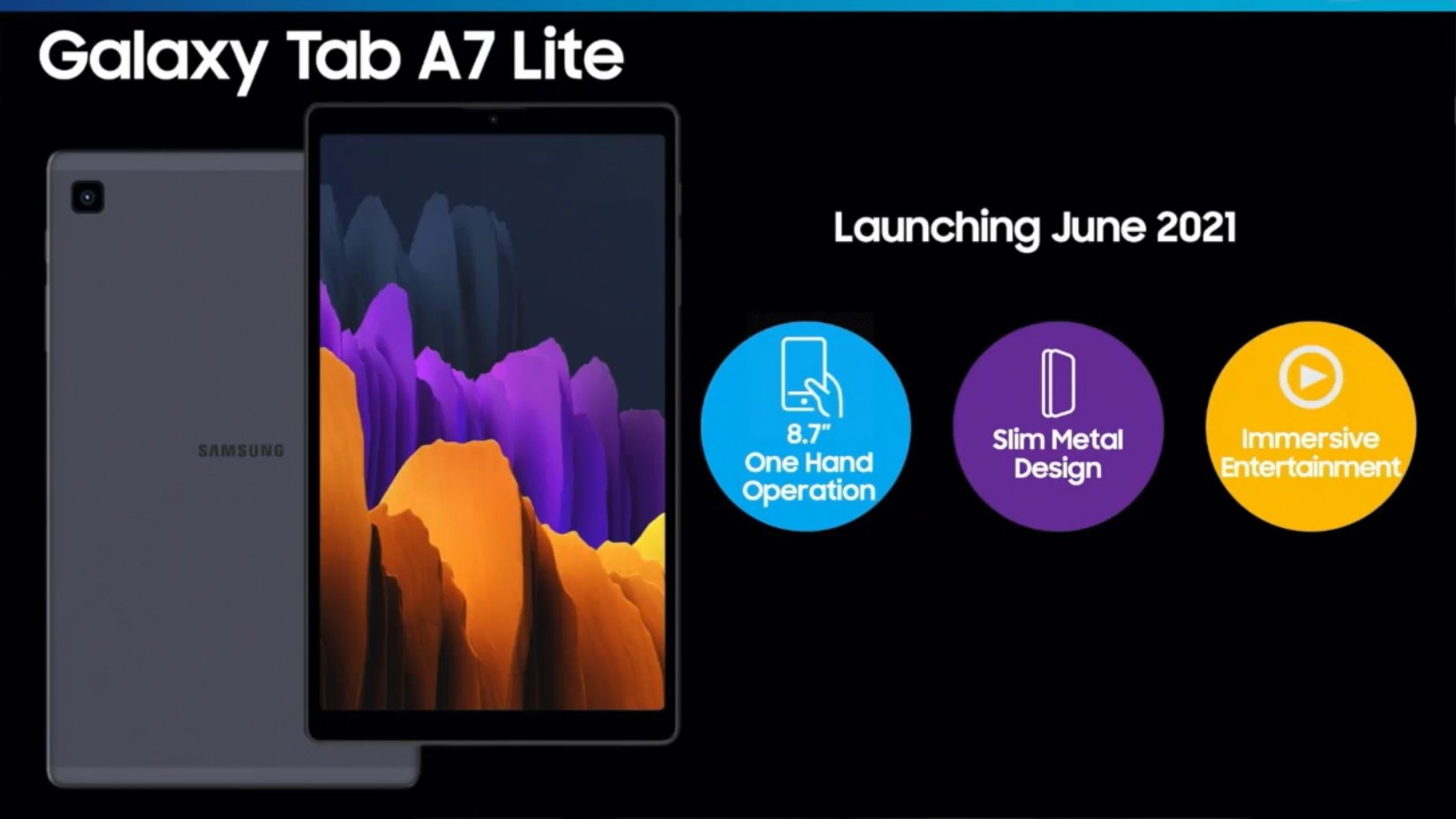
Last year, Samsung launched the Galaxy Tab A7 as a budget tablet for everyday use. In February, a leak revealed that the South Korean tech giant will be releasing a toned-down variant of this tablet called Galaxy Tab A7 Lite in June 2021.
Now, thanks to Bluetooth certification (Bluetooth 5.0), we now know that the upcoming Galaxy Tab A7 Lite will be none other than the Samsung tablet with model number SM-T225. We even guessed the same when this tablet was spotted on FCC earlier this week.
According to previous reports, the tablet will flaunt an 8.7-inch display. It will feature a slim design with a metal unibody construction. The product will be targeted at customers looking for one-handed usage and immersive entertainment.
Further, this ODM-made tablet will be powered by MediaTek Helio P22T (aka P22 Tab) SoC. The chipset will be coupled with 3GB RAM. It will be capable of scoring around 810 points and 3439 points in Geekbench’s single-core and multi-core tests respectively.
Other features of the Galaxy Tab A7 Lite will include a single rear camera, a front-facing camera, a 3.5mm headphone jack, and a USB Type-C port. Last but not least, it will run Android 11 and will be backed by a 5,100mAh battery with support for 15W fast charging.
The M1 chip based 2020 MacBook Air‘s refurbished models have just been spotted on the official Apple Store in China. The laptops have been found in three different variants including the MacBook Air, Mac Mini, and even the MacBook Pro models.
According to an iFengreport, these are the first M1 chipset based refurbished Mac models that are available in the country. In other words, prospective buyers can now find the new M1 based MacBooks at a discounted price on the official Chinese website of the Cupertino based giant. In comparison to new units, the refurbished models offer discounts up to 15 percent across the three variants and are available in gold, silver, and space gray as well in China. Earlier this week, the M1 based Mac models have also been listed internationally as well.
Looking at the pricing, the refurbished M1 based Apple Macs were up to more than 1,000 Yuan (roughly 154 US Dollars) cheaper than new units. For those unaware, refurbished products are cheaper because they can be either slightly used or initially faulty products that are returned to the company, which renews them to a better condition or fixed any faults or issues. These are then repackaged and resold at a discounted price later on.
Furthermore, Apple promises that its officially certified refurbished products have undergone strict processing procedures that have the same strict functional testing standards as brand new products. In other words, they are virtually new and are even offered with a one year warranty, along with free delivery without missing any of the usual accessories found in the regular packaging. Unfortunately, every M1 based model is already sold out, as of right now. The models were listed this morning, but can no longer be found on the website.
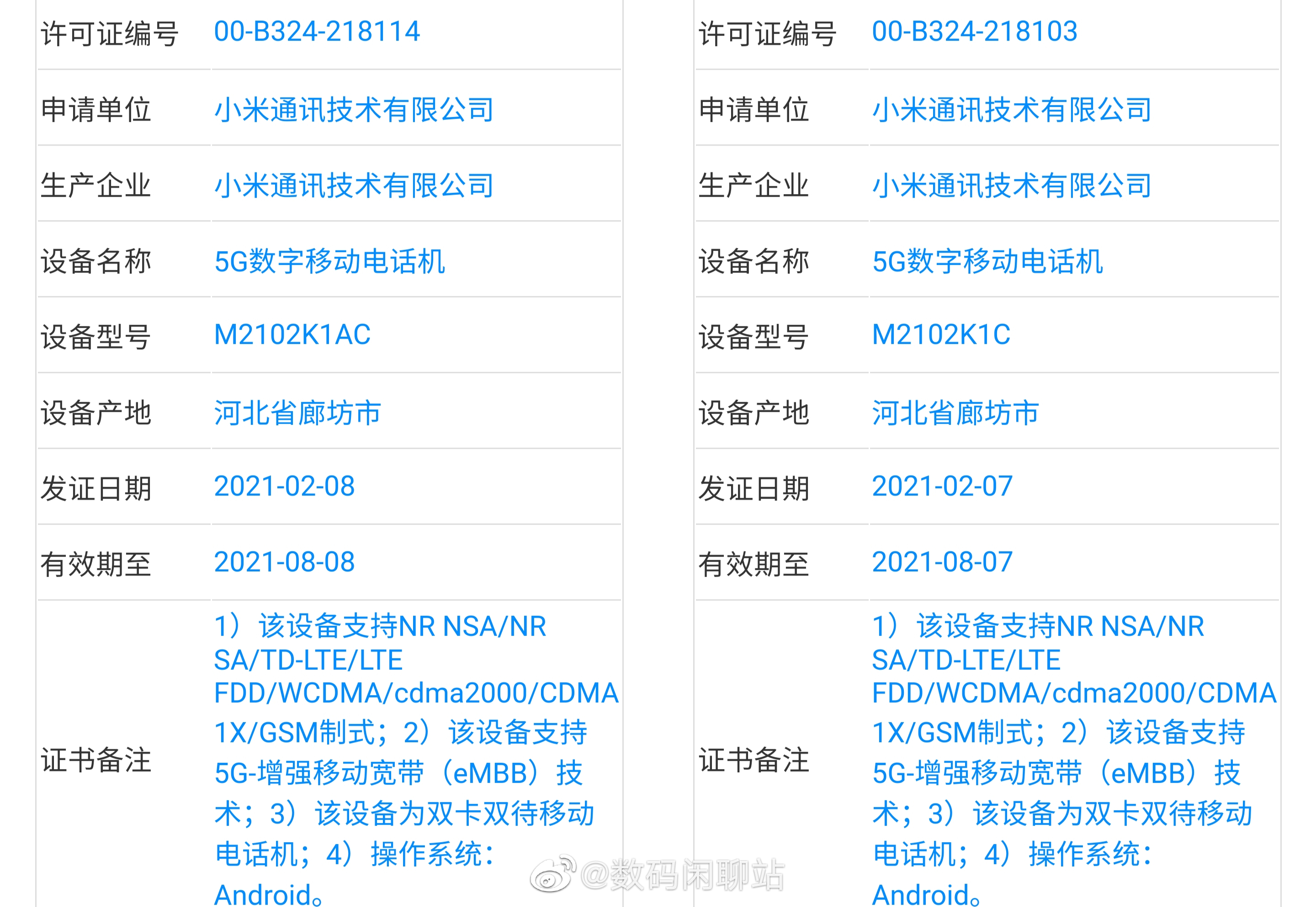
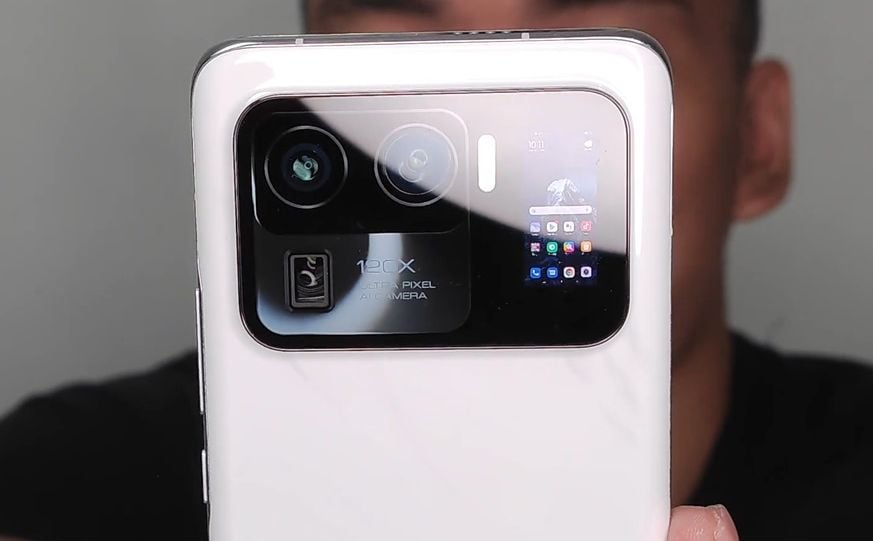
Last month, a hands-on video of the yet-to-be-announced Xiaomi Mi 11 Ultra had appeared on YouTube. The Filipino YouTuber who did the hands-on video of the phone not only revealed its appearance but also shared its specifications. Reports have claimed that the model number of the Mi 11 Ultra is M2012K1G. So far, this device has received certifications from Europe’s EEC, India’s BIS, and Indonesia Telecom. Now, the Chinese variant of the device with the M2102K1C model number (via) has received approval from the TENAA authority. The Chinese agency has also approved another device with an M2102K11AC model number.
Neither the images nor the specs of the Xiaomi M2102K1C and M2012K11AC smartphones are available in their TENAA listings. The only thing that can be learned through their TENAA appearance is that they are 5G-ready devices. The other Xiaomi phone with the M2011J18C model number that was approved at the end of February by the 3C agency is believed to be the first foldable phone from Xiaomi.
While the M2102K1C phone is expected to debut as the Mi 11 Ultra, there is a possibility that the M2102K11AC could arrive in the Chinese market as the Mi 11 Pro. These phones are yet to receive 3C certifications. Now that they are certified by TENAA, these phones may launch in March or April.
Xiaomi Mi 11 Ultra specifications (Rumored)
The Xiaomi Mi 11 Ultra could be featuring a 6.8-inch OLED screen with curved edges and a punch-hole design. The screen may support a Quad HD+ resolution and a 120Hz refresh rate. It may feature a 20-megapixel selfie camera and a 50-megapixel + 48-megapixel (superwide) + 48-megapixel (telephoto periscope) triple rear setup with 120x zoom support.
The Snapdragon 888 SoC is expected to power the Mi 11 Ultra with LPDDR5 RAM and UFS 3.1 storage. It could be equipped with a 5,000mAh battery. The Mi 11 Ultra could come with support for 67W sat charging, 67W wireless charging, and 10W wireless charging. It also features a secondary screen on its back.
US firms like the Lam Research Corp and Applied Materials Inc are struggling to obtain an export licenses from the US government to sell chip related equipment to SMIC, China’s largest chip maker.
According to a Reutersreport, the US government has been slow to approve the license for American companies, despite the ongoing global chip shortage. Furthermore, licenses for the US suppliers, which are estimated to ship equipment and materials worth 5 billion US Dollars, have yet to be granted. At the moment, it is reported that some licenses have been granted to certain firms, which included a small number of expensive equipment.
After the Chinese semiconductor based firm was banned, the US government faced multiple complaints from American companies that traded with SMIC. But as policy shifts with the arrival of a new US President, Joe Biden, it remains uncertain what direction the administration would take in dealing with Chinese firms like SMIC, which produces chips for various American brands like Qualcomm and others.
For those unaware, SMIC faced the export trade ban after the Trump administration accused the company of having ties with China’s military. It was placed on the Entity List as well, which would require US based firms to acquire a license from the government before selling equipment or materials with the blacklisted firm. The new administration has yet to make a decision on the license application, but the verdict is expected to arrive within a month, so stay tuned for more as we will be providing updates.
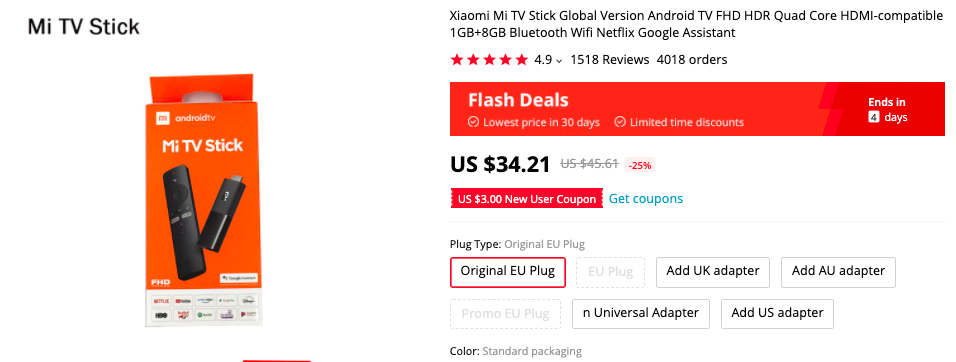
If you are out in the market for a powerful media streaming device for your smart TV then check out this deal on Xiaomi Mi TV Stick from AliExpress. The 1080p streaming device with voice assistant which usually retails at $40 is available for $34.21 only.
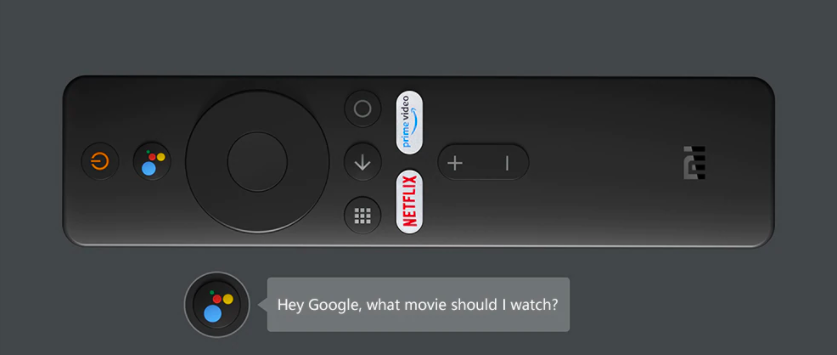
Xiaomi Mi TV Stick is a one-stop solution for all your media streaming needs. This portable media player is powered by Android TV, Google Assistant, and Smart Cast and comes with Dolby and DTS surround sound. The light and portable device weighs less than 30 gm and can easily fit in your pocket and can work with any smart tv and projector by simply plugging in the stick to the HDMI port.
We have already reviewed the Xiaomi Mi TV Stick 1080p and we loved it.
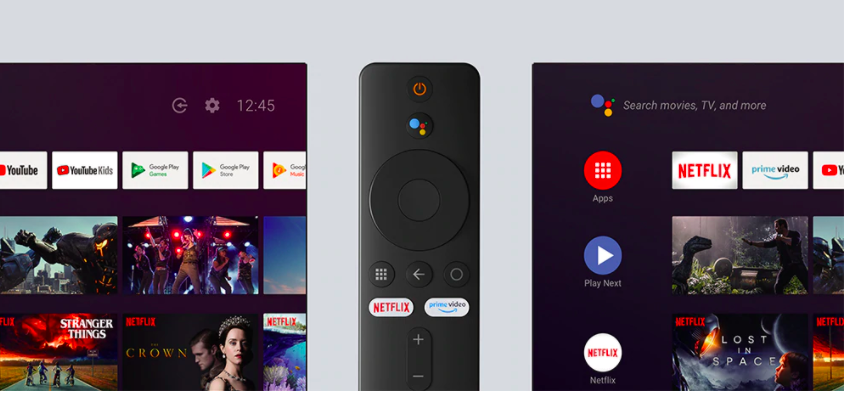
With Xiaomi Mi TV Stick, you get complete control over your entertainment. You can access Youtube, Amazon Prime, Netflix, Disney Plus, Spotify, Google Play Store, etc with just one touch or simply by asking google assistant to open a specific show or channel.
The future of entertainment lies in smart television and so it’s logical to invest in a smart media player like Xiaomi Mi TV Stick. The device which usually retails for $40 is now available for $34.21 only for the next 4 days. This deal is applicable on the Standard Packaging with the original EU plug. With additional new user coupon and free shipping to Europe, this deal is simply too good to ignore. So go grab your MI TV stick asap.
For more information on such exciting deals and offers check out our deals hub.
Yesterday, Xiaomi unveiled the Redmi Note 10 series for global markets. The lineup consists of five models, namely Redmi Note 10, Redmi Note 10 Pro, and Redmi Note 10 Pro Max, Redmi Note 10S, and Redmi Note 10 5G. The last two phones were not announced for India. But now, according to new findings, they may come to the country after all.
The Redmi Note 10S and the Redmi Note 5G that went official yesterday feature a similar ‘Evol’ design like the rest of the lineup. The former even has the exact same specs as the vanilla Redmi Note 10 with a few key differences. On the other hand, the latter is different than other models in the series.
Xiaomi did not launch either of these phones in India. Instead, it released another model called Redmi Note 10 Pro, which is different from the Pro variant for other regions. That’s because the Pro variant for the rest of the world is known as Redmi Note 10 Pro Max in the country.
That said, the firm may bring those unreleased smartphones to India after all. Because they have been certified by BIS (Bureau of Indian Standards).
1 of 2
Redmi Note 10 5G
Redmi Note 10S
However, interestingly, the Redmi Note 10 5G (camelliain) with model number M2103K19PI has been certified under the POCO brand. Hence, it could become the first POCO 5G smartphone for India. Unfortunately, its marketing name is a mystery as of now.
Whereas, the Redmi Note 10S (rosemaryin) with model number M2101K7BI is certified under Xiaomi itself. But we cannot be sure if it will go official in India with its original name. There’s a high chance it may launch under a new name, given the company’s history.
Anyway, although POCO India is running a new campaign with its new mascot, Xiaomi India has just debuted new phones under its best-selling series yesterday. So we think the POCO model may launch first. It could be announced alongside another anticipated device – POCO X3 Pro.
It has been more than a year since US-China trade war escalated and the one of the most affected sectors is technology-related and the most impacted among the companies is Chinese giant Huawei because of the sanctions imposed by the U.S.
With the escalation in the trade war, many companies are facing production and supply chain issues, forcing those companies to move out from China or diversity their production facilities into more regions.
One of the sector where the United States severely lags behind China is chip manufacturing. However, the U.S. government has been working on new ways to boost the sector and encourage local manufacturing.
In line with that, the U.S. Senate is reportedly considering to include a new bill to boost competitiveness against China for previously-approved measures to supercharge the country’s chipmaking industry.
The $30 billion funding package would include elements to boost the U.S. technology sector and the bill is expected to be up for a full vote in April. However, the legislation has not been finalized and thus, more details are not yet available.
The source of the report, who remains unnamed, says that the package is likely to have provisions to curb China’s access to U.S. capital markets. Last year, a legislature was proposed to provide funding of $100 billion to boost research in key technology areas, from artificial intelligence to quantum computing and semiconductors.
The semiconductor industry has also been pushing for an investment tax credit for spending on semiconductor tools, which can cost billions of dollars for new factories and typically far outstrip the cost of buildings.
Last year, the Galaxy A42 5G was the cheapest Samsung 5G smartphone. This title now belongs to the newly released Galaxy A32 5G. However, as per a new report, the latter phone may not hold the crown for a long time. Because the South Korean tech giant may soon launch Galaxy A22 5G as its most affordable 5G smartphone to date.
Late last year, news broke out from South Korea that Samsung will be releasing the Galaxy A22 5G in the second half of 2021. Ahead of this handset’s official announcement, GalaxyClub has learned a few details about the said phone.
According to the publication, the upcoming Galaxy A22 5G will bear the model number SM-A226B. Unlike most Samsung smartphones, this one will be an ODM device, just like the forthcoming Galaxy Galaxy Tab A7 Lite (SM-T225).
Further, this handset is said to come in two memory/storage configurations. Customers will be able to pick it up in either gray, white, light green, or violet color option. Last but not least, Samsung will be selling this phone in both Asia and Europe.
Unfortunately, the publication does not have any info any other specs of this handset. But we can expect to learn more about it in the coming days.
What are your thoughts on Galaxy A22 5G? Do you think it will be able to compete against models from Chinese brands? Do let us know in the comment section below.
We use cookies on our website to give you the most relevant experience by remembering your preferences and repeat visits. By clicking “Accept”, you consent to the use of ALL the cookies.
This website uses cookies to improve your experience while you navigate through the website. Out of these, the cookies that are categorized as necessary are stored on your browser as they are essential for the working of basic functionalities of the website. We also use third-party cookies that help us analyze and understand how you use this website. These cookies will be stored in your browser only with your consent. You also have the option to opt-out of these cookies. But opting out of some of these cookies may affect your browsing experience.
Necessary cookies are absolutely essential for the website to function properly. This category only includes cookies that ensures basic functionalities and security features of the website. These cookies do not store any personal information.
Any cookies that may not be particularly necessary for the website to function and is used specifically to collect user personal data via analytics, ads, other embedded contents are termed as non-necessary cookies. It is mandatory to procure user consent prior to running these cookies on your website.