Advertisement

Google is working on ‘Project Wolverine’ to enhance hearing ability

Google currently has two in-house wearable devices — Pixel Buds and Glass Enterprise Edition, if we exclude the Fitbit lineup. A new leak reveals a device from the company that enables user to isolate audio to focus on a specific person or source.

As per the report, Google’s parent company Alphabet’s X Moonshot Factory is working on a new wearable device which is codenamed “Wolverine.” The product is reportedly focused on enhancing the hearing ability of users.

Google Logo Featured

The project is reportedly in the works since 2018 and it lets users “focus on one particular speaker in a group setting with overlapping conversations.” It is achieved through an in-ear device which is “packed with sensors” and microphones.

The device has other capabilities beyond speech isolation, and the team is actively working on expanding its utility. However, the other applications of this new project haven’t been spelled out by the team.

It appears that Project Wolverine won’t be limited to just a since device or application but the company is planning to turn it into a business model. Alphabet‘s X chief Astro Teller and Google co-founder Sergey Brin have received early demos. Given that the project is in the early stages and similar to other such projects from Google, this one too can be shelved if the company doesn’t come up with a viable business plan.

RELATED: 

Chip shortage reportedly affects Xiaomi Mi 11’s supply in China

Xiaomi recently launched its flagship smartphone Mi 11, which became the world’s first smartphone to come powered by the latest Qualcomm Snapdragon 888. The device, which went on a few weeks ago, is seeing a huge demand.

The smartphone, which is being sold through flash sales in China, is getting sold out relatively sooner in each sale. Because of the high demand and low supply, the device is also being sold at a premium.

Xiaomi Mi 11 hands on 02
Xiaomi Mi 11

If the latest report is to be believed, then the low-stock issue for the Xiaomi Mi 11 isn’t going away anytime soon. It is being reported that the company is facing a production issue because of the global chip shortage.

With the rising demand for consumer electronics since last year because of the COVID-19 pandemic, the manufacturers aren’t able to meet the demand for the chipsets. This comes after Qualcomm was said to be facing issues, which in turn is affecting companies like Xiaomi and Realme. But, some experts believe that the chip shortage issue for smartphone makers isn’t very severe and won’t affect many companies.

The severely hit industry because of the shortage of chips is automobile. Many car makers have been forced to shut down some of their production facilities because of this chip shortage and it seems like it will take some time to get back on track.

RELATED: 

iQOO Neo5 has a 4,400mAh battery with 66W FlashCharge support

Ahead of the March 16 launch date of the iQOO Neo5, iQOO is gradually confirming some of its key features. Today, the company took to its Weibo account to confirm its battery capacity and rapid charging capabilities.

The poster reveals that the iQOO Neo5 has a pair of 2,200mAh batteries that offer a total capacity of 4,400mAh battery. The phone will carry support for 66W FlashCharge technology. A previous leak revealed that the charger will be included in the retail box of the device.

The company claims that the 66W rapid charging tech can fully charge the Neo5’s battery in 30 minutes. And it takes only 10 minutes to reach the smartphone to gain 50 percent battery juice. The 66W charger is compatible with the USB-PD 45W charging protocol that can be used for rapid charging other products like laptops.

iQOO Neo5 battery

The bottom view of the iQOO Neo5 reveals that it has a SIM card slot, a microphone, a USB-C port, and a loudspeaker grille. It also shows that the phone is equipped with a flat screen.

Rumors have claimed the smartphone possesses a 6.61-inch AMOLED display with a hole punch placed at the top-center position. The screen is expected to support Full HD+ resolution and a 120Hz refresh rate. The company confirmed yesterday that its display has an independent chip to ensure smoother performance with low power consumption.

The Snapdragon 870 chipset will fuel the iQOO Neo5 and it may come in 8 GB and 12 GB RAM variants. It could be available in UFS 3.1 storage choices like 128 GB and 256 GB. For selfies, it may feature a 16-megapixel front-facing camera. The rear-mounted camera module may feature a 48-megapixel Sony IMX589 lens with OIS support, a 13-megapixel superwide lens, and a 2-megapixel camera. The smartphone is also expected to release in India in the near future.

RELATED:

Xiaomi Mi 10’s new variant with Snapdragon 870 spotted at Geekbench

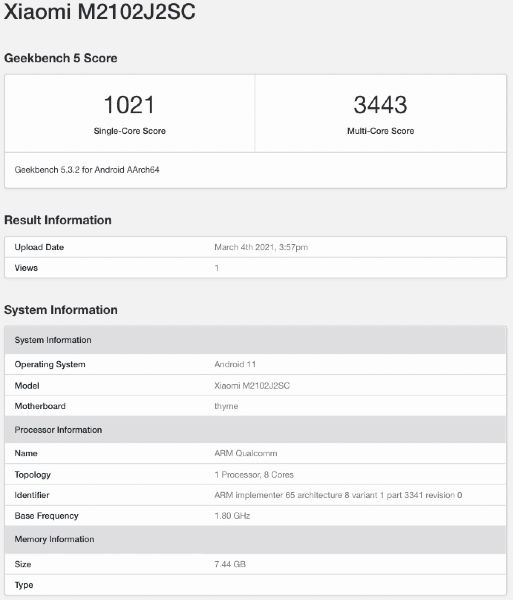
Last month, a Xiaomi phone with model number M2102J2SC was spotted at TENA and 3C certification platforms of China. Reports have revealed that it is a new variant of the Xiaomi Mi 10 smartphone and it is expected to arrive with Snapdragon 870 chipset. 91mobiles has come across a Geekbench listing of the M2012J2SC smartphone. The listing has revealed some of its hardware specs.

The Xiaomi M2012J2SC smartphone recorded 1021 in the single-core test of Geekbench 5. It recorded 3443 in the multi-core test. The listing reveals that the smartphone is powered a Qualcomm chipset that has a base frequency of 1.80GHz. The SoC is coupled with 8 GB of RAM and the phone runs on Android 11 OS.

Xiaomi M2102J2SC Geekbench

The source code of the Geekbench listing revealed that the SoC can offer up to 3.19GHz processing speeds and it has Adreno 650 graphics. These clues indicate that the handset is powered by the Snapdragon 870. The TENAA appearance of the smartphone had revealed that it has a 6.67-inch display, and it houses a rated battery of 4,680mAh capacity. Its 3C certification revealed that it may ship with a 33W fast charger.

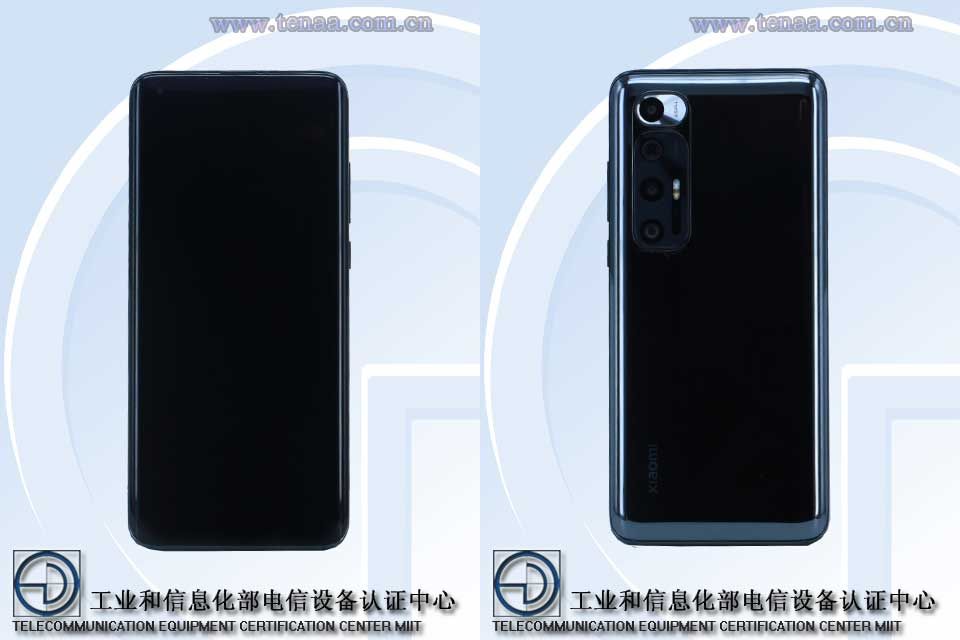
The TENAA images of the Xiaomi M2012J2SC smartphone revealed that it features a curved edge display with a hole-punch at the upper-left corner. The vertical quad-camera system of the phone appeared almost identical to the Xiaomi Mi 10 Ultra, which debuted in August last year. The M2012J2SC handset measures 162.6 x 74.8 x 8.96mm. The exact moniker of the device is not known yet. Some unconfirmed reports claim that it could be called Xiaomi Mi 10S.
Alleged Xiaomi Mi 10S TENAA images

Rumors are rife that except for the inclusion of a new chipset, the Xiaomi M2012J2SC will borrow all its specs from the Xiaomi Mi 10 5G that debuted in February 2020. It came with a 90Hz 6.67-inch AMOLED display, Snapdragon 865, up to 12 GB of LPDDR5 RAM, up to 256 GB of UFS 3.0 storage,  a 20-megapixel front camera, and a 108-megapixel + 13-megapixel (ultrawide) + 2-megapixel (macro) + 2-megapixel (depth) quad-camera system, and a 4,780mAh battery with 30W fast charging support.

RELATED:

Apple iPad in 2022 to reportedly feature OLED display

Apple is all set to launch several new products this year, including new MacBook devices and iPads. Most of the upcoming devices from the tech giant are expected to come packed with new technologies.

There have been reported about Apple adopting the Mini-LED display for its upcoming products. Rumors suggest that iPad Pro and MacBook Pro getting launched this year will come with a Mini-LED display panel.

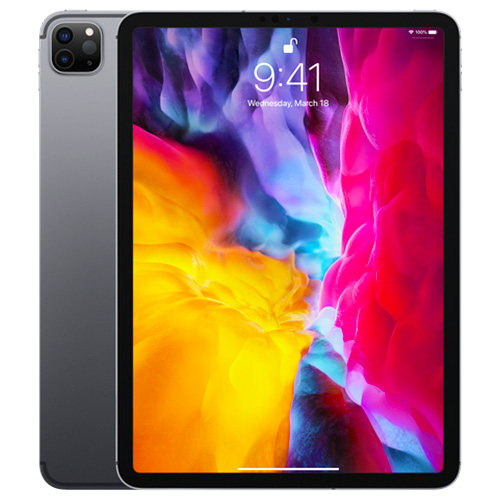
Apple iPad Pro 11 (2020) Space Gray

Now, a new report has surfaced online which indicates that at least one iPad model getting launched next year, i.e. in 2022, will be featuring an OLED panel. This is in line with the previous reports which suggest the Mini-LED will be a stepping stone for the OLED panels.

Earlier, an analyst from Barclays had claimed that Apple has no plans to launch iPad with OLED panel in 2021 but the company is expected to offer it in 2022. It is also speculated that along with the iPad in 2022, the MacBook devices could also adopt OLED panels.

Currently, no more information is available regarding this development. There is also a possibility that the usage of OLED panels on Apple’s devices could be pushed back. It will be interesting to see how Apple decides to price its products with OLED displays given that the panels costlier compared to LCD and LED.

RELATED: 

Realme GT Neo to arrive with Dimensity 1200 chipset

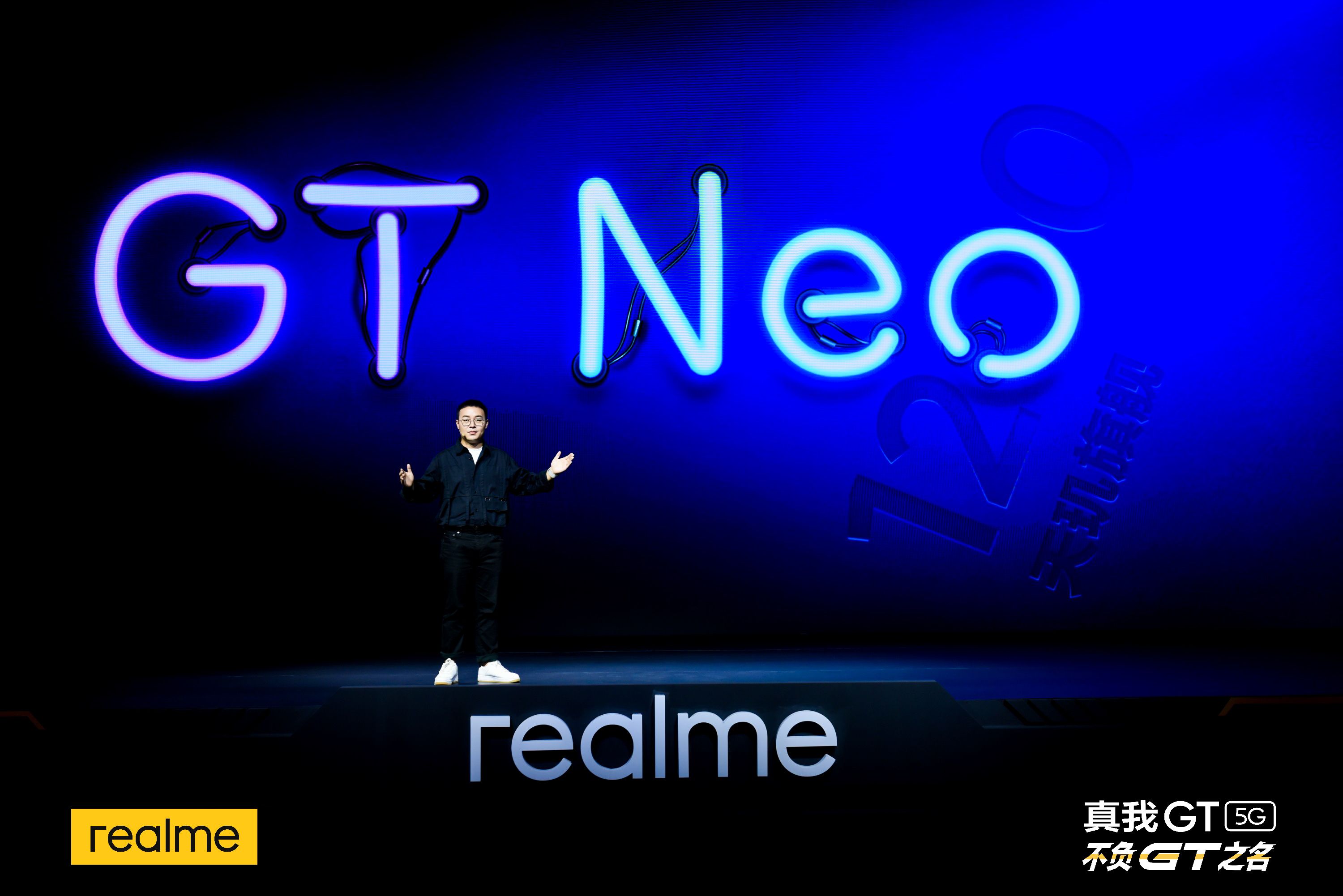
Yesterday, Realme held a launch event in China to announce the Realme GT 5G flagship. At the end of the event, the company confirmed that it will soon announce a new phone named the Realme GT Neo. As shown in the image below, it is confirmed that this device will arrive with the Dimensity 1200 chipset.

Unfortunately, nothing else is known about the Realme GT Neo. The company is expected to tease its features in the coming days. The Dimensity 1200 chipset was announced in January this year. The 6nm chipset includes Cortex-A78 prime core working at 3.0GHz, three Cortex-A78 cores clocking at 2.6GHz, and quad Cortex-A55 cores ticking at 2GHz. The SoC includes Mali-G77 MC9 graphics.
MediaTek claimed that the Realme’s phone with Dimensity 1200 chipset will go official by the end of this month or early April. Hence, it appears that the arrival of the Realme GT Neo could be only a few weeks away. The same chipset will also power a Redmi branded gaming phone.

Realme GT Neo logo

The Realme GT 5G variants such as 8 GB RAM + 128 GB storage and 12 GB RAM + 256 GB storage are priced at 2,899 Yuan (~$448) and 3,399 Yuan (~$525) in China. On the first sale date (March 10), both variants will be available with discounted rates such as 2,799 Yuan (~$433) and 3,299 Yuan (~$510). The Dimensity 1200 powered Realme GT Neo could be priced around 2,000 Yuan and it is likely to borrow some of its specs from the Realme GT 5G smartphone.

The Realme GT 5G has a 6.43-inch AMOLED punch-hole display that offers a Full HD+ resolution and a 120Hz refresh rate. It is equipped with the Snapdragon 888 chipset, LPPDR5 RAM, UFS 3.1 storage, and a 4,500mAh battery with 65W fast charging support. It has a front camera of 16-megapixel and its rear camera module has a 64-megapixel Sony IMX682 main camera, a 13-megapixel ultrawide lens, and a 2-megapixel macro lens.

RELATED:

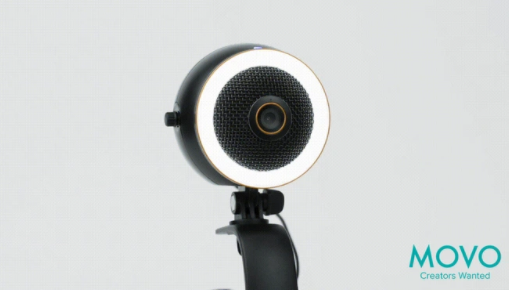
Movo WebMic HD Pro crams a microphone, LED ring light, and HD webcam into a single device

A lot of folks have had to work or study from home since the beginning of the pandemic. This means that meetings and classes are conducted over the internet either via voice or video calls. As you would have realized, most computers have a crappy webcam but if you want to step up your online meeting game, then the Movo WebMic HD Pro may be the device for you.

Movo WebMic HD Pro featured

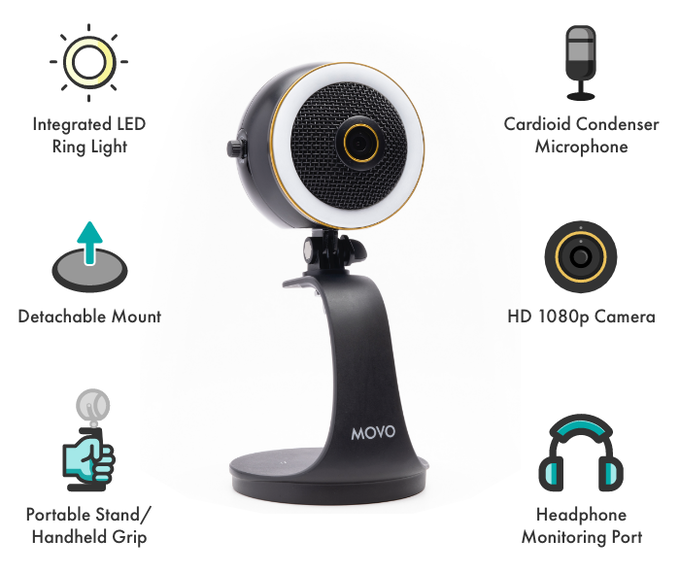
The crowdfunded product combines a webcam, a condenser microphone, and LED ring light into a single device. The webcam is a 1080p camera that records at 30 frames per second and should portray you at your best for that meeting or interview. If you are into live streaming, your audience will appreciate the better picture quality.

The Kickstarter page says the microphone, which wraps around the webcam, has a gain control adjustment knob and a physical mute function. It also uses a directional pickup pattern to focus on your voice while ignoring background noise. There is an audio jack that allows you to plug in headphones so you can monitor playback in real-time.

Movo WebMic HD Pro

The integrated LED ring light has a three-level brightness adjustment setting and gives you a natural tone in videos.

There are two ways to use the Movo WebMic HD Pro. You can mount it on your monitor with the included adjustable clamp or place it on your desk with the included stand that also doubles as a grip for handheld use.

The Kickstarter goal for the Movo WebMic HD Pro was set at $15,000 but as at the time of writing, it has surpassed it and is almost at $138,000 with 36 days to go. The crowdfunding price for the WebMic HD Pro is $119 which is 30% off the final retail price. Movo also has four other versions of the WebMic:

  • WebMic 4K Pro – 4K camera, microphone, and LED ring light
  • WebMic 4K – 4K camera and microphone but no ring light
  • WebMic HD – HD camera and microphone but no LED ring light
  • WebMic – Microphone but no webcam and LED ring light

The Los Angeles-based company says the estimated delivery date is June 2021.


RELATED:


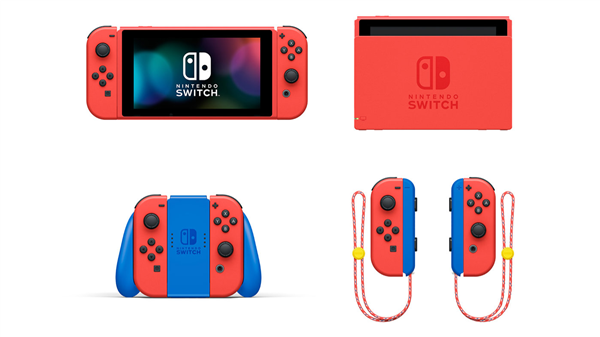
Nintendo reportedly launching a new Switch model with a 7-inch OLED screen this year

Nintendo first release the Switch gaming console in March 2017 which makes the device to be four years old this year. Like a fine wine that gets better with age, the Switch has continued to be a popular console among gaming enthusiasts. Moreso, Tencent released a limited edition version in China last month. 

However, there are speculations that Nintendo is planning to release a successor to the Switch this year. The model is said to be an upgraded version with some improvement as well in its physical outlook. A report carried by Bloomberg has revealed that the Nintendo Switch will utilise an OLED screen instead of retaining the LCD panel utilised on the Switch. The display panel is said to be supplied by Samsung Display and will be a 7-inch rigid OLED panel with a resolution of 720p. The report also states that the console will go into mass production this June.

For reference, the Nintendo Switch packs a 6.2-inch 720p LCD panel. There is even a Switch Lite with a 5.5-inch 720p LCD screen. Thus, the upgrade includes a bigger abd better display.  However, the 720p resolution in handheld mode that is still retained may come as a disappointment to some.

Bloomberg also reports that the new model will support 4K graphic resolution if connected to a TV.

There are no other major details about the new Swtch model except that it will be released before the holidays and Samsung will start shipping the 7-inch OLED panels to assembly pants in July.

RELATED;

Honor Smartwatch HES-B39 and Smart Band CRS-B39S battery capacities leak online

Honor has not be as active as it had been in the past, which may be the result of Huawei facing several restrictions by the United States. However, we expect a lot more from the company now given that it has been separated from Huawei into an independent brand.

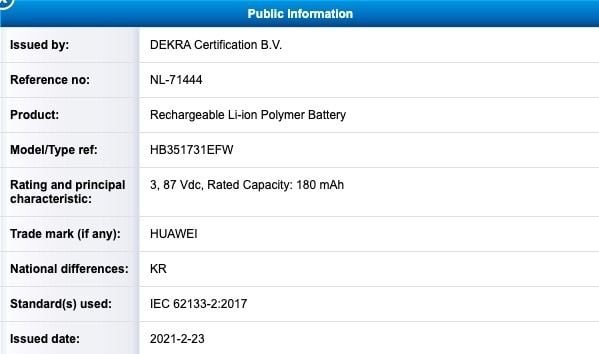
The brand is expected to launch two wearable devices in the coming weeks or months — Honor Smartwatch HES-B39 and Honor Smart Band CRS-B39S. Both of them recently appeared on FCC website, revealing some details.

Honor Smartwatch Battery Leak FCC

Honor Smart Band Battery Leak FCC

The listing confirms support for Bluetooth connectivity for both the devices while the Smart Band in question will support Bluetooth LE. Apart from this, the battery related information for both of them have also been revealed.

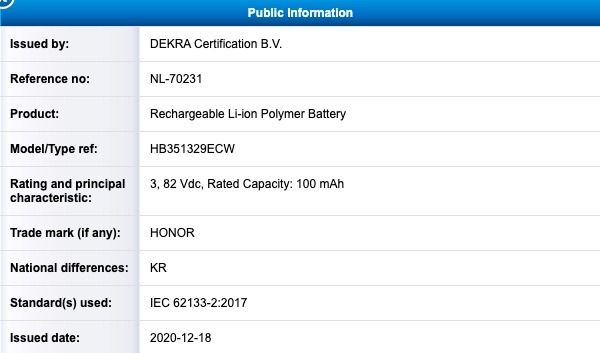
The Honor Smartwatch HES-B39 will have a battery with model number HB351731EFW and will have a capacity of 180mAh. On the other hand, the Honor Smart Band CRS-B39S will have a battery codenamed HB351329ECW with 100mAh capacity.

It has also been confirmed that the devices listed are production models and not the prototype, which means that these wearables could get launched pretty soon. FCC certification is usually the last step ahead of the official launch.

The Honor Band 6 was recently launched in China and the Smart Band in question could be the a new variant of the same. But given the difference in the battery capacity, it’s highly possible that the device is an entirely new model. To know for sure, we will have to wait for the company of officially launch these new devices.

RELATED: 

Vivo Y31s Standard Edition launched with Dimensity 700, 5,000mAh battery, and 13MP dual cameras

The Vivo Y31s 5G smartphone went official in January as the world’s first smartphone powered by the Snapdragon 480 mobile platform in China.  It is available with a starting price tag of 1,498 Yuan (~$231). Now a new smartphone named Vivo Y31s Standard Edition has gone official in the home market. Both phones have identical specs, and they only differ in departments like chipset and display size.

Vivo Y31s Standard Edition specifications and features
The Vivo Y31s Standard Edition has a 6.51-inch IPS LCD display with a teardrop notch. The 20:9 aspect ratio display produces an HD+ resolution of 720 x 1600 pixels.  The phone offers a screen-to-body ratio of 89 percent. In comparison, the Vivo Y31s 5G has a slightly large 6.58-inch IPS LCD HD+ screen with a teardrop notch.

There is an 8-mgeapixel camera on the front side of the Vivo Y31s Standard Edition. The square-shaped camera array placed on the back panel has a 13-megapixel primary camera, a 2-megapixel depth sensor, and an LED flash arranged in a triangular manner.

Vivo Y31s Standard Edition

The Vivo Y31s Standard Edition is fueled by the Dimensity 700 chipset by MediaTek. At present, the phone is available in a single version in China with 6 GB of LPDDR4x RAM and a UFS 2.1 storage of 128 GB. It seems to lack a microSD card slot.

The phone boots to OriginOS 1.0 based Android 11 OS. For security, the Vivo Y31s Standard Edition is equipped with a side-mounted fingerprint scanner and face unlock support. The 5,000mAh battery of the smartphone supports 18W charging through USB-C. The phone offers users other features like dual SIM, 5G, Wi-Fi 802.11ac, Bluetooth 5.1, GPS, and a 3.5mm audio jack.
Vivo Y31s Standard Edition pricing and availability

The Vivo Y31s Standard Edition is priced at 1,699 Yuan (~$262) and it comes in three colors such as Titanium Gray, Lake Light Blue, and Haoyuebai (White). There is no word on its availability outside China.

RELATED:

Realme C21 with 6.5-inch display, Helio G35, and 5,000mAh battery launched in Malaysia

In January, Realme announced the Realme C20 smartphone in Vietnam. Now, a smartphone named Realme C21 has gone official in Malaysia. Here is all the information on its specifications, features, and pricing.

Realme C21 specifications and features
The Realme C21 has a 6.5-inch screen with a mini-drop notch. The LCD panel offers an HD+ resolution of 720 x 1600 pixels and a 20:9 aspect ratio. The phone offers a screen-to-body ratio of 89.5 percent. The company claims that the Realme C21 has received TUV Rheinland certification for high reliability.

The Realme C21 is yet another C-series phone that comes with the Helio G35 chipset. The same SoC was previously seen on smartphones like the Realme C11, Realme C12, Realme C15, and Realme C20. The handset is equipped with 3 GB of RAM and 32 GB of native storage. For additional storage, it has a microSD card slot.

Realme C21
Realme C21

Placed on the front side of the Realme C21 is a 5-megapixel camera for capturing selfies and video calls. The squarish camera housing on the back has a 13-megapixel primary camera and a pair of 2-megapixel sensors. The rear shell of the phone also features a 3.5mm audio jack.
The Realme C21 runs on Realme UI based Android 10 OS. It has a got a 5,000mAh battery, which only supports 10W charging. It comes with other features like dual SIM support, 4G VoLTE, Wi-Fi, Bluetooth, GPS, microUSB, and a 3.5mm audio jack.

Realme C21 pricing and availability

The Realme C21 is now listed for buying at Lazada Malaysia with a price tag of MYR 499 (~$123). It comes in two colors such as black and blue.
Note that the Realme C21 is also being sold globally via Aliexpress for around $130.

RELATED:

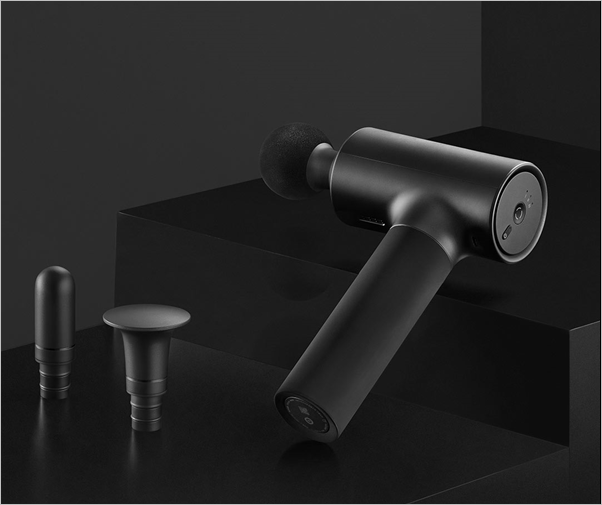
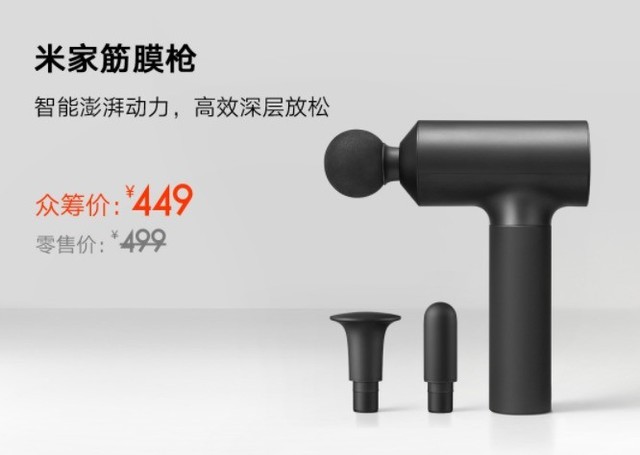
Xiaomi MIJIA Massage Gun now on crowdfunding for 449 yuan (~$69)

Xiaomi last month teased the impending launch of the MIJIA Faschia or Massage Gun. Indeed, the company has taken the wraps off the gadget and it is presently available under crowdfunding on Xiaomi Mall. The product carries a retail price of 499 yuan (~$77) but it is available for 449 yuan (~$69) during the crowdfunding exercise.MIJIA massage Gun

The MIJIA Massage Gun is equipped with high-speed and low-noise brushless motors. It is ultralightweight and portable, weighing just 856 grams and having a hand size of 47mm.

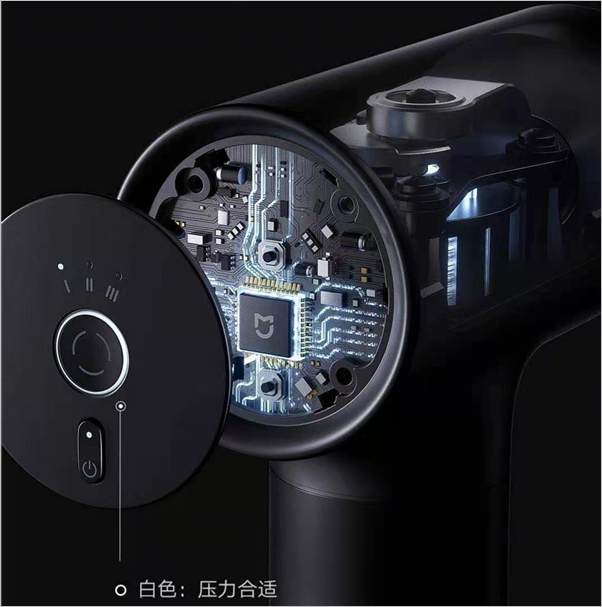
The product adopts a dynamic balance design, the amplitude of the body is less than 1mm making it retain its stability when held. The shock-absorbing soft rubber handle is comfortable to hold and prevents hand numbness.MIJIA Massage Gun

The massage gun also adopts a hidden vent design which prevents sweat from dripping into the vent and causing damage to the gadget. The brushless motor supports three-speed vibration mode adjustment of 1800 rpm, 2400 rpm and 3200 rpm, and the noise can be as low as 45 decibels.MIJIA Massage Gun

Xiaomi touts the MIJIA Massage Gun as capable of penetrating 10mm deep muscle groups, to quickly relieve the soreness after exercise, and at the same time improve muscle coordination. This also helps promote muscle repair.MIJIA Massage Gun

In addition, Mijia Fascia Gun is also equipped with three types of massage heads- a round massage head, a flat massage head, and a cylindrical head. The three massage heads can meet the different relaxation needs of users.

In terms of battery life, the MIJIA Massage Gun has a built-in 2600mAh lithium battery with Type-C interface charging. It can last 12 hours on a single charge. It can be used continuously for 1 month if used in the first gear mode for 30 minutes daily.

RELATED;


Qualcomm Snapdragon Sound wants to improve the audio performance of your devices

Qualcomm already has its hands in the audio technology space with its audio chipsets and codecs such as aptX. Now, it wants to take things a step further by improving the audio experience from devices with what it calls Snapdragon Sound.

Qualcomm Snapdragon Sound

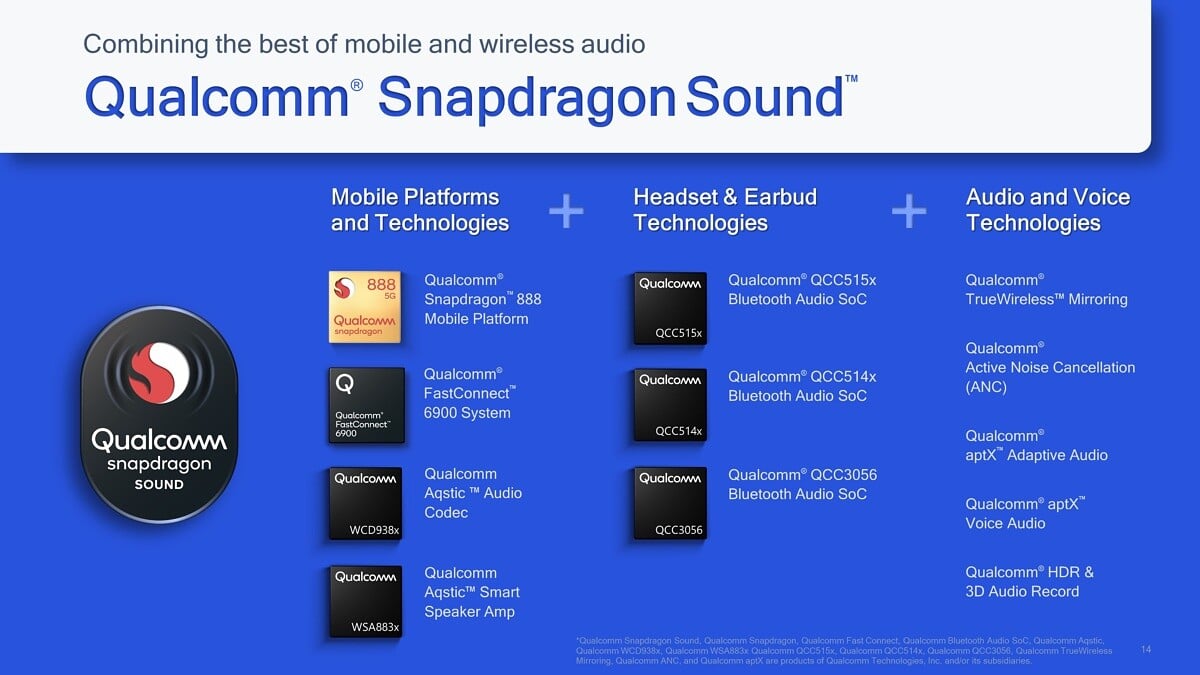
The press release says Snapdragon Sound “is designed to deliver seamless, immersive audio experiences to devices by optimizing audio technologies and software across the entire chain”. It will combine Qualcomm’s existing technologies in audio, connectivity, and mobile, and then optimize them to work together to solve existing audio issues. The goal is sound with consistent quality, reliable connectivity, and low latency.

Qualcomm says Snapdragon Sound makes use of its aptX Adaptive Audio technology to deliver audiophile-quality music wirelessly from the phone to wireless earbuds or headsets. It also uses Qualcomm’s Aqstic audio codec to provide an equally impressive audio quality for those who prefer to listen directly from their mobile device. Snapdragon Sound will also provide a glitch-free listening experience when you are in a crowded place with lots of smart and connected devices. Glitches are frequent when in such areas and they are caused by interference from surrounding devices.

Qualcomm Snapdragon Sound

Snapdragon Sound won’t focus only on output sound but will also use existing Qualcomm technologies to improve input sound when you make voice and video calls. Features such as noise suppression and echo cancellation will make use of AI to provide crystal clear audio for calls. The audio solution will also use Qualcomm’s aptX Voice Audio to deliver better sound quality (greater voice clarity and speech intelligibility) when you use Bluetooth accessories.

Qualcomm boasts Snapdragon Sound will also be able to deliver latency as low as 89ms when using Bluetooth audio devices during gaming. It will be able to achieve this by utilizing the aptX Adaptive audio technology between the mobile device and Bluetooth accessory.

Snapdragon Sound badge

The press release says that products (earbuds, headphones, and mobile devices) will have a Snapdragon Sound badge so that consumers will be able to identify which products work best together. Qualcomm says that it will thoroughly test the performance of these devices in terms of latency, voice call quality, music quality, and robust connectivity.


RELATED:

ByteDance is reportedly in the race to develop a Clubhouse-like app but for China

A buzzword in the global social networking firmament is audio chat, as several of the big players in the space are introducing audio chat service into their functionality spurred by the overnight success of Clubhouse. Just this week, Twitter announced the incorporation of Spaces into its Android app so that Android users could enjoy the audio chat feature, as well as users of iOS devices. However, Clubhouse remains the trailblazer in this regard and all others are on a catch-up race.ByteDance Logo

Now, reports coming from China say that TikTok owner ByteDance is already at an advanced stage of developing an audio chat app that seeks to replicate the Clubhouse app which is banned from China. It is quite obvious that US-owned Clubhouse has been a huge success, and this may have propelled a rash of development of Clubhouse-like audio chat platforms across the world.

It is even estimated that within the first quarter of 2021, up to a dozen Clubhouse-like apps have been launched. A number of these apps are coming from China, where there is a rush to fill the void left behind by Clubhouse after it was banned in February 2021. Clubhouse had witnessed a rapid rise in numbers as it afforded users to ventilate their views without fear of censorship or repercussions on a number of issues not openly canvassed in the country.

Censorship considerations will be a critical part of the China-based audio chat apps, as politics and several other areas will be out of bounds.

Some of the frontrunners in China include Lizhi’s Zhiya app and Xiaomi’s Mi Talk app, which had undergone some retooling to make it an invitation-only platform and enhanced holding capacity. The Zhiya app had earlier found itself on the wrong side of the government and has now put in place several protocols to identify all users and even listen to conversations in rooms to remove offending contents.

RELATED;

Samsung showcases the ISOCELL 2.0 tech, edging us closer to 100MP+ cameras

Samsung may have just made a huge leap in technology with the announcement of the highly innovative camera sensor, the ISOCELL 2.0, meant to provide the building blocks for future powerful cameras.

ISOCELL Samsung
Samsung’s ISOCELL CIS brand ranks second after Sony

The ISOCELL 2.0 technology is expected to greatly improve the overall quality in terms of light sensitivity and color. The new camera sensor technology will be needed for higher megapixel cameras.

Samsung released a video providing some insights on the functionality of the ISOCELL 2.0 sensor. The tech giant stressed that the new technology will minimize “optical loss” and would deliver major improvements in light sensitivity, which will help camera sensors with smaller pixels punch above their weight and absorb more light.

Furthermore, Samsung hints in the video that image sensors would be able to pack in more pixels to produce finer details without any decline in the quality of vivid color reproduction. All these are certainly pointing to future higher resolution smartphone camera sensors.

Samsung’s smartphone camera sensors generally use ISOCELL technology, but its most recent sensors have the ISOCELL Plus technology, slightly different from the basic ISOCELL technology due to some material changes in its components for improved quality. But the ISOCELL 2.0 has further improved the sensor quality several notches ahead.

The ISOCELL 2.0 technology is believed to be already in the works for Samsung’s upcoming offerings for 2021. The company previously confirmed that some 0.7-micron pixel sensors announced in late 2020 would have the technology, obviously produced from the semiconductor arm of Samsung.

We however await the berthing of the innovative technology on an actual Samsung smartphone in the coming months. That is when we can know whether the hype on ISOCELL 2.0 is justified.

RELATED;

(source)

Redmi Note 10 vs Note 10 Pro vs Note 10 Pro Max: Specs Comparison

Today, Xiaomi has officially announced the Redmi Note 10 series for both the Indian market and the global market. In India, the new series includes three devices: Redmi Note 10, Redmi Note 10 Pro, and Redmi Note 10 Pro Max. Among their killer features, you get great AMOLED displays, Snapdragon chipsets, and big batteries, as well as a stunning camera in the most advanced variant. A lot of potential buyers are trying to learn the differences between the three variants in order to choose the best for their needs. That is exactly the purpose of the article: in this specs comparison, we will highlight the differences between Redmi Note 10, Redmi Note 10 Pro, and Redmi Note 10 Pro Max.


Redmi Note 10 Pro Global

Xiaomi Redmi Note 10 vs Xiaomi Redmi Note 10 Pro vs Xiaomi Redmi Note 10 Pro Max

Xiaomi Redmi Note 10 Xiaomi Redmi Note 10 Pro Xiaomi Redmi Note 10 Pro Max
DIMENSIONS AND WEIGHT 160.5 x 74.5 x 8.3 mm, 179 grams 164.5 x 76.2 x 8.1 mm, 192 grams 164.5 x 76.2 x 8.1 mm, 192 grams
DISPLAY  6.43 inches, 1080 x 2400p (Full HD+), Super AMOLED  6.67 inches, 1080 x 2400p (Full HD+), Super AMOLED  6.67 inches, 1080 x 2400p (Full HD+), Super AMOLED
PROCESSOR Qualcomm Snapdragon 678, octa-core 2.2 GHz Qualcomm Snapdragon 732G, octa-core 2.3 GHz Qualcomm Snapdragon 732G, octa-core 2.3 GHz
MEMORY  4 GB RAM, 64 GB – 4 GB RAM, 128 GB – 6 GB RAM, 128 GB – micro SD dedicated slot 6 GB RAM, 64 GB – 6 GB RAM, 128 GB – 8 GB RAM, 128 GB – micro SD dedicated slot 6 GB RAM, 64 GB – 6 GB RAM, 128 GB – 8 GB RAM, 128 GB – micro SD dedicated slot
SOFTWARE  Android 11, MIUI Android 11, MIUI Android 11, MIUI
CONNECTIVITY  Wi-Fi 802.11 a/b/g/n/ac, Bluetooth 5.0, GPS Wi-Fi 802.11 a/b/g/n/ac, Bluetooth 5.1, GPS Wi-Fi 802.11 a/b/g/n/ac, Bluetooth 5.1, GPS
CAMERA  Quad 48 + 8 + 2 + 2 MP, f/1.8 + f/2.2 + f/2.4 + f/2.4
13 MP f/2.5 front camera
Quad 64 + 8 + 5 + 2 MP, f/1.9 + f/2.2 + f/2.4 + f/2.4
16 MP f/2.5 front camera
Quad 108 + 8 + 5 + 2 MP, f/1.8 + f/2.2 + f/2.4 + f/2.4
16 MP f/2.5 front camera
BATTERY 5000 mAh, fast charging 33W 5020 mAh, fast charging 33W 5020 mAh, fast charging 33W
ADDITIONAL FEATURES Dual SIM slot, 5G, splash resistant (IP52) Dual SIM slot, 5G, splash resistant (IP52) Dual SIM slot, 5G, splash resistant (IP52)

Design

The look of the Redmi Note 10, Redmi Note 10 Pro, and Redmi Note 10 Pro Max is exactly the same. They come with a rectangular camera module on the back, a punch-hole display with a hole placed centrally, a flat design, and a side-mounted fingerprint reader. But there are two important differences between the vanilla Redmi Note 10 and the Pro variants. The first is the material used for the rear side: while the Redmi Note 10 has a plastic back, the Redmi Note 10 Pro and the Pro Max have a glass back. Further, the Redmi Note 10 is a more compact device thanks to its smaller screen. At the same time, it is thicker in order to contain a battery with a similar capacity to the Pro variants.


Display

The Redmi Note 10 Pro and the Redmi Note 10 Pro Max are equipped with the same display: a Super AMOLED panel with a diagonal of 6.67 inches, the HDR10 certification, and a 120 Hz refresh rate. The one that differs is again the vanilla Redmi Note 10: it has an AMOLED display just like the bigger siblings, but it lacks a high refresh rate and it has a lower peak brightness. So you get an inferior experience, but still, a very nice display given that it is an AMOLED panel.


Hardware/Software

The three variants differ for the processor user: the Redmi Note 10 has the lowest-end chipset. We are talking about the Snapdragon 678. Still a mid-range chipset with good performance, but inferior to the Snapdragon 732G mounted on the Redmi Note 10 Pro and the Redmi Note 10 Pro Max. The Pro variants also offer better memory configuration as they pack up to 8 GB of RAM, while you can only get the vanilla Note 10 with 4 or 6 GB of RAM. The internal storage goes up to 128 GB (UFS 2.2) and, unfortunately, all the phones lack 5G connectivity.


Camera

Xiaomi equipped each device from the Redmi Note 10 series with a different main camera. The Redmi Note 10 gets a 48 MP sensor, the Redmi Note 10 Pro has a 64 MP camera, and the Redmi Note 10 Pro Max is the amazing one with its 108 MP main sensor. In each case, we are talking about affordable camera phones, but the Redmi Note 10 Pro Max is the closest one to the flagships with its good Samsung 108 MP camera. With the Redmi Note 10 Pro and Pro Max, you also get a better macro camera than the vanilla Note 10 (8 MP vs 5 MP), as well as a better selfie camera (16 MP vs 13 MP).


Battery

Redmi Note 10 packs a 5000 mAh battery, while Redmi Note 10 Pro and the Pro Max are equipped with 5020 mAh batteries. The phones should be very close in terms of battery life and they offer similar charging speeds with their 33W charging technology.


Xiaomi Redmi Note 10, Redmi Note 10 Pro, and Redmi Note 10 Pro Max: Price

Redmi Note 10 starts from €138/$165 in India, Redmi Note 10 Pro has a €184/$220 starting price, and Redmi Note 10 Pro Max begins at €218/$261. If you do not care about having a stunning rear camera, Redmi Note 10 Pro is enough for you, otherwise, go for the Pro Max. The Redmi Note 10 is for those who, besides not needing great cameras, do not even need a 120 Hz refresh rate. It has a lower-end chipset as well, but the performance difference is not huge.


Xiaomi Redmi Note 10 vs Xiaomi Redmi Note 10 Pro vs Xiaomi Redmi Note 10 Pro Max: PRO and CONS

Xiaomi Redmi Note 10

PROS

  • More affordable
  • More compact
  • Lighter

CONS

  • Inferior hardware
  • Inferior cameras


Xiaomi Redmi Note 10 Pro

PROS

  • Same display as the Note 10 Pro Max
  • 120 Hz refresh rate
  • Good quality price ratio
  • Glass back

CONS

  • Nothing particular


Xiaomi Redmi Note 10 Pro Max

PROS

  • Great 120 Hz display
  • Best cameras
  • Glass back

CONS

  • Price


RELATED

Check the latest videos from our YouTube channel and subscribe:

Xiaomi launches the MIJIA Smart Air Fryer 3.5L under crowdfunding

Xiaomi has launched the MIJIA Smart Air Fryer 3.5L under crowdfunding on Xiaomi Mall. The product carries an original price tag of 399 yuan (~$61) while the crowdfunding price is 299 yuan (~$46).

The MIJIA Smart Air Fryer 3.5L is a multipurpose gadget as it packs the functions of several home appliances such as oven, microwave oven, fruit presser, yogurt maker, and so on in a single form factor. It can be adjusted in a wide temperature range of 40-200°C. The air fryer comes with a dual wind speed configuration which can be used to defrost and bake various dried fruits and vegetables and meat at low temperature in addition to high-temperature air frying.MIJIA Smart Air Fryer 3.5L

The Smart Air Fryer comes with a powerful 1500W internal heating with 360° hot air circulation heating,  which ensures heat gets to all parts of the food and the food is heated evenly. It also supports 24-hour cooking time.MIJIA Smart Air Fryer 3.5L

There is an OLED screen at the front of the fryer and users can easily adjust the cooking temperature and time with one turn and the press of a button. It also supports MIJIA app connection with users having access to over 50 recipes. At the same time, it supports custom cooking mode, so the cooking expert can also DIY at will.

It also automatically powers off if the pan is removed to check the status of the cooking or to stir the food during cooking. The fryer continues immediately the pan is slid back in without any need to restart the fryer.

RELATED;

(via)

Samsung announces Galaxy XCover 5 rugged smartphone for £329

Samsung has finally announced the Galaxy XCover 5 rugged smartphone. It is priced at £329 in the UK and succeeds the Galaxy XCover 4 from 2017.

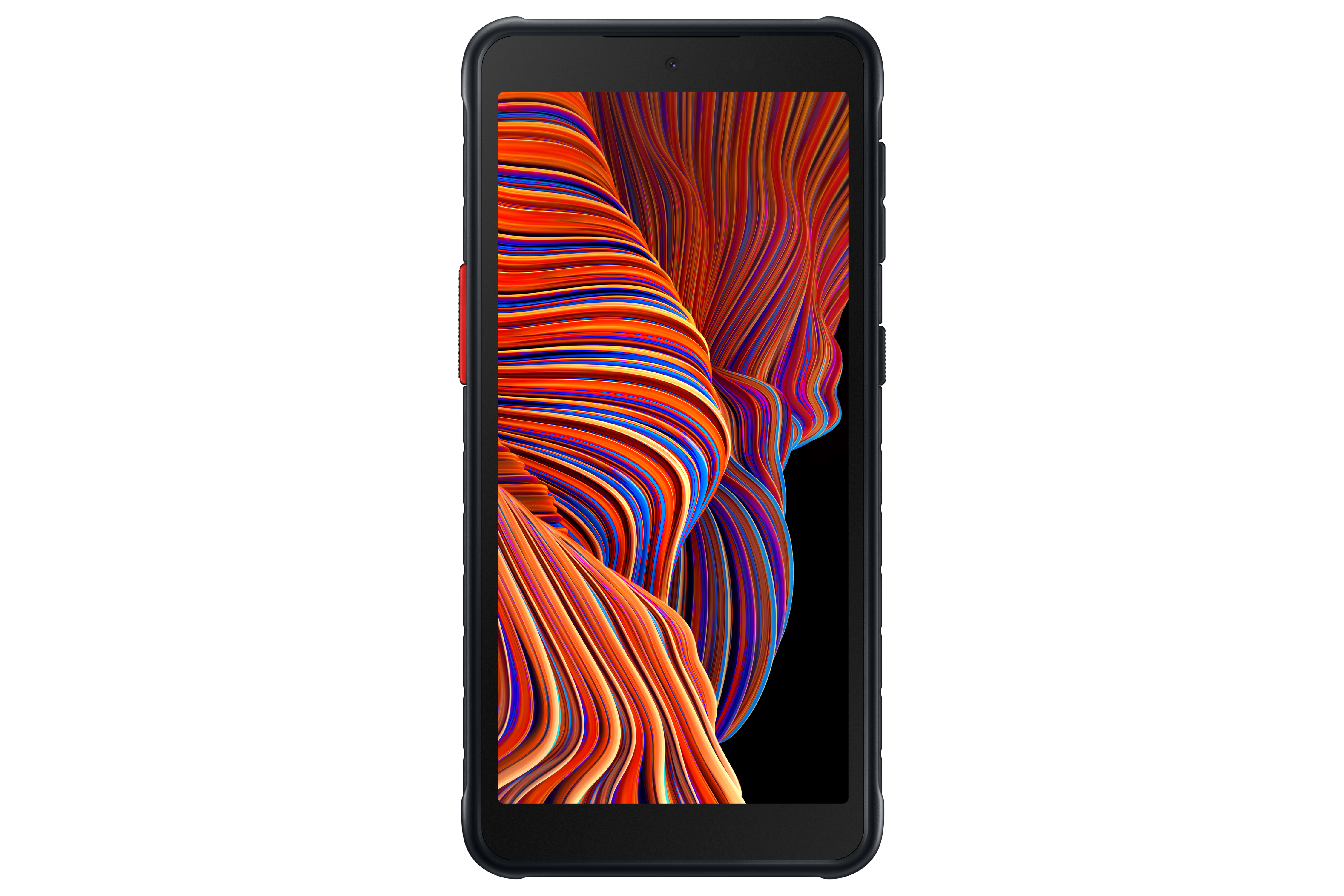
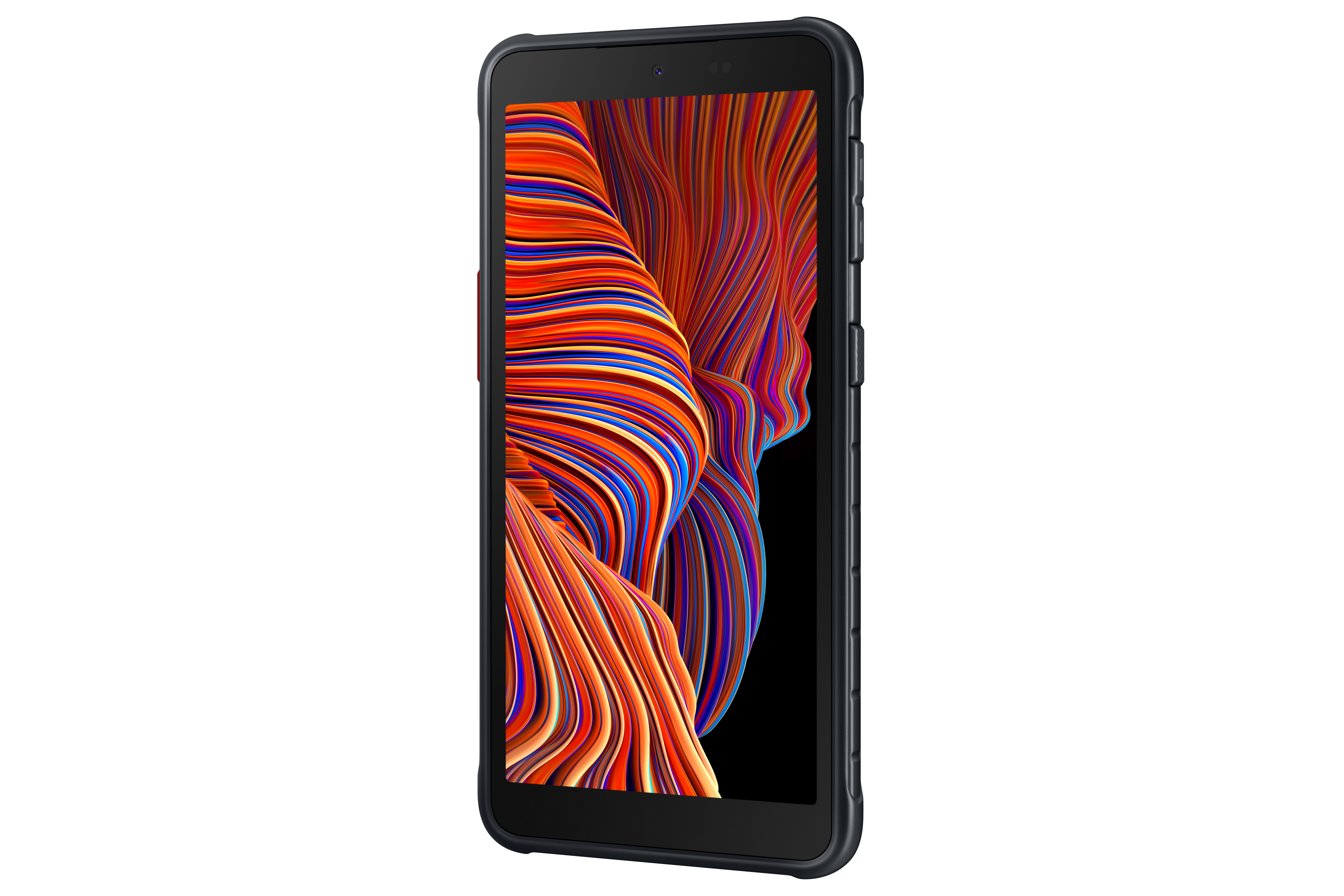
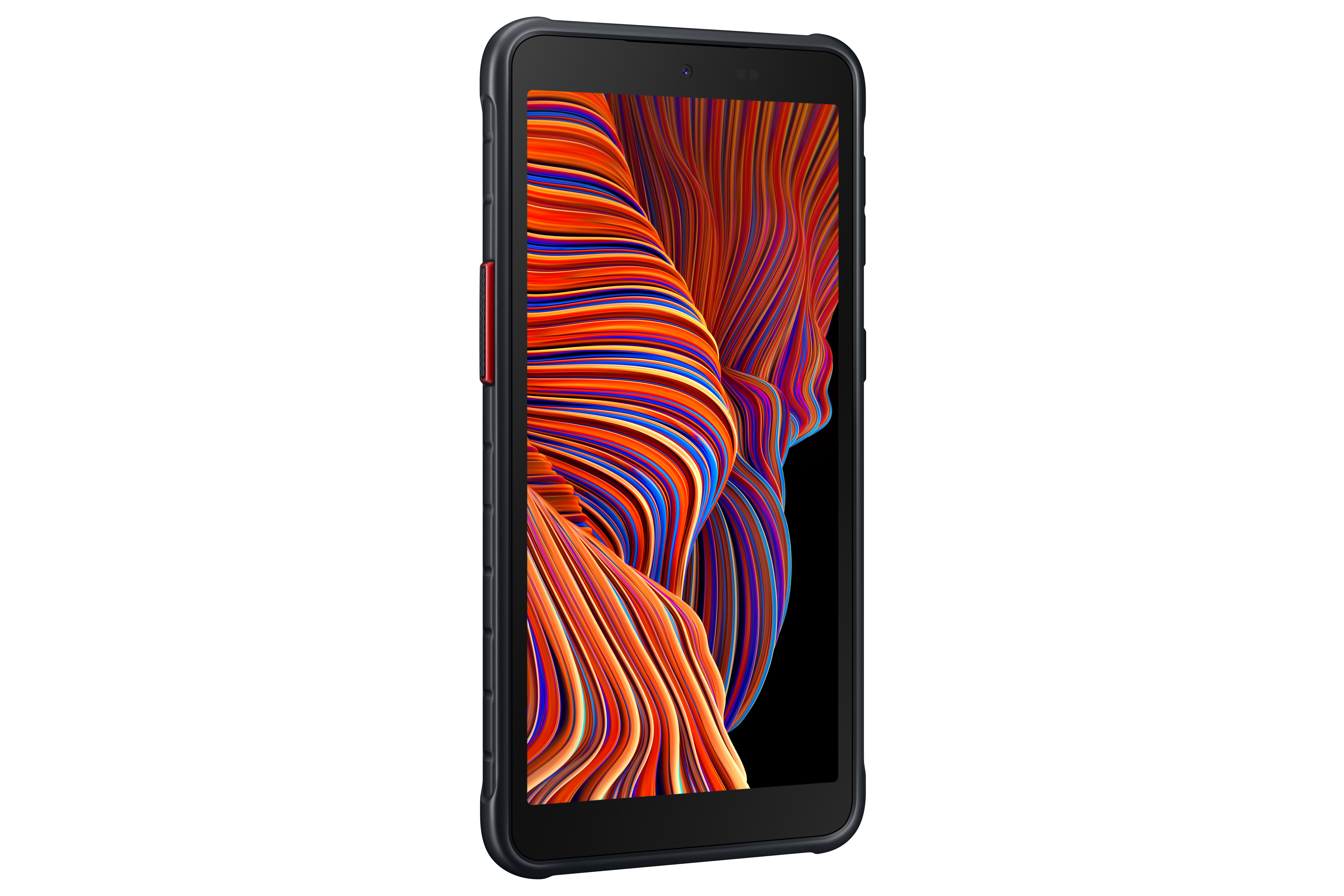
Samsung Galaxy XCover 5

Samsung Galaxy XCover 5 Price Availability

Samsung has launched a single memory variant of the Galaxy XCover 5. This variant has 4GB RAM and 64GB of internal storage and is priced at £329 in the UK. Since it’s a rugged smartphone, you can’t expect fancy colors on the device.

As for availability, Samsung says that the device will be available in regions like Asia, Europe, and Latin America later this month i.e, March 2021. The customers of the UK, however, can get it from March 12 via Samsung Business shop online.

Samsung says that it will make the device available for purchase offline in Samsung Experience stores once they re-open on Government’s guidelines.

Samsung Galaxy XCover 5 Specifications and Features

Design and Display

Just like every other rugged smartphone out there, the Galaxy XCover 5 is aimed at factory and field workers. Samsung says that the device is sleek, durable, easy-to-hold however, it doesn’t compromise on the productivity features.

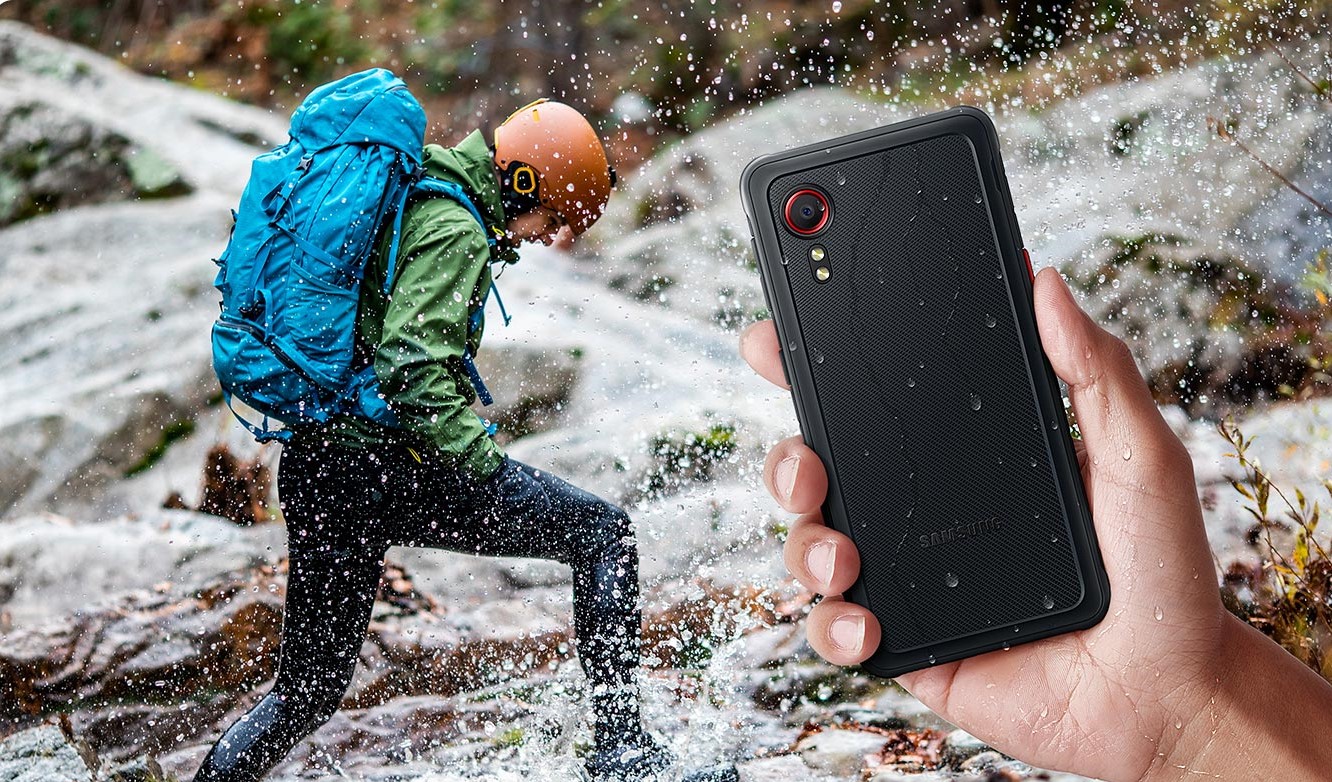
Talking about the design, the Galaxy XCover 5 in Graphite Black color has Military standard certification (MIL-STD 810H). This means you can drop it from a height of up to 1.5meteres and still it is claimed to survive the drop. It also has IP68-certified for dust and water resistance(freshwater up to 1.5 meters for up to 30 minutes).

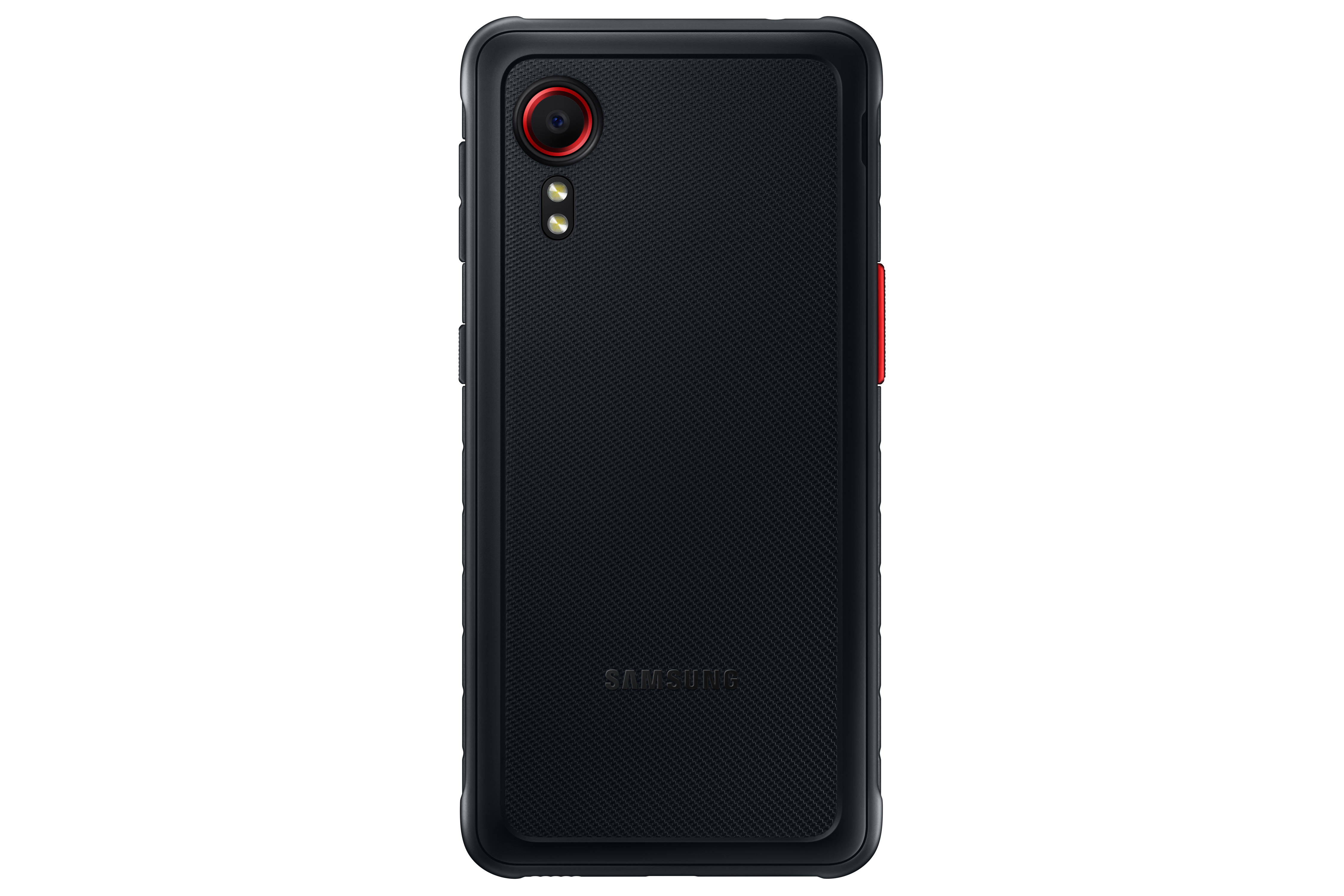
At the back, it has a textured finish in the middle and the corners are designed for shock absorption. Upfront, it has a 5.3-inch HD+ TFT LCD display. This display has a 16:9 aspect ratio and a resolution of 1480 x 720 pixels. Samsung hasn’t mentioned the Protection in its press release but prior leaks say that it is Gorilla Glass 6.

Specifications and Features

Under the hood, it features Exynos 850 chipset paired with 4GB RAM, 64GB internal storage. For cameras, you get a single rear 16MP f/1.8 shooter with LED flash and a 5MP f/2.2 sensor up front for selfies.

As for security, Samsung Galaxy XCover 5 has Samsung Knox end-end encryption, and face unlock (biometric authentication) via the selfie shooter. Since it’s a part of Enterprise Edition, it should get 5 years’ worth of security updates.

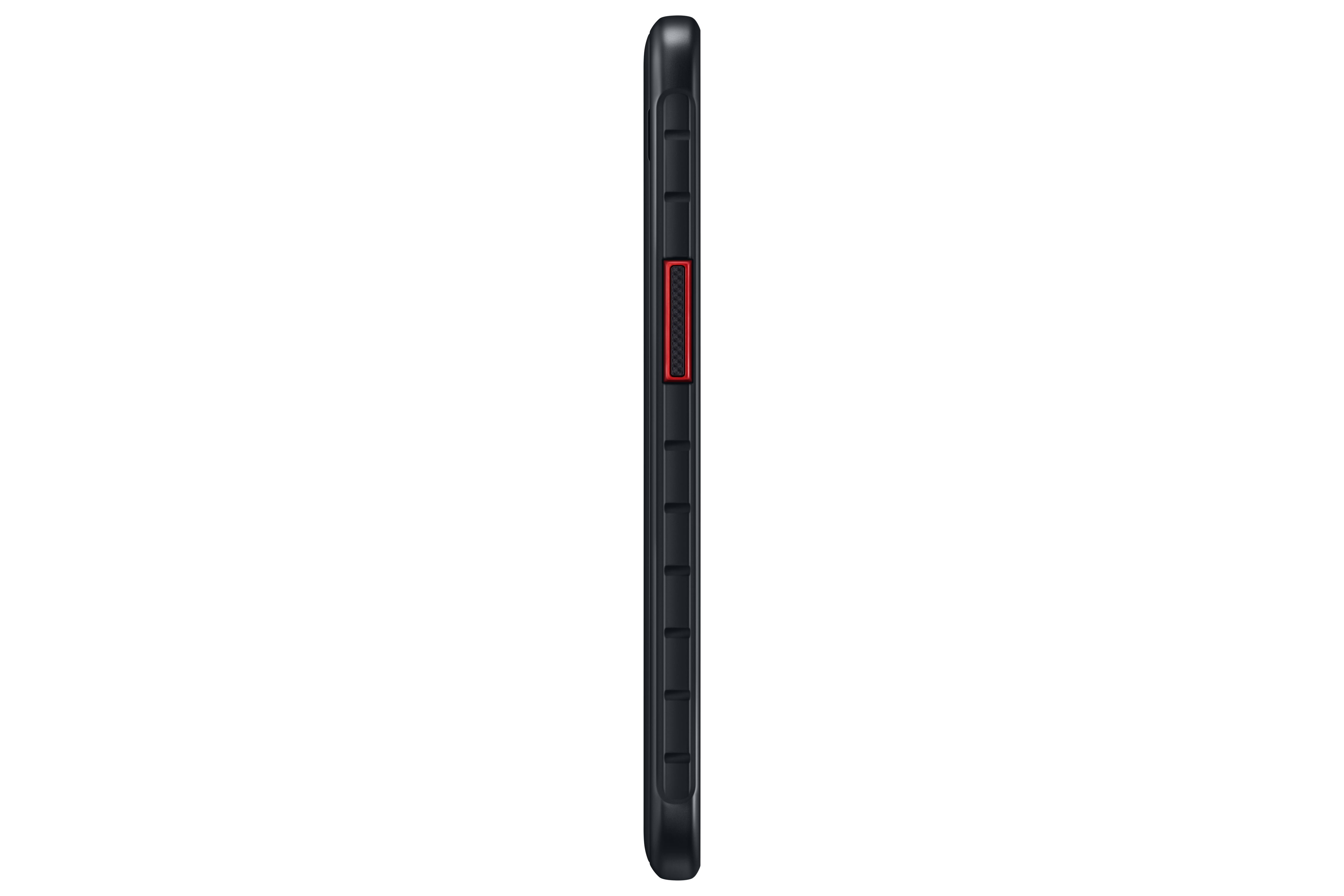
Some of the productivity features include push-to-talk for walkie-talkie features using the Microsoft Teams app, barcode scanner(using Samsung Knox Capture). To fire them up quickly, you have a programmable key on the left. This key can also be used for LED flashlights, emergency calls or maps.

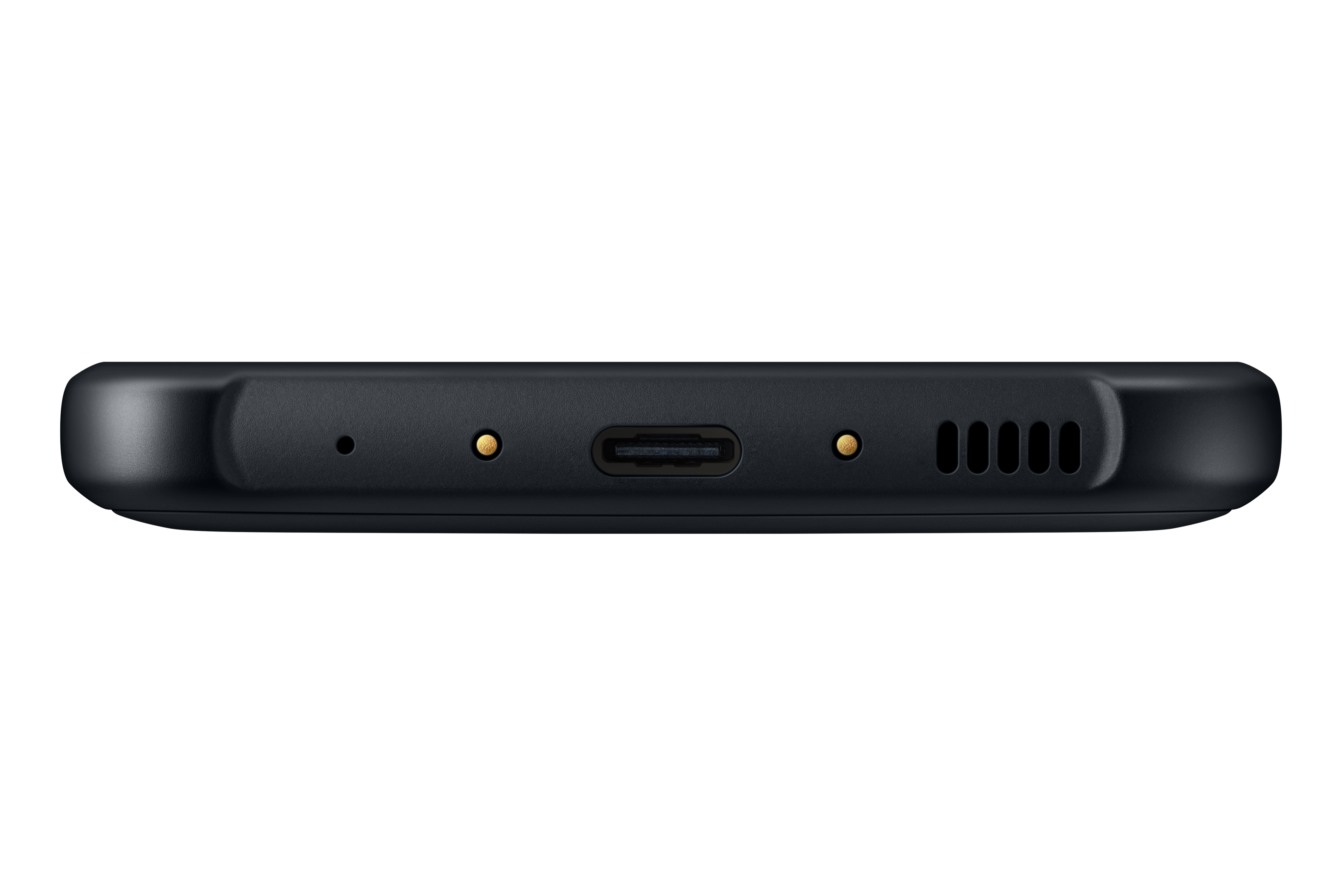
Other features include a 3,000mAh battery with 15W fast charging, USB-C port, POGO pins(only for Charging), dual-nano SIM with 4G LTE, Bluetooth 5.0, 5GHz Wi-Fi, NFC, GPS, 3.5mm audio jack, and Android 11 OS.

Finally, the Galaxy XCover 5 measures 147.1 x 71.6 x 9.2mm and weighs 172 grams.

RELATED:

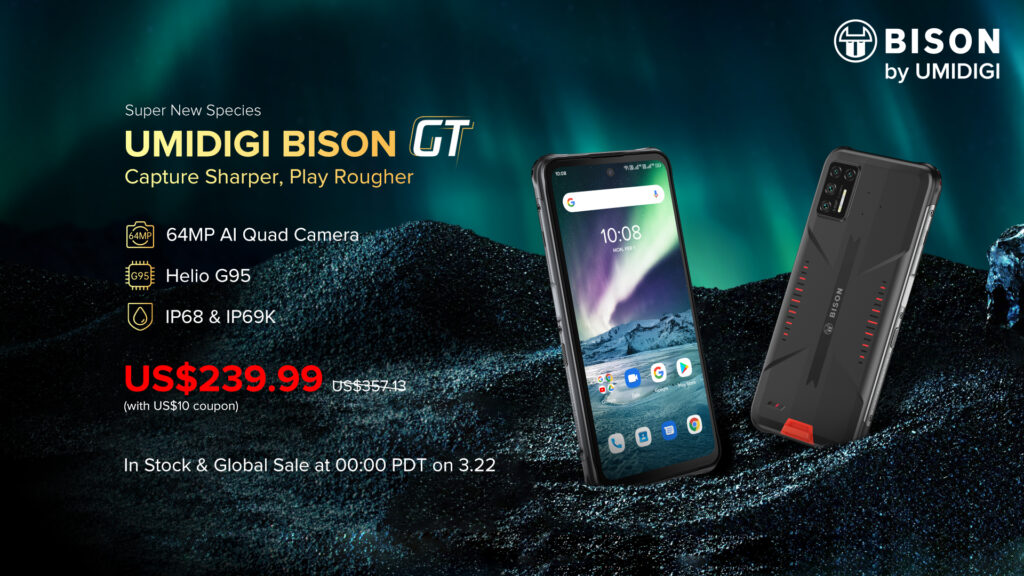
Umidigi BISON GT goes official with Helio G95, 64MP Quad camera, and IP69K rating

The pandemic did break most of our bank accounts. The smartphone industry also seems to have suffered a lot in the past year. Most customers planning to purchase a new smartphone in 2021 are now equally cautious on durability as they were with functionality and performance. This is where the rugged flagship UMIDIGI BISON and its new follower UMIDIGI BISON GT prove to be the sweet spot.

Must See: [Deal] Grab Umidigi Bison Rugged Phone for a limited-time discount price of $145.00

A powerful variant of the UMIDIGI BISON has remained only as rumours under the radar. Now the Rugged Flagship UMIDIGI BISON GT is all set to launch on March 22nd this year. The feature-packed rugged smartphone will go on sale for US$239.99 on AliExpress.

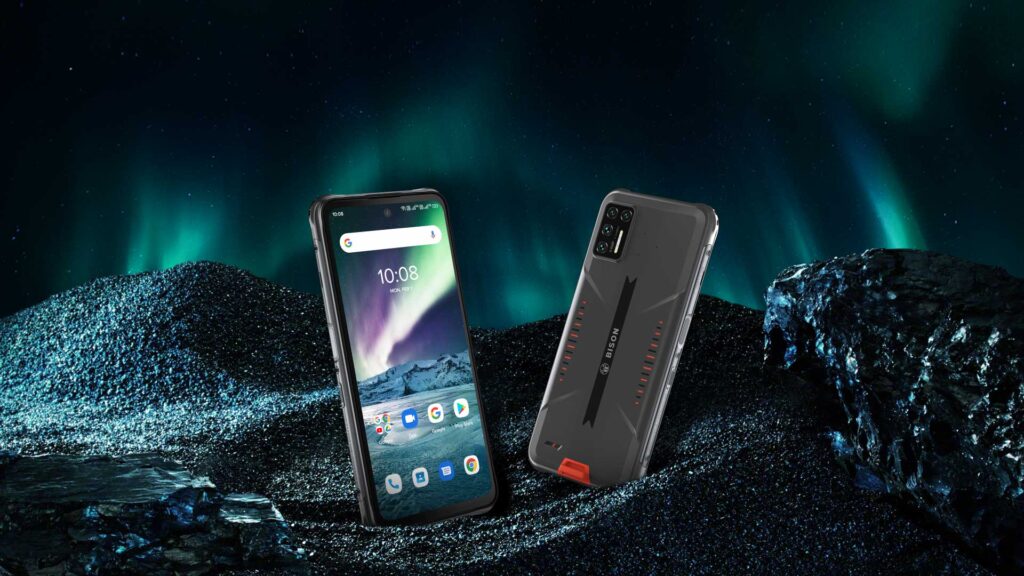
The UMIDIGI rugged smartphones have always remained budget-friendly, considering how other rugged smartphones are priced. The new GT version of the UMIDIGI BISON has a very similar look and feel as its predecessor. The differences lie under the hood, and yes, the change is worth the upgrade. From the new 64MP AI-powered camera to the X-axis linear vibrator motor, let’s have a look at what makes this new guy a special device worth the attention.

Helio G95

The Helio G95 is a significant upgrade over the previous Helio P60. Paired with the upgraded onboard 8 gigs of RAM and 128gigs of faster UFS 2.1 storage, the GT crossed the 30K mark on AnTuTu Benchmark with no hiccups.

Display

Full HD has become the standard for even the most expensive smartphones in the world. The display on the GT is protected by Corning Gorilla Glass. The device also features a dedicated Glove Mode which should boost the touch sensitivity even when
wearing gloves.

Revamped Camera Module

Rugged smartphones have always struggled quite a lot to produce satisfactory results in
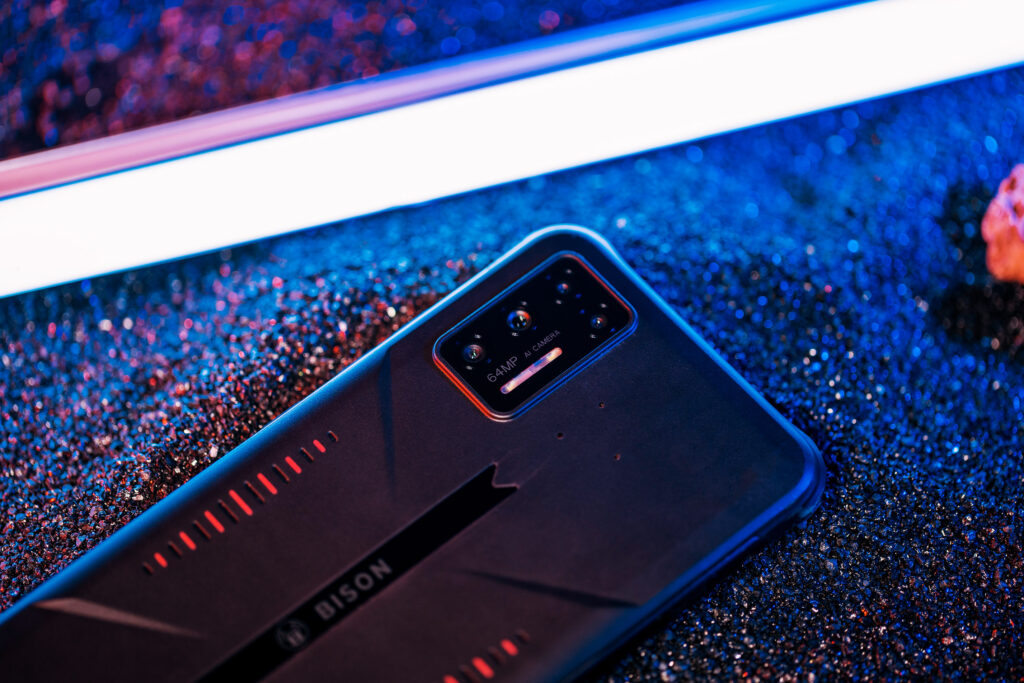
photography. Well, things change with the new BISON GT. The rear camera module
houses a 64MP primary camera. With its F1.89 aperture, one should be capable of
taking some decent night shots. The rear module houses a 16 MP ultra-wide lens, a
5MP depth sensor and a 5MP macro lens. For selfies, however, the BISON GT went a single 32MP selfie shooter.

5150mAh Battery with 33W Fast Charging

Long gone are the days of battery packs and long waits. The new GT comes with a whopping 5150mAh battery which supports 33W Fast Charging.

IP68 & IP69K

The device comes with IP68 and IP69K rating. This makes the device water-resistant
for up to 1.5 meters for a maximum period of 30 minutes. IP68 also ensures protection
from dust, dirt, and sand. IP69K means the device can withstand the thermal steam
wash test. This enables it to resist water pressure as high as 100 bar (1450 psi) at a
maximum temperature of 80 ℃. The devices also come with an added barometer and
two customizable buttons for better control of the device.

Technical Specifications

  • Screen: 6.67″ FHD+ Waterdrop Screen
  • CPU: MediaTek, Helio G95, 2 x A76 2.05GHz large core, 6 x A55 2.0GHz small core
  • GPU: ARM Mali-G76 MC4, up to 900MHz
  • RAM: 8GB, LPDDR4X dual-channel
  • Storage: 128GB, UFS 2.1
  • Rear camera:
    64MP ultra-high-resolution primary camera, 1/1.72” image sensor, 1.6μm 4-in-1 superpixel, F/1.89 aperture, 6-element lens
    16MP ultra wide-angle camera, FOV 120°
    5MP depth camera
    5MP macro camera, 2cm macro distance
  • Front camera: 
    32MP, F/2.0 aperture, 5-element lens
  • Water, dust, shock resistant: IP68, IP69K
  • Dedicated keys: Two independent customizable buttons
  • Connectivity: Dual 4G / Dual VoLTE, GPS, Glonass, Galileo, Beidou, USB Type-C, Bluetooth 5.0, OTG
  • Battery: 5150mAh, 33W Fast Charge
  • Dimensions: 170.3 x 82.5 x 12.8 mm
  • Weight: 283g
  • Sensors: Side-Mounted Fingerprint Sensor, Barometer, Proximity Sensor, Ambient Light Sensor, Accelerometer, Gyroscope, Electronic Compass
  • Colors: Cyber Yellow, Lava Orange

Pricing and Availability

As said in the beginning, the BISON GT will go on sale from March 22nd in two colour options of Cyber Yellow and Lava Orange. It will be an
AliExpress exclusive with a price tag of $239.99, and you can add the smartphone to the cart to grab additional discounts. You could also visit UMIDIGI’s official
website to join the giveaway as the company is giving away 10 units UMIDIGI BISON GT.

Must See: [Deal] Grab Umidigi Bison Rugged Phone for a limited-time discount price of $145.00

Xiaomi India officially confirms the arrival of Redmi TVs

Earlier today, Xiaomi India announced the Redmi Note 10 series in the country. A total of three smartphones were unveiled, namely Redmi Note 10, Redmi Note 10 Pro, Redmi Note 10 Pro Max. At the end of the event, the company also teased the arrival of Redmi TVs in the country.

Xiaomi has been selling smart TVs in India with ‘Mi TV’ branding since early 2018. Right now, it is the country’s largest smart television brand. The firm offers a wide variety of TV models at different price segments.

Similarly, Redmi, the sub-brand of Xiaomi introduced its TV models in China after becoming an independent brand. The brand also sells other ecosystem products, including a washing machine. Its products are cheaper than Xiaomi’s Mi-branded models.

Slowly and steadily, Redmi started bringing its products to global markets, especially India. Some of the notable ones are Redmi Band, Redmi Earphones, Redmi Earbuds 2C, and Redmi Power Banks.

Now, the brand has officially confirmed to release its televisions in India. The company revealed it via a short teaser video at the end of Redmi Note 10 series launch livestream.

The teaser video suggests that the upcoming Redmi smart TV for India will be a large-sized television. The brand uses the term ‘XL’ and even gives us a glimpse of the TV’s design in the said video.

Currently, Redmi sells two large-sized television models under its Redmi MAX series. They are none other than last year’s Redmi Smart TV MAX 98” and the brand-new Redmi MAX TV 86”.

But the thing is the above-mentioned TVs are too large for an average Indian household. In fact, these televisions are for niche customers even in China. They are also difficult to manufacture and their installation requires a specially trained professional.

Hence, we don’t think the company will be bringing these models. Instead, it may release the 55” or 65” variant of the Redmi Smart TV X series. Anyway, it could be a new model as well. Because most of the Mi TVs sold in India are different than those sold in China.

That said, we expect to learn more about this Redmi TV before its official launch. Lastly, although Xiaomi India has not confirmed the launch date, the television was tipped to arrive in the country in March last month.


RELATED: