Advertisement

ASUS Chromebook Flip CM3000 with Lenovo IdeaPad Duet-like features leaked on Retailer listing

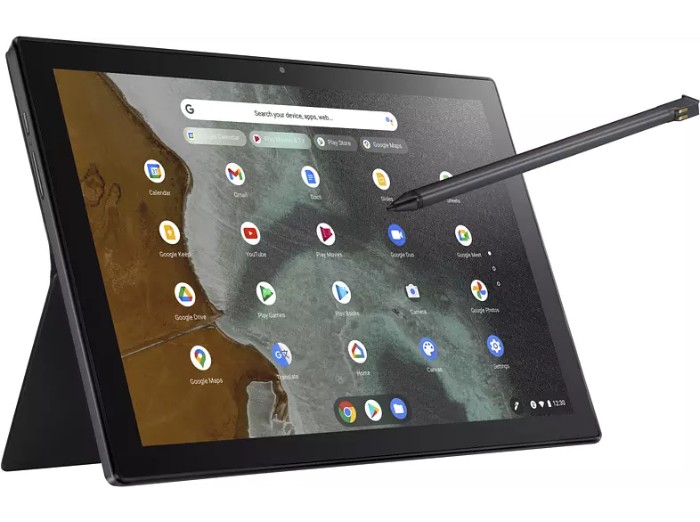
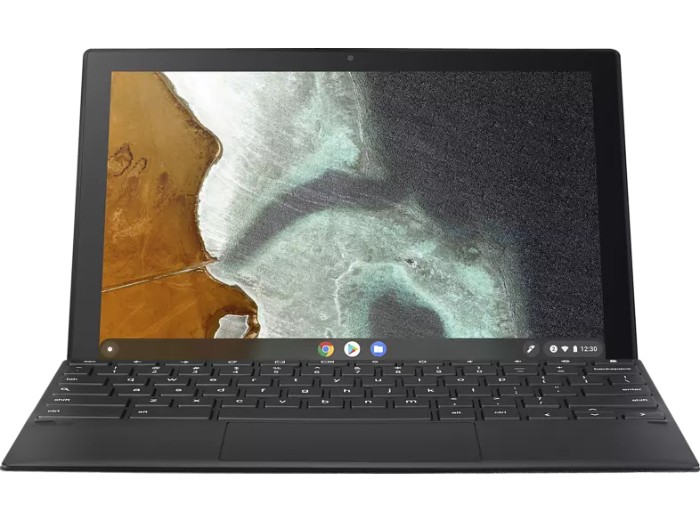
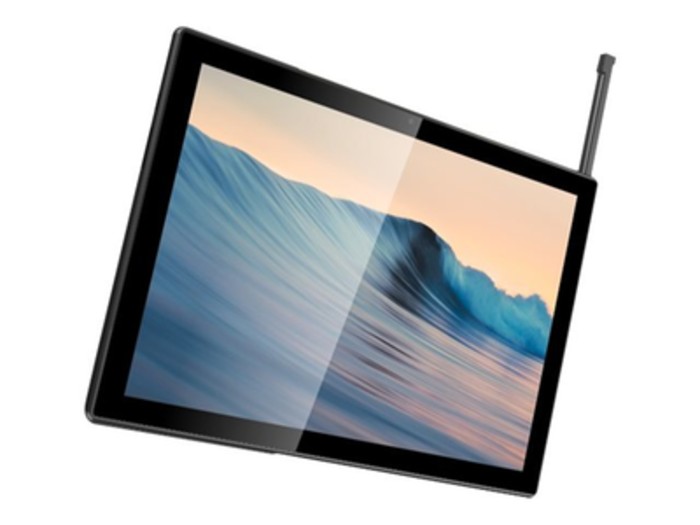
ASUS is working on a new Chromebook Tablet and it looks like a competitor to the last year’s Lenovo IdeaPad Duet Chromebook. A German retailer has now listed a new MediaTek chipset-powered ASUS Chromebook Tablet with a detachable keyboard and a Stylus support.
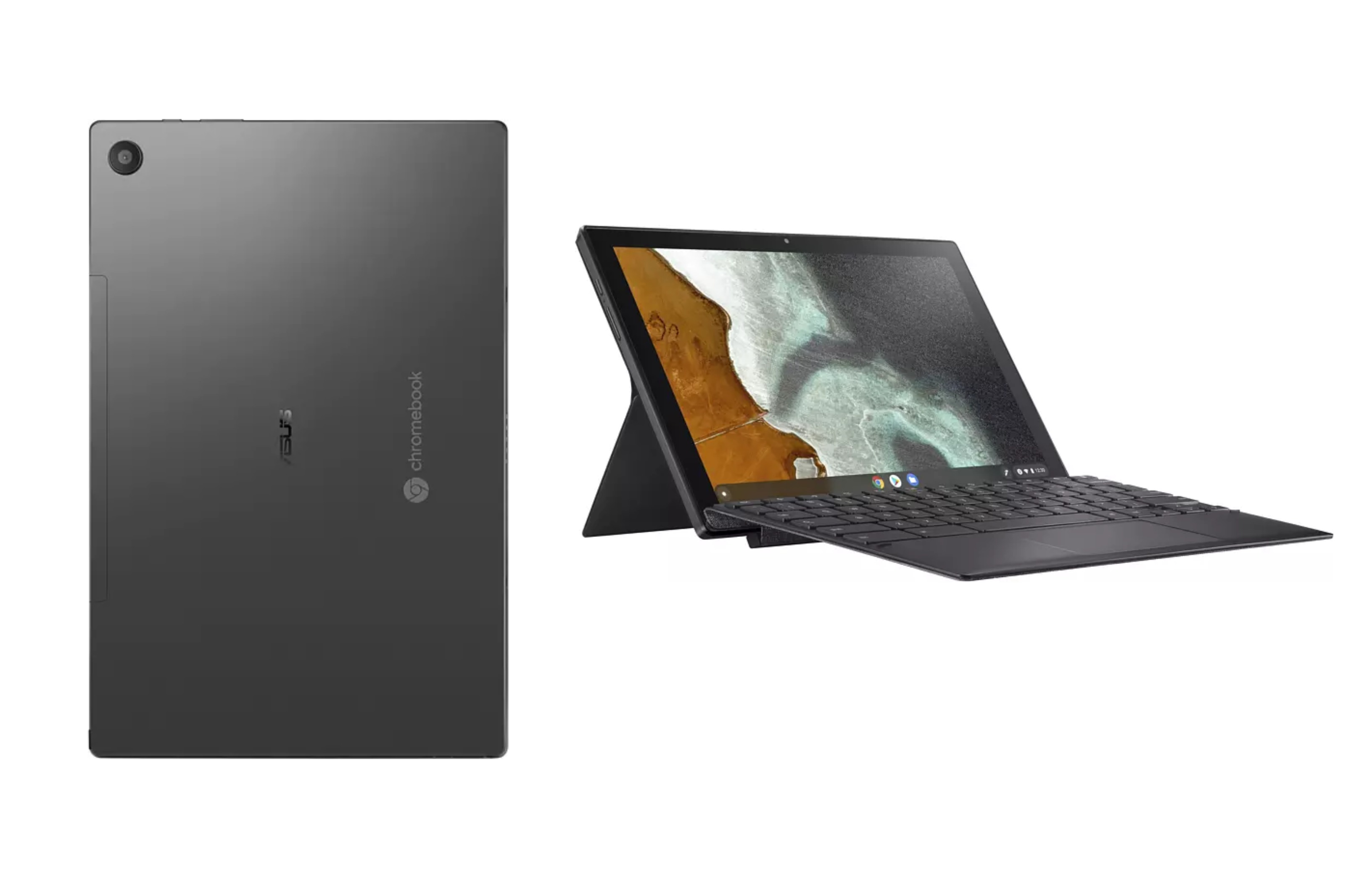
The listing on the retailer Saturn, first stopped by Chrome Unboxed(via 9to5Google), shows a ASUS Chromebook CM3000DVA-HT0011. However, the report says that other listings designate it as ASUS Chromebook Flip CM3000. The model listed on the site is in Mineral Gray color.

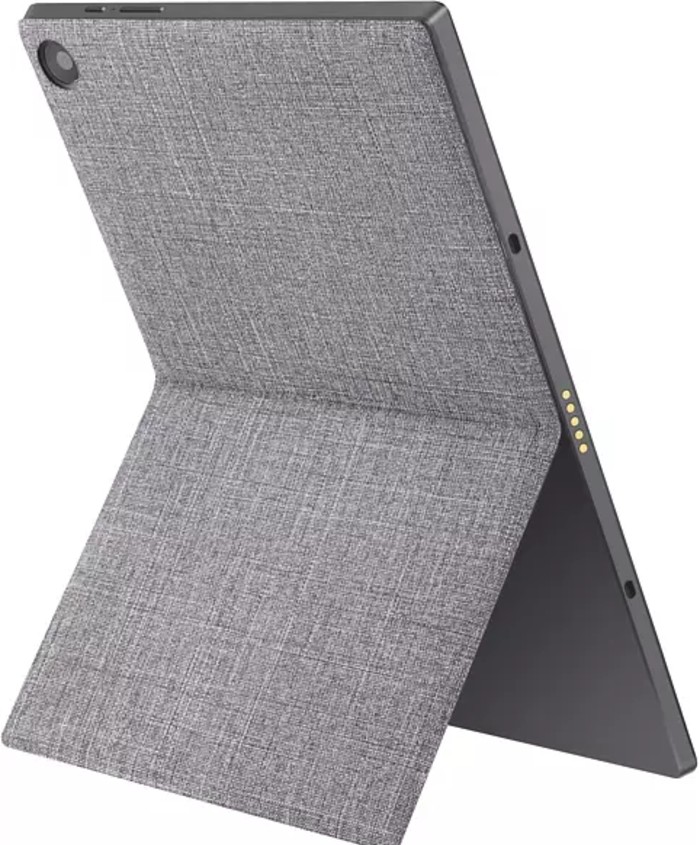
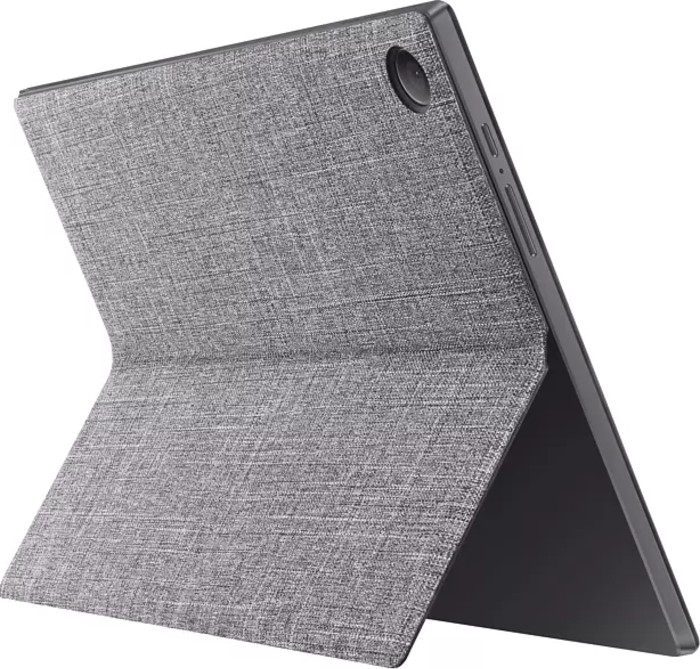
Similar to the IdeaPad Duet Chromebook, we see a detachable keyboard with a Fabric finish on the backside. Further, the report and the listing shows that the display of the Chromebook will have a slot inside beside to hold a USI-Stylus. Speaking of which, these accessories are said to be included in the box but let’s wait for official confirmation.

On the left, there is a power button and volume rockers, and to the back, we have the ASUS, Chromebook logos, and a Single Camera. Upfront, you get a display with thicker borders and a single selfie shooter at the center.

On the bottom, we have magnetic contacts for the detachable keyboard. In addition to the keyboard, a fabric-style Kickstand also appears on the images.
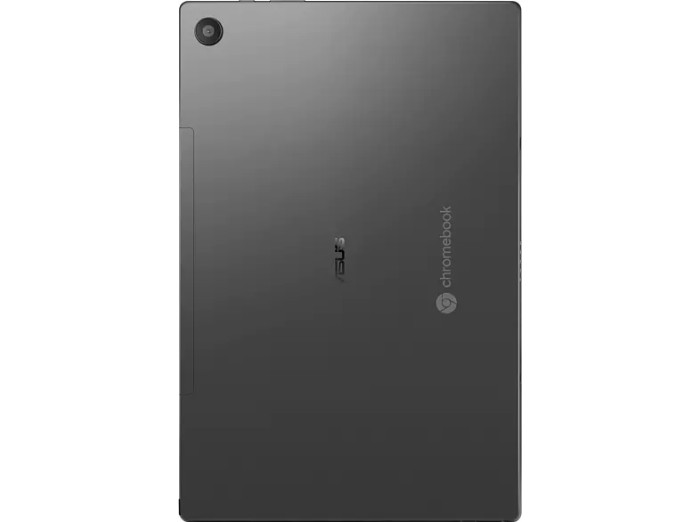
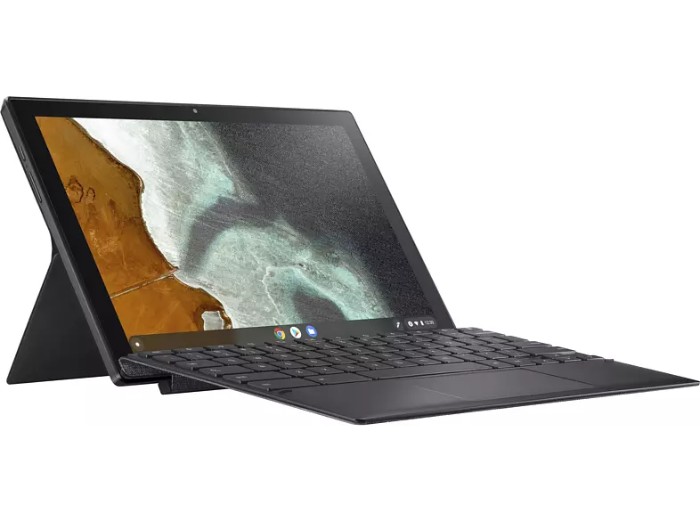
ASUS Chromebook Flip CM3000 Specifications

As for Specs, the ASUS Chromebook Flip CM3000 will have a 10.5-inch Touch screen display with a 1920×1080 pixel resolution and 16:10 aspect ratio. It will have up to 320 nits brightness and cover 118% sRGB color Gamut. Above the display, we also have a 2MP 1080p front-facing camera whereas the rear set up has an 8MP single camera.

Under the hood, the listing shows a MediaTek MT8183 chipset. To compare the IdeaPad Chromebook Duet of Lenovo has MediaTek Helio P60T. Anyway, the chipset on ASUS is paired with 4GB LPDDR4x RAM and 64GB eMMC storage.

Other Specs include Type-C charging port, 3.5mm headphone/mic jack, 27WHr battery, Wi-Fi 5, Bluetooth 4.2, ChromeOS out of the box. Finally, the Chromebook Tablet measures 255mm x 167mm x 8mm and weighs 0.53kg.

This device is listed for €449 (~$540) on Saturn retailer but we feel that it could be just a placeholder listing. It is expected to ship in July 2021 however, don’t be surprised if ASUS unveils it earlier.

RELATED:


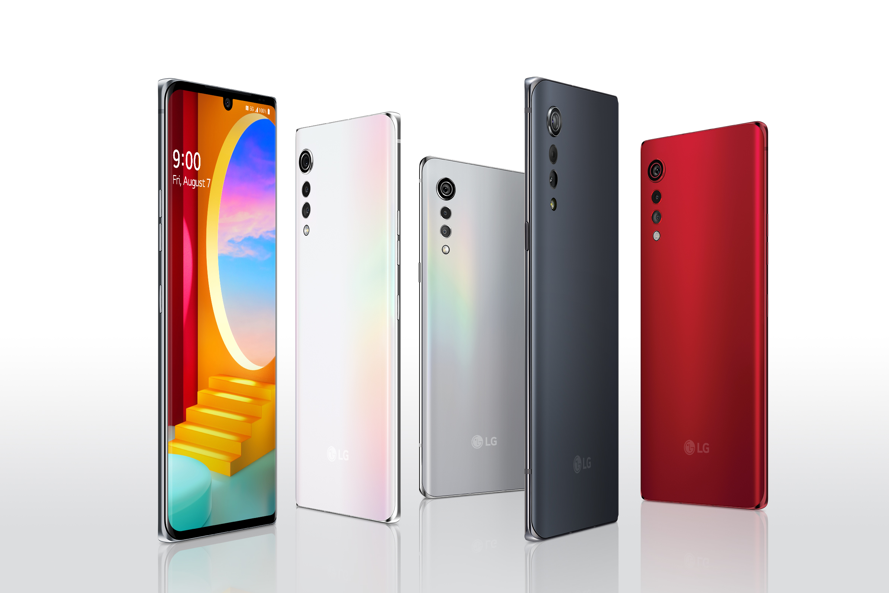
LG Velvet 5G has begun to receive Android 11 update

Last year, LG did not release any flagship smartphone. Instead, it launched a premium mid-range smartphone called LG Velvet 5G. This handset debuted with Android 10 with Velvet UI on top of it. Now, this phone has started receiving its first major update in the form of Android 11.

LG Velvet 5G Featured

Google released Android 11 stable in September 2020. Since then, OEMs have been running beta programs and also rolling out stable builds to their respective eligible devices. But the update rollout only sped up in December when Samsung began to seed the builds.

On the other hand, LG did not release many phones last year. In fact, the South Korean electronics giant may exit the smartphone business in 2021. But still, it is slow in delivering the latest Android update.

According to PiunikaWeb, the Android 11 update is available for LG Velvet 5G only now even though it is the company’s main smartphone of 2020. Above all, the update is currently only live in the firm’s home country.

The latest system update for LG Velvet 5G is called LG UX 10. It is based on Android 11 with Velvet UI on top of it. This update weighs 2251.64MB in size for the South Korean variant of the device.

Right now, it is being rolled out in batches and should reach other regional variants in the coming weeks. That said, the availability of this update is a mystery for the 4G and the carrier variants of the LG Velvet.


RELATED:


Honor’s CEO says the goal is to surpass Huawei

This year is going to be a defining one for Honor as it is its first following its independence from Huawei. The manufacturer already launched its first smartphone, the Honor V40, since the split in November 2020. However, its global debut is what several folks are excited for as it is expected to launch with support for Google Mobile Services.
Europe is one of Honor’s key global markets but a Q3 2020 report shows it is not even in the top five. If it plans to get there, it will have to do so with new products which will be developed without the input of its parent company. This means no rebadged products and the likes. Will it be able to succeed? Honor’s CEO believes so.

Honor
Honor CEO, Zhao Ming

In a recent interview, Zhao Ming, who heads Honor, said that now that they are no longer bound by the restrictions of Huawei, their main goal for the year is to launch flagship devices that can compete with Apple and Huawei. He goes on to add that they are confident they can surpass their competitors including its former parent company, Huawei.

A leak from about a week ago revealed that the manufacturer has plans to launch three flagships for the global market this year. They are the Honor View40, Honor 40, and a new Honor Magic phone.

While the focus seems to be on flagships, we are pretty sure Honor will not leave the mid-range and entry-level categories unattended. We expect the Honor 10X Lite, Honor 9A, and Honor Play 4 to get successors this year. We also look forward to new models for its tablet line.

Mr. Zhao says they are also planning their expansion into new markets, however, he says he is aware of the challenges that are ahead. While having access to chipsets and getting Google Mobile Services are important, launching competitive products is also very important. He revealed in the interview that he plans to strengthen their research and development department too.

We are eager to see what Honor comes up with this year and we are sure our readers are too.

 RELATED:


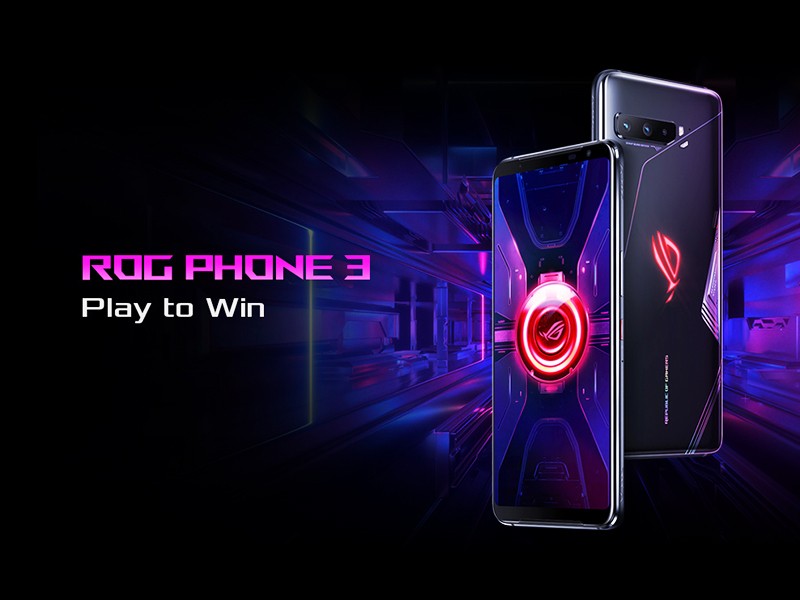
ASUS ROG Phone 3 Android 11 Beta Program recruitment begins

ASUS recently confirmed that the Original ROG won’t get the Android 10 update. Being a flagship smartphone, it didn’t even get two Major Android upgrades. That said, the company has finally started recruiting Android 11 Beta testers for the third-gen ROG Phone 3 flagship.

ASUS ROG Phone 3 Tagline Featured

In a tweet, Olivier of ASUS Zenfone Team France has shared the details of the Beta Testing. He says that the recruitment of Android 11 Beta Testers for ROG Phone 3 has officially started. Interested users can register by navigating to the following option:

  • Settings->System->System Updates

Now, Click on the Parameters Dial and register for the Beta Program of Android 11. Don’t forget to specify the type of network as WiFi/Carrier Data according to your need. Usually, Beta builds come in big packages and hence, they might need more data.

ASUS’s revamped ZenUI is closer to Stock Android than earlier versions. Hence, expect most of the goodies of Android 11 to make it to the UI. That is, Android 11 features like chat bubbles(conversations), media controls, improved permission management, and organized notifications.

ASUS, even though began the first Beta testing(with Zenfone 6) of the Android 11 way before its announcement, the stable update rolled out just a month ago. And with ROG Phone 3, which launched back in July 2020, ASUS is just getting started with the Beta update.

Back in March 2020, the ROG Phone 2 got the Android 10 stable months after its arrival. Hence, going by the past records of ASUS, we can expect the ROG Phone 3 to get the stable update to arrive in a couple of months.

Meanwhile, ASUS is gearing up to launch the successor of the ROG Phone 3, the ROG Phone 5(Tentative) early in 2021.

RELATED:


(via)

Android 12 could feature a native system-level theme engine

The Android operating system is known for customizability. Every OEM offers its own version with unique UI and features. Most Android skins now also come with theme support, which was previously only found on Chinese ROMs. Now, a new report suggests that Google is working to bake theming functionality into the Android 12 system itself.

Android 12 Native System Theme Mockup
Android 12 Native System-level Theme Engine Mockup by 9to5Google

Google introduced native dark mode with the release of Android 10. This system-level feature enables apps to detect light and dark modes in order to change their appearance. According to 9to5Google, Google is taking this function to the next level.

As per the report, Android 12 may come with native theming functionality. When we talk about theming on Android, Substratum Engine comes into mind. However, the system-level theme engine on Android 12 will be different and better than it.

For starters, just like native dark mode, the theme function will also have its own API. Hence, supported third-party applications can detect the system theme and change their appearance accordingly. Hence, the apps will match the system theme, which could further match the phone’s color.

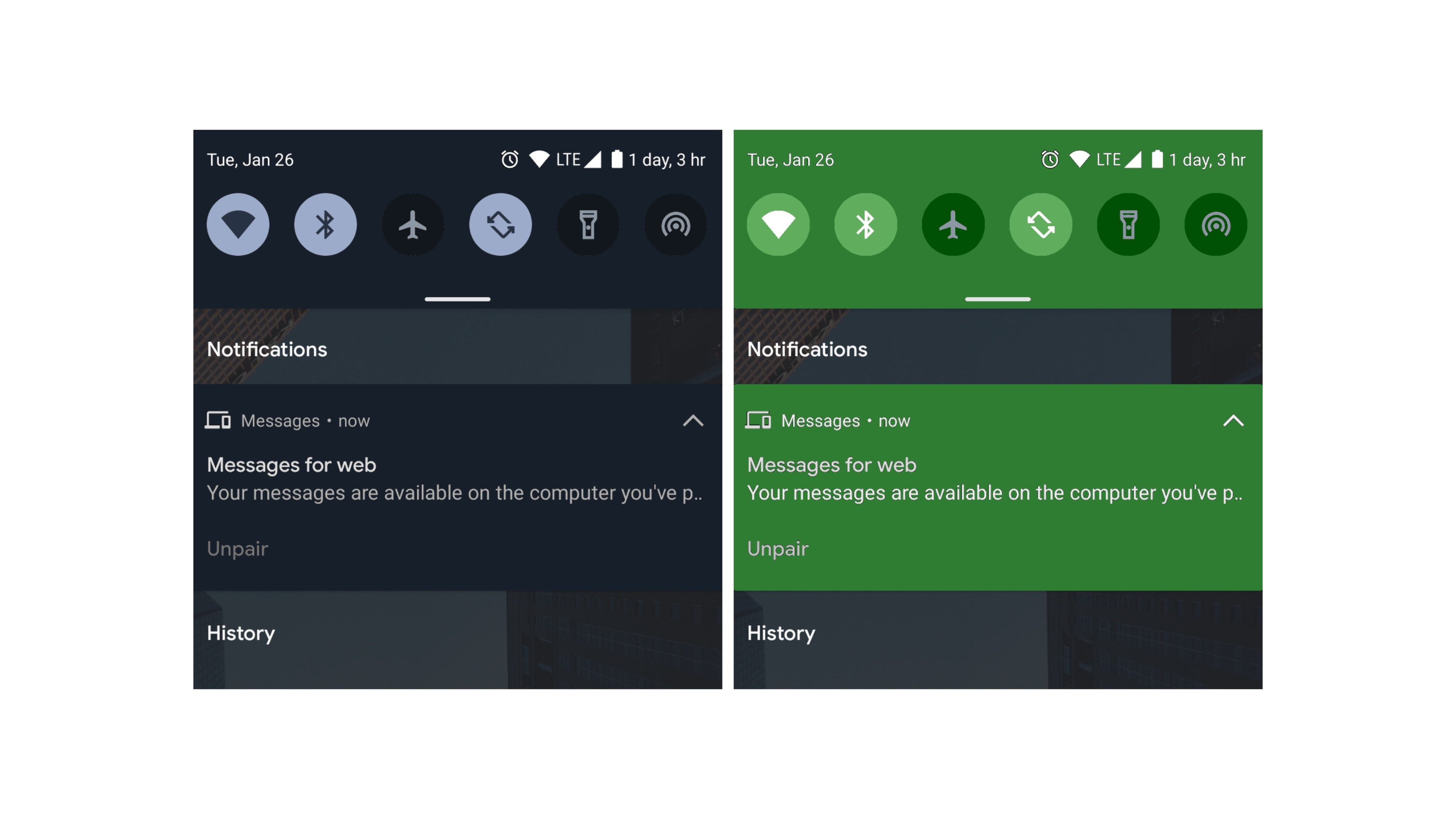
Talking about themes themselves, Android 12 will allow users to set ‘primary’ and ‘accent’ colors. These changes will appear in quick settings as well as in the background of notifications. OnePlus smartphones already have a similar option in OxygenOS but they lack the above-mentioned API since it’s not native.

Anyway, Android 12 is still in development and the final release will only happen in the second half of 2021. Hence, this functionality could be removed at the last moment. 


RELATED:


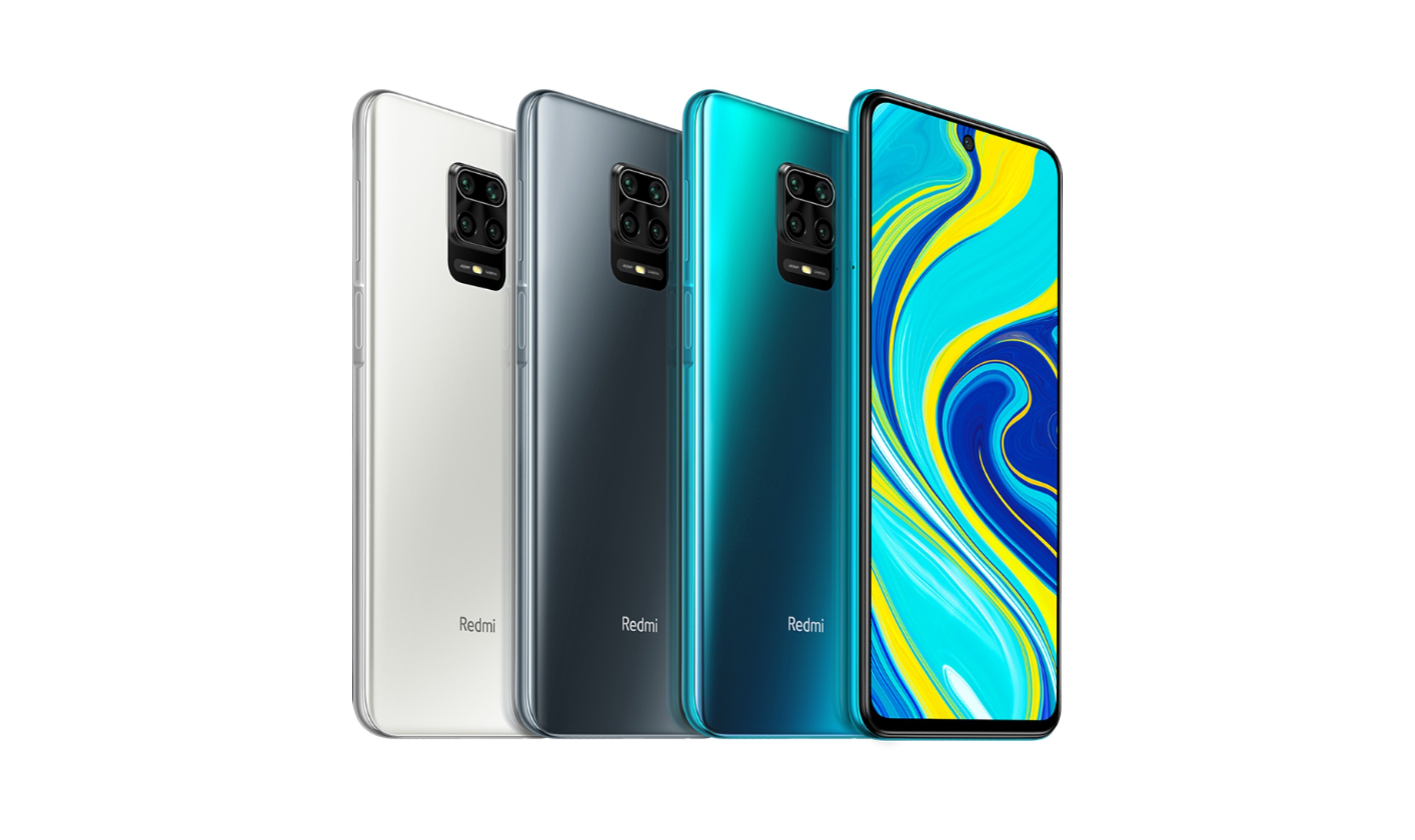
Redmi Note 9S gets the Android 11 update

Xiaomi has finally started rolling out the Android 11 update for the Global Redmi Note 9S. Now, to clear your mind, this Note 9S is retailing in India as the Redmi Note 9 Pro which got the update back in November 2020.

Redmi Note 9S Featured

The new update with build number V12.0.1.0.RJWMIXM is rolling out to certain Redmi Note 9S users. This is because the update is currently in the ‘Stable Beta’ stage. Xiaomi usually tests the waters before confirming that the build doesn’t have any critical bugs.

That said, this update, weighing around 2.5GB, will soon roll out to all the Global users in the coming days. Talking about the changelog, it upgrades the Android to the latest version. Additionally, it also changes the security patch to January 2021. To recall, this device has already got the MIUI 12 update.

However, unlike the MIUI version, which came a few weeks after Note 9 Pro, the update for the latest Android is coming three months later. Anyway, the update is here, and this could be the last Major Android upgrade for the Note 9S.

The Redmi Note 9S, which debuted with MIUI 11 and Android 10, has now got the one major Android update so don’t expect any further. However, this device could get the intermediate MIUI 12.5 update but let’s wait for the confirmation.

Meanwhile, Xiaomi is getting ready to launch the MIUI 12.5 Globally on February 8. The launch event will also see the Mi 11 flagship debut globally and as per a tip given to us, a Mi 11 ‘Lite’ is also said to launch alongside the event.

RELATED:


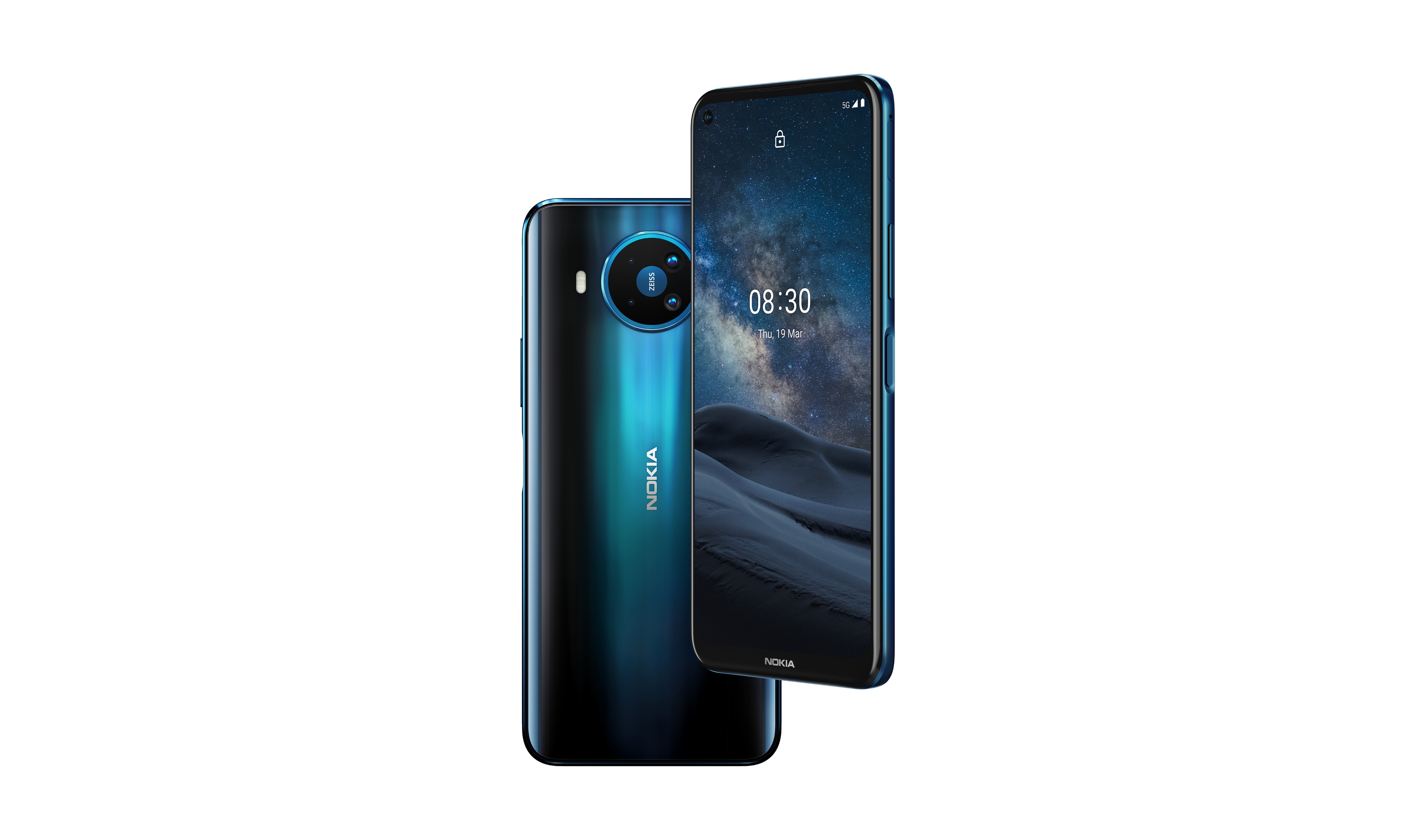
HMD Global planning to launch Affordable Nokia 5G Smartphones in India this year

HMD Global Oy, the company which got the license to sell Nokia-branded devices, ventured into 5G with Nokia 8.3 back in 2020. The brand later announced a few other versions including the Nokia 8 V 5G UW and 8.3 5G for Verizon in the US. Right after the Qualcomm  Snapdragon 690 announcement, it also teased an affordable 5G phone. The Company is expected to launch up to four devices in 2021. Now, it has revealed to Financial Express that it is planning to bring the 5G devices to India.

Nokia 8.3 5G Featured

In an interview with the Financial Express, HMD Global vice president Sanmeet Kochhar says, India is an important market for Sourcing and Sales. The company is thus looking to launch affordable 5G devices in the country. To promote local manufacturing, Indian Govt has announced up to 2.5% custom duty on some parts of mobiles on its Union Budget 2021.

Additionally, the custom duty on PCB for chargers and other parts gets 15% and 2.5% duty respectively. While this happened today(Feb. 1), Sanmeet said that the company was seeking more clarification regarding the custom duties for components. Either way, HMD Global, although studying options to see India as an Export Hub, is in no plans to set up a factory on its own. Recently, Lava started making phones for the company.

And as Sanmeet says, 100% of Nokia devices selling in the country are made in India. And after getting about $230 million from partners like Google, Qualcomm, Nokia Technologies, this is only going to get better. Apart from this, Dixon Technologies, a large Consumer Electronics company also announced a tie-up with HMD Global. And for offline, Nokia seems to have 700+ distribution channel partners.

Sanmeet also iterates that Nokia devices are unique from other brands in terms of software. And it is no mood to change that. He adds that the company is looking to launch customized products for India but will continue to have the better and future-proof software.

RELATED:


(via)

OnePlus 7, 7 Pro, 7T, & 7T Pro are receiving their last OxygenOS 10 (Android 10) stable update

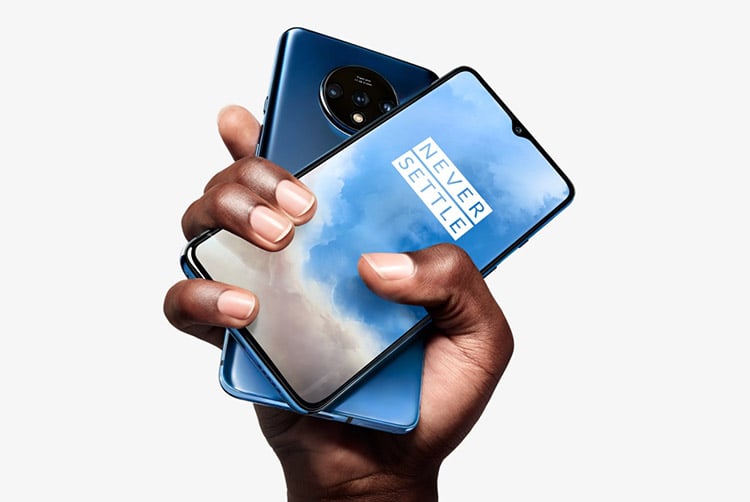
A few days back, OnePlus finally released the first-ever OxygenOS 11 Open Beta build for the OnePlus 7 and the OnePlus 7T series. Now, the company has started seeding out the last-ever stable OxygenOS 10 (Android 10) update for these smartphones. The new update brings updated security patches and GMS package.

oneplus 7t

The latest stable update for the OnePus 7/7 Pro and OnePlus 7T/7T Pro come with the following build numbers.

  • OnePlus 7/7 Pro

    • India (IN) & Global (GLO)
      • OxygenOS 10.3.8
    • Europe (EU)
      • OxygenOS 10.0.11
  • OnePlus 7T

    • Europe (EU) & Global (GLO)
      • OxygenOS 10.0.16
    • India (IN)
      • OxygenOS 10.3.8
  • OnePlus 7T Pro

    • Europe (EU) & Global (GLO)
      • OxygenOS 10.0.14
    • India (IN)
      • OxygenOS 10.3.8

As mentioned in the beginning, this update is the final stable OxygenOS 10 (Android 10) build for these four phones, as per OnePlus. The update bumps up the security patch level to January 2021 from November 2020. It also brings September 2020 GMS (Google Mobile Services) package.

The above-mentioned two changes are common for OnePlus 7, OnePlus 7 Pro, OnePlus 7T, and OnePlus 7T Pro. Hence, the changelog is identical.

OnePlus 7 & 7T Series Final OxygenOS 10 Stable Update Official Changelog

  • System
    • Updated Android Security Patch to 2021.01
    • Updated GMS package to 2020.09

With that being said, this update is currently rolled out in batches for all four devices in different regions like any other OTA update. Hence, it may take time to reach every unit. As far as the Android 11-based OxygenOS 11 update is concerned, we can expect it to roll out next month at the earliest


RELATED:


(Source 1, 2, 3)

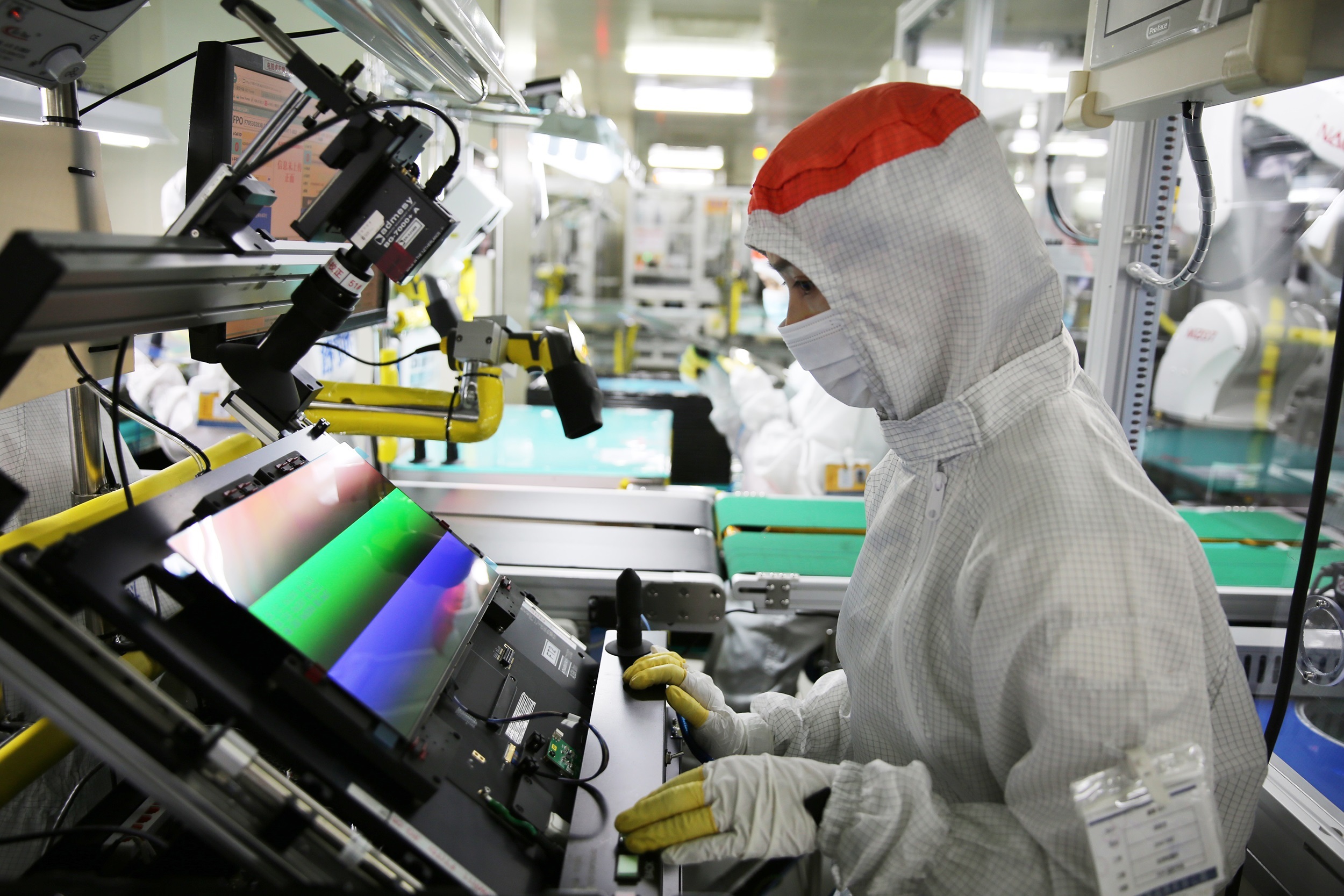
Samsung Display to setup new production line for notebook OLED panels

Samsung Display is planning on setting up a new production line. This new factory line will be responsible for the production of notebook or notebook OLED display panels, which will be at its A4 factory in Asan, South Korean

Samsung 90Hz OLED Display for Laptop

According to TheElec report, the South Korean tech giant will be opening a new production line, which will have a capacity of 30,000 substrates per month. These will be responsible for the production of mid sized OLED display panels that are in the 18 to 20 inch ranges that are targeting the laptop market. At the moment, the plan has been internally dubbed as the N Project. The N stands for notebooks, while it was previously called the notebook liquid crystal display (LCD) lines N Project as well.

The company will begin placing orders in the summer of this year for the equipment that will be required at the new production line. These will then be placed in the new line within the year or early 2022. Since Samsung Display is already producing notebook OLED panels, it shouldn’t take the firm too long to ramp up production after the new line is set up and the equipment is installed.

Samsung

The move also marks the company’s growth towards IT products to meet the growing demand, especially for laptops, due to the Coronavirus pandemic, which has raised the PC market overall over remote working and online education. Just last month, the company even announced that it planned to launch over ten new kinds of notebook OLED panels within this year as it expects sales to grow by five folds in 2020.

RELATED:


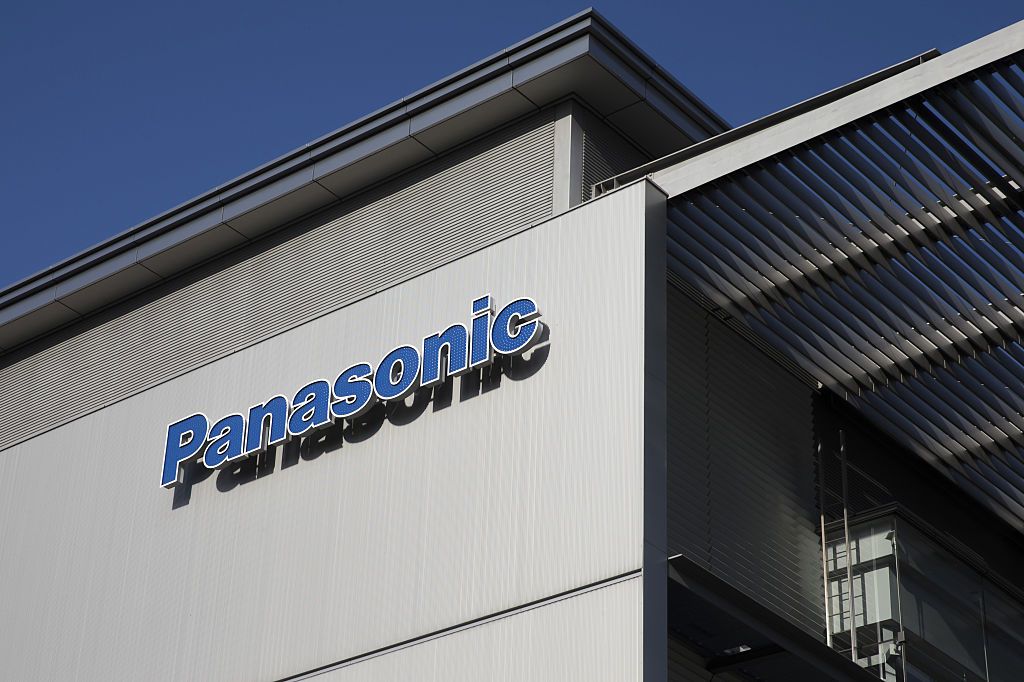
Panasonic quits making solar cells and panels due to Chinese competition

Panasonic will be ending the production of its solar cells and panels, as per a new report. The company was the former leader in the market but is now withdrawing due to intense competition from Chinese rivals.

Panasonic

According to a NikkeiAsia report, the Japanese tech giant is planning to step away from the solar cells and panel market due to Chinese rivals. These competitors can produce these parts at a lower cost and have thus caused intense competition, even in its home market. The report states that Panasonic will be quitting the manufacturing of solar cells and panels as early as March 2022 from its factories in Malaysia and Japan’s Shimane Prefecture.

The move would mark the complete exit of the solar manufacturing business from the company, which also ended a partnership with the US based Tesla for the production of solar cells back in 2020. Furthermore, Panasonic will be procuring solar panels from other manufacturers to stay in the power industry, like undertaking businesses that would have it install generation systems for residential purposes.

Panasonic Logo

Due to Chinese manufacturers of solar panels, the price has fallen to about a third of that during 2012. In other words, Chinese suppliers and manufacturers have essentially forced out Japanese manufacturing out of production, with Panasonic’s solar business being in the red in recent times. This also made worse by the fact that domestic demand is also stagnating, causing its market share to decline even further.

RELATED:


Tipster says OnePlus Nord N1 5G smartphone will succeed the Nord N10 5G

It’s a no-brainer that OnePlus launches flagship devices every year and this year’s models are said to come under the “OnePlus 9” moniker. However, the brand also ventured into the budget segment with the launch of OnePlus Nord devices(Nord 5G, N10 5G, N100 4G) in 2020. Now, we are getting information about their successors in 2021. Renowned Tipster Max Jambor has revealed that OnePlus Nord N1 5G will succeed the Nord N10 5G.

Max has revealed via a Voice Post that OnePlus will indeed launch the successors of the Nord lineup in 2021. For the unware, the Original Nord debuted in Europe, India while OnePlus brought a Nord N10 5G and N100 4G devices to Europe, North America, and some parts of Asia like Singapore. Hence, going by the name N1 5G, we can expect the device to launch in same regions(EU, NA, Singapore) but there isn’t enough info yet.

To affirm the succession further, Max has also replied to a user that the OnePlus Nord, which is a separate line for some markets will get a successor of its own. The N10, N100 opened a new sub-category under the “Nord branding” where it had few compromises in specs to get that low price tag.

Anyway, that’s all the info that we have regarding the Nord N1 5G at this moment but we can expect more in the near future. Regarding the launch, as Max says, we will have to wait for some time (at least a couple of months) considering the N10 debuted just three months ago.

Meanwhile, the OnePlus 9 flagship is slated to debut on mid-March according to reports. This time, OnePlus is bringing a ‘Lite’ version to further split the series across different price points.

RELATED:


Global Laptop shipments rose over 10%, reaches record high 60 million units in Q4 2020

The global shipments of laptop notebooks, excluding the detachable models, have risen over 10 percent sequentially for the fourth quarter of last year. This marked shipments reaching a record high of 60 million units.

Laptop

According to a DigiTimes report, the primary reason that drove the rise in notebook shipments was thanks to the growing demand for laptops for remote working and online education becoming more common due to the Coronavirus pandemic. Furthermore, the year end holiday season backed by promotional campaigns and government subsidies further helped in growing the shipment numbers during the final quarter of 2020.

Notably, laptop shipments for the entire year also crossed over 25 percent year on year, which marked a 9 year high of 201 units as per the report. At the moment, laptop makers are trying to raise their inventories from ODMs to support the growing stay at home economy for the coming months. Additionally, the global laptop shipments are also expected to fall by less than 10 percent in the first quarter of this year, which is still an improvement of 15 to 25 percent for the same quarter sequentially.

Laptop

Currently, major brands in the market are only expected to see a slight decline during this quarter, which is also due to shortages in components. Although, OEMs would still work on raising their shipments of notebooks during this time, like HP, which is expected to raise shipments for its Chromebooks. However, this might not be universal for all notebook makers as Lenovo may not see a similar shipment momentum during the first quarter of 2021. This is unlike a few other companies that are looking forward to a rise in shipments to enterprise clits and for improved Chromebook performance in the market due to the resurgence of the pandemic in certain regions.

RELATED:


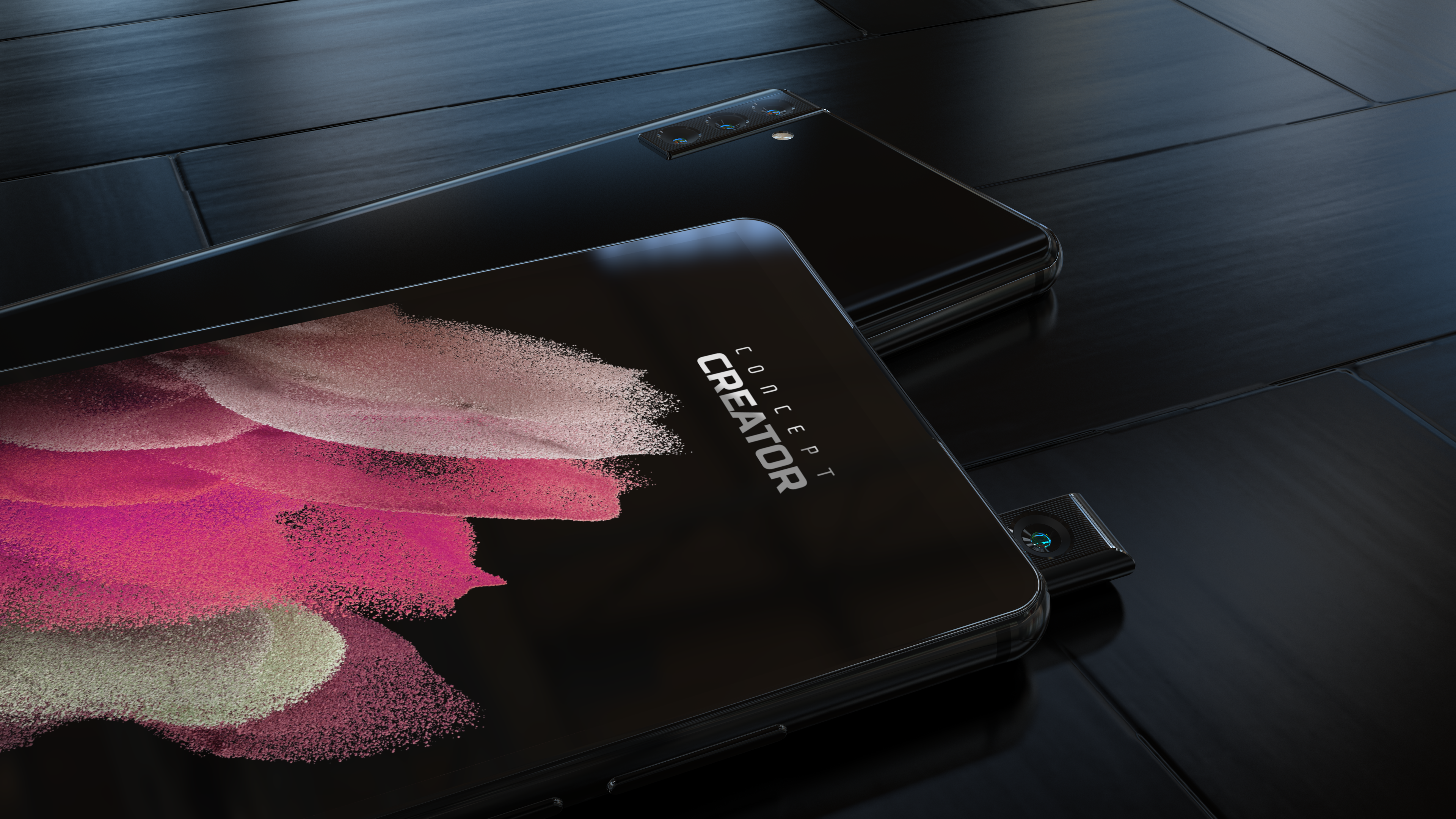
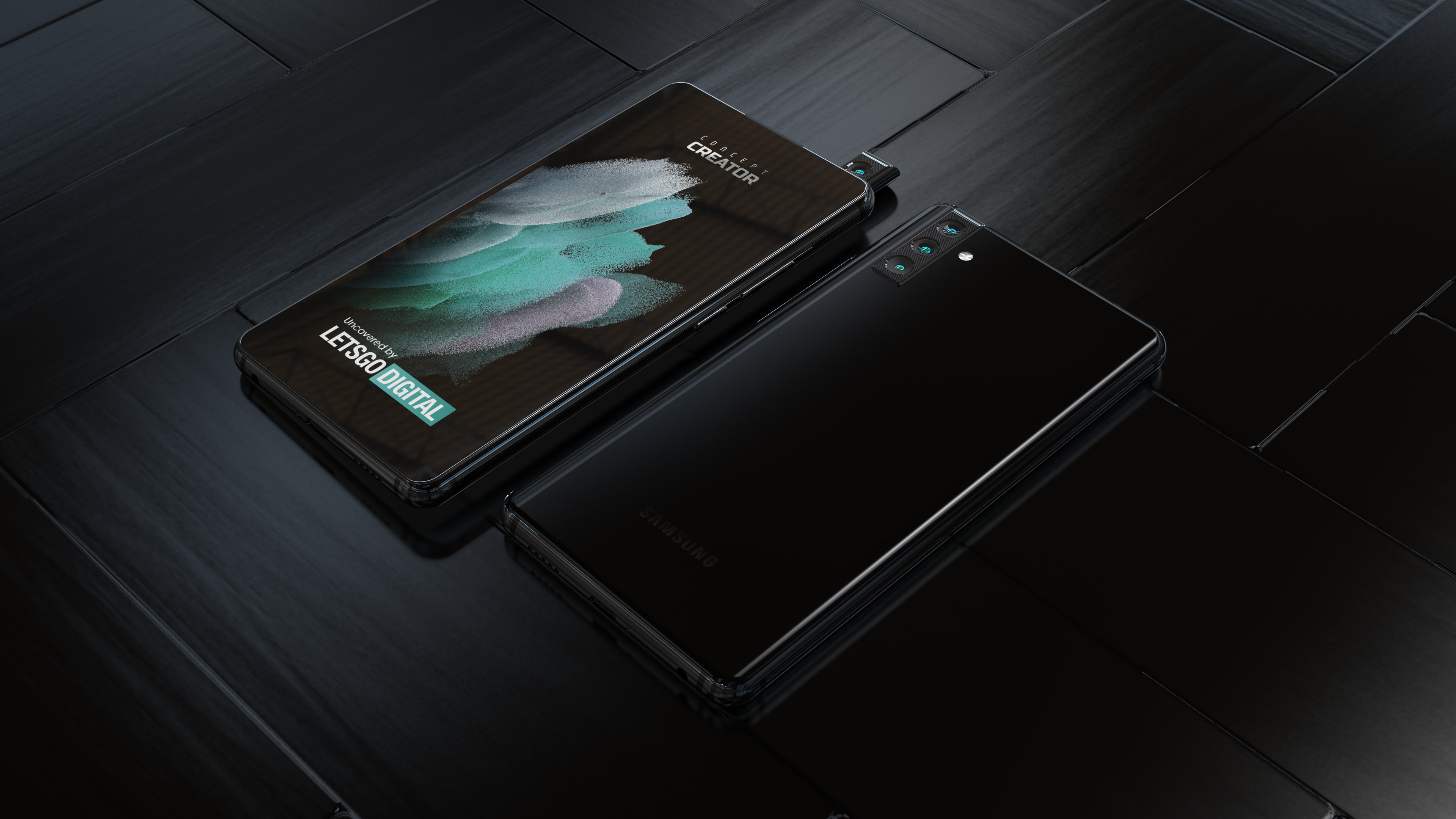
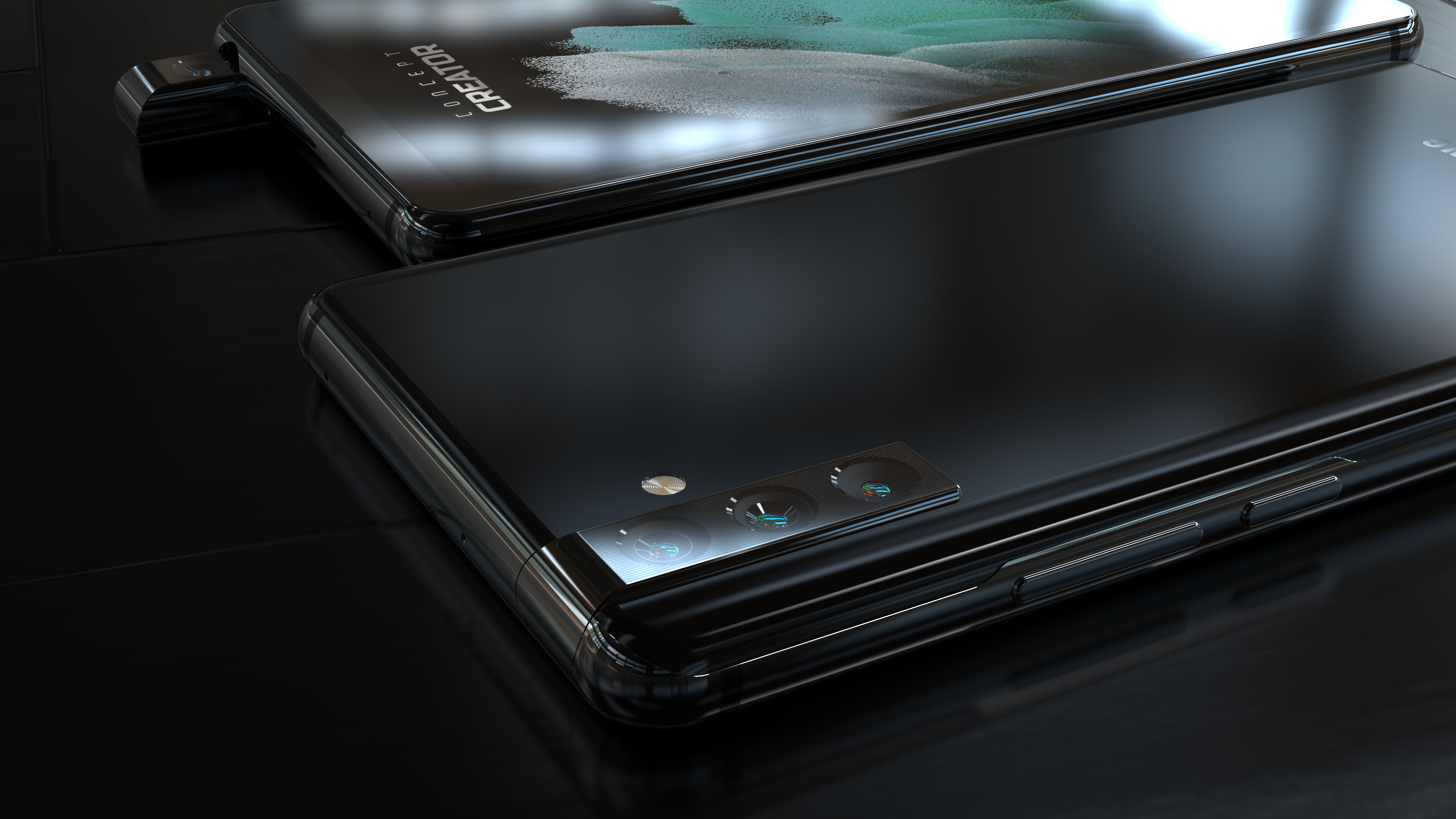
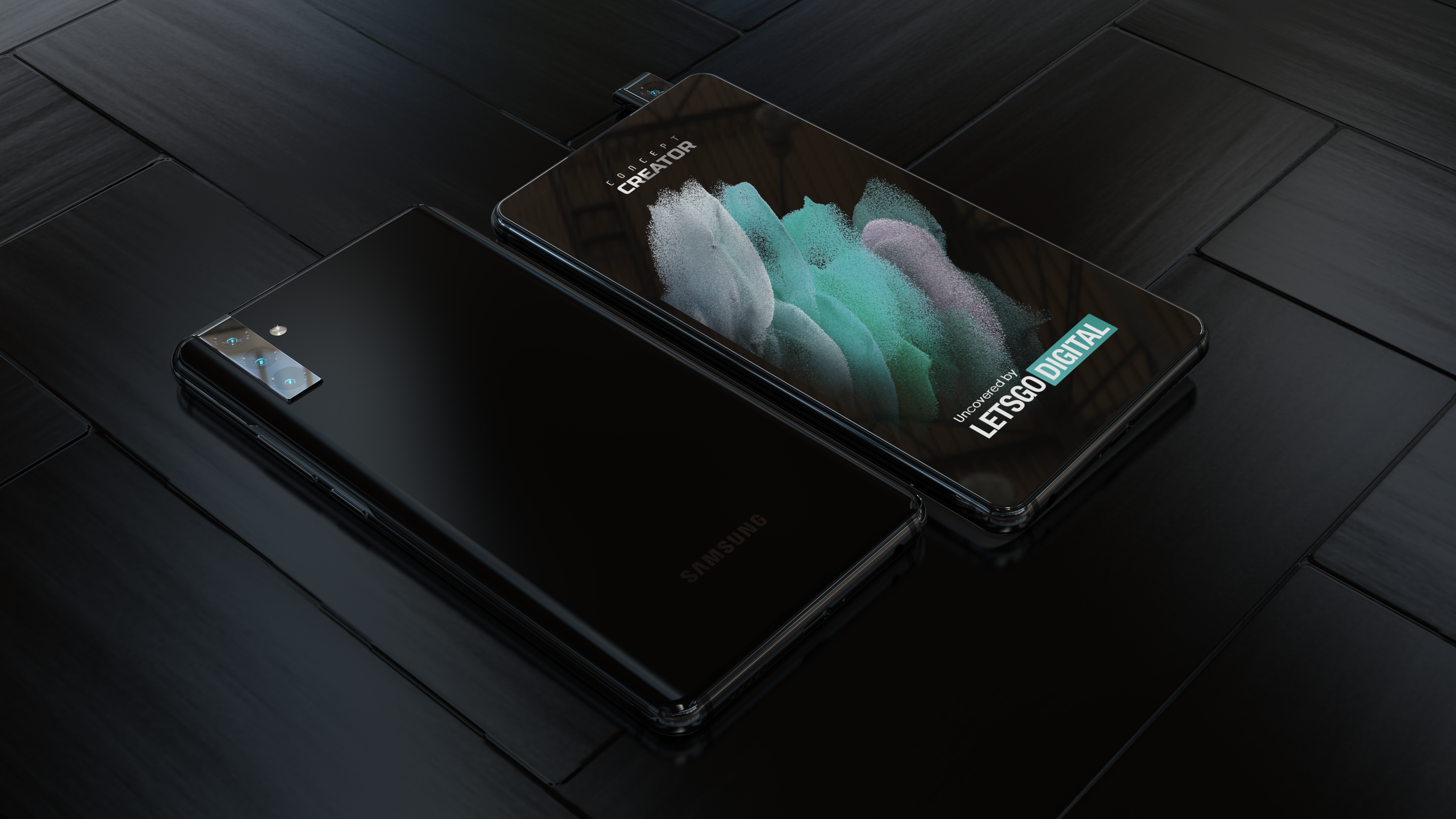
Samsung patents a smartphone design with rotatable pop-up camera module

Before punch-hole displays became mainstream in the smartphone industry, we had phones with pop-up cameras, in addition to devices with various types of notches. However, Samsung did not release a single pop-up camera handset but did launch a rotating camera mobile called Galaxy A80. But now, the company has patented a unique pop-up camera module for smartphones.

According to LetsGoDigital, Samsung Electronics filed a patent titled ‘Electronic device including camera module’ with the WIPO (World Intellectual Property Office) in mid-2020. This patent got approved and published on January 14.

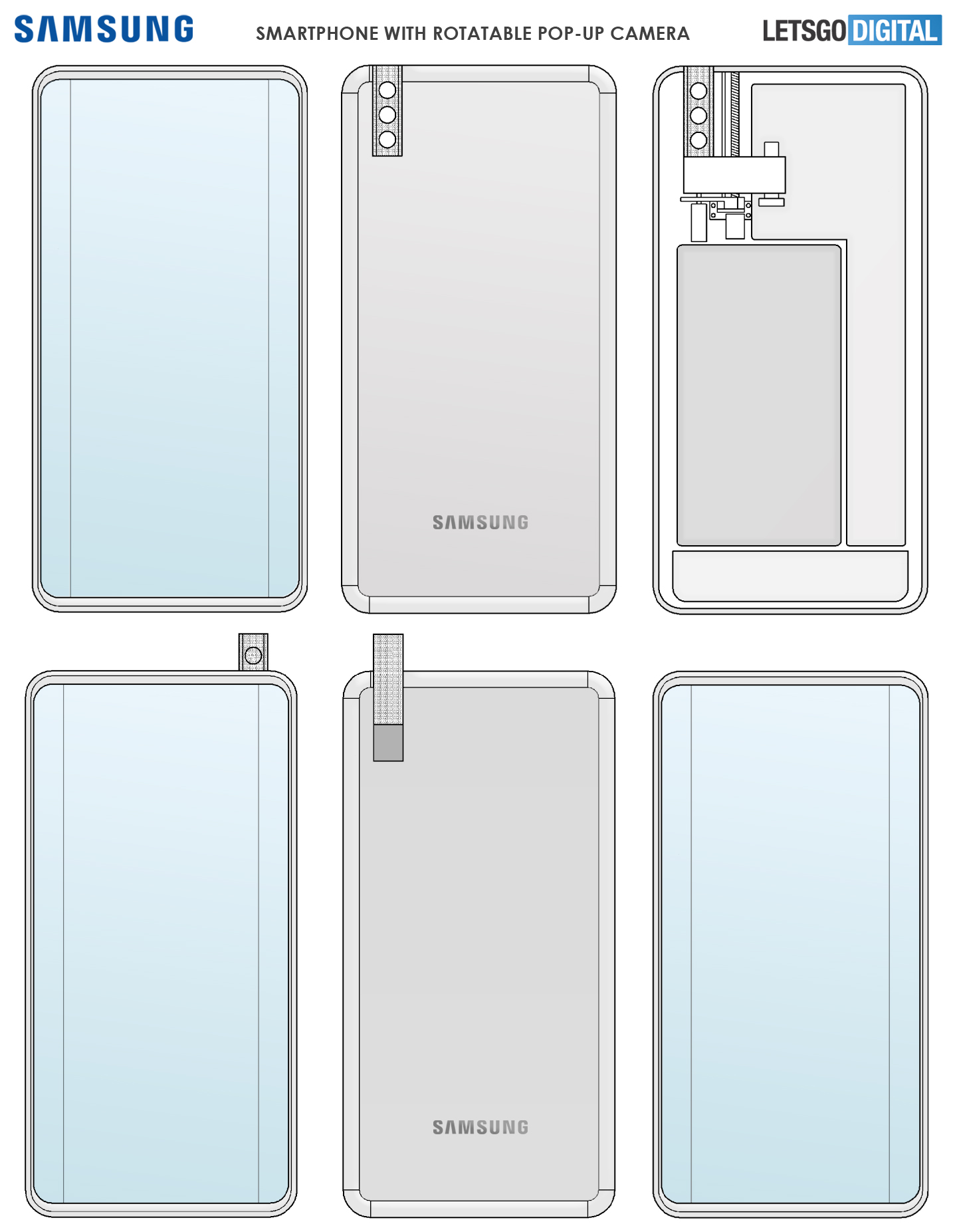
This design patent demonstrates a rotatable pop-up camera module. According to the documentation, the module may house at least three cameras. In the normal state, all these sensors will face backward.


But in the selfie mode and video calls, this cylindrical module will rotate to face the front and will slightly pop-up out of the phone’s body to expose a single sensor at the top. The documentation also mentions an option to disclose the second sensor as well by rising the module even further.

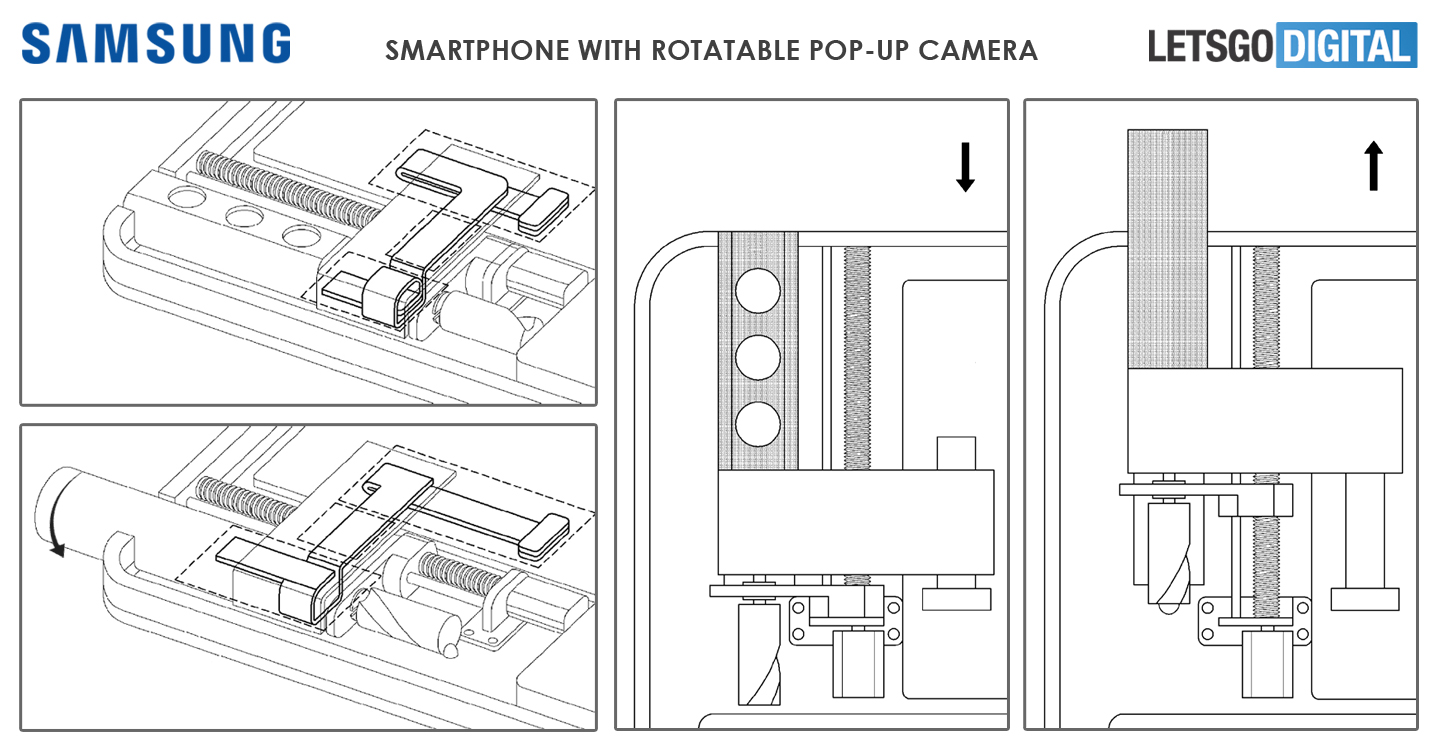
This system uses a motor, two gears, and a long propeller shaft. It also includes a movable frame that shifts to the void place when the camera module rises. This frame house a flexible printed circuit board.

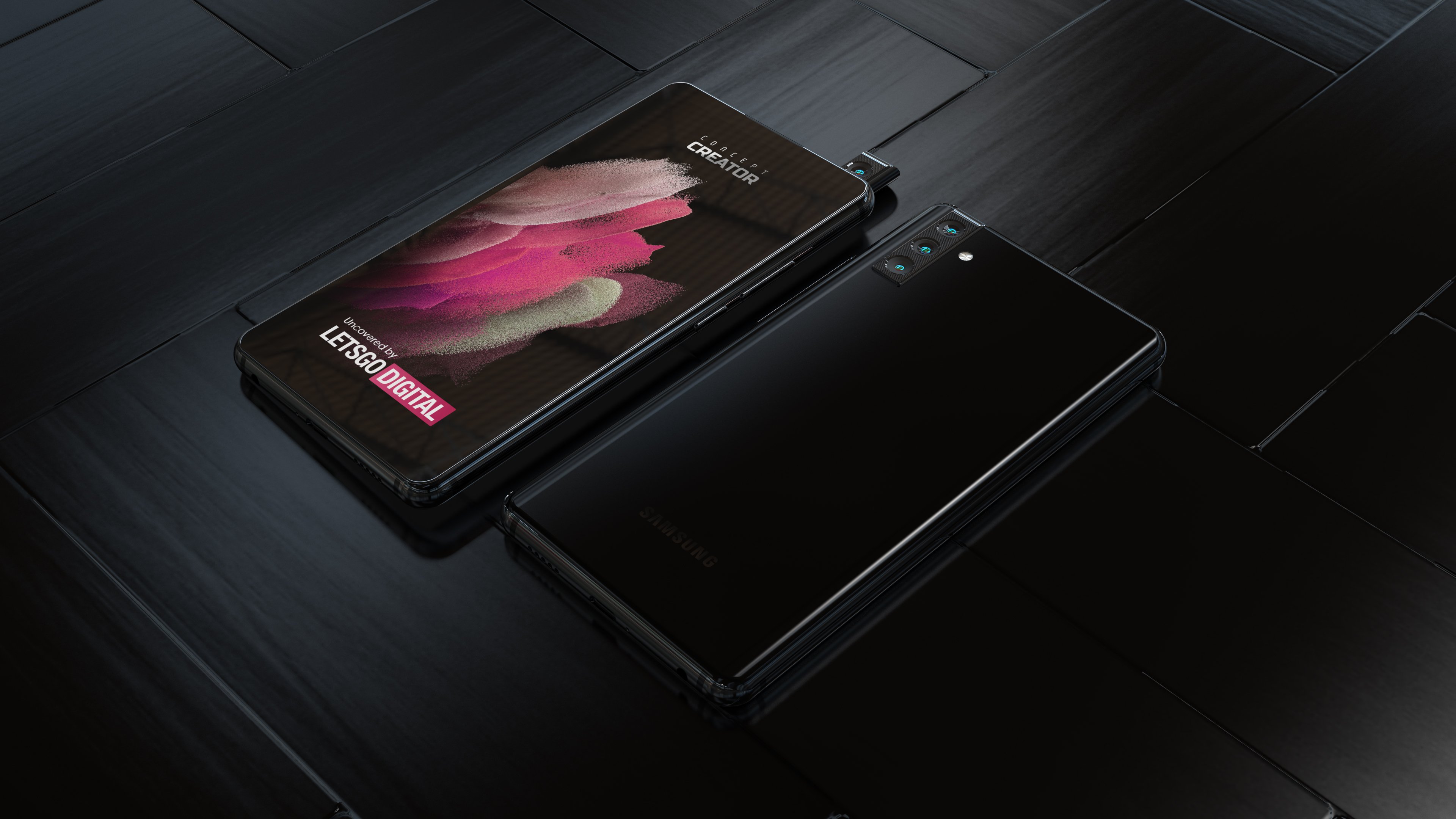
Having said that, we don’t expect Samsung to release a commercial smartphone with this solution. Because it sounds more fragile than the regular pop-up camera system. That said, the above renders are created by Jermaine Smit (Concept Creator) for LetsGoDigital.


RELATED:

LG rolls out Windows 10 app to pair your smartphone with PCs

The Microsoft Your Phone app has become useful too for many Windows 10 users by allowing them to pair their Android devices with PCs. Unfortunately, the amount of compatible devices on the list is still limited so LG has rolled out its own Windows 10 app to pair your LG handset with your PC.

LG

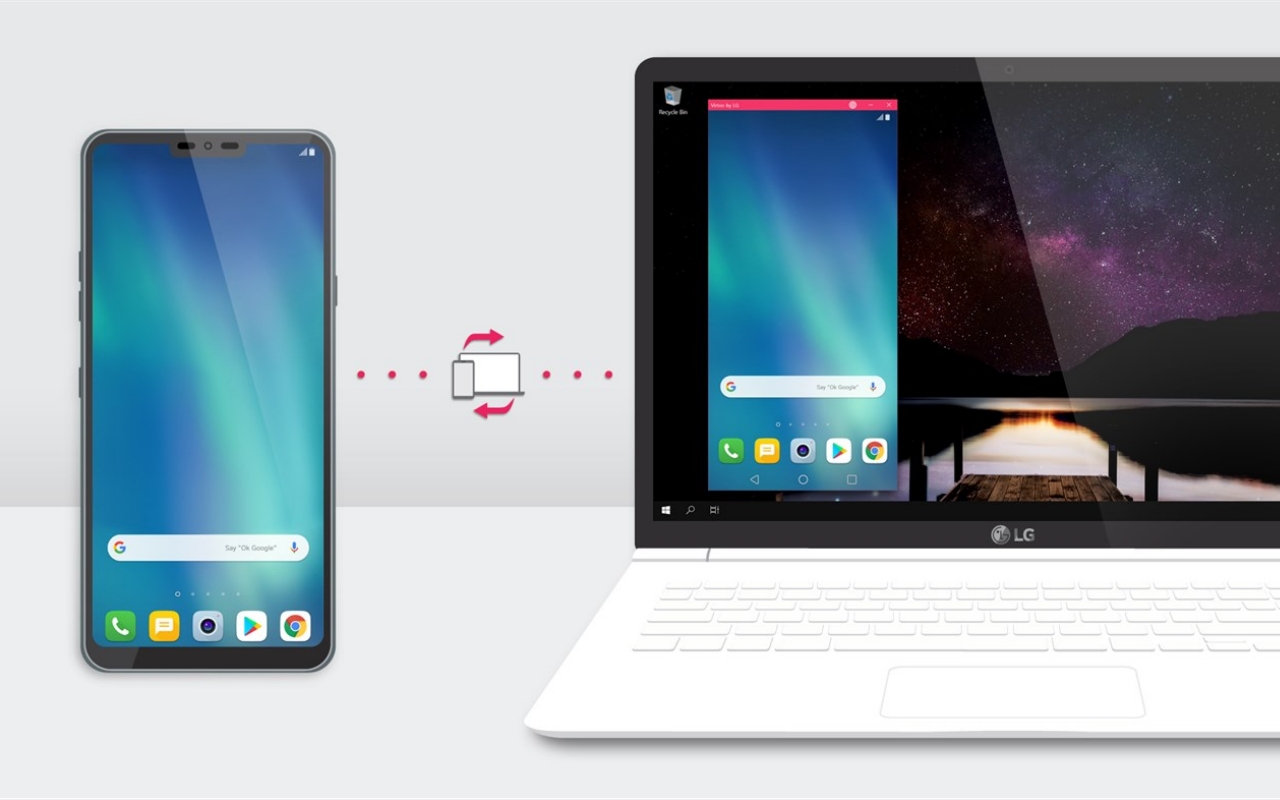
According to a Softpedia report, LG is launching the new Windows 10 app as its mobile phone isn’t on the compatible list for the Microsoft Your Phone app, which supports devices like Samsung flagship handset. In other words, the South Korean tech giant isn’t waiting for Microsoft to bring its devices in the compatibility list but and is launching its own service, which will allow users to sync their smartphone with Windows 10 that is already live in the Microsoft Store at the moment.

The new app is called Virtoo, which utilizes Bluetooth to pair your PC with your smartphone. This also enabled the PC to gain access to certain smartphone functionalities directly from the computer. As per official notes, “Virtoo by LG is a smartphone app for LG PC users. It allows a Bluetooth connection between a smartphone and a PC to enable users to use various smartphone functions on the PC. Use Virtoo by LG to enjoy a more comfortable computing environment.”

LG

Keep in mind, however, that not every LG handset model will be supported and not all features will be available for everybody. Meaning, there will be some limitations despite the company launching its own dedicated app to sync Windows 10 devices. Although, the new app will allow users to send messages from their PCs, access to the media stored on the phone, make calls, and even all contacts and allow screen mirroring as well.

RELATED:


Global Semiconductor sales rise by 6.5% in 2020 owing to high year end demand

The semiconductor sales rose by 6.5 percent overall across the globe last year. The main recovery of the chip sales arrived after the final quarter saw a strong performance that offset the initial sharp decline of the industry owing to the Coronavirus pandemic.

Semiconductor

According to a Reuters report, the global chip sales in 2020 reached 439 billion US Dollars, out of which, 208 billion US Dollars or about 47 percent of all sales were from US chipmakers. Notably, chip sales in the US alone accounted for 94.15 billion US Dollars, which is up by 19.8 percent year on year over 2019, as per information from Semiconductor Industry Association (SIA).

As per Falan Yinug, director of industry statistics and economic policy at SIA, the primary reason for the chip sales rise in the US was driven by the rising demand for high end memory chipsets that are used in applications like data centers. This was further backed by major American tech giants like Microsoft, Amazon, and Google seeing a surging rise in demand in the use of cloud computing during last year as business shifted towards the digital realm for online education to even remote working.

Semiconductor

Despite American firms accounting for nearly half of all semiconductor sales during this time, the companies only represented about 12 percent of the chip manufacturing capacity in 2020. This marks a decline from 37 percent in 1990, after most US based companies now outsource their chips to factories established in Asia. John Neuffer, president and chief executive of the industry group also added that “Over the next 10 years, semiconductor manufacturing is going to grow 56 percent. We want to make sure we’re getting a bigger piece of the manufacturing pie.”

RELATED:


Black Shark 4 gets certified by TENAA

Black Shark is gearing up to launch the Black Shark 4 gaming smartphone, the successor to the last year’s Black Shark 3S. The brand has officially confirmed some of its features. Now, some more specs leak via the phone’s TENAA listing.

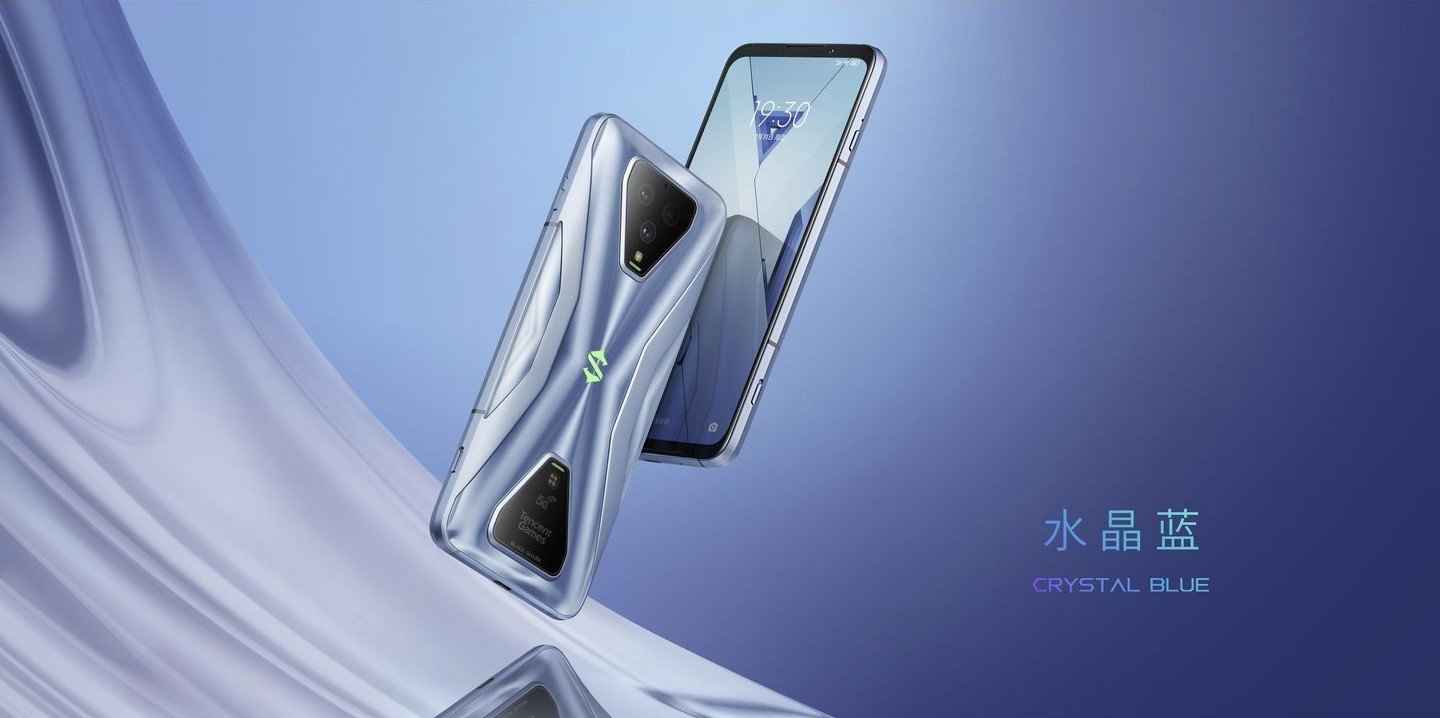
Black Shark 3S Crystal Blue

As of now, Black Shark has revealed that the upcoming Black Shark 4 will be powered by the all-new 5nm Qualcomm Snapdragon 888 SoC. Further, it will be backed by a 4,500mAh battery with support for 120W fast charging.

Further, as per TENAA, the handset will flaunt a 6.67-inch display. Going by its predecessors, the phone should come with a high refresh rate OLED screen with at least FHD+  resolution.

As for connectivity, the smartphone will support 5G and it will run Android 11 with Joy UI on top of it. Last but not least, the device will measure 163.83 x 76.35 x 10.3mm in dimensions.

Unfortunately, nothing else is known about this handset except for the fact that it is codenamed ‘Kaiser’ with model number KSR-A0 can score around 788,505 points on AnTuTu Benchmark.

That said, we expect to learn more about the Black Shark 4 in the coming days as the brand has been teasing it officially for the past few days. Like any other Chinese brand, we believe that Black Shark will reveal the design of its upcoming smartphone while announcing the launch date.


RELATED:


(Via)

Microsoft seeks to fill the void with Bing if Google leaves Australia: Report

Microsoft is pushing its search engine, Bing, in Australia, as uncertainty rises regarding Google continuing the service of its own search engine in the region. The company even recently talked with the nation’s Prime Minister Scott Morrison.

For those unaware, the Australian government recently introduced a new regulation that would require payments to media outlets by tech giants like Google. According to a Reuters report, this would essentially force payments from social media giants like Facebook as well. These payments would go towards domestic media outlets whose content links are what drives the traffic to these major platforms.

Microsoft Bing Logo 2020
Bing

Thus, the big tech companies have called the law “unworkable” and stated that they would be withdrawing a few of their key services from Australia if the new regulations were enforced. This would have the withdrawal of Google’s search engine from the region, which accounts for nearly 94 percent of the nation’s search engine market at the moment.

Furthermore, the CEO of Microsoft, Satya Nadella, spoke to the Prime Minister about the new regulations and even added that the company was ready to expand its influence in the region through its proprietary search engine Bing, which is the world’s second largest search engine at the moment. Morrison stated that “I can tell you, Microsoft’s pretty confident, when I spoke to Satya. We just want the rules in the digital world to be the same that exist in the real world, in the physical world.”

Google Logo Featured

A spokesperson from Microsoft also confirmed the discussion but declined on revealing any more information as of right now. The official further added that “We recognize the importance of a vibrant media sector and public interest journalism in a democracy and we recognize the challenges the media sector has faced over many years through changing business models and consumer preferences.” Unfortunately, Google has yet to respond to this matter.

RELATED:


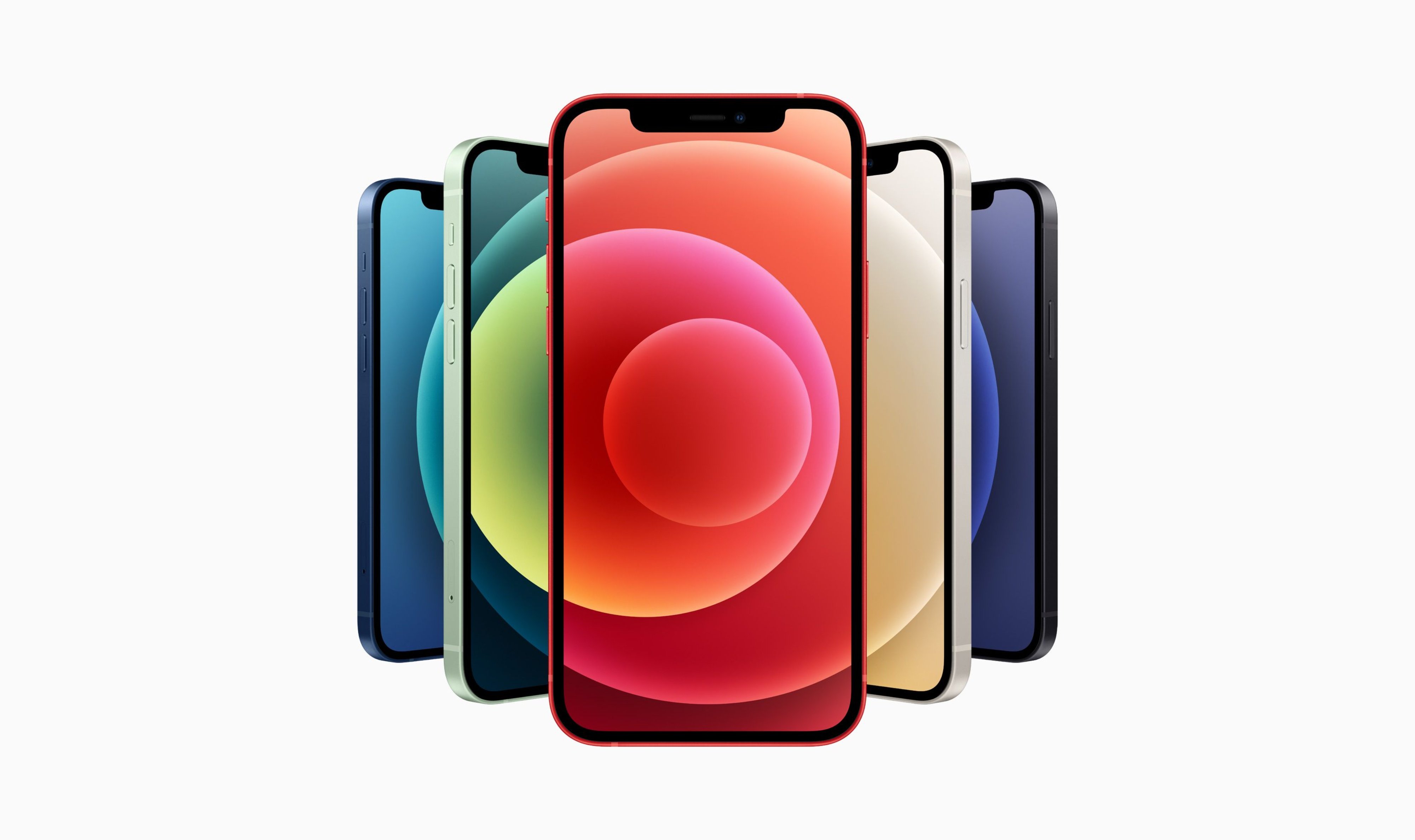
Apple reportedly starts testing iPhone with in-display fingerprint sensor

Since Apple announced its facial recognition system called Face ID, the company started replacing the Touch ID, or fingerprint recognition from the iPhone models. But now it seems that the technology could make a comeback.

As per the latest reports, Apple is testing a new Touch ID technology. Given that most of the premium smartphones launching these days come with an in-display fingerprint sensor, it seems that Apple could also jump the bandwagon.

Apple iPhone 12 All Colors Featured

The company is reportedly testing the in-display Touch ID. Previously, it was reported that Apple could bring in-display fingerprint sensors to the upcoming iPhones and the latest report indicates that the company is making progress towards that.

However, Apple isn’t expected to replace the Face ID. Reports coming from WSJ based on the information of two employees of Apple, who remain anonymous, both — Touch ID and Face ID will be present in the upcoming iPhone model.

While optical fingerprint sensor could be more reliable compared to the existing ultrasonic sensor used by the company, Apple isn’t expected to use the latest optical sensor unless they are as secure as the current version.

Apple is using Touch ID only on one smartphone these days — iPhone SE. However, the fingerprint sensor is also available on MacBook devices. Interestingly, on iPad Air 4, the company shifted the sensor from the screen to the sleep/wake button on the side.

RELATED: 

Vivo patents a mouse with a design similar to the Microsoft Arc

Vivo Mobile Communications Co Ltd, a subsidiary of Vivo, recently filed for a new design patent for an electronic product. This gadget was a new mouse, which is similar in design to the Microsoft Arc.

VIvo

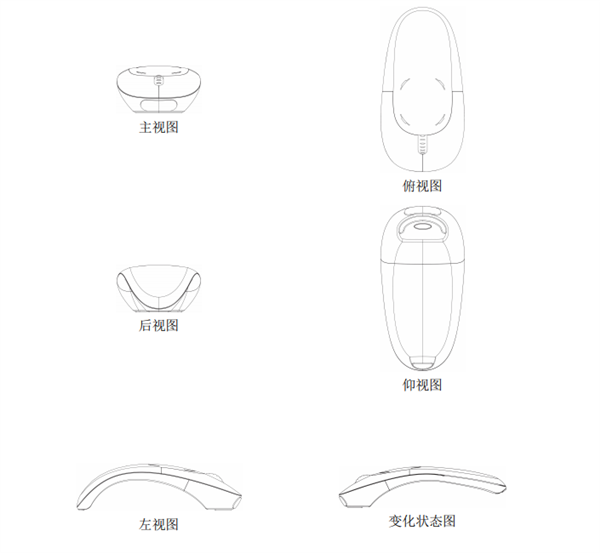
According to a MyDrivers report, the Chinese tech giant recently filed a patent for the new mouse, which had the publication number CN306297489S. The patent reveals the detailed designs of the product, along with sketches that offered us a view of the mouse from different angles. Looking at the patent, we can observe that the mouse carries a bow like arc shaped design, which is what makes it resemble the Microsoft Arc that featured a similar design.

From the top view, one can find that a scroll wheel on the front flanked by the traditional left and right mouse buttons. However, an interesting addition to this mouse is what appears to be a large touchpad on the rear half. This area covers a majority of the mouse and might offer multi touch input and even serve various touch based functionalities. In other words, the patent depicts the integration of the mouse and its handle that features the touchpad, while also showcasing its bow shaped design.

Vivo
Microsoft Arc

For those unaware, the Microsoft Arc was praised for its unique design and stylish appearance when it had originally launched. It was a compact mouse and offered great portability as well. Unfortunately, it is unknown when Vivo would launch this product at the moment and it could very well be the company’s attempt to cover all bases. So stay tuned for more, as we will be providing more updates when additional information is available.

RELATED:


Xiaomi Mi Router AX6000 firmware update brings improved stability and mesh networking fix

A few weeks ago, Xiaomi had launched the Mi Router AX6000 in its home country which comes with Wi-Fi 6 and Enhanced wireless technology. Soon after its announcement, the device went on sale in China for 599 yuan, about $93.

Now, the company has started rolling out its first firmware update which brings improved system stability as well as a fix for the mesh networking. This new update is currently being rolled out to users.

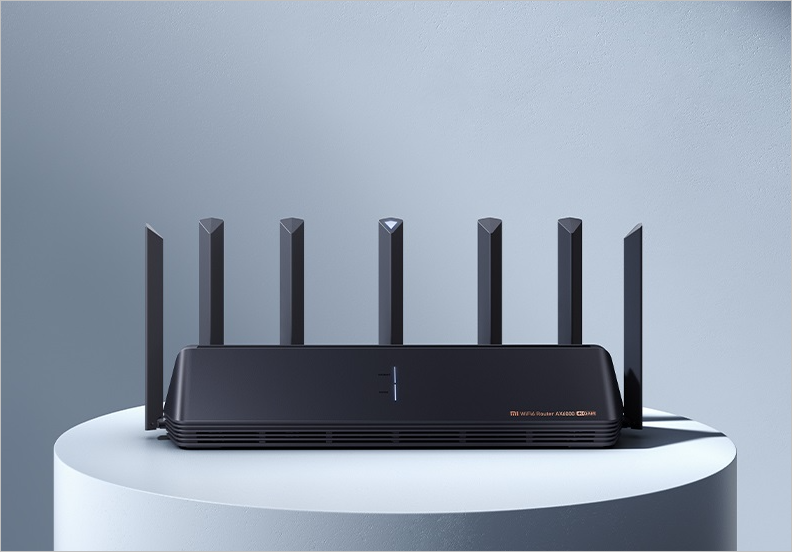
Xiaomi Mi Router AX6000

The Wi-Fi 6 Enhanced version has been upgraded to 4096QAM encoding technology. The technology can increase frequency utilization so that each data packet can contain more data, which can greatly increase the transmission rate. When compared to the previous generation, the throughput has increased by 20 percent.

The Xiaomi Mi Router AX6000 has a wireless rate of 6000 megabytes — the highest rate in the current Xiaomi router series. It also supports 4K QAM and 2500M full-speed network port and other technologies and configurations, claiming to bring a speed experience different from previous Wi-Fi 6 routers.

Thanks to Wi-Fi 6 Enhanced technology, it supports 4×4 160MHz bandwidth. Compared with the current mainstream WiFi 6 4×4 80MHz bandwidth, the bandwidth of this current version is doubled and also offers multi-device connectivity.

Powered by a Qualcomm chipset, the device comes with 512MB of RAM and supports simultaneous access of 248 devices. The Mi Router AX6000 has six independent signal amplifiers and Xiaomi Mesh networking, helping the device cope with various complex house types and achieve full house coverage without dead ends.

RELATED: