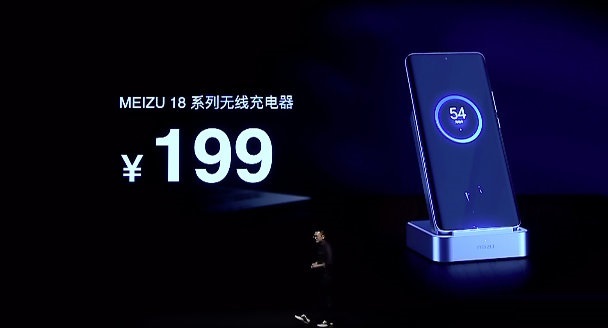
Earlier today (3rd March 2021), the Meizu 18 series of flagship smartphone were launched. Along with the new smartphones, the company also unveiled a vertical wireless charger, which is compatible with the new devices.
The Meizu 18 Pro is the current high end flagship from the Chinese smartphone maker and supports 40W wireless and wired fast charging, while also supports 10W reverse wireless charging as well. Thus, the vertical wireless charger is an accessory that lets users wirelessly fast charge their new smartphones. The new charger is priced at 199 Yuan (roughly 30.7 US Dollars) and is sold separately.
Talking about the newly launched devices, The Meizu 18 and 18 Pro are powered by the Snapdragon 888 mobile platform. They are equipped with up to 12GB of LPPDR5 RAM and up to 256GB of UFS 3.1 storage. The Meizu 18 has a 4,000mAh battery, whereas the Pro model gets a larger 4,500mAh battery. The vanilla model supports 36W Super mCharge fast charging, while the Pro model is equipped with 40W charging and 40W Super Wireless mCharge technology.
The Meizu 18 series is currently up for pre orders in China through various e commerce sites. It will be available for purchase from March 8. There is no word on the global availability of the Meizu 18 and 18 Pro handsets. So, we can expect the new vertical charger to launch around the same time.
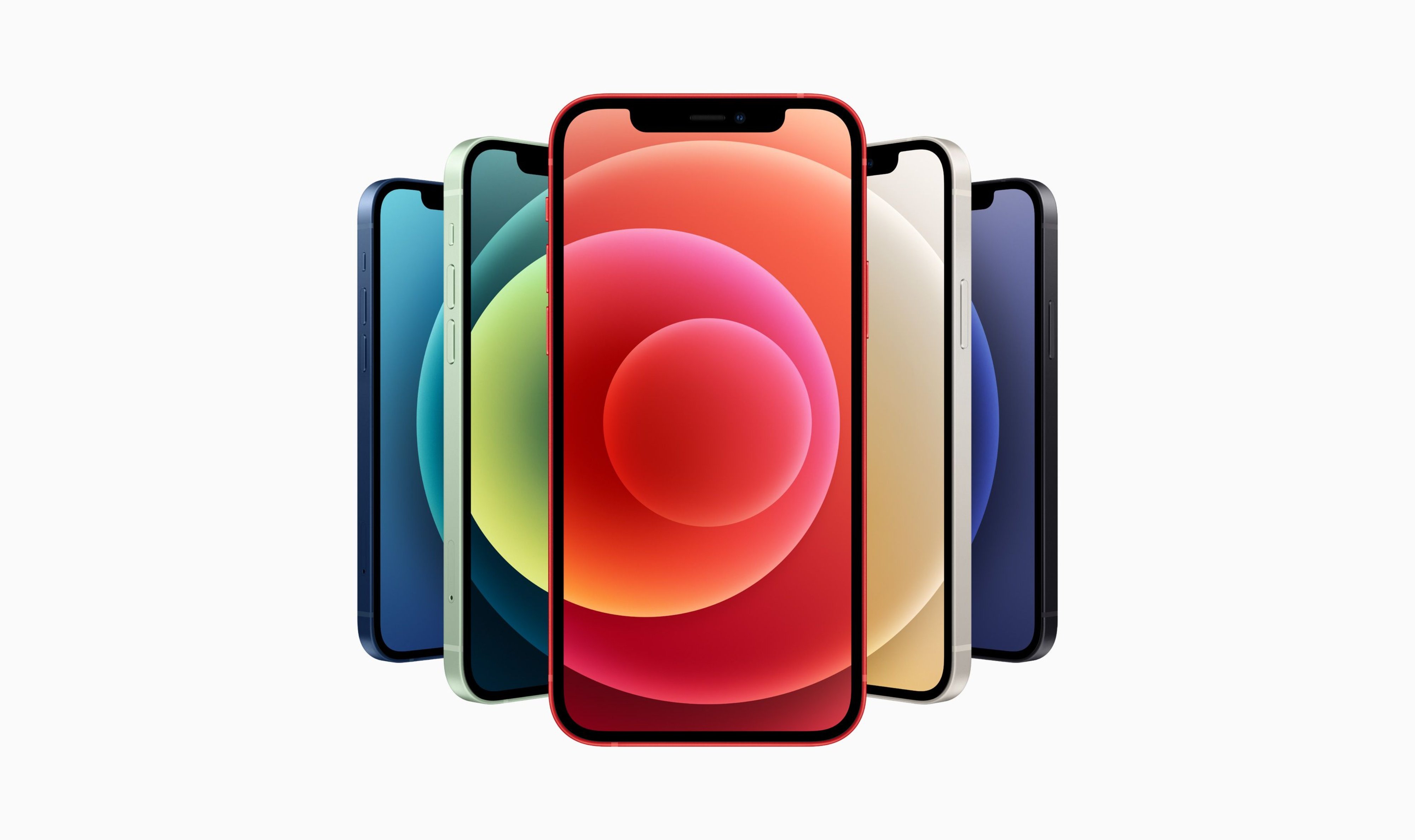
Smartphone shipments across the globe is expected to grow by nearly 50 percent year on year in the first quarter of this year, reaching up to 340 million units in Q1 2021. The primary reason for the rise includes surging iPhone 12 series shipments along with Chinese brands competing to take over Huawei‘s market share.
According to a DigiTimesreport, the Cupertino based giant’s market share are expected to reach over 60 million units in the first quarter of this year, despite it also seeing shipments reaching over 90 million units just a quarter prior. Apple is also likely to be the top vendor for the sixth month period that ends on 31st March 2021, having its total shipments reach 150 million units. This also marks a rise of 38 percent from the same period from a year ago.
On the other hand, Samsung Electronics is expected to rank second for the same six months period, with its shipments reaching somewhere between 60 to 65 million units for both the fourth quarter of 2020 and first quarter of 2021. Meanwhile, Xiaomi is expected to arrive third with its shipments for the same six month period totaling just 90 million units. Although, this still marks a rise of over 80 percent over the same period from a year prior.
During this time, Huawei is projected to ship less than 20 million handset units, arriving sixth in the global rankings in the first quarter of this year. Furthermore, the global shipments of 5G enabled devices are expected to reach over 600 million units in 2021, which is more than double of the 280 million units that shipped last year. Apple, Huawei, and Samsung were the top three 5G handset vendors in 2020 with a combined market share crossing 70 percent.
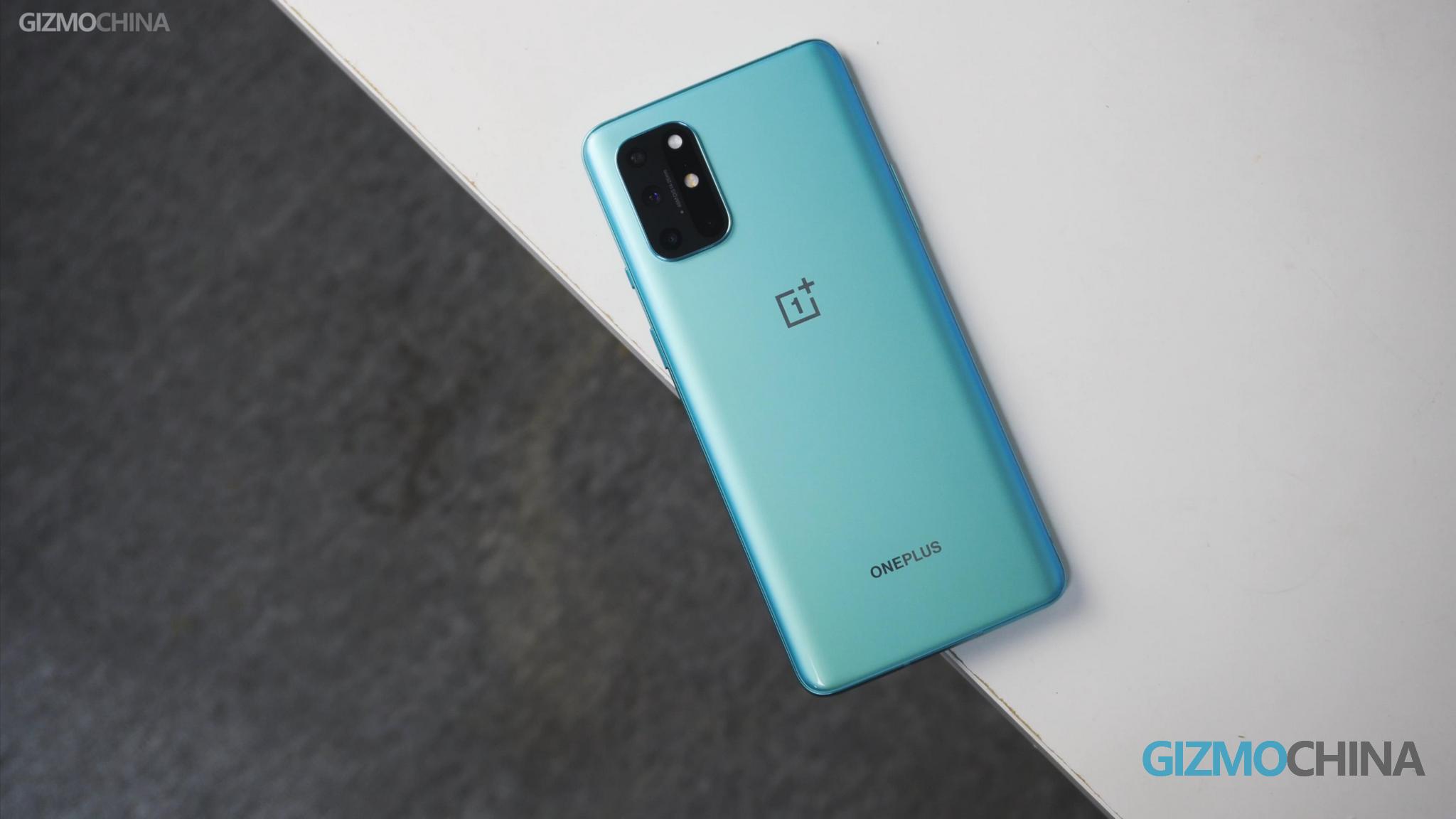
A few months ago, OnePlus refreshed its flagship smartphone OnePlus 8 with the launch of OnePlus 8T, powered by the Qualcomm Snapdragon 865 SoC. The smartphone comes with some changes in the display and camera department.
Now, the folks at DxOMark have published their camera review of the OnePlus 8T smartphone, giving the device an overall score of 111. This includes 115 points for photos, 102 points for video, and 52 points for zoom.
OnePlus 8T
As for the camera configuration, it features a 48 MP Sony IMX586 primary sensor with f/1.7 aperture, a 12 MP ultra-wide sensor with f/2.2 aperture, a 5 MP macro sensor, and 2 MP monochrome sensor.
The review of DxOMark says that the camera performance of OnePlus 8T is decent and the images captured are “nice to look at in the right conditions” but there are some areas for improvement. For instance, while shooting at night, there is a strong variance in exposure and dynamic range between shots.
The main concern about the camera performance seems to be the lack of perfect color reproduction. In the test, the team observed many images showing color casts or inaccurate color rendering, especially during low light conditions. There is also strong noise, which gets worse in low-light conditions.
As for the video performance, it offers effective video stabilization, neutral white balance and pleasant colors, but again the low-light performance needs improvements. Also, the focus transitions are abrupt, making it challenging to record moving subjects.
Today, Meizu held a launch event to announce the Meizu 18 series of flagship phones. As usual, the Meizu 18 and Meizu 18 Pro are packed with top-notch specs such as a 120Hz refresh rate display, Snapdragon 888, large-sized batteries, fast charging capabilities, and stellar front and rear cameras. In addition, the company also confirmed that starting with Meizu 18 series, there will be no ads built into the OS, zero push messages, and there will be no pre-installed third-party apps.
Meizu 18 and Meizu 18 Pro specifications and features
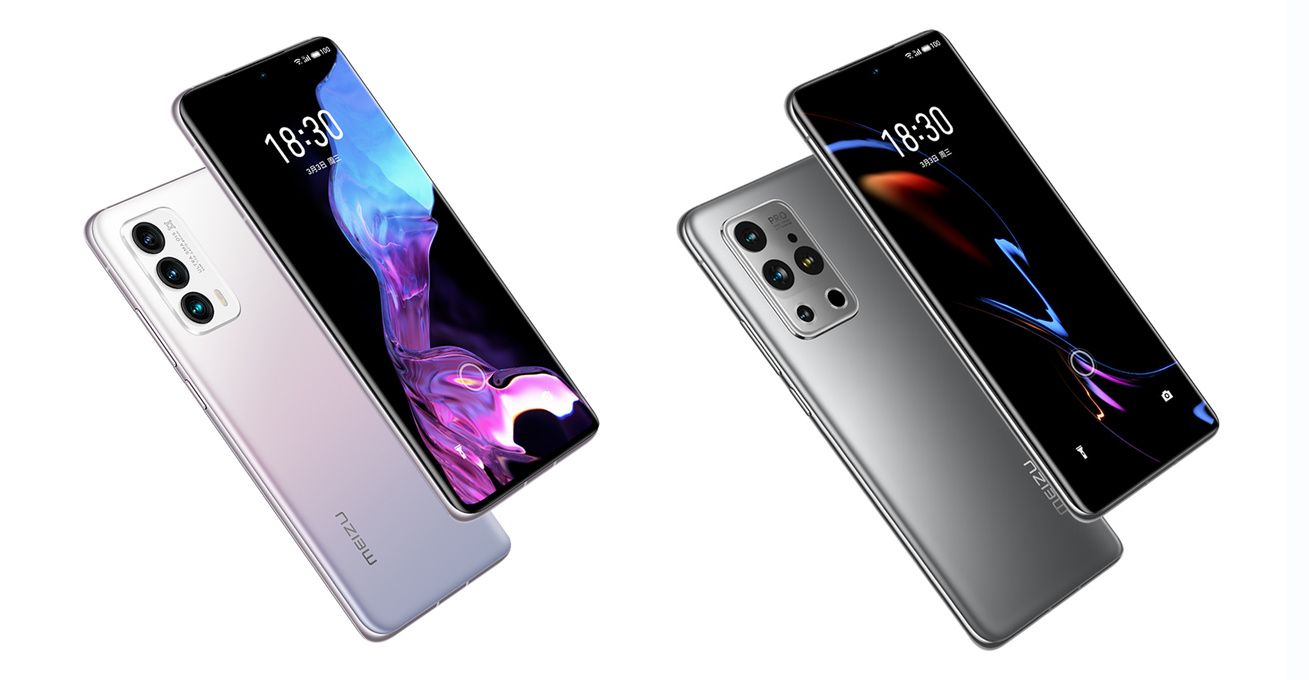
The Meizu 18 is equipped with a 6.2-inch S-AMOLED E4 display with quad-curved micro-arc edges. The 20:9 aspect ratio display offers a QHD+ resolution of 1440 x 3200 pixels, a 120Hz refresh rate, a 240Hz touch sampling rate, 563ppi pixel density, 1300nits peak brightness, and HDR10+ support. The punch-hole screen is integrated with an ultrasonic in-screen fingerprint sensor, which makes it possible to unlock the device with wet hands and underwater. The handset measures 152.4 x 69.2 x 8.18mm and weighs 162 grams.
On the other side, the Meizu 18 Pro features a larger 6.7-inch edition of the S-AMOLED E4 punch-hole screen with quad-curved edges. The punch-hole display offers the same QHD+ resolution, a 120Hz refresh rate, a 240Hz touch sampling rate, 526ppi pixel density, HDR10+ support, and the same peak brightness. It also features an ultrasonic in-display fingerprint reader. The Meizu 18 Pro has 162.5 x 73 x 8.1mm dimensions and it weighs 189 grams.
Meizu 18 (left) and Meizu 18 Pro (right)
The Meizu 18 and 18 Pro are powered by the Snapdragon 888 mobile platform. They are equipped with up to 12GB of LPPDR5 RAM and up to 256GB of UFS 3.1 storage. The Meizu 18 has a 4,000mAh battery, whereas the Pro model gets a larger 4,500mAh battery. The vanilla model supports 36W Super mCharge fast charging, while the Pro model is equipped with 40W charging.40W Super Wireless mCharge technology, and 10W reverse wieless charging.
The Meizu 18 has a front camera of 20-megapixel, whereas the Meizu 18 Pro has a 44-megapixel Samsung GH1 selfie camera. Both phones come with features like a 5-element lens, AI super clear portrait, backlight selfie HDR, super night view, screen flash, and face unlock for the front camera.
The Meizu 18 has a triple camera system on its back, which comprises a Sony IMX682 64-megapixel primary camera with an f/1.6 aperture, 7P lens, and OIS support. It is coupled with a 16-megapixel ultrawide/macro lens, and an 8-megapixel telephoto sensor and an LED flash unit. On the other side, the rear camera island of the Meizu 18 Pro has a Samsung GN1 50-megapixel primary snapper with f/1.9 aperture, 7P lens, OIS, EIS, and dual pixel autofocus, a 32-megapixel Sony IMX616 ultrawide lens with 130-degree FOV, an 8-megapixel telephoto camera, and a 3D ToF sensor. Both phones carry support for Dark Vision, a feature that allows users to capture brighter shots in extremely dark environments. The Pro model promises better focus in dim-light conditions. Both smartphones offer photography features such as Super Night View, AI dynamic tracking, and portrait blur. The Pro model is capable of shooting 8K videos.
The Meizu 18 and 18 Pro runs on Flyme 9 based Android 11 OS and comes with OneMind 5.0 system optimization. These phones are also equipped with other features such as dual SIM support, 5G, Wi-Fi 6 6E, Bluetooth 5.2, dual-frequency GPS, NFC, mEngine 4.0 tactile engine with large-sized linear motor, and USB-C port. The Meizu 18 Pro also comes with an IP68 rating for dust and water-resistance.
Meizu 18 and Meizu 18 Pro pricing and availability
Here are the prices of the different variants of the Meizu 18 and 18 Pro handsets:
Meizu 18
8 GB RAM + 128 GB storage – 4,399 Yuan (~$680)
8 GB RAM + 256 GB storage – 4,699 Yuan (~$711)
12 GB RAM + 256 GB storage – 4,999 Yuan (~$773)
Color variants: White, Blue, and Purple
Meizu 18 Pro
8 GB RAM + 128 GB storage – 4,999 Yuan (~$773)
8 GB RAM + 256 GB storage – 5,499 Yuan (~$850)
12 GB RAM + 256 GB storage – 5,999 Yuan (~$928)
Color variants: White, Blue, and Grey
The Meizu 18 series is now up for pre-orders in China through e-commerce sites. It will be available for purchase from March 8. THere is no word on the global availability of the Meizu 18 and 18 Pro handsets.
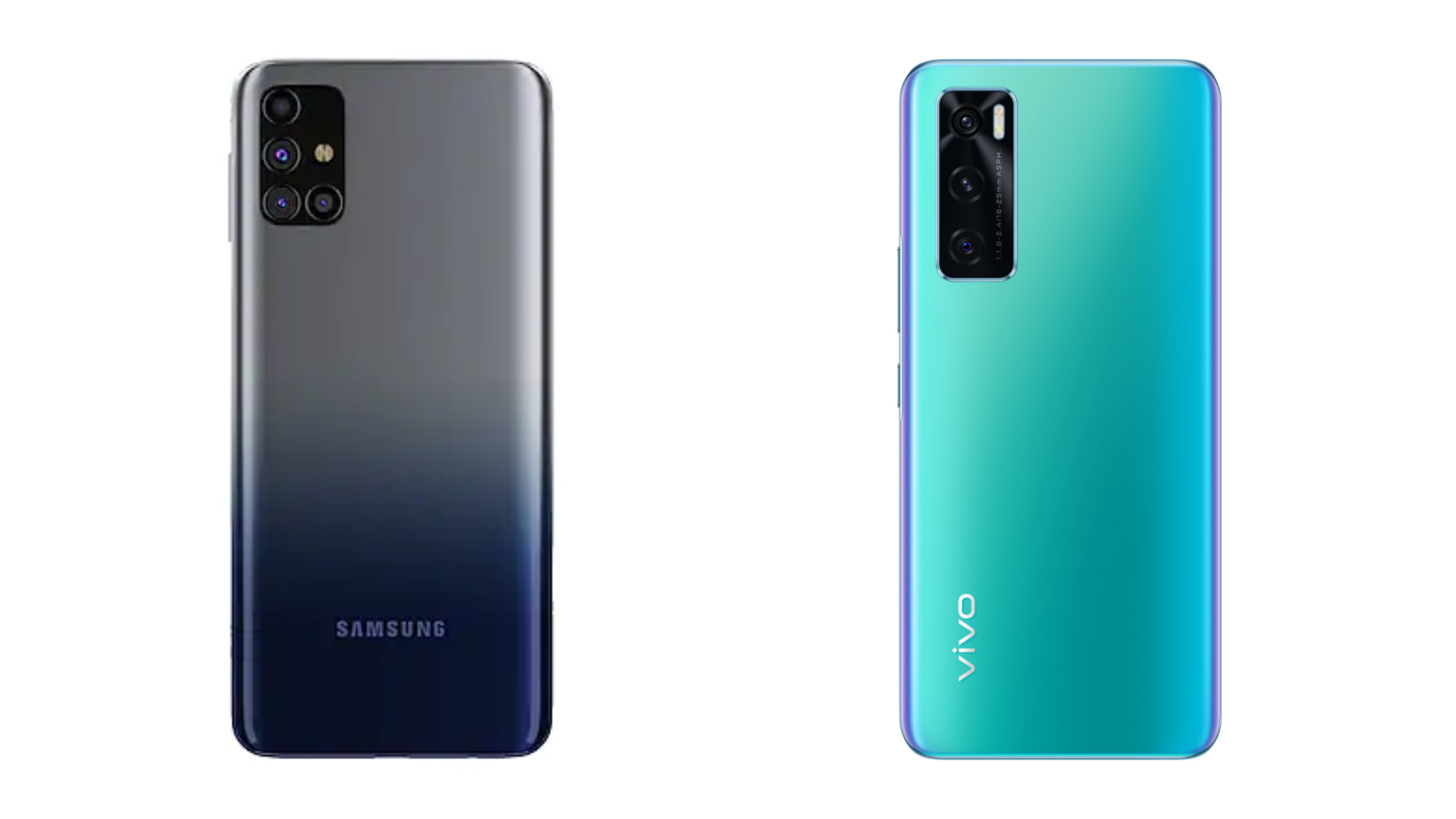
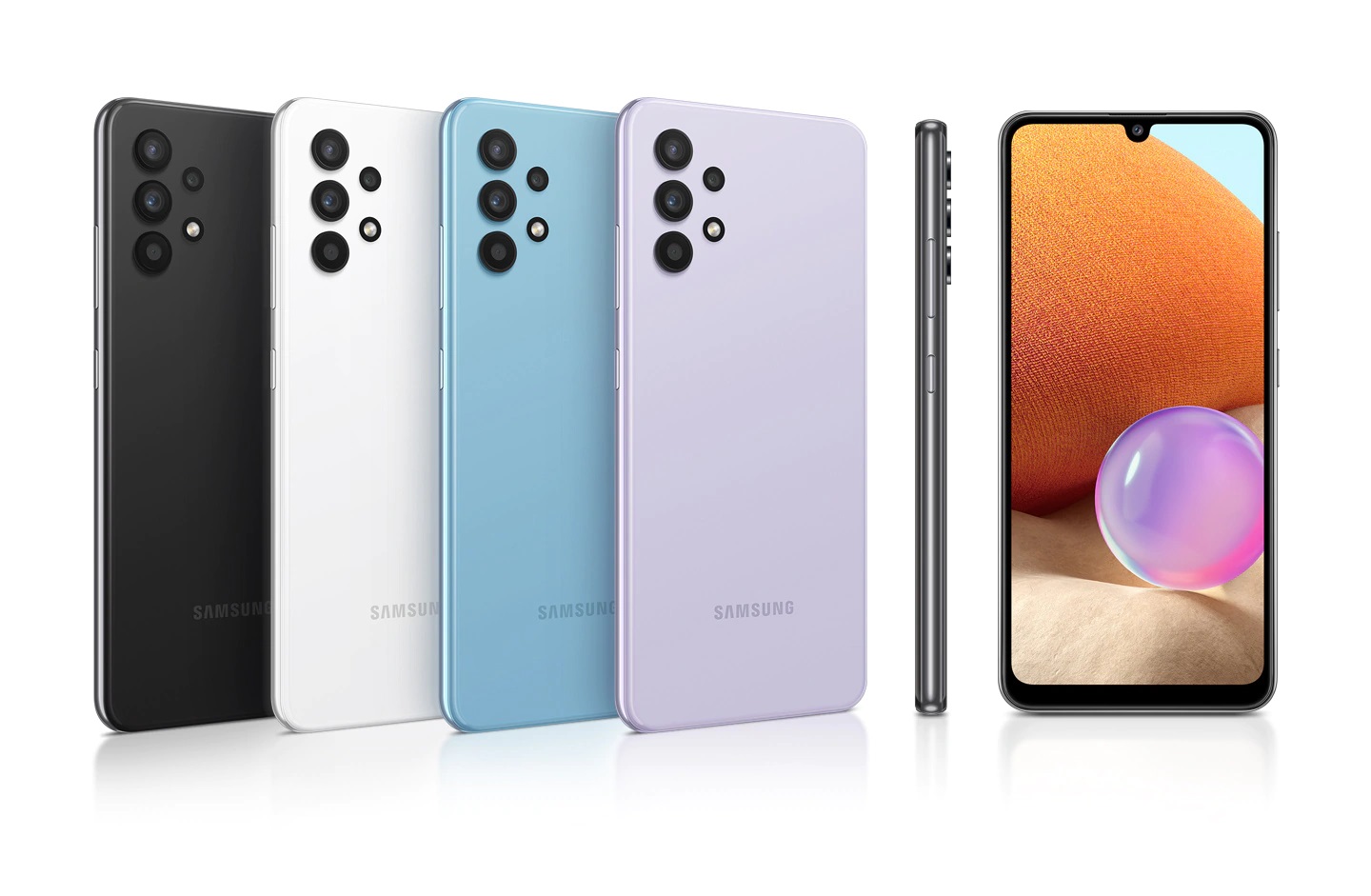
Samsung has officially unveiled the Galaxy A32 4G in India. The device comes in a single 6GB RAM, 128GB storage variant, and is a direct successor to the yesteryear Galaxy A31.
Samsung Galaxy A32 4G Price, Offers, Availability
Samsung Galaxy A32 4G is priced at ₹21,999 in India. This is the 6GB RAM, 128GB storage variant but users can get it in four colors- Awesome Black, Awesome White, Awesome Blue, and Awesome Violet.
As for Availability, Samsung says that the Galaxy A32 4G will be available for purchase starting today (March 3). Users can get the device across the Samsung website, major e-commerce portals, and retail stores across the country.
The Galaxy A32 4G also gets an introductory offer of ₹2,000 cashback on HDFC Bank Credit card, Debit card, and EMI transactions. It also has other no-cost EMI offers.
Samsung Galaxy A32 4G Specifications and Features
Samsung Galaxy A32 4G features a 6.4-inch Super AMOLED FHD+ Infinity-U display with a resolution of 2400×1080 pixels, 90Hz refresh rate, 800 nits brightness, SGS certification for low blue light.
Under the hood, the device features a MediaTek Helio G80 chipset paired with 6GB RAM and 128GB storage. You can also expand the storage via a microSD card slot up to 1TB.
For Cameras, the device has a Quad-camera setup on the back with 64MP f/1.8 main lens, 8MP f/2.2 123-degree ultra-wide lens, a pair of f/2.4 5MP Macro and depth sensors. Upfront, you get a 20MP f/2.2 selfie shooter.
Other features include a 5,000mAh battery with 15W charging, USB-C & 3.5mm audio jack ports, in-display fingerprint sensor, 4G LTE, Wi-Fi 5GHz, Bluetooth 5.0, GPS, Samsung’s Knox Security, AltZLife, and One UI 3.1 based on Android 11.
Commenting on the launch, Aditya Babbar, Senior Director and Head, Mobile Marketing, Samsung India, says, “With Galaxy A series, we are committed to bringing awesome innovations for everyone. Galaxy A32 continues the legacy and will strengthen our mid-range portfolio by providing new generation technology to all”.
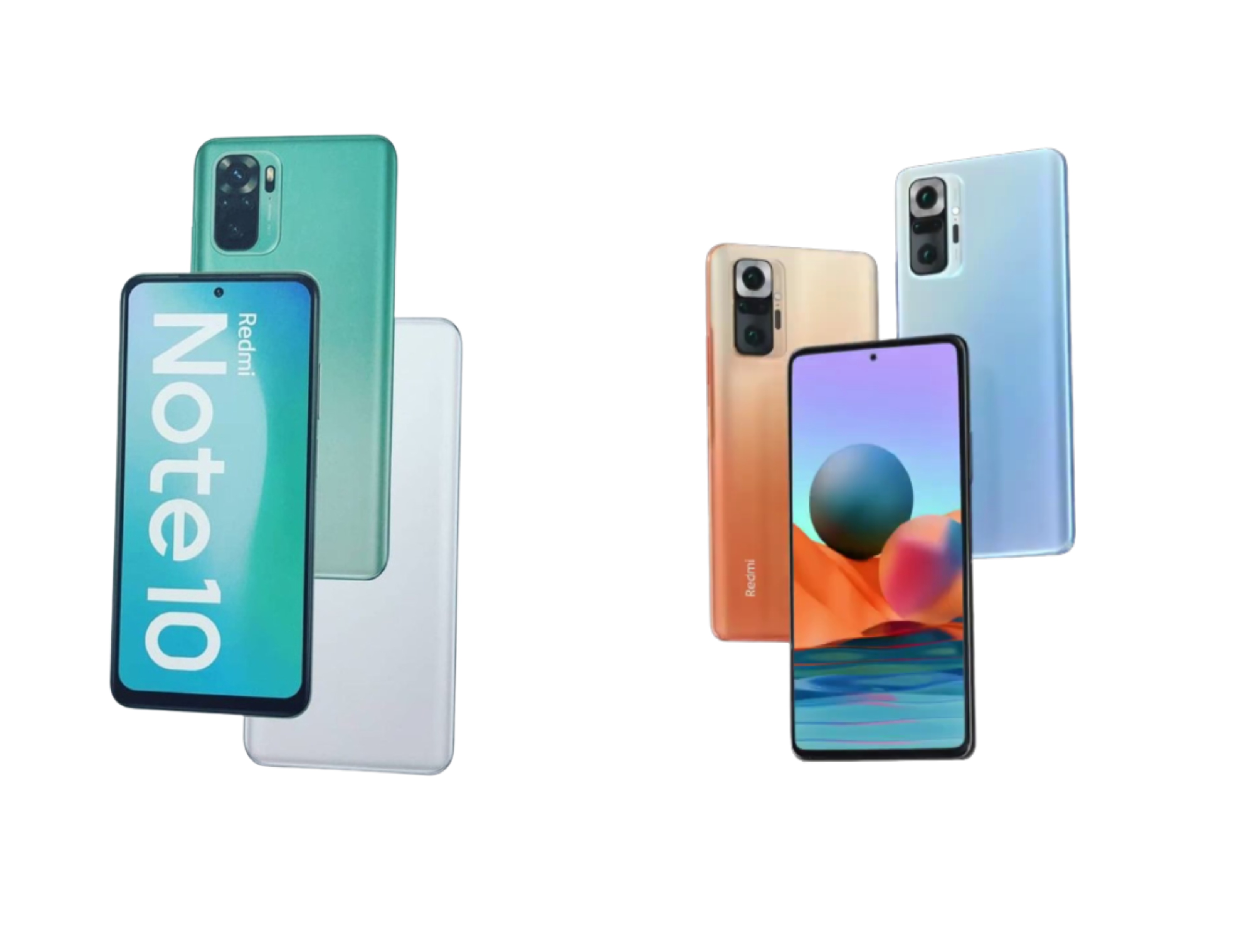
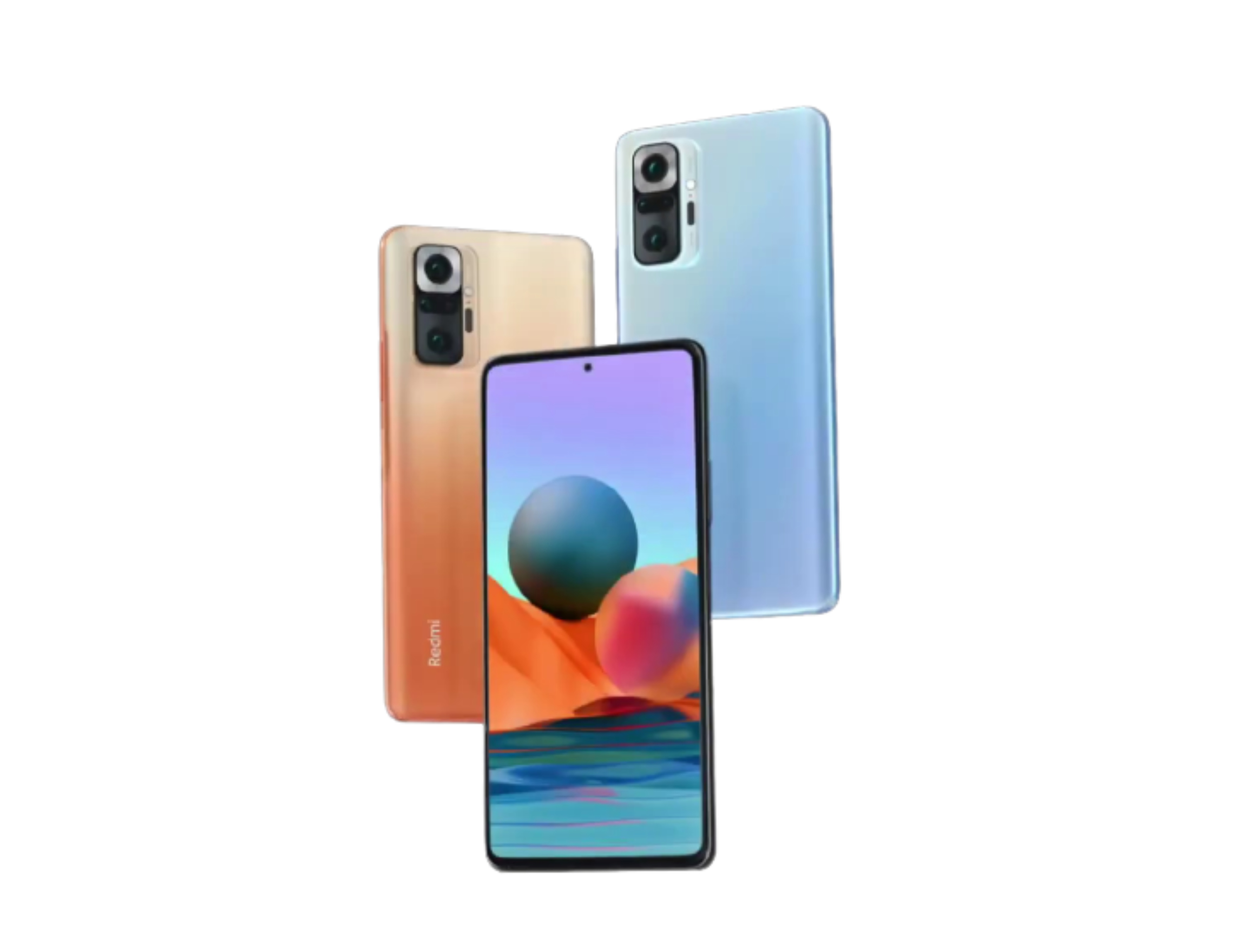
Xiaomi will launch the Redmi Note 10 series of devices in India & other global markets on March 4. Until recently, the company had managed to keep the details hidden fairly safely. However, thanks to the leaks we have some information on the specs, features of the devices.
Besides, Xiaomi itself has come forward in the last week to confirm features that weren’t seen on the series before. Accordingly, the devices will have an AMOLED display and cameras up to 108MP resolution. Speaking of which, leaks so far say that Redmi Note 10 series will have three devices-
Here, there is a possibility that Redmi Note 10 Pro Max could launch in Europe as the Redmi Note 10 Pro similar to what happened last year. With that out of the mind, let’s look at the expected specs, features, and price of the device.
Redmi Note 10 Series: Design
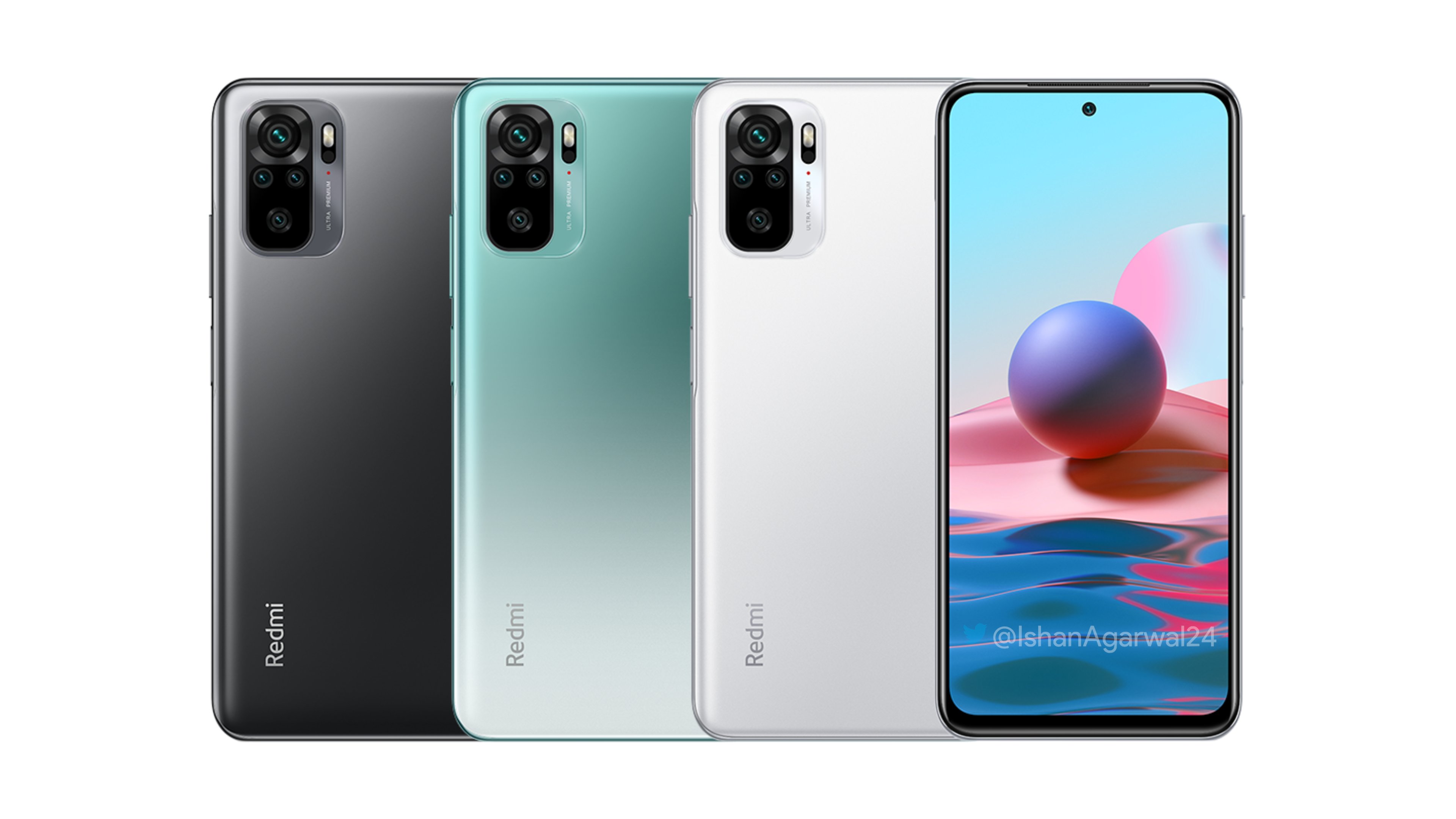
Xiaomi has kept the front of the Redmi Note 10 series pretty much the same as before. Only the base variant swaps from top-left (on Redmi Note 9 India) to a centered punch-hole.
However, the major change is in the panel itself. The entire series is getting an AMOLED this time. At the back, Xiaomi seems to have taken inspiration from Redmi K40 and Xiaomi Mi 11 for the quad-camera layout.
Also, a leaked video says that the base variant has a polycarbonate back panel but we need to wait for official info to confirm it. Other features include Corning Gorilla Glass protection, IP52 splash resistance, dual-Speaker grille(each on top & bottom), dedicated microSD slot, 3.5mm audio jack, Type-C charging port, IR blaster.
Redmi Note 10 series: Expected Specifications and Features
Quad-cameras with 108MP main lens, 8MP ultra-wide, 5MP Super Macro, 2MP depth
16MP front camera
Dual Stereo speakers, IR blaster
5,020mAh battery with 33W fast charging
MIUI 12 based on Android 11
6/8GB RAM, 128GB storage
colors: Blue, Black, and Bronze
Redmi Note 10, Redmi Note 10 Pro, Redmi Note 10 Pro Max: Expected Price, and Availability
The price of the Redmi Note 10 is expected to start from ₹13,999 ($191.20) while the Note 10 Pro is said to begin at $279 globally. Very little info is available regarding the Redmi Note 10 Pro Max’s pricing and considering the specs, we think it could be somewhere around the ₹19,999 ($273) mark.
As for availability, Xiaomi is launching the device both in India and global markets on the same day. So, expect the device to be available for purchase in a number of European markets, and also in India around the same time.
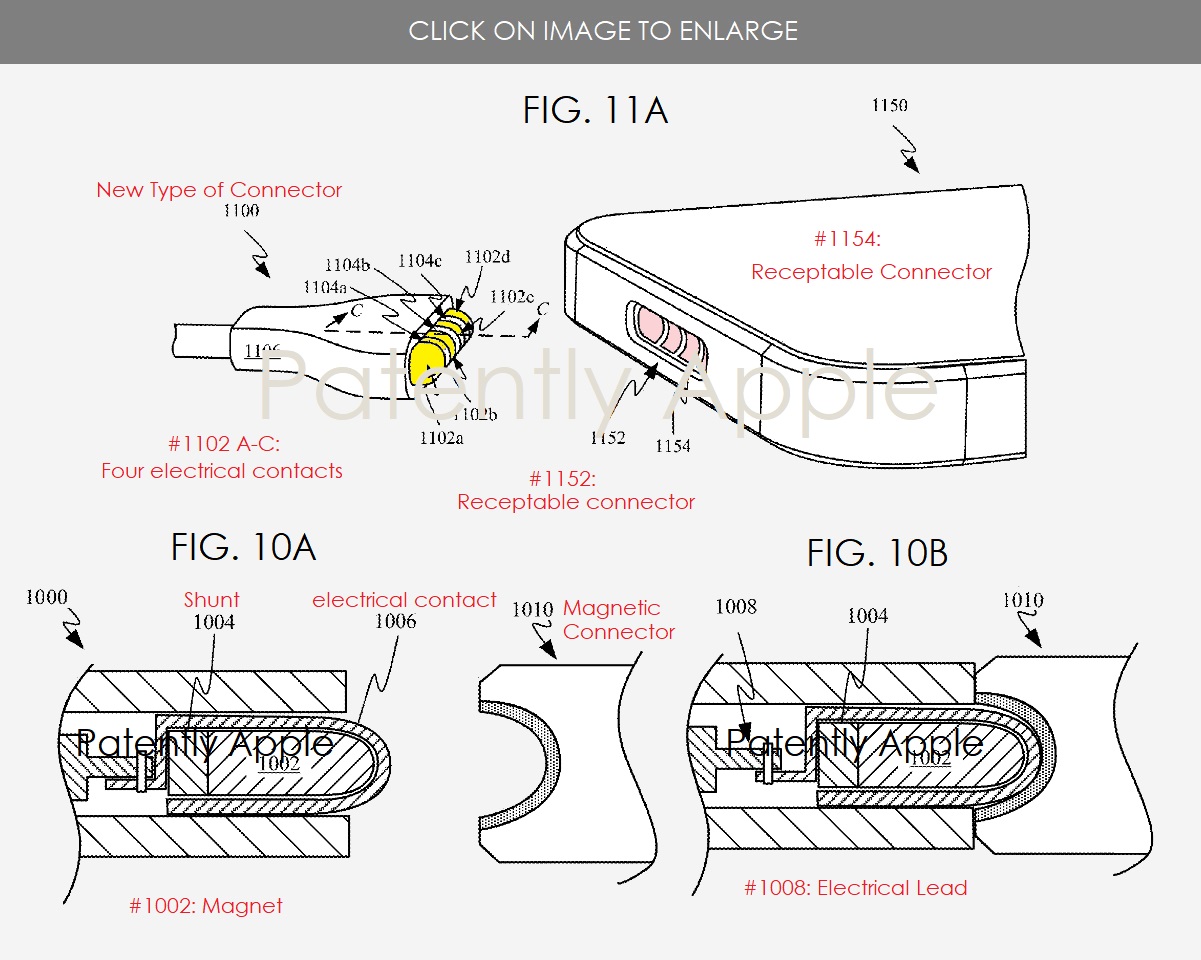
Apple was recently granted a patent by the US Patent and Trademark Office. This patent was for various different types of Magnetic Smart Connector systems that might be used in the company’s iPads and iPhones.
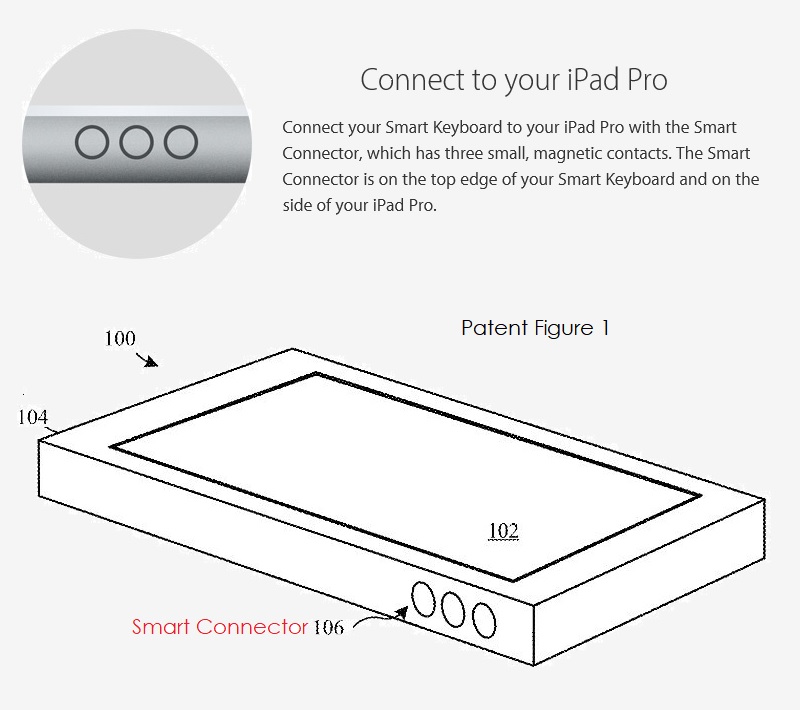
According to a PatentlyApplereport, the Cupertino based giant has patented various styles of smart connectors. This patent arrives despite wireless charging being the direction the company is taking. But, it seems that the magnetic connectors are still an option being contemplated by Apple. For those unaware, the first smart magnetic connector used in an Apple product was the iPad, which was able to connect to the accompanying smart keyboard.
The new patent from the iPhone maker covers the various forms of the connectors for an accessory device, which is capable of delivering power and data with an electronic device. Looking at the patent sketches, the connector includes a recessed point of contact that are capable of magnetically attach to an electronic device that supports it. An alternative design of the smart connector was also patented for iPhones. This variant was designed to keep water and debris from entering the handset.
In other words, Apple might be considering this technology to arrive with future iPhone models. These connectors and ports can be observed in multiple designs with one being a sliding connection, while another featured rounded connector pins that go into a compatible port on the iPhone. Unfortunately, it is unknown if the company is actually working on such a design or just covering all bases. So stay tuned for more updates.
Karbonn was one of the popular Indian phone brands before the Chinese players entered the country. The company is still in business and sells a few handset models. Now, according to Geekbench and Google Play Console, it may soon launch an entry-level smartphone called Karbonn X21.
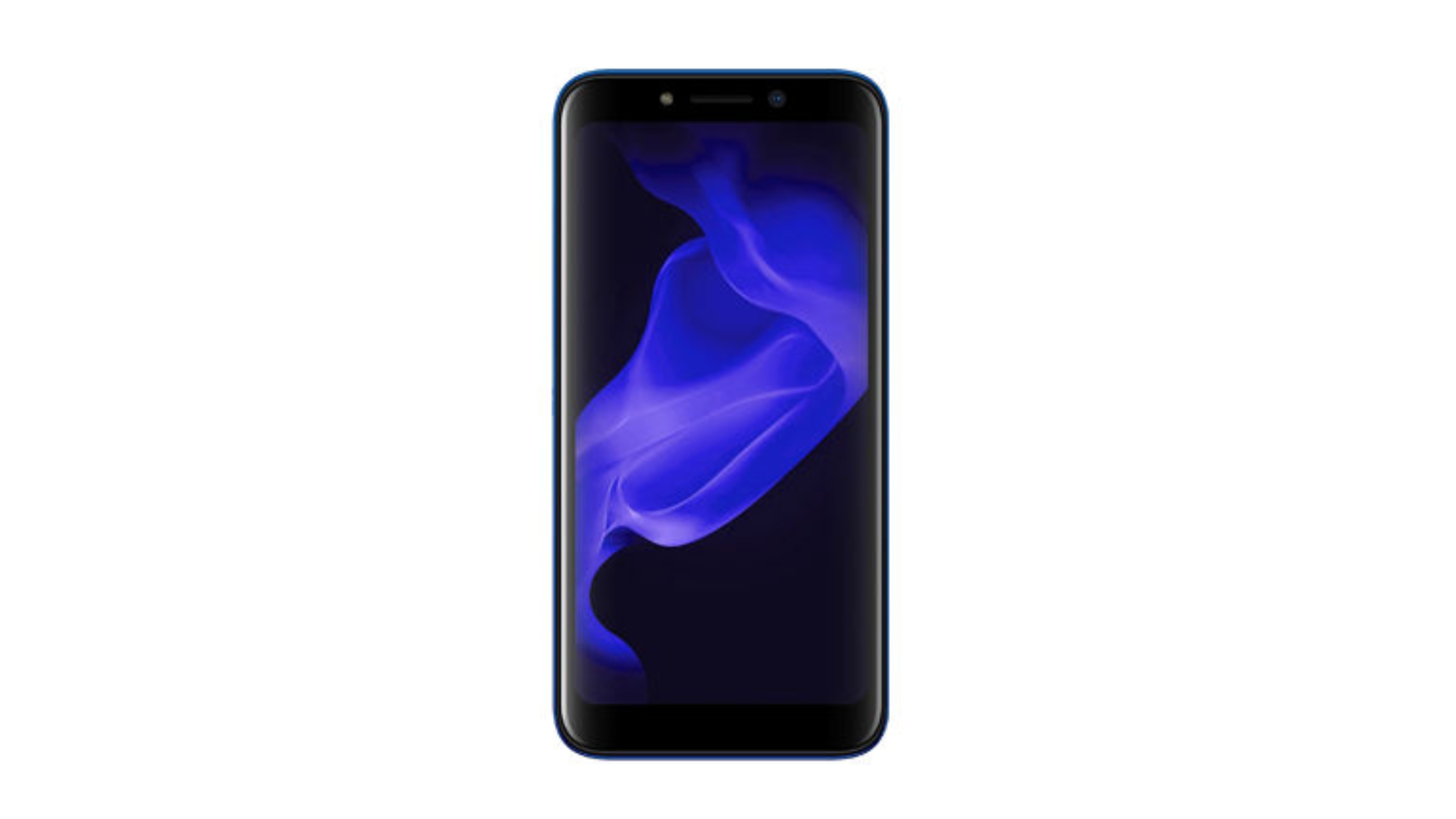
Karbonn X21 | Source: Google Play Console
According to Geekbench, the upcoming Karbonn X21 will be powered by UNISOC SC9863A SoC with PowerVR GE8322 GPU. This chipset manages to score around 183 points and 483 points in single-core and multi-core tests respectively.
On the software front, it is listed to run Android 10. Since the device will have 2GB RAM, we expect the operating system to be Android 10 Go Edition because it is now mandatory for OEMs to ship smartphones with 2GB or less RAM with Android Go Edition.
Further, the Google Play Console listing reveals the phone to flaunt an HD+ (720 x 1440 pixels) display with 320 DPI. This screen should be an LCD panel, given the other features of the handset.
That said, going by the device’s render (pictured above), it may look like older Samsung Galaxy S flagship smartphones. But most importantly, it will not feature any kind of notch or punch-hole and will house an LED flash on the front.
Lastly, it is not known when Karbonn X21 will be officially announced. But it should go official very soon.
Lenovo has just teased its Legion 2 Pro gaming smartphone again. The device is the upcoming successor of the first Legion gaming phone, and was recently teased in an image poster on the company’s official Weibo account, a Chinese microblogging website.
Looking at the social media post, the company highlighted the smartphones “Double adjustable fan turbo cooling system.” In other words, the device will arrive with dual turbo cooling system as its primary heat dissipation mechanism. The image poster also states that “A new storm has appeared, you can crush everything” on the bottom. Unfortunately, finer details regarding the device is currently unknown, but it is confirmed to feature the Qualcomm Snapdragon 888 SoC under the hood.
While the company has teased the device in the past, it has yet to officially reveal an actual launch date. At the moment, the gaming smartphone is just confirmed to launch sometime in ‘Spring’ this year. Furthermore, Lenovo’s GM also assured that the device will be feature packed and will not make any compromises to offer the best gaming performance. The smartphone could arrive with up to 16GB of RAM, and an AMOLED display with a high 144Hz refresh rate as well.
Additionally, the Lenovo Legion 2 Pro is expected to be powered by a large 5,000mAh battery pack along with UFS 3.1 storage and LPDDR5 memory. A highlighting feature would undoubtedly also be the active twin cooling fans as well. Although, it remains unknown how effective this feature is, so stay tuned for more, as we will be providing updates when additional information is available.
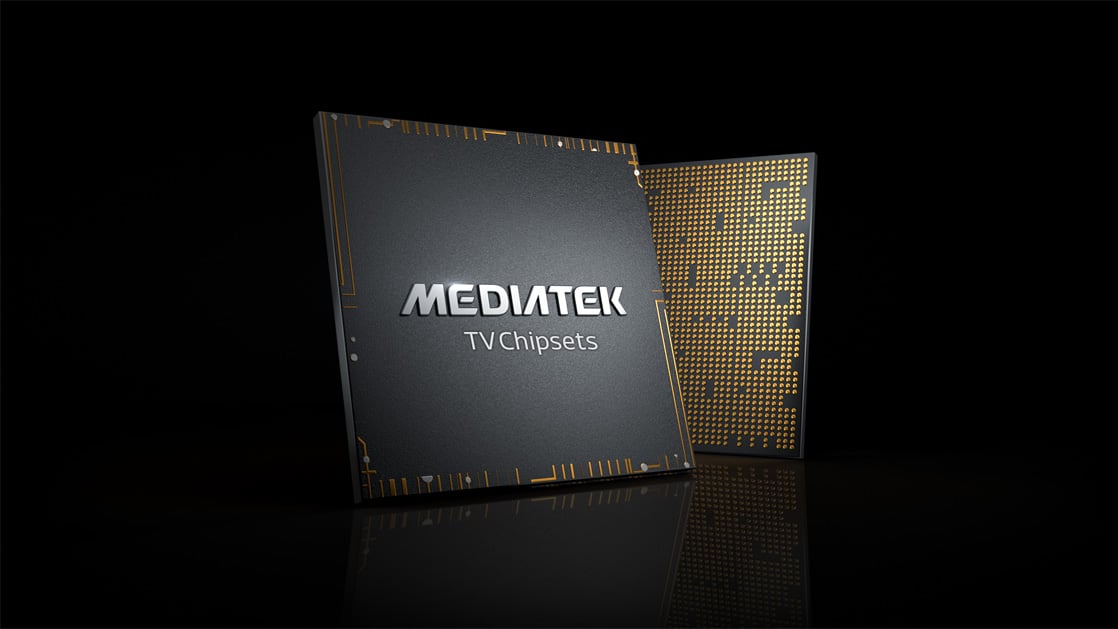
MediaTek, the Taiwan-based chipset maker, has been a market leader when it comes to chips powering the Smart TVs. The company has a wide range of offerings for TV chips — from entry-level to flagship-grade smart TVs.
Today, MediaTek has expanded its portfolio with the launch of a new chipset — MediaTek MT9638. The chipset, which is aimed for the next-generation of premium 4K smart TVs come with an integrated AI processing unit (APU).
It uses a multi-core setup of ARM Coretex-A55 CPU cores along with ARM Mali-G52 GPU. The company has not yet revealed the exact number of CPU cores but it’s likely to be a quad-core cluster.
This new chipset also packs some impressive features such as support for variable refresh rate (VRR), motion estimation and motion compensation (MEMC), HDMI 2.1 standard, and HDR10+, among others.
As for the display, it comes with supports up to 4K resolution at 60Hz and comes with support for HEVC, VP9, and AV1 decoding. For connectivity, it comes with support for Wi-Fi 6, HDMI 2.1, USB 3.0 standards. There’s also Dolby Atmos and DTS Virtual X surround sound support for immersive audio experience.
With artificial intelligence onboard, TV manufacturers using this chip can offer features like automatic adjustment of parameters such as color, saturation, brightness, sharpness, and more to enhance the image quality.
There’s also support for voice recognition and virtual assistants. It supports up to 4 far-field microphones with ultra-low-power consumption on standby and the company is also offering a one-second resume for hot words.
MediaTek has revealed that 4K Smart TVs powered by this new MT9638 chipset are expected to arrive in the second quarter of this year.

Earlier this week, Samsung Electronics announced that it will run a three day free trial period program for its foldable smartphone models. This offer will be available in the company’s home country, South Korea.
According to TheElecreport, the new program will be a part of Galaxy To Go service and will lend foldable handsets like the Galaxy Z Fold 2 and Galaxy Z Flip 5G to its customers. The South Korean tech giant aims to run the free trial period till 30th of April 2021. Till then, consumers can request the service and rent the devices at one of the 63 physical stores that the company runs in the country.
Furthermore, the smartphone maker will also have a pop up message appear to those who borrow these foldable devices that will explain their features as well. The models being given away for the trial period will also have features added via the recent One UI 3.1 update. The new update arrives last month along with the company’s 2021 flagship, the Samsung Galaxy S21 series of smartphones.
The move from the company is likely to boost the sales of its foldable handsets in the local market. While Samsung does hold a dominating position in the foldable smartphone market, it is expected that more brands will soon compete in this segment as well. So, the move is likely to expand awareness and demand for its devices in the market.
Yesterday, realme announced its 108MP camera system that will be debuting on the realme 8 Pro. Today, a mysterious realme smartphone with model number RMX3203 has been spotted on FCC. The listing reveals some of the key specs of this upcoming handset.
The FCC listing of the forthcoming realme RMX3203 was first spotted by Twitter user Abhishek Yadav. The device’s certification was published on March 2 (yesterday).
According to the documentation, the realme RMX3203 will be a 4G-only smartphone. It is said to run Android 11 but for some reason, the realme UI version is mentioned as 1.0. We believe it could be a mistake as the company’s Android 11 software is known as realme UI 2.0.
Further, the phone will not support LTE carrier aggregation, however, it will be backed by a 5,000mAh battery with model number BLP729. This battery has been also certified by TÜV Rheinland multiple times. Hence, we think it could be the same 5,000mAh battery, which is found inside several realme smartphones.
Unfortunately, nothing else is known about this realme handset apart from the above-mentioned features. Anyway, we expect to learn more about it in the coming days, including its official marketing name before its official announcement sometime in the near future.
India is apparently ready to offer various incentives to Tesla to bring the brand’s production in to the nation. One of the benefits includes cost of production being cheaper than in China, if the company will commit to manufacturing its electric vehicles in the country.
According to a Reutersreport, Nitin Gadkari, Transport Minister of India, revealed the pitch to the popular electric automaker earlier this week. Furthermore, the move from the government arrives weeks after Tesla registered a company in India. This marks the automobile maker’s entry into the market, which might be as soon as mid 2021. As per sources close to the matter, the brand aims to start by importing and selling its Model 3 electric sedan in the Southeast Asian nation.
Gadkari said that “The government will make sure the production cost for Tesla will be the lowest when compared with the world, even China, when they start manufacturing their cars in India. We will assure that.” At the moment, the local government is willing to offer such incentives in a bid to strengthen its local manufacturing of electric vehicles, batteries, and other components to cut costs of imports and even help curb pollution in major cities as well.
Notably, Tesla’s entry into the Indian market also arrives as various carmakers are moving forward with EV production due to sudden growth and demand of such vehicles, which can help reduce the overall carbon emissions. Currently, India has yet to secure local production from the company, which has also yet to comment on its plans for stepping in to the Indian market.
LG has launched a new OLED television in the Indian market — LG OLED 48CX TV. With this new product, the company is focusing towards gaming enthusiasts and people who want immersive cinema experience.
At 48-inch inches, it is the smallest television to come with an OLED display panel. LG claims that the TV will produce sharper images than the larger TVs. As for the pricing, the LG OLED 48CX is priced at Rs 199,990 (~$2,739) in India.
The device is powered by NVIDIA G-SYNC which enables high responsive gaming with no lags and stuttering. The HGiG profile made using self-lit pixels helps give users the best possible experience for HDR gaming.
Under the hood, it is powered by the Alpha 9 Gen 3 processor and comes with AI Acoustic Tuning with support for all the latest gaming enhancement features such as the higher frame rate, Variable Refresh Rate (VRR), Auto Low Latency Mode (ALLM) and Enhanced Audio Return Channel (eARC).
The TV also comes with a HDMI 2.1 connectivity. It will feature a Sports Alert feature that will give real-time alerts to users on their favourite sports news and game updates. As per the company, apart from the rich colour and contrast, the display will also offer a superior view from wide viewing angles.
It offers a fast response time at 1 ms and zero interference. There is a new filmmaker mode that automatically adjusts the TV’s settings to show a certain movie in the way the filmmaker intended it to be seen.
The LG OLED 48CX TV supports Dolby Vision IQ and Atmos to enhance the overall experience by optimizing the content. It also comes with support for Google Assistant, Alexa, Apple AirPlay 2, and HomeKit.
The upcoming Xiaomi Mi 11 Lite 4G smartphone that has a model number of M2101K9AG has received certification from various platforms such as SIRIM (Malaysia), EEC (Europe), FCC (US), NBTC (Thailand), IMDA (Singapore), and Bluetooth SIG. The BIS certification revealed that the model number of its Indian variant is M2101K9AI. Last month, the M2101K9G phone was approved by the IMDA and FCC authorities. It is speculated that the M2101K9G handset could be the 5G version of the Xiaomi Mi 11 Lite. Today, reliable tipster Mukul Sharma spotted the Google Play Console listing of the Xiaomi Mi 11 Lite 5G. The listing has revealed the key specifications of the device.
Past reports have claimed that the MI 11 Lite is codenamed as ‘Renoir.’ The same codename can be seen in its Google Play Console listing. The listing reveal that the smartphone’s display offers a Full HD+ resolution of 1080 x 2400 pixels and a pixel density 440ppi. It has 8 GB of RAM and it runs on Android 11 OS.
Mi 11 Lite 5G appears on the Google Play Console listing. 8GB RAM 1080×2400 display Android 11 Qualcomm SM7250 (765G) (earlier rumors suggested that it would be powered by the SM7350 (775G)).#Xiaomi#Mi#Mi11Litepic.twitter.com/tICybUsmwz
The listing further states that the Xiaomi Mi 11 Lite 5G is powered by a Qualcomm chipset. The specifications of the processor and the sm7250 model number suggest that it is fueled by the Snapdragon 765G chipset. This contradicts recent reports that claimed that the Mi 11 Lite 5G will feature a new Snapdragon 7-series chipset.
The FCC certification of the Mi 11 Lite 5G had revealed that it will be arriving in three variants such as 6 GB RAM + 128 GB storage, 8 GB RAM + 128 GB storage, and 8 GB RAM + 256 GB storage. It further revealed that the device has support for 5G, Wi-Fi 5GHz, Bluetooth 5.2, GPS, and NFC.
Rumors suggest that it could be equipped with other specs such as a 4,150mAh battery, 33W fast charging, a 120Hz refresh rate AMOLED display, a side-mounted fingerprint reader, and a 64-megapixel triple camera system. Its 4G model could be powered by the Snapdragon 732G SoC.
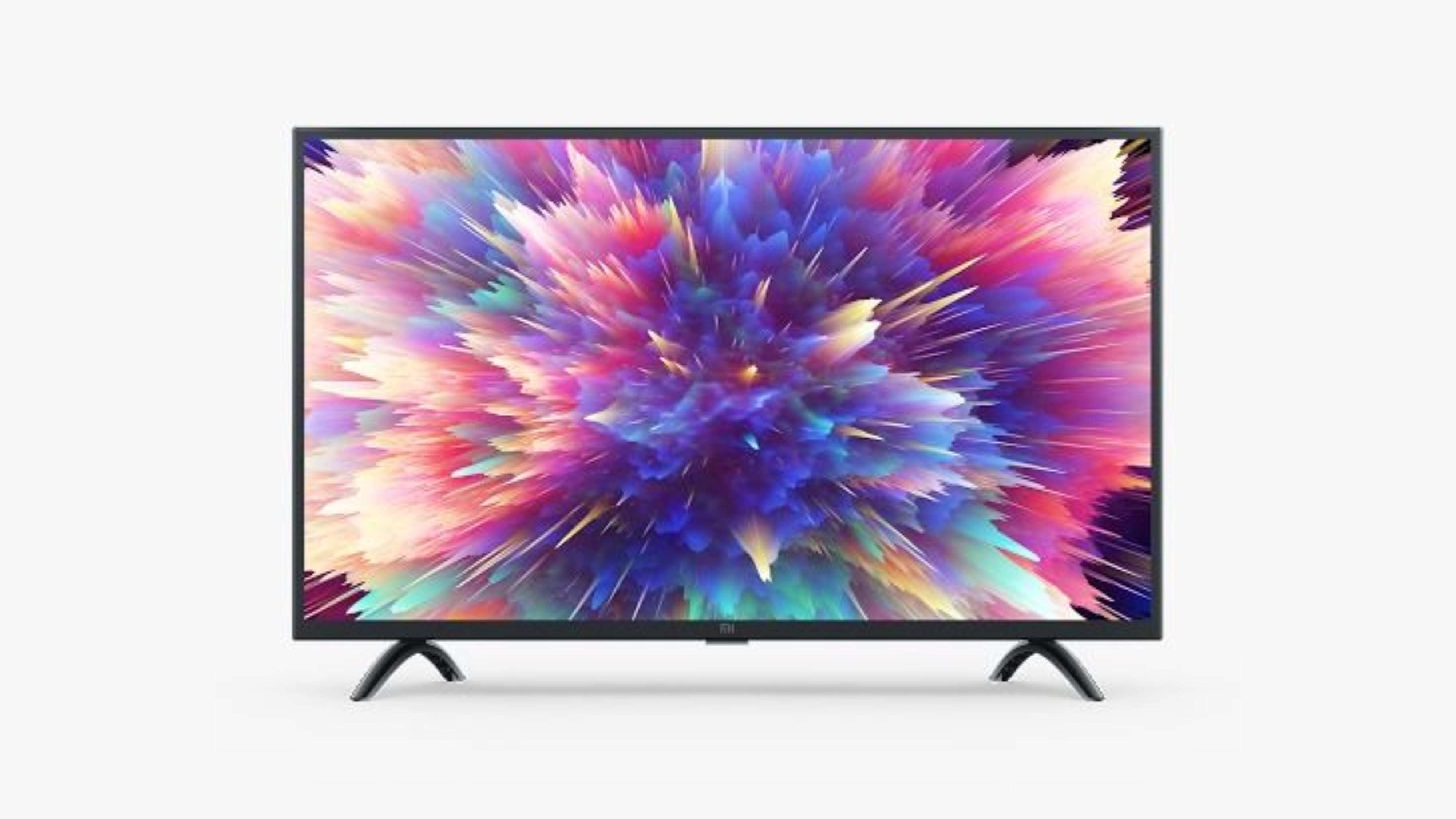
Apart from smartphones, Xiaomi is also known for its value for money smart televisions. The company’s Mi TVs are not only popular in China but also in India. Lately, the firm has been bringing its TVs to more markets. It looks like the company will continue this momentum as a new Mi TV with codename ‘Croods’ has appeared on Google Play Console.
Xiaomi Mi TV ‘Croods’ | Source: Google Play Console
An unknown Xiaomi Mi TV codenamed ‘Croods’ has been spotted by 91Mobiles. The listing reveals the chipset, RAM, screen resolution, and operating system of this television.
First and foremost, the upcoming Mi TV Croods will be powered by MediaTek t31 SoC paired with 2GB RAM. This chipset will consist of 4 x ARM Cortex-A55 cores clocked at 1.2GHz for CPU. As for graphics, it will include an ARM Mali G52 GPU clocked at 550MHz.
The TV screen size is not known but it is said to come with a resolution of 1920 x 1080 pixels (FHD) and 320 DPI. This suggests the television to be a budget model. Lastly, on the software front, it will run Android TV 10. Also, we can expect Xiaomi to ship this Mi TV with PatchWall content aggregation service.
Although nothing else is known about this forthcoming Mi TV, we can look forward to features like Play Store, Chromecast Built-in, Google Assistant, and support for leading streaming apps since the television is listed to come with Android TV.
As of now, there’s no official announcement from Xiaomi regarding the launch of a new Mi TV in any market. So it is not sure what this television be called and in which regions it will be made available.
Intel, after losing a lawsuit for patent infringement related to chip-making technology filed by VLSI Technology, has been told by a federal jury in Texas to pay $2.18 billion. It is one of the largest patent-related damage award in the U.S. history.
The chip-making giant says that it is going to appeal the judgement. VLSI Technology had claimed that Intel infringed two of its patents, which were in private access. The jury recognized $1.5 billion for infringing one patent and $675 million for infringing another.
The jury rejected Intel’s denial of infringing the patents and its argument that one patent was invalid because it claimed to cover work done by Intel engineers. In the argument, Intel lawyer William Lee of WilmerHale told that the patents had been owned by Dutch chipmaker NXP Semiconductors Inc., which would get a cut of any damage award.
He also argued that VLSI Technology, founded four years ago, has no products and its only potential revenue is this lawsuit. He also argued that the company was entitled to no more than $2.2 million.
One of the patents was originally issued in 2012 to Freescale Semiconductor Inc. and the other in 2010 to SigmaTel Inc. Freescale bought SigmaTel and was in turn bought by NXP in 2015. The two patents in this case were transferred to VLSI in 2019.
The patent damage award is about half of Intel’s fourth-quarter profit. Intel has been dominating the chips industry, which is worth around $400 billion, for decades but the company is now struggling to maintain its lead.
Realme officially started teasing the Realme 8 series with the teaser released yesterday confirming that the realme 8 Pro will pack a 108MP Samsung ISOCELL HM2 sensor. A new leak has now emerged suggesting that the model will be powered by Qualcomm processors.
The realme 8 series will be made up of the realme 8 and realme 8 Pro. According to the leak, the series will also have 4G and 5G versions. The leak also shows that the realme 8 4G will be powered by a Qualcomm Snapdragon 720G chipset. On the other hand, the 8 Pro will pack a Snapdragon 730G processor.
I asked him directly and he said he already hands on with the phone I recently. realme 8 series have both 4G and 5G version. Trust me, his OPPO/realme leak won't be a lie 😛 https://t.co/kgNx6eLseD
— CEO of Chun Corp (Tet forever) (@chunvn8888) March 2, 2021
if this turns out to be true, then the realme 8 will feature a significant change in the chipset from its predecessor. To recall, the Realme 7 came with a MediaTek Helio G95 chipset while the 7 Pro is powered by Snapdragon 720G. The realme 7 5G utilizes a Dimensity 800U processor. There is no word yet on the chipset onboard the 5G version. However, Realme recently launched the V15 5G in China with a Dimensity 800U chipset. The Realme 8 5G may therefore use the same processor. The decision to use older processors on the models may not be unconnected to the chip shortage that is bedeviling the industry presently.
We are yet to get any information about the launch date for the realme 8 series but we expect the company to reveal a date soon.
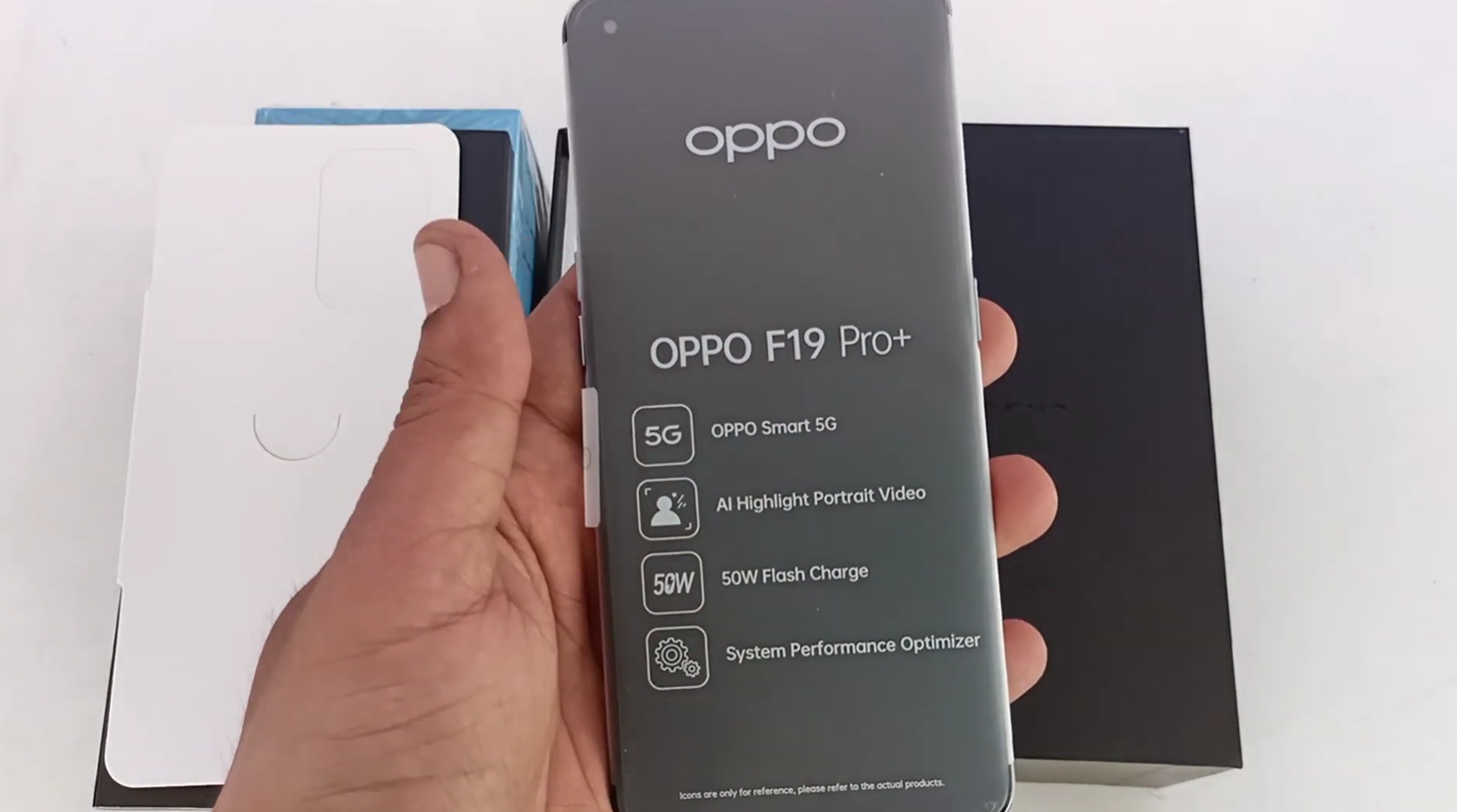
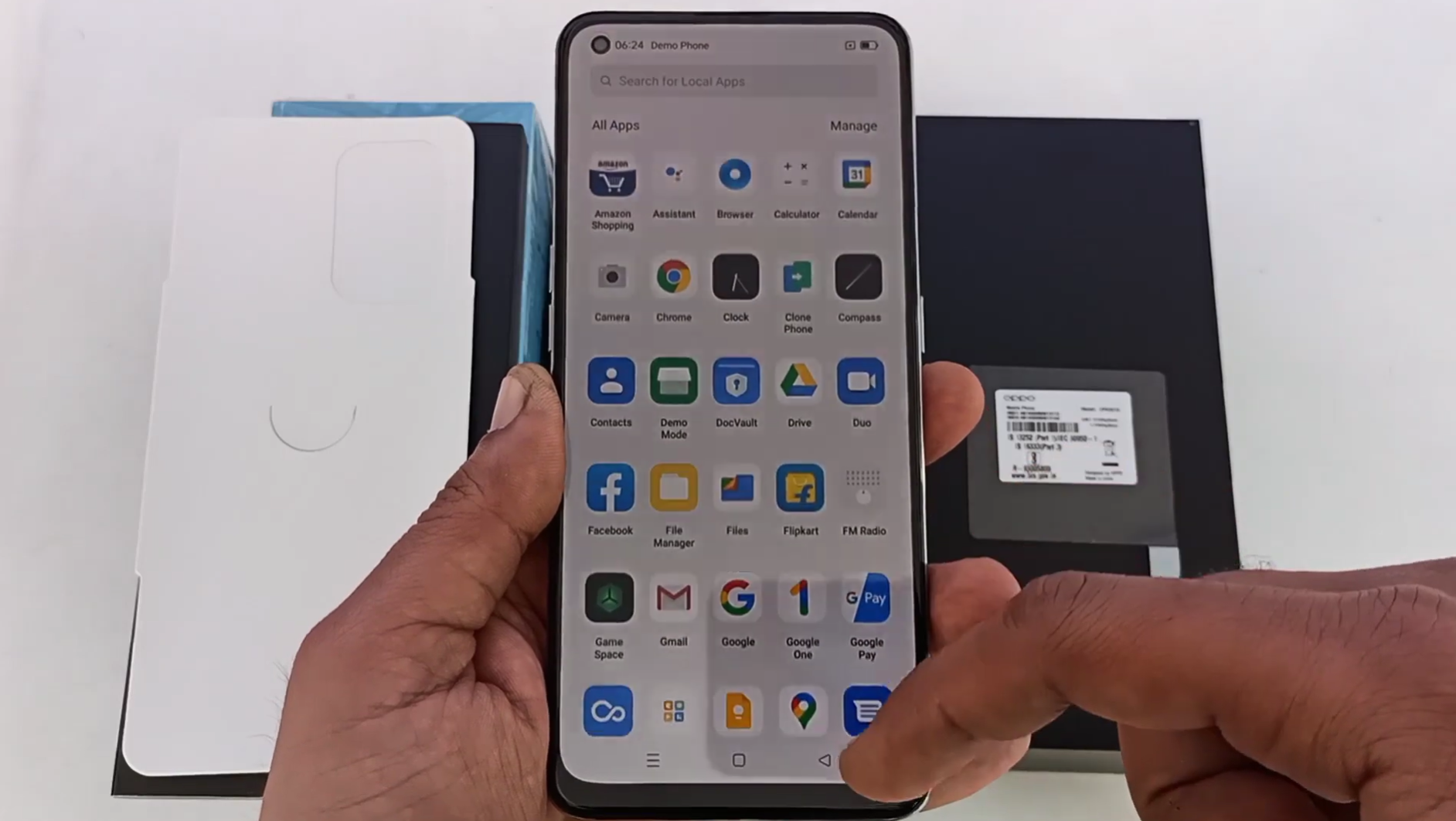
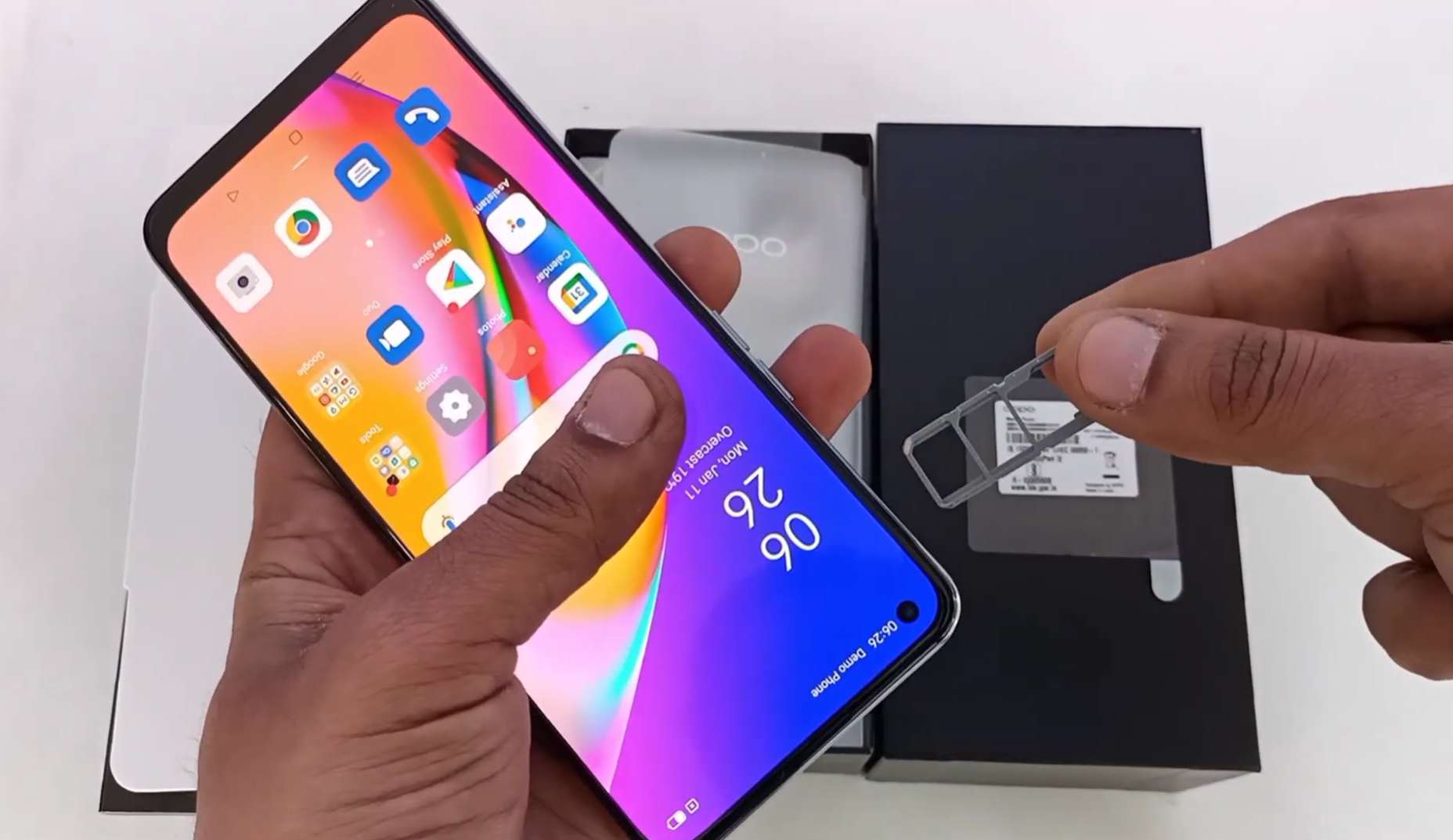
OPPO will be launching the OPPO F19 Pro and F19 Pro+ 5G smartphones in India on March 8. Ahead of the launch a hands-on video of the F19 Pro+ 5G has appeared on YouTube. Since the video has emerged before its official announcement, it could be taken down soon. Shown below are some of the screenshots that were taken from the video.
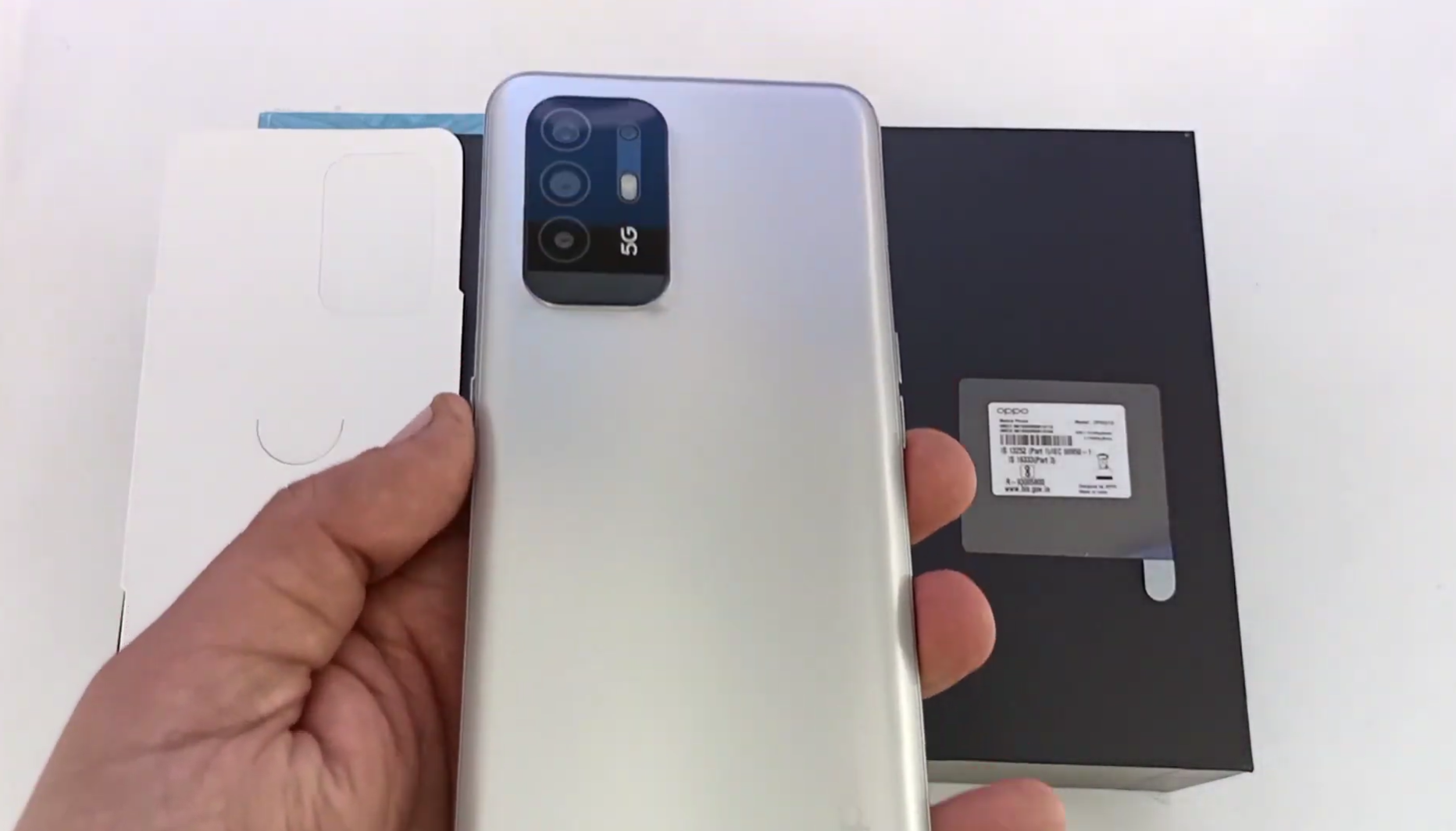
The video begins by showcasing the blue-colored retail package of the F19 Pro+ 5G. A rear view of the device reveals that its model number is CPH2213 and it is equipped with 8 GB of RAM and 128 GB storage. The label present on the bottom side of the device reveals that it has a 16.34cm display (6.43-inch), a front camera of 16-megapixel, and it weighs 173 grams.
1 of 5
OPPO F19 Pro+ 5G
OPPO F19 Pro+ 5G
OPPO F19 Pro+ 5G
OPPO F19 Pro+ 5G
OPPO F19 Pro+ 5G
The plastic film placed on the display of the OPPO F19 Pro+ 5G states that it will offer key features like Smart 5G, AI highlight Portrait Video, 50W Flash Charge, and System Performance Optimizer. Apart from the handset, the retail box includes a charger, earphones, a USB-C cable, and a SIM tray ejector.
At the front, the OPPO F19 Pro+ 5G has a punch-hole display with a slightly thick chin. It features an in-screen fingerprint reader. The curved edged back panel of the device has a rectangle-shaped camera island. It includes four cameras, an LED flash, and a 5G branding. Shown in the video is the Space Silver color variant of the device.
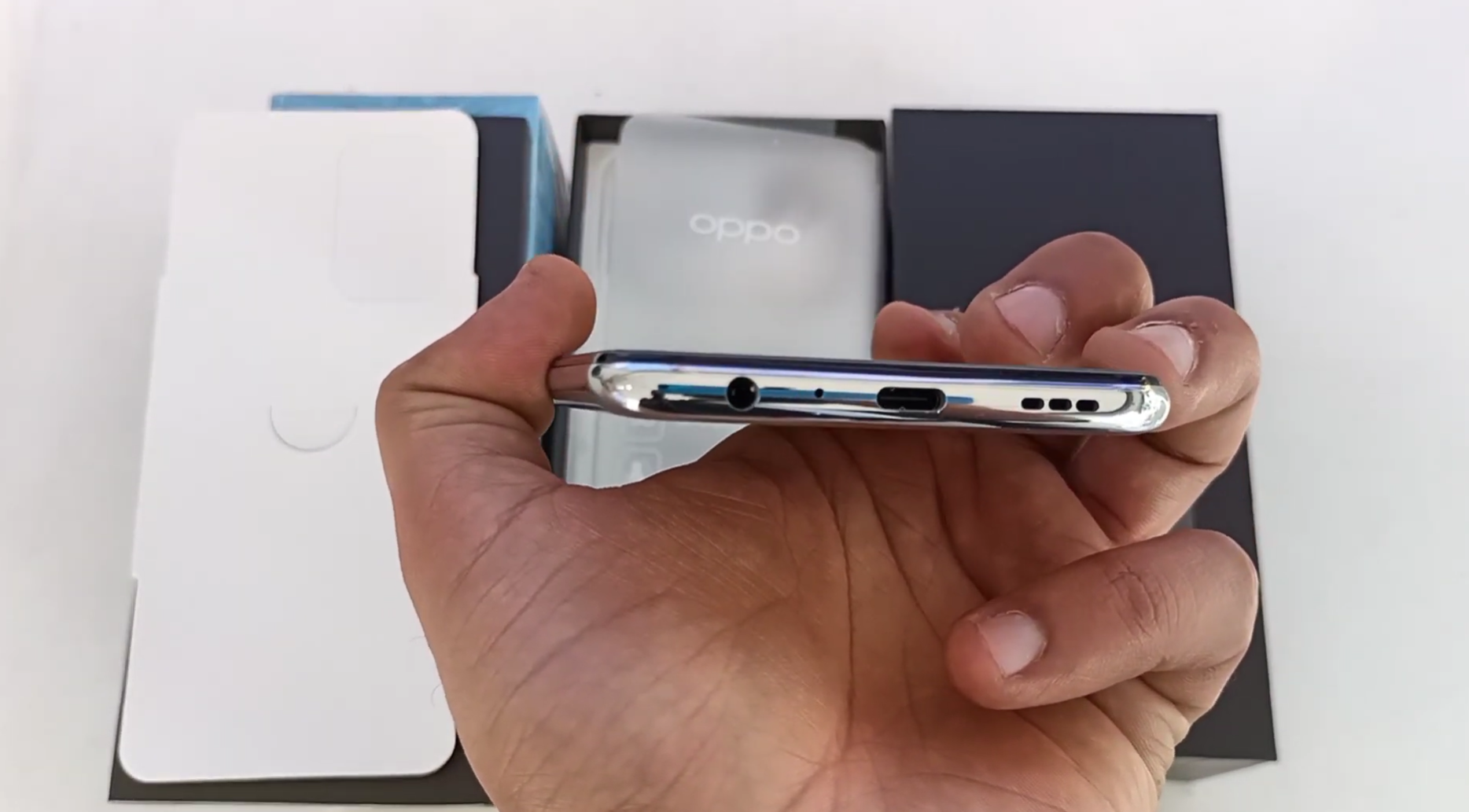
The volume up and down buttons are available on the left side of the F19 Pro+ 5G. Its right edge has a power button. The bottom edge of the phone features a 3.5mm audio jack, a USB-C port, and a loudspeaker grille. Rumors are rife it has an AMOLED screen, Dimensity 800U chip, and a 4,500mAh battery.
Samsung is among those rare smartphone makers that also makes their own chipsets and the South Korean giant has now started focusing on further development of its processors to make them compete with the the high-end offerings from its rivals.
This year, the company is expected to launch three new Exynos chipsets in the market which includes a mid-range 800-series chip, a high-end 1200-series and a flagship 2200-series. Two of them, 1200-series and 2200-series chips are expected to feature GPUs based on AMD’s RDNA architecture.
There are also reports that the South Korean giant is working on two different versions of the Exynos 2200 chipset — one for the Android smartphones and another for the laptops. Both are expected to share similar architecture but tuned for different form factors.
Samsung is working with AMD for developing a custom GPU and the company will demonstrate the graphics processor in June this year. The chipsets with this new GPU are expected to launch at a later date and the devices powered by them are expected to go official in the next year.
The Exynos 2200 version being developed for laptops will be used to power the Windows 10 laptops and could go official in the third or fourth quarter of this year. So far, Samsung has been relying on Qualcomm chipsets for laptops running Windows on ARM system.
We use cookies on our website to give you the most relevant experience by remembering your preferences and repeat visits. By clicking “Accept”, you consent to the use of ALL the cookies.
This website uses cookies to improve your experience while you navigate through the website. Out of these, the cookies that are categorized as necessary are stored on your browser as they are essential for the working of basic functionalities of the website. We also use third-party cookies that help us analyze and understand how you use this website. These cookies will be stored in your browser only with your consent. You also have the option to opt-out of these cookies. But opting out of some of these cookies may affect your browsing experience.
Necessary cookies are absolutely essential for the website to function properly. This category only includes cookies that ensures basic functionalities and security features of the website. These cookies do not store any personal information.
Any cookies that may not be particularly necessary for the website to function and is used specifically to collect user personal data via analytics, ads, other embedded contents are termed as non-necessary cookies. It is mandatory to procure user consent prior to running these cookies on your website.