Recently, we saw a review of how products like smartphones, Smart Speakers performed in the Indian market in 2020. Now, a new report by IDC takes us back to last year to tell us how tablet devices sold in the country.
According to the report, the heart of the tablet device demands was around $100-200 which is a no-brainer. 2020 was an unusual year in the last decade as people were forced to study and work from home due to the COVID-19 pandemic. This meant the demand for tablets started rising rapidly.
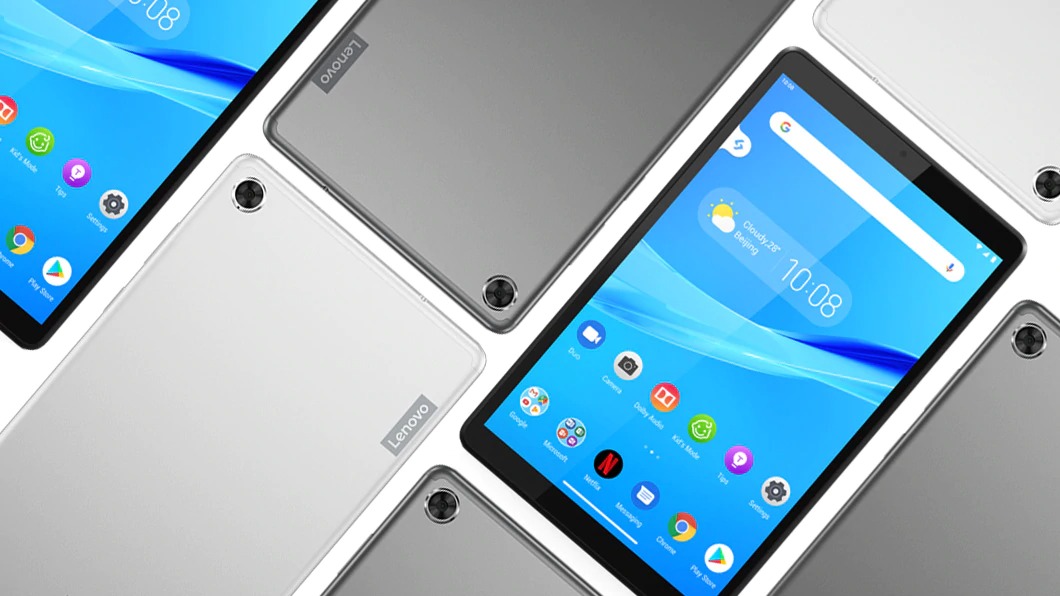
As a result Tablet vendors got the most of 2020 when it comes to shipments. Especially, Lenovo, whose tablets are very popular, registered a whopping 153% YoY growth despite facing a 15.1% decline in the commercial segment. It is the market leader with a 39% market share in India.
Anyway, the report says that a total of 2.8 million units of tablet devices shipped in India last year. This translates to a 14.7% YoY growth and it is the first positive growth in the last 4 years. Out of this, consumer shipments account for 59.8% YoY growth over 2019 whereas commercial shipments plummeted by 14.3%.
Credit: IDC
The Chinese giant Lenovo is followed by companies like Samsung, Apple, iBall, Huawei, and others. Samsung went a step above Lenovo and saw a 157% YoY growth. The company brought promising tablets like the Galaxy Tab A7 2020 to help boost sales.
Despite struggling with stocks initially, Apple managed to jump back to 3rd in the tablet segment in India. Its growth reached 13% YoY while companies like iBall faced a 69.4% decline in shipments.
Last but not the least, seeing Huawei on the list is a bit of a surprise considering the tussle with the US it’s been facing. The report says that Huawei saw a Tri-fold growth in the tablet segment in 2020 in India. Attractive price points and online Ads helped the company pull this kind of numbers.
A few weeks ago, it was reported that Xiaomi’s Mi Pad line of tablets will be getting a new model this year. For fans of Xiaomi and its tablet line at large, that is definitely good news considering the last model, the Mi Pad 4, was released in 2018.
Xiaomi’s last tablet, the Mi Pad 4, was released in 2018
A new Mi Pad tablet for a reviving segment
It is no surprise that Xiaomi has been missing from the tablet scene for a while considering the fact that the segment had shrunk in the past few years. However, the tablet market recorded growth last year as a result of the COVID-19 pandemic which has forced students to resort to online schooling. There is a possibility that this growth is what has prompted Xiaomi to want to revive its tablet line. Nevertheless, I am of the opinion that if Xiaomi is going to release a new tablet, it should not run Android but Chrome OS, at least the variant that will be sold in international markets.
Before diving into the reasons behind this opinion, let us take a brief look at the history of the Mi Pad line.
Mi Pad – a poor update history
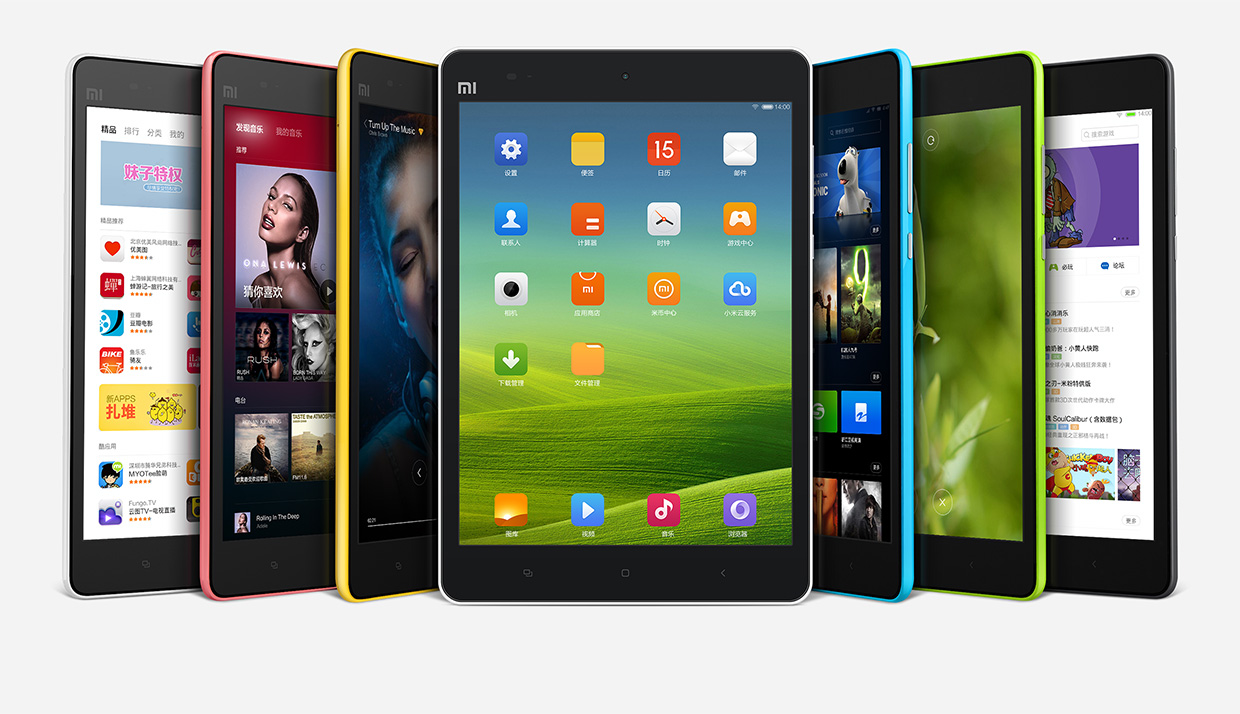
The first Xiaomi tablet was released in 2014 and it launched as the Mi Pad 7.9. It had a 7.9-inch screen, an NVIDIA Tegra K1 processor, 2GB of RAM, 16GB or 64GB of storage, and a 6700mAh battery. The tablet ran MIUI 7 based on Android 4.4.4 KitKat out of the box. It was updated to MIUI 8 but never had its Android version upgraded.
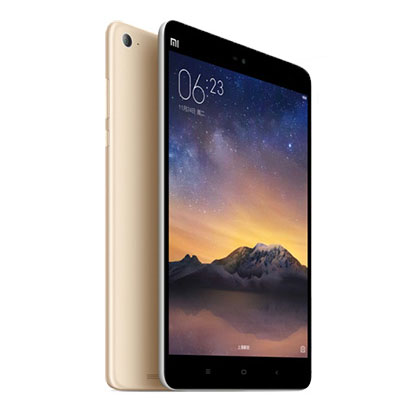
Xiaomi followed it with the Mi Pad 2 in November of 2015. It had a similar screen but swapped the NVIDIA processor for an Intel Atom X5-Z8500. It also had a smaller 6190mAH battery. The RAM and storage capacities were unchanged from that of the first-gen model. It also ran MIUI 7 based on Android 5 Lollipop.
1 of 4
Mi Pad 7.9
Mi Pad 2
Mi Pad 2 Featured
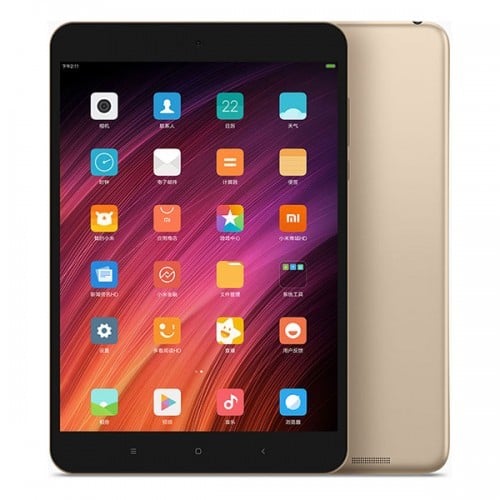
Mi Pad 3
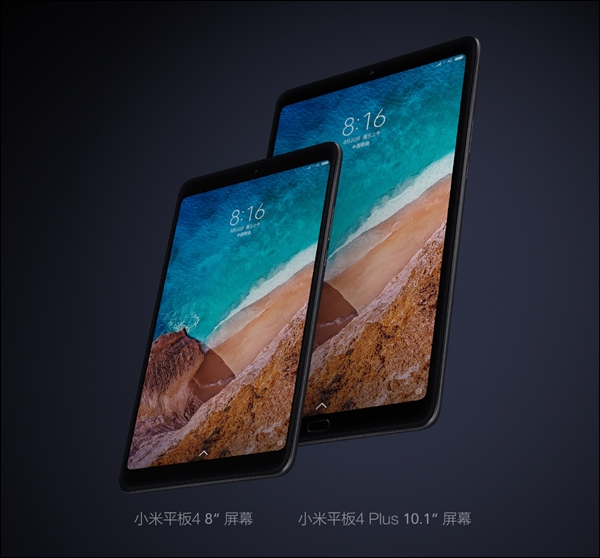
Mi Pad 4 and Mi Pad 4 Plus
The Mi Pad 3 came two years later in 2017 with a 7.9-inch screen as the first two models, thankfully with more RAM at 4GB, and a single 64GB storage option. Xiaomi once again switched chipset brands by going with a MediaTek MT8176 processor. Unfortunately, it didn’t have a MicroSD card slot but it came with a bigger 6600mAh battery. This ran MIUI 9 based on Android 7 Nougat out of the box but never got updated to MIUI 10 and neither did it get an Android version upgrade.
The Mi Pad 4 and Mi Pad 4 Plus were announced in June and August of 2018 respectively. The standard version had an 8-inch screen while the plus model ad a 10.1-inch screen. Both came with Qualcomm’s Snapdragon 660 chipset with 3GB or 4GB of RAM and up to 128GB of storage. Xiaomi also brought back the MicroSD card slot and also added 4G. The smaller one had a 6000mAh battery while the larger model packed an 8620mAh battery. The Mi Pad 4 ran MIUI 9 based on Android 8.1 Oreo while the Mi Pad 4 Plus ran MIUI 10 based on Android 8.1 Oreo. Neither of the two tablets got updated to MIUI 11 nor did they get an Android upgrade.
As you can see, Xiaomi was pretty poor at updating the Mi Pad series. Now that it has a new tablet in development, what are the chances that this tradition won’t continue?
Why Chrome OS?
Why Chrome OS? There are several reasons as to why the next Mi Pad should run Chrome OS but the key advantage is software support. The average Chrome OS device gets software support for no less than five years. Last year, Google revealed that Chrome OS devices will now be supported for even longer as devices such as the Lenovo 10e Chromebook Tablet and Acer Chromebook 712 will receive updates until June 2028. That is 8 years of software support!!!
There are other advantages that Chrome OS brings:
Support for Android apps – Chrome OS has native support for Android apps, so there is no complaint of a limited app library.
Regularly updated with new features – Chrome OS is also regularly updated. Unlike Android that you have to wait nearly a whole year before you get significant changes, that is not the case with Chrome OS. Full OS updates arrive every 6 weeks with new features while minor updates such as security fixes are released every 2- 3 weeks.
Shallow learning curve – Chrome OS is easy to operate. A lot of keyboard shortcuts from Windows and macOS work the same way in Chrome OS. Also, there is Google Assistant available which you can call up to perform several tasks.
Chrome OS is a growing market Xiaomi can profit from
There are several Chrome OS devices available. That is not surprising considering this year makes it a decade since it was first released. However, the first Chrome OS tablet, the Acer Chromebook Tab 10, didn’t launch until 2018.
Now, there are more but still not enough options. Not only that, the few available Chrome OS tablets are sold in very few regions. By launching a Chrome OS tablet, Xiaomi can grab a share of a growing market. It already has its presence in several countries, a lot of which have very few or no Chrome OS tablets. Take India for example, which is a key market for Xiaomi. The Lenovo Ideapad Duet Chromebook is the only Chrome OS tablet sold in the country.
Last year, Chrome OS devices outsold devices running Apple macOS. The growth of Chrome OS is expected to continue as e-learning continues in the second year of the COVID-19 pandemic. Xiaomi definitely doesn’t want to miss out on having a share of this cake.
A dual OS strategy
Fans of the Mi Pad 2 will notice I didn’t mention an important feature of the Mi pad 2. Actually, I didn’t forget as this is a better chance to talk about it.
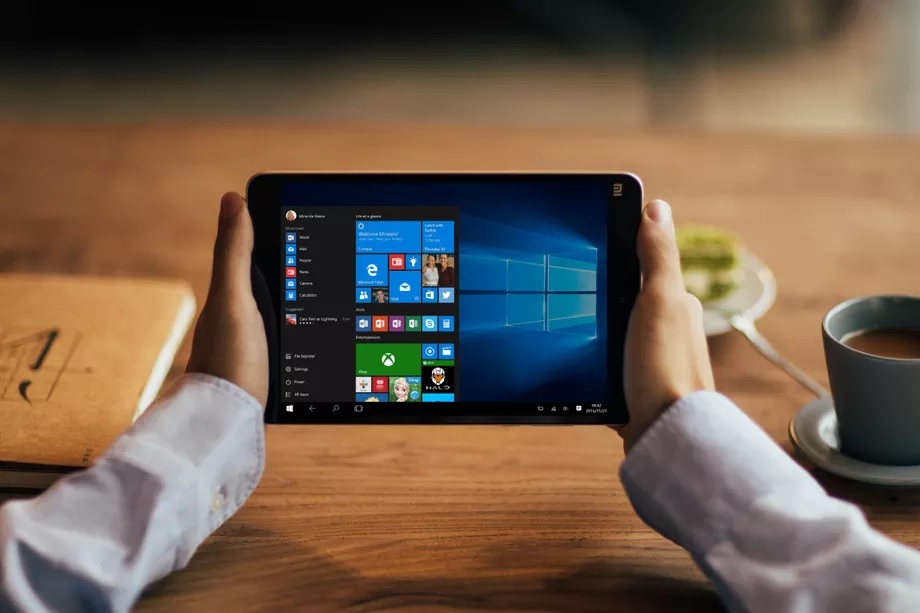
The Mi Pad 2 actually launched with two different operating systems. You could pick up the tablet with either Android pre-installed or with Windows 10. The Windows 10 version launched a few months after and was available in only one storage variant – 64GB of course, for obvious reasons.
The Mi Pad 2 had a version that ran Windows 10
Xiaomi can go the same route with its next tablet by launching it in Chrome OS and Android versions. This way, folks who want a tablet running the Android-based MIUI are not left out while those who want Chrome OS can also pick it up. Sales of both variants should also help Xiaomi determine if it wants to continue with a dual OS strategy or stick to one.
Expected specifications and price for the upcoming Mi Pad
We don’t know how much the new tablet will cost neither do we know its specifications but here are the features and price range we will love to see:
10-inch/10-inch+ FHD display (of course with stylus support)
Side-mounted fingerprint scanner and or Face Unlock
7000mAh battery capacity
30W/33W fast charging (though we won’t be surprised if Xiaomi goes with 18W fast charging)
Bluetooth 5.0
USB-C with support for display output
Stereo speakers
3.5mm audio jack
Optional 5G
Accessories
Chrome OS is a productivity device and this feature is enhanced with the right accessories. Chrome OS tablets like the Lenovo Ideapad Chromebook Duet come with a detachable keyboard in the box and also has support for USI styluses. Xiaomi has a number of companies under its ecosystem that manufactures keyboards and mice, so making an affordable detachable keyboard for the Mi Pad shouldn’t be difficult.
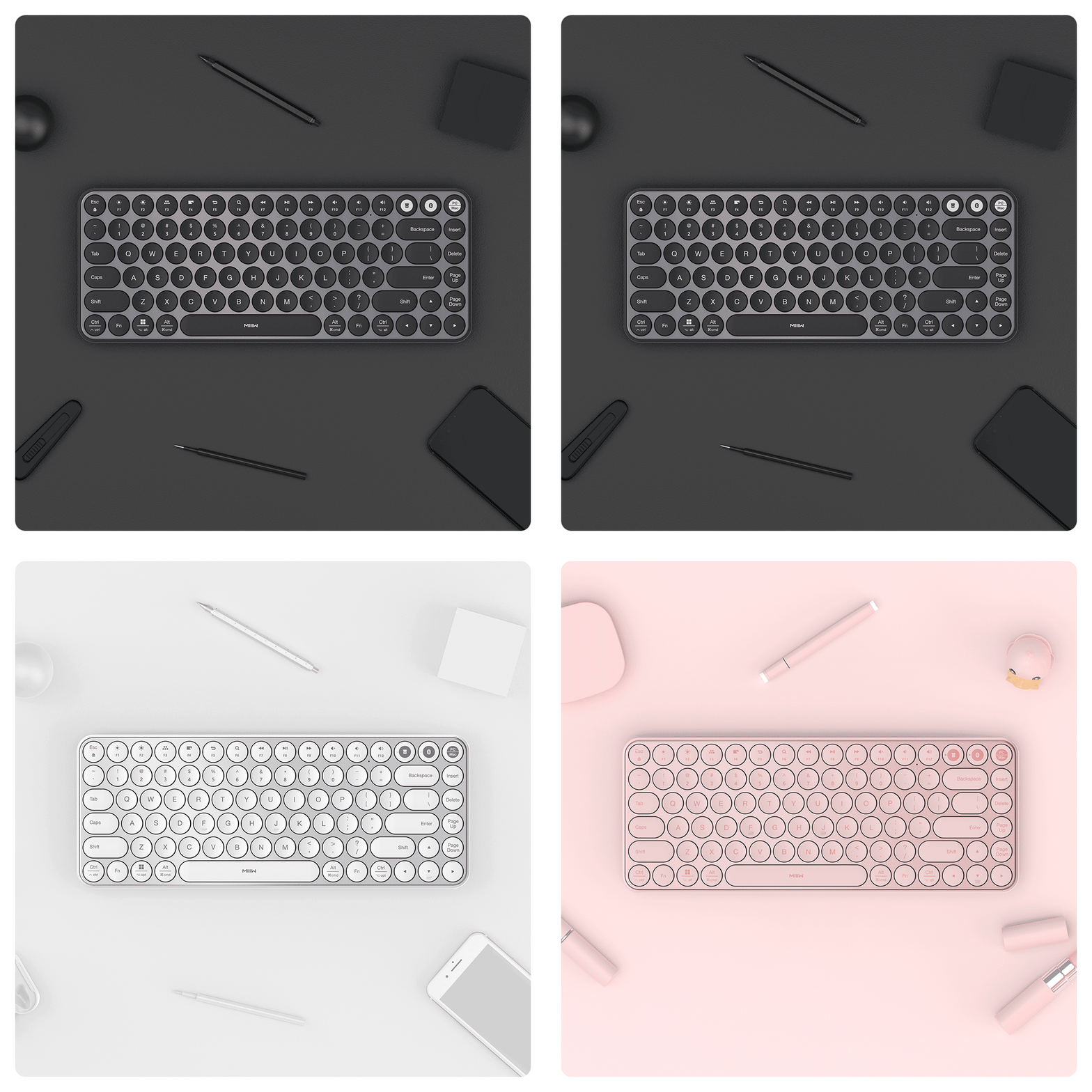
MIIIW, a company under Xiaomi’s ecological chain makes Bluetooth keyboards that cost as low as ¥149 (~$23)
However, the stylus is a device Xiaomi has no experience with. The good thing about Chrome OS devices with touch displays is that they have support for the USI (Universal Stylus Initiative) standard. This allows for devices that support the standard to be able to use supported active styluses from different brands. So if Xiaomi decides not to manufacture a stylus, buyers can pick one from any third-party manufacturer. You can also read my thoughts on why more manufacturers should add support for a stylus on a smartphone.
Price
For the above specifications, we can expect the 4GB + 128GB version to sell for $250 with a bundled keyboard and kickstand case while the 6GB + 128GB version can sell for $280. A 5G version with the same configuration as the top-end model can sell for $329. If Xiaomi does decide to make a USI stylus, we expect it to have a price tag of $39.
Of course, these are just our speculations and we’ll have to wait and see for some concrete information.
Conclusion
Xiaomi’s poor update history with respect to the Mi Pad line is going to be a major reason for some folks to avoid its next tablet. However, it can win back these customers and gain new ones by launching a Chrome OS tablet that is assured of longer software support than practically all Android devices, phones, and tablets. This is also Xiaomi’s chance to get into the Chrome OS tablet market, one that has very few players and even fewer products for consumers.
It is important to state that the chance of Xiaomi launching a Chrome OS tablet so soon is really slim, though we won’t rule out the possibility of it happening. Also, Xiaomi’s attitude to its mobile devices not running MIUI (its Android One and Android Go phones) shows that it will try to avoid launching a device it can’t put its customized version of Android on.
What do you think about Xiaomi launching a Chrome OS tablet? Do share your thoughts with us in the comment box below.
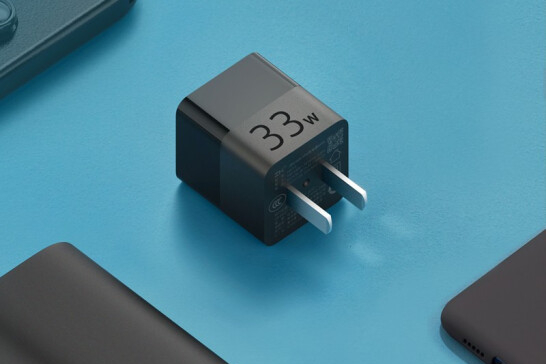
Earlier this week, Xiaomi launched Mi GaN Charger Type-C 33W in its home country China in a single white color option. A few days later, ZMI has also released the same product but in black color. It is called ZMI 33W GaN Charger Mini and is also priced at ¥79 ($12), just like the Mi-branded charger.
For those unaware, ZMI is one of the members of the Xiaomi ecological chain. The company is known for manufacturing power banks and chargers for Xiaomi. Hence, it is not surprising to see the same charger being sold with both ZMI and Mi brandings.
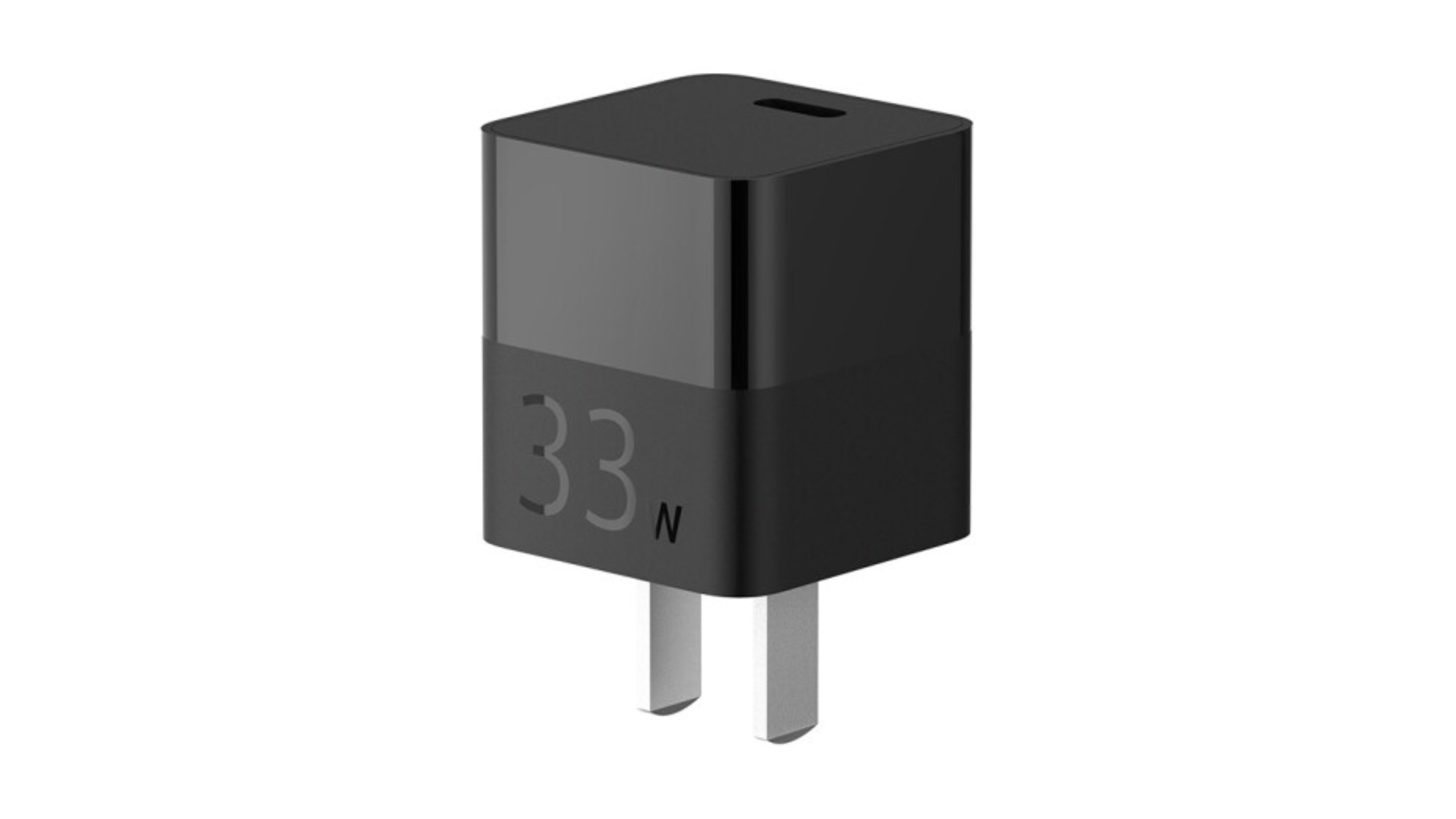
Although the two chargers are identical in terms of specs as well as price, they differ by appearance. The Xiaomi model features a glossy finish with white color paintjob and ‘Xiaomi 33W’ writing on one of the sides. On the other hand, the ZMI product has a dual-tone (glossy, matte) black color finish with a ‘33W’ text.
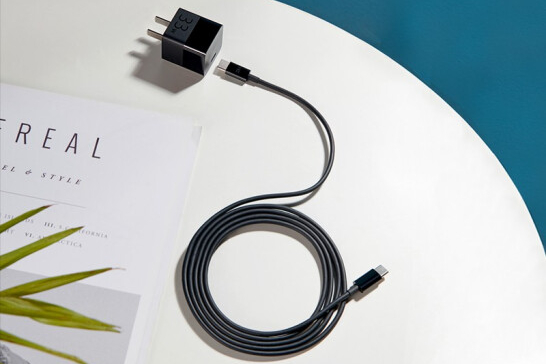
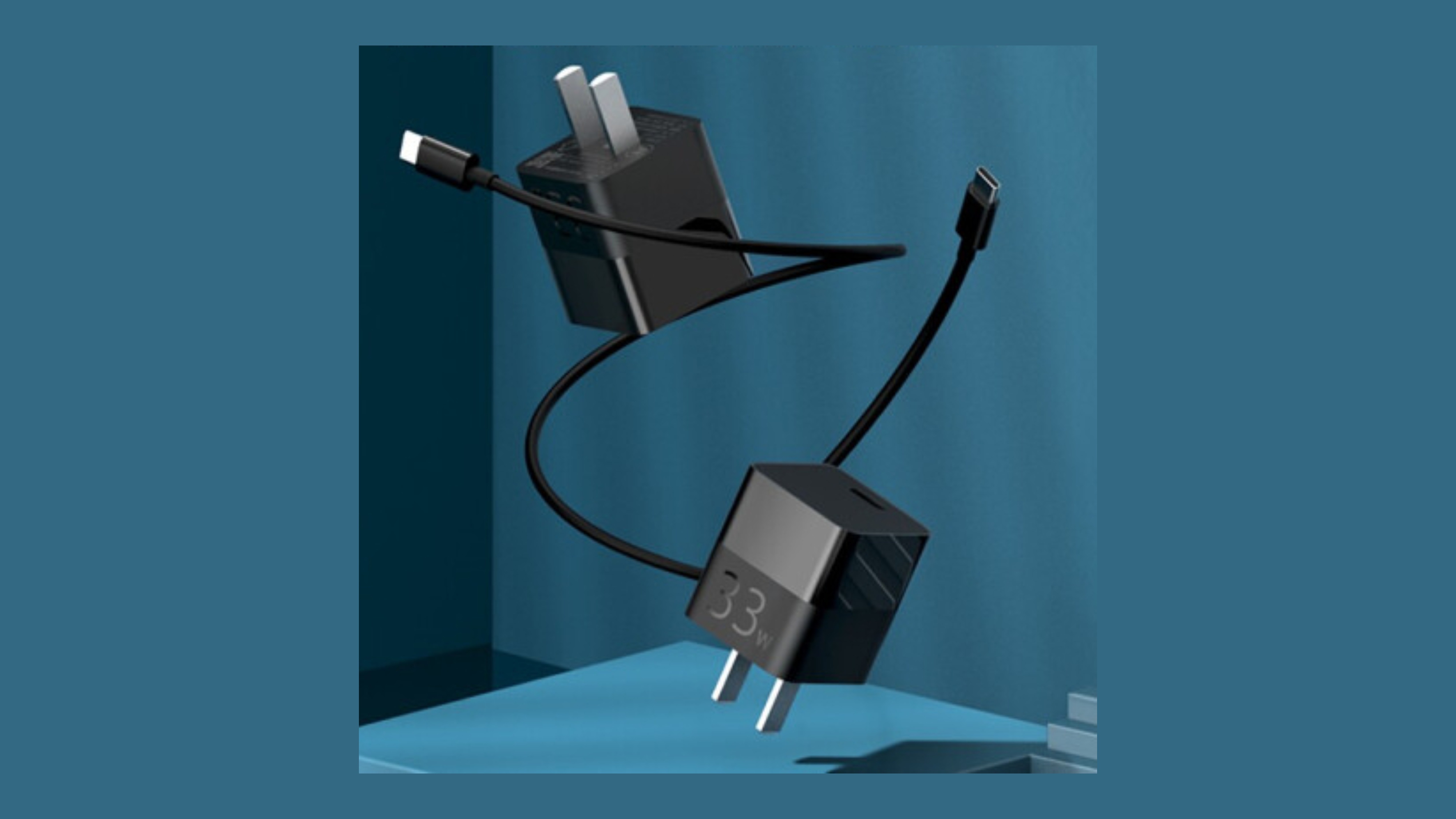
Talking about specifications, the ZMI 33W GaN Charger Mini with model number HA715 supports up to 33W output. It features a USB Type-C port and also ships with a USB Type-C to Type-C cable.
1 of 3
The charger is compatible with all smartphones and tablets, including iPhones as well as iPads. As the name suggests, it uses GaN (Gallium Nitride) instead of silicon, and therefore, it is smaller than regular chargers with an identical maximum output rate.
Last but not least, the new ZMI charger measures 30.4 x 30.4 x 34mm in dimensions and weighs 50g.
It’s been one and a half years since Lenovo announced the last versions of the Galaxy Tab M7, and M8. The successors to these are already long overdue. Recent Geekbench listing suggested that a new Lenovo Tab with Model number TB-7306F could debut as the 2021 Tab M7 model. Now, a Google Play console listing shows specs of the Lenovo Tab M8 (3rd Gen).
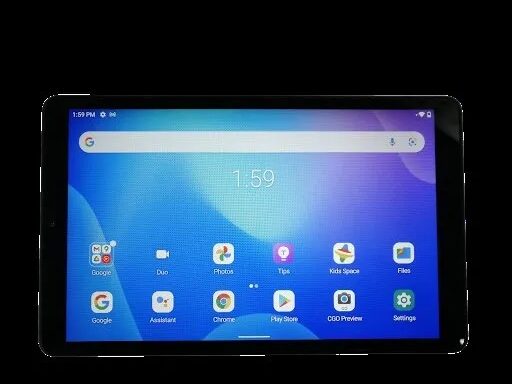
Rep Image: Lenovo Tab M8 3rd Gen Credit: GoAndroid
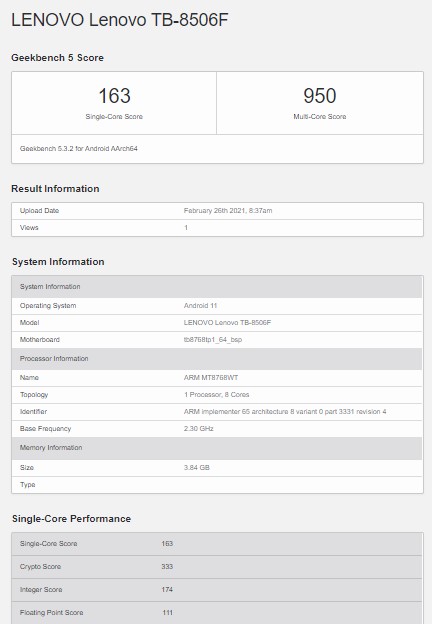
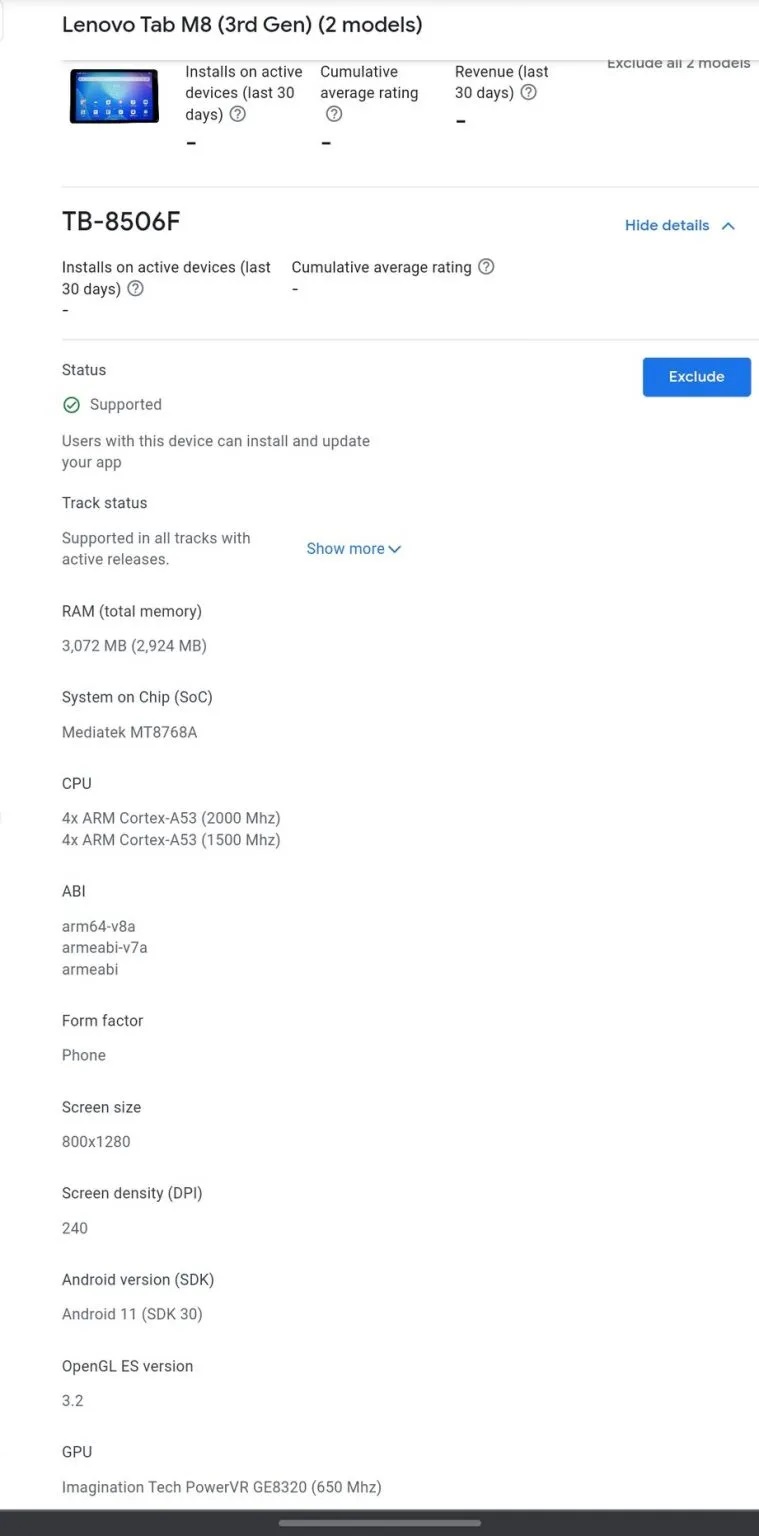
The listing via GoAndroid shows a new Lenovo Tablet with model number TB-8506F. The name of the tablet appears as the Lenovo Tab M8 (3rd Gen) and the SoC is the MediaTek MT8768A. Searching this model number on the Geekbench database yields us the results as below.
Contrary to the Google Play Console, the Geekbench listing shows the chipset as MediaTek MT8768WT. That said, the chipset could just be the MediaTek Helio P22T found on its own tablets like Lenovo Tab M10 HD but we will have to wait for the official info.
Moving on, the display seems to have a resolution of 800×1280 pixels which suggests that Lenovo is sticking to just over HD format. And going by the naming, it should measure 8-inches. Other specs include 3GB RAM, Android 11 OS. Although the Geekbench suggests a 4GB RAM variant, we would put a pin on that until the launch.
1 of 2
Lenovo Tab M8 (3rd Gen) Geekbench
Lenovo Tab M8 (3rd Gen) Google Play Console, Credit: GoAndroid
Lenovo has constantly been performing well in the tablet segment despite scattered launches. It has shipped about 5.6 million units in Q4 2020 and secured an 8.6% market share. Let’s wait and see how the company manages to price the 2021 versions to continue the momentum.
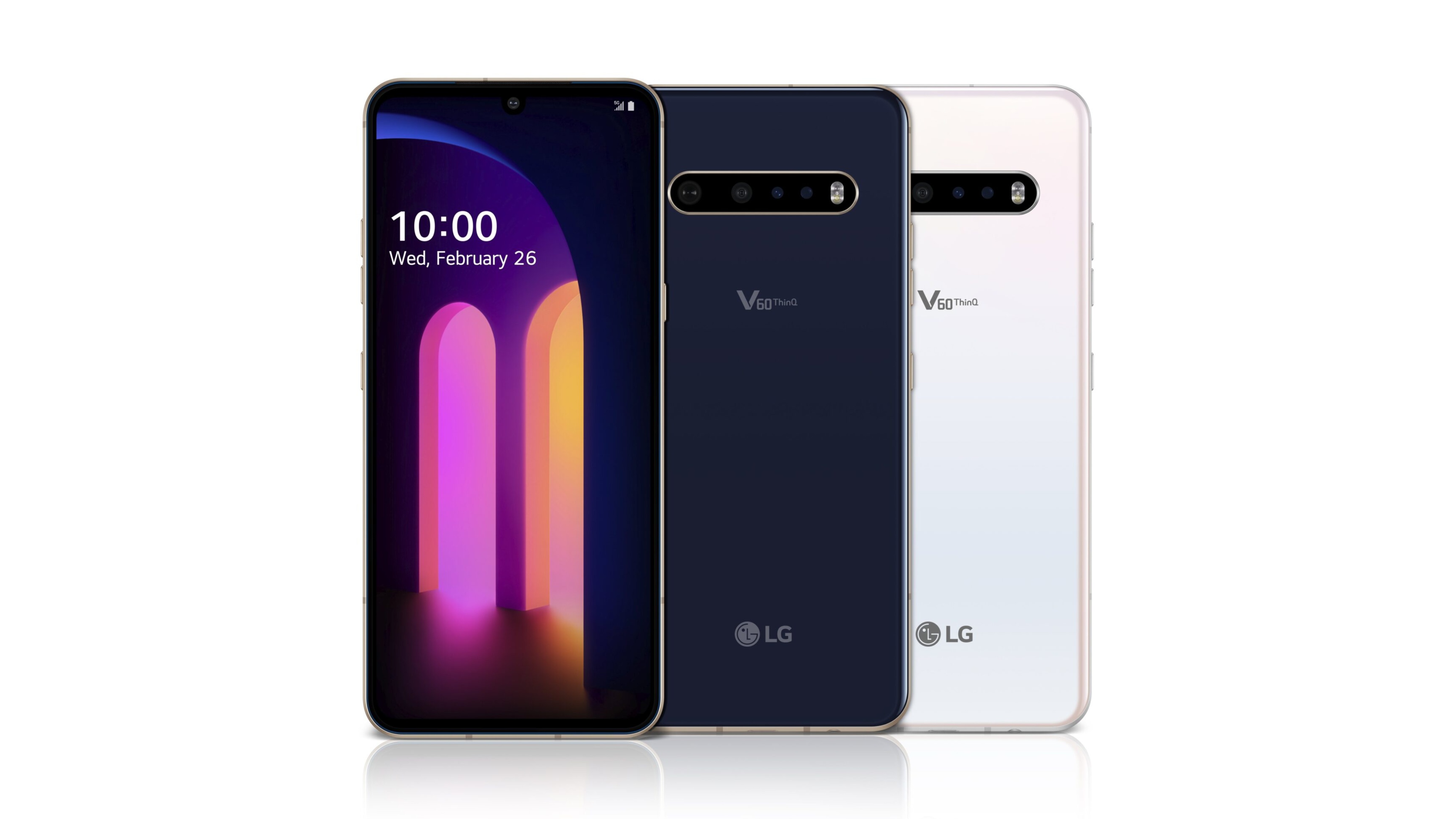
The LG V60 ThinQ 5G is the last-ever proper flagship smartphone from LG Electronics. It was unveiled in late February 2020 with Android 10 out of the box. A year after its announcement, the handset has finally started receiving the Android 11 update.
A few weeks back, LG began to roll out Android 11 for the LG Velvet 5G in South Korea. Hence, it became the first device in the company’s portfolio to get last year’s Android update.
Now, the electronics giant is seeding this update for LG V60 ThinQ 5G. As of now, the update is only live in the US. Also, it is only available for Verizon and T-Mobile variants. AT&T model is yet to receive the update but it should be getting very soon.
Interestingly, the Verizon variant’s Android 11 update comes with January 2021 security patch. On the other hand, the T-Mobile version’s build bumps up the security patch level to February 2021.
That said, if you happen to own any of these two models, then head over to Settings > About Phone > Software updates > Check for Update to check whether your unit has received the OTA update. If not, wait for a few days as it may take some time since it is being rolled out in batches.
As for other regions, there’s no official word from the company but those versions of LG V60 ThinQ should also get the Android 11 update in the near future.
Samsung launched a bunch of Galaxy E series devices back in 2015 starting with Galaxy E7. Then, it somehow vanished as the company’s strategy evolved and focused on the other Galaxy mid-range series and flagship devices. However, it looks like Samsung is bringing the series back again as the support page for a possible Galaxy E02 has gone live.
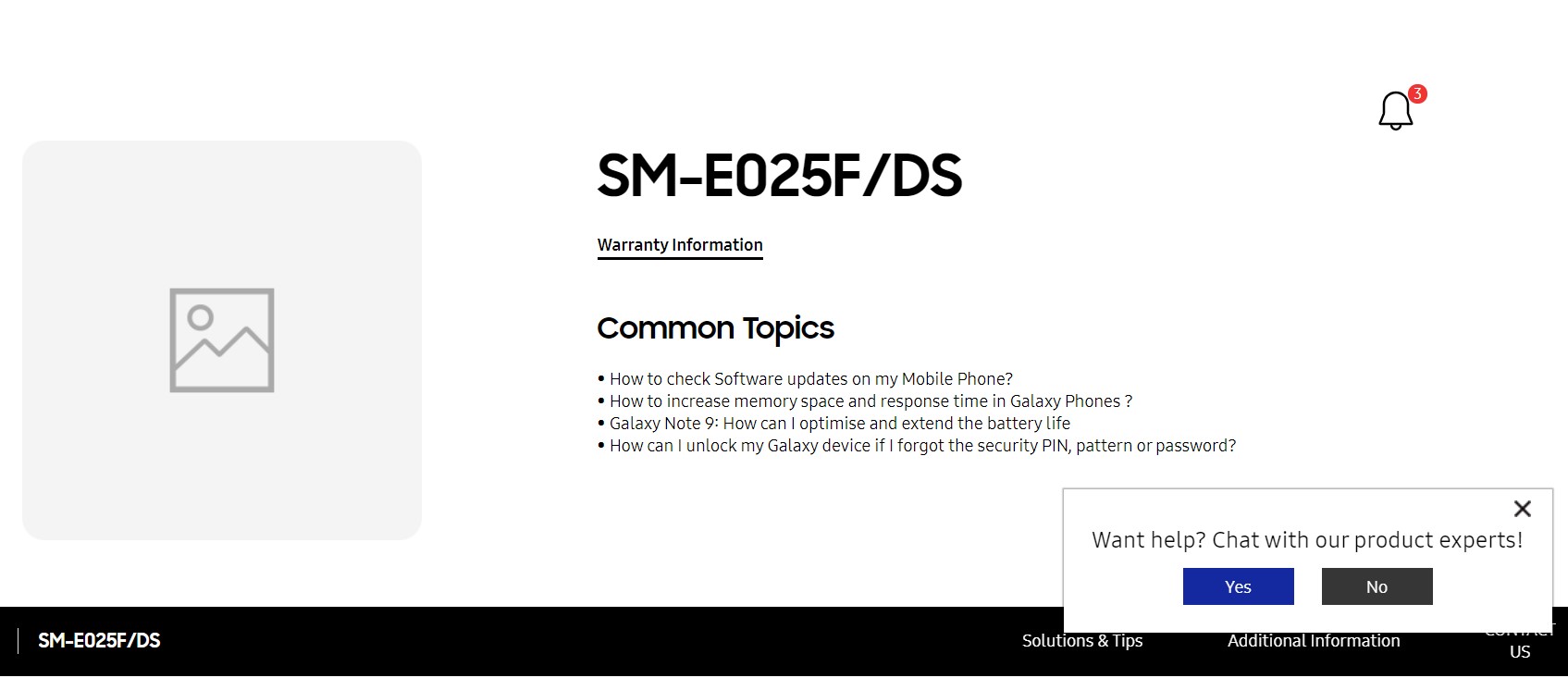
The support page for a new Samsung mobile with model number SM-E025F/DS has gone live on the Indian website. We can take cues of the device’s names from the model numbers. For instance, the recently launched budget Galaxy M02s in India has SM-M025F as its model numbers. In that case, this device could very well debut as the Samsung Galaxy E02.
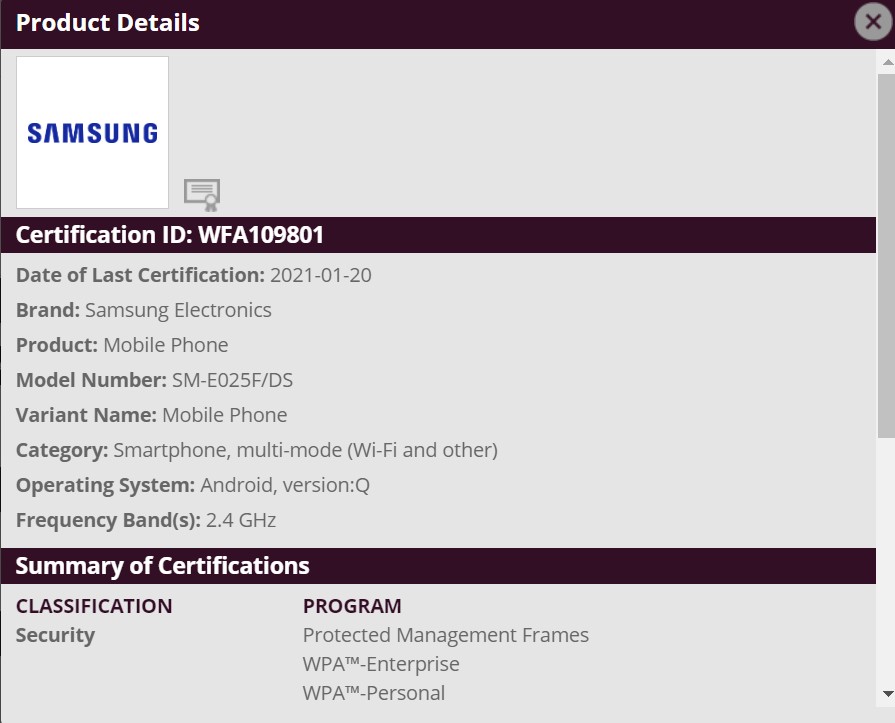
Apart from the support page, this model number has also been spotted on Wi-Fi Alliance and India’s BIS certifications a while ago. Here, the Wi-Fi certification reveals that the device supports Wi-Fi 2.4GHz and runs Android 10 OS.
1 of 2
Apart from this, we do not have concrete info regarding the specs and features of the devices yet. It is possible that Samsung might launch this device under a budget category and rumors say that it may launch under ₹10,000 in India.
Now, this is just a premature guess looking at the above listings and it could change any day in the future. Let’s wait for the official word to get an idea about what’s coming. Speaking of which, Samsung has already started teasing the Galaxy A32 in India and the specs and sale date are out.
The company is also expected to bring the 2021 Galaxy A5x, A7x successors, Tentatively the Galaxy A52, A72 very soon to the country.
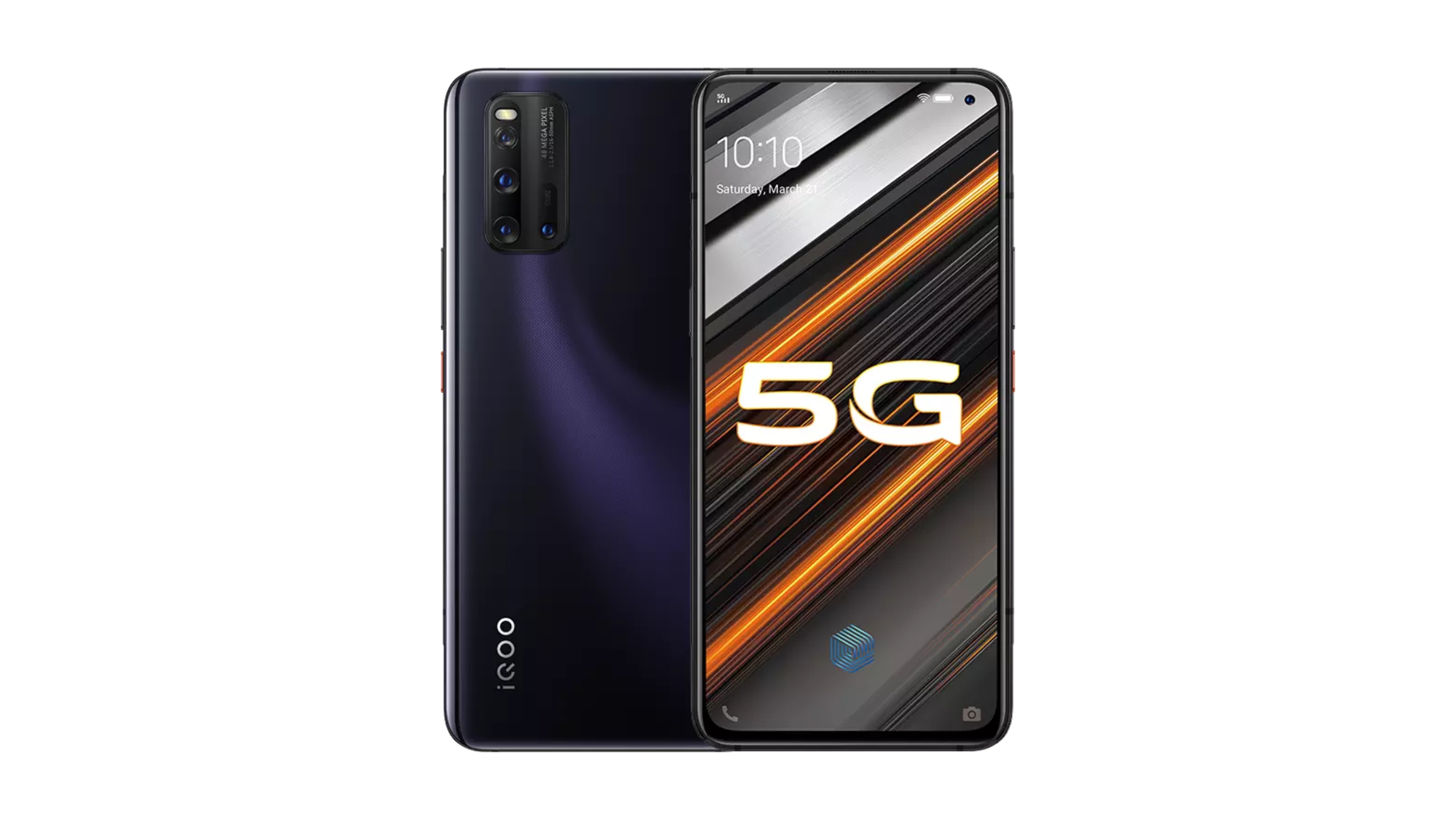
Last year, iQOO entered India with a single smartphone called iQOO 3. Despite being powered by Qualcomm Snapdragon 865, the handset was announced in both 4G and 5G versions. It has been a year since this device’s debut in the country but the brand has not announced any other model so far. However, it has dropped the price of the iQOO 3 several times. In fact, the phone now starts at only ₹24,990 ($340).
For those unaware, iQOO is an independent brand, which was formerly a series of performance-focused smartphones by vivo. Hence, just like POCO and Xiaomi, vivo shares its resources with iQOO.
The brand entered India without any ties with vivo India, which has been operating in the country for years. Hence, iQOO India being a new player could not market its device well enough on its own.
Additionally, the phone is plagued by poor software, as per critics and users. Also, though it was part of the Android 11 Beta program, it is yet to receive the stable update.
Further, as most of the smartphone sales in India happen under the $250 segment, it was hard for a newcomer like iQOO to sell a $500+ handset. As a result, it had to cut down the price many times.
Hence, the device is currently selling for the below-listed prices on its official online retail partner Flipkart.
Variant
Launch Price
Selling Price
iQOO 3 4G (8GB + 128GB)
₹36,990 ($503)
₹24,990 ($340)
iQOO 3 4G (8GB + 256GB)
₹39,990 ($543)
₹27,990 ($380)
iQOO 3 5G (12GB + 256GB)
₹44,990 ($611)
₹34,990 ($475)
We don’t know how long the phone will be selling for these price tags. Hence, if you are interested in getting this handset, make sure to place an order as quickly as possible. Also, make use of bank offers to further lower the cost.
Update: Newer reports suggest that these specs could be incorrect. These specs may belong to a different upcoming OPPO phone for China. A newer report seems to talk more reliable information on the F19 and F19 Pro+ 5G smartphones.
Original story follows…
A recent leak revealed that OPPO’s F19 series includes a handset named OPPO F19 Pro and OPPO F19 Pro+ 5G. The lineup may also include a vanilla model named OPPO F19. A tipster has shared a few key pieces of information about the F19 Pro+ smartphone. It appears that it could be one of the first phones to arrive with the Dimensity 1200 chipset.
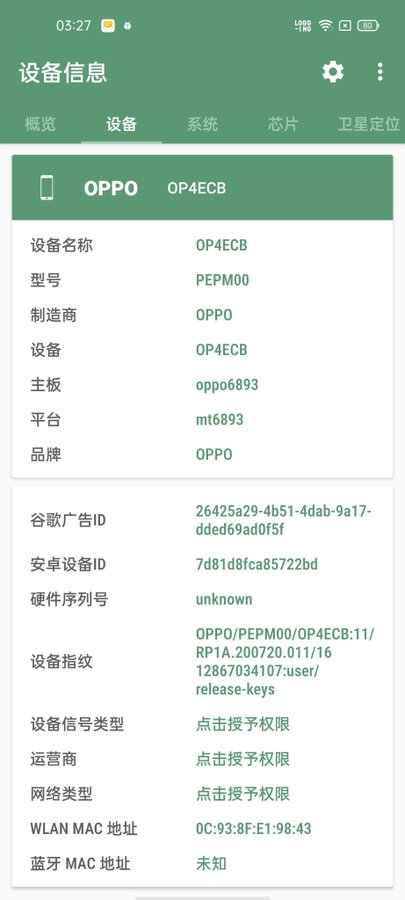
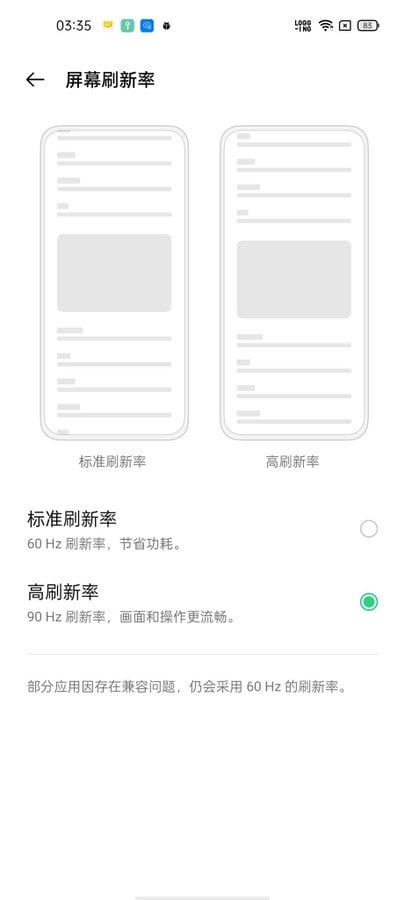
The said tipster shared screenshots of an upcoming OPPO phone that has a model number PEPM00. He claims that the device could be debuting as the OPPO F19 Pro+ 5G. The first screengrab shows that the handset supports a 90Hz refresh rate. The image also suggests that the device’s display could be featuring a punch-hole at the upper-left corner.
1 of 2
OPPO PEPM00 screenshot 2
OPPO PEPM00 screenshot
The second screengrab shows that the phone is fueled by the MediaTek MT6893. This chip is the 6nm Dimensity 1200 chip that debuted last month. The tipster claims that the device is equipped with 8 GB of RAM and 128 GB of storage. The other details of the phone are under wraps.
OPPO introduced the OPPO Reno Ace as the first Ace branded smartphone in China in October 2019. The OPPO Ace2 arrived as its successor in April 2020. It appears that the Chinese firm is also working on an Ace series phone. The tipster claims that another OPPO phone with a PENM00 model number may debut as the OPPO Ace3. It could be powered by the Snapdragon 870 mobile platform.
Realme will be unveiling the Realme GT on March 4 in China. Ahead of the upcoming launch, the smartphone has appeared at the Geekbench benchmarking platform (via). At that same time, the former OPPO VP Brian Shen has shared an image of the retail box of the smartphone.
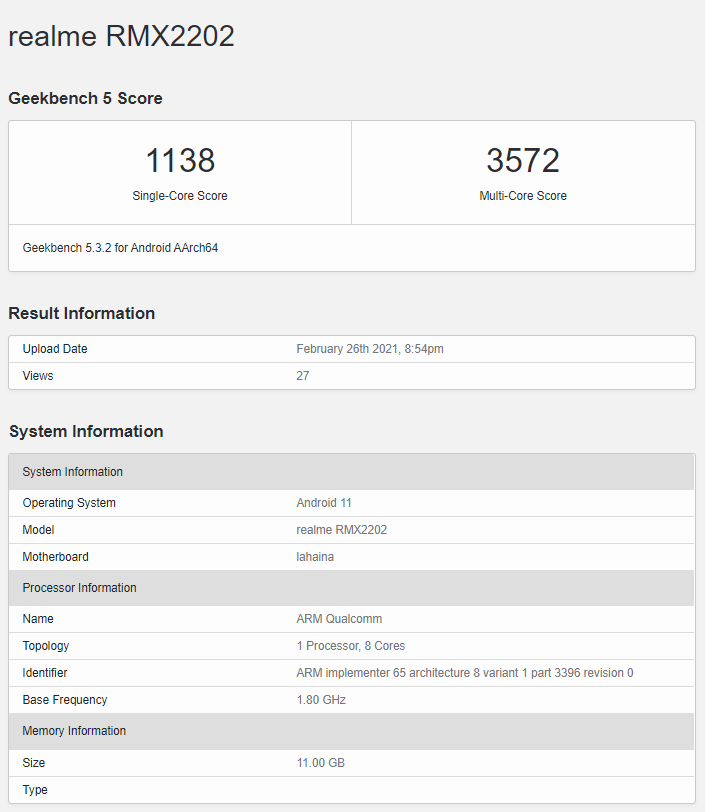
At Geekbench 5, the Realme GT 5G has appeared with an RMX2202 model number. The listing reveals that the Snapdragon 888 powered phone is equipped with 12 GB of RAM and Android 11 OS. It scored 1138 and 3572 points in the single-core and multi-core tests, respectively.
The handset had previously appeared at AnTuTu with specs like a 120Hz refresh rate, 12 GB of LPDDR5 RAM, 256 GB of UFS 3.1 storage, SD888, and Android 11 OS. Other reports have revealed that the phone will be sporting a 64-megapixel + 13-megapixel + 13-megapixel triple camera system. It is expected to arrive with support for 65W fast charging. It also features a 3.5mm audio jack.
Brian Shen shared two mages through its Weibo handle. The first one shows the Realme GT smartphone’s Bumblebee leather edition in reality, whereas the image showcases its retail box. The Realme GT will come in a black-colored retail package with a big Realme branding. And apart from the leather variant, the handset will also come in a glass back version.
The Realme GT 5G will be priced less than 2,999 Yuan (~$463). In terms of pricing and specs, it will be rivaling the Redmi K40 Pro that debuted earlier this week with a starting price of 2,799 Yuan (~$432). The Realme GT 5G is expected to receive a stupendous response from the audience as it was reported on Thursday that its reservations have exceeded the 1 million mark.
The demand for electric scooters has seen an upward spike in recent years, accentuated by several factors including a desire for an increasing number of persons to embrace green choices by reducing their carbon footprint, the chaotic traffic situation in many cities, and the COVID-19 crisis. These e-scooters, though come with their own challenges on the road, especially collisions with pedestrians, leading to injuries for both the rider and pedestrian.
In response to the sometimes rising incidence of collisions, e-scooter manufacturers are now embracing artificial intelligence (AI) technology to essentially transform the e-scooter into a smart and responsive scooter. A Swedish company called Voi, in collaboration with Luna from the Republic of Ireland, is developing a system of cameras and sensors that uses AI to correctly identify what surface a scooter is riding on, as well as the presence of nearby pedestrians. It then uses the information in real-time to alert the rider or even take some actions to prevent the impending collision. It could slow down the speed, make an audible sound prompt, and so on.
Vio has begun trials of the Luna technology fitted e-scooters in parts of England and the outcome has been quite impressive. The company hopes to scale up the trial process to cover more cities, as it insists that the AI algorithm is capable of being adapted to new cities.
It should be noted that Vio is not the only company developing smart solutions to the problem of e-scooter collisions. However, experts believe that incorporating such technology into the micro-mobility systems as the e-scooters come with their challenges including prohibitive costs that may make the e-bike unaffordable for a huge segment of its present users.
The development of systems to make the e-scooter responsive to threats within its environment remains however a great leap in their development.
It is not uncommon to hear stories of exploding batteries in smartphones, laptops, and other electronic gadgets. These stories serve as reminders of the need to use the device properly and also that having such gadgets with or around us might imply playing with a bomb waiting to explode. Here’s a story about an exploding headphone!
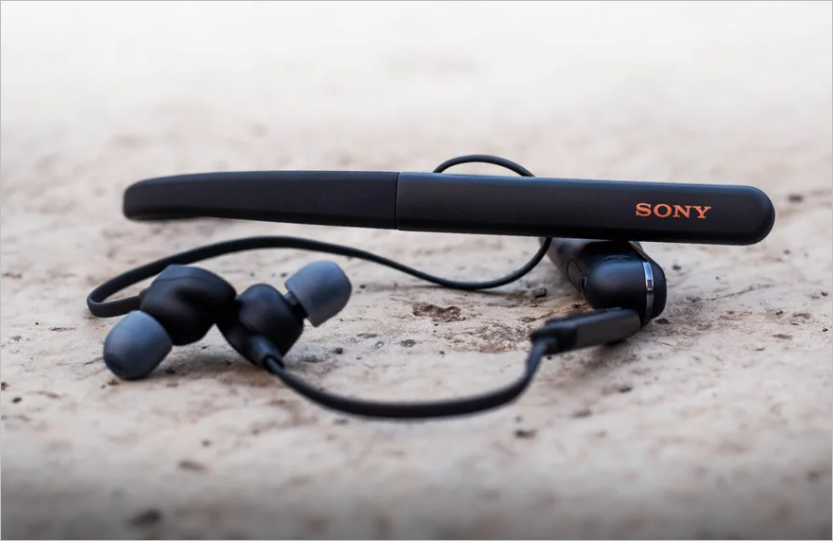
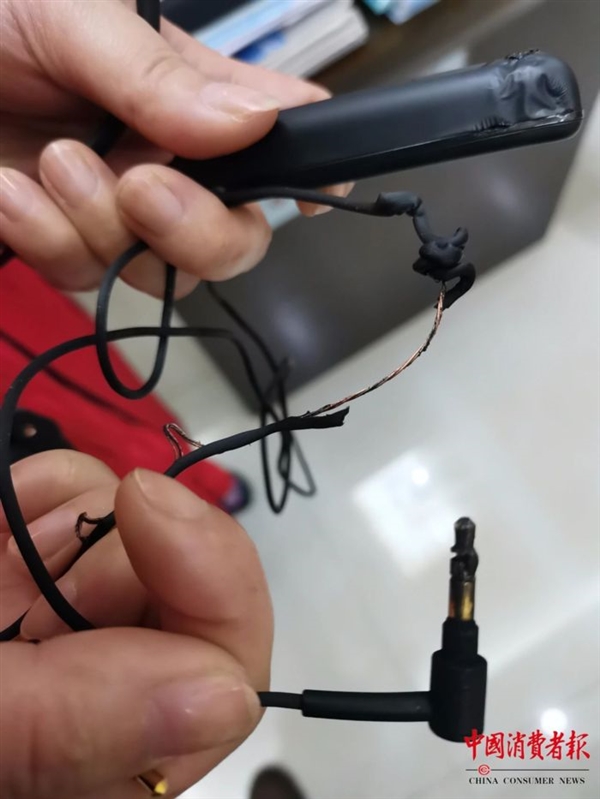
Before you go picturing a situation of having the ears ripped off by a headphone explosion, that didn’t happen. According to the news, a consumer in Wuhan, China had her Sony WI-1000XM2 burnt after it exploded when she mistakenly plugged the in-flight adapter into the AC power unit. The victim identified as Ms. Liu is reported to have bought the Sony headset for 2,300 yuan (around $355) on Febraury 17.
When she reached home that night wanted to charge the headset, instead of using an adapter, her son used the in-flight plug adaptor in the box and this caused the headset to explode and go up in flames. The burning headset left the boy with some degrees of burns in his right hand.
The in-flight plug adaptor lets you enjoy balanced sound from the in-flight entertainment system while travelling in a plane. Sony included a warning on its website that the adaptor “is NOT MEANT to charge your device. Plugging the in-flight adaptor into a AC Power Socket to charge the headphones will cause severe damage to the device”.
When Ms. Liu returned to lodge a complaint at the merchant store but the merchant believes that the acident was caused by the improper operation of the device but the consumer and was unwilling to take responsibility. Indeed, it was caused by improper operation by the consumer but we must point out the in-flight plug adaptor looks very much like a two pin adaptor. After the news break o ut, there have been series of reports about similar incidence by consumers in China despite the in-flight adaptor having a warning that reads “please do not plug into the power socket”.
In this regard, the Hubei Provincial Consumer Council reminded that operators should do their best to remind and adequately inform users of the hidden dangers that may endanger consumers’ personal safety.
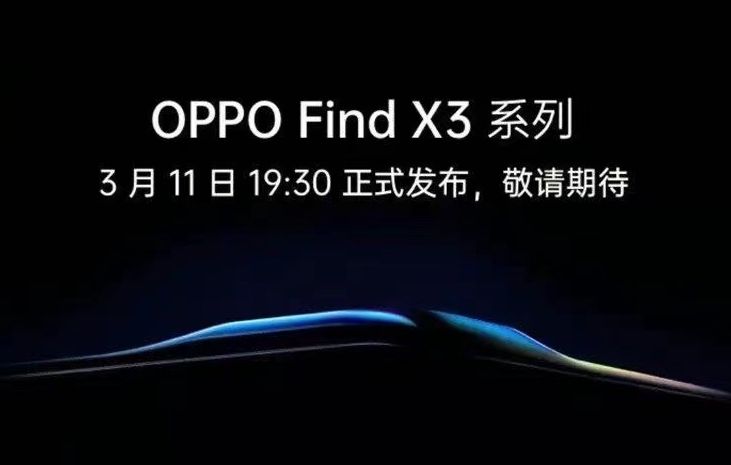
A leaked poster that is now being circulated on Weibo states that the OPPO Find X3 series will go official on March 11 in China. It appears that the company will be announcing the Find X3 and Find X3 Pro smartphones in the home market.
The poster states that the OPPO Find X3 series launch event will take place at 7:30 PM (local time) on March 11. Reports have revealed that the Find X3 series also includes two other phones such as Find X3 Neo and Find X3 Lite. These phones are said to be rebadged versions of the Reno5 Pro+ 5G and Reno5 5G phones that went official in China in December 2020. It is likely that the company may hold a separate launch event to announce the Find X3 series for global markets.
Reports have revealed that the TENAA and 3C certified phones such as OPPO PEEM00 and PEDM00 will be arriving in the Chinese market as the OPPO Find X3 Pro and Find X3. The former is said to be powered by the Snapdragon 888 mobile platform, whereas the latter is likely to come with Snapdragon 870 SoC.
Both phones are said to be equipped with 6.7-inch OLED panels that will offer QHD+ resolution of 14440 x 3216 pixels. The Pro version is said to support 10-bit color depth and an adaptive refresh rate of 10Hz to 120Hz.
The Find X3 Pro is said to house a 4,500mAh battery that supports 65W SuperVOOC charge support and 30W AirVOOC wireless charging. There is no word on its front camera. Its rear camera setup is said to include quad cameras such as a Sony IMX766 50-megapixel main lens, a Sony IMX766 50-megapixel ultrawide lens, and a 13-megapixel telephoto snapper with 2x optical zoom, and a 3-megapixel macro camera with 25x zoom support.
The Galaxy XCover 5 is expected to be Samsung’s next rugged smartphone. This device is in the news for quite a while now. This handset’s last leak revealed its entire specifications along with price. Almost two weeks later, we now get to see its front design for the very first time.
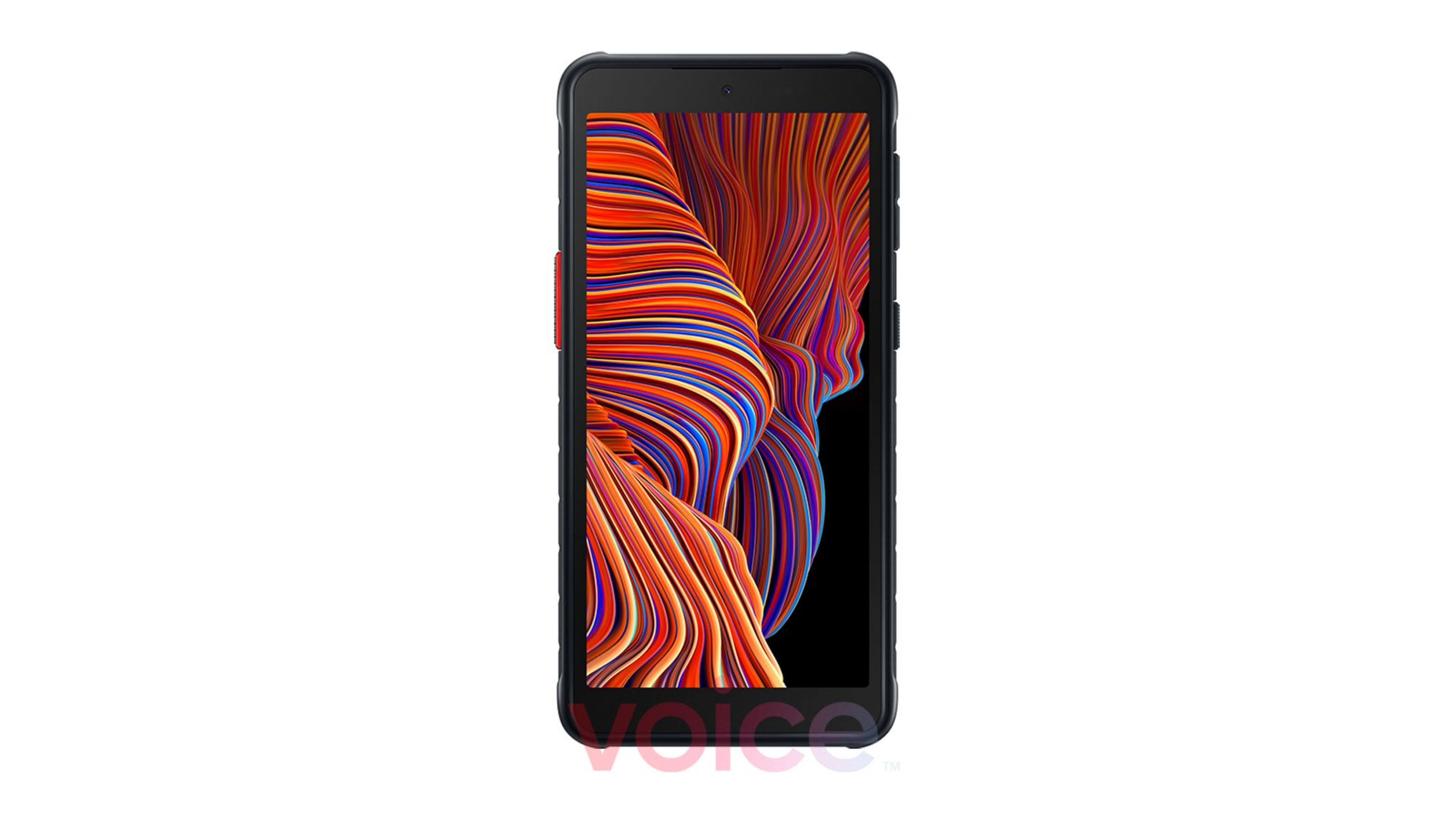
The front render of the upcoming Samsung Galaxy XCover 5 was shared by popular leaker Evan Blass. As per the image, the handset will feature no notch or punch-hole like modern smartphones. Instead, it will come with a huge forehead and a chin.
Further, the render also reveals this forthcoming phone to sport the useful red-accented programmable XCover key on the left side. Whereas, the usual power and volume keys will be located on the right side. Lastly, the front-facing camera will be housed at the top centre.
According to previous reports, the Galaxy XCover 5 will flaunt a 5.3-inch TFT LCD panel with a resolution of 1600 x 720 pixels (HD+). The device will be powered by Exynos 850 SoC paired with 4GB RAM and 64GB internal storage.
For photography and videography, the phone will feature a single 16MP sensor with an F/1.8 aperture lens on the back and a 5MP sensor on the front with an f/2.2 aperture lens. Further, this 4G-only smartphone will run One UI 3.x based on Android 11 and sport features like a MicroSD card slot, 3,000mAh battery, 15W fast charging, NFC, Samsung Pay, and Samsung Knox.
Last but not least, the MIL-STD-810G and IP68-certified Samsung Galaxy XCover 5 rugged smartphone for durability as well as dust and water resistance will retail for €300 in Europe. Initially, it will be only available for businesses.
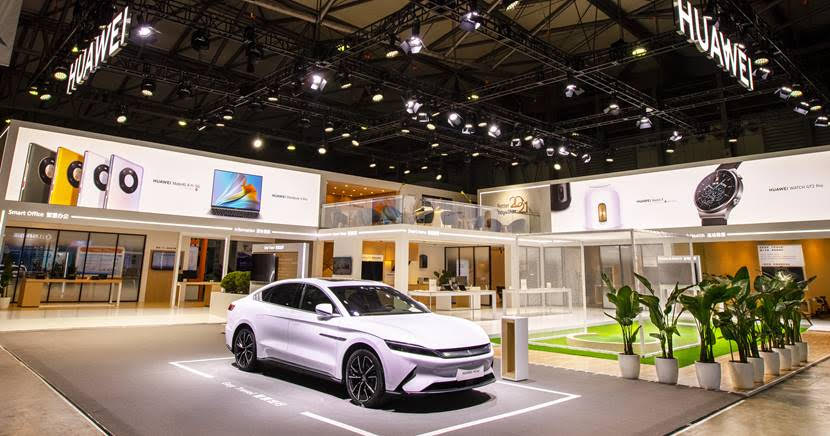
Huawei has struggled to cope with the stringent restrictions placed by the US government that has made it impossible for the Chinese company to get supplies from its US suppliers for critical components of its production process and 5G rollout. This has led the firm to sell off its Honor smartphone brand, and it continues to pursue investments in other areas like pig farming, mining, home electronics production, and much more.
Sources now say that the company may have plans to foray into the EV market by pursuing investment in that direction. The world’s largest tech equipment maker is believed to be in talks with China-based Changan Automobile and a few others on producing EVs in their plants, while also in talks with another company to manufacture the EVs on its behalf.
However, there is no official confirmation yet for this new investment model for the company. On the contrary, it has specifically stated that it had no plans to produce Huawei branded EVs, neither is it in talks with automakers in that regard.
With the rising demand for firm action in fighting the global challenge of climate change, the demand for electric vehicles and other green choices in mitigating the effects of Greenhouse gas emissions has been on an increase in recent years. A few countries across the world have set firm targets in phasing combustion-driven vehicles, some as early as within a decade. This policy has therefore encouraged EV makers to expand their capacity to meet the growing demand while new entrants are also coming into the space to have a piece of the pie. This may be Huawei’s vision, a pie of the EV pie.
While the US sanctions have had a very negative effect on the company, Huawei continues to develop in other areas and is slated to release a couple of high-end 5G smartphones this year, with its in-house operating system – HarmonyOS.
A few years back, Samsung was known for a poor update track record when compared to other Android OEMs. But thankfully, that’s not the case anymore. The company has not only promised three generations of Android updates to its flagships and mid-rangers but also at least four years of security updates for almost its entire lineup. Apart from longer support, it is now also faster in rolling out the builds. How fast you may ask? The answer is the firm has already started seeding the March 2021 security update to some of its devices when February is yet to end.
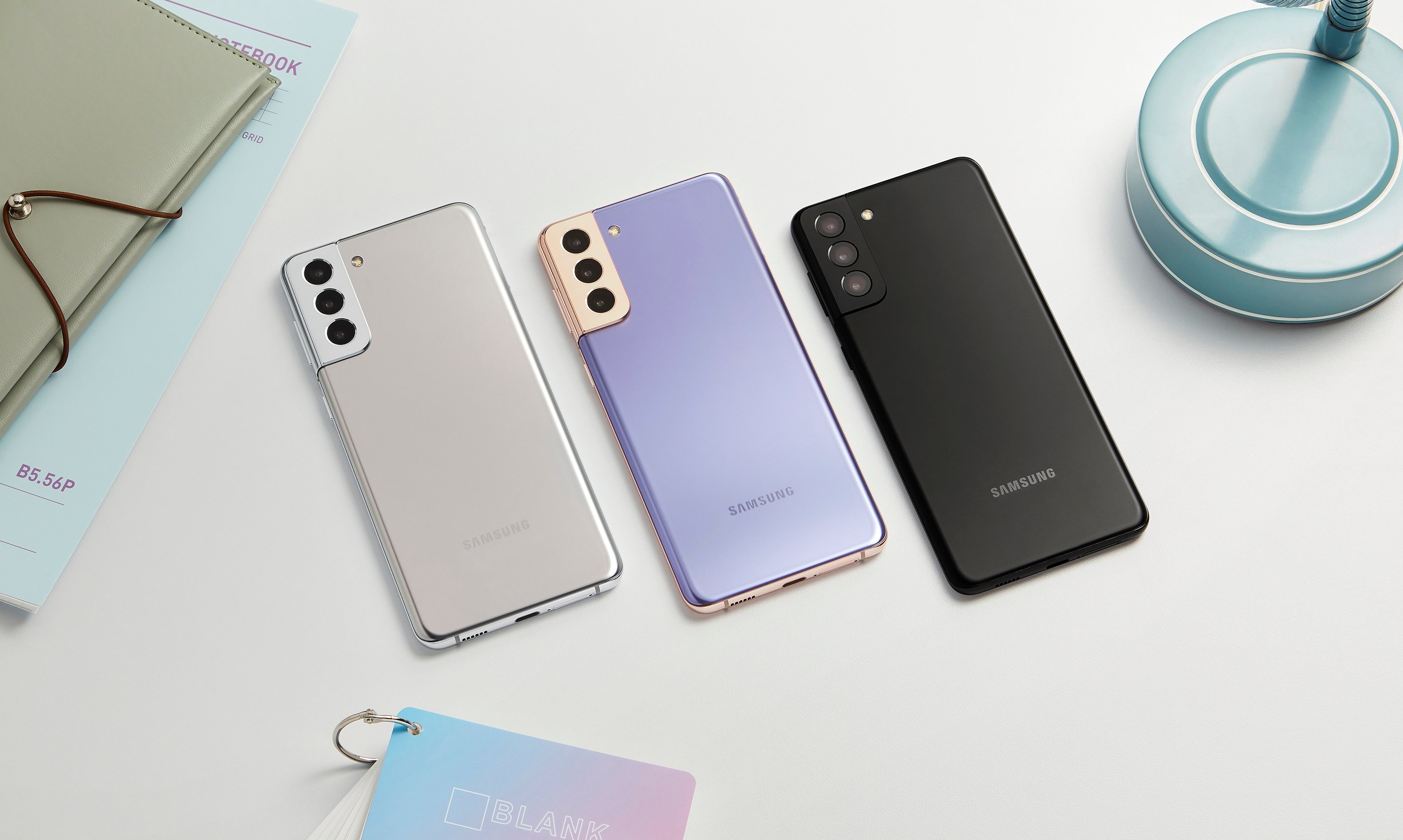
For the Galaxy A8 (2018), the latest security update for this handset is currently live in the UAE with firmware version A530FXXSICUC1. Whereas, the same update for the Galaxy S21 series is being seeded in Taiwan with firmware version G99x0ZHU1AUB7 weighing 387MB.
Users of these four handsets in the above-mentioned regions can head over to Settings > Software update > Download and install to check whether their phone has received the OTA release.
Anyway, it is worth noting that though the March 2021 update is live for the mentioned handsets in the respective regions, it may take time to reach every unit as it is being pushed in batches. Similarly, customers in other markets should also get this update in the coming days.
The US ban on Huawei has had wide ramifications both in the telecommunications and auto industries. It has contributed to the global shortage of semiconductors stalling the work of many production plants and significantly affecting growth forecasts. The decision by the US government to block the use of Huawei‘s advanced 5G technology in critical areas also affected Huawei’s standing in several European countries who also banned the company from participating in certain critical contracts.
In addition, India had been seen in many quarters to have unfairly targeted Chinese companies with the ban of hundreds of apps mainly from China. However, Huawei has now publicly reaffirmed its confidence that the Indian government does not have any negative attitude towards the company as it continues to make its contributions towards boosting local capacity via the production-linked incentive (PLI) scheme. Huawei’s vice president in charge of the Asia-Pacific region, Jay Chen, disclosed this during the Mobile World Congress 2021, held virtually due mainly to the coronavirus pandemic.
Huawei is indeed pursuing investment in expanding local capacity to meet rising network demands across the Indian subcontinent and shed reliance on imports. This fundamentally keys into the overall plans by the government in encouraging local production across all segments of the economy.
But the views of Huawei may be a positive outlook that may be at variance with the reality on the ground amidst rising tensions and potential flashpoints in the relationship between the Indian and Chinese governments.
There had been both covert and overt moves by the Indian government to shut out foreign firms from participating in the 5G rollout contracts in the country and Huawei may not be left out from those restrictions.
The company insists that it had no plans to exit the Indian market and would continue to pursue investments in this direction, and hopes the government will take correct decisions for the development of the telecoms industry. Plans are underway to commence 5G trials and it is hoped they go smoothly according to plans.
Xiaomi launched a new line-up of flagship killers containing three of the most affordable flagship smartphones in the world. We are talking about the K40 series composed of the Redmi K40, the Redmi K40 Pro, and the Redmi K40 Pro+. All of these phones were launched in the Chinese market with incredibly affordable prices and an incredibly high value for money. But which differences you get between each variant and which one is worth buying in 2021? It is not an easy question, especially for those who do not know all the specifications of these phones in detail. This is a comparison between the specifications of Redmi K40, K40 Pro, and K40 Pro Plus which will shed some light.
Xiaomi Redmi Redmi K40 vs Xiaomi Redmi K40 Pro vs Xiaomi Redmi K40 Pro Plus
Xiaomi Redmi K40
Xiaomi Redmi K40 Pro
Xiaomi Redmi K40 Pro Plus
DIMENSIONS AND WEIGHT
163.7 x 76.4 x 7.8 mm, 196 grams
163.7 x 76.4 x 7.8 mm, 196 grams
163.7 x 76.4 x 7.8 mm, 196 grams
DISPLAY
6.67 inches, 1080 x 2400p (Full HD+), Super AMOLED
6.67 inches, 1080 x 2400p (Full HD+), Super AMOLED
6.67 inches, 1080 x 2400p (Full HD+), Super AMOLED
Triple 48 + 8 + 5 MP, f/1.8 + f/2.2
20 MP front camera
Triple 64 + 8 + 5 MP, f/1.8 + f/2.2
20 MP front camera
Triple 108 + 8 + 5 MP, f/1.8 + f/2.2
20 MP front camera
BATTERY
4520 mAh, fast charging 33W
4520 mAh, fast charging 33W
4520 mAh, fast charging 33W
ADDITIONAL FEATURES
Dual SIM slot, 5G
Dual SIM slot, 5G
Dual SIM slot, 5G
Design
You do not have to make a choice when it comes to the design, since the Redmi K40, the Redmi K40 Pro, and the Redmi K40 Pro Plus have exactly the same aesthetics. They come with a punch-hole display with a hole placed at the center, a camera module similar to the one of the Xiaomi Mi 11, and a side-mounted fingerprint scanner despite they come with an OLED display. They are pretty thin with their 7.8-mm thickness and they all weigh 196 grams. All the phones are available in three color variants: Black, White, and Aurora. The Aurora version is a gradient color variant. Note that Redmi K40 Pro and K40 Pro Plus have the IP53 certification providing protection against splashes and dust, while the vanilla Redmi K40 does not.
Display
Just like the design, even the display of the Redmi K40, K40 Pro and K40 Pro Plus is exactly the same. These phones share a 6.67-inch AMOLED panel with a Full HD+ resolution, a 120 Hz refresh rate, the HDR10+ certification, and a peak brightness of 1300 nits. We are talking about amazing displays, not the best ever, but very nice panels. And in each case, you get the Gorilla Glass 5 protection: again, not the best, but it is good protection for a smartphone glass. The display is flat and provides a screen-to-body ratio superior to 85 percent.
Hardware/Software
The hardware department is where the differences between these three handsets start to surface. While the Redmi K40 Pro and the Redmi K40 Plus are powered by the top-tier Snapdragon 888 mobile platform, the vanilla Redmi K40 is based on the lower-end Snapdragon 870 which is actually an upgrade of the Snapdragon 865+. In each case, you get flagship-class performance, but the Snapdragon 888 is actually better than the Snapdragon 870 from every point of view. Between Redmi K40 Pro and K40 Pro Plus, the difference is the memory configuration: the former offers 8 GB of RAM (there is a 6 GB RAM version of the K40 Pro as well), while the latter has 12 GB of RAM.
Camera
Redmi K40, K40 Pro, and K40 Plus have the same camera setups with the exception of the main rear camera sensor which is also the most important one. The Redmi K40 has a 48 MP main camera, the K40 Pro has a 64 MP sensor that sits in the middle, and the Redmi K40 Plus sports a great 108 MP main sensor. Naturally, the best one is the Redmi K40 Plus since the 108 MP camera is able to provide better photo quality and a higher level of detail. But you should not think that Redmi K40 Pro Plus is a top camera phone just because of that sensor. It lacks OIS, a telephoto sensor, a periscopic sensor, and more features you can usually find on the best camera phones out there.
Battery
Redmi K40, Redmi K40 Pro, and Redmi K40 Plus have the same battery with a capacity of 4520 mAh and they even share the same 33W fast charging technology. The 4520 mAh battery should allow good battery life to everyone, but given that the phones just went official, no one had the chance to test it.
Redmi K40, K40 Pro and Pro+: Price
Redmi K40 has a starting price tag of about €255/$310 in China, Redmi K40 Pro starts from €360/$434 for the configuration with 6 GB RAM and 128 GB of internal storage, and Redmi K40 Plus costs €475/$573. At the moment, the phones are only available in the Chinese market. It is rumored that the series will hit the global market under the POCO brand. The best one is obviously the Redmi K40 Plus , but if you do not need that 108 MP camera, the Redmi K40 Pro is definitely enough for your needs. With the Redmi K40, you get a slightly inferior chipset and camera, but also a very affordable price.
Ulefone is commonly known for its rugged smartphones, but this time the company introduced a new Night Vision external Camera. The new camera is designed to capture quality photos even in the dark using infrared sensors. It can be used as an accessory with a smartphone via the USB Type-C Interface.
The Ulefone Night Camera carries a Sony Starvis IMX307 ultra-light-sensitive CMOS sensor. It is efficient enough to capture quality photos and videos even in a low-light environment. Precisely, it can record 1080p Full HD video with a 116-degree ultra-wide-angle.
The new camera can be used as an external accessory with any smartphone tablet or any other portable devices. It is quite easy to control the camera via a specific app. Ulefone Night Camera is a smart, compact and portable camera carrying some excellent features. It easily fits in the pocket, around your collar or any other nifty place where you get a better frame.
Ulefone Night Vision Camera is retailing via the Ulefone Official Website. More information about the device is now available via the website.
OPPO has a big manufacturing plant in India where it not only makes its own but does make a lot of other devices of realme, OnePlus. For instance, the recently launched Narzo 30 Pro 5G is manufactured at its factory in Greater Noida, Uttar Pradesh. Now, National Geographic is going to give us a deep look into the Manufacturing Plant of OPPO on February 27.
National Geography Television Network runs a popular show where it showcases what goes inside popular companies’ factories across various sectors. The program focuses more on the state-of-the-art facilities that have helped factories transform their productivity.
On February 27 at 7 PM IST, the network is airing a special premiere of the OPPO Manufacturing Plant in India. In a short teaser that National Geographic posted on Twitter, we get a glimpse of what’s coming tomorrow on the Superfactories: OPPO premiere show.
#DidYouKnow that Oppo India’s manufacturing unit is more than twice the size of Eden Gardens? Sneak a peek inside one of India’s largest smartphone producers on Superfactories: Oppo, premieres 27th Feb, 7 PM, on National Geographic. #NatGeoIndia#OppoIndiapic.twitter.com/7ZMTicrRaC
As per the video teaser, OPPO is making an average of 50 million smartphones in the factory every year. This factory, which is located the South Asian country, spans for 110 acres. This is twice the size of the Eden Gardens which is about 50 acres in Kolkata.
One can only imagine the amount of stress that goes inside a a factor like this, which also runs contract manufacturing for brands like OnePlus, realme. We saw an example of productivity snag during the pandemic last year when shuttered OPPO factory affected the sales of the above brands.
Anyway, we are excited to know what goes inside the factory and its everyday functions. If you are equally curious, you can catch the show premiering live on February 27 at 7 PM IST (GMT+ 05:30) on the National Geographic Channel.
Backache used to be a challenge for the elderly but in recent times, with the widespread use of smartphones, young and middle-aged persons now come down with back pain. Data shows that patients with cervical spondylosis under the age of 30 account for nearly 40%. Xiaomi Youpin has now launched the LEGA AI Smart Cervical Massage Sleep Pillow which is design to help people fight back pains. The product carries a crowdfunding price of 299 yuan (~$46).
This pillow is a dual-purpose pillow as it is shaped like an ordinary home pillow. It has been tested for multiple times to optimize the curvature of the man-machine to make the pillow curve more suitable for the shape of the Chinese head and neck. At the same time, it also has a professional deep stretching function, massage and sleep in one step.
It supports four massage modes (deep stretching, neck massage, relaxing sleep, and wake up in the morning) , allowing people to deeply relax the cervical spine while trying to sleep as well as massage the neck, and add the most suitable temperature to make people sleep better.
Among them, the deep stretch mode has 4 levels of adjustable height. The airbag is inflated to a certain height and the head strength is used for natural stretching, which promotes the natural reverse C curve of the cervical spine.
The neck massage mode has 5 levels of adjustable height. After the airbag is inflated to a certain height, it is slowly retracted, and the cervical spine is stretched freely by cyclic stretching.
It also has an early morning wake-up function. Users can set the wake-up time for the smart pillow in the Mijia app. The pillow starts the morning wake-up program on time, and gently wake up the user through the up and down movement of the airbag, inspiring a full day of vitality.
LEGA AI smart cervical spine massage sleeping pillow can be connected to the Mijia app. It also supports XiaoAi voice control.
We use cookies on our website to give you the most relevant experience by remembering your preferences and repeat visits. By clicking “Accept”, you consent to the use of ALL the cookies.
This website uses cookies to improve your experience while you navigate through the website. Out of these, the cookies that are categorized as necessary are stored on your browser as they are essential for the working of basic functionalities of the website. We also use third-party cookies that help us analyze and understand how you use this website. These cookies will be stored in your browser only with your consent. You also have the option to opt-out of these cookies. But opting out of some of these cookies may affect your browsing experience.
Necessary cookies are absolutely essential for the website to function properly. This category only includes cookies that ensures basic functionalities and security features of the website. These cookies do not store any personal information.
Any cookies that may not be particularly necessary for the website to function and is used specifically to collect user personal data via analytics, ads, other embedded contents are termed as non-necessary cookies. It is mandatory to procure user consent prior to running these cookies on your website.