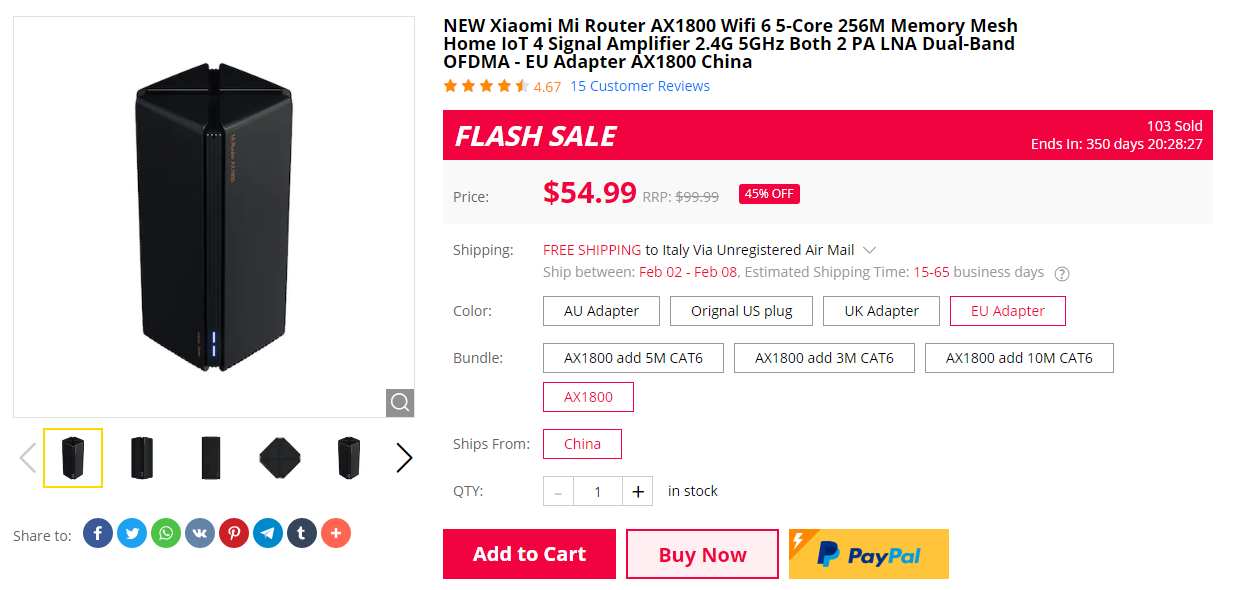
When you have high internet speed, the world looks like a much better and entertaining space. Xiaomi recently introduced Xiaomi Mi AX1800 WiFi 6 Router that offers just that. Currently, this unit is on sale at Gearbest and available for just $54.99. This router has a dual frequency of 2.4GHz and 5GHz.
Xiaomi Mi AX1800 WiFi 6 Router is powered by an IPQ6000 4-core A53 1.2GHz CPU processor and network acceleration engine of single-core 1.5GHz NPU. With 128MB RAM and 1775MBps speed, this device is built to transfer multi gigabits of data. Its natural cooling mode prevents overheating. This Xiaomi router can connect 128 devices at the same time. It features a smart WiFi operating system based on OpenWRT deeply customized MiWiFi ROM.
Other features of the Mi AX1800 WiFi 6 Router include 2 LAN ports, wireless connectivity, and a DC port interface, among other things. Readers can now purchase this router at a discounted rate for just $54.99 at the Gearbest website.
Head on to the official Gearbest website to check out other deals and offers by clicking here.
Umidigi is slowly and steadily expanding its wings across the globe by launching new smartphone models. After gaining massive sales with the launch of Umidigi A9 Pro, the company is on the verge of launching Umidigi A9 Max. The upcoming smartphone will feature several upgrades over its predecessor. Some A9 Max renders were spotted showcasing the technical specifications of the device.
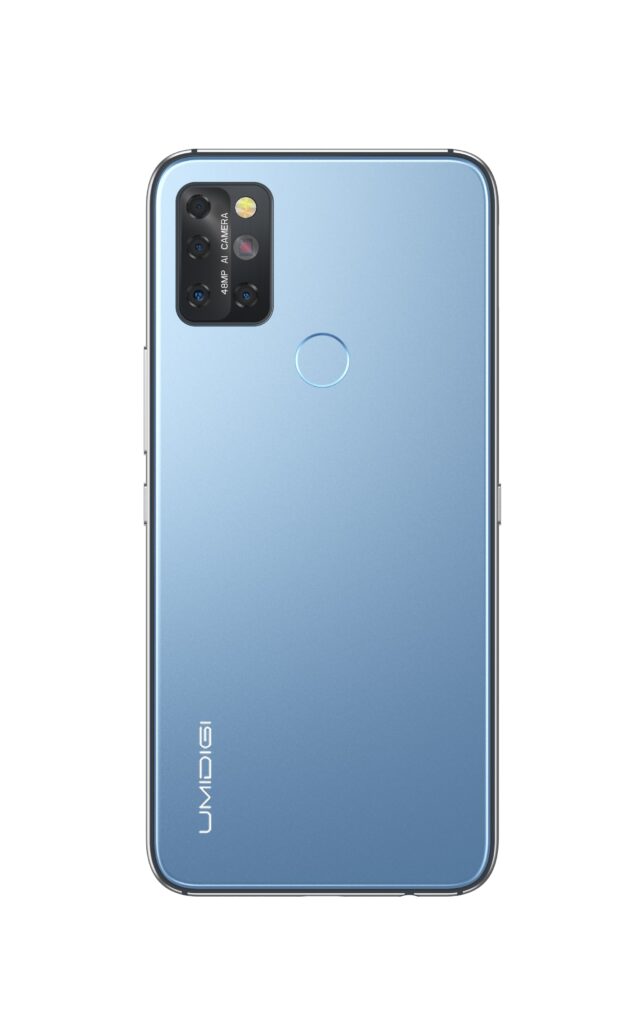
As per the new renders, the Umidigi A9 Max will feature 8GB RAM with a new camera module design and a new colour option. It will be among a few devices which offer abundant RAM under $200 budget. There are some design changes too on the rear side of the device.
However, the Umidigi A9 Max also possesses the same camera matric module on the rear as like the A9 Pro. The device adopts a new blue colour which looks familiar with the Mi 11 blue colour. Moreover, the new smartphone will house a better thermometer sensor in comparison with its predecessor.
Umidigi A9 Pro will feature a 6.3-inch FHD+ display and will feature a double-sided 2.5D curved display. It is built using a metal frame. The smartphone features a quad-rear camera with a 48MP primary camera and a 24MP selfie camera on the front. It will run on Android 11 out of the box.
It is expected to launch in March for less $200 price tag. However, on the occasion of its anniversary celebrations, the users can join Umidgi global giveaway to win Umidigi A9. Head over to the official website to learn more about the company and enter the giveaway.
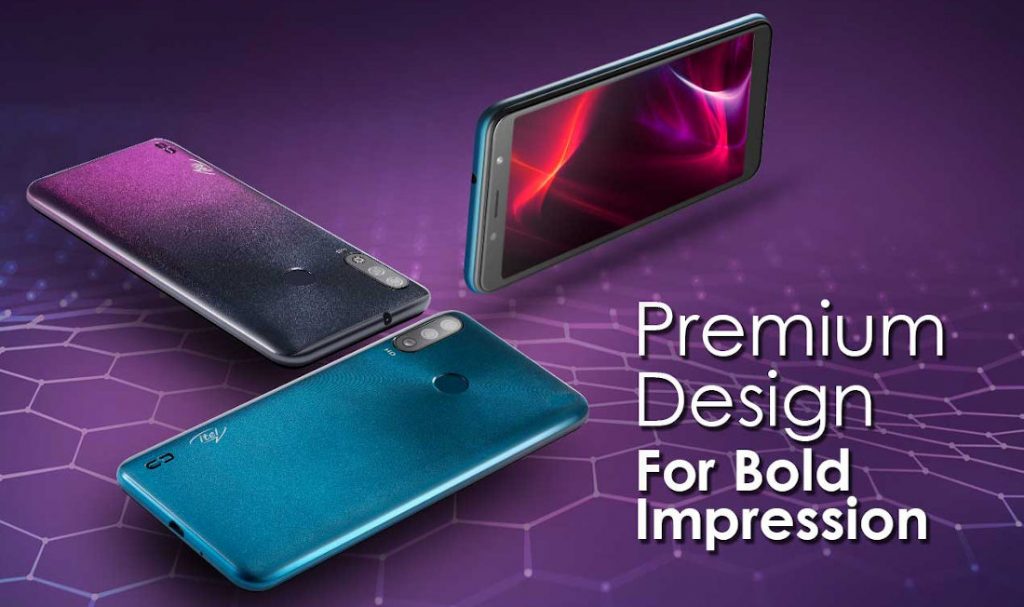
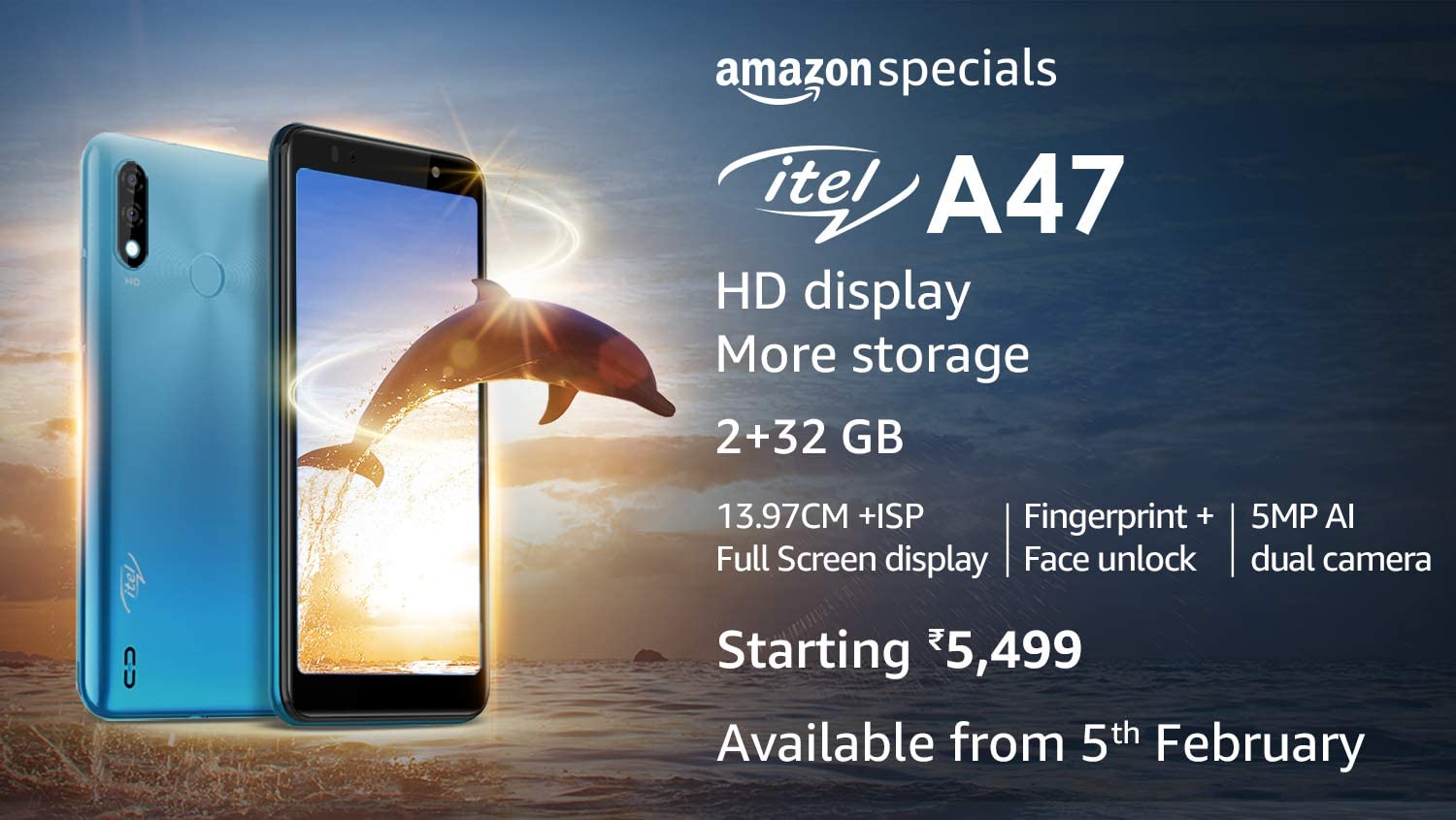
Last week, the microsite of the itel A47 had popped up on Amazon India’s official website pointing to a launch on February 1. As scheduled, Transsion Holding brand itel has launched the itel A47 in India. The phone is the company’s latest 4G phone and it runs on Android Go Edition of the Android Pie OS.
Even though the device is an entry-level model, it packs a decent specs lineup and the design is also cool. The budget phone sports a 5.5-inch LCD IPS screen and is powered by an undisclosed quad-core processor which is believed to be a Unisoc processor clocked at 1.4GHz. The processor is paired with 2GB of RAM while there is 32GB of storage inside expandable up to 32GB with microSD. The phone equally runs Android 9.0 Pie, Go Edition.
For photography, the device packs a single 5-megapixel sensor at the front for selfies. The selfie camera is equipped with an LED flash. Also, there is a dual-camera setup at the rear consisting of a 5-megapixel camera sensor and a VGA secondary sensor housed in a module located at the top left corner of the back panel along with the LED flash.
The phone also has a rear-mounted fingerprint scanner that can unlock the phone in 0.2 seconds. There is also face unlock onboard. Keeping the lights on is a decent 3000mAh battery. The itel A47 also comes with dual SIM (nano + nano) support and has dedicated microSD support.
Other features onboard the device include a 3.5mm jack, FM Radio, 4G VoLTE, Wi-Fi 802.11 b/g/n, Bluetooth 4.2, GPS, and a micro USB port for charging the device.
As for the pricing and availability, the itel A47 carries a decent Rs. 5499 (~$75) price tag. It comes in Ice Lake Blue and Cosmic Purple colours with a gradient finish. The entry-level phone will be available on Amazon.in from February 5th.
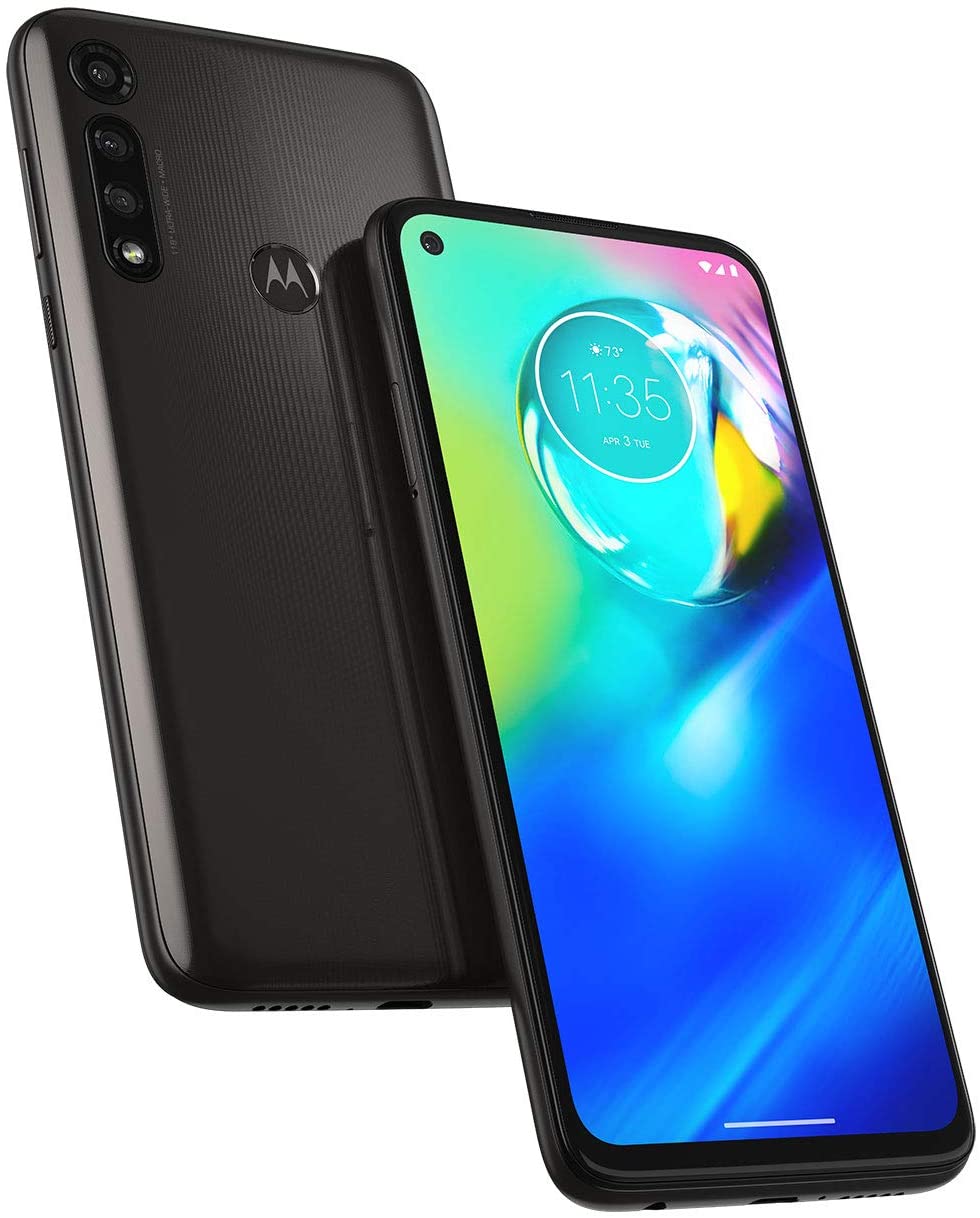
Recently, Motorola rolled out the Android 11 update for Moto G Pro in the UK. It is the first Motorola device to get the taste of the latest Android. Now, a report on the XDA forum suggests that the Moto G Power will get it soon.
As reported by Piunikaweb, a post on XDA Forums by a senior member named ice711 shows a glimpse of Android 11 on the settings menu of Moto G Power. He says that he got the update as he is a part of the Motorola Feedback Network(MFN).
For the unaware, it is a group of users in the community who are chosen to test out the new features before it is rolled out to everyone. You can look at this older post on Lenovo community forums to get an idea about it. Soak test, as the company likes to call it, is rolled out to the selected users of MFN initially.
Anyway, the Android 11 update with software version RPM31.Q1-46 is rolling out to the MFN users with the latest January 2021 security patch. Talking about the improvements, the user says that after the update, Moto G Power runs smoother, faster, and has improved battery life.
Similar to the G Power, the company is also Soak testing 2019 devices like the Motorola One Action, Motorola One Vision, and Motorola One Hyper. That said, with this update, the company is living up to the word of Android 11 schedule it released back in December 2020. Barring oldies like Moto G7, G8, E6 series, and One Zoom, the devices mentioned above should get it soon.
Either way, we don’t have the availability of the stable Android 11 for Moto G Power yet. However, with the Soak test already underway, expect it anytime soon. In case you don’t know, Moto G Power launched back in February 2020 for $249.99.
For the visually impaired, touch is one of the ways they interact with their environment. This explains why braille uses raised dots. Talking about braille, the tactile system has not seen much development in recent years. Available electronic braille devices are super expensive and are very limited in the amount and type of content they can display. Things might change in the near future if a recent BOE patent becomes commercially available.
Chinese tech blog, ITHome, reports that the Chinese display company has patented a new solution that improves upon existing ones. Unlike current solutions which display limited content and are also quite slow, BOE’s solution is faster and has a larger area of function. The solution is made up of two devices: the main device is a touch display that works with a smaller device that is worn on the finger.
When the user wears the smaller tactile device and passes their hand over the touch device which is displaying an image, a sensor transmits information to the tactile device in form of haptic feedback that allows the user to “feel” what is being displayed. This solution is said to make it possible for the visually impaired to not be limited to only interacting with texts but also shapes and images in general.
We are not sure if BOE’s solution can be built into any sort of touch display. If that is the case, manufacturers can adopt the technology and incorporate it into their regular devices designed for those that can see so that the visually impaired can pick up such a device and be able to interact with it.
The patent was just published on January 26 and there is no info on the manufacturer’s plans for it. Nevertheless, we hope we get to see it in commercial devices soon.
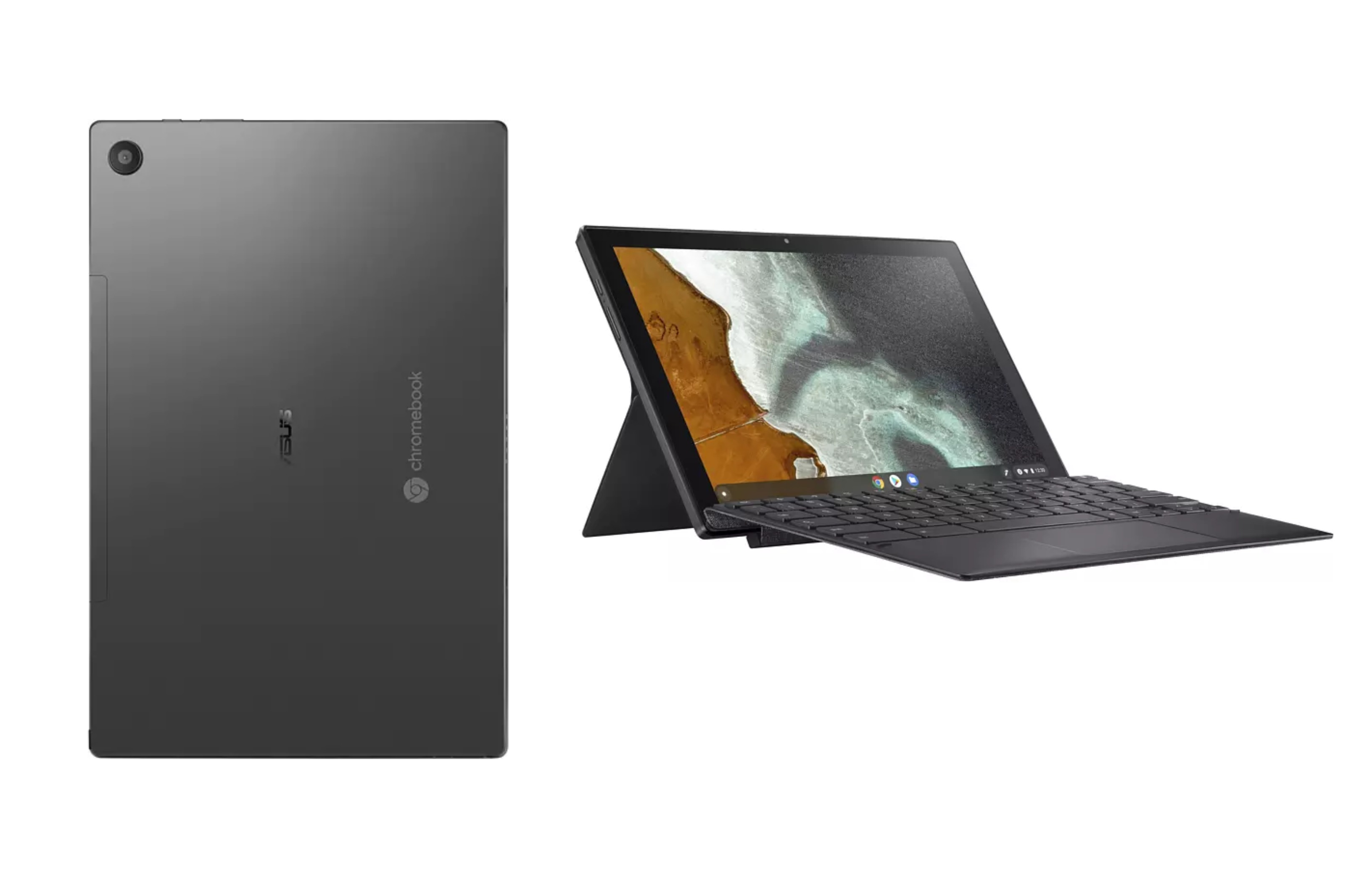
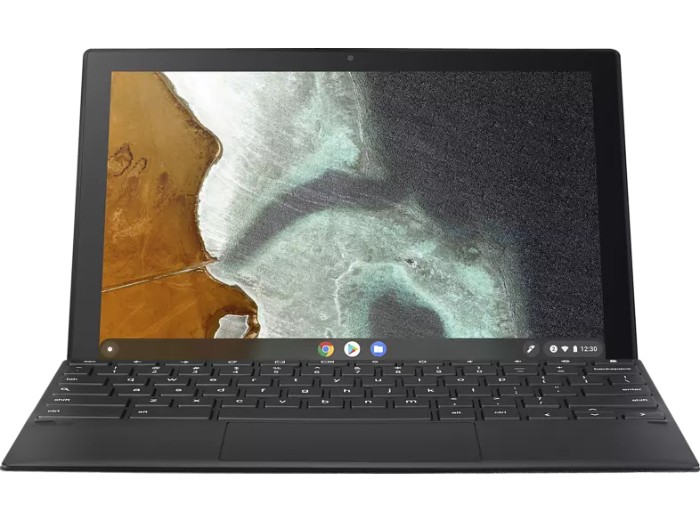
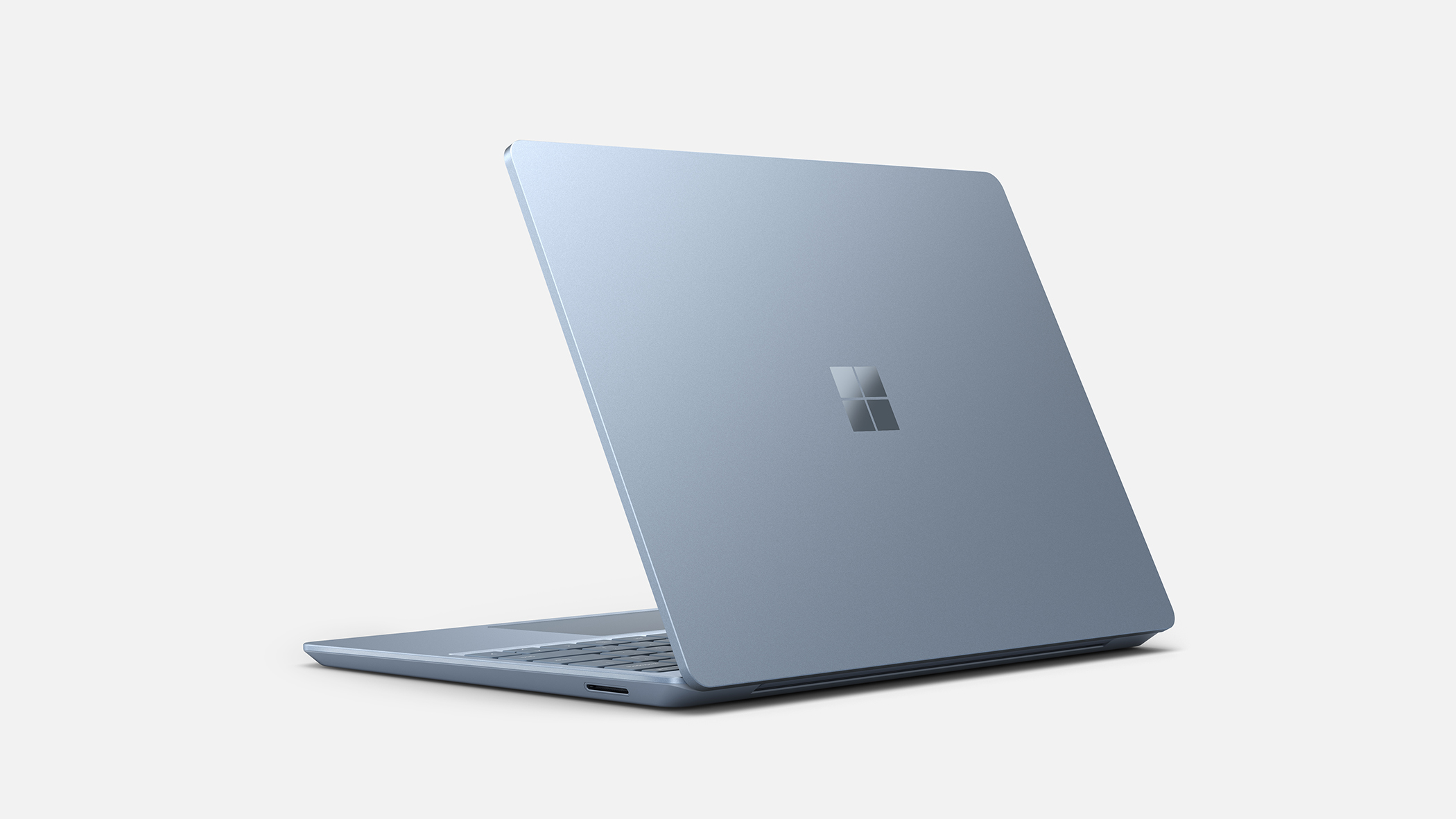
ASUS is working on a new Chromebook Tablet and it looks like a competitor to the last year’s Lenovo IdeaPad Duet Chromebook. A German retailer has now listed a new MediaTek chipset-powered ASUS Chromebook Tablet with a detachable keyboard and a Stylus support.
The listing on the retailer Saturn, first stopped by Chrome Unboxed(via 9to5Google), shows a ASUS Chromebook CM3000DVA-HT0011. However, the report says that other listings designate it as ASUS Chromebook Flip CM3000. The model listed on the site is in Mineral Gray color.
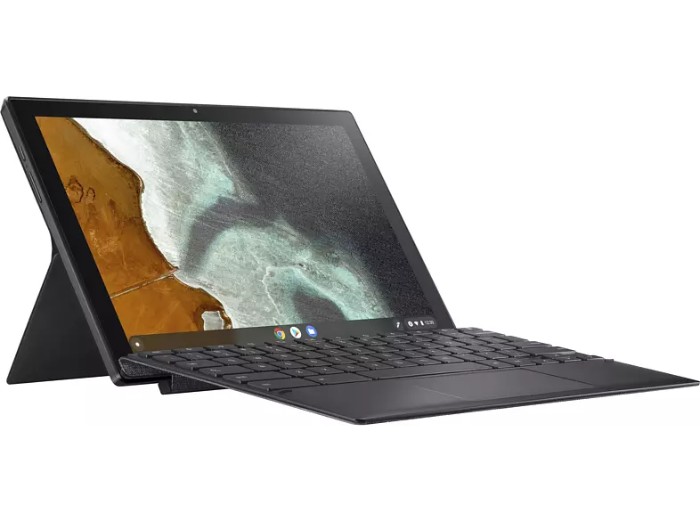
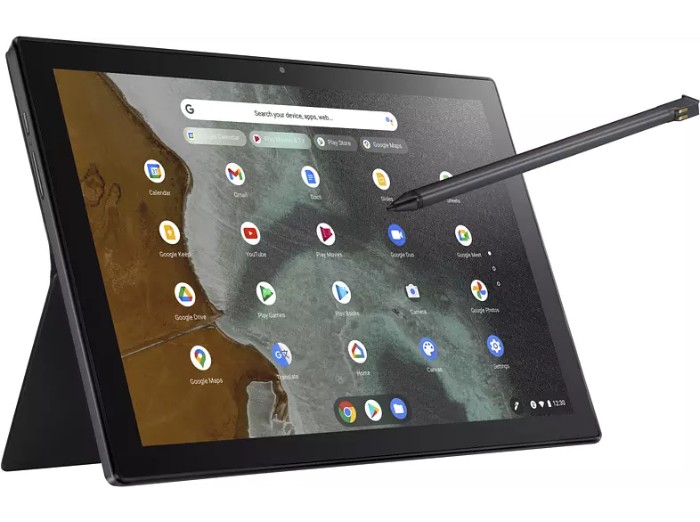
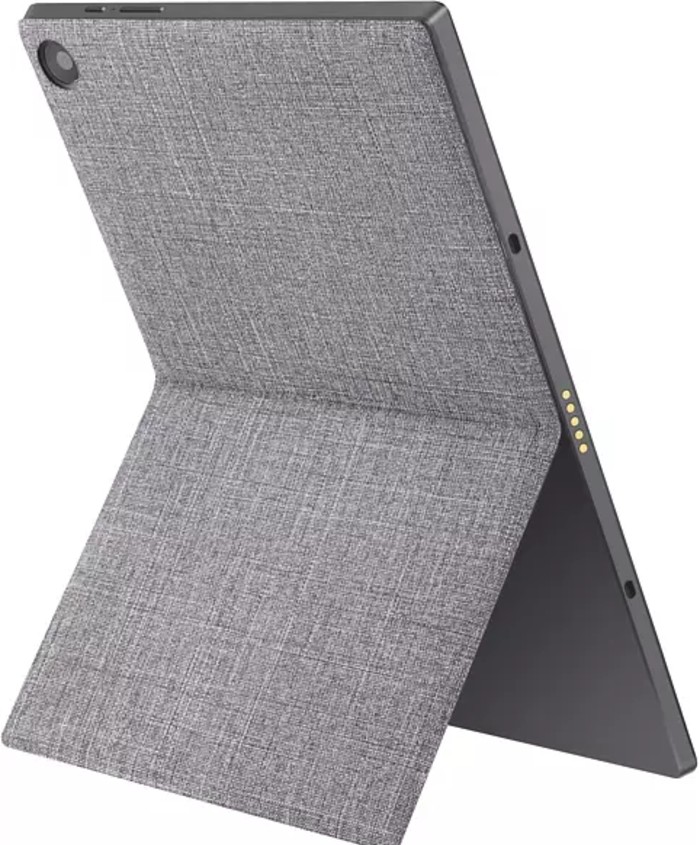
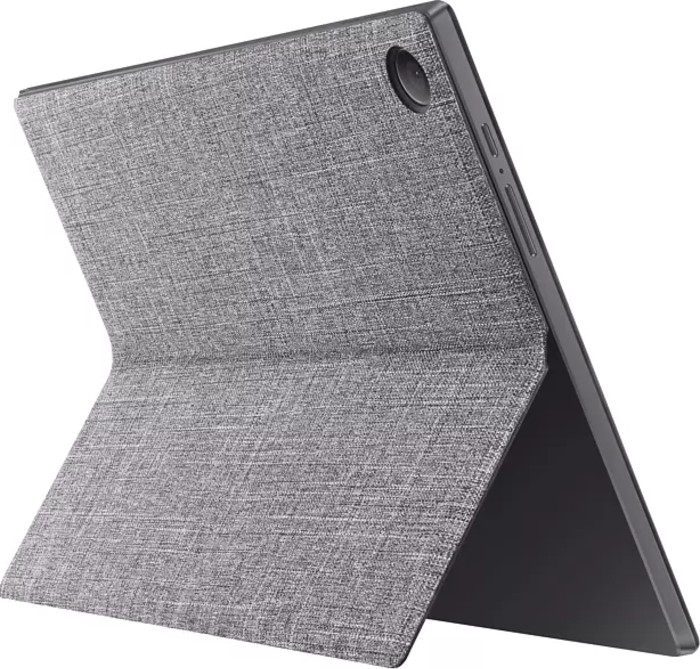
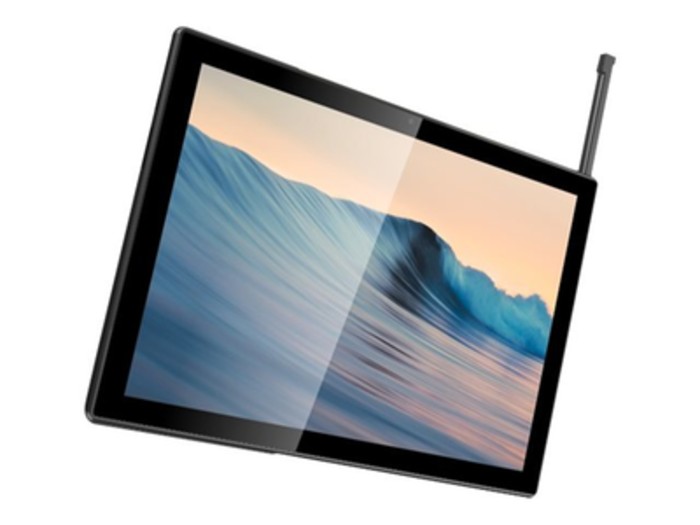
Similar to the IdeaPad Duet Chromebook, we see a detachable keyboard with a Fabric finish on the backside. Further, the report and the listing shows that the display of the Chromebook will have a slot inside beside to hold a USI-Stylus. Speaking of which, these accessories are said to be included in the box but let’s wait for official confirmation.
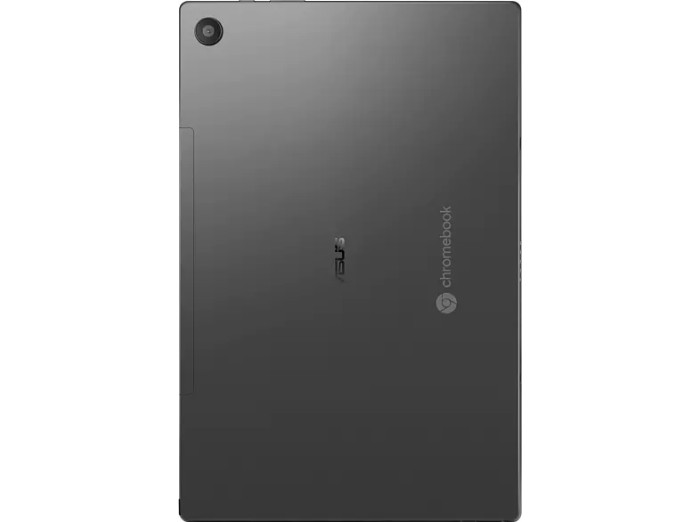
On the left, there is a power button and volume rockers, and to the back, we have the ASUS, Chromebook logos, and a Single Camera. Upfront, you get a display with thicker borders and a single selfie shooter at the center.
On the bottom, we have magnetic contacts for the detachable keyboard. In addition to the keyboard, a fabric-style Kickstand also appears on the images.
1 of 7
Asus Chromebook Flip CM3000 Rear View
Detachable Keyboard
Stylus support Asus Chromebook Flip CM3000
Fabric Stand
Fabric Cover stand
Stylus slot
ASUS Chromebook Flip CM3000 Specifications
As for Specs, the ASUS Chromebook Flip CM3000 will have a 10.5-inch Touch screen display with a 1920×1080 pixel resolution and 16:10 aspect ratio. It will have up to 320 nits brightness and cover 118% sRGB color Gamut. Above the display, we also have a 2MP 1080p front-facing camera whereas the rear set up has an 8MP single camera.
Under the hood, the listing shows a MediaTek MT8183 chipset. To compare the IdeaPad Chromebook Duet of Lenovo has MediaTek Helio P60T. Anyway, the chipset on ASUS is paired with 4GB LPDDR4x RAM and 64GB eMMC storage.
Other Specs include Type-C charging port, 3.5mm headphone/mic jack, 27WHr battery, Wi-Fi 5, Bluetooth 4.2, ChromeOS out of the box. Finally, the Chromebook Tablet measures 255mm x 167mm x 8mm and weighs 0.53kg.
This device is listed for €449 (~$540) on Saturn retailer but we feel that it could be just a placeholder listing. It is expected to ship in July 2021 however, don’t be surprised if ASUS unveils it earlier.
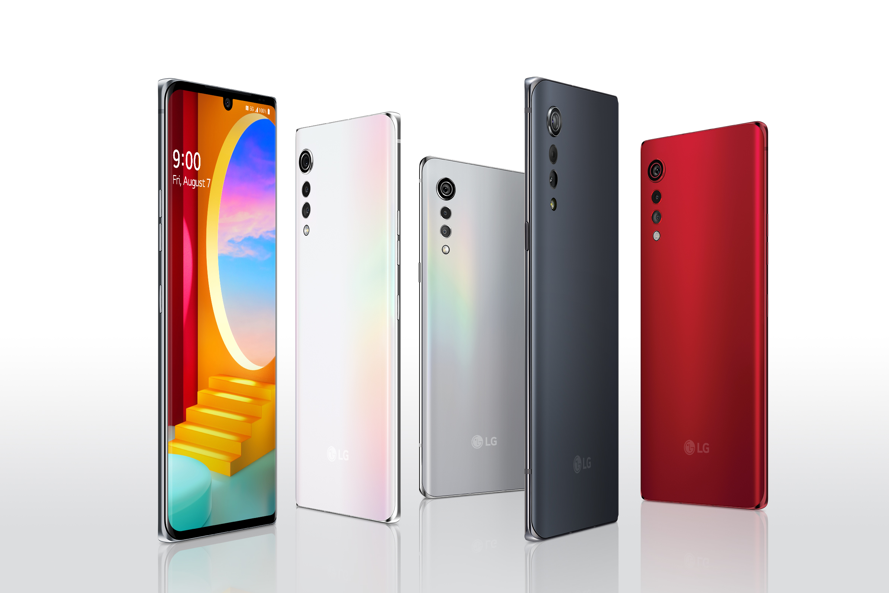
Last year, LG did not release any flagship smartphone. Instead, it launched a premium mid-range smartphone called LG Velvet 5G. This handset debuted with Android 10 with Velvet UI on top of it. Now, this phone has started receiving its first major update in the form of Android 11.
Google released Android 11 stable in September 2020. Since then, OEMs have been running beta programs and also rolling out stable builds to their respective eligible devices. But the update rollout only sped up in December when Samsung began to seed the builds.
On the other hand, LG did not release many phones last year. In fact, the South Korean electronics giant may exit the smartphone business in 2021. But still, it is slow in delivering the latest Android update.
According to PiunikaWeb, the Android 11 update is available for LG Velvet 5G only now even though it is the company’s main smartphone of 2020. Above all, the update is currently only live in the firm’s home country.
The latest system update for LG Velvet 5G is called LG UX 10. It is based on Android 11 with Velvet UI on top of it. This update weighs 2251.64MB in size for the South Korean variant of the device.
Right now, it is being rolled out in batches and should reach other regional variants in the coming weeks. That said, the availability of this update is a mystery for the 4G and the carrier variants of the LG Velvet.
This year is going to be a defining one for Honor as it is its first following its independence from Huawei. The manufacturer already launched its first smartphone, the Honor V40, since the split in November 2020. However, its global debut is what several folks are excited for as it is expected to launch with support for Google Mobile Services.
Europe is one of Honor’s key global markets but a Q3 2020 report shows it is not even in the top five. If it plans to get there, it will have to do so with new products which will be developed without the input of its parent company. This means no rebadged products and the likes. Will it be able to succeed? Honor’s CEO believes so.
Honor CEO, Zhao Ming
In a recent interview, Zhao Ming, who heads Honor, said that now that they are no longer bound by the restrictions of Huawei, their main goal for the year is to launch flagship devices that can compete with Apple and Huawei. He goes on to add that they are confident they can surpass their competitors including its former parent company, Huawei.
While the focus seems to be on flagships, we are pretty sure Honor will not leave the mid-range and entry-level categories unattended. We expect the Honor 10X Lite, Honor 9A, and Honor Play 4 to get successors this year. We also look forward to new models for its tablet line.
Mr. Zhao says they are also planning their expansion into new markets, however, he says he is aware of the challenges that are ahead. While having access to chipsets and getting Google Mobile Services are important, launching competitive products is also very important. He revealed in the interview that he plans to strengthen their research and development department too.
We are eager to see what Honor comes up with this year and we are sure our readers are too.
ASUS recently confirmed that the Original ROG won’t get the Android 10 update. Being a flagship smartphone, it didn’t even get two Major Android upgrades. That said, the company has finally started recruiting Android 11 Beta testers for the third-gen ROG Phone 3 flagship.
In a tweet, Olivier of ASUS Zenfone Team France has shared the details of the Beta Testing. He says that the recruitment of Android 11 Beta Testers for ROG Phone 3 has officially started. Interested users can register by navigating to the following option:
Settings->System->System Updates
Now, Click on the Parameters Dial and register for the Beta Program of Android 11. Don’t forget to specify the type of network as WiFi/Carrier Data according to your need. Usually, Beta builds come in big packages and hence, they might need more data.
Le recrutement des Bêta testeurs d'#Android11 pour le #ROGPhone3 a officiellement commencé !
RDV dans Paramètres / Système / Mises à jour du système et Cliquez sur la molette et ensuite "S'inscrire au programme de bêta-test" pic.twitter.com/c5z1aQHSnE
ASUS’s revamped ZenUI is closer to Stock Android than earlier versions. Hence, expect most of the goodies of Android 11 to make it to the UI. That is, Android 11 features like chat bubbles(conversations), media controls, improved permission management, and organized notifications.
ASUS, even though began the first Beta testing(with Zenfone 6) of the Android 11 way before its announcement, the stable update rolled out just a month ago. And with ROG Phone 3, which launched back in July 2020, ASUS is just getting started with the Beta update.
Back in March 2020, the ROG Phone 2 got the Android 10 stable months after its arrival. Hence, going by the past records of ASUS, we can expect the ROG Phone 3 to get the stable update to arrive in a couple of months.
Meanwhile, ASUS is gearing up to launch the successor of the ROG Phone 3, the ROG Phone 5(Tentative) early in 2021.
The Android operating system is known for customizability. Every OEM offers its own version with unique UI and features. Most Android skins now also come with theme support, which was previously only found on Chinese ROMs. Now, a new report suggests that Google is working to bake theming functionality into the Android 12 system itself.
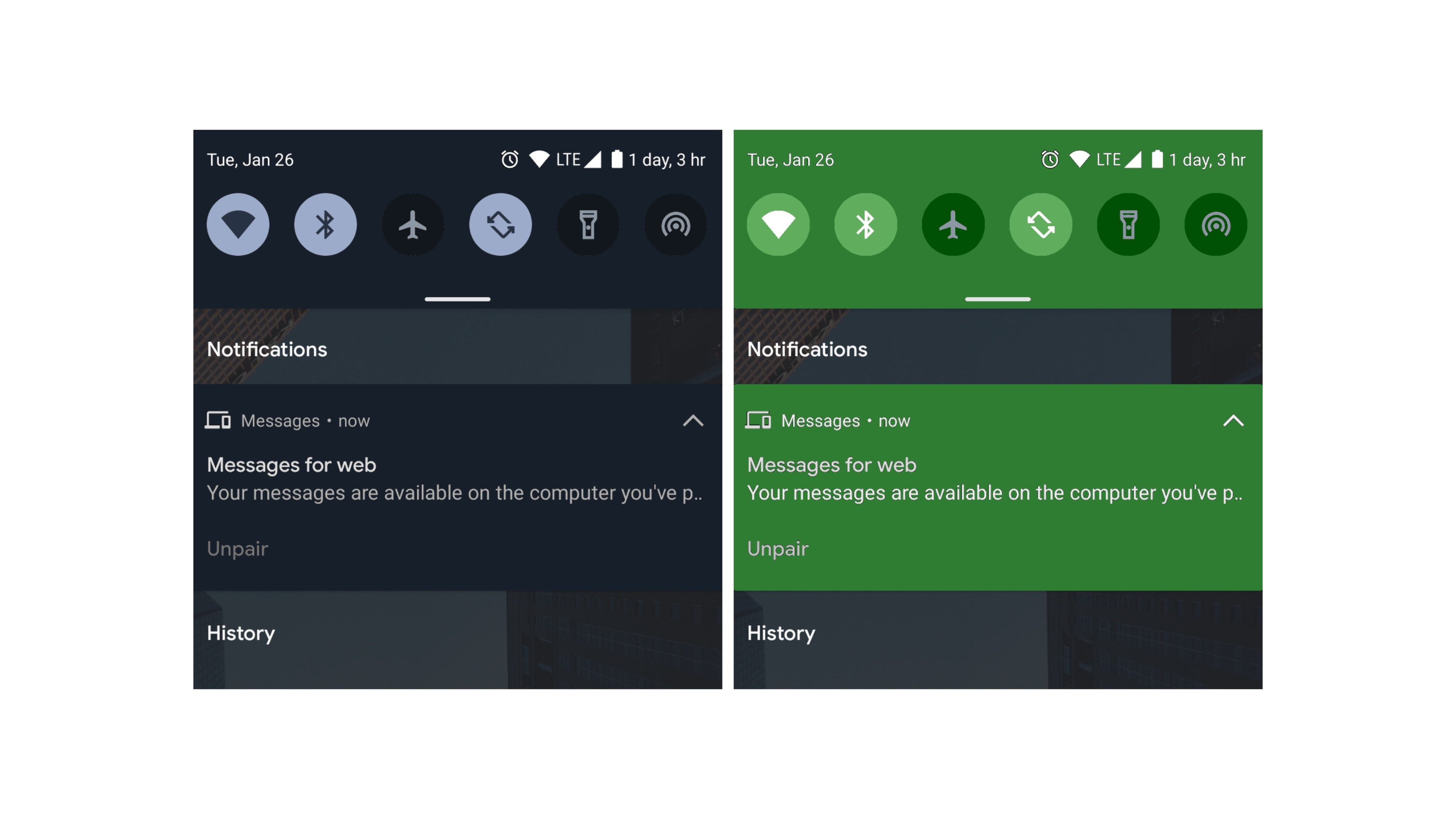
Android 12 Native System-level Theme Engine Mockup by 9to5Google
Google introduced native dark mode with the release of Android 10. This system-level feature enables apps to detect light and dark modes in order to change their appearance. According to 9to5Google, Google is taking this function to the next level.
As per the report, Android 12 may come with native theming functionality. When we talk about theming on Android, Substratum Engine comes into mind. However, the system-level theme engine on Android 12 will be different and better than it.
For starters, just like native dark mode, the theme function will also have its own API. Hence, supported third-party applications can detect the system theme and change their appearance accordingly. Hence, the apps will match the system theme, which could further match the phone’s color.
Talking about themes themselves, Android 12 will allow users to set ‘primary’ and ‘accent’ colors. These changes will appear in quick settings as well as in the background of notifications. OnePlus smartphones already have a similar option in OxygenOS but they lack the above-mentioned API since it’s not native.
Anyway, Android 12 is still in development and the final release will only happen in the second half of 2021. Hence, this functionality could be removed at the last moment.
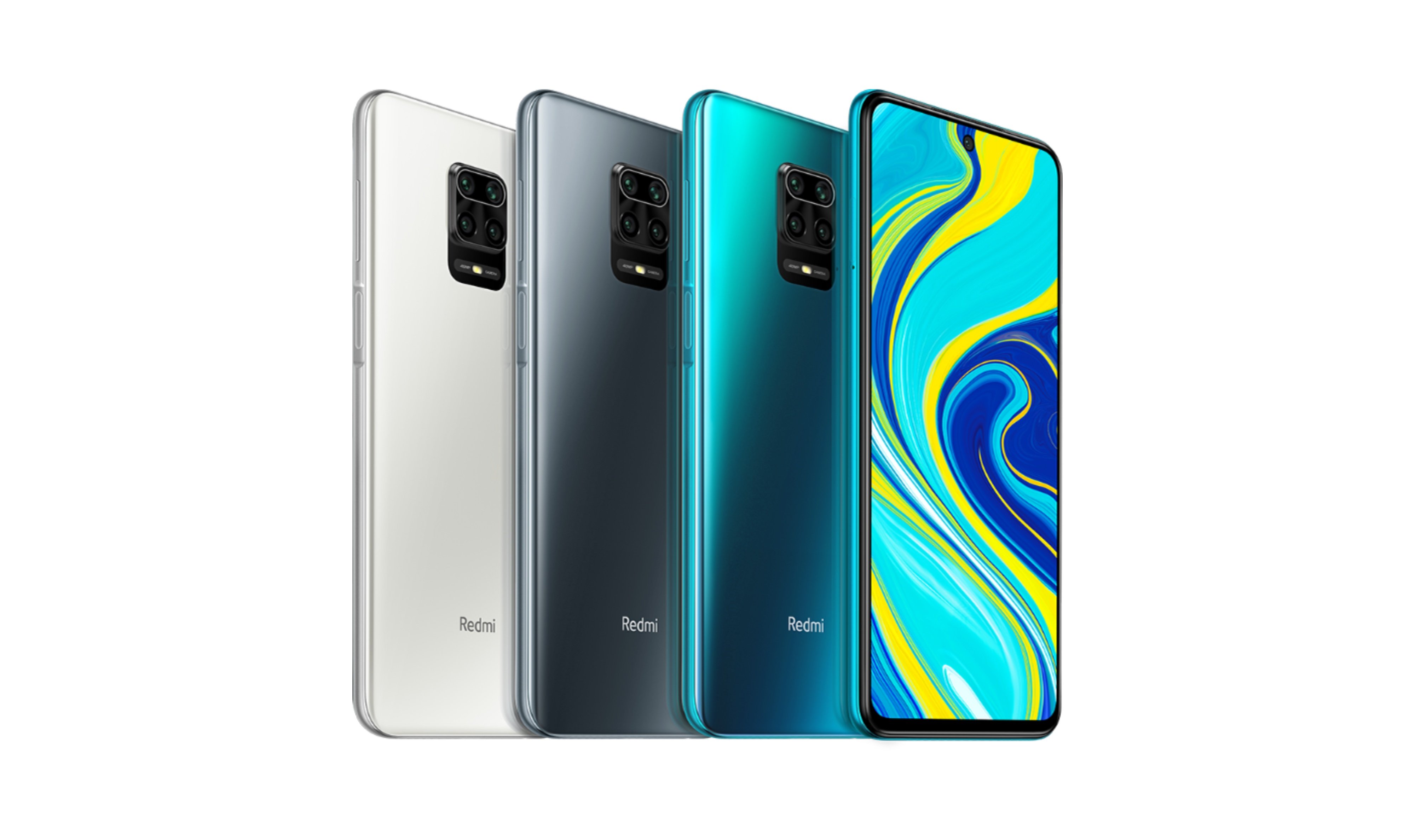
Xiaomi has finally started rolling out the Android 11 update for the Global Redmi Note 9S. Now, to clear your mind, this Note 9S is retailing in India as the Redmi Note 9 Pro which got the update back in November 2020.
The new update with build number V12.0.1.0.RJWMIXM is rolling out to certain Redmi Note 9S users. This is because the update is currently in the ‘Stable Beta’ stage. Xiaomi usually tests the waters before confirming that the build doesn’t have any critical bugs.
That said, this update, weighing around 2.5GB, will soon roll out to all the Global users in the coming days. Talking about the changelog, it upgrades the Android to the latest version. Additionally, it also changes the security patch to January 2021. To recall, this device has already got the MIUI 12 update.
However, unlike the MIUI version, which came a few weeks after Note 9 Pro, the update for the latest Android is coming three months later. Anyway, the update is here, and this could be the last Major Android upgrade for the Note 9S.
The Redmi Note 9S, which debuted with MIUI 11 and Android 10, has now got the one major Android update so don’t expect any further. However, this device could get the intermediate MIUI 12.5 update but let’s wait for the confirmation.
Meanwhile, Xiaomi is getting ready to launch the MIUI 12.5 Globally on February 8. The launch event will also see the Mi 11 flagship debut globally and as per a tip given to us, a Mi 11 ‘Lite’ is also said to launch alongside the event.
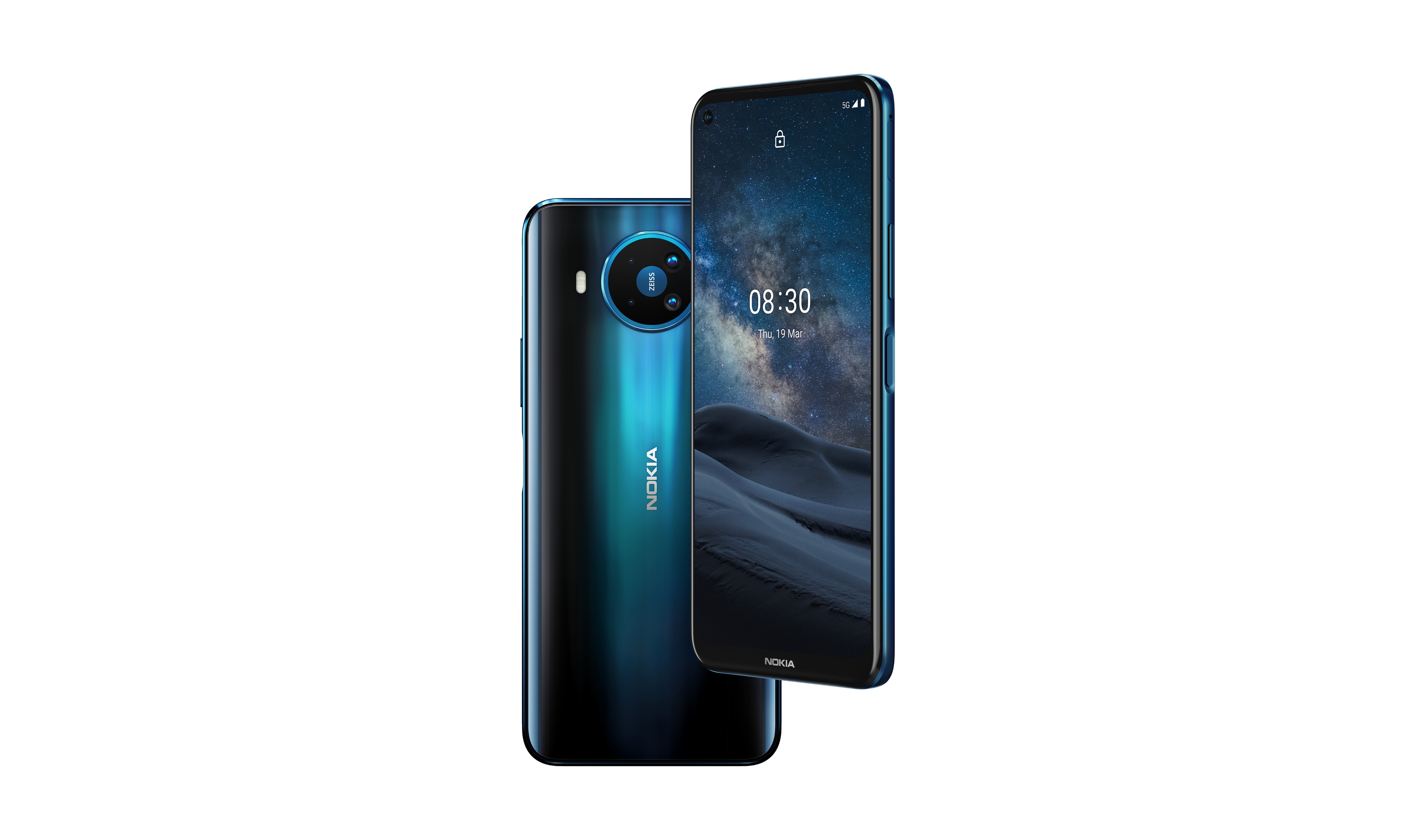
HMD Global Oy, the company which got the license to sell Nokia-branded devices, ventured into 5G with Nokia 8.3 back in 2020. The brand later announced a few other versions including the Nokia 8 V 5G UW and 8.3 5G for Verizon in the US. Right after the Qualcomm Snapdragon 690 announcement, it also teased an affordable 5G phone. The Company is expected to launch up to four devices in 2021. Now, it has revealed to Financial Express that it is planning to bring the 5G devices to India.
In an interview with the Financial Express, HMD Global vice president Sanmeet Kochhar says, India is an important market for Sourcing and Sales. The company is thus looking to launch affordable 5G devices in the country. To promote local manufacturing, Indian Govt has announced up to 2.5% custom duty on some parts of mobiles on its Union Budget 2021.
Additionally, the custom duty on PCB for chargers and other parts gets 15% and 2.5% duty respectively. While this happened today(Feb. 1), Sanmeet said that the company was seeking more clarification regarding the custom duties for components. Either way, HMD Global, although studying options to see India as an Export Hub, is in no plans to set up a factory on its own. Recently, Lava started making phones for the company.
And as Sanmeet says, 100% of Nokia devices selling in the country are made in India. And after getting about $230 million from partners like Google, Qualcomm, Nokia Technologies, this is only going to get better. Apart from this, Dixon Technologies, a large Consumer Electronics company also announced a tie-up with HMD Global. And for offline, Nokia seems to have 700+ distribution channel partners.
Sanmeet also iterates that Nokia devices are unique from other brands in terms of software. And it is no mood to change that. He adds that the company is looking to launch customized products for India but will continue to have the better and future-proof software.
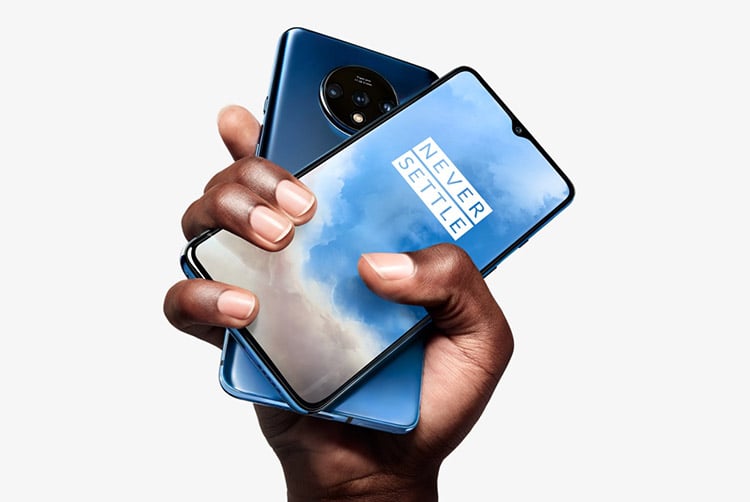
A few days back, OnePlus finally released the first-ever OxygenOS 11 Open Beta build for the OnePlus 7 and the OnePlus 7T series. Now, the company has started seeding out the last-ever stable OxygenOS 10 (Android 10) update for these smartphones. The new update brings updated security patches and GMS package.
The latest stable update for the OnePus 7/7 Pro and OnePlus 7T/7T Pro come with the following build numbers.
OnePlus 7/7 Pro
India (IN) & Global (GLO)
OxygenOS 10.3.8
Europe (EU)
OxygenOS 10.0.11
OnePlus 7T
Europe (EU) & Global (GLO)
OxygenOS 10.0.16
India (IN)
OxygenOS 10.3.8
OnePlus 7T Pro
Europe (EU) & Global (GLO)
OxygenOS 10.0.14
India (IN)
OxygenOS 10.3.8
As mentioned in the beginning, this update is the final stable OxygenOS 10 (Android 10) build for these four phones, as per OnePlus. The update bumps up the security patch level to January 2021 from November 2020. It also brings September 2020 GMS (Google Mobile Services) package.
The above-mentioned two changes are common for OnePlus 7, OnePlus 7 Pro, OnePlus 7T, and OnePlus 7T Pro. Hence, the changelog is identical.
OnePlus 7 & 7T Series Final OxygenOS 10 Stable Update Official Changelog
System
Updated Android Security Patch to 2021.01
Updated GMS package to 2020.09
With that being said, this update is currently rolled out in batches for all four devices in different regions like any other OTA update. Hence, it may take time to reach every unit. As far as the Android 11-based OxygenOS 11 update is concerned, we can expect it to roll out next month at the earliest
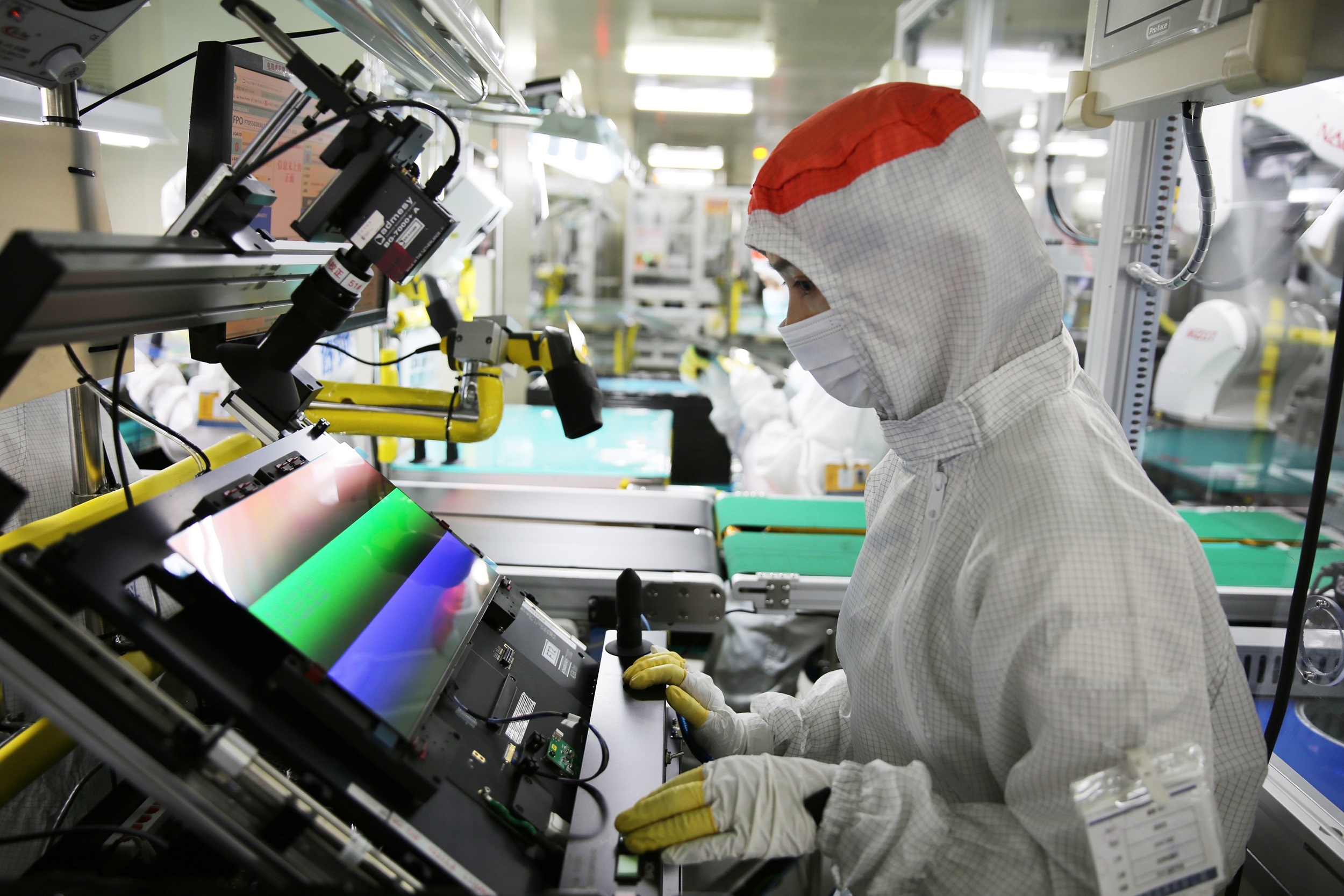
Samsung Display is planning on setting up a new production line. This new factory line will be responsible for the production of notebook or notebook OLED display panels, which will be at its A4 factory in Asan, South Korean
According to TheElecreport, the South Korean tech giant will be opening a new production line, which will have a capacity of 30,000 substrates per month. These will be responsible for the production of mid sized OLED display panels that are in the 18 to 20 inch ranges that are targeting the laptop market. At the moment, the plan has been internally dubbed as the N Project. The N stands for notebooks, while it was previously called the notebook liquid crystal display (LCD) lines N Project as well.
The company will begin placing orders in the summer of this year for the equipment that will be required at the new production line. These will then be placed in the new line within the year or early 2022. Since Samsung Display is already producing notebook OLED panels, it shouldn’t take the firm too long to ramp up production after the new line is set up and the equipment is installed.
The move also marks the company’s growth towards IT products to meet the growing demand, especially for laptops, due to the Coronavirus pandemic, which has raised the PC market overall over remote working and online education. Just last month, the company even announced that it planned to launch over ten new kinds of notebook OLED panels within this year as it expects sales to grow by five folds in 2020.
Panasonic will be ending the production of its solar cells and panels, as per a new report. The company was the former leader in the market but is now withdrawing due to intense competition from Chinese rivals.
According to a NikkeiAsiareport, the Japanese tech giant is planning to step away from the solar cells and panel market due to Chinese rivals. These competitors can produce these parts at a lower cost and have thus caused intense competition, even in its home market. The report states that Panasonic will be quitting the manufacturing of solar cells and panels as early as March 2022 from its factories in Malaysia and Japan’s Shimane Prefecture.
The move would mark the complete exit of the solar manufacturing business from the company, which also ended a partnership with the US based Tesla for the production of solar cells back in 2020. Furthermore, Panasonic will be procuring solar panels from other manufacturers to stay in the power industry, like undertaking businesses that would have it install generation systems for residential purposes.
Due to Chinese manufacturers of solar panels, the price has fallen to about a third of that during 2012. In other words, Chinese suppliers and manufacturers have essentially forced out Japanese manufacturing out of production, with Panasonic’s solar business being in the red in recent times. This also made worse by the fact that domestic demand is also stagnating, causing its market share to decline even further.
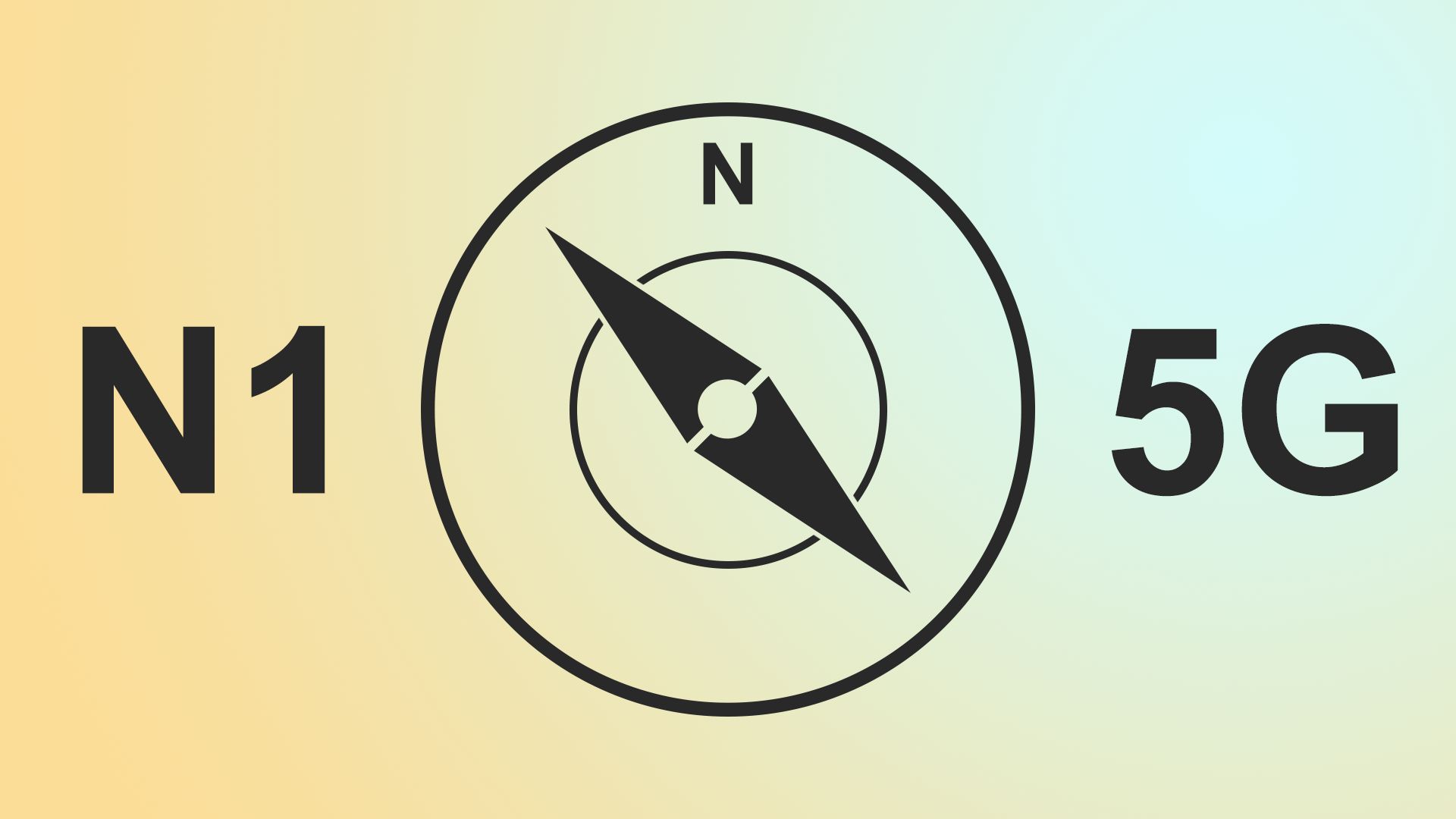
It’s a no-brainer that OnePlus launches flagship devices every year and this year’s models are said to come under the “OnePlus 9” moniker. However, the brand also ventured into the budget segment with the launch of OnePlus Nord devices(Nord 5G, N10 5G, N100 4G) in 2020. Now, we are getting information about their successors in 2021. Renowned Tipster Max Jambor has revealed that OnePlus Nord N1 5G will succeed the Nord N10 5G.
Max has revealed via a Voice Post that OnePlus will indeed launch the successors of the Nord lineup in 2021. For the unware, the Original Nord debuted in Europe, India while OnePlus brought a Nord N10 5G and N100 4G devices to Europe, North America, and some parts of Asia like Singapore. Hence, going by the name N1 5G, we can expect the device to launch in same regions(EU, NA, Singapore) but there isn’t enough info yet.
To affirm the succession further, Max has also replied to a user that the OnePlus Nord, which is a separate line for some markets will get a successor of its own. The N10, N100 opened a new sub-category under the “Nord branding” where it had few compromises in specs to get that low price tag.
Anyway, that’s all the info that we have regarding the Nord N1 5G at this moment but we can expect more in the near future. Regarding the launch, as Max says, we will have to wait for some time (at least a couple of months) considering the N10 debuted just three months ago.
Meanwhile, the OnePlus 9 flagship is slated to debut on mid-March according to reports. This time, OnePlus is bringing a ‘Lite’ version to further split the series across different price points.
The global shipments of laptop notebooks, excluding the detachable models, have risen over 10 percent sequentially for the fourth quarter of last year. This marked shipments reaching a record high of 60 million units.
According to a DigiTimesreport, the primary reason that drove the rise in notebook shipments was thanks to the growing demand for laptops for remote working and online education becoming more common due to the Coronavirus pandemic. Furthermore, the year end holiday season backed by promotional campaigns and government subsidies further helped in growing the shipment numbers during the final quarter of 2020.
Notably, laptop shipments for the entire year also crossed over 25 percent year on year, which marked a 9 year high of 201 units as per the report. At the moment, laptop makers are trying to raise their inventories from ODMs to support the growing stay at home economy for the coming months. Additionally, the global laptop shipments are also expected to fall by less than 10 percent in the first quarter of this year, which is still an improvement of 15 to 25 percent for the same quarter sequentially.
Currently, major brands in the market are only expected to see a slight decline during this quarter, which is also due to shortages in components. Although, OEMs would still work on raising their shipments of notebooks during this time, like HP, which is expected to raise shipments for its Chromebooks. However, this might not be universal for all notebook makers as Lenovo may not see a similar shipment momentum during the first quarter of 2021. This is unlike a few other companies that are looking forward to a rise in shipments to enterprise clits and for improved Chromebook performance in the market due to the resurgence of the pandemic in certain regions.
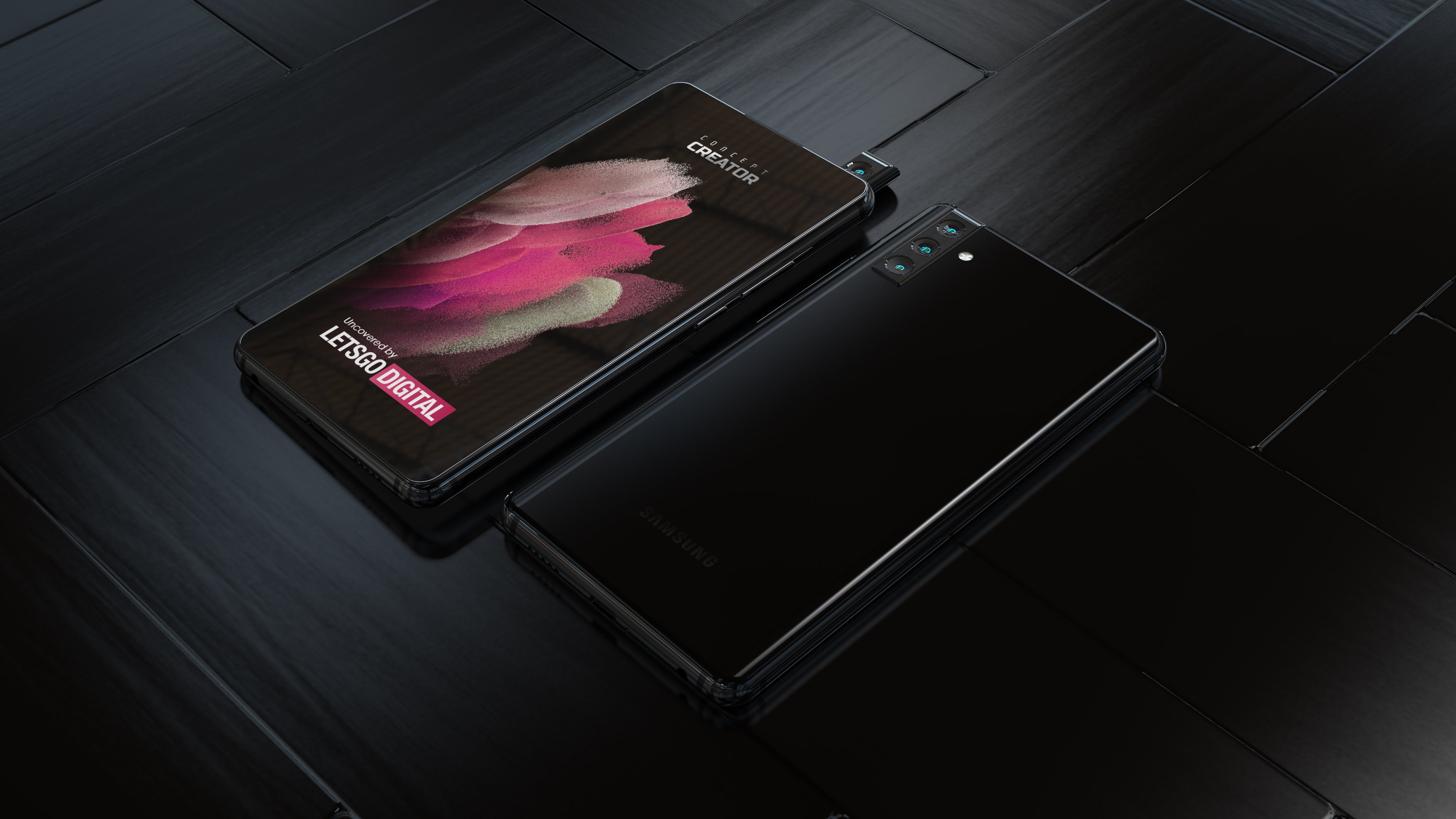
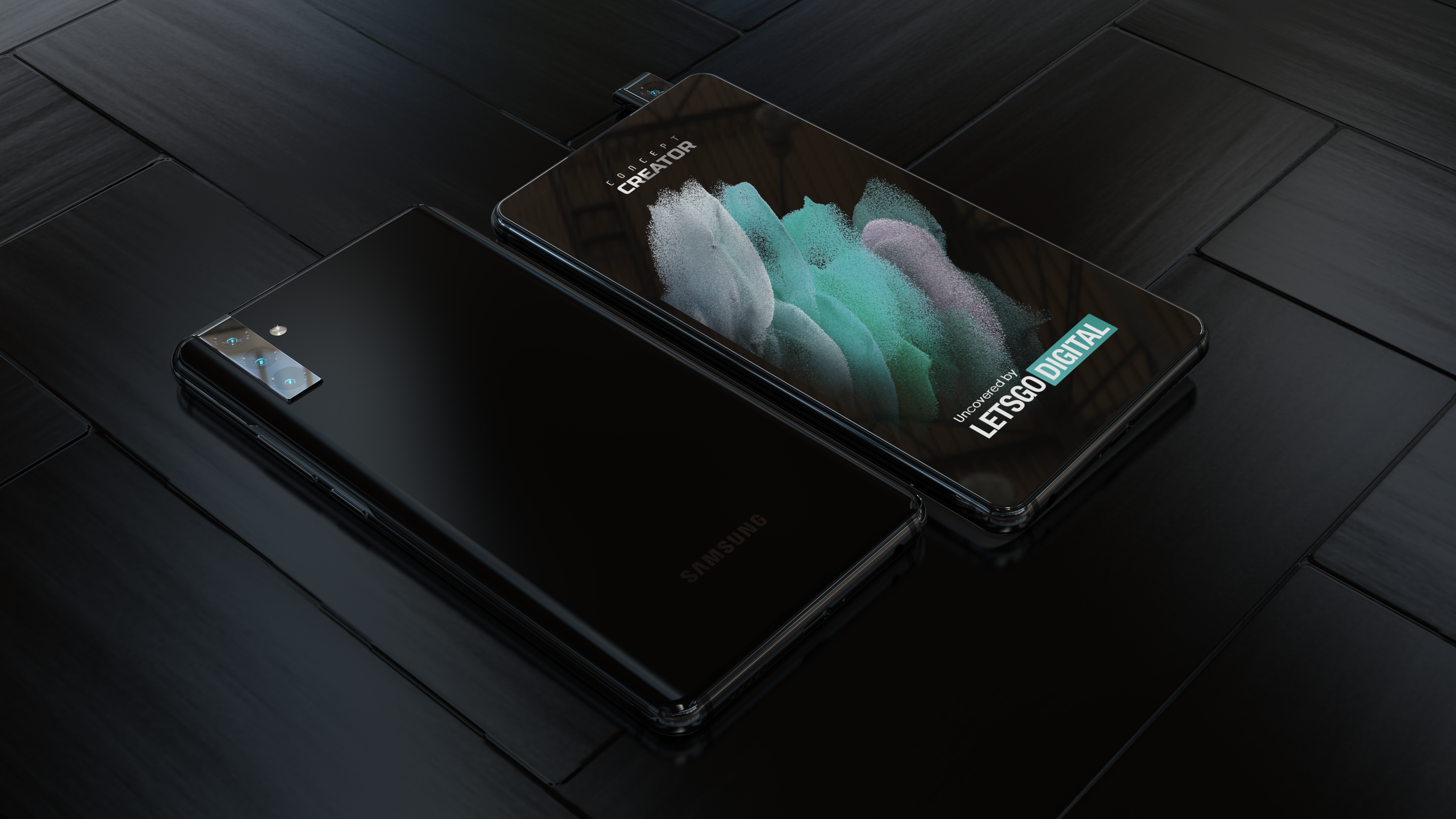
Before punch-hole displays became mainstream in the smartphone industry, we had phones with pop-up cameras, in addition to devices with various types of notches. However, Samsung did not release a single pop-up camera handset but did launch a rotating camera mobile called Galaxy A80. But now, the company has patented a unique pop-up camera module for smartphones.
1 of 2
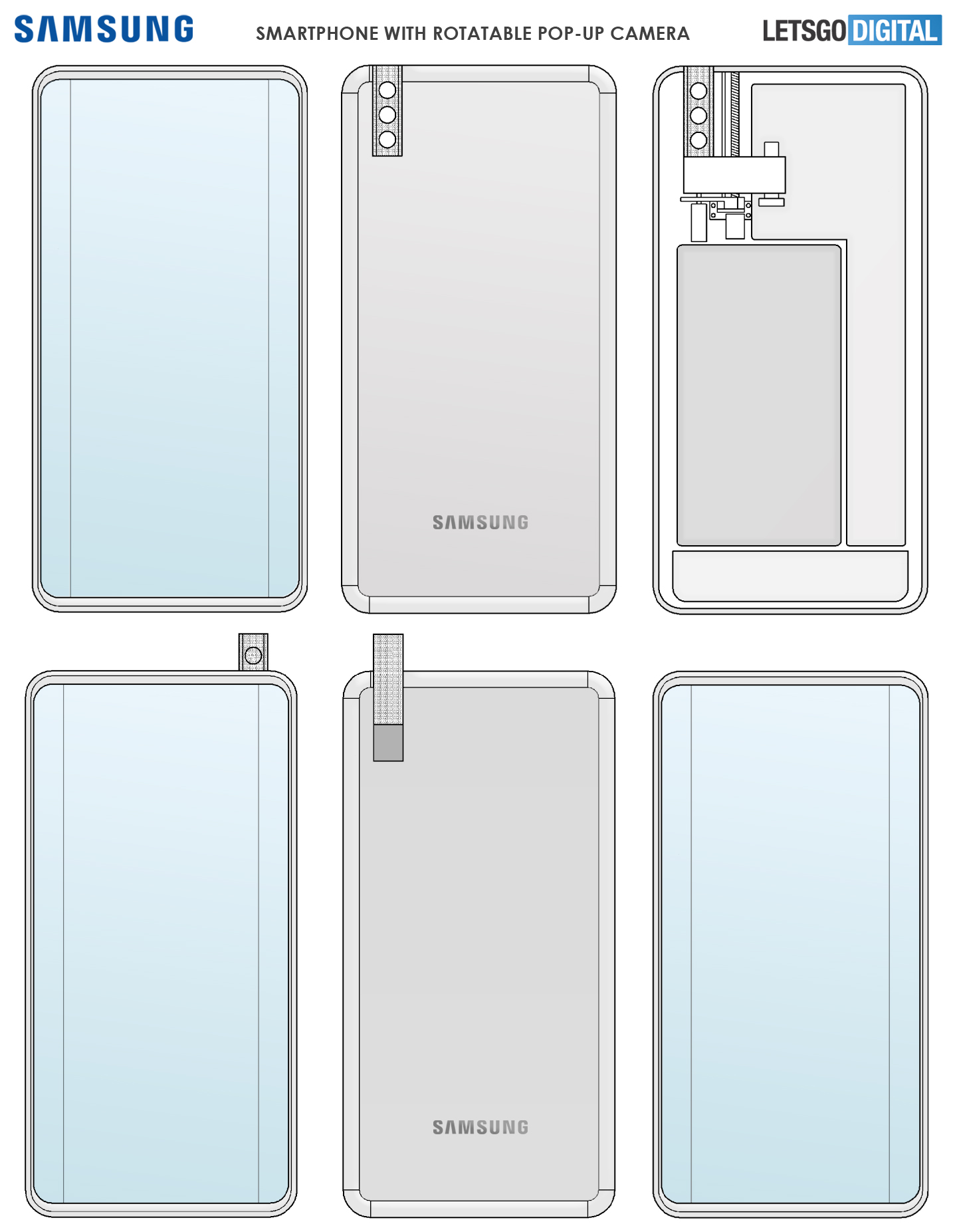
According to LetsGoDigital, Samsung Electronics filed a patent titled ‘Electronic device including camera module’ with the WIPO (World Intellectual Property Office) in mid-2020. This patent got approved and published on January 14.
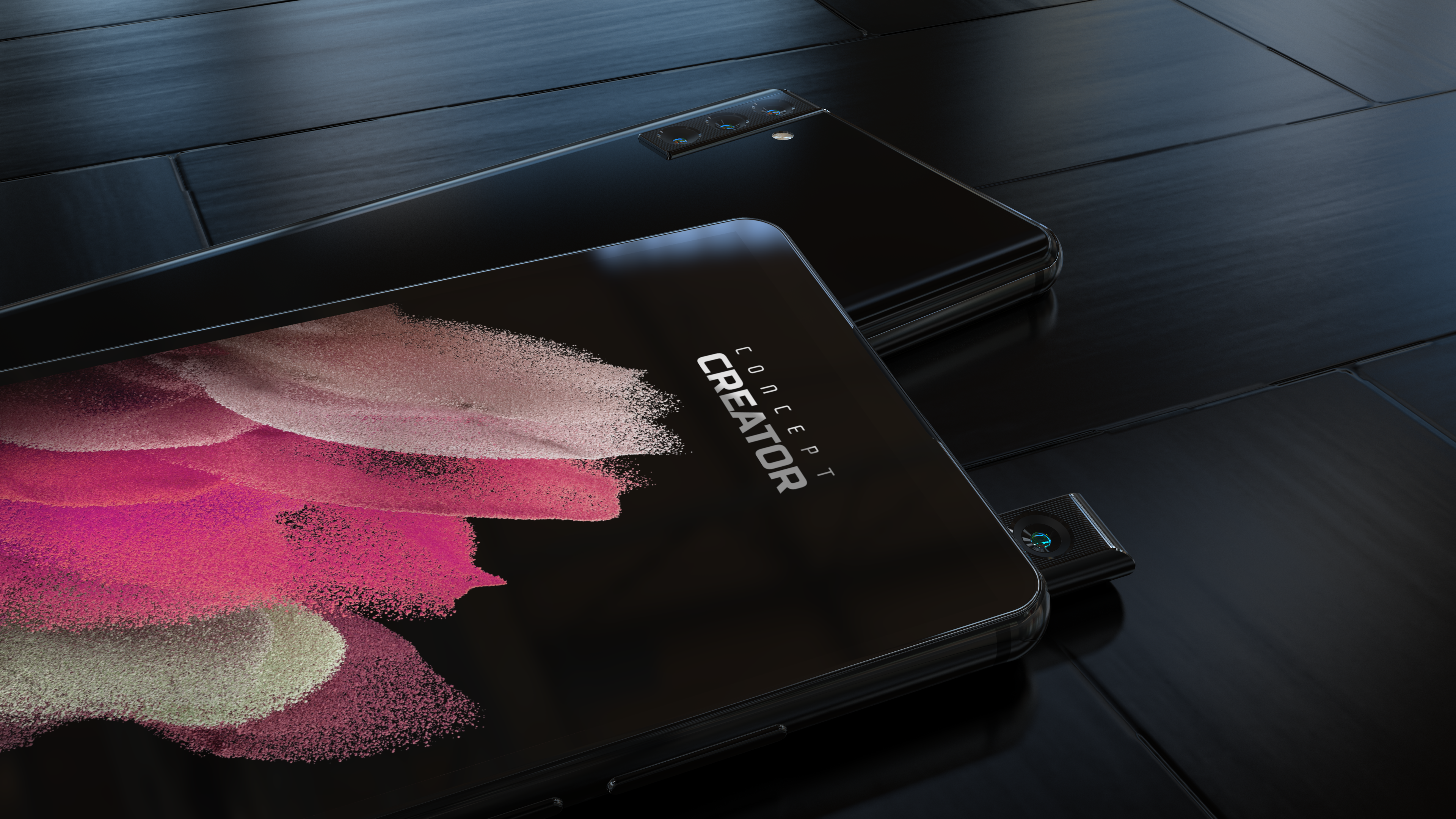
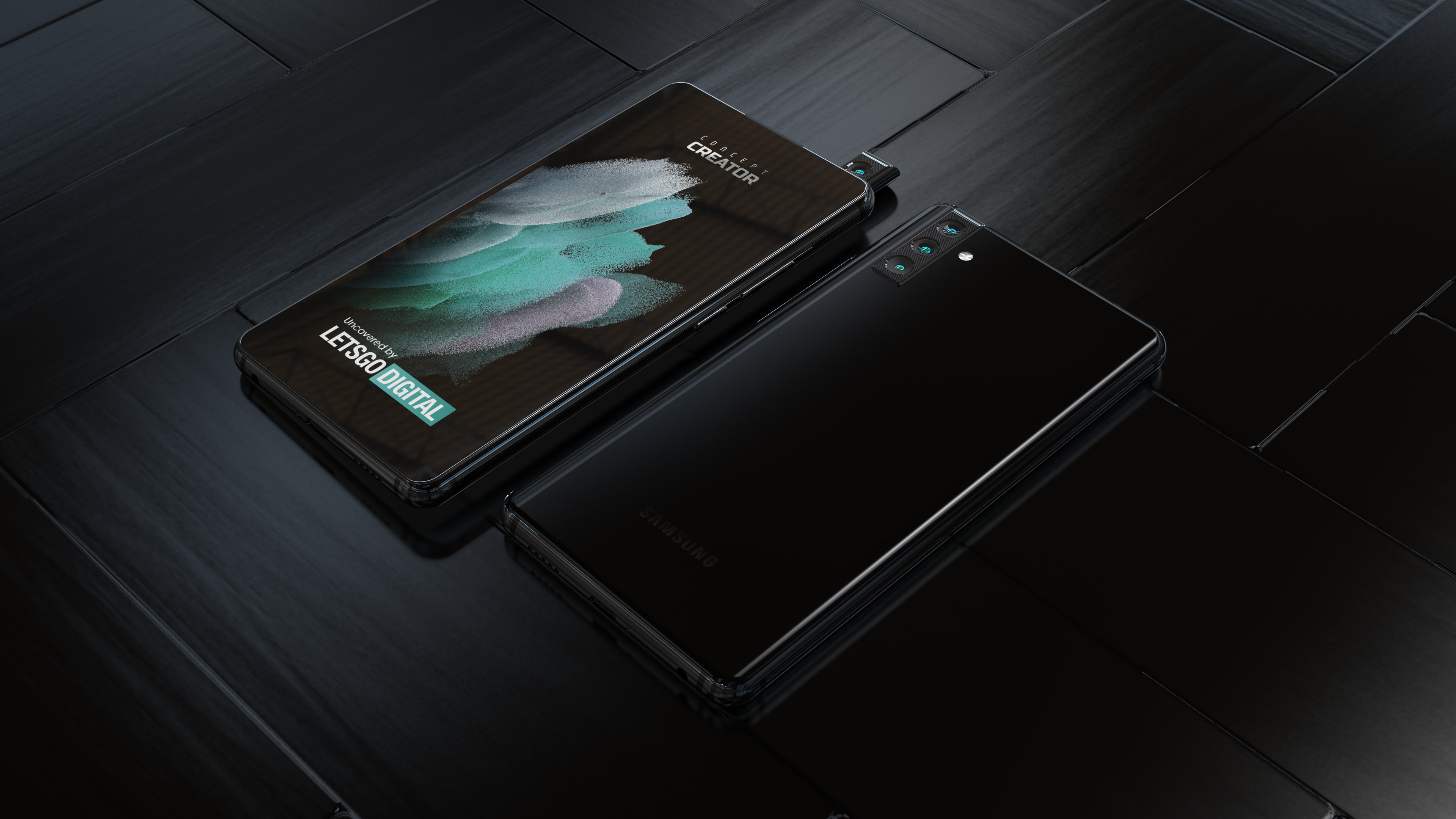
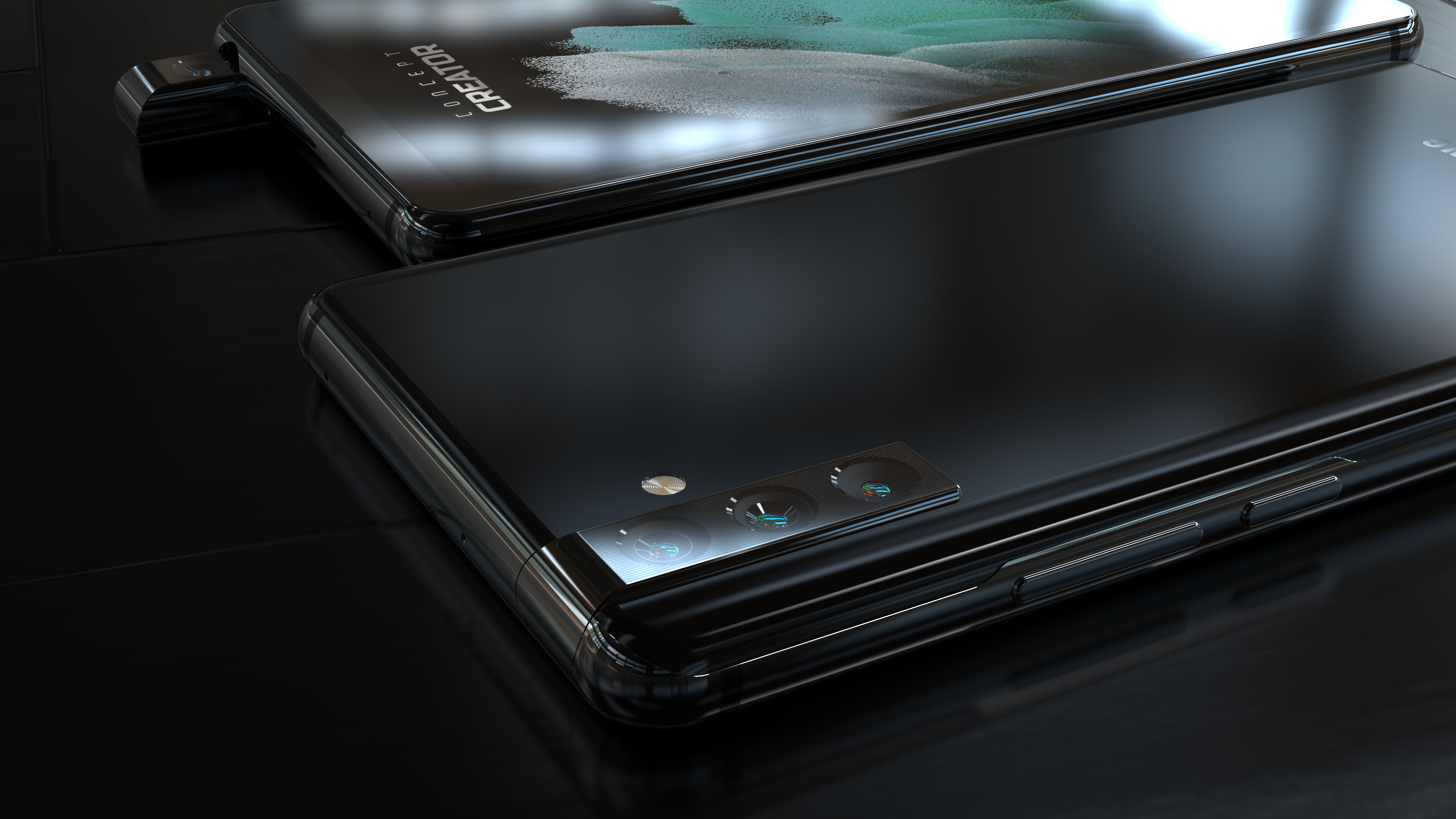
This design patent demonstrates a rotatable pop-up camera module. According to the documentation, the module may house at least three cameras. In the normal state, all these sensors will face backward.
But in the selfie mode and video calls, this cylindrical module will rotate to face the front and will slightly pop-up out of the phone’s body to expose a single sensor at the top. The documentation also mentions an option to disclose the second sensor as well by rising the module even further.
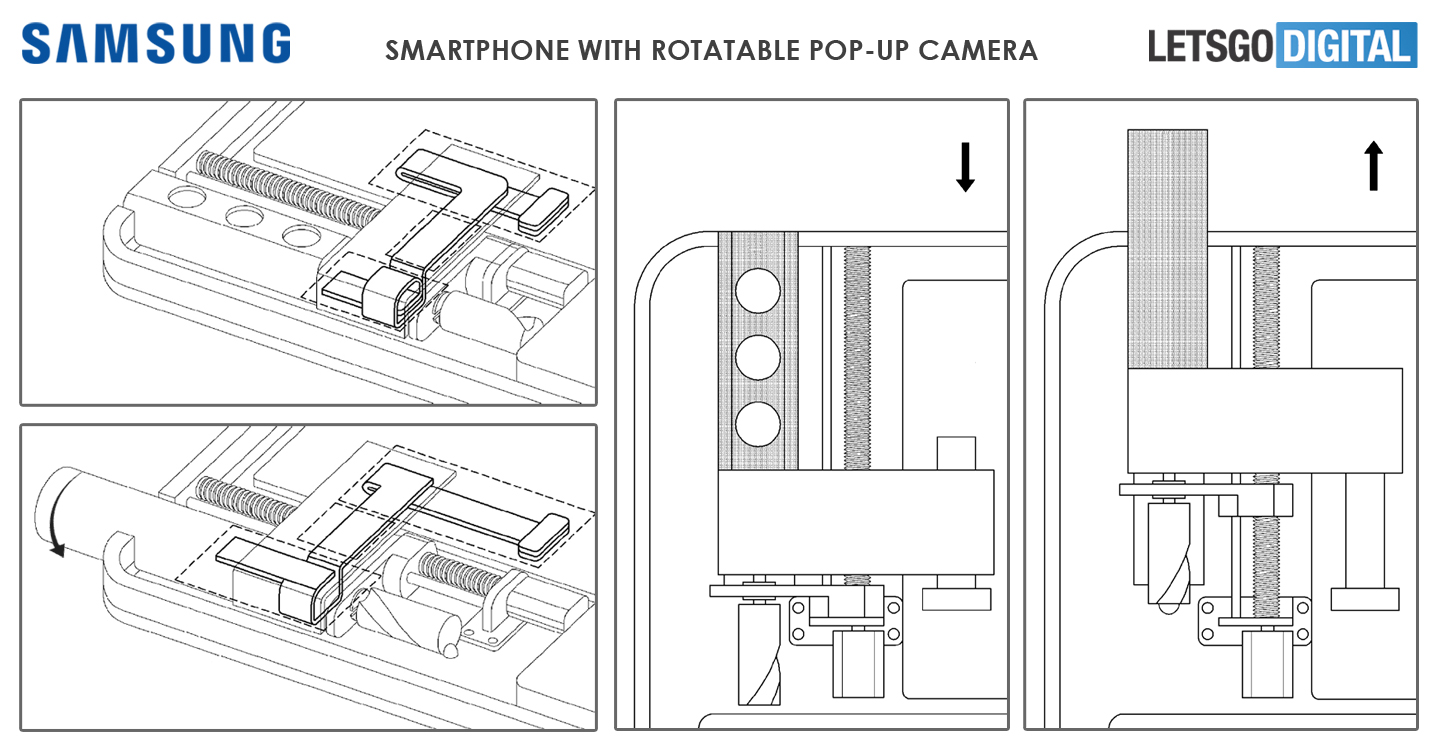
This system uses a motor, two gears, and a long propeller shaft. It also includes a movable frame that shifts to the void place when the camera module rises. This frame house a flexible printed circuit board.
1 of 5
Having said that, we don’t expect Samsung to release a commercial smartphone with this solution. Because it sounds more fragile than the regular pop-up camera system. That said, the above renders are created by Jermaine Smit (Concept Creator) for LetsGoDigital.
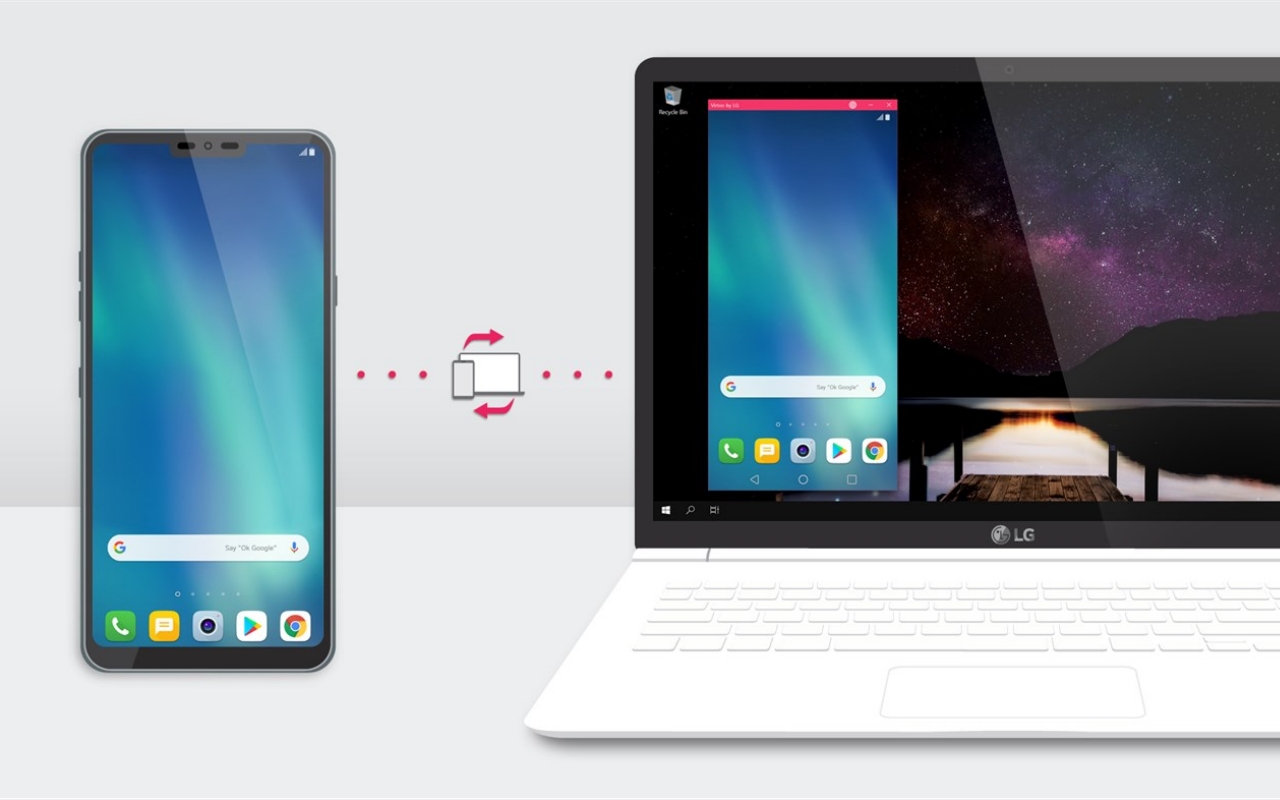
The Microsoft Your Phone app has become useful too for many Windows 10 users by allowing them to pair their Android devices with PCs. Unfortunately, the amount of compatible devices on the list is still limited so LG has rolled out its own Windows 10 app to pair your LG handset with your PC.
According to a Softpediareport, LG is launching the new Windows 10 app as its mobile phone isn’t on the compatible list for the Microsoft Your Phone app, which supports devices like Samsung flagship handset. In other words, the South Korean tech giant isn’t waiting for Microsoft to bring its devices in the compatibility list but and is launching its own service, which will allow users to sync their smartphone with Windows 10 that is already live in the Microsoft Store at the moment.
The new app is called Virtoo, which utilizes Bluetooth to pair your PC with your smartphone. This also enabled the PC to gain access to certain smartphone functionalities directly from the computer. As per official notes, “Virtoo by LG is a smartphone app for LG PC users. It allows a Bluetooth connection between a smartphone and a PC to enable users to use various smartphone functions on the PC. Use Virtoo by LG to enjoy a more comfortable computing environment.”
Keep in mind, however, that not every LG handset model will be supported and not all features will be available for everybody. Meaning, there will be some limitations despite the company launching its own dedicated app to sync Windows 10 devices. Although, the new app will allow users to send messages from their PCs, access to the media stored on the phone, make calls, and even all contacts and allow screen mirroring as well.
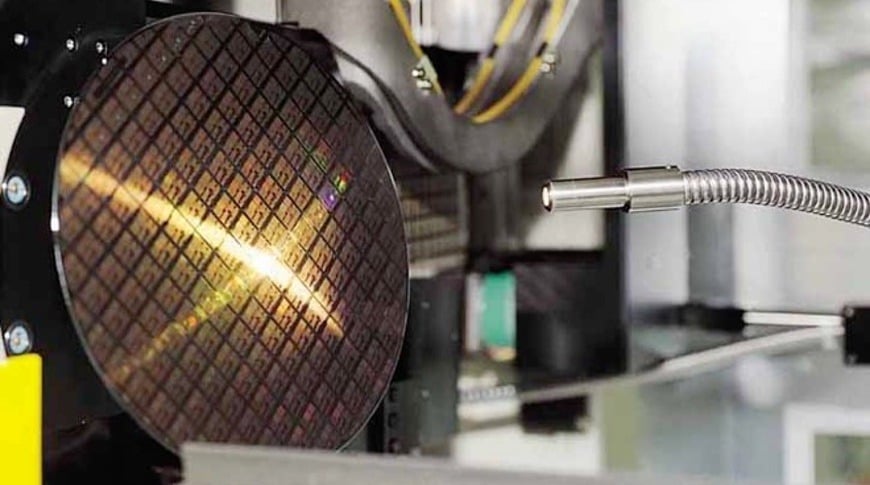
The semiconductor sales rose by 6.5 percent overall across the globe last year. The main recovery of the chip sales arrived after the final quarter saw a strong performance that offset the initial sharp decline of the industry owing to the Coronavirus pandemic.
According to a Reutersreport, the global chip sales in 2020 reached 439 billion US Dollars, out of which, 208 billion US Dollars or about 47 percent of all sales were from US chipmakers. Notably, chip sales in the US alone accounted for 94.15 billion US Dollars, which is up by 19.8 percent year on year over 2019, as per information from Semiconductor Industry Association (SIA).
As per Falan Yinug, director of industry statistics and economic policy at SIA, the primary reason for the chip sales rise in the US was driven by the rising demand for high end memory chipsets that are used in applications like data centers. This was further backed by major American tech giants like Microsoft, Amazon, and Google seeing a surging rise in demand in the use of cloud computing during last year as business shifted towards the digital realm for online education to even remote working.
Despite American firms accounting for nearly half of all semiconductor sales during this time, the companies only represented about 12 percent of the chip manufacturing capacity in 2020. This marks a decline from 37 percent in 1990, after most US based companies now outsource their chips to factories established in Asia. John Neuffer, president and chief executive of the industry group also added that “Over the next 10 years, semiconductor manufacturing is going to grow 56 percent. We want to make sure we’re getting a bigger piece of the manufacturing pie.”
We use cookies on our website to give you the most relevant experience by remembering your preferences and repeat visits. By clicking “Accept”, you consent to the use of ALL the cookies.
This website uses cookies to improve your experience while you navigate through the website. Out of these, the cookies that are categorized as necessary are stored on your browser as they are essential for the working of basic functionalities of the website. We also use third-party cookies that help us analyze and understand how you use this website. These cookies will be stored in your browser only with your consent. You also have the option to opt-out of these cookies. But opting out of some of these cookies may affect your browsing experience.
Necessary cookies are absolutely essential for the website to function properly. This category only includes cookies that ensures basic functionalities and security features of the website. These cookies do not store any personal information.
Any cookies that may not be particularly necessary for the website to function and is used specifically to collect user personal data via analytics, ads, other embedded contents are termed as non-necessary cookies. It is mandatory to procure user consent prior to running these cookies on your website.

-1024x576.jpg?x44794)